Three Good Days of Birding Photography – 1

We had relatively good weather (mostly morning fog and at least partly sunny afternoons) this past week (1/15-17) and I made the most of the weather and went on excursions all three days.  My main photographic areas were the Cap Sante Marina and March’s Point.

The first significant group of waterfowl I encountered was composed of Hooded mergansers.  In these photos the male has his crest lowered.  The focus on my lens is so critical at F4 that my depth of field is extremely short, but since these waterfowl were both very near to the same distance from the camera they are both in fairly good focus.  That’s a fairly rare occurrence in my photography and I feel fortunate in that I got the opportunity to have both birds in the photo and both in focus.

Merganser, Common  20140115-01

Male Hooded Merganser

Merganser, Hooded  20140115-04

Male and Female Hooded Mergansers

This next photo is of a male Common merganser… in breeding plumage.  It was a beautiful bird but a little farther away than I would have liked.

Merganser, Common  20140115-04

Finally, I encountered a single Black oystercatcher standing on a rock just off of March’s Point.  The birds are somewhat difficult to photograph due to the black color of their plumage.  You’ll see a photo of what is probably the same bird I photographed the next day while it was gathering a meal.  And yes, it has another leg… it’s just resting it!

Oystercatcher, Black  20140115-04


Skagit Count Excursion

The sun was shining on the morning of Jan 5, 2013, so I decided on another photographic excursion to some of my most productive birding areas.  I began with the west side of March’s Point and by the time I reached the east side of the road I hadn’t had a single opportunity for photographing any birds, which is rather unusual.  As I reached the point I spied a River otter in the water below me but it quickly disappeared behind me.  I decided to drive the shoreline again to try to find it but I suspect it crawled into the rocks somewhere below me.

On my second trip down the shoreline I was met by an accipiter which was working the shoreline and went sailing past me.  I turned around for it too but then noticed that it had attracted the attention of a gull and the two were having a confrontation far above me.

I continued to the far end of the east side of March’s Point Road and turned into the pulloff.  There I saw a single Killdeer out at the end of the peninsula near the bridge.  But as I watched I realized that there were others directly below me (a rather high tide) so I began photographing them.

Killdeer  20140105-06

Killdeer

While photographing the Killdeer I was surprised by a Greater yellowlegs that happened by, and when I looked up I realized that there were a total of four working the beach.  I very rarely see these birds in the county and was very appreciative to be able to obtain photos of them.

Yellowlegs, Greater  20140105-26

Greater Yellowlegs

At some point I realized that a very small bird, a Least sandpiper, was on a rock just below me so I was able to obtain photos of it as well.  (I’m sorely tempted to refer to this as a “Micro yellowlegs”… it’s a very small bird!)

DSC_8810

Least Sandpiper

At one point I saw an altercation between three gulls out in the water, and after watching for a couple of minutes one of the gulls flew past me with the prize… a crab!

gull with crab  20140105-05

Winner of Gull Altercation with Prize!

I continued my journey, photographing several Mourning doves on the ground (a rare opportunity here in Skagit County), a female Red-winged blackbird and finally a Lincoln’s sparrow, always a welcome find!

Mourning Doves

Mourning Doves

Female Red-Winged Blackbird

Female Red-Winged Blackbird

Lincoln's Sparrow

Lincoln’s Sparrow

Early January Outing

The morning of Jan 3 appeared promising for photography with more light than recent days.  I was in my office when something outside the window caught my attention.  At first I thought that it was a crow, but on closer examination I ascertained that it was an accipiter… probably a young Cooper’s hawk.  The birds had scattered but I raced downstairs for my camera and tried to sneak out the front door, but the accipiter saw me and flew out of the yard.
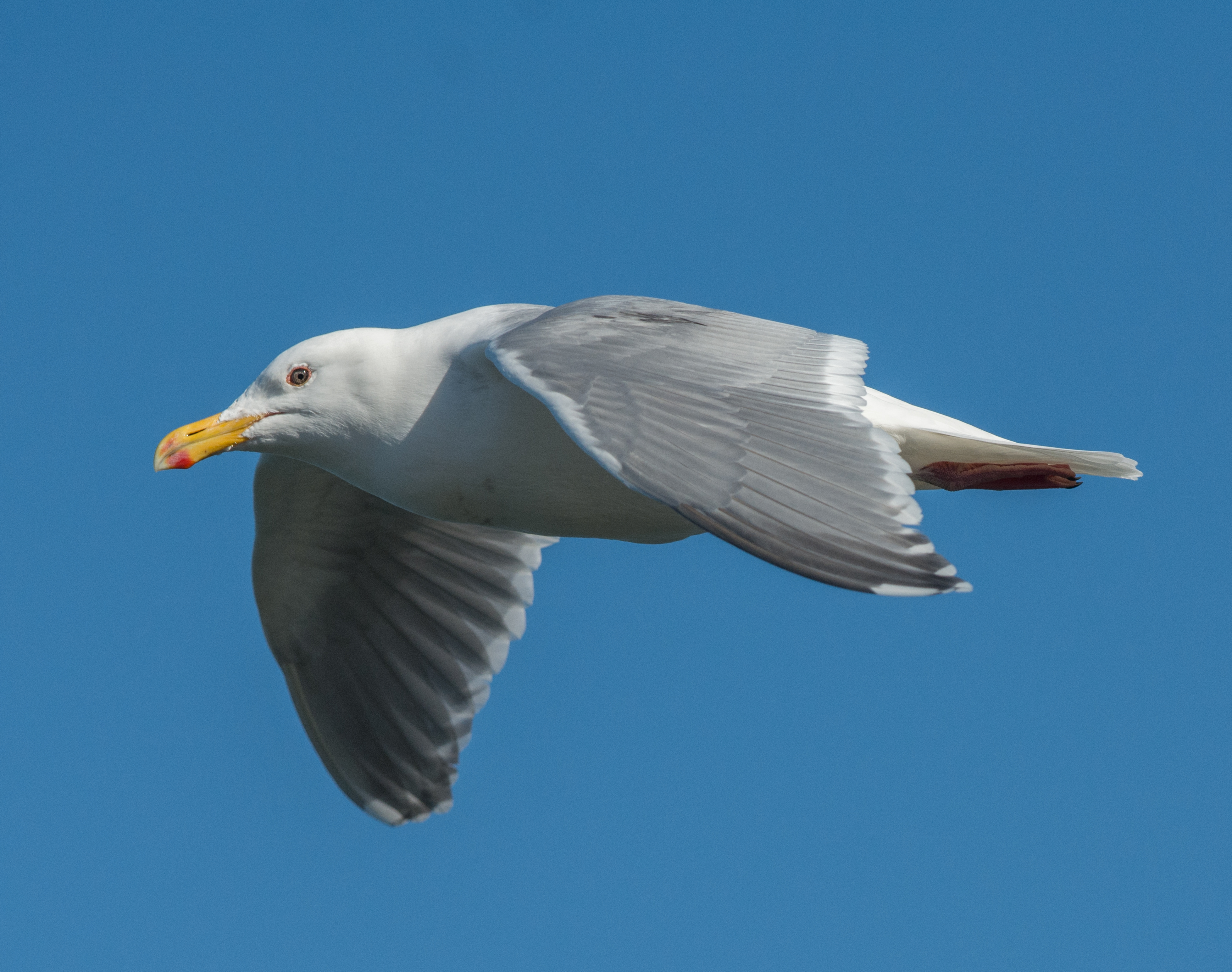
Accipiter!

Accipiter!

About ten minutes later, in the process of gathering the rest of my camera equipment, I glanced out the kitchen window at a some movement in the yard and realized that the accipiter was back.  It at first tried to land on top of a metal fencepost, but having difficulty with that feat it flew to the back of a lichen-covered bench in the yard.  It wouldn’t have been a totally natural setting, but it would have made a nice photo.  I again crept out the front door and the accipiter saw me and flew to the garden fence.  There I obtained a couple of photos… low light on my subject and backlit with the morning sun.  However, under the circumstances, it was the best I could do.
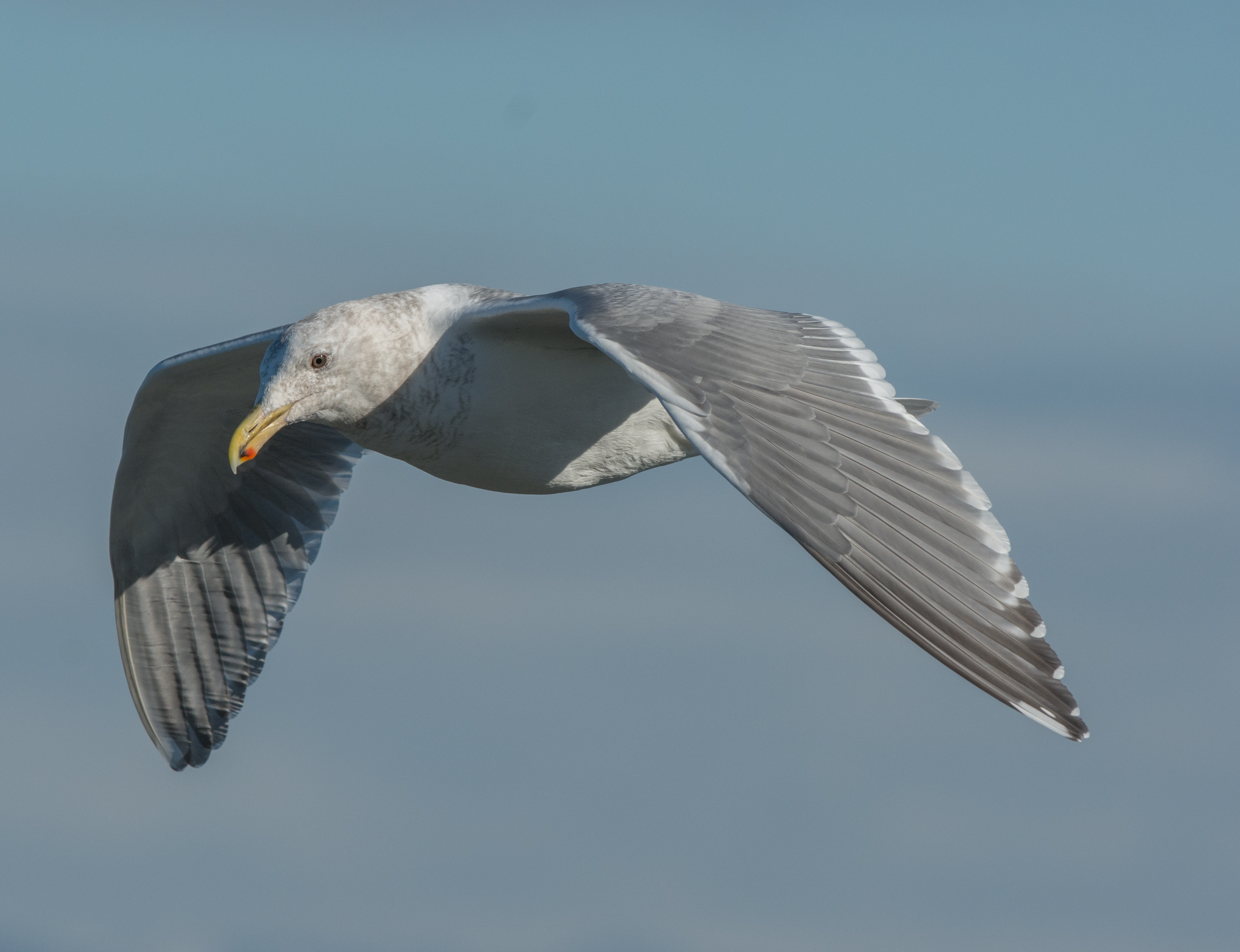
My trip first took me to March’s Point where I photographed this male Bufflehead taking off from the water.  Two males were having a disagreement and there was substantial interaction, but they slowly moved away from me making detailed photos less sharp.

Bufflehead  20140103-04

In the same genera area were several other waterfowl, including this beautiful male Common goldeneye.

Goldeneye, Common  20140103-02

Male Common Goldeneye

Before leaving March’s Point I managed to photograph one other common winter bird with an unusual appearance… a male Surf scoter.  I almost never get close enough to these birds to obtain decent photographs, and this photo is about the best I can do.

Scoter, Surf  20140103-03

Male Surf Scoter

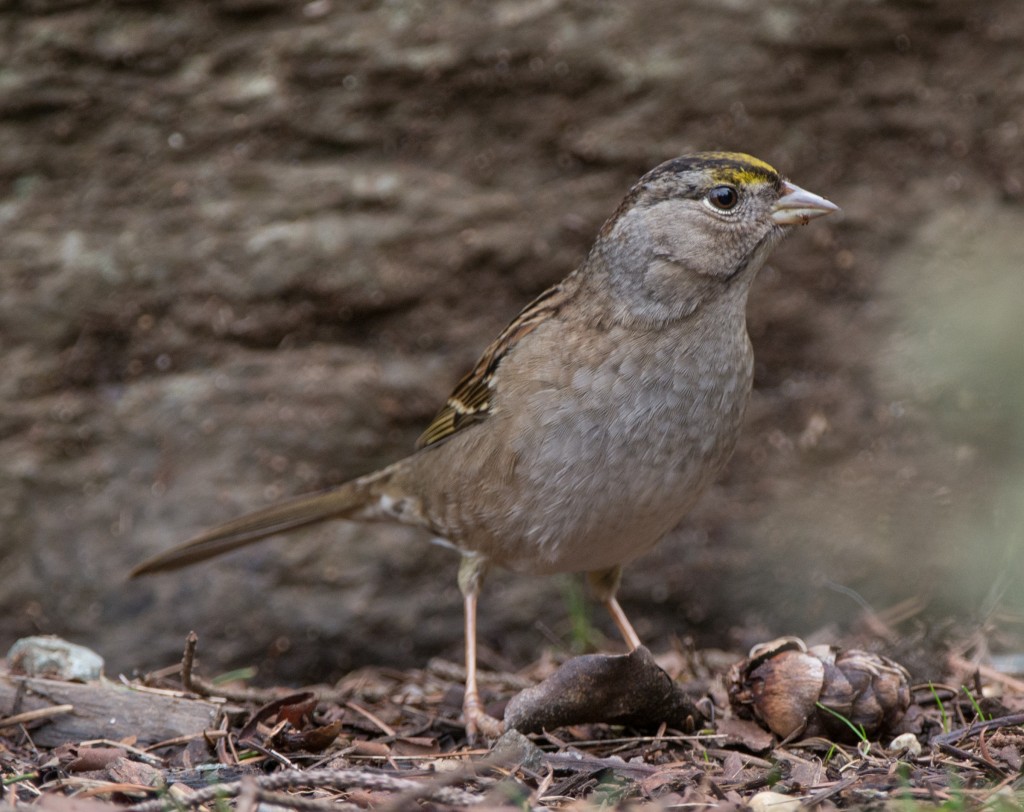
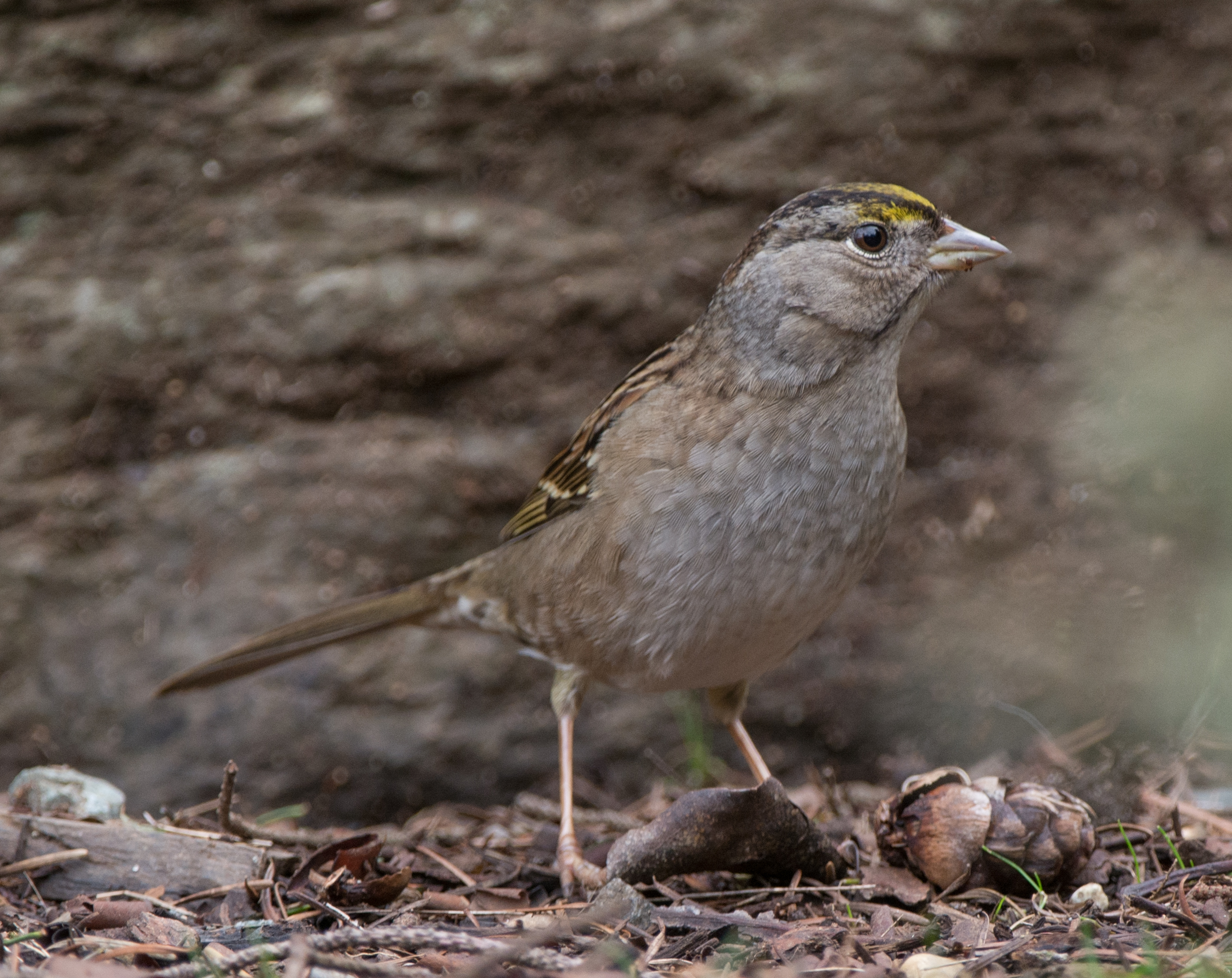
I finally left March’s Point and moved on to other birds.  First up was this Golden-crowned sparrow, a common winter resident in these parts.

Sparrow, Golden-crowned   20140103-03

Golden-Crowned Sparrow

Next I encountered this brightly-colored male House finch.  Note the red on the rump which is usually somewhat hidden by the bird’s wings.  The House finches have been in short supply in my yard for the past couple of months.

Male House Finch

Male House Finch

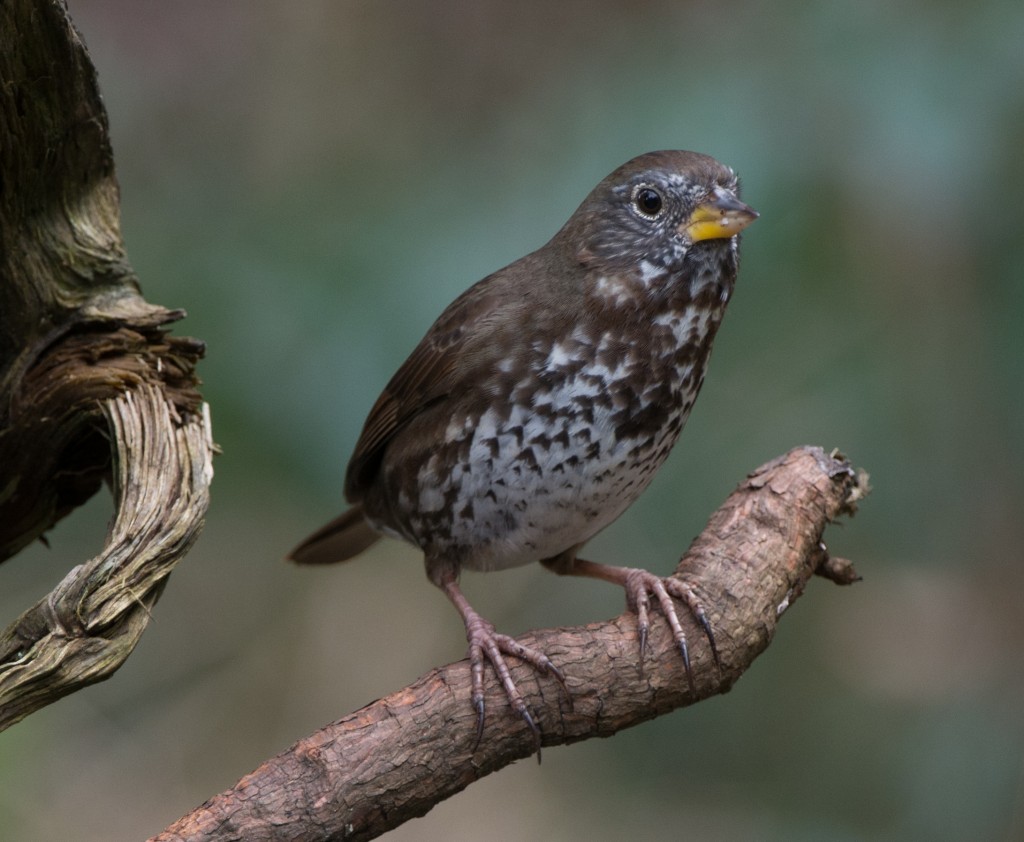
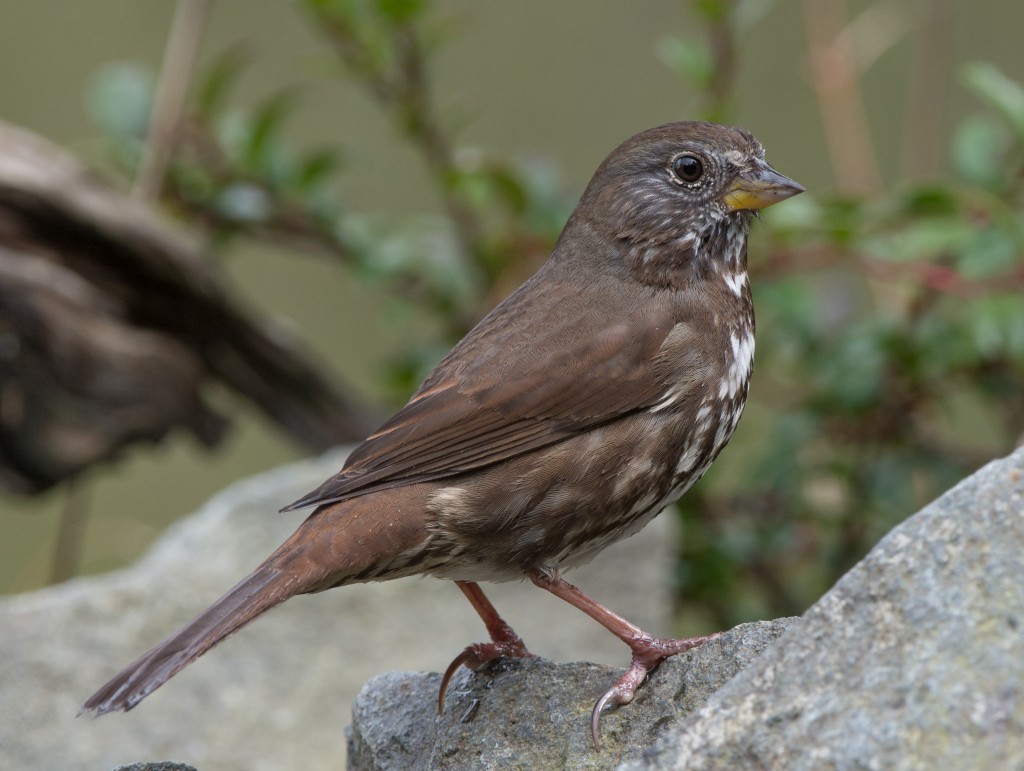
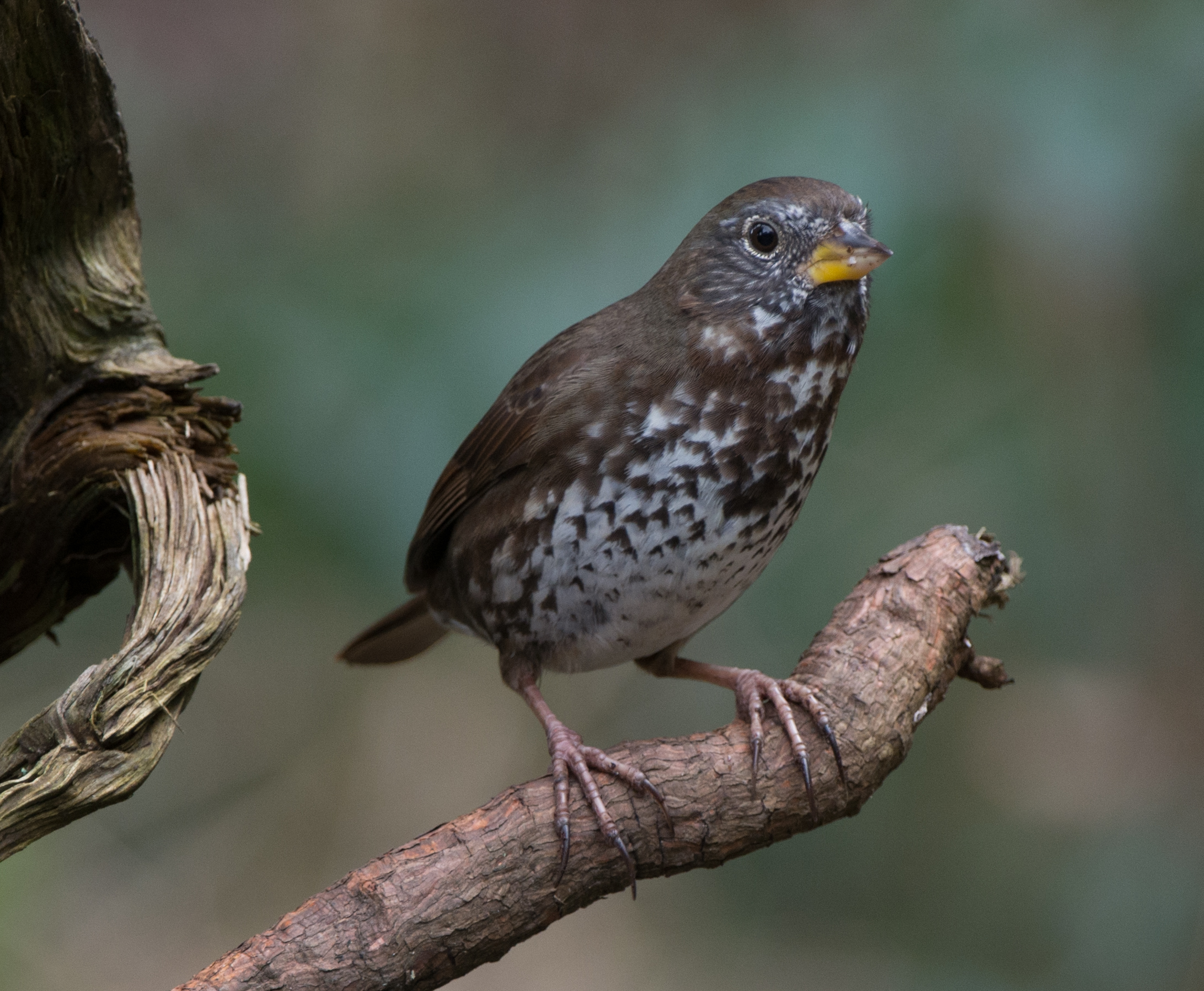
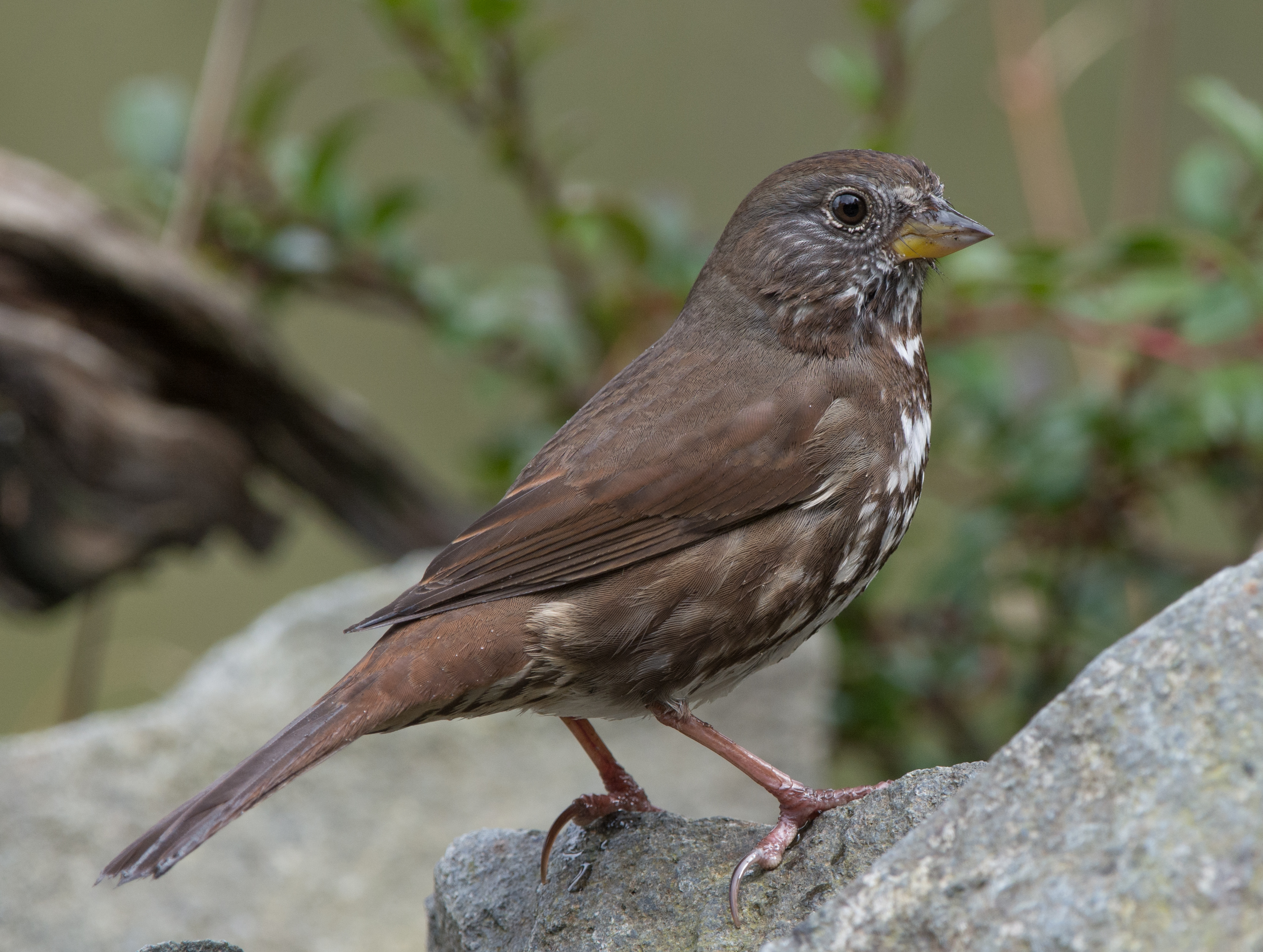
Finally, I photographed this fine Fox sparrow which I enticed out of some blackberry bushes.  This was probably my best photo of the day!

Sparrow, Fox  20140103-01


Skagit Waterfowl

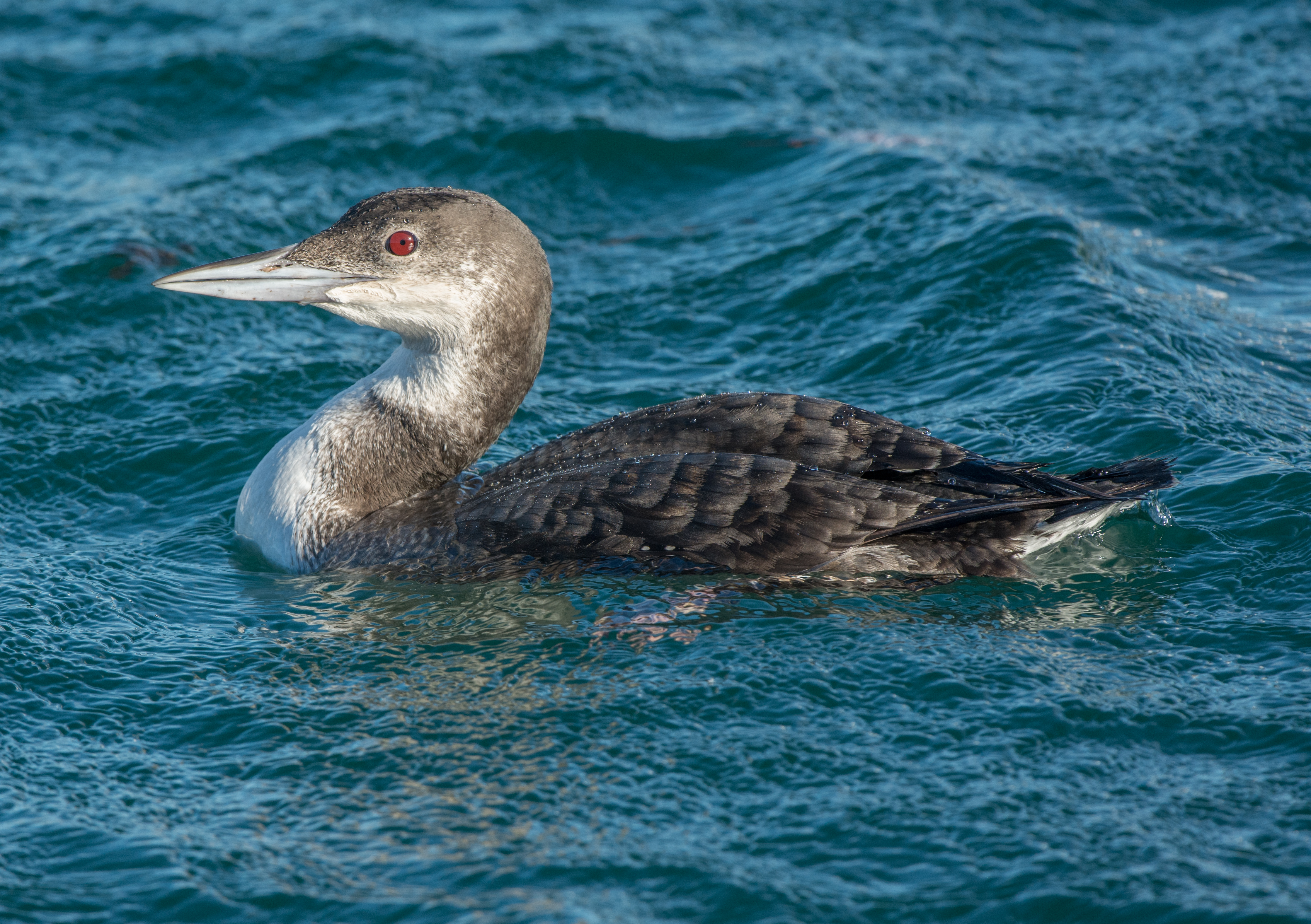
On 12/31/2013, facing seemingly deteriorating weather conditions, I discovered a Common loon in the northwest portion of the Cap Sante Marina on the way home.  I went home and retrieved my camera and returned to the marina to find that the loon had been joined by a pair of Hooded mergansers… an added bonus!  I took photos of all three birds and in the middle of my photography in flew a pair of Mallards.  The mallards are generally common, but these were a little odd because in the middle of waterfowl season they seemed to have no reservations about heading to the corner of the marina where I was standing.  So I added them to the bag!

Common Loon

Common Loon

Male Hooded Merganser at Cap Sante Marina

Male Hooded Merganser at Cap Sante Marina


Pair of Mallards at Cap Sante Marina

Pair of Mallards at Cap Sante Marina

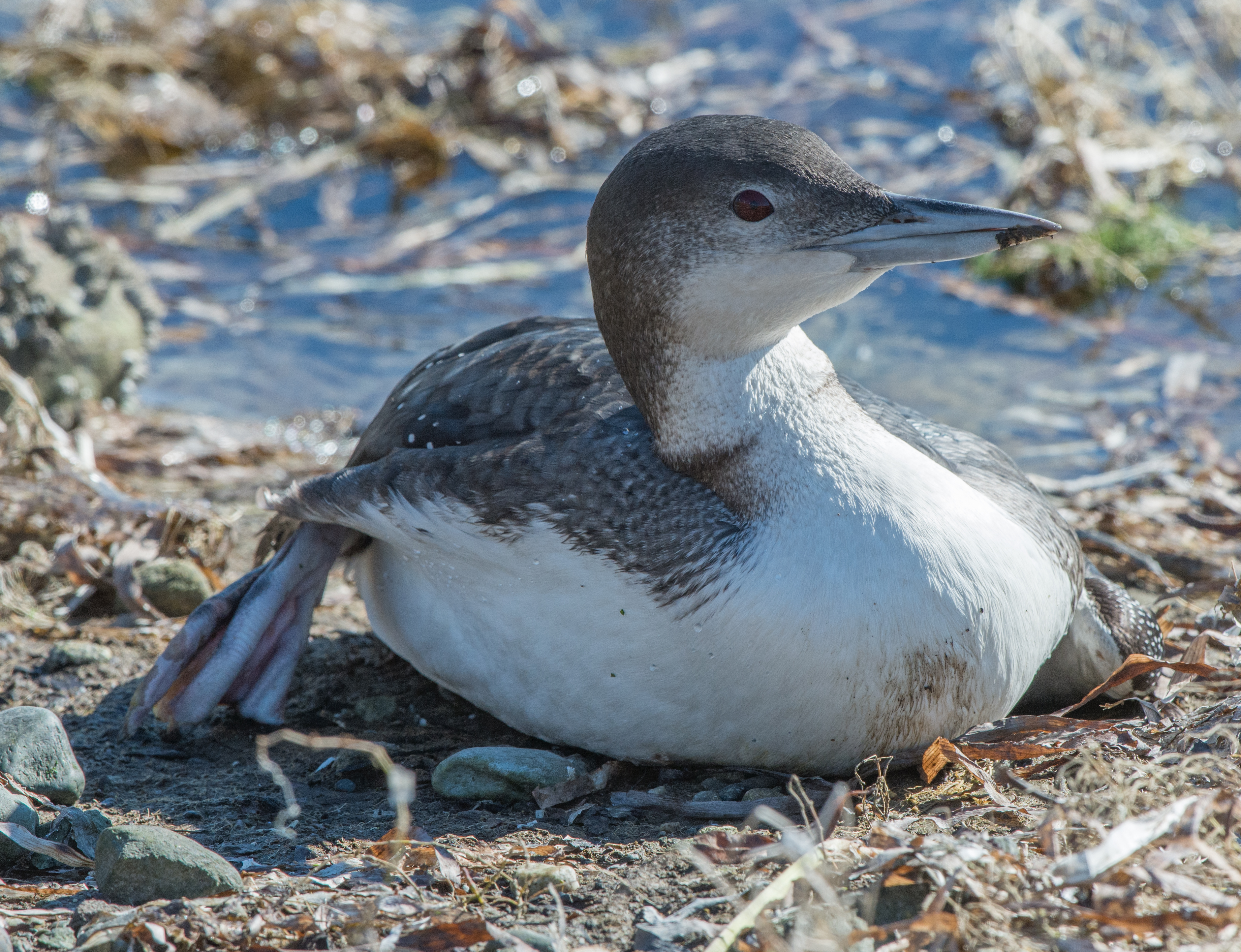
Things were slow around the household on New Years Day (1/1/2014) so I suggested to my wife that we take a little waterfront excursion early in the afternoon.  We turned up nothing at the marina, but over on March’s Point we discovered what is apparently a Common loon, but with substantially different coloring (lighter) than the one I had photographed in the marina the previous day.  A little further down the road I encountered another pair of Hooded mergansers, and on this occasion the male had a rather large fish it its bill… certainly a bonus for photography!  I was again suffering through less than ideal lighting conditions, but when you photograph wildlife you don’t get to choose your opportunities!

Common Loon at March's Point

Common Loon at March’s Point

Male Hooded Merganser at March's Point

Male Hooded Merganser at March’s Point

Male Hooded Merganser with Fish at March's Point

Male Hooded Merganser with Fish at March’s Point

Pileated Woodpecker on Cap Sante!

I glanced out our kitchen window this morning (12/15/2013) and saw something red moving behind some twigs at the base of the largest fir tree in our yard.  Upon closer examination I discovered that it was a female Pileated woodpecker, the first reliable sighting in the Cap Sante neighborhood of which I am aware!  (I’ve lived and birded in the neighborhood for almost 13 years and am aware of no other reports, despite having several neighbors who are birders.)
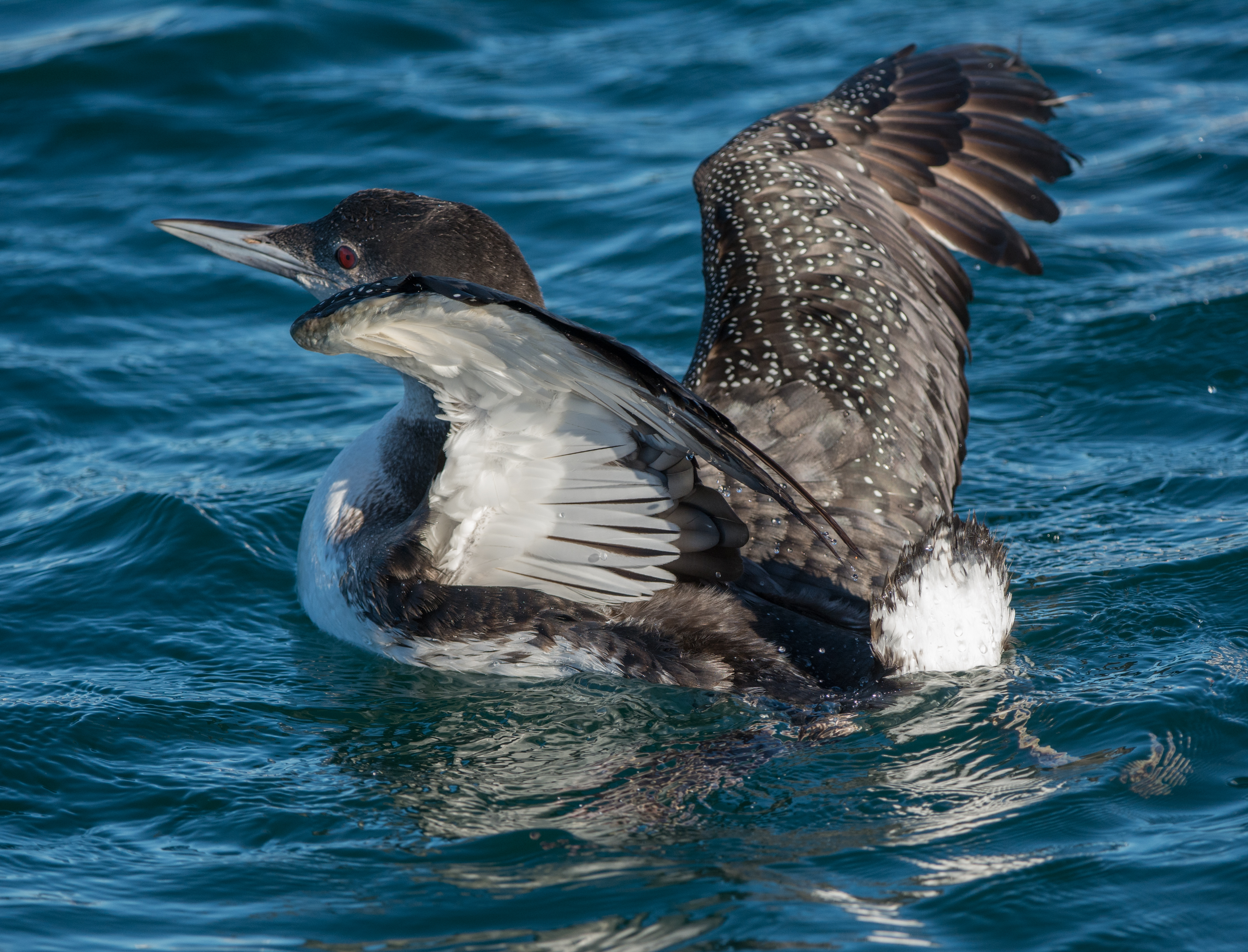
DSC_8426 20131215-07

Pileated woodpecker photographed in the Cap Sante Neighborhood!

I managed to sneak out of the house for some photos, but the day was heavily overcast and I was unable to obtain really good photos.  The bird was in the yard at least 30 minutes from the time I saw it, but I couldn’t continually observe the bird during that entire time because it went around to the opposite side of the tree.  Here’s hoping the bird will find a mate in the neighborhood and raise a family this next breeding season!

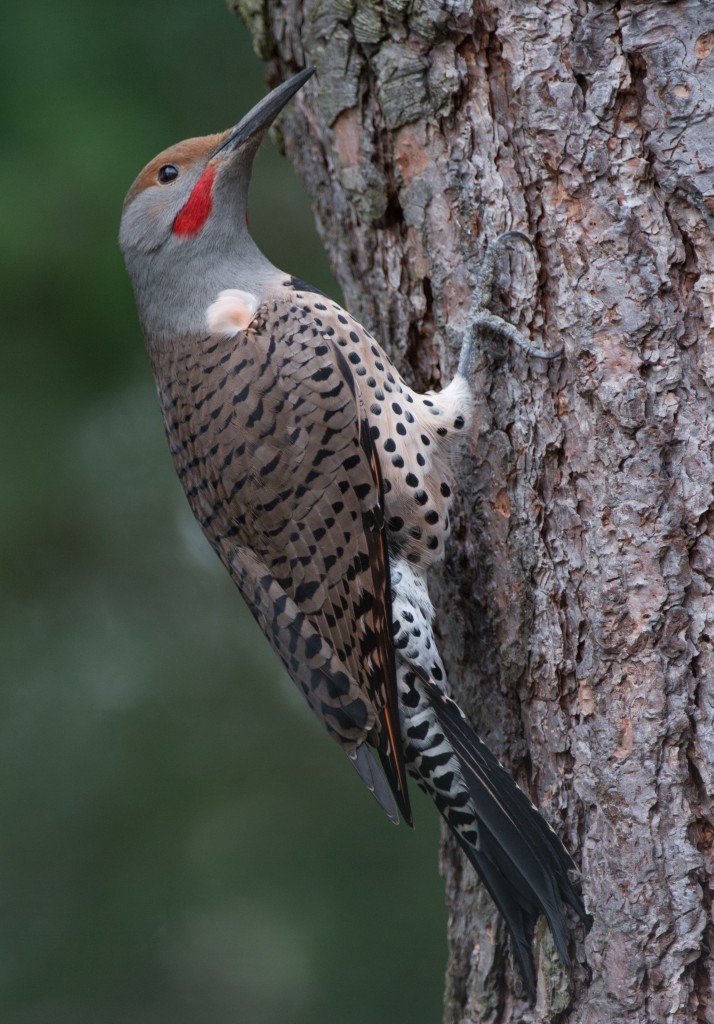
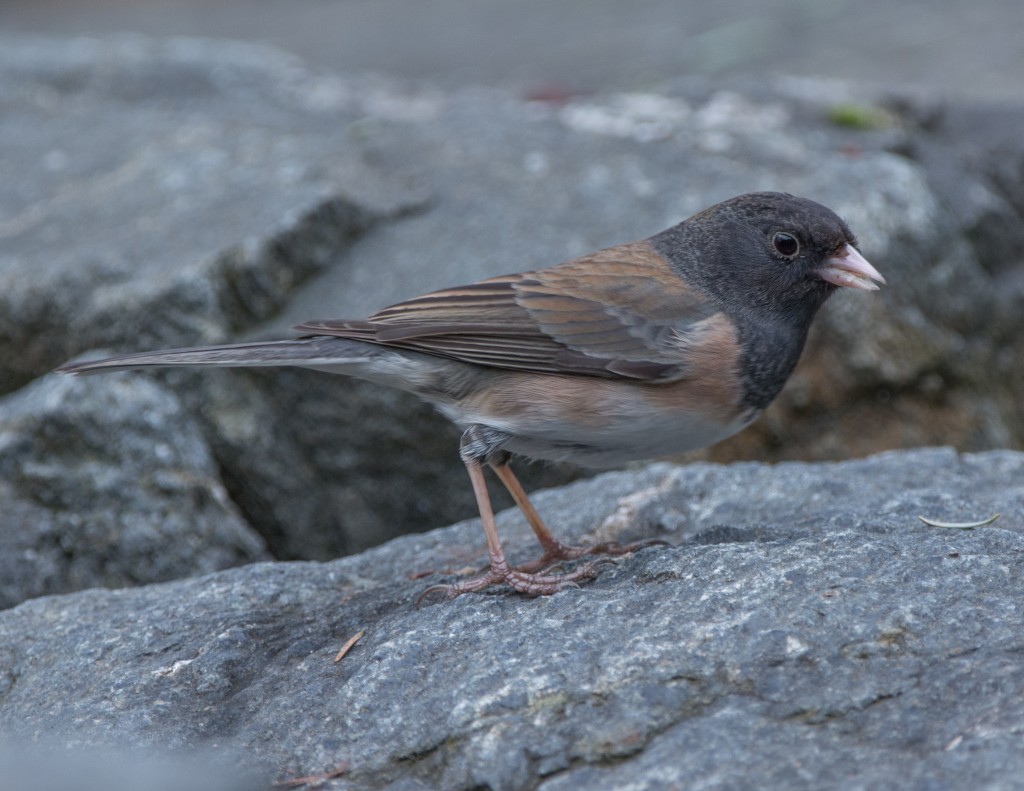
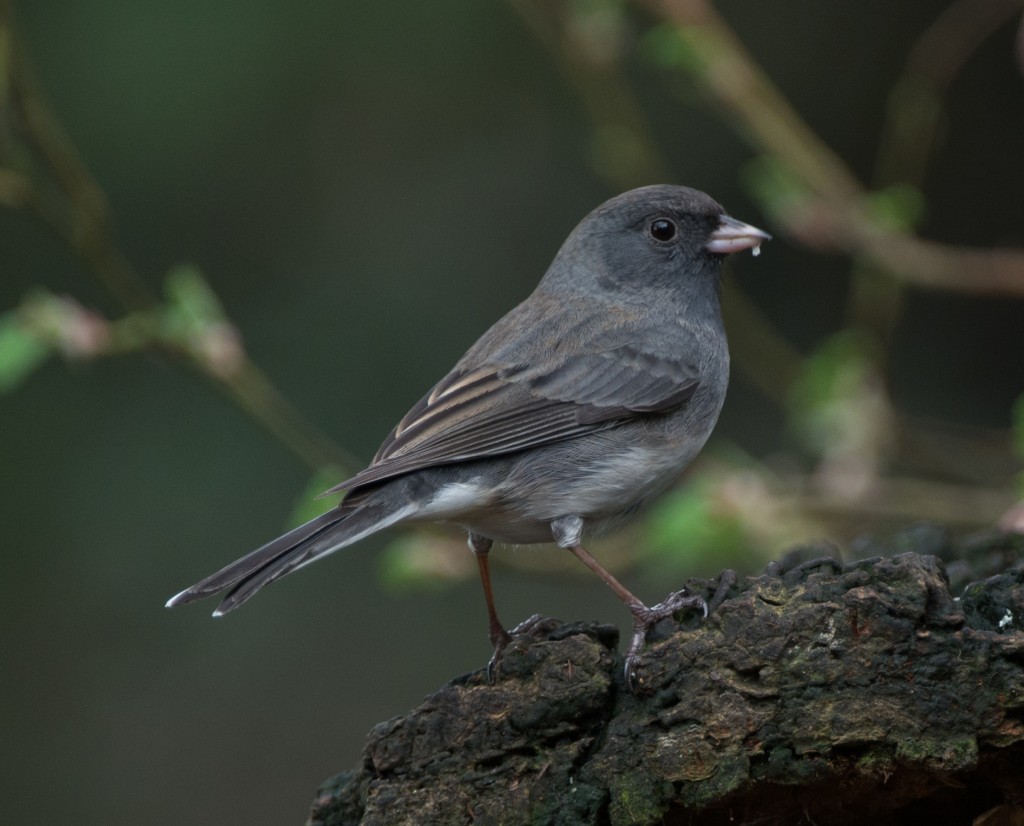
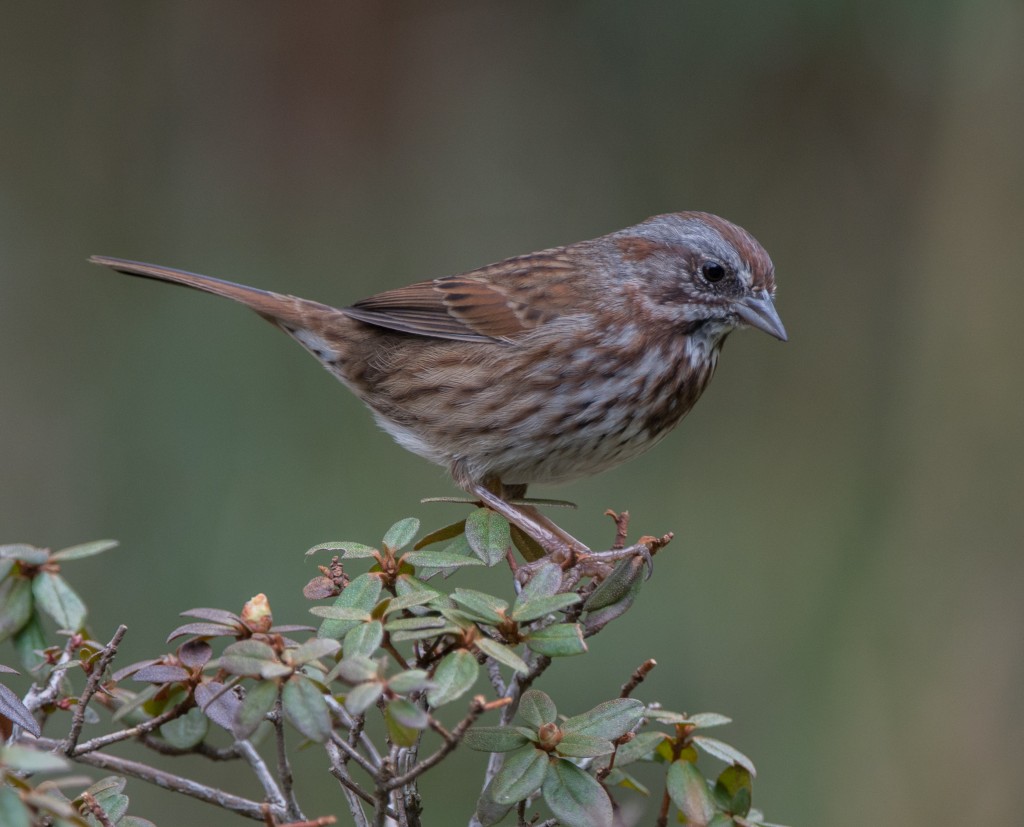
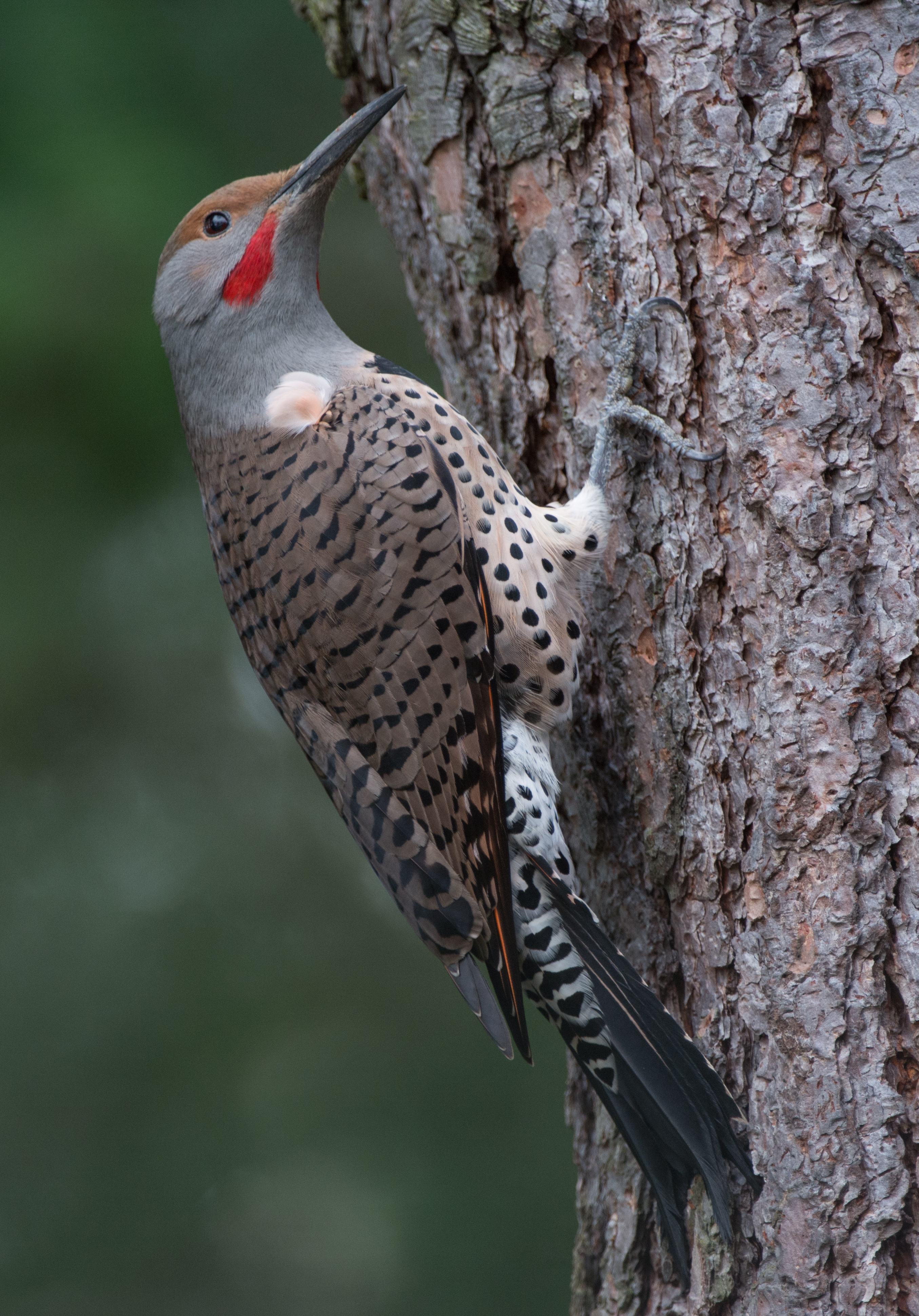
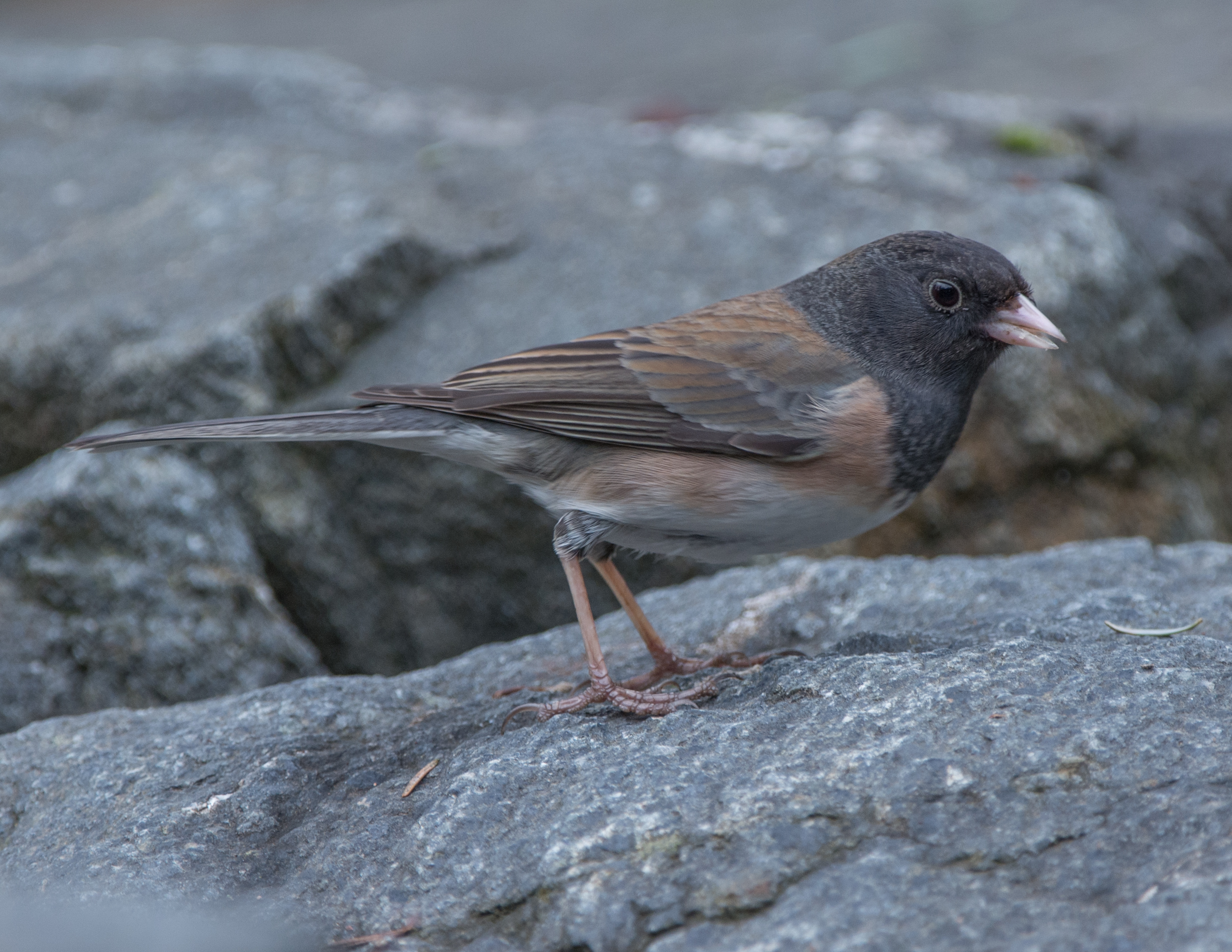
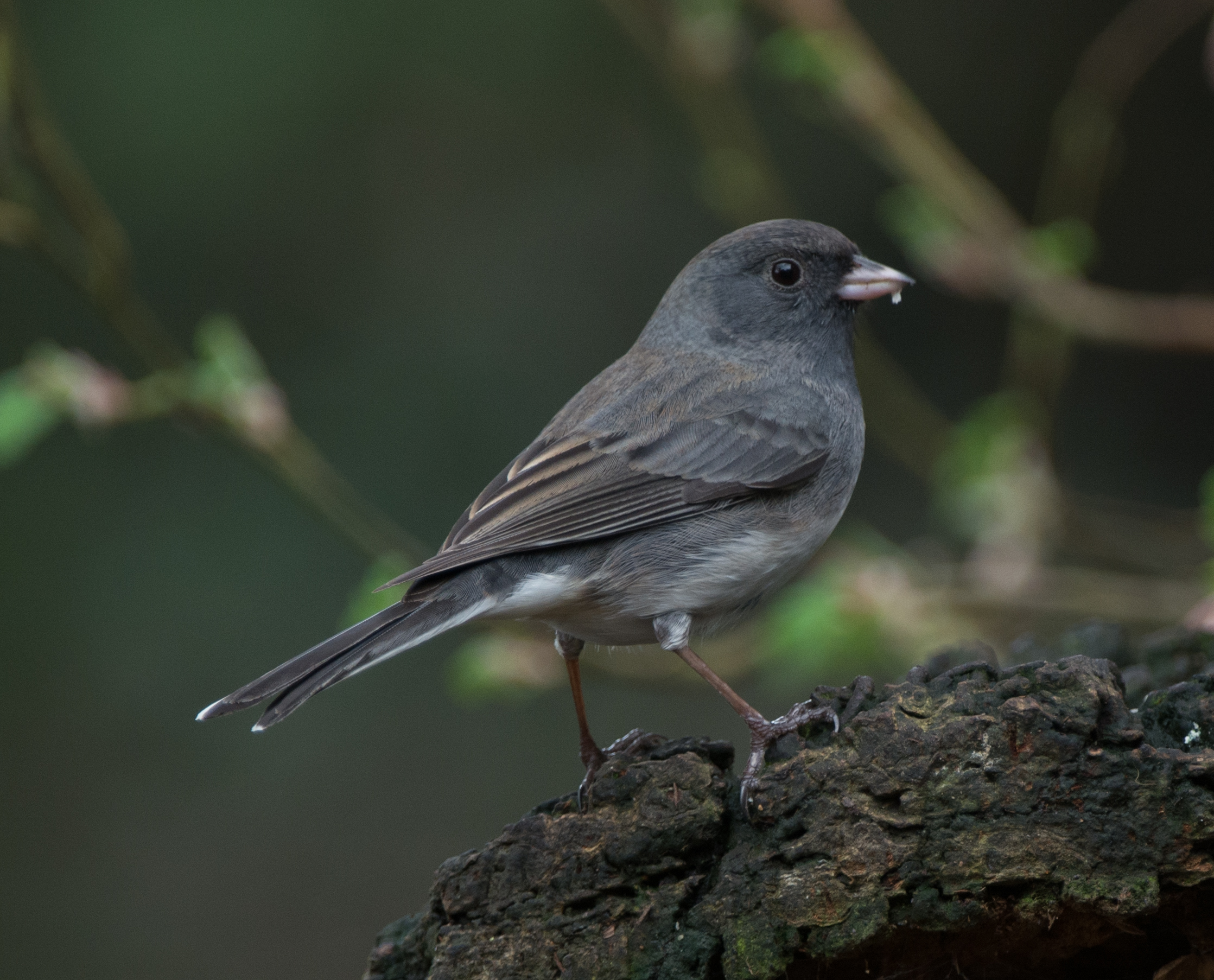
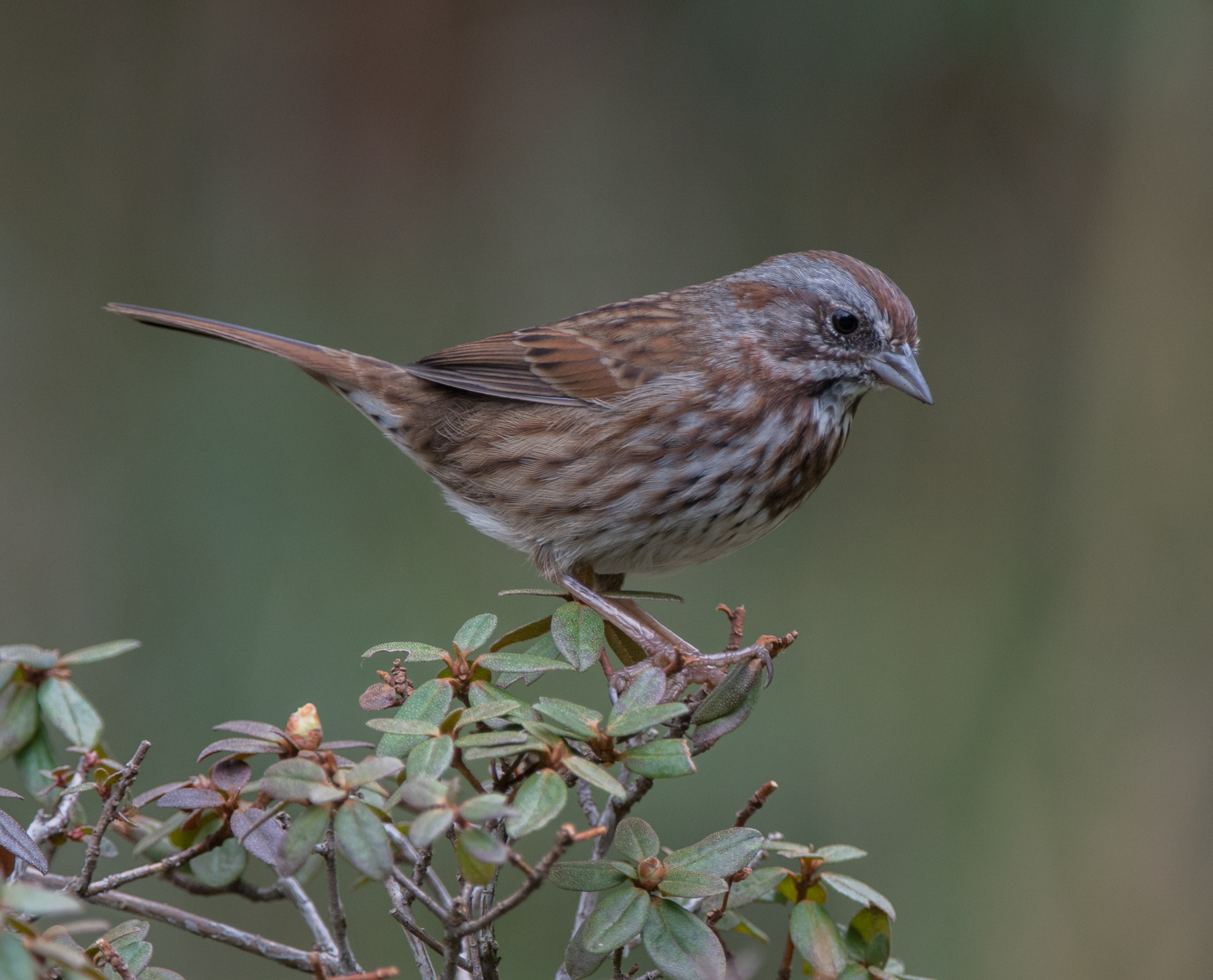
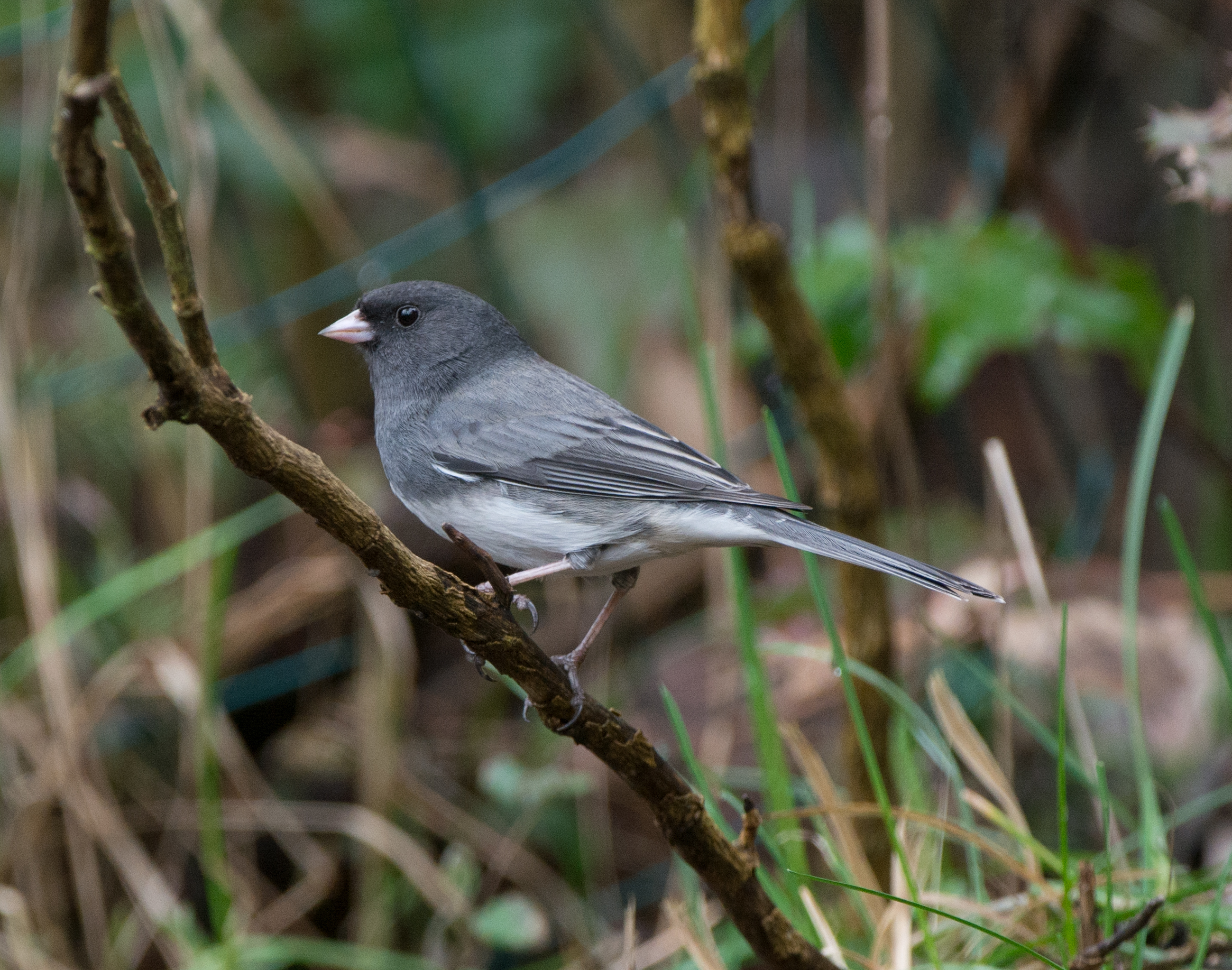
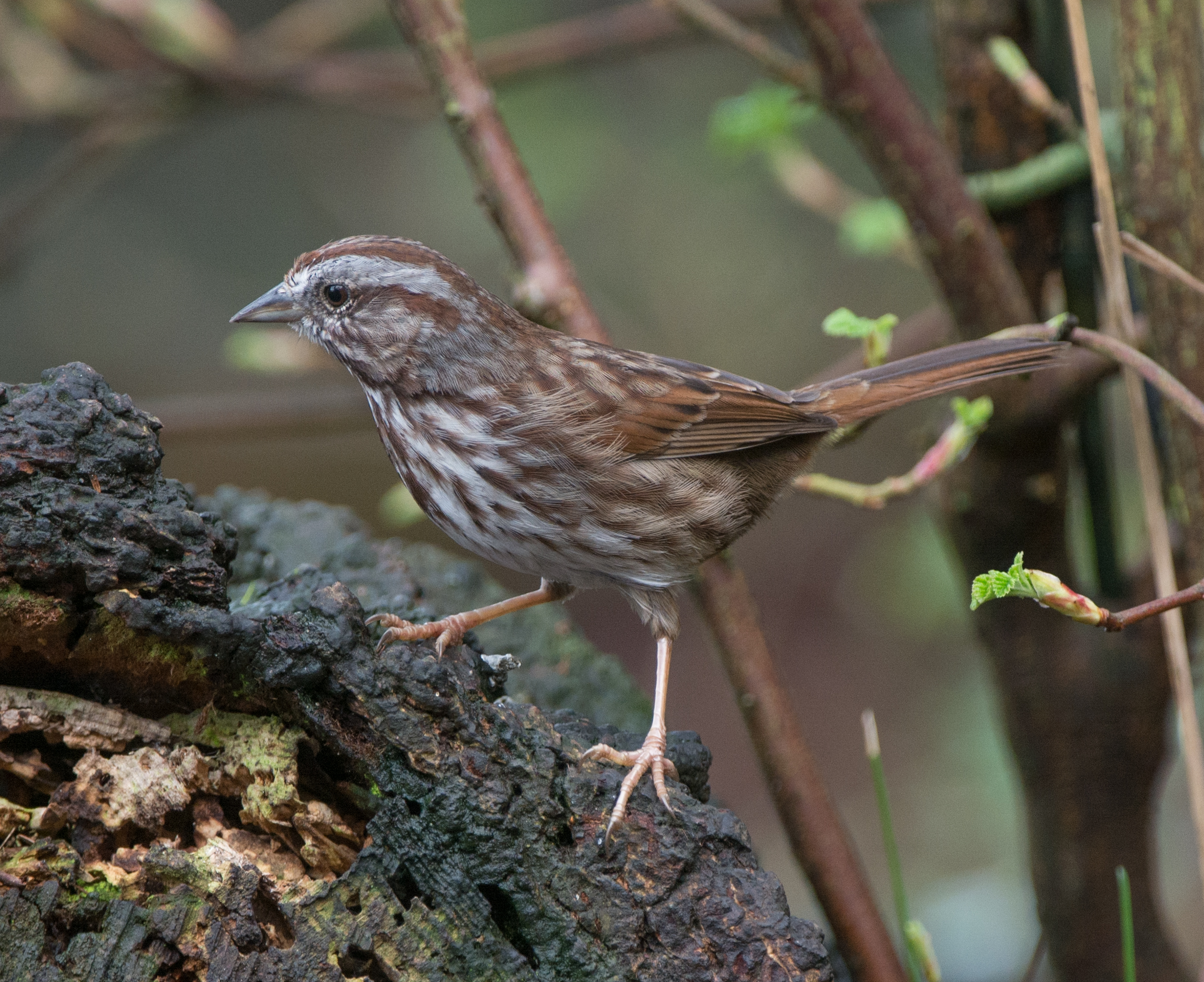
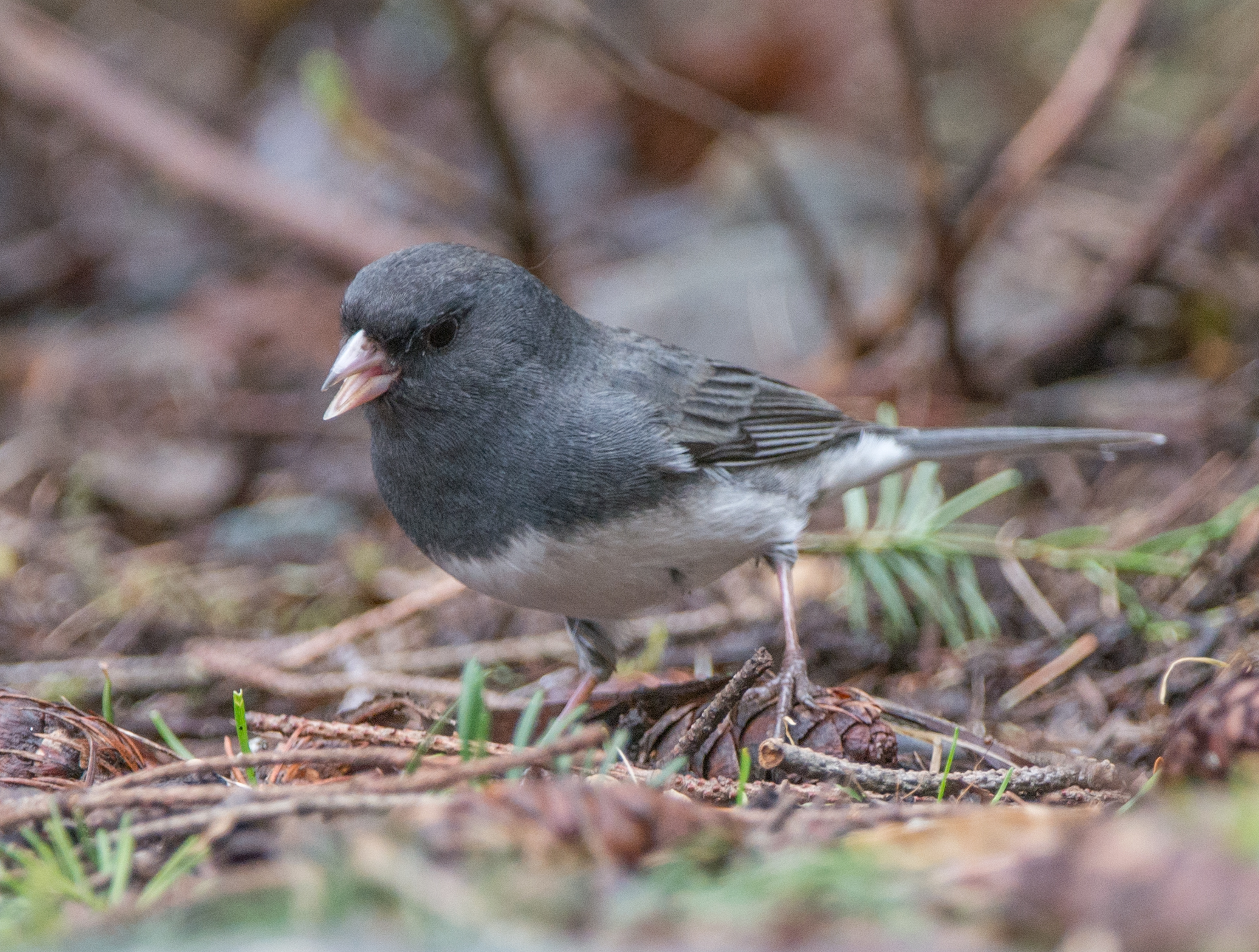
I spent time in the yard with my camera on 12/14/2013, but the photography was disappointing due to the lack of light.  I have to jump through some technical hoops to get anything at all, and the photos are quite grainy.  But I’m posting some of them anyway.  Perhaps in order of descending photo quality, a male Northern flicker, a Song sparrow and a Dark-eyed junco of the Oregon race.  (For about the sixth winter in a row we’ve had a single Slate-colored race in the yard but I have yet to document it this year.)

DSC_8341 20131214-01

Dark-eyed junco of the Oregon race

DSC_8365 20131214-03

Song sparrow

DSC_8409 20131214-06

Male Northern flicker

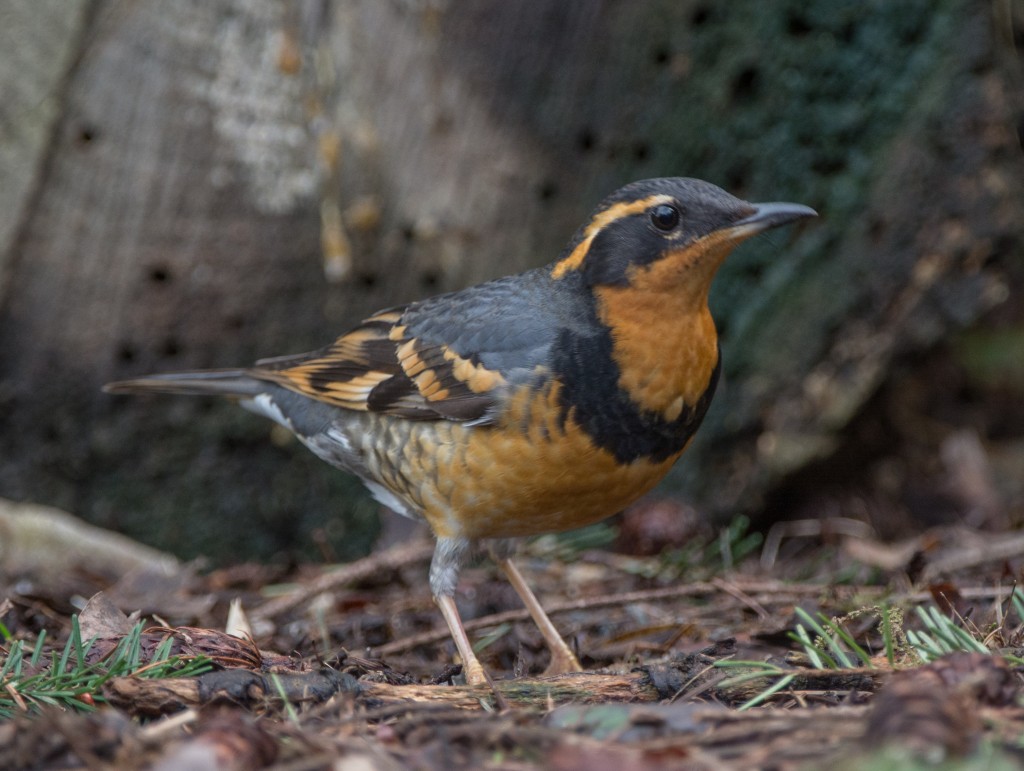
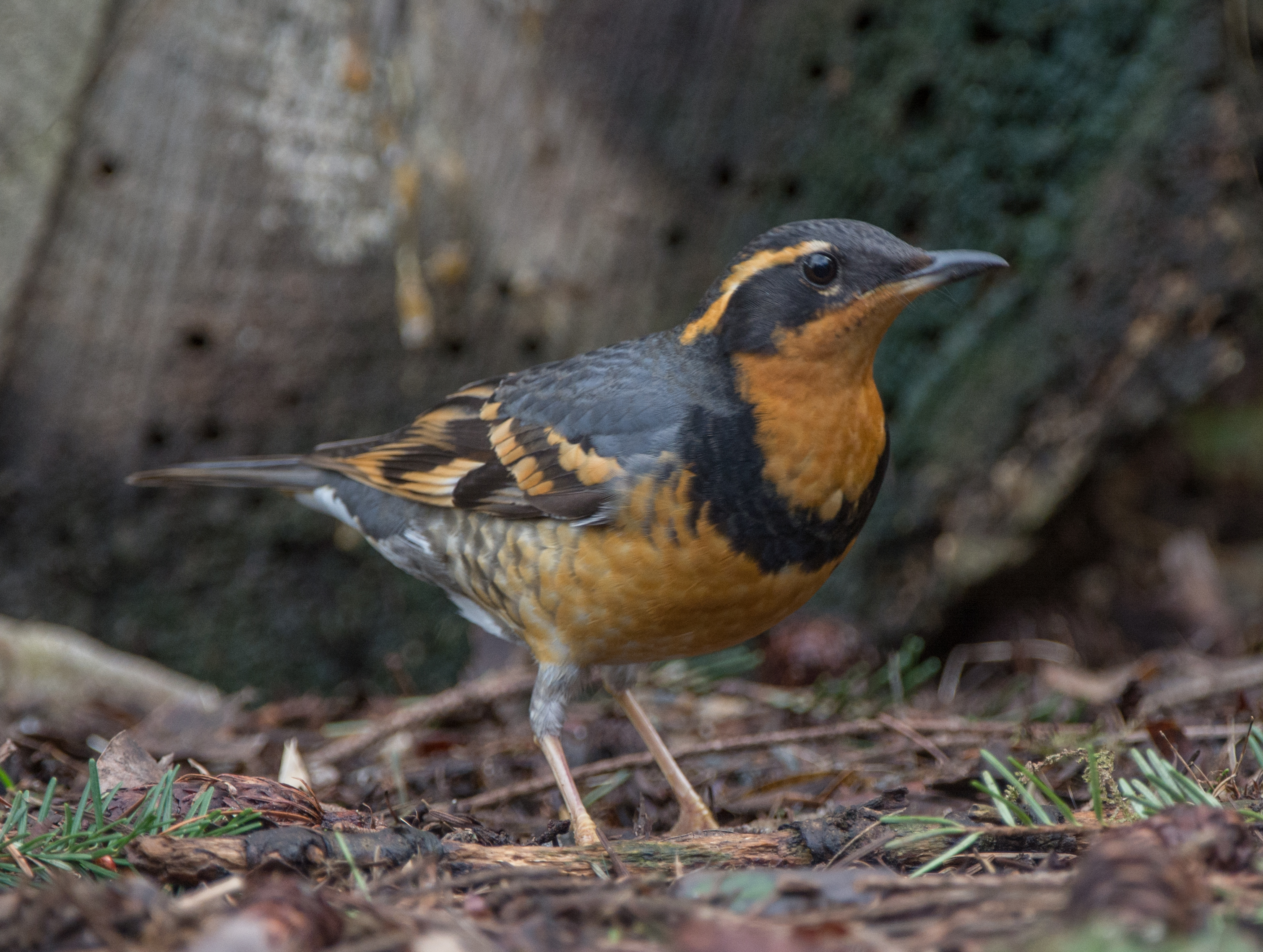
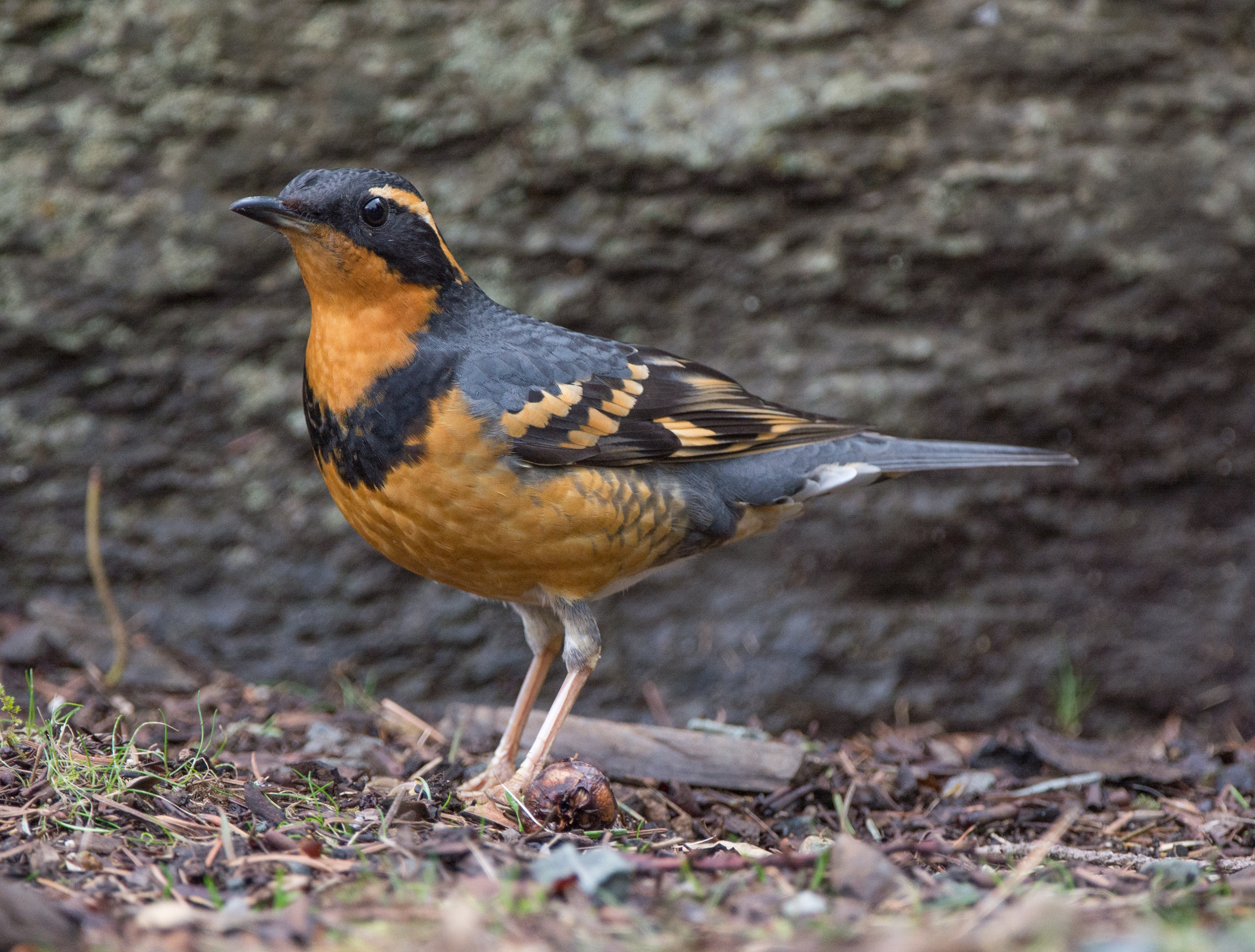
We’ve also been receiving several daily visits by an apparent pair of Varied thrushes, fairly reliable winter visitors, especially if it snows.  Thrushes are generally considered to be berry and insect eaters (like their look-alike cousins, the American robins) but the Varied thrushes seem to be quite content eating hulled sunflower seed scattered on the ground… or as we perfer to refer to the seed locally, “habitat enhancer”!

DSC_8361 20131214-02

Male Varied thrush

DSC_8395 20131214-05

Presumably a female Varied thrush

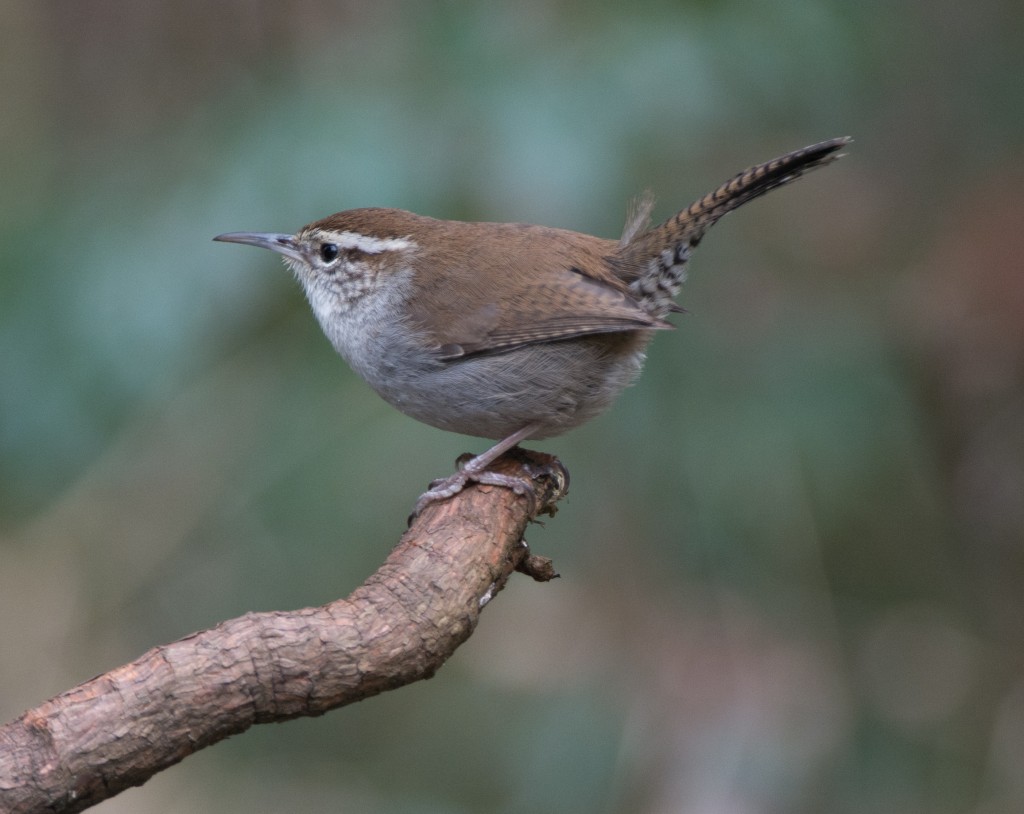
And while I’m on the subject of dietary vagaries, here’s one final photo… of a Bewick’s wren supplementing its diet with a little suet!

DSC_8375 20131214-04

Bewick’s wren on a suet feeder!