Two Exciting Finds

On Monday, Feb 24 (the day it rained all day!) I drove by the Cap Sante Marina on the way home.  I saw the recently-returned Pied-billed grebe in the northwest corner of the marina (it’s been showing up for years!) and it appeared that it might have made landfall near a small mound of grass just offshore.  It was difficult for me to see its exact location in the rain but I decided to return with my camera as I don’t think I’ve ever photographed a grebe out of the water.  I need not have worried, because when I returned with my camera a short time later it was back out in the main body of water.

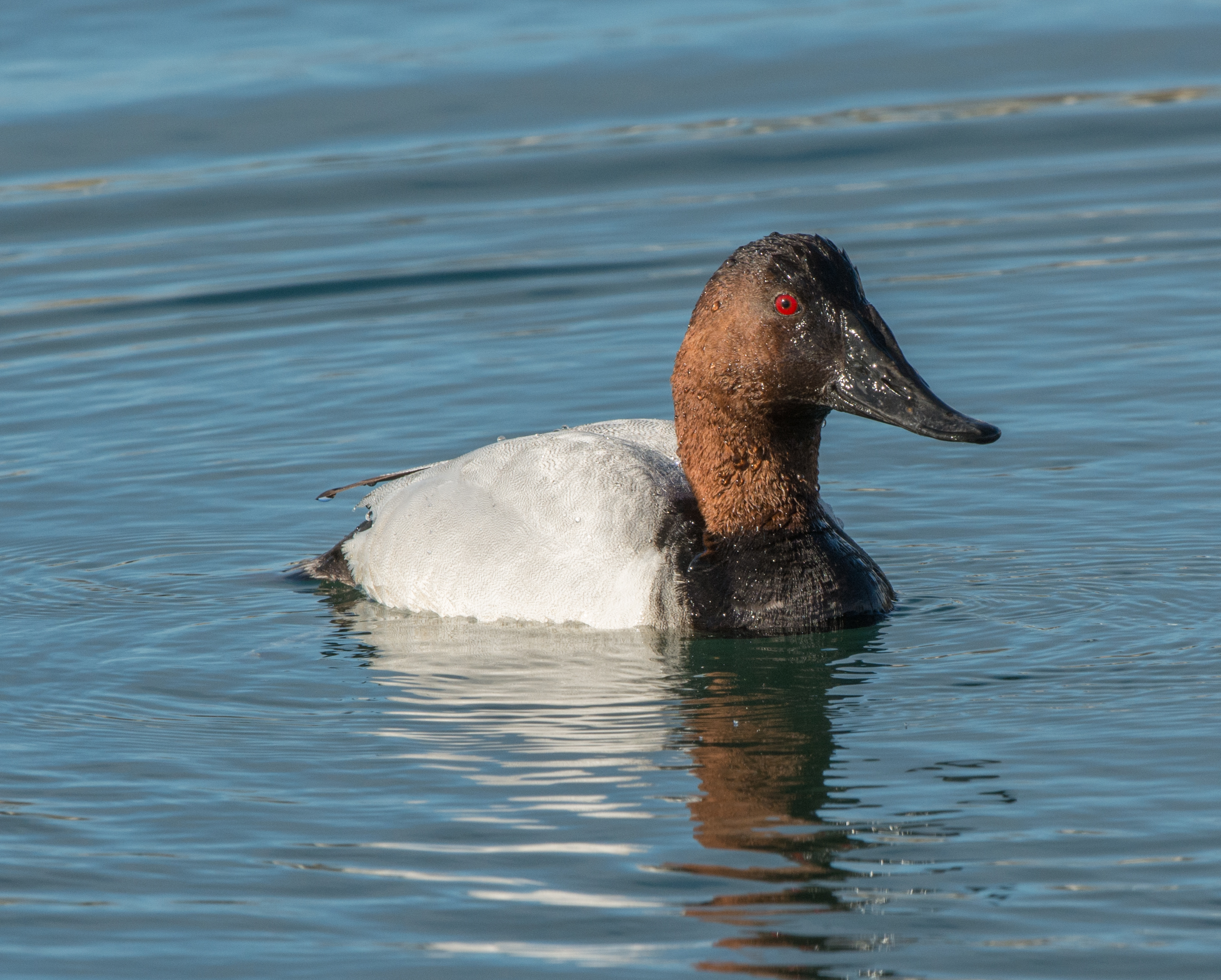
I then noticed what I at first thought was a gull (remember it was raining) in the same area, but on closer examination I discovered that it was a Canvasback (duck).  I took a couple of photos in miserable conditions just because I had never seen or photographed a Canvasback in Skagit County, but ended up discarding the photos for ones I was to take the following day.

And while I was sitting in a small gazebo to photograph the duck I received a call from a friend who works at Skagit Wild Bird, located on Memorial Highway on the outskirts of Mount Vernon.  He told me that a male Western tanager had been hanging around the store that morning.  Since I was already out I decided to drive to Skagit Wild Bird despite the weather.  I spent a couple of miserable hours in the front of my car, and then in the back of my SUV with the hatchback raised… all to no avail as far as the tanager was concerned.  However I did obtain what is probably my best-ever photo of a Eurasian Collared dove.
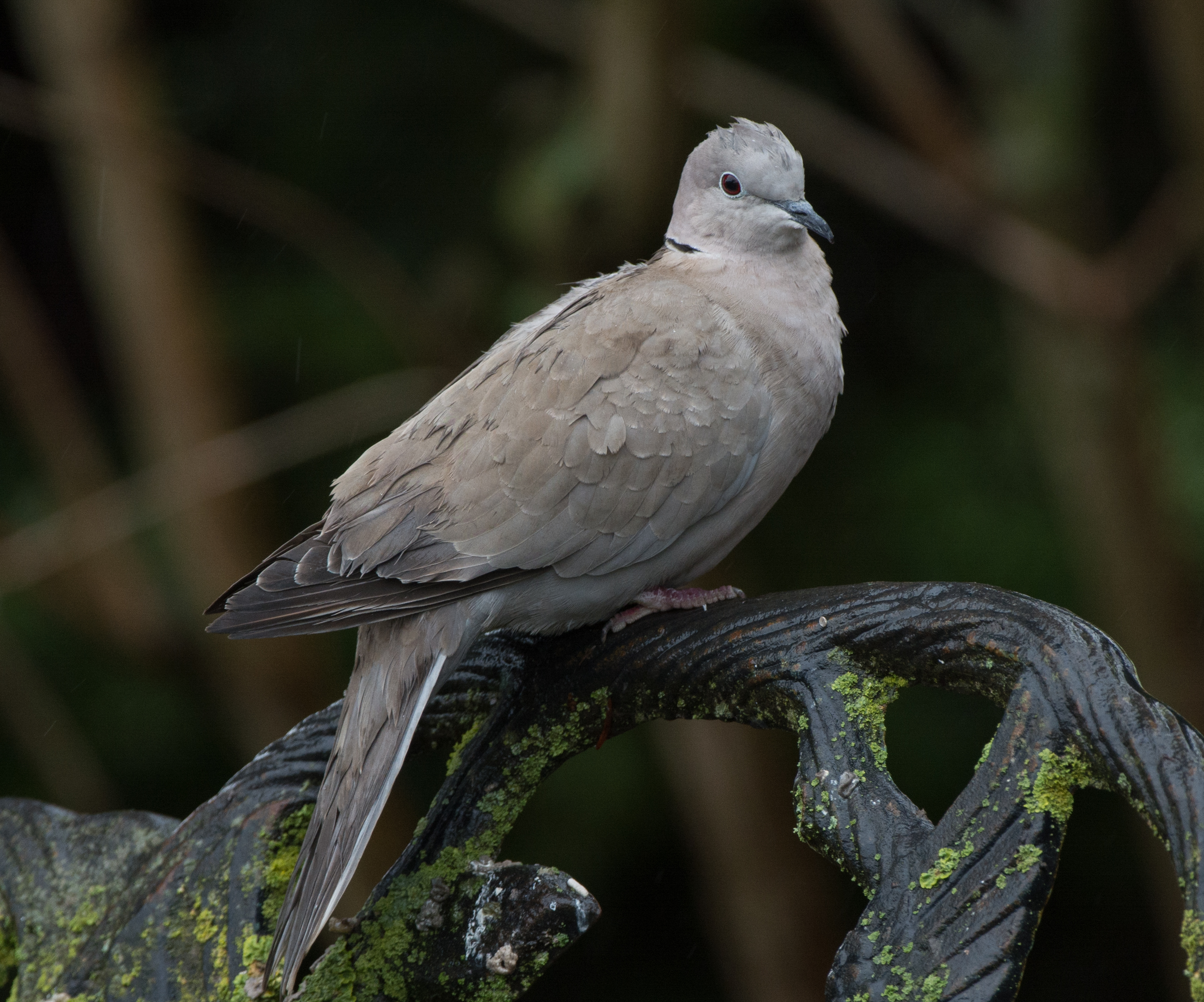
Dove, Eurasian Collared  20140224-03

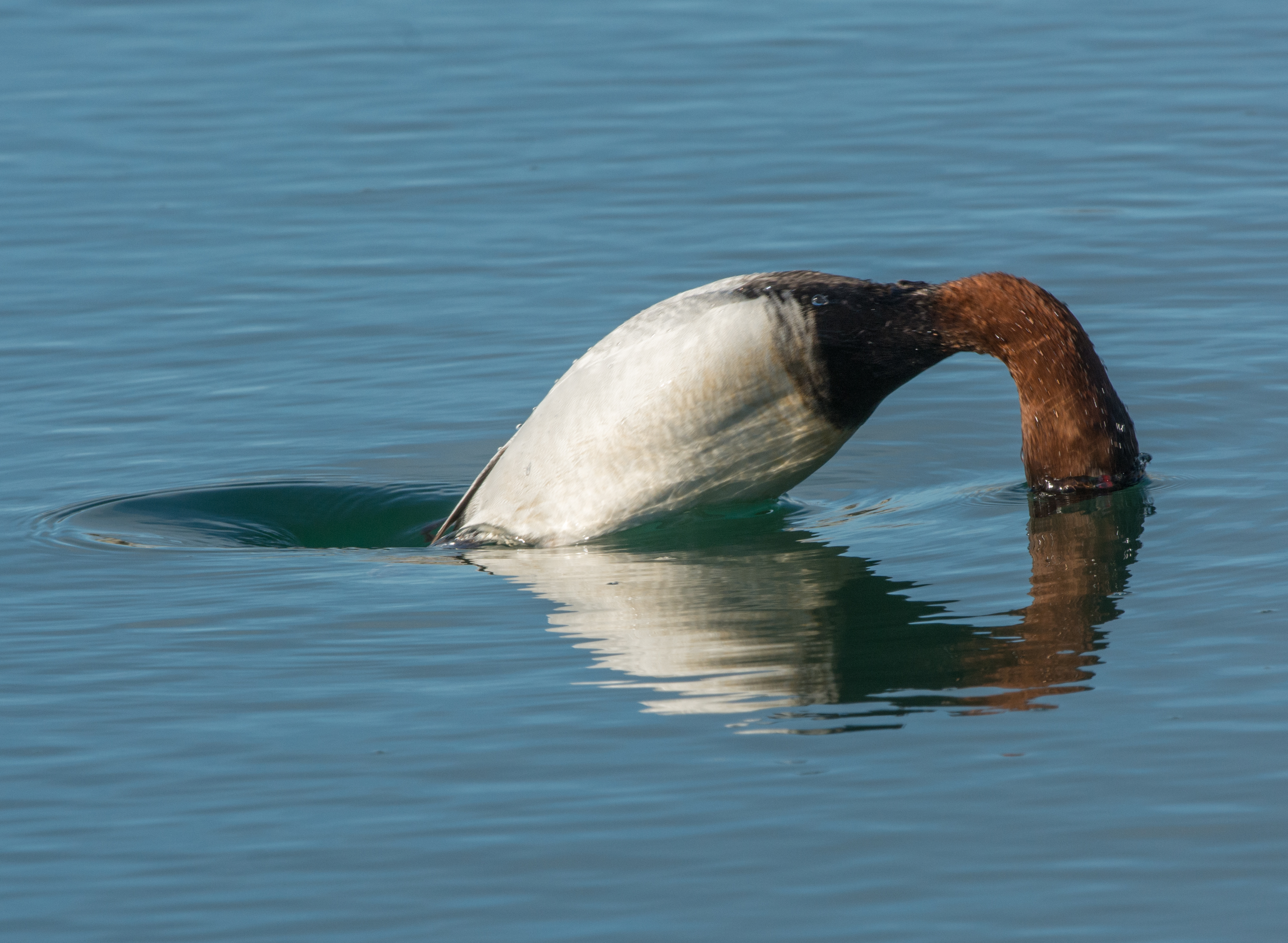
The next day (Tue, Feb 25) dawned bright and sunny so after my morning walk I retrieved my camera and headed out.  The Canvasback was back at the marina and in a much more accessible location and I took almost 50 photos from a relatively short distance.  About the only position I didn’t photograph the bird was upside down!
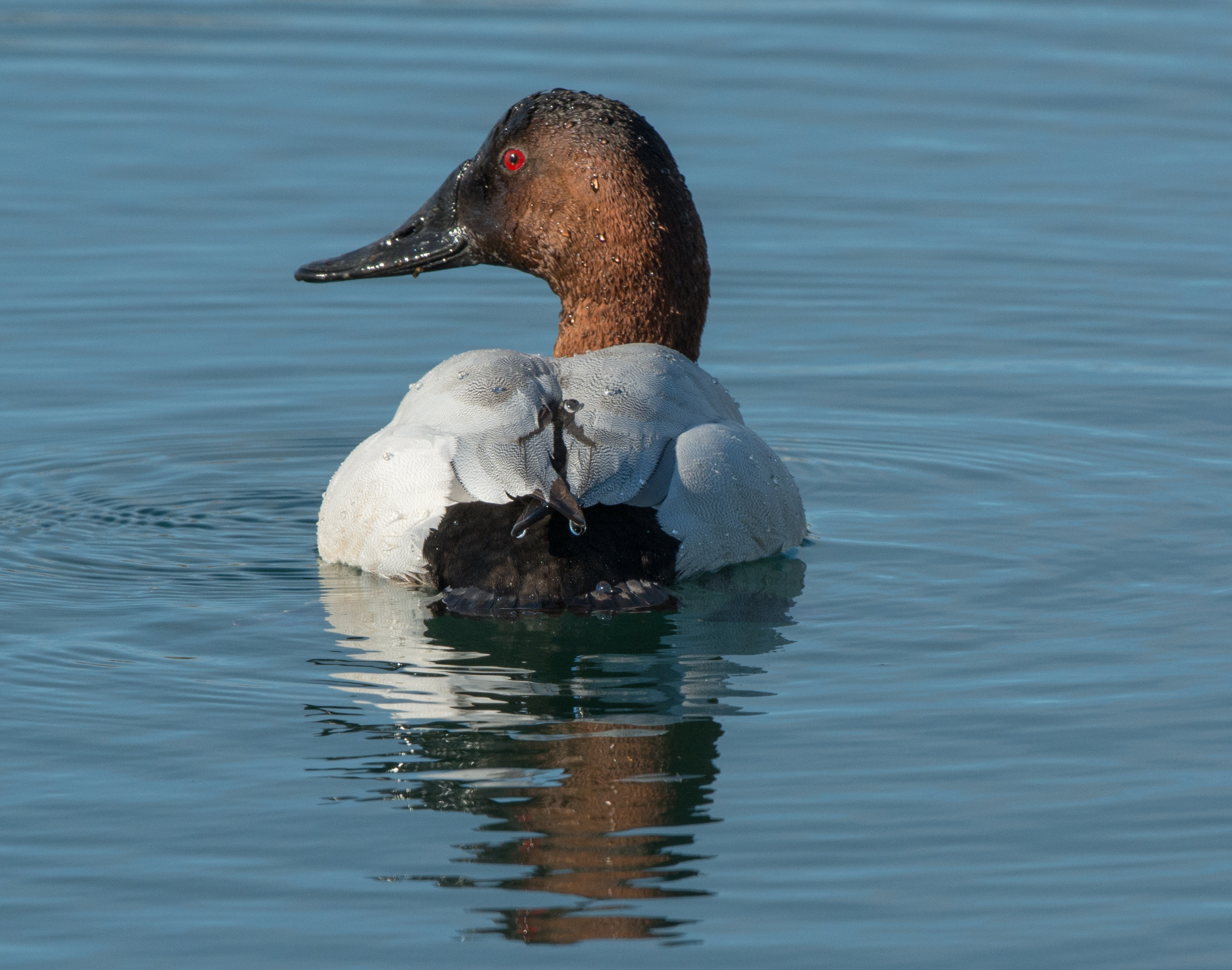
Canvasback  20140225-07 Canvasback  20140225-15 Canvasback  20140225-18


Canvasback  20140225-20

Canvasback initiating its dive.

I then drove to Skagit Wild Bird to see if the tanager might still be there.  After a moderate wait I was rewarded with the Western tanager making a trip to the suet feeder.  (In the interest of brevity, I’m leaving out some of the interesting details.)  While I didn’t manage photos of the bird taken in my immediate vicinity, I was able to photograph the bird at some distance.  They are not great photos, but considering that this is a male Western Tanager who is here in the month of February, I decided I should post one anyway.
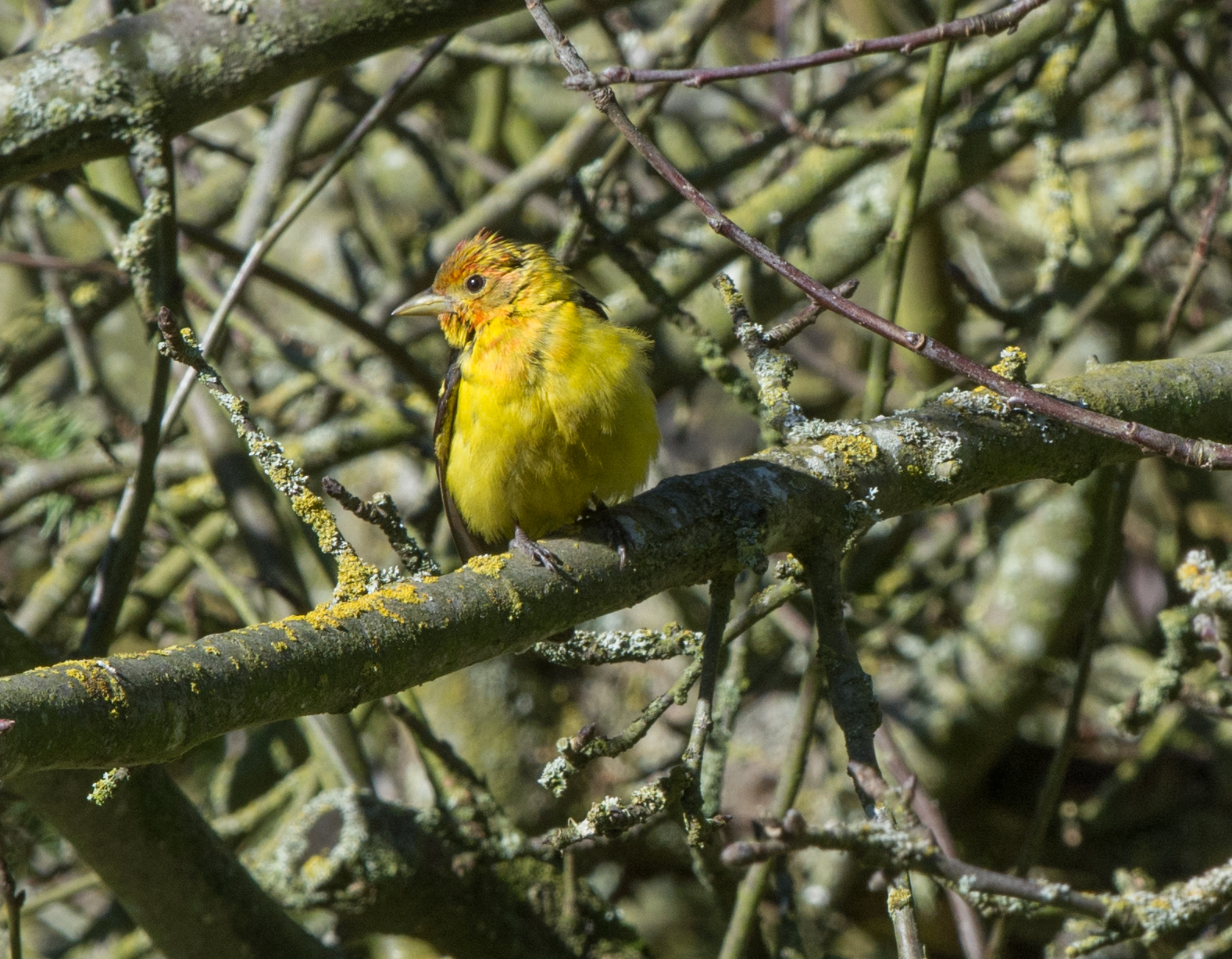
Tanager, Western  20140225-04

And while I’m at it, I should mention that Skagit Wild Bird has some great people working there and carries a very wide inventory of bird feeders and supplies!

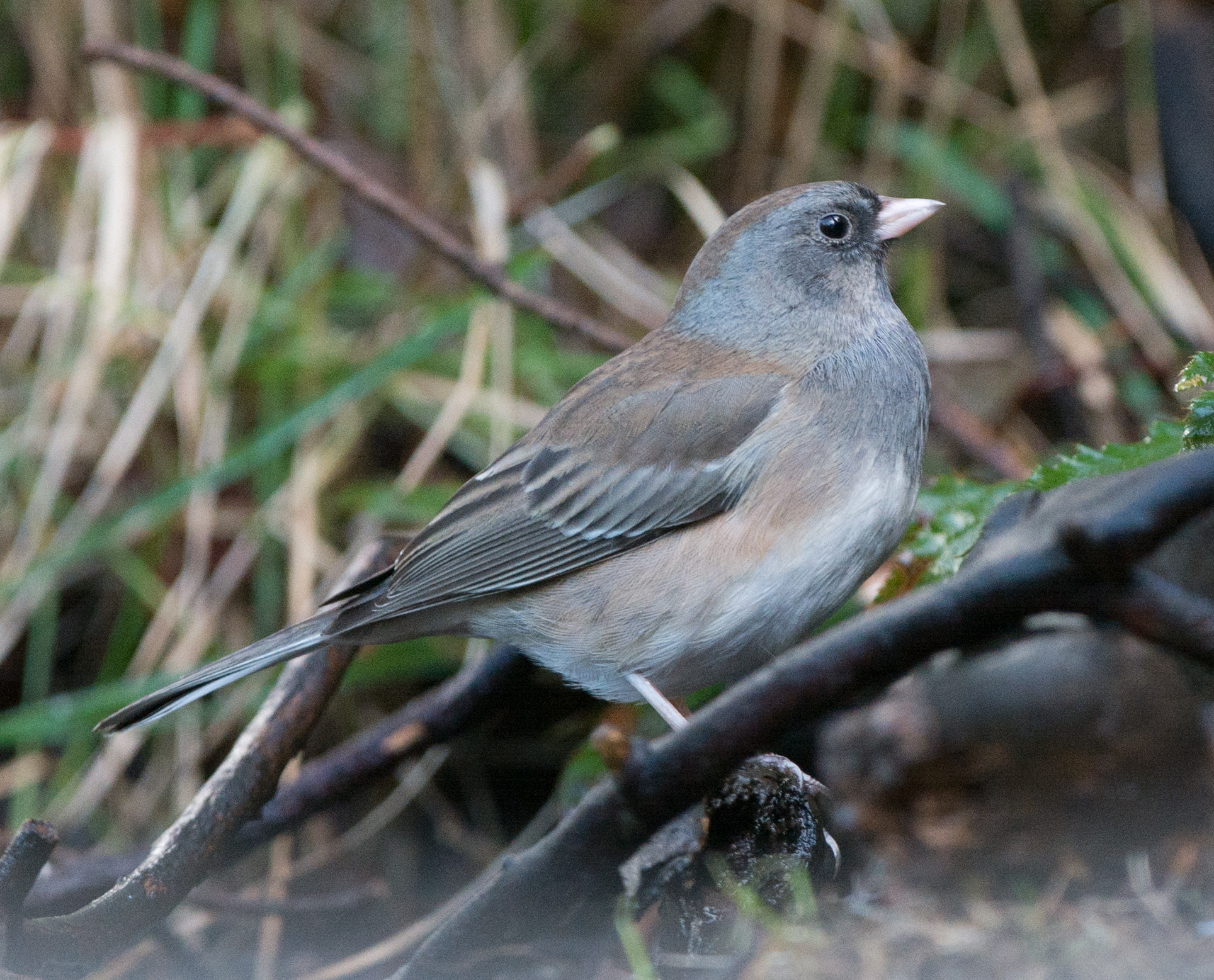


Slate-Colored Dark-Eyed Junco

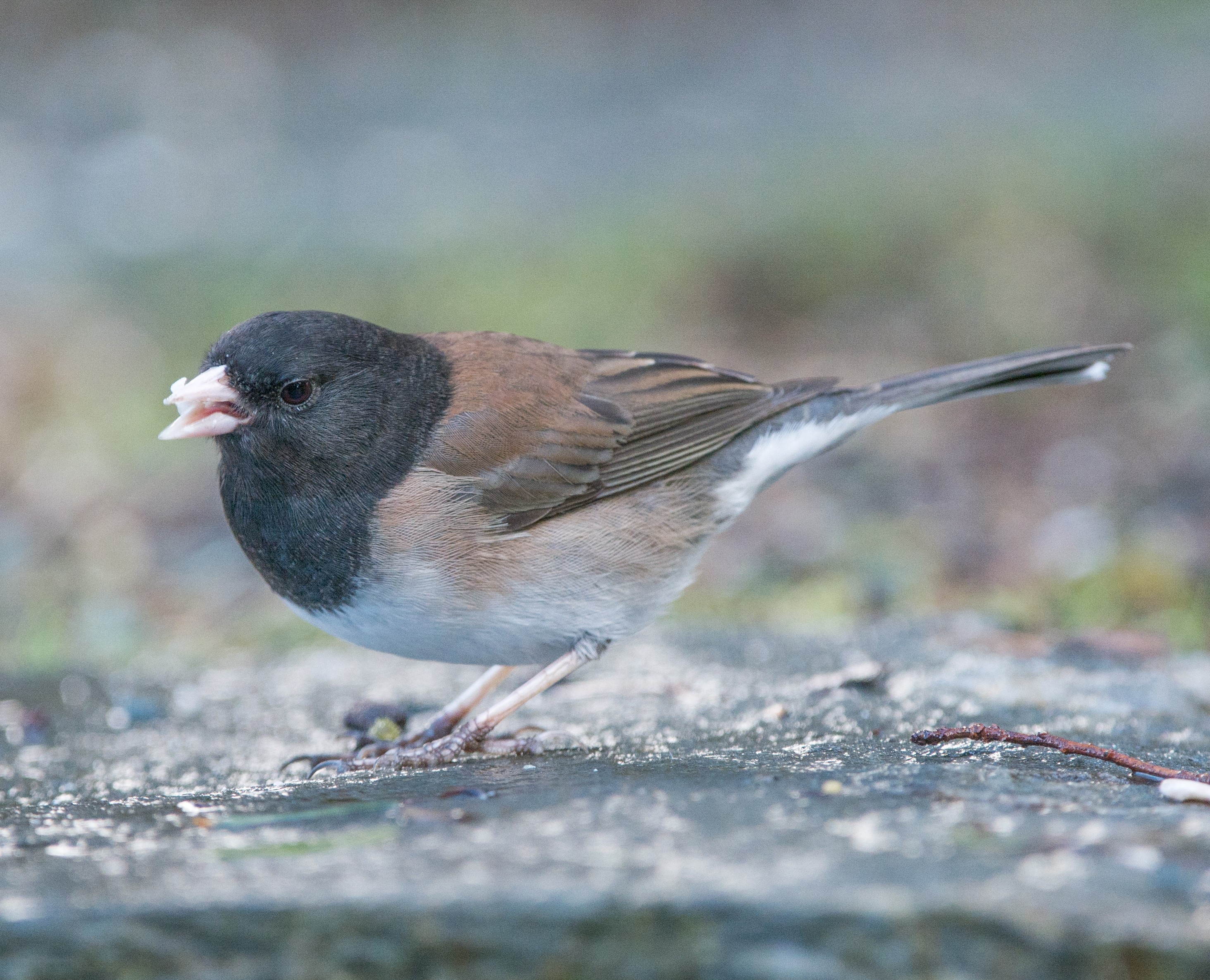
Those of you who follow my blog may remember that on several occasions I’ve mentioned a Slate-colored Dark-eyed junco that we’ve seen in the yard for each of the past 5-6 winters.  This winter has been a little different for a couple of reasons.  First of all, I’m fairly certain that we’ve had more than one.  In past years I thought the identification was certain, with the bird having both a dark head and gray body with no hint of chestnut.  This winter I’m certain I’ve seen two different ones… one matching the markings of those in prior years but in addition one that is lighter-colored.  And I finally obtained a photo of the lighter one that’s been visiting the yard this winter.

Junco, Dark-eyed - Slate-colored  20140218-04

Here’s another photo of what I believe to be the same bird, and it exhibits some limited chestnut color in this photo.  (According to my Sibley’s, this color exists to a minor extent in the Slate-colored junco, but the darker bird has little or none of the chestnut color.)

Junco, Dark-eyed - Slate-colored  20140218-07

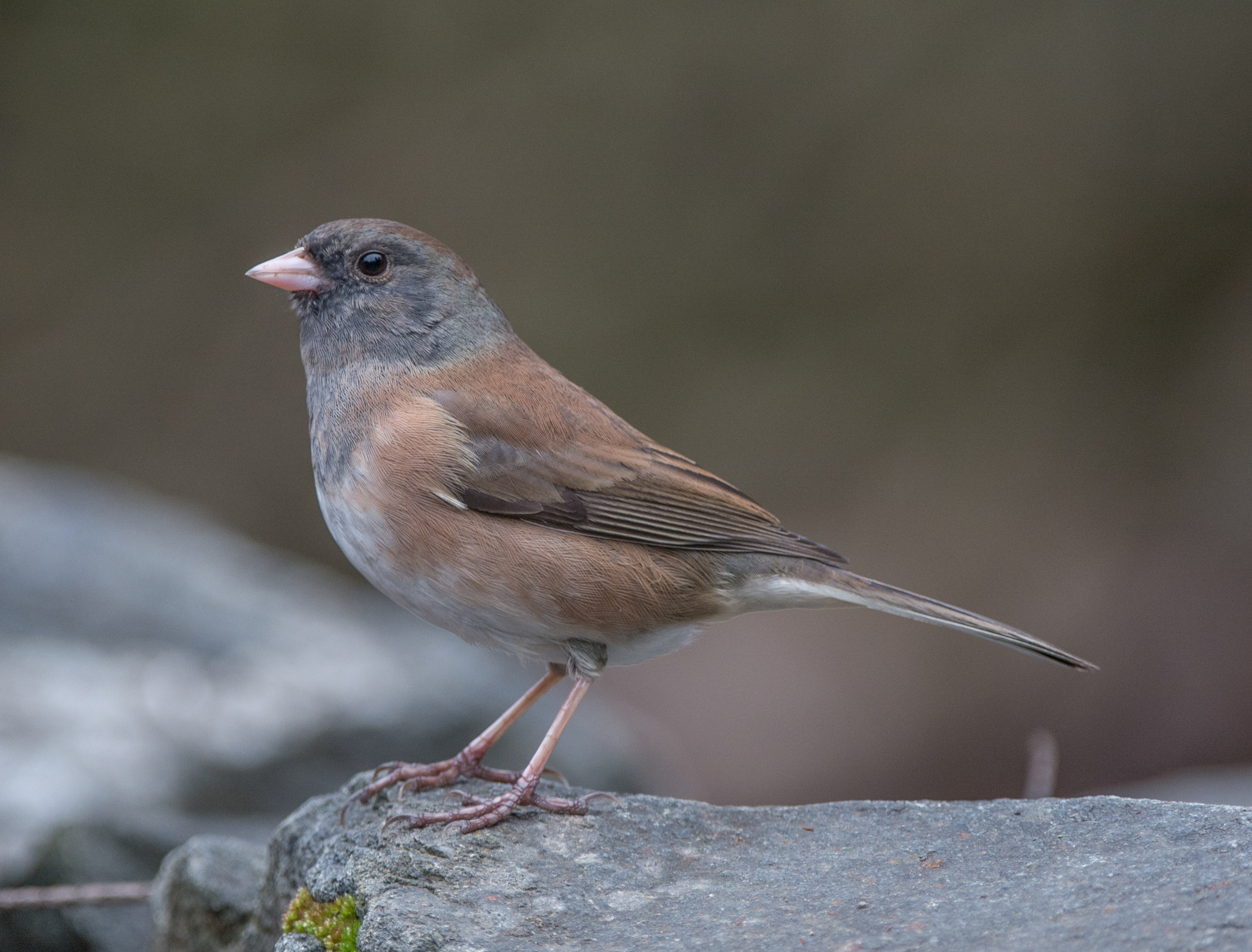
There appears to be a very large variation in the color of the Oregon race, with the females and 1st year adults being substantially paler.  Here, for comparison, is a male of the Oregon race…

Junco, Dark-eyed - Oregon  20140218-01

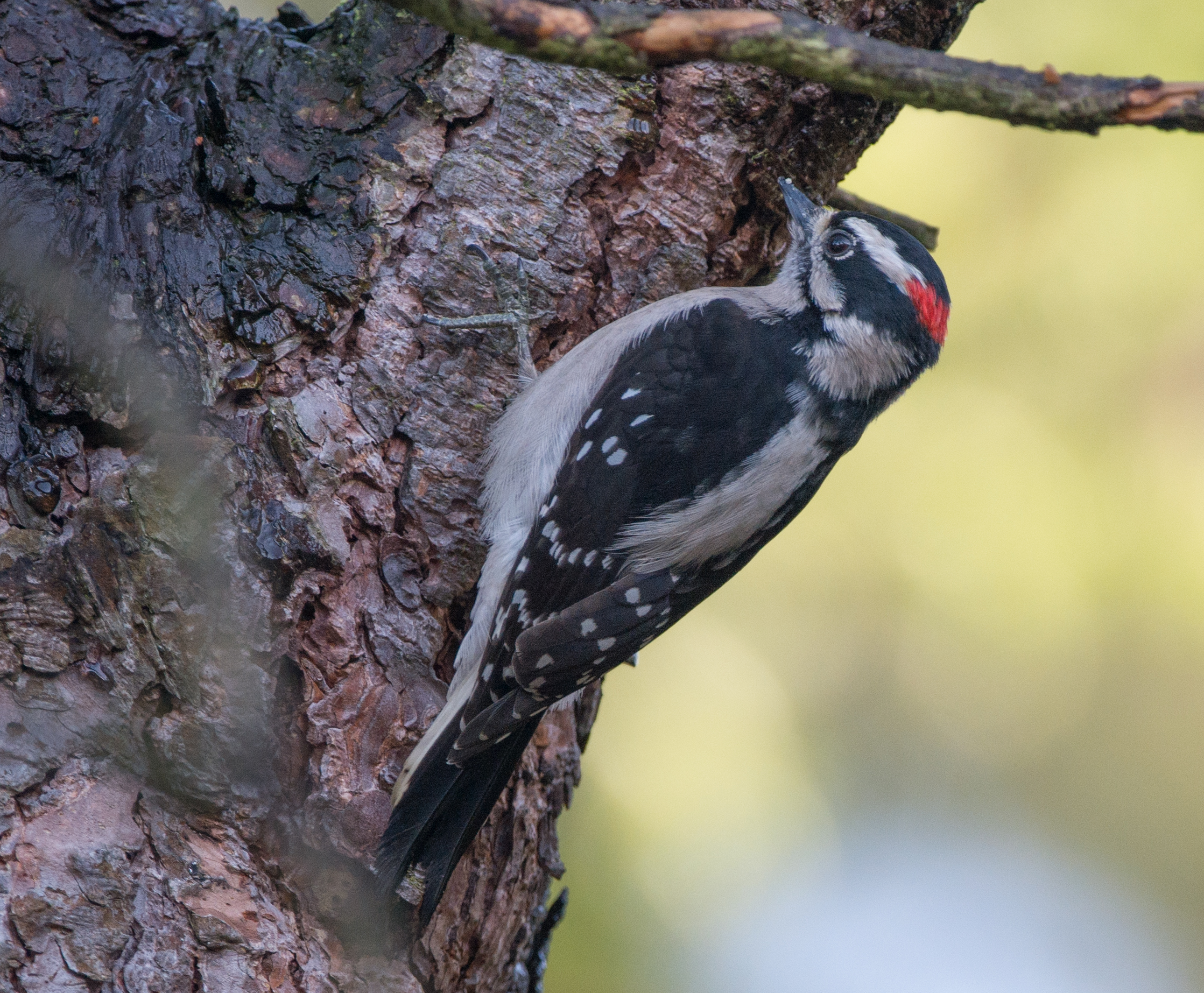
While I’m at it, I’m going to throw in a photo of a male Downy woodpecker which, along with a female, have recently returned to the suet feeder in our yard.

Woodpecker, Downy  20140218-03

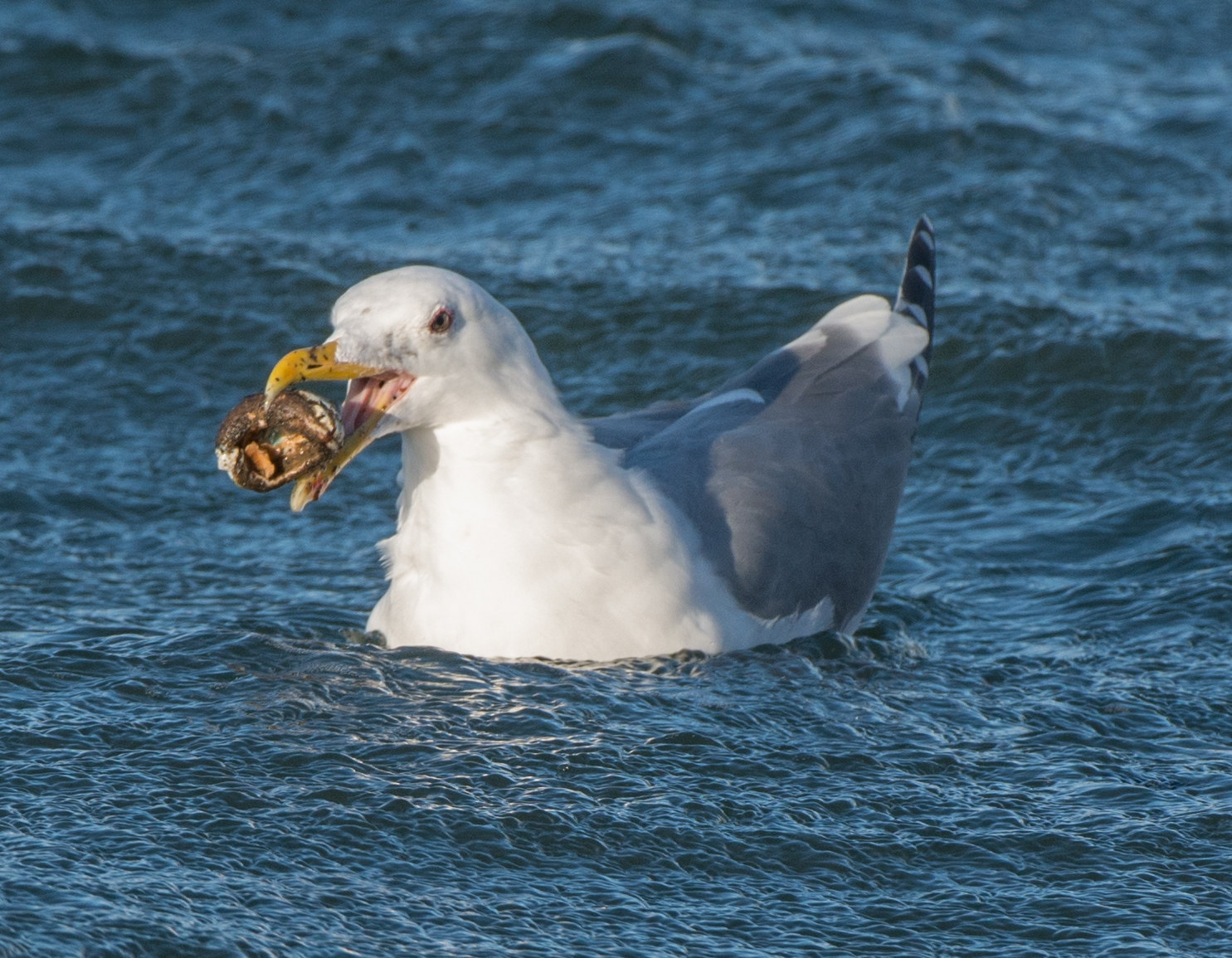
And finally, the same day I made yet another excursion to March Point.  I was watching a gull when it found something interesting on the beach.  It appeared to be already opened, so it didn’t need to drop the object on the rocks.  However it became wary of me and retreated to the water with its prize.

gull - with clam  20140218-04

Clammers!

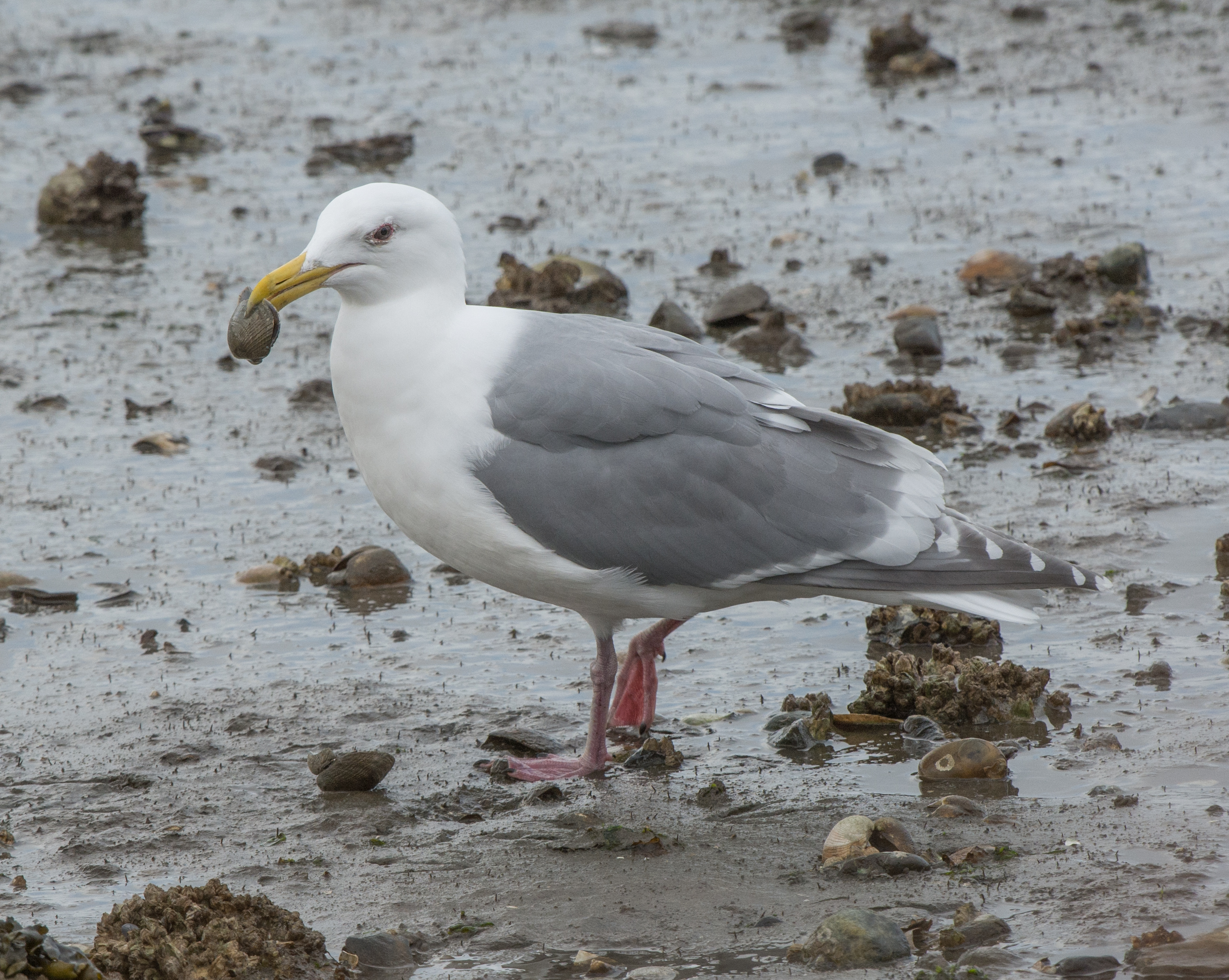
gulls - with clams  20140219-05

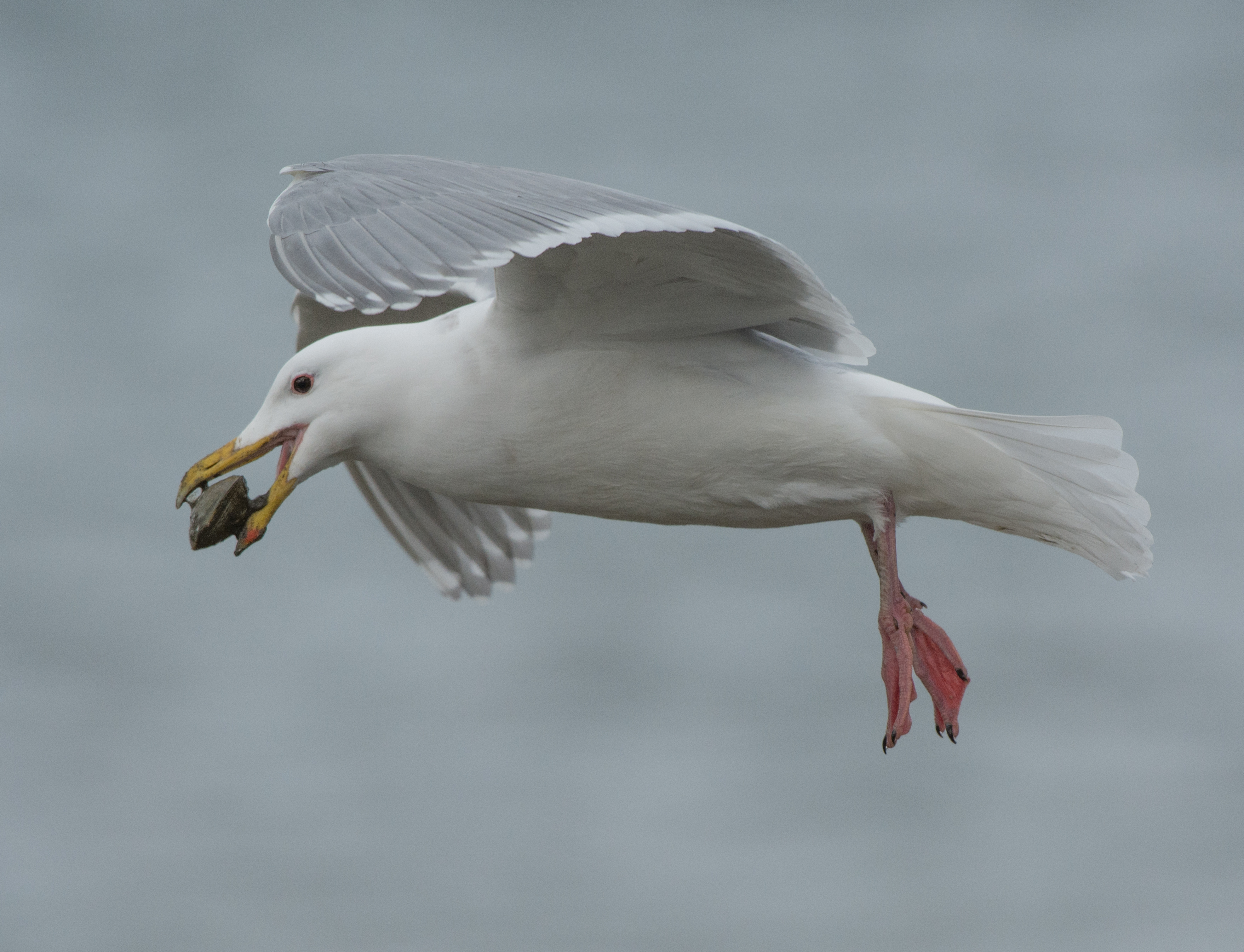
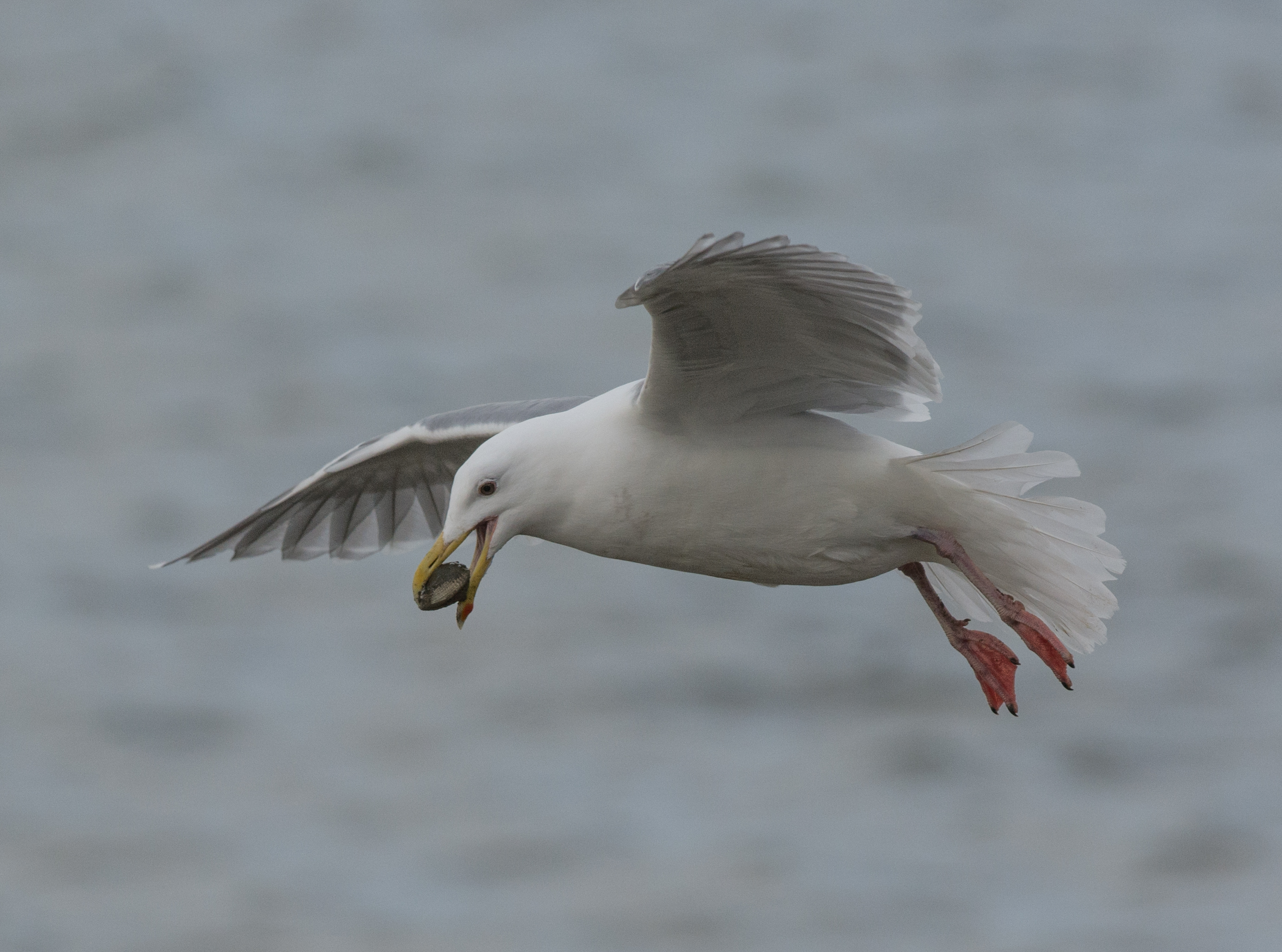
I spent considerable time on 2/19 observing and photographing gulls at low tide on March Point.  The gulls were busy procuring and eating clams, and they made it look easy.  They stroll along the beach looking for clams.  In most cases they seem to choose a “free-range’ clam, but I have occasionally seen them pull one off of a rock.  They then take off with the clam and fly up into a stall, always ensuring that they are over a rocky area.  They then drop the clam which cracks when it hits the rocks below.  They then drop down and dine.

gulls - with clams  20140219-17

There is an alternate means of securing a clam, however.  You stand around on the beach waiting until one of your friends drops a clam too close to you, then you beat the clam’s original owner to the clam!

gulls - with clams  20140219-15

Every once in awhile it appears that a gull will want to show off to its friends, and instead of taking action to drop the clam immediately it takes the time and effort to sail over its friends with the clam in its mouth.

This behavior is evident on March Point, along the Tommy Thompson Trail and along the beach in Coupeville.  And in Coupeville the crows have apparently learned and adopted the behavior from the gulls!

Back to the Yard!

On Feb 16, by early afternoon I decided I might have enough light to get some photos of yard birds, and there were plenty around!  These are the first yard birds I’ve photographed in some time and I’m eagerly looking forward to spring migrants, more light and warmer weather!

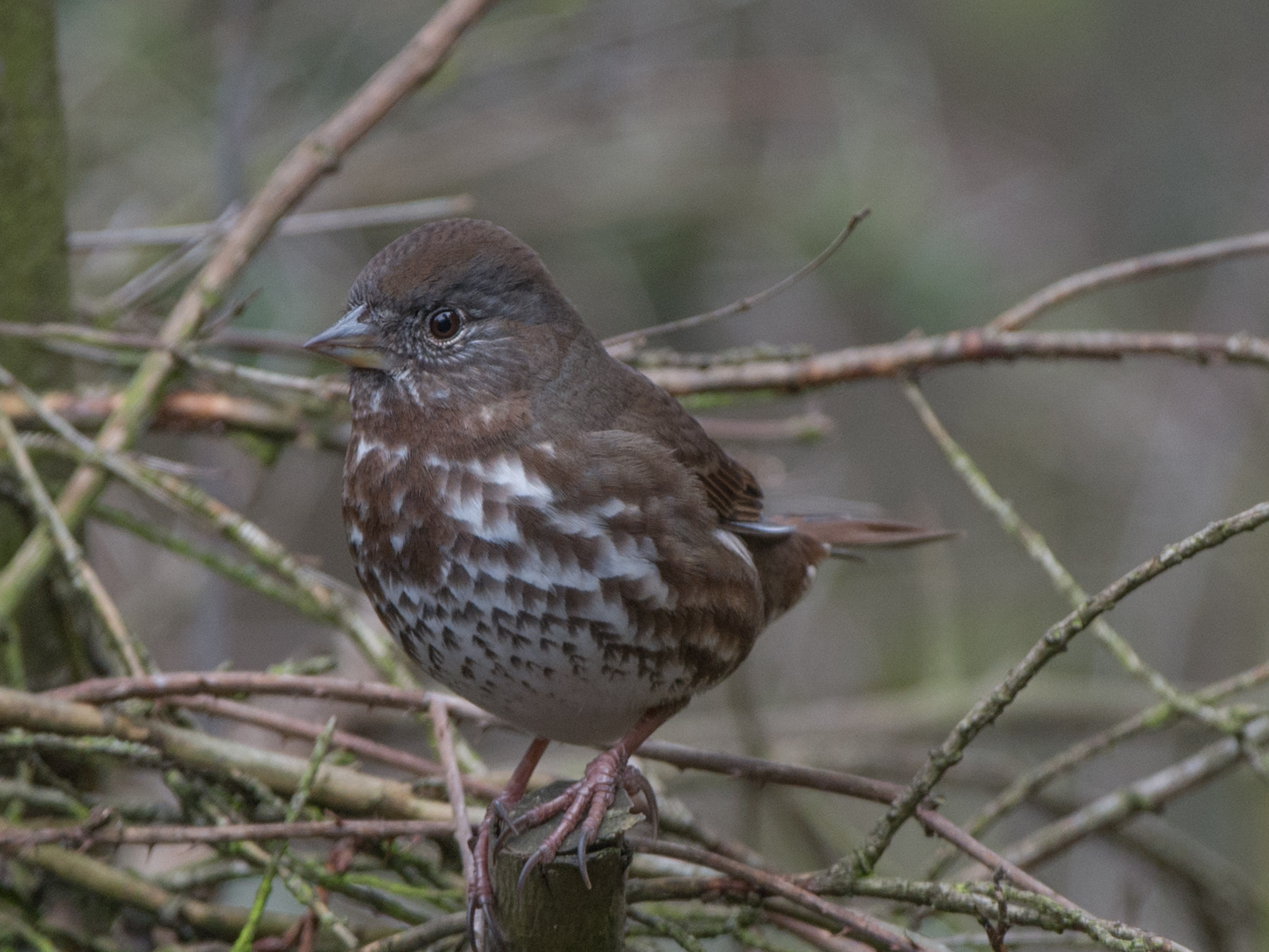
First up, this Fox sparrow.  I never have but two in the yard at one time, and usually there is only one.

Sparrow, Fox  20140216-02

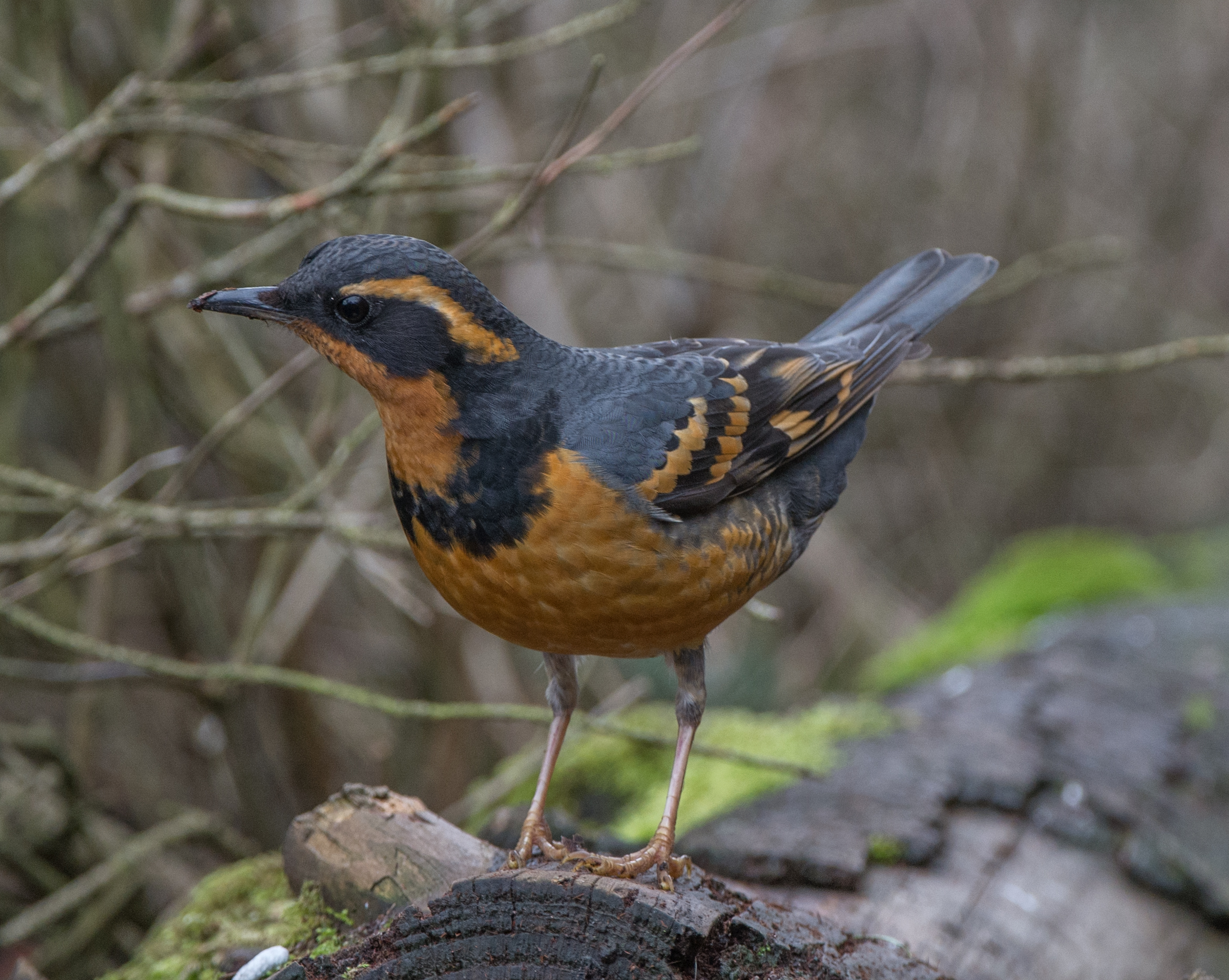
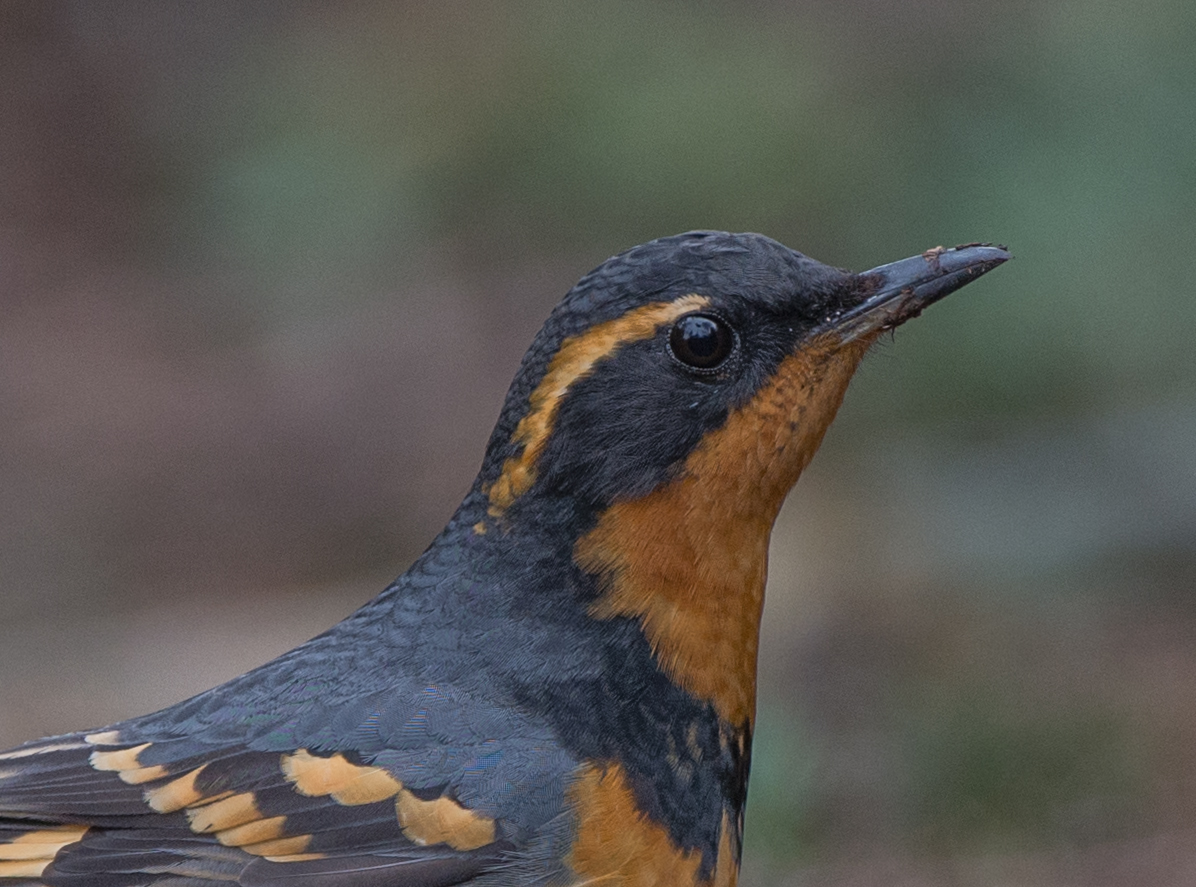
This winter, and for the past several winters, we have managed to attract Varied thrushes to the yard.  This year they seem to be all males, and 2-3 are all we can count at one time.  The real mystery is that these birds, as thrushes, are generally thought of as being insect and berry eaters.  Yet, unlike their close cousins (American robins) who are also thrushes, these thrushes clearly are attracted to unhulled sunflower seed I scatter in the yard.

Thrush, Varied  20140216-03-2

Thrush, Varied  20140216-04

We are absolutely overrun with Dark-eyed juncos of the Oregon race!  I estimate that there may be as many as 20 or more in the yard at one time!  For as long as we have lived here (almost seven years) we have had a single Dark-eyed junco of the Slate-colored race in the yard.  This year we might have two… one with the darker head and one with a lighter gray head (apparently signaling last year’s production).  I’ve never seen them in the yard at the same time and have thus far been unable to photograph either.

Junco, Dark-eyed - Oregon  20140216-01-2

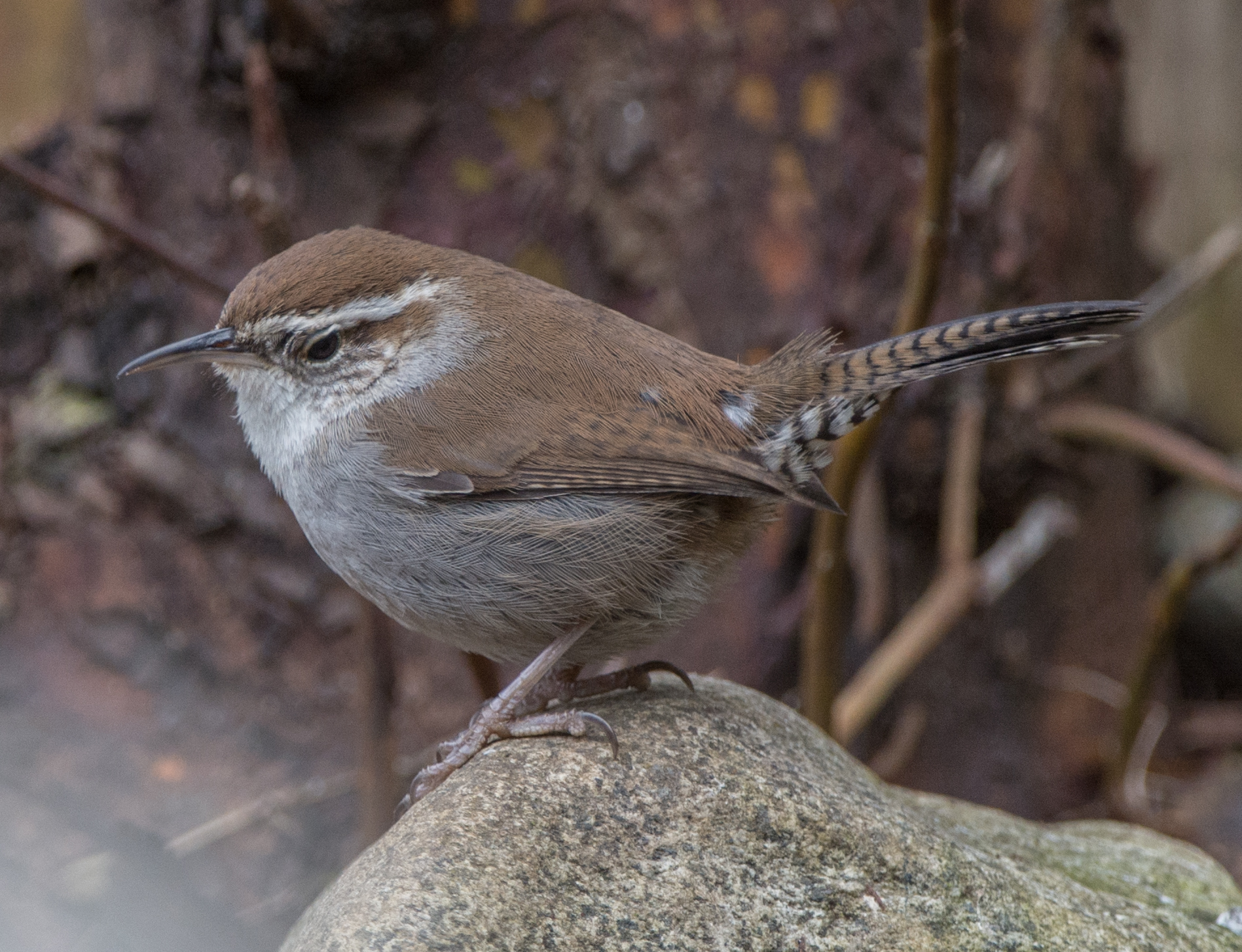
This past winter we have a Bewick’s wren that has been accessing our inverted suet feeder.  And on this day I watched as the bird ate some unhulled sunflower seed that was scattered on the ground.  Most unusual for a member of the wren family!

Wren, Bewick's  20140216-05


Skagit Flats Birding

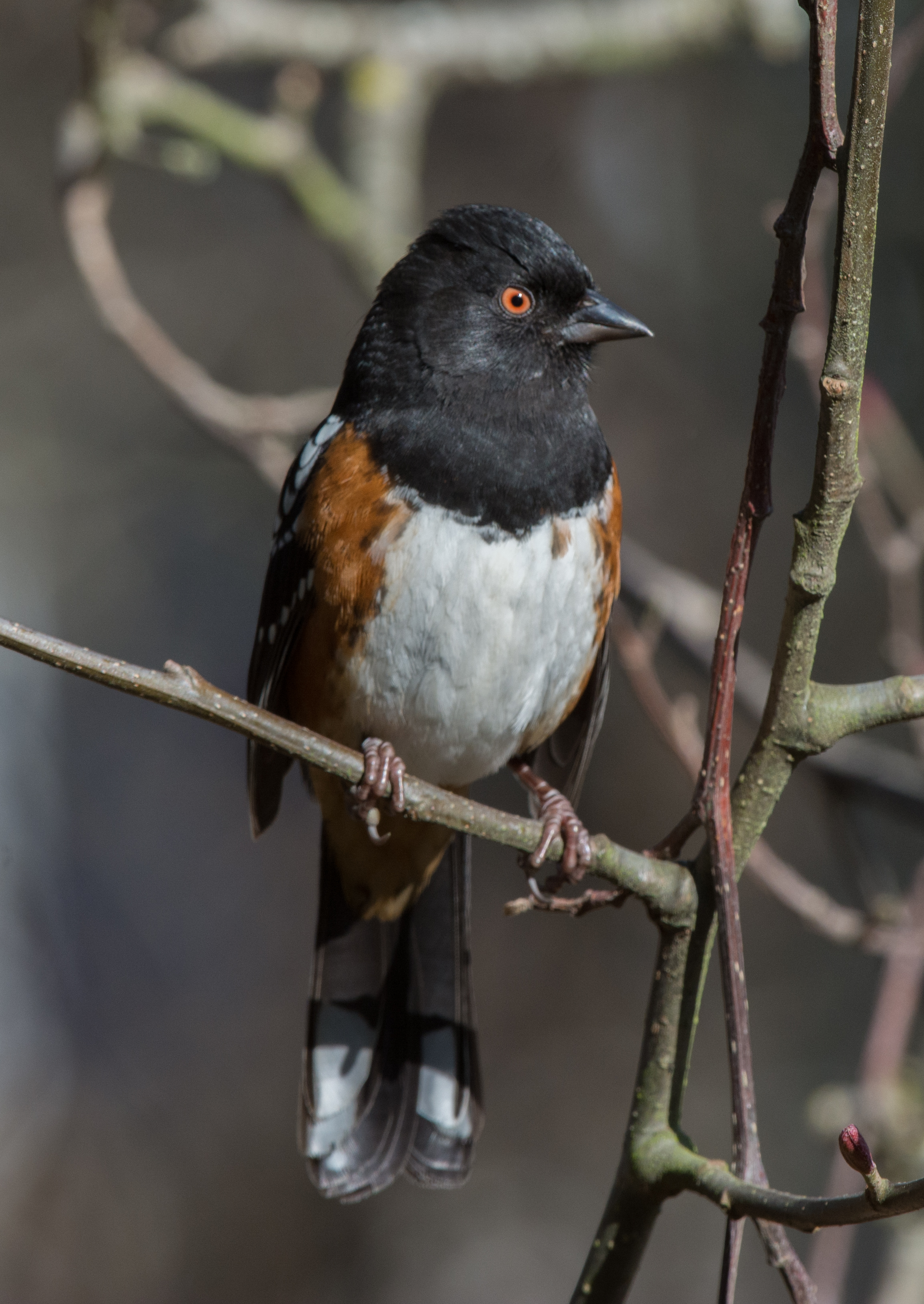
By mid-morning on Feb 12 the sun was shining and I decided it was time for yet another birding excursion.  I first made a trip through my neighborhood and found this magnificent male Spotted towhee.

Towhee, Spotted  20140212-01

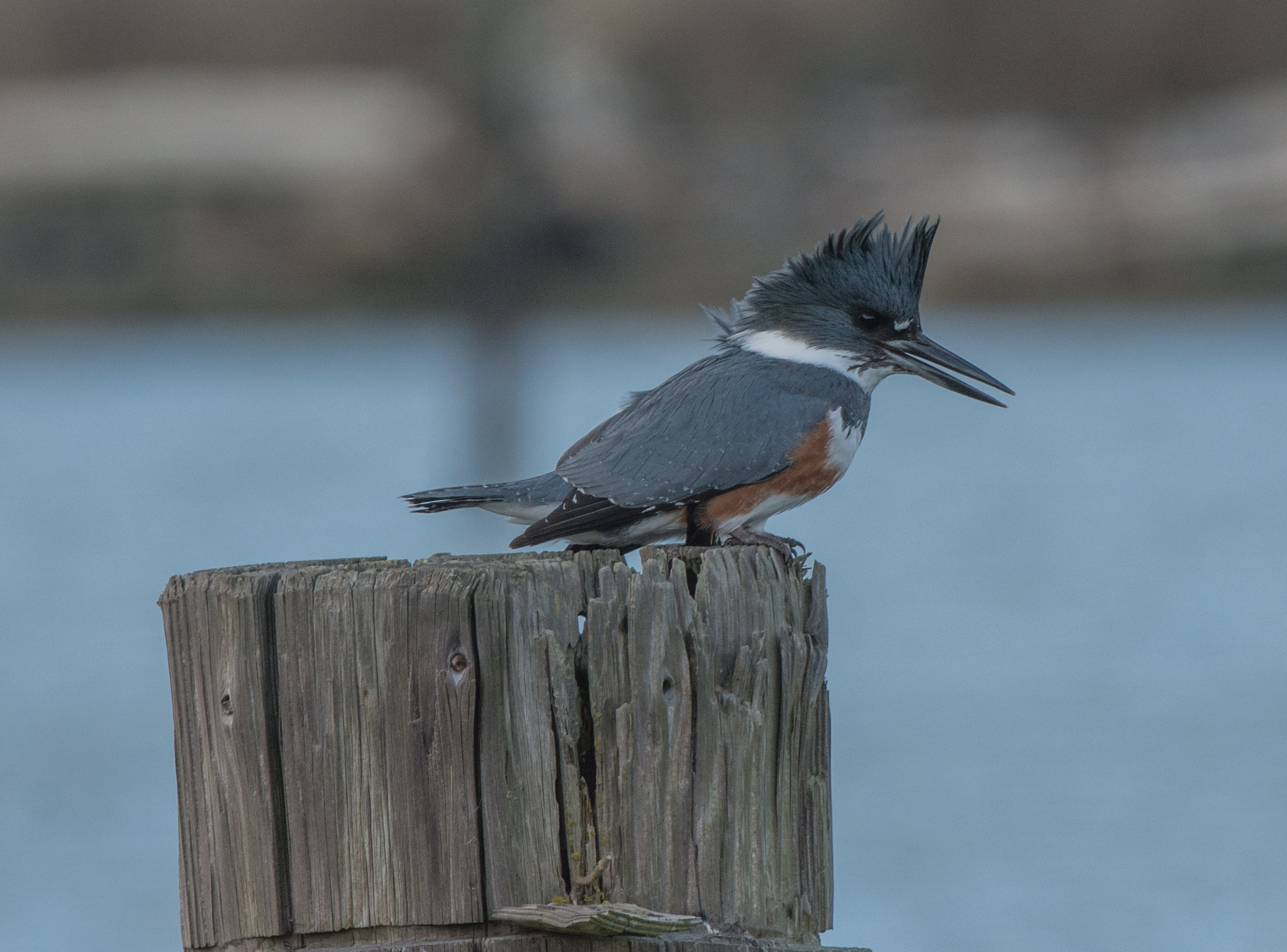
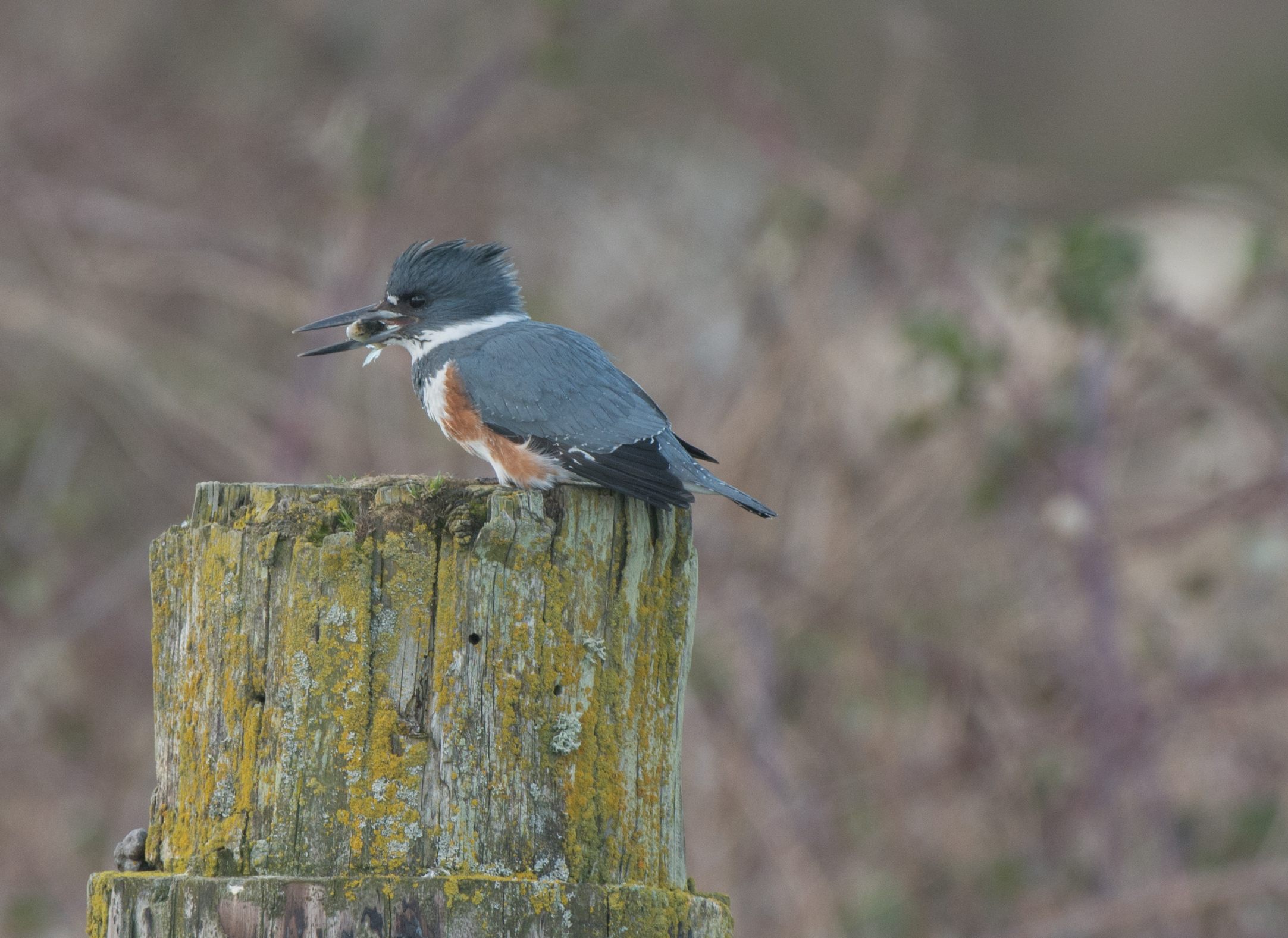
The sun lasted just about long enough for me to get around a rather uncharacteristically unproductive March’s Point, so finding little to photograph there I continued to Channel Drive where I managed to observe and photograph a female Belted kingfisher catching, and hurrying through (!), lunch.

Kingfisher, Belted  20140212-12


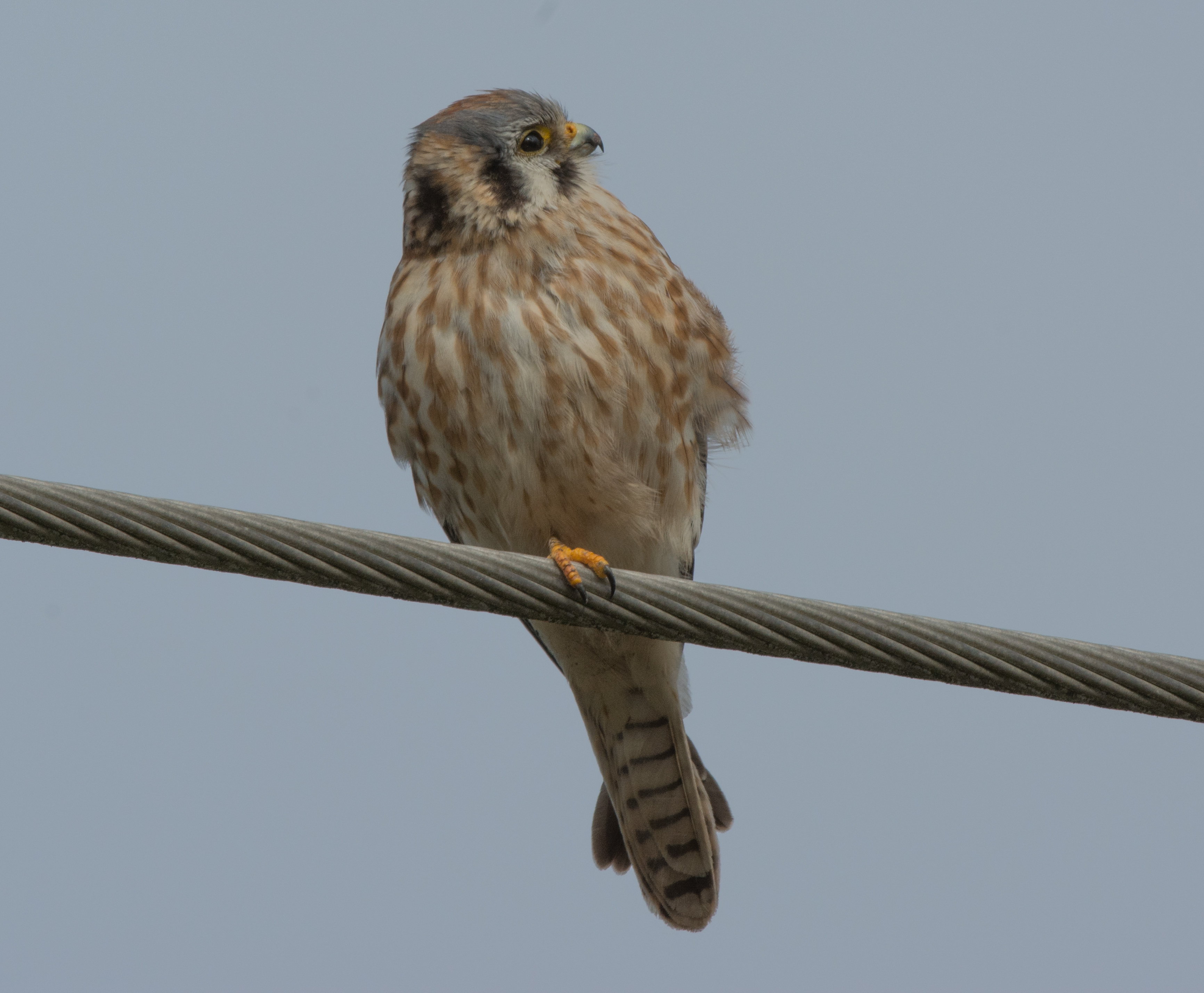
Kingfisher, Belted  20140212-13 I had an errand to run in Burlington so I wandered through the farm fields south of Memorial Highway.  I encountering the most cooperative American kestrel I had ever found in Skagit County.  The bird allowed me to stop almost directly below it for photographs, then stayed in place while I had to move for a large farm truck passing by, and then allowed me to return for more photographs!  I never could see the plumage details to allow me to make a sex determination, but I sort of suspect from its behavior that it might be a female.

Kestrel, American  20140212-05

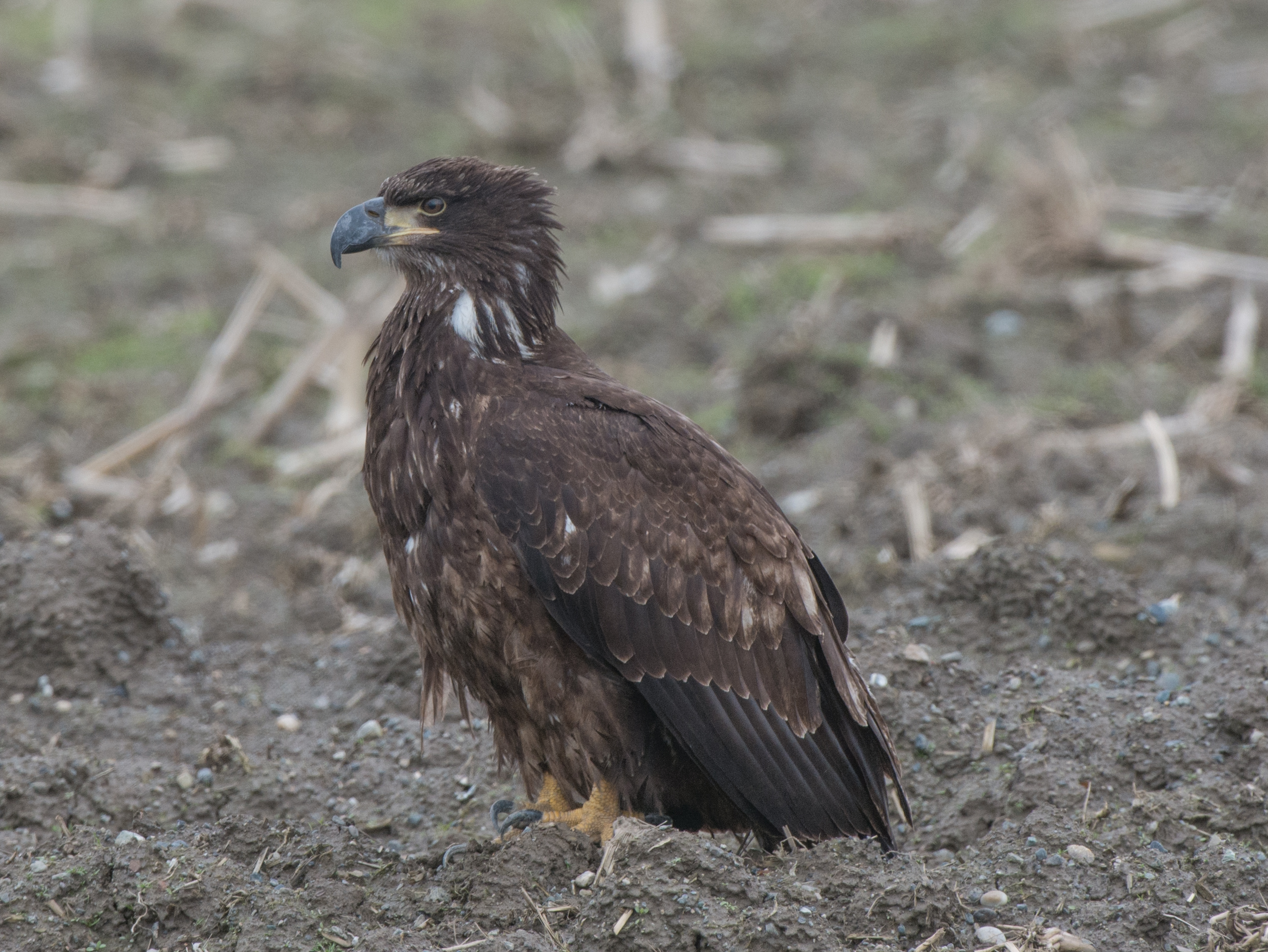
I found this juvenile Bald eagle sitting in a farm field not far from the road, looking around as if it had nothing to do.

Eagle, Bald  20140212-04

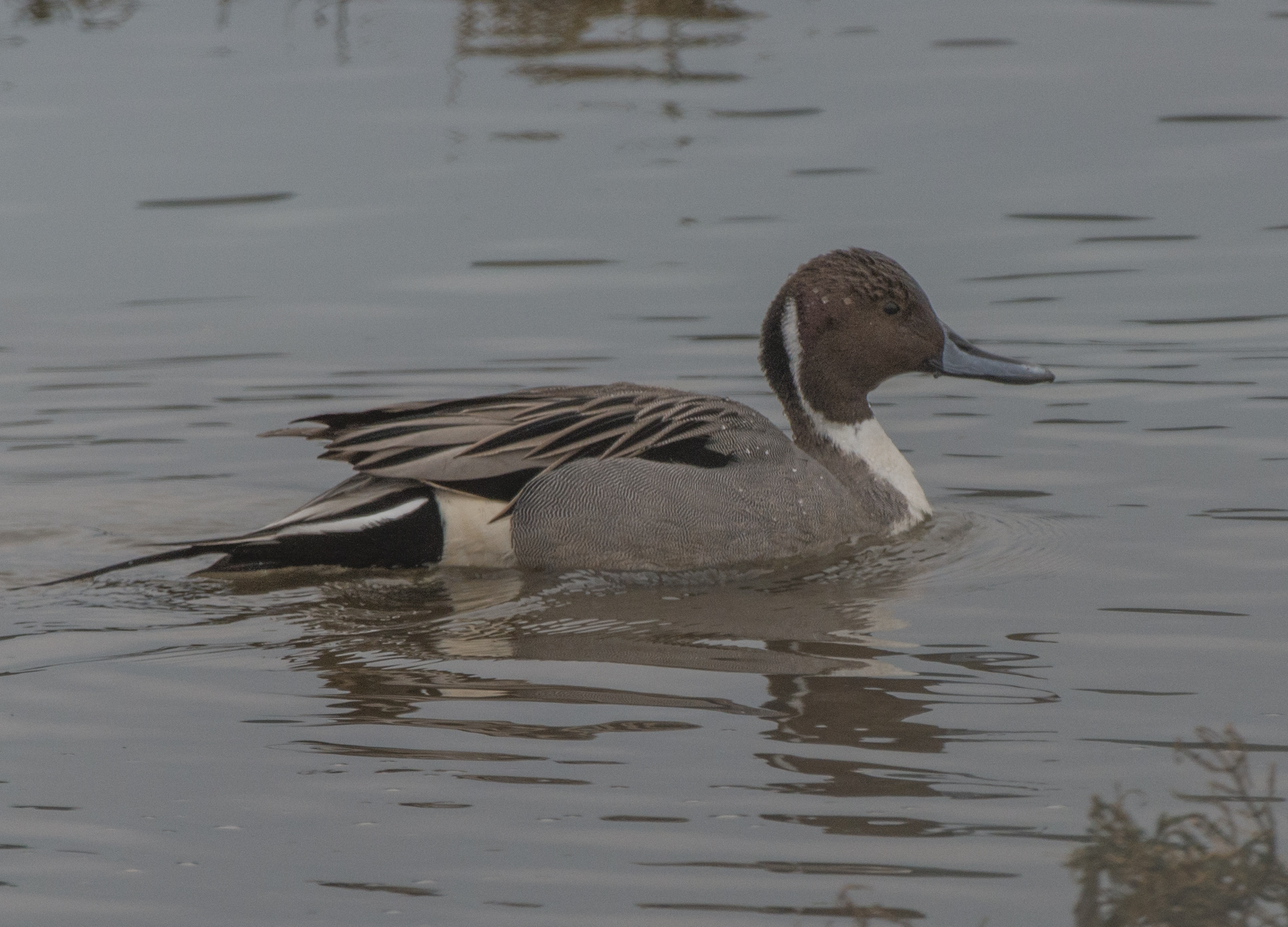
On my way back I swung around March’s Point again and photographed this male Northern pintail.

Pintail, Northern  20140212-03