Excursion

My wife hosted a women’s discussion group this morning so it was incumbent on me to disappear for at least a couple of hours.  Since I had been serving my 5th tour of jury duty in my lifetime (I have friends who have never served) I was glad for the opportunity to get a little time to myself and renew my acquaintance with my camera and the great outdoors.

The following photos were all taken off-island… some on Channel Drive and some on Fir Island, except for these first two which were taken on March Point.

DSC_7090 20131101-02

Great Blue Heron

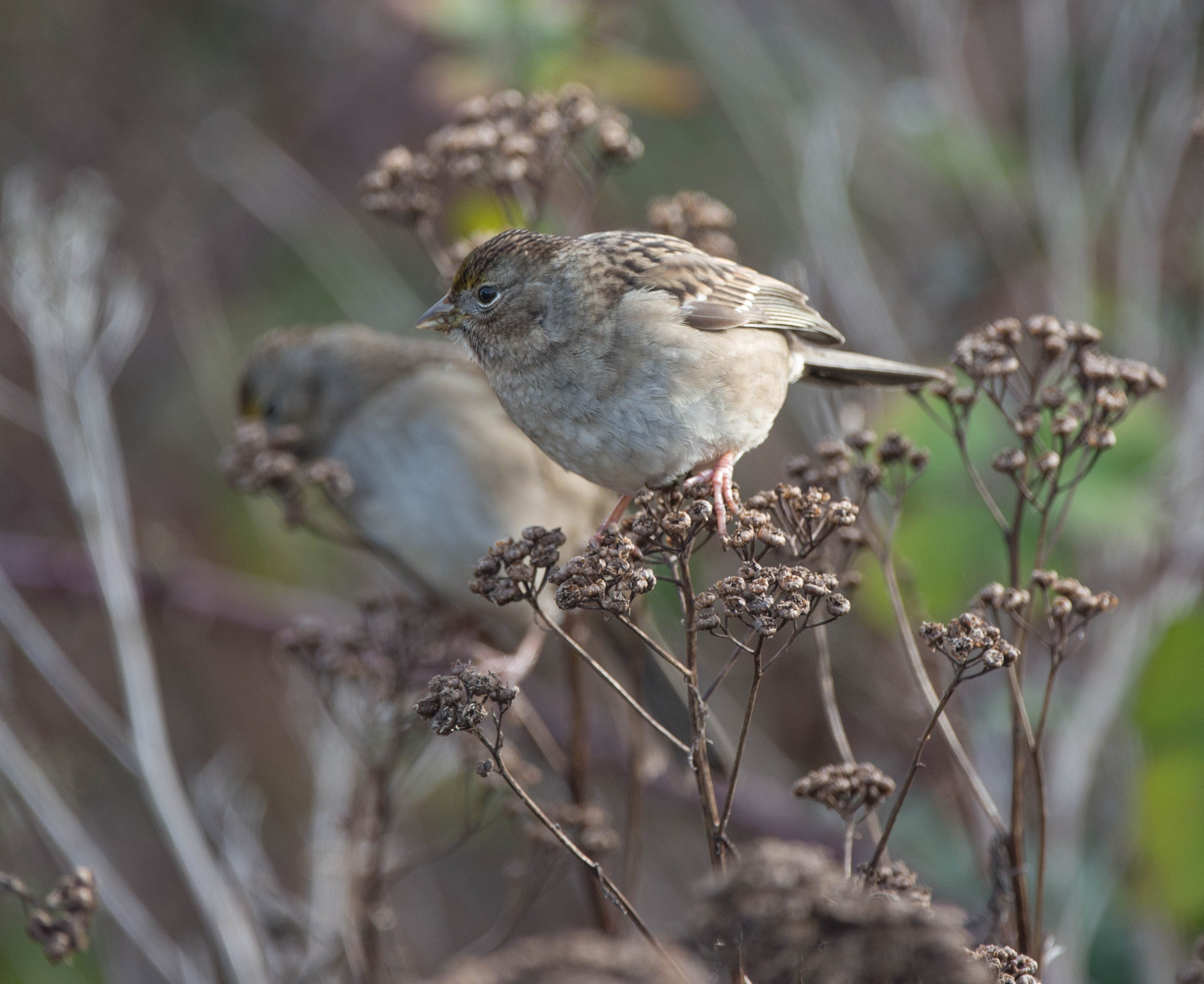
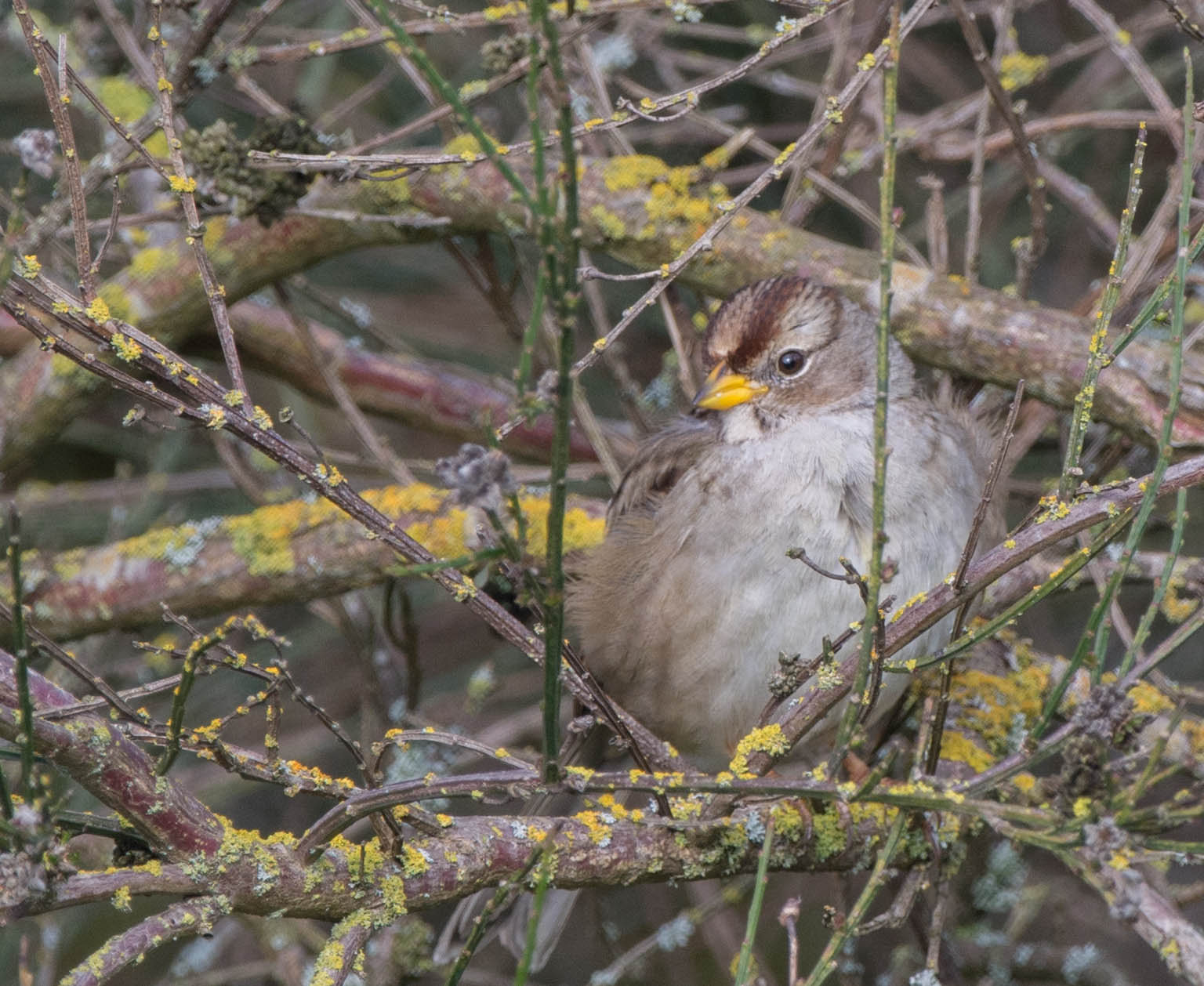
DSC_7086 20131101-01

Golden-Crowned Sparrow

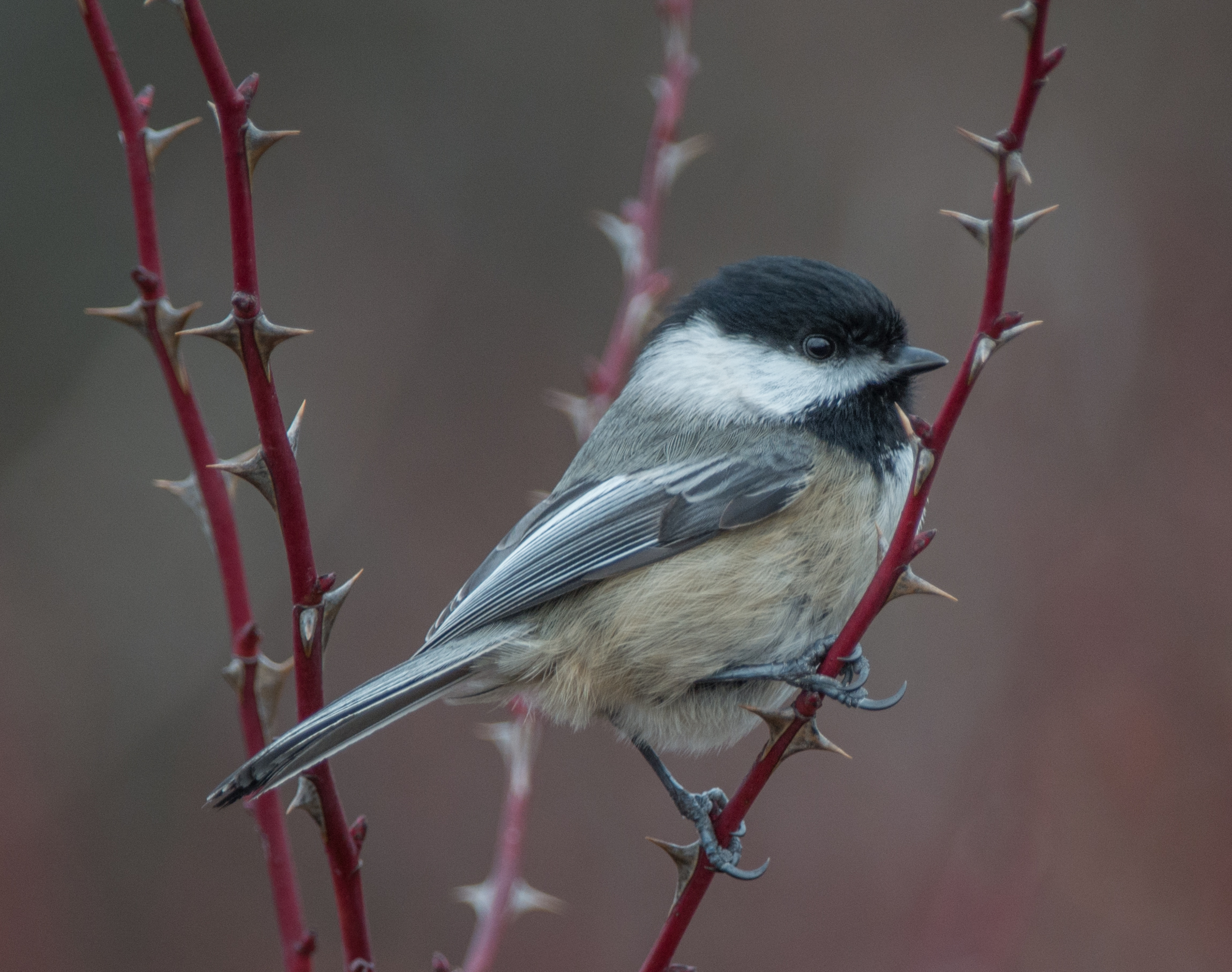
This isn’t the greatest of photos, but when processing this and several other similar photos I noticed that this Black-capped chickadee was actually feeding from a small seed cup on this plant.  I watched as several different chickadees made trips to the seed pods for seeds.

DSC_7139 20131101-06

Black-Capped Chickadee

The following birds, an Orange-crowned warbler, presumably a male Spotted towhee and a Lincoln’s sparrow (nice find, Joe!) were all at the end of Channel Drive.

DSC_7145 20131101-07

Orange-Crowned Warbler

DSC_7122 20131101-04

Male Spotted Towhee

DSC_7110 20131101-03

Lincoln’s Sparrow

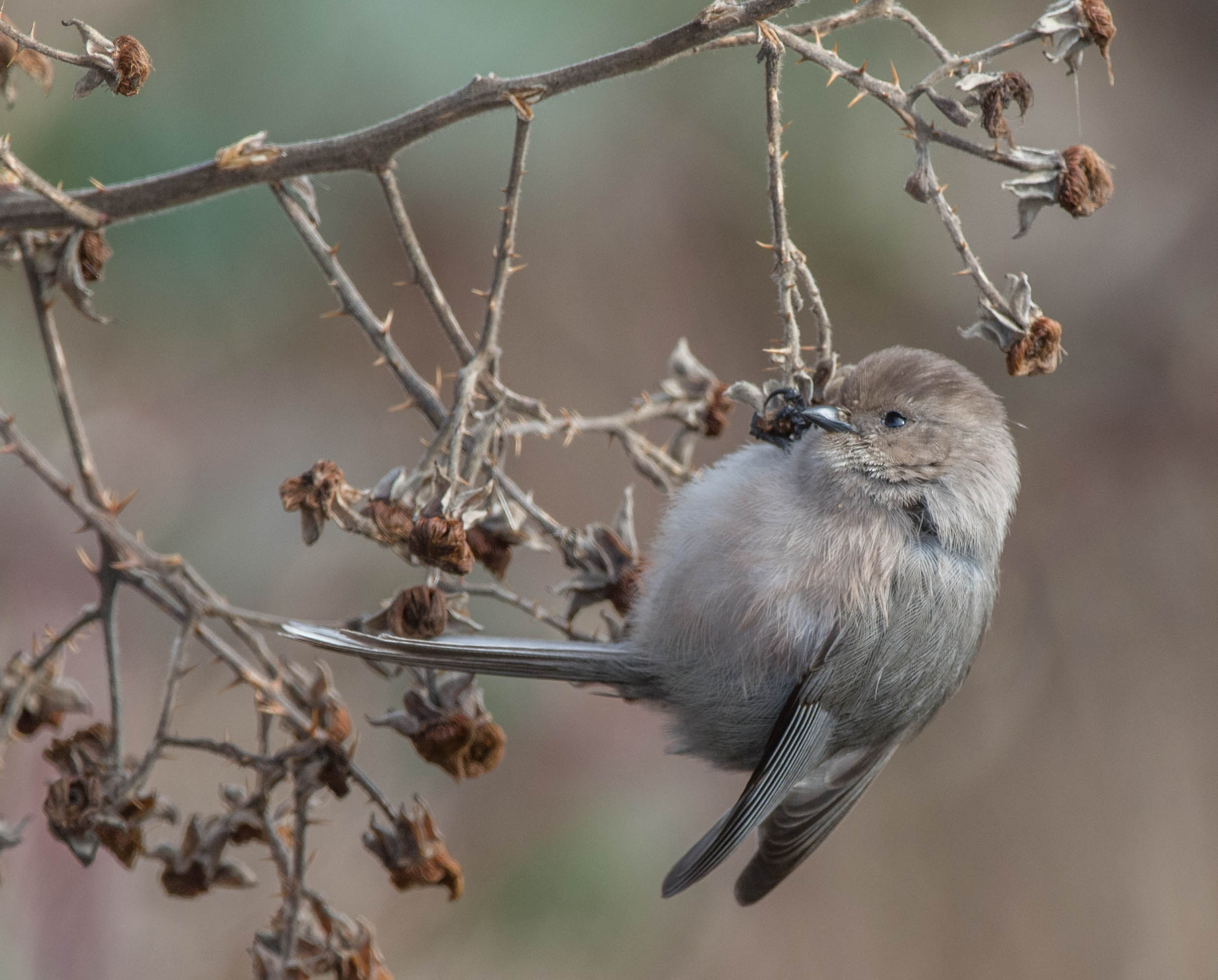
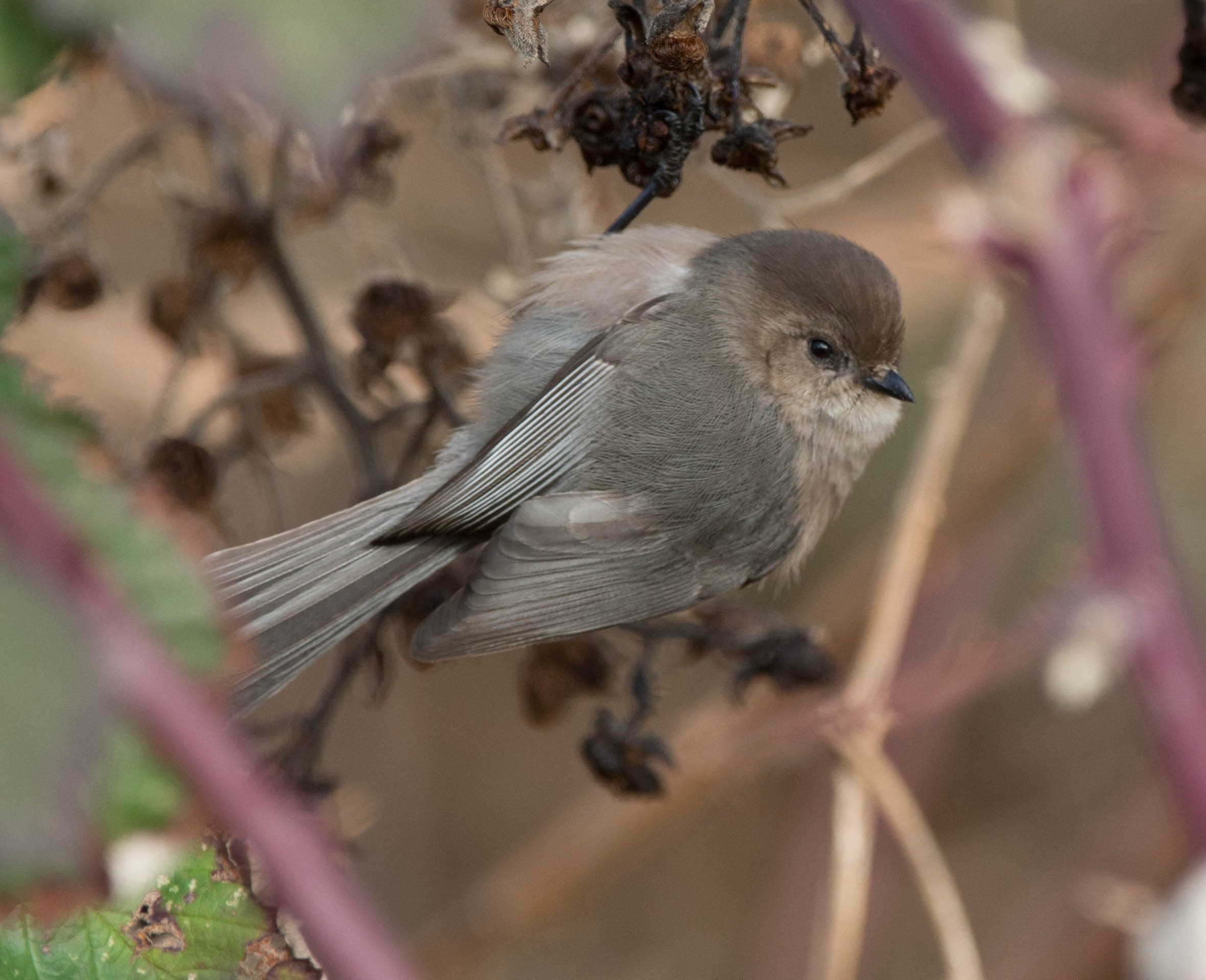
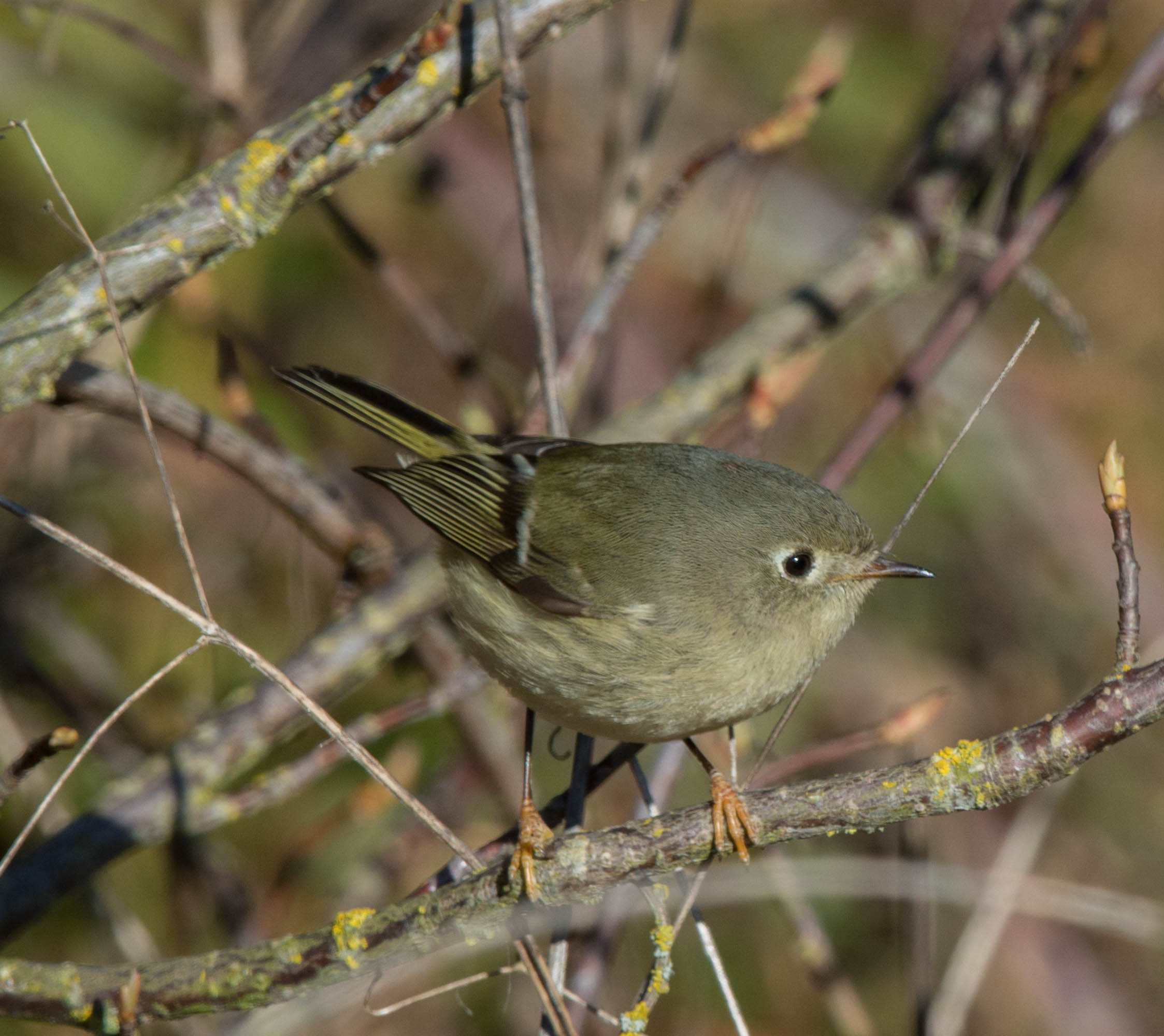
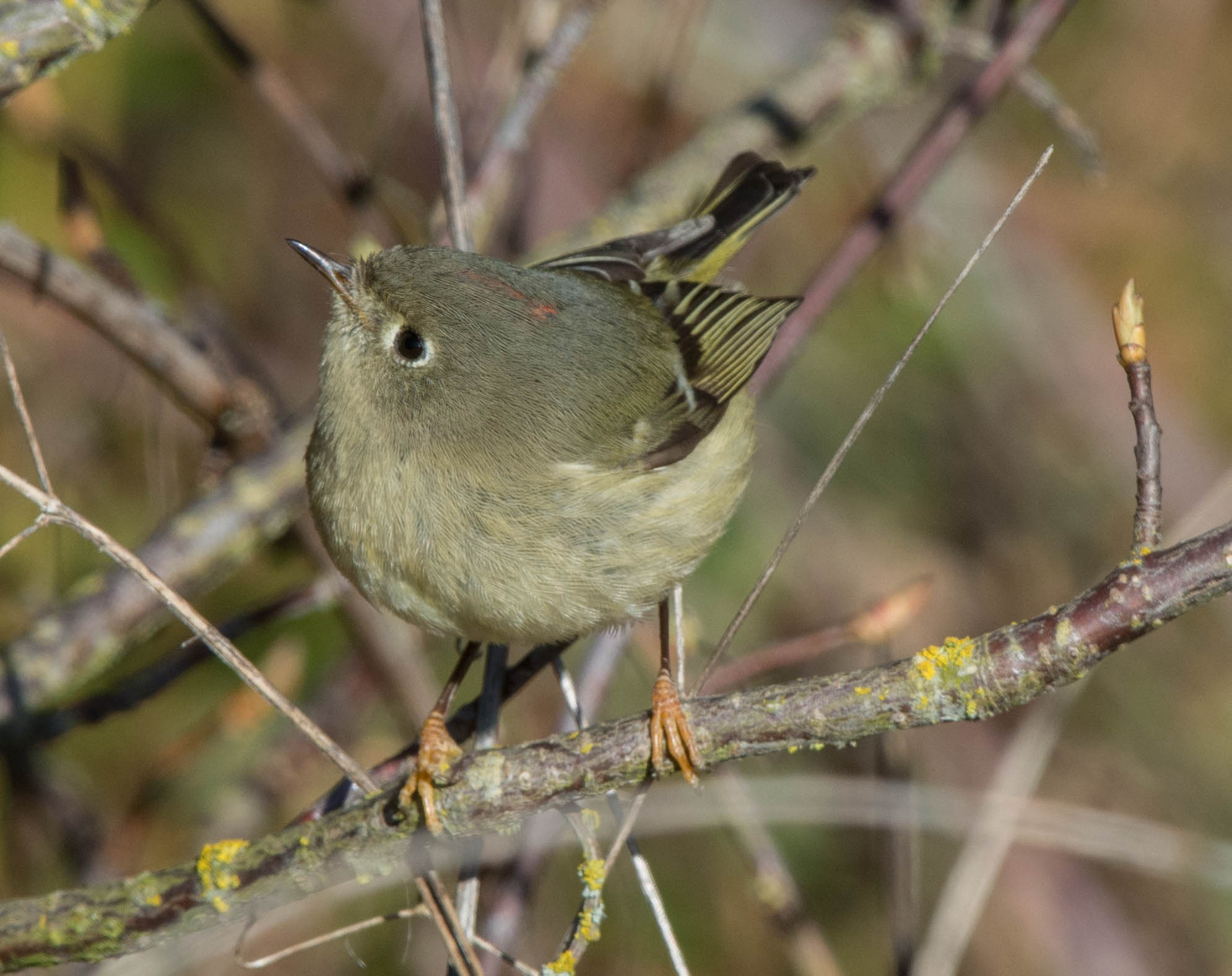
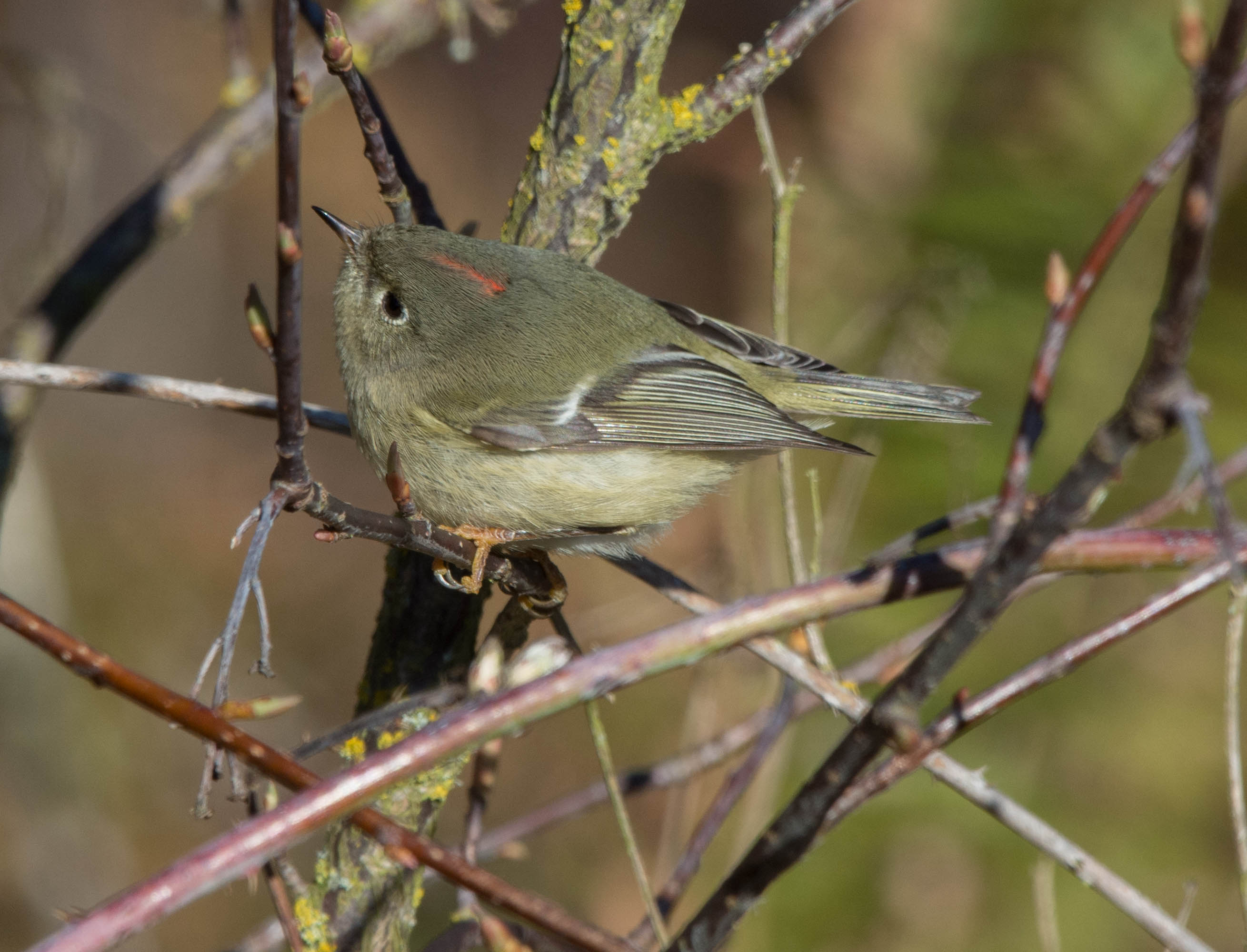
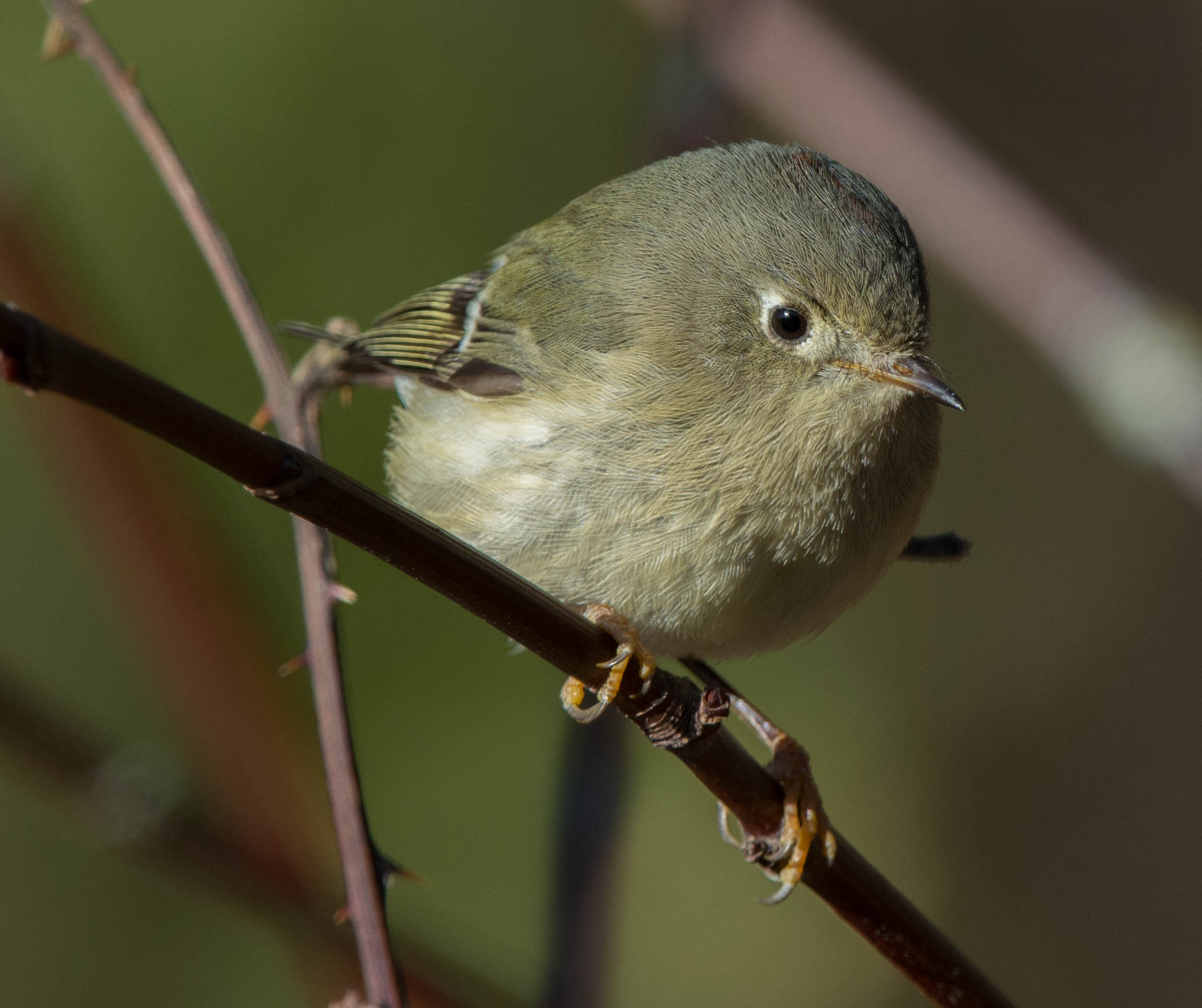
And finally, one of these Ruby-crowned kinglets was on Channel Drive and the other at the Fish and Game HQ on Fir Island.

DSC_7133 20131101-05

Ruby-Crowned Kinglet

DSC_7158 20131101-08

Ruby-Crowned Kinglet


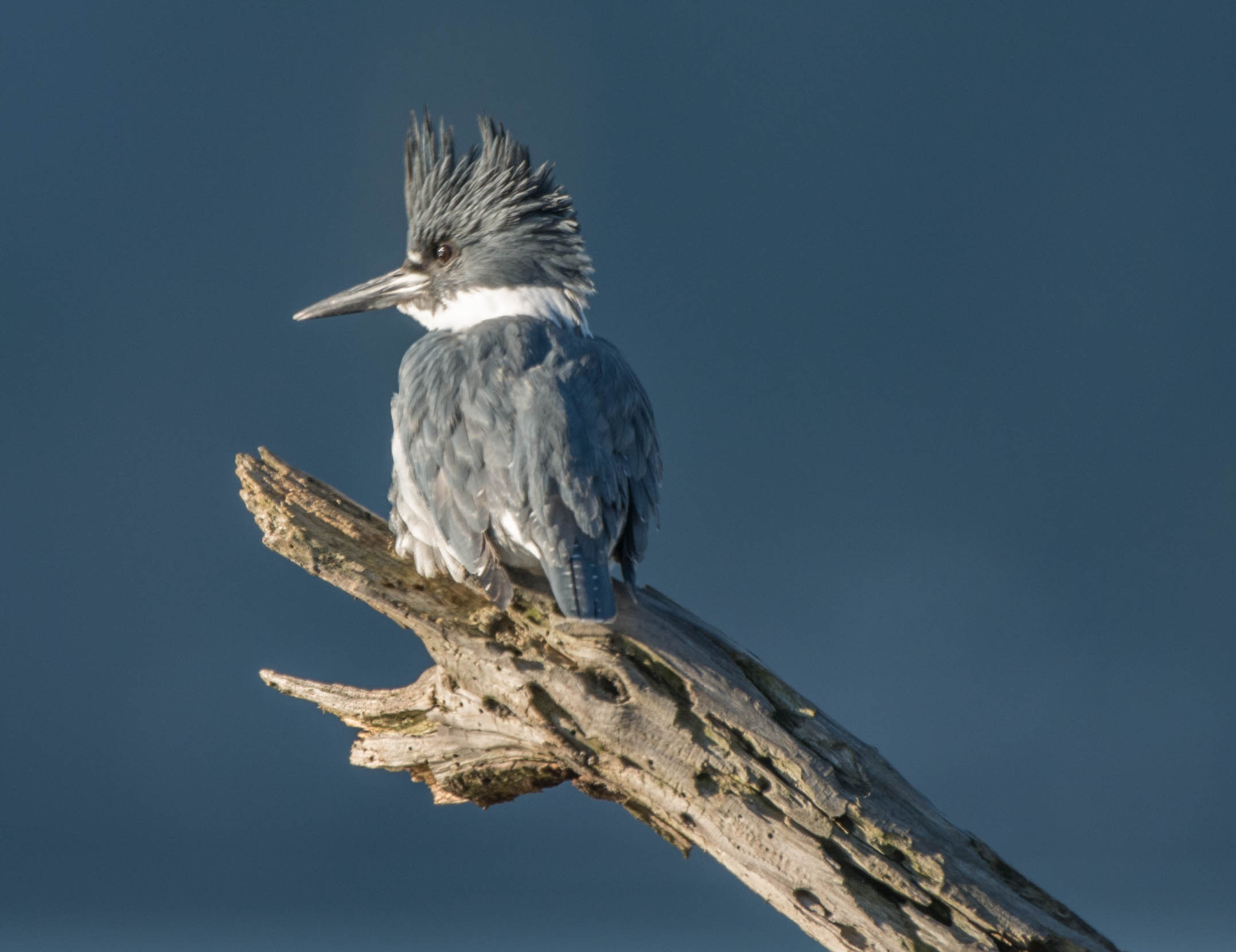
Belted Kingfisher

Yesterday we had heavy fog for all but about an hour around 3pm.  I spent a little time in the yard but there weren’t many photo opportunities so I headed out in my car to see what I could find.  Making a somewhat longer story shorter, I happened on this female Belted kingfisher at the Cap Sante Marina and managed to take several photos before the bird moved on.

I just missed getting a really good photo of the bird with a fish in its mouth, but I had to settle for a photo of it in the process of gulping down the meal.

Kingfisher, Belted  131022-01 20131022-01Kingfisher, Belted  131022-03 20131022-02 Kingfisher, Belted  131022-06 20131022-03

If you never remember anything else from this post, you can learn an interesting fact about the birding world.  The Belted kingfisher is fairly unique in the bird world, even among other North American kingfisher species.  The female Belted kingfisher has brighter colors (ie, a rufous-colored breast) than the male of the species.  (See who among your birding friends can name a North American bird species in which the female’s color is brighter than the male’s!)

Back in the Yard!

I’ve gotten rather tired (and my neck has gotten beyond tired) photographing birds in the madrona trees in the neighborhood.  Yesterday (10/14/2013) I spent about three hours photographing birds in, around and under the madrona trees and found when processing my photos that I didn’t have all that much to show for my efforts.  Some of the problem is that I’ve spent significant amounts of time in the same location so I have not only a lot of photographs, but a very large backlog to process.  What I’m mainly interested in is some of our rarer (as in more difficult to find/photograph) birds and they just don’t happen along that often, so I content myself with photographing American robins.

Yesterday afternoon after returning from my second outing to the madrona tree I glanced out my kitchen window and spied a Varied thrush in the yard not 15 feet from me.  Shortly thereafter a Golden-crowned kinglet visited the watercourse.  That was enough for me!  I decided today (10/15/2013) that I would spend my time in the yard.  It was a good decision!

There were many, many birds in the yard.  I hadn’t been set up in the yard long, and was talking to one of my birding sisters in Texas, when a Hermit thrush flew to the watercourse area.  I could hardly believe it, but I was talking on the phone to my sister using one hand and taking photos of the thrush with the other.  I took what are probably my best Hermit’s thrush photos and my sister remarked that she could hear the ‘click, click, click’ of my shutter while I was talking!

DSC_6901 20131015-02

Hermit Thrush!

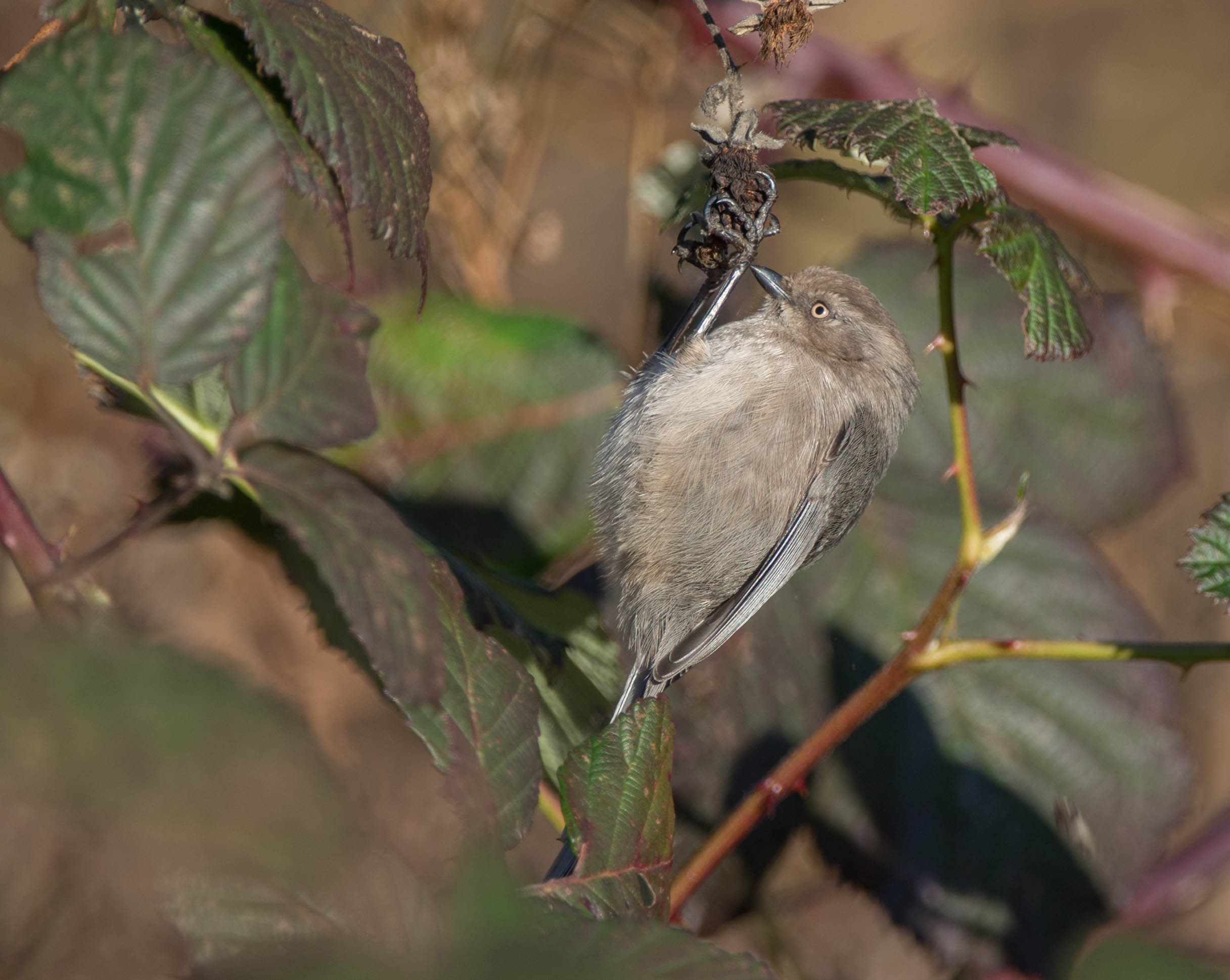
Not long after I observed the first of two or three visits by a Golden-crowned kinglet.  I managed to take many photos of it taking a bath.  As I mentioned in a prior post, one of these photos shows the ruby crown that is usually hidden in the middle of the golden crown.  (And I should mention that there was also a visit by a Ruby-crowned kinglet, but it landed on a bird bath that was too close to me for the focal length of my lens.

DSC_6893 20131015-01

Golden-Crowned Kinglet

DSC_6947 20131015-02

Golden-Crowned Kinglet with Ruby Crown Showing

Finally, from the interesting sighting standpoint, a male Anna’s hummingbird, which will likely spend the winter with us, visited the yard on at least two occasions.  I’m not sure how these birds survive the winter but I try to help by keeping a feeder out.  The feeder doesn’t keep the hummingbirds from migrating south… they spend the winters here regardless.  I just try to make life a little easier on them.  A couple of winters ago we had snow on the ground for two weeks and we had a male that survived, so they get by somehow.

DSC_6922 20131015-03

Male Anna’s Hummingbird


Cap Sante Madrona Trees

This past week or so we’ve had good weather and I have spent considerable time focused (pun intended) on the madrona tree in the neighborhood.  It is still very full of berries and there are others on which the berries haven’t even ripened, so the subject matter seems like it will be around for awhile.  Mindful of the once-a-year opportunity, and grateful for the nice weather, I’ve continued taking photographs of the birds in and around the madrona trees.  They are a veritable bonanza, with many different species taking advantage of the food sources (berries and insects) that the tree provides.  It’s tedious… I have probably spent more than a dozen hours at my mobile post and if you think you are tired of seeing birds in the madrona tree, please appreciate the hundreds of photographs I am still culling and processing to obtain some good images.

That having been said, I would like to list some of the birds I’ve seen in and around the trees…

  • American robin
  • Northern flicker
  • Varied thrush
  • Chickadee, Black-capped and Chestnut-backed
  • Orange-crowned warbler
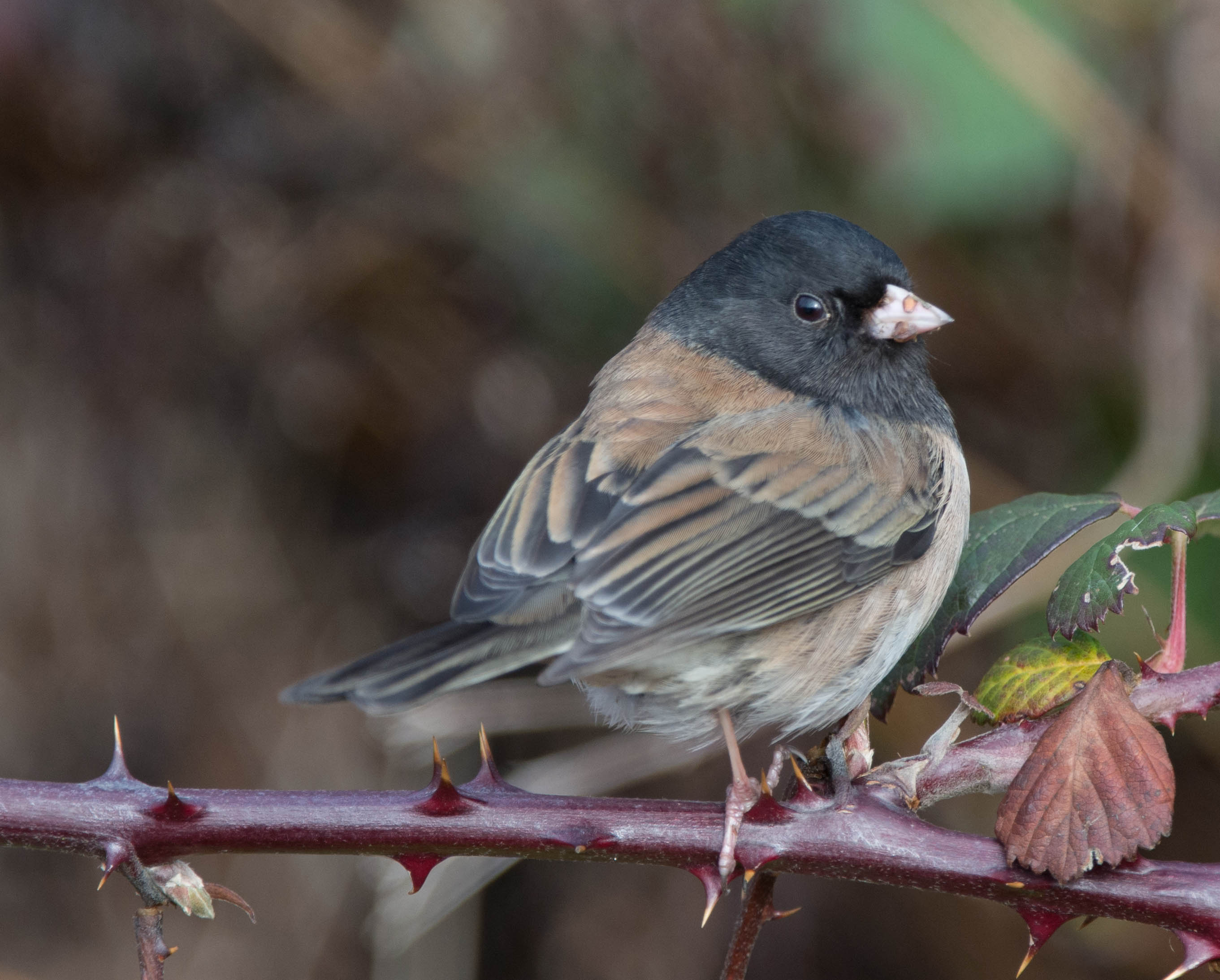
  • Dark-eyed junco, Oregon race
  • Cedar waxwing
  • Golden-crowned sparrow
  • Fox sparrow
  • Song sparrow
  • House sparrow
  • Spotted towhee
  • Kinglet, Ruby-crowned and Golden-crowned
  • Hermit thrush!

I may have left off a species or two, but I think you get the idea.  Keep in mind that some of the species I’ve listed are not berry/seed eaters and visit the tree for insects or just because other birds are present.  So now a few more photos…

DSC_6375 20131007-01

American Robin

DSC_6447 20131007-03

Northern Flicker

DSC_6515 20131008-01

Spotted Towhee

DSC_6560 20131008-02

Cedar waxwing

DSC_6569 20131008-03

Varied Thrush!

DSC_6613 20131008-04

Golden-crowned Sparrow

DSC_6753 20131013-01

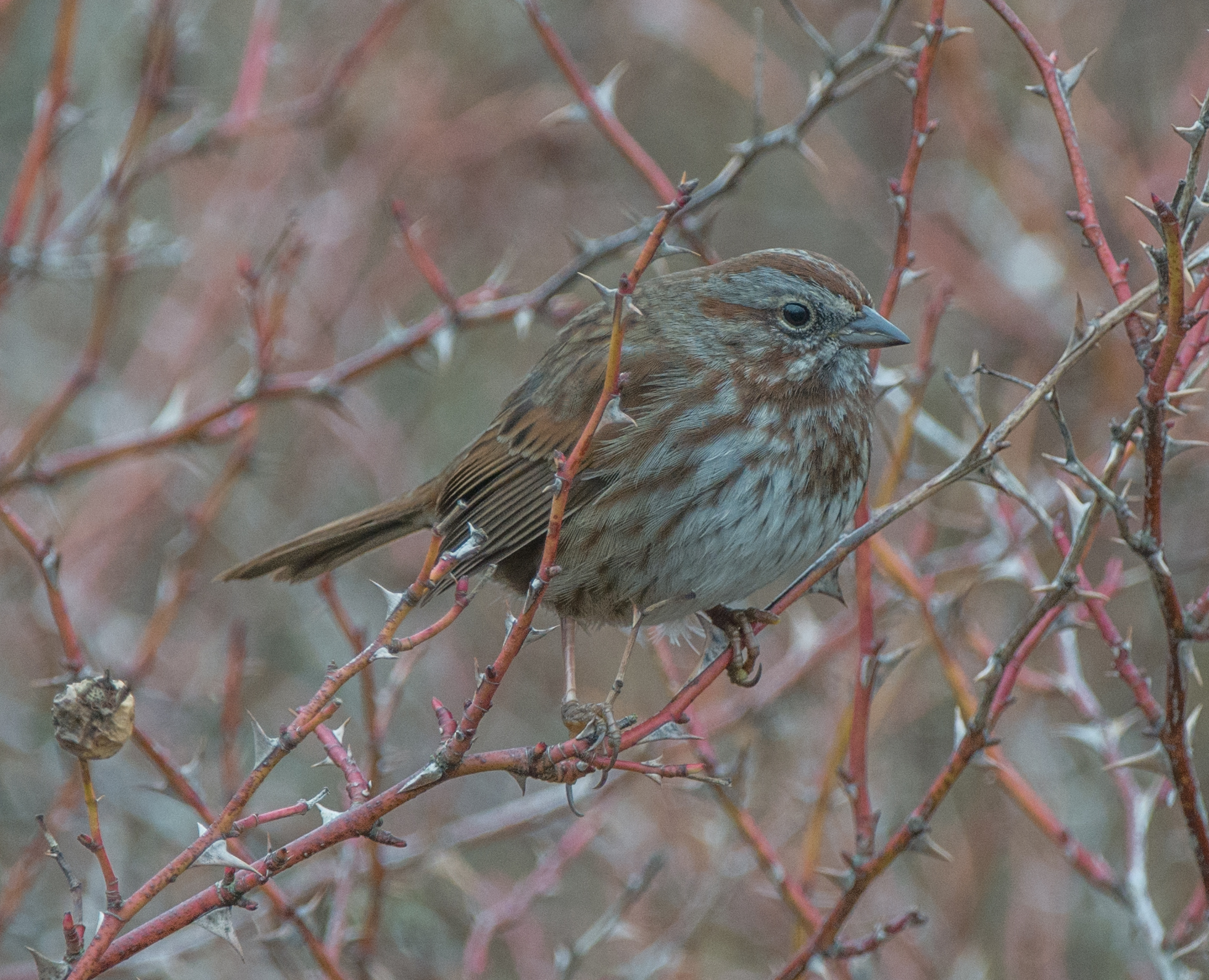
Song Sparrow


Food for Photographers

Many of the madrone tree berries are at full ripeness and are being accessed by American robins, Northern flickers and other birds.  The berries provide a nice background for photographs.  These photos were taken around the Cap Sante area this past weekend.

DSC_6264 20131005-03 DSC_6258 20131005-02 DSC_6240 20131005-01


And while I was out photographing robins in the madrones, I happened across this Orange-crowned warbler looking for insects in the Ocean Spray bushes.  In confirming the identity of this warbler I must admit that I never realized how much this warbler could look like a female MacGillivray’s warbler.  They both have broken eye rings but I believe that the MacGilivray’s warbler’s “hood” extends further down its breast.DSC_6330 20131006-05 DSC_6318 20131006-04