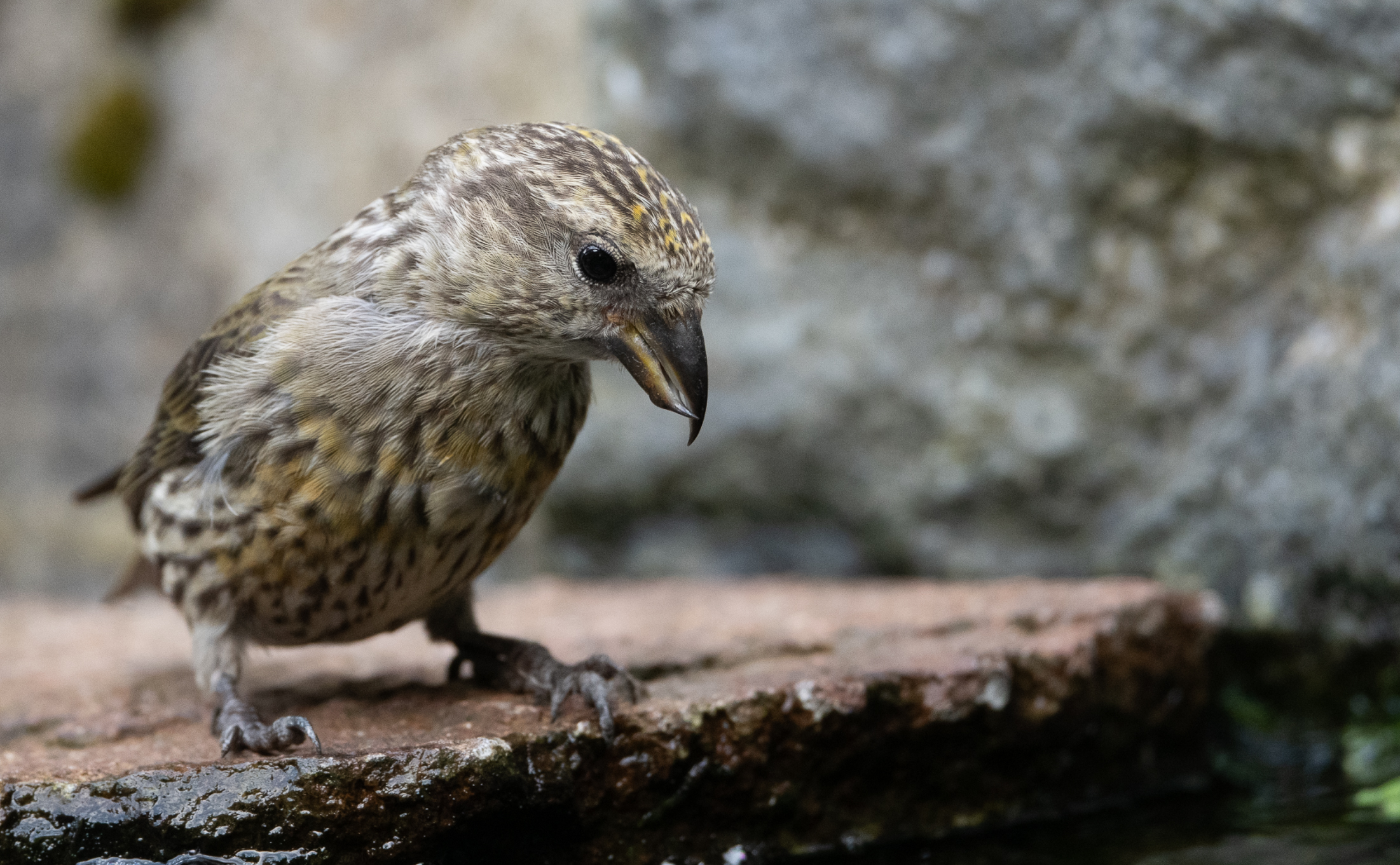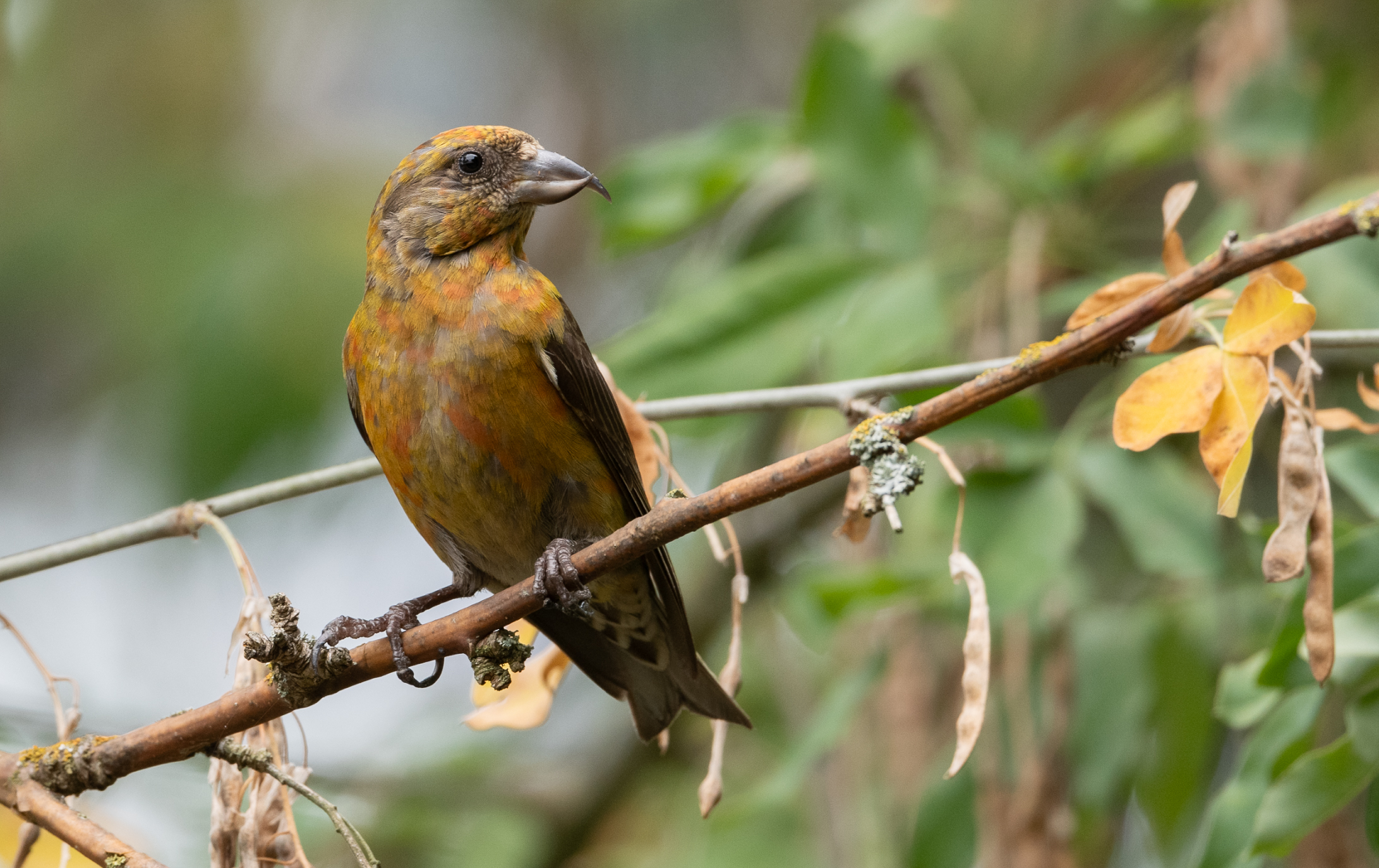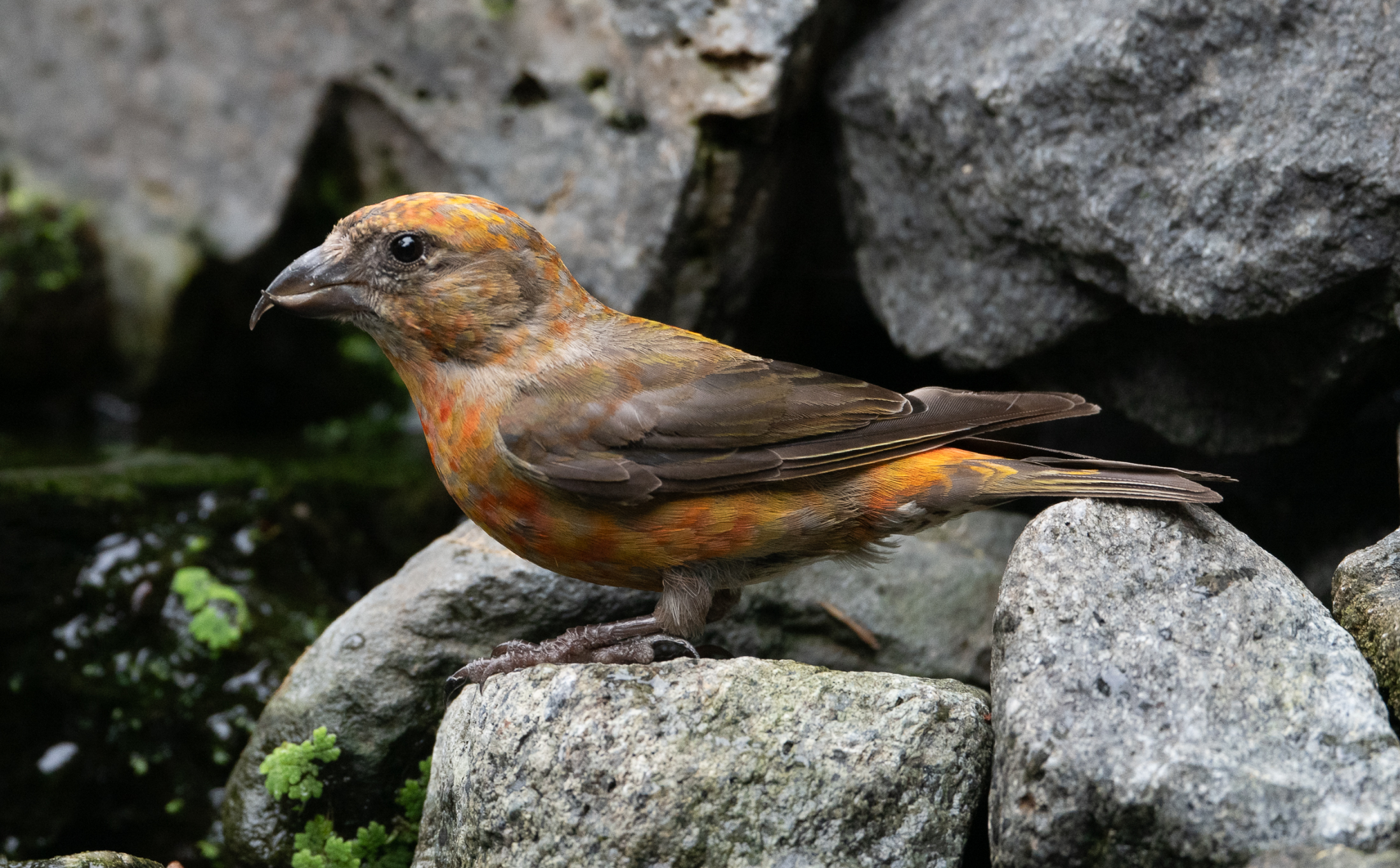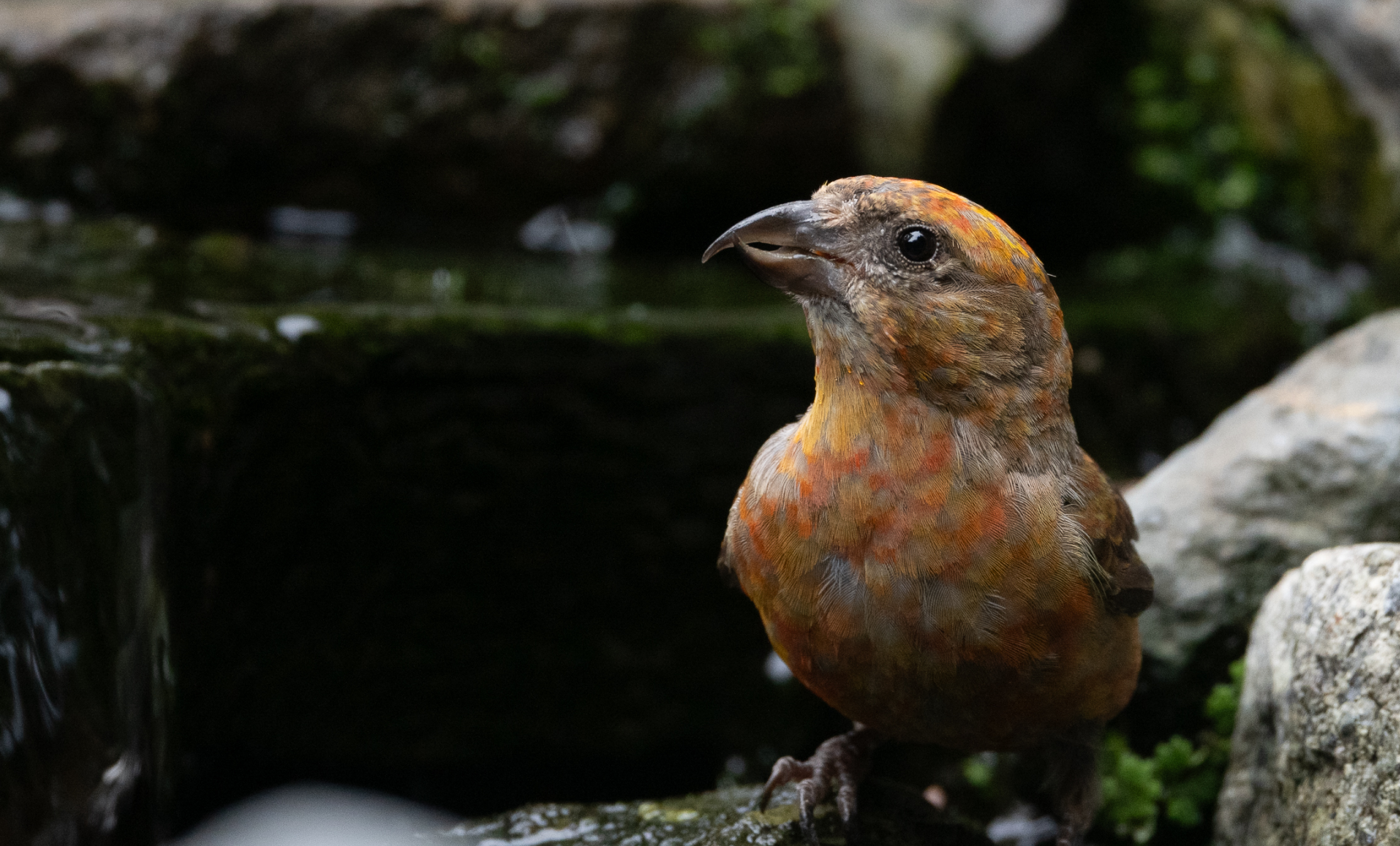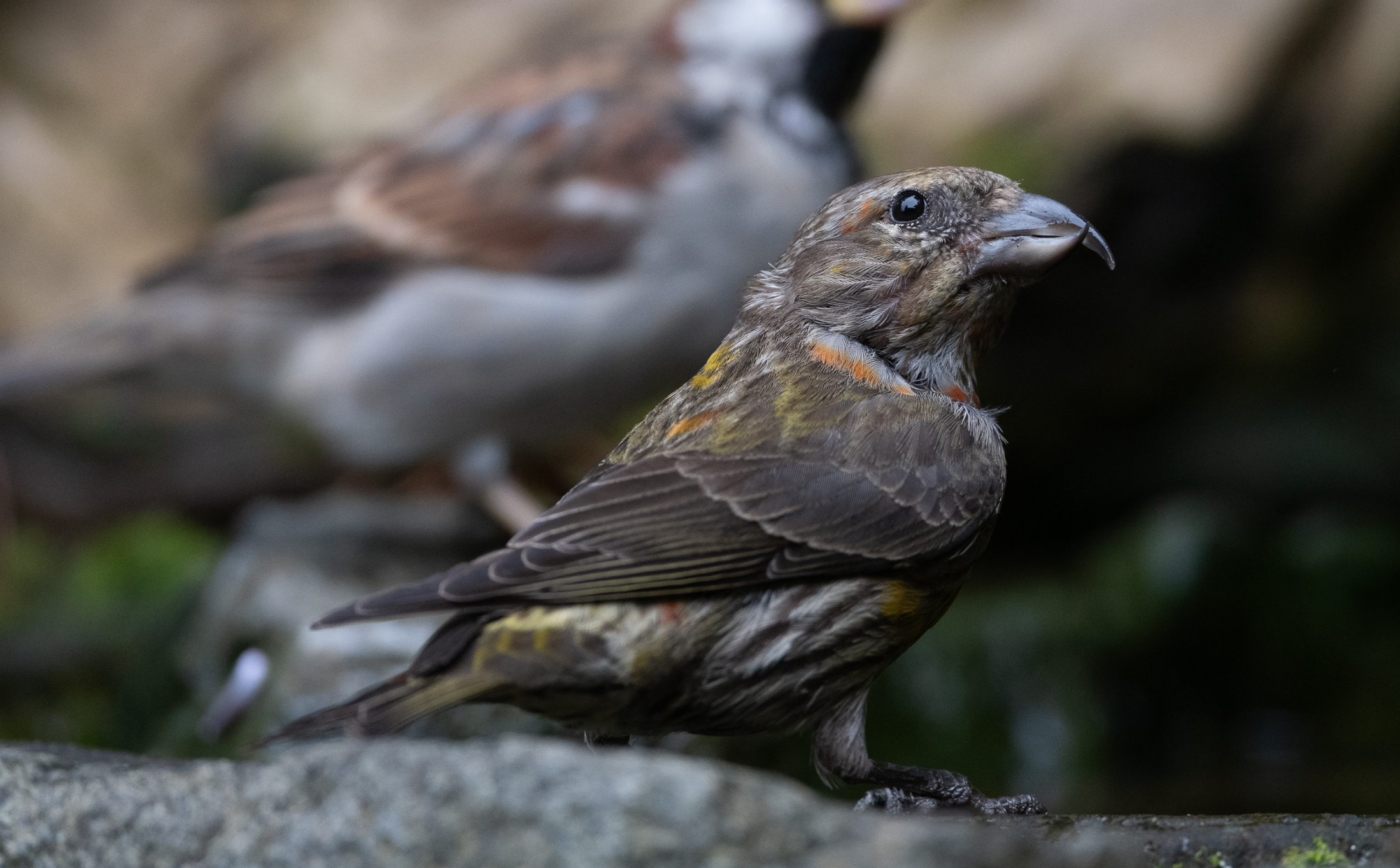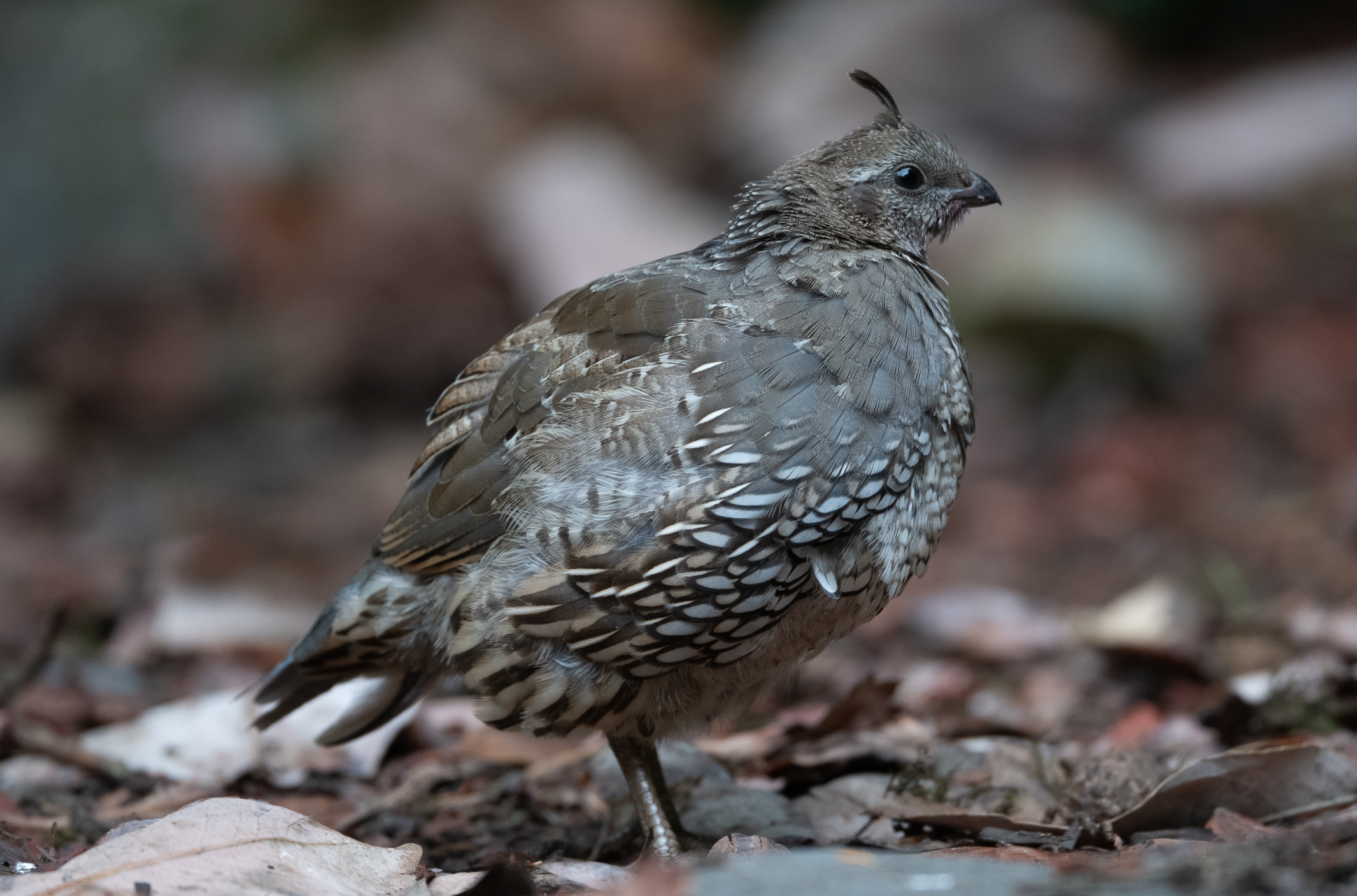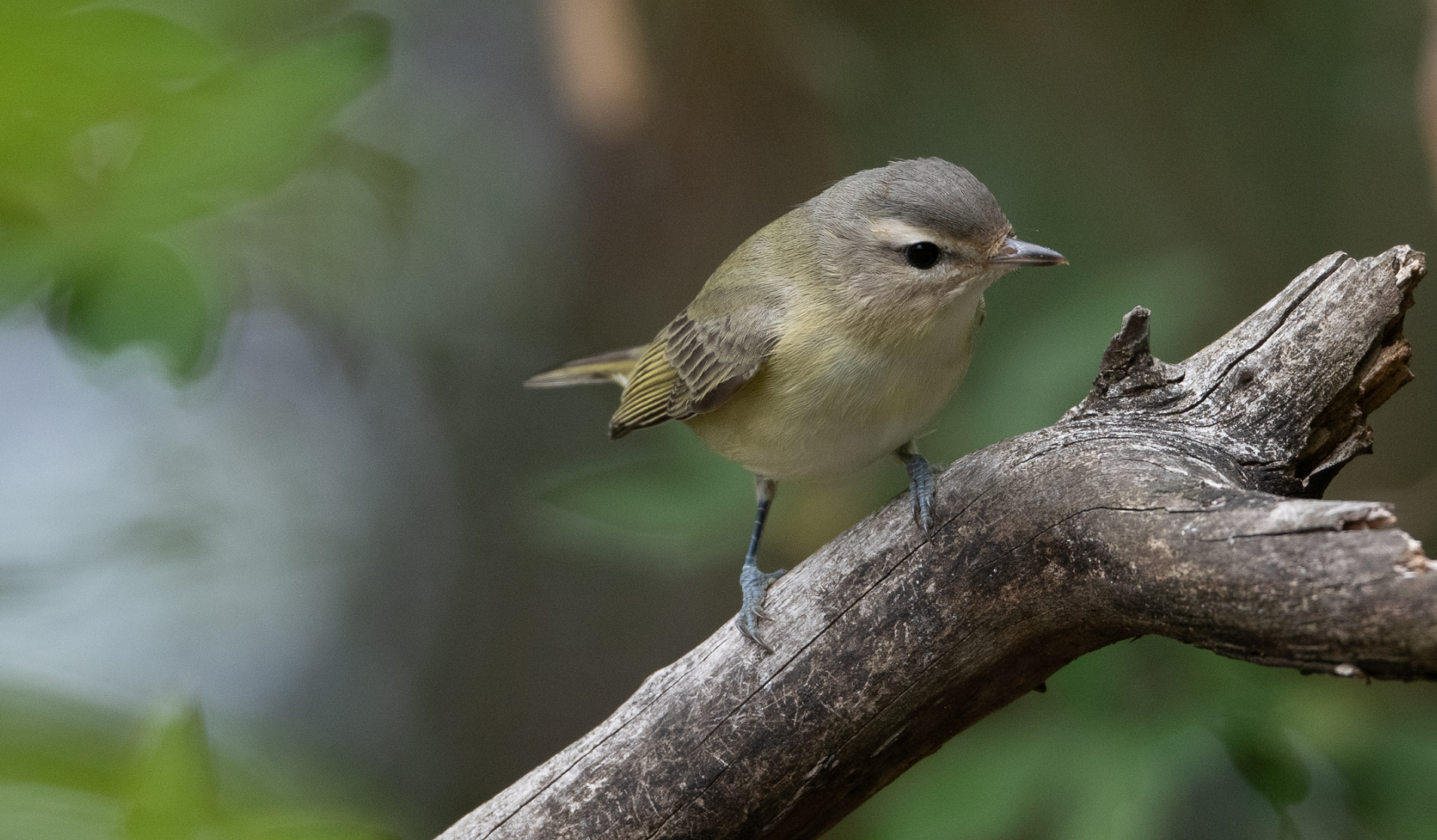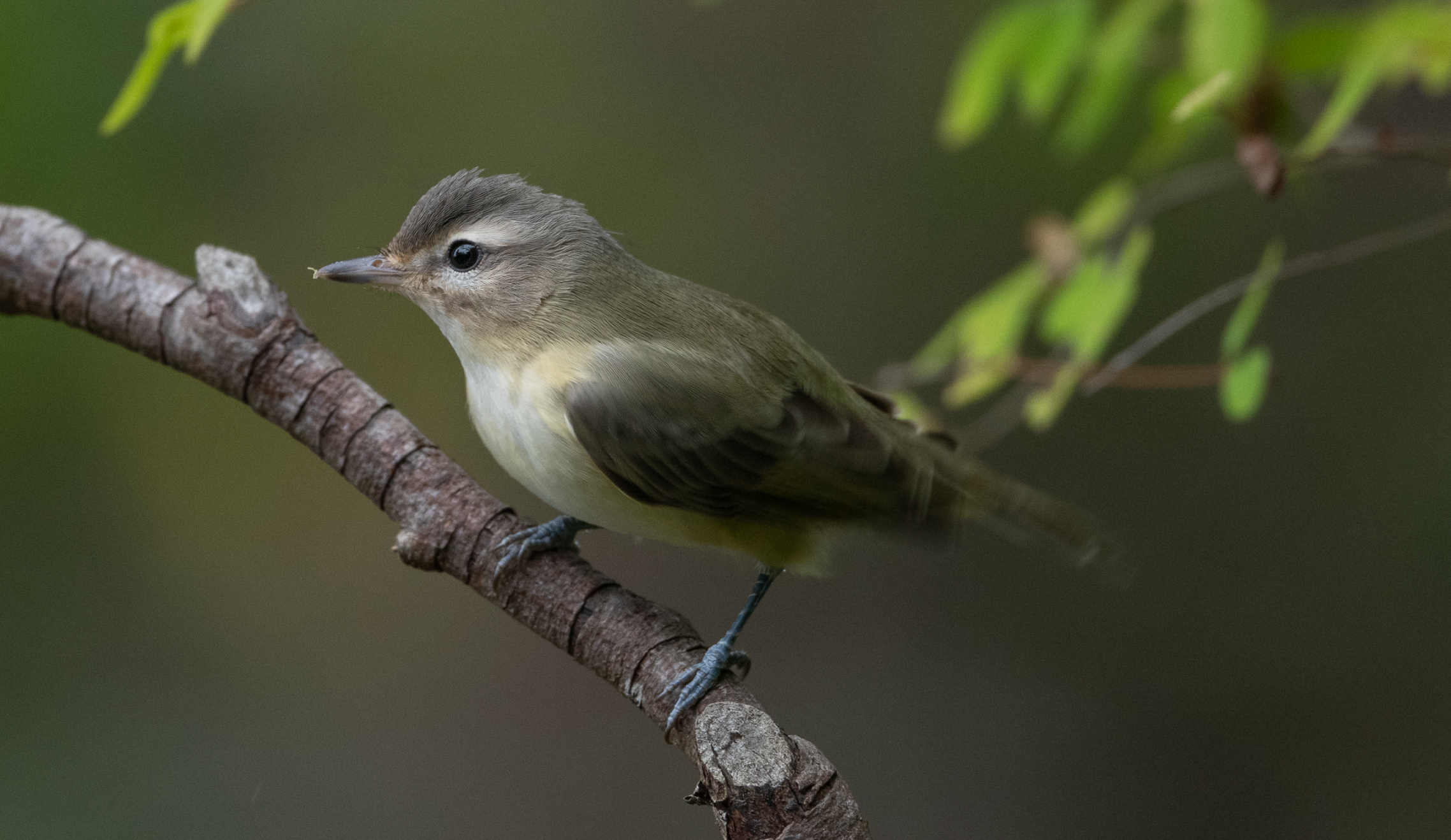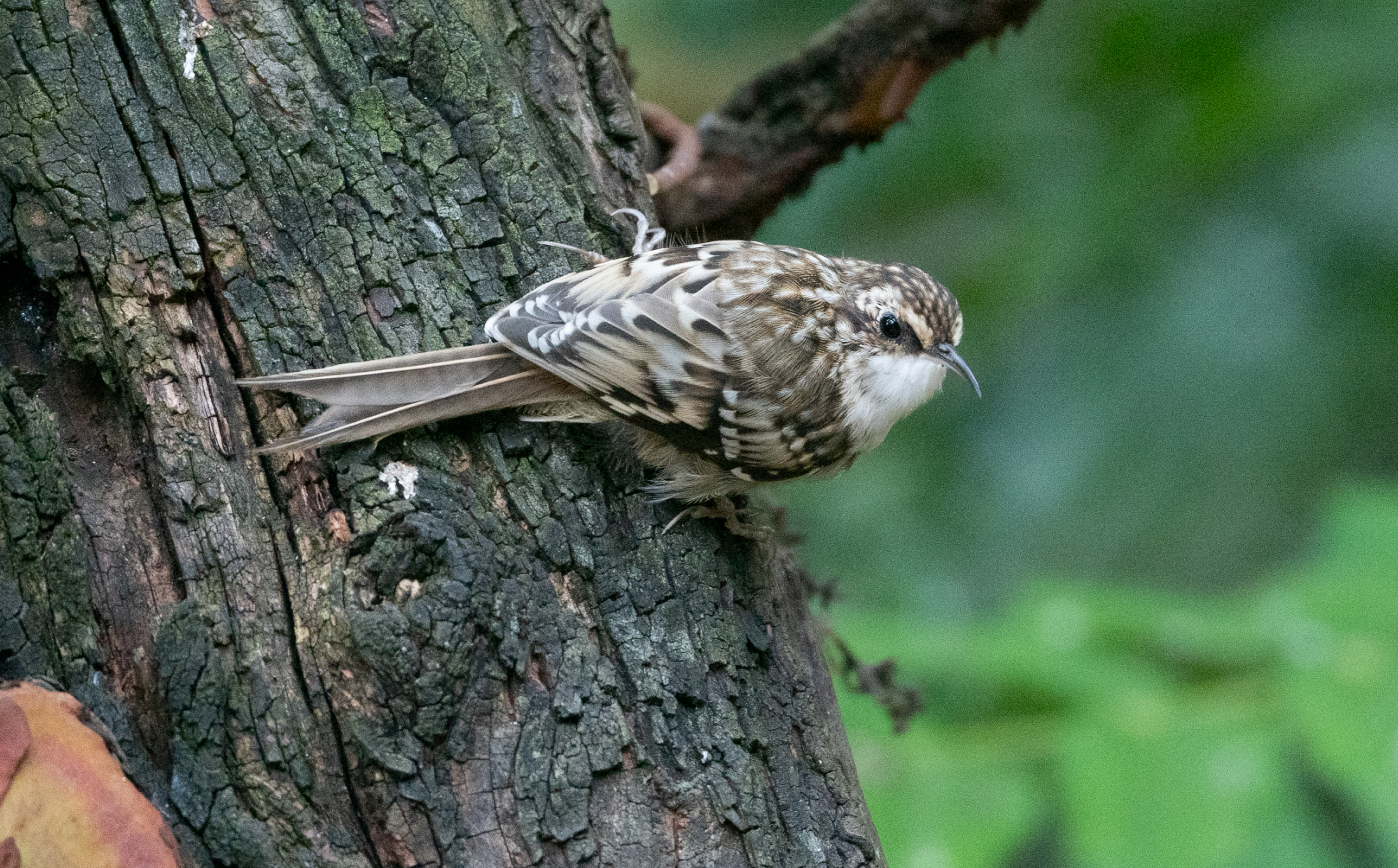
June 25, 2026

After suffering several days of sun and a general absence of birds in the yard during the sunnier, warmer weather, June 25, 2026, dawned cooler and overcast. I felt I had missed out on a significant period of photography and looked forward to some time in the yard monitoring the birds. The spring migration appears virtually over and I’m left with many of the year-round bird population, but the yard is alive with juveniles of several different species.

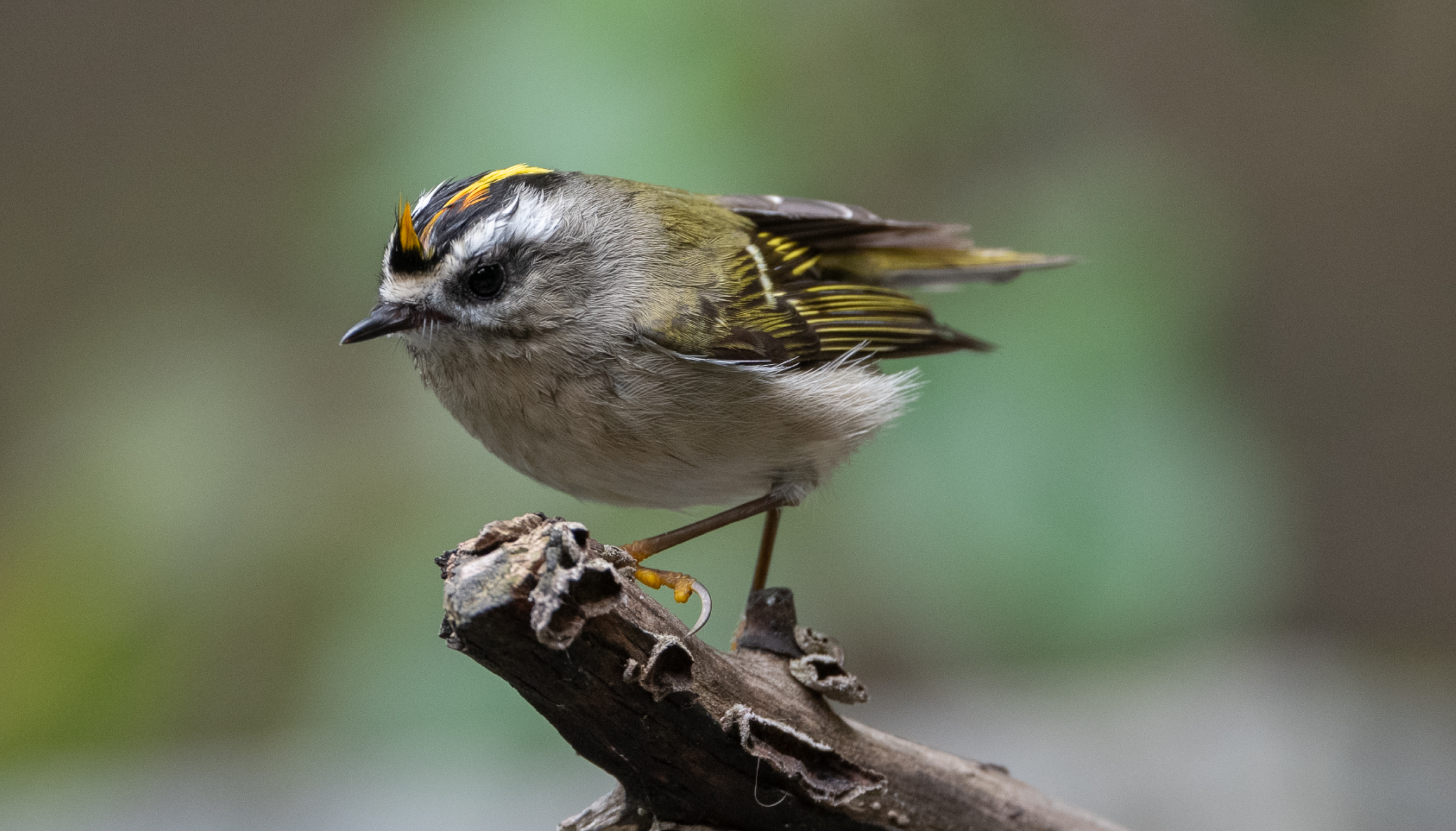
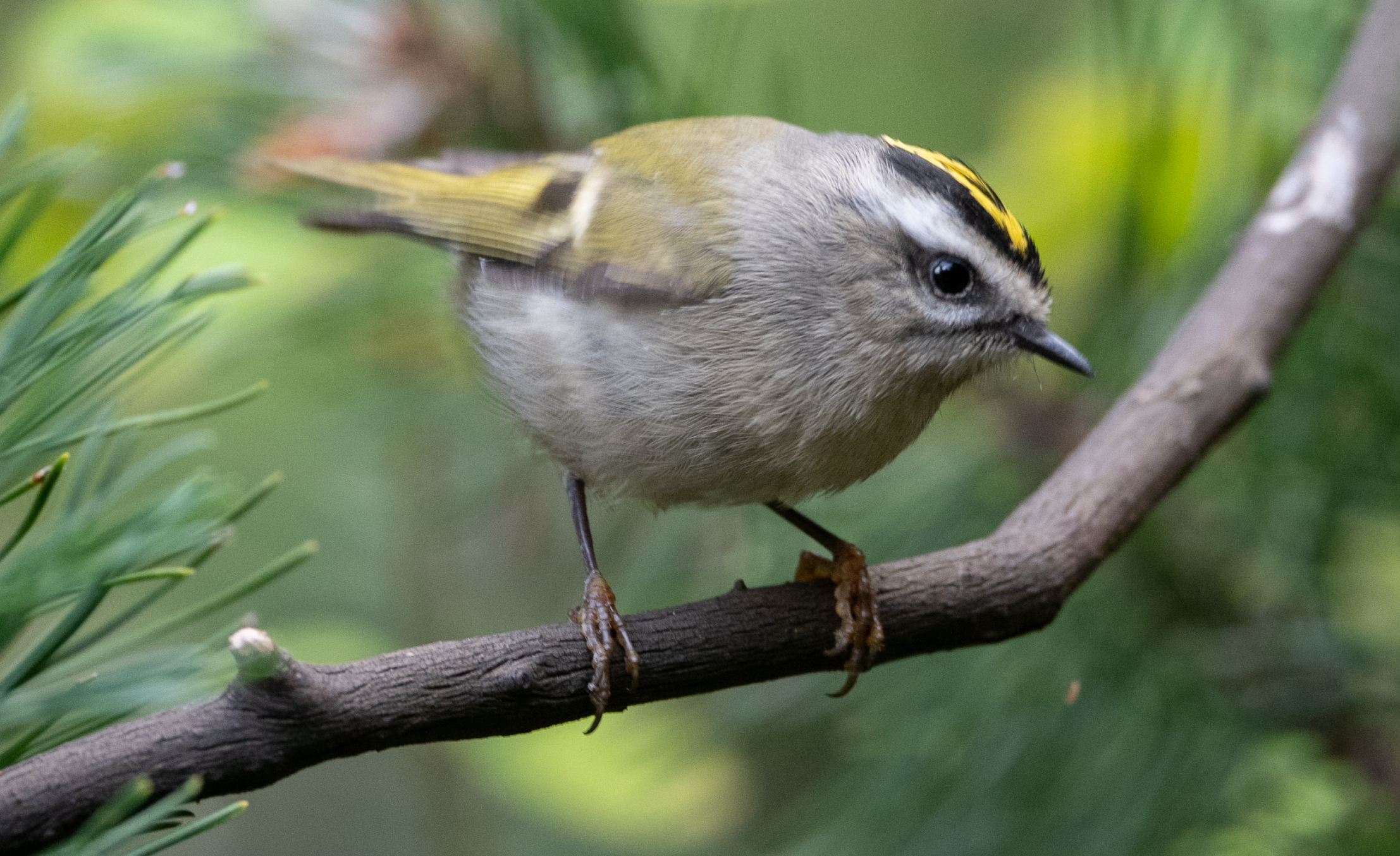
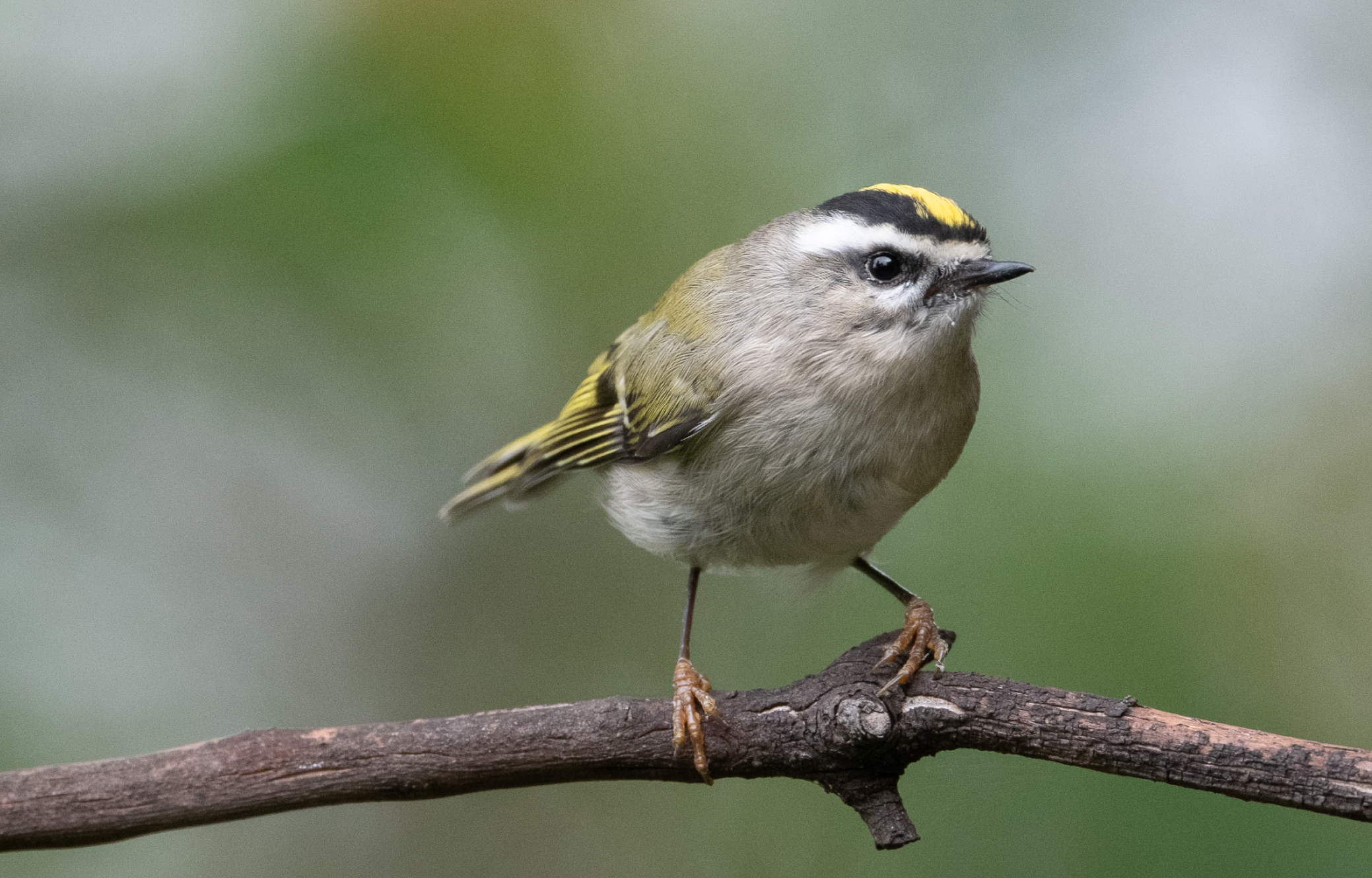
Among the juveniles are Golden-crowned kinglets

Dark-eyed (Oregon) juncos

and White-crowned sparrows.

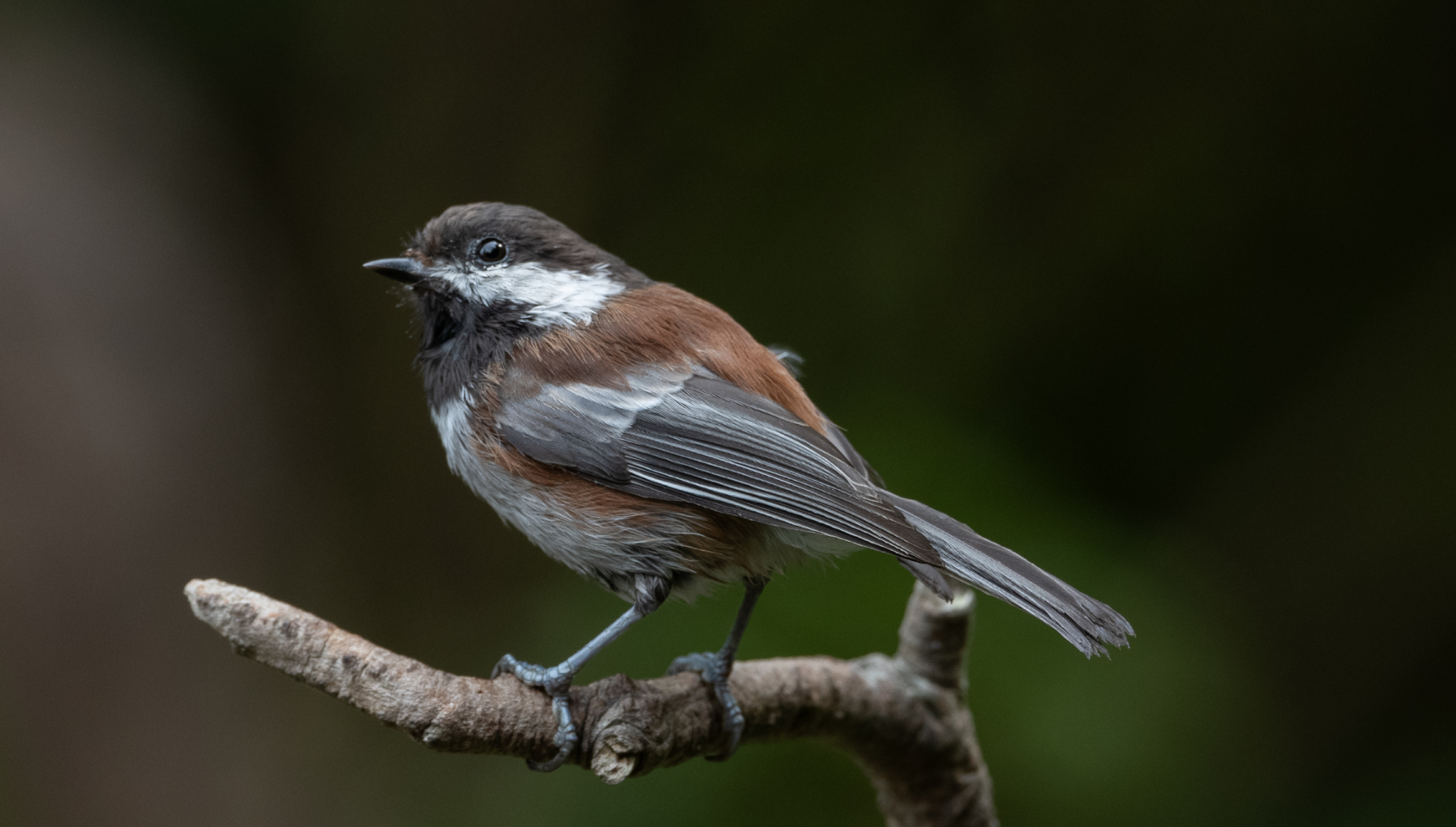
I obtained good photos of Black-capped chickadees

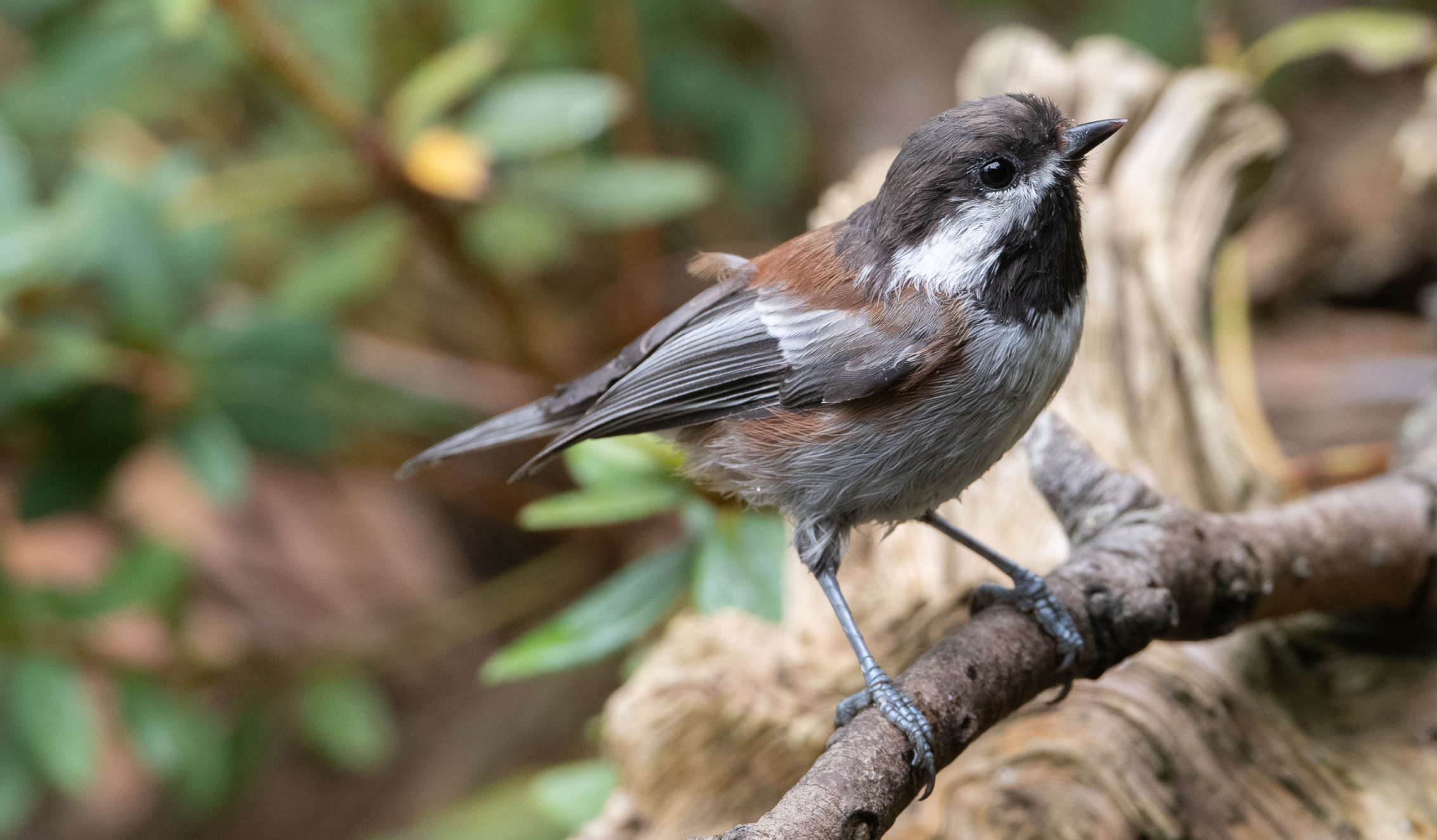
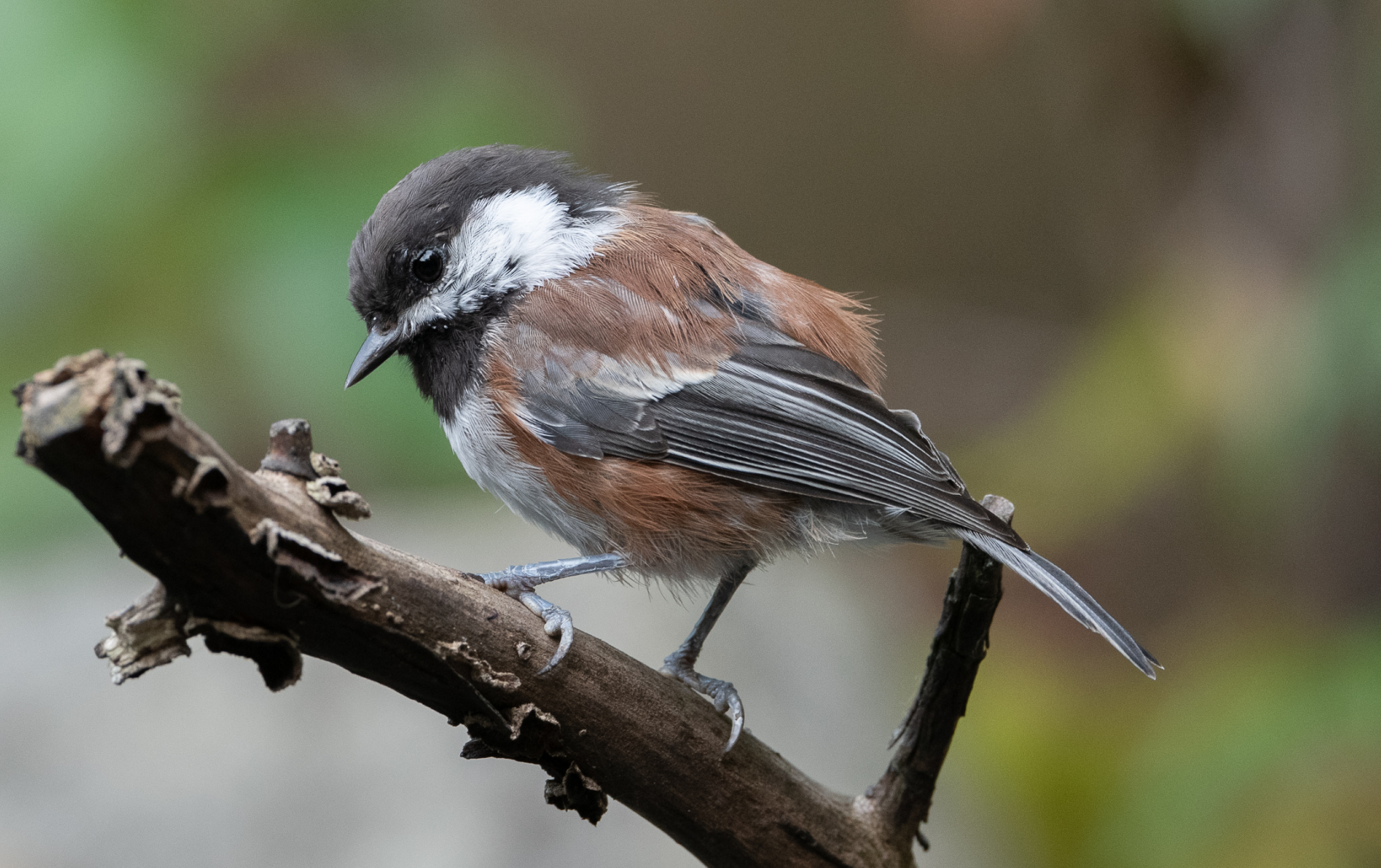
and Chestnut-backed chickadees. Chickadees are currently the most numerous species in the yard.

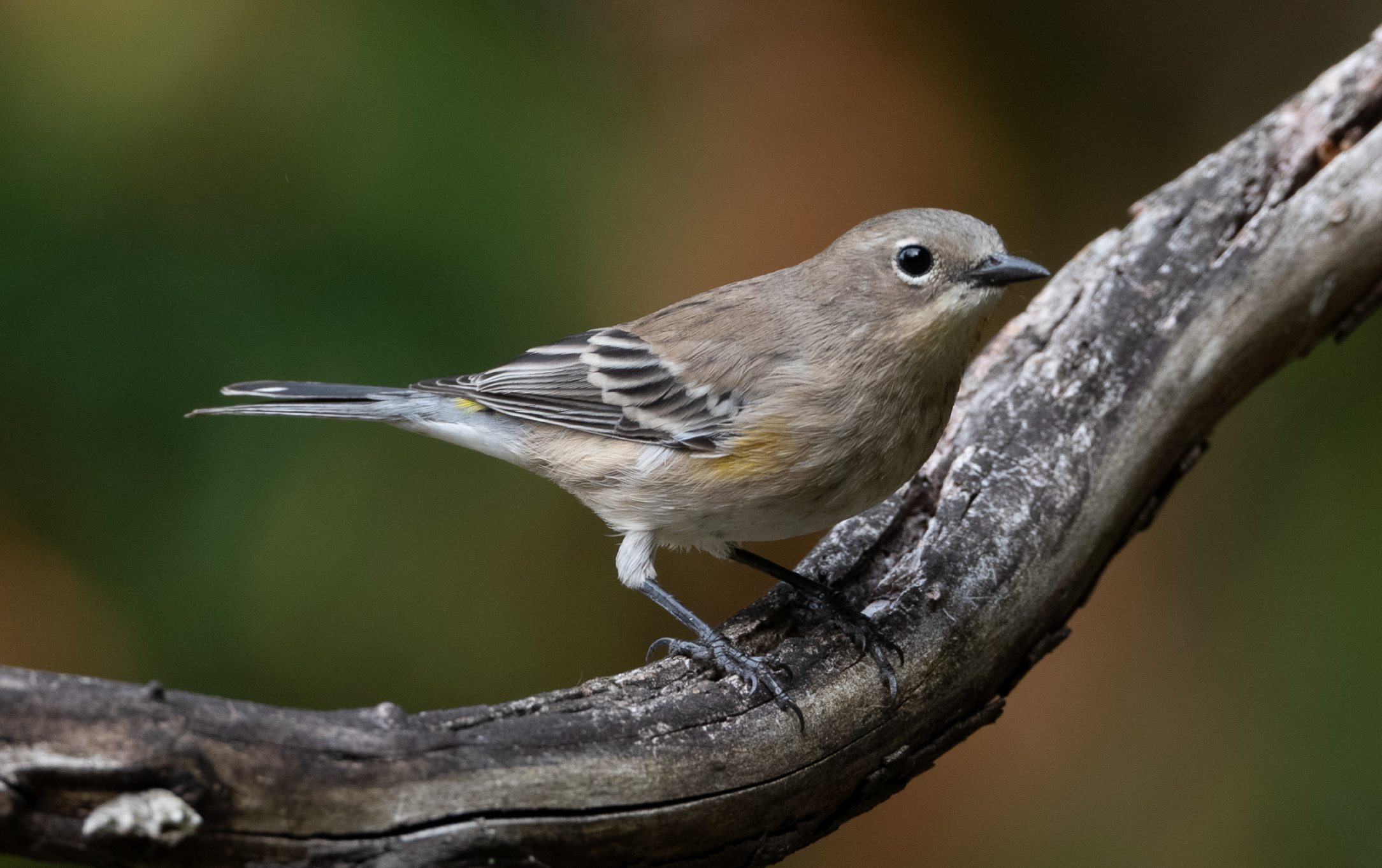
A female Yellow-rumped warbler comes to the watercourse almost daily… I assume it’s the same bird.

I’m still trying to sort out my woodpecker species. Hairy woodpeckers have been much rarer than the Downy woodpeckers over the past years, but I did have a pair of Hairy woodpeckers this past spring. Now I’m tasked with sorting the two species when juveniles might be involved. I ‘m guessing that this is a juvenile Hairy woodpecker, but I’m not sure.

Here’s what I’m fairly certain is a Downy woodpecker for comparison, photographed outside of Twisp, WA, recently. (note the bill size.

June 20, 2026

I hadn’t planned to bird June 20, 2026, in part due to the bright sunshine we had. At some point midday I looked out the kitchen window and saw a Brown creeper taking a bath in the watercourse. This is a fairly unusual phenomenon because the Brown creepers usually prefer to use a birdbath that is considerably further out in the yard. Sighting of the creeper motivated me to get my camera and spend some time in the yard.

While I was out the/a creeper returned to the watercourse and I was able to get some good close-up shots. I’m fairly certain that this creeper was a juvenile.

During the afternoon I was also able to obtain nice photos of one or more Rufous hummingbirds.

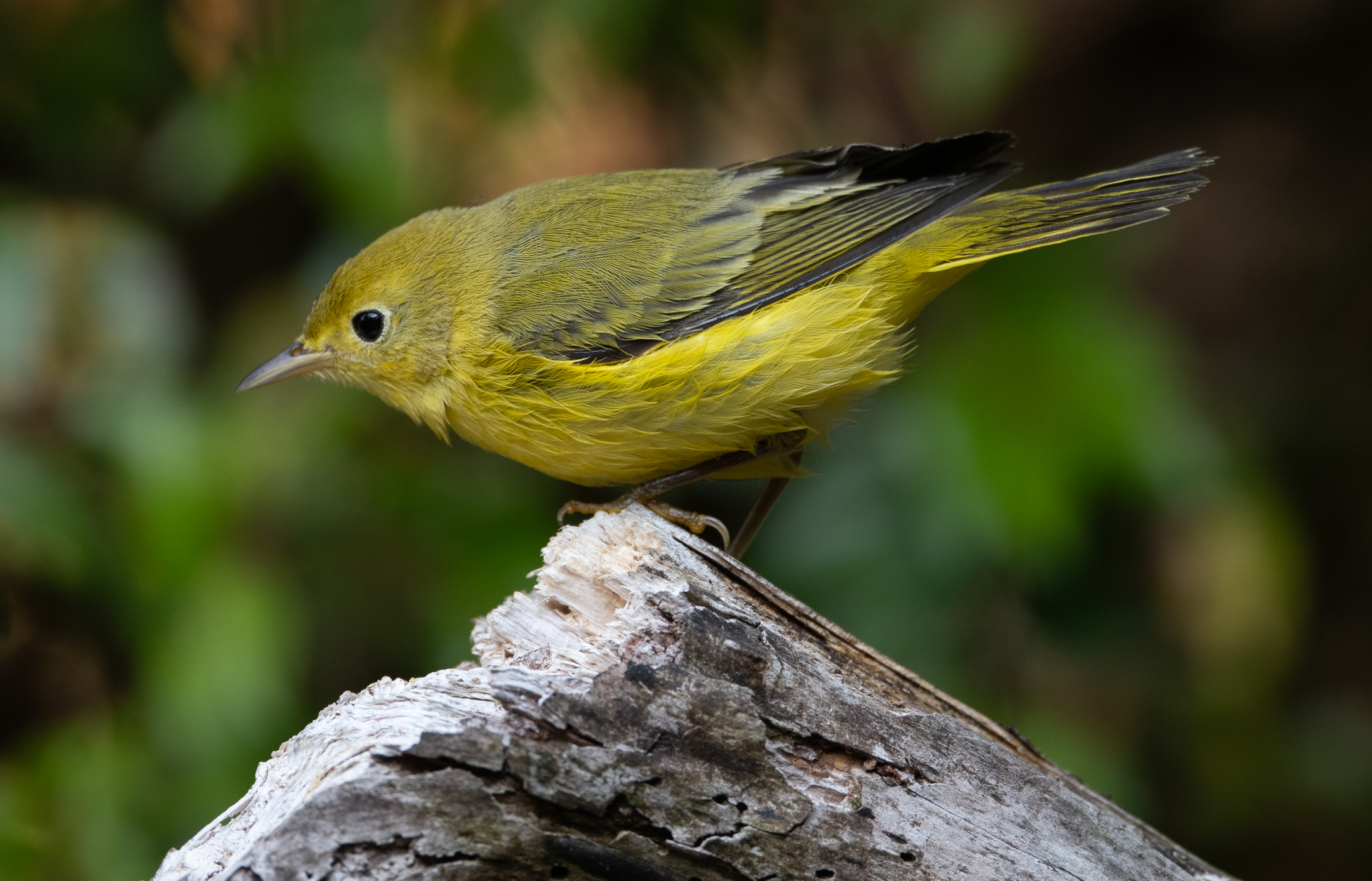
a female Yellow-rumped warbler,

a juvenile Spotted towhee,

a juvenile Dark-eyed (Oregon) junco

and a pair of Bushtits, always difficult to photograph due to their activity level and usual reluctance to be attracted to water.  This Bushtit is a female.

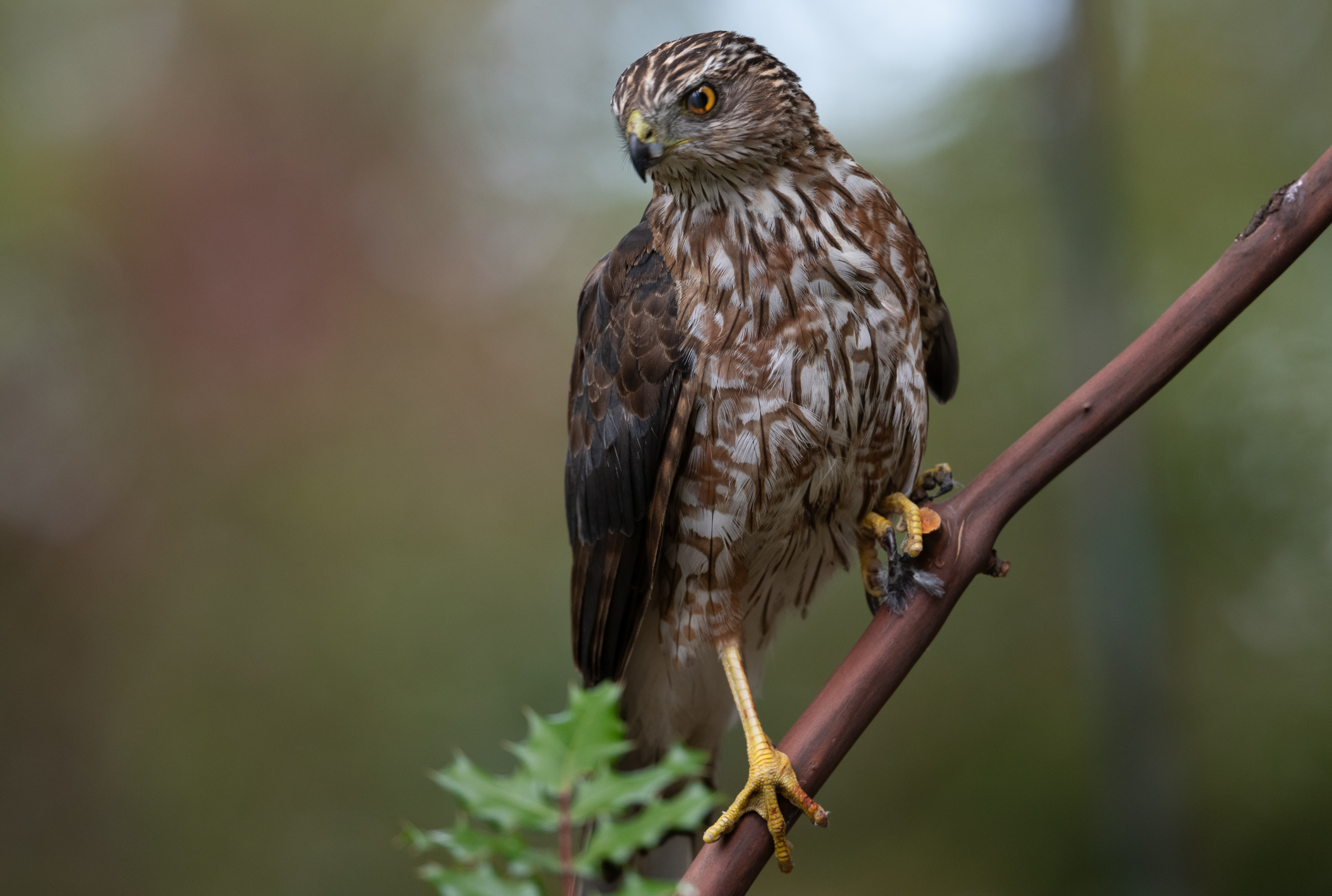
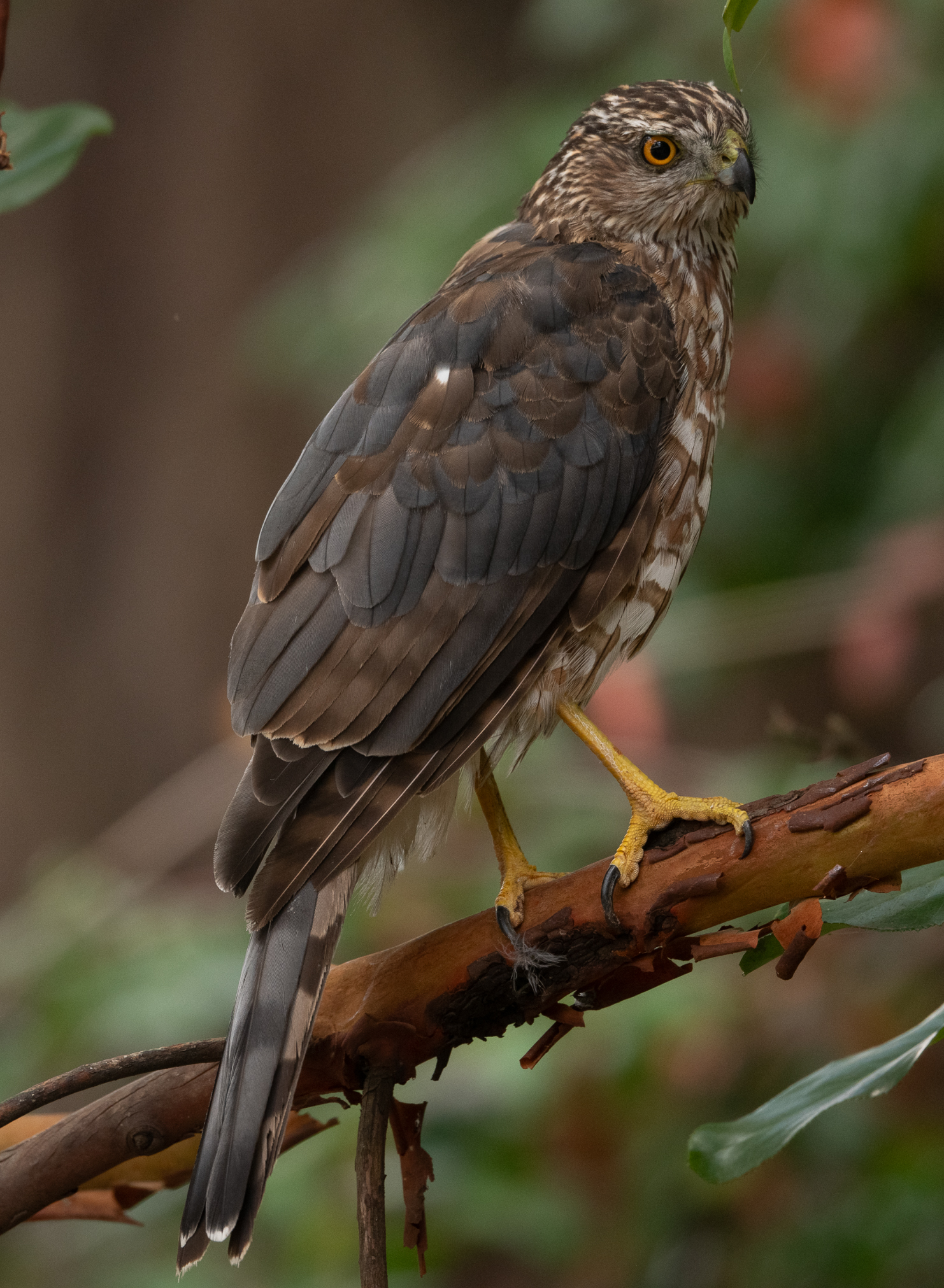
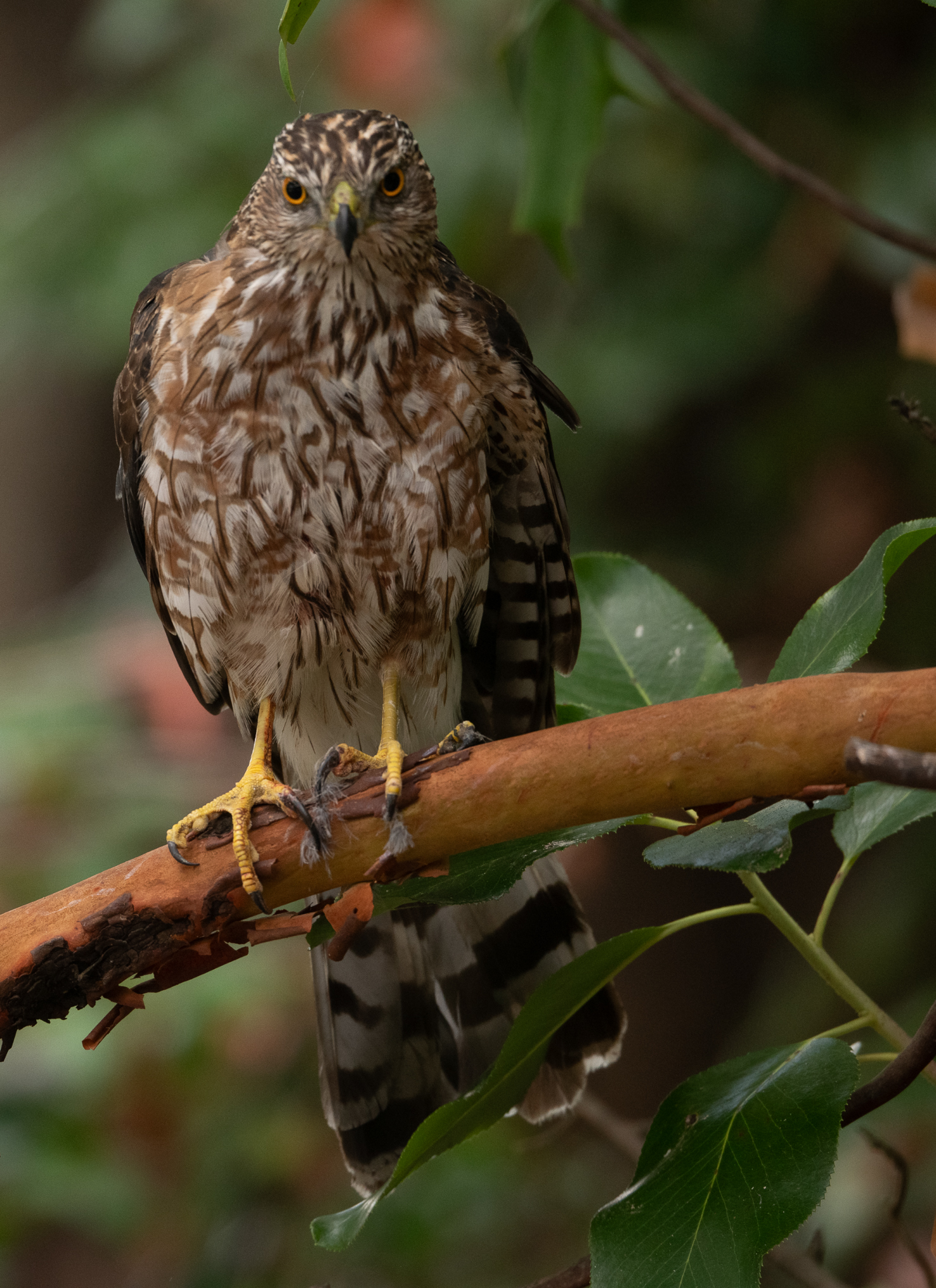
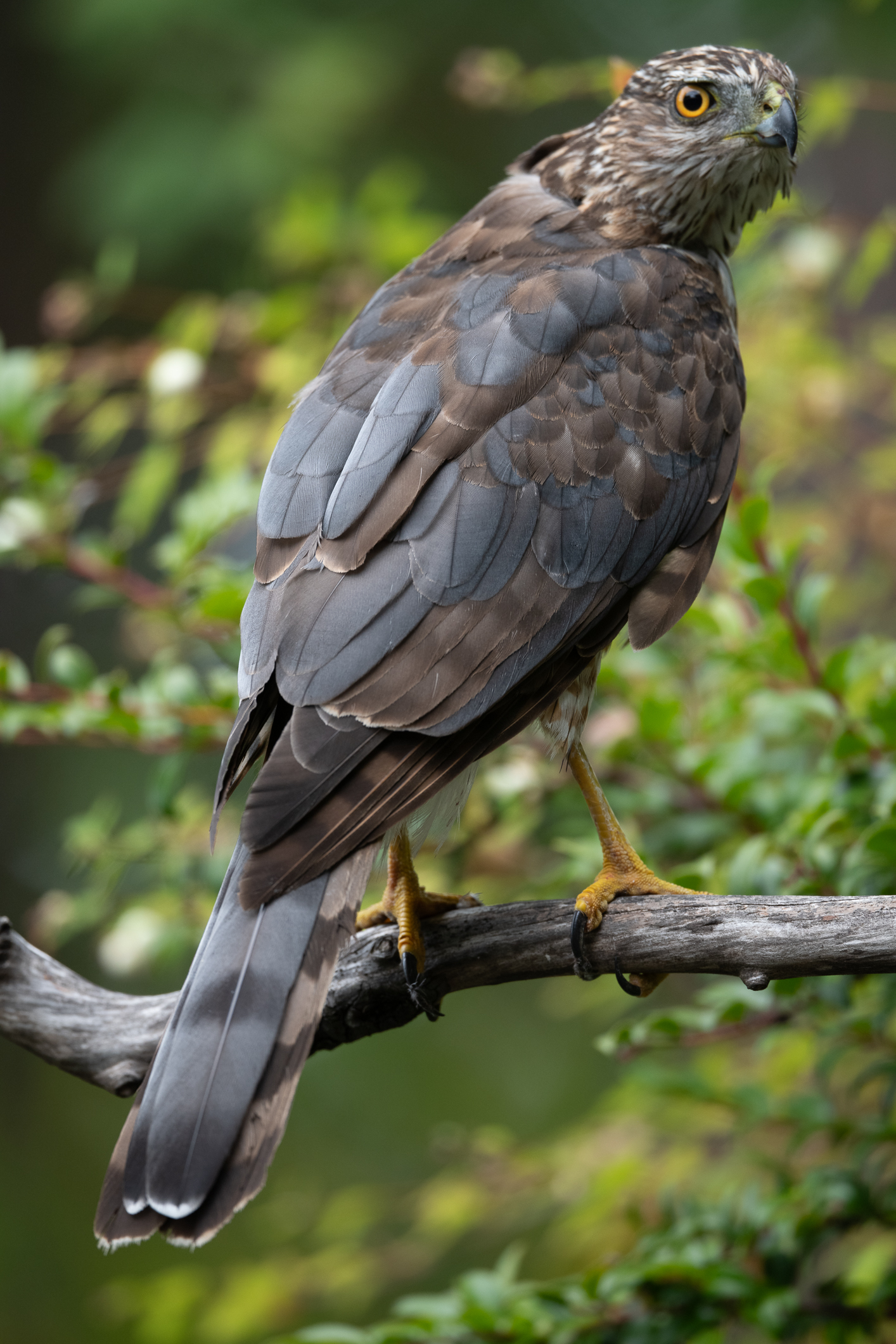
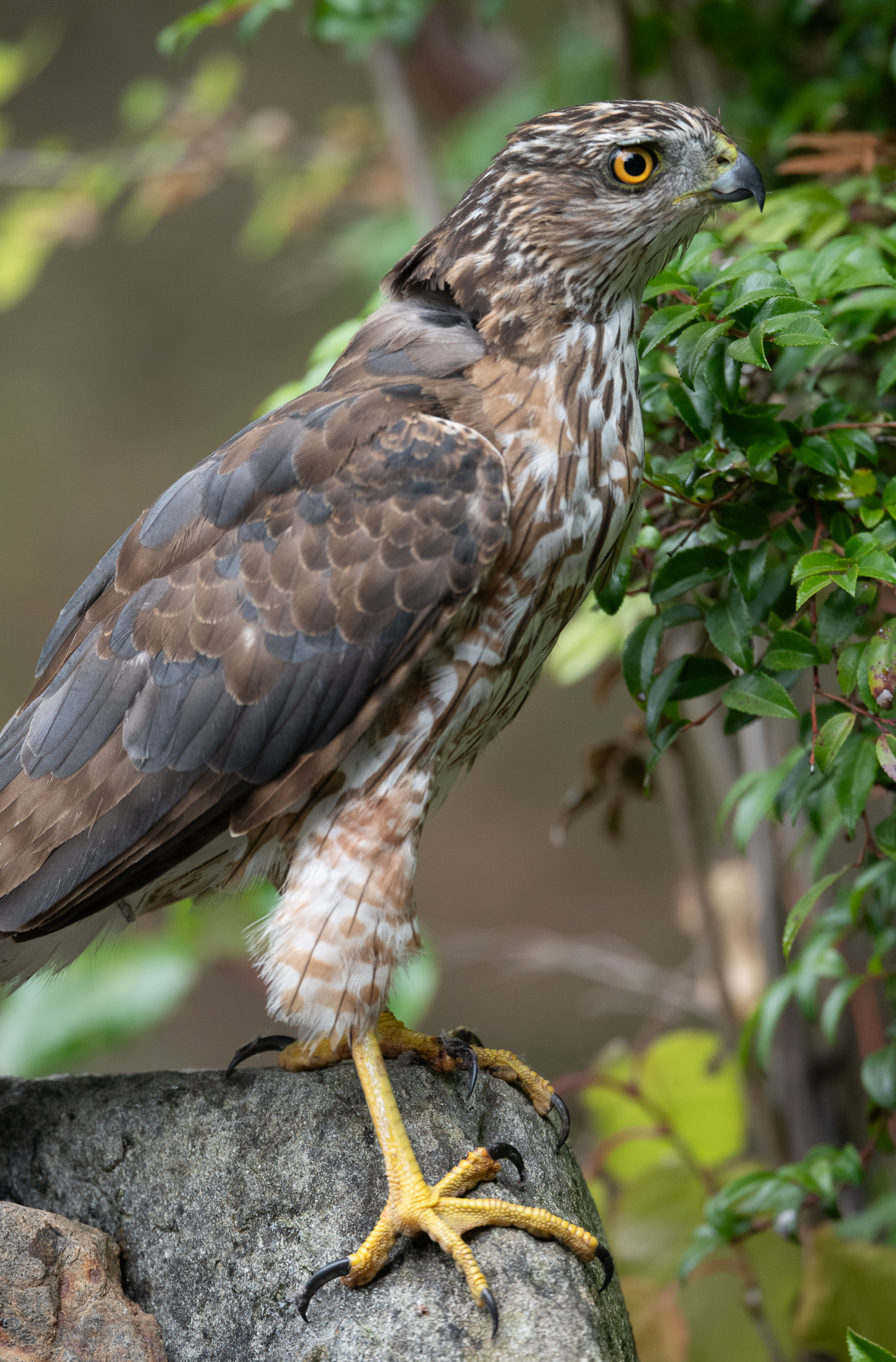
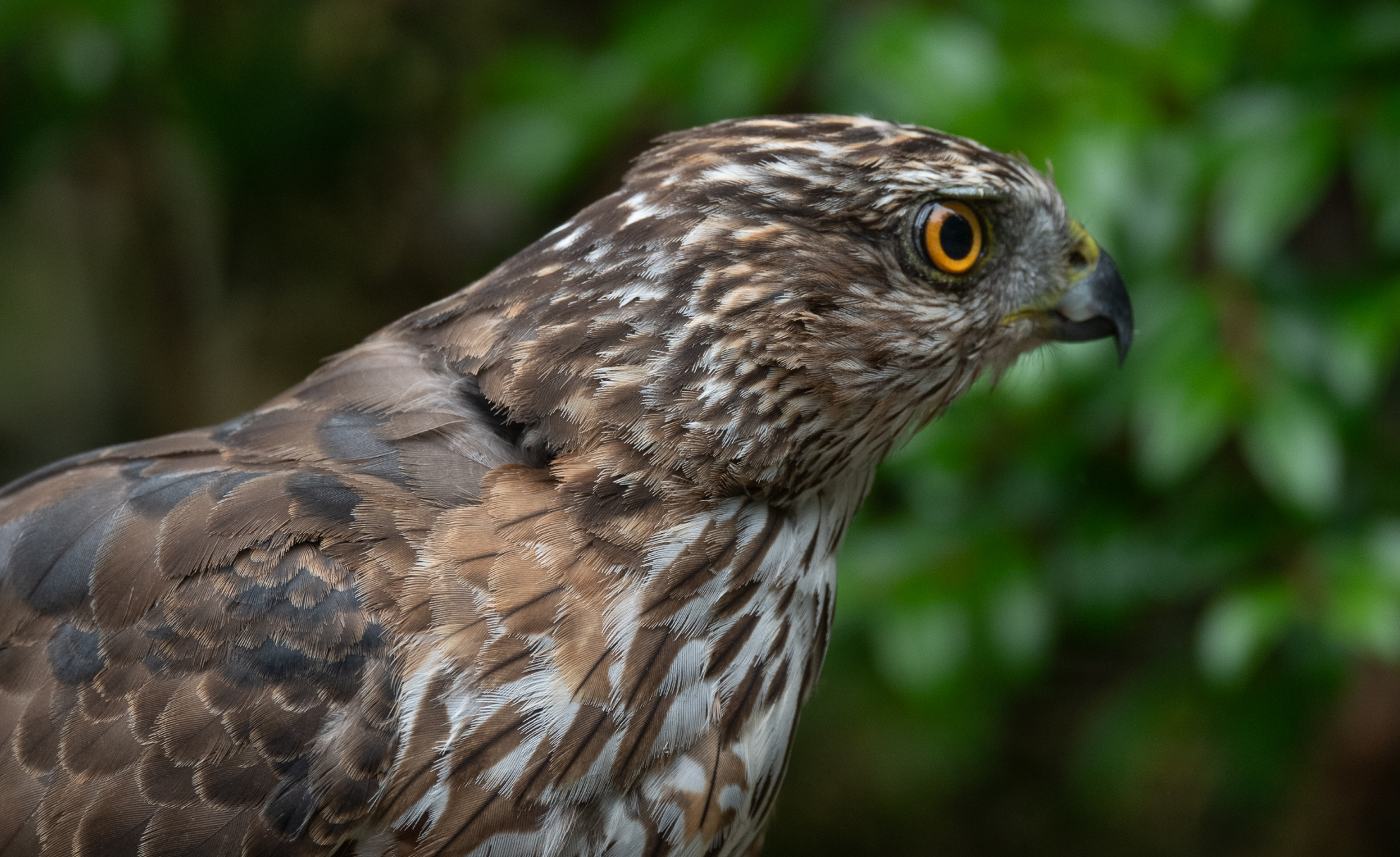
Later, while in my office processing the 243 (!) photos I had taken that afternoon, I saw a juvenile accipiter enter the yard and perch by the watercourse, but I didn’t have my camera and wasn’t able to get what could have been an exceptional picture had I been in the yard.  

There’s no creature safe from †he camera! This Lorquin’s Admiral landed within photographic range and so became camera fodder!

Spring Migration – April/early May

I’m trying to keep detailed logs on spring migrants and rarities visiting the yard this spring. This includes not only logging visits but also documenting the visits with photographs when I can.  The volume of photos is overwhelming and I’m seriously behind on my processing.  I generally spend more time in the yard on overcast days because photographic conditions are better. The highest rate of arrivals seems to occur in mid-to-late afternoon which is generally more favorable lighting conditions for my photography.   

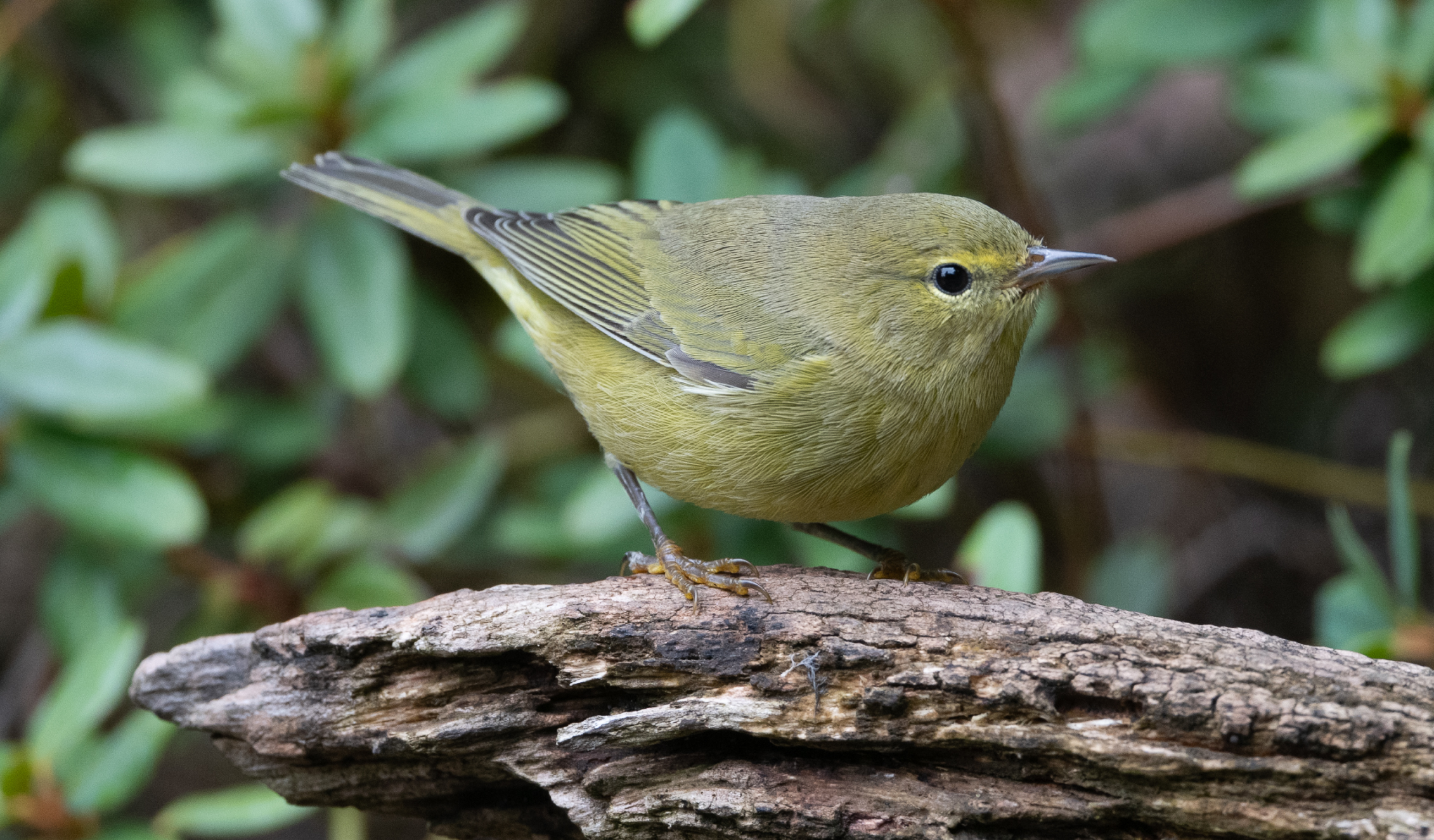
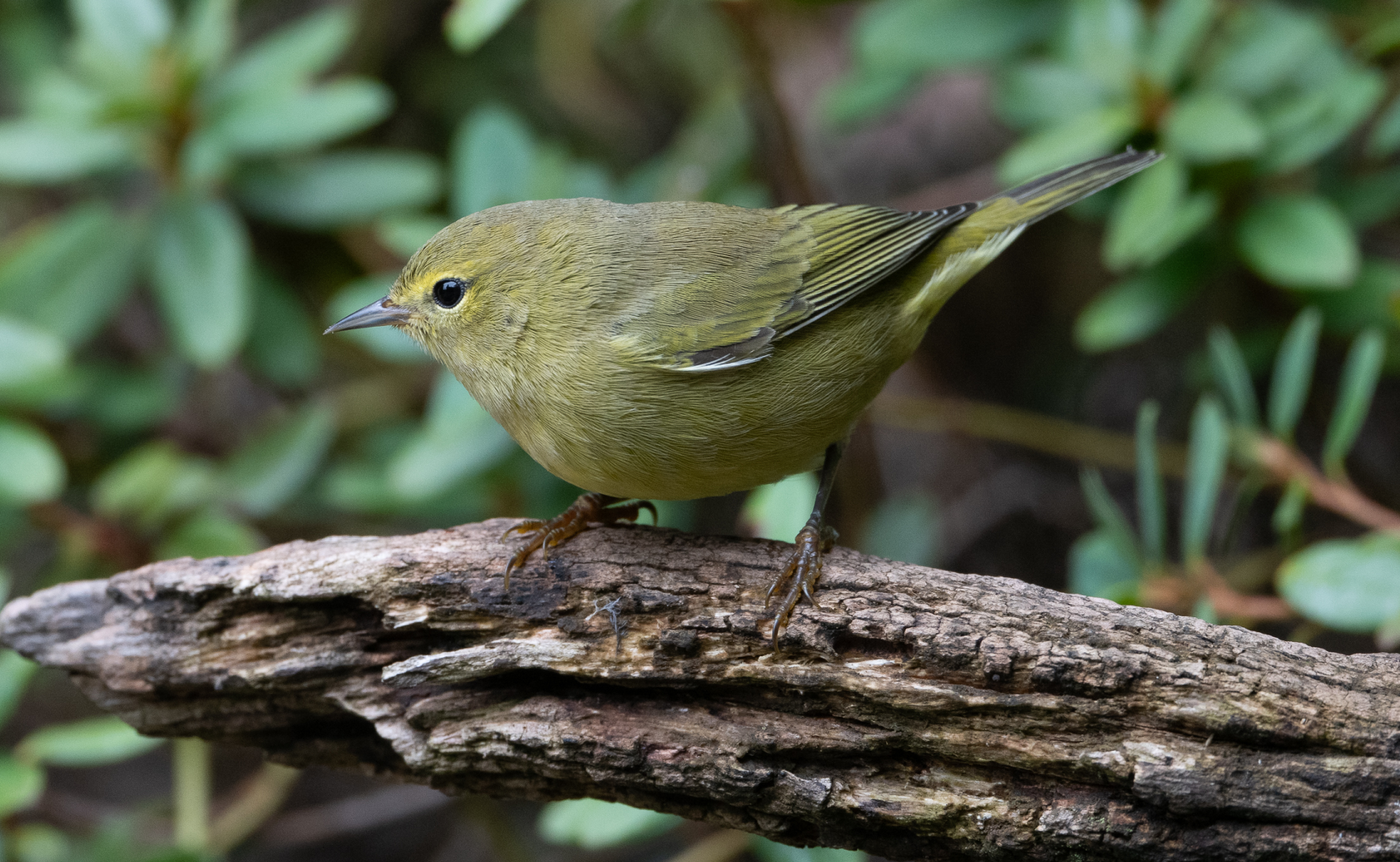
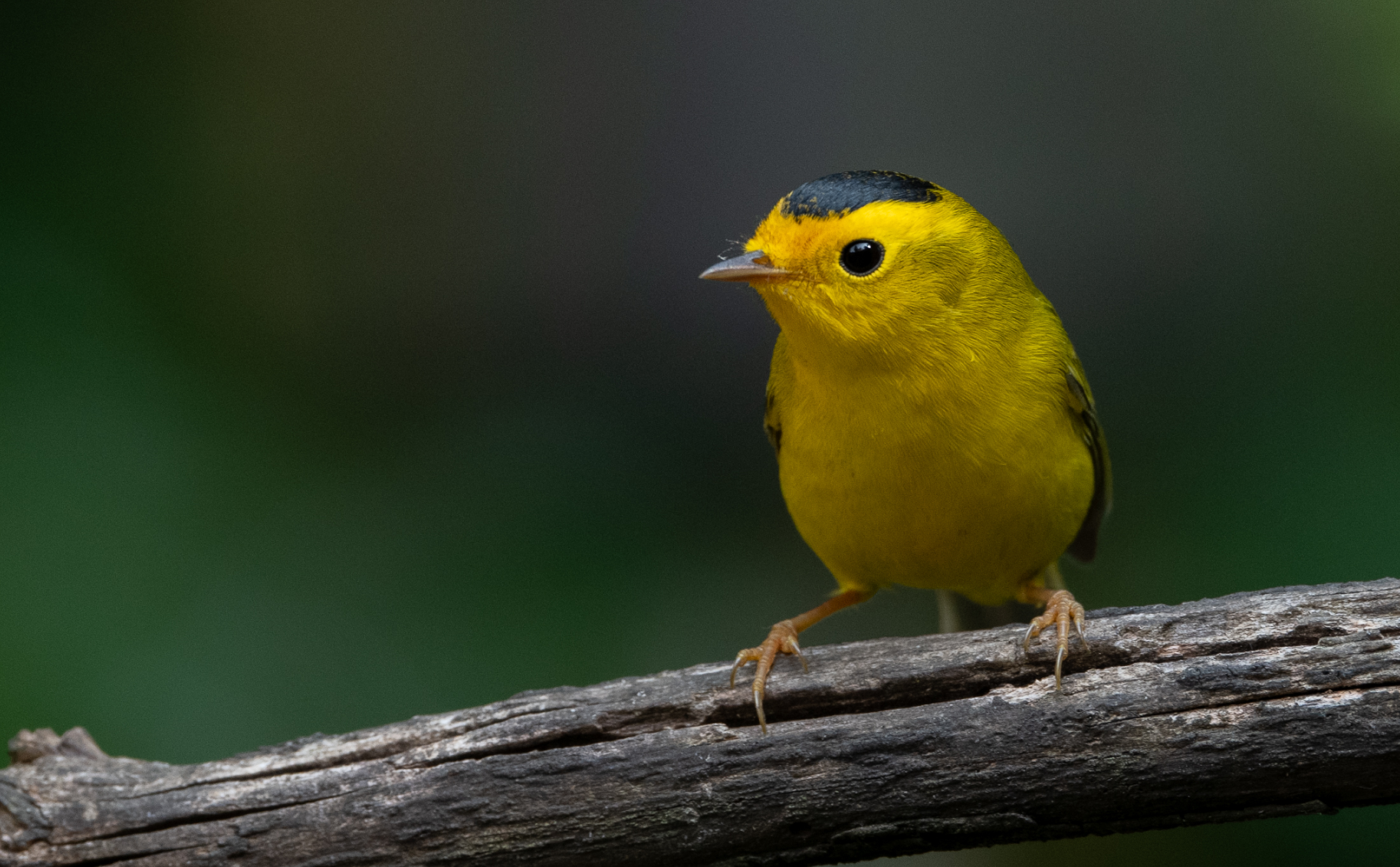
The early migrants beginning in late April were were Yellow-rumped warblers and Orange-crowned warblers.  They have now given way to (male) Wilson’s warblers.  

Male Yellow-rumped warbler (Audubon’s)
Female Yellow-rumped warbler
Orange-crowned warbler
Wilson’s warbler

Highlights of the migration thus far… 

  • Male Purple finch on April 19 -21, the first I have ever identified in the yard. 
  • Female Purple finch on May 10, a very rare visitor and my first really good photos of the female of the species. 
  • First seasonal arrival of a Black-headed grosbeak on May 8 with two visiting together the next day. (I have yet to see a female.) 
  • Arrival of a female Western tanager (no good photos) early in the migration and a male on May 7. 
  • A glimpse (and lousy photos) of a vireo (probably a warbling vireo) on May 6.
  • A single visit from a female Black-headed cowbird on April 21 and again on April 28.. On the latter date the female cowbird was happily bathing in the watercourse among the neighbors’ House sparrows. Two pairs visited the yard/platform feeder May 11.

On May 12 this male Brown-headed cowbird briefly visited the yard.  

  • On May 10, I had a visit from a small accipiter which, along with sun, shut down birding for most of the day. I obtained a photo of the raptor through three sets of fencing with no hope of identifying a specific species. 

There are still at least two to three weeks of migration left with the possibility of seeing other arrivals, but arrivals have tapered alarmingly over the past few days!  

I’ve had at least one pair of Bewick’s wrens visiting the yard on an almost hourly basis for the past month or so. 

A pair of  Black-capped chickadees seem to be using a birdhouse I had planned to scrap. 

None of my salvias are in bloom yet but the dominate Golden Chain tree in the front yard is in full bloom and has just begun shedding blossoms. 

April 15, 2026

On April 15, 2026, I spent time in the yard hoping for migrating warblers.  It didn’t seem a good day for spring arrivals but I had a little time on my hands and, as the saying goes, “Hope springs eternal”.  (That pun snuck up on me!)  During the time I spent in the yard the weather was overcast, cool and with a slight breeze blowing…not the kind of day I would associate with spring migration.  

I began the afternoon watching my resident Orange-crowned warbler repeatedly access the suet feeder which is across the yard and at the edge of my acceptable range for photos.  Since I was getting few birds on my side of the yard I decided to move my location closer to where most of the action was.  It was a good decision.  I first obtained photos of the resident Orange-crowned warbler.  

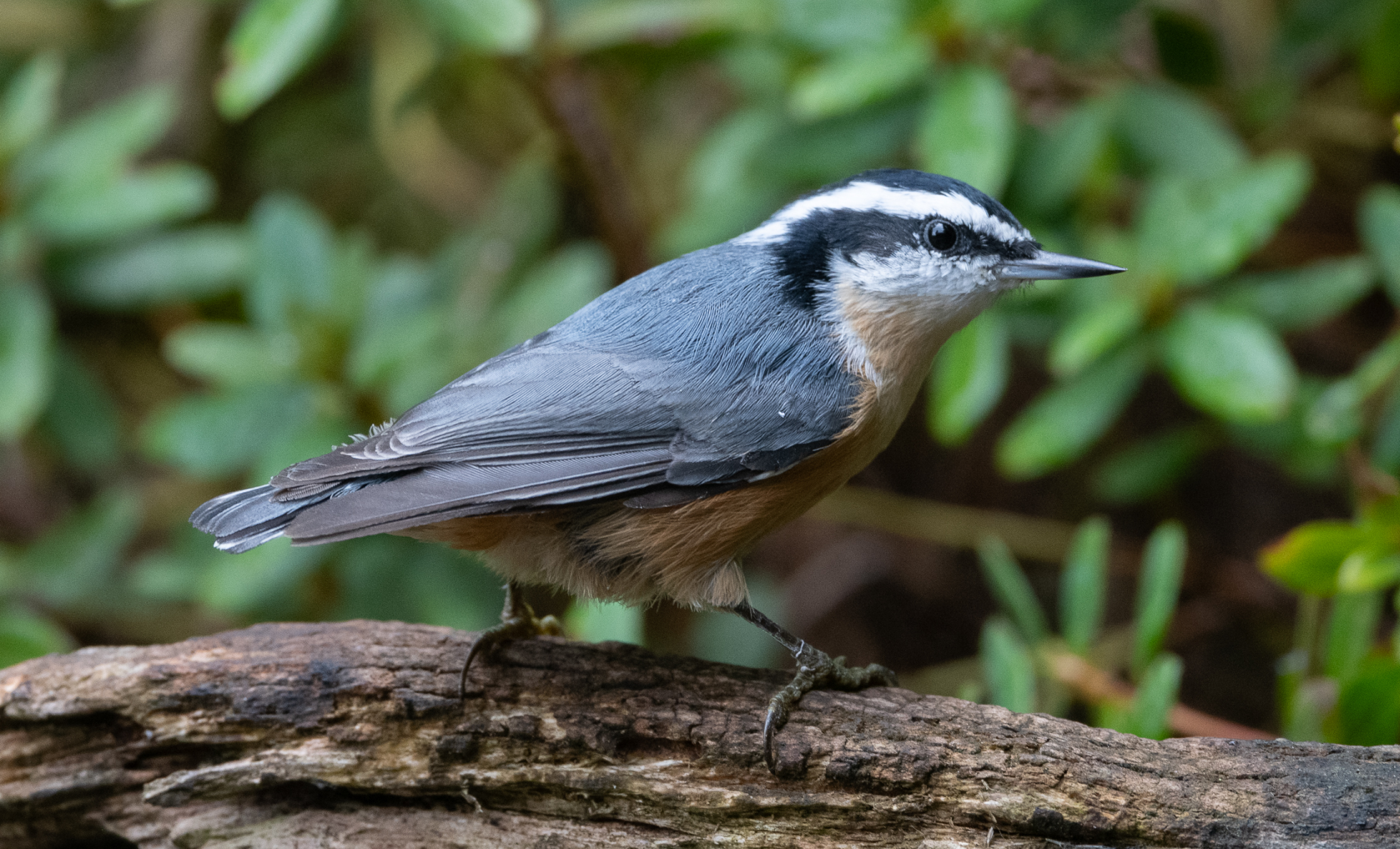
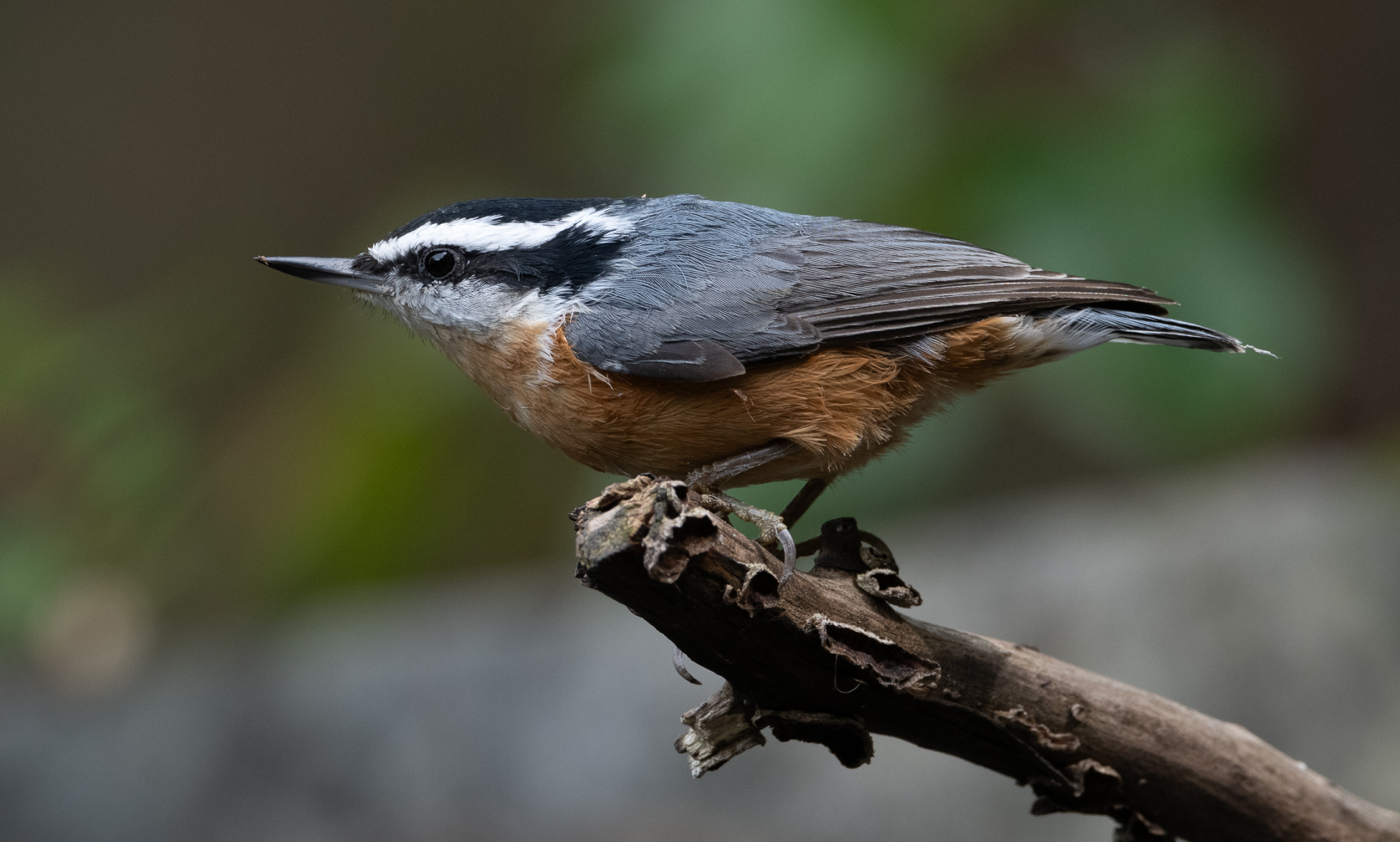
In the same feeder area were at least three Red-breasted nuthatches

Also present in the same area were a pair of Bewick’s wrens which I’m fairly certain are raising young nearby.  

An American crow landing in the top of a neighbor’s tree caught my attention and in photographing it (with a telephoto lens) I realized it was transporting nesting materials in its beak. 

A pair of American goldfinches arrived after I had resumed my original location.  The female accessed the platform feeder (peanut dices and shelled sunflower seeds) while the male watched.  They didn’t remain in the yard long and didn’t visit any of the water features. The goldfinches have traditionally been a staple of spring/summer yard birds, but last year (2025) I never counted more than four in the yard at any one time, so I’m curious about what this year will bring.  My Golden Chain tree has formed tassels which will soon bloom, making the finches more difficult to see but potentially offering some interesting photographic opportunities.  (I only obtained one photo of the male goldfinch and it’s not worthy of posting.)  

Late in my brief time in the yard a migrating Orange-crowned warbler briefly visited my nearest water feature but was scared off by the sound of the mirror on my camera. I differentiate this arrival from my resident warbler by its arrival point and behavior… a skill set I’ve developed by spending too much time in the yard! 

All in all I label this as a good day.  Moving to a new location in the yard gave me better access to some of my regular visitors,  

And a coupe of other photos… a Black-capped chickadee...

and a female Downy woodpecker.  

Common Loon

This morning (April 14, 2026), I managed to find the Common loon that has been frequenting the Cap Sante Marina and get within decent photographic range. In past years when I was able to get photographs of a loon it was always in winter plumage, not displaying the bird’s beautiful breeding plumage. This year a loon remained in the marina long enough †o morph into full breeding plumage and this morning I managed to photograph it.. in the rain!

In this next photo the bird is in “fishing mode”, peering underwater for prey as it paddles along the surface.

Shortly after I arrived the loon departed for the dock complex where it becomes virtually inaccessible. It can swim under a dock and resurface 50′ further away, while requiring me to walk 200 yards just for a CHANCE to photograph it. It’s especially frustrating in that it often surfaces and lingers very close to someone working on a boat, unaware of the loon’s proximity. I learned many years ago that trying follow one through the dock complex is usually a lost cause.