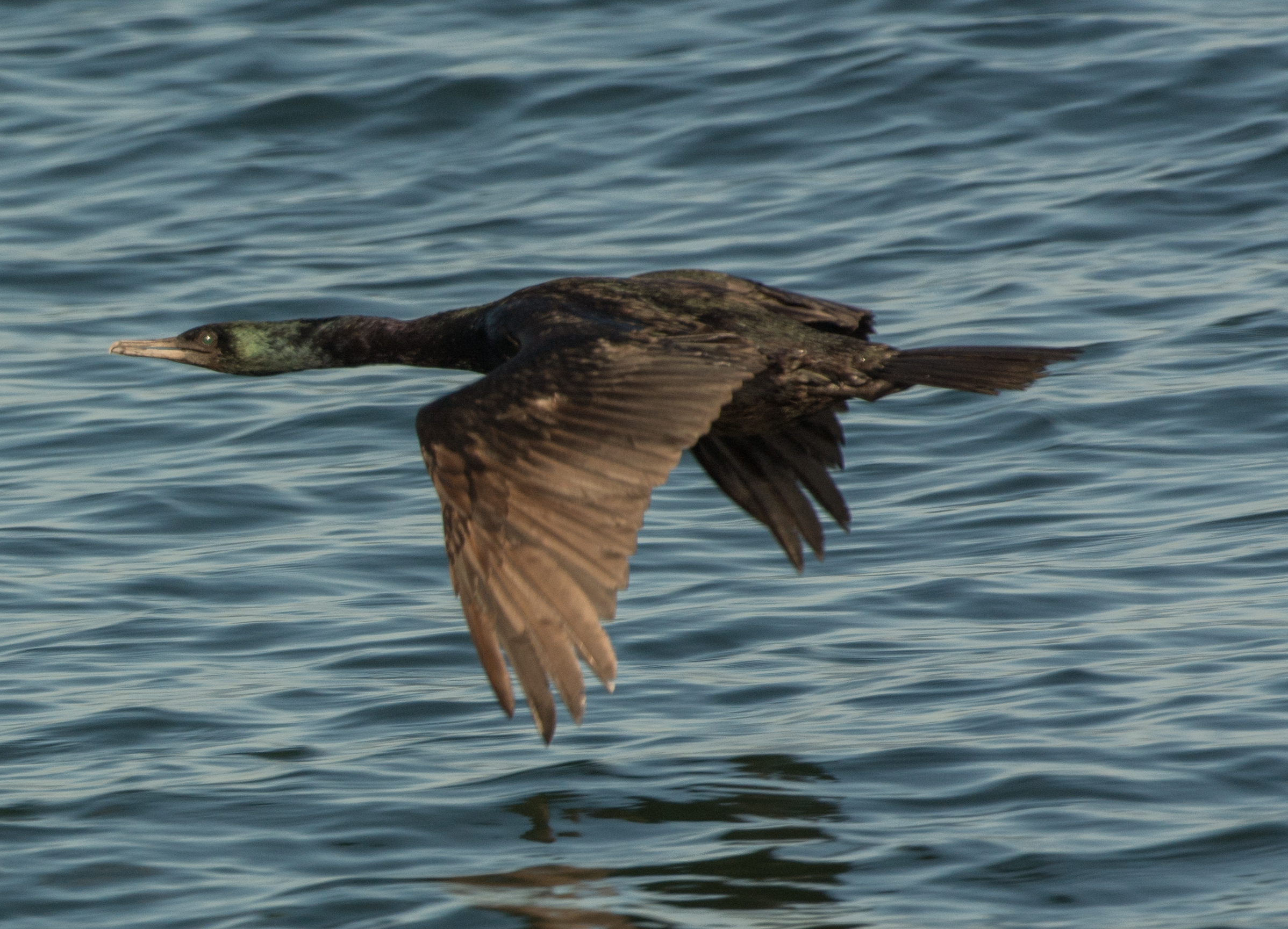
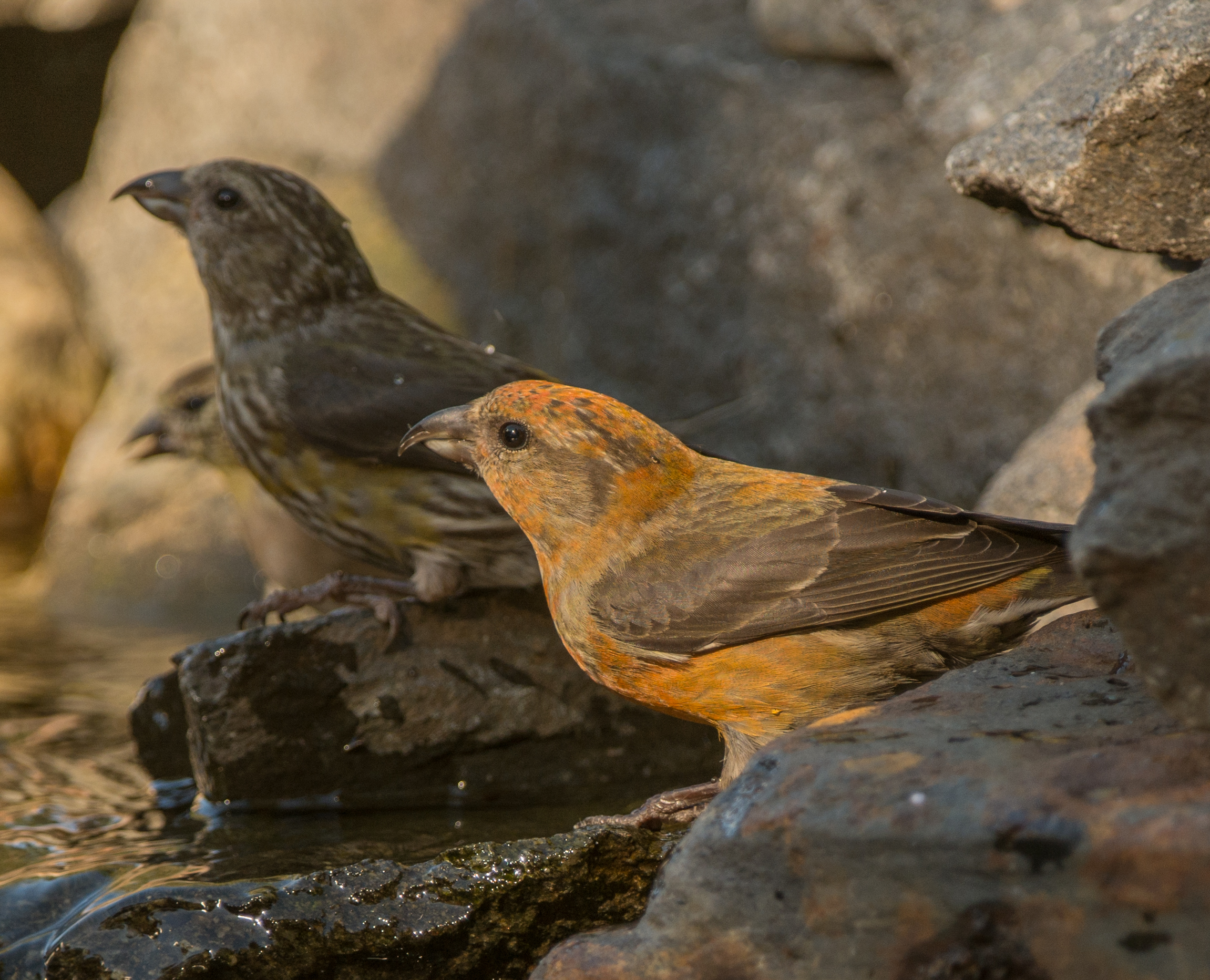
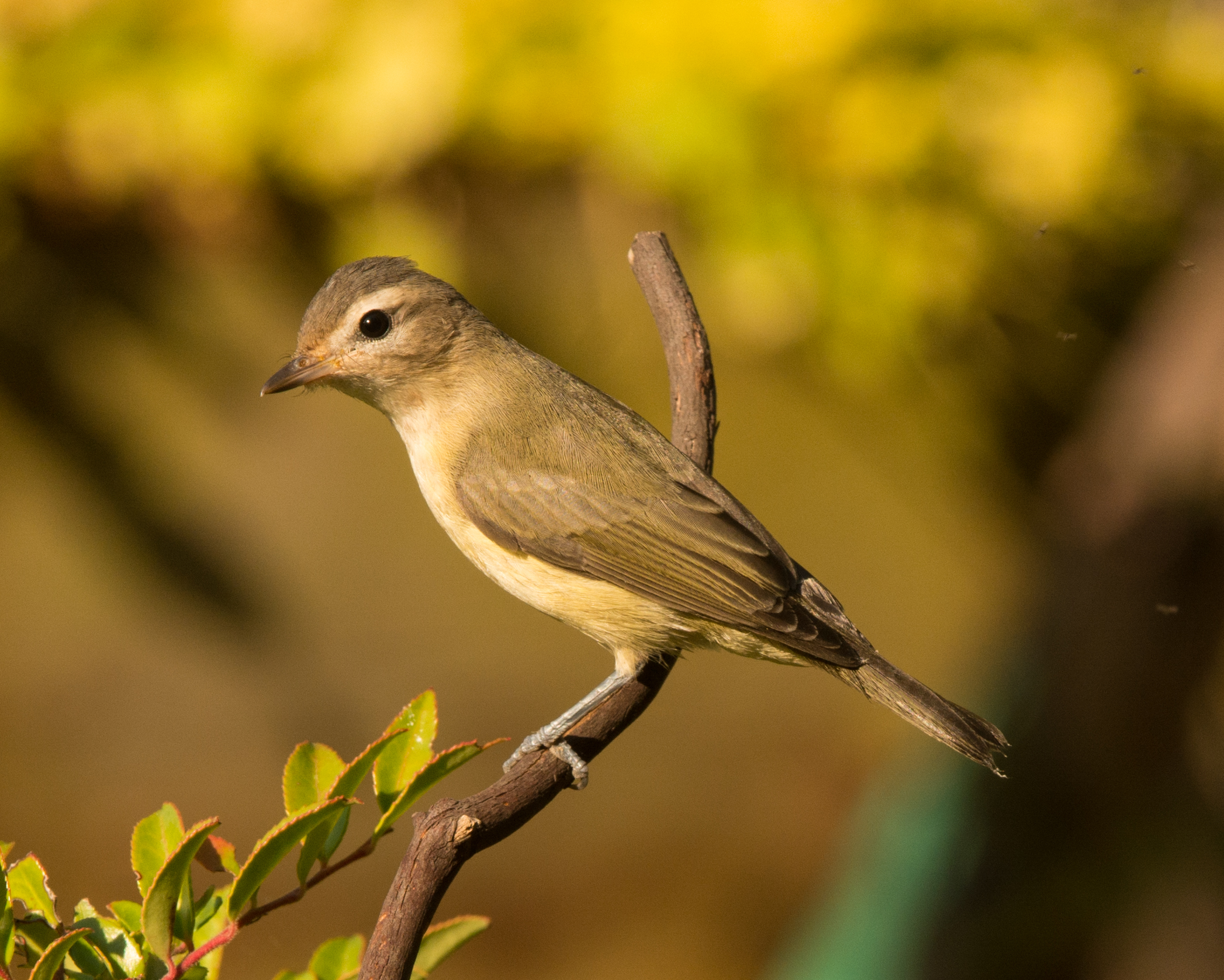
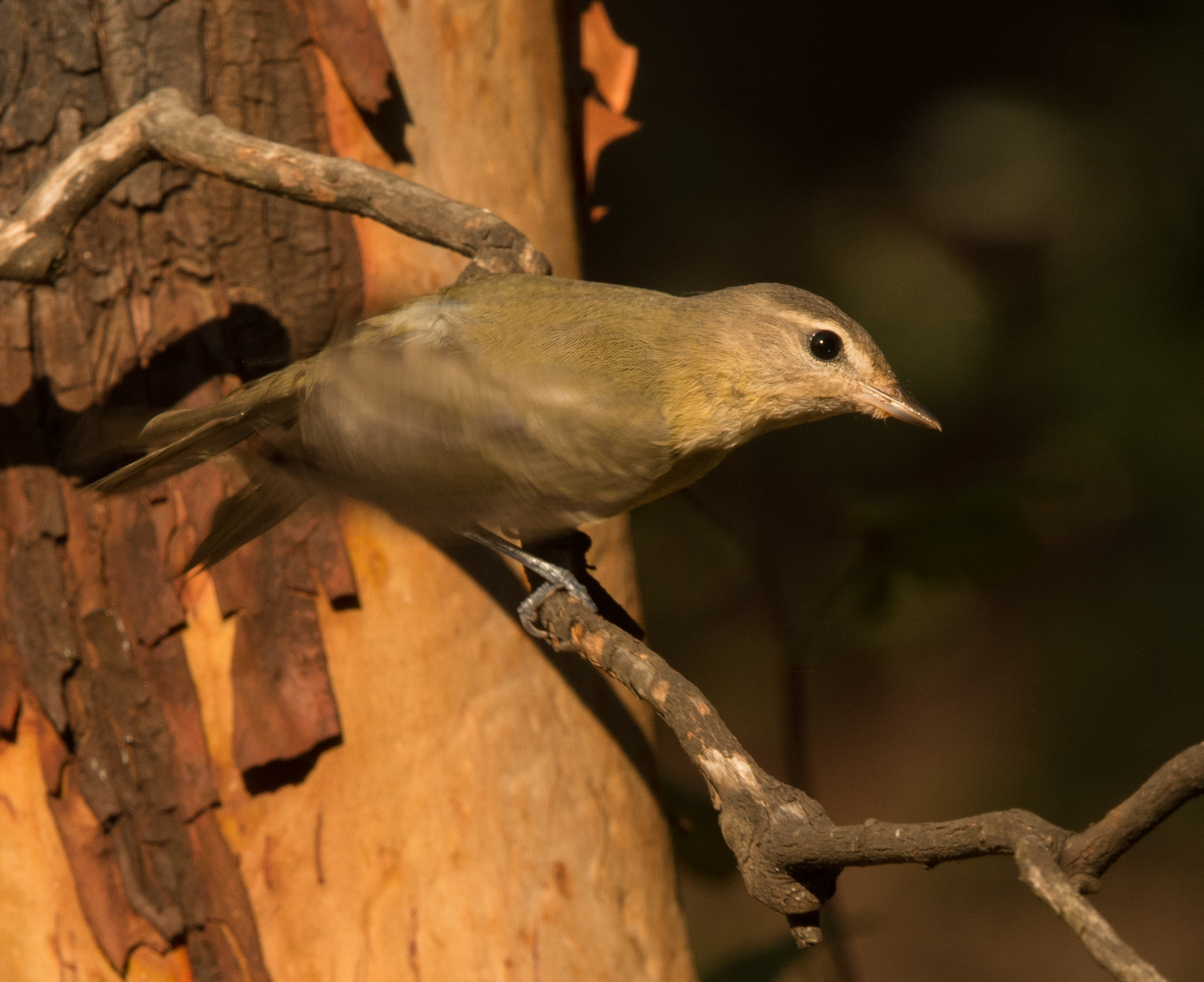
Time to Move On…

This past April I visited my home state, Texas, timed for the spring migration.  I’ve fully processed about three days of about eight, and still have hundreds of photos to go.  I’m still taking photos of birds in the yard but it’s time to move on with my posts and display some of the photos I took in Texas.

Most, if not all, of these photos were taken outside Austin in my sister’s yard… meticulously landscaped for wildlife.  I had plenty of birds to photograph, but the migration wasn’t what any of us thought it could have been.  Theories were that the weather diverted the birds around Central Texas or that the migration was delayed.  Whatever the cause we didn’t see the variety of species we have seen in the past, so that was somewhat of a disappointment.  However it didn’t mean that there weren’t birds to photograph, so here are some of the birds that did happen by.

Here are a couple of favorites that are year-round residents in Central Texas… Northern cardinals

Cardinal, Northern  20140427-02-2 Cardinal, Northern  20140427-06-2

Next are a couple of spring migrants, Nashville warblers

Warbler, Nashville  20140427-09-2 Warbler, Nashville  20140427-20-2

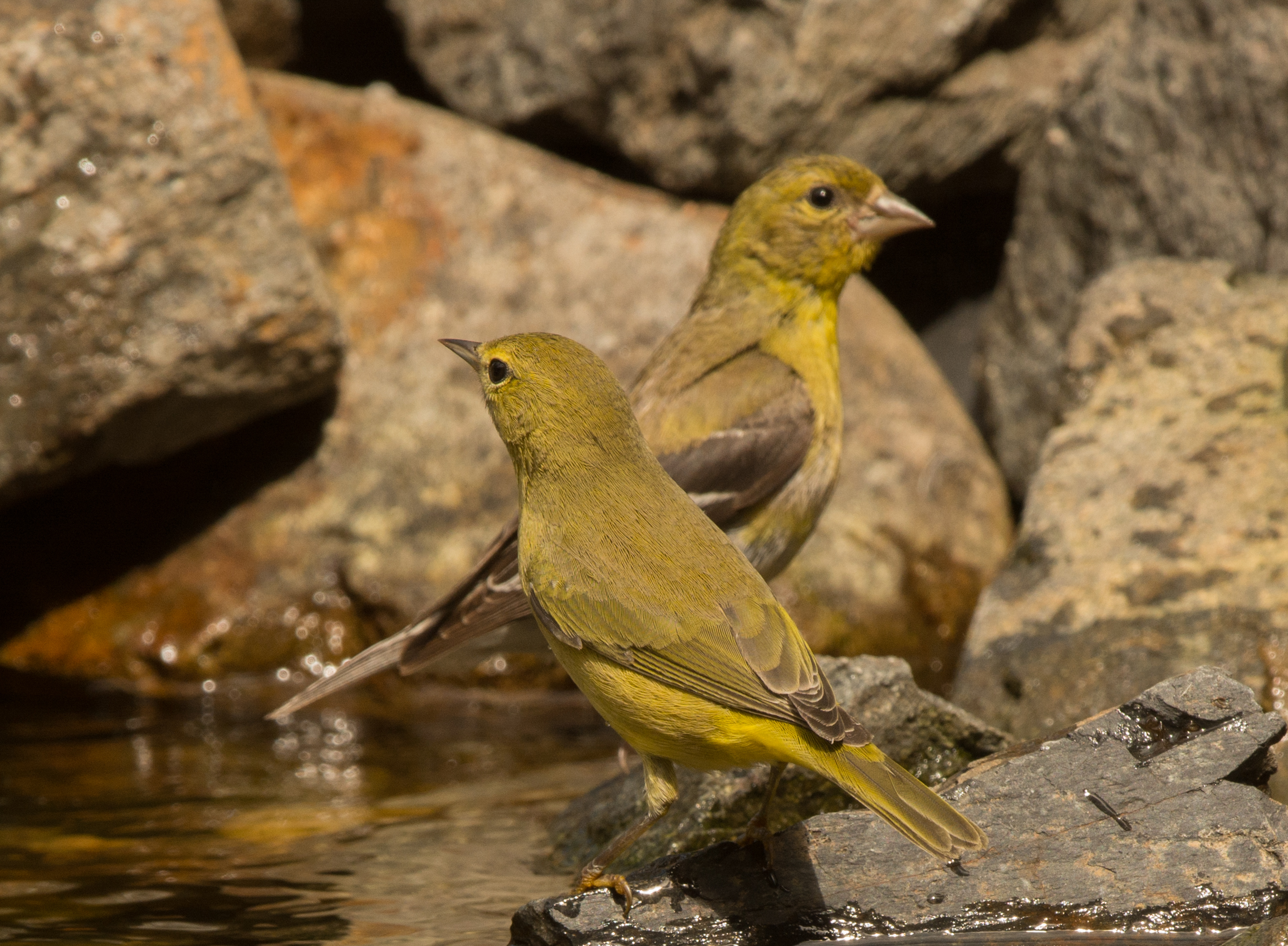
Here is a photo of a male Lesser goldfinch.  The Lesser goldfinches are year-round residents of Central Texas, but their cousins, our American goldfinches are not.  The American goldfinches are migratory residents of Texas but curiously, year-round residents here although much more plentiful in the summer months.  The female Lesser goldfinches are very similar in appearance to the female American goldfinches.

Goldfinch, Lesser  20140427-02-2

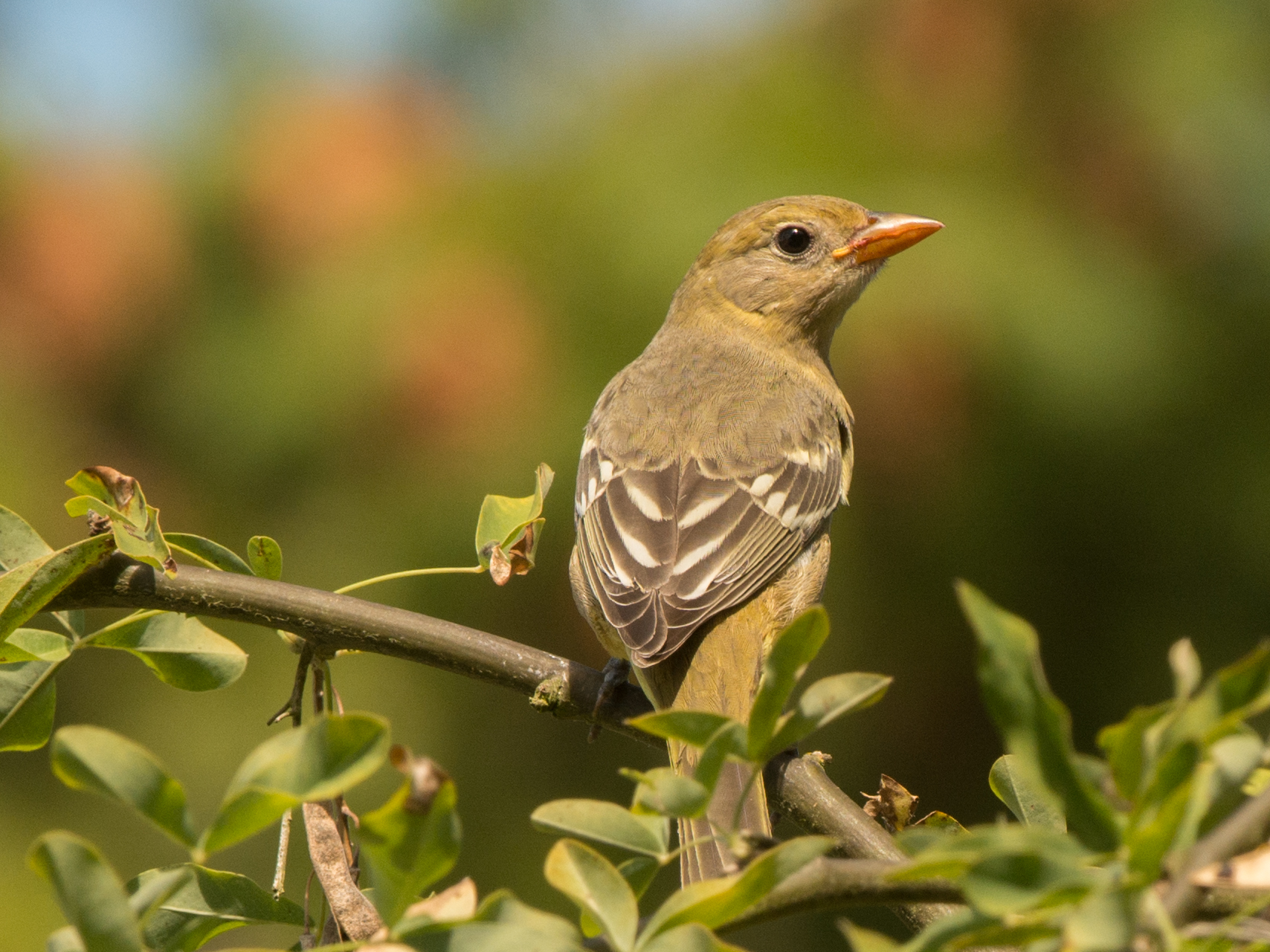
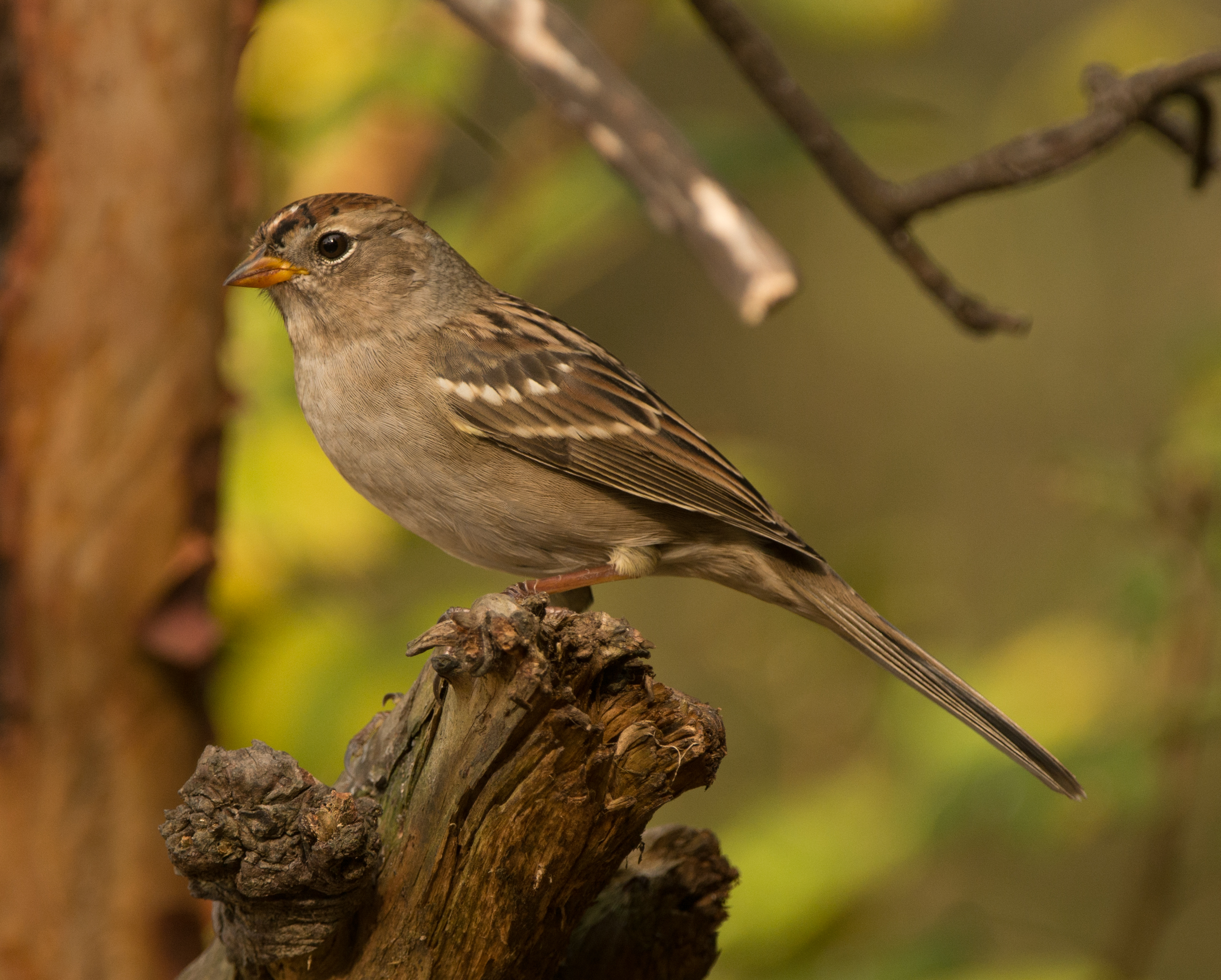
Here’s a photo of the scourge of the bird world, a male Brown-headed cowbird.  This bird is found in breeding months here in Western Washington.  The female cowbird usually lays a single egg in the nest of other species.  The young cowbird matures faster than other birds which usually results in the deaths of the legitimate offspring of the parents.  Just this last week I had a pair of White-crowned sparrows, the first that have nested in the immediate vicinity, feeding a single juvenile cowbird (only!).  The young cowbird was substantially bigger than either of its uncomprehending surrogate parents.

Cowbird, Brown-headed  20140427-05-2

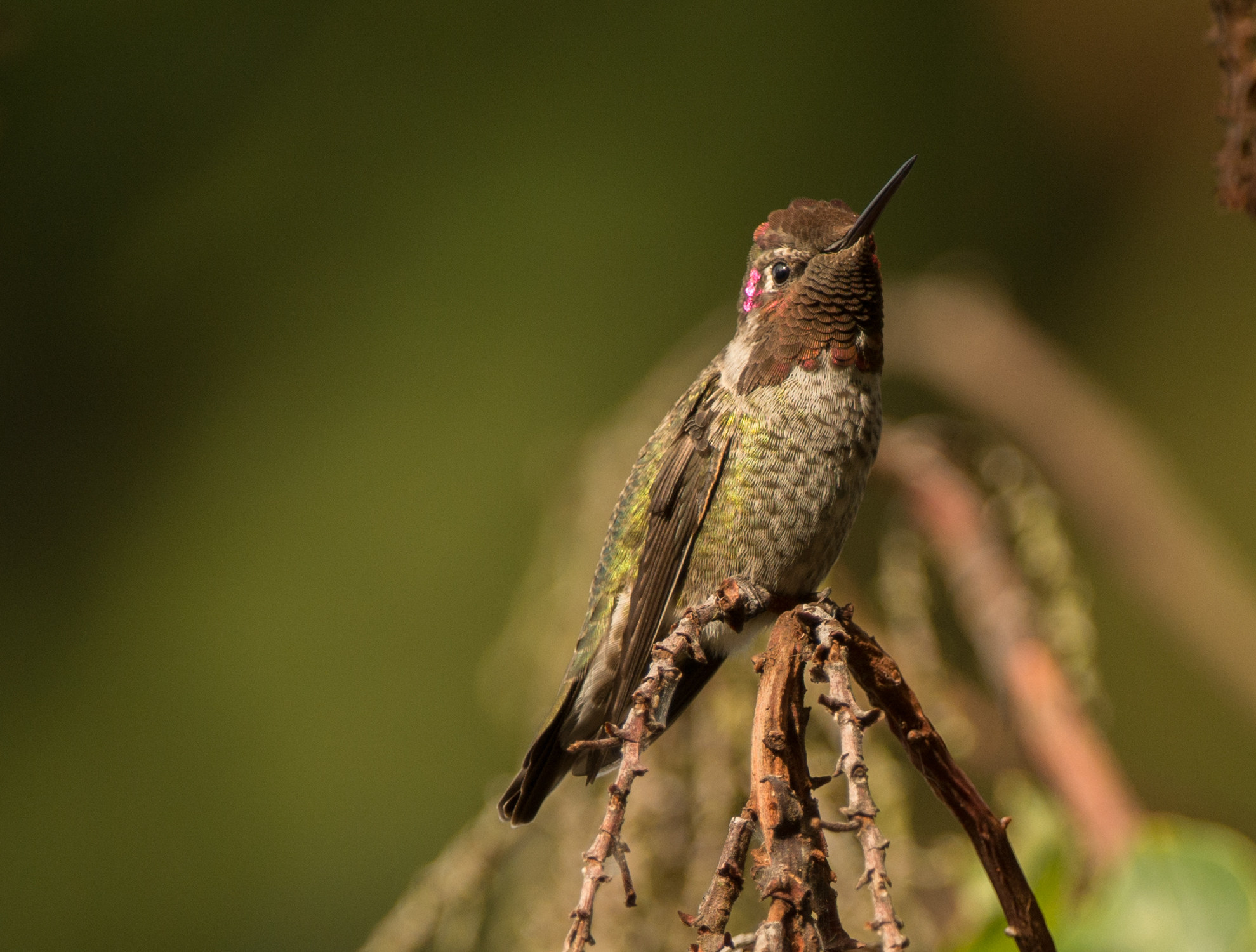
And finally, a male Black-chinned hummingbird which is a spring/summer migrant to Central Texas.  If you look very carefully you can see a few pixels of the color of this bird’s purple gorget.

Hummingbird, Black-chinned  20140427-07-2


Catch Up

I’ll soon be making an effort to catch up on some of my photography processing as well as my blog site.  Look for some exciting photos from three trips I’ve made this spring!

In the meantime, the following are a couple of photos I’ve taken of female Rufous hummingbirds on torch plants located in the neighborhood.  While their main clientele seem to be hummingbirds, I’ve also seen House finches and possibly some other birds on the torch plants.

DSC_8124 DSC_8146

The red elderberry are now producing berries that are ripening, and that means a variety of birds will be hanging around those bushes.  Just two days ago I saw American robins, European starlings and another species of bird in the elderberry bushes.  I expect that you’ll see some photographs of birds in the elderberries posted on this blog soon.

I’m going to close out this post with photos of a female Brown-headed cowbird, a Spotted towhee, a Chestnut-backed chickadee, another Spotted towhee and finally, a Red-breasted nuthatch.  I usually find the nuthatch difficult to photograph because it often won’t come to the water feature, but as of late we seem to have a family of them and they have been frequenting the water feature.

DSC_8428 DSC_8443 DSC_8497 DSC_8509 DSC_8534


Yard Birds by the Bushel!

My last two posts came from birds I photographed in the yard on Friday, 5/16.  In the intervening time, due to numerous visits by the birds and weather that permitted me to spend copious amounts of time in the yard, I added over 600 photographs to my inventory.  I just finished the main processing this (Sunday, 5/26) evening… but that doesn’t include renaming the 266 photos I’ve retained.  Some of the photos are quite good… probably the best I’ve taken of some species.

So here are a few of the photos from early in the week, with more from this past week to follow.  Three different species/birds, and only one of the species reasonably identifiable as to sex.

DSC_7903 DSC_7907 DSC_7938 DSC_7940 DSC_7958 DSC_7967

Banner Yard Day – Part 2!

This is a continuation of my last post… some of the non-warblers that I photographed on Friday, March 16.

Woodpecker, Downy  20140516-02

Tanager, Western  20140516-12 Waxwing, Cedar  20140516-05 Finch, House  20140516-06 Bushtit  20140516-02

And the big news here at the homestead is that a pair of crows are working tirelessly to build a nest right on the edge of our ‘yard’.  On 5/21 I took photos of some of the incoming crows with branches, twigs and what was apparently dried grass they had gathered, and they can carry a mouthful!  They have chosen a tight-knit group of young fir trees and are building the nest only a little over 20′ off the ground.  I can barely see the edge of the nest and now, at 5:35am, they are already working on the nest.

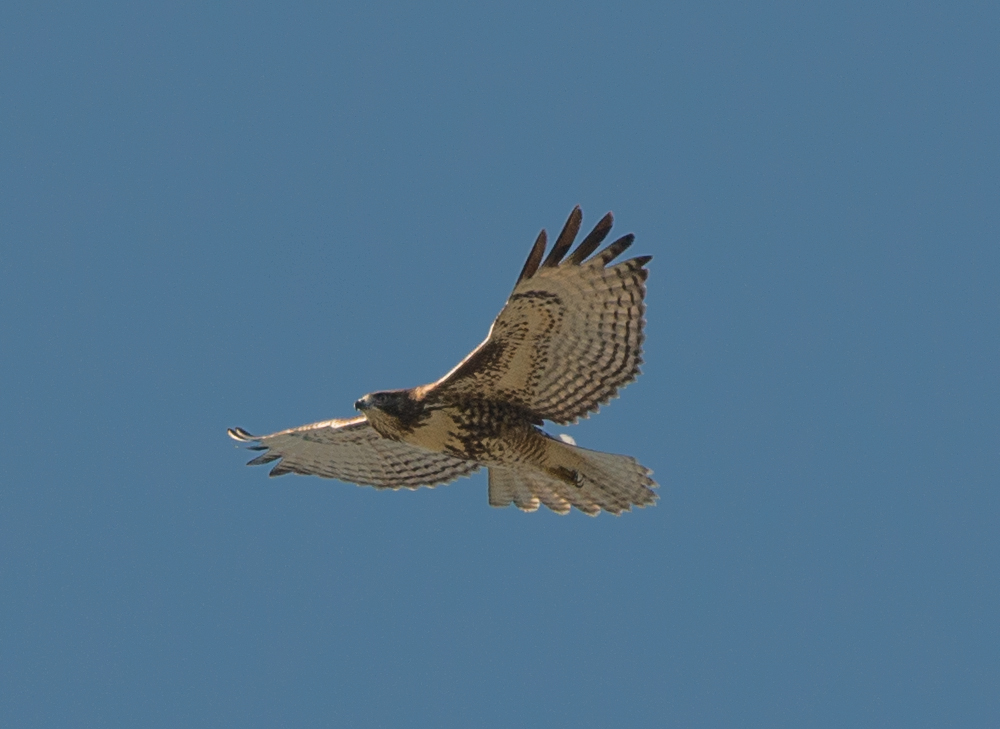
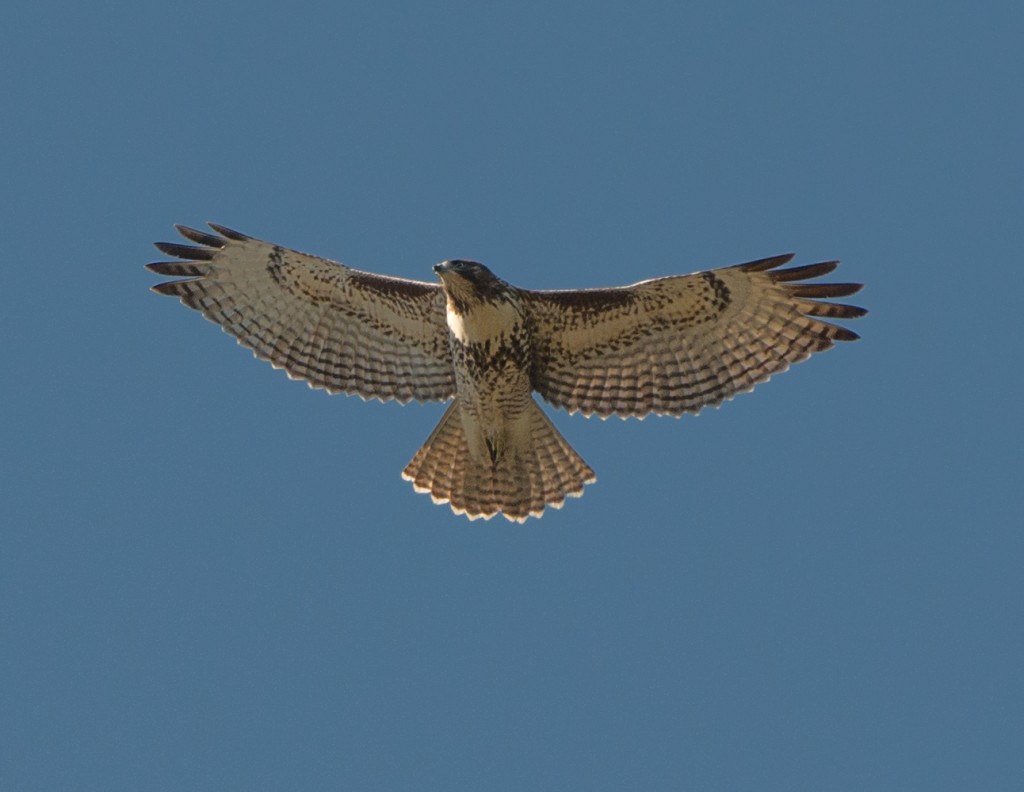
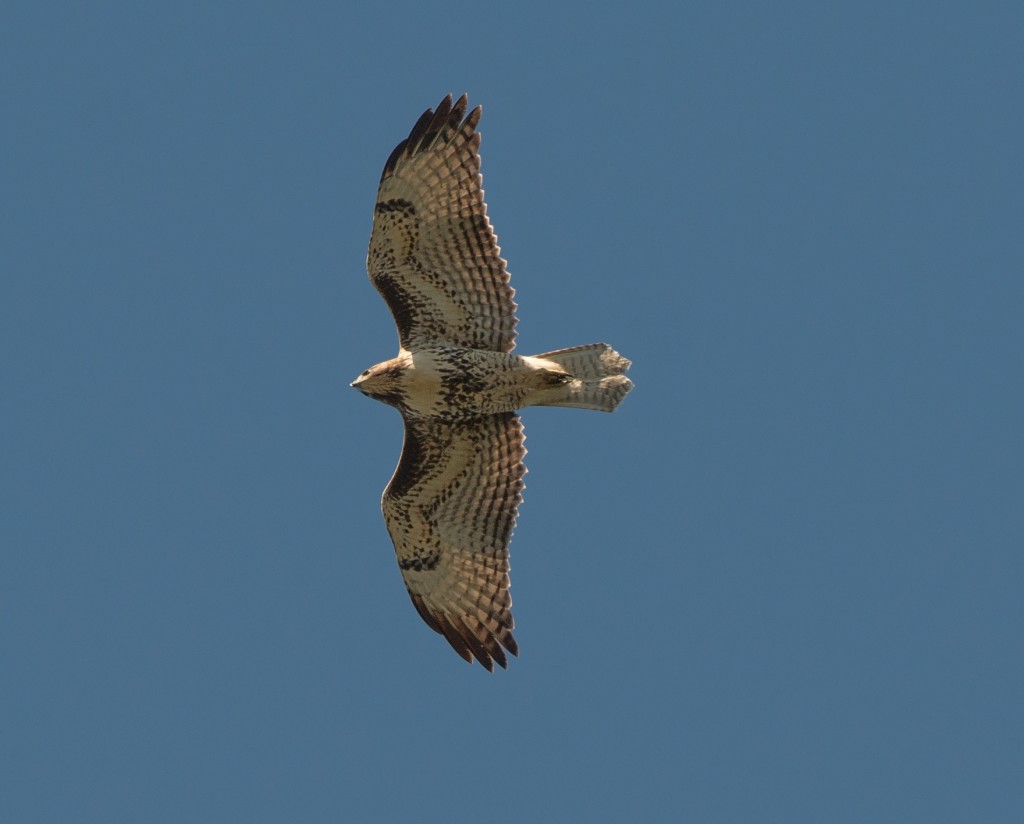
The nest will mean fouled bird baths for me… they dip food for the young in water, apparently to soften it and to provide moisture to the young crows.  It will be a nuisance trying to keep the bird baths clean, but it will also be interesting to watch the crows.  I wish we had a better view of the nest but almost every crows’ nest I’ve ever found has been well hidden to guard it from predators, chiefly ravens.  And just a few days ago I caught a glimpse of the crows chasing an accipiter from the yard.


Banner Yard Bird Day… Part 1!

On Friday, May 16, my morning started off as something of a disaster… I had an appointment with a new cardiologist and I thought that the appointment was at the offices in Mount Vernon, but when I arrived there I discovered that the appointment was actually in Anacortes. By the time I got back half the appointment time (40 minutes) was gone and I thought that my blood pressure was probably sky high, having skidded into the parking lot on two wheels! Surprisingly I was wrong… my blood pressure was 132/71 and best of all, I hit it off very well with the new cardiologist.

But this isn’t about medical appointment disasters, it’s about birding, so let’s get to it. While I was hurrying back to Anacortes Nancy called me to tell me that she had seen a male Black-headed grosbeak in the yard eyeing one of the feeders and when I got back home she told me that the female has also visited. So I was motivated to grab my camera and sit in the yard rather than to try to grab a nap.

The morning was pretty much a bust. Nancy and I went to lunch and when we returned we both took naps. When I woke it was back out in the yard to see if the grosbeaks would show again.

Over the course of the next couple of hours of the afternoon I saw the following birds:

Warbler, Wilson’s (3-4 visits)
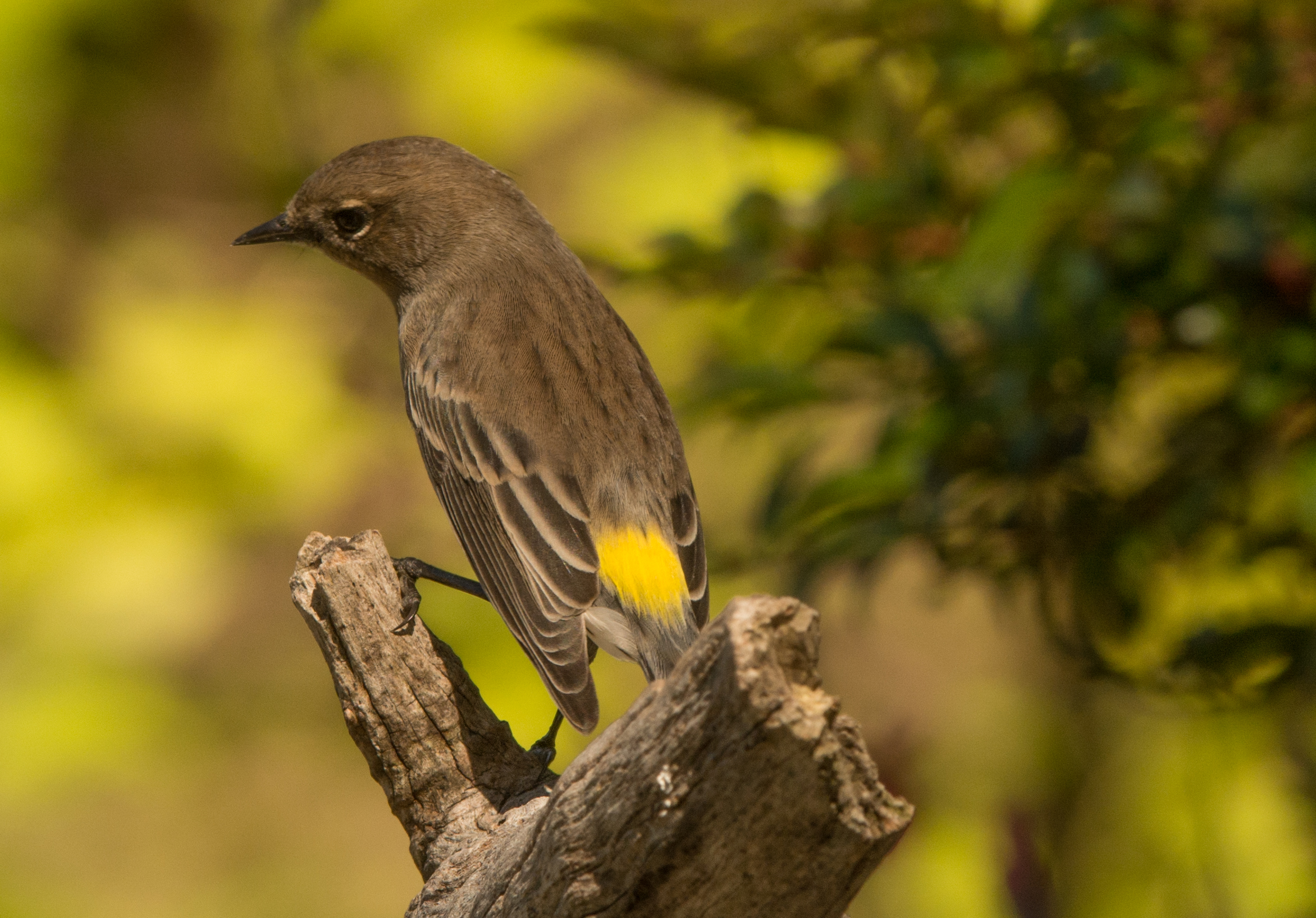
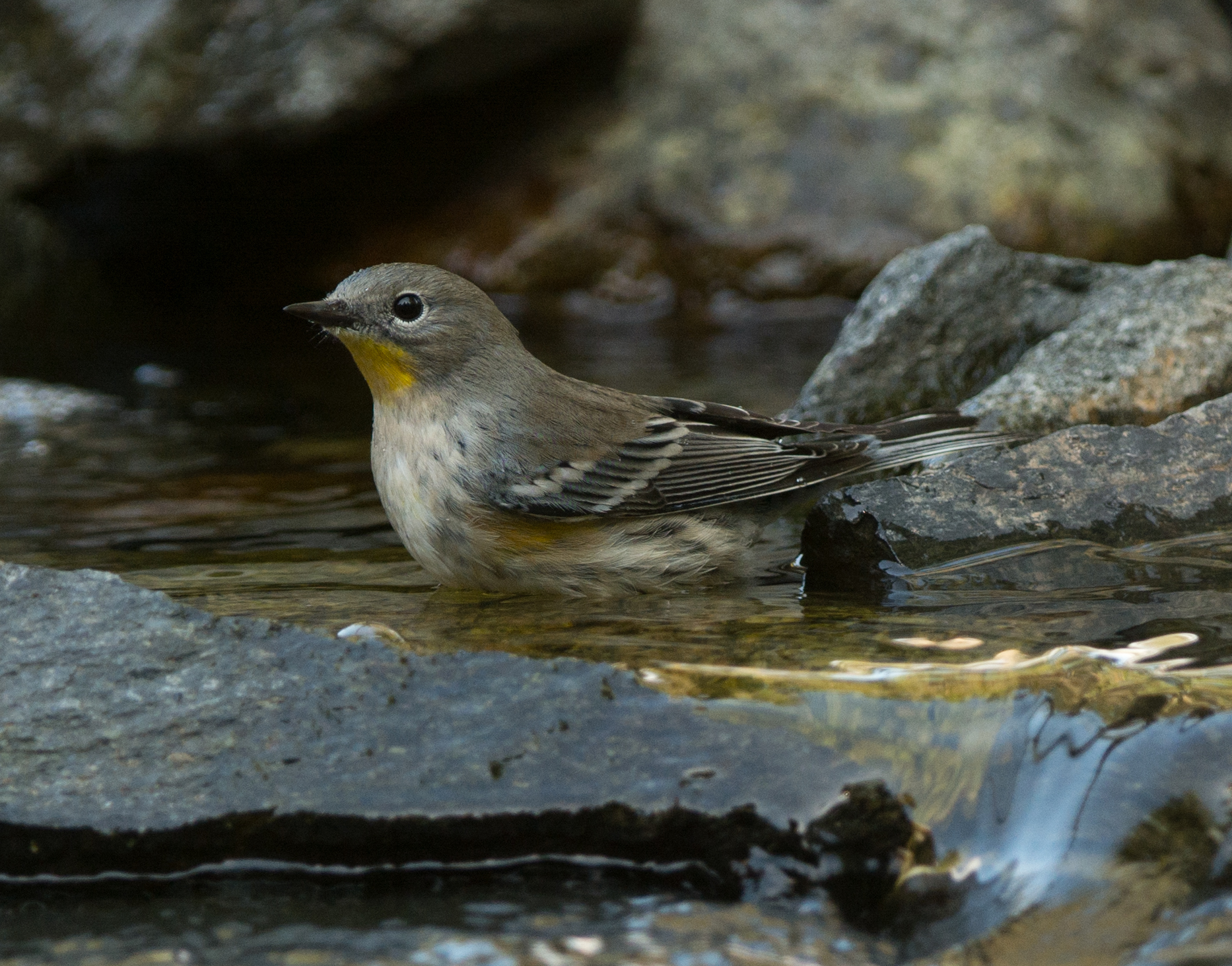
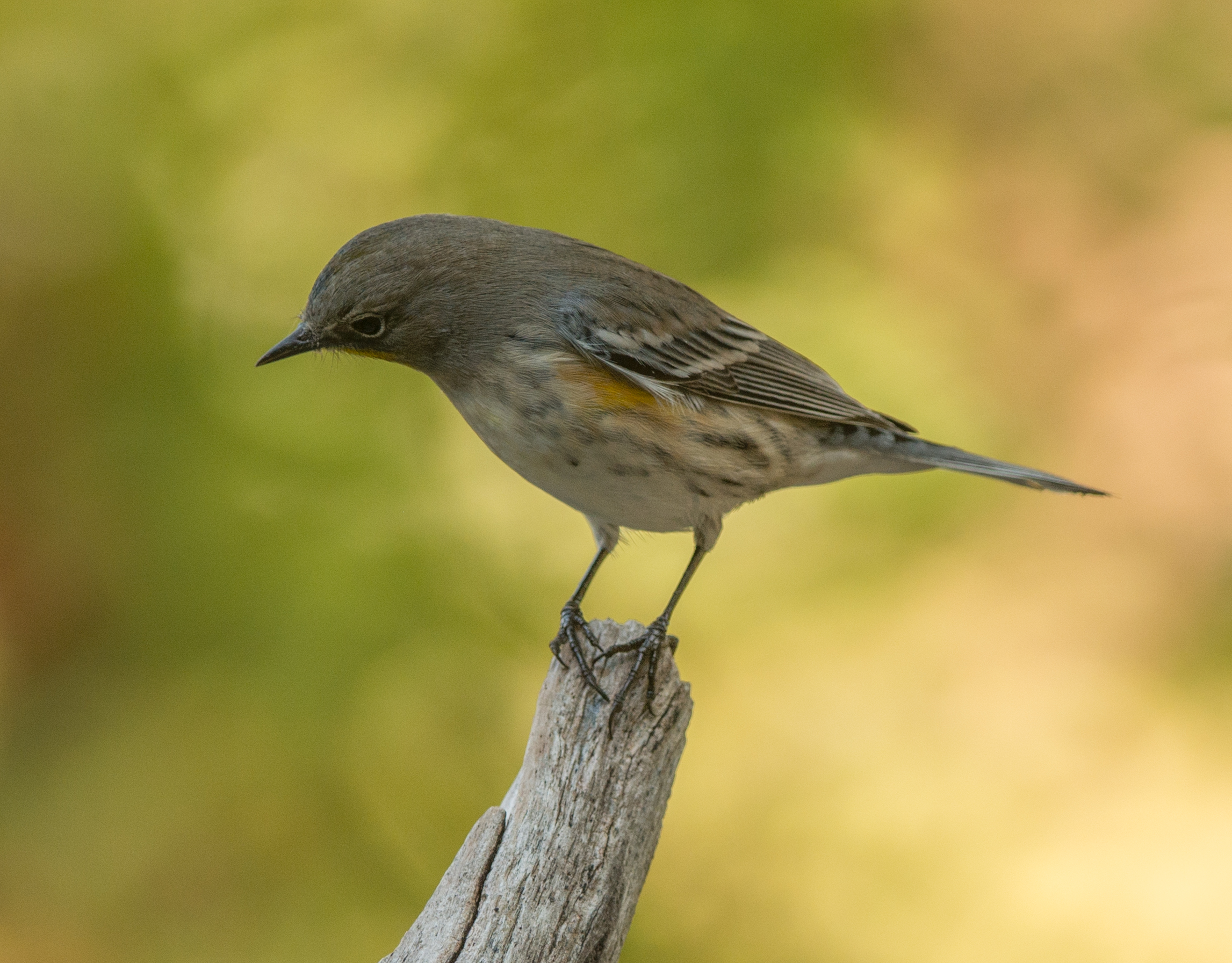
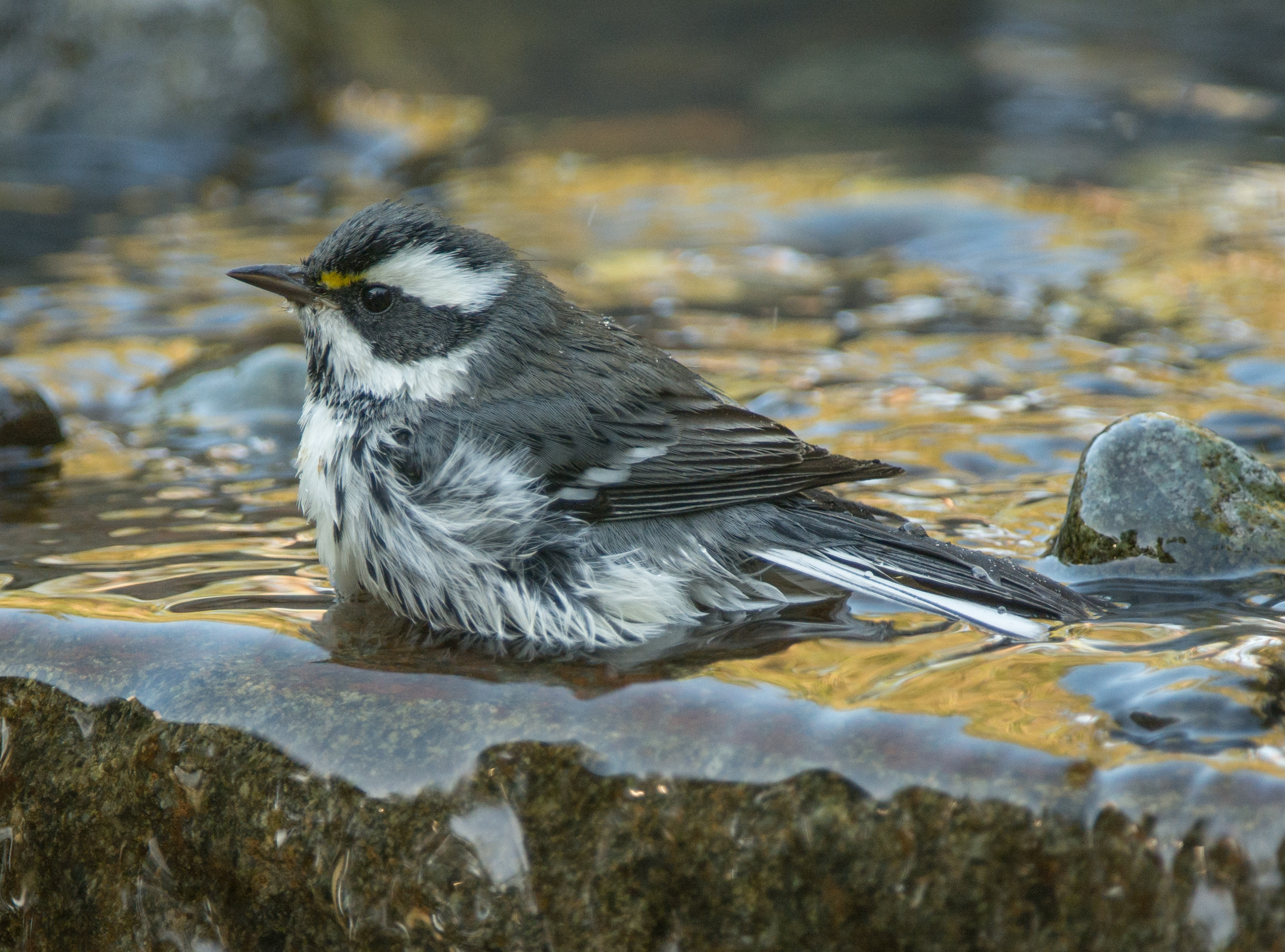
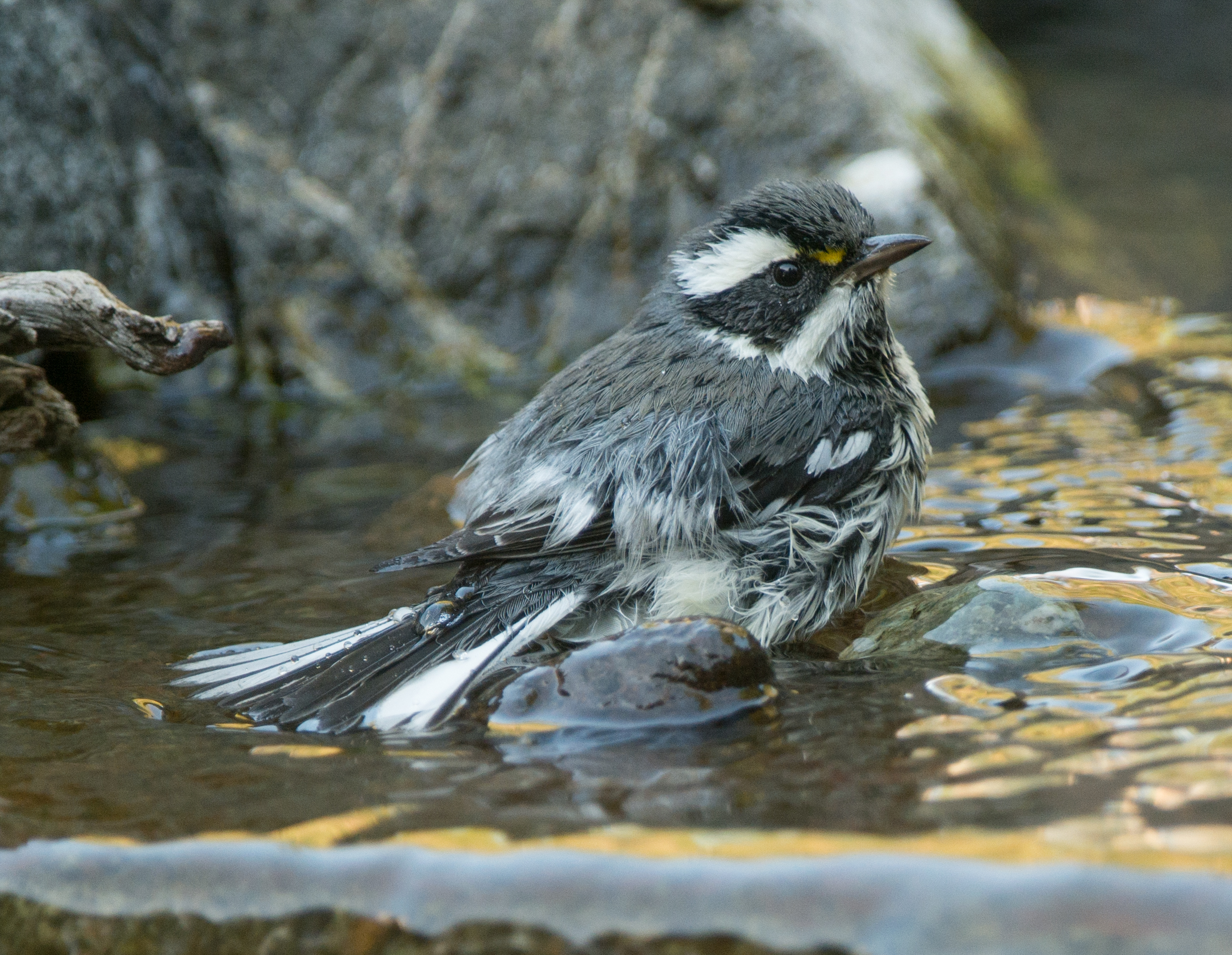
Warbler, Yellow-rumped Audubon male (2 long visits to the watercourse)
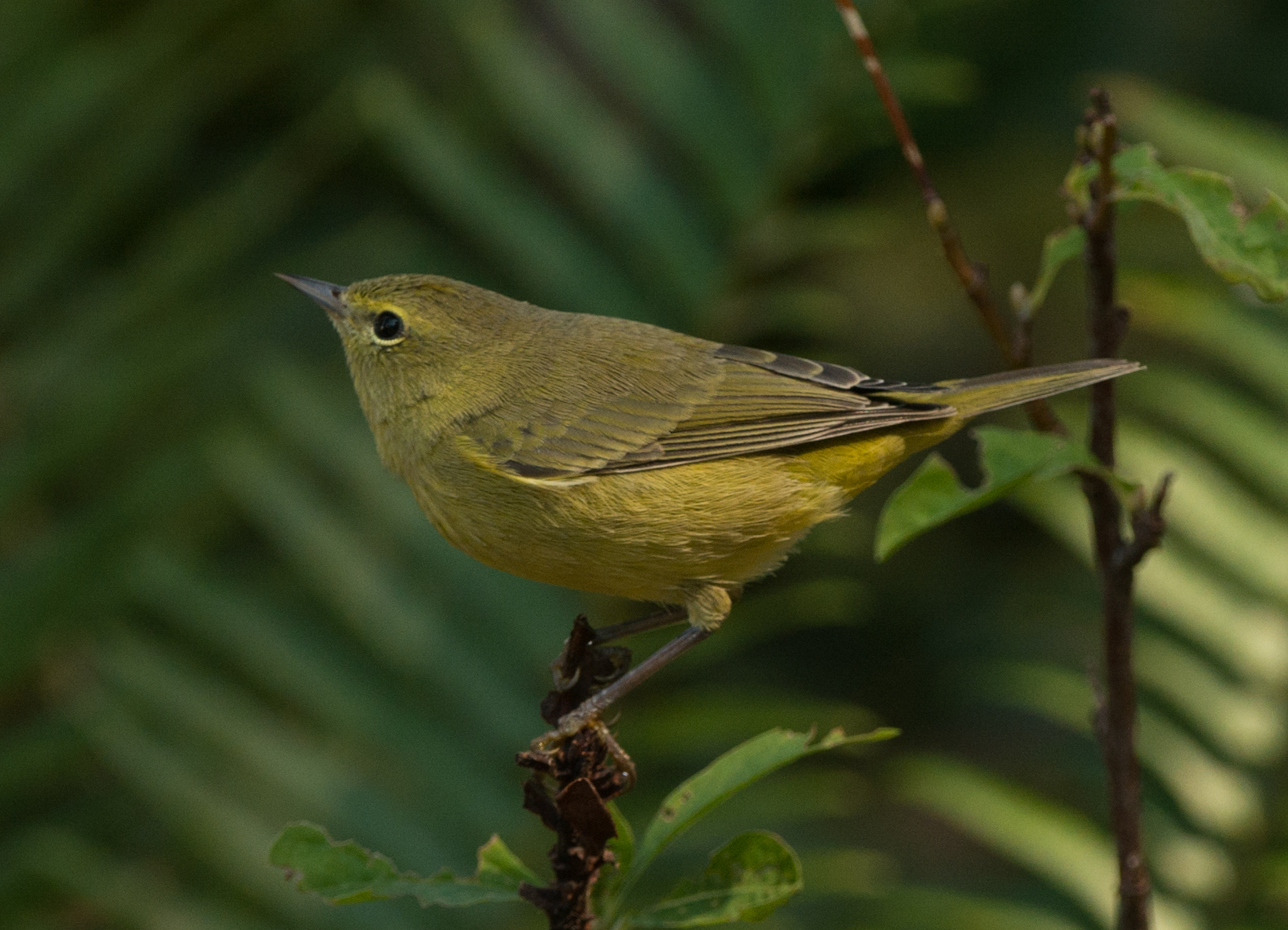
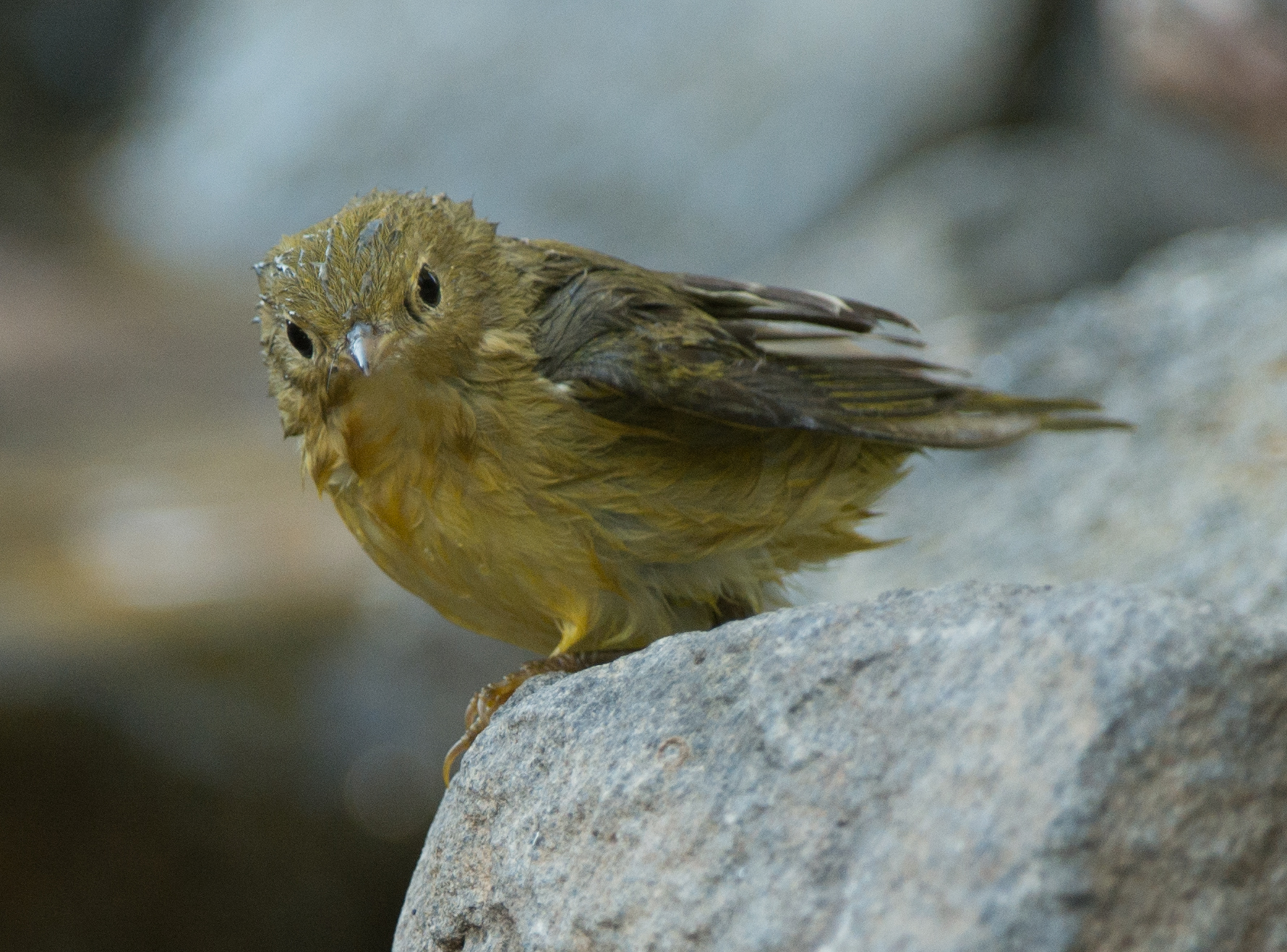
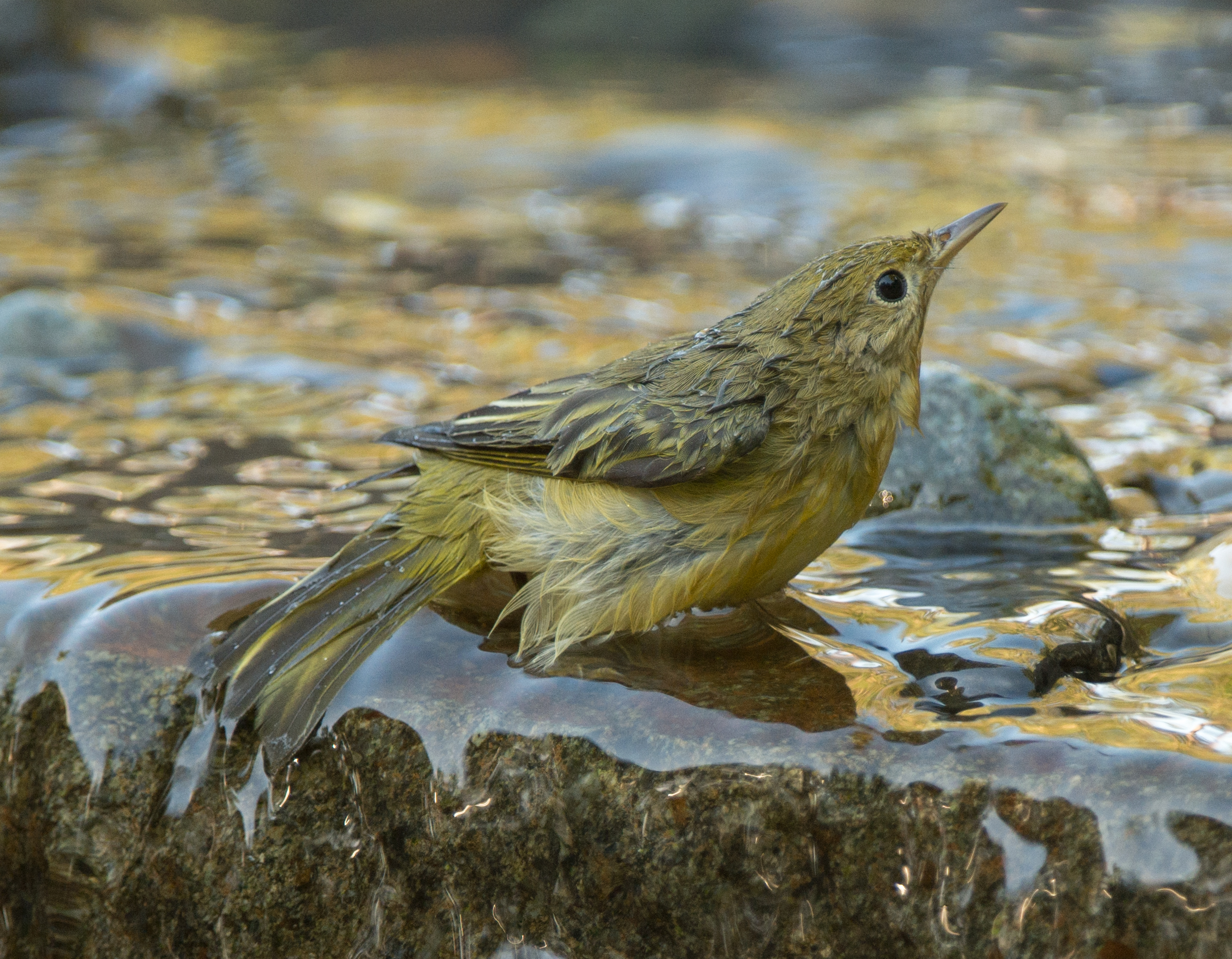
Warbler, Orange-crowned (single visit, but thus far an almost daily visitor)
Bushtit
Waxwing, Cedar (3 eating madrona blossoms)
Tanager, Western male
Creeper, Brown
Goldfinch, American (M&F)
Finch, House (M&F)
Woodpecker, Downy (M&F)
Robin, American
Chickadee, Chestnut-backed
Chickadee, Black-capped
Starling, European
Crow
Hummingbird, Anna’s (2M & F)
Hummingbird, Rufous (2M & F)
Blackbird, Red-winged (M&F)
Cowbird, Brown-headed (M)
Sparrow, House (M&F)

I obtained photos of all but possibly the cowbird (see blog of 5/15) and I’m uncertain whether or not I photographed both species of chickadees.

The first seven species on the foregoing list are rare here in the yard, and this is the first time this year for observing a tanager or waxwing in the yard.

And now for a few behavioral notes…

There were three waxwings in one of our smaller madrona trees, but until they flew I only saw two at any one time. The two I observed in the tree kept picking madrona blossoms and handing them back and forth to each other… multiple times! I probably saw a single blossom go back and forth 7-8 times on multiple occasions.

With regard to the two male Anna’s, one was sitting on a hummingbird feeder while the other approached flying. The flying bird stopped about 18” short of the feeder and both hummingbirds lowered their heads as if there was going to be trouble. The flying hummingbird very gradually approached to within a foot or less of the feeder when both birds went at it and left the area.

And one of the strangest observations of all… I discovered that the minimum focus distance on the Nikkor 200-400mm F4 lens I have had and used for the past two years is capable of a much shorter focal distance than what I had previously estimated (and experienced) as about 16’. I found I could photograph a hummingbird at about 10’ and almost fill the frame with it. It was a very big surprise and I have absolutely no explanation as to why I hadn’t been able to do this in the past. When relating the story to my brother-in-law in Texas, he said to just think about all the photos I could have gotten had I been aware of this when I first started using the lens two years ago. I won’t repeat my comment to him regarding the matter!

The day’s tally… 302 photos, 141 retained.

Warblers first!!

Warbler, Orange-crowned  20140516-02 Warbler, Wilson's  20140516-11 Warbler, Yellow-rumped - Audubon  20140516-08 Warbler, Yellow-rumped - Audubon  20140516-12