Juncos

For the past 8-9 years we’ve had a Slate-colored, Dark-eyed junco spend the winter with us.  I seriously doubt that it has been the same bird, but it seems curious that we keep having a single bird.  On some occasions I’ve thought that I might have seen two, but for the most part it’s been a single bird.

A few blog posts ago I showed our Slate-colored junco and I’m quite sure about that identification.  Not only is its appearance substantially different from the other Oregon juncos, but its behavior is different also.  And it doesn’t mix well with the other juncos… it feeds apart and doesn’t stay in the yard as long.  For reference purposes I’m showing the Slate-colored junco below which was featured in my blog some time ago.

DSC_9787

There is a wide variety of difference in plumage coloring for the Oregon race of Dark-eyed juncos.  The birds with the darker (black) heads and cowls are probably males and the lighter colored juncos are probably females and first year birds, but there is an entire continuum with regard to the plumage.  The photo below is what I might consider is an average male.  Note all the brown plumage, both on the bird’s sides and back.

Junco, Dark-eyed - Oregon 20150311-02

This bird below (it’s the same bird in both photos) neither fits neatly into the Slate-colored nor the Oregon race of juncos.  Earlier this winter I thought that it might be a female Slate-colored junco, but I’m just not sure.  It definitely stands out from all the other Oregon juncos.

Junco, Dark-eyed - possibly Slate-colored 20150311-02 Junco, Dark-eyed - possibly Slate-colored 20150311-05


Back to the Yard!

I made a driving excursion on Tuesday, March 10 with very disappointing results.  About the best that can be said of my outing is that the Snow geese have realized that hunting season is over and are now congregating immediately beside some roads.

On Wednesday, March 11 I spent a couple of hours in the yard with better than expected results.  We are overrun with Dark-eyed juncos and Pine siskins… they probably constitute >90% of the birds in the yard by numbers.  However we had some rather rare and noteworthy visitors this morning, so I’ll get right with it.

I was in the house when I looked out and saw a Cedar waxwing land on the side of the watercourse.  I can hope for about 2-3 such sightings in a year.  Even though the bird had flown, I grabbed my camera and set up outside in the hope that the bird might return, especially since it hadn’t actually entered the watercourse.  Hope springs eternal, but not the Cedar waxwing.  I saw nothing of it for the two hours or so that I spent in the yard.

I then saw both a Fox sparrow, usually a fairly common winter visitor but absent for the last several weeks and a Song sparrow, a bird of similar visiting frequency.

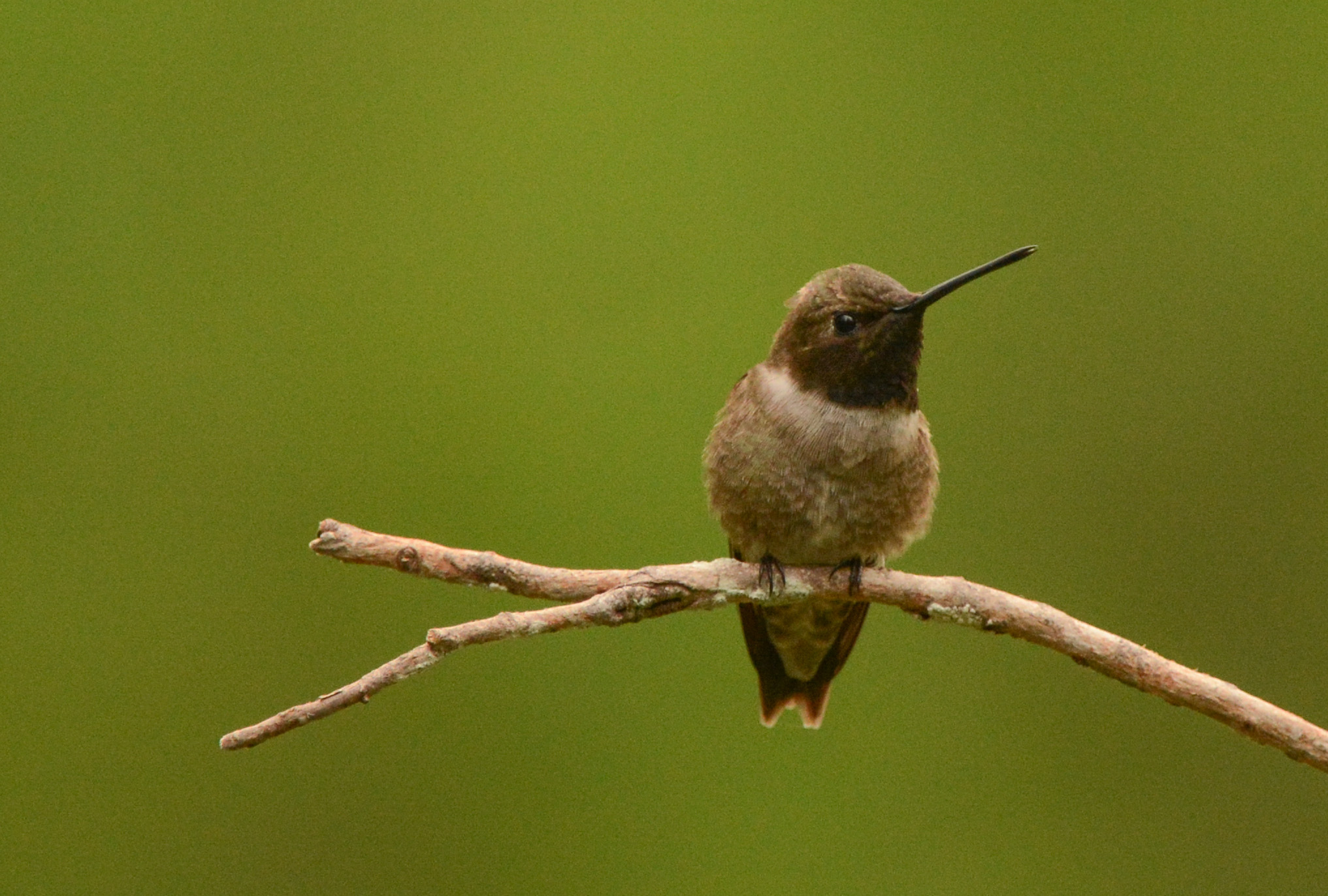
Next up, our first Rufous hummingbird of the season (in this case a male).  It now joins at least one male and one female Anna’s hummingbird in preparation for the upcoming hummingbird feeder wars.  (The flying hummingbird is a male Anna’s.)

DSC_0437 DSC_0444

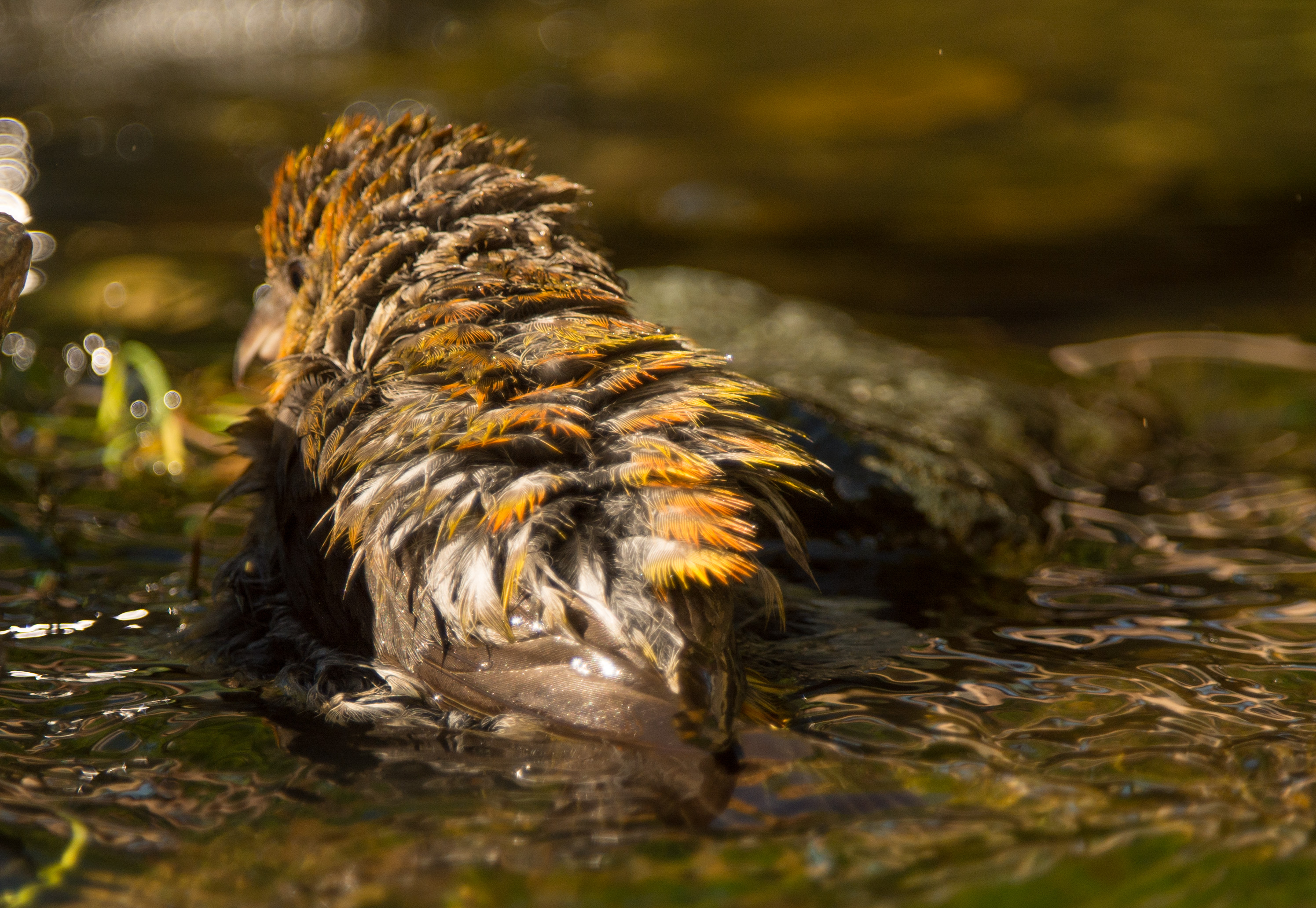
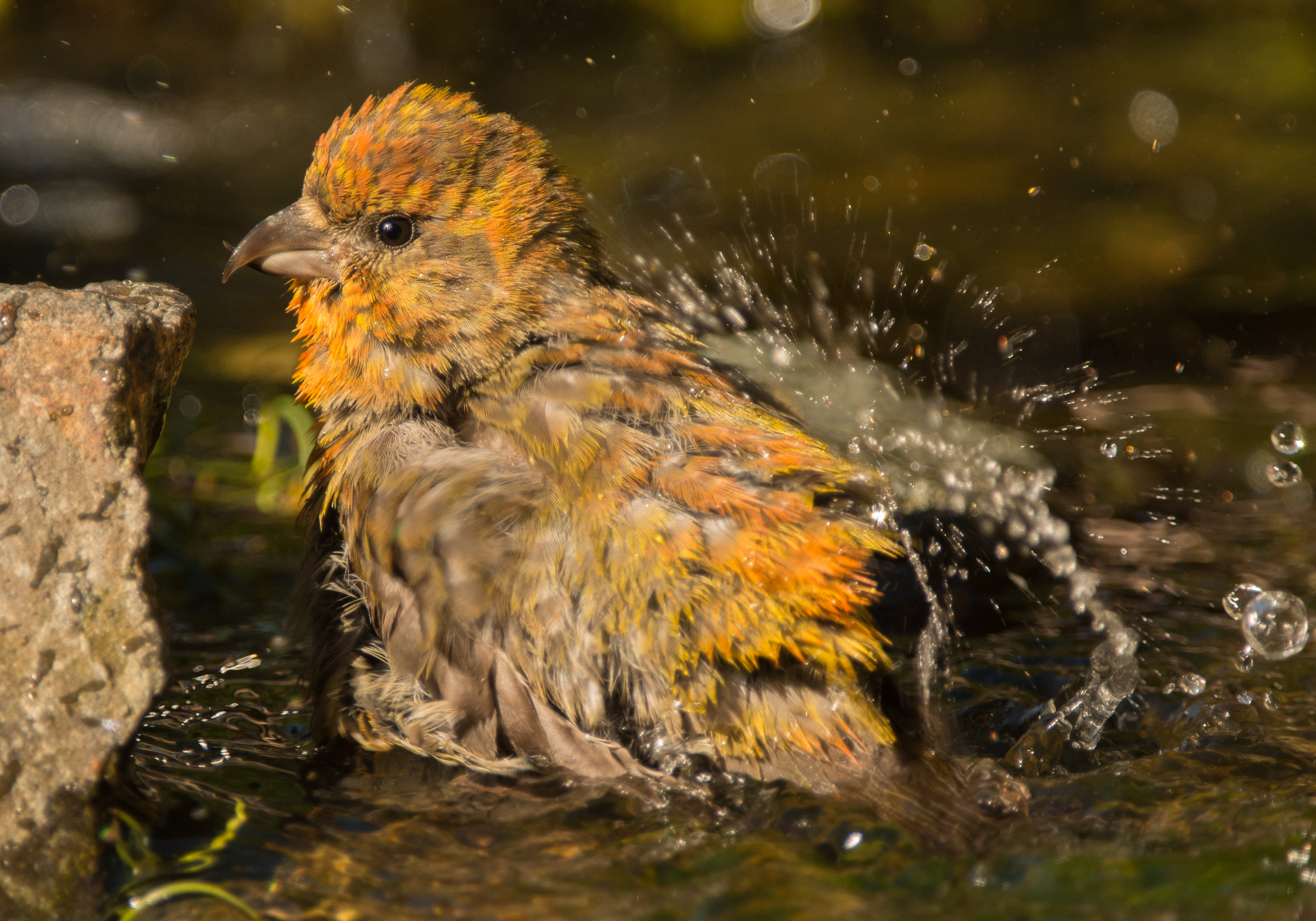
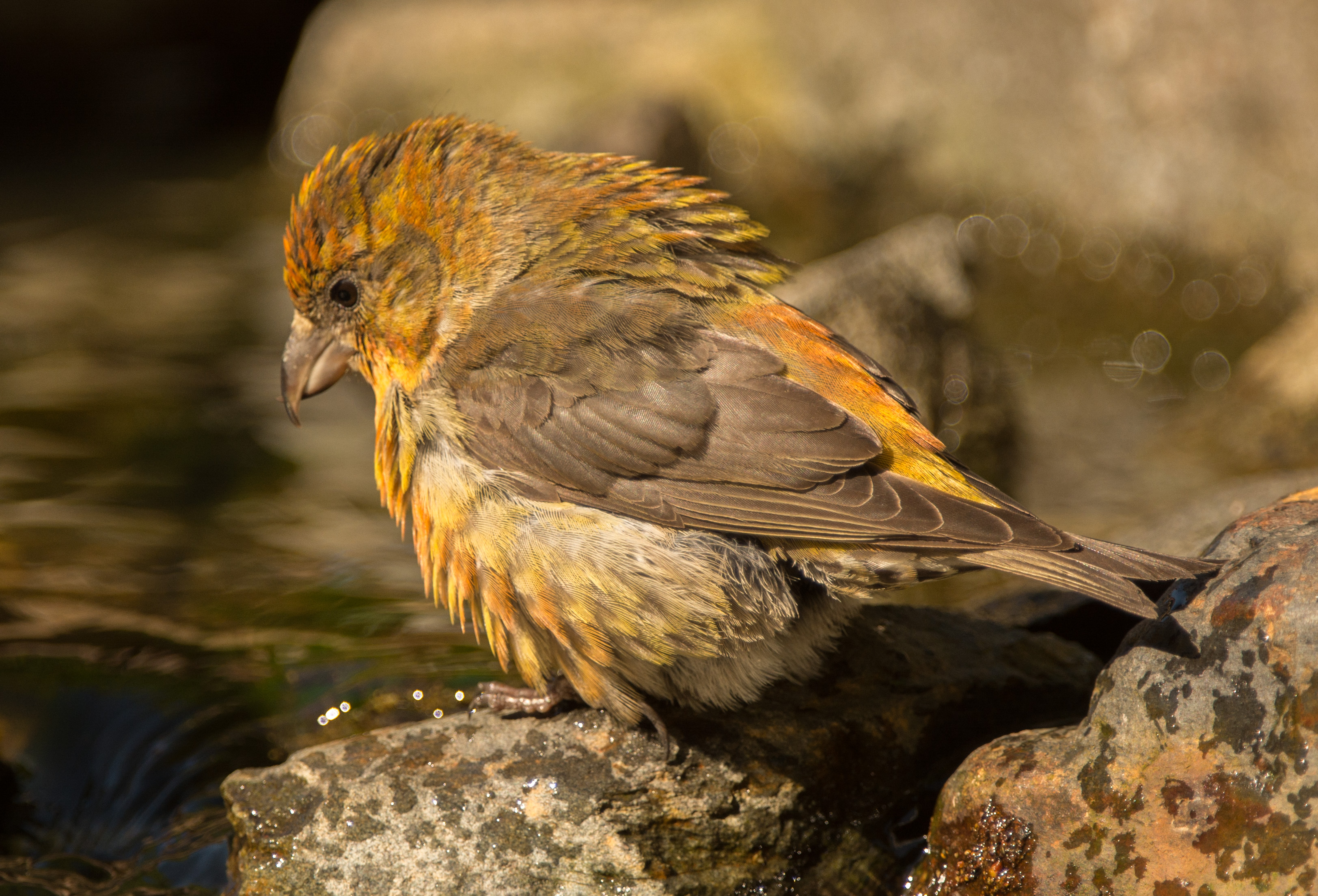
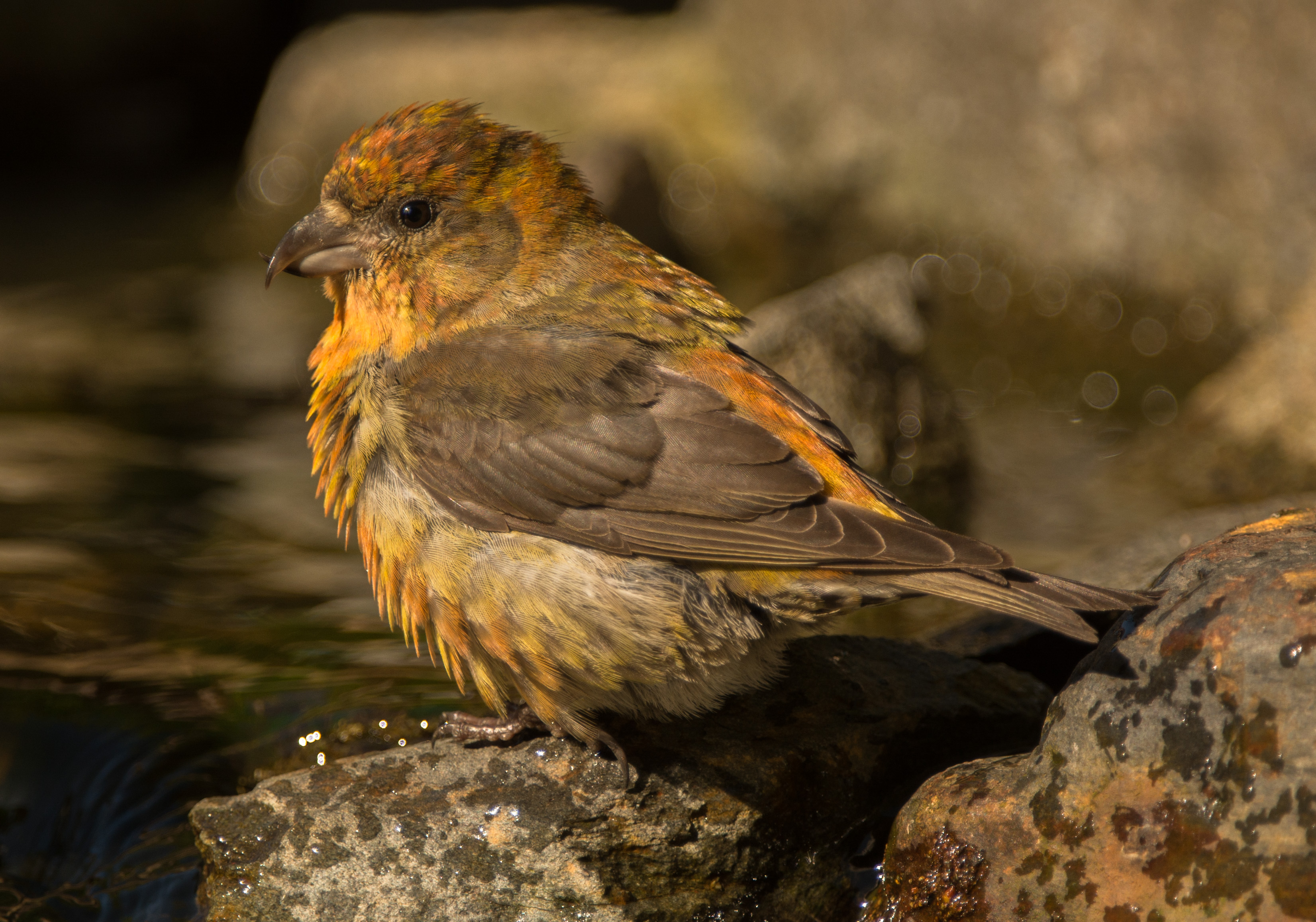
I then noticed a bird other than a siskin fly into the watercourse.  It was a female Red crossbill.  The crossbills are irregular visitors to the yard and watercourse, but we haven’t seen all that many this past winter.  It’s a welcome visitor and we’re hopeful it will bring friends and family to the watercourse this summer.

DSC_0448

I was just about to turn it in for the morning when I peered through my camera lens at another hummingbird on the feeder that had been visited by the male Rufous earlier and discovered that we now have a female Rufous hummingbird, both arrivals on the same day.

DSC_0460

I usually don’t take or post photos of hummingbirds on feeders, but since in this case I had photos of the actual first visitors I decided to make an exception.

And here is a final photo of one of two rather unwelcome visitors to the yard… an Eastern Gray squirrel.

DSC_0435

Tired of Birds?

Once the weather improved I managed several days out birding with not a lot unusual to display.  I did take some photos that I’ll share… just to keep the blog going!

Grain processing/storage complex against the sunset…

silos against sunset 20150224-08

Mount Baker from Fir Island…
Mount Baker 20150228-02

Window…
windows 20150226-12

River otters on Fir Island…
Otter, River 20150226-14 Otter, River 20150226-15

I’m pretty cute… miss me yet?  (Ruby-crowned kinglet)
Kinglet, Ruby-crowned 20150228-08

Scratching his head over the lack of bird photos in this post!  ((Female Red-breasted merganser… I hope!)
DSC_0330


Swans

I’ve spent a little time photographing swans lately… it adds a considerable challenge to my photography.  Here are a few images…

DSC_0175 DSC_0145 DSC_0006 DSC_9995

This last photo isn’t as spectacular, but if you look closely all three swans are flying directly towards, and looking directly at, the camera.  And the faces of all three are in relatively good focus.  (Click on the photo to enlarge it.)

DSC_9997


South Towards Fir Island

On Tuesday, Feb 23,2015, I headed out into the county for some birding.  I drove south to a site that had yielded no birds the previous day, but I had found birds here before and I was optimistic that it was only a matter of being at the site at the correct time and on the correct day.  My persistence payed off… I discovered a large number of birds, and on making my third round of a rather small circuit I discovered a puddle by the side of the road with adjacent bushes and a forest beyond.  I had overlooked the water on the previous circuits because I had been looking out the car window at eye level or above, and not down on the side of the road.  I knew when I found the water I was on to something and so sat in my car and waited for the birds to come to me.

n no time I had birds visiting the puddle and adjacent area.  I saw my first warbler of the year, an Orange-crowned, but it’s a year-round resident to at least some degree so this one probably wasn’t a harbinger of spring.

But let’s get to some of the photos…

This is a female Downy woodpecker, probably our most common woodpecker but sometimes difficult to photograph outside a controlled setting, i.e. , a yard with suet and hanging feeders.

DSC_0032

Next a couple of Chestnut-backed chickadees.  There were many chickadees in this area.

DSC_0055 DSC_0105

There were also a lot of Dark-eyed juncos (Oregon race) in the area.  This one’s plumage is quite pale and is probably a female and/or first year bird.

DSC_0084

And finally, as far as photos go, a Robin enjoying a dip in the puddle…

DSC_0111