More Greater Palm Springs Photos

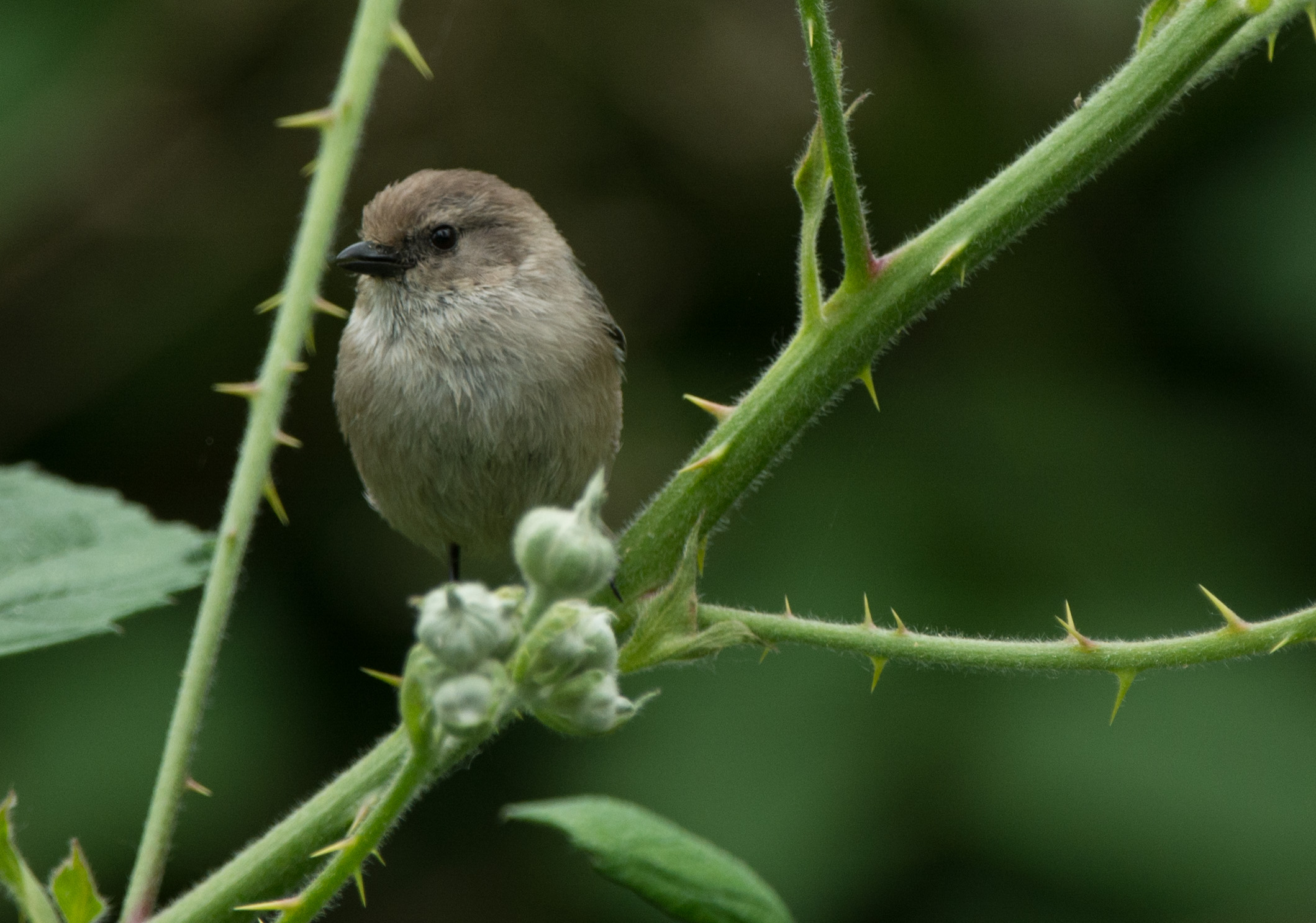
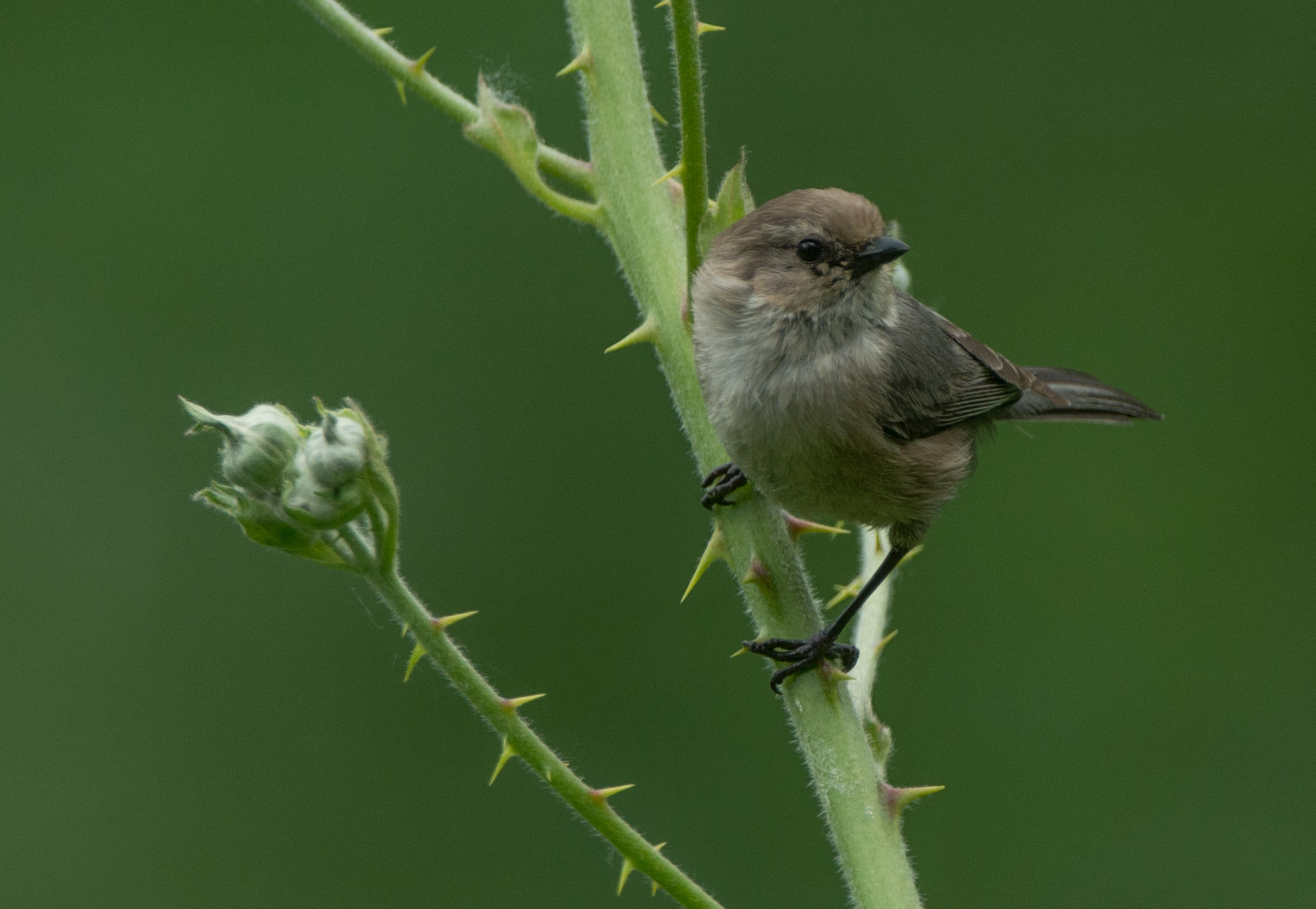
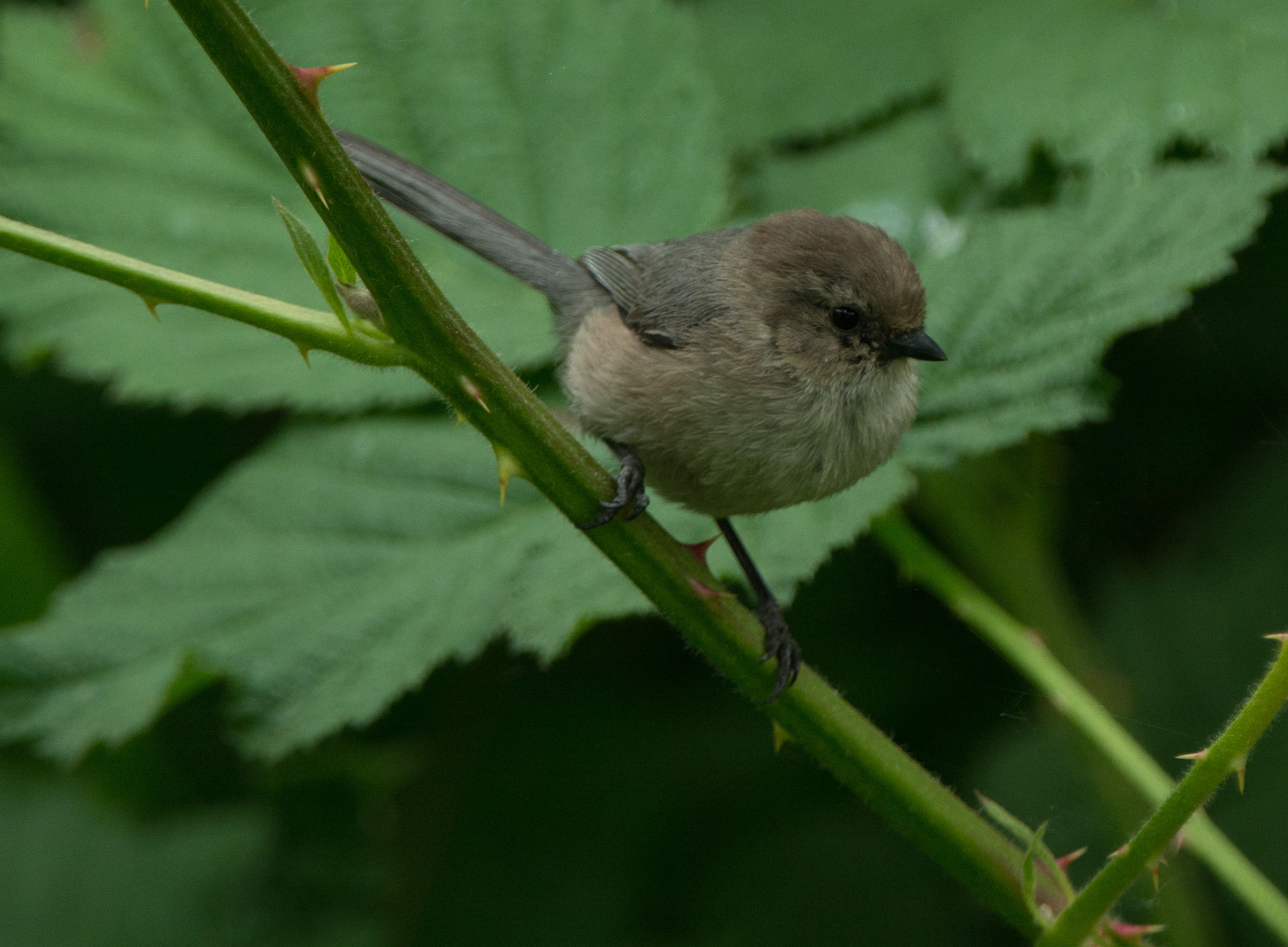
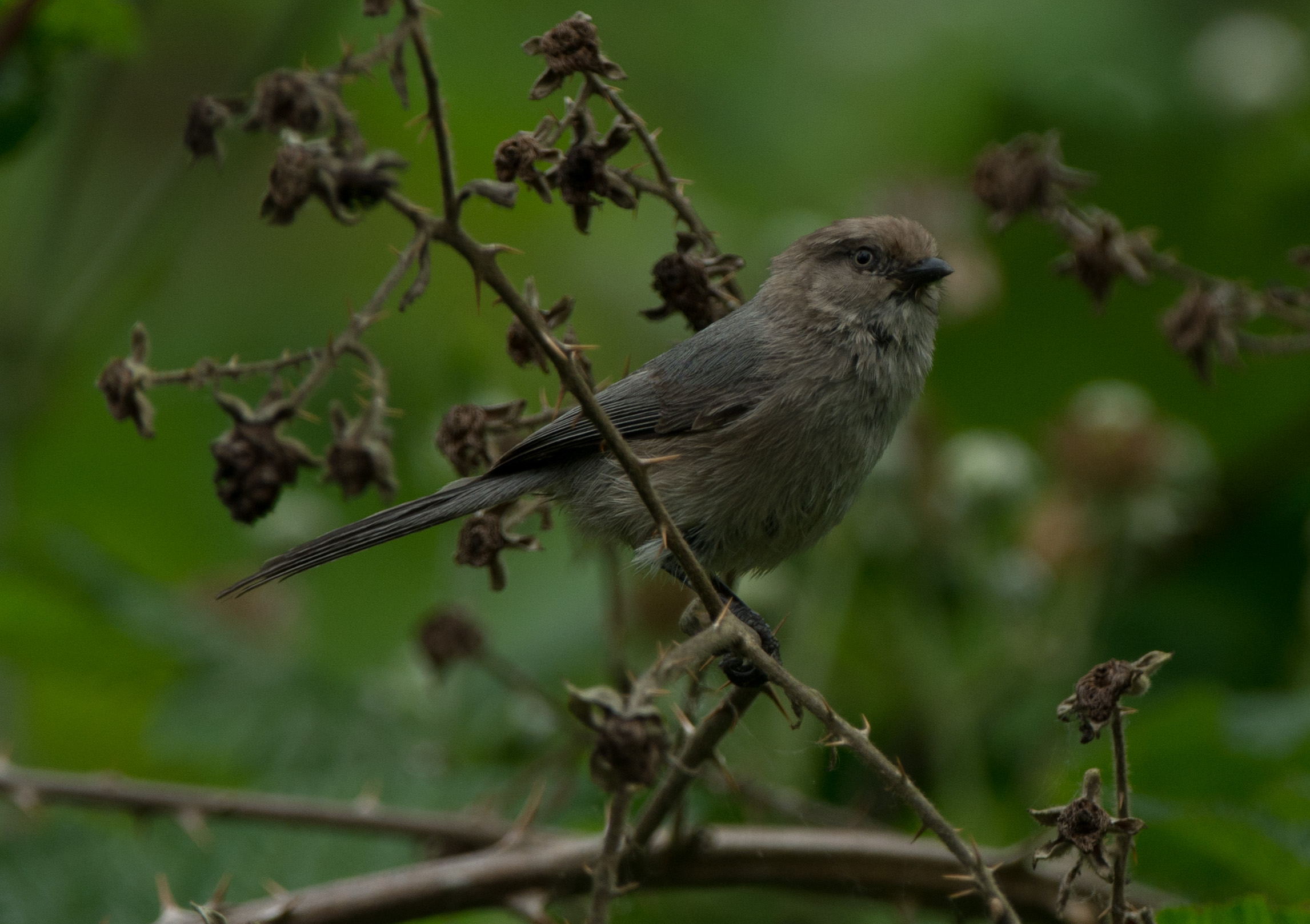
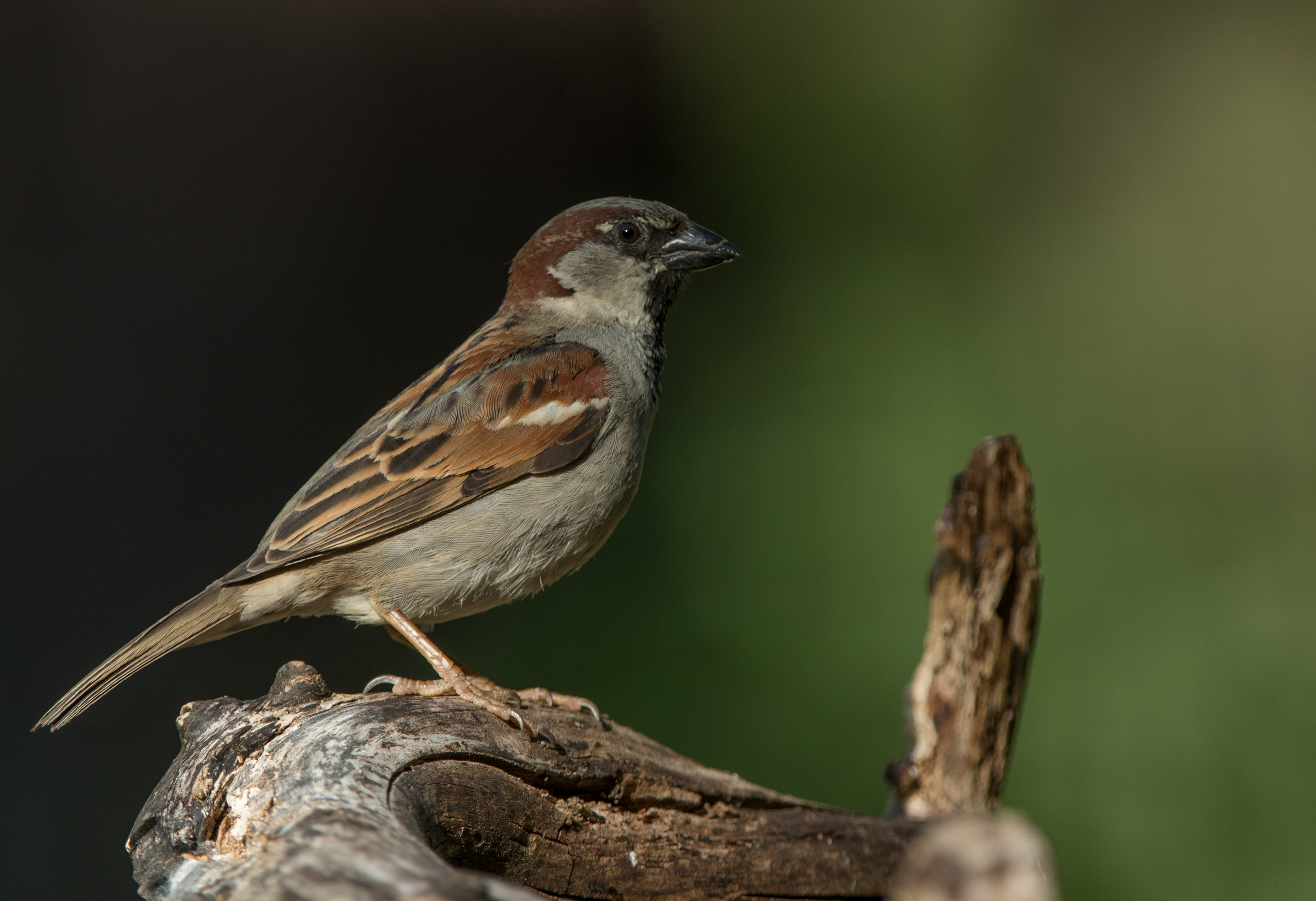
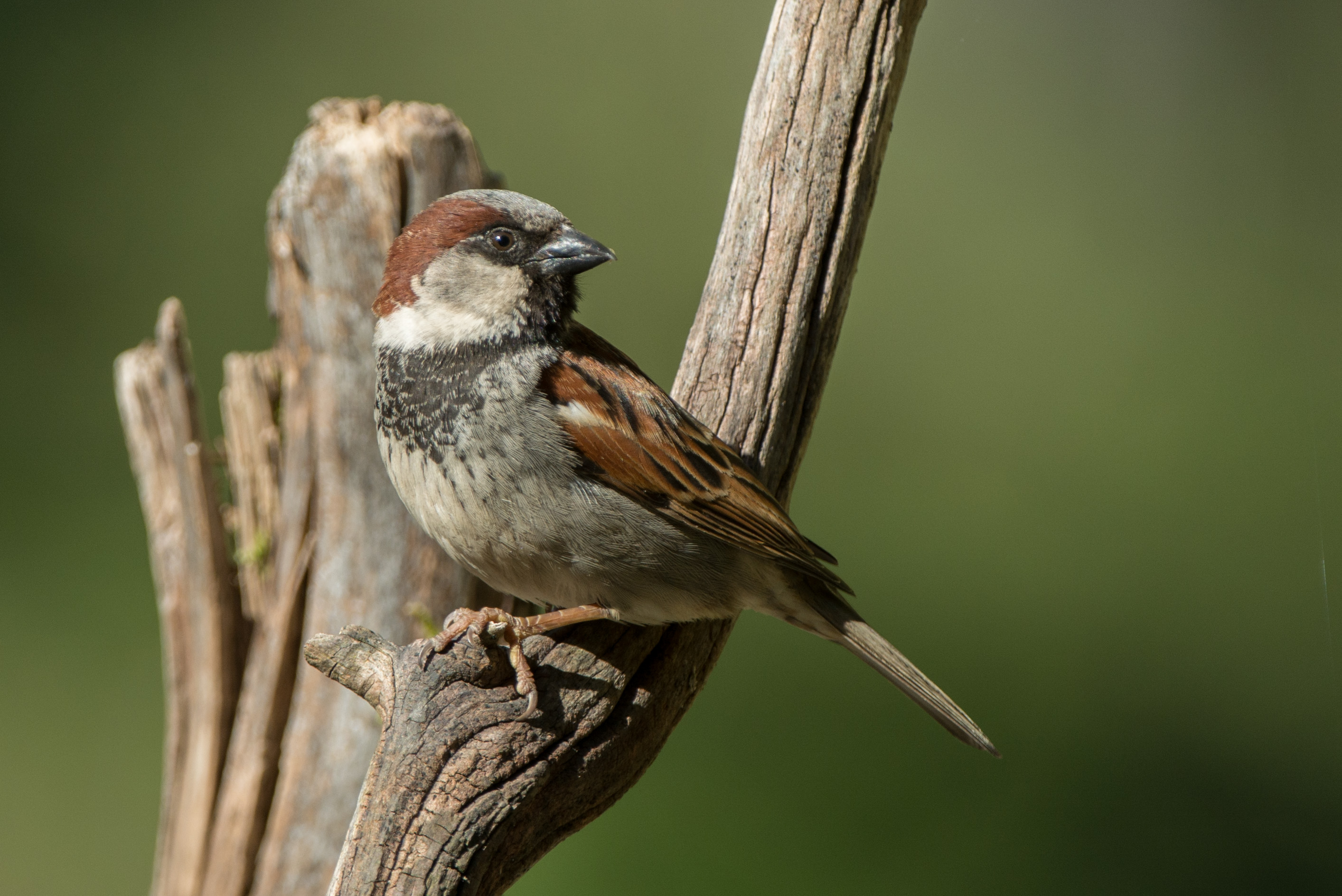
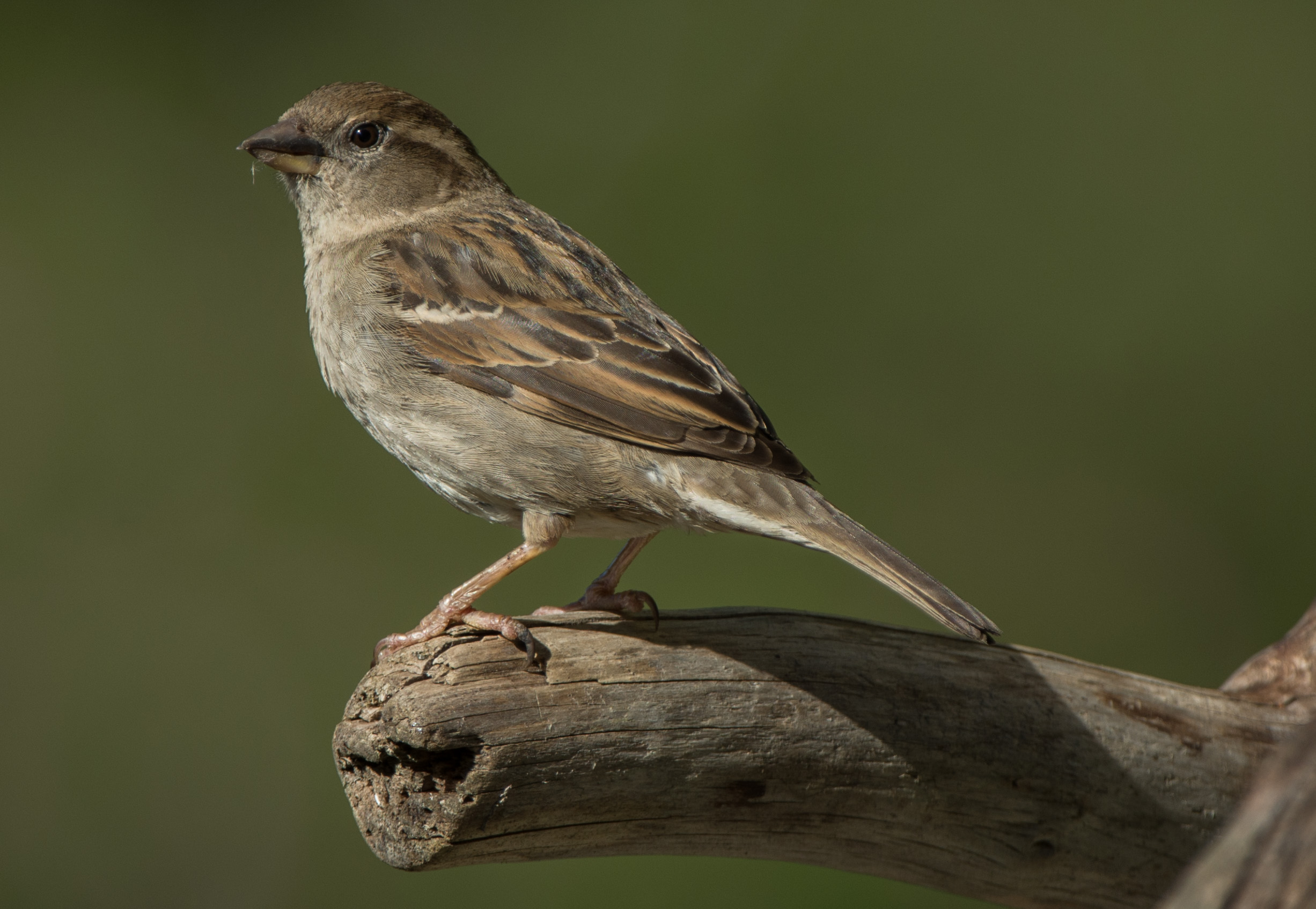
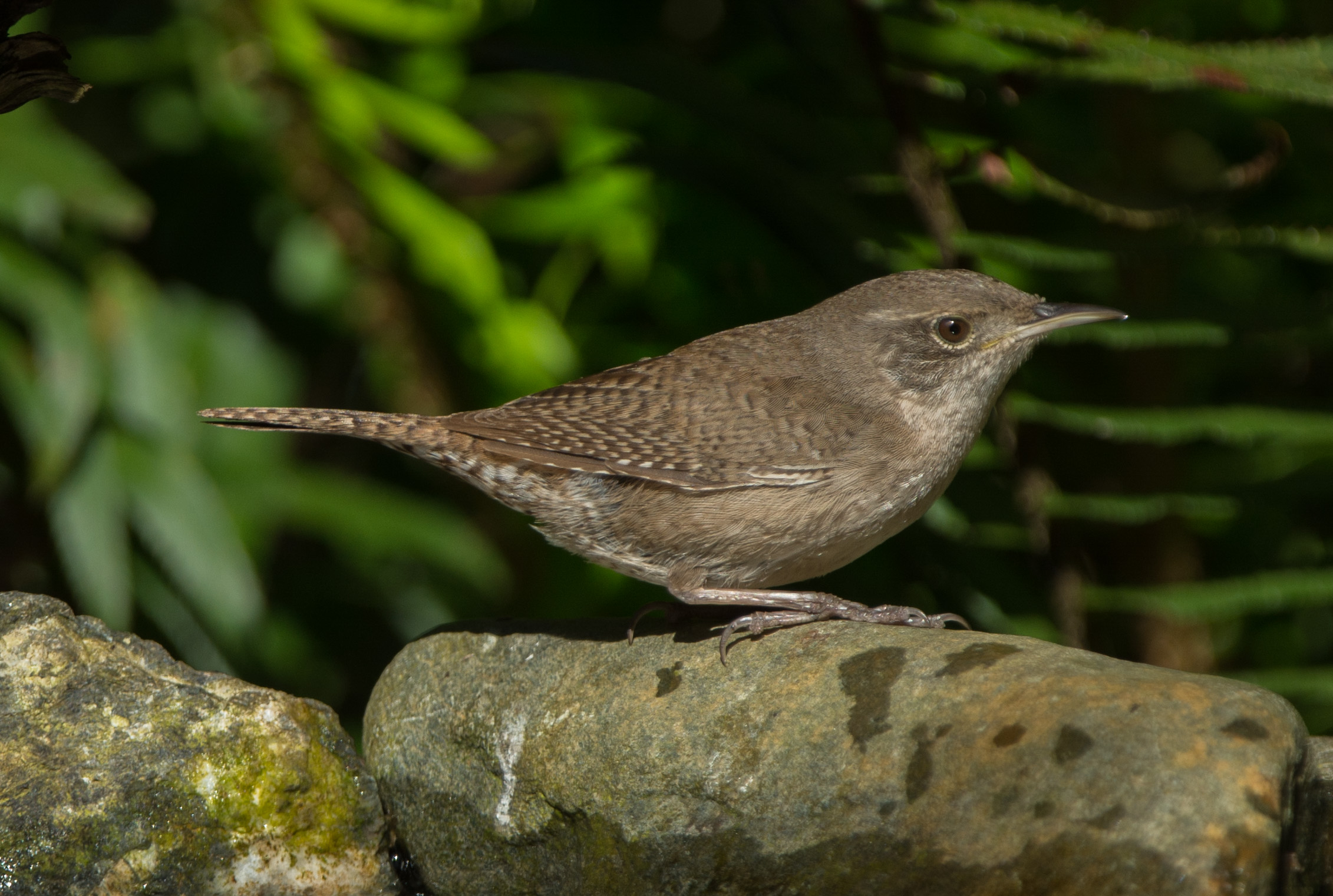
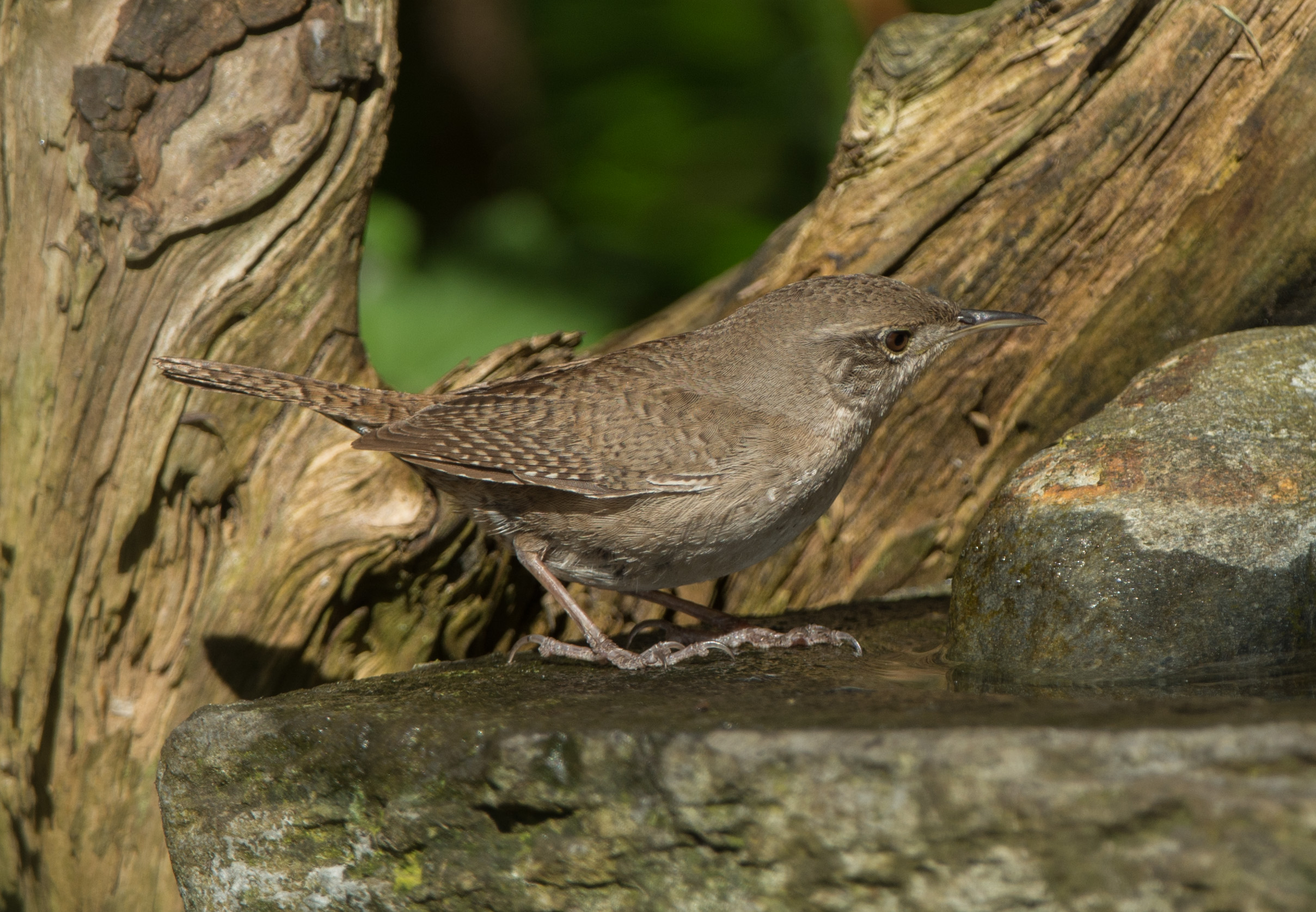
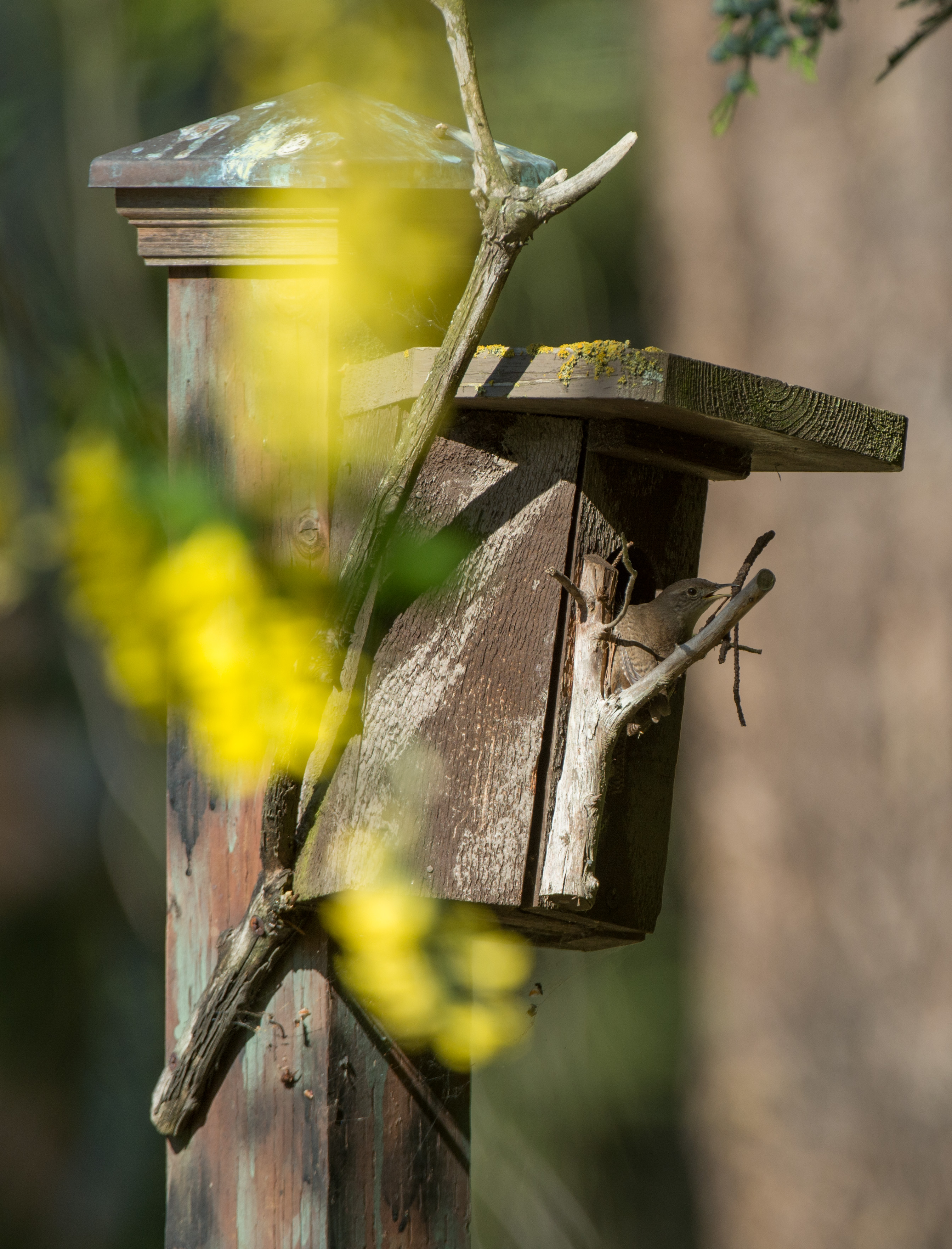
I want top mention first that on February 3, 2016, we had a Bewick’s wren competing with House sparrows for a feeding port on our hanging sunflower feeder1

Now back to California…

Here’s a male Ruby-crowned kinglet putting the stare on the camera and me…

Kinglet, Ruby-crowned 20160108-04

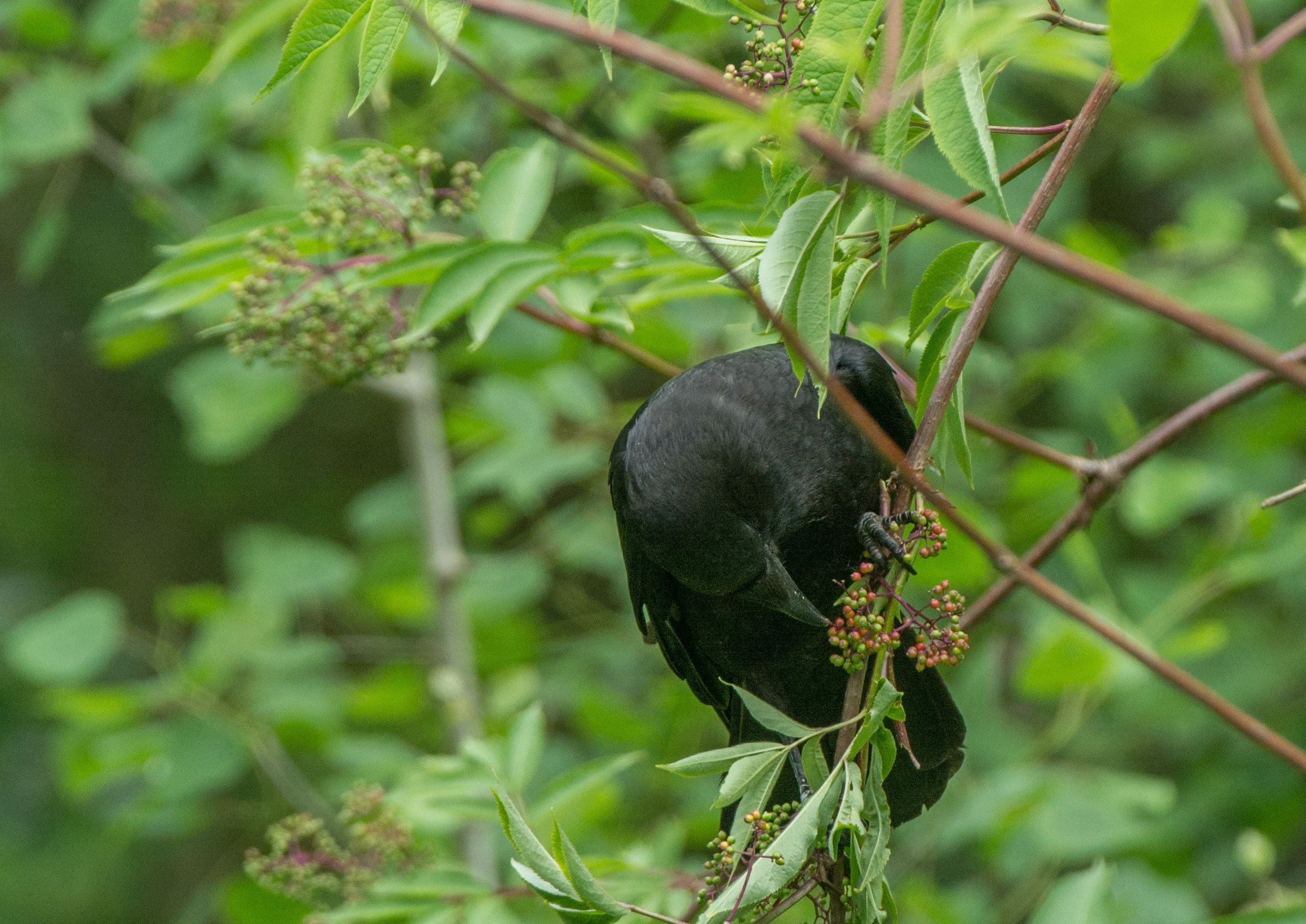
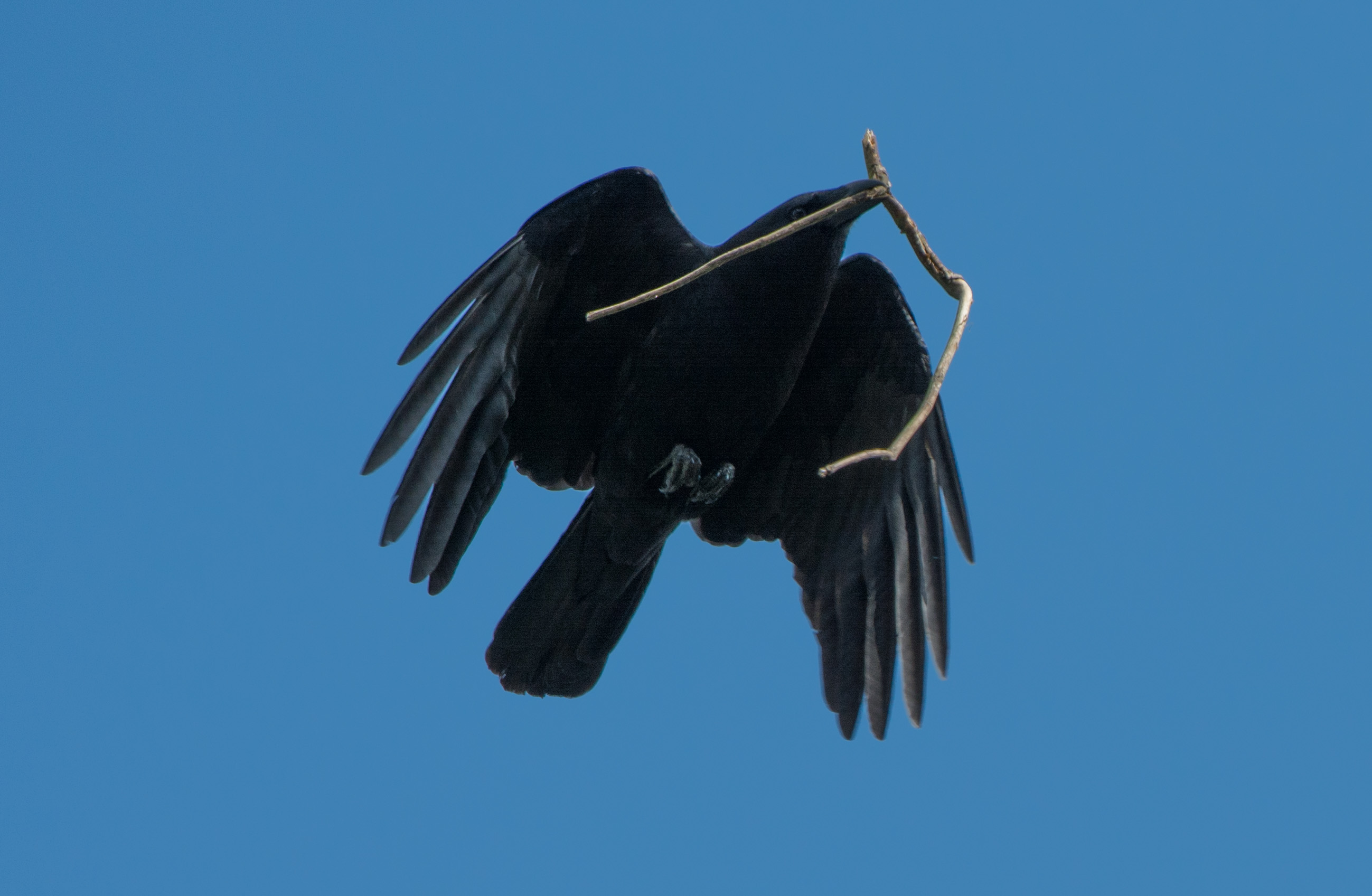
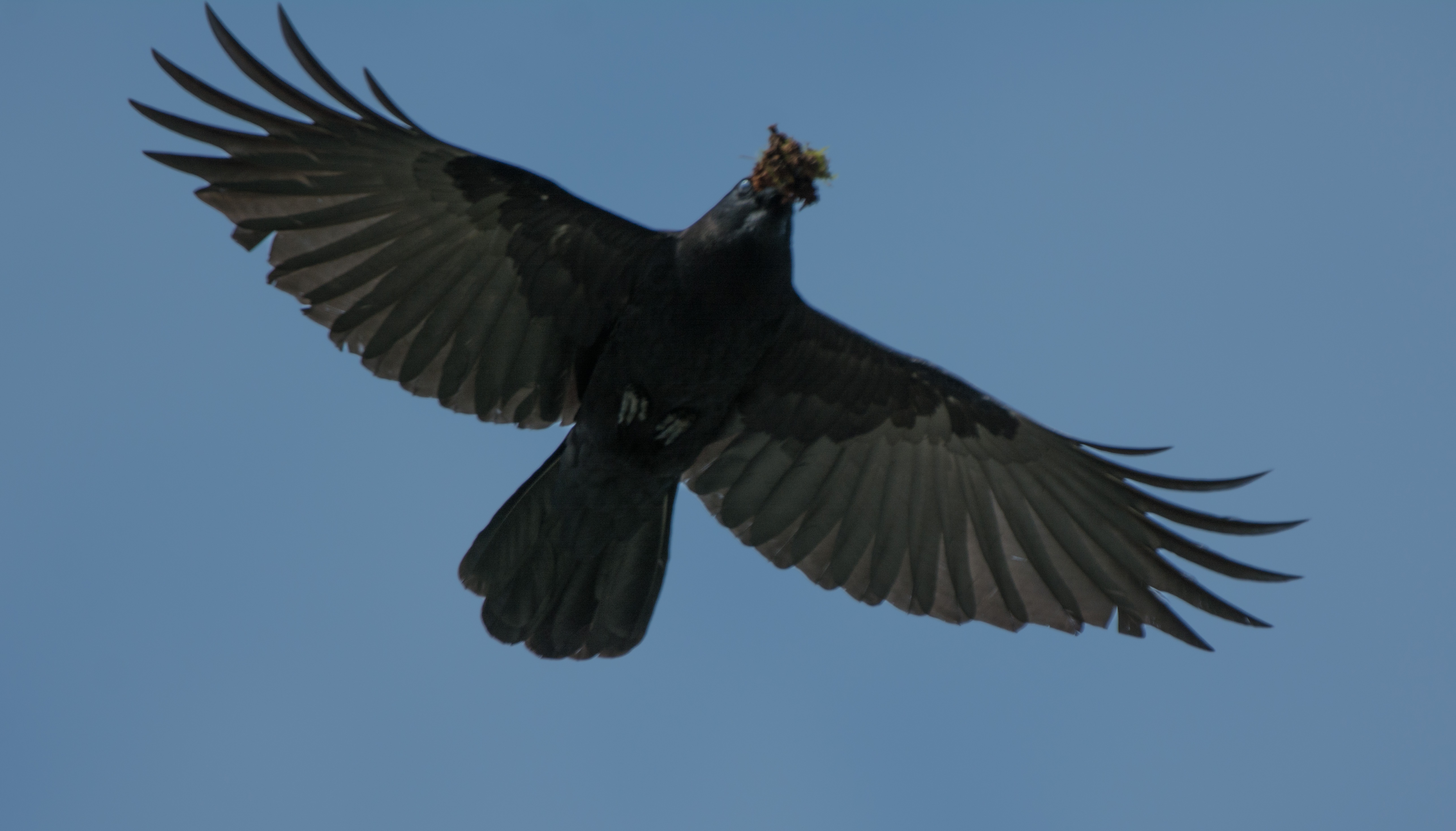
This Common raven was photographed in Joshua Tree National Park…

Raven, Common 20160108-02

This was my first known observation of a California thrasher.  Unfortunately this was the best photo I could obtain…

Thrasher, Califoornia 20160108-02

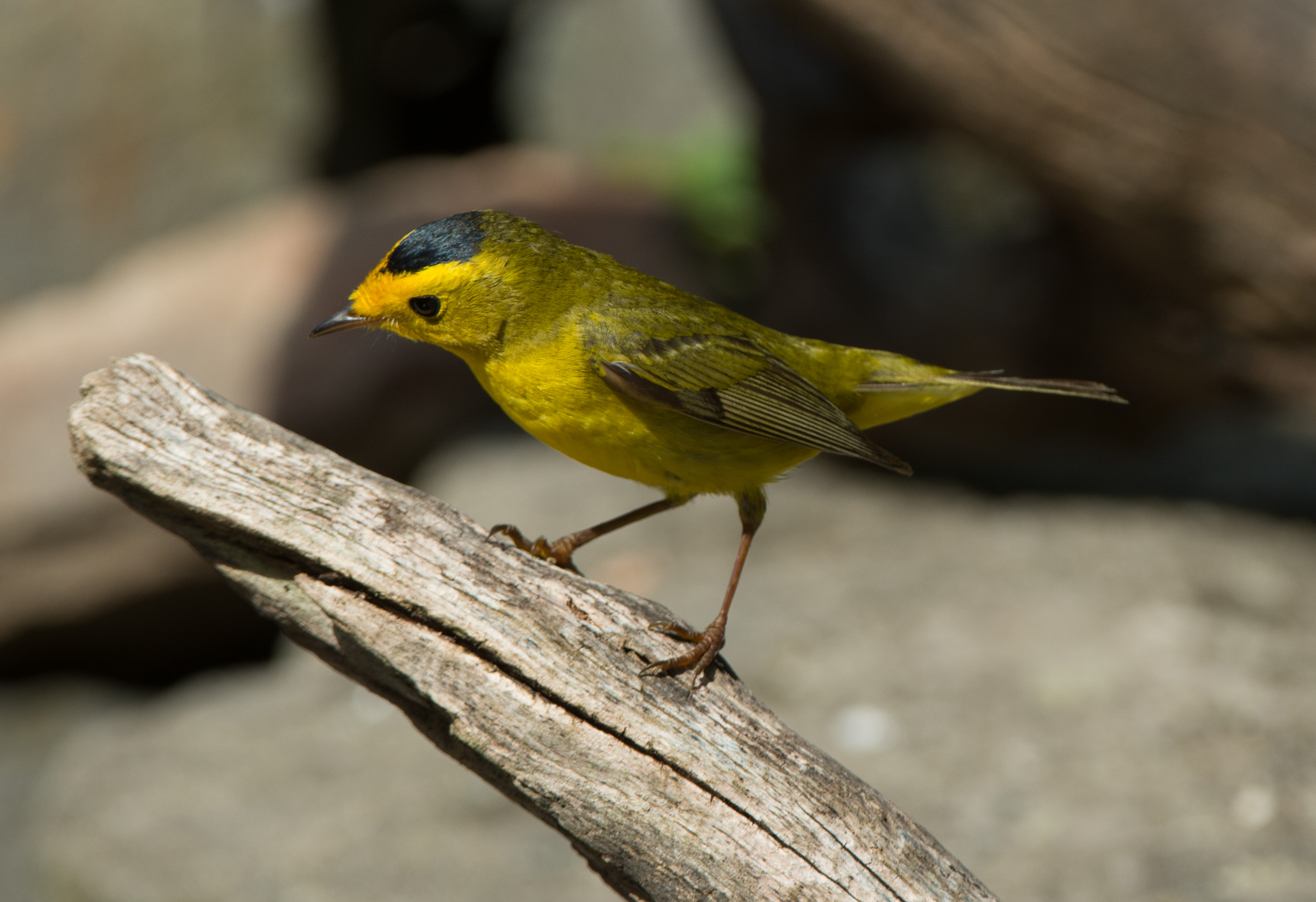
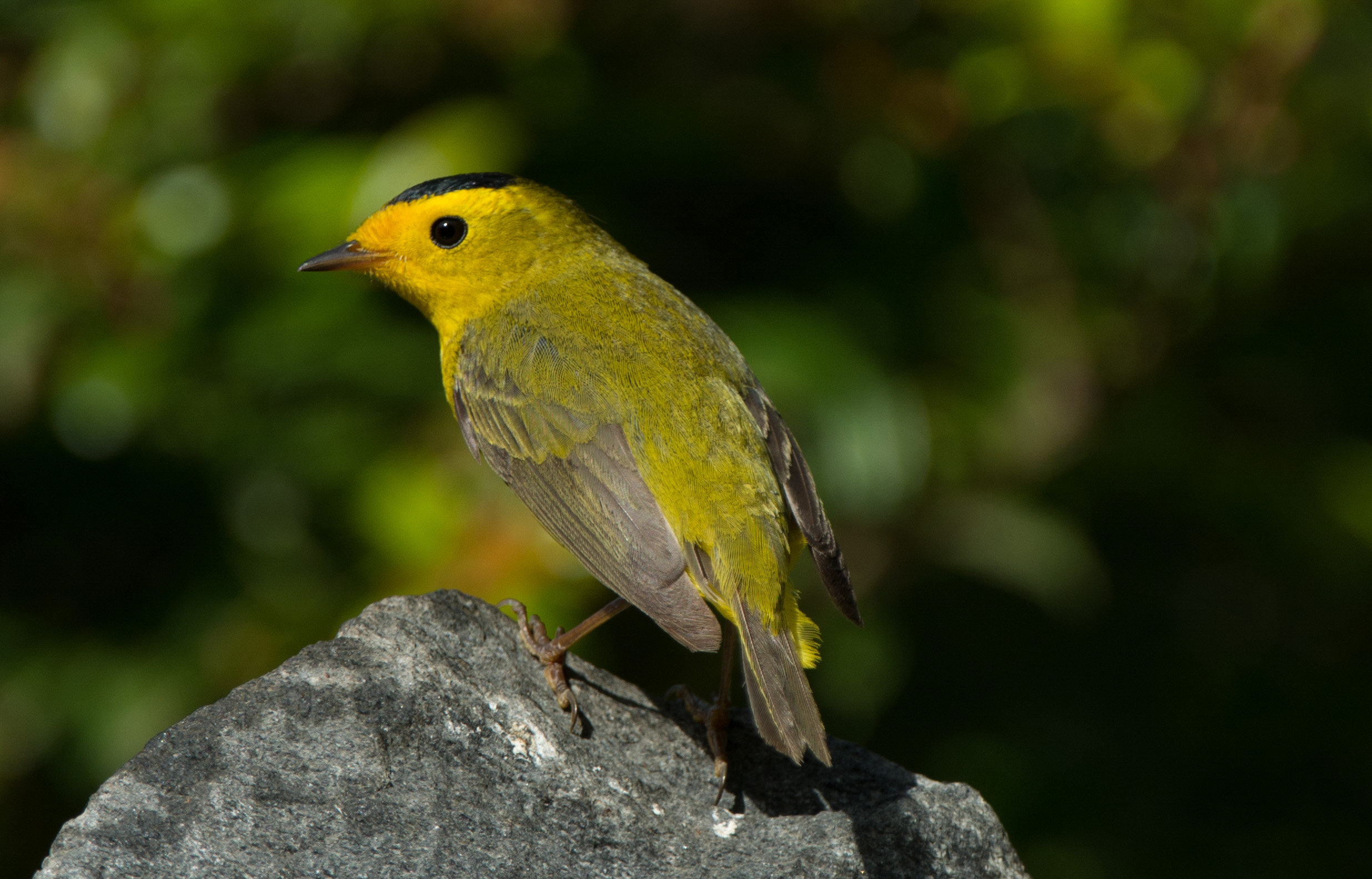
This was an Orange-crowned warbler, in what as a non-horticulturist I believe to be a bougainvillea bush,  just outside the condo in which we stayed.  There was one just outside our door for each of the four days we stayed at the location in Desert Springs.

Verdin 20160108-03

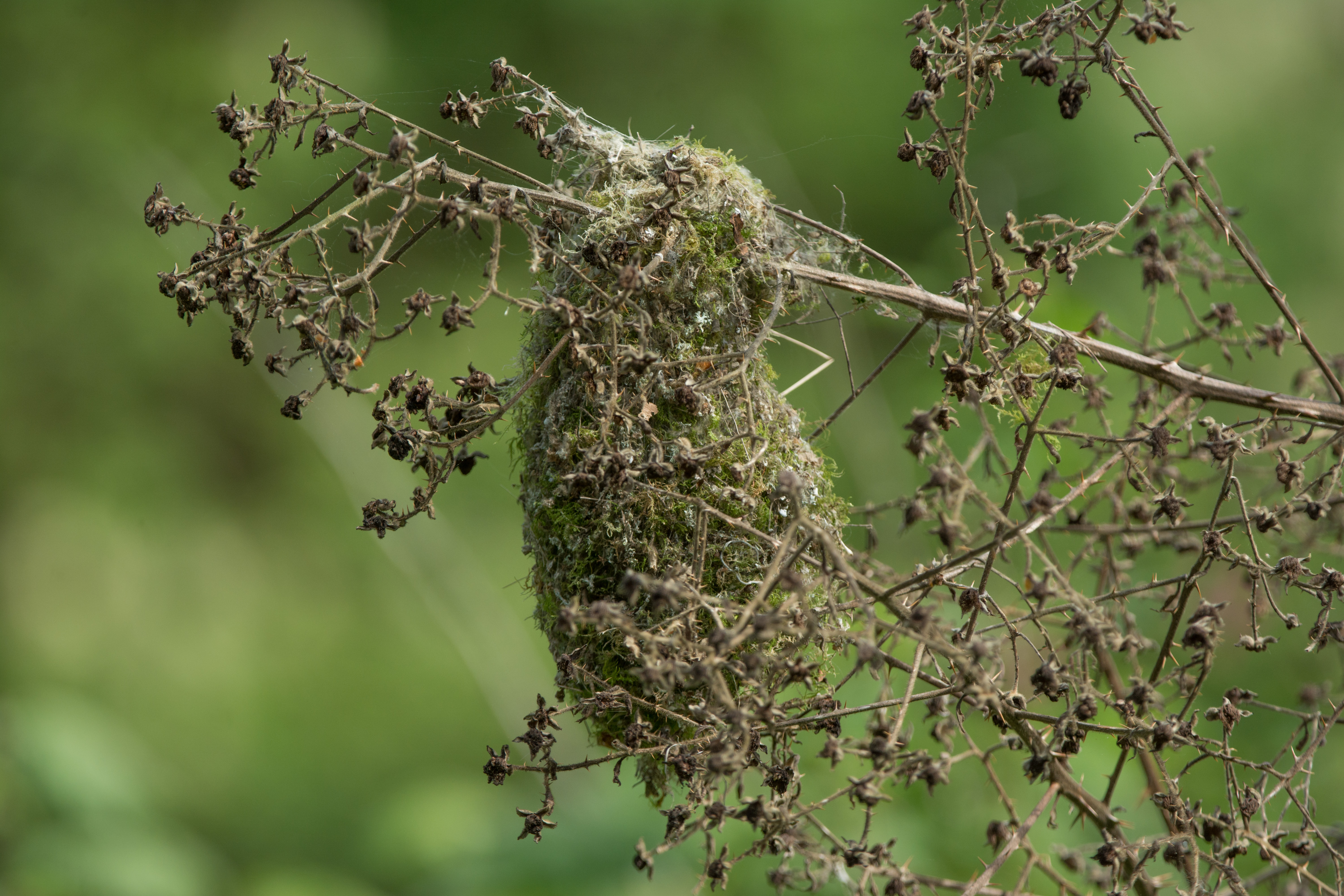
This is a bird I’ve long wanted to photograph… a Verdin.  The Verdin is a bird of the desert and drier areas, but I have seen one just outside Fredericksburg, Texas (not quite a desert area… yet!) on a friend’s ranch.  This bird builds a hanging sock-like nest somewhat akin to the Bushtit’s.

Verdin 20160108-06 Verdin 20160108-08 Verdin 20160108-14

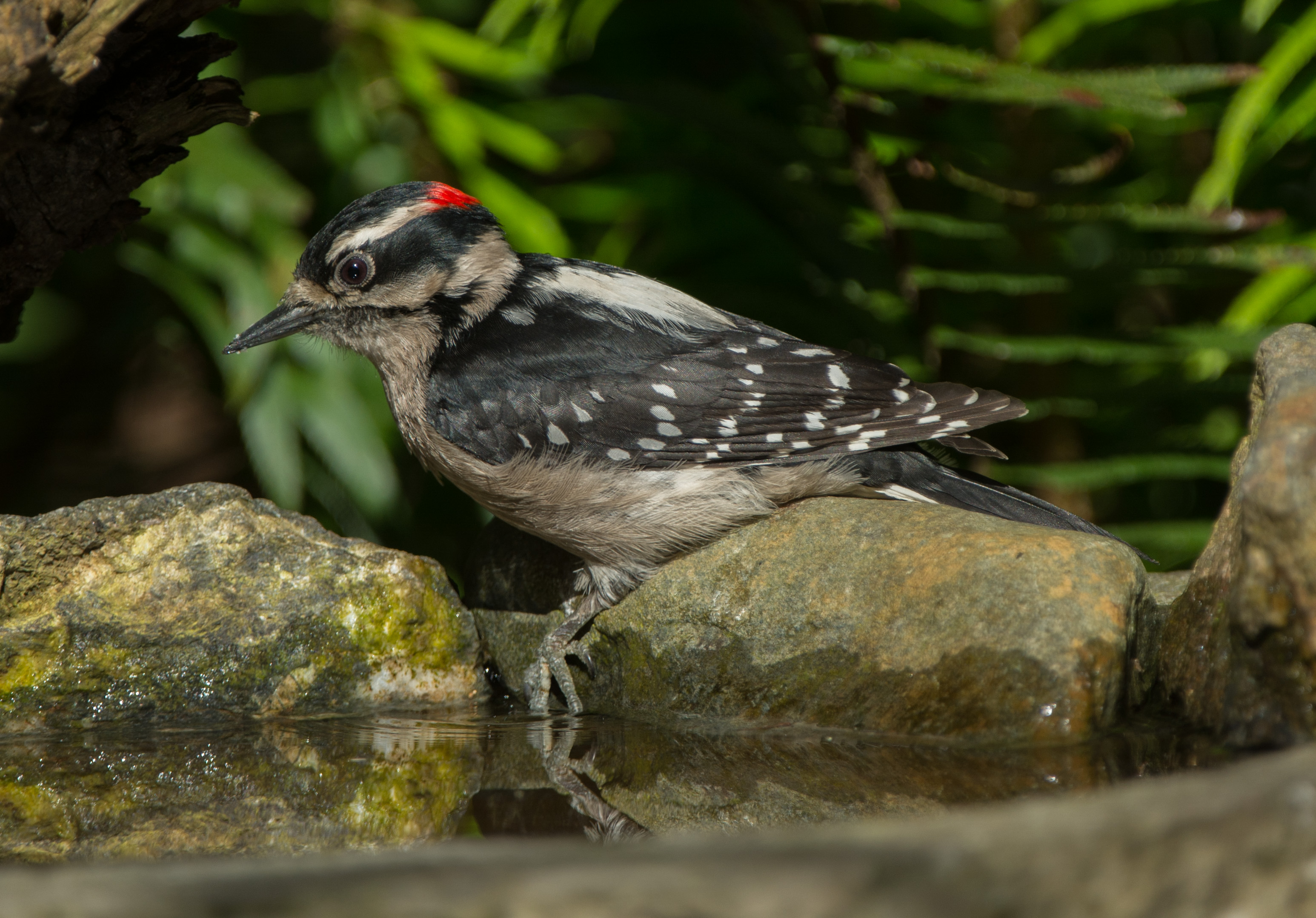
And finally, a life-bird for my non-existent life list… a male Nutttal’s woodpecker.

Woodpecker, Nuttall's 20160108-01

There’s yet more Palm Springs area to come.  But perhaps the best news is that I have been notified by Nikon that my lens will be back in my hands next week… just in time to benefit from the cataract surgery I’ll have on my primary eye next week!

More Greater Palm Springs Photos

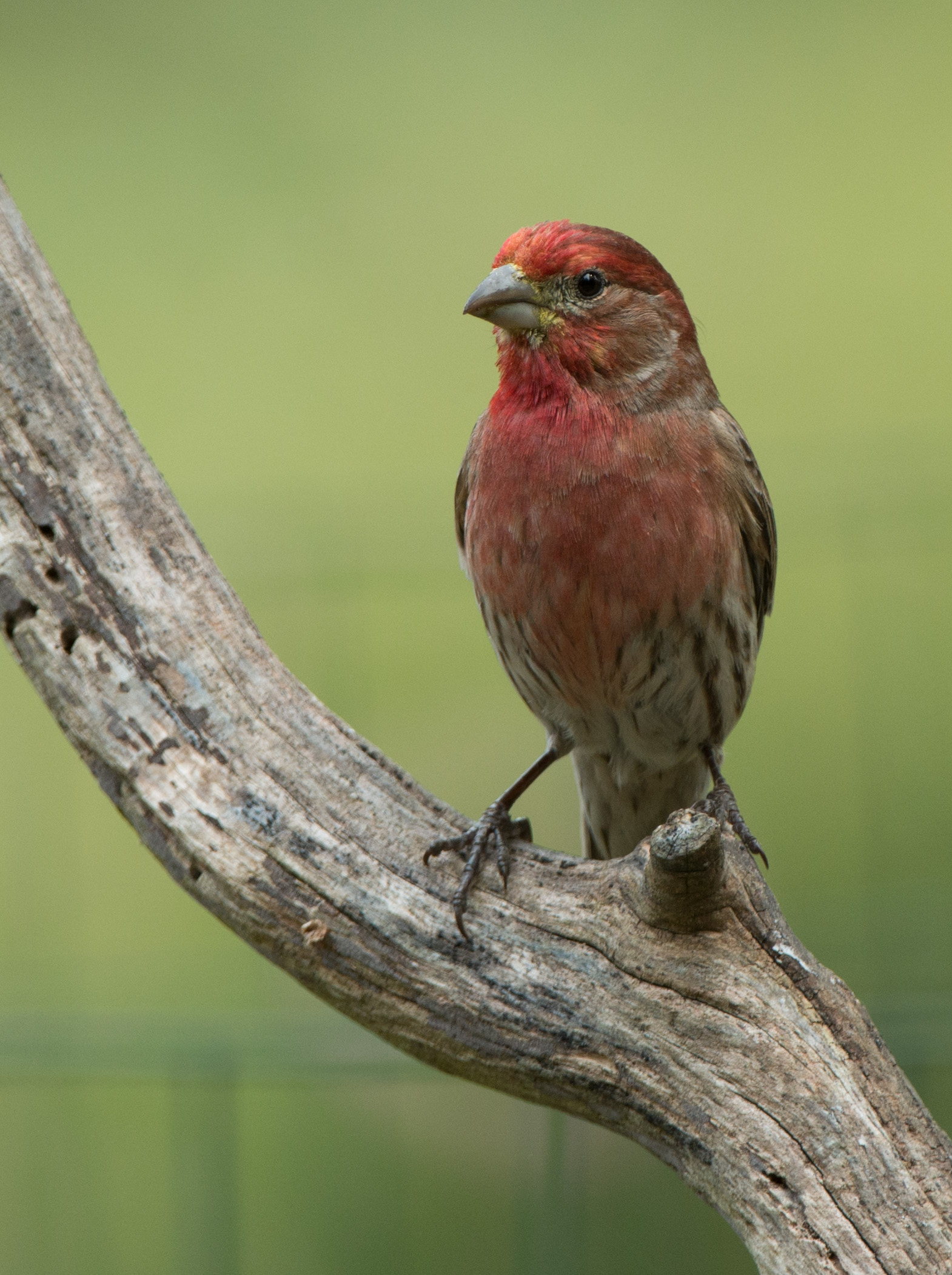
First up is this not-so-great photo of a male House finch.  I included it because I have a little observation to include with it.  I saw this bird land twice on this cactus.  I was curious as to whether or not the cactus spines represented a threat to the bird. My guess is that they do, because in both landings the bird spent a considerable time fluttering above the spines determining exactly where to place its feet.  I’m not sure what it was seeking to eat on the cactus, but personally I don’t think I would accept the risk!

Finch, House 20160108-01

Here’s a photo of a male Costa’s hummingbird feeding on one of the bushes around the golf course where we were staying.  The bushes had very prolific blooms.

Hummingbird, Costa's 20160108-11

Another male Costa’s hummingbird defending “his” bush from intruders.

Hummingbird, Costa's 20160108-15


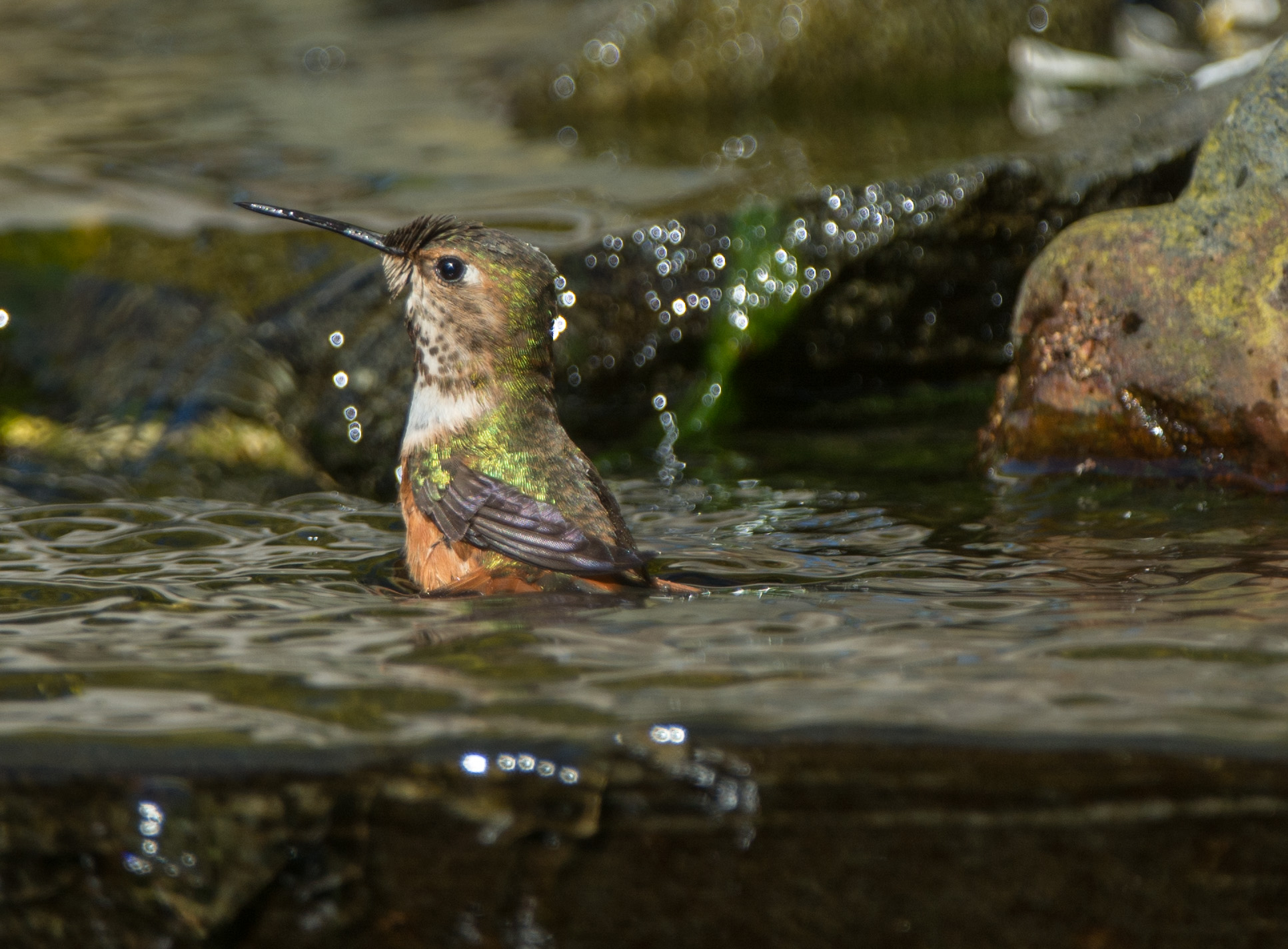
And two photos of presumably female Costa’s hummingbirds, the first feeding on what I knew from Texas to be a Bottle bush and the second standing guard duty.

Hummingbird, Costa's 20160108-01 Hummingbird, Costa's 20160108-07

Moving to the outskirts of the Palm Springs area, here is a Western Scrub jay, a magnificent bird.  Those of you who follow my blog may remember that we had one in our yard this past year!

Jay, Western Scrub 20160108-12 Jay, Western Scrub 20160108-04


Greater Palm Springs Area, CA

In early January my wife and I made a short trip to the Palm Springs, CA, area.  Like every journey I make, I took my camera with me.  I was surprised at how far the greater Palm Springs area stretched and at the density of the development, but it didn’t stop me from taking photos of the birds.  What I’m going to do is post photos by the day I took them, so there will be overlap in the species of birds and there may be photos posted later that are either bettor or worse than previously posted photos.

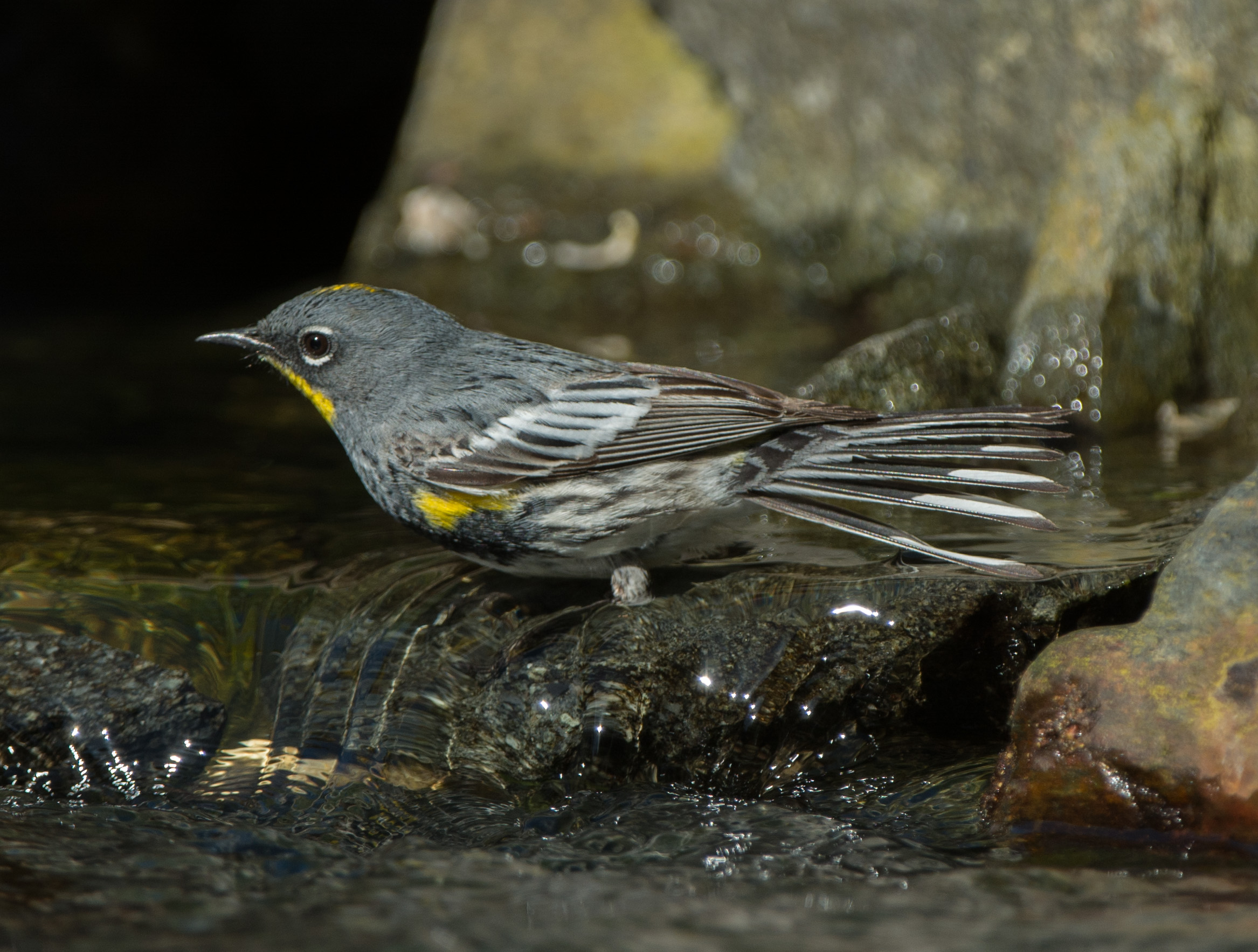
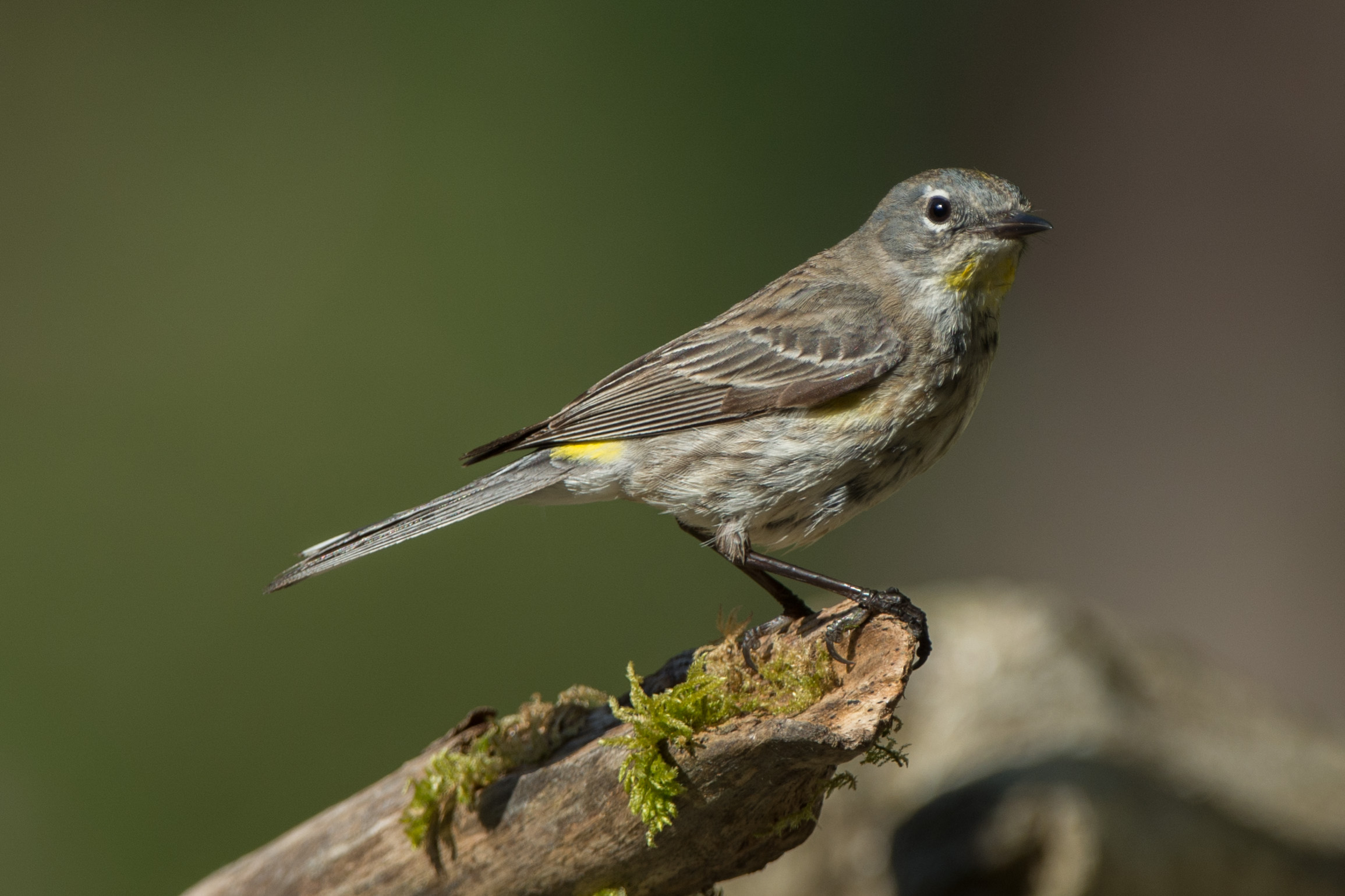
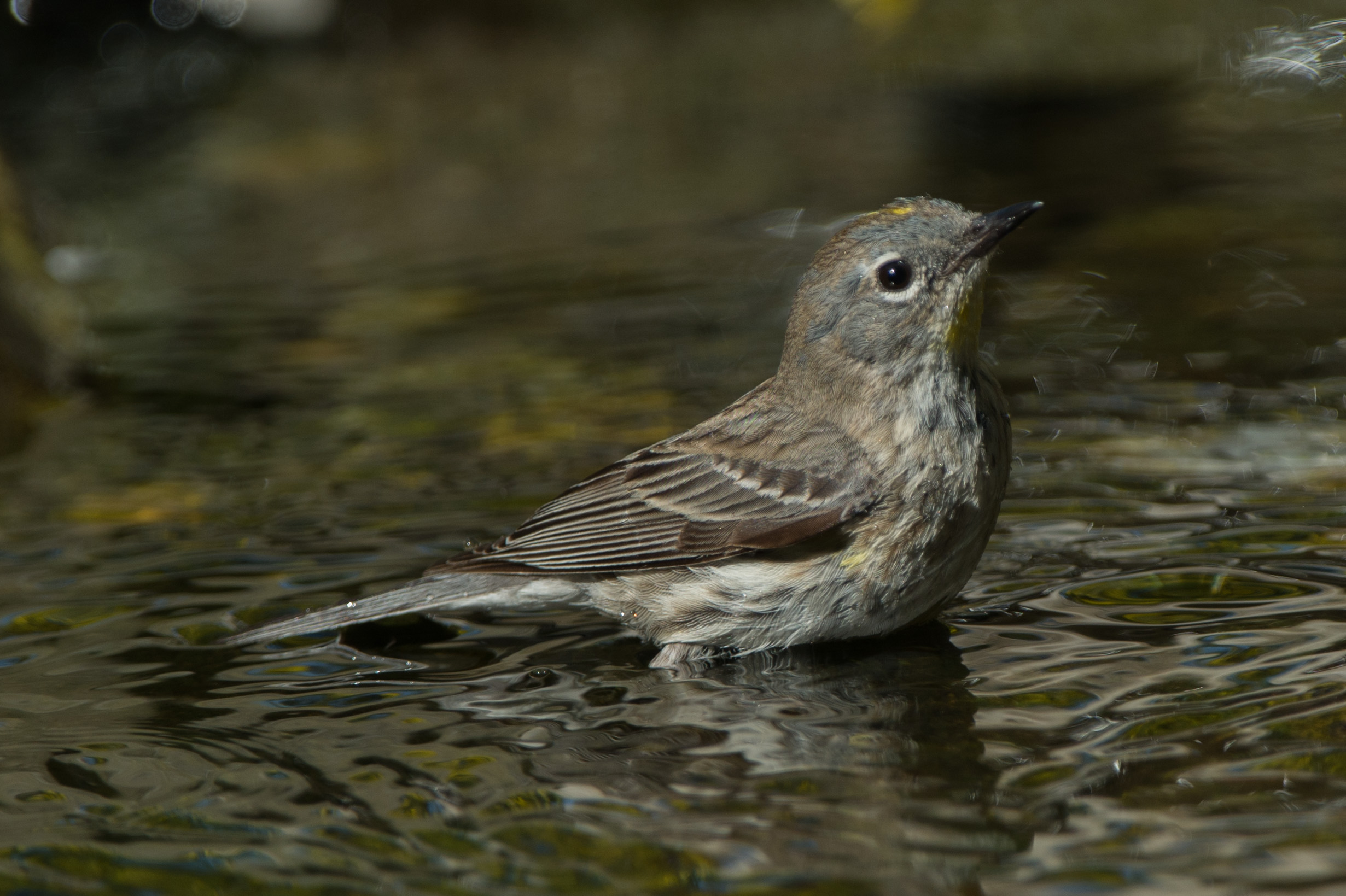
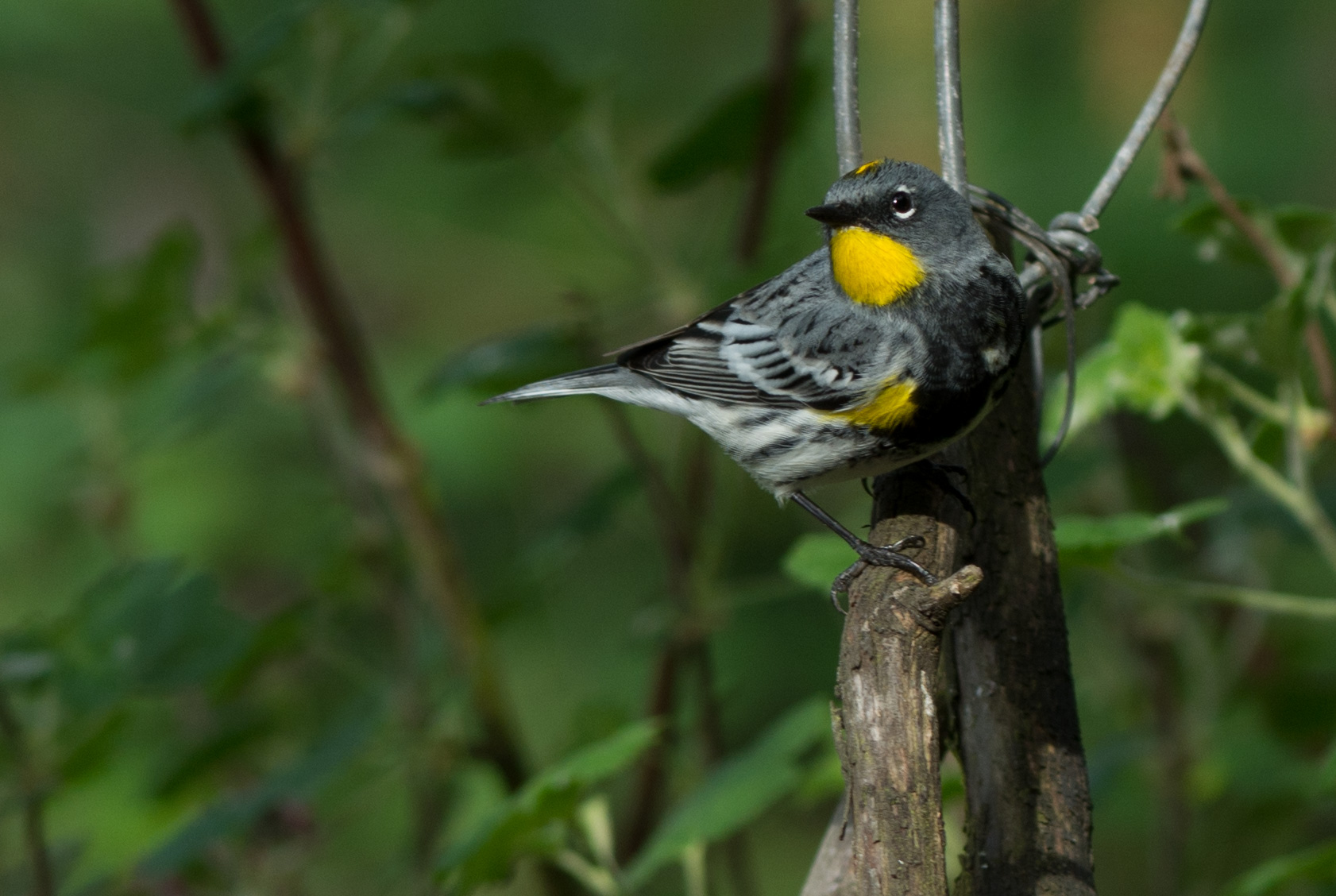
Probably 70% or so of my photos consist of Costa’s hummingbirds, Verdin or Yellow-rumped warblers of the Audubon race.  (I’m convinced that the Palm Springs area is the winter reservoir for all of North America’s Audubon Yellow-rumped warblers.)  My first day in Palm Springs (proper) consisted solely of a male Costa’s hummingbird at a friends’ residence, which you see here.

Hummingbird, Costa's 20160107-02

Hummingbird, Costa's 20160107-08

Hummingbird, Costa's 20160107-12 Hummingbird, Costa's 20160107-15

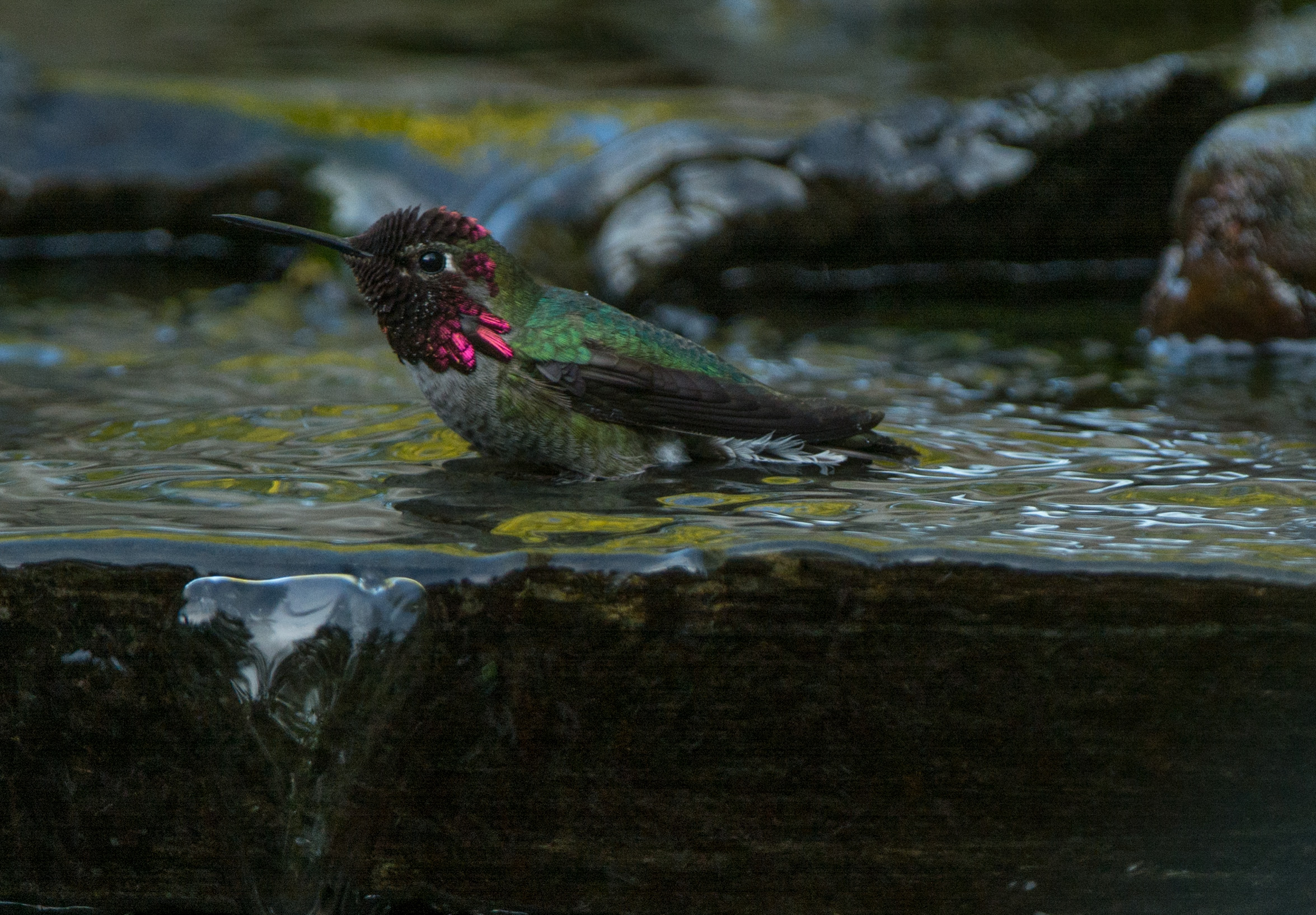
In this last photo, you can clearly see how the bird’s gorget is not part of the birds other plumage… it is a separate shield of feathers that can either be laid back against the breast or raised, presumably to catch the light and intimidate other hummers.

Hummingbird, Costa's 20160107-20

My Nikkor 200-400mm lens went back to Nikon (at substantial expense!) in mid-January for a zoom ring that has gotten progressively harder to manipulate.  I have no idea how long repairs will take, but I will be without my primary birding lens for some period of time.  I expect to have cataract surgery in February so both of these incidents may limit posts in the near future.  If things get bad enough in terms of time I’ll retrieve some old unprocessed photos from the thousands in the hope chest and publish those.


January Update

Due to a number of factors (holiday activities, broken bone in foot, weather, lack of unusual  birds in the yard, etc.) I haven’t taken many photos and have been somewhat remiss in posting to my blog.  Since I have 2-3 years of postings on the blog, if you are desperate for photos you can go back and review the photos from the past!

I participated in the 2015 Christmas Bird Count on January 2 (2016) and among the usual visitors saw a male Varied thrush (our first sighting in several weeks) and two Slate-colored Dark-eyed juncos (we can usually only muster a single one at any one time).

The photos appearing below were taken in our yard on December 1.  It was an unusual day… while I usually retain about 60% of the photos I take (far too many), I tossed about 70% of the photos I took on this particular day.

These photos are all of kinglets, this first one a male Ruby-crowned kinglet
DSC_4149

The following photos are of Golden-crowned kinglets.  The males have a ruby stripe through the middle of their gold crown.  Since the males are capable of hiding the ruby stripe, the apparent lack of a stripe cannot be taken as a positive female identification.  However, the males of both species usually reveal the ruby stripe while bathing.  .

DSC_4063 DSC_4060 DSC_4057 DSC_4038A female Northern flicker

DSC_4101

And finally, a Chestnut-backed chickadee searching for a hiding location for a sunflower seed.

DSC_4081


Last of the Bosque del Apache

It’s been awhile since my last post.  I broke a bone in my foot immediately prior to leaving for New Mexico, upon returning home the weather has deteriorated and the Christmas season is upon us.  I’m going to post a few more photos from New Mexico and then get back to Skagit County.

The following photos were all taken at the Randall Davey Audubon Wildlife Sanctuary at the end of Canyon Road in Santa Fe.  The location is usually a great place to photograph birds, but for some reason this year was an exception and there weren’t that many avian visitors.  Unfortunately the property is poorly organized for bird photography and the feeders are poorly located and maintained.

This is a photo of a Western Scrub jay at the center, unfortunately not as good as some of the ones I managed to take of this species in my yard in Skagit County.

Jay, Western Scrub 20151114-02
There are usually a Curve-billed thrasher or two visiting the preserve intermittently…

Thrasher, Curve-billed 20151114-01
And finally, a chipmunk competing for the seed that has spilled onto the ground from the feeders.  This chipmunk has either filled its cheeks or has a bad case of the mumps!

Chipmunk, Least 20151114-06