Yet Again in the Yard!

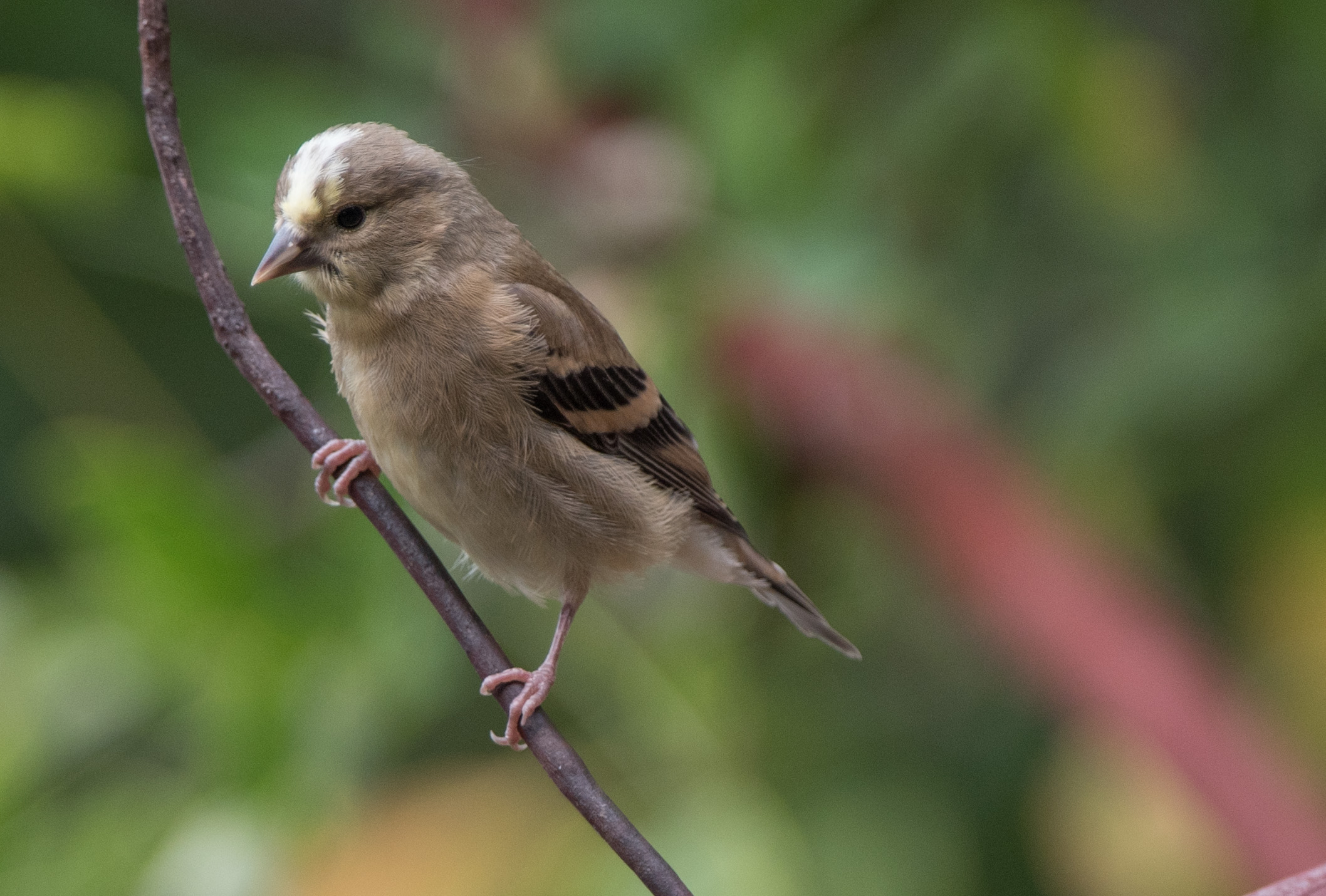
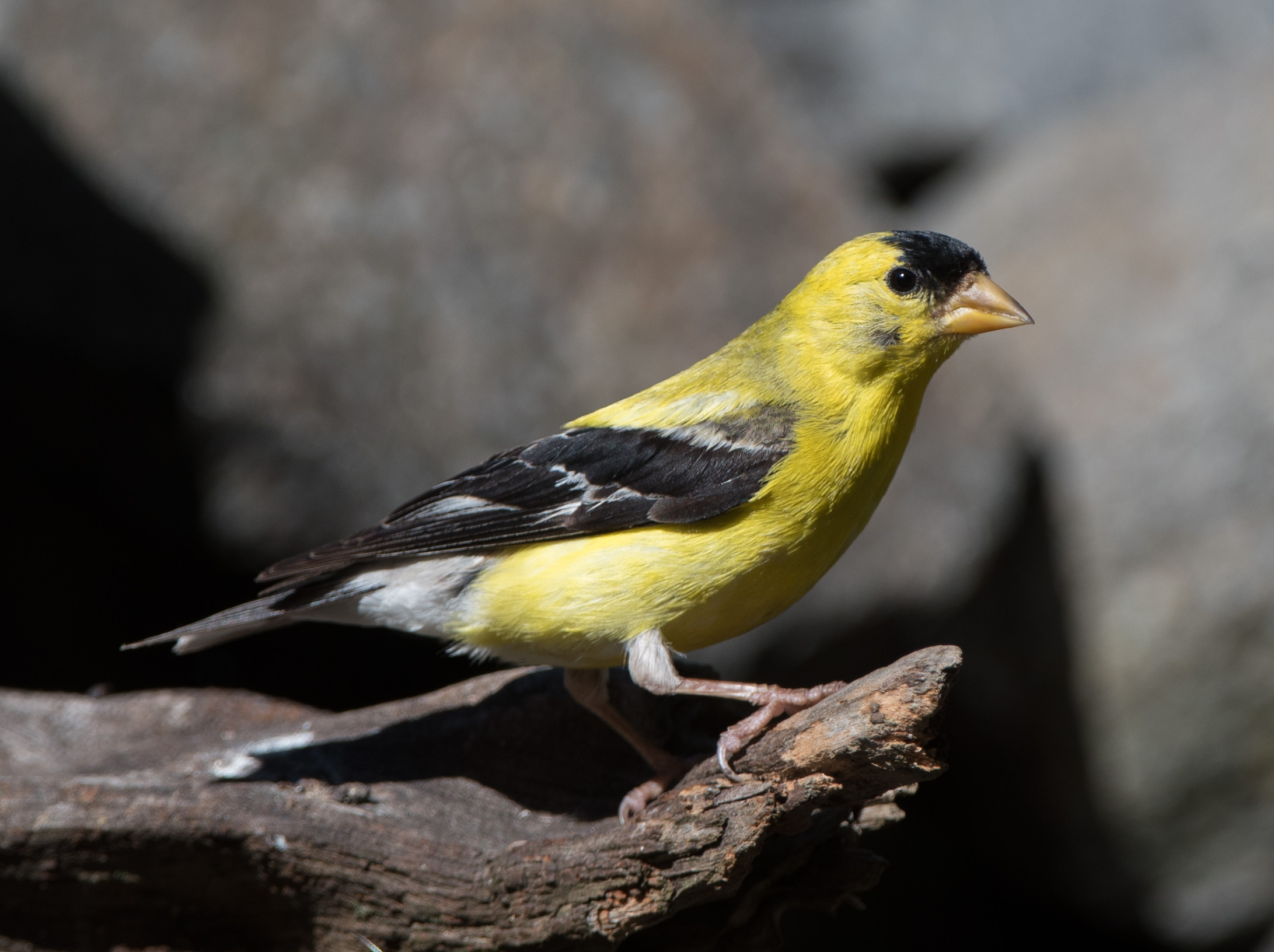
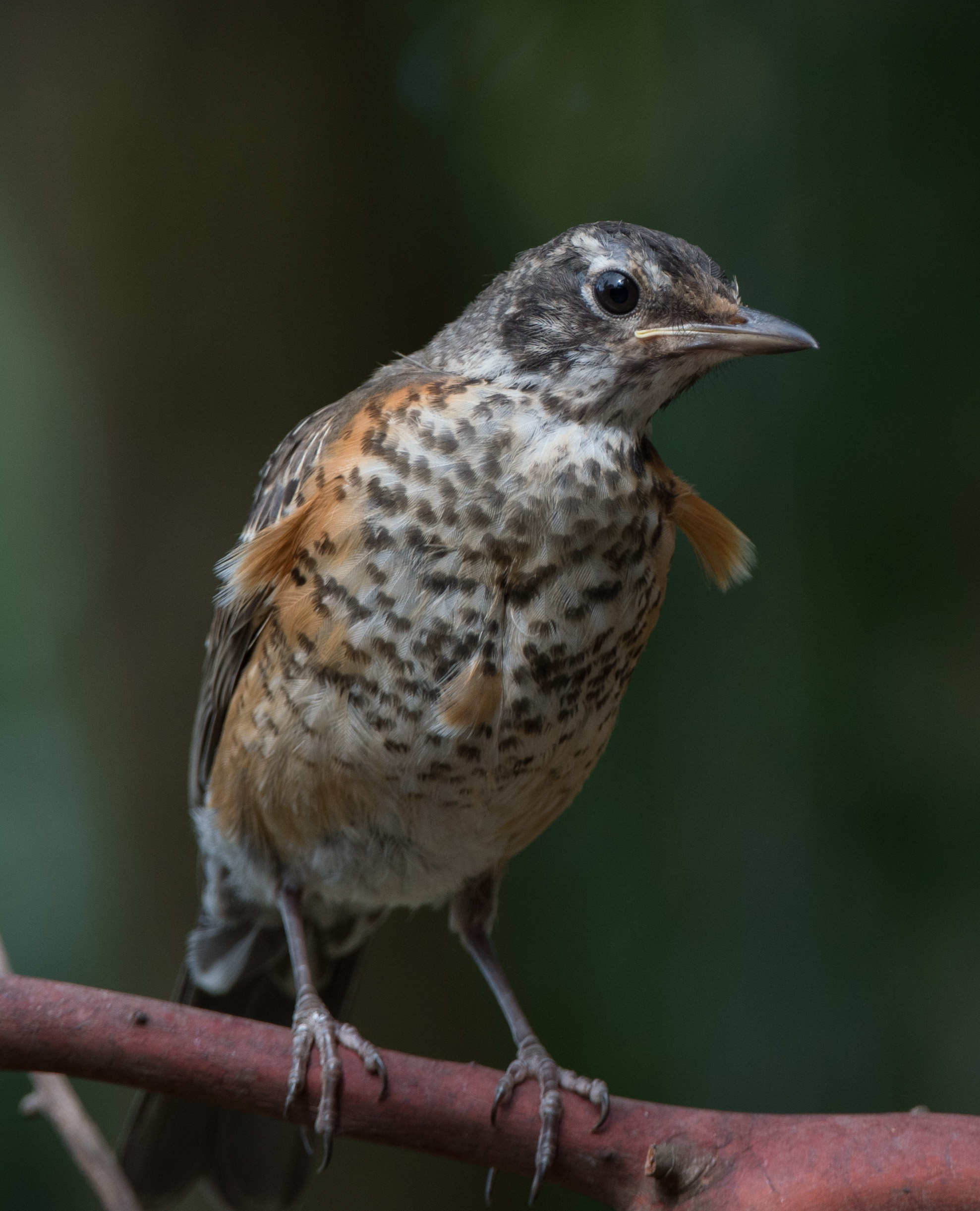
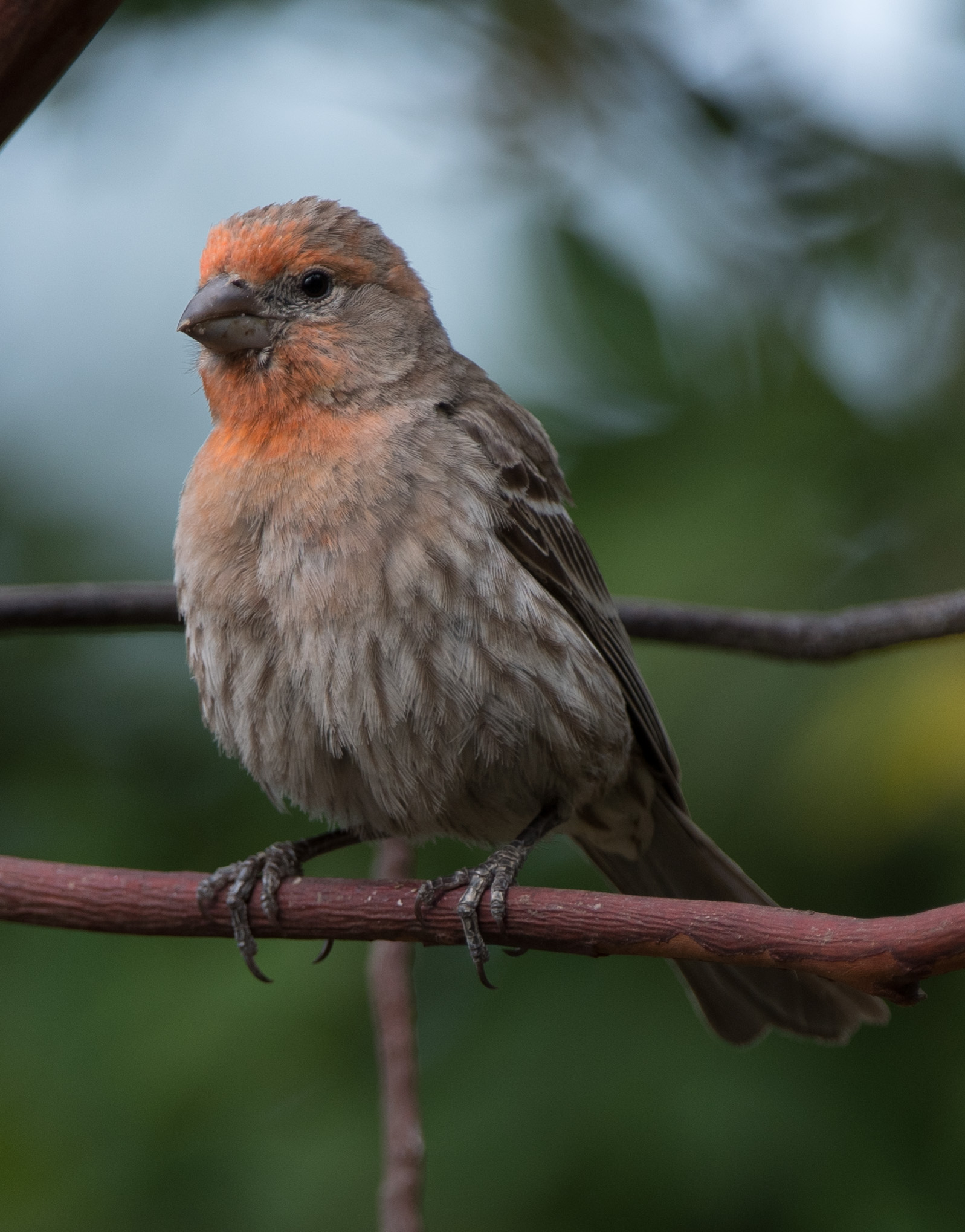
These next two photos show you how I spend the majority of my time in the yard.  My objective is to photograph some of the rarer birds that visit, but the reality is that for most of the time I have over a dozen American goldfinches in the yard at any one time and one or two pairs of American robins that enjoy making multiple visits to the watercourse.  So I pass the time while waiting for unusual visitors by taking photos of these frequent visitors.  The goldfinches resemble to some extent some of the warblers that visit, so it’s a constant challenge to monitor the yard and ensure that a warbler isn’t disguised among them.

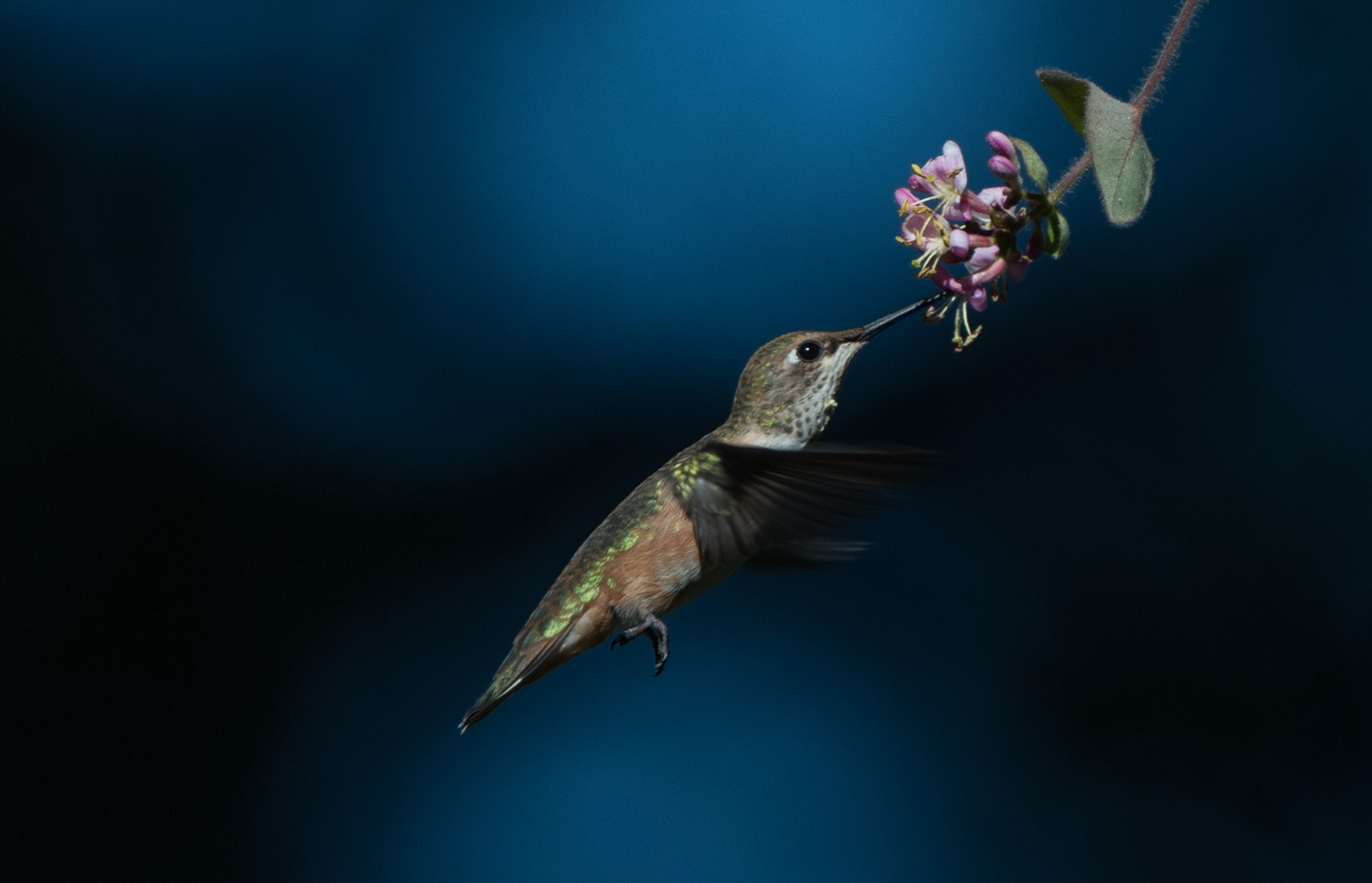
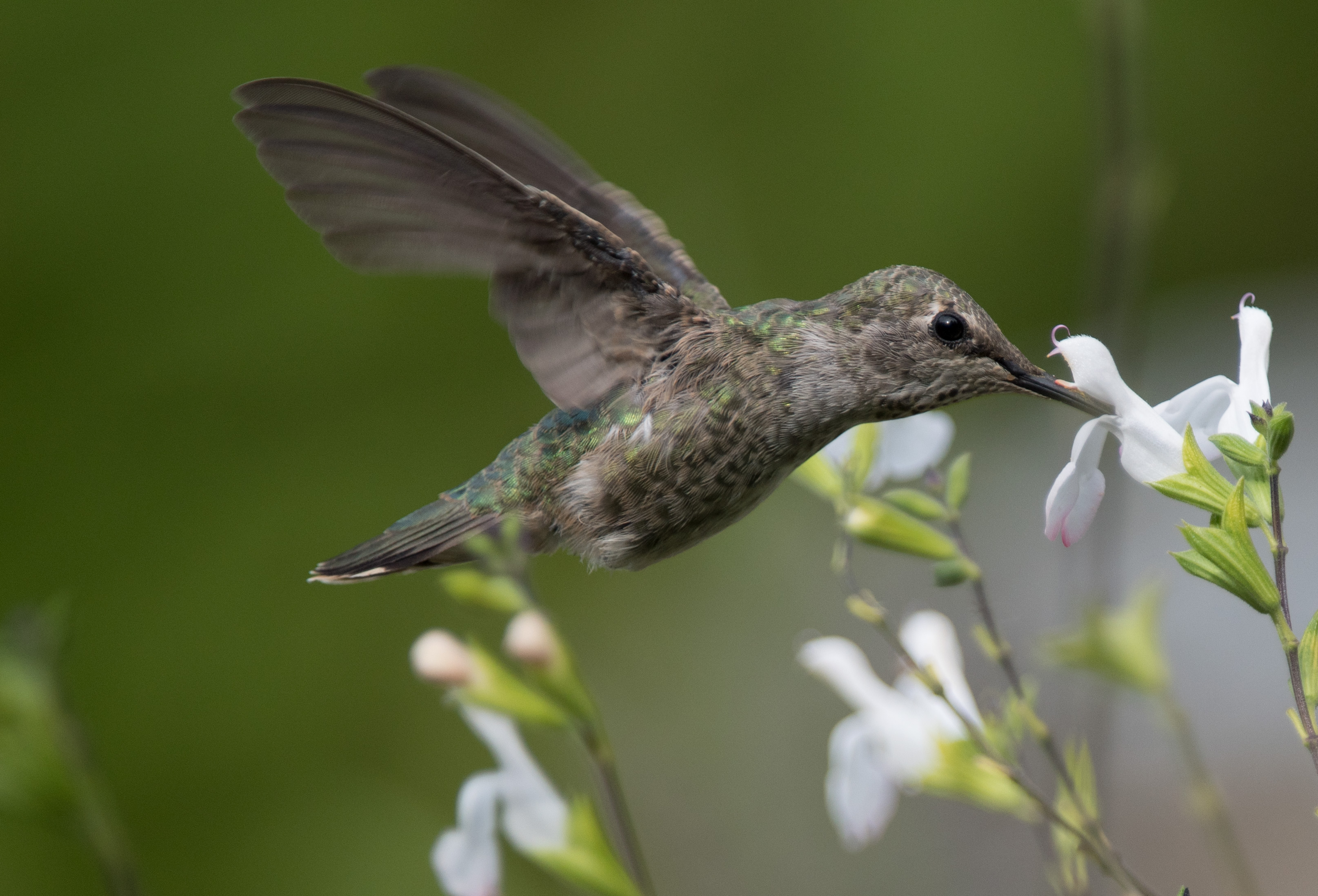
Rufous hummingbirds are frequent visitors to the yard and occasionally enjoy bathing in the watercourse when they’re not exploring the vegetation or visiting the feeders.

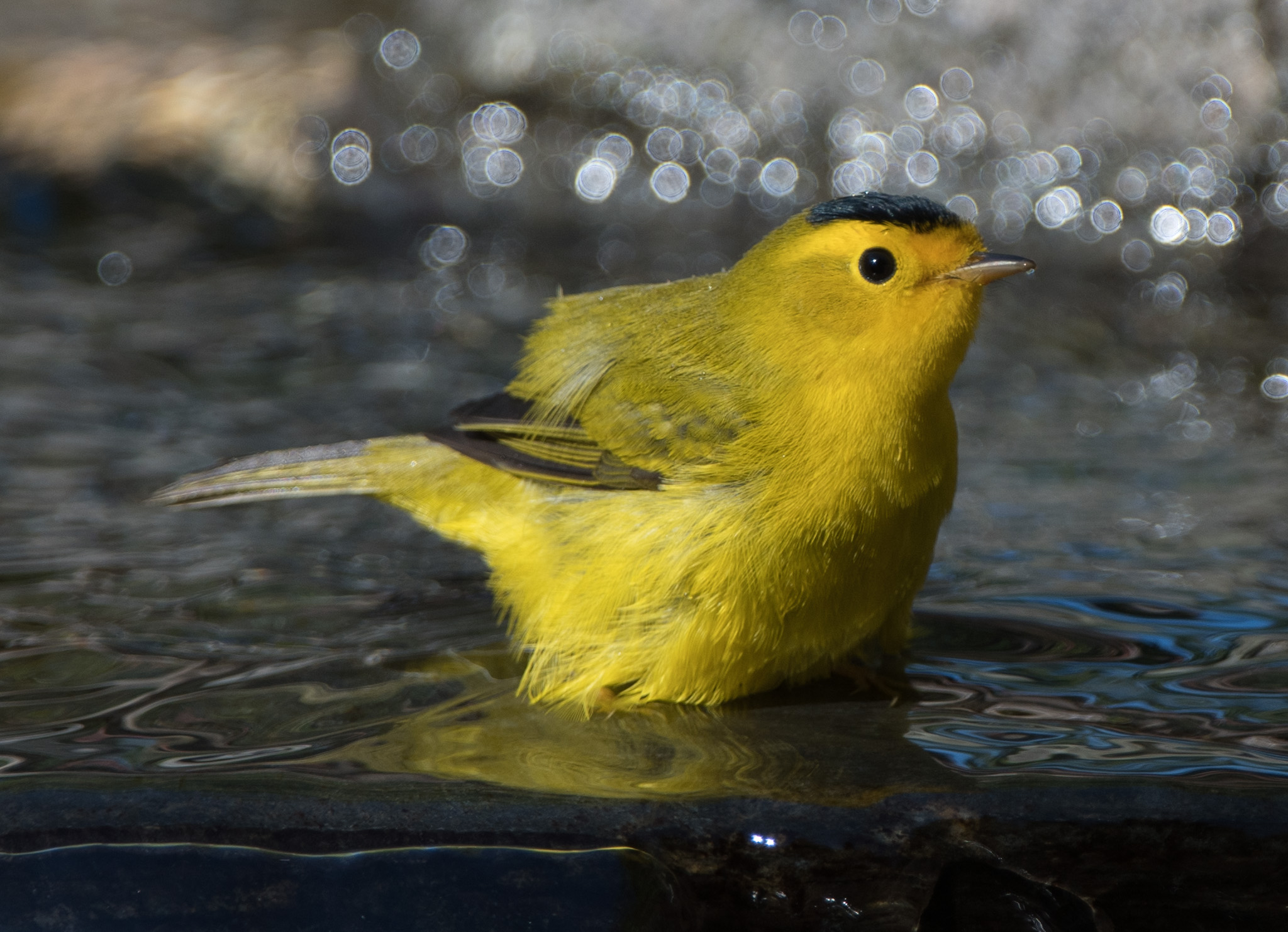
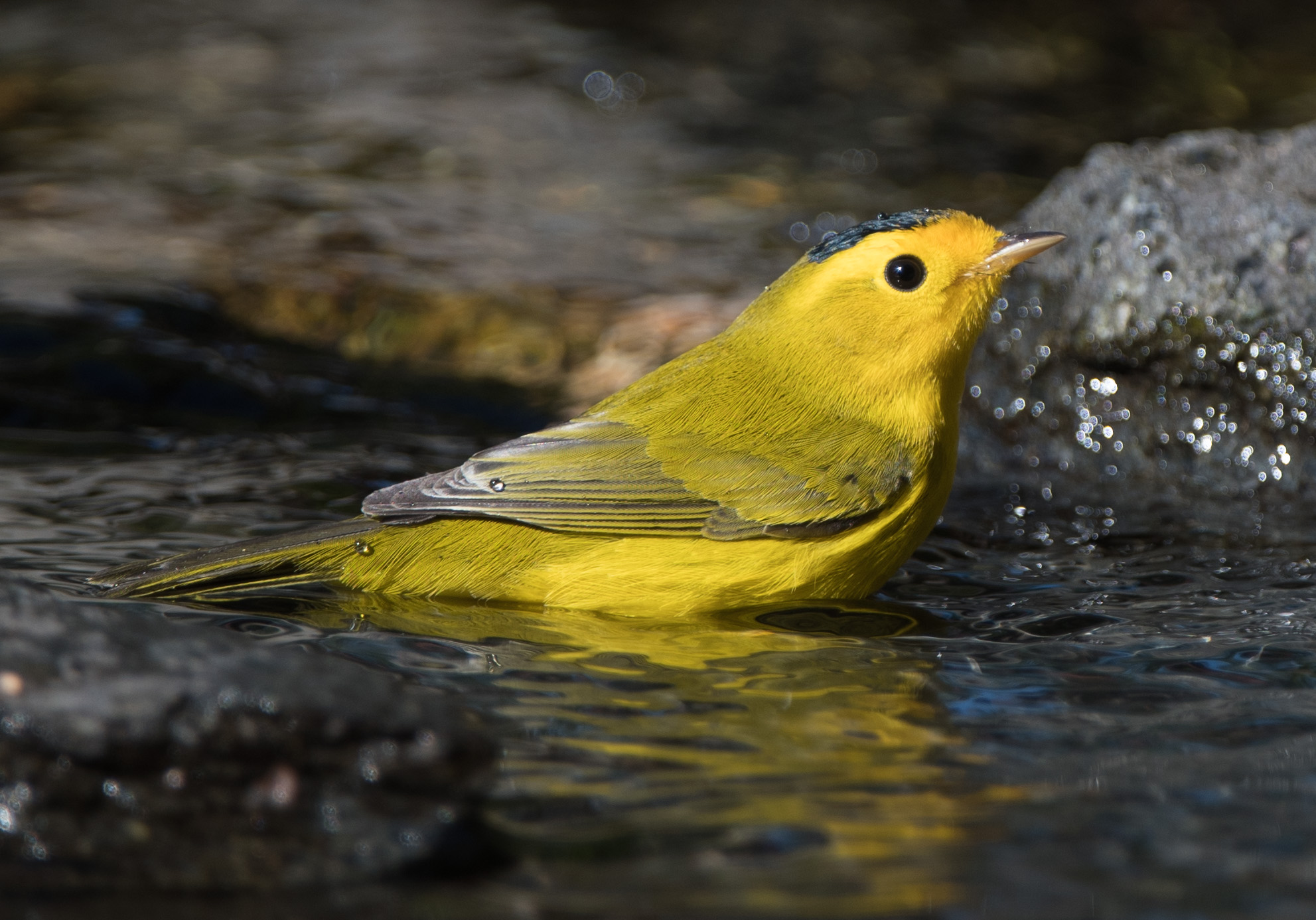
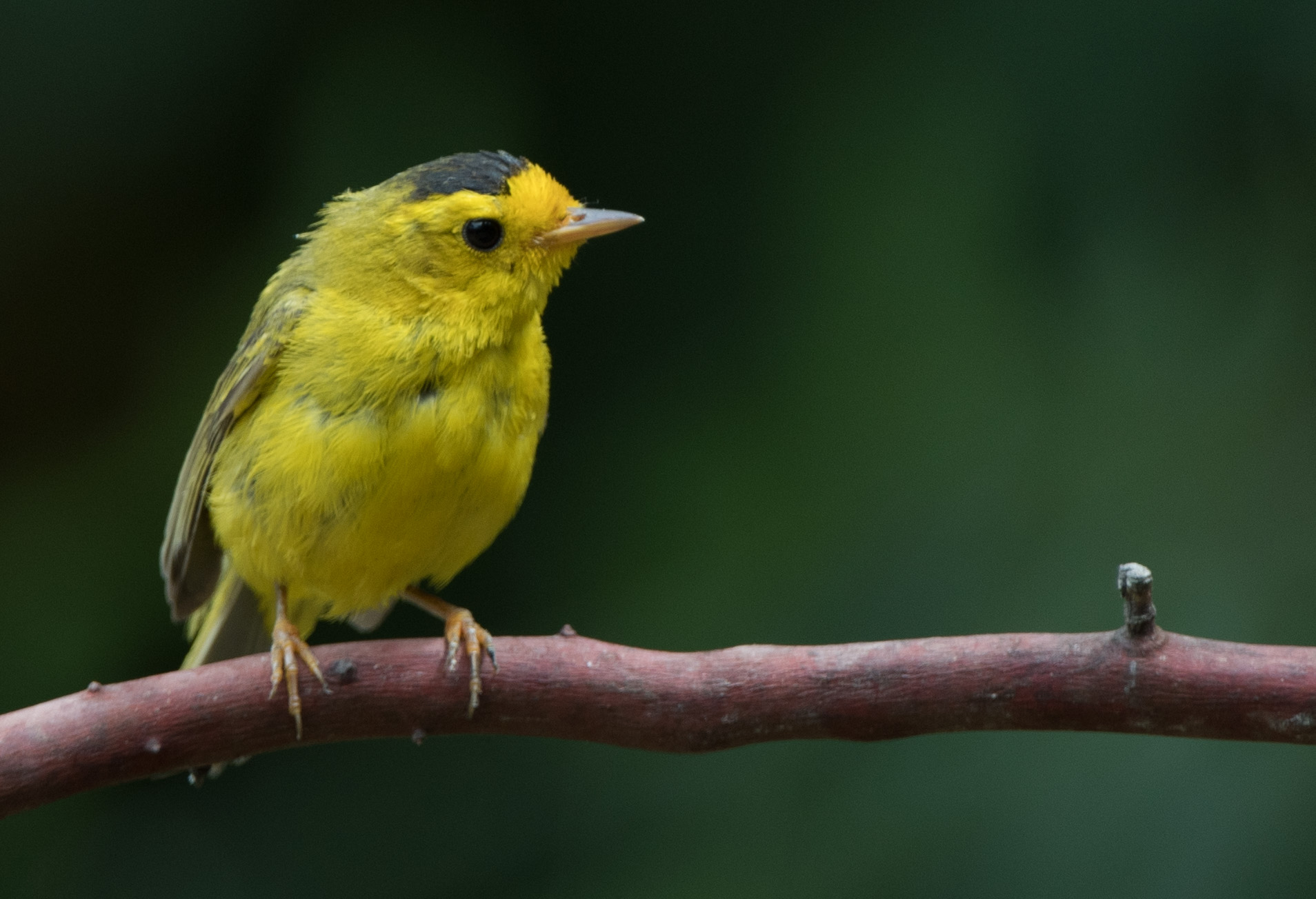
The Wilson’s warbler is our most frequent warbler visitor to the yard.  Yesterday (5/8/2017) I had one or more males visit the yard 5-6 times.  I have yet to see a female this year.

We have a pair of Downy woodpeckers that are frequent visitors to the suet and peanut feeders.  This is the male.

We have a pair of Northern flickers (plus one other!) that are also regular visitors to the suet and peanut feeders.  This is the male.

We still have Golden-crowned sparrows in the yard.  I’m beginning to wonder not when they’ll migrate but IF they’ll migrate!  With plenty of cover, food and companions life is good at our place!

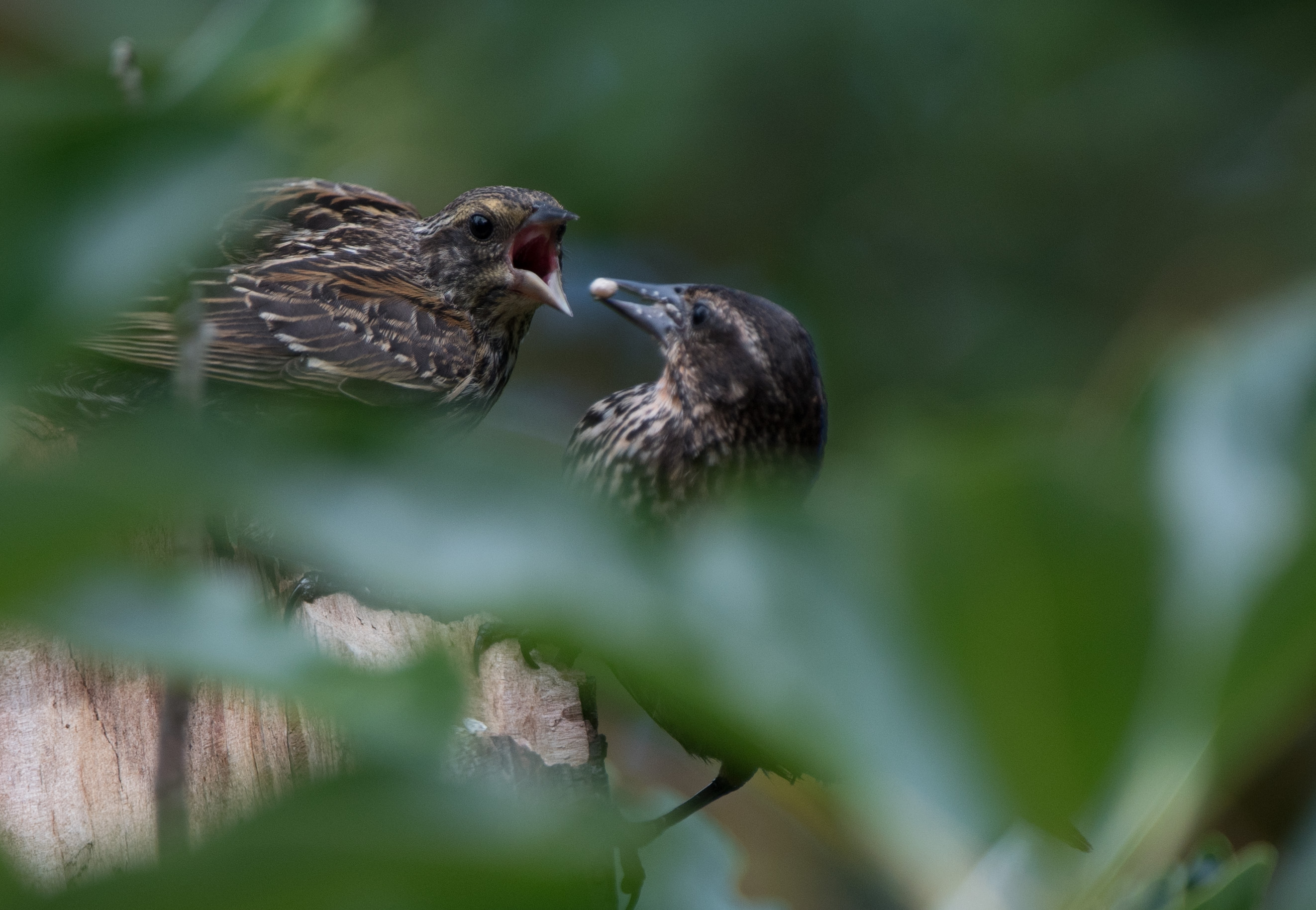
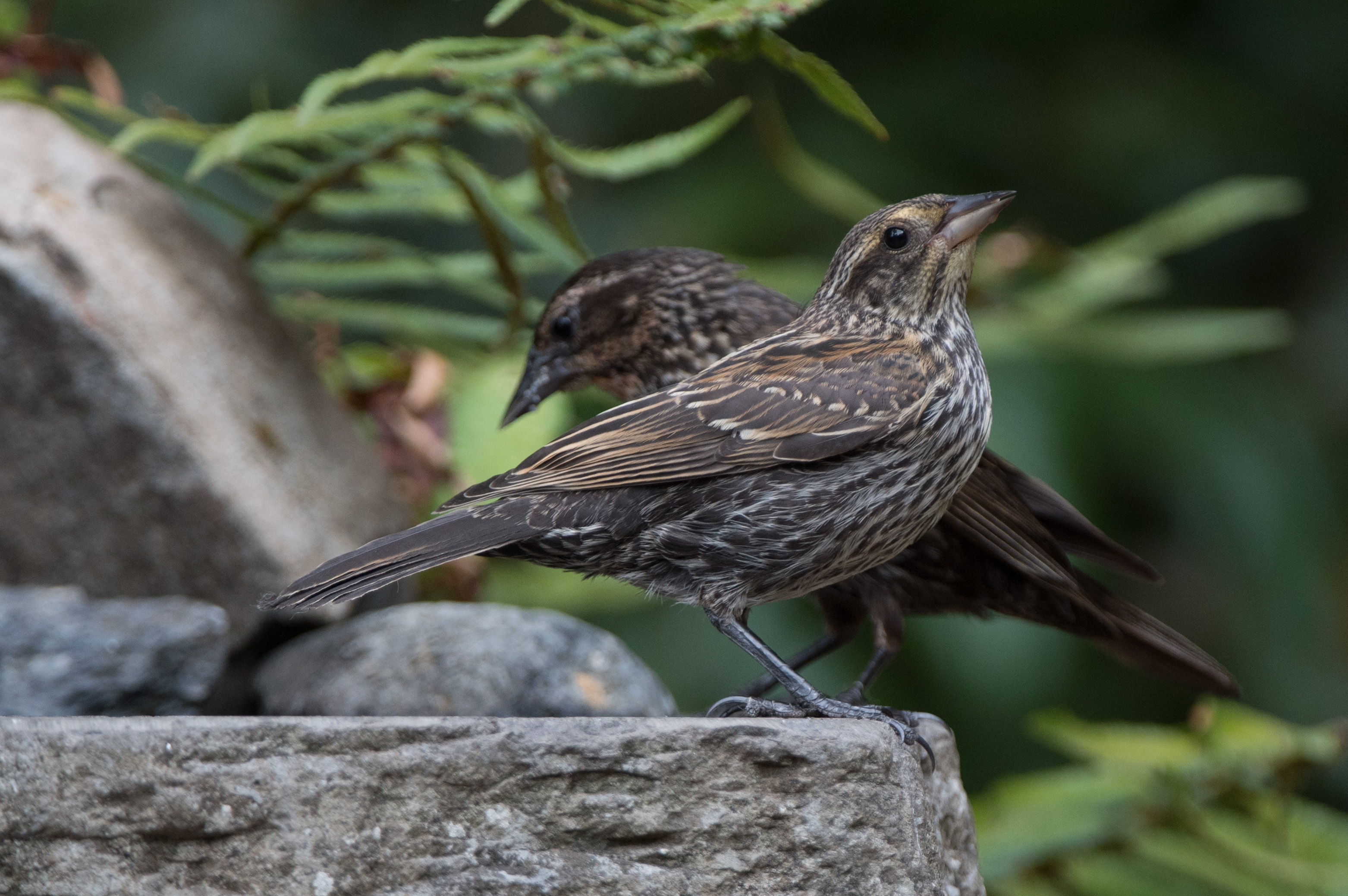
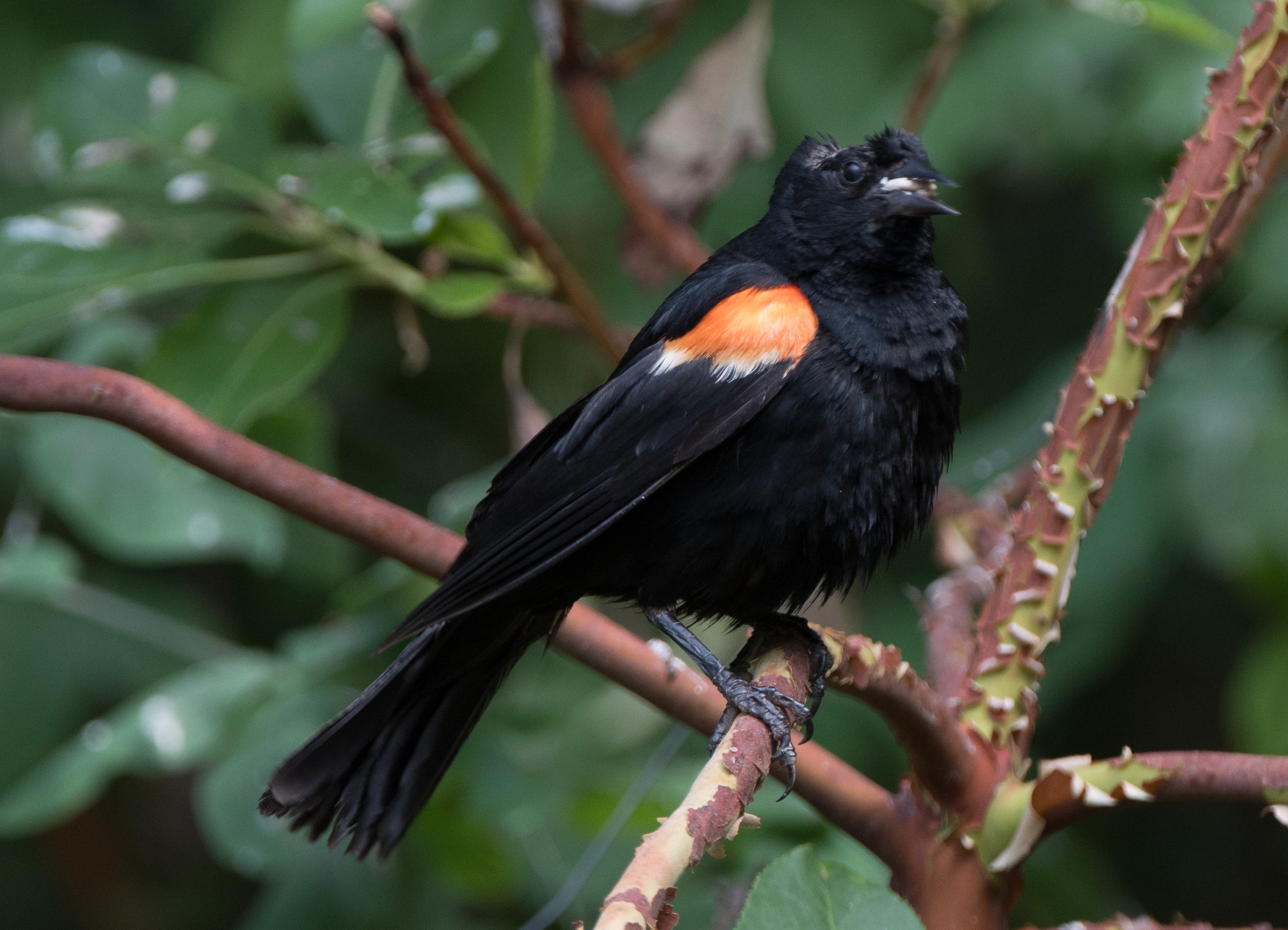
We have Red-winged blackbirds that travel a couple of blocks from the sewage treatment plant wetland for food.  They only visit this time of year and it’s my theory that they visit for quick, easy food and only have to spend a minimal amount of time away from their nest.

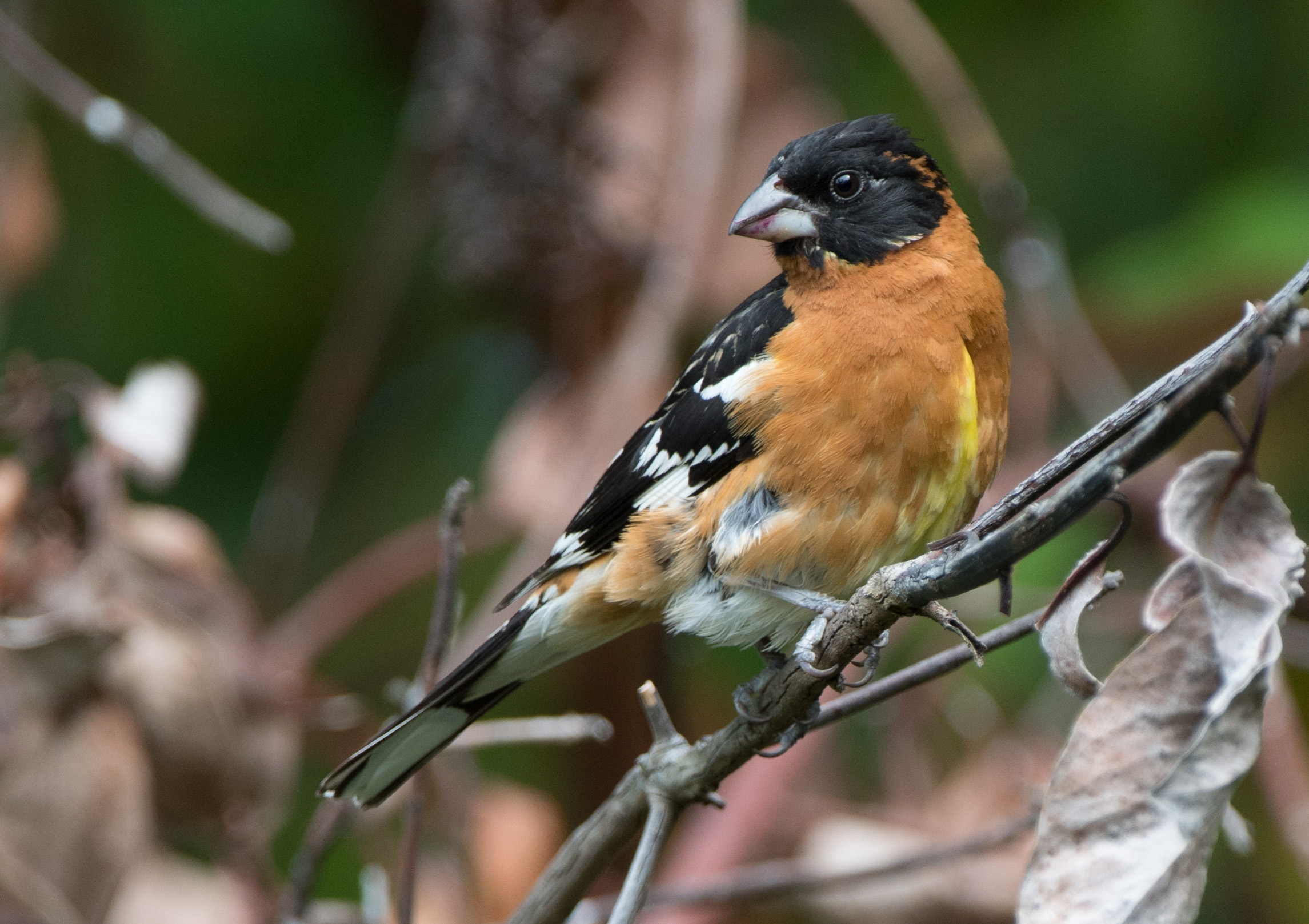
And finally (just a reminder that there’s always a finally!), one of our premier visitors of the spring/summer season… a male Black-headed grosbeak.  This is the only time of year that I utilize a platform feeder and it’s just for the benefit of the grosbeaks, although other birds utilize it.  If I want to photograph grosbeaks off the feeder I have to maintain a constant vigilance as they have a habit of surveying the yard from a hidden position and then flying to the feeder in stealth mode.

Can’t Get Out of the Yard!

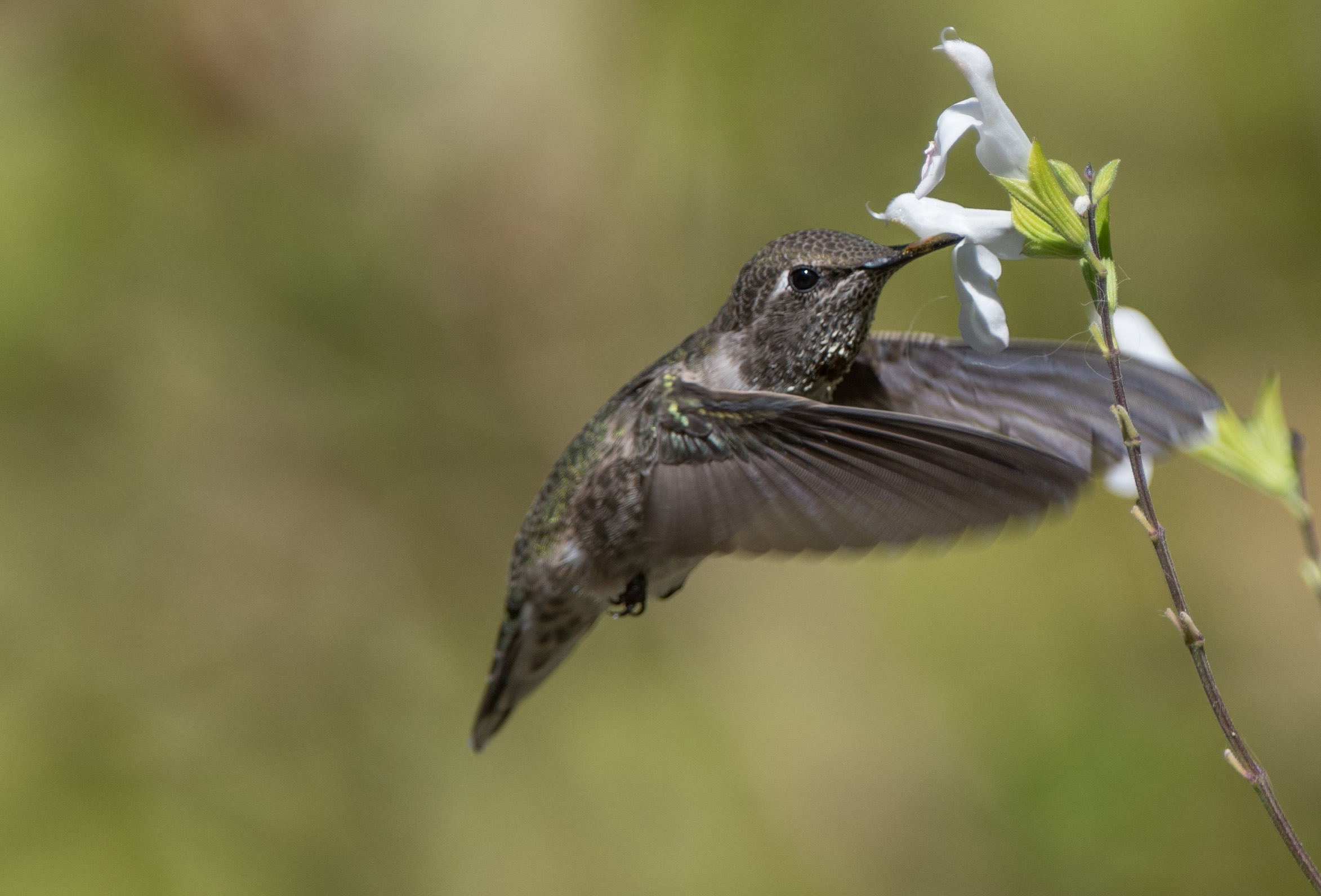
I was trying to work on the photos I took in Arizona but got stalled on a hummingbird ID.  In the meantime…

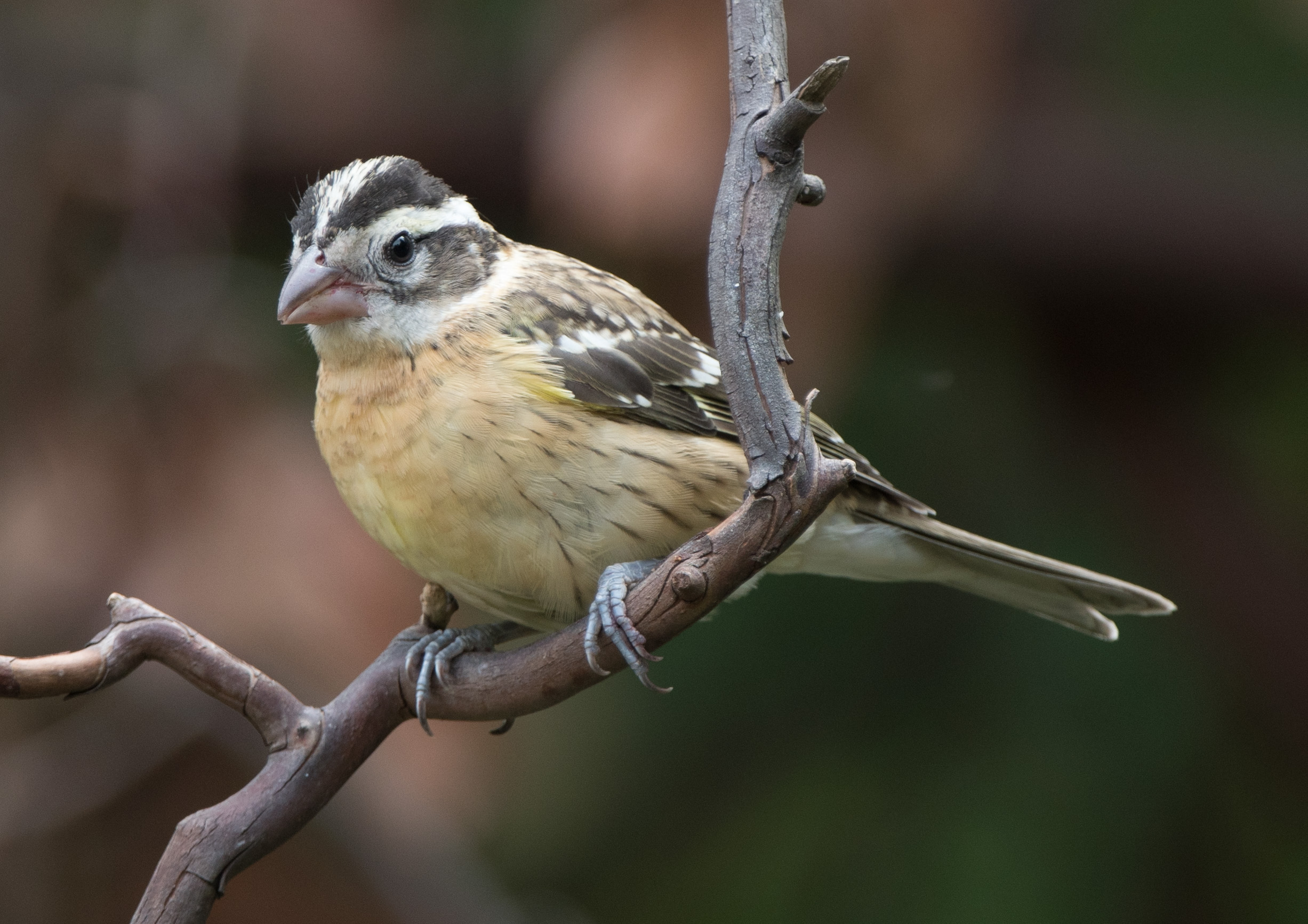
On May 7, 2017, I had about 20 minutes between engagements at noon.  I decided to take my camera to the yard just to see what might be around.  I hadn’t even settled in before a male Wilson’s warbler took a tour of the yard.  Unfortunately I wasn’t able to get a photo of it.  But it had no sooner disappeared before a PAIR of Black-headed grosbeaks appeared.  This was our first female grosbeak of the season.

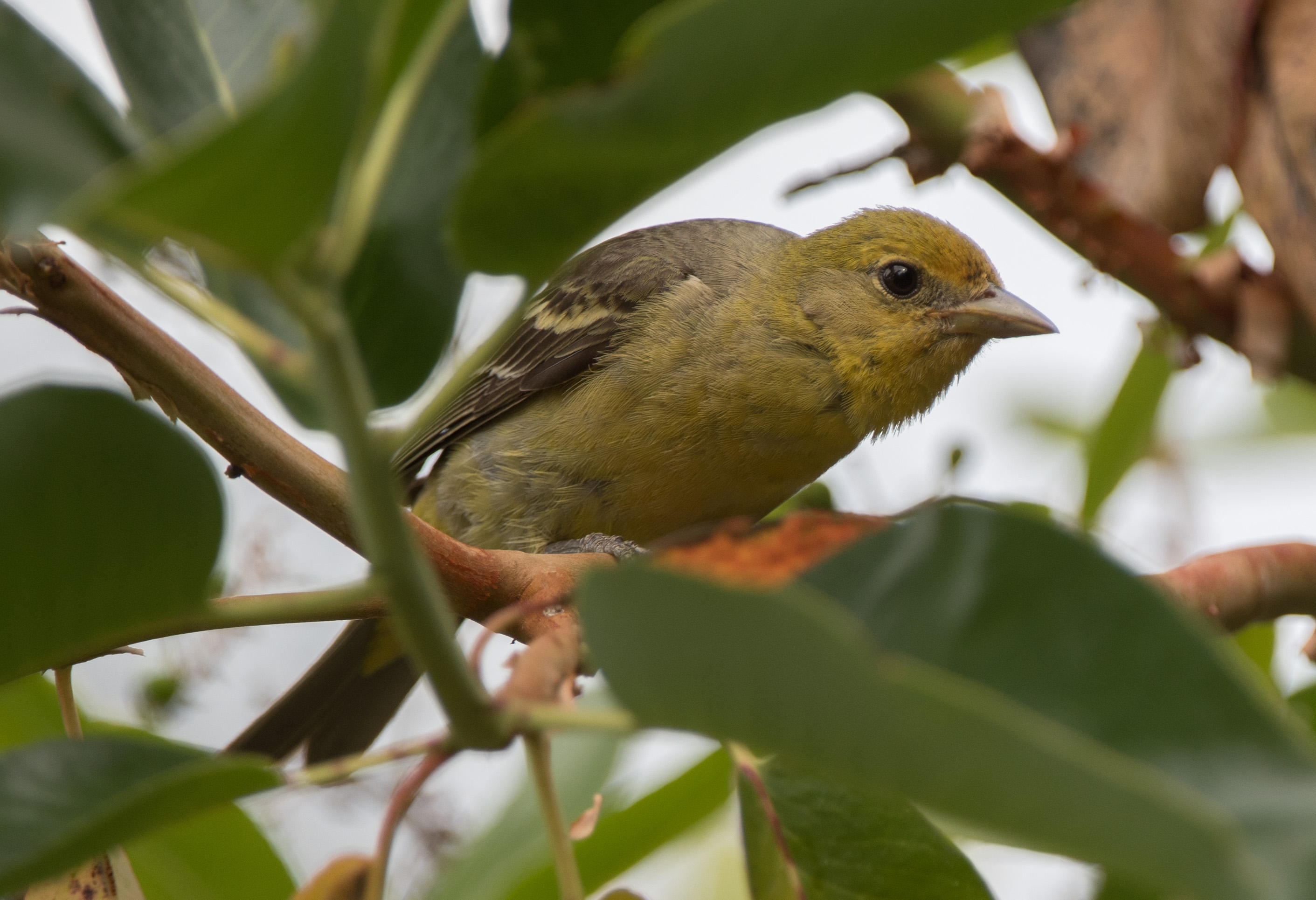
I watched as the grosbeaks flew from the yard and almost immediately a male Western tanager appeared in one of our madrone trees.  It worked its way down the branches and finally flew to the watercourse, so that represented another 22 photos good enough to keep!

All of the foregoing  occurred in about 20 minutes.  After afternoon errands I was able to return to the yard about 3:30pm.  The grand parade was over, but I still managed a good many photos of some of our avian residents.

I had an unusual number of opportunities to photograph a male Spotted towhee that toured the yard several times.

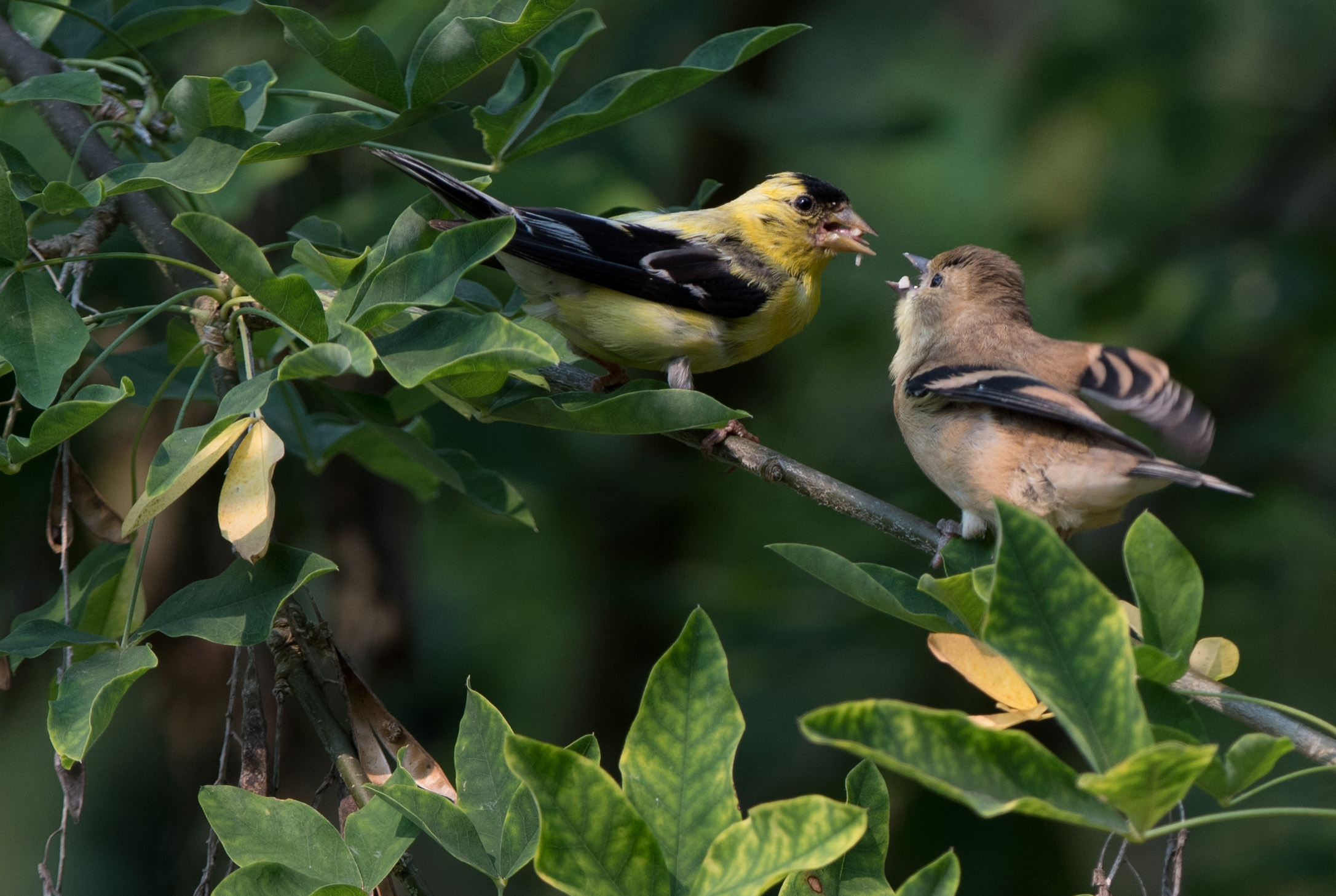
This male American goldfinch didn’t like the male House sparrow‘s intrusion on it’s bath, so it struck up a threatening posture.

A photo of a male Downy woodpecker, probably the same one featured in a prior post.

And this female Rufous hummingbird accessing blooms on a madrone tree.


In my last post (5/4/2017) I mentioned how the spring migration had seemingly begun at my house.  I spent much of the day in the yard on May 7 and it confirmed my observation. I saw three warbler species (Wilson’s, Orange-crowned and Yellow-rumped Audubon’s), a pair of Brown-headed cowbirds, a House wren and a Black-headed grosbeak (original appearance 5/5/2017).   During the course of the day I saw a total of 29 species, took 205 photos (and deleted 98 of them).  That left a lot of processing to do which has now been completed.  Here are a few photos from the day…

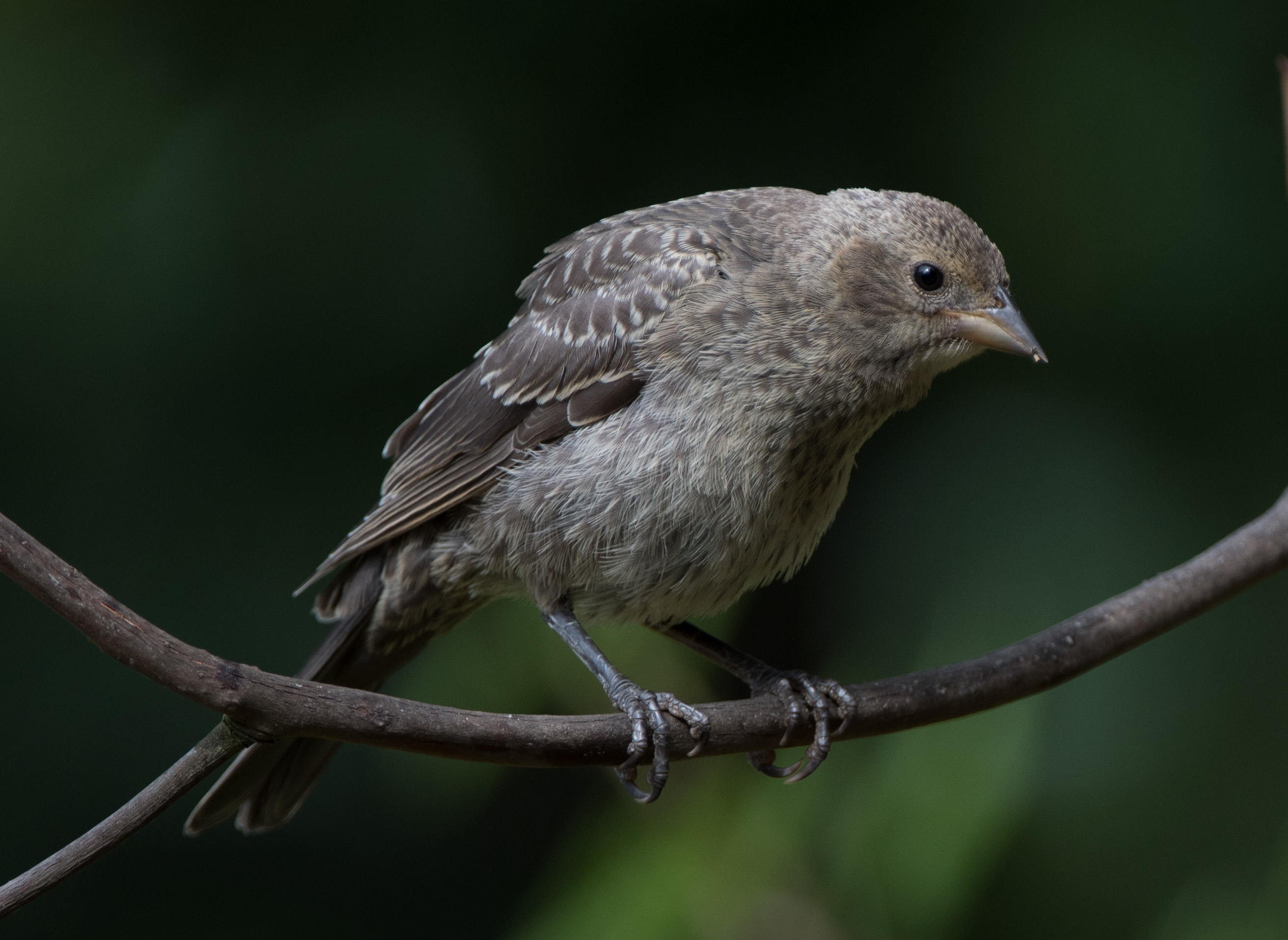
This pair of Brown-headed cowbirds showed up mid-morning, right after I began observing…

This is a male Rufous hummingbird that has given up trying to monopolize the feeders.  We also have a male Anna’s hummingbird in the yard.

We still have four Golden-crowned sparrows which have yet to migrate.  I think I may have mentioned that we had two in a prior post but yesterday there were four!

We have a pair of Downy woodpeckers that were coming and going to both peanut and suet feeders multiple times during the day.  And I saw one of the woodpeckers steal a peanut piece that a nuthatch had secreted in a madrone tree crack (see my last post).  Our male Hairy woodpecker that frequented our peanut feeder for the past several months seems to have deserted us, probably to find a mate.

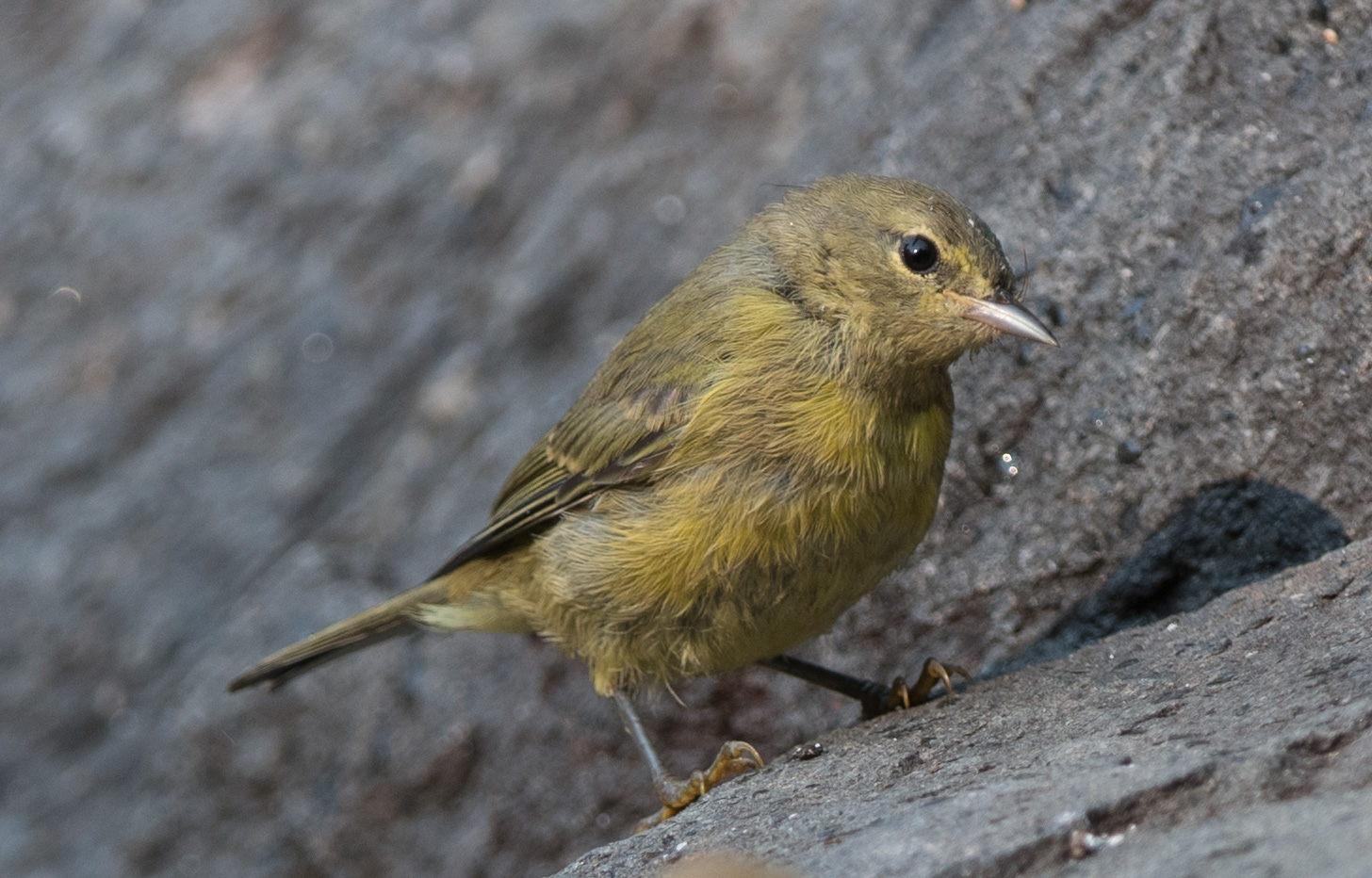
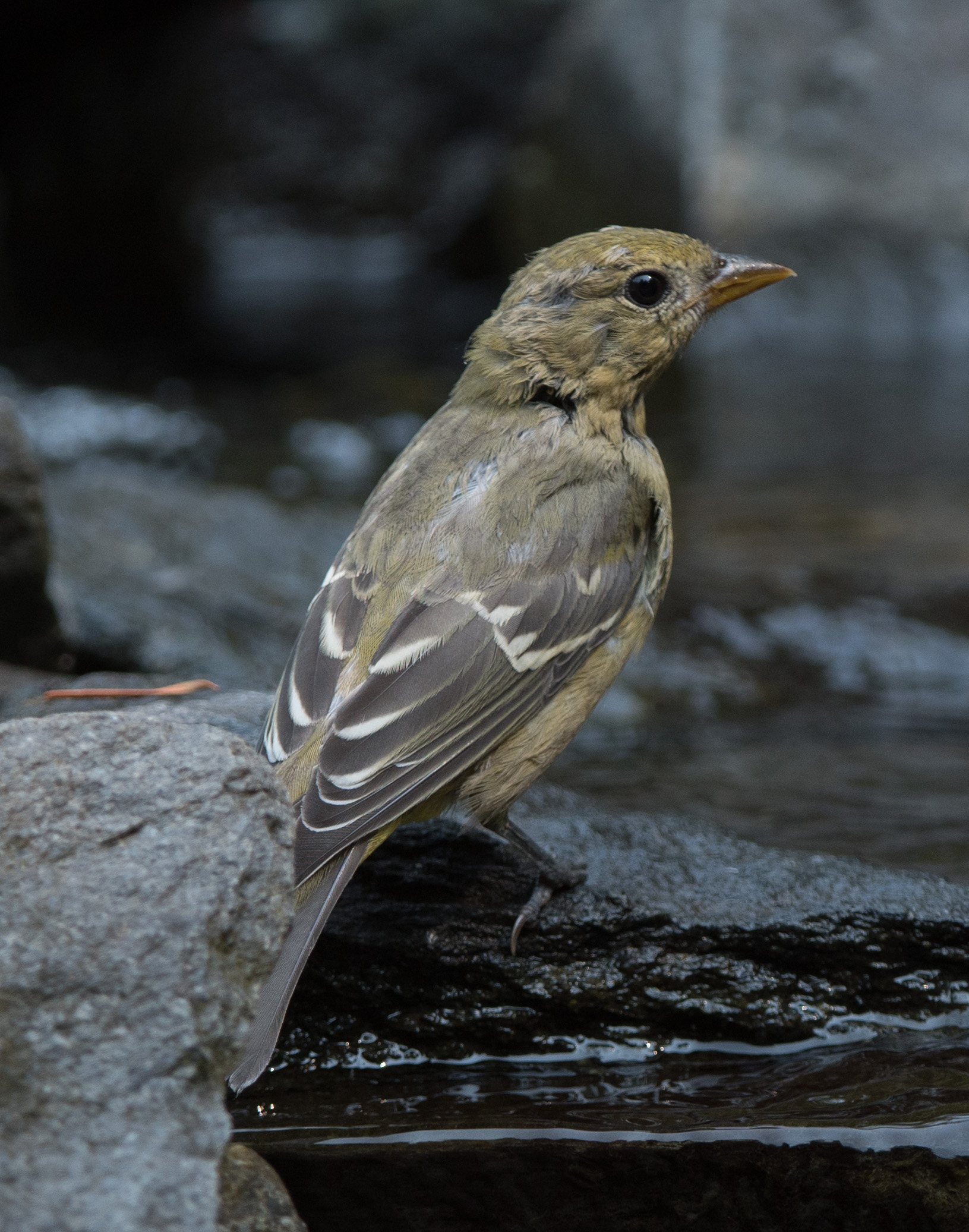
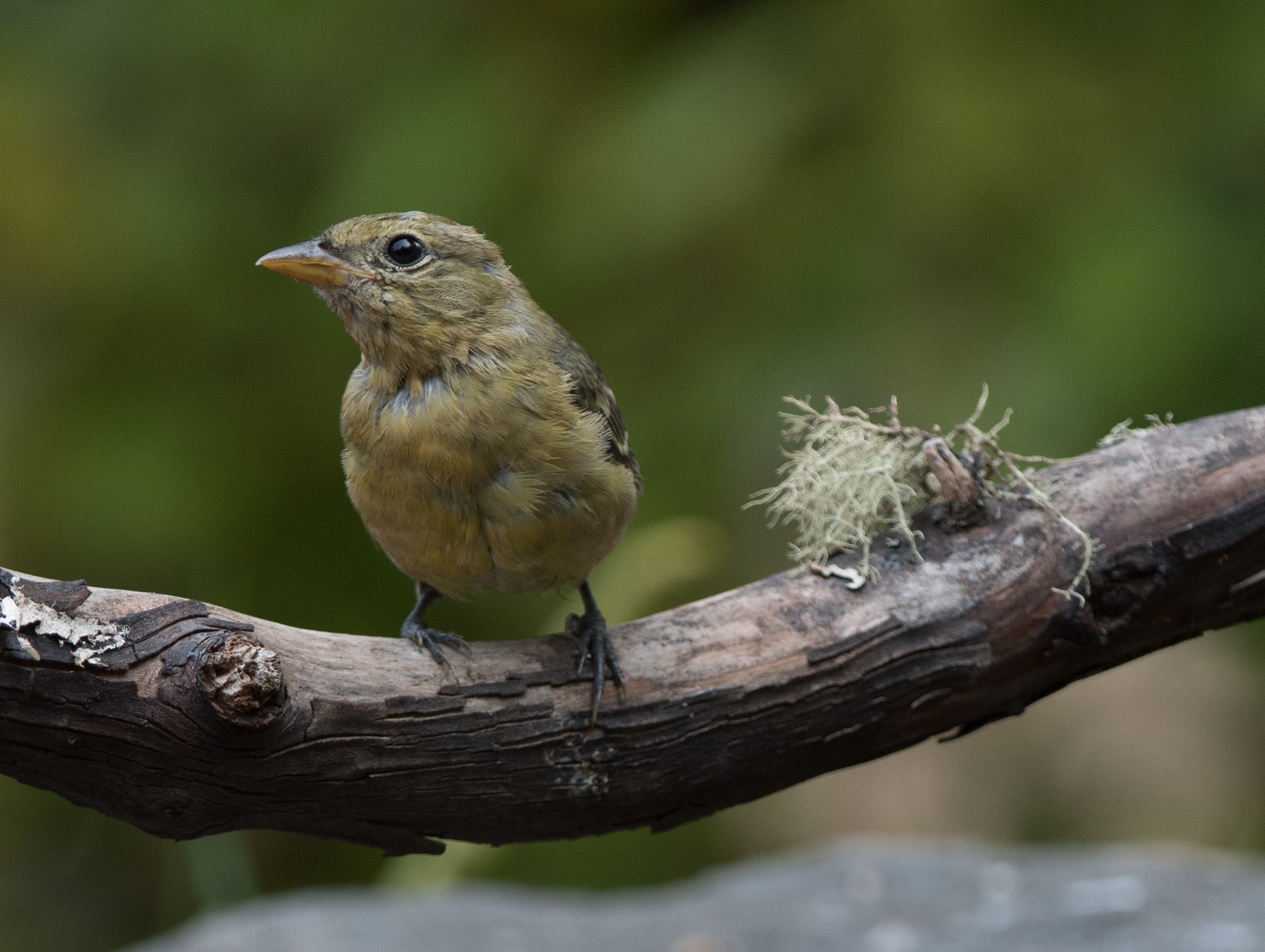
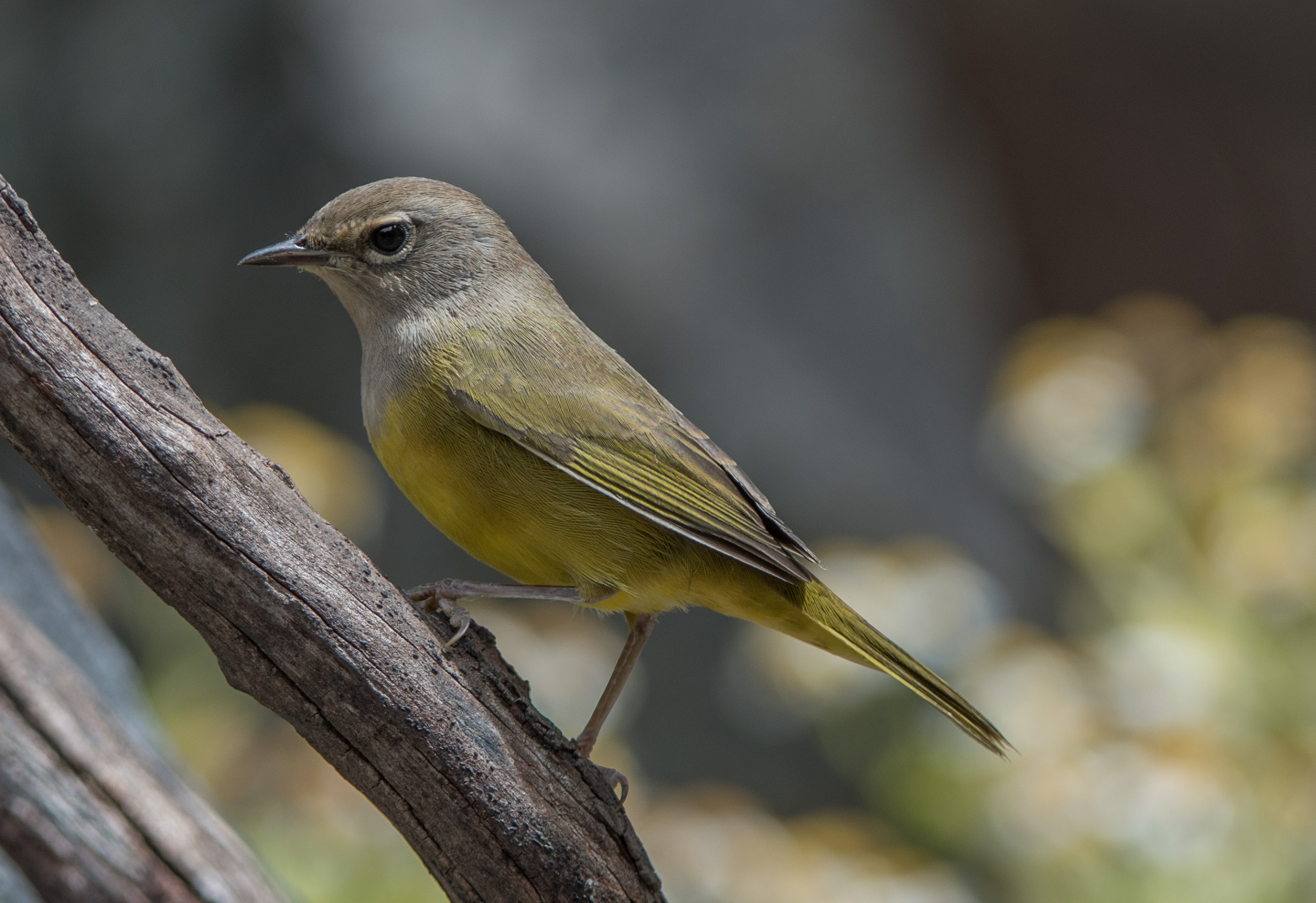
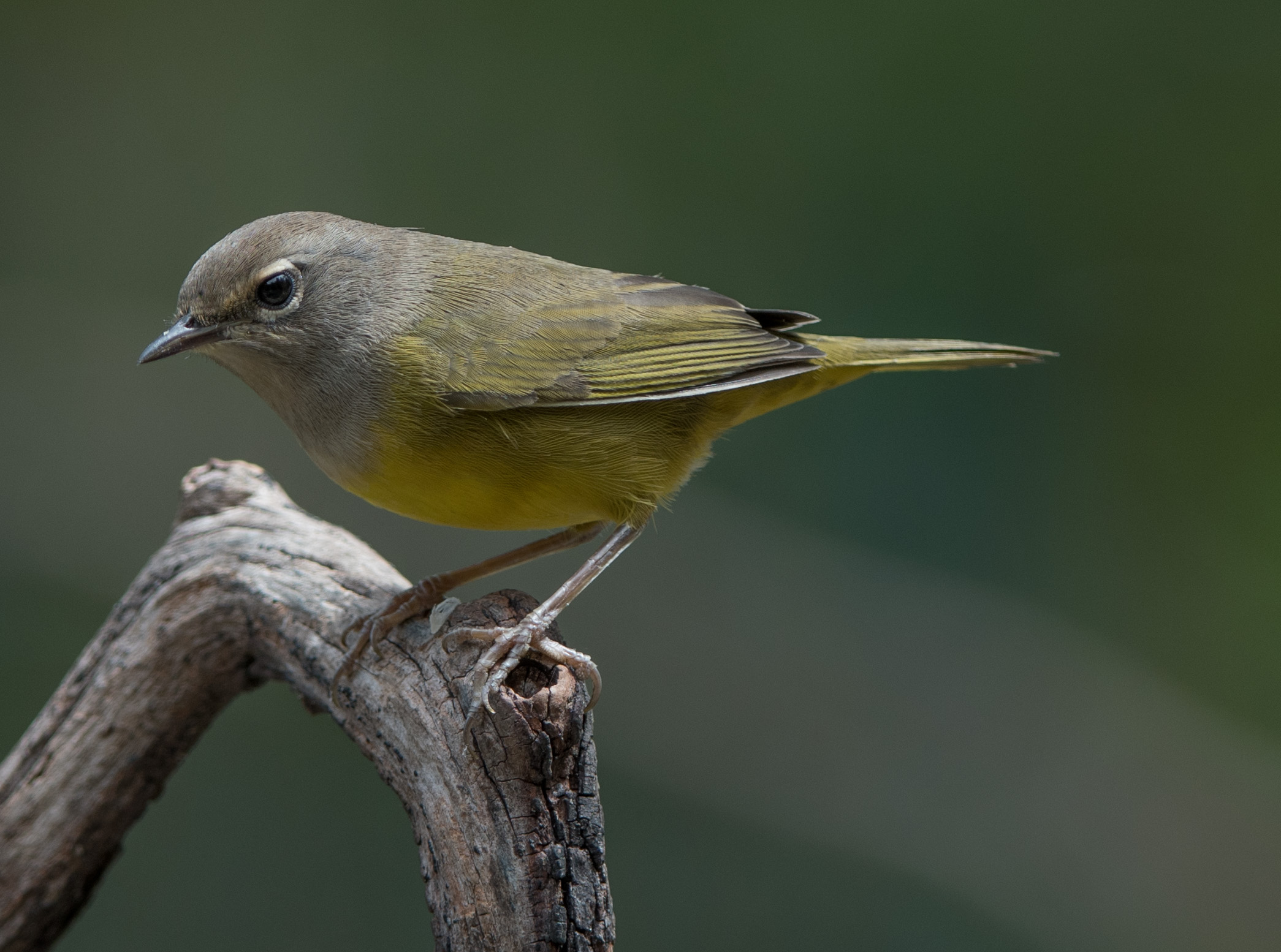
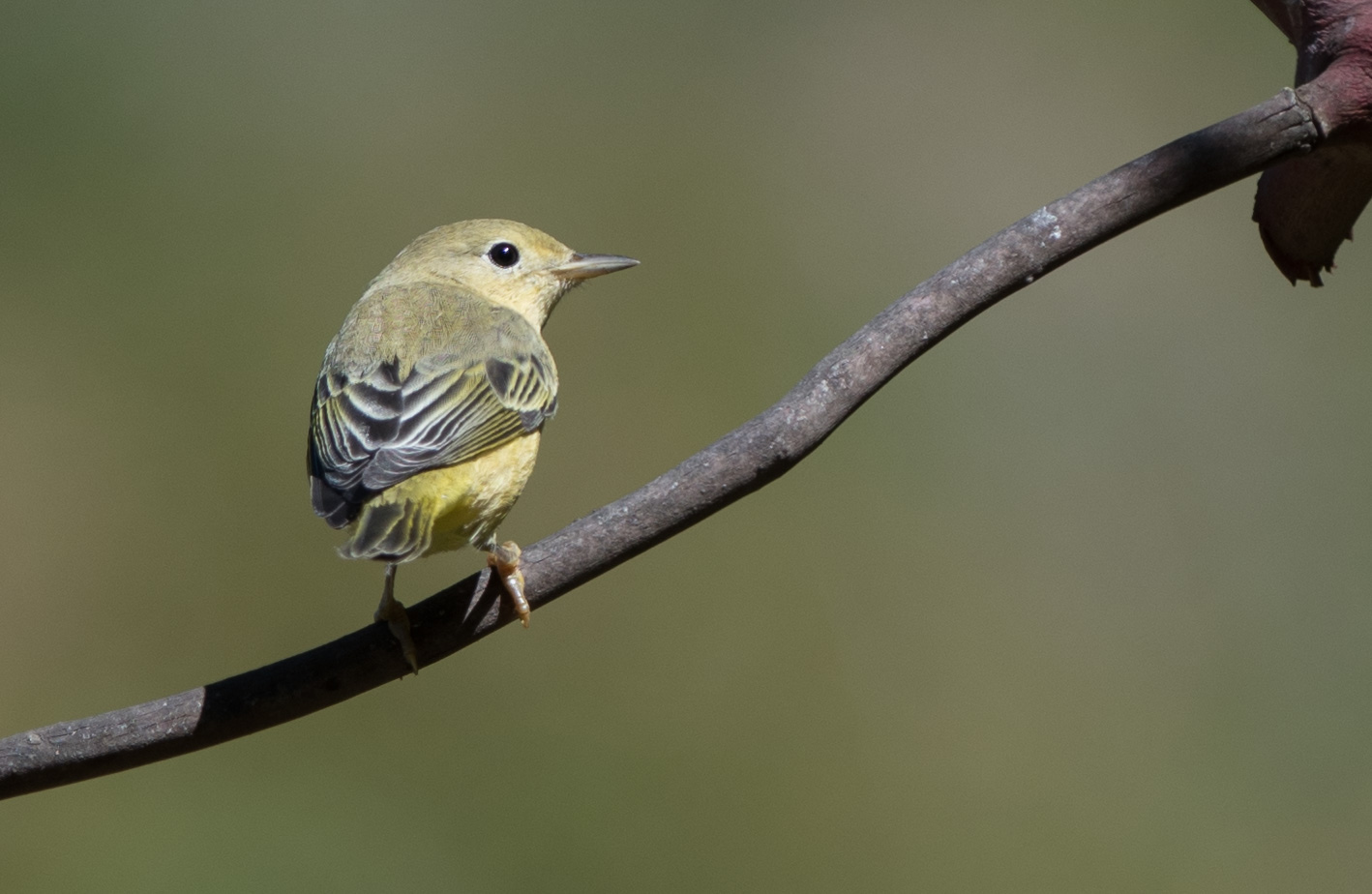
Finally, here are three of the species of warblers that visited… Orange-crowned, Wilson’s and Yellow-rumped Audubon’s.


Back Again to the Yard

I spent two sessions in the yard today (5/4/2017) to good advantage.  I’m beginning to see more spring/summer birds and migrants.  I missed photos of two Orange-crowned warbler visits and one by a male Yellow-rumped warbler (Audubon male).  But my big sighting for the day were two male Western tanagers.  I first spotted a male high on a dead limb near the top of a fir tree and managed some poor, but identifiable photos.  A short while later another male l(this one in non-breeding plumage) flew down to the watercourse and had a bath.  That I managed to photograph…

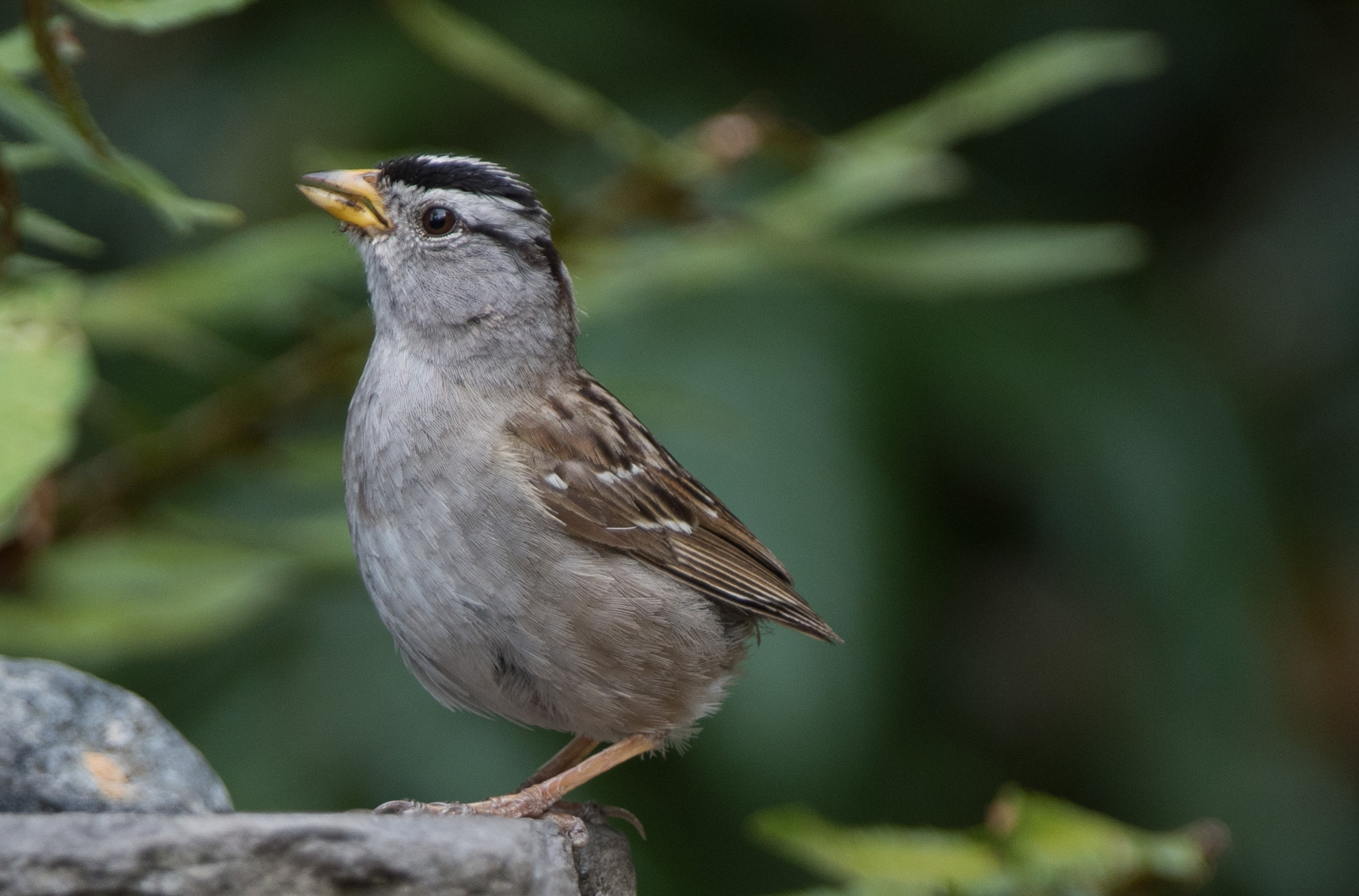
I still have several different species of ‘sparrows’ in the yard – if you want to count House sparrows, which are actually finches.  Here’s one of our White-crowned sparrows

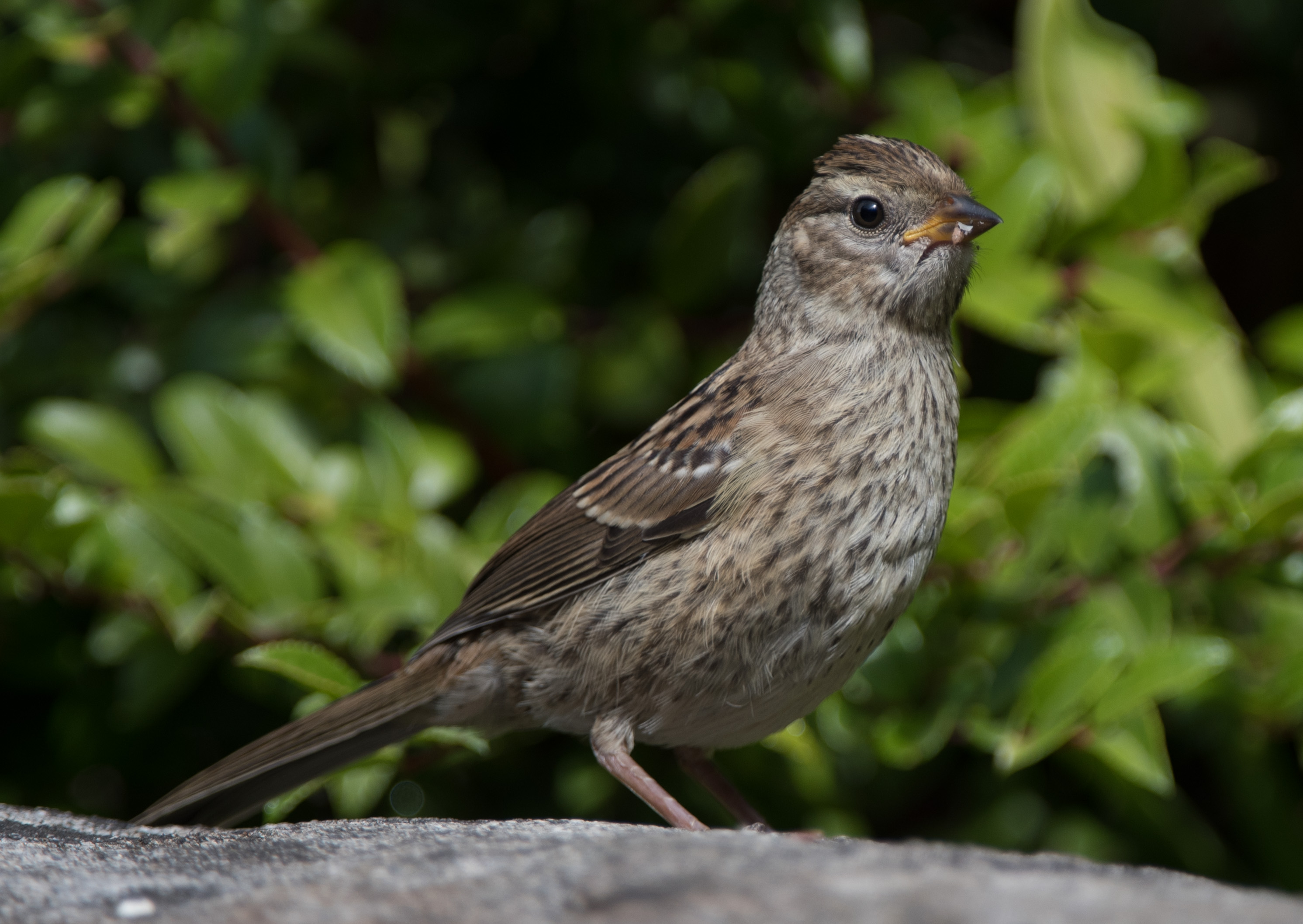
And to my surprise, we still have a pair of Golden-crowned sparrows in the yard.  They have usually headed north by this time.  I would love to have them stay and breed here, which is unlikely, and we don’t have a good record with breeding sparrows and Brown-headed cowbirds.

We also have at least one Spotted towhee and one Dark-eyed junco (Oregon race) which I saw but didn’t photograph today.

We have several Black-capped chickadees in the yard, although they aren’t as numerous as the Chestnut-backed chickadees which seem to prefer the conifers in the neighborhood.  This is one I photographed while it was enjoying a bath in the watercourse.

The Red-breasted nuthatch is a bird I usually find difficult to photograph, so I was happy to catch a couple of bathing trips to the watercourse.

It seems that we may have only one nuthatch visiting the yard, a fairly significant departure from past years.  Nuthatches secrete food in tree bark to retrieve later.  I watched as this nuthatch attempted to wedge a tidbit from one of the feeders into a crack in a madrone tree.  Notice the food below and to the left of the nuthatch, wedged into the crack.  It should have left well enough alone.  In attempting to further secure the seed in the crack it dislodged it and immediately dropped to retrieve it.

And finally (there’s always a ‘finally’!), here’s a female Northern flicker on our peanut feeder.  I usually don’t post photos of birds on feeders, but I liked the details in this photo.  Incidentally, this is a feeder that discriminates against non-clinging birds.  For the most part this feeder caters to woodpeckers, chickadees, nuthatches and bushtits.  Birds that aren’t used to clinging to things tend to avoid this type of feeder.  If I can help you with feeder advice, let me know!


I want to express my appreciation to friends for complimenting me on my photography!

Back to Arizona

Back to Arizona…

After leaving Green Valley we headed south and decided to visit an area we had never visited before.  We had an Arizona birding guide but we were having a difficult time reconciling our map, the guide and our GPS and we weren’t even sure of our destination.  But we saw a sign pointing to Lake Arivaca and, reasoning that a lake in the desert might be a big attractor for birds, we headed for the lake.  We came to a part of the road that was paved, but the easiest way over it was to drive on the unpaved roadside where we could.  One unhappy property owner had erected a large sign proclaiming the road as the “worst maintained road in Pima County”!

Our trip to the lake was worth the effort chiefly due to the presence of a pair of Vermillion flycatchers working the trees around the dirt parking lot.  These photos are representative of the almost 40 photos I took of the pair.

On the way back through civilization we saw this Black-throated sparrow on a fence post. I was elated to obtain this photo, but later in the trip we encountered others.

Once back to civilization we continued to Patagonia where we stopped at the house formerly owned by the Paton’s and now under stewardship of the Tucson Audubon Society.  It’s famous for its hummingbirds, but while there are many feeders the photographic opportunities aren’t that great.  However there is habitat work in progress (a pond, sun shelter and seating) that promises to improve both viewing and photographic opportunities.  All the remaining photos were taken at that location.

A ‘wild-haired’ female Northern cardinal

A pair of Inca doves

A female Yellow-rumped warbler (Audubon’s race)

A male Yellow-rumped warbler (Audubon’s race)