January Update

Due to a number of factors (holiday activities, broken bone in foot, weather, lack of unusual  birds in the yard, etc.) I haven’t taken many photos and have been somewhat remiss in posting to my blog.  Since I have 2-3 years of postings on the blog, if you are desperate for photos you can go back and review the photos from the past!

I participated in the 2015 Christmas Bird Count on January 2 (2016) and among the usual visitors saw a male Varied thrush (our first sighting in several weeks) and two Slate-colored Dark-eyed juncos (we can usually only muster a single one at any one time).

The photos appearing below were taken in our yard on December 1.  It was an unusual day… while I usually retain about 60% of the photos I take (far too many), I tossed about 70% of the photos I took on this particular day.

These photos are all of kinglets, this first one a male Ruby-crowned kinglet…
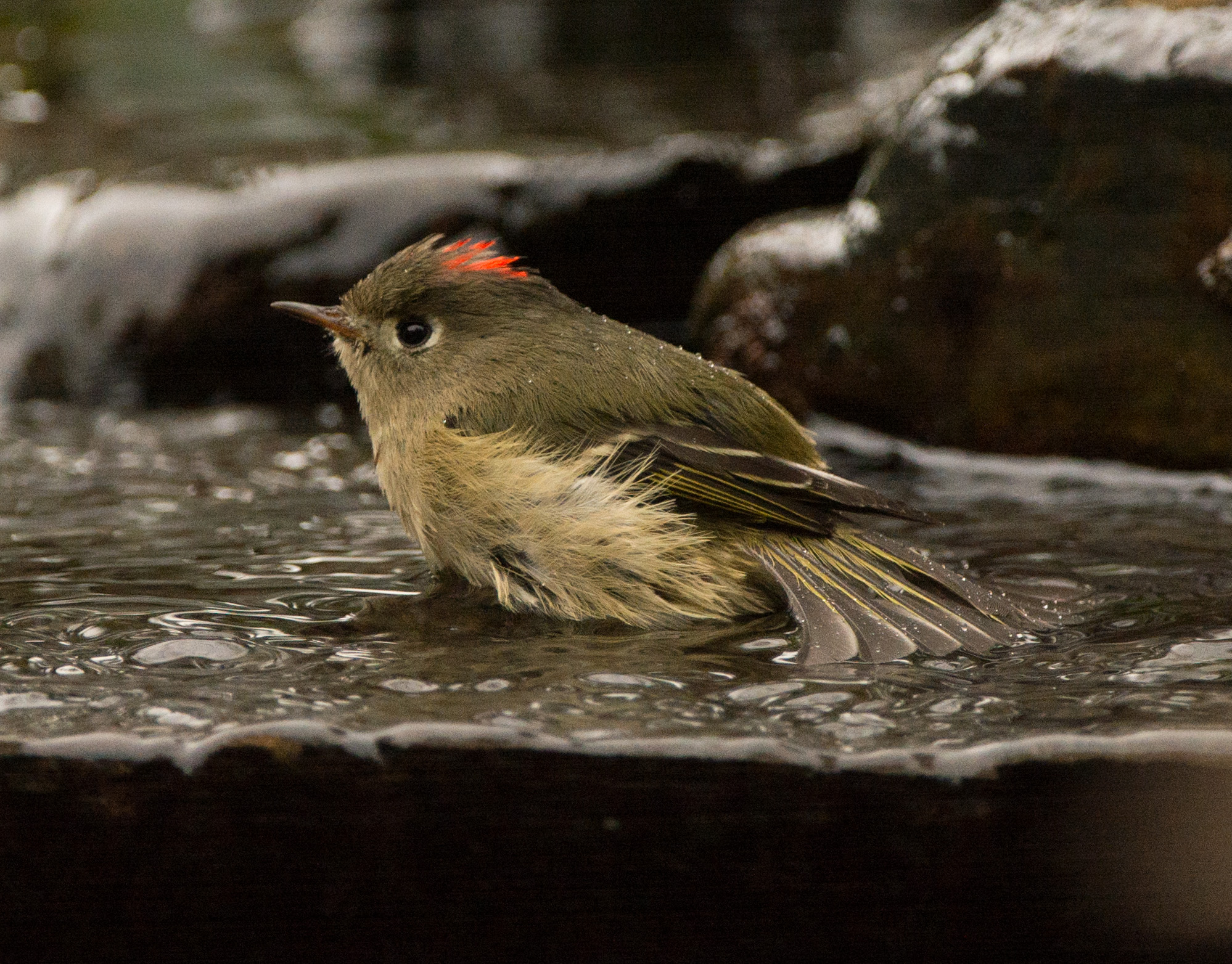
DSC_4149

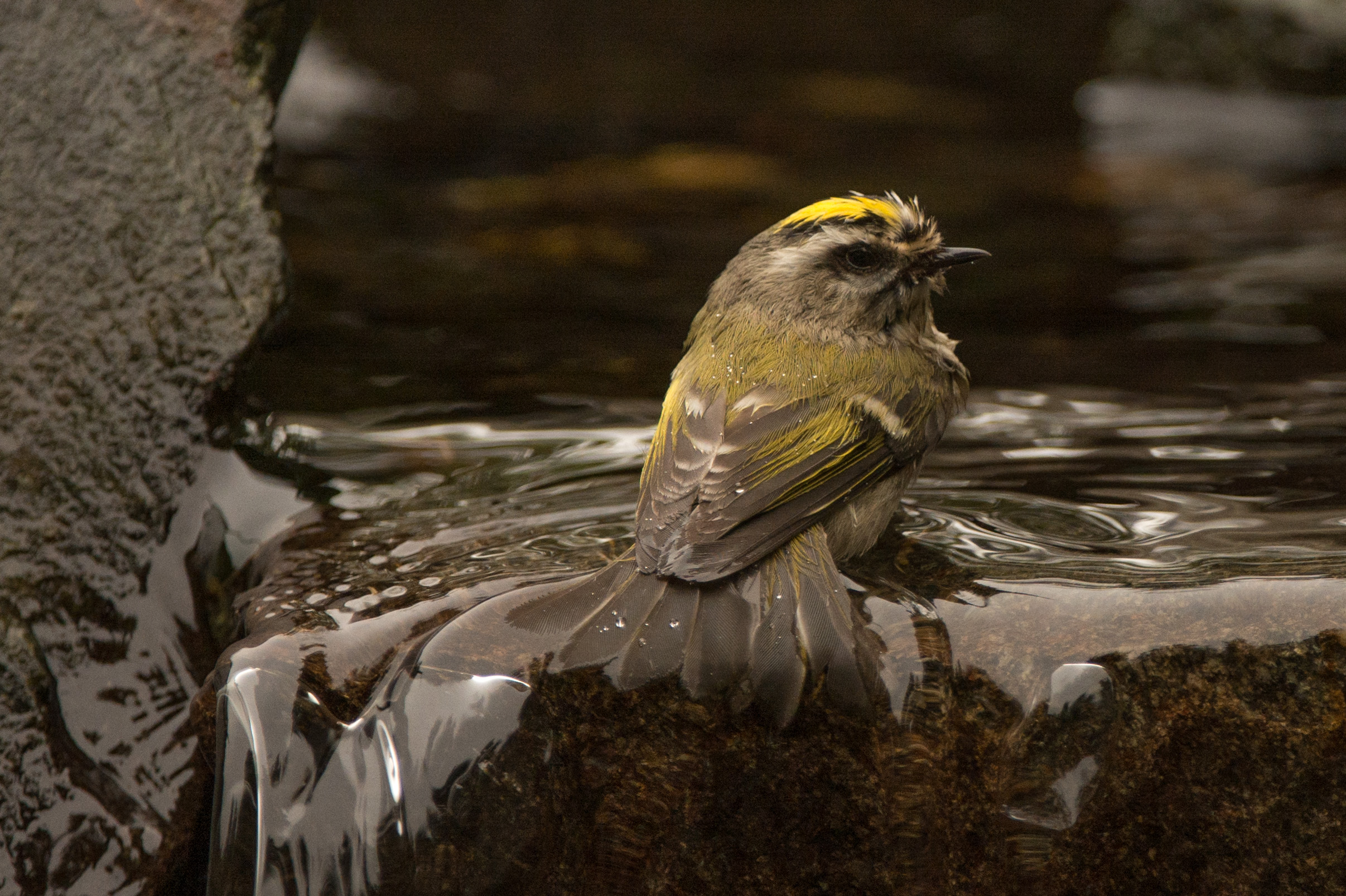
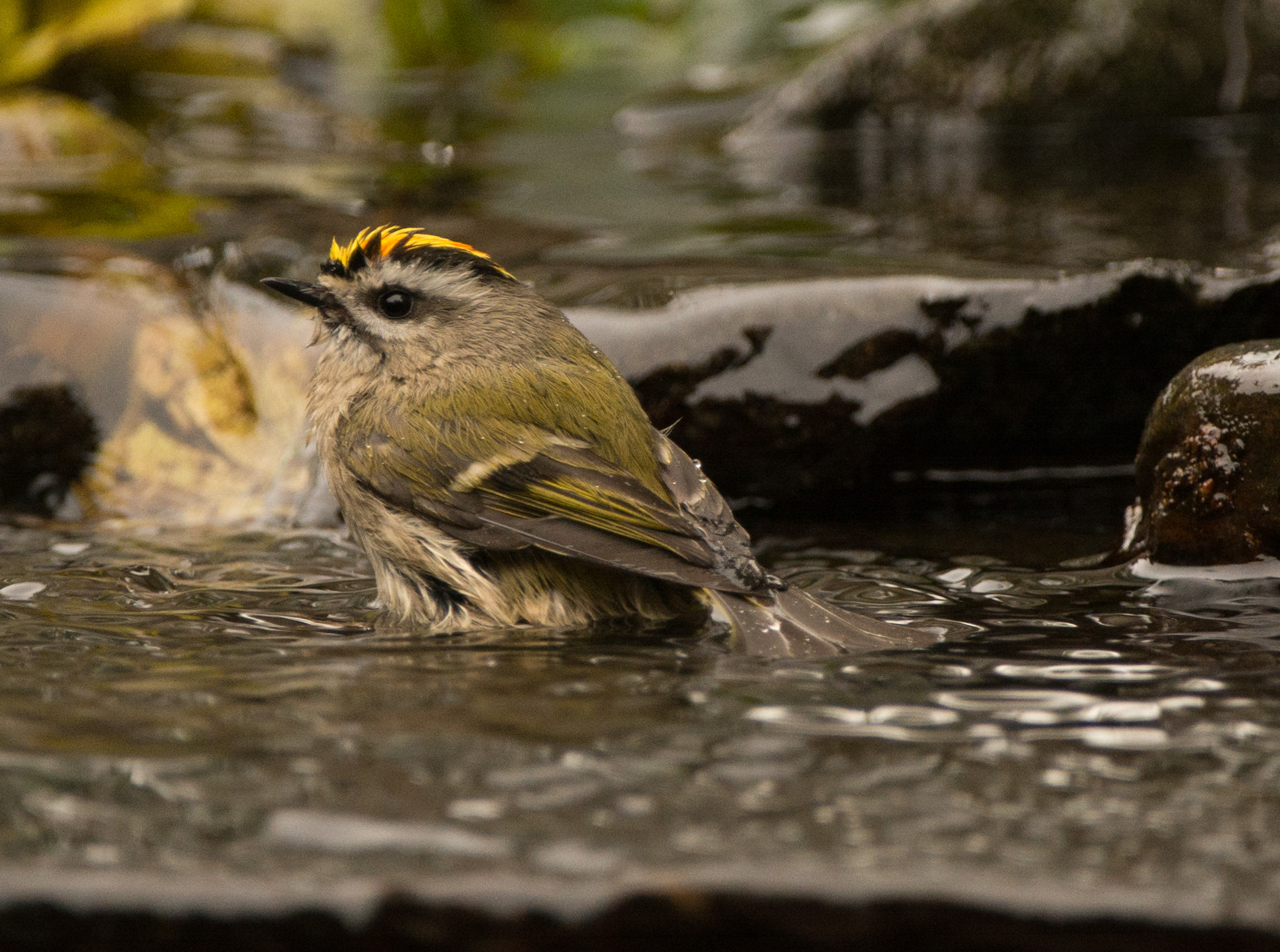
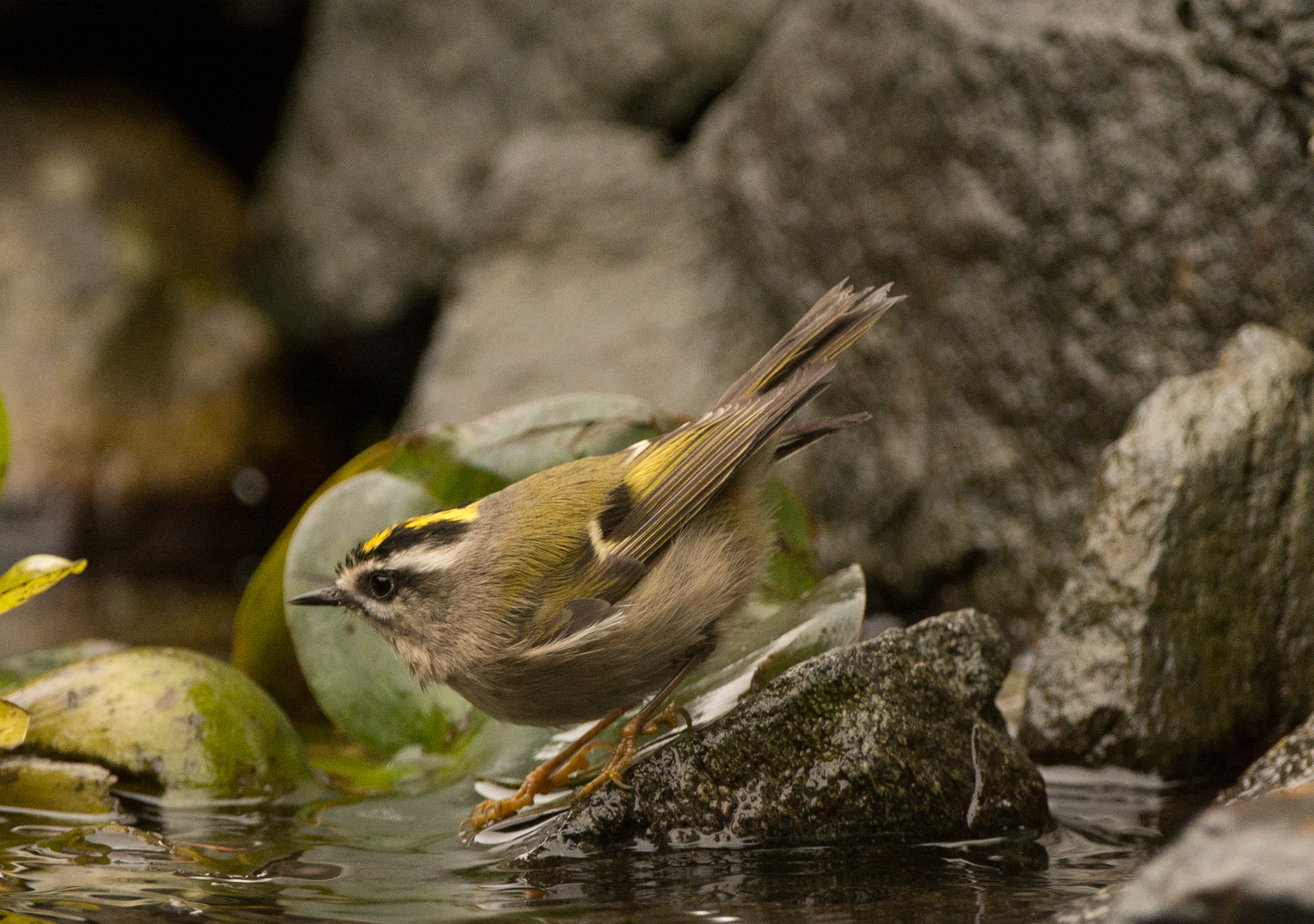
The following photos are of Golden-crowned kinglets.  The males have a ruby stripe through the middle of their gold crown.  Since the males are capable of hiding the ruby stripe, the apparent lack of a stripe cannot be taken as a positive female identification.  However, the males of both species usually reveal the ruby stripe while bathing.  .

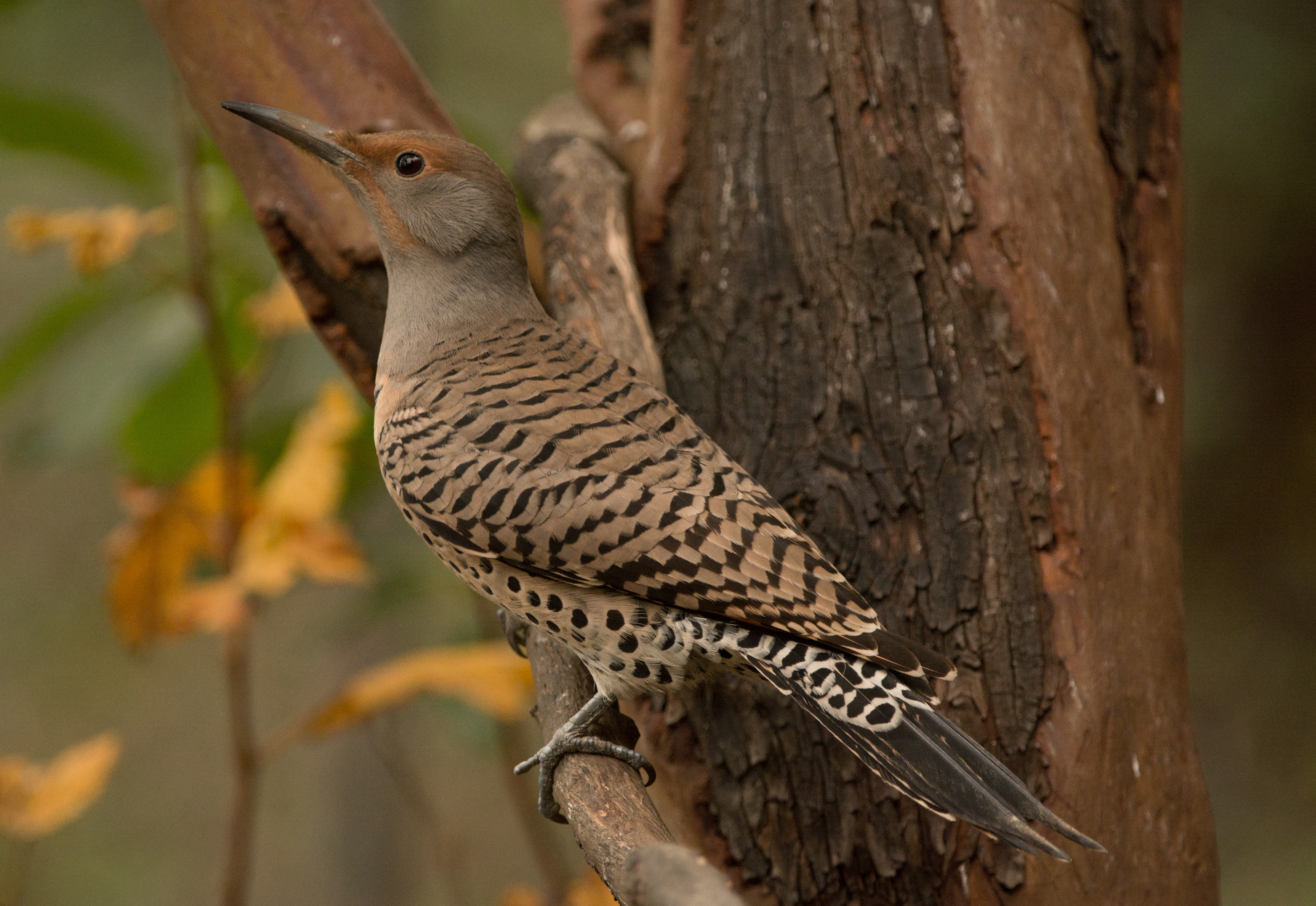
DSC_4063 DSC_4060 DSC_4057 DSC_4038A female Northern flicker…

DSC_4101

And finally, a Chestnut-backed chickadee searching for a hiding location for a sunflower seed.
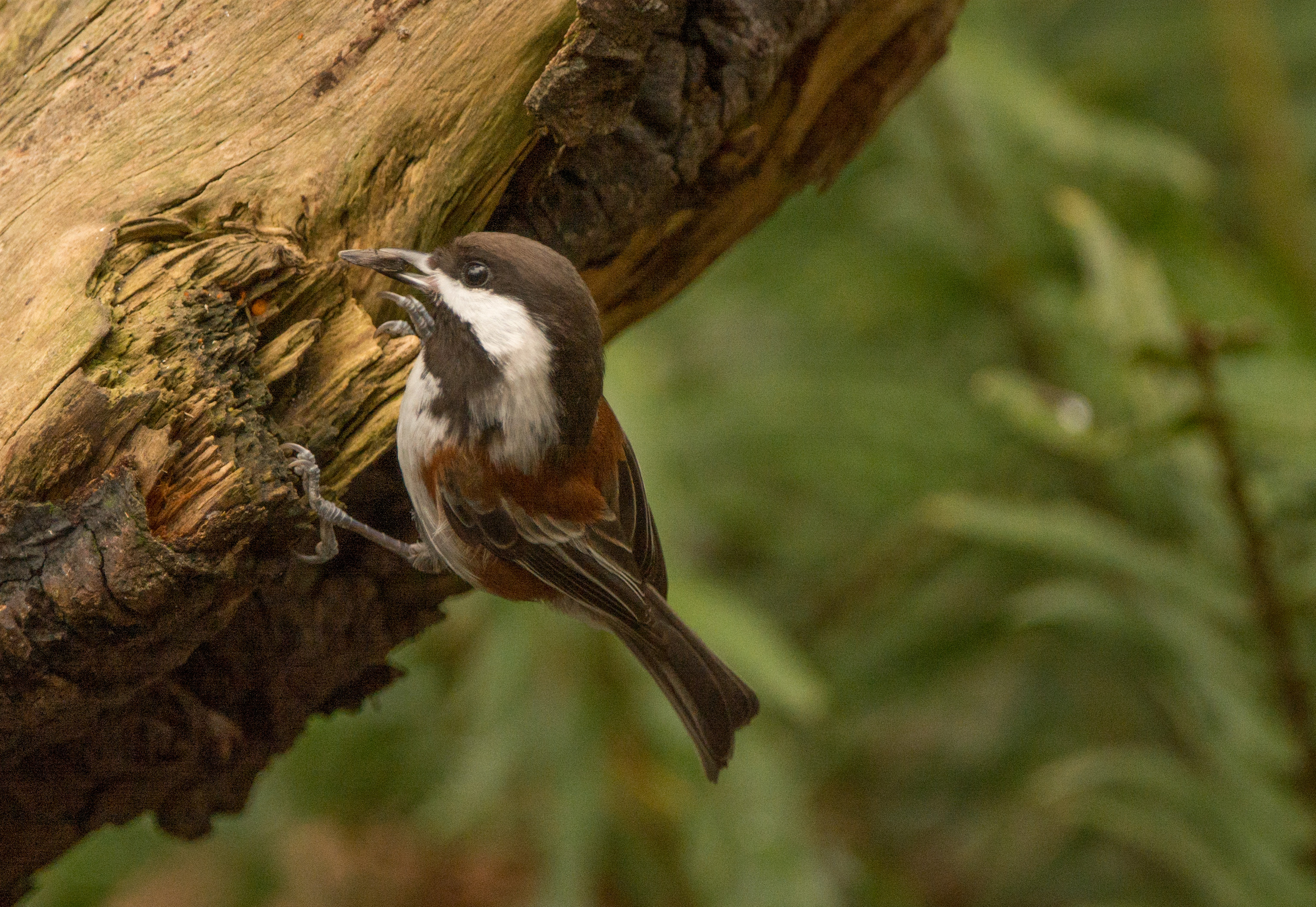
DSC_4081


Last of the Bosque del Apache

It’s been awhile since my last post.  I broke a bone in my foot immediately prior to leaving for New Mexico, upon returning home the weather has deteriorated and the Christmas season is upon us.  I’m going to post a few more photos from New Mexico and then get back to Skagit County.

The following photos were all taken at the Randall Davey Audubon Wildlife Sanctuary at the end of Canyon Road in Santa Fe.  The location is usually a great place to photograph birds, but for some reason this year was an exception and there weren’t that many avian visitors.  Unfortunately the property is poorly organized for bird photography and the feeders are poorly located and maintained.

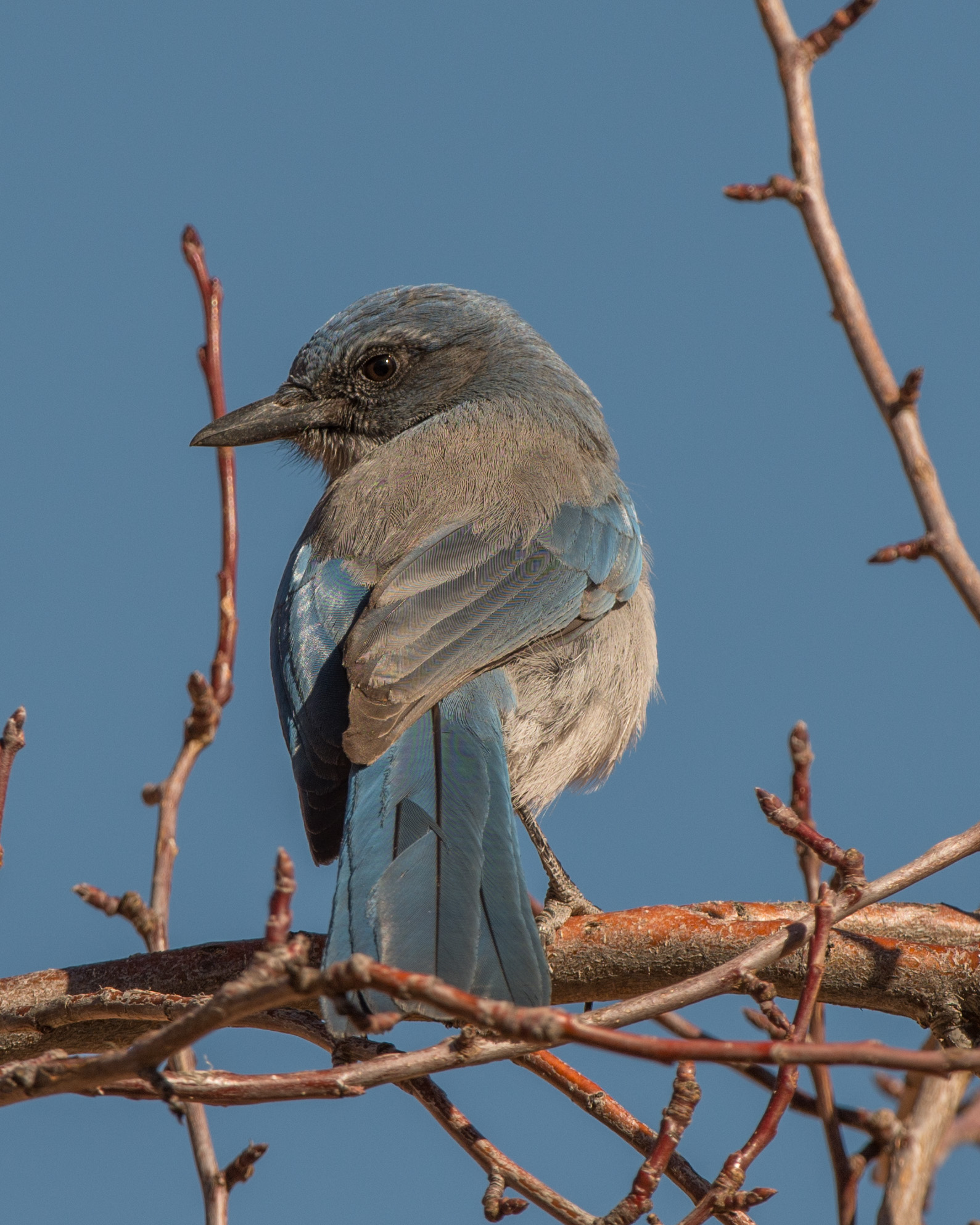
This is a photo of a Western Scrub jay at the center, unfortunately not as good as some of the ones I managed to take of this species in my yard in Skagit County.

Jay, Western Scrub 20151114-02
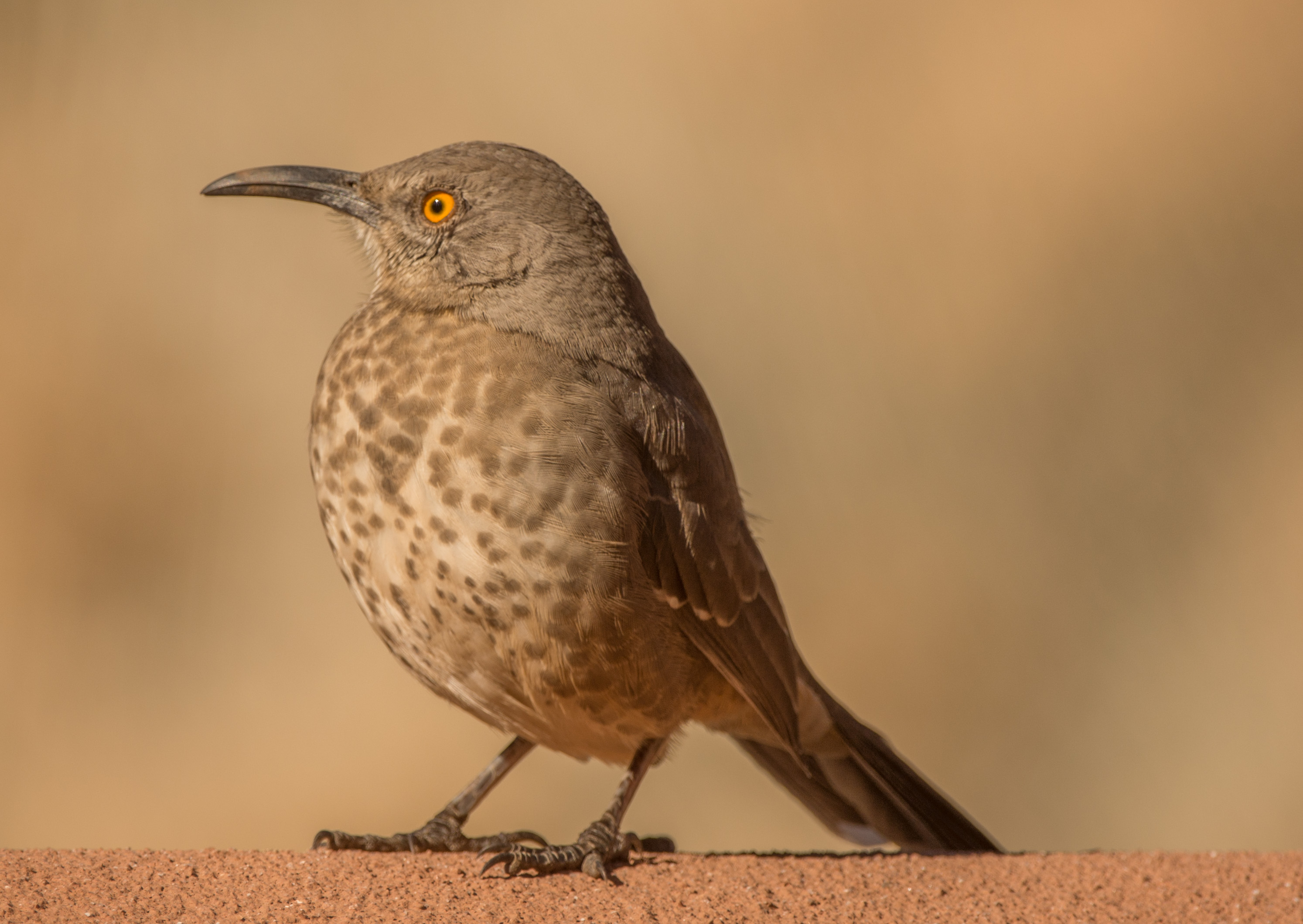
There are usually a Curve-billed thrasher or two visiting the preserve intermittently…

Thrasher, Curve-billed 20151114-01
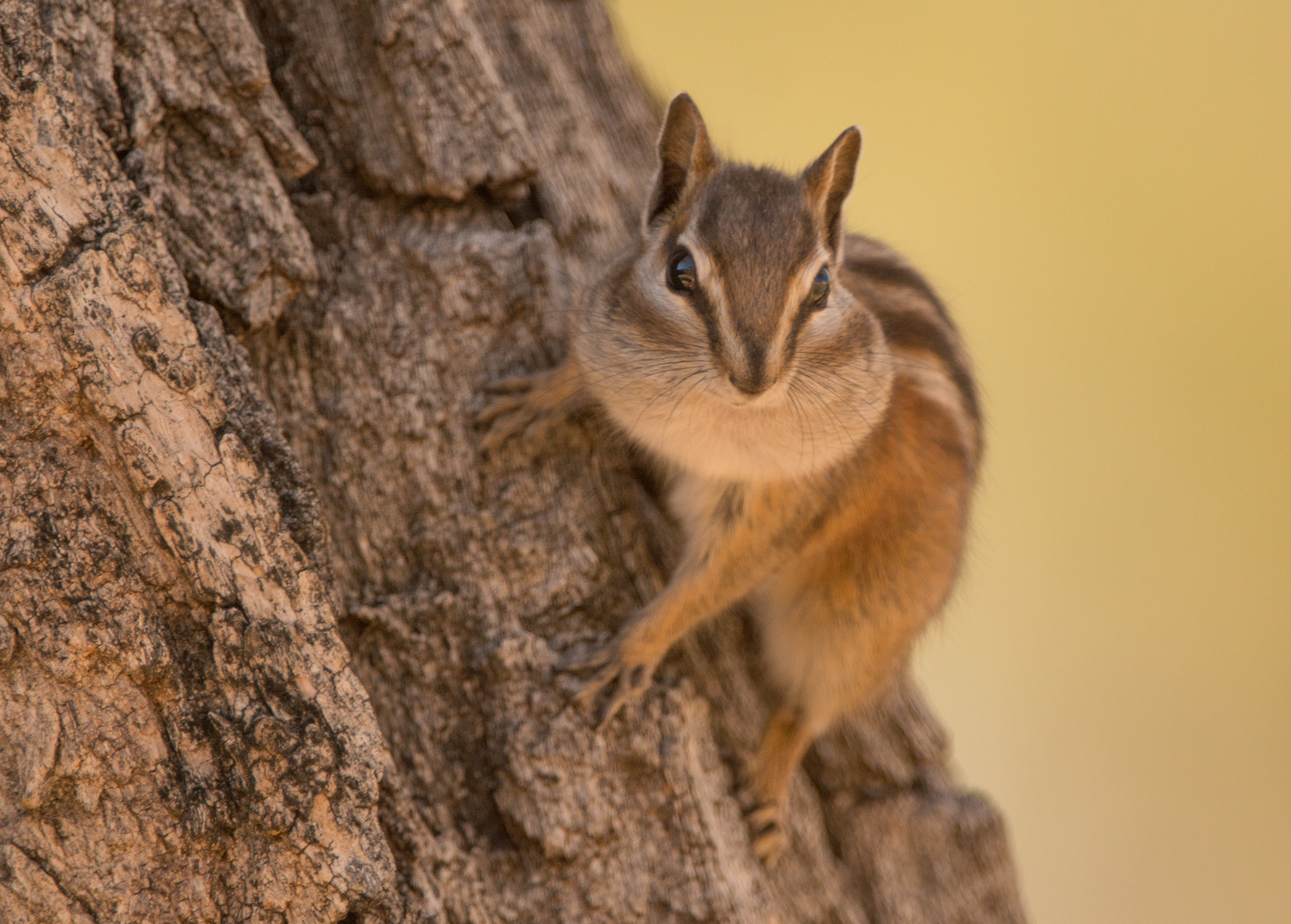
And finally, a chipmunk competing for the seed that has spilled onto the ground from the feeders.  This chipmunk has either filled its cheeks or has a bad case of the mumps!

Chipmunk, Least 20151114-06

Bosque del Apache – II

For the second year in a row we were at the Bosque del Apache NWP just the week before their Festival of the Cranes, an event that attracts birders and photographers from all over the US.  From my point of view it’s not the ideal time to visit as there are a lot more people at the preserve and in preparation for the festival there are activities that are disruptive to both wildlife and photography.  But I make the most of the situation.

The photographers are almost ludicrous!  In the early morning there are scores lined up along bodies of water taking photos of the Sandhill cranes flying off to feed in the farm fields.  The next time I go I need to take some photos of the photographers.  Almost all of them have lenses that put mine to shame, and many are toting large camera bags and tripods to boot.

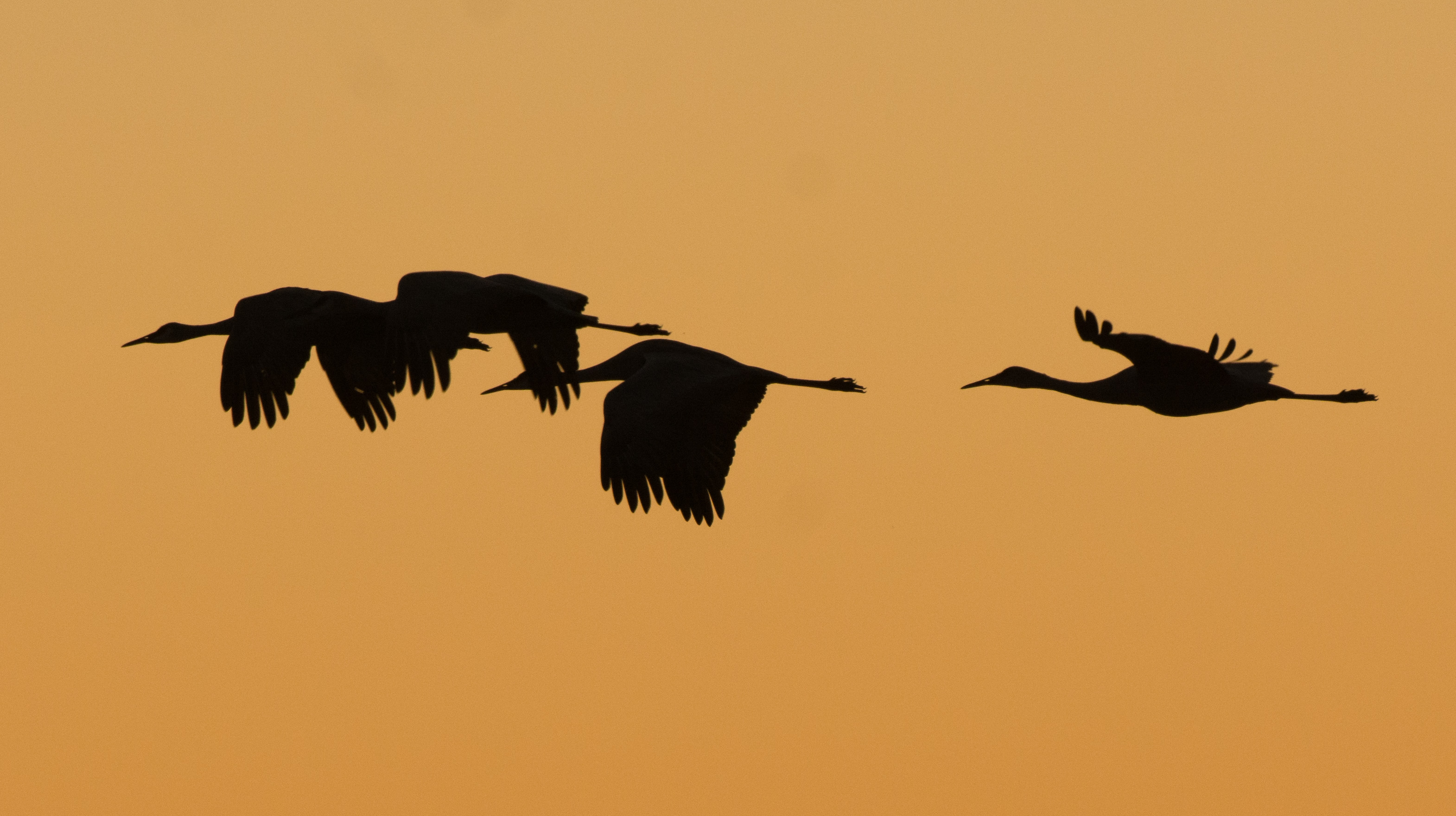
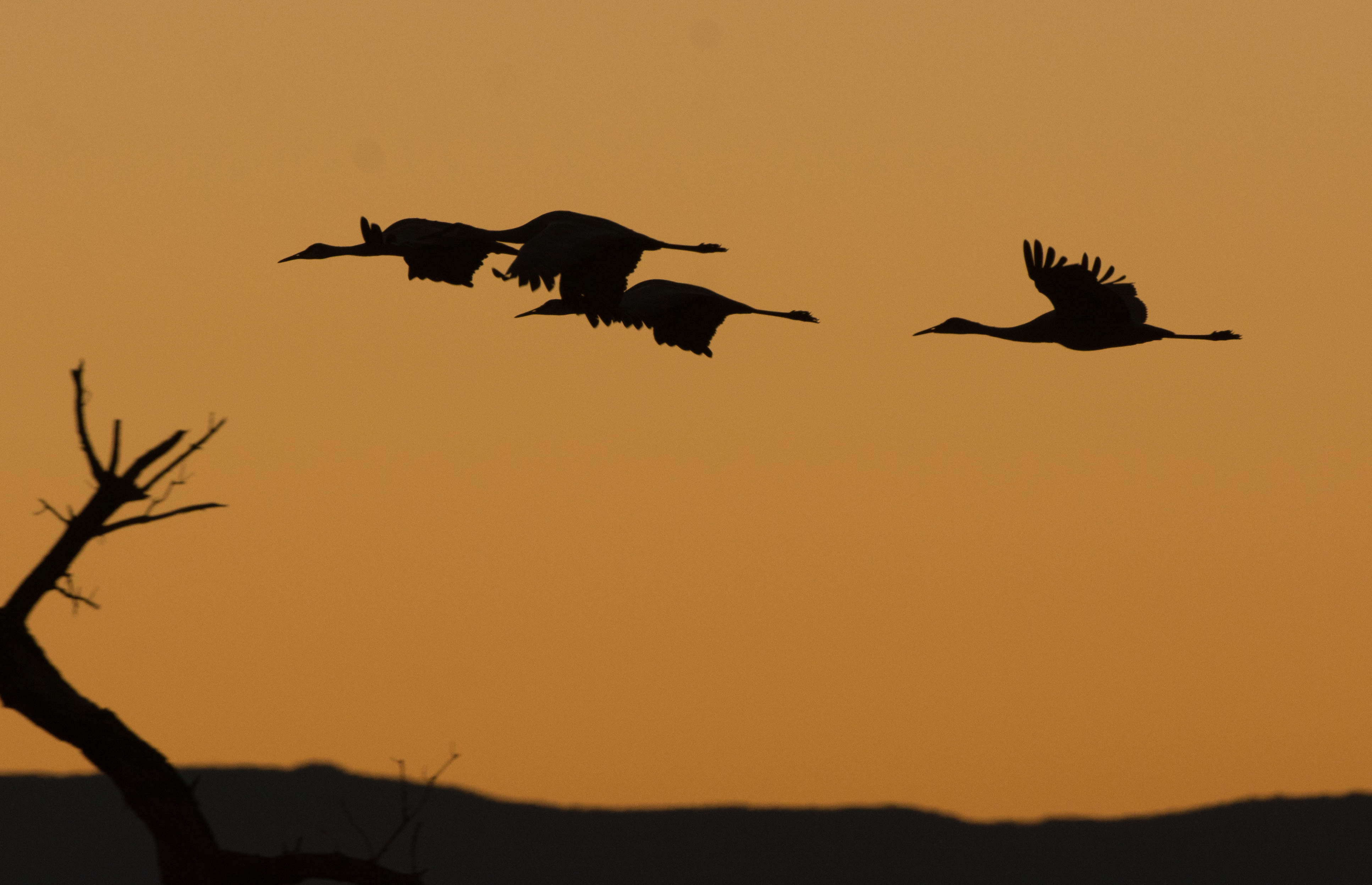
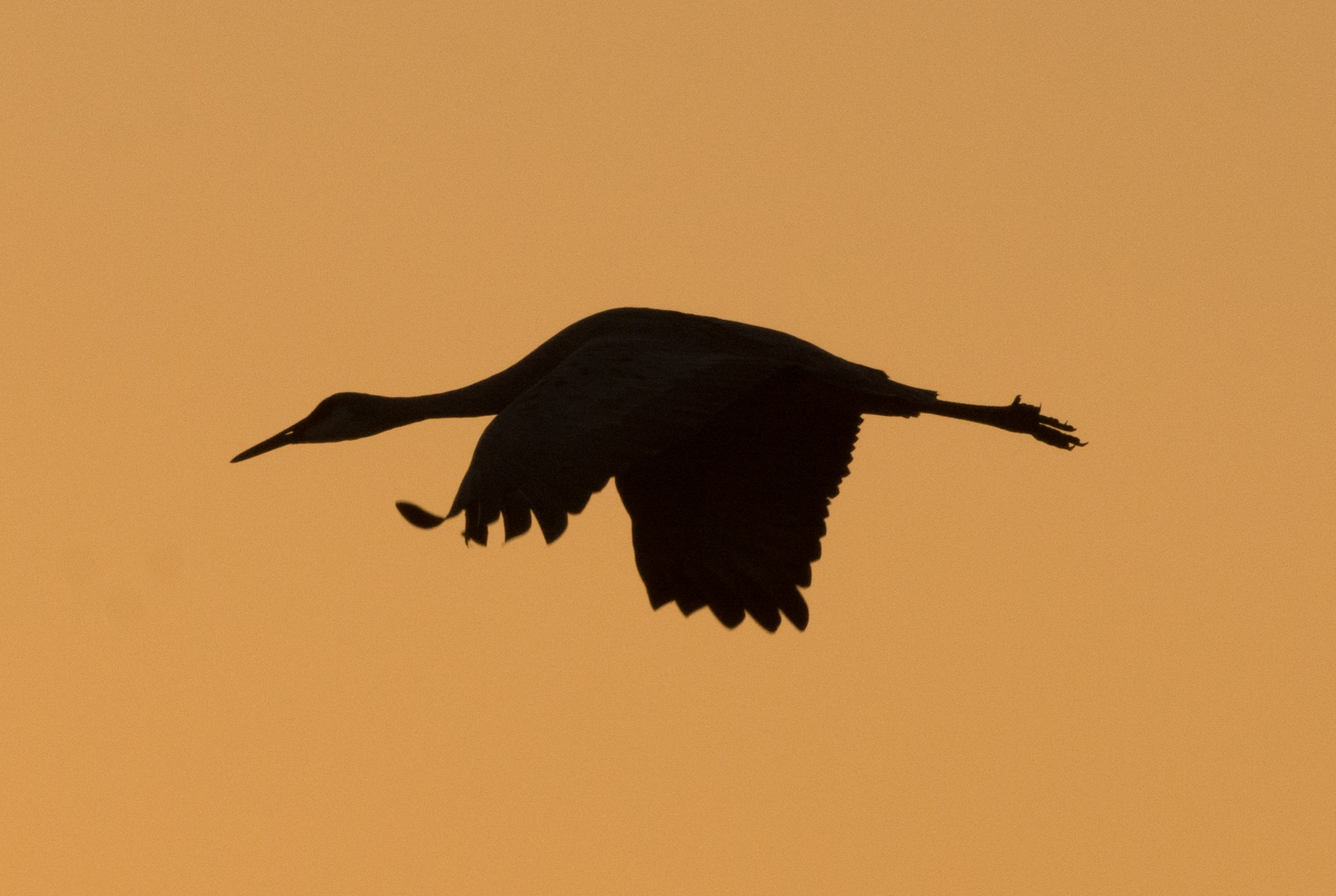
There are two main ways to shoot the cranes at the fly-off in the morning.  If you get a colorful sunrise you shoot silhouettes of the cranes against the sky.  After the sun comes up you try to shoot in the other direction (if there are any cranes left), with the morning sun shining on the cranes.  This usually results in a rapid repositioning of the photographers for the shots.

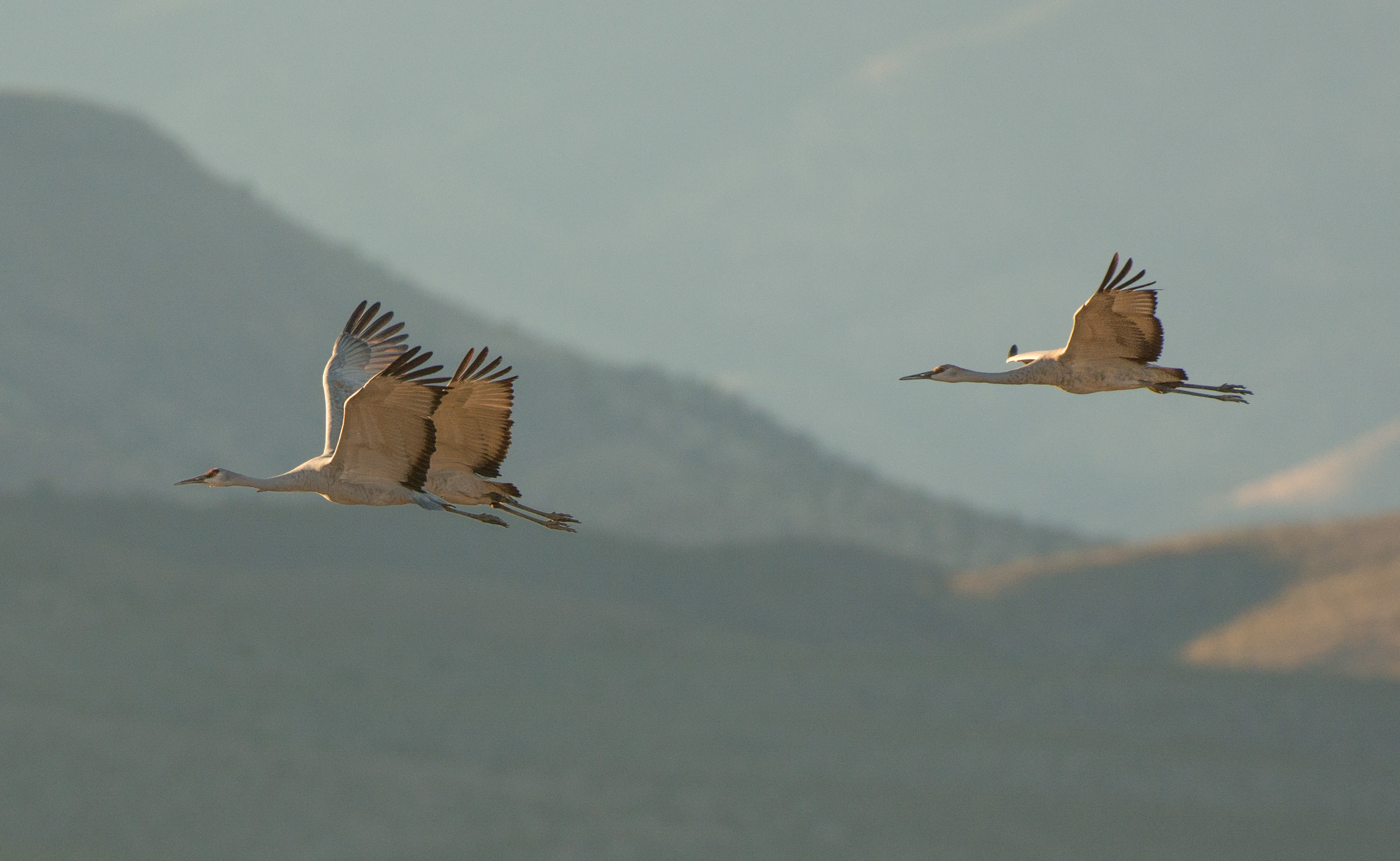
Here are some of my photos of the Sandhill cranes...

Crane, Sandhill 20151112-02 Crane, Sandhill 20151112-01 Crane, Sandhill 20151112-17

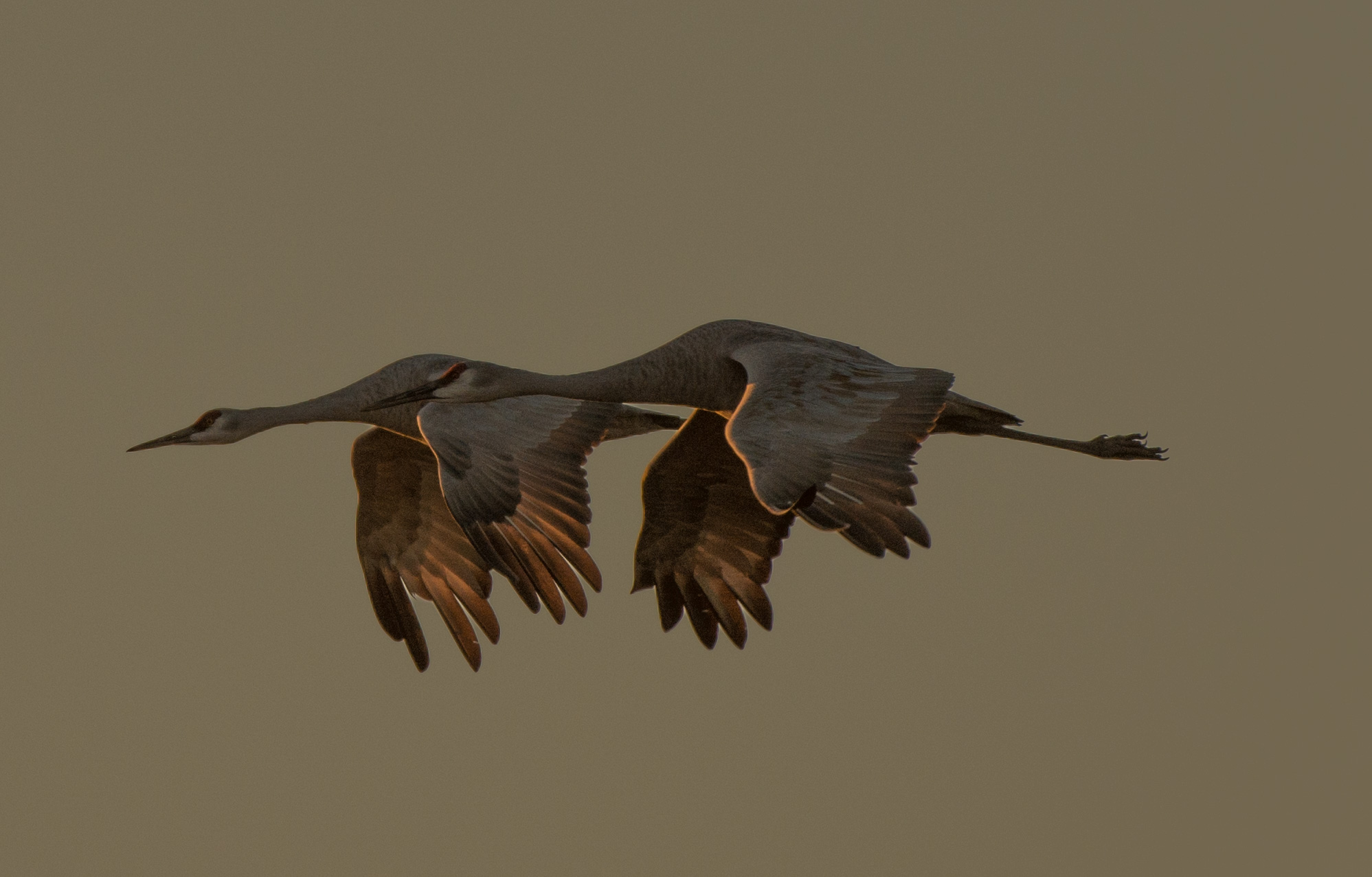
Switching directions (as outlined above), here is a photo of the cranes with the early morning sun on them…

Crane, Sandhill 20151112-51

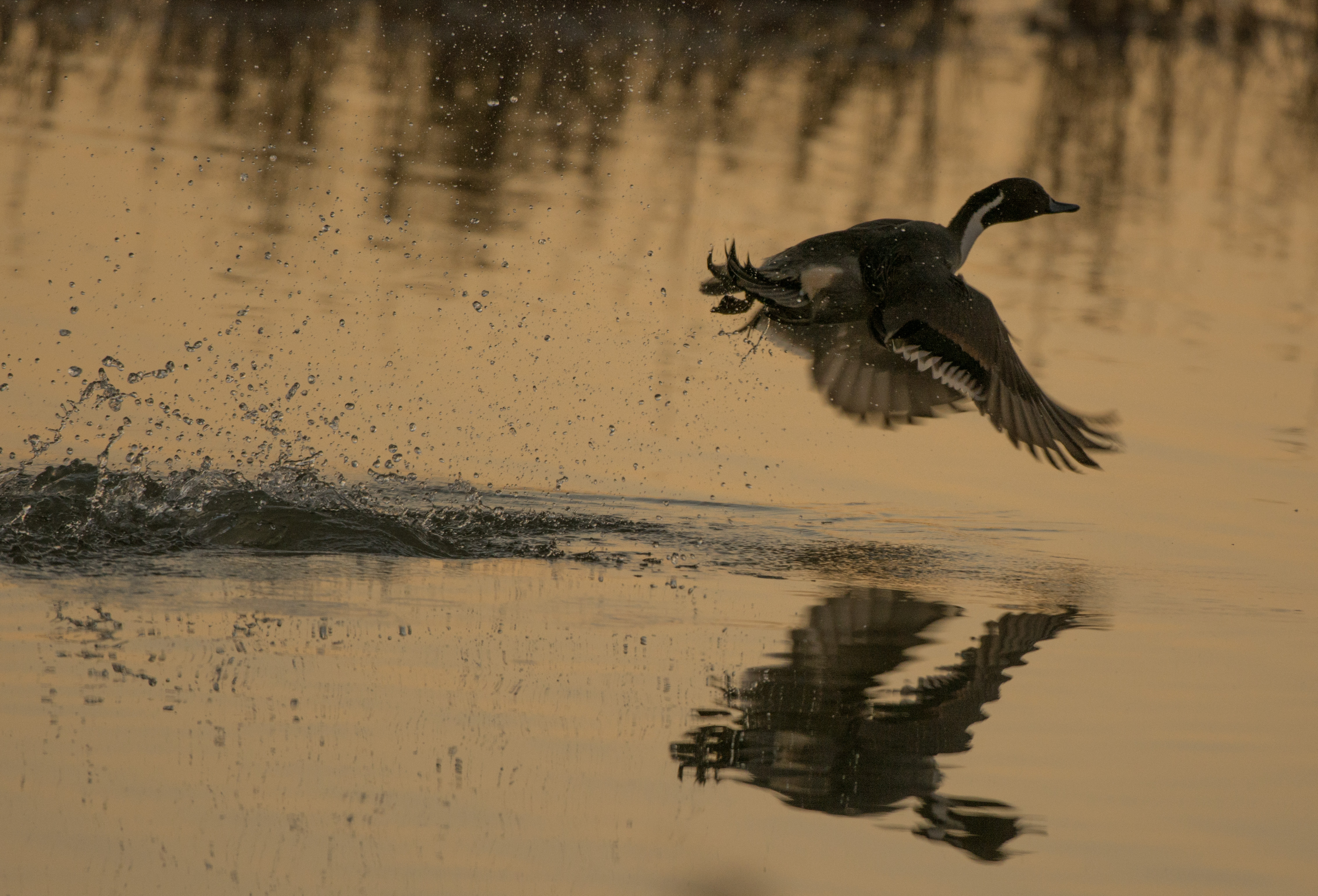
In addition to the cranes, there are thousands of ducks and geese on the preserve.  Here is a pre sunrise photo of a Northern pintail taking off.

Pintail, Northern 20151112-09
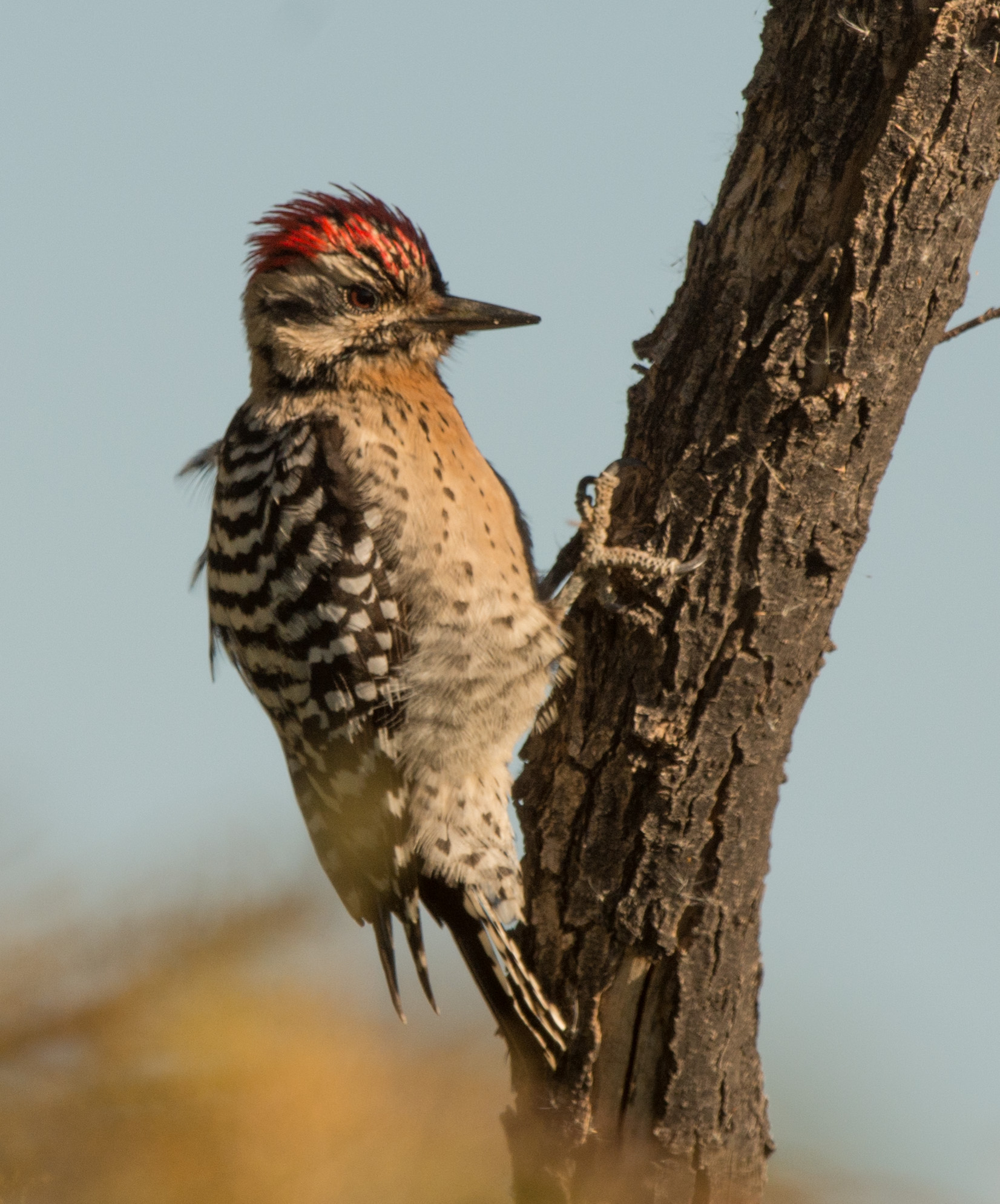
After sunup come the daily mop-up operations… touring the preserve and surrounding areas looking for photographic opportunities… such as the Ladder-backed woodpecker…

Woodpecker, Ladder-backed 20151112-01

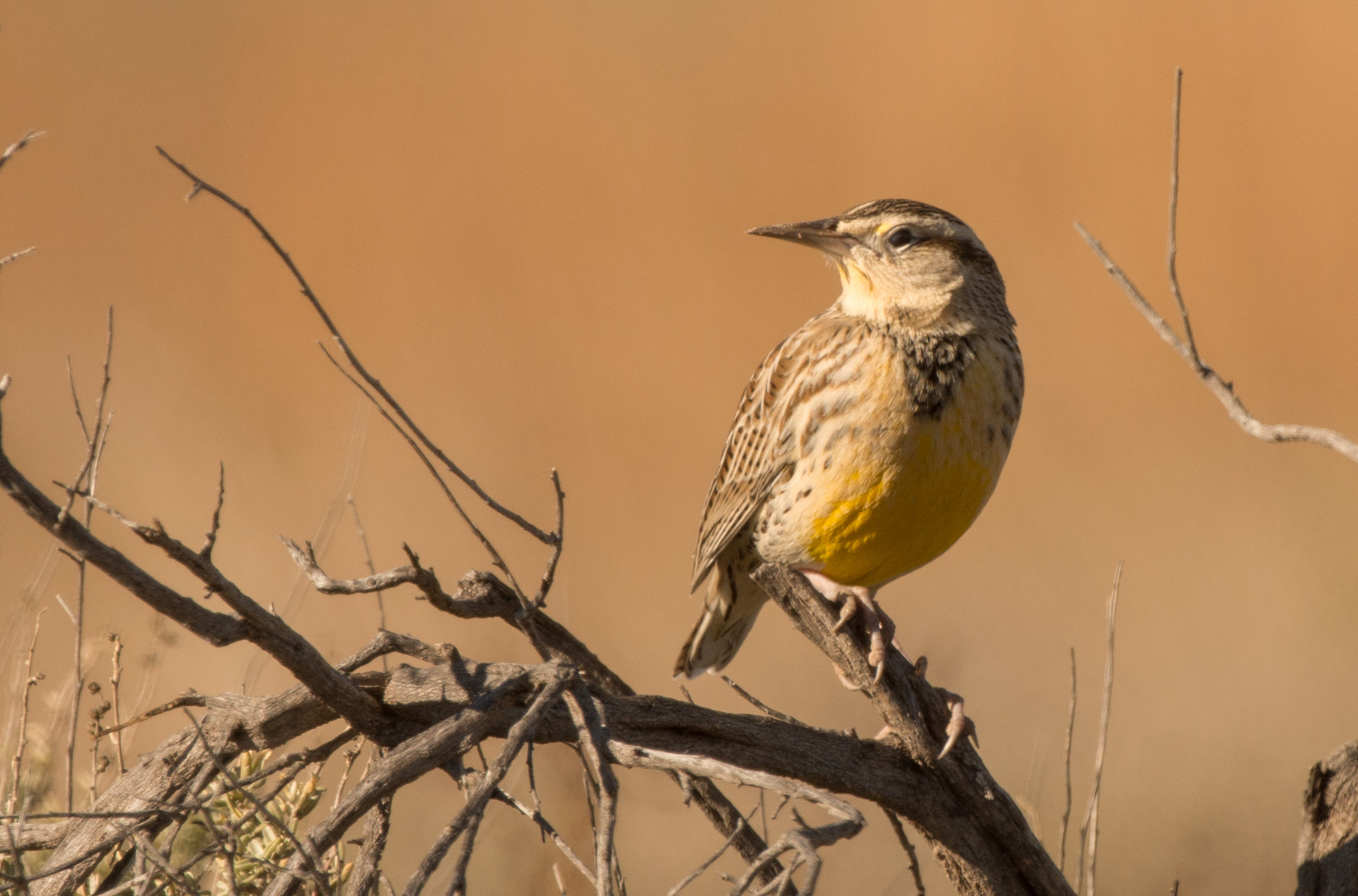
this meadowlark NOT sitting on a wire or fencepost (!)… and

Meadowlark 20151112-03


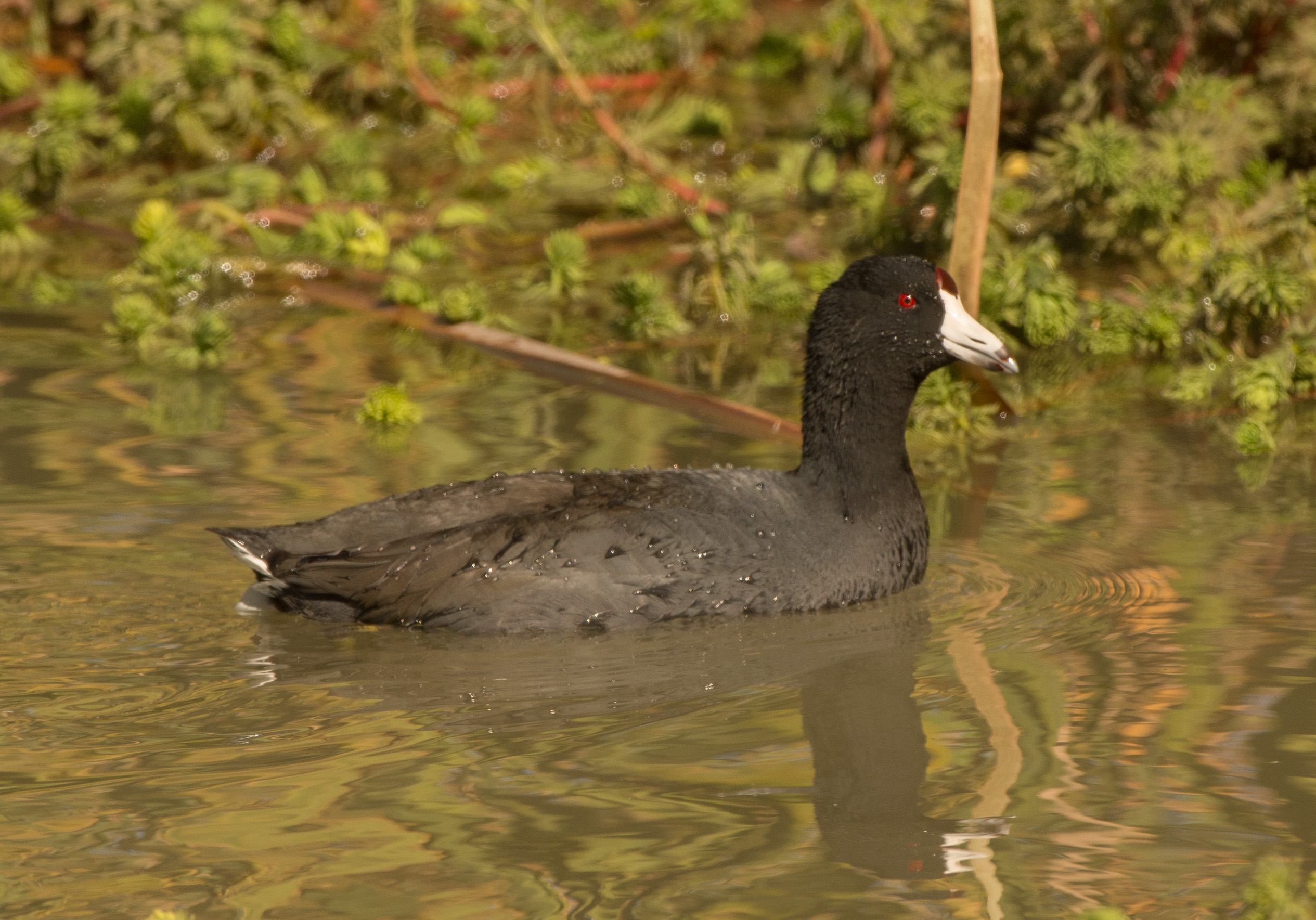
this American coot working one of the irrigation canals.

Coot, American 20151112-02


Bosque del Apache NWR – New Mexico

Earlier in November I took a birding trip to the Bosque del Apache NWR which is located about an hour and a half south of Albuquerque, NM.  It’s one of my favorite birding areas and at this time of year features thousands of Snow geese and Sandhill cranes along with many other birds.  I was a little disappointed in the photographic opportunities this year but I really shouldn’t complain.

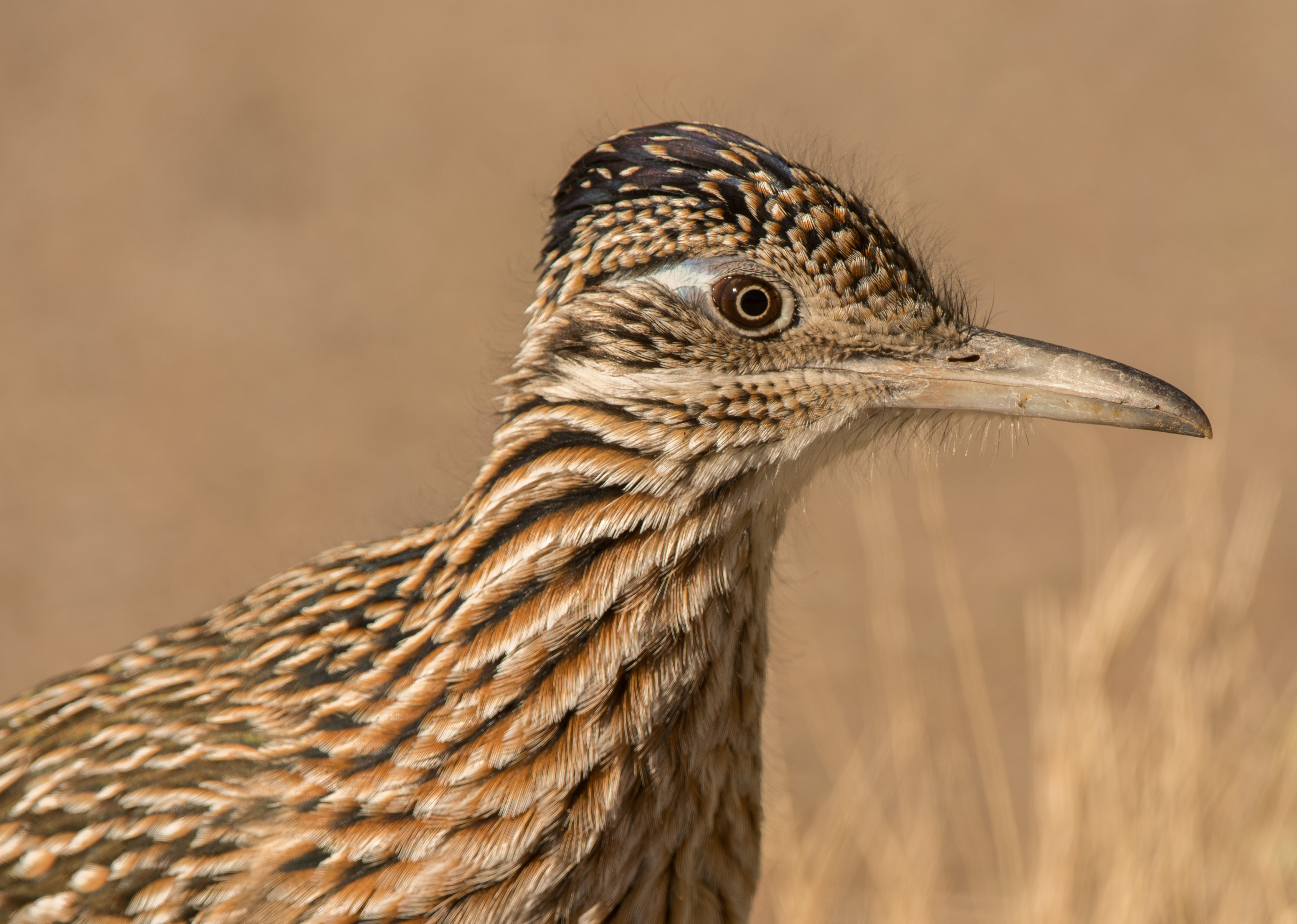
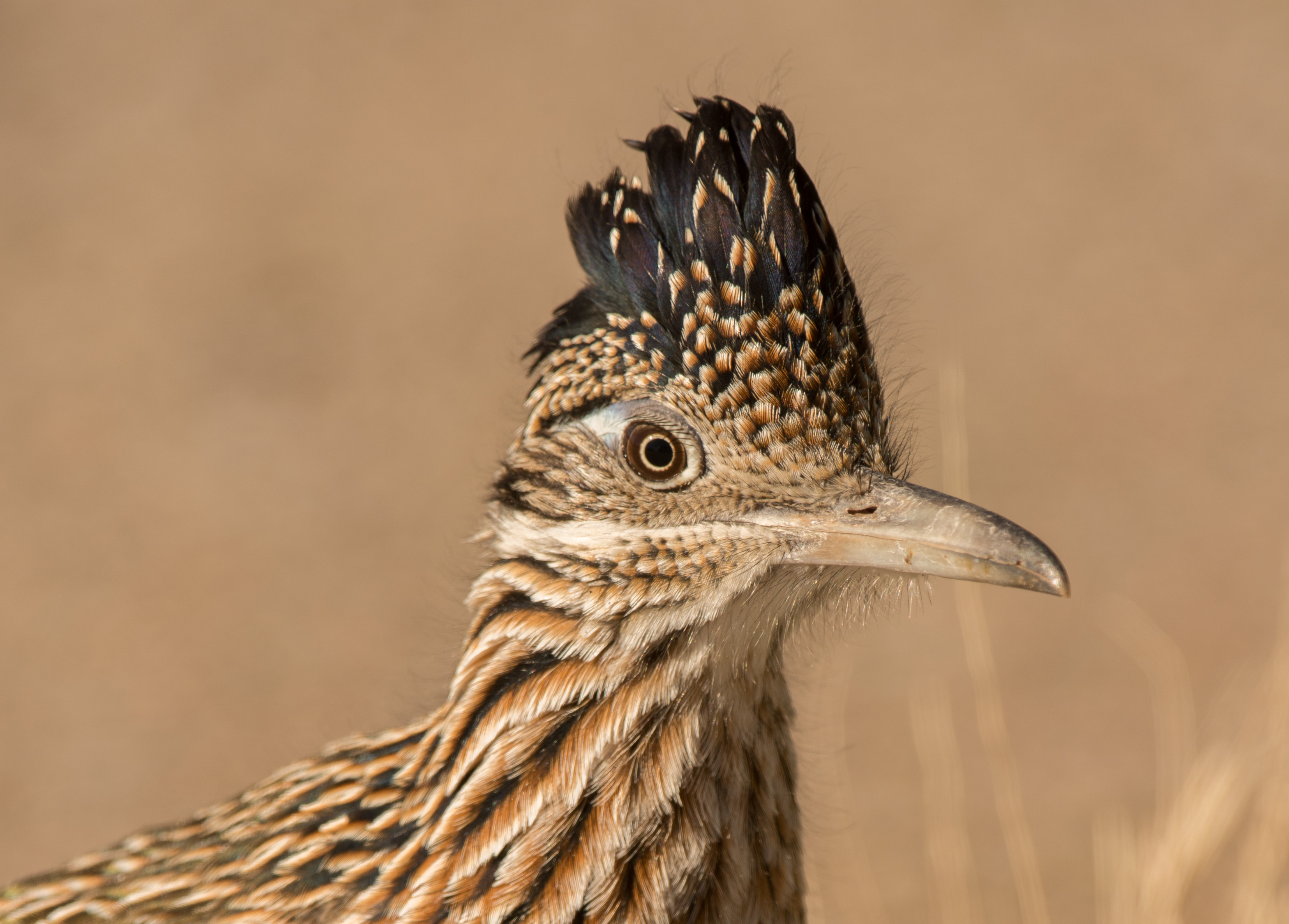
We saw at least seven or eight Greater roadrunners in the refuge…

Roadrunner, Greater 20151111-07 Roadrunner, Greater 20151111-08

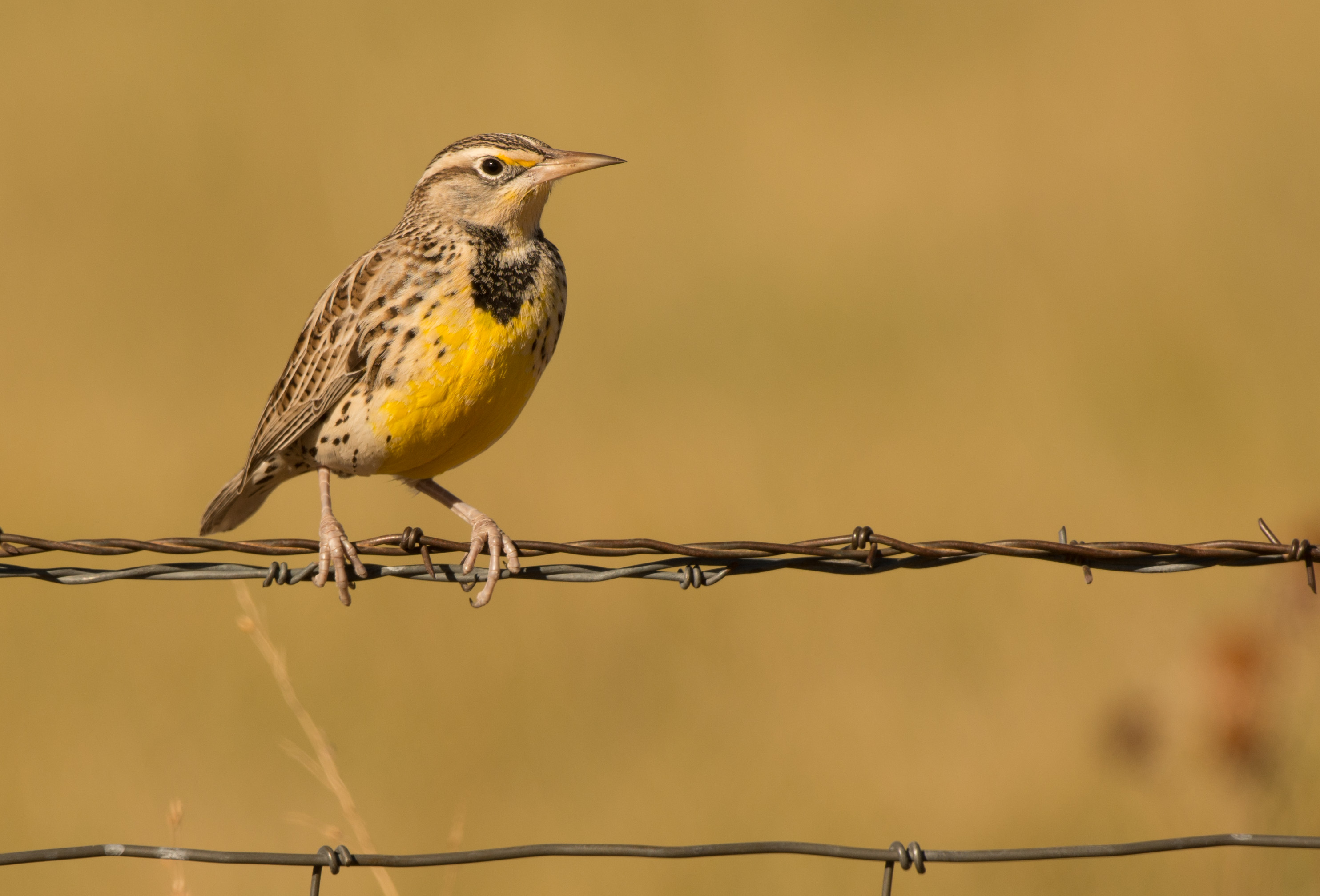
The last stretch of road into the preserve travels through farmland with lots of meadowlarks both on the ground and on the fences.

Meadowlark 20151111-07

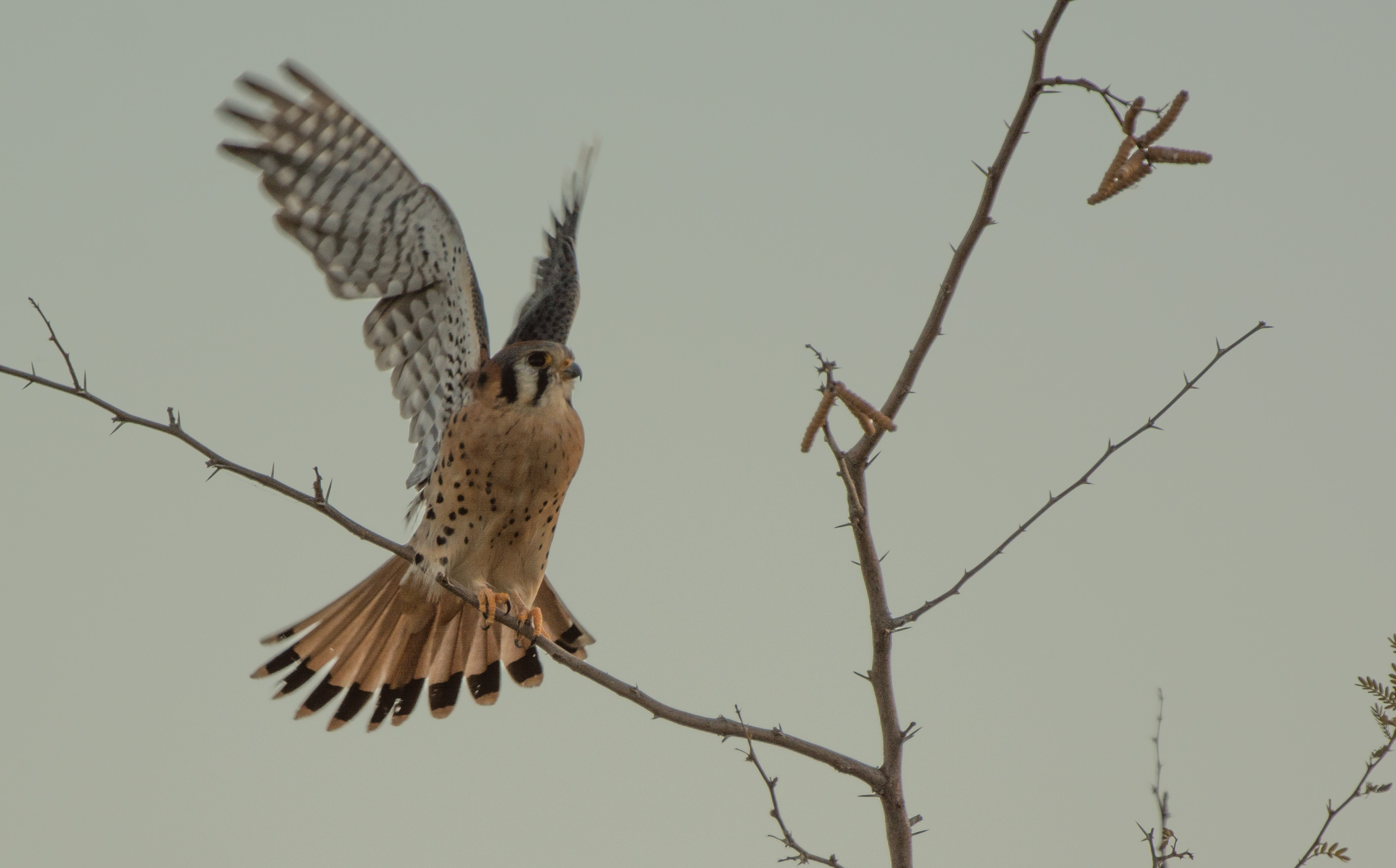
I managed to catch this American kestrel at just the moment before it flew.

Kestrel, American 20151111-09

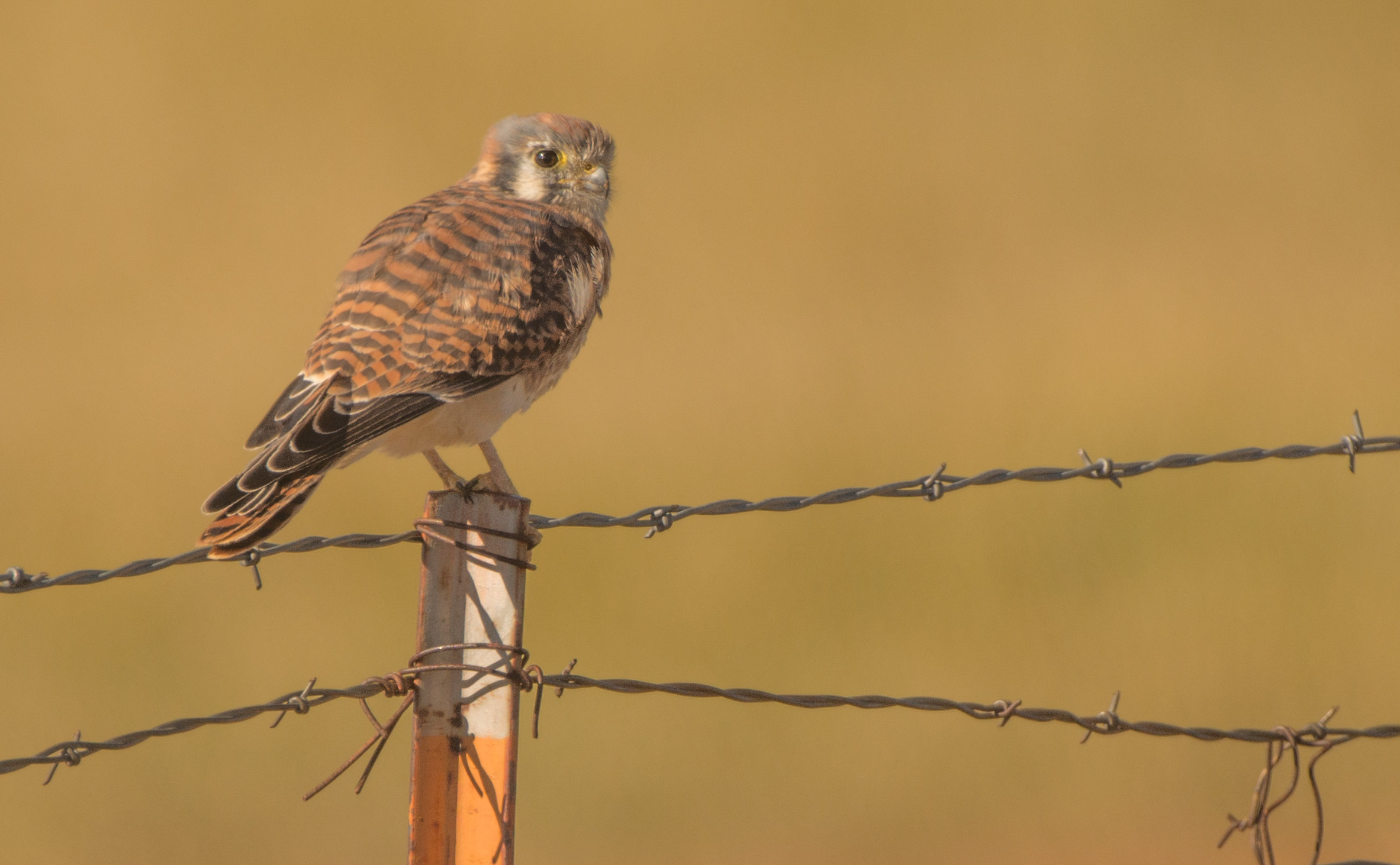
I believe that we saw this same American kestrel on the same fencepost on all three days we visited the preserve.

Kestrel, American 20151111-02


Sandhill cranes returning to spend the night in farm fields.  Many of the farm fields on the refuge are flooded, and the waterfowl and shorebirds spend the night in the water because the water provides early warning of coyotes and other predators that might compromise their safety during the night.

Crane, Sandhill 20151111-15


March Point

On Sunday, November 1, 2015 I set out in the hopes that the Long-billed curlew might again be in the fresh-water pond near the Northern Lights Casino.  On the way there, on West March Point Road, I found the curlew in the middle of the road.  The only other vehicle I encountered on the drive overtook me and spooked the curlew, and it appeared to fly behind the fence surrounding the refinery.

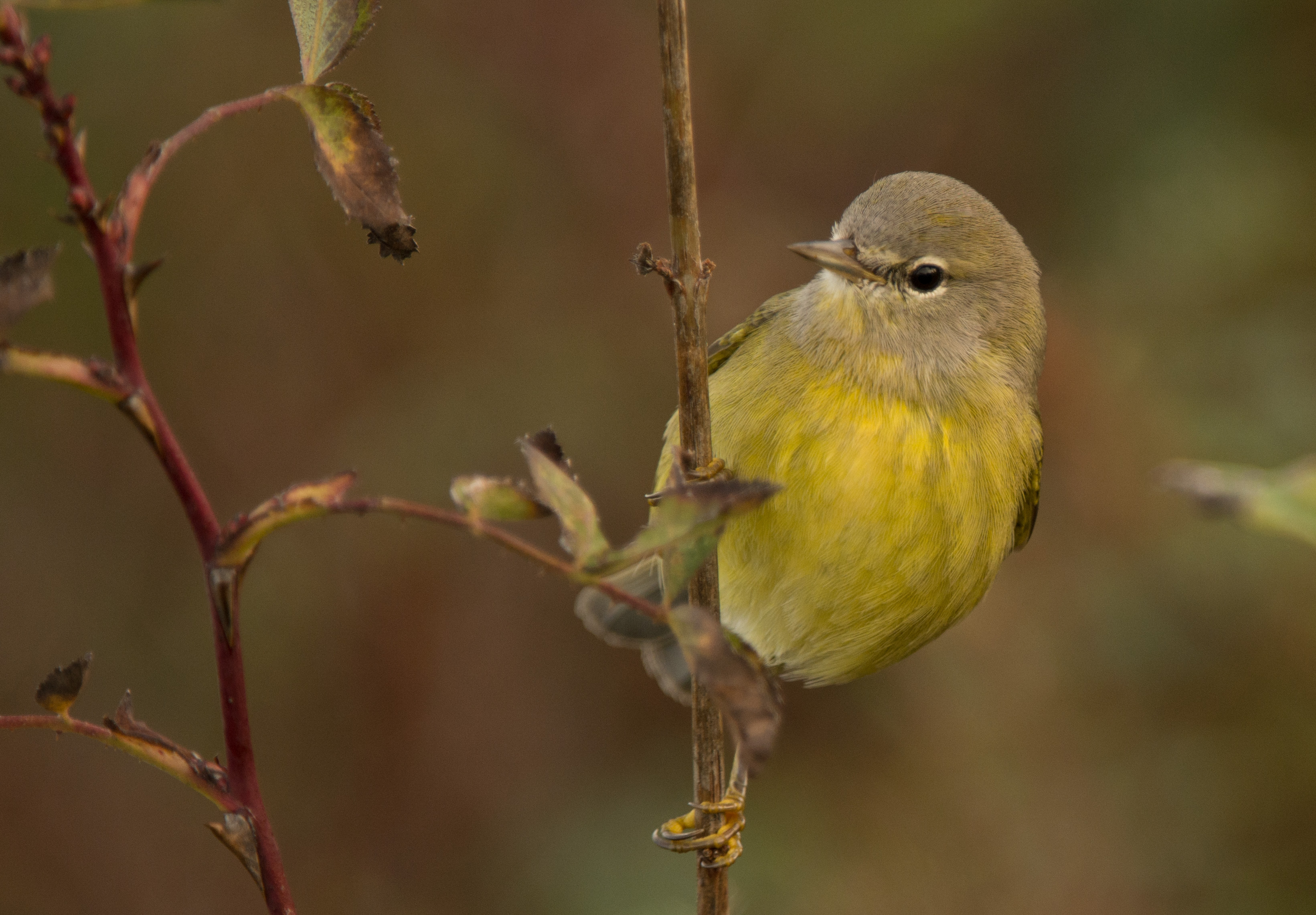
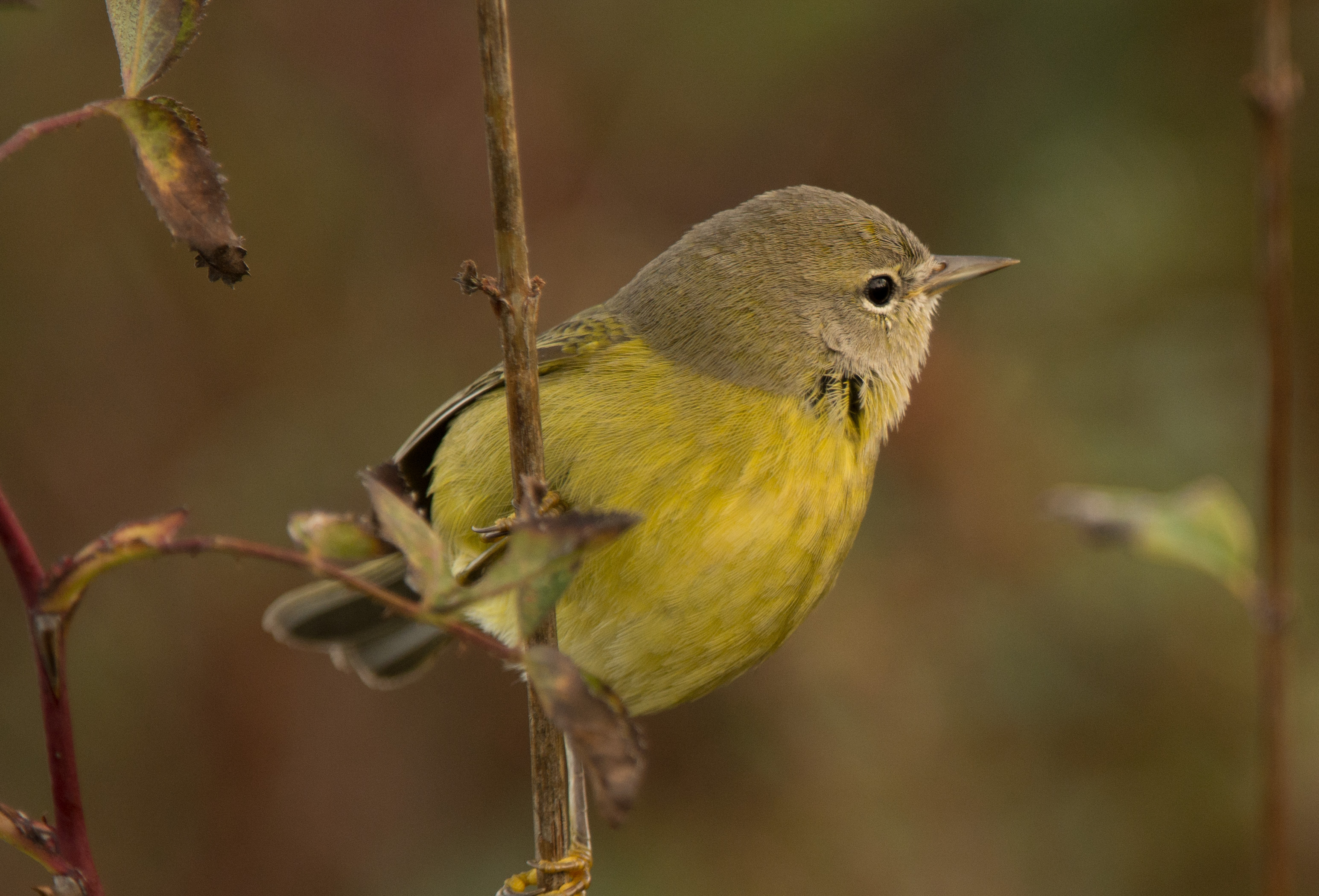
However I made the most of the trip, photographing this Orange-crowned warbler along the way…

Warbler, Orange-crowned 20151101-05 Warbler, Orange-crowned 20151101-10

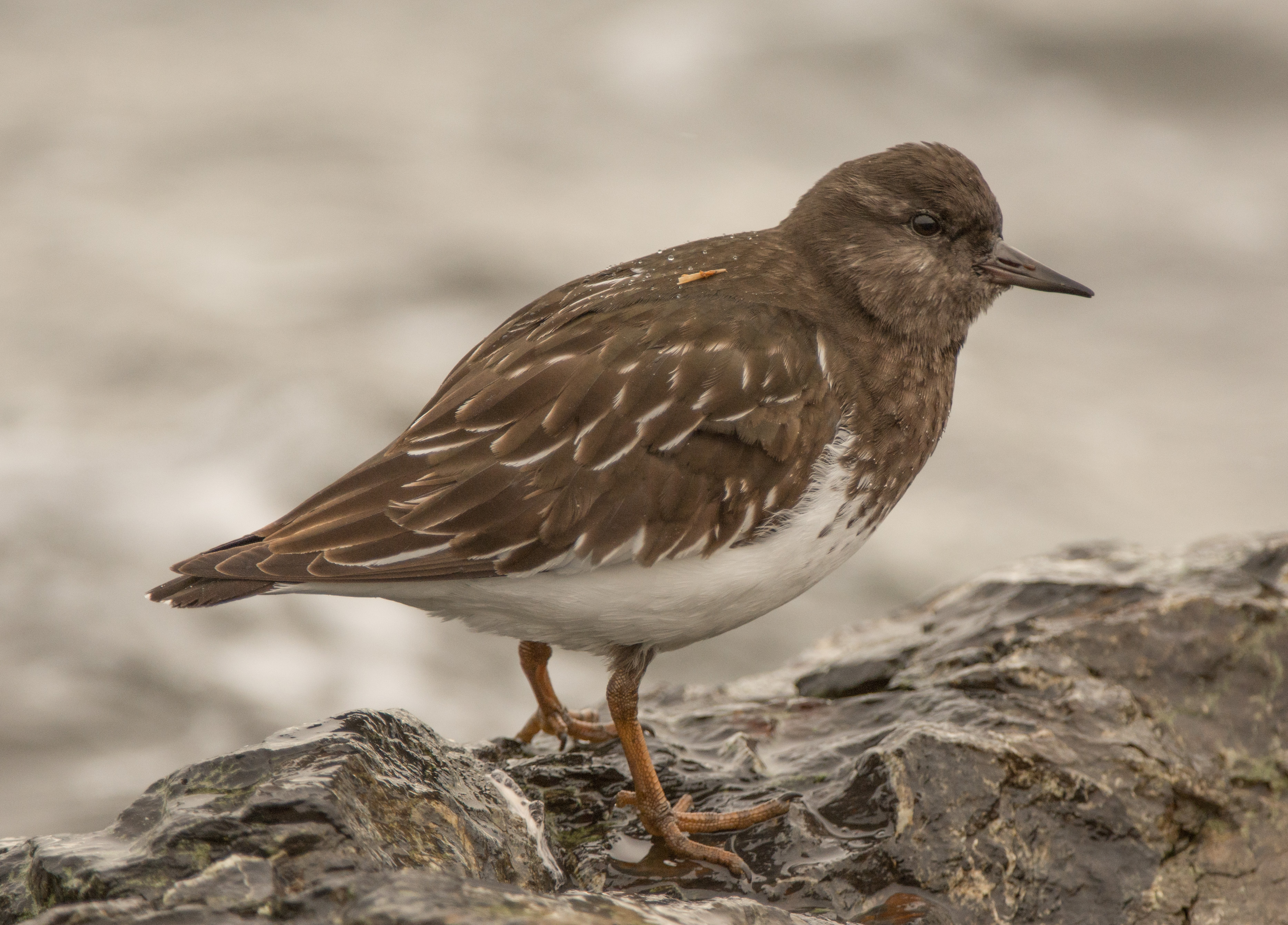
I also obtained several interesting photos of Black turnstones feeding in adverse conditions, moving onto and around logs that were being moved by the wind and waves.

Turnstone, Black 20151101-20 Turnstone, Black 20151101-06

And what can offer keener sight than a pair of Bald eagles eyes?  Two pairs of eagle eyes!

Eagle, Bald 20151101-02