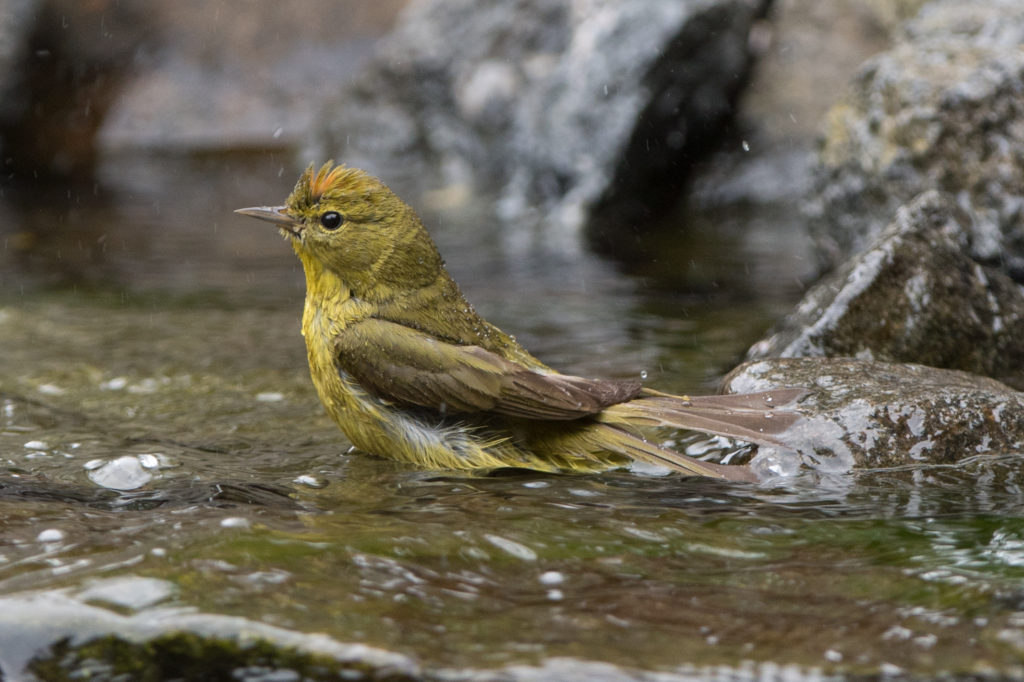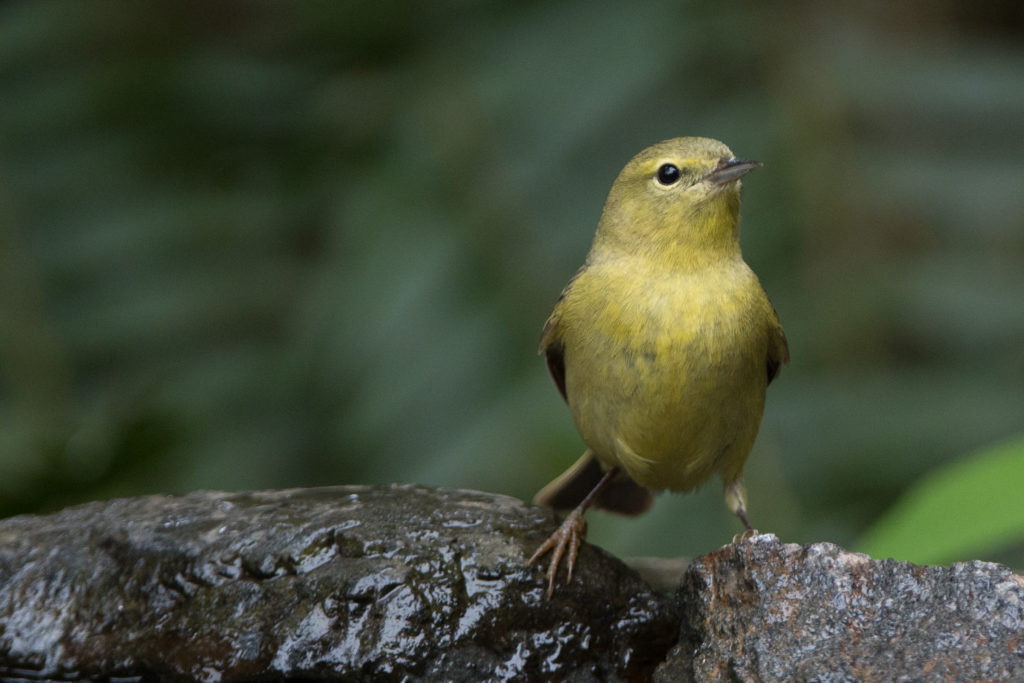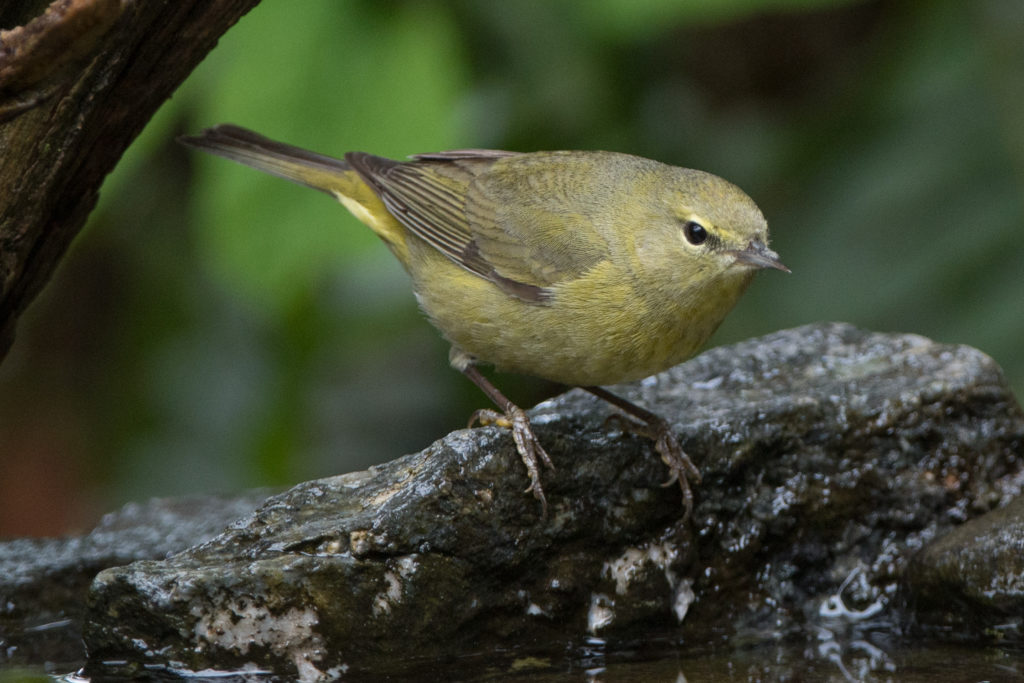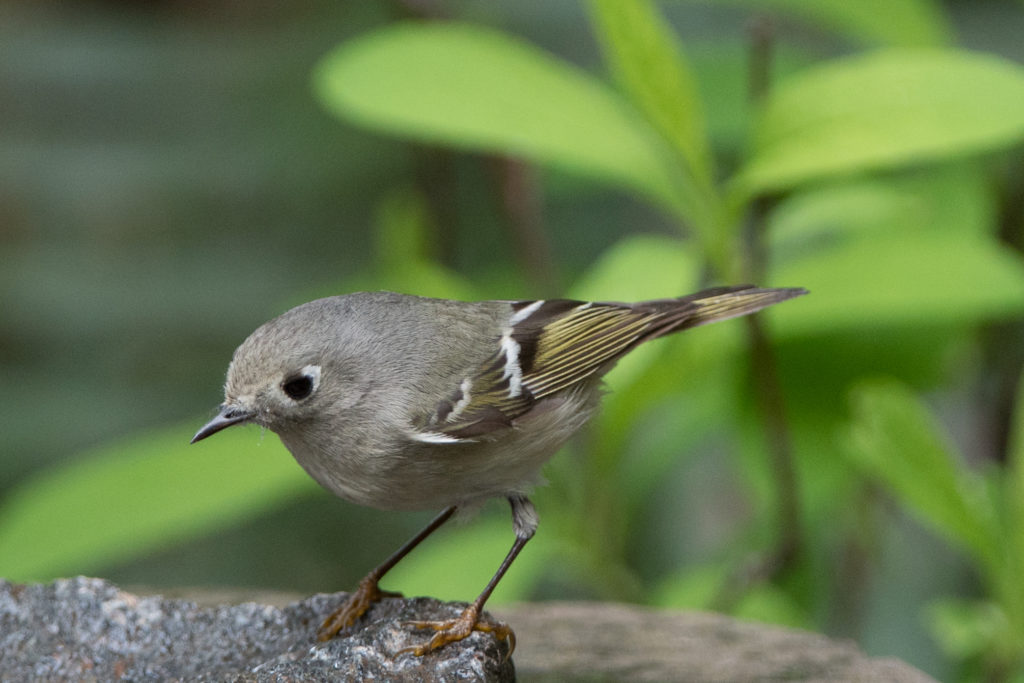
For the past several weeks my watercourse has been dry, with only a small pool at the base. My old pump quit and I installed a backup that was slightly more powerful. It apparently pushed water over the side at some point and I was losing significant water in a short period of time. I attempted some half-hearted investigation of where the problem was occurring but cold, wet weather discouraged my desultory efforts.
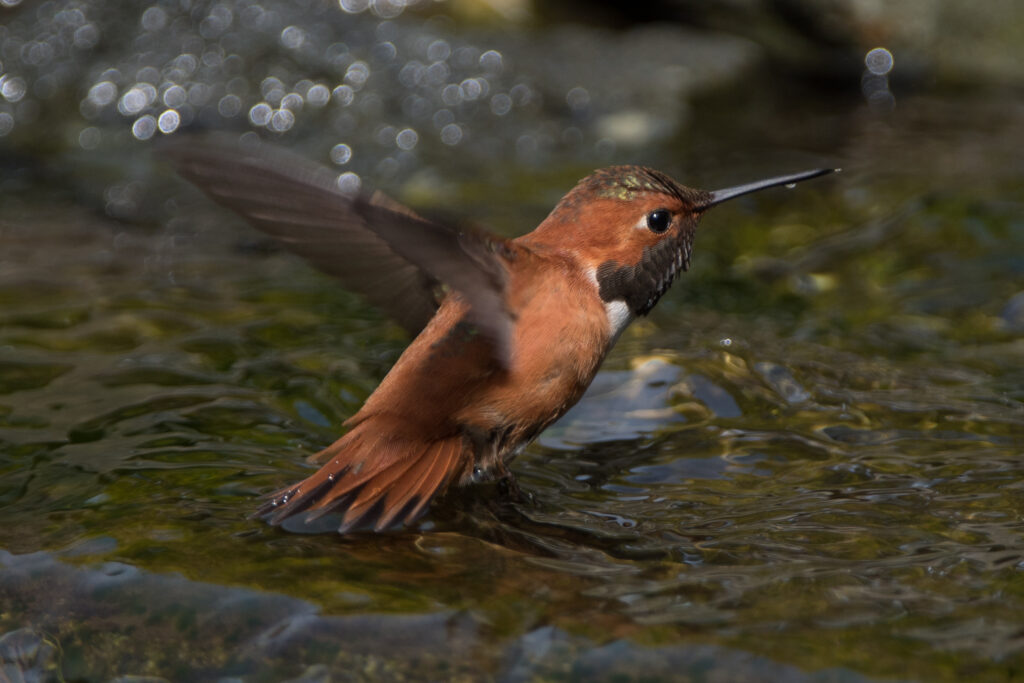
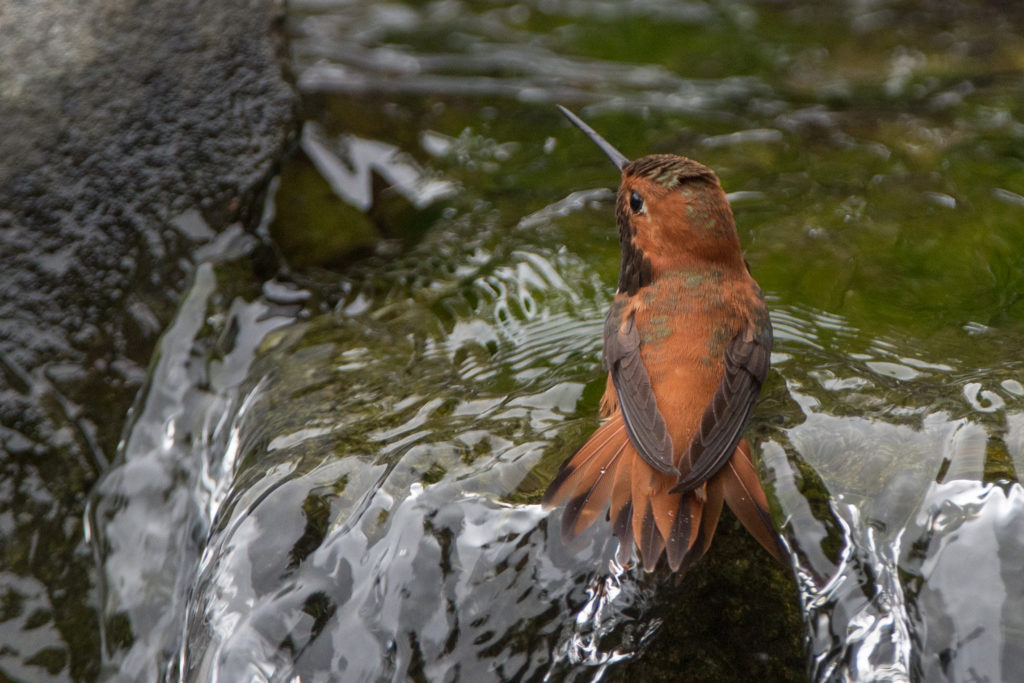
Knowing that the spring migrant season was approaching, I reluctantly tackled the problem last week. I never discovered where the problem(s) were occurring, but my efforts fixed the problem and the watercourse has been up and running for about a week. My first customer, fittingly enough, was a male Rufous hummingbird. The birds are showing little interest in the watercourse, which somewhat surprises me. It’s not the cold… cold water/weather has never dissuaded birds from bathing.
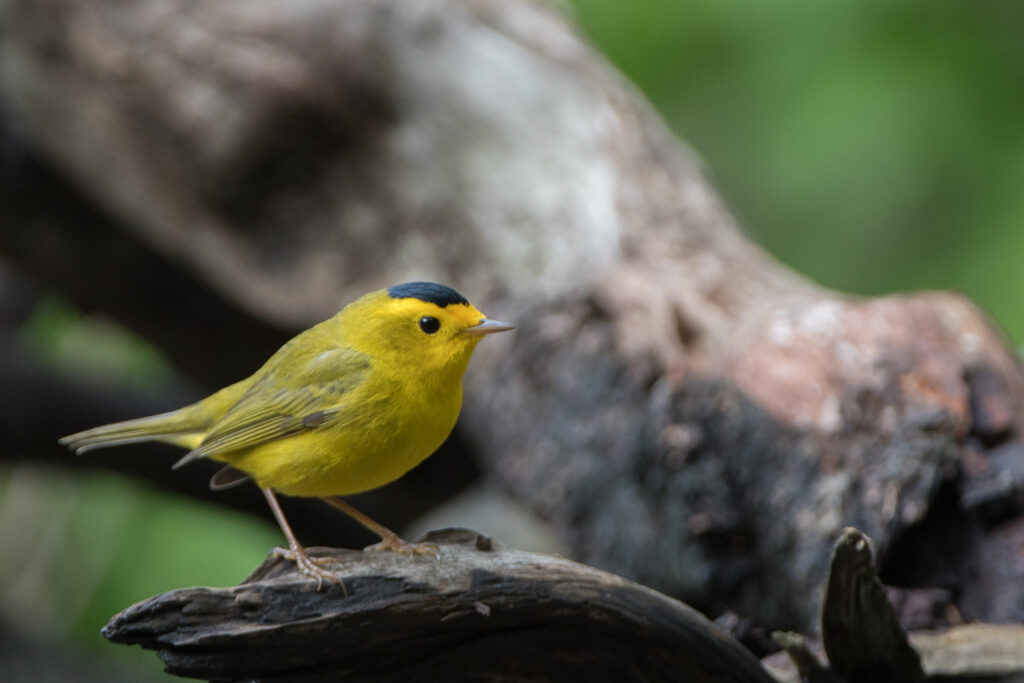
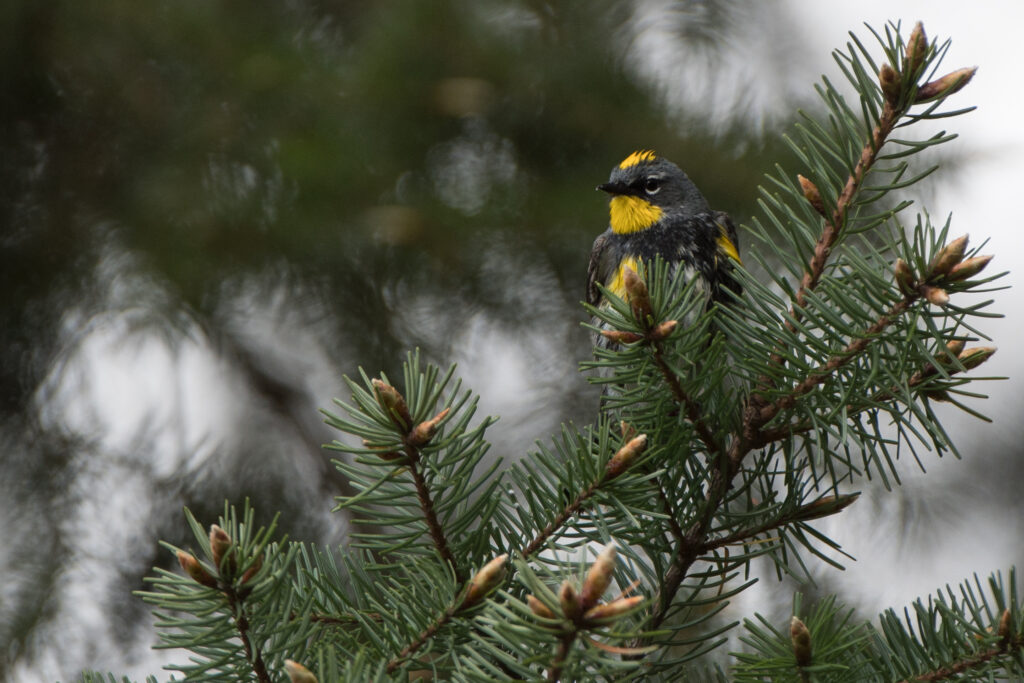
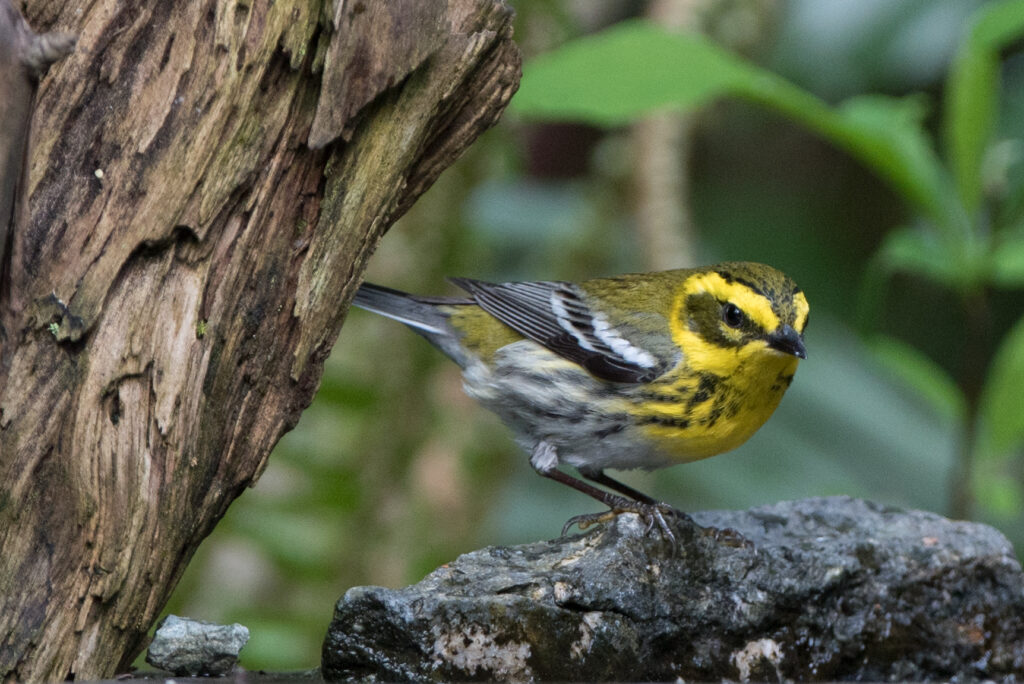
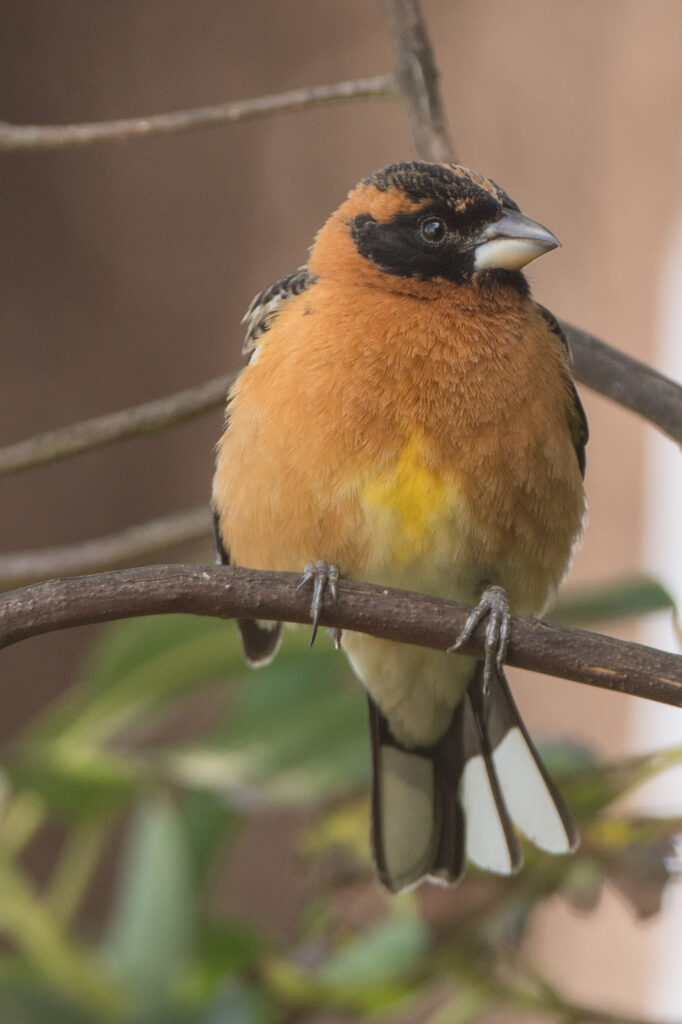
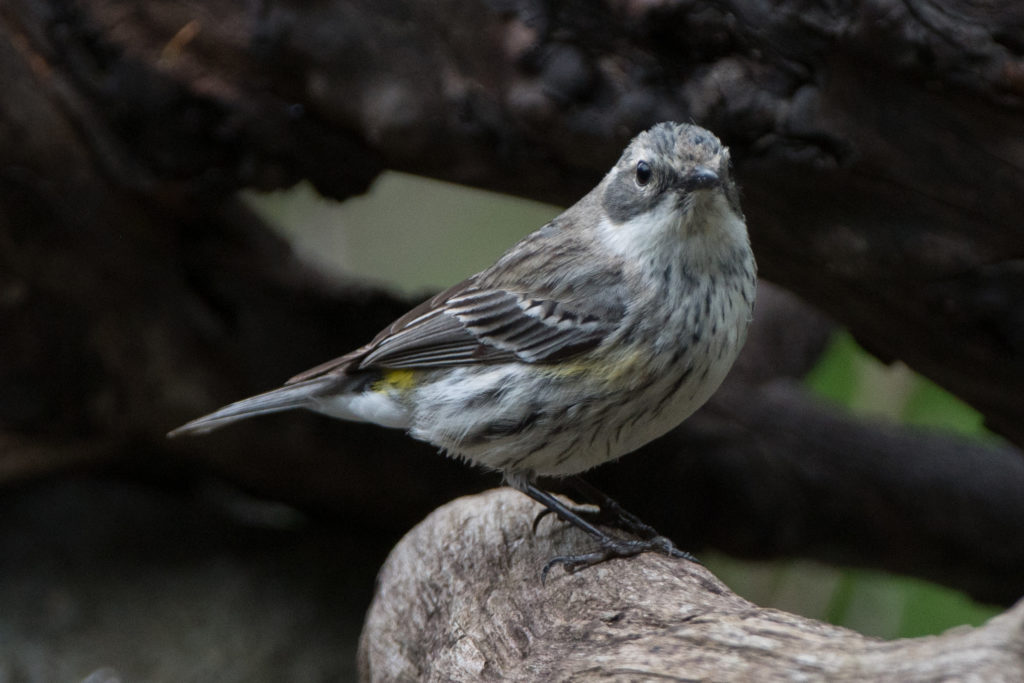
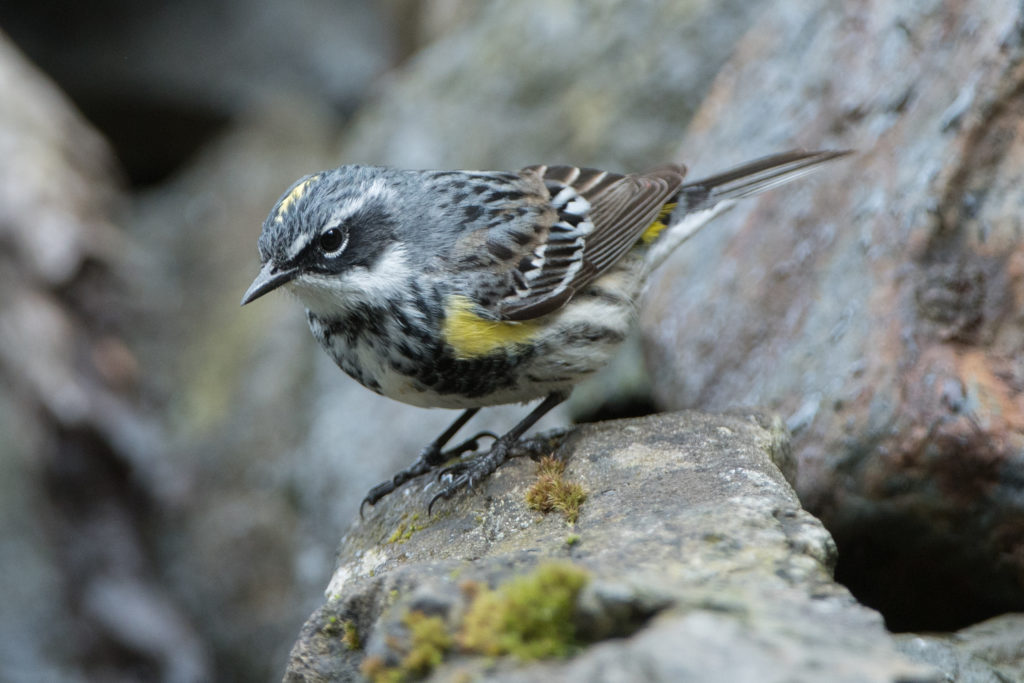
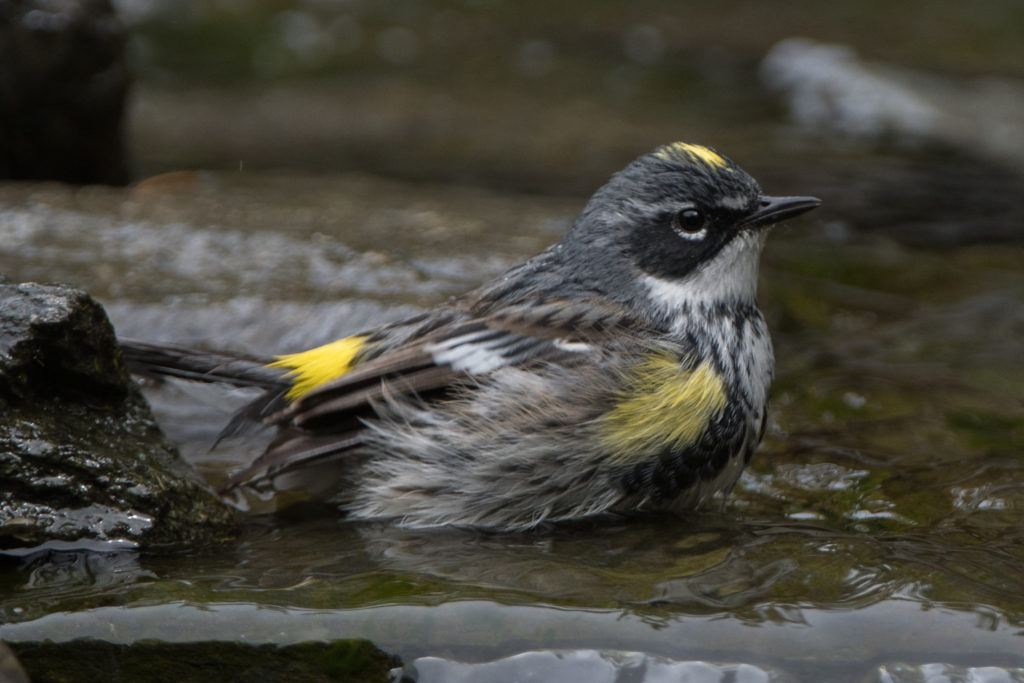
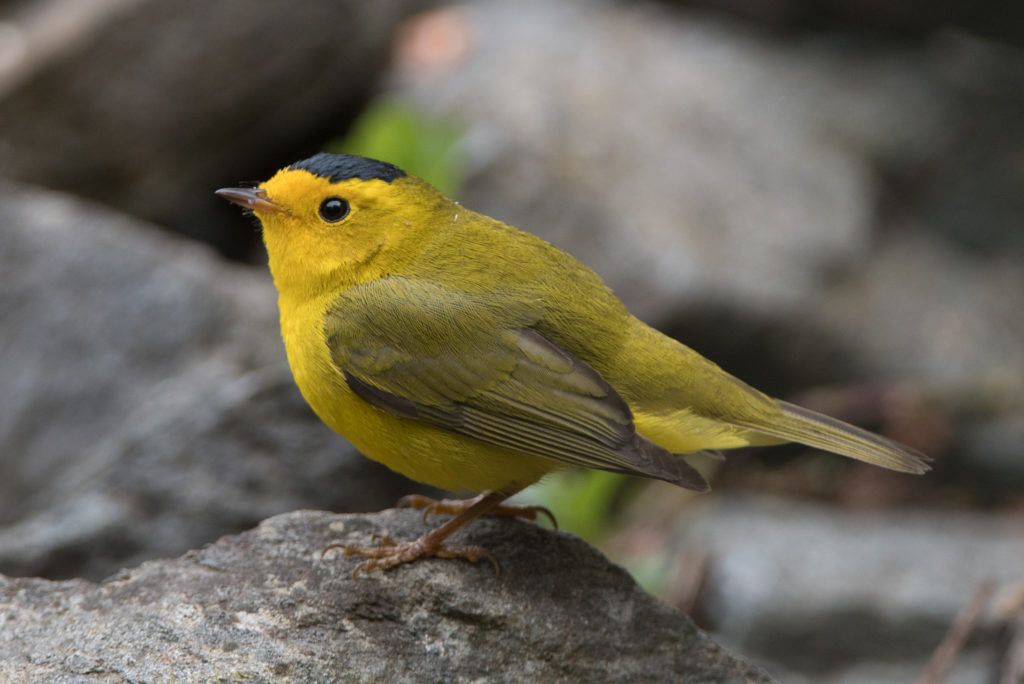
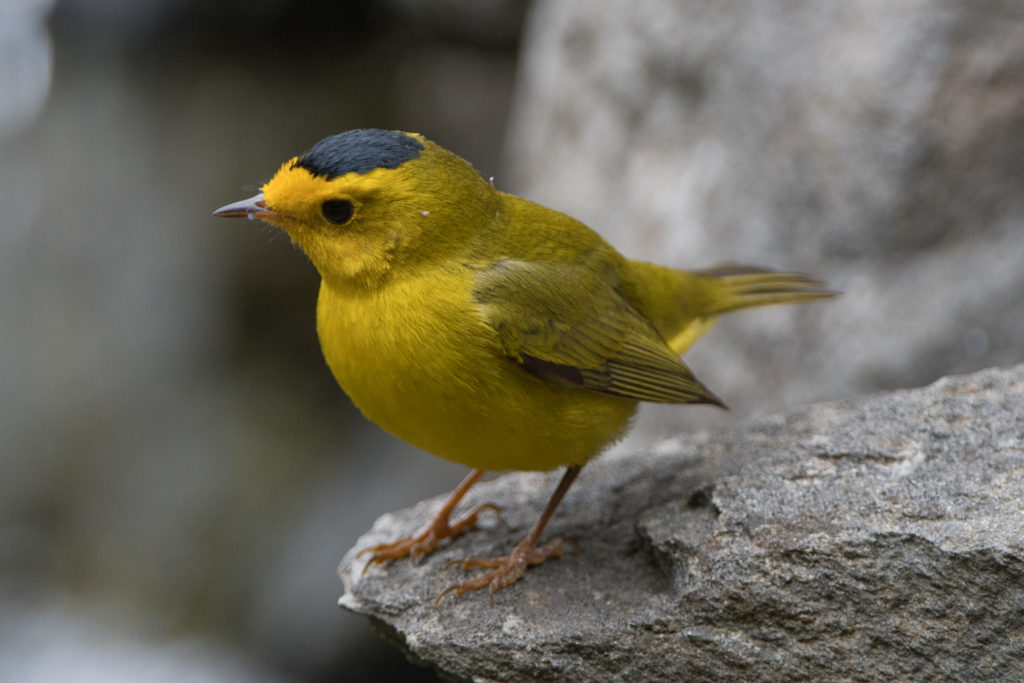
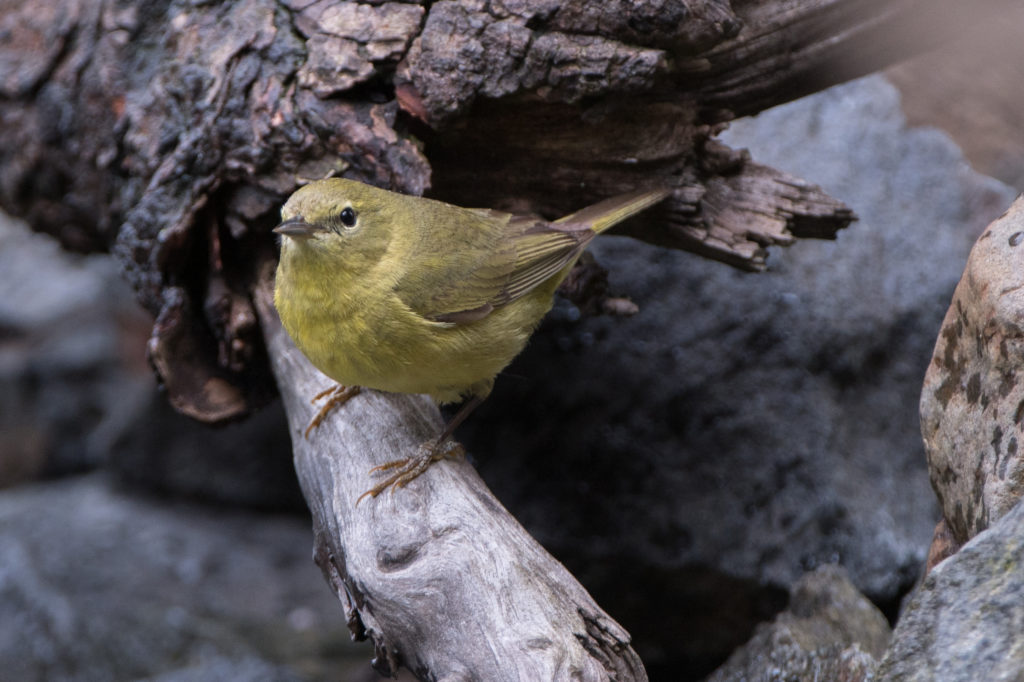
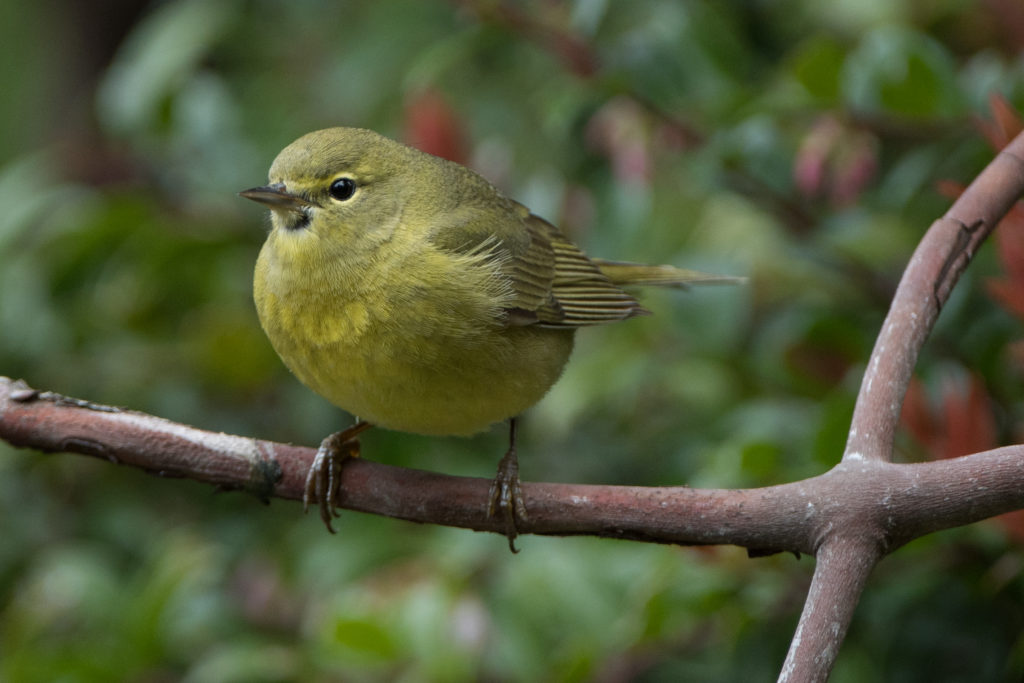
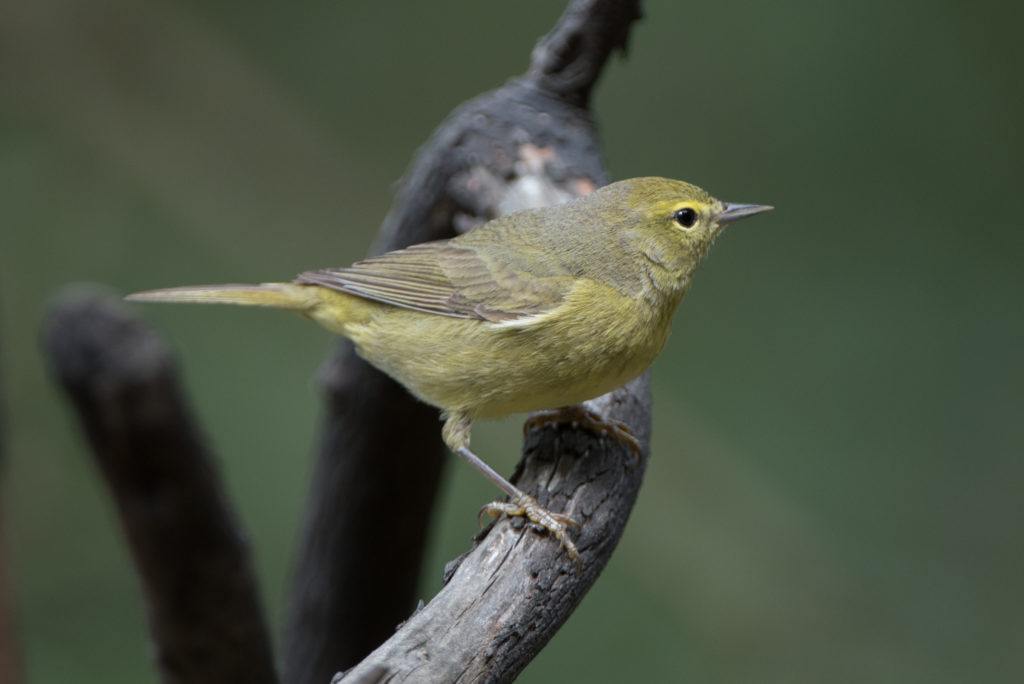
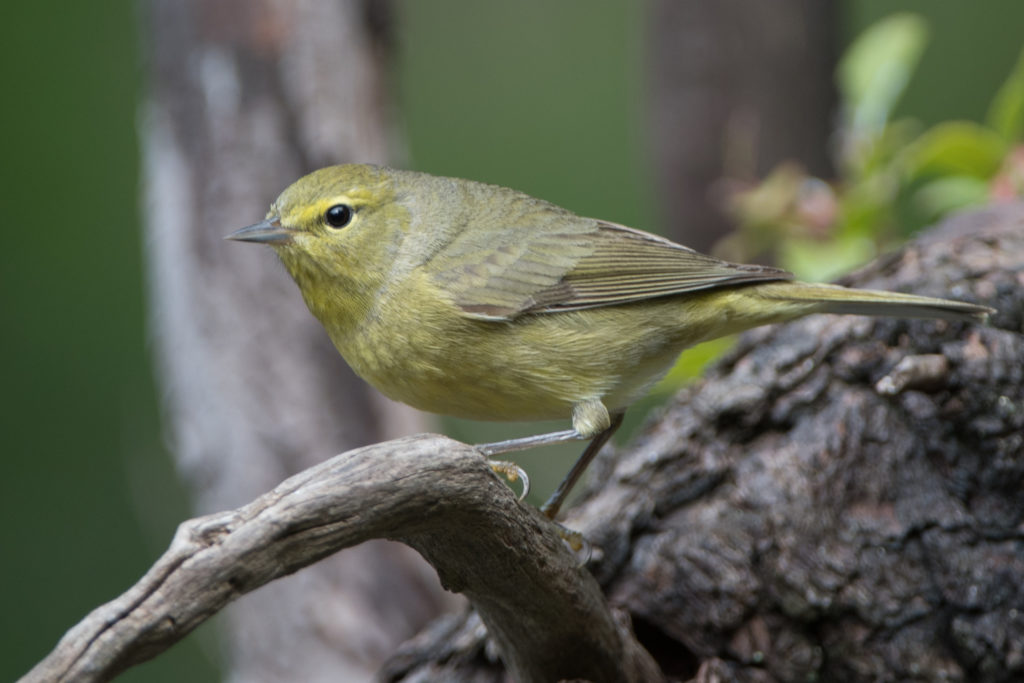
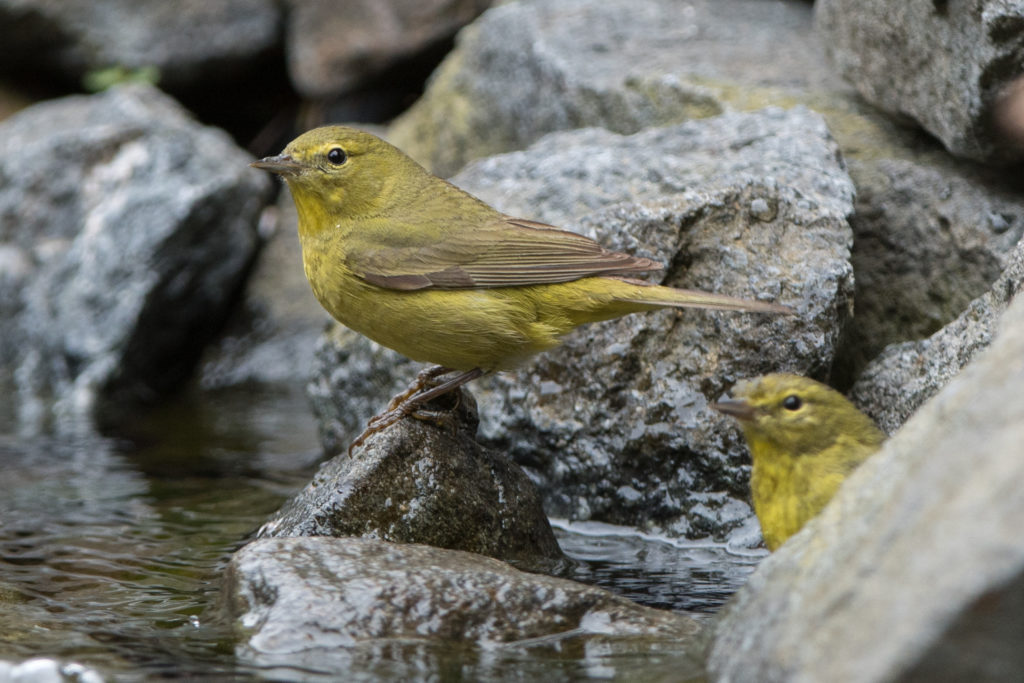
I’m still waiting for more spring migrants… American goldfinches, Black-headed grosbeaks, Brown-headed cowbirds and of course, WARBLERS!
For the past two days I’ve been involved in a project to photograph a rare bird to which I was alerted by a birding friend. I’ve obtained a couple of photos but nothing I care to post. In the mean time, I’ve been on a few excursions which netted me the following photos.
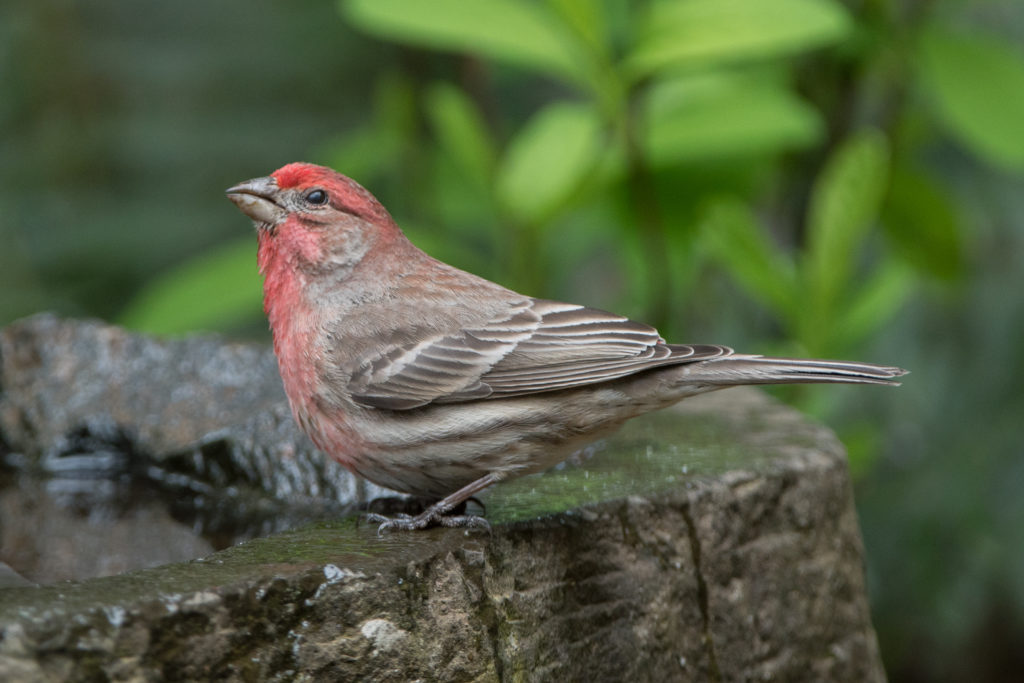
Male Spotted towhee Female House finch Male Red-winged blackbird vocalizing Female Red-winged blackbird with nesting material Female Red-winged blackbird with nesting material Female and male Mallard Female Mallard
I have friends who I have been helping with attracting and identifying birds. On March 11, 2010, I spent a little over an hour in their yard photographing some of their visitors. The best photograph I obtained was one of this male House sparrow which has apparently purloined this sprig of what appears to be thyme for nesting material.
I spent an hour or so in the yard on March 8, 2020, the first day in almost a week that weather seemed to beckon. Even so, it was quite cool.
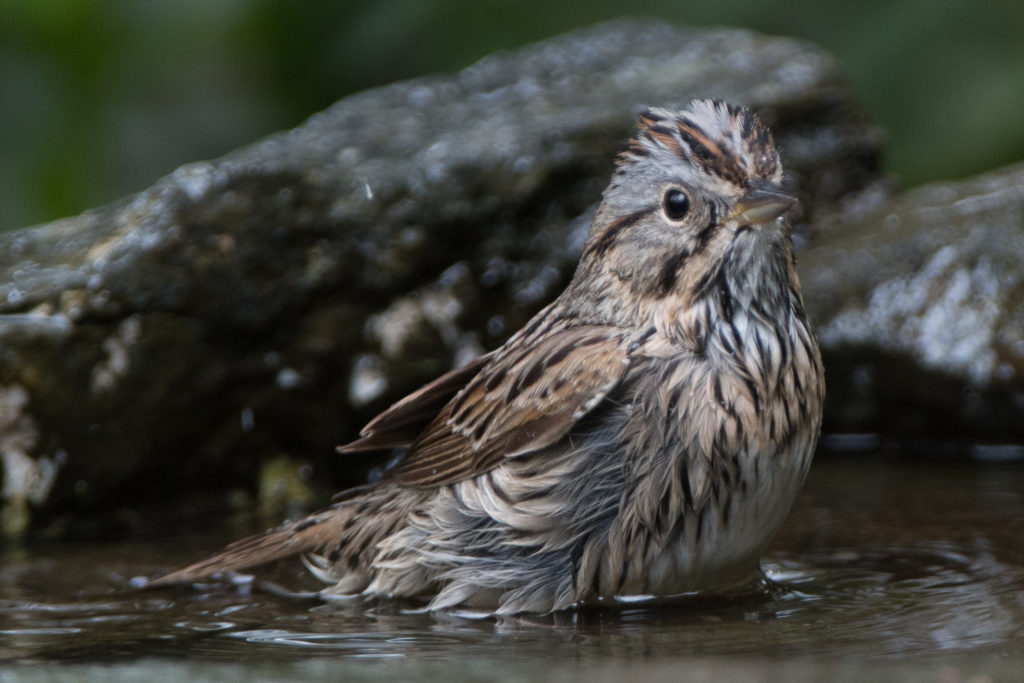
This is a Song sparrow, one of two we have had in the yard recently.
This is a Fox sparrow, which I consider fairly similar to the Song sparrow. It took me a good while after moving to the PacNW to be able to differentiate between these two sparrows.
Another member of the sparrow family, a male Spotted towhee.
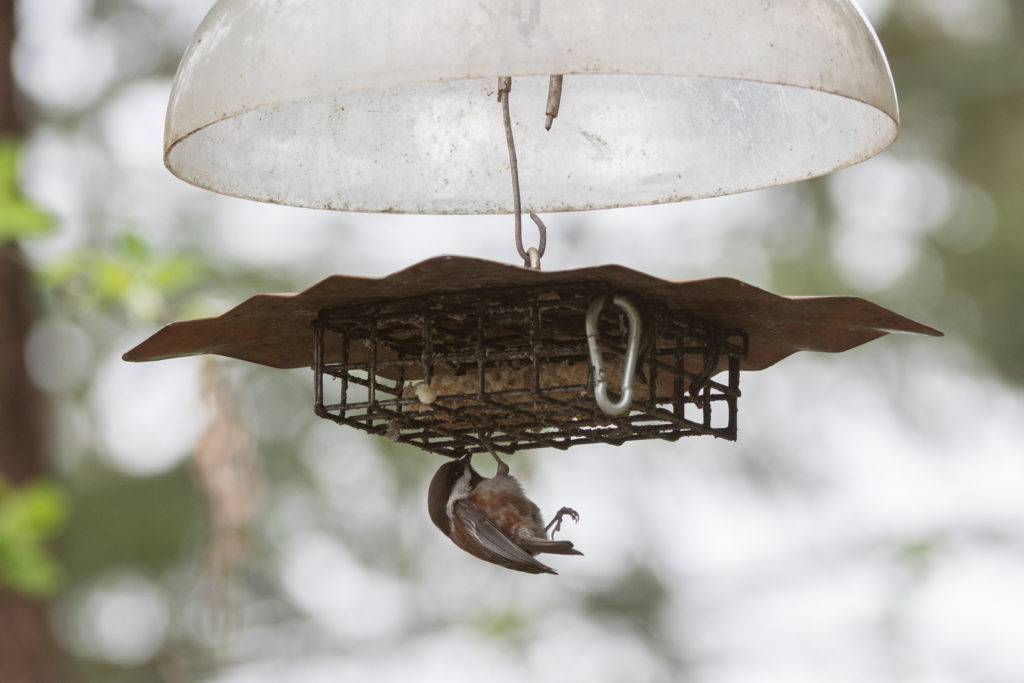
This is a Bewick’s wren which has been accessing our suet feeder for the past couple of months.
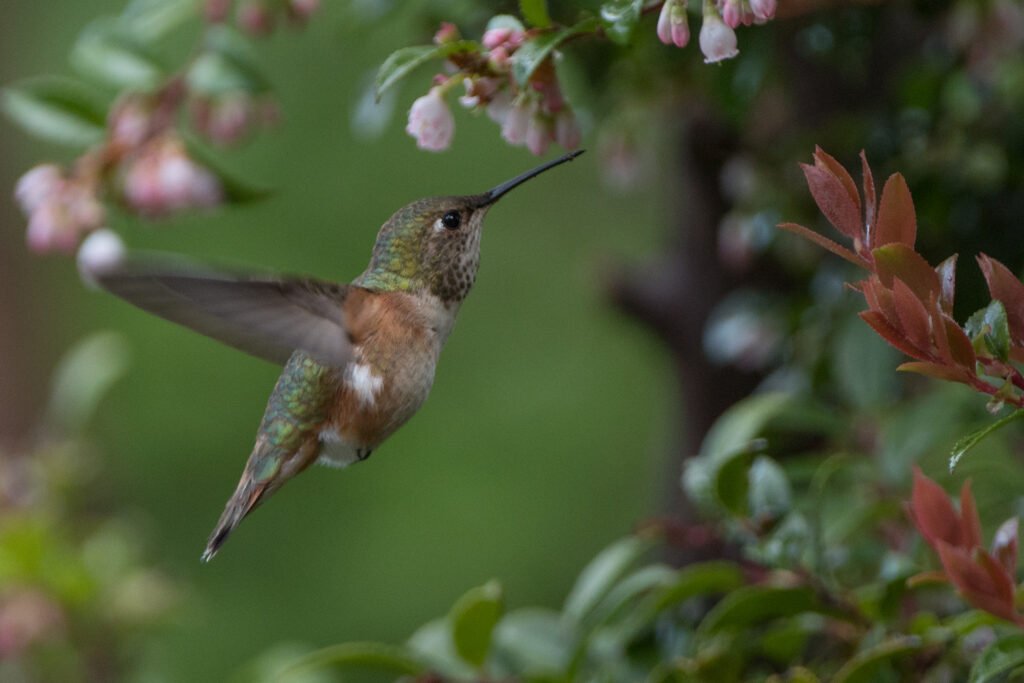
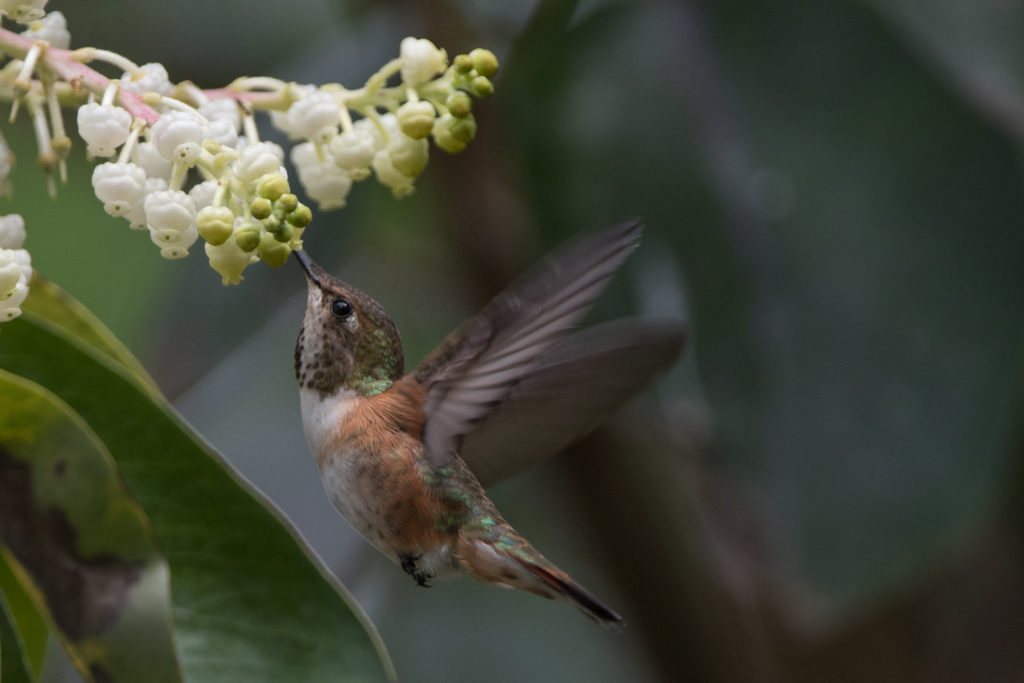
This is one of the early female Rufous hummingbirds visiting our yard…
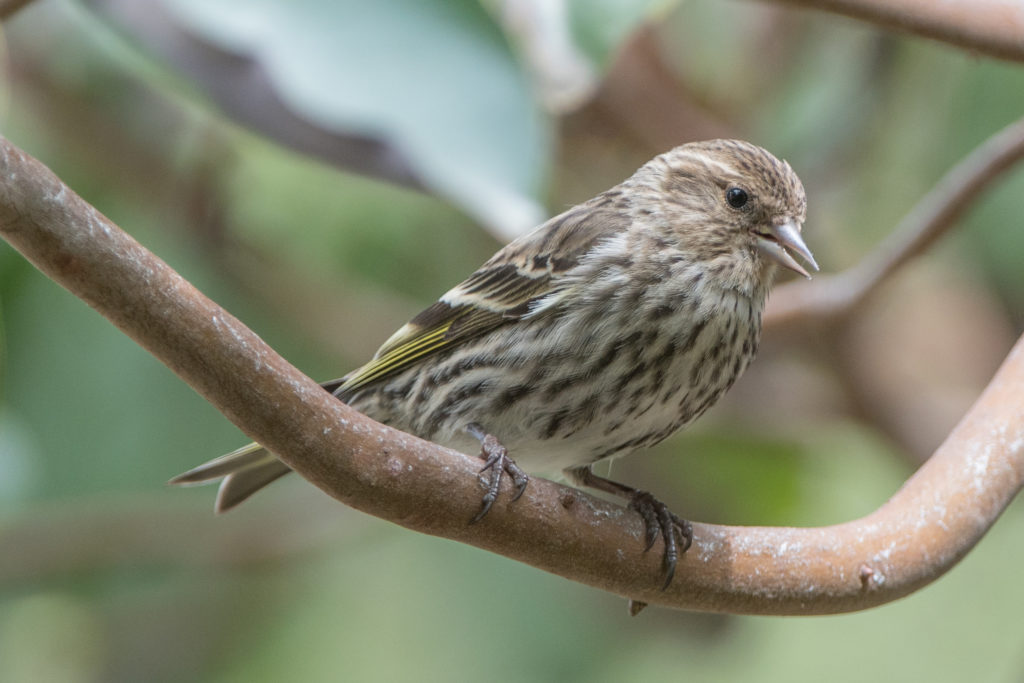
And finally, a Pine siskin getting a drink of water in the yard on March 7. (Don’t try this at home!) We’ve had very few siskins for the past several months, but about two weeks ago we had one show up, then two and most recently about four. This is a species that in some past years has been our most numerous winter bird, but on occasion the species has been absent from our yard for over a year.
My recent posting regarding the arrival of the first Rufous hummingbird at our house brought a few stories and news of arrivals at other locations. This sparked my memory of one of my favorite hummingbird stories dating back to the late 80’s when we lived in Austin. I’m going to relate that story here.
My wife and I lived in a unique house on a greenbelt, within walking distance of the downtown Austin area. The greenbelt and a large vacant lot next to us attracted lots of birds and we were successful in attracting Eastern Screech owls and Wood ducks to nesting boxes we had erected. It was a little bit of paradise in the middle of a large city.
When we first acquired the house in 1987 I assumed that we could attract Black-chinned hummingbirds, the predominant hummingbird in the local area, to feeders we put out at the house. Despite having what I considered PRIME habitat, we got no hummingbirds during the several months (spring and summer) that would have been their season for residing in the area. I left the feeders out for a couple of seasons but when they didn’t generate any traffic, I got frustrated and quit putting them out.
We had a second floor deck that overlooked Bouldin Creek and had a couple of baskets of begonias hanging from the third floor deck. (I never saw a hummingbird access begonias… their flowers are apparently of no interest.) But one fall I saw a hummingbird flying around the back deck and I quickly made some sugar-water, filled a feeder and hung it from the deck. We attracted hummingbirds but only during the fall migration, a period of maybe three weeks.
The following and all subsequent years I didn’t have feeders out for the migration, but I would notice a hummingbird hovering in the exact spot where I had a feeder out the prior year, slowly rotating, obviously looking for a feeder that had been there the prior fall! This occurred whether or not we had plants hanging on the deck! From that time on my signal for putting out feeders was to see a hummingbird looking for a feeder during fall migration.
I must presume that one or more of these small hummingbirds, which apparently didn’t spend the breeding season in the area, was remembering our location and the feeder that it could use to further its migration! This happened year after year. I never put a feeder out until I saw a hummingbird looking for the feeder that had been there the previous year. I have to presume that our feeder/location was remembered for a year, and our location was probably only one of several that the bird(s) remembered and used on their annual migration south.
I just finished reading some interesting facts about hummingbirds. You might want to Google mentalfloss.com, 9 Adorable Facts About Hummingbirds by Kate Horowitz… which lends credence to my experience.
And if you are curious about the Black-chinned hummingbird, which doesn’t frequent our area, this is a photo of a male I took in the Central Texas area. (Unfortunately, the male Black-chinned hummingbird’s gorget is much more difficult to photograph than our Rufous’ or Anna’s.)
Incidentally, we logged our first female Rufous hummingbird on May 5, one day after the first male appeared.
This afternoon, (3/4/2020), just after 5pm, i looked out our kitchen window and saw a male Rufous hummingbird sitting near our largest hummingbird feeder! This was our first Rufous hummingbird of the season. I had very little light but managed to sneak out of the house with my camera to obtain photos of our first spring migrant. This arrival betters our past earliest arrival by one day, with our latest arrival date being 3/27. I had been watching carefully so that I could be sure and log our first Rufous’ arrival.