March, 2026 Waterfowl

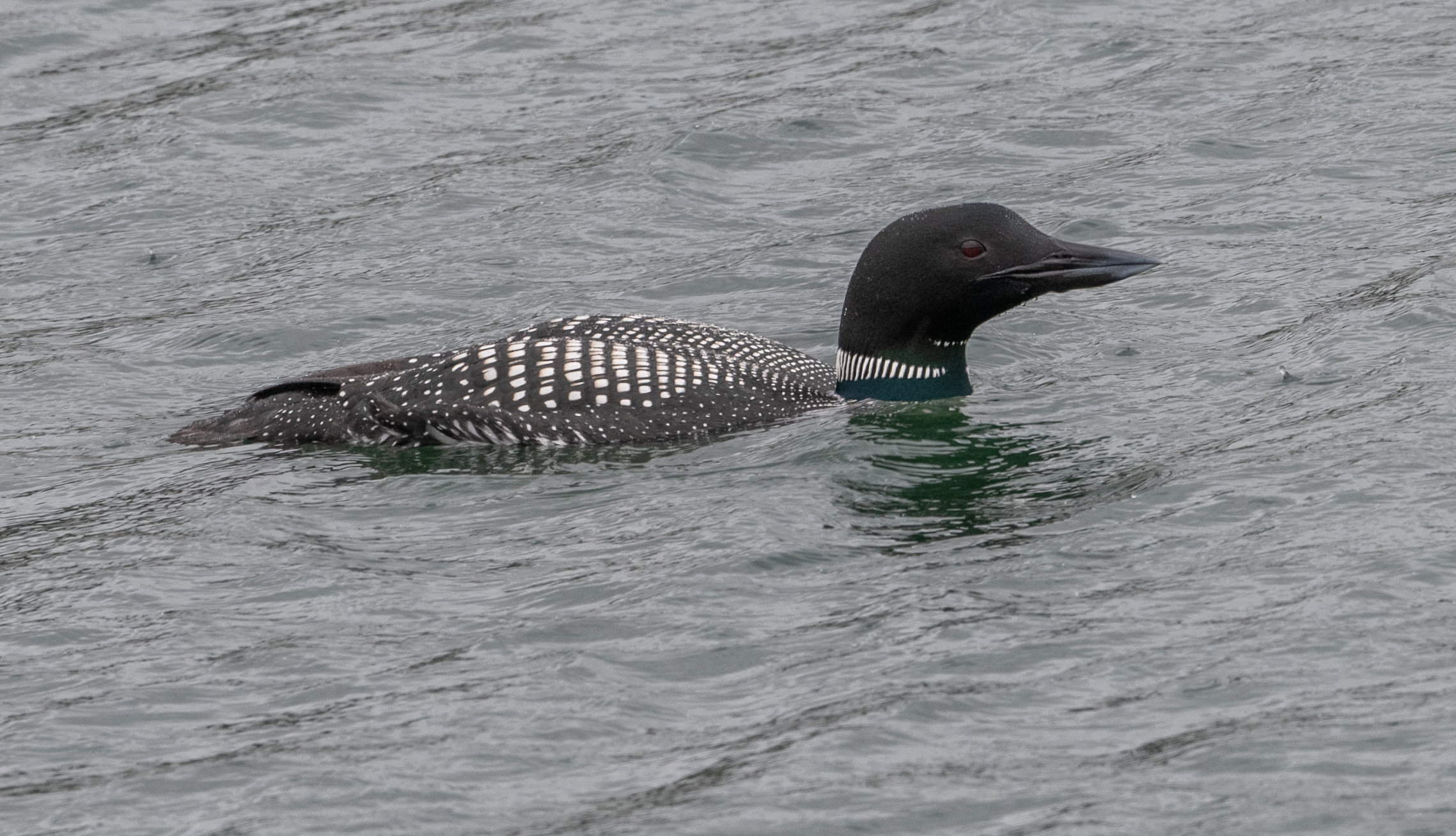
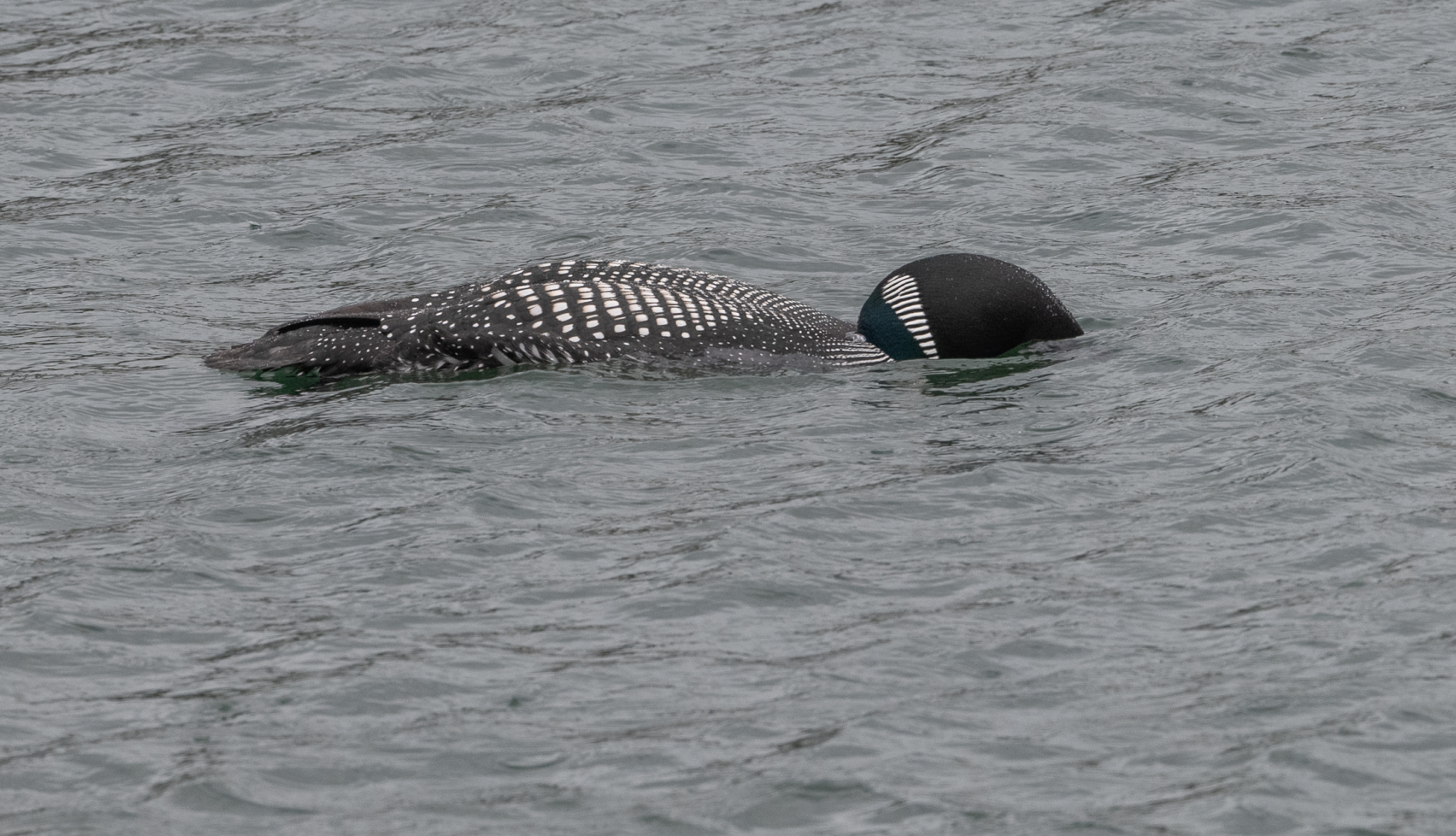
On March 10, 2026, I found a Common loon in the Cap Sante Marina. I had been seeing one in the marina for a week or two but on this morning I had a brief opportunity to photograph the bird. It was cold, raining and the wind was gusting but I managed to stick it out long enough to get some good photos. The bird is in the process of morphing from its winter plumage to its breeding plumage. The loon was alternately searching for fish and grooming, and after watching it for a few very cold minutes, it rose from the water and stretched… just what I was waiting for!

After that successful encounter I kept a close eye on the marina for the next couple of days. On the afternoon of March 12, after waking from a brief nap, I decided to take a quick drive around the marina in hopes of again finding the loon. The weather was much the same as my prior visit… cold, raining and windy and the loon was there but much farther away than my previous encounter. I drove around the marina searching for other waterfowl and found a grebe joining a small group of waterfowl consisting of a male Bufflehead, a couple of Hooded mergansers and a couple of Goldeneyes.

At one point I was able to get unusually close to the Hooded mergansers and got some good photos. The following photos are of the same male merganser. In the first photo the bird’s crest is flattened and in the second photo its crest is raised.

This is a photo of the female Hooded merganser with her crest partially raised.

Back to the grebe I had seen. The only other grebe I’ve ever seen in the marina was a Pied-billed grebe, but this was obviously a different species. I managed to get fairly close to the bird for some good photos. After studying my photos and doing a little research I’ve come to the conclusion this was a Horned grebe, but its appearance in winter plumage is very close to a that of an Eared grebe.

March 5, 2026 – First Rufous Hummingbird!

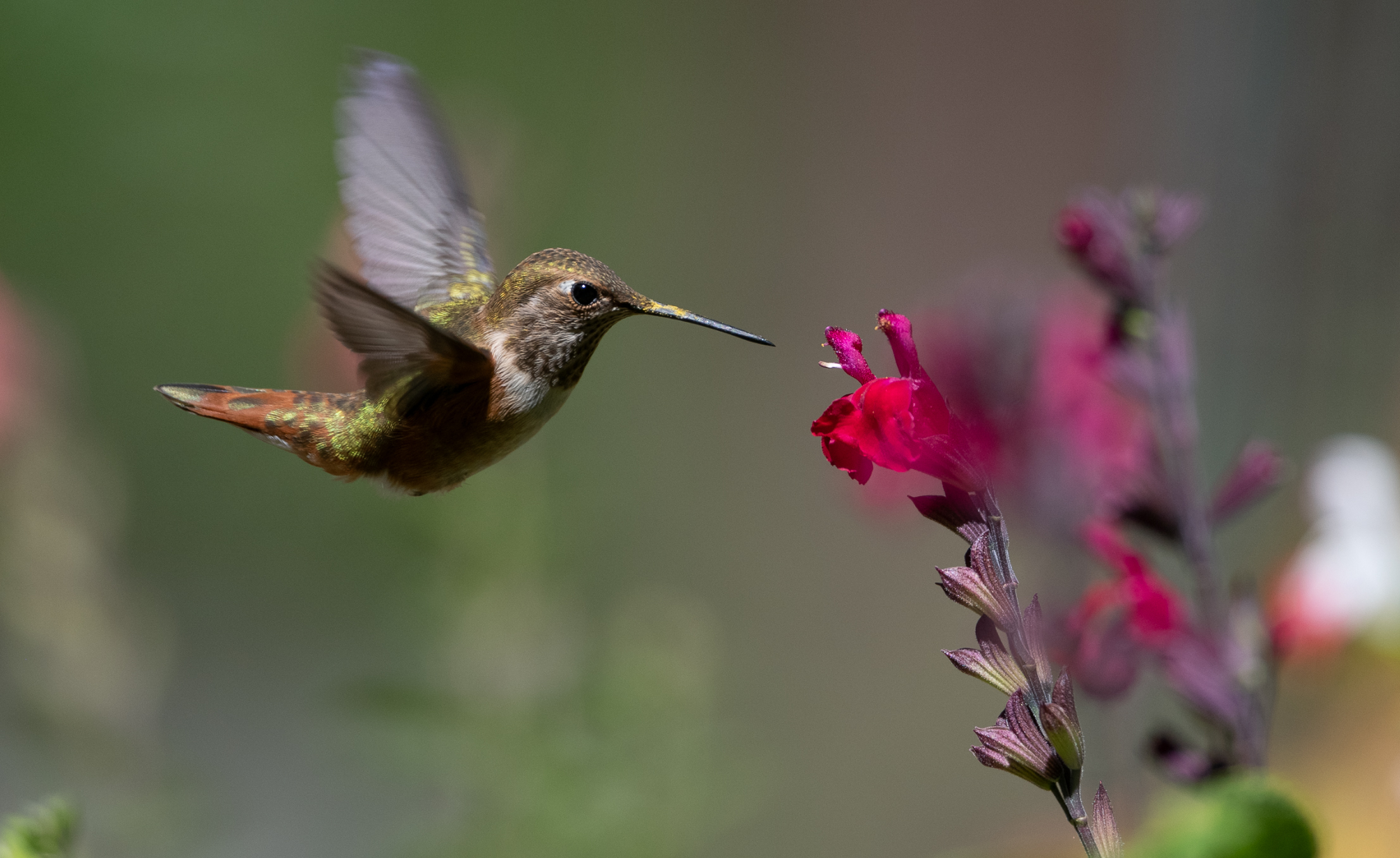
As I believe I mentioned in my last post, I was expecting a special spring visitor any day.  Early in the afternoon of March 5, 2026, I was in the yard filling bird feeders in preparation for some birding photography when I heard the buzz of a hummingbird’s flight behind me. I turned just in time to get the barest glimpse of a flash of orange speeding out of the yard. I had no opportunity to make out details, but I didn’t need to… seeing the orange color on a hummingbird told me that this was my first seasonal sighting of a Rufous hummingbird… and a male at that!  

I was determined to get a photo so I retrieved my camera, vowing to wait as long as it took for me to get a photograph. While I waited I took the opportunity to photograph female…

and male Anna’s hummingbirds at a feeder. They are year-round residents of the area. 

About 20 minutes later I had another sighting. This time a male Rufous hummingbird came to a feeder that was only about five feet from me, too close for photos. When I made a slight movement with my camera it quickly left the yard. 

I had to wait much longer for a third visit, but on this visit the hummingbird visited a feeder far enough away to provide me with an opportunity for photographs. The bird lingered on the feeder for a considerable time, but never gave me a good opportunity for photographs that didn’t include the feeder. As is true for all birding photography, I had to take the opportunity that was given to me. 

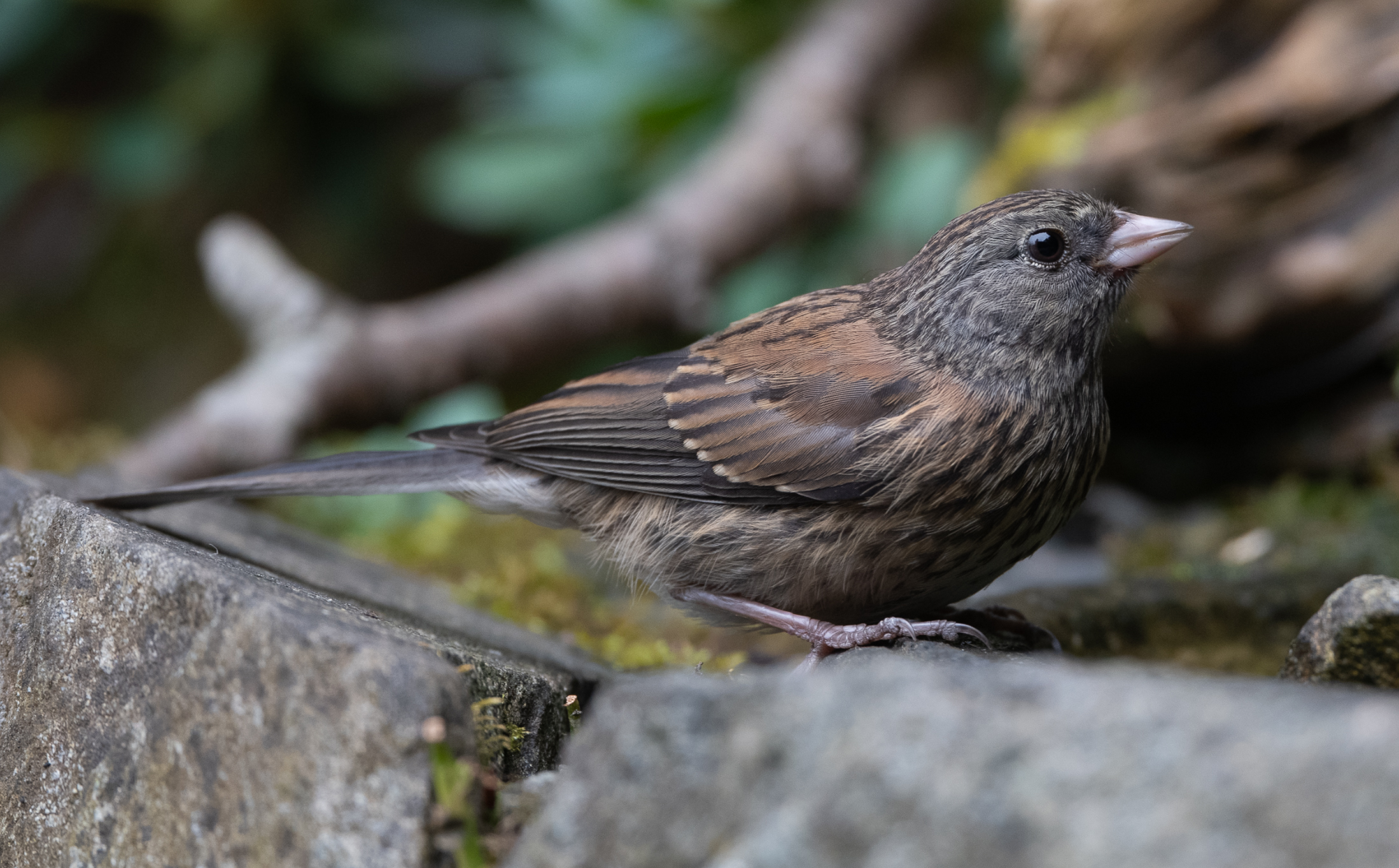
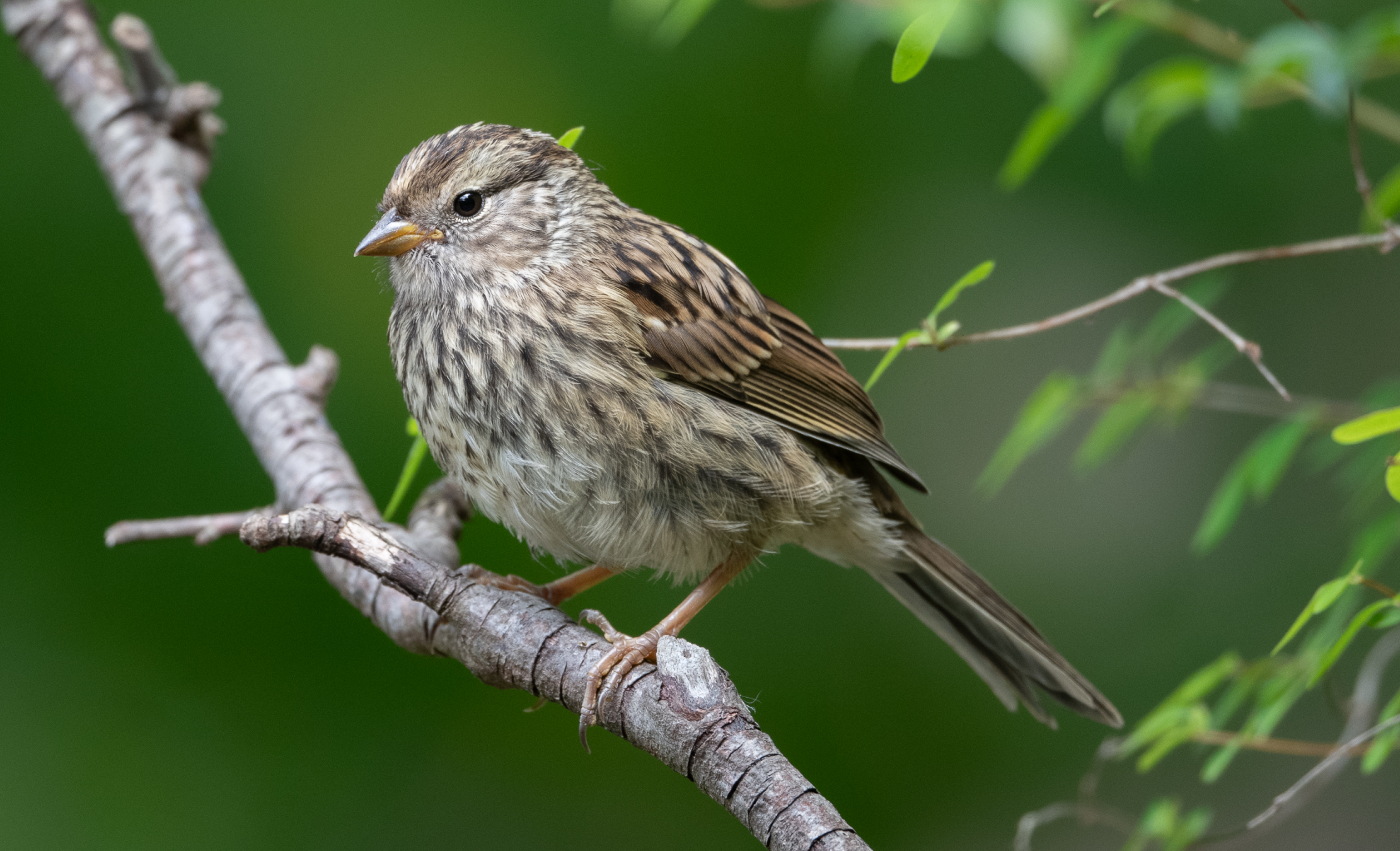
As I’m welcoming spring visitors I’ll be bidding farewell to two populous species of winter visitors… Dark-eyed (Oregon) juncos (of which I often have more than ten in the yard at a time) and Golden-crowned sparrows which can approach the same number. Both of these species will be departing for their breeding seasons… the juncos generally to higher ground and the Golden-crowned sparrows north to British Columbia and Alaska. 

Approach of Spring!

On February 23, 2026, I briefly hosted what shouldn’t have been a rare visitor… a male Varied thrush. It was the first I had seen since all the madrone berries in the yard were consumed last fall. These thrushes should have made more or less daily appearances during the winter months when snows at higher elevations blanket their food supplies. I assume that our meager and inconsistent snowfall was to blame. At any rate, I was very glad for the visit and the opportunity to photograph the visitor!  

Since the last week in February I’ve had increased Anna’s hummingbird activity in the yard and several have opted to bathe in the watercourse, the temperature of which whose must be in the mid-40s!  

I’m expecting my first Rufous hummingbird within a matter of days. In checking my records for the past several years, I note the earliest arrival here was March 3 in 2021. 

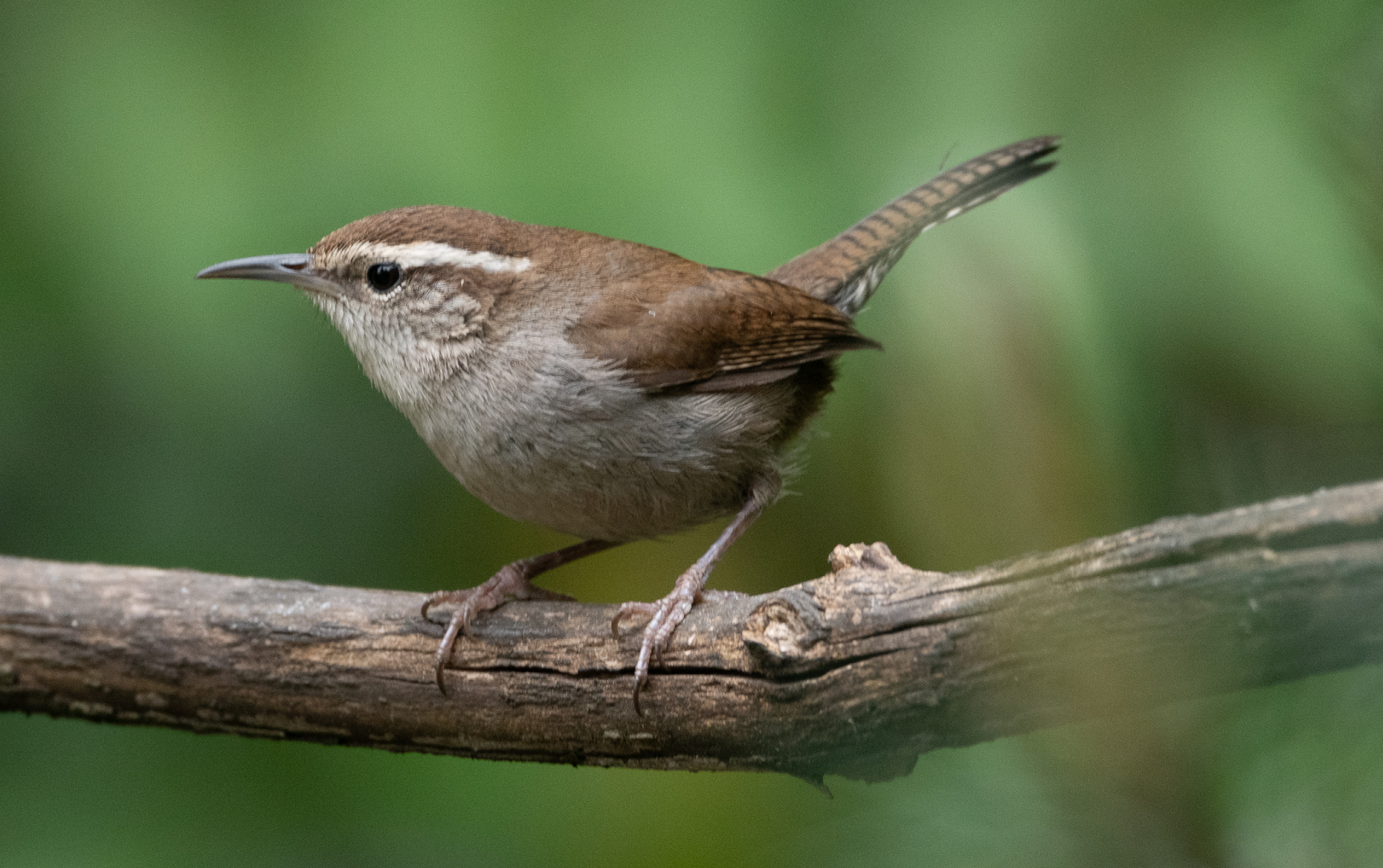
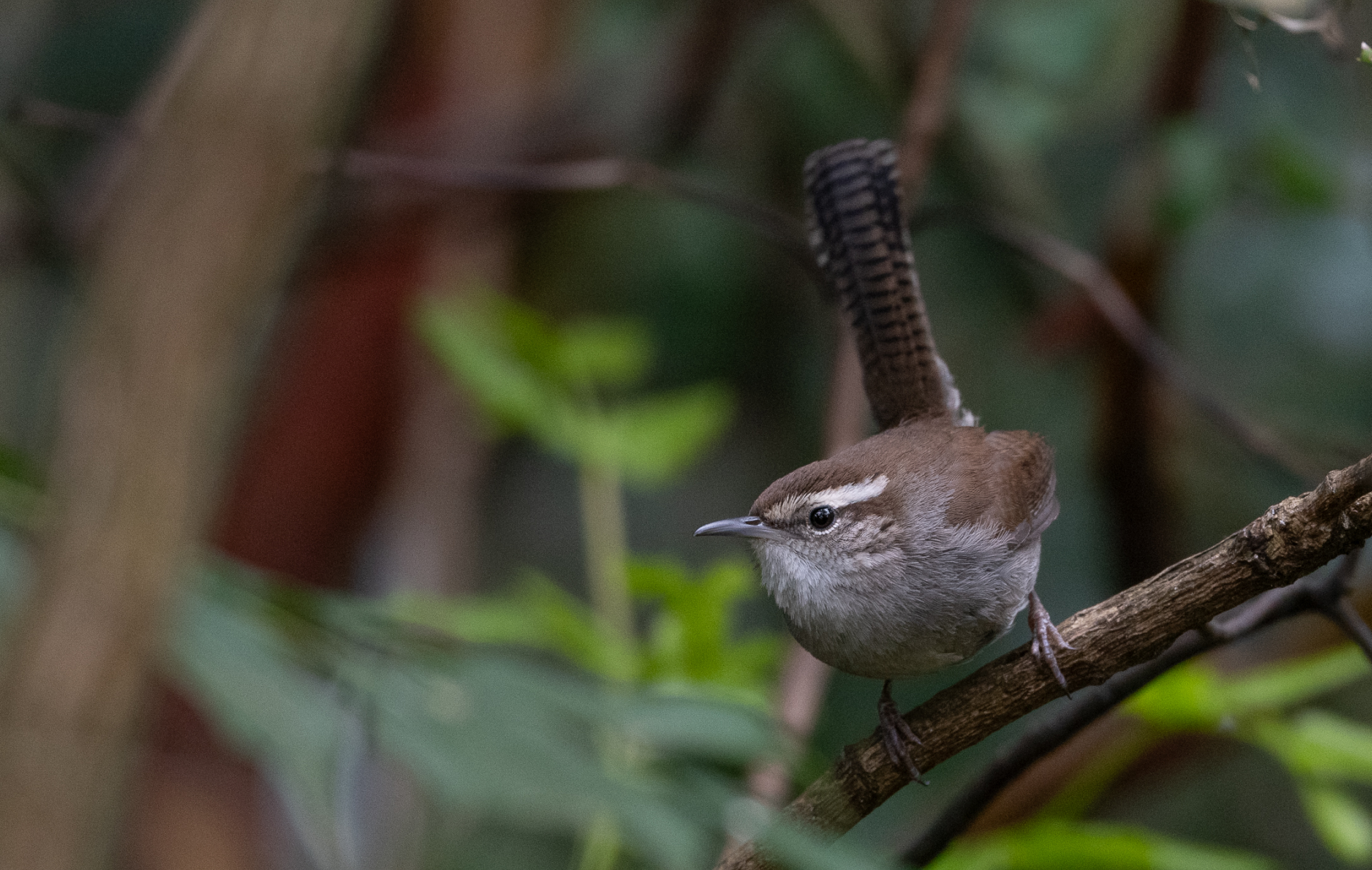
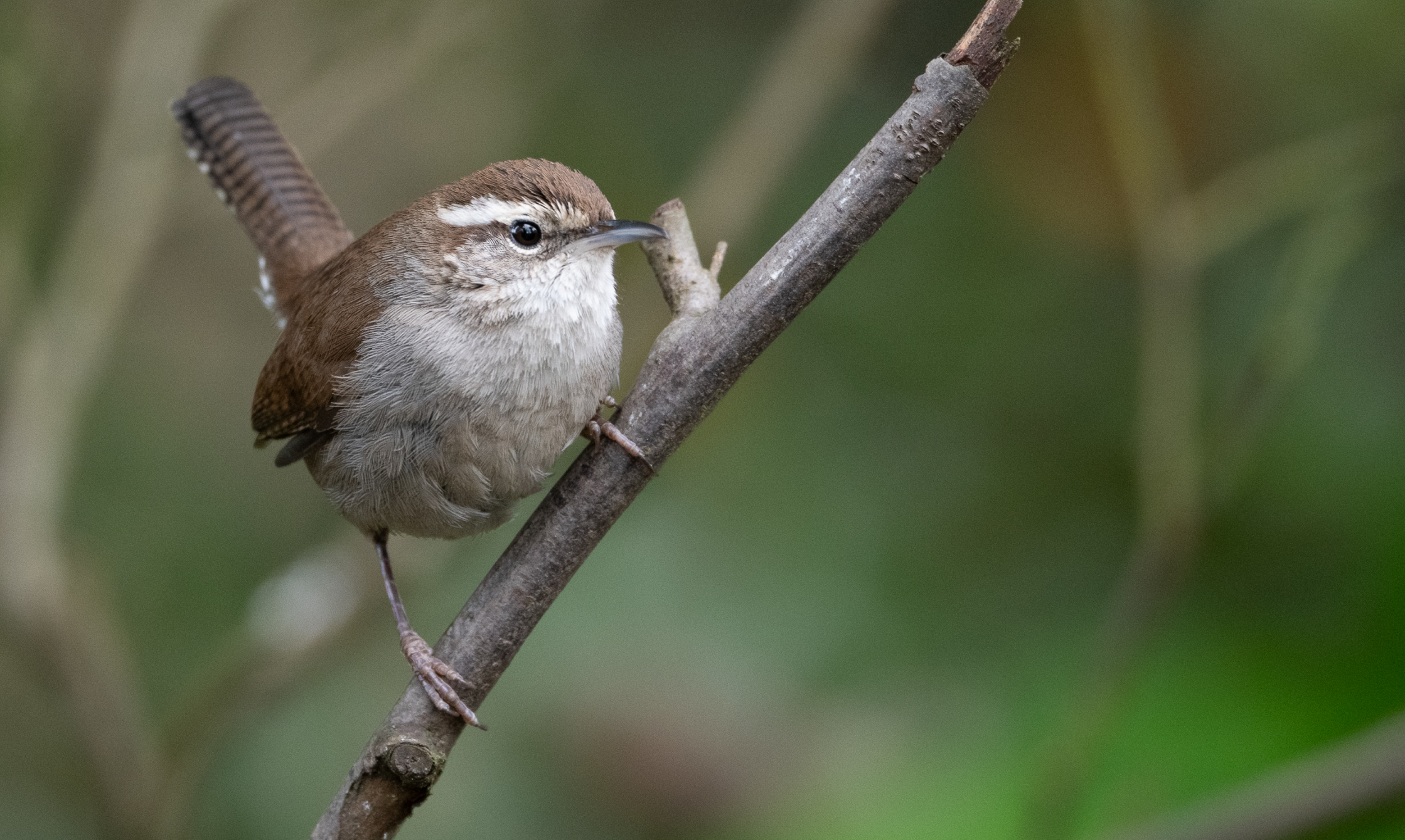
I’ve had a Bewick’s wren in the yard on a daily basis. It has accessed all three types of feeders I have and on three occasions very unexpectedly took food from a cup I was holding in my hand!  The bird is difficult to photograph because it almost never stops moving!  On February 3, I  managed to obtain several good photographs. 

I’ve also had an occasional sighting of a Pacific wren, but it’s even more difficult to photograph. 

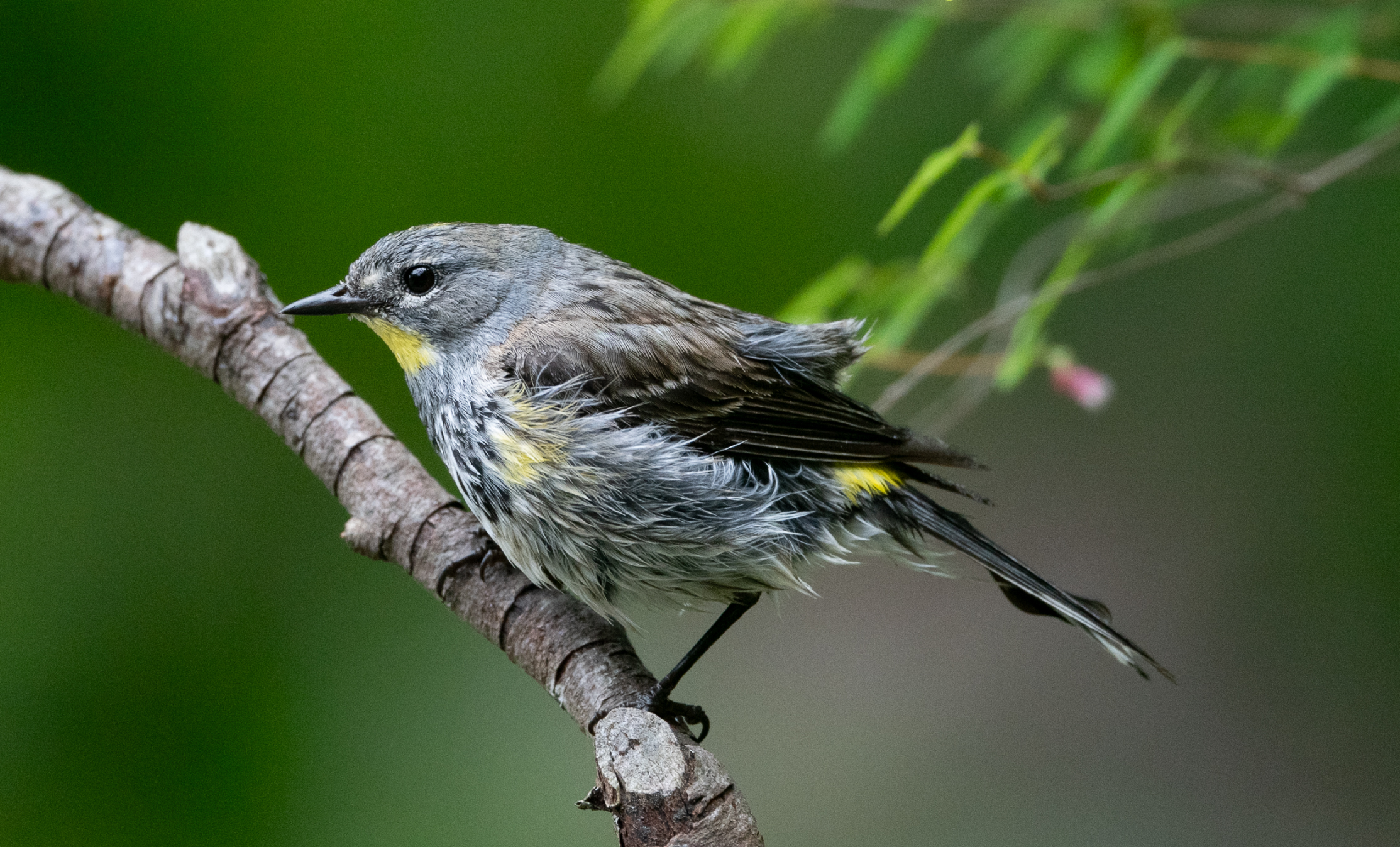
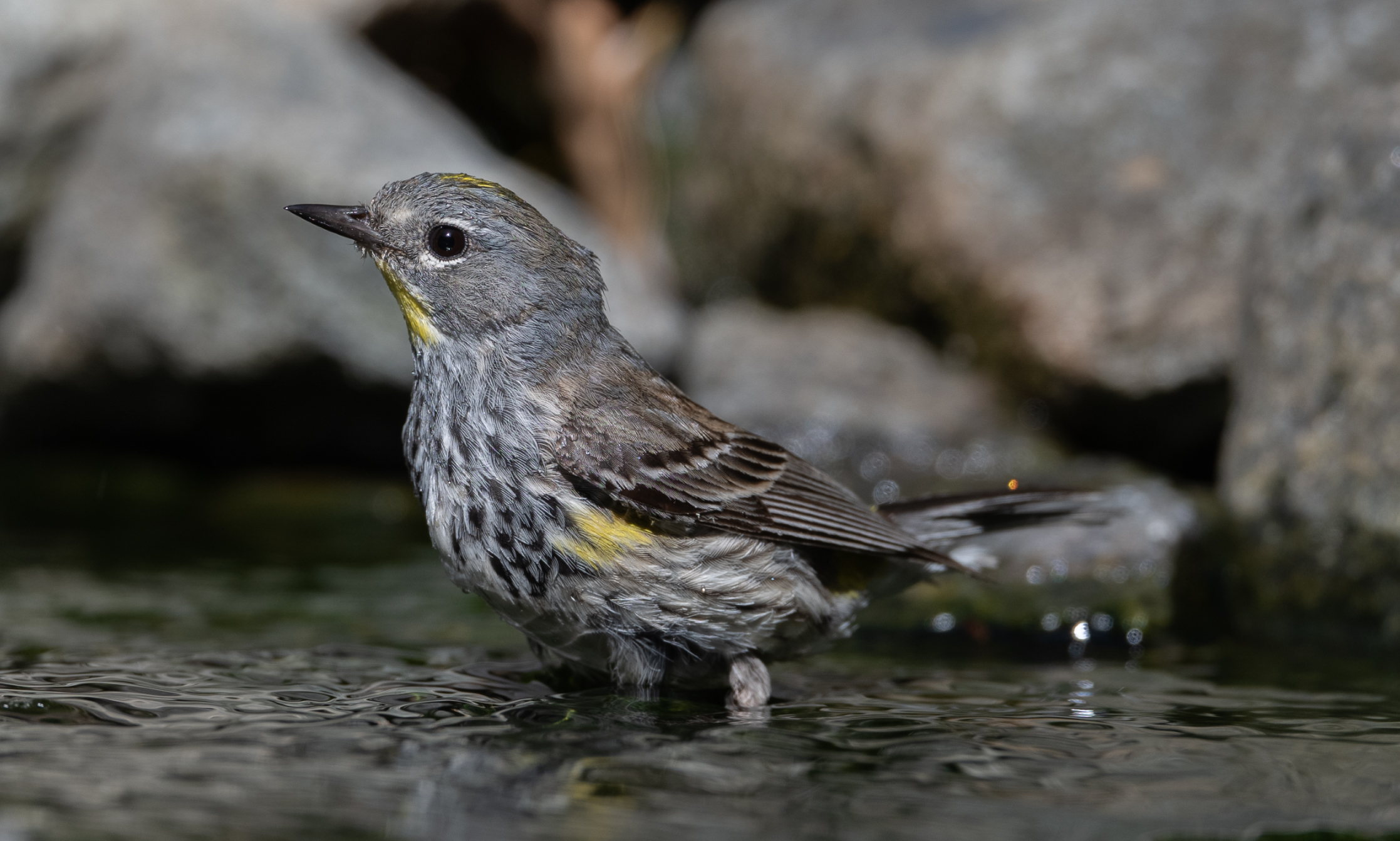
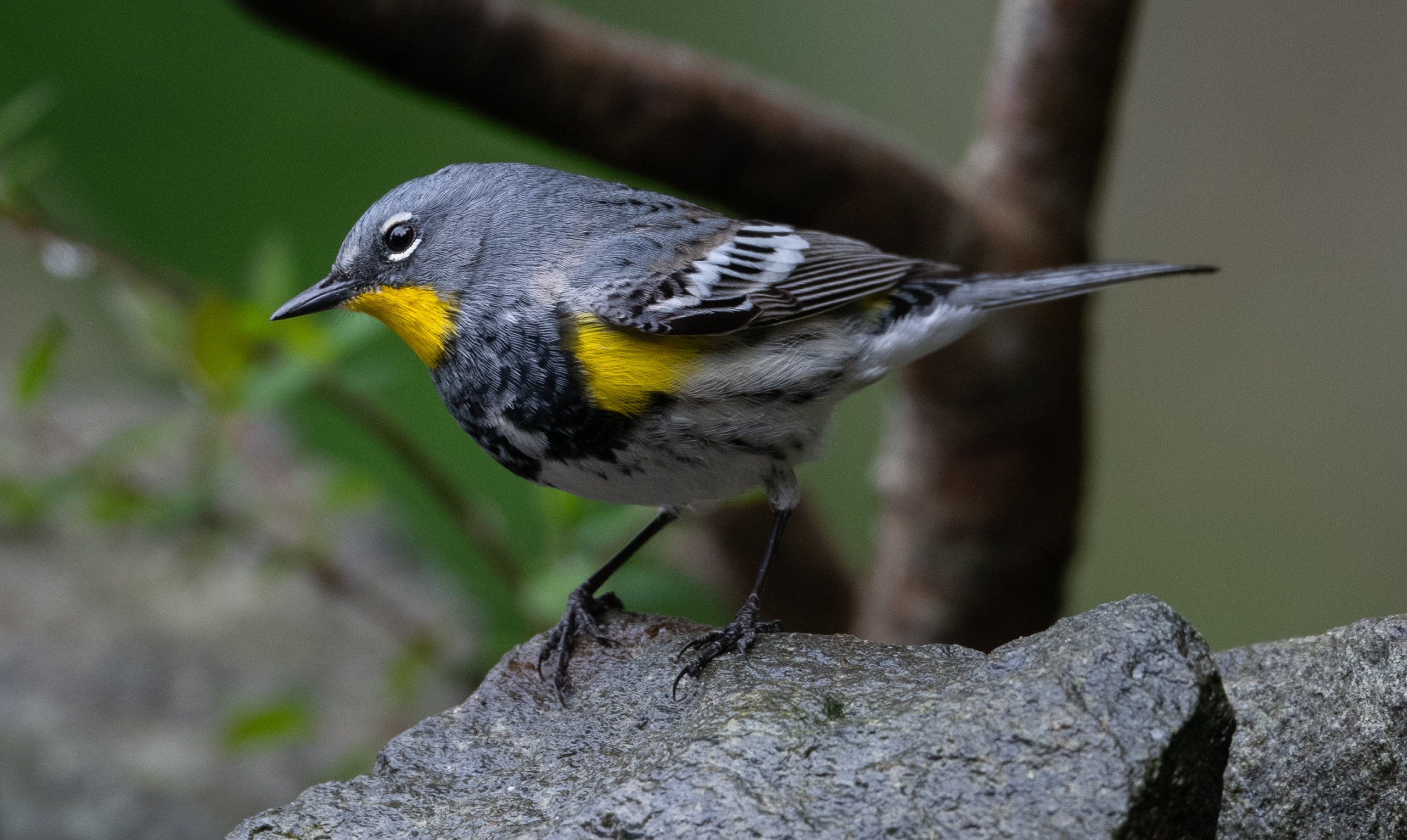
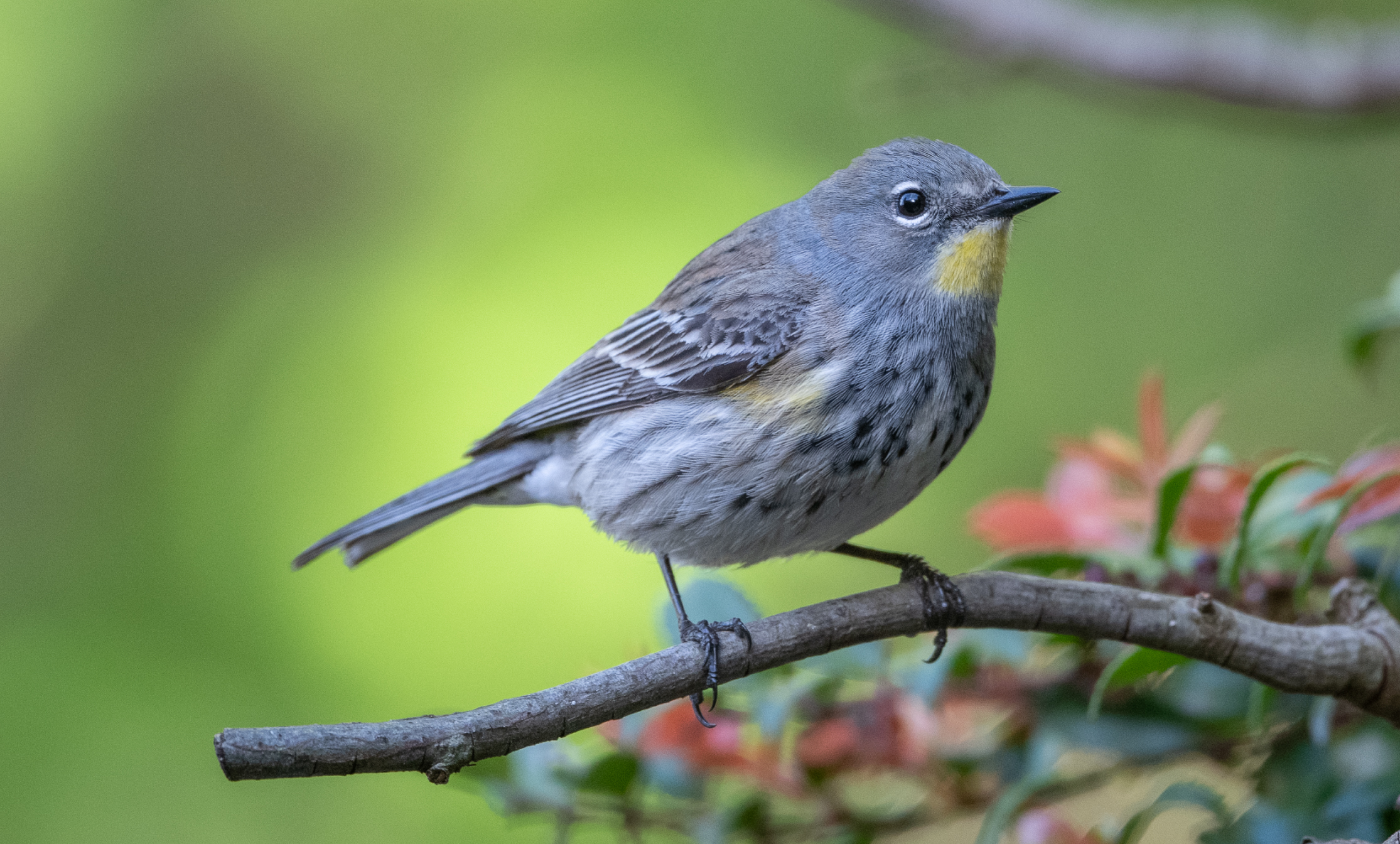
The same day (3/3/2026) I had what I’m calling my first spring migrant… a female Yellow-rumped warbler. It was only in the yard briefly and passed on the water features, but I managed several photos. In past years the Yellow-rumped warblers have been some of the first spring warbler arrivals.  

Spring has almost arrived!  I’m intending to spend significant time in the yard photographing spring migrants in April, and especially May. In past years I’ve had difficulty posting to my blog due to my time in the yard and processing an excessive number of photos. I think my number of daily photos has exceeded 600 on two occasions, and those occasions would have been in the spring!  

February 22, 2026

I haven’t posted to my blog in some time so I decided that it was time for a post. In mid-February we had our coldest temperature of the winter along with some wind and rain which discouraged me from doing any birding in the yard. But on February 22, 2026, we had a day with a high temperature of about 50-degrees and manageable wind, so I decided to spend some time in the yard. 

There were the usual visitors but I did have a few highlights. Rarest of my visitors was a Hutton’s vireo. I took about 6-7 photos but only one was acceptable, and here it is. 

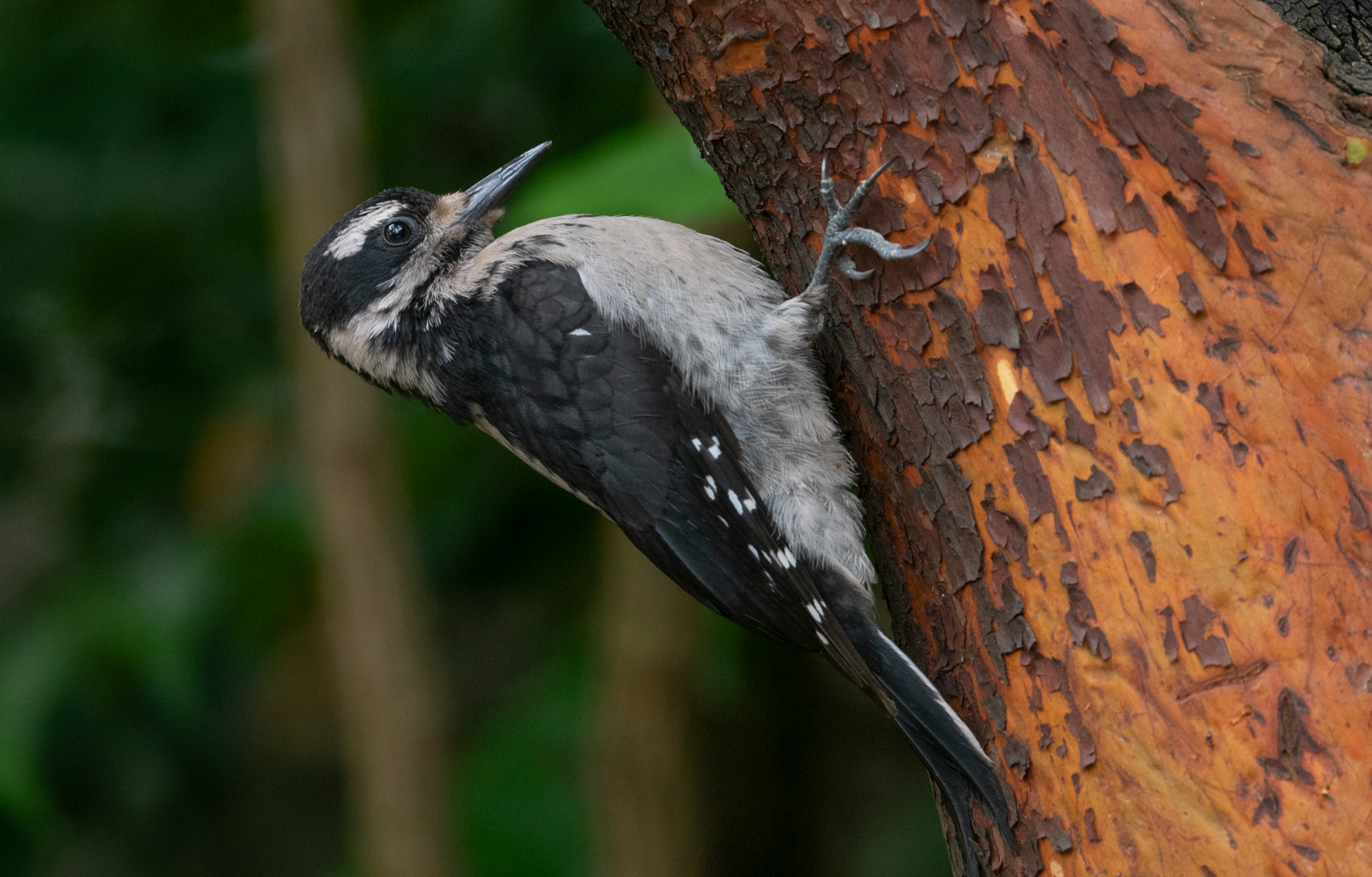
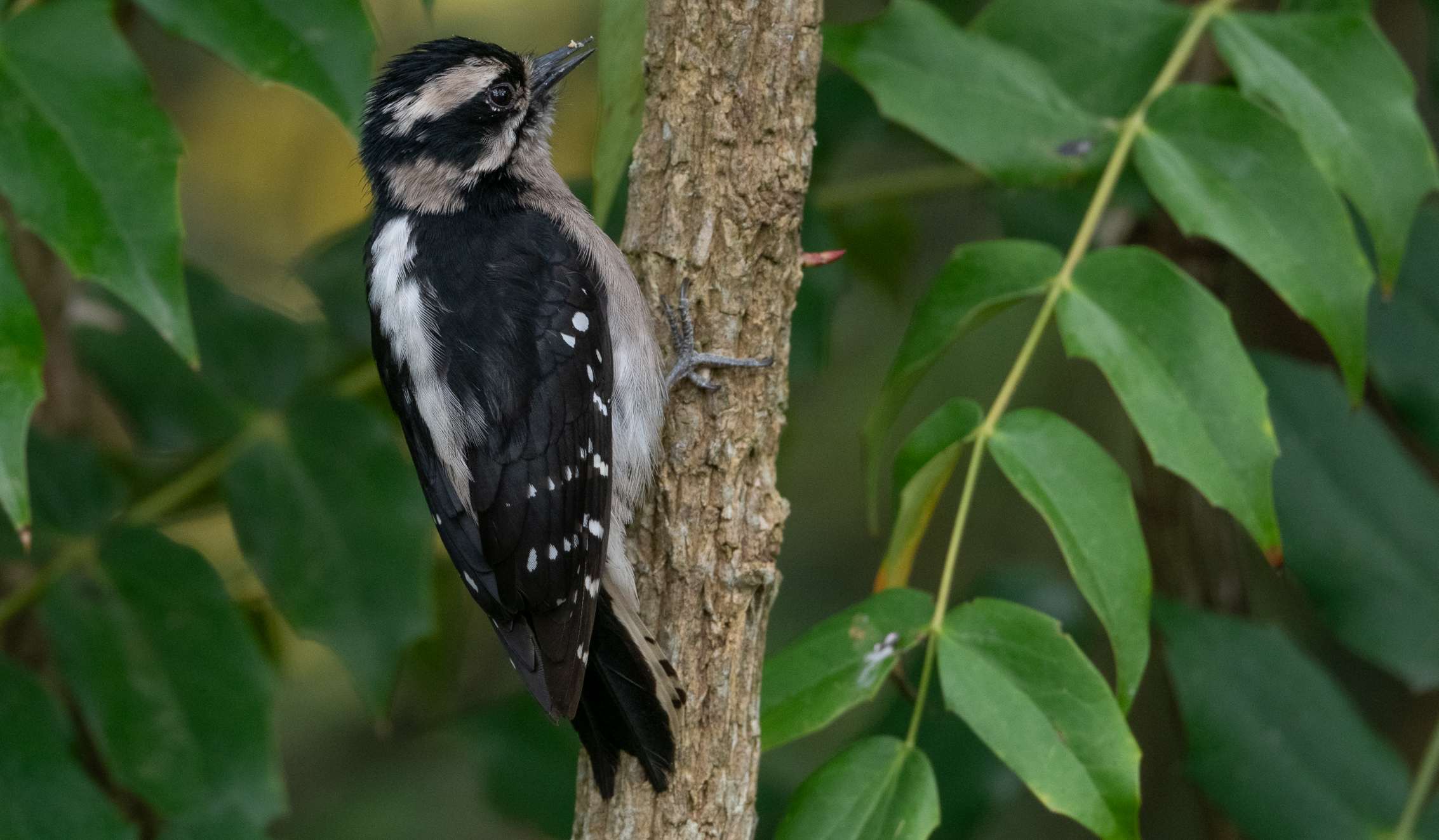
Another relatively rare visitor was this female Hairy woodpecker. The only photos I could get of it were of it on the peanut feeder.  It’s only gotten to be an occasional visitor in the last year or so. And incidentally, if you asked me to recommend a single feeder for your yard it would be this Perky Pet Sunflower and Peanut feeder. (I don’t consider it suitable for sunflower seeds for a couple of reasons.) 

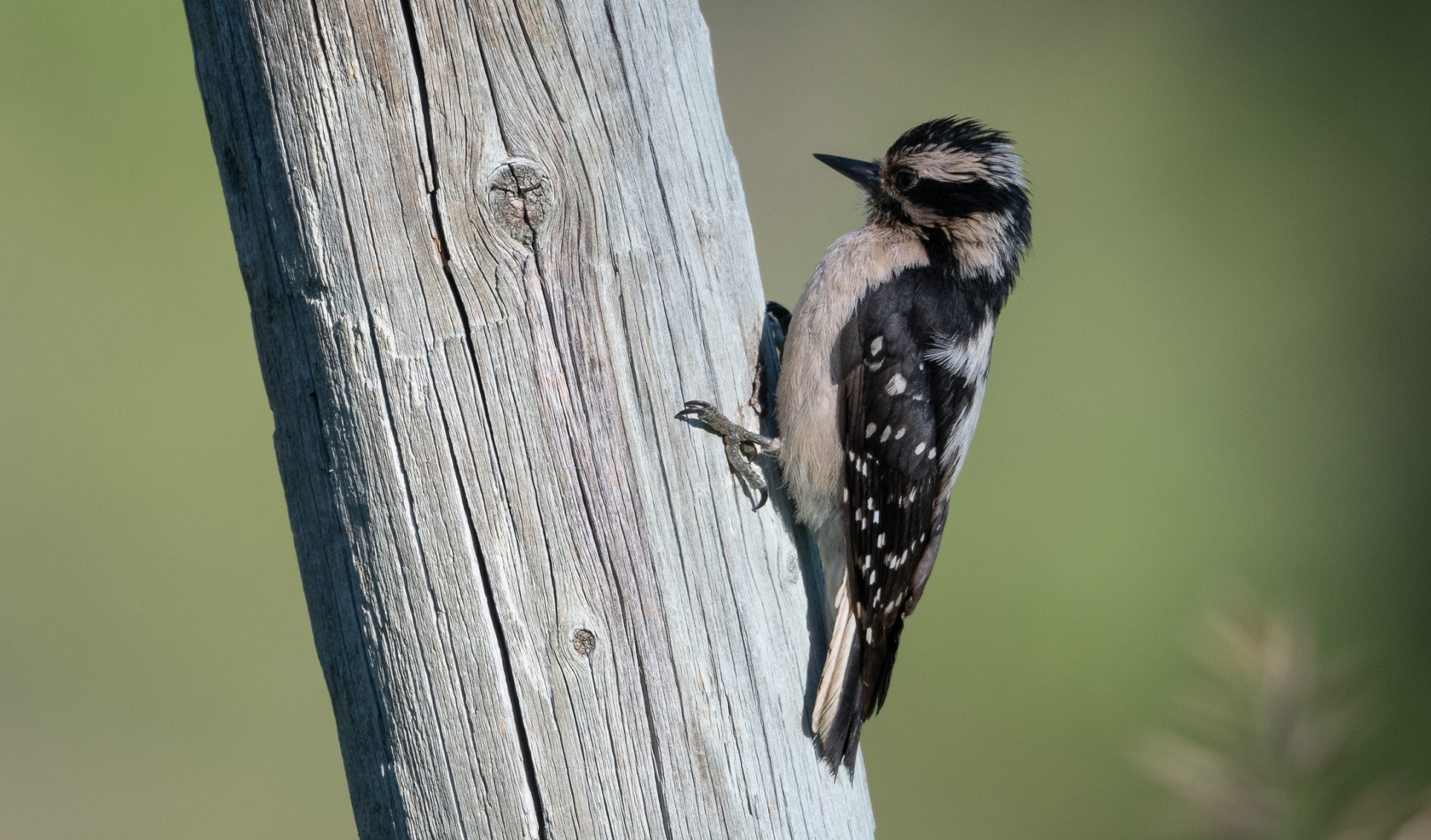
Here’s a photo of a female Downy woodpecker for comparison. 

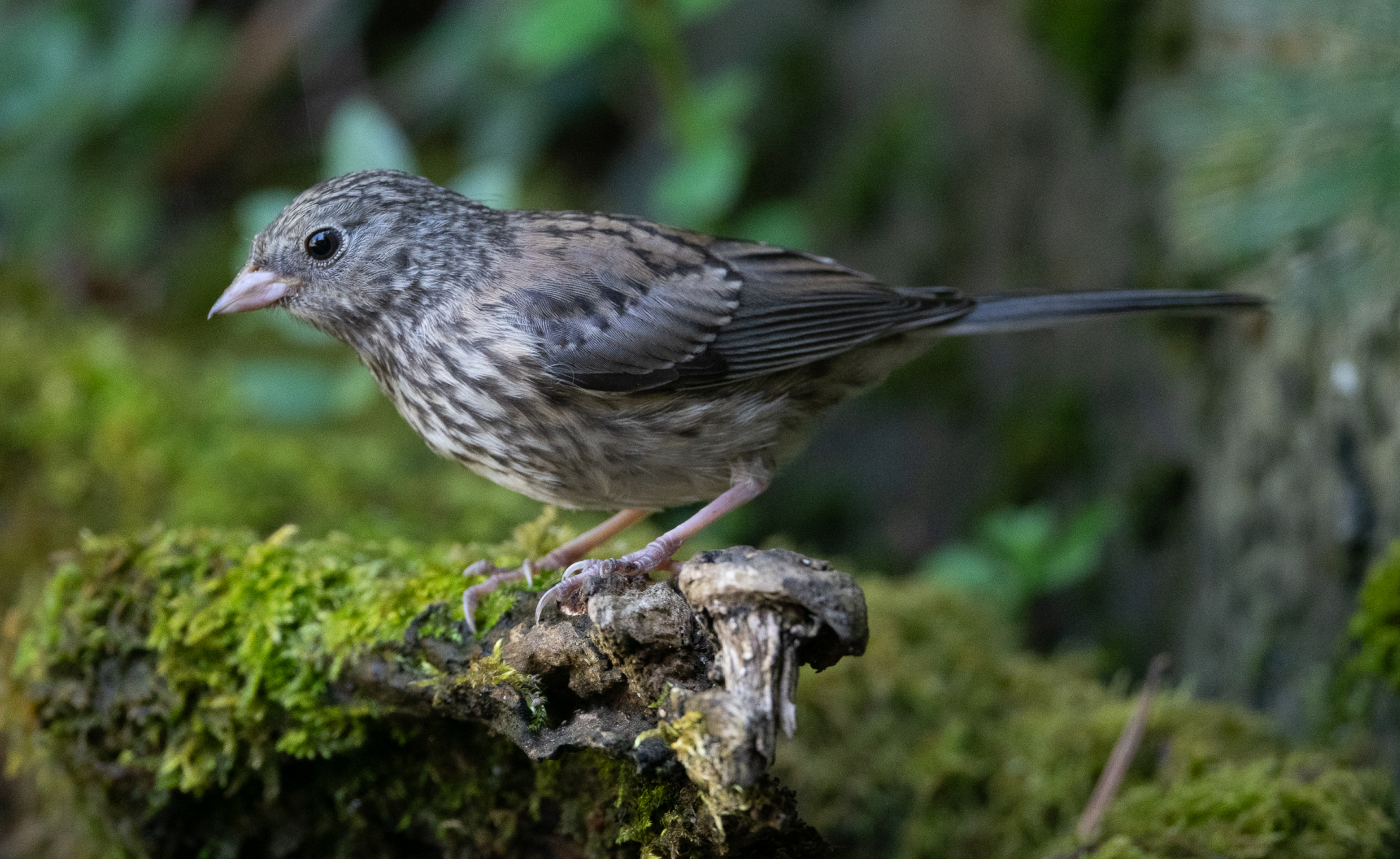
One of the first birds I encountered this afternoon was one that has now become a close friend, this leucistic Dark-eyed (Oregon) junco. I got probably my best photos to date of this bird. 

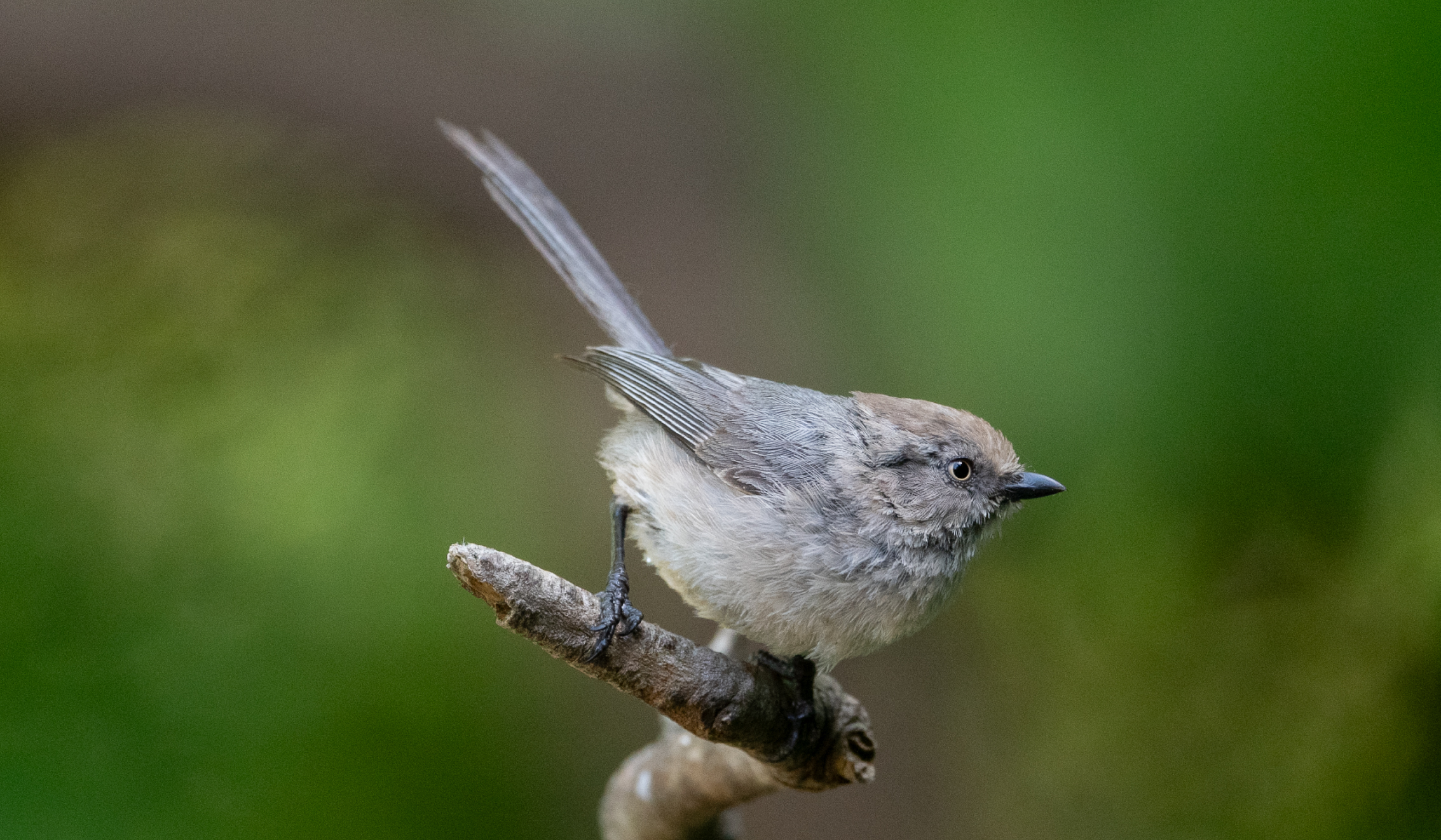
Other interesting observations… a group of Bushtits mobbing my peanut feeder. They usually are attracted to my suet feeder but it was empty, so they uncharacteristically turned their attention to the peanut feeder. Rhetorical question of the day: Are Bushtits gregarious?  

A male Anna’s hummingbird took a break to have a bath in the watercourse, the water of which couldn’t have been above 50-degrees!  Due to light availability and high shutter speed required I was unable to get a really good photo of it flying. 

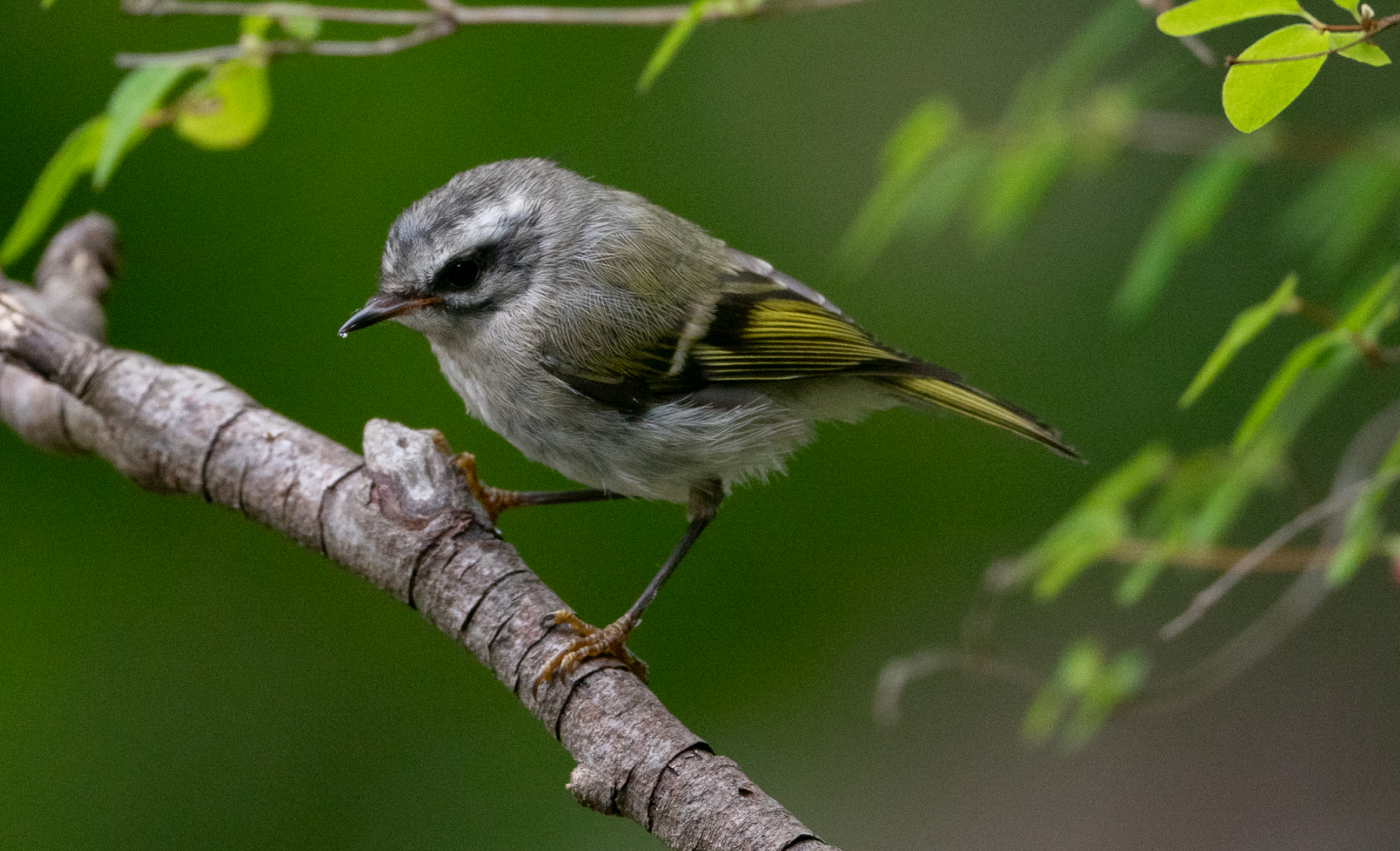
Several Golden-crowned kinglets arrived for baths. They have been consistent visitors all winter. 

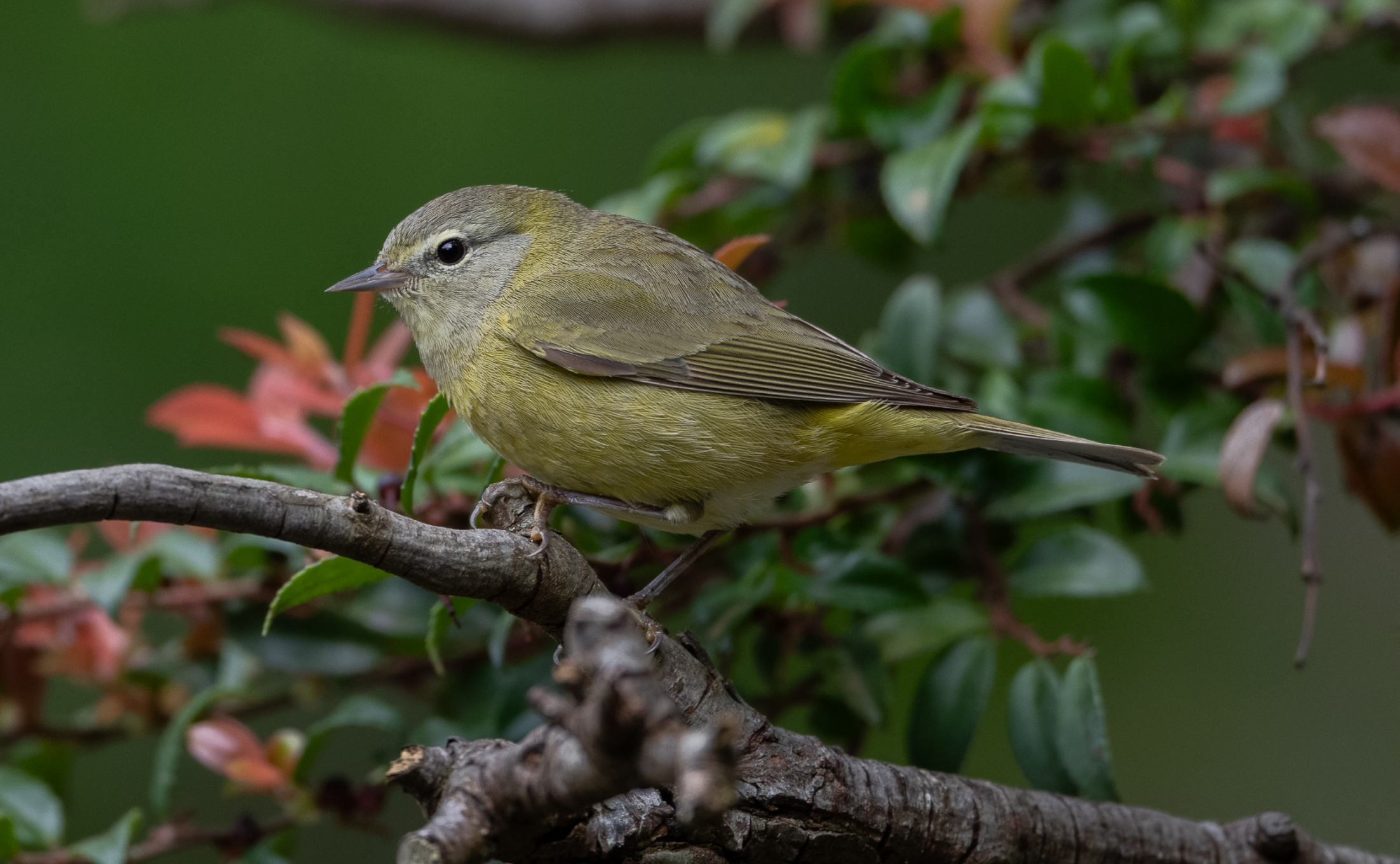
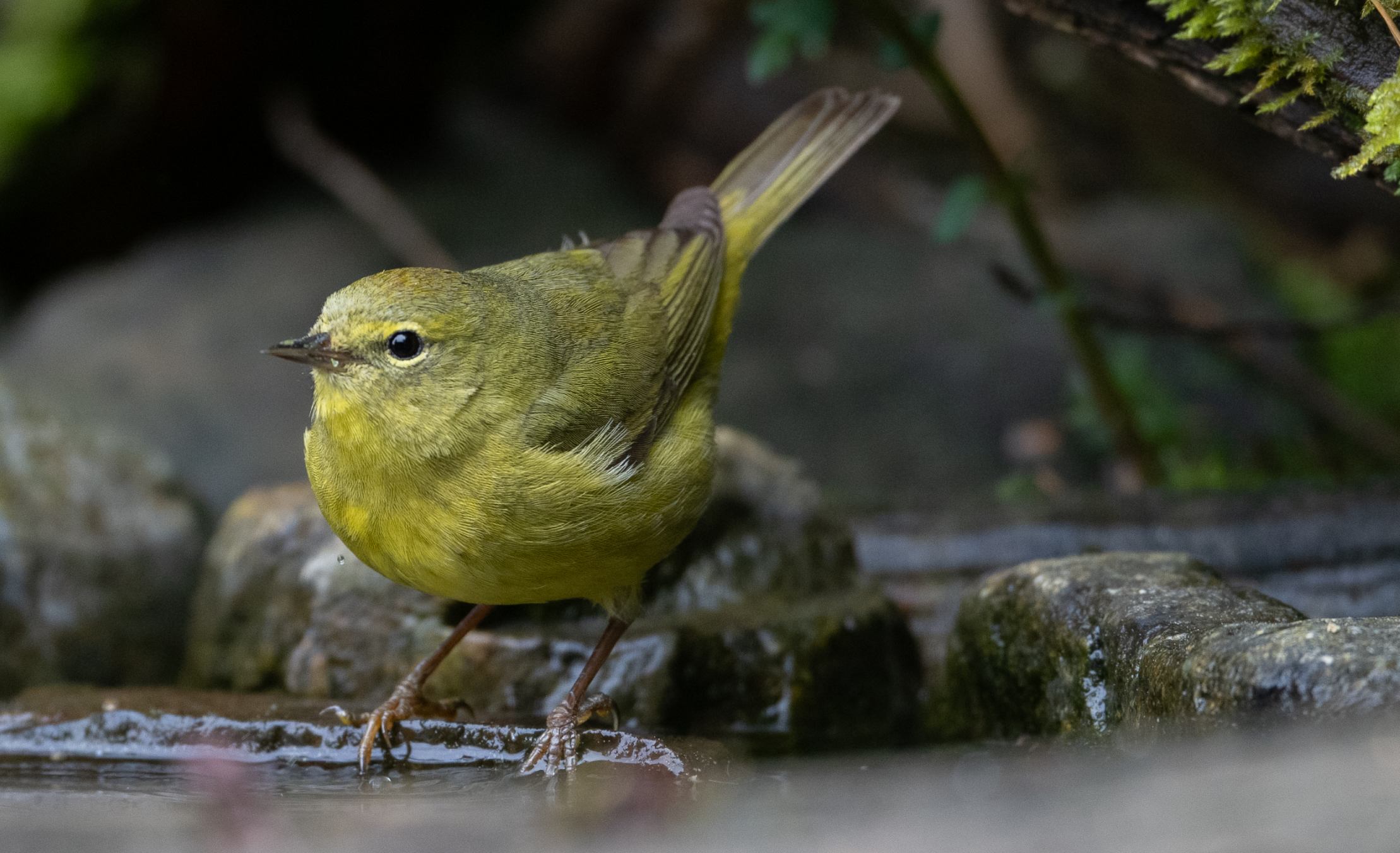
A Bewick’s wren made several appearances but never got within prime photo range. It accessed the platform feeder (hulled sunflower seeds and peanut pieces) several times, as did an Orange-crowned warbler which I was unable to photograph. 

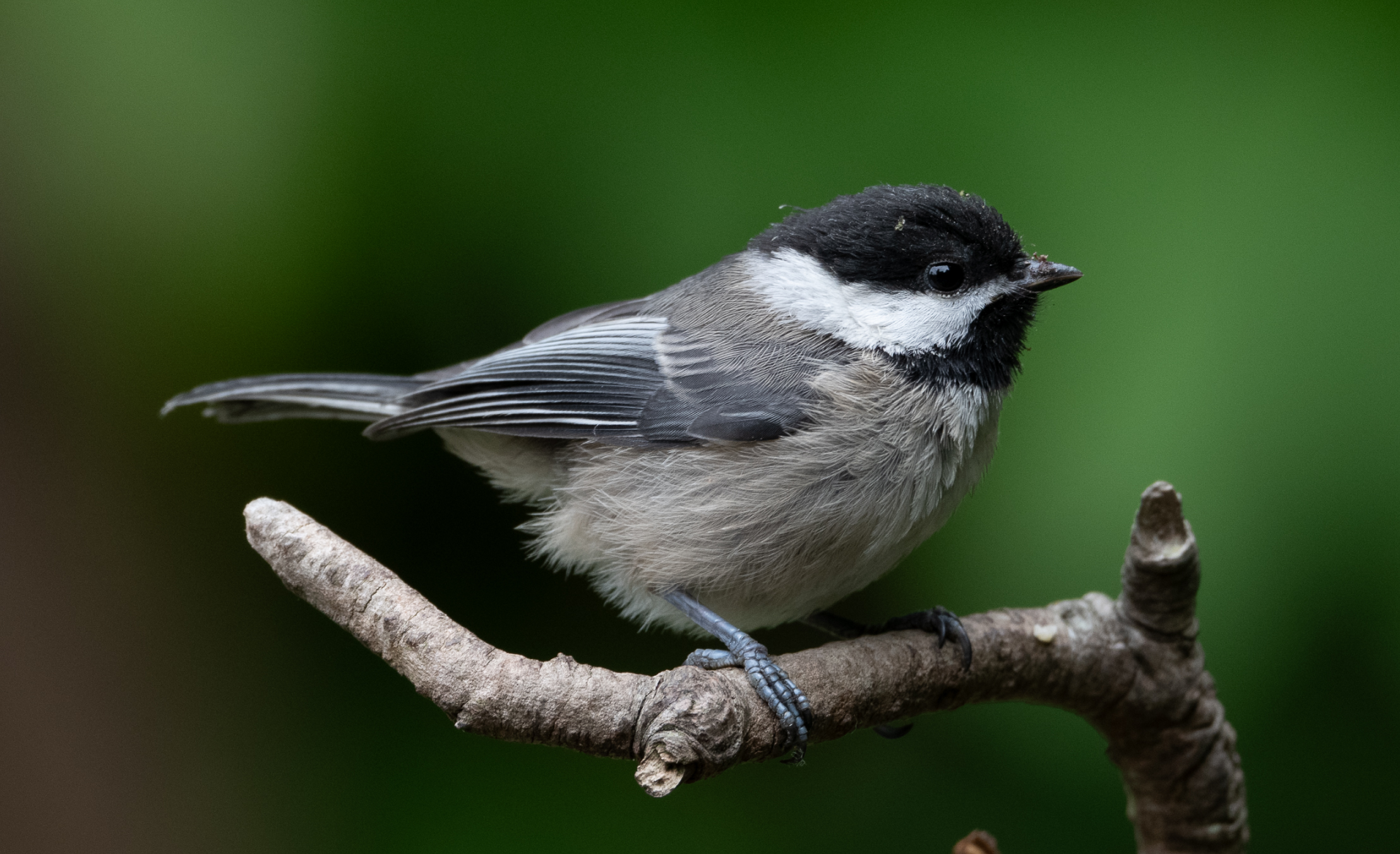
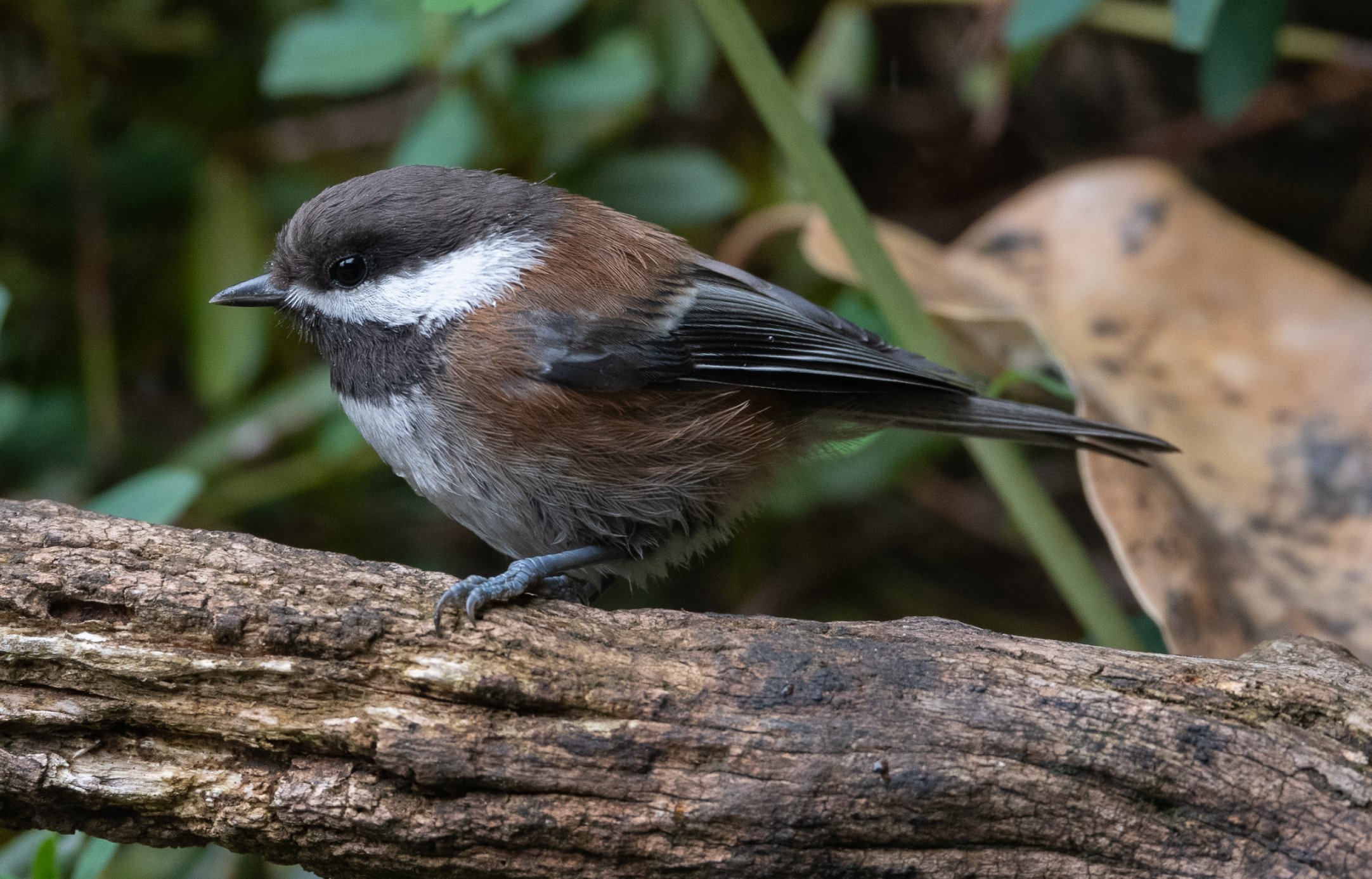
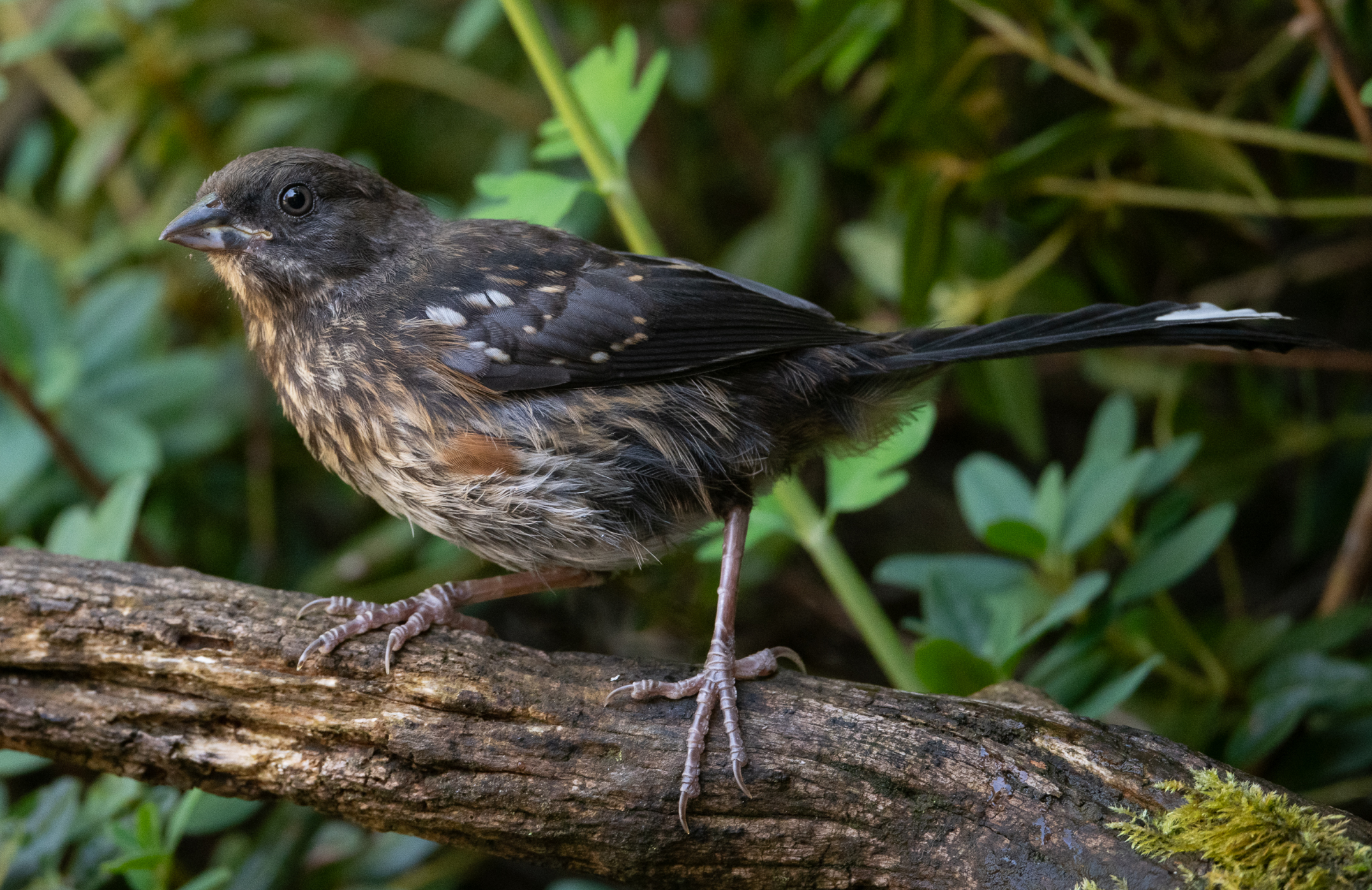
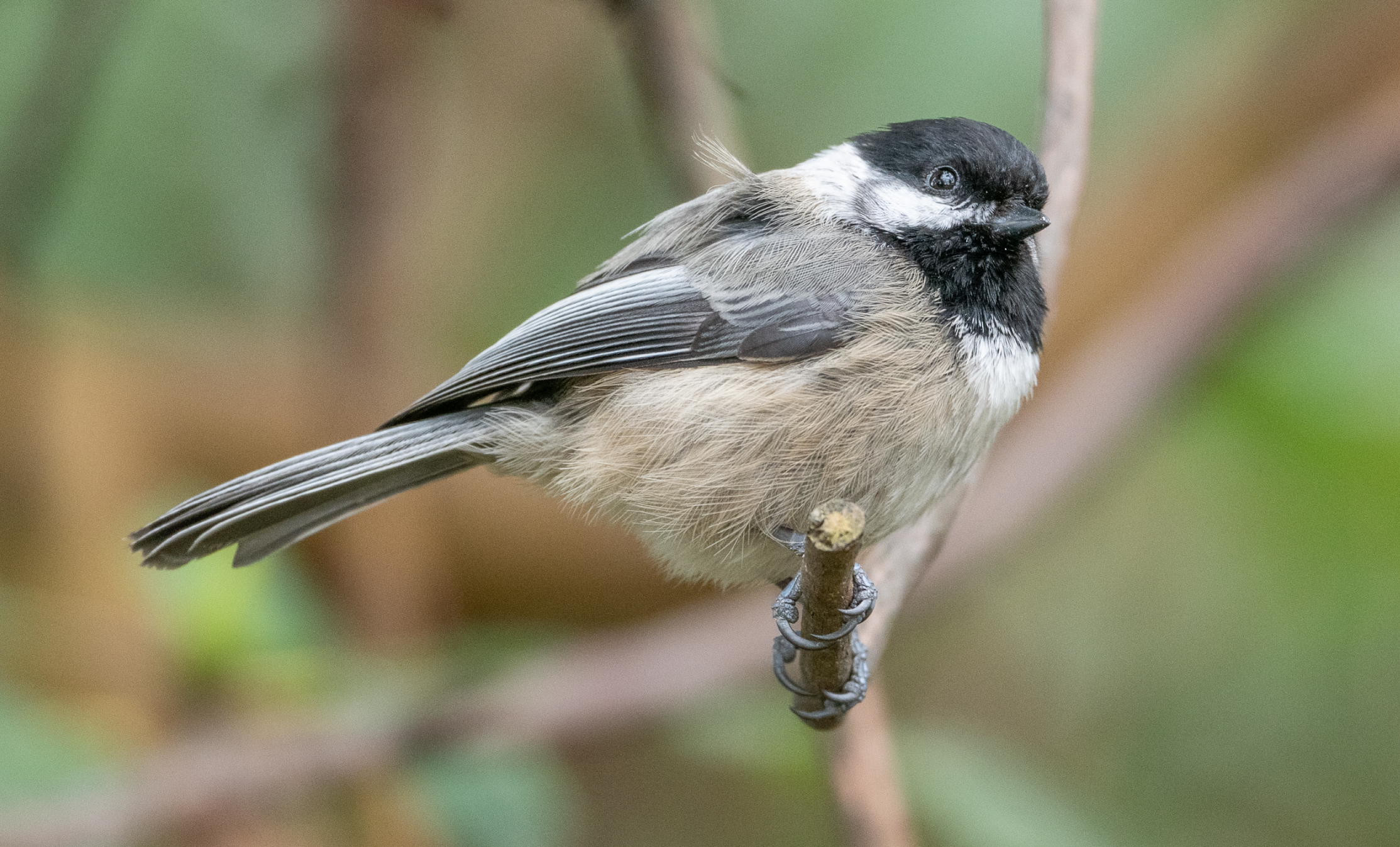
Other species in the yard, most of which I photographed: Golden-crowned sparrow, Song sparrow, Fox sparrow, Spotted towhee, House sparrow, Northern flicker and chickadees. 

Totals for the day… 1.5 hours in the yard and 239 photos!  Brought to you in the wee hours of Monday (2/23/2026) morning!  

January 22, 2025

On January 22, 2025, I spent a relatively short period of time in the yard. It was 40-degrees with a clear sky. As I’ve stated in previous posts, there has been nothing especially interesting moving through the yard. On this day the first bird up was the leucistic Dark-eyed (Oregon) junco that has been here for the past couple of months. It has gotten quite used to me and will come up next to me to eat food, but that means it’s much too close for photos. However I did mange a couple of good videos with my iPhone. It eventually moved away far enough for me to obtain photos. (Note the white around the base of its beak and at the base of its hood.)

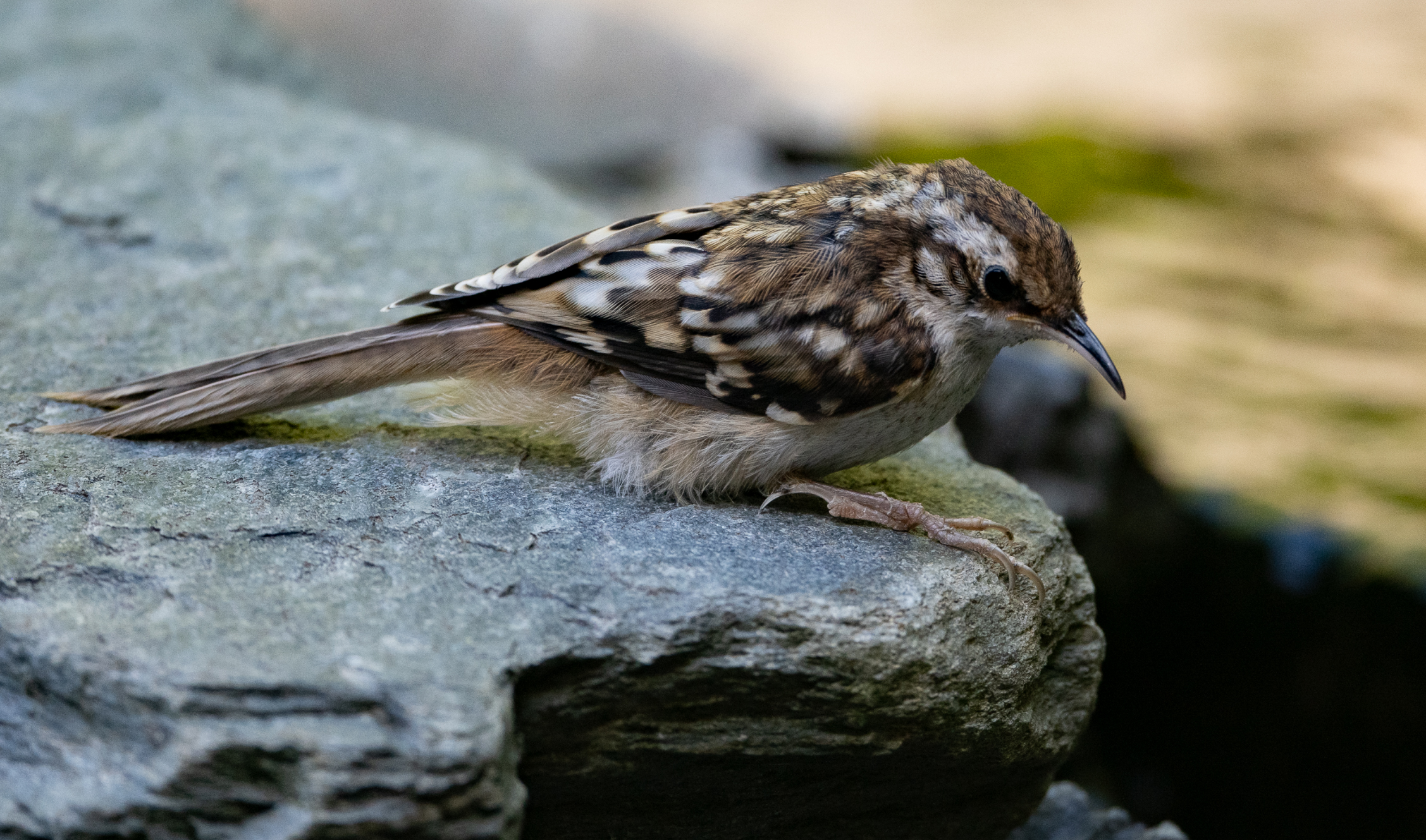
Next up was a Brown creeper which visited the watercourse for a bath, halving the distance from which I usually have to photograph it. Realizing the opportunity, I took 42 photos of it in and around the watercourse! I’m not sure these photos are any better than others I get from further away, but closer is definitely better because the photos can be enlarged more.

I had several visits from Golden-crowned kinglets, all or at least mostly males. These are regular visitors to the yard in the winter but are difficult to photograph because of their activity level.

This is one of the Golden-crowned-kinglet’s cousins, a Ruby-crowned kinglet... on drugs!

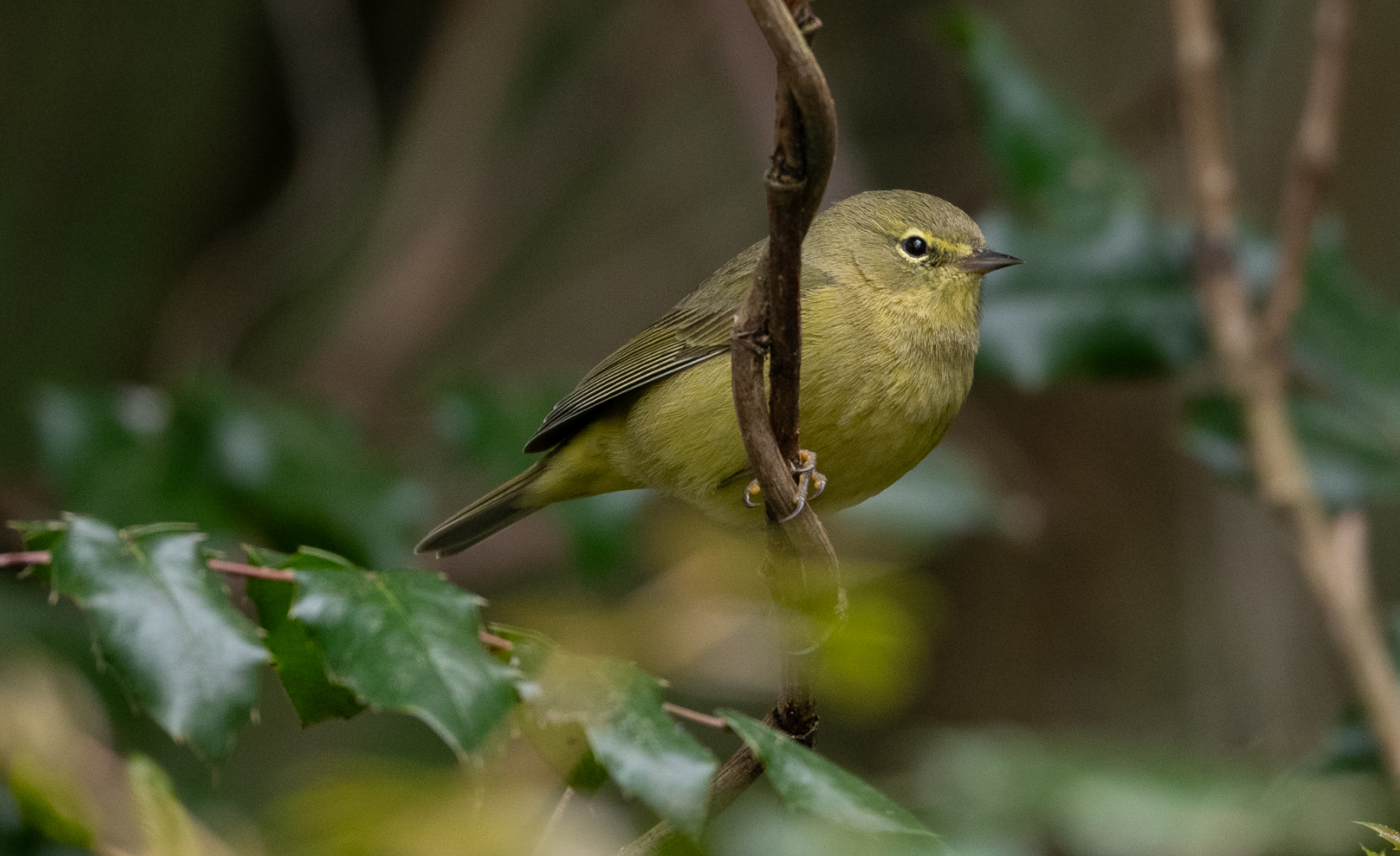
Here’s another frequent visitor (for apparently the second winter in a row)… an Orange-crowned warbler. It accesses all three type of feeders (peanut, suet and peanut pieces/sunflower) I have. In this case, as you can see, it’s on the peanut feeder!

So nothing particularly unusual, but some nice photos nevertheless.

And just before constructing this blog on the afternoon of January 23, 2025, I looked out my kitchen window and saw that both a male and female Hairy woodpecker were back after being been missing in action for several weeks! (No photos.)