Sparse Visitation

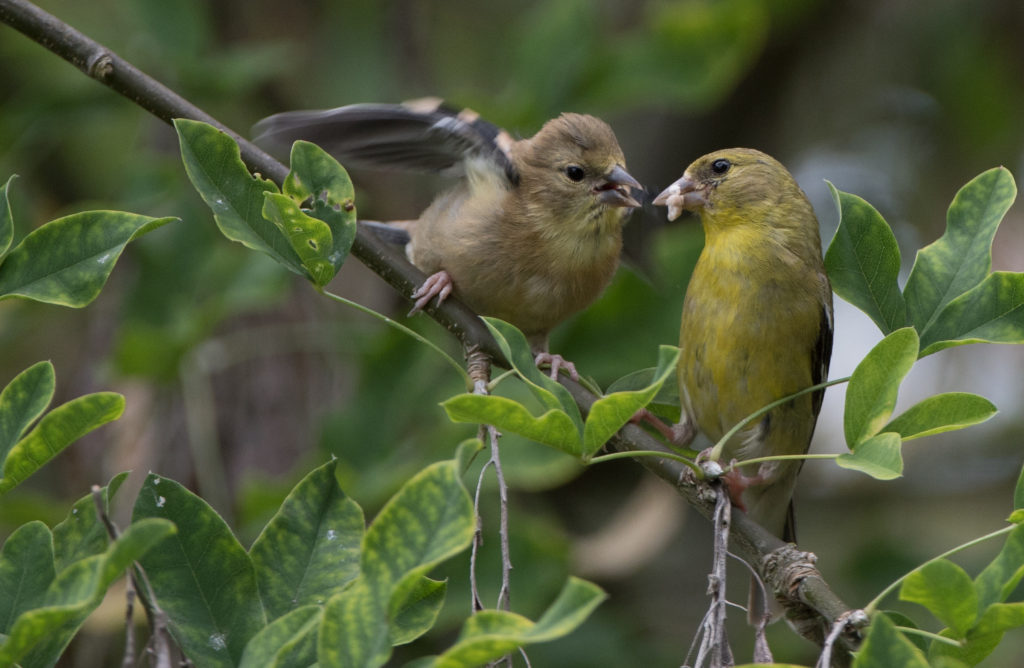
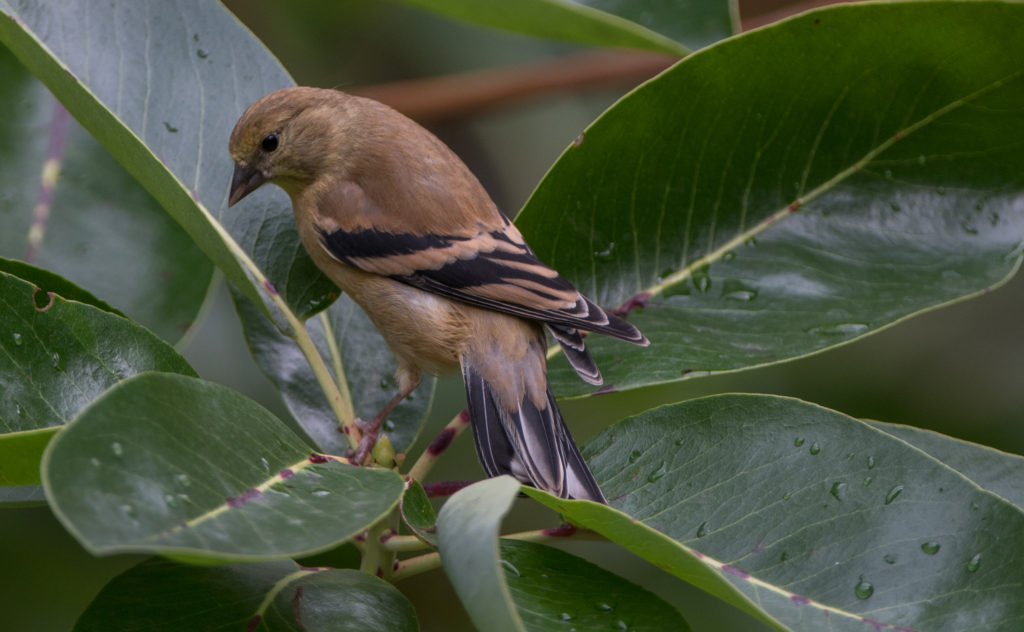
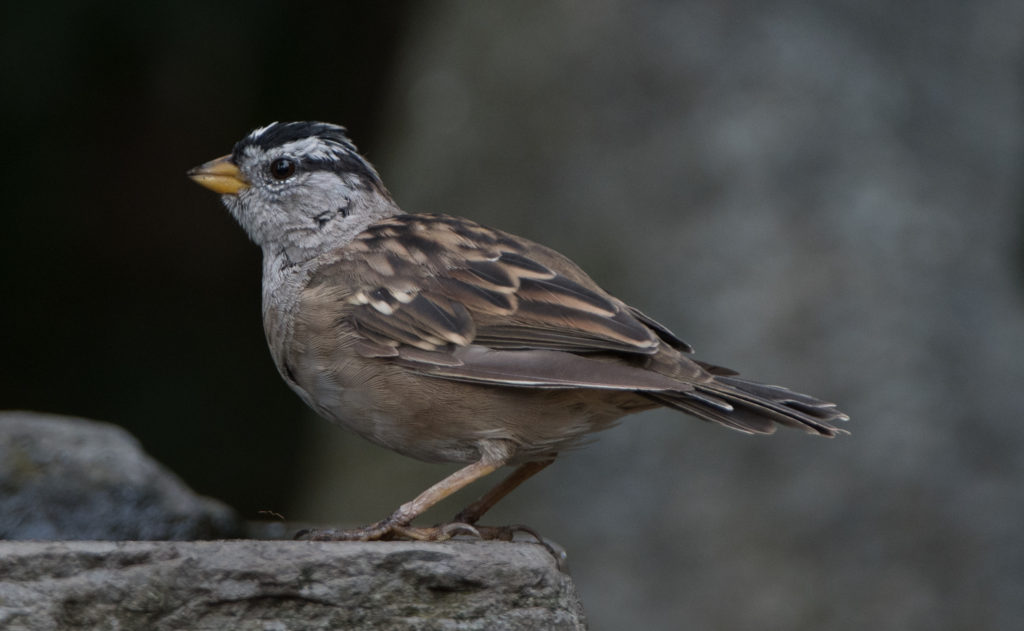
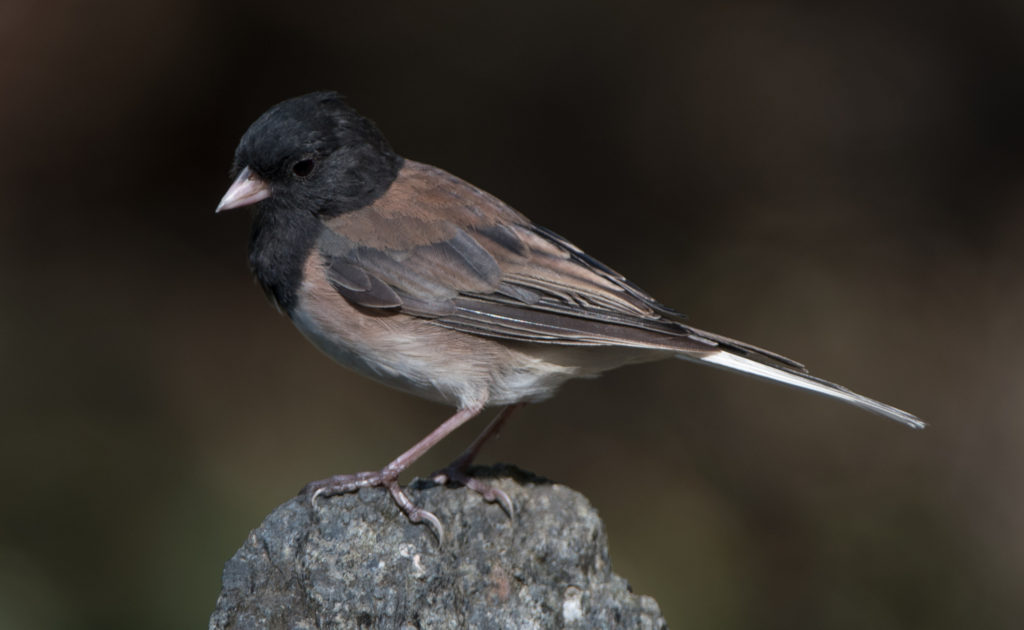
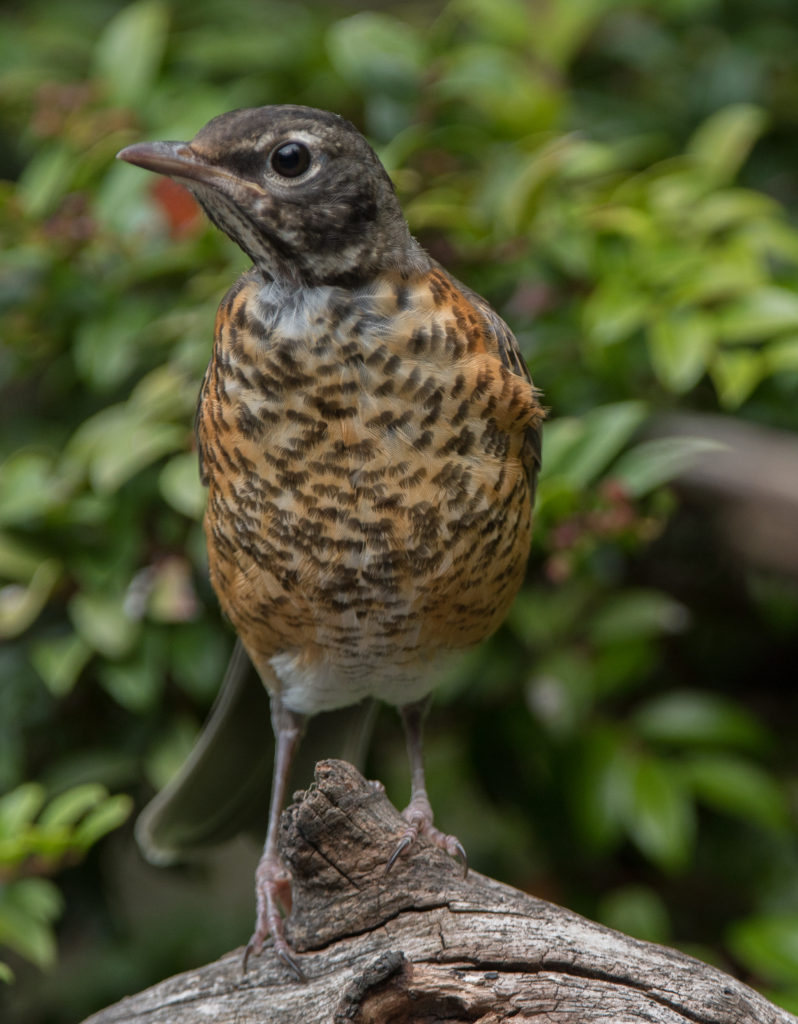
I’ve spent a lot of time in the yard lately without many unusual birds to show for it.  The yard continues fo generate some interest mainly due to all the juveniles present.  It can be quite a chore to sort all of the “little brown birds” as to species.  We have juvenile Spotted towhees, Dark-eyed juncos, White-crowned sparrows, House sparrows and other less confusing juveniles.

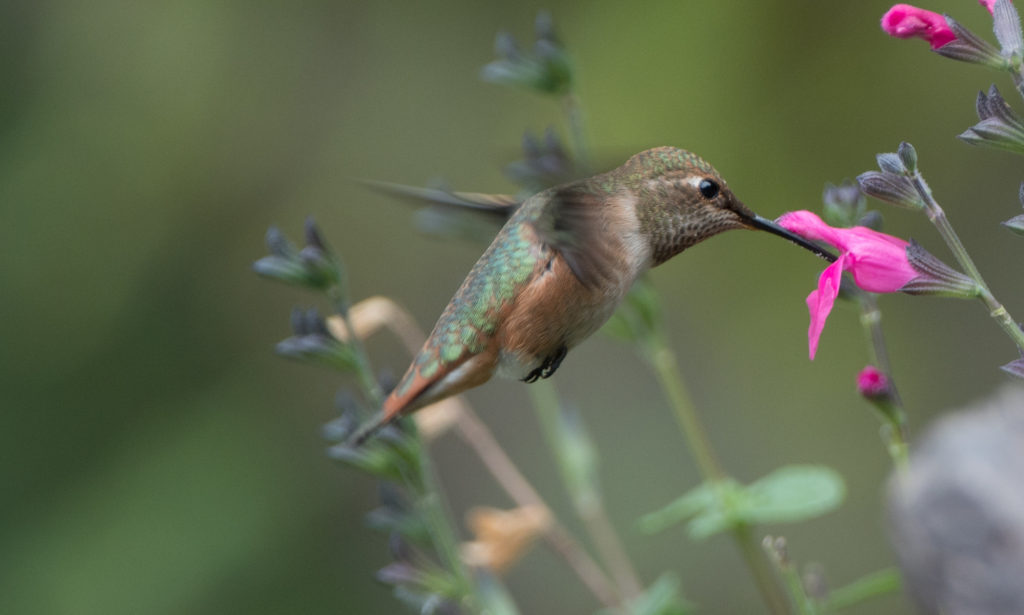
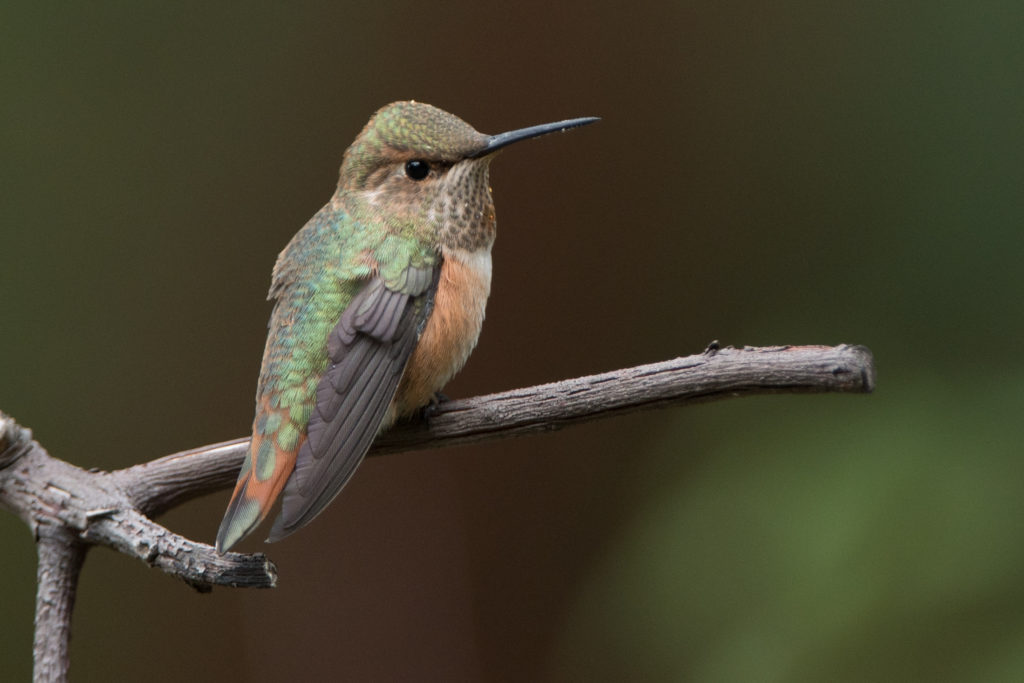
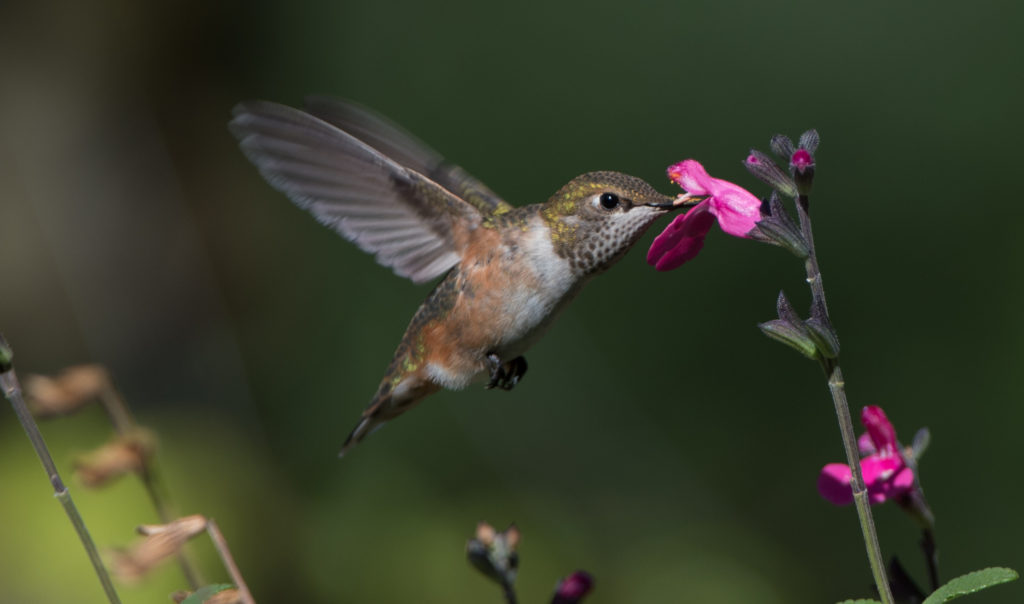
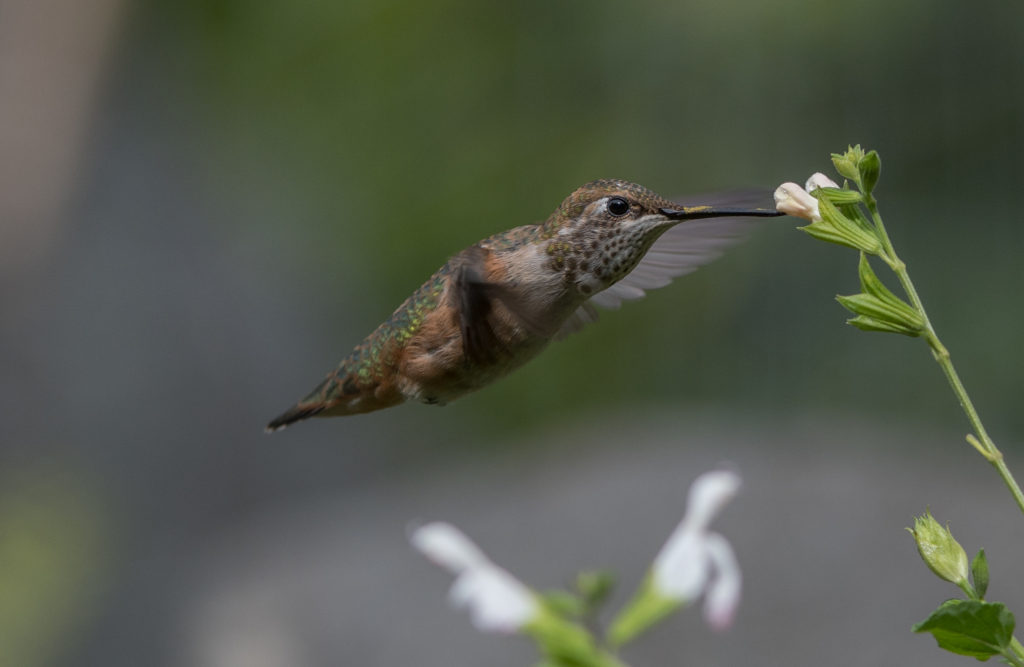
Our male Rufous hummingbirds have already left our yard for their migration south, but the females are still here.  Here’s a photo of a female Rufous hummingbird feeding on salvia.

This is a photo of a female Anna’s hummingbird feeding on Salvia…

And here’s a male Anna’s hummingbird, some of which are year-round residents in the Pacific Northwest.

And here’s the same male Anna’s hummingbird with its gorget showing…

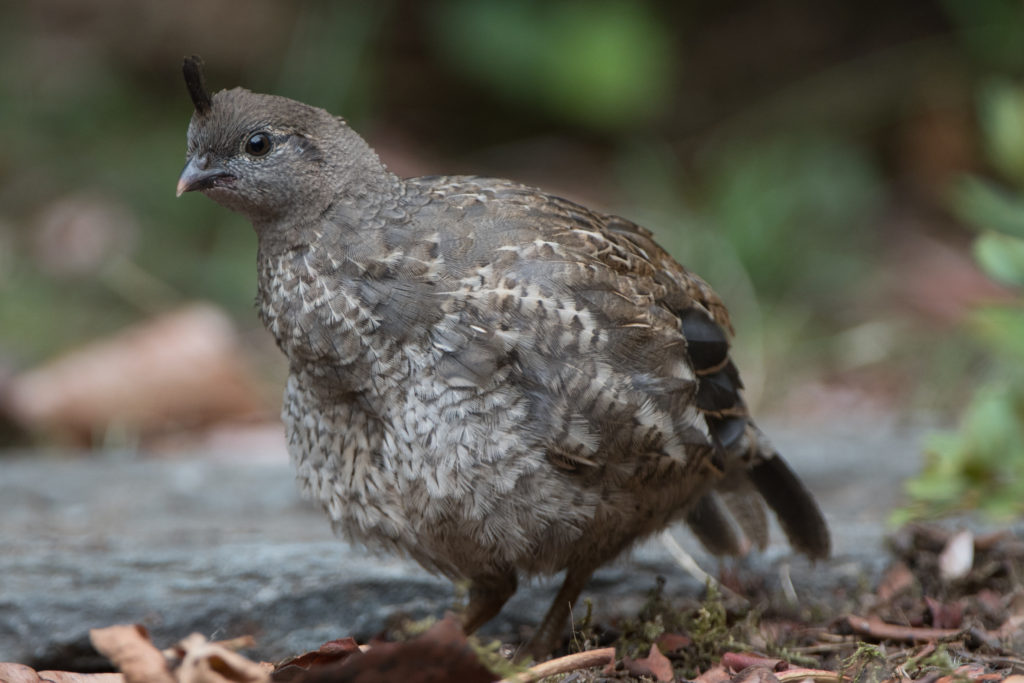
About a week ago I got a quick glimpse of a covey of juvenile California quail when I unexpectedly flushed them and they flew into the adjacent forest.  Though small, these juvenile quail are quite flight-capable.  The current status is that the covey contains eight juveniles, but the original group was probably larger and if half this remaining group survives to adulthood they will be lucky.

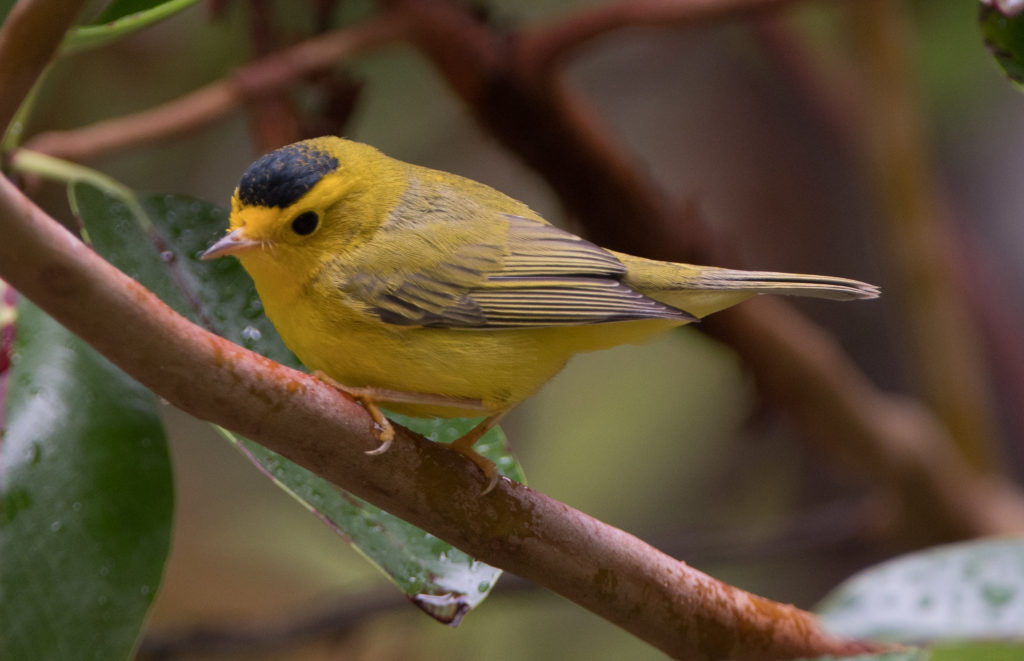
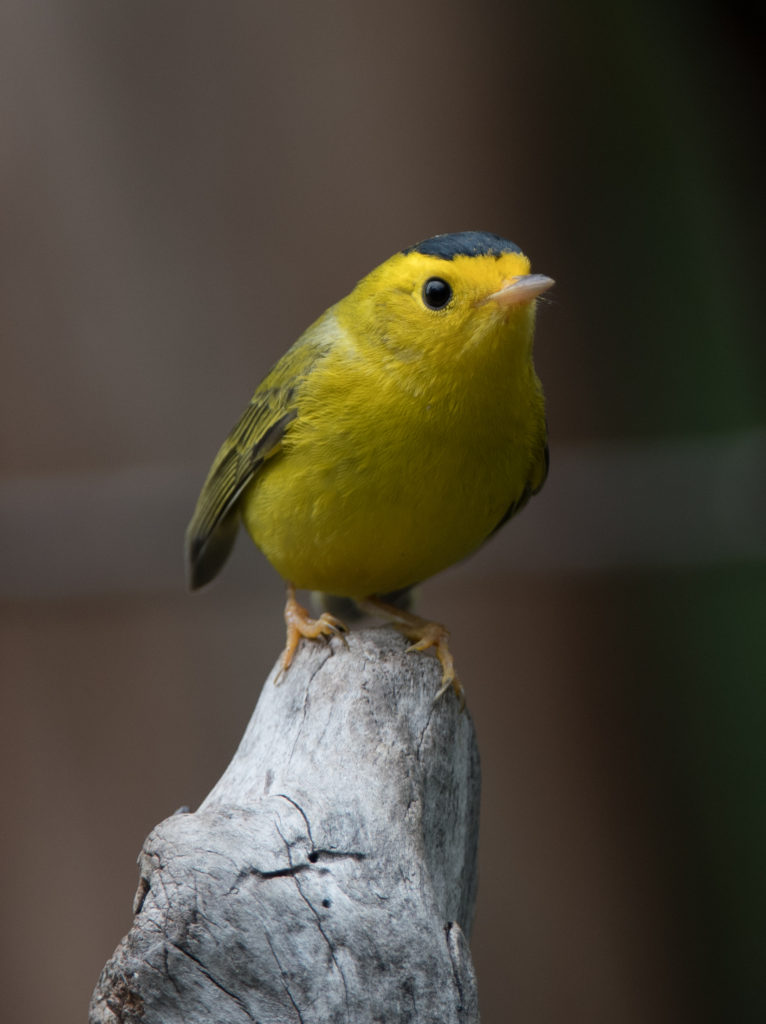
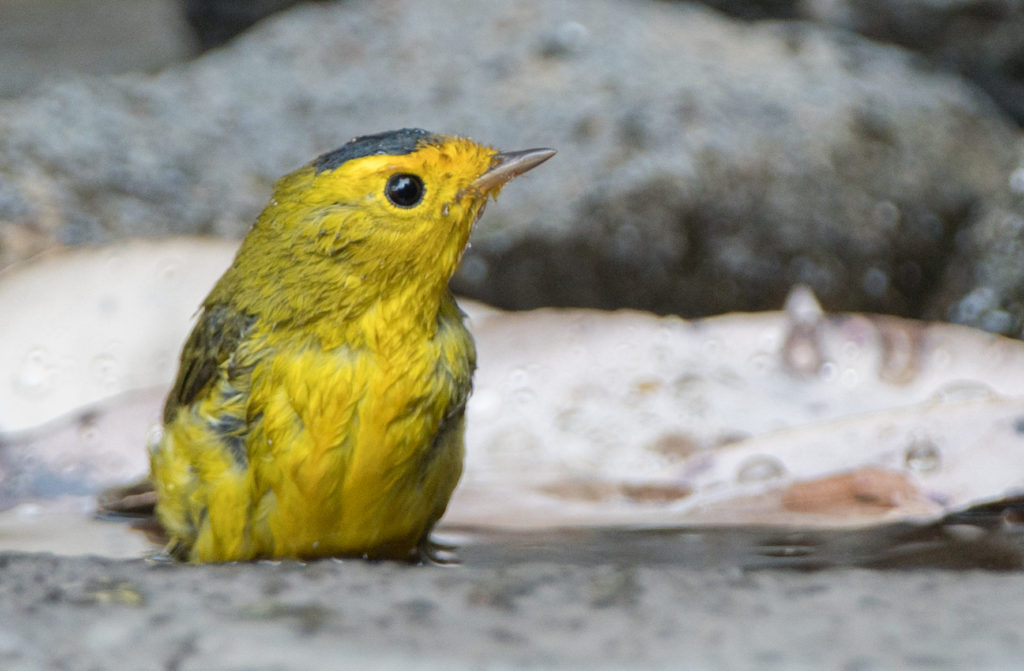
My most anticipated birds are the warblers, but I’ve been disappointed this spring and summer by their scarcity.  However this past week I have had two visits from a beautiful male Yellow-rumped (Audubon’s) warbler (which I wasn’t able to photograph) and an Orange-crowned warbler which I was able to photograph and whose orange crown you can actually see.  The orange crown is often difficult to observe.

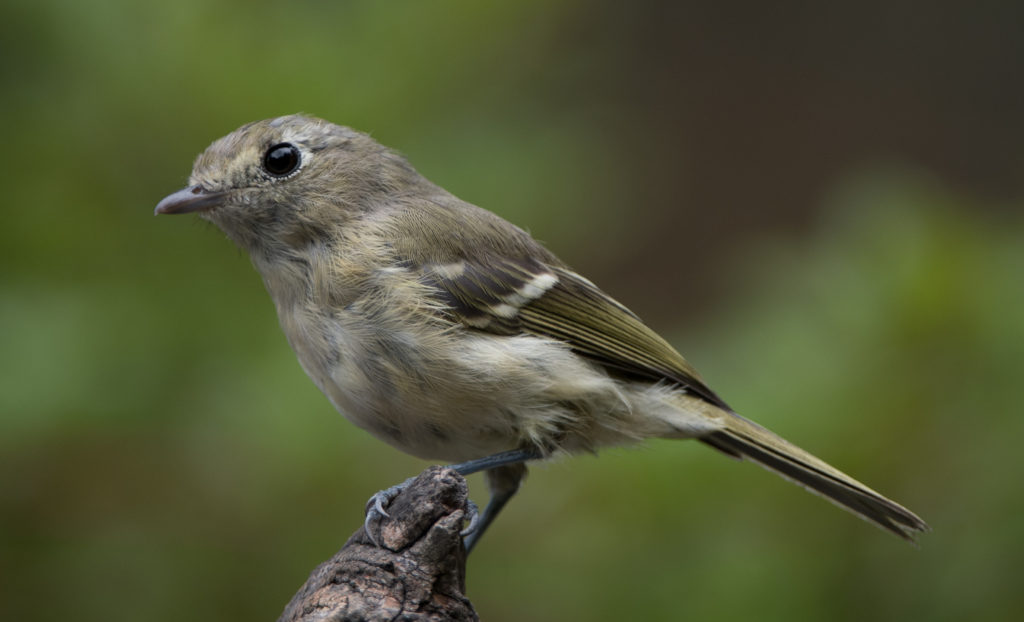
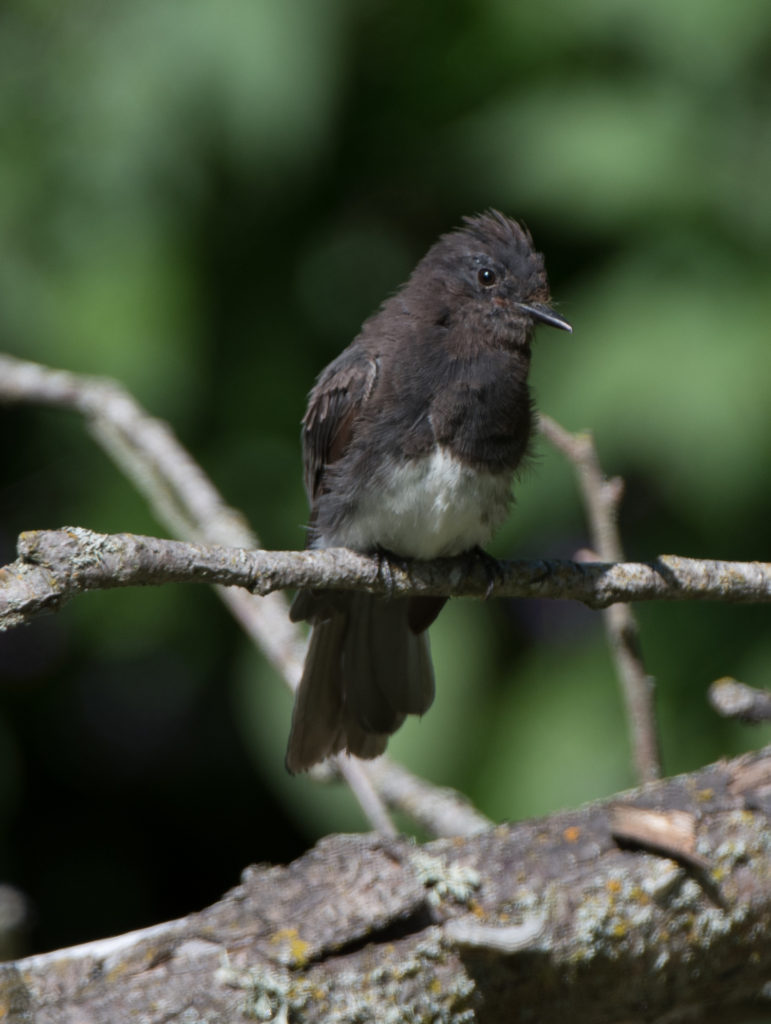
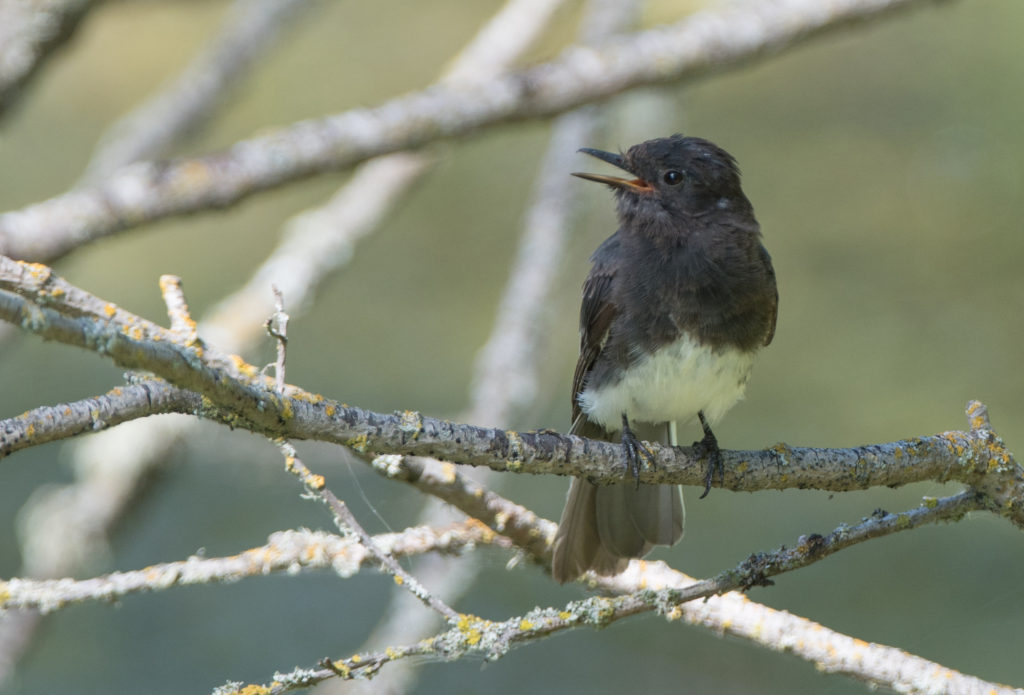
The award for what will likely be my “bird of the month” will go to a bird that appeared on July 23, 2019.  I was sitting in the yard with my camera at the ready when I became aware of a bird immediately next to me in a small Japanese maple tree.  I looked over and realized that it was a flycatcher!  The bird spent about ten minutes flying around the yard chasing goldfinches and chickadees OUT of the yard!  Unfortunately it never took advantage of any of my conveniently located staging sticks, so I never obtained a really good photograph.  Even more unfortunately, there is no hope of identifying the flycatcher other than belonging to the Empidonax genus, a group of flycatchers only reliably identifiable by their vocalizations.
Juveniles in the Yard

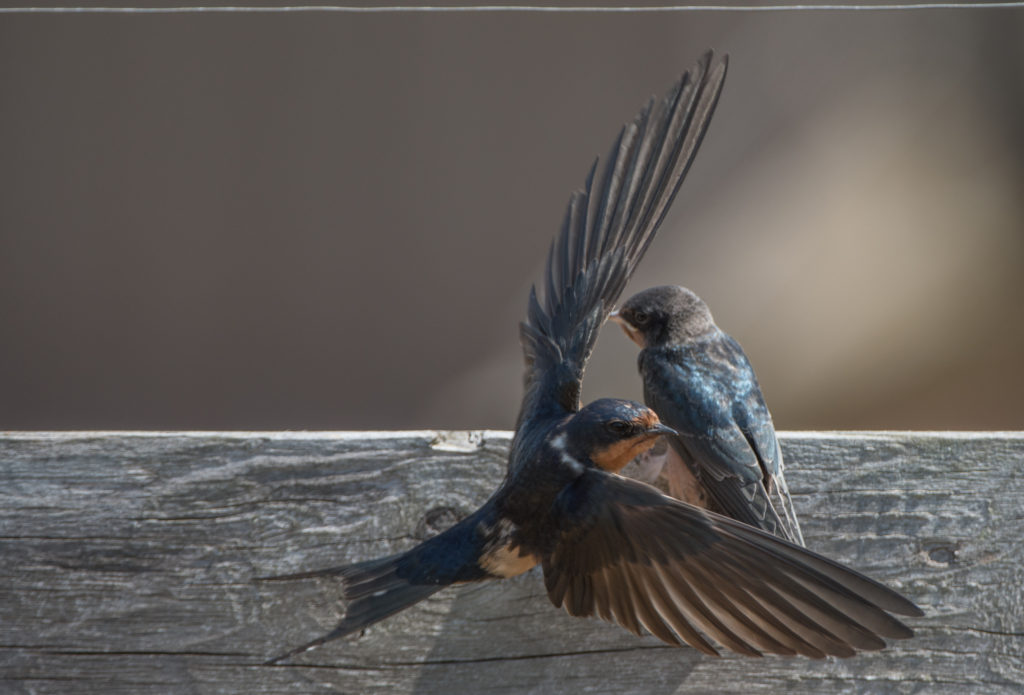
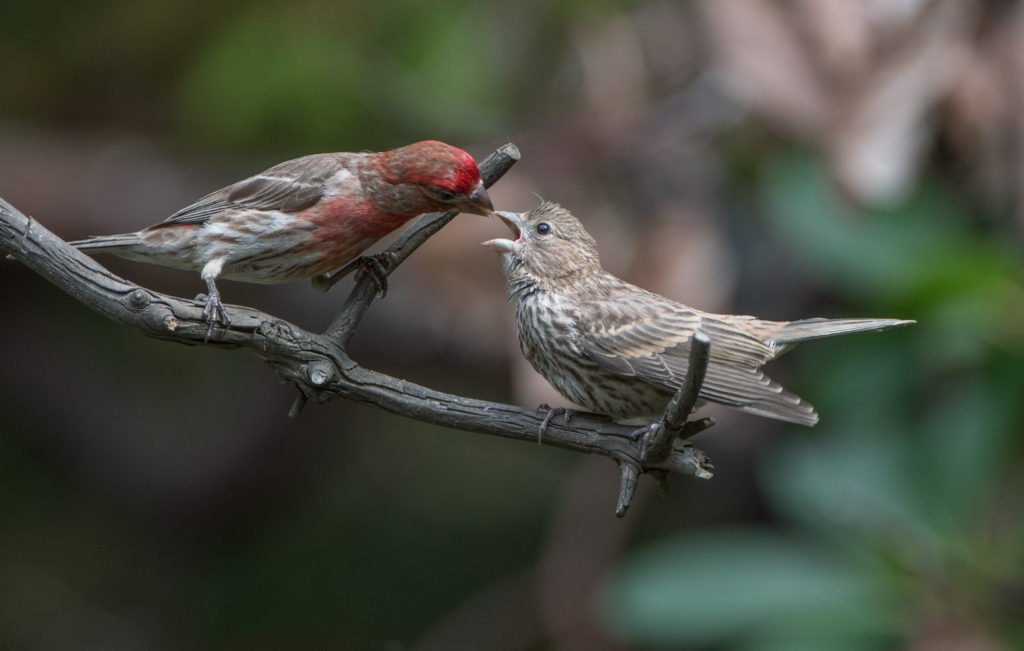
The spring of 2019 has been a disappointment for the number of warblers and other interesting spring migrants appearing in the yard but we’ve had more juvenile birds than I can ever remember.  We have had, of course, an oversupply of House sparrows and European starlings who nested off-premises but are bringing their young to the yard for food.  

Listing the juveniles I can remember seeing in the past month or so: 

  • A juvenile Brown creeper, as evidenced by its size, entering the watercourse sans parents (on 6/9).  
  • A juvenile female Downy woodpecker being fed by a male adult (6/7).  

  • Two juvenile White-crowned sparrows being fed by their parents (6/7).  

  • Two juvenile Spotted towhees independently frequenting the yard and watercourse since early June.  By the time I see the juveniles in the yard they are always  independent of their parents.  

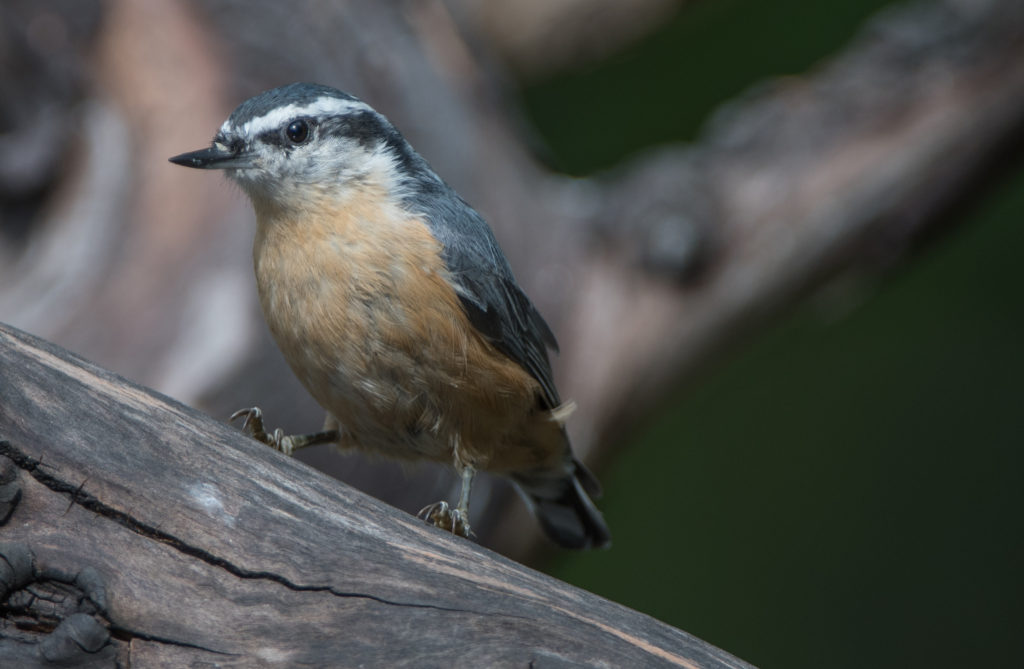
  • A single juvenile Red-breasted nuthatch being fed by parents. 
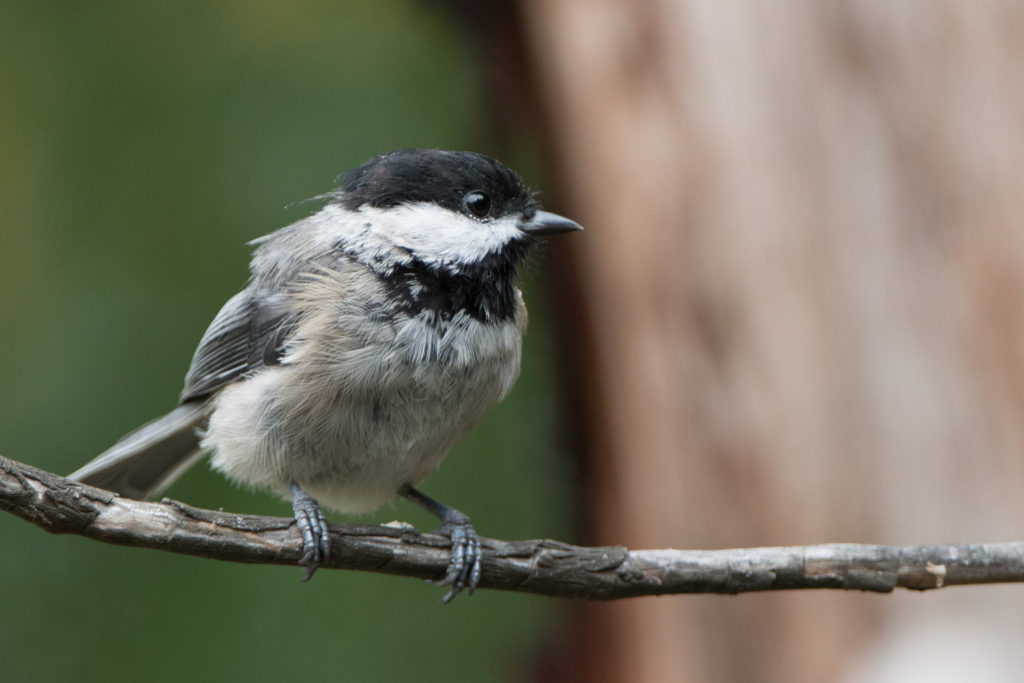
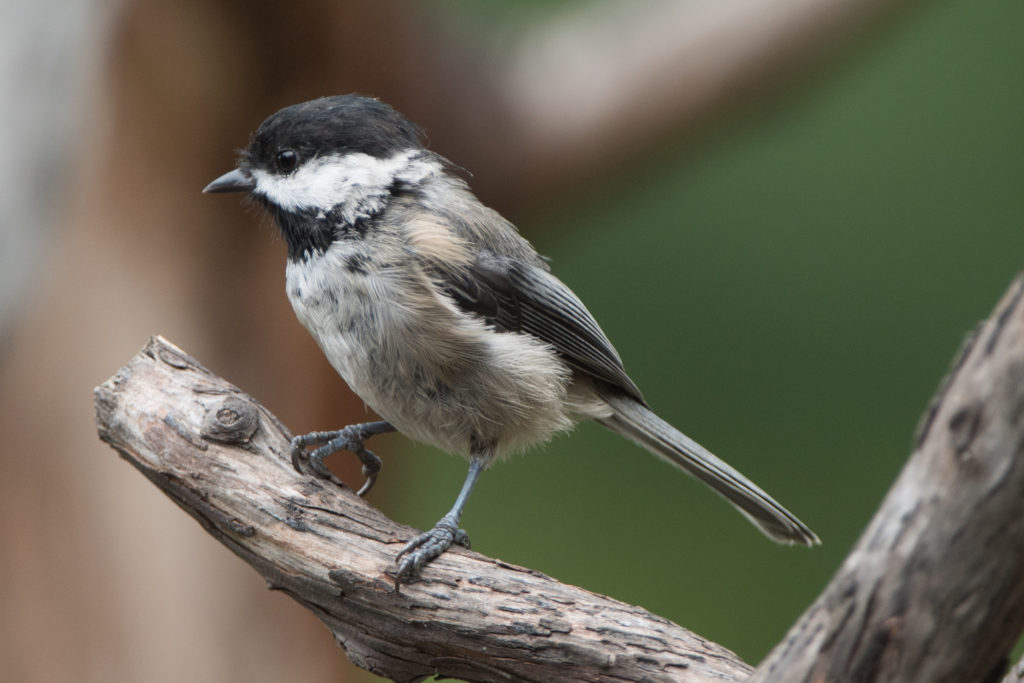
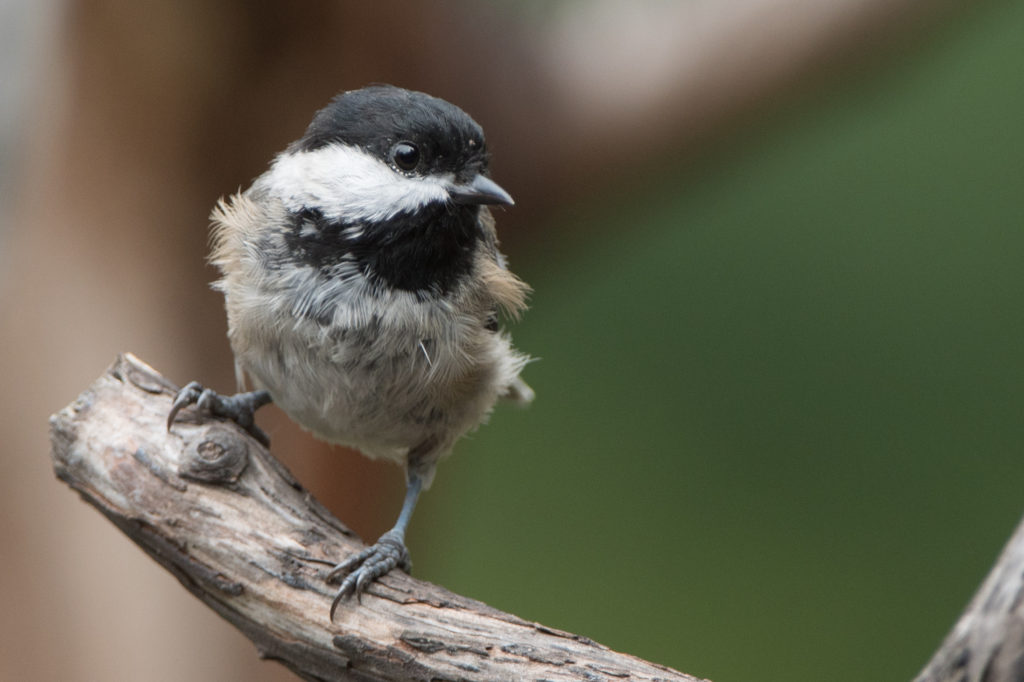
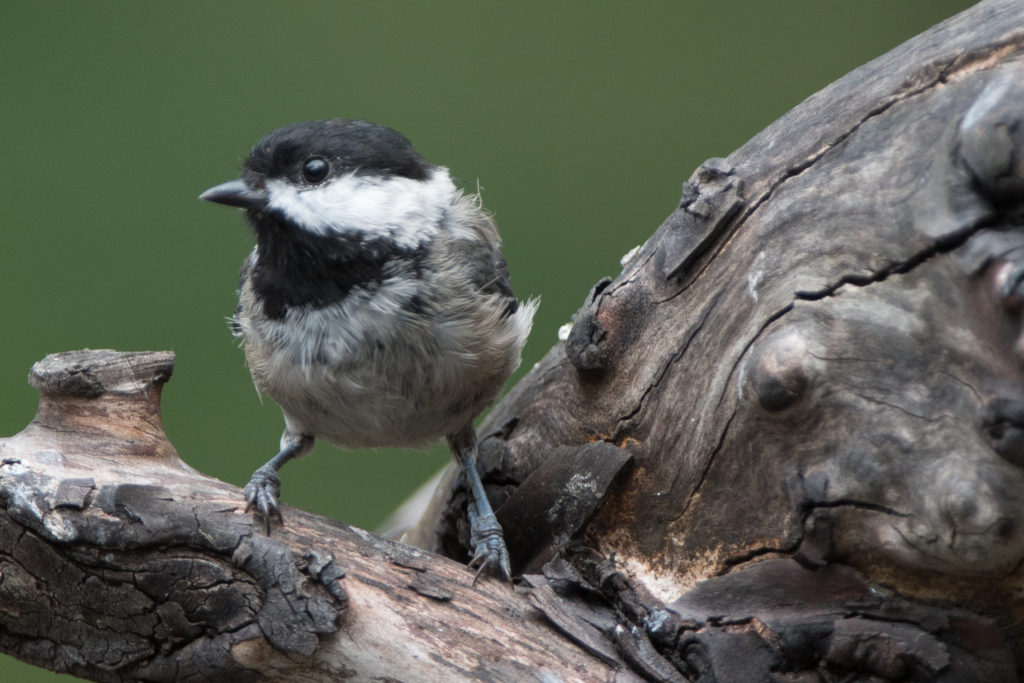
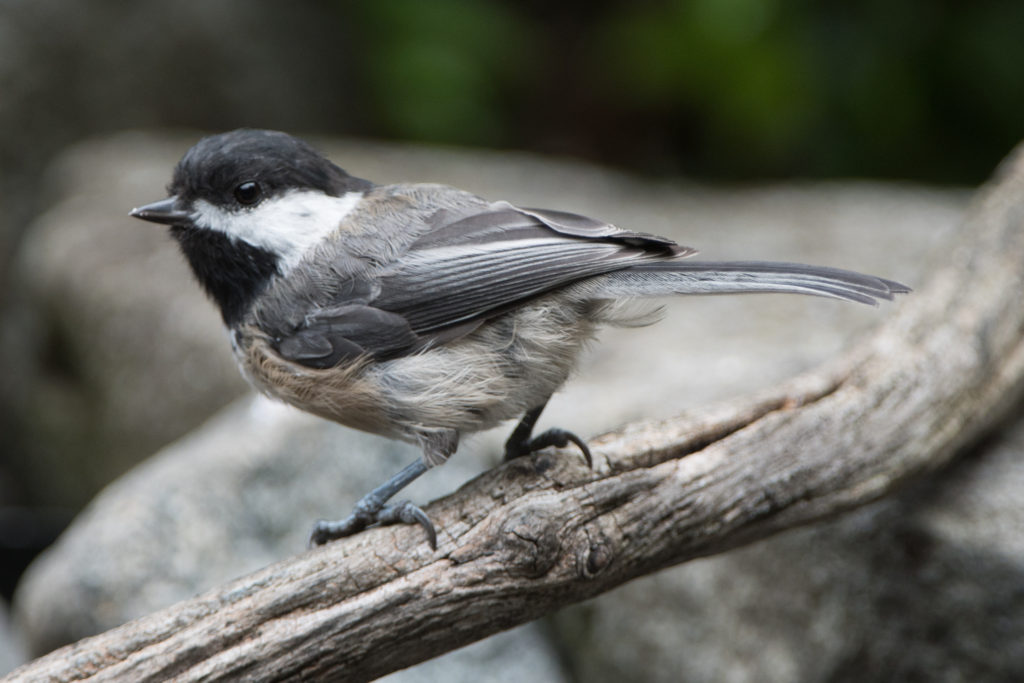
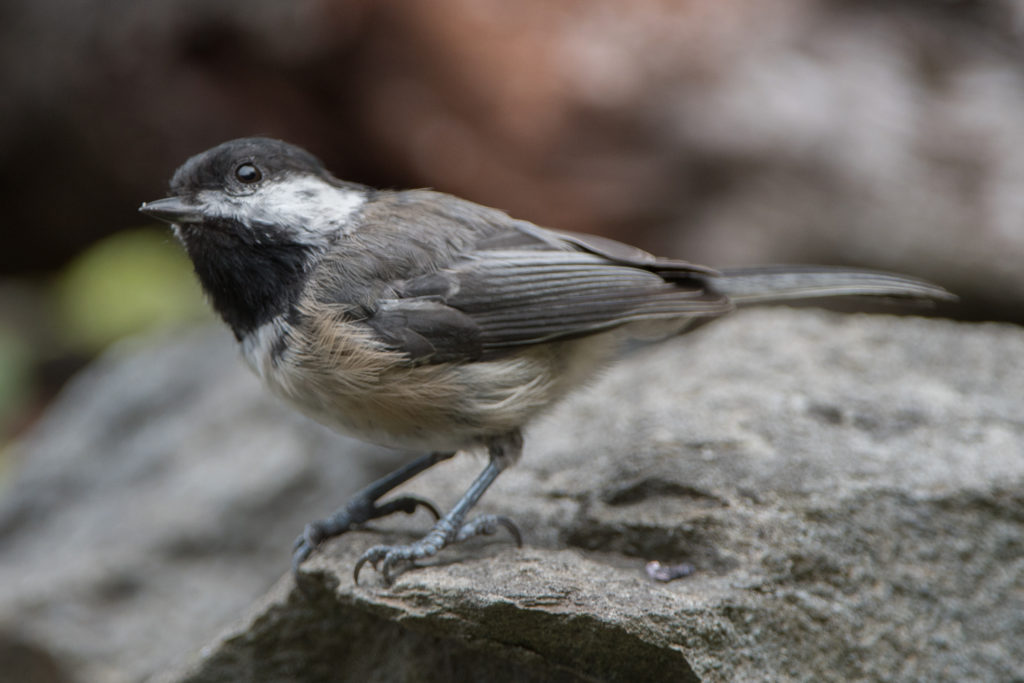
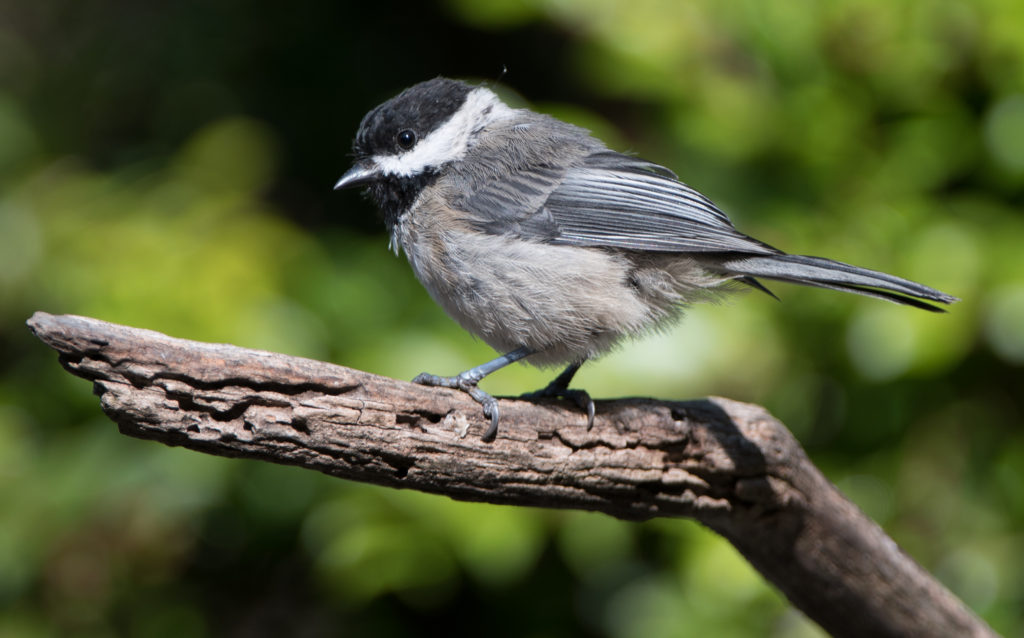
  • Multiple chickadees being fed by parents and entering the watercourse.  (Black-capped shown first, followed by a Chestnut-backed… both juveniles.)

  • Two consecutive June nestings of House wrens (not sure whether it was the same or a different pair) in different nest boxes (no juveniles seen).  

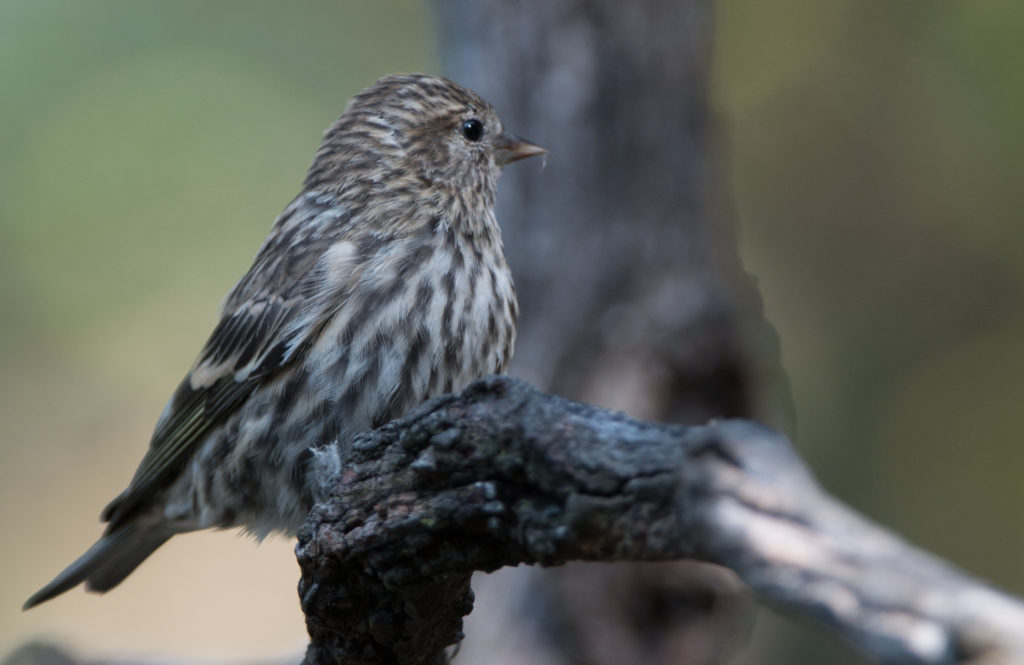
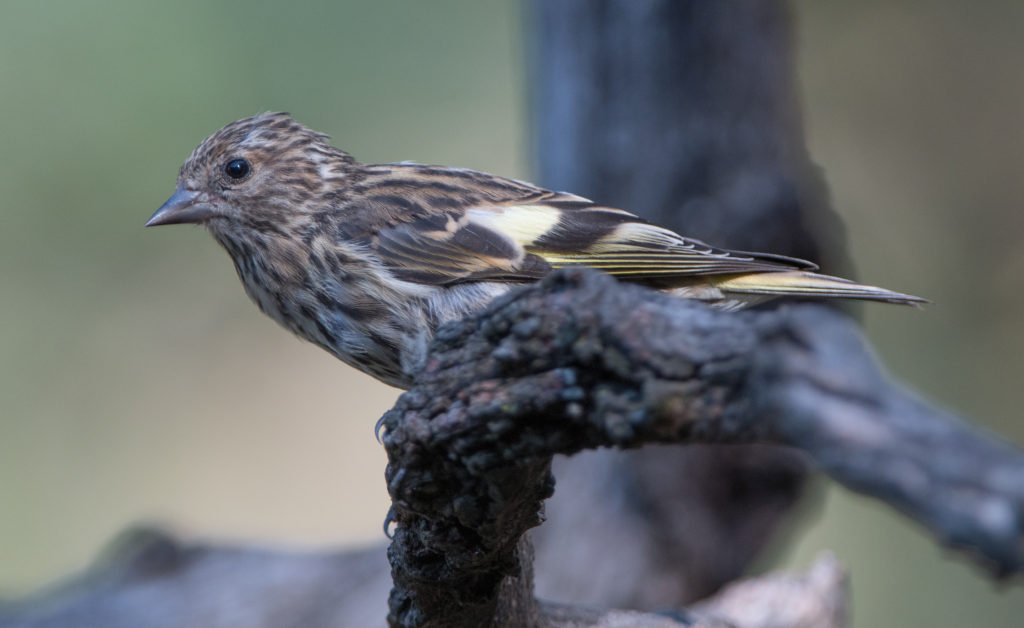
  • Juvenile Pine siskins both on feeders and in the watercourse.  On 6/8 I actually grasped one and removed it from a feeder so that I could refill the feeder!  
  • A pair of crows nesting high in one of the fir trees in our front yard.  As of this writing the young still haven’t fledged.  

On Friday, June 7, I spent about 4.5 hours in the yard birding.  I had seen only one interesting warbler or tanager in about the previous two weeks.  Just after noon a male Townsend’s warbler flew into the yard and eyed the watercourse but didn’t stay long, probably due to squirrels and starlings occupying both major water features.  This is a warbler that we generally see only about once a year in the yard, and that is usually during the fall migration.  

Some three hours later (~3:15pm) a Yellow warbler entered the yard and flitted around both major water features without entering either.  This was the first confined sighting of a Yellow warbler this year.  

We went out for dinner and Art Walk Friday evening and returned home about 8pm.  I looked out our kitchen window just in time to see a male Yellow-rumped (Audubon’s) warbler fly from the watercourse.  So despite the dearth of recent visitors, I had seen three different species of warblers during the day, and two of them were the first confirmed sightings of the year!  

And the good news is, we have yet to see any juvenile Brown-headed cowbirds (adult male pictured) which in past years have parasitized White-crowned sparrow, Spotted towhee and Dark-eyed junco nests.

One Good Hour

I’ve had a couple of weeks of very uninteresting yard birding.  I thought last spring/summer yard birding was rather sparse, but this year’s migrants seem even sparser.  I took over 200 photos on each of Saturday and Sunday this past weekend (6/1-2/2019) but the photos were all of relatively uninteresting birds (if such there are).

While I can’t recover two weeks of missed opportunities, just after noon on 6/5 I made up for some of the time I’ve spent in the yard.  First up was a juvenile Red-breasted nuthatch, and it made a couple of separate trips to the watercourse.

Next up was a magnificent male Yellow-rumped Audubon’s warbler, our first warbler in about two weeks.  I managed about 5-6 photos of the warbler before it abruptly flew all the way over the house without ever accessing the watercourse.

I was scheduled to go shopping but lingered for a few minutes and a male Black-headed grosbeak suddenly appeared above the watercourse.  It never went down to the water but spent considerable time accessing staging objects giving me the opportunity for over 20 quality photos.  The grosbeaks have been visiting the yard but from what I can tell the frequency is only about one to two visits per day, divided between the watercourse and a small hanging platform feeder.

Next up was a juvenile Chestnut-backed chickadee

But I still wasn’t through, as it turned out.  It was time to leave but a female Anna’s hummingbird showed up and began accessing salvia growing near the watercourse.  This isn’t an uncommon occurrence, but the hummingbirds generally only spend a second or two at each bloom, making them relatively difficult to photograph.  However this Anna’s took its time at each blossom, giving me sufficient time to take multiple photos of the bird.

I was hopeful that I could spend more time in the yard after the shopping trip, but once reaching the island we found a moderate rain in progress, so I gave up any idea of continuing my yard photography.  Later, just before dinner, I glanced out our kitchen window and spied an accipiter (most probably a Cooper’s hawk) over the brush pile in our front yard.  I tried to get back out in the yard with my camera but the hawk disappeared.  This doesn’t bode well for my future short-term yard photography!

Little Brown Birds

Suspecting that I have some proficiency in identifying birds, I’m often approached by friends asking me the possible identity of a “little brown bird” they saw in their yard.  This is a good time to address this question and demonstrate how I might have a problem with their question!

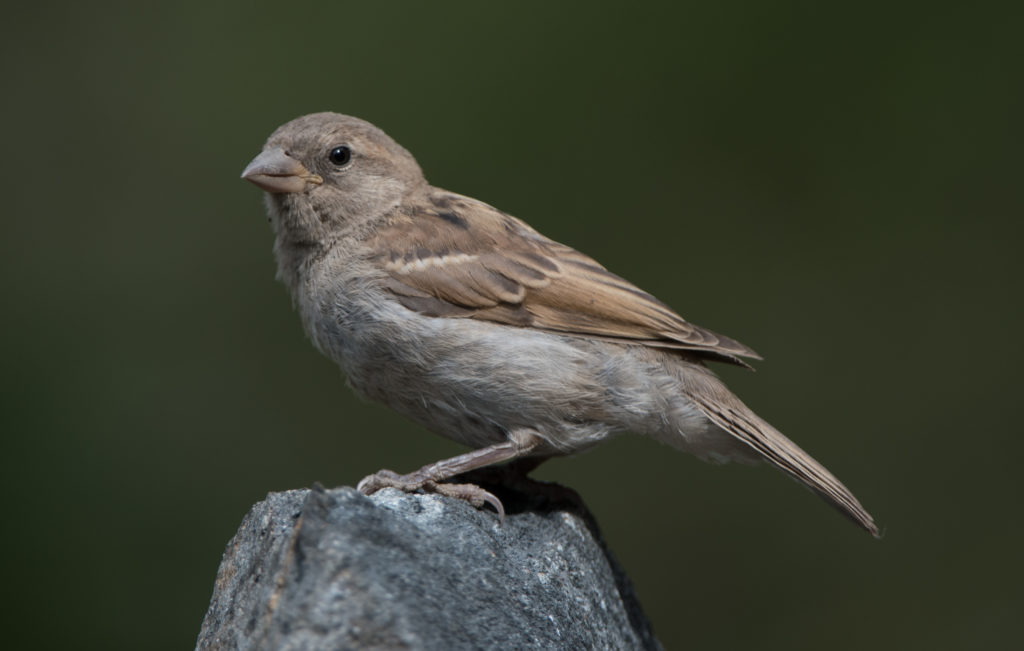
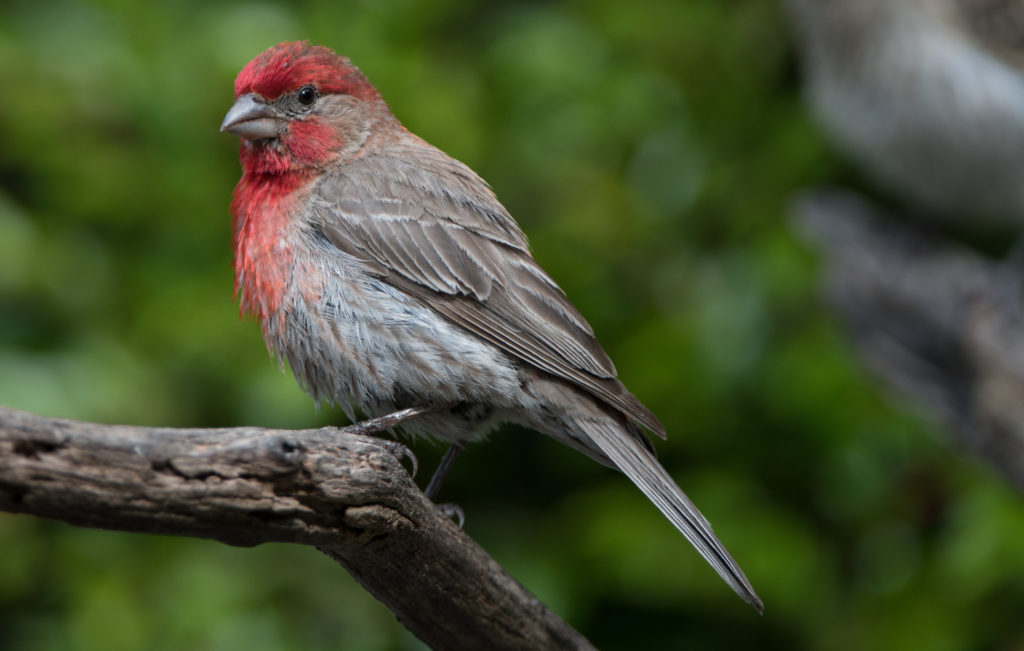
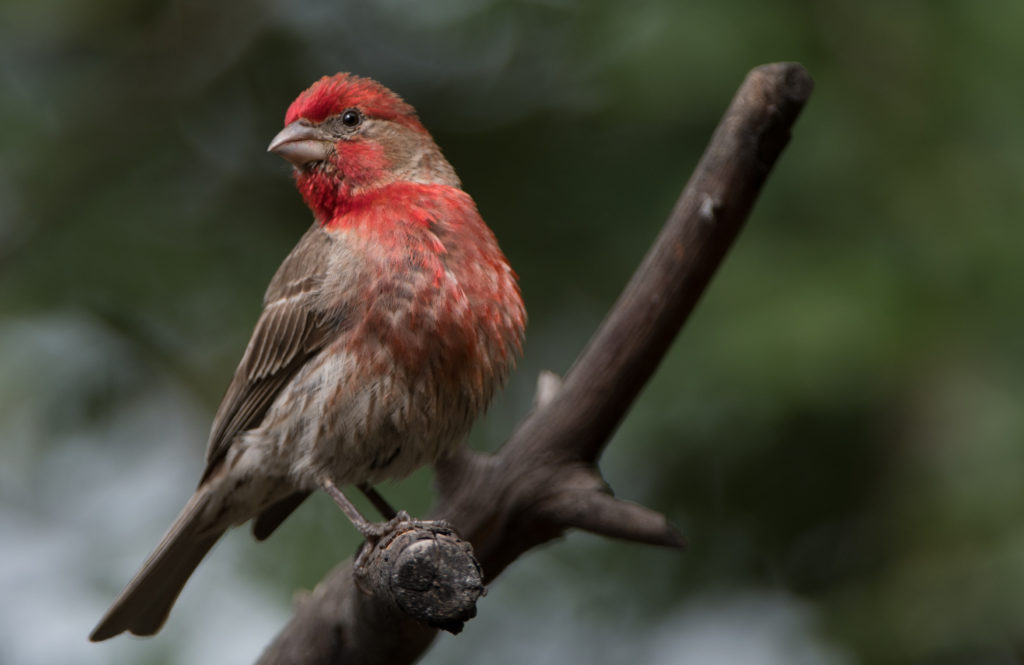
Birds come in a variety of sizes, colors and patterns.  Here are a few photos of little brown birds I’ve taken in our yard in late May:

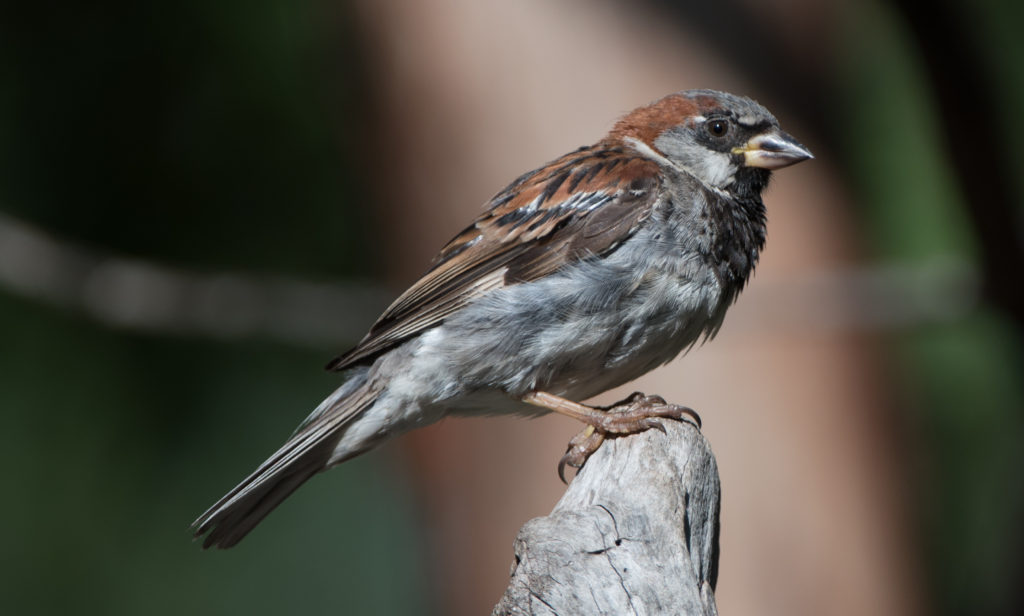
The male House sparrow

The female House sparrow

A juvenile House sparrow

A juvenile Dark-Eyed junco (Oregon race)

A female House finch

A Brown creeper enjoying a bath…

A juvenile European starling

A female Brown-headed cowbird

So how may of these birds do you think you could have identified from a non-birder’s description?

And finally (you’ll remember that I previously reminded you that there is always a “finally”), here is a bird that definitely won’t be included in the “little brown bird” category and should need no introduction… a male Painted bunting from my recent trip to Texas…

Interesting day on Monday, May 27, 2019.  Seen initially from the house:  a male Western tanager (our first male of the year), a male Yellow-rumped (Audubon’s) warbler and a female Black-headed grosbeak, each of which was in the watercourse.  Sadly, I managed photos of only the warbler when it returned to the watercourse for a follow-up bath.  I spent most of the afternoon in the yard with my camera at the ready, but these birds all waited until I was in the house for their visits which occurred separated by long time intervals.  The tanager was seen just after noon. the warbler mid-afternoon and the grosbeak just after 7pm.

Here is the male Yellow-rumped (Audubon’s) warbler:

I had another ‘bonus’ this day… a female Northern flicker came down to the watercourse.  They aren’t rare in the yard, only in the watercourse.

This male Rufous hummingbird had a bath but was vanquished from the watercourse by other bird traffic.  He spent a minute or two preening on this branch before again being displaced.  It’s a tough life when you’re the smallest bird in the yard.

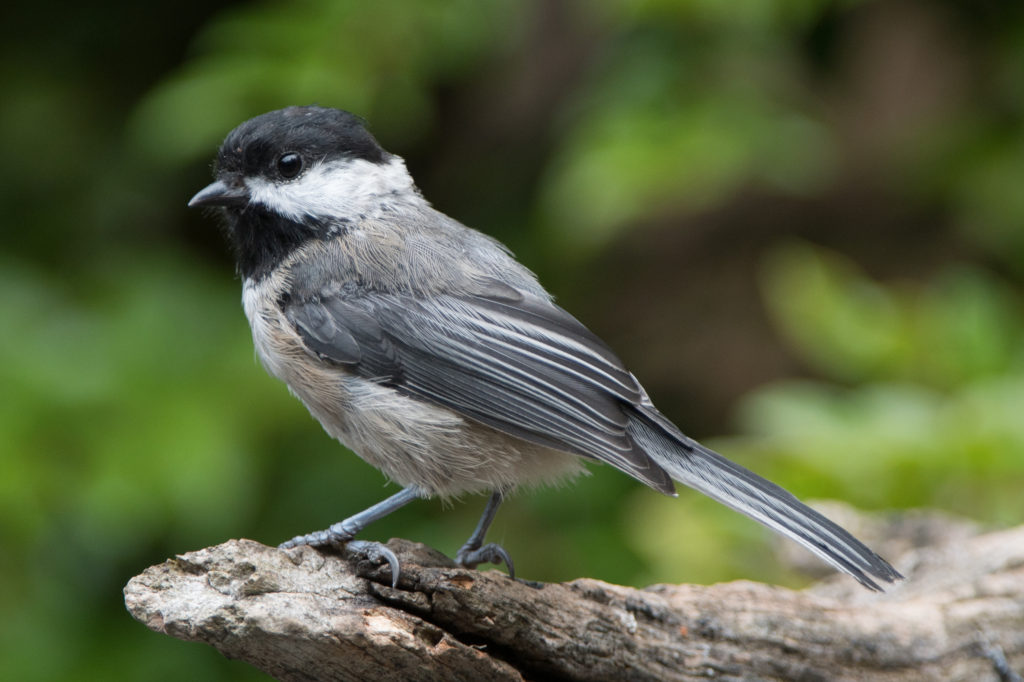
And finally, for those new to birding, here are two photos which show the differences between the Black-capped chickadee

…and the Chestnut-backed chickadee