Just to Keep Things Moving…

It’s been slow photographing any really interesting birds in the yard this summer.  We’ve had some really dry weather and our water features, especially the watercourse with flowing water, should be attractants.  I’ve spent a great deal of time in the yard but I haven’t seen a warbler in the yard in about three weeks, only brief sightings of a couple of tanagers when they first arrived and no crossbills!  I’m worried about what might be happening to our rarer, and more interesting birds this year.  On the other hand, we have perhaps had a record number of common birds bringing young to the yard.

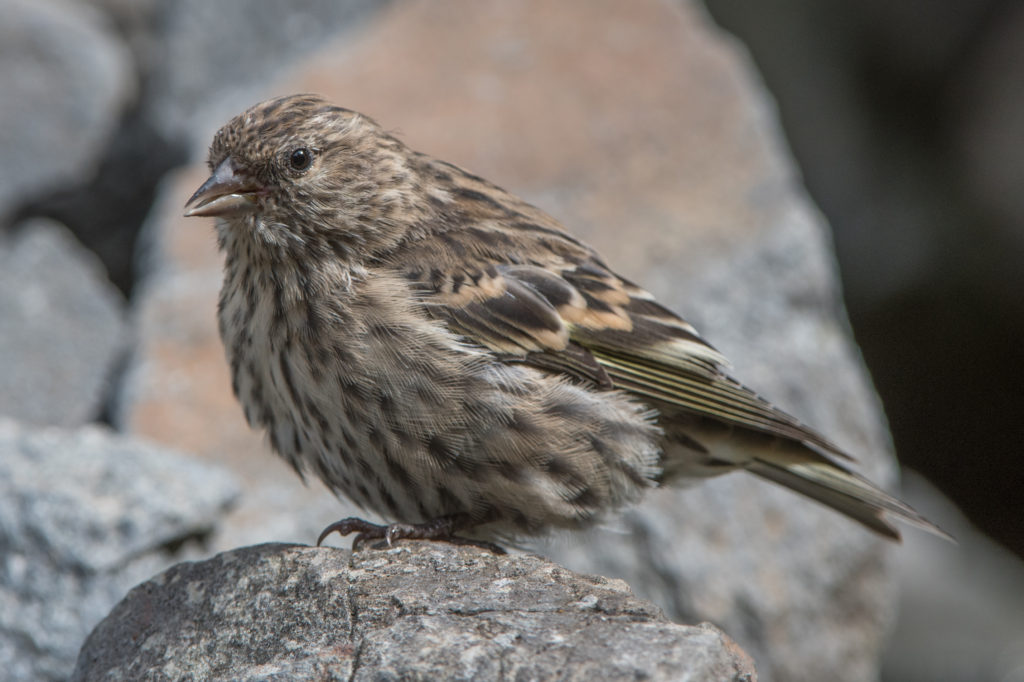
On Sunday, July 21, I made a very brief and short (across the alley) foray out of the yard for a little photography.  While I was setting up a Pine siskin came slowly hopping along the ground with long pauses between movements…. very atypical siskin behavior.   I watched the bird for the better part of an hour as it slowly worked its way up into some bushes where it should have been safe for the night.  It didn’t appear injured and it was eating a few seeds as it went but I was puzzled by its behavior.

While I was waiting for the possibility of a robin or flicker visiting an Oregon grape bush I was observing, a covey of California quail happened by.  The rest of the photos here are members of the covey.  This is the adult male and chief lookout for the group.

The adult female…

And one of about six chicks in this covey…

While I was photographing members of this covey I saw yet another covey enter our yard. It’s been a good year for quail reproduction!

Back to the Yard

In my recent three posts, I have tried to present some of the birds, and a very few of the photos, I took while in Central Texas in early May, 2019.  During the time i was processing those photos, and organizing posts, I continued taking photos in my own yard.  It was not unusual for me to take over 200 photos in a single day.  I should be more selective!

I’ve been VERY disappointed in the number of some of the usual spring visitors (warblers, tanagers, waxwings, crossbills) we’ve had this year.   But I’ve had two unusual visitors to the yard recently.

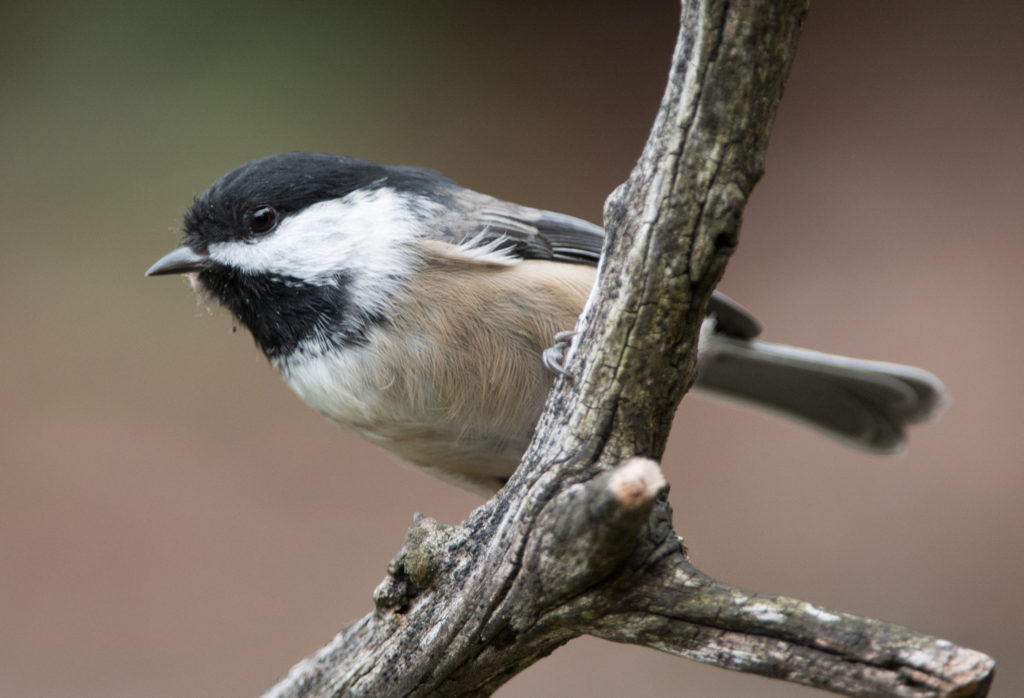
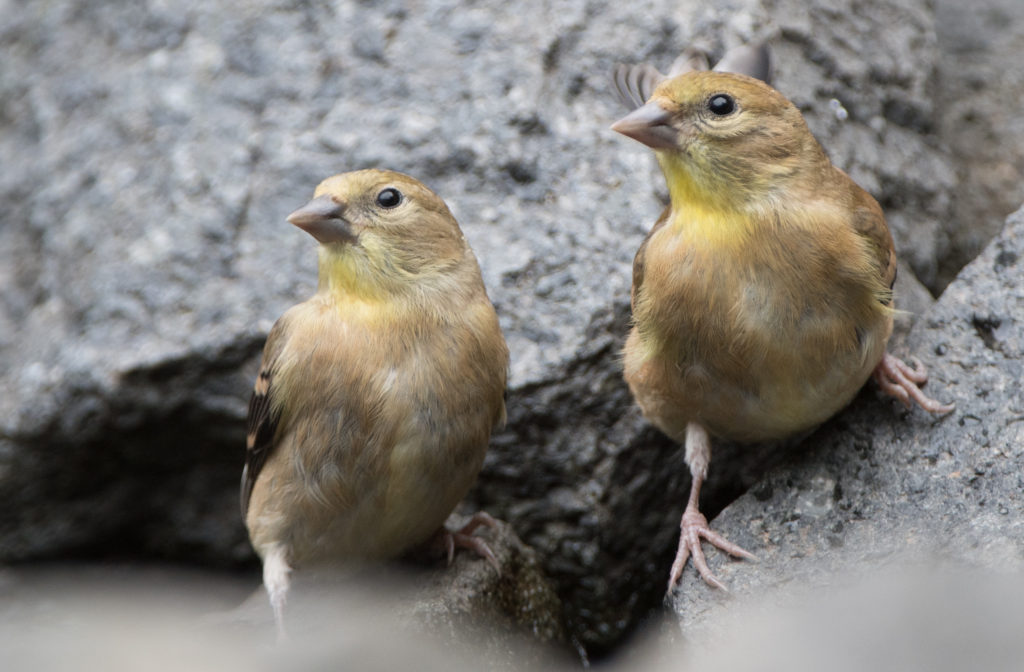
The first was a small flycatcher of the genus empidonax.  It appeared in a Japanese maple located almost immediately next to me (on 6/23/2019), where I recognized it as a flycatcher.  It flew around the yard for about ten minutes, its chief activity seeming to be chasing American goldfinches and chickadees, not around the yard, but OUT of the yard!  I managed to get several photos but unfortunately, the flycatchers of this genus can be reliably identified only by their vocalizations.  It wouldn’t heve mattered if it had vocalized… I wouldn’t have been unable to have identified it anyway.

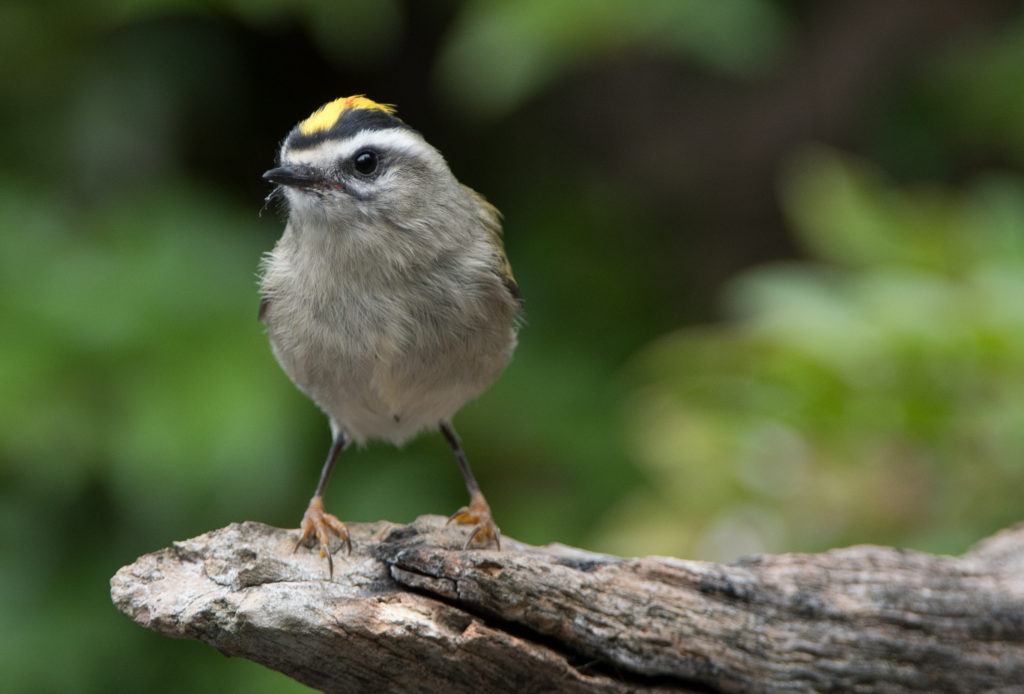
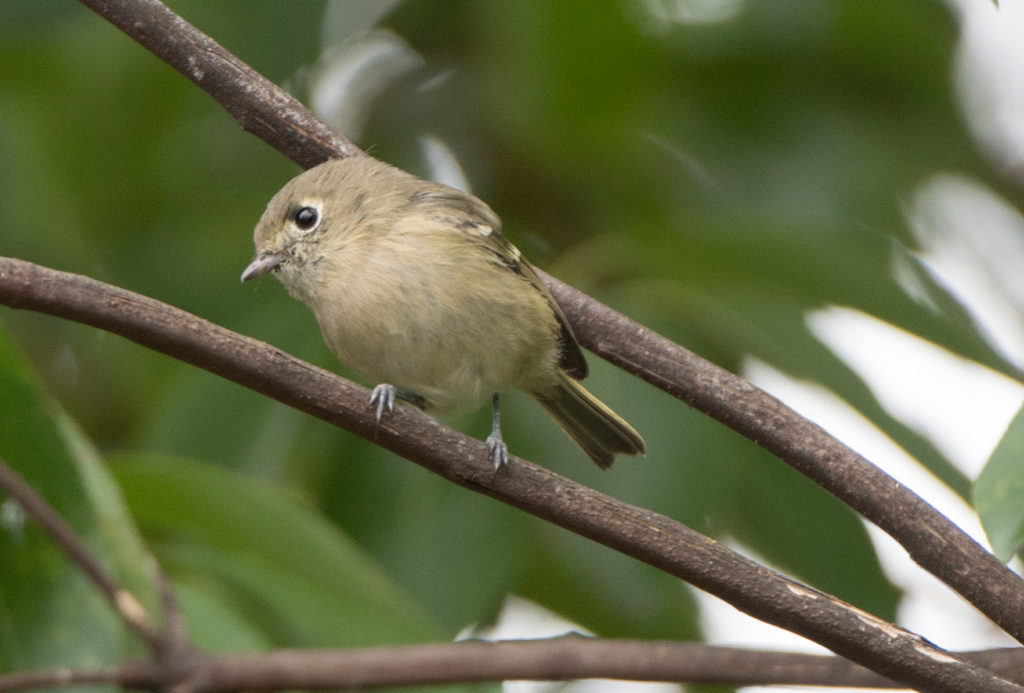
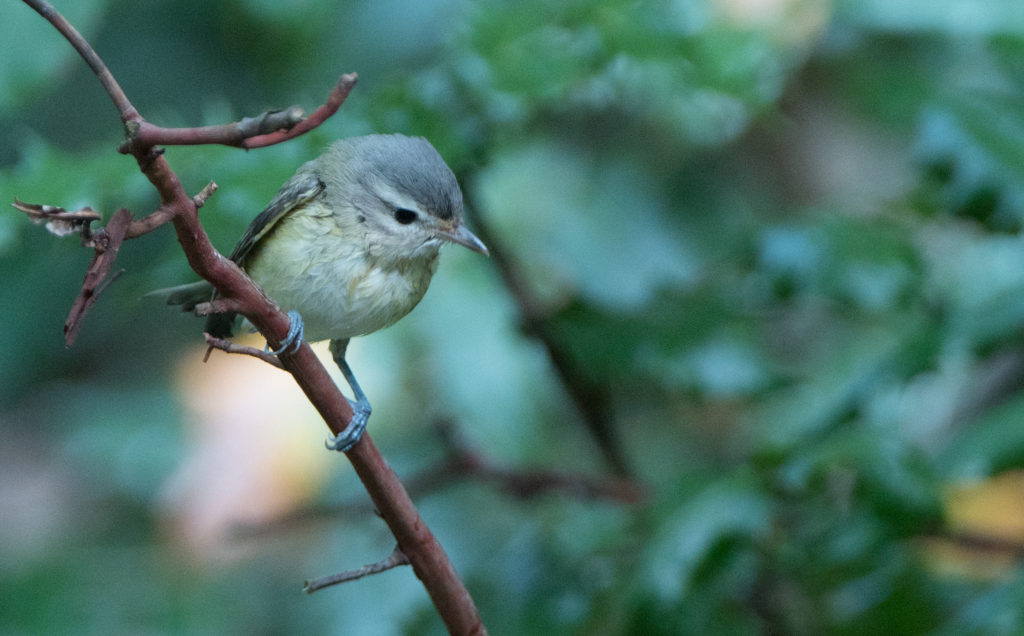
My second unusual visitor (on 7/6/2019) was a Hutton’s vireo, a bird that is known for closely resembling a Ruby-crowned kinglet.  The kinglets are mainly winter visitors so I was aware of the possibility of the bird being a vireo, but it wasn’t until I processed the photos that I could confirm the vireo identification.  I managed to take quite a few photos, but I only got one fairly good one that I could use for identification.

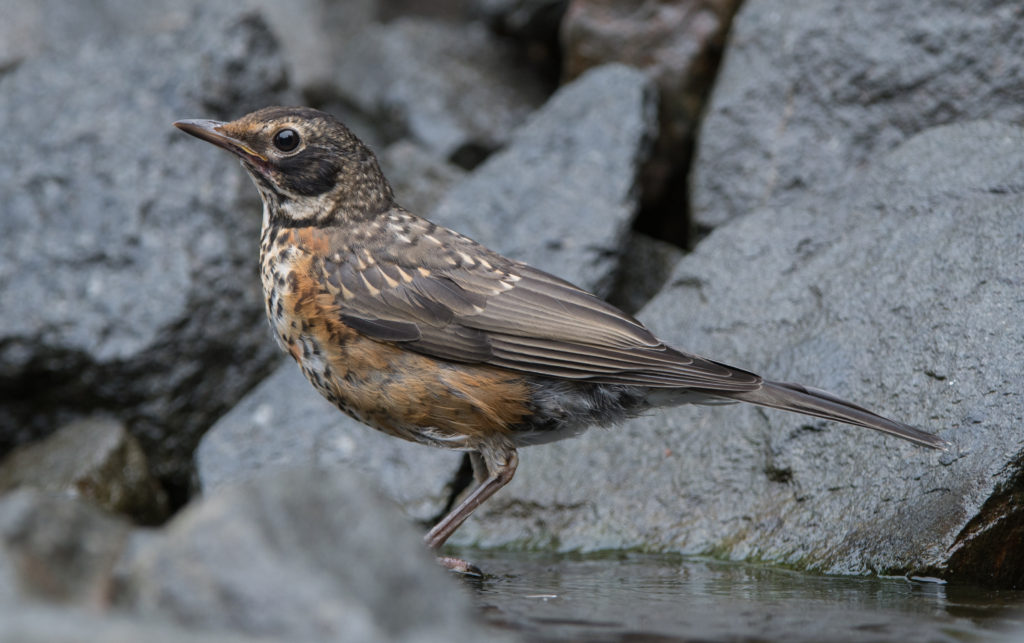
On July 9, 2019, I looked out of the house to see two juvenile Brown-headed cowbirds around the watercourse.  They seemed to bee wanting to identify with a male American robin in the watercourse, but the robin seemed unwilling to be associated with the cowbirds.

Back on a another more positive note, we have at least one family of Black-headed grosbeaks visiting the yard.  This first photo is of a male.  The lack of color on the second bird probably indicates that it is a juvenile.

This final photo is of a fawn, one of several in the neighborhood that, if not already so engaged, will grow to menace the plants in our yard.  


Central Texas – 2

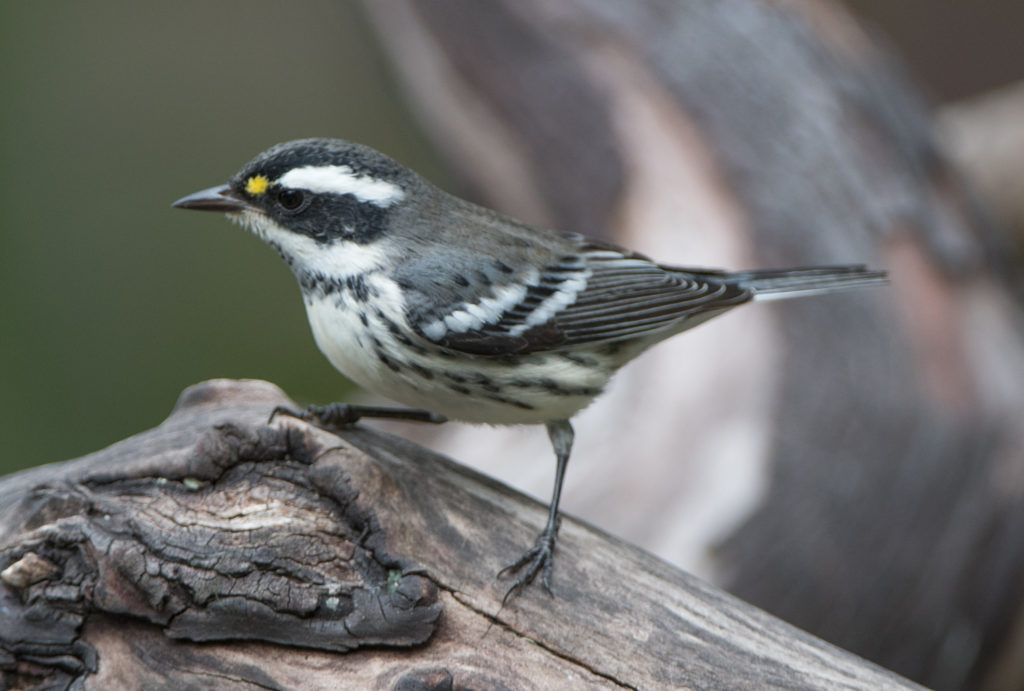
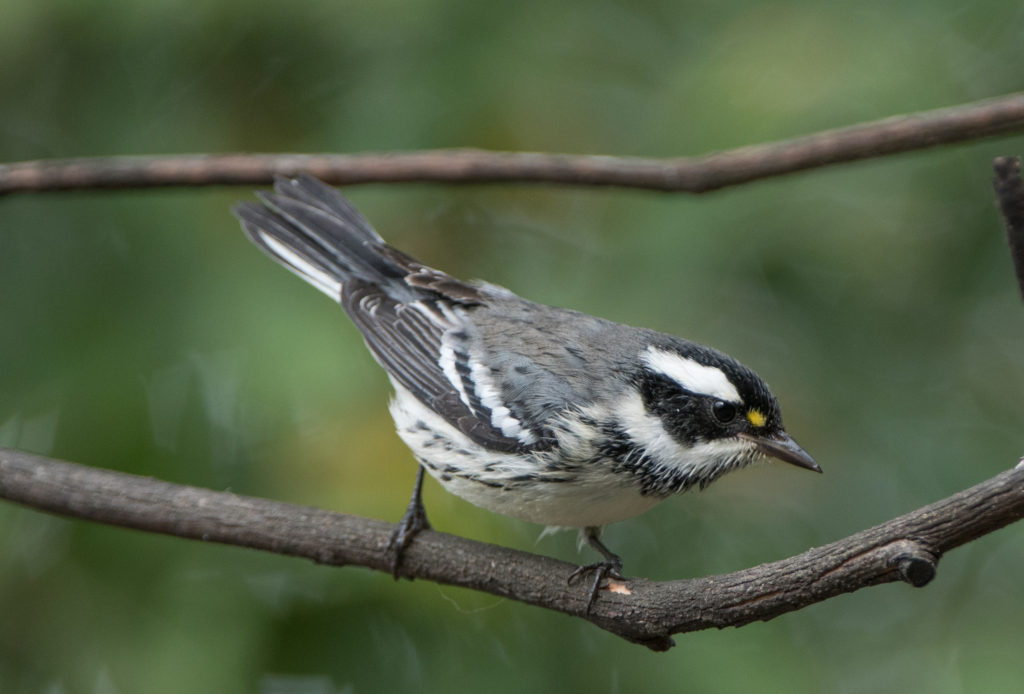
Continuing with photos of birds I photographed in Texas, here are two photos of one or more Black and White warblers.  These warblers are fairly common spring visitors and this year I believe all I saw were males.

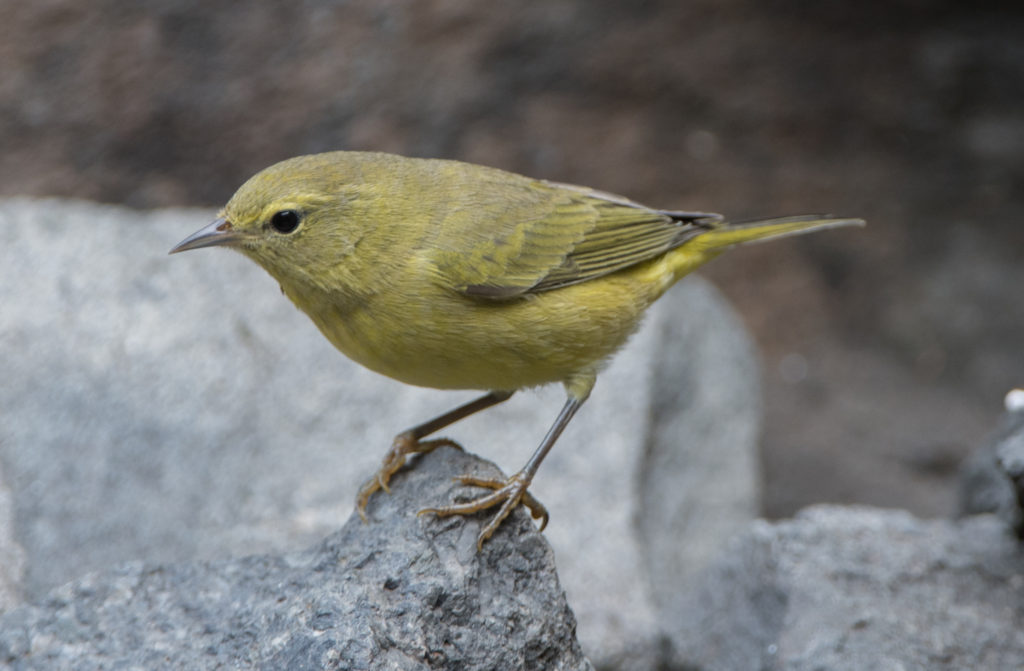
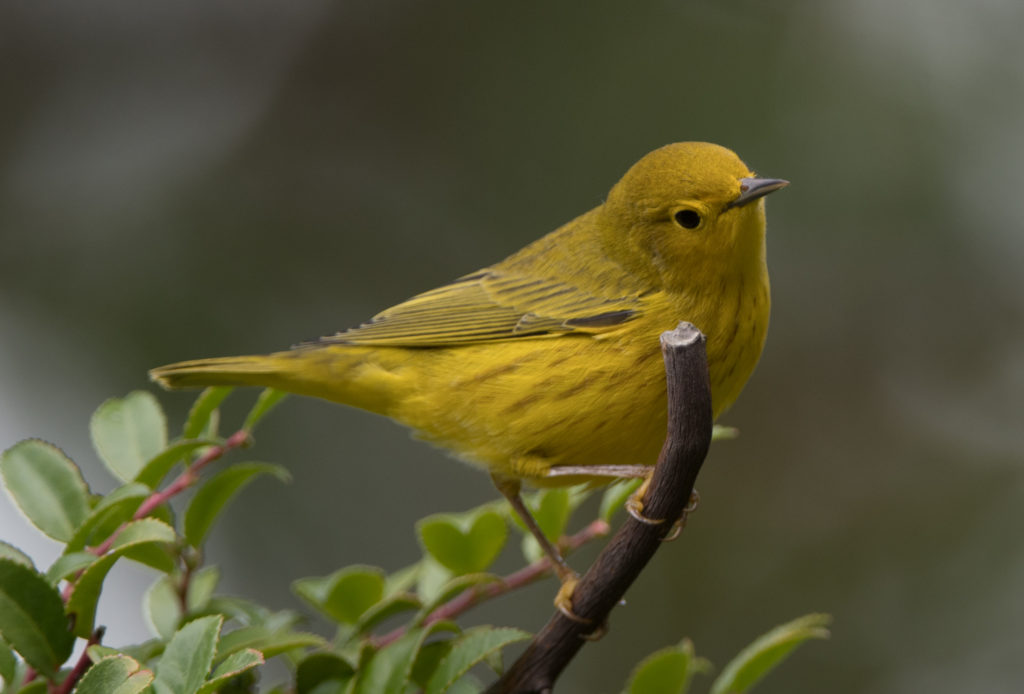
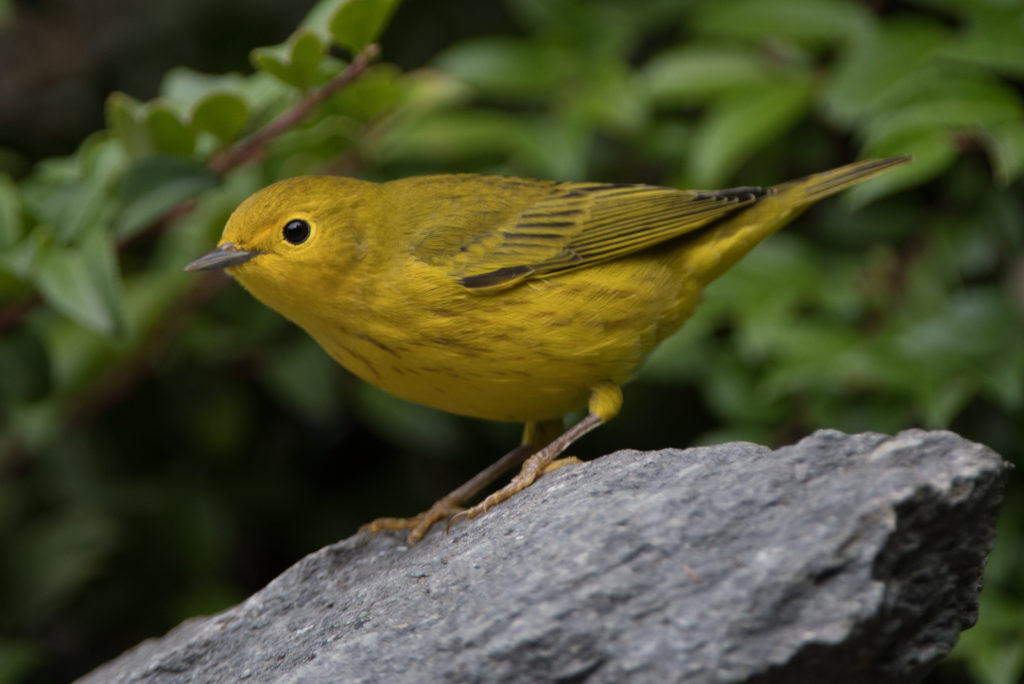
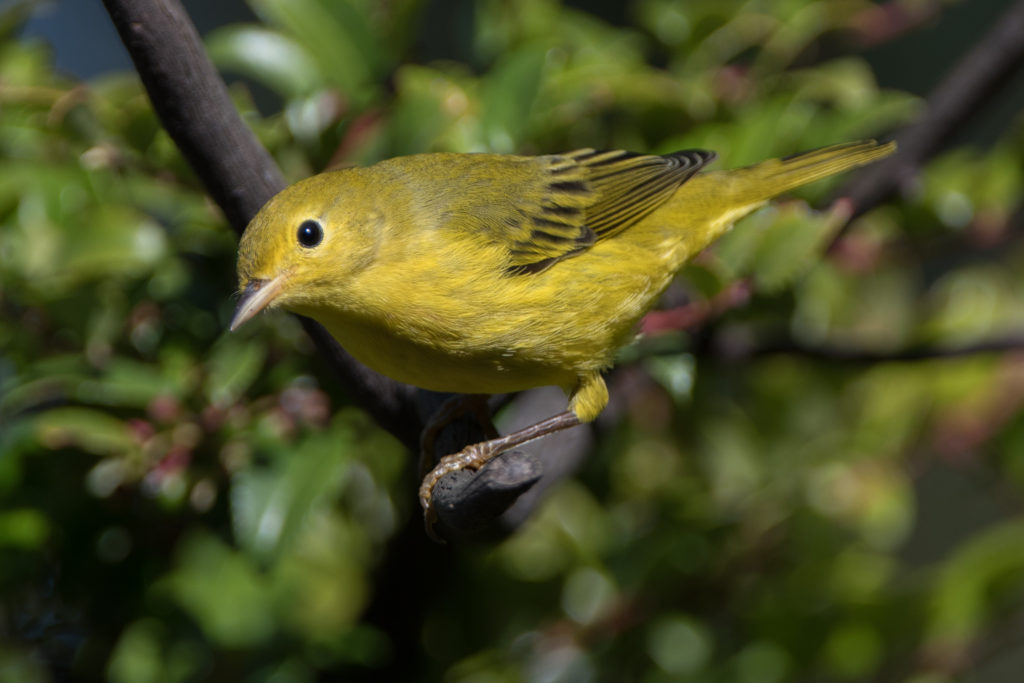
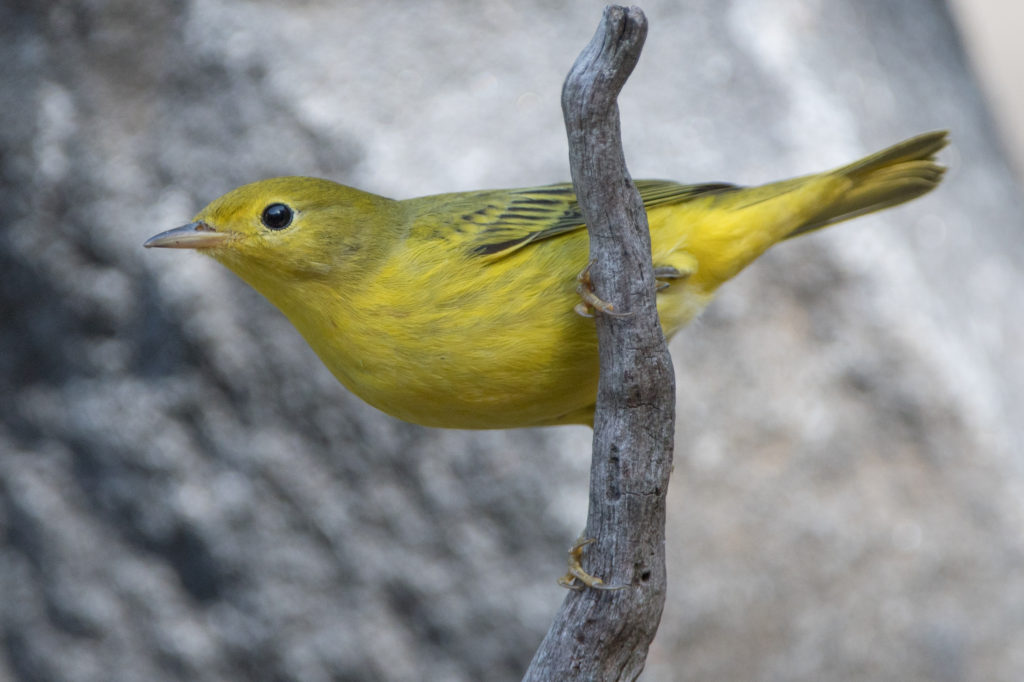
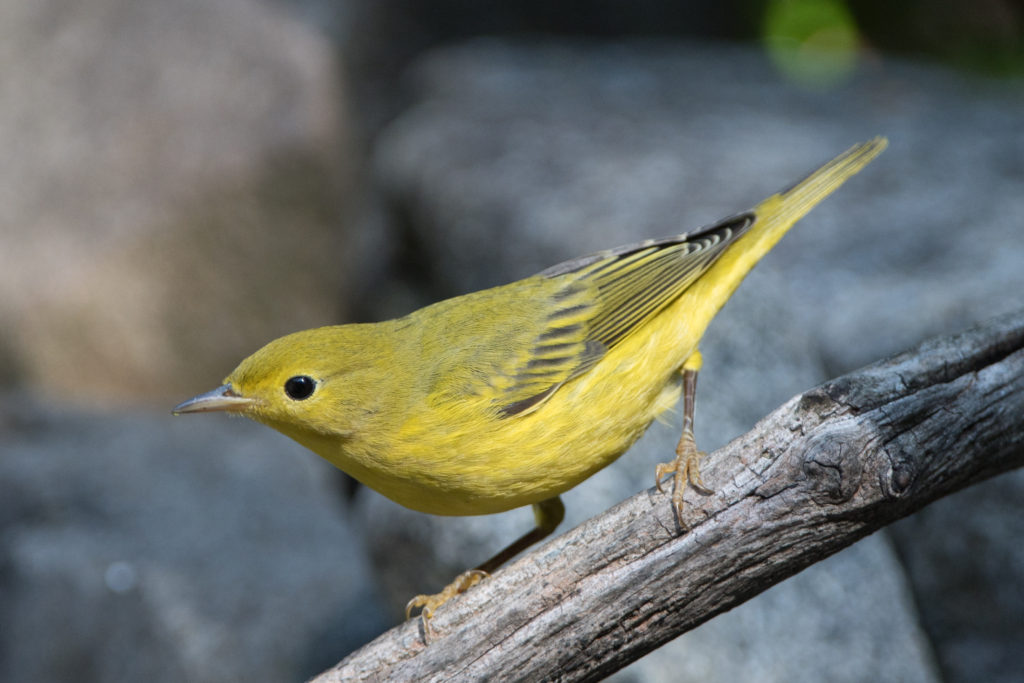
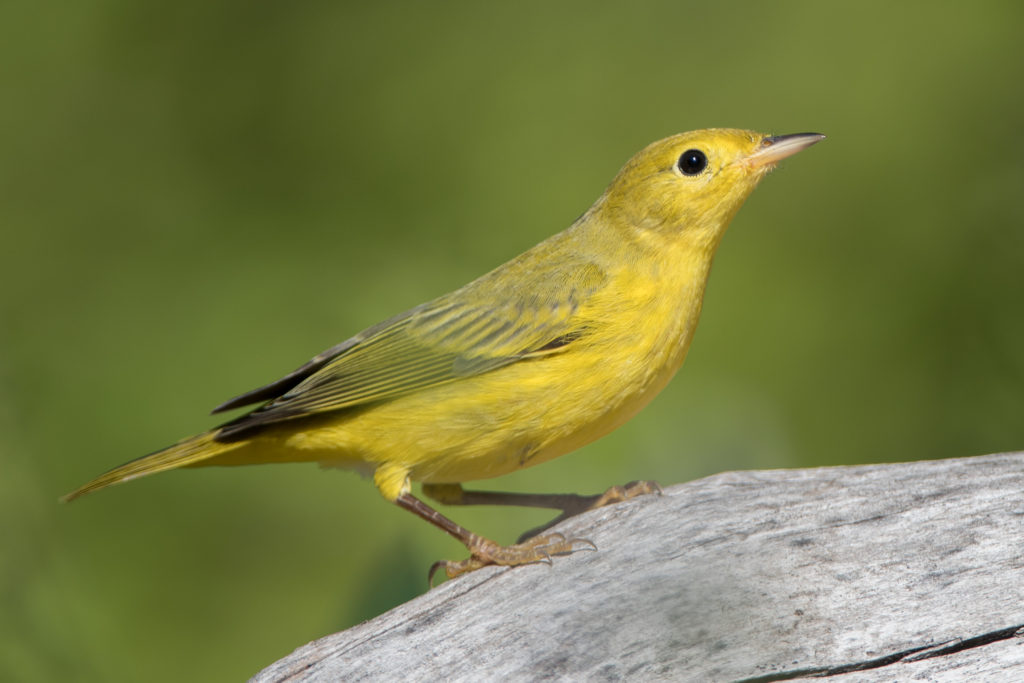
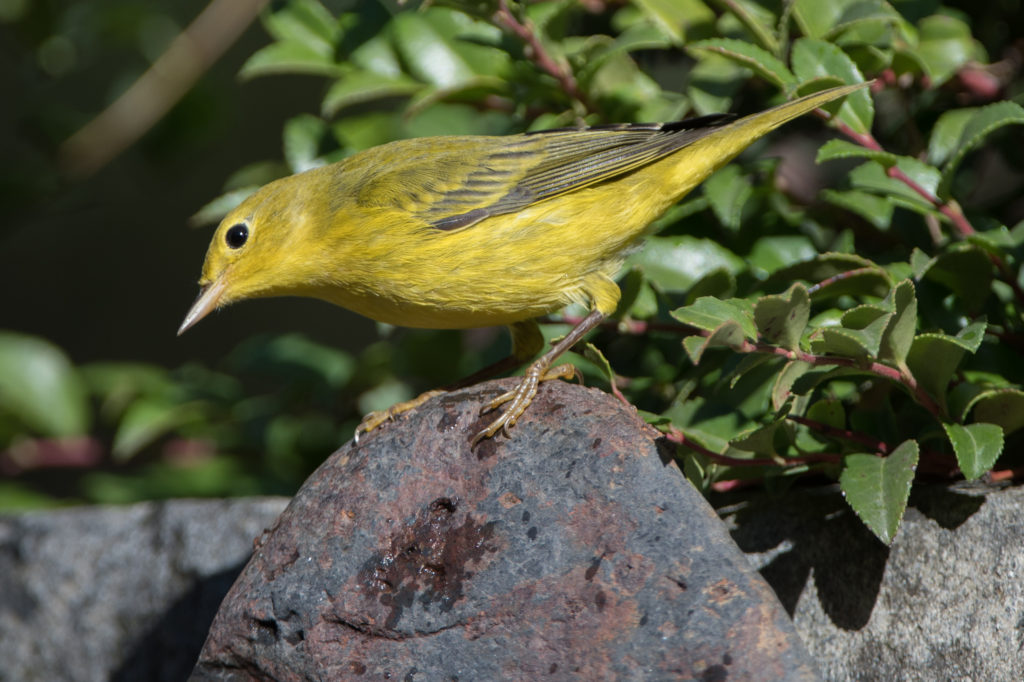
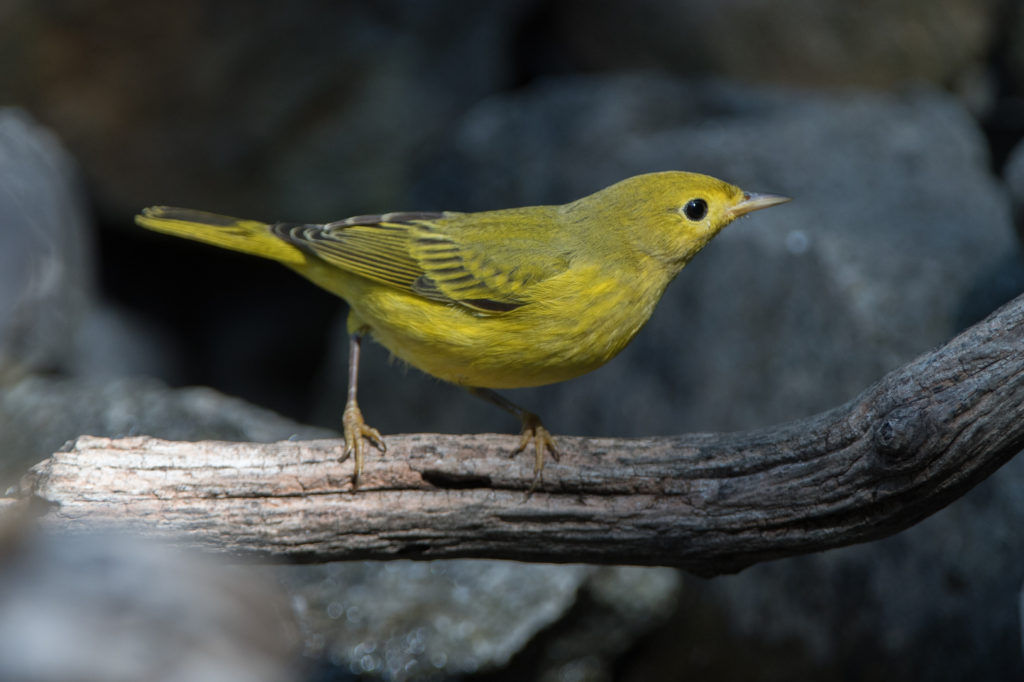
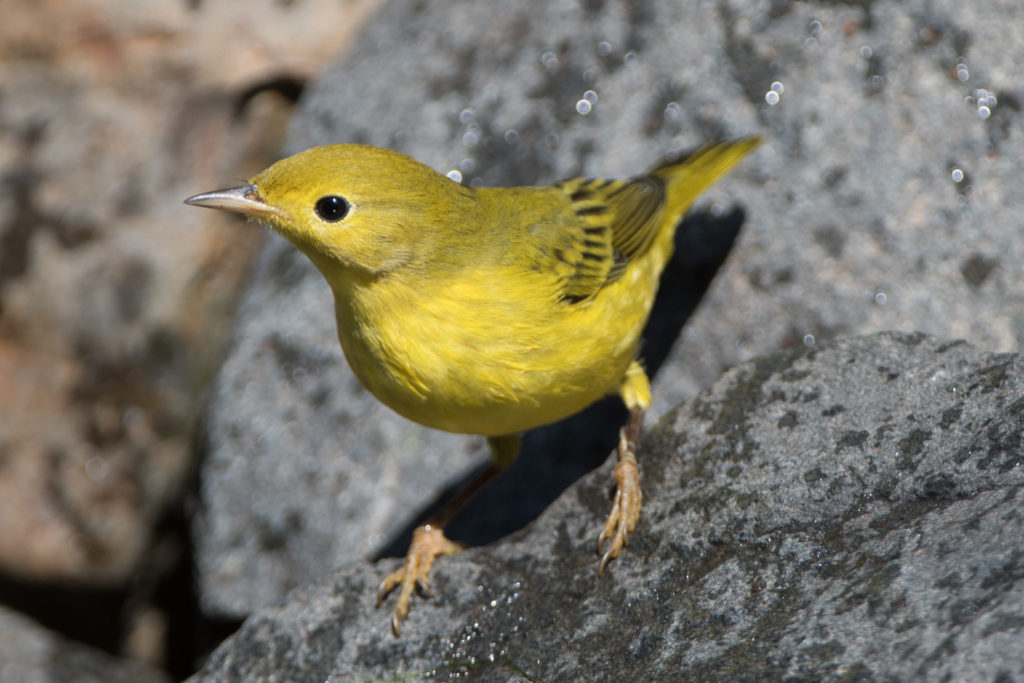
This is a male Yellow warbler

A beautiful male Chestnut-sided warbler

A bird we always look forward to seeing is the Indigo bunting, a ‘cousin’ to the Painted bunting I featured in my first Texas post. (In my original post I mistakenly identified this as a Lazuli bunting.)  

An Ash-throated flycatcher has occupied a nest box on the property for all of the springs I have visited…except for this year!

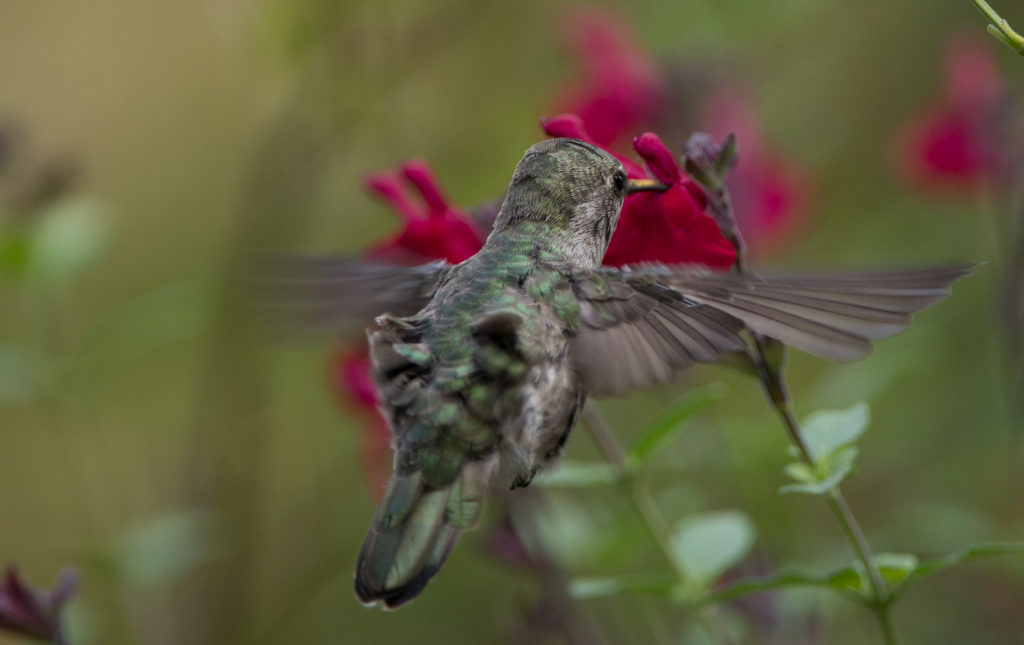
This is probably a female Back-chinned hummingbird, but since there was also a male Ruby-throated hummingbird in the area I can’t be sure because the females of the two species are so similar.  The Black-chinned hummingbird is by far the most numerous visitor to the Central Texas area.

I counted as many as four male Brown-headed cowbirds around the property at one time.  The cowbirds are partially responsible for endangering two Central Texas  threatened species of birds, the Golden-cheeked warbler and the Black-capped vireo.  Cowbirds don’t build their own nests but lay eggs in the nests of other species.  The young cowbirds grow quickly and are aggressive, pushing the other nesting birds out of nests so that they don’t survive.

My final photo is of a male adult Ladder-backed woodpecker feeding a juvenile male.

Happy Fourth of July!

As I log onto my website I see that I have posted 365 prior posts… the equivalent of posting every day for a year!

And now for a little celebration of the Fourth of July…

(RED)  Another view of my old friend, profiled in my previous post, a Summer tanager

(WHITE):  A White-winged dove

(and BLUE)  A Blue-headed vireo

This Blue-headed vireo deserves a little comment.  I believe this is the first of this species that I have photographed and possibly even seen.

Happy Fourth!

Central Texas – 1

For the past several years I have traveled back to where I grew up and where I finally got more serious and involved in birding, Central Texas.  My sister and her husband have acreage outside of Austin and I usually spend about a week with them during what we try to predict will be the height of the spring migration.  This year I went down a little later than normal but the results weren’t any better than in immediate past years, and a week of our potential observations were lost when we all spent a week in Arizona just a week before I arrived in Texas.  As I just mentioned, the observations were not as robust as in some previous years, but it matters not as I always see birds I can’t see in the Pacific Northwest and we have a good family visit.  So for the next couple of posts I’ll share some of the birds we observed while I was there.

This first bird should need no introduction… it’s a male Painted bunting, probably one of the most colorful birds native to North America.  This year I believe I counted a maximum of four males in the yard at one time.

This is the female Painted bunting

Another bird admired by many birders, perhaps especially by those from the Pacific Northwest since we are out of the birds’ range,  is the Northern cardinal

This is a female Northern cardinal

In the early days of my birding experience, we knew the following bird as the Tufted titmouse.  At some point after leaving Texas the ‘powers that be’ decided to split the species.  Thus we now have the Tufted titmouse (which I hope is what is depicted here), and a new species, the Black-crested titmouse.  And unfortunately for birders, the birds crossbreed so there are hybrids in the area where the two populations overlap… such as Central Texas

These birds often hang out with chickadees and have some of the same behaviors.  They function as an early warning system for snakes and owls, and as a youth in a rural setting I found both as the result of these birds’ vigilance.

This is a ‘beyond friendly’ male Summer tanager, probably the same one that has appeared for the last TWO years.  The tanager is a spring migrant to the area and for both of the past two years we had a male appear in the yard at a bird bath that is only about eight feet away from the deck from which we watch birds.  In both years the bird was almost fearless, avoiding a running watercourse and bath that would have been safer (farther from us!) and, anthropomorphically speaking, more aesthetic.  It strains credibility, but it sure seemed like it was the same bird!

And now for the warblers…

This first bird is a Nashville warbler, easily the most prolific warbler visitor every year I have visited Central Texas in the spring.

One of our more exciting visitors is the male Black-throated Green warbler, which closely resembles the rarer (and endangered) Golden-cheeked warbler (not pictured).  So every one of these birds that enters the area gets careful perusal for identification.

And finally, for this post, a spring migrant which I had never previously photographed and which I had only seen on one or two occasions… a Northern parula!