The Large and Small of Things

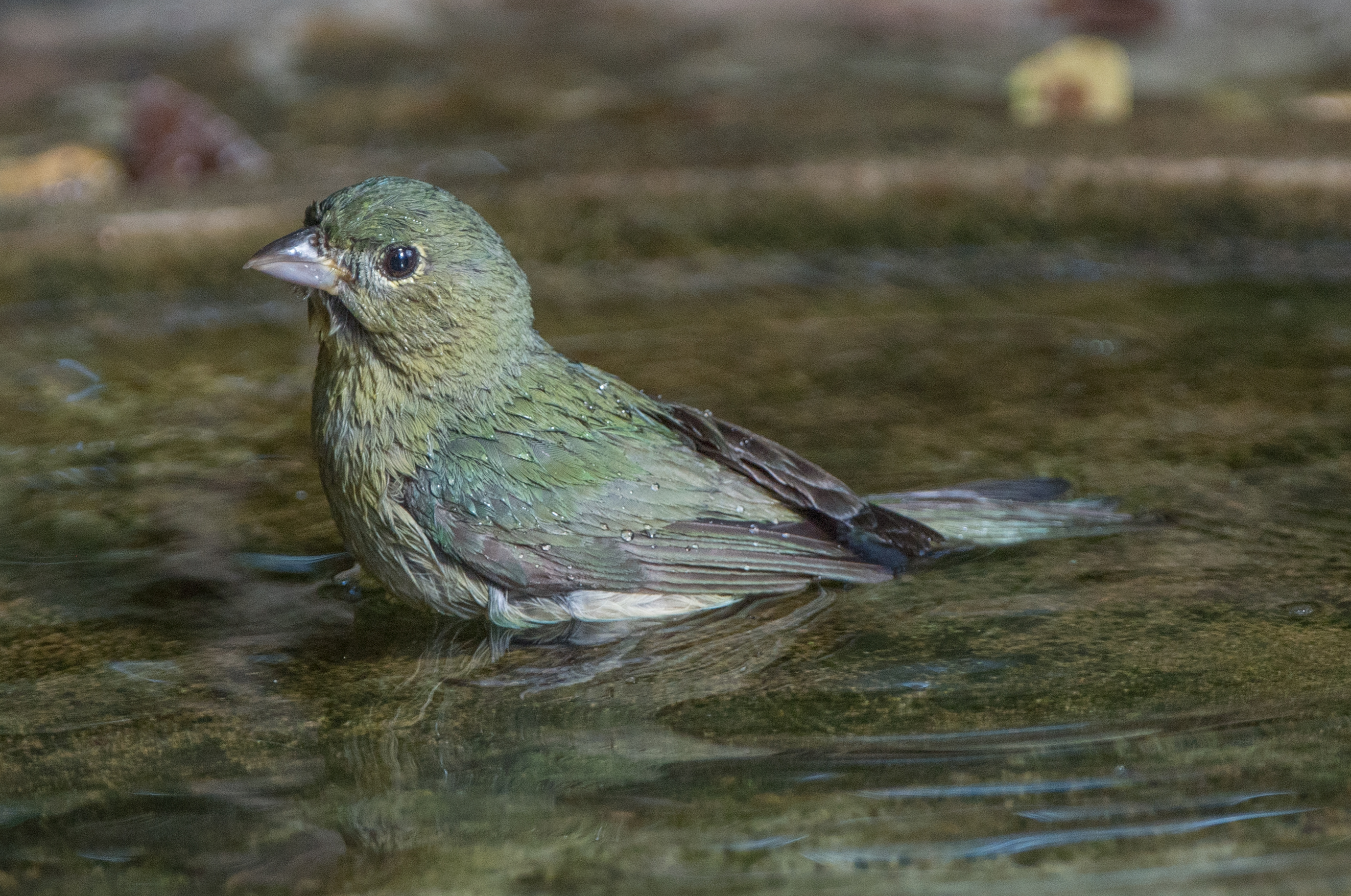
On Sunday, May 19, 2019, I sat in the yard hoping for some unusual visitors.  It was not to happen.  I spent considerable time doing what I do best… sitting around waiting for something interesting to visit.  While I was watching/photographing this Spotted towhee entered the watercourse for a bath.  What a mess!  Just looking at this bird you might think it would never be able to fly again!

I had just about decided to give it up for the day when a female Northern flicker flew into the yard and, in a relatively rare move, decided to visit the watercourse. The flicker is a relatively large bird and so I was able to get some rather good photos.

She had no sooner left than her mate decided to give the watercourse a try.

Shortly thereafter a female Rufous hummingbird entered the watercourse for a bath.  The hummingbirds often seem to want to access the very edge of one of the waterfalls for a bath but seldom get washed over the edge.


Since I’m highlighting size differences, I’ve decided to include one of my favorite activities… photographing flying hummingbirds.  This is a female Rufous hummingbird I photographed on May 22.

On the yard news front, the dearth of warbler visits for the past week or so seem to have ended and I’m now seeing a few more warblers, almost all Wilson’s.  On May 22 I had four Wilson warbler visits over the course of the afternoon and saw our first female late in the afternoon… too late for photos.

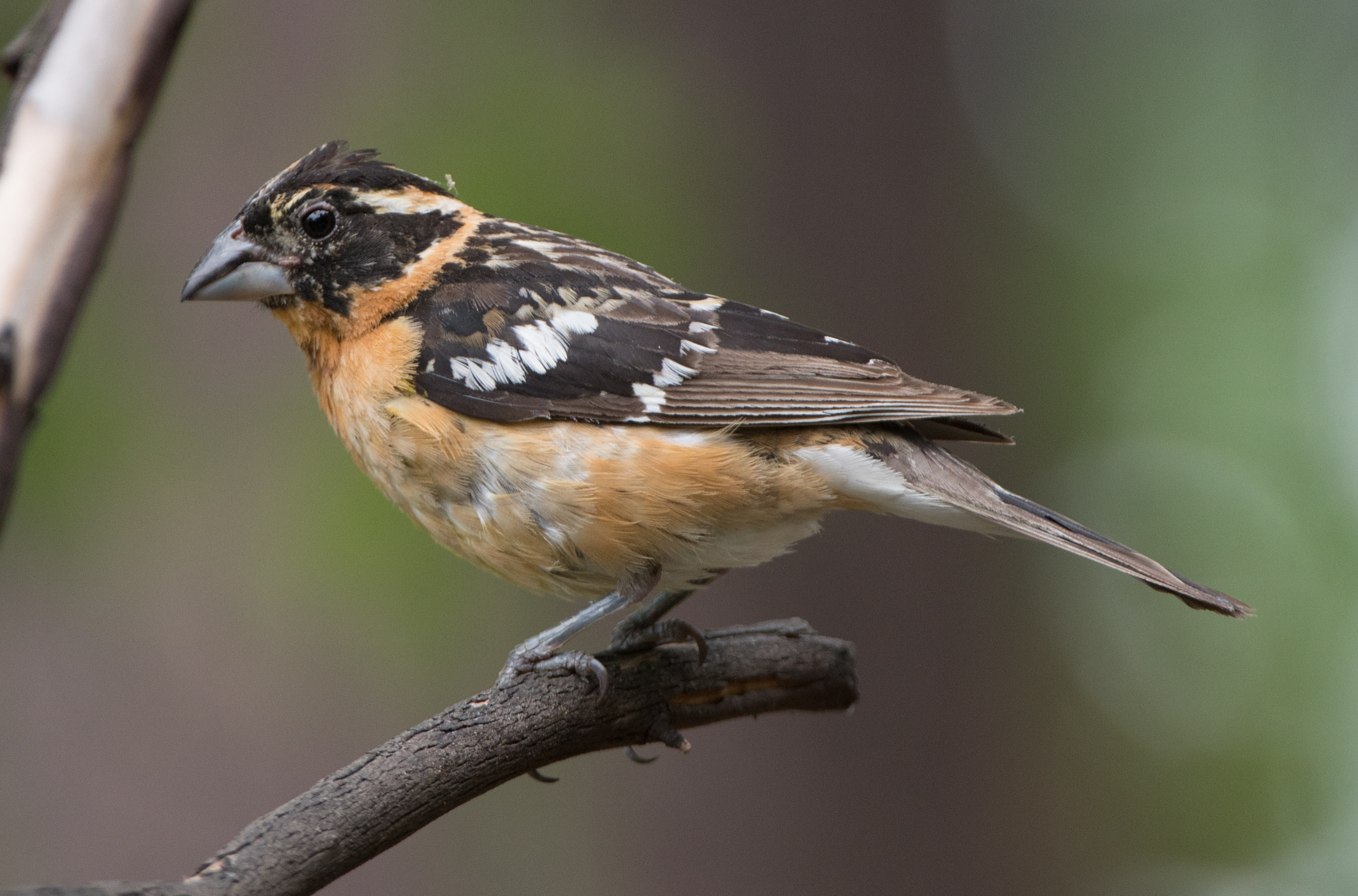
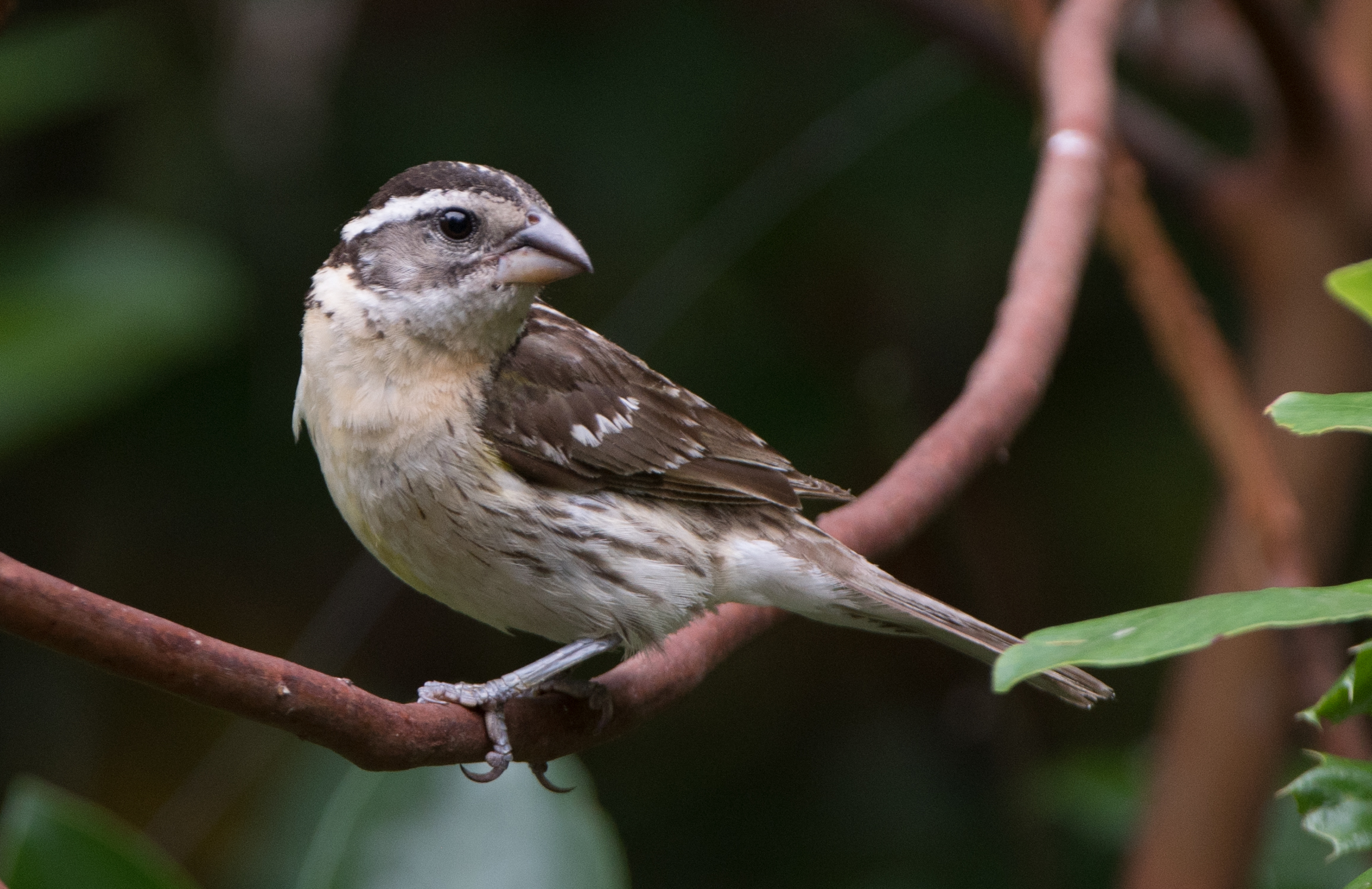
Our Black-headed grosbeak visits have declined but they are still visiting the yard.  On 5/22 we had two males in the yard at the same time, a first for this season.

And finally, we are absolutely overrun with House sparrows, with more coming!

Back in the Saddle Again!

It’s been quite a while since I’ve posted to my blog… for good reason.  In mid-April we traveled to Arizona (Madera Canyon and Tucson) to bird and then a week after arriving back in Anacortes I left for about nine days in Texas in an attempt to catch a part of the spring migration.   At the time I left for the AZ trip I was already at least three days behind in processing photos taken here in Anacortes (on one of those days I took 180+ photos in the yard!), I took almost 1200 photos in AZ and returned from Texas with another 800+ photos.  Upon returning to Anacortes I have had spring migrants passing through the yard daily and so have been spending substantial time taking more photos instead of processing the backlog!  You’ll see some of the AZ and TX photos in upcoming blogs, but owing to the volume and happenings here in Anacortes it’s likely to be awhile.  

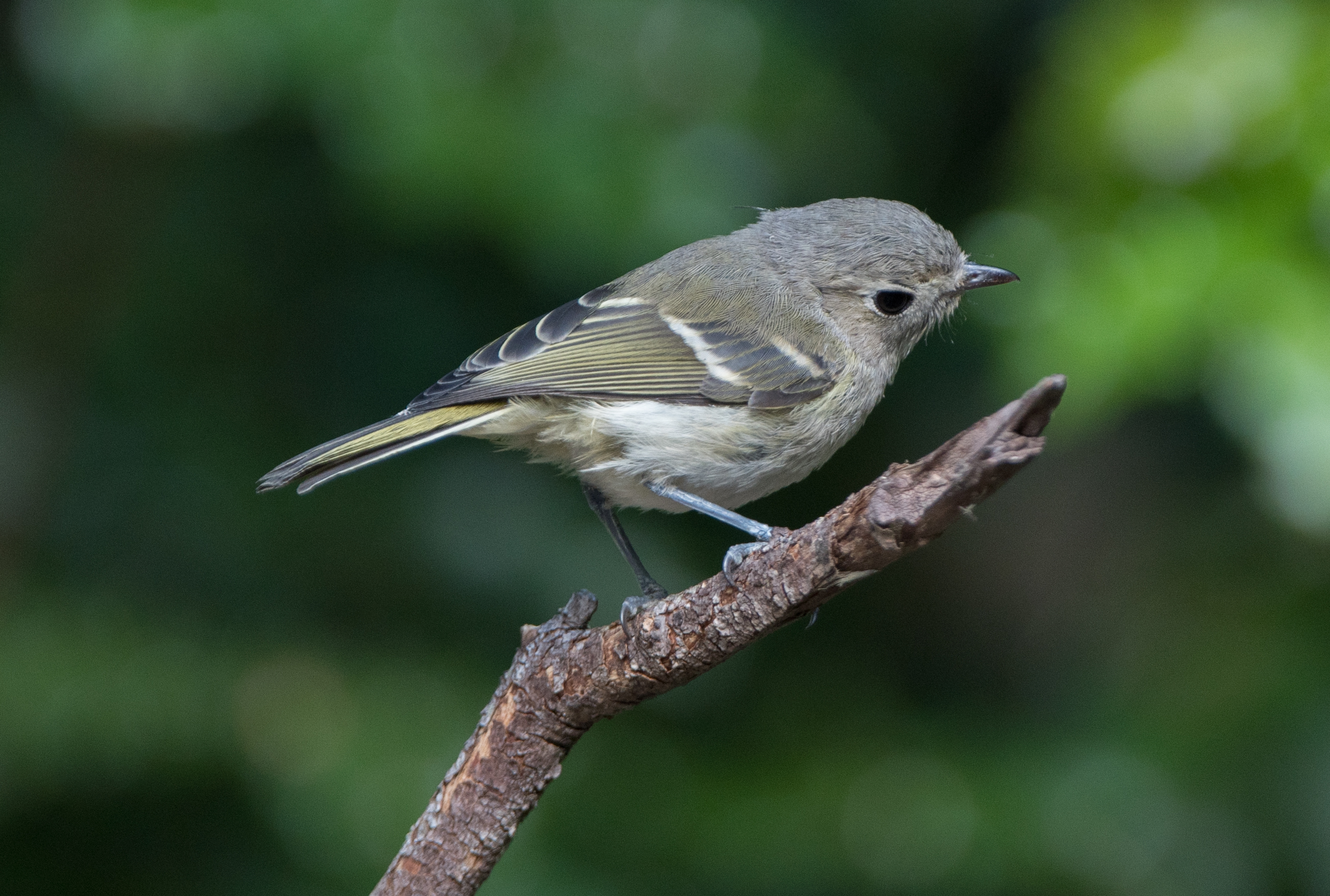
My best birding day since returning home was Wednesday, May 9.  On that day I had 6-7 visits from Orange-crowned warblers, two visits from a male Wilson’s warbler, a possible visit from a Yellow warbler (no photo) and in a first in memory for my yard, visits from two or more Yellow-rumped warblers of the Myrtle race.  

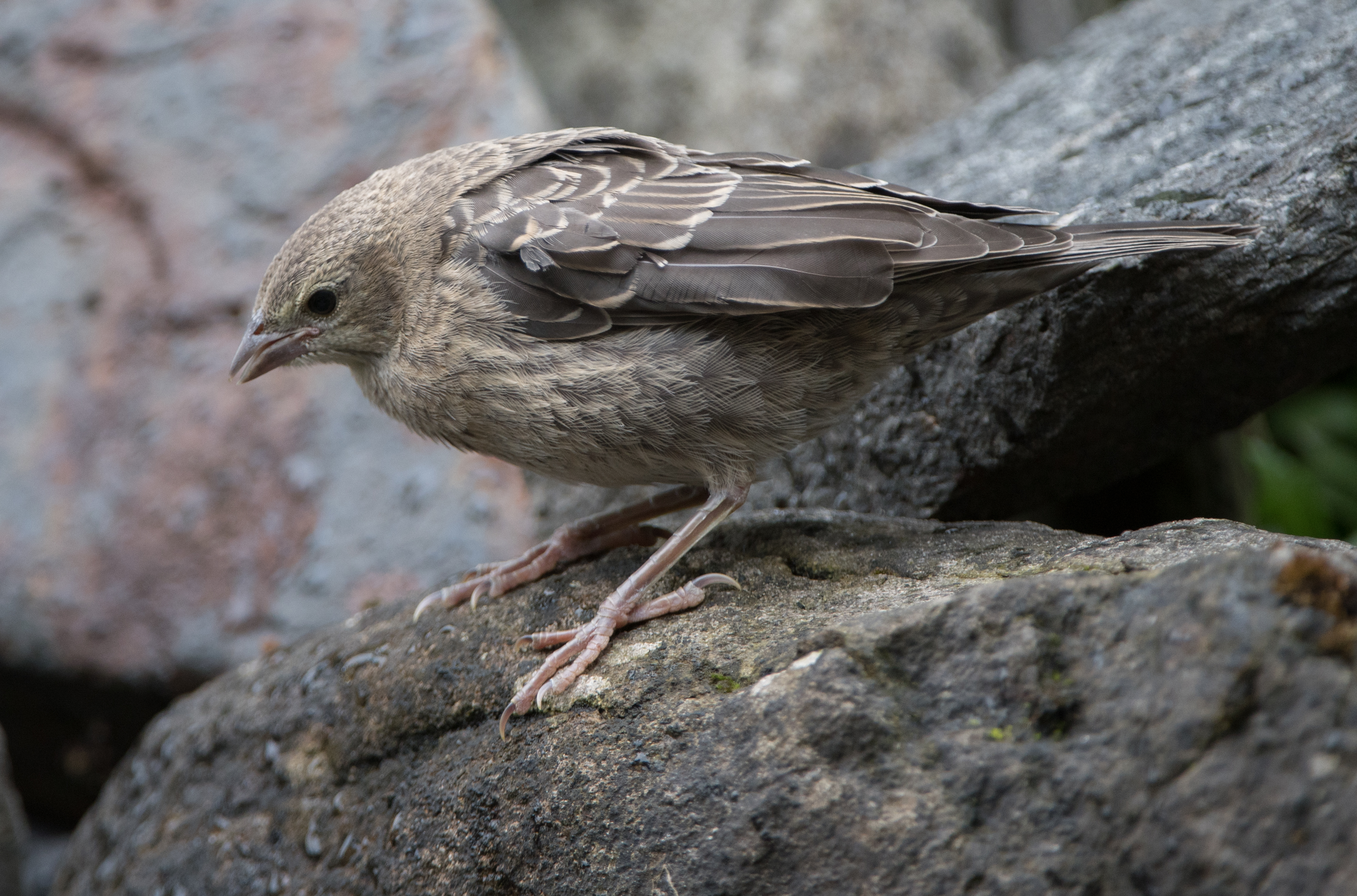
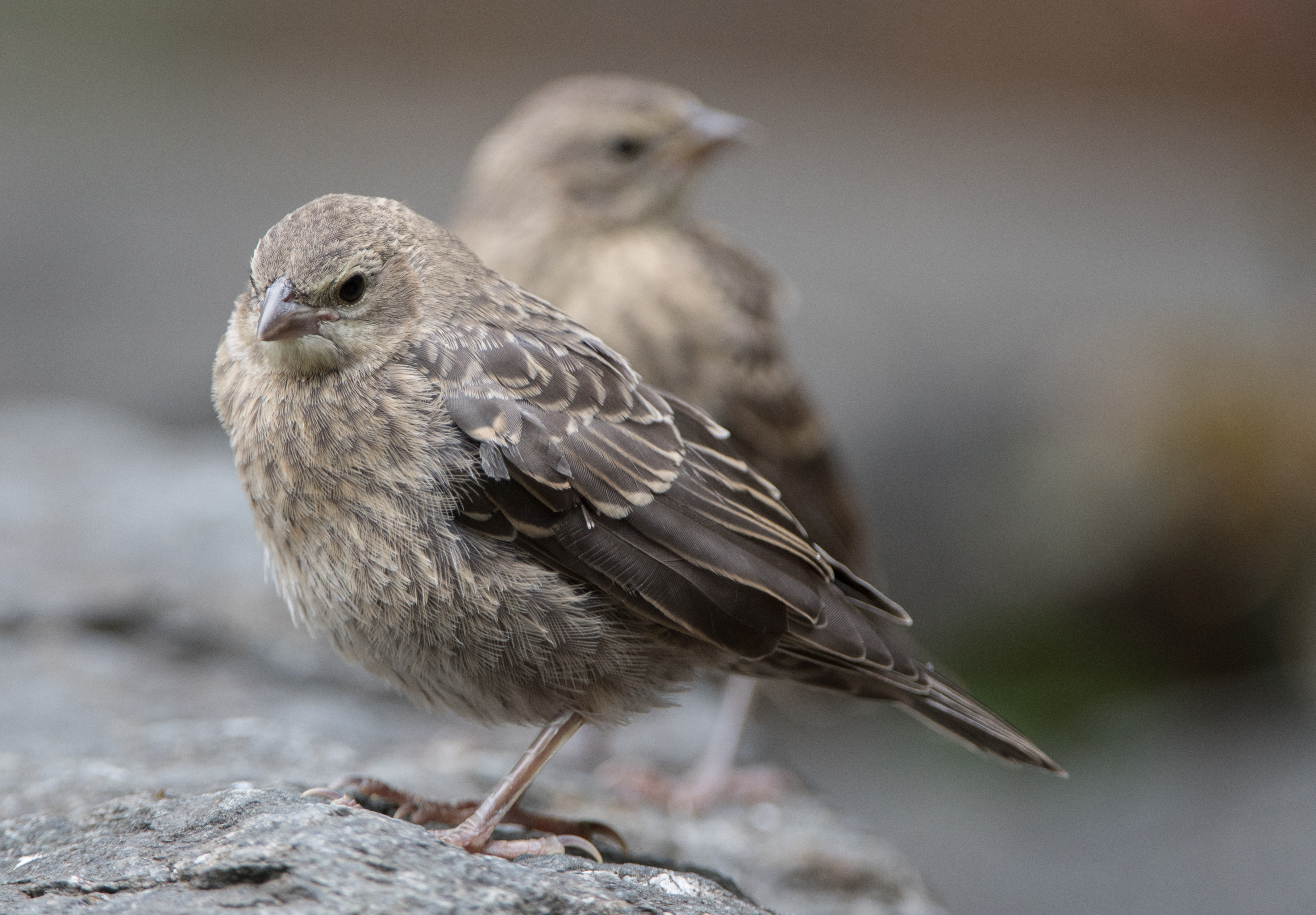
I also had a visit from a House wren (a pair are currently using one of our bird houses) and in the same week five male Brown-headed cowbirds (only one female with them) and our first Black-headed grosbeak (a male) which I had heard in the area for a couple of weeks before I found him visiting one of our feeders.  

So here are a few photos from May 9… 

Sadly, this was our last day for hosting our last two Golden-crowned sparrows in the yard. This was the last day they were seen… we look forward to hosting a small group this next fall/winter.

A male Wilson’s warbler, the warbler I consider our most common warbler visitor.

A very pale Orange-crowned warbler

And photos of one or more Yellow-rumped (Myrtle’s) warblers.  Since in some photos I can discern a little yellow lurking in the crown, I suspect these birds are first-year males.


Yard Bird – Lincoln’s Sparrow!

On April 21, 2019, Easter Sunday, I noticed an unremarkable sparrow in the yard that I couldn’t identify without using binoculars.  Once I saw the bird through my binoculars I realized immediately that it was a Lincoln’s sparrow, a species I had logged in our yard only once before many years ago.  In fact I have worried from time to time that I may have misidentified my original sighting.  But in this case I was sure of my identification and had pictures to confirm my identification. 

I’ve often preached the value of factors other than appearance in making identifications.  When I opened our window shades before good light the next morning, I saw a single bird foraging in the yard.  It was not one of the sparrow species which are common at this time of year, nor was it one of the other FIVE species of sparrows (Spotted towhee, Dark-eyed junco, House sparrow, Golden-crowned sparrow, White-crowned sparrow) which had been in our yard the previous day.  (Two week’s previously I could have also added a Song sparrow and a Fox sparrow, but they have since moved on.)   The only sparrow foraging in the yard before first light was the Lincoln’s sparrow!  

On a somewhat different subject, on April 23 I was birding in the yard and saw my first confirmed arrival of a Brown-headed cowbird, a male (no photo).  I also had several visits by one or more Orange-crowned warblers.  On one visit with the warbler bathing in the watercourse, a male Yellow-rumped Audubon warbler flew into the watercourse and began bathing within a foot of the Orange-crowned warbler.  As they flew from the watercourse three more Orange-crowned warblers flew into the yard!  

So I have to conclude that the spring migration is on!  (And as of Wednesday, April 24th afternoon, the Lincoln’s sparrow was still with us.)  

Sunday, April 7, 2019, began as a sort of humdrum birding day.  Things were so bad I started alternating my birding with yard chores.  Here are a couple of House sparrows… the male and an unusually good photo of a female.

Continuing with the sparrow theme, here is a photo of a Song sparrow, probably the only one we have.

Things got a little more interesting when this male Downy woodpecker came to the suet feeder and then took its time exiting the yard, giving me the opportunity for a few photos.

A Bewick’s wren has been visiting the suet feeder this past winter and it’s having a difficult time giving it up!

And this is when things began to get interesting!  All last season I only saw hummingbirds of any species visit the watercourse twice, which is in sharp contrast to prior years when we  had hummingbirds visit the watercourse multiple times on a daily basis.  This afternoon a female Rufous hummingbird first came down to bathe…

And then a male came down for a bath!

I’m anxious for warblers to arrive but my records indicate that most won’t arrive until May.  However, hope springs eternal and finally, after 5pm I saw movement in one of our madrone trees.  I realized almost immediately that it wasn’t one of the American goldfinches that are now so prevalent… it was a male Yellow-rumped warbler (Audubon’s race) in full breeding plumage!  The bird eyed both primary water sources in the yard and then left the yard after only a couple of minutes.  I could so early have missed it.

And one bit of bad news.  Early this morning I was on our west patio when a couple of birds flew into our very large madrone tree.  I didn’t have my binoculars but was trying to ID the birds with rather obstructivee backlighting.  Suddenly the birds flew, first a female, then a male followed by another female.  I realized by their flight patterns that I was watching three Brown-headed cowbirds… our first recorded arrival this year.  In past years, in our immediate vicinity they have parasitized White-crowned sparrows, Spotted towhees and Dark-eyed juncos.

Spring is Springing!

We’re already starting to see some of the early migrant species here on Cap Sante.  Rufous hummingbirds have arrived (male 3/11, female 3/19) and five Turkey vultures cruised over the house on 3/21.  Bushtits have recently paired and we are no longer seeing the large flocks visit the suet feeder.  We had American goldfinches for most of the winter, which is unusual for the yard, but now their numbers have increased substantially and they are probably the most numerous birds in the yard.

We’re already seeing some of our winter visitors exit.  A substantial proportion of our Dark-eyed juncos (Oregon race) have left as has apparently our single member of the Slate-colored race.  These birds breed at slightly higher elevations, although we had at least one breeding pair last summer.  We still have a Varied thrush or two in the yard (2 females on 3/26) although they have been less visible for the past couple of days.  They’ll soon be returning to the mountains for their breeding season.  And we still have as many as ten Golden-crowned sparrows in the yard, but they will all have flown north in a few more weeks.

I’m looking forward to some of our spring arrivals… warblers, grosbeaks, tanagers and hopefully a few rarities such as crossbills and waxwings, but that probably won’t begin happening until sometime in May.  In this time of transition I spent a few hours in the yard on March 21, the first day of Spring.  I tallied 26 species in and from the yard.  Here is a list of the birds I observed:

Eagle, Bald
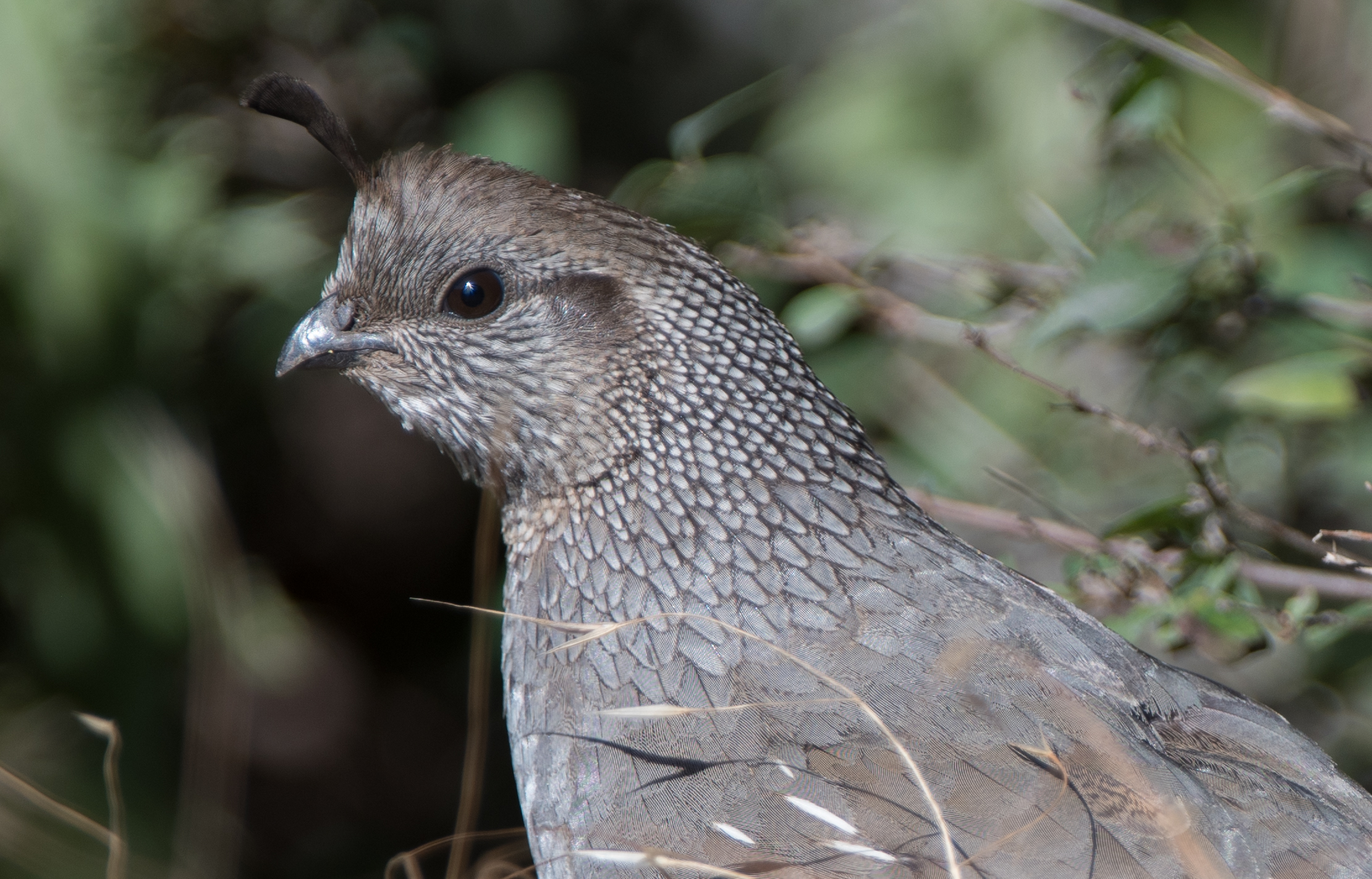
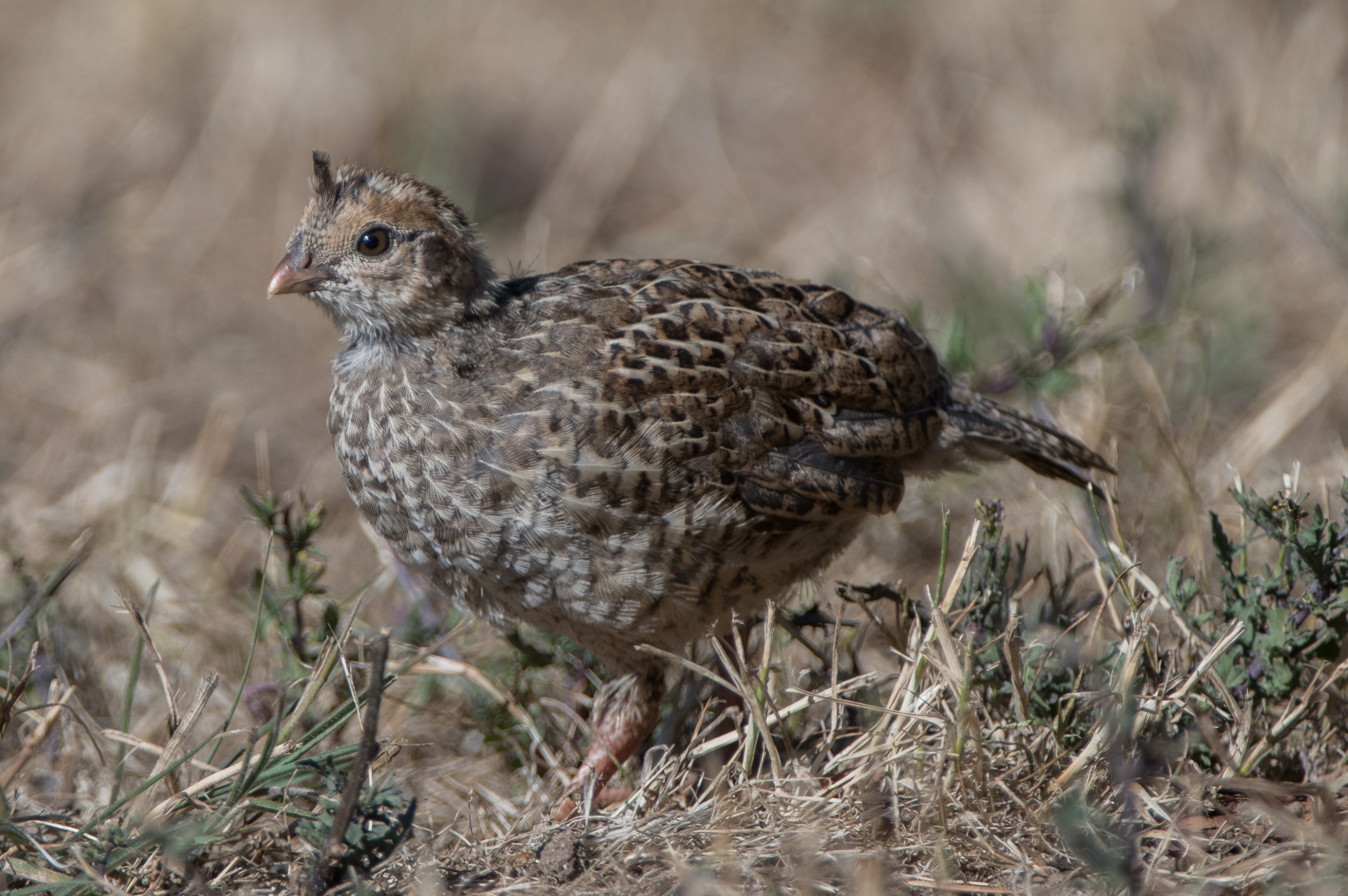
Quail, California (2m, 4f)
Creeper, Brown
Bushtit (m&f)
Nuthatch, Red-breasted
Chickadee, Black-capped
Chickadee, Chestnut-sided
Kinglet, Golden-crowned
Dove, Eurasian Collared
Crow, American Raven, Common
Robin, American (~4)
Thrush, Varied (m&f)
Hummingbird, Anna’s (m&f)
Hummingbird, Rufous (2m, f)
Flicker, Northern
Woodpecker, Downy
Sparrow, House (m&f)
Sparrow, Song
Sparrow, Fox
Sparrow, Golden-crowned (≥4)
Sparrow, White-crowned
Junco, Dark-eyed (all Oregon, ~10, m&f)
Towhee, Spotted (m&f)
Blackbird, Red-winged (m&f)
Goldfinch, American (~15)
Starling, Eurasian

(Note the seven species of sparrows!)

All of the following photos were taken 3/21:

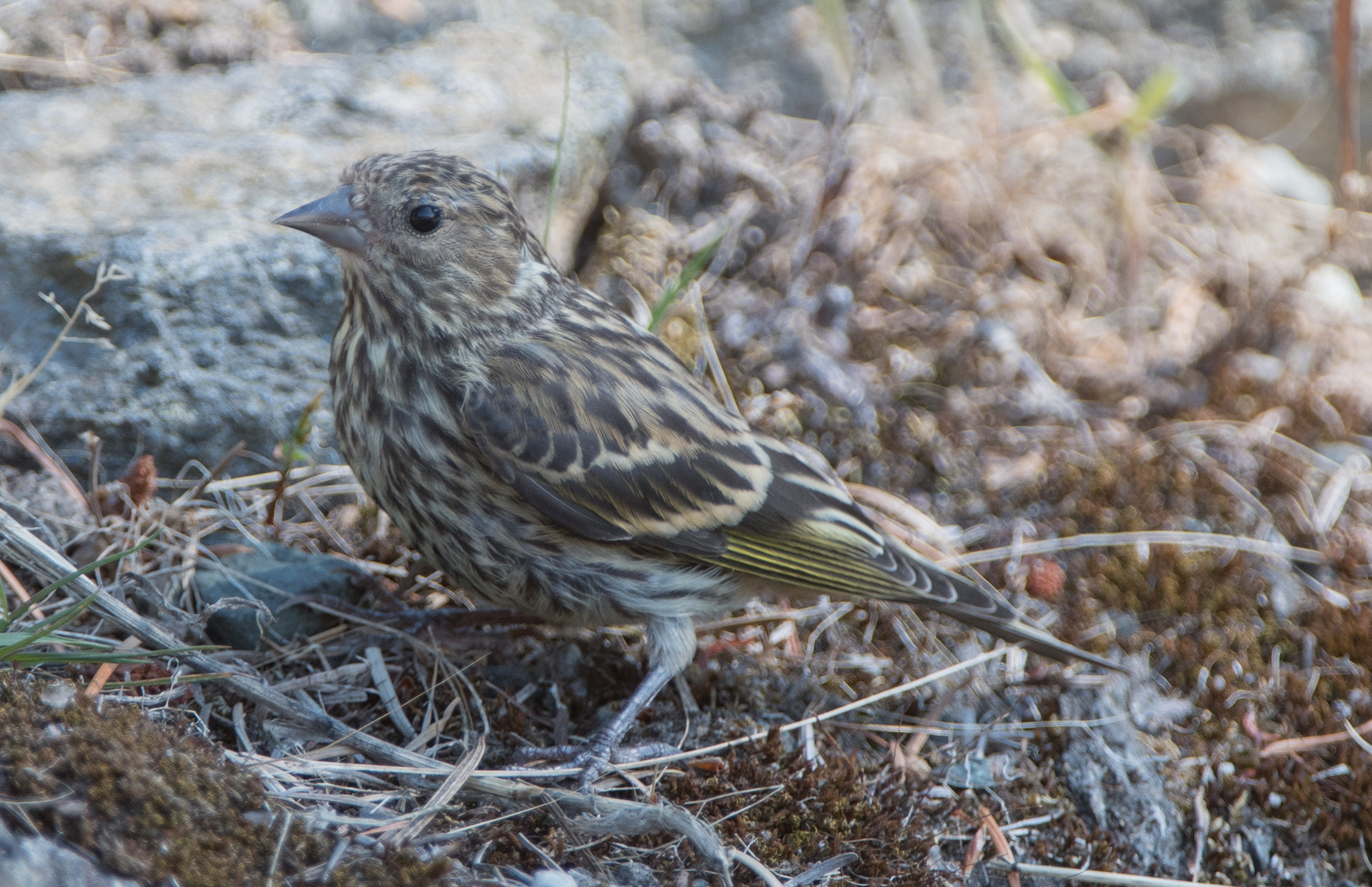
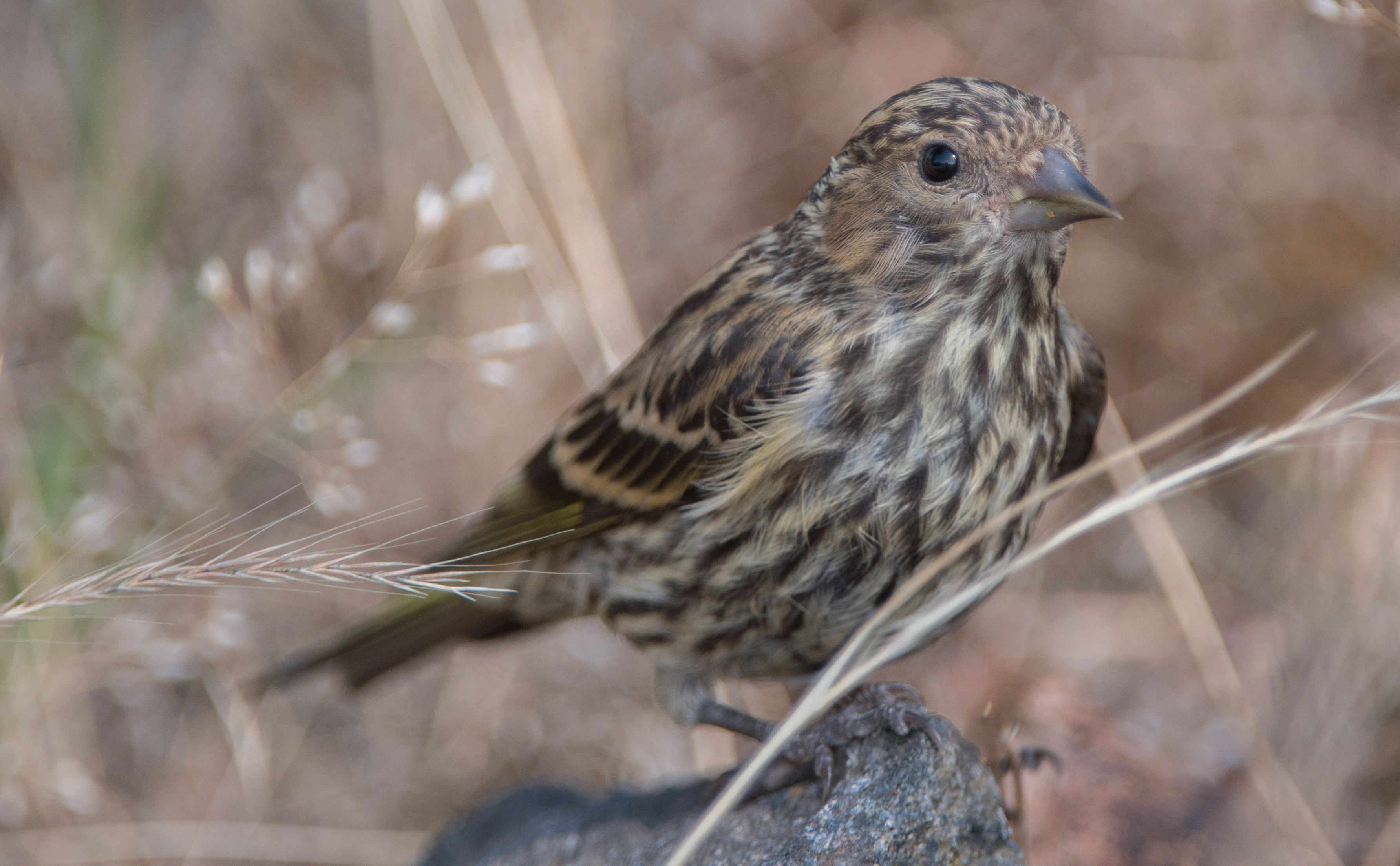
House finches, including a male feeding a female which I’m assuming is not a juvenile.  It seems too early to have fledged young and this female doesn’t show the characteristic ‘horns’ which I usually see on juveniles’ heads.


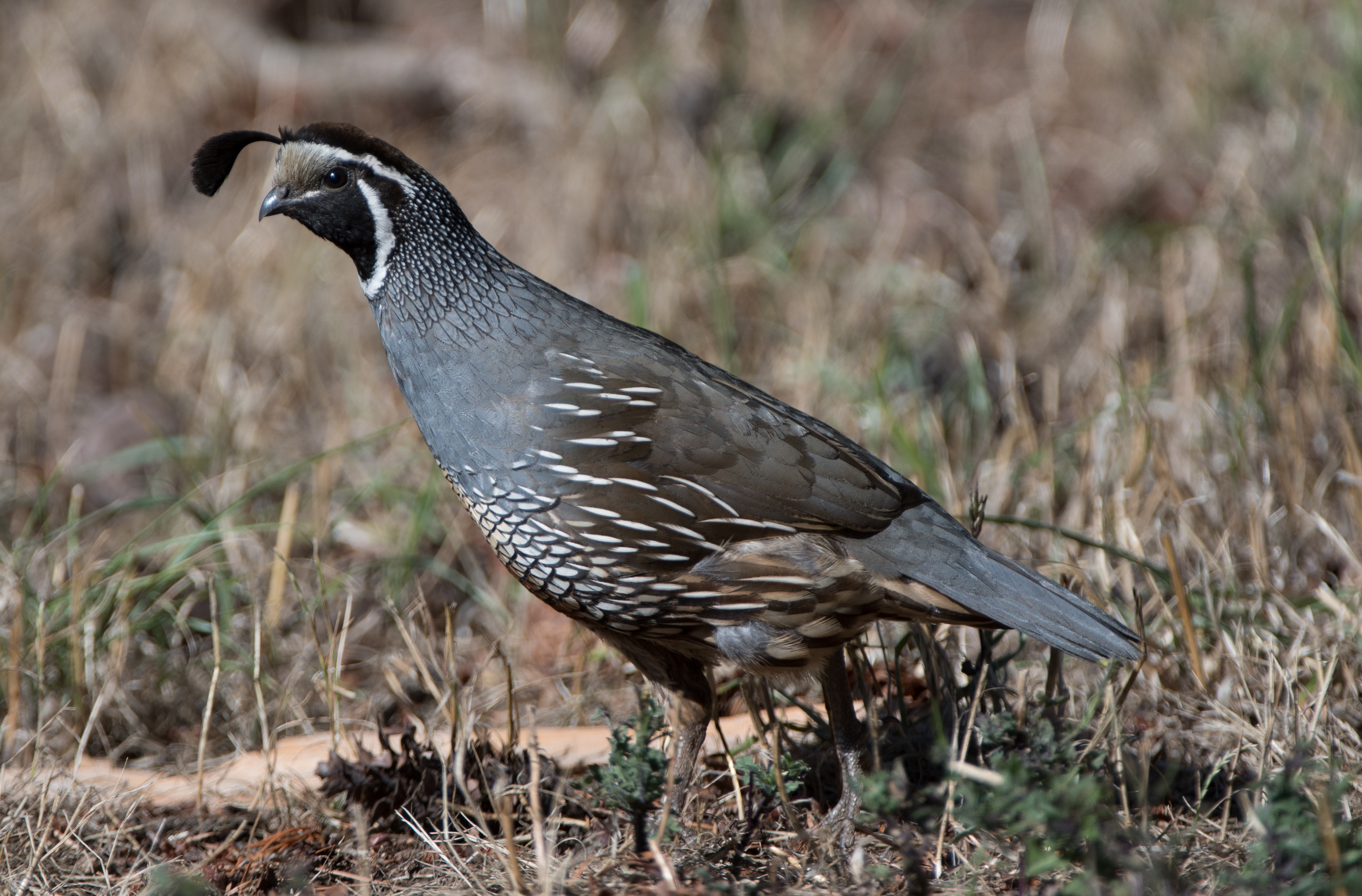
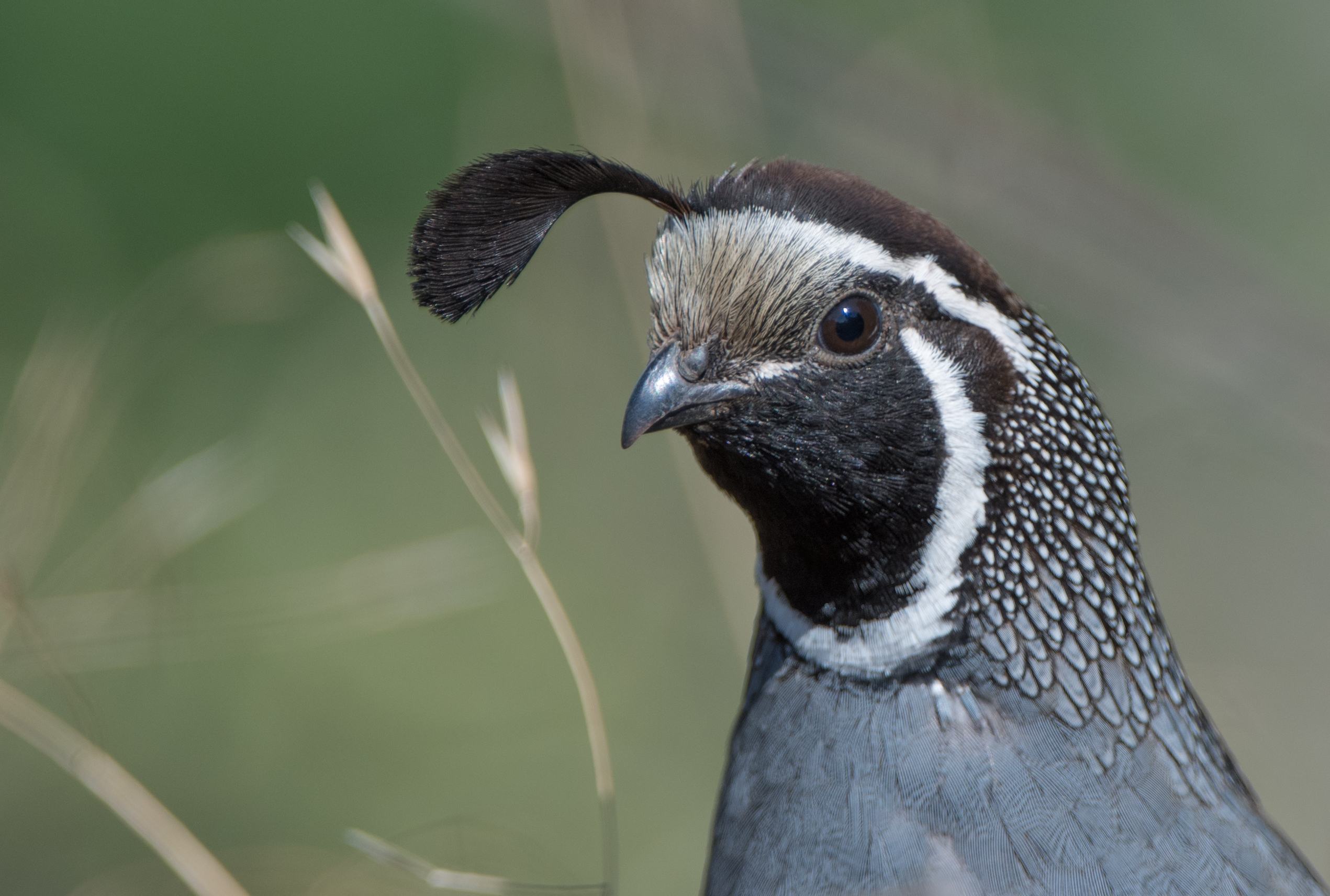
Male and female California quail

Male and female Varied thrushes, which continue to occupy most of my photographic efforts due to their relative rarity and beauty…

Fox sparrow

Song sparrows

White-crowned sparrow

Golden-crowned sparrows

A male American goldfinch, transitioning to breeding plumage…

Male and female Bushtits

And finally, a Brown creeper