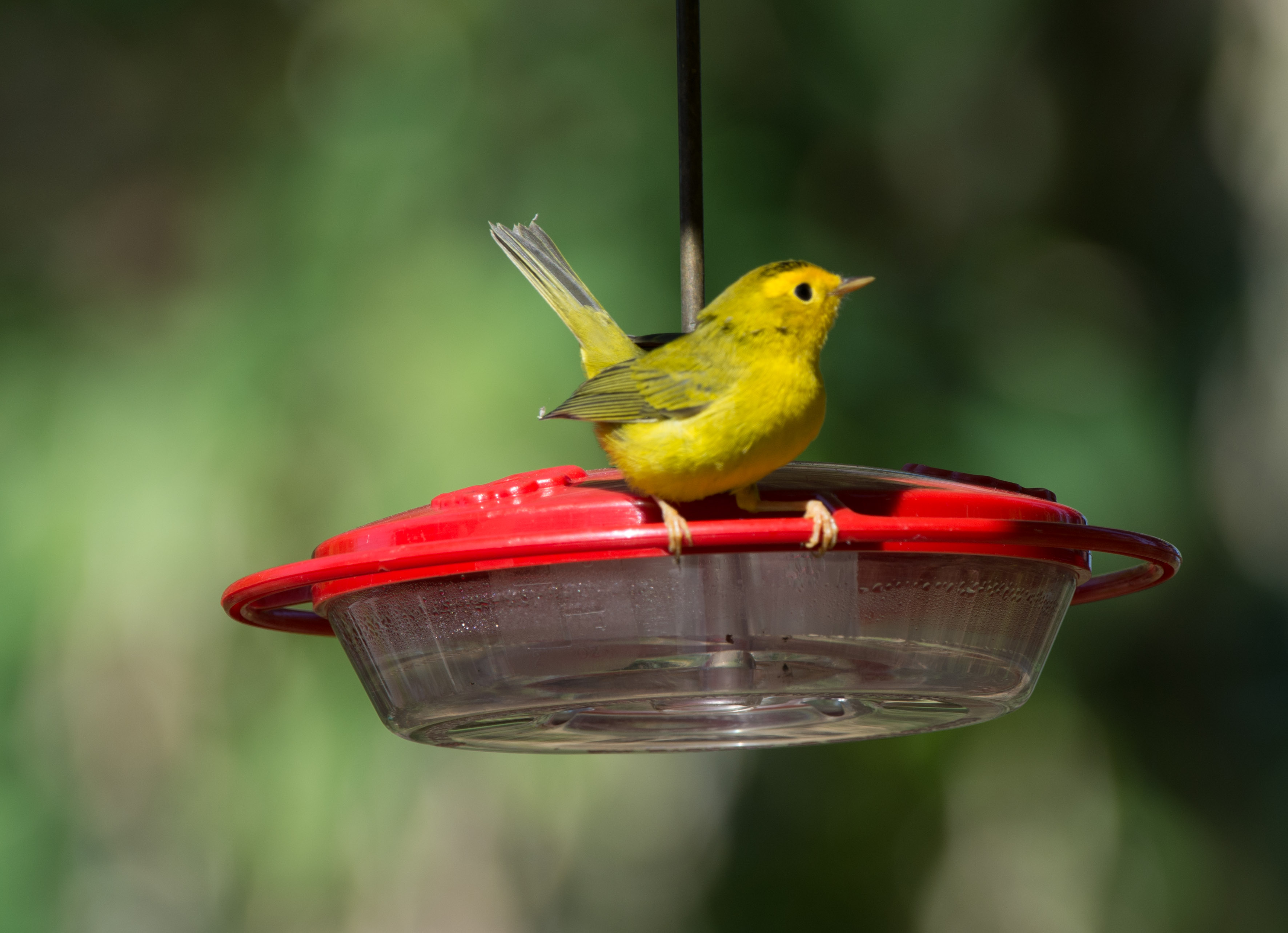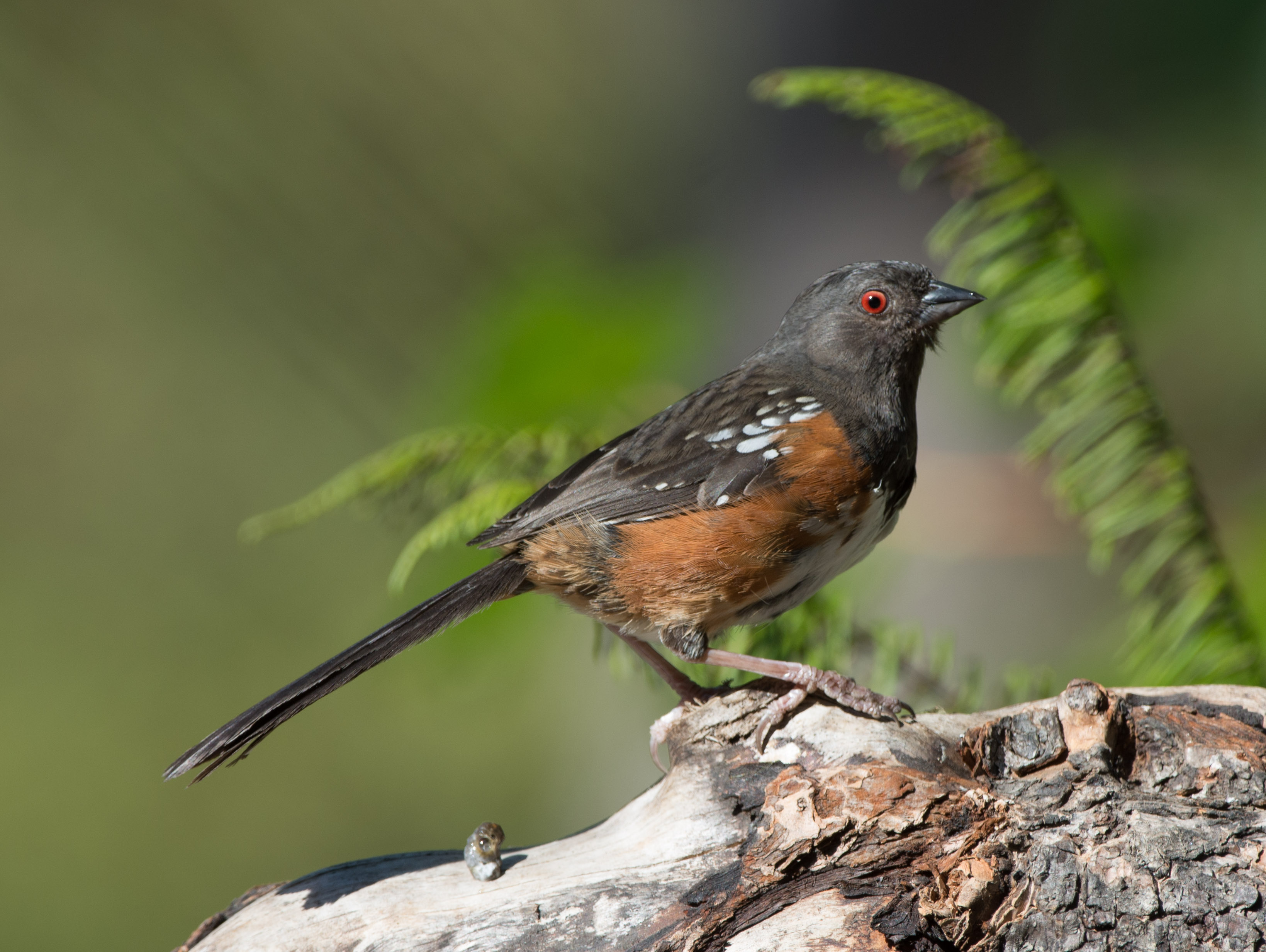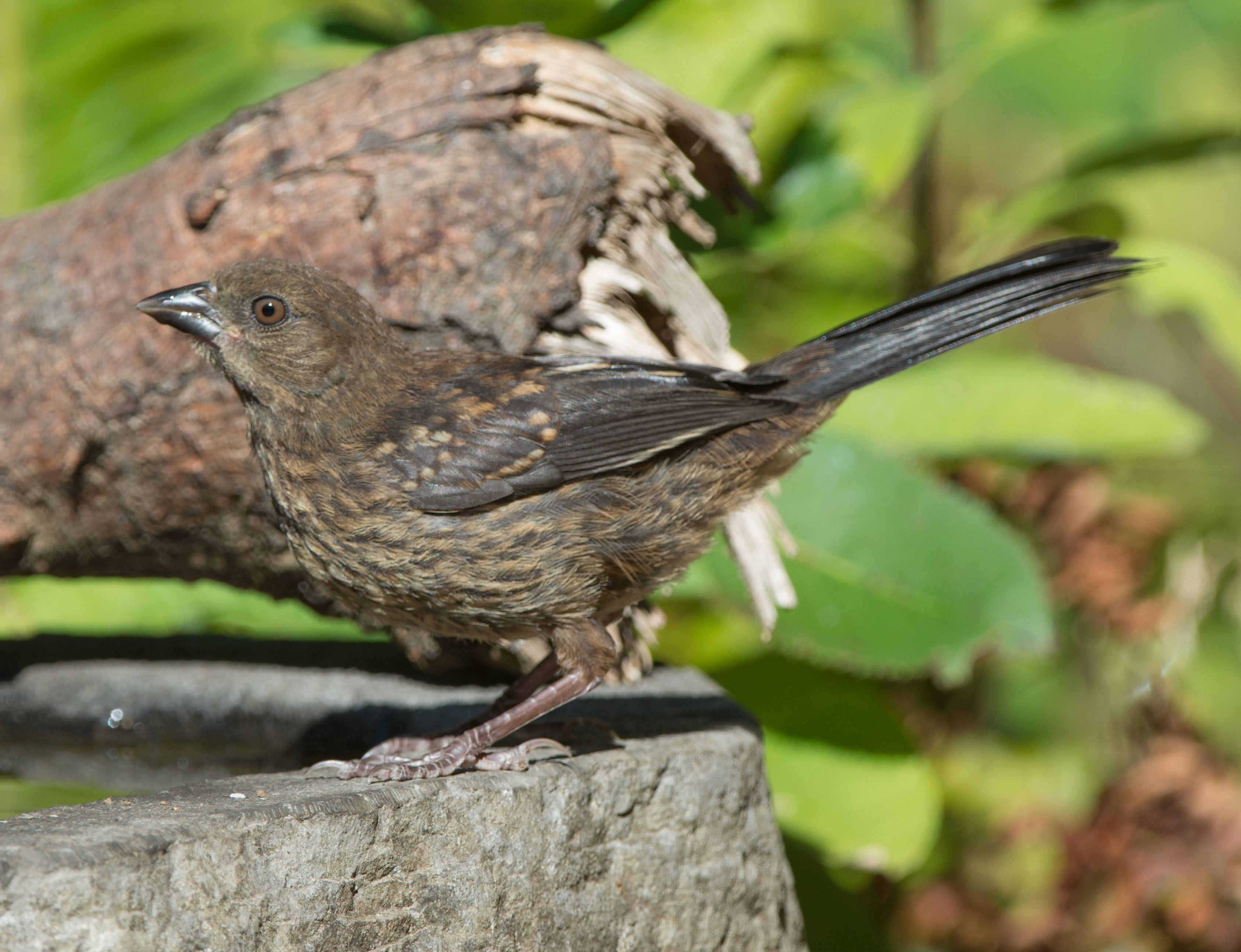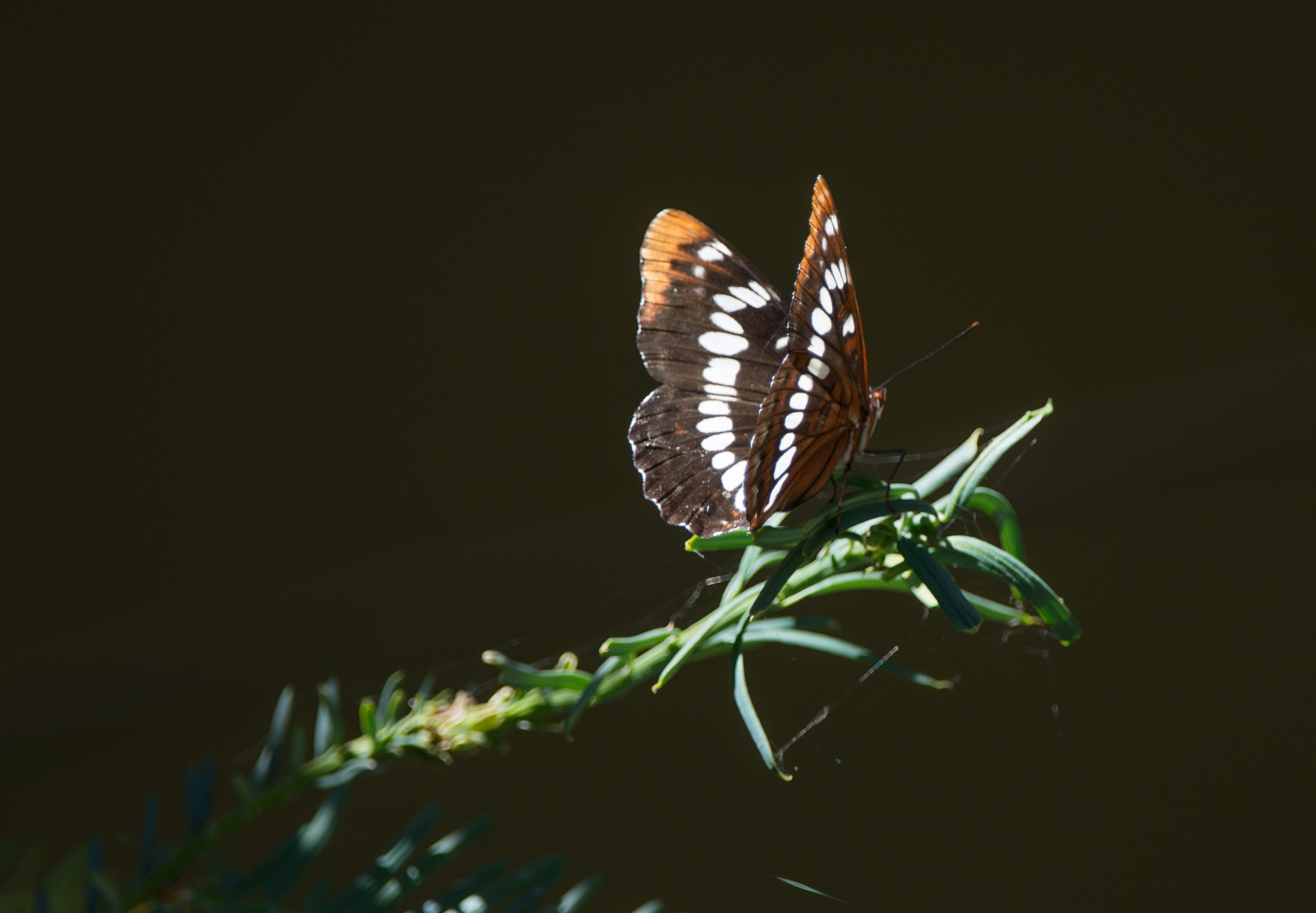
Driftwood, TX Birds – 1

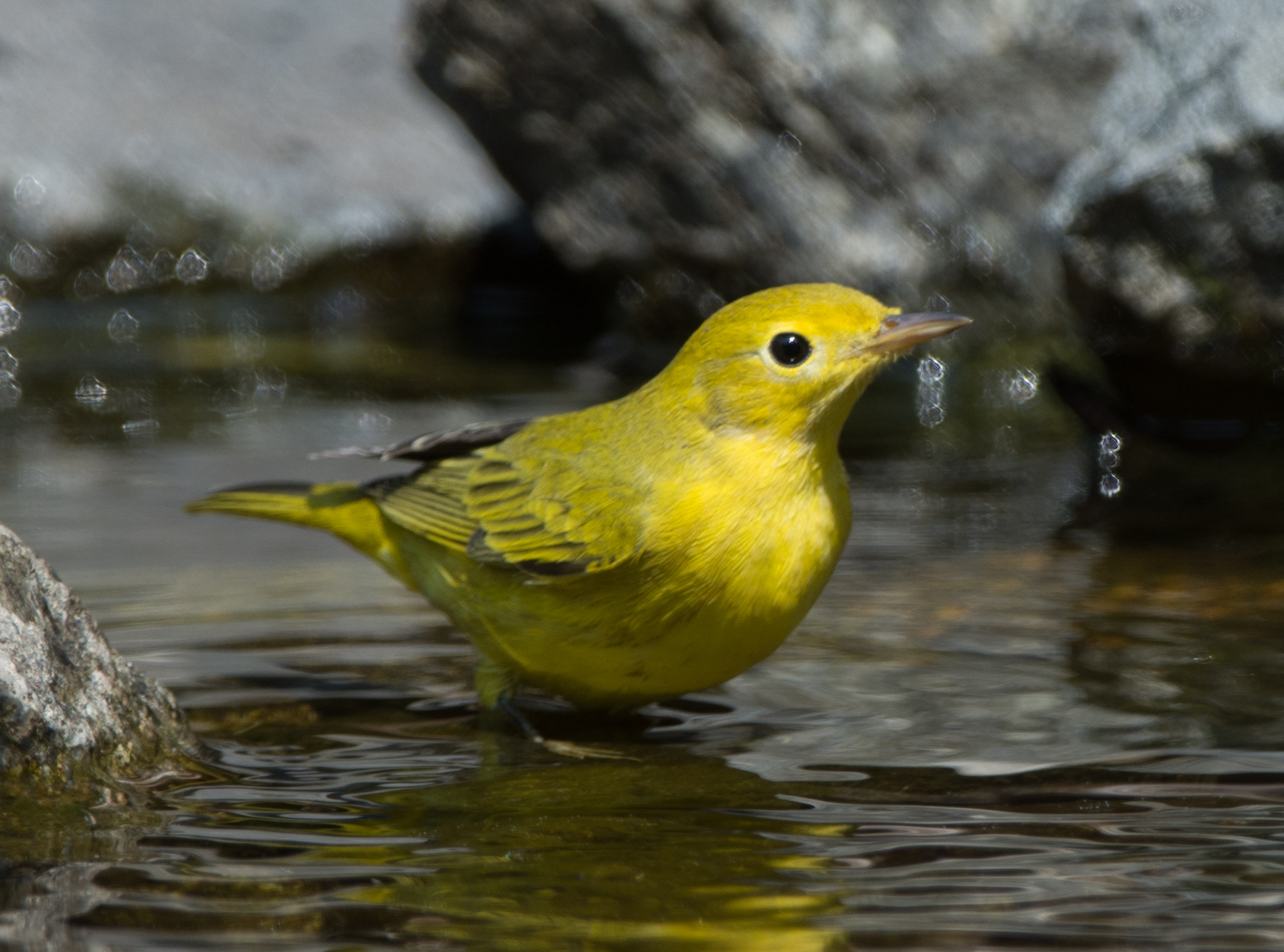
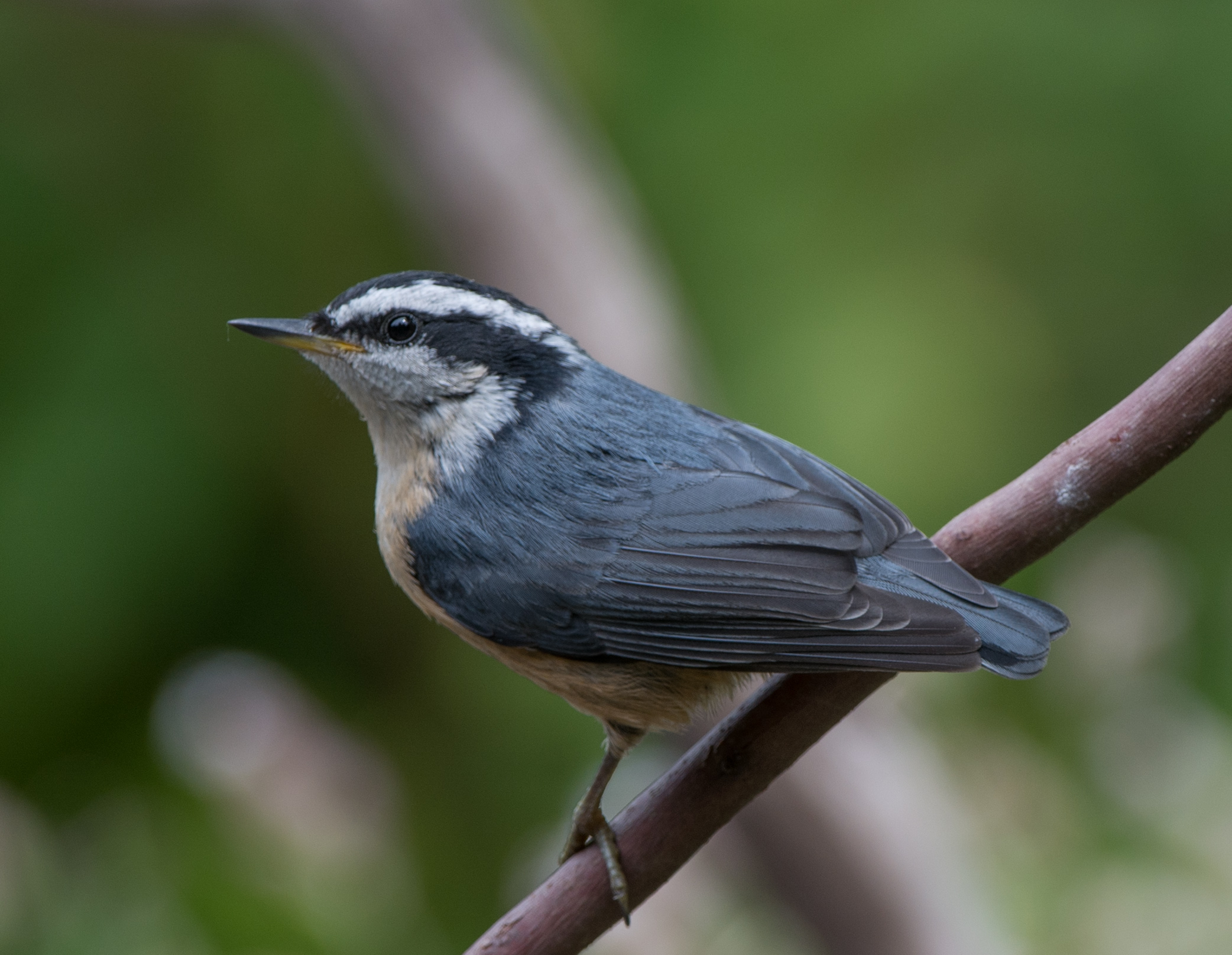
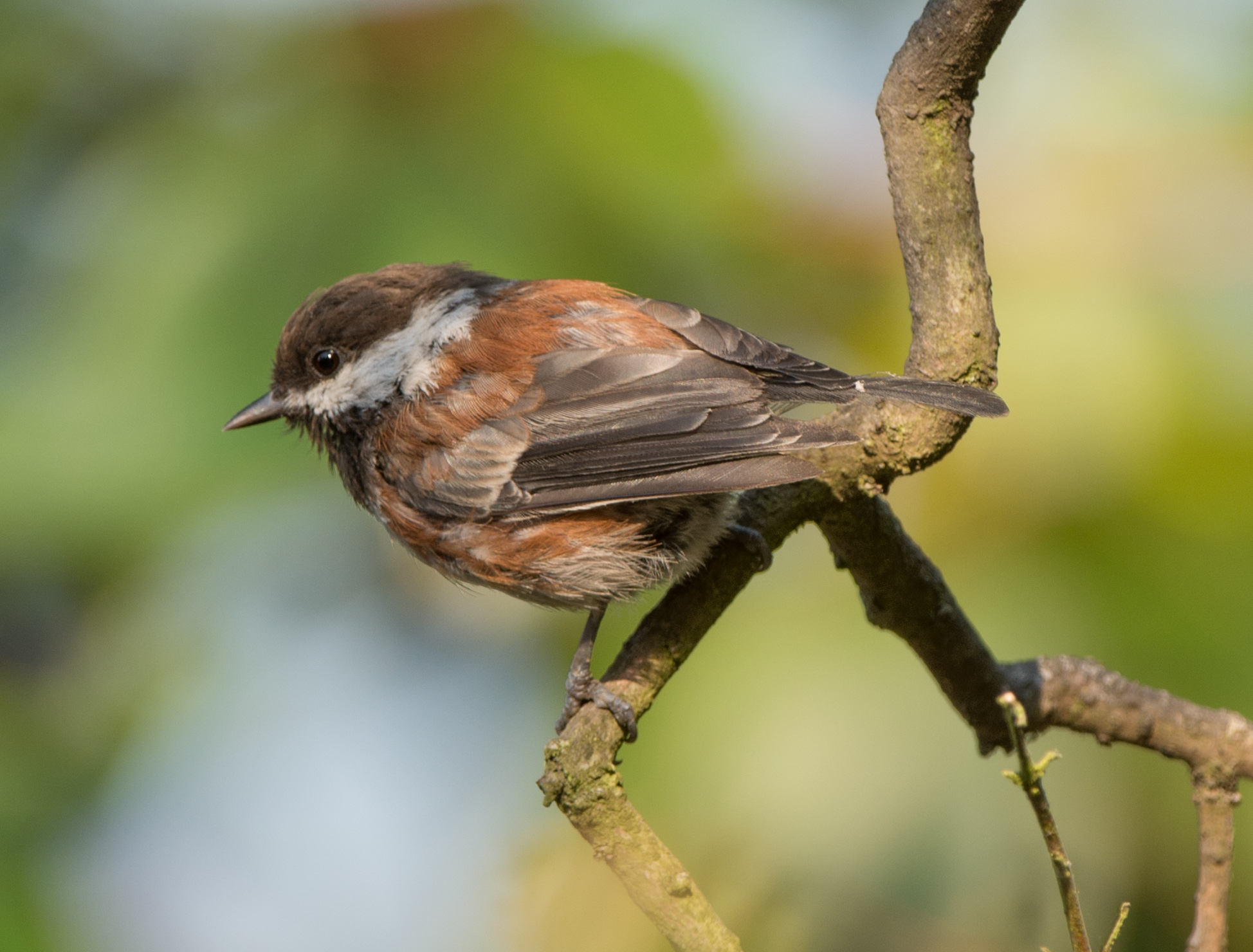
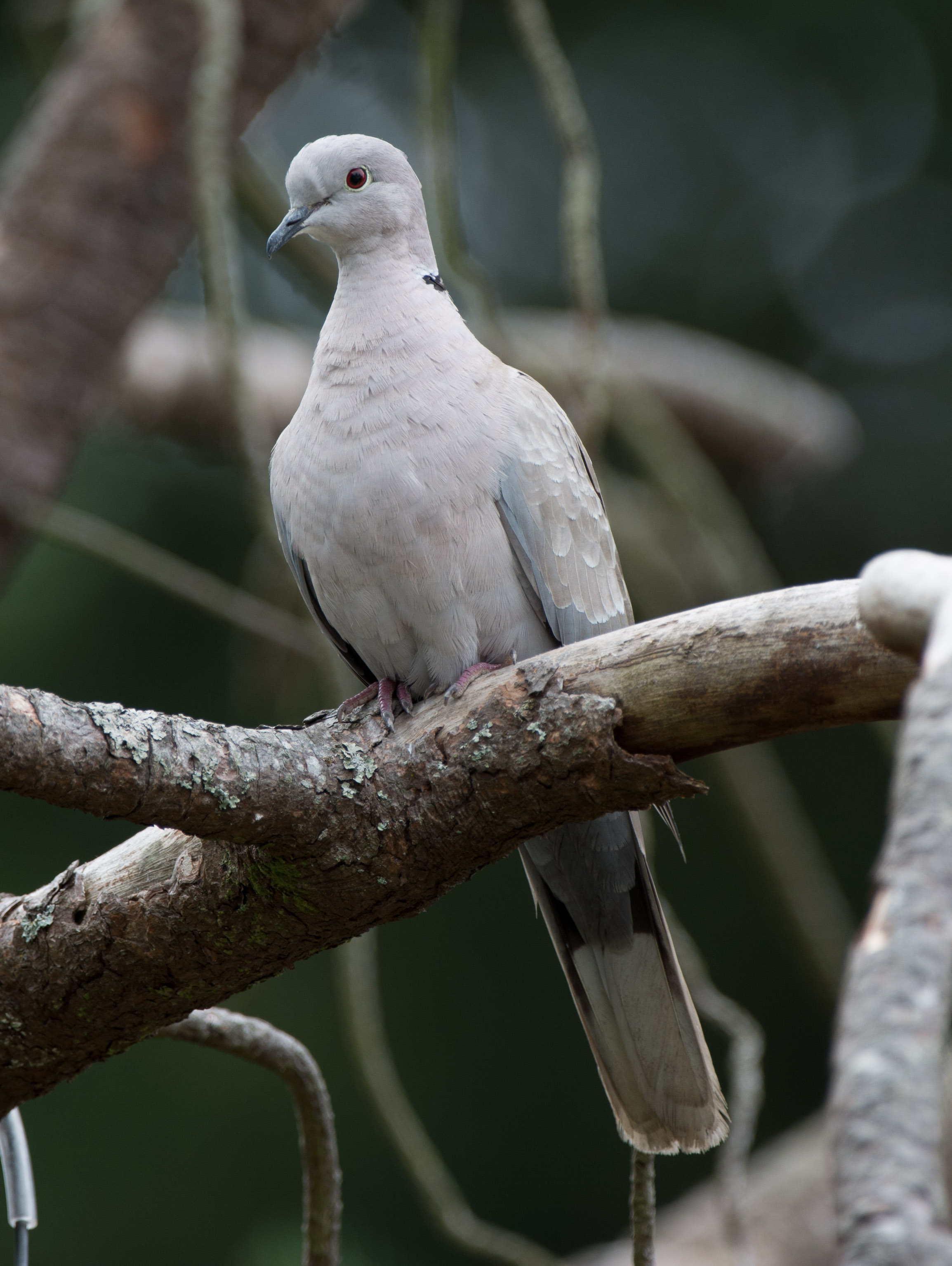
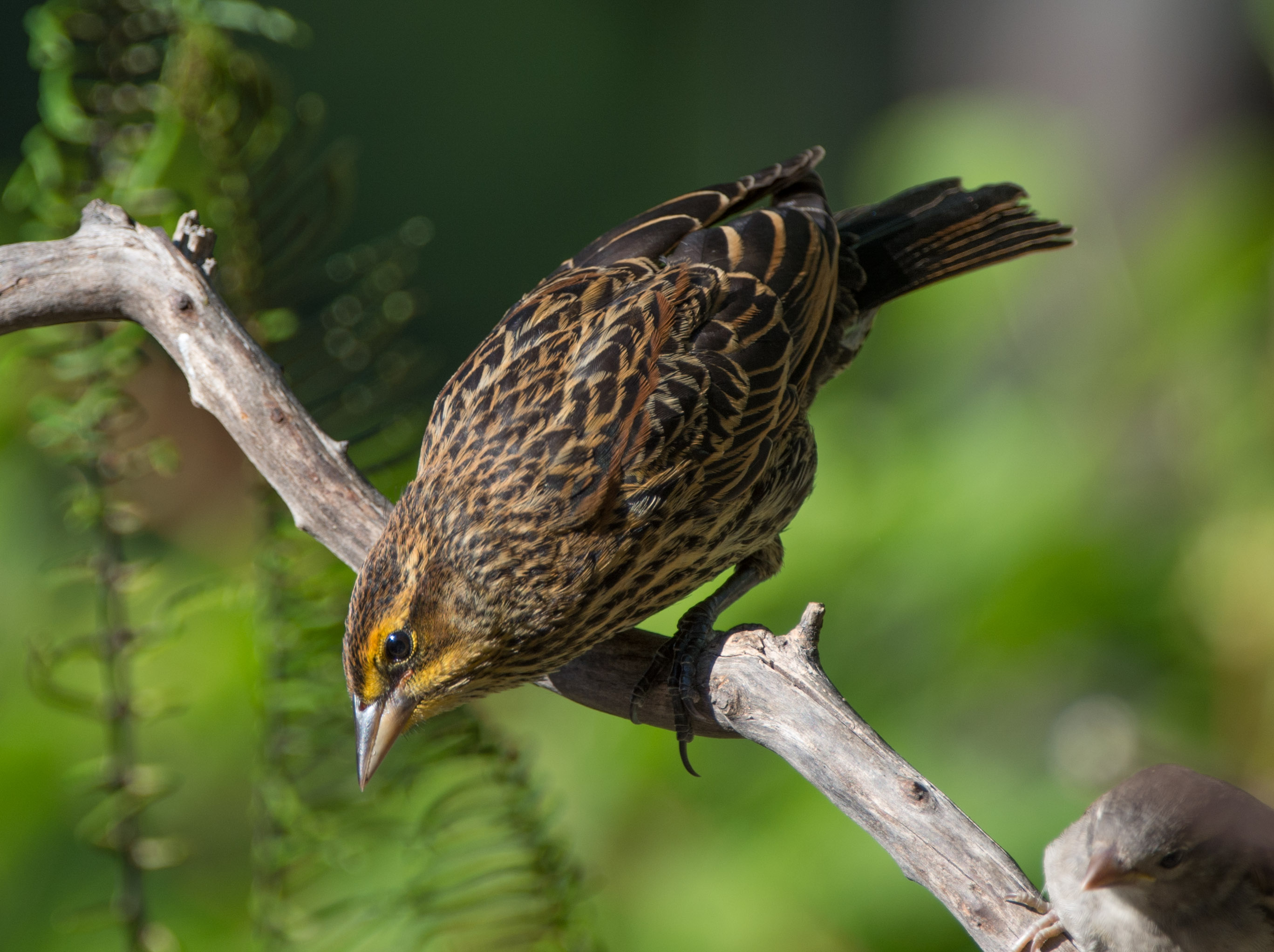
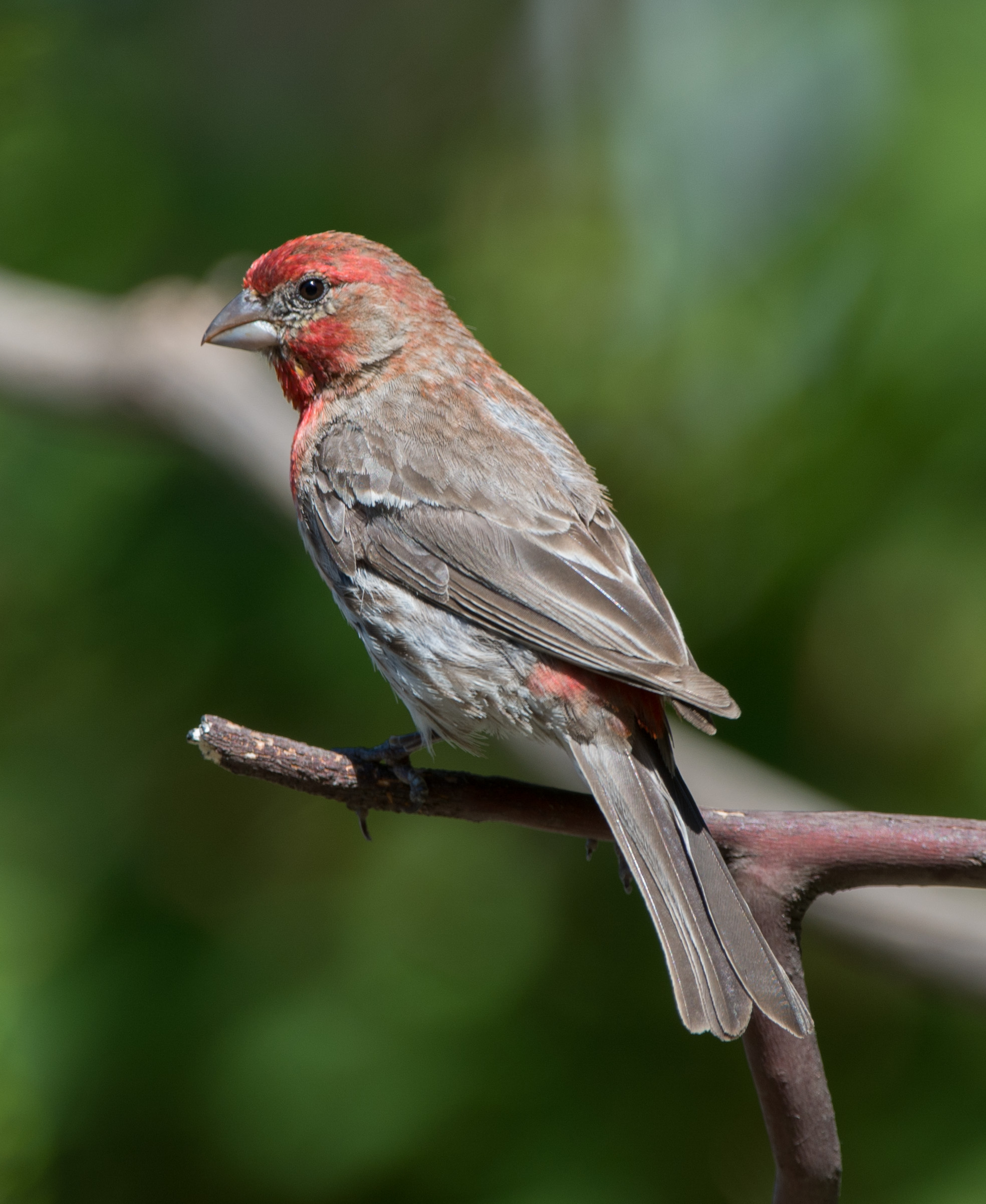
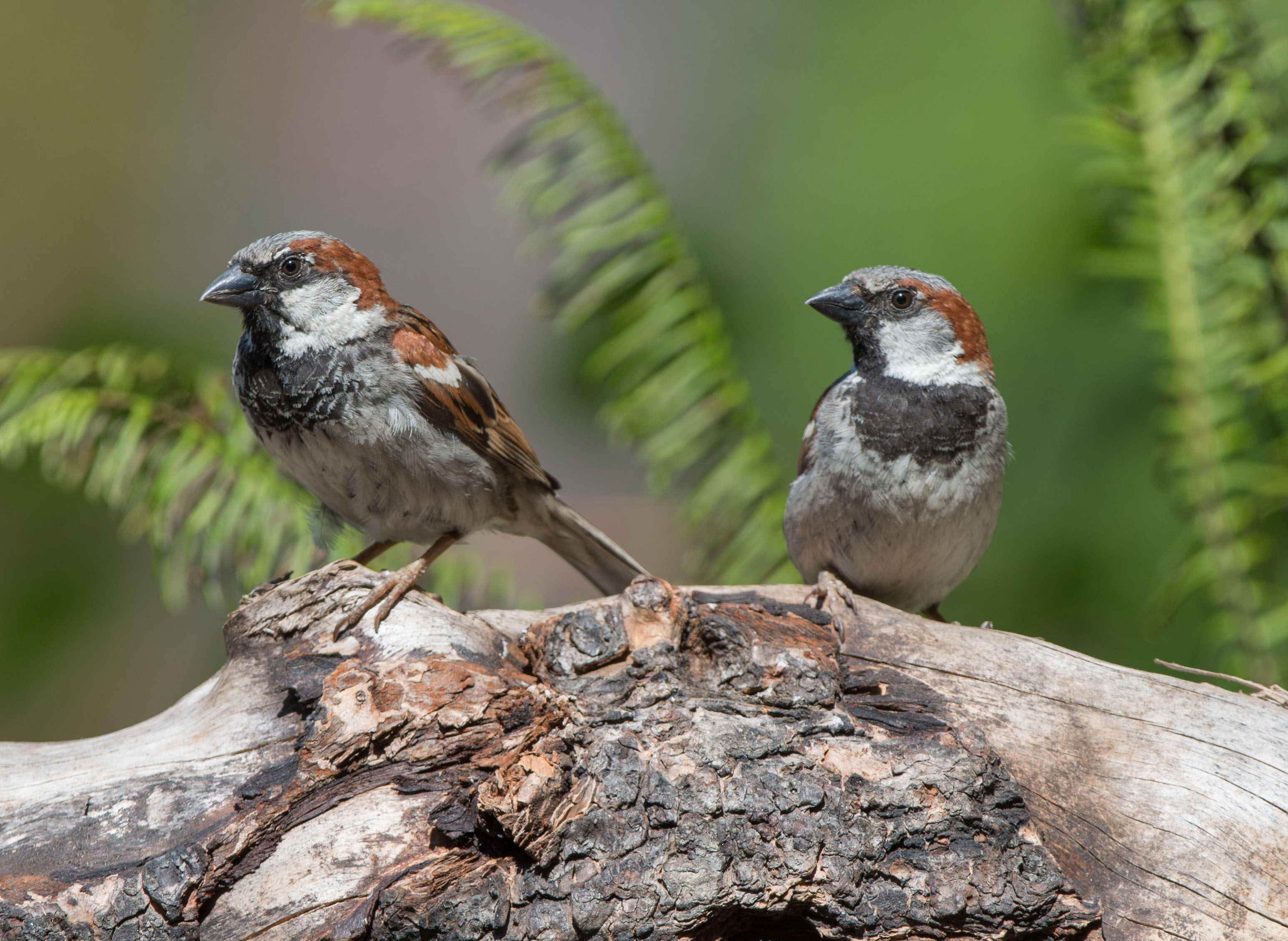
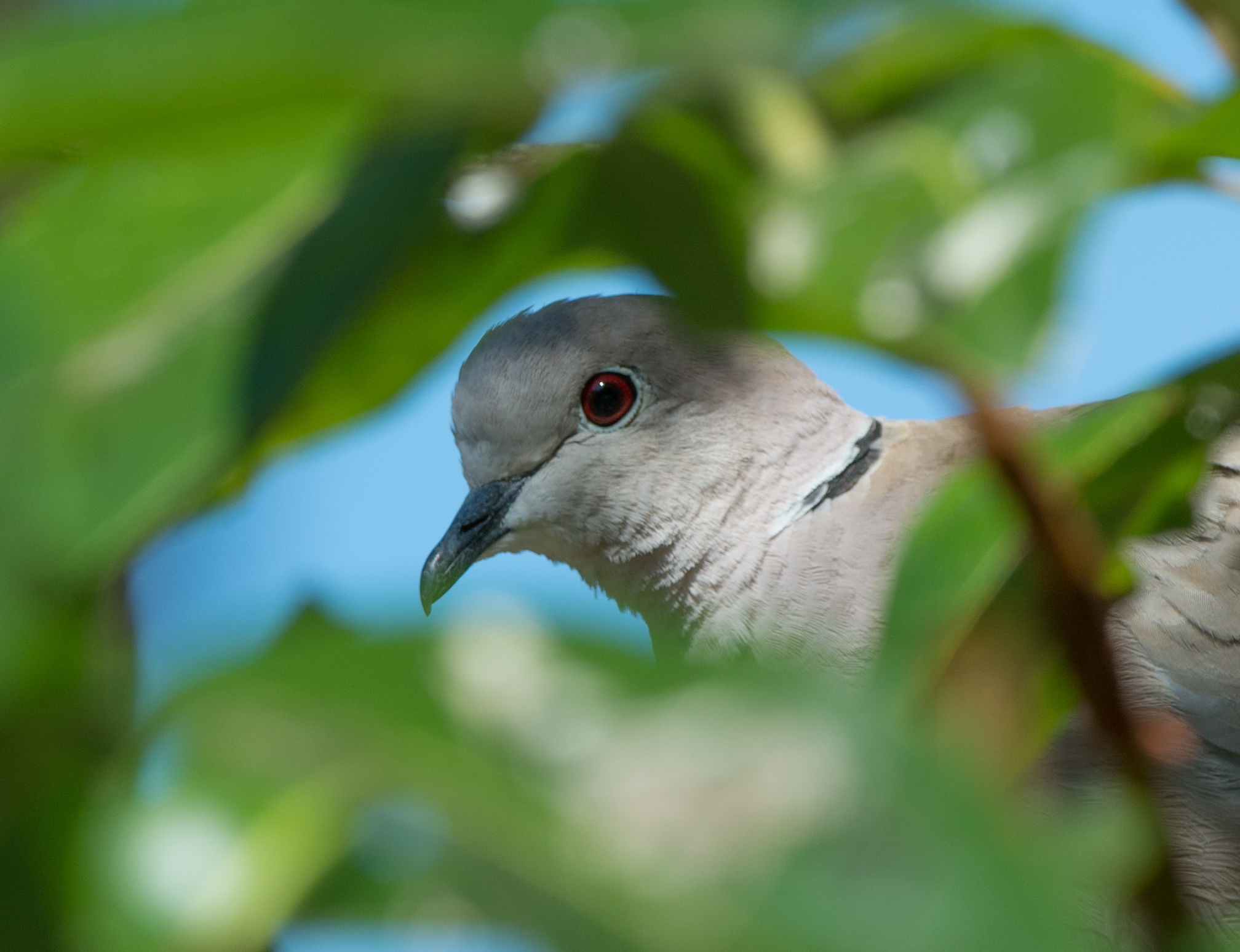
While in TX last month I spent considerable time at my sister’s place near Driftwood, TX, outside the Austin area.  My sister maintains excellent habitat and as a result attracts a multitude of migrating birds.

On April 15, 2013 I had a day in which I took 410 photographs, almost all of which were of birds.  Of those photographs I retained 268 (or 65%) after processing.  I’ve got multiple photos of the same species, and even multiple photos of the same bird.  But most of these birds were migrants, they don’t get to the Pacific Northwest and I only rarely get the opportunity to photograph them.  And it’s extremely difficult for me to toss (delete) a good photo of a bird just because I’ve photographed it previously.

So the birds pictured below were all photographed on the single day noted above… and more will follow until I’ve chronicled some of the more noteworthy birds I saw and photographed that day.  I still have hundreds of photos to process from the trip, yet I’m back at home and daily having the opportunity to photograph some of our spring migrants and visitors.  Enjoy!

Male Painted Bunting

Male Painted Bunting

Carolina Chickadee

Carolina Chickadee

Chipping Sparrow

Chipping Sparrow

20130415-Tanager, Scarlet   20130415 001_

Male Summer Tanager

A little note for the more serious birders.  The names and appearances of the  Summer tanager and the Scarlet tanager can sometimes be confusing.  I’ll tell you an easy way to tell them apart…

I remember that the names aren’t especially descriptive of the birds.  One might think that the Scarlet tanager would be the one that is ALL scarlet… but it ISN’T!  The Summer tanager is the one that is all-scarlet… the Scarlet tanager is the one that ISN’T… it has a very similar appearance but it has very prominent black wings.  And that’s how I separate the birds, but as was pointed out by my brother-in-law, I made a mistake when labeling them!  (Photos of the Scarlett tanager will be forthcoming, but photographs of it weren’t taken until the next day.

20130415-Warbler, Black and White  20130415 001_

Male Black and White Warbler


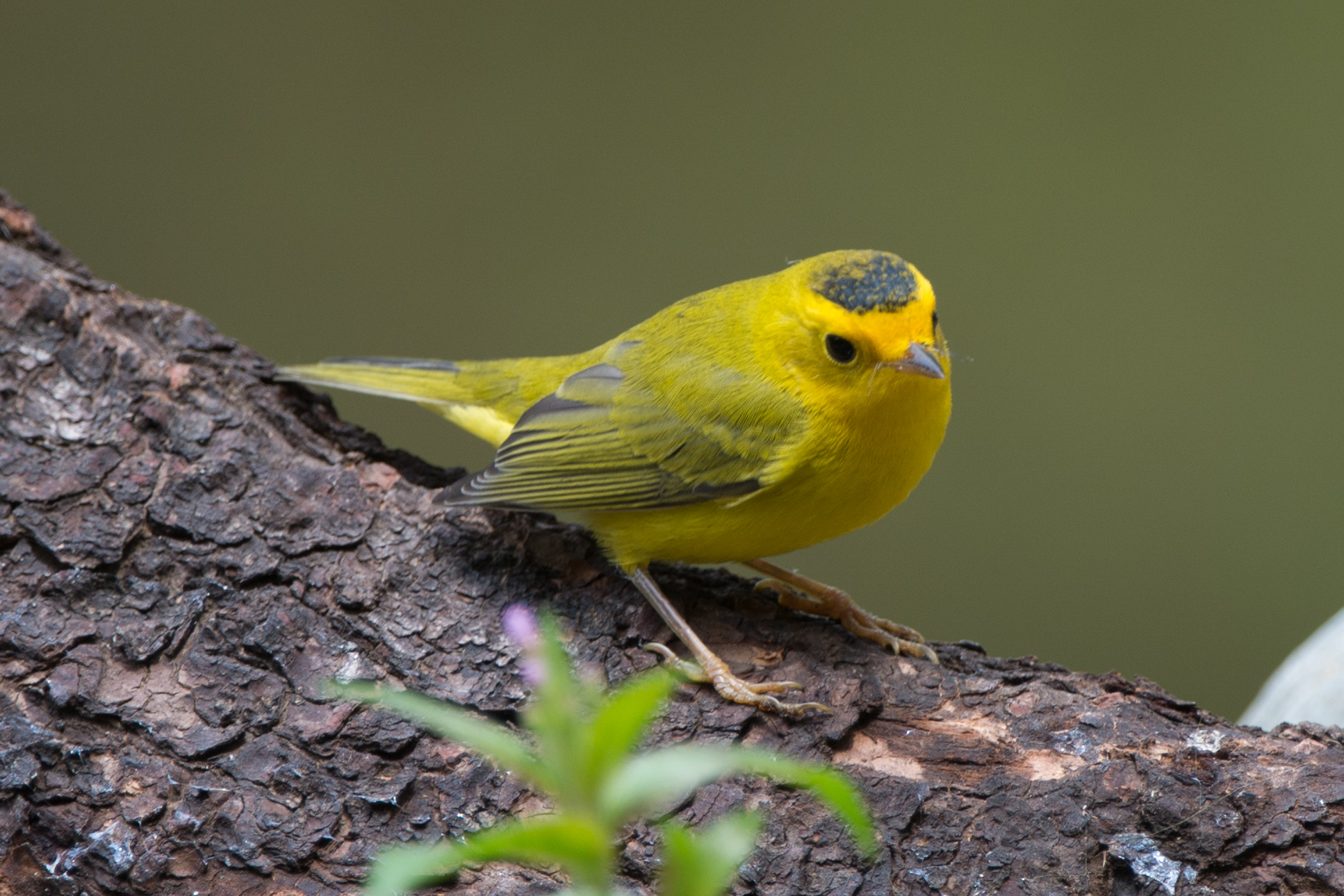
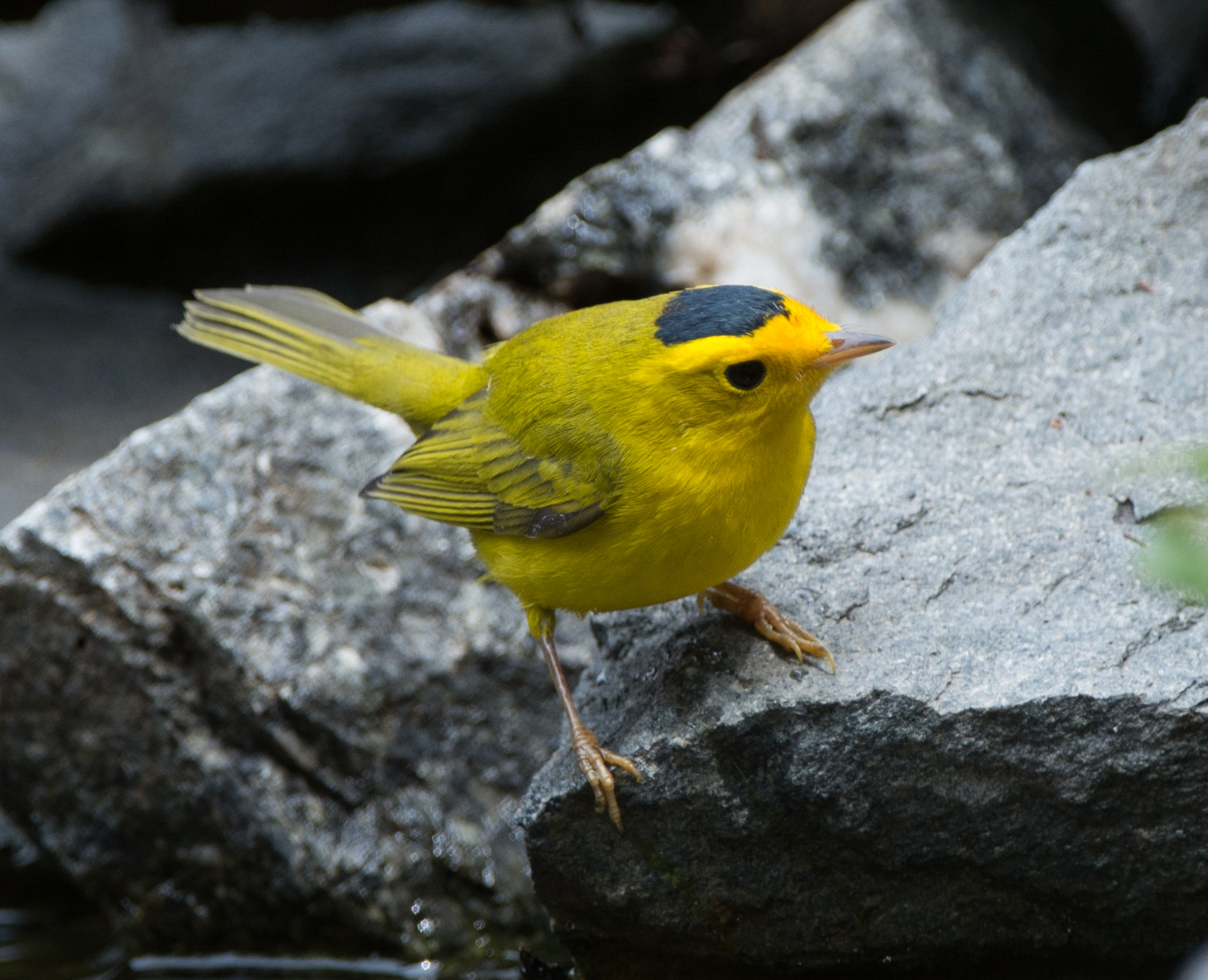
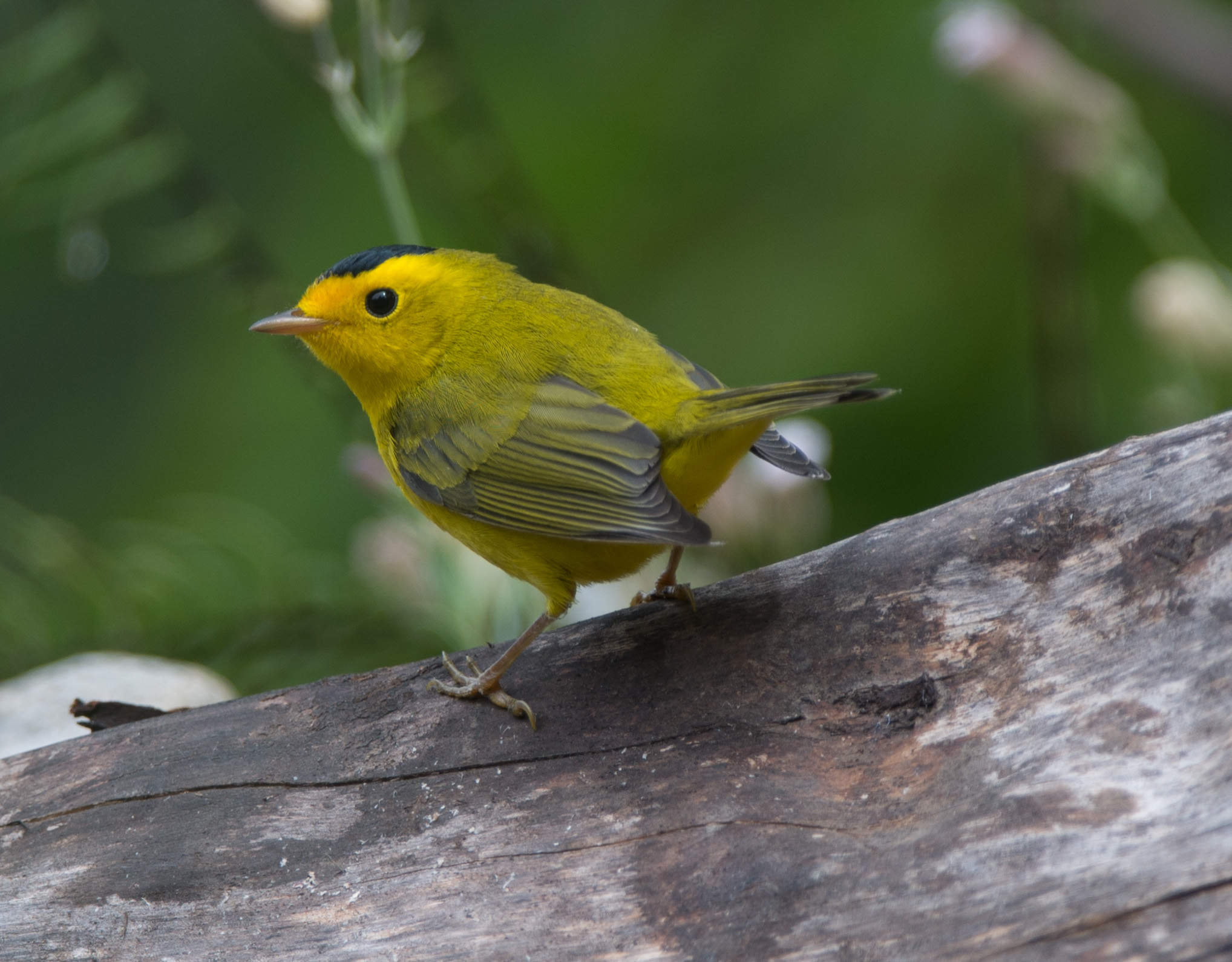
Texas Birds – Golden-cheeked Warbler

I recently returned from a two-week Texas which encompassed at least a part of the spring birding migration.  I am fortunate in that I have relatives who live in rural locations which tend to attract birds through providing good habitat with food and water. 

On 4/15/2013, while at my sister’s house, I took 410 photos of which I kept 268!  It was an exceptional day and on that day I photographed some exceptional birds, but chief among them was the Golden-cheeked warbler.  With regard to that bird, I managed to take 77 photos of which I retained 54.  Let me tell you a little of what that bird is so special. 

The Golden-cheeked warbler breeds only in Central Texas and is both rare and endangered.  It relies on mature junipers as the only source of its nesting material.  Junipers are detested by a large segment of the population, and especially many developers and land rights advocates.  The juniper trees, commonly referred to as ‘cedars’, produce a pollen annually to which a sizable portion of the population is allergic.  The pollen causes hay fever-like symptoms that last a month or more and you don’t have to go very far to find someone who suffers from it.  The developers don’t like the junipers because their presence on land can trigger environmental regulations that limit the use of the land.  There’s many a tract of land that has been quickly cleared to eliminate habitat for the warblers although now regulations are so tight that the practice has slowed.  

In the late 1990s, when I lived in Austin, I used to make many trips each year to one of the Travis Audubon sanctuaries to try to photograph the Golden-cheeked warbler.  Despite the time and expense to which I went I was never able to successfully photograph one.  I saw the birds occasionally, and once had one land only about five feet above my head on the top of a juniper, but I never successfully photographed one.  And on one day this past April I managed to obtain 77 photos based on two separate visits to a water source.  Of those photos I deemed 54 worth keeping! 

I have to say that if it had been the only bird I photographed on the trip it would have made the trip worth it to me, but I managed to photograph many other migrants that we don’t get to see here in the Pacific Northwest.  More of the other migrants will be displayed on my blog site in the coming weeks. 

So here are a few more photos of the Golden-cheeked warbler 

20130415-Warbler, Golden-cheeked   20130415 033_ 20130415-Warbler, Golden-cheeked   20130415 030_ 20130415-Warbler, Golden-cheeked   20130415 027_

Common Loon

On Monday, April 8, 2013 I was on my way home from my morning walk in Washington Park (and coffee afterwards) when I decided to swing by the marina to see if there might be any interesting waterfowl.  In the north basin I discovered a Common loon, probably the same one I had photographed (and posted to my blog) several weeks previously.  I wasted no time in getting home to retrieve my camera, but was delayed by doing a computer chore for my wife.  When I arrived back at the north basin of the marina I found the bird was no longer there.

I started a search of the marina and finally located the bird in the channel between D and E docks.  The problem here is that those two docks have different access points, and if I chose the wrong one and the loon drifted the other way I could find myself too far for effective photos.  I watched the loon for a few minutes and finally chose D dock, in part because even though the sky was overcast the sun would be behind me and I might get slightly better light.

As I walked out the dock I watched the behavior of the loon and saw that it wasn’t reacting to other people walking on the dock.  And the loon had drifted over towards D dock, meaning I could potentially get much closer to it.

As I approached the slips where the loon was located I took a couple of shots from the main dock and noticed that, for whatever reason, the loon’s attention was very directed at the other (E) dock.  I eased about halfway out the walkway between the slips, then took a lot of photos.  I then noticed that a boat was leaving the marina and this tended to herd the loon even closer to me.  The loon seemed to be paying absolutely no attention to me so I eased out to the end of the slips.  By this time I was no further than 20’ from the loon and had to back off the 400mm my lens offered to get the entire bird in the photos.  Before I left the loon was so close that I couldn’t focus on it, meaning that it was within less than the 15’ minimum focus distance of the lens.  The entire time I was photographing the bird it just ignored me.  This is the primary reason I think the bird might be the one I previously photographed… it exhibited none of the wariness that I have often experienced with loons.

So here are some of the photos of the Common loon…

20130408-DSC_8445 20130408-DSC_8437 20130408-DSC_8416

Pine Siskins

On Sunday, April 7, 2013 I was in the house when I heard the distinctive sound of the impact of a bird on one of the windows.  I went outside to investigate and found a breathing, but unresponsive Pine siskin on the patio.  I picked it up and cradled it in my hand to keep it warm.  As I was admiring the bird I heard another impact and found that a second Pine siskin had hit the same pane of glass, but apparently not as hard.  Nevertheless the second siskin was stunned.  I picked it up and found myself with a Pine siskin in each hand!

We had a run in a chair on the patio so I made a small cave and placed both birds inside.  Over the course of the afternoon I checked on them several times.  First one disappeared and later, the other.  I’m assuming a positive outcome.

As I think I’ve mentioned in a previous blog, we have been overrun with Pine siskins this spring.  One morning I attempted a count and reached 22, but I’m fairly certain that count was somewhat short as I was only able to count birds on the ground and there was a constant flow of traffic from lower tree limbs to the ground.  It’s also of interest to me that several years back I went for about a year and a half without seeing a single Pine siskin.

So in honor of these small birds I’m posting some recent photos of them, all taken around our watercourse.

DSC_8365201304061untitled DSC_8370201304062untitled DSC_8374201304063untitled DSC_8380201304064untitled