The Migration Is On!

I spent time in the yard on the afternoon of May 9, 2018, hoping to photograph some spring migrants, but they were few and far between.  I had two brief visits from an Orange-crowned warbler and two more from a Wilson’s warbler (didn’t even get close enough look to confirm the sex, but I believe that both were probably males), but nothing I was able to photograph.  I did get a few unobstructed photos of our male Black-headed grosbeak, my first unobstructed photos of that species of the season.  

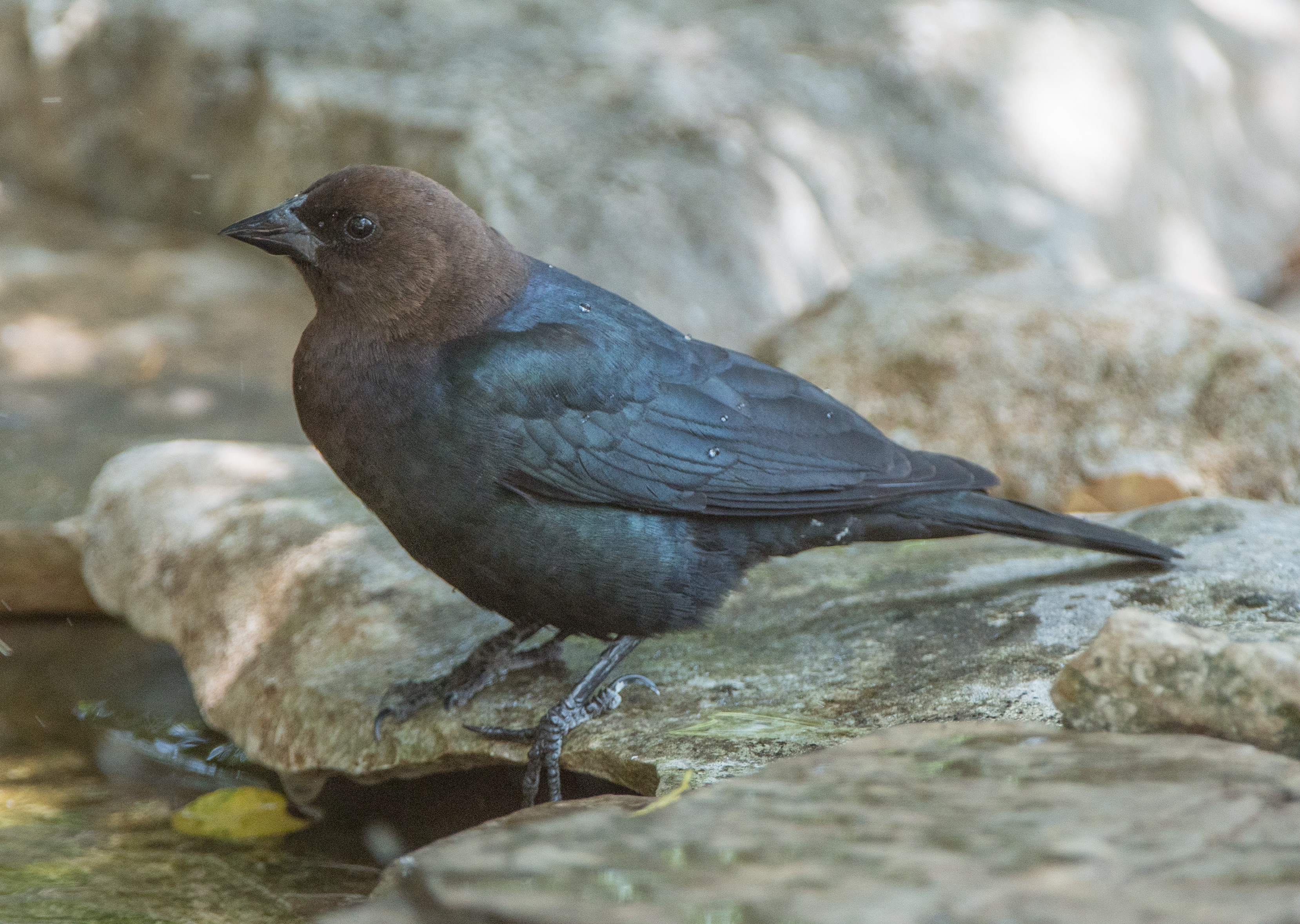
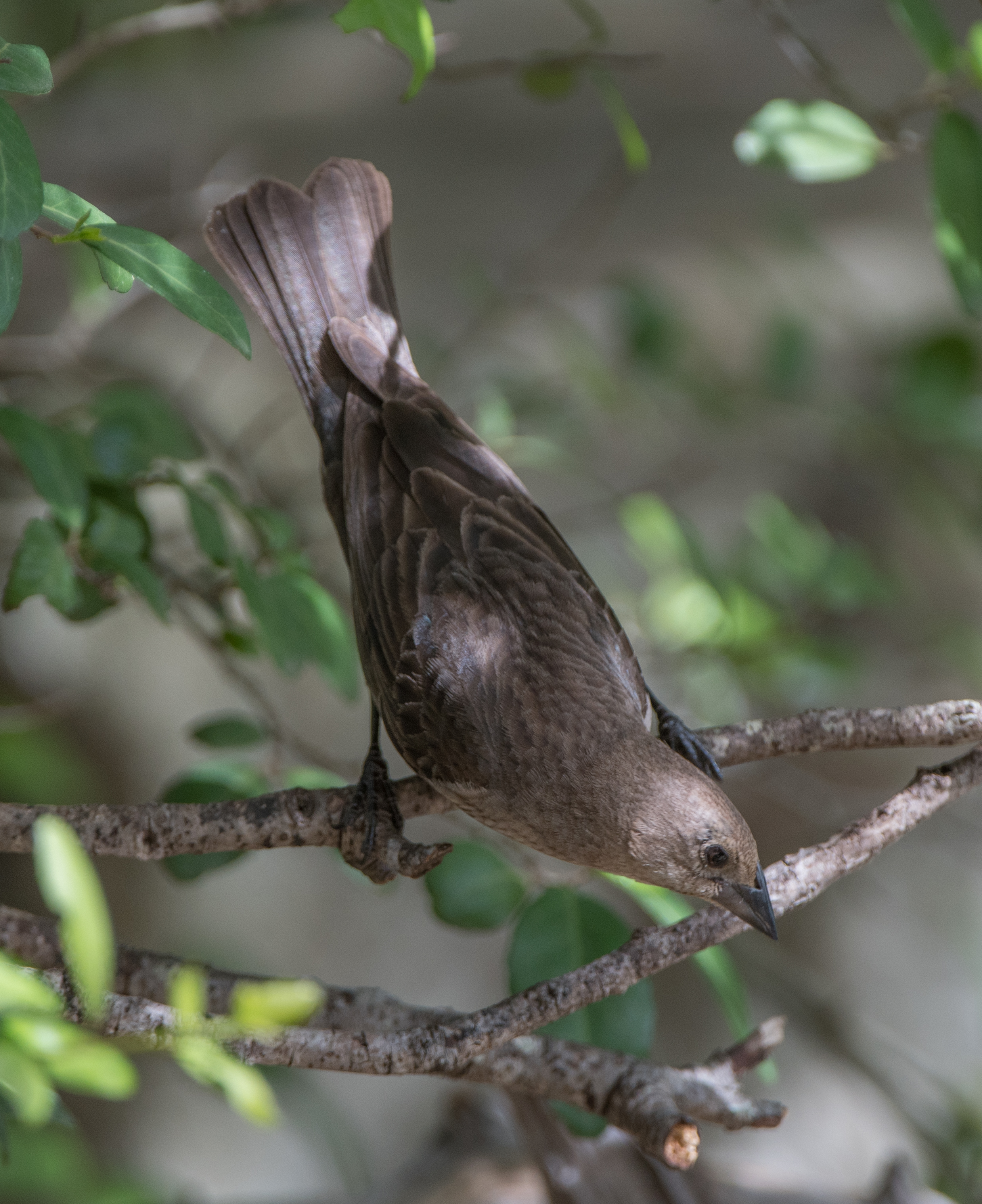
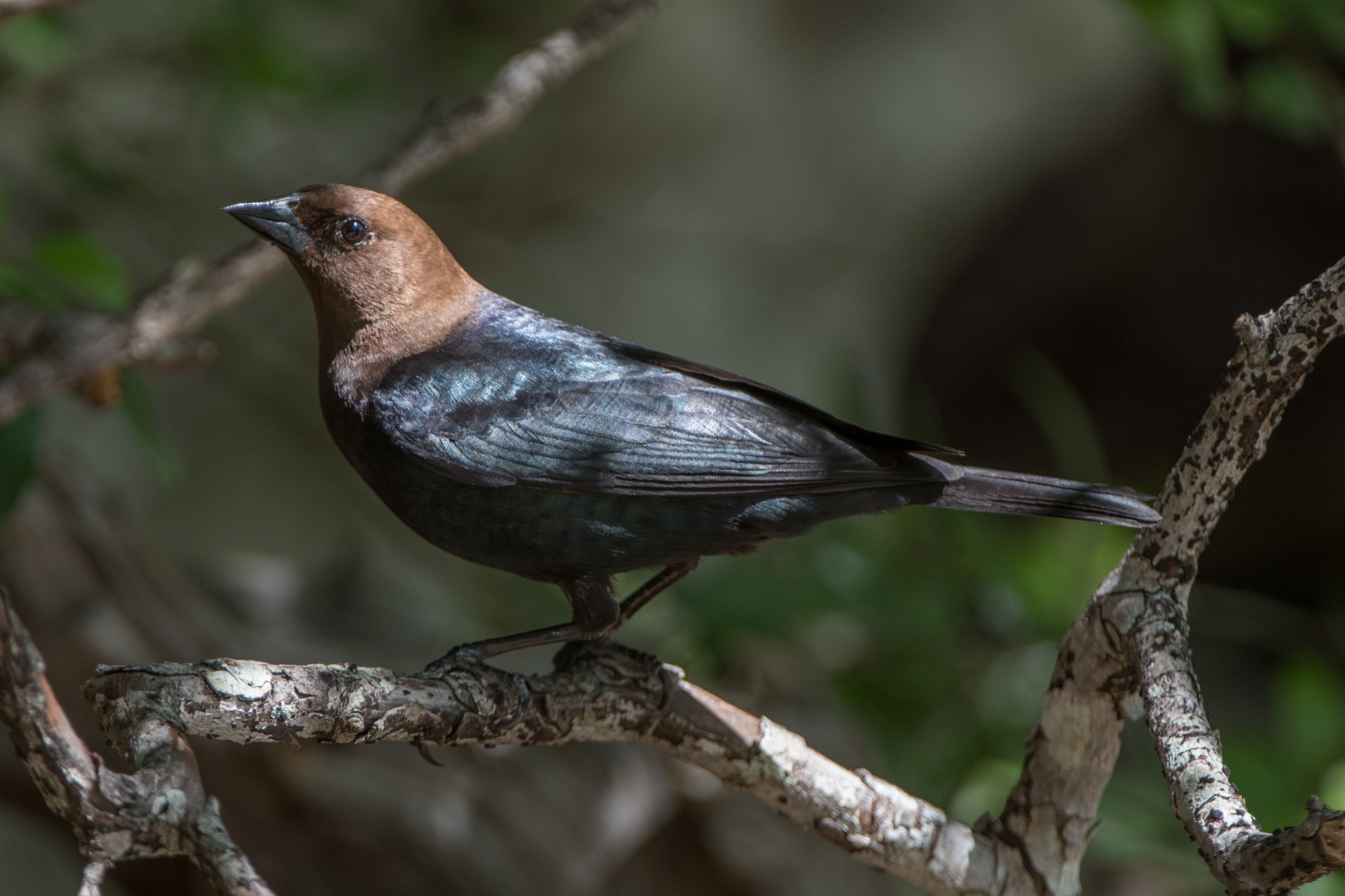
The worst part of the day’s birding was that a male Brown-headed cowbird arrived in the yard today.  In past years cowbirds have parasitized the nests of White-crowned sparrows, Dark-eyed juncos and Spotted towhees.  

I went inside for the national news at 5:30pm and after the news (about 6:20pm) I checked the watercourse from the kitchen window.  A female Yellow-rumped warbler (Audubon’s race) was bathing in the watercourse and she was soon joined by a female Wilson’s warbler.  So despite failing light I resurrected my camera and sneaked outside.  By that time, both birds had left the yard.  

It was cool outside and I was only wearing a t-shirt, so I wasn’t going to stay long.  After awhile a pair of Spotted towhees visited the watercourse a couple of times and a female Yellow-rumped warbler (Audubon’s race) visited our stone bird bath on the far side of the yard from me. 

I was just about to go in when movement of a larger bird near the sunflower feeder caught my attention.  I eyed the bird through my camera lens and found it to be a female Black-headed grosbeak, our first female of the season and about a week behind the arrival of our first male.  

So from an observation standpoint, and ignoring the unproductive photographic possibilities, I had a fairy good day… three warbler species (Orange-crowned, Wilson’s & Yellow-rumped (Audubon’s)), the first arrival of a species (Brown-headed cowbird) and first arrival for two different sexes of species (female Wilson’s warbler & female Black-headed grosbeak) .  The migration is on! 

Here are a few more photos I took on the same day…

Spring Migration

Since I’ve returned from Texas I’ve been getting migrating warblers and other migrating species through the yard.  The traffic induces me to spend more time in the yard, although sometimes the intervals between migrants is lengthy so I occupy my time with some of the year-found residents.  These photos are the results obtained over two days of recent observations.

While we have Red-breasted nuthatches year-round, I find they don’t visit the water features all that often and they can sometimes be difficult to photograph due to their energetic movements.

A Chestnut-sided chickadee, a bird I have photographed many times…

A male House finch, this one a bright red (to facilitate finding a mate!)…

A Pine siskin, a species  that can be quite numerous but can also virtually disappear for long periods of time…

Another Pine siskin using an innovative method of obtaining a drink…

And now for a few of our migrants.  This is a female Yellow-rumped warbler of the Audubon race…

And this is the male Yellow-rumped warbler of the same race…

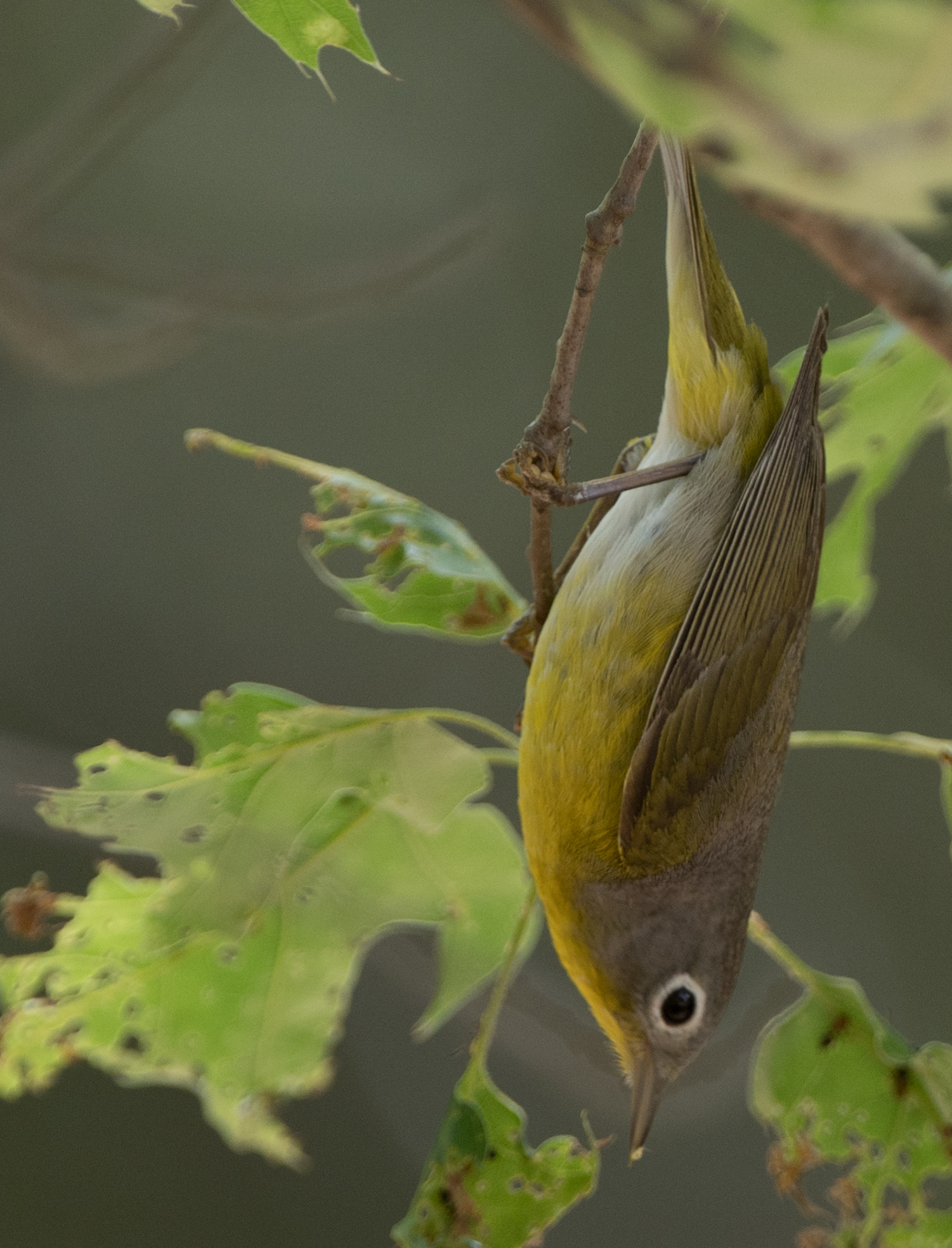
An Orange-crowned warbler, one of the plainest of our warbler species…

A male American goldfinch

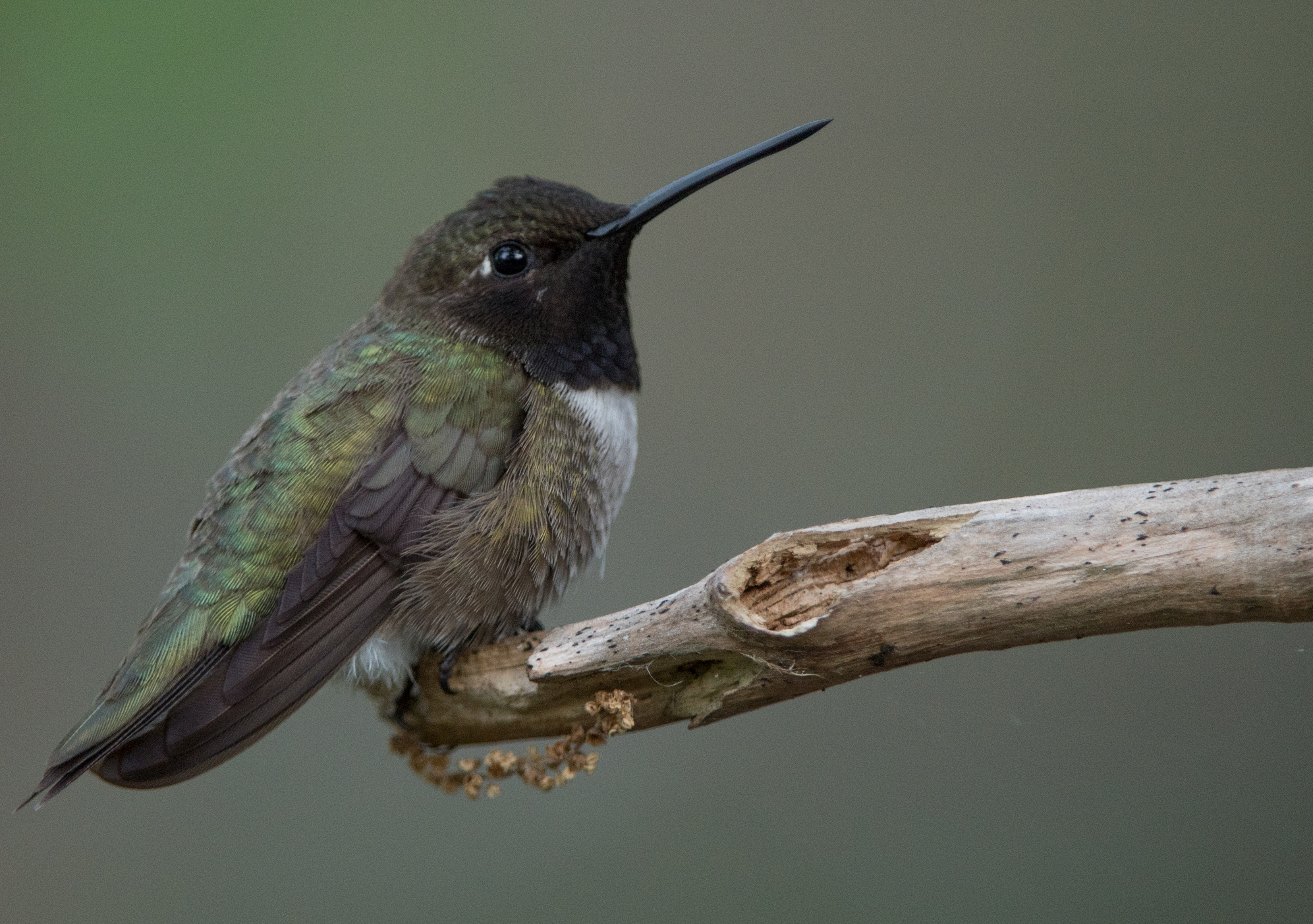
A male Rufous hummingbird

Spoiler alert:  This next image is NOT a bird!!!  This bumblebee landed next to me while I was in the yard to photograph birds.  My two entomologist friends (“bugologists” in non-scientific vernacular) both failed me in an inquiry as to this insects’s scientific name.   I was surprised that my Nikon F4.0 200-400mm lens would focus close enough to obtain a photo of the bee, but this is the image I got.

Return to Spring Migration

I just this last week returned from Texas with almost 1100 images taken of birds.  In past years the shear volume of photos has overwhelmed me but this year I’m going to make a concerted effort to process and post some of those photos… stay tuned.

But for the time being, I returned earlier this week to experience our own migration here in the PacNW.  I sat in the yard for about two hours on May 4, Cinco de Mayo eve (!), after my wife saw a male Wilson’s warbler (our first of the year) early in the morning and I later saw an Orange-crowned warbler.  My yard observations began very slowly due to a lack of birds, so I spent some time on minor habitat work for purposes of photographic improvement.  But as you’ll see, things picked up after awhile.

We had our first Black-headed grosbeak (a male) of the season on May 3, not ten minutes after I warned my wife to be alert for one.  My wife saw the first one on a feeder but later I saw one enter the watercourse but wasn’t able to obtain a photo.  This isn’t a great photo, but I’ll have an opportunity for more over the next few months.

Our wintering Anna’s hummingbirds are continuing to visit the yard.  This female was hovering over the watercourse prior to bathing.

I was visited by a Red-breasted nuthatch that seemed very lethargic and I was worried that it might be sick, but after observing it for awhile I decided that it was a juvenile and just not motivated to be as active as an adult.  (Note the tufts of feathers behind its head.)  It drank some water and sat by the edge of a water feature for several minutes without much movement, but then climbed to the top of this staging stick, sat there for a minute or so before flying to one of the feeders, grabbing a peanut and flying to a nearby fir tree.  I watched as it disappeared up the trunk.

The yard is visited by both species of chickadees that are common in the area.  This Chestnut-backed chickadee prefers coniferous habitat…

while this Black-capped chickadee prefers an environment with deciduous trees.  Fortunately, we have both since we live on the edge of undeveloped City parkland.

We have a family of crows who built a nest just outside the boundaries of our yard. They are regular visitors to the water features in our yard.

A pair of White-crowned sparrows arrived in our yard this spring.  Sadly, last year their breeding efforts produced a Brown-headed cowbird.  We have yet to see any cowbirds and I can only hope they arrive too late to interrupt this pair’s breeding season.

We still have a few Golden-crowned sparrows left in the yard.  At the beginning of the week we had at least four, and for the latter part of the winter we hosted at least ten, but I only saw this male on this day and it will probably be leaving any time now.

And finally, our VIP visitor of the afternoon, a male Wilson’s warbler.  This is the first day for this species’ visit and the second visit by one for the day.  It had a lengthy bath in several places in the watercourse.  Of the warblers, I consider this our most common visitor to our yard.

Fir Island Outing

Friday (4/6/2018) was a good day for photography so I took my recently repaired lens and camera and headed for Fir Island and areas to the south.

My first discovery was several Red-winged blackbirds at a small wetland area.  This male thought it important to defend his territory.

One of the females remained in the wetland with some nesting material in her beak.

Next up, what is presumably a male Dark-eyed junco (Oregon race).

And a female singing…

Next… something very special to me.  This is a Dark-eyed junco (Slate-colored), the only other one I’ve seen in Skagit County outside of our yard.  As I’ve noted previously in this blog, we’ve had at least one (and usually only one) in our yard for the past eleven years.  I’m under no illusions that we’re seeing the same bird each year, but it’s really strange that we seem to have only one and that one has spent the last eleven winters with us.

On Fir Island I found this very cooperative Savannah sparrow.  It flew to a fence post in front of my car, then quickly decided to move a fence post closer and break out into song! In between songs it would turn and look me directly in the eye like it was checking its performance.

In the same general are I found this Northern shrike.  It, on the other hand, was not at all cooperative.  I probably spent over an hour patiently waiting for the bird to return to what was apparently a favorite perch, but had to settle for these photos taken from twice as far away.

I’ve saved the best for last!  This is a female Yellow-rumped warbler (Audubon’s race) who was good enough to pose for many photos.

Waiting for More Migrants

We had another migrant first arrival on Saturday, March 31.  I saw the first Turkey vulture soar over our house.  It’s a bird with which we are very familiar due to our Texas connections.

We also had a visit today (April 1) from an accipiter, but I didn’t get a long enough view to ascertain if it was the same Cooper’s hawk that I photographed in the yard last September and published on my blog.

Meanwhile I’ve got a few more photos of yard visitors, taken within the past day or two.

I mentioned in the last blog or two that I had had trouble photographing a female Bushtit in the yard this spring, but I finally photographed one across the yard. Note the yellow eye which identifies the bird as a female.

At least one male Varied thrush is still visiting the yard and eating hulled sunflower seed that I scatter on the ground a couple of times a day.  I’m still trying to figure out why these thrushes eat seed!  I expect that the thrush will be heading to the mountains for breeding season any day now, but maybe they sense that there’s been a late snow and are waiting for a better food supply.

This is the single, prominent White-crowned sparrow that we’ve had in the yard for the past couple of weeks, and that I was having a difficult time photographing.  Last season we had a mating pair but if I’m not mistaken they only fledged a Brown-headed cowbird.

We still have over a half dozen Golden-crowned sparrows that have wintered over and haven’t left for their summer breeding grounds further north.  I’m fairly certain that it’s the most we’ve ever had.  The birds are beginning to morph into their breeding plumage and I’m showing you this photo to illustrate how pitiful they now look.  This one is apparently a male as you can see the beginning of a bright golden crown and the black lines on either side of the crown.  Just about the time they get their full breeding plumage they disappear for the summer and early fall, returning in late fall for the winter.

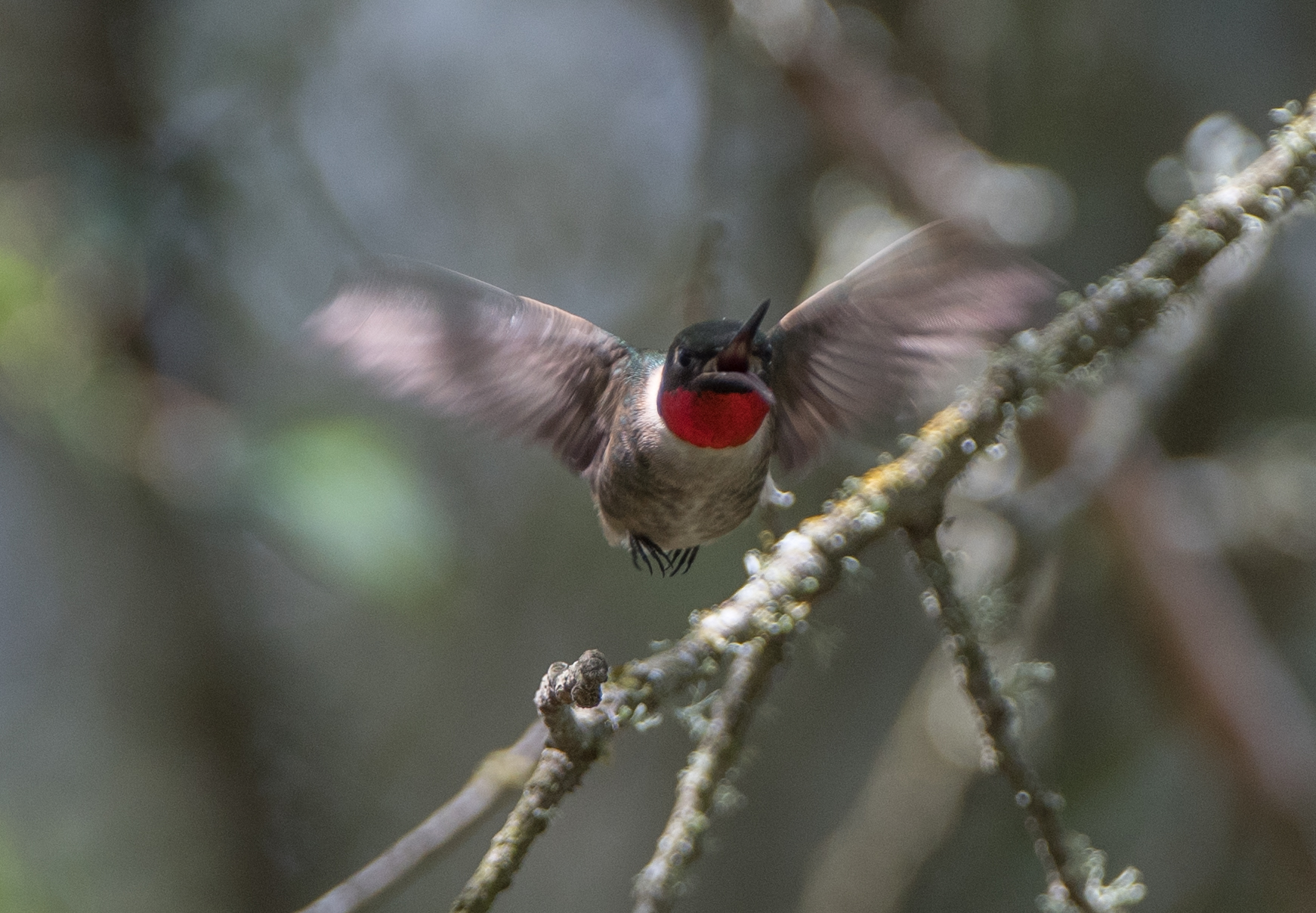
And finally a bit of serendipity.  I was photographing a lily in the yard when it had a quick visit from a male Rufous hummingbird.  At my lens’ magnification, only a short distance is in sharp focus.  Unless the bird is photographed broadside, usually some part of the bird is out of focus.  So even though this hummingbird was only a few inches from the lily, both couldn’t be in focus.  Since I was actually photographing the lily, the image of the hummingbird is what suffered.  But I thought it an interesting photo!