Cedar Waxwing, Flickers and More!

I spent a rather limited time in the yard on the afternoon of July 31 but had a lot to show for my time.

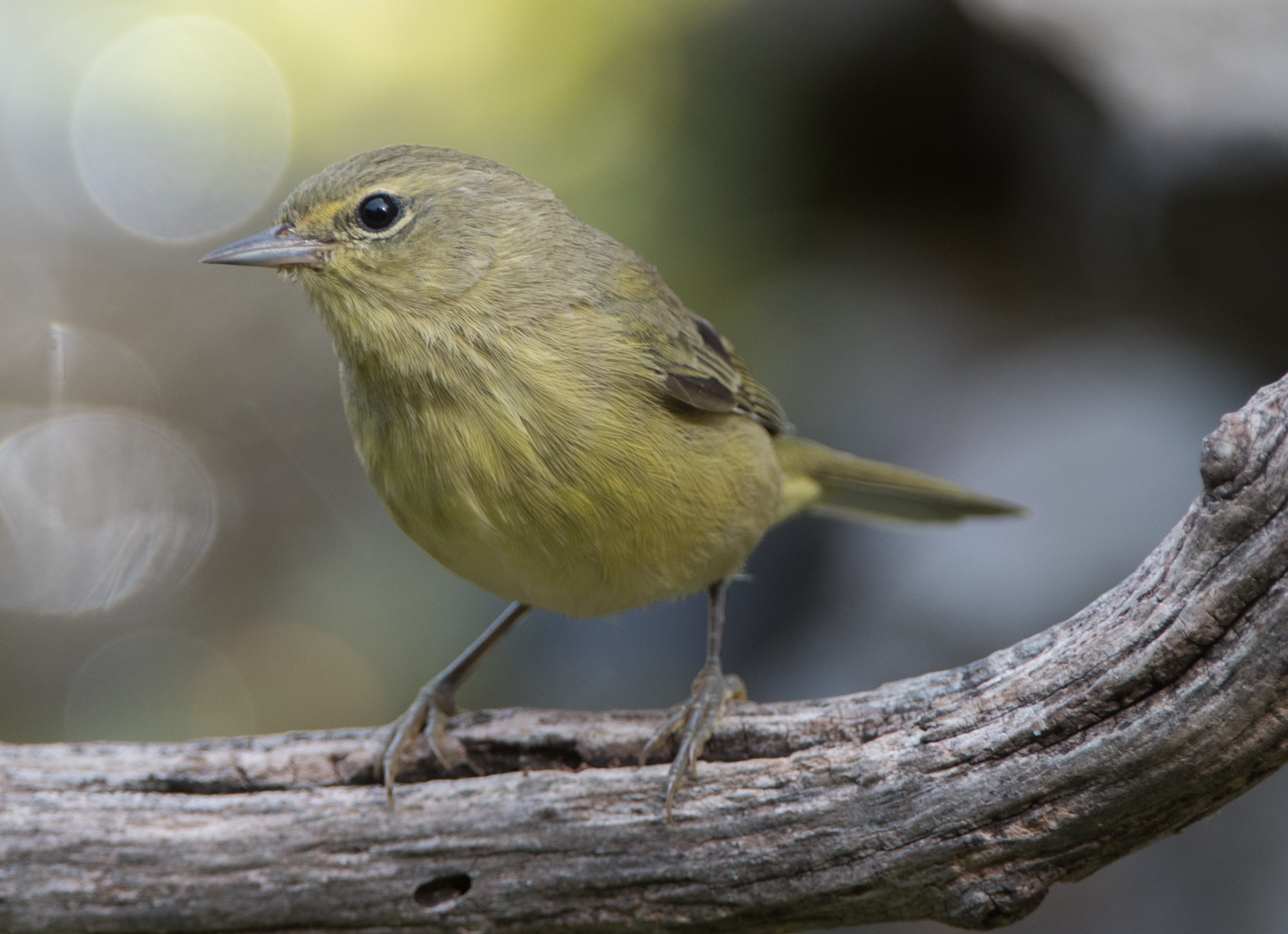
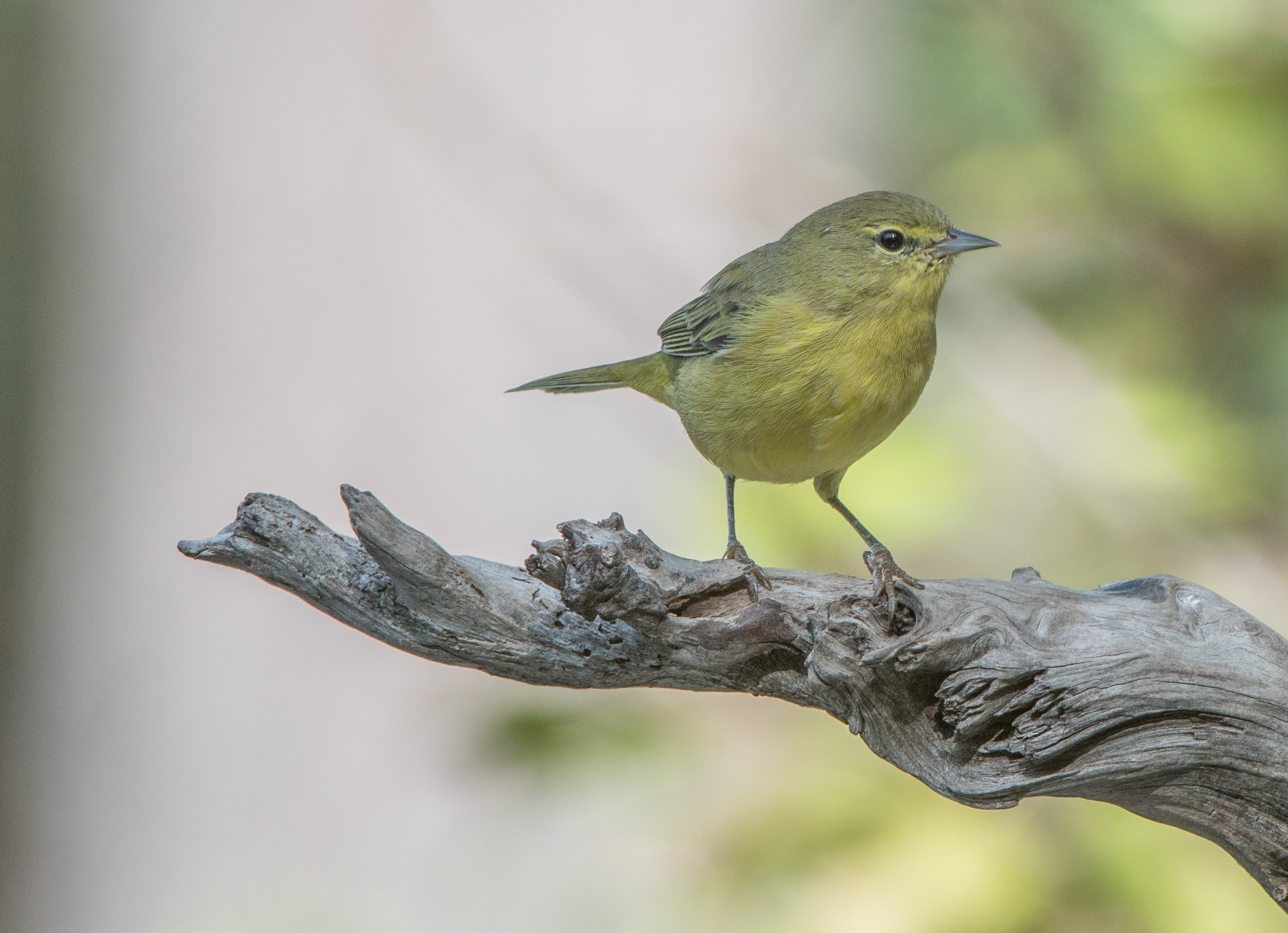
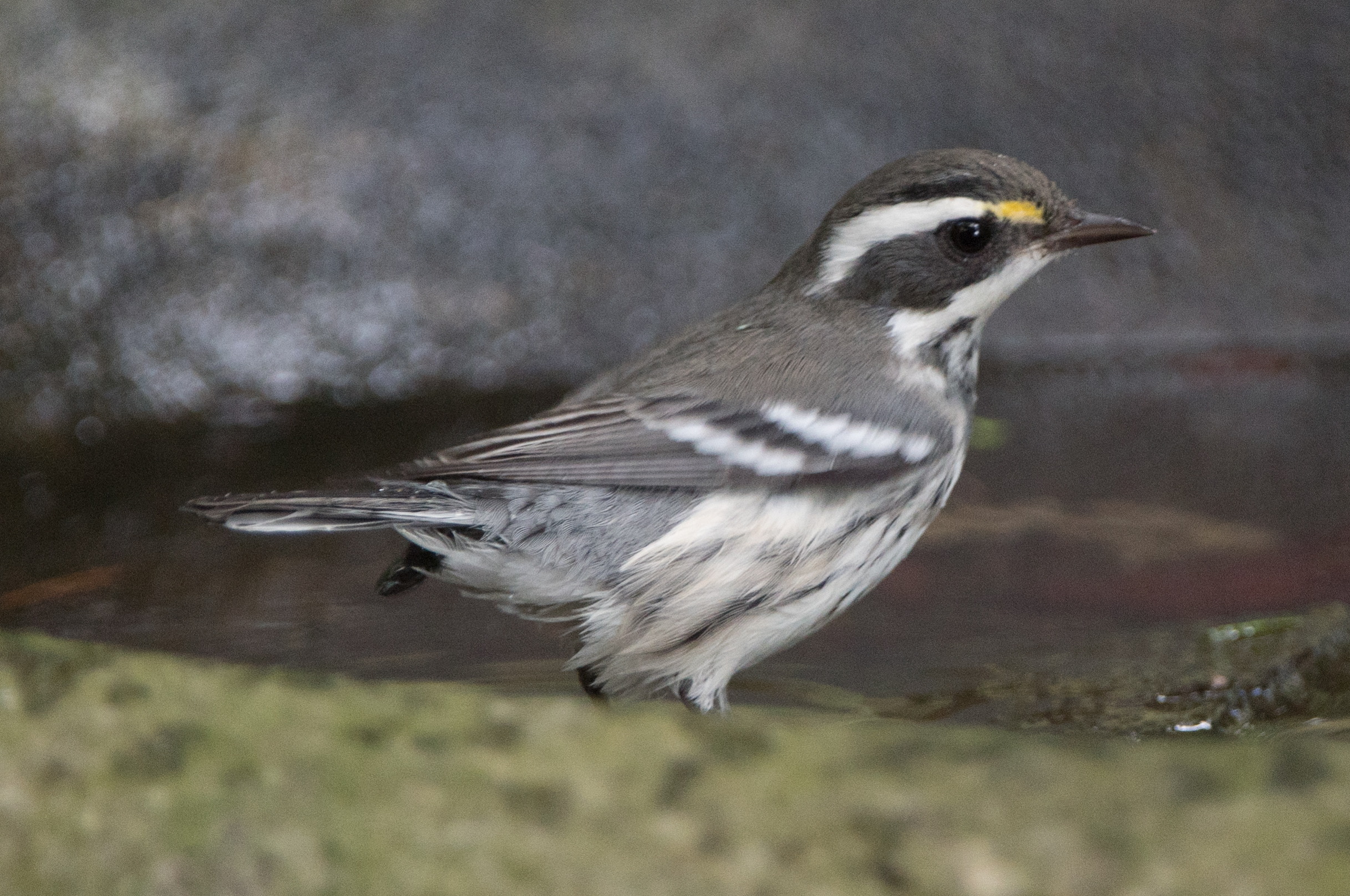
But before I get into 7/31 photos I want to mention that I saw my first warbler in the yard in a month on 7/29.  Unfortunately I didn’t have my camera and am somewhat uncertain of the species, although I believe it was a Yellow warbler.  It’s almost inconceivable to me that I wouldn’t have had many visits by warblers of many species during the month of July.

We have a yard full of House finches, none more conspicuous than this male.  And sadly, we have a female House finch with the worst case of tumors on her face that I have ever seen.

The premier bird for the day was this (single) Cedar waxwing that twice came to the yard, the second time for a quick bath.

We also had four Northern flickers in the yard at one time, one adult male, at least two juvenile females and another female. One of the juveniles has a stash of ants that live under a rock in the yard, and some of my photos actually record ants in the flicker’s beak!  I think the photos shown here are of females.

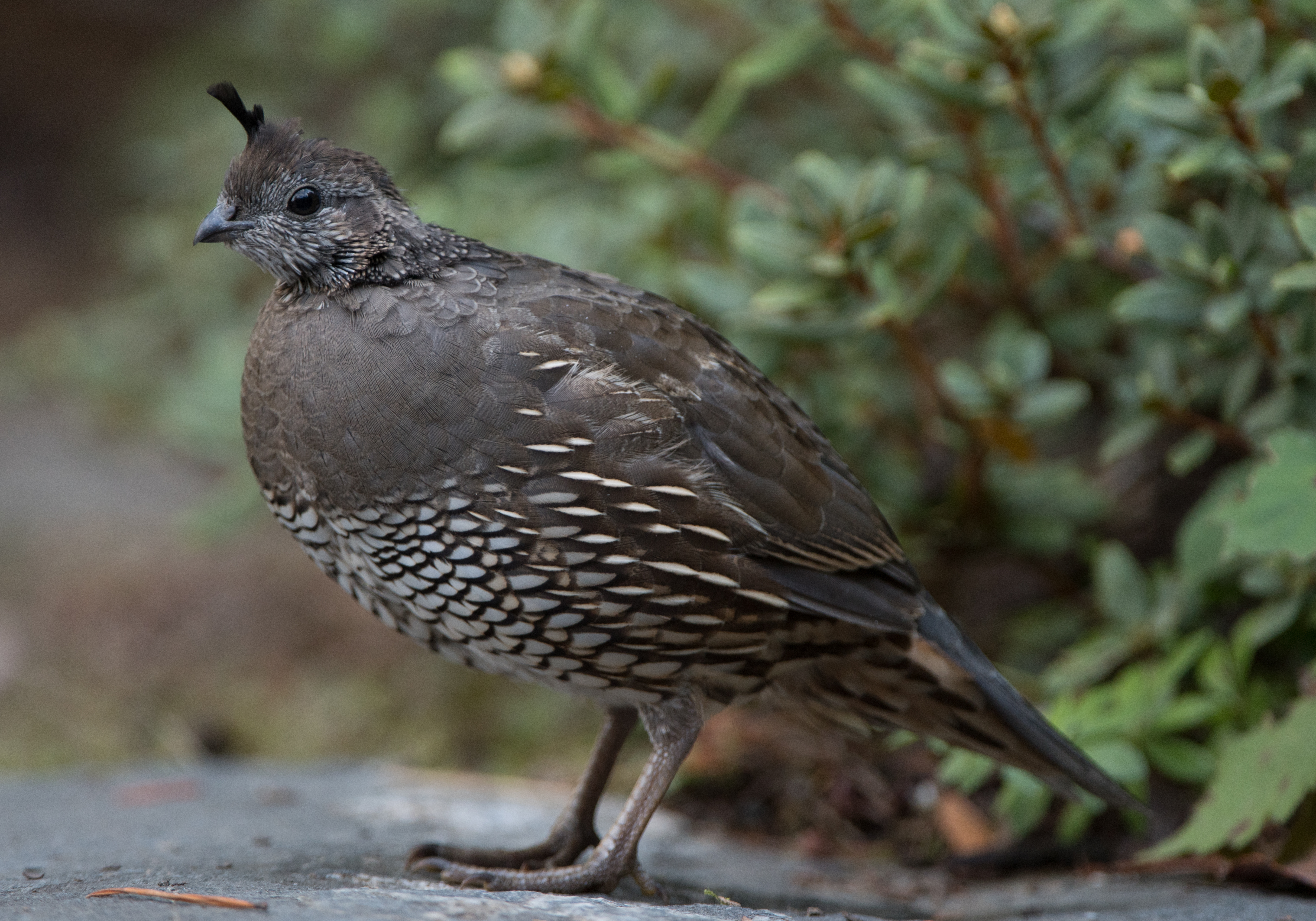
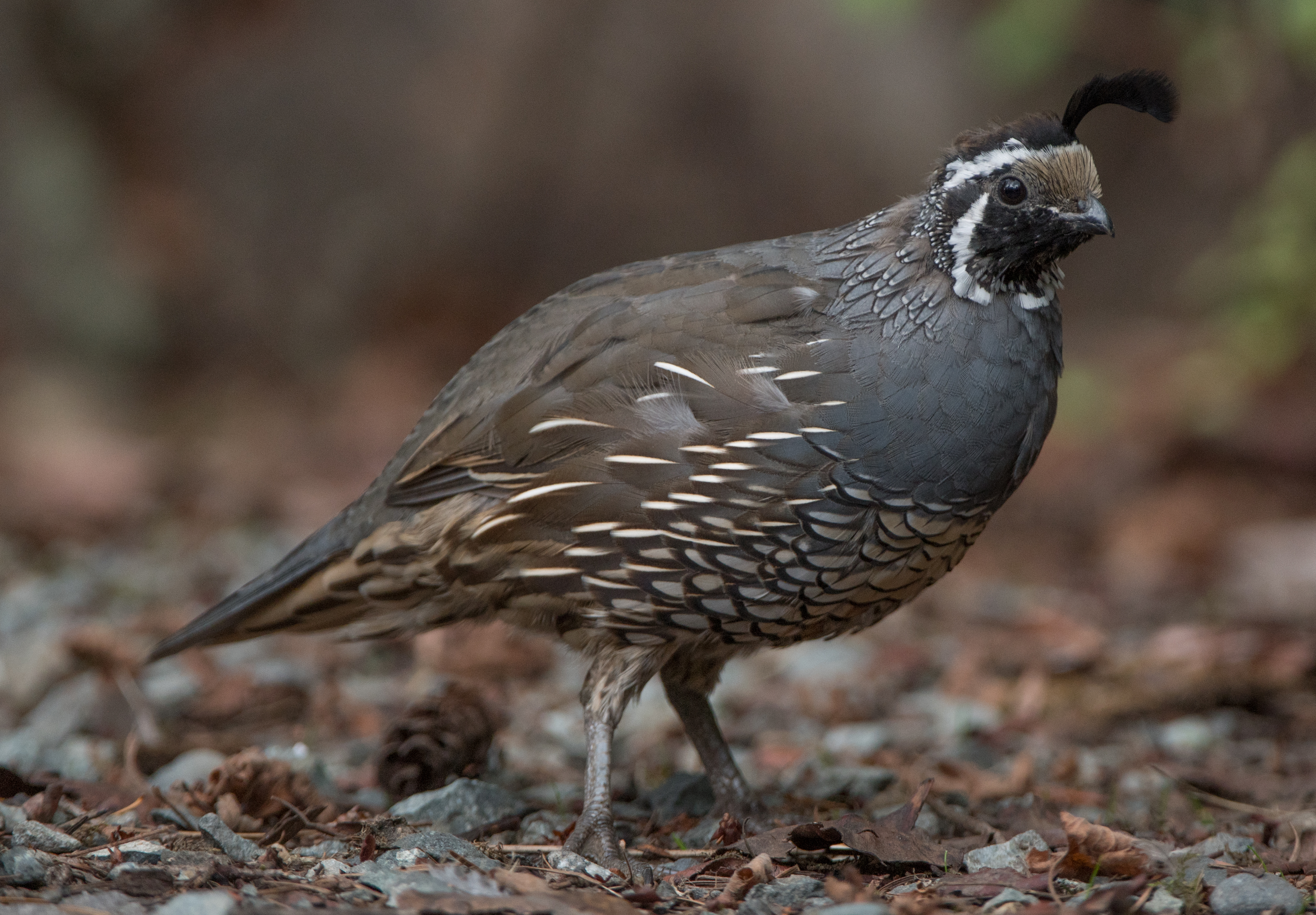
This is one of the virtually-grown female California quail in the neighborhood, distinguishable from the adults only by plumage.  After what seemed like a slow start to the breeding season we now seem to have a plentiful population that will carry us through the winter.

We apparenty have two male Downy woodpeckers in the neighborhood.  I determined this by observing that a visitor from the previous day had some sort of problem with its right eye.

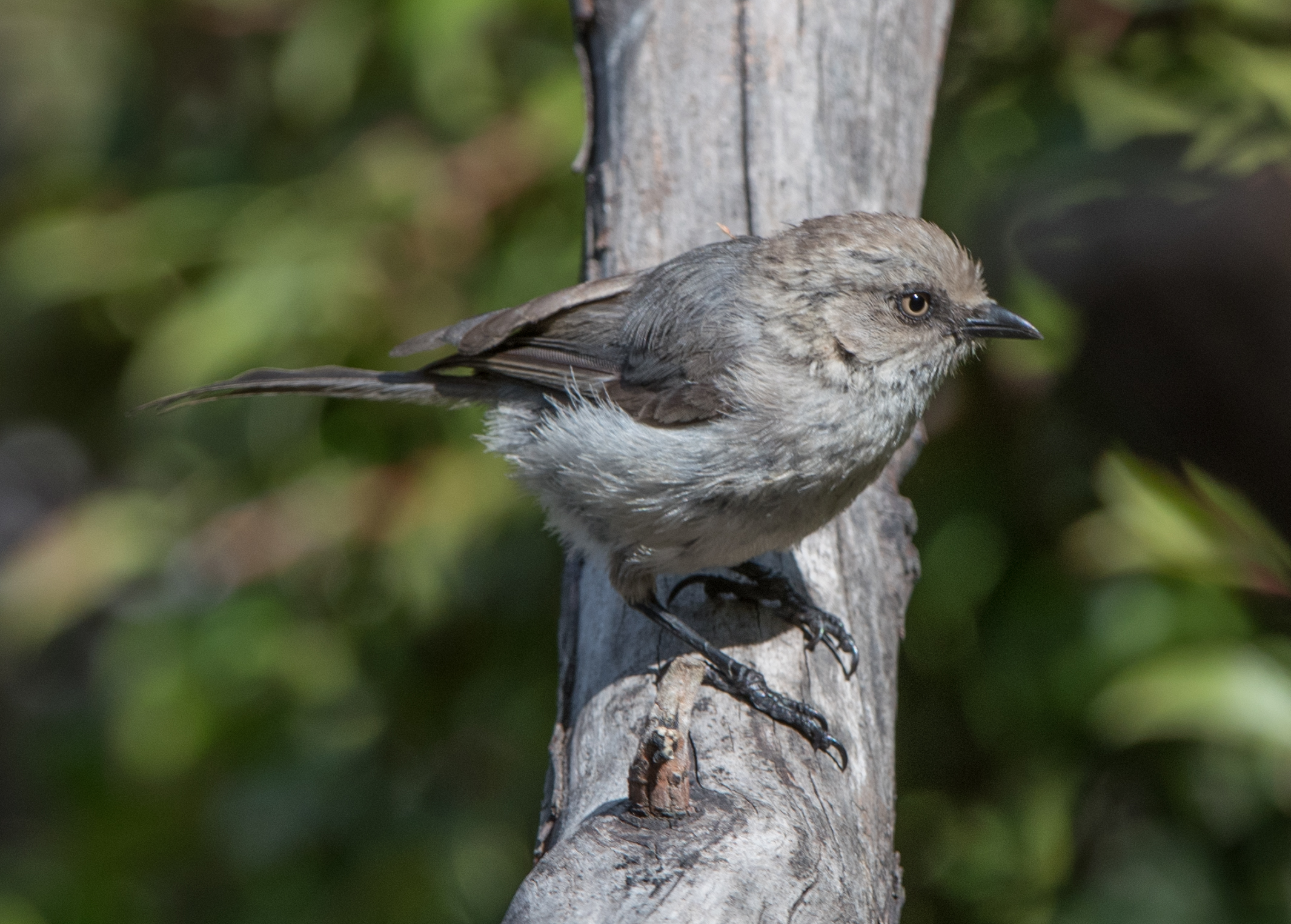
And as sort of a bonus I had a visit by a Brown creeper, which I initially misidentified as a Bewick’s wren when I first saw it among some shaded leaves.  And just a reminder… the creeper usually travels UP the tree trunk and the Red-breasted nuthatch DOWN!

Another Interesting Day in the Yard

My documentation actually begins with Wednesday, July 25.  As I mentioned in a prior post regarding that day I saw a pair of White-crowned sparrows gathering food almost the entire day and flying around the corner of the house with it.

That afternoon, when watering some plants in the northwest part of the ‘yard’, I noticed some movement in an Oregon grape bush nearby.  Further investigation revealed a very young bird hiding in the bush and being fed by the sparrows.  I retrieved my camera and took several photos.  As there was only one chick I became suspicious and sent the photo to a more knowledgable friend for confirmation of my suspicions.  The friend confirmed that this chick, being raised by a pair of White-crowned sparrows, was in fact a Brown-headed cowbird.

It was a cute chick but as I thought about it overnight I reasoned that this chick, as a breeding adult, could wreak destruction on a large number of songbird nests over the next few breeding seasons.  The female can lay over 30 eggs in a season, and the young cowbird will displace the other birds from the nest, potentially wiping out the entire breeding season for each of those 30 breeding pairs.  I made the decision to do away with the chick, but by the next day it had moved and I couldn’t find it.

On a more pleasant note, I had more interesting photographic sessions with the California quail on July 26.  First, one of the coveys of larger quail entered the yard and after wandering around for a frustratingly long period of time, finally found the seed I had spread to coax them into a more favorable photographic location.  I was finally able to obtain some good photos of the larger juvenile quail, which are now approaching the size of the adults.

While photographing the quail my attention was temporarily diverted from the quail by the chance to get some good photos of a juvenile Northern flicker which flew to the watercourse.  There are times, as a wildlife photographer that you have to make difficult choices, and this was one of them.


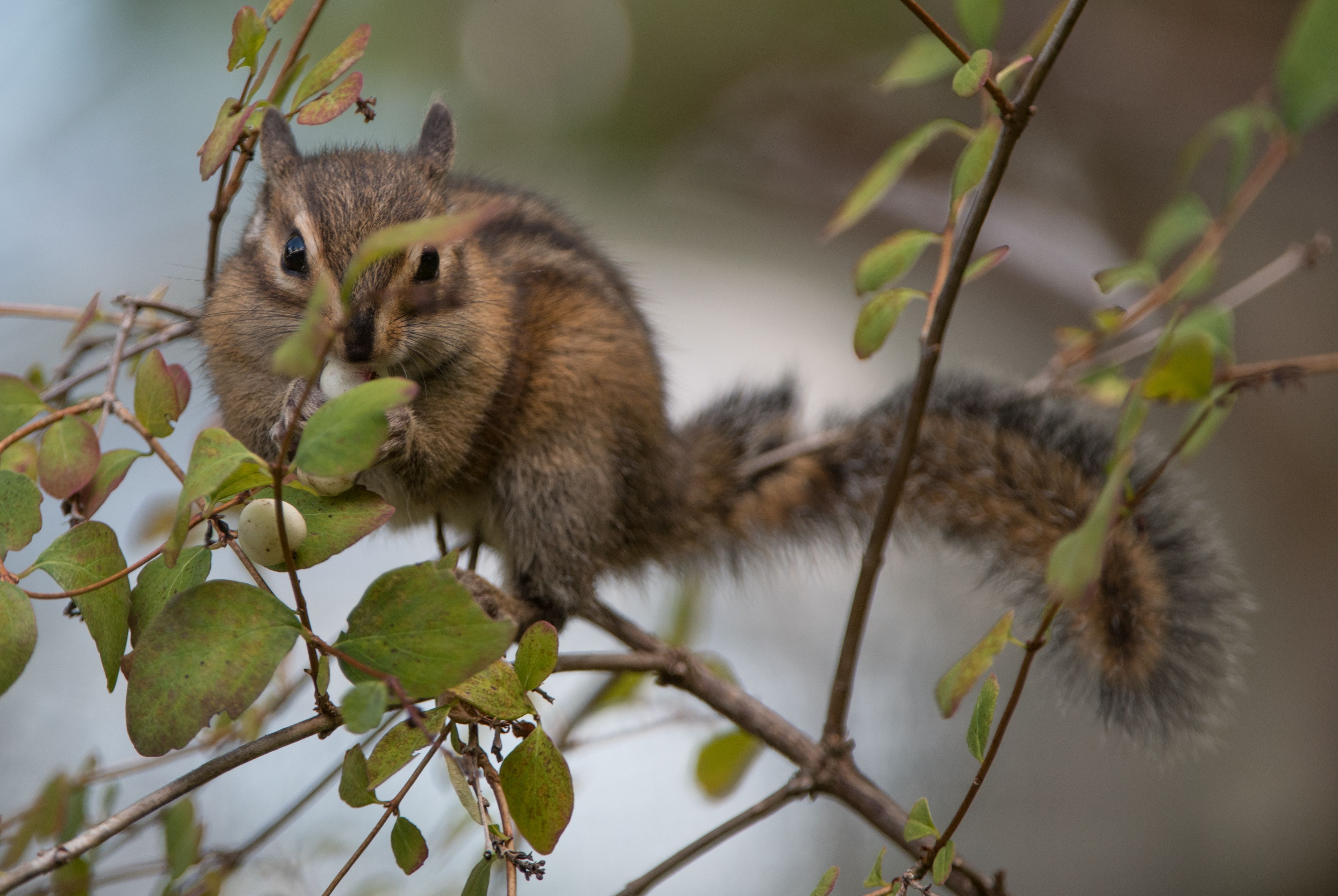
And while all of this was taking place, ‘Stubs’, a new visitor to the yard, made an appearance.  Unless he lost his tail last night, that makes three chipmunks that visit the yard from time to time.  Welcome to the habitat!

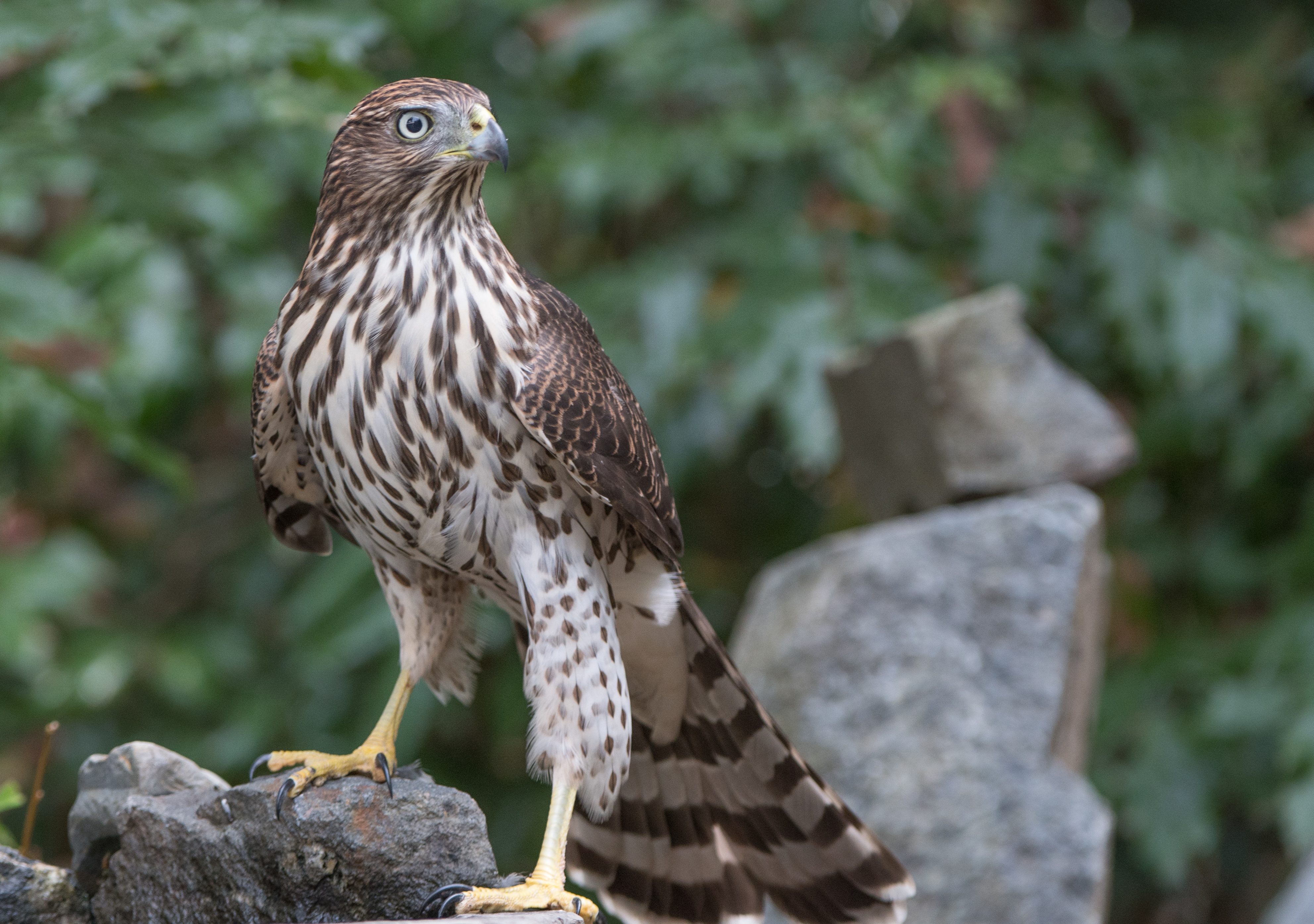
But back to the yard… and the California quail.  Later in the afternoon I was idly gazing over the yard when I noticed some movement in the same place the larger quail had visited.  It was difficult to see because of its size, but there in the leaves in front of me was one of the very small quail… all by itself!  No adults, no siblings!  I watched it for about five minutes before it disappeared from my view.  I’ve been watching quail for many years, and this is the first time I’ve seen any juvenile quail alone.  I hope it survives… a neighbor has warned be that there is an accipiter in the neighborhood.

July 23, 2018 – Quail

We had been wondering where all the California quail chicks had been for much of June.  It seemed that we made it through the winter with only five adult quail, four males and a single female.  We now are almost overrun with both quail and chicks.  We have at least two mated pair with chicks, another pair without any chicks and a single male.  But after yesterday (7/23/2018) I’m no longer sure what we have!

It now appears that two pair may have combined families as we saw at least four adult quail with 15-20 chicks of at least two different sizes crossing the road in front of us in the afternoon.  In addition, a pair with very young chicks continues to visit the yard and segregate their young from their larger cousins.  And while we were out cruising the neighborhood we encountered yet another family with a substantial number of young.

It’s somewhat difficult photographing the young chicks as any suspicious movement or approach on my part incites the parents to send the young into the bushes.  But here is a sample of what I have managed thus far…

This is an example of one of the larger chicks, now approaching the adults in terms of size if not plumage.

This is an example of one of the smaller chicks, well-camoflauged.

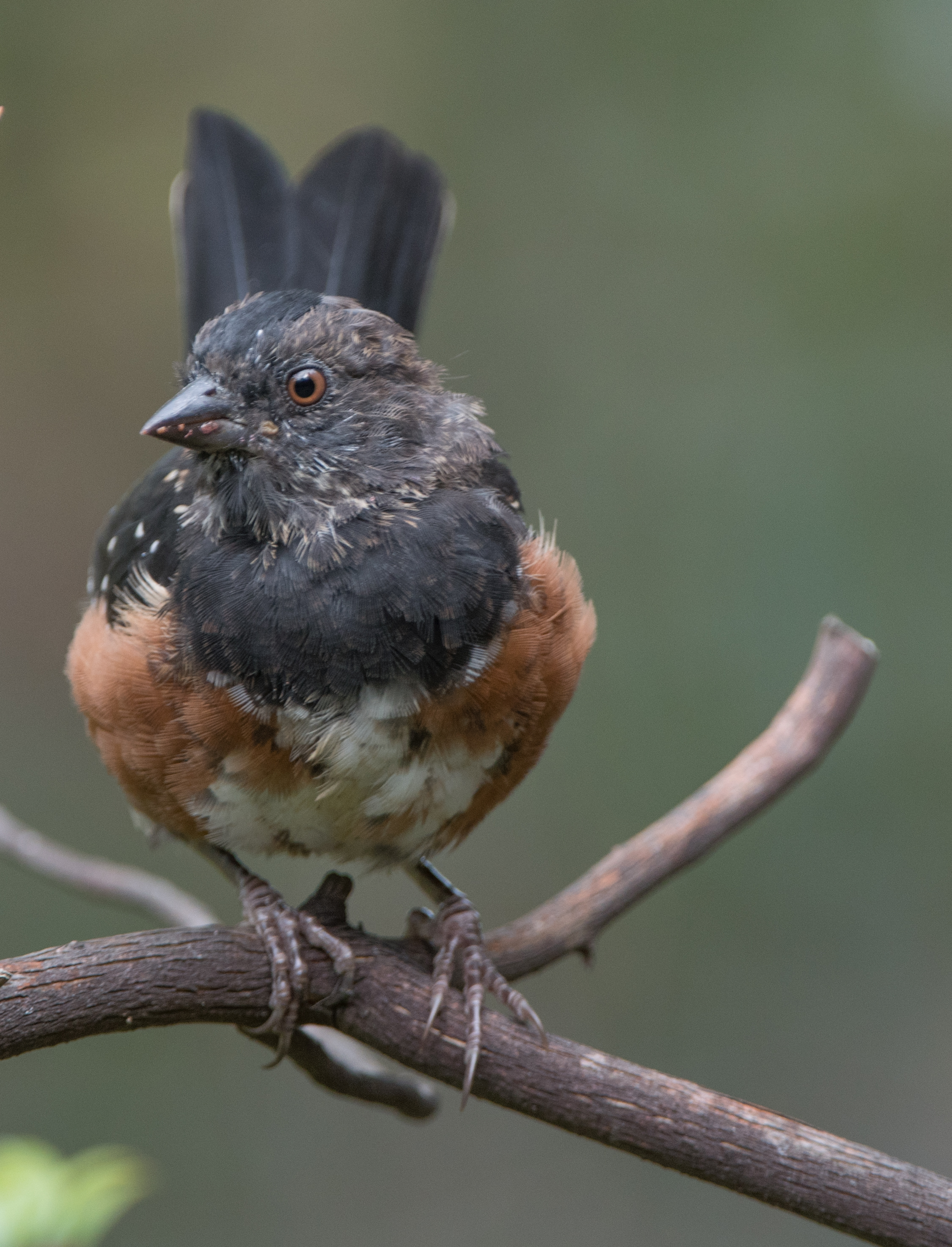
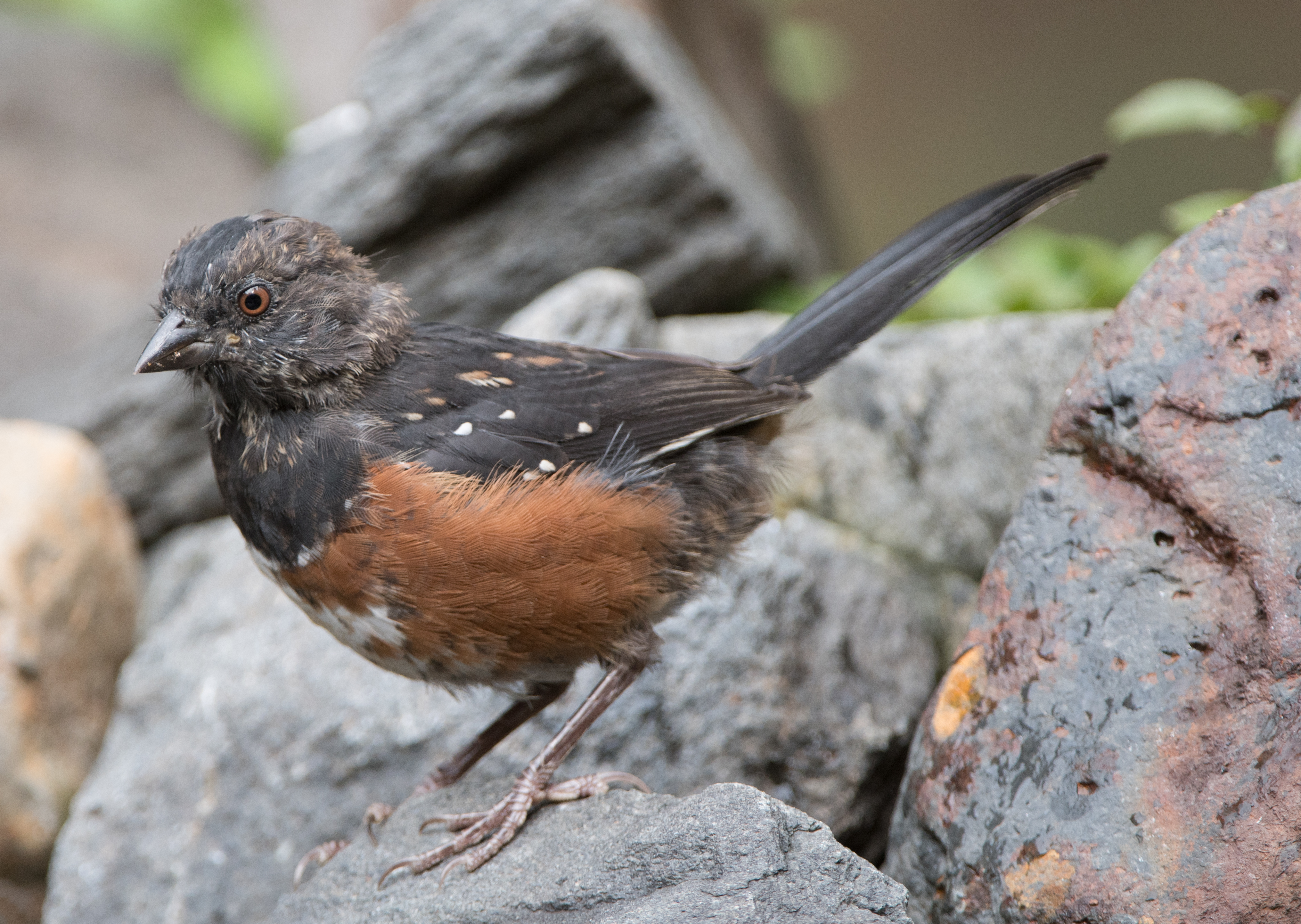
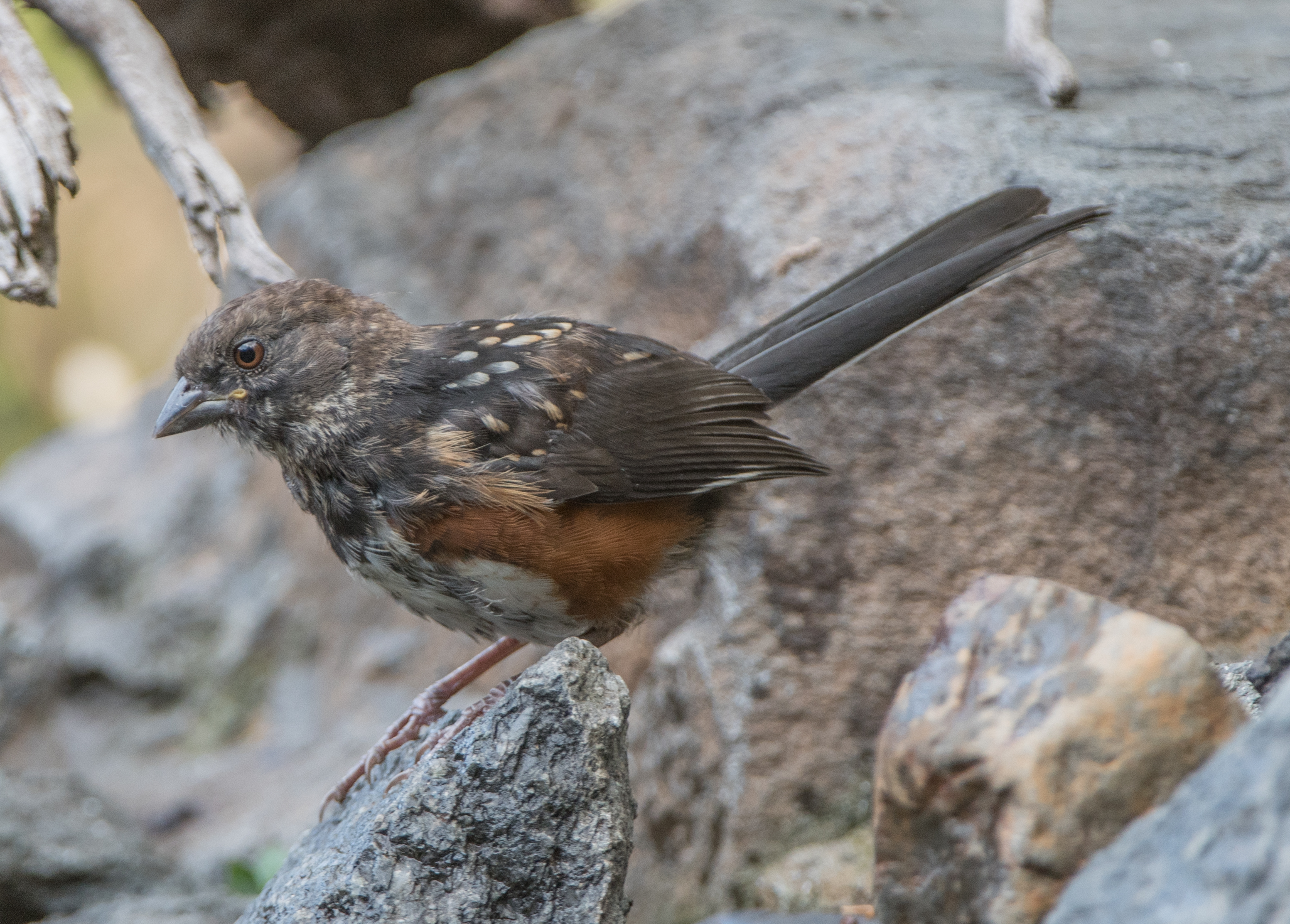
While I was in the yard I got this photo of a juvenile Spotted towhee, a youngster that has plumage that looks nothing like its parents.

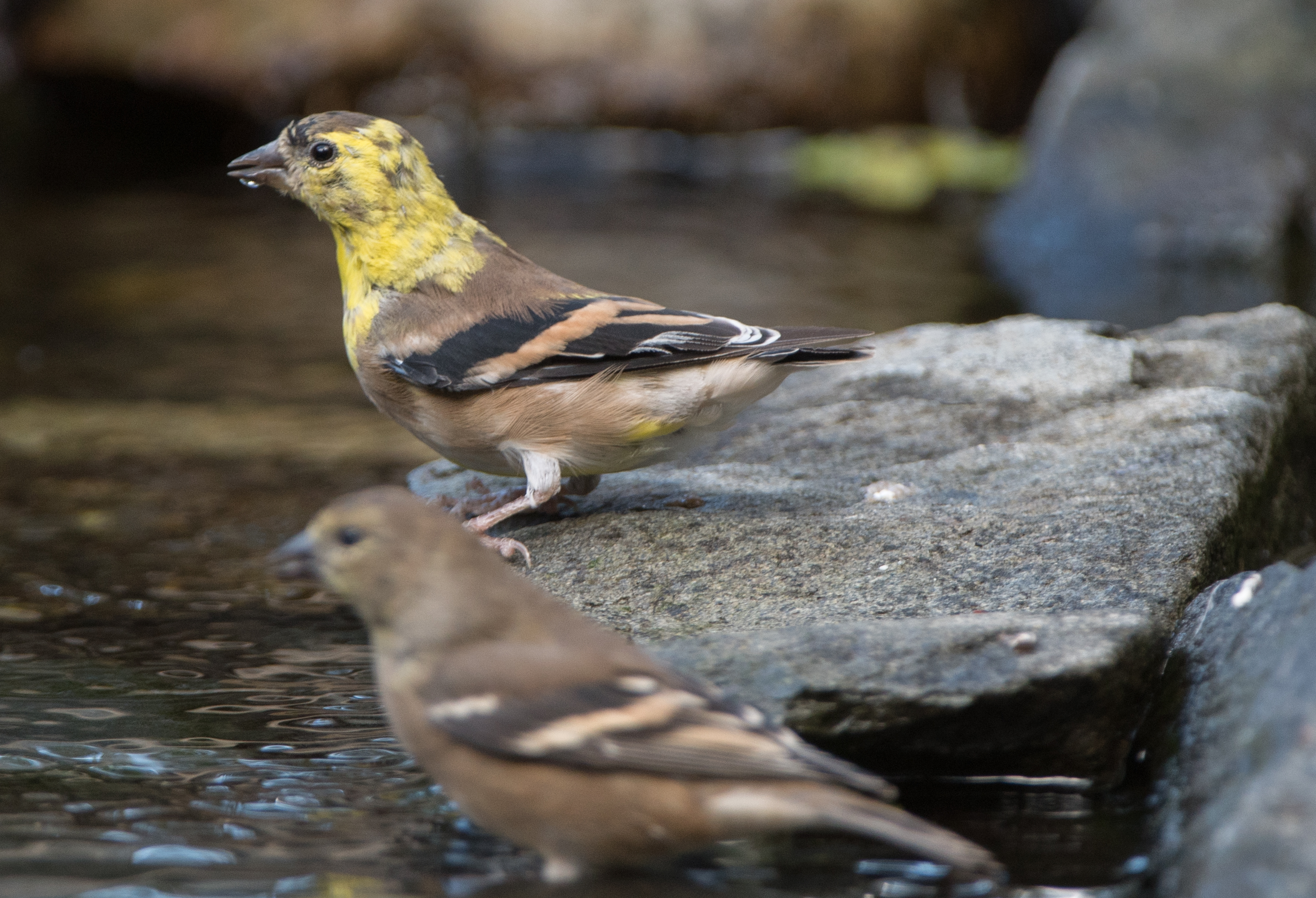
I photographed this male American goldfinch on a staging stick donated by a friend… a gift that keeps on giving!

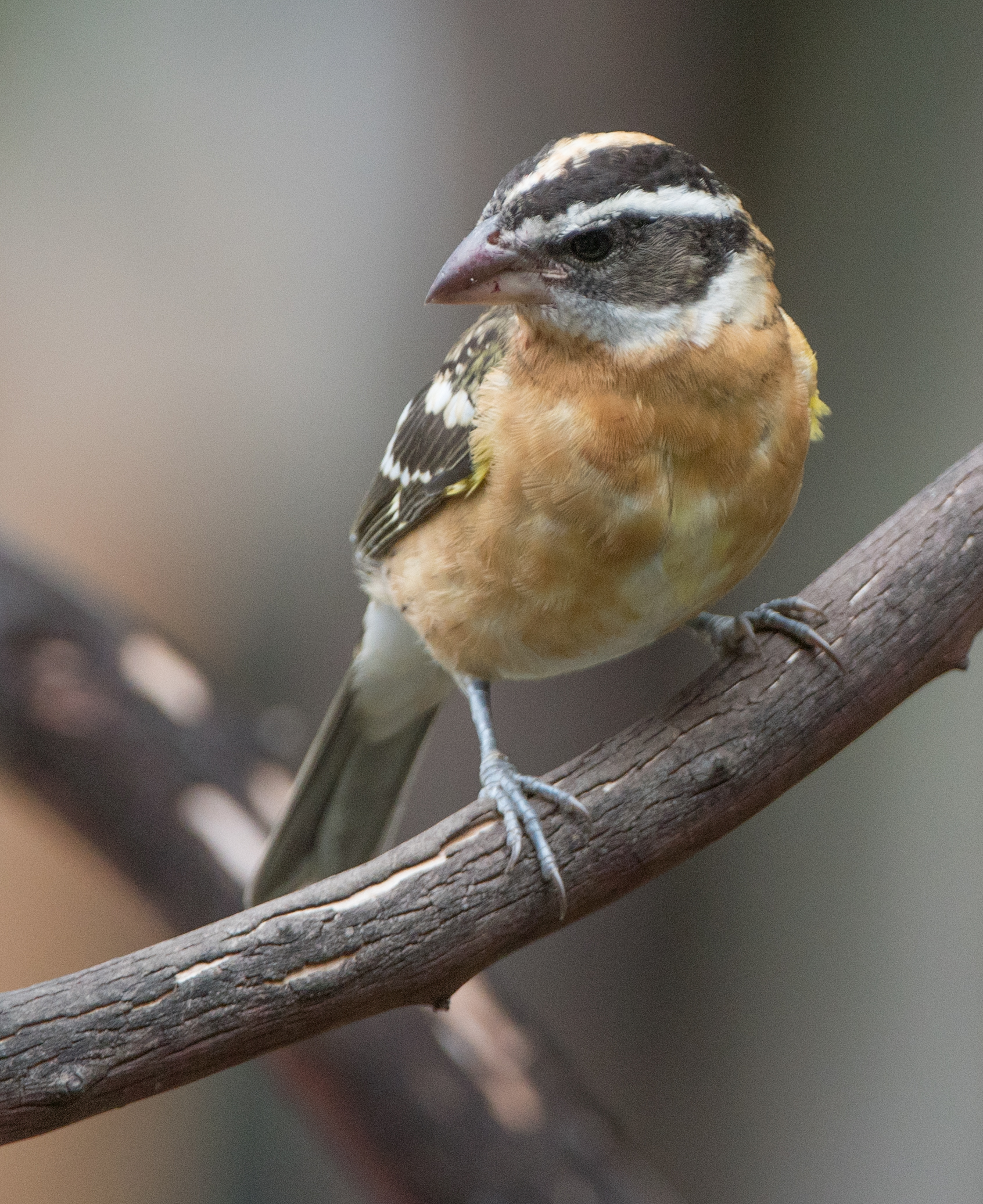
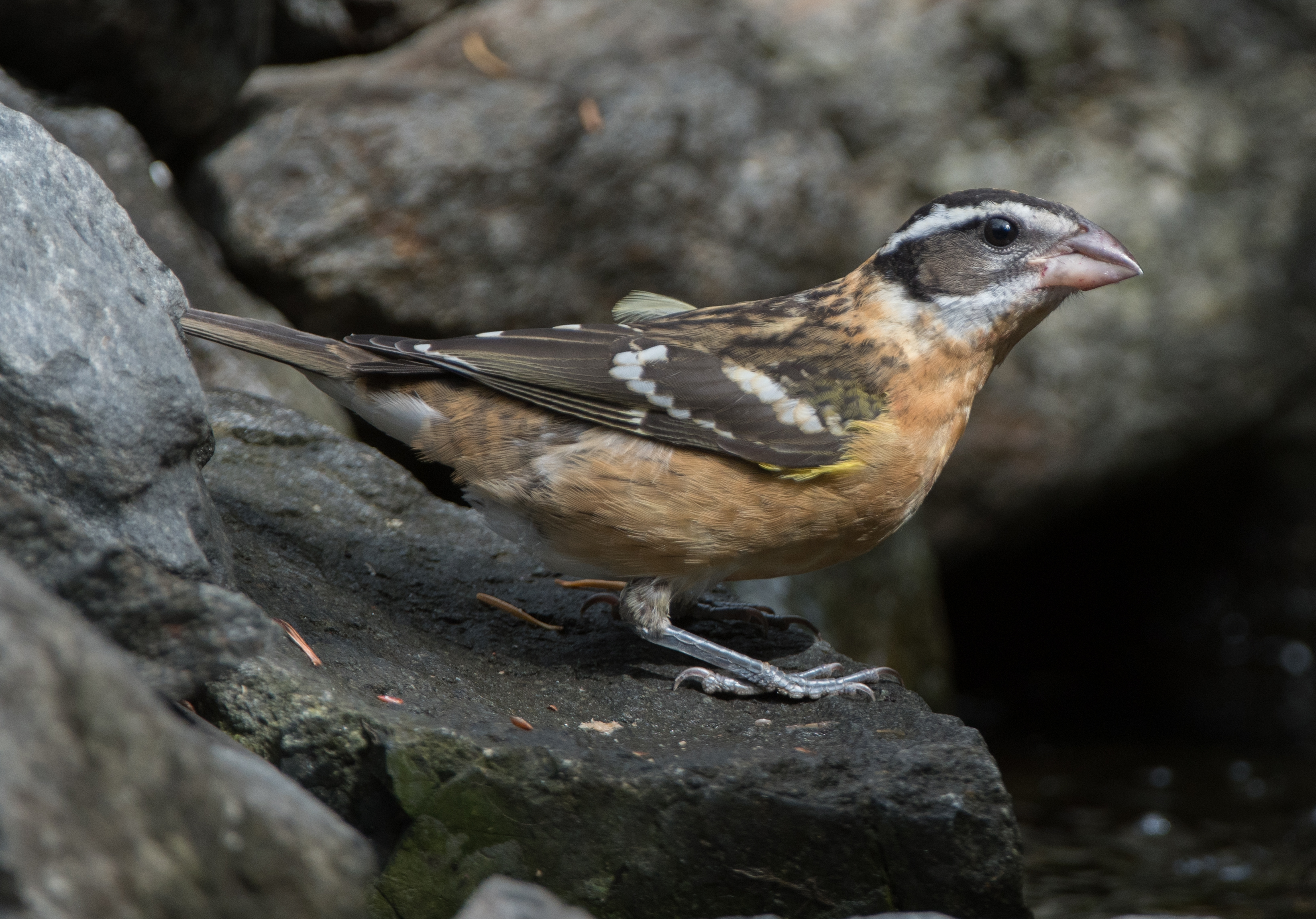
I managed over a dozen photos of this male Black-headed grosbeak which, after prolonged due diligence which gave me the opportunity for the photos, finally accessed a small platform feeder.  In the weeks after the grosbeaks first arrived they were much bolder, whereas now they usually visit the yard, see me and leave without feeding or bathing.

And finally, I photographed several hummingbirds feeding on our salvias.  This is apparently a female Anna’s hummingbird, but we also have at least one male and several female Rufous hummingbirds.  The male Rufous hummingbirds have already left our yard to migrate south.

On this morning (7/23) I finished reading my newspaper and made a check of the watercourse from the kitchen about 5:20am.  It wasn’t good light yet but I could see a “sparrow-like” bird near the watercourse.  It would normally be too early for ANY bird and this one was very active… too active for a sparrow.  It was time to use the binoculars… and they revealed a juvenile Swainson’s thrush, the only one I can ever recall seeing.  There was much too little light for a photo (sorry, but not as sorry for you as for me!) and after taking a brief bath the bird flew straight-away into the woods.

July 19, 2018 – 330 Photos

I spent 3-4 hours in the yard on 7/19/2018, our first cloudy day in a week or more.  Cloudy days are a lot more favorable for birding photography in many ways, and I am still learning relative nuances of light with respect to birding photography, but it’s a subject too complicated to address here.  

As it turned out, the day was also a great day for birding in the yard with a lot of the common species visiting and one special visitor.  By the end of my time in the yard, and when I offloaded my photos from my camera, I found that I had taken a total of 330 photos for the day, far surpassing my old record of something over 200 photos.  I keep far too may of my photos but a four terabyte hard drive facilitates the storage.  At the end of my processing I found I had retained 179 photos, all of which had to be cropped and the light adjusted.  It was several hours of processing.  

During the slower times I decided to keep an inventory of what I had seen, and here, with notes, is the inventory:  

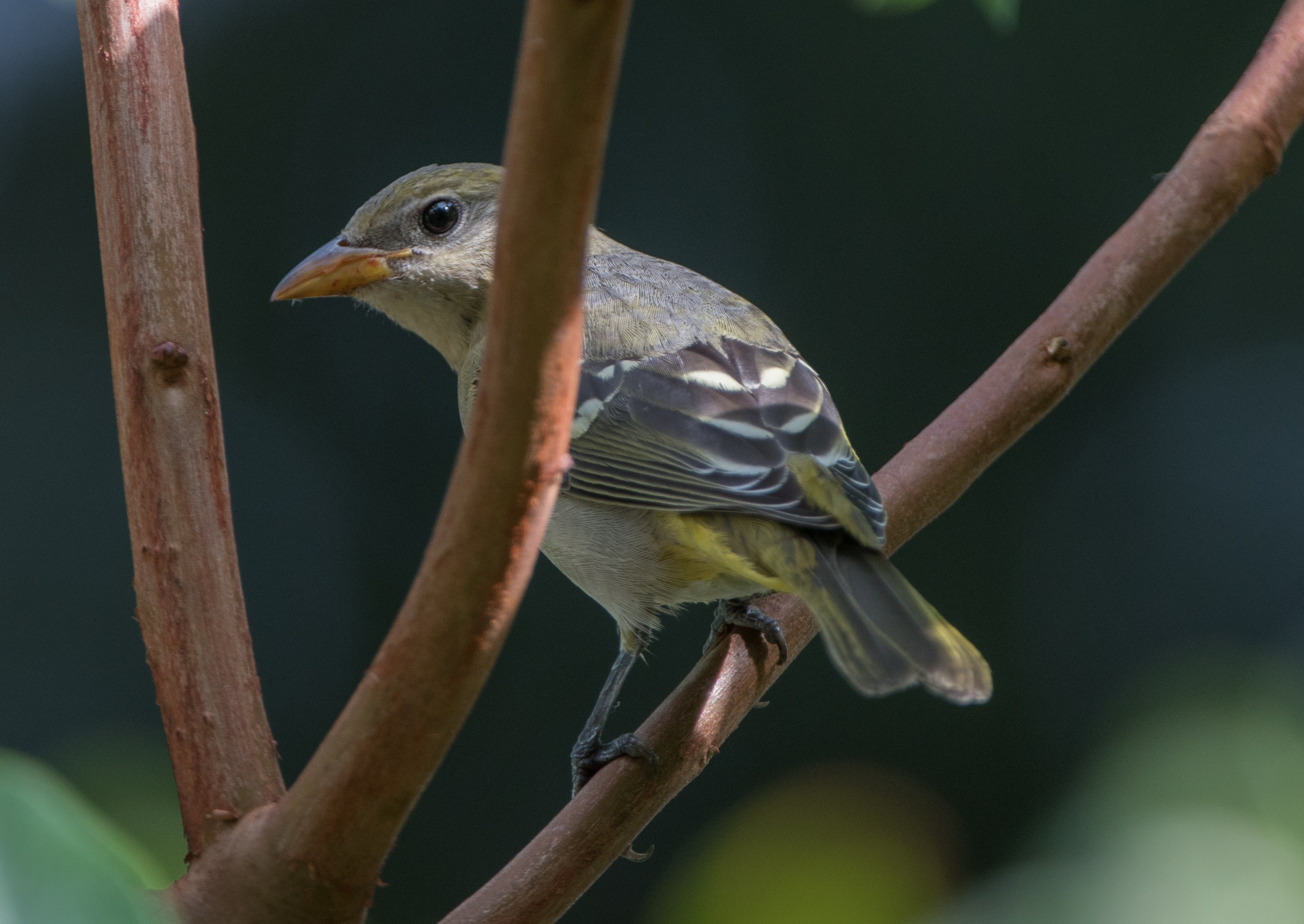
Tanager, Western (f) 

This was our special visitor, only the second tanager and the first female we’ve seen in the yard this year!  

Bushtits (5-6)

Robins, American (2a, 2j) 

Creeper, Brown 

Hummingbird, Rufous (f) 

Hummingbird, Anna’s (m) 

Quail, California (m&f) 

On this day I saw no chicks, but we apparently have an unpaired male, a male and female without any chicks, a male and female with 10-12 palm-sized chicks and a male and female with 8-10 small chicken egg-sized chicks.  Interestingly enough, the two groups of chicks don’t mingle thanks to the aggression between the two males.  However, The group of larger-sized chicks has one chick that is a much smaller size, the runt of the litter if you will.  I don’t know if it just hatched later or the small chick just found its way to the flock of larger chicks.  

Cowbirds, Brown-headed (2j) 

Neither of these two juveniles were being bed by any other species, but we can probably assume that their parents didn’t raise them and that they weren’t nest mates.  

Sparrows, White-crowned (2) 

This was obviously a pair and they were feeding young somewhere around the north side of the house.  They made repeated trips (which as of this writing are still occurring) gathering seed spilled from hanging bird feeders and flying with it around the alley side of the house.  

Sparrows, House 

For awhile it seemed like many of our sparrows had disappeared, but now they are back with a vengeance!  

Junco, Dark-eyed – Oregon (j) 

I only saw one junco (a juvenile) in the yard this day, but we have had at least a pair around the yard this spring.  

Finches, House 

Several apparent families visit the feeders and watercourse during the day.  

Nuthatch, Red-breasted 

I’ve seen as many as four nuthatches on a very crowded vertical peanut feeder at one time, so a breeding pair had a successfu; breeding season somewhere in the area.  
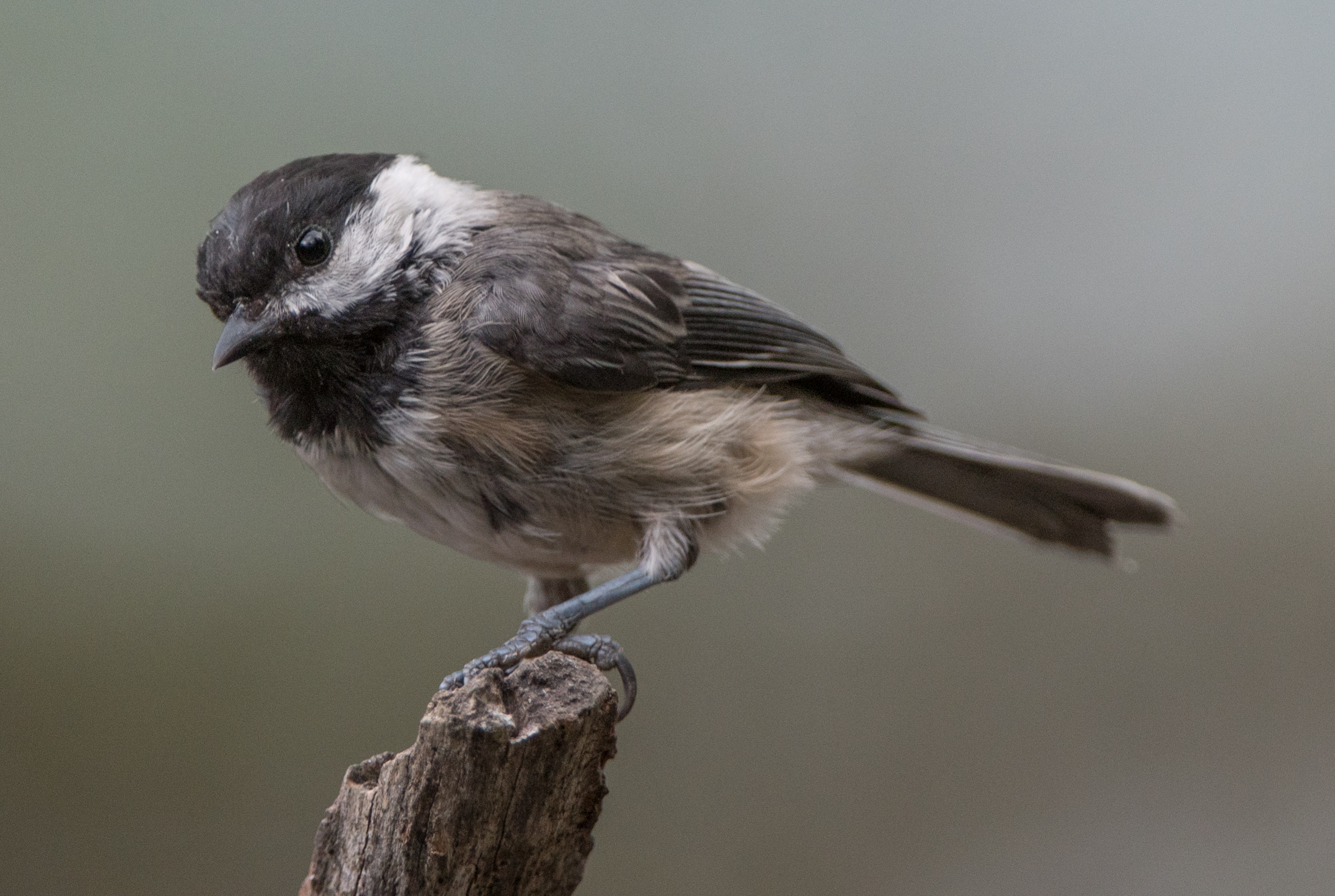
Chickadees, Black-capped 

Chickadees, Chestnut-backed 

Flicker, Northern (f + 1)

We’ve had as many as five in the yard this summer, with at least two being juveniles. 

Woodpecker, Downy (f) 

Starling, European 

Goldfinches, American 

Siskin, Pine 

Blackbird, Red-winged (m&f) 

I took many photos of a males Red-winged blackbird feeding a juvenile.  The juvenile flew in with the adult and was apparently self-sufficient, but you wouldn’t know it when the male was in the yard.  The adult apparently was leaving the yard to fly food back to other juveniles (possibly all the way back to the sewage treatment ponds).  While the adult was gone the juvenile would explore the yard and watercourse and after about a ten-minute absence the male would return and feed the juvenile again.  

Black-Headed Grosbeak(s)

On Sunday, July 15, we had a small group over for snacks and drinks.  On one of my repeated tripos to the kitchen I glanced out the window and saw a Black-headed grosbeak in the watercourse, not far out the kitchen window.  The casement window was cranked open a small amount, but not enough for a photo.  I opened the window slightly farther and then ran for my camera.  I managed to take a few photos before the bird left.  Later it and another returned to the yard (one in the watercourse and one on a small  platform feeder) and I obtained a few more photos.

For about the last three weeks the male grosbeaks have visited the yard but they generally leave fairly quickly and without accessing either the watercourse or the feeders, although this past week I did see a male clinging from one of our inverted suet feeders.  So it was nice to get the photos of this grosbeak, which I believe to be a female.