The Doldrums!

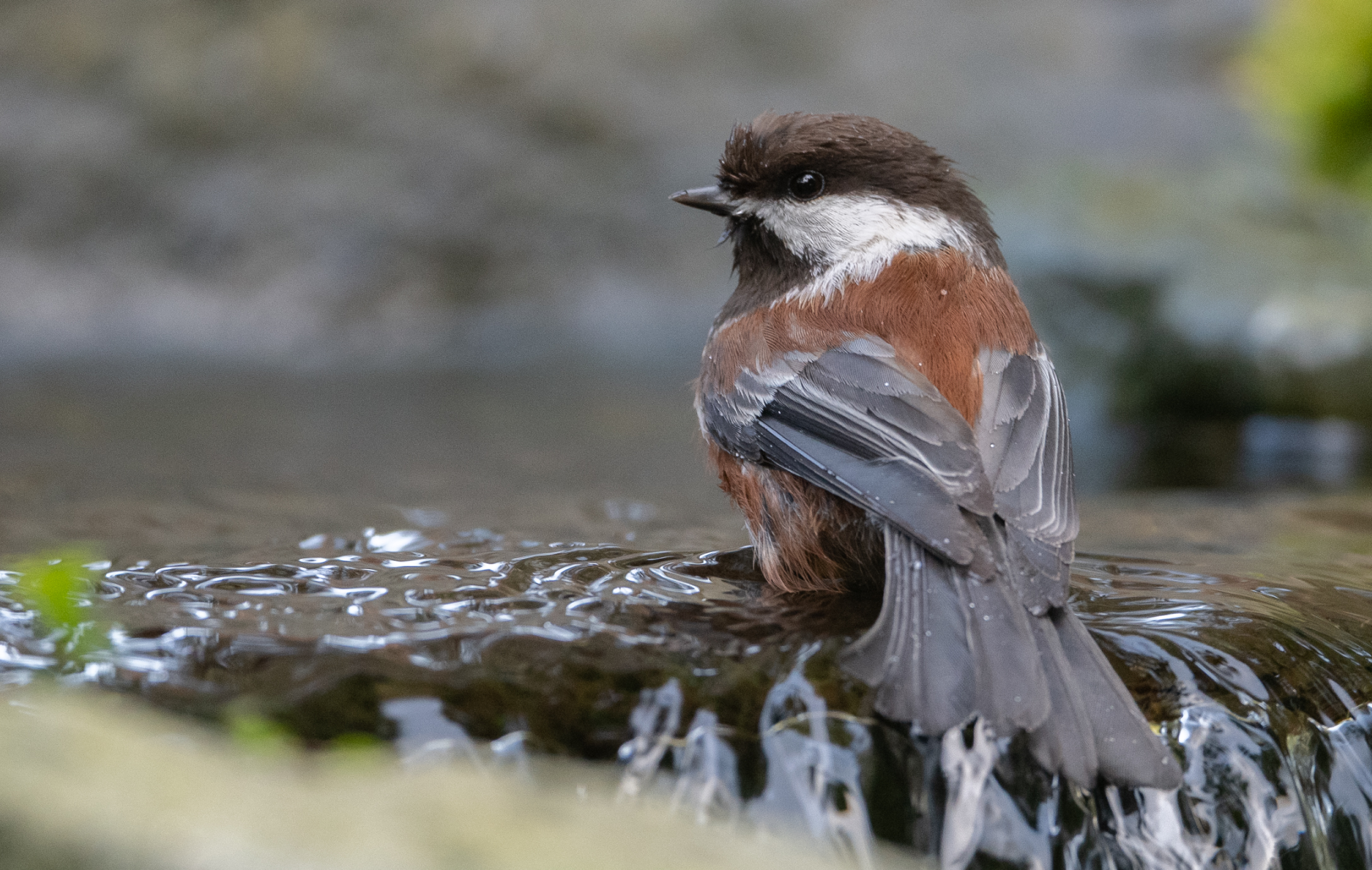
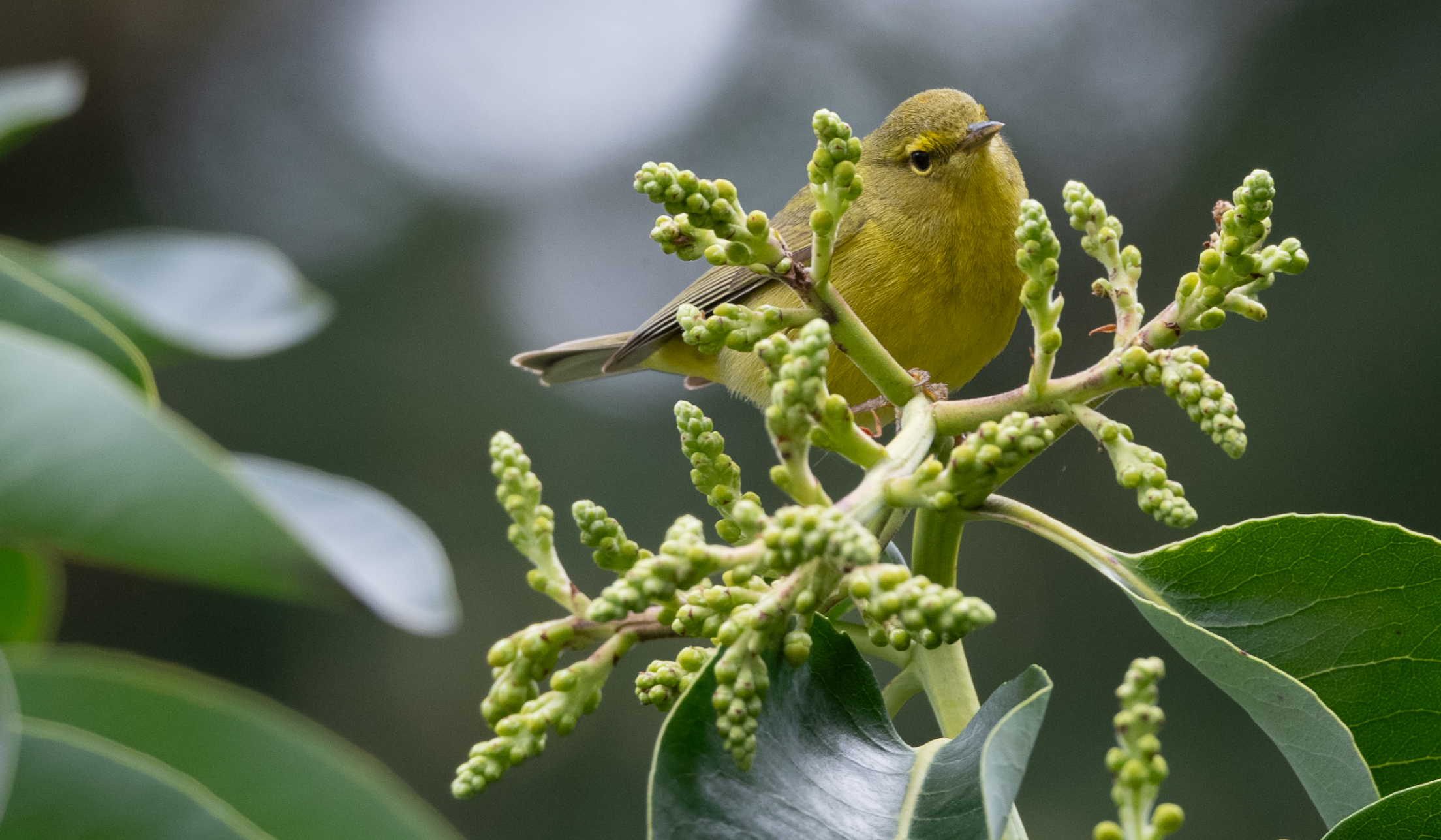
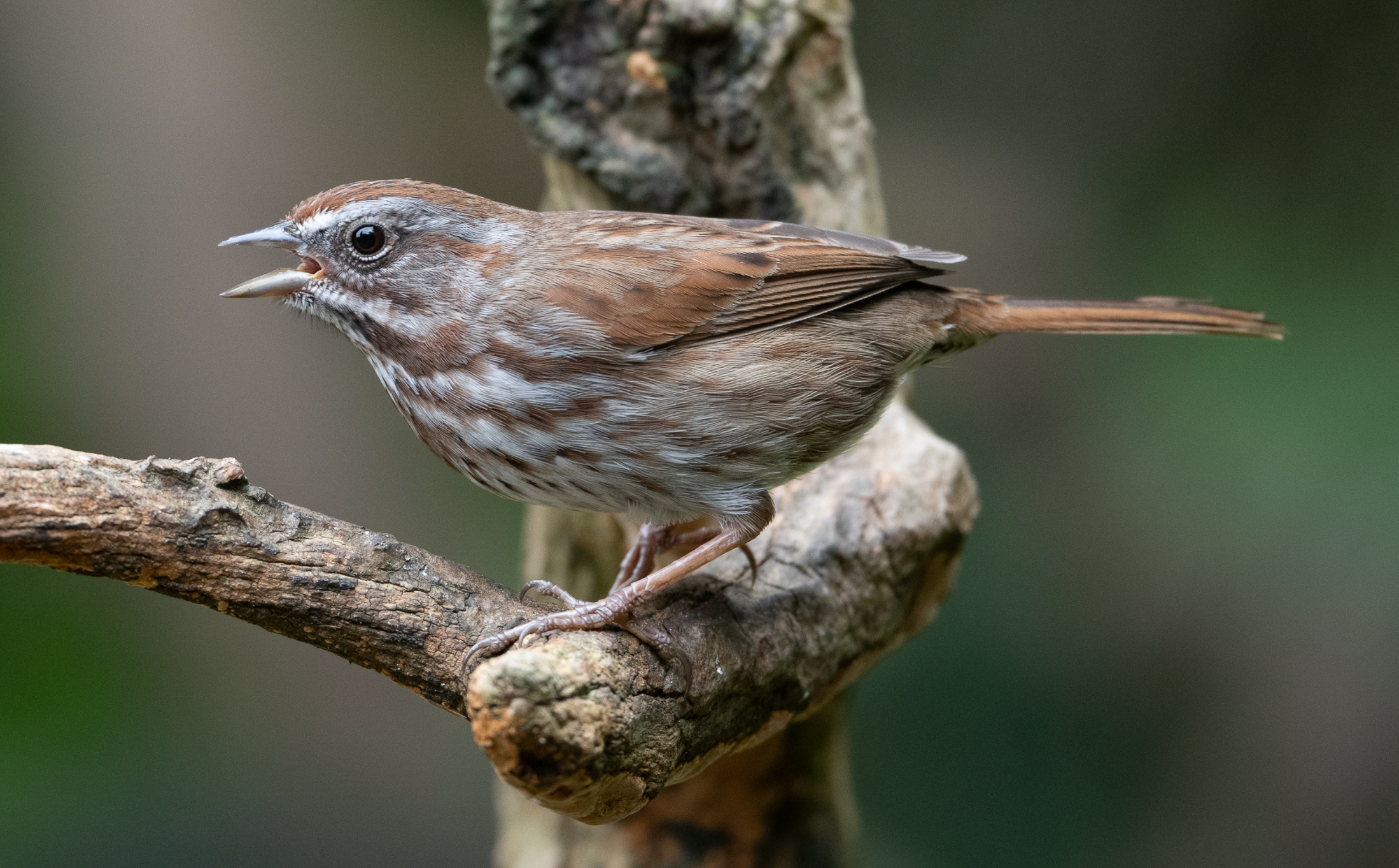
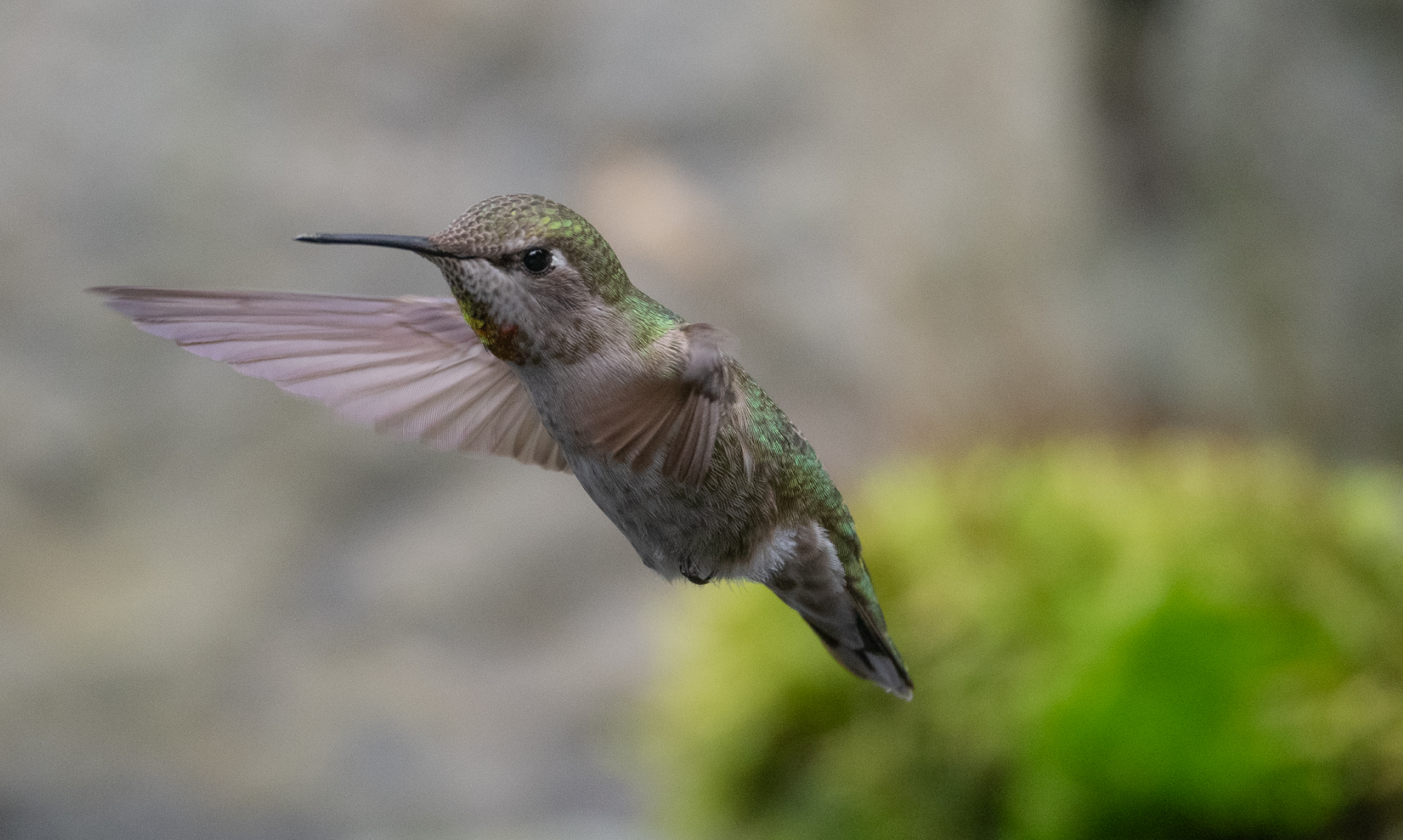
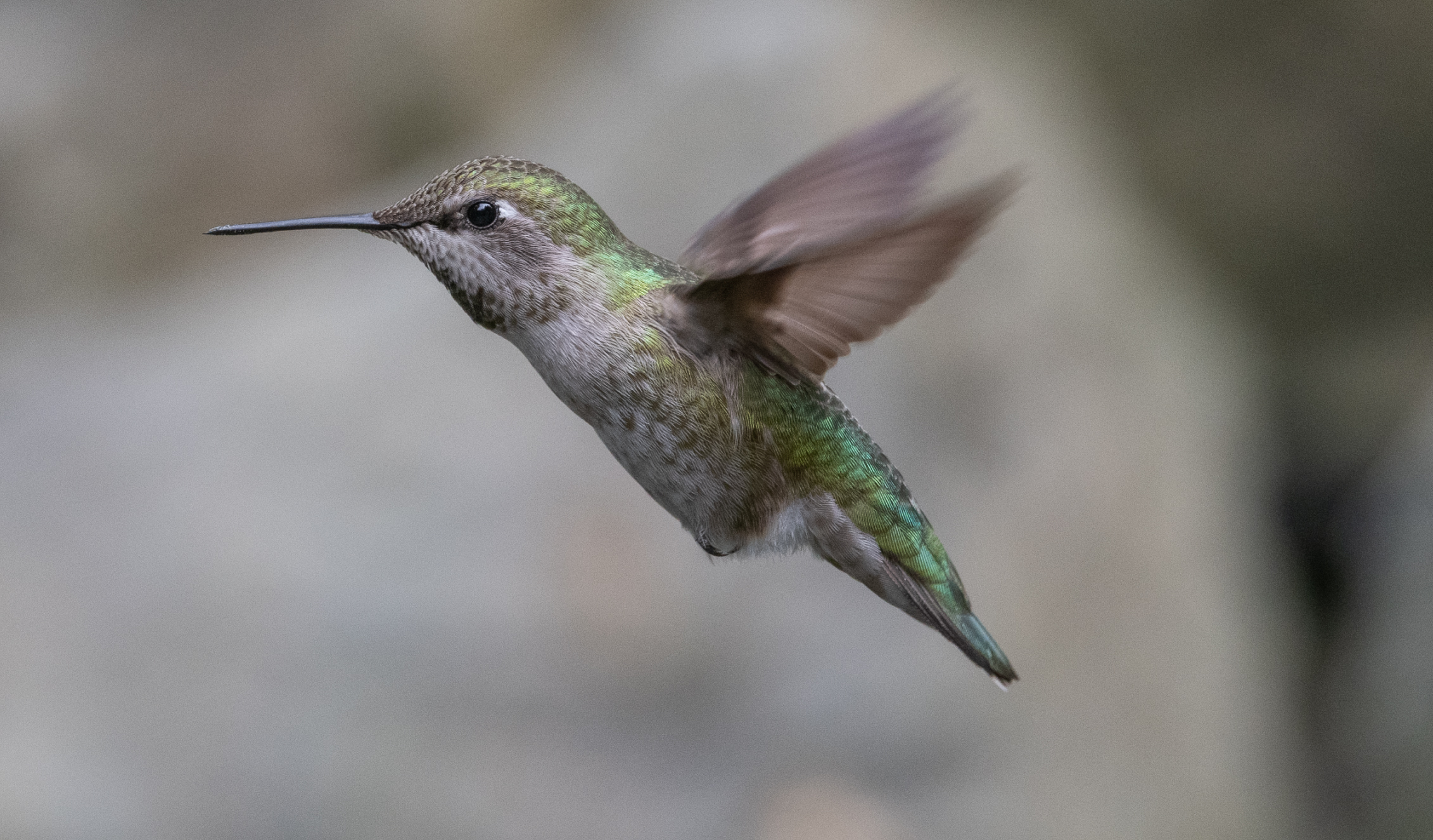
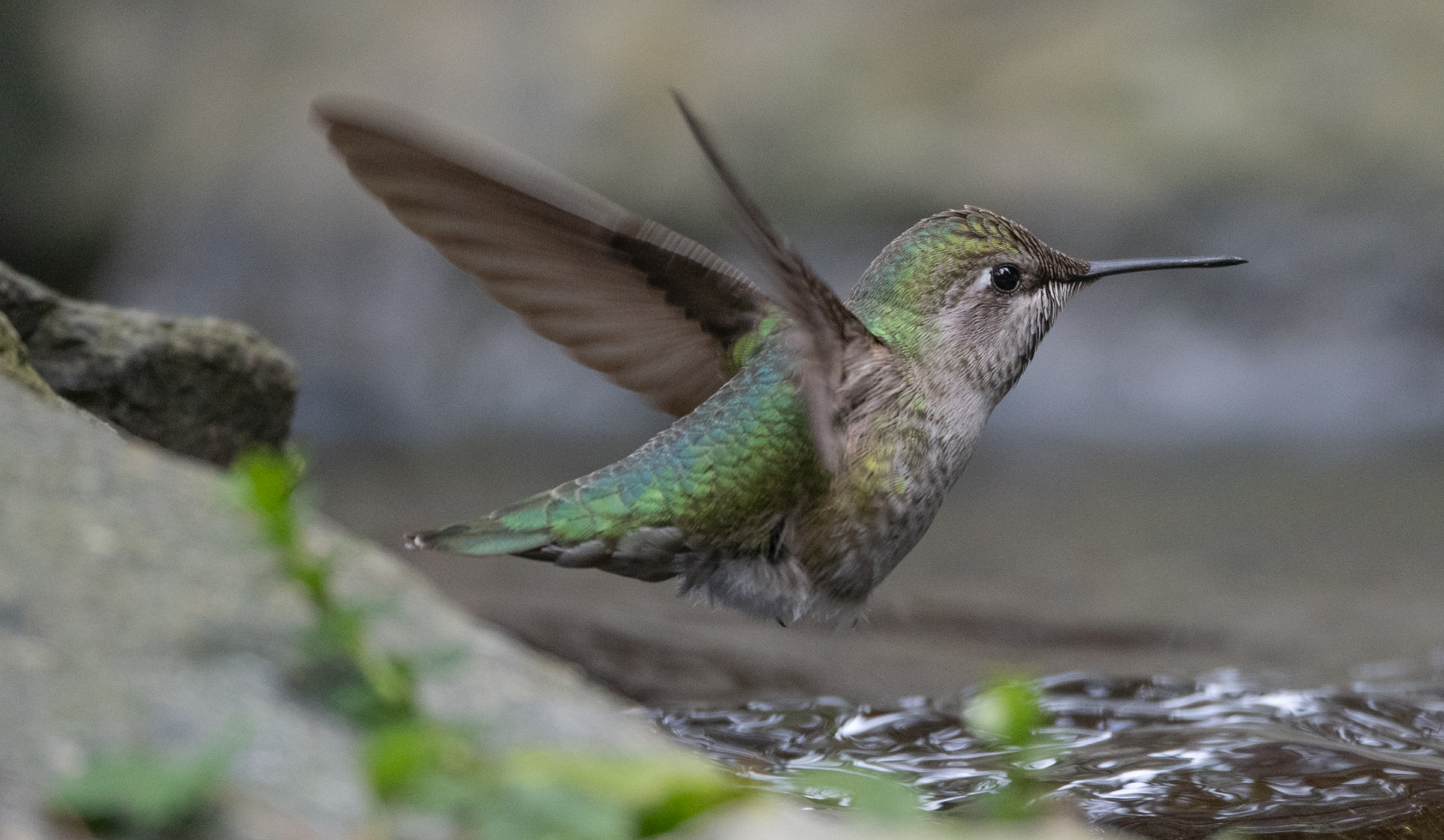
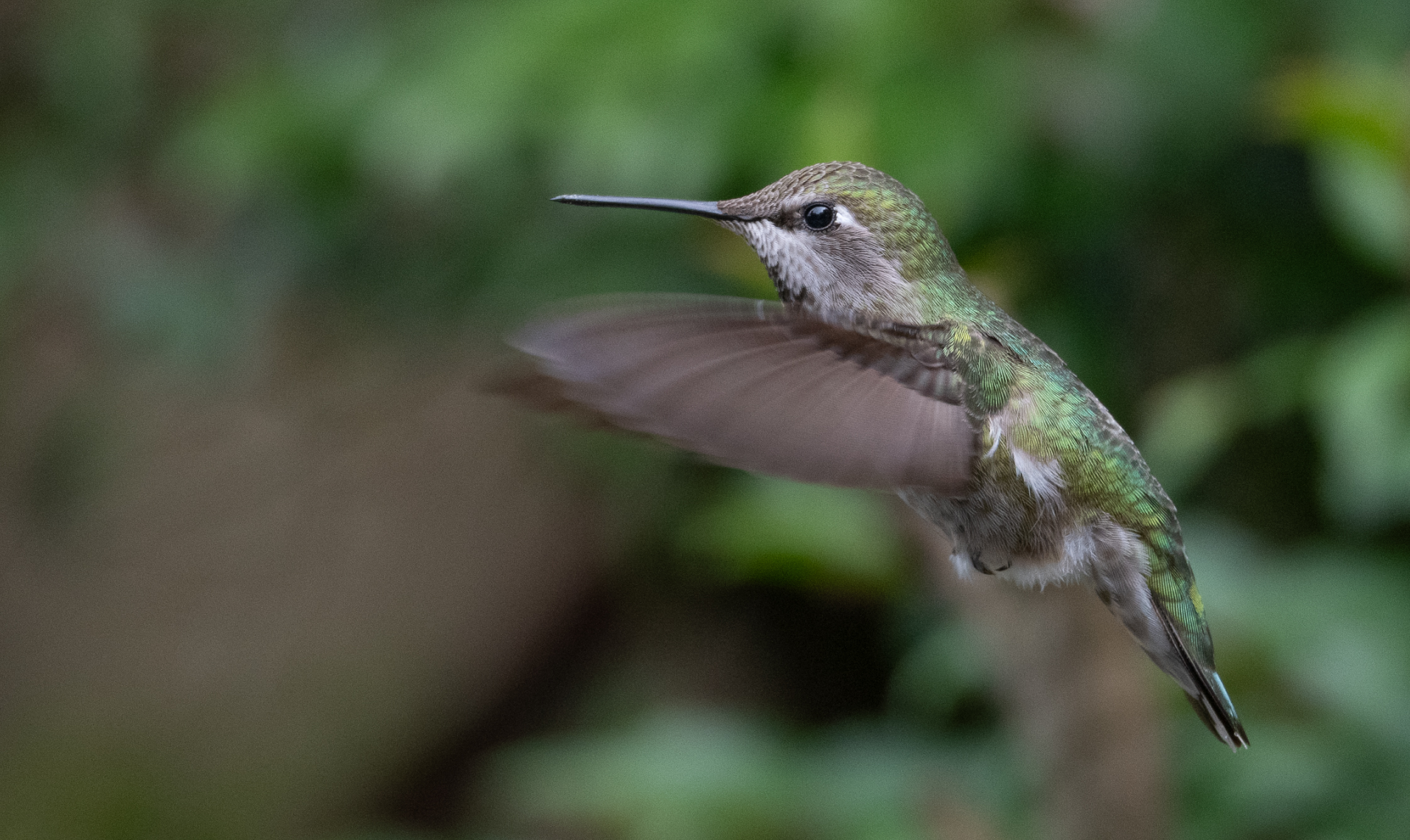
We’re in the early stages of winter and I’m in the doldrums! It’s pretty much the same old birds showing up in the yard, although I am getting some good photos. I’ve made a couple of excursions in the past couple of weeks, Fir Island and the Samish Flats and have virtually nothing show for the trips. As I write (2:30pm, Monday, December 1), we’re getting a relatively heavy (Texas-style) rain here in Anacortes.

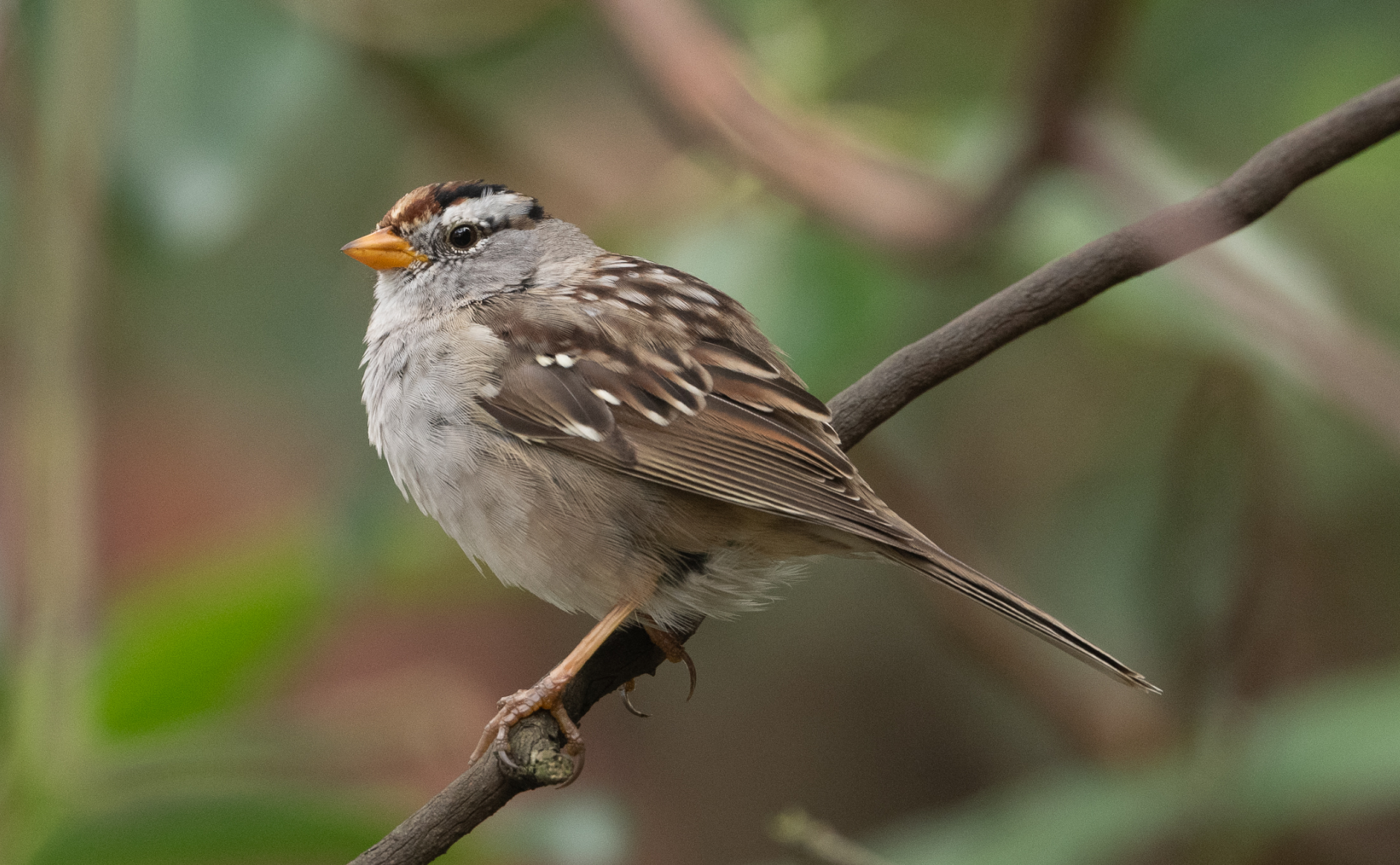
Yesterday I had a surprise visit from an apparent first year White-crowned sparrow, a species I don’t generally have visit the yard in the winter.

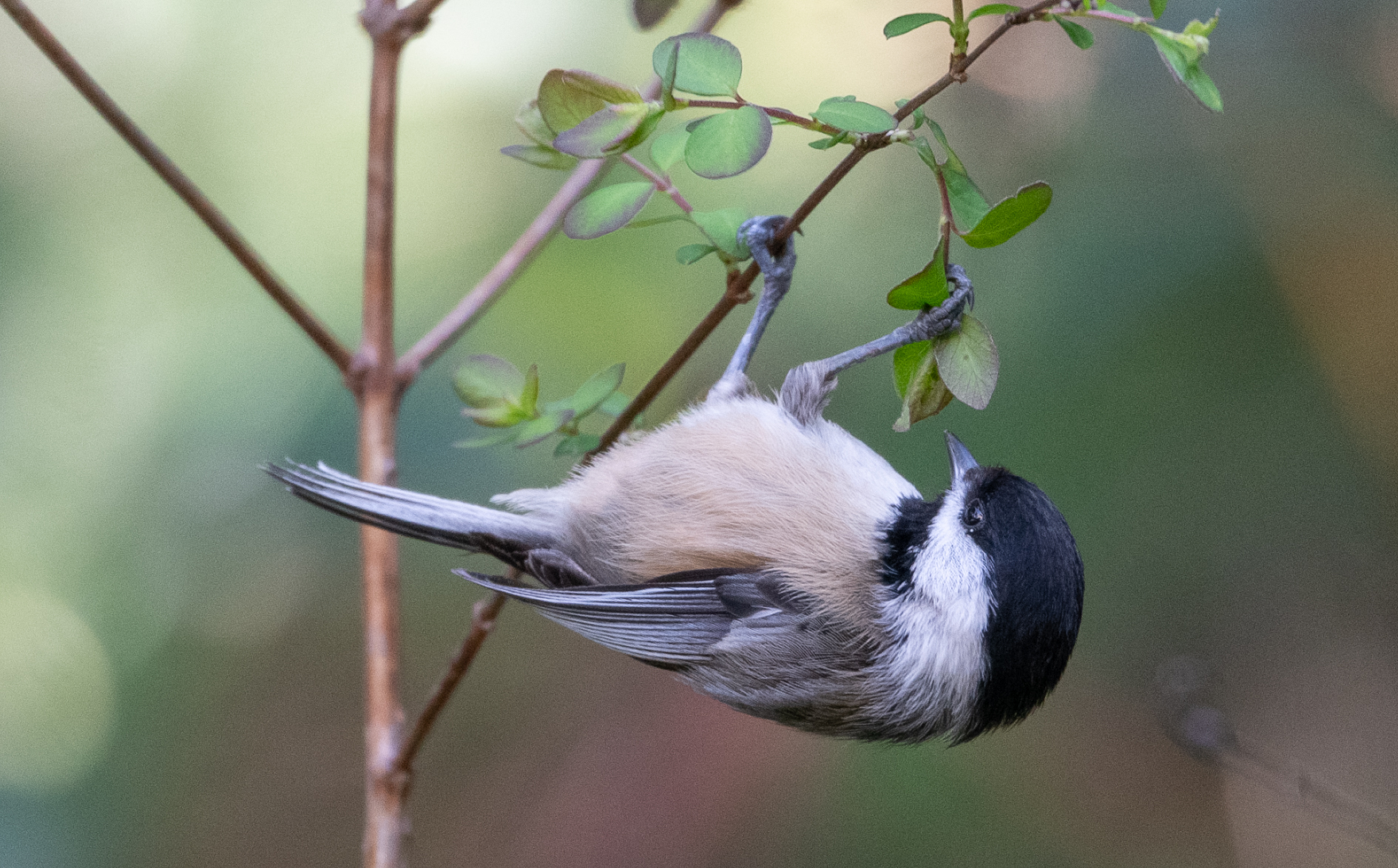
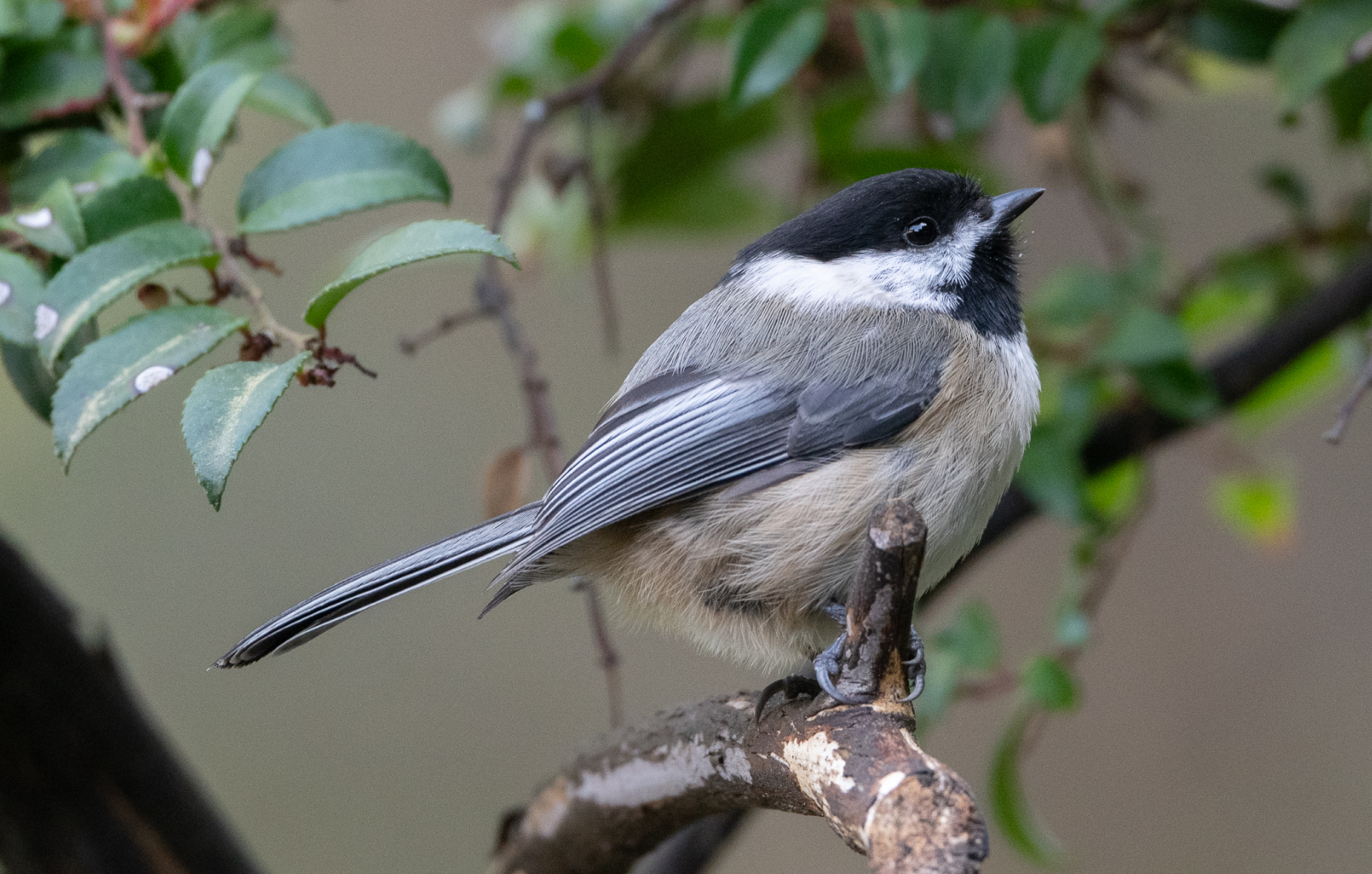
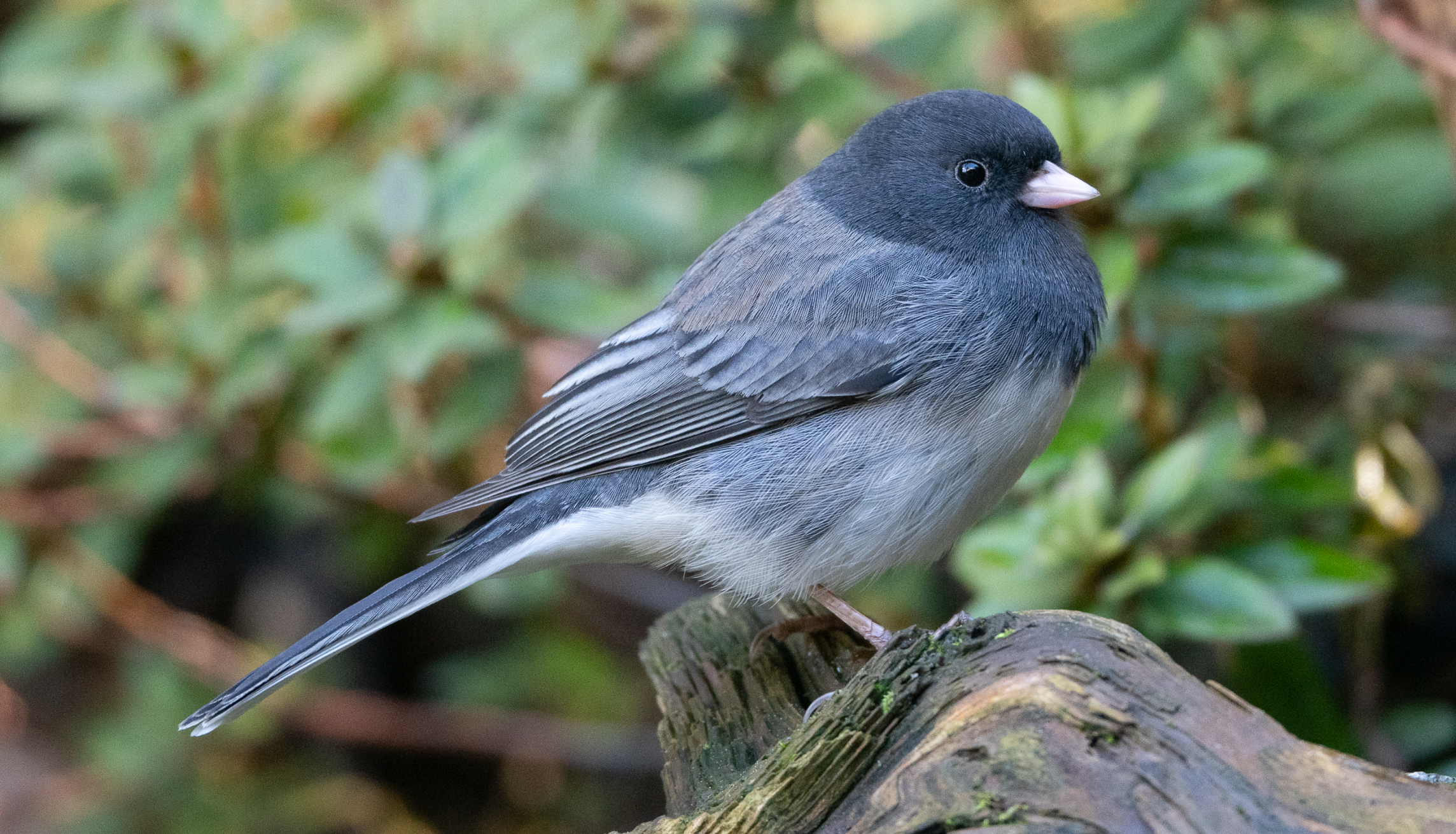
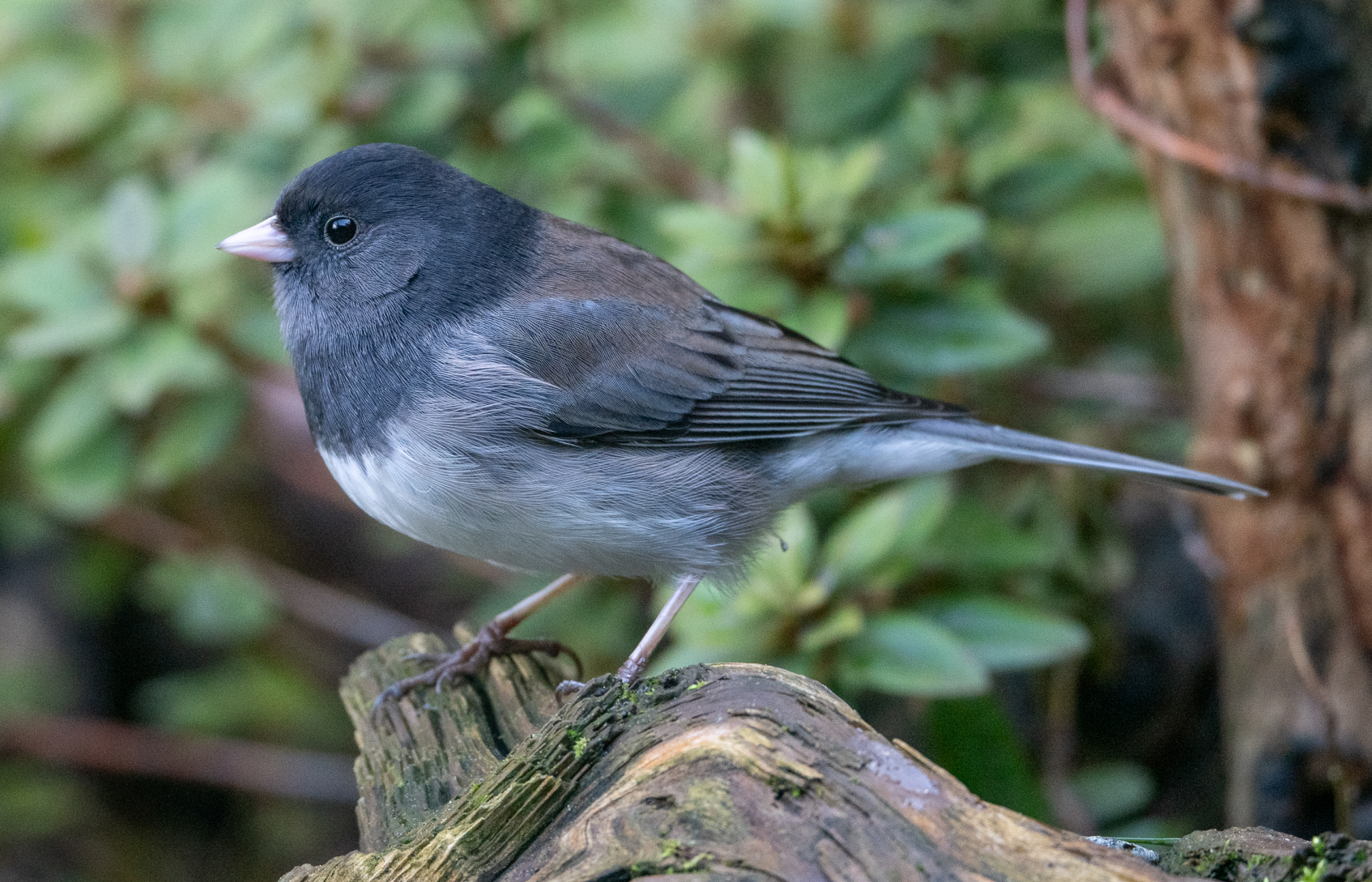
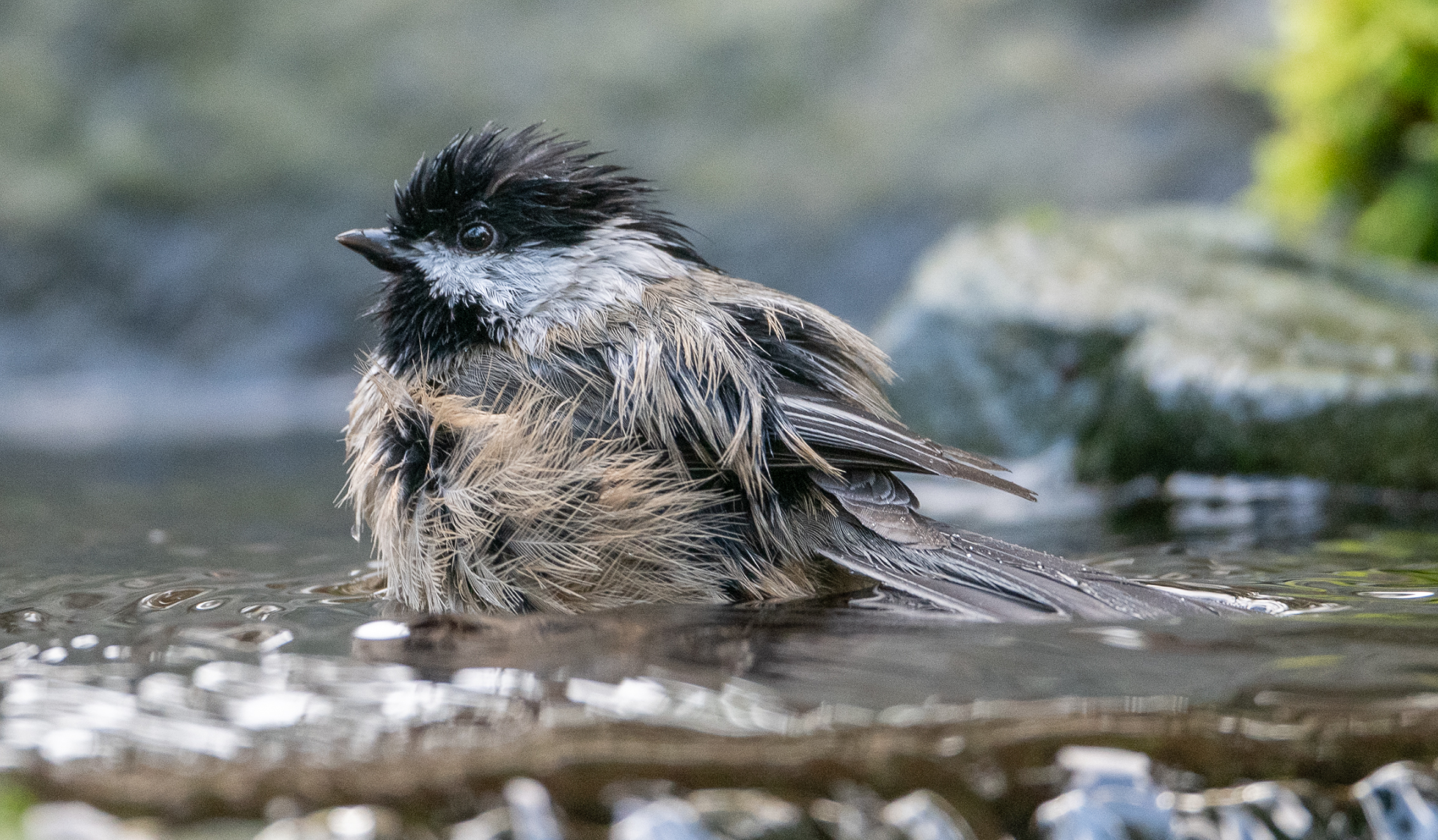
This is the only fresh face in a yard composed mostly of chickadees and Dark-eyed (Oregon) juncos.

Earlier this fall I had, on two occasions, what I thought was a Dark-eyed (Slate-colored) junco. The first of these photos was taken on 10/08 and the second on 10/28. These two images don’t appear to be of the same bird.

I have two unusual birds, identifiable from the rest of their species, currently in the yard. The first, one I’ve written about before, is a male Spotted towhee with a misaligned beak… much like that of a crossbill. When I first noticed the deformity well over a year ago I thought the bird might not be long for this world, but it lives on and seems healthy. It’s one of my best ‘customers’ and steadily accepts whole peanut kernels to take into the bushes to eat.

The second bird readily identifiable from the rest of its species is a male Dark-eyed (Oregon) junco with slightly leucistic tendencies. I have difficulty photographing this bird because it has become somewhat used to my presence and will come right beside me for food I place on a rock less than two feet from my knee. That’s much too close for my 500mm lens! You can see the white feathers around the base of the bird’s beak and also white feathers that help define the bird’s mantle from its back.

I did have a little excitement on November 30. The birds rather quickly disappeared from the yard but not in the panic an accipiter usually induces. As I wondered about the change I saw a raptor (probably an accipiter) soar from the top of one of my 150+ foot tall fir trees and glide across the neighbor’s landscape. And it was carrying something… probably a hapless bird it had caught well up in one of the fir trees.

I should have mentioned in my original posting, but didn’t, that there has been a leucistic Song sparrow in Washington Park (Anacortes) for at least three winters now. The bird moved about 300 yards from its original location to its current location during that time. It apparently successfully mated in the spring of 2025 as I twice observed it disposing of fecal sacs on limbs. 

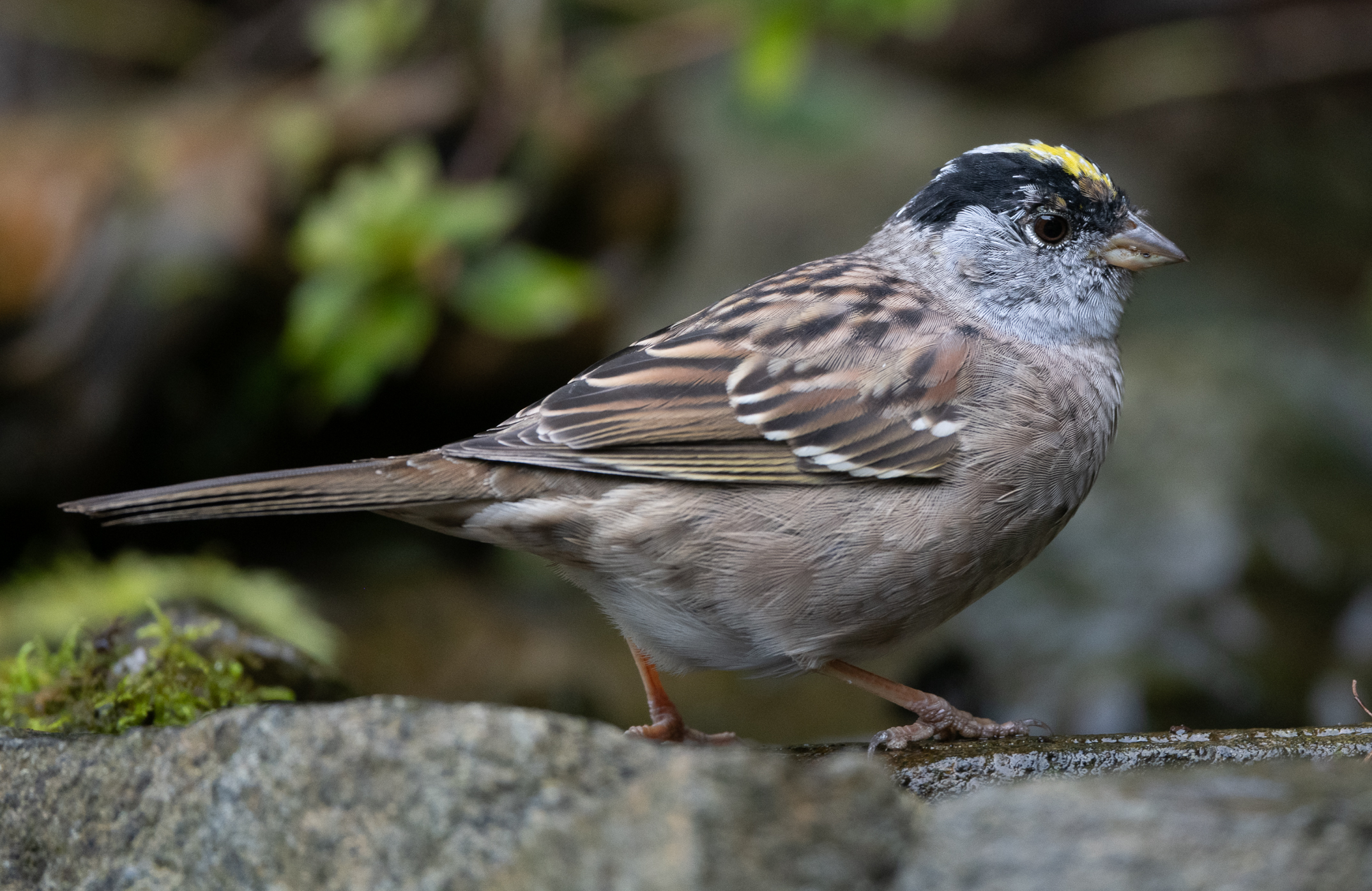
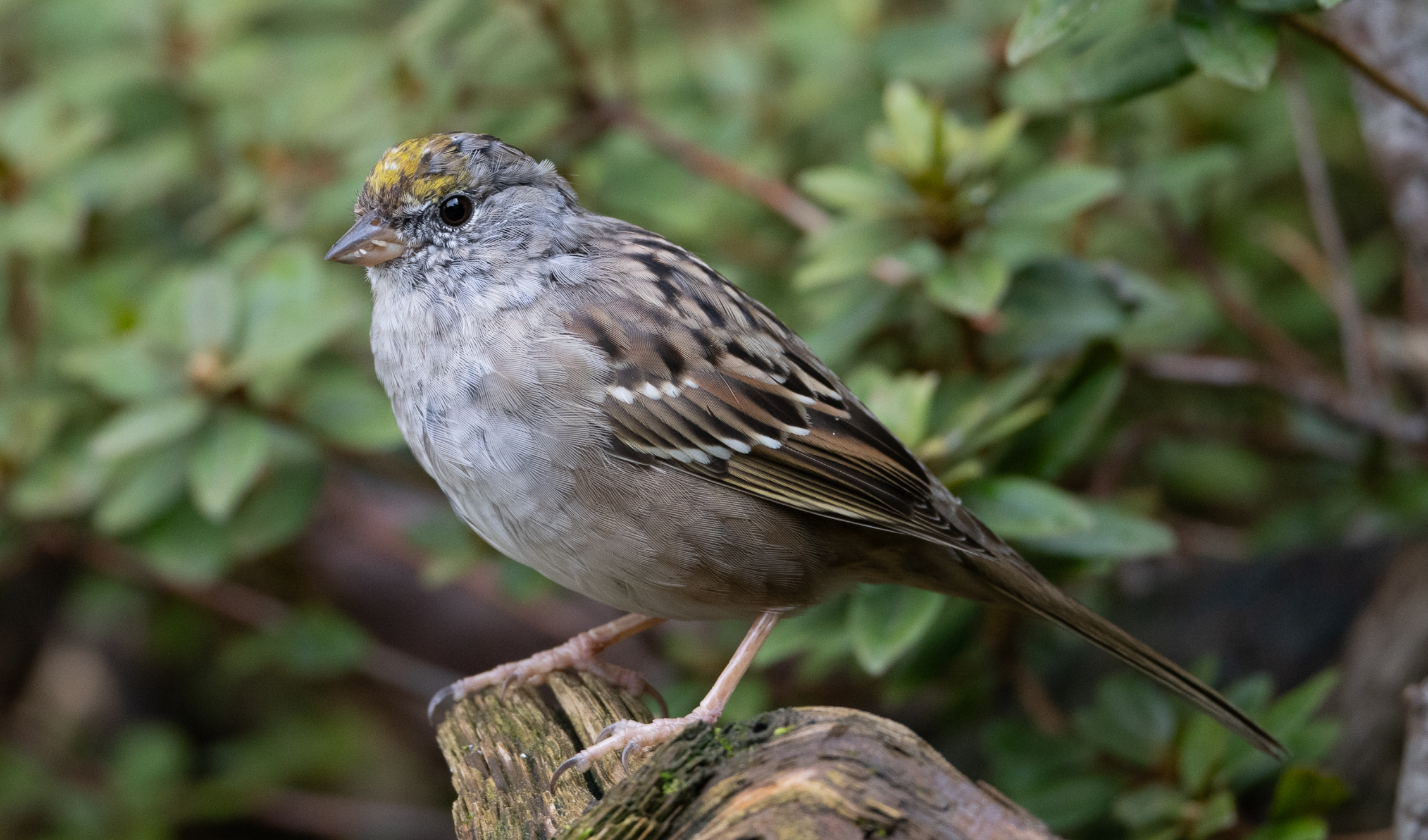
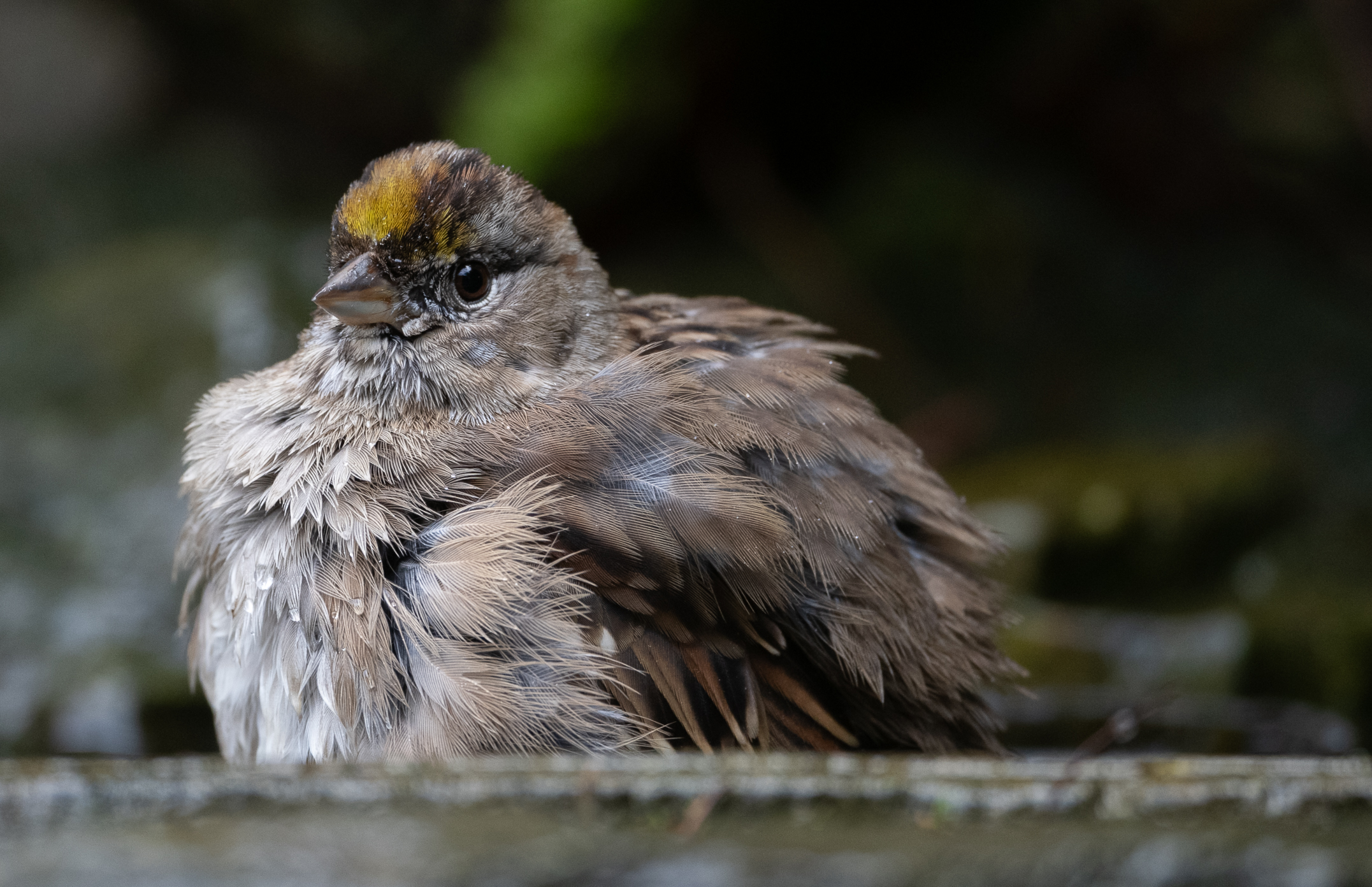
Golden-crowned Sparrow/White-throated Sparrow Hybrid

In processing my photos I came across this photo of what I had assumed was, at the time I photographed it on November 11, 2025, a Golden-crowned sparrow.  As I processed the photo I realized that the bird had prominent yellow eye lores, a diagnostic for a White-throated sparrow which I had in the yard a week or so ago.  

I then did some research (Sibley and the internet).  I couldn’t find any photos of a Golden-crowned sparrow having yellow eye lores nor could I find any photos of White-throated sparrows having a golden crown.  Then I added “hybridization” to the internet inquiry and found that there were known instances of hybridization between the two species!  From what I found, the bird I photographed has some of the most distinct head markings of any of the hybrid photos I could find.  

So barring any alternate theories or information from more experienced/knowledgable birders, I’m referring to this as a GCSP/WTSP hybrid!  (I have two more photos of the bird but this photo clearly makes the point!)  

October 21-22, 2025

I had a great day of birding on October 20, 2025, as can be noted on my prior post of that day. My crop of madrona berries was significantly diminished due to two factors: 1) birds eating the berries and 2) the stems having dried as the berries ripened and tending to break off when jostled.

My success on October 20 elevated my bird observation priorities for the following days, so October 21 found me in the yard anticipating another broad slate of visitors. I was disappointed to find that I didn’t have nearly as many visitors as the previous day, but what I lacked in number I made up in quality!

I first photographed this Song sparrow defending its bathing spot from encroaching House sparrows.

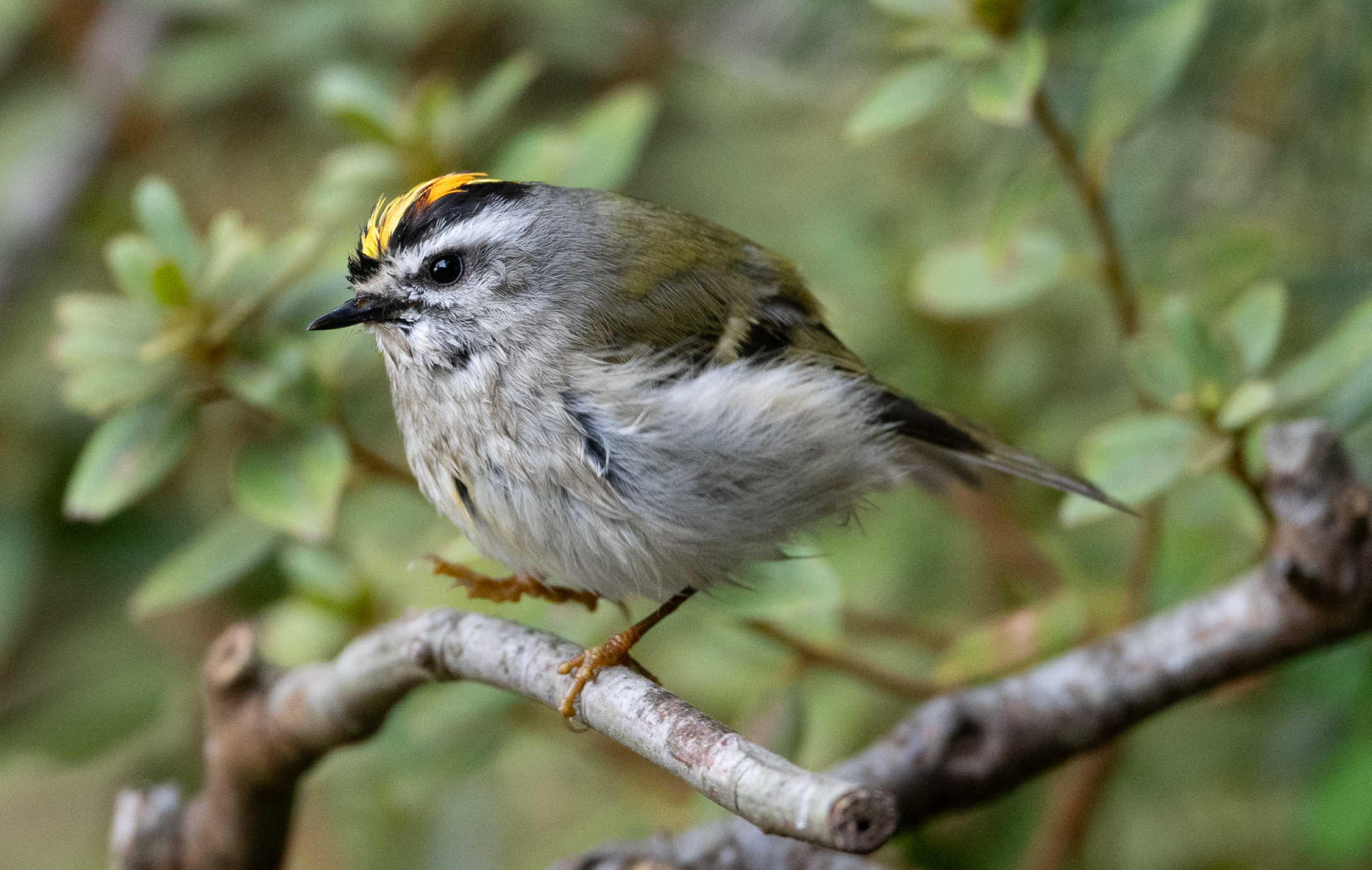
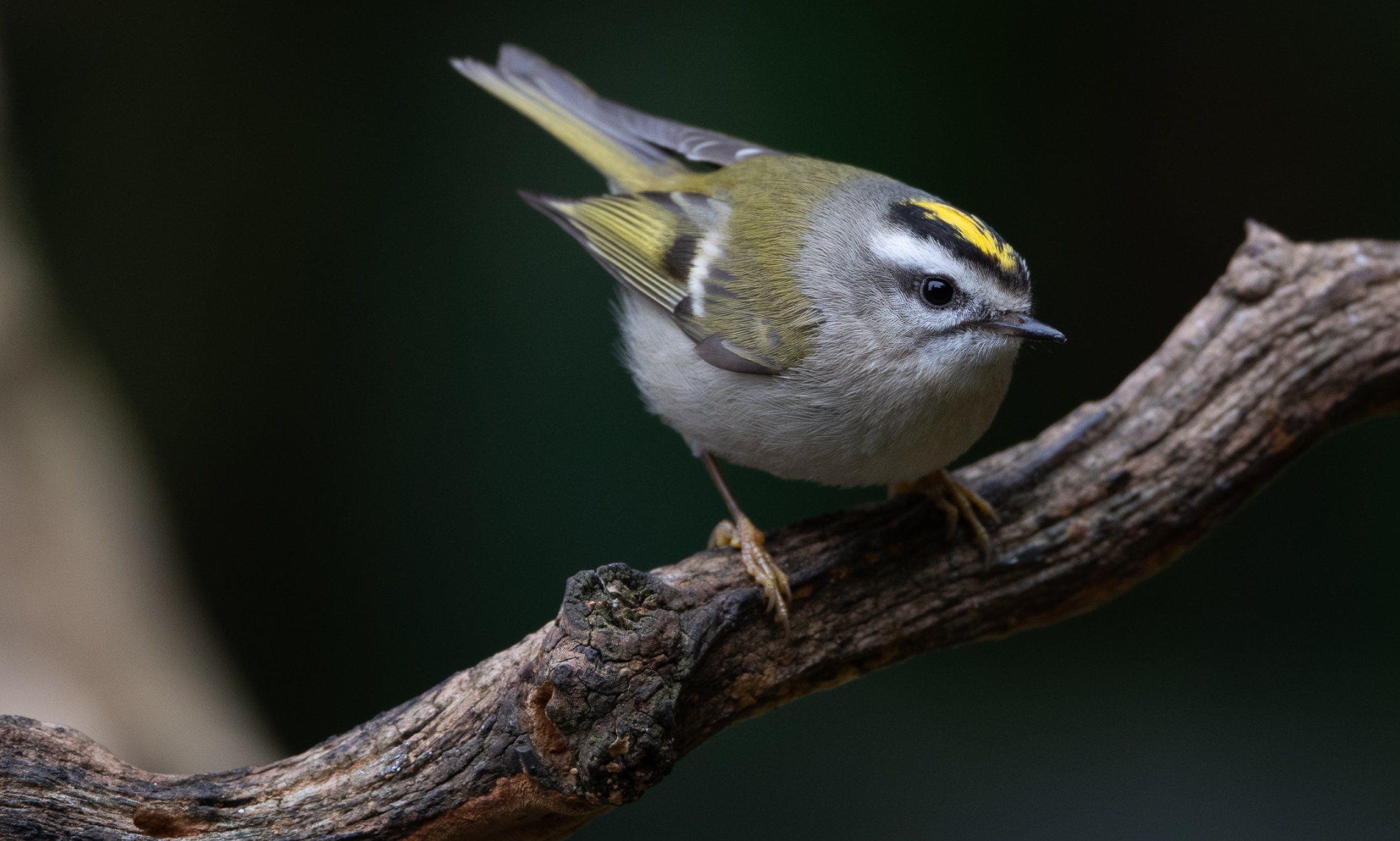
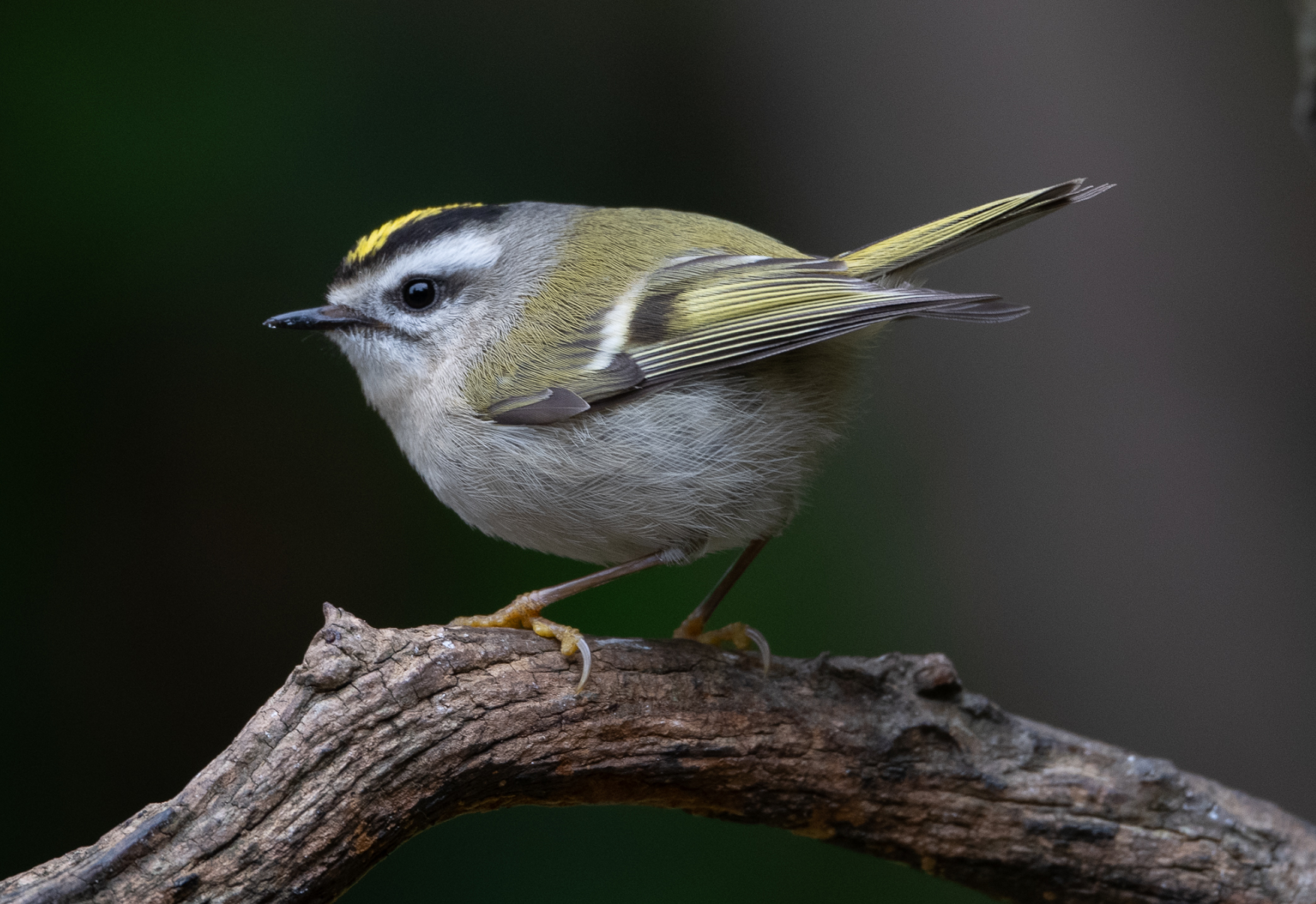
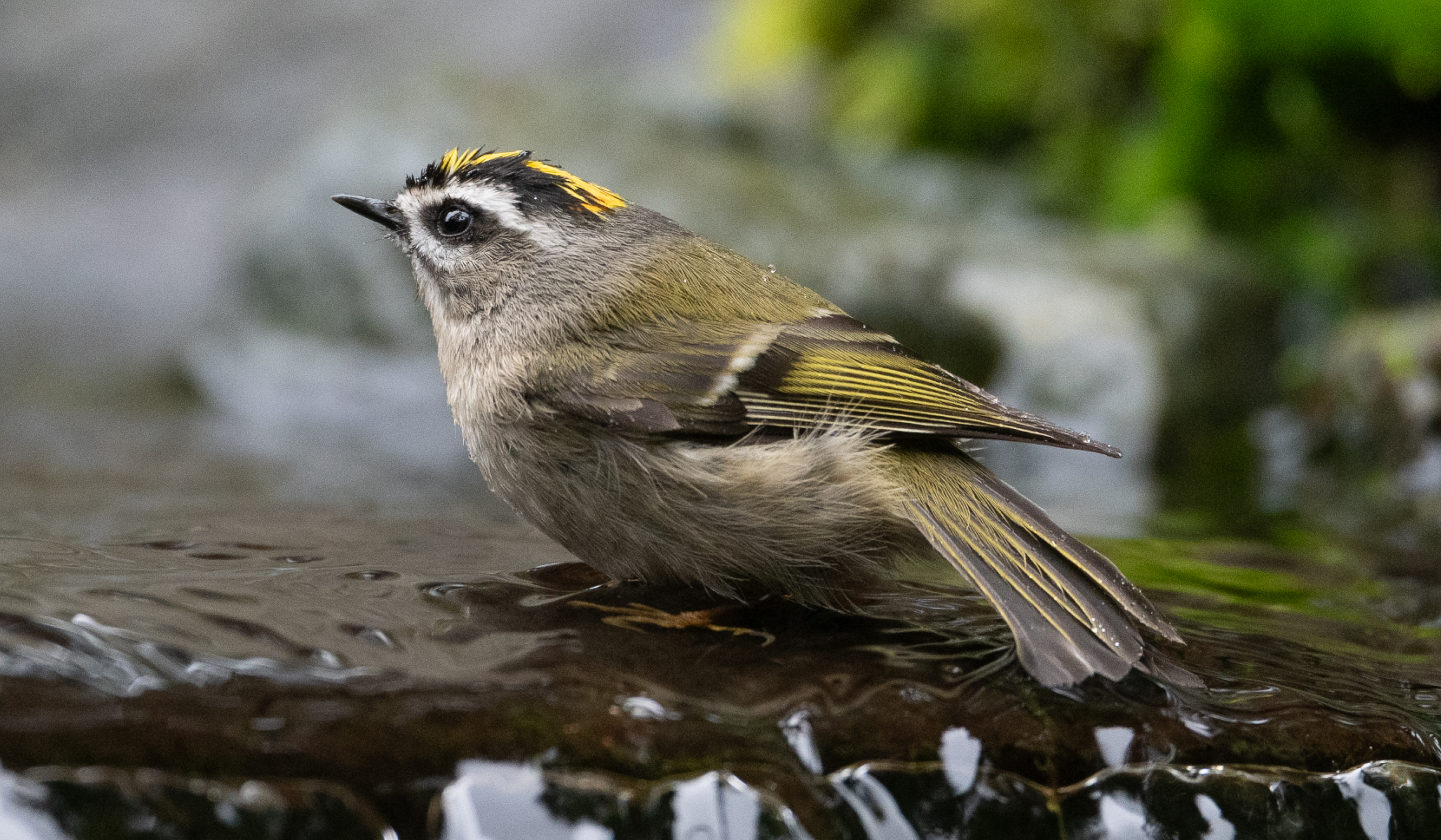
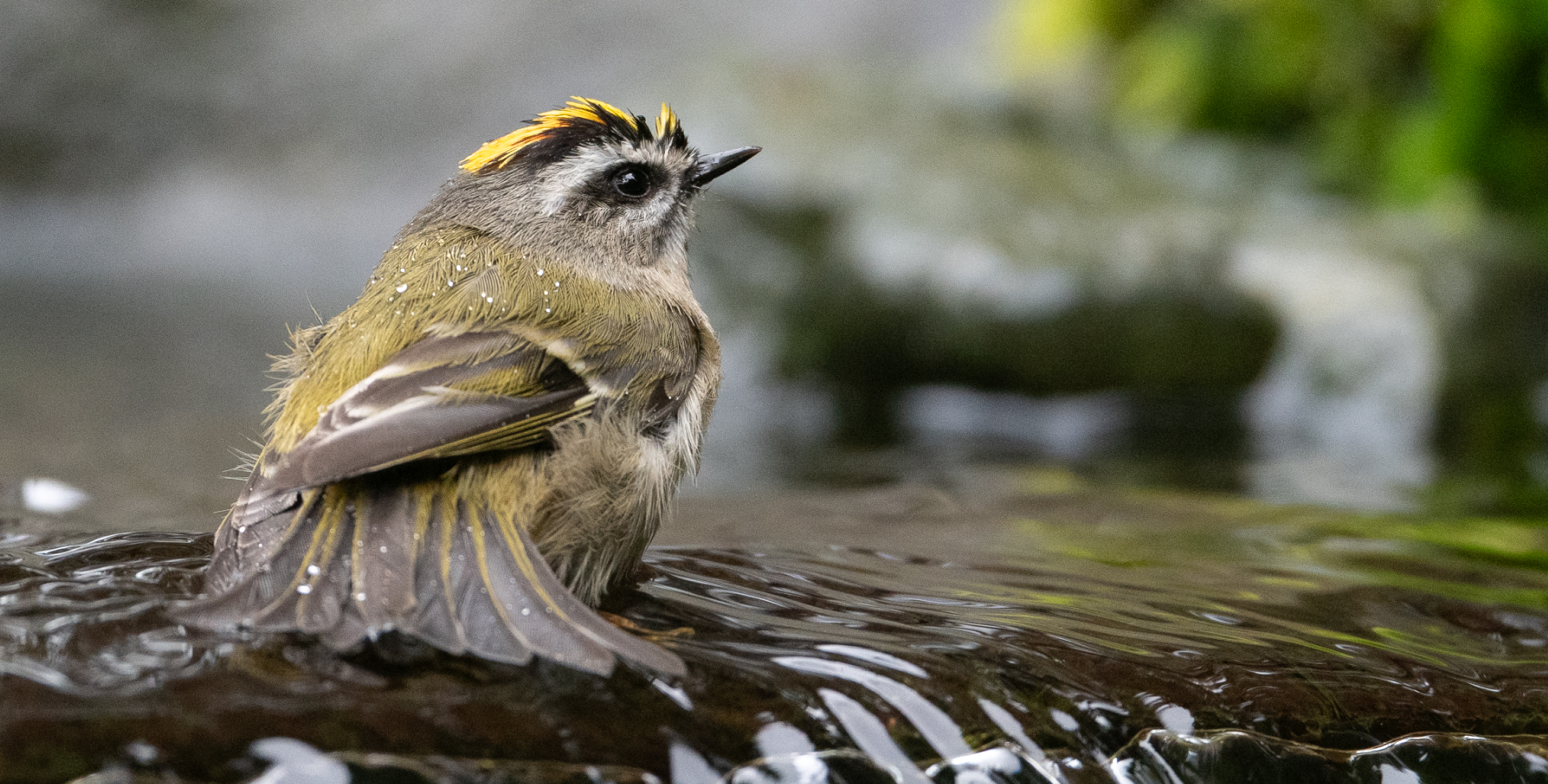
This Golden-crowned kinglet hung around the watercourse long enough for me to obtain many good photos.

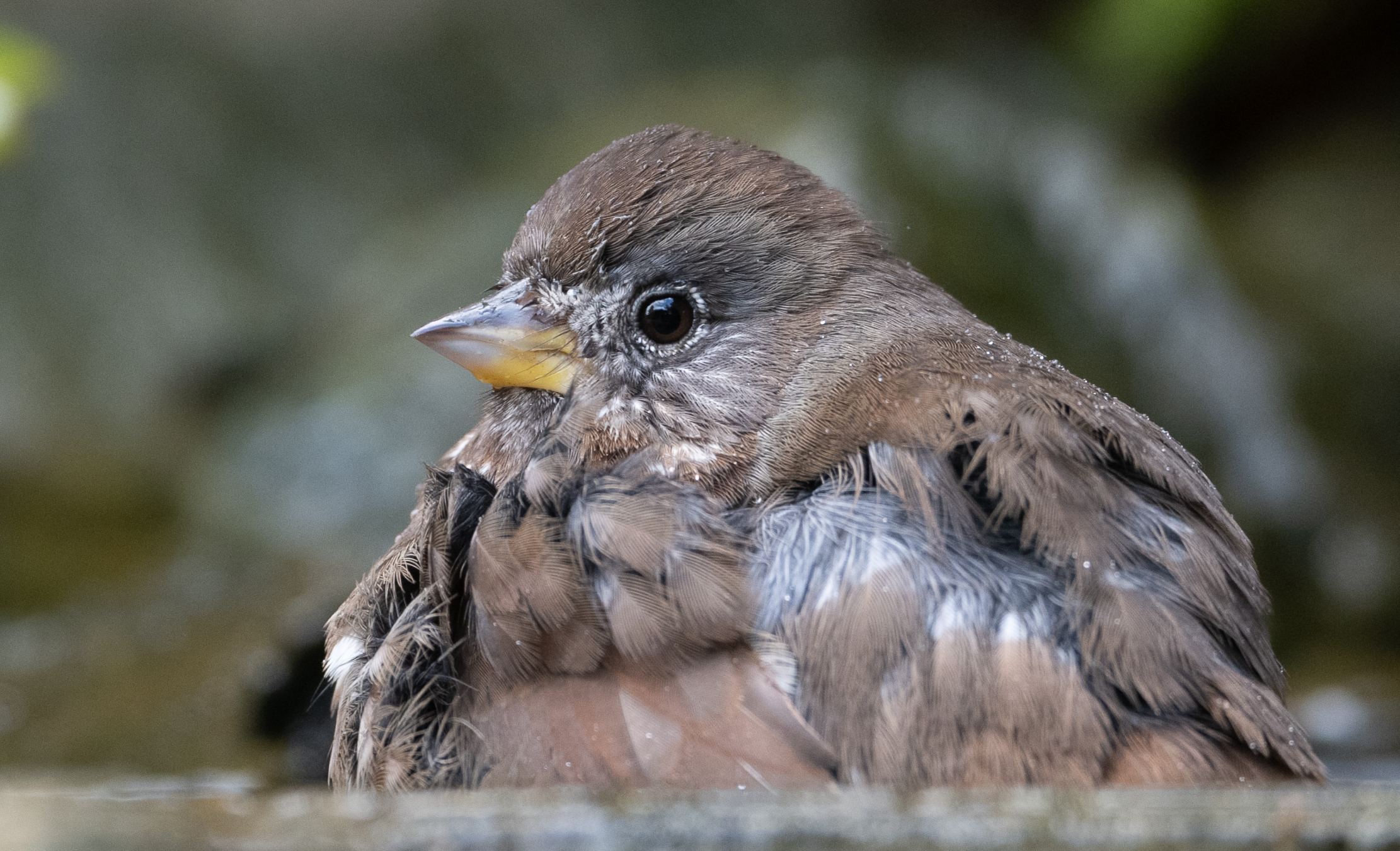
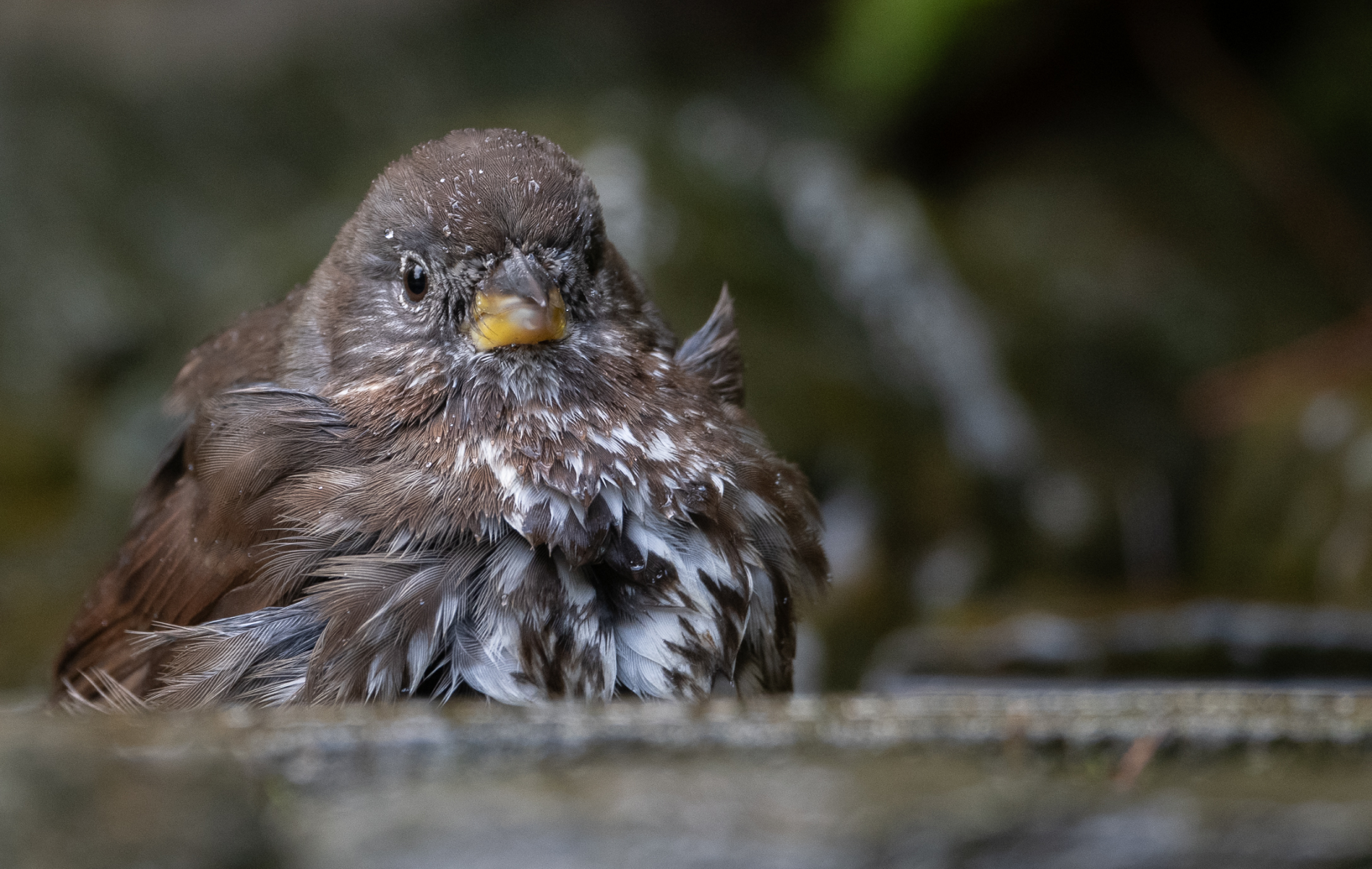
This was a first appearance of a Fox sparrow, a bird I thought should have made an appearance before now. The photo wasn’t as good as I would have liked, but I wanted to document the bird’s arrival.

Finally (there’s always a “finally”), i had been occupied with my camera and was just getting ready to call it quits for the day when I saw some movement under a bush that attracted my attention. I realized that a Hermit thrush was hopping directly towards me! I froze but the bird seemed unconcerned by my presence (completely out of character for the species) approaching to within about six feet of me. It then toured the entire watercourse area, giving me ample opportunity for photographs. .

This day had been largely disappointing until the arrival of the thrush.

October 20, 2025

October 20, 2025, seemed like a good day for bird photography so I opted to spend some time in the yard. The madrona trees are full of ripe berries, maybe more than I’ve seen in prior years. There were many birds in the yard so after an early morning doctor visit I filled the bird feeders and situated myself in the yard with my camera equipment. The day was significant in the number of unusual or difficult to photograph birds that visited the yard during the day.

Early on my attention was drawn to a bird in the madrone tree and when I could get a clear view of it, I realized it was a Hermit thrush, a rarity as far as my yard photography is concerned. I managed to get several photos of it. 

Yellow-rumped warblers, all seemingly females or juveniles, were in the yard almost constantly.  

At this point I can only confirm a single female Varied thrush visiting the yard…

and a single male Varied thrush.

At least three juvenile Cedar waxwings were enjoying the madrona berries.

This male Anna’s hummingbird was accessing what is left of salvia blossoms.

This Golden-crowned kinglet was searching for insects among the madrona berries.

I photographed this Ruby-crowned kinglet as it accessed the watercourse.

I had another great yard birding/photography session Saturday, October 4, 2025. The day began overcast and I was out in the yard by about 11am. I remained in the yard until about 2pm, and shortly after that the sun came out. Had I remained out, my photography would have been degraded. I took 246 photos yesterday, and of those I kept 126. Of those 126 photos, 56 were of Yellow-rumped warblers!  

Yellow-rumped warblers have been migrating through all week. Here are photos of some of them…

This Golden-crowned kinglet stopped by for a bath…

I obtained several good photos of a male Anna’s hummingbird

As I might have previously mentioned, my madrone trees are full of berries. The largest consumer at this point are House finches, which gnaw at the berries instead of consuming them whole as a lot of other birds do. If you look closely you can see where this male House finch has eaten part of a madrone berry.

I had two special visitors on this day. The first was a female Red-winged blackbird. I usually only get blackbirds during the summer when those at the sewage treatment ponds are feeding young.

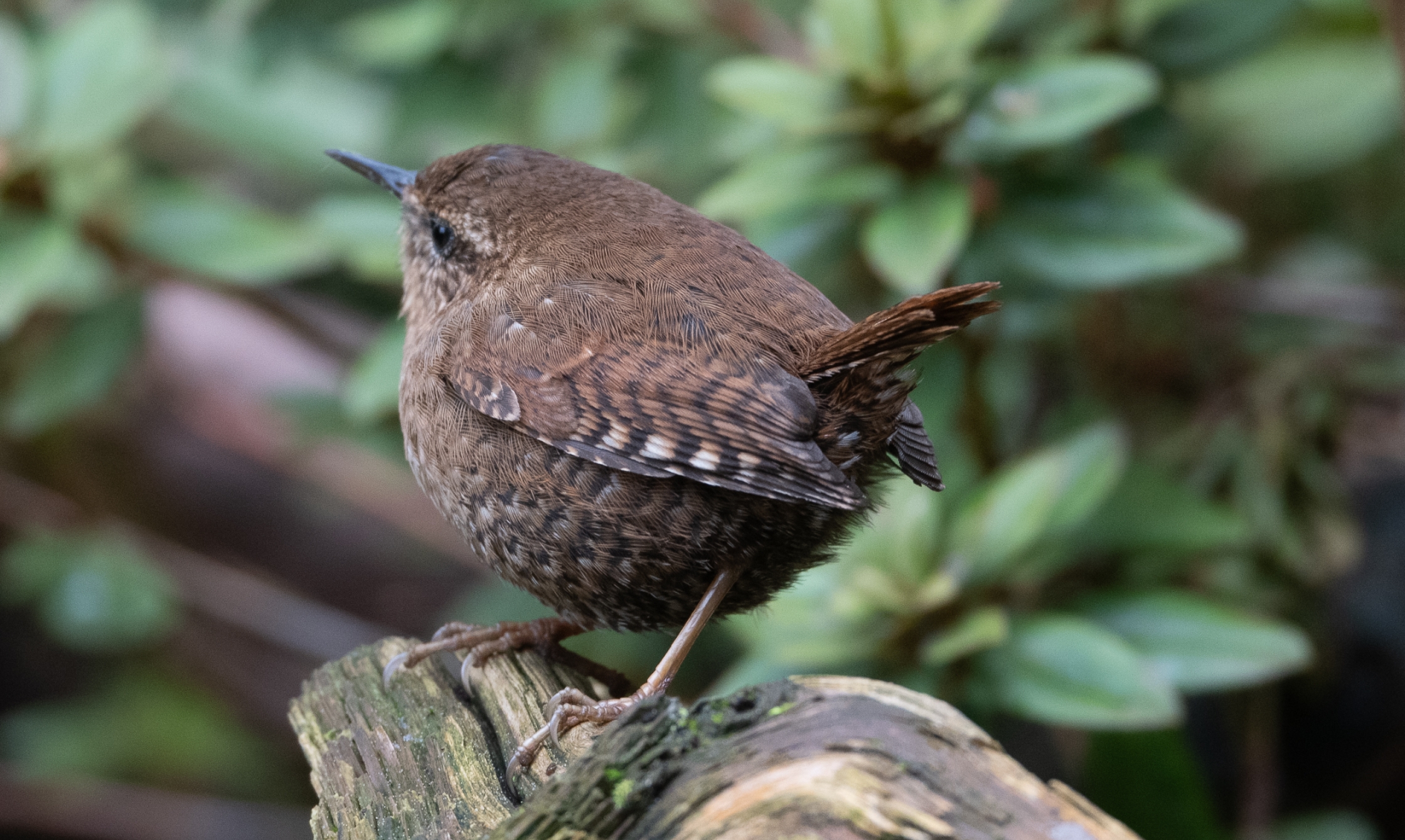
The second special visitor was a Pacific wren (formerly known as the Winter wren). This bird is a rare visitor to my yard and very difficult to photograph due to its propensity to remain in thick vegetation and its constant movement. I consider myself very lucky to have obtained photos of the bird! In the second photo you might note that the wren has found a nice-sized spider!