Spring!

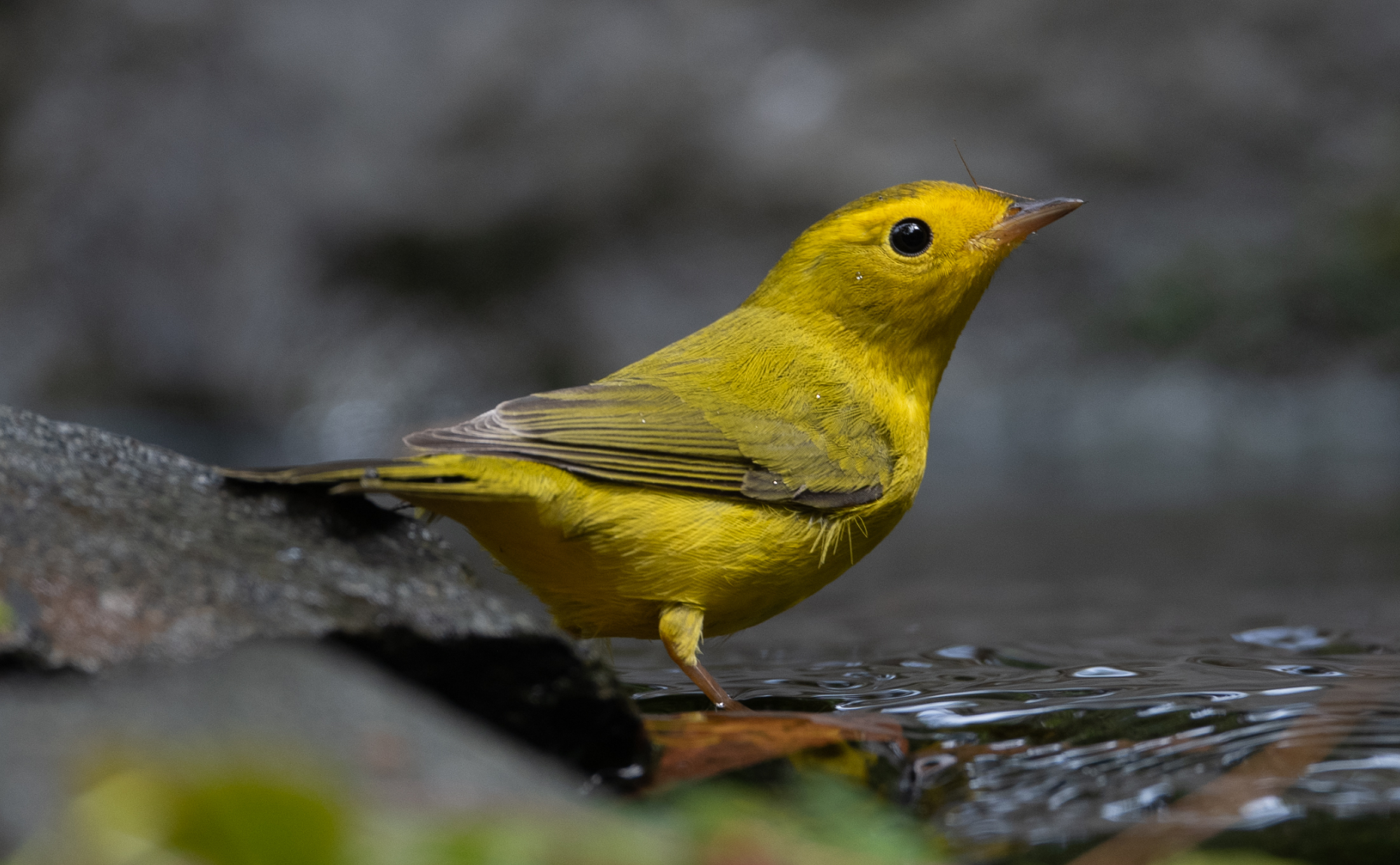
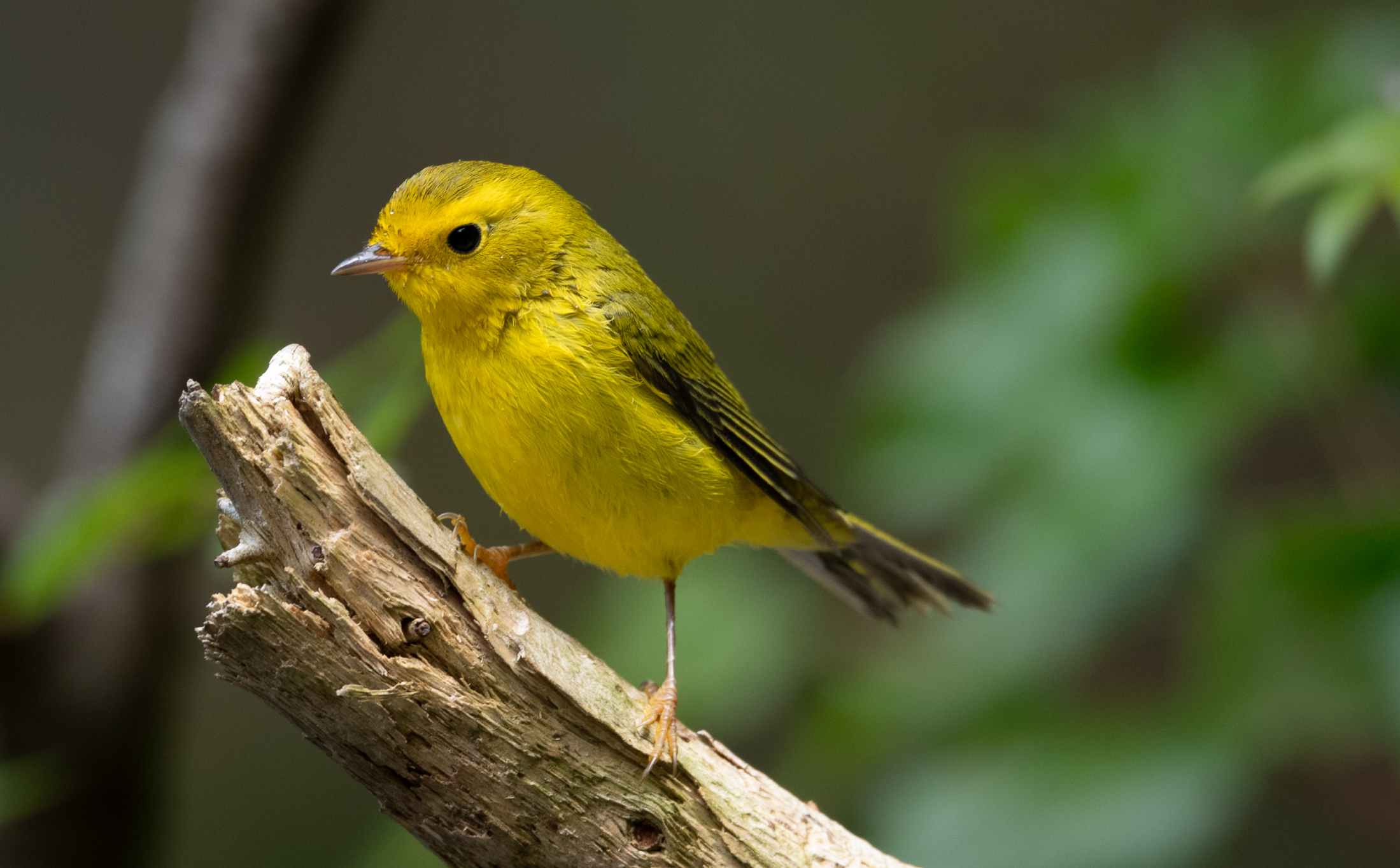
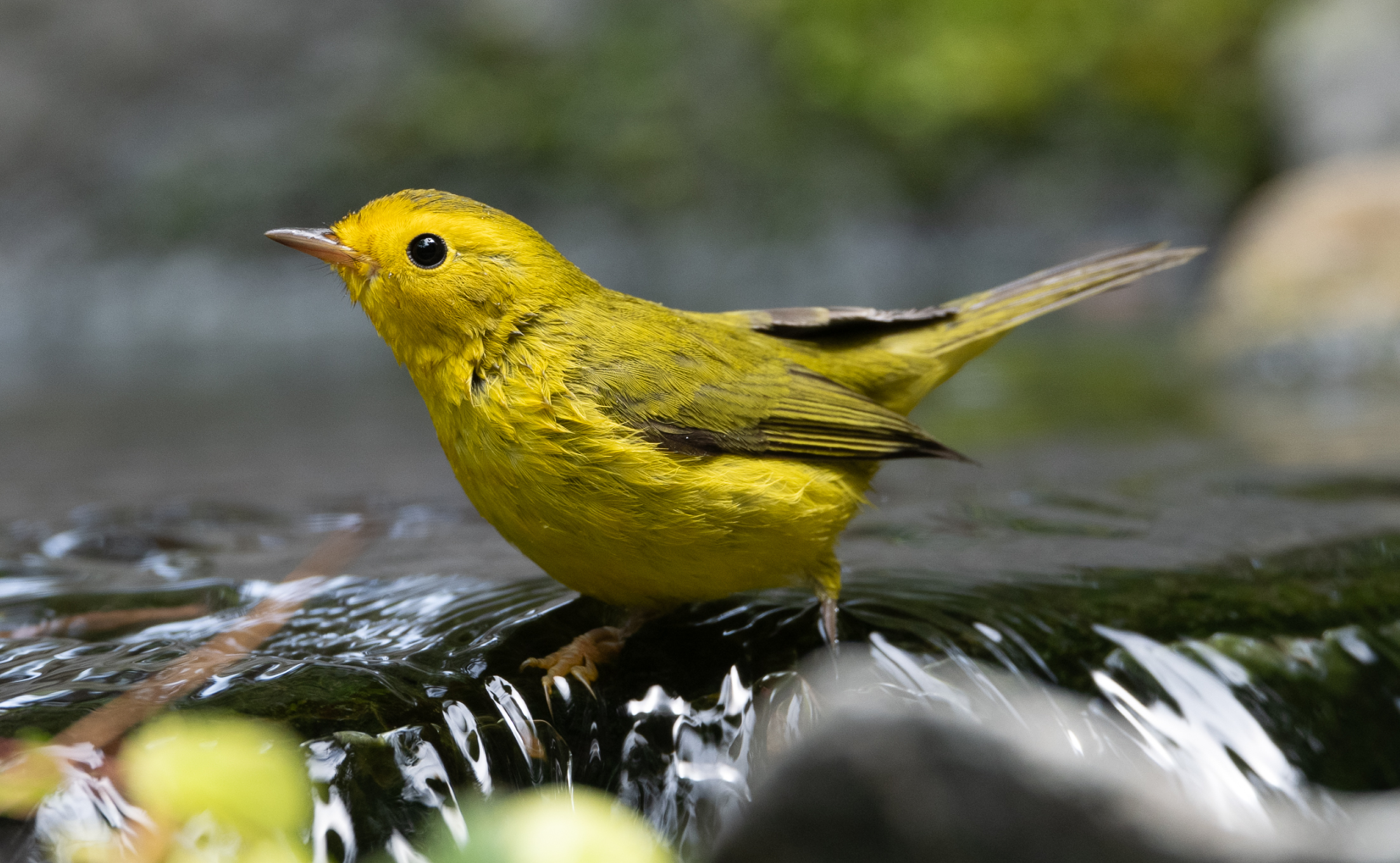
On March 21, 2026, the second official day of spring, we finally got our first break from about a week of rainy weather.  The day dawned bright and sunny and although we had clouds most of the day, we also had a lot of bright sunshine.  I hoped that the change in the weather would bring an early spring migrant, hopefully a warbler.  I set up in the yard shortly after noon and waited.  

One of the first things I noticed was a Bewick’s wren repeatedly entering one of my bird houses.  It seems early for nesting and I couldn’t see whether the bird was transporting nesting materials or food.  The wren seemed to linger in the house longer than I thought it would if building a nest and it seemed to keep canvassing the yard for food rather than nesting materials.  

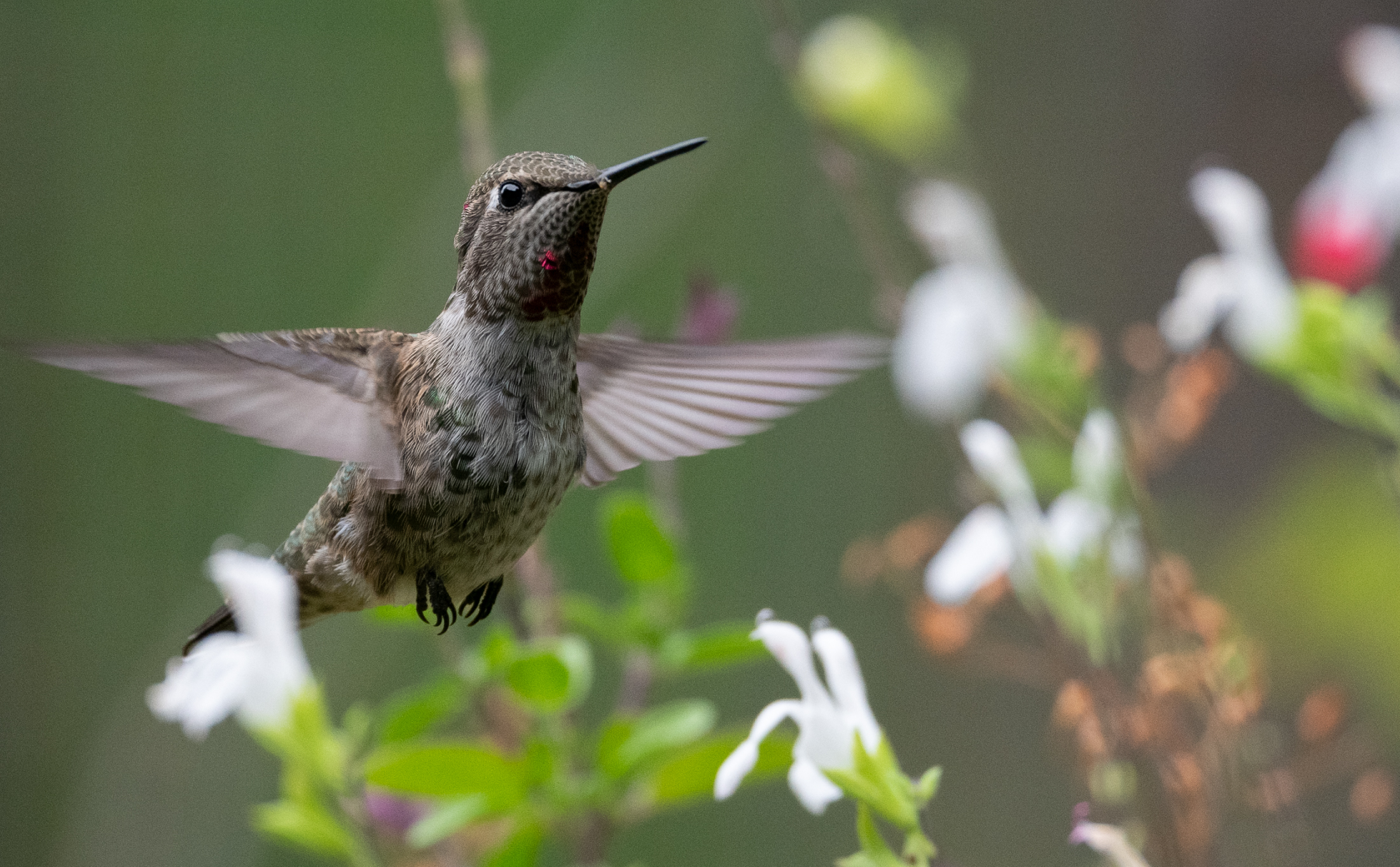
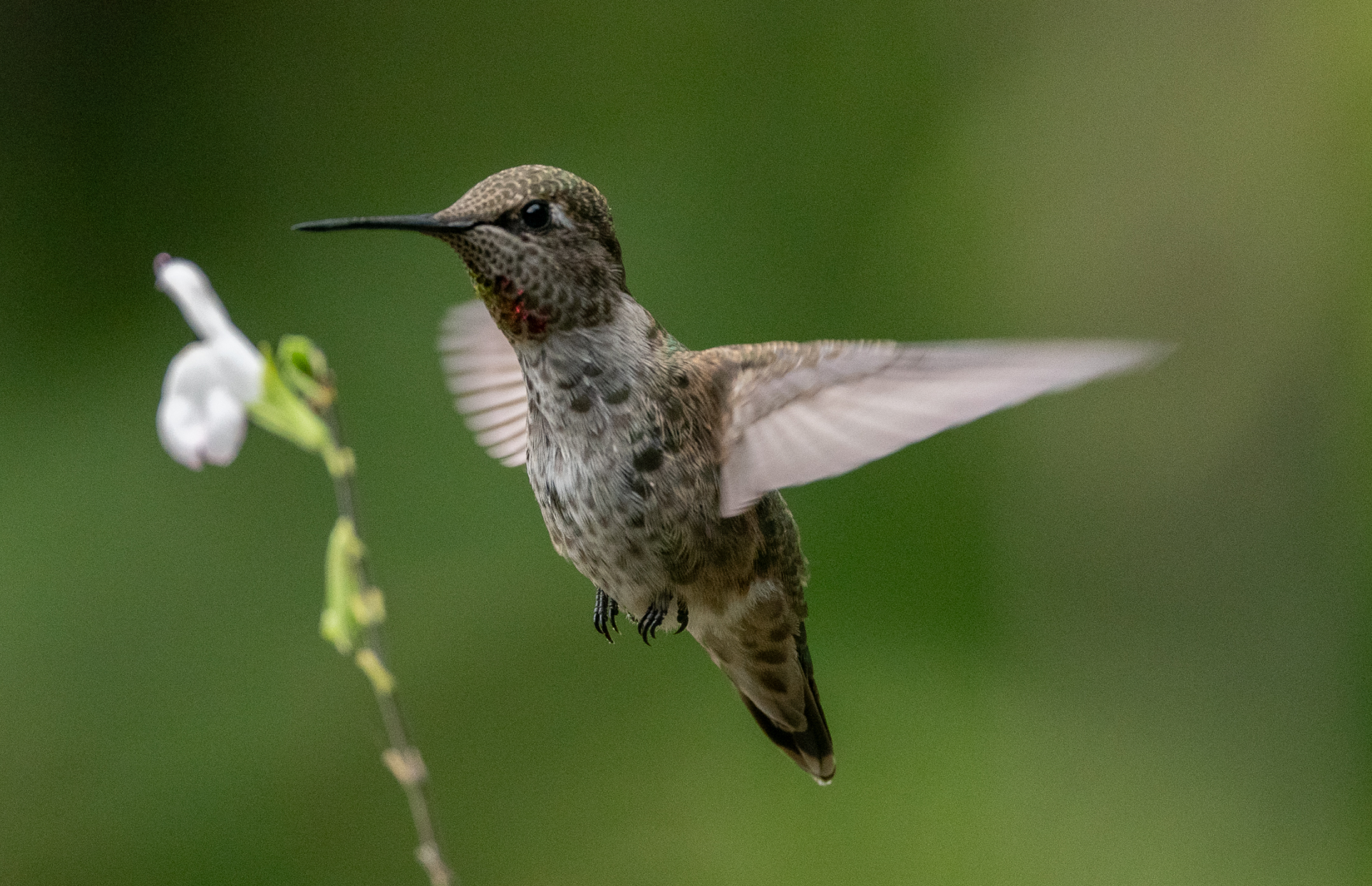
A female Anna’s hummingbird flew to the watercourse and took a rather leisurely bath.  I was cold sitting in the yard at 45 degrees… it made me feel even colder watching that hummingbird bathe!  

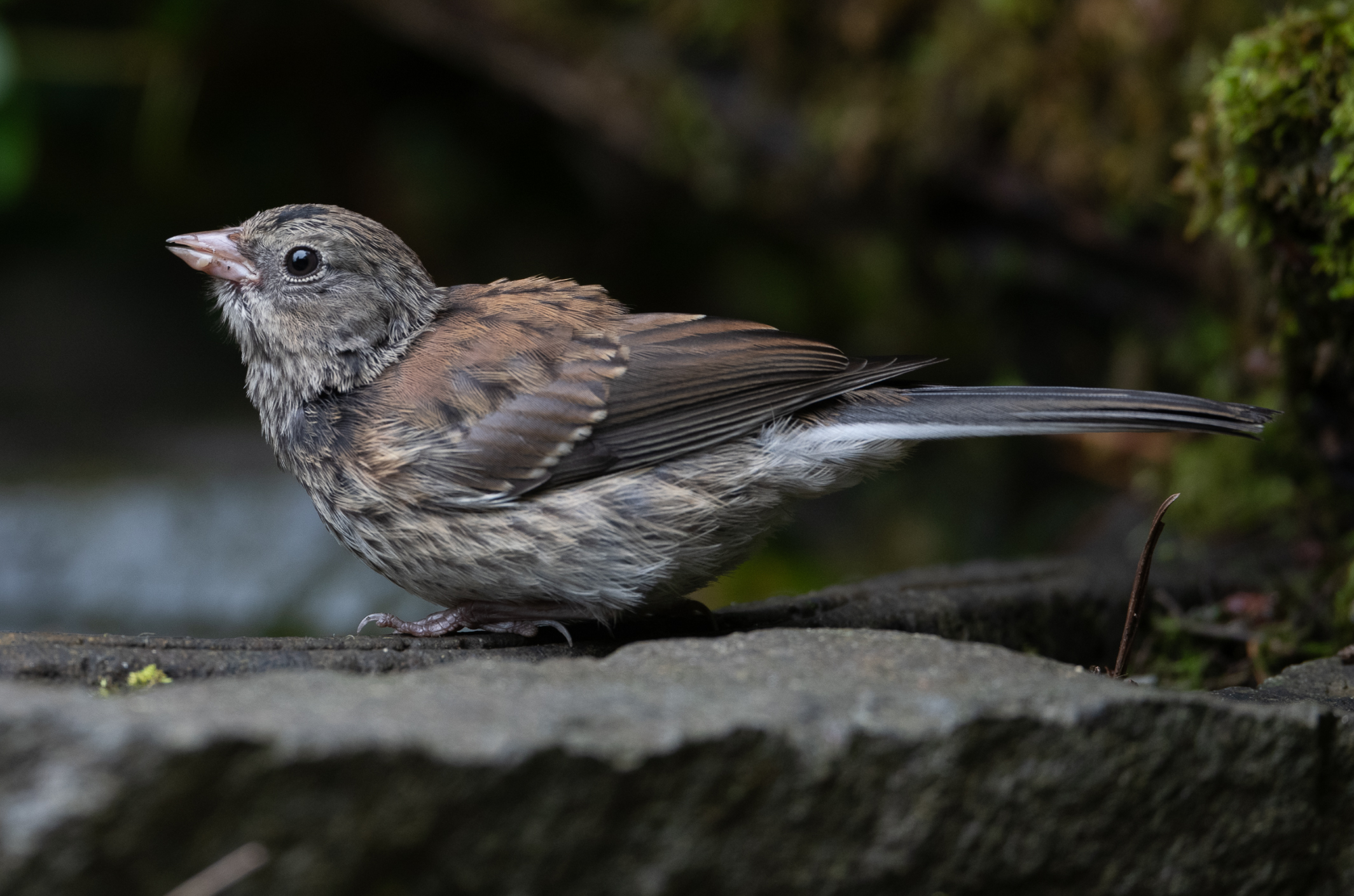
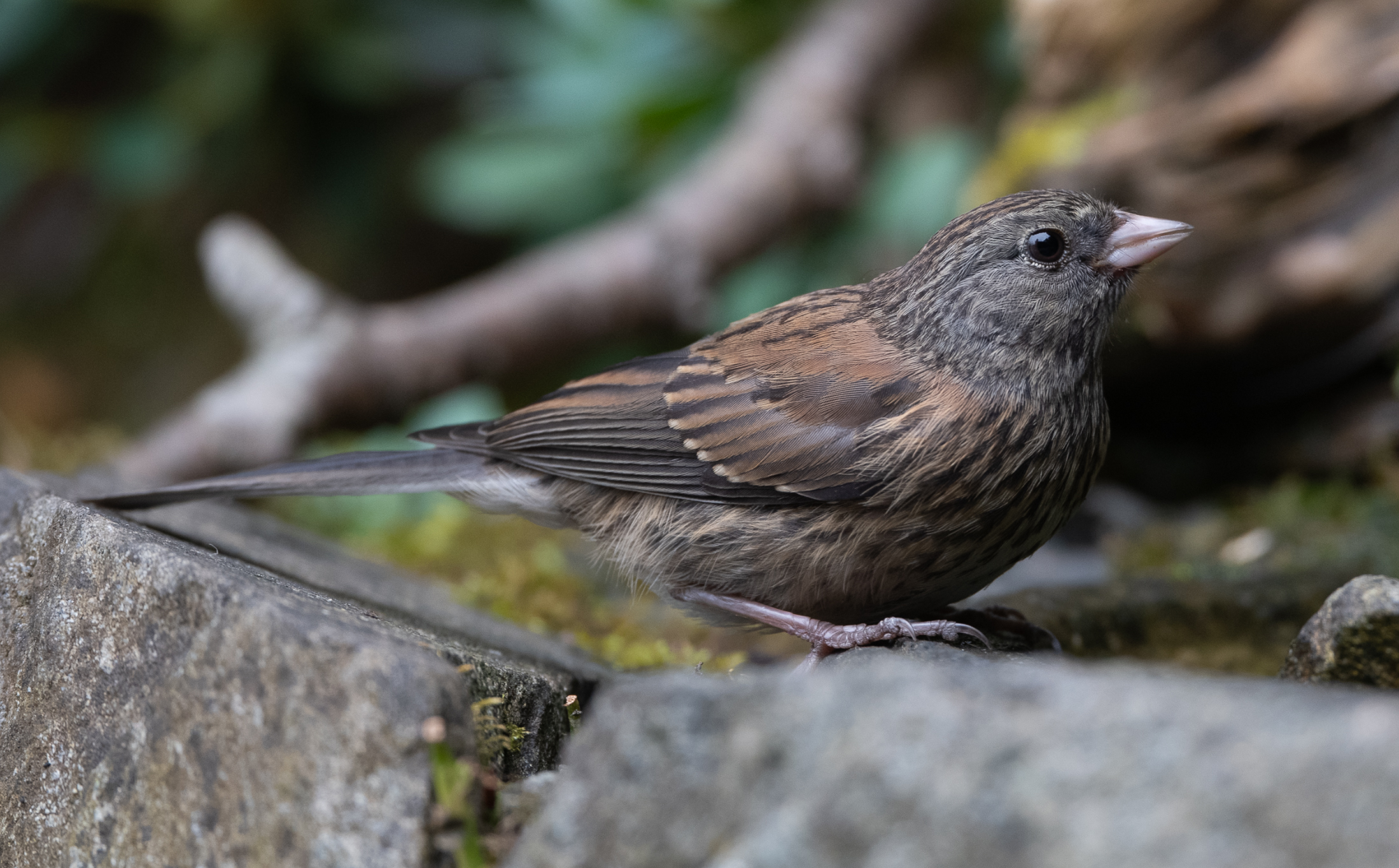
I next noticed what could be a slate-colored Dark-eyed junco in the yard and was able to obtain several photos of the bird.  After a some research I was at the same conclusion… the bird could be a Slate-colored junco.  I labeled my photos as such.  

Offering a break from the eye strain of birding, a Townsend’s chipmunk emerged from the pile of rocks that form the watercourse!  This was my first sighting since about late last summer!  I had two daily visitors last summer but they abruptly disappeared.  Within less than ten minutes the new visitor was sitting beside me storing peanuts in its cheeks, then scurrying off to store its find before returning for more.  

I took a nap midafternoon and when I woke I peered out the kitchen window to see what might be in the yard.  It wasn’t long before I saw a male American goldfinch, the first of the season, in the trees outside.  I again set up in the yard with my camera but as so often happens, the bird had disappeared. Although I waited quite some time it didn’t return.  

(As i’m writing this in my upstairs office I note a bright male Rufous hummingbird on the feeder below me.  This is the first male I’ve seen in several days.)  

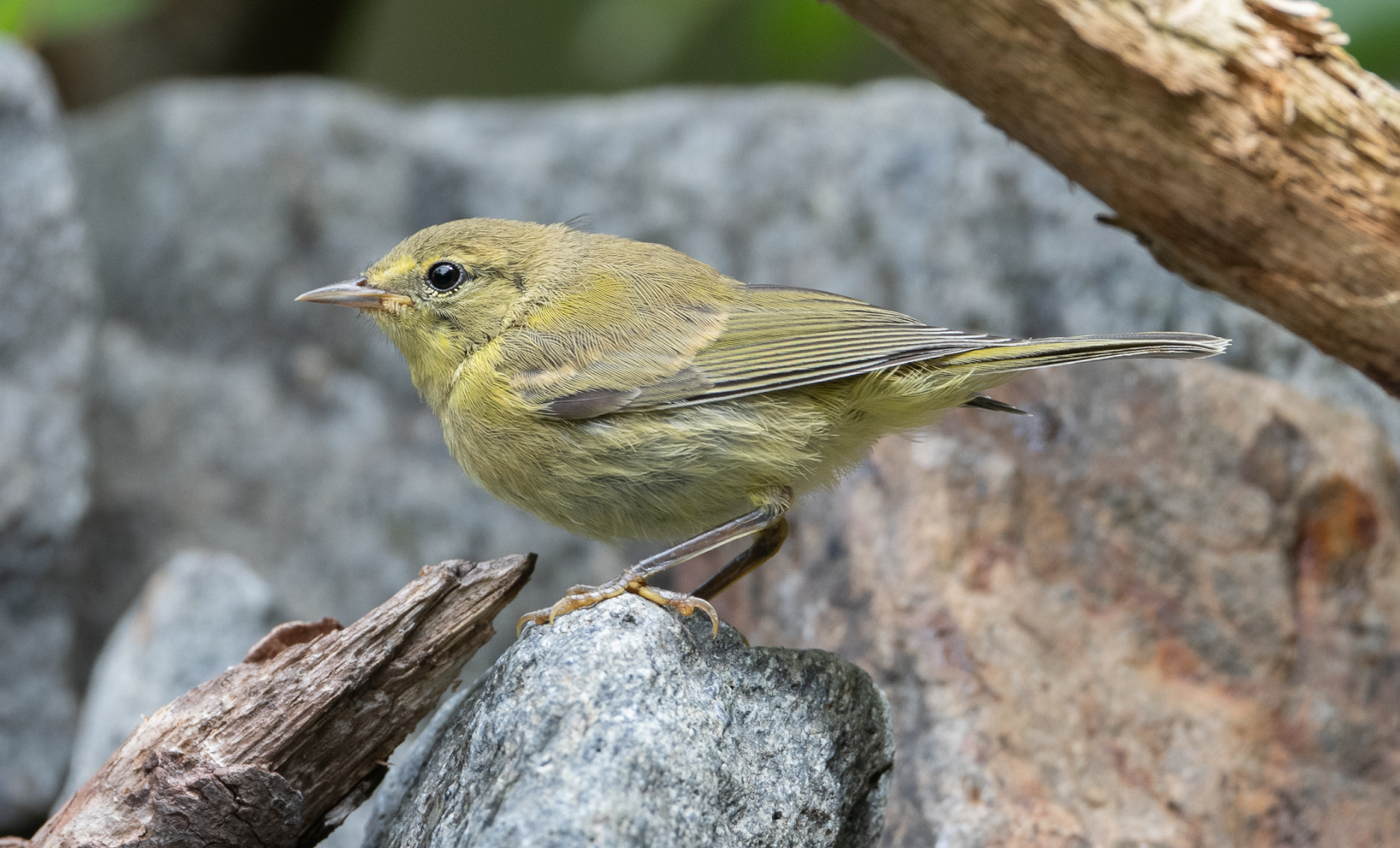
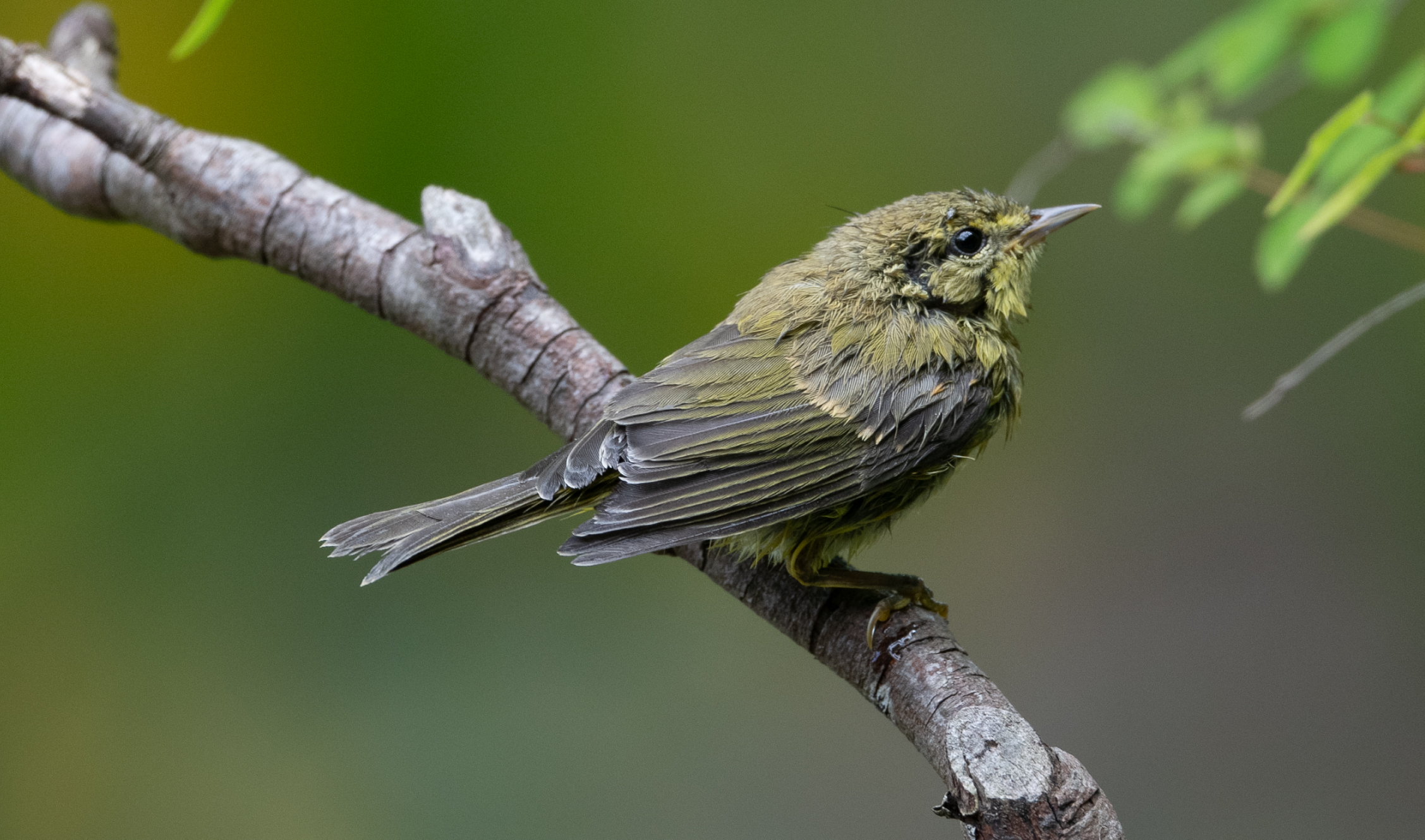
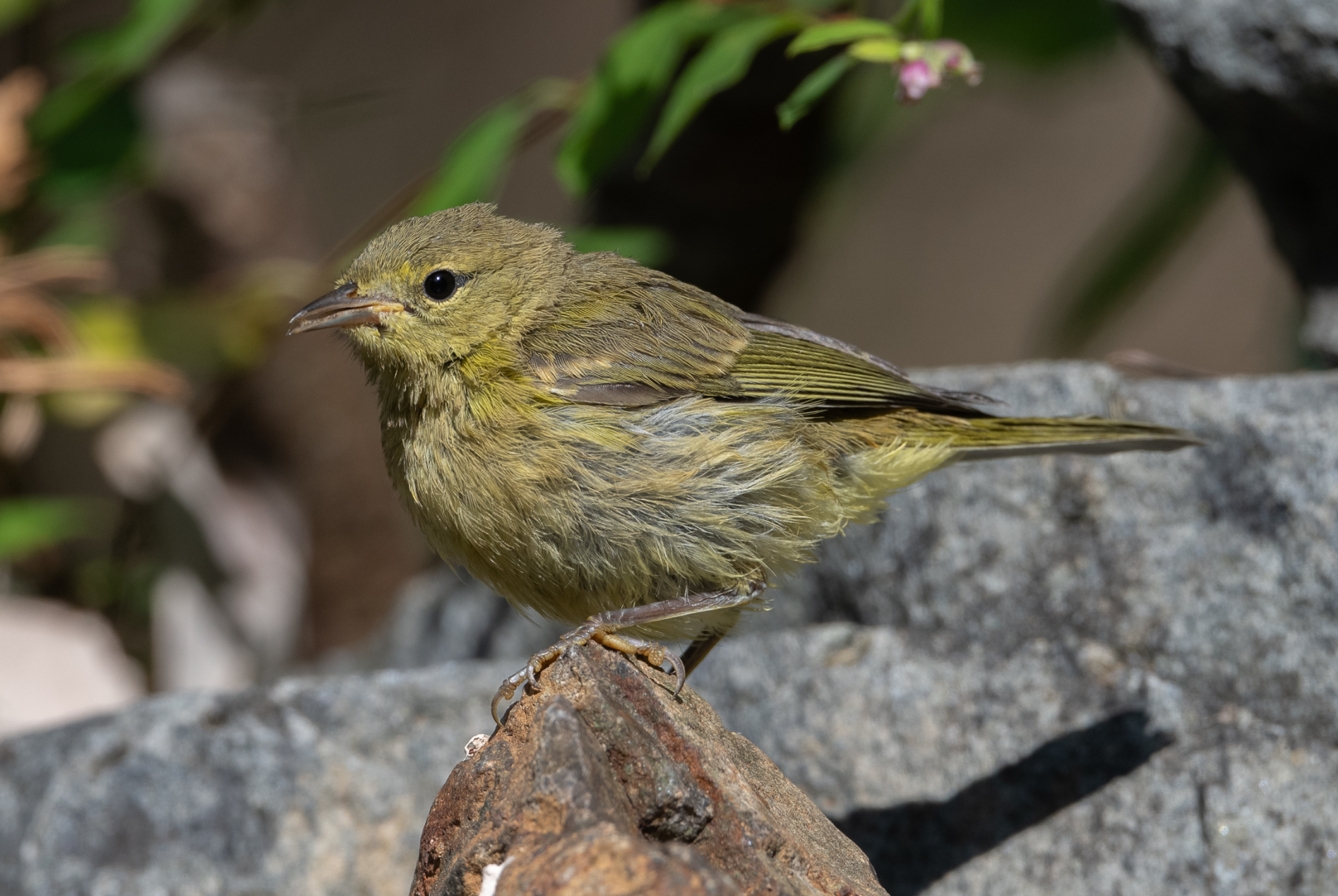
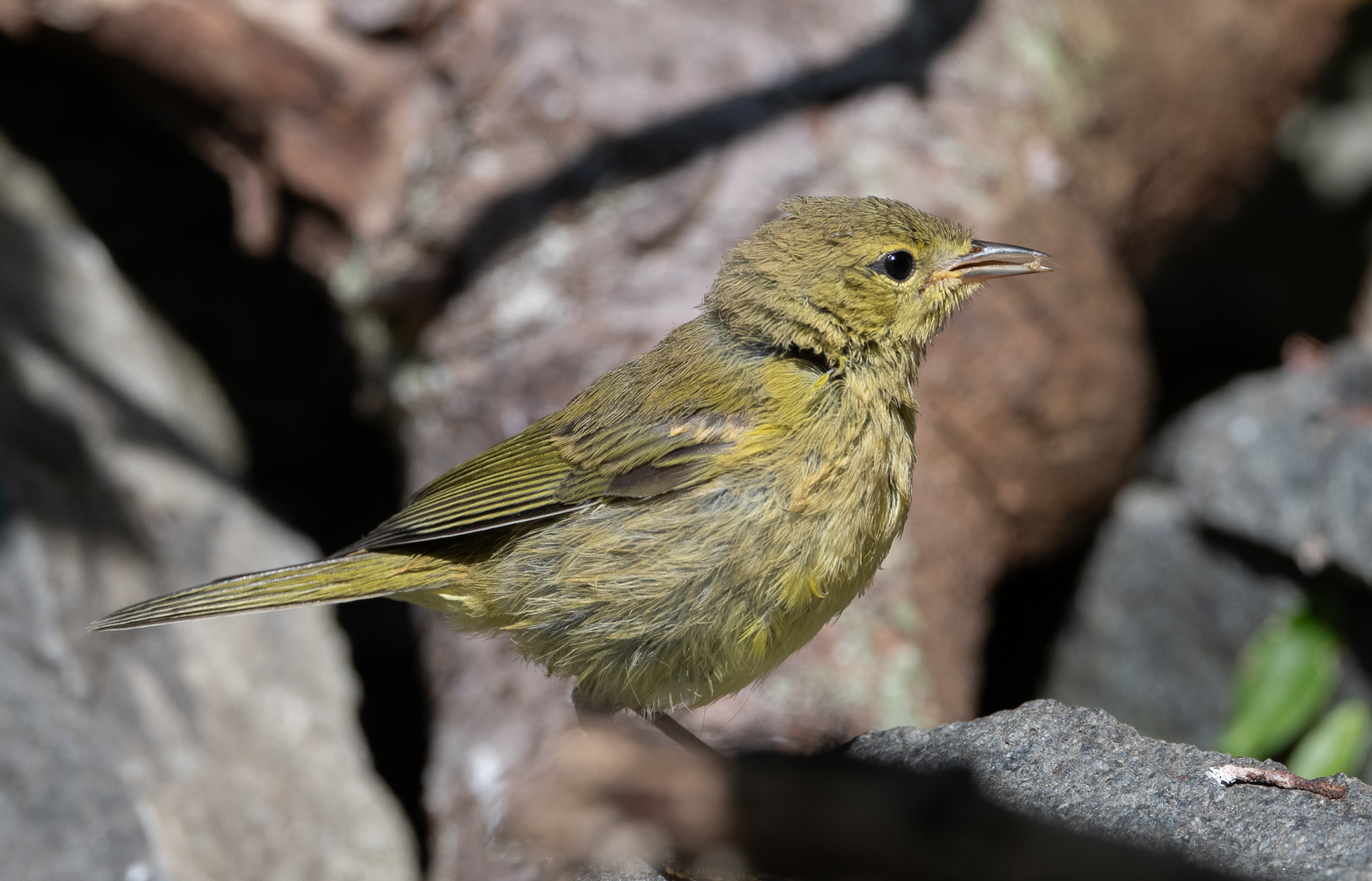
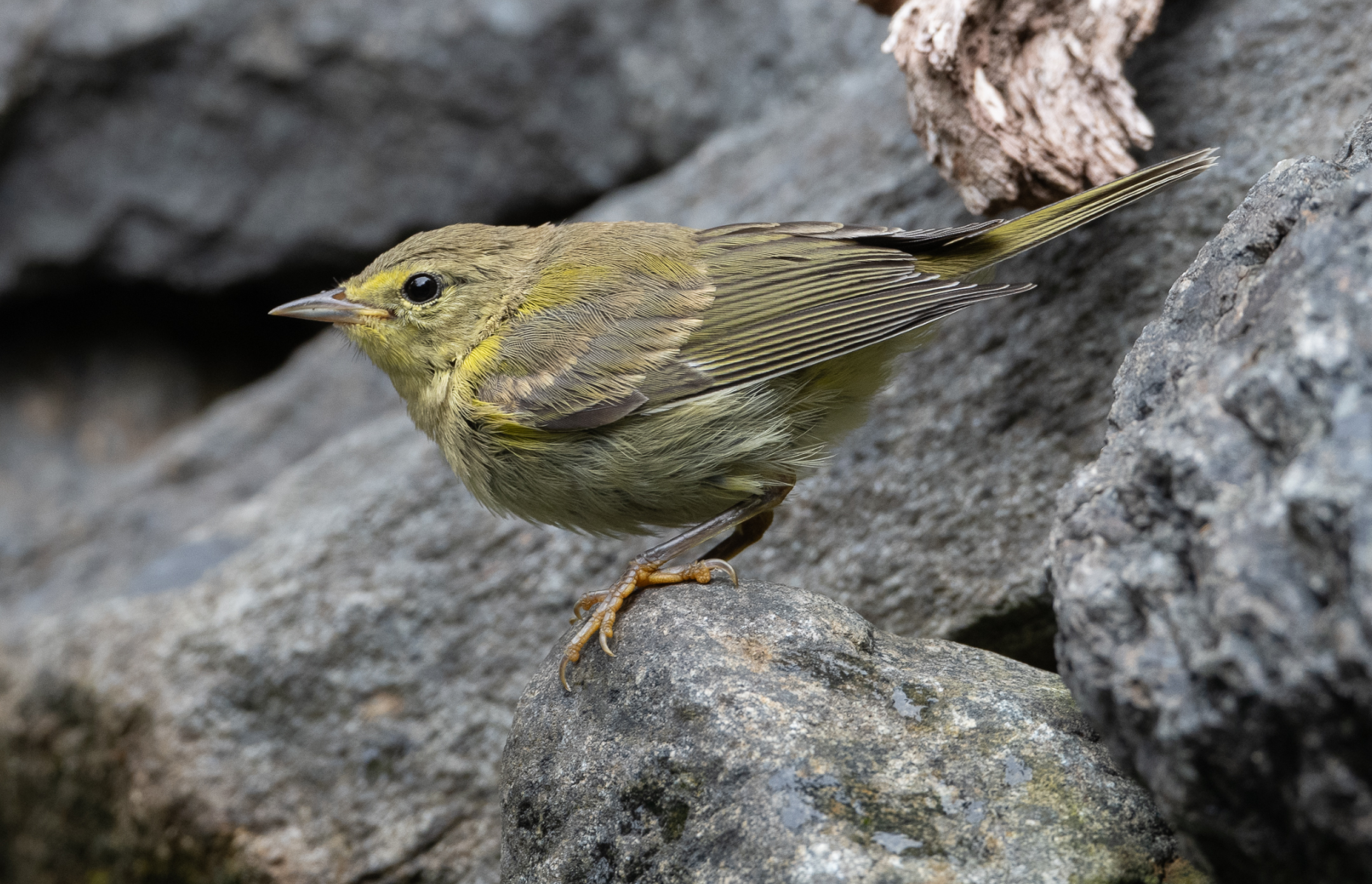
I finally had a visit from a warbler… the Orange-crowned warbler that has been frequenting the yard and feeders (!) all winter.  Unfortunately I don’t consider this one an incoming migrant.  

Finally, late in the afternoon I saw at least three Turkey vultures circling overhead, and at least two landed in the drooping top of a neighbor’s fir tree.  In short order they were driven from their potential roost by a pair of crows.   

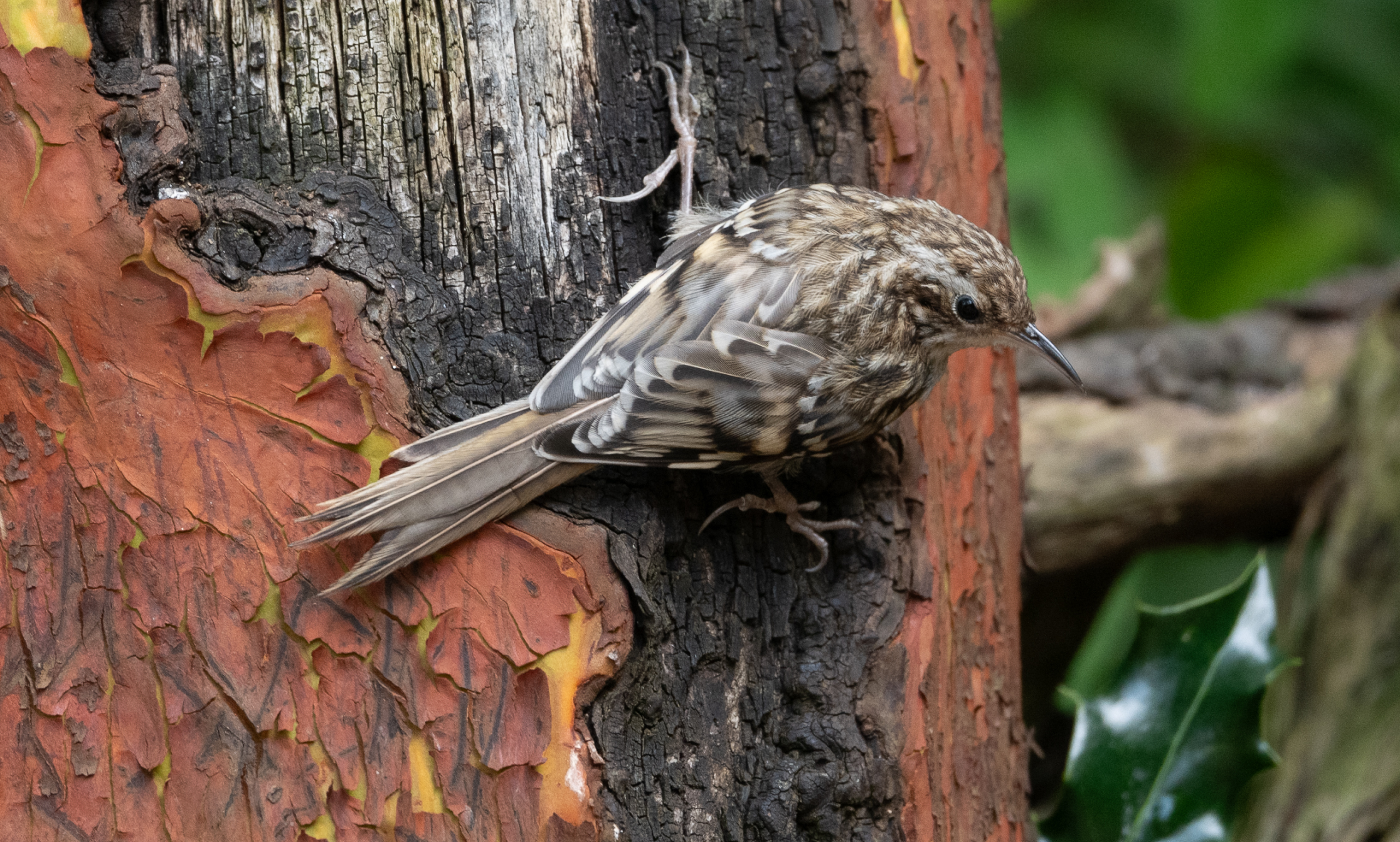
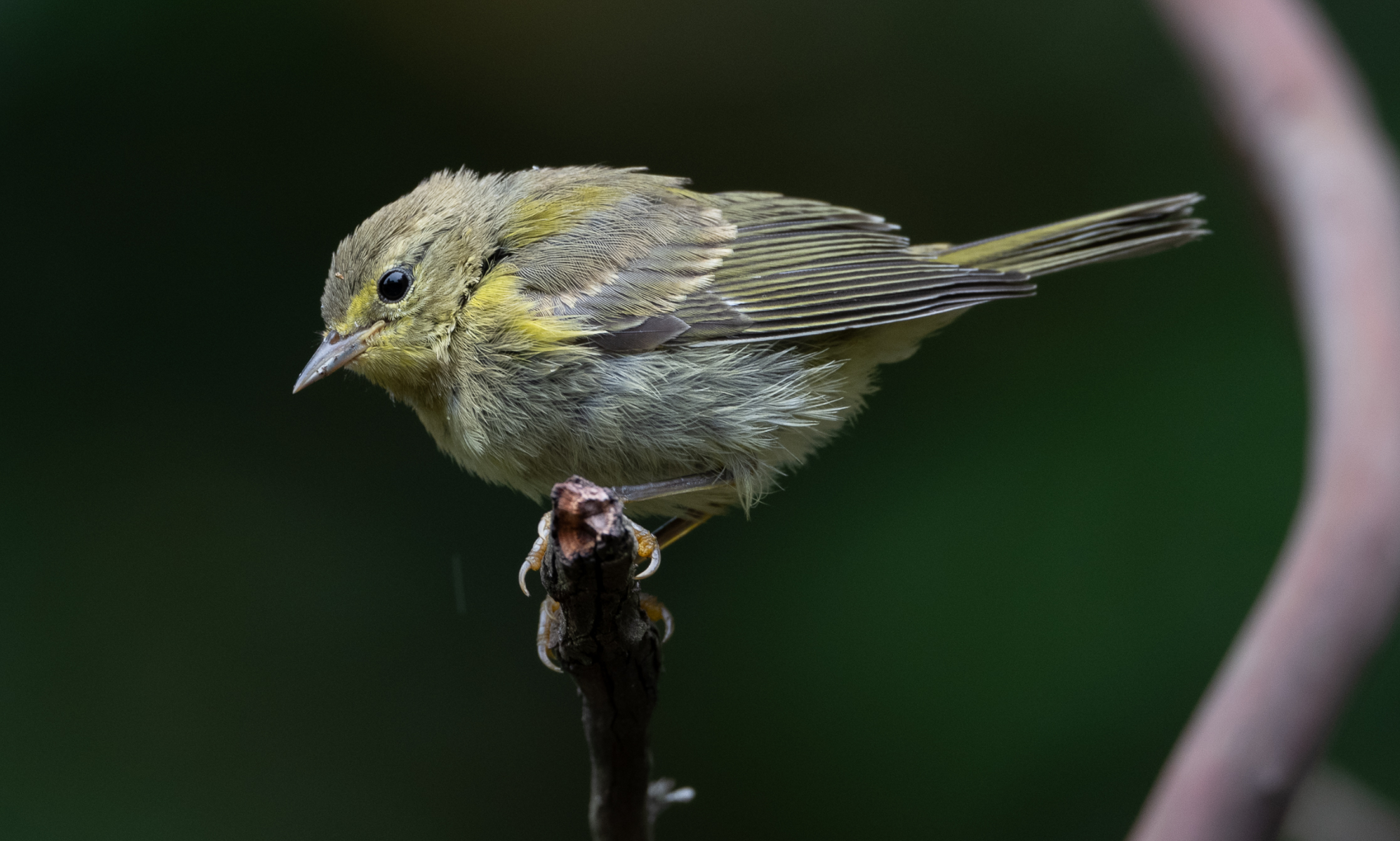
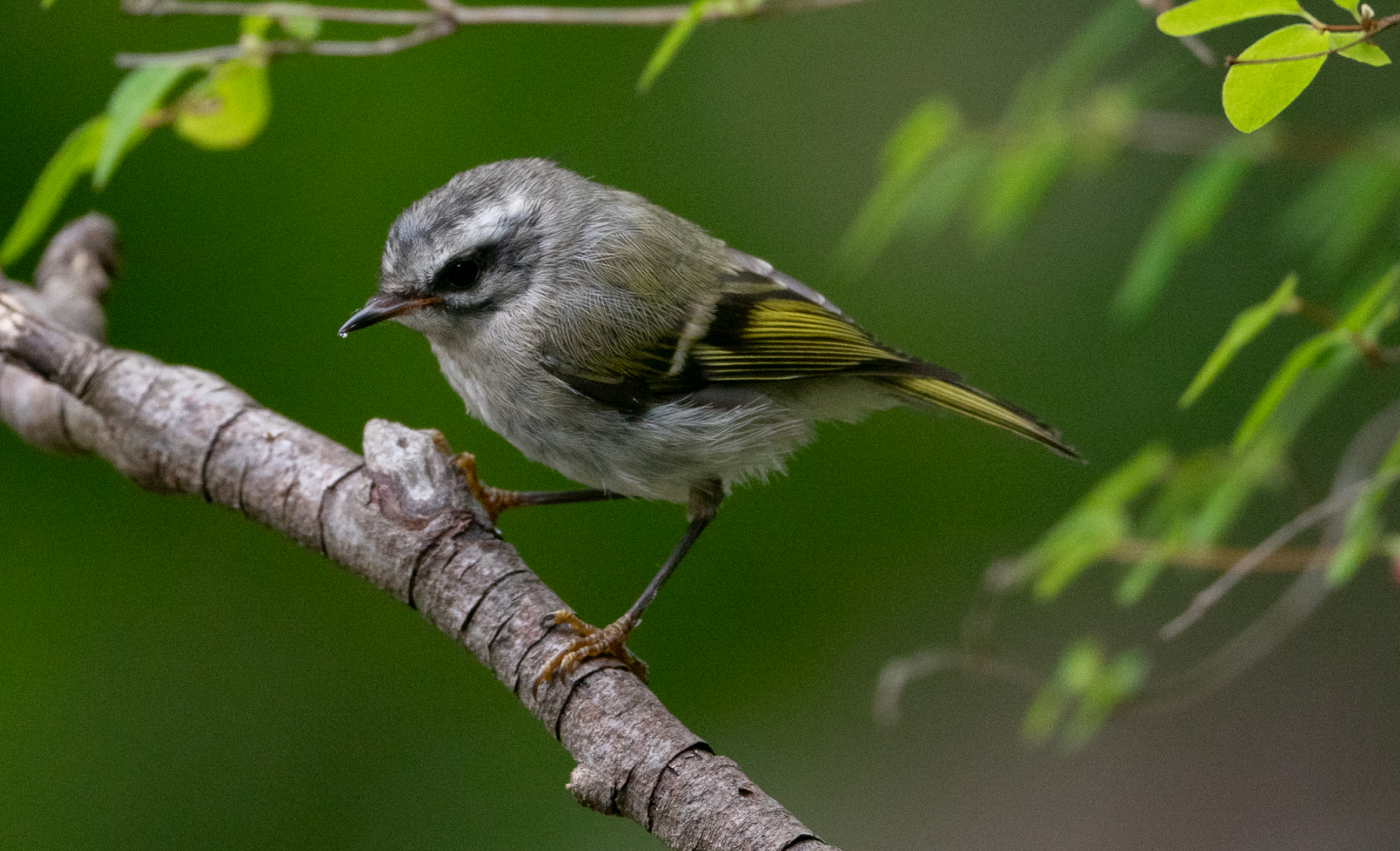
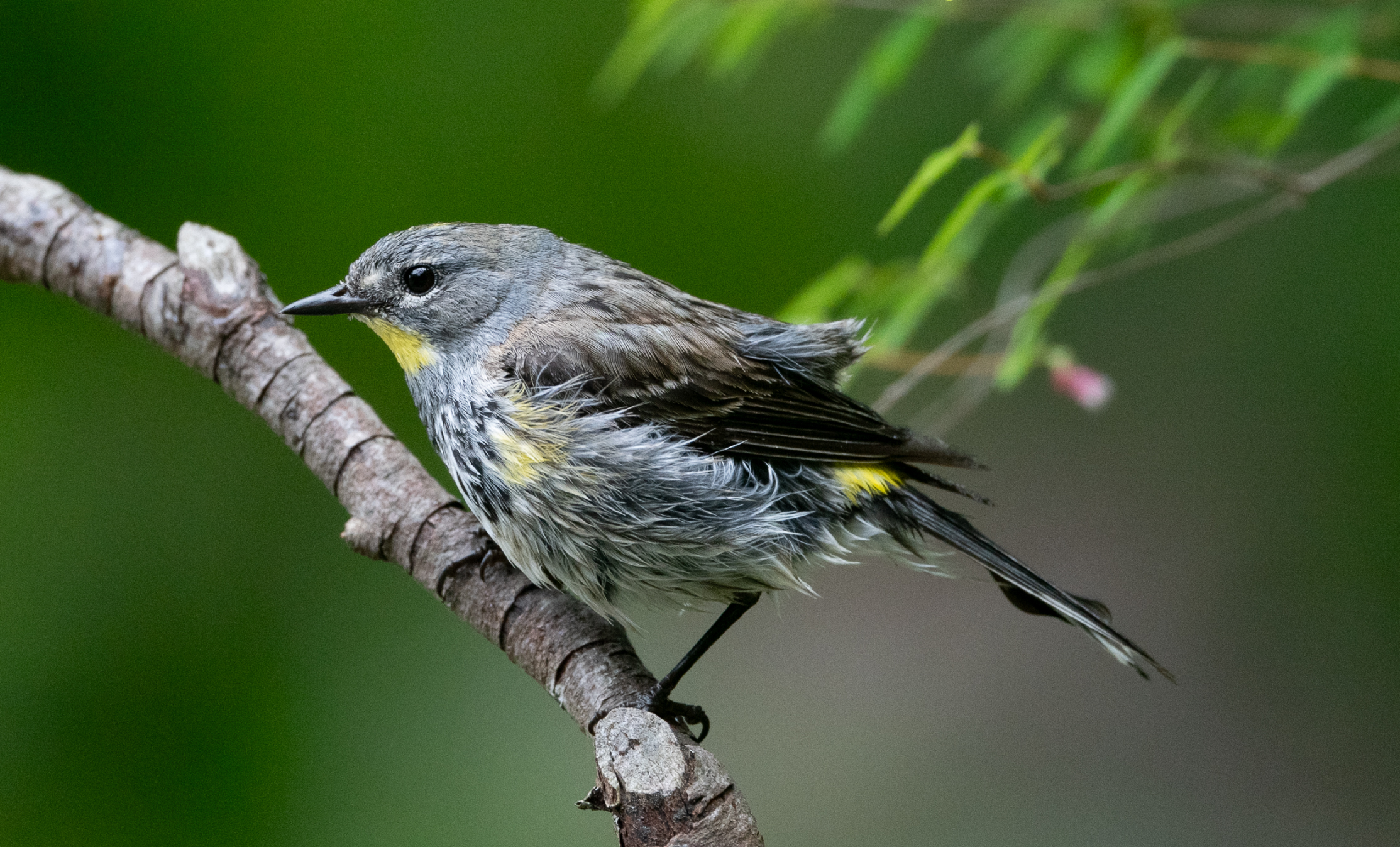
My thought for the day… When you’re awaiting spring warblers, every bird in the bush looks yellow!  

Bath Time!

On March 20, 2026, I spent time in the yard doing… what else? Photographing birds!

Im constantly amazed that birds want to enter water features and bathe in water that can’t be above 45 degrees! And it often doesn’t involve just standing in the water and getting a drink, it often involves fluffing feathers to the extent that skin is exposed to the water! The bird then resumes activities with wet feathers!

Here are a few of the intrepid bathers in the water features on this day.

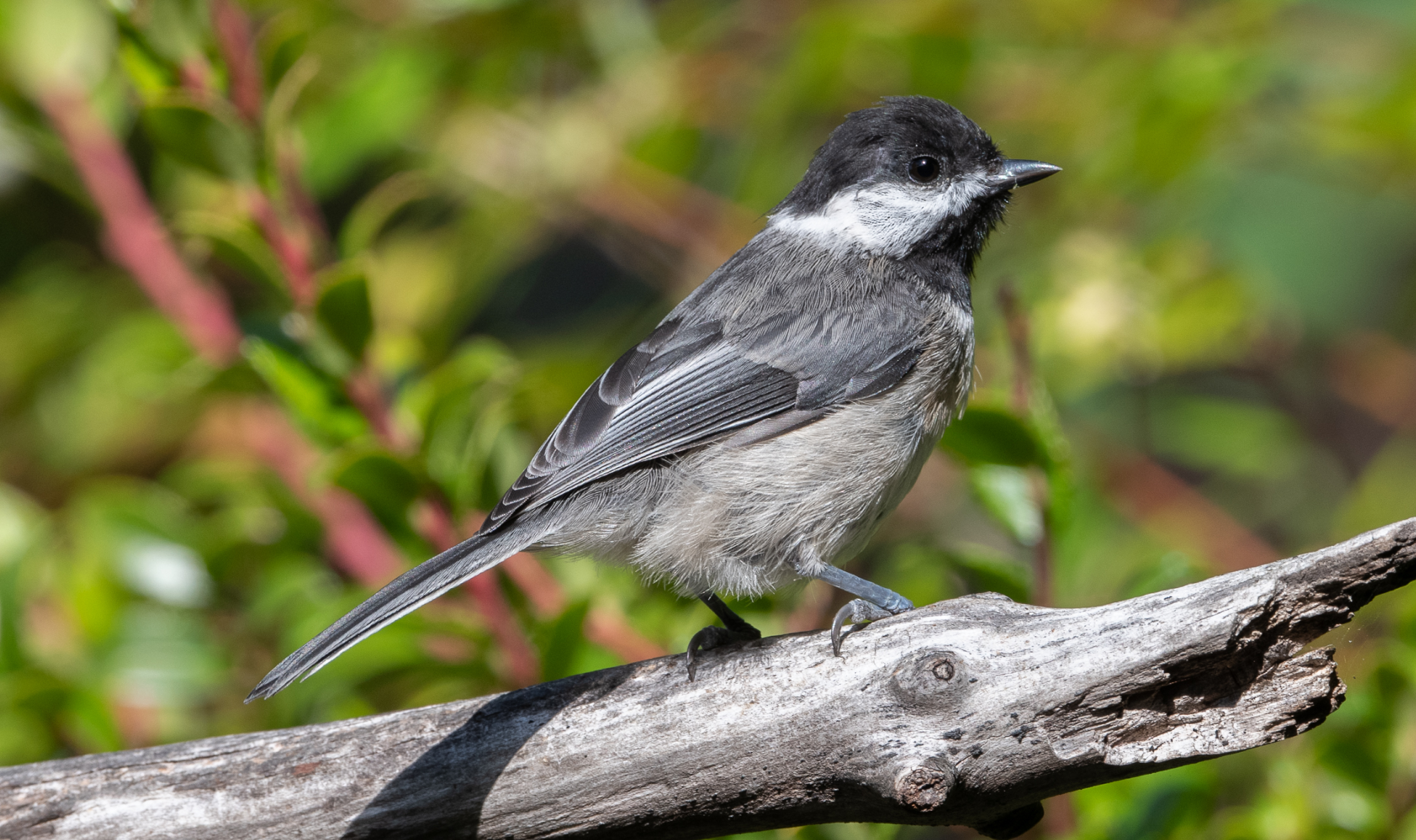
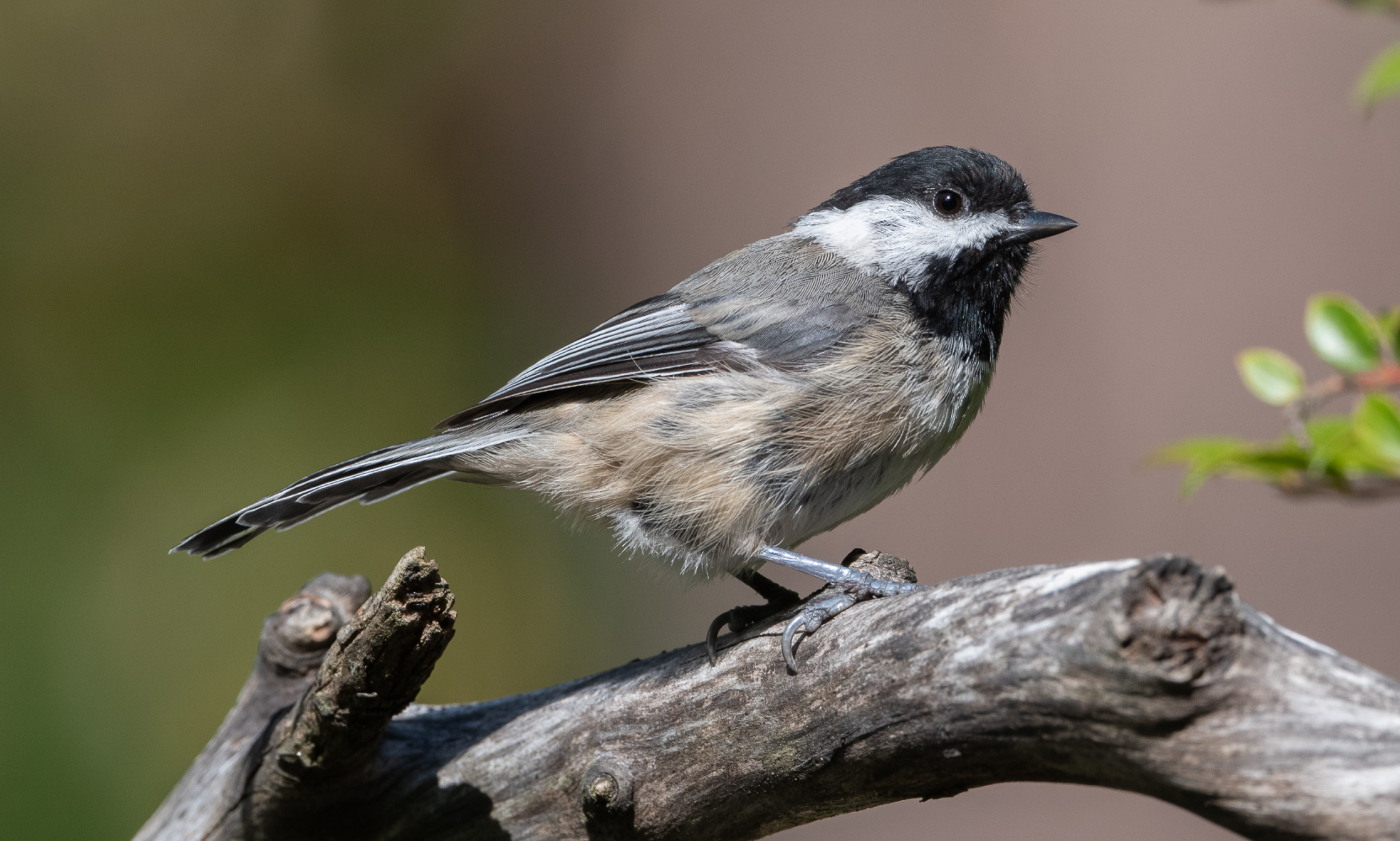
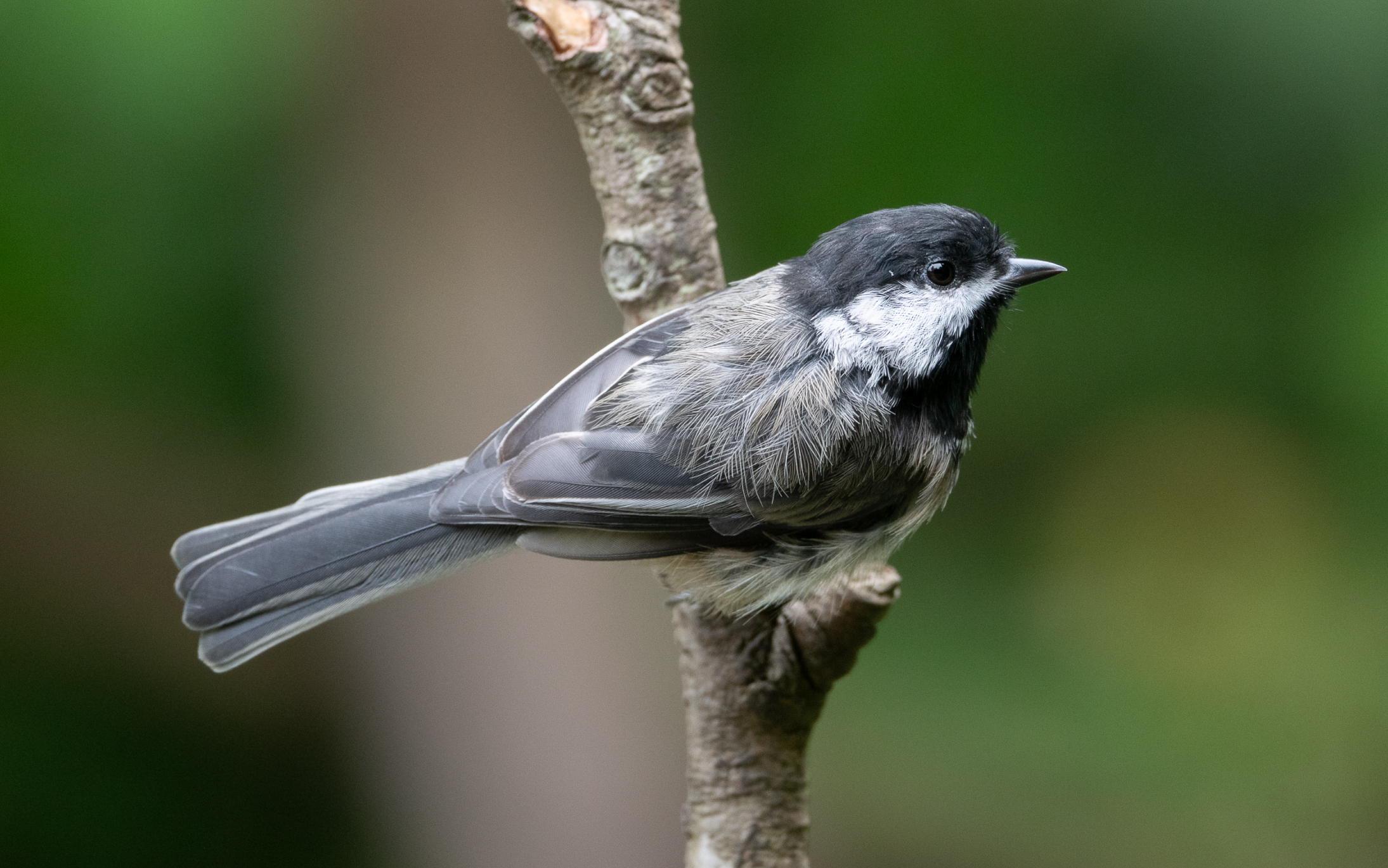
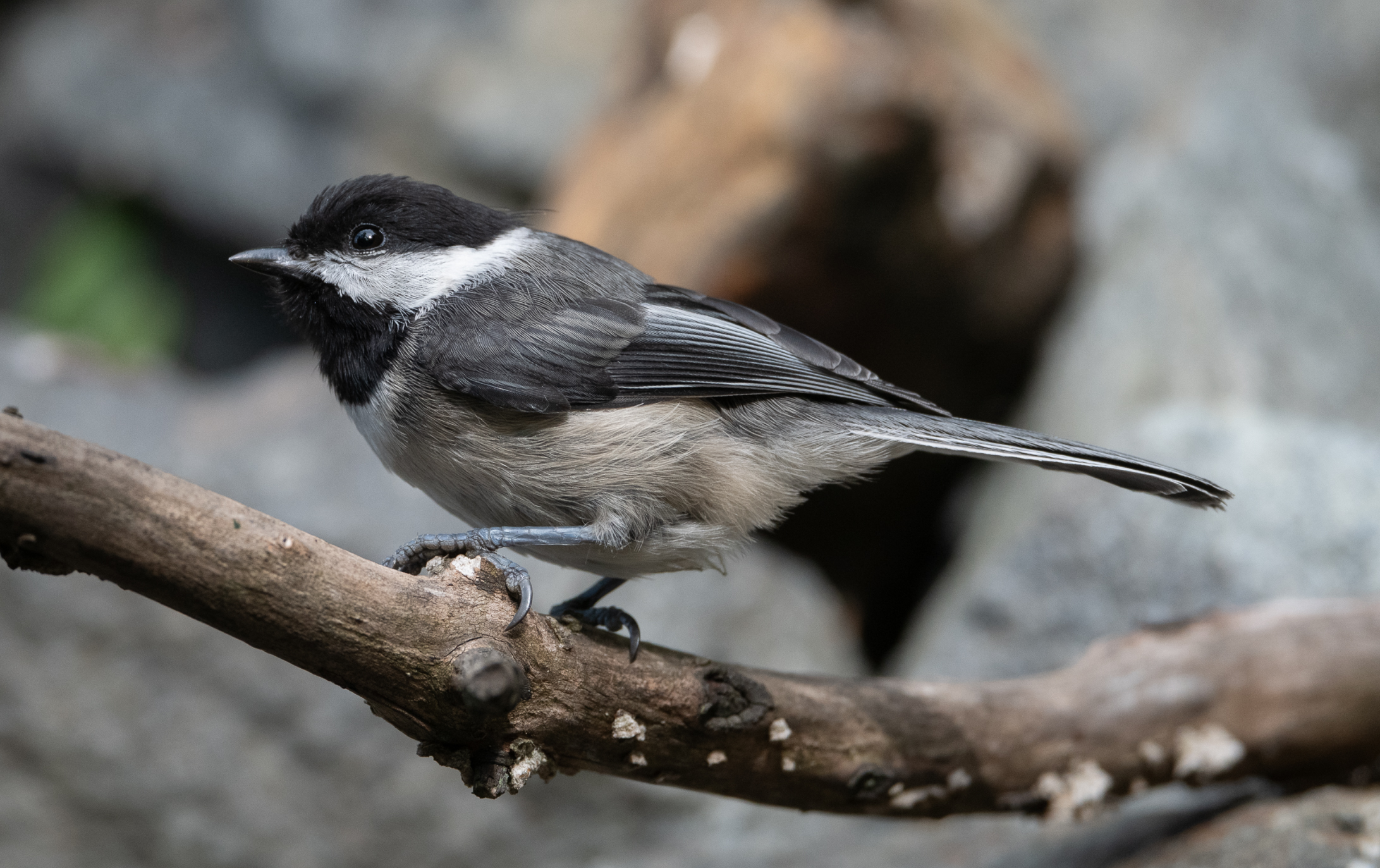
Black-capped chickadee
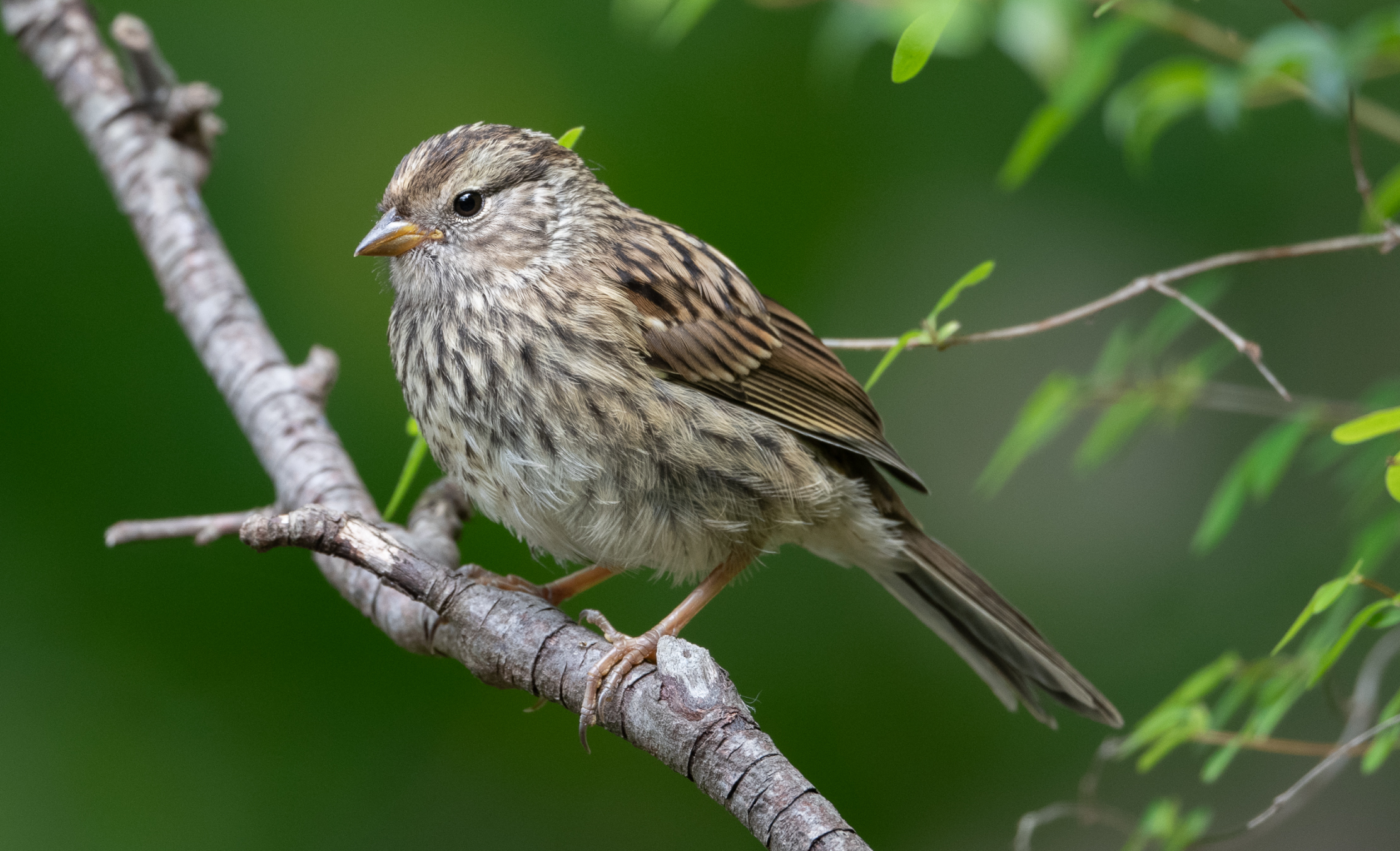
Golden-crowned sparrow
Fox sparrow
Fox sparrow

As long as I’m on the subject of water feature users, I photographed these Pacific Tree frogs in their efforts to increase their population! (I thought being cold-blooded and immersion in cold water was supposed to reduce activity!)

March 17, 2026 – Mergansers!

The inclement weather (wind and rain, but a temperature in the low 50s) extended my  opportunity for some good bird photos. I returned to March Point in hopes of again finding the Long-tailed duck I had photographed March 15, but it had apparently moved on. 

However I did find a small flock of female Common mergansers camped on the beach, probably the first I had ever seen out of the water. They provided an opportunity for some excellent photographs. 

I also photographed male and female Common goldeneyes, but they weren’t acting like they were paired. 

This gull that had found a small crab and was busily devouring it. 

After returning from my excursion I still had daylight left so I set up in the yard in hopes of getting photos of Rufous hummingbirds. The only hummingbirds I saw were Anna’s and I wasn’t able to photograph any of them. 

I did photograph a Bewick’s wren that spent considerable time in the yard. 

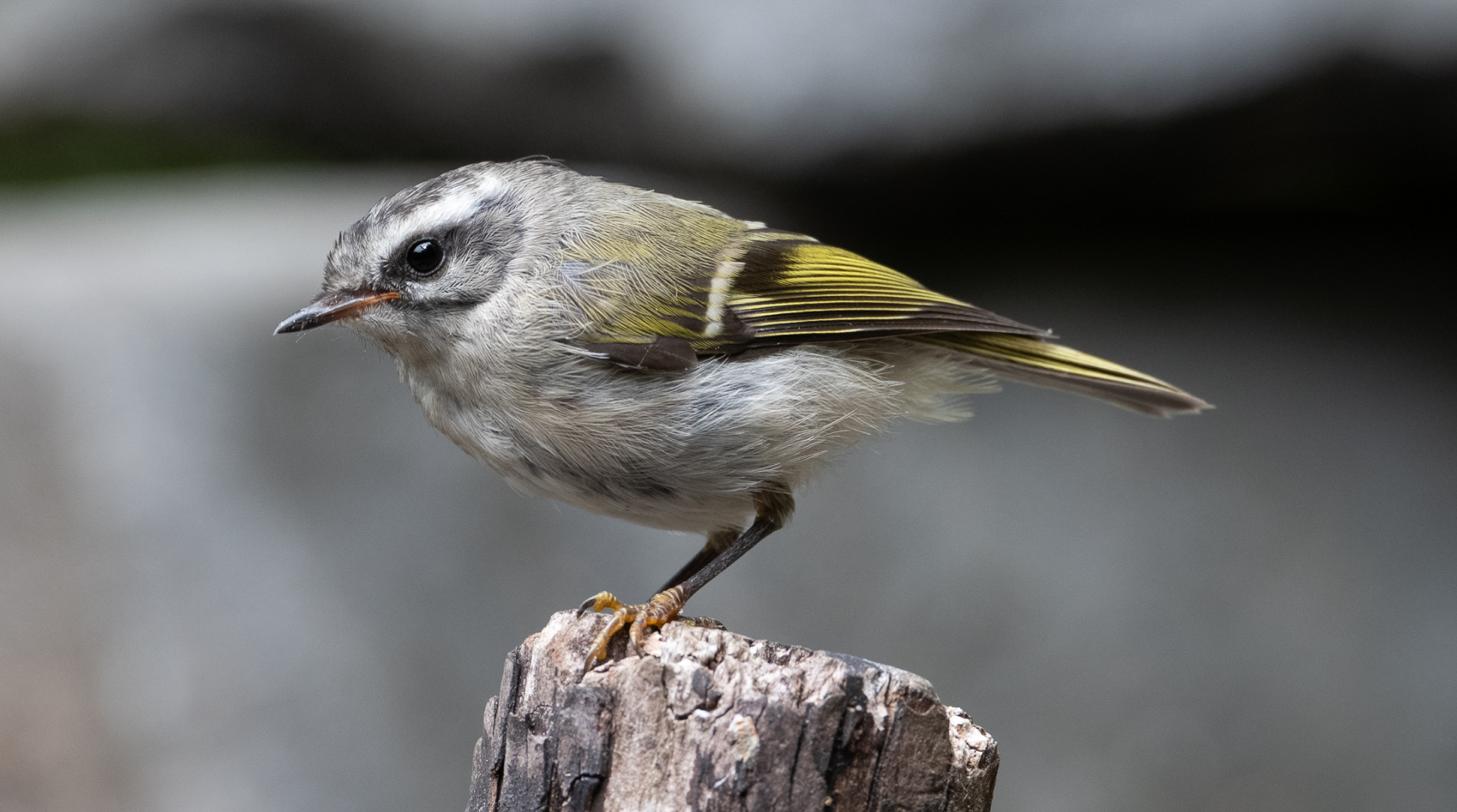
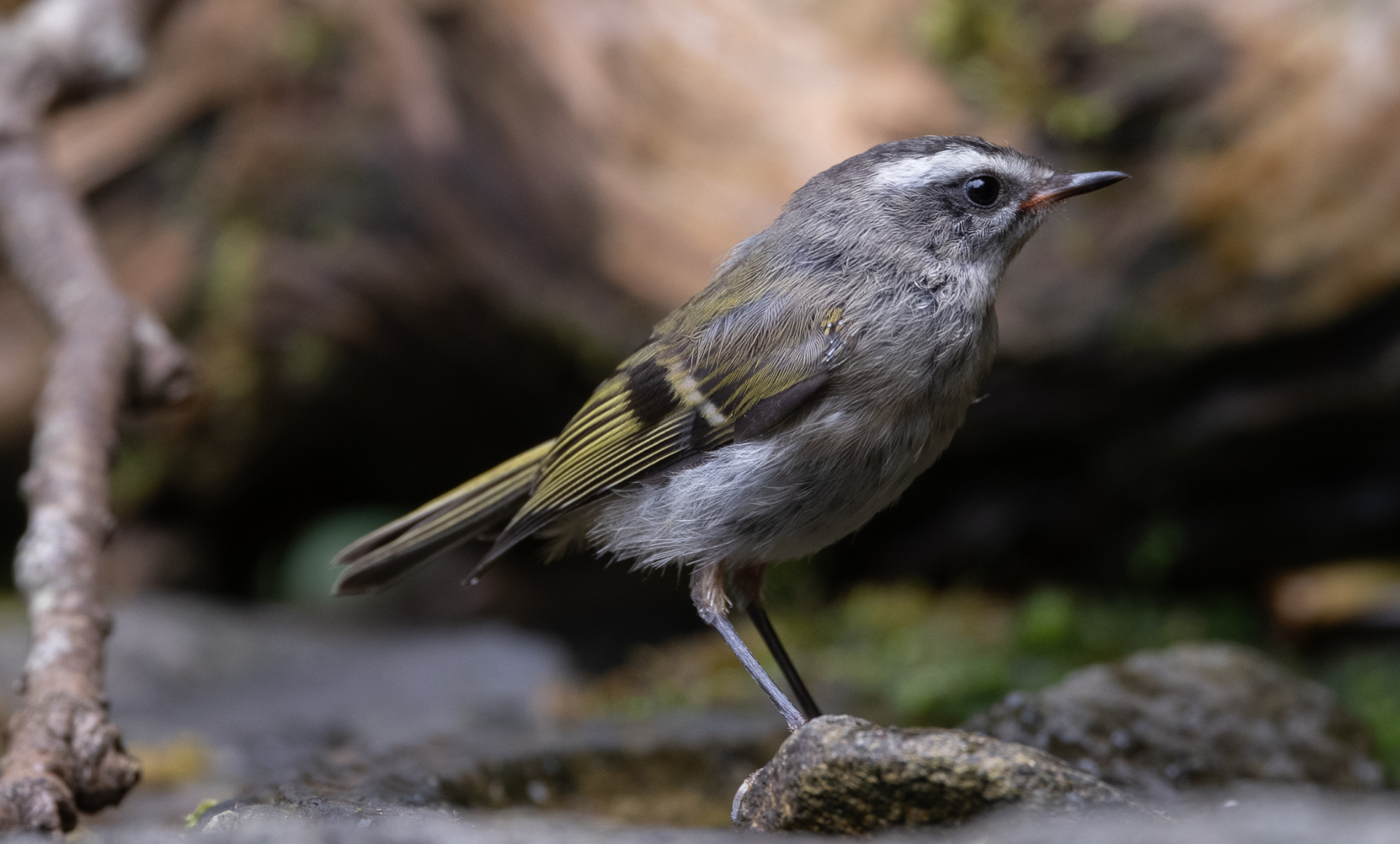
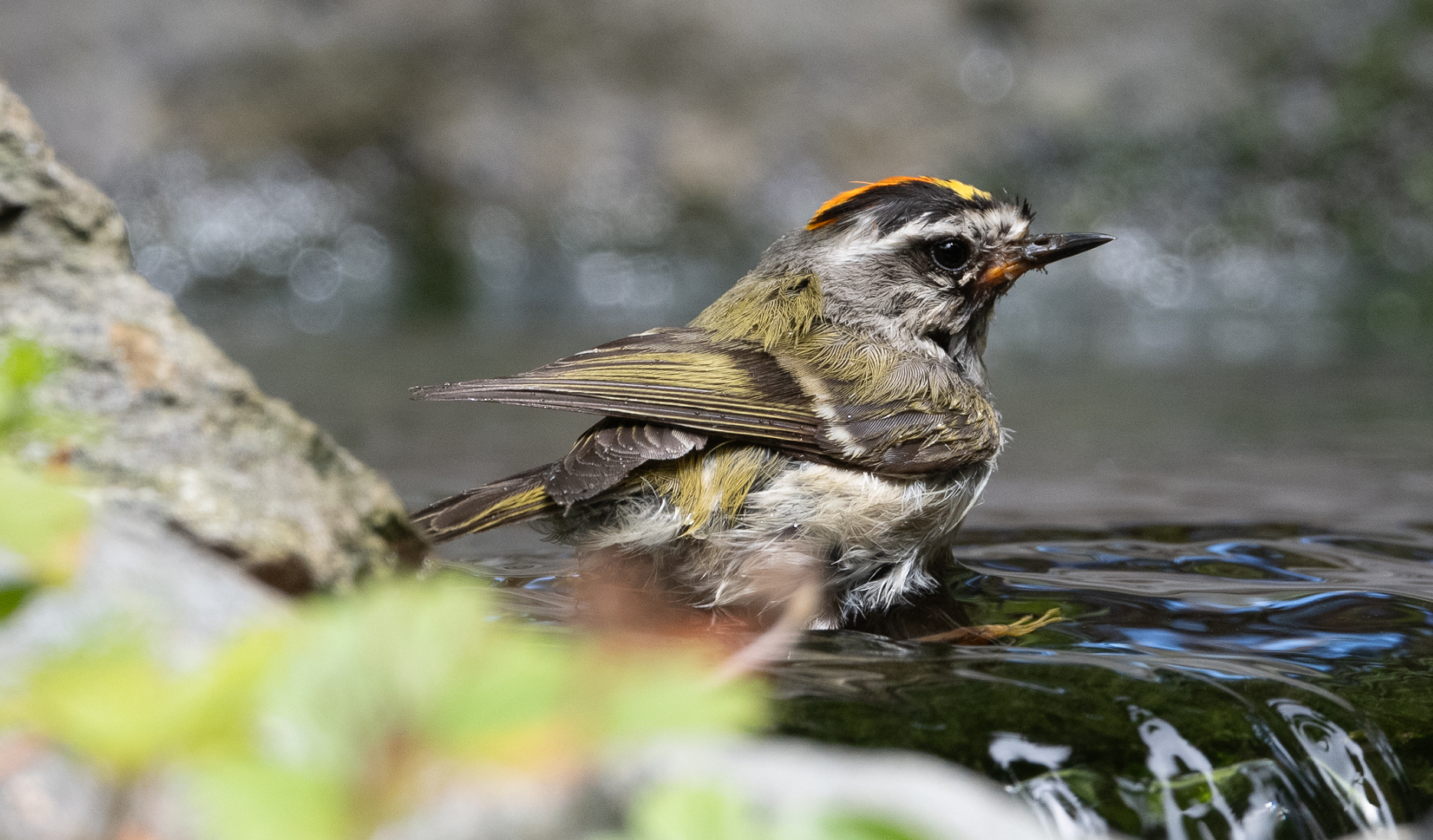
I had seen very few Golden-crowned kinglets in the yard for the past week or so, but this afternoon several came to the yard for baths. Most seemed to be males, as are the birds in these two photos.

March 15, 2026… a GREAT Birding Day!

A little after noon on March 15, 2026, I decided to make a trip around March Point in hopes of taking more photographs of Black oystercatchers I’d photographed a day or so before. (Note the limpet in the bird’s bill, a favorite food!). 

I first made a stop at the Cap Sante Marina and photographed a male Common merganser and several female Common goldeneyes.  

I found the oystercatchers on a rocky beach again, but they were in a location where I couldn’t easily photograph them. I finally came to a mud flat where I was able to photograph some (Greater?) yellowlegs.  

On my way back around the point, I saw a duck land on the water in the distance, and it didn’t appear to be one of the more common waterfowl that I’ve been seeing over the last couple of weeks. I stopped my vehicle and watched as it swam parallel to the beach towards me, but at a considerable distance offshore. When it got even with me, it made a right angle turn and came straight towards me, finally walking up on the beach right below me and settling among the rocks!  At the time, I wasn’t sure what it was, but in processing my photographs and consulting with a friend I’ve come to the conclusion that it was a female Long-tailed duck. I think I’ve only photographed one other in the 25 years I’ve lived here.

After my excursion to the Cap Sante Marina and March Point, I returned to the house and, still having some daylight left, I decided to bird a while in the yard. Earlier in the day I had seen at least two Pine skins make a brief stop at one of my water features, but I didn’t have the opportunity to photograph them.  These birds are known for eruptions and at times have been the most numerous birds in the yard, but I (and a birding neighbor) haven’t seen any in several months. I was hoping the siskins might return so I could get photographs, but they didn’t and I was left with just the usual birds.

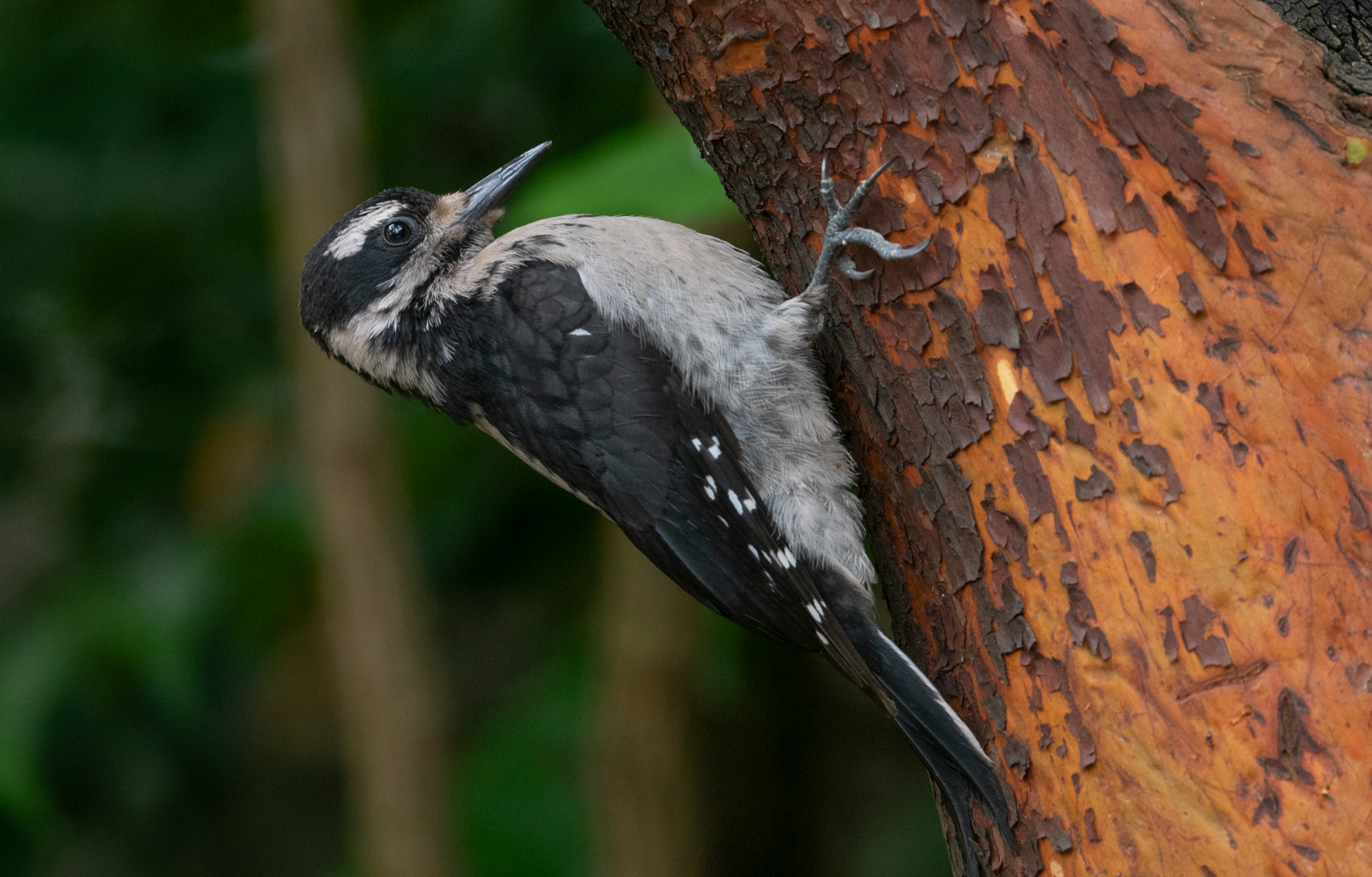
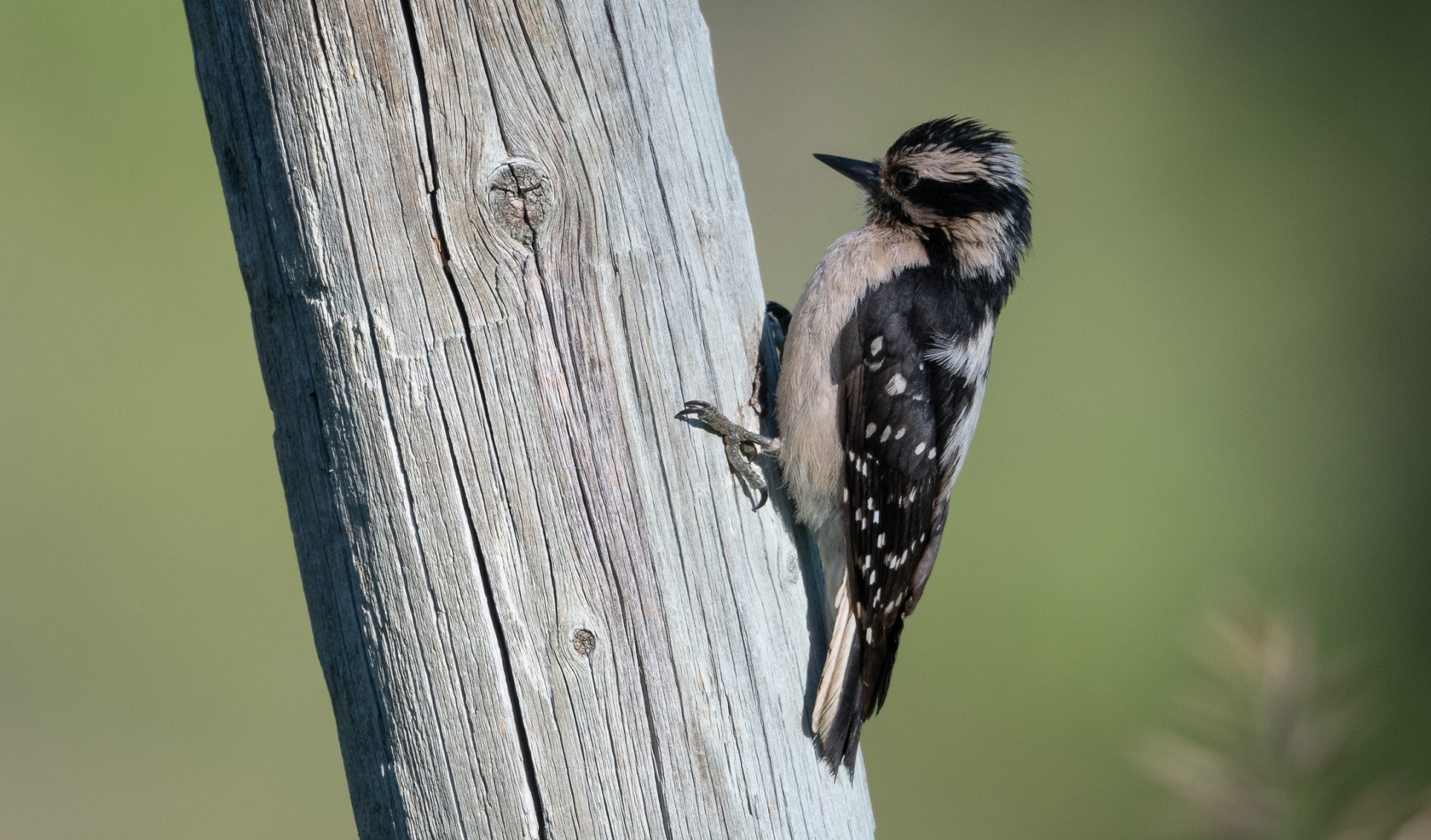
A female Hairy woodpecker visited the yard and I managed a rare photo of it in a natural environment instead of on the peanut feeder.  

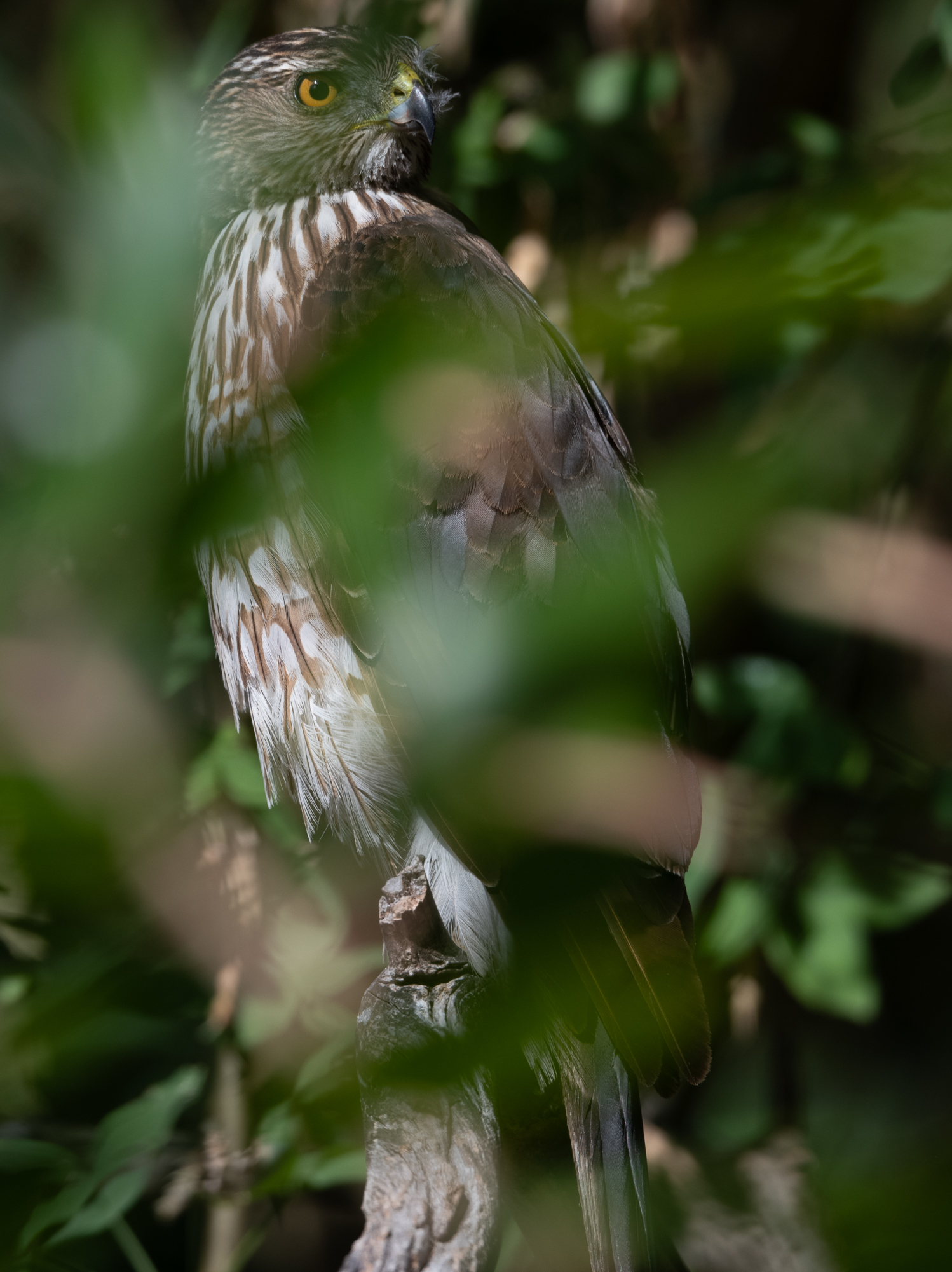
After I’d been sitting for a while, all the birds suddenly disappeared, which usually happens when an accipiter enters the yard. I sat very still and looked around but didn’t see any sign of anything that would frighten the birds. A slight movement under a bush caught my attention… it was a female Dark-eyed (Oregon) junco sitting very still, again indicating the presence of an accipiter.  A few minutes later, a juvenile Cooper’s hawk suddenly flew down and landed just above my stone birdbath and perched in open view about 25 or 30 feet away! It remained long enough for me to tire of taking photographs (!) before it finally left the yard.  

March, 2026 Waterfowl

On March 10, 2026, I found a Common loon in the Cap Sante Marina. I had been seeing one in the marina for a week or two but on this morning I had a brief opportunity to photograph the bird. It was cold, raining and the wind was gusting but I managed to stick it out long enough to get some good photos. The bird is in the process of morphing from its winter plumage to its breeding plumage. The loon was alternately searching for fish and grooming, and after watching it for a few very cold minutes, it rose from the water and stretched… just what I was waiting for!

After that successful encounter I kept a close eye on the marina for the next couple of days. On the afternoon of March 12, after waking from a brief nap, I decided to take a quick drive around the marina in hopes of again finding the loon. The weather was much the same as my prior visit… cold, raining and windy and the loon was there but much farther away than my previous encounter. I drove around the marina searching for other waterfowl and found a grebe joining a small group of waterfowl consisting of a male Bufflehead, a couple of Hooded mergansers and a couple of Goldeneyes.

At one point I was able to get unusually close to the Hooded mergansers and got some good photos. The following photos are of the same male merganser. In the first photo the bird’s crest is flattened and in the second photo its crest is raised.

This is a photo of the female Hooded merganser with her crest partially raised.

Back to the grebe I had seen. The only other grebe I’ve ever seen in the marina was a Pied-billed grebe, but this was obviously a different species. I managed to get fairly close to the bird for some good photos. After studying my photos and doing a little research I’ve come to the conclusion this was a Horned grebe, but its appearance in winter plumage is very close to a that of an Eared grebe.