Welcome Visitor

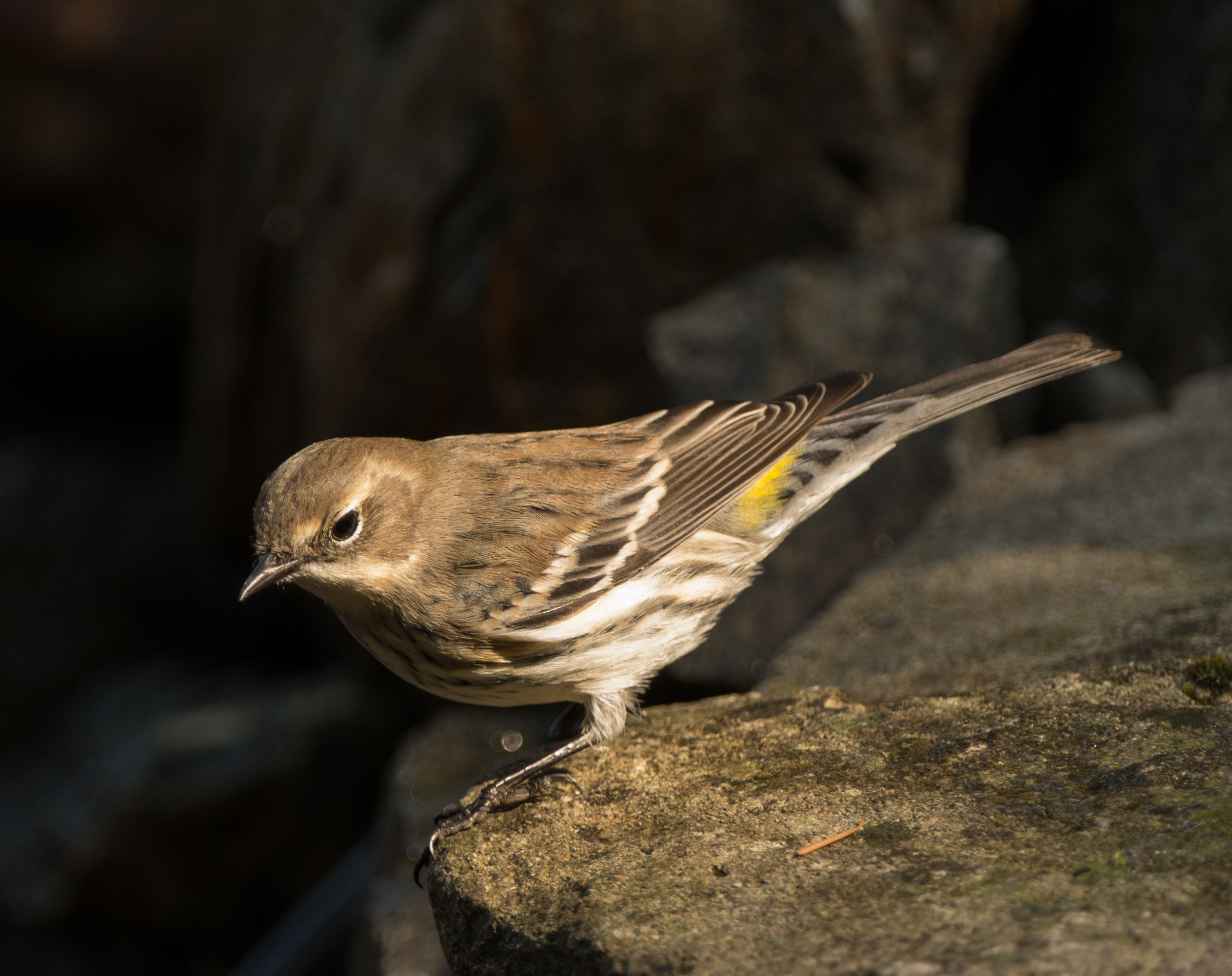
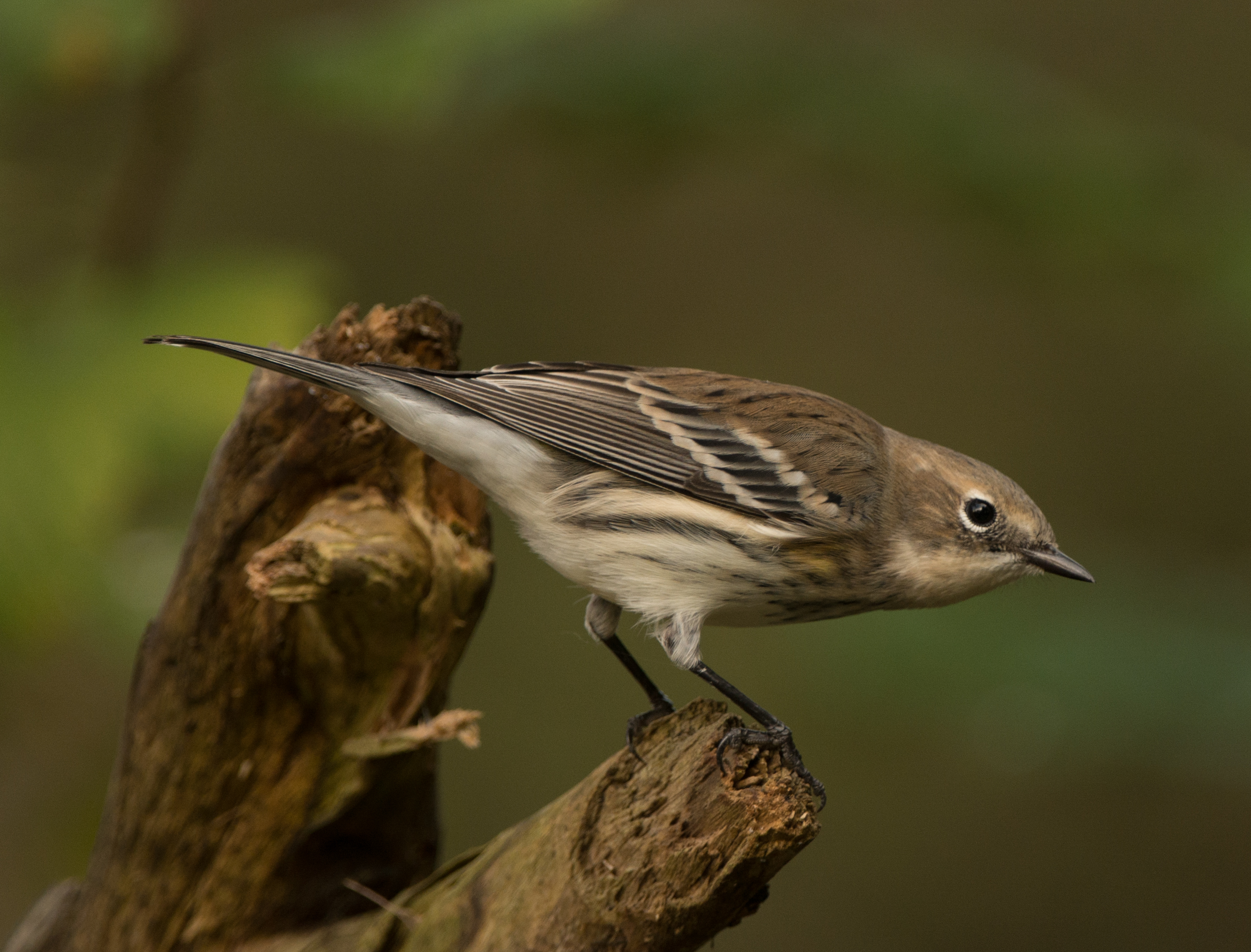
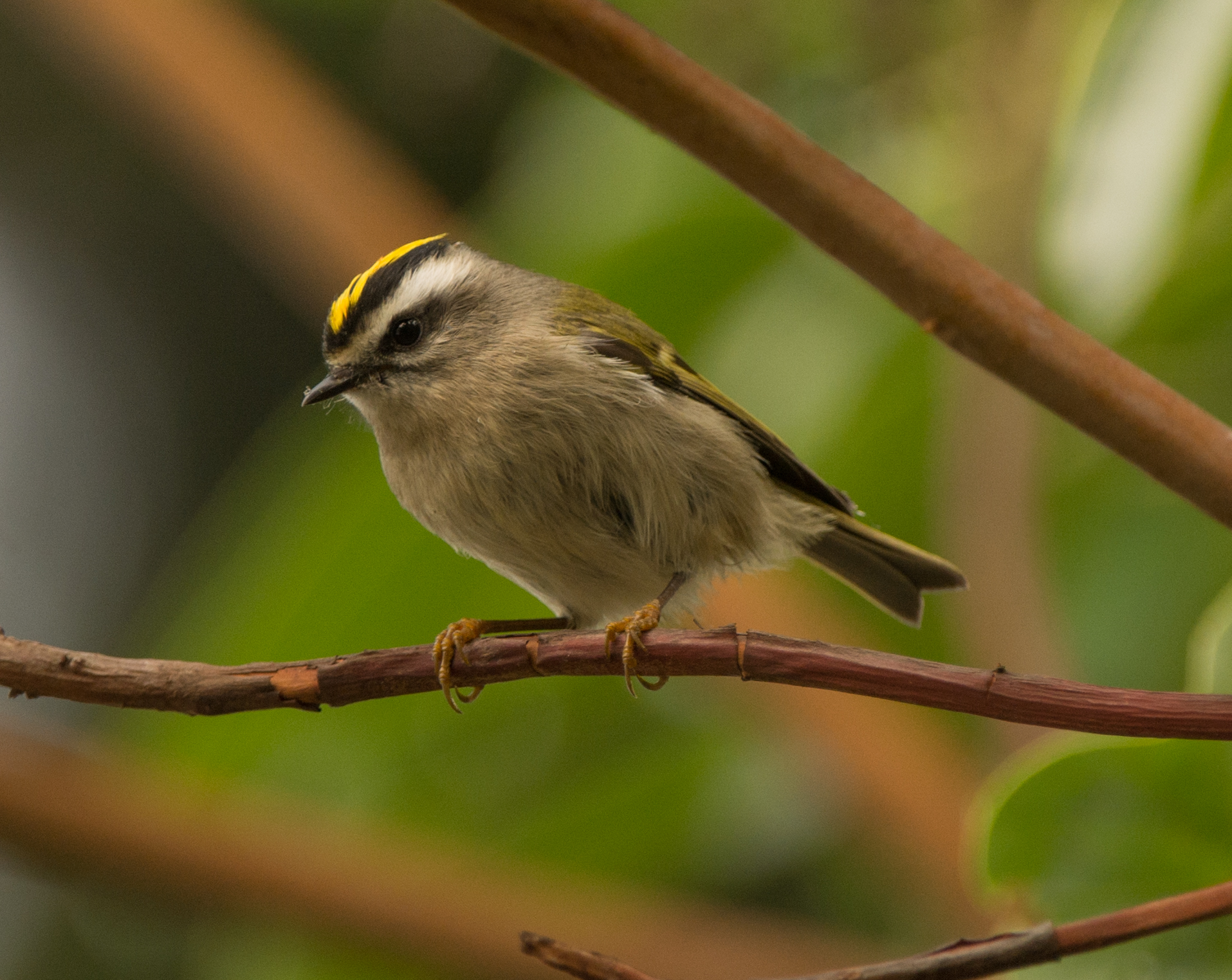
I spent more time in the yard on Sunday, 8/25/2014 with good results.  I’m still having difficulty sorting out what are either some brightly-colored Orange-crowned warblers with no visible orange on their heads despite being photographed from various angles and what might be Yellow warblers.  That research will continue, but that has no bearing on my special Sunday visitor.

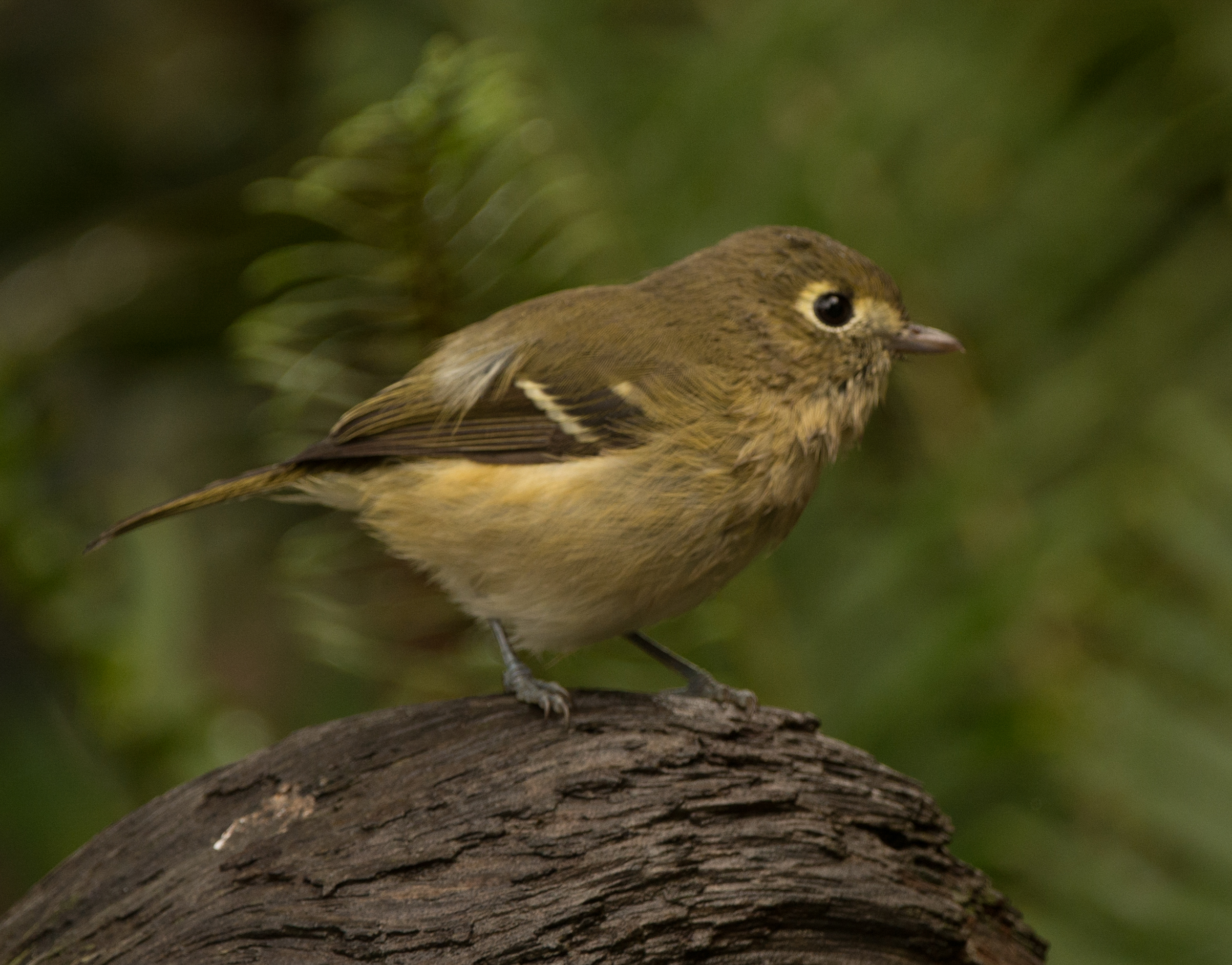
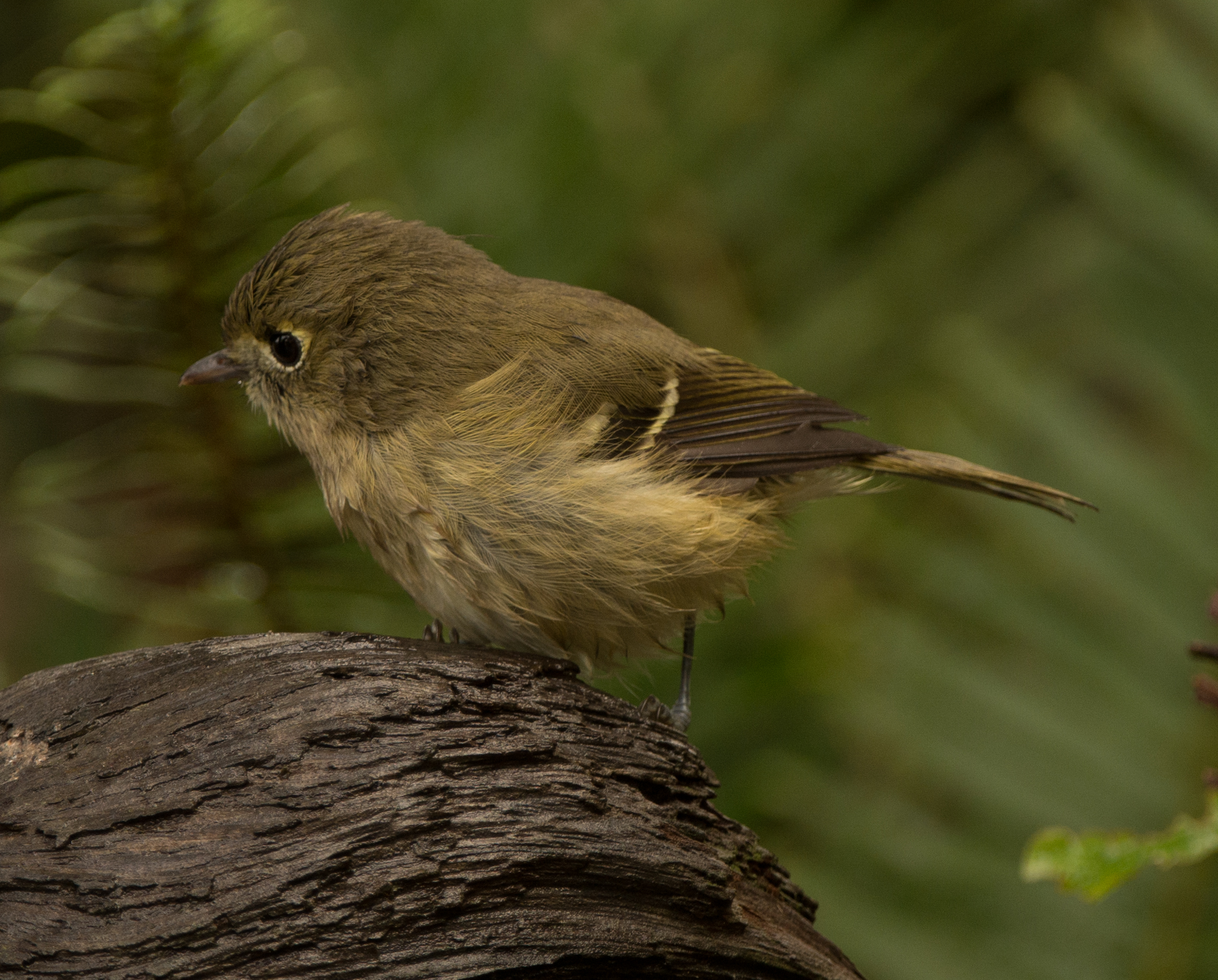
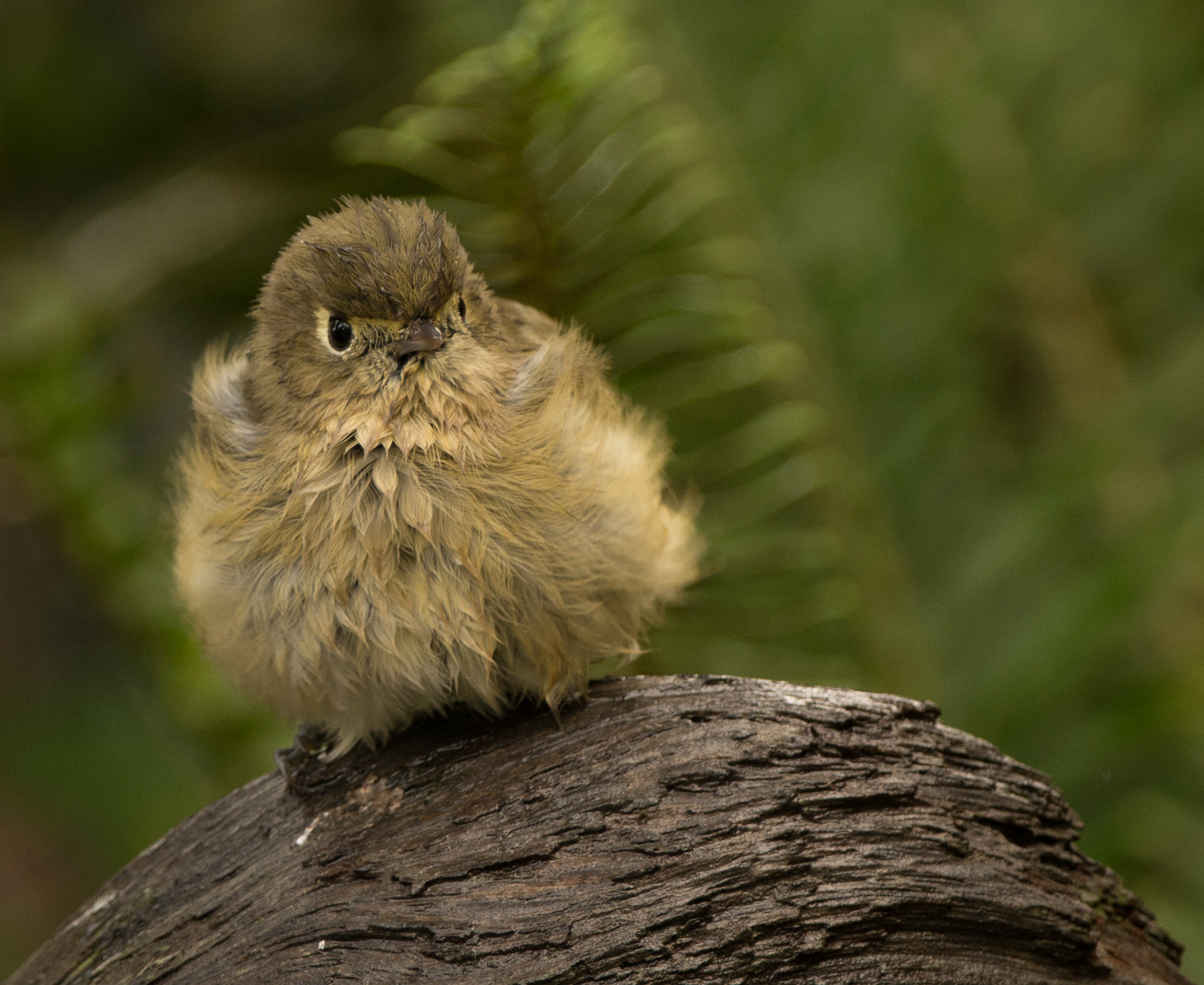
On Sunday I had about my third visit this summer from a vireo, and unfortunately it too is providing something of a challenge with regard to identification.  It’s either a Red-eyed vireo (with no evidence of a red eye!) or a Warbling vireo that seems to have the head shape of a Red-eyed vireo.  I’ve looked at three different references and I’m still having difficulty differentiating the two species, and in addition there’s the possibility that a current year hatchling has thrown itself into the equation.  So without at this point providing a positive identification, here is a welcome, but rare visitor to my yard…

DSC_4230 DSC_4243 DSC_4252

And as long as I am on the subject of vireos, when I was in Texas in late spring (it felt like summer!) I photographed White-eyed vireos there.  It was one of my favorite birds with a mysterious and concerned “expression” always evident.  The bird had the habit of bathing by quickly flying into the water and then out again… too fast for me to photograph even at very high shutter speeds.  The vireo that was in my yard has the same habit.  I have never (in either location) seen one come down to the water and land for a bath.  The one that was in the yard on Sunday visited three different water features in the yard, but never landed at any of them.

I spent a relatively short time in the yard on Saturday (8/23/2014) but had multiple visits from two species of warblers, and at one point I had both species in the watercourse at the same time and had to decide on my priorities for photographs.  Here is a male Wilson’s warbler, still looking quite spiffy for a fall migrant… Warbler, Wilson's  20140822 - 14 Warbler, Wilson's  20140822 - 09

And here are photos of the other species, an Orange-crowned warbler, looking quite different from its entry into the yard and in the middle of its bath…  Warbler, Orange-crowned  20140822 - 17 Warbler, Orange-crowned  20140822 - 08

Warbler, Orange-crowned  20140822 - 24

And finally, an interesting photo of a Black-capped chickadee.  We have a dead tree in the yard into which I have drilled some holes for feeding.  When I’m actively in the yard photographing I fill the holes with hulled sunflower seed to keep the bird activity up.  The chickadees and nuthatches love the arrangement.  In this photo a chickadee has just grabbed a seed and, as is there habit, is off to eat it elsewhere.  Chickadee, Black-capped  20140822 - 07


Just When You Think…

Fall is just around the corner and I’m probably benefiting from the early aspect of the fall migration.  It’s this time of year that can be frustrating to birders to some extent, especially in regard to warblers… but also other species.  The bright spring breeding colors and plumage patterns are often fading and that can make fall visitors much more difficult to identify.  I used to tell my birding classes that you are the expert about what takes place in your own yard, but just about the time I think that there can’t be a bird that visits my yard that I can’t identify (after almost 30 years of birding) I’m left with a bagful of questions!

The photos on this blog are the culmination of several hours of sitting in the yard and observing our avian visitors.  You get to see the highlights of my efforts, but there is a lot of time spent just observing the usual species that frequent the yard… and waiting for the possibility of a few special birds that give me the opportunity to photograph them.

The afternoon of August 21, 2014 was spectacular from the point of view of both photography and visitors, but I’m left with more questions than answers.  I’ve got some great photos to share, but positive identifications are lacking so I’ll just give you my speculations and hope that some better birders than I can clarify some identifications.

With the foregoing preamble, I’ll show you a couple of photos of my first mystery guest.  This bird is probably a vireo, best bets being either a Red-eyed vireo or a Warbling vireo, both of which can apparently be found in Western Washington.  I would guess this bird is a juvenile… its lack of distinctive markings may make it impossible to get a positive identification.  DSC_3883 DSC_3887

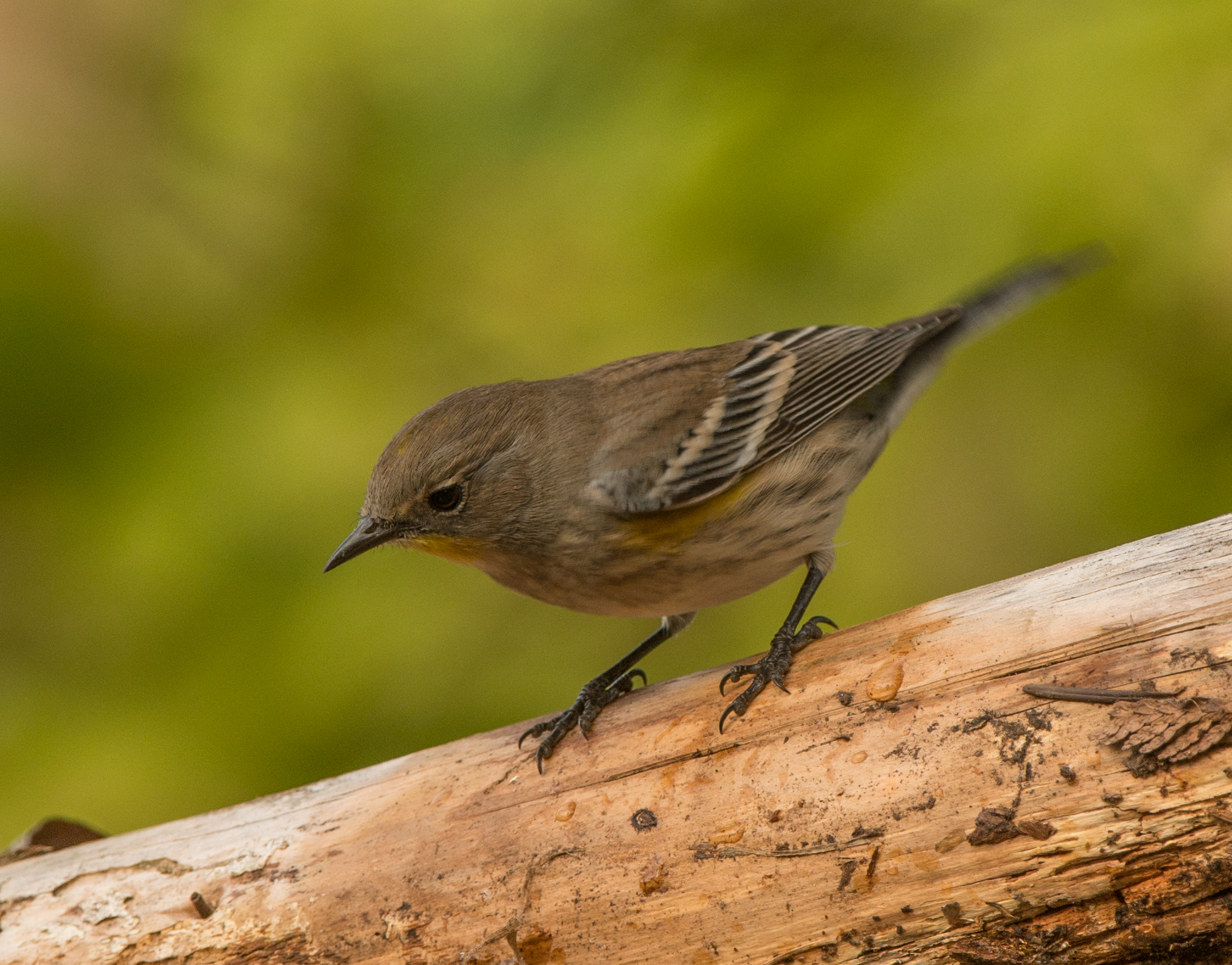
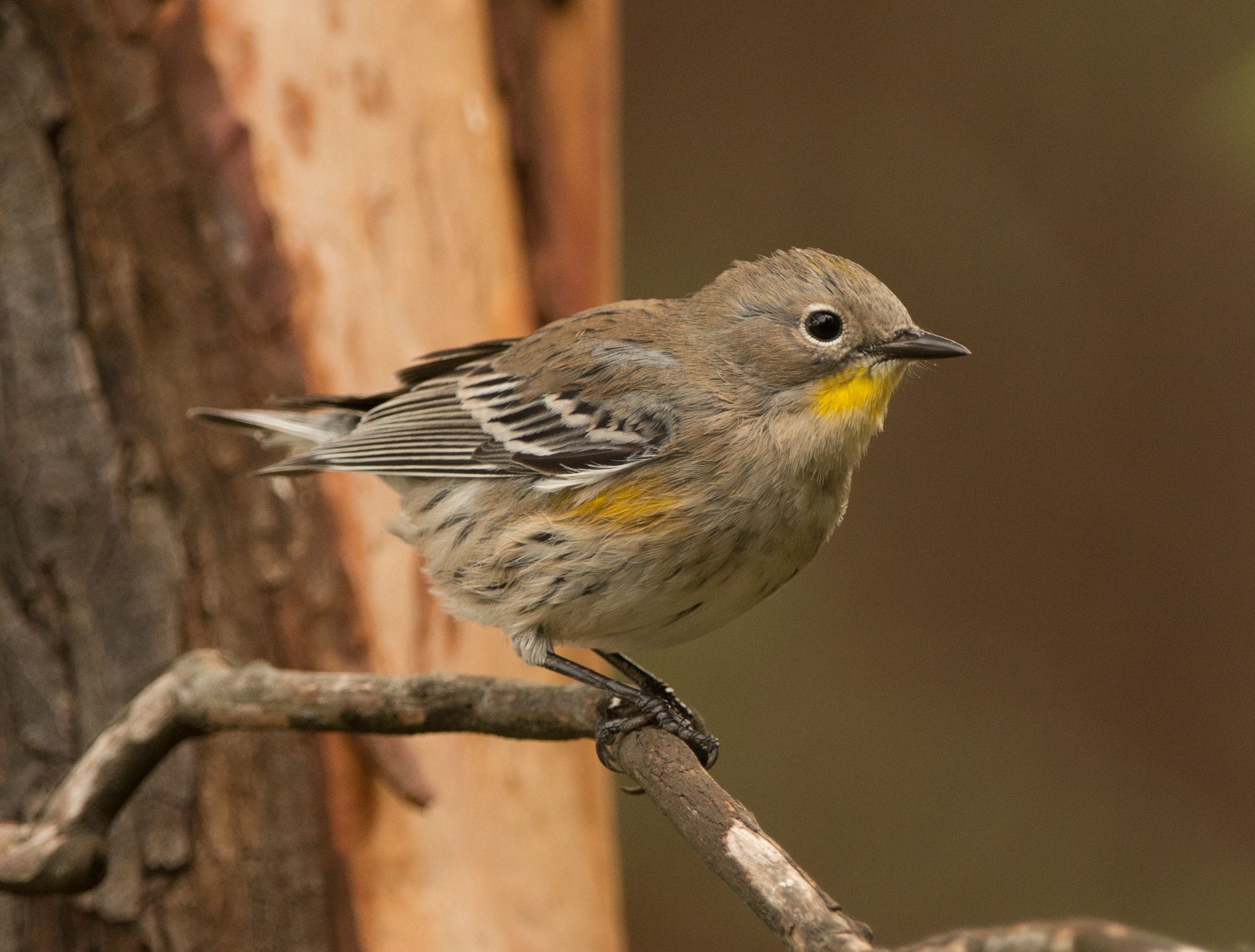
This next bird, which at the time I was photographing it I assumed was the first (male?) Yellow warbler observed in the yard this year, lacks any orange striping on it’s breast.  Sibley indicates that there is such a Northern variety and I’m assuming that this is one of them.  DSC_3819 The bird spent the better part of a half hour (something I don’t normally get!) flying around the yard and investigating the watercourse.  As a result I have retained some 65 photos of the bird in various poses and perched in different locations!

Next up, what I assumed was an Orange-crowned warbler at the time I was photographing it, but in reviewing my photos I’m not so sure.  While this bird may look similar to the previous bird, The shape of it’s body was much more compact.  However this bird seems too bright for an Orange-crowned warbler, especially given that this is the end of the breeding season.  DSC_3863

And to perhaps add to the confusion, here is a photo of a female Western tanager that visited on the same afternoon.  This bird was larger than the previous two, had stripes on its wings and has a larger bill, so I am confident in this identification.  DSC_3837

Here is a photo of a White-crowned sparrow, possibly one of our first pair who have ever nested in the area but whose breeding season was marred by raising a single Brown-headed cowbird.  Sometimes the more you know about birding the sadder some of your observations can be.  DSC_3833

And finally, this season’s product of the successful raising of a Spotted towhee, in this instance taking a bath.  Unfortunately we also had a pair of Spotted towhees who also raised a Brown-headed cowbird.  DSC_3832

UPDATE:

It has been suggested to me that the vireo is a Warbling vireo, the first warbler is a Yellow warbler and the second bird is a “bright” Orange-crowned warbler.  It would be the most colorful Orange-crowned warbler I’ve ever seen, but the only other thing it could be would be another Yellow warbler and I’m fairly sure it was not one due to the compactness and body shape.  And a tip of the hat to all who attempted to help me with the mysteries!


BC and the Yard

We recently returned from a trip to British Columbia on which I took my good camera and lens, but mostly to no avail.  My biggest disappointment was missing out on photographs or Orcas we saw from one of the BC ferries.  And no thanks to the captain of the vessel, he not only failed to slow for the Orcas but failed to make any kind of announcement over the PA system.

I did take this photo of a gull taking off from the water.  The interesting thing about the photo is the pattern of light that occurred in the water as the gull took off.  There are two bright portions of water that closely resemble birds, but are not shadows per se.

DSC_3468

Back in the yard again, here is a photo of what I believe to be a sub-adult male Rufous hummingbird that has not yet left on migration.  The mature males left on their migration many weeks ago.

Hummingbird, Rufous  20140816 - 03

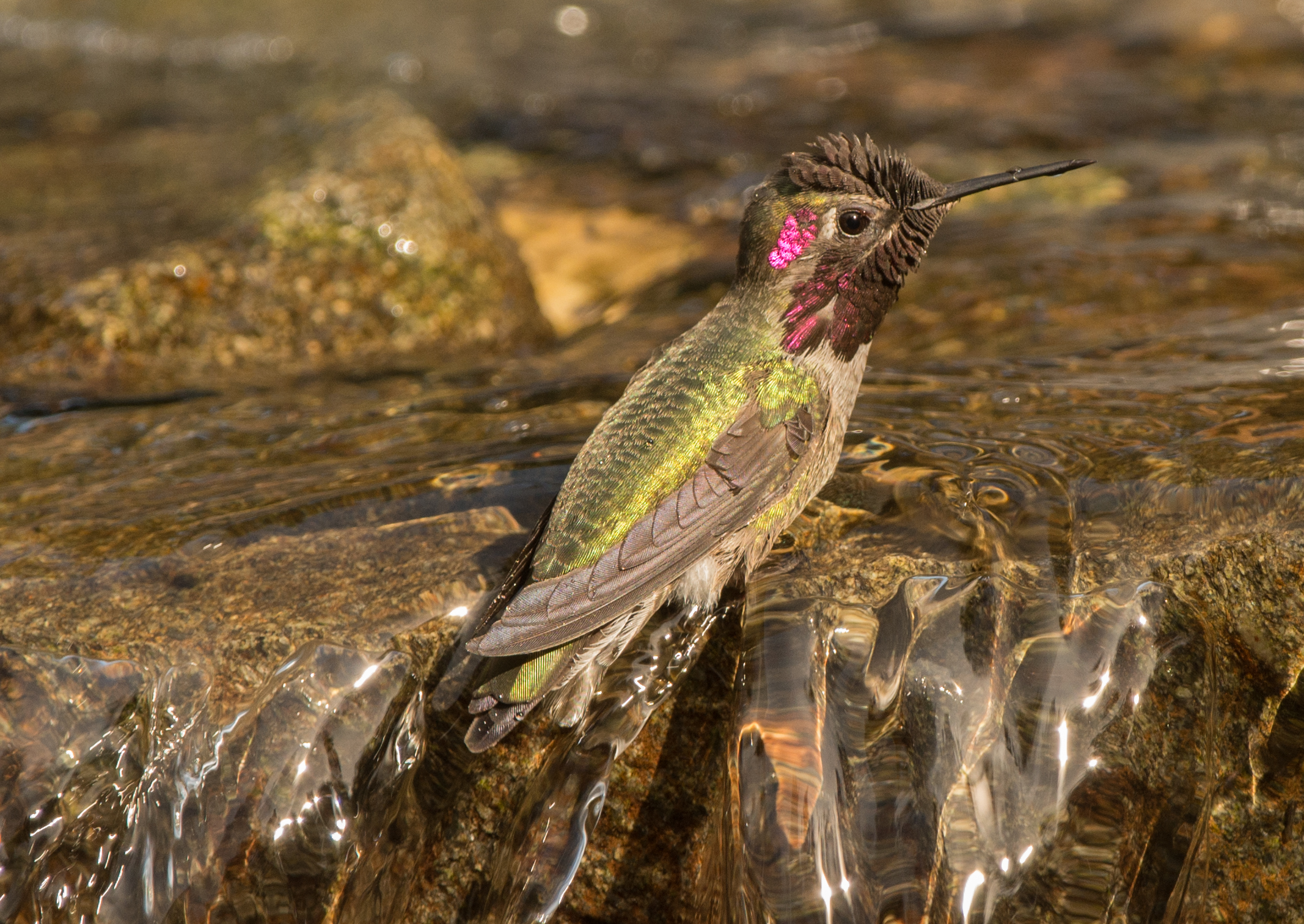
We still have at least one male and one female Anna’s hummingbird in the yard, and these are photos of a male.  The Anna’s hummingbirds often overwinter with us and survive despite our occasional extended snows.  The second photo shows the male’s gorget when it catches the light… undoubtedly a formidable sight when it’s racing from the trees towards other birds.   Hummingbird, Anna's   20140816 - 01


Hummingbird, Anna's   20140816 - 12

After seeing only one male Western tanager in the yard in the spring, we’ve had no sightings until lately.  Here are photos of two female Western tanagers.  Sibley notes that there are bright adults and pale adults, but I have no way of knowing if the paler bird is not the female product of this year’s breeding.

Tanager, Western  20140816 - 04 Tanager, Western  20140816 - 23

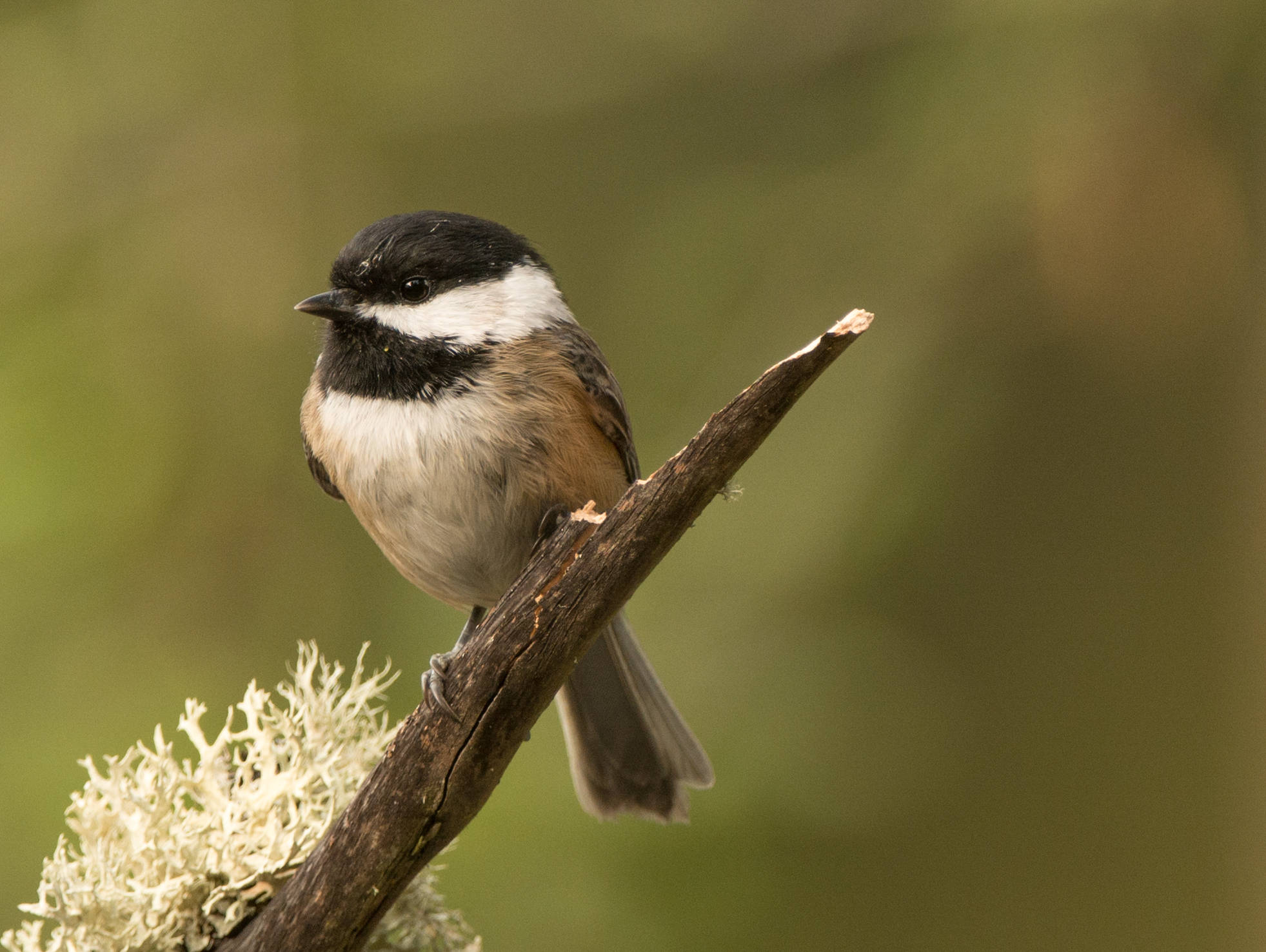
And finally, here are photos of a Chestnut-backed chickadee and a Black-capped chickadee.

Chickadee, Chestnut-backed  20140816 - 01 DSC_3581


Blah, Blah, Blah… Lots of Text and 9/10 of a Bald Eagle

A chance mid-morning sighting cost me my nap on 8/5/2014. I was standing at the kitchen window doing a little dish work when I glanced out the window and saw an unusual amount of water being thrown up from our watercourse. There was an American goldfinch on a staging stick above the watercourse and I assumed that another was taking a bath, especially when a very wet, yellow head popped up above the rocks. But I continued watching just to make sure, and was somewhat puzzled by the vigor of the bath as the goldfinches are generally much less active. A few seconds later the head popped up again and I realized that I was looking at a Townsend’s warbler! We generally average only a single visit from one of these birds and it is usually in the early fall.

I raced for my camera and just as I got set up the bird flew into a nearby tree. I tried to track it but couldn’t due to all the goldfinches and chickadees in the yard. I hoped that it might return to the watercourse for a second bath but it never did. However by now I was hooked and felt I needed to stay in case the bird returned.

About a half hour later another (the previous having been last week) Black-throated gray warbler (this one a male) came to the watercourse. Alas, I was unable to obtain any usable photographs of it, partially due to the differential lighting on the watercourse and partially because it chose to spend most of its time at another bird bath too far away for effective photos.

A while later an Orange-crowned warbler came to the watercourse but I was unable to obtain a usable photo of it either. So in the course of just over an hour I had three different species of warblers pass through the yard… but no acceptable photos to show for any of them!

I had offered to provide a birding tour to relatives of neighbors who were visiting from Texas so I called them and made arrangements to pick them up in the late morning. Unfortunately I decided not to take my camera on the excursion. We first drove to Washington Park where we encountered a sub-adult Bald eagle occupying a perch in a tree at the Burrow’s Island overlook. We (and a lot of other tourists) were able to get quite close to the eagle and despite some transgressions from tourists it never flew while we were there.

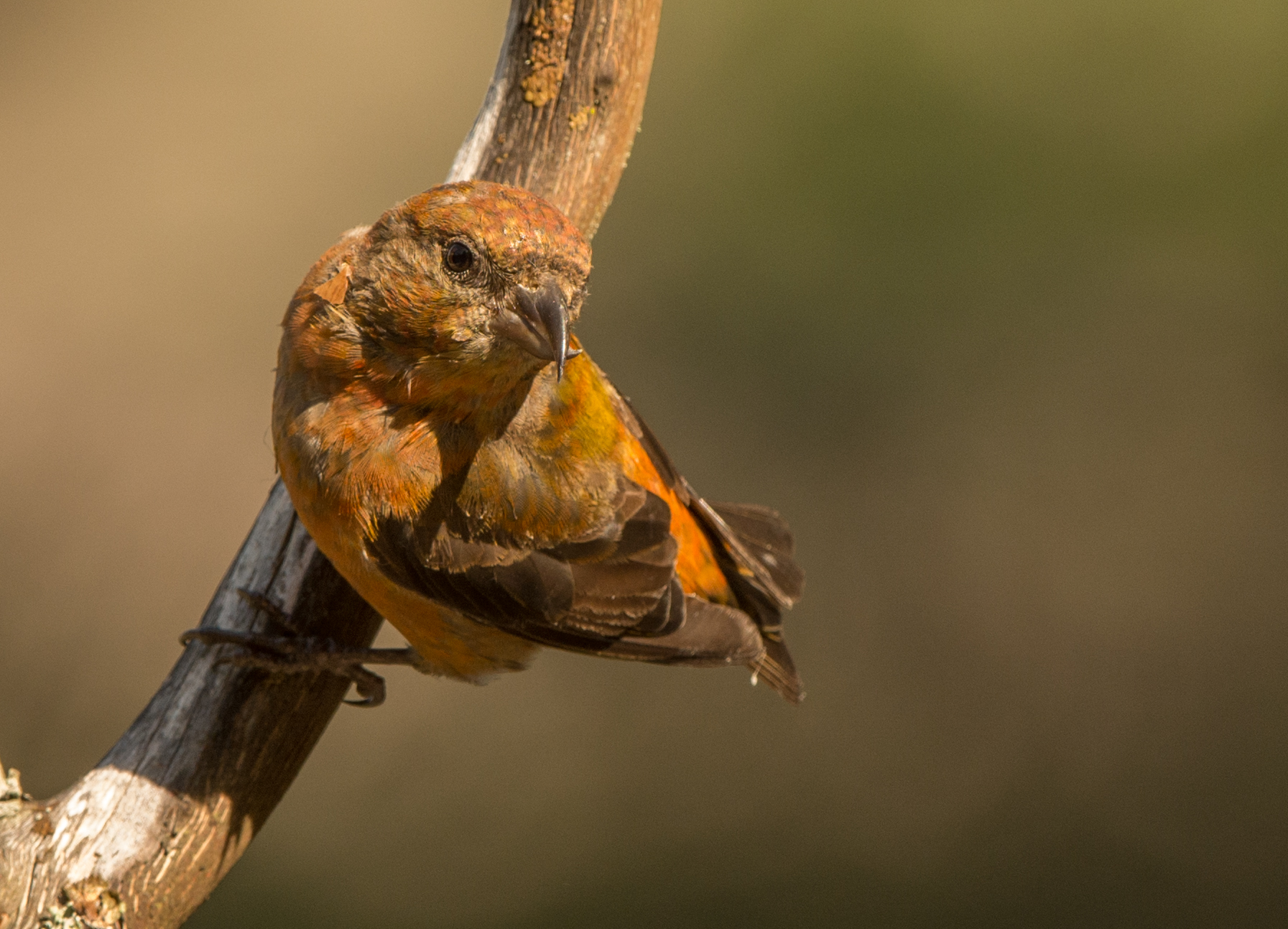
We next visited Bowman’s Bay State Park where we encountered a Bohemian waxwing (only the second I had ever seen, the first being in my previous watercourse about a year ago) and a flock of Red crossbills.

The last part of our excursion involved March Point where an Osprey, carrying a fish, landed on a power pole immediately beside our vehicle. I stopped and then circled around to allow a possible photograph but the Osprey flew before we could get into position.

After returning home I decided to do another stint in the yard, since my photographic efforts directed towards unusual visitors had been stifled earlier in the day. My first notable observation was of an Orange-crowned warbler, and this one visited the watercourse and I obtained a good many photographs.

Warbler, Orange-crowned  20140805 - 08

My next notable sighting was of a very low-flying sub-adult Bald eagle, about 9/10s of which I managed to photograph! (I couldn’t resist including this near miss!)

Eagle, Bald  20140805 - 01

Next up was a Brown creeper who not only visited the watercourse but also a nearby rock and madrone tree in the yard. I took many photos and was thankful for the opportunity since, if you read this blog regularly, I’ve found Brown creepers extremely difficult to photograph in the past. Note the equipment that the Brown creeper uses to cling to the sides of trees and rocks!

Creeper, Brown  20140805 - 12

It wasn’t long before I had another visit from an immature Black-throated gray warbler. This one traveled all over the watercourse and took the opportunity for several baths.

Warbler, Black-throated gray  20140805 - 02

It seemed to enjoy bathing at the very edge of one of the small waterfalls, and I watched several times as it would insert its head and body into the swiftly flowing water and the added resistance would send it over the waterfall!

Warbler, Black-throated gray  20140805 - 19

Unfortunately my day ended with one of the Spotted towhees continuing to feed a young Brown-headed cowbird it had raised.

DSC_3163

During the course of the afternoon, in addition to all the more common birds in the yard, I enjoyed visits from a Bewick’s wren, a juvenile Northern flicker, a Black-headed grosbeak, a female Anna’s hummingbird and a female Rufous hummingbird.

Epilogue:
The next day (8/6/2014) I had two Orange-crowned warbler visits and two male Wilson’s warbler sightings. In the late afternoon I returned to Bowman’s Bay State Park and failed to find the Bohemian waxwing. However I did manage to attract a male Wilson’s warbler by pishing.

Warbler, Wilson's in altercation  20140806 - 23

Here it’s fighting with an American Goldfinch for a preferred perch to view my pishing performance!

Warbler, Wilson's in altercation  20140806 - 21