March, 2026 Waterfowl

On March 10, 2026, I found a Common loon in the Cap Sante Marina. I had been seeing one in the marina for a week or two but on this morning I had a brief opportunity to photograph the bird. It was cold, raining and the wind was gusting but I managed to stick it out long enough to get some good photos. The bird is in the process of morphing from its winter plumage to its breeding plumage. The loon was alternately searching for fish and grooming, and after watching it for a few very cold minutes, it rose from the water and stretched… just what I was waiting for!
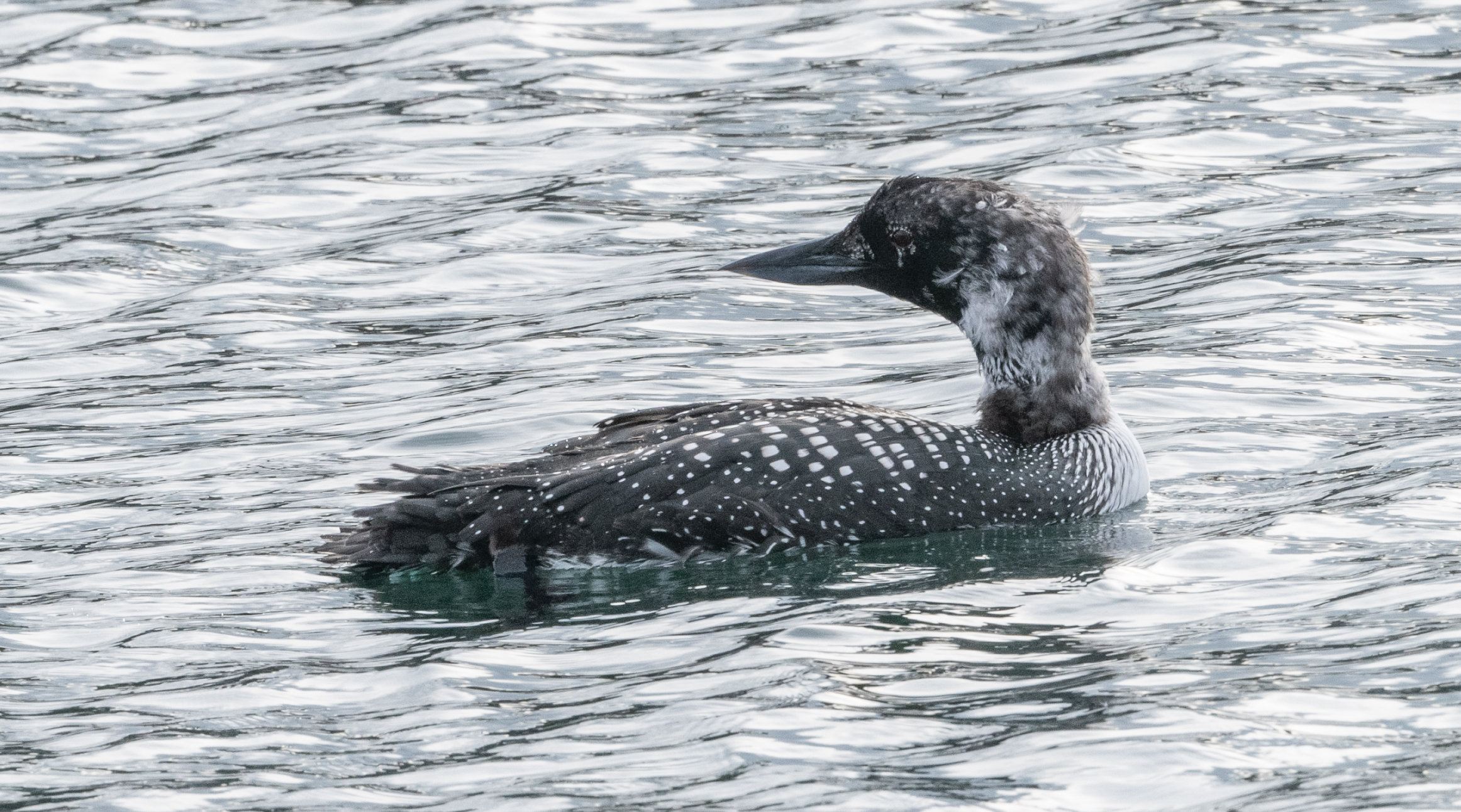
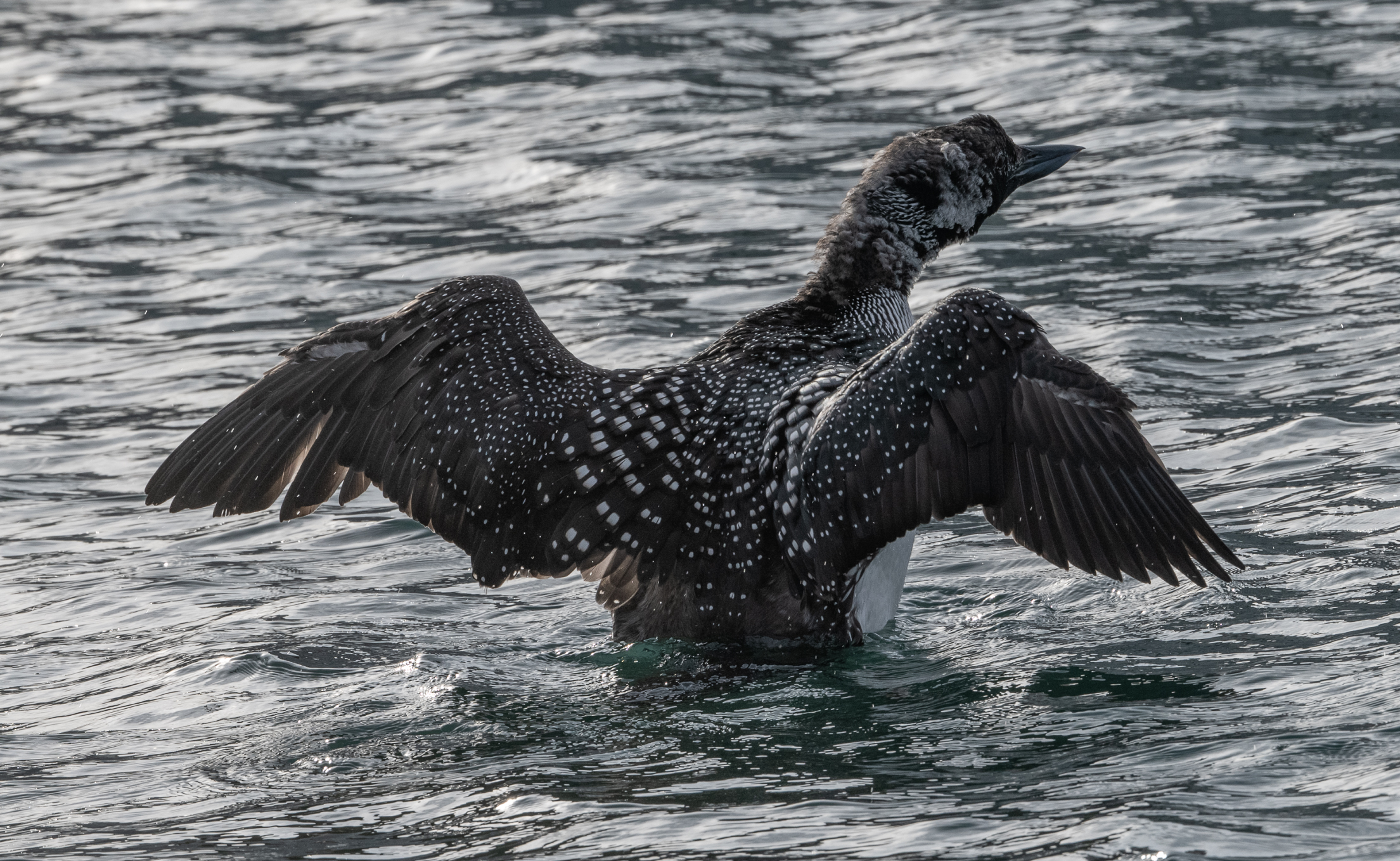
After that successful encounter I kept a close eye on the marina for the next couple of days. On the afternoon of March 12, after waking from a brief nap, I decided to take a quick drive around the marina in hopes of again finding the loon. The weather was much the same as my prior visit… cold, raining and windy and the loon was there but much farther away than my previous encounter. I drove around the marina searching for other waterfowl and found a grebe joining a small group of waterfowl consisting of a male Bufflehead, a couple of Hooded mergansers and a couple of Goldeneyes.

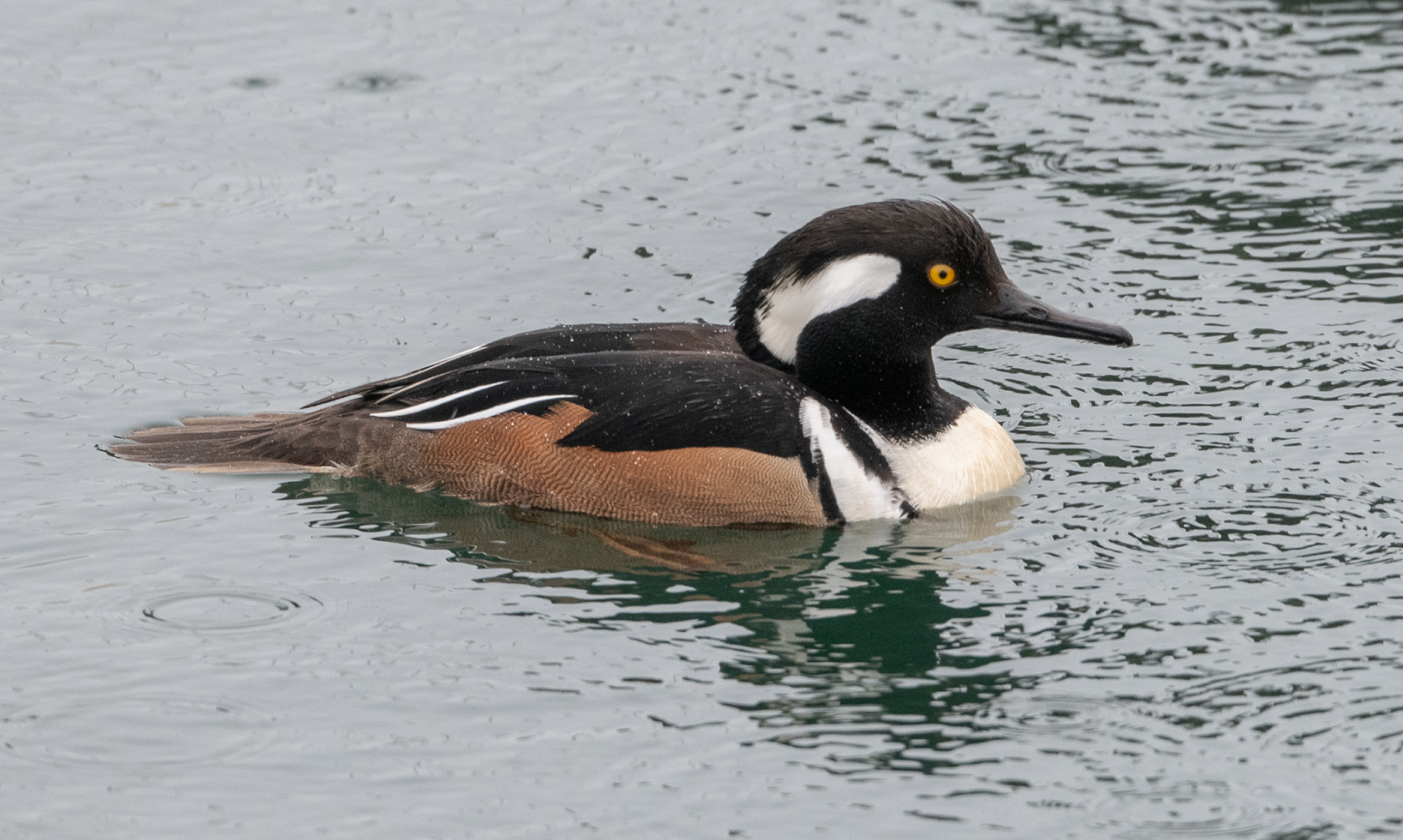
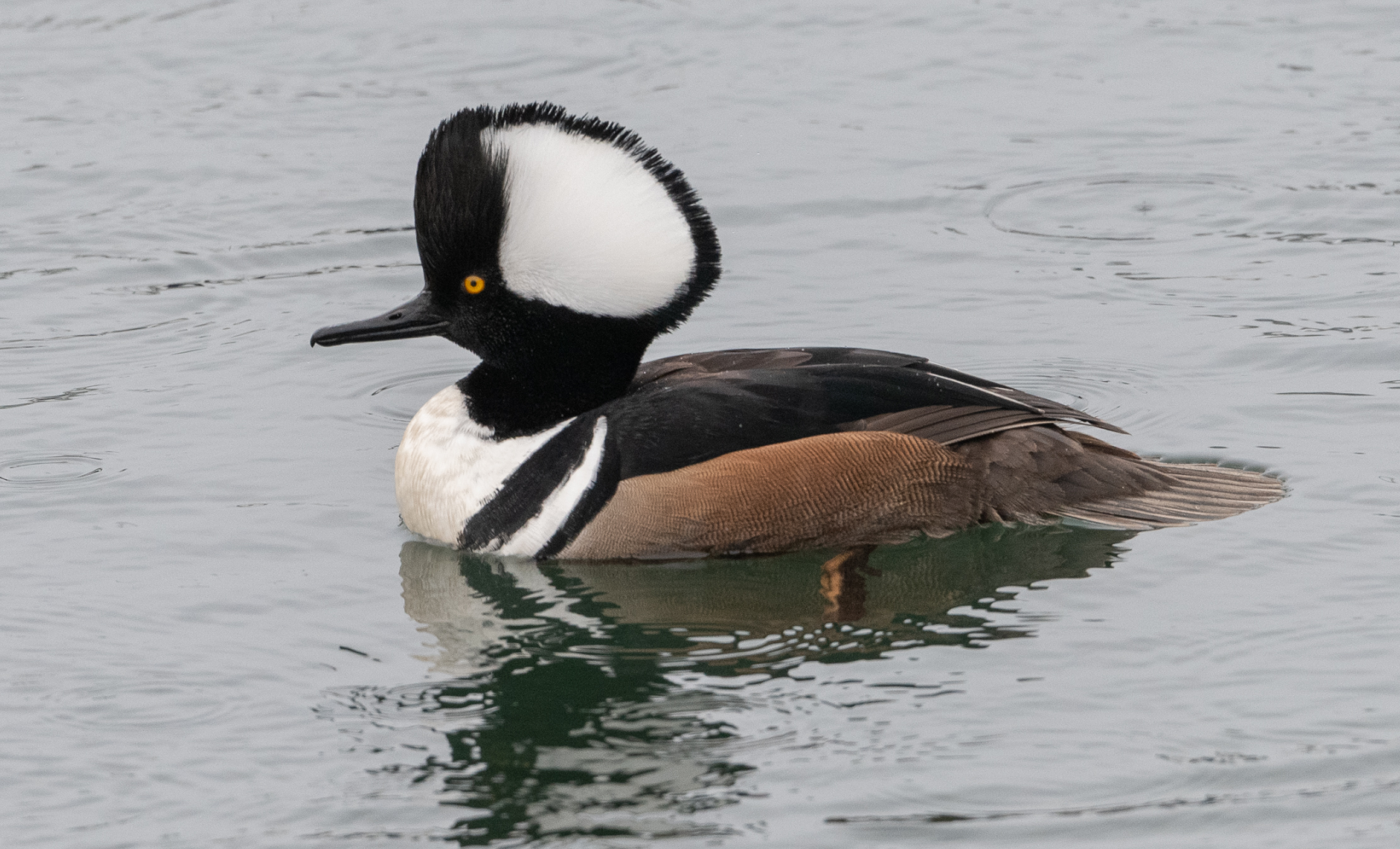
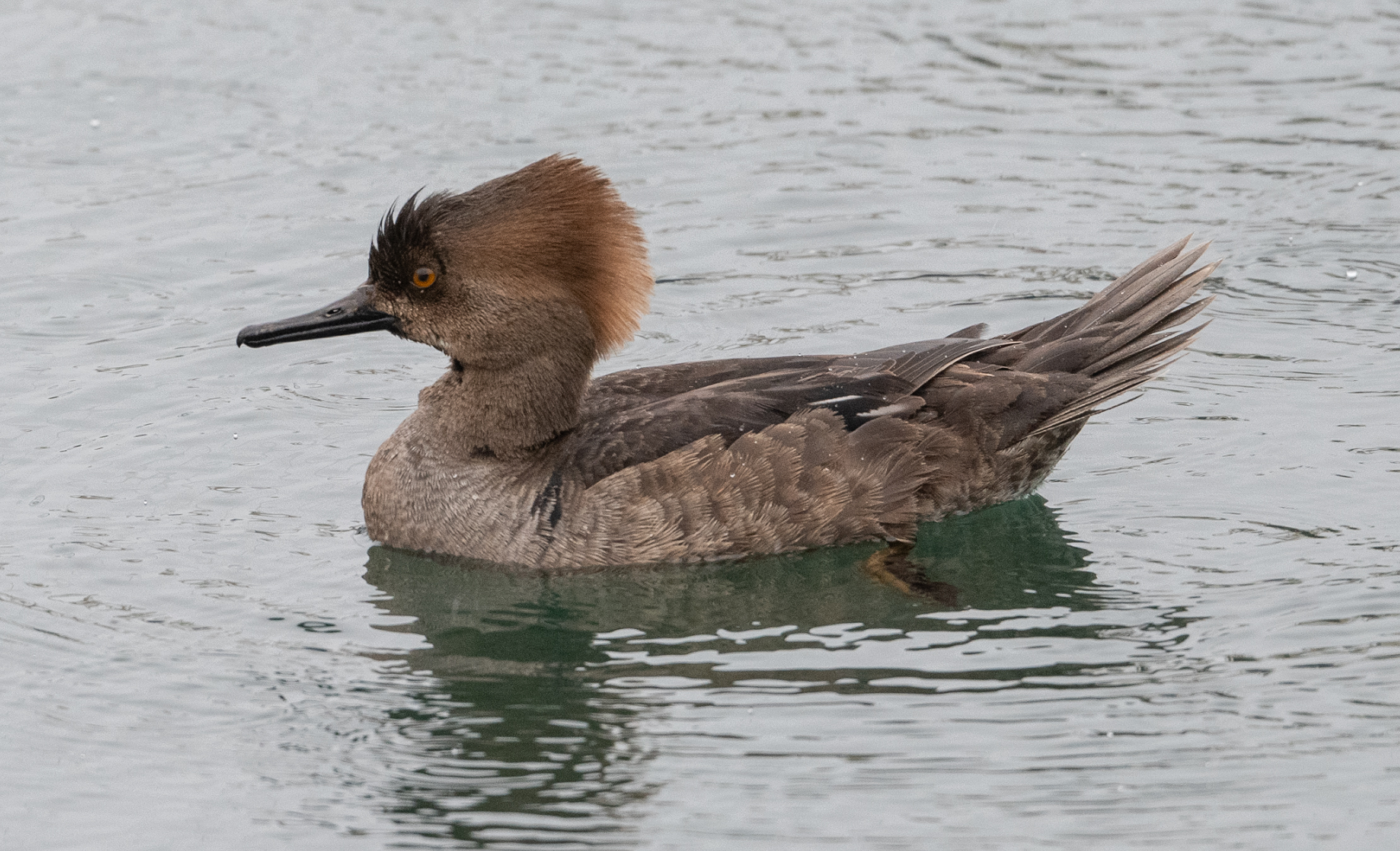
At one point I was able to get unusually close to the Hooded mergansers and got some good photos. The following photos are of the same male merganser. In the first photo the bird’s crest is flattened and in the second photo its crest is raised.
This is a photo of the female Hooded merganser with her crest partially raised.
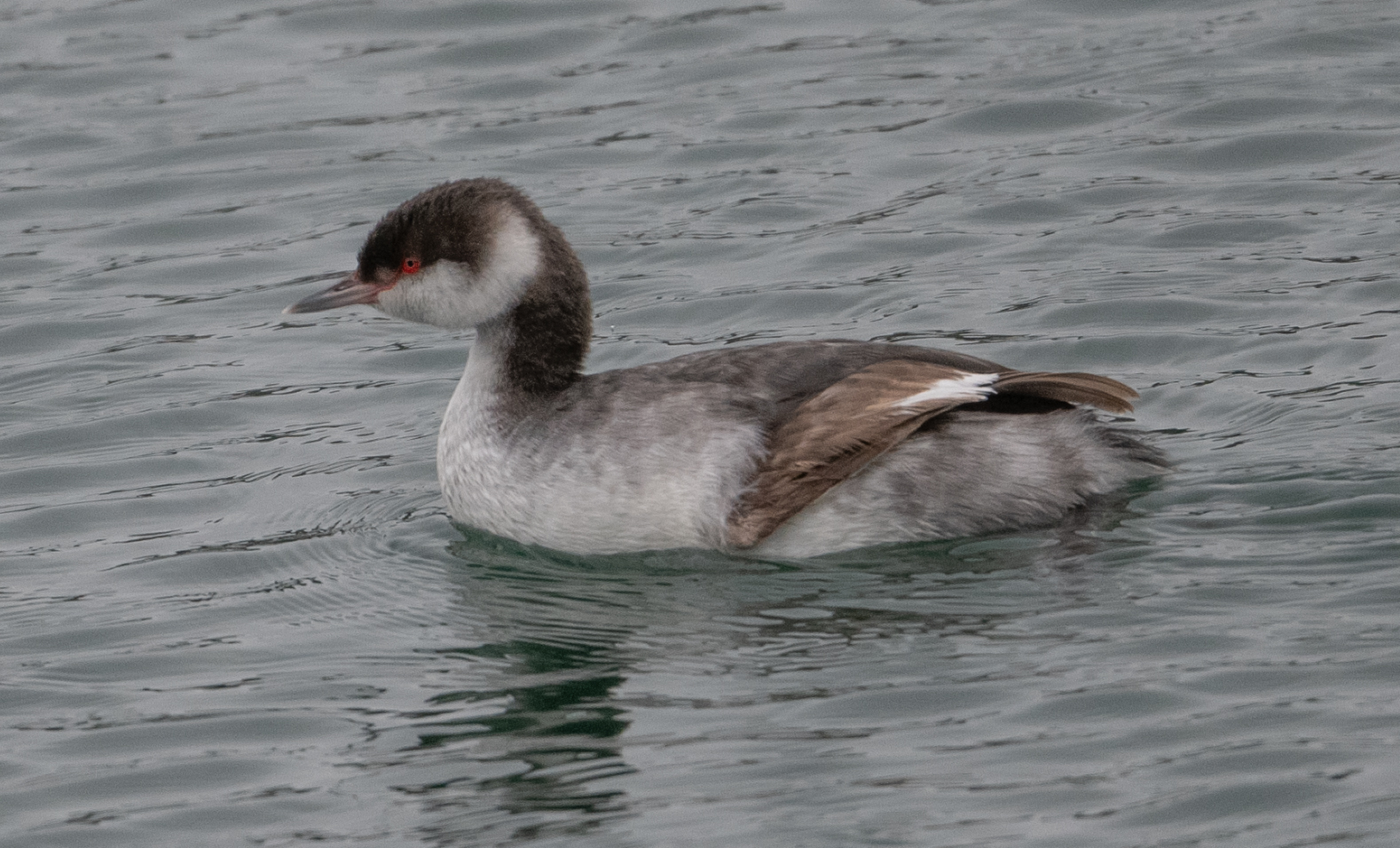
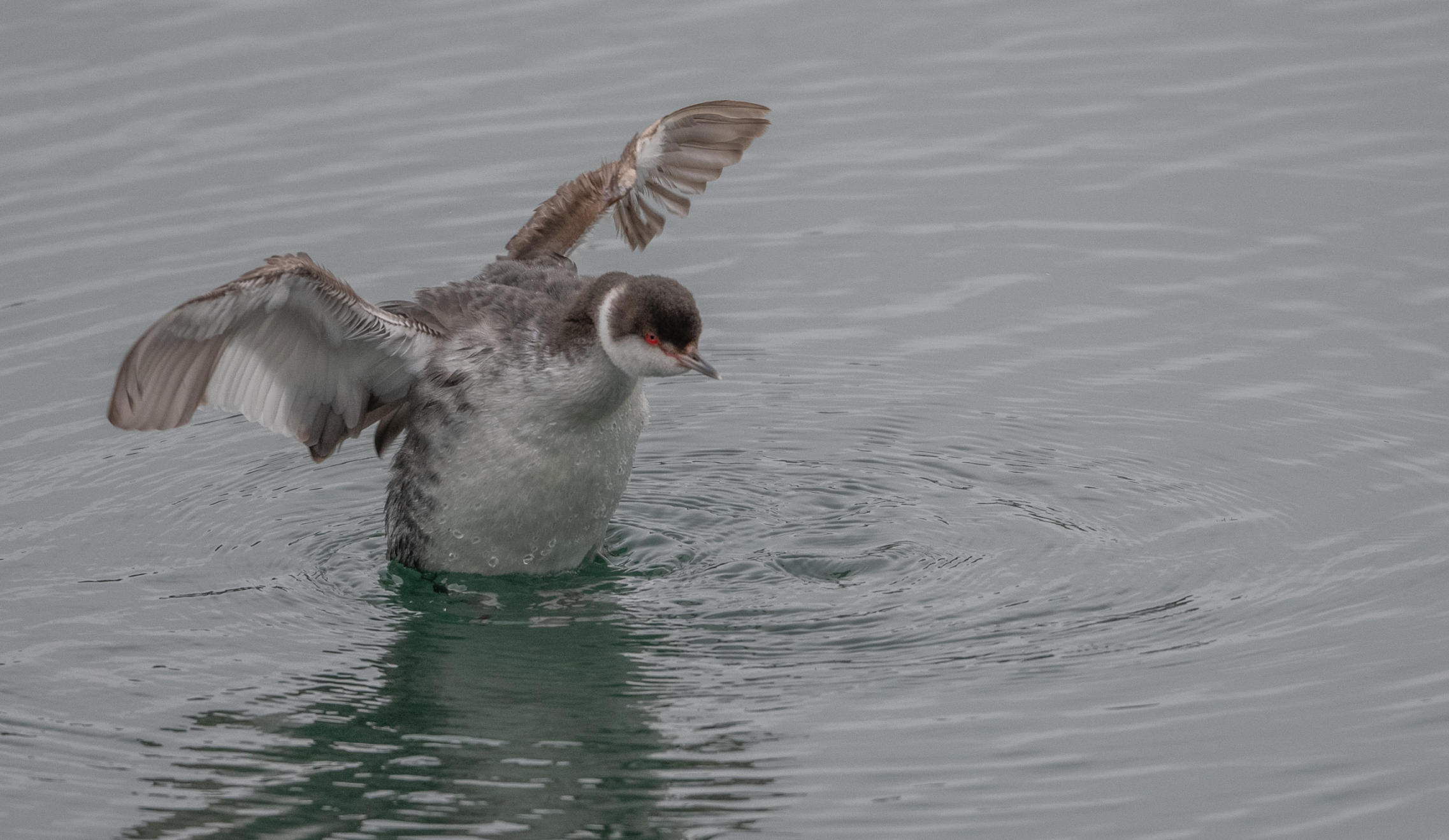
Back to the grebe I had seen. The only other grebe I’ve ever seen in the marina was a Pied-billed grebe, but this was obviously a different species. I managed to get fairly close to the bird for some good photos. After studying my photos and doing a little research I’ve come to the conclusion this was a Horned grebe, but its appearance in winter plumage is very close to a that of an Eared grebe.
March 5, 2026 – First Rufous Hummingbird!

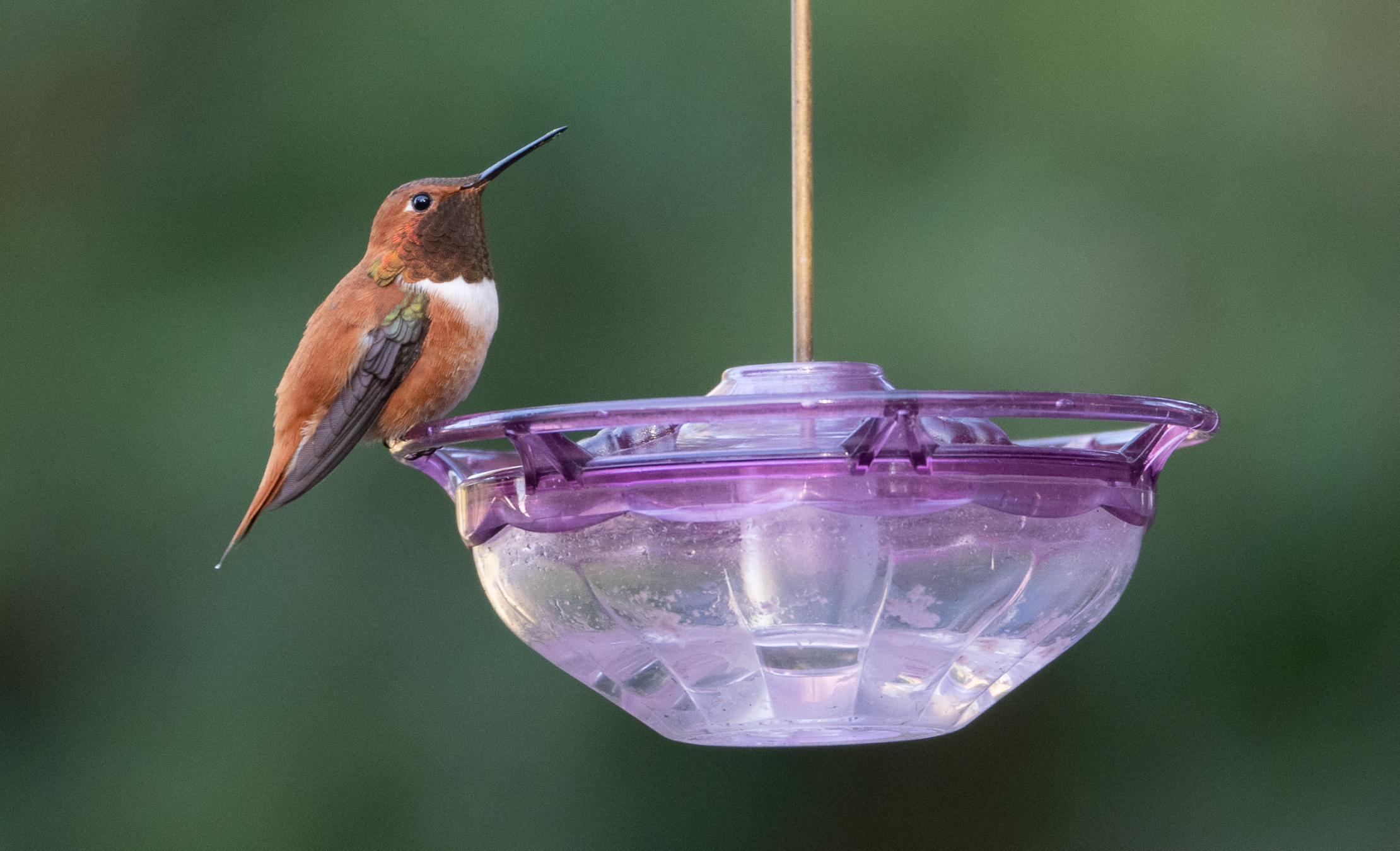
As I believe I mentioned in my last post, I was expecting a special spring visitor any day.  Early in the afternoon of March 5, 2026, I was in the yard filling bird feeders in preparation for some birding photography when I heard the buzz of a hummingbird’s flight behind me. I turned just in time to get the barest glimpse of a flash of orange speeding out of the yard. I had no opportunity to make out details, but I didn’t need to… seeing the orange color on a hummingbird told me that this was my first seasonal sighting of a Rufous hummingbird… and a male at that!  

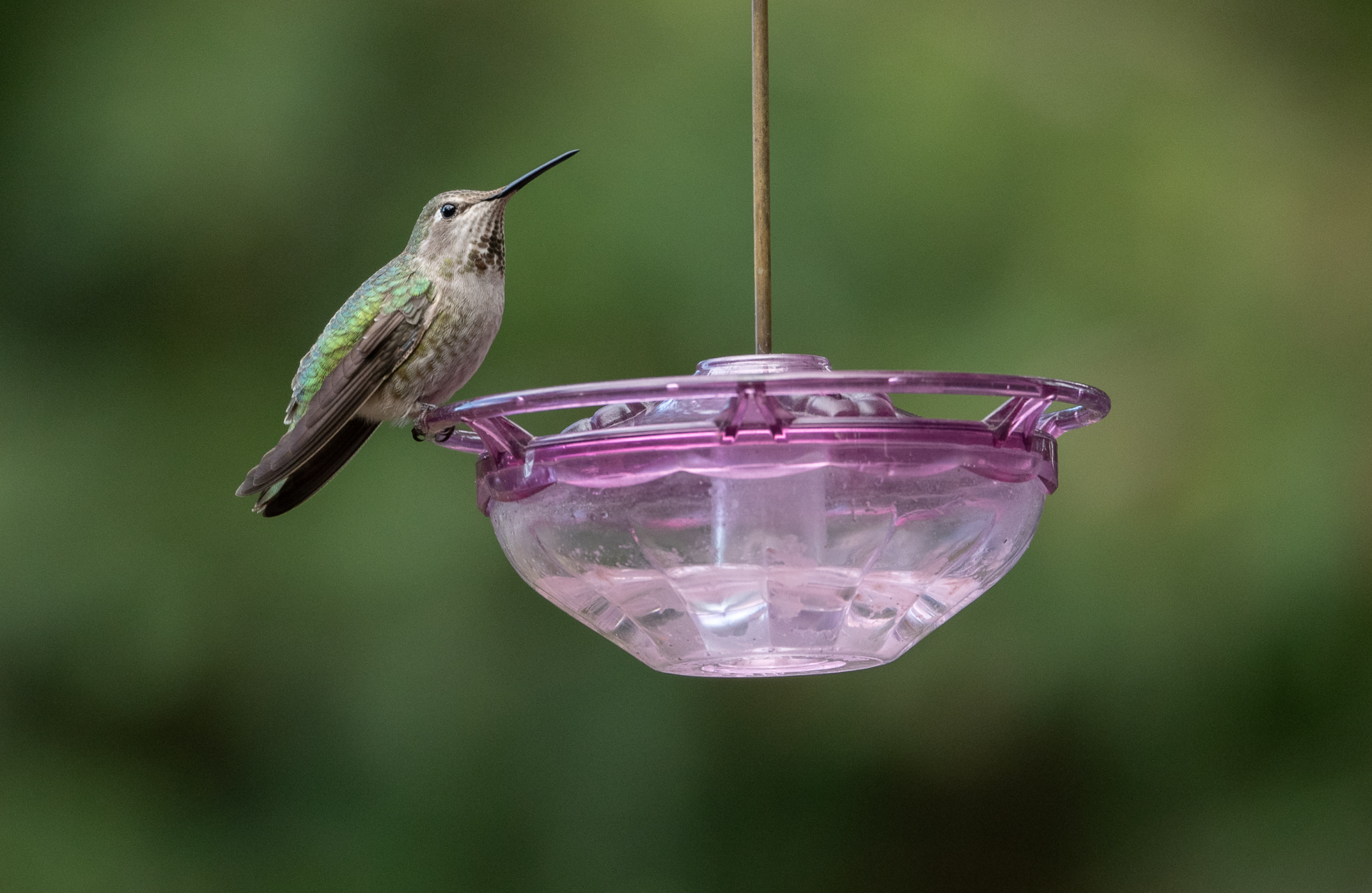
I was determined to get a photo so I retrieved my camera, vowing to wait as long as it took for me to get a photograph. While I waited I took the opportunity to photograph female…

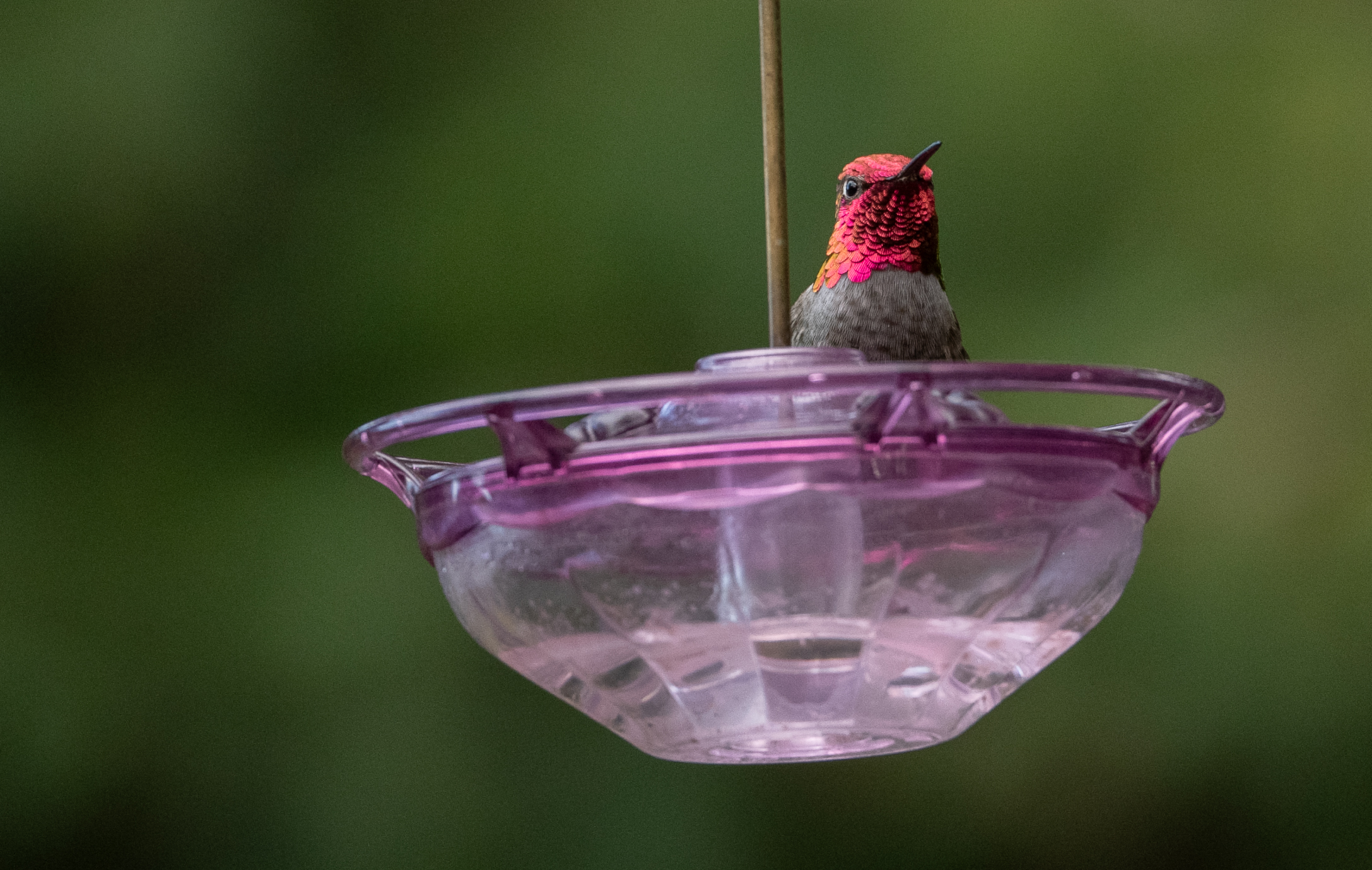
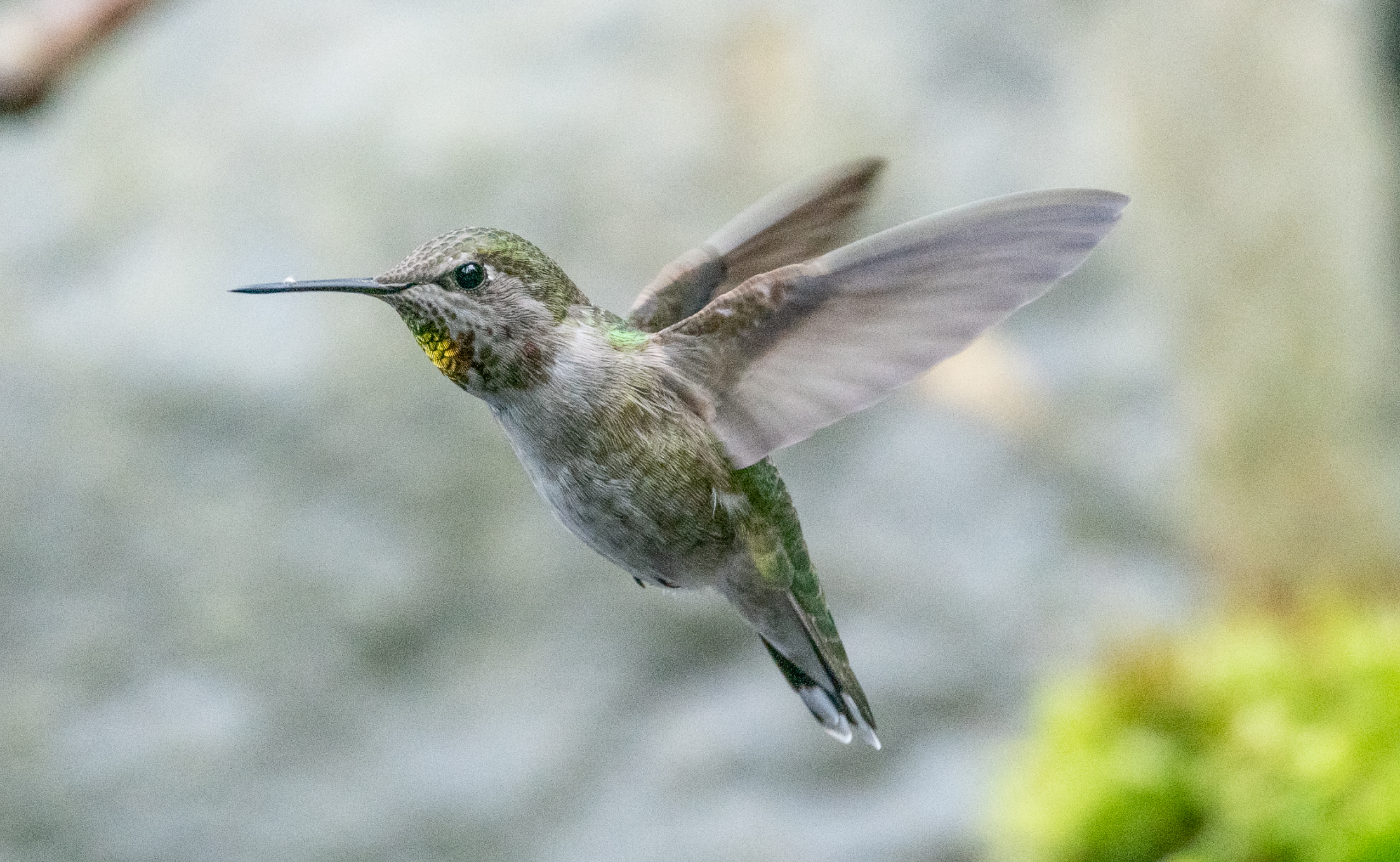
and male Anna’s hummingbirds at a feeder. They are year-round residents of the area. 

About 20 minutes later I had another sighting. This time a male Rufous hummingbird came to a feeder that was only about five feet from me, too close for photos. When I made a slight movement with my camera it quickly left the yard. 

I had to wait much longer for a third visit, but on this visit the hummingbird visited a feeder far enough away to provide me with an opportunity for photographs. The bird lingered on the feeder for a considerable time, but never gave me a good opportunity for photographs that didn’t include the feeder. As is true for all birding photography, I had to take the opportunity that was given to me. 

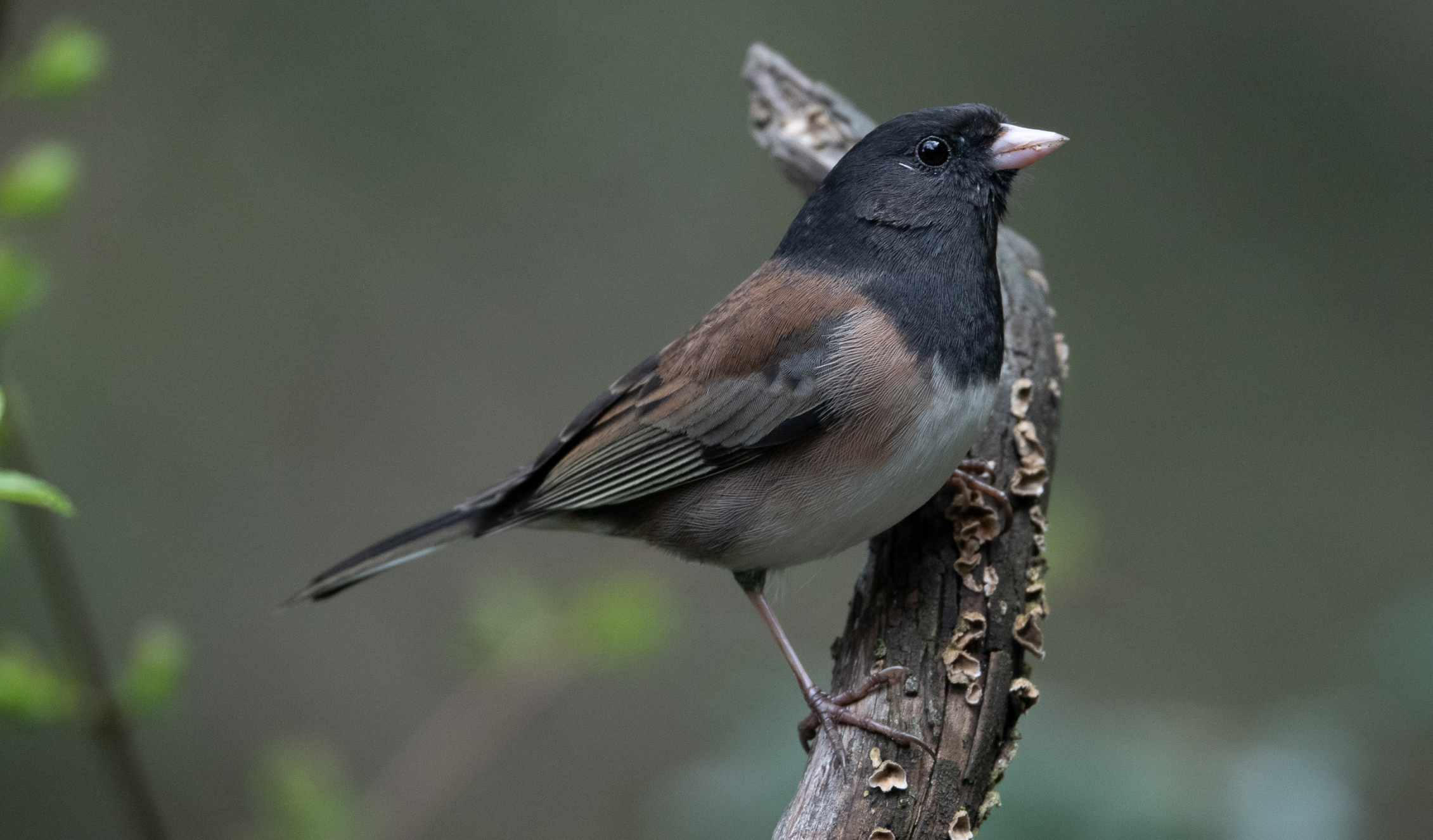
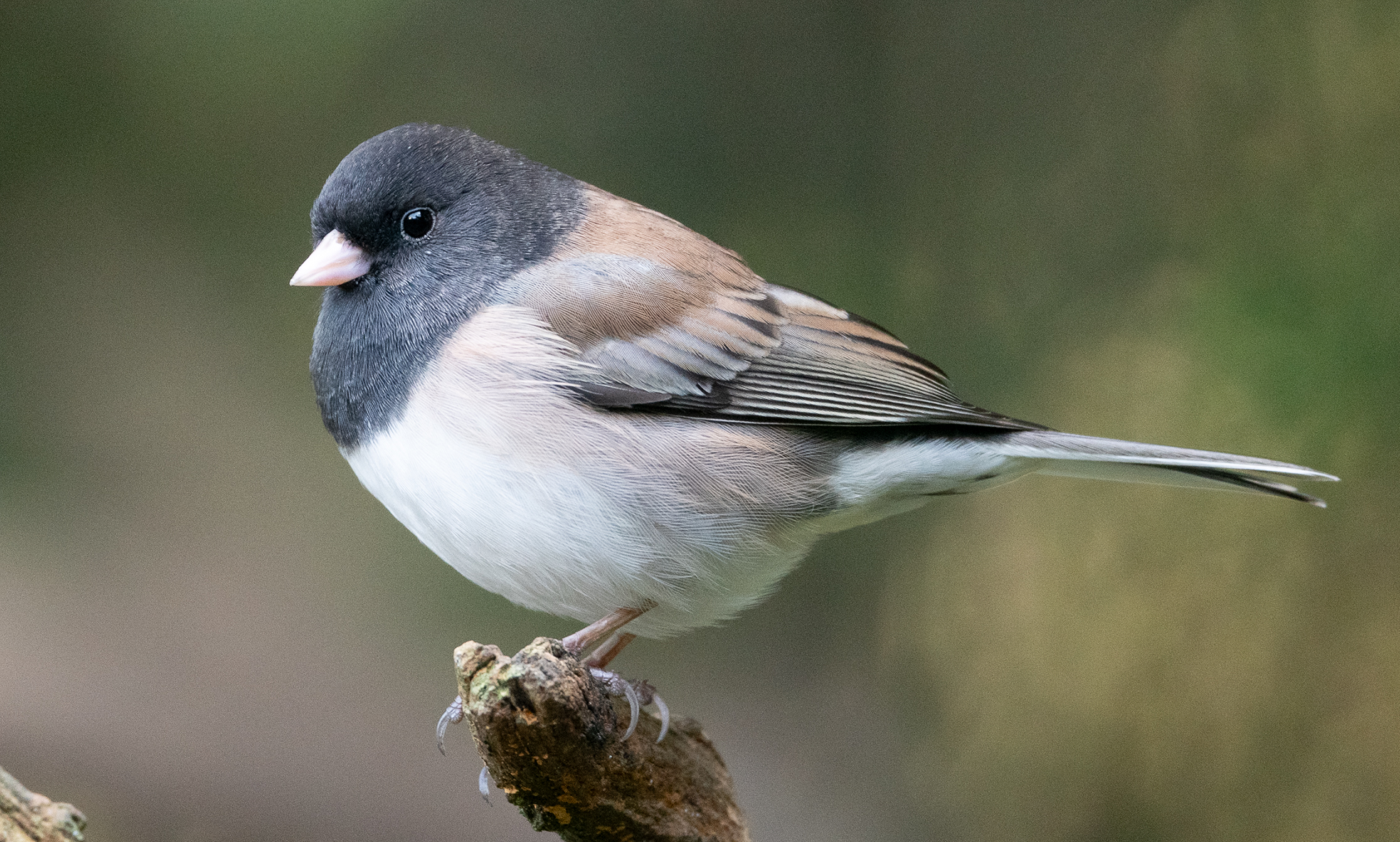
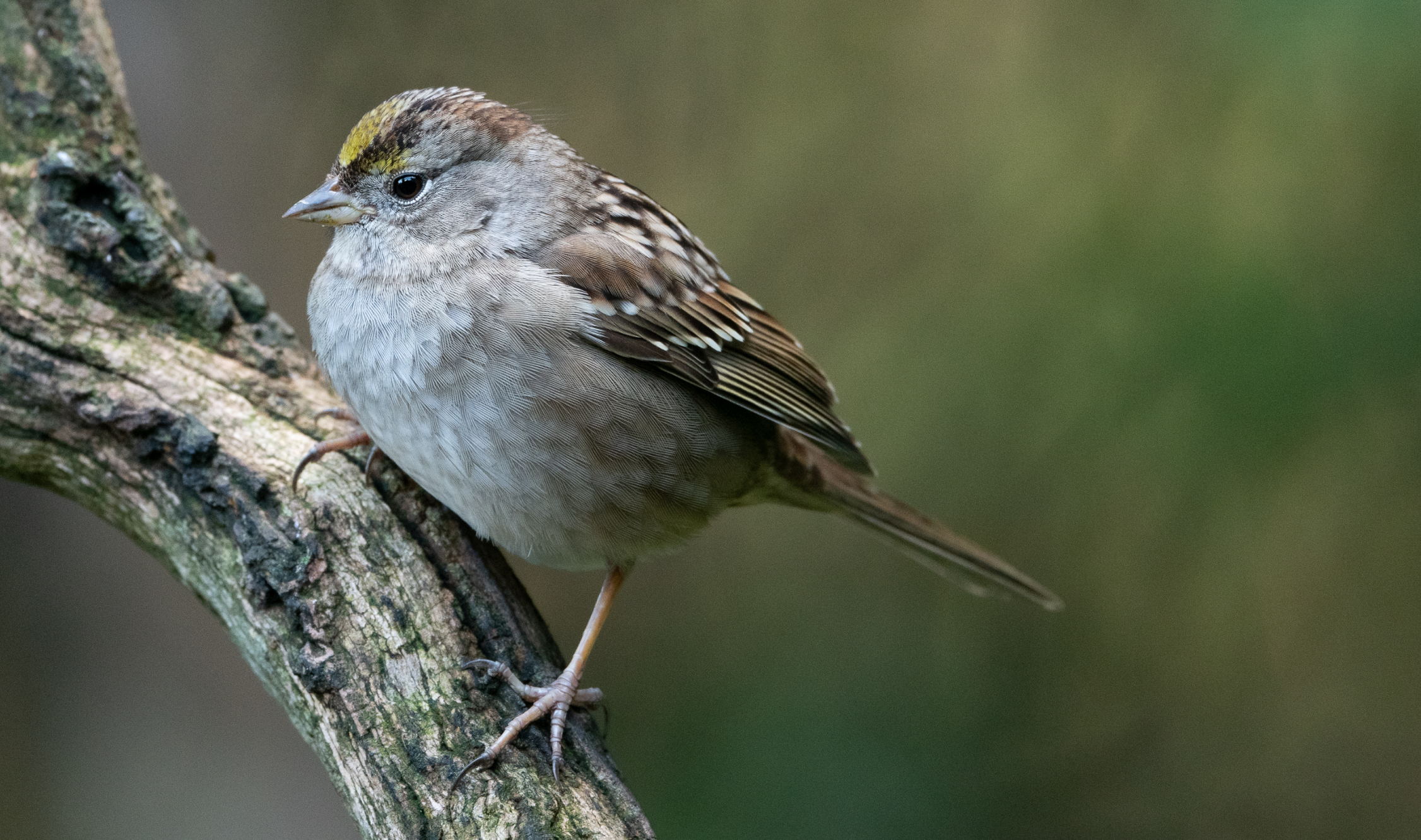
As I’m welcoming spring visitors I’ll be bidding farewell to two populous species of winter visitors… Dark-eyed (Oregon) juncos (of which I often have more than ten in the yard at a time) and Golden-crowned sparrows which can approach the same number. Both of these species will be departing for their breeding seasons… the juncos generally to higher ground and the Golden-crowned sparrows north to British Columbia and Alaska. 

Approach of Spring!

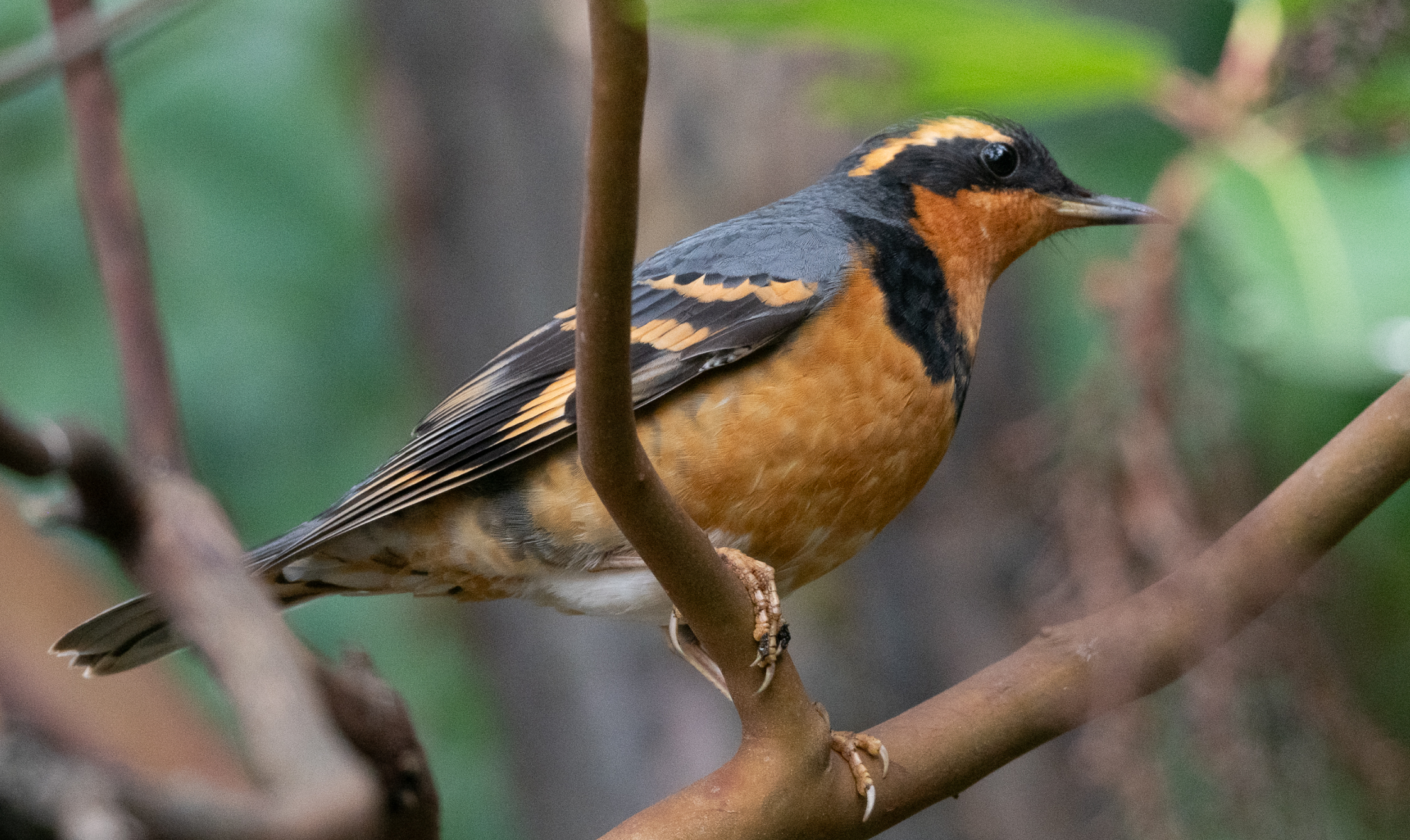
On February 23, 2026, I briefly hosted what shouldn’t have been a rare visitor… a male Varied thrush. It was the first I had seen since all the madrone berries in the yard were consumed last fall. These thrushes should have made more or less daily appearances during the winter months when snows at higher elevations blanket their food supplies. I assume that our meager and inconsistent snowfall was to blame. At any rate, I was very glad for the visit and the opportunity to photograph the visitor!  

Since the last week in February I’ve had increased Anna’s hummingbird activity in the yard and several have opted to bathe in the watercourse, the temperature of which whose must be in the mid-40s!  

I’m expecting my first Rufous hummingbird within a matter of days. In checking my records for the past several years, I note the earliest arrival here was March 3 in 2021. 

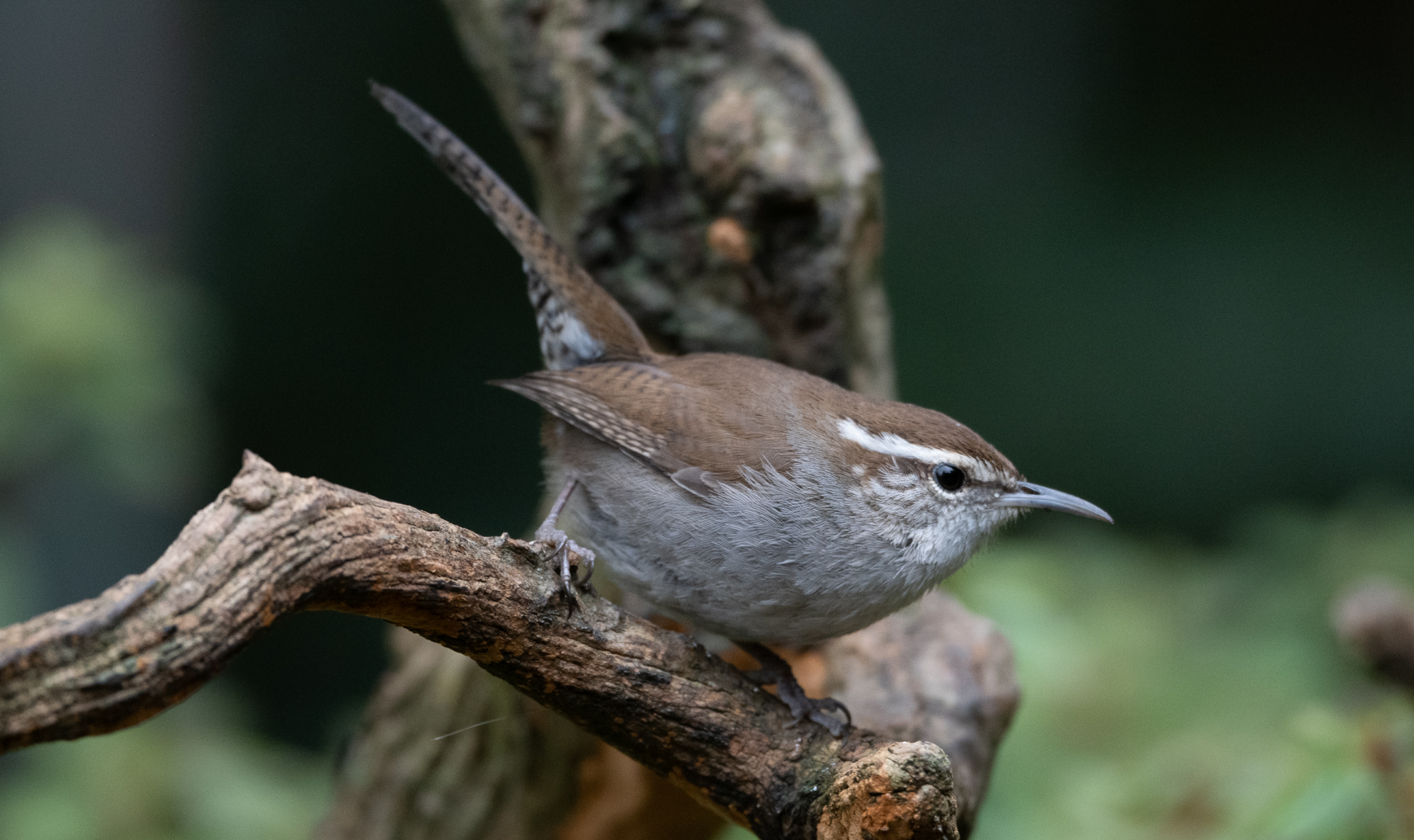
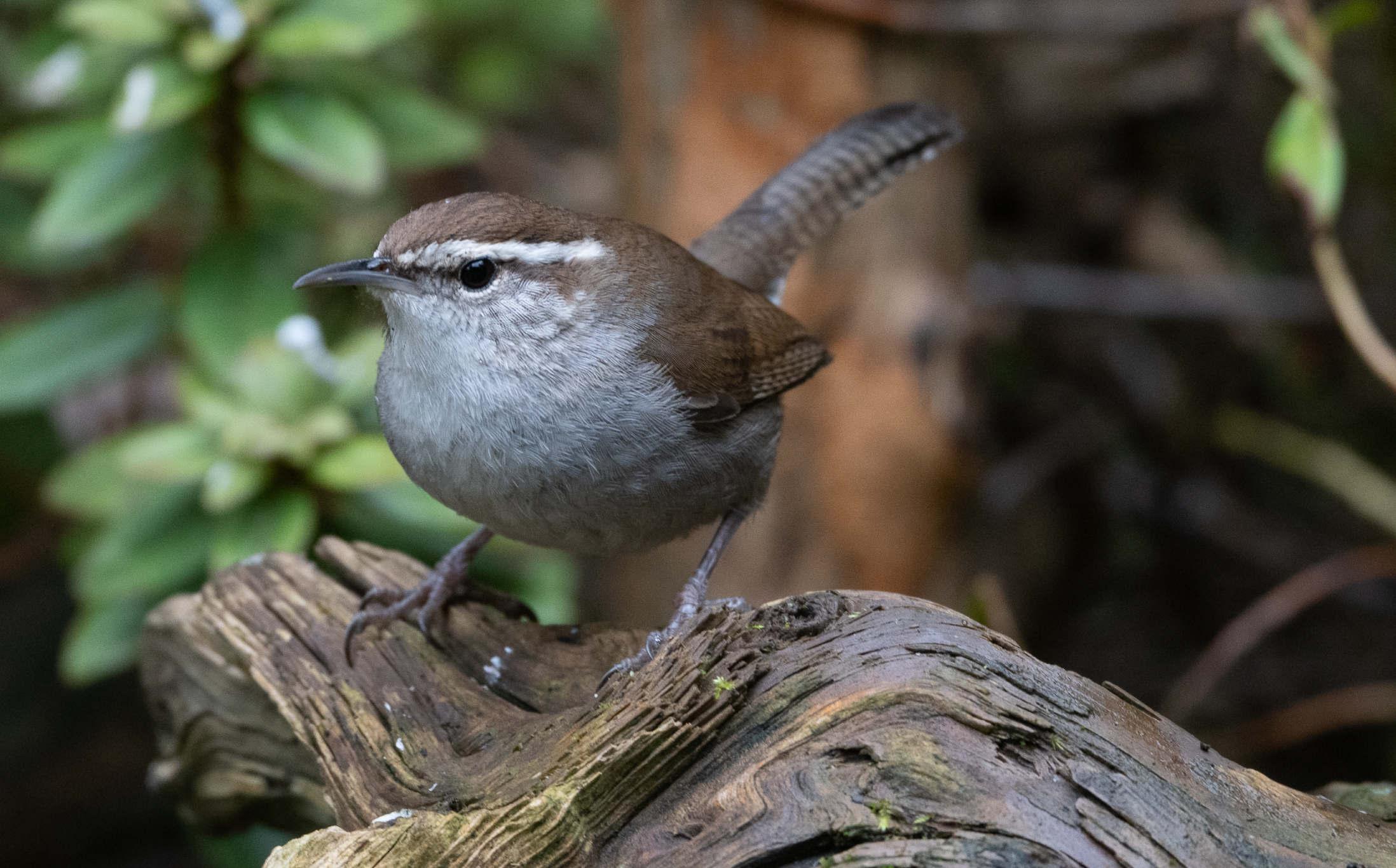
I’ve had a Bewick’s wren in the yard on a daily basis. It has accessed all three types of feeders I have and on three occasions very unexpectedly took food from a cup I was holding in my hand!  The bird is difficult to photograph because it almost never stops moving!  On February 3, I  managed to obtain several good photographs. 

I’ve also had an occasional sighting of a Pacific wren, but it’s even more difficult to photograph. 

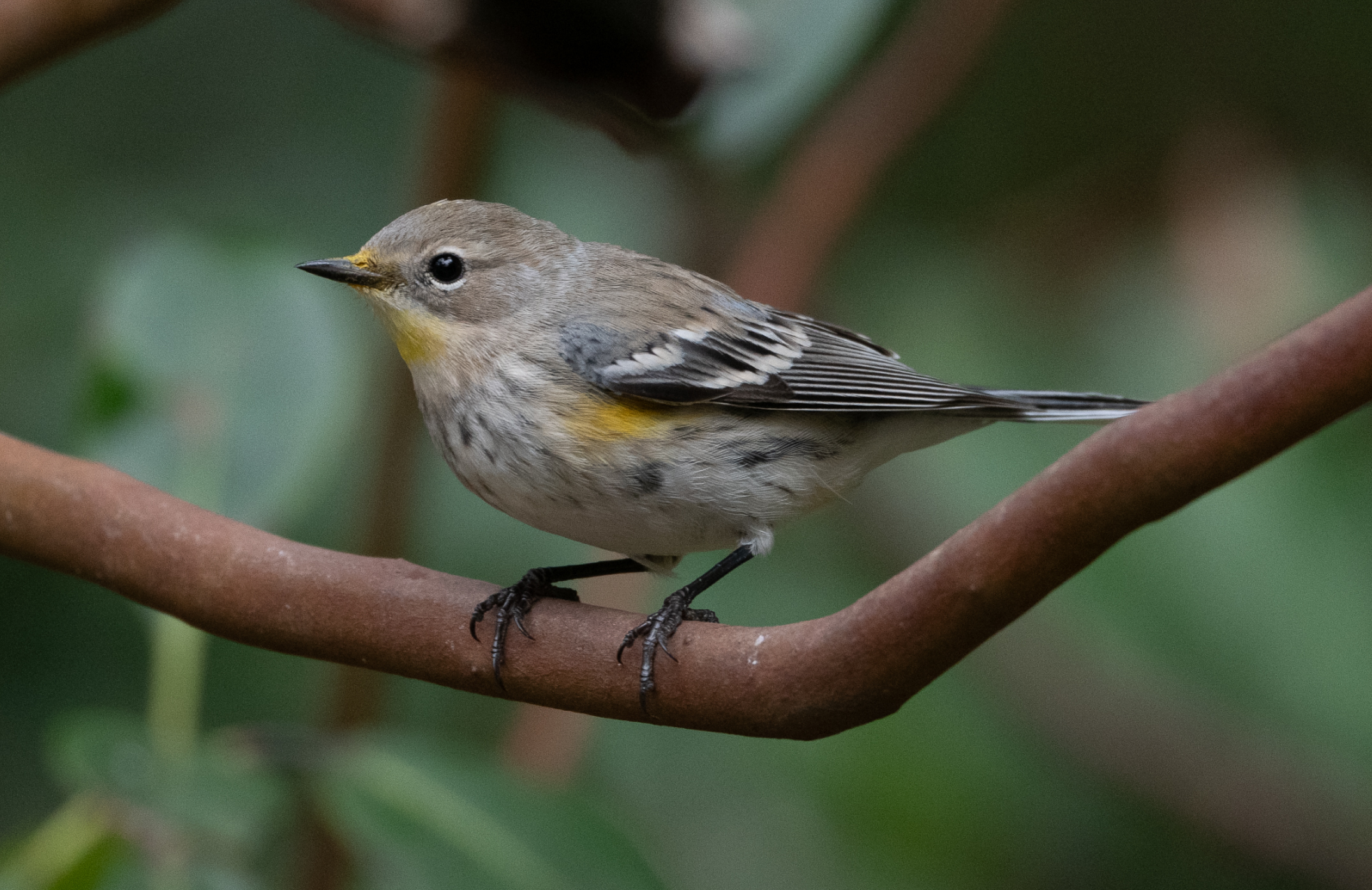
The same day (3/3/2026) I had what I’m calling my first spring migrant… a female Yellow-rumped warbler. It was only in the yard briefly and passed on the water features, but I managed several photos. In past years the Yellow-rumped warblers have been some of the first spring warbler arrivals.  

Spring has almost arrived!  I’m intending to spend significant time in the yard photographing spring migrants in April, and especially May. In past years I’ve had difficulty posting to my blog due to my time in the yard and processing an excessive number of photos. I think my number of daily photos has exceeded 600 on two occasions, and those occasions would have been in the spring!