An Exciting 30-Minutes in the Yard!

I looked out our kitchen window about mid-morning on March 7, 2017, and saw the elusive male Varied thrush taking advantage of some of the habitat improvement (shelled sunflower seeds) I had just sprinkled in the yard. (I have yet to have anyone explain to me what a thrush is doing eating sunflower seeds, but it’s winter and I’ve already seen how that apparently brings out different behavior in some birds.) I grabbed my camera and tried to sneak out a side door, but the ever-alert thrush apparently got wind of my plan and disappeared.

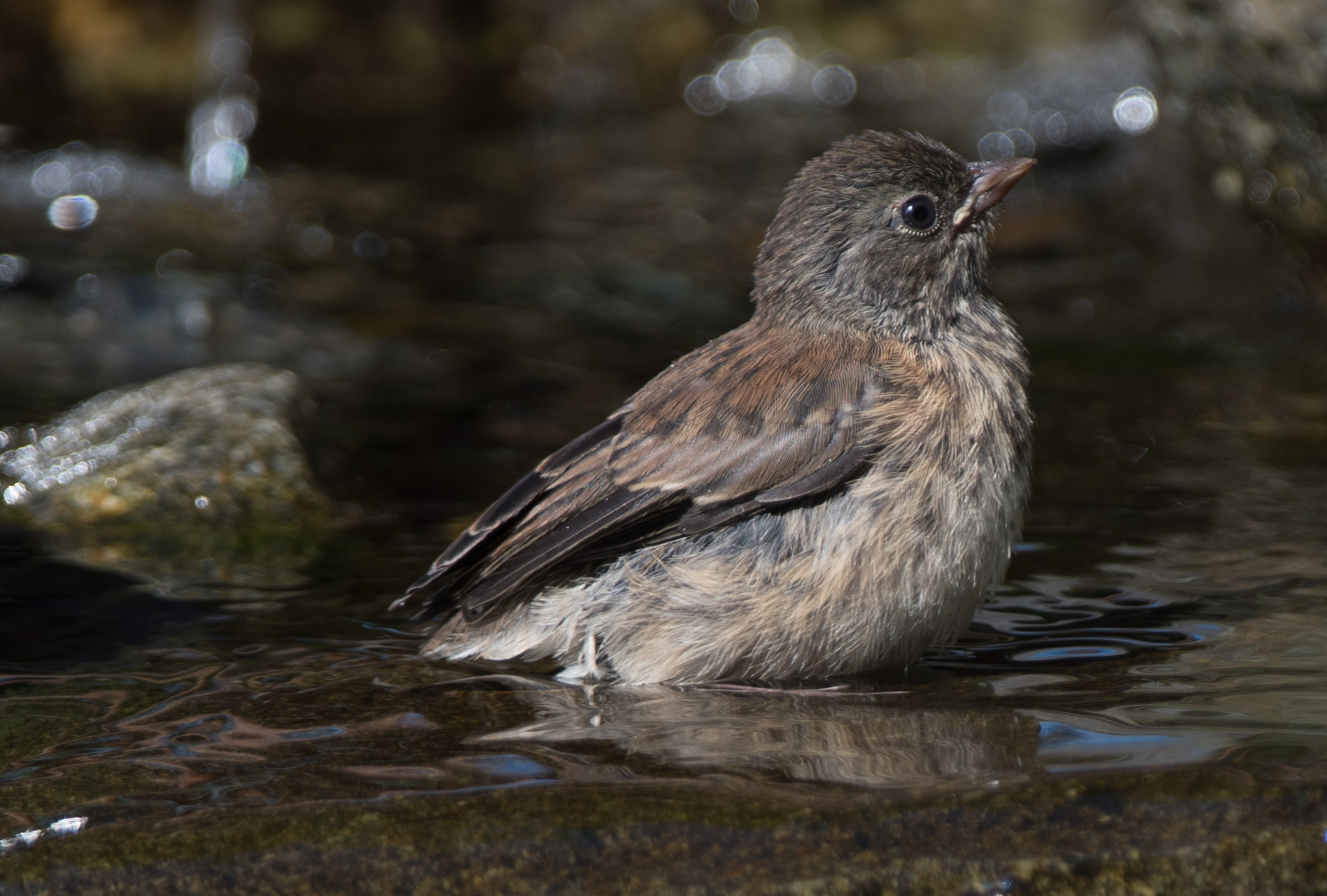
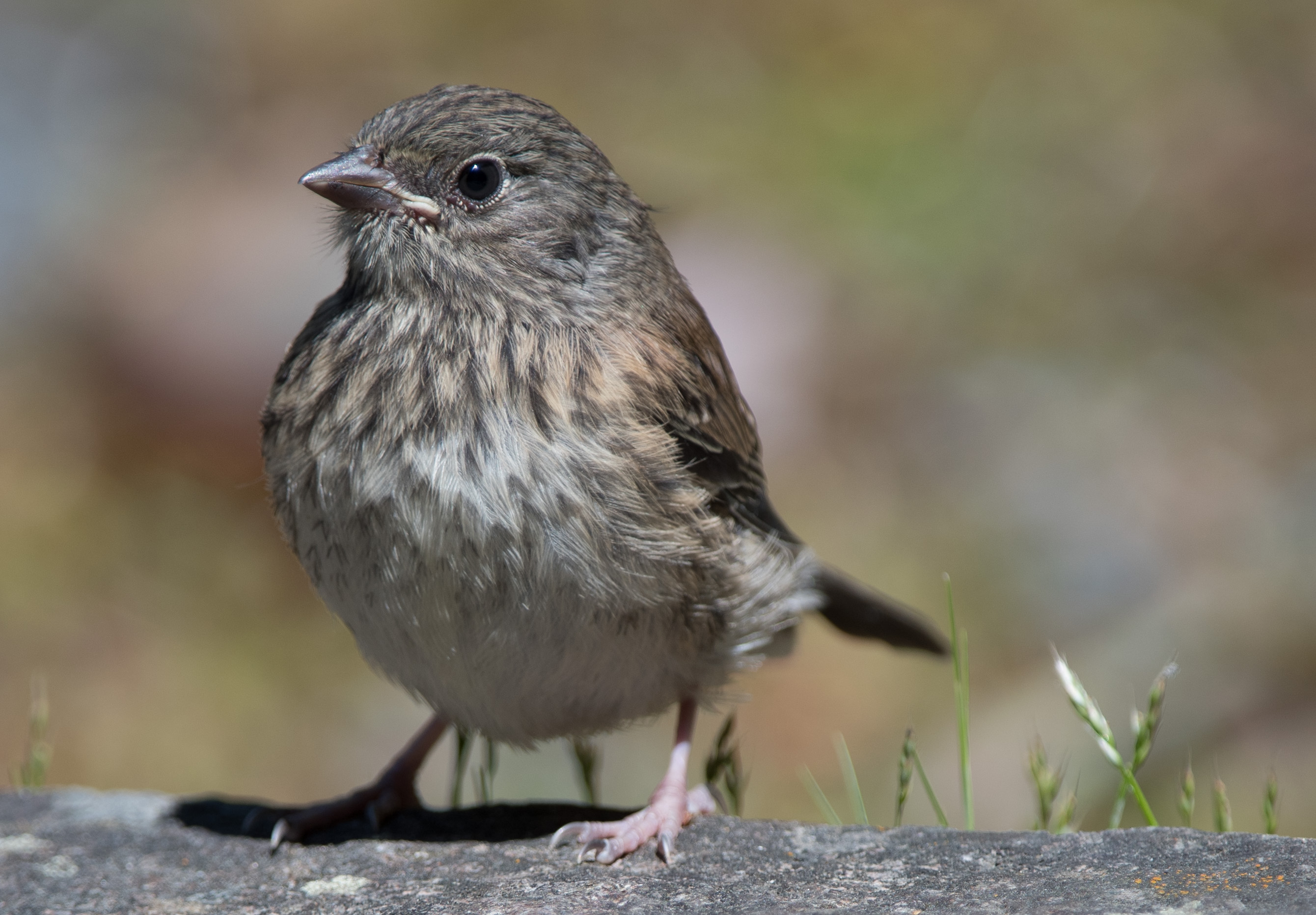
However I had a great crowd of birds taking advantage of the seed on the ground. After a few minutes I realized that I had two Slate-colored Dark-eyed juncos eating the seed… along with twenty or more juncos of the Oregon race.  (Only on one or two other occasions have I seen two Slate-colored juncos in the yard at the same time, although I have long suspected that we might occasionally have two!)  I was able to take photos of both of the birds, although not together at the same time. If you look carefully at the photos below you can see some subtle differences between the two birds.

My observation chair was almost under the single hummingbird feeder we’ve kept out all winter for the Anna’s hummingbirds (at least two males and one female) and I was distracted by buzzing overhead. I looked up to see whether it was two males or a male and a female fighting over the feeder and there, not three feet from my head, was our first Rufous hummingbird of the year (a female)! She was quite interested in the feeder and I managed several photos of her.

I was then distracted by a female Varied thrush which had emerged from the perimeter of the yard. I managed several photos of her before she disappeared into the firs and madrones.

Finally, a Bewick’s wren emerged from some foliage just in front of me and it, too, went for a sunflower seed. (I guess this is no stranger than the Varied thrush eating the sunflower seeds!)

Back Into the Yard

I’m not sure whether or not I’ve mentioned it here, but we’ve had a couple of shy Varied thrushes in the yard for some time this winter.  The birds usually come down to the lowlands for food in the winter when snow begins occurring in the mountains.  We’ve had a pair here (a male and female, just confirmed yesterday (Mar 5, 2017) for several weeks.  I’ve been somewhat frustrated in obtaining any good photos of them.  We see them in the yard from the house from time to time but they have been very shy and photos of either of them have been quite few and far between.

Yesterday I sat out in the yard for a couple of hours.  Under normal circumstances my hands would get too cold, but yesterday I fired up a small Zippo hand warmer (powered by lighter fluid) and stuck it in the right pocket of my coat,  With a glove on the left hand to hold my monopod, and my right hand for operating the camera stowed in the pocket with the hand warmer, I got along just fine.  Over the course of the couple of hours I got a few opportunities for photographs of the female Varied thrush.

When you can pick the birds out of the bushes, which can be a chore in itself, this is the view you might get…

But here are a couple of better views…

And here is an unobstructed view on one of the rare occasions that the thrush ventured into the open…

Sorry that the bird’s back was turned, but the birds don’t give me the opportunity to pose them!

Here’s a photo, also taken Feb 5, 2017, of another more common and less shy thrush, the American robin.  The birds often hang out together and when I see robins in the yard I begin looking for the Varied thrushes.

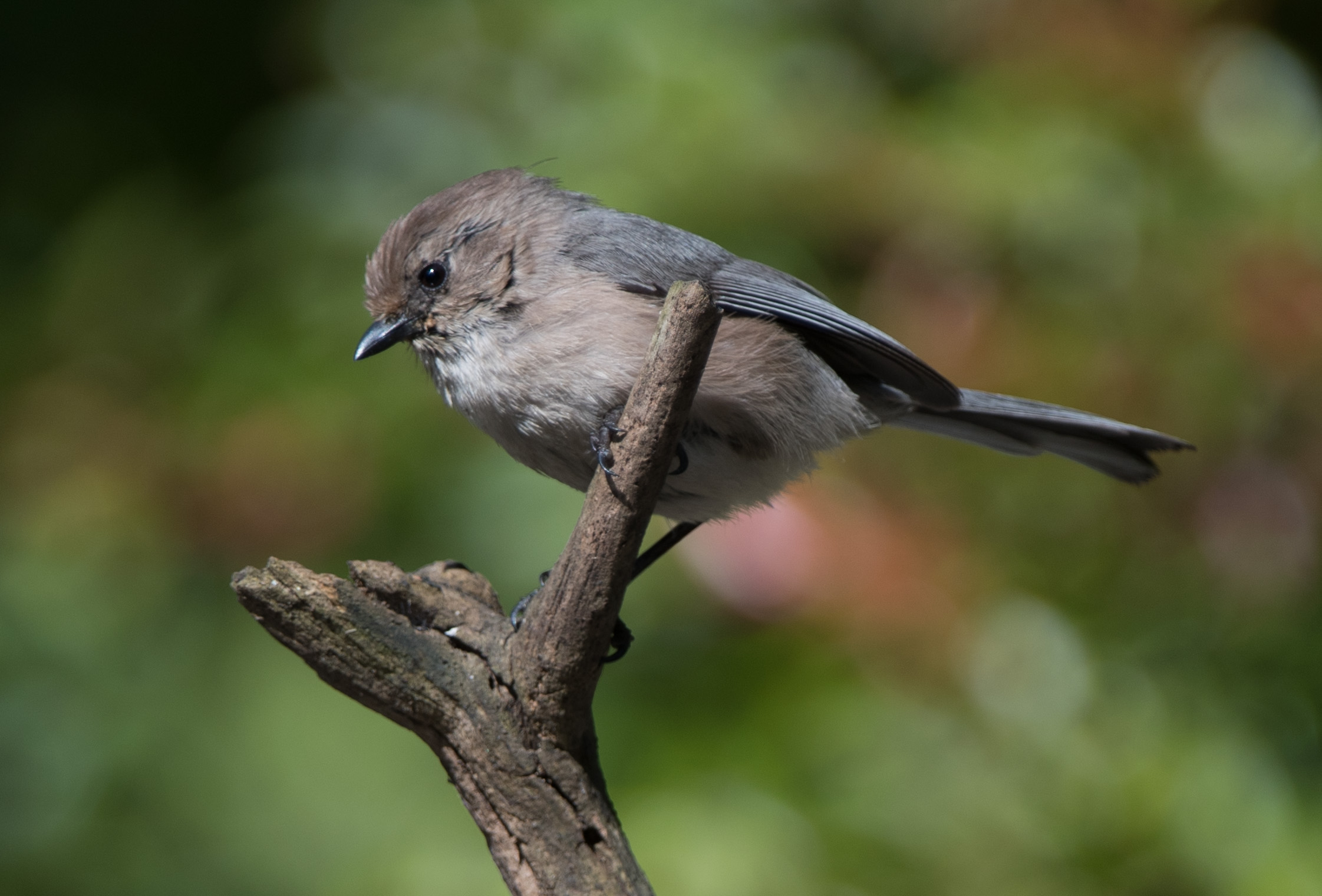
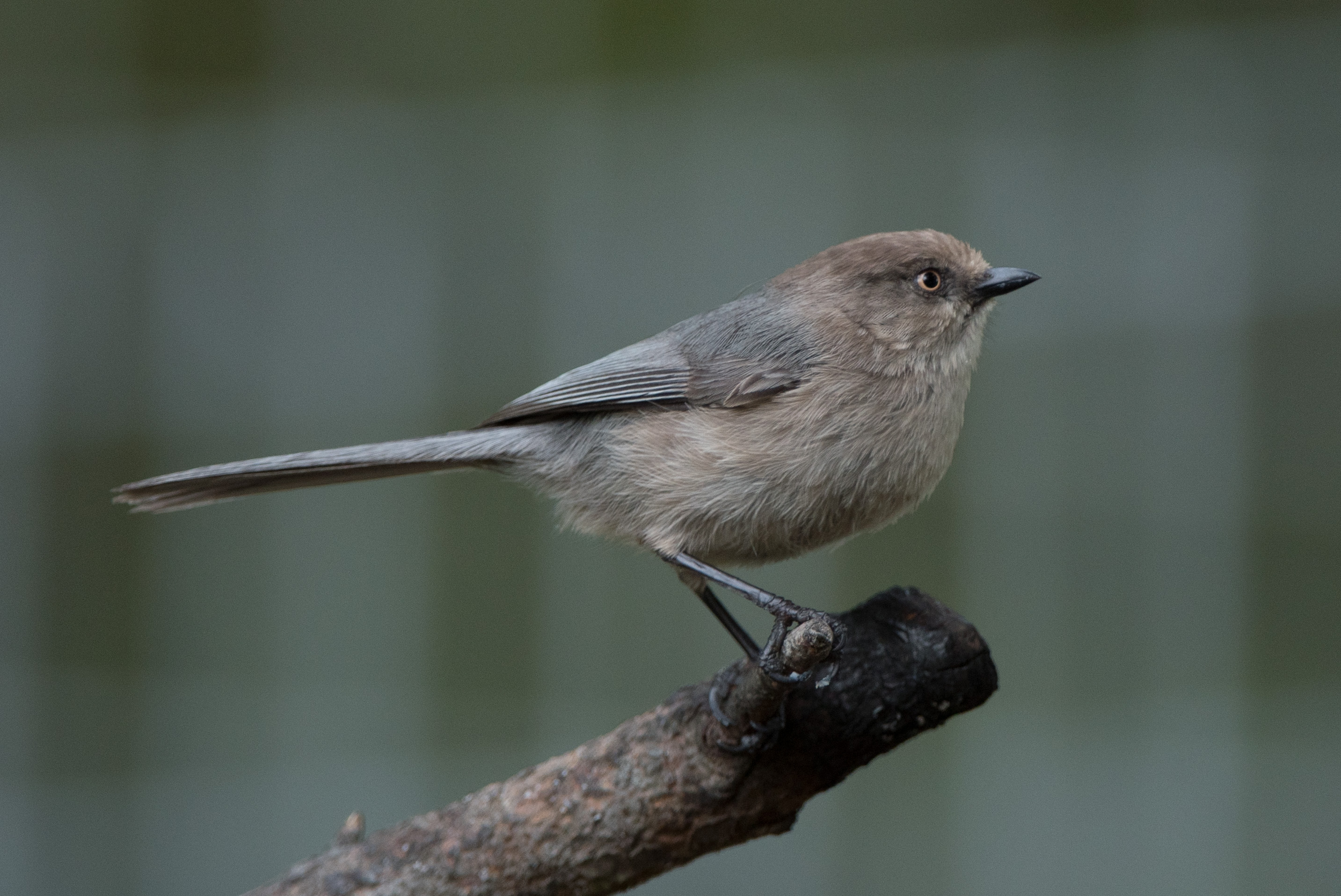
While I’m at it I’ll show a couple of photos of same-day visitors… Bushtits.  For the first season in the 16 years we’ve lived here, Bushtits have been coming to our feeders (suet and peanut!) several times a day.  One of these birds is a male and one is a female… do you know how to tell the difference?  (The female is giving you a clue!)


Reflections on Fidalgo Bay and Beyond

All of these photos were taken on a February 22,2017 expedition.

One of five juvenile Bald eagles which had been scavenging a carcass on March Point…

A male and female Northern pintail off March Point…

A male Green-winged teal off March Point…

A gull over Fidalgo Bay…

Greater yellowlegs on the March Point shoreline…


And ‘beyond’ March Point, a Bewick’s wren on Pleasant Ridge…


Another Excursion

On Monday, Feb 20, 2017, I began my birding in the yard when I noticed quite a number of birds there.  The only bird I photographed was this Slate-colored Dark-eyed junco.

I next made a little birding excursion with a friend.  As usual, we began at March Point but the significant occurrence there was that we encountered about 30-40 Dunlin on the rocks at a little past high tide.  I hadn’t seen Dunlin there for several weeks until this day.

We continued on to Pleasant Ridge where I took these photos of a female Ruby-crowned kinglet in the bushes beside a road.

We rounded out our excursion with a tour of Fir Island where I photographed this Great Blue heron.


Same Old Winter Yard Birds

All of us here in the Pacific Northwest are looking forward to spring.  Other than a very shy Varied thrush or two there have been few visitors outside the usual winter cast.  And try as I might, the Varied thrushes remain elusive!

I spent an hour or so on a rainy Saturday (Feb 18, 2017) in the yard photographing birds.  In terms of sheer numbers, the Dark-eyed (Oregon) juncos have the overwhelming population advantage.

We still have at least one, and possibly two, Dark-eyed (Slate) juncos.  They almost never seem to be in the yard at the same time but my wife and I have noticed some color variations that make us think that we have two this winter.

We still have a Bewick’s wren that can be found almost any time of day on either one of the suet feeders or one of the peanut feeders, a major departure from the bird’s usual diet.  I’m assuming that the bird will revert to insects once the weather warms.

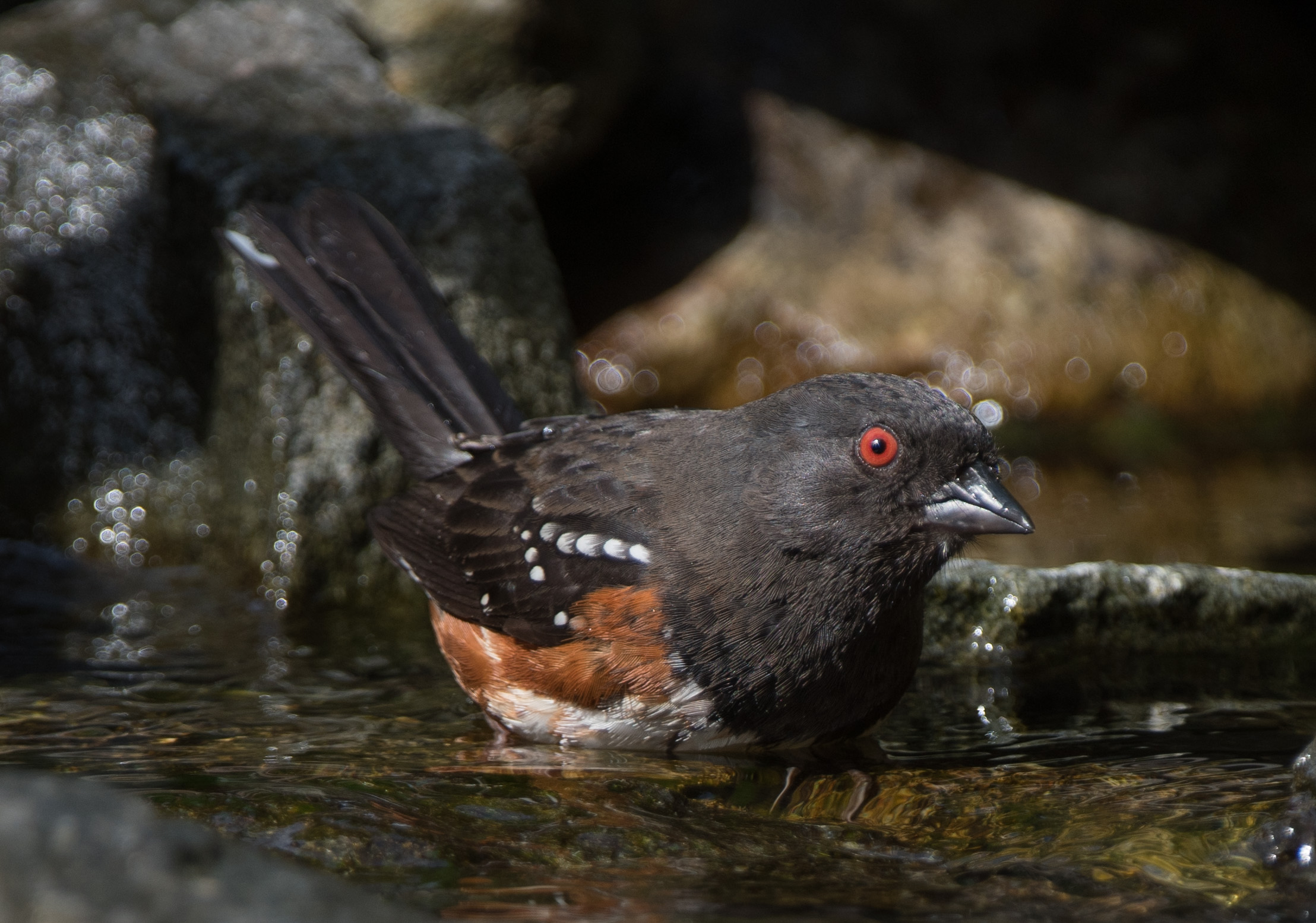
We have a pair of Spotted towhees, this being the male.

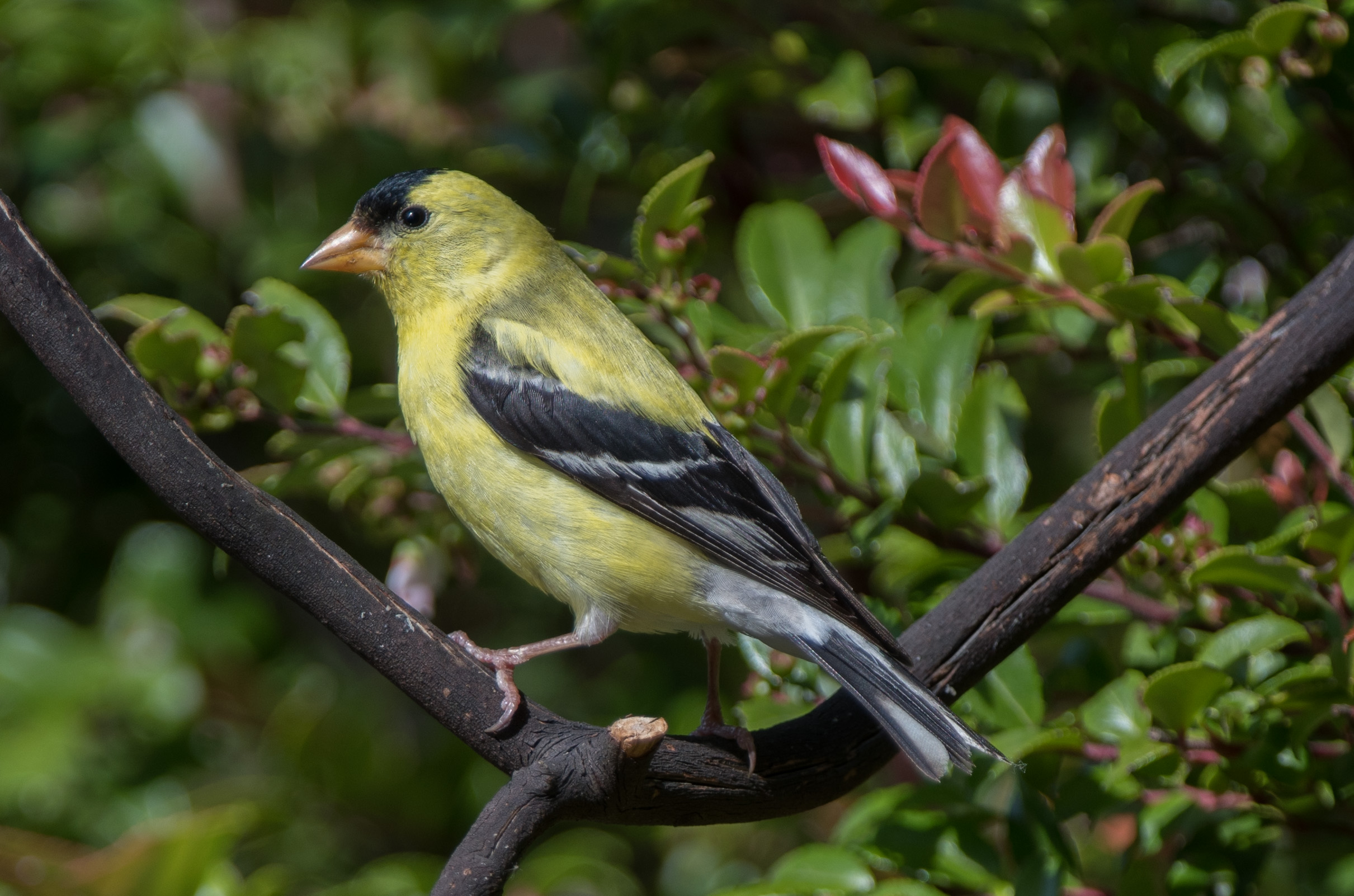
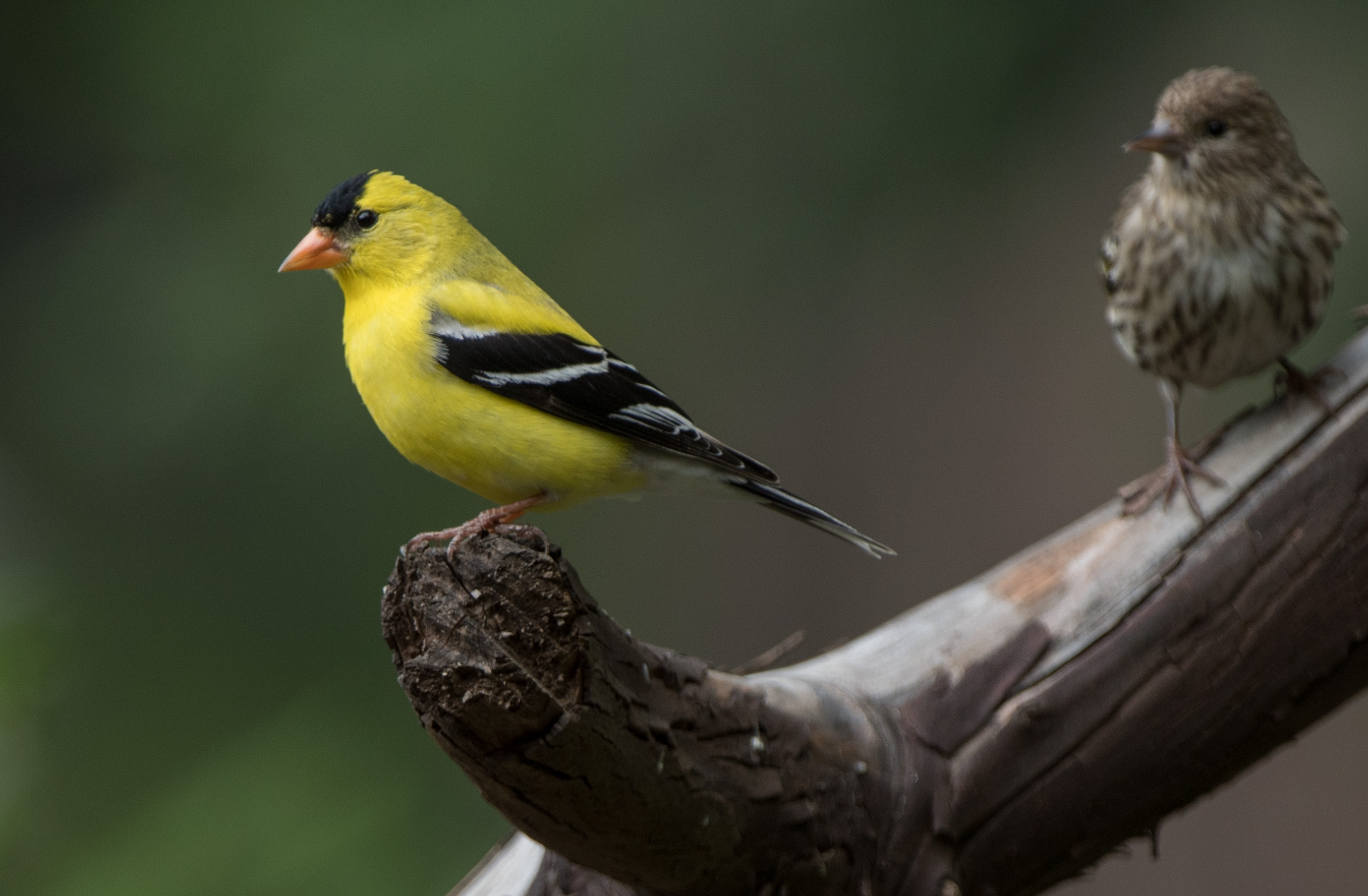
Although we almost never have American goldfinches here in the winter, although they can be found in Skagit County, about two weeks ago we had a pair show up in the yard.  Today I counted six and noted that they are beginning to acquire their breeding plumage.


We have several of the more drab sparrow species in the yard.  The Song sparrow

The Fox sparrow…

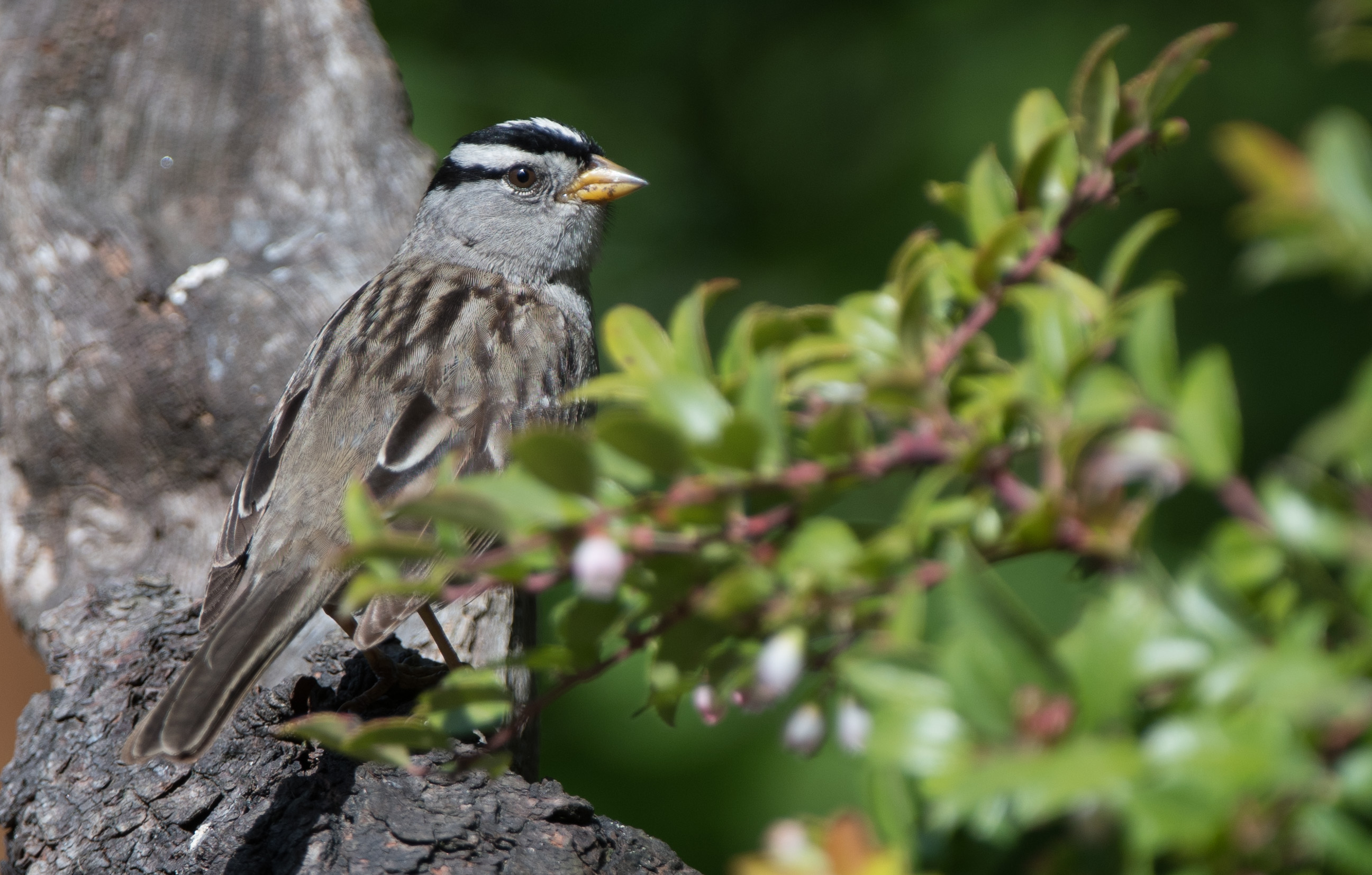
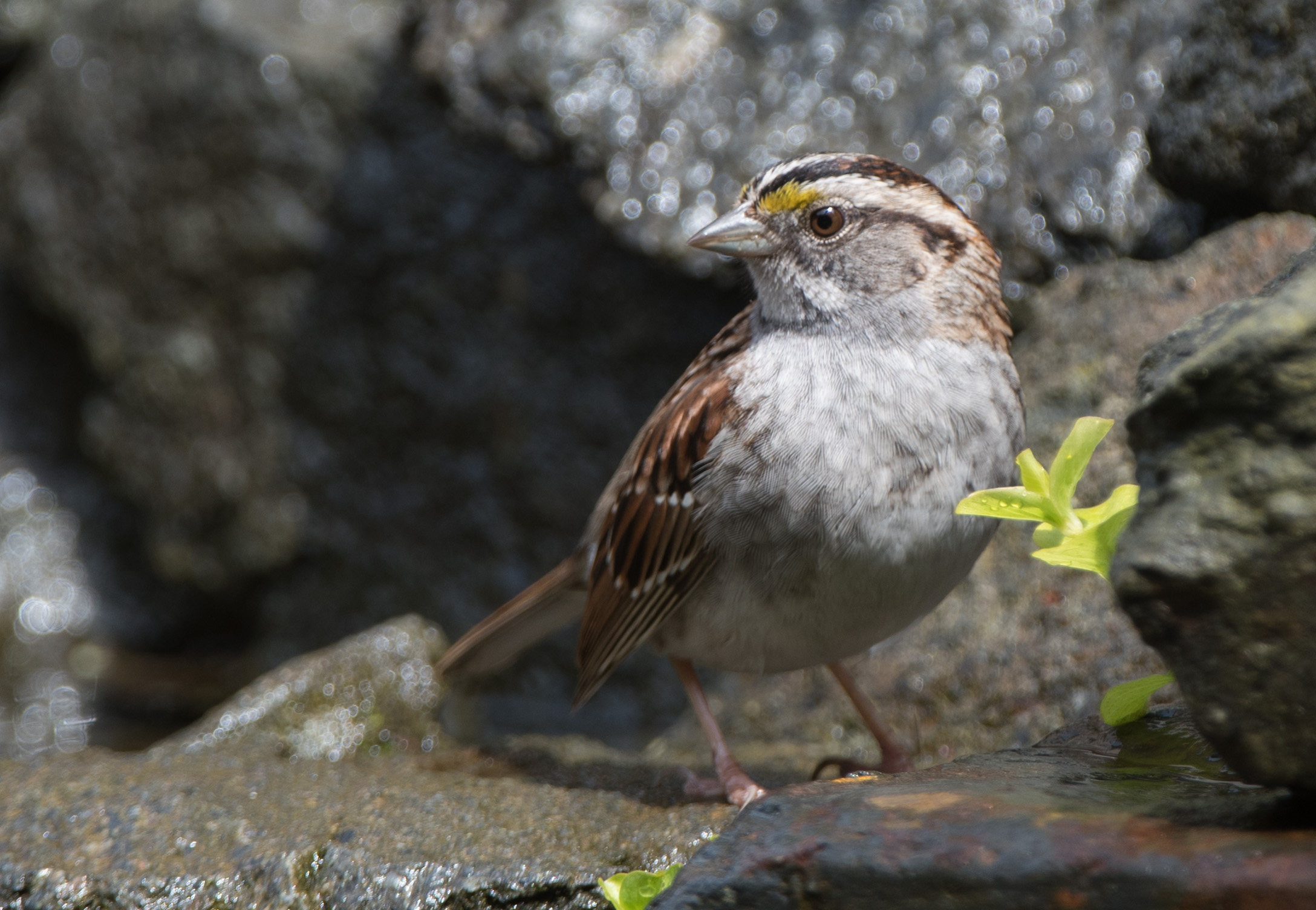
And the Golden-crowned sparrow.  The Golden-crowned sparrows are beginning to acquire breeding plumage and in the next several weeks will be departing for breeding grounds further north.

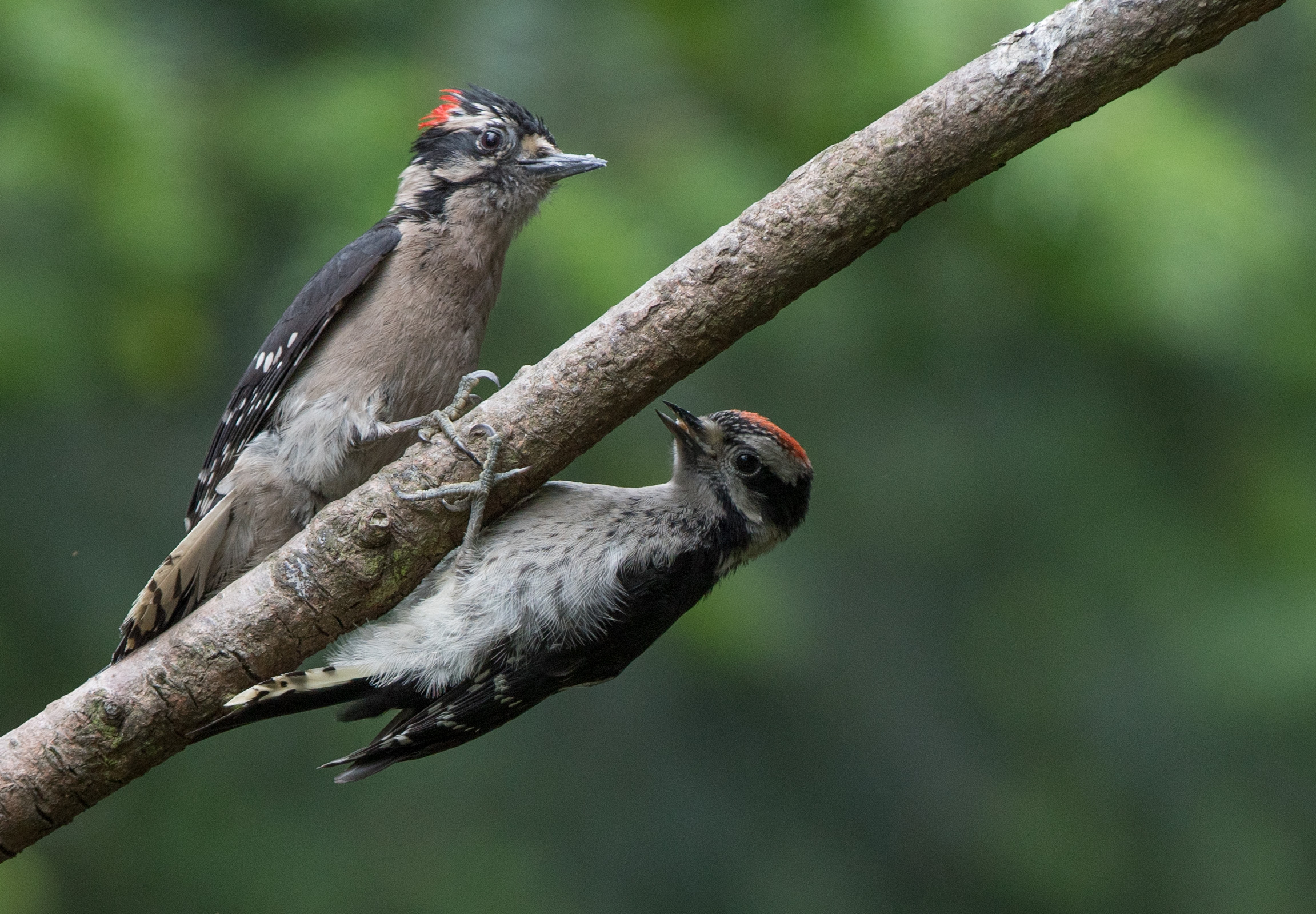
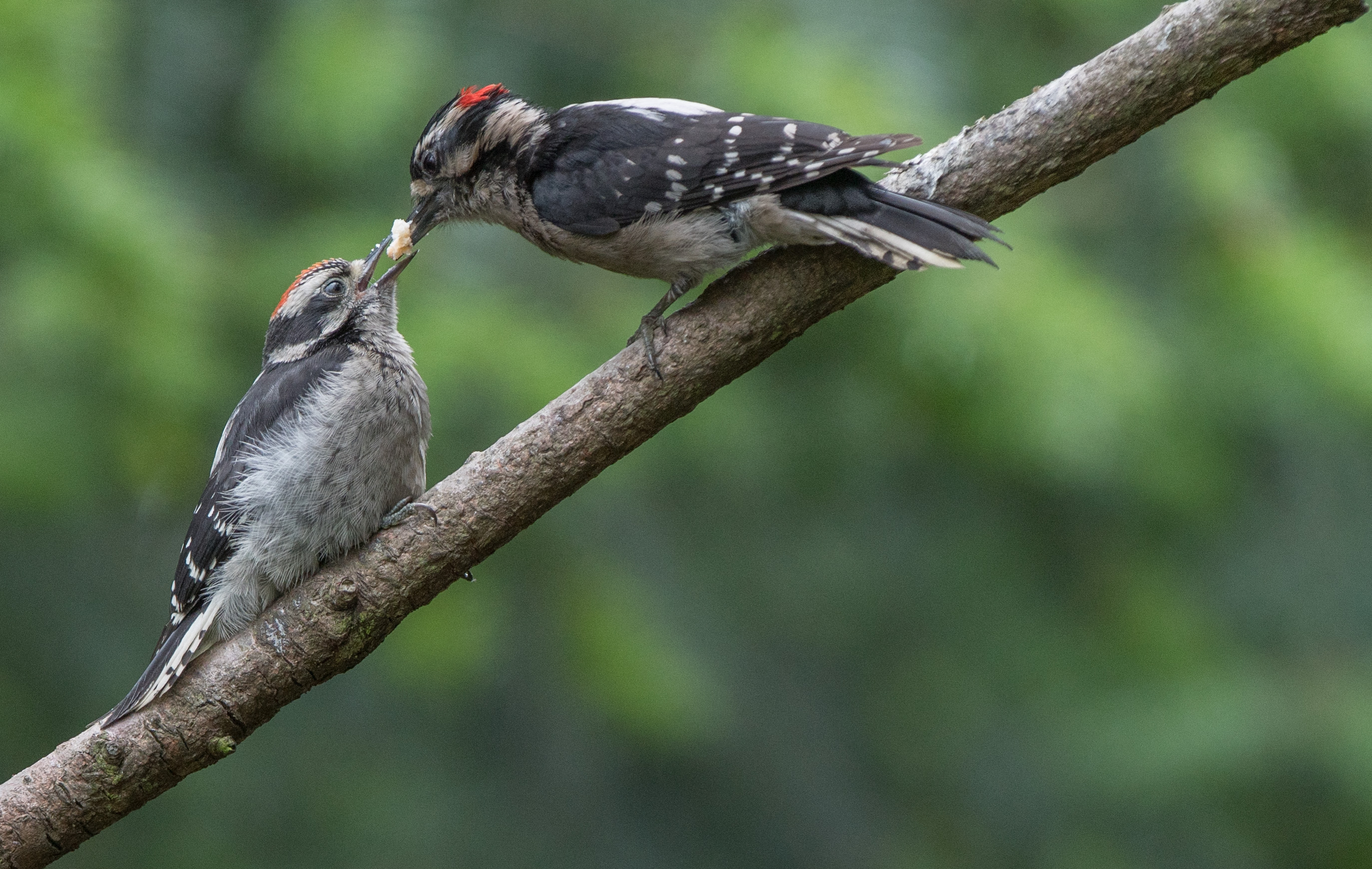
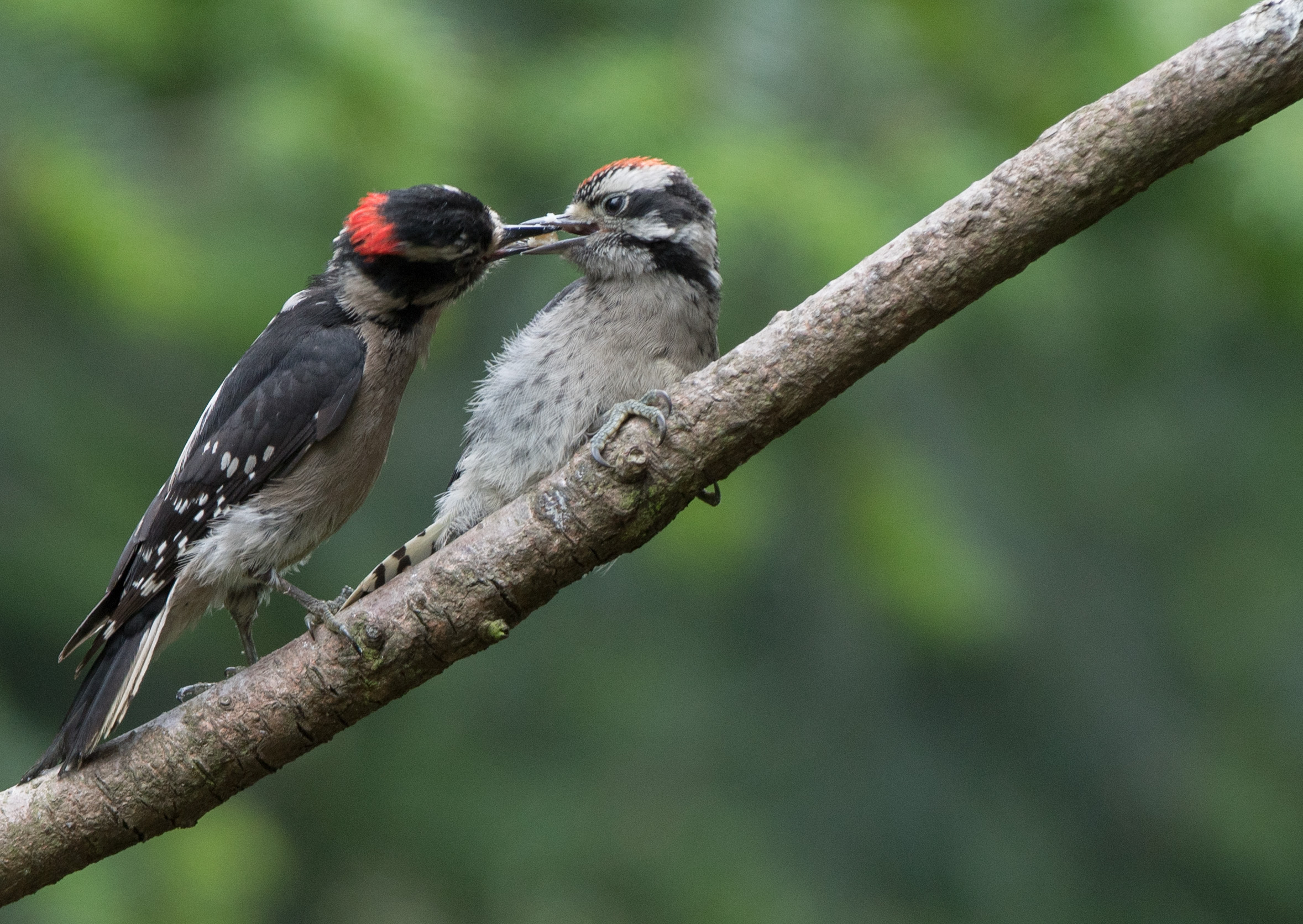
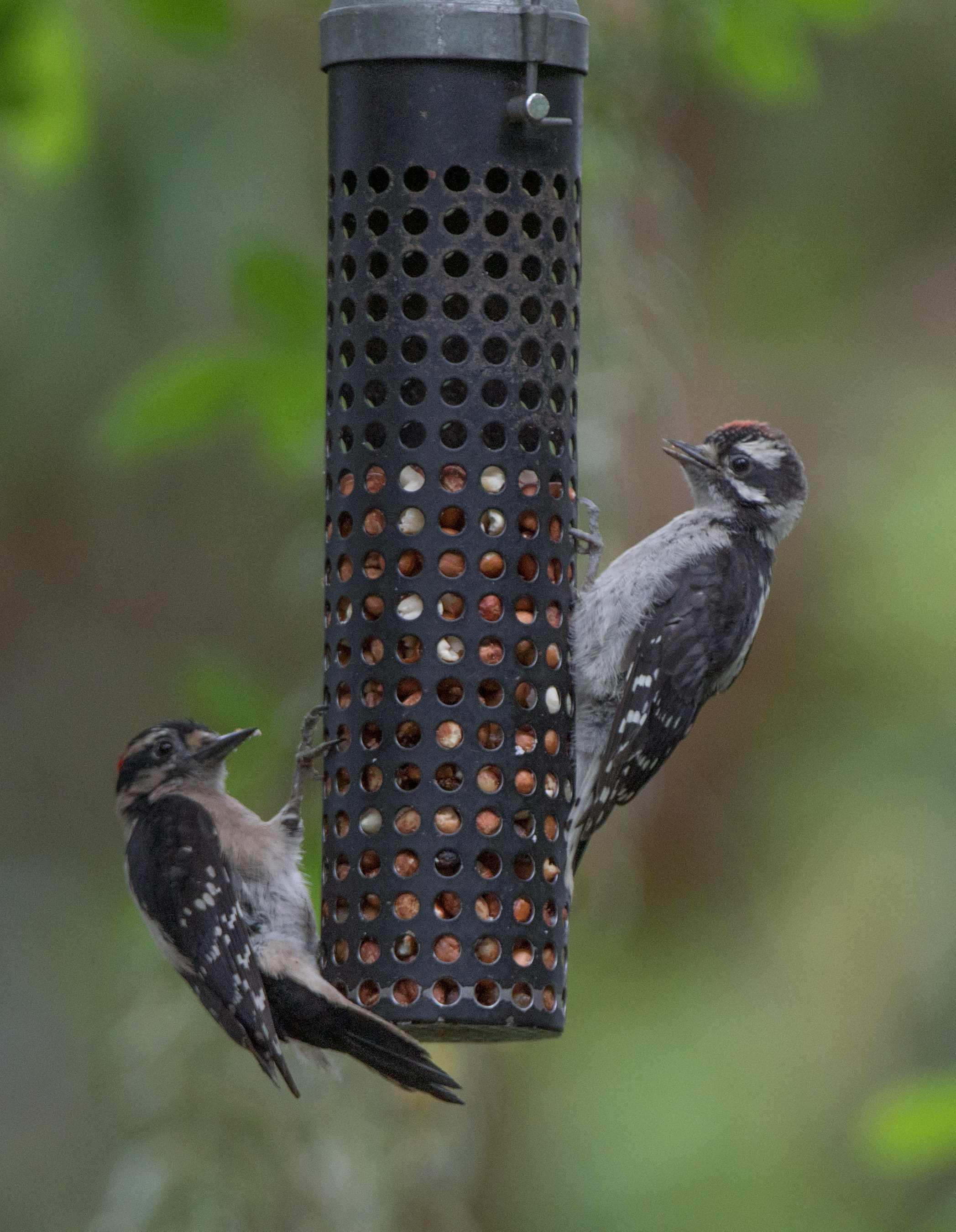
We also have male and female Northern flickers, male and female Downy woodpeckers, a male Hairy woodpecker, at least one male and female Anna’s hummingbird, a large family of Bushtits and some newly arrived, after a long absence, Pine siskins.

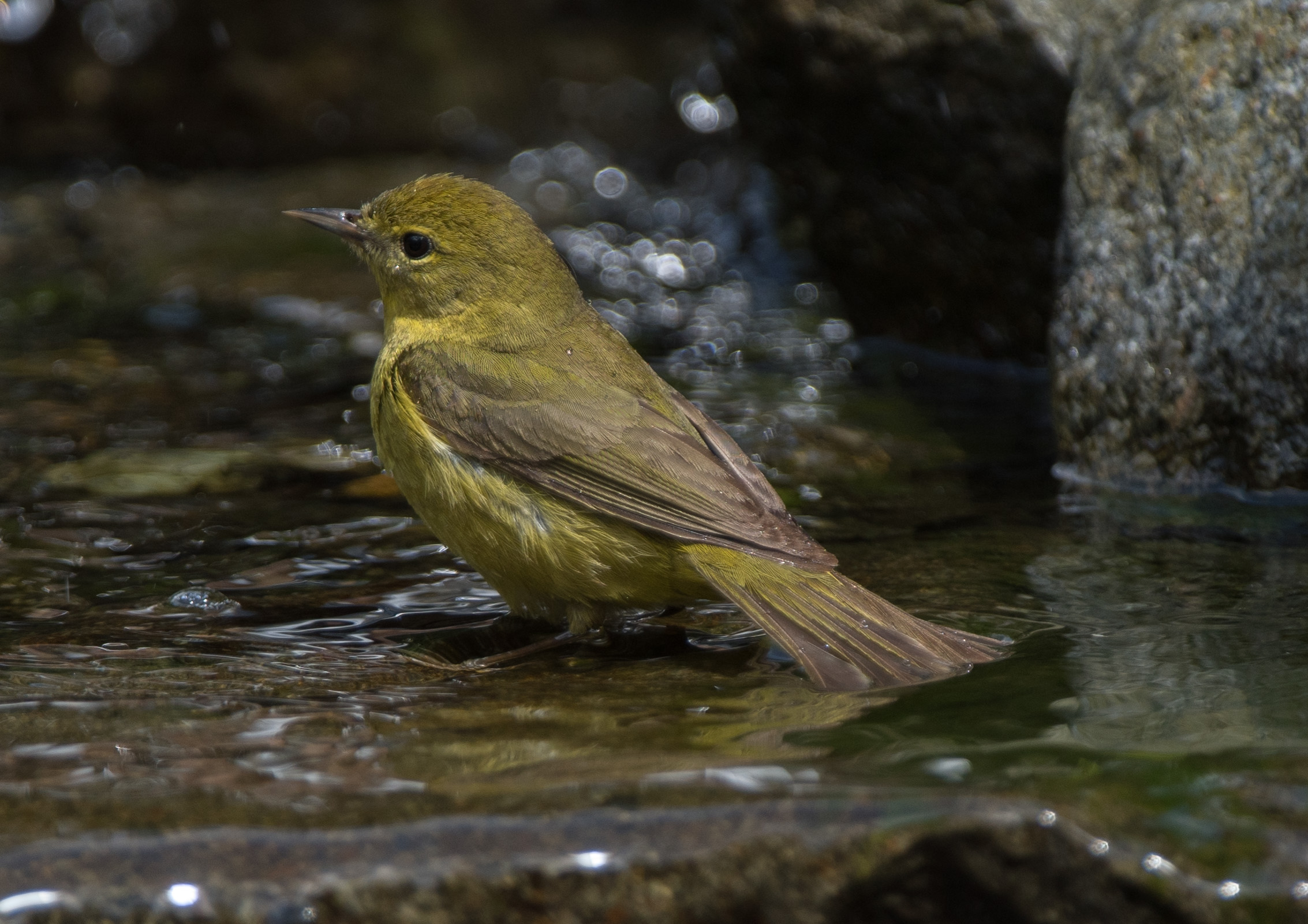
I’m looking forward to spring and more warblers than we managed to attract last year.