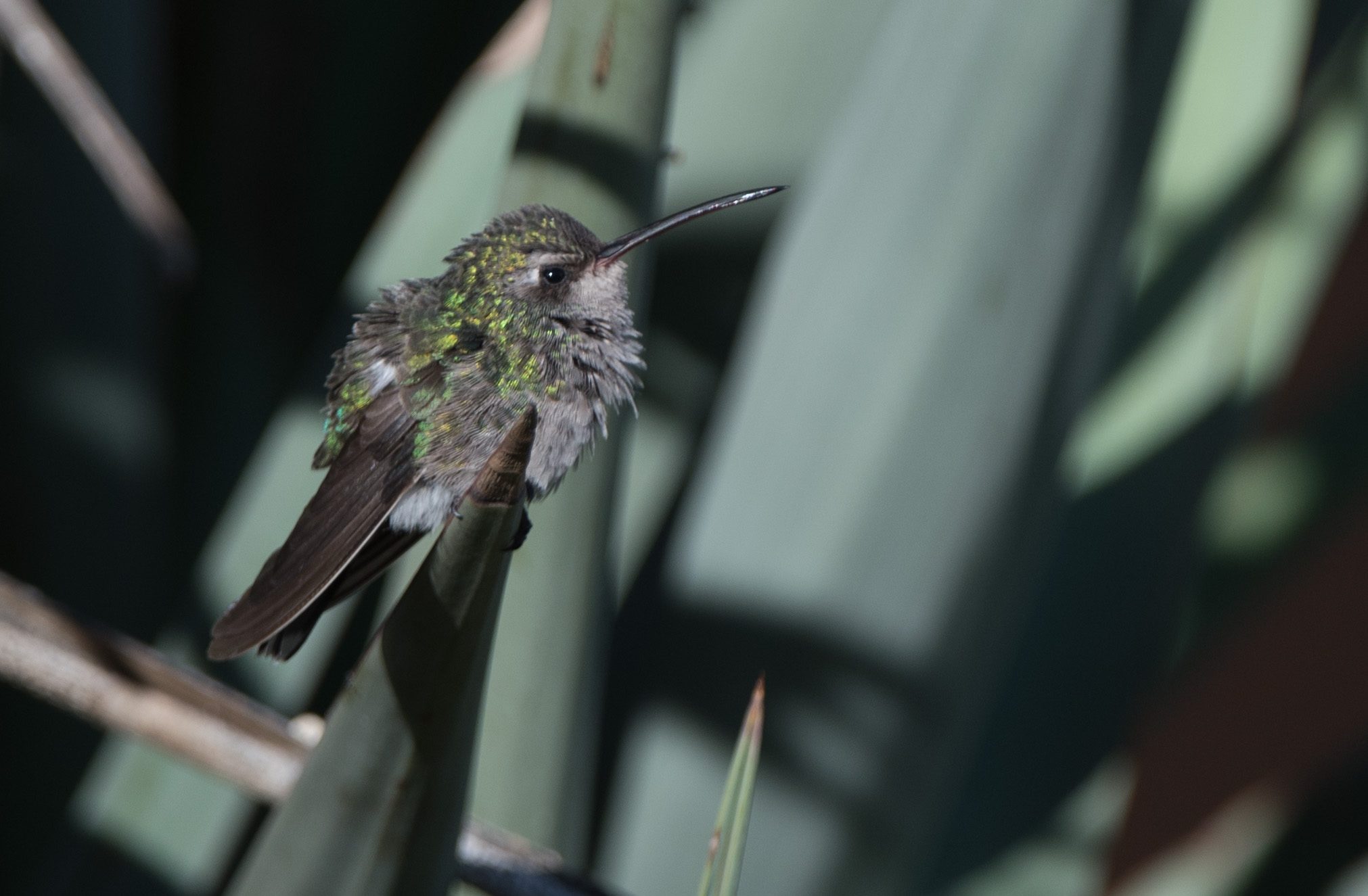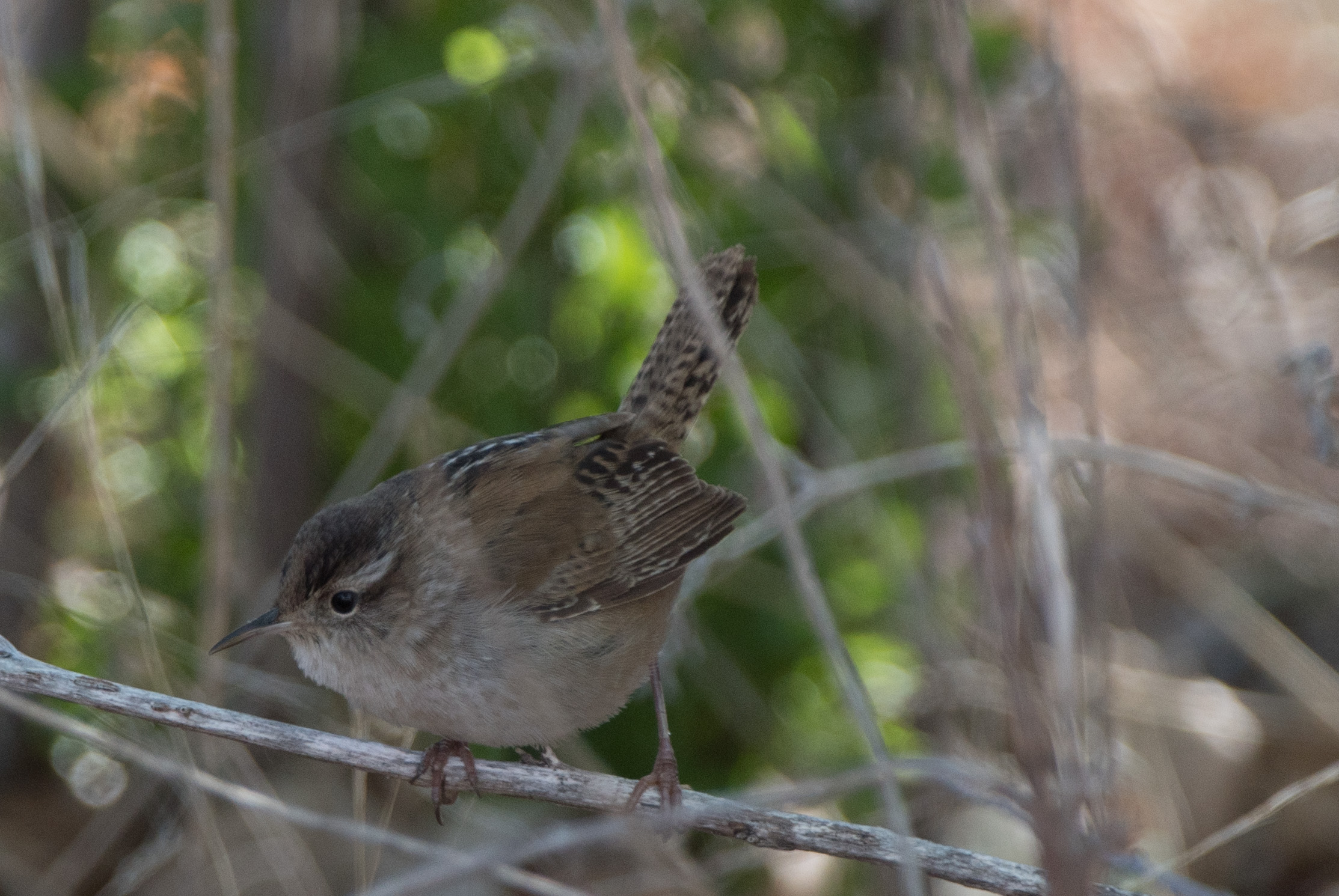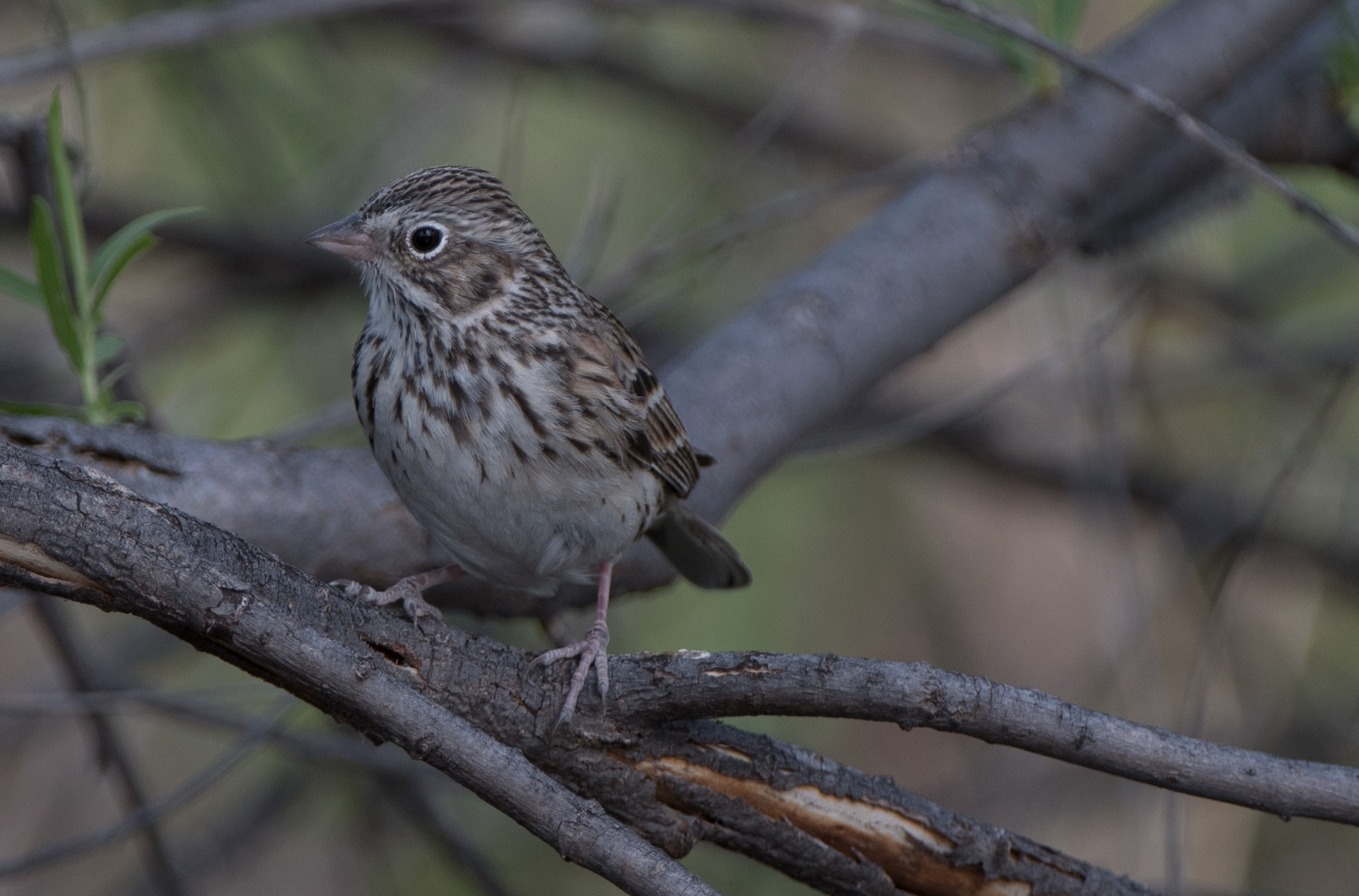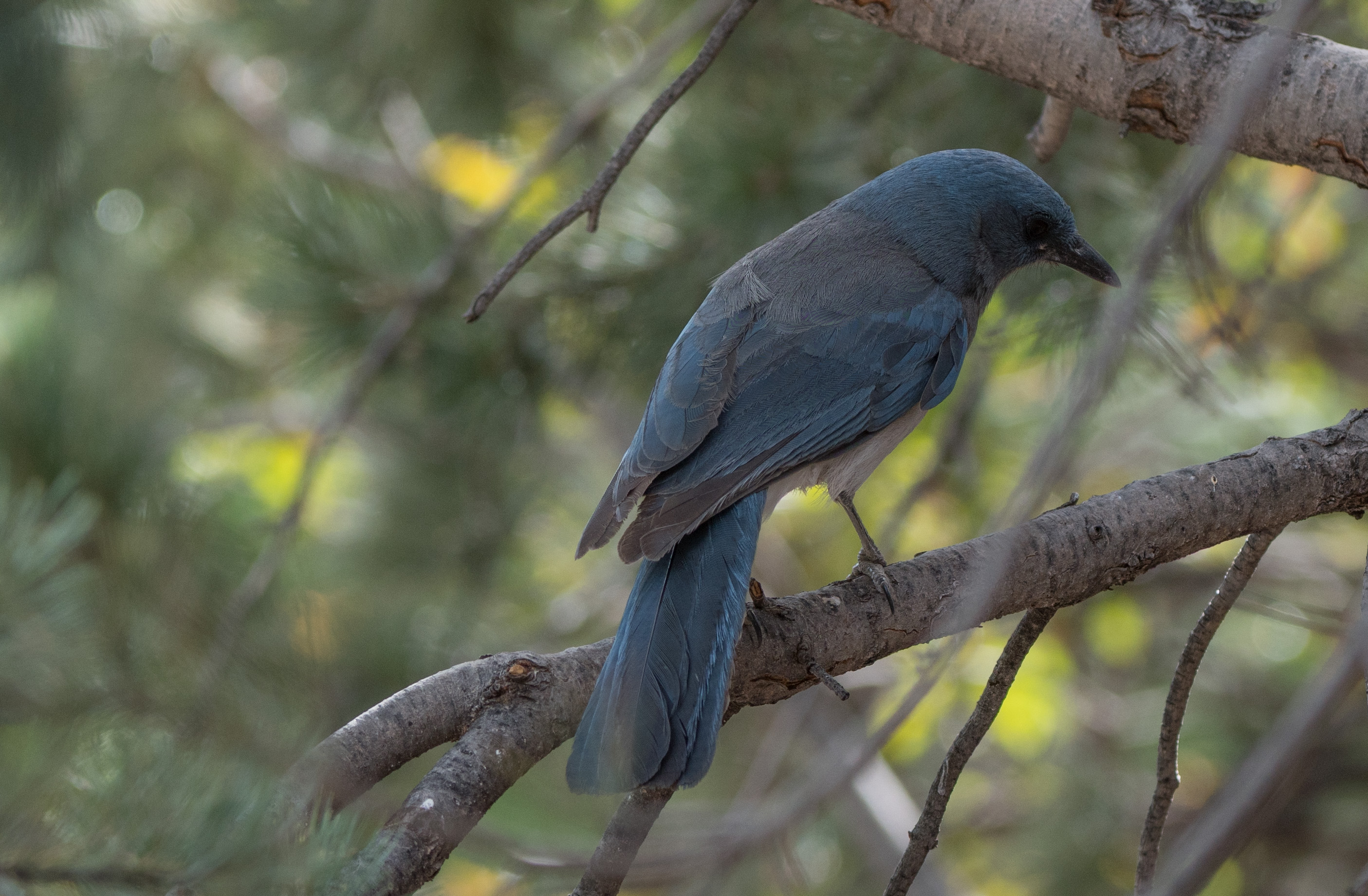
Back to Arizona

Back to Arizona…

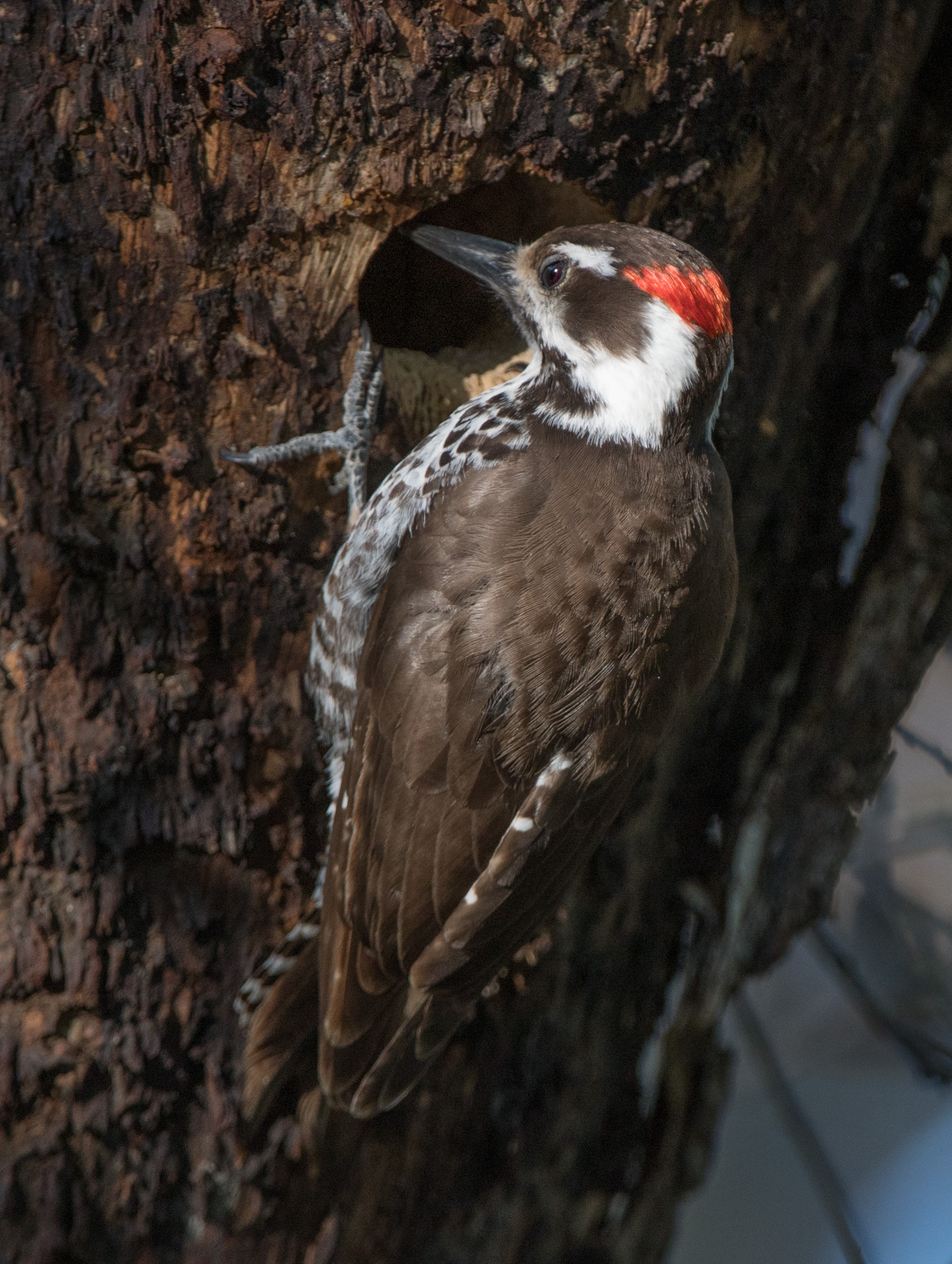
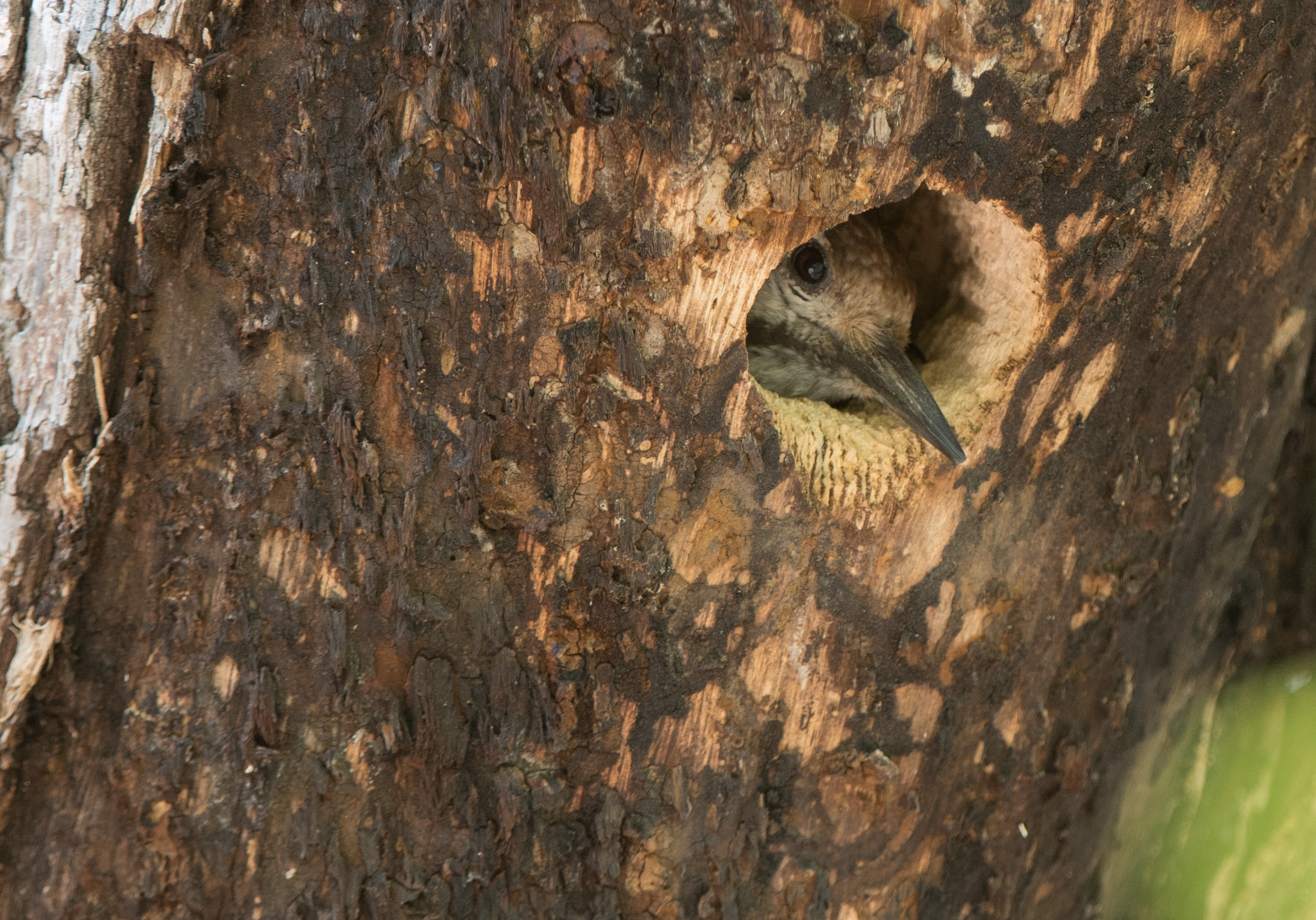
After leaving Green Valley we headed south and decided to visit an area we had never visited before.  We had an Arizona birding guide but we were having a difficult time reconciling our map, the guide and our GPS and we weren’t even sure of our destination.  But we saw a sign pointing to Lake Arivaca and, reasoning that a lake in the desert might be a big attractor for birds, we headed for the lake.  We came to a part of the road that was paved, but the easiest way over it was to drive on the unpaved roadside where we could.  One unhappy property owner had erected a large sign proclaiming the road as the “worst maintained road in Pima County”!

Our trip to the lake was worth the effort chiefly due to the presence of a pair of Vermillion flycatchers working the trees around the dirt parking lot.  These photos are representative of the almost 40 photos I took of the pair.

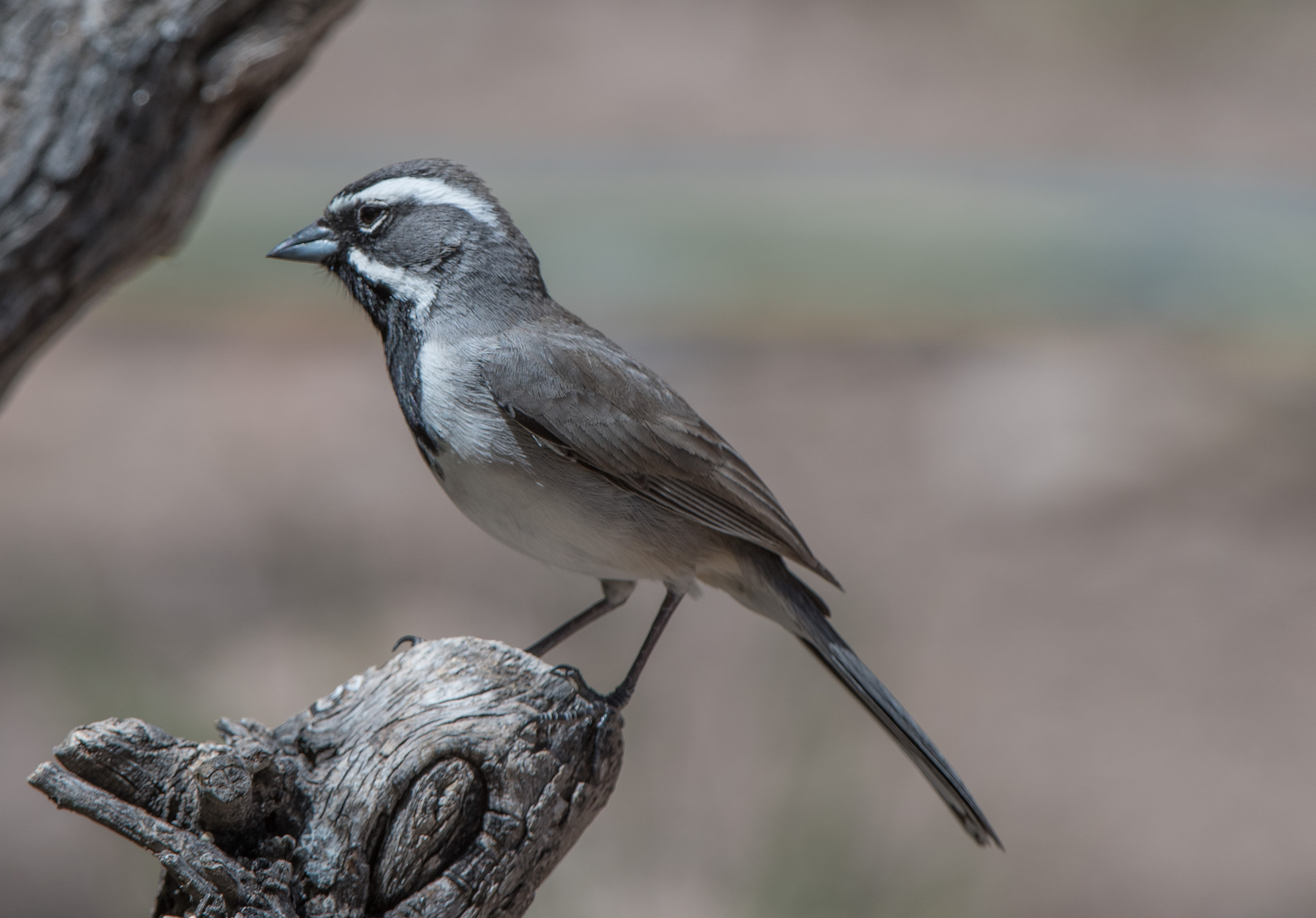
On the way back through civilization we saw this Black-throated sparrow on a fence post. I was elated to obtain this photo, but later in the trip we encountered others.

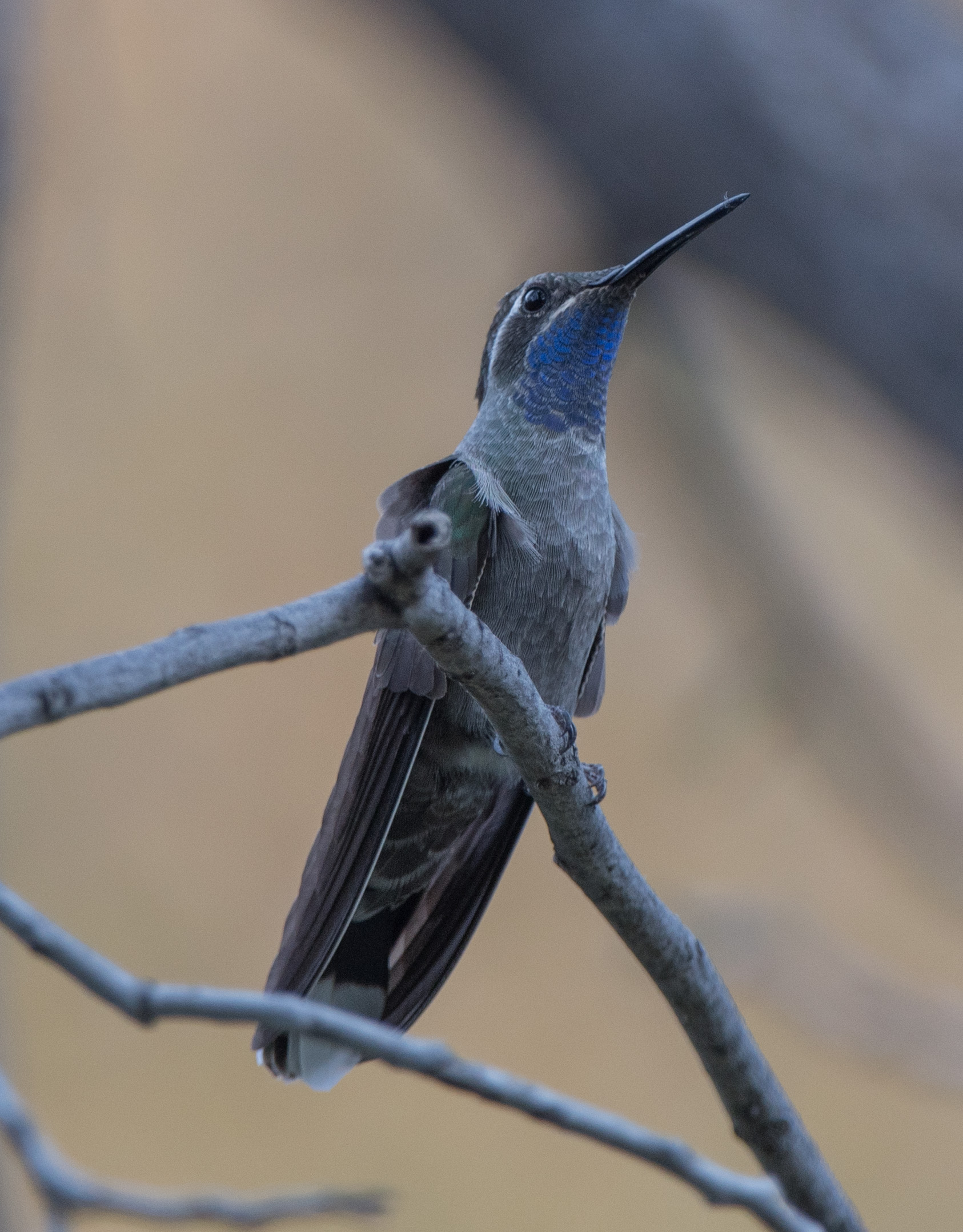
Once back to civilization we continued to Patagonia where we stopped at the house formerly owned by the Paton’s and now under stewardship of the Tucson Audubon Society.  It’s famous for its hummingbirds, but while there are many feeders the photographic opportunities aren’t that great.  However there is habitat work in progress (a pond, sun shelter and seating) that promises to improve both viewing and photographic opportunities.  All the remaining photos were taken at that location.

A ‘wild-haired’ female Northern cardinal

A pair of Inca doves

A female Yellow-rumped warbler (Audubon’s race)

A male Yellow-rumped warbler (Audubon’s race)


Back to the Yard

As I anticipated, I didn’t make it very far into my AZ inventory before I came up with some good yard photos that I think bear posting. I sat in the yard for about an hour and a half this afternoon (5/2/2017) after sighting a Brown creeper through our kitchen window. The creeper escaped the camera but I managed to photograph several other visitors.

This Orange-crowned warbler visited the yard at least five times, finally coming to the bird bath on its third and subsequent visits.  (I’m assuming that it was the same bird but it could have been different birds.)


One of the male American goldfinches in the yard…


One of the female American goldfinches in the yard…


This Rufous hummingbird was hanging around the yard this afternoon.  It’s apparently a female, but the throat originally gave me pause.  It’s too early for a sub-adult, so we’ll have to go with the female designation.  I can’t be sure that the bird in this first photo is the same as the one in the other two photos.

Travels…

As you might be aware, it’s been some time since I posted to my blog… and with good reason.  In mid-April I traveled to Arizona for about ten days and then made a quick turnaround and went to Texas for about a week.  Both of these were birding trips so the good news is that I now have a vastly increased inventory of Southwestern bird images for the blog.  The bad news is that I now must process those images.  I have 985 images from the AZ trip and 1435 from the TX trip.  You will never see the majority of those images but I must sort through ALL of them!

To add to my workload, it’s time for spring arrivals here at the house.  My wife tells me that warblers have already started arriving and the grosbeaks should be close behind.  That means I will be drawn to the yard for more photography.  Depending on what shows up, I may be tempted to insert some current photos before I complete processing photos from my travels.    If you are interested in birding and live in the Anacortes area you are always welcome to join me in the yard for observation or photography with advance notice.

But let’s get on with the show and commentary.  These first few photos were taken at a motel in Green Valley, AZ.  (If you are an environmentalist you might be interested in researching the city on the internet… and don’t be tempted to move there like more than one of our PacNW friends!)

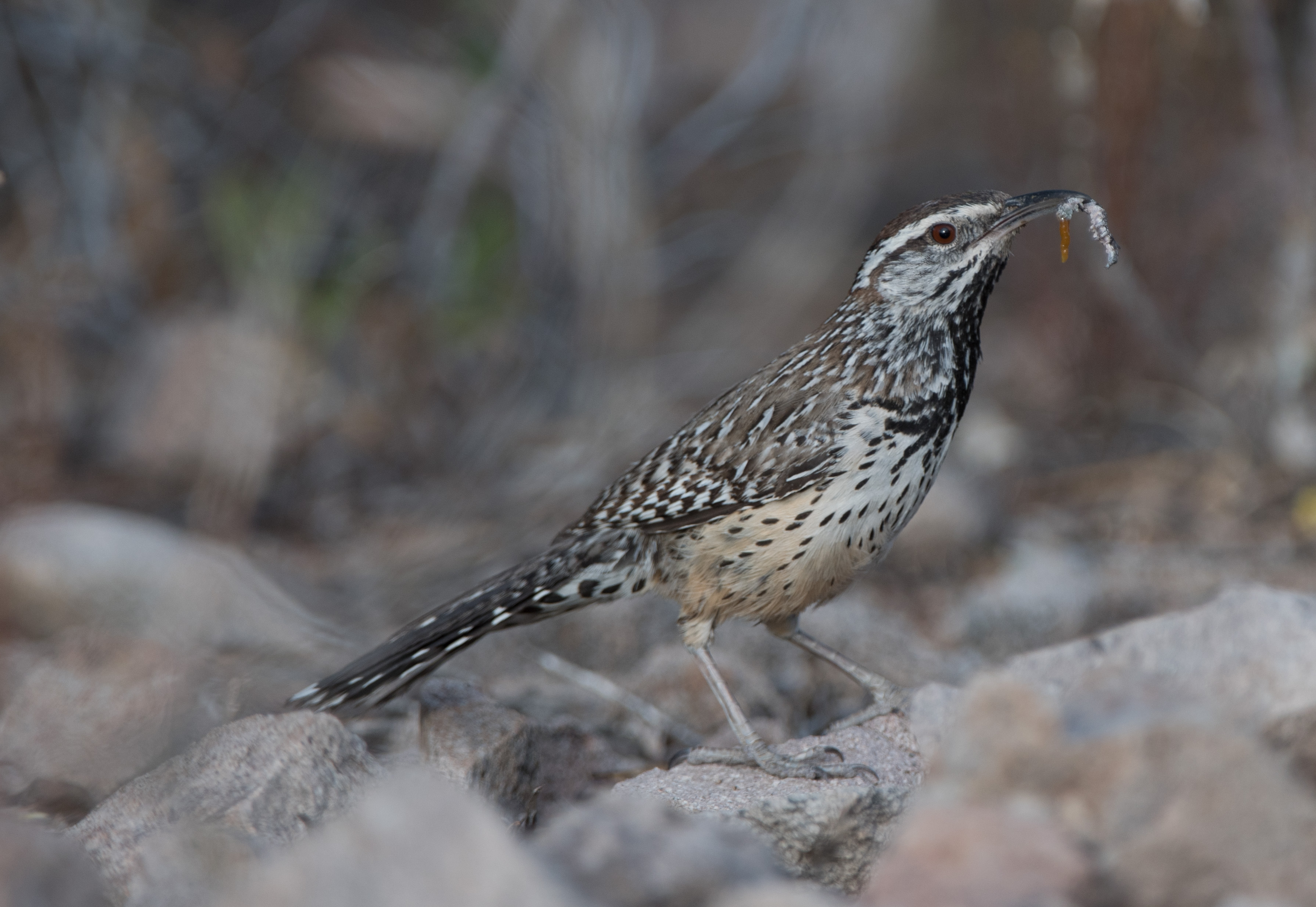
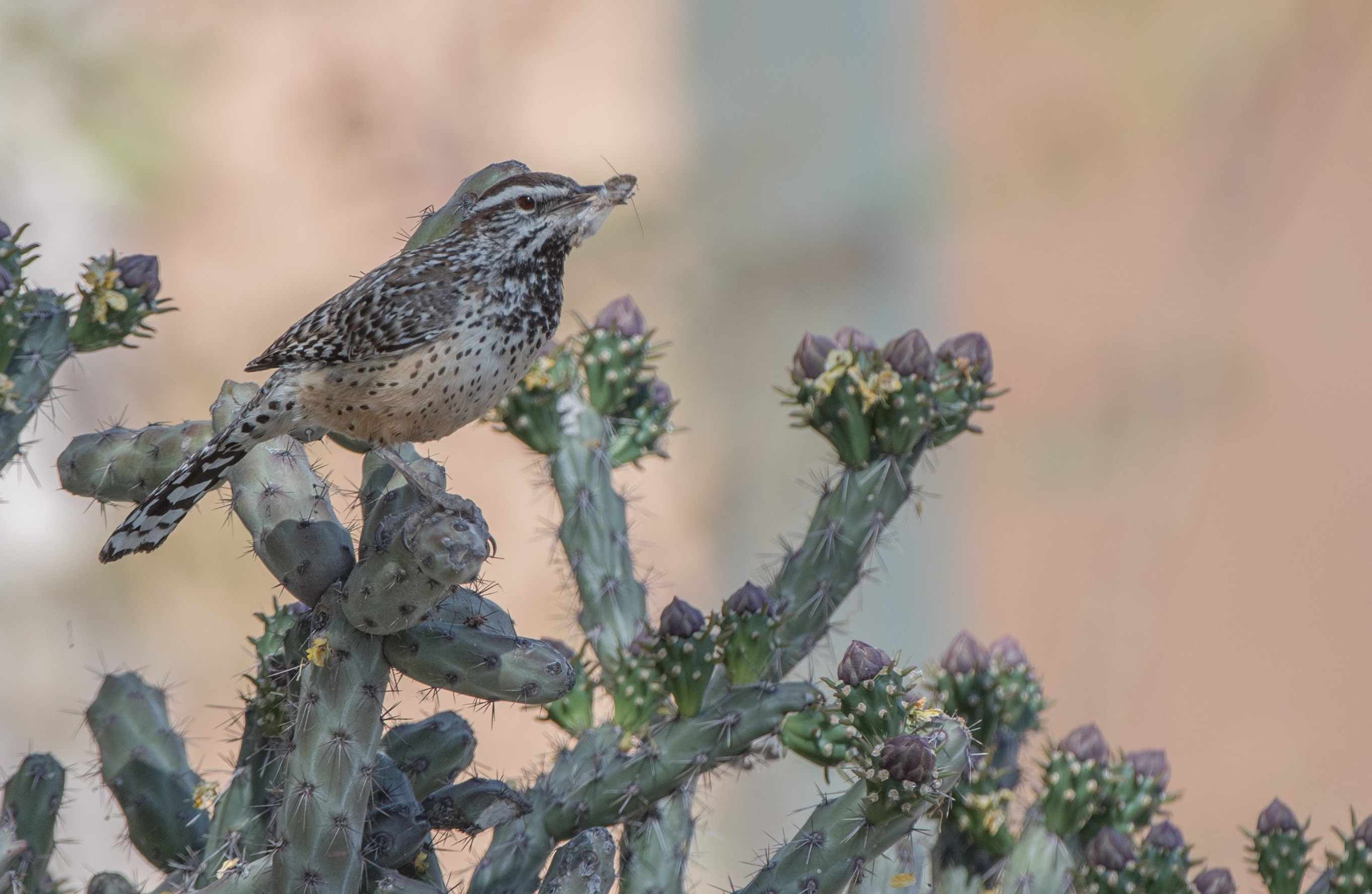
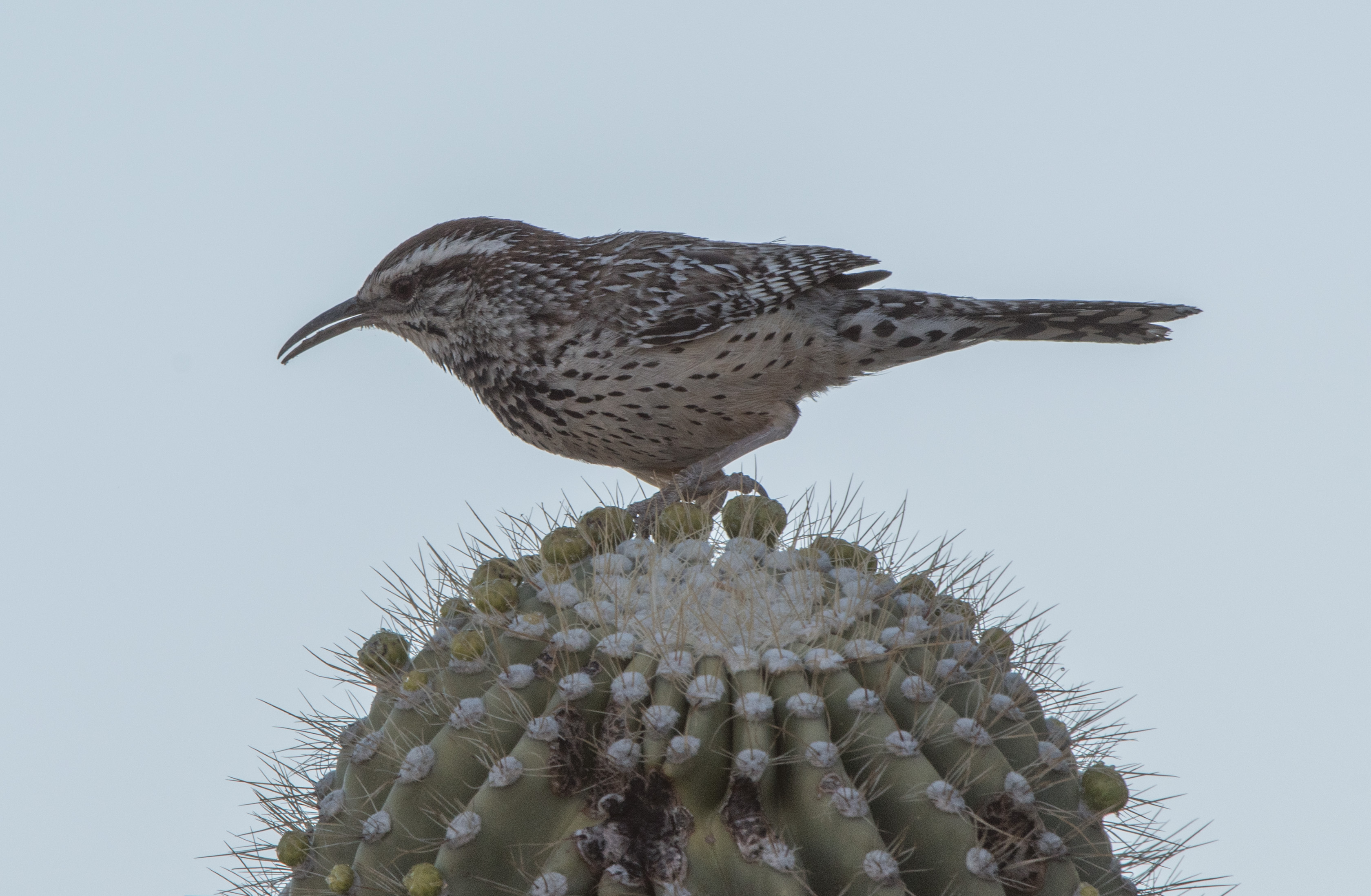
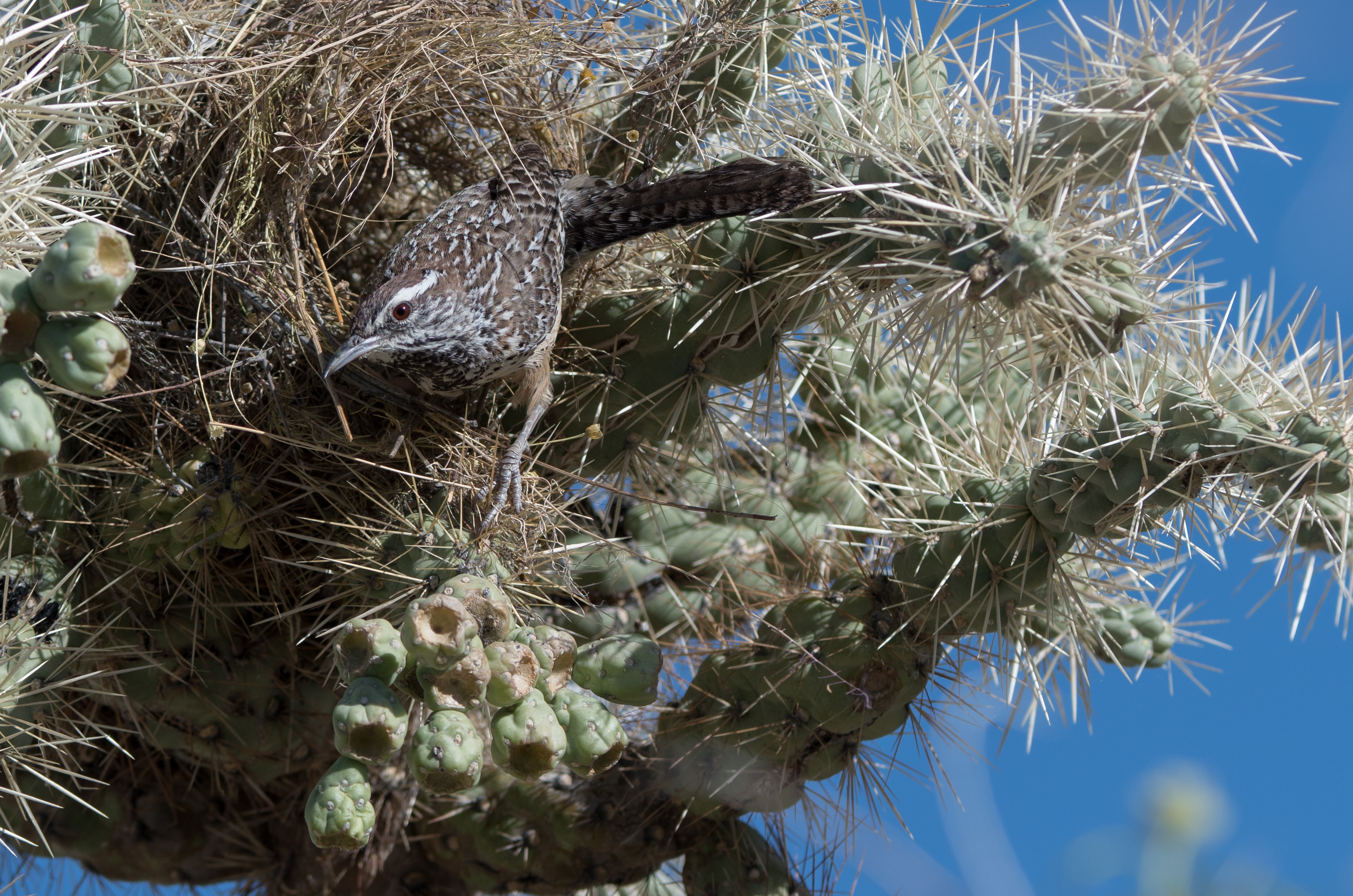
This first photo is of a Cactus wren, seemingly very common throughout AZ.  (I just had a thought that this might be the State Bird of AZ so I inquired on the internet and found I was right!)  In later posts you will probably see several photos of Cactus wrens in or near their nests.  This one seemed to be eating ants in the gravel.

A White-winged dove sitting on an Ocotillo bloom.  We found Ocotillo seemingly at the peak of their bloom throughout the state.

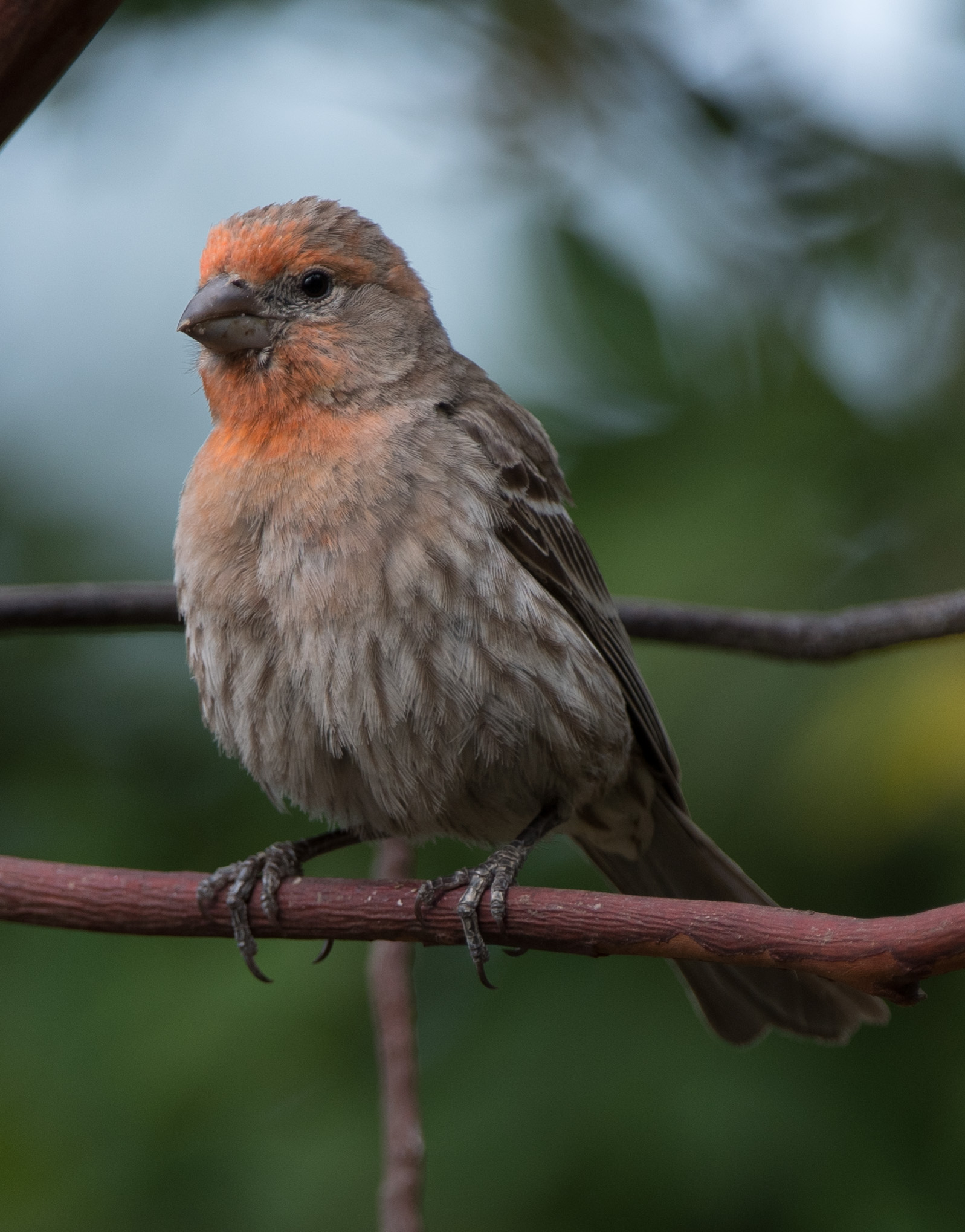
And another visitor to an Ocotillo bush, this a House finch eating blossoms.  By happenstance I happened to catch this finch just as it dropped a part of the blossom.

Stay tuned for more AZ photos!

Spring!

Spring seems to have finally arrived, at least by the standards of my neighbors’ fruit tree of uncertain heritage.  (It has never born fruit of which I have been aware, and I assumed that it was a cherry tree, but they tell me it produced a single fruit several years ago that was not a cherry.)  At any rate, on March 30-31 it attracted a fairly steady following of chickadees, Bushtits and at least one Orange-crowned warbler. Strangely enough, over the course of several hours on two different days I only saw two hummingbirds (both Rufous hummingbirds) access the tree and neither stayed very long.

The birds seemed drawn to the flower petals on the tree and I at first assumed that they were accessing nectar, but then I rationalized that, given the species of birds involved, they might be gathering insects from within the blossoms.  However careful observation led me to believe that my initial theory was probably correct.  And judging by detailed photos of some of the birds, I think we can safely add the birds I mentioned to the list of pollinators.

So, without further comment, here are some of the photos I took…


Life is Good!

March 12, 2017 didn’t look promising for birding, but I decided to give it a try anyway.  Things were no going well until I noticed this male Anna’s hummingbird in our Cap Sante wetland.  I took many photos while it surveyed its domain from the top of a very small twig.    Some Anna’s hummingbirds are year-round residents in this area.

I then spent a little time at the Cap Sante Marina but the tide was out and the five Goldeneyes (one male and five females) I found in the marina weren’t close enough for photos.  I then returned to the wetland and while circumnavigating it some movement on the other side caught my eye.  I looked through my lens and saw an accipiter sitting on a neighbor’s rock wall about 50 yards away.

After watching it for several minutes it occurred to me that I might be able to get closer, and though I had little hope I also decided I had nothing to lose.  I drove around to just below the accipiter and began taking photos.  I took photos for probably at least 20 minutes and finally decided I had nothing else to gain and so left for home.

It had been a good day, with excellent photos of a bird near the top of the food chain and of another at the very bottom… and the photos were taken within 100 yards of each other!

While I was processing the photos in my office, I saw a flock of about 7-8 Cedar waxwings fly into the madrona tree in our front yard.  I grabbed my camera again and went outside but failed to get any photos of the waxwings.  However our male Rufous hummingbird (which arrived on the same day as our first female, March 7) was back in the yard and I took several photos of it under less-than-optimum circumstances, but… in one of the photos the hummingbird had its tongue out.  Of all the hummingbird photos I’ve ever taken, this is the best photo of a hummingbird tongue I’ve ever obtained.

We’re still overrun with Dark-eyed (Oregon) juncos and I just can’t help but admire the plumage pattern on the birds.  So here is a photo I took of one very late in the afternoon.  Lately they’ve begun chasing each other around the yard.  It won’t be long before the juncos are headed north and to higher elevations for their breeding season.  The juncos are ground nesters, and over the years I’ve found two nests.  One was under a clump of grass and the other under a Sword fern in Washington Park.  Last year we had one pair that stayed for the summer, but they ended up raising a Brown-headed cowbird.  🙁