Pileated Woodpecker on Cap Sante!

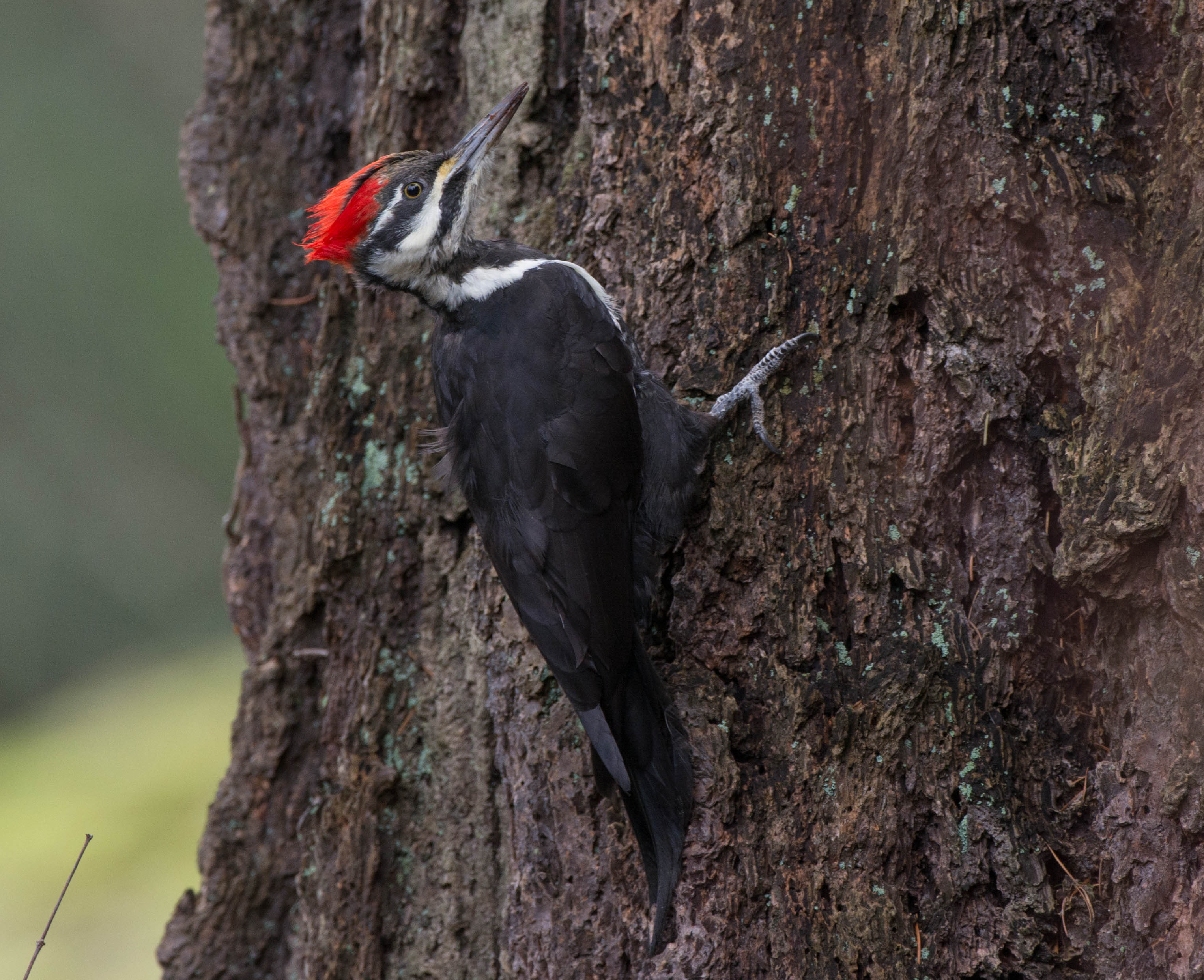
I glanced out our kitchen window this morning (12/15/2013) and saw something red moving behind some twigs at the base of the largest fir tree in our yard.  Upon closer examination I discovered that it was a female Pileated woodpecker, the first reliable sighting in the Cap Sante neighborhood of which I am aware!  (I’ve lived and birded in the neighborhood for almost 13 years and am aware of no other reports, despite having several neighbors who are birders.)
DSC_8426 20131215-07

Pileated woodpecker photographed in the Cap Sante Neighborhood!

I managed to sneak out of the house for some photos, but the day was heavily overcast and I was unable to obtain really good photos.  The bird was in the yard at least 30 minutes from the time I saw it, but I couldn’t continually observe the bird during that entire time because it went around to the opposite side of the tree.  Here’s hoping the bird will find a mate in the neighborhood and raise a family this next breeding season!

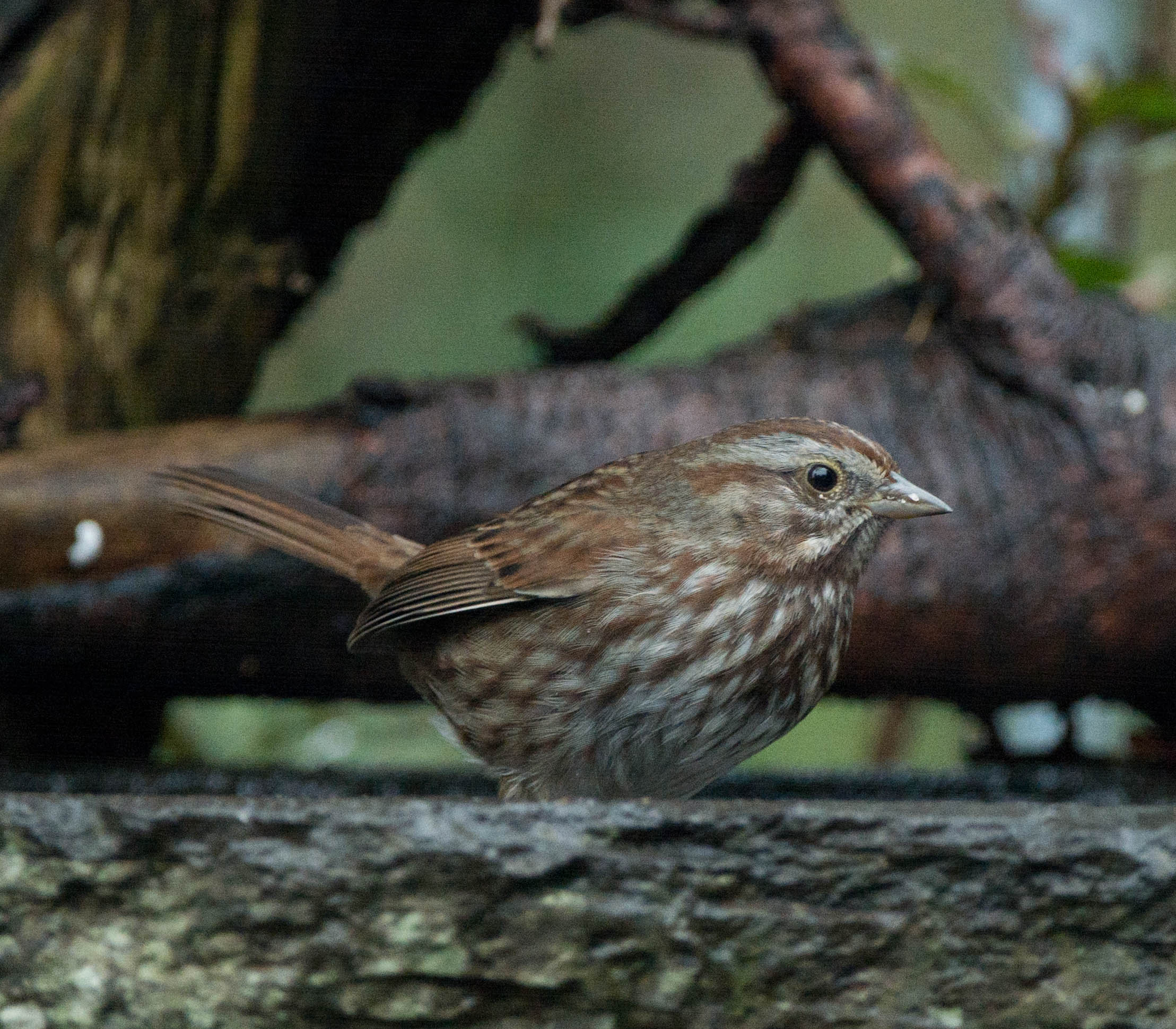
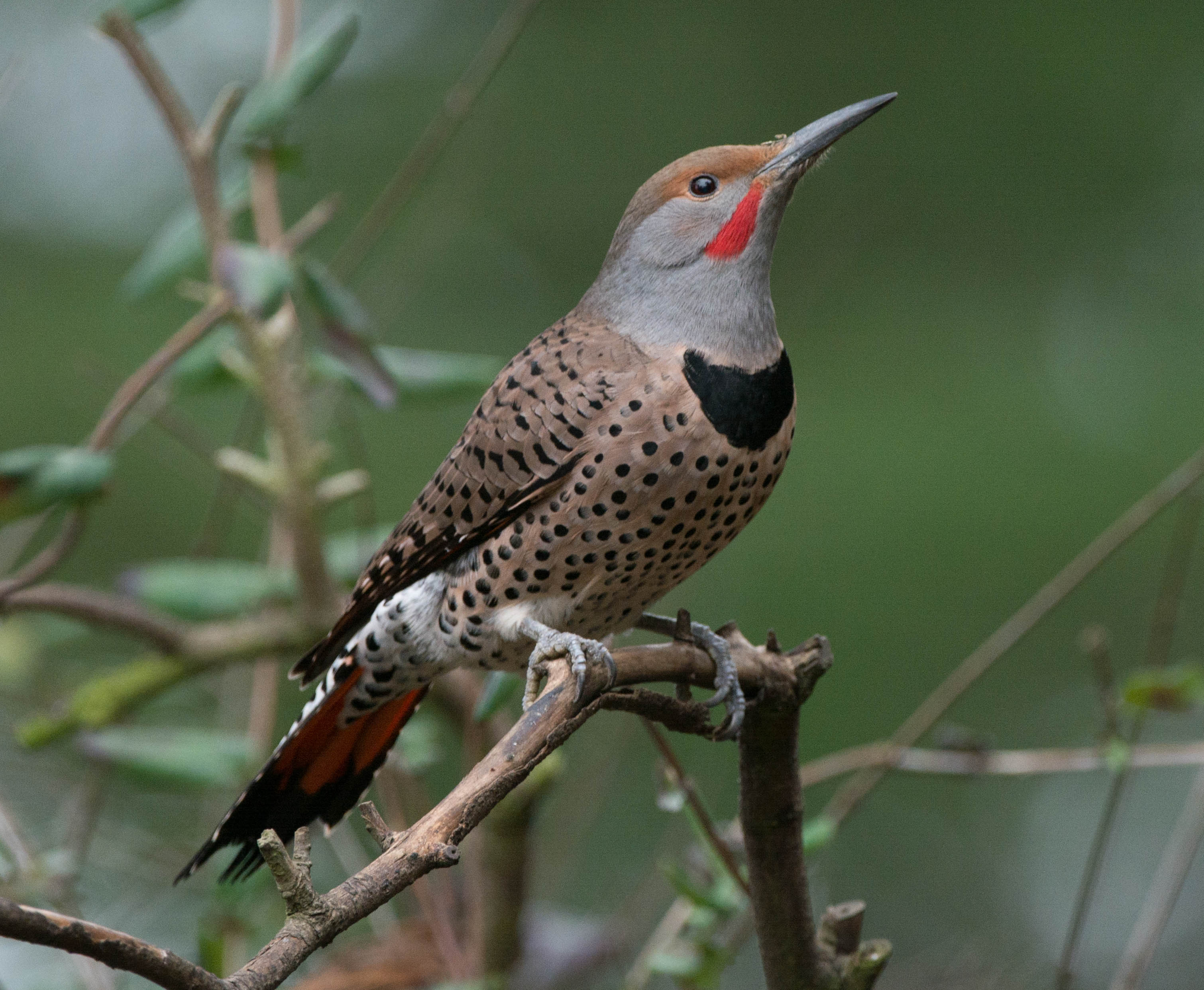
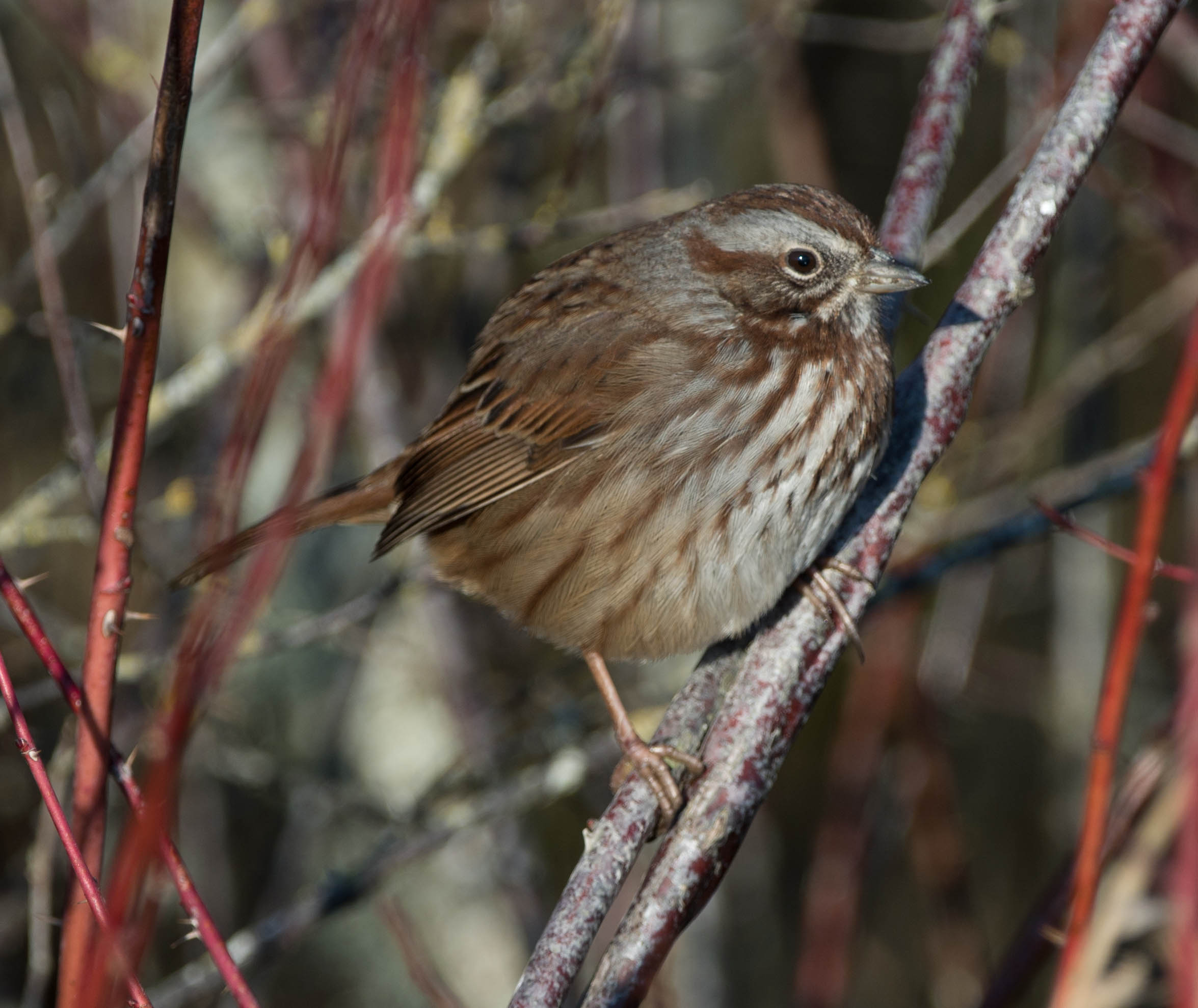
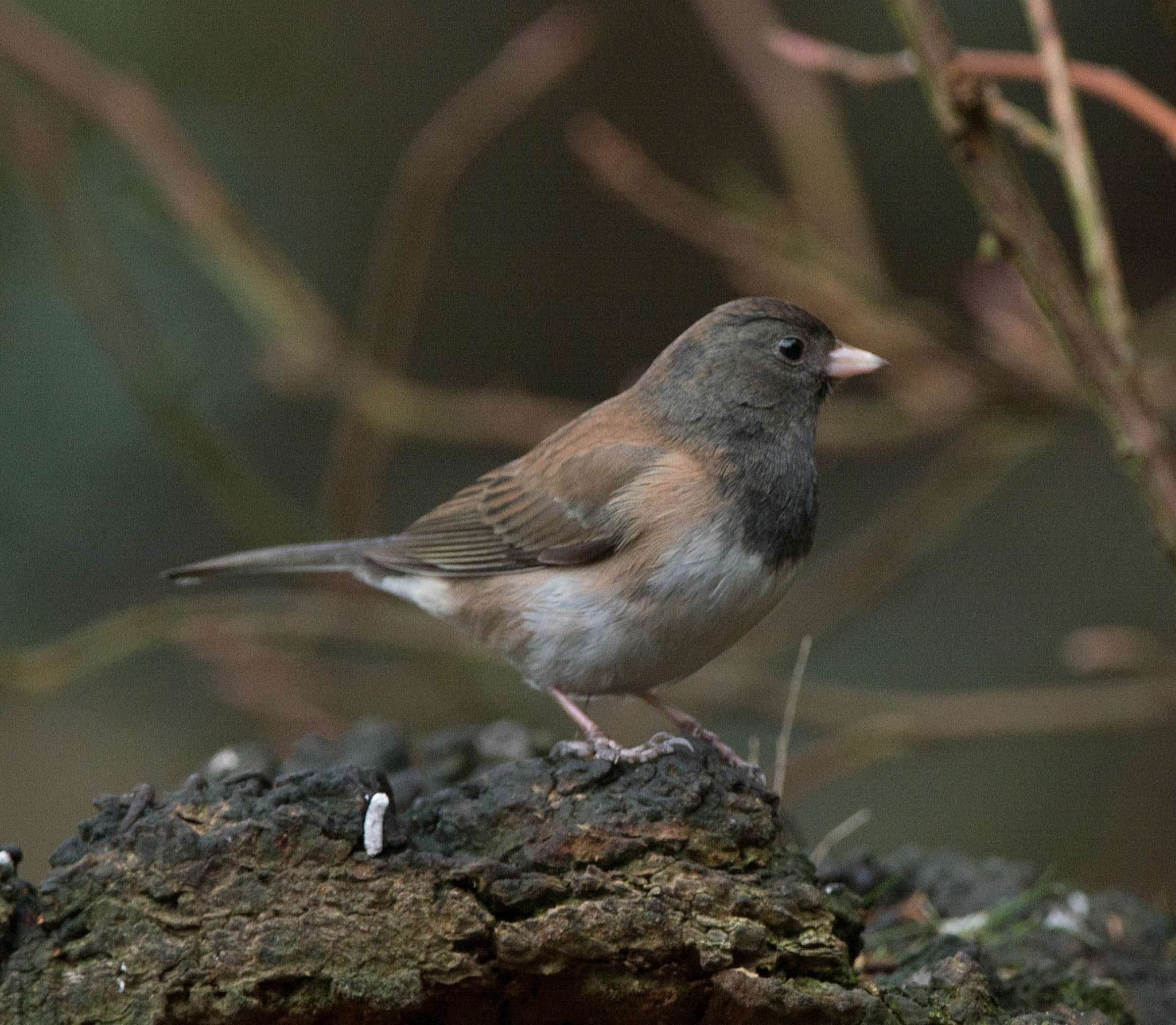
I spent time in the yard with my camera on 12/14/2013, but the photography was disappointing due to the lack of light.  I have to jump through some technical hoops to get anything at all, and the photos are quite grainy.  But I’m posting some of them anyway.  Perhaps in order of descending photo quality, a male Northern flicker, a Song sparrow and a Dark-eyed junco of the Oregon race.  (For about the sixth winter in a row we’ve had a single Slate-colored race in the yard but I have yet to document it this year.)
DSC_8341 20131214-01

Dark-eyed junco of the Oregon race

DSC_8365 20131214-03

Song sparrow

DSC_8409 20131214-06

Male Northern flicker

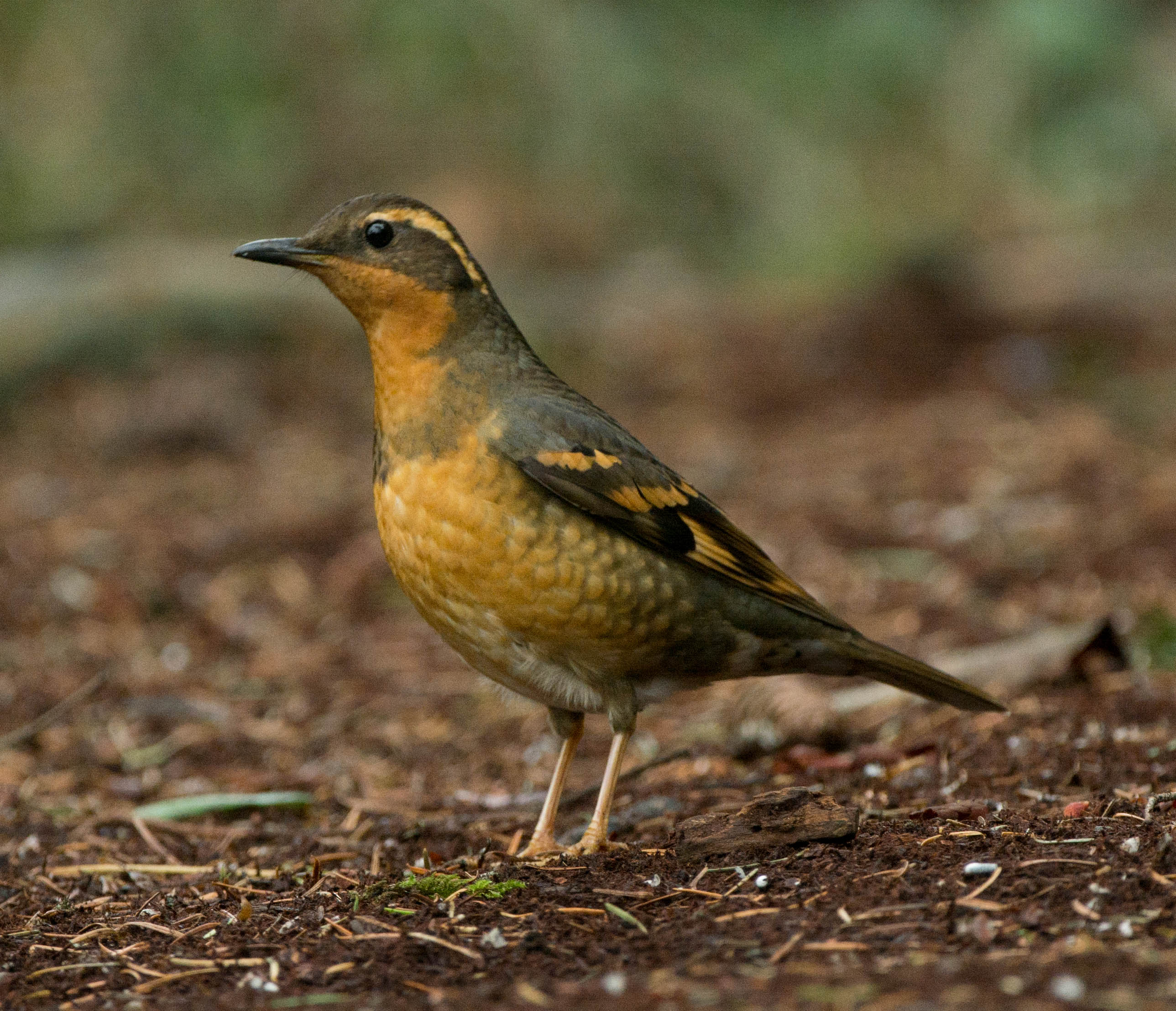
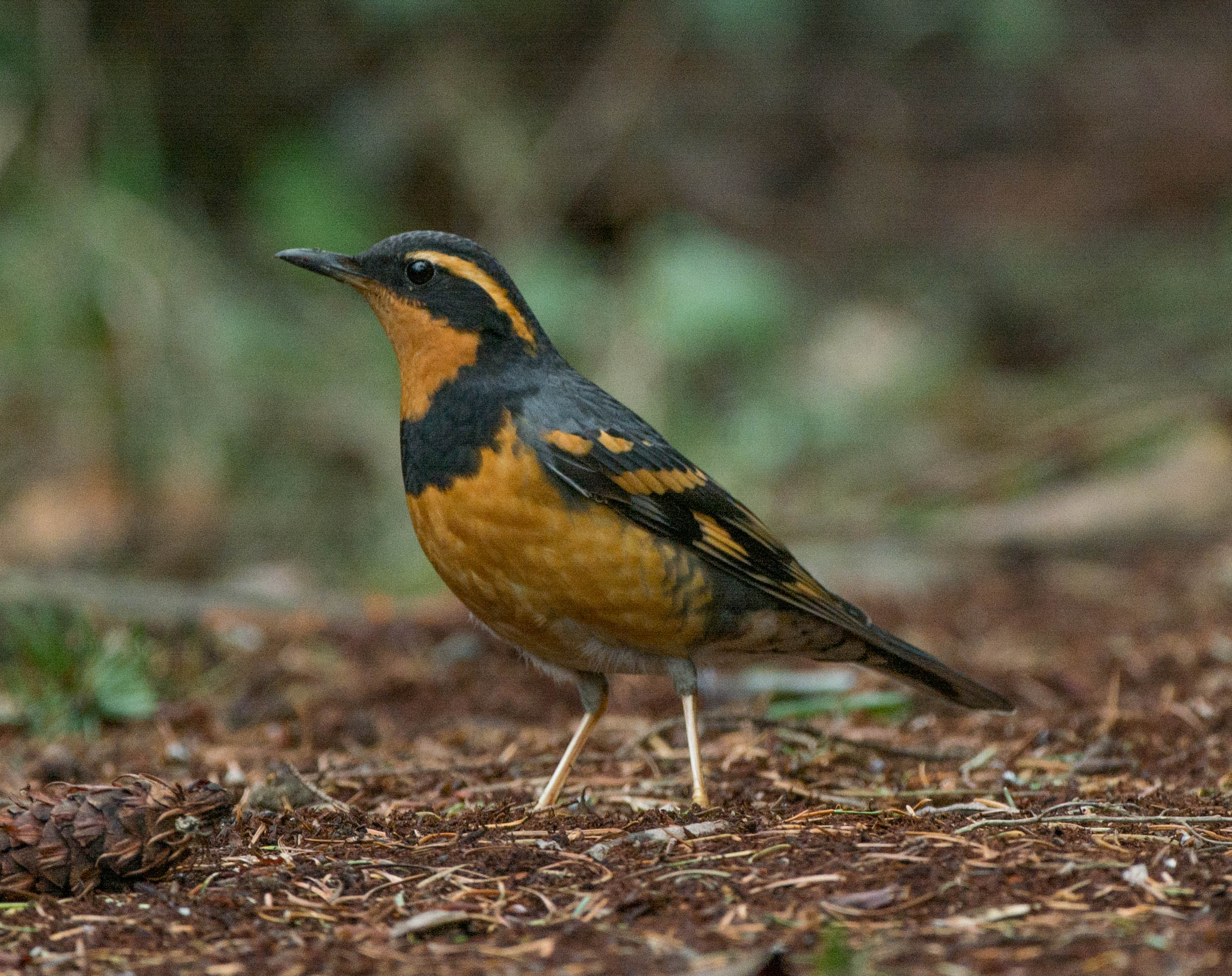
We’ve also been receiving several daily visits by an apparent pair of Varied thrushes, fairly reliable winter visitors, especially if it snows.  Thrushes are generally considered to be berry and insect eaters (like their look-alike cousins, the American robins) but the Varied thrushes seem to be quite content eating hulled sunflower seed scattered on the ground… or as we perfer to refer to the seed locally, “habitat enhancer”!
DSC_8361 20131214-02

Male Varied thrush

DSC_8395 20131214-05

Presumably a female Varied thrush

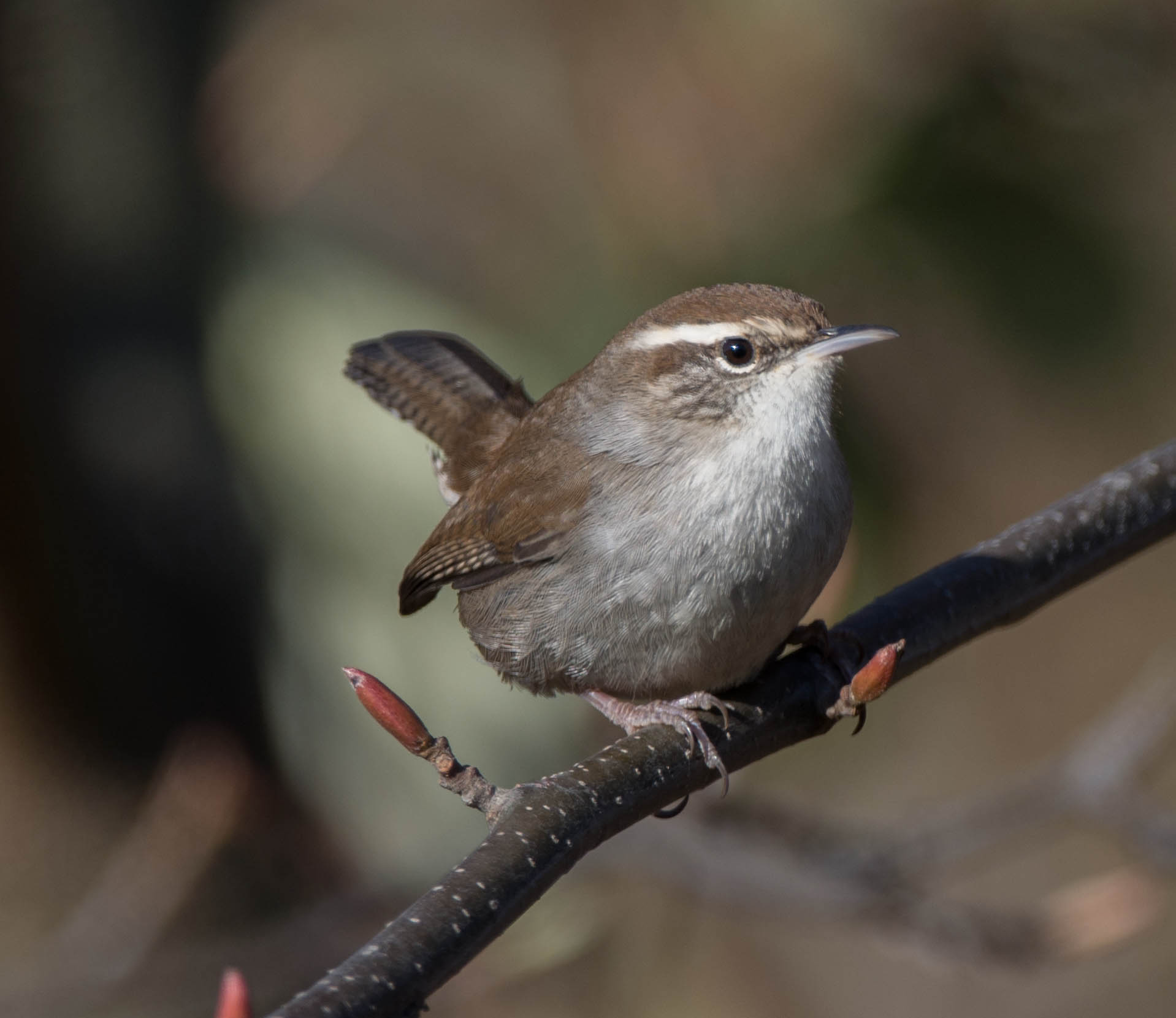
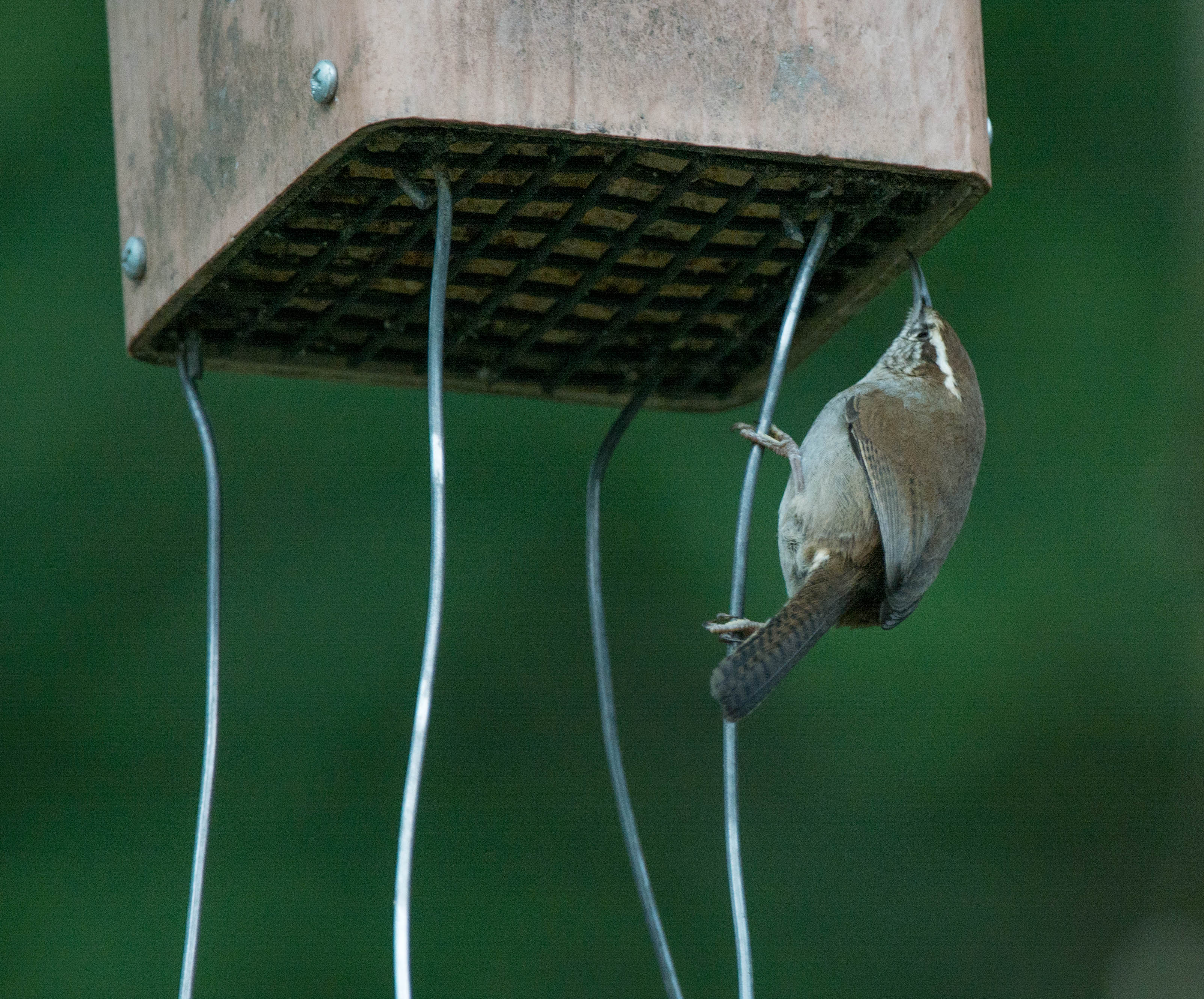
And while I’m on the subject of dietary vagaries, here’s one final photo… of a Bewick’s wren supplementing its diet with a little suet!
DSC_8375 20131214-04

Bewick’s wren on a suet feeder!
 

Skagit Excursions

Last week I managed a couple of excursions around the area. I visited some of my usual haunts… March’s Point, the West-90, Fir Island and many areas in between. I was a little disappointed in the sharpness of my camera/lens on both days, but I got some of what I consider acceptable photos.

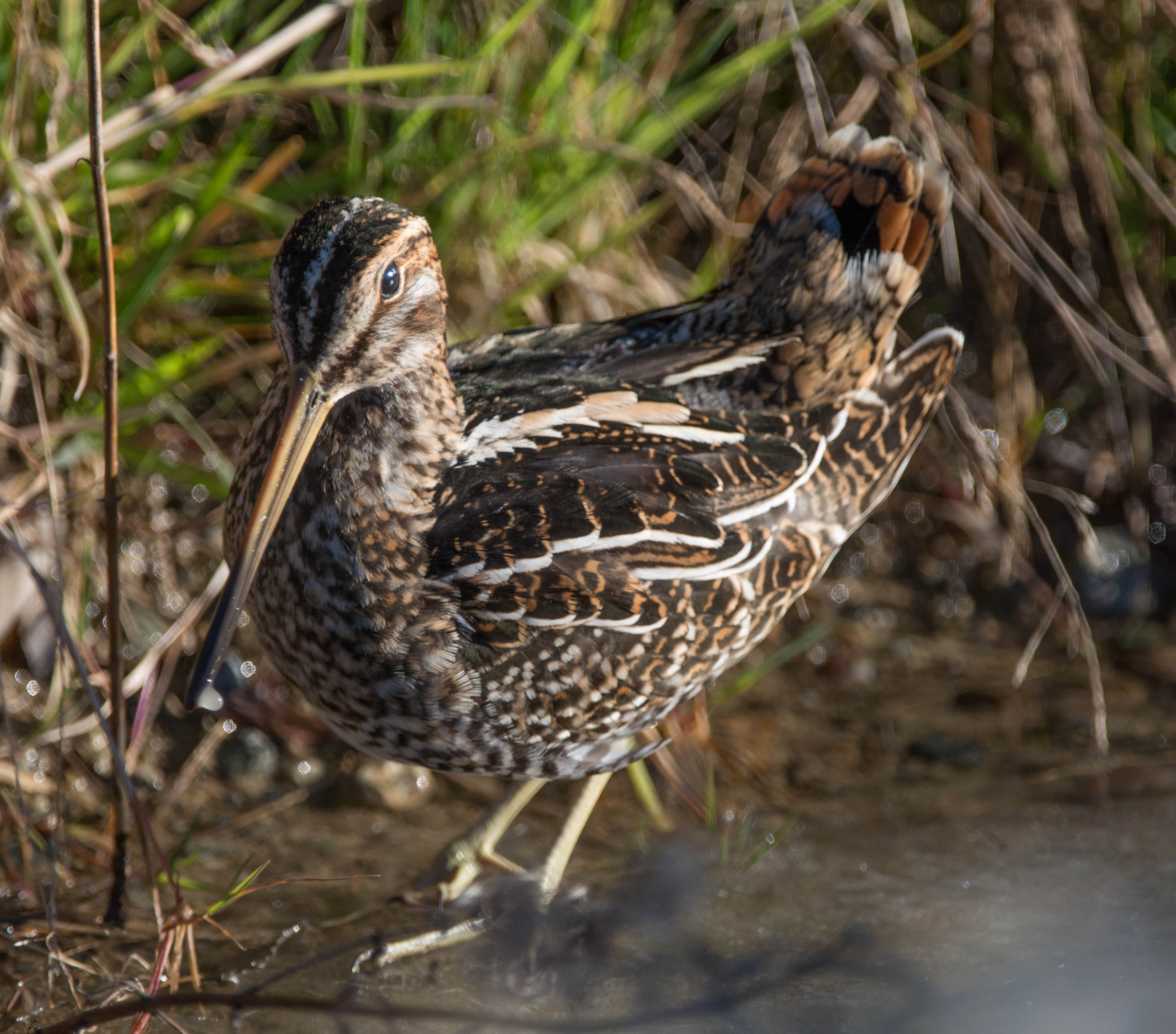
The highlight of the trips was when I was driving in the Bayview area and a Wilson’s snipe flew towards the car and dived into the roadside ditch almost beside me. Unfortunately there were no nearby parking places and I had difficulty shooting into the ditch from my vehicle, but I did get a few photos, this probably being the best.

DSC_8285 20131206-02

Wison’s Snipe

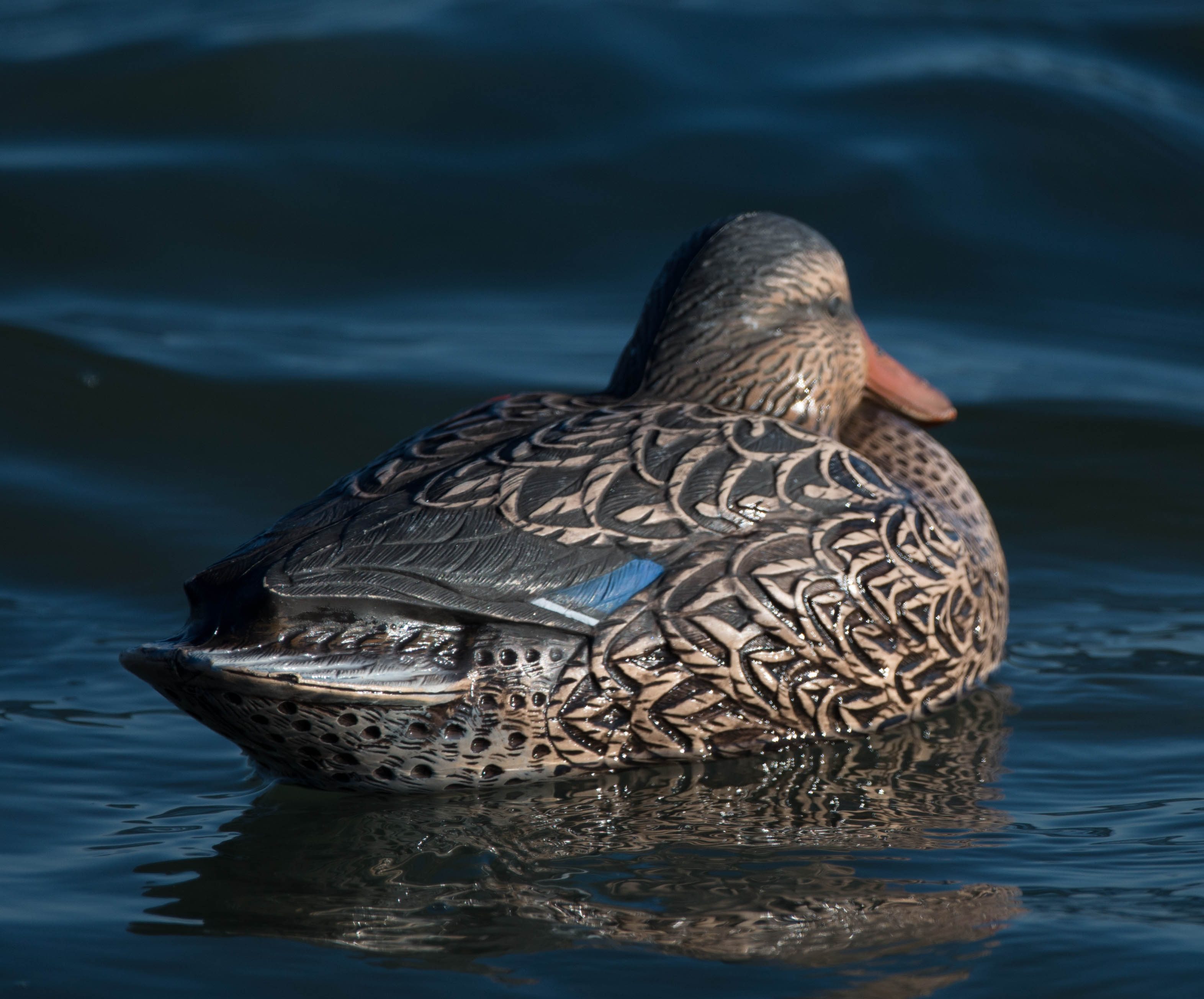
The low point of the trip was when I saw this female Mallard bobbing up and down about ten feet offshore at March’s Point. Something didn’t look right about its movement. Upon closer examination I discovered that it was a decoy!

DSC_8261 20131206-01

Female Mallard – decoy!

As for the rest of the photos…

DSC_8313 20131206-03

Song Sparrow

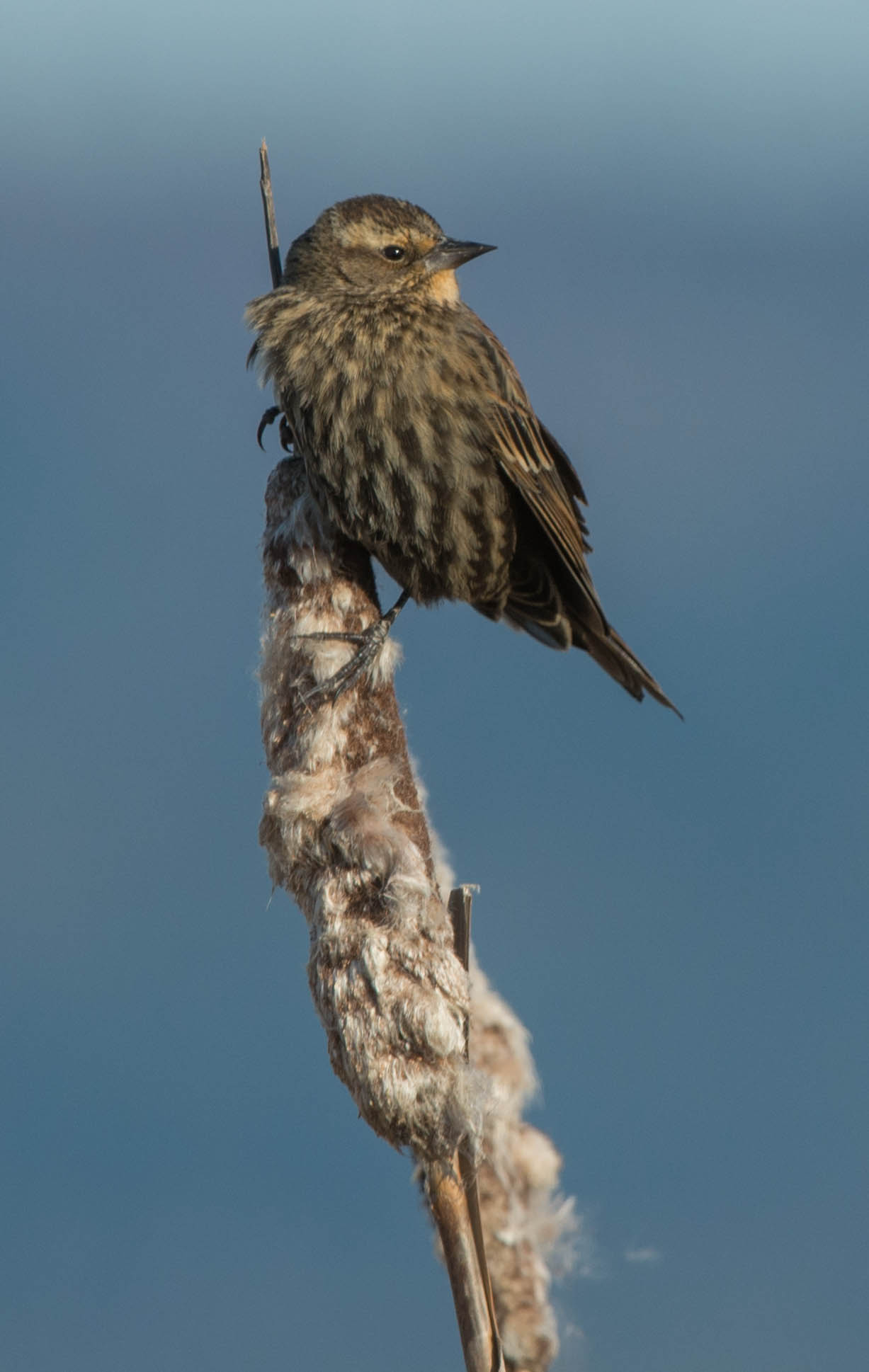
DSC_8291 20131206-01

Female Red-Winged Blackbird on a cattail stalk

Wren, Bewick's  20131204-03 20131204-02

Bewick’s Wren

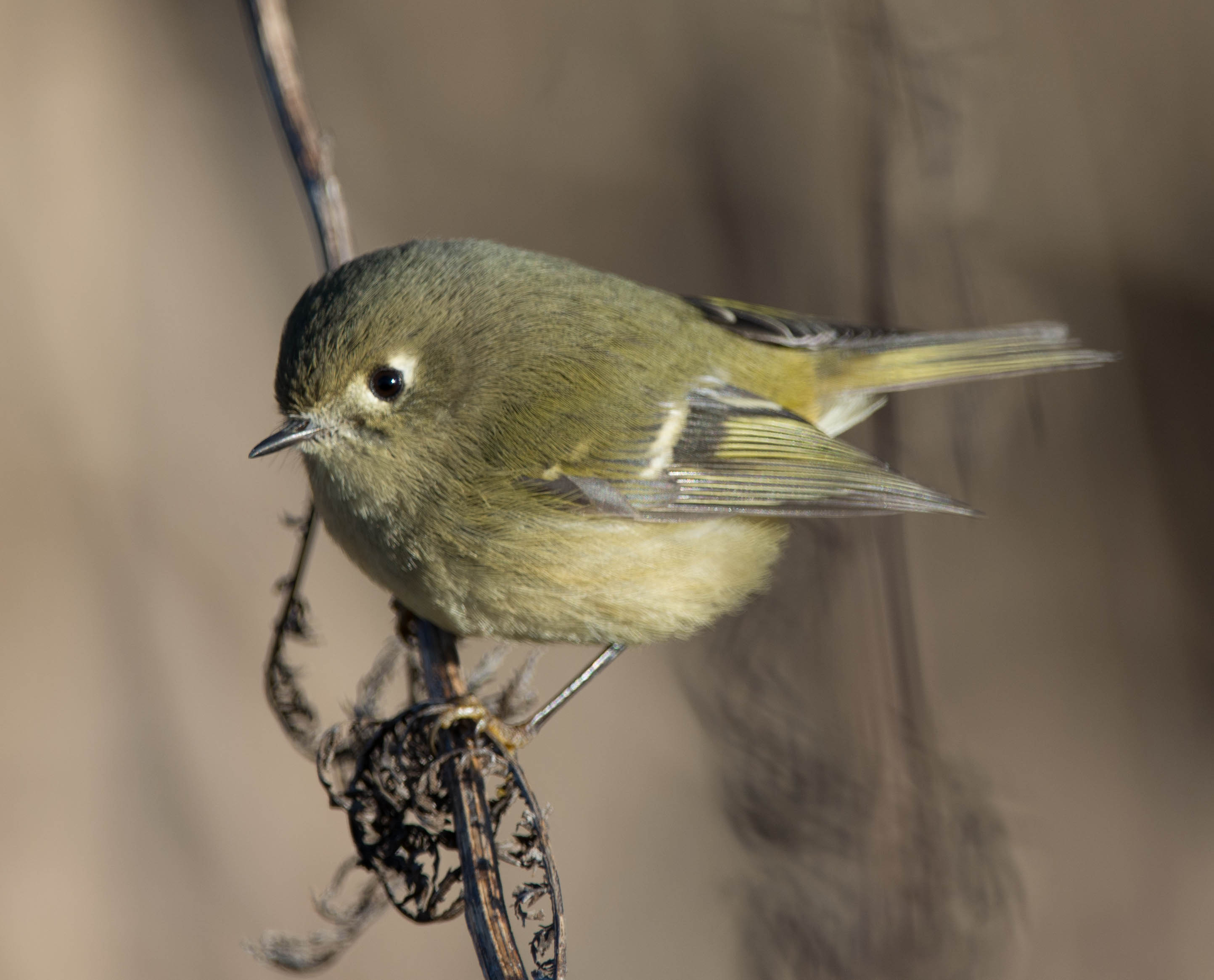
Kinglet, Ruby-crowned  20131204-04 20131204-01

Ruby-Crowned Kinglet

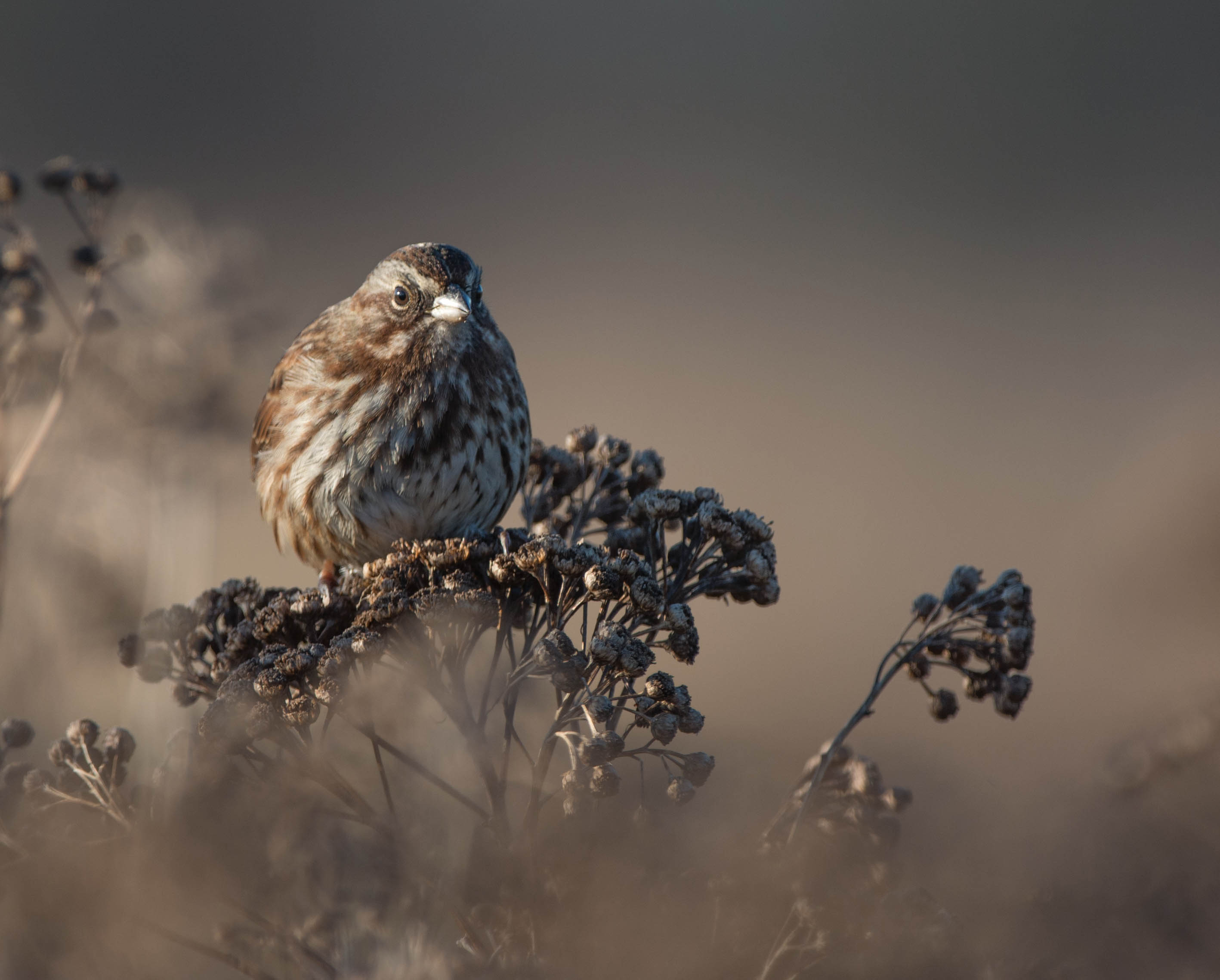
This last photo of a Song sparrow on a dried yarrow head is one I consider more artistic than technically correct.

Sparrow, Song  20131204-06 20131204-03

Song Sparrow on dried yarrow head


Jewel of the Bosque

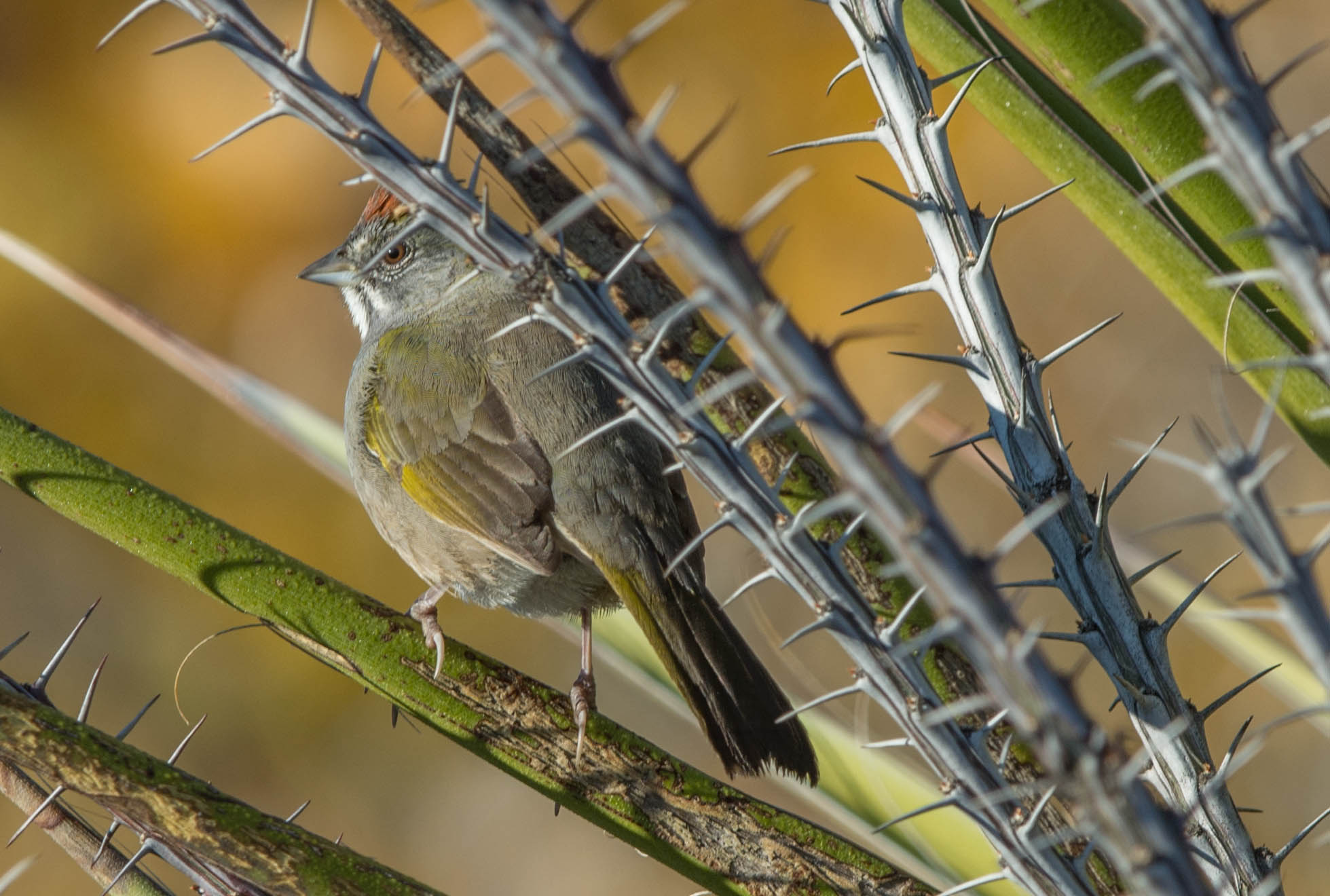
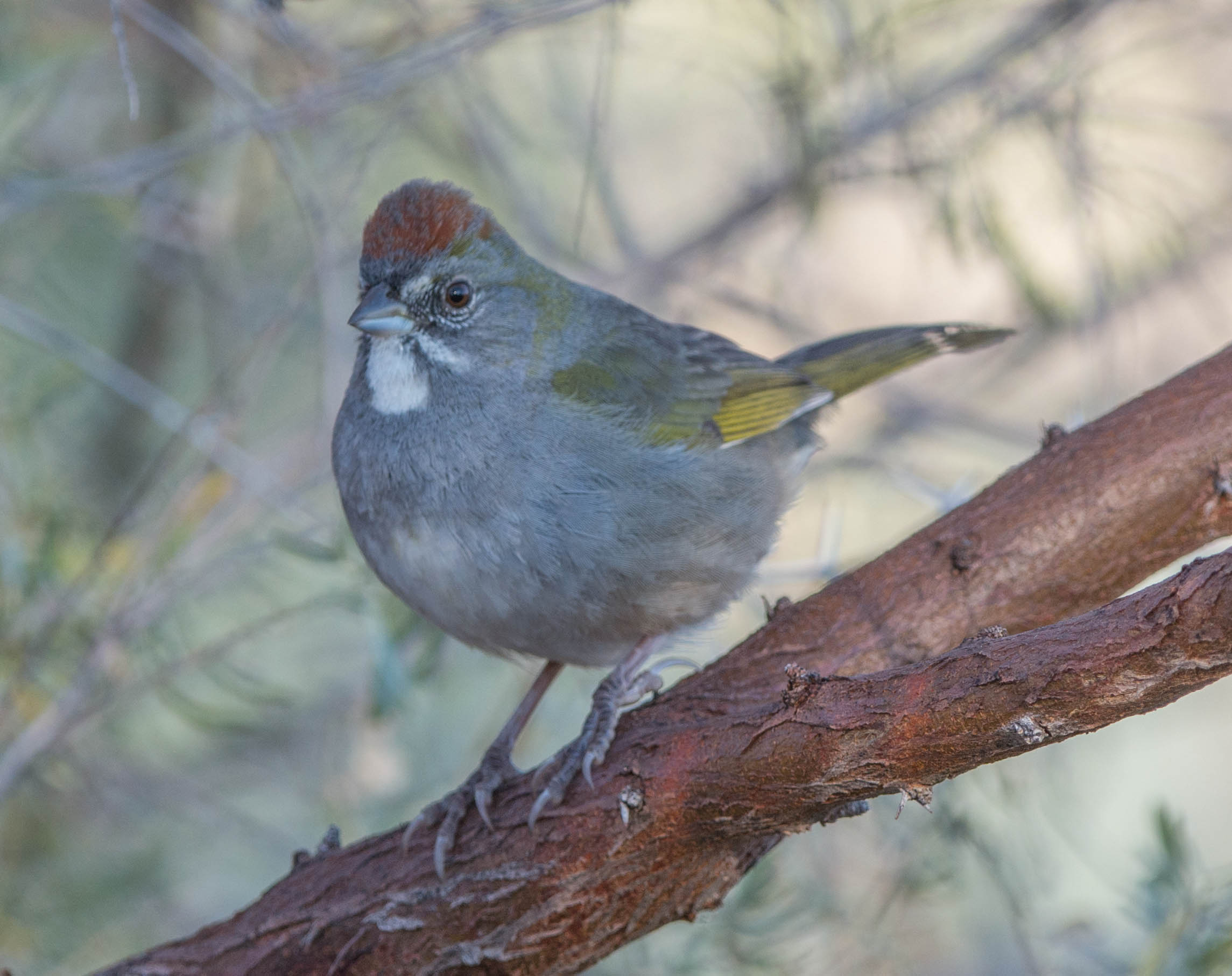
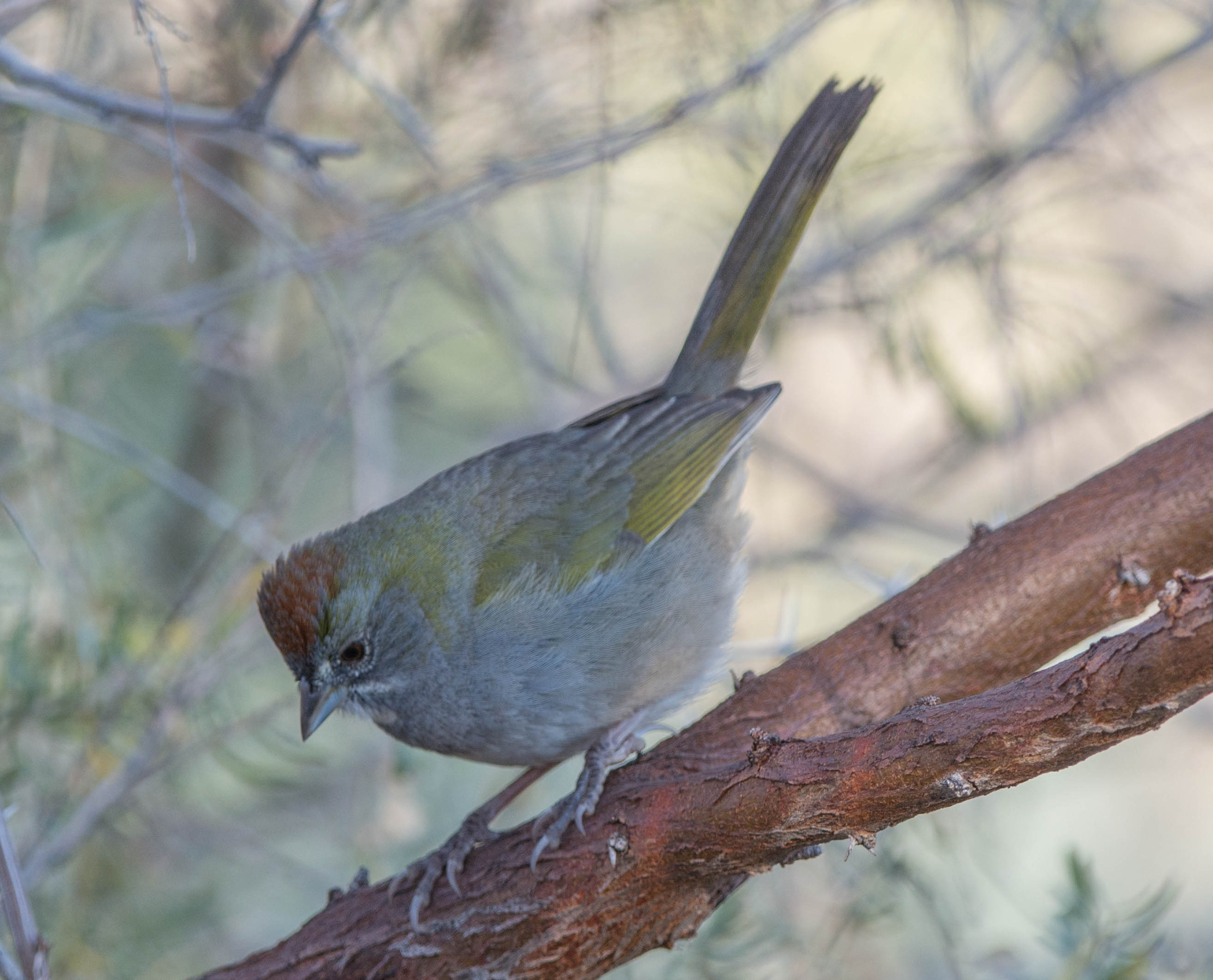
DSC_7634 20131114-03 On my recent trip to New Mexico, and while at the Bosque del Apache NWR south of Socorro, I encountered a Green-tailed towhee.  I’ve probably only seen one of these birds less than half a dozen times, with all sightings having been in Texas before I was seriously into birding photography.  While I’m sure there are places where the birds can be reliably seen, I just haven’t discovered those places yet. I consider myself lucky to have seen and photographed this bird.  I first encountered it where the habitat had been seriously altered by the erection of a large tent which was to be used in the Festival of the Cranes, an annual celebration that was to take place the following week.  This bird was backlit and with a lot of sparrows, but as I find often happens, it separated itself from the rest of the group and garnered my interest by its behavior.  I managed a few photos in bad light (see below) and managed to follow the bird for a couple of hundred feet before it disappeared over a fence in the headquarters complex. DSC_7630 20131114-01 DSC_7631 20131114-02

More Birds of the Bosque

sign - Bosque de Apache  20131113-01 20131113-03

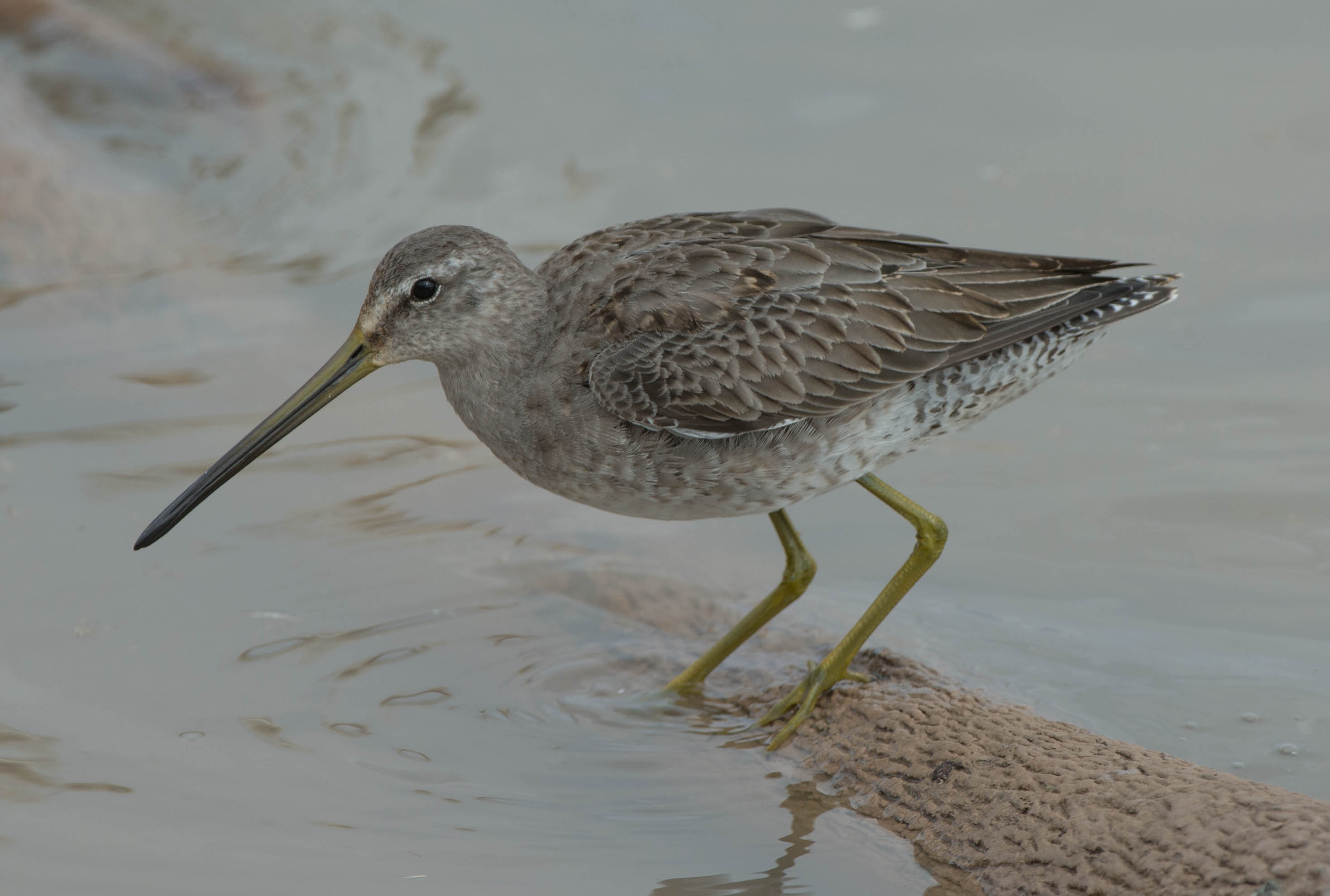
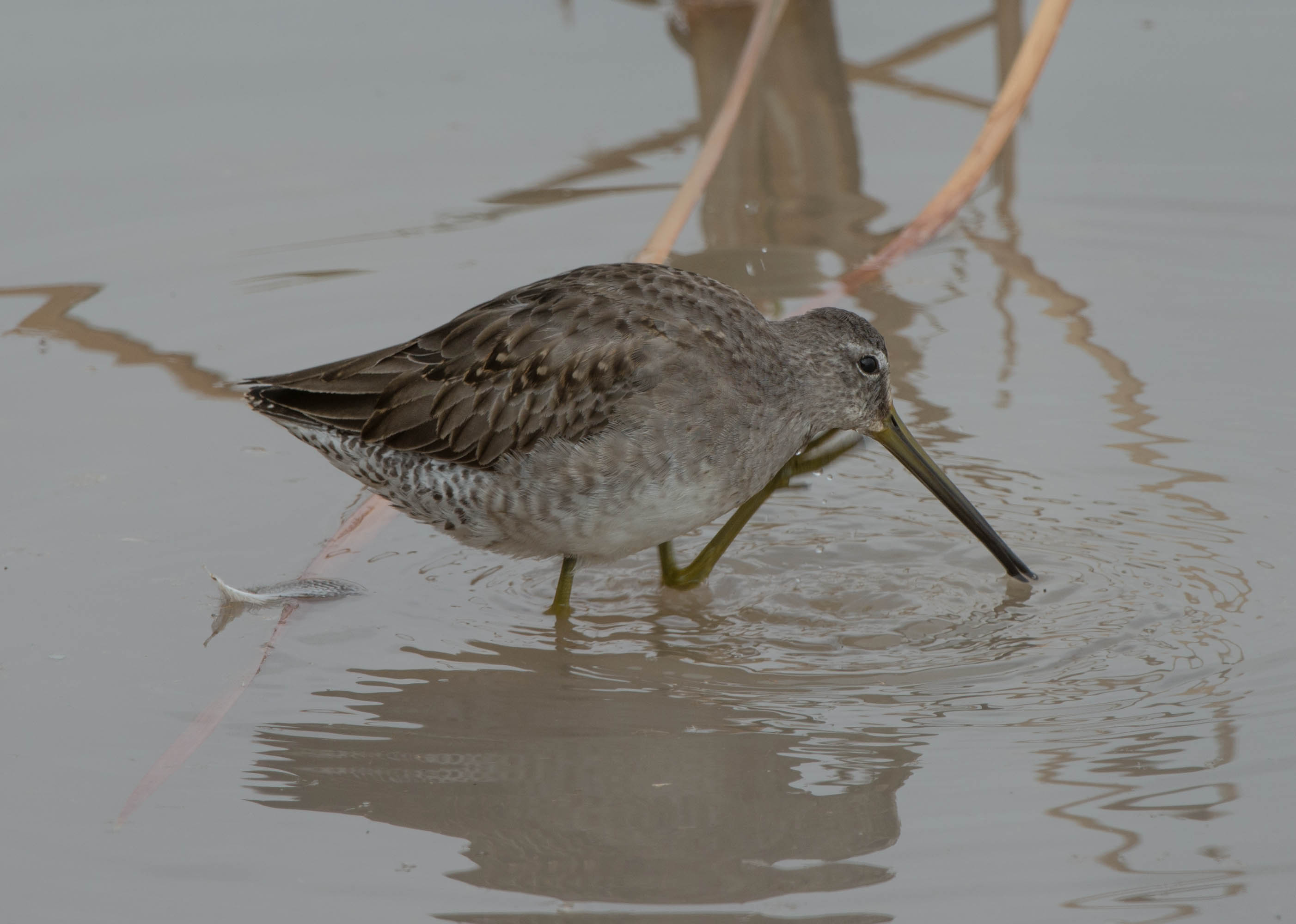
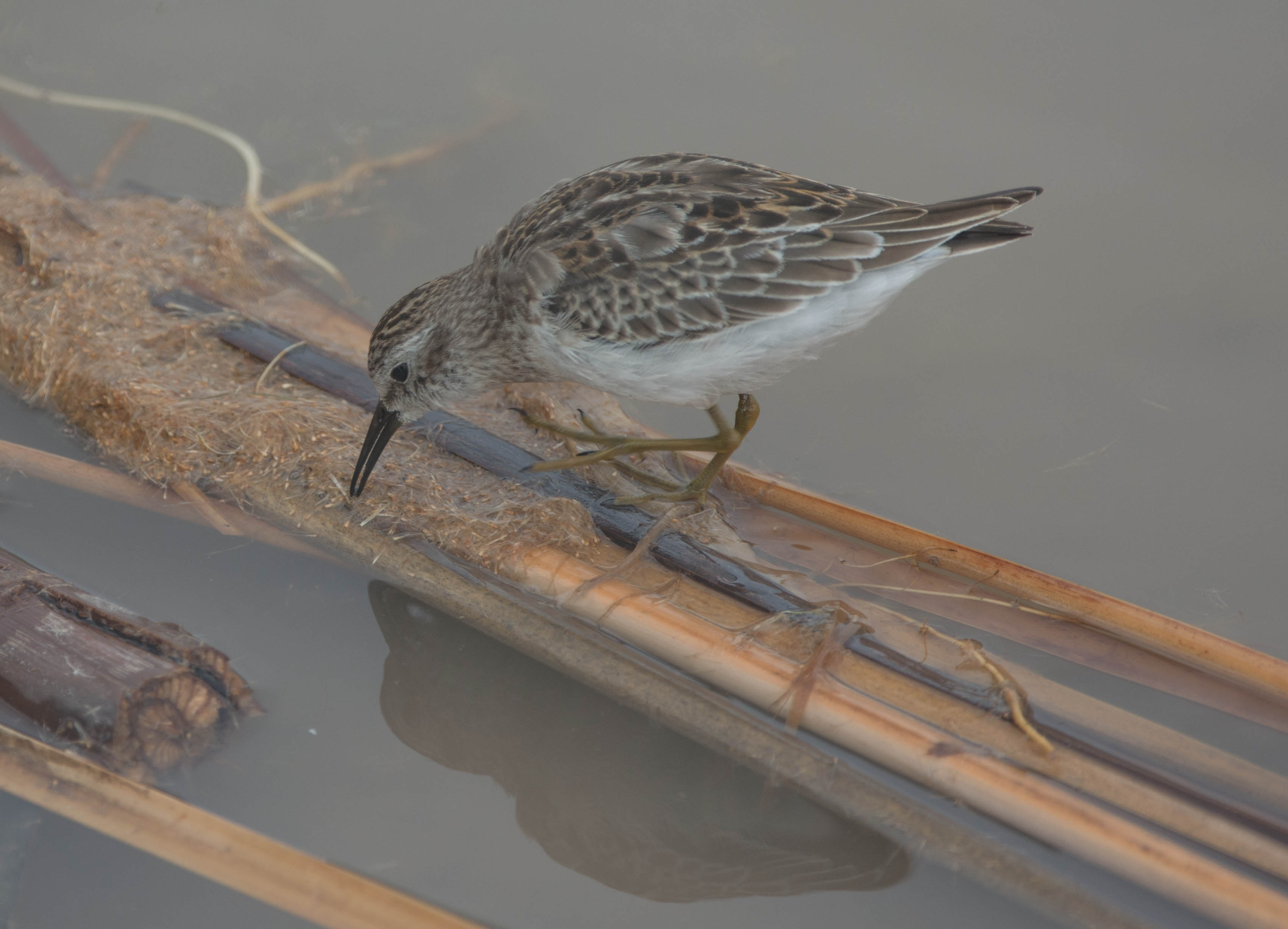
In addition to the thousands of Snow geese and Sandhill cranes, the refuge is the winter home to many other shorebirds and waterfowl.  At one of the ponds we were fortunate enough to be able to position ourselves directly over a group of about eight Wilson’s snipes and a Least sandpiper.  There was also a small flock of what might (or might not) have been Dunlin.  I wasn’t close enough to them to obtain good photographs.

Snipe, Wilson's  20131113-11 20131113-02

Wilson’s Snipe

Snipe, Wilson's  20131113-03 20131113-01

Wilson’s Snipe


Sandpiper, Lesser  20131113-02 20131113-02

Least Sandpiper

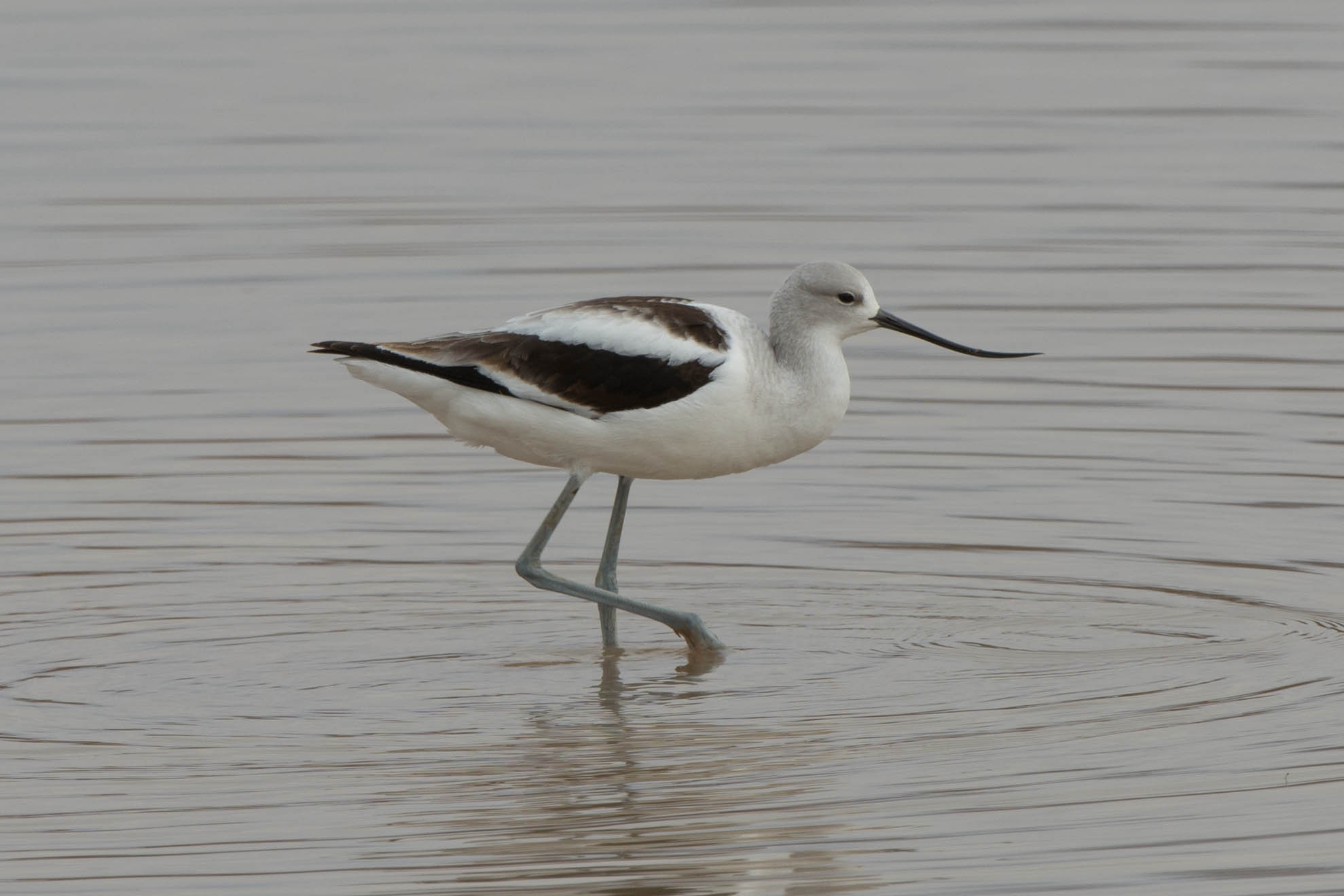
In addition, we saw a single American avocet in winter plumage on the refuge.

Avocet, American  20131113-05 20131113-04

American Avocet, Winter Plumage

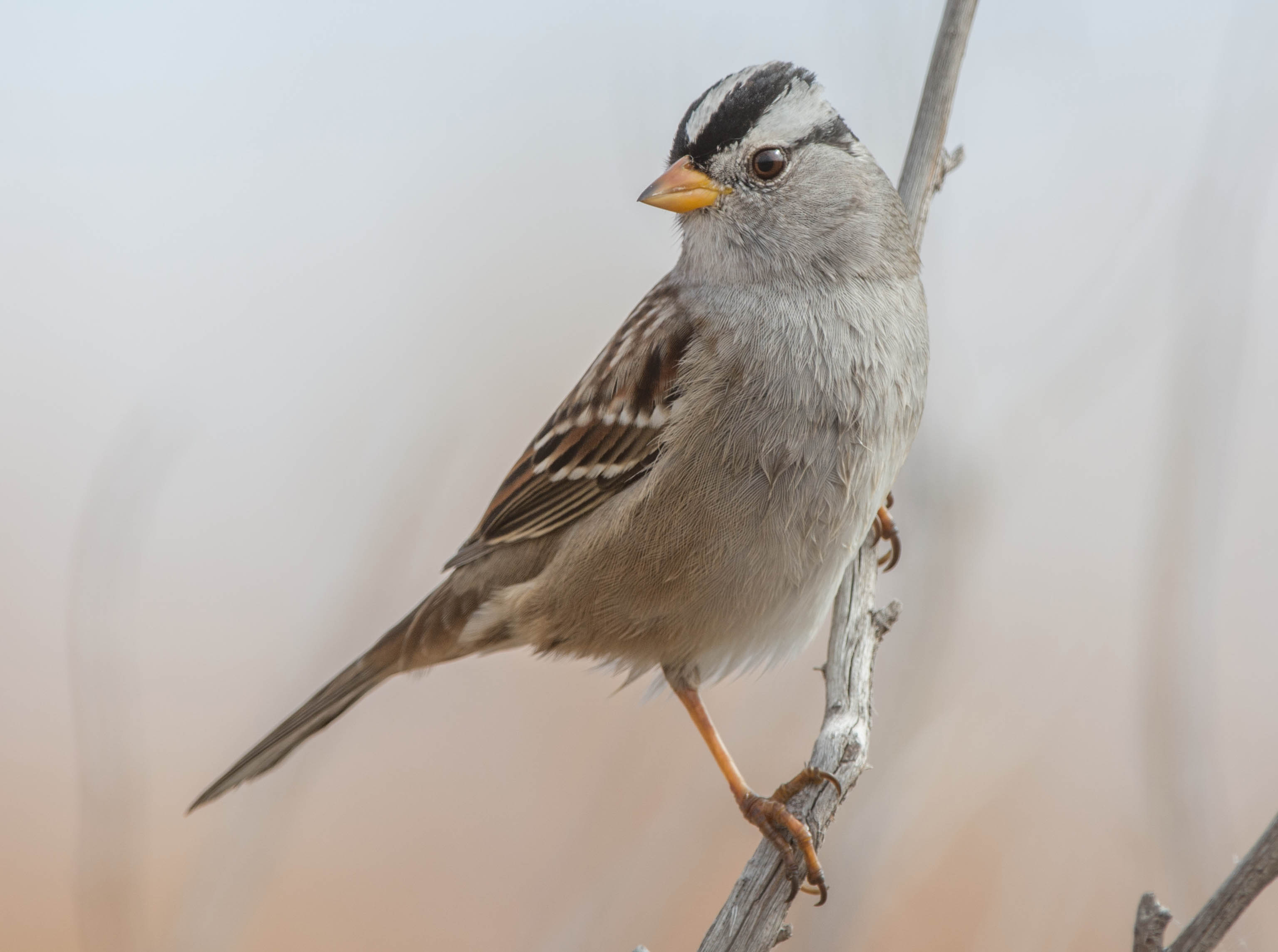
The most common sparrows on the refuge were the White-crowned and the Lincoln’s.  In general the two species didn’t seem to mix… each group had their respective small areas of habitat.

Sparrow, White-crowned  20131113-06 20131113-01

White-Crowned Sparrow

The Bosque holds an annual event that they name the “Festival of the Cranes” and our visit was, fortunately, a week before the festival.  As it was there was considerable disruption of some of the habitat areas, chiefly the cactus garden, by erection of a giant tent for the celebration.

Birds of the (Blog) Post

I couldn’t resist the little word play in the title of this post, and in a few minutes you’ll see why!

I can now announce that we are freshly back from a week-long trip to New Mexico.  On the day of our return it was raining at the airport in Albuquerque and the sun was shining at SeaTac when we arrived… go figure!

It’s always a treat to visit another area which offers different birds and different habitats.  I think I added one new bird to my non-extant life list and, like the Cackling geese in my last blog, I managed to obtain photographs.  But that bird will have to wait until a future blog since I’ve enjoyed myself with the little word play in the title of this post.

One of my favorite birding areas is the Bosque del Apache NWR just a few miles south of Socorro, NM.  It’s a large preserve that offers good habitat and two long driving routes which in turn offer me the opportunity to use the car as a blind and steady platform from which to photograph birds.

sign - Bosque de Apache  20131113-01 20131113-03

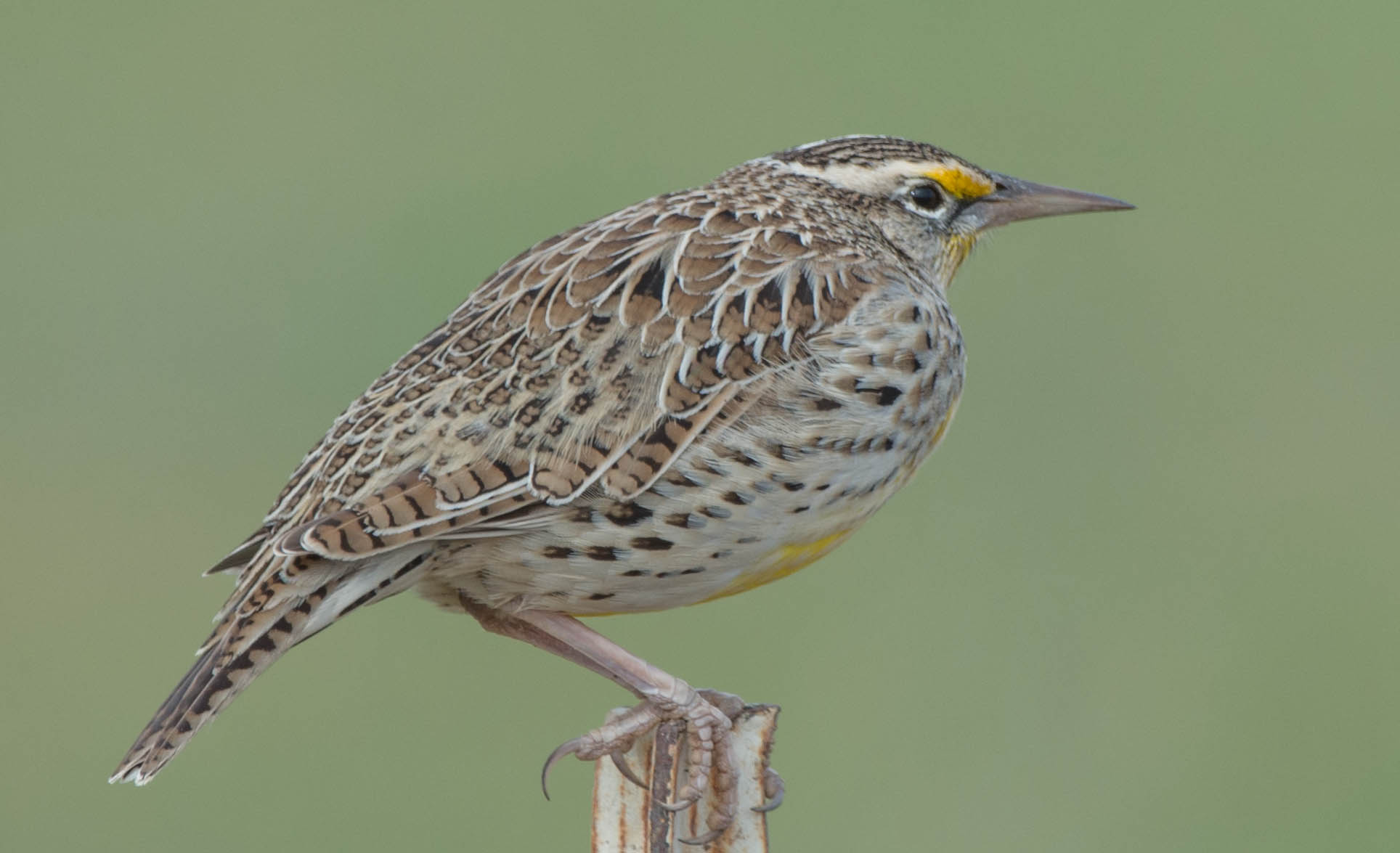
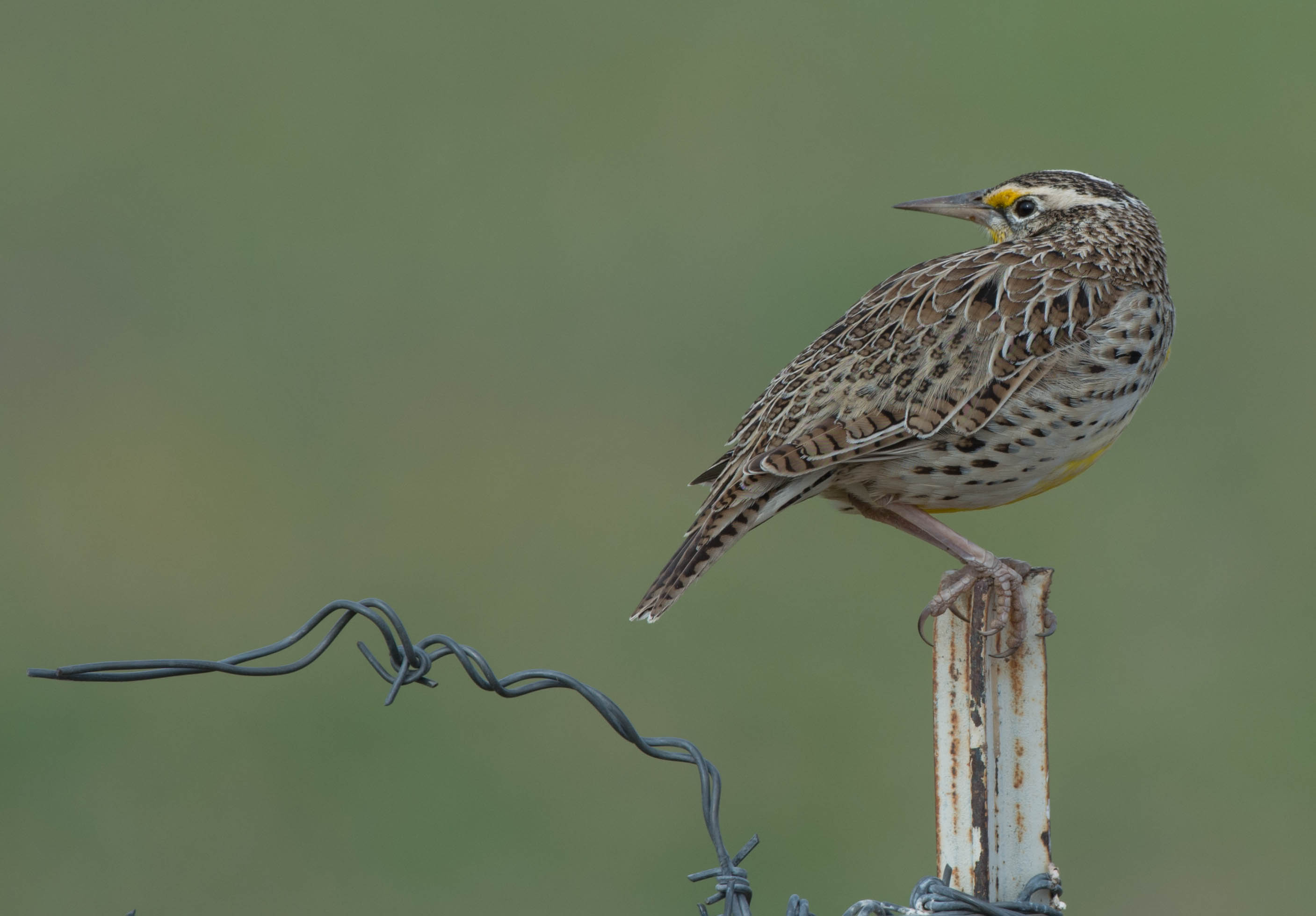
On our first morning while driving into the preserve I spied this (presumably Western) meadowlark sitting on a fence post.  My wife wanted to pass it by and look for others, but I insisted on circling back for photographs and I’m glad I did… we never saw another one nearly as close.  In retrospect, the old adage about a bird in the hand is worth two in the bush would seem to aptly apply in this case.  I think the series of photographs I took of this bird are my favorite of the trip!

meadowlark 20131113-08 20131113-01 meadowlark 20131113-03 20131113-01


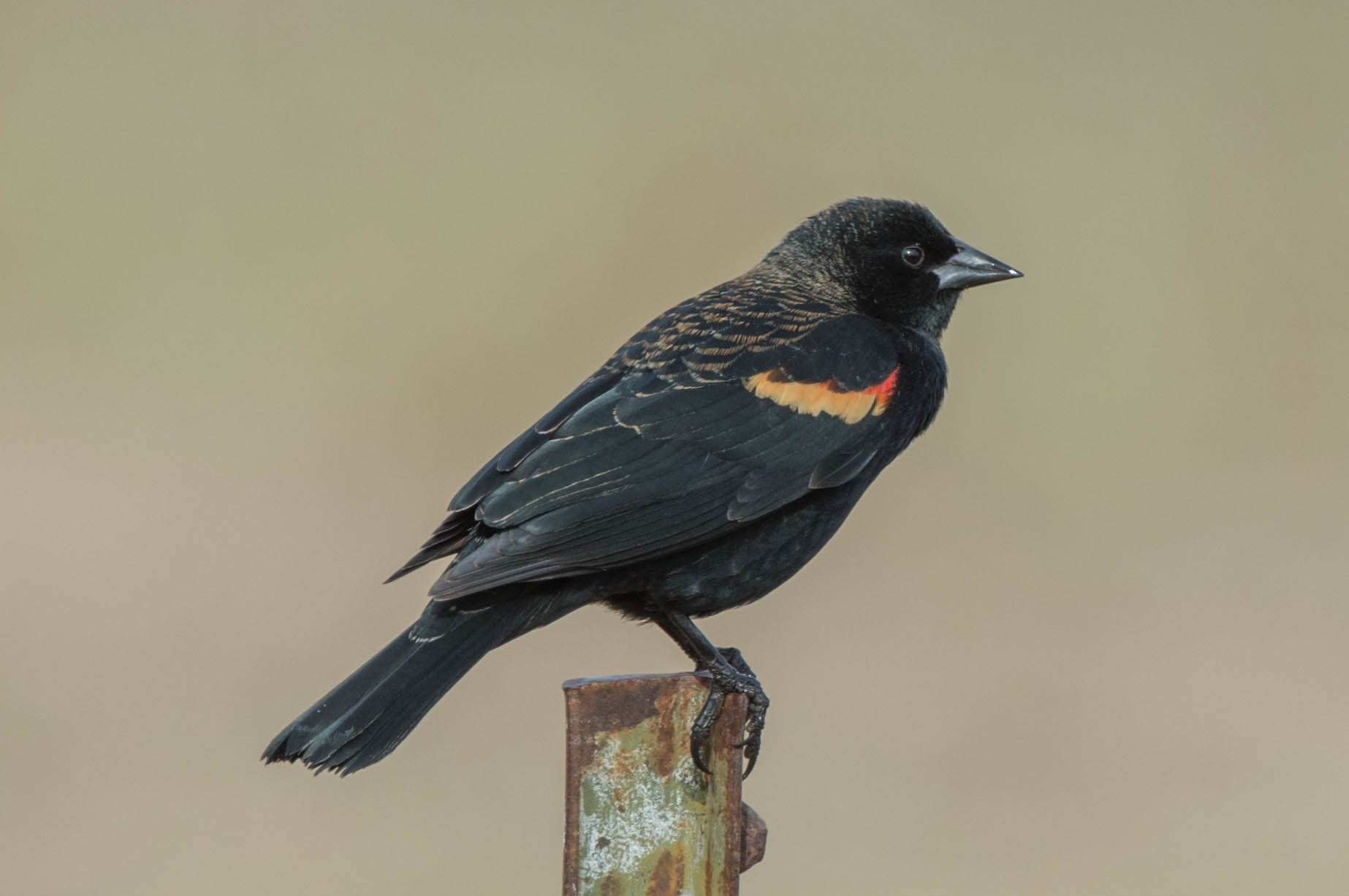
The meadowlark was quickly followed by another couple of birds on posts.  The first is a male Red-winged blackbird.

DSC_7362 20131113-02

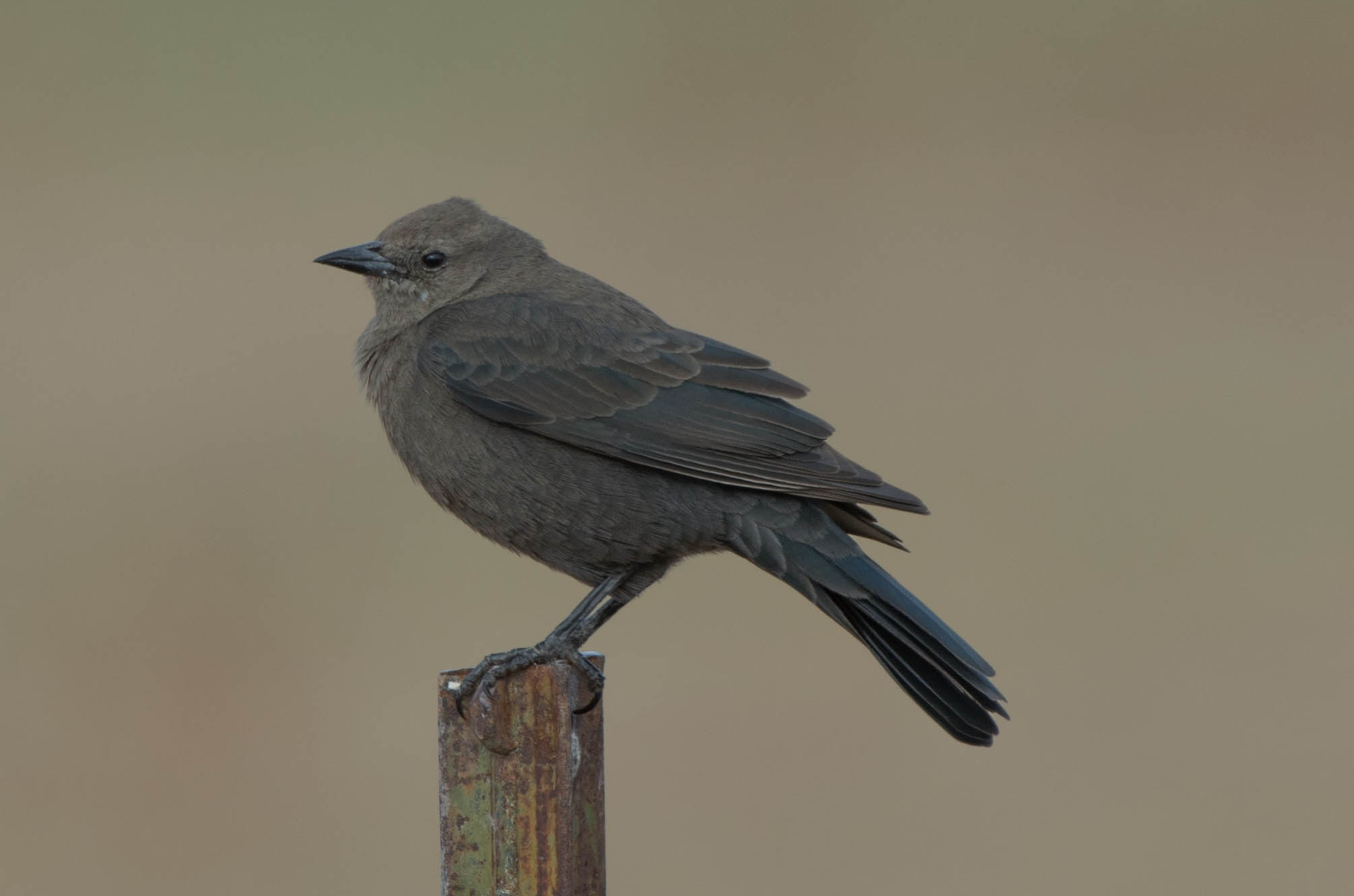
I have yet to decide on what the second bird is… you can influence my decision by emailing me with suggestions.  I think we can probably agree that it’s a blackbird, but probably not a mature female.

DSC_7359 20131113-01

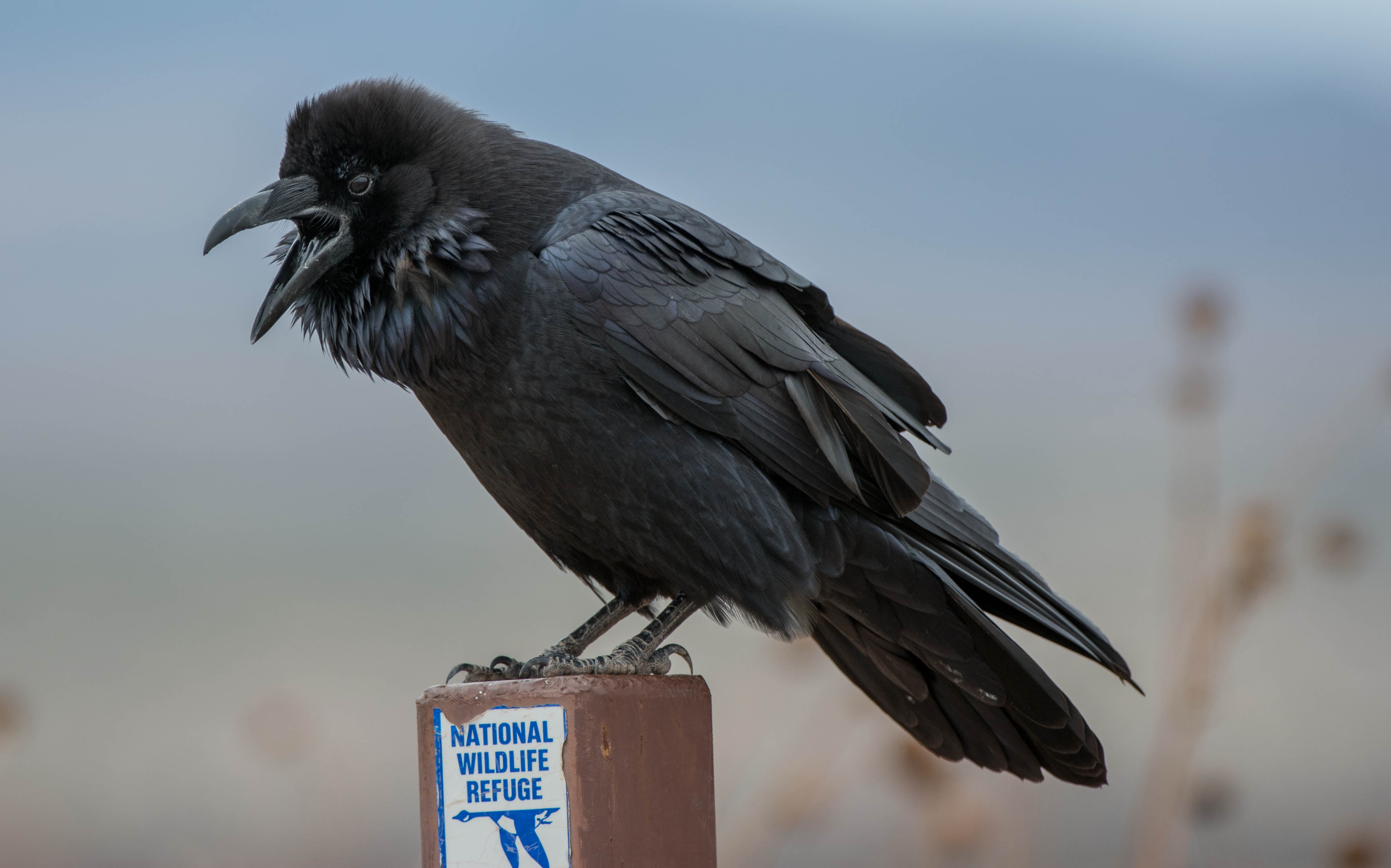
The final bird of my ‘post’ series is a Common raven, much more common than the population that we have around here.  This one was animated and kept vocalizing with us parked just a short distance away.  It almost seemed like it was talking to us and didn’t seem at all afraid of us!

Raven, Common  20131113-09 20131113-04