Point Reyes and Homeward Bound

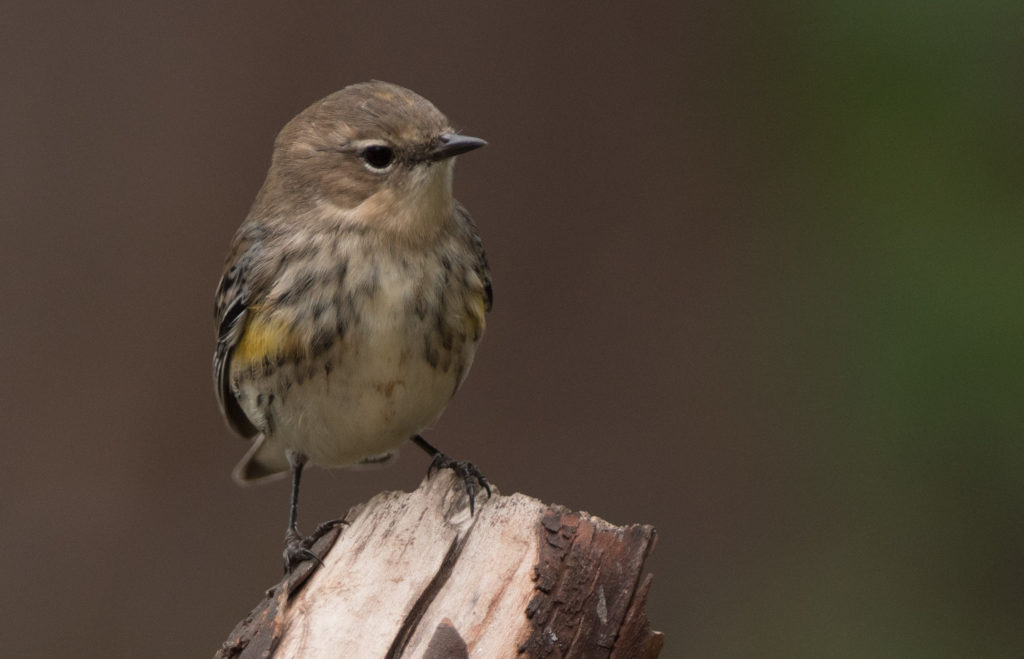
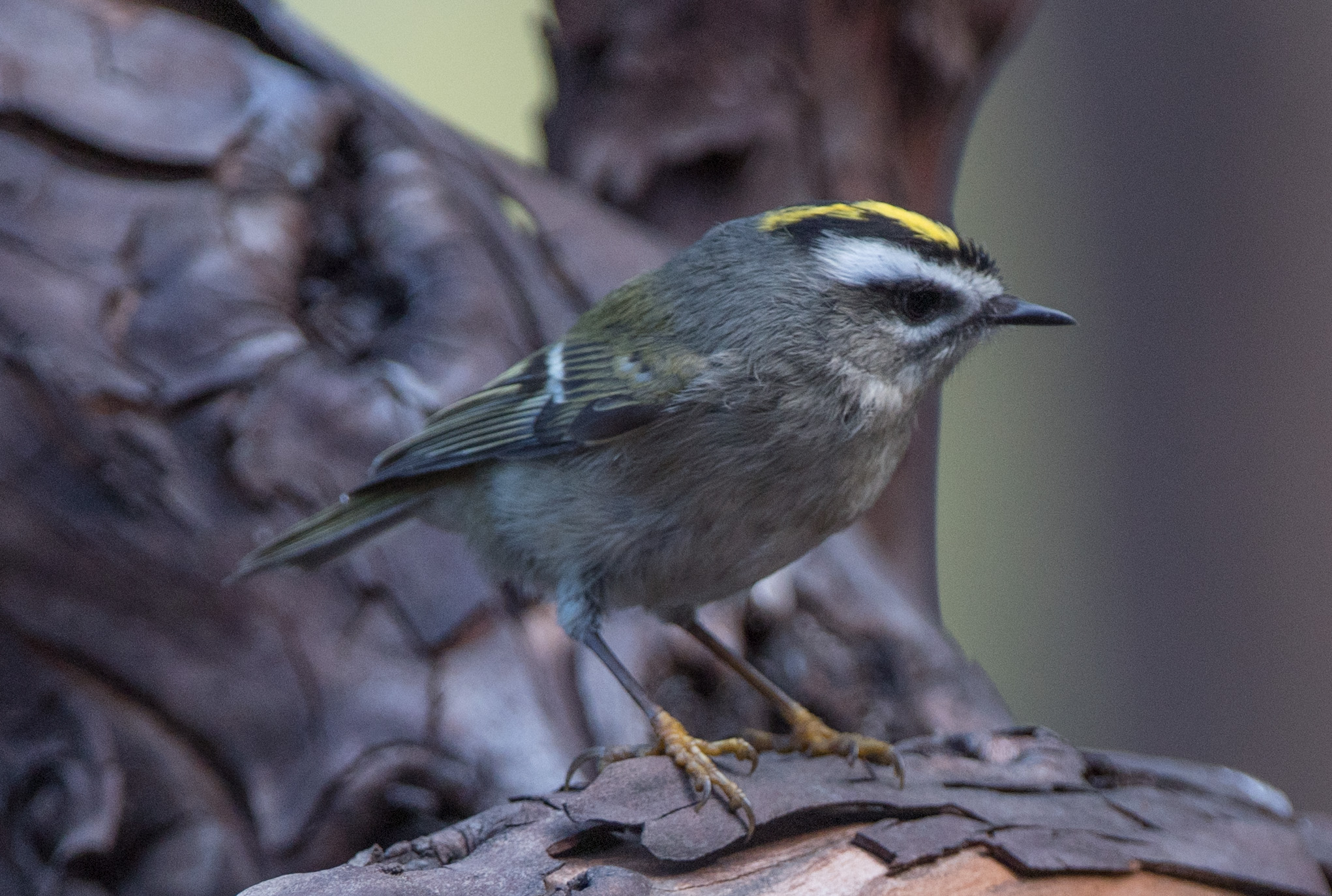
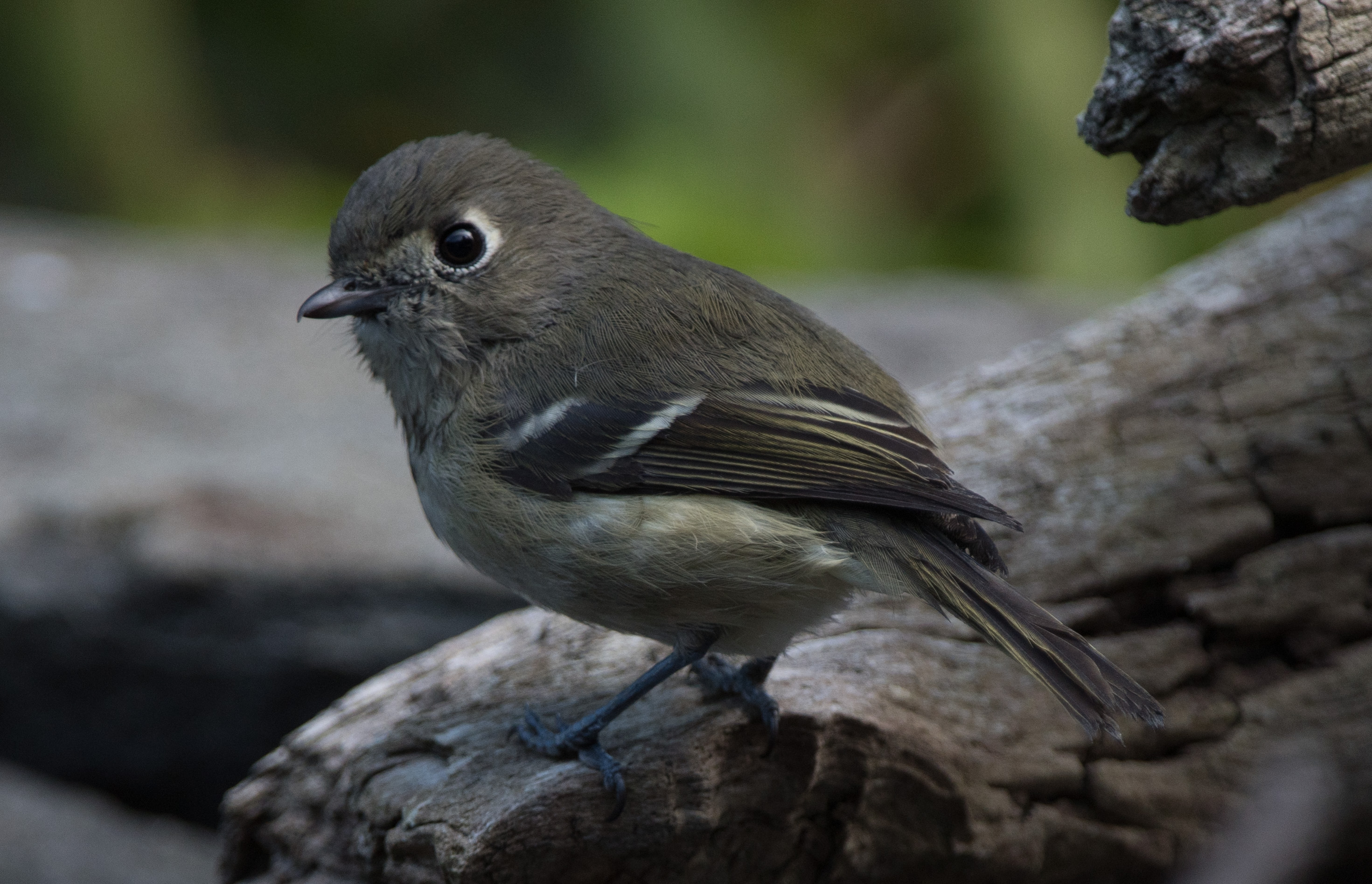
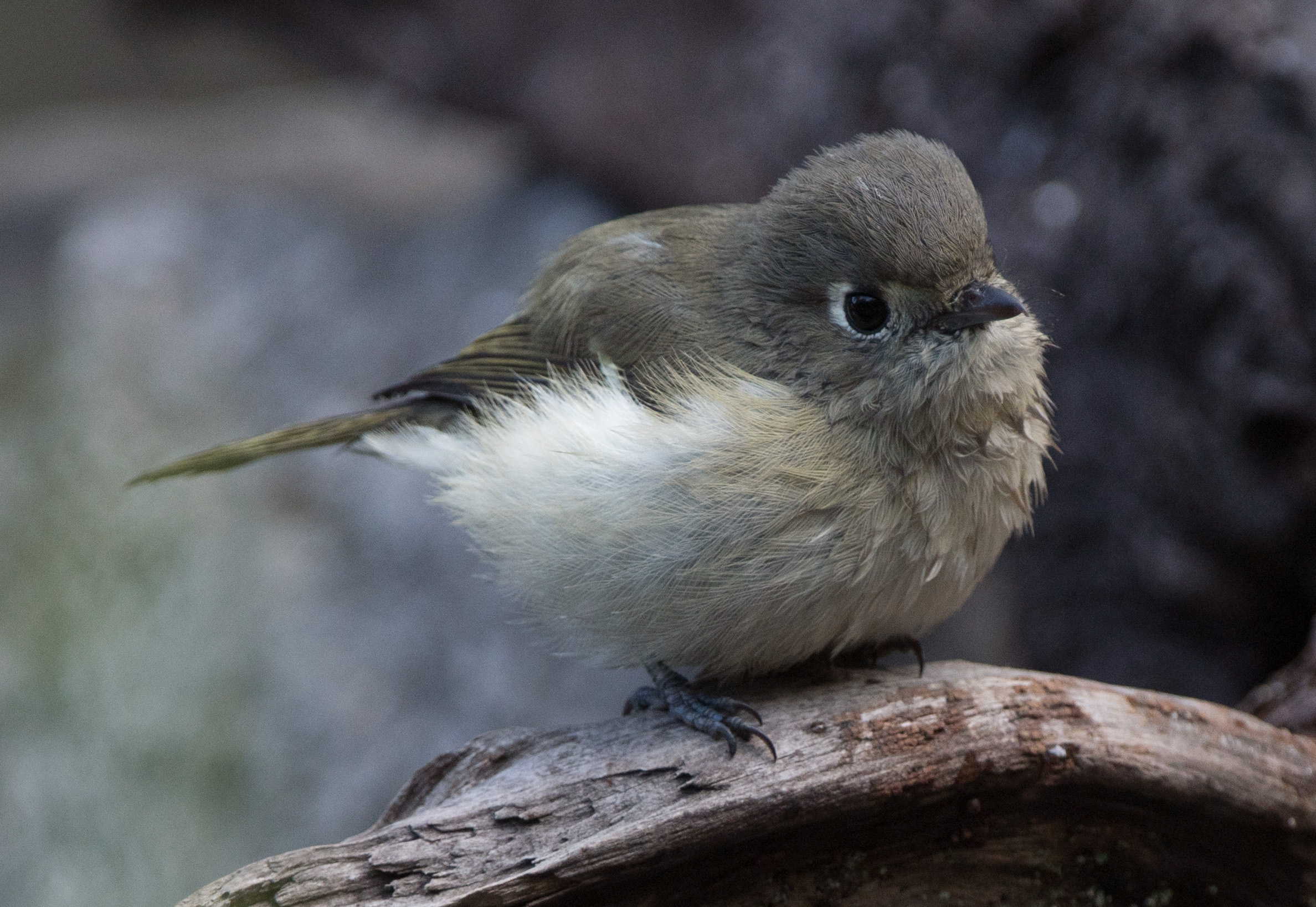
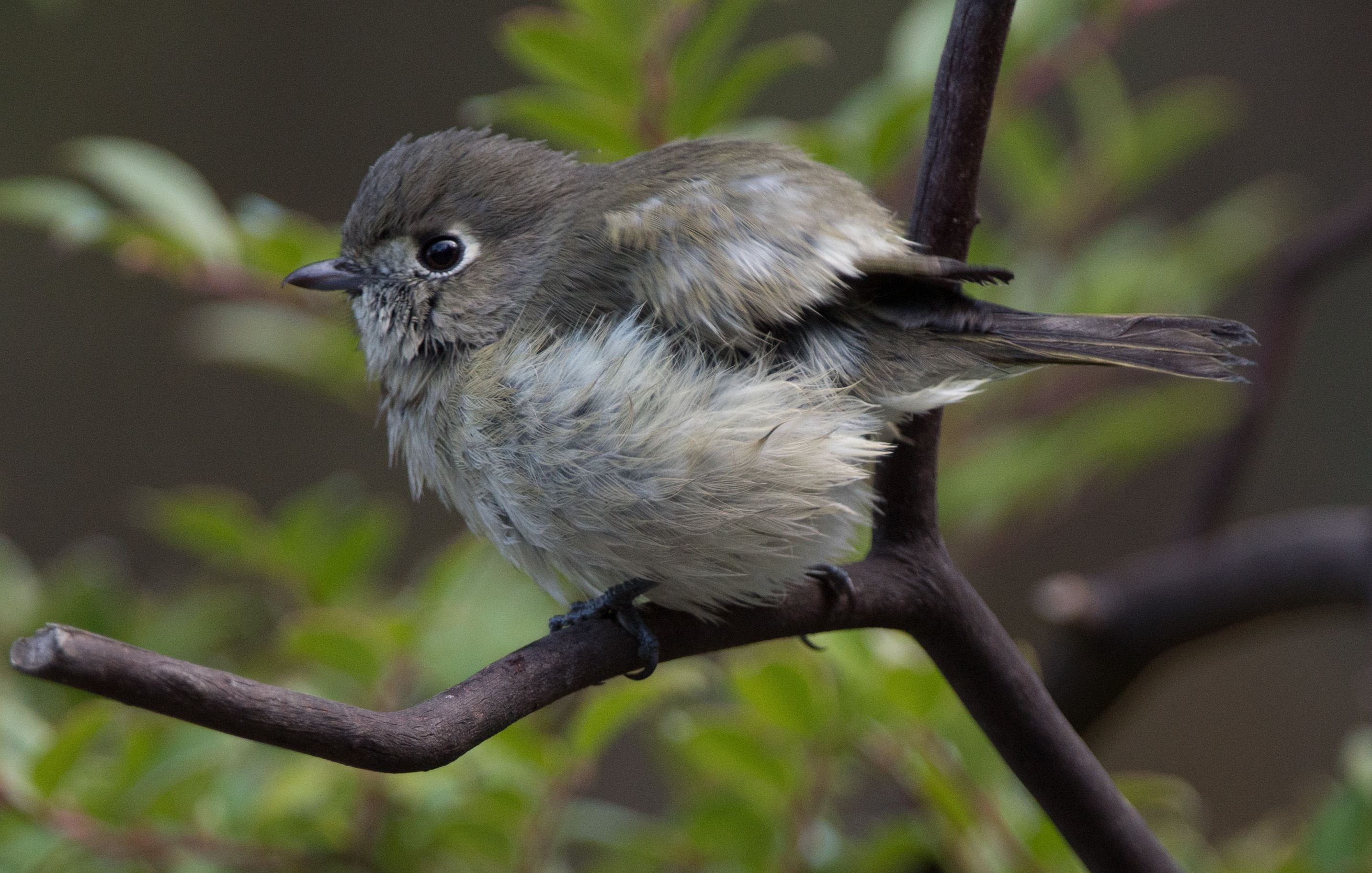
On our last full day in Point Reyes National Seashore I discovered the following flycatcher foraging in a small clearing beside a trail.  At one point the flycatcher flew to a large bush and collected a very large moth which it then consumed back on its perch.  I’m not sure what species of flycatcher this was, but after a while it was joined by a Pacific Slope flycatcher, the same species we had nesting where we were staying.  The second photo is of the Pacific Slope flycatcher back at our house (for comparison).

Flycatcher, ? 20160613-09 Flycatcher, Pacific Slope 20160613-02

On an excursion to Park headquarters I found a family of at least one  adult and four young Black phoebes (also flycatchers) flying around an open area with a wooded creek on one side.  Black phoebes are often found near water.

Phoebe, Black 20160613-08 Phoebe, Black 20160614-09

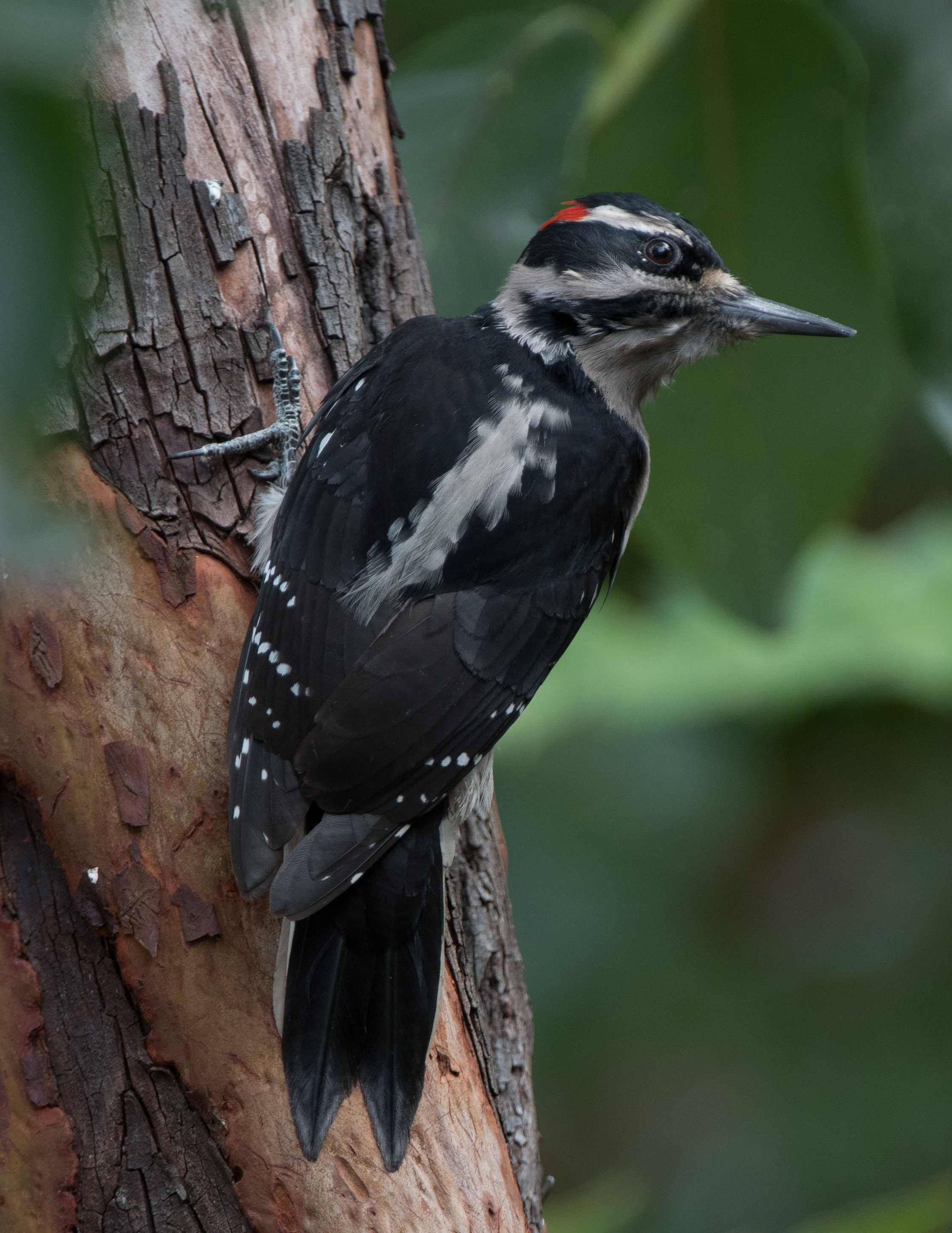
Again, near park headquarters, we found a couple of Acorn woodpeckers, the one pictured below being a male.

Woodpecker, Acorn 20160614-05

Moving north to Oregon, the town of Gold Beach has a jetty that juts out into the Pacific Ocean and it makes a perfect observation point for aquatic birds and marine mammals.  While there I observed and photographed a sea lion with a large salmon it had caught.  This first photo is of a Pelagic cormorant (note the prominent white patches on its flanks which makes it easier to identify at this time of year).  Photos of Ospreys, of which there were several, follow.  Cormorant, Pelagic 20160616-04 Osprey 20160616-02 Osprey 20160616-10 Osprey 20160616-11

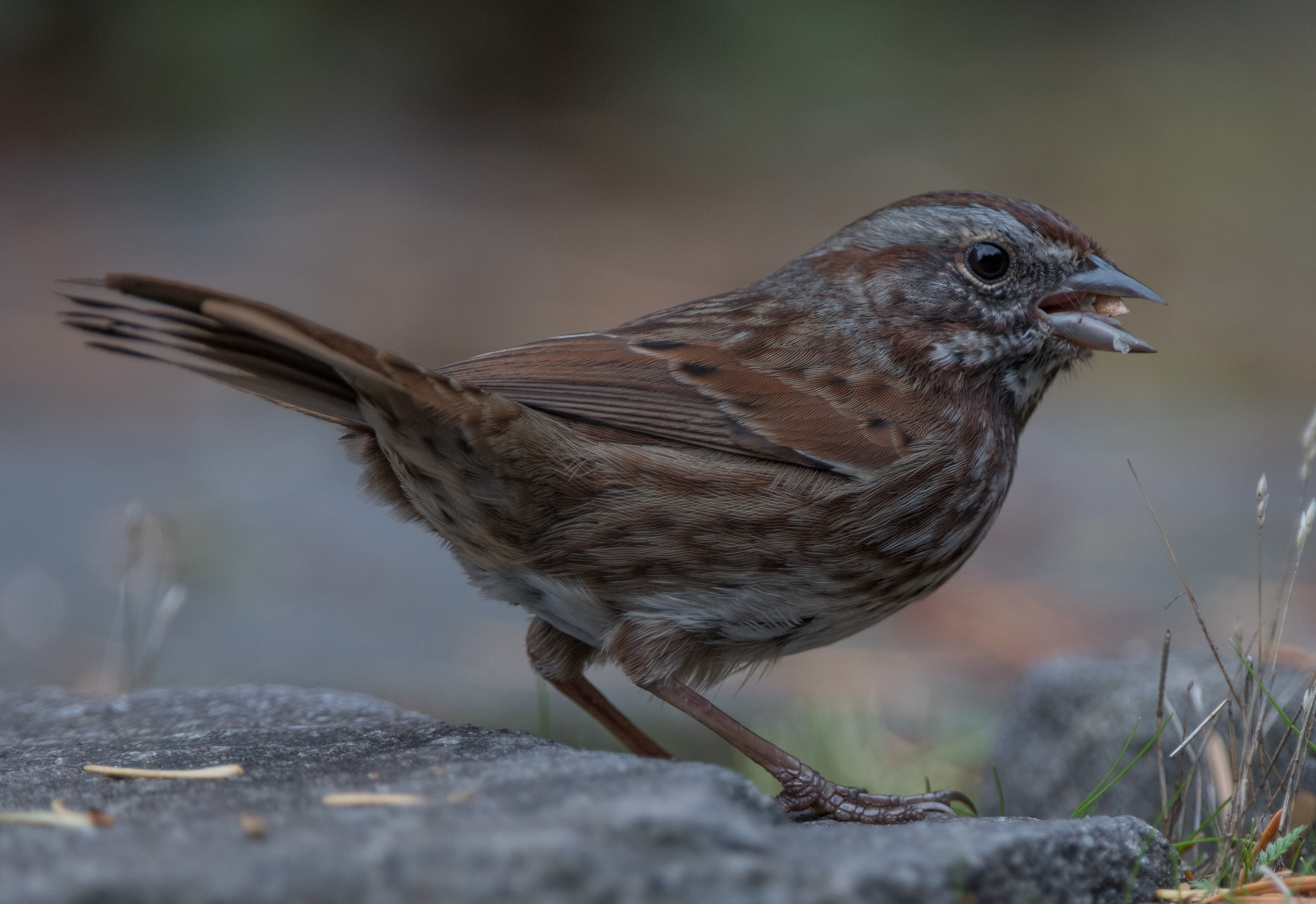
This singing Song sparrow was photographed at Ona Beach State Park in Oregon.

DSC_2087

Directly across Highway 101 from the state park was North Beaver Creek Road.  Although I have always stopped at the state park on previous trips, I hadn’t realized that there was an intersecting road directly across the highway.  North Beaver Creek Road bisects a rather extensive wetland where I photographed this Cedar waxwing taking a break from eating twinberries beside the road.  Waxwings are probably among our most beautiful birds in North America, and each one looks exactly the same as every other one.

Waxwing, Cerdar 20160617-04

Also along North Beaver Creek Road I found a couple of families of Redwinged blackbirds, and this next photo is of one of the young trying to stay inconspicuous while waiting to be fed by one of the adults.

DSC_2110

This concludes posts from the California trip.  I purchased a new camera (Nikon D500) at the beginning of the trip when passing through Seattle but didn’t use it for any photography on the trip.  I’ll address the new camera in my next post and begin showing photos I’ve taken with it in my yard.


Point Reyes National Seashore – continued

I just experienced a remarkable coincidence.  I ended my last post mentioning the Pacific Slope flycatcher we saw in California and just this week I had one show up in my yard.  I’ll leave the details and photos to a future post, but in the meantime I want to finish addressing CA photos.

I just noticed that in my last post I failed to post any photos of the Pacific Slope flycatcher… and no one mentioned it to me.  It just shows you how many people pay any attention to these posts!  Here are a few of the many photos of the flycatcher I took:

Flyvcatcher, Pacific Slope 20160609-11 Flyvcatcher, Pacific Slope 20160609-17

Photos of Western Scrub jays that we encountered at various locations around the refuge…

Jay, Western Scrub 20160610-19 Jay, Western Scrub 20160610-11

This female California quail had a covey of chicks that she mostly kept out of sight in the scrub…

Quail, California 20160610-03

A White-crowned sparrow singing…

(note:  I originally mistakenly identified this as a Song sparrow.)

Sparrow, White-crowned 20160610-03

A Barn swallow perched on a barbed wire fence beside the road…

Swallow, Barn 20160610-08

And finally, a pair of doves for comparison.  The first is a Mourning dove and the one below it is a Eurasian Collared dove, coming soon to a location near you!  (The Eurasian Collared doves are an introduced species and are rapidly spreading into the Skagit County (and probably other) areas.

Dove, Mourning 20160610-04 Dove, Mourning 20160610-02


California & Point Reyes National Seashore Trip

The first bird I photographed on this trip was a male House sparrow.  We stayed in Yreka, CA, our first night and I observed sparrows flying to these relatively low trees.  I would have been shooting into the setting sun, but I realized that the next morning, if the sparrows were still flying to the same location, they would be illuminated by the morning sun.  I rose early and obtained several good photos of the sparrows.

Sparrow, House 20160608-02

Our next find was not a bird.  We stopped at the Sacramento National Wildlife Refuge and saw more wildlife than we had seen on our previous two or three trips.  The refuge has a long driving route through it but strangely enough, for the national refuges we have visited, they prohibit you leaving your vehicle except at two places on the refuge.  That rule didn’t stop me from obtaining some nice photos of two different jackrabbits, both of which were very accommodating regarding photography from our vehicle.

Jackrabbit 20160608-20 Jackrabbit 20160608-13 Jackrabbit 20160608-03

And to go with the jackrabbits, we encountered a coyote making its rounds in the refuge.

coyote 20160608-02

We stayed in a wonderfully interesting house (designed and built by an architect) in, or just outside of, Inverness.  We hadn’t been there long before we discovered that a Pacific Slope flycatcher had a nest on top of a light just outside the door to our large patio.  This bird, and its mate, became the focus of my photography for the several days we stayed at the house.  I took many, many photos of the birds.  We were hoping that the eggs might hatch while we were there and were somewhat disappointed when they didn’t.  But here are a few of my early photos of the bird… and I won’t promise that there won’t be more in a future post!

I’ve published two posts at the same time, so be sure and read about my Bird of the Month in the post below!


Bird of the Month

DSC_1060

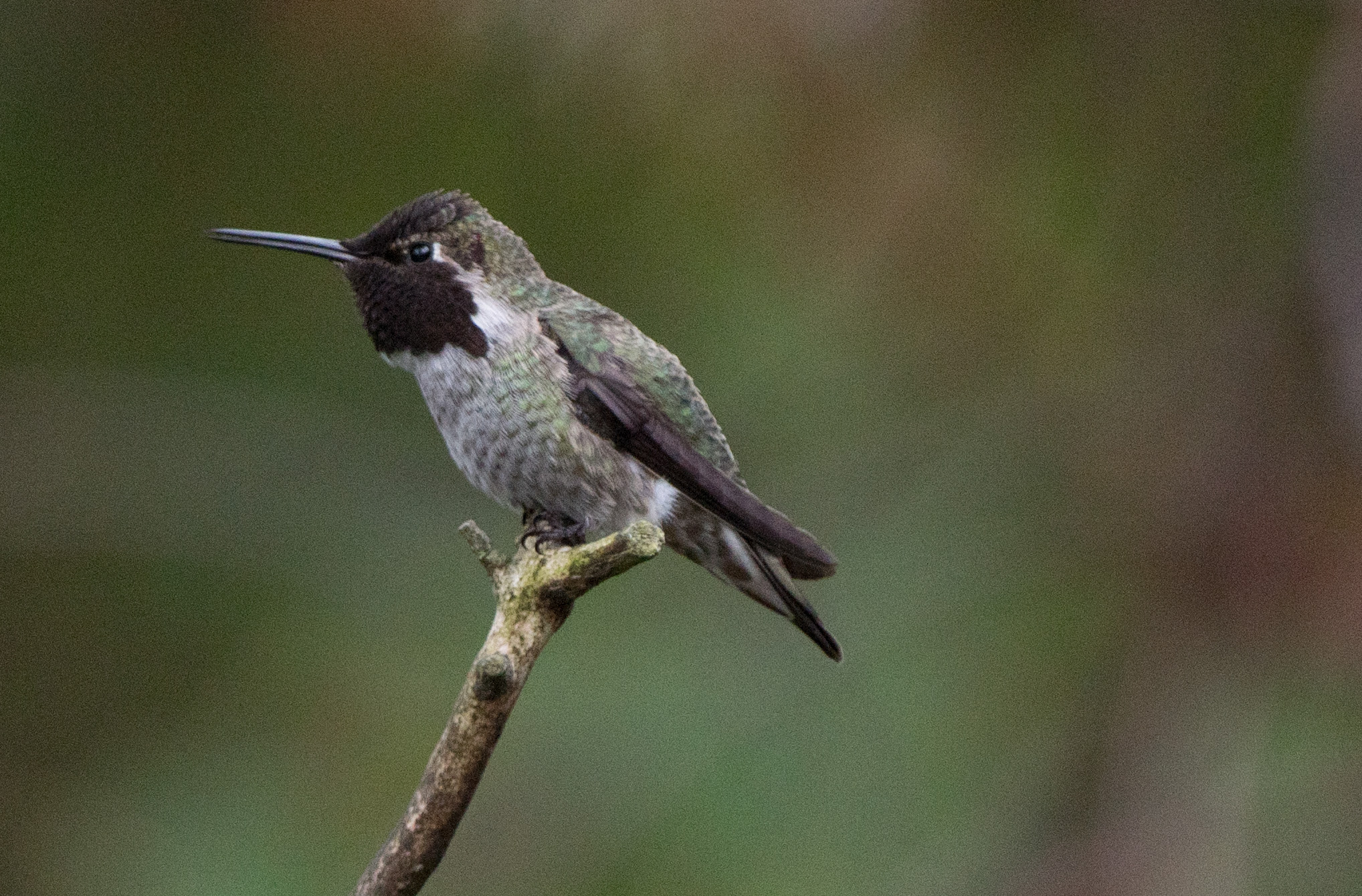
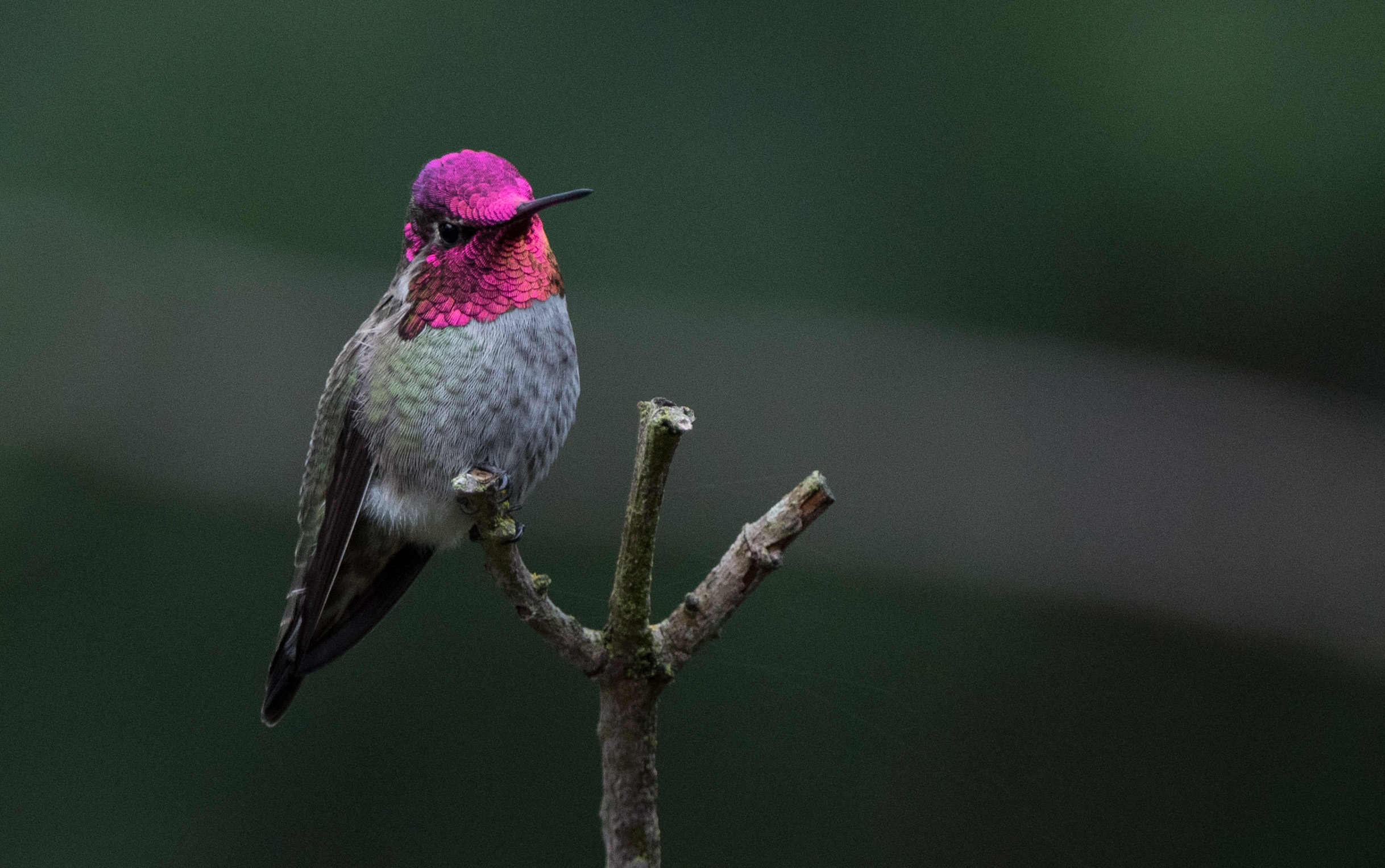
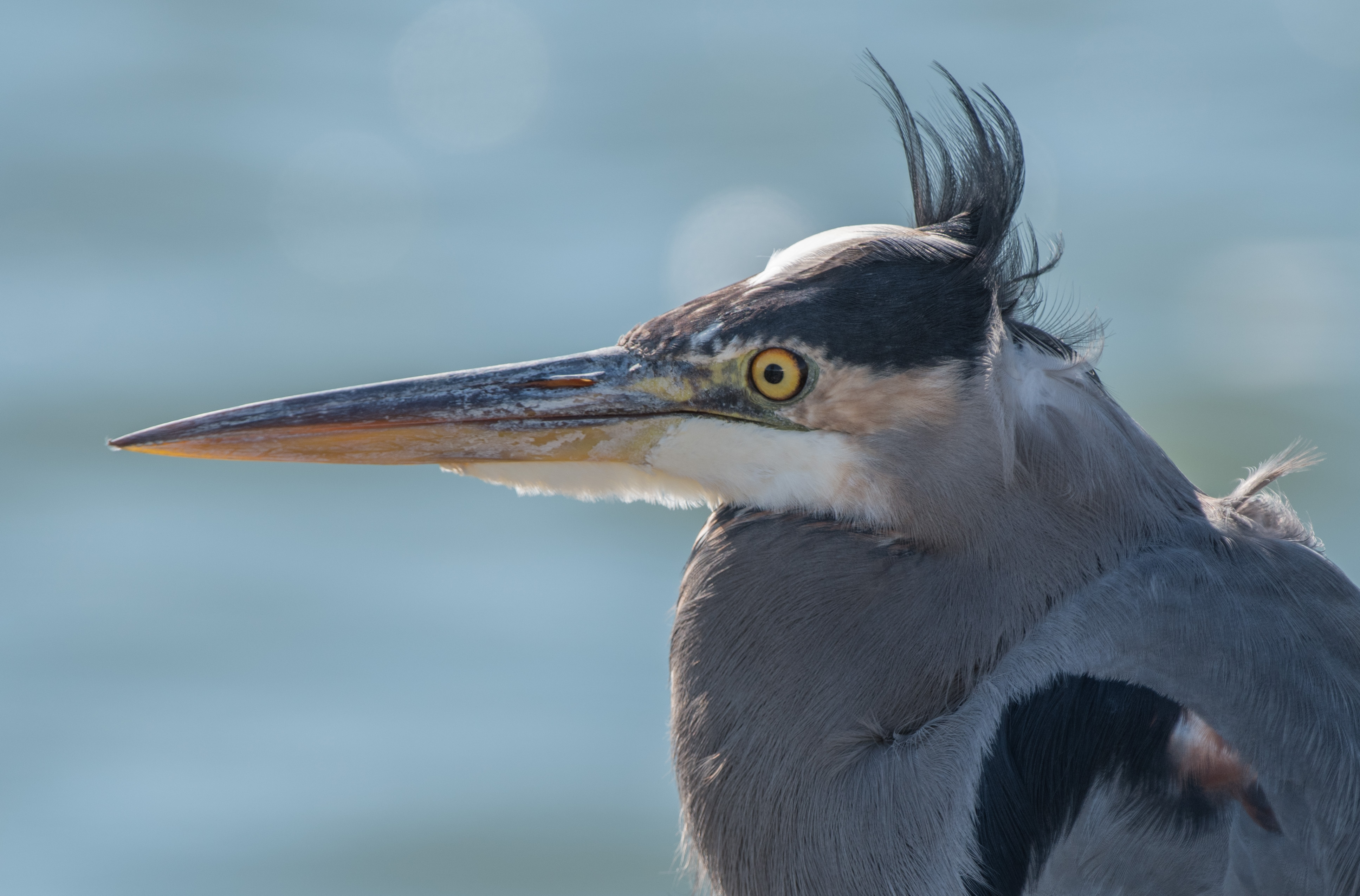
The image posted above is of the Bird of the Month.  I’m sure you can see why it was selected!  I envision this bird as being the basis for something out of a future Star Wars movie or maybe a remake of A Boy and His Dog (look it up, or better yet watch the movie!).  The runner-up appears at the end of this post.  I don’t envision this being a monthly feature, but in the case of the serendipity of the birding world it makes some sense.

My original intent was to begin posting a few of the photos I took on a trip to Point Reyes National Seashore (in CA) in mid-June, but these photos taken in my yard were just too good to let go.  And since I’ve brought up yard birding, this is a good time for a report.

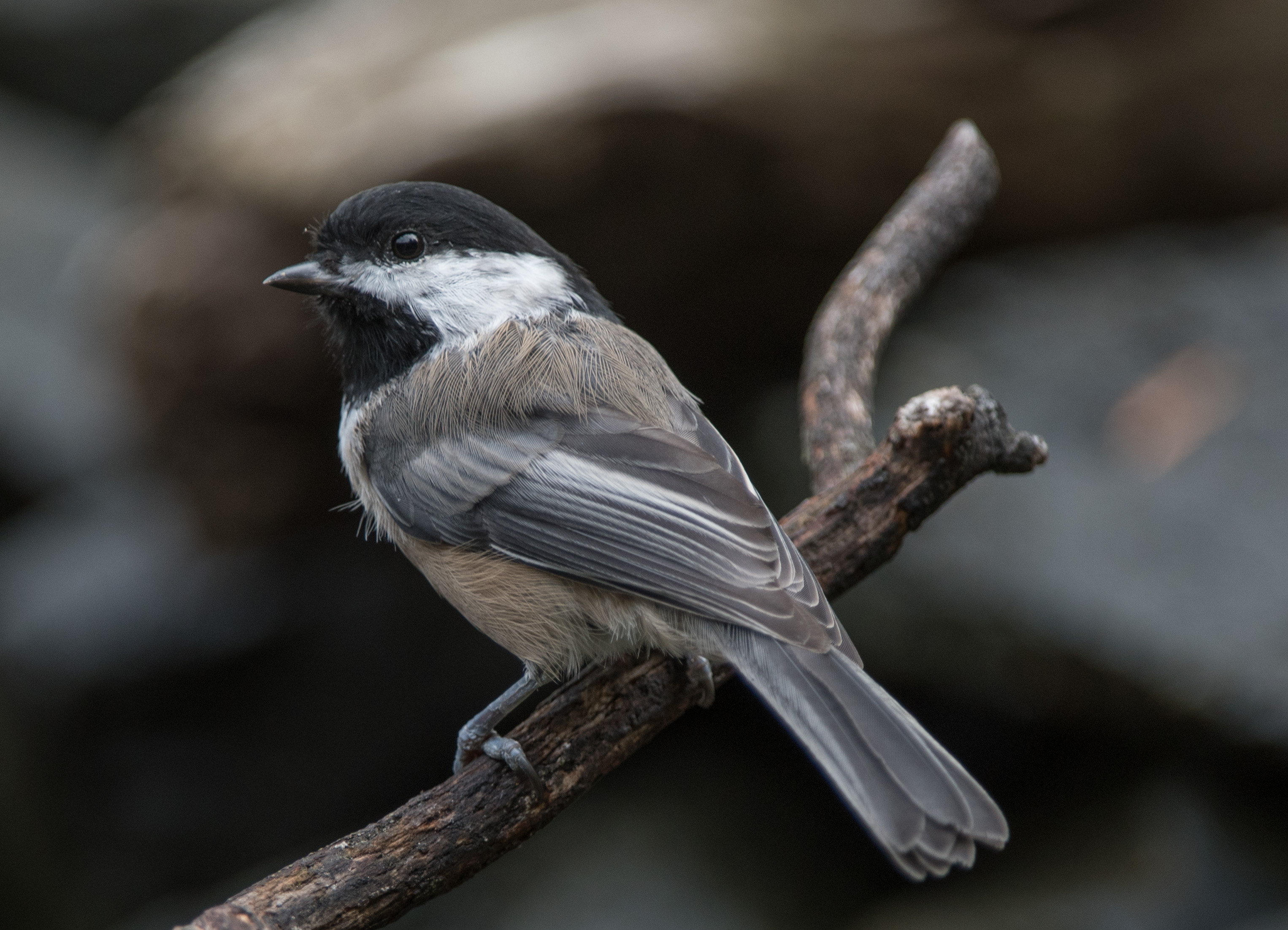
It’s been a somewhat disappointing year for birding in the yard. I’m alarmed by the decrease in the number of warbler visits as well as occasional migrants… Red crossbills, Western tanagers, Cedar waxwings, and vireos. While we have at least one pair of California quail visiting the yard, to date they haven’t shown up with any chicks. We had a pair of Dark-eyed juncos that reared a Brown-headed cowbird (for the second year in a row), hardly a success story. On the other hand, we have a lot of birds in the yard and they are eating us out of house and home. I can’t seem to discourage the European starlings or the House sparrows that spend most of the days in the yard. On July 11, I counted five chickadees on a half-full peanut tube feeder, then upon heading back into the house saw another such feeder with six chickadees on it! The significance of the ‘half-full’ modifier is that the birds only have access to about half the feeder’s surface area and food capacity, so all the chickadees were crowded into quite a small space. And we have a pair of Black-headed grosbeaks who have apparently successfully reared a pair of young.

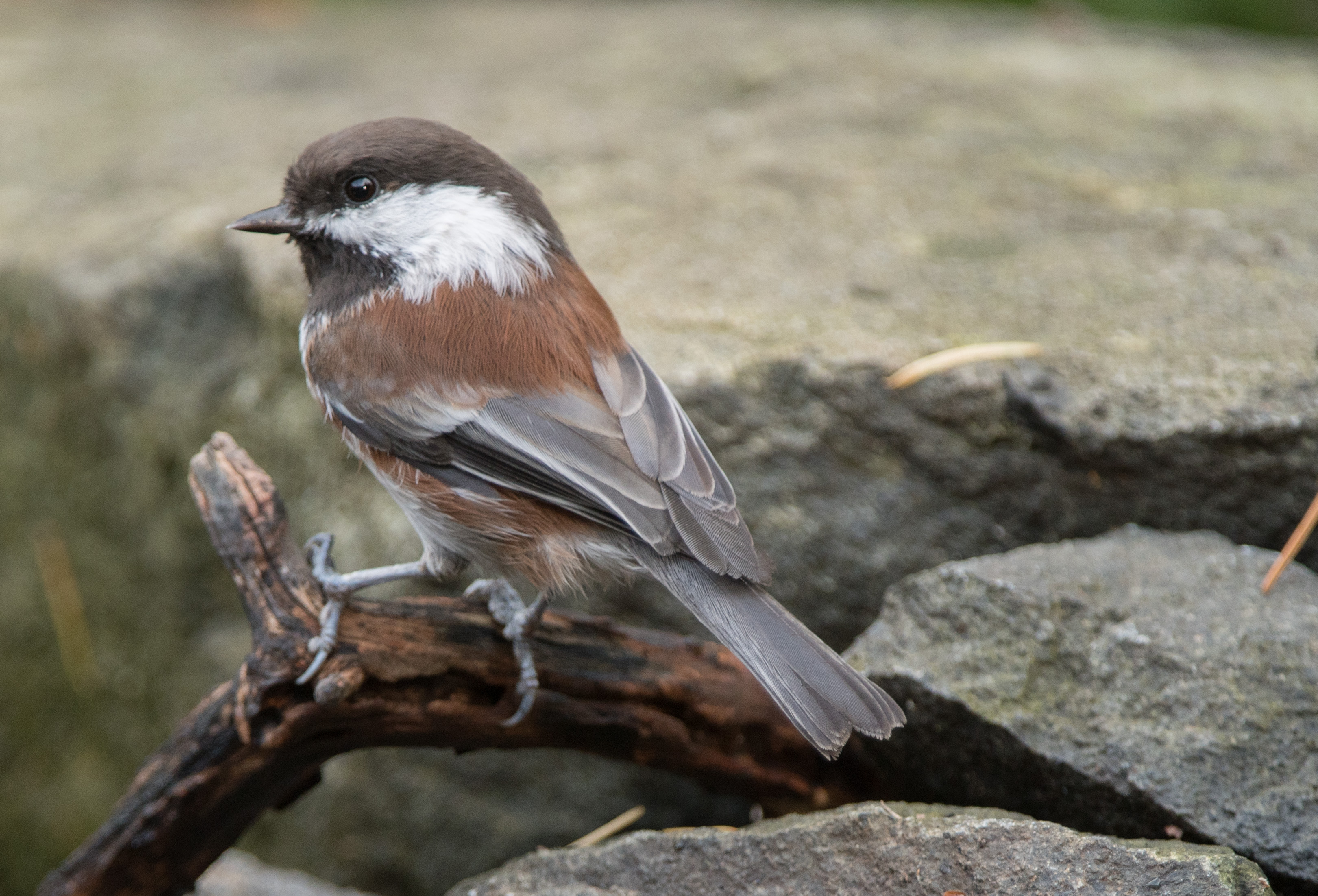
On July 12, sadly we had a pair of window kills… a juvenile Northern flicker and a Chestnut-backed chickadee.

I’m concerned that the dearth of interesting migrants may have been discouraged by the pulling of ivy in the adjacent City parkland (which needed to be done). What didn’t need to be done, but was apparently done without public comment, is a frisbee golf course was installed in a huge section of the parkland. One of the justifications for the installation was that the users would help trample the English ivy which grows there, but I can tell you that the ivy will be virtually unaffected. What will be affected are the ferns, mushrooms and other more delicate plants that grow there. And whether this disturbance has anything to do with the diversion of birds we normally see, I just can’t say. All I know is that the number of migrant species (some of which are summer breeders here) are drastically down this year.

Earlier in this post I promised a photo of the runner-up Bird of the Month.  Here it is…

DSC_1110

Summer Has Arrived!

I’ve been somewhat negligent in the upkeep of this blog.  I’m still attempting to process the 800+ photos I took on a Texas trip in April and another 800+ photos I took on a trip to California this month.  And in the meanwhile, the birding here at the house has really picked up.  We have a multitude of birds that are being attracted to the yard which includes newly fledged young.  So here are some of the current visitors to the yard…

We have at least two pair of California quail visiting the yard but strangely, there is no sign of chicks

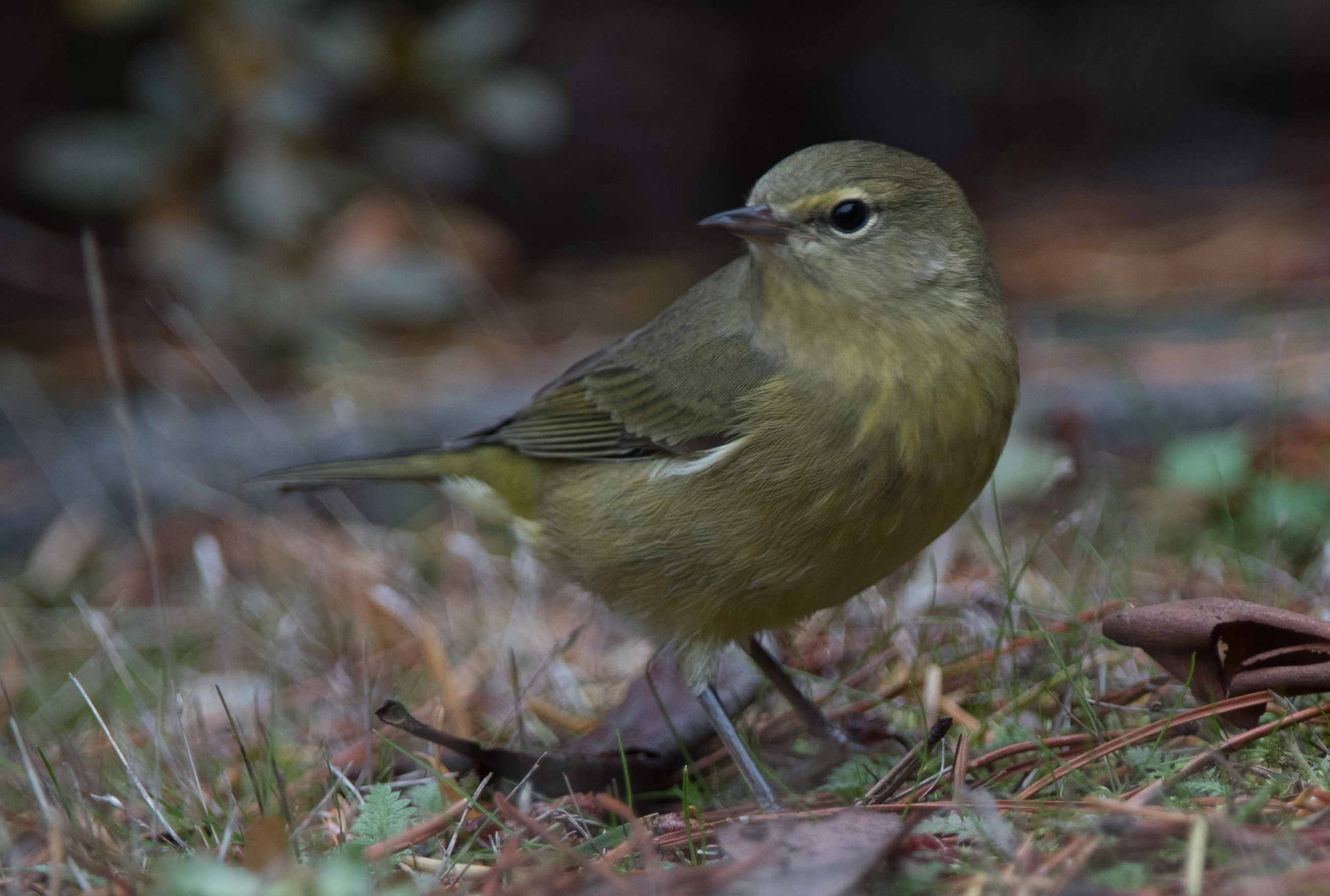
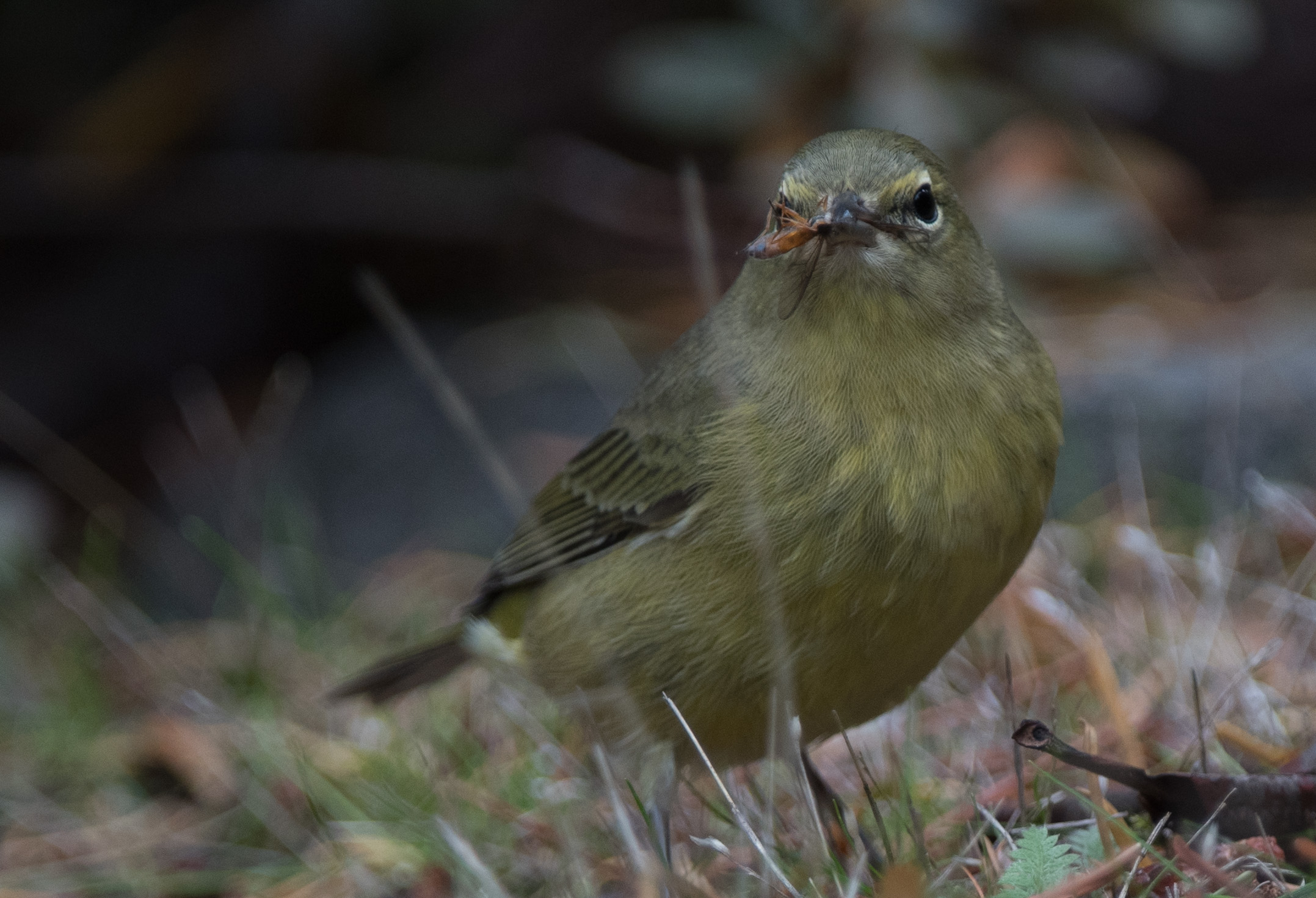
DSC_2335After two to three weeks of meager warbler sightings, I have finally observed and photographed at least two Orange-crowned warblers visiting the yard.

DSC_2354 DSC_2291

We’ve had at least one pair of Spotted towhees in and around the yard all spring and we now have at least two fledged young visiting the yard.  The young can be difficult to identify as they look nothing like the adults and can resemble some members of the sparrow/finch families.

DSC_2322DSC_2331

A few of the other rather nondescript young include a Brown-headed cowbird

DSC_2325

and a European starling.

DSC_2349After seeing relatively few House finches this winter they have returned to the yard.  We have at least one mated couple but there is also an apparently an unattached male that hangs out with the pair.

DSC_2314

The yard is filled with American goldfinches which utilize both the seed feeders and the watercourse.  This male is enjoying a bath in the watercourse.

DSC_2256

This is one of our male House sparrows which is now feeding young.

DSC_2226

We’ve had two families of crows that nested in the vicinity.  In one case the nest was in a tree in the front yard.  To date I haven’t seen any evidence that young have fledged, and a couple of weeks ago I saw a pair of crows building or repairing the nest in the yard.  In some past years the crows’ nests have been predated by ravens, but I’m usually alerted to that event by the crows.  As far as I know there are no ravens nesting in the neighborhood.

The particular crow pictured here is one that enjoys handouts… peanuts and the occasional grape or cherry.  It’s not obvious that this crow has a mate and it enjoys spending a considerable part of its day monitoring yard activities.

DSC_2237

And finally, a female Black-headed grosbeak permitting a rare photographic moment.  The grosbeaks are probably our most shy birds… any movement on my part usually terminates their visit.

DSC_2224

I’m still waiting for some rarer visitors… an Olive-sided flycatcher, Red crossbills, a Western tanager or Cedar waxwings… birds we’ve enjoyed in past summers.