Geese

On November 6, 2017, I drove to the field directly to the west of the Burlington Honda dealership with the objective of photographing swans I had previously seen in the field.  Upon arriving I found the field full of Trumpeter swans and Snow geese and spent the better part of an hour photographing them flying in and landing.

I’m somewhat embarrassed to say that my concentration was so focussed on flying swans and geese that I had’t noticed that there were many Cackling geese feeding in the field… with more groups flying in.   I eventually estimated that there were at least 100 Cackling geese in the field.  Prior to this day I had only seen Cackling geese on one occasion, and in that case there was only a single pair!  If you’re not familiar with this bird, it looks very similar to the larger Canada goose but is only about the size of a duck.

I had time while monitoring arrivals to consult the app on my phone regarding the Cackling geese, and when doing so I noticed that there was an Aleutian goose, apparently a sub-species of the Canada goose.  I began looking through all of the geese and finally found a pair of the Aleutian geese.  (Note the white ring around the base of the bird’s neck.)

As I watched flock after flock of birds arrive at the field I noticed an incoming flock with a single bird that didn’t resemble the rest of the flock.  The distance to the odd bird was formidable (I estimated it at more than 150 yards) but took a photo in the hopes that I might be able to identify the bird.  When I processed the photo I was surprised at its quality considering my distance from my subject, and the bird is easily identifiable as a Greater White-fronted goose.

I had been sitting in my car at the edge of the field for well over an hour and my attention was finally drawn to what appeared to be a large clod of dirt about 30 feet away in the recently-plowed field.  I trained my lens on the object and found that it was a motionless Wilson’s snipe which I was able to watch for the rest of the time I was there, about 30 minutes.  Again, I think all of the other activity in and over the field allowed the snipe to go undetected.


I’m Back!

I’m still trying to recover/hone my typing abilities after the three surgeries (elbow, wrist and finger/palm) I had on October 5.  My pre-surgery typing has definitely improved but I’m still having difficulties with the right side of the keyboard.  Thank so many of you for your encouragement and inquiries as to when I would resume blogging.

I’ve managed several birding trips in the car over the past couple of weeks (my usual winter birding activity) and now have a couple of periods in the yard as supplements.  I’ve got enough photos/stories for a couple of blogs, but ‘lm going to publish them in reverse chronological order.  So first these photos I took in the yard on November 11, 2017.

It was a dark and dreary day…  : )  … and much cooler than my healing finger would have liked, but the presence of Varied thrushes in the area around the house induced me to stay outside longer than I would have liked.

Beginning with the mundane, we have four of these Eastern Gray squirrels in the yard of which I would love to divest ourselves!  This one is taking a rest after gobbling some of the bird seed I scatter for the sparrows.

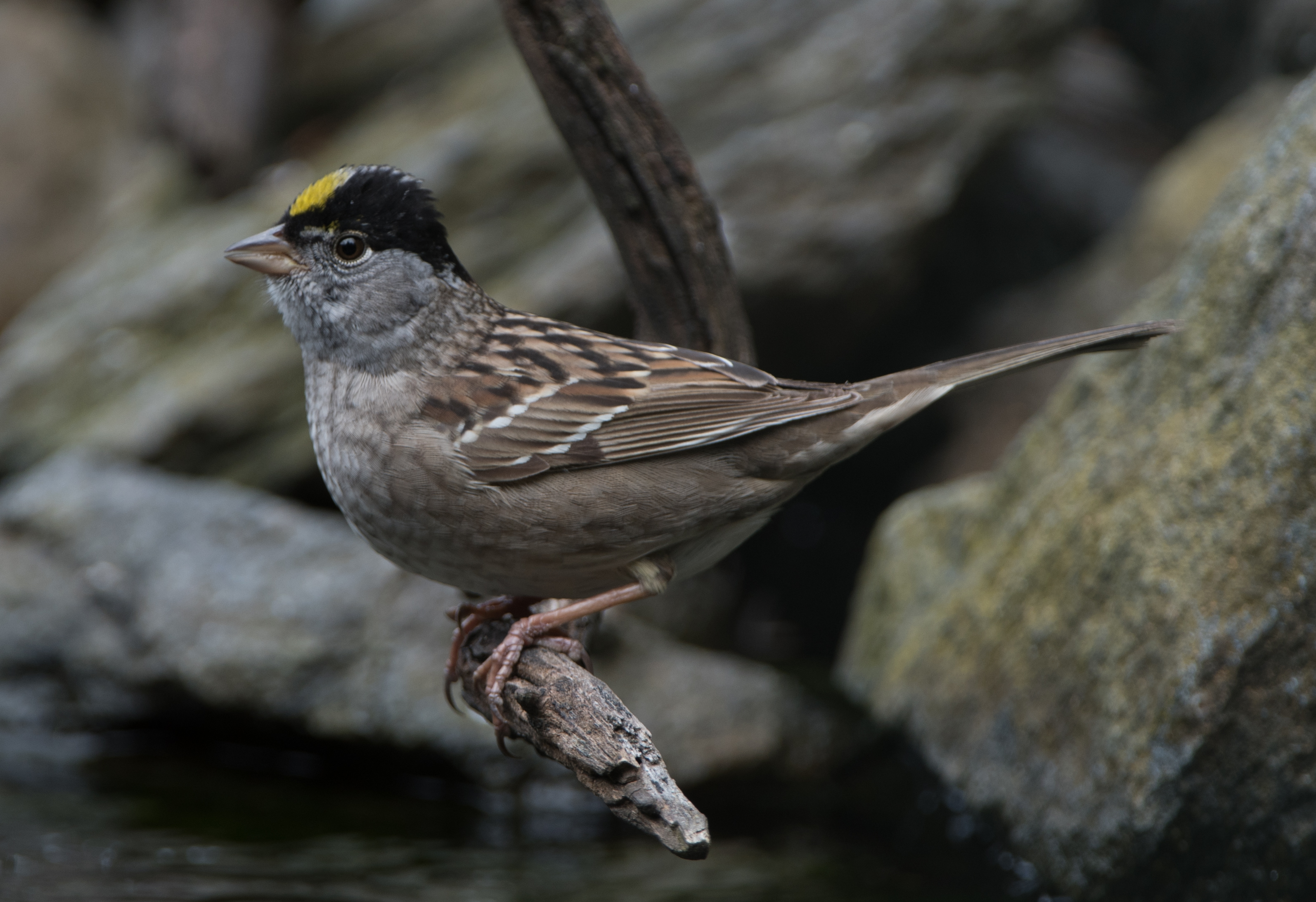
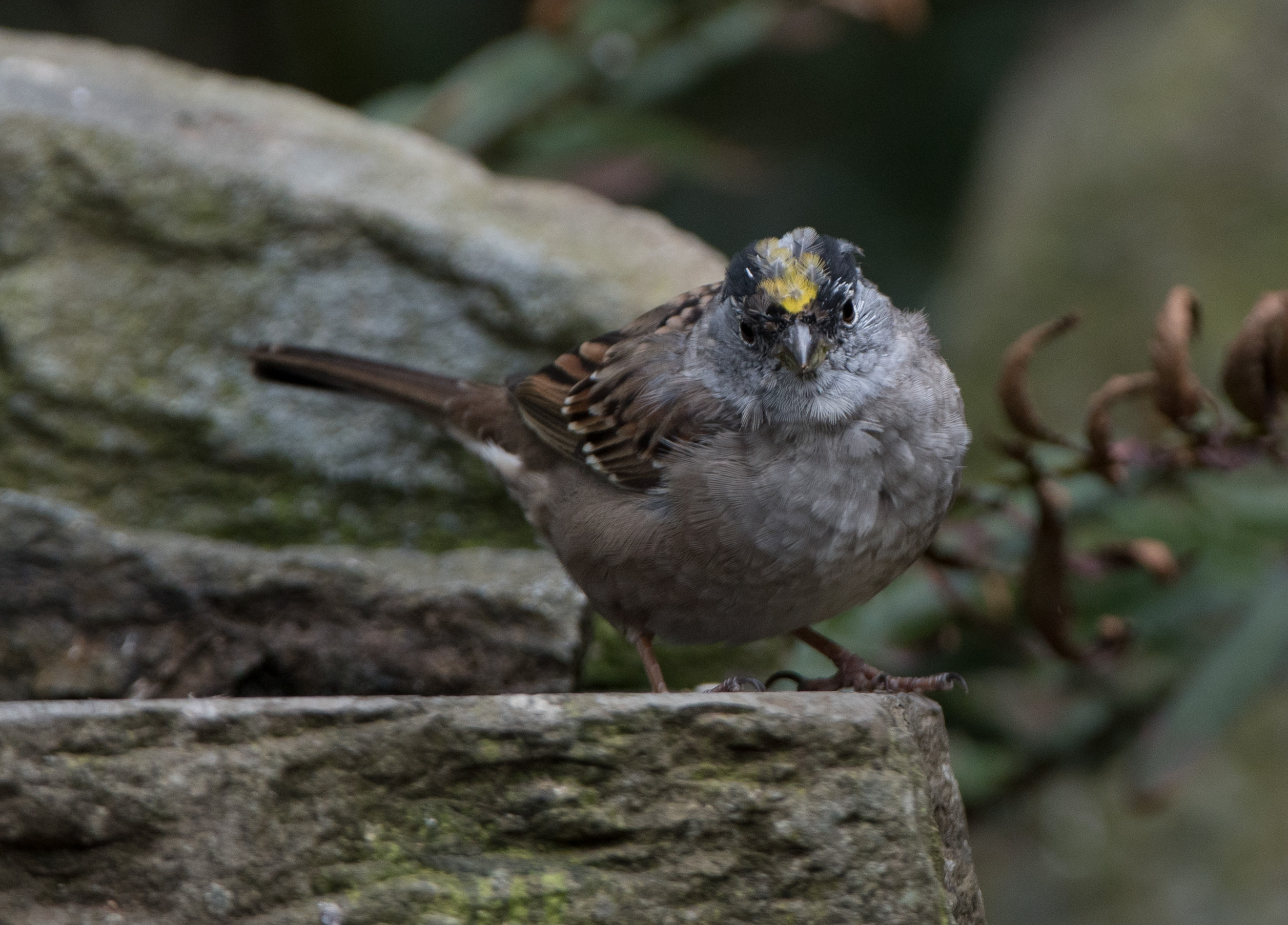
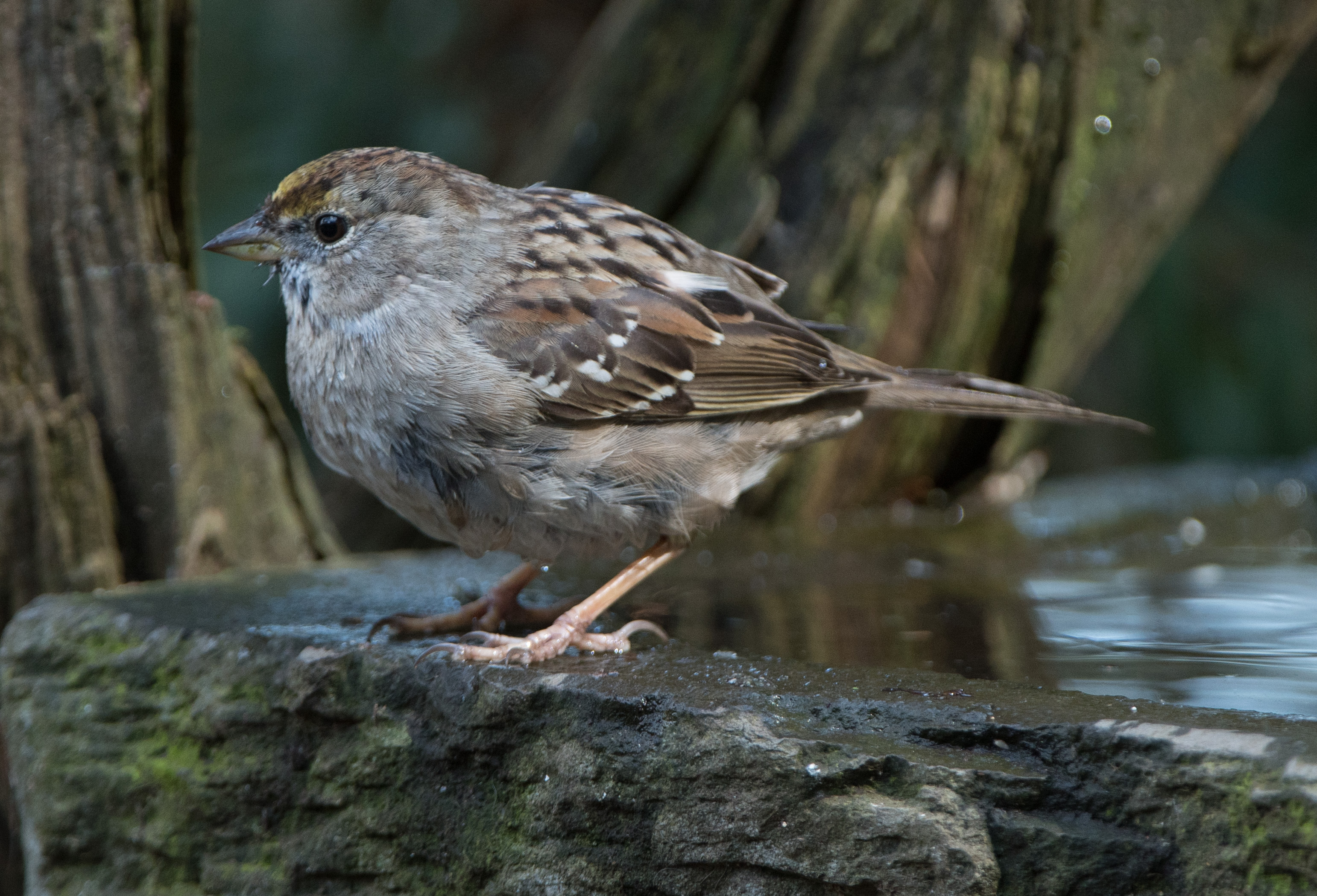
A Golden-crowned sparrow (probably a male)…

And another Golden-crowned sparrow taking a bath in the watercourse…

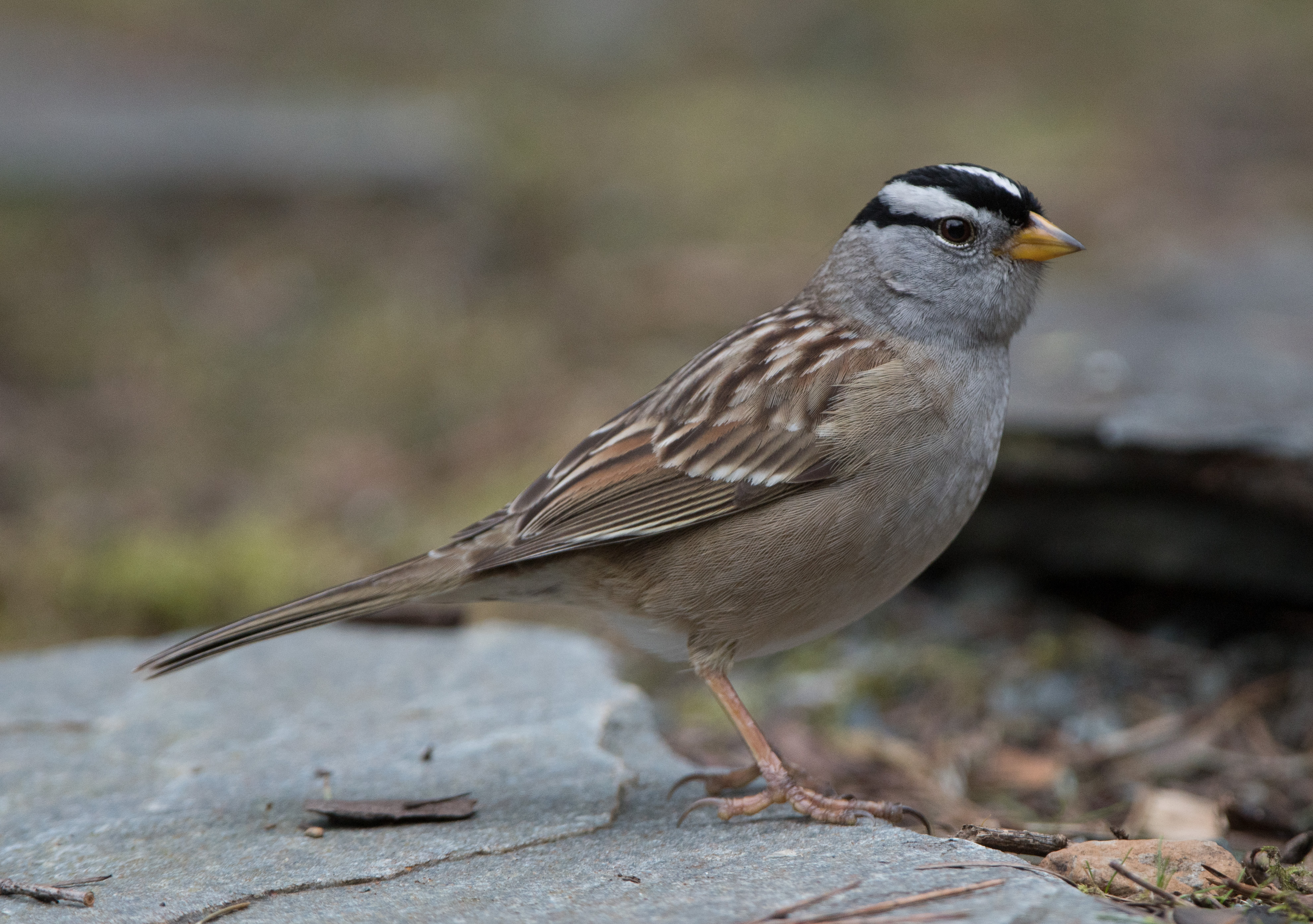
One of the Song sparrows we have in the yard.  It took me a while before I was really confident of my identification between it…

… and the Fox sparrows

The sparrows are the birds that provide a little something to do while waiting for the more unusual visitors… like this juvenile Cedar waxwing, the first waxwing of which I’m aware that has visited  the yard in about a year. I think this is the first juvenile I’ve ever seen and it is quite a shock comparing it to an adult which always has perfect plumage.

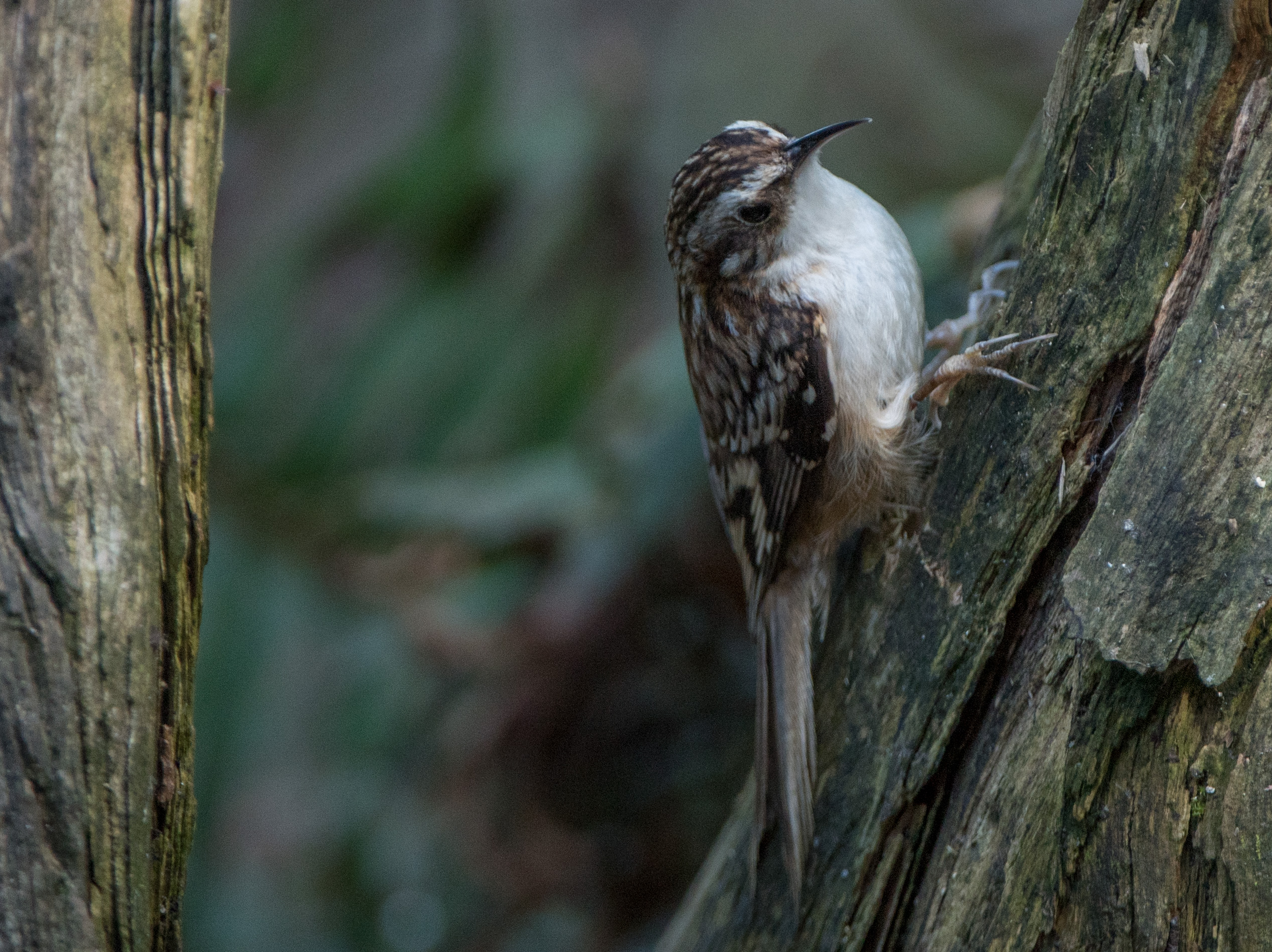
We got an unexpected visit from a Brown creeper, which I’ve said on many occasions is difficult to photograph even when you can find one.

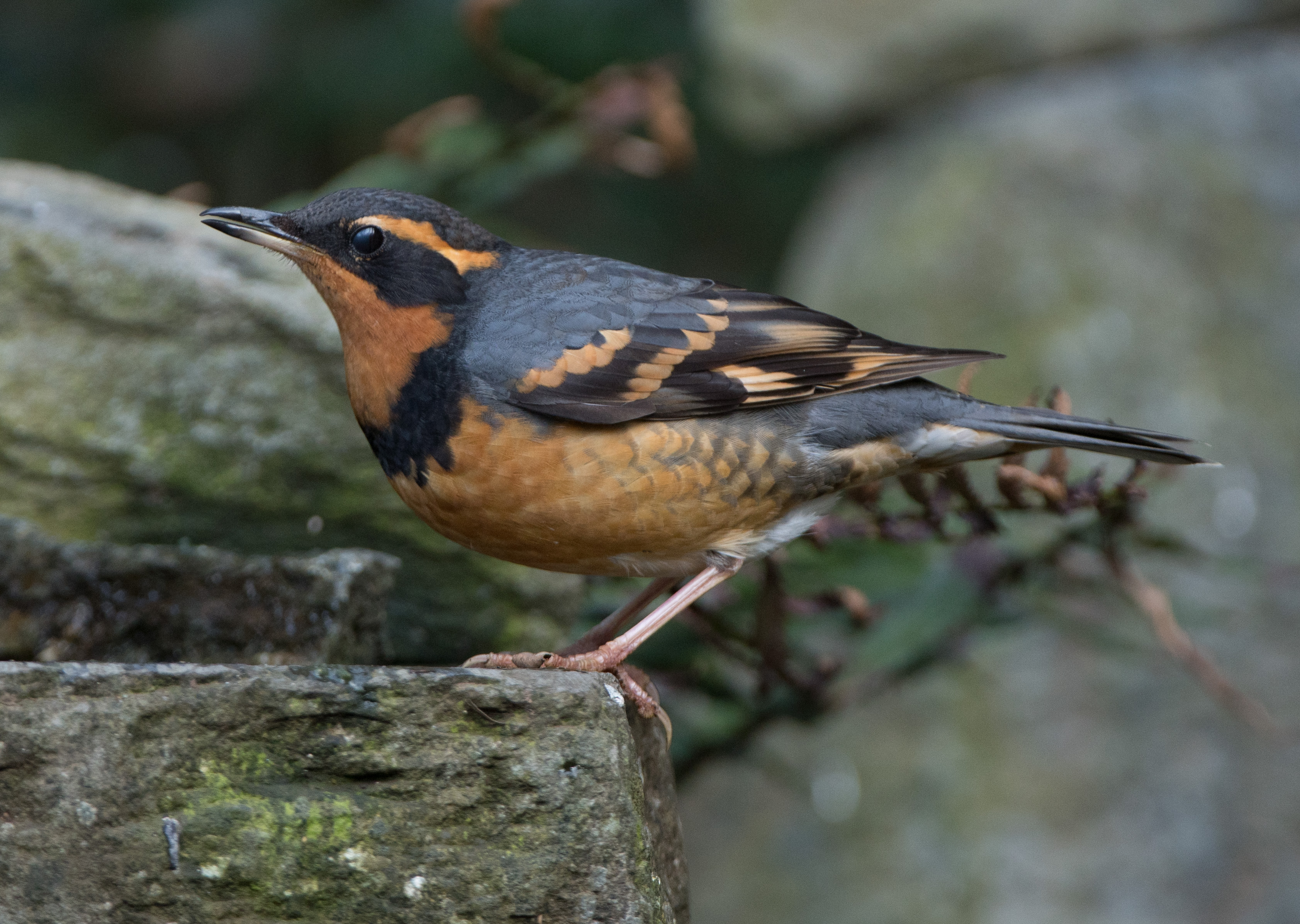
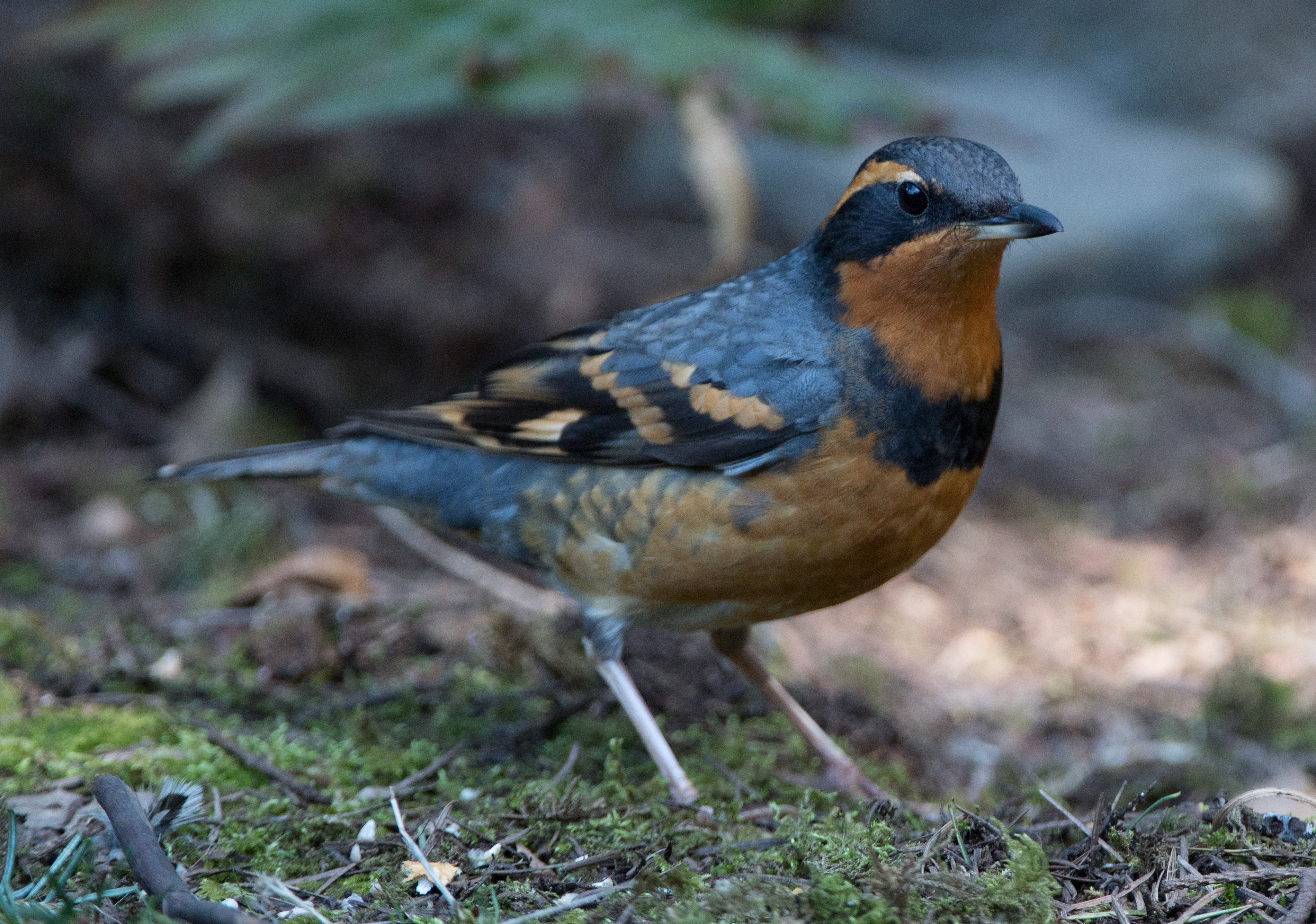
And finally, the bird that motivated my hunt… a Varied thrush, presumably a female.  We had three males in the yard earlier in the week and another male on this day, but I wasn’t able to photograph any of the males.

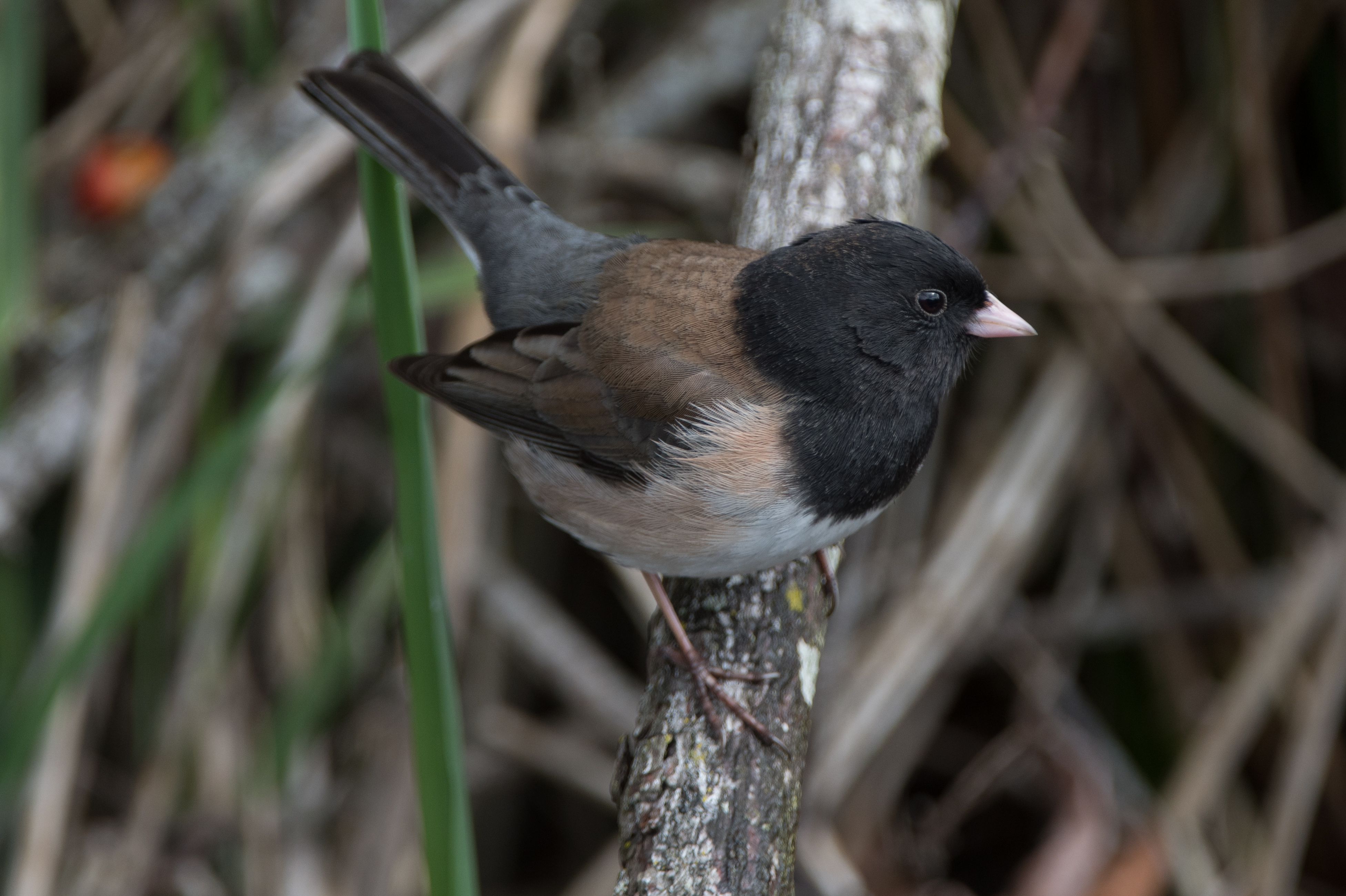
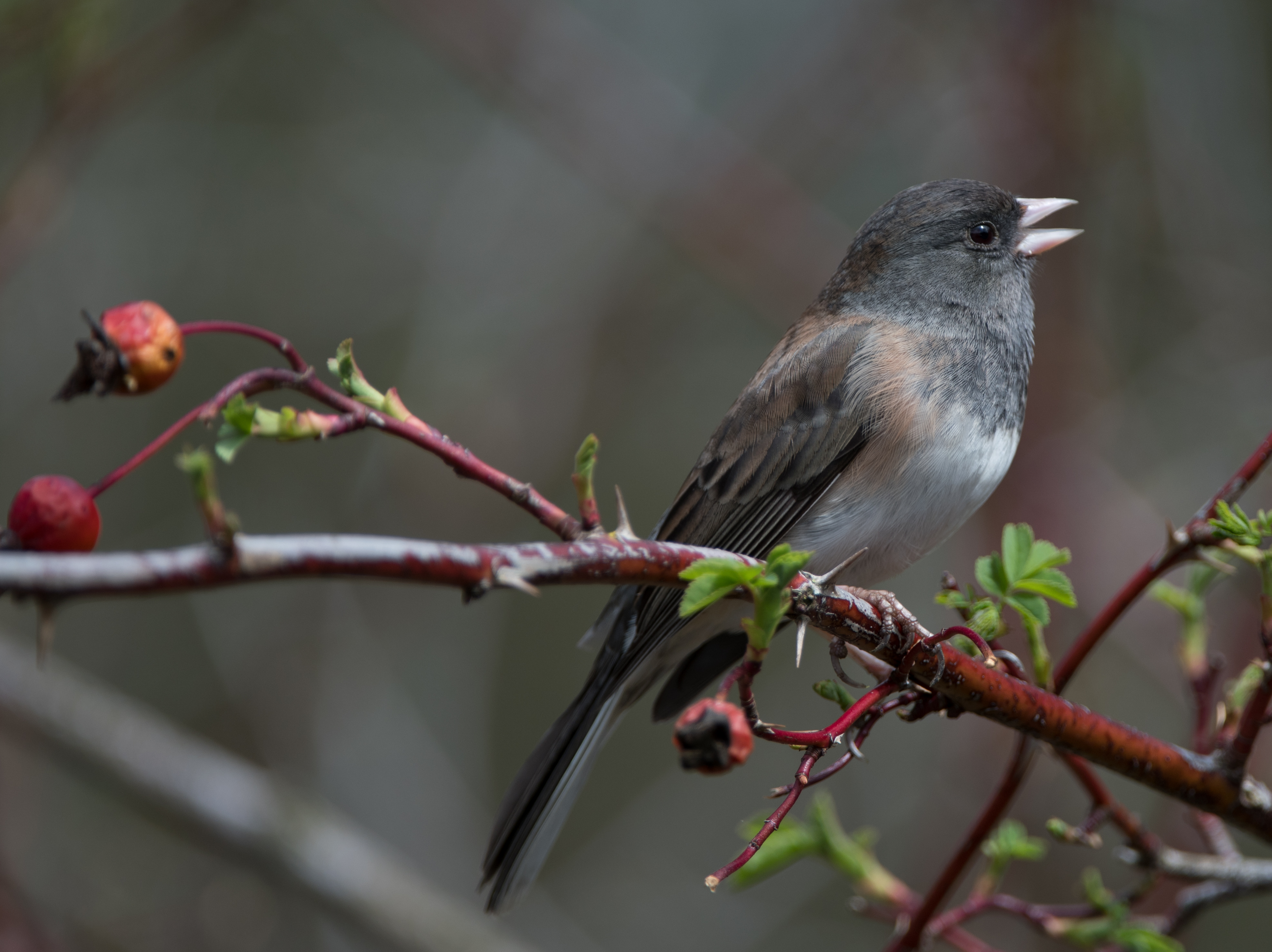
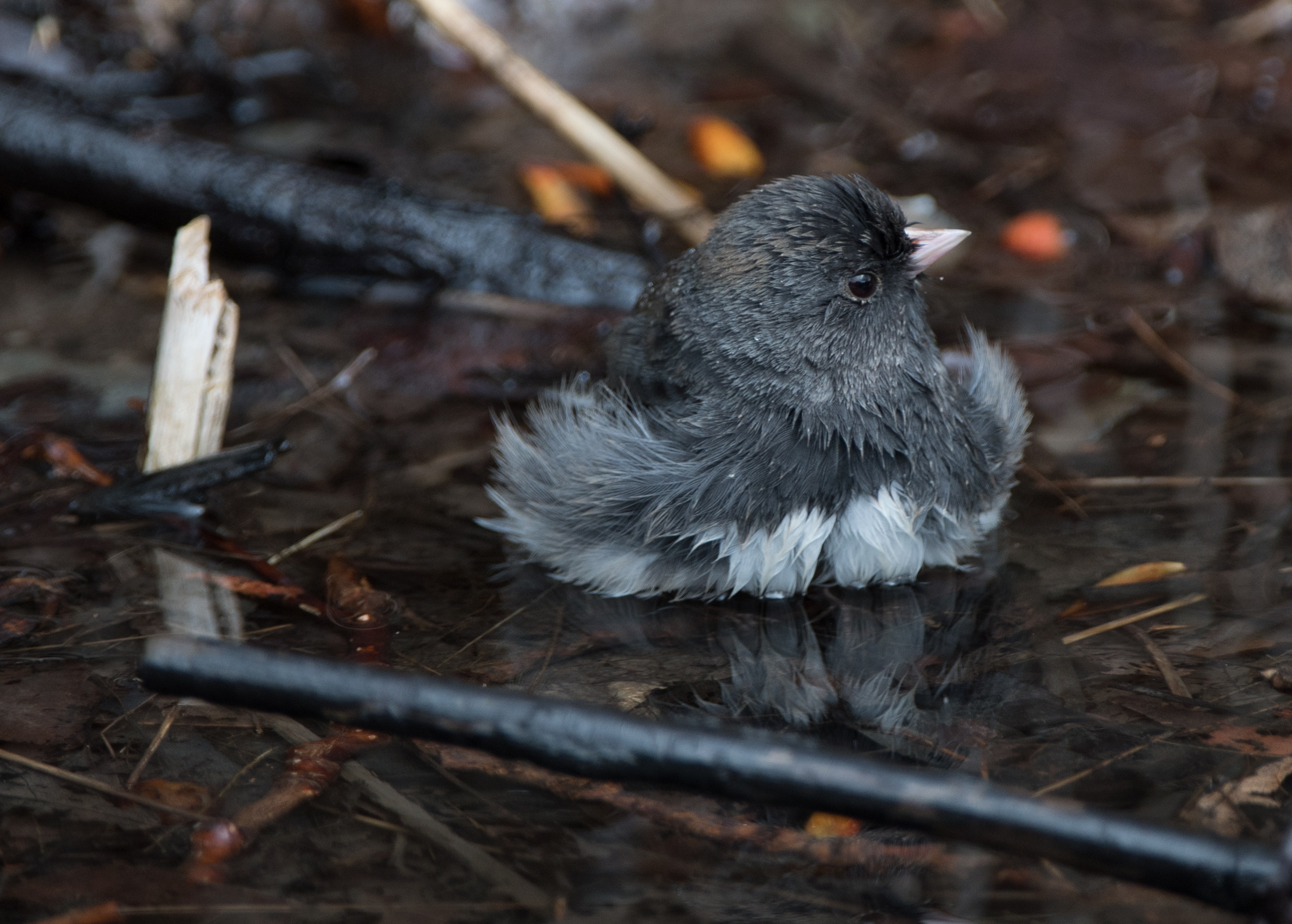
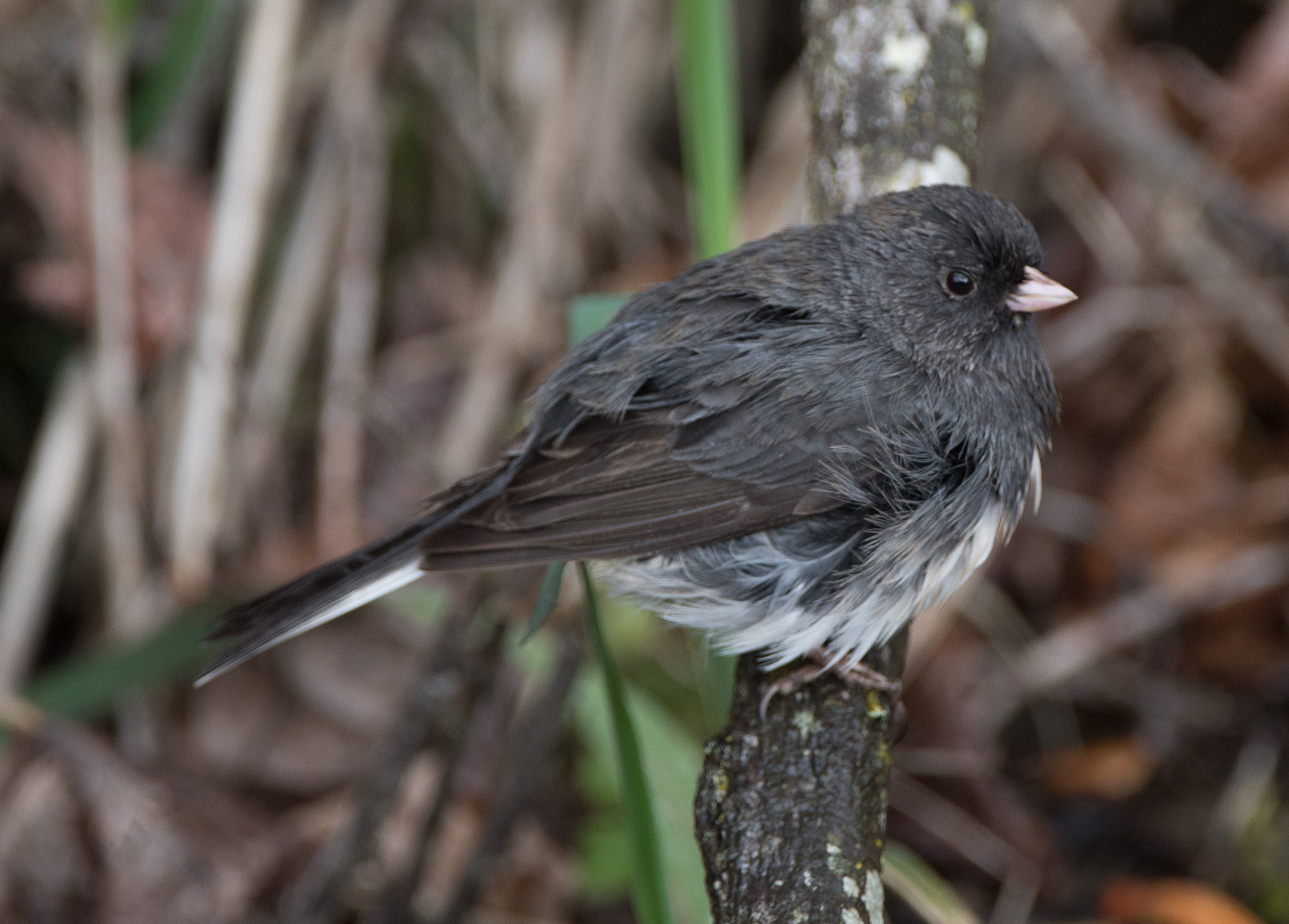
ln closing I want to note that we have had at least one (and usually only one) Slate-colored Dark-eyed junco in the yard every winter for the past eleven years.  Yesterday I saw a second one, although I never see two at the same time!  Our original visitor this year had a very dark (black) mantle while the one I observed yesterday had a mantle the same color as the bird’s neck and back.

Squeezing in One More!

On the morning of (10/3) morning after my walk in WA Park, I performed my usual drive-through of the neighborhood.  Across from the wetland, in one of our neighbor’s yards I spotted a Hermit thrush, a bird not easy to find and even more difficult to photograph.  I called the neighbor for permission to stalk in their yard while driving to my house to retrieve my camera.  When I returned minutes later I was somewhat surprised to find the bird still there.  I began taking photos from my car and the bird just kept coming closer.  Eventually another vehicle drove down the road between my prey and me and scared the bird back into the woods, but after a few minutes it returned and again headed directly towards me.  I took 51 photos.  I decided for various reasons that this must be a juvenile.

Later that day a Slate-colored Dark-eyed junco showed up in our yard, the eleventh year in a row that the species has visited our yard in the winter.

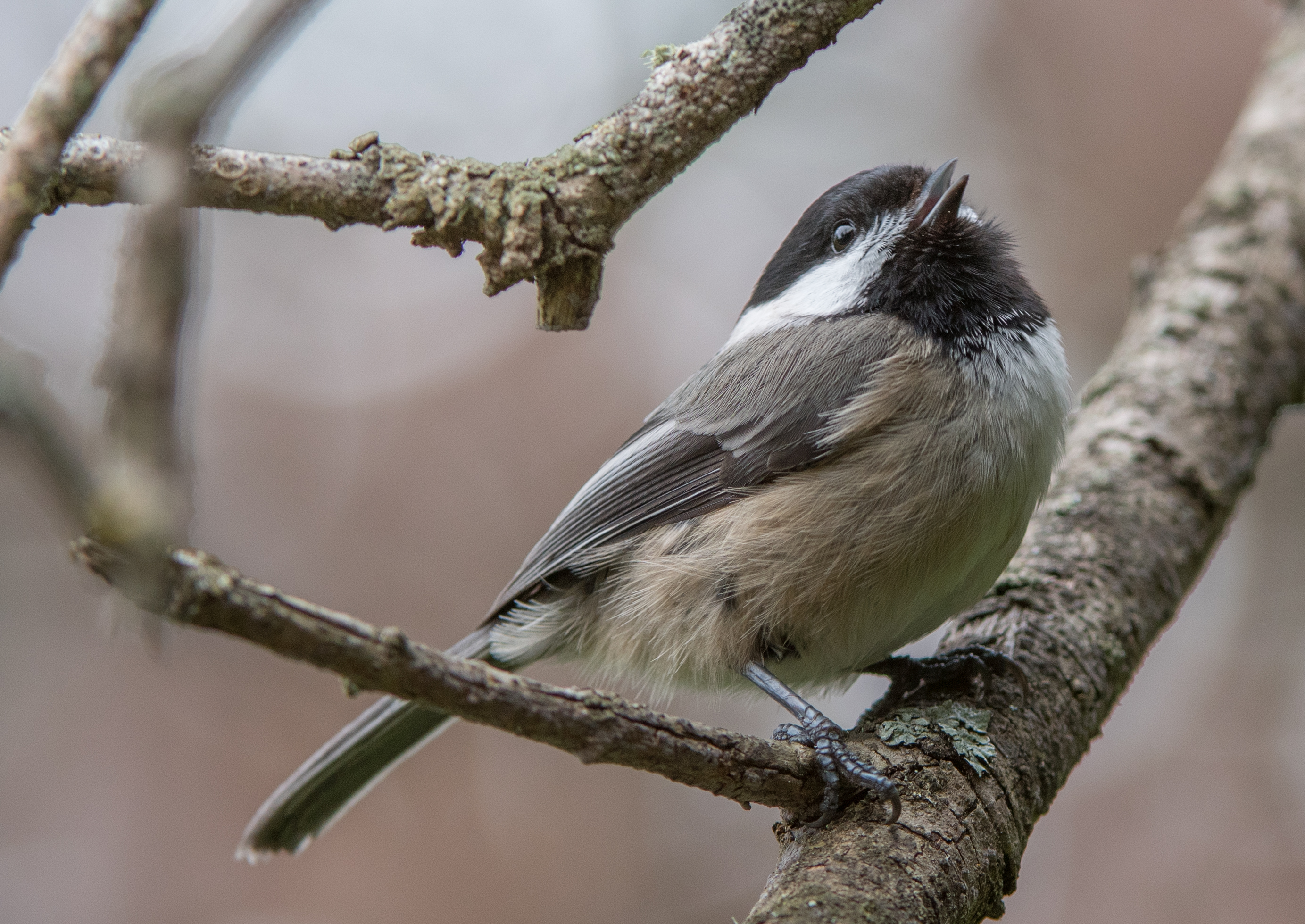
On 10/4 while in the yard I saw a Black-capped chickadee take a very large green caterpillar to a madrone limb and began eating it.

And again in our yard on the same day, we had a mature Hermit thrush

That’s it for awhile, I promise!


Stellar Fall!

I have had a very productive month of yard photography, with two new species of birds visiting the yard.  The first, a female American redstart, was displayed in my prior blog post on this site.  The yard has been so productive it’s been difficult to tear myself away, but increasing problems with my right hand have made me want to limit my typing.

So here is the month in a capsule…

In early September we had a visit from a pair of Stellar’s jays. Theirs was a one-day visit and I managed only one distant photo of one of the birds. My wife and I made a trip to Oregon September 17 – 22.  On the morning after we returned (September 23) at least one of the jays was back in the yard. Early the next morning my wife saw the jay accessing our small platform feeder and taking a peanut. By the time I made it into the yard with my camera the bird was gone, but I was motivated for photographs and spent considerable time in the yard unsuccessfully waiting for it to return over the next few days.

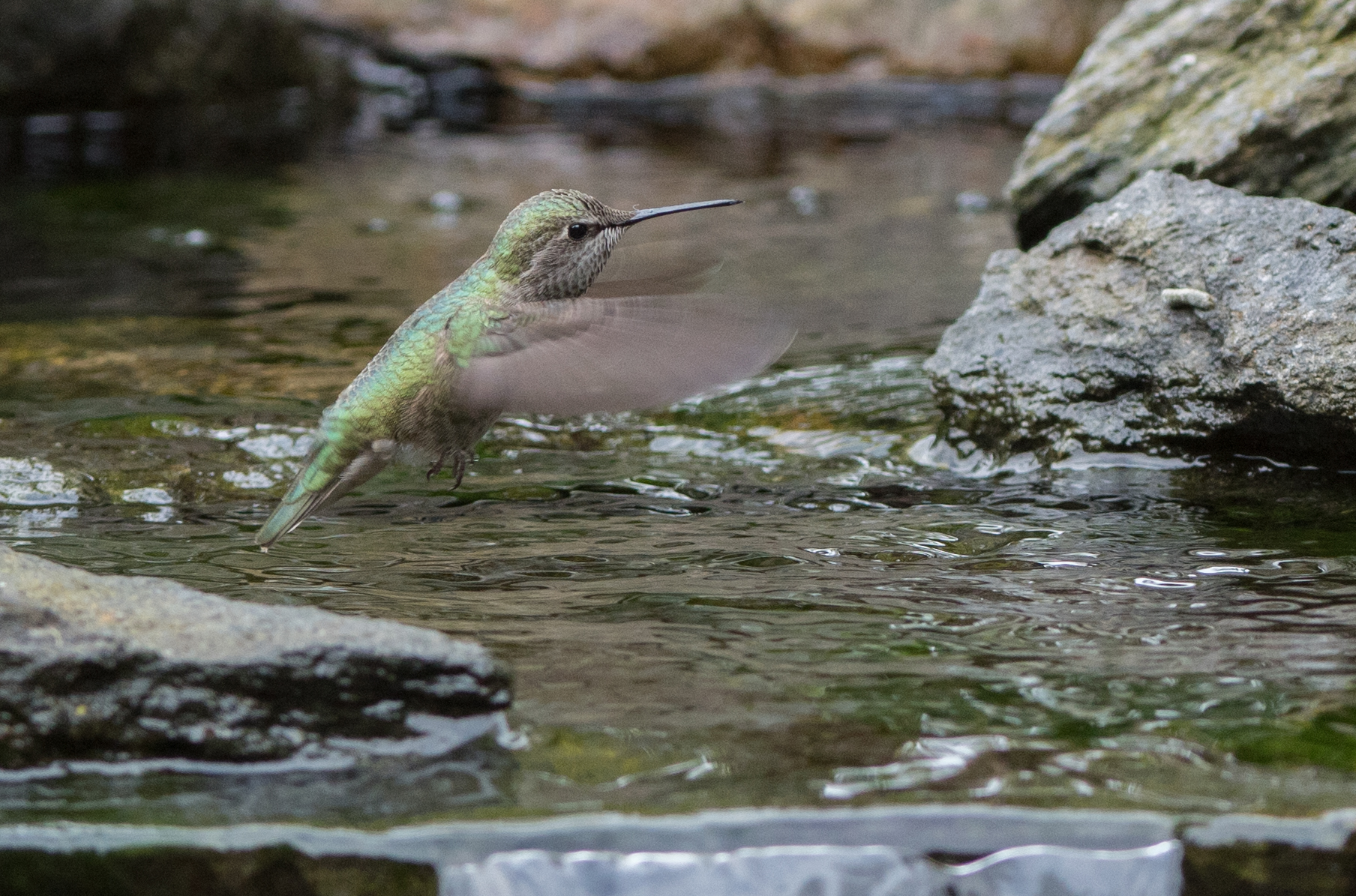
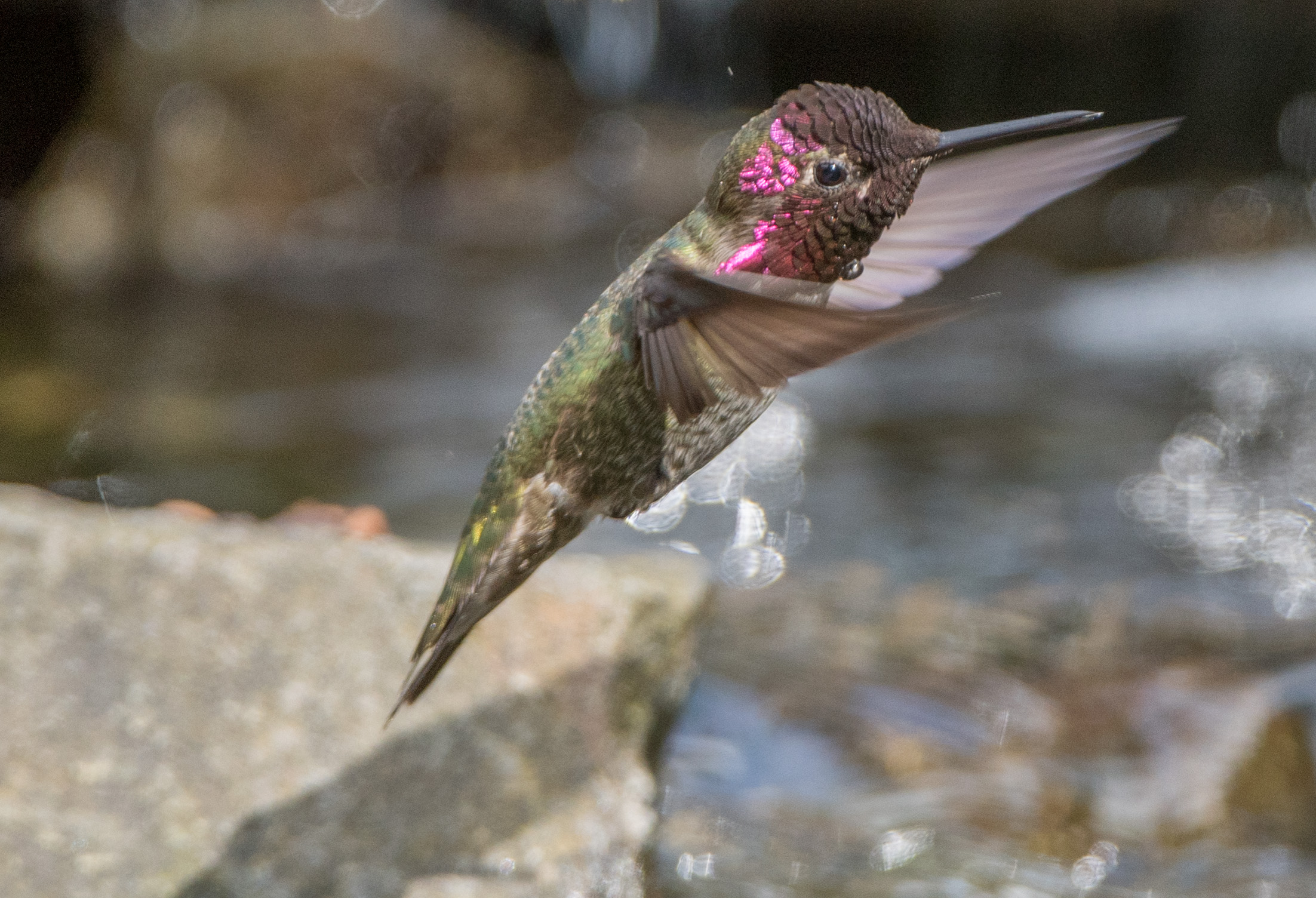
On September 24, waiting in the yard for the jays, I managed to obtain nice photos of a male  Anna’s hummingbird and a male Downy woodpecker.

Later the afternoon of September 24 I was taking a break from the Seahawks game (they ended up losing to New York by six points) and sitting outside by the kitchen window I noticed some movement over to my side where we have a large area of flat ground cover. There was a small bird with a big eye and wing bars staring at me. I realized almost immediately that it was a Hutton’s vireo, a very unusual visitor to the yard and difficult to pick out from the background of American goldfinches and considerable other bird activity in the yard. After a few seconds the vireo flew up into a small grove of trees over and behind me… and it was backlit. I thought it would fly down to water but I never saw it again. I really hated being in the yard with my camera and not getting a photo of the vireo.

My sister, who lives outside Austin, Texas, and hosts my spring birding travels to the area, has never seen a Varied thrush. She and her family have made plans to join us for Thanksgiving and I told her that we would try to find a Varied thrush. I knew that the thrushes came down from the mountains in the winter but thought that they might not arrive until November. I checked my records and was somewhat surprised to find that I had logged all first arrivals in October (except last year’s in November) so I am hopeful that we might have some around the house by then.

Late on the same afternoon ( September 24) I looked out the kitchen window and saw an American robin or two in the yard, but one perched on a bench with its back to me looked a little odd. Realizing that the robins and thrushes often travel together I grabbed my binoculars and while I was gazing at the bird it turned and I could see that it was a male Varied thrush, our first of the season and the earliest I had logged one over the past ten years. I am hoping this bodes well for being able to find one for my sister at Thanksgiving.


As if all this wasn’t enough, on September 25 I was still waiting in the yard to get photos of the jays when a small finch-like bird caught my attention. I initially thought it resembled a female Purple finch, but I had never seen (or at least identified) one in the ten years we‘ve lived at this location. I managed to take many photos and submitted some of them to friends more knowledgable than I. The confirmation was that it was a female Purple finch, and by that afternoon I had two of the female finches in the yard. So this represented yet another new yard bird!

Soon after one of the Stellar jays showed up in the yard and I obtained some photographs, thus successfully ending a several days’ frustrating wait.

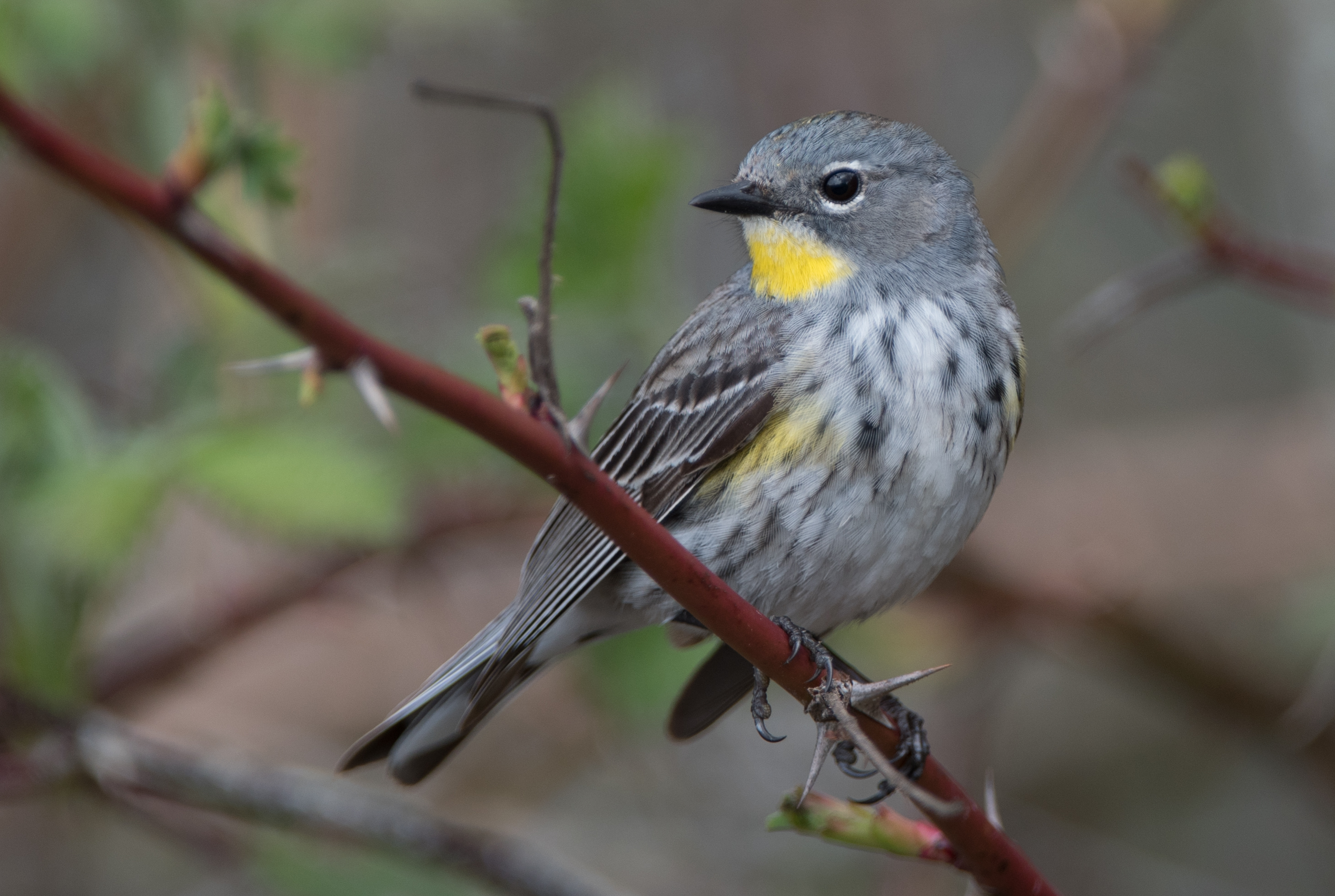
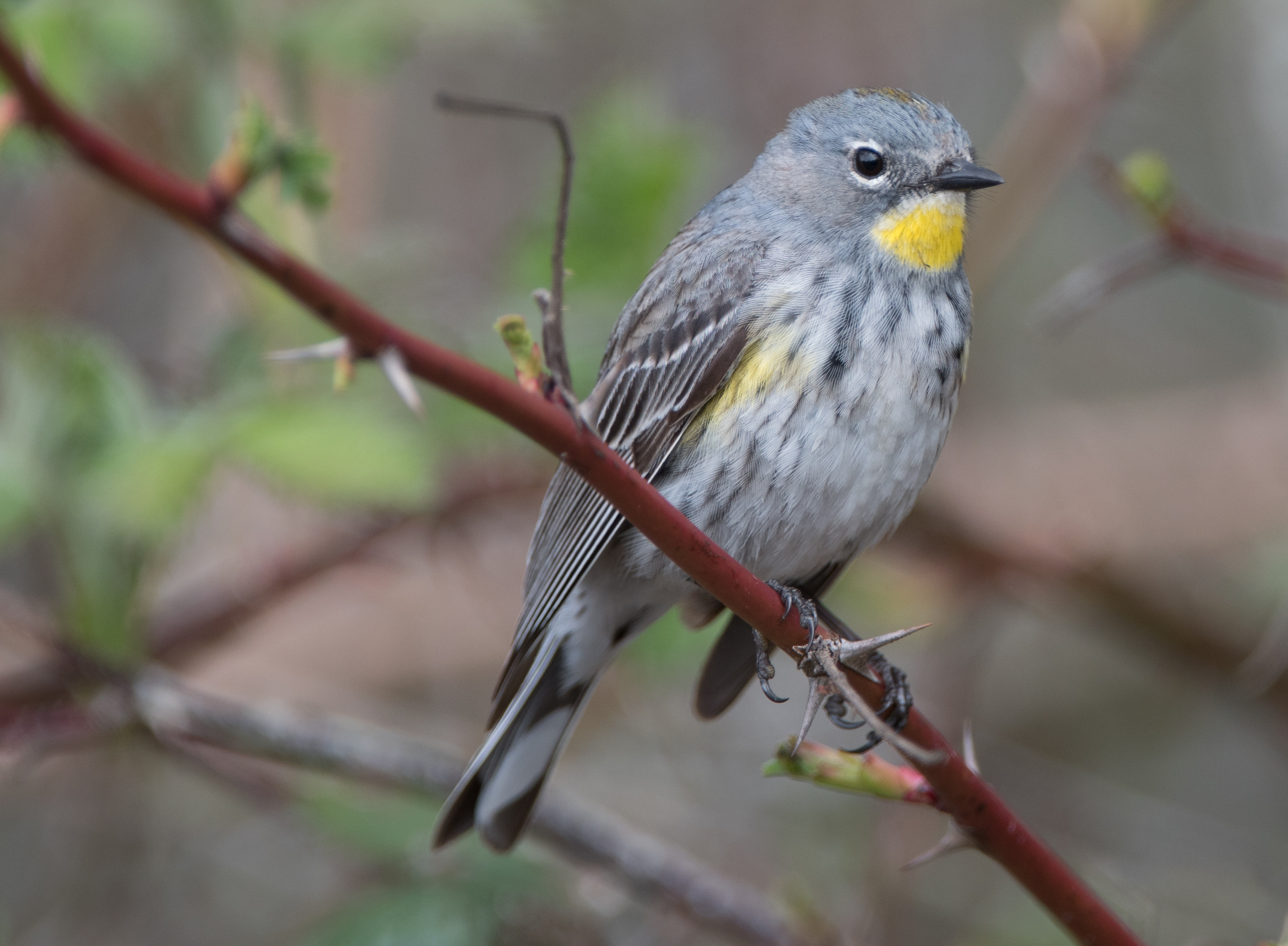
Later in the afternoon I glanced out the kitchen window and spied two female Yellow-rumped warblers (Audubon’s) in and around the watercourse at the same time and managed to get outside in time to get photos of both.

Later while outside, I had a visit from a Brown creeper, an infrequent and difficult to photograph visitor. I managed to get some photos of it while it was around one of the water features.

Finally, late in the afternoon a female Northern flicker flew into the yard, a fairly common occurrence. However in this case the flicker visited a stone bird bath and I was able to get several very good photos.

I was quite happy with my accomplishments for the month but was sitting in the yard with my camera just after noon on September 26 when I was startled by a Cooper’s hawk which flew right in front of me and landed on one of my staging branches less than eight feet away!  We sat eye-to-eye for about two minutes before it flew to another staging perch only about 20 feet away, where I was able to slowly reposition my camera for several photos.

The photos were so sharp I was able to read the details on the hawk’s leg bands. I managed to contact the bander and discovered that the hawk is a year-old female that was banded in Seattle and released across Fidalgo Bay from us.  I was told that she’s old enough to breed and it could be that she’s currently looking for a mate.

In all likelihood, unless something very special happens along by early October, this will be my last post for awhile due to outpatient surgery on my finger, wrist and arm, all in one trip to the operating room!  I’ll leave you with this Cannon Beach, OR, sunset photo I took. earlier this month  I hope to return to the blogging/photography world soon.

New Yard Visitor!!!

On Sep 5, 2017, I was monitoring bird activity in the yard when I spied a warbler flitting among the trees in a grove of madrones at the edge of the yard. The bird was unusually active and I couldn’t get a good look at it. I saw that it had a gray head and considered a MacGillivray’s warbler but the yellow colors on the bird didn’t look right. I next considered a Yellow-rumped warbler due to the patches of yellow on the bird, but the yellow wasn’t in the right locations. I realized that I was seeing a new warbler for the yard and one with which I was not familiar.

I was desperate for a photo of the bird for identification, but its depth in the madrones and it’s flitting activity were in danger of precluding this. Suddenly the bird flew towards me and landed in the open less than ten feet away on a staging stick that I had erected only a few days previously. I was able to take over 30 very good photos of the bird. After it left the yard I rushed to process the photos so that I could identify the bird. I knew it was a warbler and after a little investigation identified it as a female American redstart, a bird I had seen and photographed in Texas (and probably AZ) but that I had never expected to show up in our yard in Anacortes. Needless to say, this was a very, very unexpected visitor to our yard.
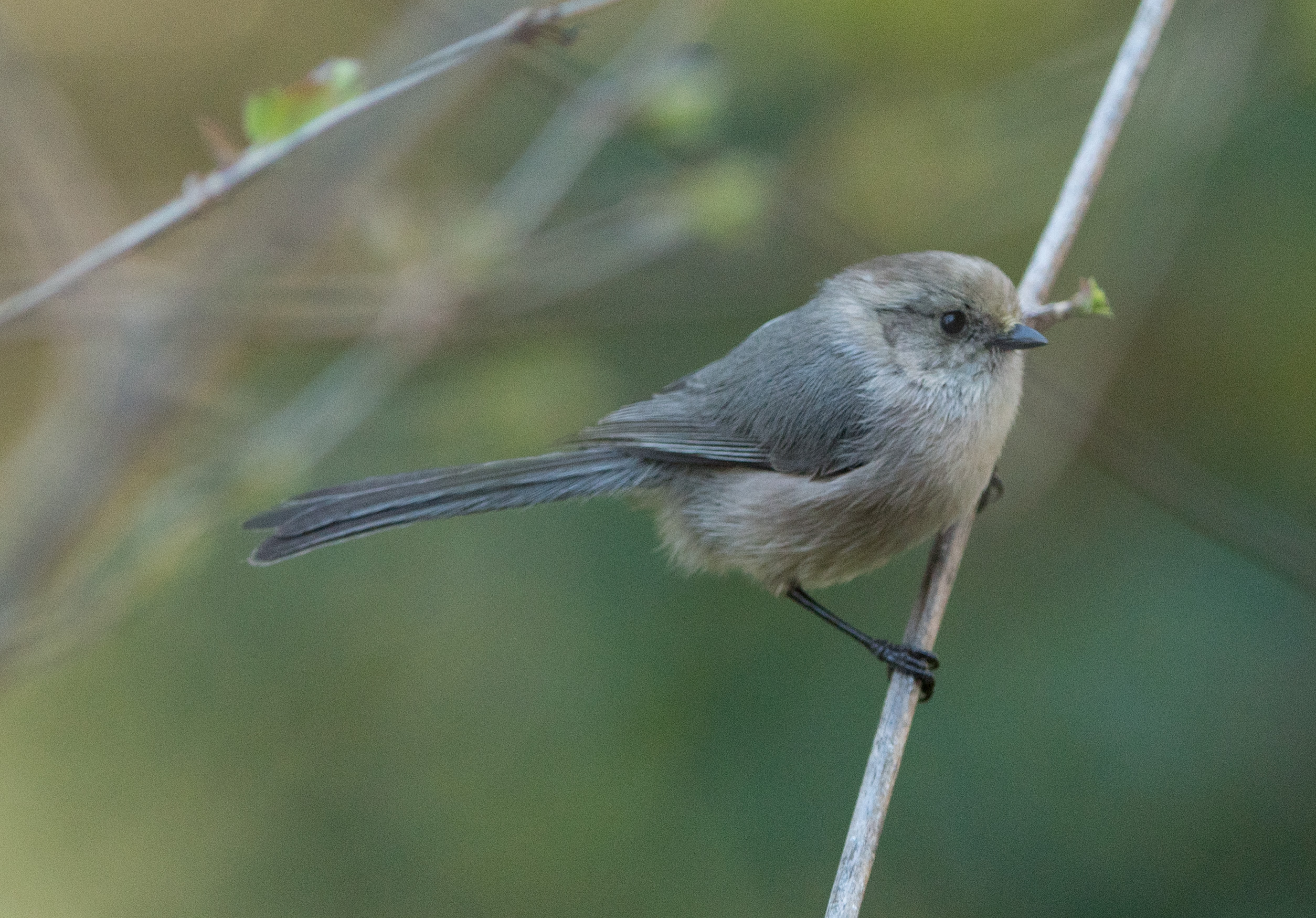
The next day (Sep 6) I pulled into our driveway and immediately spotted an accipiter (probably a Cooper’s hawk that’s been roaming the neighborhood) preening on a log in the yard. I had no chance to get into the house and retrieve my camera before the bird flew.

A short time later I looked out our kitchen window and saw the/another female American redstart bathing in the watercourse! How could this be?! I ran for my camera but as is so often the case, by the time I got into the yard the bird was gone. However I wasn’t about to give up in case the bird returned so I camped in the yard for awhile. The redstart didn’t return but I observed/and photographed another rare visitor… a female Black-throated Gray warbler! My photos of this bird weren’t that good due to its shyness around other species of birds using the watercourse.

On Sep 9 just after noon I looked out the kitchen window and spied a female Yellow-rumped warbler (Audubon’s) bathing in the watercourse. I knew I had caught it during the middle of its bath and that it probably wouldn’t be there long, so I watched to see where it flew after bathing. Just after it flew, movement at a stone birdbath caught my attention and I used my binoculars to observe an Orange-crowned warbler bathing. With this inspiration, I went out and sat just out of the rain under the eaves of the house… but there was no further activity while I was there.