New Mexico – Bosque del Apache NWR 2

I’ll begin our second day at the Bosque by showing a little of what we consider rarer wildlife supported by the refuge.  We ran into a herd of about 15-20 javelina on the South driving loop and were able to watch and photograph them for about 15-20 minutes as they browsed, approached our vehicle and then disappeared into the brush.  The javelina have very poor eyesight but a good sense of hearing and smell.  This wasn’t the first time we had seen javelina on the refuge but it may have been our closest encounter.

Another rather rare sighting was of Wild turkeys.  The two sexes apparently separate during non-breeding periods.  Our first sighting (not too far from where we saw the javelina) was of a small group of females (10-15), one of which is in the lower photograph.  We later saw a group of probably at least 100 males at another location on the refuge.  The photograph immediately below is of a male.

And while I’m on the subject of rare sightings and briefly off the subject of birds, we saw this Striped skunk on the refuge.  We watched the skunk forage for at least ten minutes and it never raised its head to that I could get a good photo.

We first saw a small group of female Wild turkeys (in the bottom photo) on the South Driving Loop on the refuge.  Later we saw a flock of what must have numbered at least a hundred males on a the North Driving Loop of the refuge.  The two sexes apparently separate during the non-breeding season.

We found these dried flower pods along a pond and I was able to use our car as a blind to get relatively near a flock of goldfinches feeding on the  pods.  Many of the birds were Lesser goldfinches (as was this male) but I couldn’t be sure that all of the females were of the Lesser species.

A Ruby-crowned kinglet.  I couldn’t make a determination as to whether this bird was a male or female, and indeed I had my confidence in identifying the sexes shaken when at one point I thought I was photographing a female and it turned out to be a male, despite excellent views and photos of the top of its head.  The males can very effectively hide the ruby crown if not bathing or upset.

A Wilson’s snipe along a pond in the refuge.  There were two Wilson’s snipes out in the open both days we were at the refuge.  It’s a bird not usually found in such an open environment.

At the edge of the same pond was this single American pipit, a bird I have seen in Skagit County on rare occasions.

I think we found the winter repository for many of North America’s White-crowned sparrows.  They were everywhere on the refuge and if you saw a sparrow at an unidentifiable distance you could pretty much assume that it was a White-crown!

Here are several that were attracted to a small artificial water source on a rock.

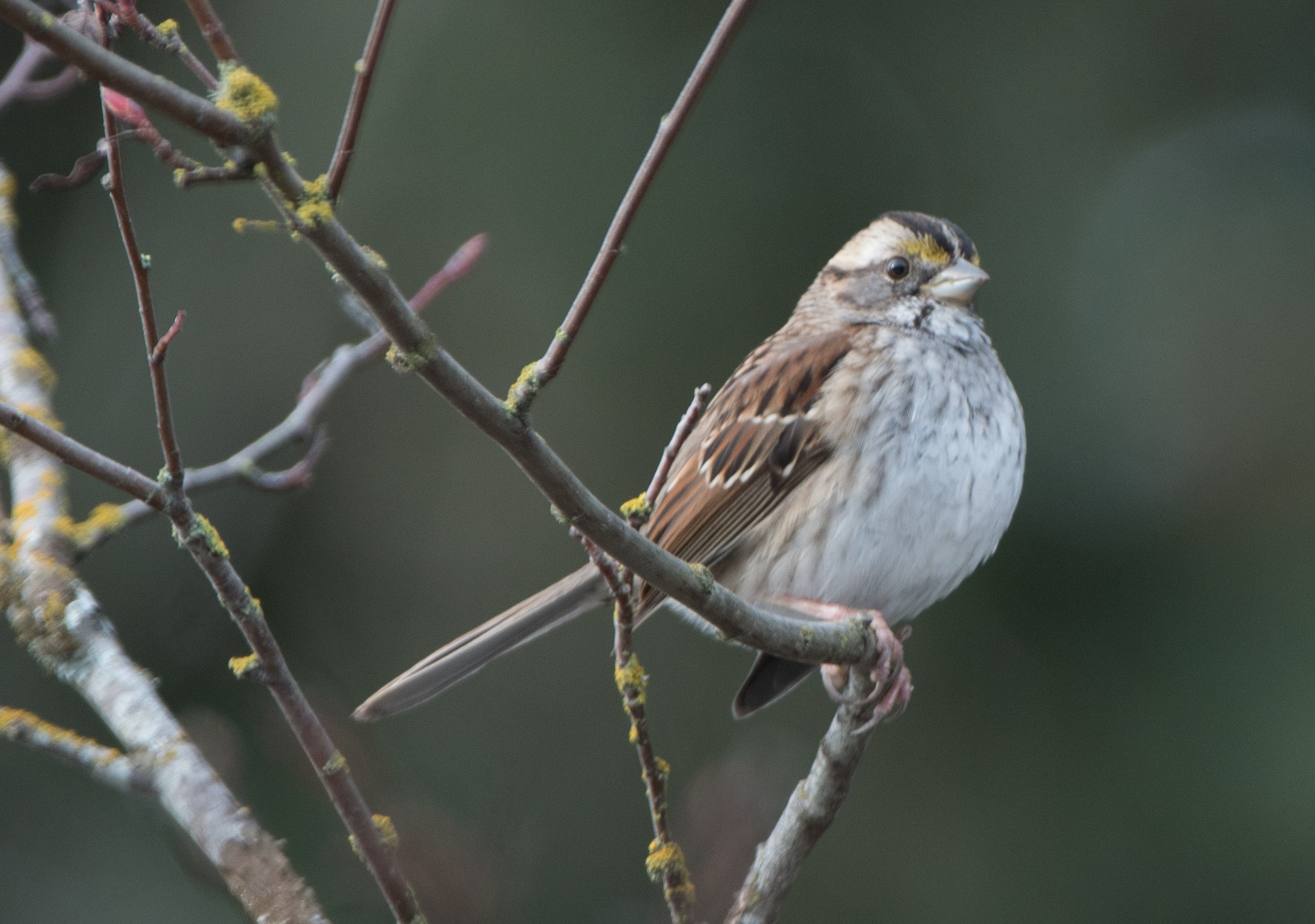
One of my favorite birds, probably because I so rarely see them, is the White-throated sparrow.

And when we arrived back home and I was processing my photos I found that I had a White-throated sparrow (center), a White-crowned sparrow upper right) and a first winter White-crowned sparrow (lower right) all in the same photograph!

I had one more morning (12/8/2018) to photograph the “fly-off” before we moved north to Santa Fe.  Here’s a Sandhill crane moving out of the relative safety of one of the ponds…

And a pair of cranes leaving for the day to forage in the surrounding farm fields.

I took 1272 photos during two full days and two very partial days of photography in New Mexico.  I’ll next post a few photos taken in the Santa Fe area.

New Mexico – Bosque del Apache NWR – 1

In early December my wife and I travelled to New Mexico for some birding, good Mexican food and margaritas!  We fly into Albuquerque then drive to Socorro which forms the base of our operations to access the Bosque del Apache NWR which is located about 16 miles further south.  During the winter thousands of Sandhill cranes, Snow geese and many other species of waterfowl use the refuge as a winter base.  The refuge grows corn and other grains which provide food for the birds through the winter.  (This is an interesting story too long to detail here, but you can obtain more information by asking me or referring to The Friends of the Bosque website.)

The big events occur twice a day, the “fly-out” where thousands of birds fly in the early morning from ponds on the refuge to the farm fields in surrounding areas, and the “fly-in” in the afternoon when the birds fly back to the relative safety of the ponds on the refuge for the night.  The events attract hundreds of photographers from at least North America, if not the world.

The following photos of Sandhill cranes were taken in the early morning with the sun shining on the departing birds… with probably about a hundred photographers lined up along a berm overlooking one of the ponds where the birds spend the night.

And here’s a photo of a couple of cranes returning to the refuge in the late afternoon…

This year we saw several Loggerhead shrikes at various places on the preserve.

Some years we see quite a few Say’s phoebes, but this was the only one we saw on this trip…

A Cloudy November 29, 2018

It was an overcast afternoon at the house but I decided to try to obtain some bird photos in the yard.  There were a lot of birds in the yard but nothing especially unusual.  But I had the time and opportunity to do a little yard birding so here are some of the results.

Not our most numerous avian guest but almost always around the feeders are Chestnut-backed chickadees…

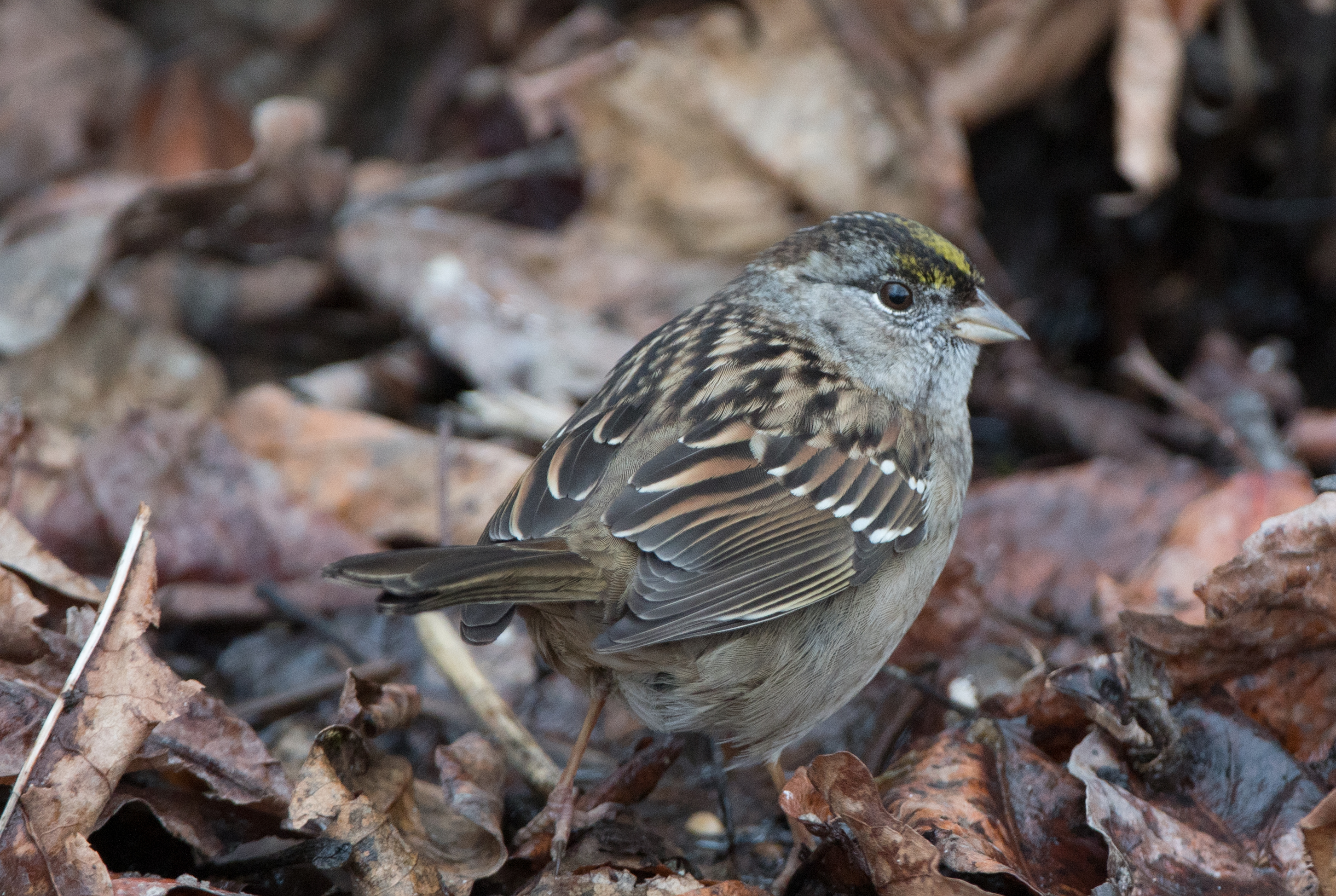
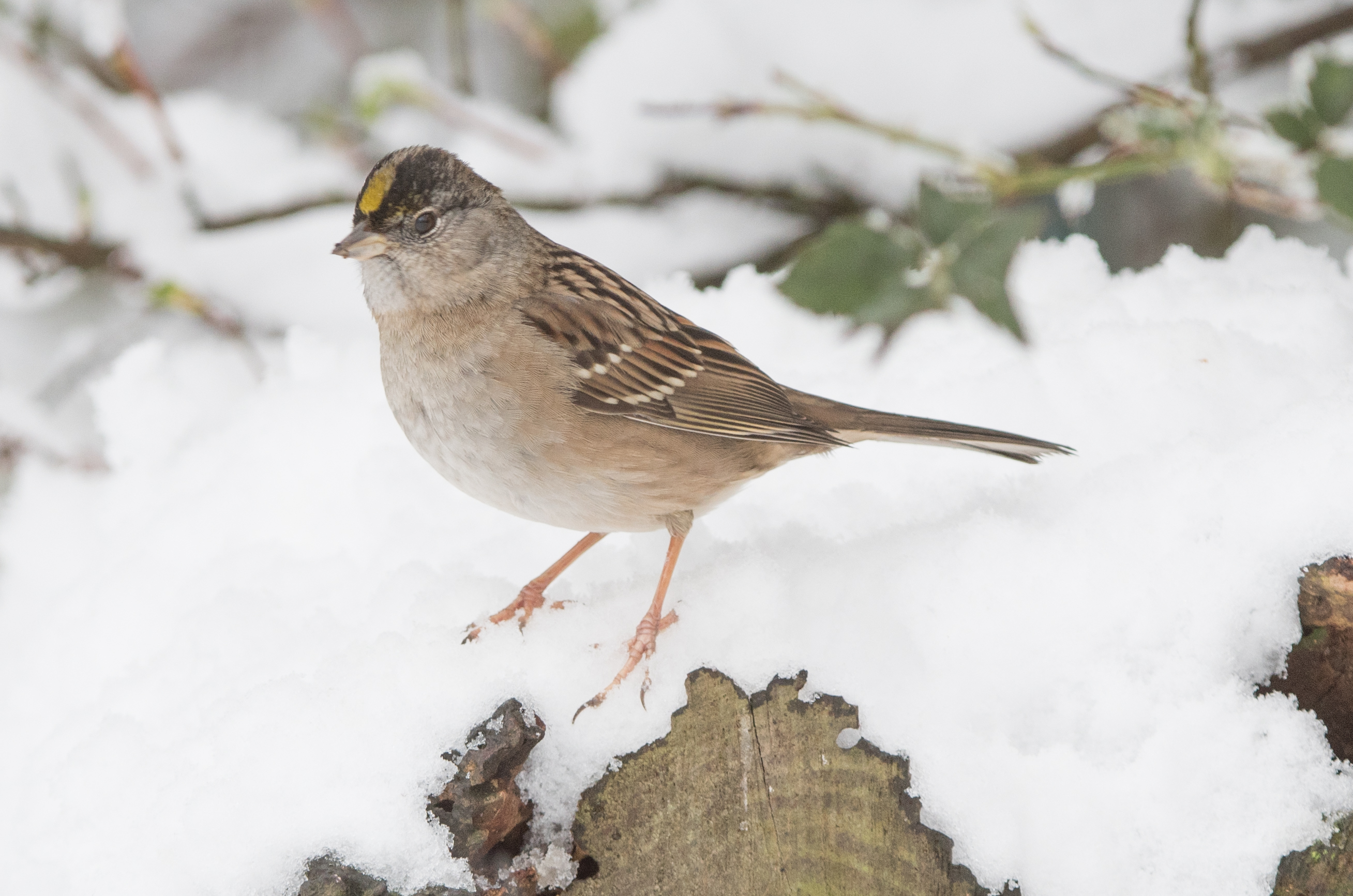
We have several Golden-crowned sparrows in and around the yard.  This species is here only in the winter and leaves in the spring for breeding grounds to the north.

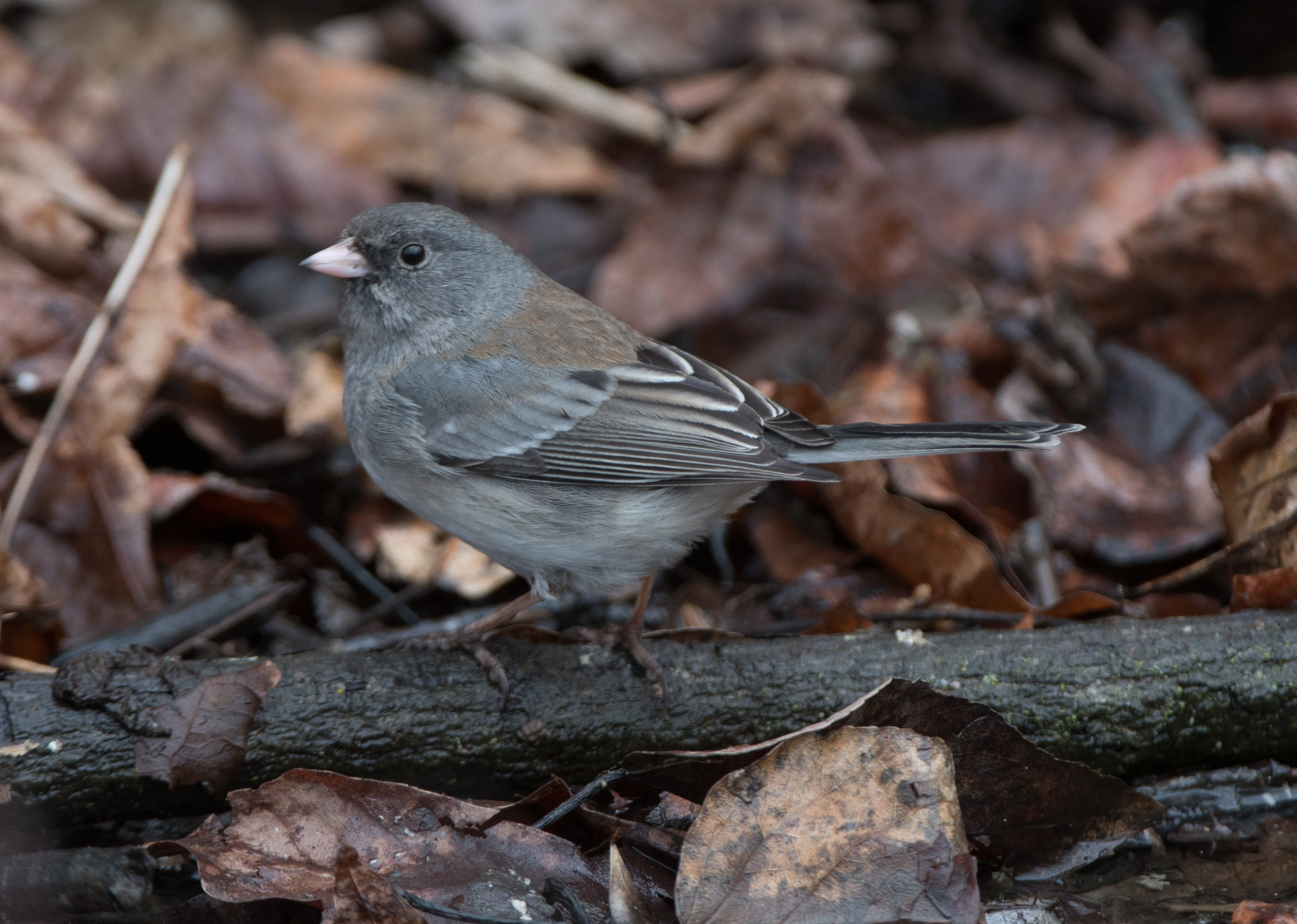
This is our most numerous winter visitor, the Oregon race of the Dark-eyed junco.  This individual is a male…

And here is a species that has visited each winter for at least the past eleven years… a  Slate-colored race member of the Dark-eyed juncos.  This is a male and is distinguished not only by coloring but by the fact that it isn’t readily accepted by the Slate-colored juncos and prefers to feed alone.

This is a male Anna’s hummingbird that is attempting to control the feeders and yard.  We have at least two males and a female.

This is another new of the same male Anna’s hummingbird.  This view shows the bird’s gorget reflecting, even without any direct sunlight.

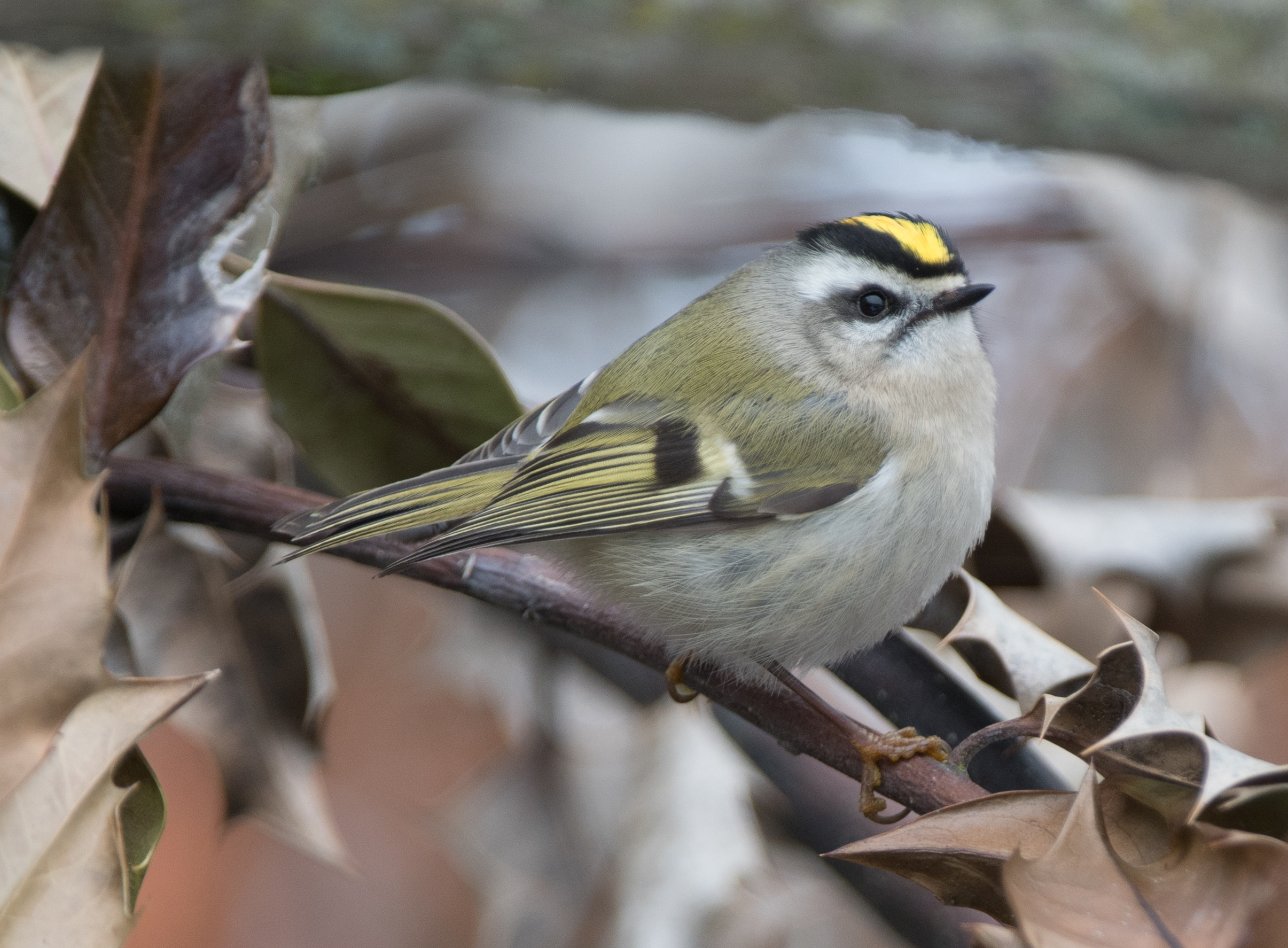
This is one of our Golden-crowned kinglets.  On one occasion I had at least one male and four others of undetermined sex in and around the watercourse at the same time.  I can almost never tell the two sexes apart, even when they are bathing.  Occasionally the male will reveal its orange crown when bathing, preening after a bath or when confronting other birds.

Here is the male Golden-crowned kinglet I was able to identify…

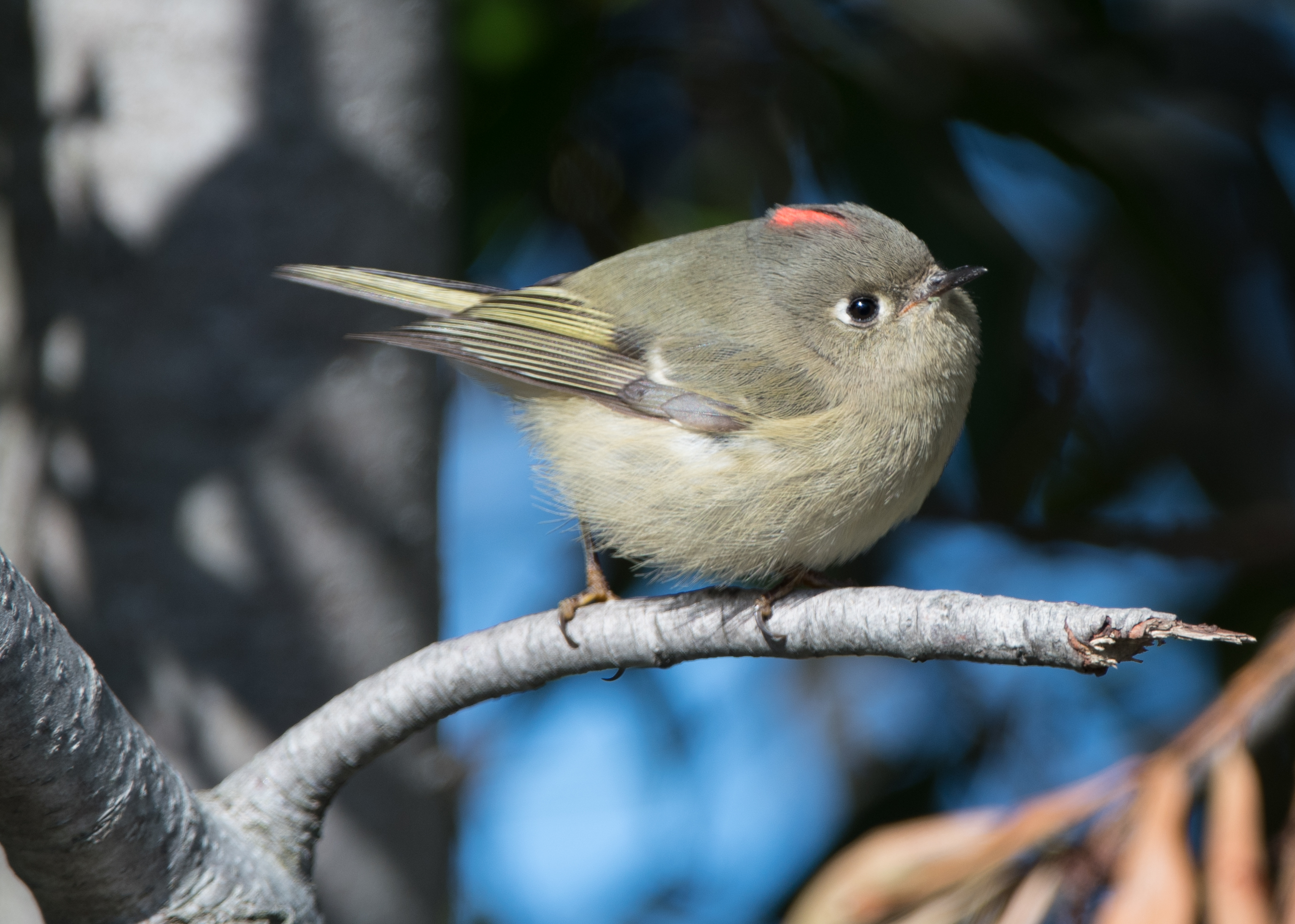
We had at least one Ruby-crowned kinglet in the yard…

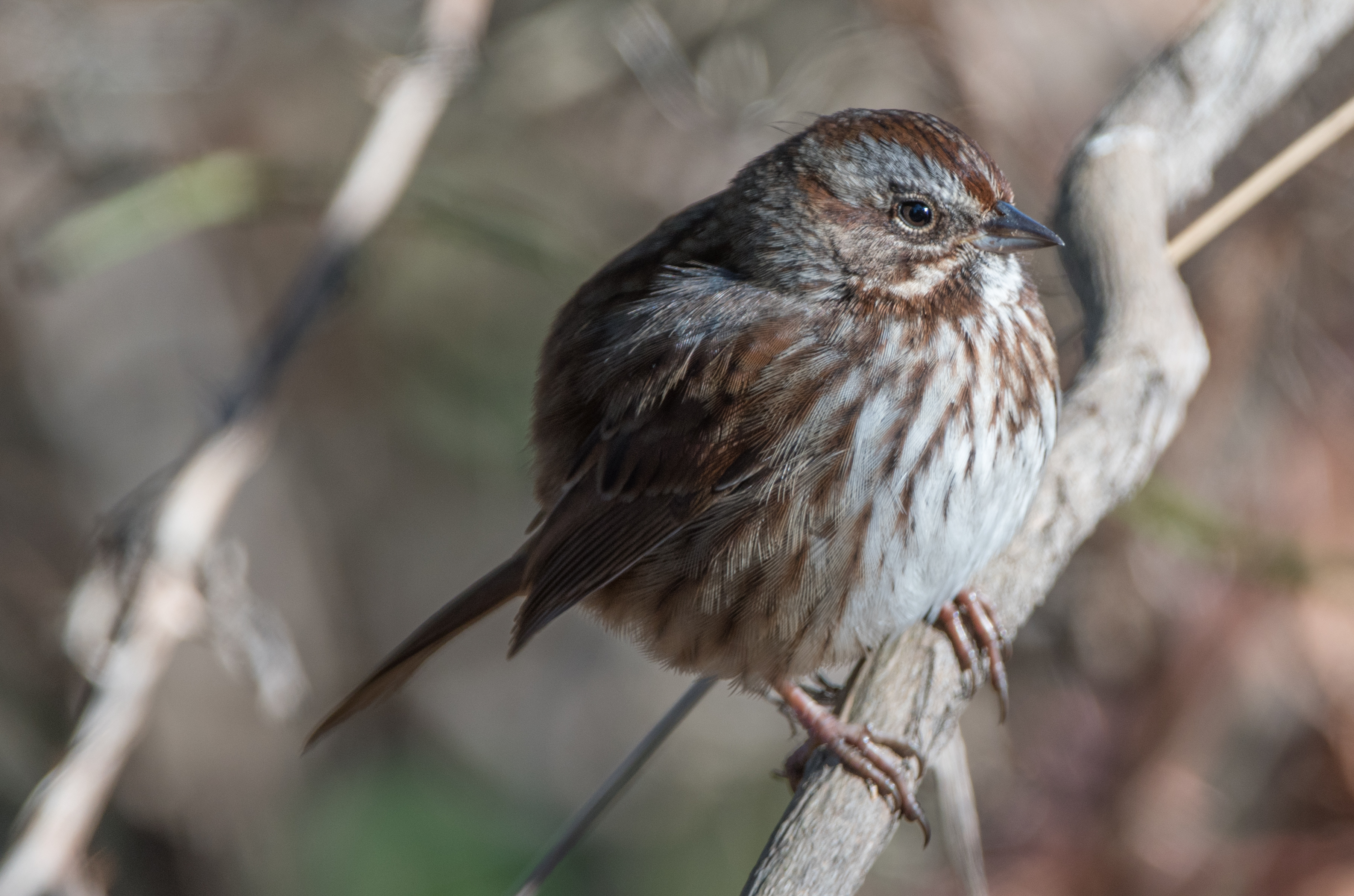
I also saw but wasn’t able to photograph a Song sparrow, a Fox sparrow, a Brown creeper, about 10-12 California quail and about 15 Bushtits.

Other yard news:

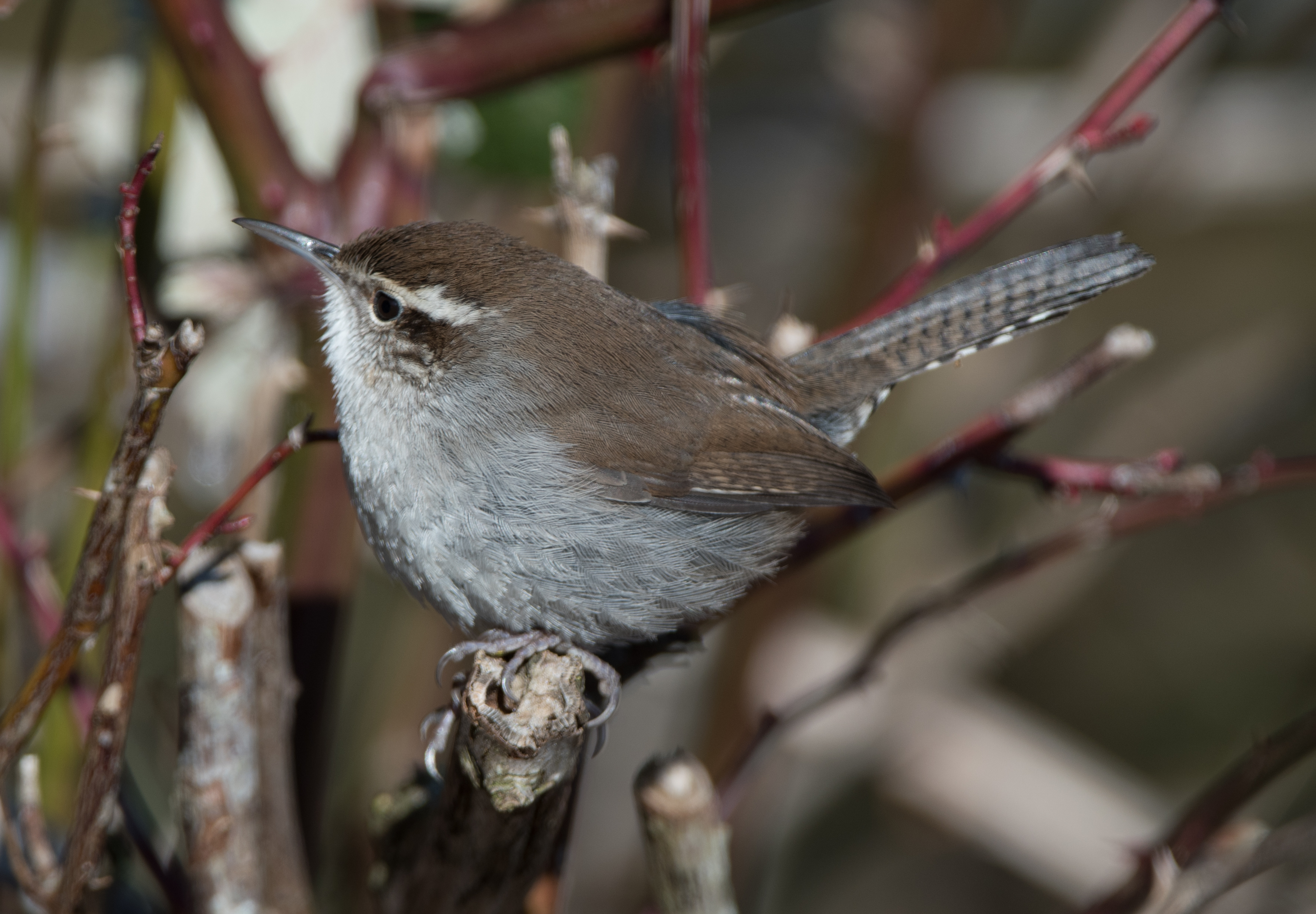
Over this past week we have had both a Bewick’s wren and a Ruby-crowned kinglet accessing our peanut feeders!

Black Friday

Early on the afternoon of Friday, November 23, we had a lot of birds in the yard and although there wasn’t a lot of light for photography, I decided to try my luck.  I had to shoot at a higher ISO and slower shutter speed than I would have preferred, but I did obtain some photos.

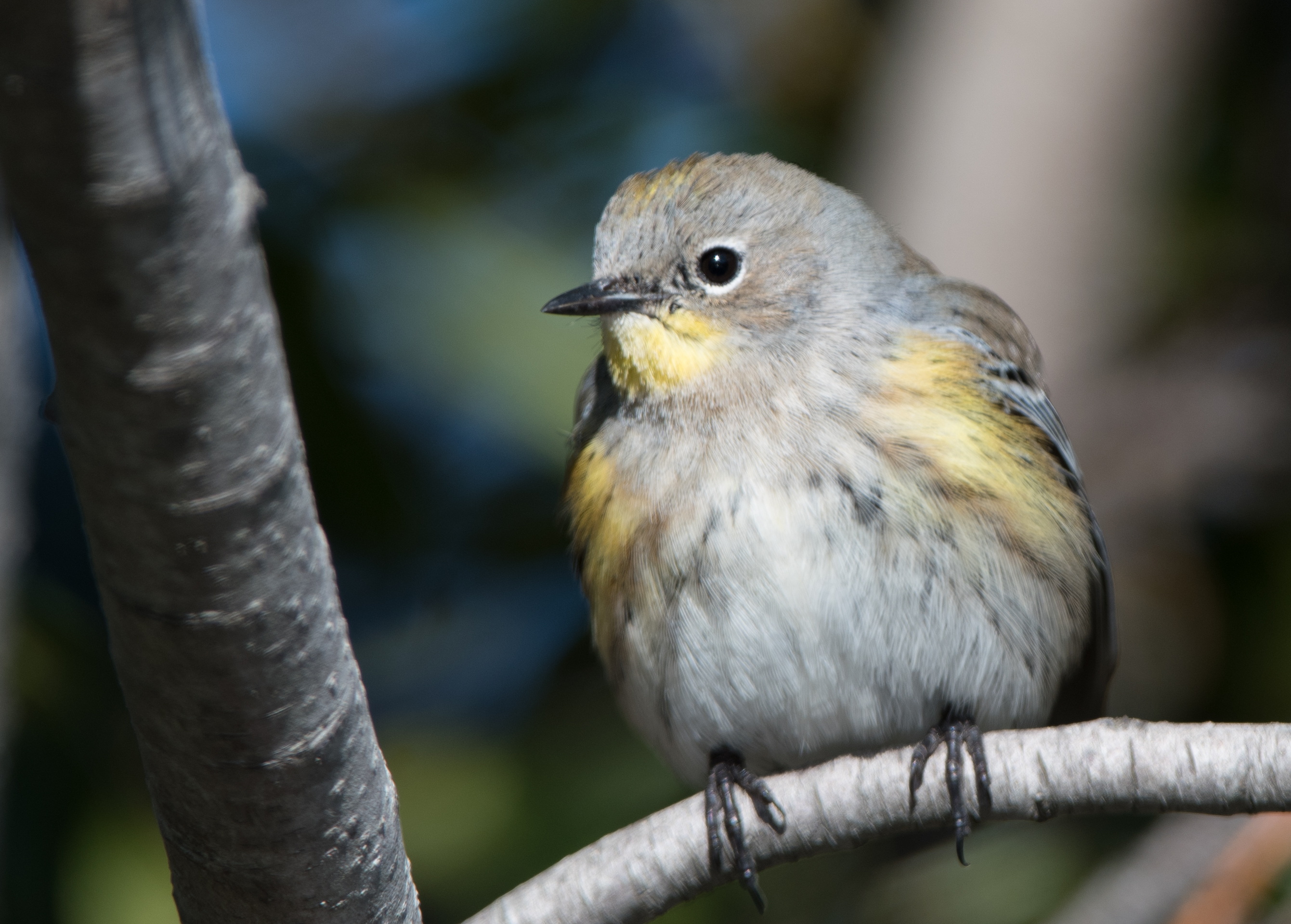
One of the first birds I saw was a Yellow-rumped warbler (Audubon’s) flying around the yard.  I wasn’t sure at the time but I thought there might have been two of them, a fact I later confirmed.

We had six species of sparrows

The Oregon race of Dark-eyed junco, with which the yard is overrun…

The Slate-colored race of Dark-eyed junco, of which we have only one…

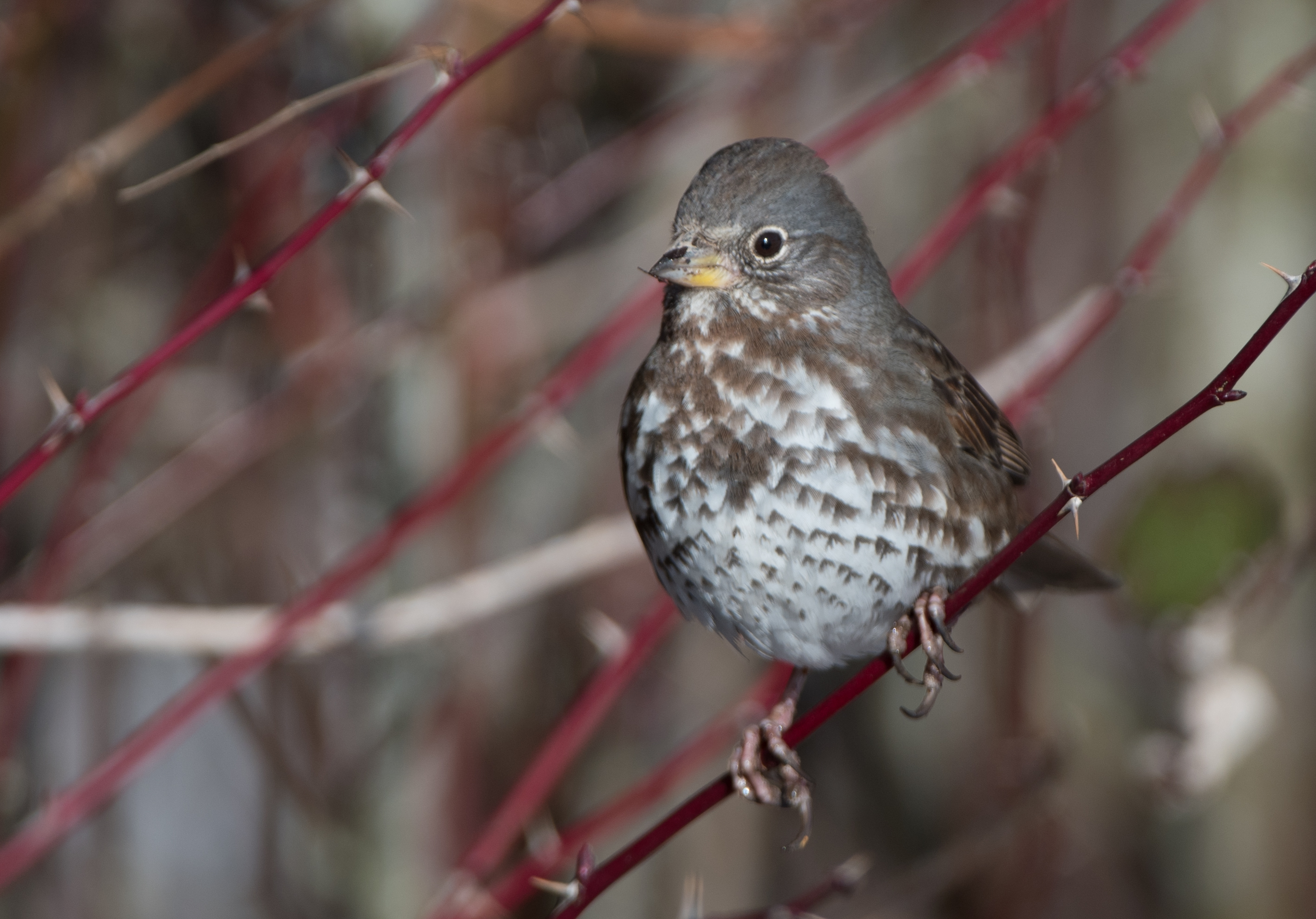
The Fox sparrow (again, apparently only one)…

The Golden-crowned sparrow, of which we have less than a half-dozen)…

The adult White-crowned sparrow (which we hadn’t seen for a few weeks)…

And a juvenile White-crowned sparrow from this year’s hatch…

I didn’t include photos of a Spotted towhee or Song sparrow, both of which were in the yard.

We had at least four male House finches and some number of females around the yard, all attracted to a small platform feeder…

This Chestnut-backed chickadee was preparing to take a bath in our watercourse…

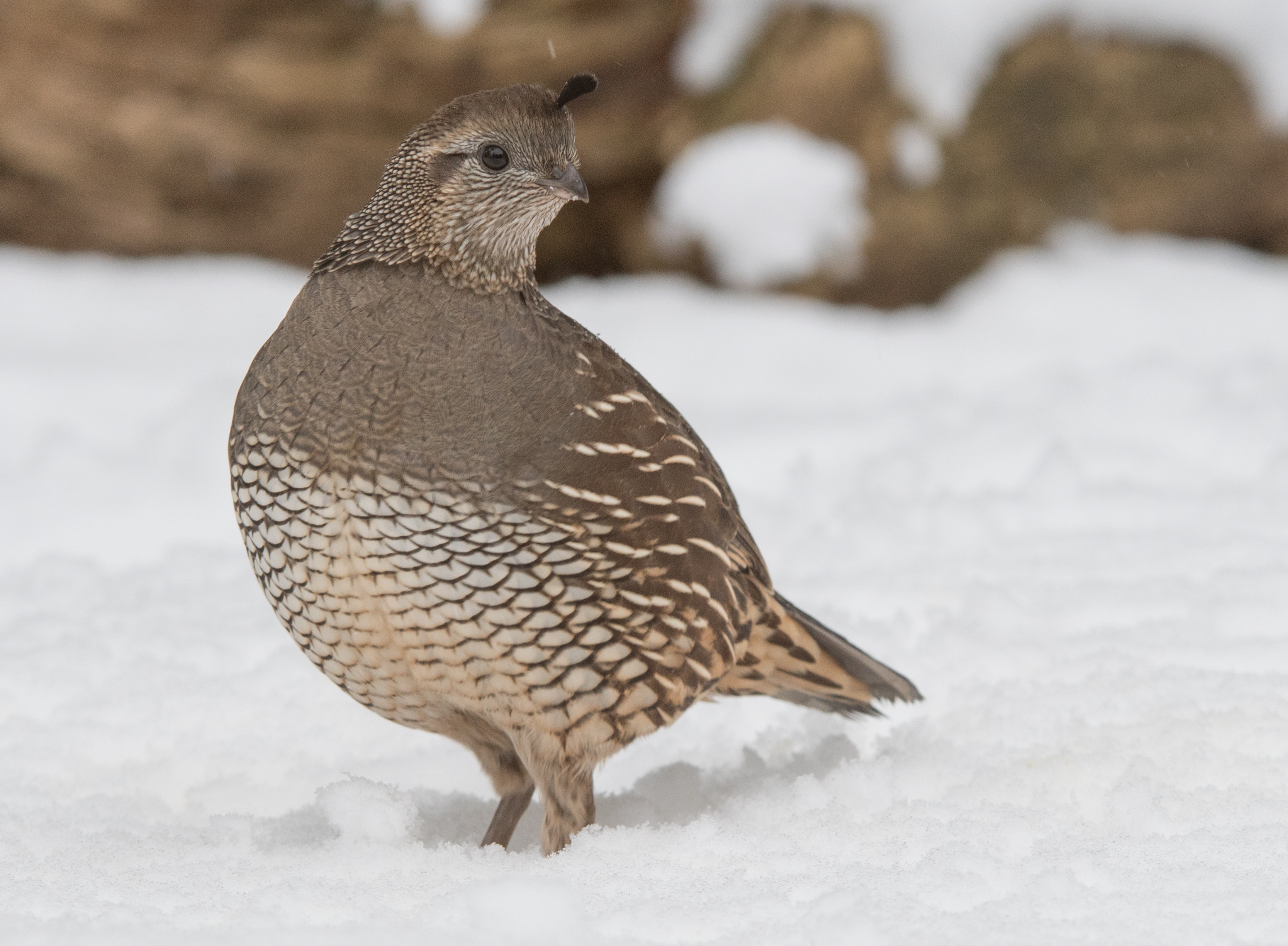
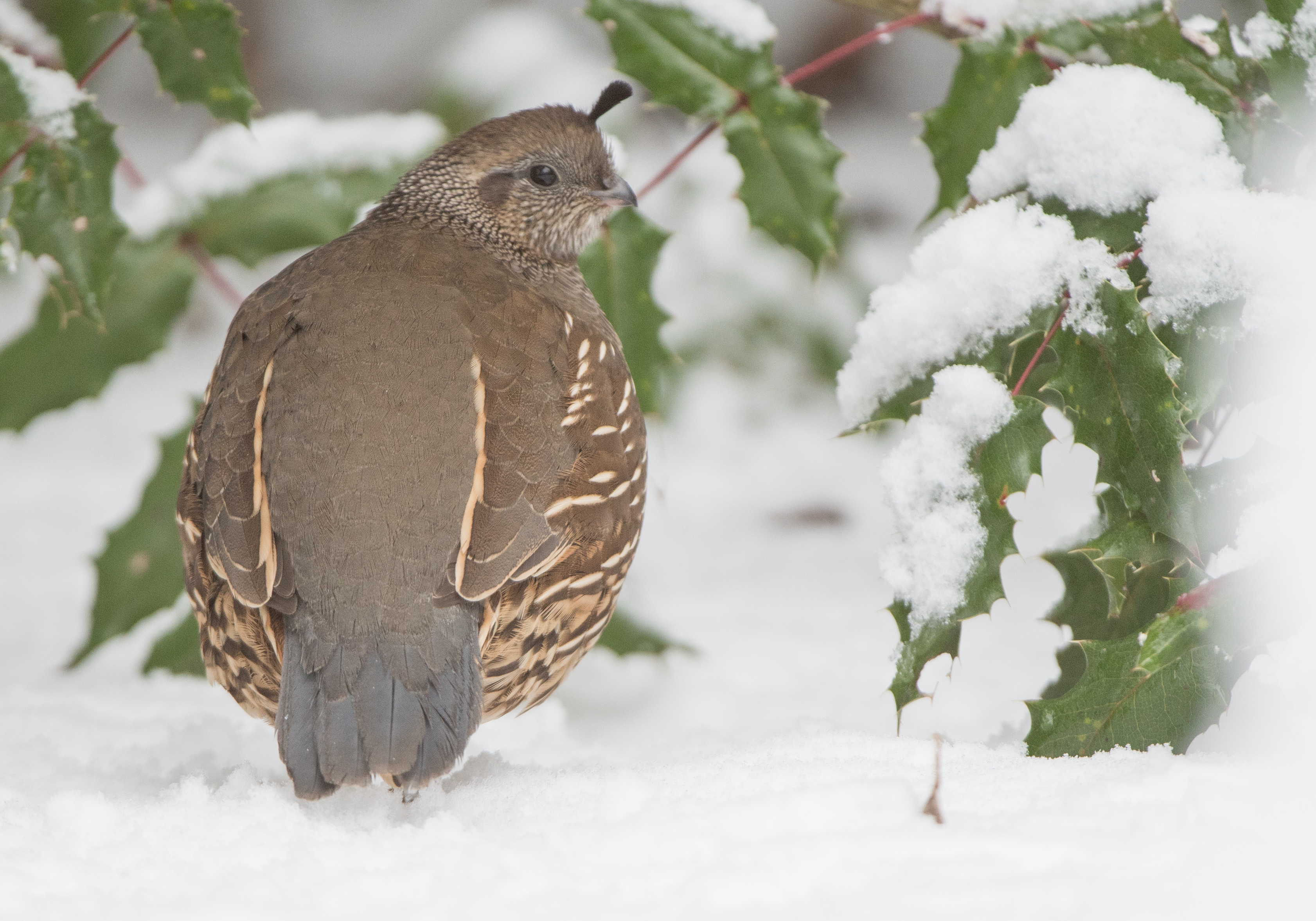
Our California quail usually disappear for the entire winter, and I have never figured out where they go since they don’t migrate.  However the current crop (at least five males and six females) thus far show every intention of utilizing us for supplemental food this winter.  We had so few last spring that I was worried they had been extirpated from Cap Sante, but they finally came through and raised what I think were about three broods.

Tragically, the day really turned out to be a sort of Black Friday.  One of the warblers and a junco were chasing each other around the yard and flew into a window virtually next to me… neither survived.

Corn Maze/Pumpkin Patch

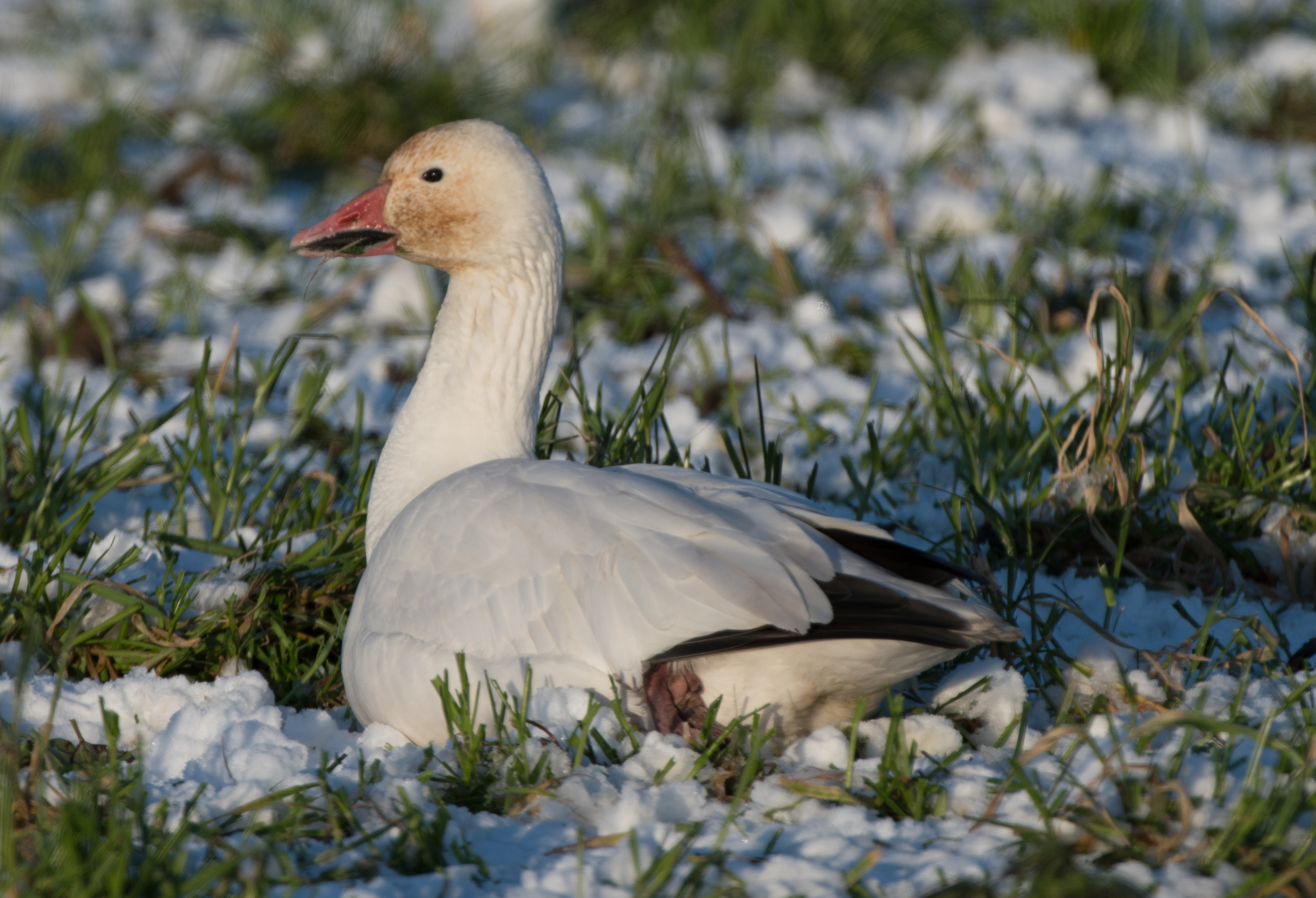
I’ve spent several afternoons in the last week or so monitoring the former pumpkin patch and corn maze behind (west of) the Honda dealership on the I-5 frontage road.  The field that holds the now-decimated corn maze and pumpkin patch attracts a large number of birds, including (so far) Trumpeter swans, Snow geese, Cackling geese, crows, Red-winged blackbirds, Brewer’s blackbirds, House sparrows, Mourning doves and at least one Wilson’s snipe (good luck finding it without flushing it!).  In this same field last year I photographed four species of geese on the same afternoon!  The birds come and go so it’s difficult to predict what might be there at any one time.  

Here are a few photos of the visitors to the field… 

Trumpeter swan(s) flying in…

And on the ground dining with Cackling geese...

I might note that I have had difficulty finding Cackling geese in prior years.  Since there has been a flock of as many as about 200 in this field this fall, this may be your best chance to see some.

The elusive Wilson’s snipe

Male Red-winged blackbird

Crow

Male Brewer’s blackbird

Mourning dove… king/queen of the pumpkin patch!

View on the way back to Anacortes…