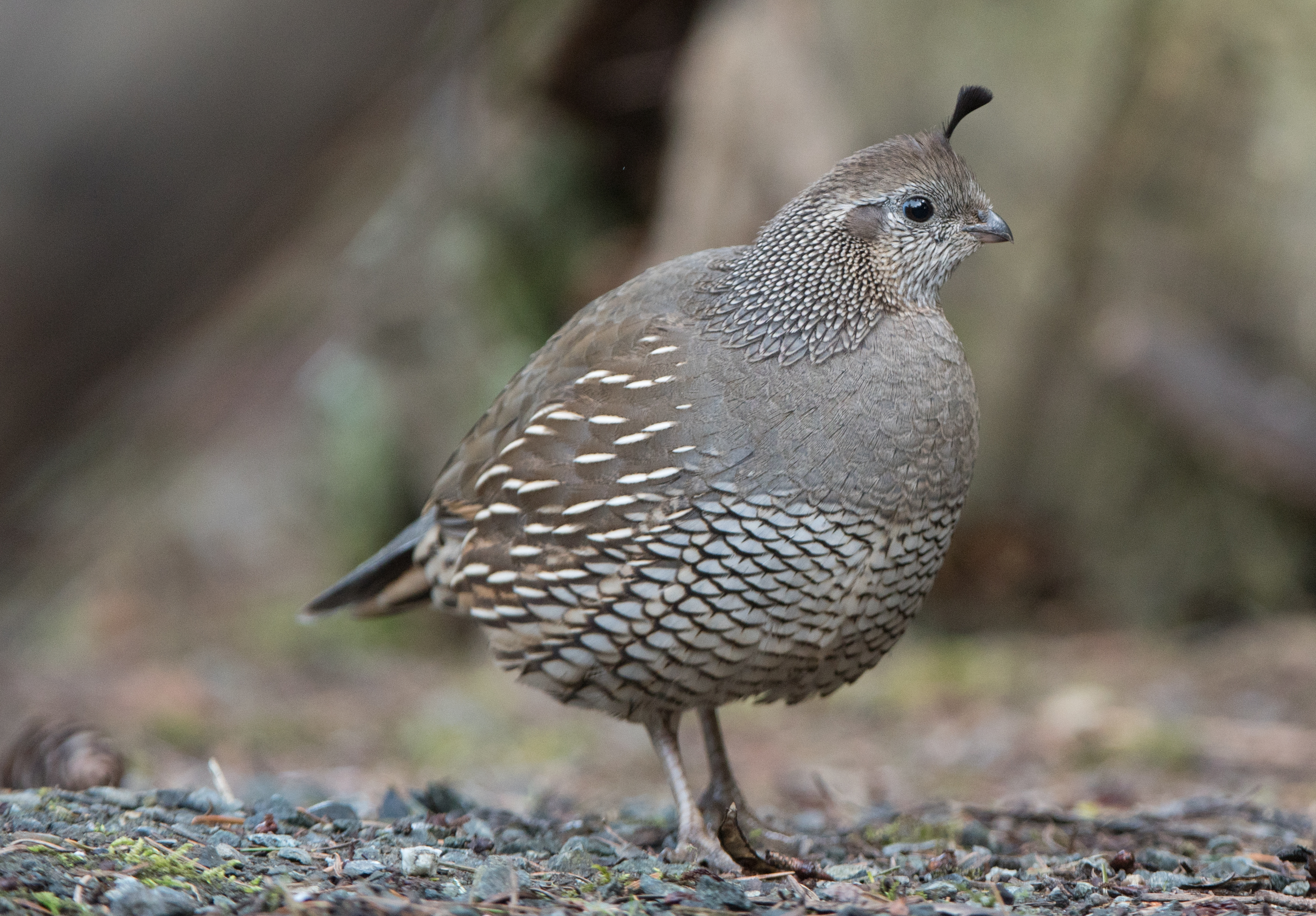
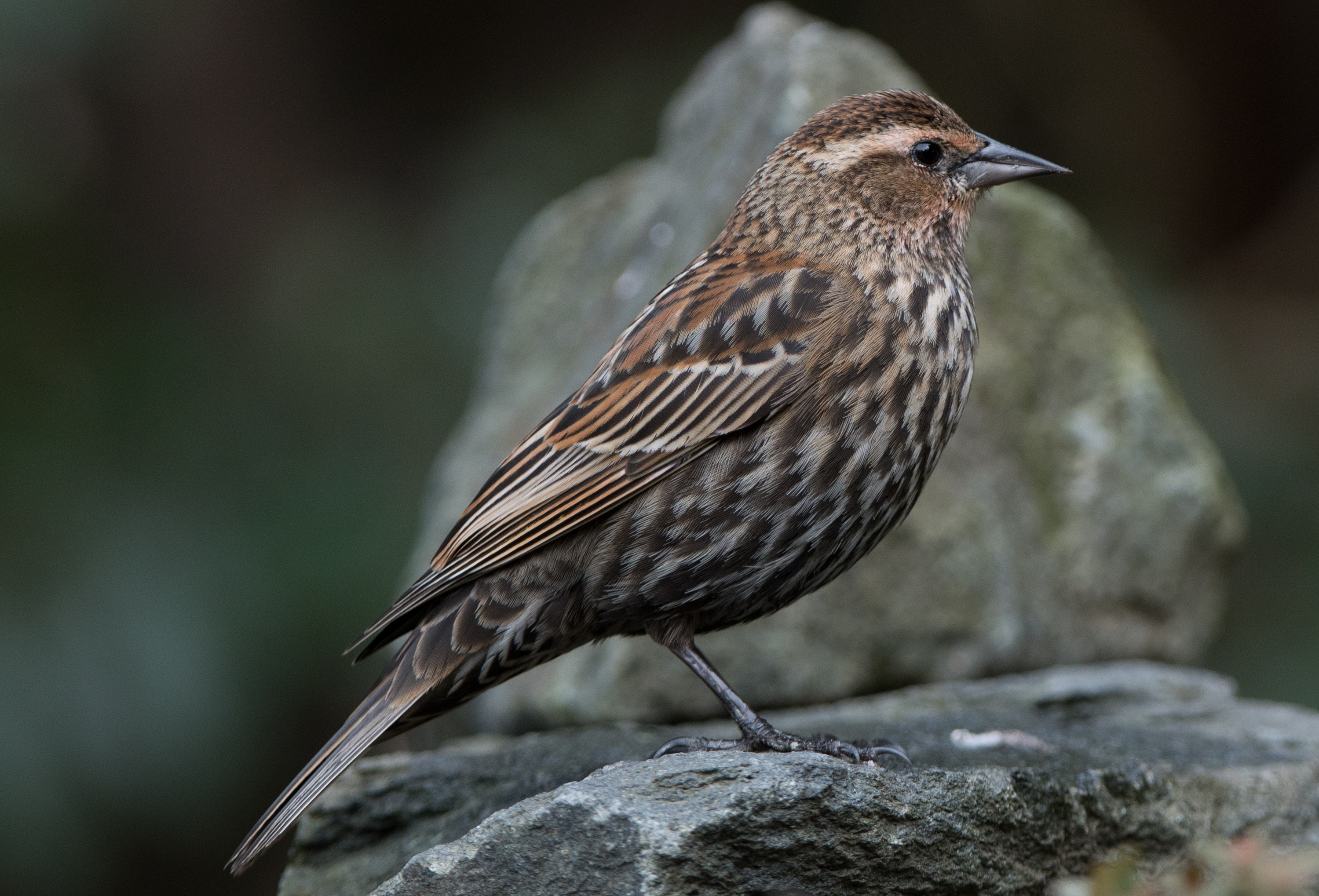
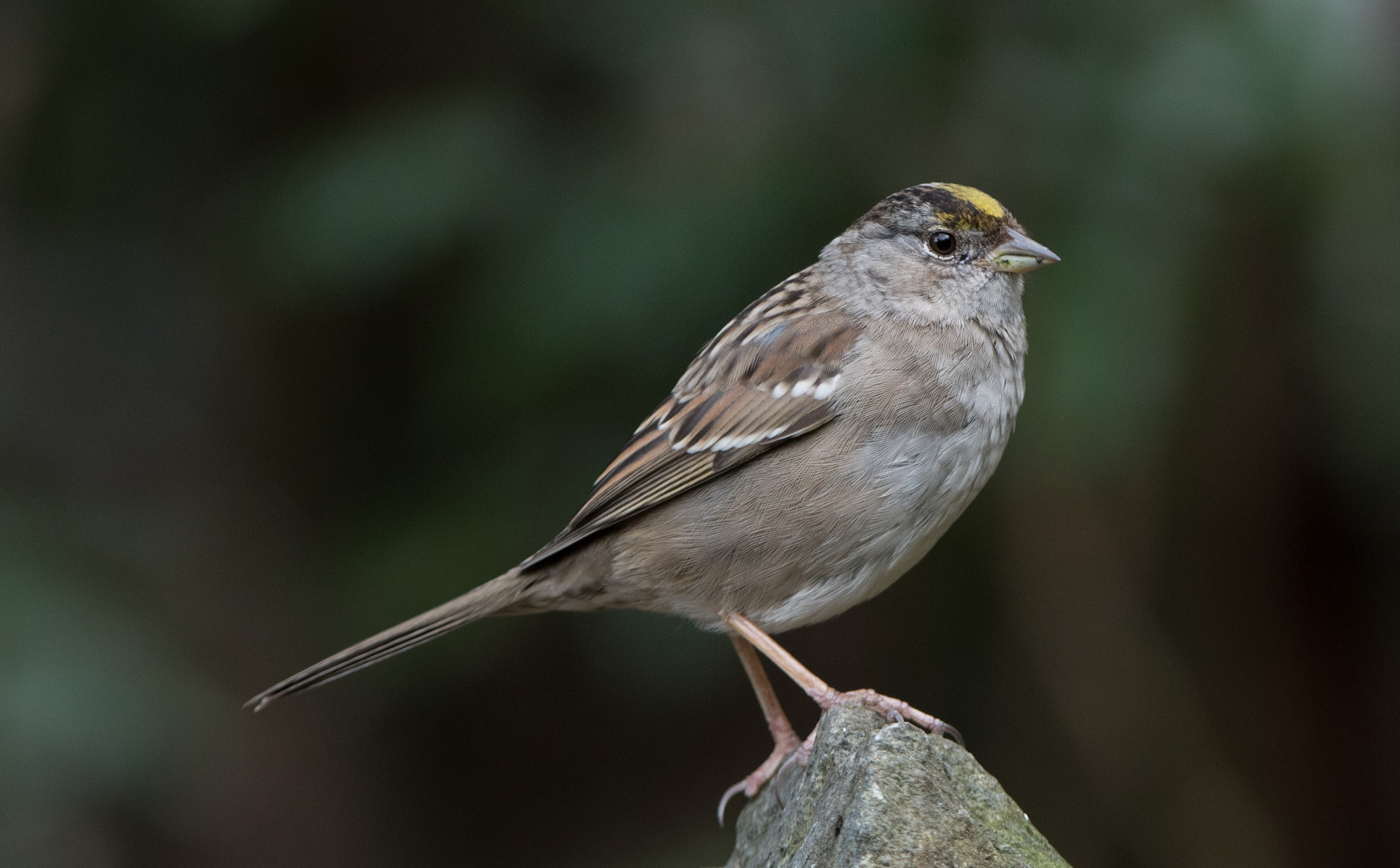
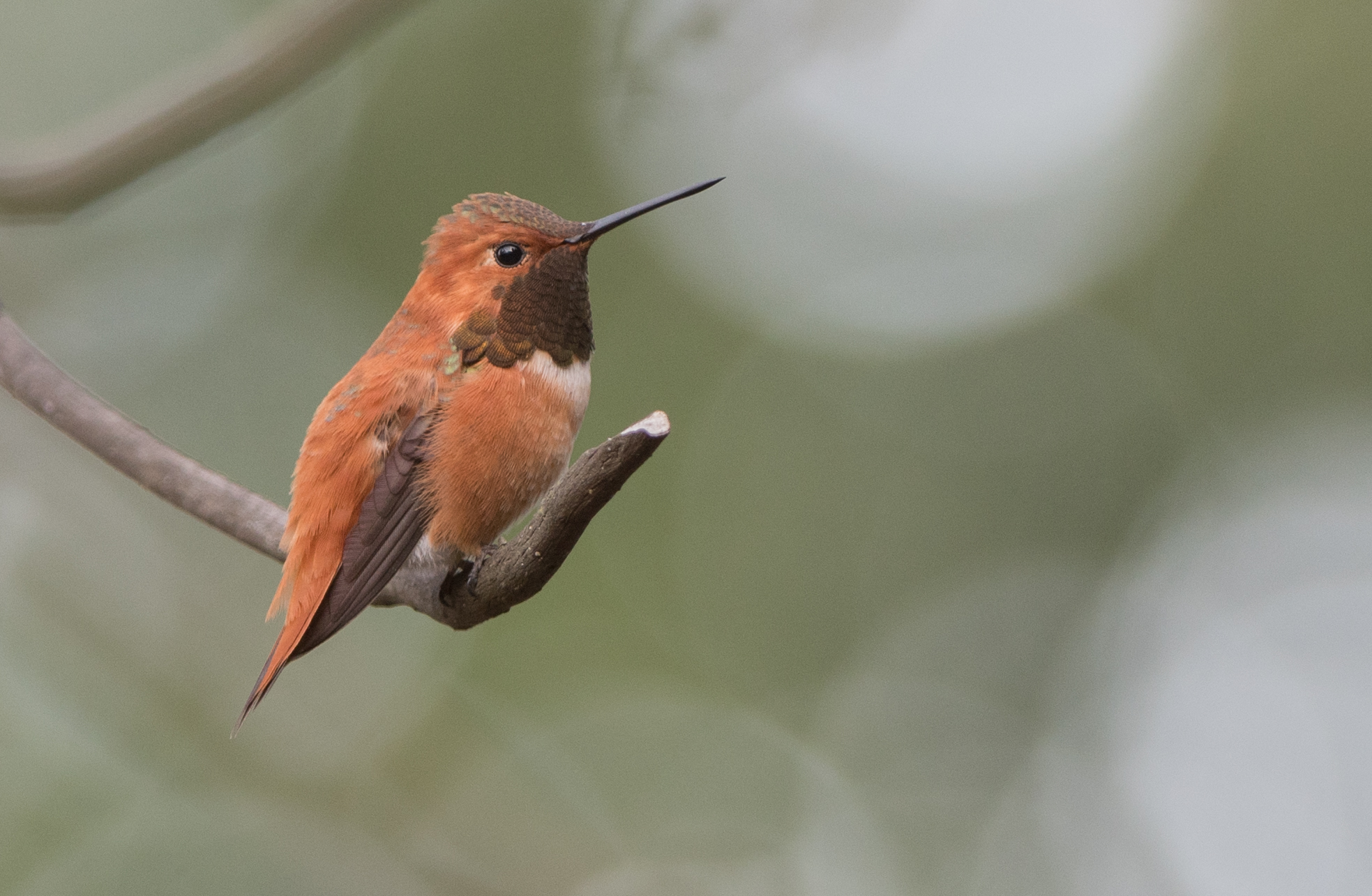
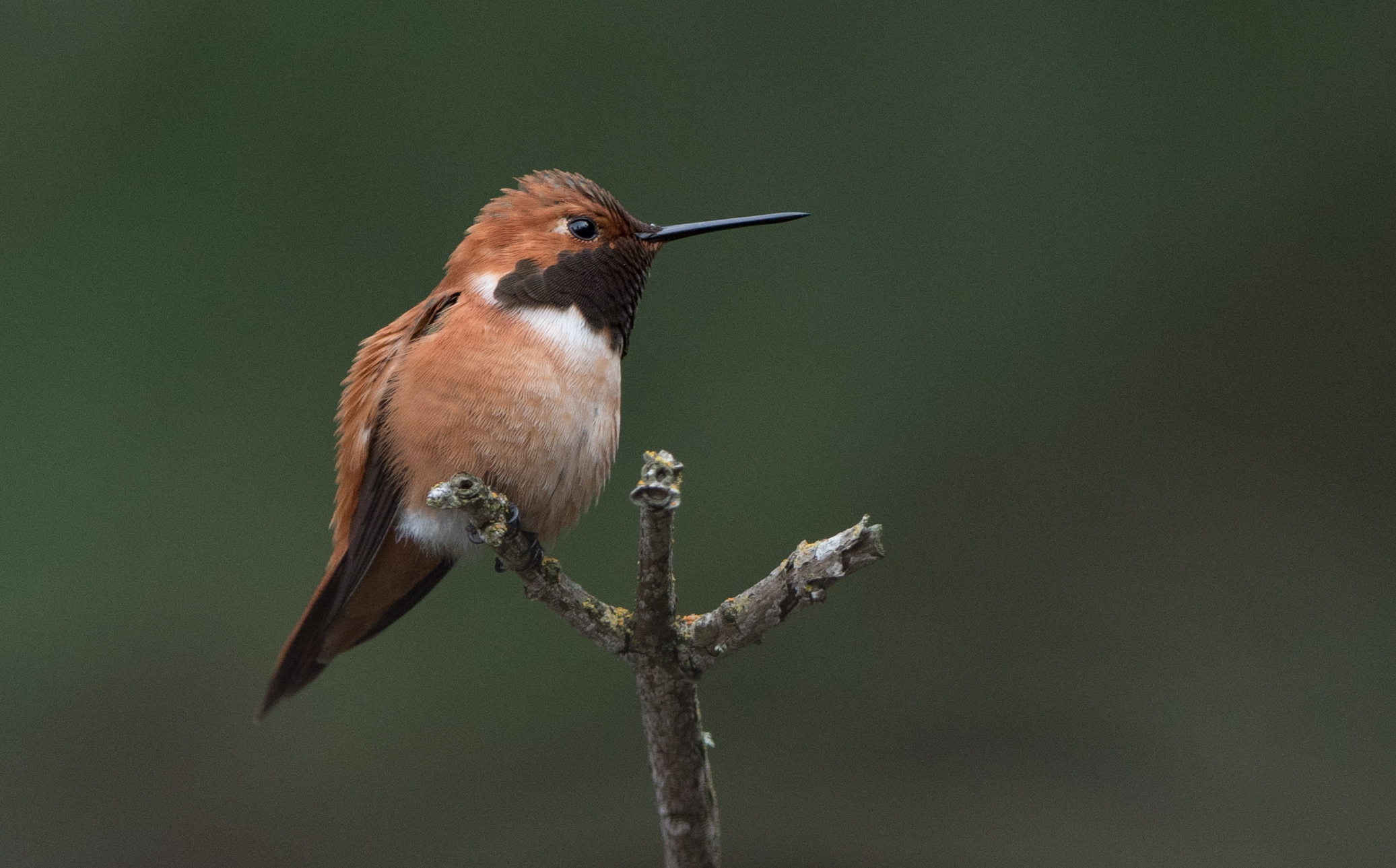
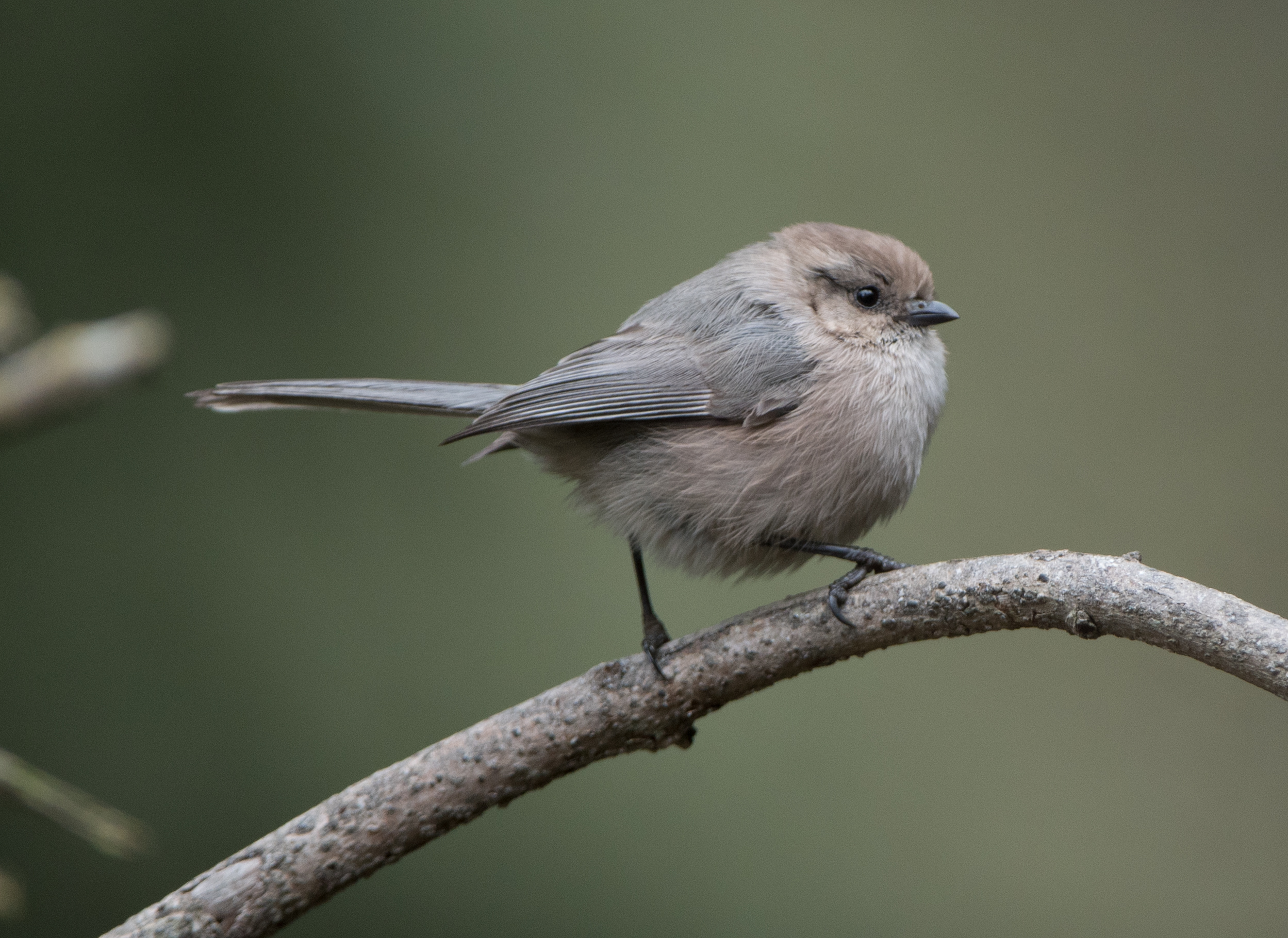
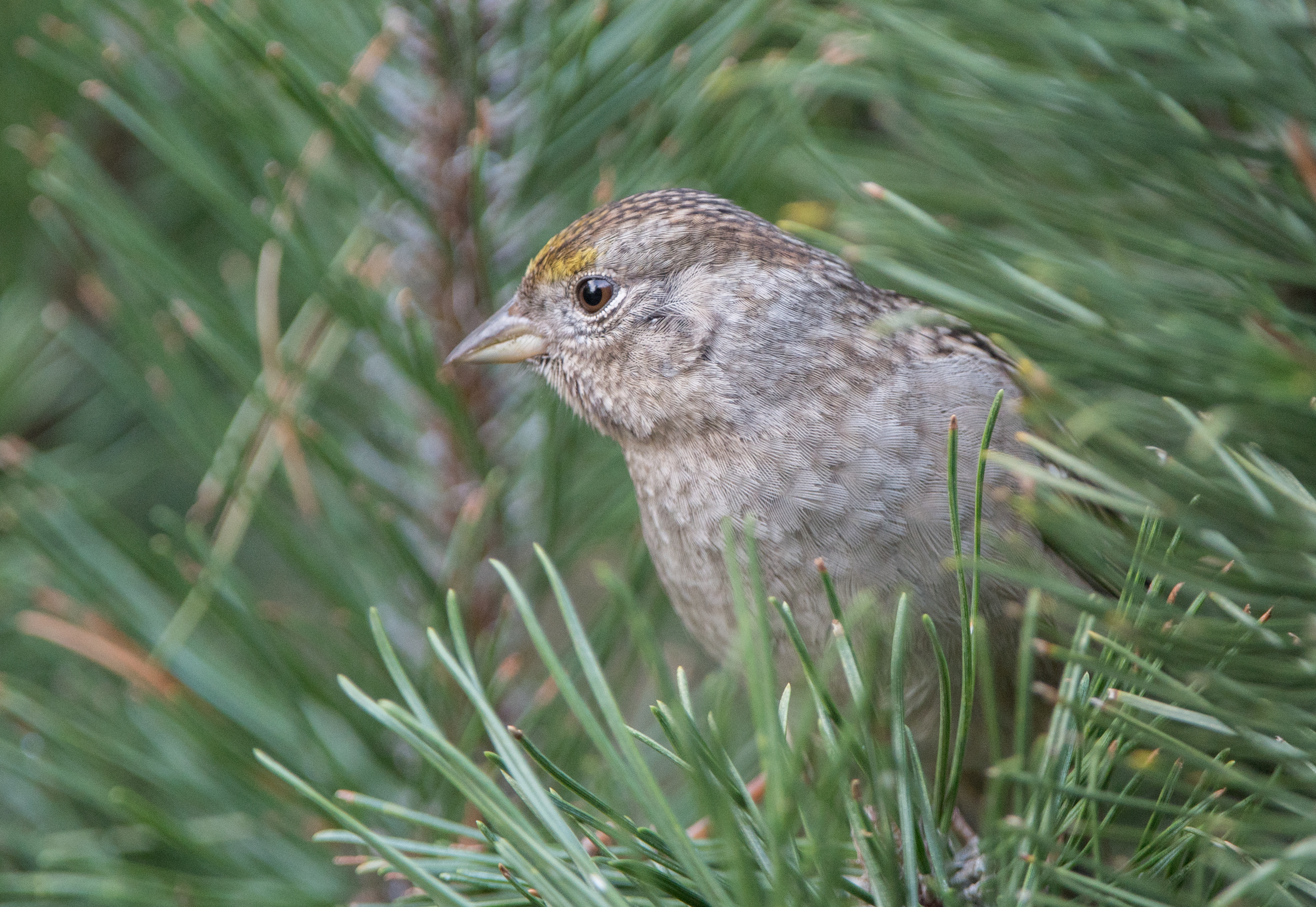
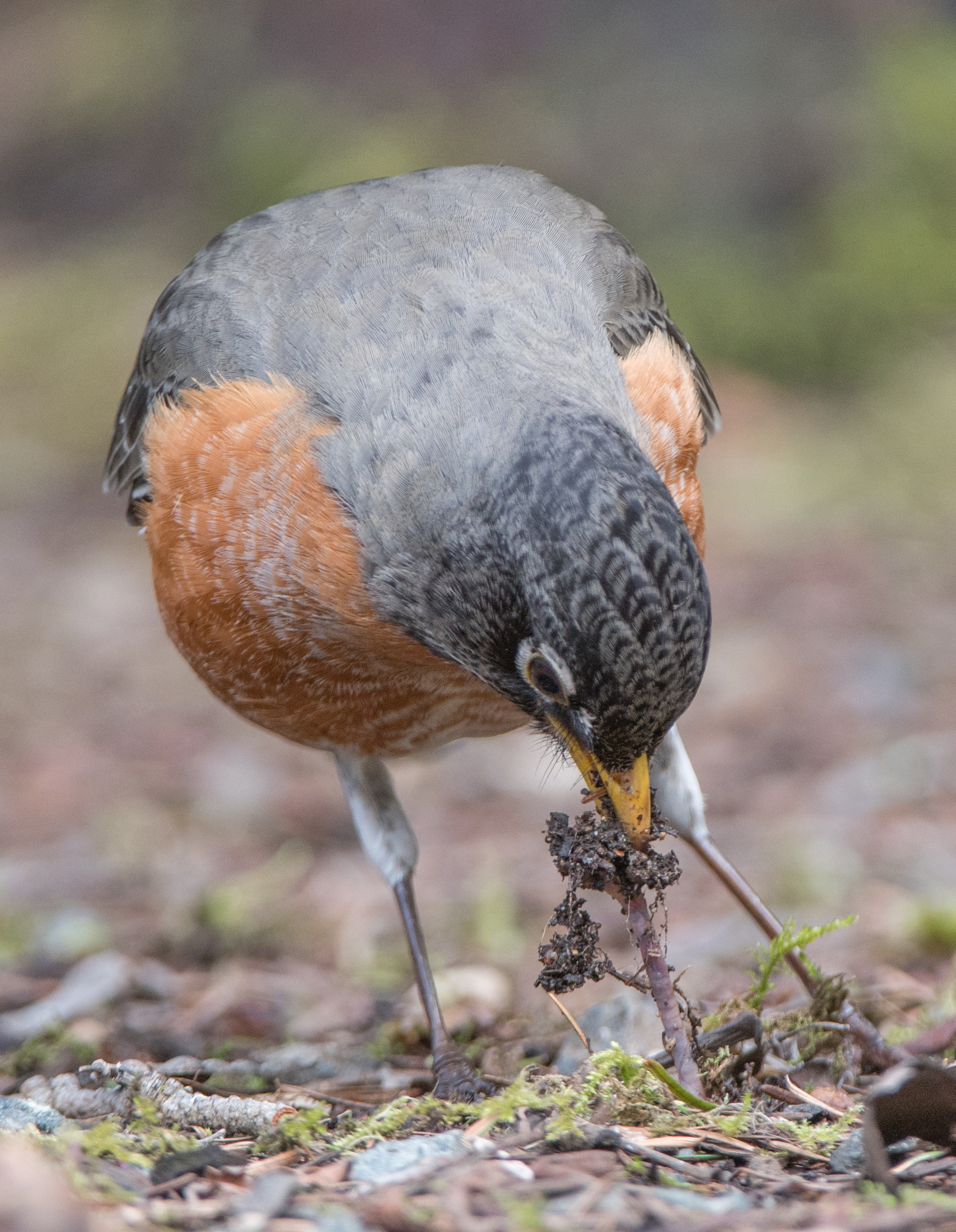
On the afternoon of March 14, 2019, while photographing birds in my yard, I received notification via email that John Kelly (of Austin, Texas) had died. It was time I spent on various bird counts with John that inspired me to more serious birding, and in my mind I always gave him credit for my initial interest in birding.
I was raised in a rural setting west of Austin. My father was a casual birder and I had an aunt who was an avid birder, but as a teenager I had only minimal interest. I left the rural environment in 1969 and any serious interest in birding didn’t happen until the late 1980’s. My wife and I attended Travis Audubon Society film tours and by the early 1990’s my interest in birding had been somewhat rekindled.
Sometime in the early 1990’s I decided to participate in a Christmas bird count, and I reported for duty early one morning at a fast food restaurant on US183. This would have been at one of the early Balcones Canyonland Christmas Bird Counts. John Kelly chose me, a neophyte birder, to accompany him on the count, a pairing that occurred for all subsequent Austin area bird counts in which I participated during the 1990’s. It was happenstance for which I would be thankful for the rest of my life! I’ve tried to reason why John chose me for all the counts and I thought that it may have been due to two factors… that I had a four-wheel-drive vehicle and that I was willing to record the sightings and leave him free to bird! Whatever the reason, I benefitted a lot more from the pairing than he did!
I found John extremely knowledgable concerning birds, but I never considered him a teacher. However it was difficult to be in his company and not absorb some of his knowledge. John and I had some interesting birding experiences, a few of which I’ll relate here.
There was the Austin Christmas Bird Count when John couldn’t identify a bird vocalization I didn’t even notice when birding below our house on the Bouldin Creek Greenbelt. After a quick search John found and identified a Chestnut-sided warbler. (Keep in mind this was a Christmas Bird Count!)
On another occasion John identified a Louisiana water thrush working along the edge of Bouldin Creek below our house, the only one we ever saw there.
I was with John on the year Austin counted more Great-tailed grackles than any other locale for one of the counts, a dubious distinction!
John and I were on another Balcones Canyonland bird count when we stopped at a creek that crossed the road to look for a Green kingfisher. While John looked up the creek on one side of the road I began to explore the other side of the road. I was suddenly startled by an American woodcock that flushed from grass along the road. When John returned to the road he looked dubious when I related my discovery. Fortunately I had noted where the bird landed, and John flushed it again and identified it for the count!
One spring John was leading a birding hike at Balcones Canyonland hoping to see Black-capped vireos. Everyone in the group was looking in one direction and I turned and looked behind the group. There, at some distance, was a towhee-like bird that I couldn’t identify. I called John’s attention to the bird which soon disappeared into the brush. John studied the bird for the short time it was visible and was unable to identify it. He surmised it was probably some Mexican species that had found its way into the area. That was the only bird we ever saw that John couldn’t identify!
I found the bird counts fascinating, and as I’ve told people many times since, I liken them to an Easter egg hunt! I’ve often elaborated on the similarities, but in the interest of time and space I won’t elaborate here. But the bottom line is the serendipity of the process… you just never know what you might find.
Without trying to embellish my accomplishments, I want to briefly relate what John unknowingly got started and what his inspiration has meant for the birding world.
My wife and I moved from Austin to Anacortes, Washington, in April of 2001. I never saw John after our move, although we did come close on one occasion. My wife, who is also a birder, and I always included a birding component in all of our travels. Many years ago my wife and I visited the Sacramento National Wildlife Refuge (in California) late in the afternoon. The refuge was about to close so we elected to make a quick drive through the refuge before visiting the headquarters. We entered the headquarters just before it closed, and found the last name on the visitors’ log was… John Kelly from Austin!
Upon arriving in Anacortes I almost immediately met Ivar Dolph, at that time the President of the Skagit Audubon Society. I mentioned to him that I had developed an outline for a beginning birding course during my waning days in Austin. By the fall of 2001 I was teaching birding courses for beginning birders under the auspices of the Skagit Audubon Society, which I did for several years. In 2007 the Anacortes Senior College came into existence and the education director for Skagit Audubon arranged for me to teach my birding course at the college, which I have done several times over the years.
Meanwhile my interest in birding photography bloomed with the introduction of digital camera technology. I now have an inventory over 60,000 birding photos taken all the way from the Pacific northwest to Texas. I maintain a birding blog (wingsoverskagit.com) featuring selected photos and observations. A few of my images, printed on canvas, adorn the walls of one our local restaurants. My wife and I have landscaped our yard to facilitate birding photography. I have developed an absolutely undeserved reputation as an expert birder among friends and acquaintances. I’ve given birding talks to garden clubs, neighborhood groups and service clubs. In short, I’ve been somewhat successful at advancing interest in birding. And the birding world owes all of this to the inspiration originally sparked by John Kelly.
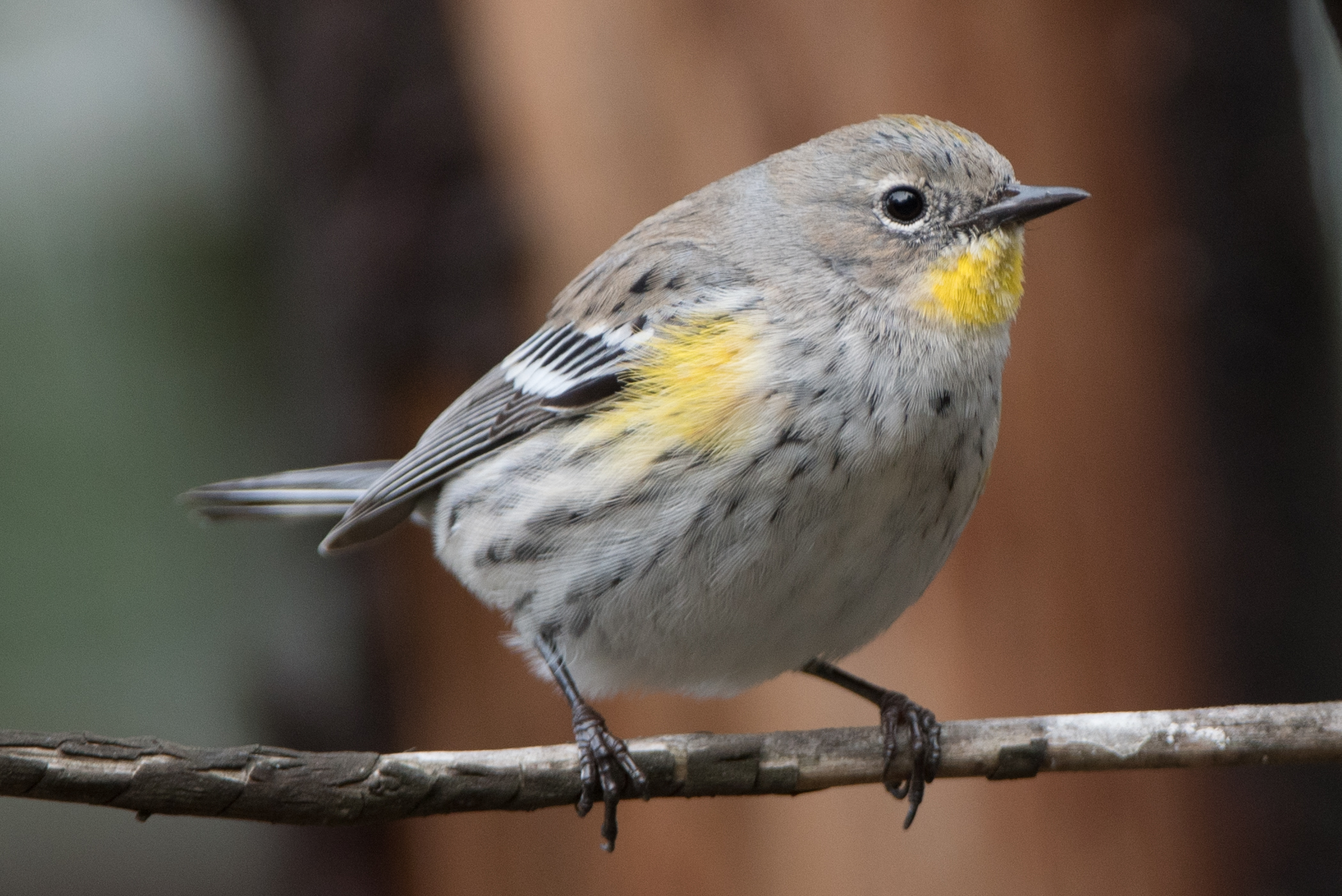
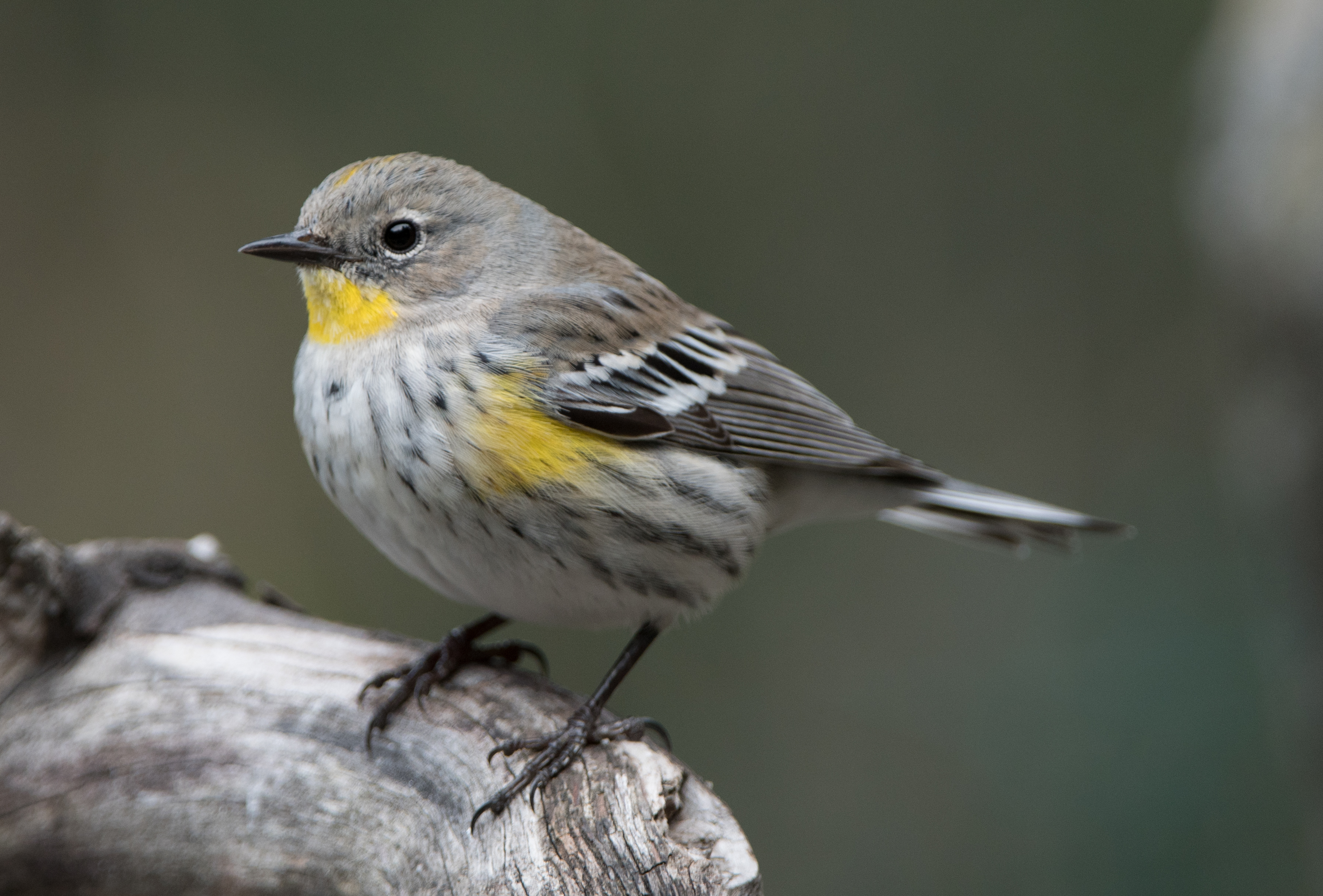
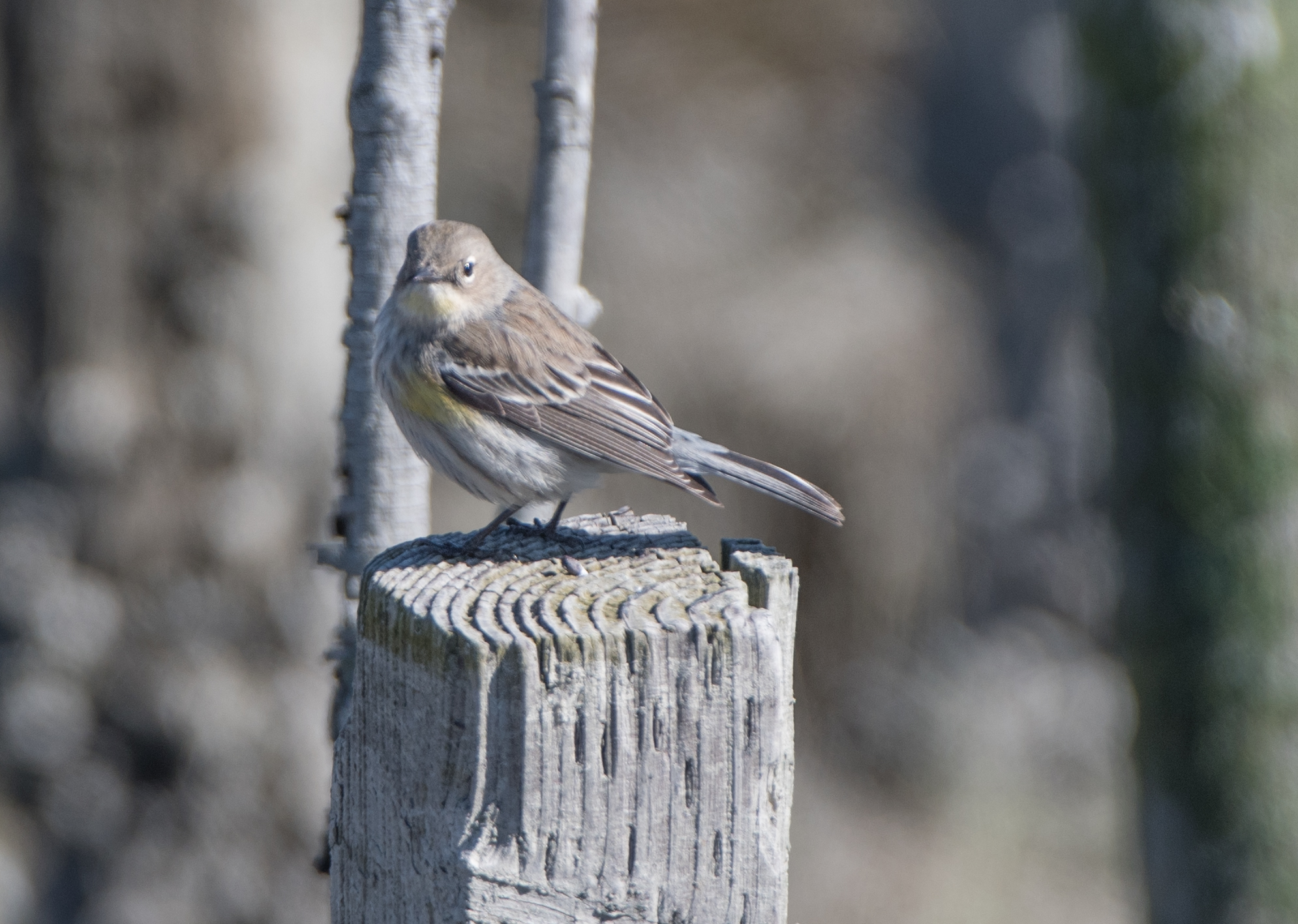
When I received the news of John’s passing I was sitting in the yard photographing birds. As I mulled over these memories of John a Yellow-rumped warbler (Audubon’s race), which is usually a fairly unusual winter visitor, entered the yard and investigated our watercourse. (We had an unusual influx of the species several weeks previously, but they had disappeared.) The warbler never landed for a bath or drink, but it lit on several staging objects around the watercourse, giving me ample opportunities for photographs. So, John, along with my memories, these photos are for you.