Eastern Washington

In mid-June my wife and I took a trip to the Winthrop, WA area, just east of the Cascades. Due to the lack of snow pack this year, the park at Washington Pass was fully open/accessible.  Our picnic brought out Gray jays and Clark’s nutcrackers, one of which is pictured below.

Nutcracker, Clark's 20150610-10

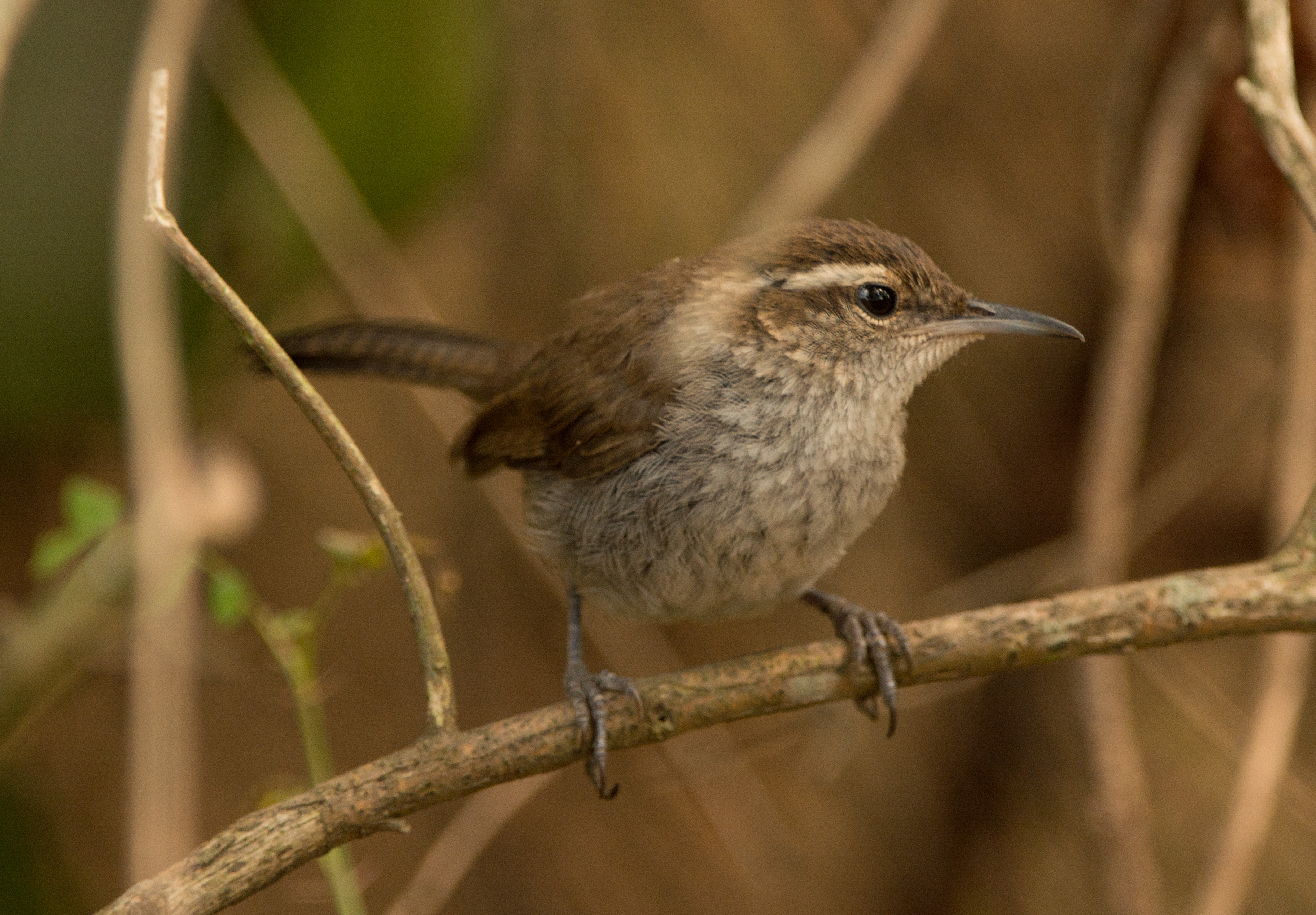
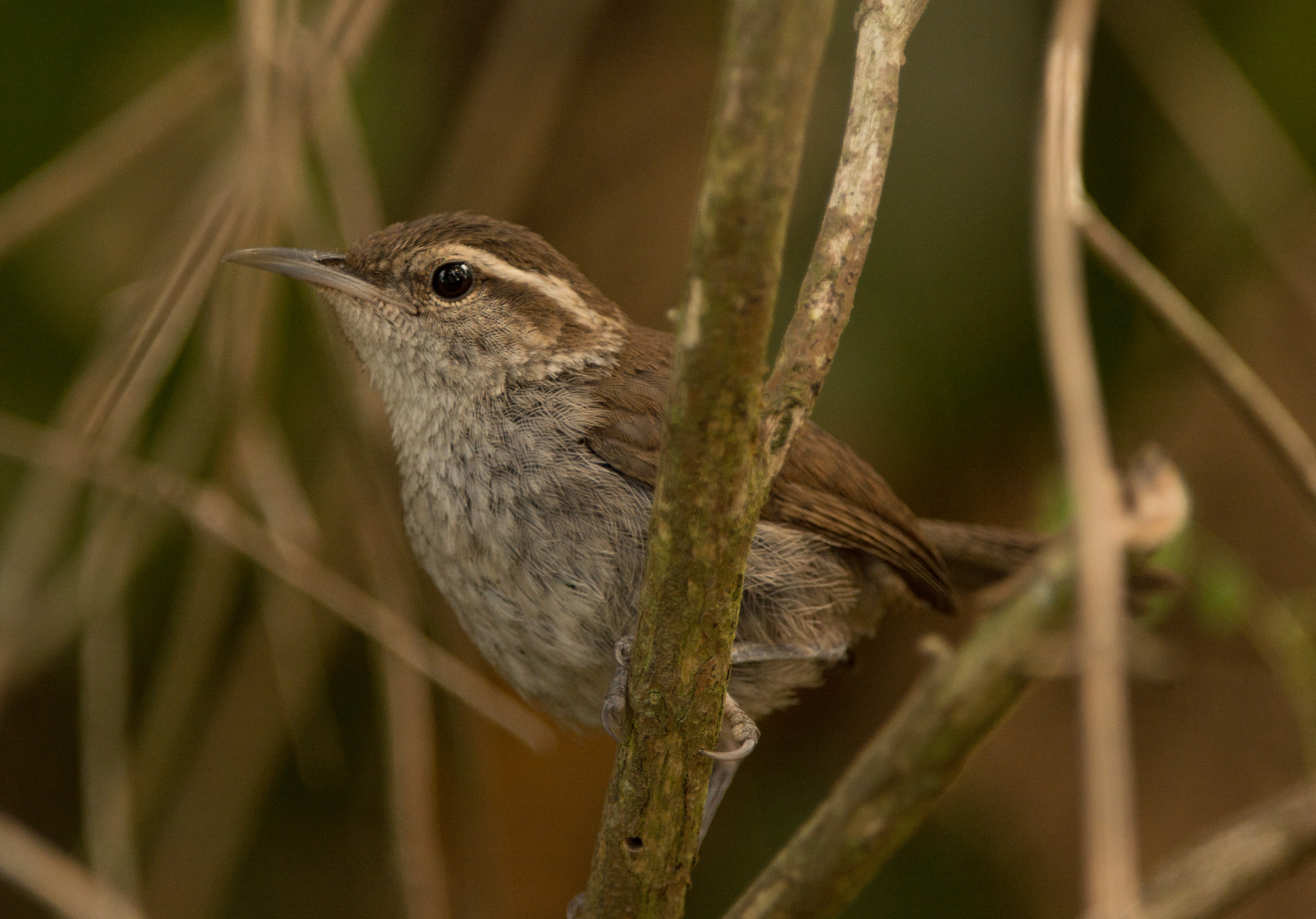
One of my favorite birding sites in the Winthrop area is Beaver Pond on the lower slopes of Sun Mountain.  In past years I’ve photographed Red-naped sapsuckers with nests in a particular Aspen tree, but this year the nest hole had been taken over by a pair of House wrens.  There were at least two pair nesting, and feeding young, in the same general area.

Wren, House 20150612-23 Wren, House 20150612-12 Wren, House 20150612-05

I never found the nest, but this Song sparrow was also feeding young in the same general area.  There seemed to be no shortage of insects for the birds!

Sparrow, Song - with insect 20150612-06

And finally, for this post, an Eastern kingbird, a large flycatcher which can be found along open fields in the area.

Kingbird, Eastern 20150612-09 Kingbird, Eastern 20150612-06


Why I Admire Red Crossbills

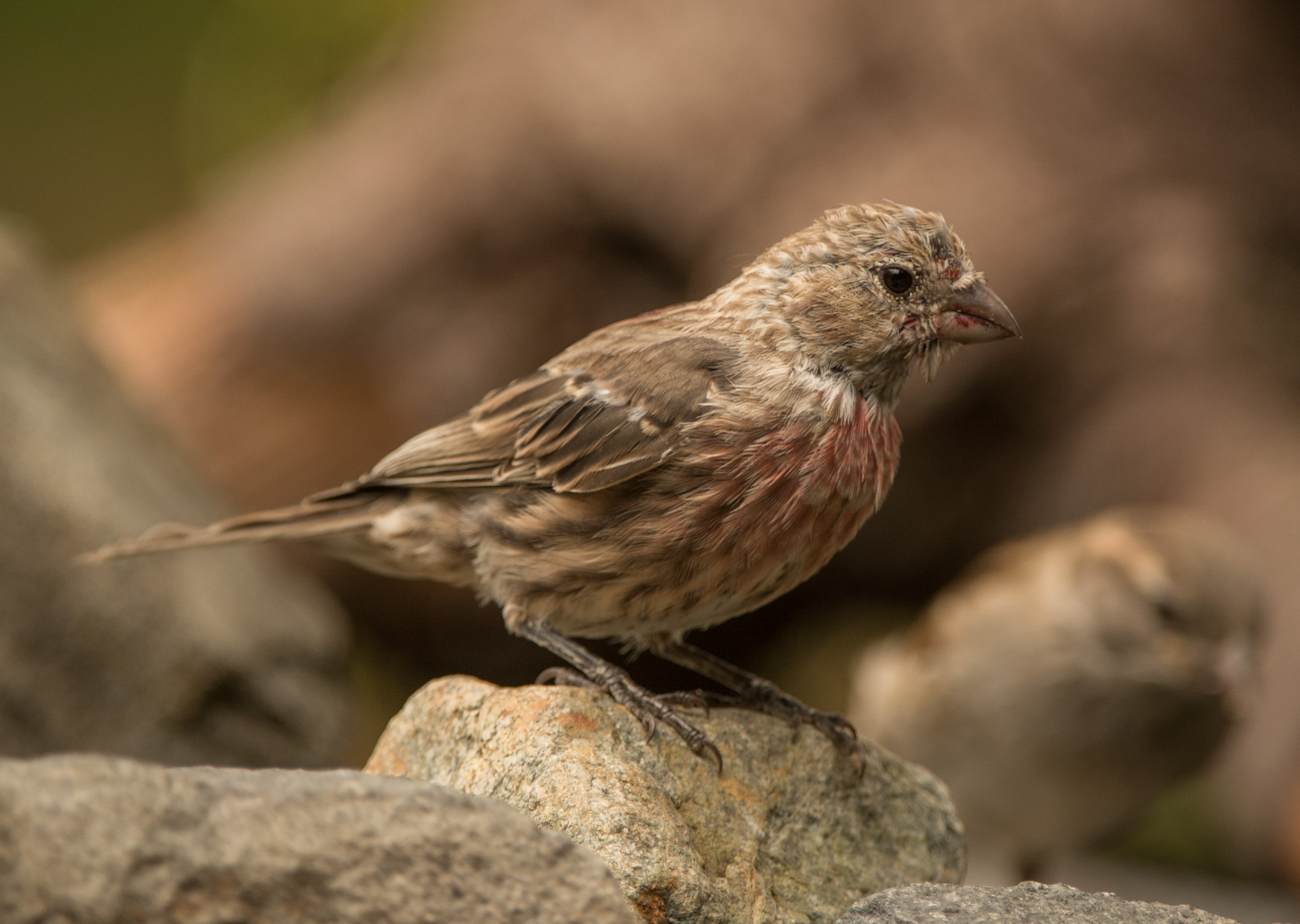
On June 7, 2015, I had a male Red Crossbill fly into the yard and descend to the watercourse for a bath. I happened to be sitting closer to the watercourse than my accustomed position so I was able to obtain more detailed photos of the bird while it was bathing. In processing the photographs I marveled at the complexity of the colors in the bird’s plumage, which were brought out by the bird’s close proximity and the sunlight.

(Click on the photos to enlarge and show more details.)

Crossbill, Red 20150607-08 Crossbill, Red 20150607-05 Crossbill, Red 20150607-03 Crossbill, Red 20150607-02

Birds of Central Texas – 5

Sadly, by May 10, 2015, my visit to family in Central Texas was winding down.  However, it wasn’t quite the end of my birding experiences.

The first thing that morning I noticed some activity on a back fence, all the way across our effective viewing area and out of the range of any hope of good photos.  It was a female House finch sitting on a fence playing with some spear grass seed stems.  I watched and photographed the bird for a full five minutes.  A slight wind was moving the stems of the plant back and forth in front of the barbed wire strand on which the bird was sitting, and the bird kept leaning out to try and grasp the stems.  As I said, these are not great photos but they provided me with some amusement watching the antics of the finch.

Finch, House - eating grass 20150510-03

The bird was finally successful at removing one of the seed stems…

Finch, House - eating grass 20150510-07I also obtained this nice photo of a Carolina chickadee.  It looks very similar to our (PacNW) Black-capped chickadee but fortunately their ranges don’t overlap either here or in Texas so identification isn’t a problem.

Chickadee, Carolina 20150510-03

And perhaps saving the best for last, on this day we took a little driving excursion to an area where we had found a Vermillion flycatcher the previous year.  It, or one of its ‘brothers’, was back!  The area this flycatcher prefers is very open, so despite my efforts I was unable to get very close to the bird and the following photograph seemed like about the best I might obtain…

Flycatcher, Vermillion 20150510-05

Not a bad photo, but if it had been the only one I was able to obtain I would have been somewhat disappointed.  However my sharp-eyed sister saw it make a couple of trips to a tree limb and she spotted a nest in the branches.  The male was feeding the female which remained on the nest.  The nest was beside the road we were on so it opened much improved possibilities for photographs… from the car!

DSC_3445 Flycatcher, Vermillion 20150510-12

And finally, the best photo I could get of the female snuggled down into the nest with sticks and a limb interfering with my view and focus…

Flycatcher, Vermillion 20150510-22

This wraps it up for this year’s series on Texas.  Since I returned I’ve been taking a LOT of photos of spring migrants in our yard on Fidalgo Island.  Some of them will be the next photos posted to the blog.

Birds of Central Texas – 4

These photos were all taken on May 7, 2015 and are of warblers in migration through Central Texas.

First up, the Black-throated Green warbler, easily the most numerous of the migrating warblers during the several days I was observing.  (The previous year, at a slightly earlier time period, the most numerous warbler was the Nashville warbler.)  And I almost hate to mention this, but in researching these photos it’s somewhat disconcerting how similar some sex/phases of the Black-throated Green warbler look to the non-male Blackburnian warbler.

Warbler, Black-throated Green 20150507-85 Warbler, Black-throated Green 20150507-70 Warbler, Black-throated Green 20150507-53 Warbler, Black-throated Green 20150507-51 Warbler, Black-throated Green 20150507-48 Warbler, Black-throated Green 20150507-45

Here we have a male American redstart, the first I had observed on my prior forays to the area, although the pervious year we did observe a female redstart displaying considerably more than these males.

Redstart, American 20150507-15 Redstart, American 20150507-05 Redstart, American 20150507-04

And finally, another photo of a male Blackburnian warbler

Warbler, Blackburnian 20150507-03


Birds of Central Texas – 3

These photos were all taken in Central Texas on May 6, 2015.

This first bird is a Gray catbird which unfortunately didn’t stick around long enough for me to obtain a good photo.  This is only the second one I ever remember seeing.  Catbird, Gray 20150506-04

This is apparently a female Common yellowthroat, a difficult identification that my sister made after looking through Sibley at all the female warblers.  Although there is no major body of water nearby, this bird was foraging through a young yaupon thicket just above the ground… much as it would be doing on the edge of a marsh.

Yellowthroat, Common 20150506-11

While I’m on the subject of warblers, here’s another photo of a male Black-throated Green warbler approaching a bird bath.

Warbler, Black-throated Green 20150506-01These next two birds are some of the chief alerters for the presence of an owl or snake.

This Black-crested titmouse is the more numerous of the titmouse species occurring on my sister’s property.  The other species is the Tufted titmouse and the two species sometimes hybridize.  I never saw a Tufted titmouse during my visit.

Titmouse, Black-crested 20150506-03

This next bird is a Carolina chickadee, very similar to our Black-capped chickadee.  The easiest way to tell the two birds apart?  Their ranges don’t overlap!

Chickadee, Carolina 20150506-03

This photo is of a male Ladder-backed woodpecker, although it doesn’t show the feature for which the bird is named.

Woodpecker, Ladder-backed 20150506-04

And finally, perhaps saving the best for last, a male Summer tanager in full breeding plumage.  A  first-year male, which has very interesting coloration, was shown in a prior post.

Tanager, Summer 20150506-03