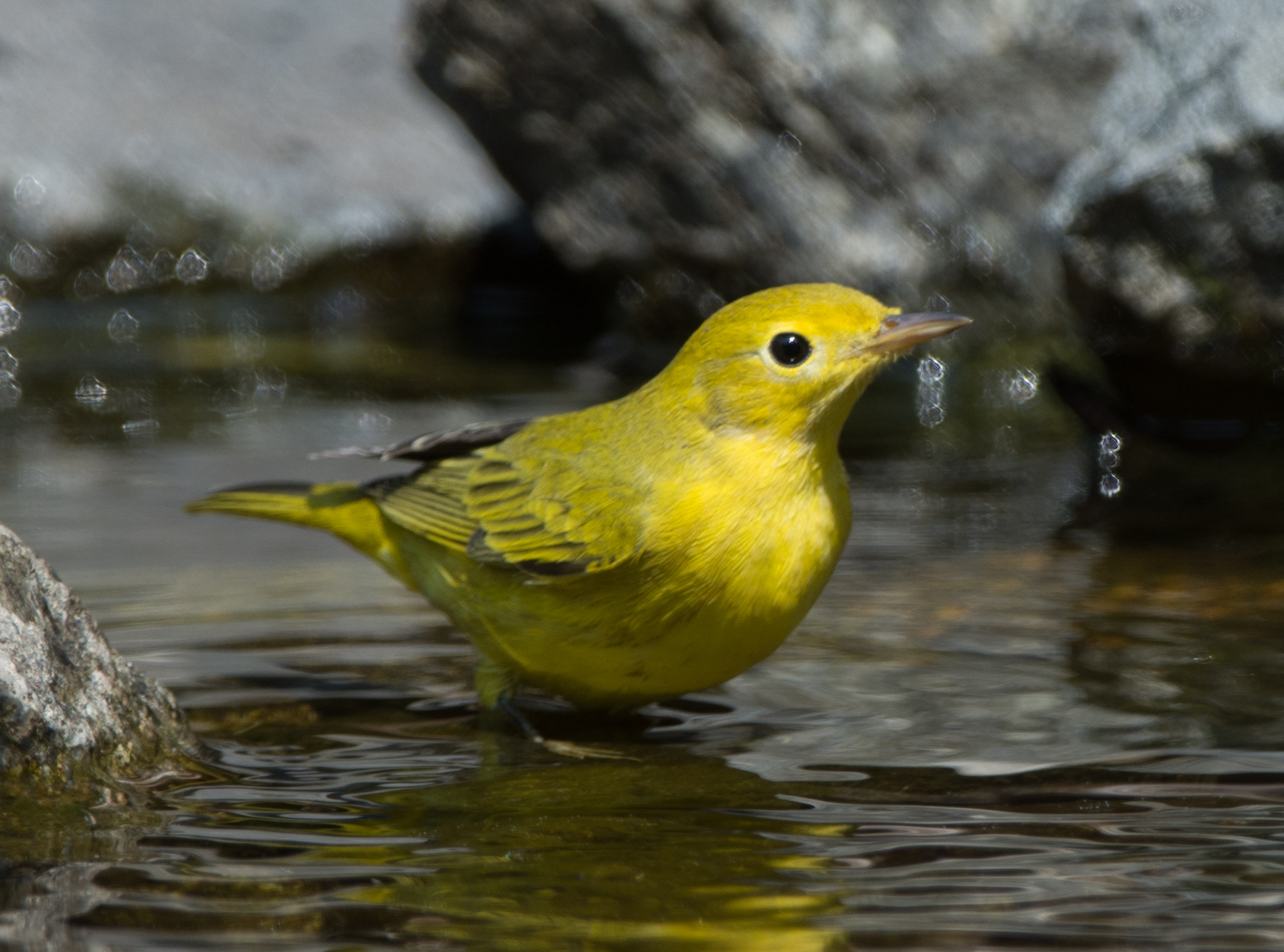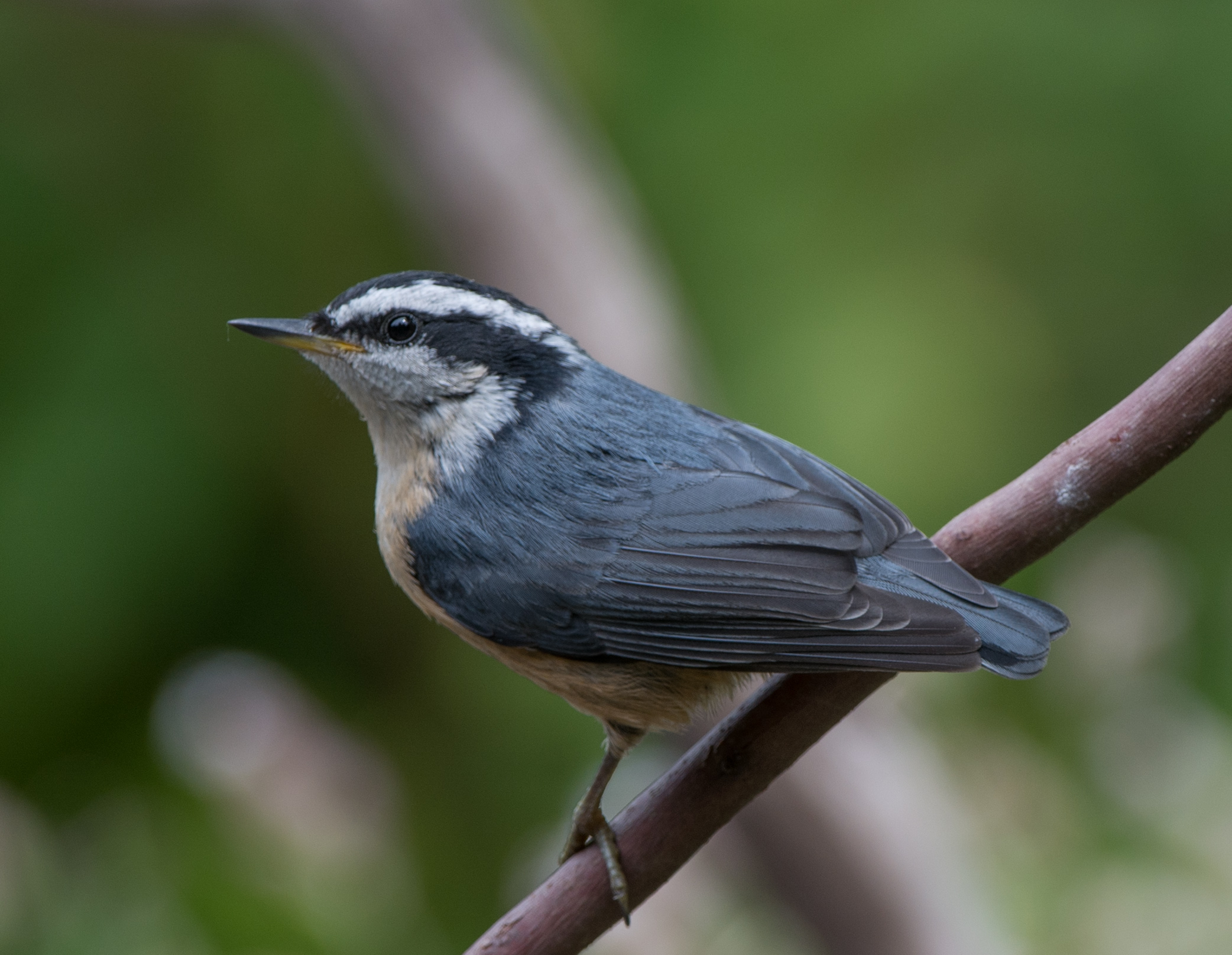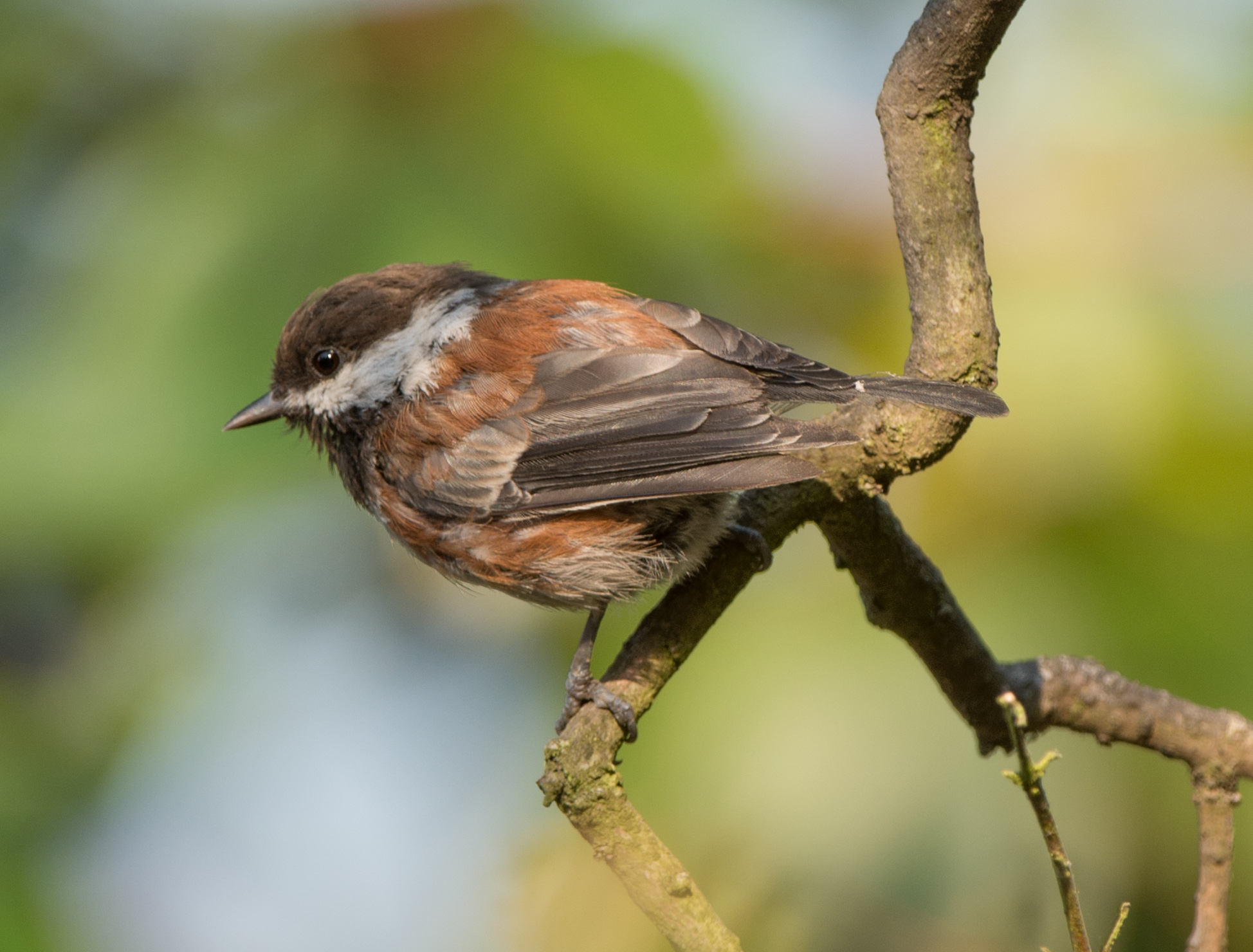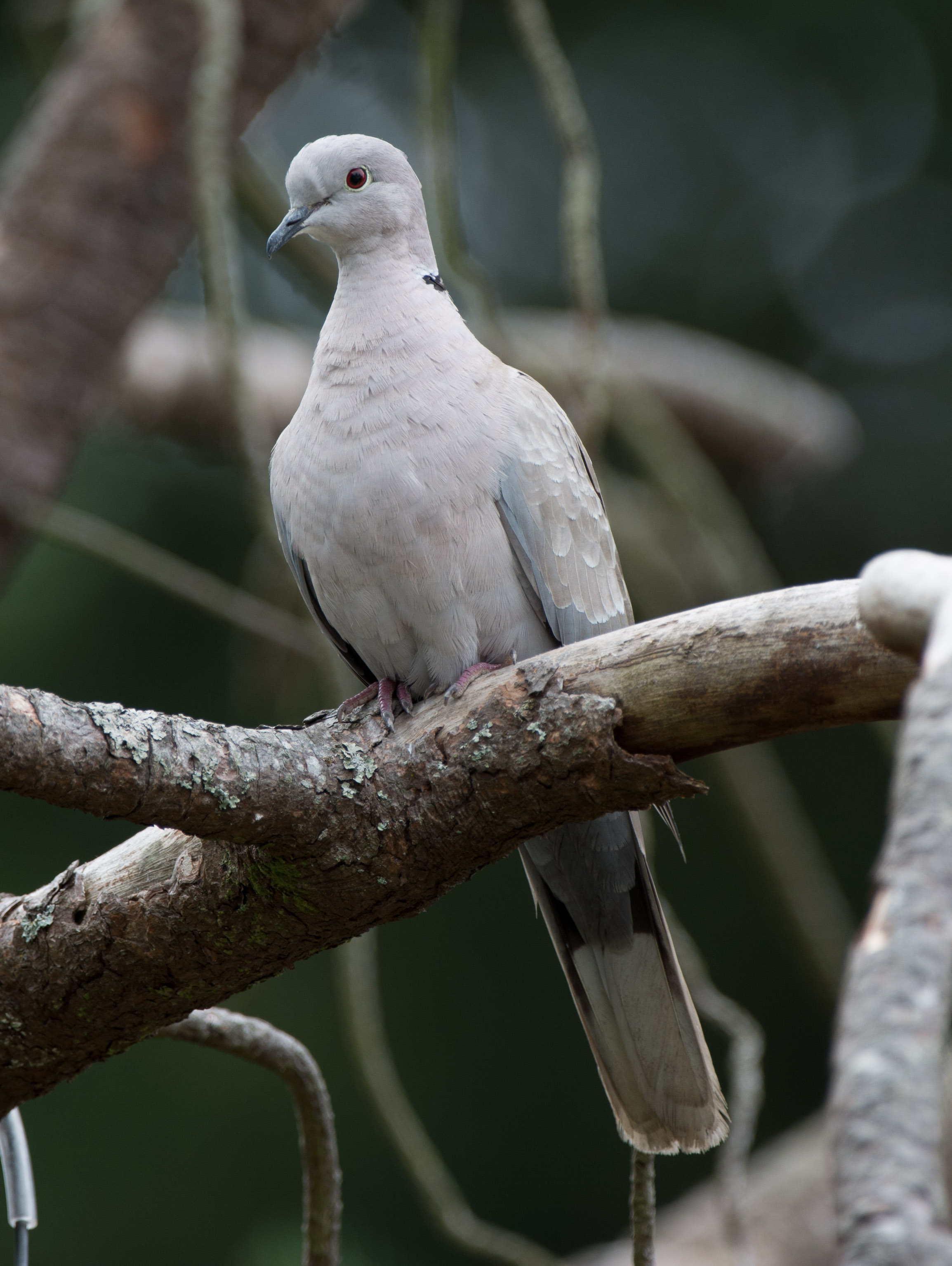
Back in the Pacific Northwest

20130602-DSC_1682

On my last morning in Texas I attempted to install a 1.7X tele-converter on my camera which would give me additional magnification for my photography.  I had a problem with my bayonet mount on my camera and found that not only could I not install the tele-converter, but I could no longer get my Nikkor 200-400mm lens to lock on the camera… and the automatic focus would not work.  (I later discovered that my camera had apparently been damaged when putting it, with the large lens attached, into the overhead bin in the plane while using a new transport case.  (This was a very expensive lesson!!!)

The day after arriving back home I was back in Seattle again to see about getting the camera repaired.  After leaving the camera I sauntered over to the sales end of the business to ask a few questions and ended up purchasing a Nikon D7100 to replace the D300S I was sending back to Nikon.  The new camera operates at 24-megapixels… twice the resolution of the old camera and I’ve had excellent results.  However it means that I will be facing additional storage problems since I try to keep all of my digital images on my notebook (with external hard drive backup).  So since about May 25, 2013 I’ve had a new, improved camera and all the photos you see posted on my blog from now on will have been taken with it.

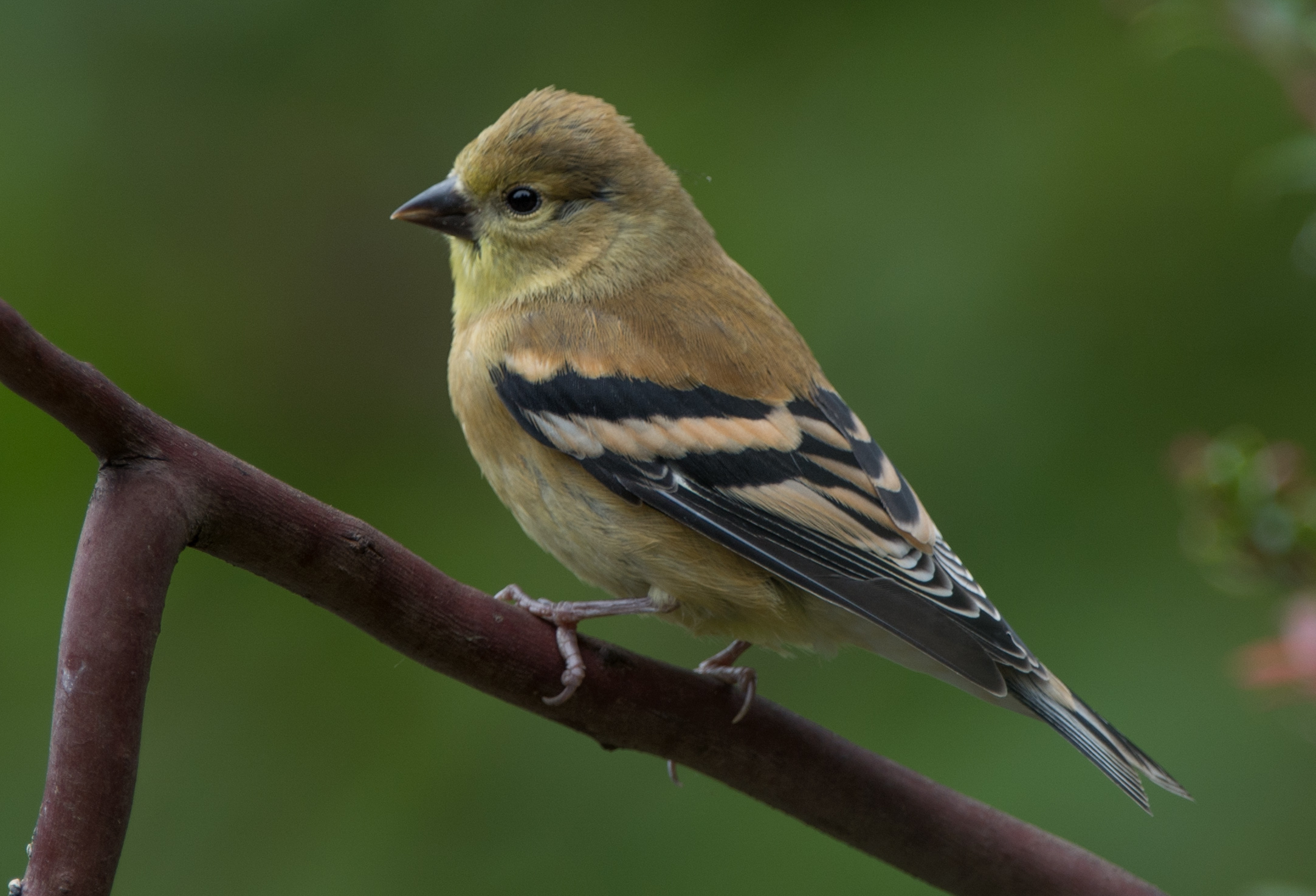
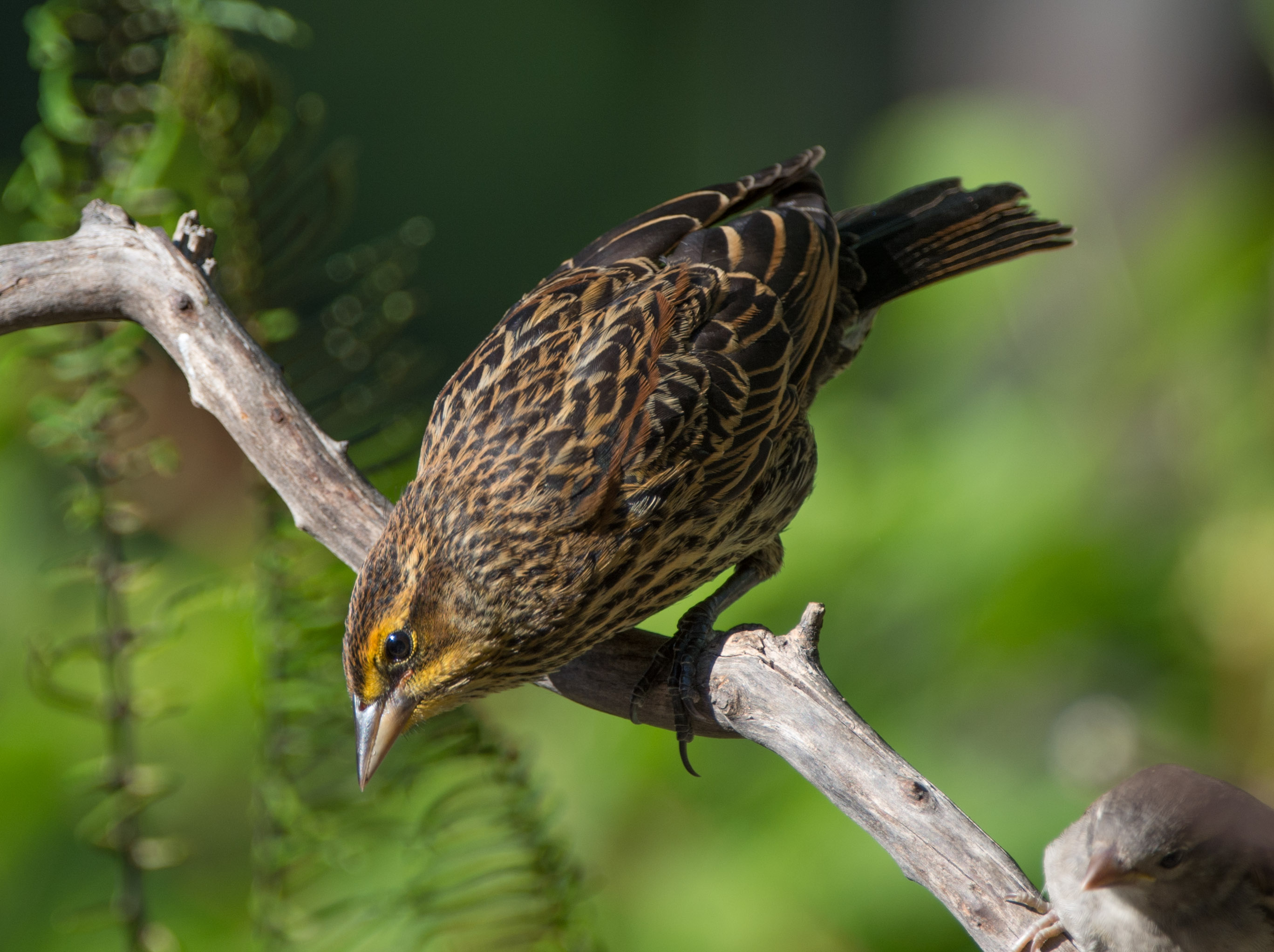
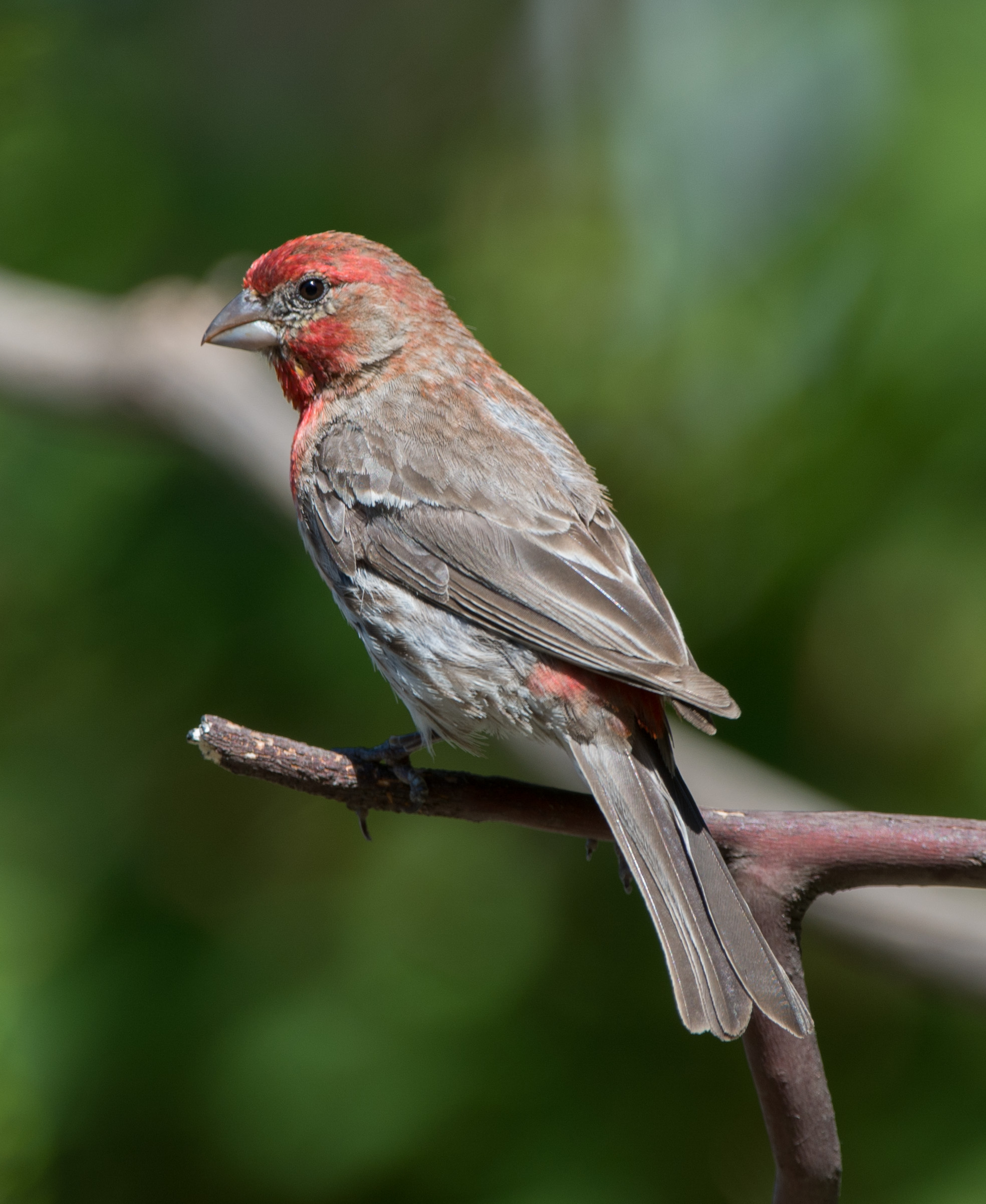
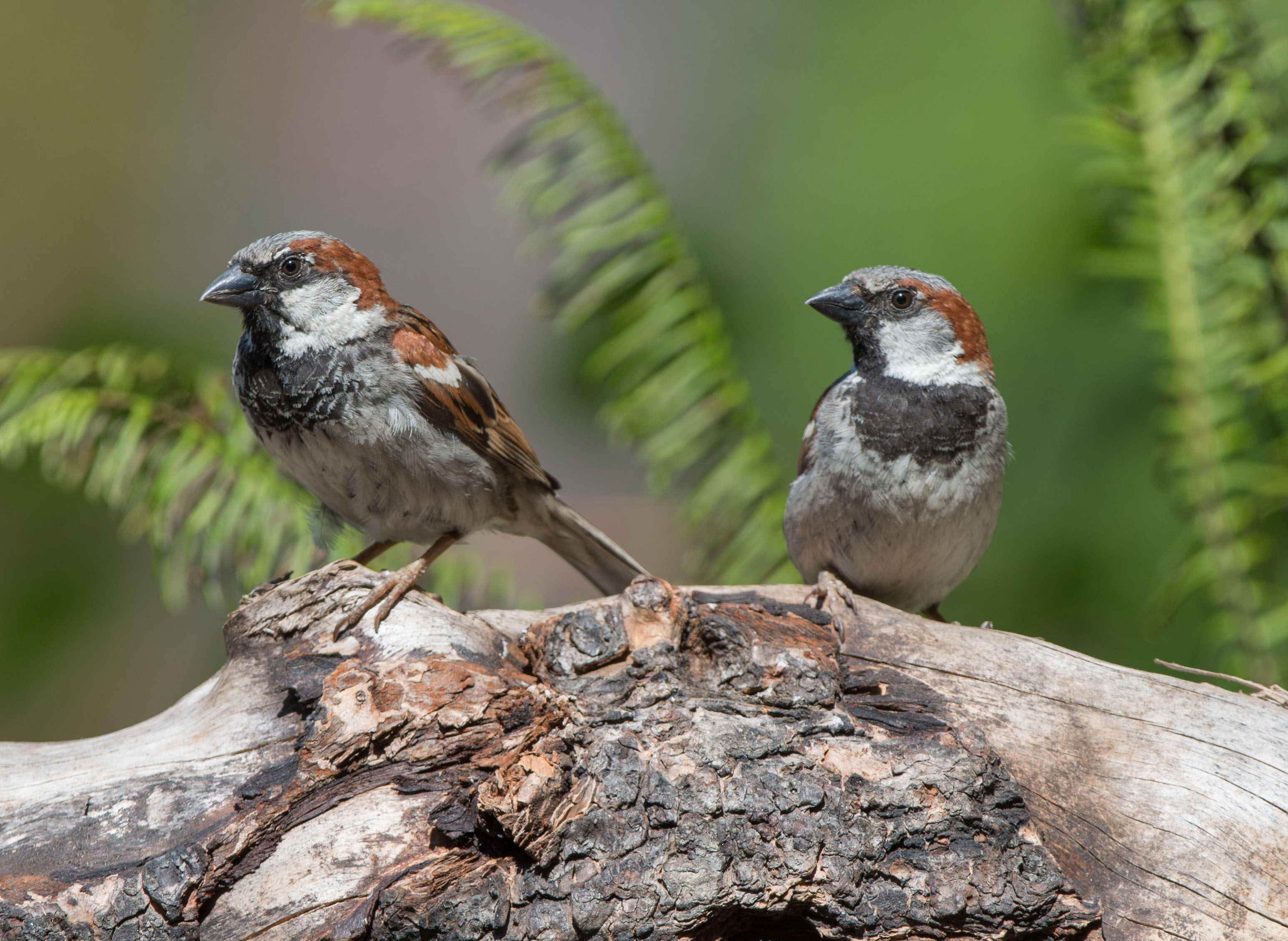
And the male House sparrow pictured above is not without significance.  A large percentage of the birds in my yard consist of House sparrows, Pine siskins and Amercian goldfinches.  I have a lot of other visitors, but they are often difficult to pick out from the crowd.  And you might think that I would grow weary of photographing a bird that I, and many others, consider a ‘trash bird’.  However I just can’t stop photographing any birds and I gradually learn not only more about the birds but also about photography.  And sometimes a photograph is just plain, blind luck!

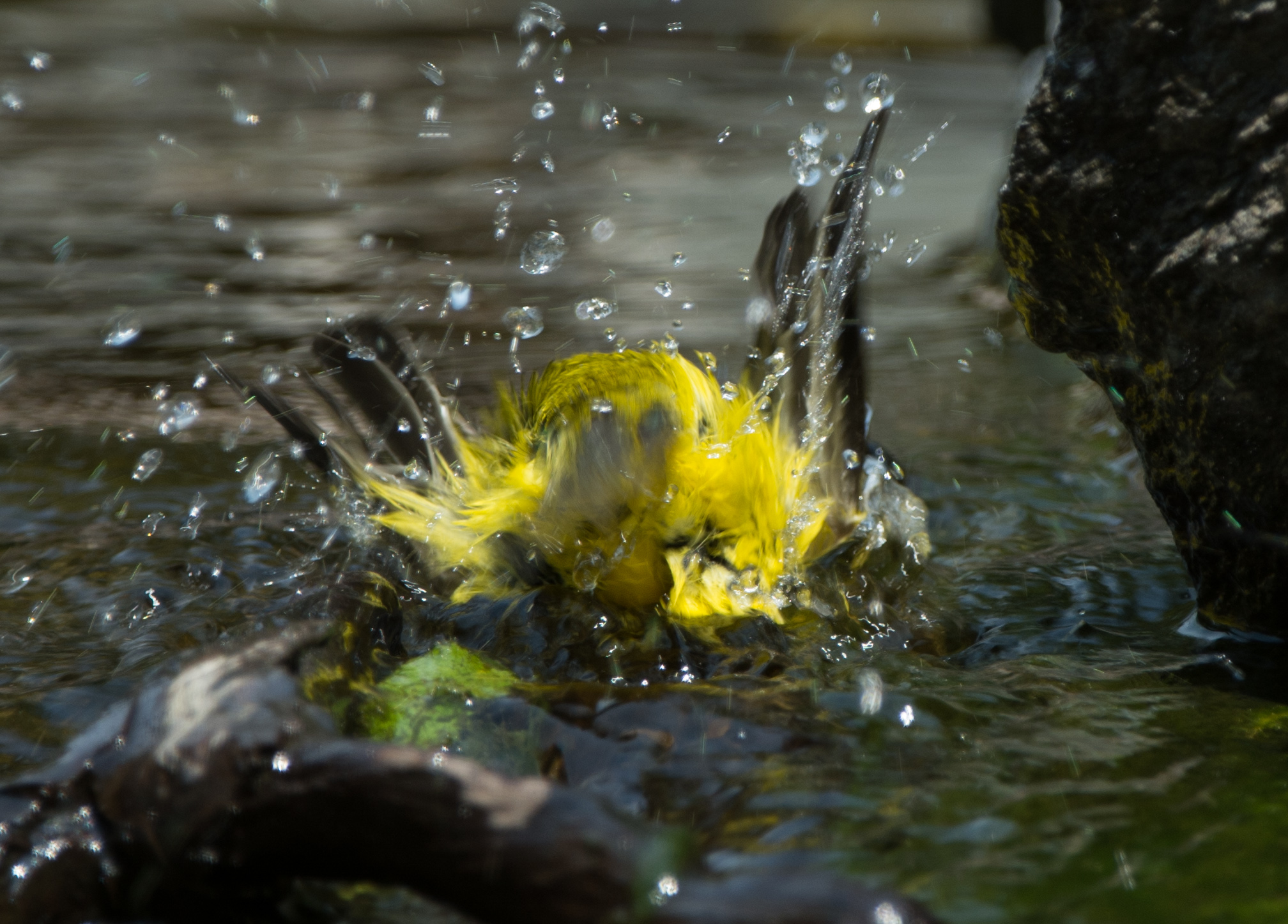
You’ll get to see a lot of what I consider relatively rare yard birds in the coming posts, but this photograph  of the sparrow just reminds me that there’s always something to appreciate, even in the relatively mundane.  I consider this one of the better of probably several hundred photos of House sparrows that I have.  This bird had taken a bath only a short time previously and was in the process of adjusting its feathers when I snapped the photo.  And if you enlarge the photo by clicking on it you can see some of the detail I obtain with the new camera.

Driftwood, TX Birds – 3

This will be my last posting of some of the hundreds of photos of migrating birds I was able to take in Texas in the latter part of April of this year.  It’s not that I don’t have more, but I’m far behind in my processing and I have been taking some great photos of birds in my own yard.  So here are the last of the Texas photos…

20130423-Bunting, Painted   20130423 011_

Male Painted Bunting

20130423-Warbler, Black and White  20130423 010_

Male Black and White Warbler

20130423-Warbler, Black and White  20130423 018_

Male Black and White Warbler

20130423-Warbler, Black and White  20130423 022_

Male Black and White Warbler

20130423-Warbler, Orange-crowned   20130423 010_

Orange-Crowned Warbler

My final sighting, on the morning I was to leave, was an Ovenbird. The Ovenbird is a warbler, but one that spends most of its time on the ground foraging for insects in the leaf litter.  One had reportedly been seen at this location several days previously, but during all of the time I sat watching for birds the species had eluded me.  I had only seen one or two of these birds in my life, and both were at High Island, TX during previous migrations.  It was early in the morning, with poor (back-lit) conditions when this bird arrived at the bird bath.  I managed several photos, none of which I considered good, but they were good enough for a very positive identification!  And with this final bird I’ll leave the great Texas migration and turn to some of the birds that have been frequenting my yard during the months of May and June.

20130424-Ovenbird  20130424 004_

Ovenbird


Driftwood, TX Birds – 2

These birds, and many, many others were all photographed just outside Driftwood, TX on April 15.

20130415-Cardinal, Northern   20130415 003_

Male Northern Cardinal

If you look closely you can see that the Nashville warbler has an orange crown, very similar to the Orange-crowned warbler.  Both species were coming to the bird bath and at times I had difficulty telling them apart.

20130415-DSC_8971

Nashville Warbler

20130415-DSC_9107

Nashville Warbler

20130415-DSC_9233

Nashville Warbler


The Yellow-rumped warbler is composed of two ‘races’, the Myrtle’s (as is pictured here) and the Audubon’s.  The Myrtle’s race is widespread across North America while the Audubon’s race is more generally found in the western portion of North America.  Their territories overlap.

20130415-Warbler, Yellow-rumped - Myrtle   20130415 011_

Male Yellow-Rumped Warbler, Myrtle Race

The The White-eyed vireo was a very common migrant during the time I spent in Texas.  Rather than sitting beside the water and getting a drink, or immersing itself in water as many of the other birds do, this bird makes quick, short flights onto the surface of the water and flies right back up to a perch.  It happens so fast that it’s difficult to follow and even more difficult to photograph.  Vireos  hunt bugs in the leaves and bark as do warblers, but are much more deliberate hunters and can generally be observed easier because they aren’t as active.  I could never quite get used to the ‘expressions’ on these birds’ faces!

20130415-DSC_9358

White-Eyed Vireo

This Eastern Gray Squirrel is an ‘introduced’ species to much of the west.  In most areas of the country birders consider them a nuisance and spend extra money purchasing feeders and related devices in a mostly futile effort to keep the squirrels from eating bird seed.

This particular squirrel is exhibiting behavior I felt on some of the warmer days I spent in Texas!

20130415-DSC_9121

Eastern Gray Squirrel

Driftwood, TX Birds – 1

While in TX last month I spent considerable time at my sister’s place near Driftwood, TX, outside the Austin area.  My sister maintains excellent habitat and as a result attracts a multitude of migrating birds.

On April 15, 2013 I had a day in which I took 410 photographs, almost all of which were of birds.  Of those photographs I retained 268 (or 65%) after processing.  I’ve got multiple photos of the same species, and even multiple photos of the same bird.  But most of these birds were migrants, they don’t get to the Pacific Northwest and I only rarely get the opportunity to photograph them.  And it’s extremely difficult for me to toss (delete) a good photo of a bird just because I’ve photographed it previously.

So the birds pictured below were all photographed on the single day noted above… and more will follow until I’ve chronicled some of the more noteworthy birds I saw and photographed that day.  I still have hundreds of photos to process from the trip, yet I’m back at home and daily having the opportunity to photograph some of our spring migrants and visitors.  Enjoy!

Male Painted Bunting

Male Painted Bunting

Carolina Chickadee

Carolina Chickadee

Chipping Sparrow

Chipping Sparrow

20130415-Tanager, Scarlet   20130415 001_

Male Summer Tanager

A little note for the more serious birders.  The names and appearances of the  Summer tanager and the Scarlet tanager can sometimes be confusing.  I’ll tell you an easy way to tell them apart…

I remember that the names aren’t especially descriptive of the birds.  One might think that the Scarlet tanager would be the one that is ALL scarlet… but it ISN’T!  The Summer tanager is the one that is all-scarlet… the Scarlet tanager is the one that ISN’T… it has a very similar appearance but it has very prominent black wings.  And that’s how I separate the birds, but as was pointed out by my brother-in-law, I made a mistake when labeling them!  (Photos of the Scarlett tanager will be forthcoming, but photographs of it weren’t taken until the next day.

20130415-Warbler, Black and White  20130415 001_

Male Black and White Warbler


Texas Birds – Golden-cheeked Warbler

I recently returned from a two-week Texas which encompassed at least a part of the spring birding migration.  I am fortunate in that I have relatives who live in rural locations which tend to attract birds through providing good habitat with food and water. 

On 4/15/2013, while at my sister’s house, I took 410 photos of which I kept 268!  It was an exceptional day and on that day I photographed some exceptional birds, but chief among them was the Golden-cheeked warbler.  With regard to that bird, I managed to take 77 photos of which I retained 54.  Let me tell you a little of what that bird is so special. 

The Golden-cheeked warbler breeds only in Central Texas and is both rare and endangered.  It relies on mature junipers as the only source of its nesting material.  Junipers are detested by a large segment of the population, and especially many developers and land rights advocates.  The juniper trees, commonly referred to as ‘cedars’, produce a pollen annually to which a sizable portion of the population is allergic.  The pollen causes hay fever-like symptoms that last a month or more and you don’t have to go very far to find someone who suffers from it.  The developers don’t like the junipers because their presence on land can trigger environmental regulations that limit the use of the land.  There’s many a tract of land that has been quickly cleared to eliminate habitat for the warblers although now regulations are so tight that the practice has slowed.  

In the late 1990s, when I lived in Austin, I used to make many trips each year to one of the Travis Audubon sanctuaries to try to photograph the Golden-cheeked warbler.  Despite the time and expense to which I went I was never able to successfully photograph one.  I saw the birds occasionally, and once had one land only about five feet above my head on the top of a juniper, but I never successfully photographed one.  And on one day this past April I managed to obtain 77 photos based on two separate visits to a water source.  Of those photos I deemed 54 worth keeping! 

I have to say that if it had been the only bird I photographed on the trip it would have made the trip worth it to me, but I managed to photograph many other migrants that we don’t get to see here in the Pacific Northwest.  More of the other migrants will be displayed on my blog site in the coming weeks. 

So here are a few more photos of the Golden-cheeked warbler 

20130415-Warbler, Golden-cheeked   20130415 033_ 20130415-Warbler, Golden-cheeked   20130415 030_ 20130415-Warbler, Golden-cheeked   20130415 027_