Approach of Spring!

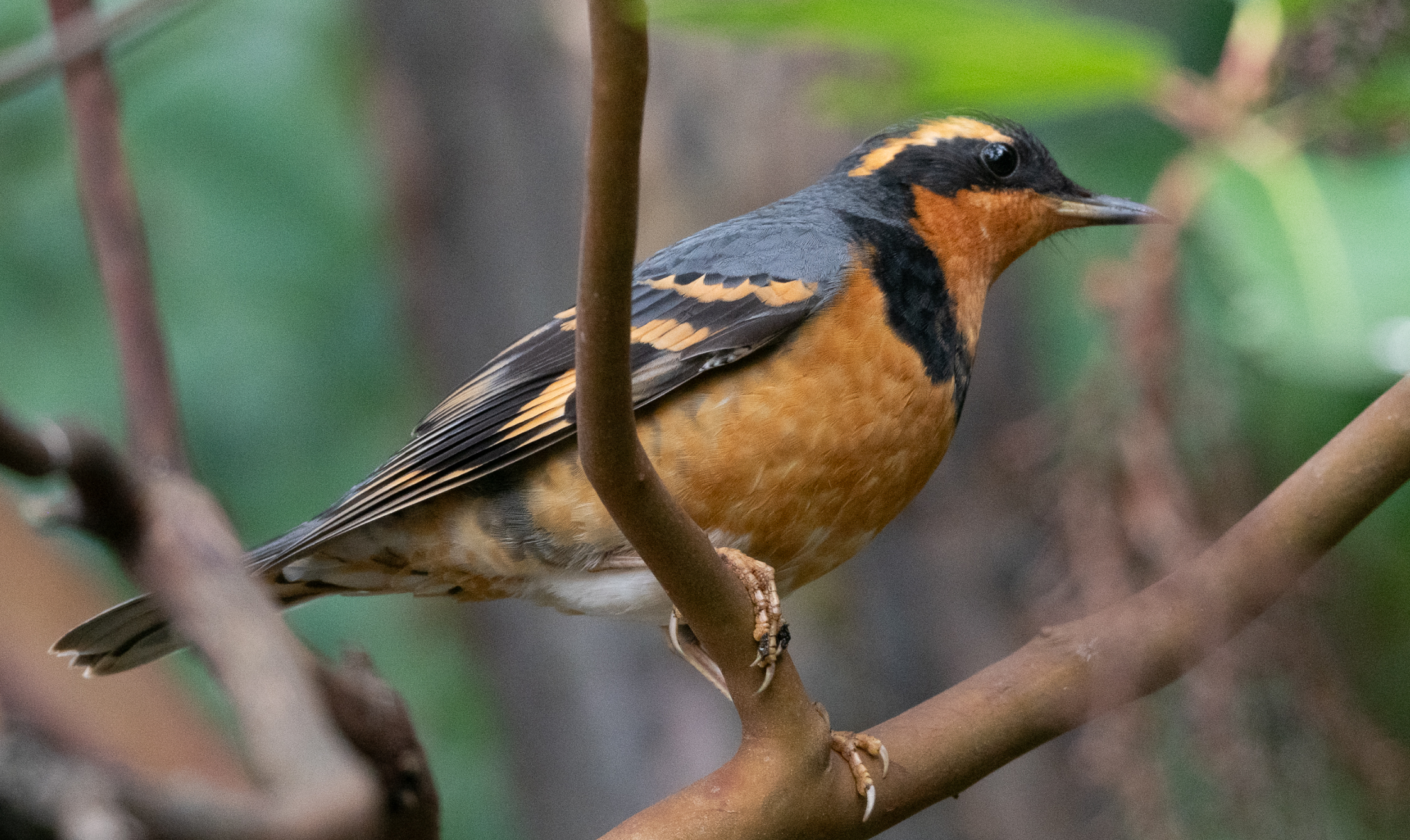
On February 23, 2026, I briefly hosted what shouldn’t have been a rare visitor… a male Varied thrush. It was the first I had seen since all the madrone berries in the yard were consumed last fall. These thrushes should have made more or less daily appearances during the winter months when snows at higher elevations blanket their food supplies. I assume that our meager and inconsistent snowfall was to blame. At any rate, I was very glad for the visit and the opportunity to photograph the visitor!  
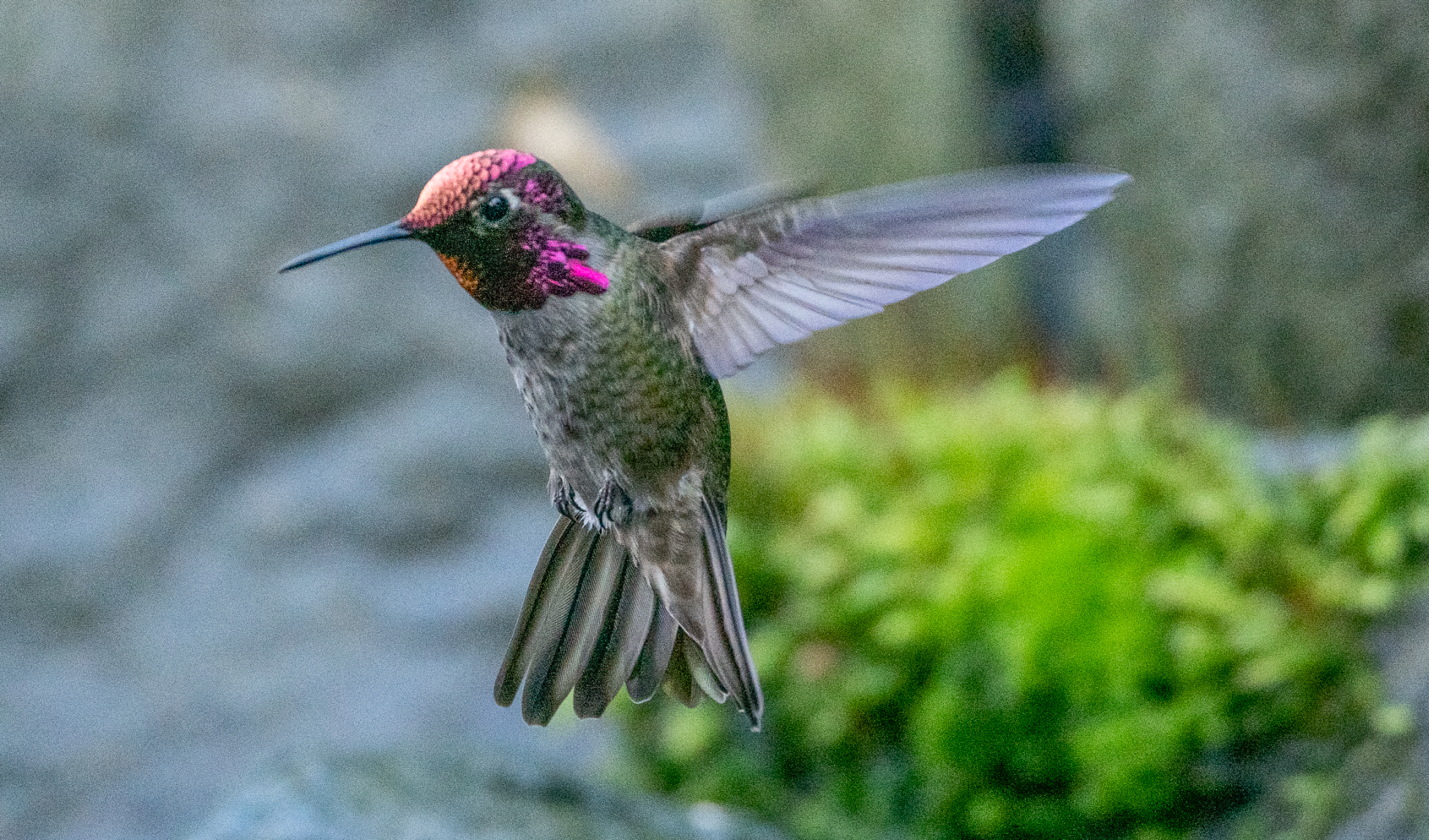
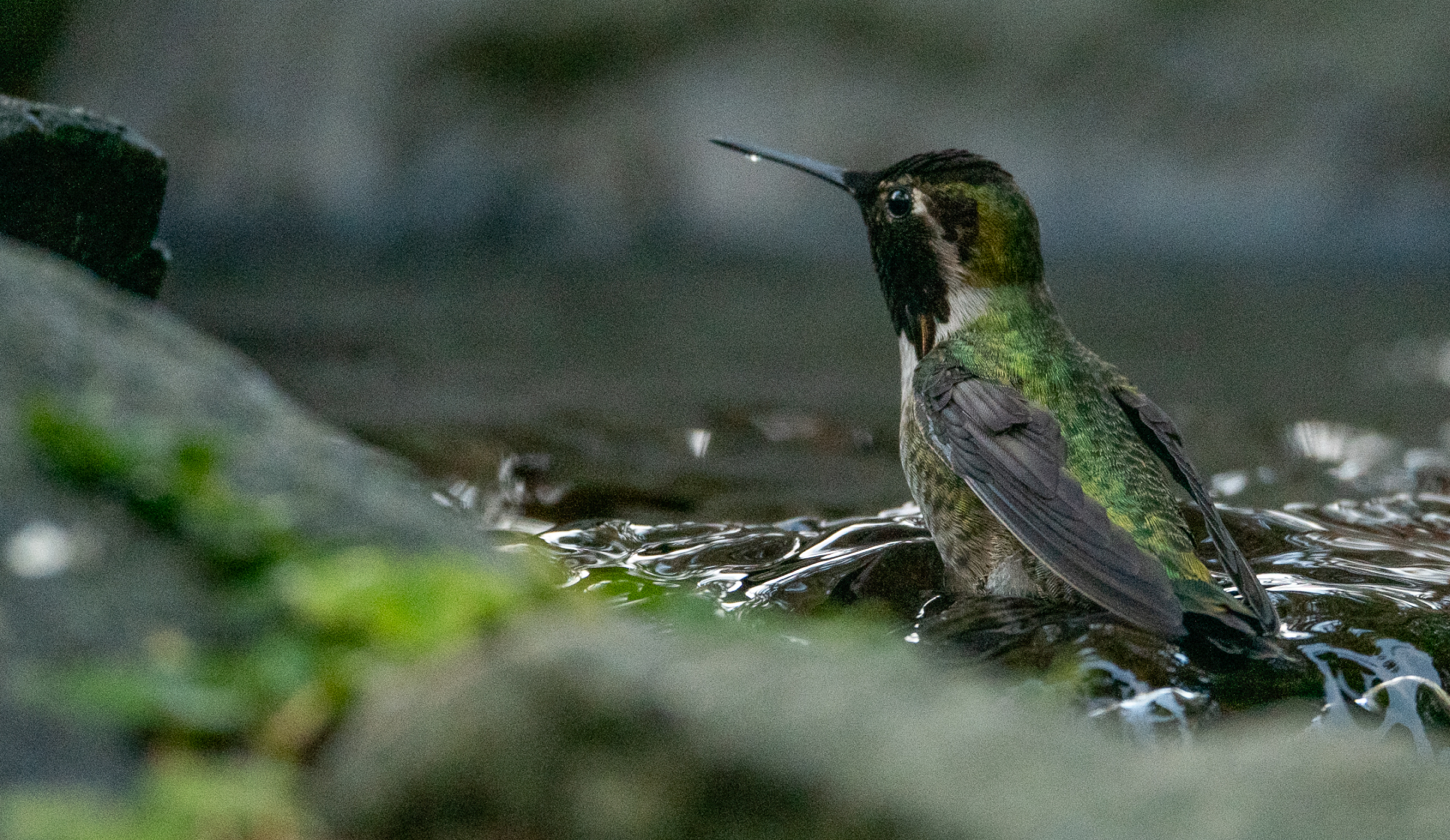
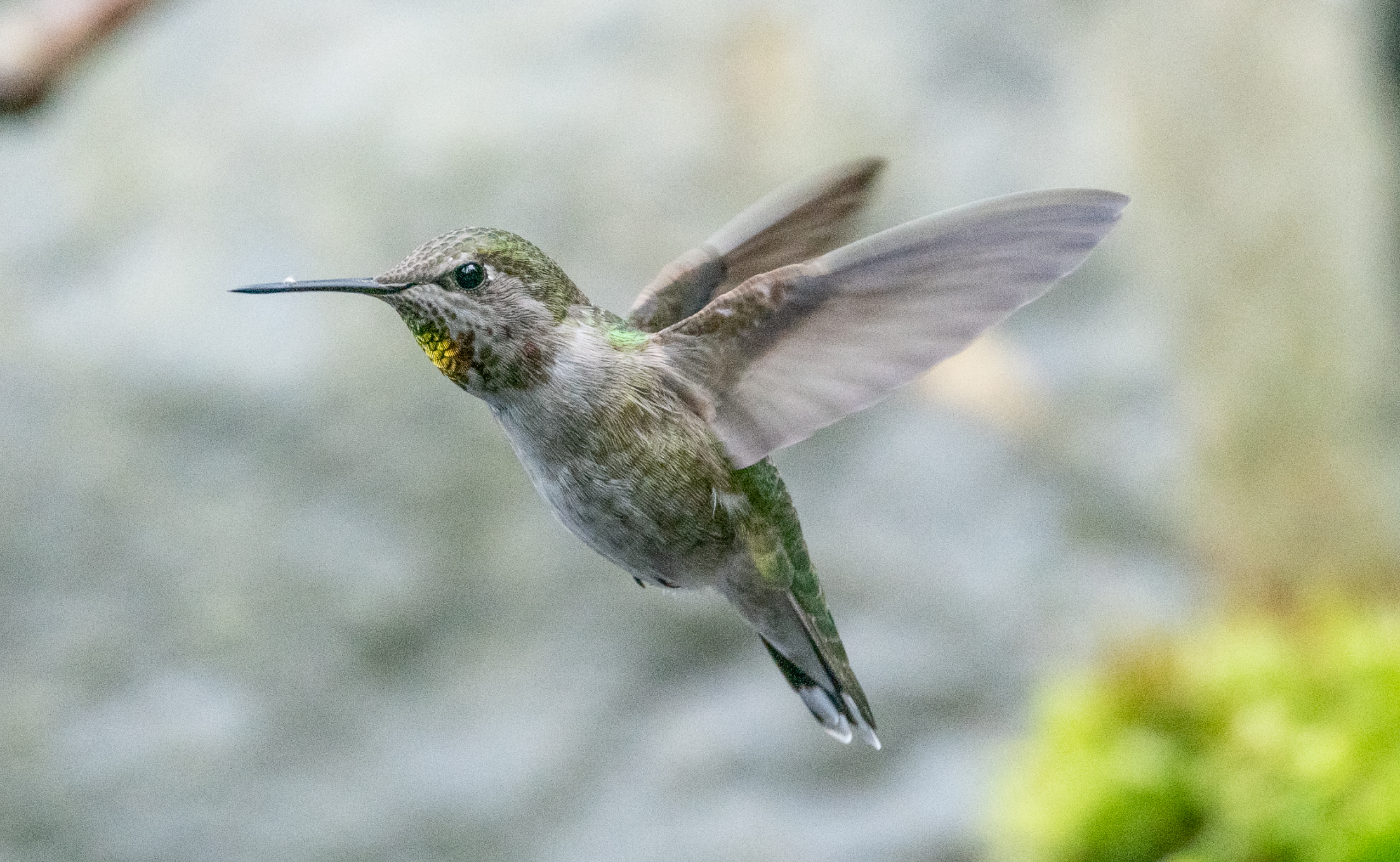
Since the last week in February I’ve had increased Anna’s hummingbird activity in the yard and several have opted to bathe in the watercourse, the temperature of which whose must be in the mid-40s!  
I’m expecting my first Rufous hummingbird within a matter of days. In checking my records for the past several years, I note the earliest arrival here was March 3 in 2021. 

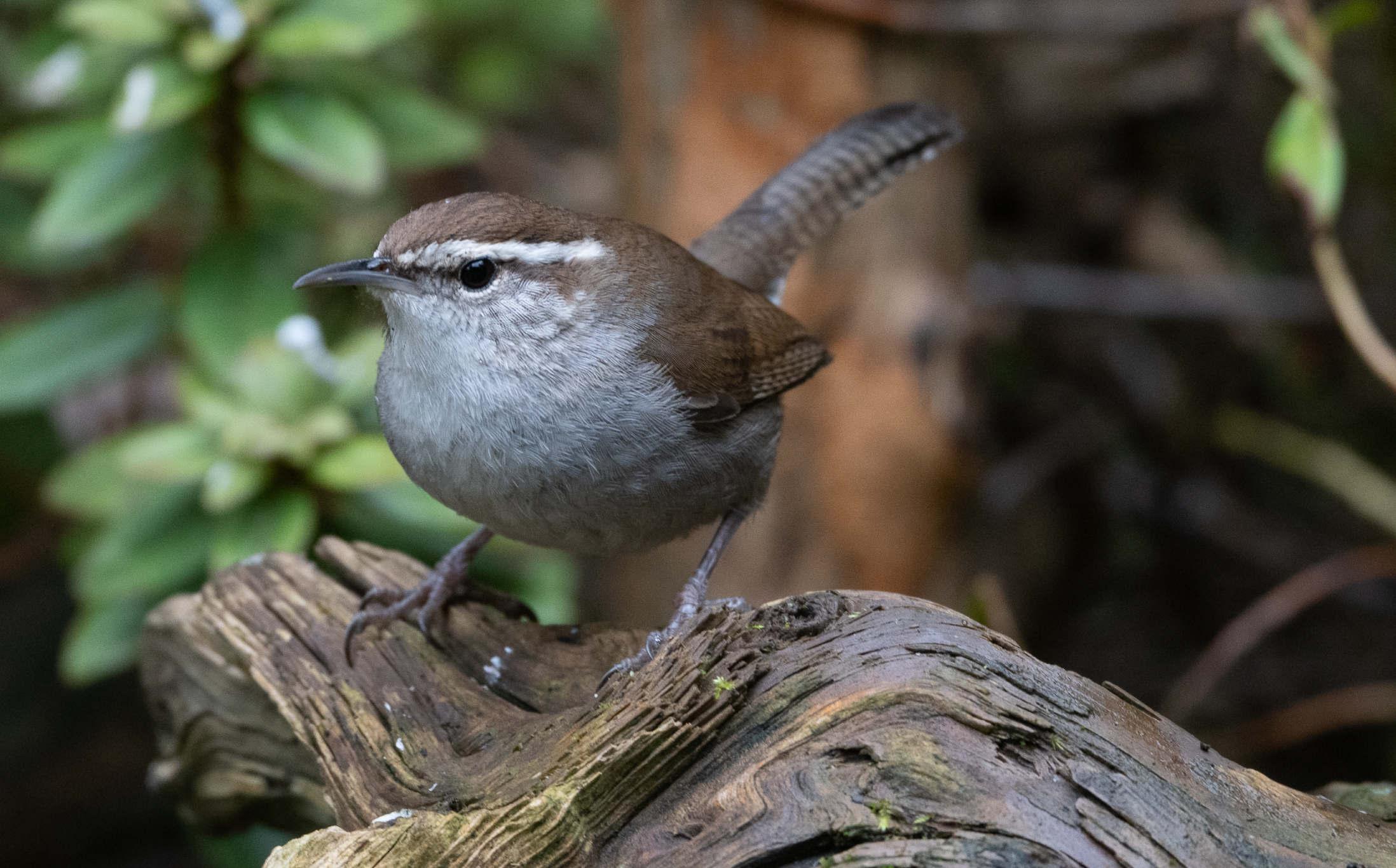
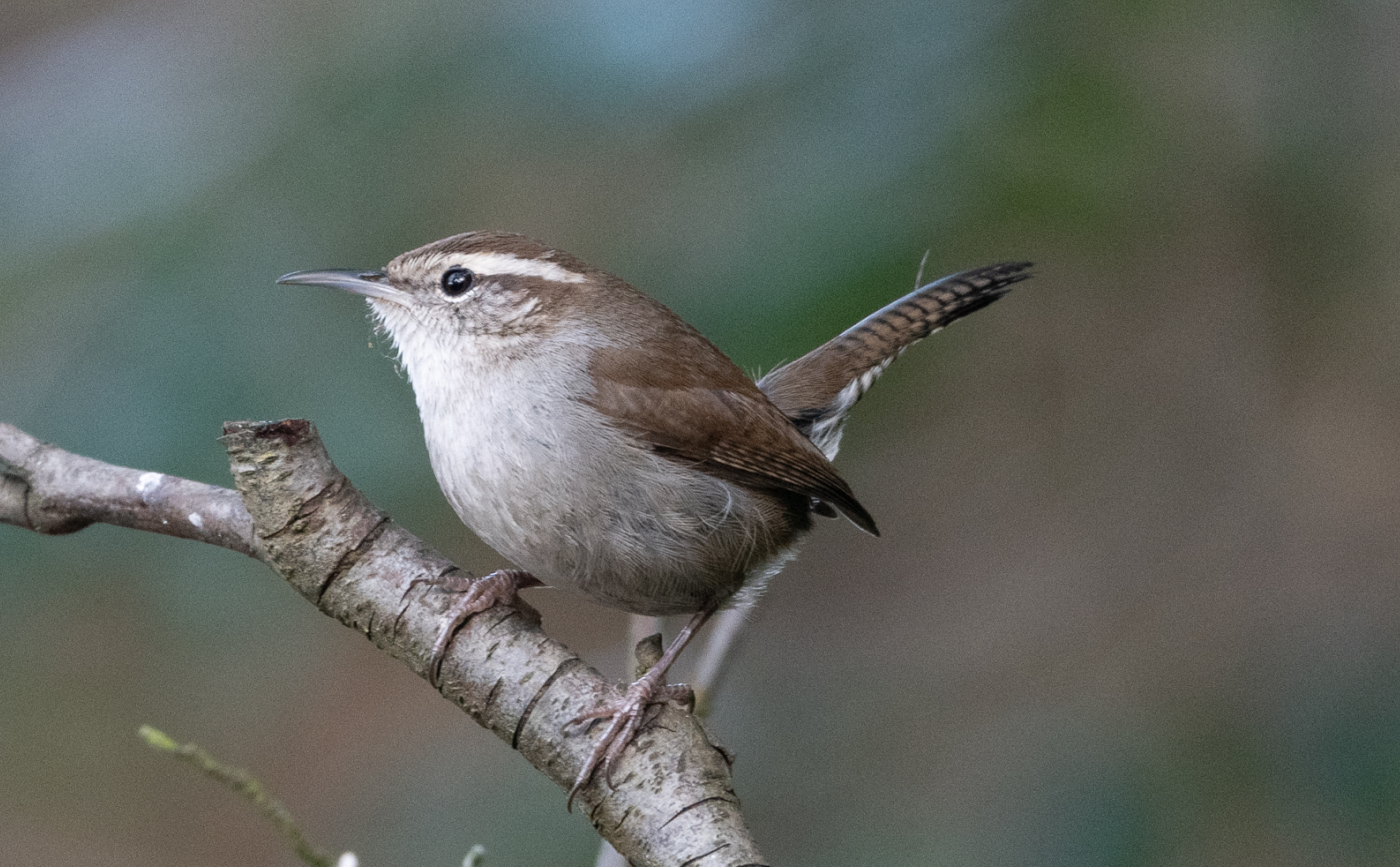
I’ve had a Bewick’s wren in the yard on a daily basis. It has accessed all three types of feeders I have and on three occasions very unexpectedly took food from a cup I was holding in my hand!  The bird is difficult to photograph because it almost never stops moving!  On February 3, I  managed to obtain several good photographs. 
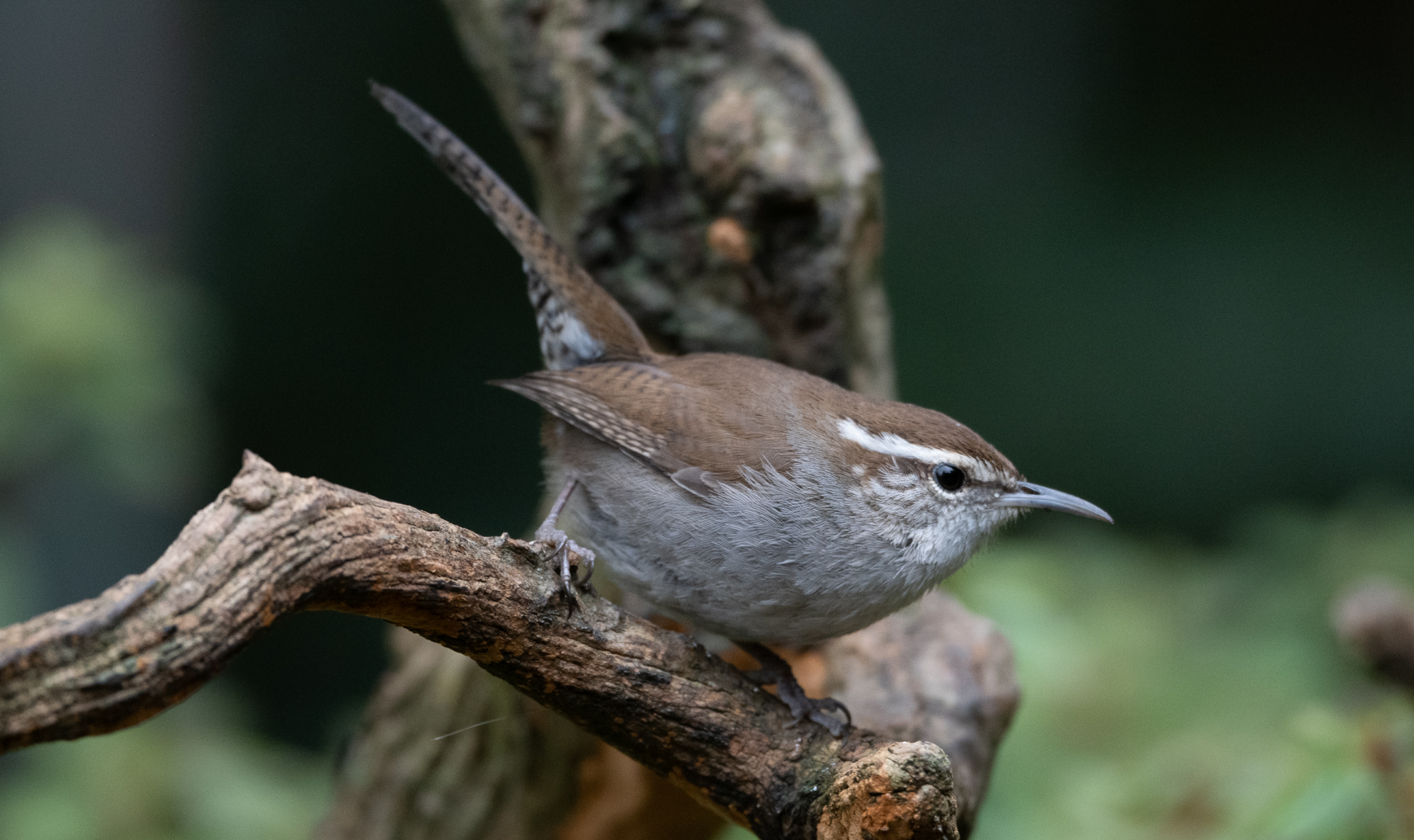
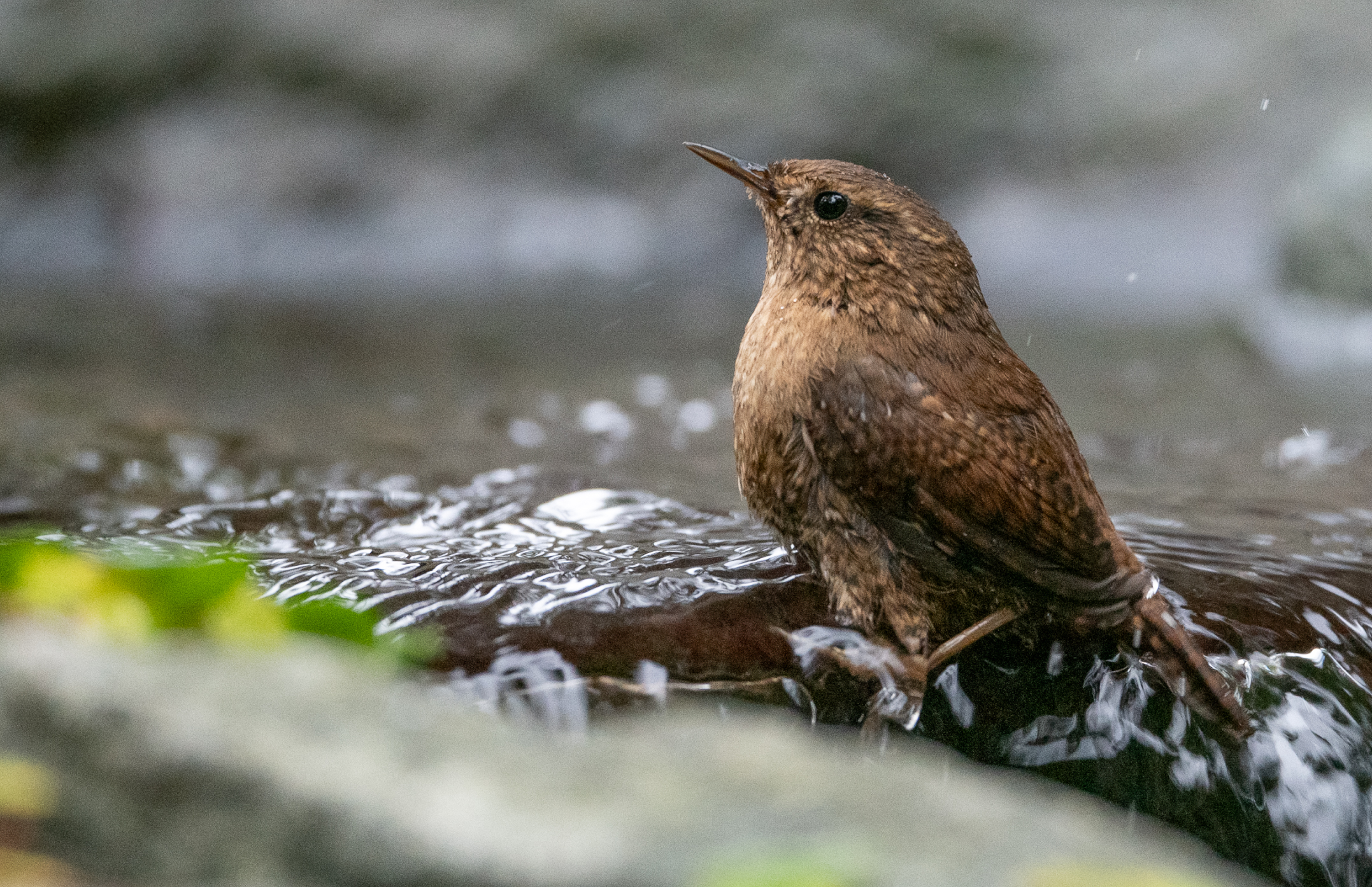
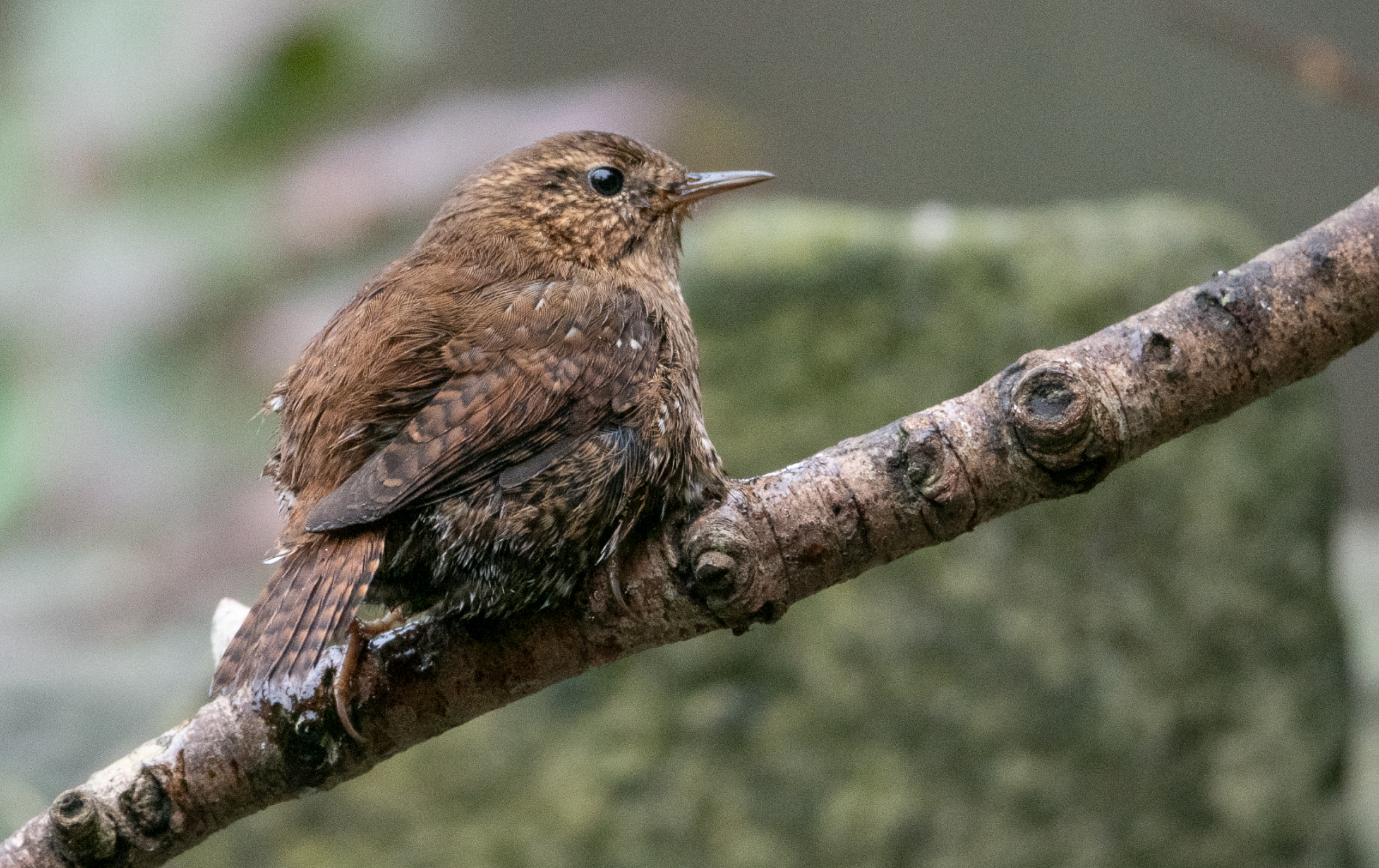
I’ve also had an occasional sighting of a Pacific wren, but it’s even more difficult to photograph. 

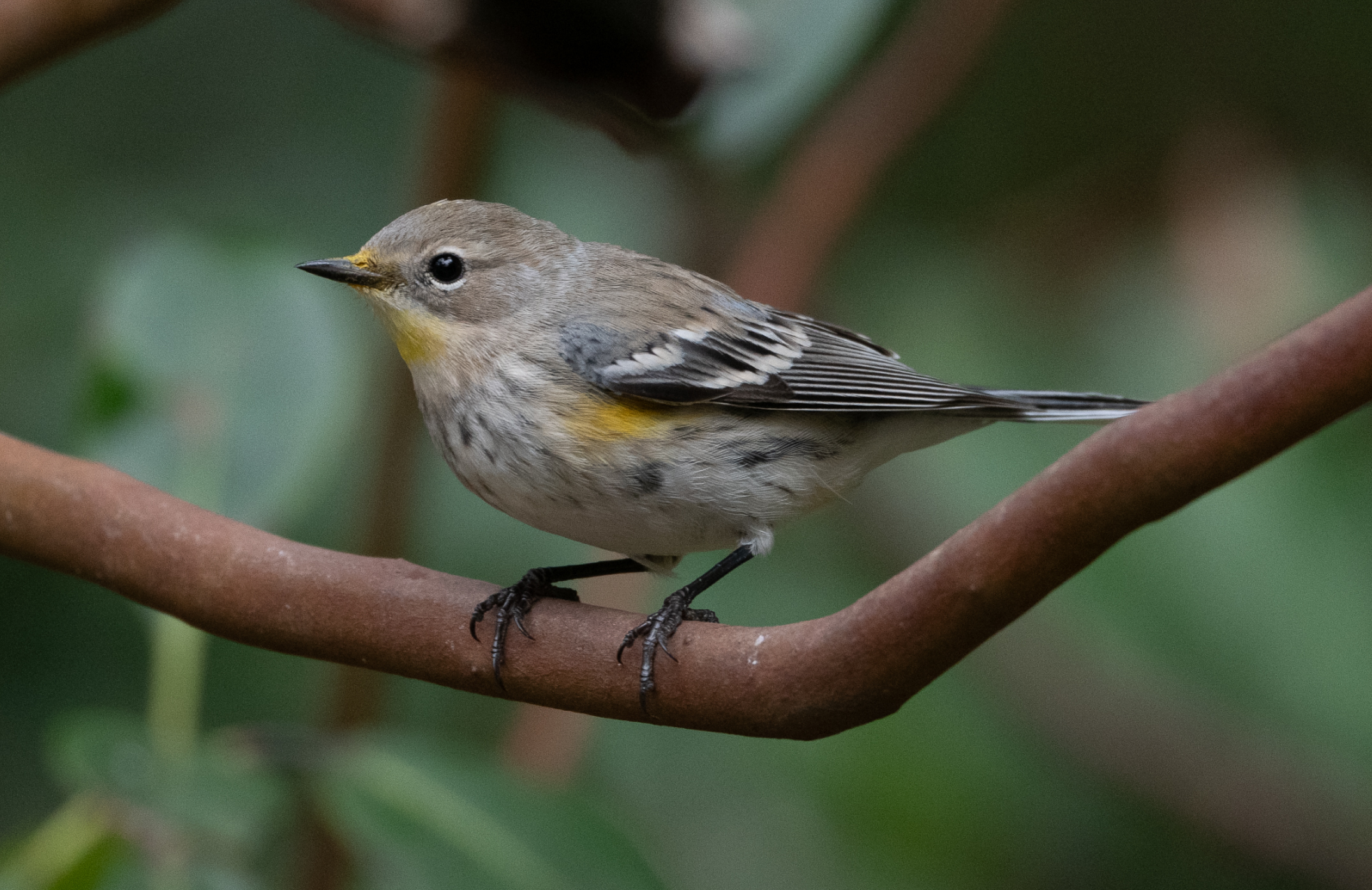
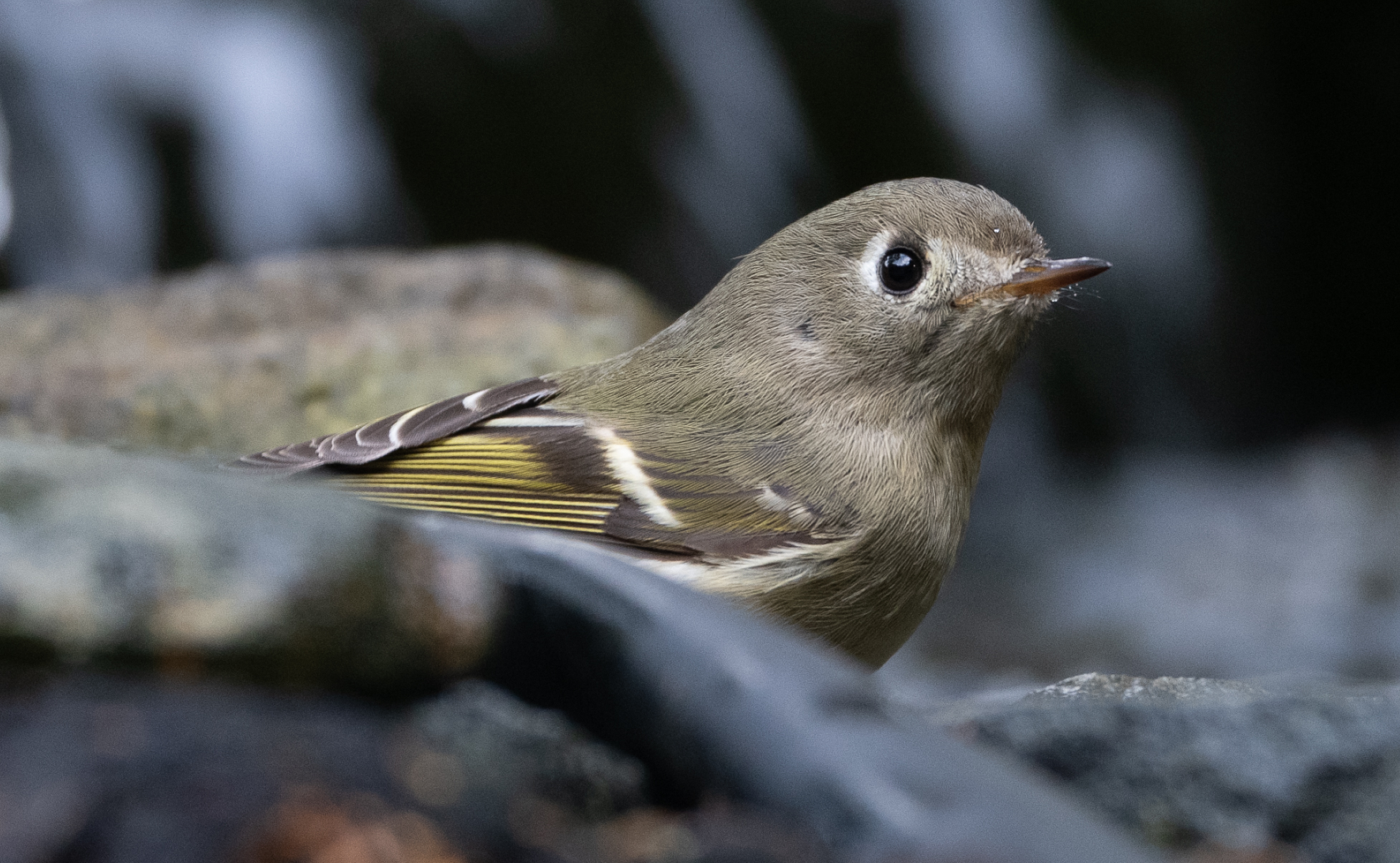
The same day (3/3/2026) I had what I’m calling my first spring migrant… a female Yellow-rumped warbler. It was only in the yard briefly and passed on the water features, but I managed several photos. In past years the Yellow-rumped warblers have been some of the first spring warbler arrivals.  
Spring has almost arrived!  I’m intending to spend significant time in the yard photographing spring migrants in April, and especially May. In past years I’ve had difficulty posting to my blog due to my time in the yard and processing an excessive number of photos. I think my number of daily photos has exceeded 600 on two occasions, and those occasions would have been in the spring!  
February 22, 2026

I haven’t posted to my blog in some time so I decided that it was time for a post. In mid-February we had our coldest temperature of the winter along with some wind and rain which discouraged me from doing any birding in the yard. But on February 22, 2026, we had a day with a high temperature of about 50-degrees and manageable wind, so I decided to spend some time in the yard. 

There were the usual visitors but I did have a few highlights. Rarest of my visitors was a Hutton’s vireo. I took about 6-7 photos but only one was acceptable, and here it is. 

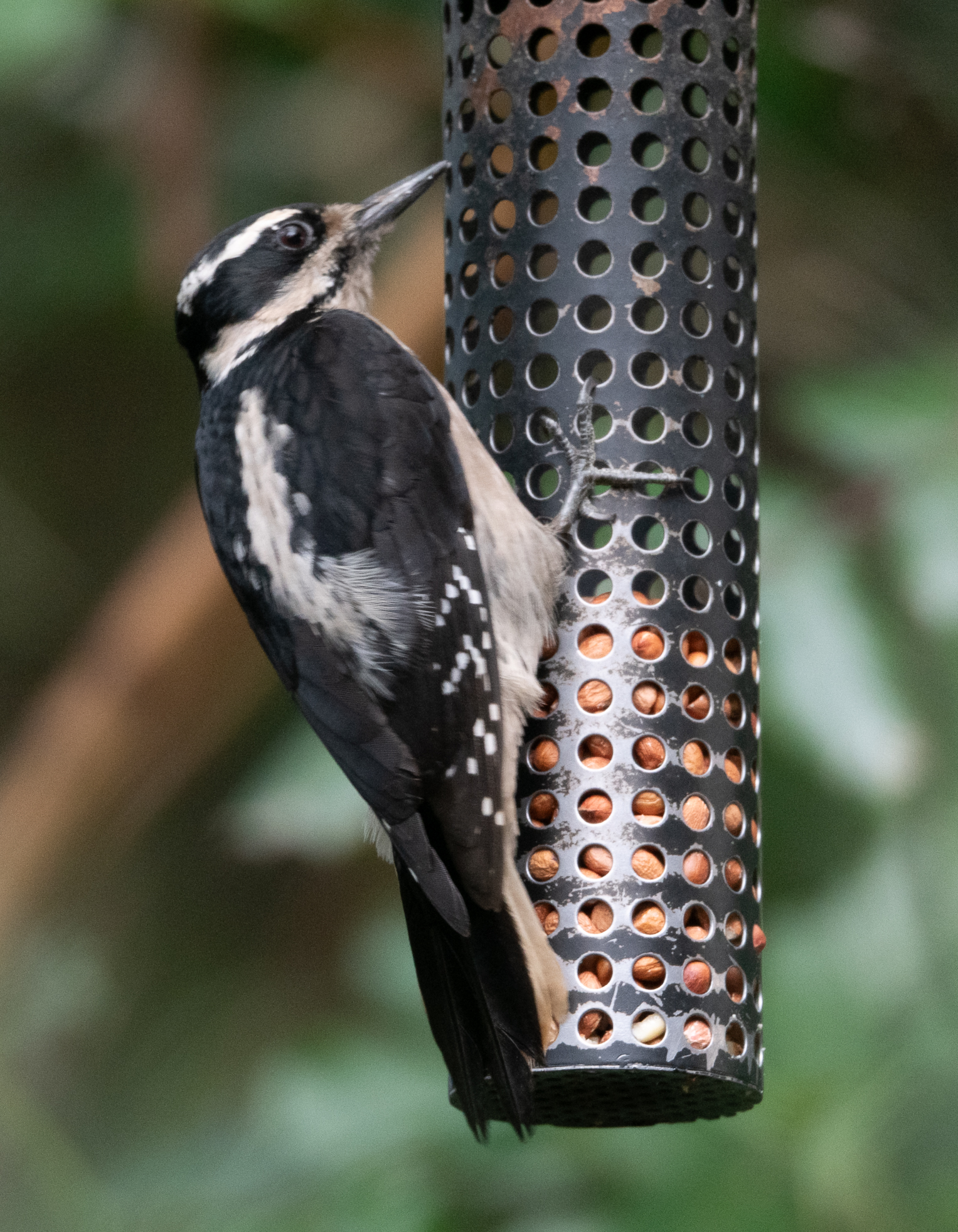
Another relatively rare visitor was this female Hairy woodpecker. The only photos I could get of it were of it on the peanut feeder.  It’s only gotten to be an occasional visitor in the last year or so. And incidentally, if you asked me to recommend a single feeder for your yard it would be this Perky Pet Sunflower and Peanut feeder. (I don’t consider it suitable for sunflower seeds for a couple of reasons.) 

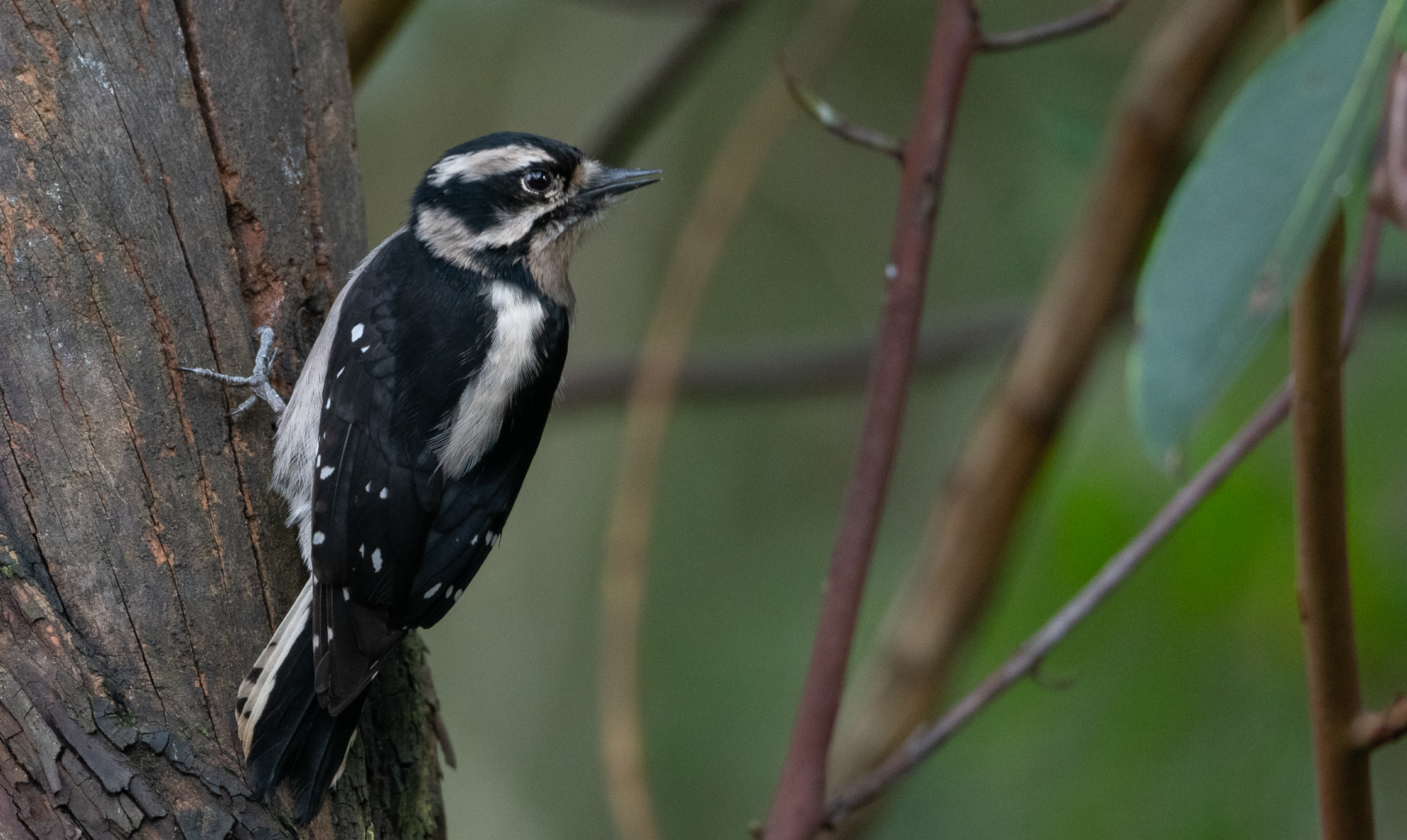
Here’s a photo of a female Downy woodpecker for comparison. 

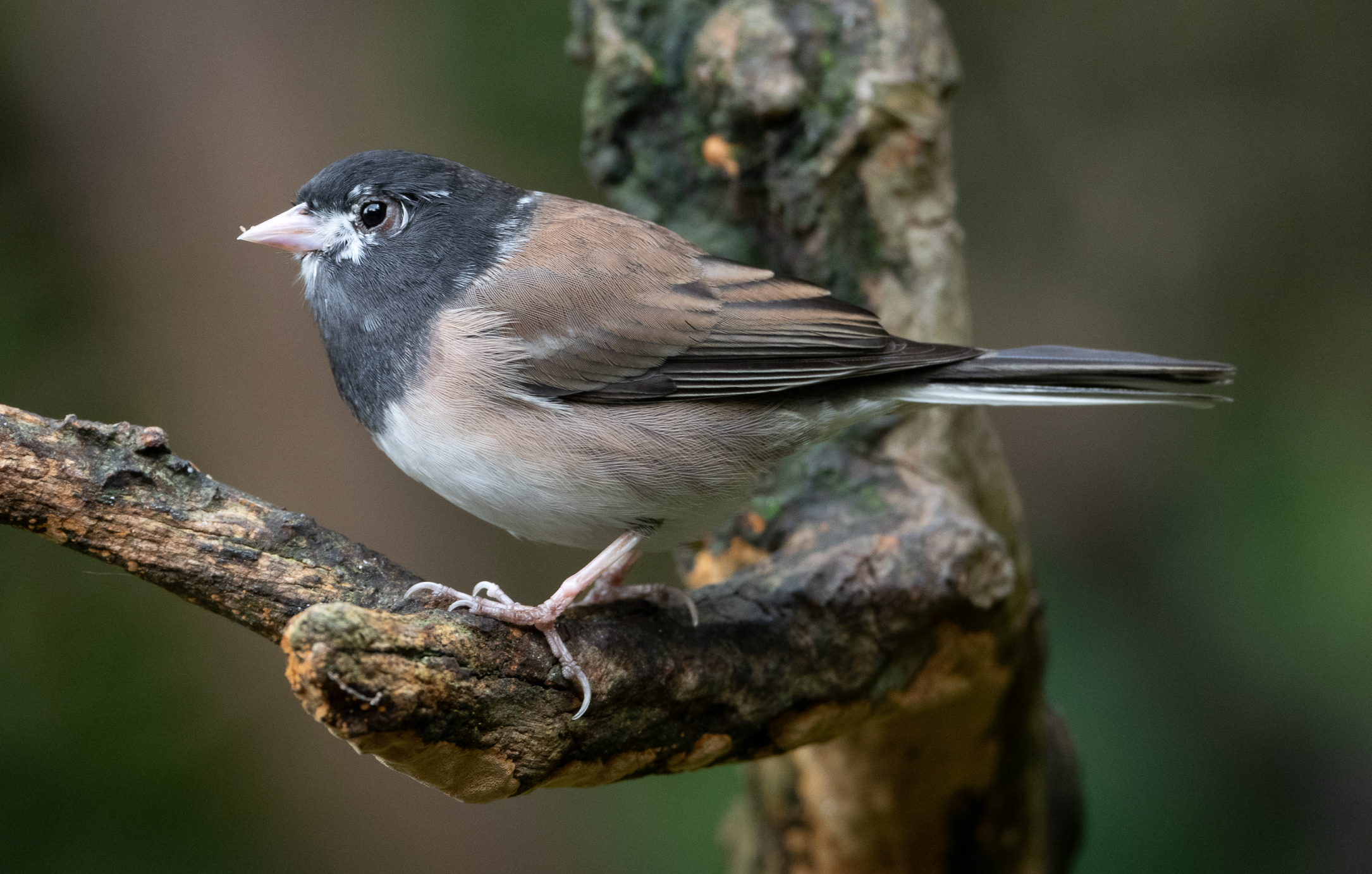
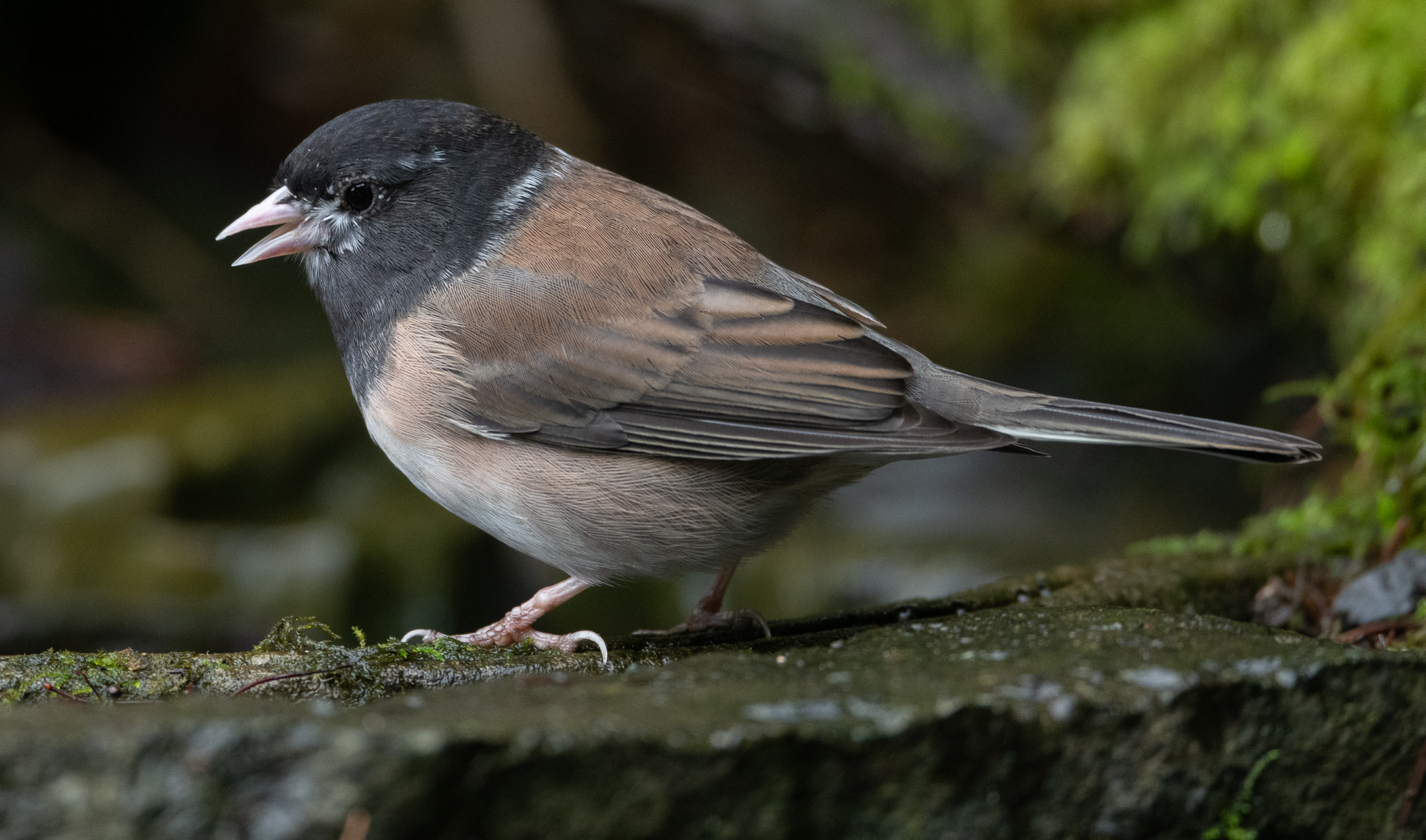
One of the first birds I encountered this afternoon was one that has now become a close friend, this leucistic Dark-eyed (Oregon) junco. I got probably my best photos to date of this bird. 

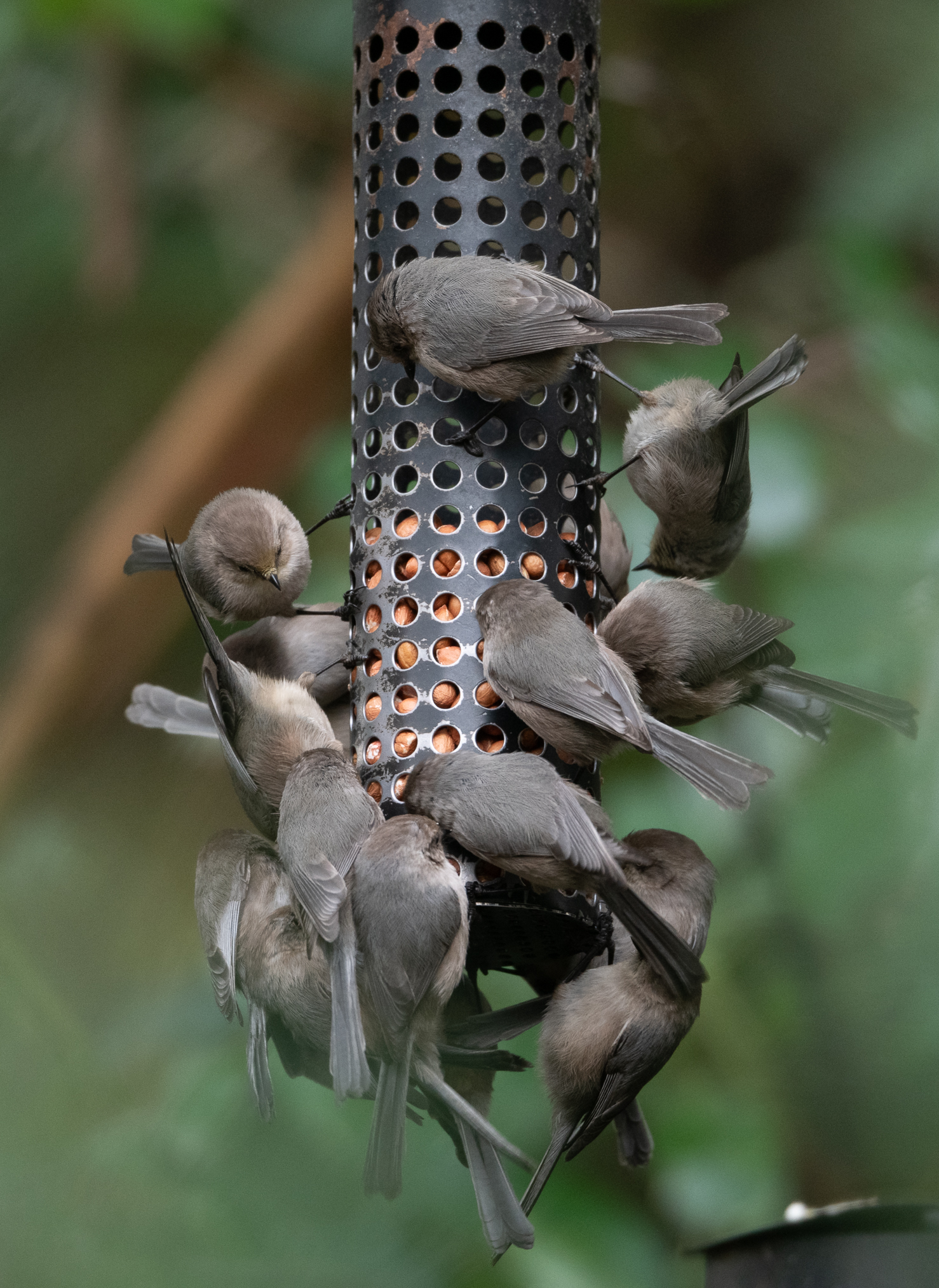
Other interesting observations… a group of Bushtits mobbing my peanut feeder. They usually are attracted to my suet feeder but it was empty, so they uncharacteristically turned their attention to the peanut feeder. Rhetorical question of the day: Are Bushtits gregarious?  

A male Anna’s hummingbird took a break to have a bath in the watercourse, the water of which couldn’t have been above 50-degrees!  Due to light availability and high shutter speed required I was unable to get a really good photo of it flying. 

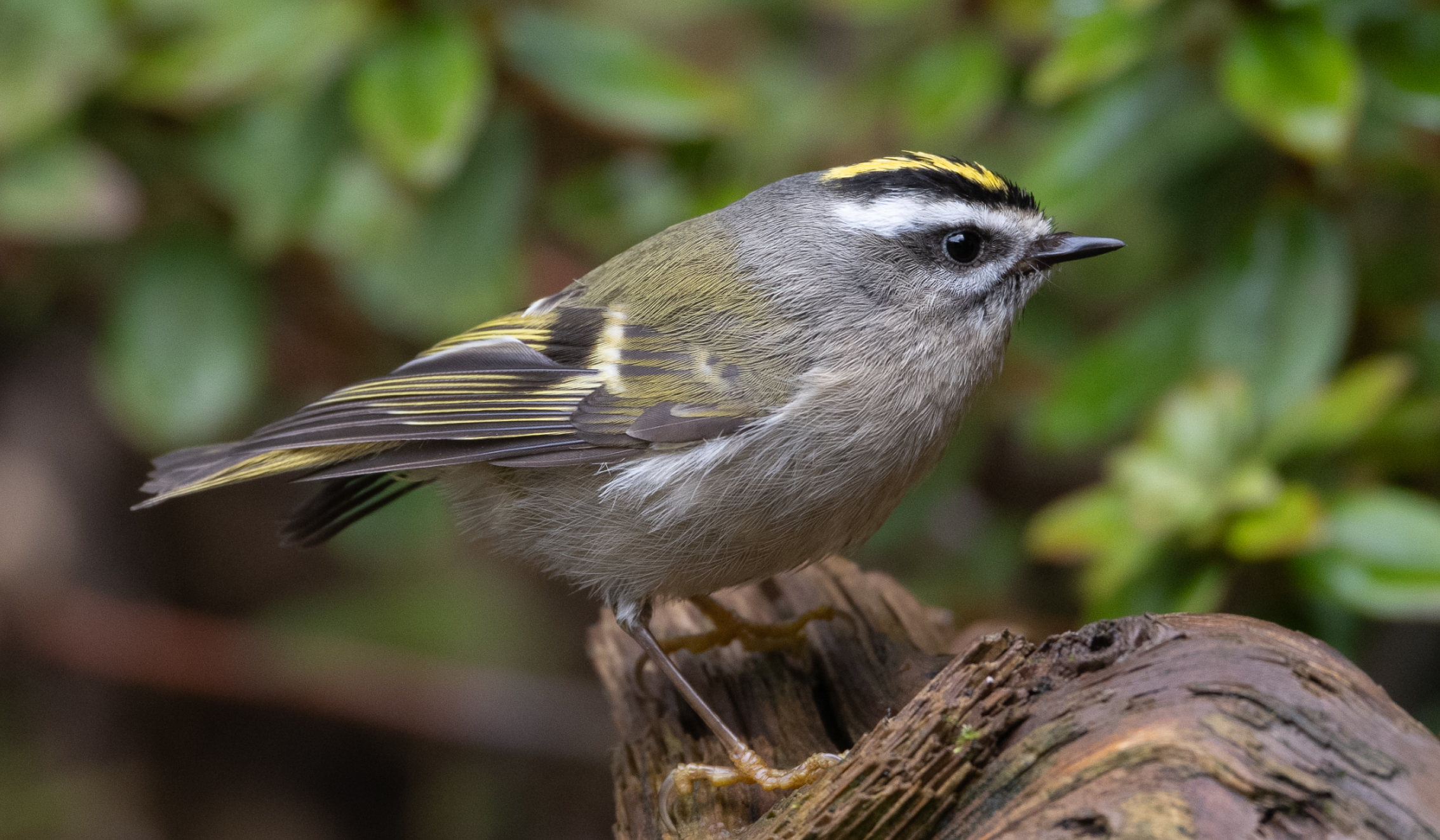
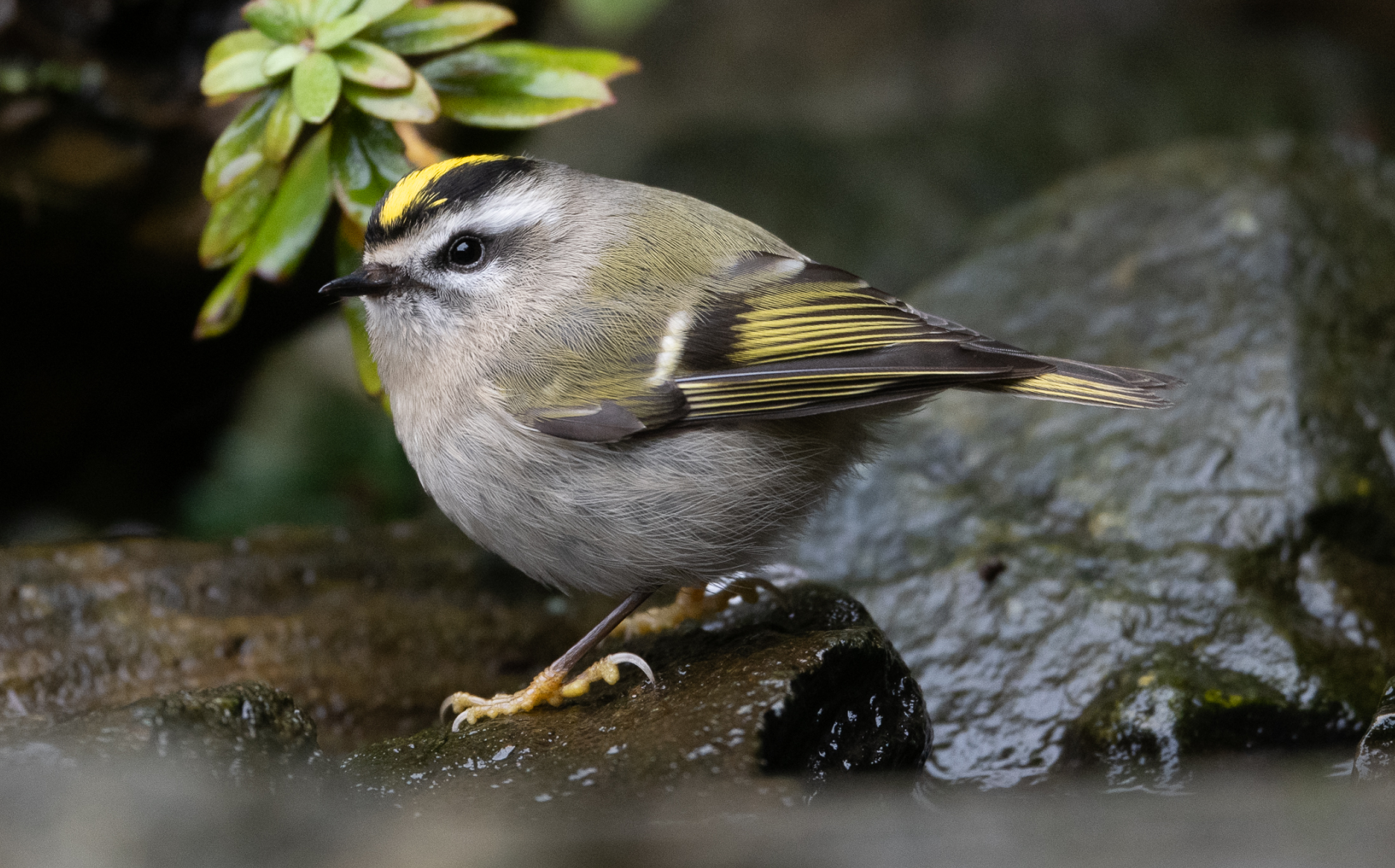
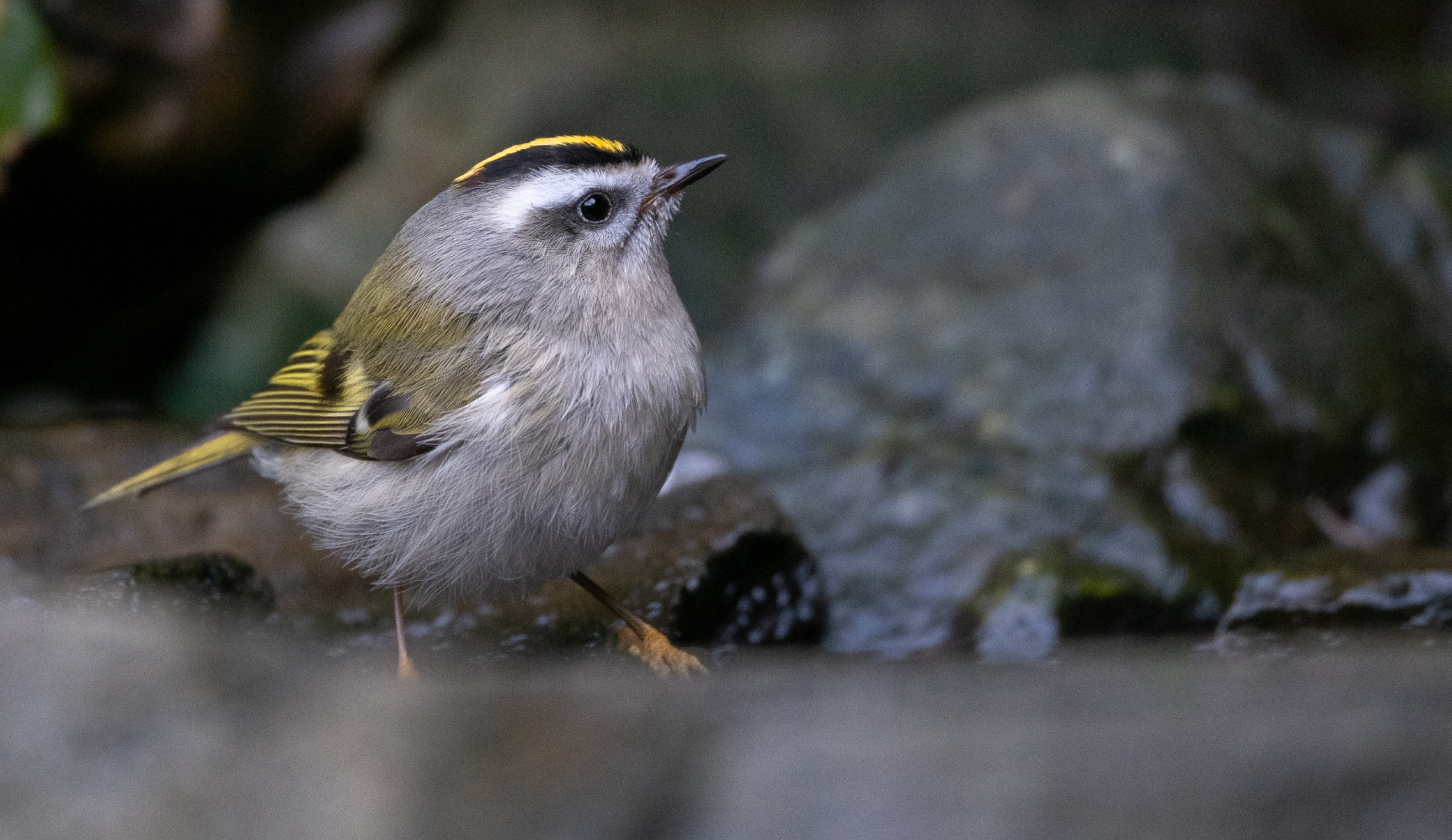
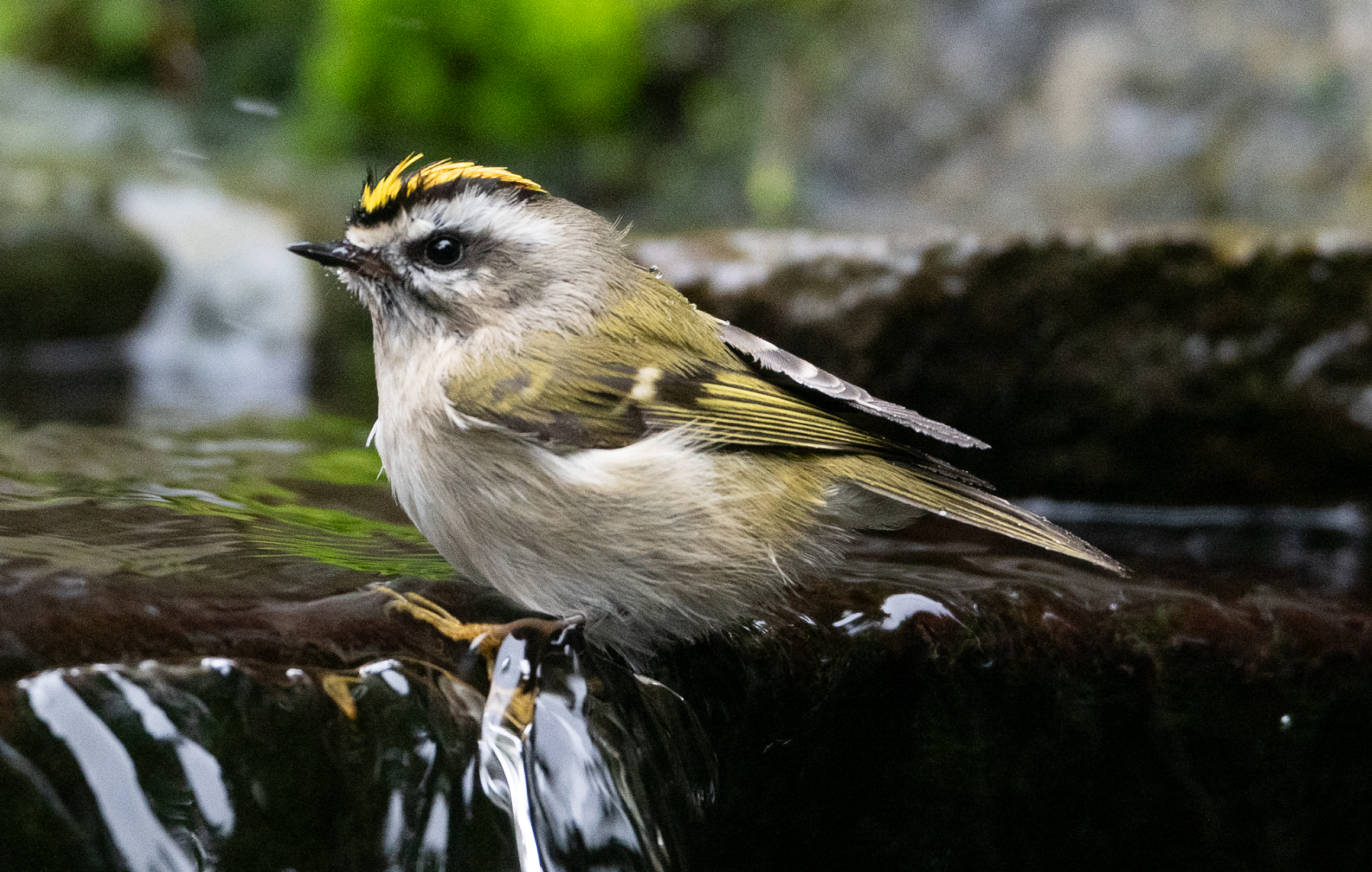
Several Golden-crowned kinglets arrived for baths. They have been consistent visitors all winter. 

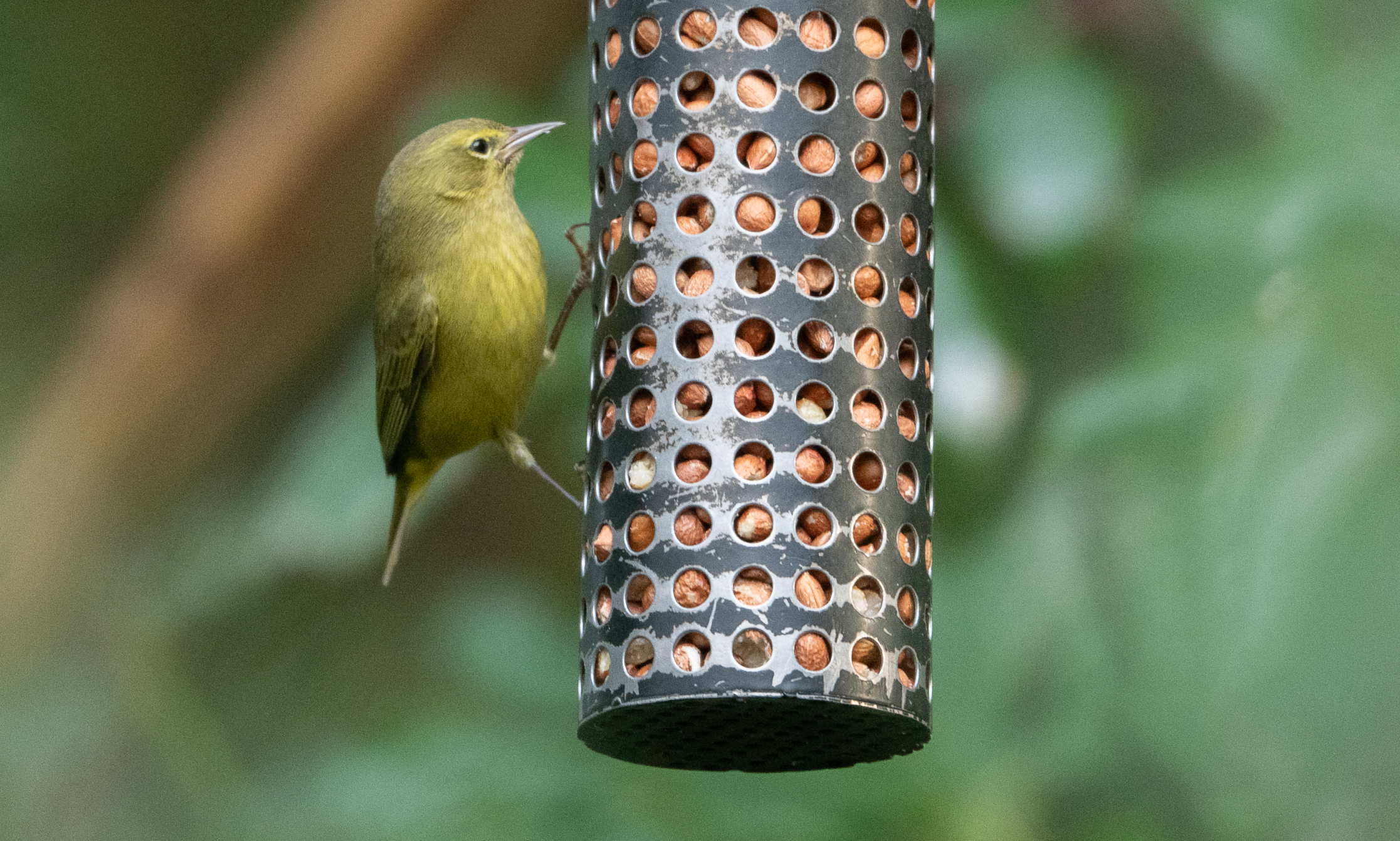
A Bewick’s wren made several appearances but never got within prime photo range. It accessed the platform feeder (hulled sunflower seeds and peanut pieces) several times, as did an Orange-crowned warbler which I was unable to photograph. 

Other species in the yard, most of which I photographed: Golden-crowned sparrow, Song sparrow, Fox sparrow, Spotted towhee, House sparrow, Northern flicker and chickadees. 

Totals for the day… 1.5 hours in the yard and 239 photos!  Brought to you in the wee hours of Monday (2/23/2026) morning!  

January 22, 2025

On January 22, 2025, I spent a relatively short period of time in the yard. It was 40-degrees with a clear sky. As I’ve stated in previous posts, there has been nothing especially interesting moving through the yard. On this day the first bird up was the leucistic Dark-eyed (Oregon) junco that has been here for the past couple of months. It has gotten quite used to me and will come up next to me to eat food, but that means it’s much too close for photos. However I did mange a couple of good videos with my iPhone. It eventually moved away far enough for me to obtain photos. (Note the white around the base of its beak and at the base of its hood.)

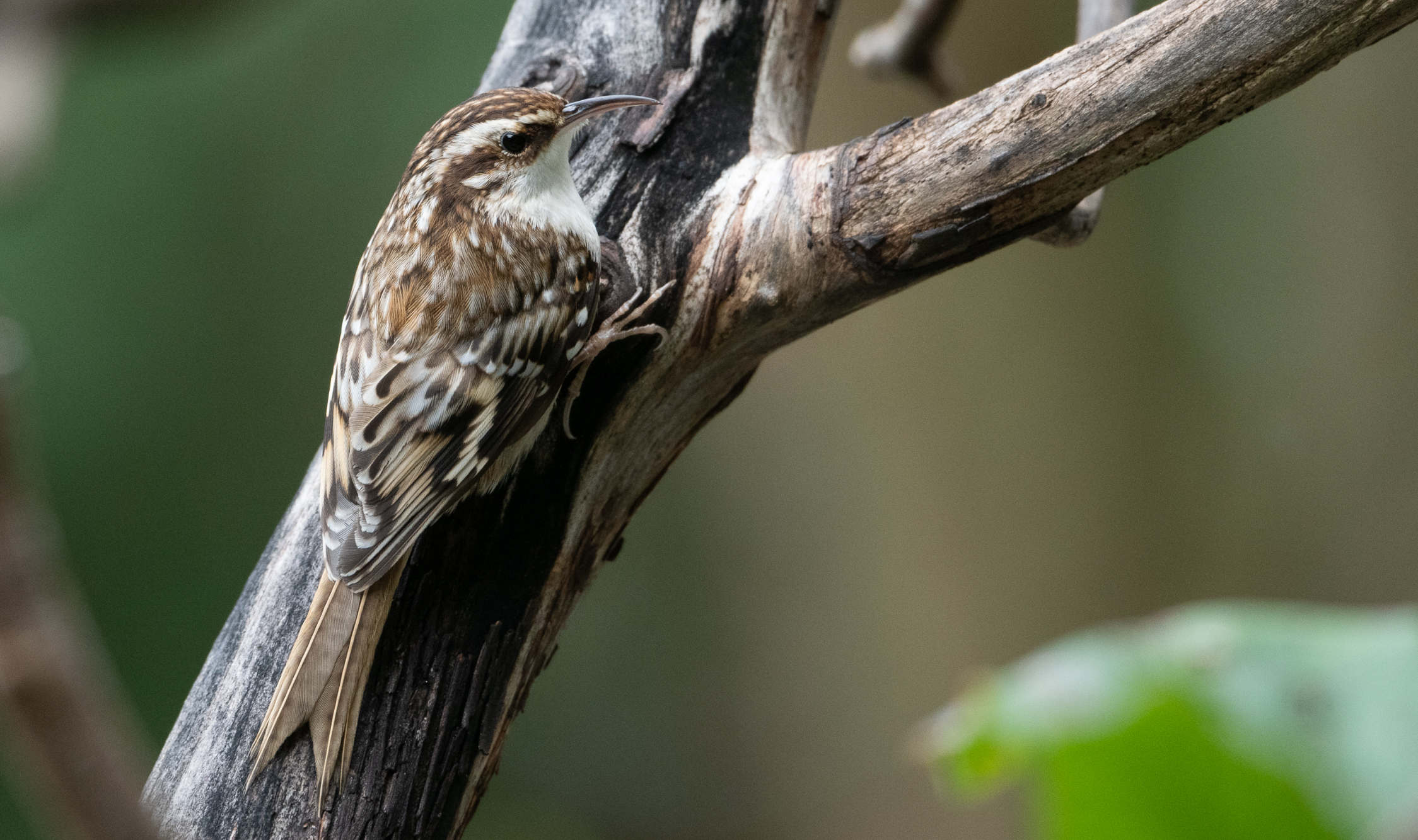
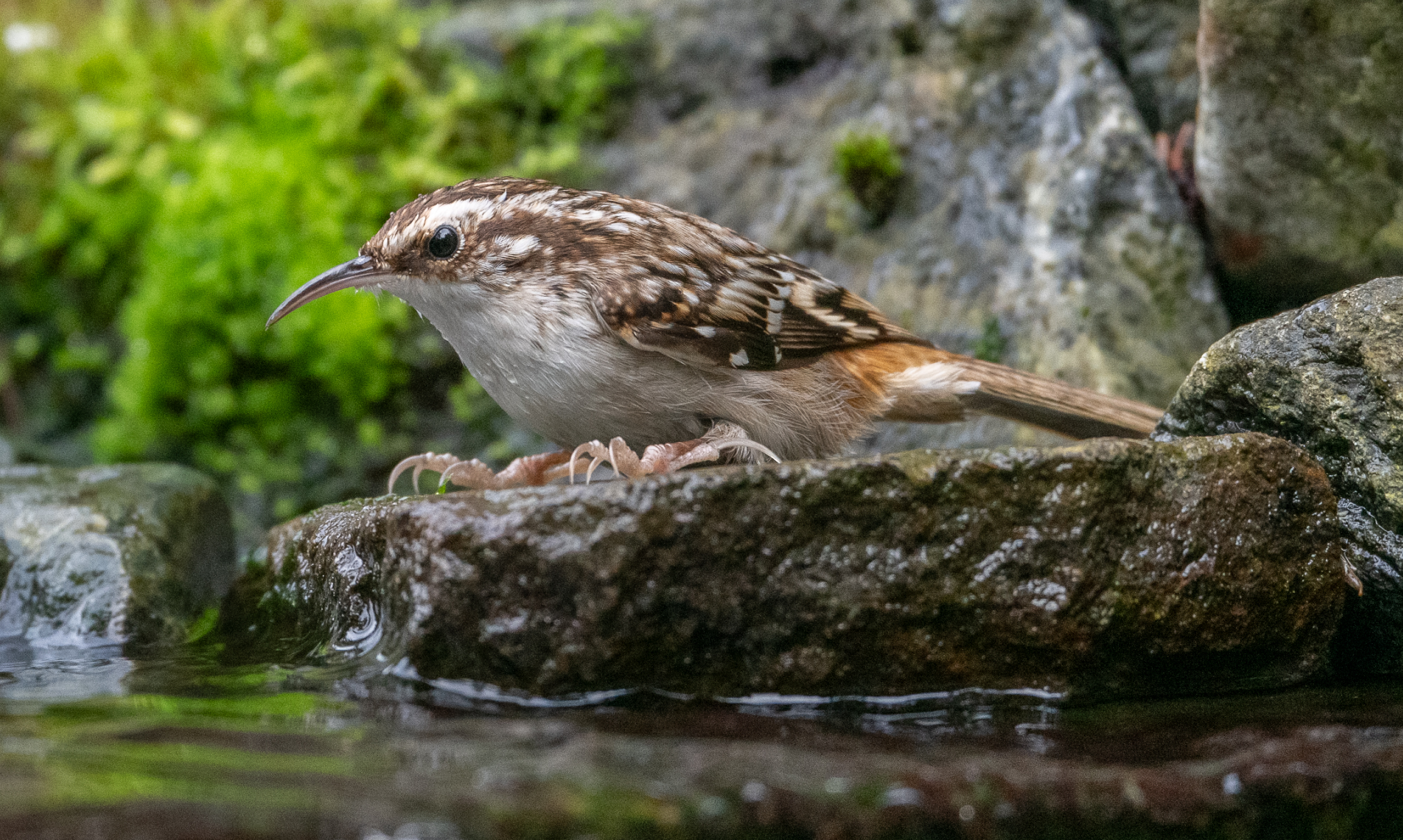
Next up was a Brown creeper which visited the watercourse for a bath, halving the distance from which I usually have to photograph it. Realizing the opportunity, I took 42 photos of it in and around the watercourse! I’m not sure these photos are any better than others I get from further away, but closer is definitely better because the photos can be enlarged more.

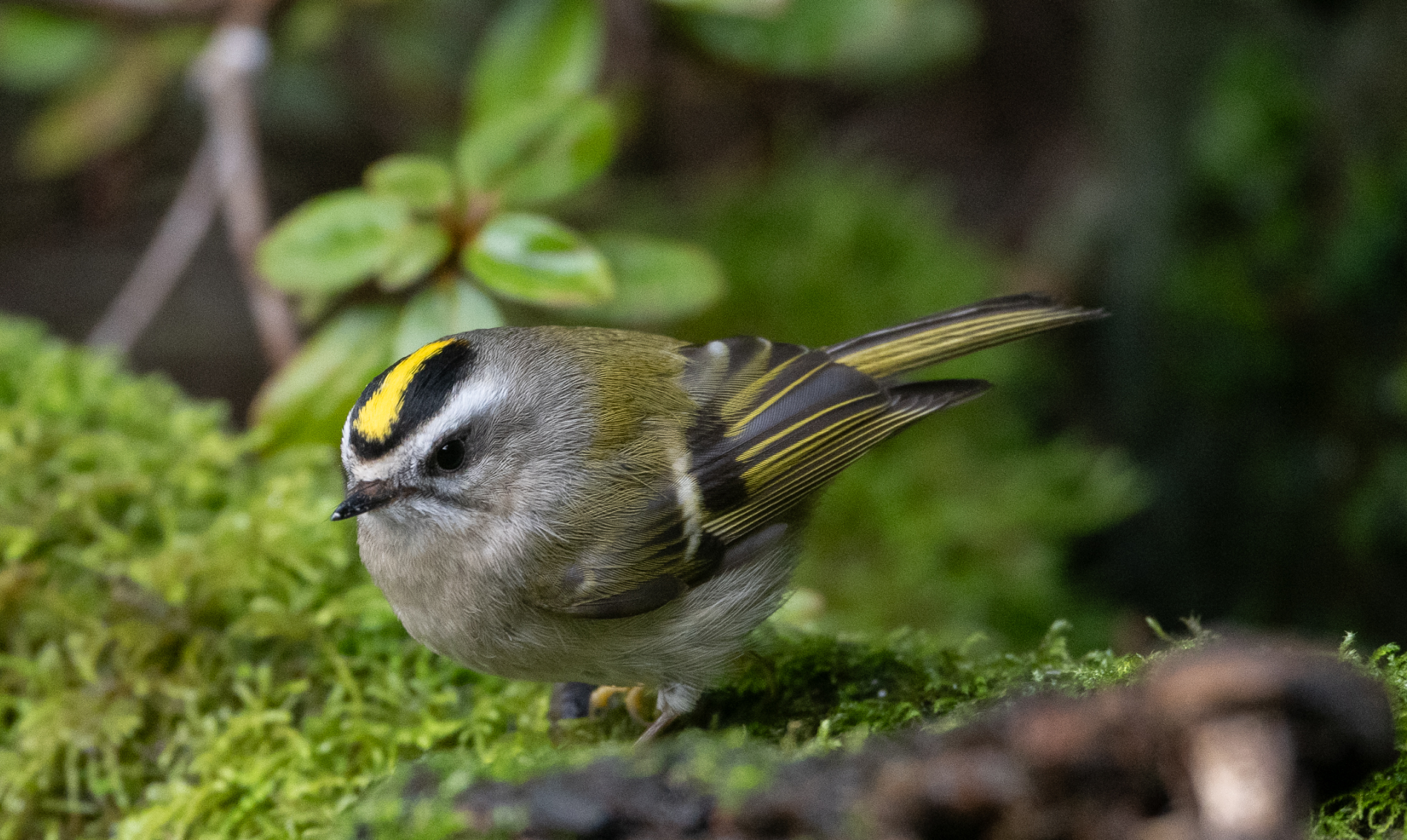
I had several visits from Golden-crowned kinglets, all or at least mostly males. These are regular visitors to the yard in the winter but are difficult to photograph because of their activity level.

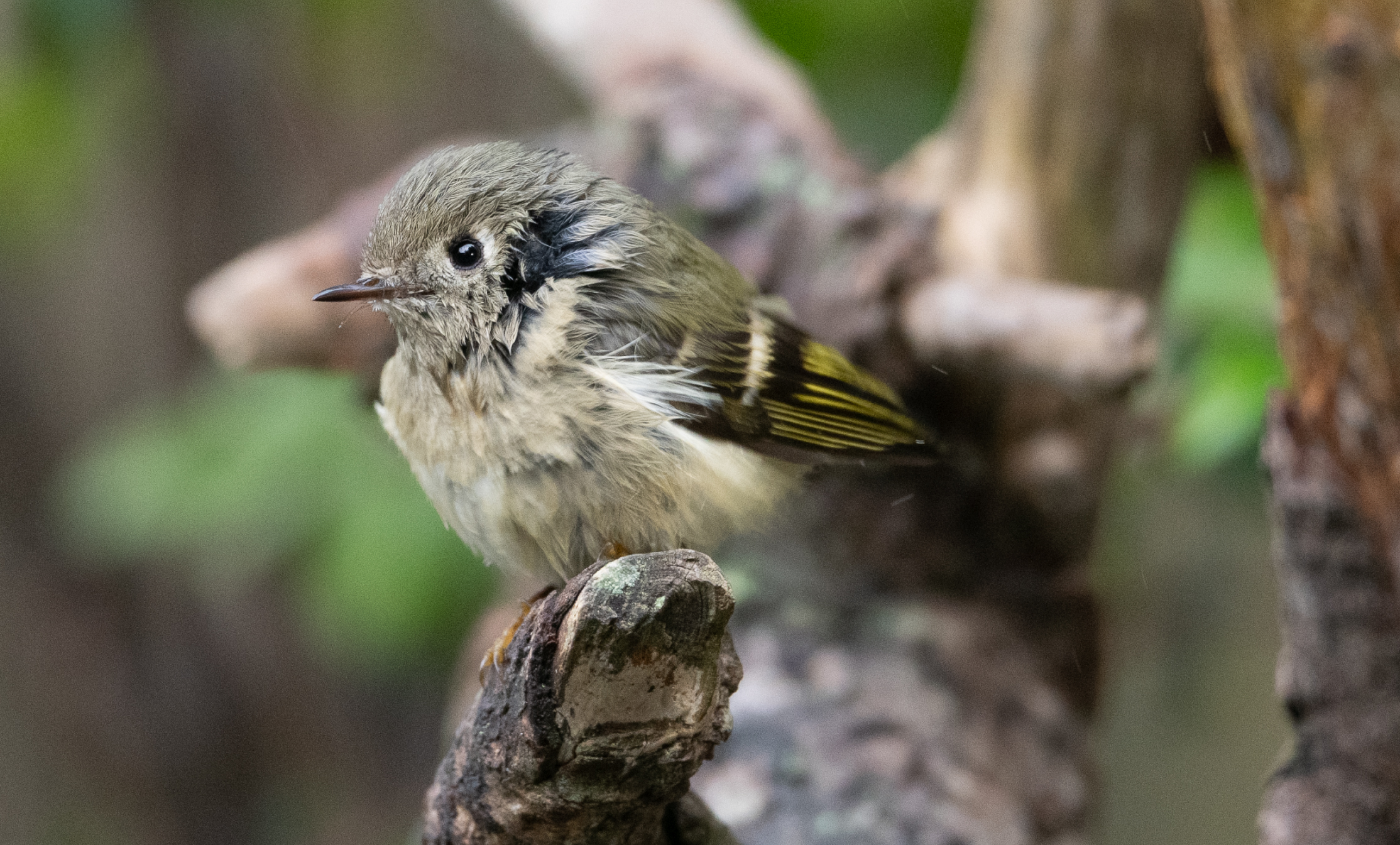
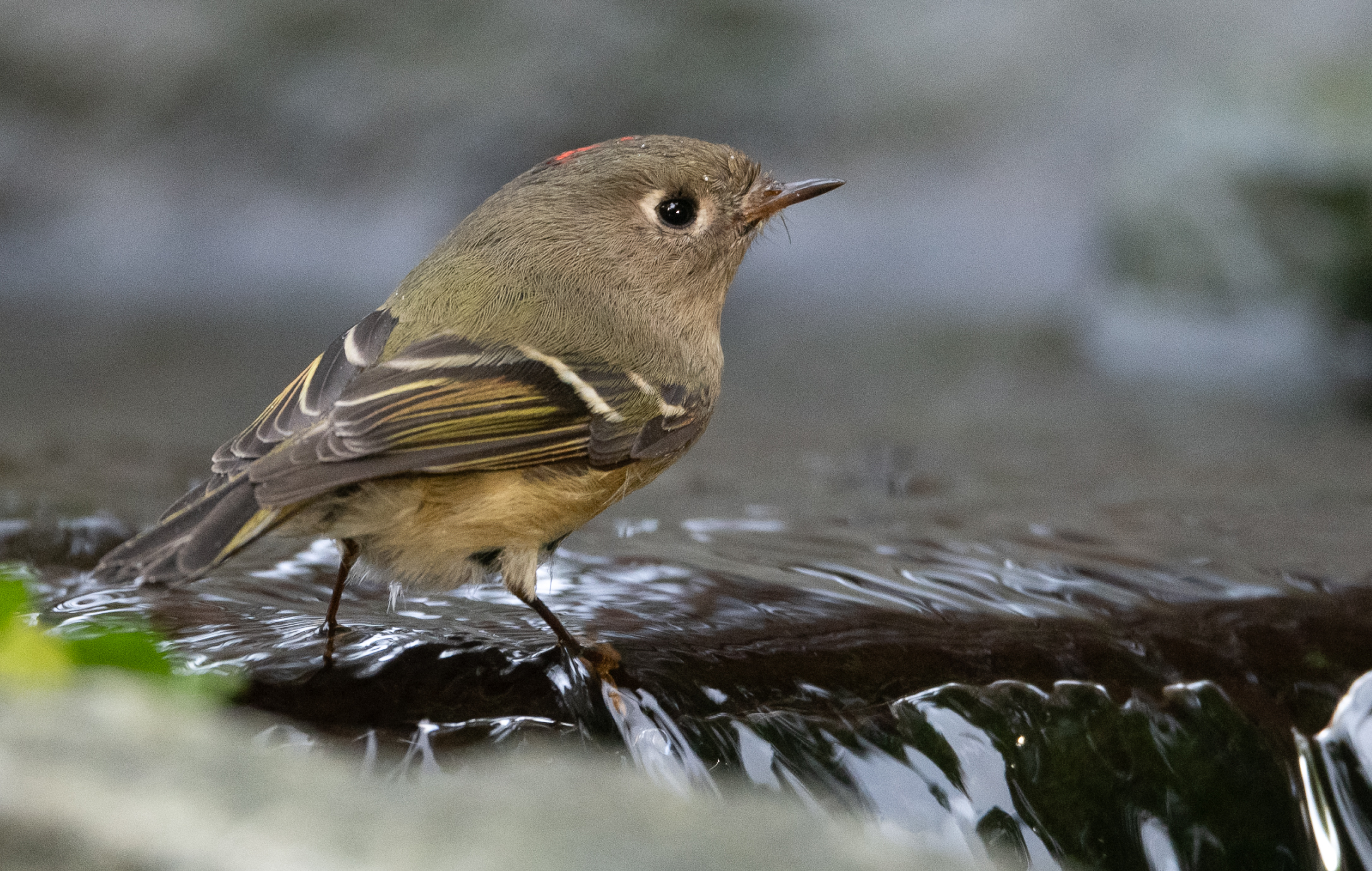
This is one of the Golden-crowned-kinglet’s cousins, a Ruby-crowned kinglet... on drugs!

Here’s another frequent visitor (for apparently the second winter in a row)… an Orange-crowned warbler. It accesses all three type of feeders (peanut, suet and peanut pieces/sunflower) I have. In this case, as you can see, it’s on the peanut feeder!

So nothing particularly unusual, but some nice photos nevertheless.

And just before constructing this blog on the afternoon of January 23, 2025, I looked out my kitchen window and saw that both a male and female Hairy woodpecker were back after being been missing in action for several weeks! (No photos.)

Early January, 2026

In early January, 2026, on many days I’ve been spending time in the yard photographing birds but the weather has taken its toll.  The cold doesn’t bother me… I have an improvised electric muffler to help keep my hands warm so I can operate my camera. But there’s nothing I can do about the rain.. it darkens the light available for photography, wets camera equipment and can show up in photos. So my time outside for birding photography has been somewhat limited. 

Added to the environmental problems, as I believe I’ve mentioned in prior posts, for the most part I’m seeing the same birds day after day. I’ve been getting some very good photographs, but there’s not much point in posting photos of the same birds. 

All of this said, on January 9, 2026, I had a fairly productive afternoon and was able to photograph a few less frequent, but not rare, visitors. 

I had both Golden-crowned kinglets (four on one visit!)…

and Ruby-crowned kinglets (this one a male)…

 I don’t have very good habitat for Pacific wrens, but this winter I have been seeing one on an almost daily basis. The wrens prefer the undergrowth and are always on the move, so even when I do see one it’s rare that I can get a photograph. On this day the wren decided to take a bath in the watercourse, giving me a rare opportunity for photos. (I saw a Bewick’s wren at almost the same time and location but was unable to get a photo of it.) 

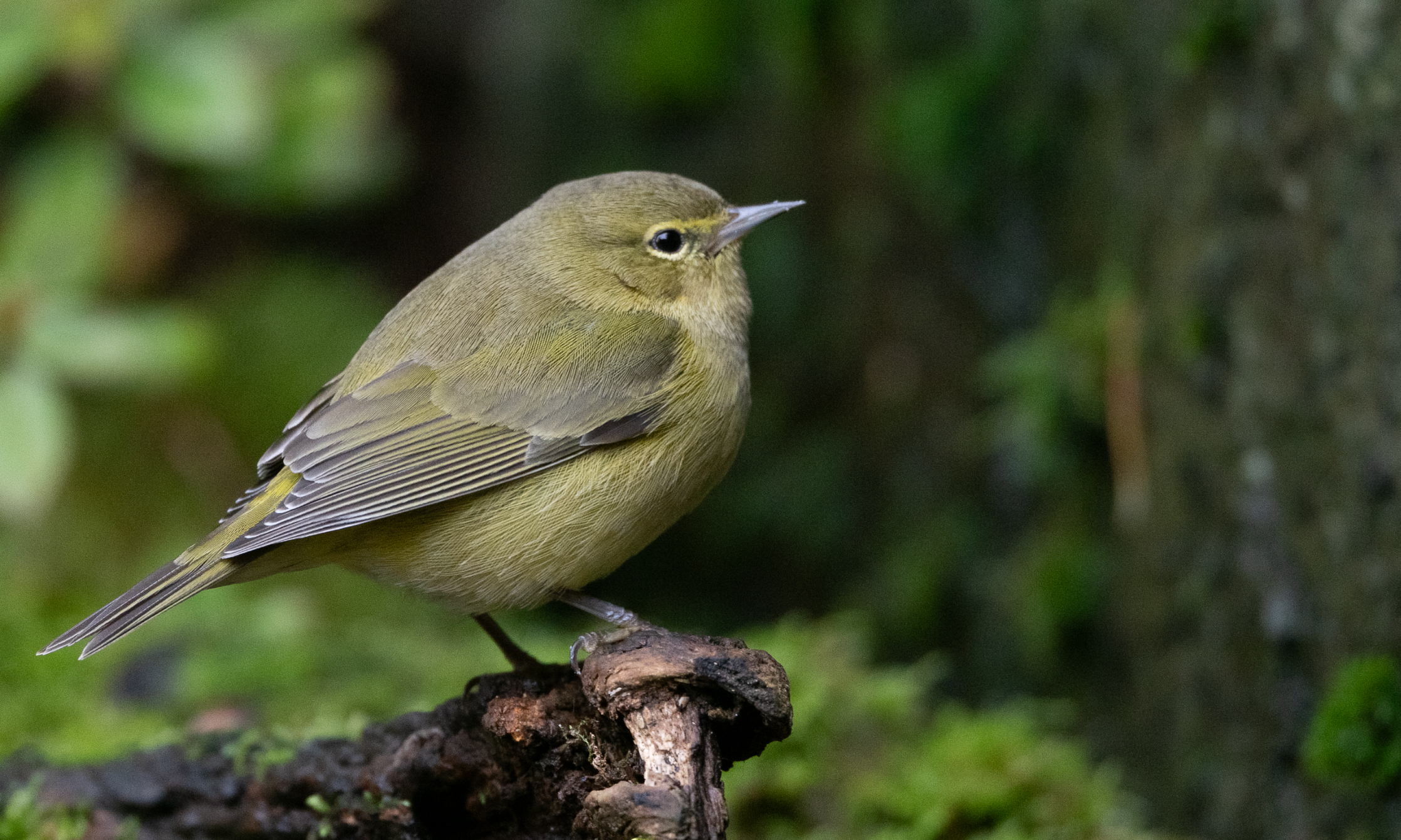
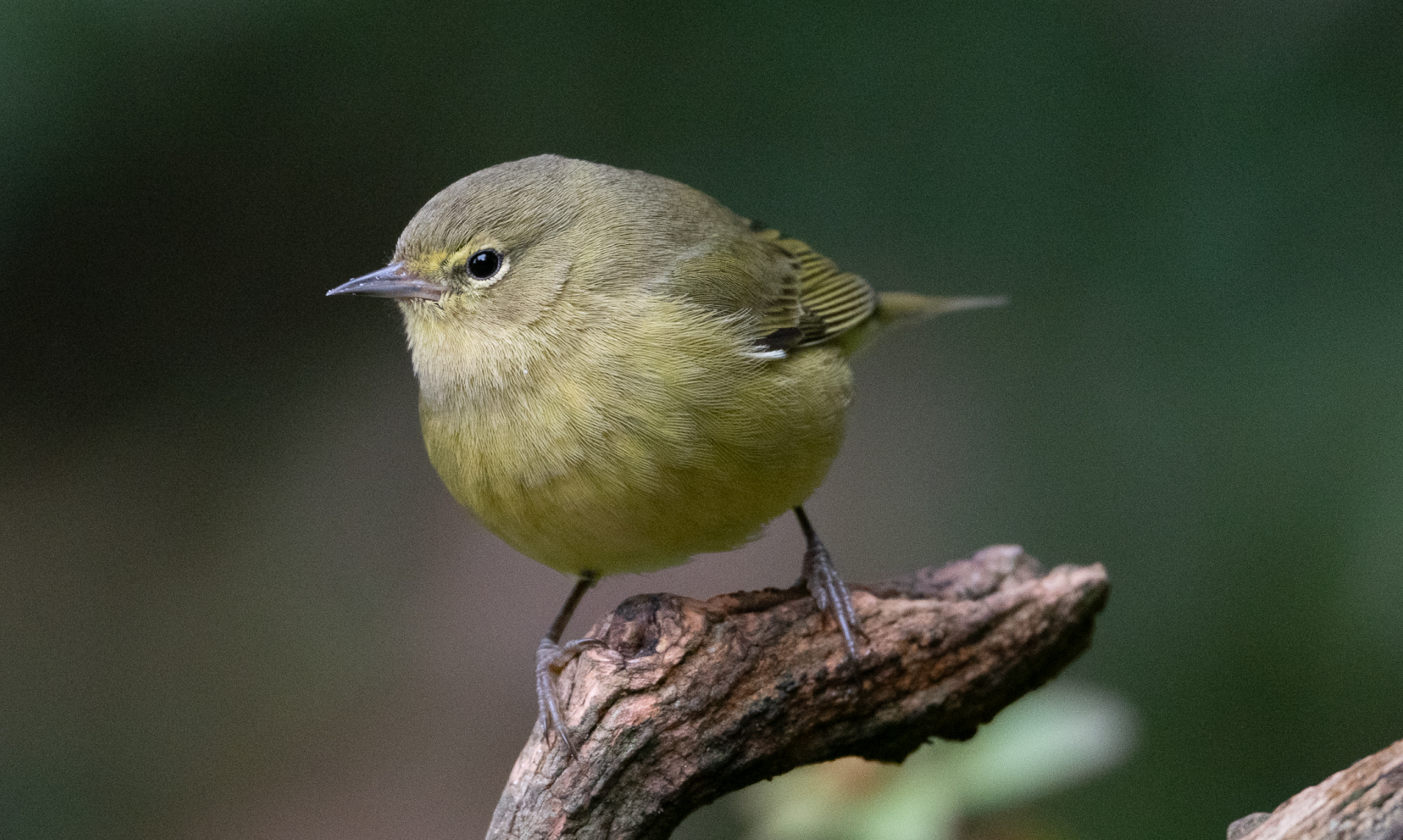
This is presumably the same Orange-crowned warbler that was here last winter. It’s a daily visitor. Although primarily an insect eater, this wren has frequented my suet feeder, my peanut feeder (!) and my sunflower and peanut pieces platform feeder!  

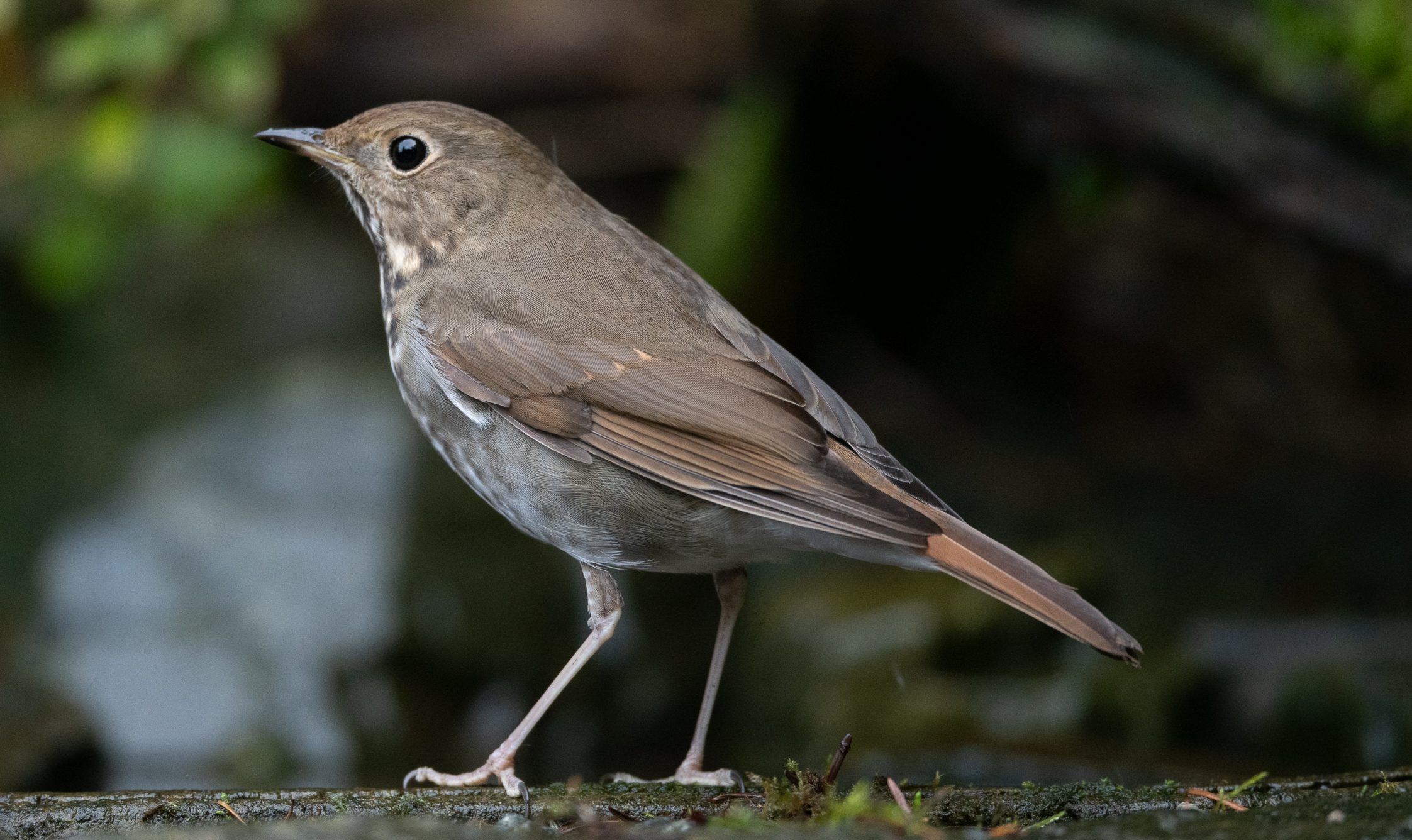
On January 1, 2026, I had a visit from this Hermit thrush, a winter resident but uncommon in the yard, especially at this time of year. … 

And on January 6, I caught a quick glimpse of a White-throated sparrow in the yard but was unable to get a photo, nor have I seen it since.  

The Doldrums!

We’re in the early stages of winter and I’m in the doldrums! It’s pretty much the same old birds showing up in the yard, although I am getting some good photos. I’ve made a couple of excursions in the past couple of weeks, Fir Island and the Samish Flats and have virtually nothing show for the trips. As I write (2:30pm, Monday, December 1), we’re getting a relatively heavy (Texas-style) rain here in Anacortes.

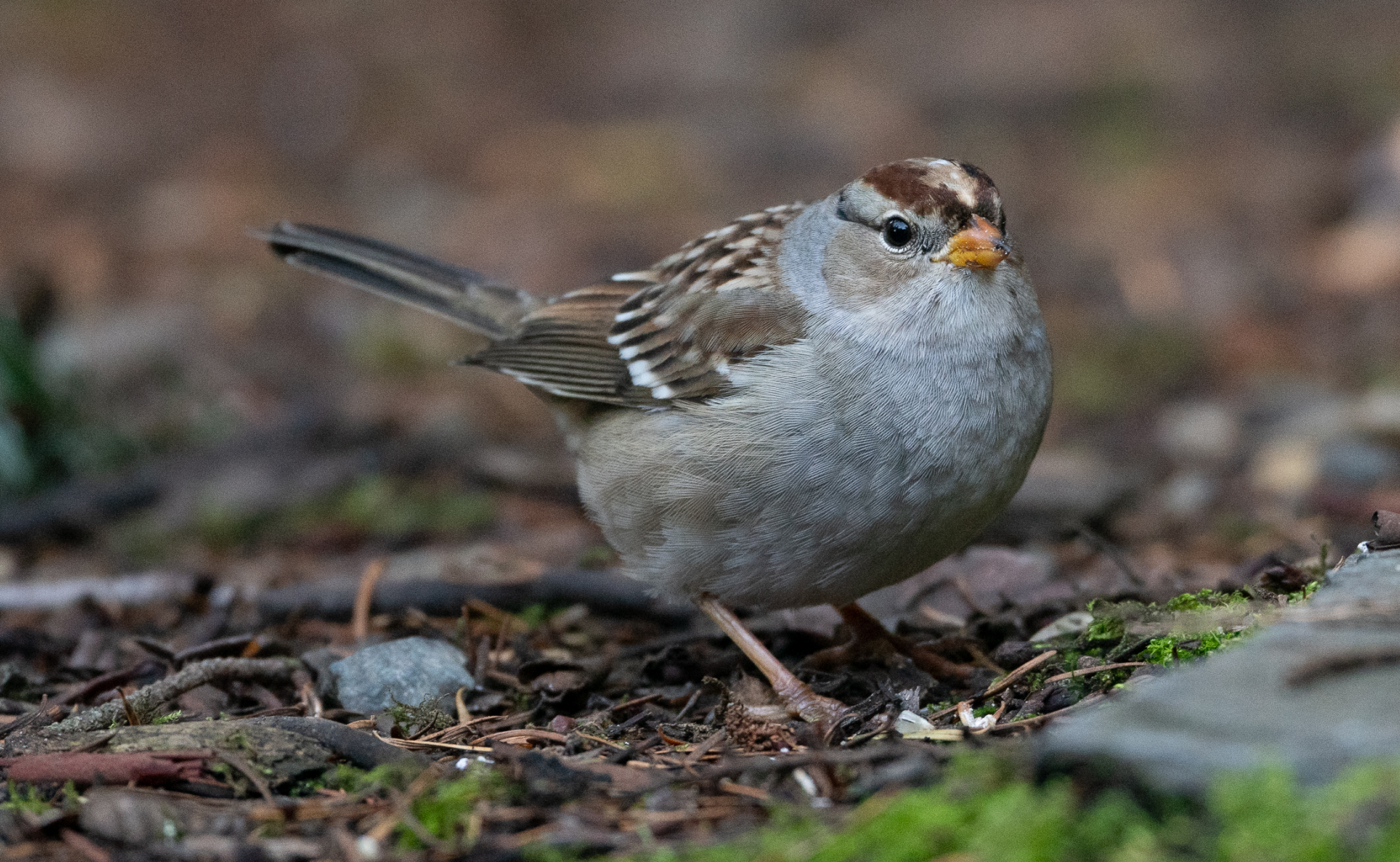
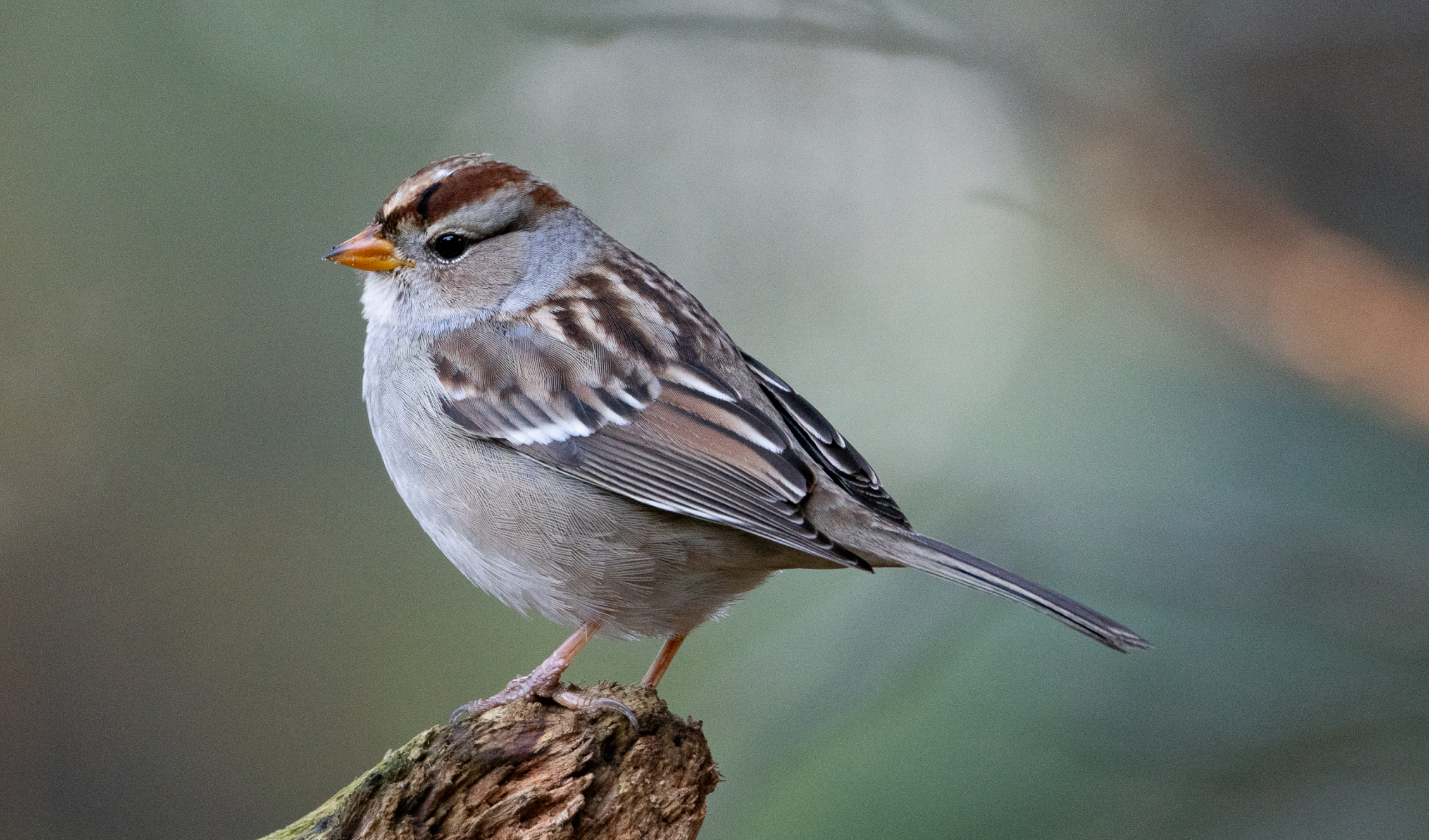
Yesterday I had a surprise visit from an apparent first year White-crowned sparrow, a species I don’t generally have visit the yard in the winter.

This is the only fresh face in a yard composed mostly of chickadees and Dark-eyed (Oregon) juncos.

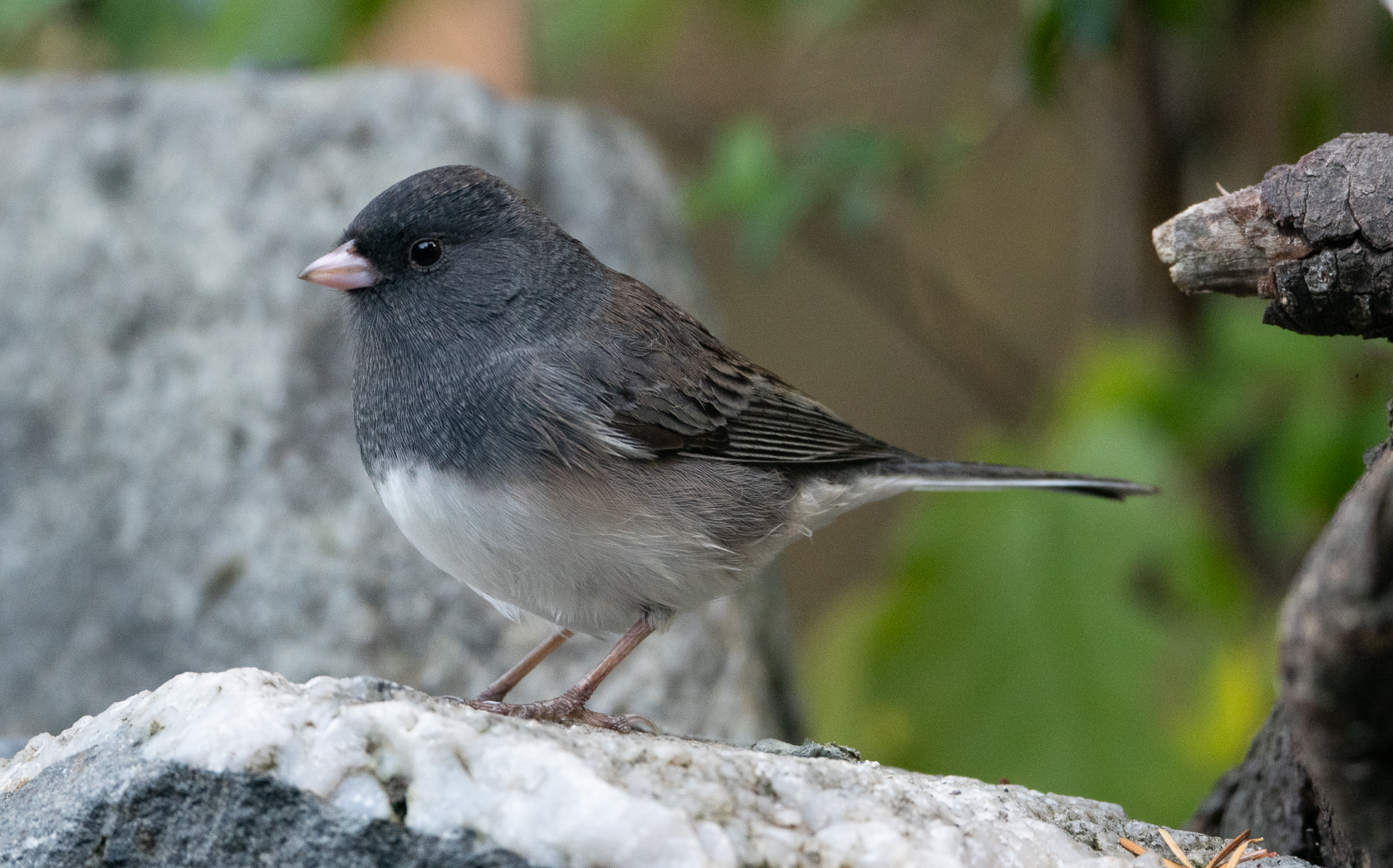
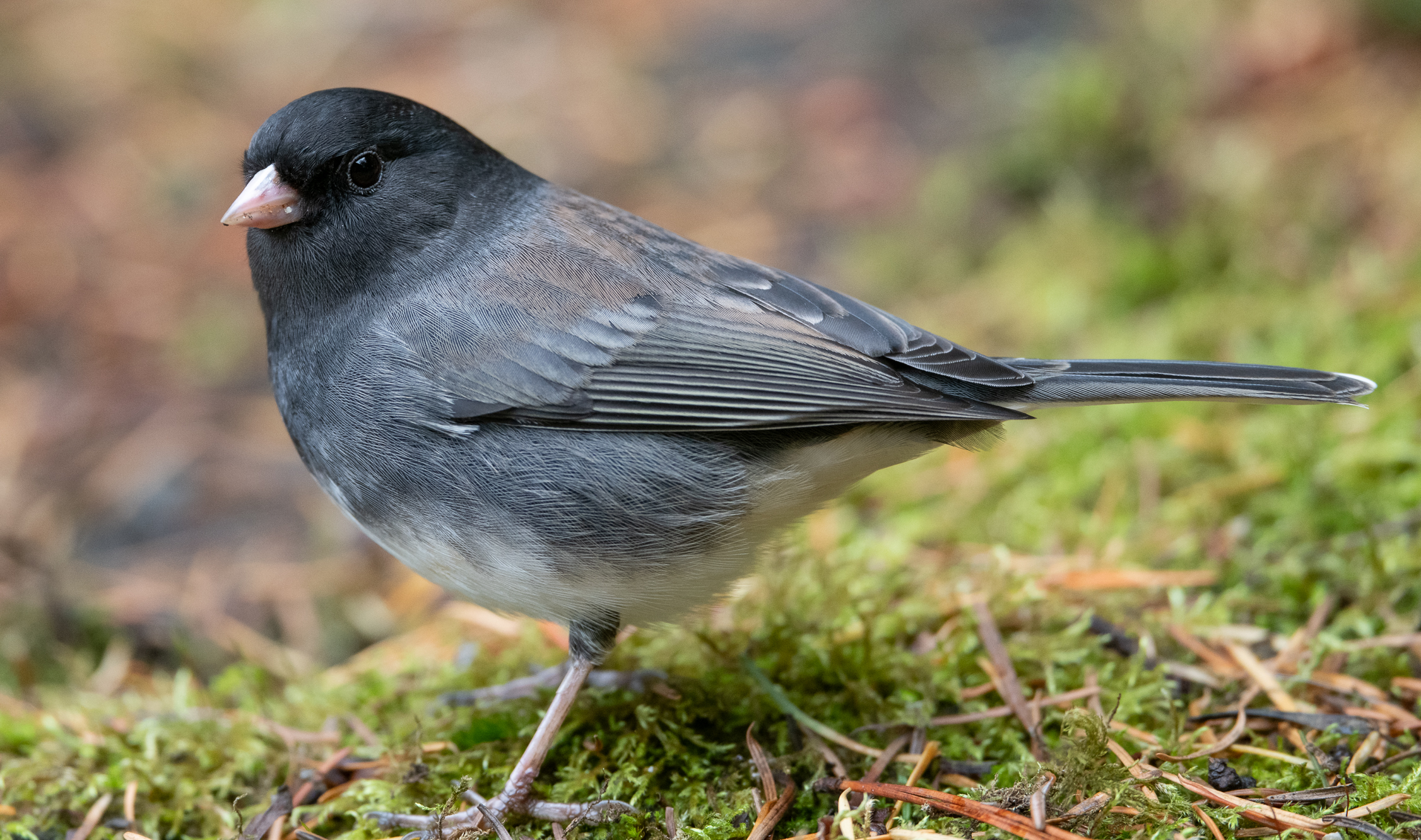
Earlier this fall I had, on two occasions, what I thought was a Dark-eyed (Slate-colored) junco. The first of these photos was taken on 10/08 and the second on 10/28. These two images don’t appear to be of the same bird.

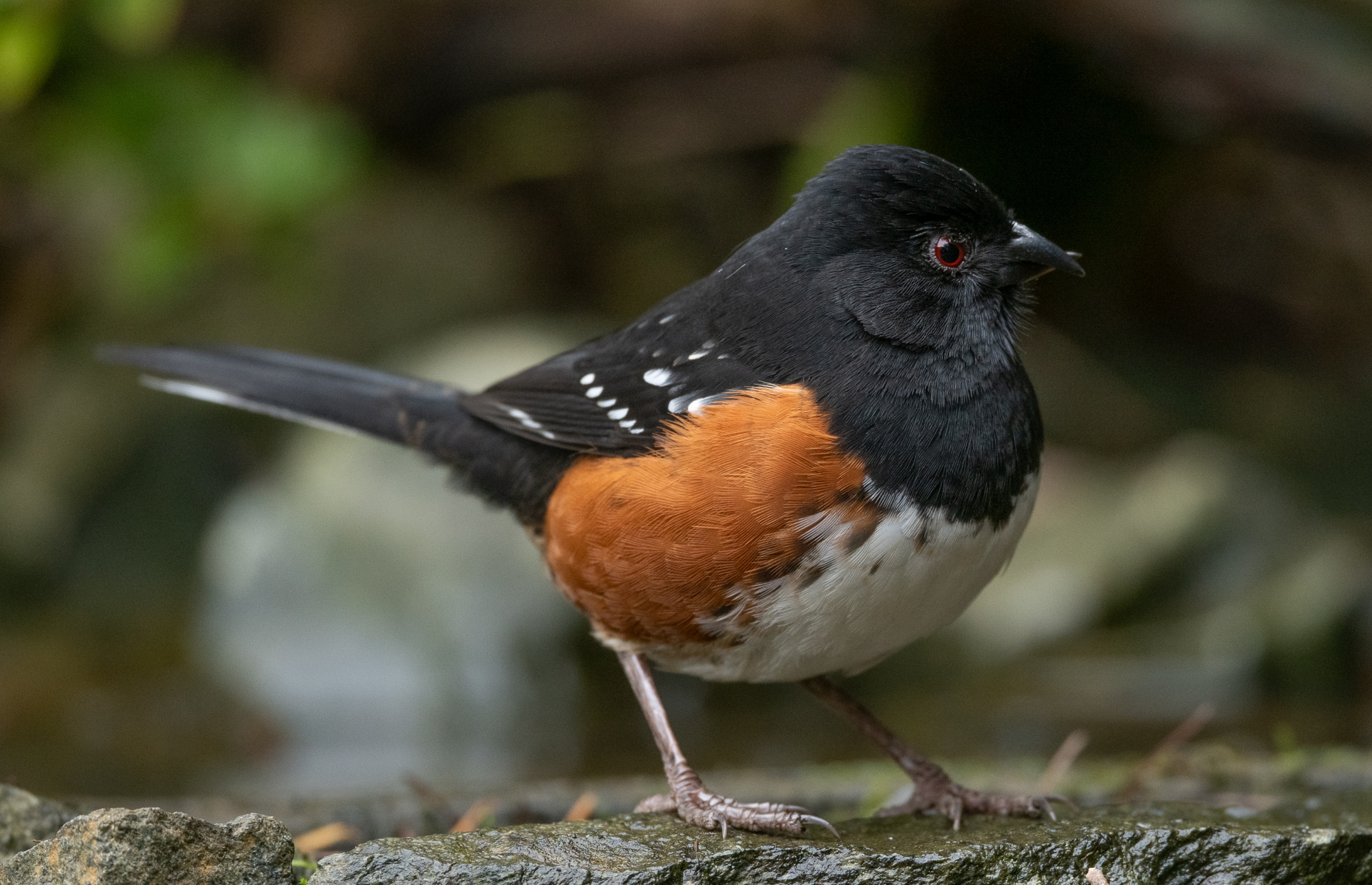
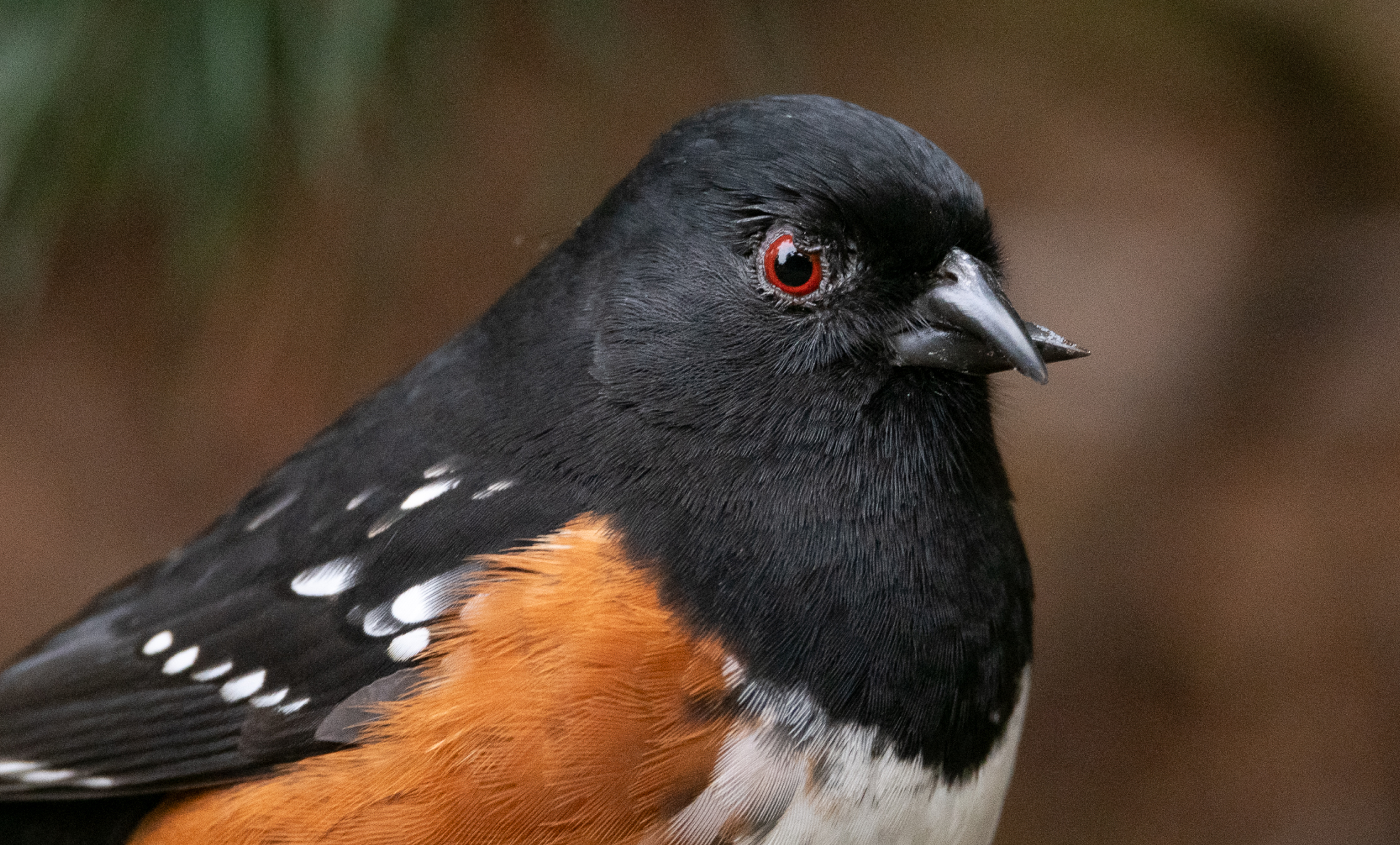
I have two unusual birds, identifiable from the rest of their species, currently in the yard. The first, one I’ve written about before, is a male Spotted towhee with a misaligned beak… much like that of a crossbill. When I first noticed the deformity well over a year ago I thought the bird might not be long for this world, but it lives on and seems healthy. It’s one of my best ‘customers’ and steadily accepts whole peanut kernels to take into the bushes to eat.

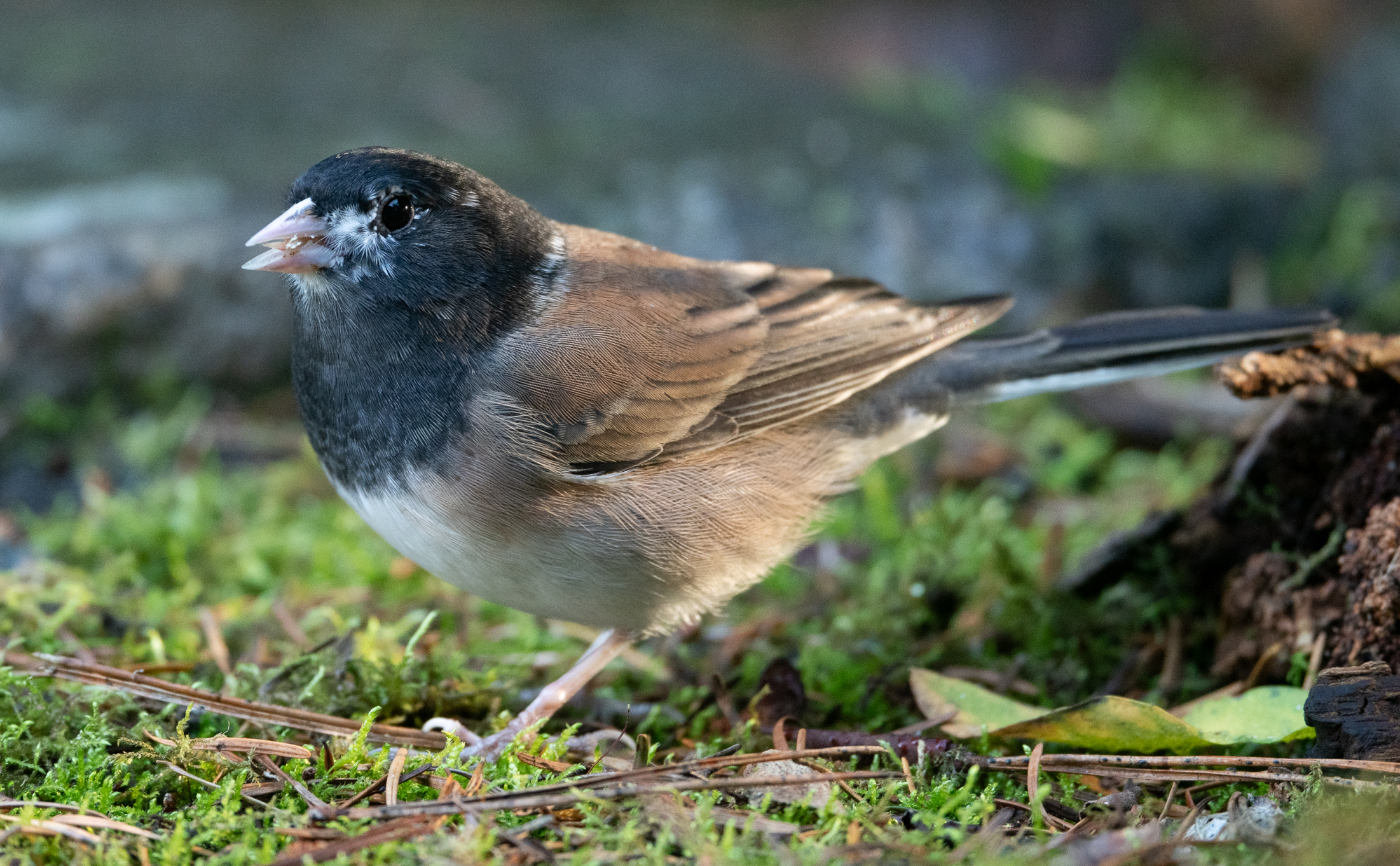
The second bird readily identifiable from the rest of its species is a male Dark-eyed (Oregon) junco with slightly leucistic tendencies. I have difficulty photographing this bird because it has become somewhat used to my presence and will come right beside me for food I place on a rock less than two feet from my knee. That’s much too close for my 500mm lens! You can see the white feathers around the base of the bird’s beak and also white feathers that help define the bird’s mantle from its back.

I did have a little excitement on November 30. The birds rather quickly disappeared from the yard but not in the panic an accipiter usually induces. As I wondered about the change I saw a raptor (probably an accipiter) soar from the top of one of my 150+ foot tall fir trees and glide across the neighbor’s landscape. And it was carrying something… probably a hapless bird it had caught well up in one of the fir trees.

I should have mentioned in my original posting, but didn’t, that there has been a leucistic Song sparrow in Washington Park (Anacortes) for at least three winters now. The bird moved about 300 yards from its original location to its current location during that time. It apparently successfully mated in the spring of 2025 as I twice observed it disposing of fecal sacs on limbs.