Bird of the Month

DSC_1060

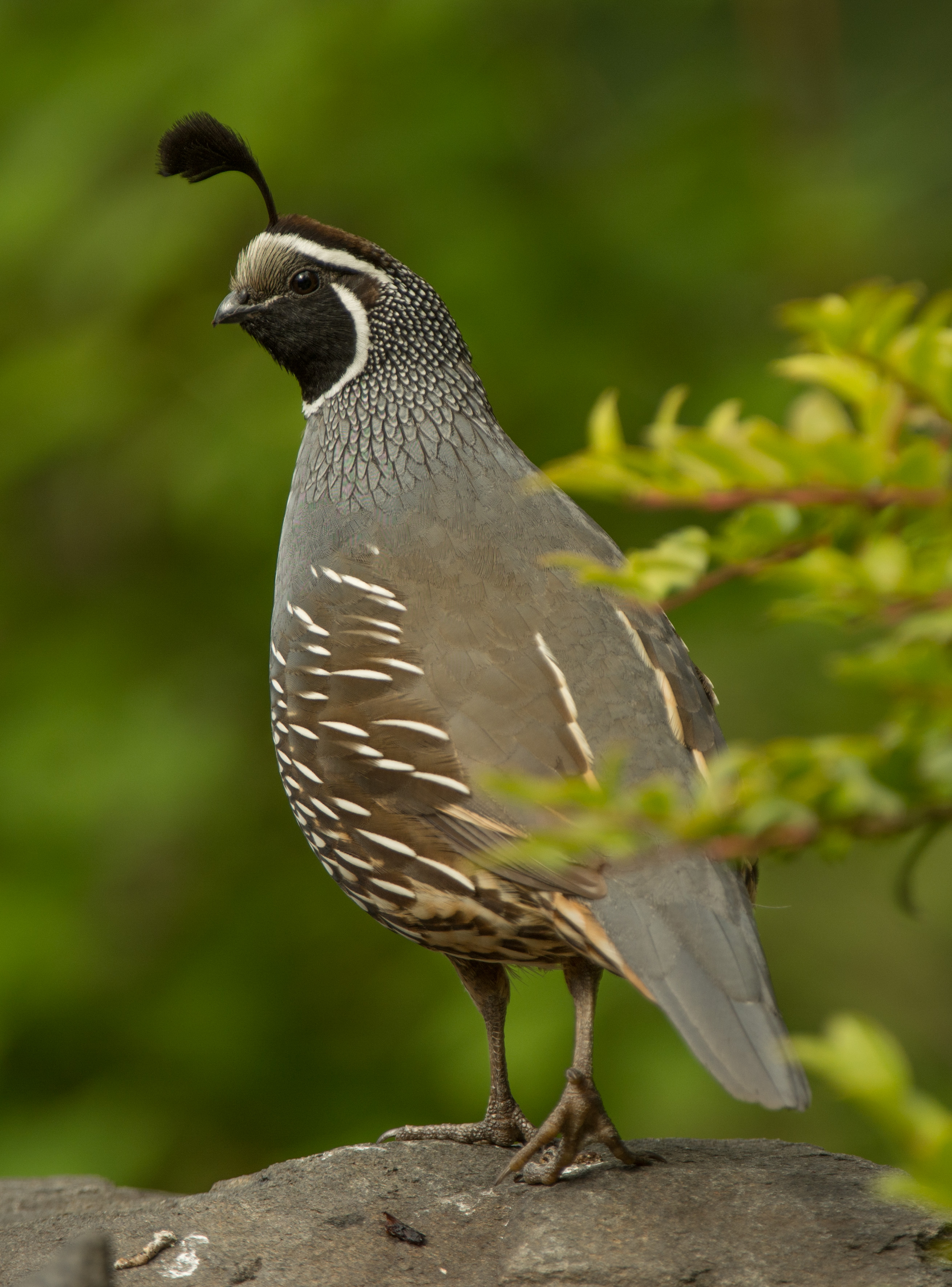
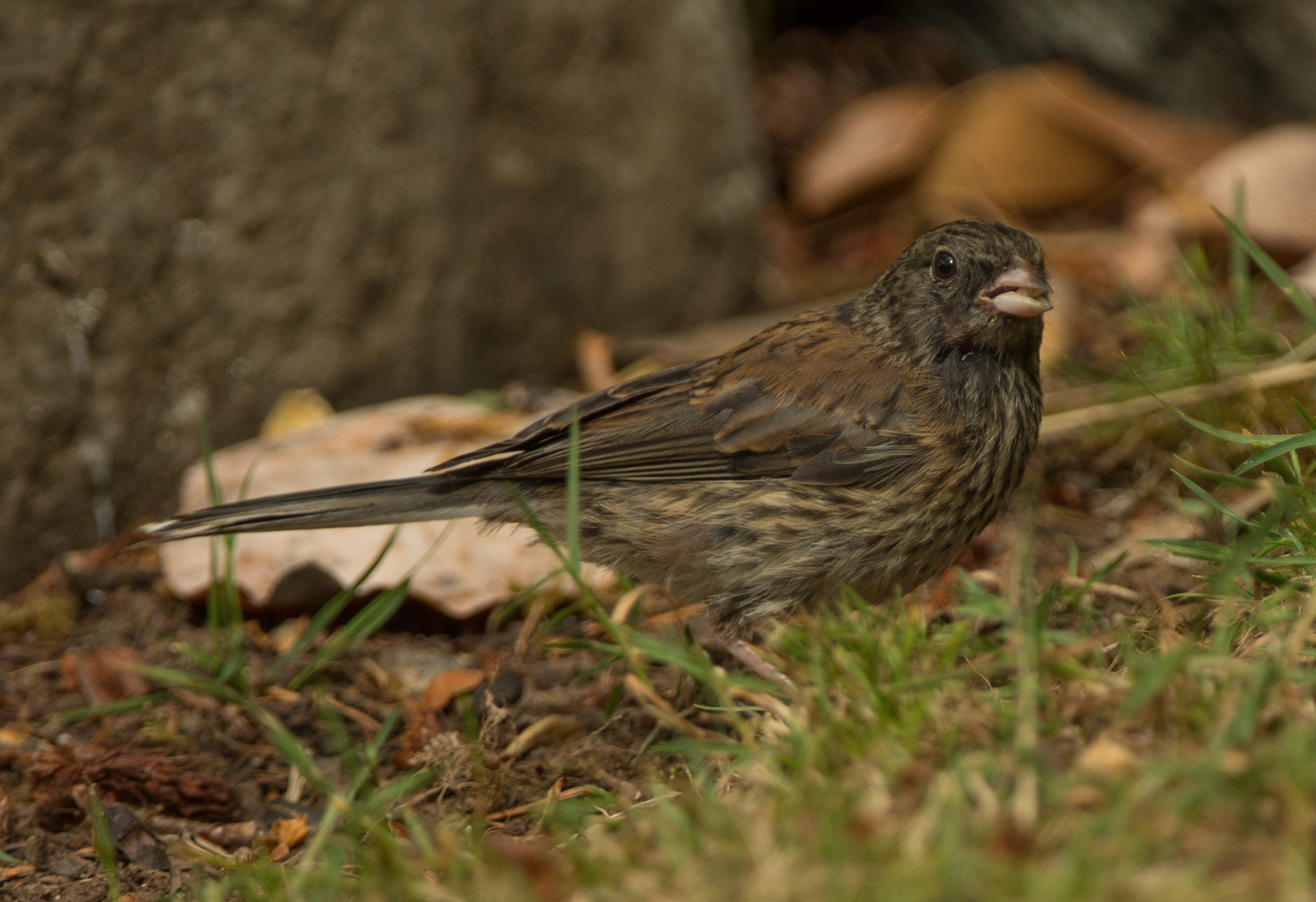
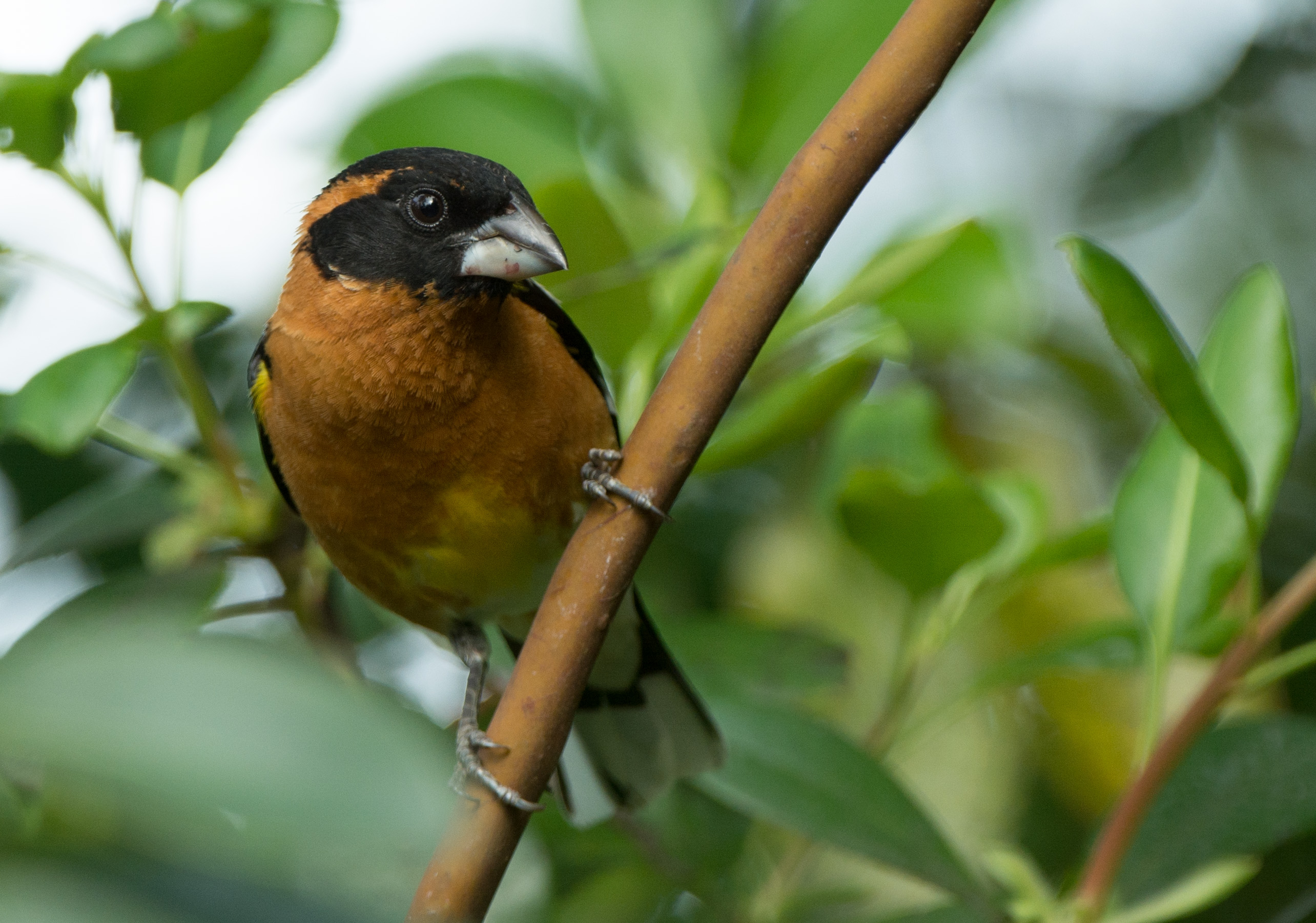
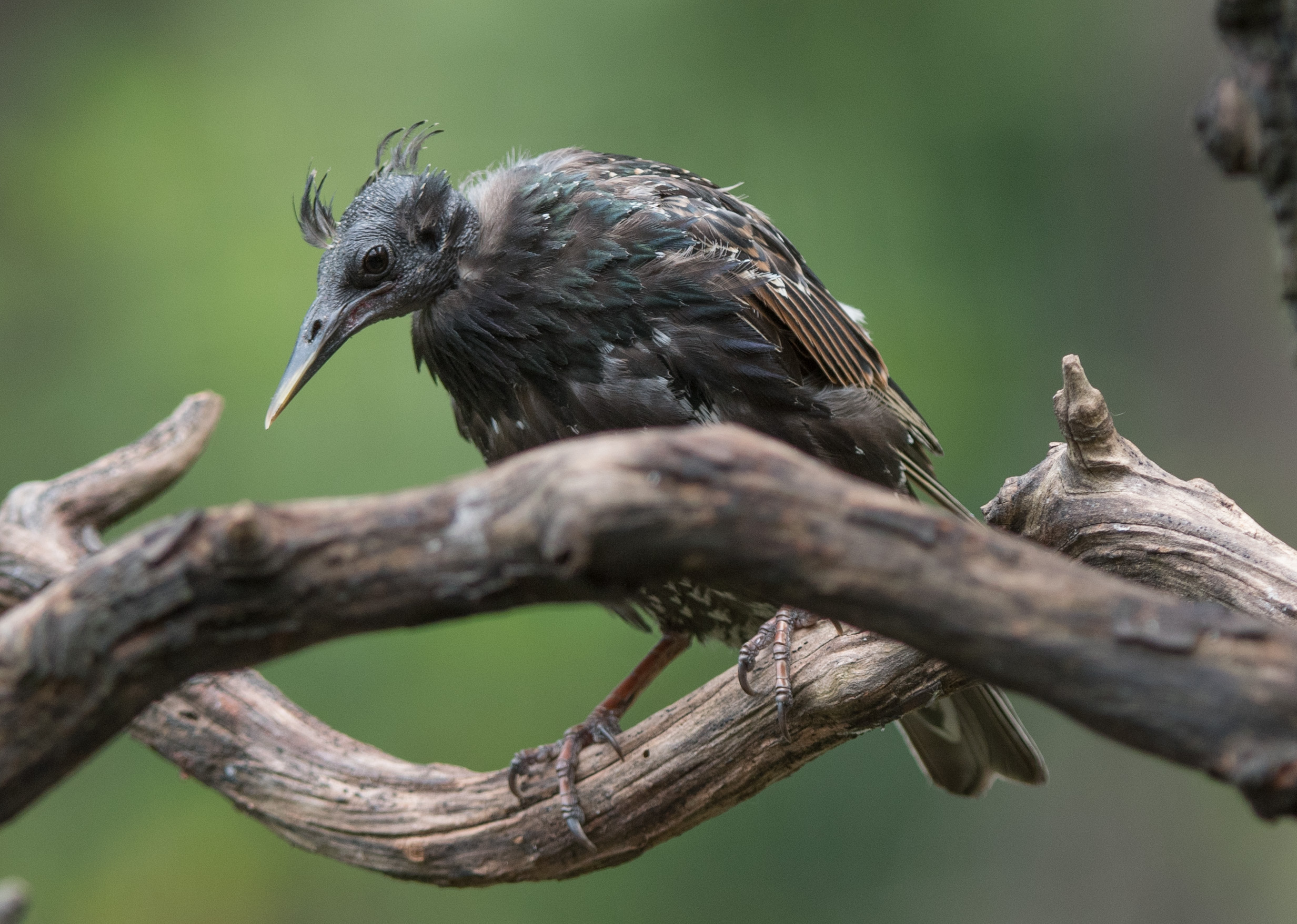
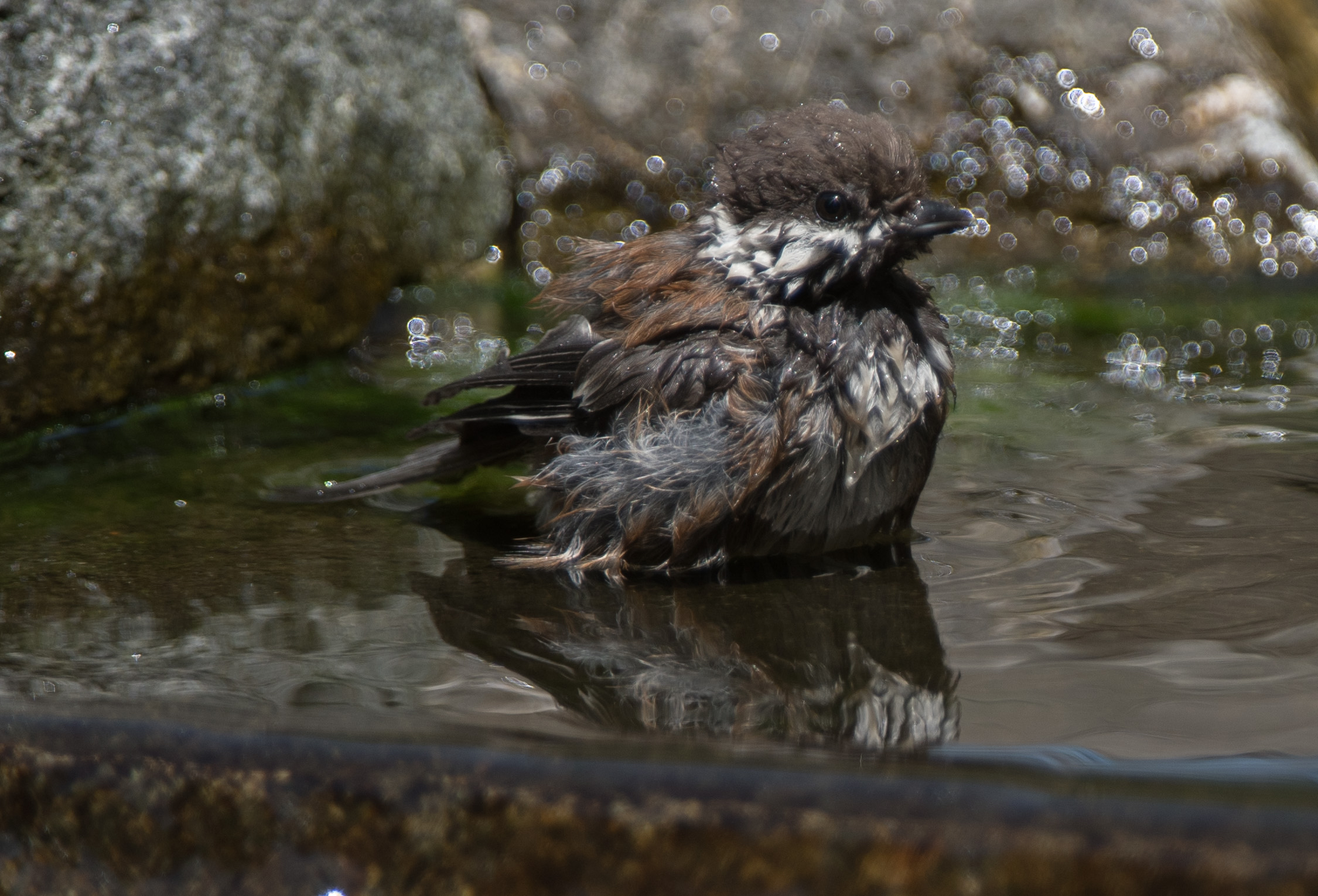
The image posted above is of the Bird of the Month.  I’m sure you can see why it was selected!  I envision this bird as being the basis for something out of a future Star Wars movie or maybe a remake of A Boy and His Dog (look it up, or better yet watch the movie!).  The runner-up appears at the end of this post.  I don’t envision this being a monthly feature, but in the case of the serendipity of the birding world it makes some sense.

My original intent was to begin posting a few of the photos I took on a trip to Point Reyes National Seashore (in CA) in mid-June, but these photos taken in my yard were just too good to let go.  And since I’ve brought up yard birding, this is a good time for a report.

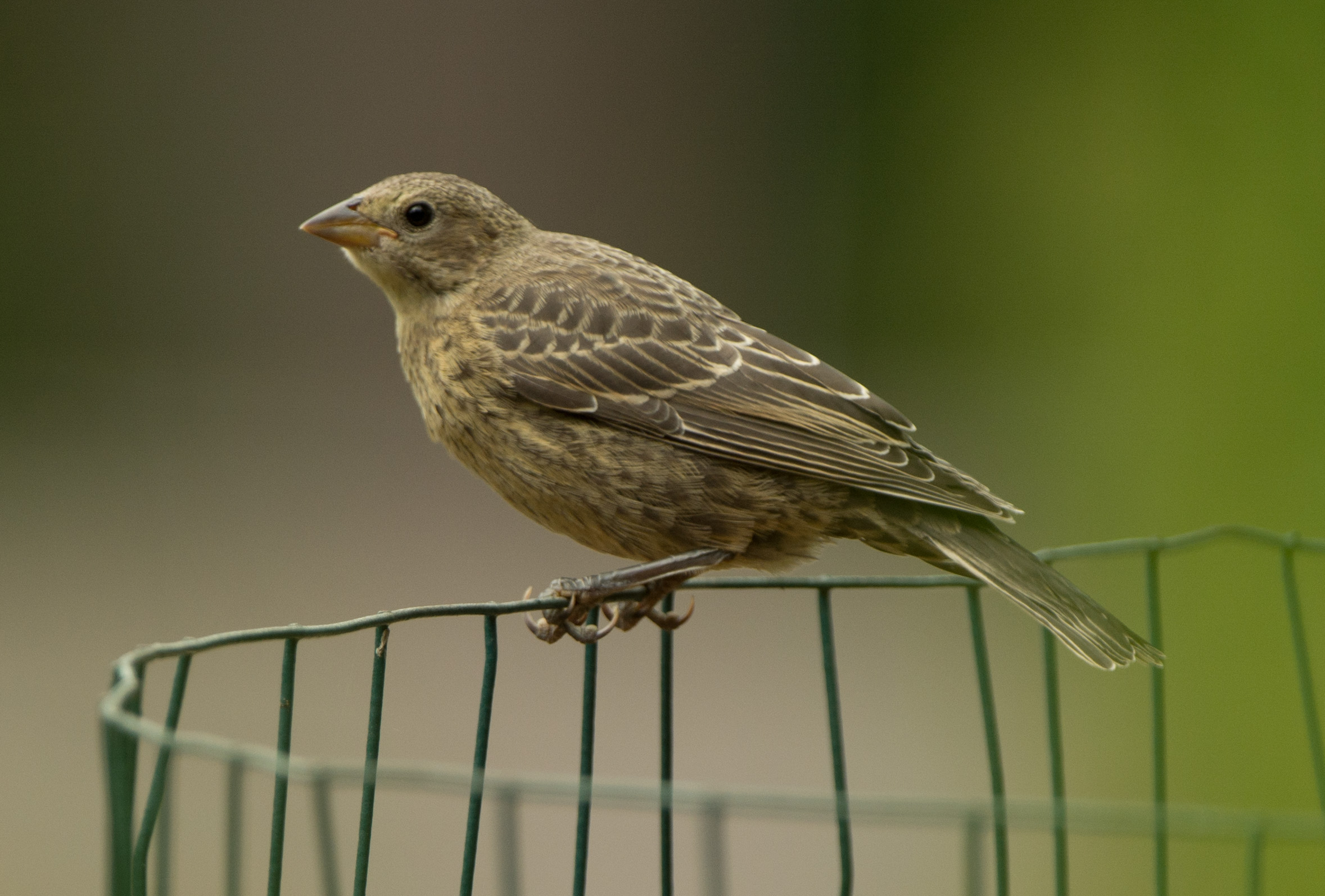
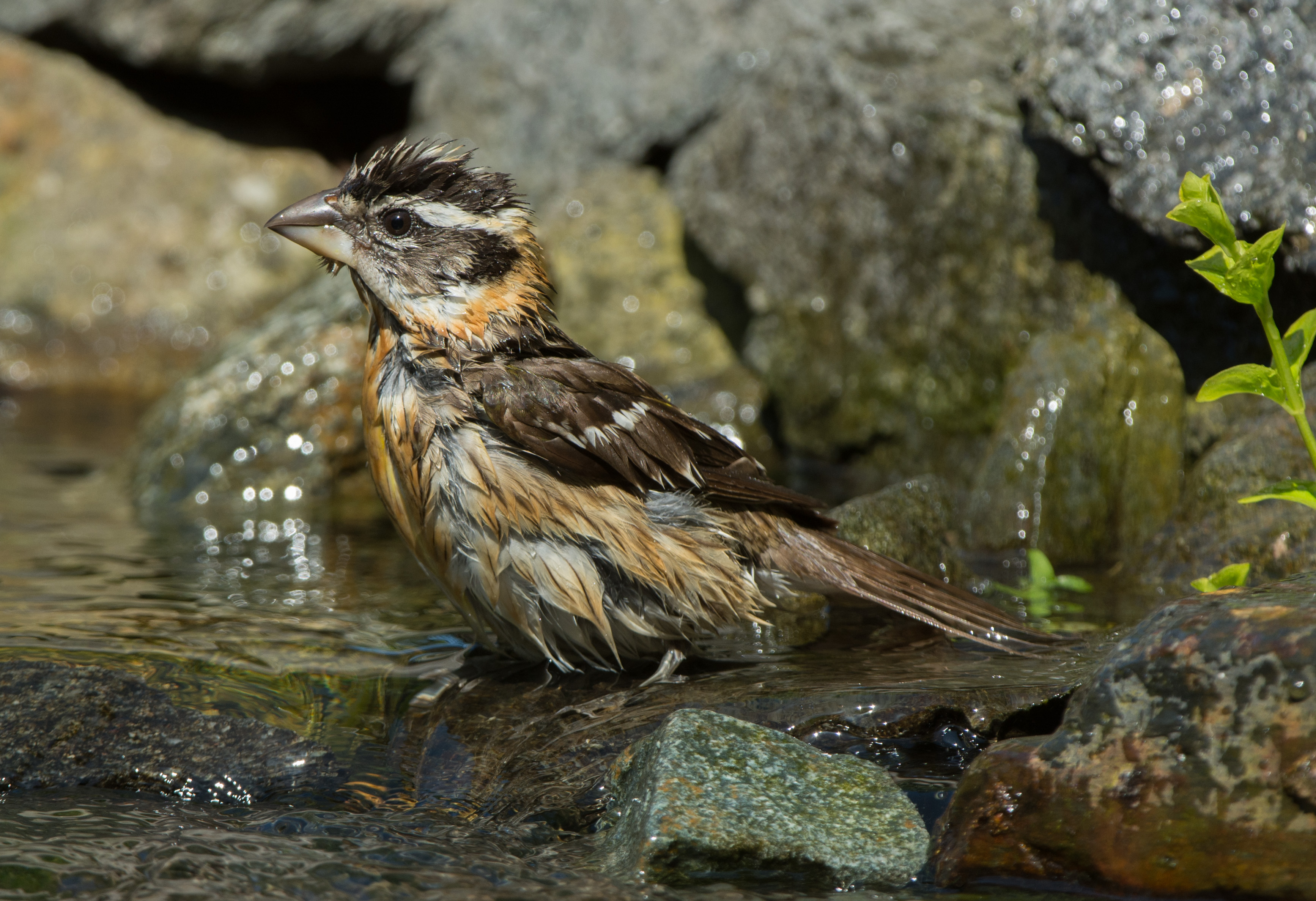
It’s been a somewhat disappointing year for birding in the yard. I’m alarmed by the decrease in the number of warbler visits as well as occasional migrants… Red crossbills, Western tanagers, Cedar waxwings, and vireos. While we have at least one pair of California quail visiting the yard, to date they haven’t shown up with any chicks. We had a pair of Dark-eyed juncos that reared a Brown-headed cowbird (for the second year in a row), hardly a success story. On the other hand, we have a lot of birds in the yard and they are eating us out of house and home. I can’t seem to discourage the European starlings or the House sparrows that spend most of the days in the yard. On July 11, I counted five chickadees on a half-full peanut tube feeder, then upon heading back into the house saw another such feeder with six chickadees on it! The significance of the ‘half-full’ modifier is that the birds only have access to about half the feeder’s surface area and food capacity, so all the chickadees were crowded into quite a small space. And we have a pair of Black-headed grosbeaks who have apparently successfully reared a pair of young.

On July 12, sadly we had a pair of window kills… a juvenile Northern flicker and a Chestnut-backed chickadee.

I’m concerned that the dearth of interesting migrants may have been discouraged by the pulling of ivy in the adjacent City parkland (which needed to be done). What didn’t need to be done, but was apparently done without public comment, is a frisbee golf course was installed in a huge section of the parkland. One of the justifications for the installation was that the users would help trample the English ivy which grows there, but I can tell you that the ivy will be virtually unaffected. What will be affected are the ferns, mushrooms and other more delicate plants that grow there. And whether this disturbance has anything to do with the diversion of birds we normally see, I just can’t say. All I know is that the number of migrant species (some of which are summer breeders here) are drastically down this year.

Earlier in this post I promised a photo of the runner-up Bird of the Month.  Here it is…
DSC_1110

Summer Has Arrived!

I’ve been somewhat negligent in the upkeep of this blog.  I’m still attempting to process the 800+ photos I took on a Texas trip in April and another 800+ photos I took on a trip to California this month.  And in the meanwhile, the birding here at the house has really picked up.  We have a multitude of birds that are being attracted to the yard which includes newly fledged young.  So here are some of the current visitors to the yard…

We have at least two pair of California quail visiting the yard but strangely, there is no sign of chicks

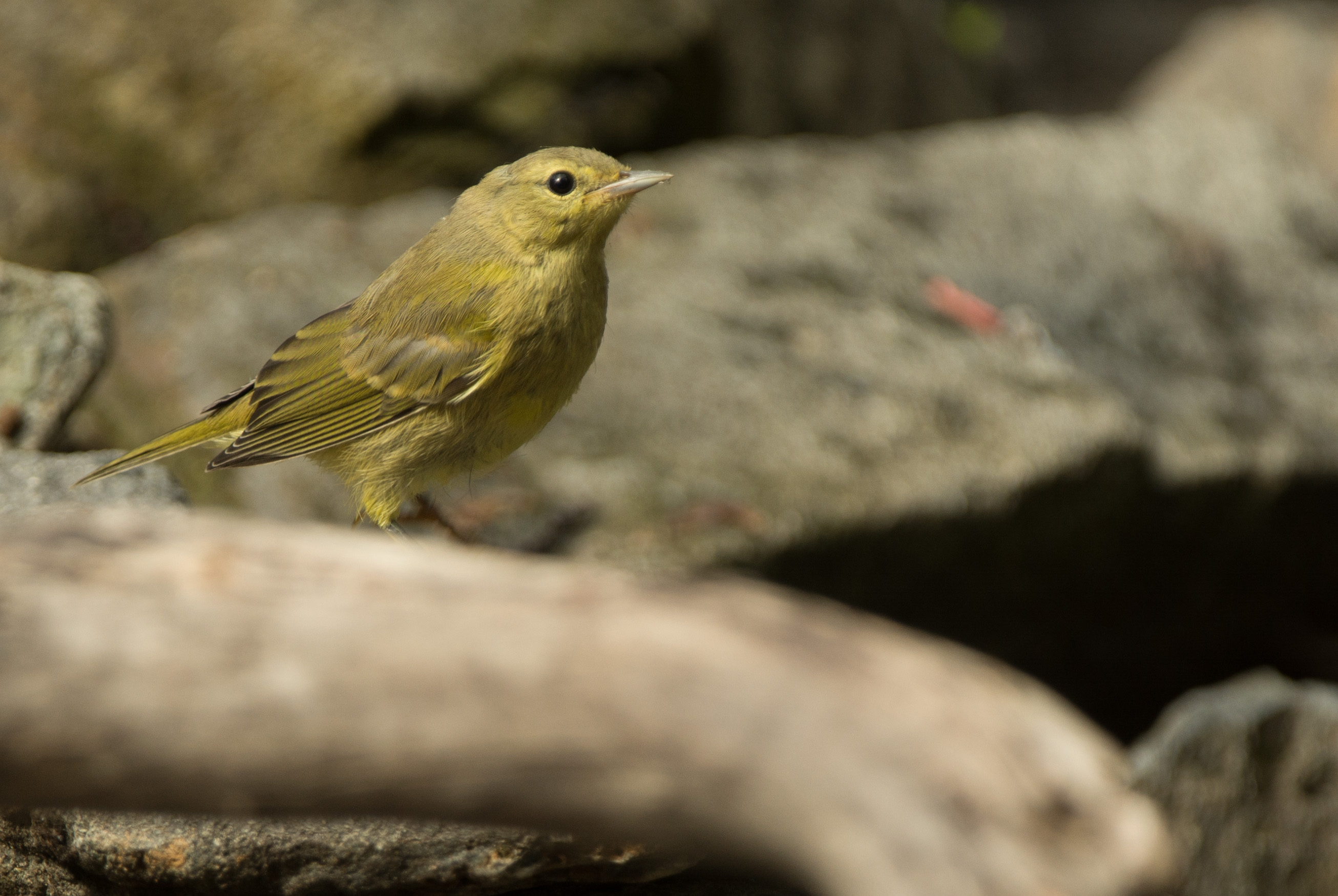
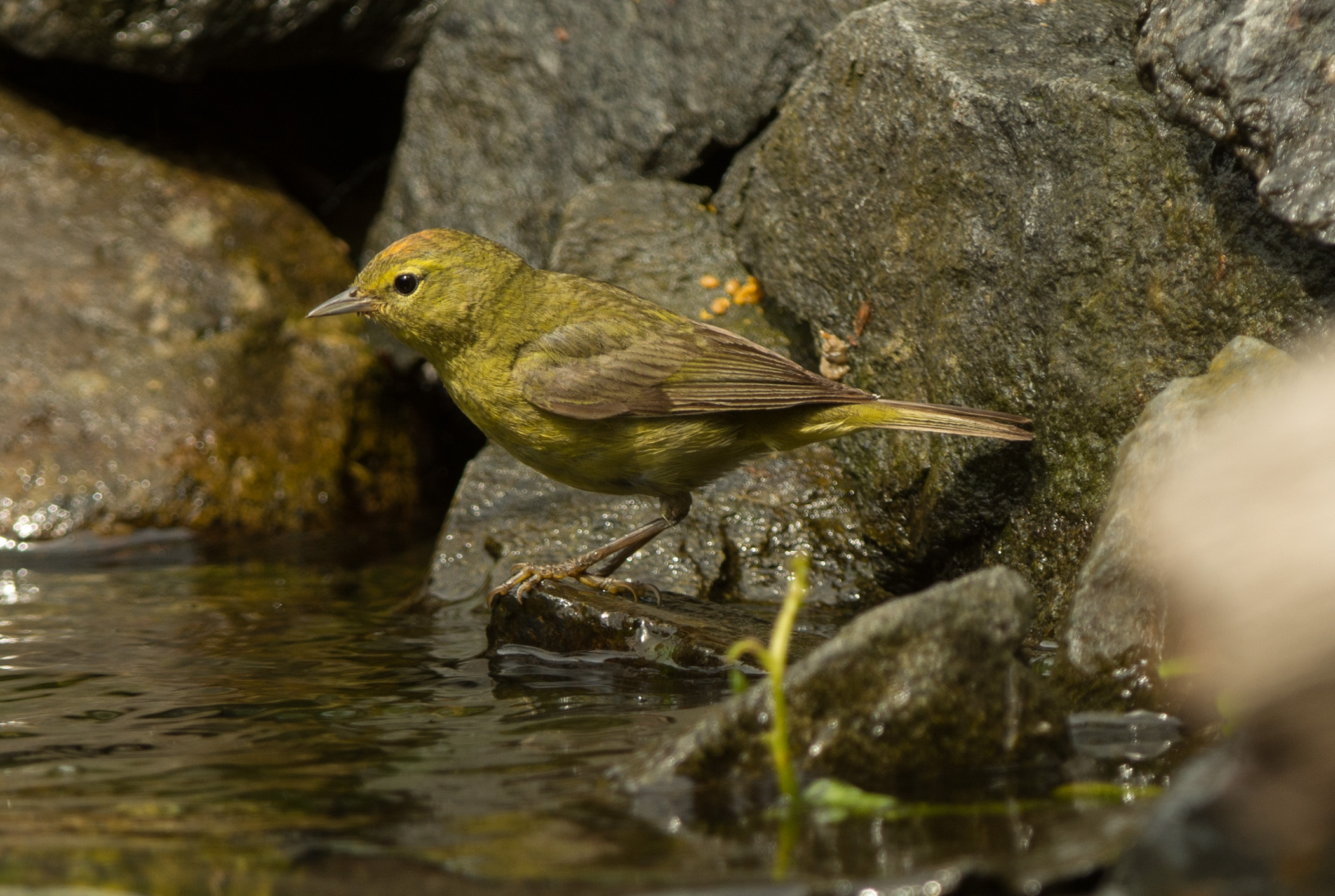
DSC_2335After two to three weeks of meager warbler sightings, I have finally observed and photographed at least two Orange-crowned warblers visiting the yard.

DSC_2354 DSC_2291

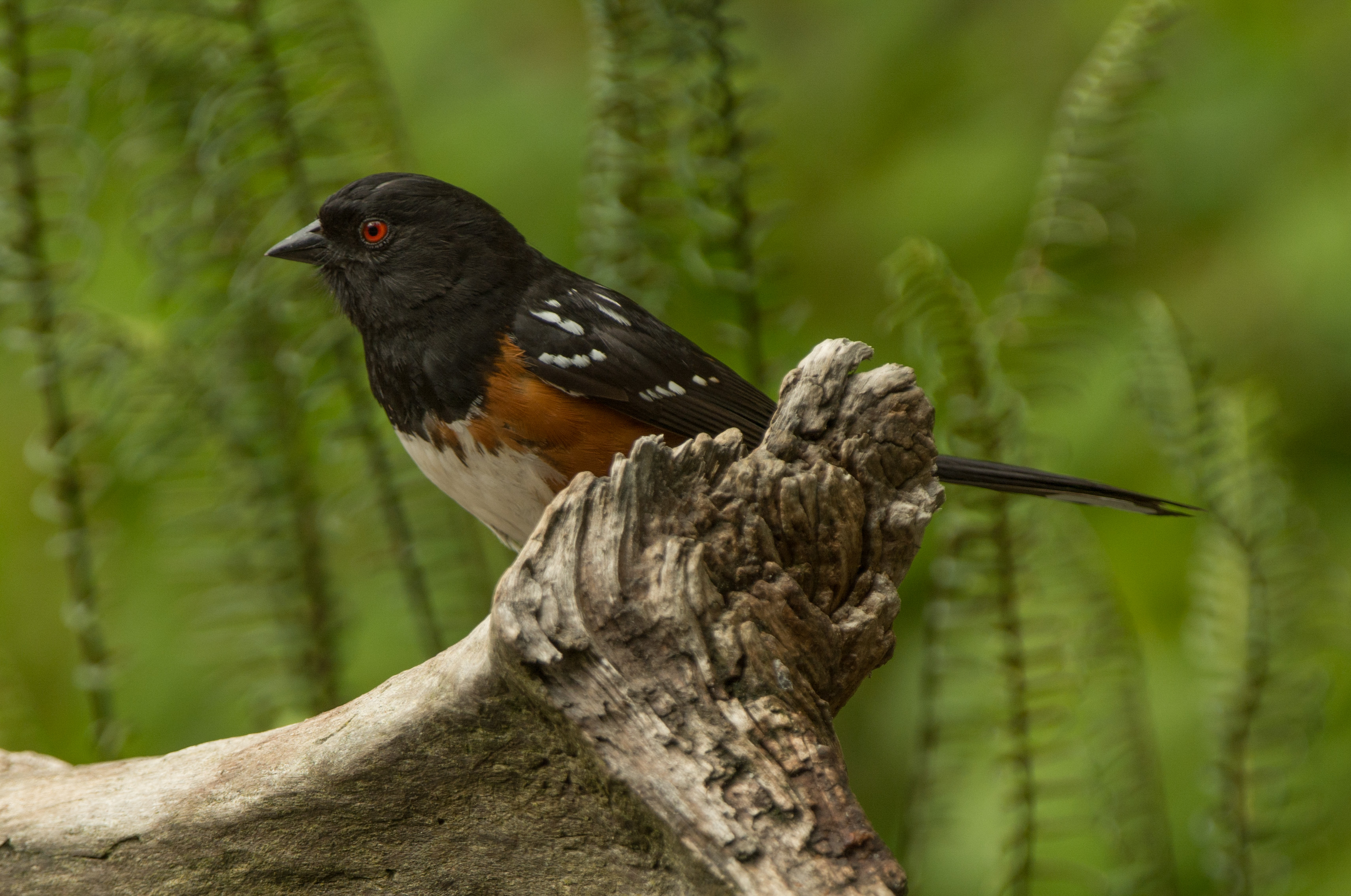
We’ve had at least one pair of Spotted towhees in and around the yard all spring and we now have at least two fledged young visiting the yard.  The young can be difficult to identify as they look nothing like the adults and can resemble some members of the sparrow/finch families.

DSC_2322DSC_2331

A few of the other rather nondescript young include a Brown-headed cowbird…

DSC_2325

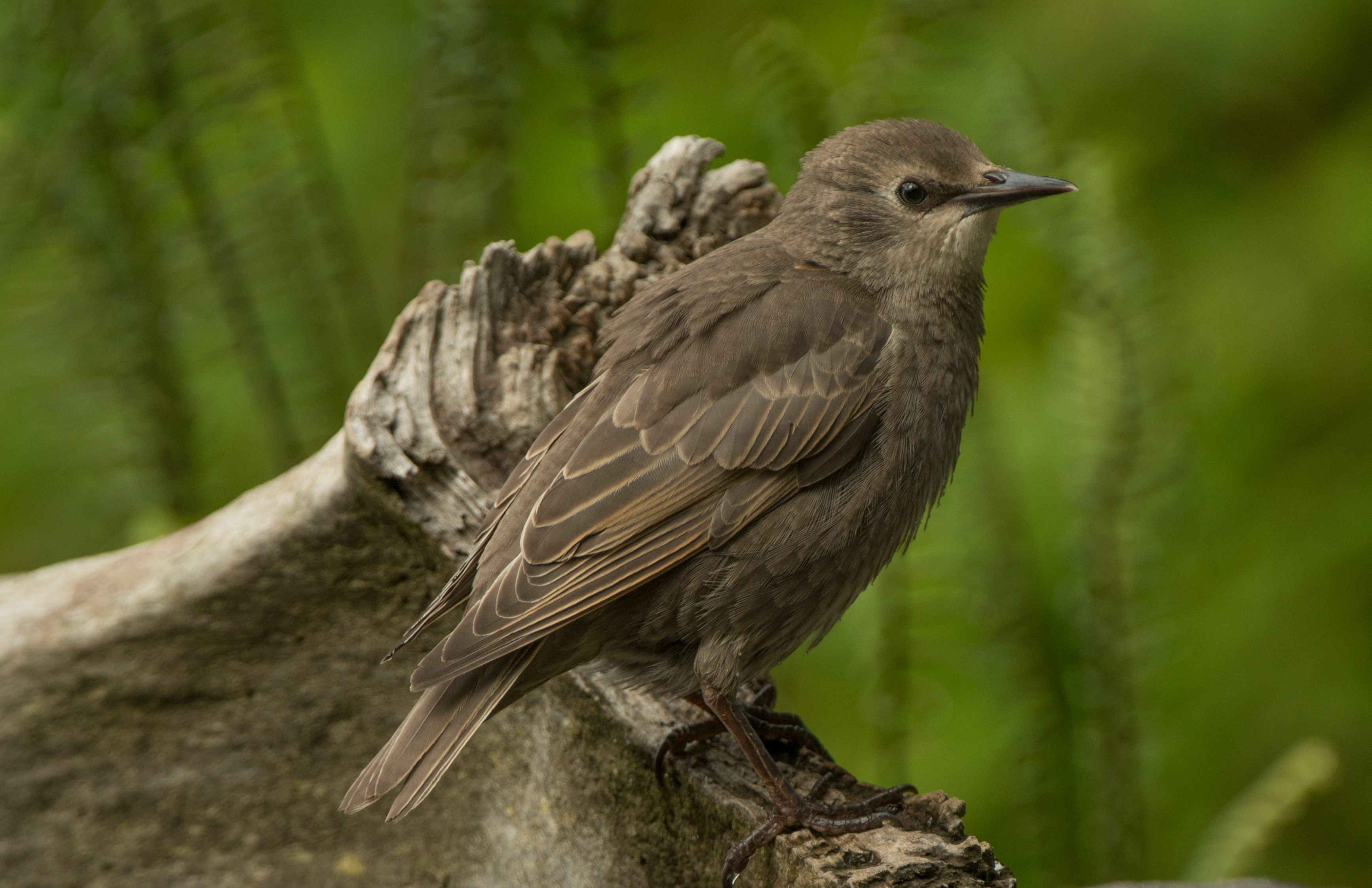
and a European starling.

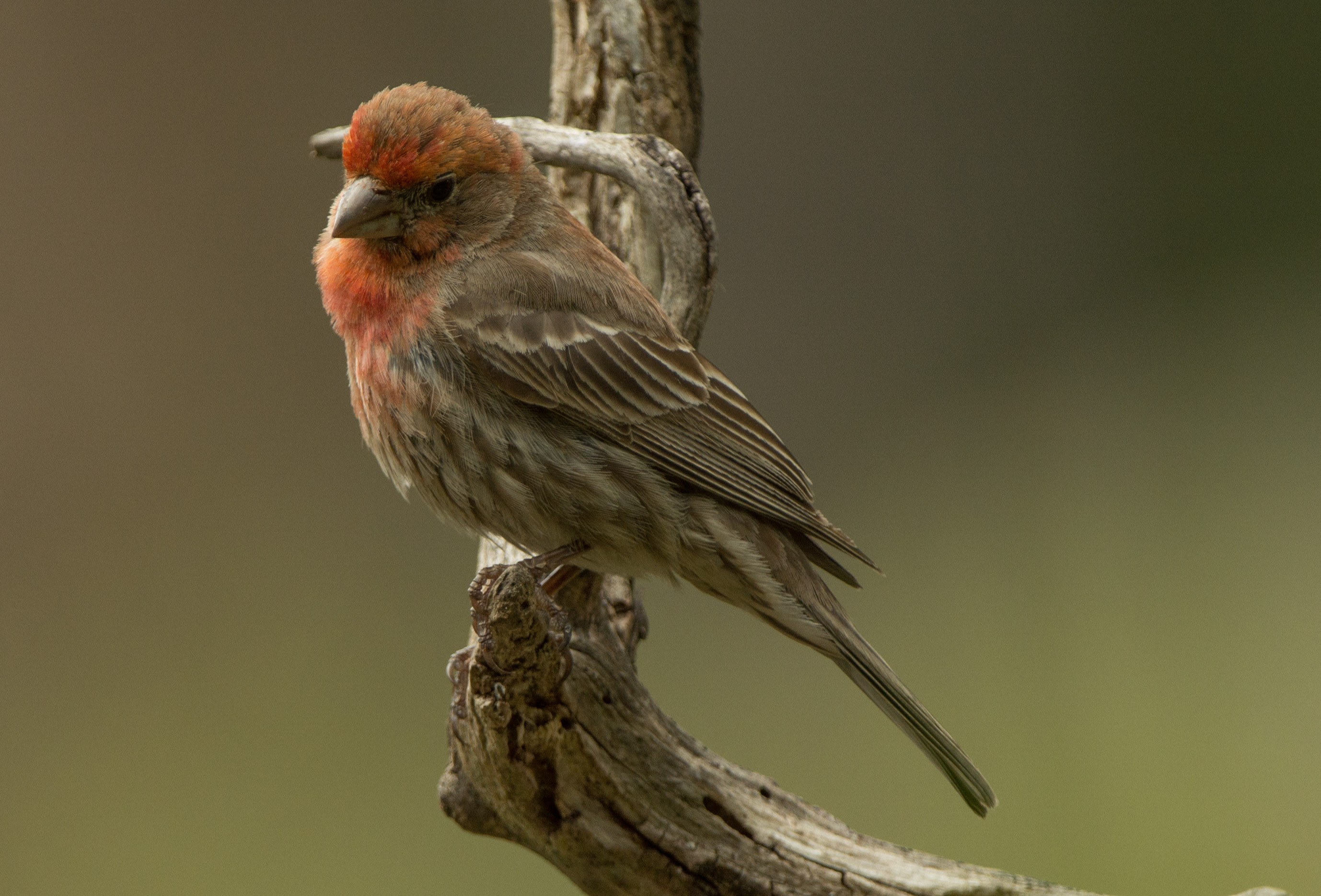
DSC_2349After seeing relatively few House finches this winter they have returned to the yard.  We have at least one mated couple but there is also an apparently an unattached male that hangs out with the pair.

DSC_2314

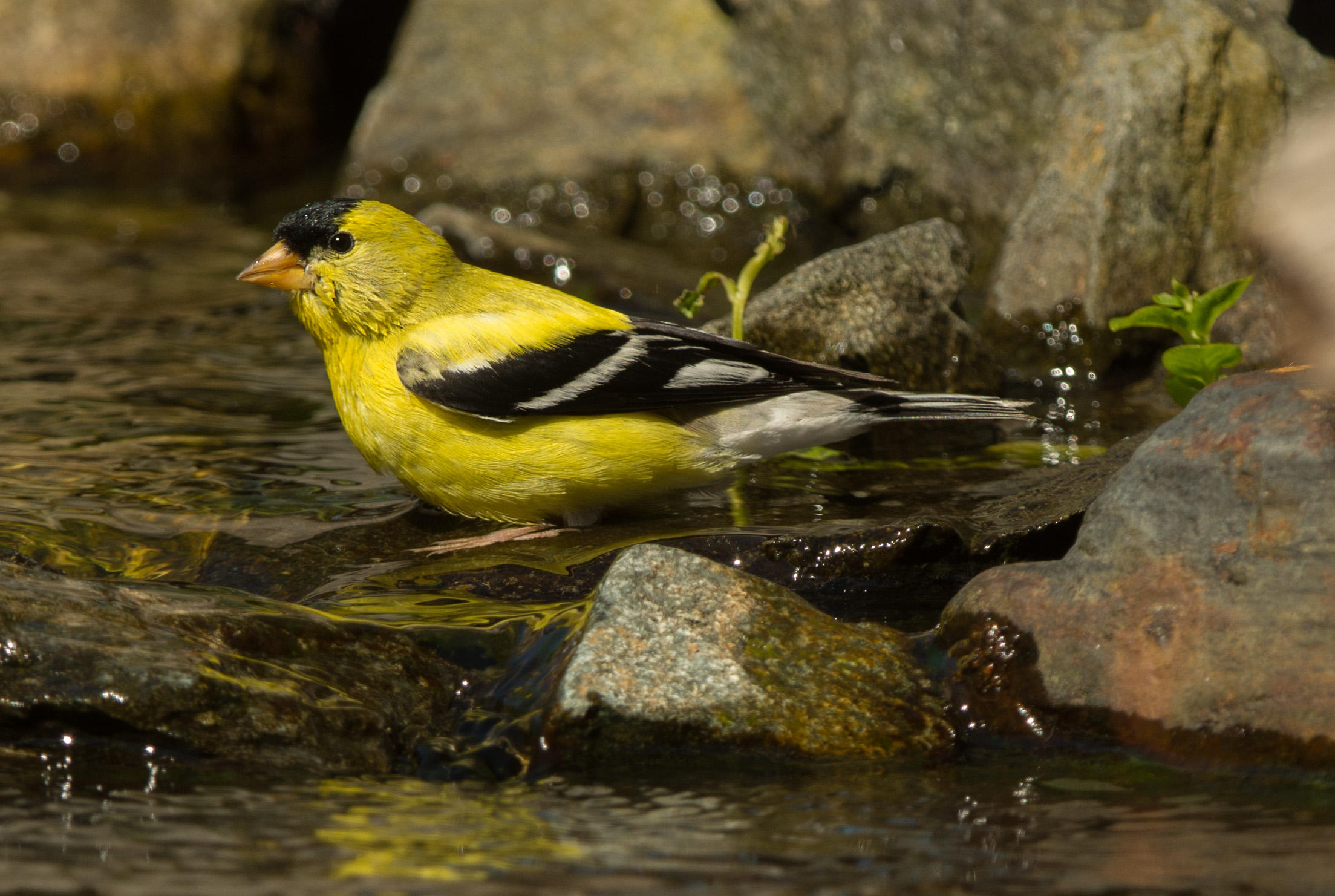
The yard is filled with American goldfinches which utilize both the seed feeders and the watercourse.  This male is enjoying a bath in the watercourse.

DSC_2256

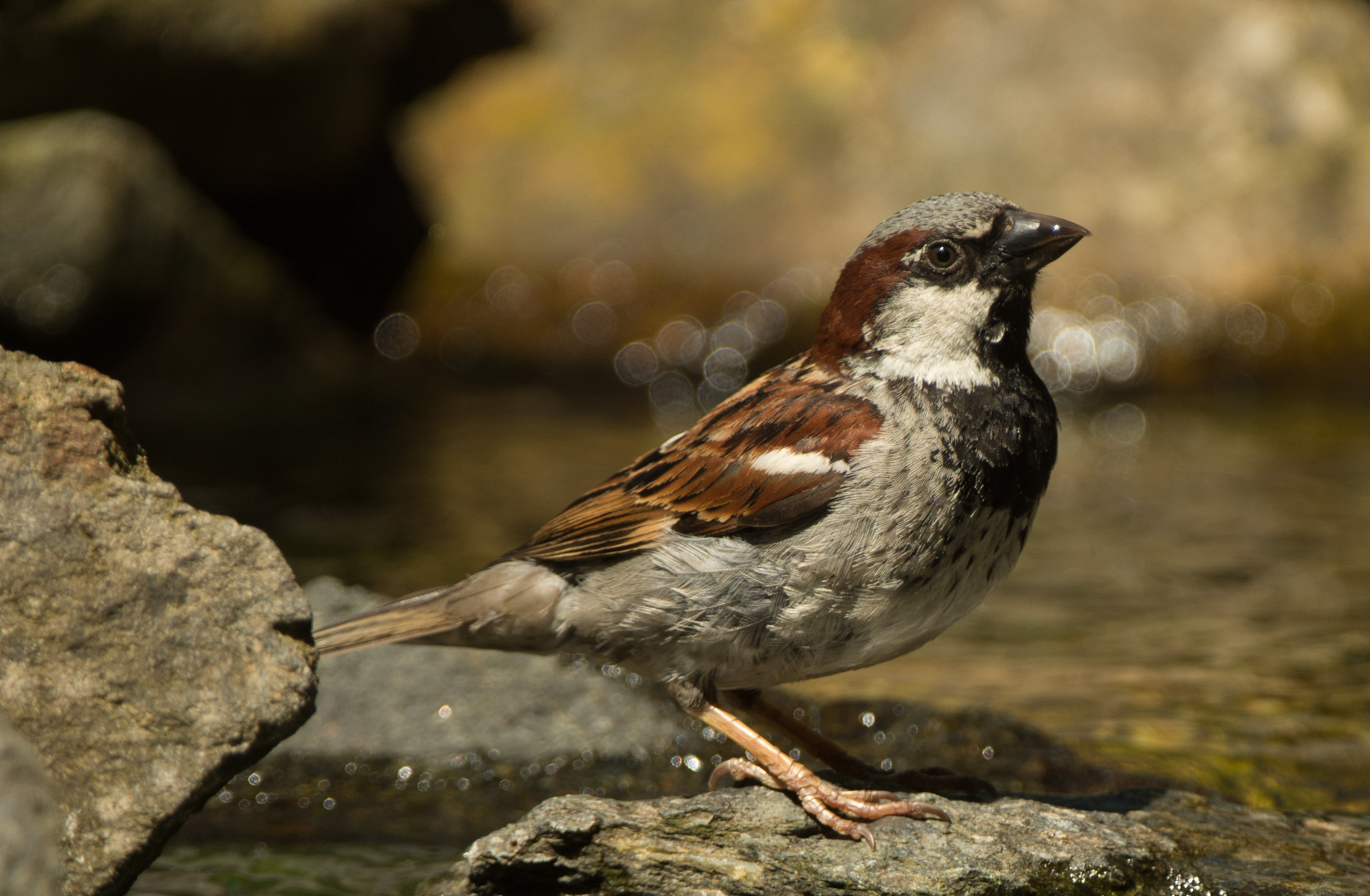
This is one of our male House sparrows which is now feeding young.

DSC_2226

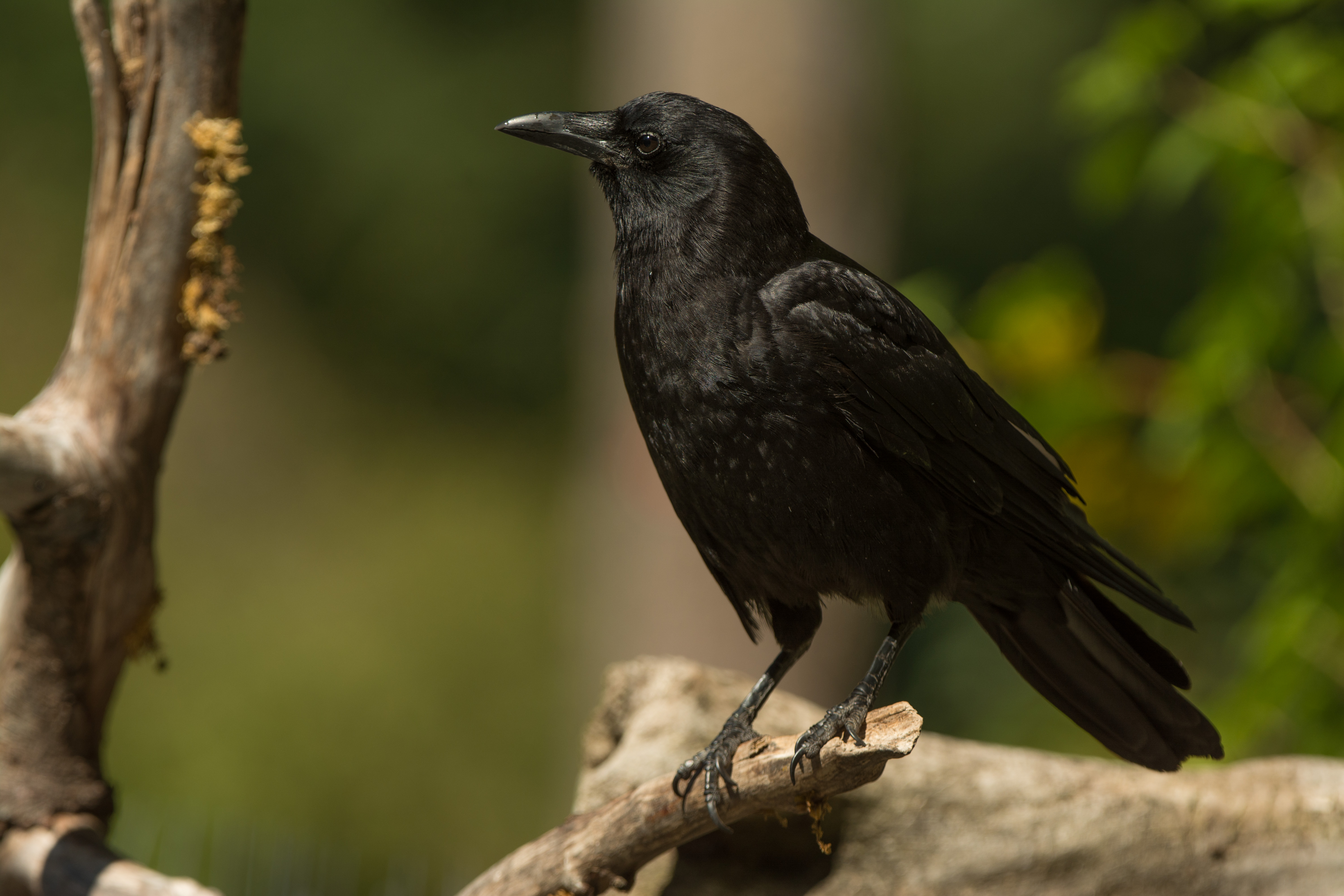
We’ve had two families of crows that nested in the vicinity.  In one case the nest was in a tree in the front yard.  To date I haven’t seen any evidence that young have fledged, and a couple of weeks ago I saw a pair of crows building or repairing the nest in the yard.  In some past years the crows’ nests have been predated by ravens, but I’m usually alerted to that event by the crows.  As far as I know there are no ravens nesting in the neighborhood.

The particular crow pictured here is one that enjoys handouts… peanuts and the occasional grape or cherry.  It’s not obvious that this crow has a mate and it enjoys spending a considerable part of its day monitoring yard activities.

DSC_2237

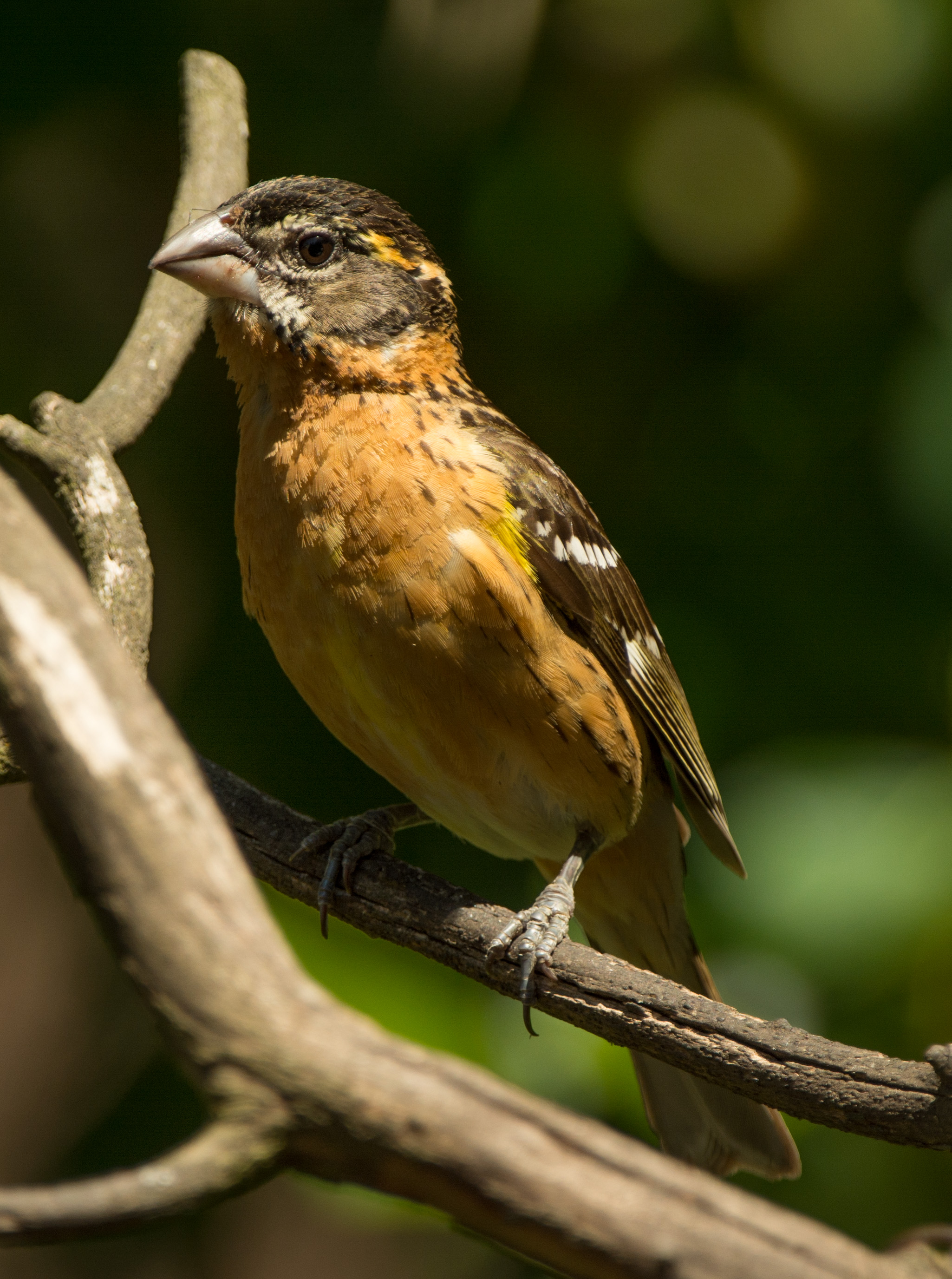
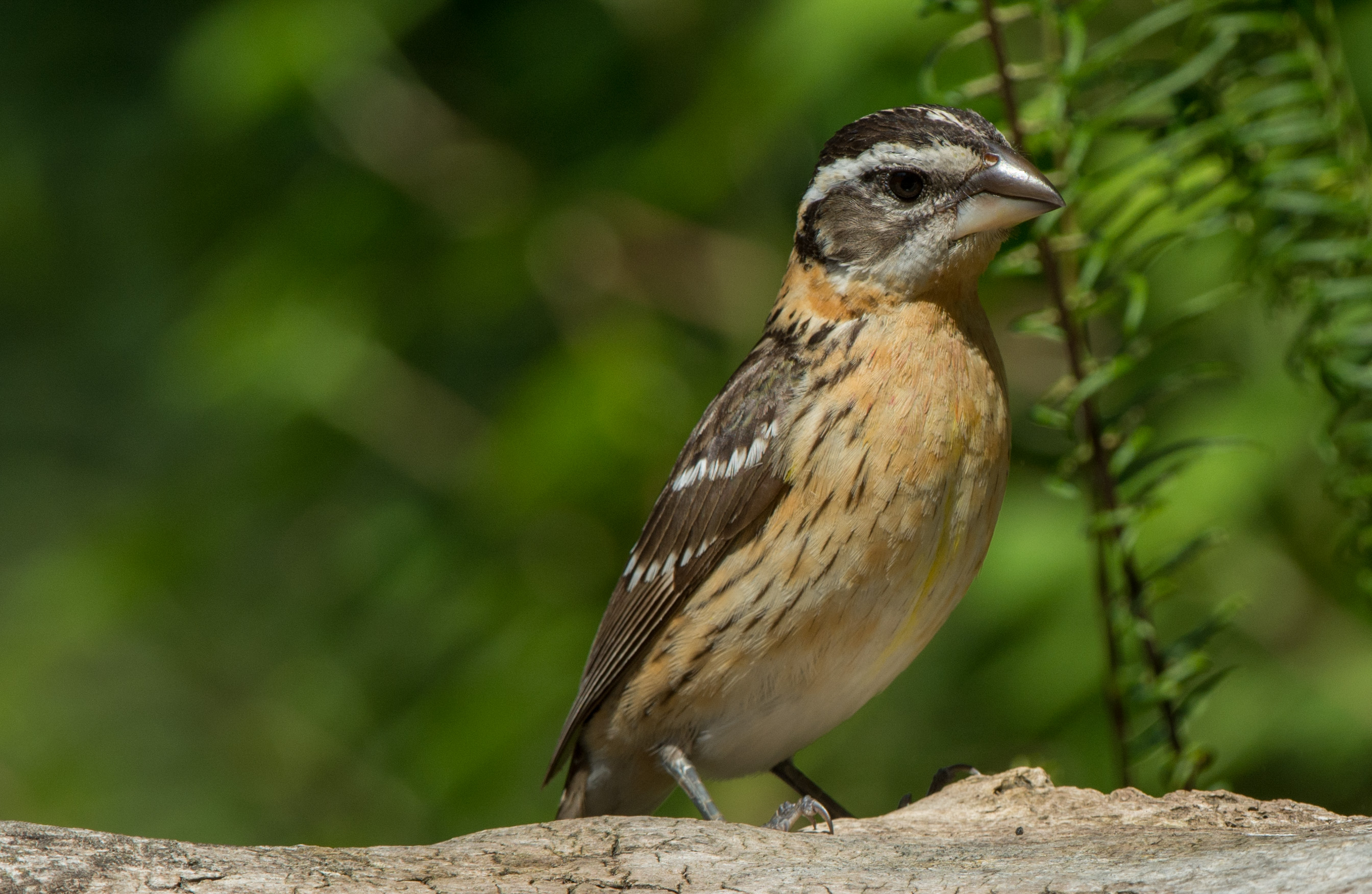
And finally, a female Black-headed grosbeak permitting a rare photographic moment.  The grosbeaks are probably our most shy birds… any movement on my part usually terminates their visit.

DSC_2224

I’m still waiting for some rarer visitors… an Olive-sided flycatcher, Red crossbills, a Western tanager or Cedar waxwings… birds we’ve enjoyed in past summers.


Birds and Red Elderberries

The Red elderberries in my area are ripening, and they attract several different species of birds.  I see mainly American robins, but the berries are also attractive to crows, Western tanagers and probably grosbeaks and waxwings.  This past week I spent some time parked in front of neighbors’ houses monitoring a huge elderberry bush.  Here are a couple of photos I took while there.

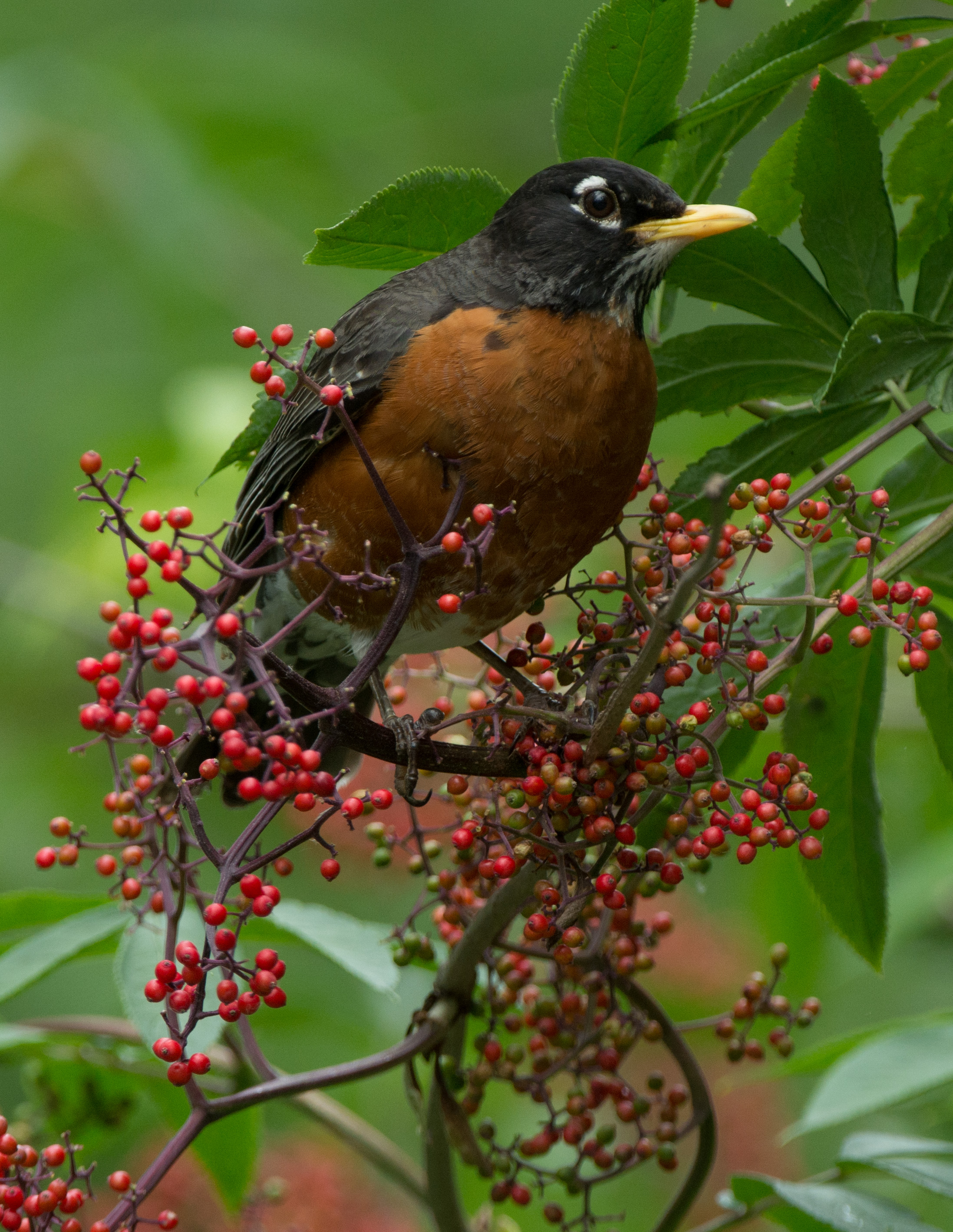
Here’s a photo of a mature robin sitting above a cluster of berries…

Robin, American - in Red elderberry 20160526-20

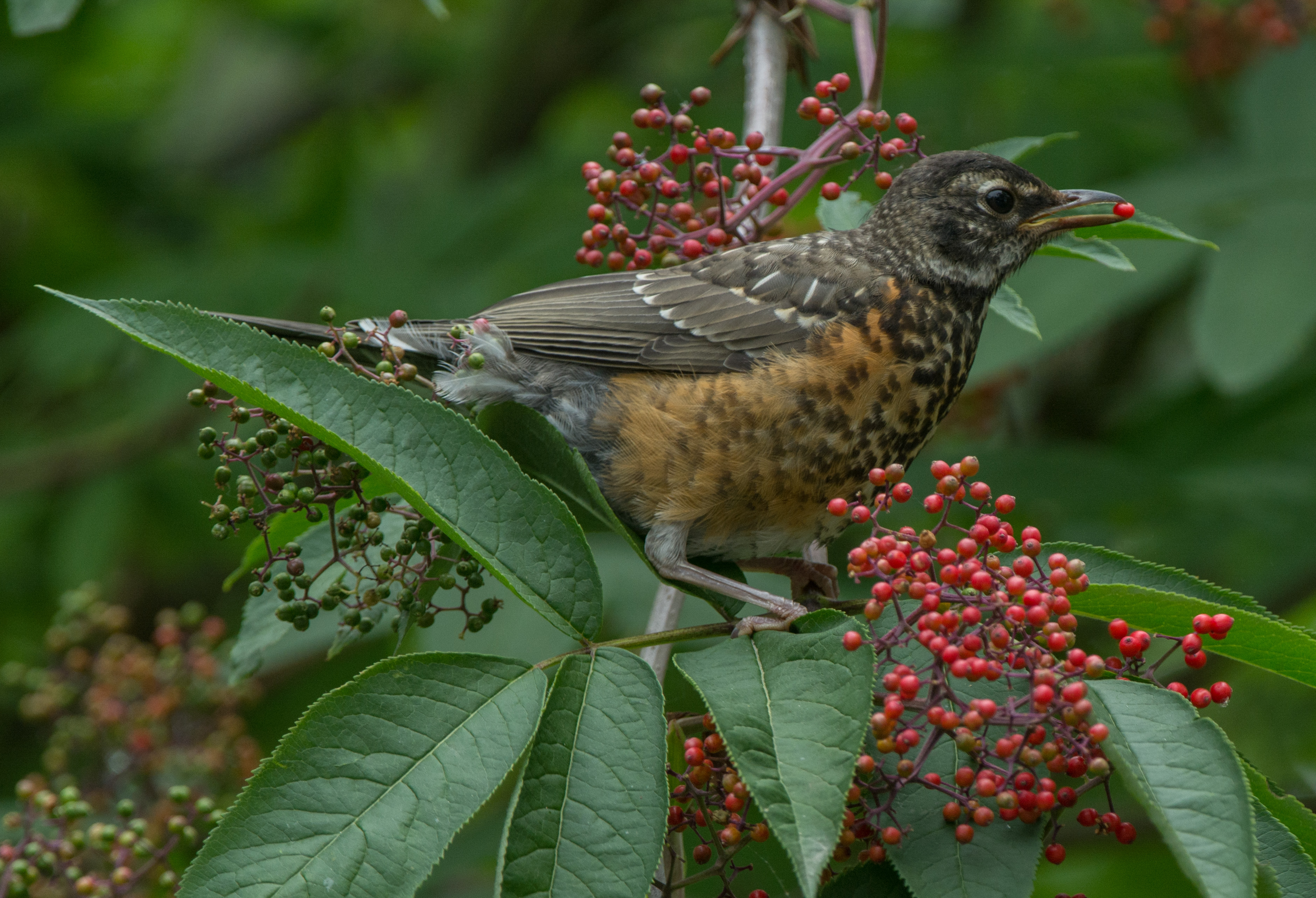
And here is a photo of a juvenile American robin, the only one I’ve seen so far this season.  I usually have quite a few young show up in the watercourse shortly after they have fledged.

Robin, American - in Red elderberry 20160526-34

Late May from the Yard

The weather has been good so I’ve been spending time photographing instead of posting to my blog.  But I have several little stories to tell in connection with recent photos so I’ll get to it!

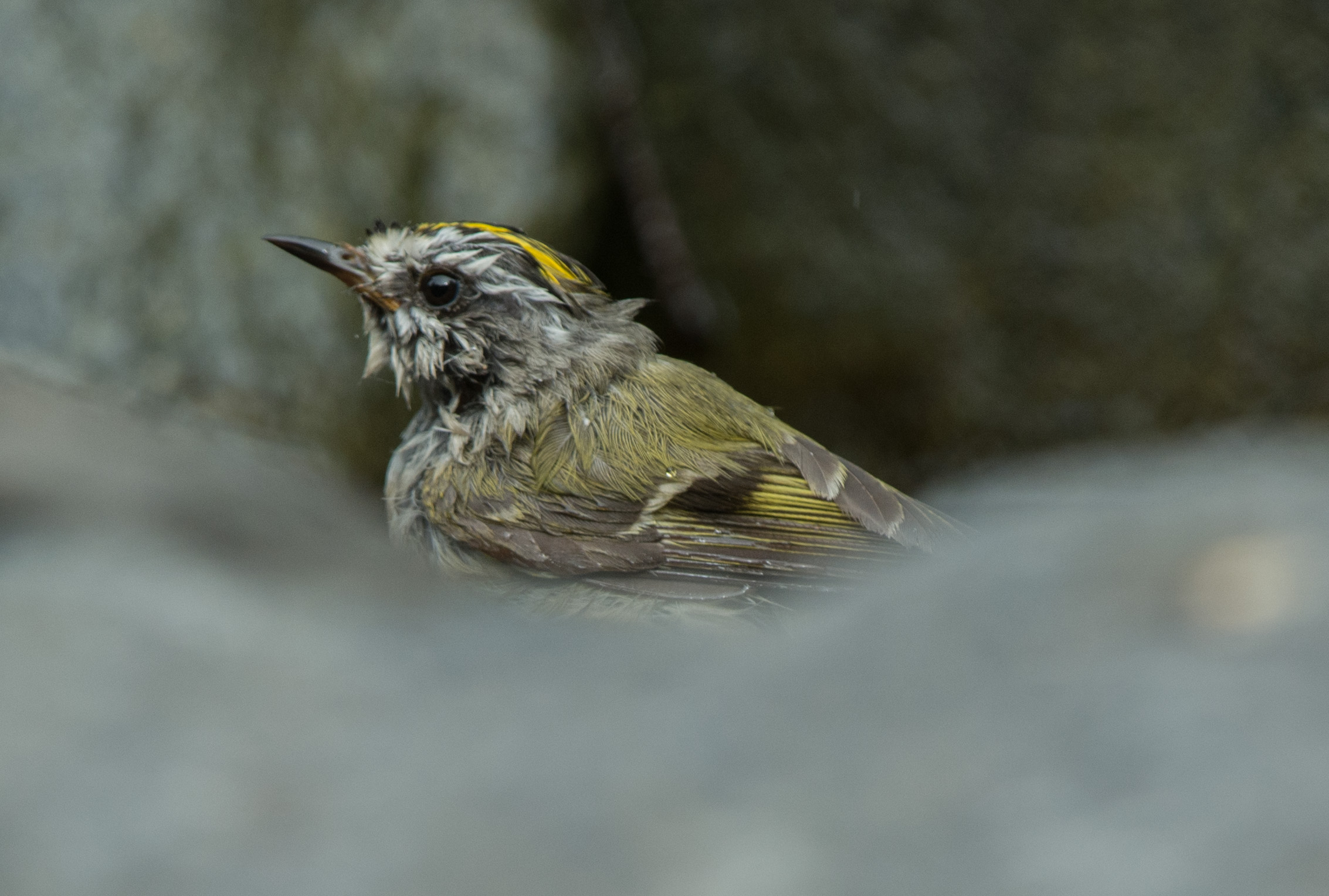
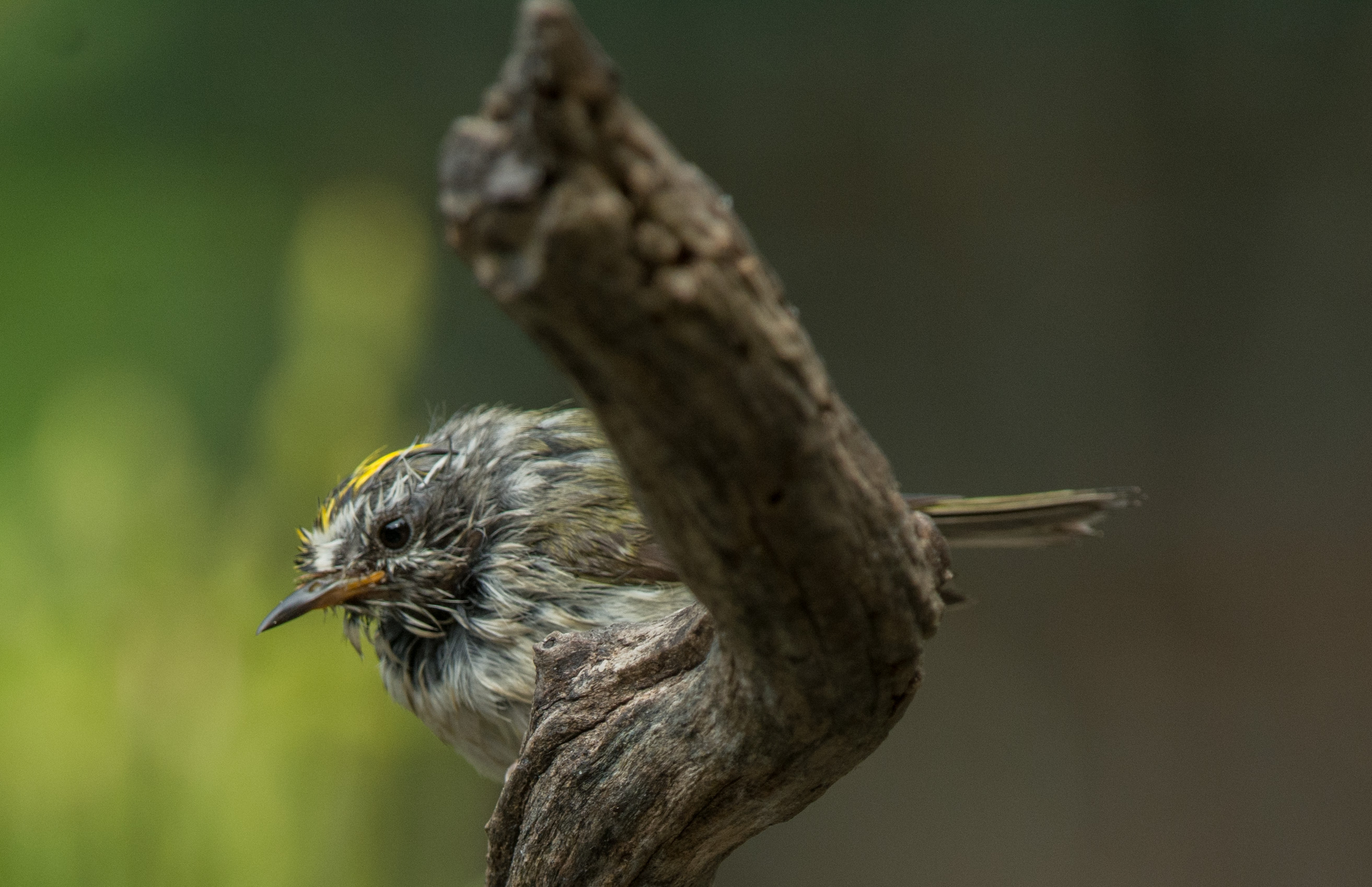
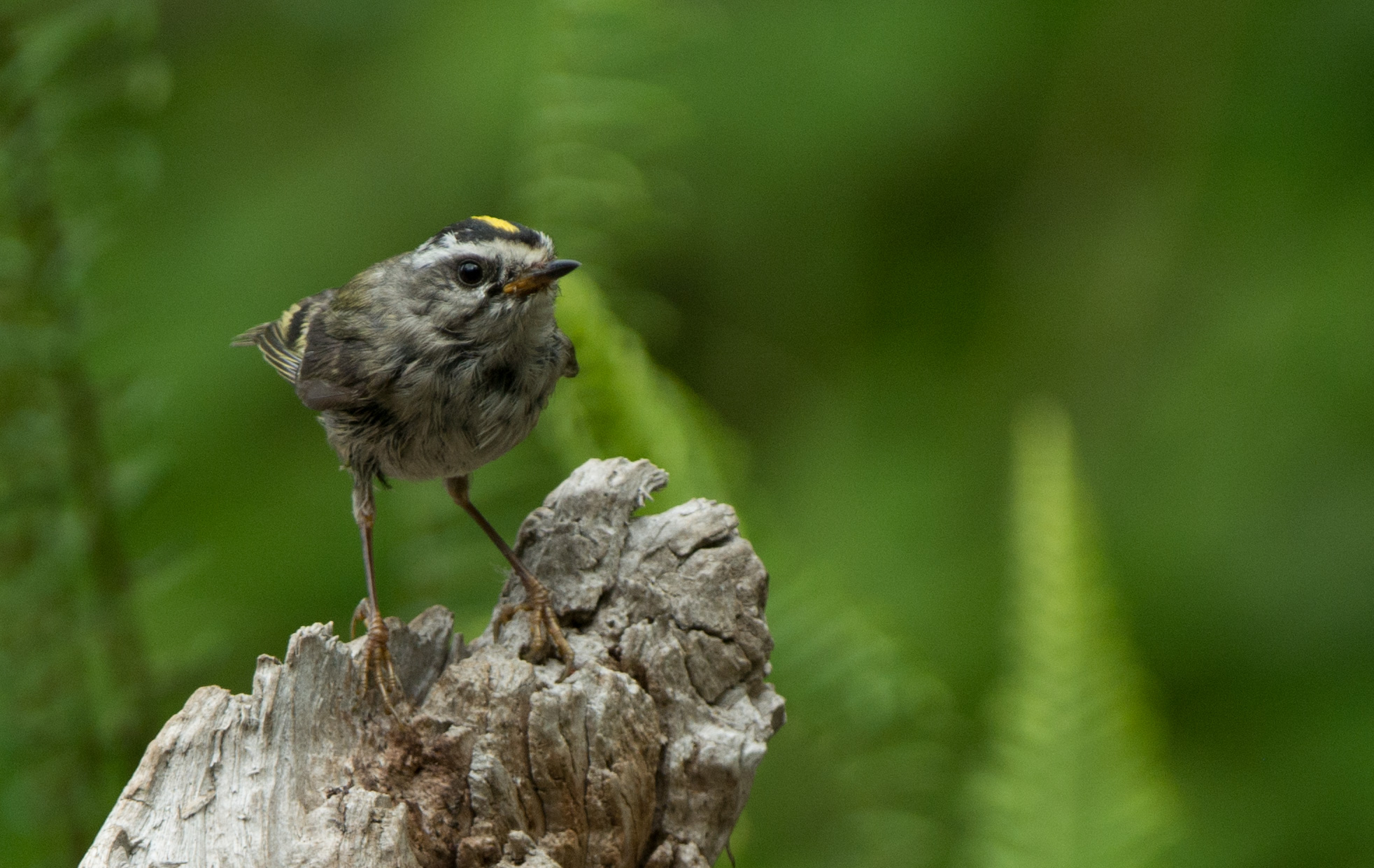
It’s not unusual for us to get kinglets in the yard, but they are much more a winter bird than a spring or summer bird here.  I was surprised a couple of weeks ago to log a Golden-crowned kinglet in our yard.  A week or so later I had a visit from two Golden-crowned kinglets.  I thought they looked a little rough at the time but I ascribed it to perhaps seeing them after they had a bath in the watercourse.  I managed a couple of photos and in processing the photos I realized that I had taken photos of a couple of juveniles, probably not too long from the nest but they could fly well.  Here are a couple of the photos…

DSC_0658 DSC_0669 DSC_0733

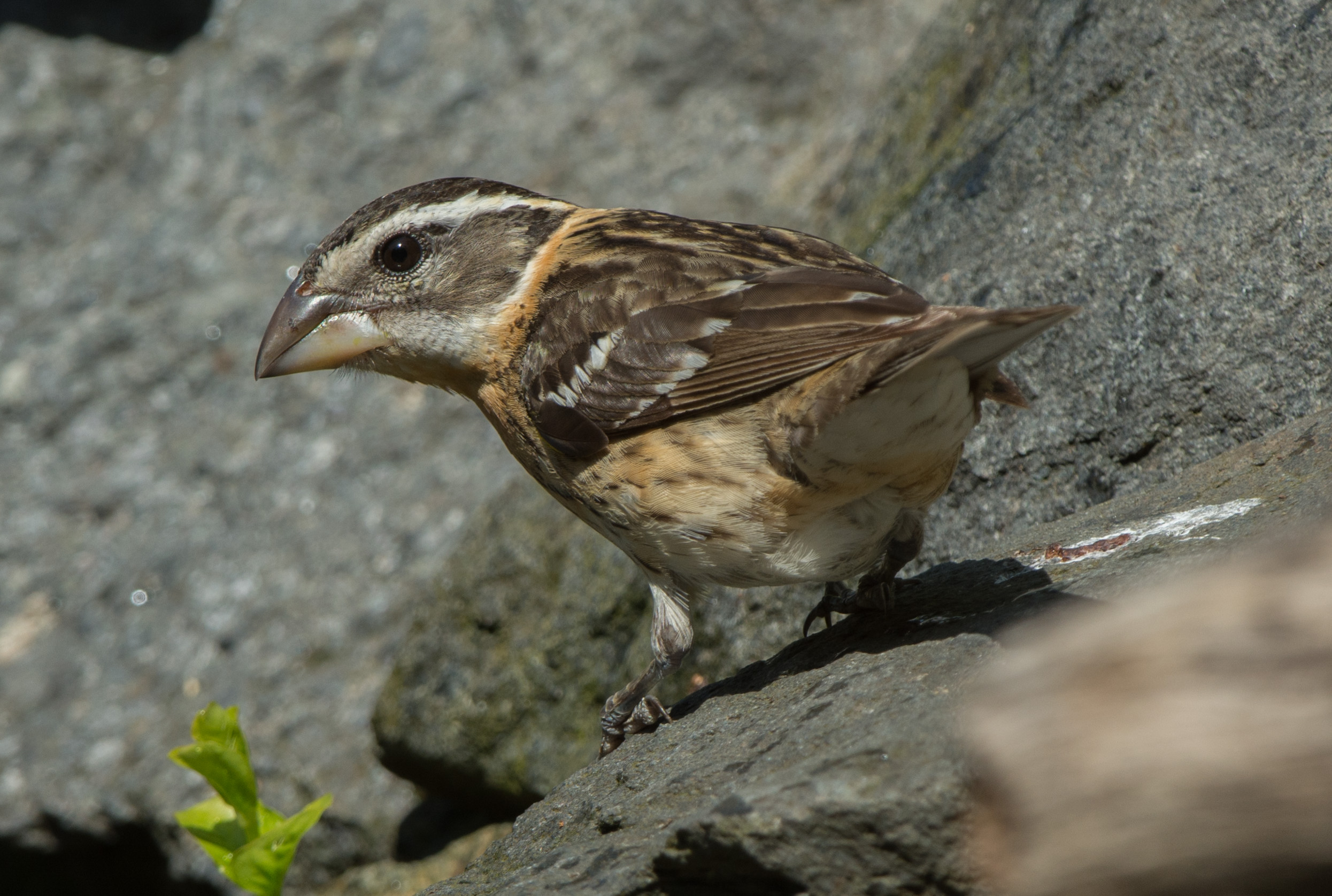
I’ve had at least one male Black-headed grosbeak visit the yard for the past several weeks.  I have on much rarer occasions seen a female Black-headed grosbeak, but she has been a lot more cautious about entering the yard and has flown at any movement or attention on my part.  A couple of days ago, in the middle of the afternoon, I was just getting ready to abandon my observation post in the yard when a female flew into full view and landed beside the watercourse.  The sun was out and I was able to take maybe 20-30 photos under ideal conditions!  I no longer have to worry about having some good female Black-headed grosbeaks in my inventory.

DSC_0787 DSC_0777 DSC_0773

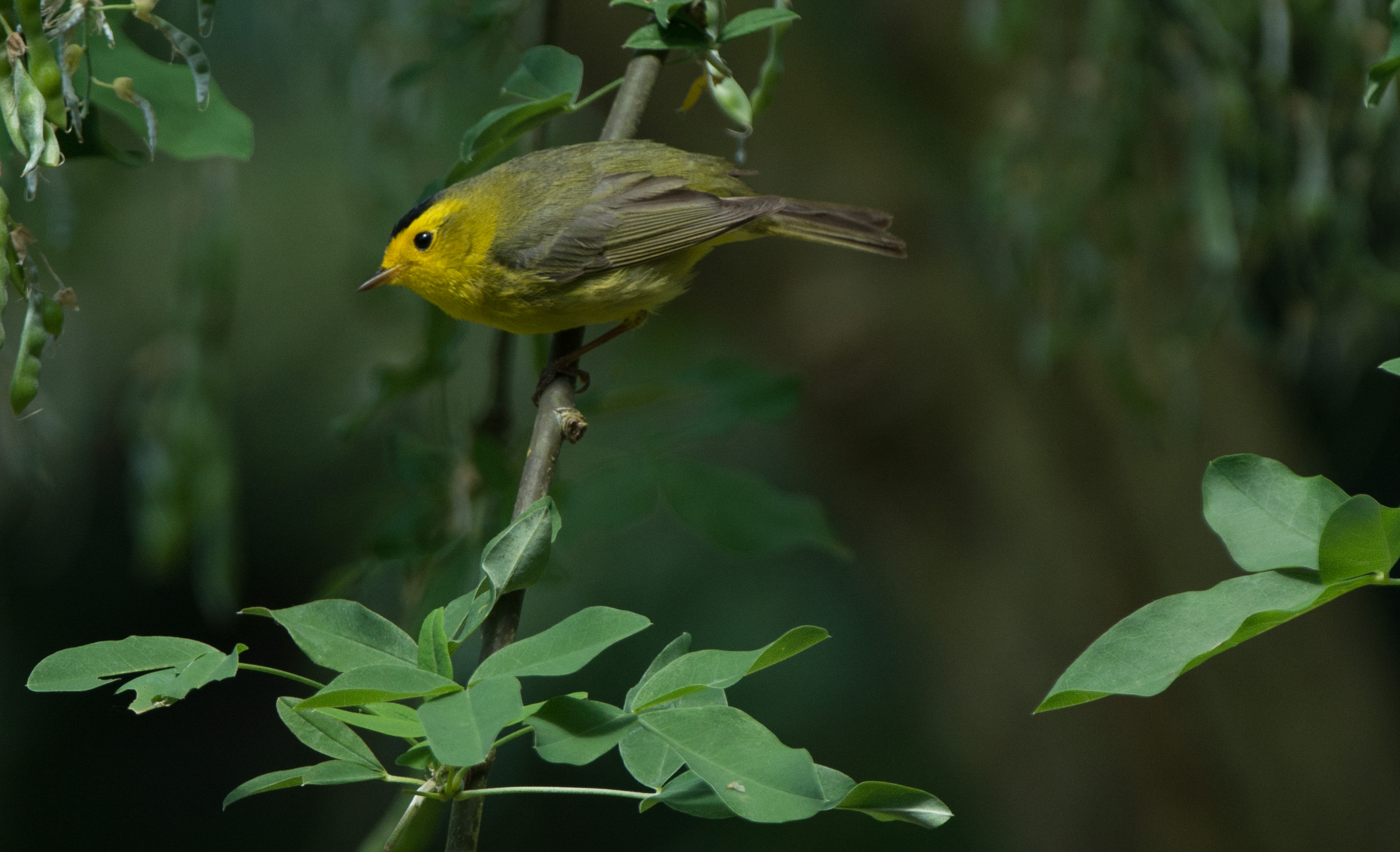
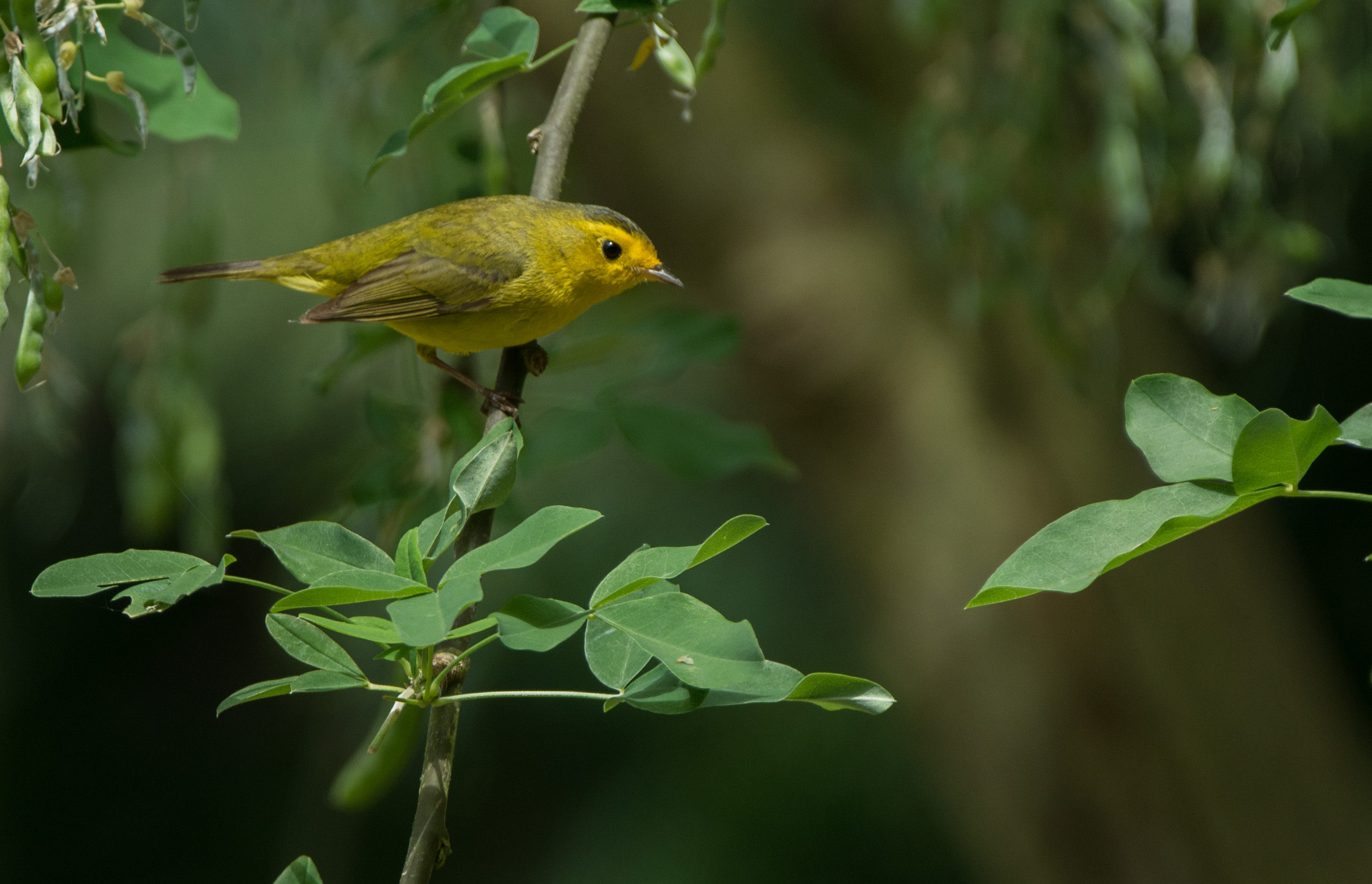
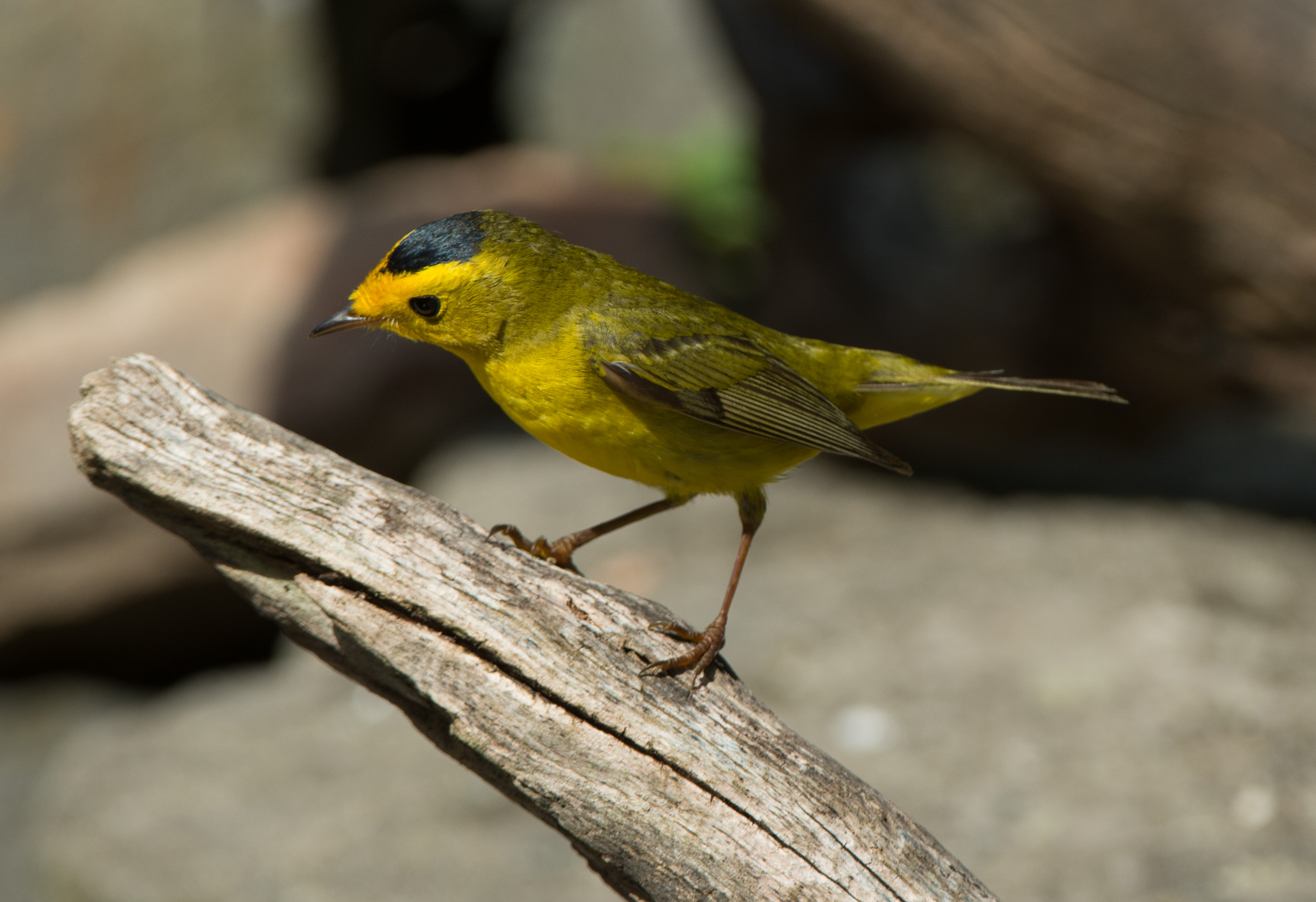
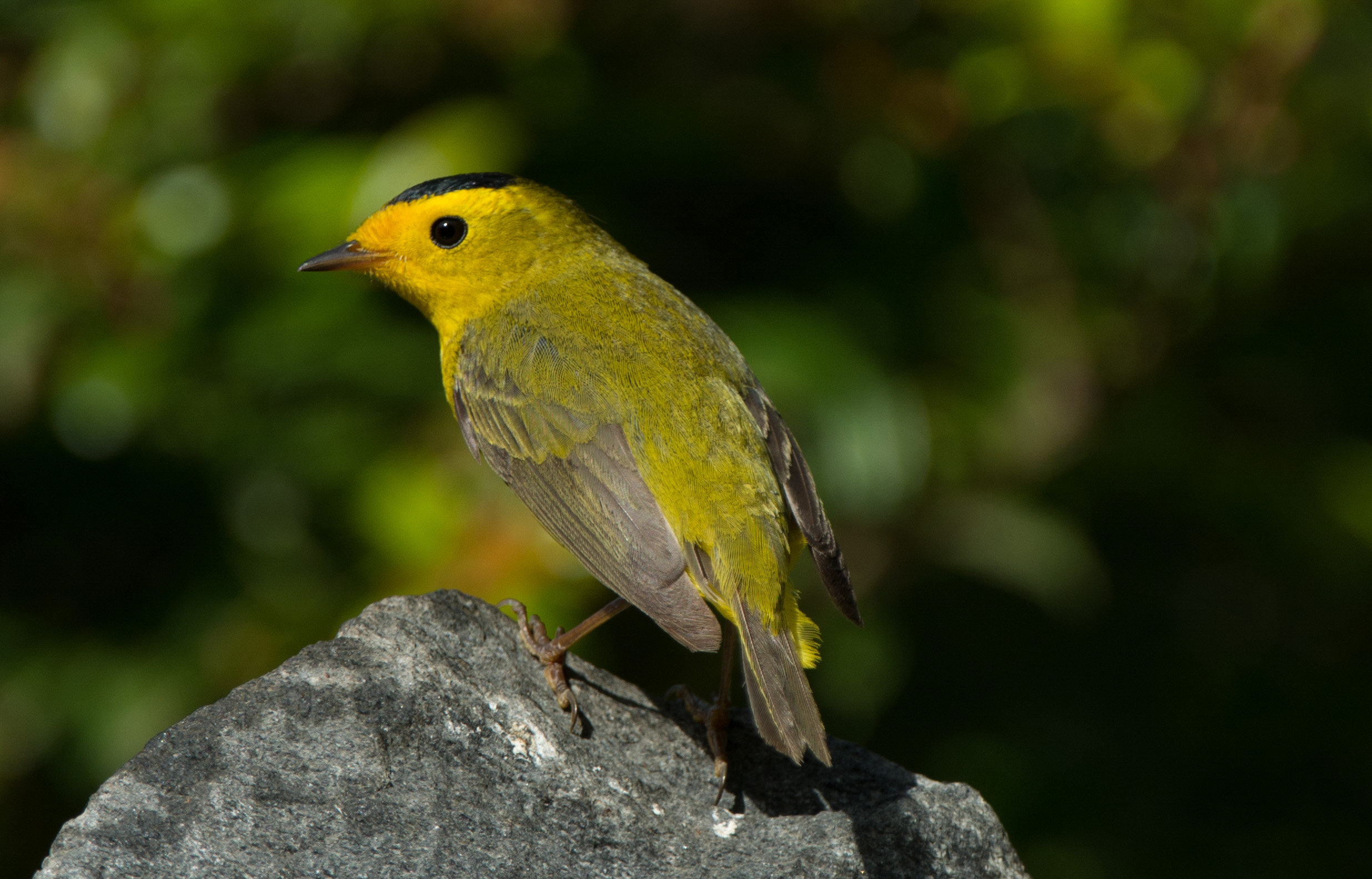
I’ve been having many daily visits from Wilson’s warblers for the past several weeks.  I consider it the most prolific warbler visitor to our yard.  My inventory of Wilson warbler photos continues to grow, but I noticed a strange coincidence when processing photos a couple of days ago.

We have a Golden-chain tree in the front yard.  It’s not native and we aren’t proud of it but it offers one of the best natural perches for birds around the yard and many of them use it to stage before coming down to the watercourse or one of the feeders.  On this particular day I had photographed several Wilson warbler visits, but as I was cropping my photos (almost all have to be cropped!) I noticed a similar leaf pattern on two different series of photos taken some time apart.  I went back and checked the photos and found that I had photos of both a male and female Wilson’s warbler, both sitting on the same small twig at different times.

See for yourself!  The first photo shows a male Wilson’s warbler facing to the left and the second photo shows a female facing to the right, but they are both on the same twig.  The sexes can be distinguished by the intensity of the bird’s crown, dark-black in the male and a lighter-colored crown in the female.

DSC_0751 DSC_0742


More May Yard Birds

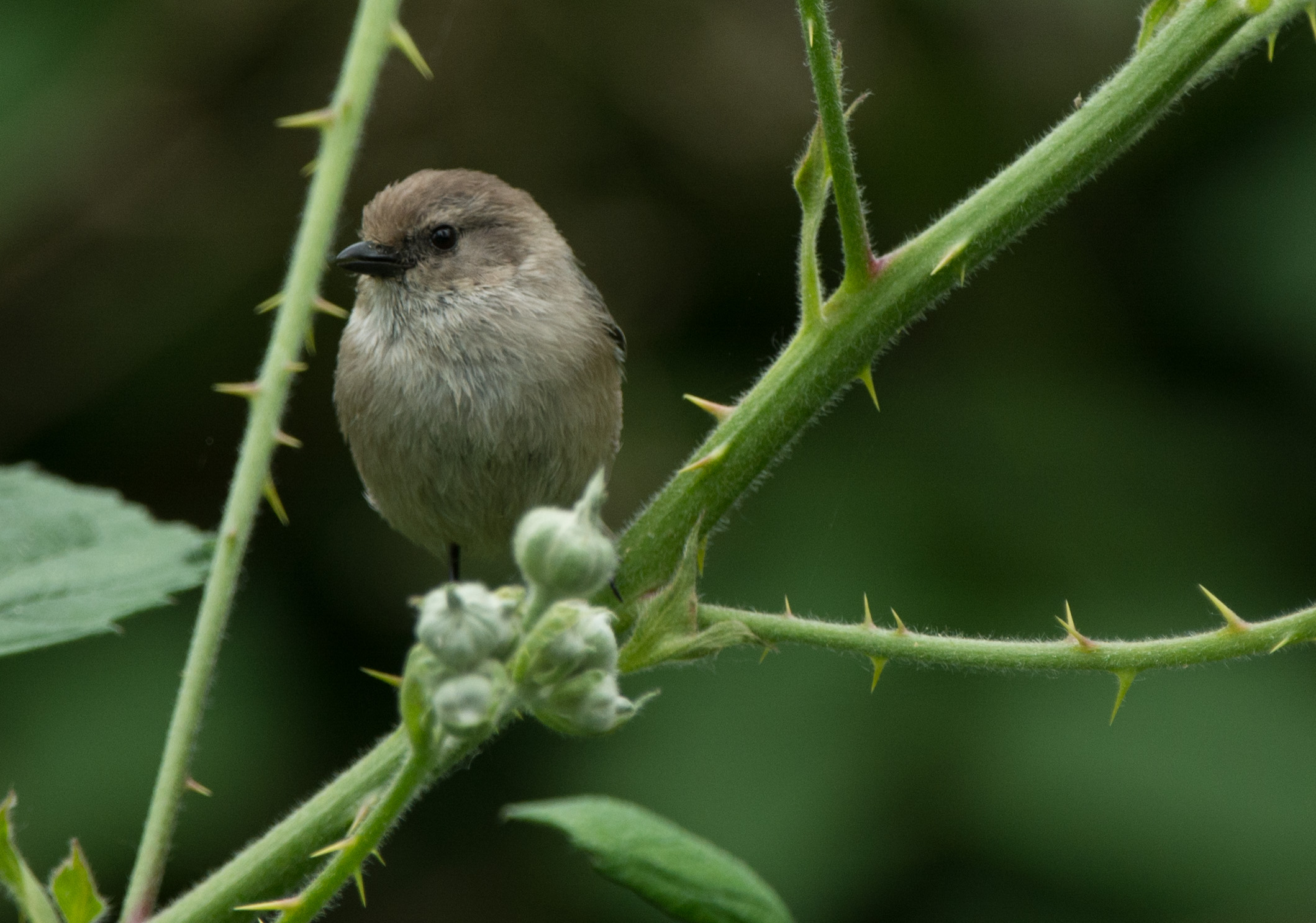
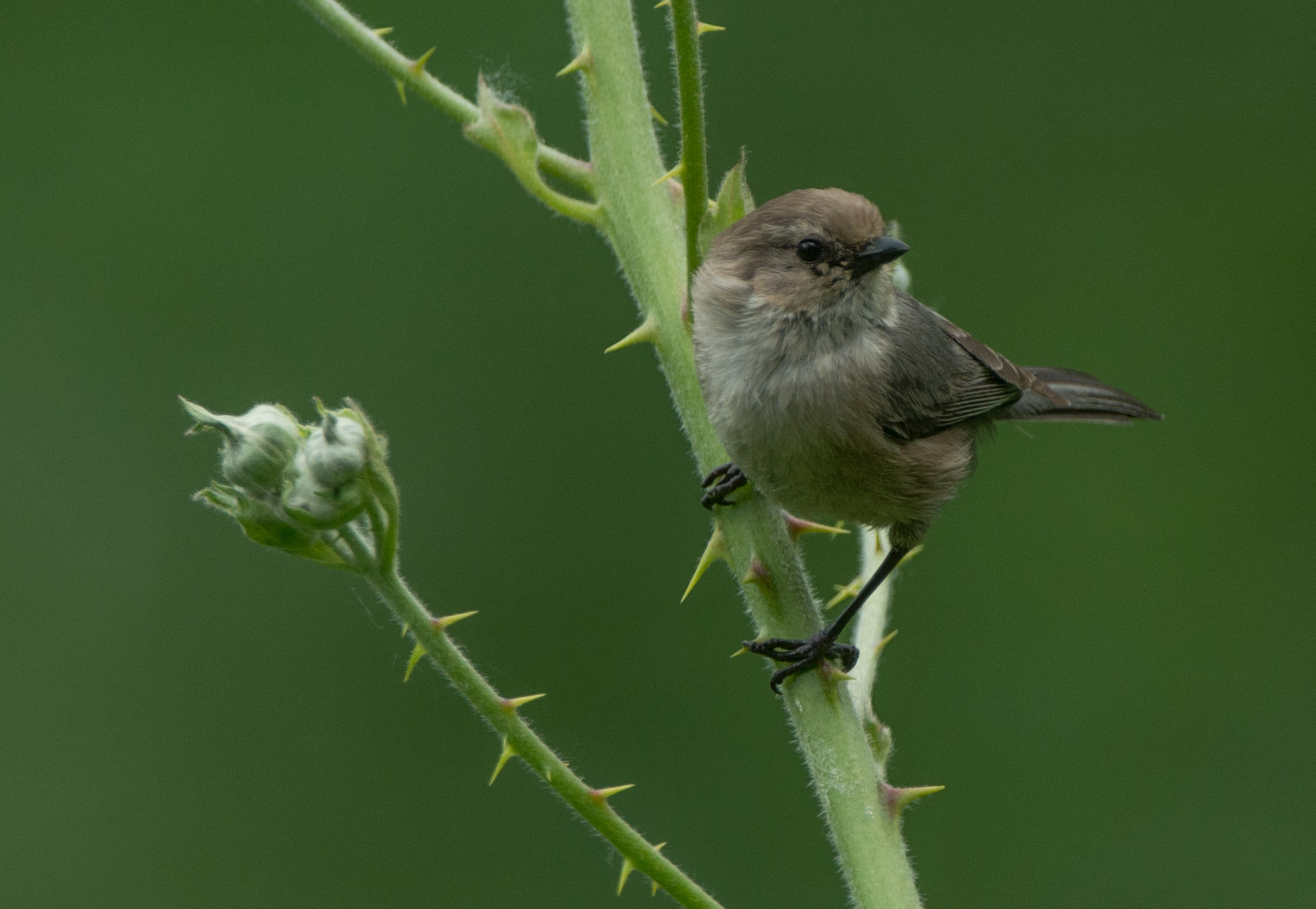
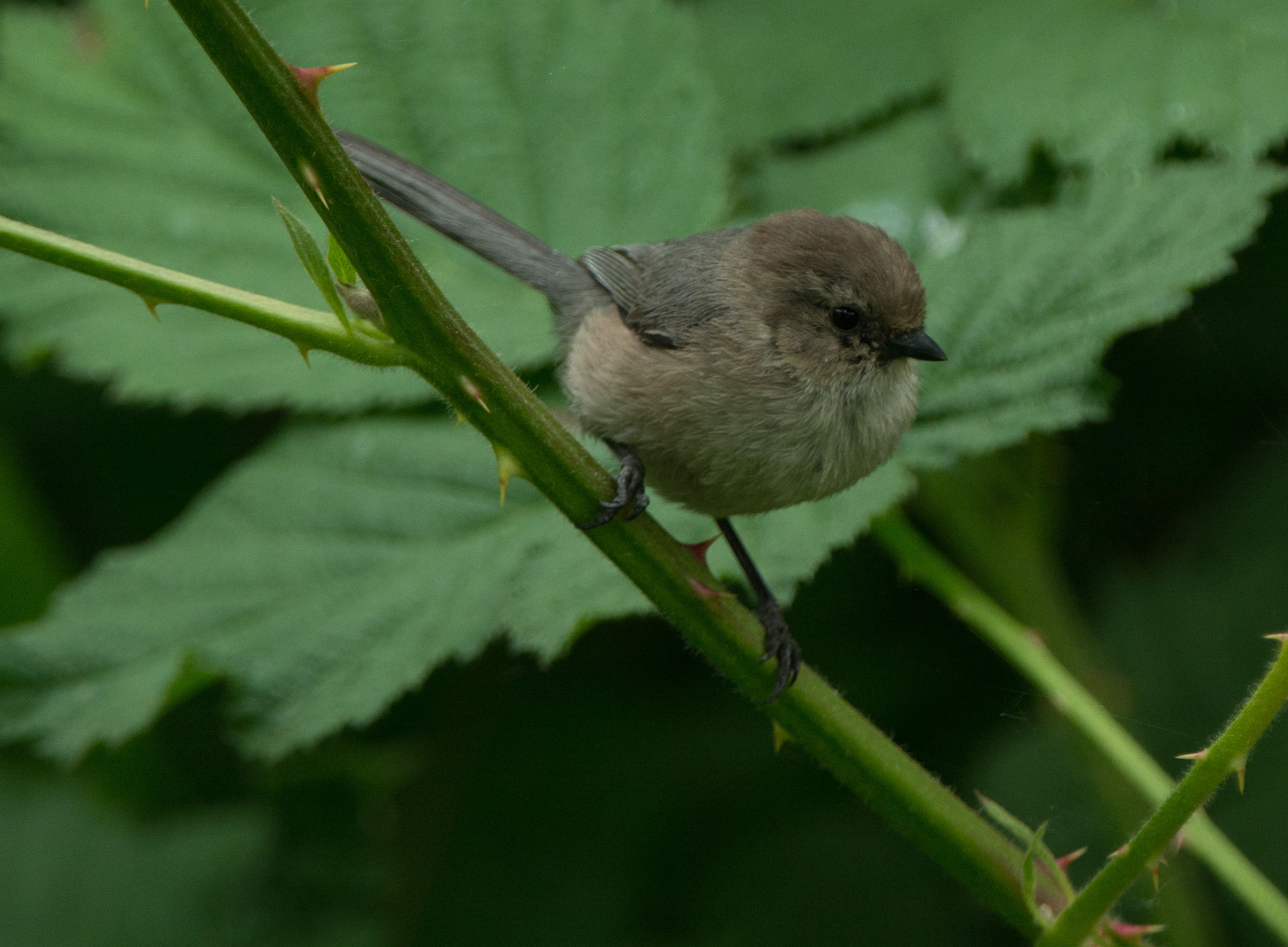
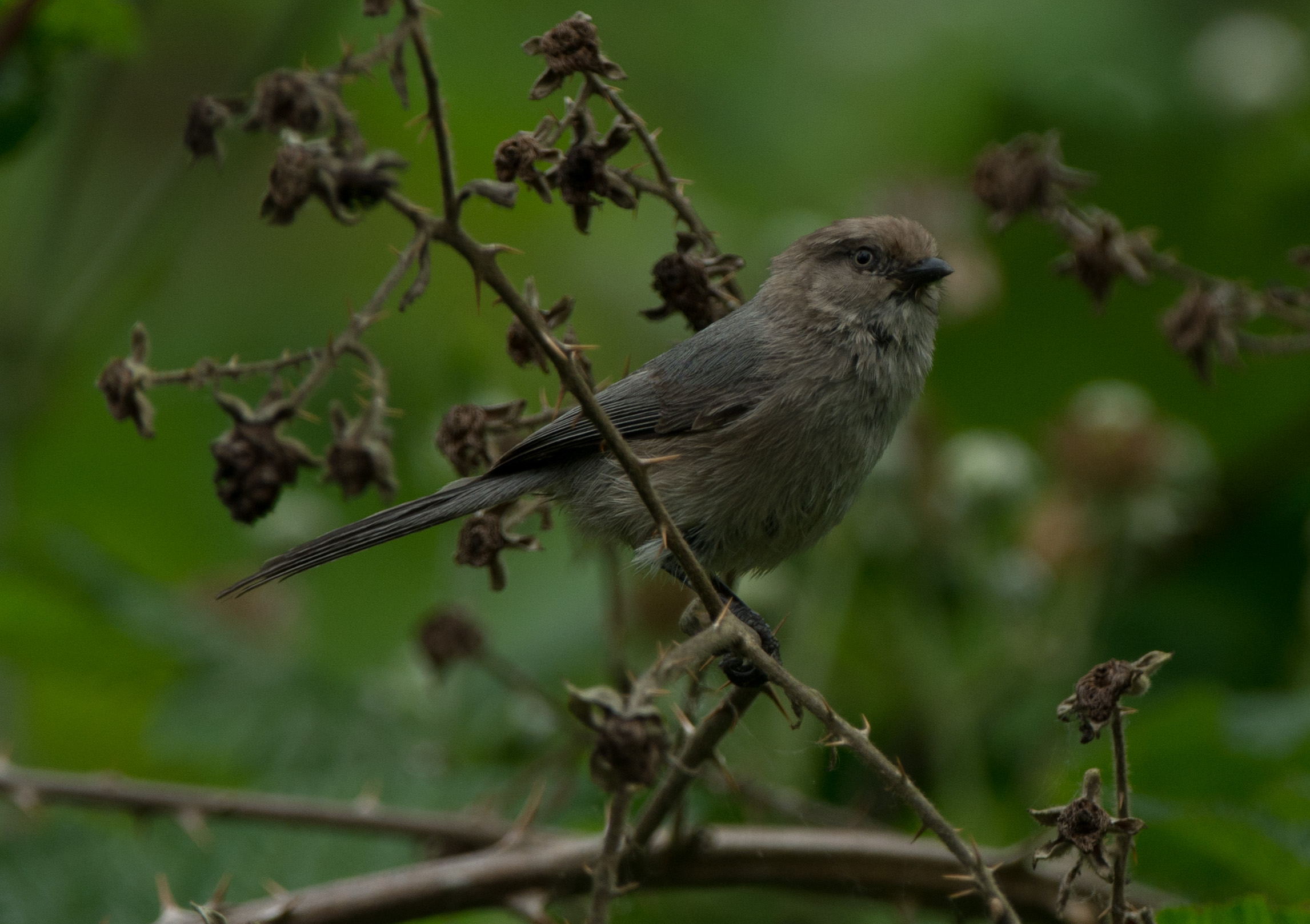
I don’t have any new species to display but I have taken a lot of new photos.  First I should mention that as of about two days ago (5/15) the Bushtits I featured on one of my prior posts were still feeding young in the nest.  Just prior to leaving for Texas (on 4/17) the Bushtit’s nest had been substantially completed and I assumed that the young would have fledged by the end of April or shortly thereafter.  When I checked the nest on 5/ the parents were still actively feeding young.
DSC_9899 DSC_9906 DSC_9926 DSC_9962

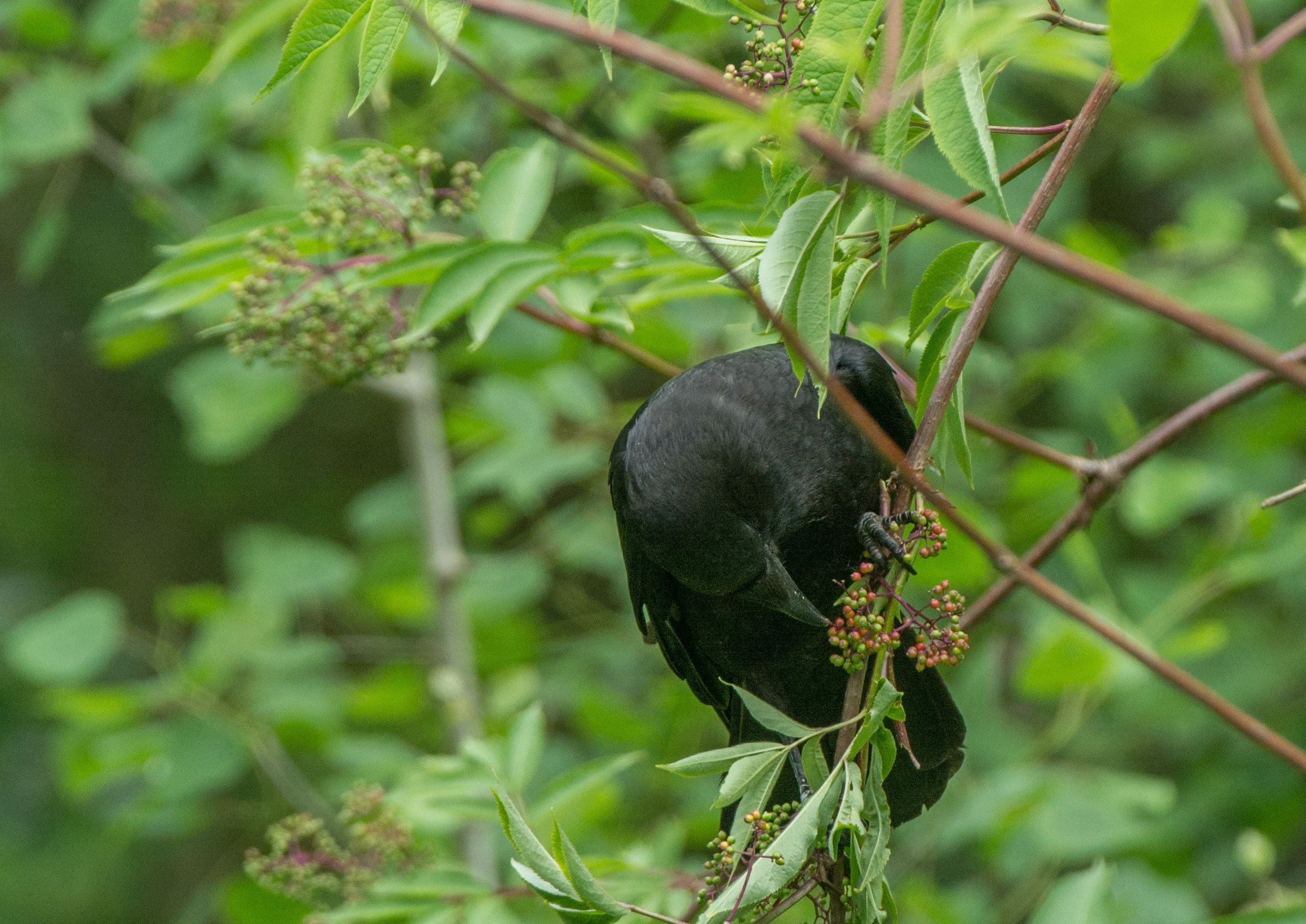
At the same general location a couple of days ago I visited late in the afternoon and thought that I saw at least three, and possibly four, male Western tanagers on a Red elderberry bush/tree.  The berries are not yet mature/ripe, but a day later I photographed a couple of crows eating the berries.   If you want to photograph birds find yourself a Red elderberry tree with ripe berries… the trees attract a wide variety of birds.

DSC_9854

Back in the yard, I’m having several visits a day from one or more male Black-headed grosbeaks.  On one occasion I saw a female, but it has yet to be spotted on a feeder.

DSC_9811

About a week ago we began having visits from Wilson’s warblers, generally the most common warbler visitor to our yard at this time of year.  These are beautiful birds!

DSC_9760 DSC_9767

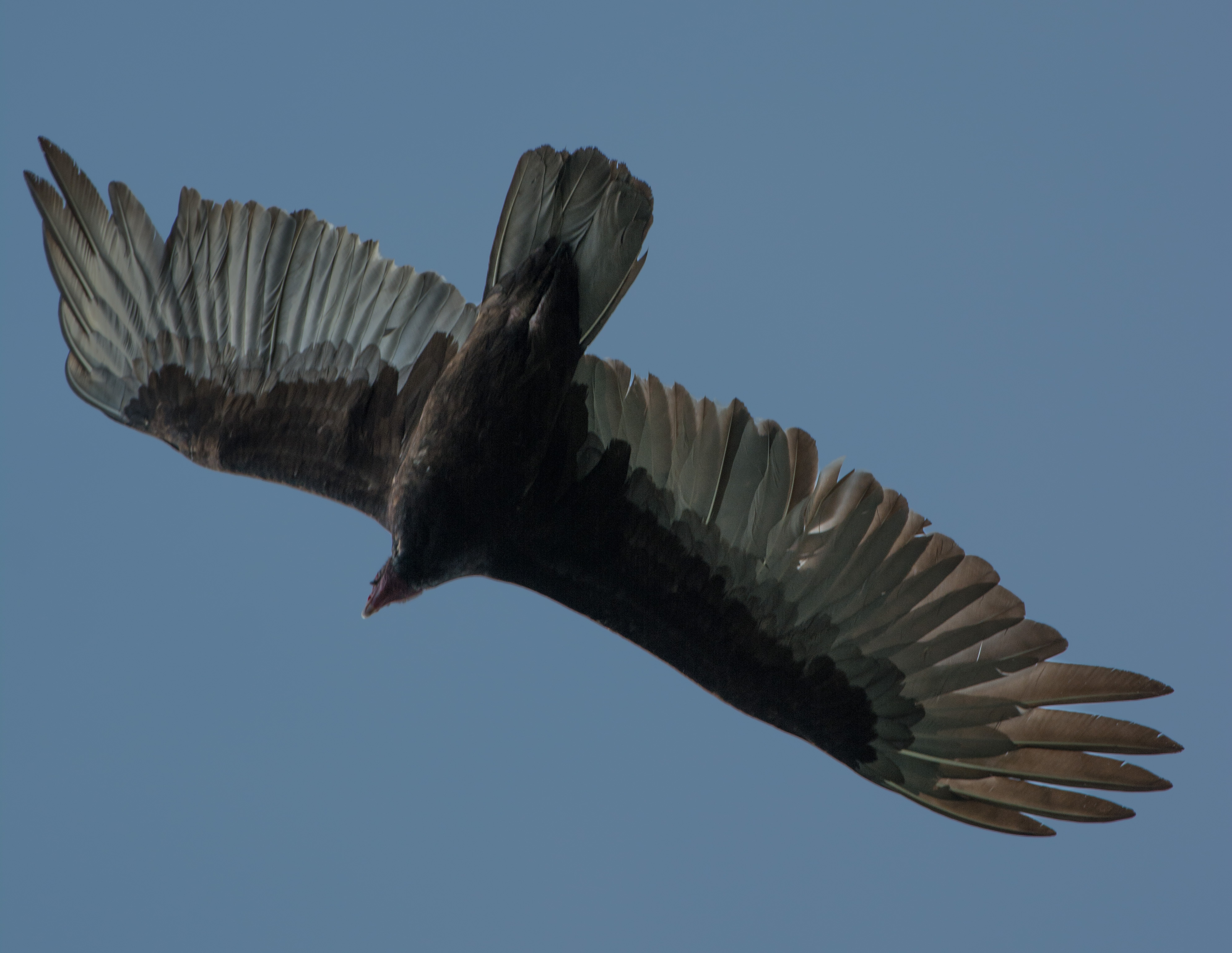
The Turkey vultures have returned to the Pacific Northwest and will be with us until again migrating south this fall.

DSC_9814

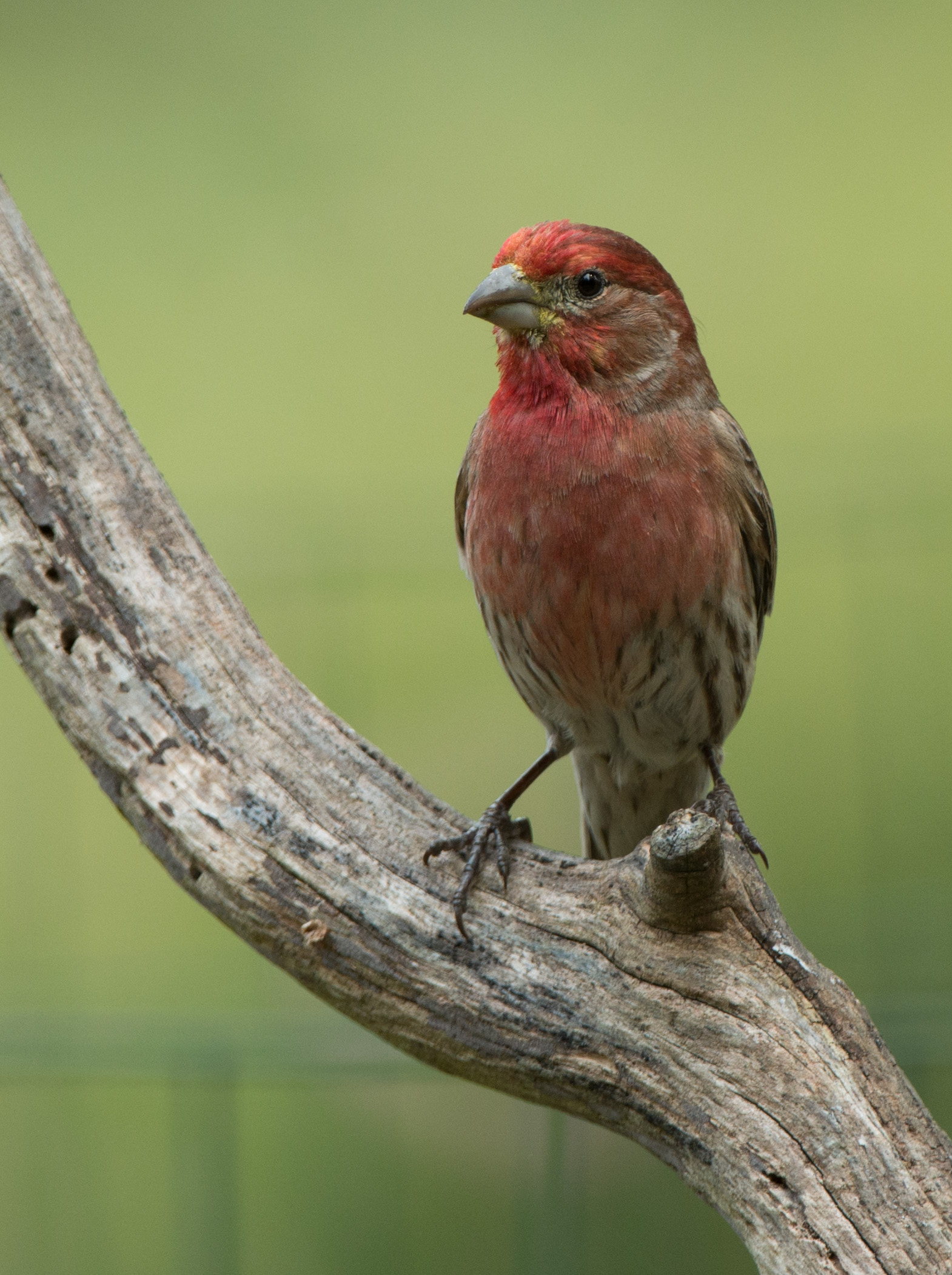
This male House finch is a regular visitor to the yard lately and it seems to be without a mate thus far.

DSC_9837

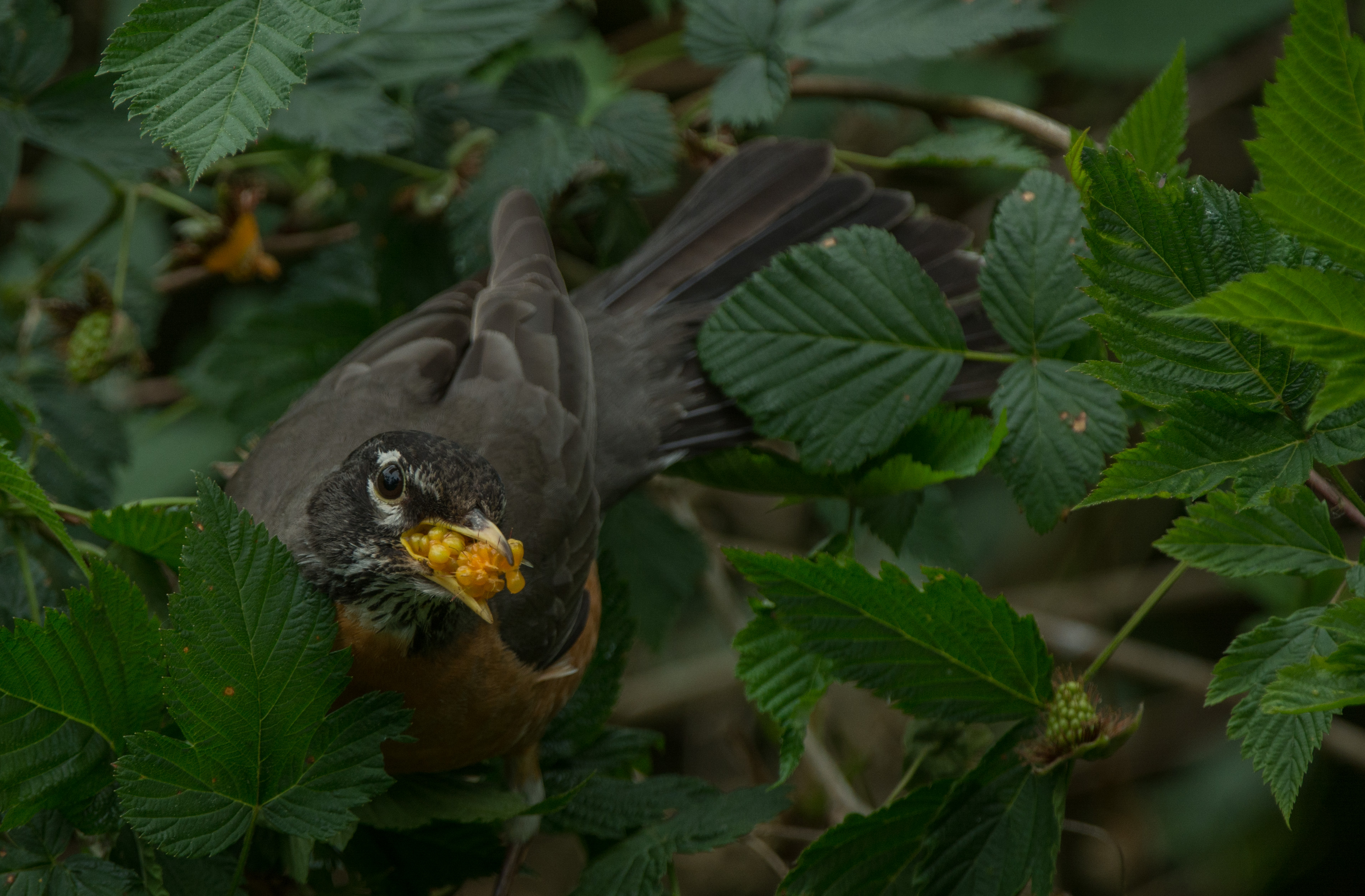
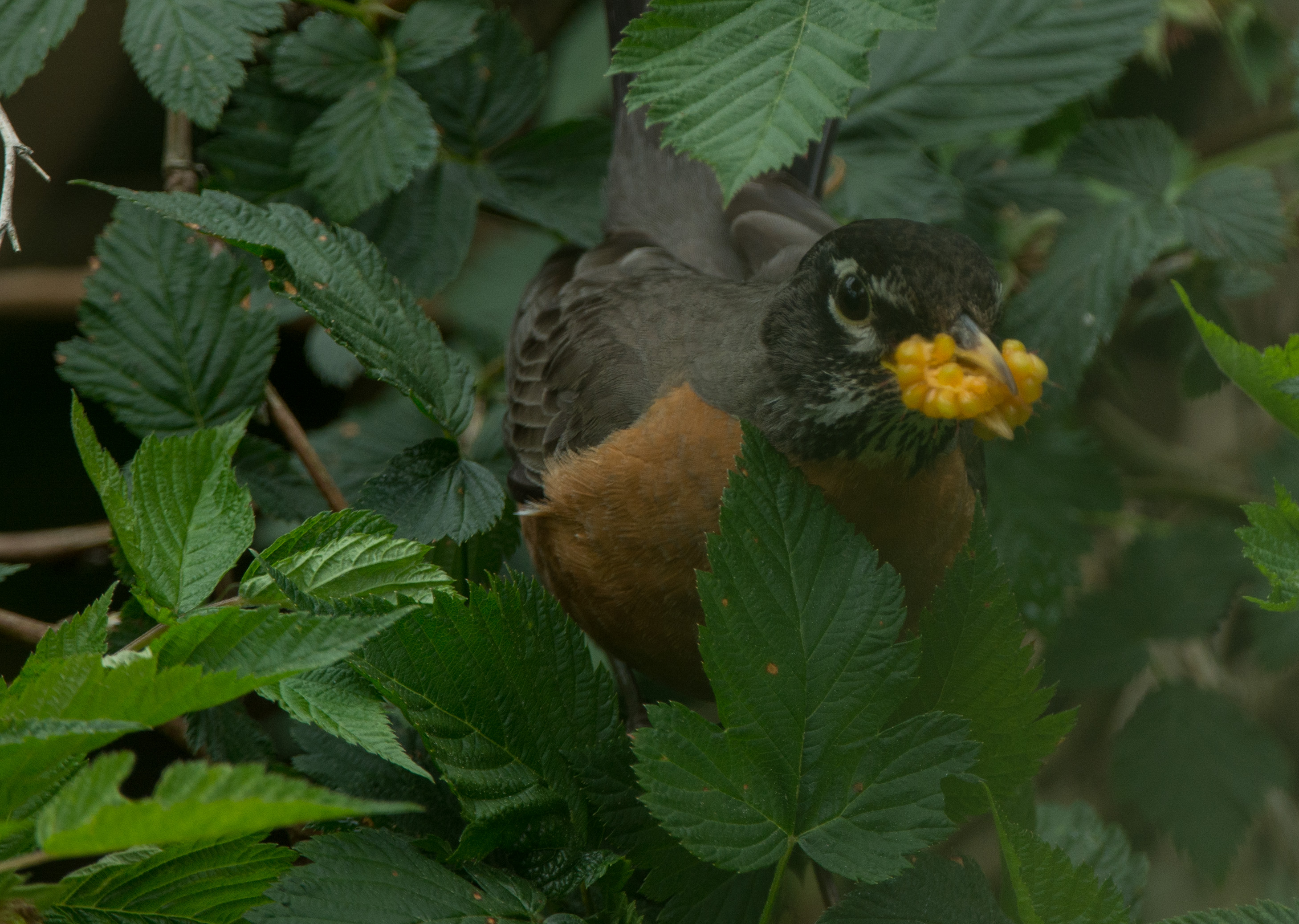
And finally, leaving the yard once again and back to the wetlands, I found this American robin in the bushes with a beak full of salmon berries!

DSC_9949 DSC_9945