Another Yard Day

On Sunday, 10/16/2016, we had blustery winds left over from the typhoon.  Under normal circumstances this would have discouraged birds from being in the yard but on this day we had lots of birds for an extended period of time.  Here are a few of them.

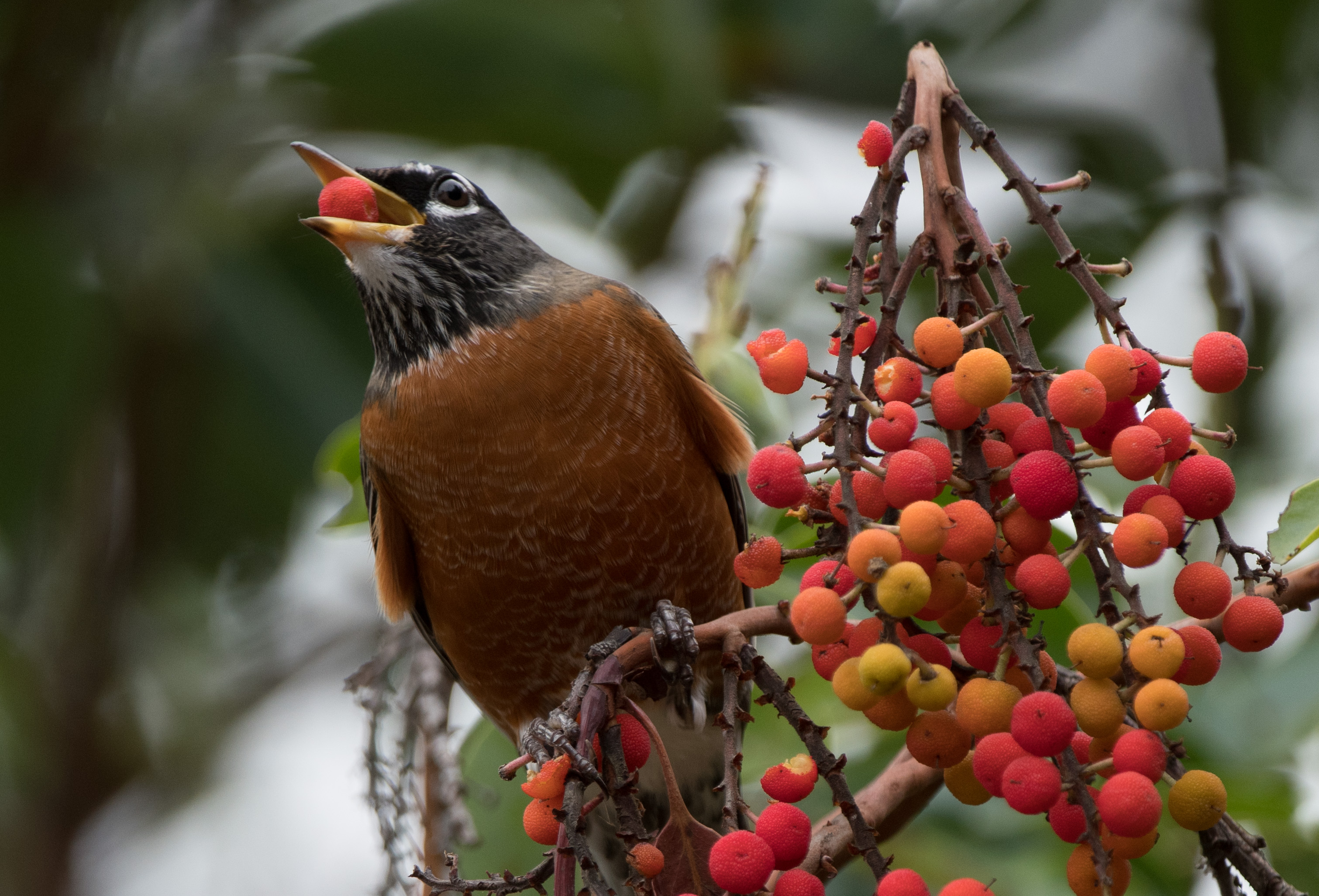
Despite, or maybe because of, the relative drought we experienced this past summer, the madrone trees are loaded with berries.  Yesterday we had American robins, House finches and Northern flickers partaking of the feast.

robin-american-with-madrone-berries-20161016-01

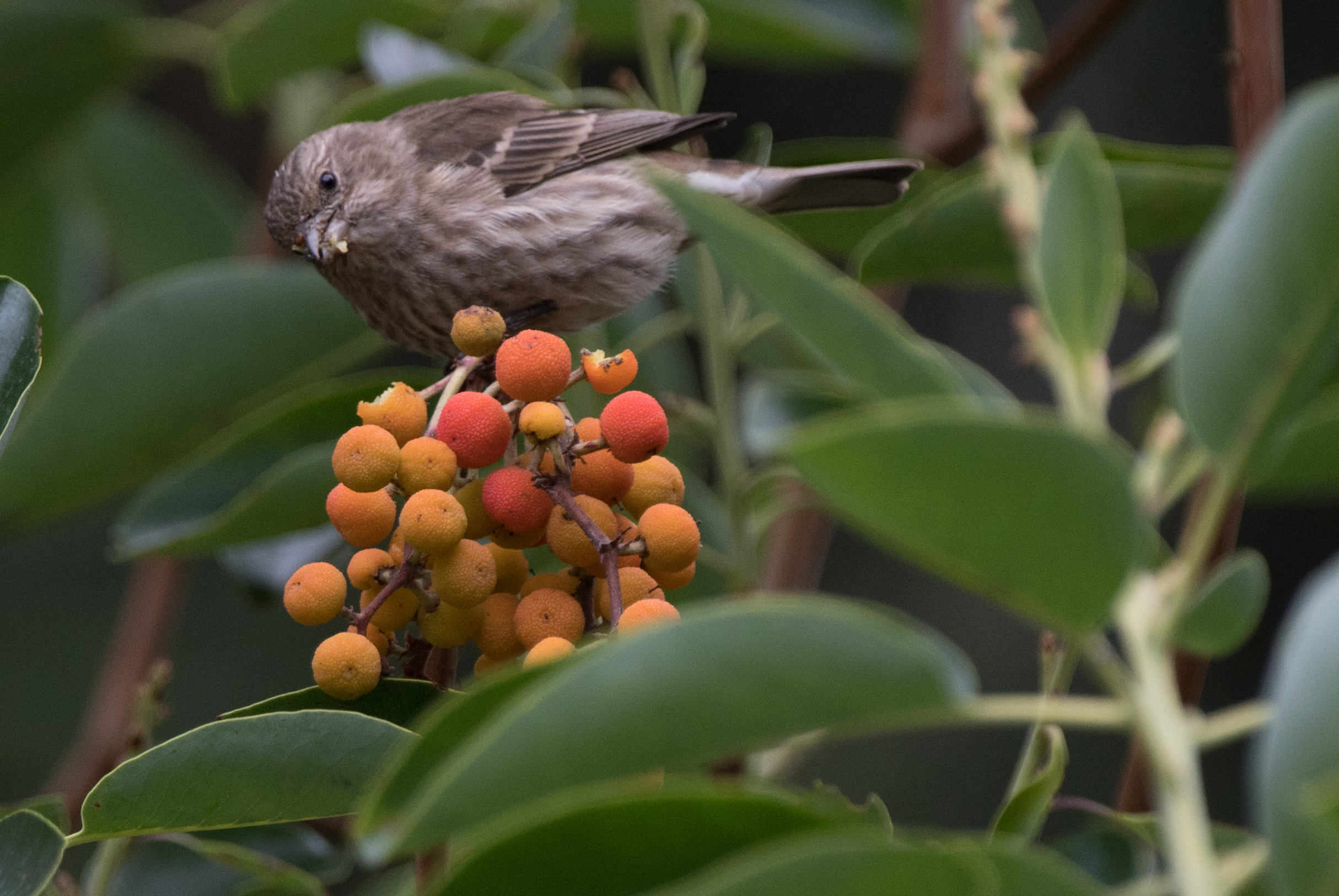
Pictured below is a female House finch eating the berries.  I noticed that the robins tend to swallow the berry whole while the smaller finches pick at the berries while still attached to the tree and eat them piecemeal.

finch-house-20161016-07

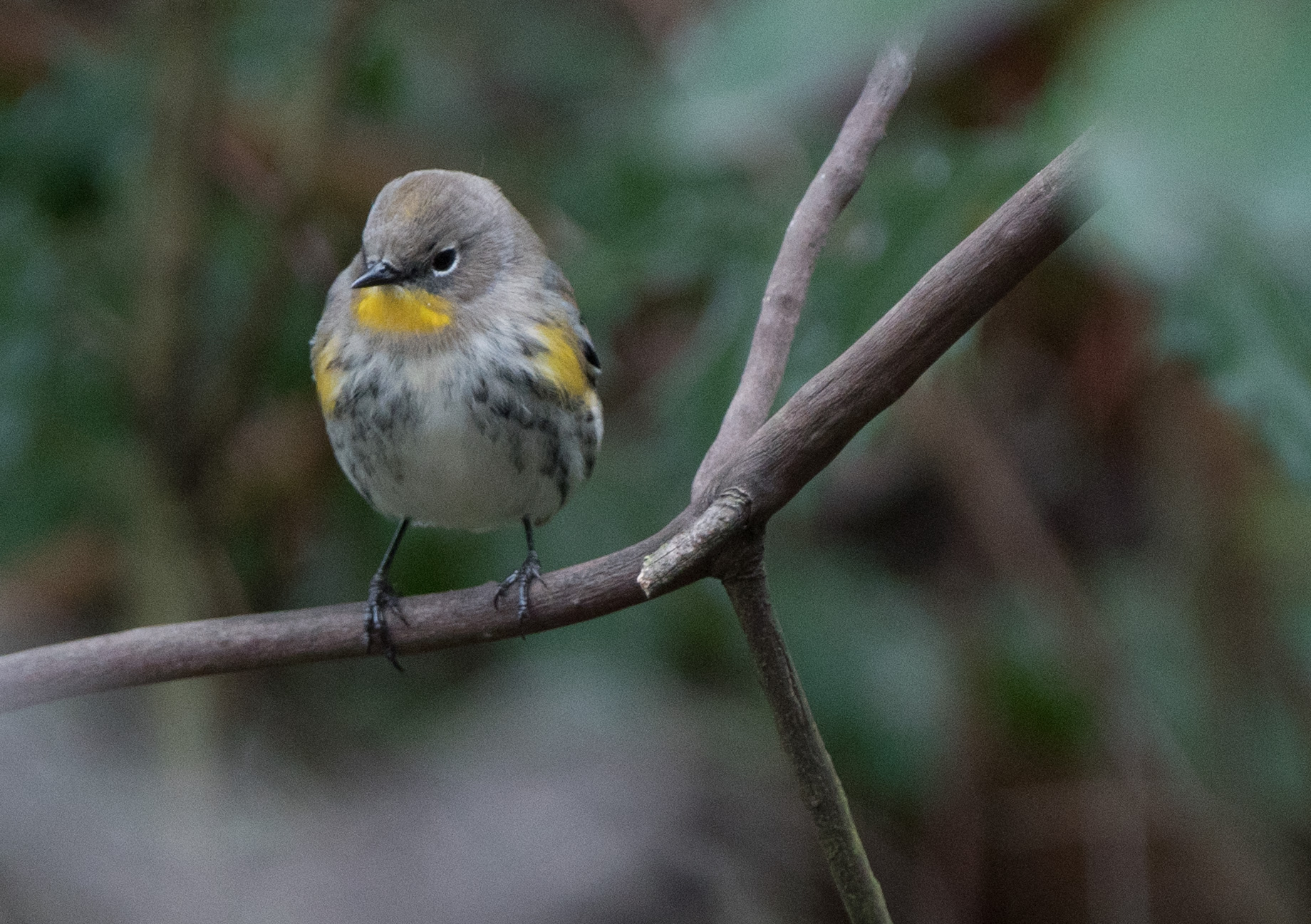
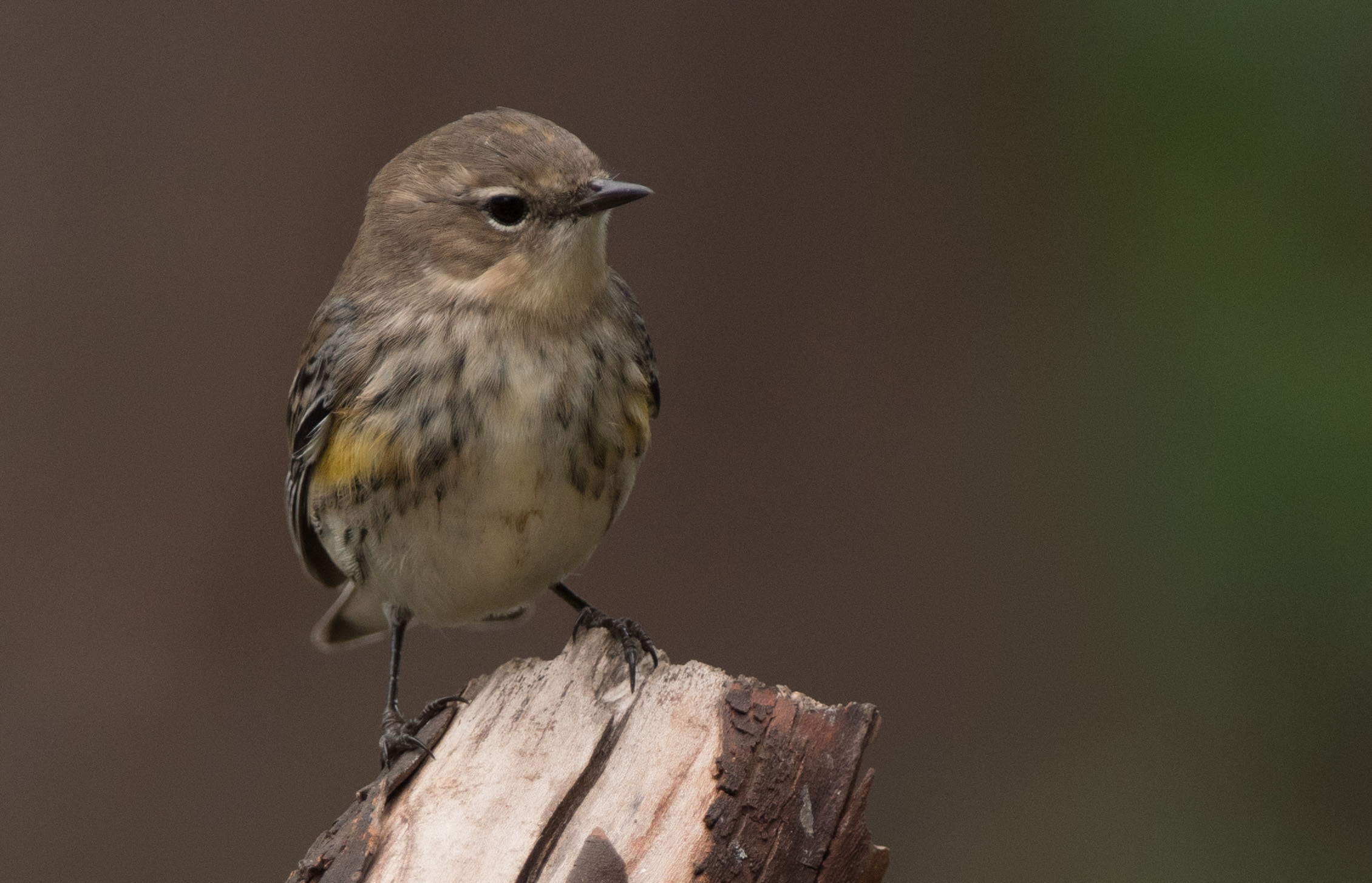
I believe that we had at least three Yellow-rumped warblers that entered the yard.  They showed some interest in the watercourse but never came down to it for a drink or bath.  We only seem to get the Audubon race here… I’m not sure I’ve ever seen a Myrtle’s in our yard.

warbler-yellow-rumped-audubons-20161016-03


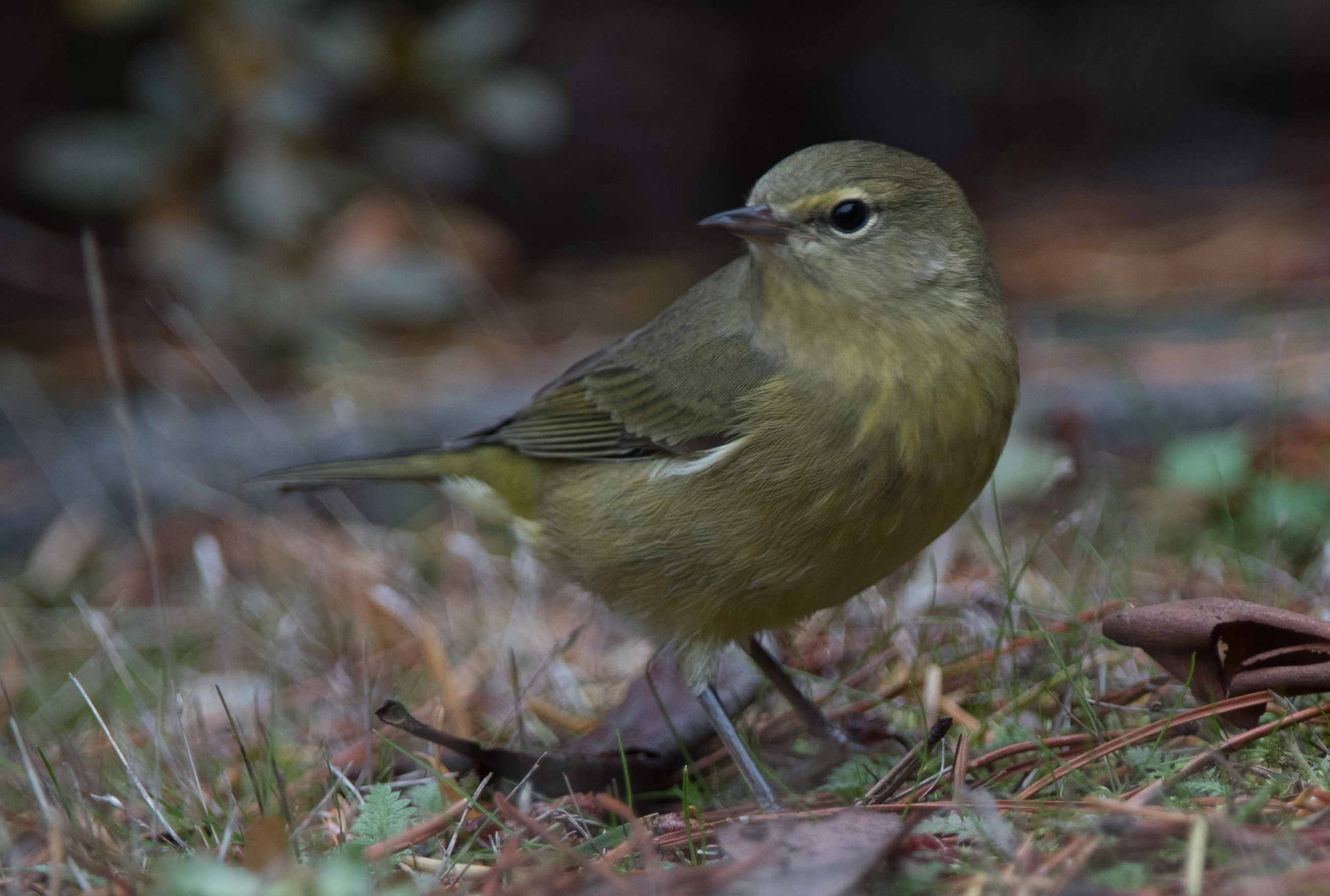
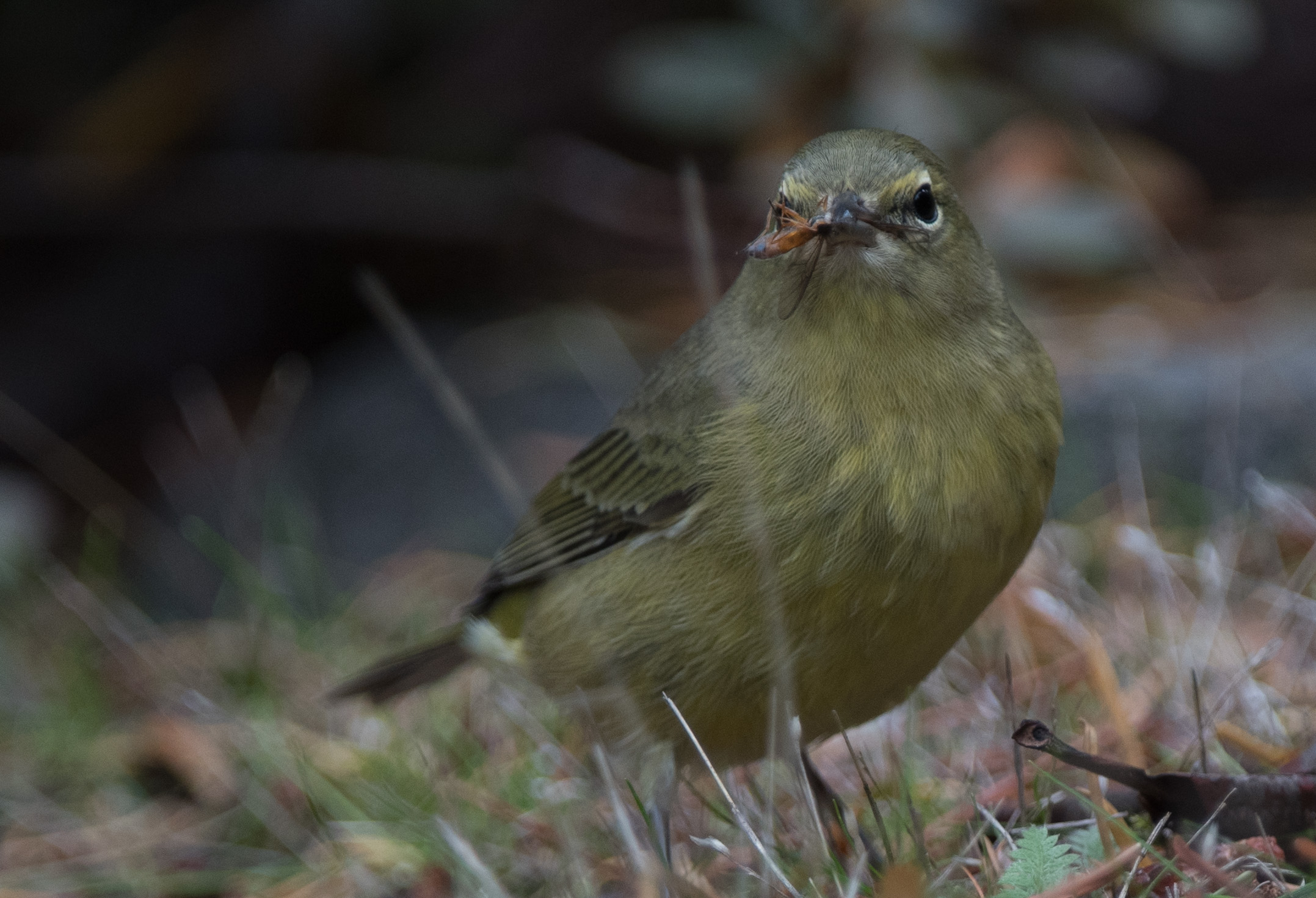
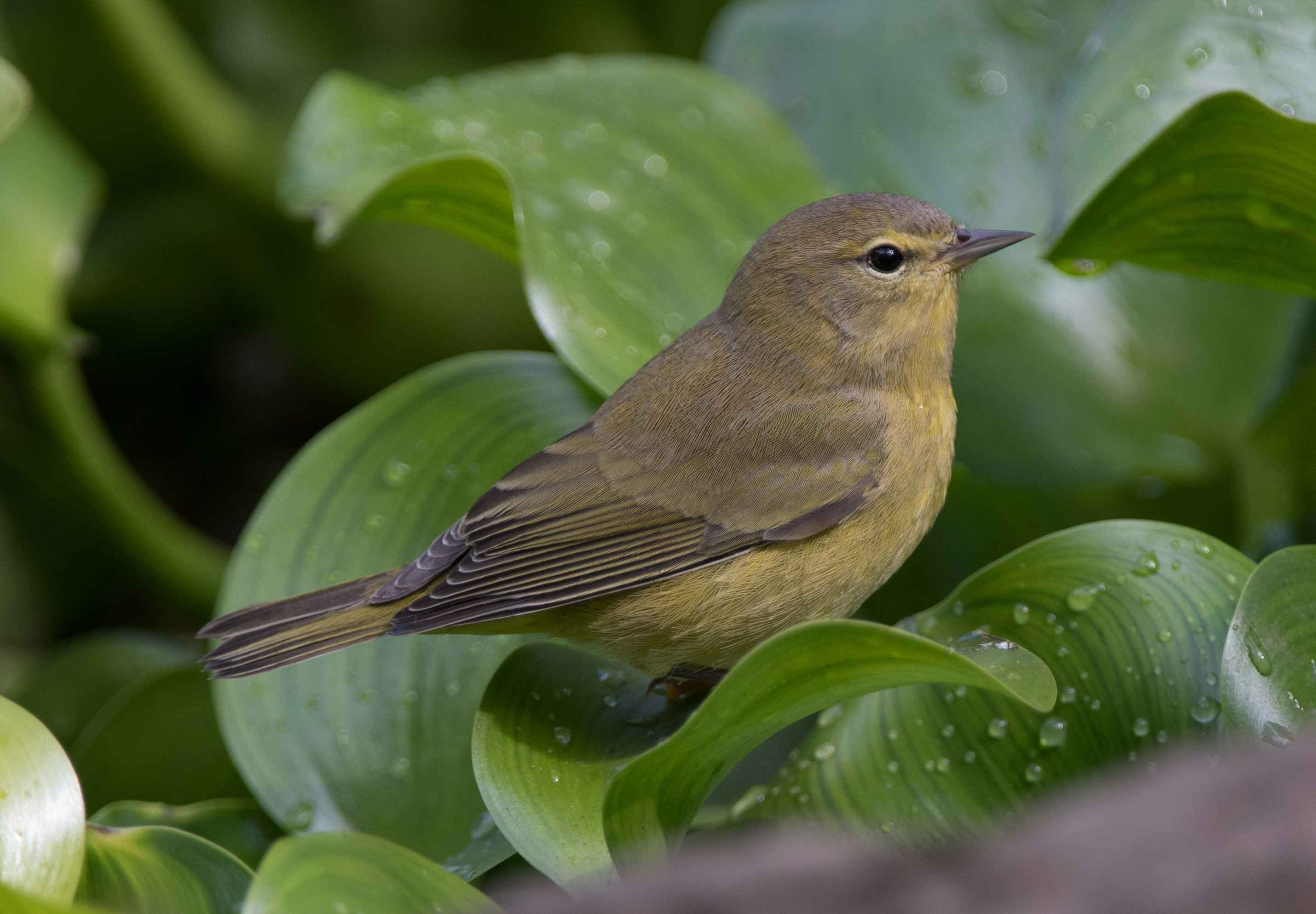
The bird below is an Orange-crowned warbler.  This one flew to the ground to catch an insect that it saw.

warbler-orange-crowned-20161016-07If you look closely at this photo you can see the insect in the bird’s mouth!

warbler-orange-crowned-20161016-02

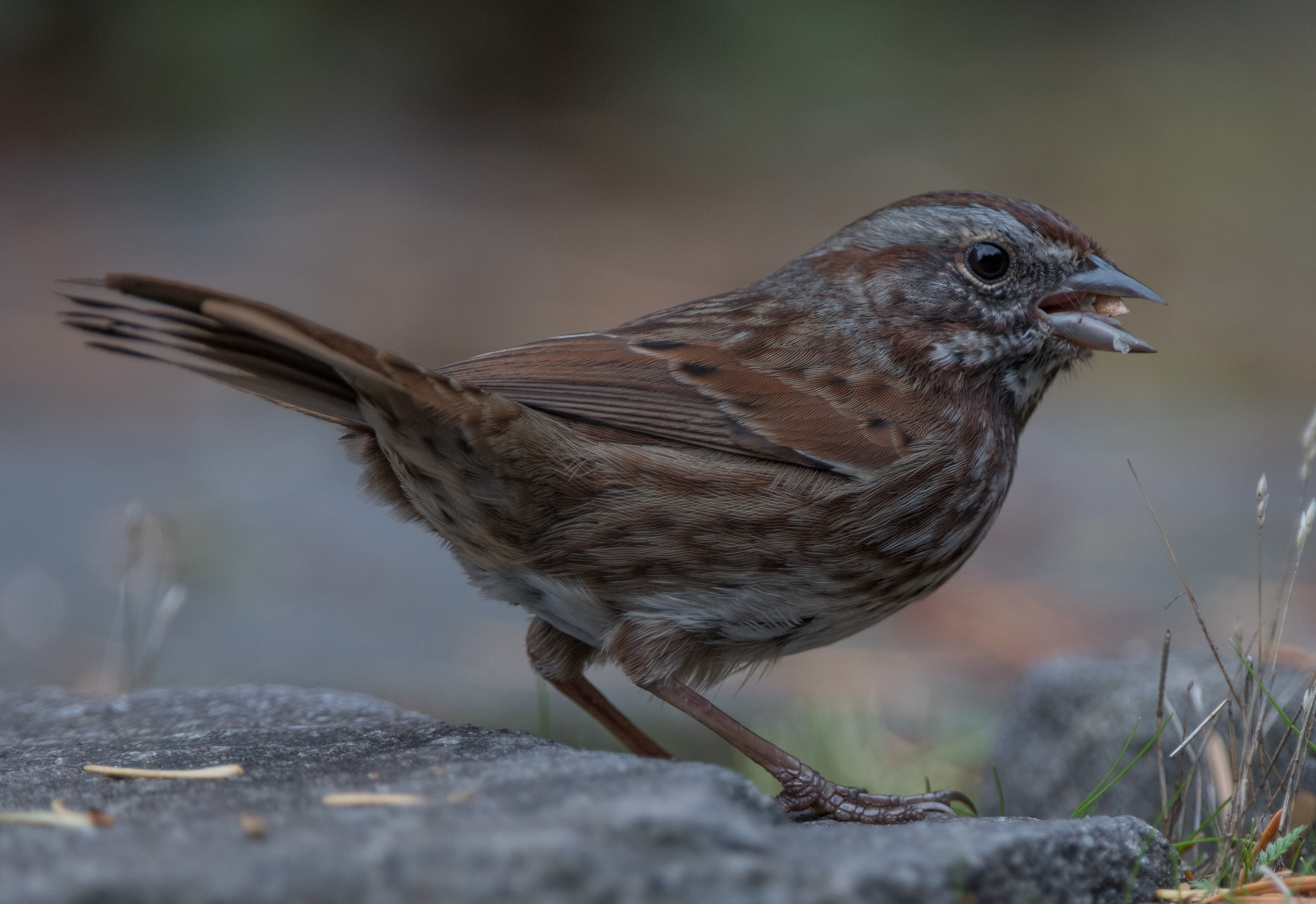
And finally, a Song sparrow that will presumably spend the winter with us.

sparrow-song-20161016-01


Monday (10/3/2016) at the House

After photographing the loon on Monday morning I returned to the house to find the yard full of birds.  So I transitioned to the yard and began photographing our visitors.

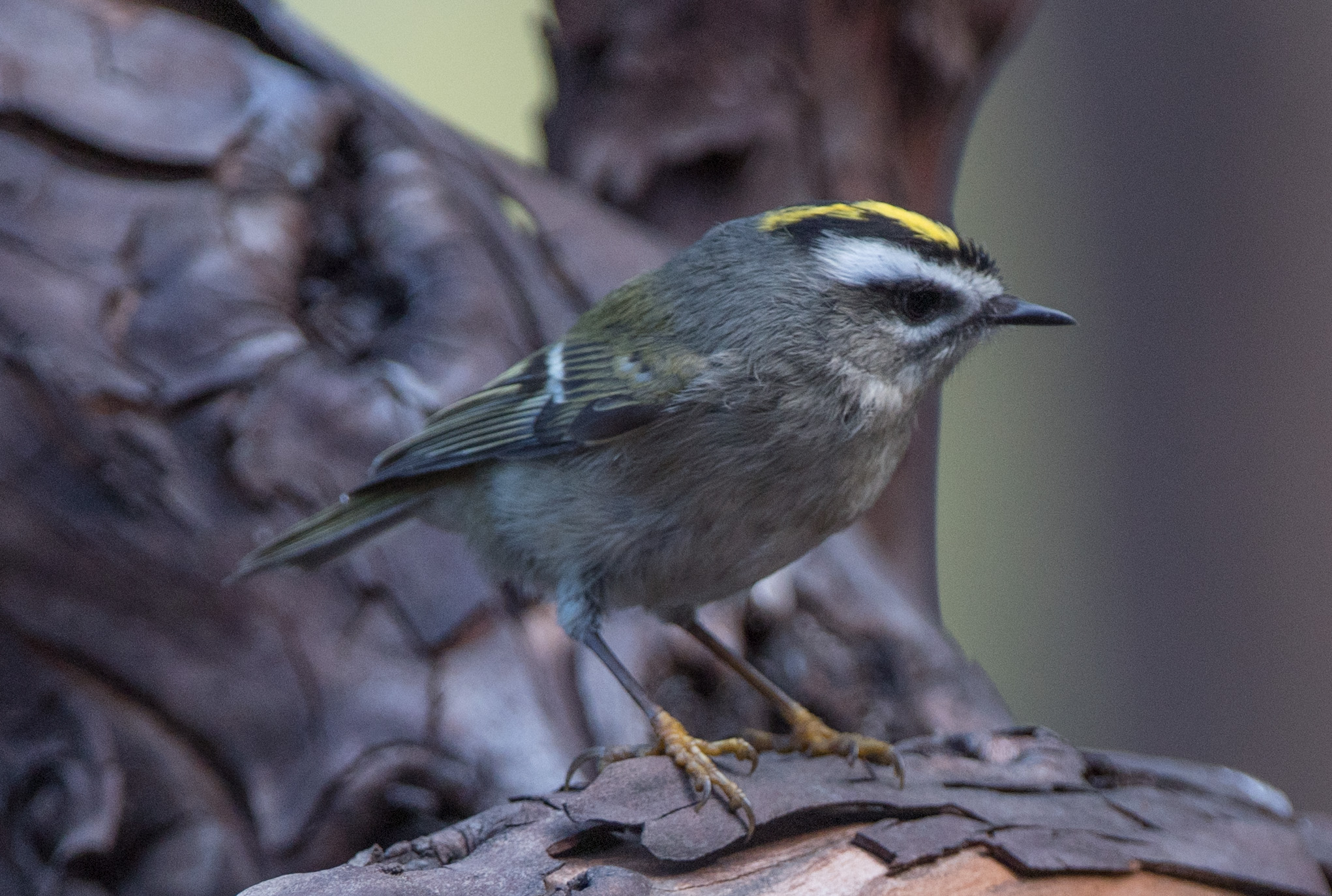
We had both kinds of kinglets, both Golden-crowned…

kinglet-golden-crowned-20161003-01

and Ruby-crowned.

kinglet-ruby-crowned-20161003-21

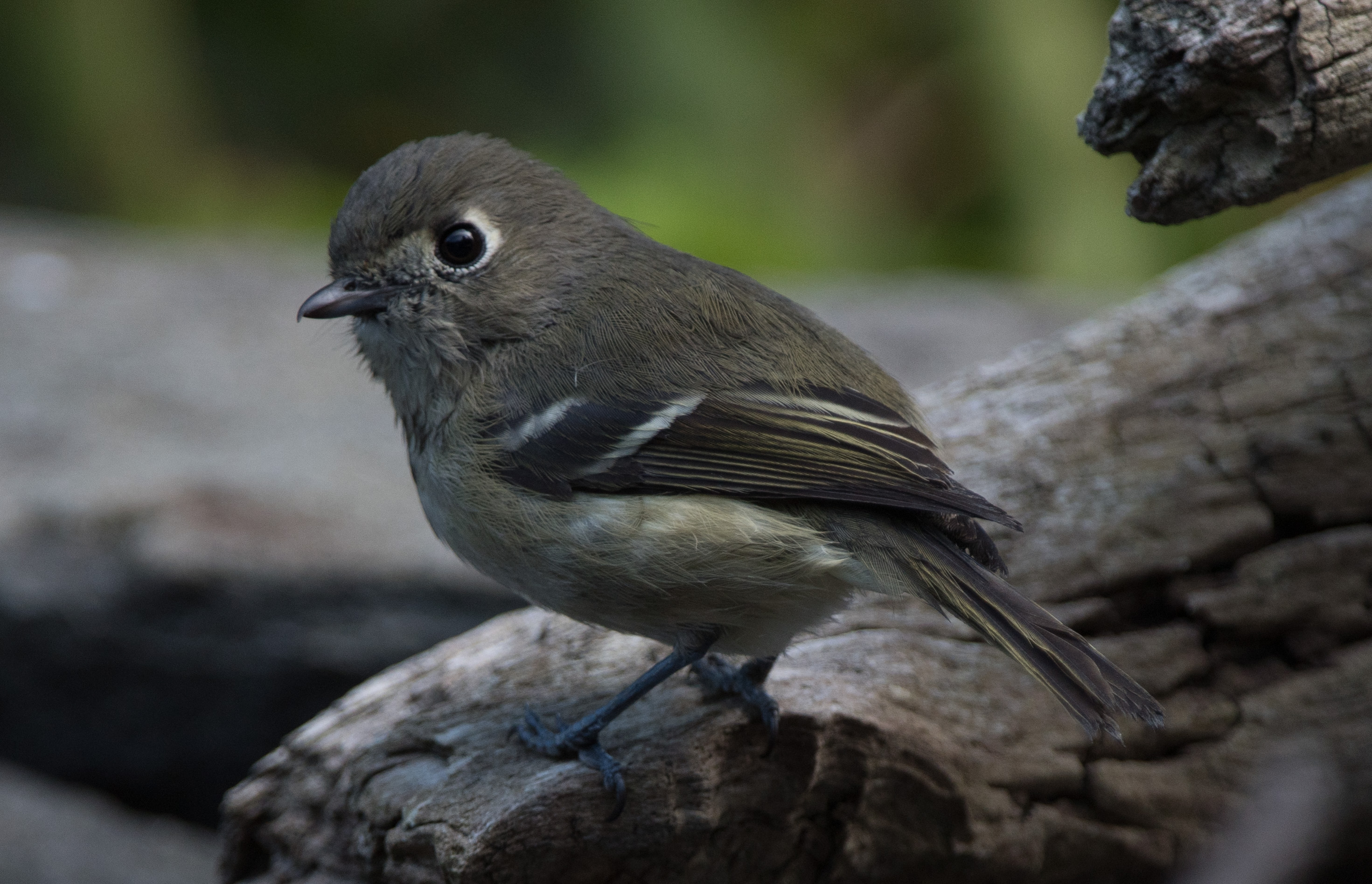
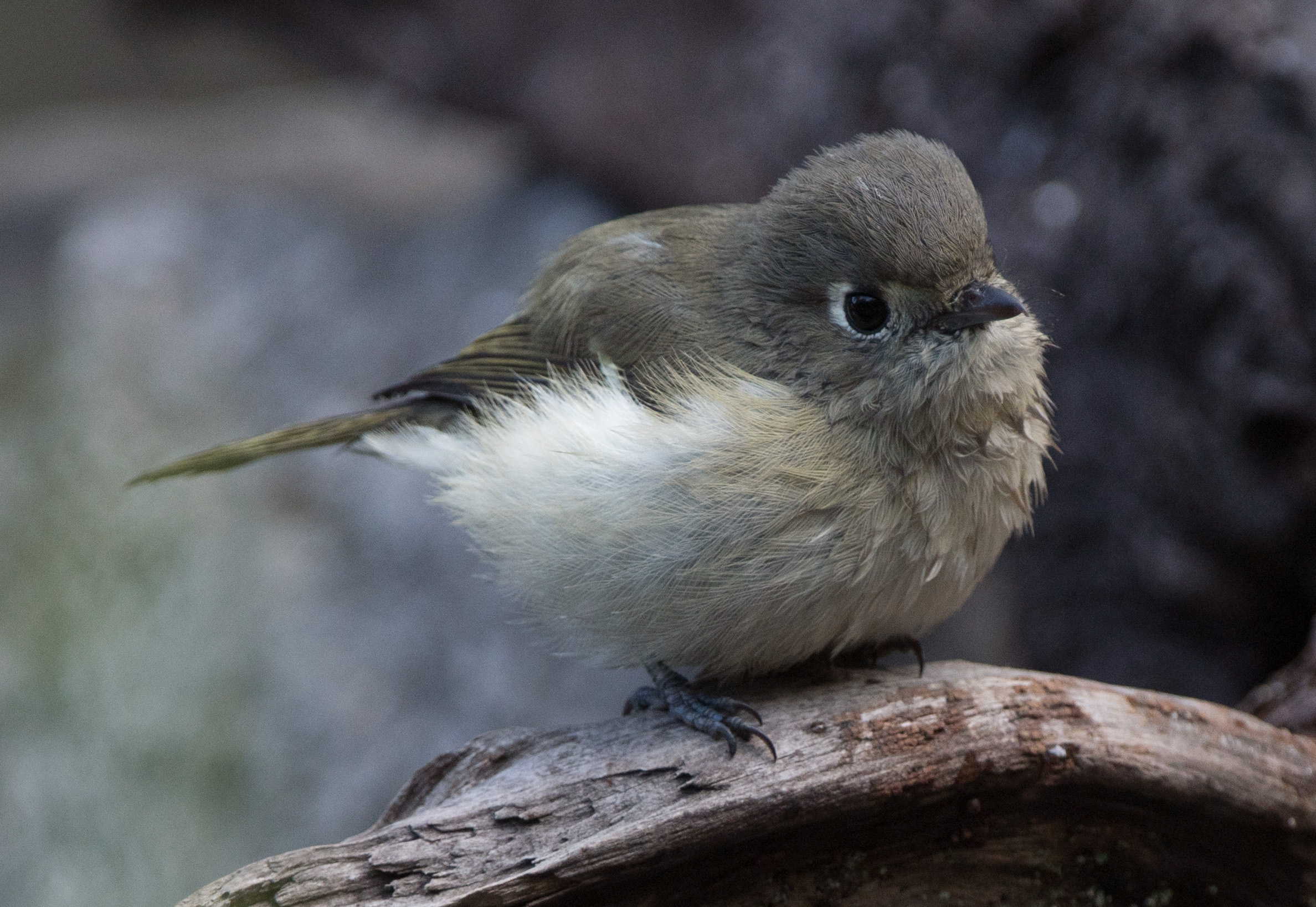
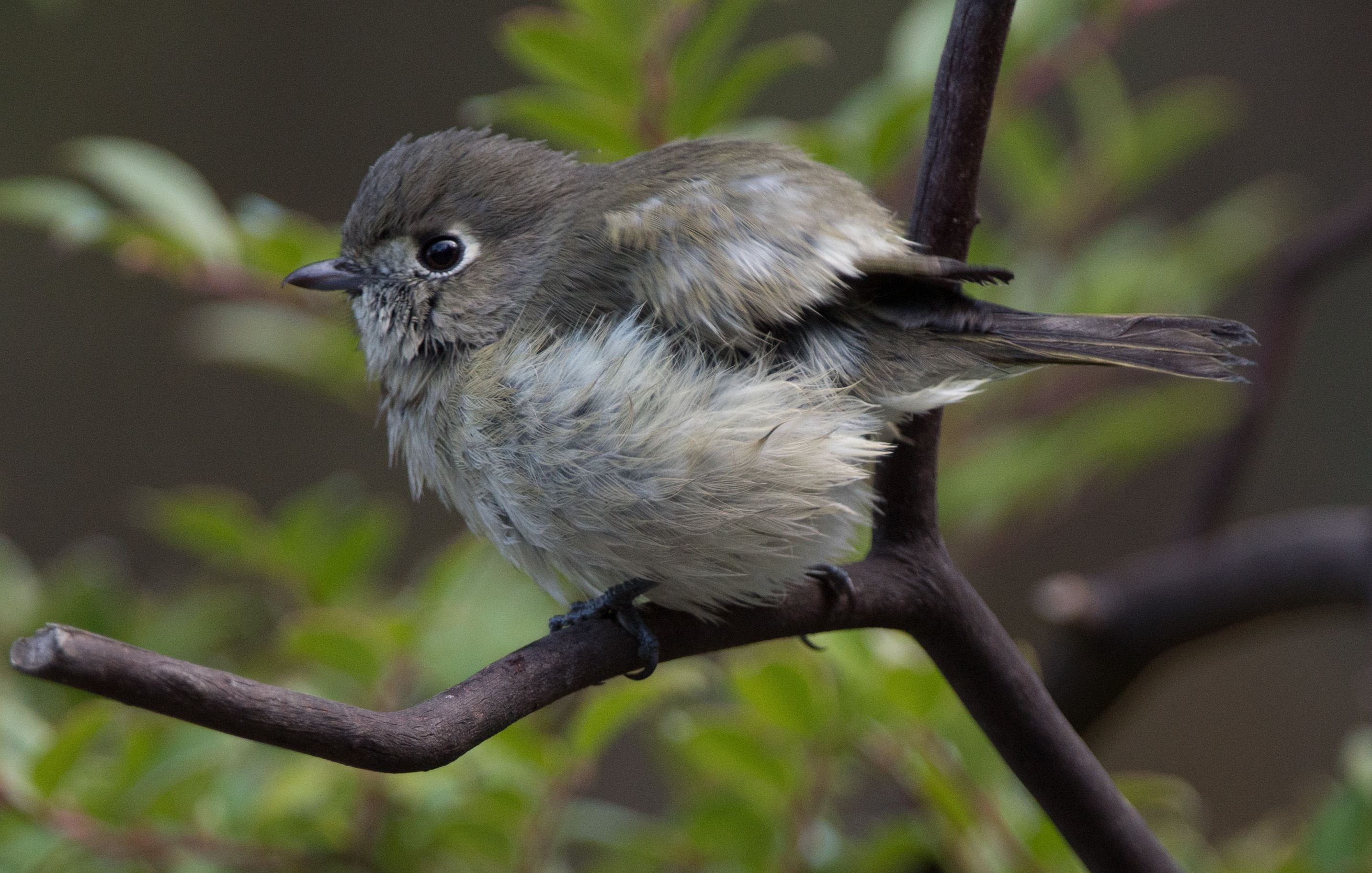
Interestingly enough, I think we hosted our first juvenile Ruby-corwned kinglet, and I have to bestow the title of “Cutest Bird of the Year” on this youngster.  It was taken with the watercourse, returning time and time again to bathe and then preen around in the area.

kinglet-ruby-crowned-20161003-36 kinglet-ruby-crowned-20161003-25

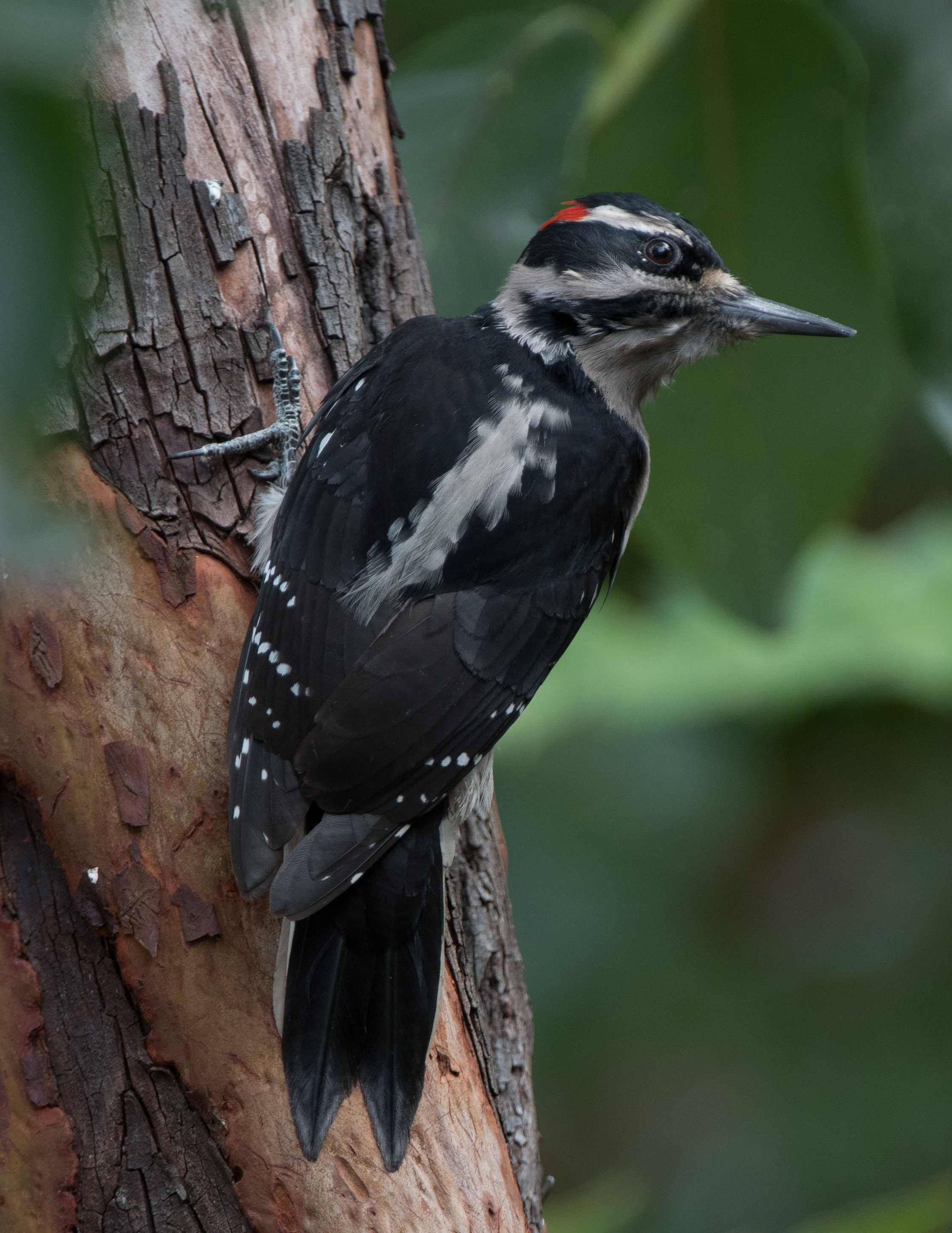
We’re still hosting our male Hairy woodpecker, which I’ve featured in past blog posts…

woodpecker-hairy-20161003-03

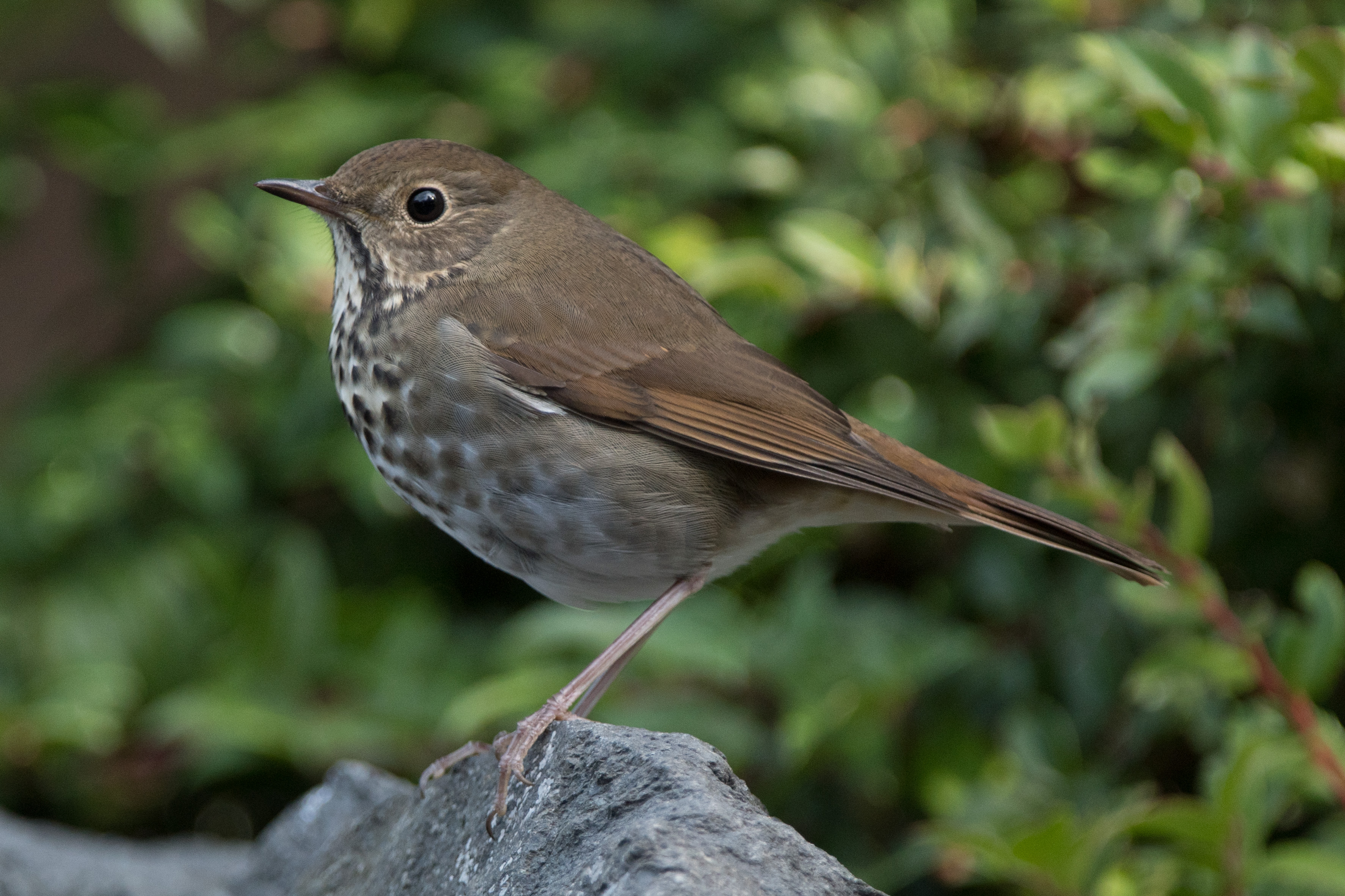
But our most important, and rarest visitor of the day was a Hermit’s thrush.  I see one of these only rarely… maybe every 2-3 years or so.  I got a glimpse of what I think was the bird entering the yard, but it stuck to the ground, flew very rapidly and was very furtive.  I knew that we might have an unusual visitor but wasn’t sure what it was going to be.  Finally it appeared on the edge of the watercourse and gave me the opportunity for about 20 photos.

dsc_5746

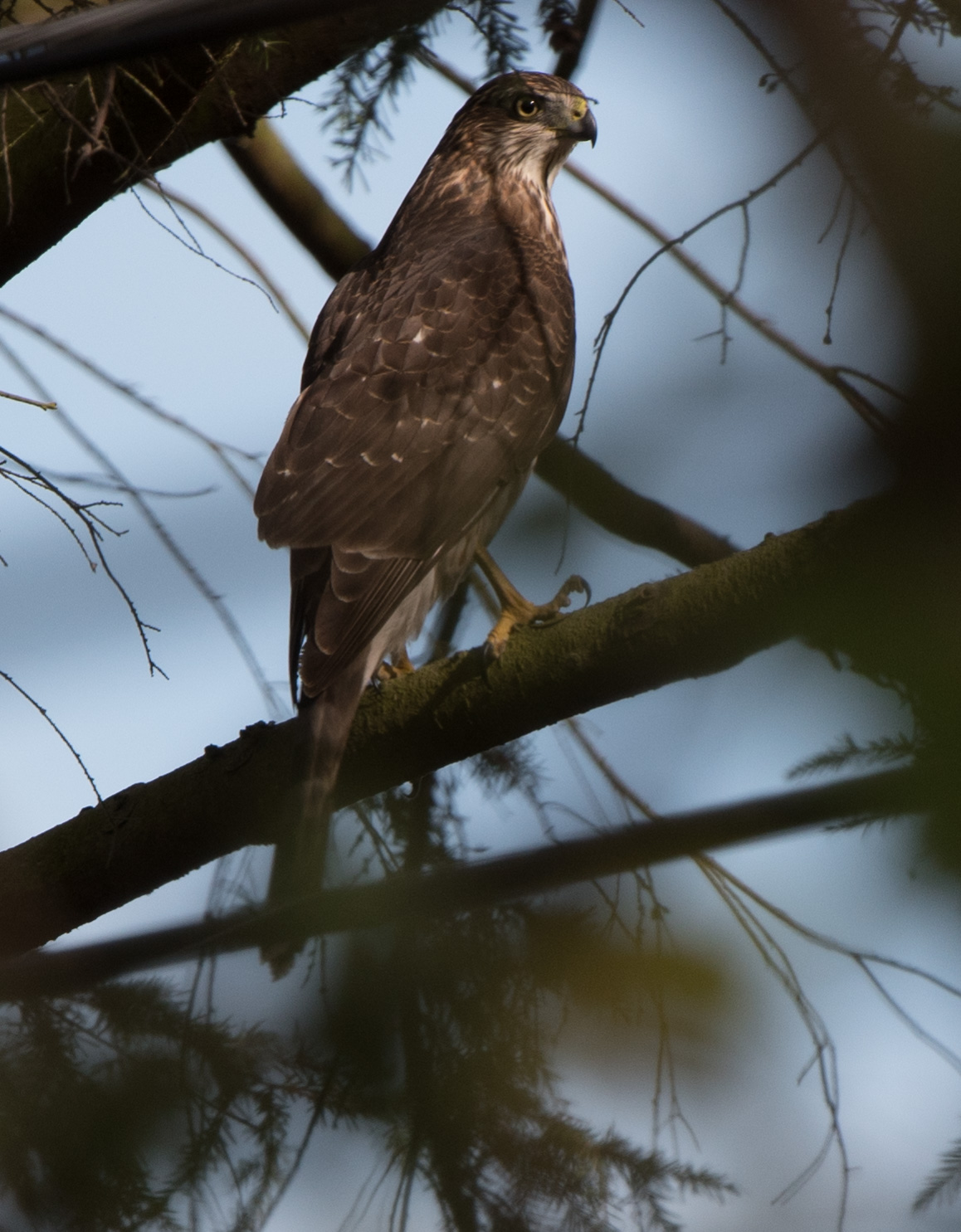
All precisely 3pm the show ended when our first accipiter (probably a Cooper’s hawk) in a couple of months flew through the yard.  I hated to see it because it puts some of our songbirds at risk as well as discourages them from entering the yard.

hawk-coopers-20161003-02


Waterfowl Season

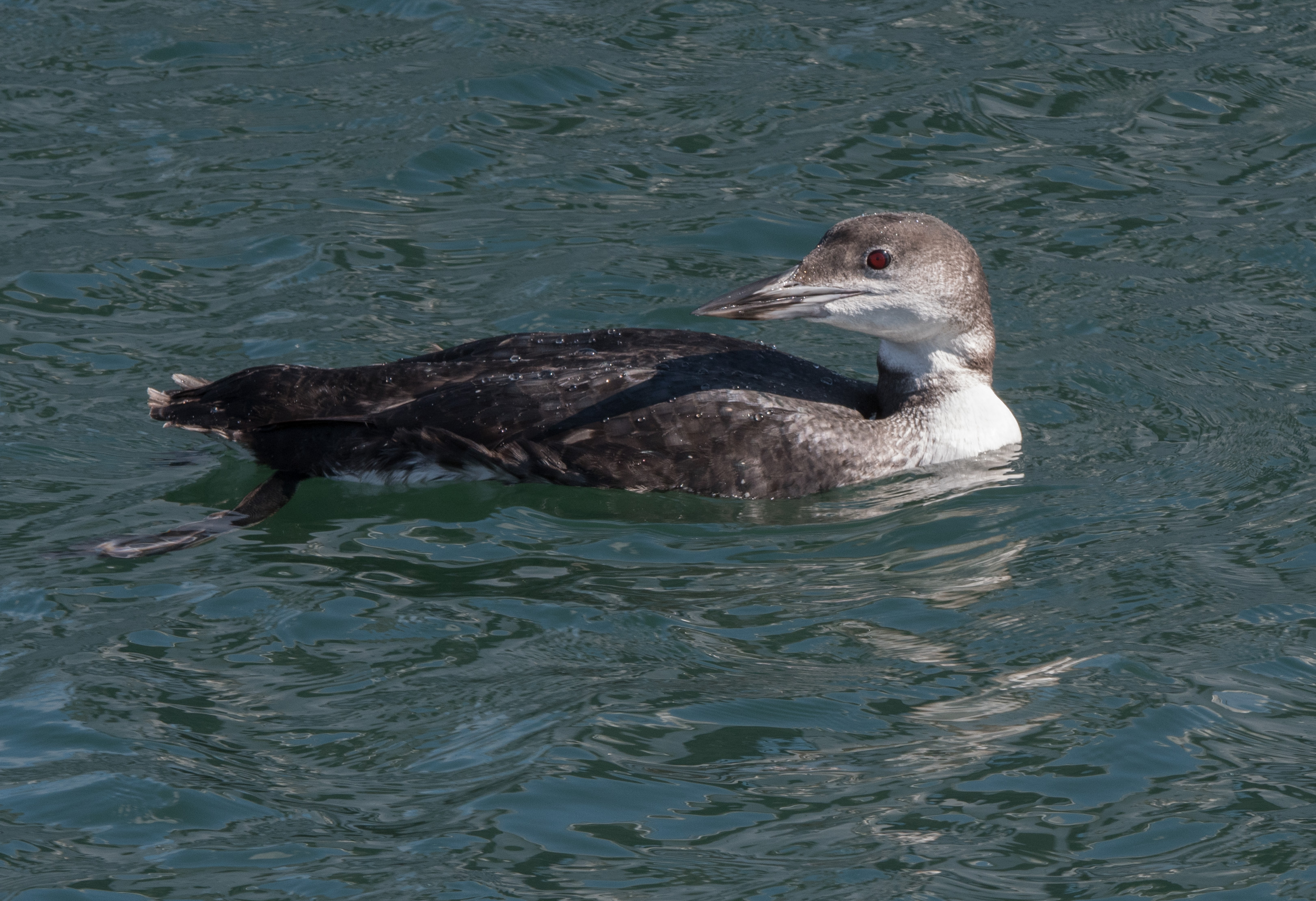
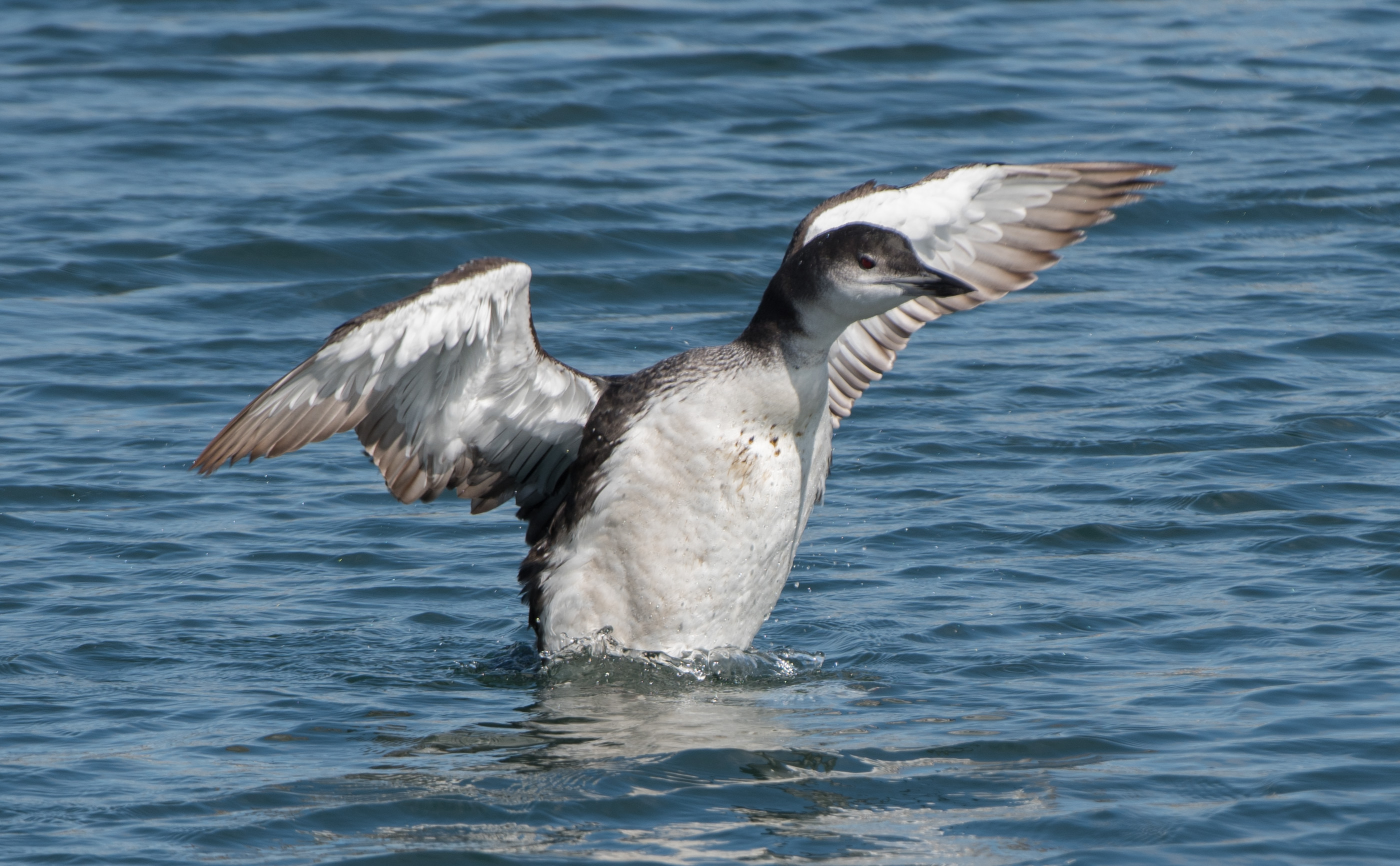
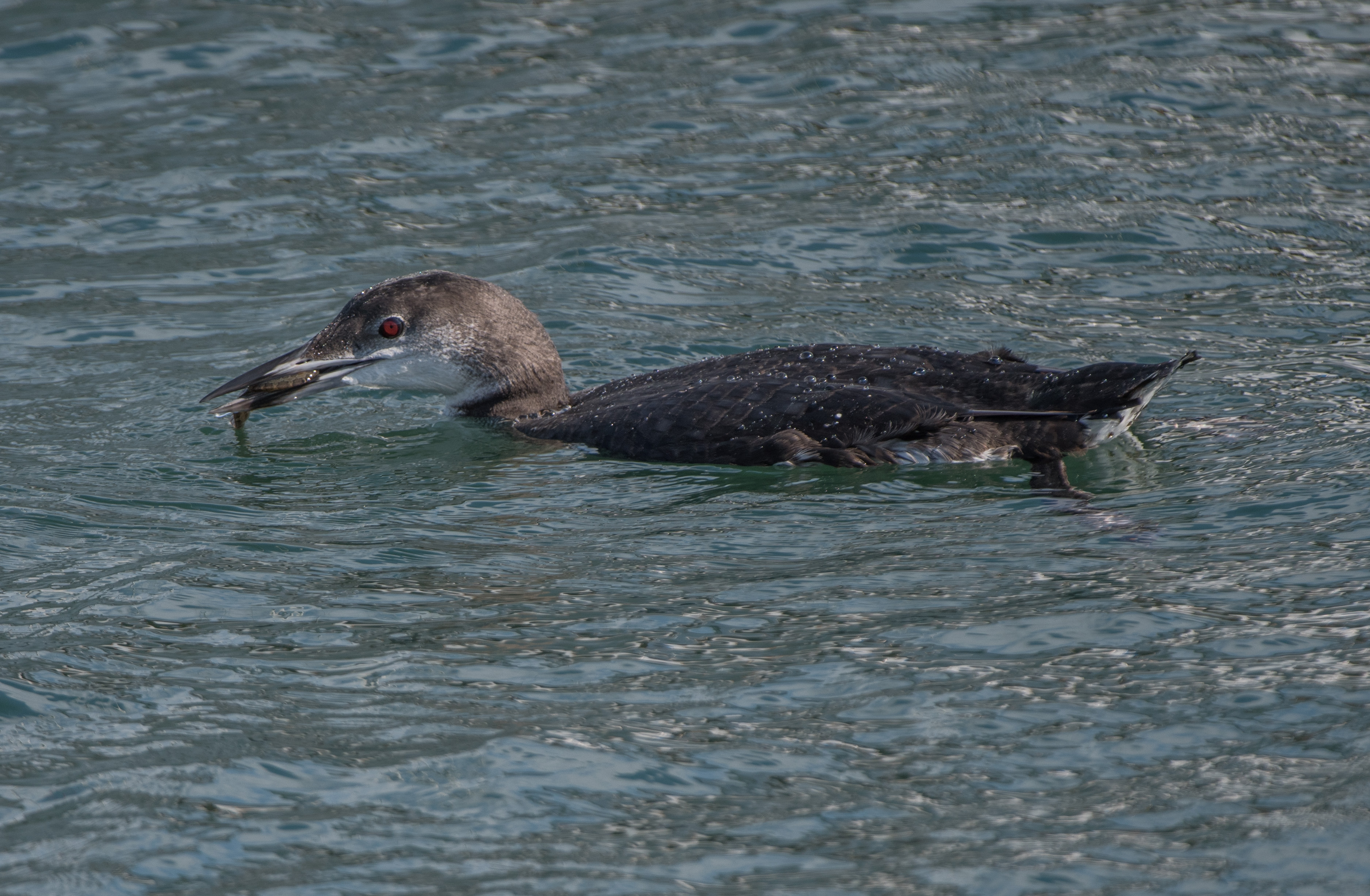
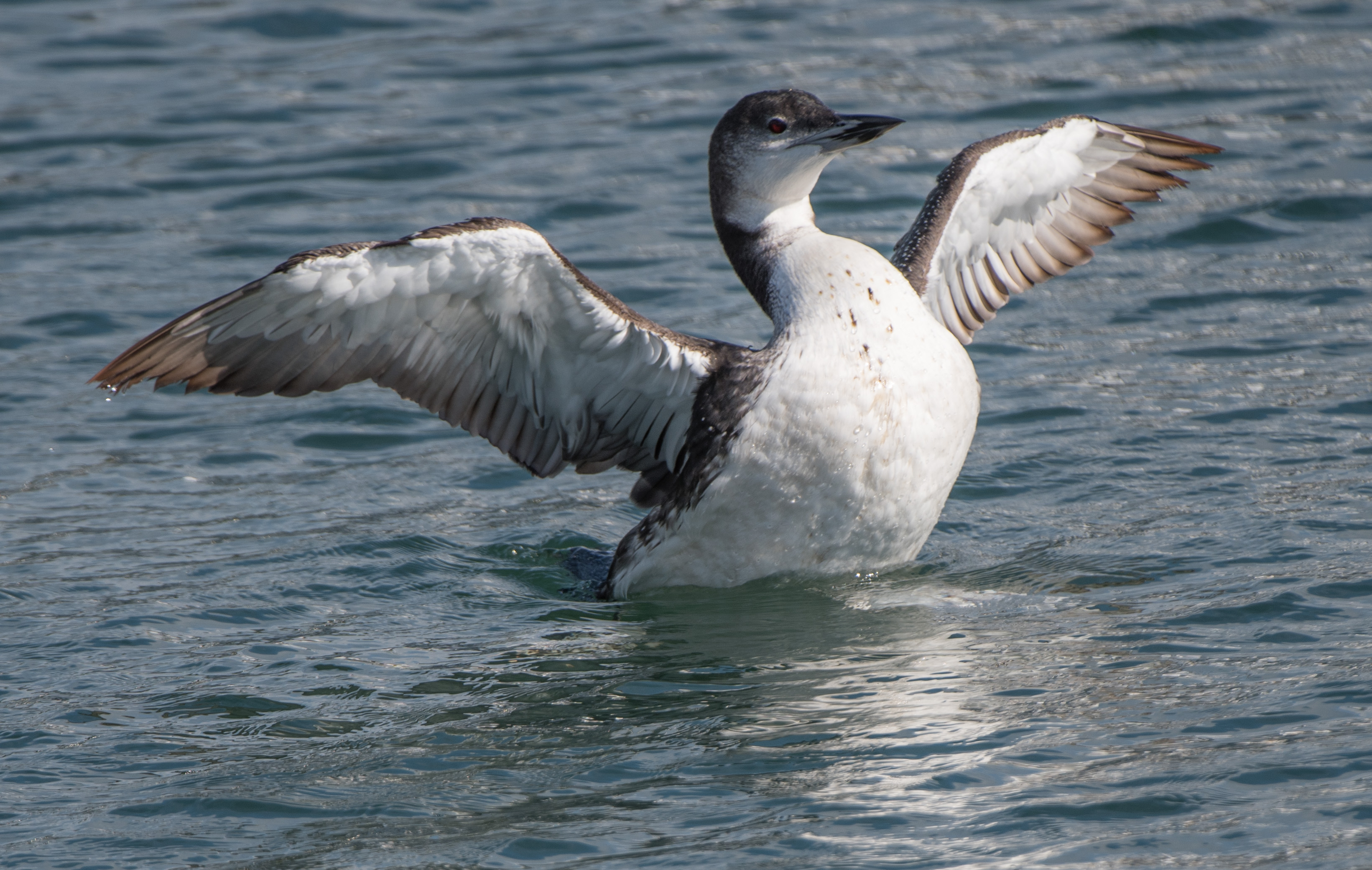
The weather has been changing and it seems that fall is here.  This is the time of year that I generally switch from photographing birds in the yard to making excursions to photograph waterfowl, shorebirds and raptors.  Monday morning signaled that change when members of the OARS group told me that they had seen loons just outside the marina.  I drove by the marina on the way home and there, in the NW corner of the marina, was this season’s first loon!  I ran a fairly lengthy errand and when I went back by the marina the loon was still there.  I went home, grabbed my camera and got back down in time to take a couple of dozen photos of the loon.  These aren’t the best I’ve ever taken, but they do signal the change in the focus of my photographic activities.

dsc_5618 dsc_5624 dsc_5637 dsc_5644


A Few Fall Visitors

This fall has been an interesting time of year and has resulted in fall migrants and winter birds showing up in the yard.  It’s a welcome change from what had become rather standard fare over the past couple of months.

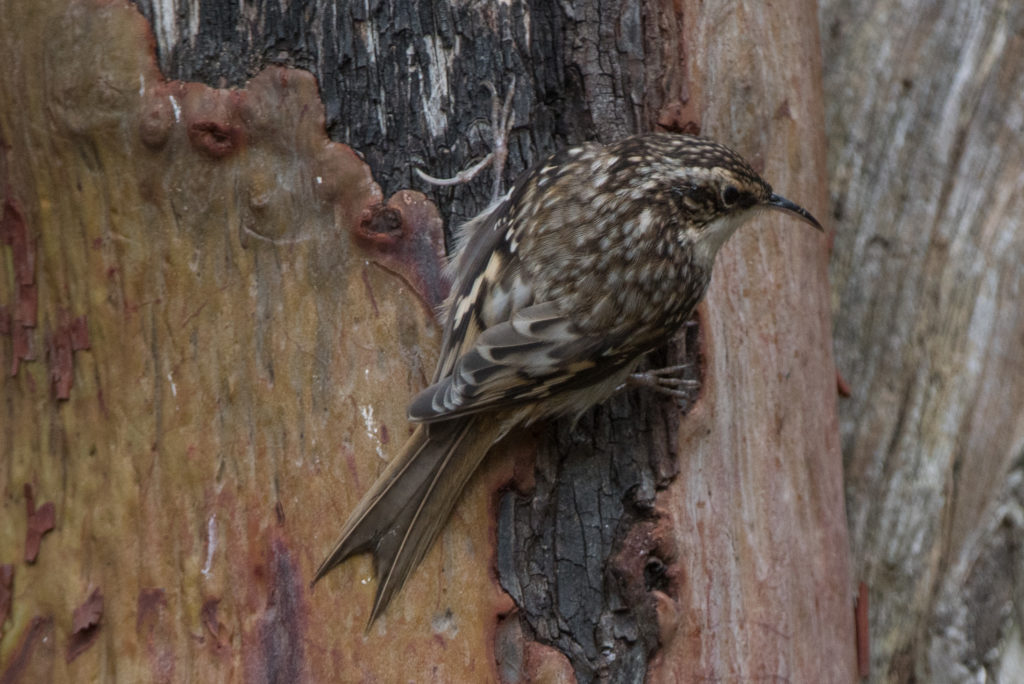
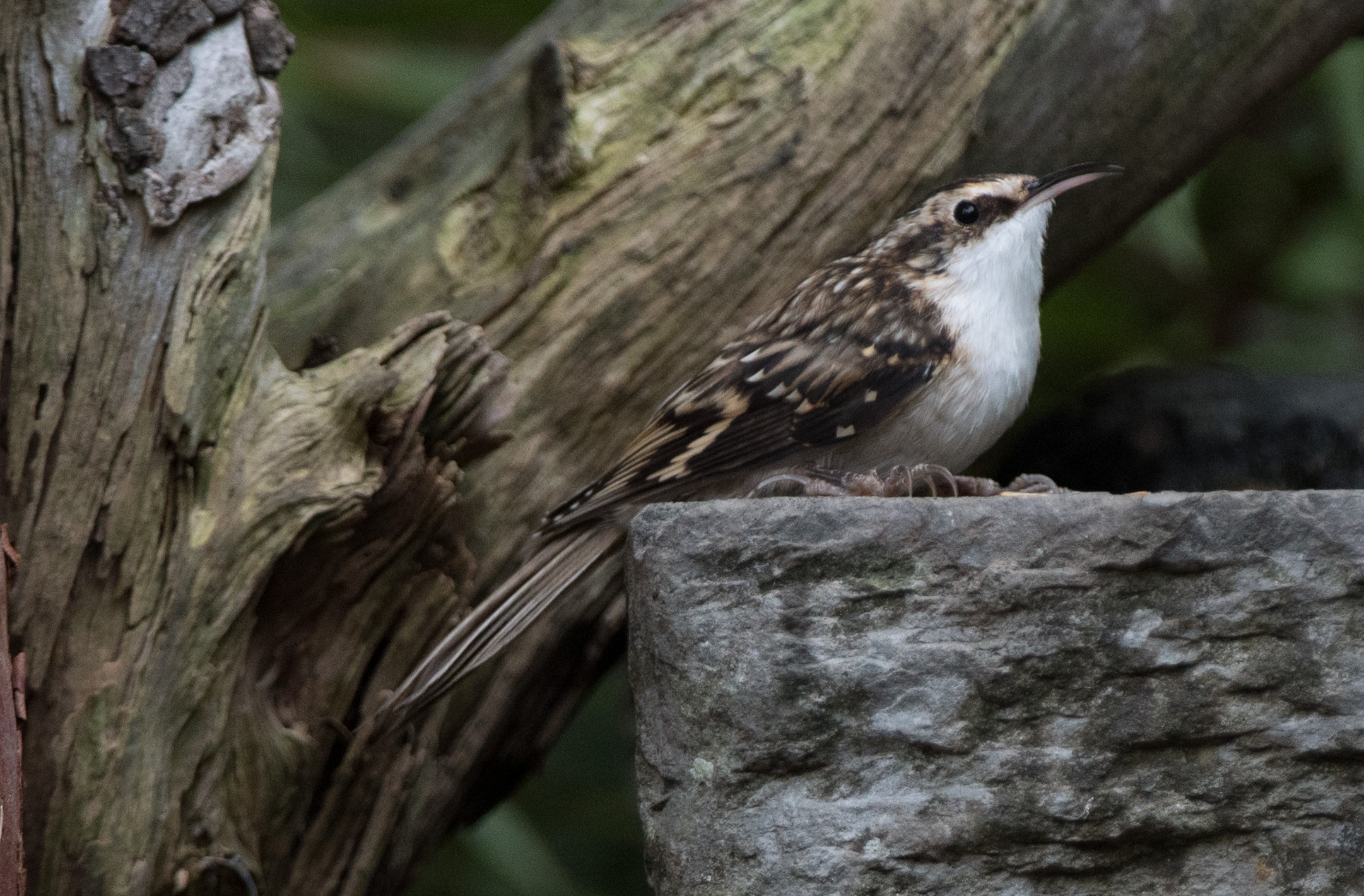
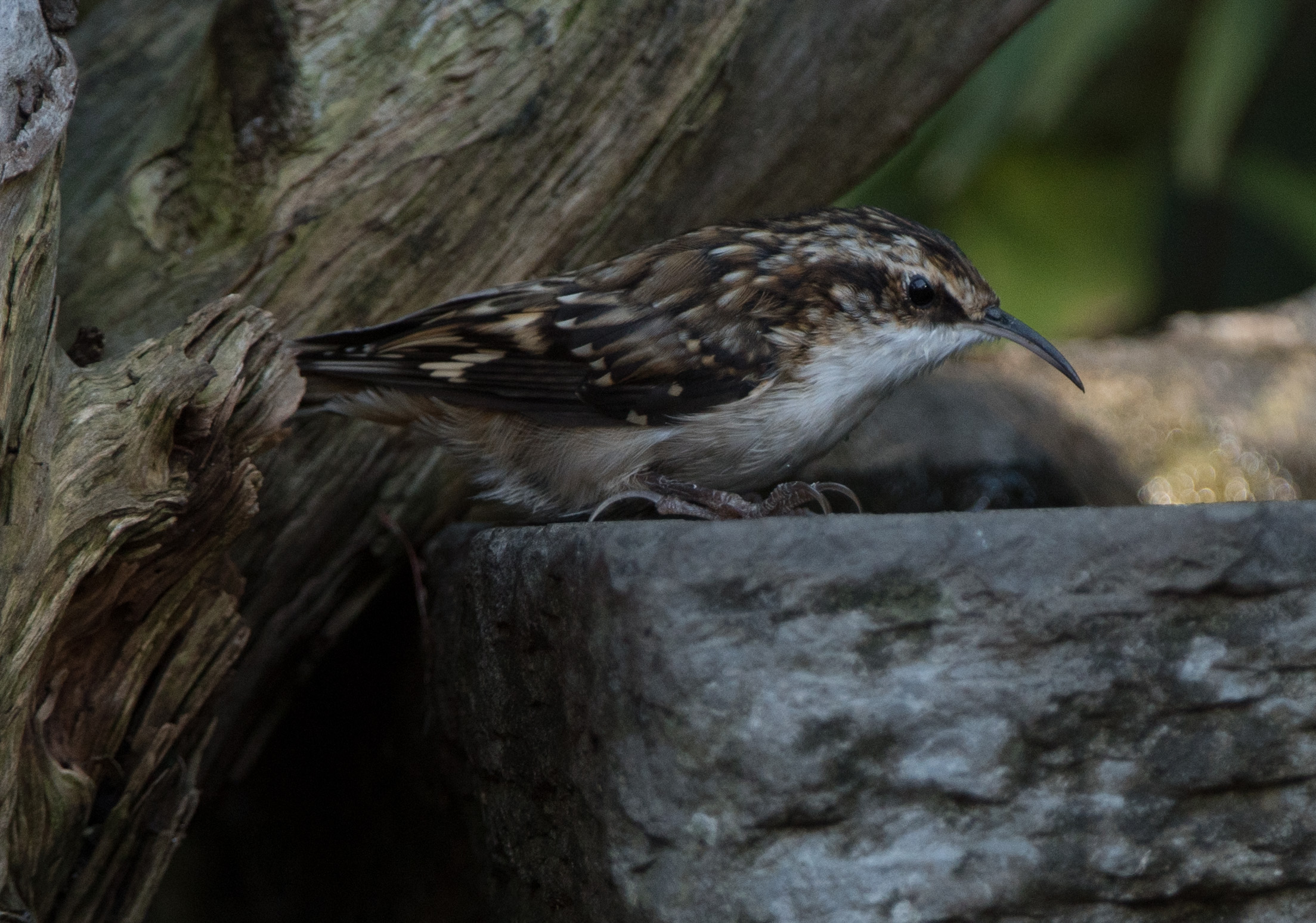
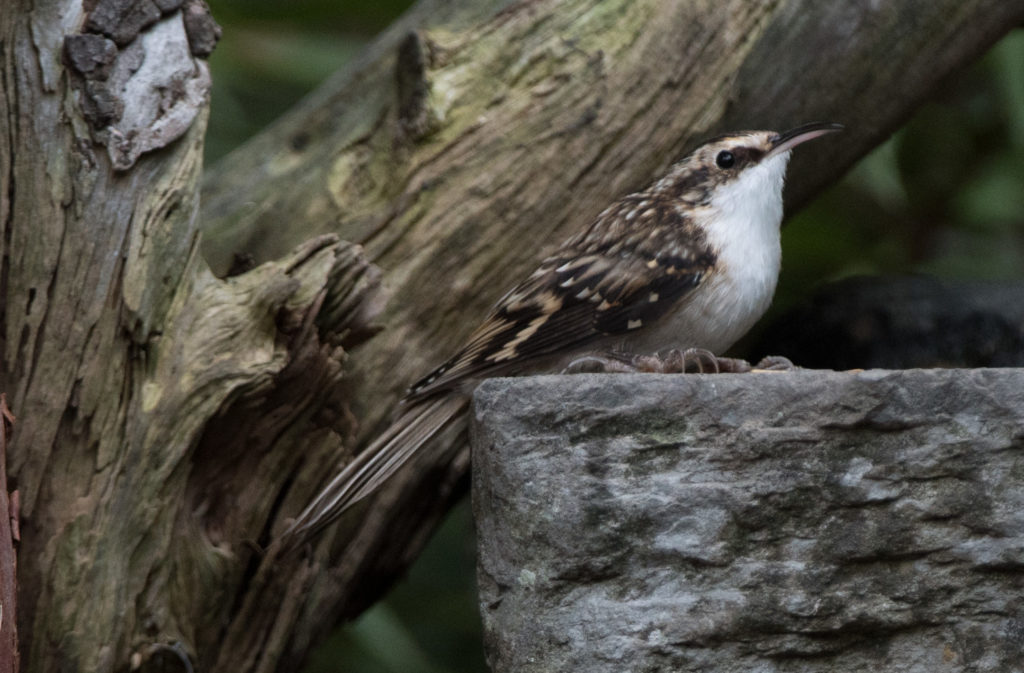
Some of our most welcome visitors have been what is apparently a family of Brown creepers which visit a rock bird bath in the yard several times each day.  On one occasion I saw three creepers around the bath at one time, and on another occasion or two I observed two.  As I’ve said before, the creeper is a fairly difficult bird to photograph… it seldom pauses its frenetic activity and its camouflage feathering seems to make it difficult for my camera to get a good focus, and the camouflage is so effective that even with a good focus the feathers on the bird’s back look out of focus.  Look carefully at the size of these birds’ feet… they must be the Alley Oops of the bird world!
creeper-brown-20160923-02 creeper-brown-20160923-03

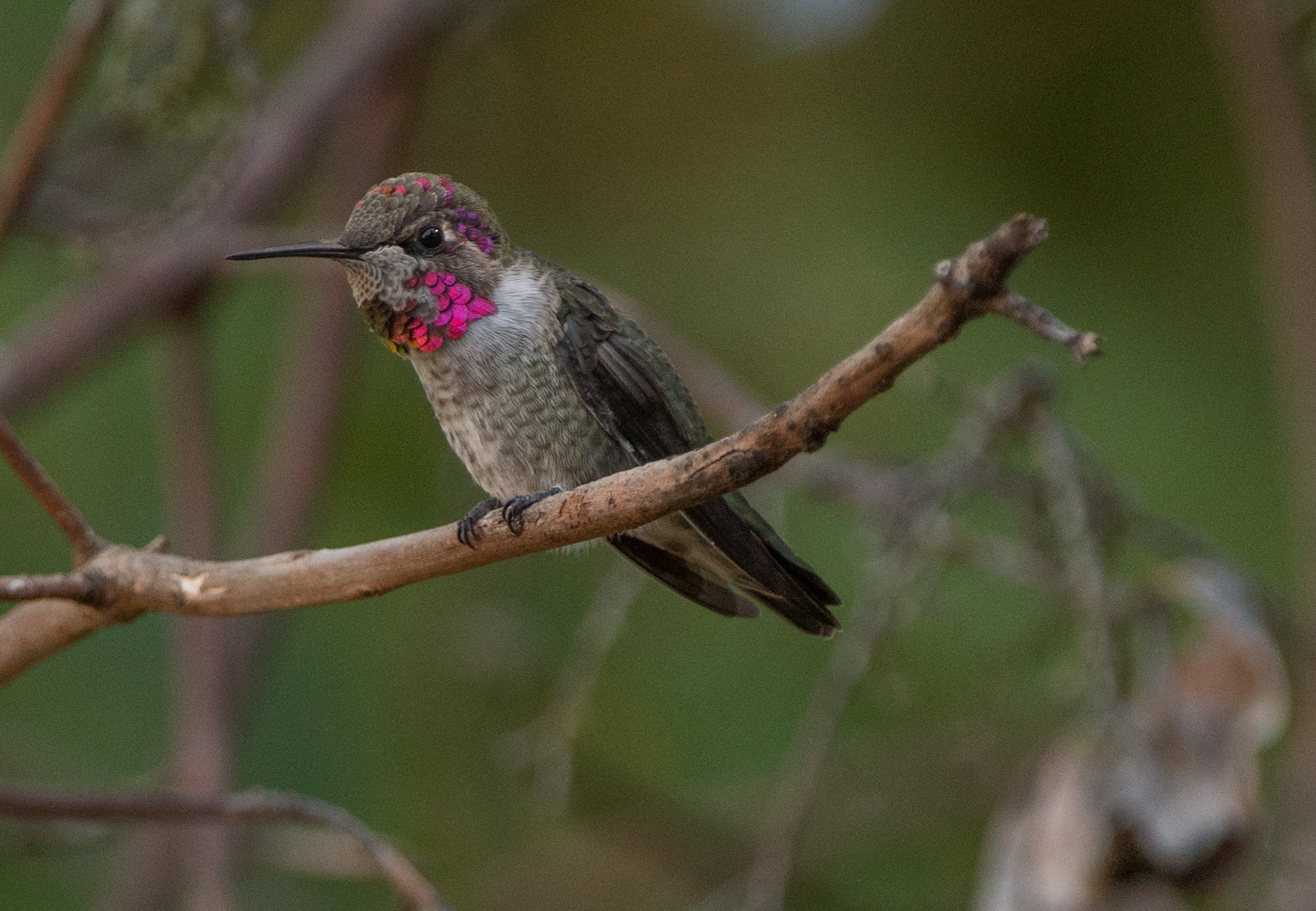
We still have at least two Anna’s hummingbirds which may end up staying the winter with us.  I always feel bad about the birds staying, but since they remain whether or not we feed them I continue trying to support them.  In this case the bird pictured is a male.
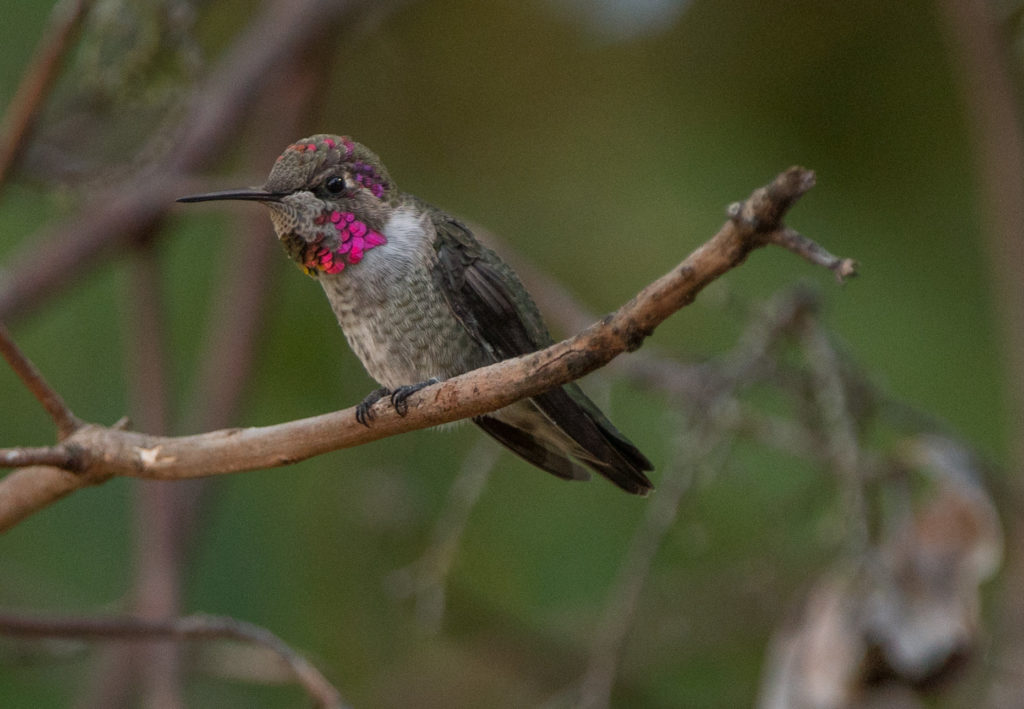
hummingbird-annas-20160921-03

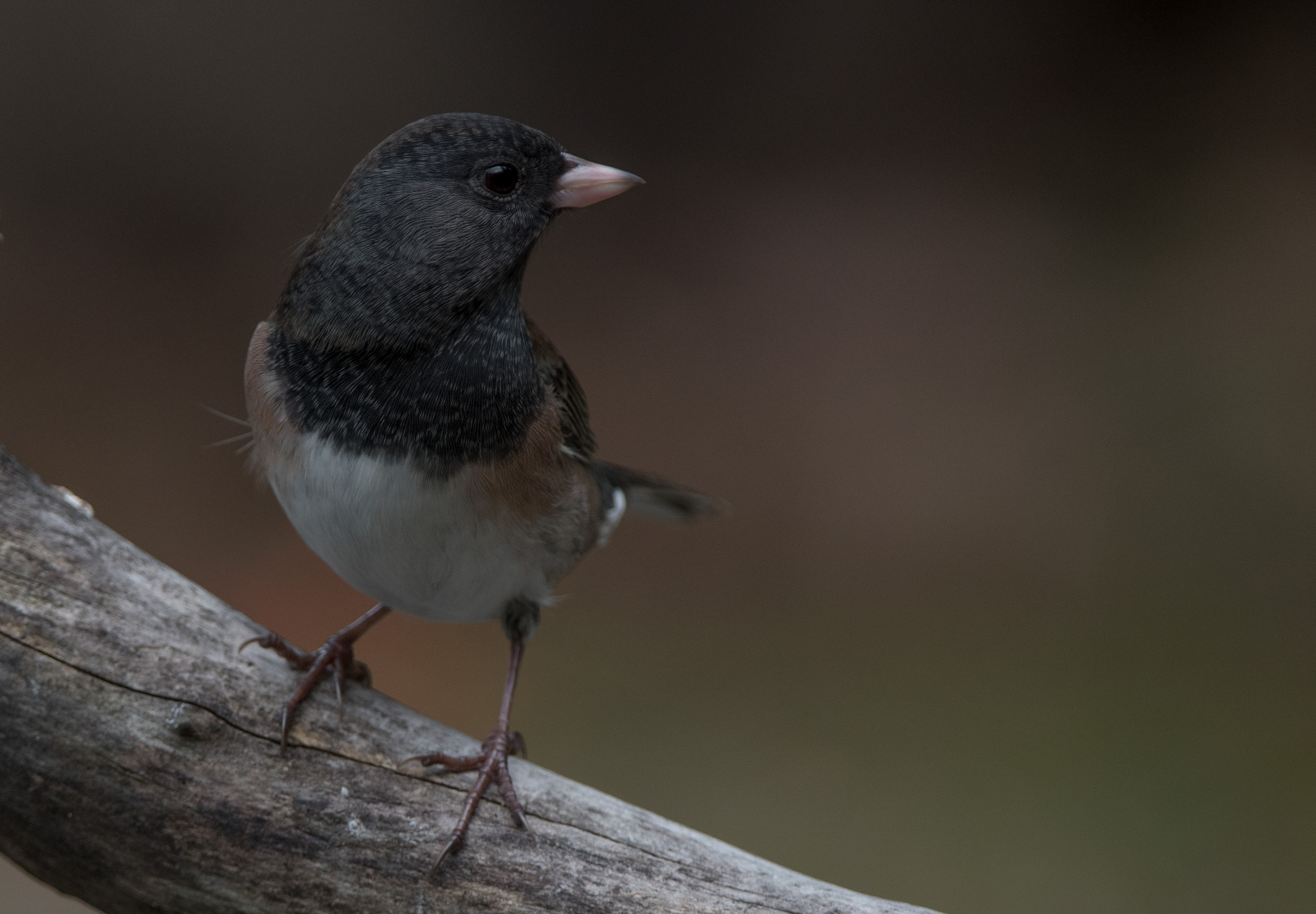
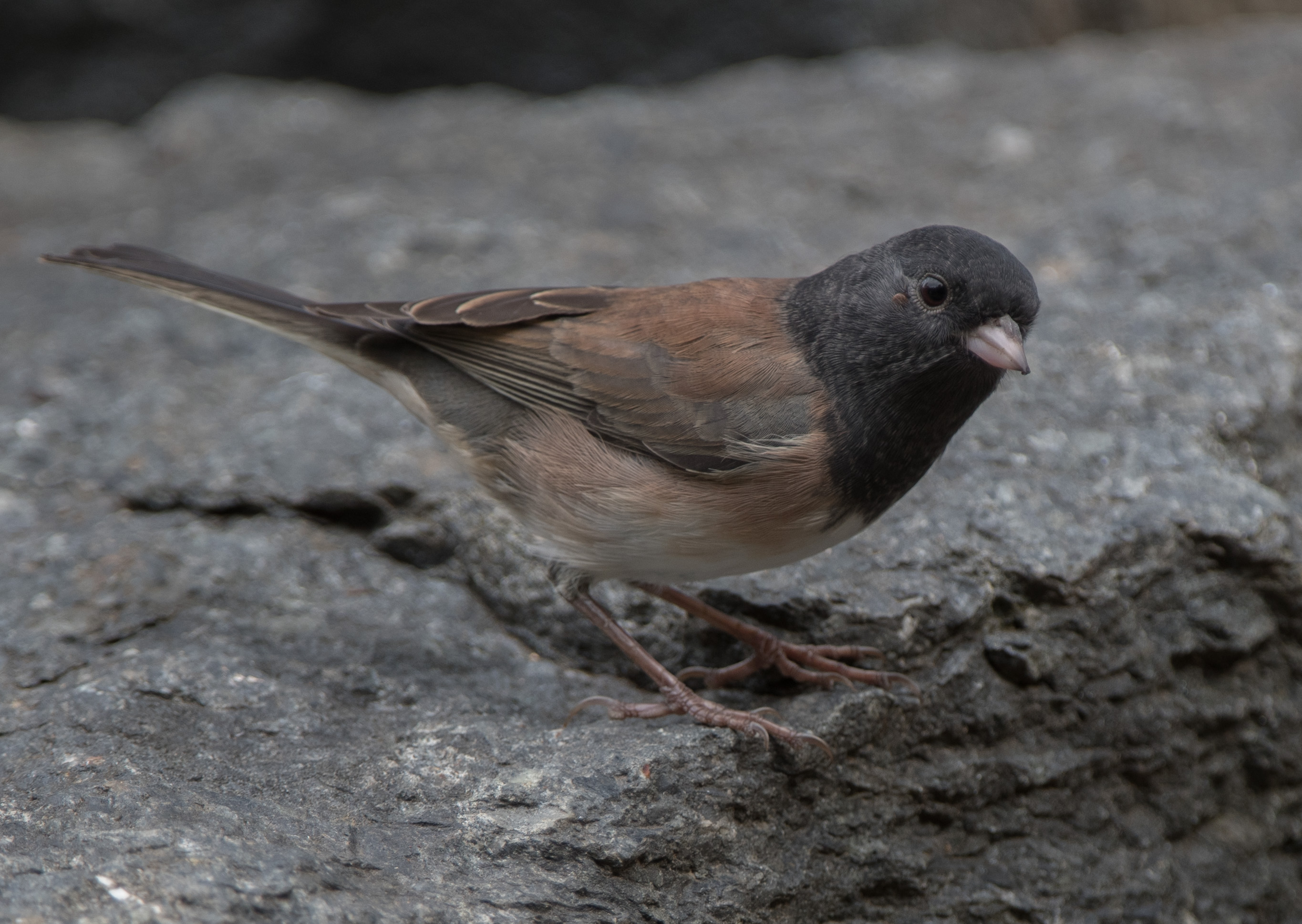
The Dark-eyed juncos (Oregon race) are back, although no yet in great numbers.  During the winter months they are probably our most numerous species, although in some years that distinction might be challenged by Pine siskins.  And just a couple of days ago my wife observed a Dark-eyed junco of the Slate-colored race in the yard… which will make ten years that at least one has visited us in the winter.

Juncos are one of my favorite birds with regard to their feather pattern and the contrast between the feathers on the birds’ hoods and those on the rest of their body.
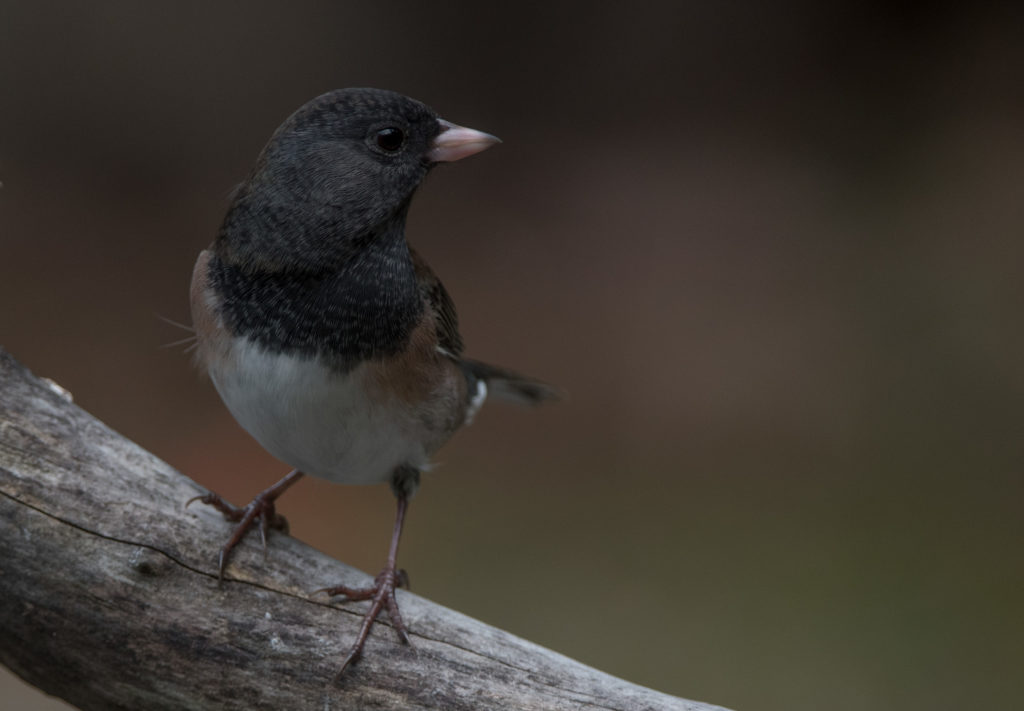
junco-dark-eyed-oregon-20160923-06

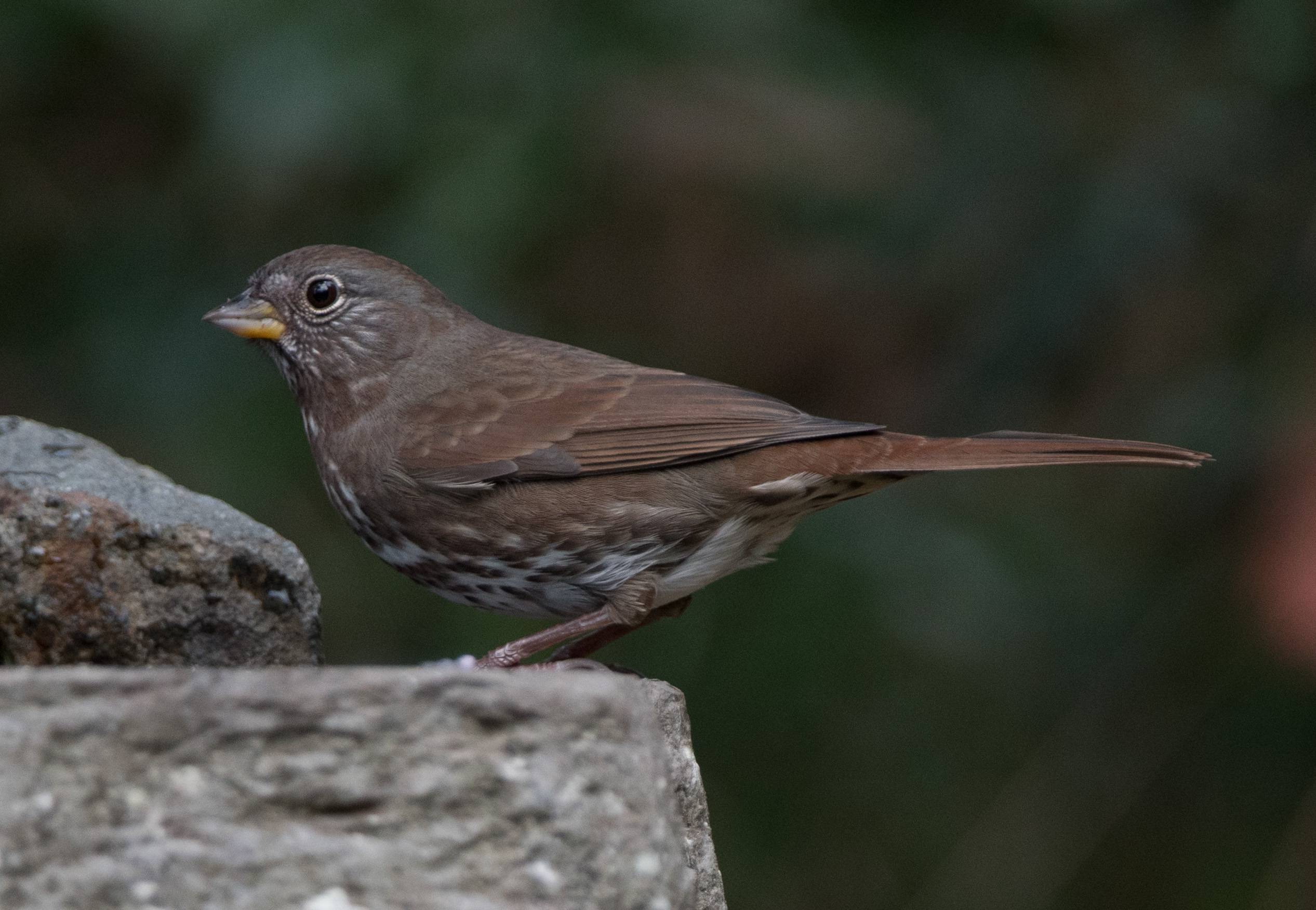
This past week we witnessed the return of a Fox sparrow to the yard.  We should have at least one all winter.
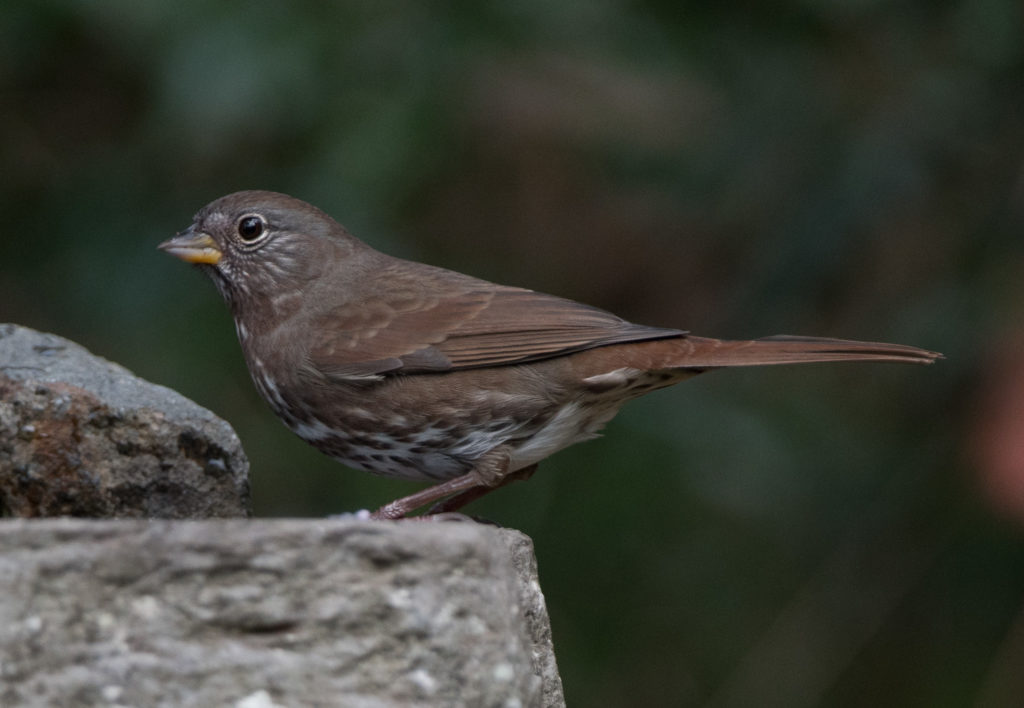
sparrow-fox-20160923-01

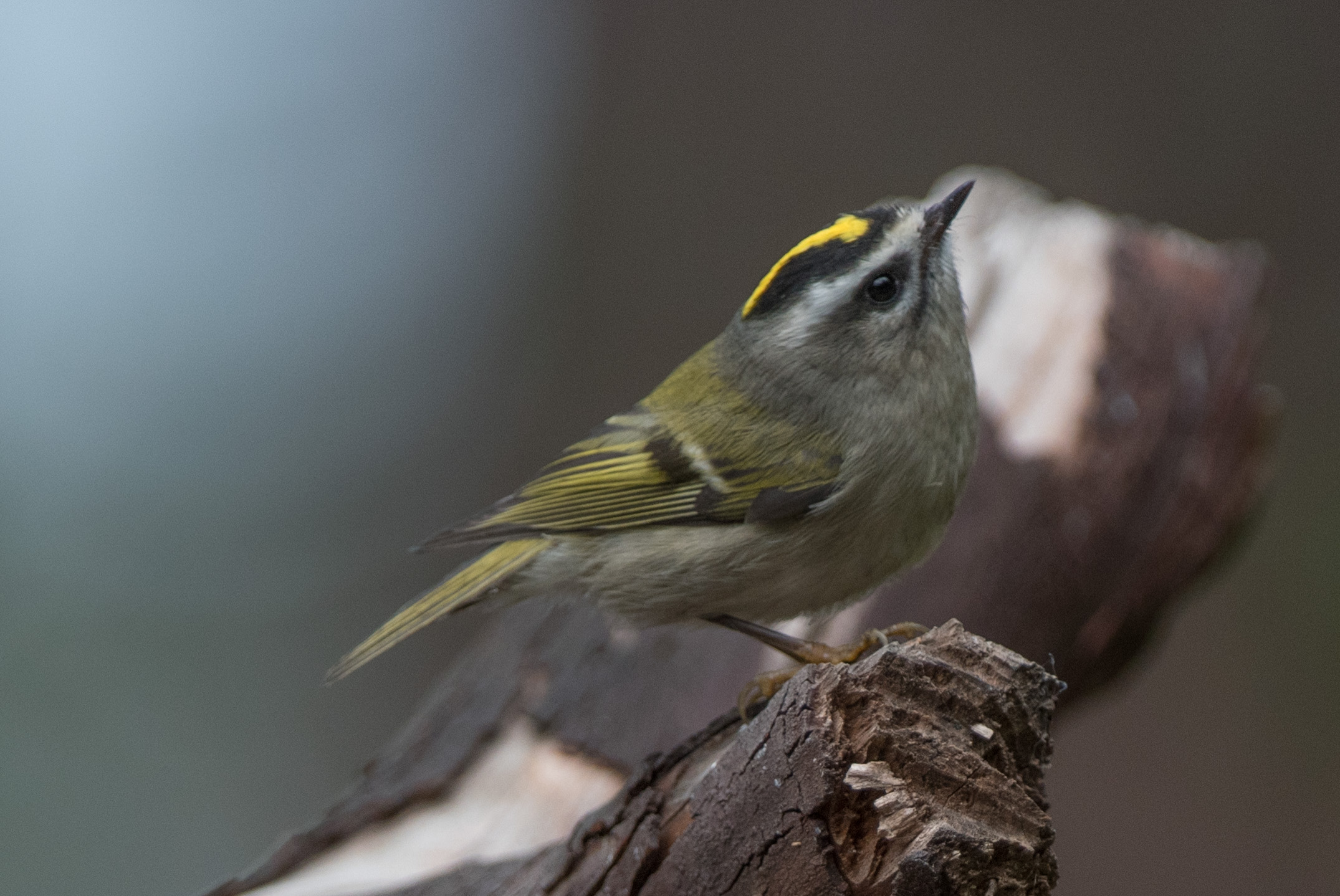
During the spring and summer we had rare visits from both Golden-crowned kinglets (pictured below) and Ruby-crowned kinglets.  The Golden-crowned kinglets are now fairly frequent visitors to the yard and often show up in pairs.  I believe this is a female pictured.
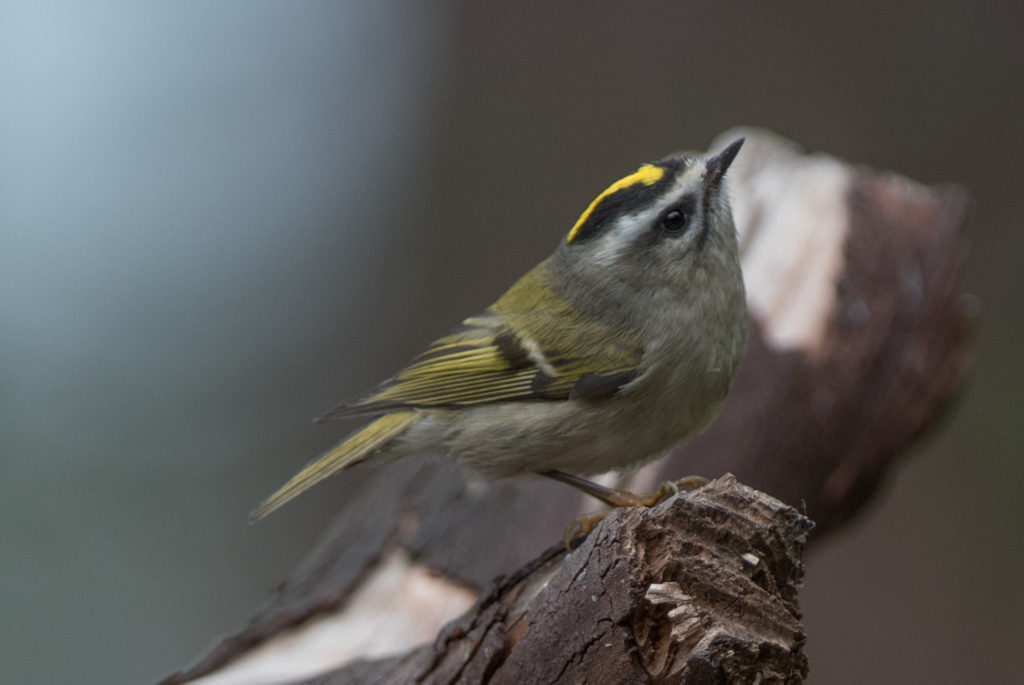
kinglet-golden-crowned-20160923-01

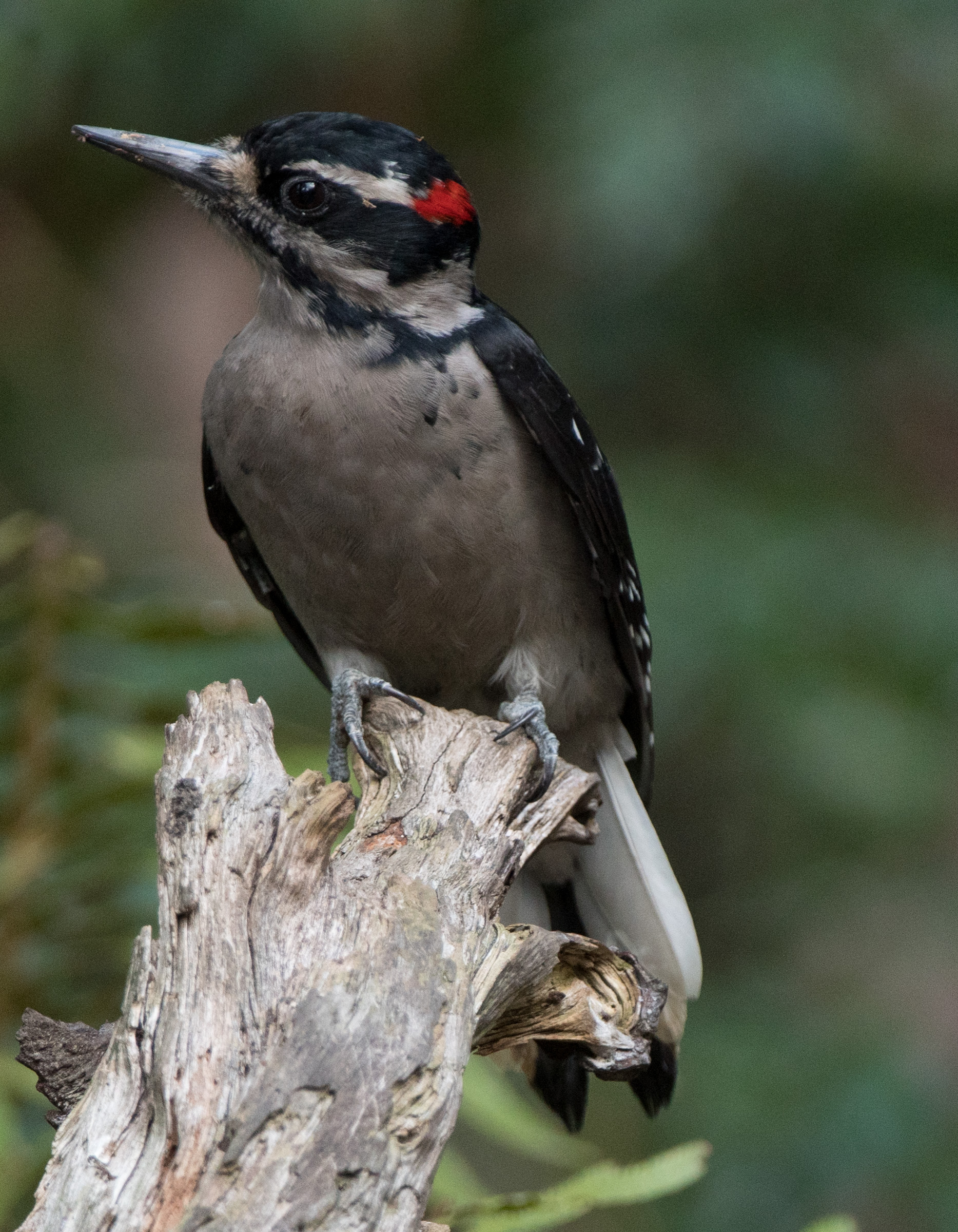
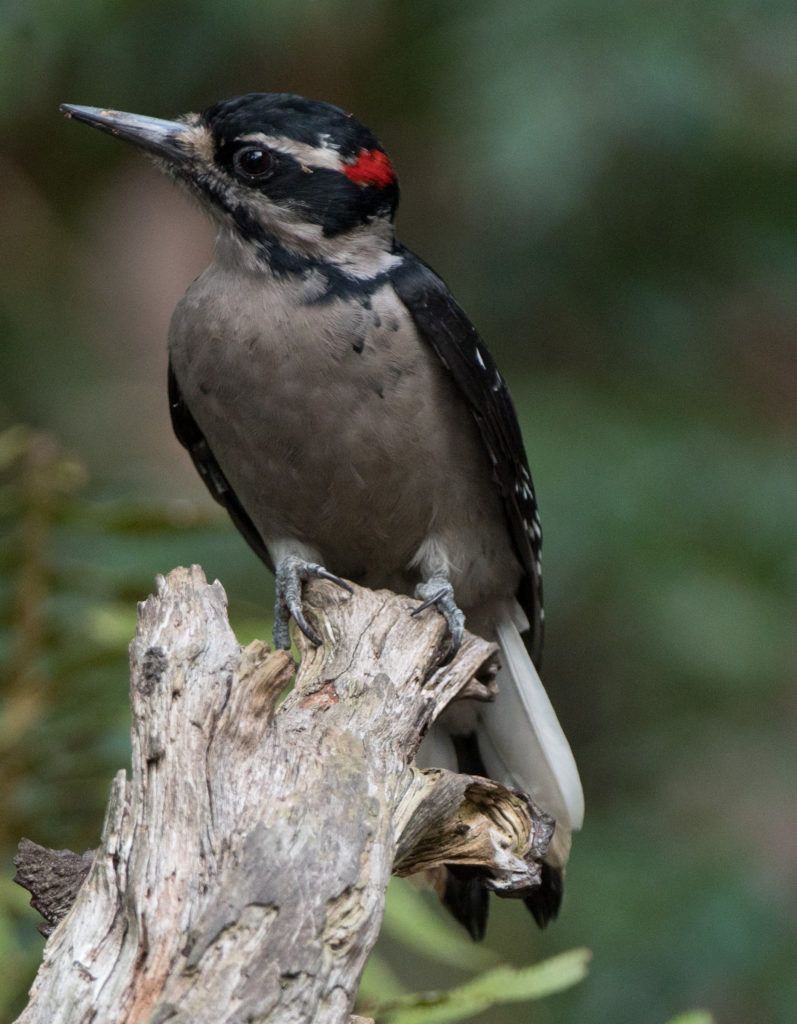
We’re still hosting the male Hairy woodpecker from earlier this summer.  This is the first one we’ve had here at the house in several years, and one day several weeks ago it visited with another male.
woodpecker-hairy-20160923-02

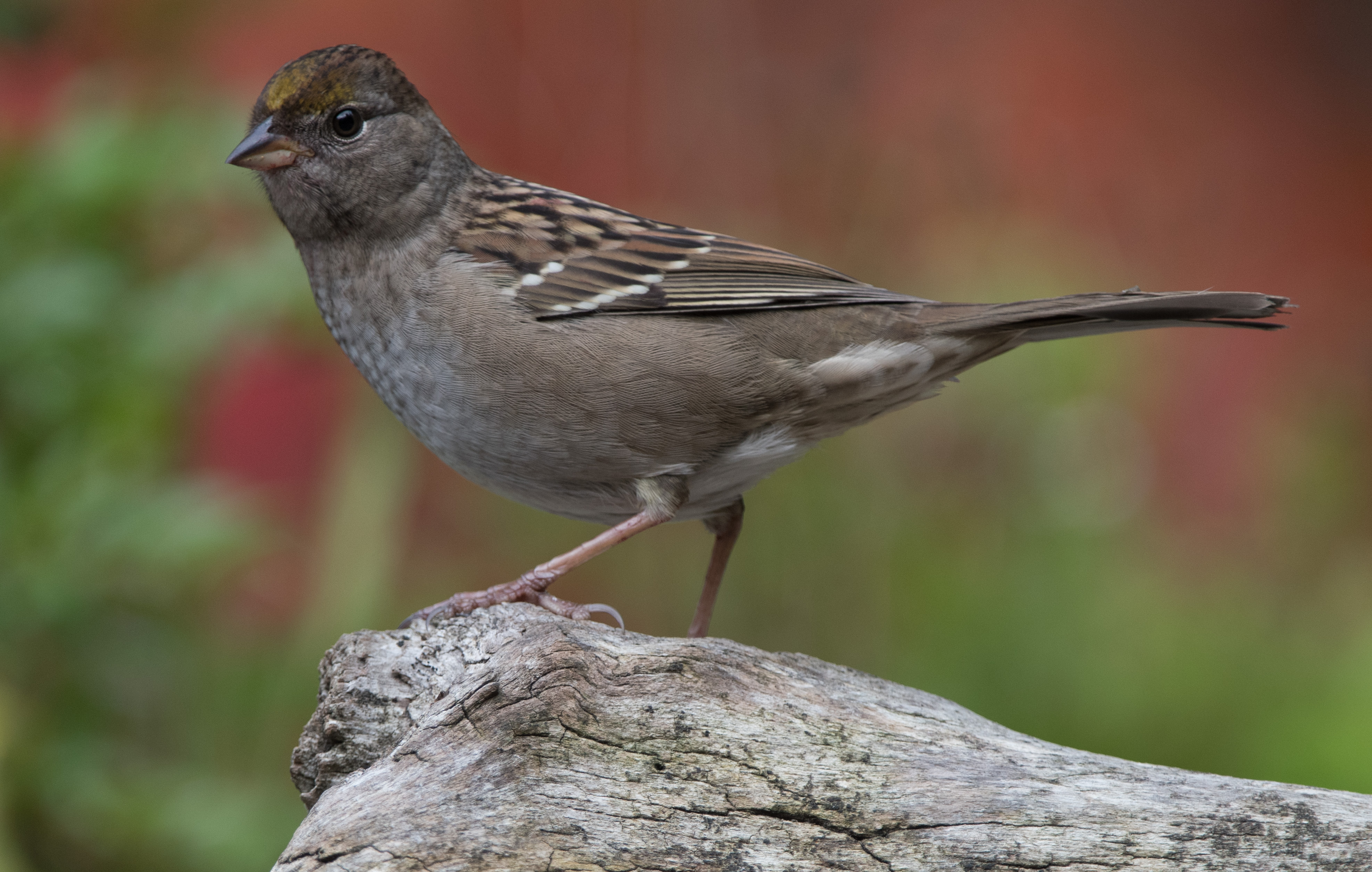
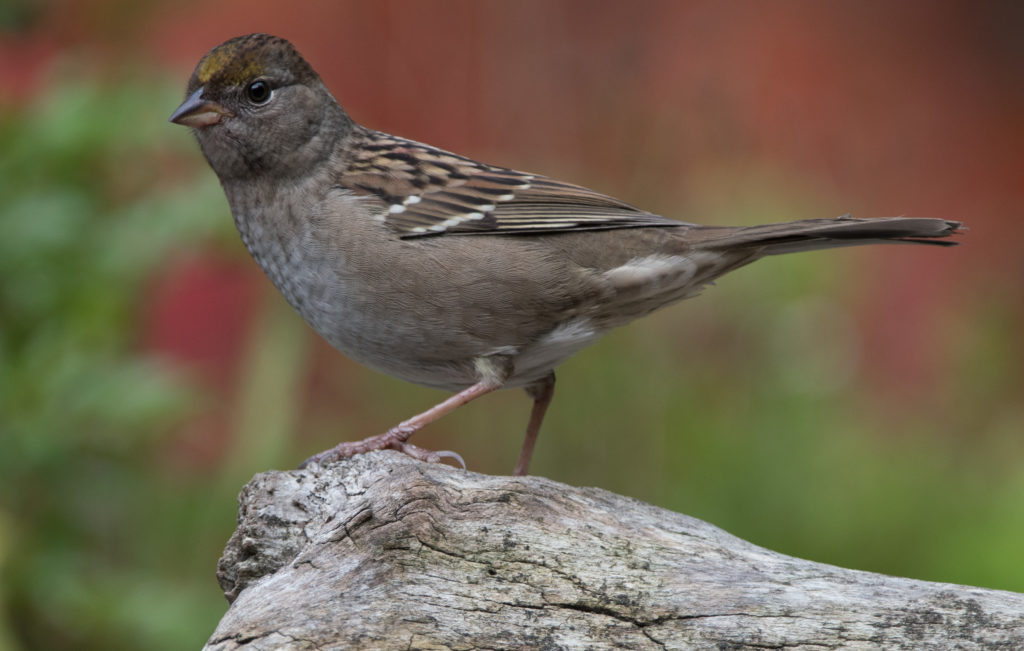
Our Golden-crowned sparrows are back and we have 4-5 in the yard most days.  Already this fall we are hosting five different species of sparrows:  House, Fox, Song, White-crowned and Golden-crowned.  That will probably be it for the winter unless we get a very unusual stray.  And we still have an ample supply of their cousins:  American goldfinches, House finches and the juncos I already mentioned.
sparrow-golden-crowned-20160923-04

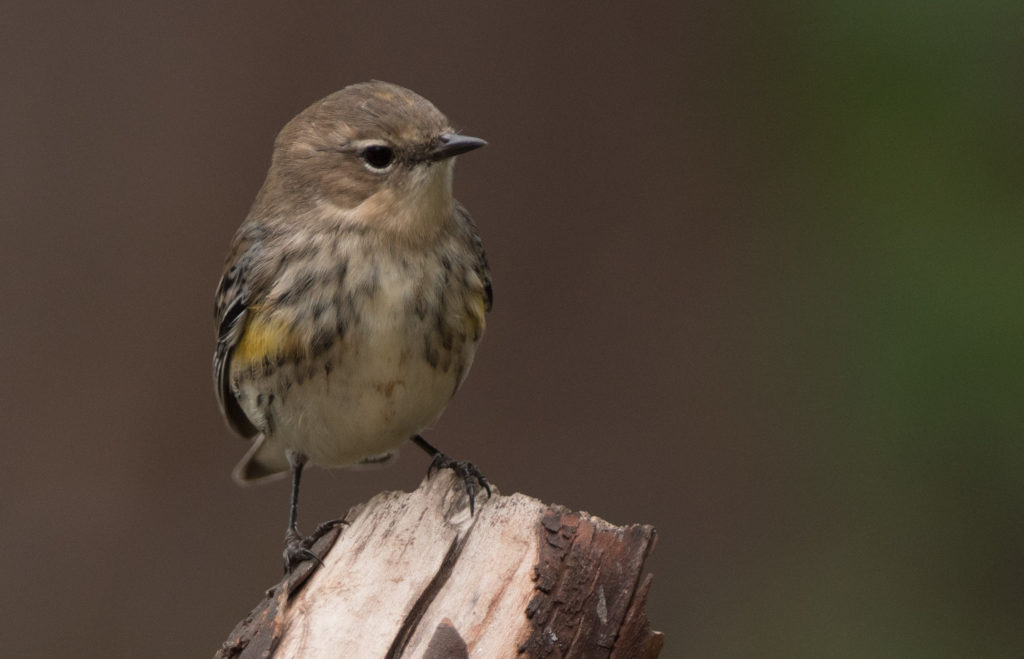
And finally, after I presumed that the warbler migration was about over, we’re getting a good many Yellow-rumped warblers in the yard.  Most seem to be of the Audubon race, but the race, and to a greater extent the sex, can be somewhat difficult to discern at this time of year.  I suspect the one pictured below may be a juvenile male Audubon’s with a hint of yellow on the throat and some very indistinct streaks of yellow on the top of the head.
warbler-yellow-rumped-20160923-06


Another Great Yard Birding Day

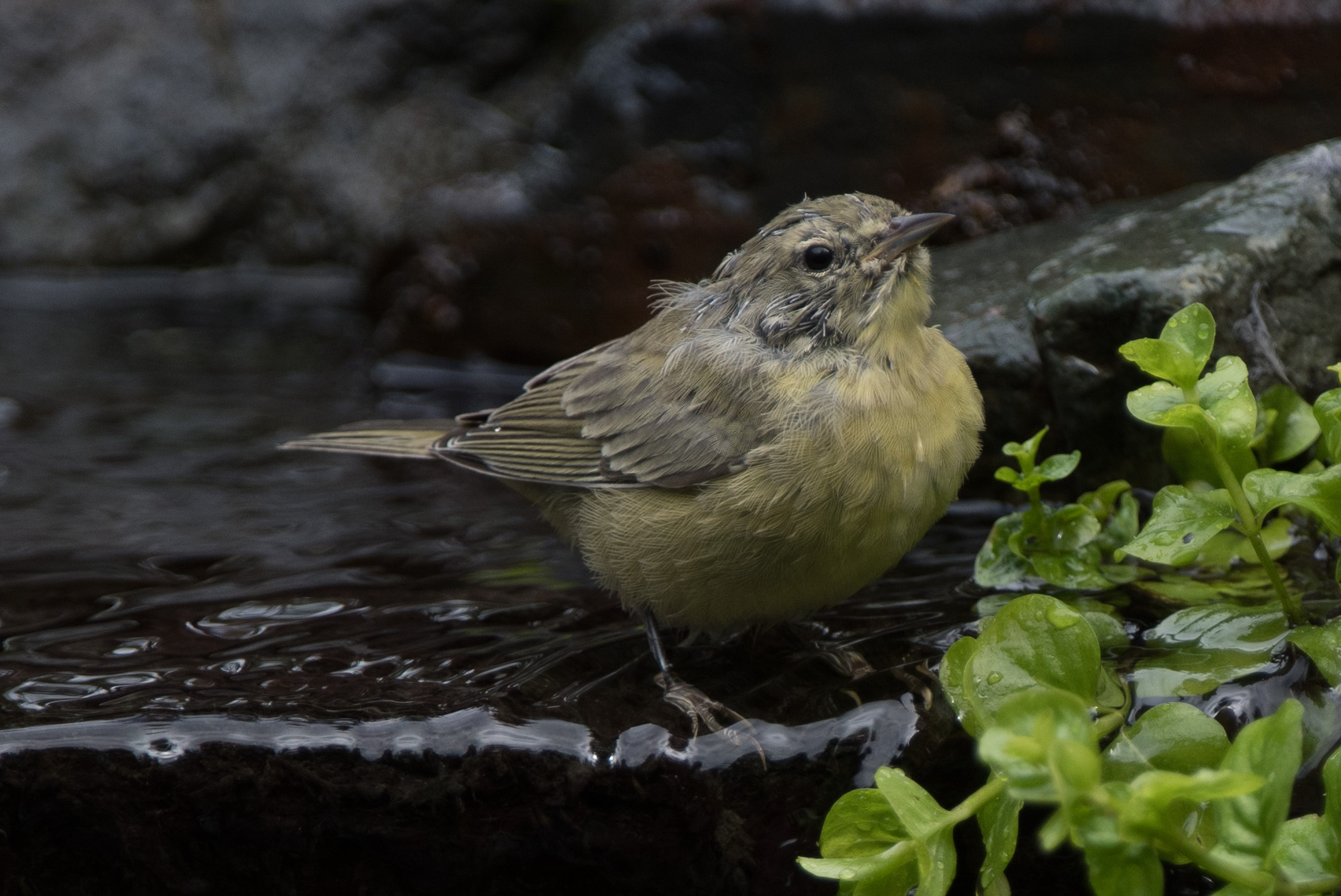
On Saturday, Sep 10, I had another opportunity to spend time in the yard and the time was productive.  I had a good many warbler visits, but unlike the previous Monday all the warblers this day were Orange-crowned warblers… unless the very young warbler pictured at the end of this warbler series is another species.  It appears that this warbler wasn’t long  out of the nest!

warbler-orange-crowned-20160910-18 warbler-orange-crowned-20160910-34

warbler-orange-crowned-20160910-38

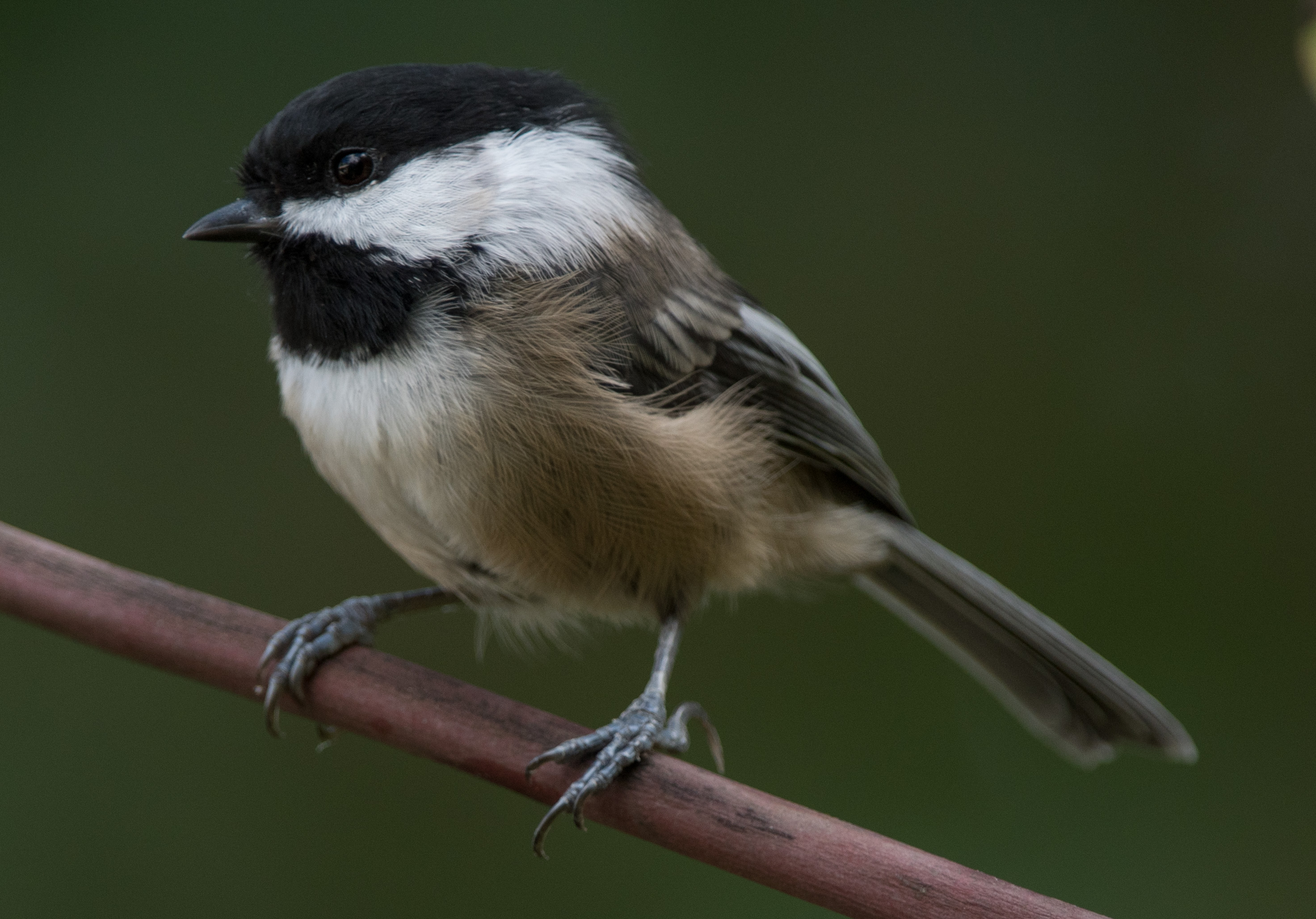
A Black-capped chickadee landed very close to me and gave me the opportunity for some good close-ups…

chickadee-black-capped-20160910-06

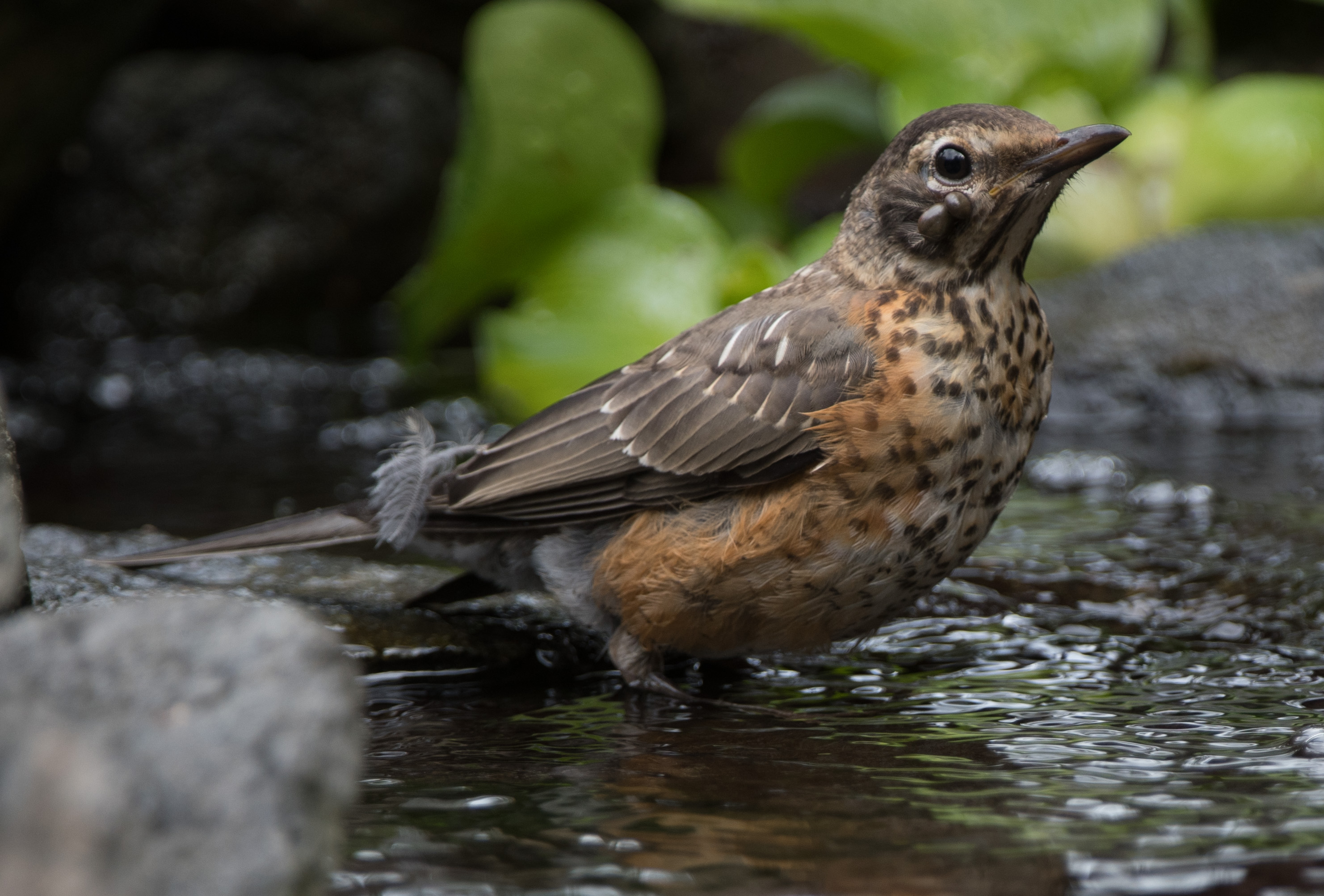
We still have some juvenile American robins showing up in the yard late in the breeding season,,,

robin-american-20160910-04

Our Dark-eyed juncos (Oregon race) had been gone for several weeks but this was the species first return to the yard after their absence.  On any given day in the winter this can be our most numerous yard bird.

junco-dark-eyed-oregon-20160910-01

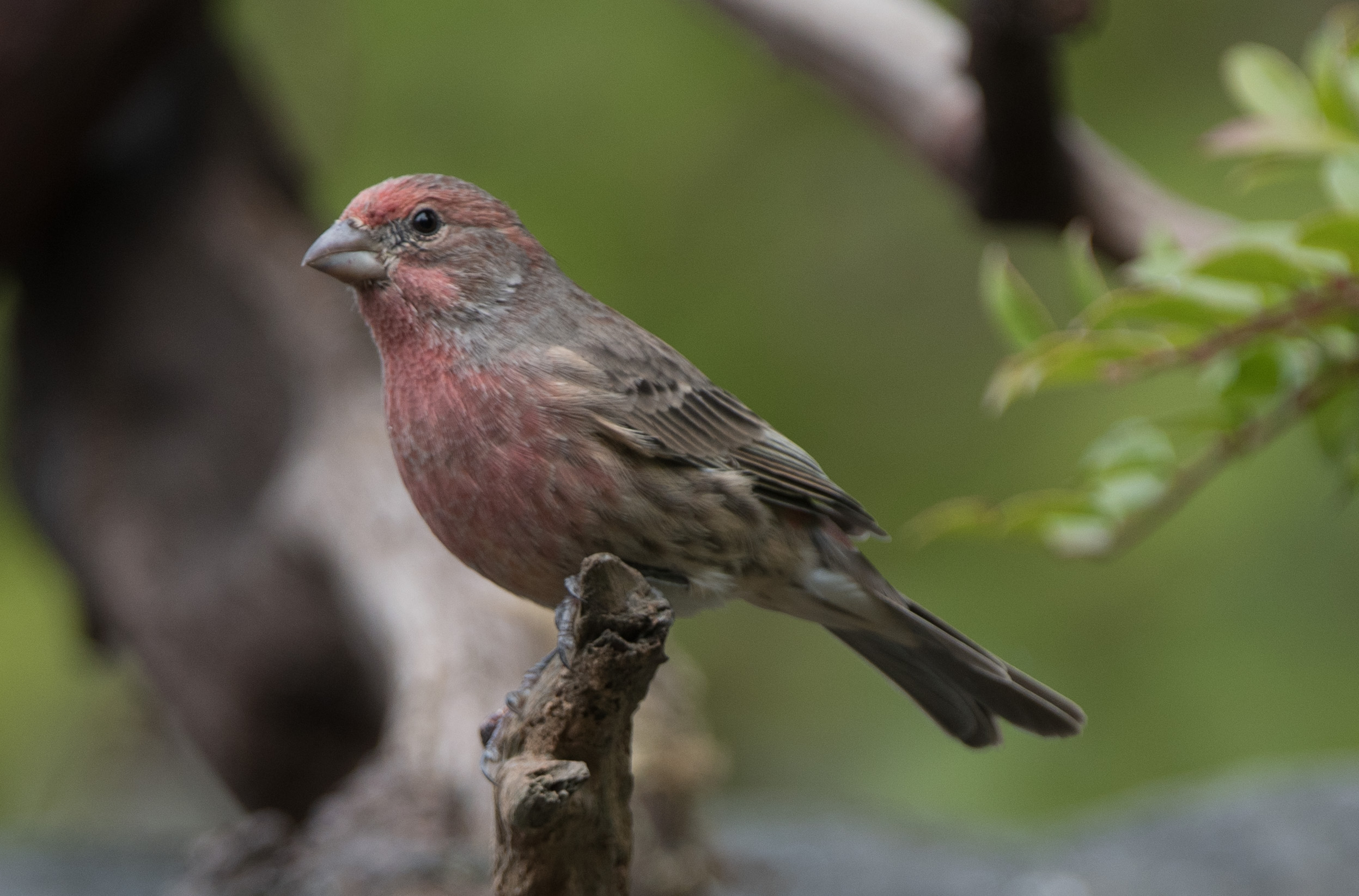
We have a good population of House finches and this male gave me a lot of opportunities for photographs.

finch-house-20160910-06

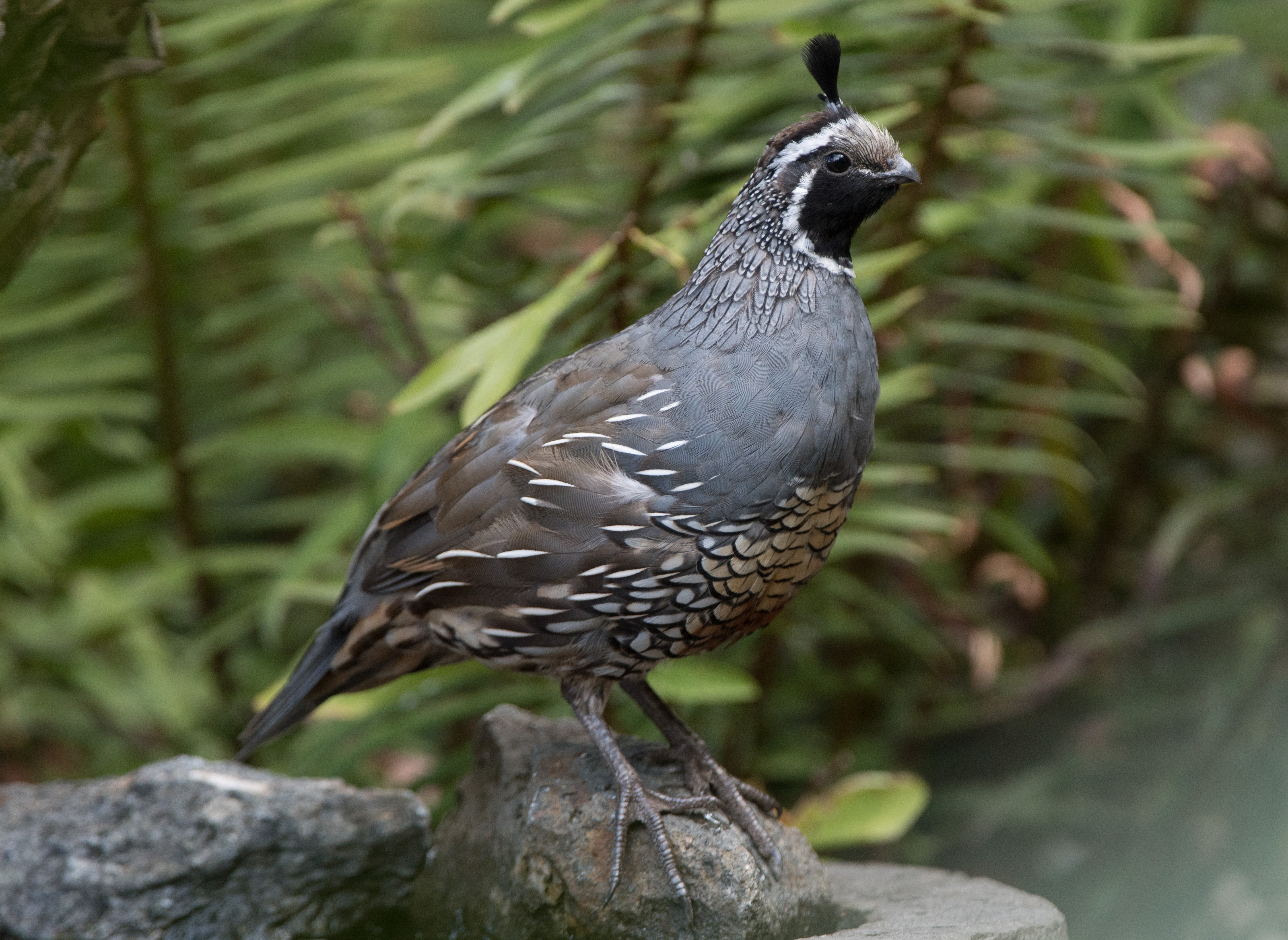
After an absence of 2-3 weeks we had a covey of California quail visit the yard briefly.  The good news for us is that there were about a dozen, and the quail are now near-adult size which makes them less vulnerable to predators.  I usually think that if the quail raise just 2-3 it’s a successful breeding year, so I have to consider this year’s crop outstanding.  My hat is off to the parents!

quail-california-20160910-03

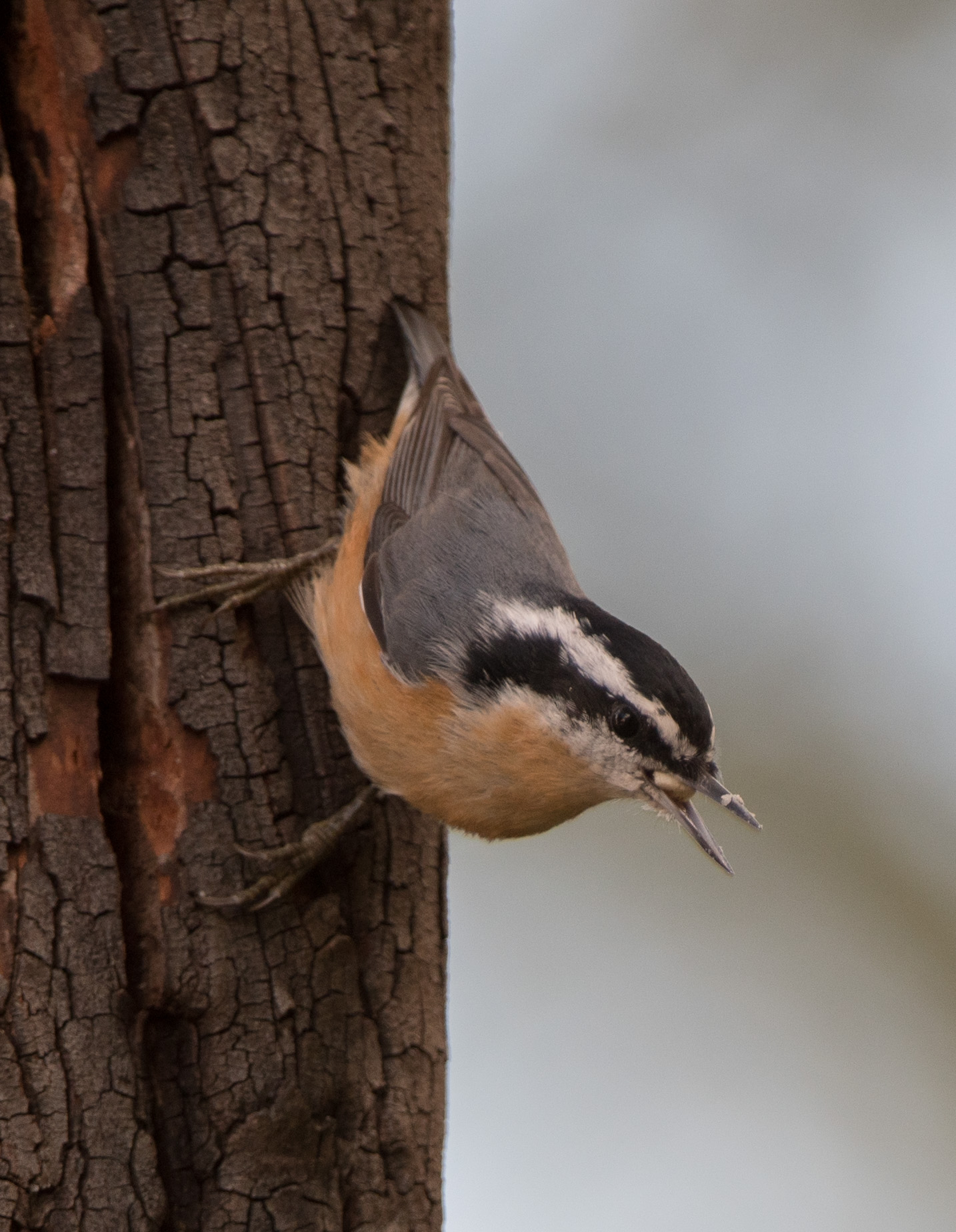
I had two species that I managed to photograph of which I am especially proud, because they can be difficult to photograph.  This first photo is of a Red-breasted nuthatch, a fairly common bird in the yard (although not so much this summer) but they rarely stop moving and so are difficult to photograph.

nuthatch-red-breasted-20160910-03

And this last bird is perhaps the most difficult bird I have found to photograph… a Brown creeper.  The creeper is usually difficult to find and is not always a consistent visitor to the yard.  And even more than the nuthatch, it seems that the creeper very seldom remains still… except perhaps for a drink of water!  Notice the long curved bill useful from extracting insects from cracks between the bark.  Notice also the plumage on the bird’s back which makes it very difficult to see on many trees.

creeper-brown-20160910-10