Last of New Mexico

As I believe I stated previously, I wasn’t too happy about either my photographs or photographic opportunities on this trip to New Mexico.  However I am going to post a few more photos and then I’ll return to some nice photos from Skagit County.

The following photos, except for the meadowlark, were taken at the Sevilleta National Wildlife Refuge (known for a program to restore Mexican gray wolves to the area) located between Socorro and Albuquerque.  First up is aa adult White-crowned sparrow with an injured foot or leg.

sparrow-white-crowned-20161028-02

This is a juvenile White-crowned sparrow.  The markings are very similar but the head stripes are brown and gray instead of black and white.

dsc_6533-2

This is a male House finch, a bird that is common in the Pacific Northwest.  I get nervous about my finch identifications when I travel to this area of the country because there are other species of finches notably (Cassin’s) in the area and the two species look relatively similar.

finch-house-20161028-14

This is a female House finch.  Note the total lack of rose coloring on the bird.

finch-house-20161028-05

Since the last time we visited the refuge added a small pond immediately adjacent to the parking lot so that I could photograph the birds using my car as a blind.  Since this is a very dry area of the country the birds were very attracted to the water.  It was a great location for birding photography.  In this photo a female House finch is using a tiny twig to obtain a drink of water.

finch-house-20161028-07

And finally (there’s always a ‘finally’), here is a meadowlark.  There are both Eastern meadowlarks and Western meadowlarks and both are found in Texas and New Mexico.  I have no idea which species this is.  I was once told by one of Texas’ foremost birders that it’s virtually impossible to distinguish the two species by appearance.  His technique on Texas Christmas Bird Counts was to roll down the window and listen for their calls, which are distinctive… at least to him!

meadowlark-20161028-04

That concludes my New Mexico photography.  The next post you see will be a return to birds of Skagit County.


New Mexico!

My wife and I took what has become an annual trip to New Mexico in late October.  We were a little earlier than we had been in past years, in part in an effort to avoid the Festival of the Cranes held in the Bosque del Apache NWR that attracts hundreds of visitors in November.  In past years preparations for the festival have interrupted our birding activities.  This year only a couple of hundred Sandhill cranes, Snow geese and waterfowl had arrived by the time we did, so while those birds weren’t our primary focus things were different in a somewhat negative way.

On our first morning at the refuge this Curve-billed thrasher popped up in the cactus garden and generously offered several photo opportunities.  The light wasn’t good but it was our only view of the thrasher in three days of birding the area.

thrasher-curve-billed-20161025-07

The refuge has an area near the HQ that is very attractive to the birds, but unfortunately historically the refuge personnel haven’t recognized the photographic possibilities and almost everything they do works against photographic opportunities.  As someone who has landscaped our yard for birding photography, I find my visits somewhat frustrating.  Nevertheless, I do what I can even with the lack of consideration stacked against me.

Some of the more interesting birds in the HQ area that were attracted to water were the Pyrrhuloxia (females pictured below). (There’s going to be a spelling and pronunciation test on the name, so study it carefully!)  The females appear very similar to female Northern cardinals.  On a couple of occasions I observed a male accompanying two females, but the females were the only ones that came to the water feature and I never got the opportunity on this trip to photograph a male.

dsc_6233 dsc_6242

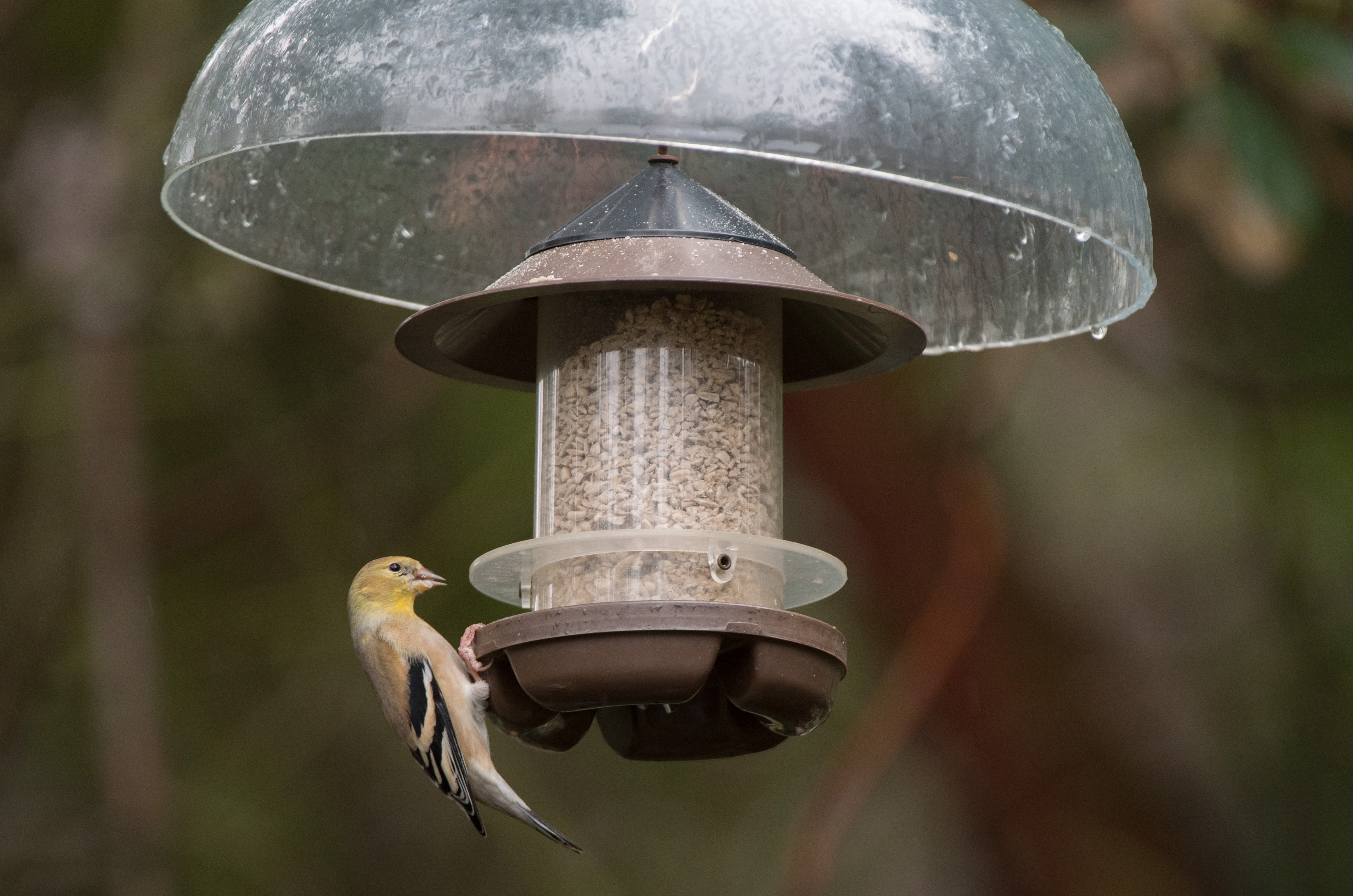
At the same water feature I photographed visits by goldfinches, both American and Lesser.  I’m a little uncertain which species the one appearing below is since the females of both species seem very similar in the winter.

dsc_6215

There were a number of White-winged doves around the HQ parking lot where this one was photographed.  These birds continue to expand their range.  When I first began birding the ones we had in Texas were confined to the southern portion of the state.  They are now almost everywhere we travel in the west, including in Skagit County, WA.
dsc_6337

The real attraction for many birders, other than the beautiful sunrises and sunsets that occur there, are the Sandhill cranes.  By mid-November there are thousands on the refuge.  They spend the night in shallow, flooded farm fields so that they have warning of coyotes and other predators approaching.  Around sunrise most fly off en mass to surrounding farm fields to feed during the day.  Late in the afternoon they began returning to the refuge in small groups, offering exceptional photographic opportunities.

dsc_6397dsc_6410

The morning of our second day I managed a few photos of a Greater roadrunner which had climbed a small scrub tree for a better vantage point.  We saw several at the refuge but this is one of my better photos this year.

dsc_6272


Skagit County Birds

It’s been a while since I last posted.  My wife and I traveled to New Mexico for a little birding at the end of October, but that’s a tale I’ll embellish in my next blog post.  Most of the photos appearing in this post were taken last month with the exception of the last bird below.

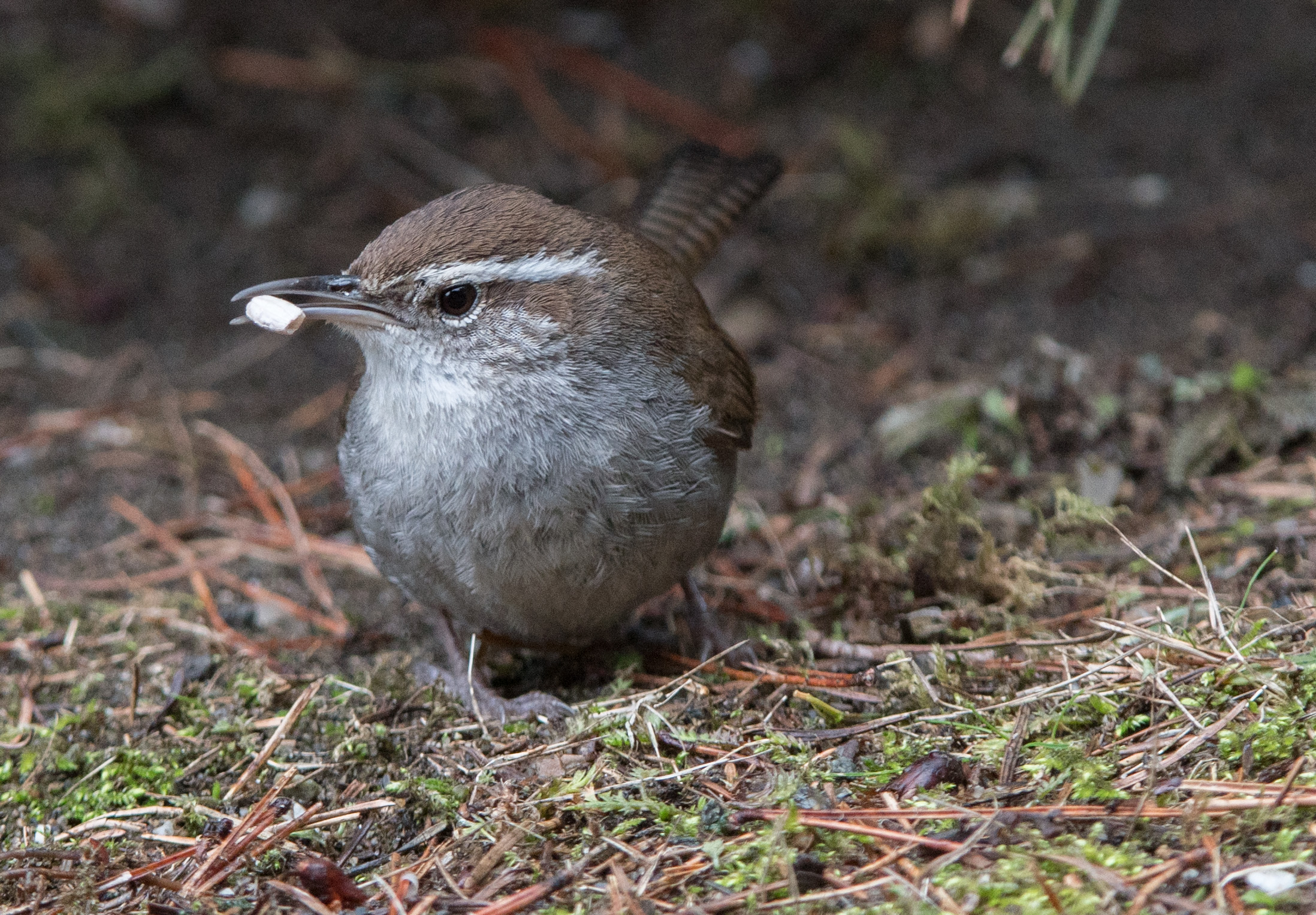
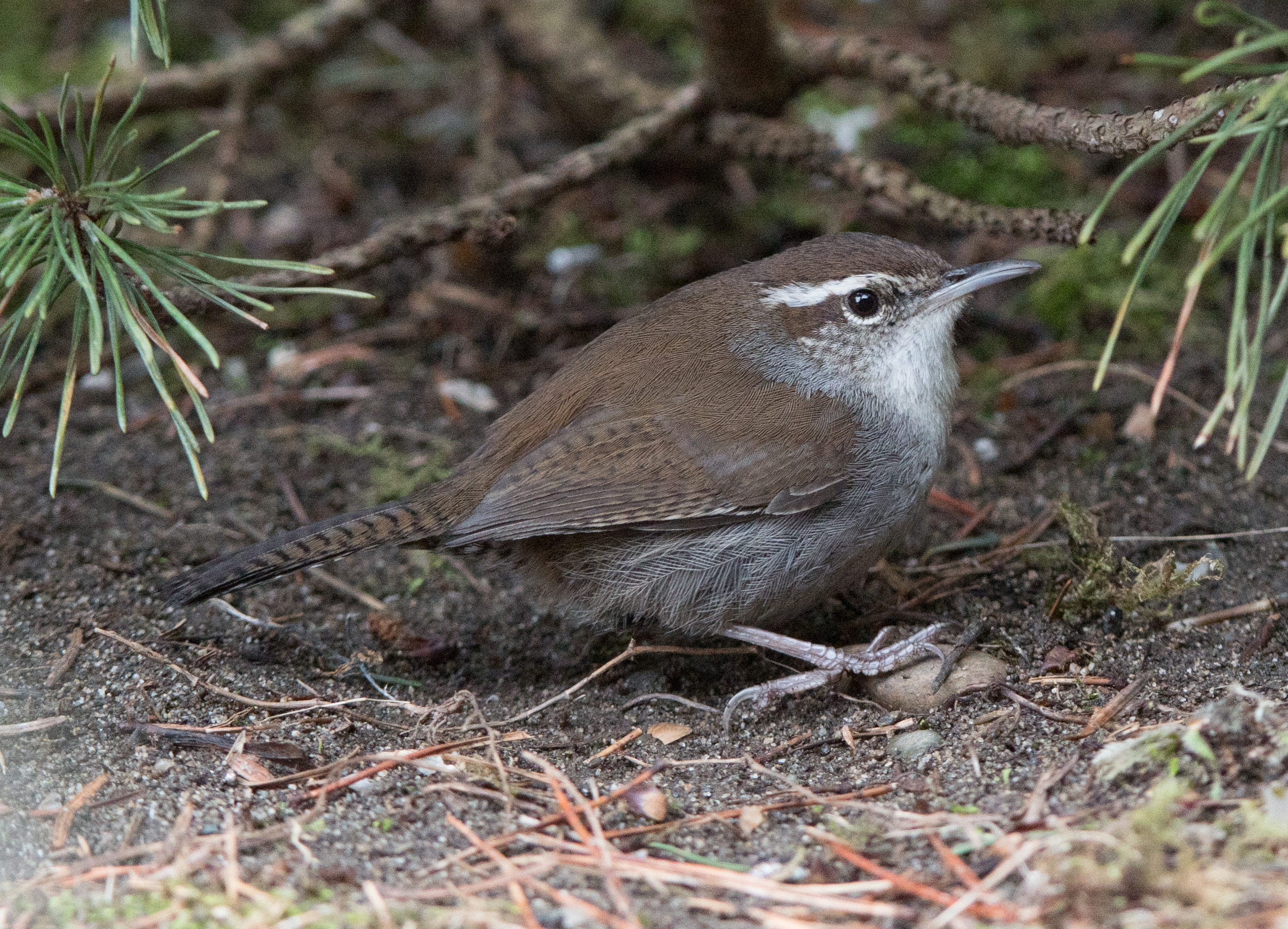
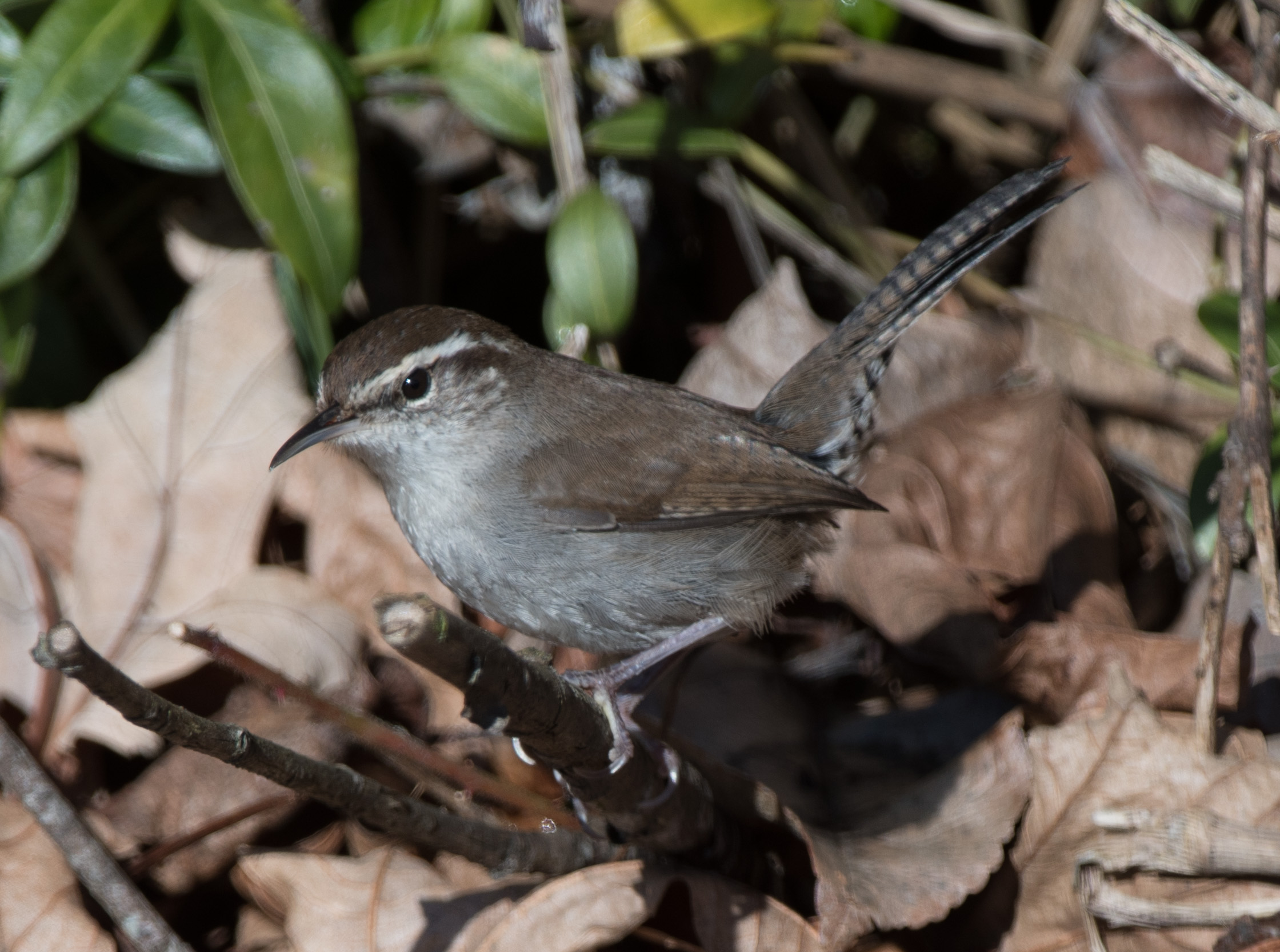
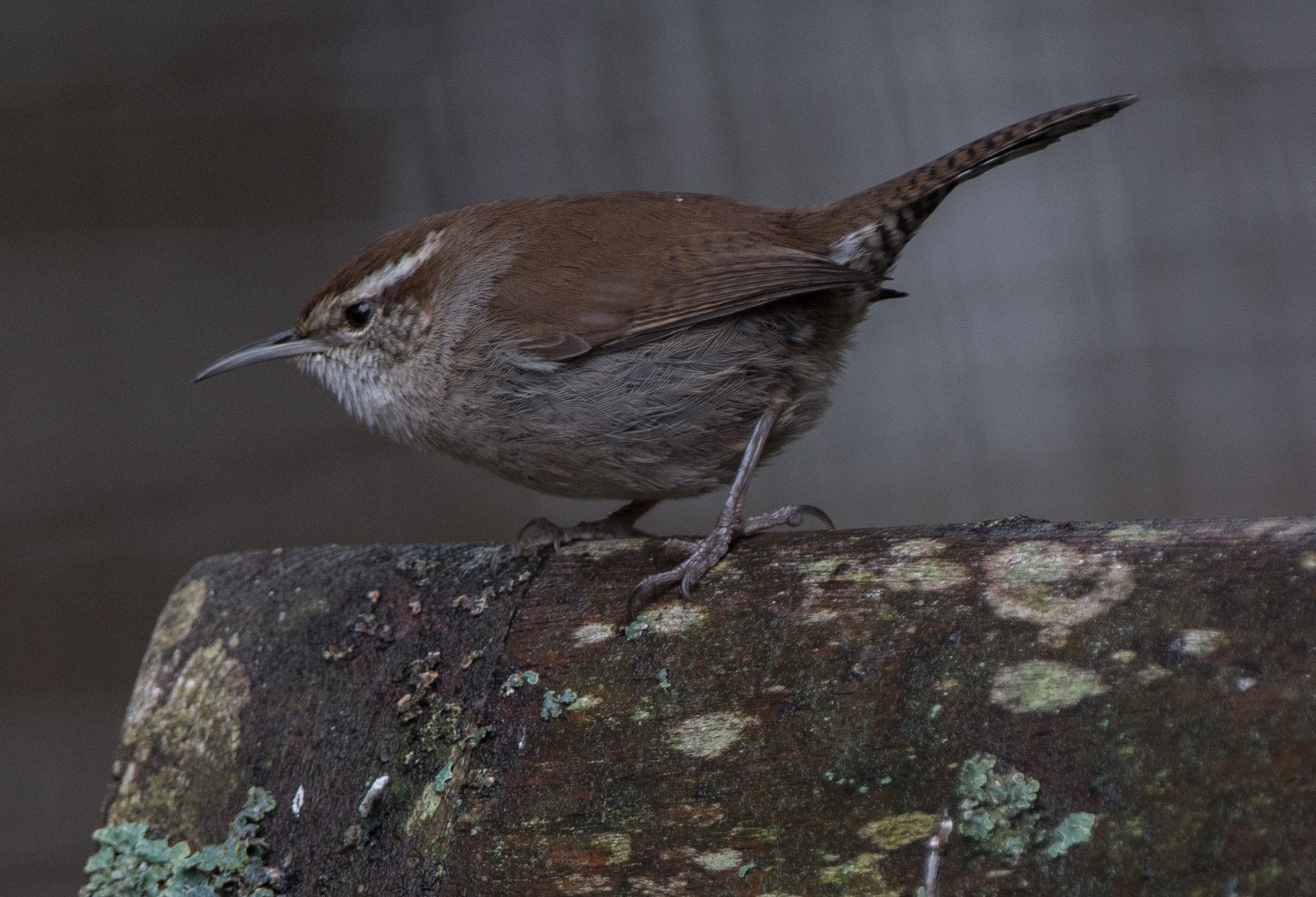
This is a not-so-great photo of a Bewick’s wren in our yard.  I included it because our habitat is not that welcoming to wrens and they are fairly rare visitors.  So you might refer to this as an ‘appearance’ photograph… and I am appreciative for the visit!

wren-bewicks-20161019-01

We had a bumper crop of madrone berries this year, both in and out of the yard.  There’s a theory that when trees are stressed they might sense that they are in danger and to insure the survival of the species they produce extra seeds, in this case in the form of fruit.  The drought we had this summer definitely stressed the madrones, especially those growing on rock with shallow root systems.  This is a female House finch eating the madrone berries.  The larger birds (to wit, American robins) swallow the fruit whole while the finches eat off the fruit much like we eat an apple, a bite at a time.

finch-house-20161016-02

This next series of photographs shows a gull which found a rather large crab immediately adjacent to the water.  Normally this would be a rather easy meal, but in this case the crab was large and the gull was unable (while I was watching) to pull off any legs, the usual means of attack.  I don’t know the outcome.

gull-eating-crab-20161020-03 gull-eating-crab-20161020-05 gull-eating-crab-20161020-01

This next series of photos were taken in the Cap Sante Marina parking lot.  I was returning with a friend from an expedition to the Stanwood area to try to find the Tropical kingbird reputed to be there last week.  (I was zero for three on those efforts.)  As we passed the dog park this accipiter flew across the road in front of us and into the parking lot.  I followed and found it in a deciduous tree.  They are normally quite shy, but this one allowed me to take about ten photos and then move the car even closer to give my friend a better angle.  I got about four more photos at the closer range.  It finally flew, but I was very appreciative for the opportunity to photograph this species, an opportunity that only comes every couple of years and usually not under such favorable conditions.

I consider the Sharp-shinned and Cooper’s hawk species virtually indistinguishable, but a friend of mine who is a retired wildlife biologist tells me that this is a sub-adult Cooper’s hawk.

dsc_6801 dsc_6805

dsc_6804

A Few More Recent Photos…

We’ve still got at least two male Anna’s hummingbirds in the yard and at least one female. One of the males is still trying to control the feeders.  This is the dominant male pictured below, with different lighting angles on the bird’s gorget.

hummingbird-annas-20161014-05 hummingbird-annas-20161014-13

Last week I made a couple of pre-winter excursions around the greater area.  I found this Killdeer, and two others, in one of the Cap Sante Marina parking lots.  There were about a dozen more in the area near the Northern Lights Casino where fireworks are sold twice a year.

killdeer-20161007-04

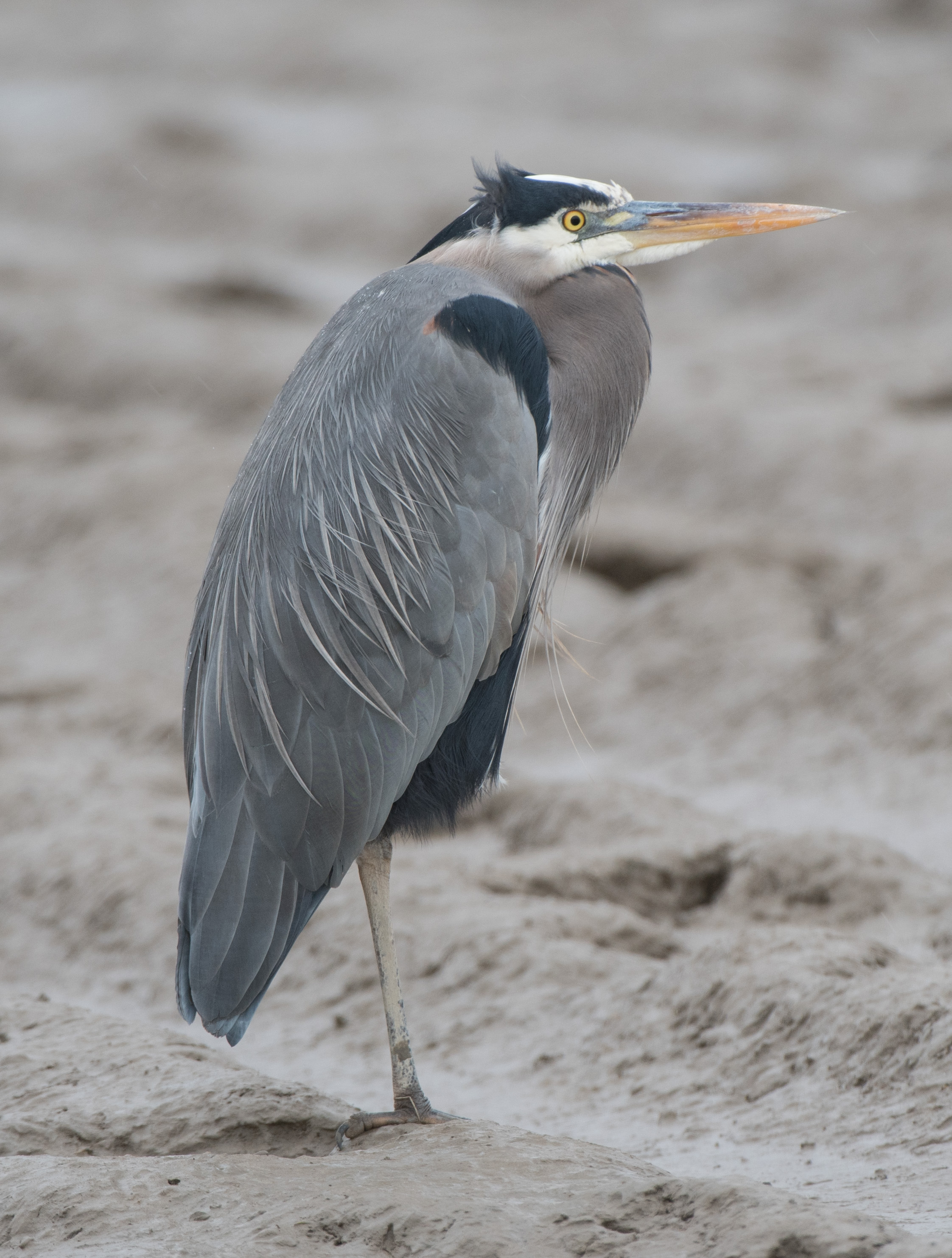
And on a very unsuccessful photography expedition, I found this Great Blue heron just across the Swinomish Channel.  It was uncharacteristically tolerant of my vehicle, allowing me to take photographs and not flying due to my presence.

heron-great-blue-20161010-01

Finally, if you’ve ever been confused about the two main species of chickadees we have in the area, here are photos of each.  This first photo is of a Chestnut-backed chickadee, most easily identified when seen from the side or rear.

chickadee-chestnut-backed-20161007-06

This second photo is of a Black-capped chickadee. The Black-capped chickadee very closely resembles the Carolina chickadee which is found in the southeastern US.

chickadee-black-capped-20161005-01

There are occasional sightings of the Mountain chickadee in our area.  I saw one in Washington Park many years ago but am still waiting for the first one to be seen in my yard.

Another Yard Day

On Sunday, 10/16/2016, we had blustery winds left over from the typhoon.  Under normal circumstances this would have discouraged birds from being in the yard but on this day we had lots of birds for an extended period of time.  Here are a few of them.

Despite, or maybe because of, the relative drought we experienced this past summer, the madrone trees are loaded with berries.  Yesterday we had American robins, House finches and Northern flickers partaking of the feast.

robin-american-with-madrone-berries-20161016-01

Pictured below is a female House finch eating the berries.  I noticed that the robins tend to swallow the berry whole while the smaller finches pick at the berries while still attached to the tree and eat them piecemeal.

finch-house-20161016-07

I believe that we had at least three Yellow-rumped warblers that entered the yard.  They showed some interest in the watercourse but never came down to it for a drink or bath.  We only seem to get the Audubon race here… I’m not sure I’ve ever seen a Myrtle’s in our yard.

warbler-yellow-rumped-audubons-20161016-03


The bird below is an Orange-crowned warbler.  This one flew to the ground to catch an insect that it saw.

warbler-orange-crowned-20161016-07If you look closely at this photo you can see the insect in the bird’s mouth!

warbler-orange-crowned-20161016-02

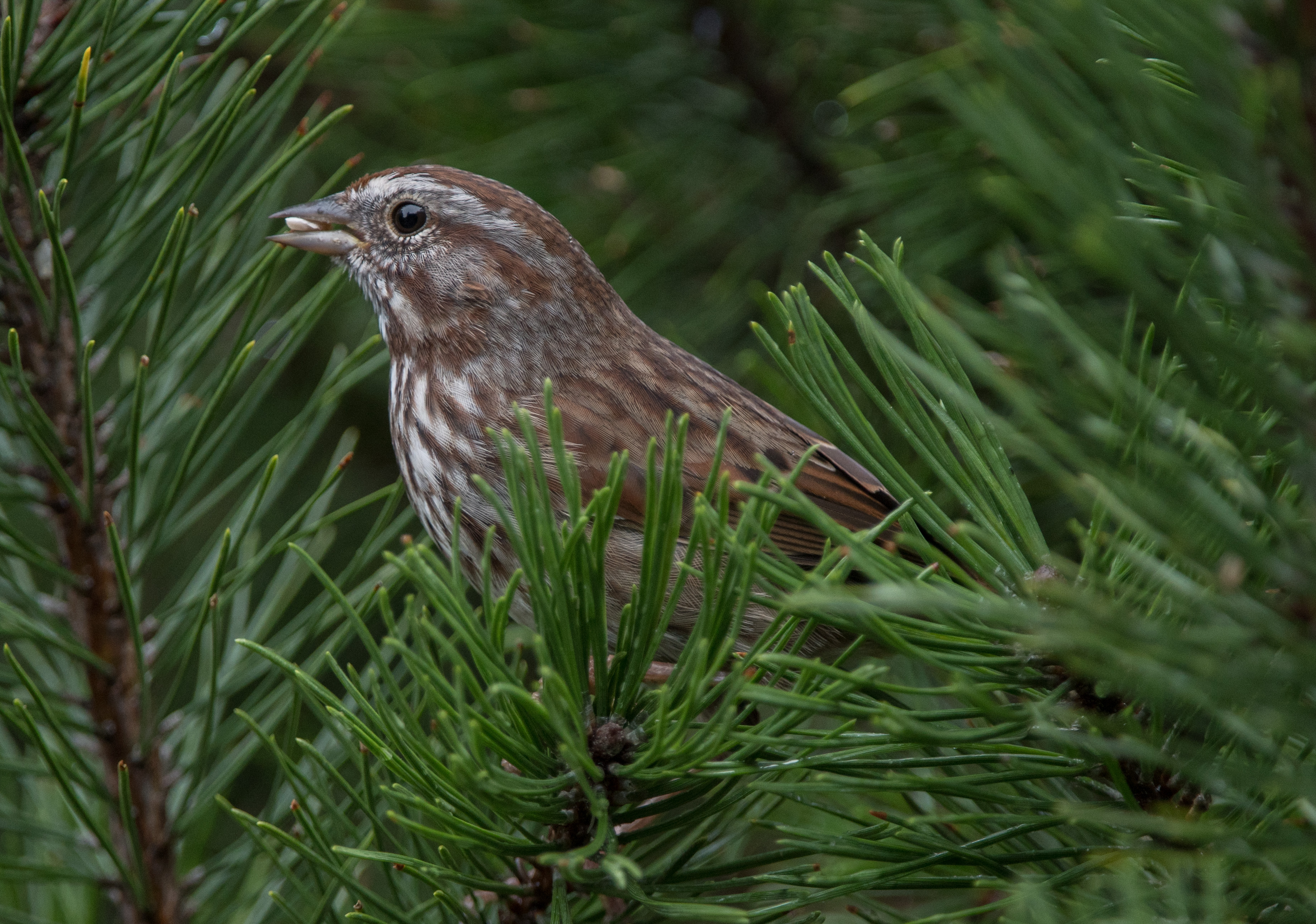
And finally, a Song sparrow that will presumably spend the winter with us.

sparrow-song-20161016-01