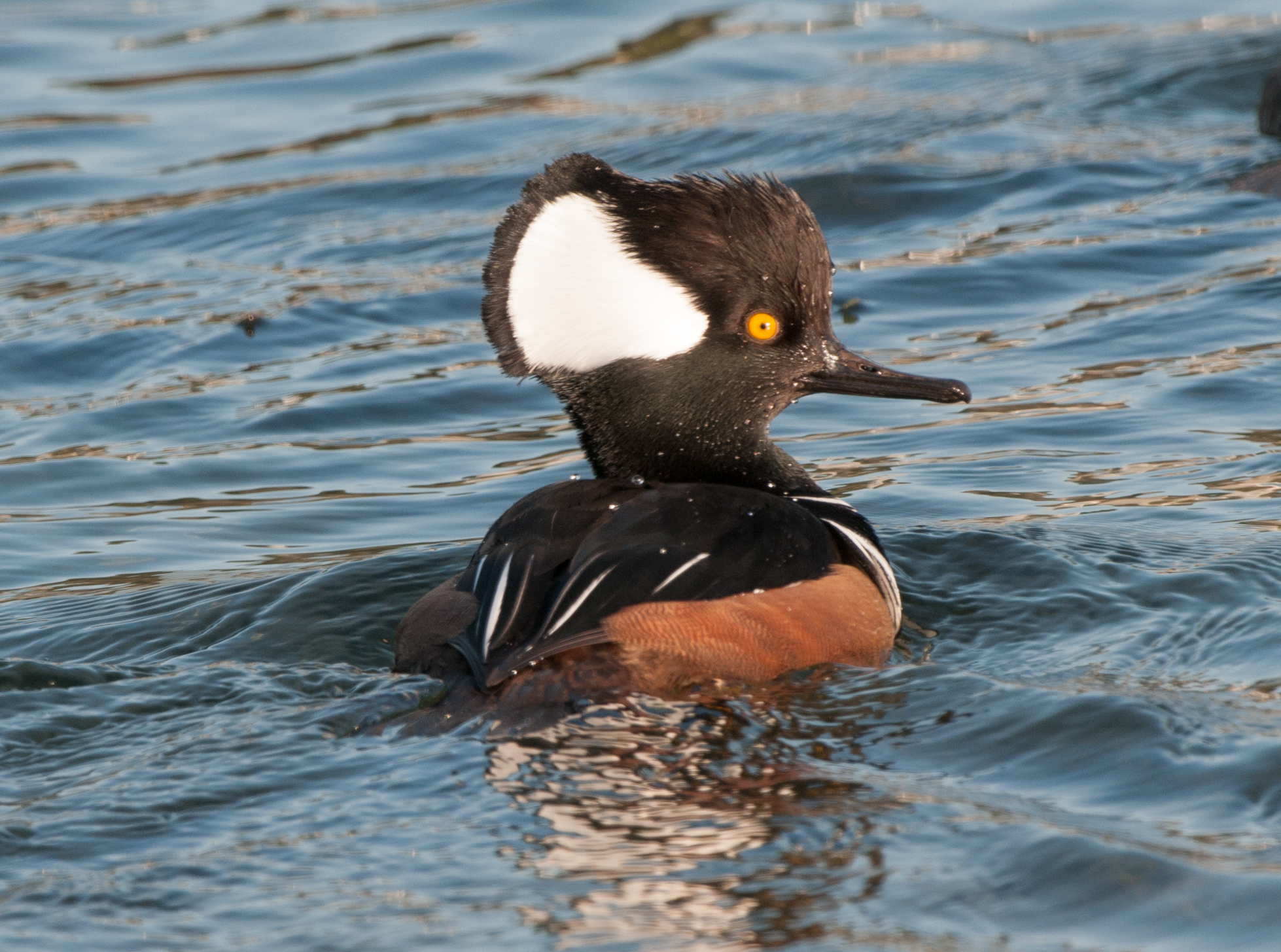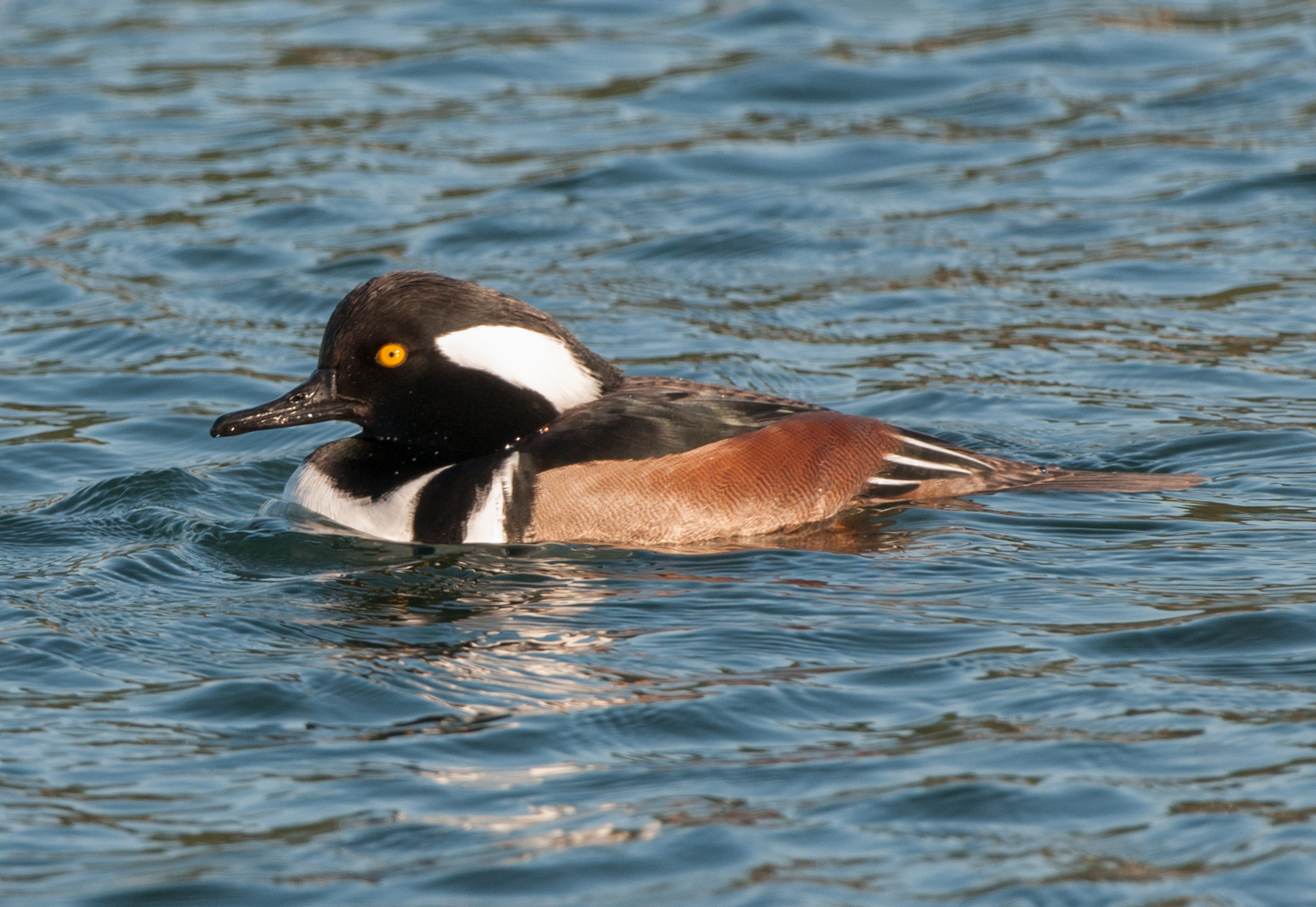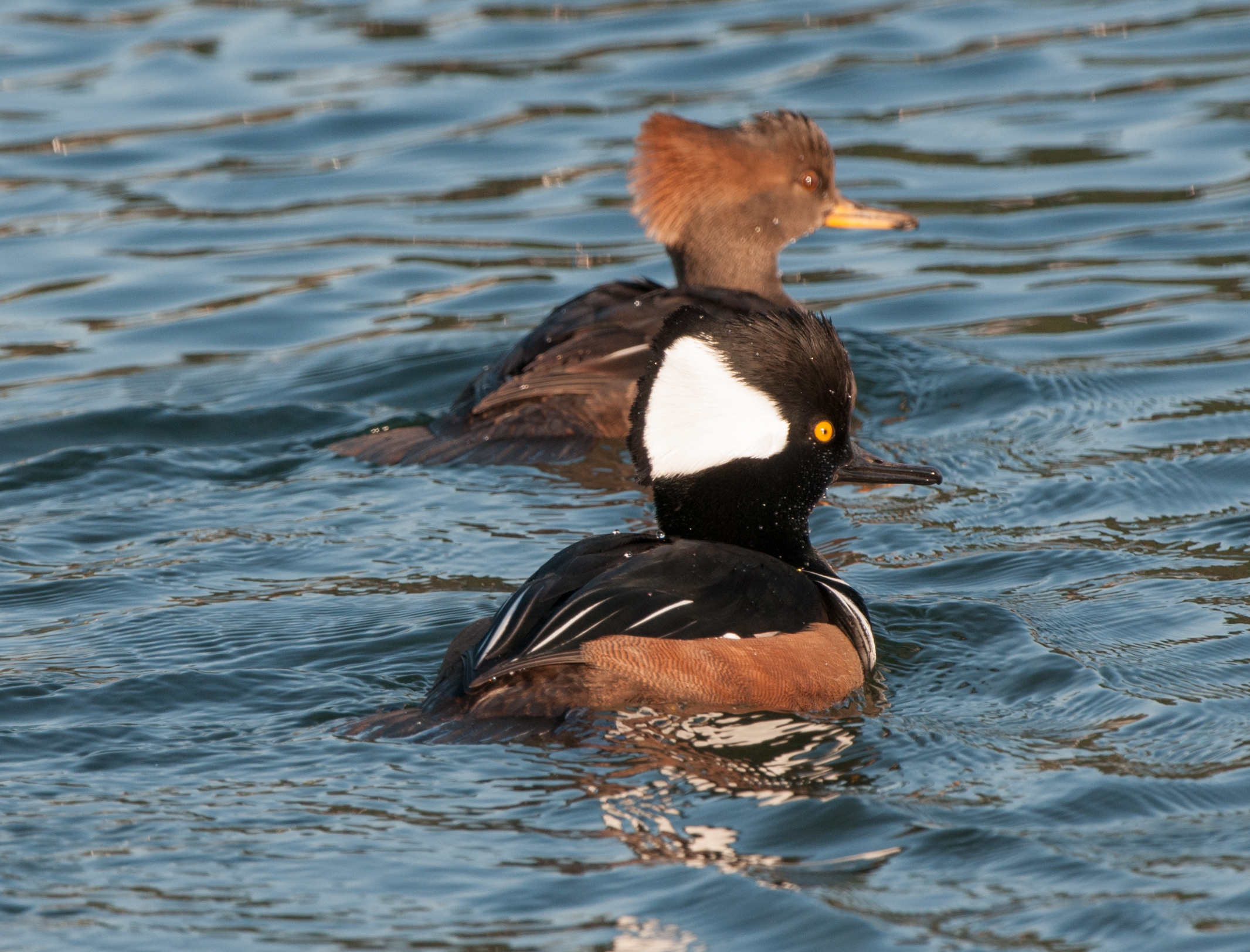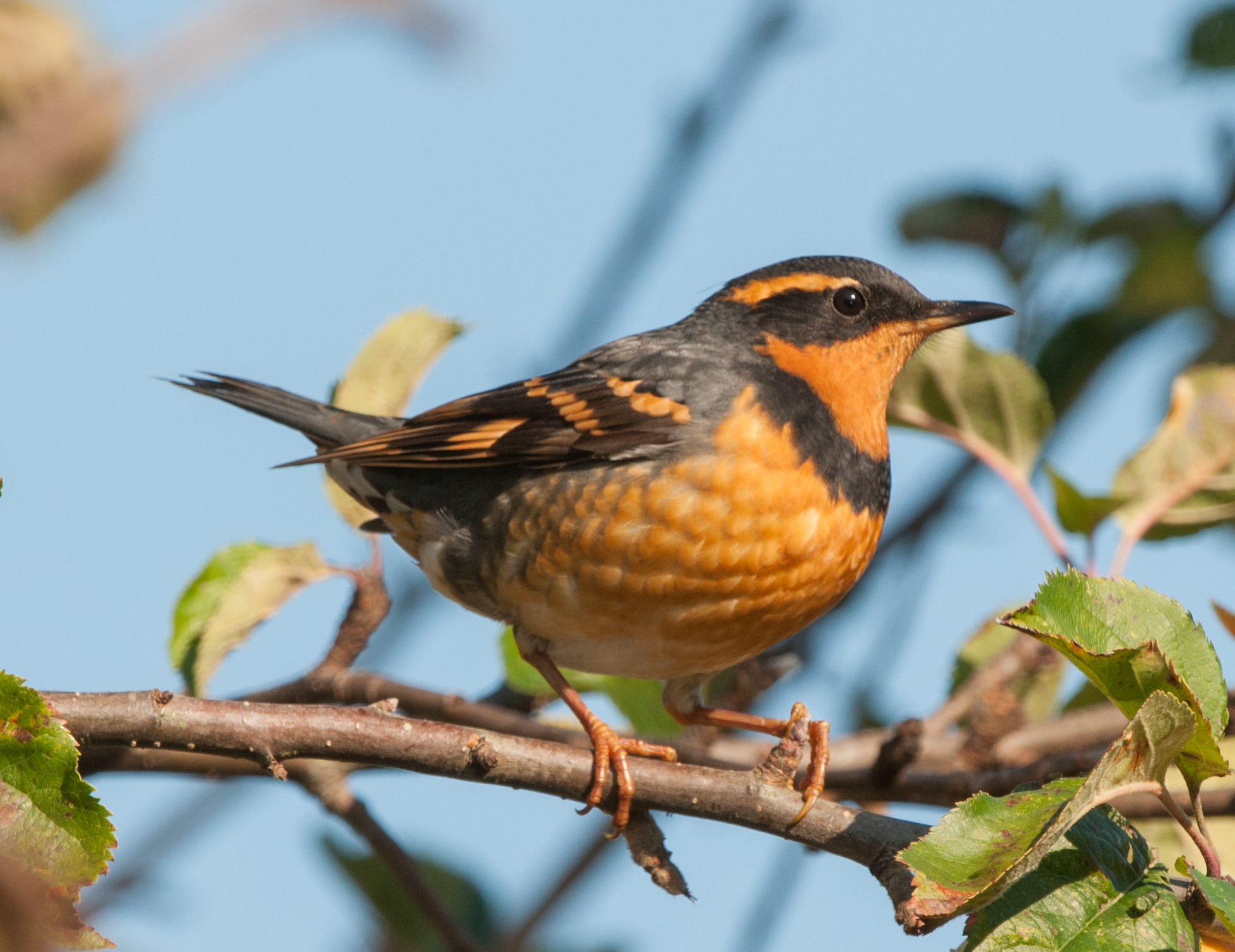
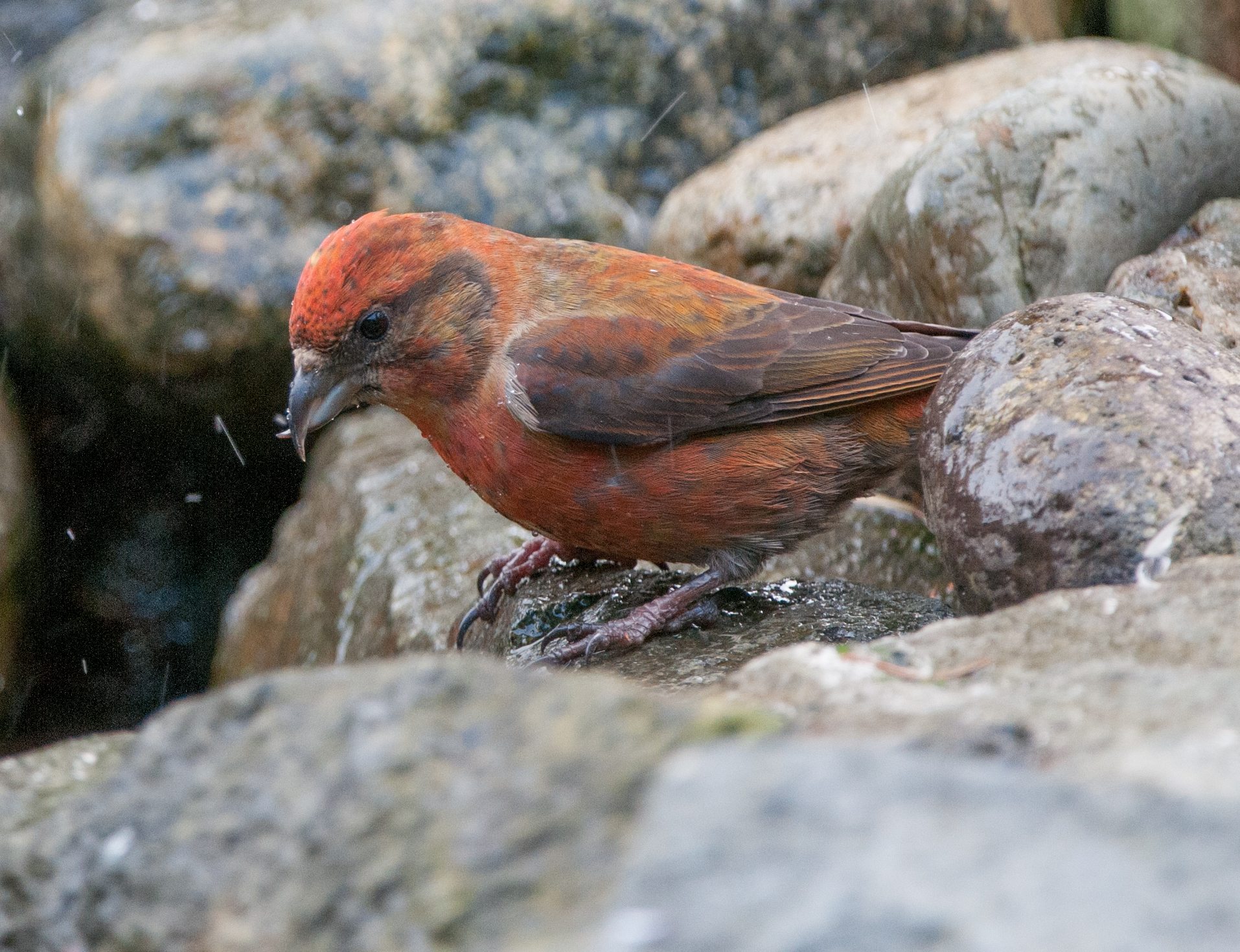
Adult male
We returned from breakfast out on the morning of Saturday, Dec 1 and upon looking out our kitchen window I saw that our watercourse was filled with Red crossbills! I’ve always considered these birds, if not rare, at least somewhat difficult to locate and observe. But this year we’ve had many visits to our watercourse, at first by mature adult pairs and later with the addition of young birds. The plumage of the young birds makes it difficult to tell their sex, but their bills and the fact that they are almost always accompanied by adults makes identification easier.
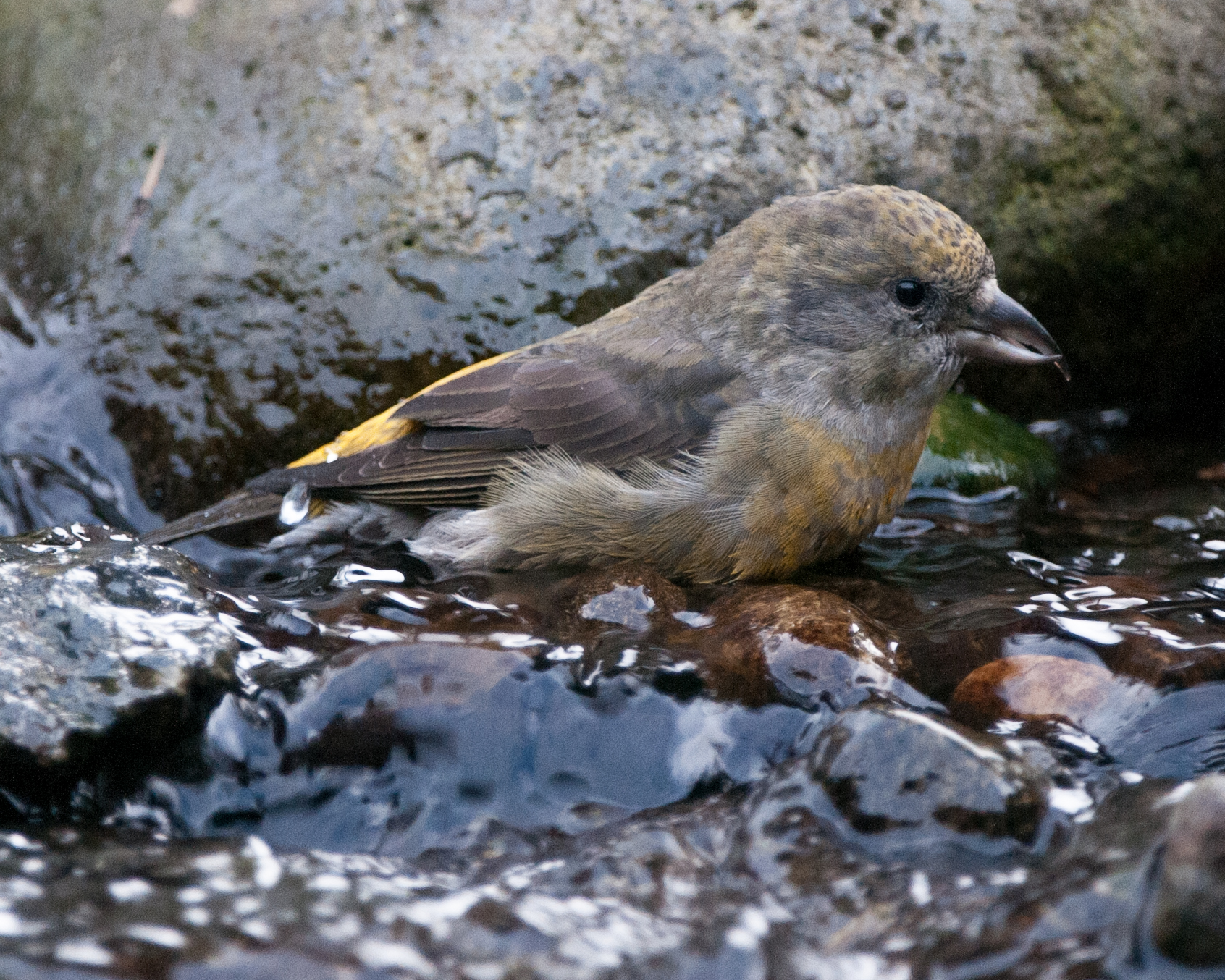
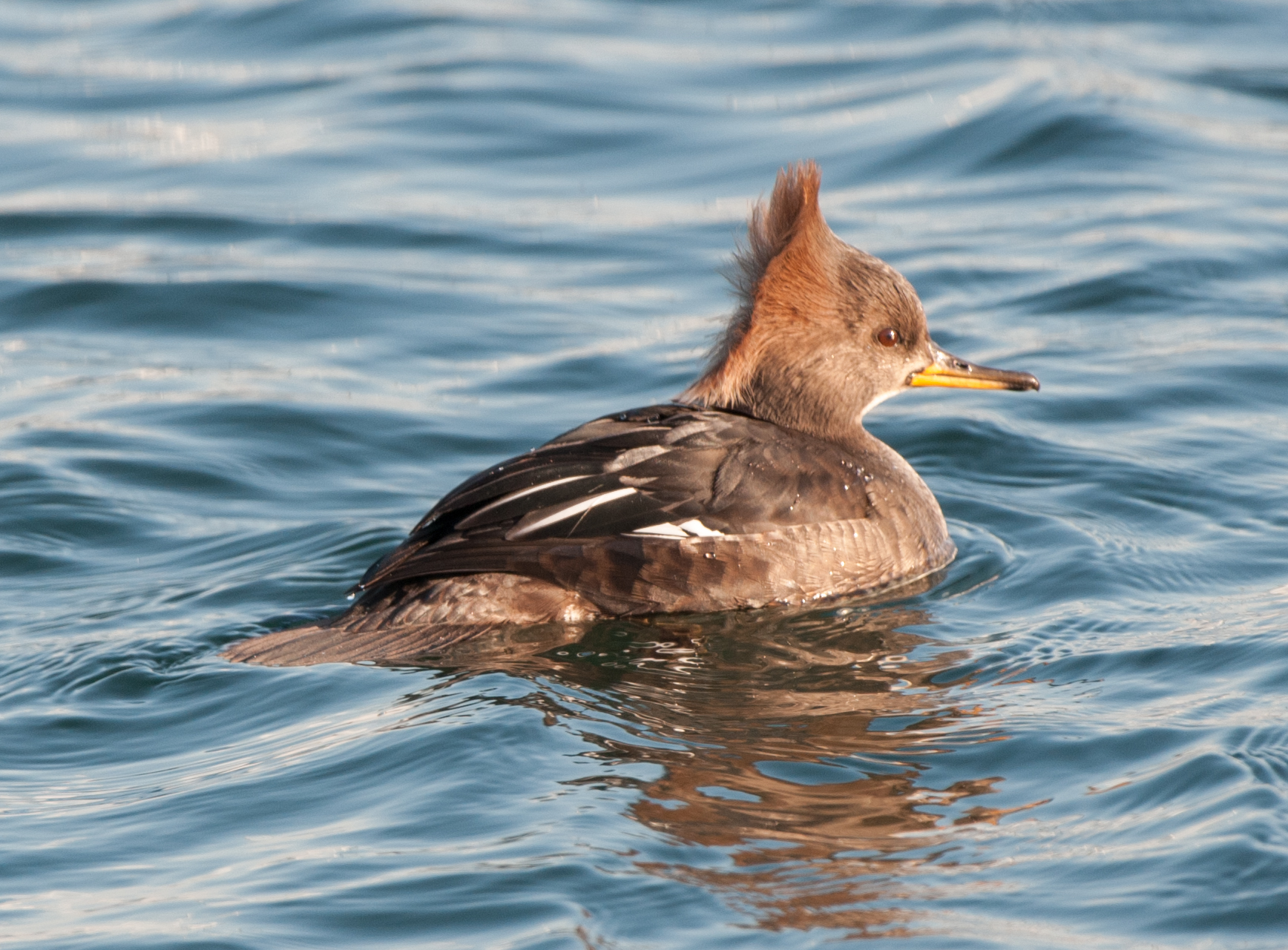
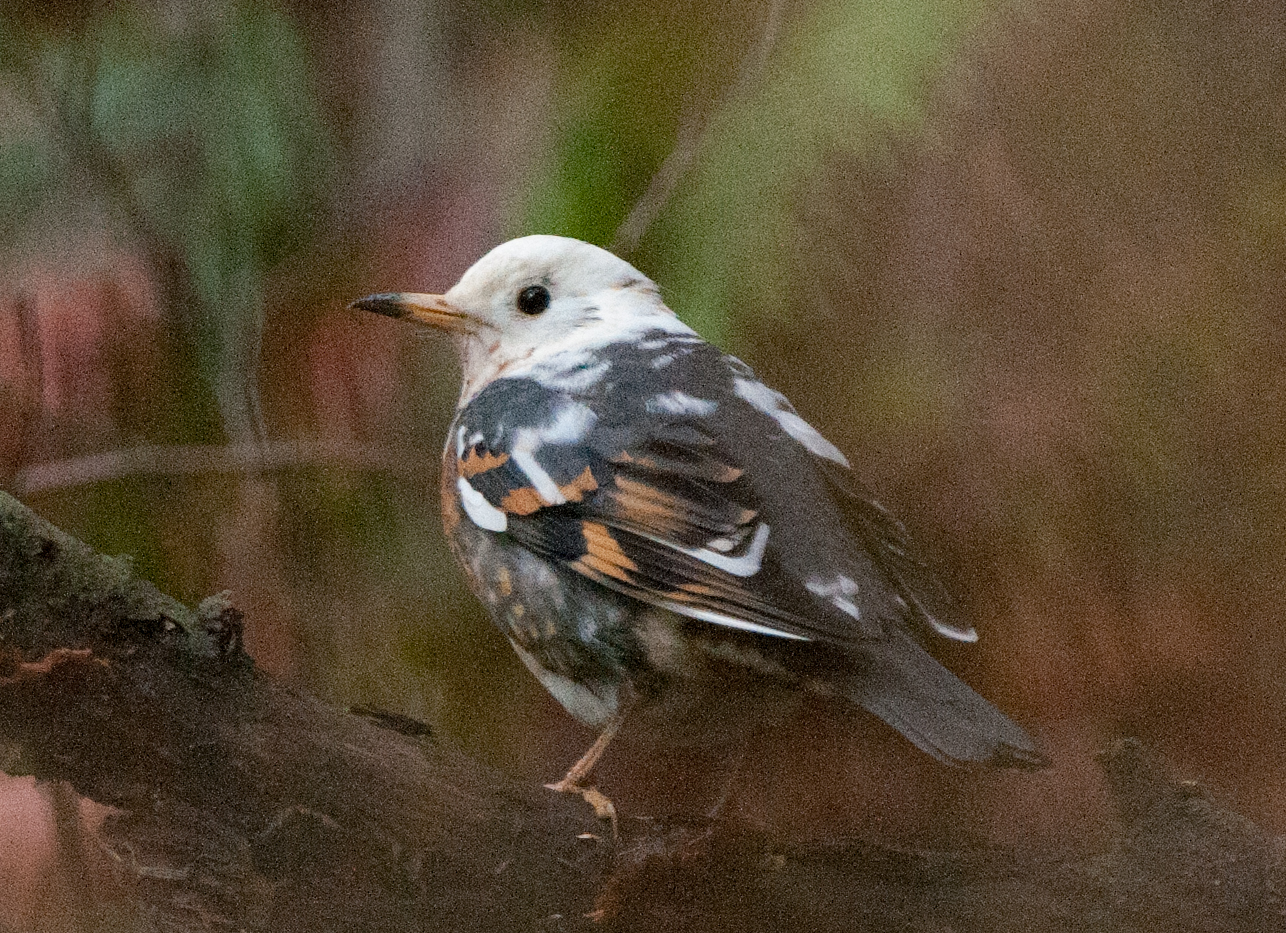
Female, probably first year
As the season has gone from summer to fall we’re starting to see a variety of ages… adults, young from this year’s breeding season which are getting feathers making them easier to identify, and we’re still getting young birds whose sex we can’t determine. So I have to conclude that the birds have a seemingly long breeding season for the area.
Today in this first visit I observed, I estimate that there must have been as many as a dozen birds. I managed to sneak out of the house with my camera and position myself to obtain many photos of the birds. My concentration was probably on the birds whose sex I could identify as they, having brighter colors,were more interesting to photograph.
Early in the afternoon I again glanced out the kitchen window to see six or eight crossbills in our bird bath. As I watched all the frenetic activity I managed to count at least four males, but that probably wasn’t all of them because the birds kept flying to and from the bird bath from perches beyond my sight.
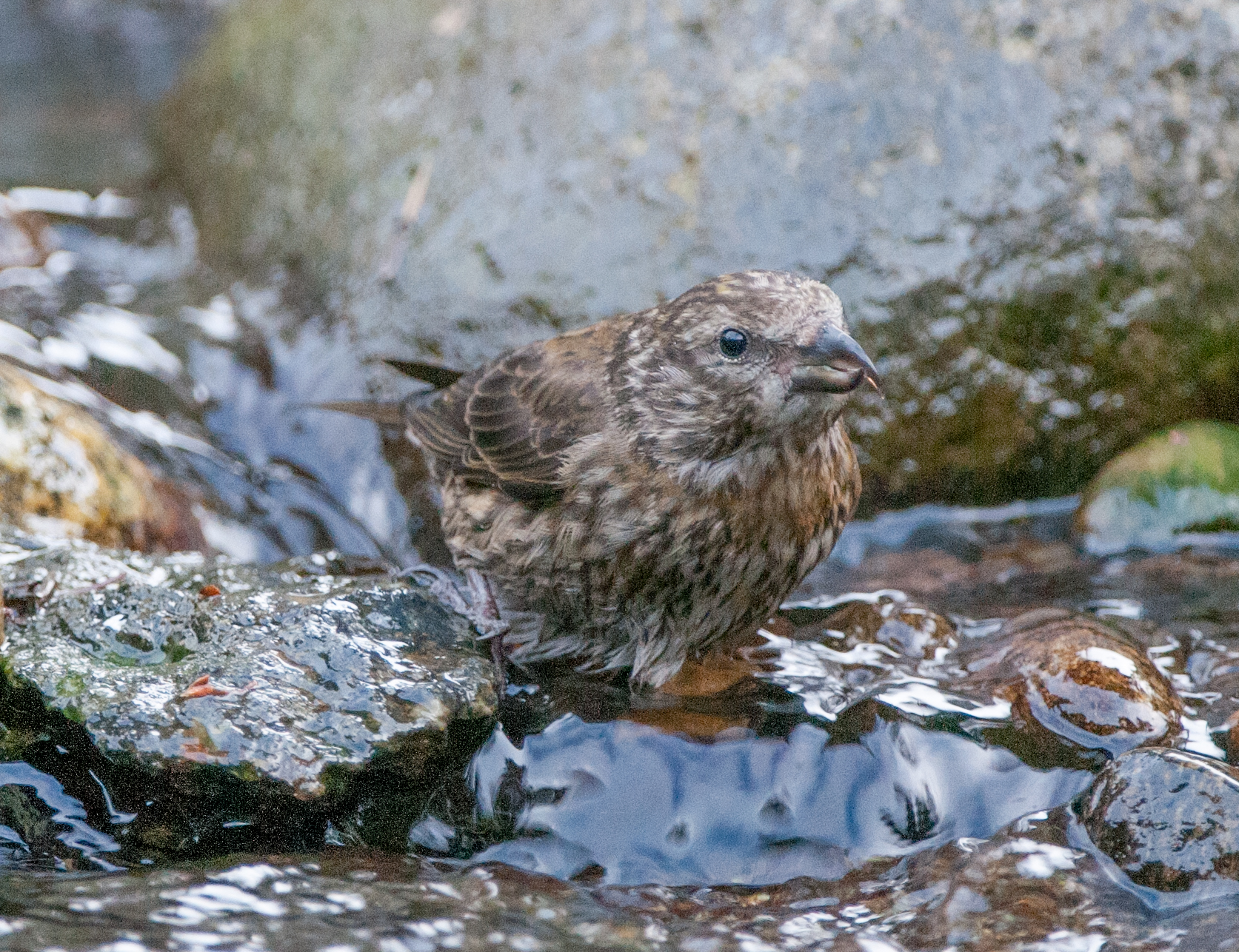
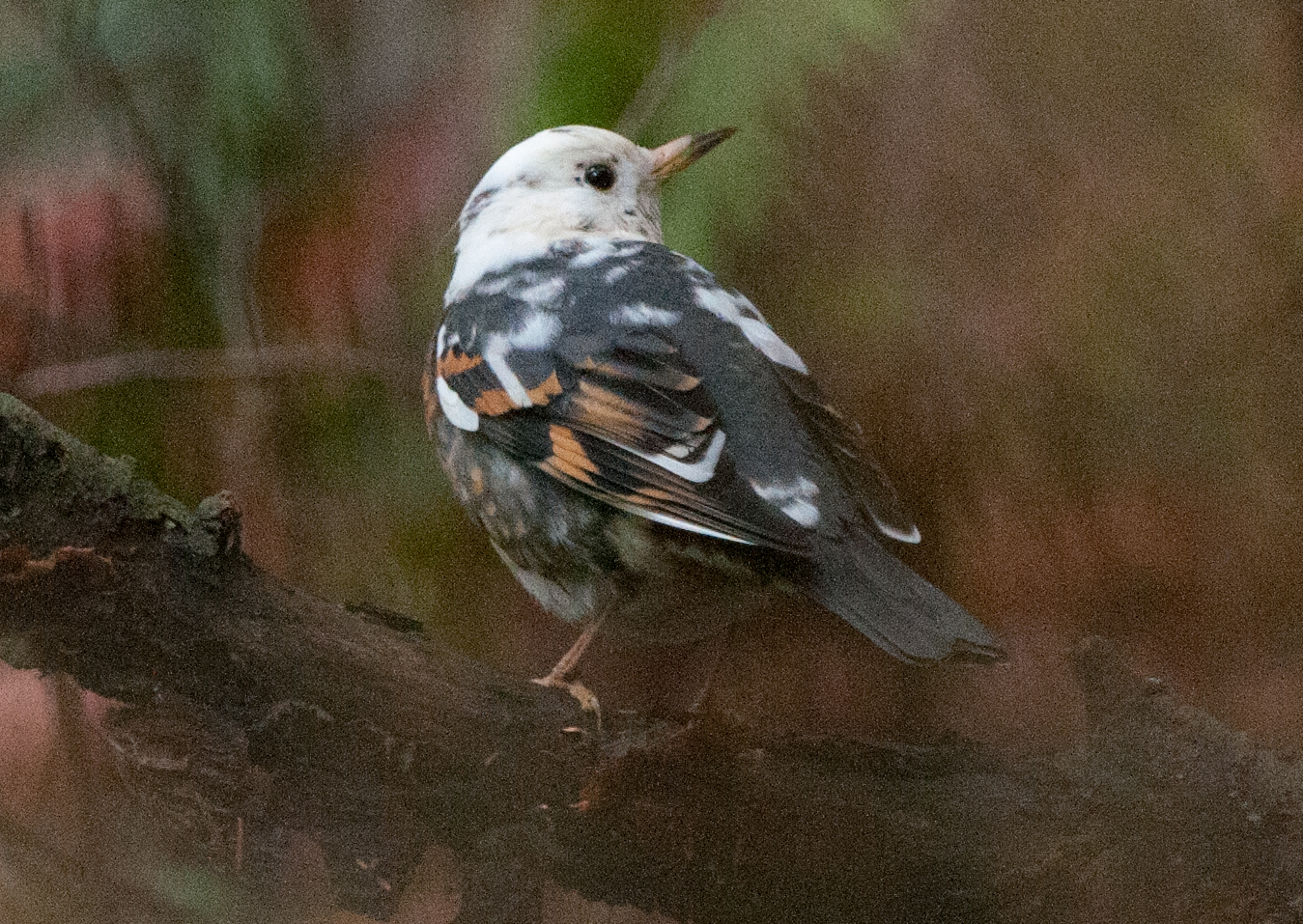
Product of this year’s breeding season
I think I remember mentioning this in my former blog, but these birds are somewhat unusual in that when they leave the water feature they don’t take the time to stage on any of the areas I’ve prepared but fly directly from the lower yard environs into the upper branches of the trees. And while I have neighbors who have had crossbills on their feeders, I’ve never observed any of the birds accessing anything but the water in our watercourse or bird baths.
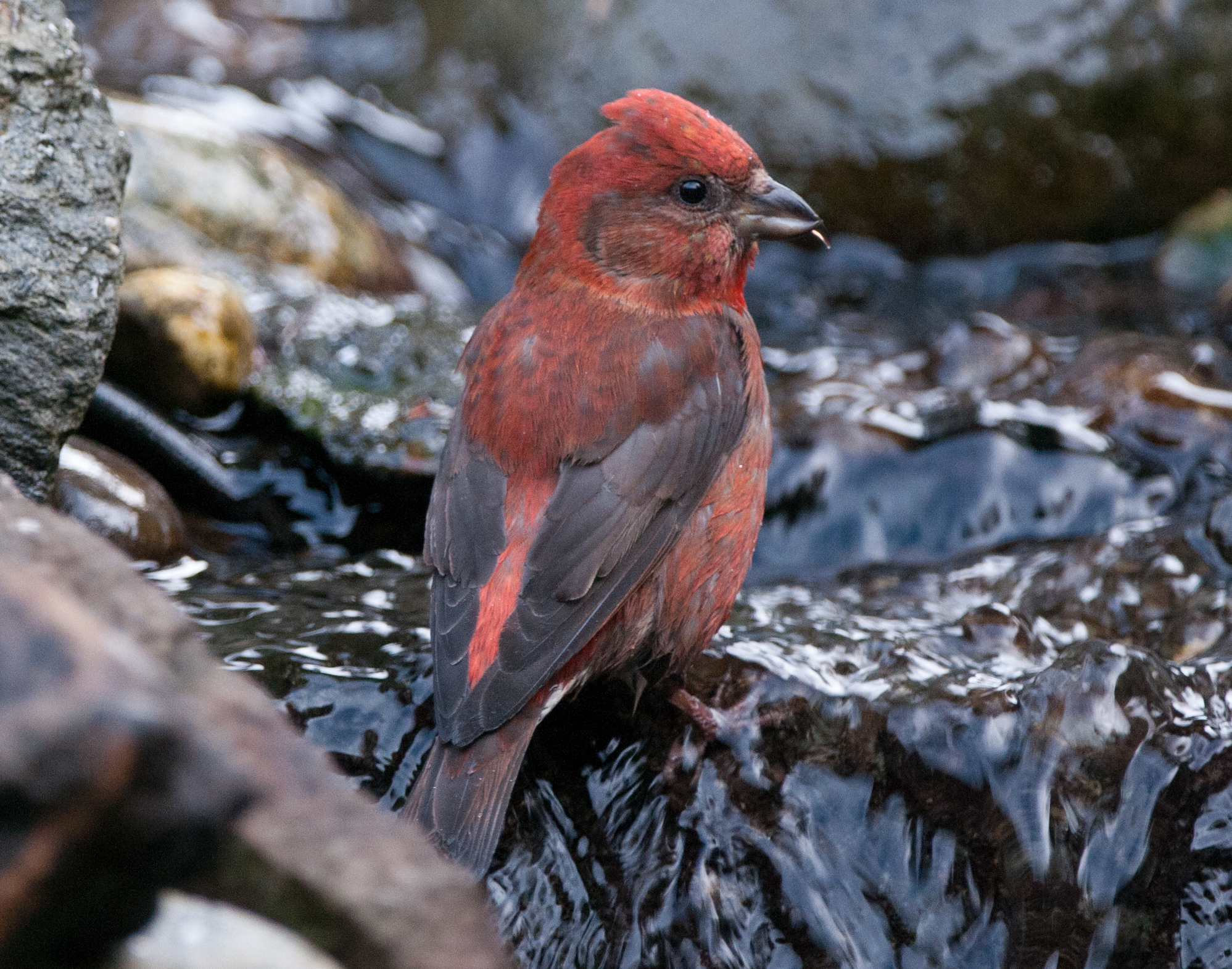
Another mature male
In addition to the crossbills, we had perhaps 25-30 (too many to accurately count) Pine siskins, a Fox sparrow, Golden-crowned sparrows and the usual compliment of nuthatches and chickadees. We also had a visit from a male Northern flicker.
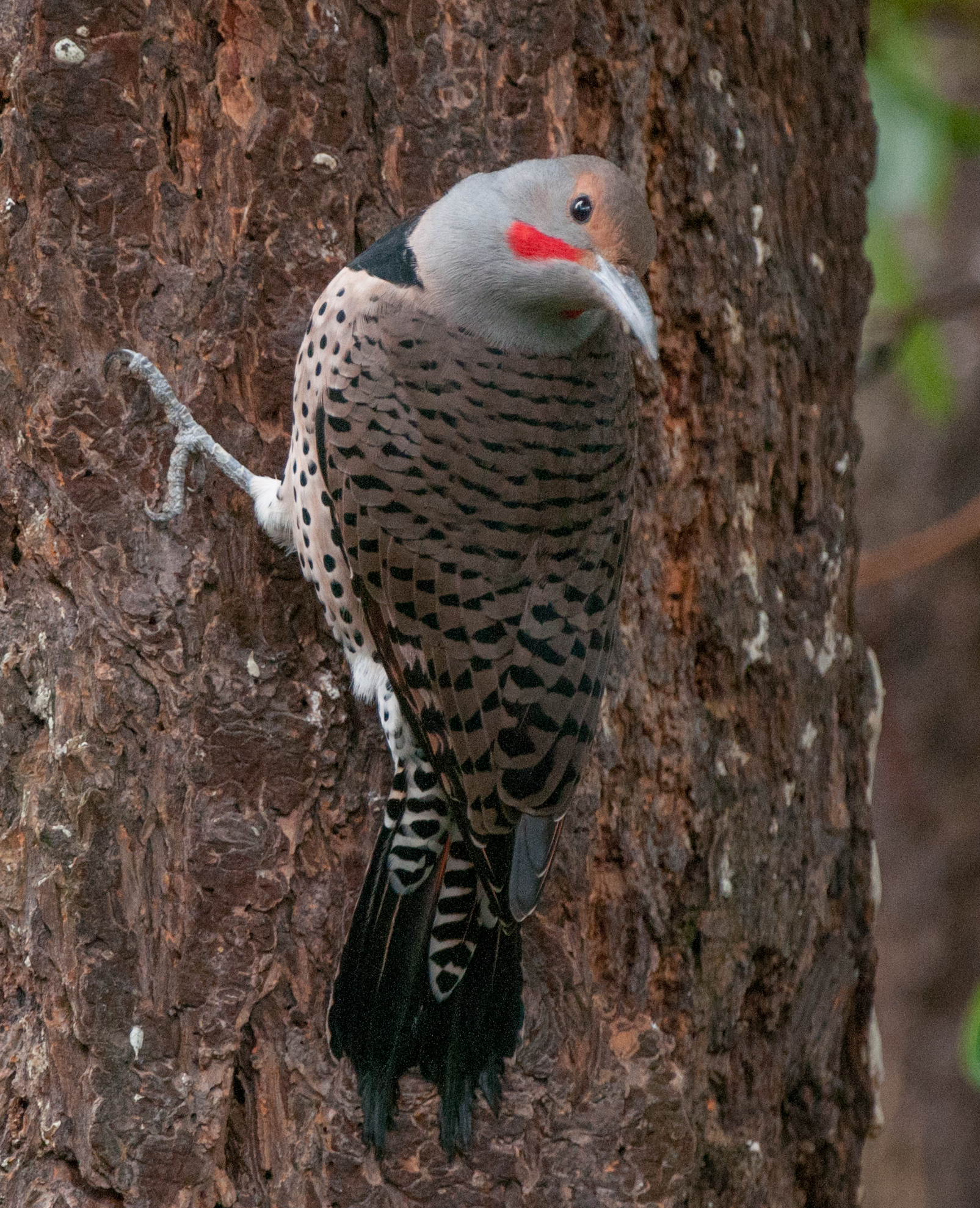
Male Northern flicker