Banner Yard Bird Day… Part 1!

On Friday, May 16, my morning started off as something of a disaster… I had an appointment with a new cardiologist and I thought that the appointment was at the offices in Mount Vernon, but when I arrived there I discovered that the appointment was actually in Anacortes. By the time I got back half the appointment time (40 minutes) was gone and I thought that my blood pressure was probably sky high, having skidded into the parking lot on two wheels! Surprisingly I was wrong… my blood pressure was 132/71 and best of all, I hit it off very well with the new cardiologist.

But this isn’t about medical appointment disasters, it’s about birding, so let’s get to it. While I was hurrying back to Anacortes Nancy called me to tell me that she had seen a male Black-headed grosbeak in the yard eyeing one of the feeders and when I got back home she told me that the female has also visited. So I was motivated to grab my camera and sit in the yard rather than to try to grab a nap.

The morning was pretty much a bust. Nancy and I went to lunch and when we returned we both took naps. When I woke it was back out in the yard to see if the grosbeaks would show again.

Over the course of the next couple of hours of the afternoon I saw the following birds:

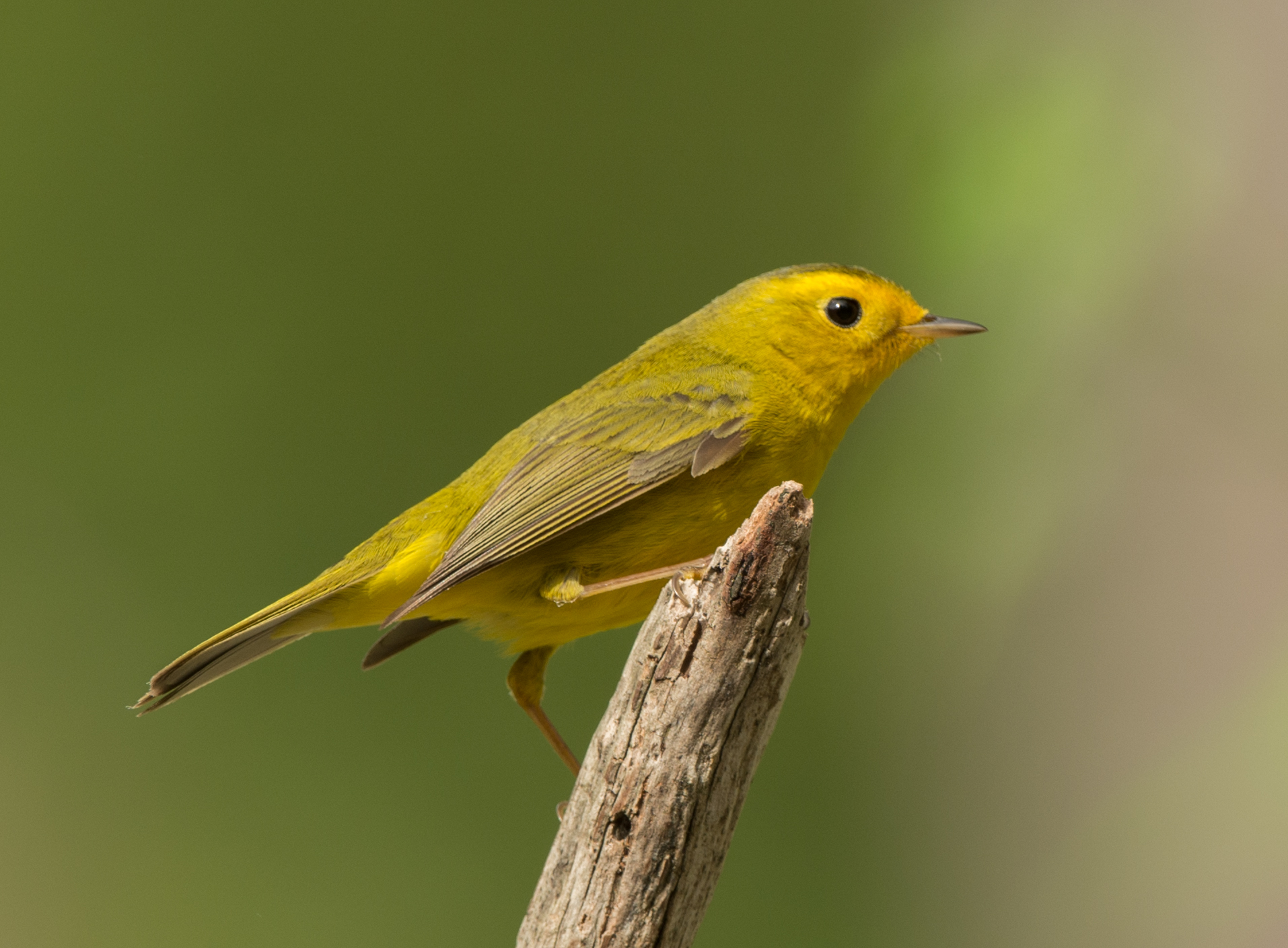
Warbler, Wilson’s (3-4 visits)
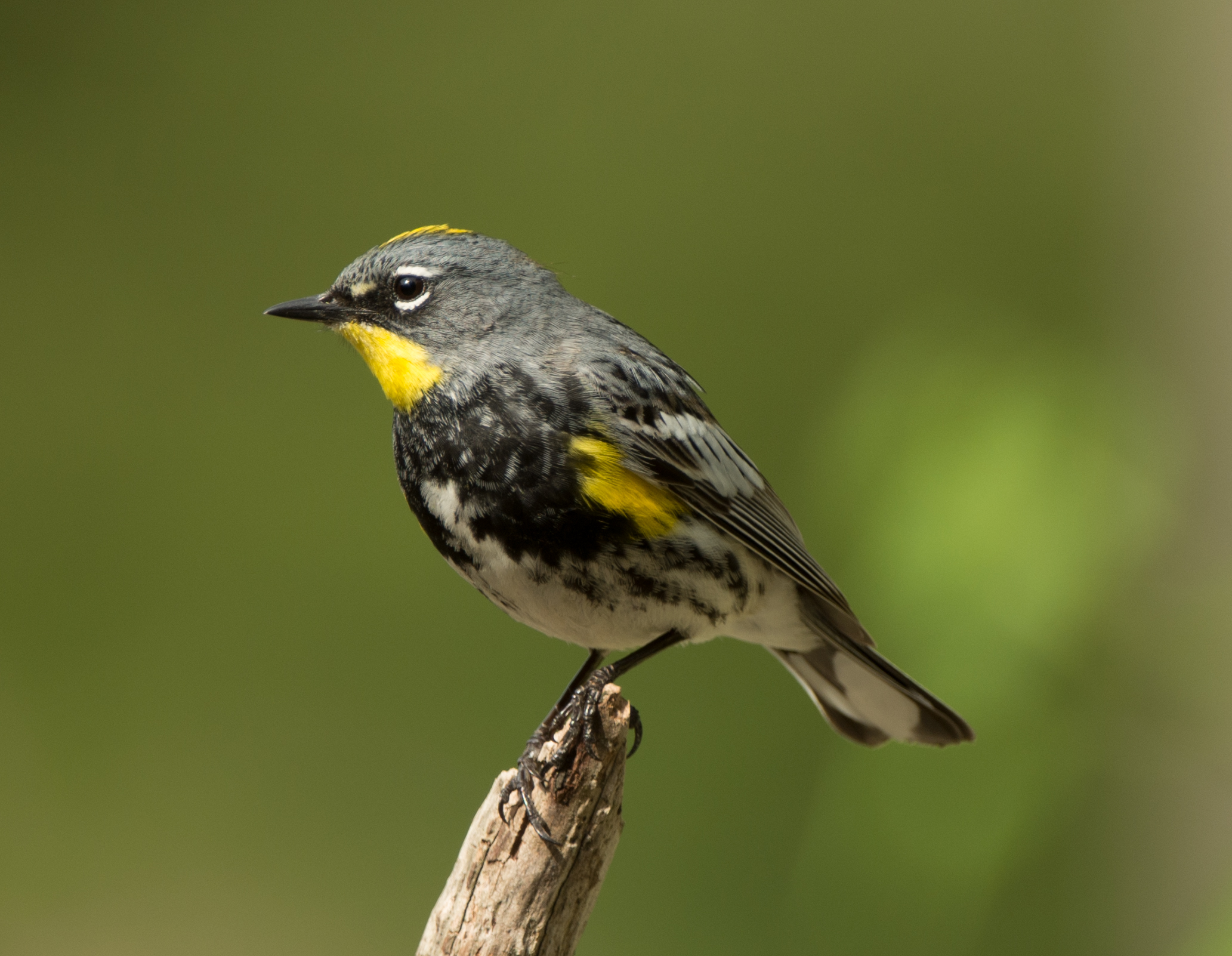
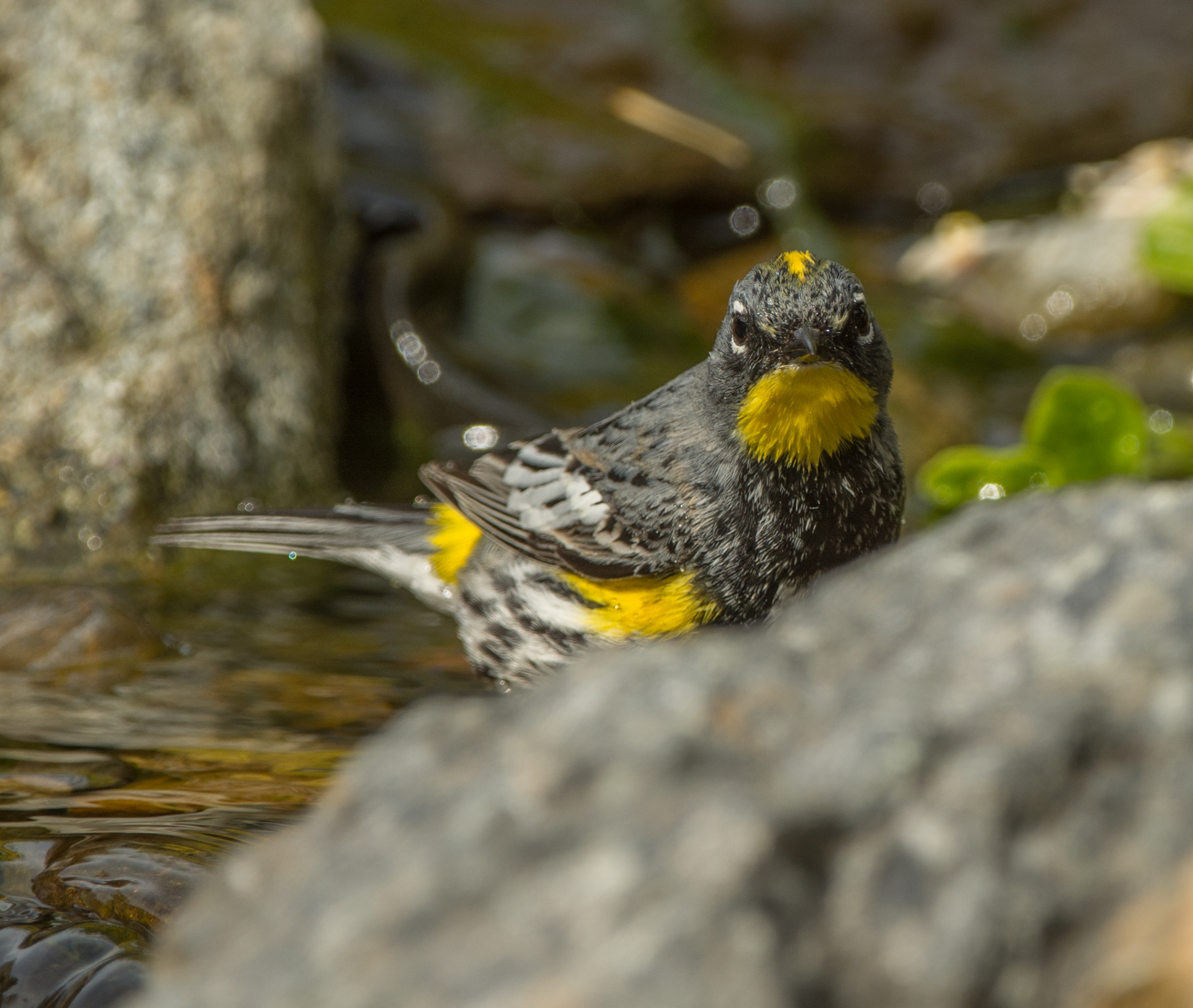
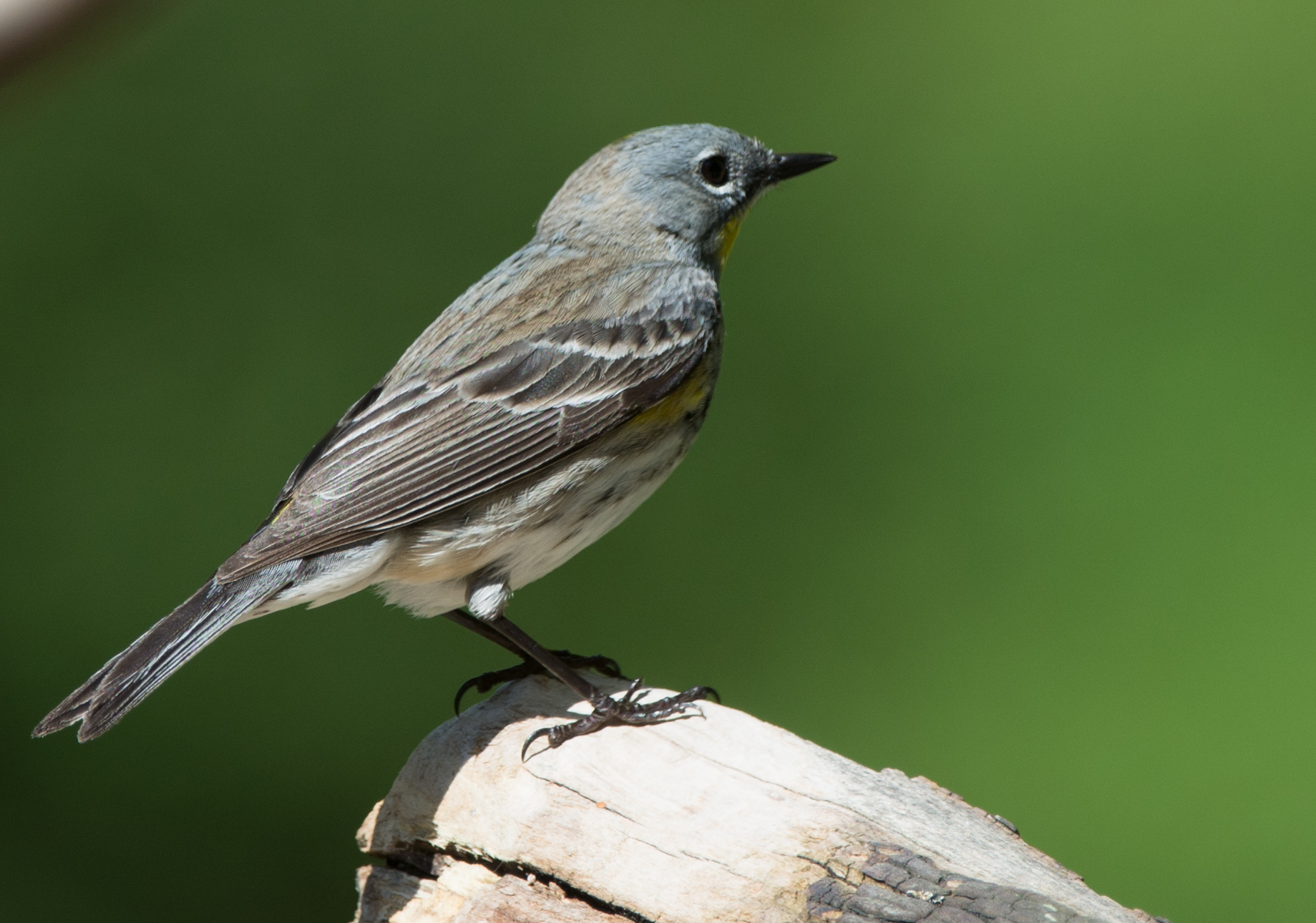
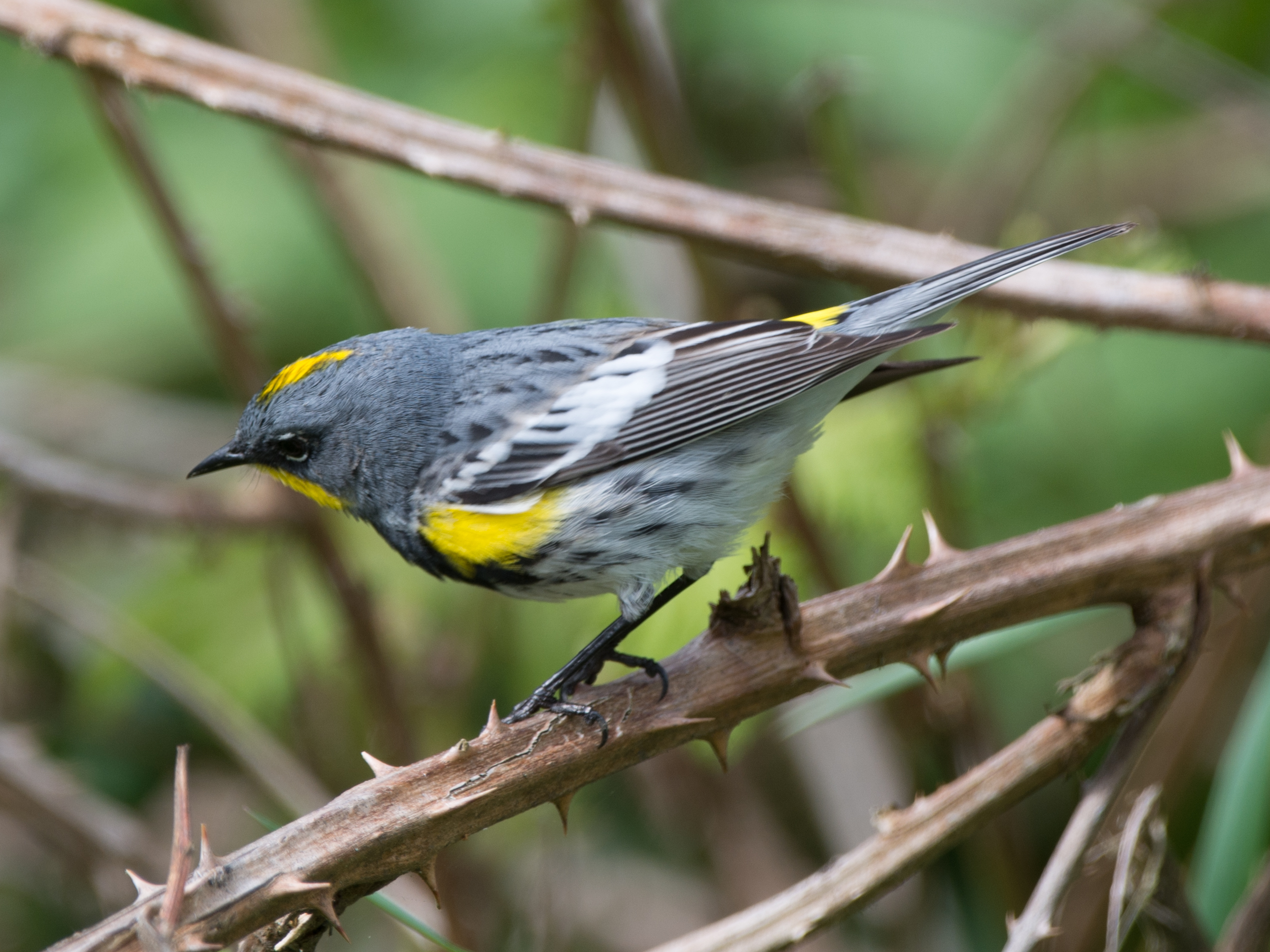
Warbler, Yellow-rumped Audubon male (2 long visits to the watercourse)
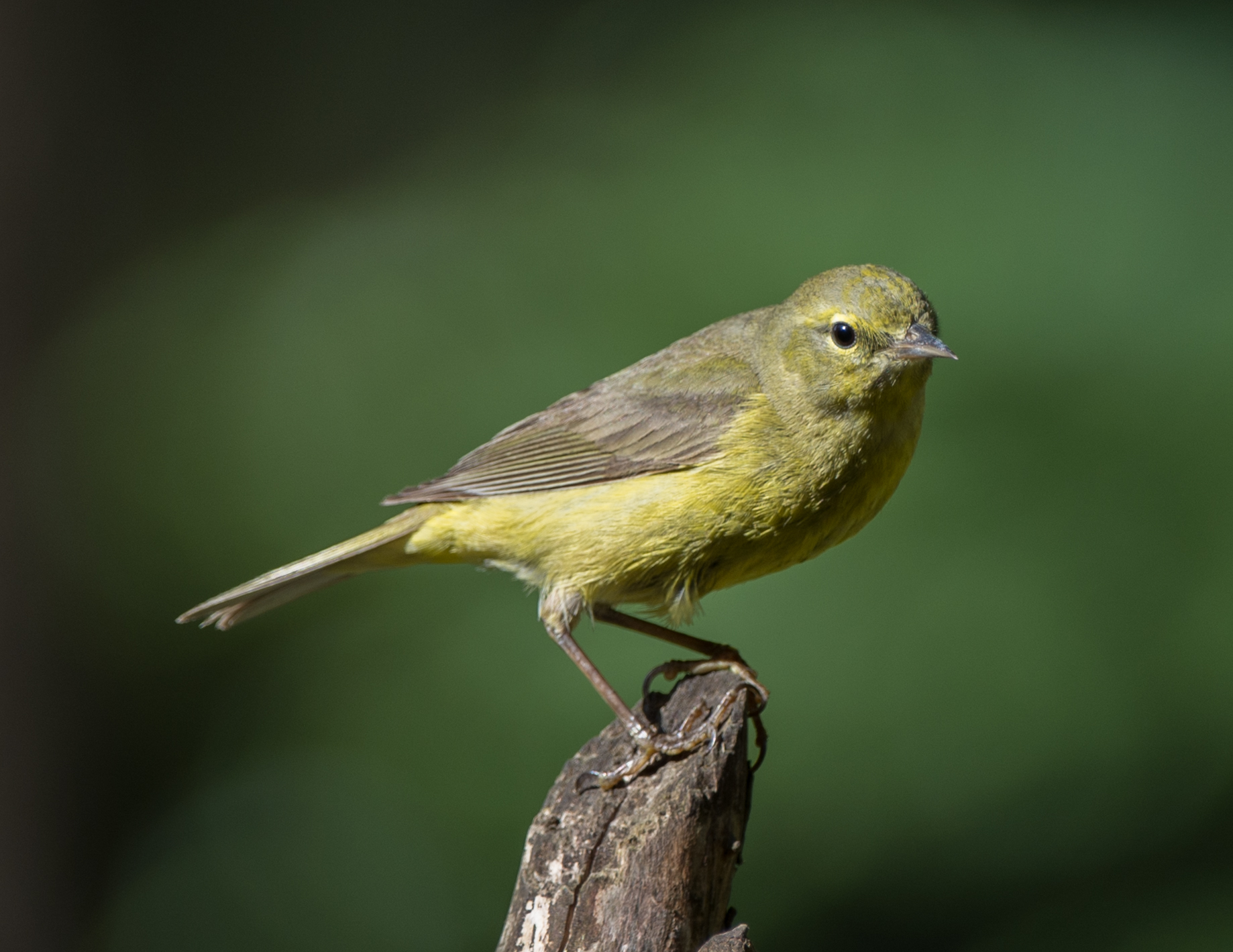
Warbler, Orange-crowned (single visit, but thus far an almost daily visitor)
Bushtit
Waxwing, Cedar (3 eating madrona blossoms)
Tanager, Western male
Creeper, Brown
Goldfinch, American (M&F)
Finch, House (M&F)
Woodpecker, Downy (M&F)
Robin, American
Chickadee, Chestnut-backed
Chickadee, Black-capped
Starling, European
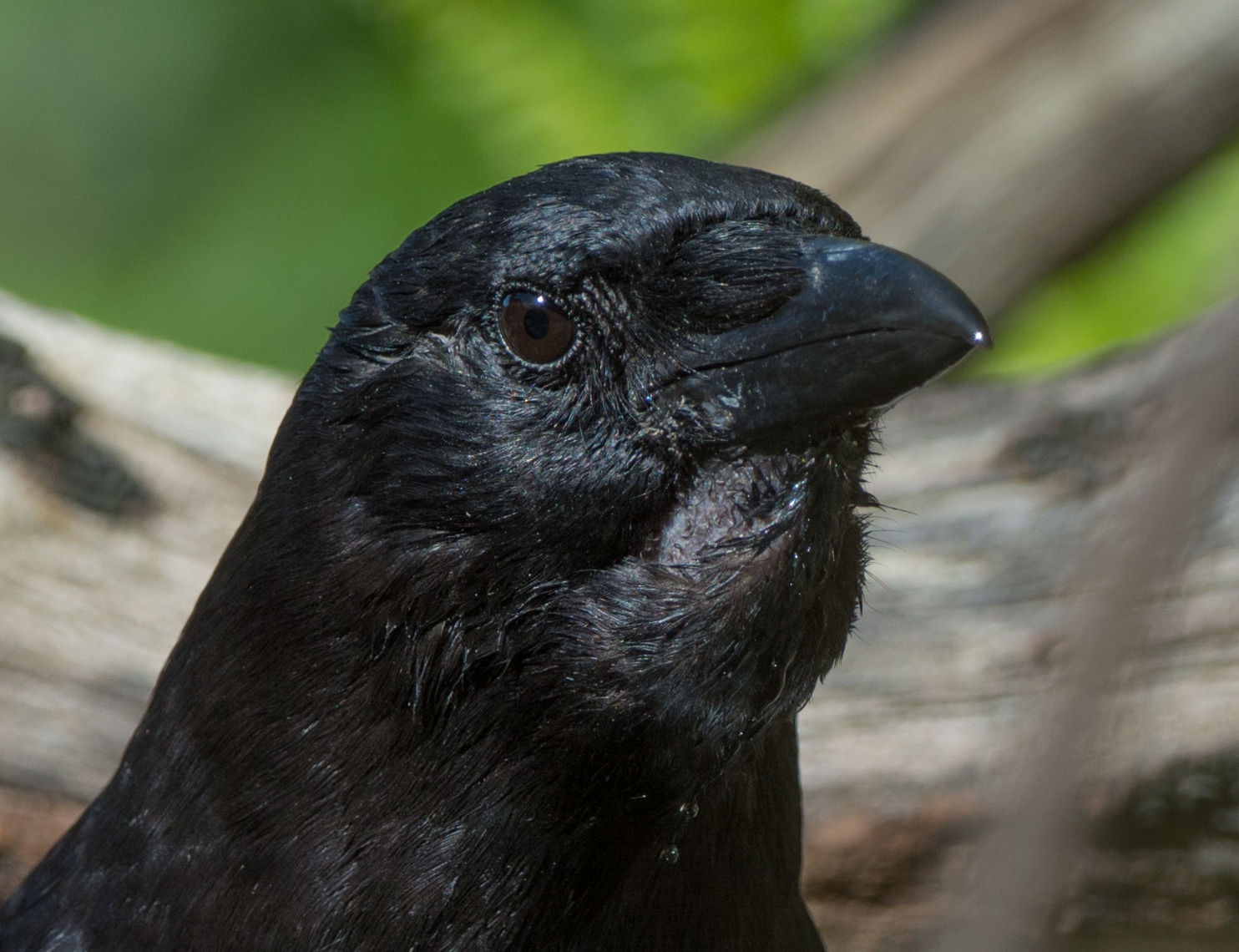
Crow
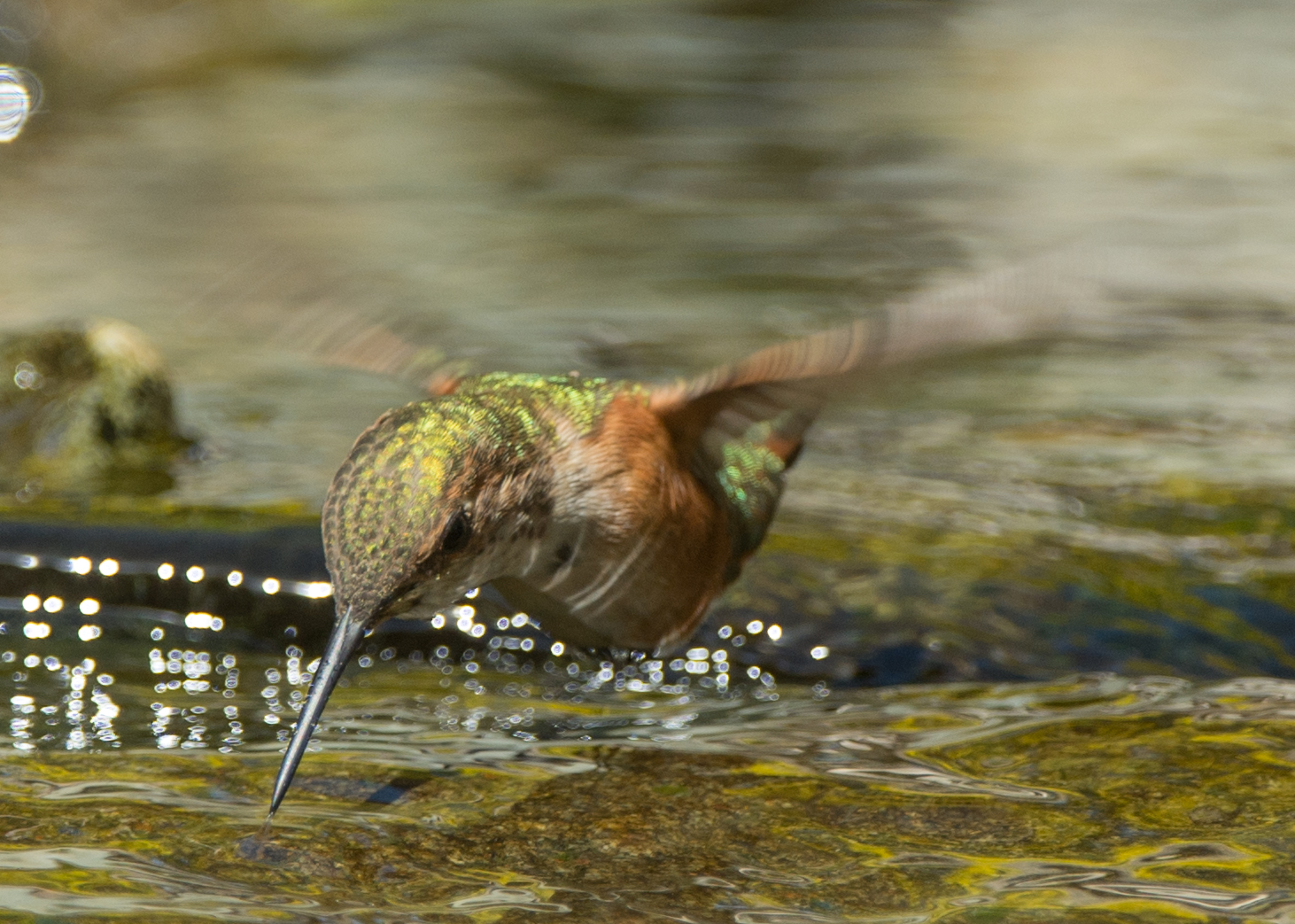
Hummingbird, Anna’s (2M & F)
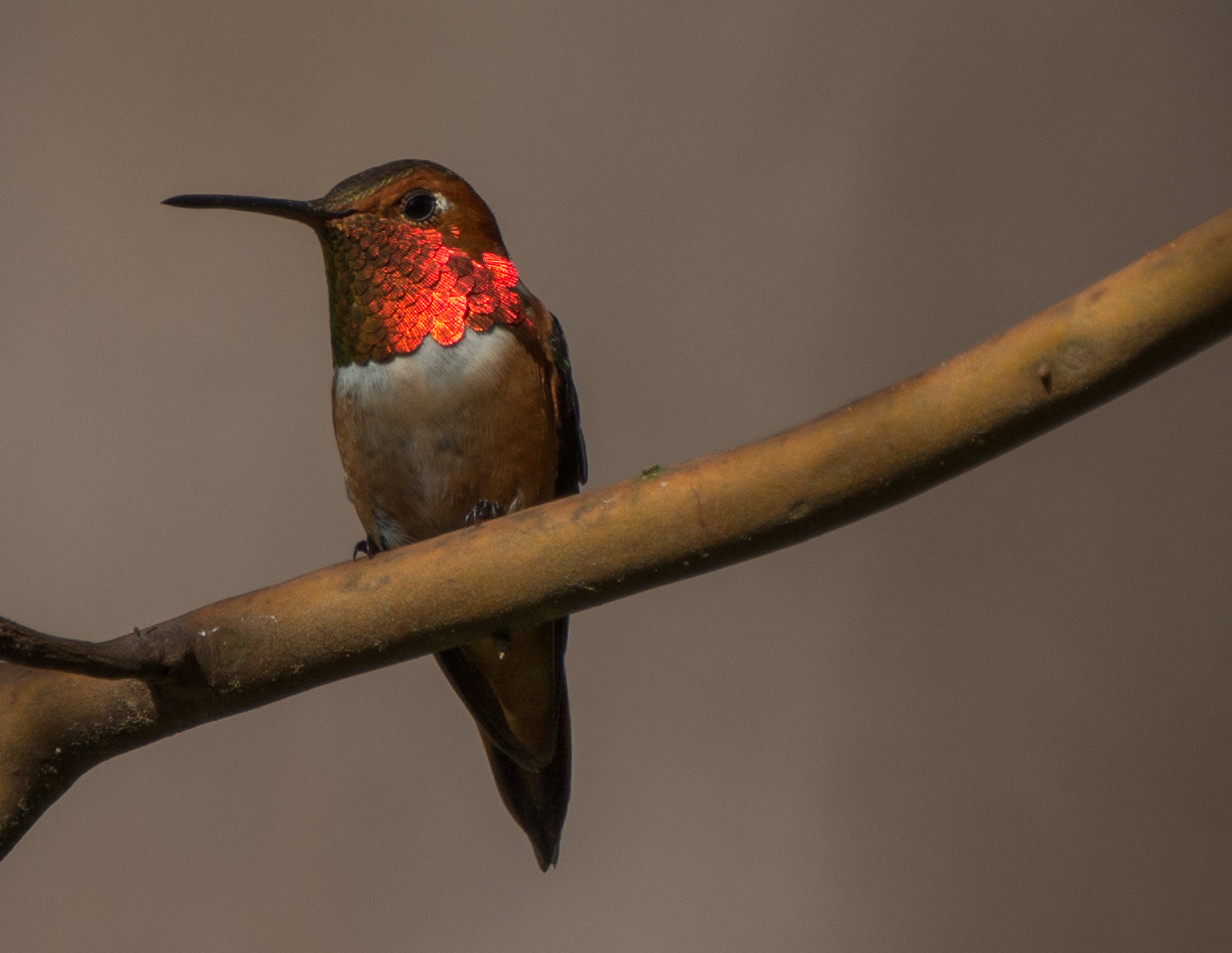
Hummingbird, Rufous (2M & F)
Blackbird, Red-winged (M&F)
Cowbird, Brown-headed (M)
Sparrow, House (M&F)

I obtained photos of all but possibly the cowbird (see blog of 5/15) and I’m uncertain whether or not I photographed both species of chickadees.

The first seven species on the foregoing list are rare here in the yard, and this is the first time this year for observing a tanager or waxwing in the yard.

And now for a few behavioral notes…

There were three waxwings in one of our smaller madrona trees, but until they flew I only saw two at any one time. The two I observed in the tree kept picking madrona blossoms and handing them back and forth to each other… multiple times! I probably saw a single blossom go back and forth 7-8 times on multiple occasions.

With regard to the two male Anna’s, one was sitting on a hummingbird feeder while the other approached flying. The flying bird stopped about 18” short of the feeder and both hummingbirds lowered their heads as if there was going to be trouble. The flying hummingbird very gradually approached to within a foot or less of the feeder when both birds went at it and left the area.

And one of the strangest observations of all… I discovered that the minimum focus distance on the Nikkor 200-400mm F4 lens I have had and used for the past two years is capable of a much shorter focal distance than what I had previously estimated (and experienced) as about 16’. I found I could photograph a hummingbird at about 10’ and almost fill the frame with it. It was a very big surprise and I have absolutely no explanation as to why I hadn’t been able to do this in the past. When relating the story to my brother-in-law in Texas, he said to just think about all the photos I could have gotten had I been aware of this when I first started using the lens two years ago. I won’t repeat my comment to him regarding the matter!

The day’s tally… 302 photos, 141 retained.

Warblers first!!
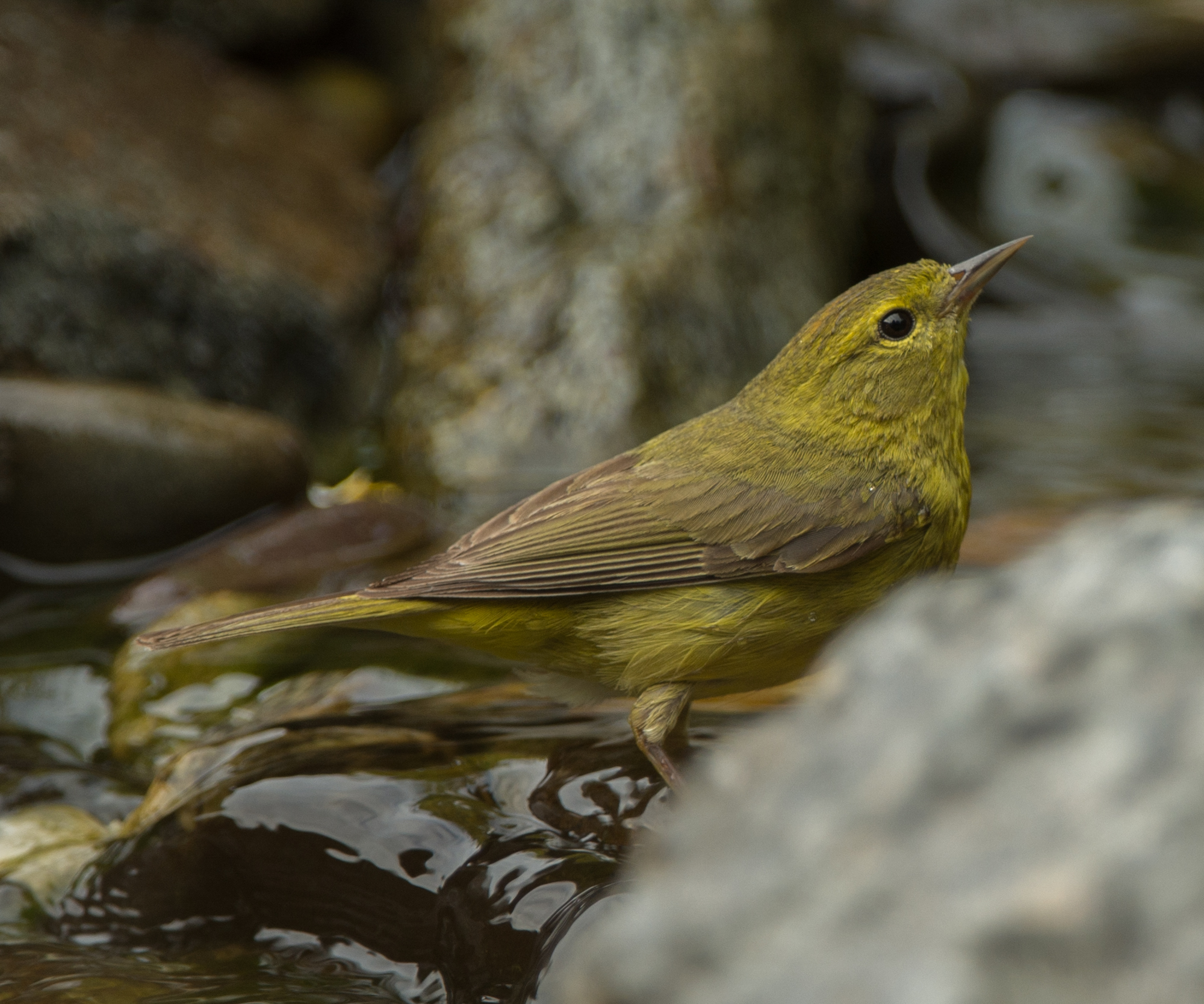
Warbler, Orange-crowned  20140516-02 Warbler, Wilson's  20140516-11 Warbler, Yellow-rumped - Audubon  20140516-08 Warbler, Yellow-rumped - Audubon  20140516-12

Another Yard Day

Wednesday, May 14… one day since my last blog post and more time spent in the yard photographing birds.

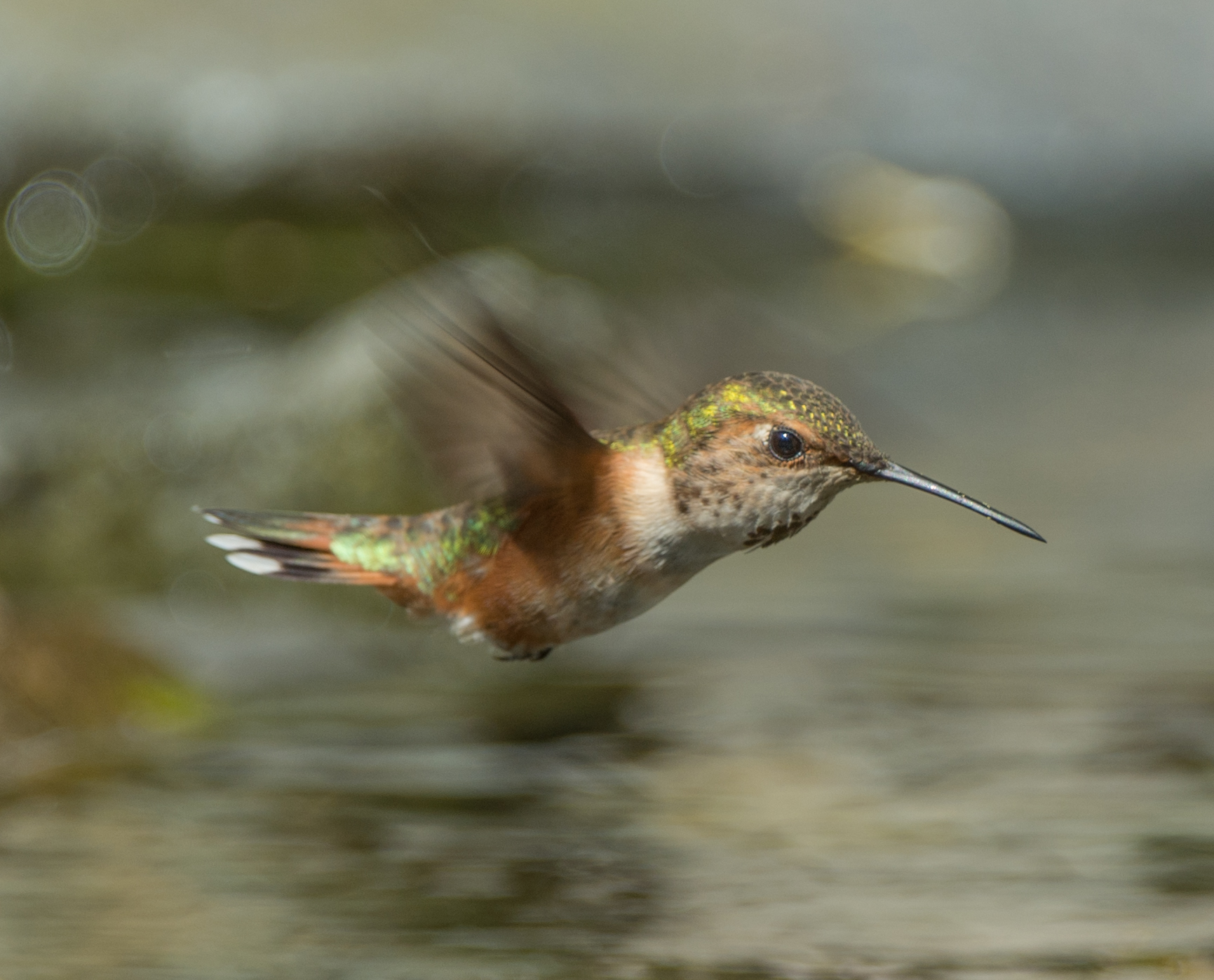
First up are a couple of photos of a female Rufous hummingbird just prior to catching a drink on the fly, so to speak.

Hummingbird, Rufous  20140514-02 Hummingbird, Rufous  20140514-03

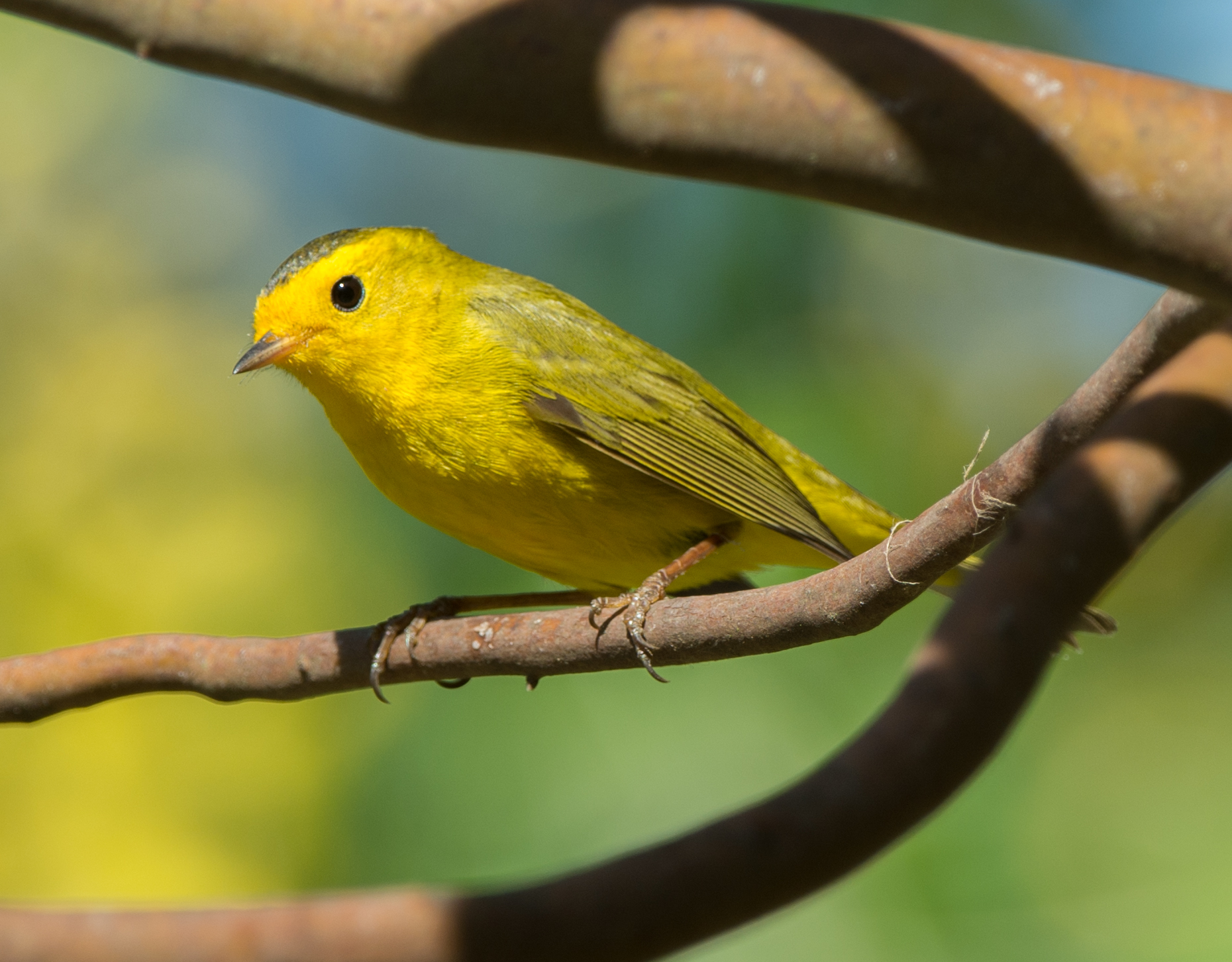
Next, a visitor that was common last year but which has only recently begun to make appearances this year… a female Wilson’s warbler.  For the record, I also had a male Wilson’s warbler but the photo I obtained of it was only marginal.  And mysteriously, I had at least two, possibly three visits from warblers which passed through the yard without stopping at the water feature.

Warbler, Wilson's  20140514-03

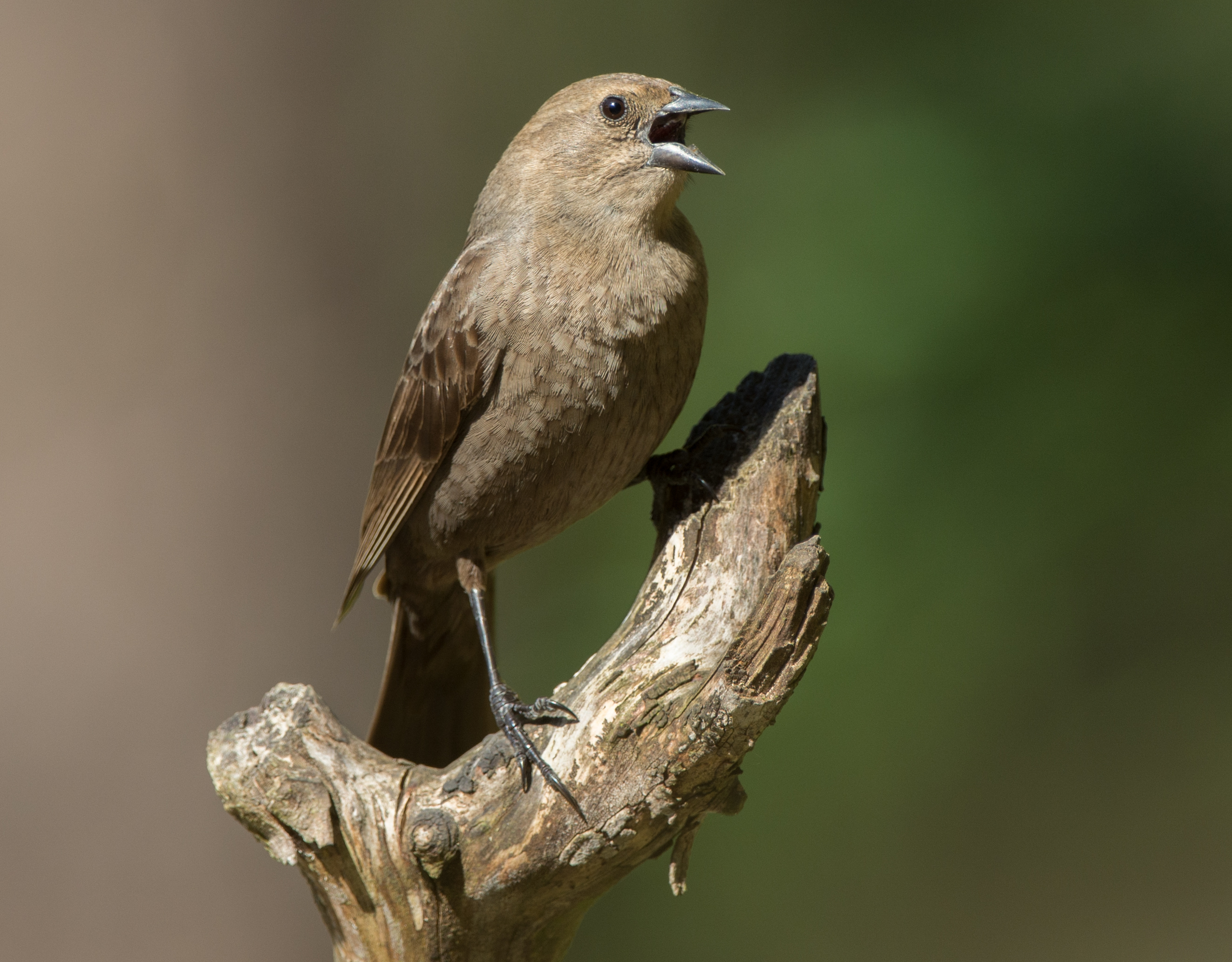
Possibly to make up for the lack of warbler visits I had a female Brown-headed cowbird visit the water feature.  While I’ve had them in the yard in the past this is the first time I can remember that one came to the water feature. This one even vocalized for me a couple of times!

Cowbird, Brown-headed  20140514-05

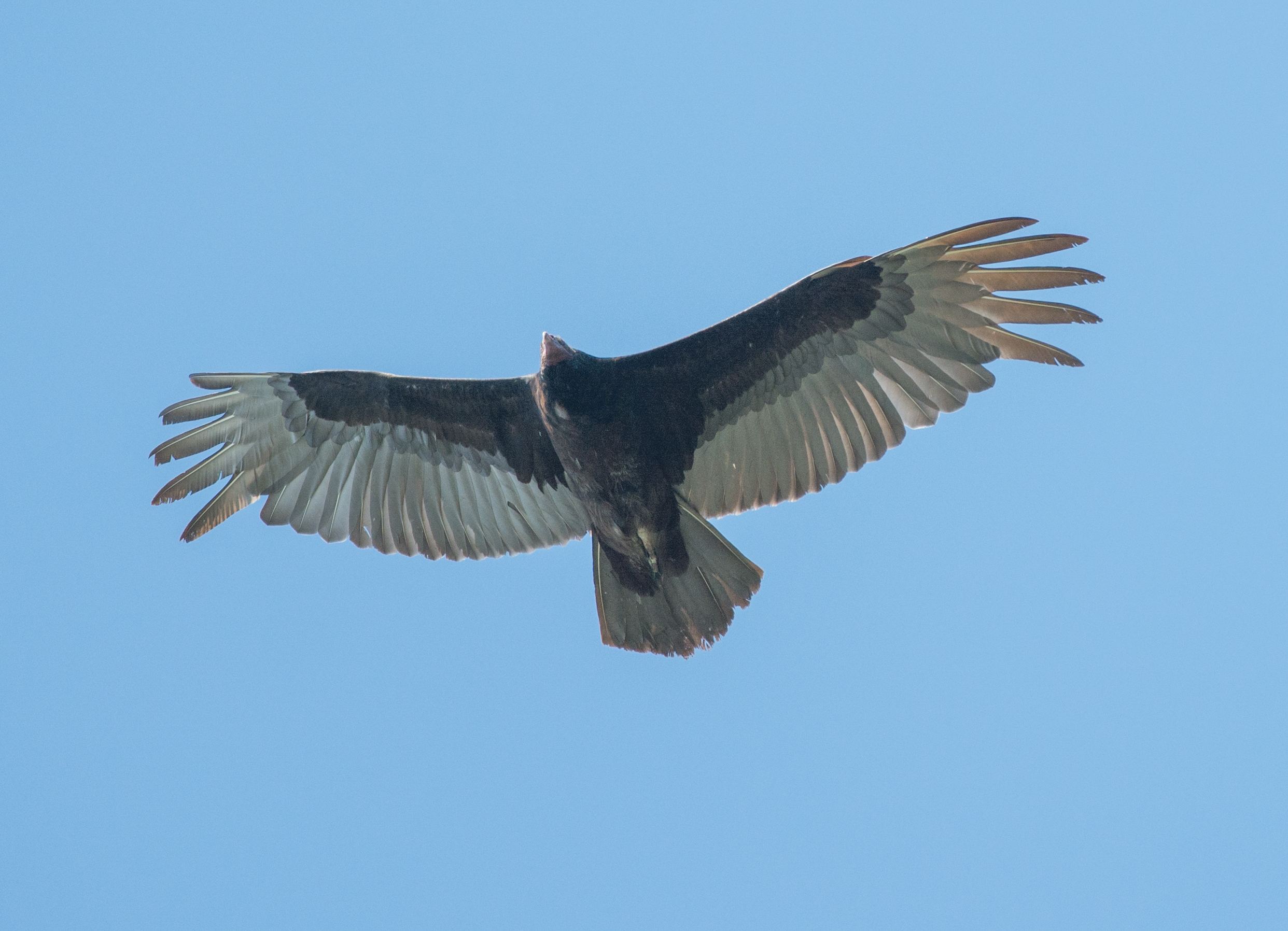
And finally, a kettle of about eight Turkey vultures passed overhead, giving me a lot of time to take photographs.

Vulture, Turkey  20140514-11

Spring Yard Birds

I’m overwhelmed with photo projects so I’m just going to throw together a few photos, all of which were taken in my yard on Tuesday, May 13.

We have a good many hummingbirds in the yard, with both male and female Anna’s and Rufous hummingbirds.  I presume the male Anna’s is the one that overwintered with us, but the following photo is of the male Rufous hummingbird.

Hummingbird, Rufous  20140513-04

This crow brought food into the water feature, dipped it in the water and then shifted it to its craw, where food can be stored…. probably for taking to young.  I’ve noticed that the crows dip food in water during the spring, probably as a way of softening some of it and also getting moisture to the young.  If you look carefully you can see that the crow’s craw (throat area under the beak) is bulging with the food.

DSC_7281

While I was in the yard I received visits from two warblers, both of which can occasionally be seen here in the winter.  First a rather pale male Yellow-rumped warbler of the Audubon’s race.  (You’ll have to take my word for it since the identifying markings as to race and sex are not visible in this photograph!)

Warbler, Yellow-rumped - Audubon's  20140513-13

And next, the nondescript Orange-crowned warbler, one of which has been a daily visitor for the past wee or so.

Warbler, Orange-crowned  20140513-02

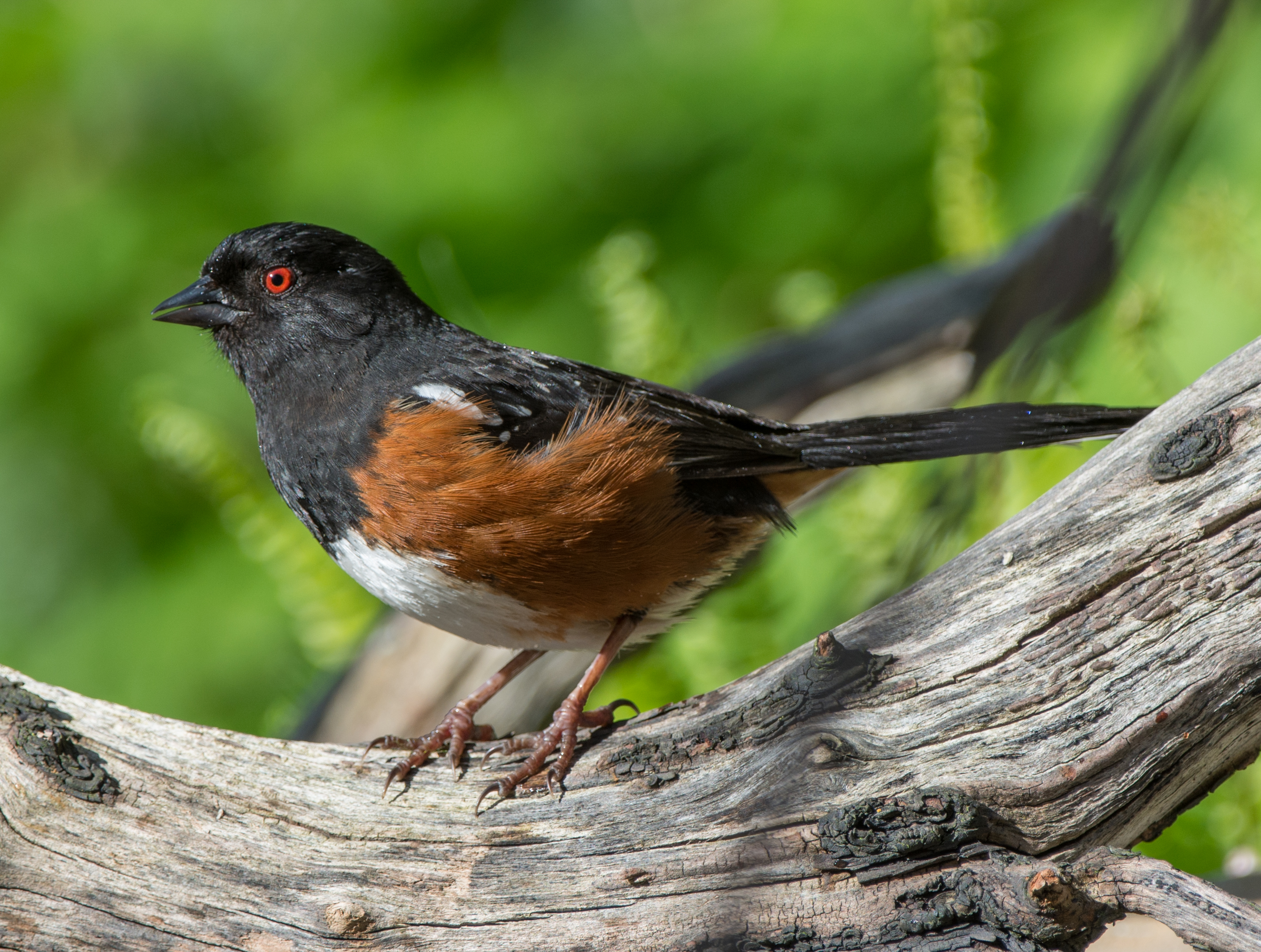
While I was photographing the warbler a Spotted towhee ventured into the water feature (a fairly rare occurrence!) and spent a long time bathing.  I obtained a large number of photographs and retained sixteen… I just can’t bring myself to discard any of the ones I have retained.  Click on this bird’s plumage and look at the incredible detail!

Towhee, Spotted  20140513-07

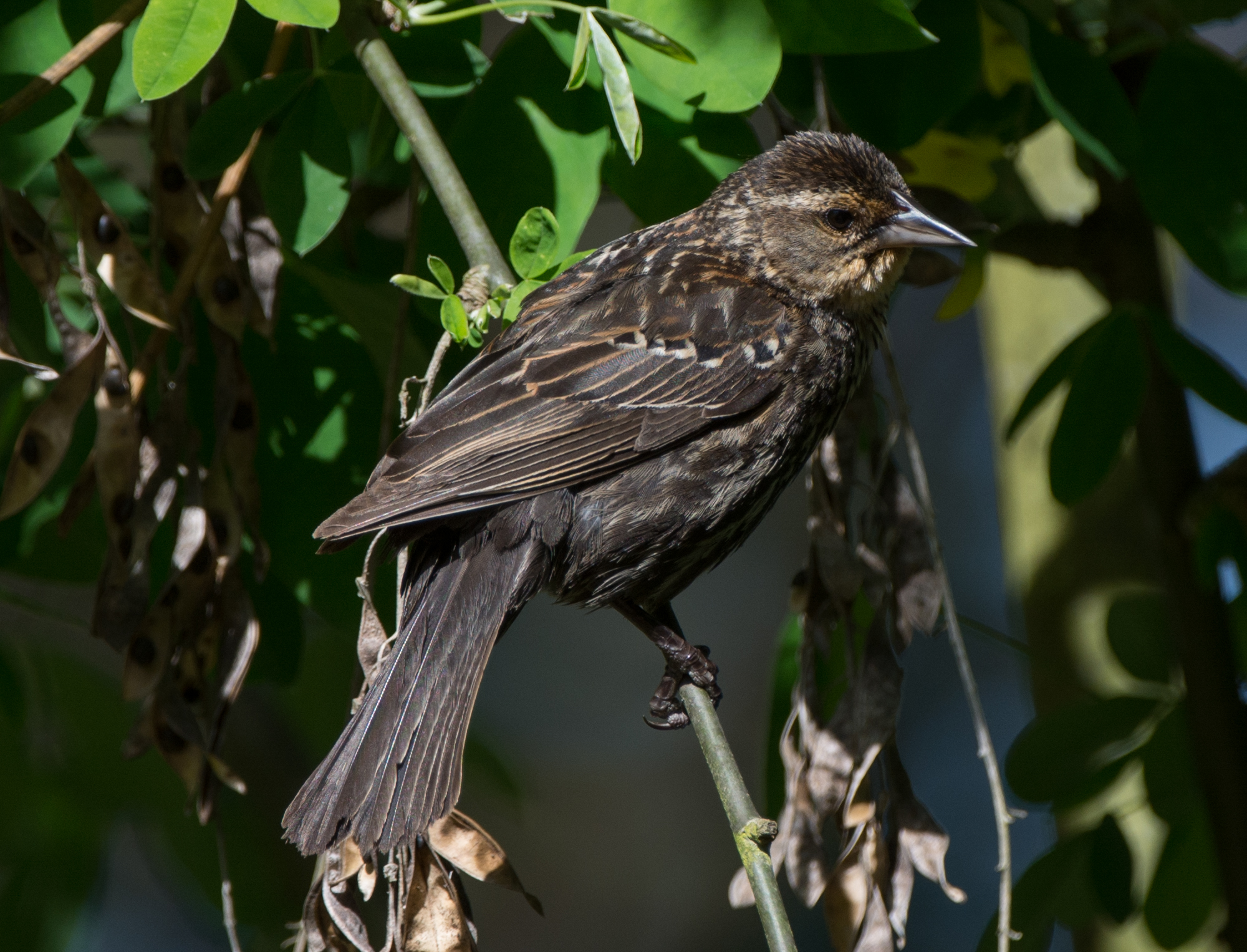
And finally, I photographed this female Red-winged blackbird on one of her many trips to our hulled sunflower feeder.  The blackbirds have nests in a small pond about two blocks from our house (as the proverbial crow flies) and during the breeding season only they make many hurried trips directly from their nesting area to our feeders.  My theory is that by visiting our feeders it allows them to forgo the food foraging that would normally be necessary and they are thereby able to spend more time guarding their nests.

Blackbird, Red-winged  20140513-03


Cap Sante Overlook

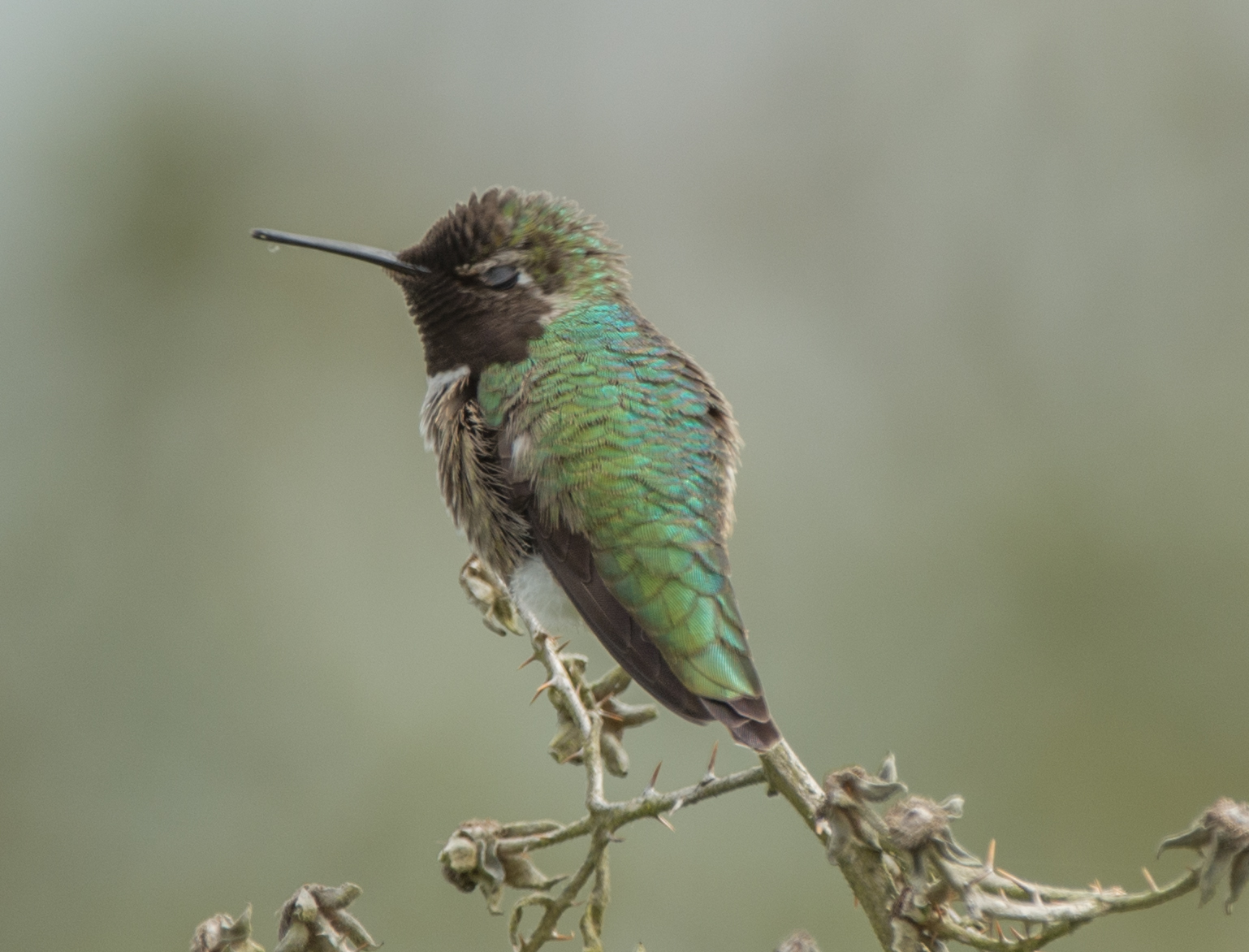
My last blog told about photographing the shorebirds I had found at the marina.  I later the same day went up to the Cap Sante Overlook to try to photograph the reflection off of a male Anna’s hummingbird‘s gorget (as shown on a prior blog).  I wasn’t successful on this day, but I did obtain a few photos of the hummingbird.

Hummingbird, Anna's  20140421-02

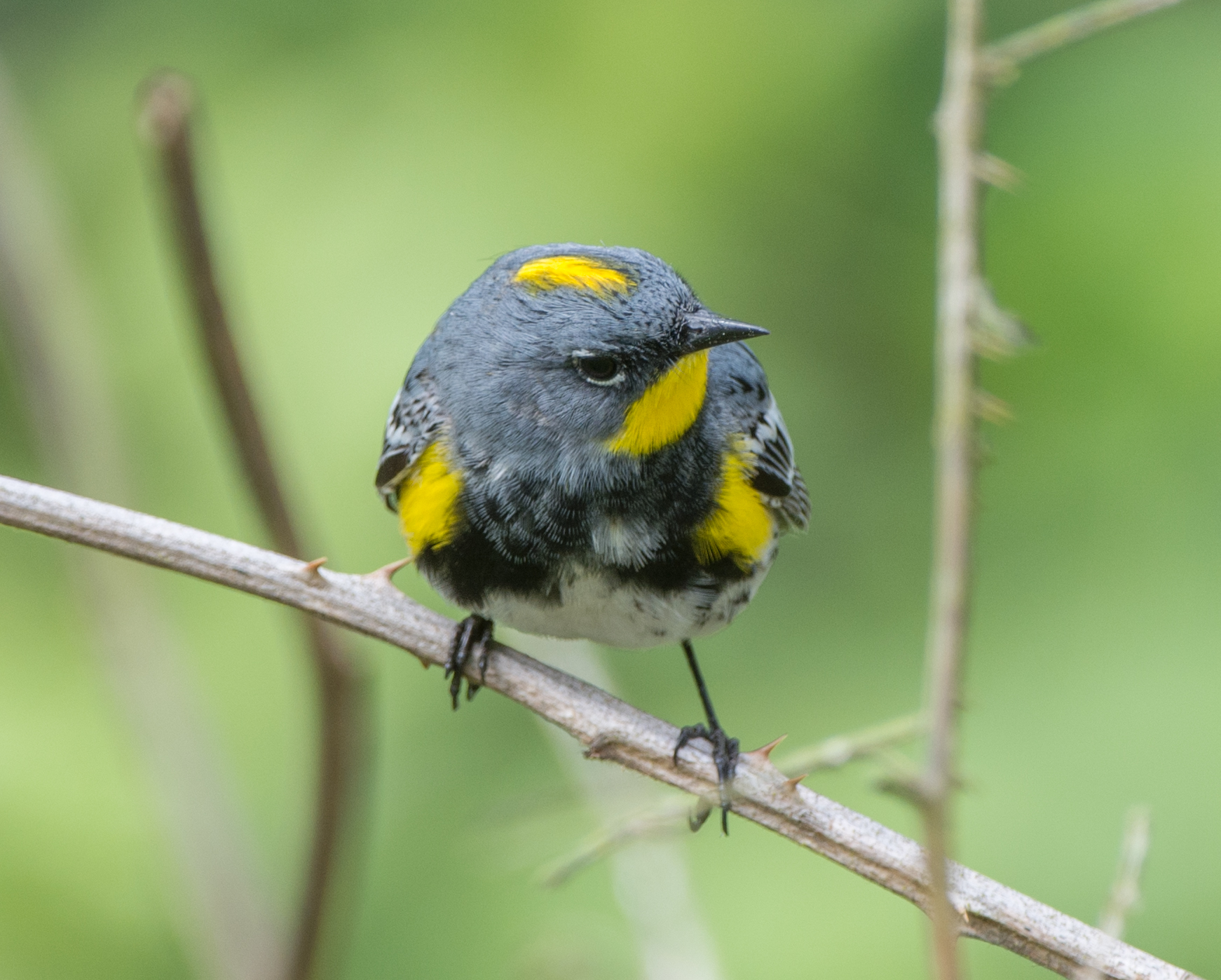
On the way back down from the overlook I paused at a jumble of bushes beside the road and decided to do a little “pishing” to see what might pop up.  I had no sooner began begun than I saw a bird fly from the upper story of a fir tree behind the bushes.  I continued pishing and soon a male Yellow-rumped warbler (Audubon’s race) appeared from the bushes and I obtained several good photos of the bird.

Warbler, Yellow-rumped - Audubon  20140421-01 Warbler, Yellow-rumped - Audubon  20140421-04

Shorebirds In Cap Sante Marina

On April 21 I discovered a small group of shorebirds at the Cap Sante Marina.  I was somewhat surprised because I hadn’t seen that many shorebirds this past winter, and they had been conspicuously absent at the marina.

I retrieved my camera and approached the flock, but hadn’t noticed a Killdeer which spooked and flew, vocalizing and frightening the other shorebirds which also flew.  They made a couple of circuits then settled down again, and I was able to approach them quite closely.  I had also brought my 1.7x tele-extender which I rarely use.  But not all the photos I took used the extender.

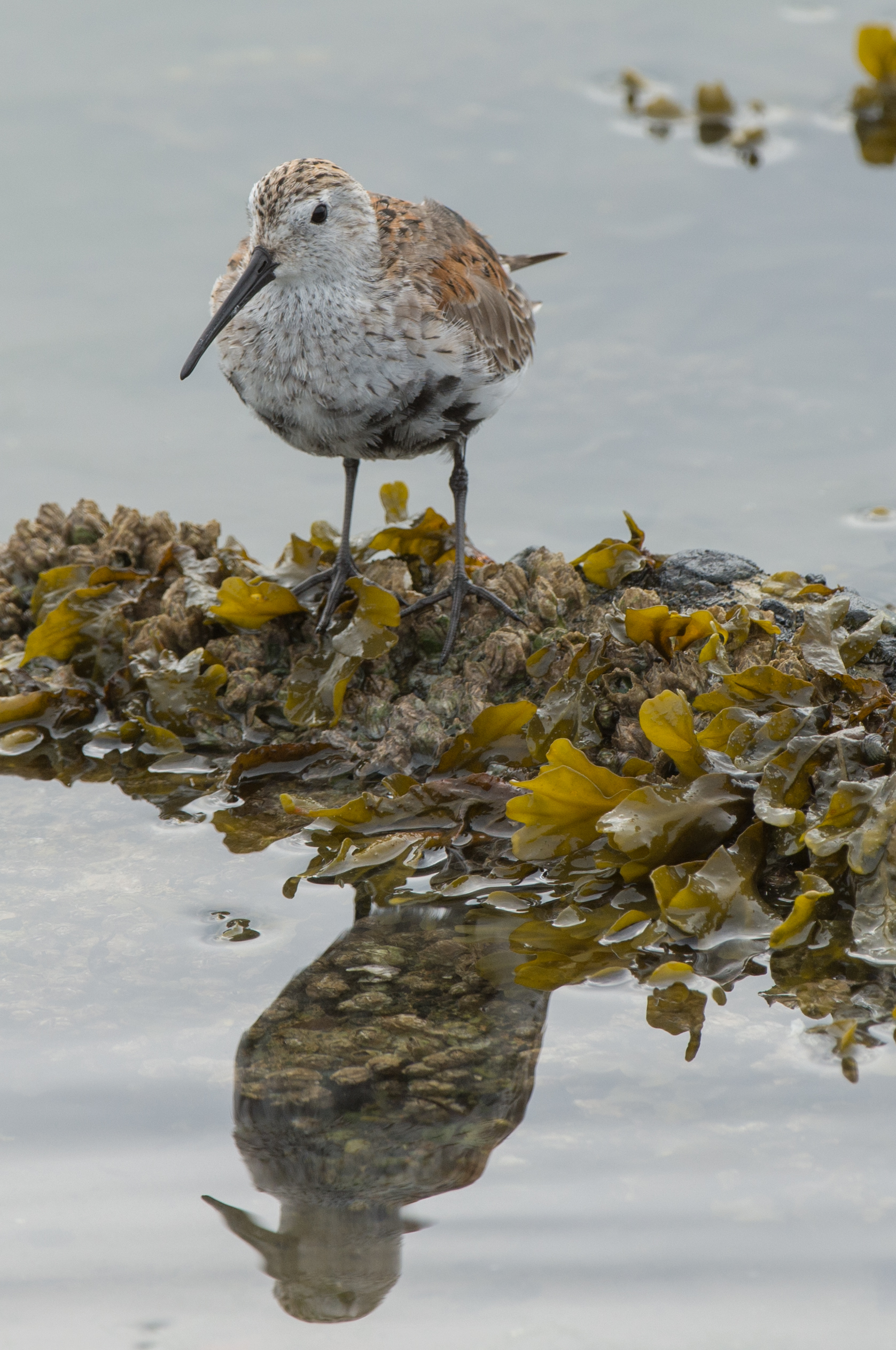
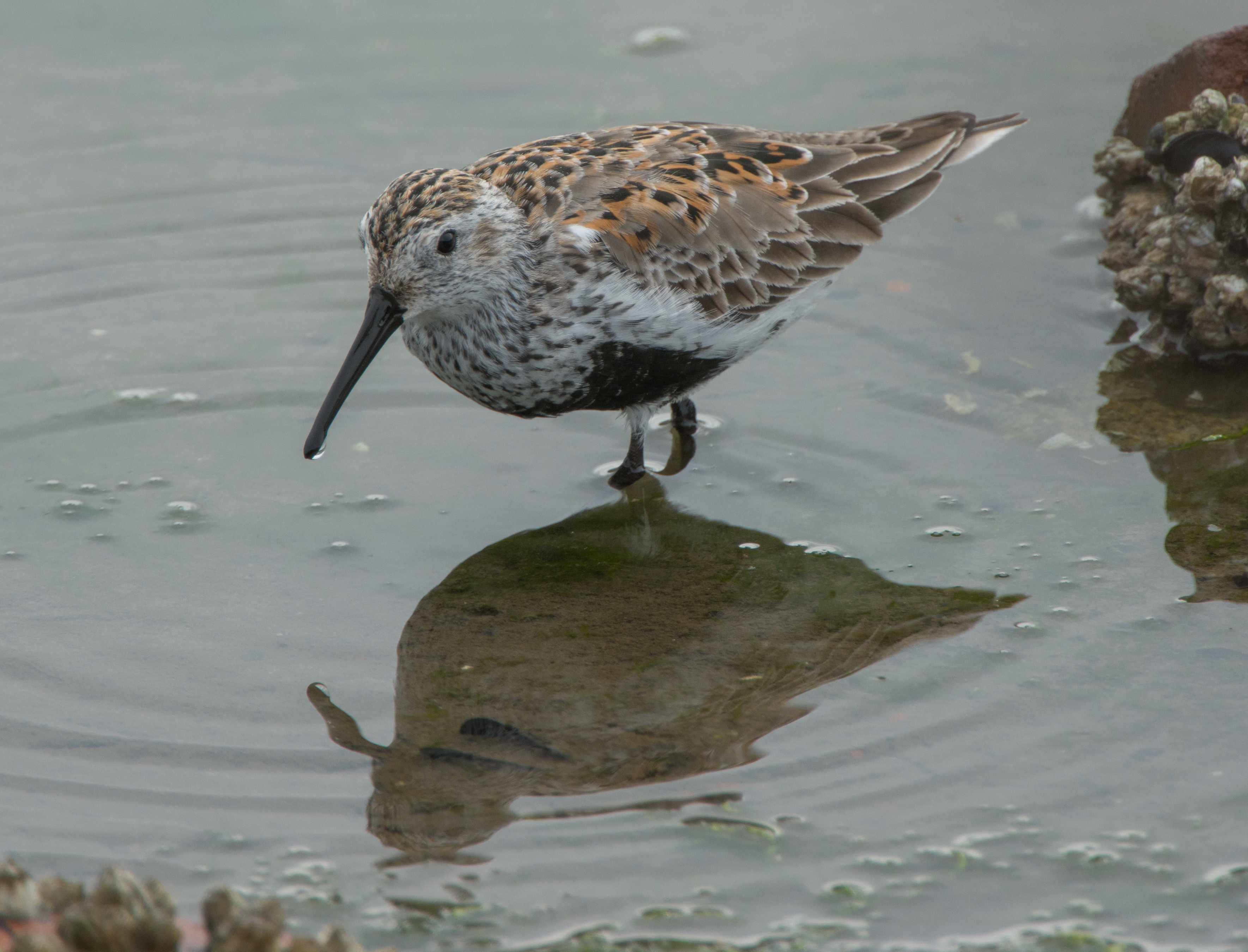
So here are some of the photos of the Dunlin that I took:

Dunlin  20140421-10

The birds often appear to be sleeping, but there always seems to be at least one eye open which misses nothing!

Dunlin  20140421-14

And my final photo of a Dunlin, in this posture is here for a reason…

Dunlin  20140421-27After I took a lot of photos, I realized that one of the shorebirds appeared to be slightly different from the others.  It didn’t mix well with the others and had more of the reddish-brown on its cheeks and crown.  So I concentrated on taking some good photos of it in the hopes it might not be a Dunlin.

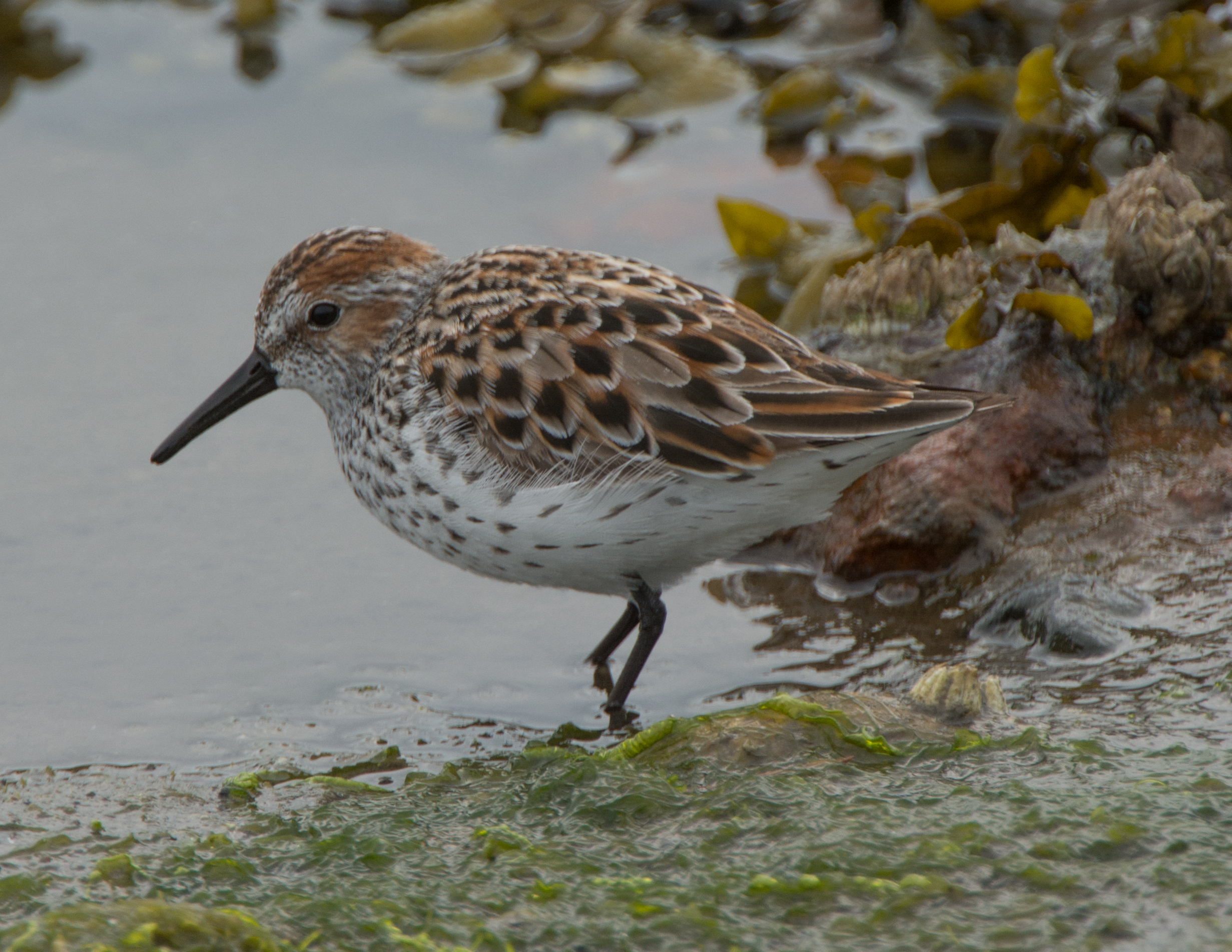
Paydirt!  I sent a couple of the photos to a birding friend who is much more talented at identification than I am and was told that the bird was a Western sandpiper, a bird that I have never knowingly photographed.  And since I had focused on the bird I now have a nice group of really good photos of one!

Sandpiper, Western  20140421-05