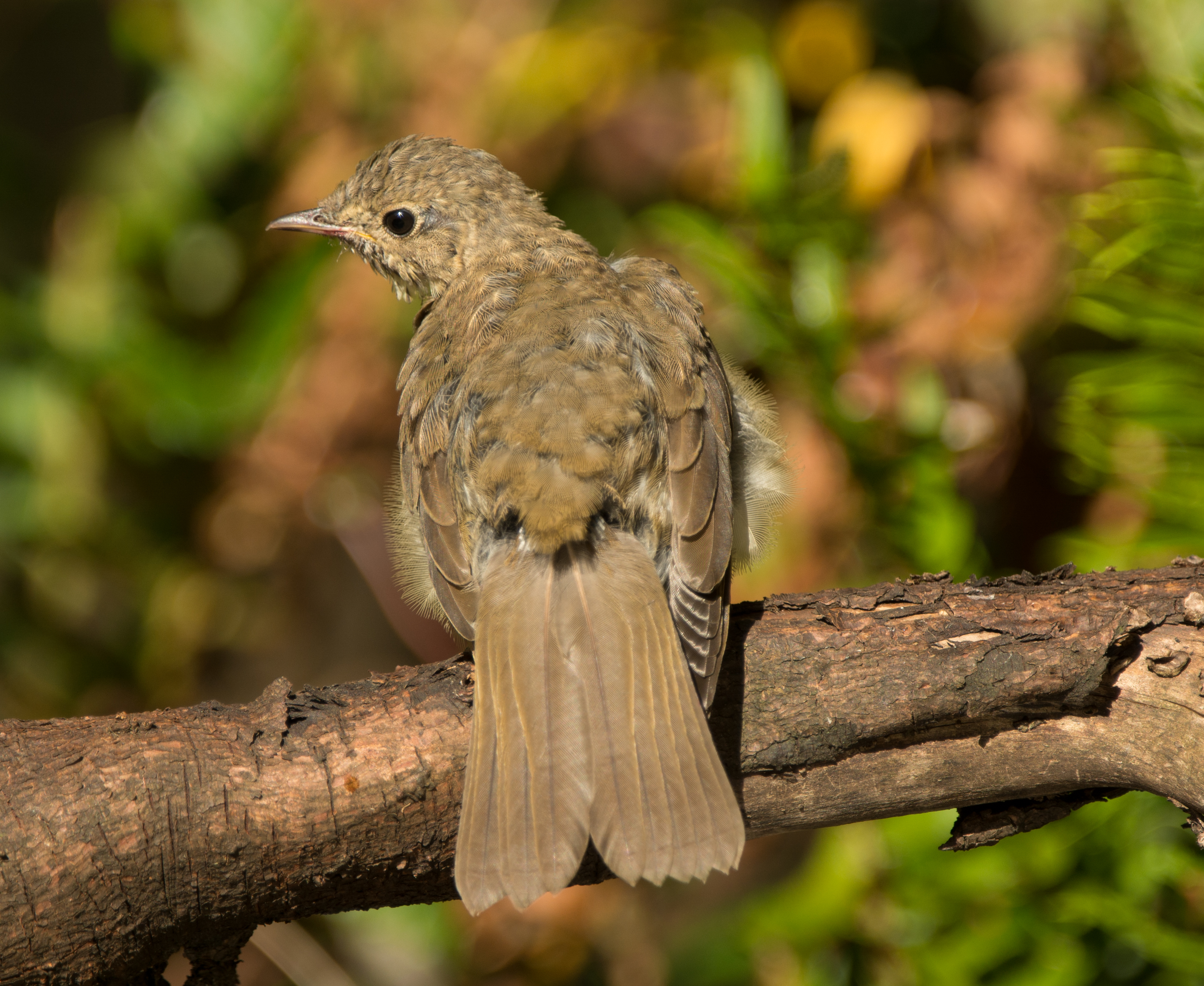
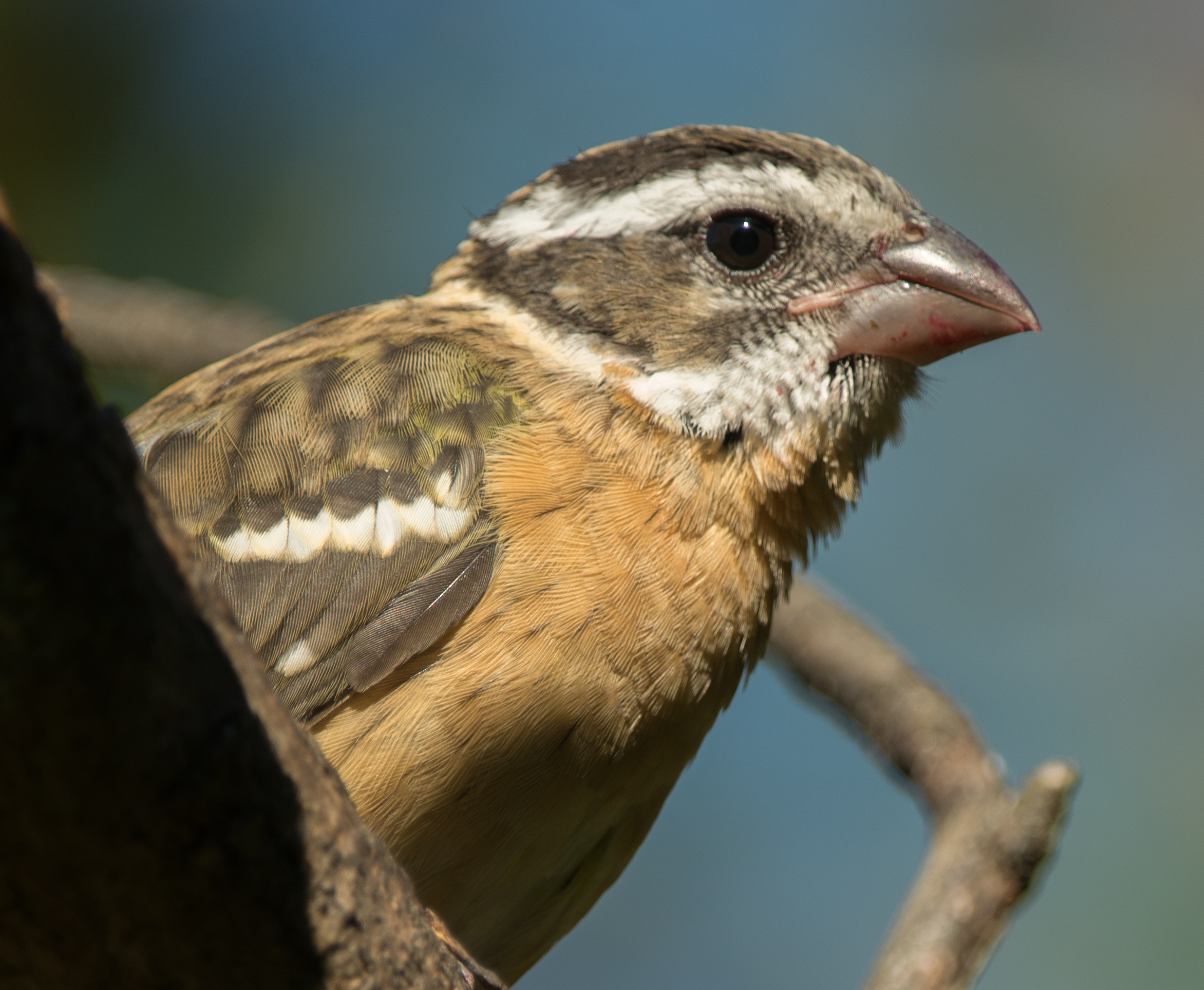
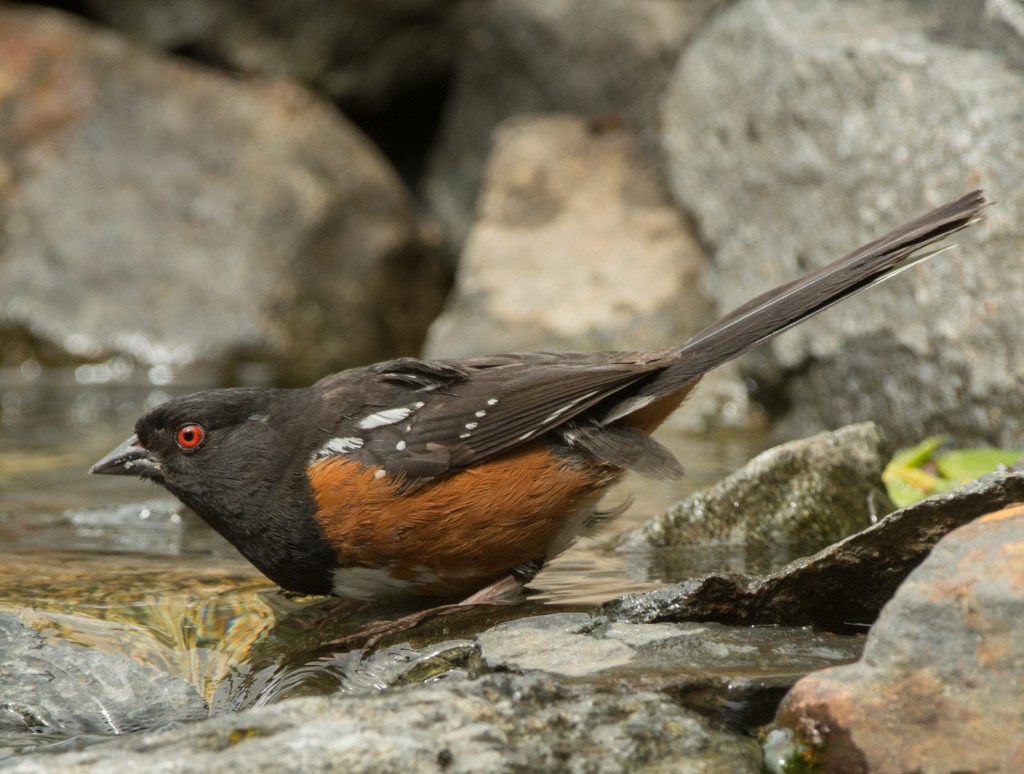
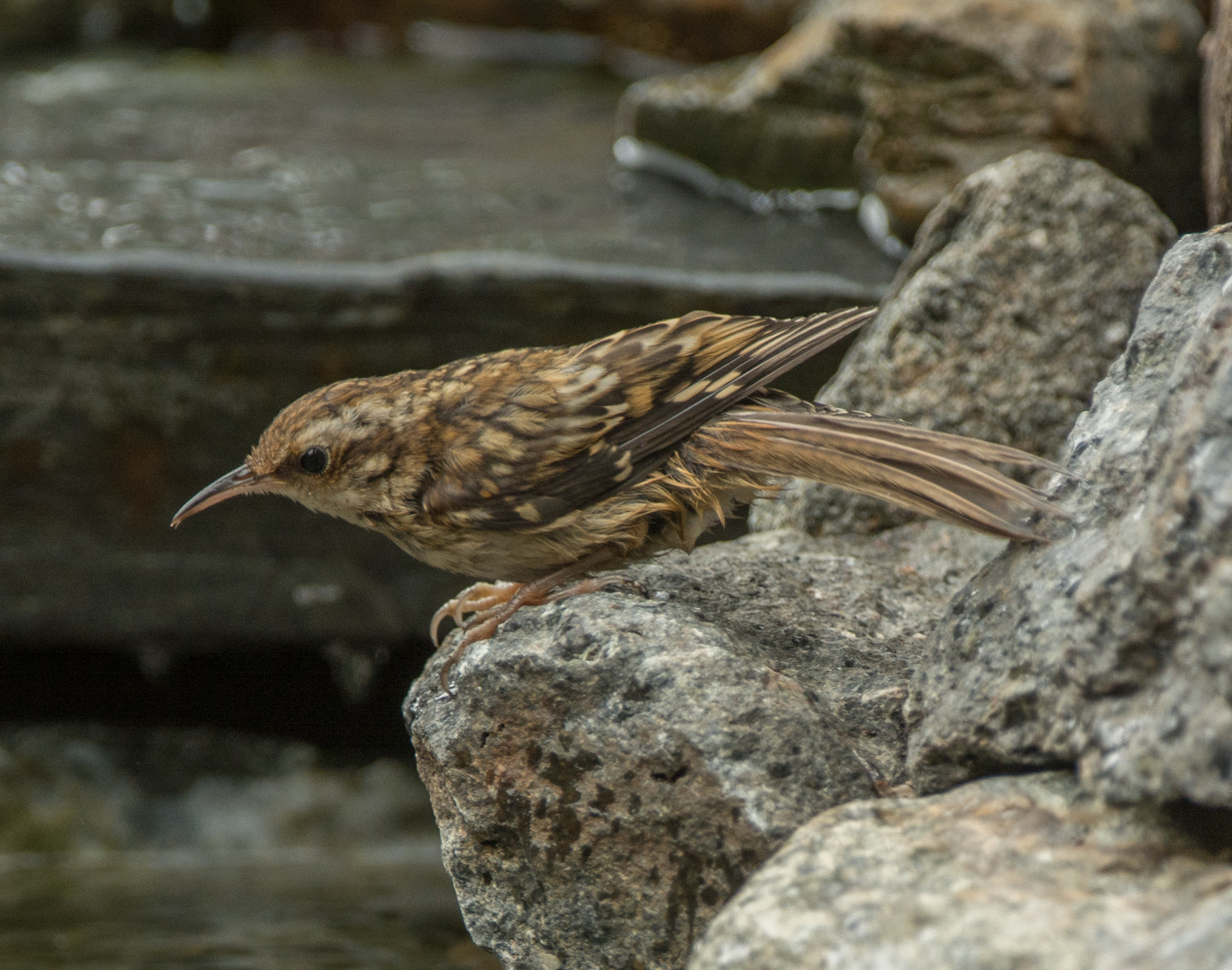
Sometime in May, 2014, I decided to have made substantial improvements to our water feature in the front of our Anacortes home. The history of the water feature, and my reasons for wanting the changes, are as follows.
When my wife and I purchased our current lot in about 2006 we realized that, although the lot offered a small water view, the value of the lot to us was its location adjacent to City park lands that are, at least in theory, undevelopable. And its proximity to the park lands would provide a reservoir from which to facilitate the attraction of birds and other wildlife. So the design of our house and the landscaping of the property would be to facilitate nature observation and not to try to enhance water views which we could conceivably lose by neighbors adding second stories to their homes.
The construction of our house resulted in considerable excavation of rock, and the majority of that rock was retained and used to construct walls on the north and west sides of the house. The contractor also took several truckloads of the rock for personal use, but for the most part I was reluctant to part with much of the rock. Towards the closing days of construction, when we had most of the walls and landscaping completed, and while there was an excavator still on the premises, I had the contractor stack a large pile of the rock in the front of the house, reasoning that we could eventually incorporate either incorporate a watercourse into the rock pile or use the rocks for general landscaping.
At some point after we moved into our home I contracted with a company known as ProScapes to design a watercourse on the rock pile. The watercourse originally cascaded down the north side of the rocks and terminated in a small pond on the same side of the rock pile. At the time it seemed a logical design because visitors to the house would pass the cascade and small pond on the way to the front door.
It wasn’t long before I realized the value of the pond for birding photography but… the water features were on the north side of the pile of rocks. This not only left the water in shadow much of the day but also left me shooting into the sun… at least on the days when we had sun. So I began to think of alternatives. I eventually re-contacted ProScapes and told them I wanted a different design. I wanted the watercourse to cascade off of the south side of the rock pile and then snake around the west (house side) of the rock pile back to the original pool on the north side. I reasoned that this offered several improvements…
• I would have a water feature in and around which to photograph birds on the south side of the rock pile, with the sun to my back.
• There would still be a small pool on the north side to view as guests approached the front door.
• And there would be a small “brook” running along the west side of the rock pile to return water from the base of the cascade to the original pond.
• I wouldn’t have the expense of having to dig a new pond on the south side of the rock pile.
So at some point ProScapes returned and completed the new design.
By this time my photography efforts were getting more serious and I was spending increasing time, year-round, at a vantage point where I could photograph avian watercourse visitors. The sun was now to my back, the main cascade flowed towards me and I took many, many photographs of our avian visitors. But I perceived two problems with this second design. In the first place it was somewhat difficult to maintain. The long, narrow channel running around the west side of the pond tended to collect fir needles and madrona leaves among the rocks before they reached the pond where the skimmer was located. And often, since they had been stuck in the watercourse for some time, by the time they reached the lower pool they were waterlogged and sank before the skimmer could capture them.
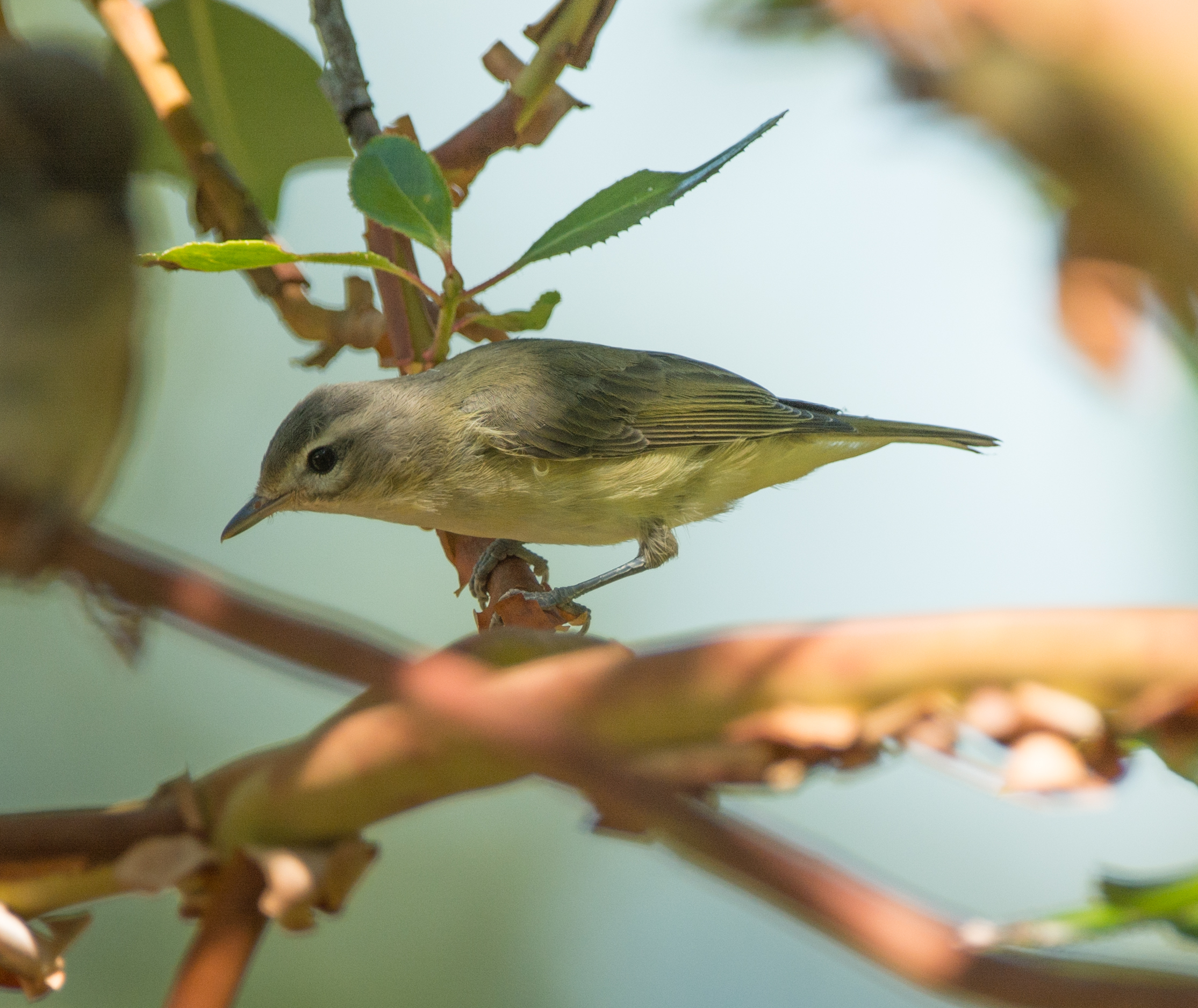
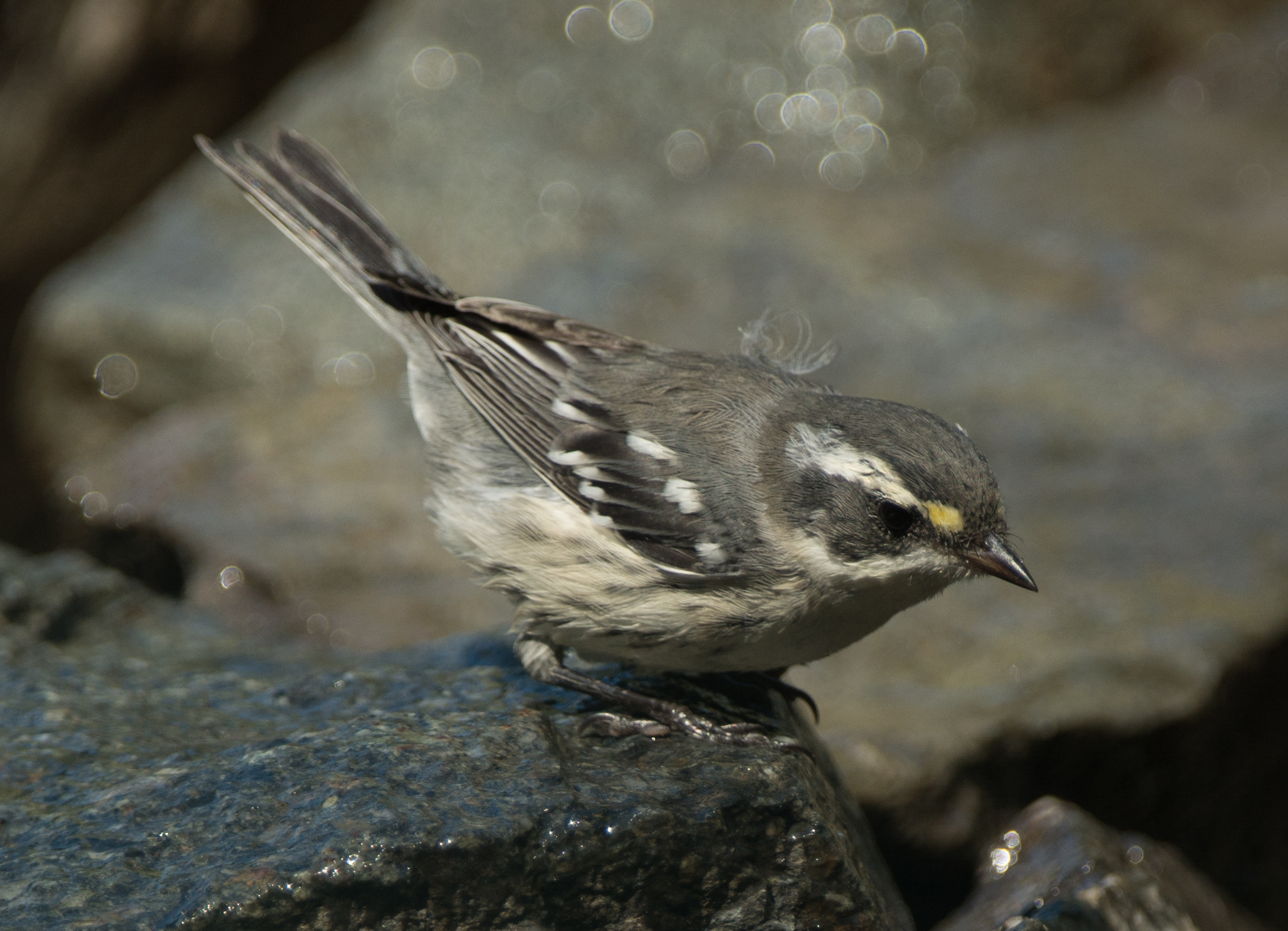
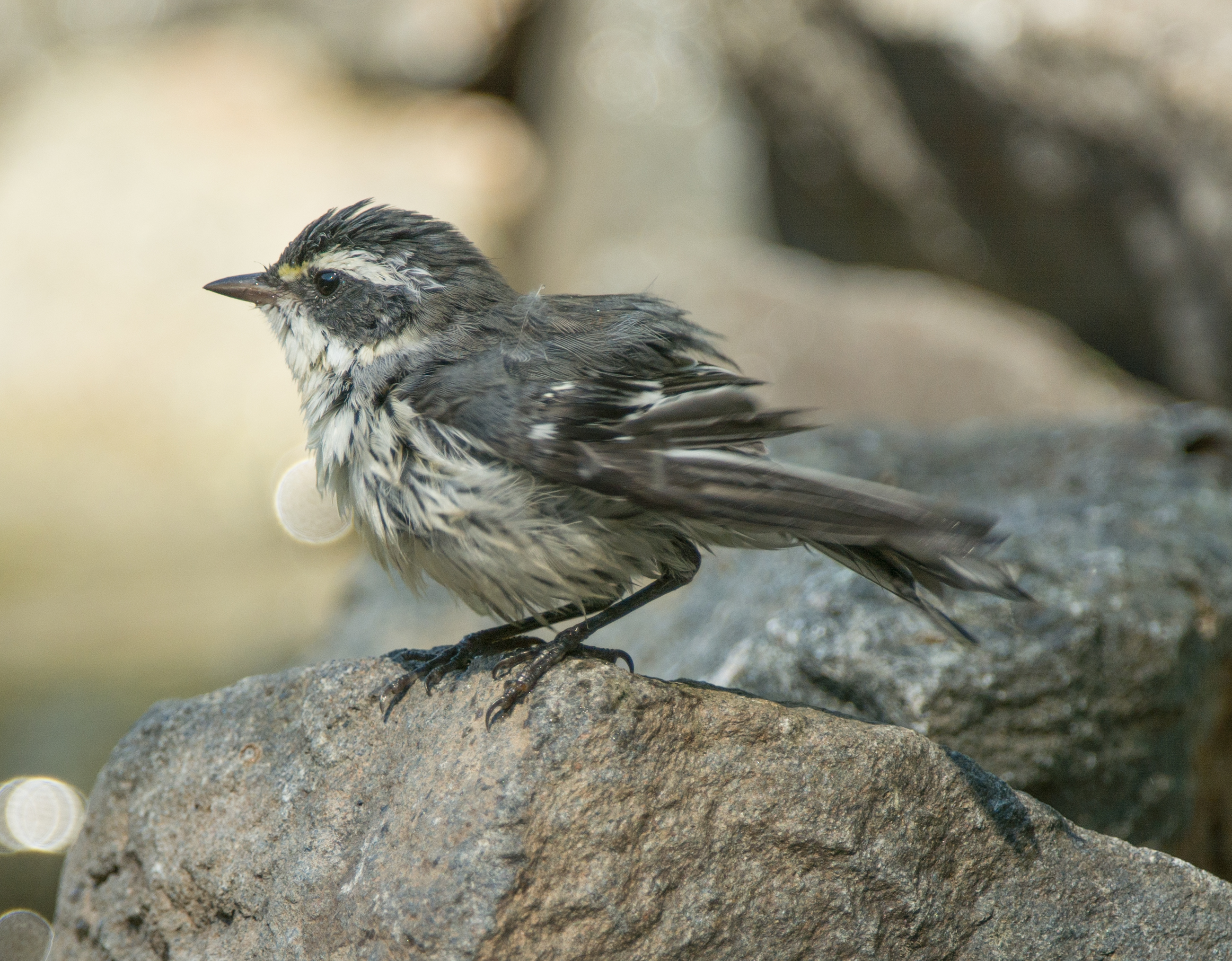
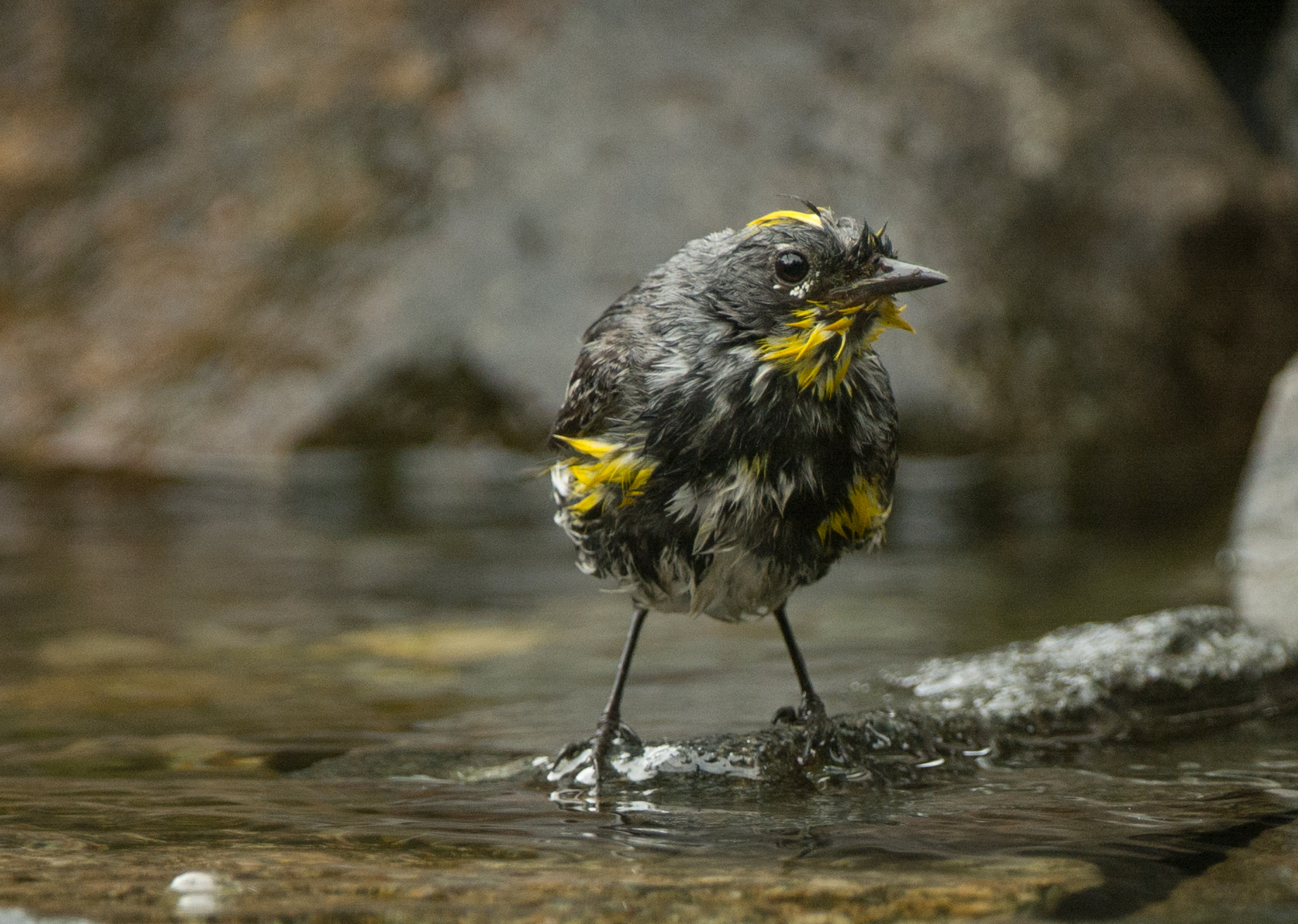
The second problem was that some of the rarer, prime birds for photographing, especially warblers, would fly down to the lower pond on the north side of the rock pile while I was established on the south side… out of my view. Or, in some cases, they would bathe/drink from along the western channel. In either case this generally eliminated my opportunity to photograph them.
By about May, 2014, I began considering a third, improved design. I had several goals I wanted to accomplish…
• Provide at least two small waterfall drops that would make more noise and not only provide entertainment for us but also possibly attract more birds with the sound.
• Provide at least one deeper pocket of water in which the larger birds, such as American robins, could bathe.
• Eliminate the pond on the north side and the western channel so that I wouldn’t lose opportunities to photograph the rarer visitors.
• Provide less hazardous access along the watercourse so that I could clean debris, adjust staging sticks, etc. (The second iteration of the watercourse had virtually no access to its upper reaches.)
• Reduce the maintenance on the watercourse by eliminating the western channel that returned water from the south side of the pond to the north side of the pond.
(This blog version is an abbreviated version of some interesting events concerning the initial rework on the pond. If you are a personal friend ask me and I can fill you in on the details that are missing here!)
I contacted ProScapes on Monday (July 7) afternoon after the pond had been dismantled and left a message for the owner. The owner, who was apparently the only one in the company who could review/estimate jobs, was tied up with family matters for a couple of days but he returned my call the same day (Monday). On Wednesday afternoon he came to the house to review/estimate the project and had a crew out Thursday morning to begin the project! Talk about service and a lucky break with respect to timing!
The head pond person was the same individual who had reworked the watercourse on the second project. He was a very agreeable person with whom to work. As promised, by the end of a short (9:30am-4:30pm) day there was water flowing in the watercourse. From the birds’ point of view they were at first hesitant. Some approached the watercourse but we didn’t see any actually getting a drink or taking a bath.
The primary pond constructor had other obligations on Friday, so he brought a couple of other workers with him and explained what needed to be done to finish the project. By mid-morning the project was completed. By afternoon, if not sooner, we had birds back in the watercourse drinking and bathing in, from at least my point of view, a much-improved environment.
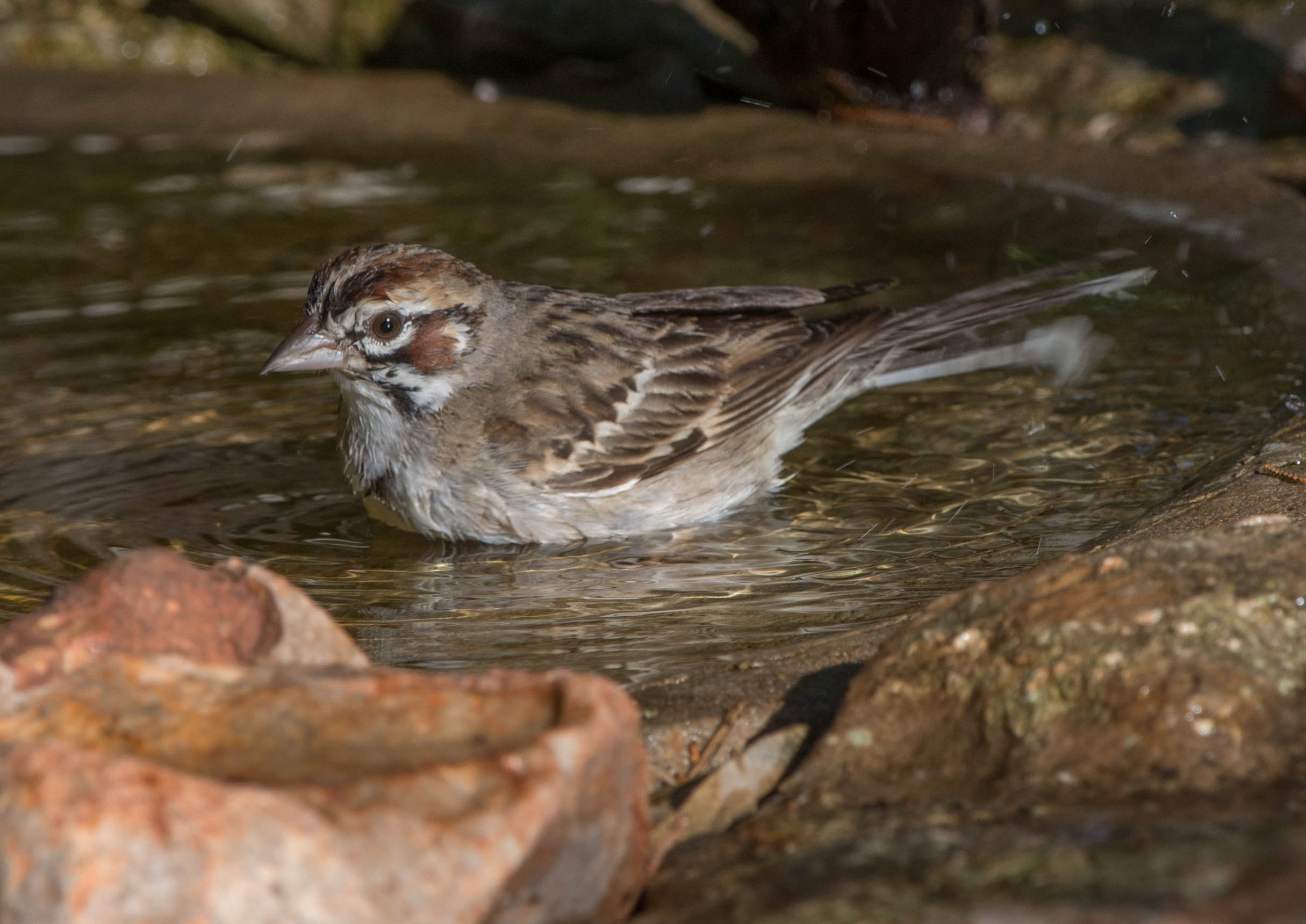
I left to run errands late that morning. When I returned home I took a nap, and when I woke I observed a White-crowned sparrow taking a leisurely bath in the watercourse, previously a rather unusual event for that species. I believe that my wife had first observed an American robin bathing in the watercourse, and they seem to enjoy a leisurely but active bath more than any other species we have here.
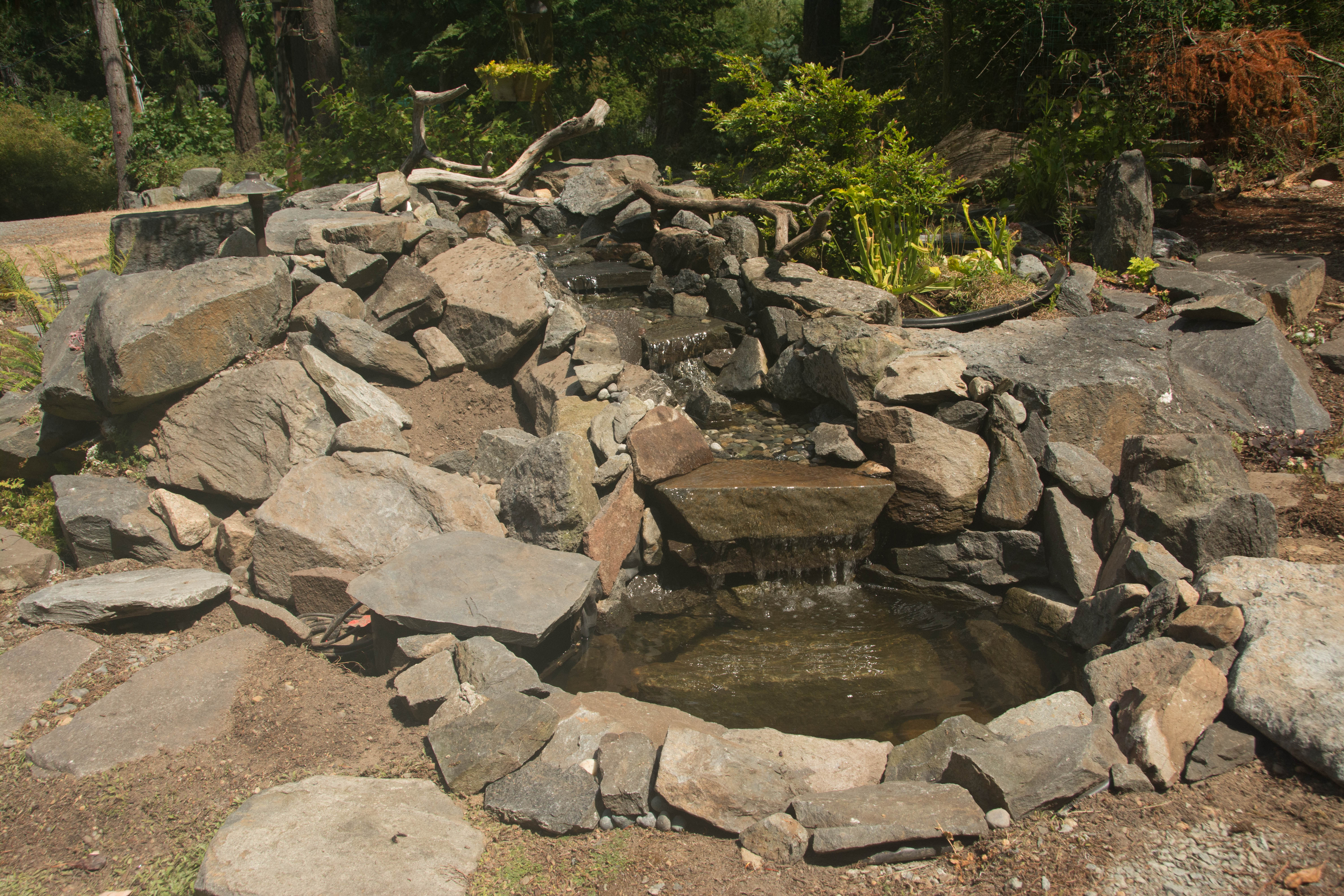
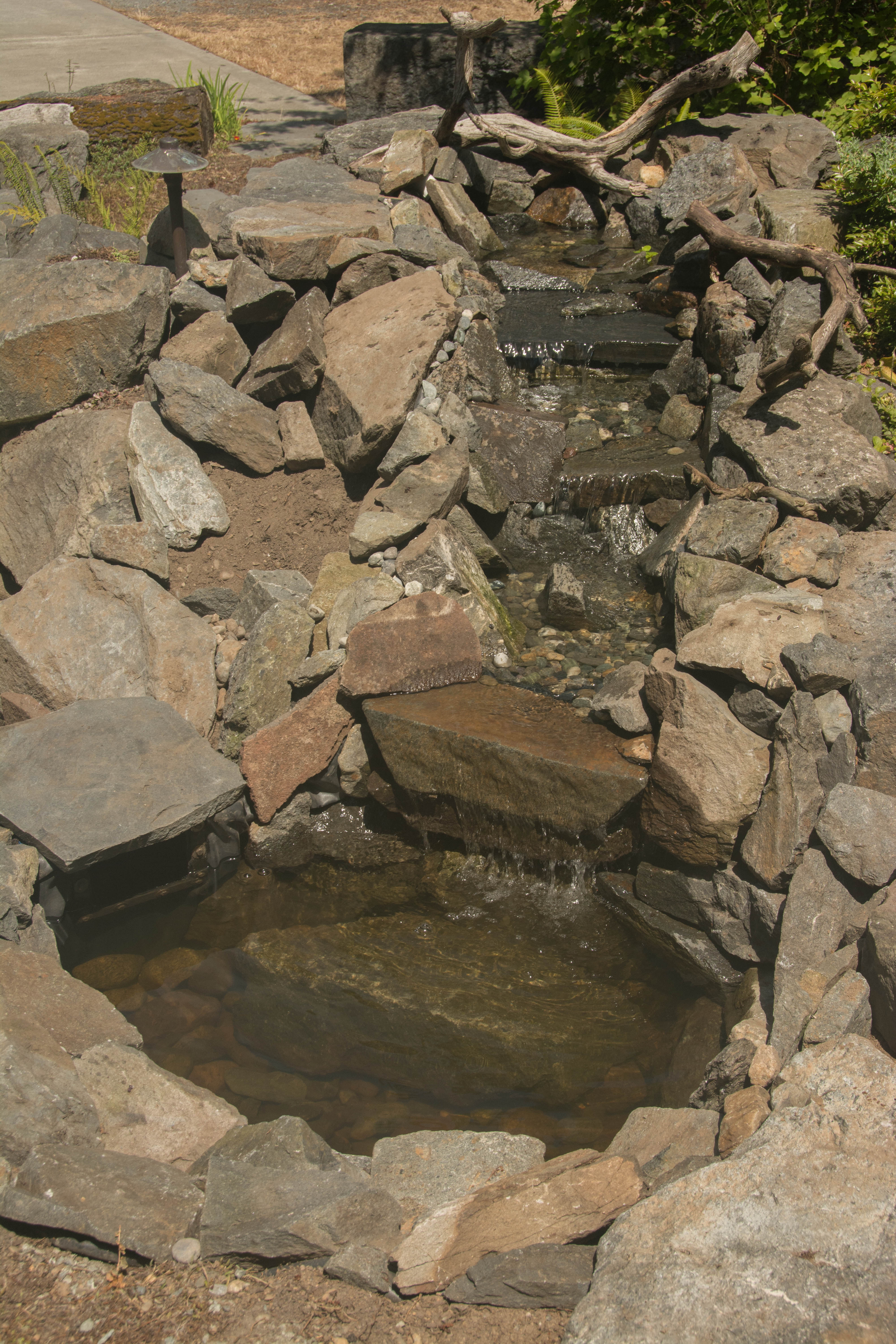
Here are a couple of photos of the finished, raw (non-landscaped) watercourse…
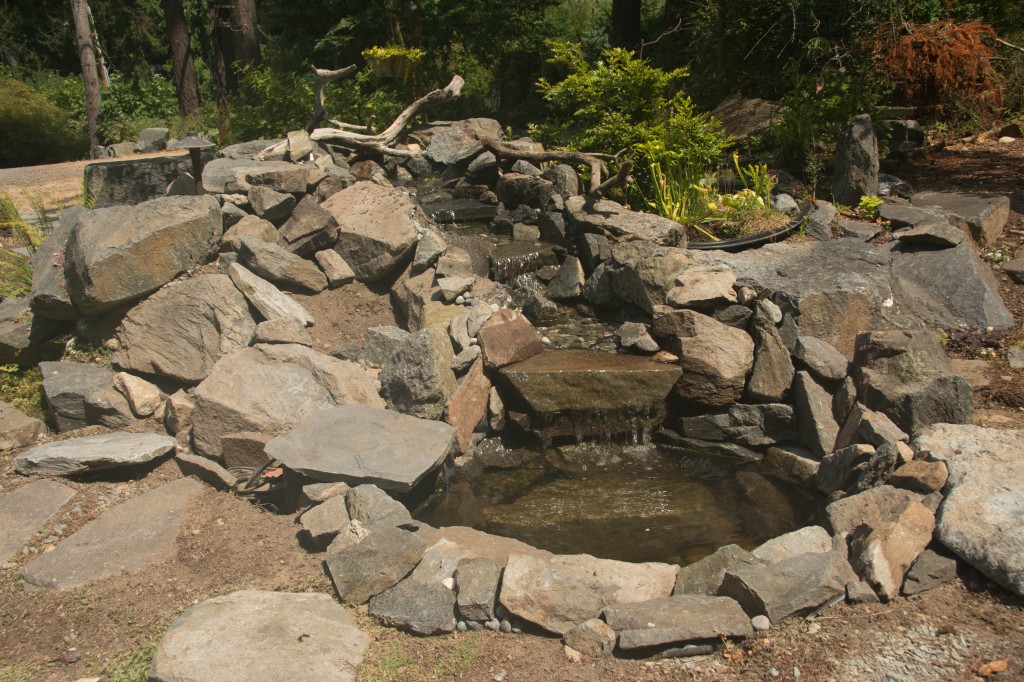
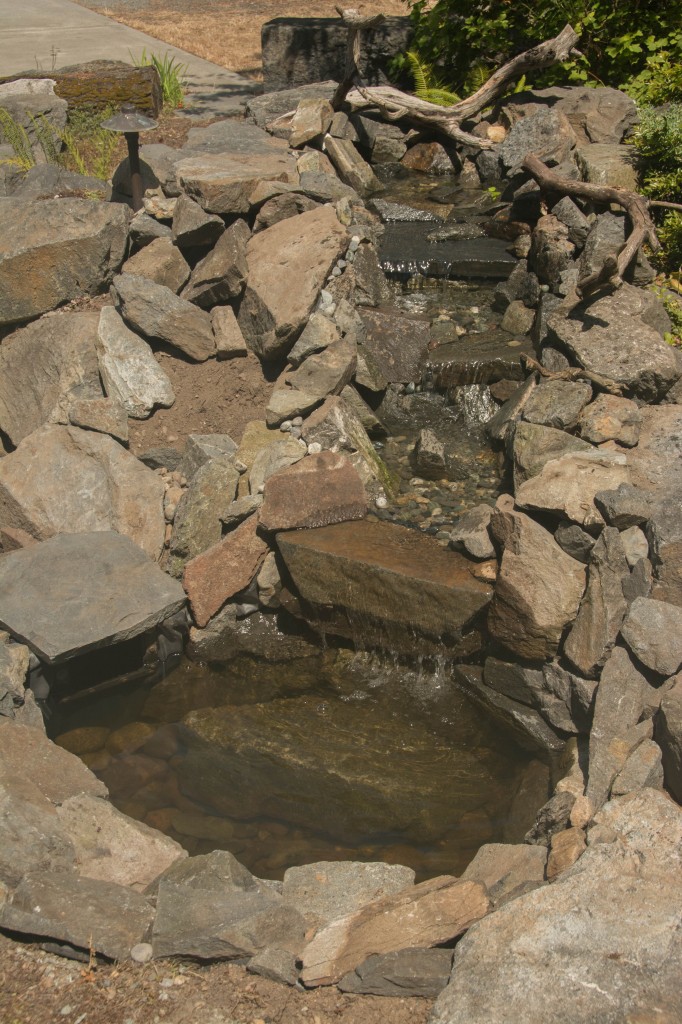
So the new, improved, third-iteration watercourse is up and running. There’s still considerable work to be done… moving a Japanese maple a few feet into the depression left by the old pond and possibly moving another plant or two to facilitate viewing, but those projects will wait until fall when transplanting will be less risky. And over the next few weeks I’ll be working to lessen the damage caused by construction and to take advantage of new planting opportunities in the many crevices on the rock pile.
So that’s the story, and I hope you can expect some good future postings to my blog site…
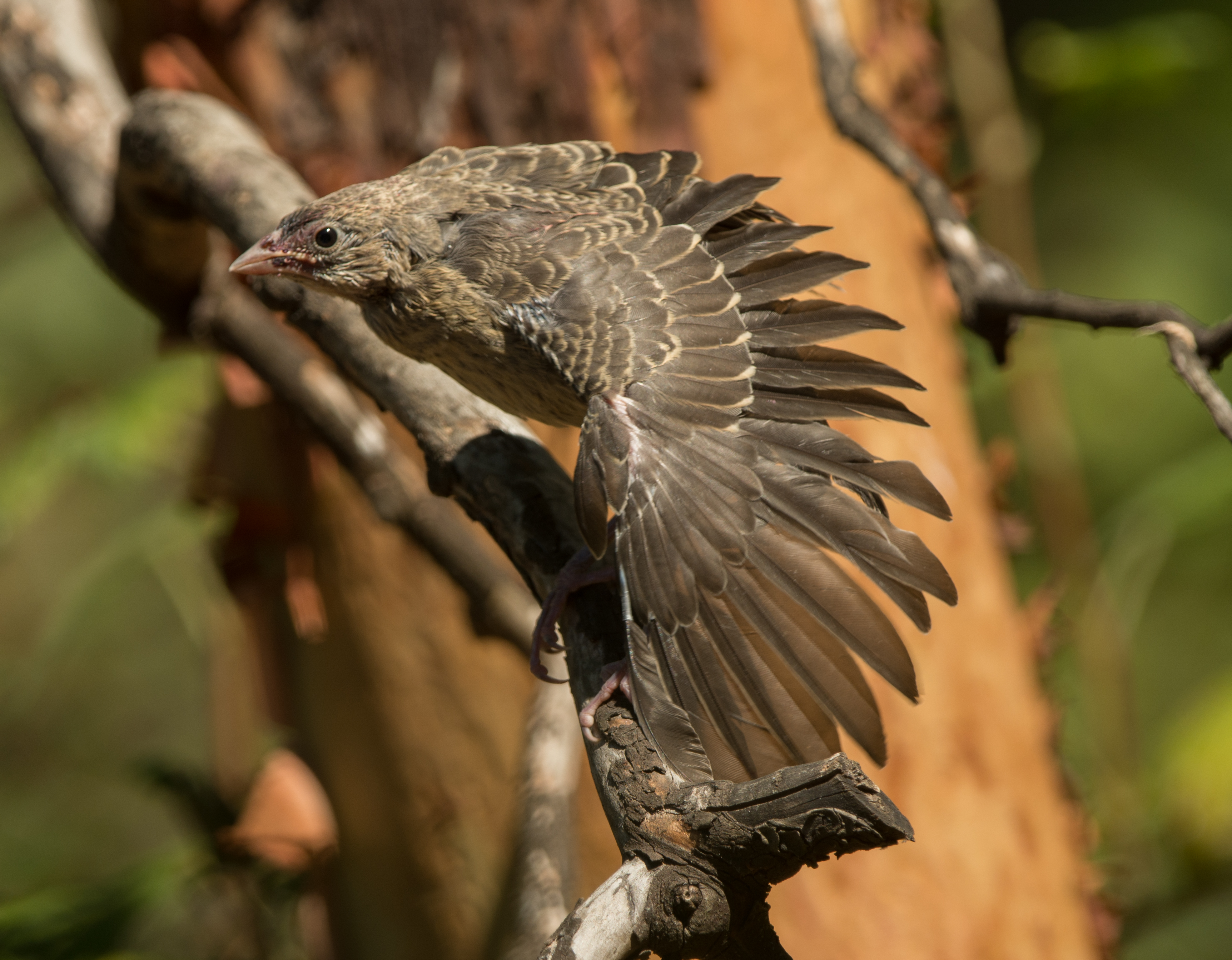
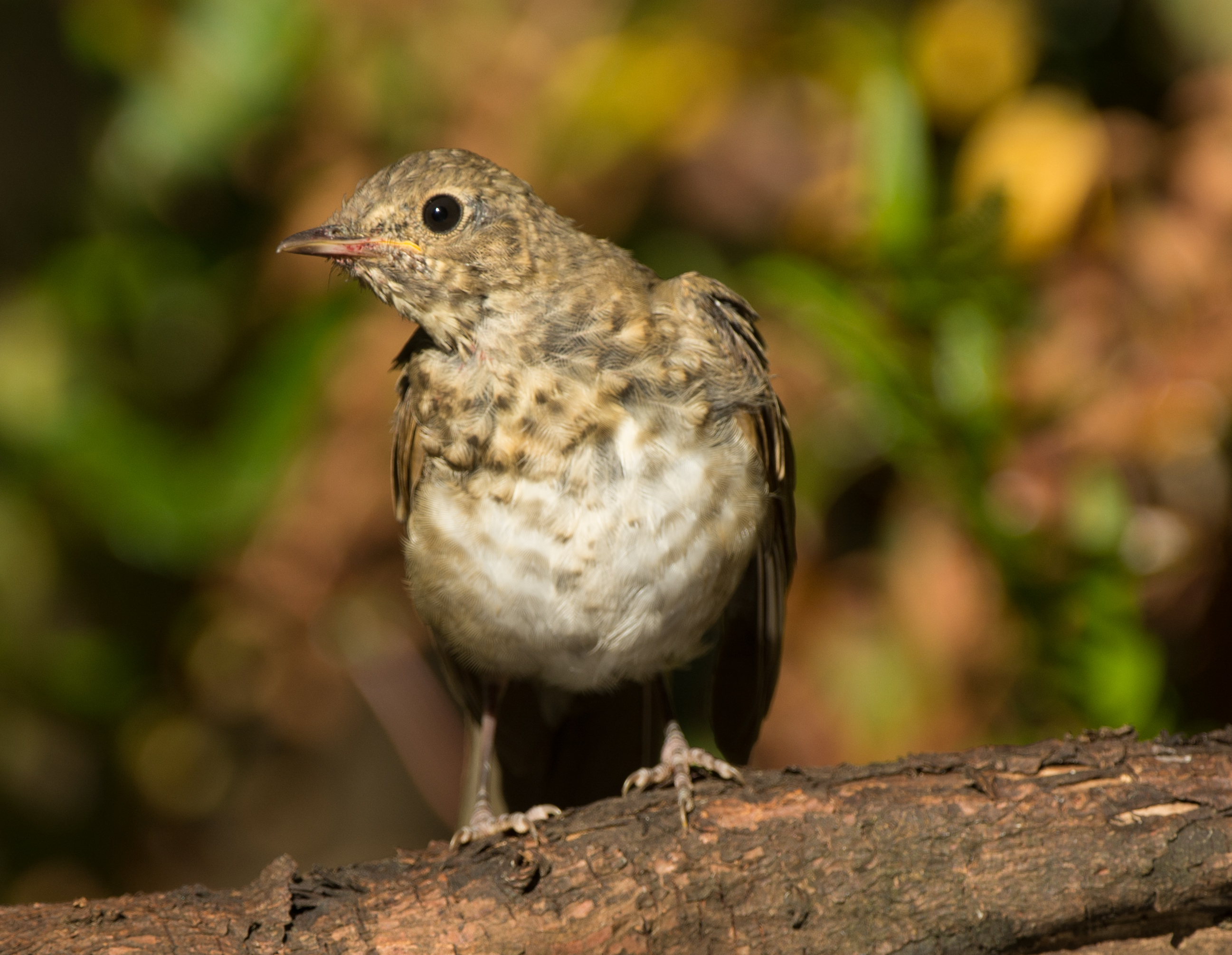
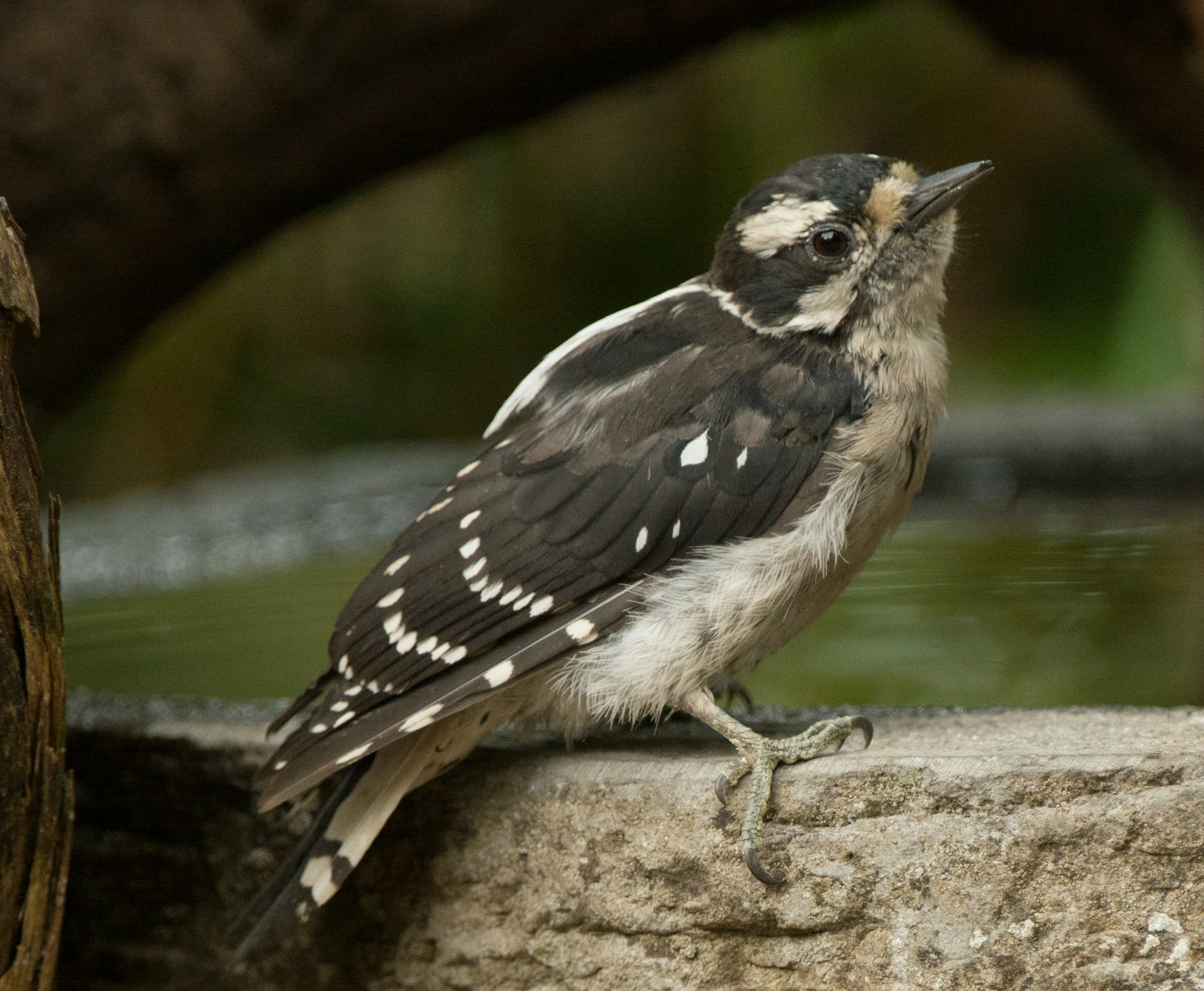
But there’s one more interesting event. The following Sunday I finally found the time to get back out in the yard with my camera with the purpose of perhaps photographing a couple of the warblers we had seen visit the watercourse. The first bird to show up around the watercourse was, of course, a female House sparrow. I started to photograph it but then thought that perhaps I should wait for a little more interesting bird for my first photograph. So I passed on the sparrow but began thinking that it could be a long time… even to another day, before I had a bird show up that would justify my first photograph on the new watercourse.
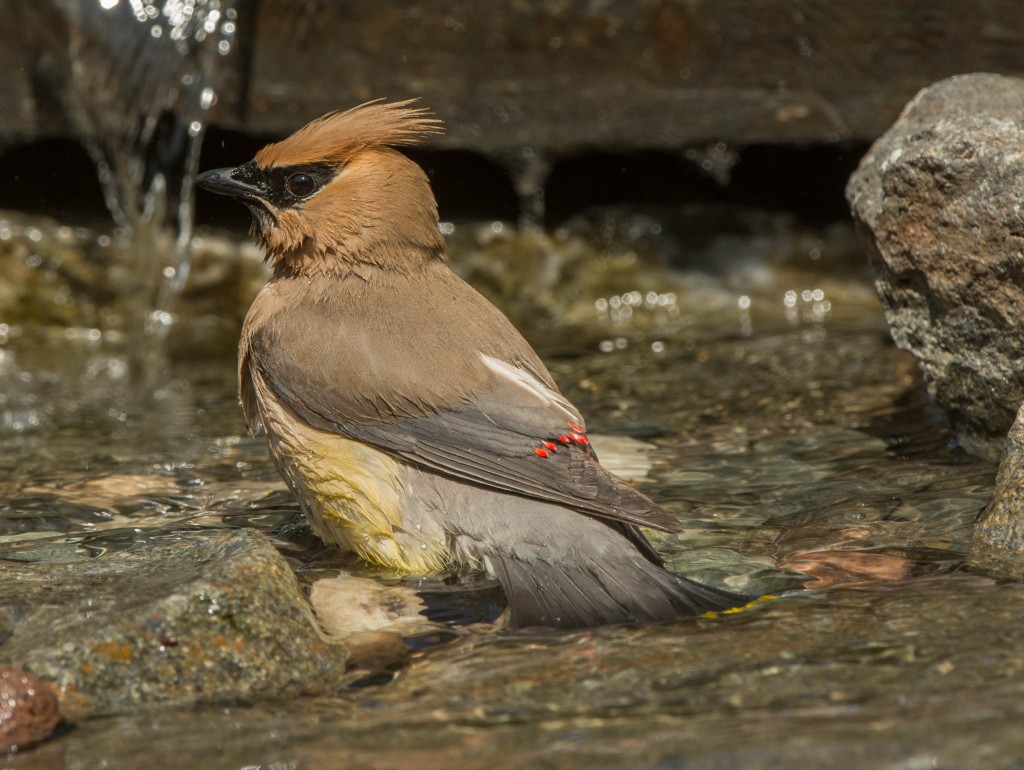
After sitting for the better part of an hour I sensed something above me in our dead pine tree and looking up spied a Cedar waxwing… a bird we hadn’t seen in the yard in many months! As I watched it worked its way down to the watercourse… and the rest, as they say, is history! The Lone Ranger rides again!