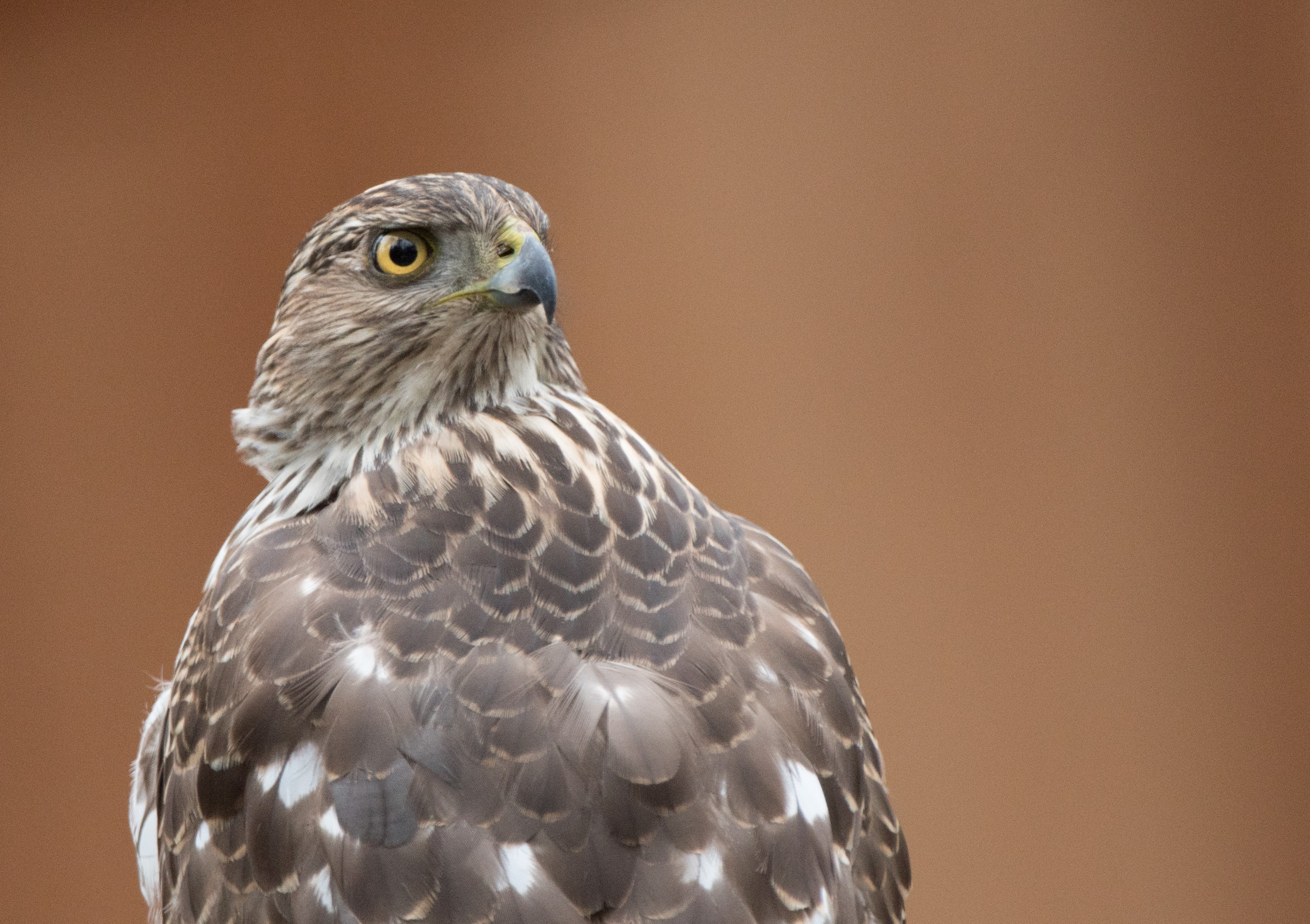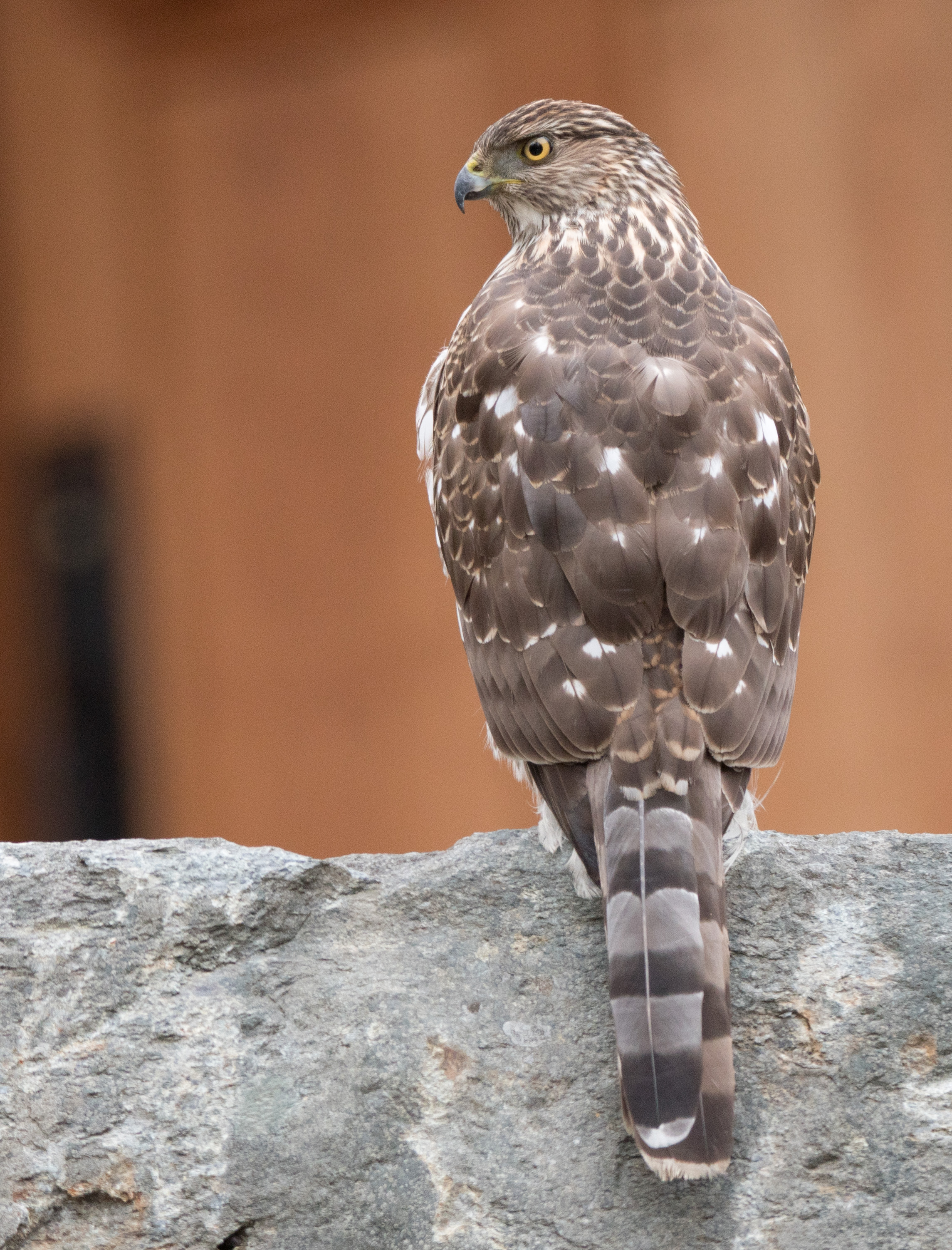
A Very, Very Exciting Day in the Yard!

This post is going to require a little of your time, but in the end I think it will be worth it.

It’s my habit to publish my photos in the order in which they occur.  I’ve found that skipping around causes me problems because I forget where I ended.  I have a nice backlog of photos that I’ll try to get to soon.  However, with this post I’m making an exception to the first-in, first-out rule due to the very unusual nature of my experiences and photographs today (January 15, 2017).

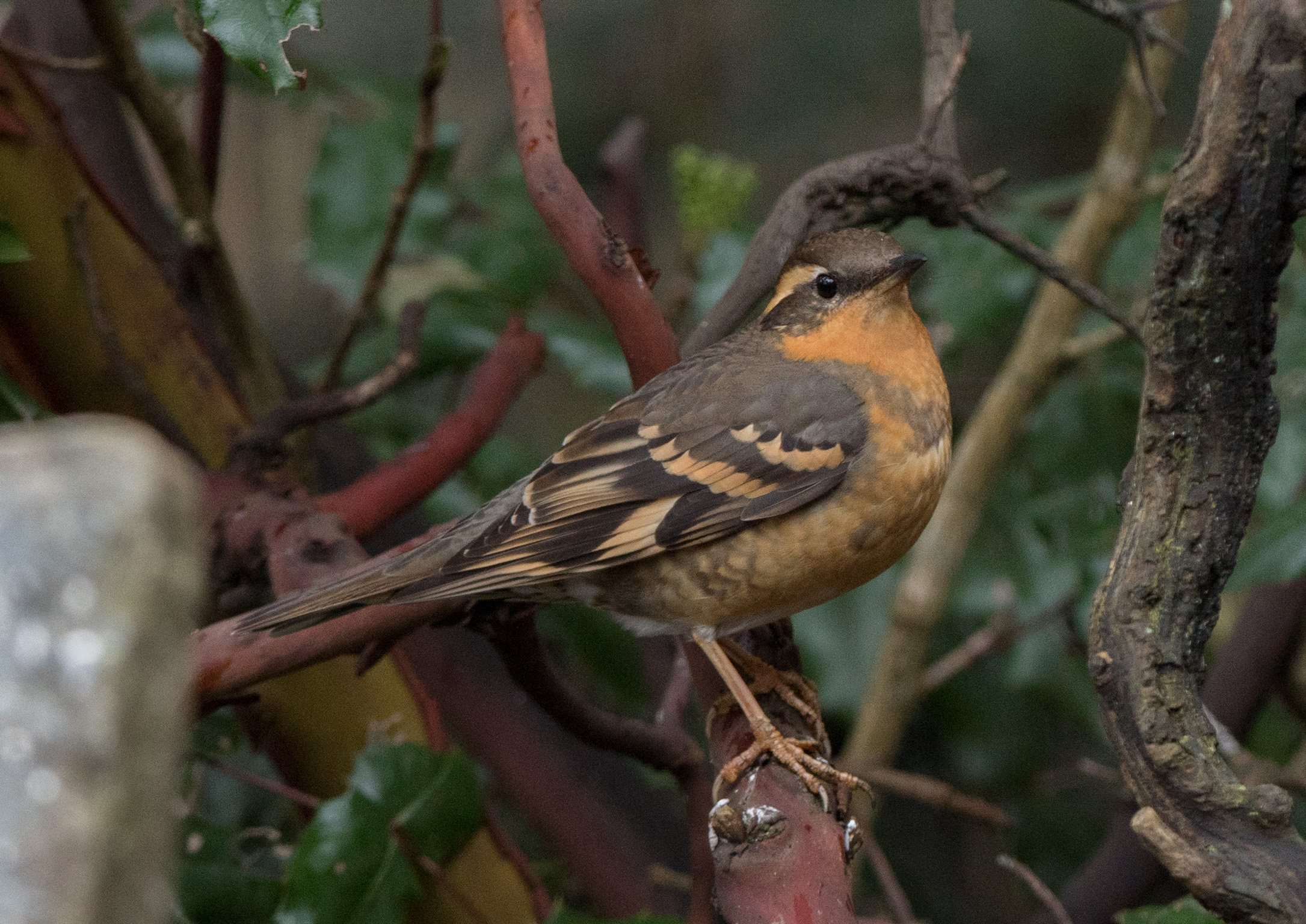
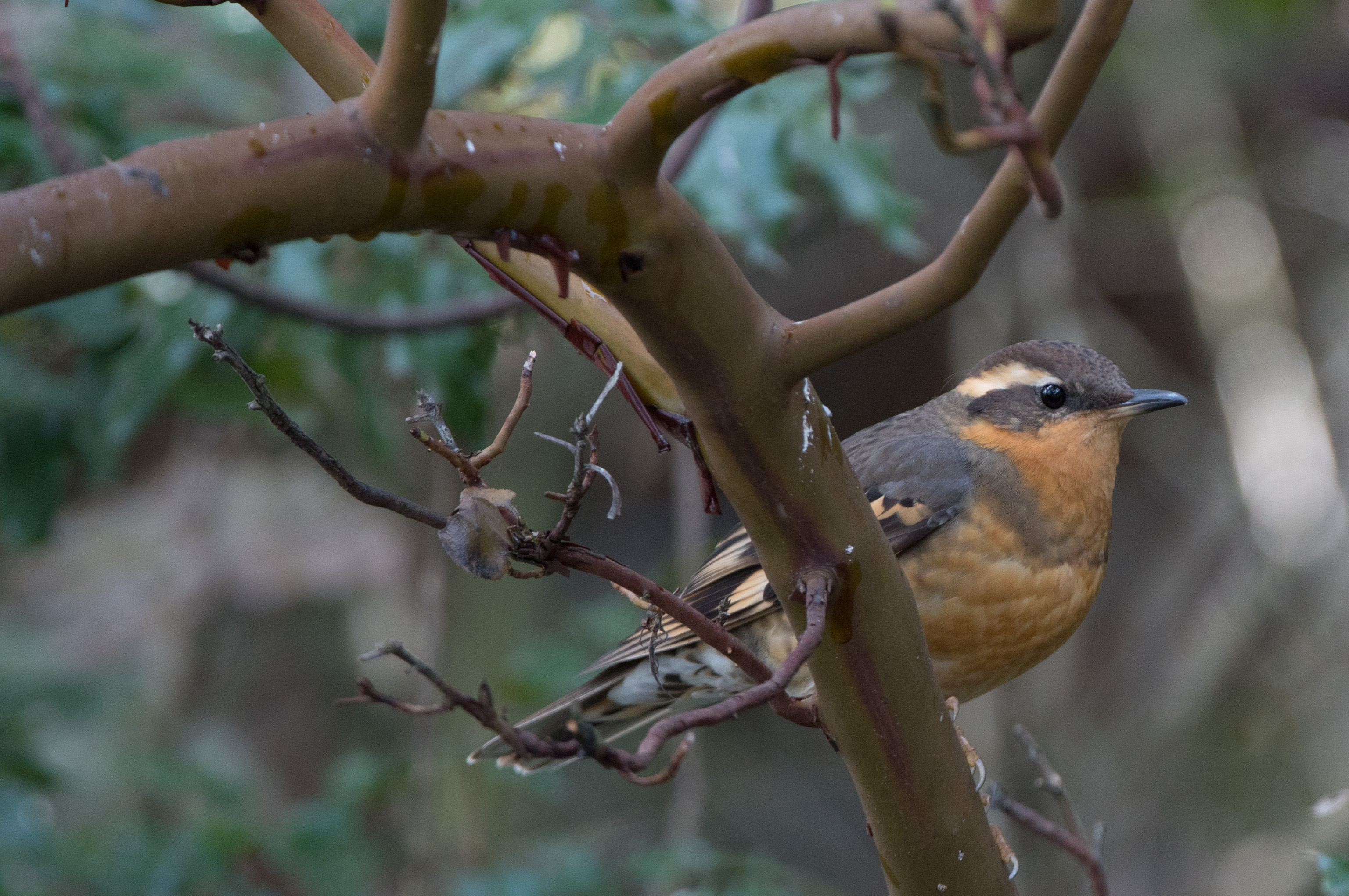
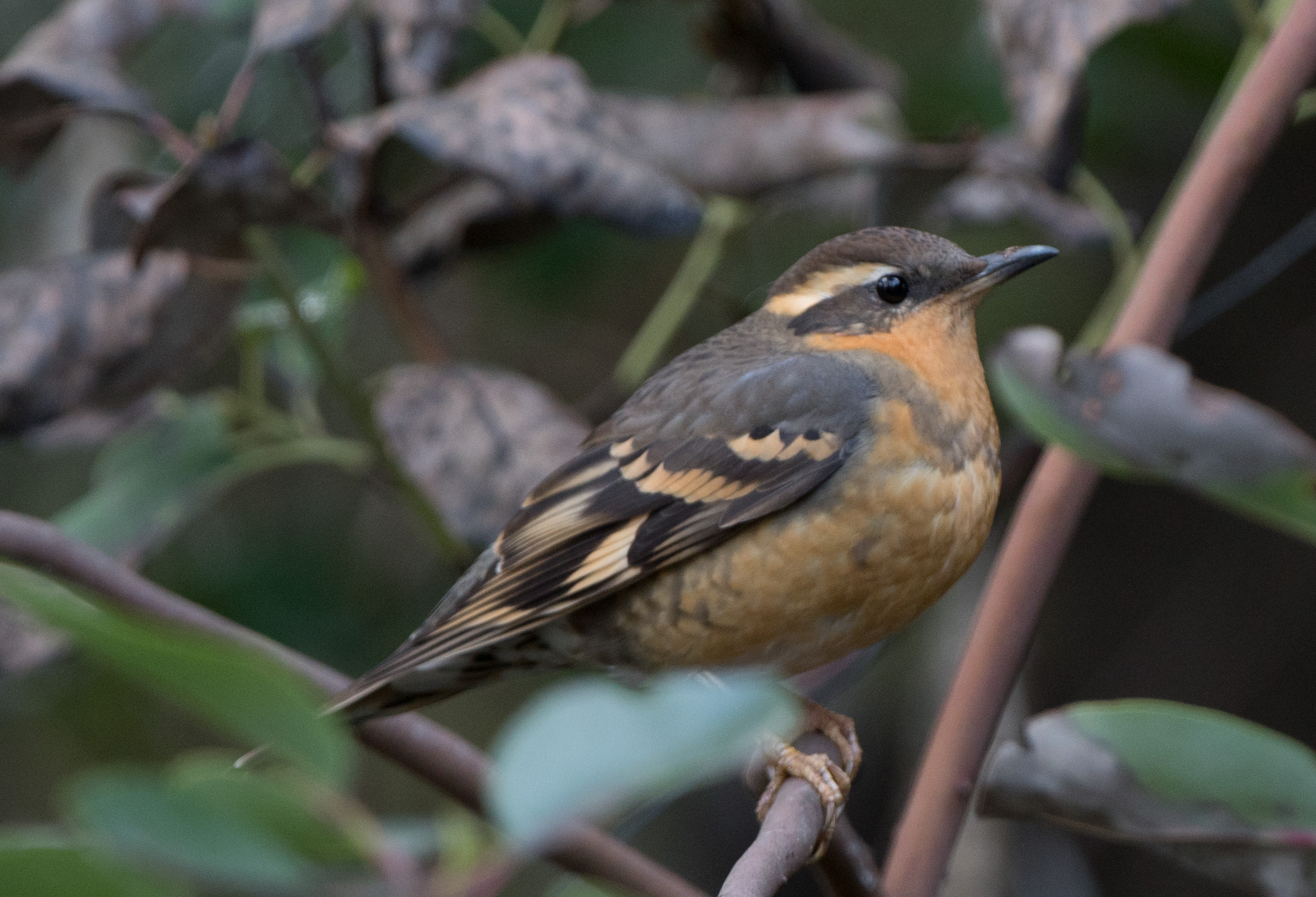
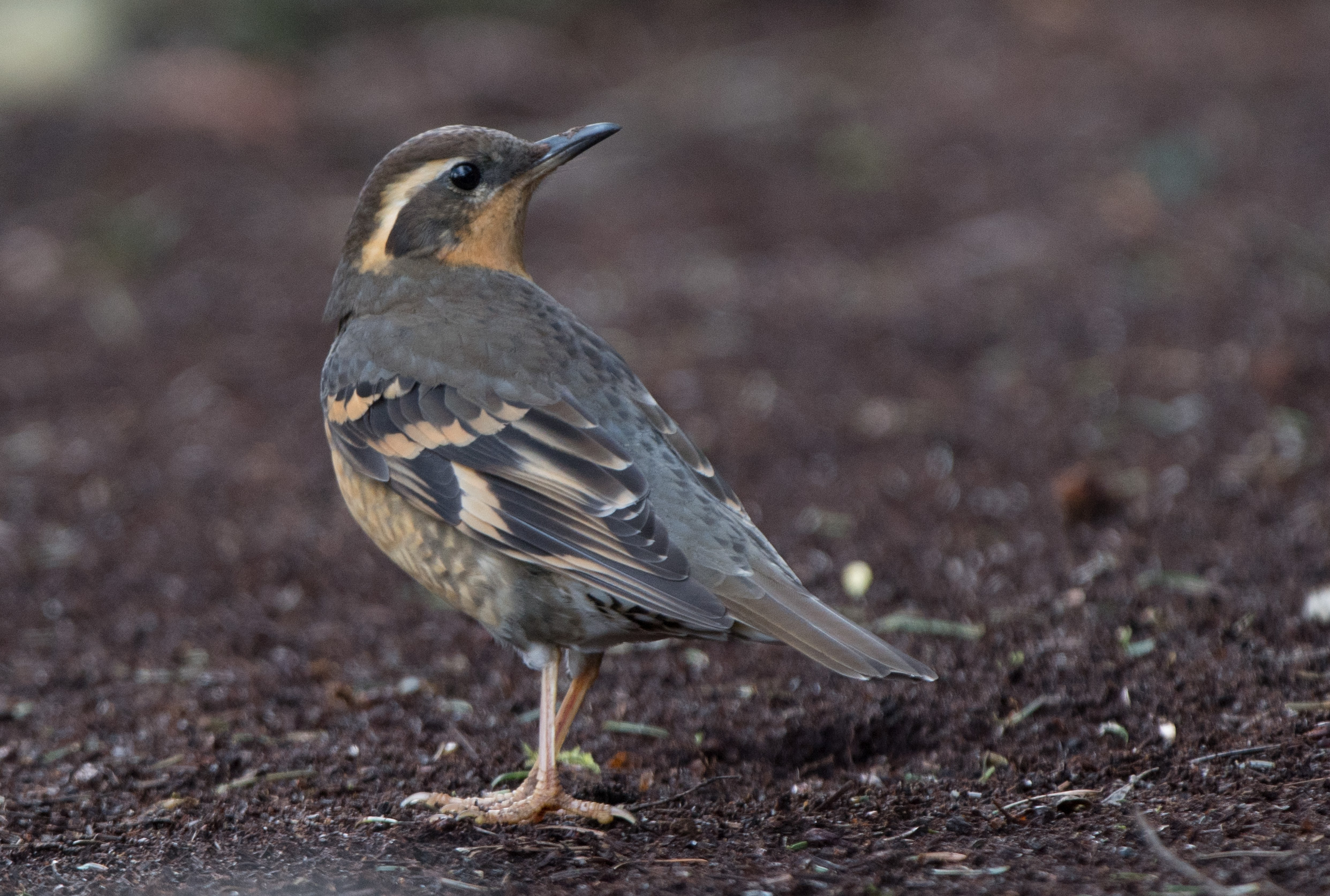
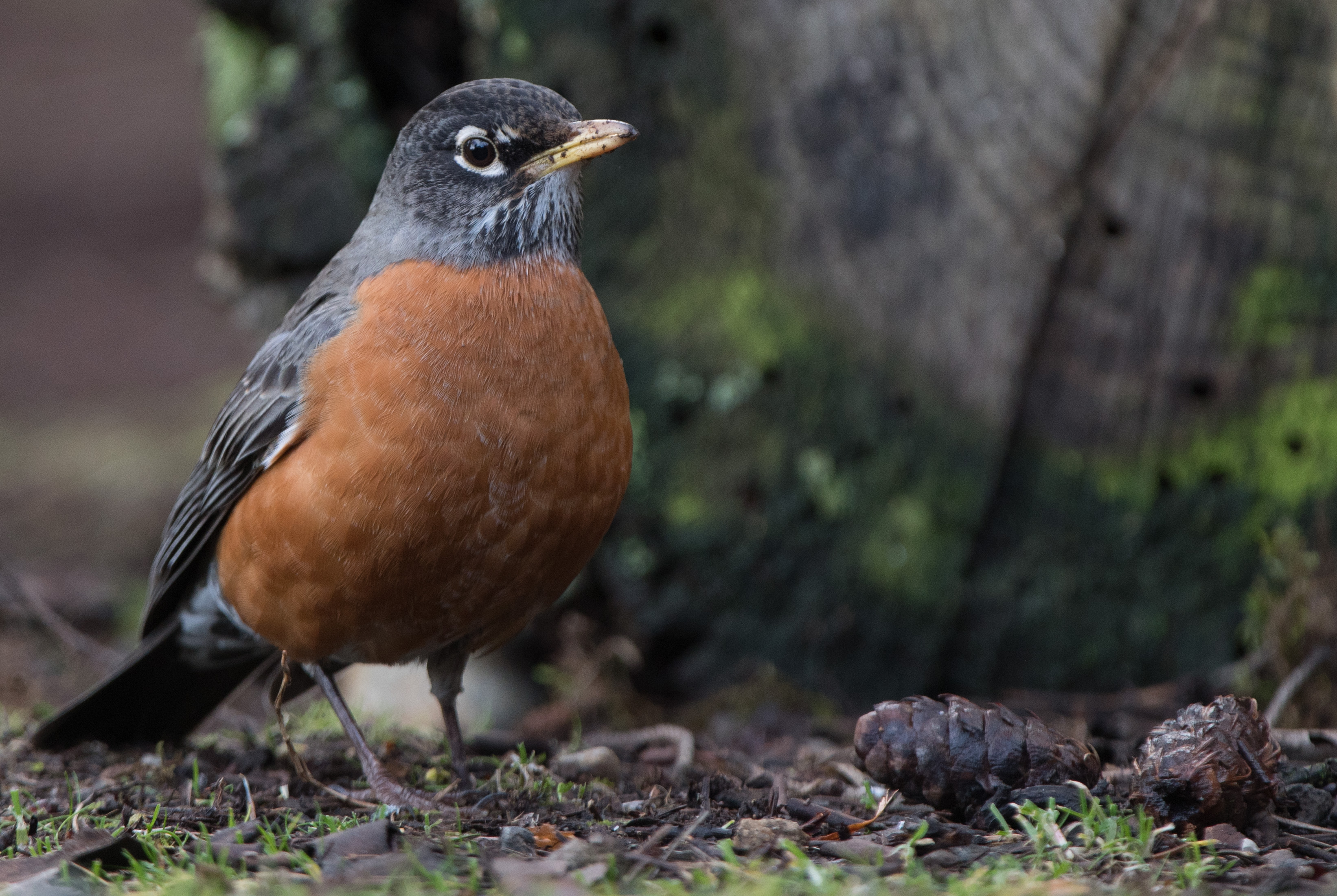
We’ve had unseasonably cold weather for at least a couple of weeks and the weather, along with an upper respiratory infection followed by a head cold, have curtailed my opportunities for photography.  However I had a little time this morning and with the temperature climbing from freezing I decided to spend a little time in the yard before an excursion to ‘the big city’ (Costco in Burlington).  My objective was to try to photograph one of the (overdue this season) Varied thrushes that have been visiting the yard for only the past ten days or so.  (The thrushes have been rather slow to grasp the concept that use of the unfrozen watercourse carries with it the social obligation of posing for a few relatively closeup photos!)

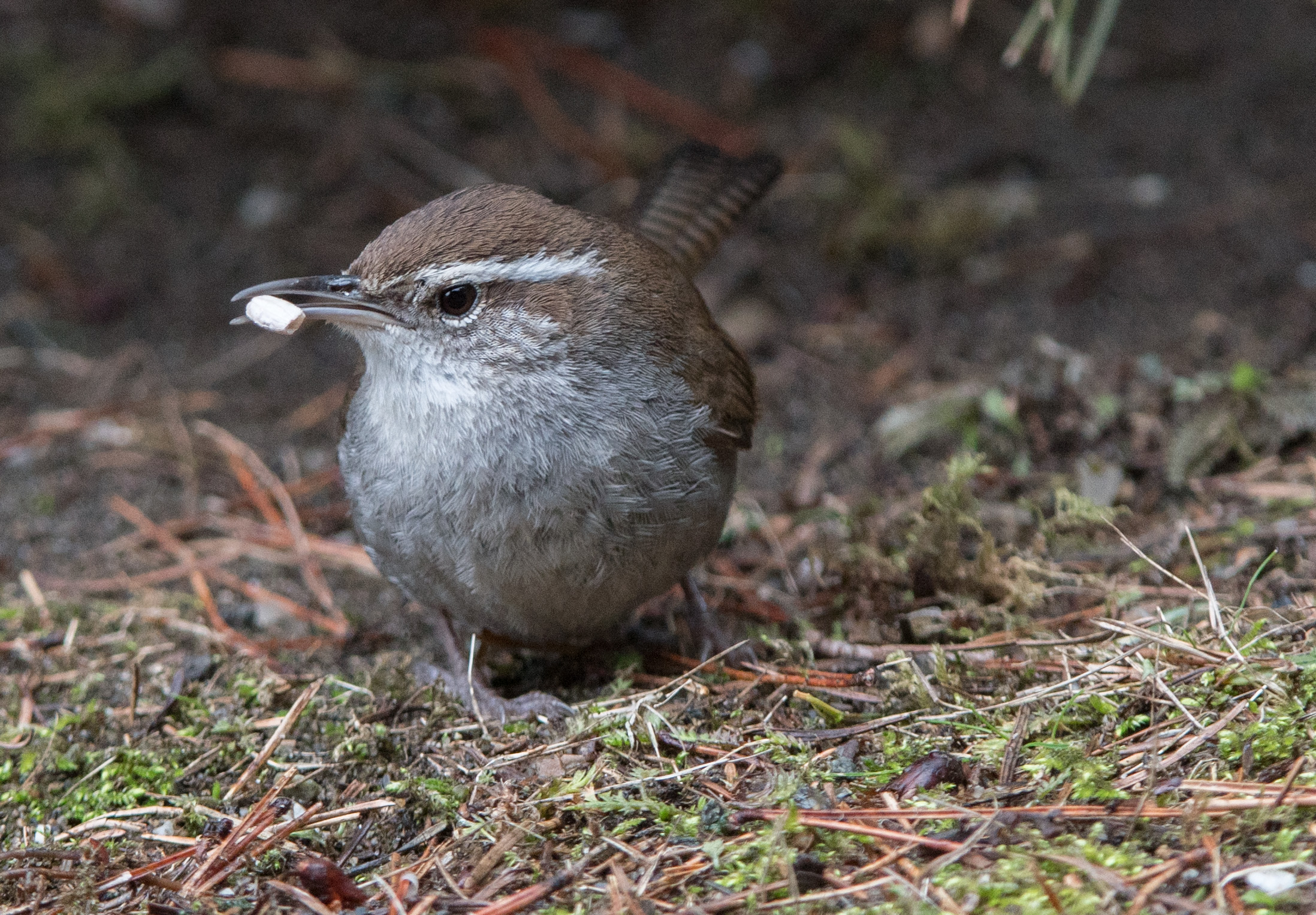
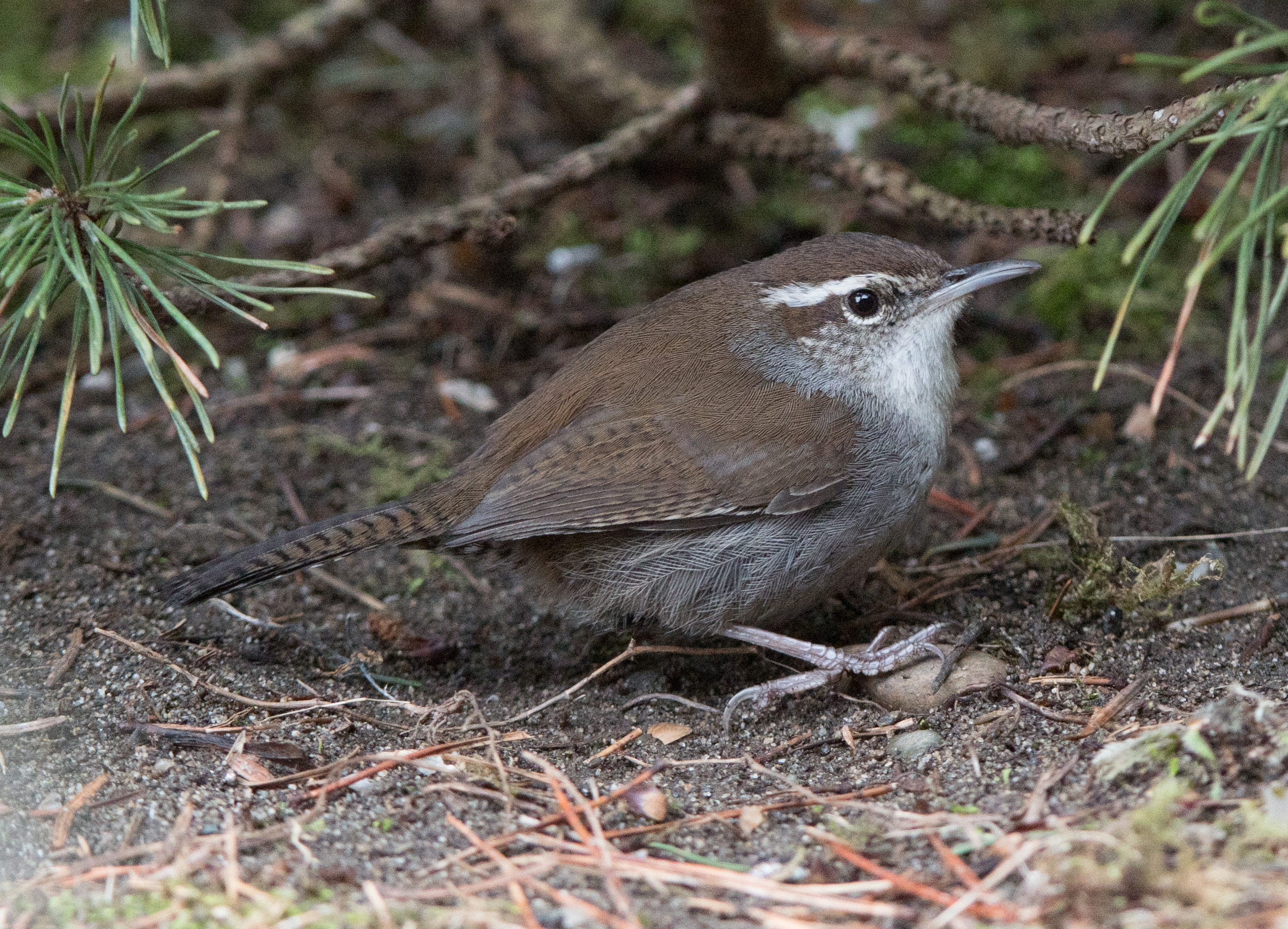
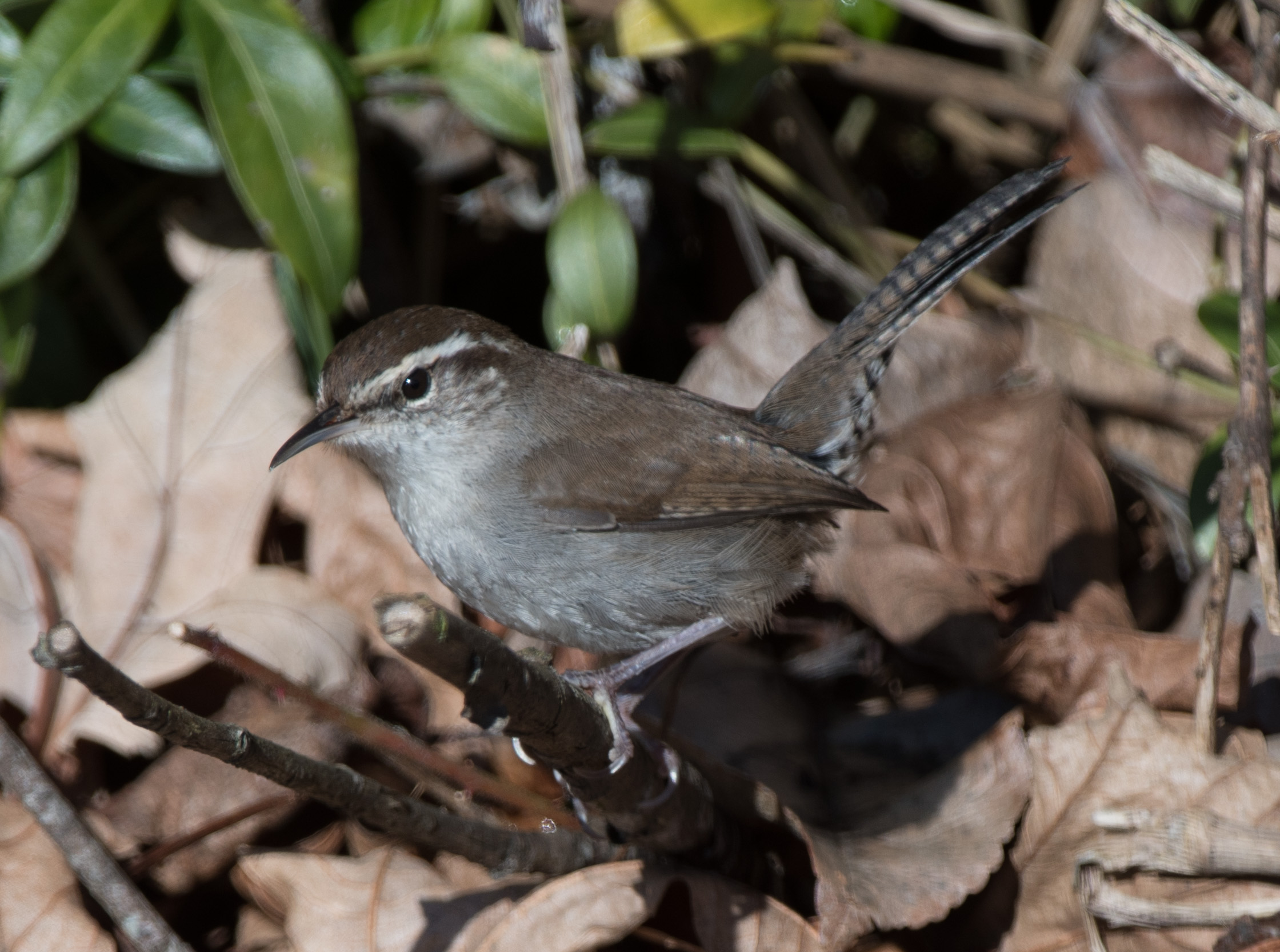
As I sat in the yard I noticed a Ruby-crowned kinglet that for the past several weeks has been enjoying one of our suet feeders.  (This isn’t the only unusual visitor to the suet… we also have a Bewick’s wren and a large flock of Bushtits.)  Although conditions for photographing the kinglet were abysmal (backlit, low light, high ISO and high shutter speed needed), I decided to give it a try.  I actually took several photos, none of which were especially good, but I deemed them interesting and kept several anyway.

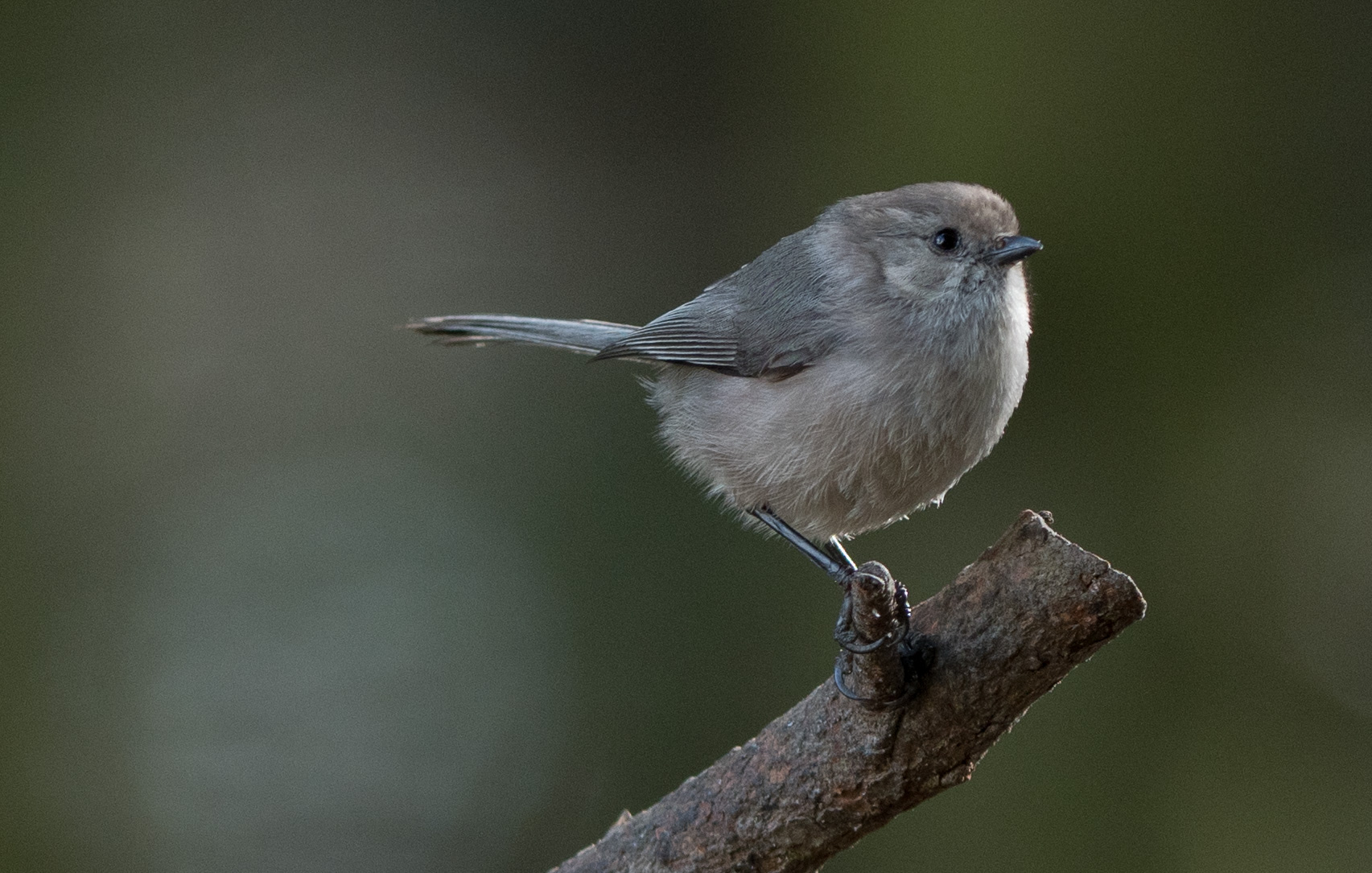
Next came the Bushtits.  Instead of getting a photo of up to fifteen or so hanging from the feeder at the same time, I opted for photographing individuals.  This first photo is a male…

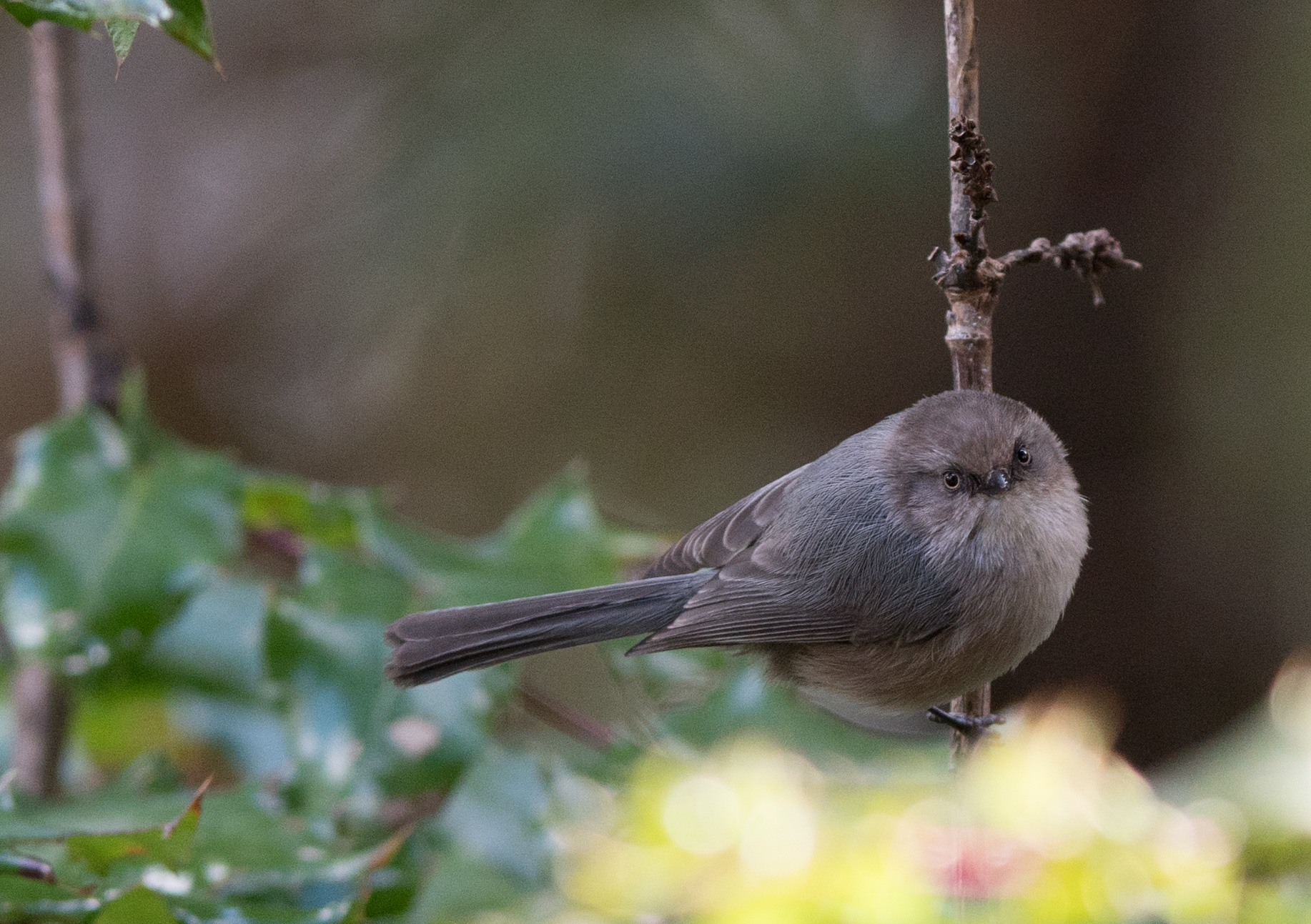
and the following photo is a female.  If you look carefully, you can see that the Bushtit in the second photo has a yellow eye which indicates a female.

Other visitors to the suet feeder are at least three male Northern flickers (one of which is pictured here) and at least one female.

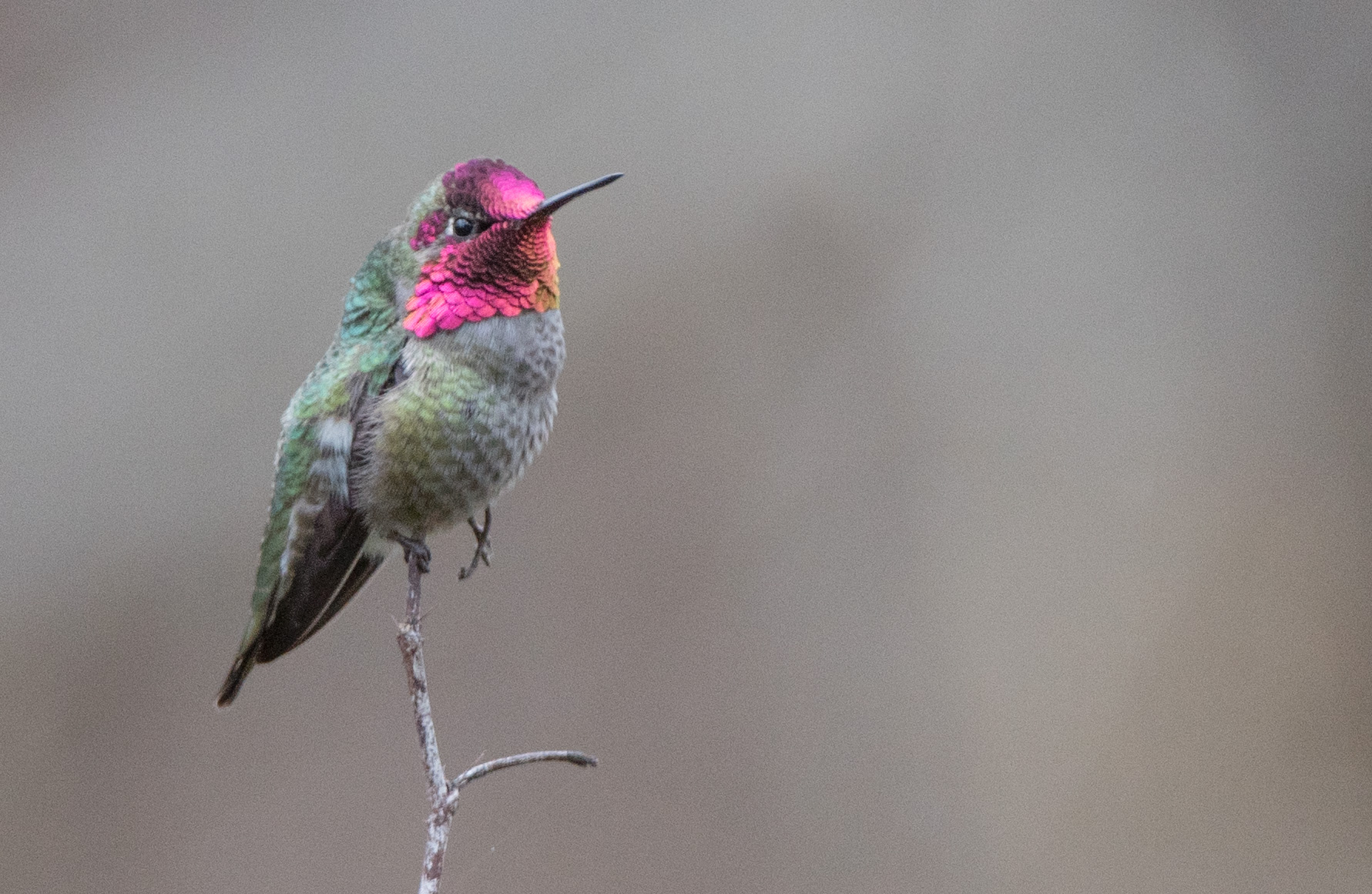
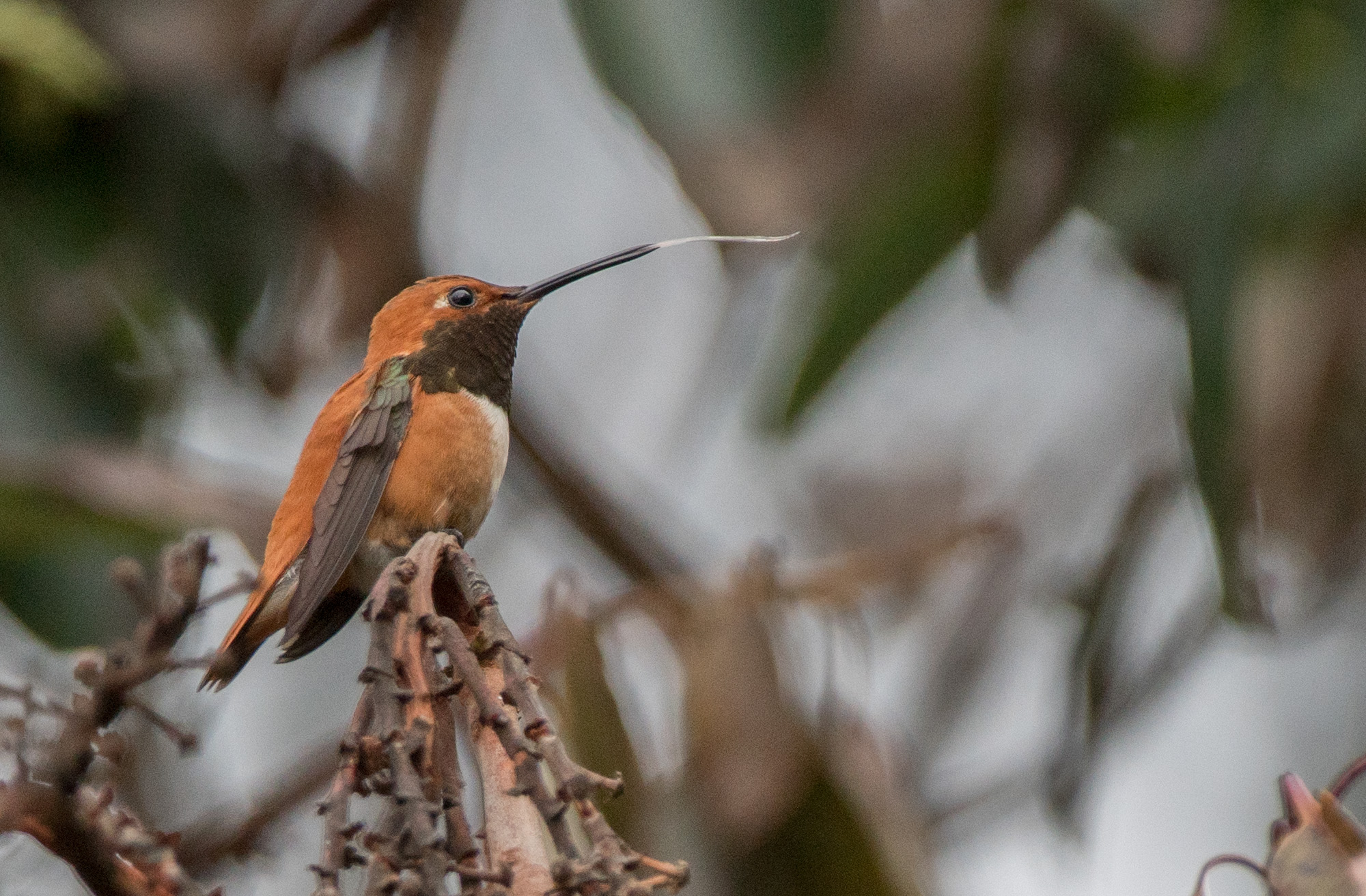
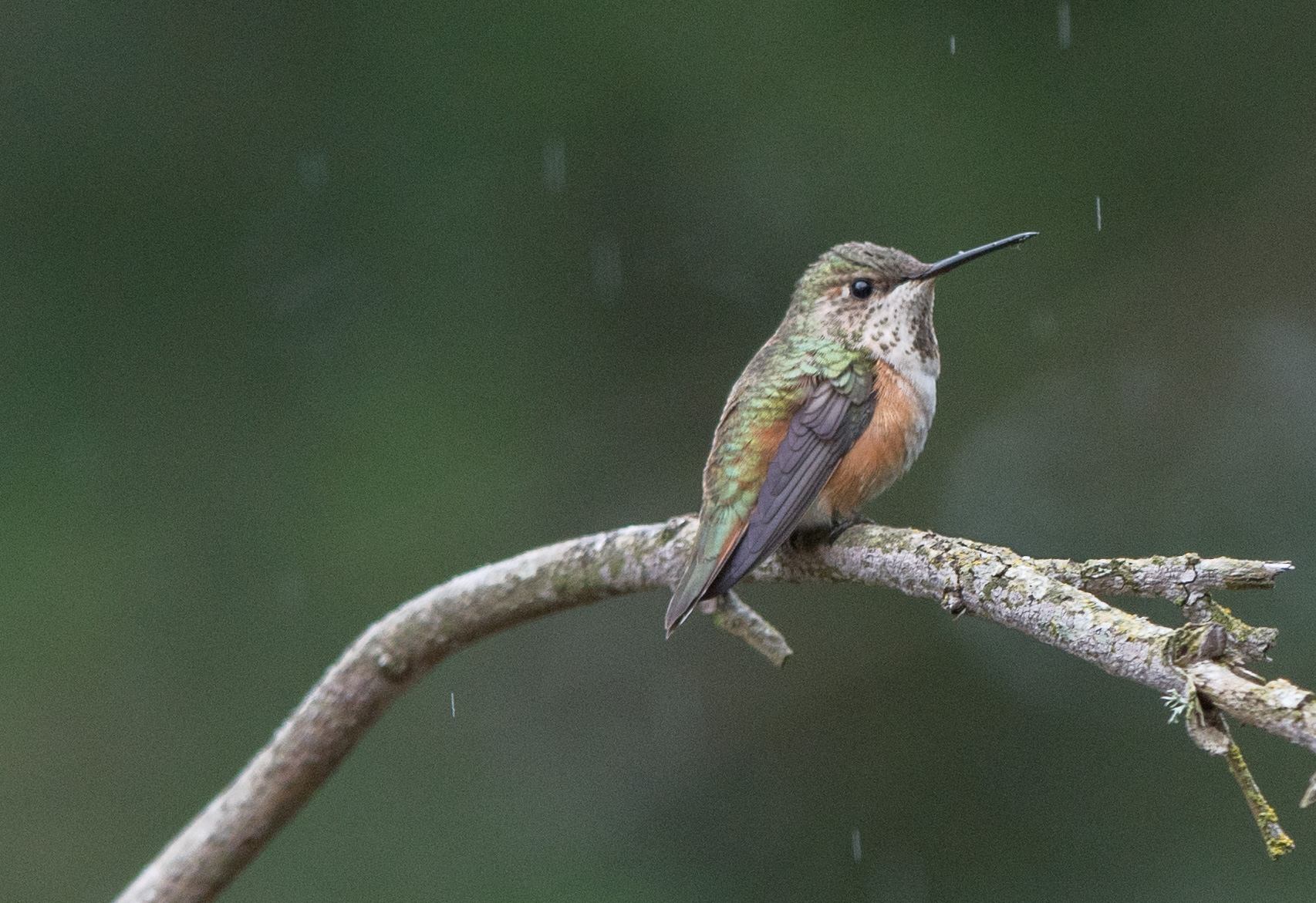
We have at least two male Anna’s hummingbirds that frequent the yard this winter.  We began maintaining a feeder when we realized that the Anna’s hummingbirds were spending the winter here without our support, so since they were here anyway we decided to help them get through the winter.  We take great care to keep the food fresh and keep the feeders from freezing, rotating the feeders in and out of the house on days when the temperature remains below freezing.

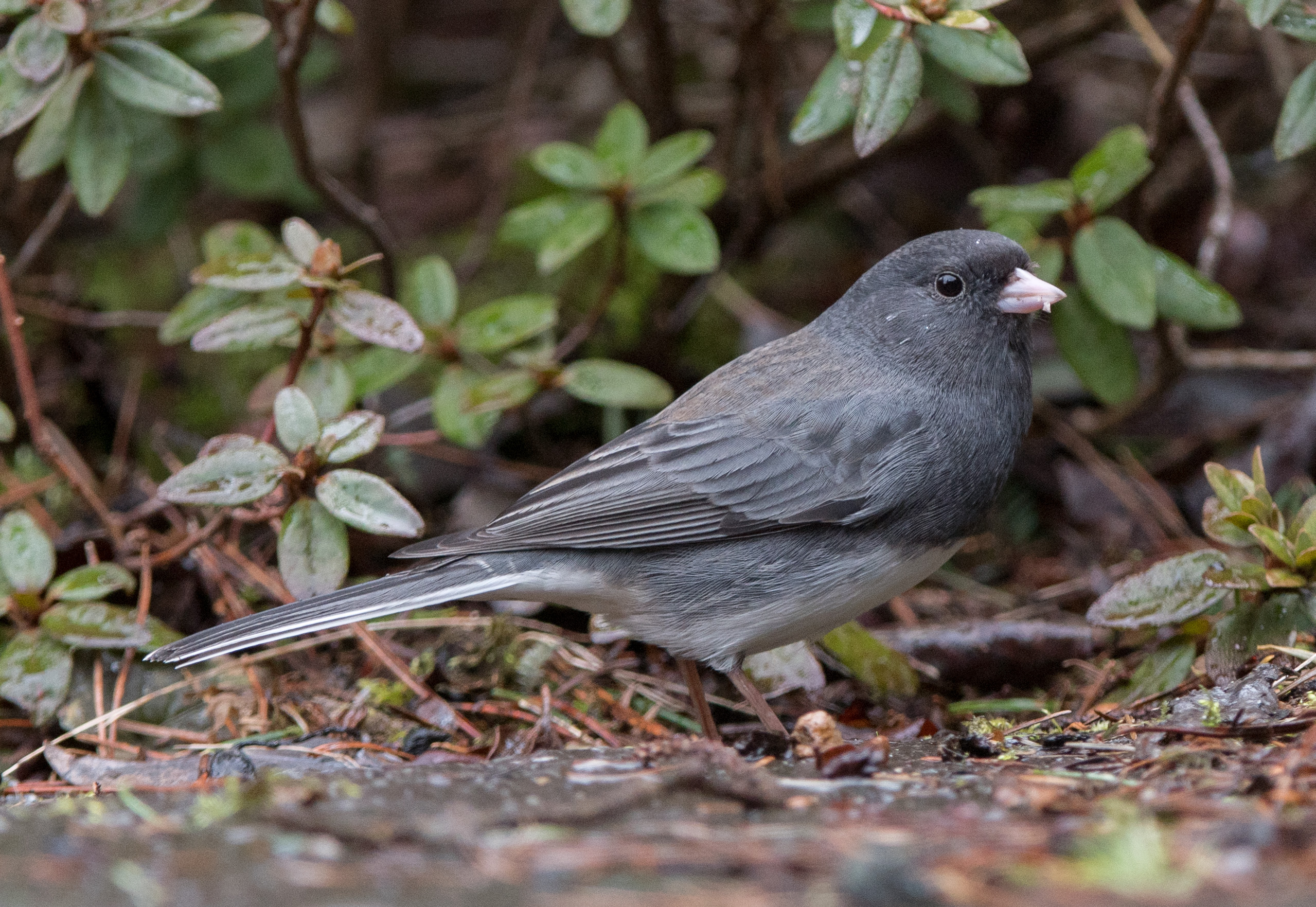
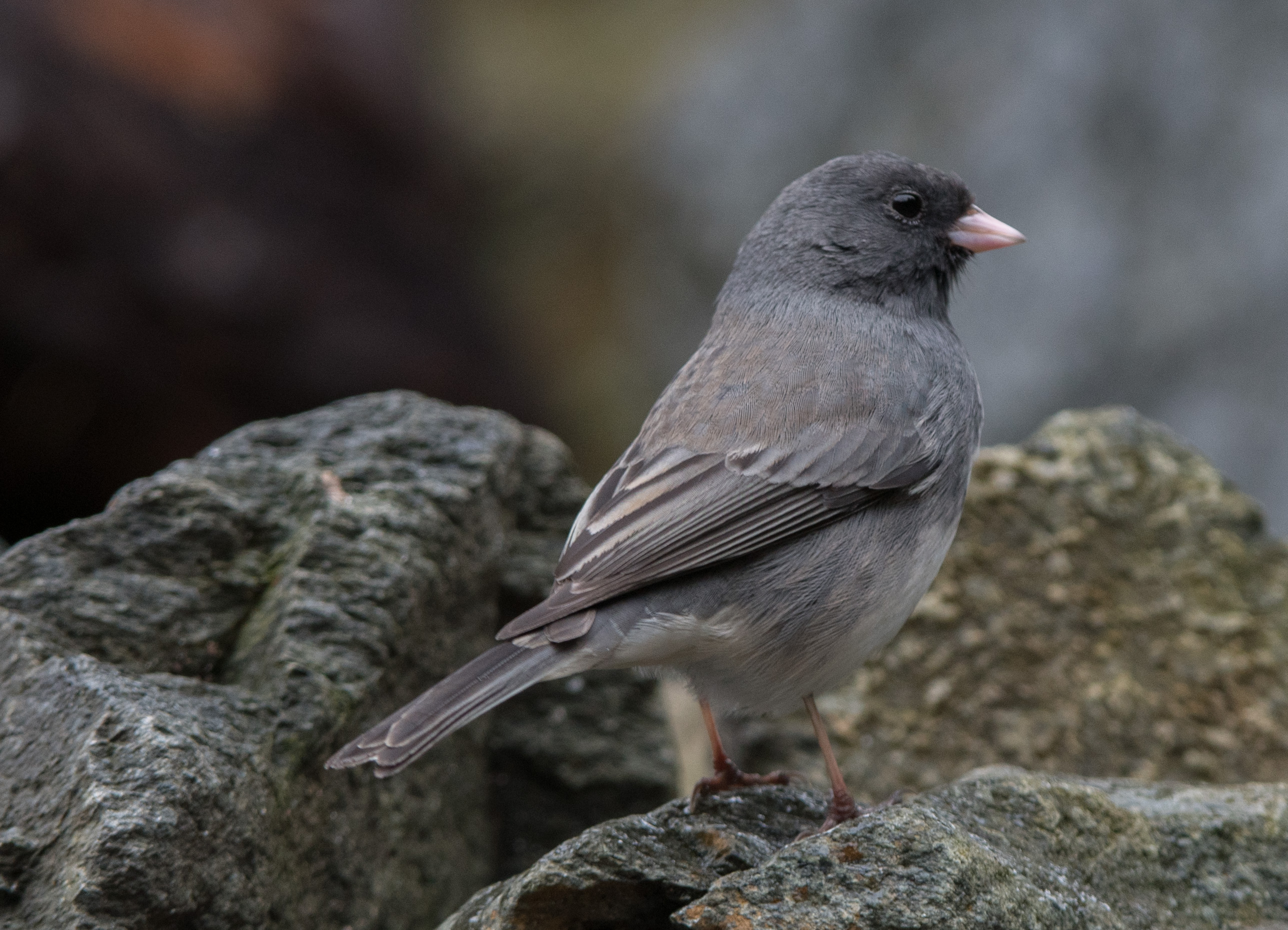
We have at least two Song sparrows that visit the yard and they are regular visitors to the watercourse.  This one is perched just above the watercourse.

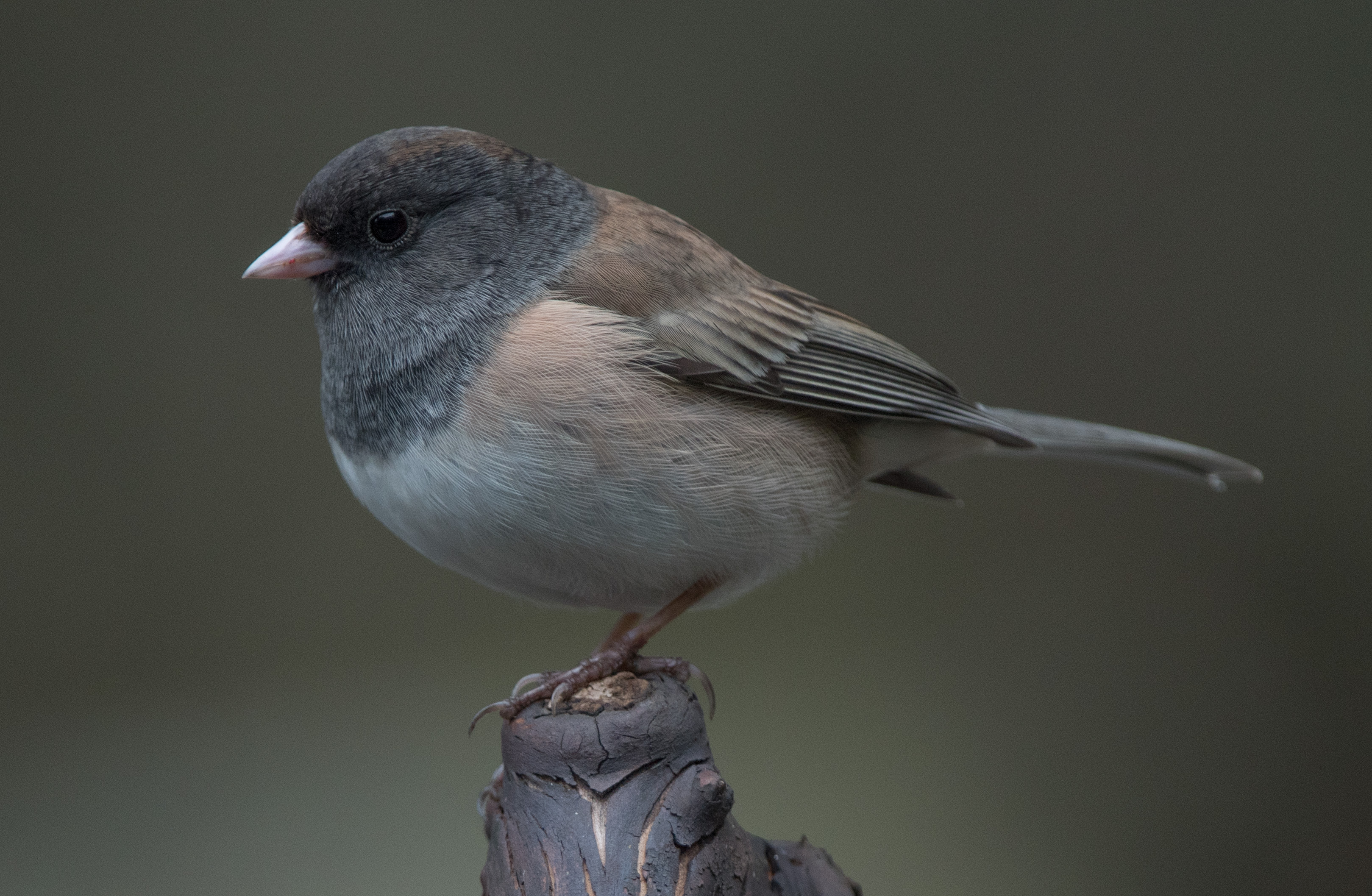
What’s this?  Another sparrow???

No, it’s not!  It’s a very rare visitor to the yard and here’s the story.  In the last week or so we’ve had a Hermit thrush visit the yard at least twice.  The first time I was sitting in the yard with my camera but wasn’t able to obtain a photo because another bird scared it from the watercourse.  The second visit I observed through the window.  This morning I was sitting in the yard and noticed the thrush enter the yard from behind me.  It took a circuitous path through the yard.  I momentarily lost it but then it came hopping across the yard about 25′ in front of me.  It entered the watercourse without giving me a chance for a photograph, but then emerged several times to check the area.  In all I was able to get about a dozen really good photographs.  I would say that it made my day, but maybe the best was yet to come.

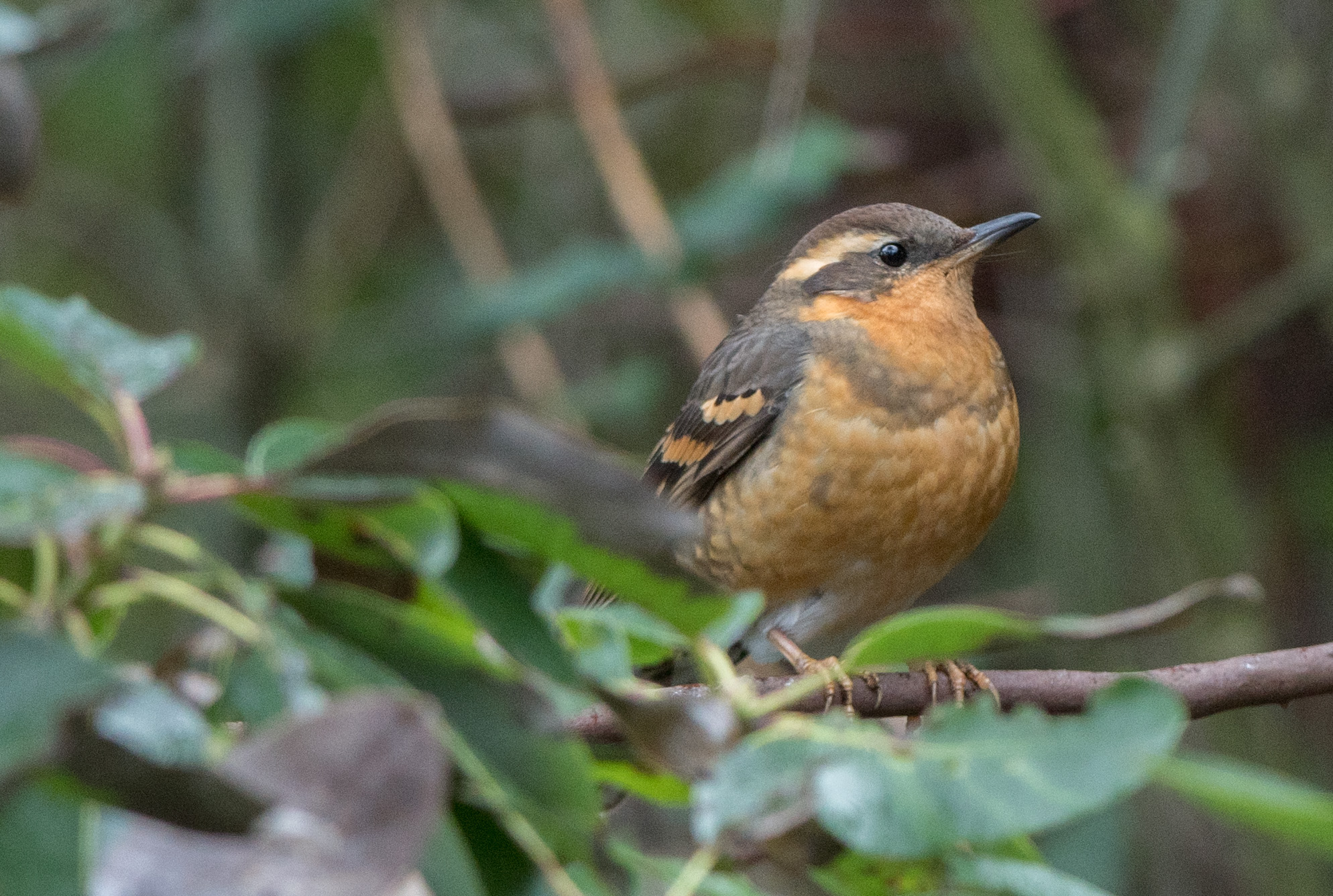
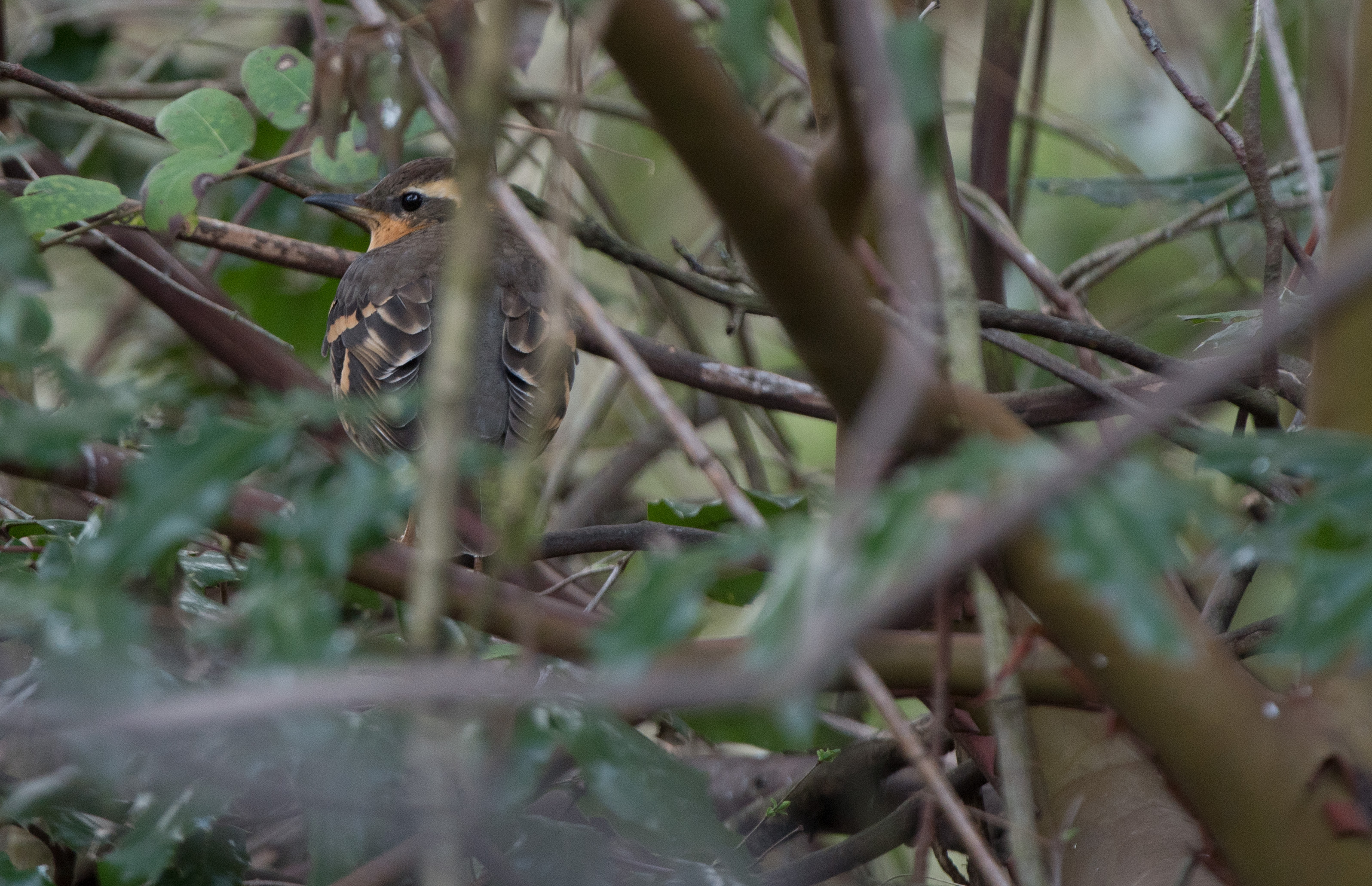
After running our errands to the big city we returned and discovered a female Varied thrush in the yard.  I went out with my camera in the hopes that she would approach the watercourse.  (She never did.)

Just as I was sitting down and getting prepared I noticed a Red-bellied sapsucker in one of our larger fir trees… too far for a good photo but I reasoned at least I might be able to record its visit.  I watched through my camera viewfinder as it climbed the fir but then momentarily lost sight of it.  As I lowered the camera I noticed that a sapsucker (presumably a second one) had appeared on a ‘staging stick’ located immediately above the watercourse and not 15′ directly in front of me.  I had time for three quick photos before it flew, but I can’t imagine getting any better photos.  Here’s one of them…

I tried one last time for photos of the female Varied thrush in the yard but it was not to be.  However I may have gotten some interesting photos of the male Anna’s hummingbird visiting the watercourse for a bath (in very cold water).  But I haven’t processed those photos yet and they will have to wait for another time.

Moving on…

In early December I made one of my forays around the county searching for photographic opportunities.

One of my best findings on this outing was this Belted kingfisher I found on West March Point Road.  Although it’s not evident from this photo, this bird lacks a rust-colored belt across the breast, making it a male.  The Belted kingfisher is something of an anomaly in the bird world in that the female is more colorful than the male.  Kingfishers are usually difficult to photograph because they are very sensitive to both humans and vehicles, so it is difficult to get close enough for good photos.

kingfisher-belted-20161206-03

This is a Red-breasted merganser, but after consulting several birding guides I can’t make a determination as to whether it is a male in non-breeding plumage or a female.  Many years ago I took a similar photo and had several birders advocating for both options.

merganser-red-breasted-20161206-03

This is a Lincoln sparrow I found on Fir Island.  I usually identify the birds based on the inverted horseshoe formed by buffy-colored feathers on the bird’s breast, most evident in the second of these photos.  I don’t consider these birds easy to find, so it’s always exciting to me to encounter and photograph one.

sparrow-lincoln-20161206-06 sparrow-lincoln-20161206-05


More Dunlin

I warned you that I might not be finished with Dunlin and as it turns out, I’m not. I think I took some of my better photos in subsequent days… I’ll let you judge!

Sleeping, but with the ever vigilant eye…

dunlin-20161205-12Looking for food…

dunlin-20161205-21

Posing…

dunlin-20161205-11

And lounging with a friend…

dunlin-20161205-07


Dunlin

I’ve titled this post “Dunlin” and I hope that I am right in my identification or I’ll have to eat considerable crow!  Waterfowl and shorebirds are not my strong areas of identification and I’ve been wrong many times before, but I’ll go on the premise that I got it right this time.

I think one of the reasons I have such difficulty with shorebirds and waterfowl is that they are here only a small portion of the year and even though I make forays into promising habitat in the county, I just don’t always see these species or, if I do, can’t reasonably photograph them due to their distance.  So I have to try to remember characteristics of each species for the eight or nine months they aren’t in the area.  That, and the fact that so many of the species look very similar (especially female ‘quackers’) makes identification difficult for me.

In early December I was touring March Point and found a significant number of Dunlin on the rocks at high tide.  For the most part they were either sleeping (with one eye open!) or dodging the occasional high wave that would reach up on the rocks.  Over the next few days the population increased about threefold until it reached what I estimated as maybe 500-600 birds.  I realized that if I visited at high tide, when the birds weren’t feeding, it gave me great photographic opportunities.  All of the photos below are of presumed Dunlin and were taken on March Point on December 4, 2016.

Since I took photos of the birds over a period of several days I can’t promise that you won’t see more in future posts!

dunlin-20161204-03 dunlin-20161204-07 dunlin-20161204-10 dunlin-20161204-32


“Birds in the Burbs” Article

hawk-red-tailed-20161227-11This Red-tailed hawk, which kindly allowed me to photograph it on December 27, 2016, has nothing to do with this post.  The photograph is merely to get your attention for what I’m about to say.

The Seattle Times, on December 29, 2016, published on the front page of the paper an article titled, “Birds in the burbs”, written by Lynda V. Mapes.  The article outlines research performed by Dr. John Marzluff who is well-known among birders for his research on crows.  As is the case of print media, that edition of the paper is gone.  However I suspect that the article can be accessed online through The Seattle Times website.

I’m not going to try to summarize the findings of his research, but the article makes good reading for the effect urbanization has on various bird populations and how homeowners can make their yards more bird-friendly.  It’s an excellent article and generally advances the principles that my wife and I use to guide our landscaping.  And as those of you know who regularly visit my blog, many of the photos that are taken for the blog were obtained in our “yard”.