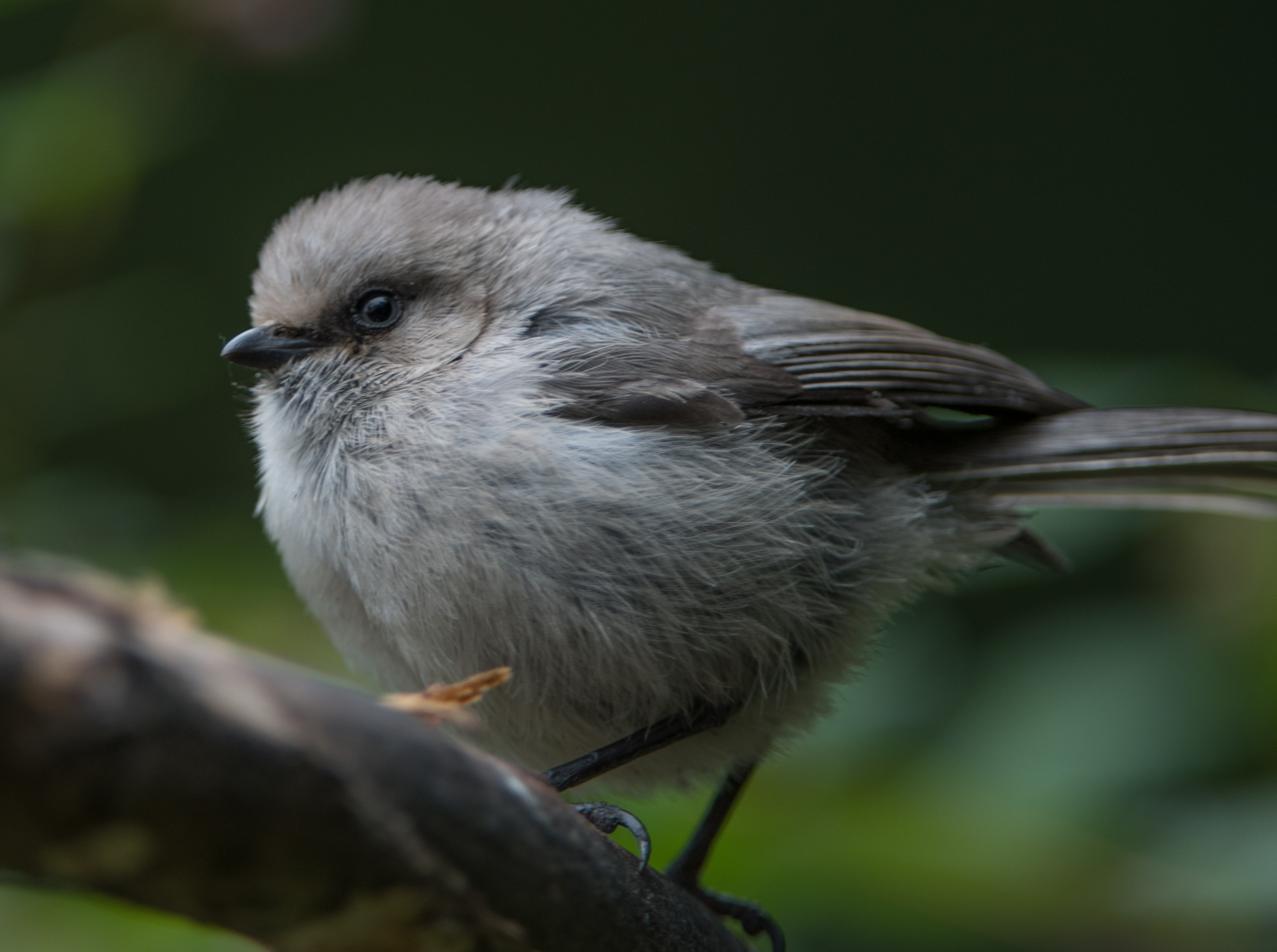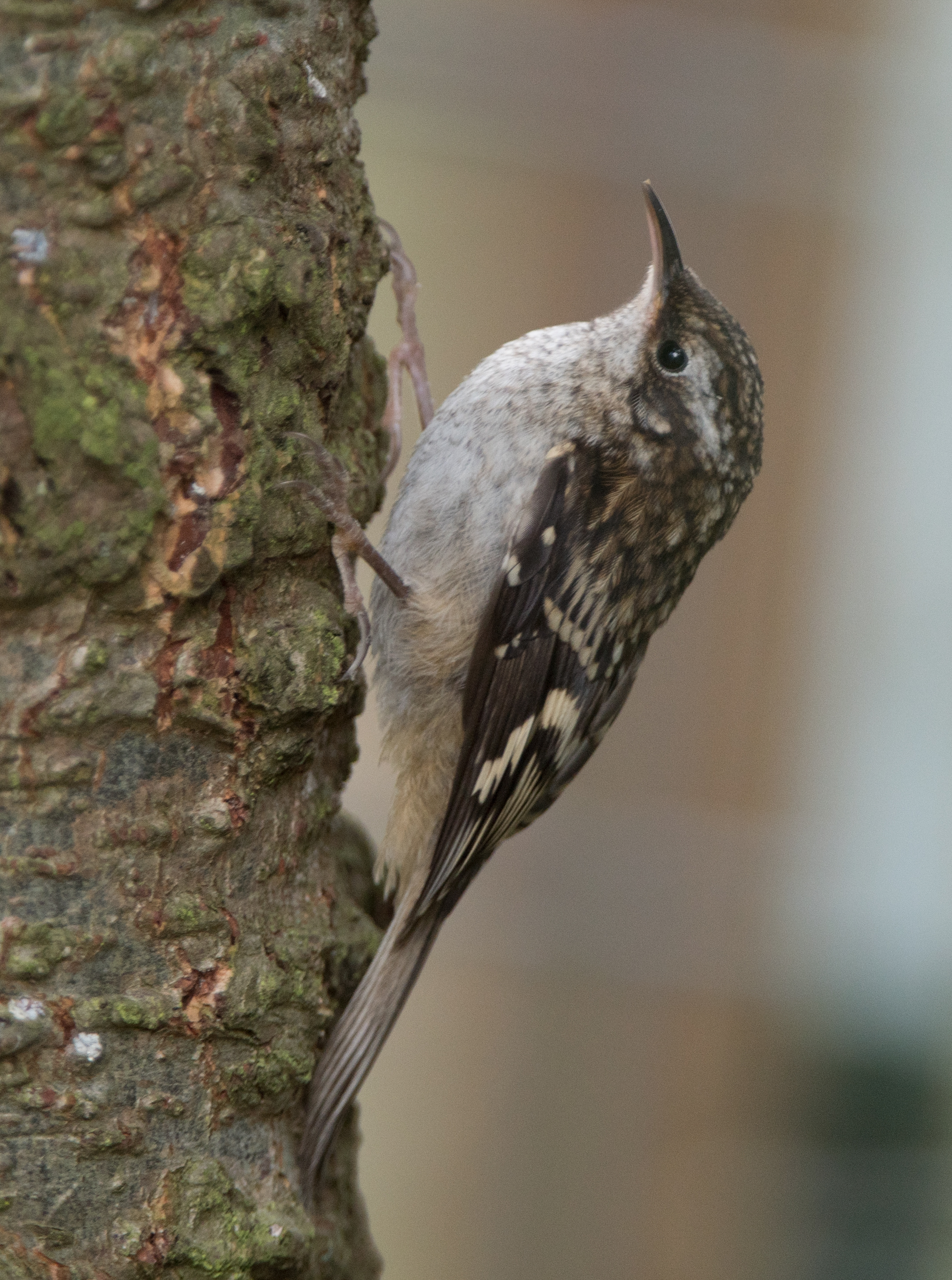
Texas (April 23, 2018)

This is a male Brown-headed cowbird, due to its breeding habits a threat to some endangered (and other) species such as the Golden-cheeked warbler and the Black-capped vireo in central Texas.  I won’t detail the birds’ breeding habits here but if you are unfamiliar with them look them up on the internet.

When I was young and growing up in central Texas White-winged doves were virtually unknown.  Just in my lifetime they have expanded north from the southern part of Texas.  Here in Skagit County, WA, we are dealing with colonies of Eurasian Collared doves, an introduced species that we have seen in various areas of the western US.

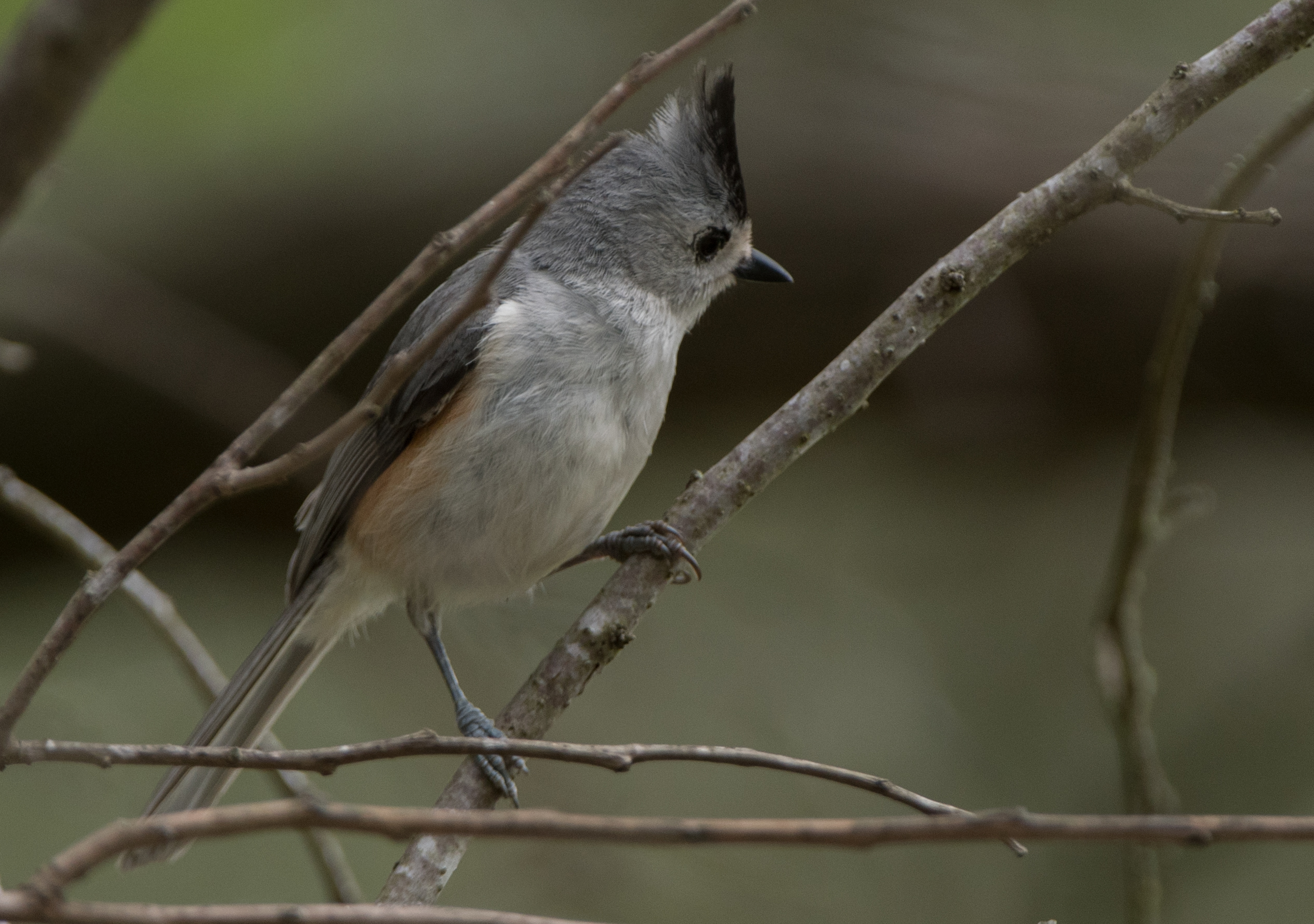
I believe this is a Black-crested titmouse, a new species that was reclassified since I left Texas (in 2001).

For most of the days that I was in Texas two thrushes came to the bird baths both early in the morning and fairly late in the evening.  Initially they were thought to be Hermit thrushes, but after many observations and photographs I could never detect any ‘reddish color’ on their tails.  So I’m assuming that they were Swainson’s thrushes which should have been migrating north, but the fact that they remained in the area over at least about a two week period would indicate that they were’t too serious about migration!

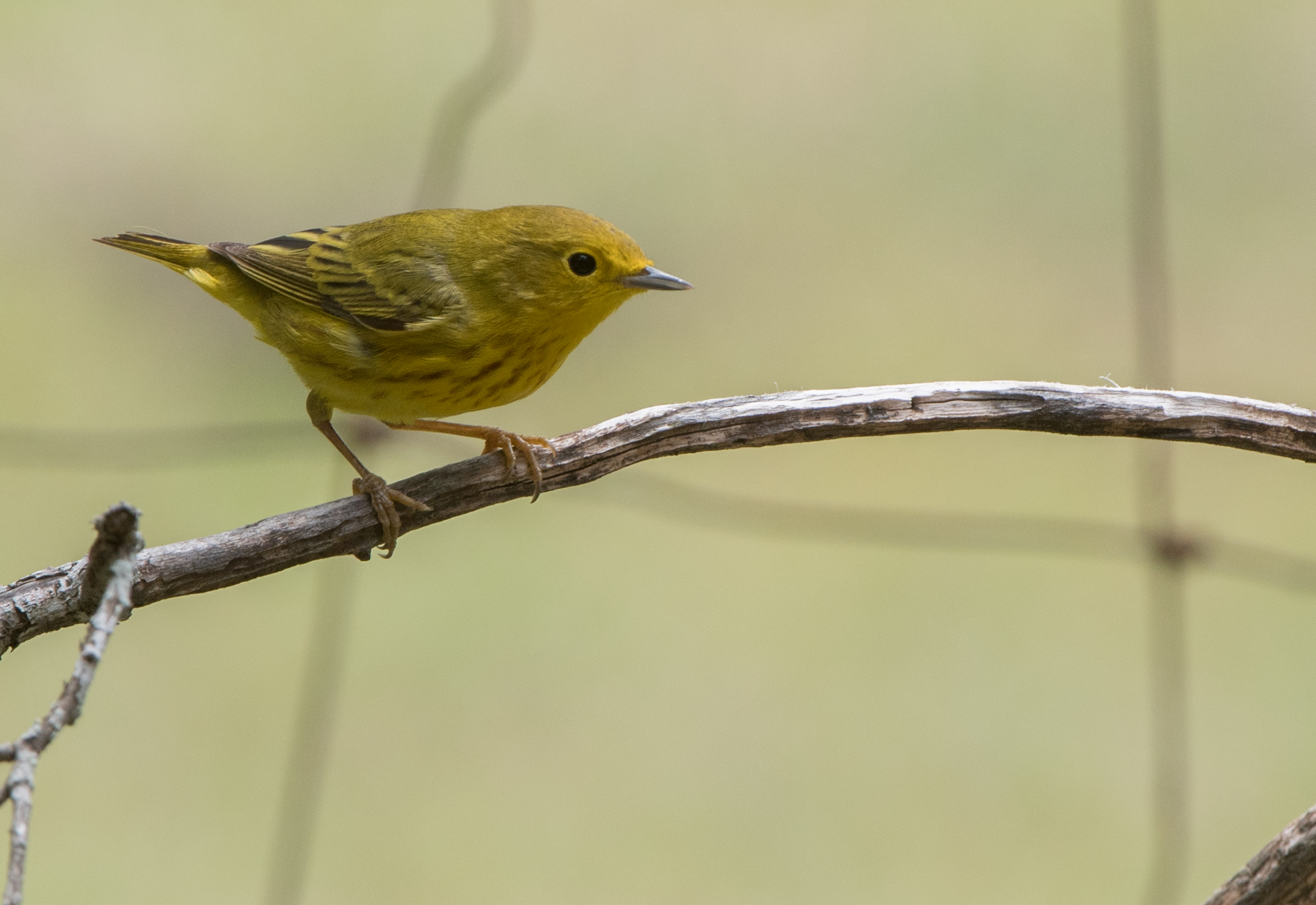
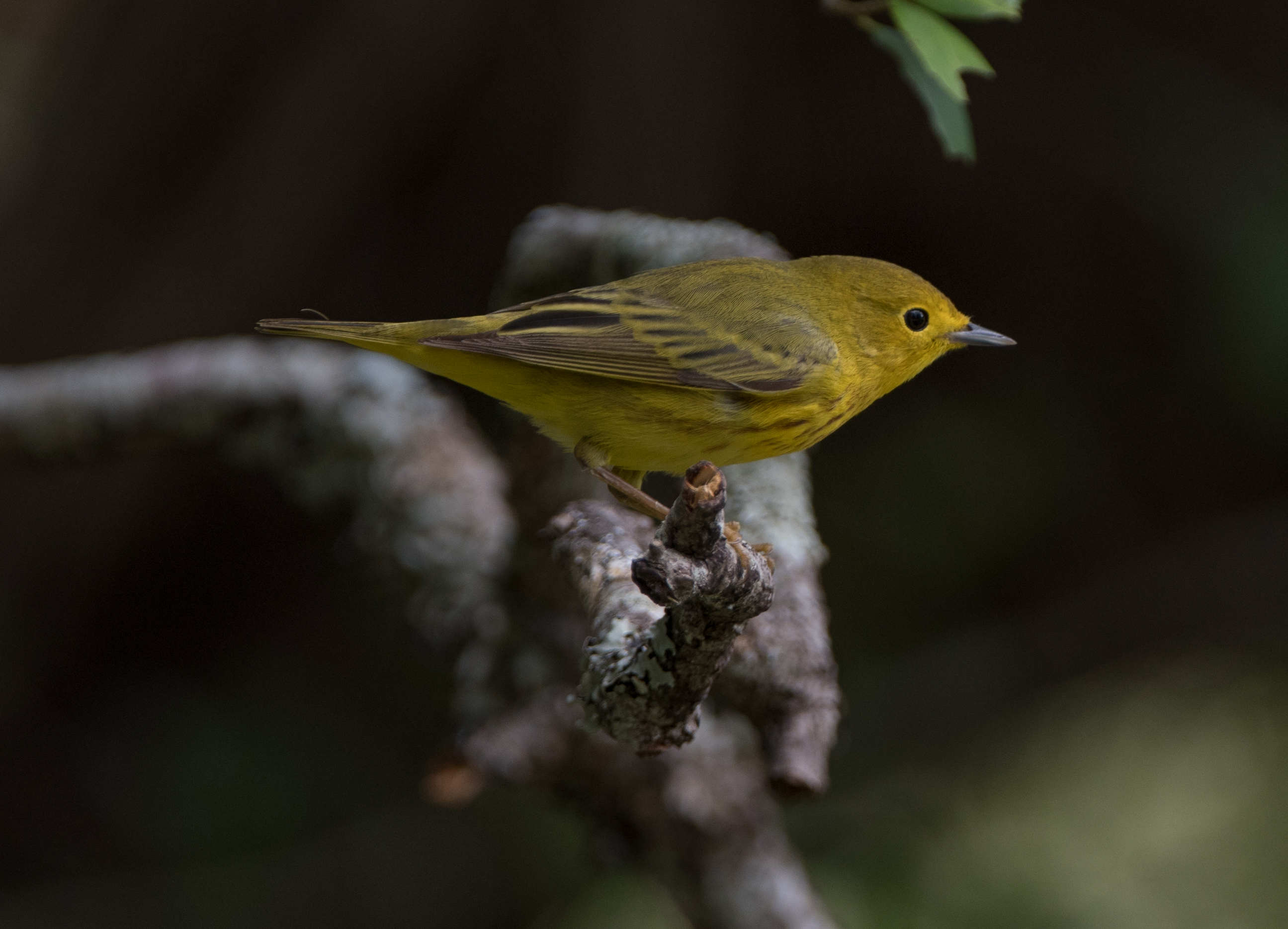
Now on to the warblers!   Here’s another Black and White warbler in a not uncommon pose.

This is a male Yellow-rumped warbler (Myrtle race).

I was excited when I first saw this bird because I thought it was a Golden-cheeked warbler.  Alas, it’s its very similar ‘cousin’ the Black-throated green warbler.  I’ve photographed the Golden-cheeks on other previous visits but it was not to happen on this year’s trip.

Texas! (April 22, 2018)

In late April I traveled to central Texas (the Austin area) to visit my sister and her husband and to photograph some of their spring migrants, some of which remain in that area for the summer months.  It affords me the opportunity to see and photograph birds which don’t occur in western Washington.

My sister and her husband are Master Naturalists and live on and maintain land that they treat as a nature preserve.  Their land is located in a rural area and they supplement the native landscape with bird feeders, bird baths and a watercourse.  These features afford me the opportunity for sitting in the shade, visiting with my sister and her husband and observing and photographing many species of birds for 8-10 hours (yep!) a day.

I have several days of photographs so I think I’ll just choose a few good photographs from each day and post them.  This might result in some duplication of species, but every photograph is different.  The photos on this post were all taken on April 22, 2018.  For the record, I returned home with exactly 1200 images and retained 806 of those images (about 67%) which is far too many but that’s what terabyte hard drives are all about.

I’ll apologize to any non-PacNW readers viewing these first two images, but Northern cardinals are birds I am often asked about regarding my trips down south, so they are of interest to some of my local readers.  And since they are colorful, abundant and relatively easy to photograph, you may see more from this Texas trip.

Moving on to somewhat more interesting birds, this is the Nashville warbler, probably the most common warbler I encounter on my trips to central Texas.

Another relatively common spring visitor (and I believe somewhat rarer year-round resident) is the Black and White warbler, one of my favorite birds.  This one is probably a male.

This next bird was something of a surprise.  It’s a Pine siskin, often our most numerous (winter) visitor here at our house in the PacNW but one I’m not sure I ever saw when living in Texas.  For several years my wife and I lived on a greenbelt near downtown Austin and I remember from some 30 years ago, one of central Texas’ premier birders asking me if we had them on our feeders.  It seemed a puzzlement him that we did not.

And finally, for the day, a rare central Texas visitor… the Pancho Villa titmouse!


Fives!

The photo processing software that I use allows me to rate each image.  The ratings I assign are mostly subjective but do have somewhat of a technical basis.  I came up with some good images today so I’m going to post some of the images I rated as a ‘5’, my highest rating.

In no particular order…

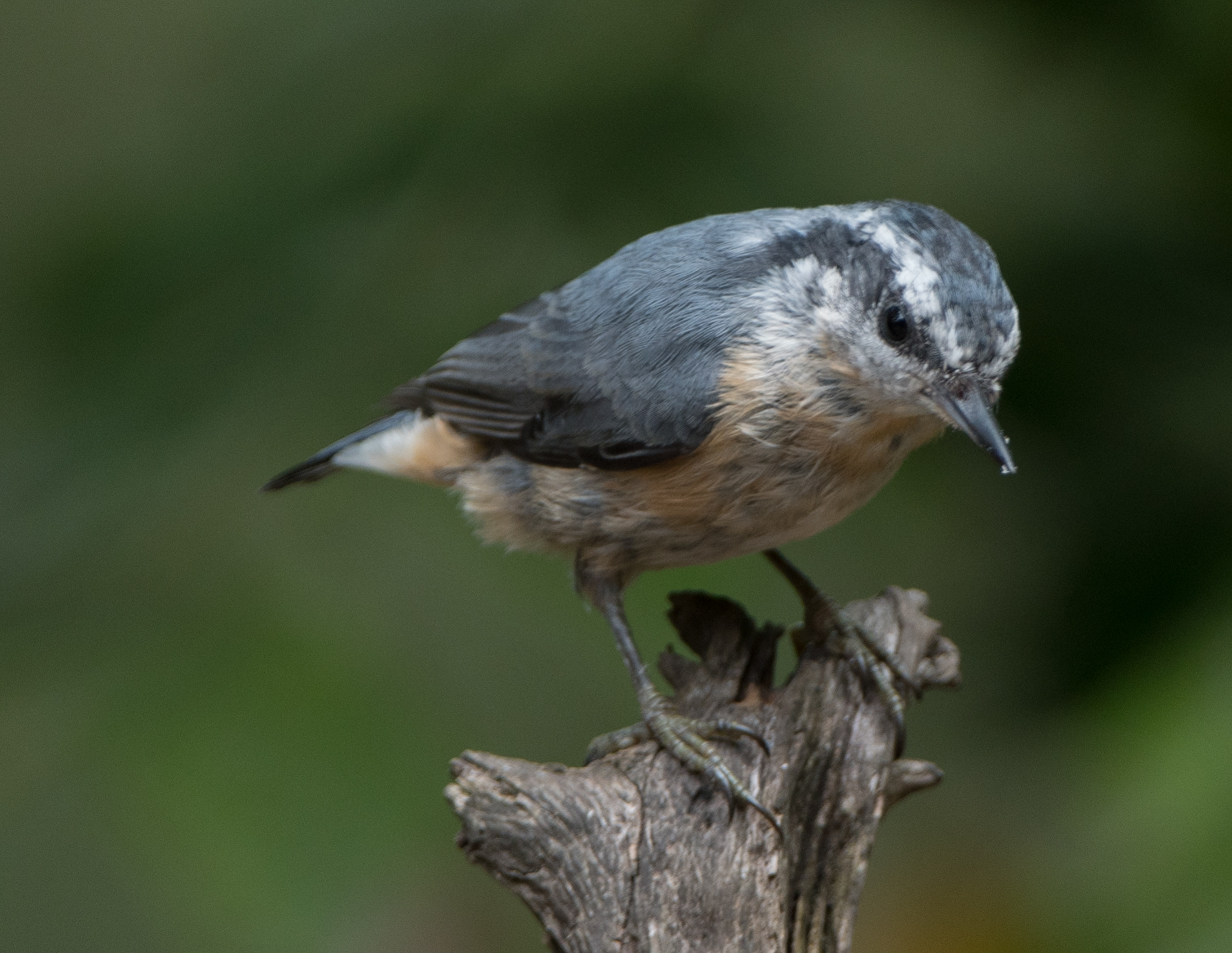
A Red-breasted nuthatch,  We’ve recently had young show up in the yard and patronize our feeders, on several occasions having FOUR on one of our peanut feeders at one time.

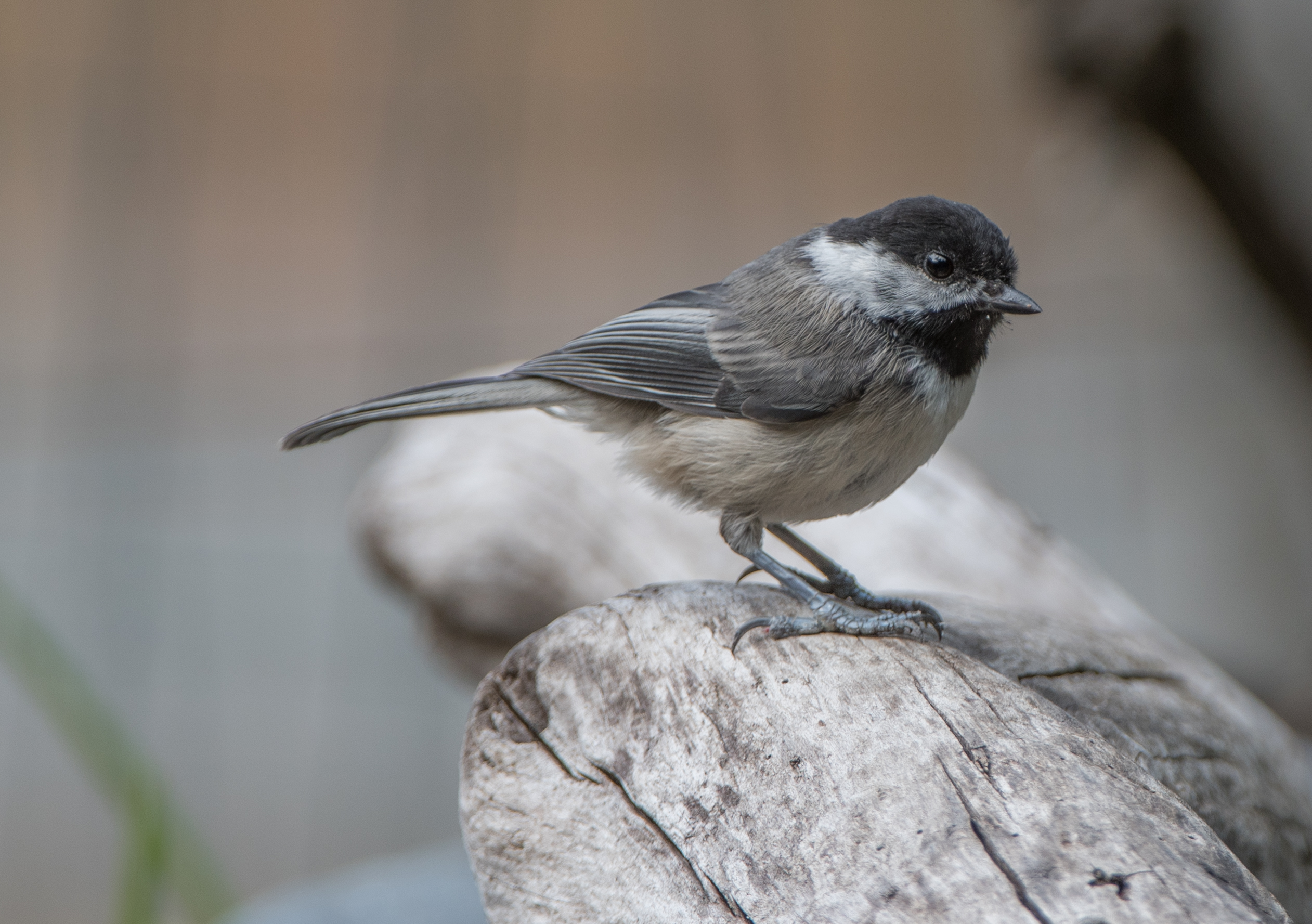
A Black-capped chickadee, which prefers deciduous trees.

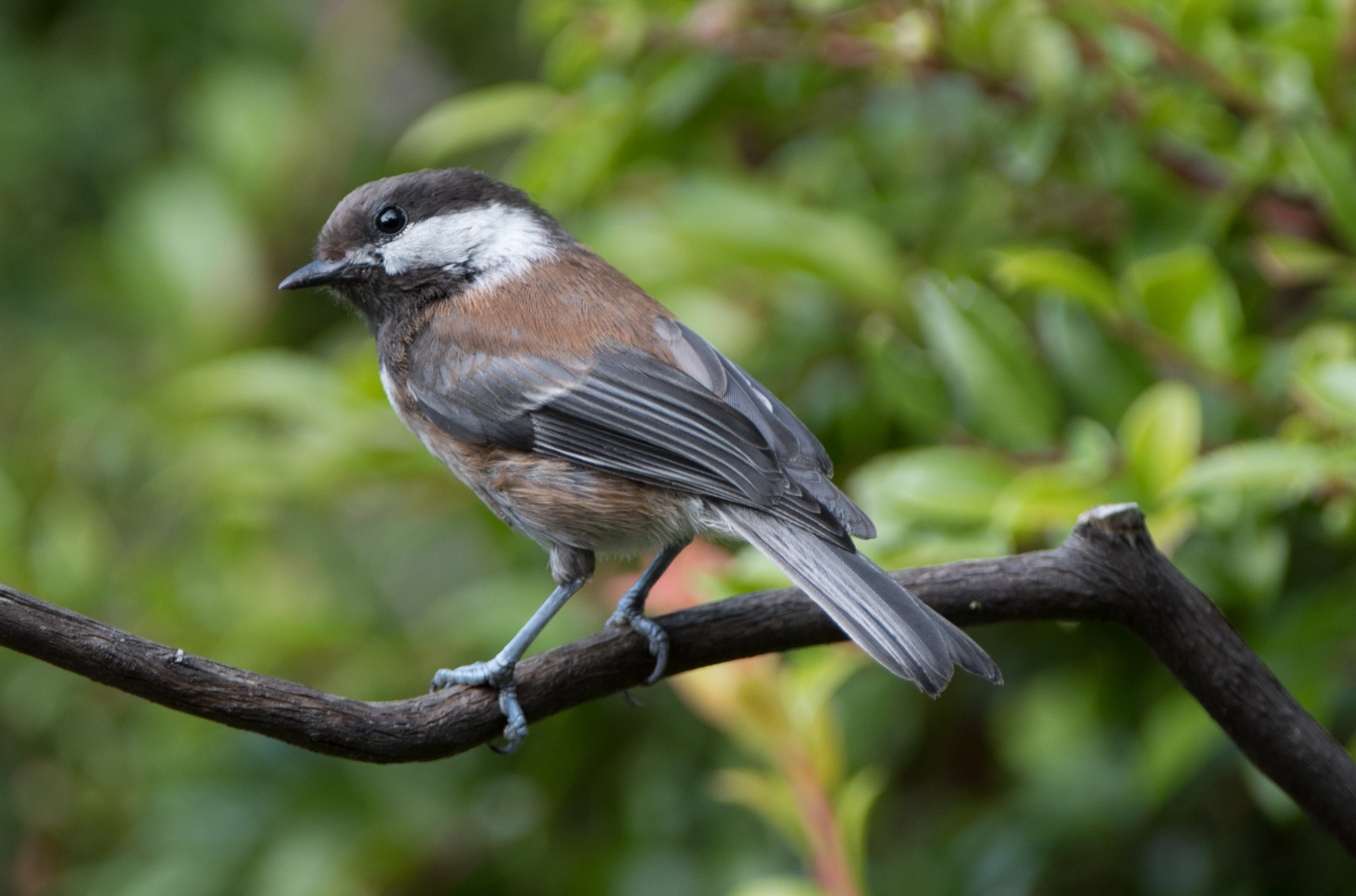
A Chestnut-backed chickadee, which prefers conifers.

Male Brown-headed cowbird.

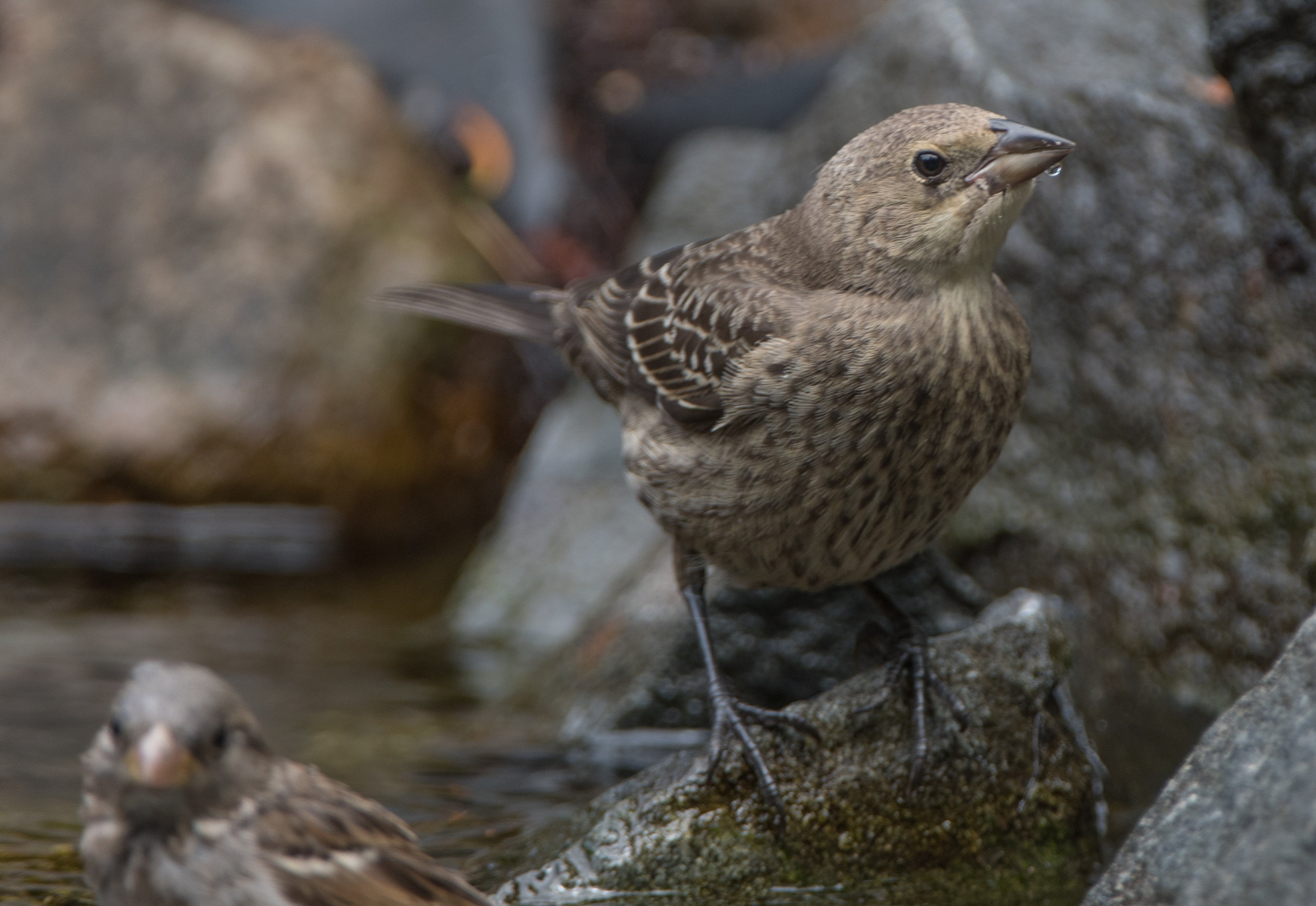
Female Brown-headed cowbird.

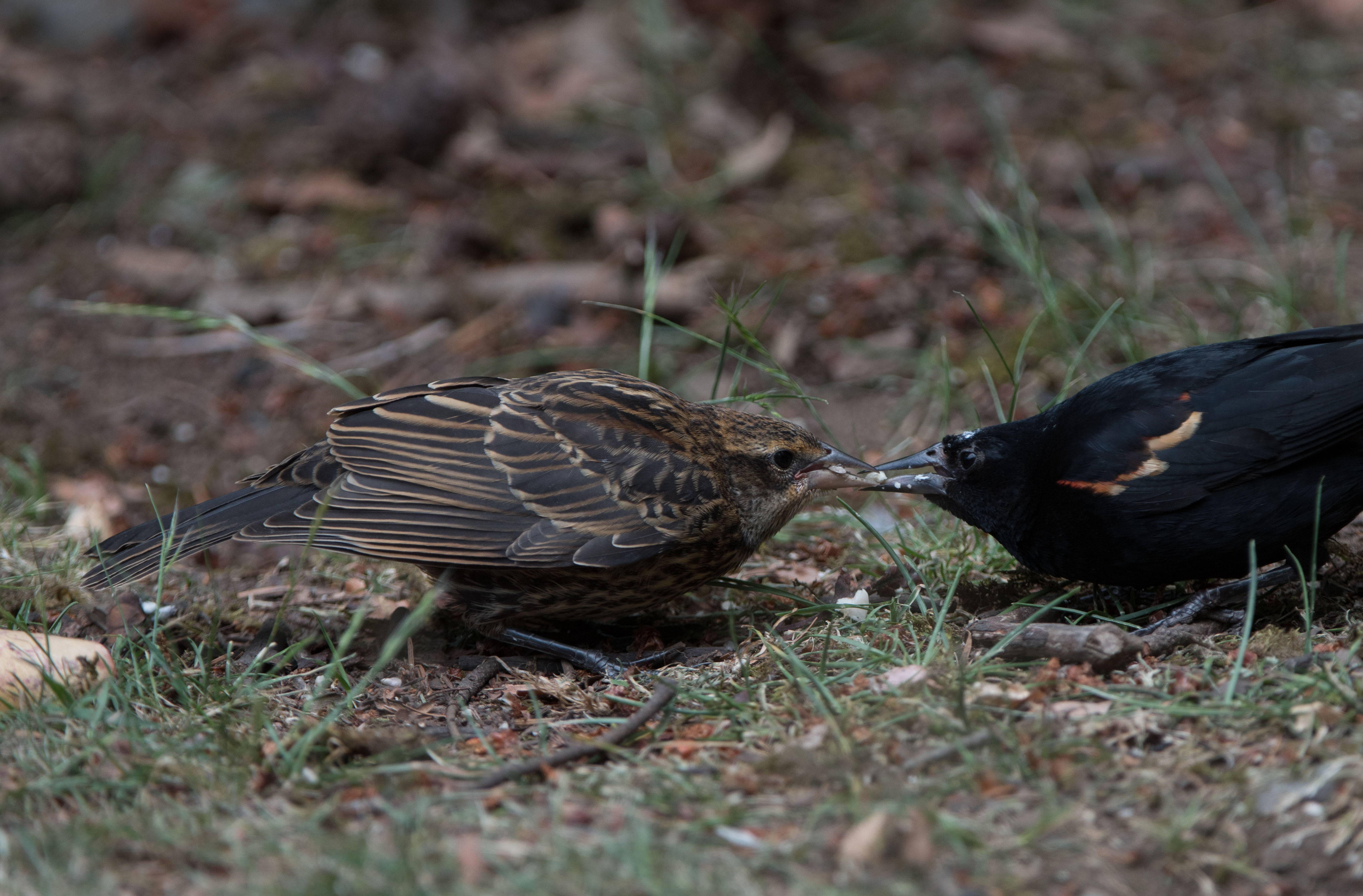
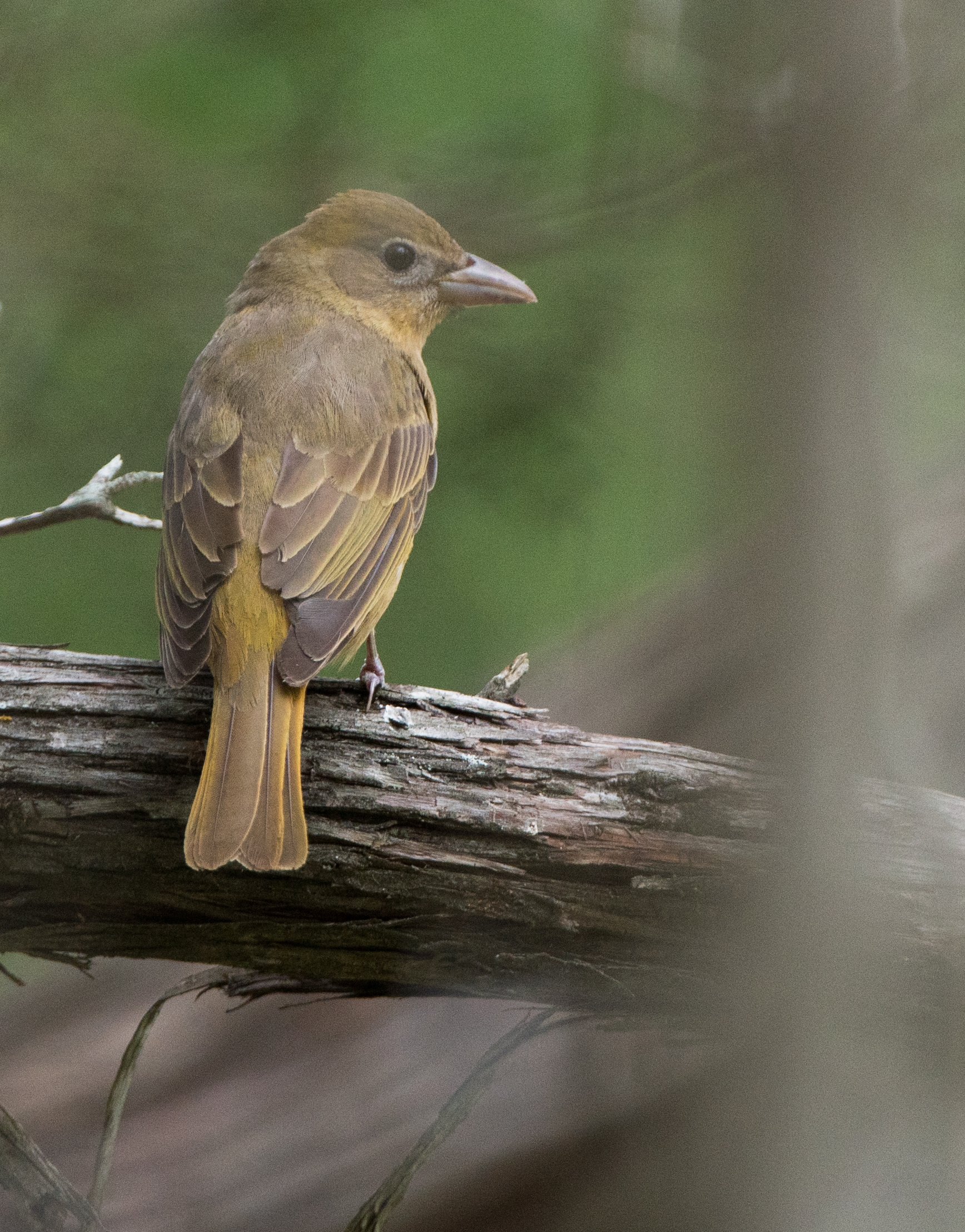
(Female, or less probably a juvenile) Red-winged blackbird.

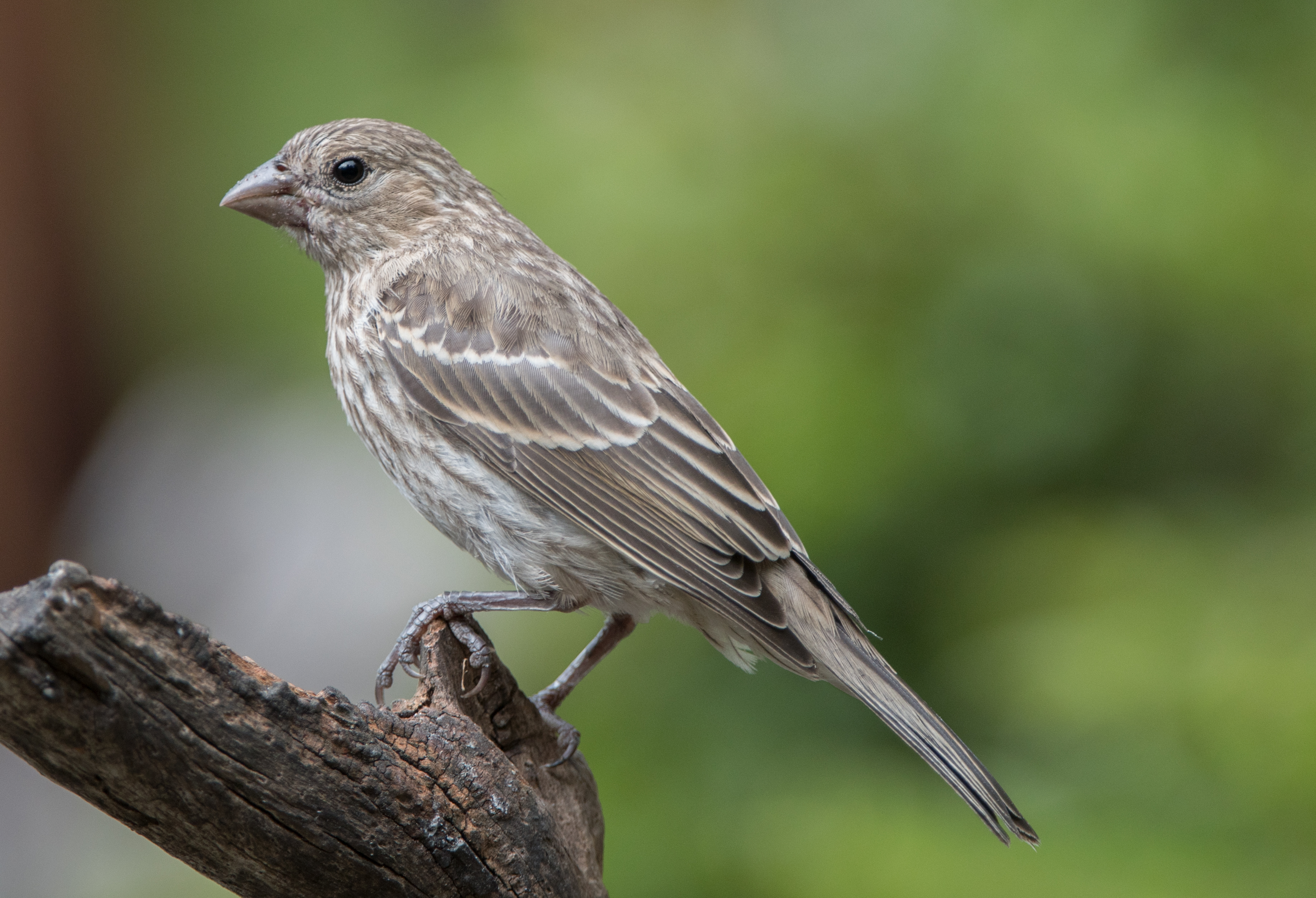
Male House finch.

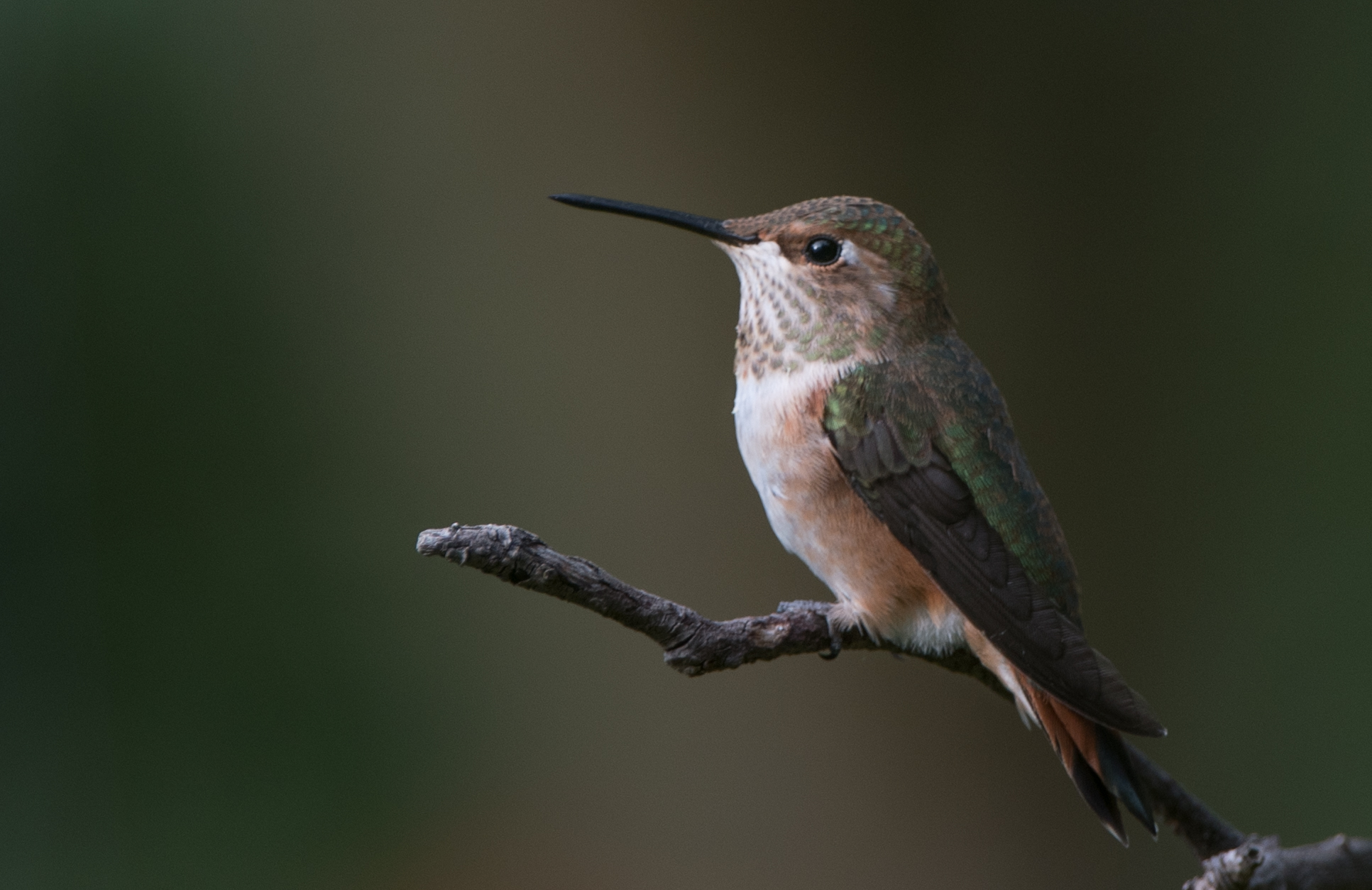
Male Rufous hummingbird.

Not a ‘5’ rating, but the parents of the yet-to-fledge crows located just outside the corner of our property.  “Scratch that spot right there!”

Three Warbler Day

I only spent about two hours in the yard on June 1 but came up with three warbler sightings with photos of all three.  At the time I was photographing this first warbler I assumed that it was an Orange-crowned warbler due to the muted colors.  In such circumstances my main focus (pun intended) is on obtaining photos, so I don’t worry so much about identification as I reason that I can always determine species when I process the photos.  Such was the case here, and after seeing the wing bars I realized that my initial ID was probably incorrect.  After examining this (and two other photos) I have decided that this is a first-year female Yellow warbler.  I’m not an expert on these matters and if someone has a different opinion I would like to hear it…  Hearing none, I’ll move on…

There’ no doubt as to the identity of the second of my warbler visitors… it was a male Yellow-rumped (Audubon’s) warbler and of the three warblers it was the only one to actually visit the watercourse.

The last of my warbler visitors for the day was a male Wilson’s warbler.  This isn’t the greatest photo but it documents my sightings.

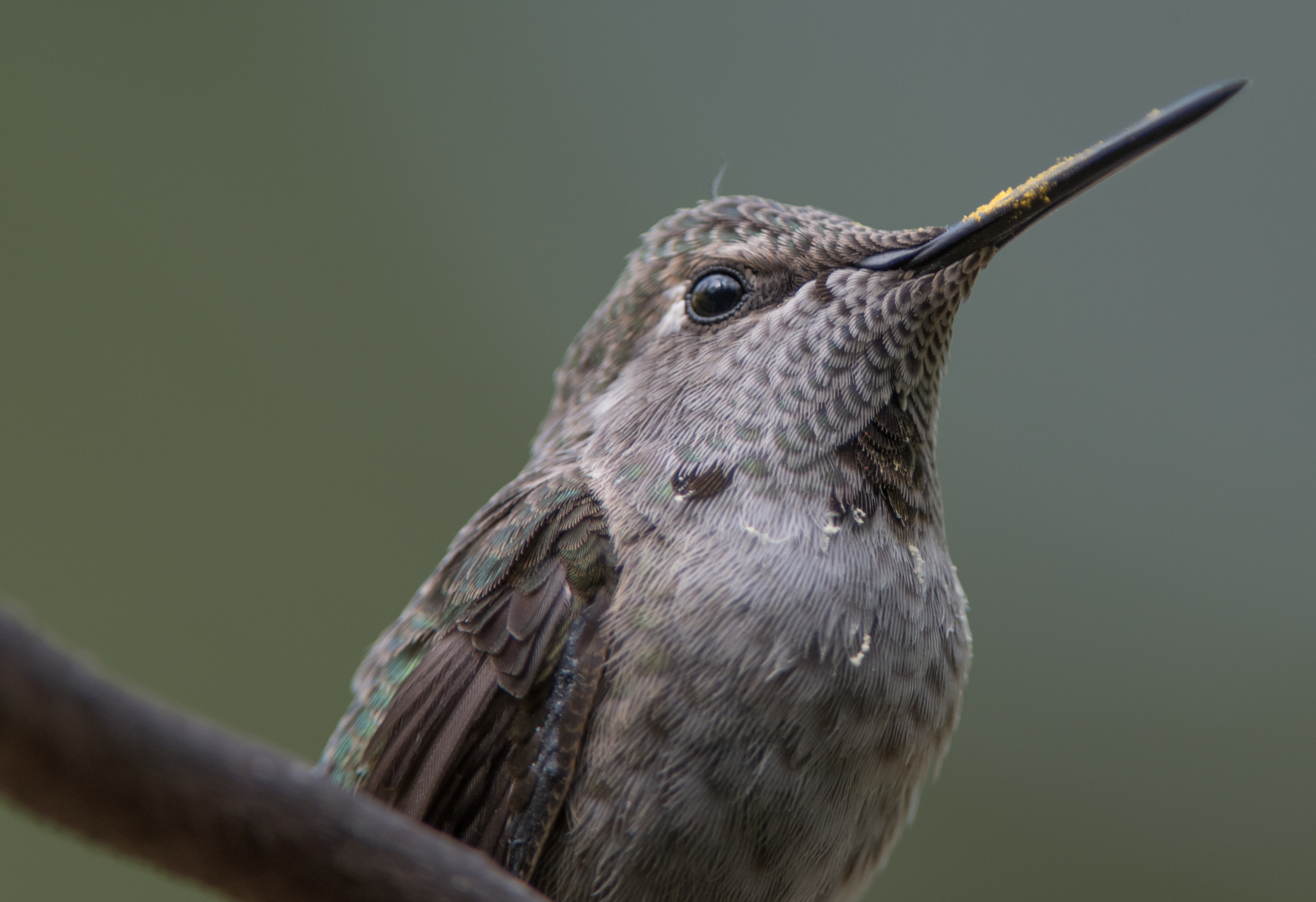
A female Anna’s hummingbird

A male House finch obtaining a drink of water,,,

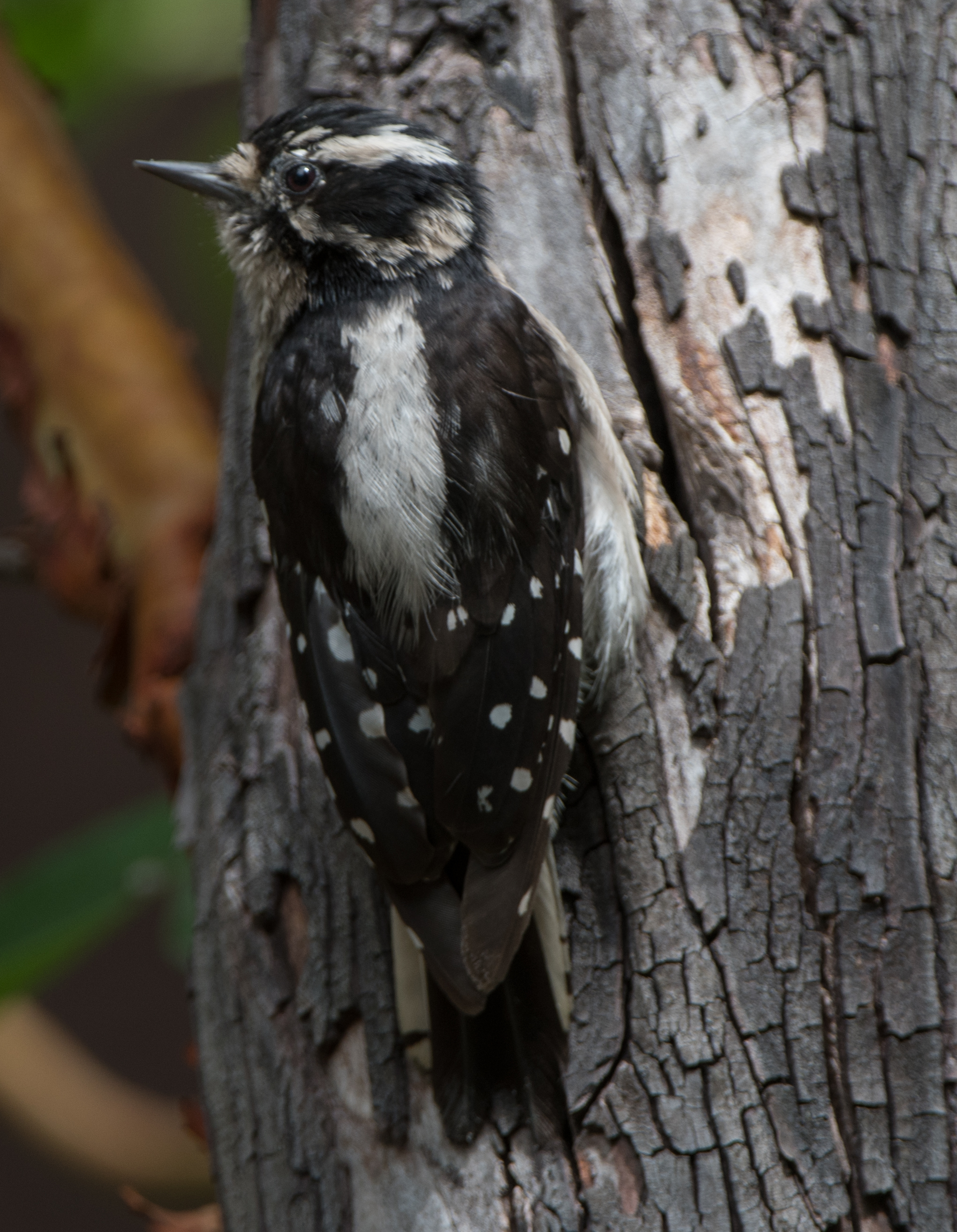
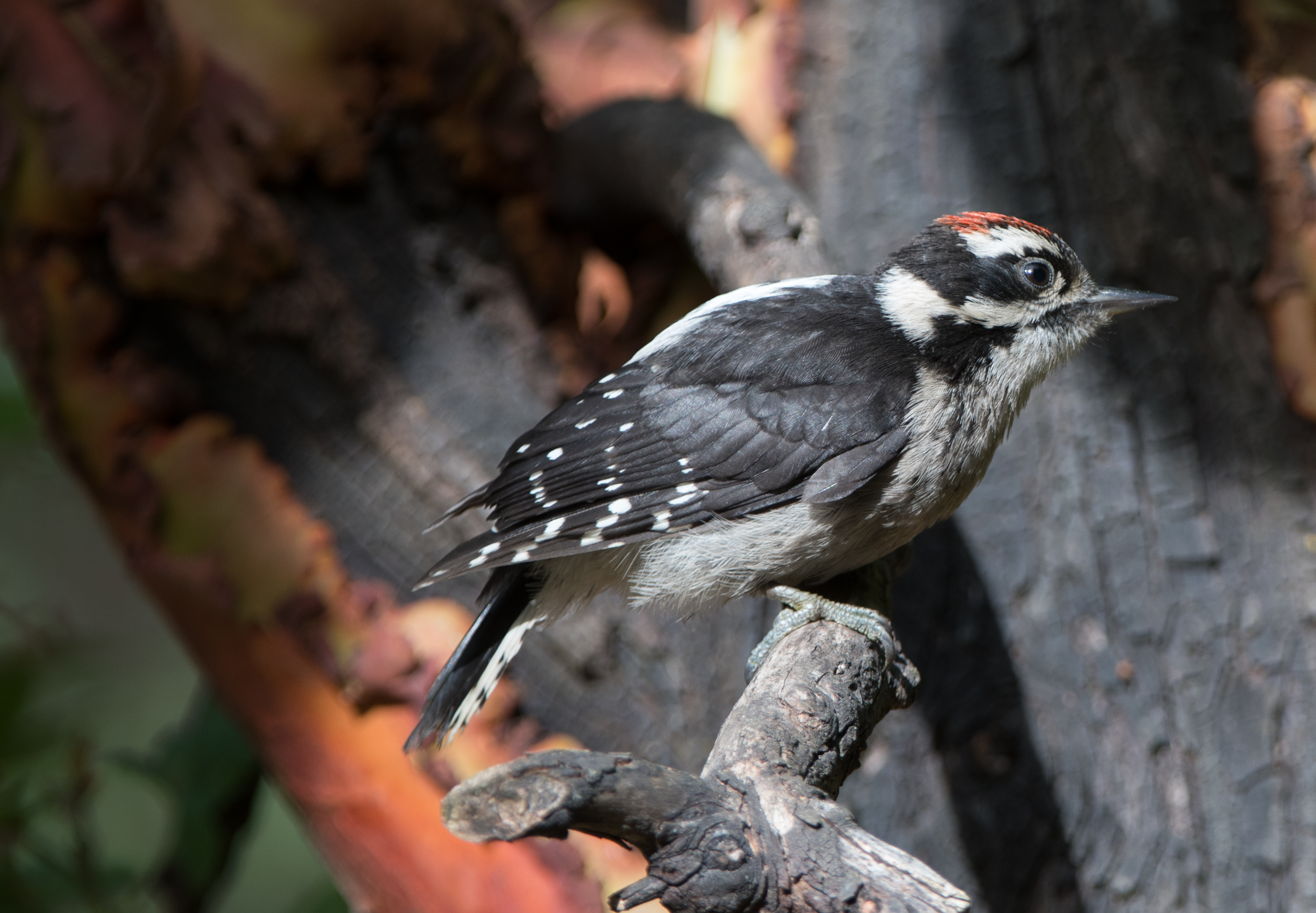
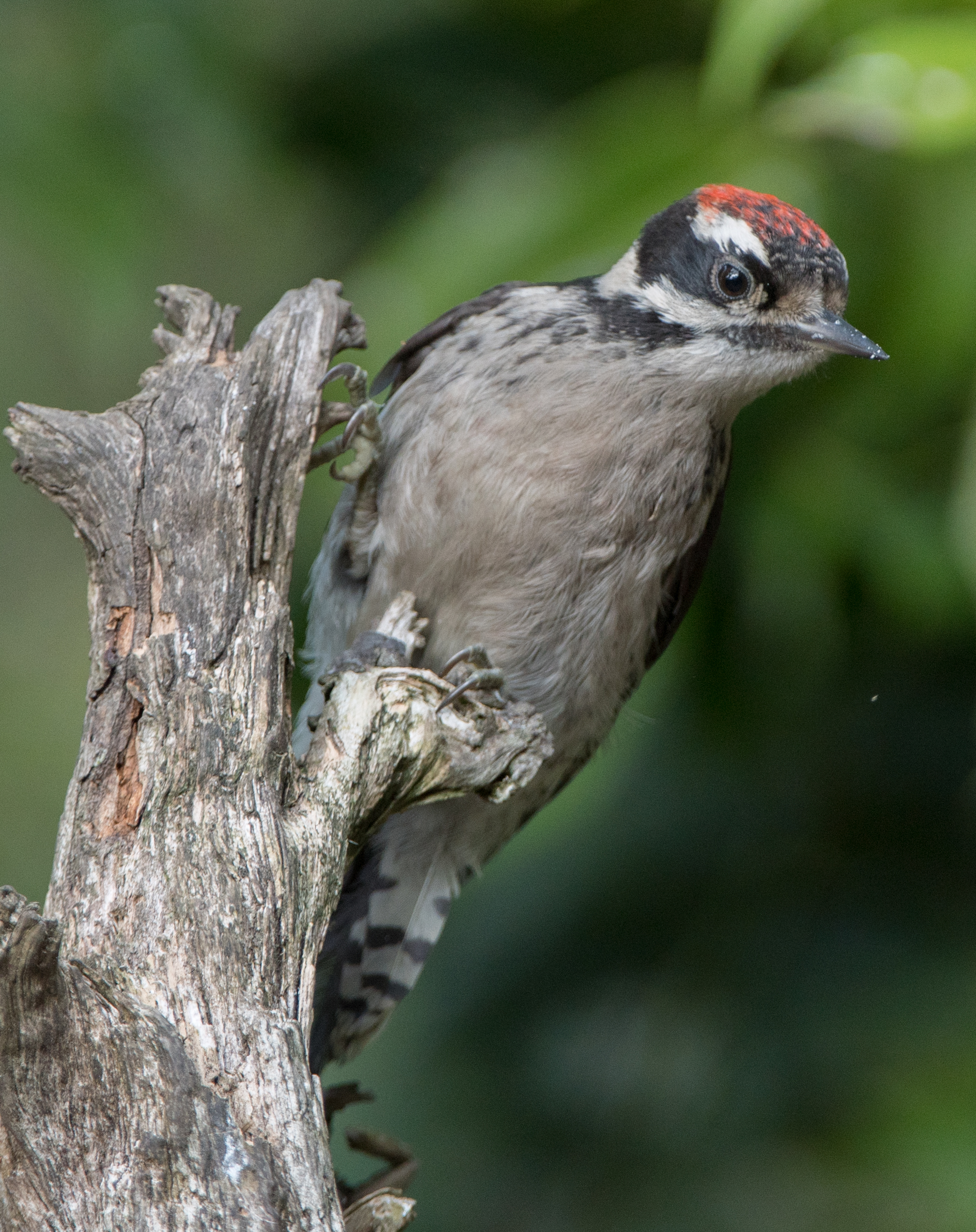
This is (probably a juvenile) female Downy woodpecker

And finally, a male Red-winged blackbird. We’ve had several pair flying up from the city’s wastewater treatment pond (where they nest) to access our feeders.  There has been substantial traffic over the last couple of weeks, especially since the young fledged and learned to make the journey up the hill to our yard instead of having to relay on the parents having to transport seed back to the nest.  However the traffic has started to slow and my budget for seed is beginning to return to more normal conditions.

A Really Good Day!

May 31, 2018, evolved as a really good day for birding in the yard.  The birding began when I returned from my morning activities, looked out the kitchen window and saw what seemed like a rather oddly-colored male House finch on our small platform feeder.  I grabbed my binoculars;ars and discovered the first Red crossbill (this one a male) we’ve seen in over a year!  I rushed outside with my camera determined to get some kind of photo of this special visitor.  This was my first (‘record’) photo of it behind madrona leaves…

But I didn’t have to be satisfied with that first photo.  The bird came and went from the yard most of the day.

Another resident, but except for vocalizations all day long, somewhat secretive, was this House wren that elected to take a rare bath in the watercourse.  I think a pair nested in or around the yard due to all the vocalizations over the last few weeks.

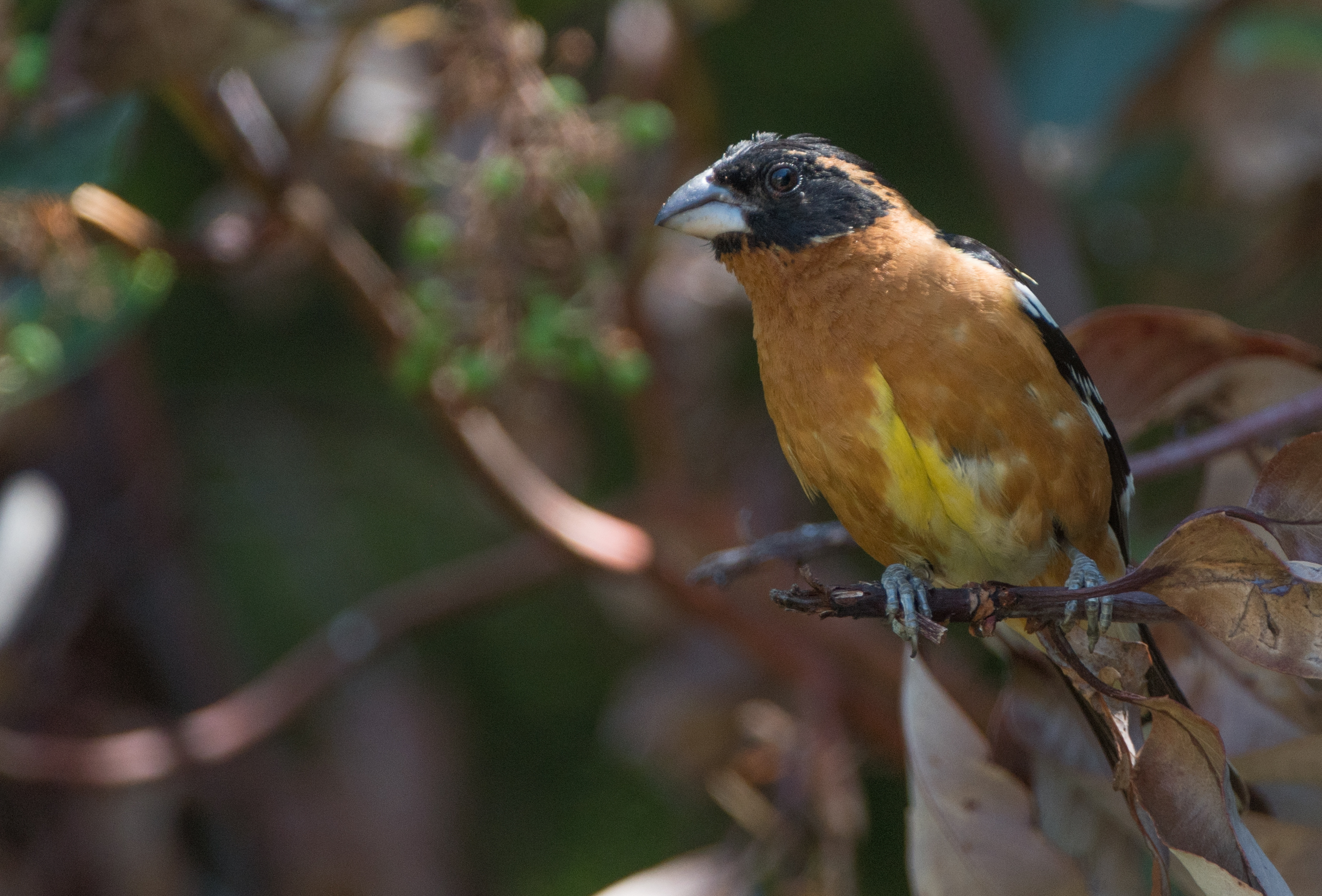
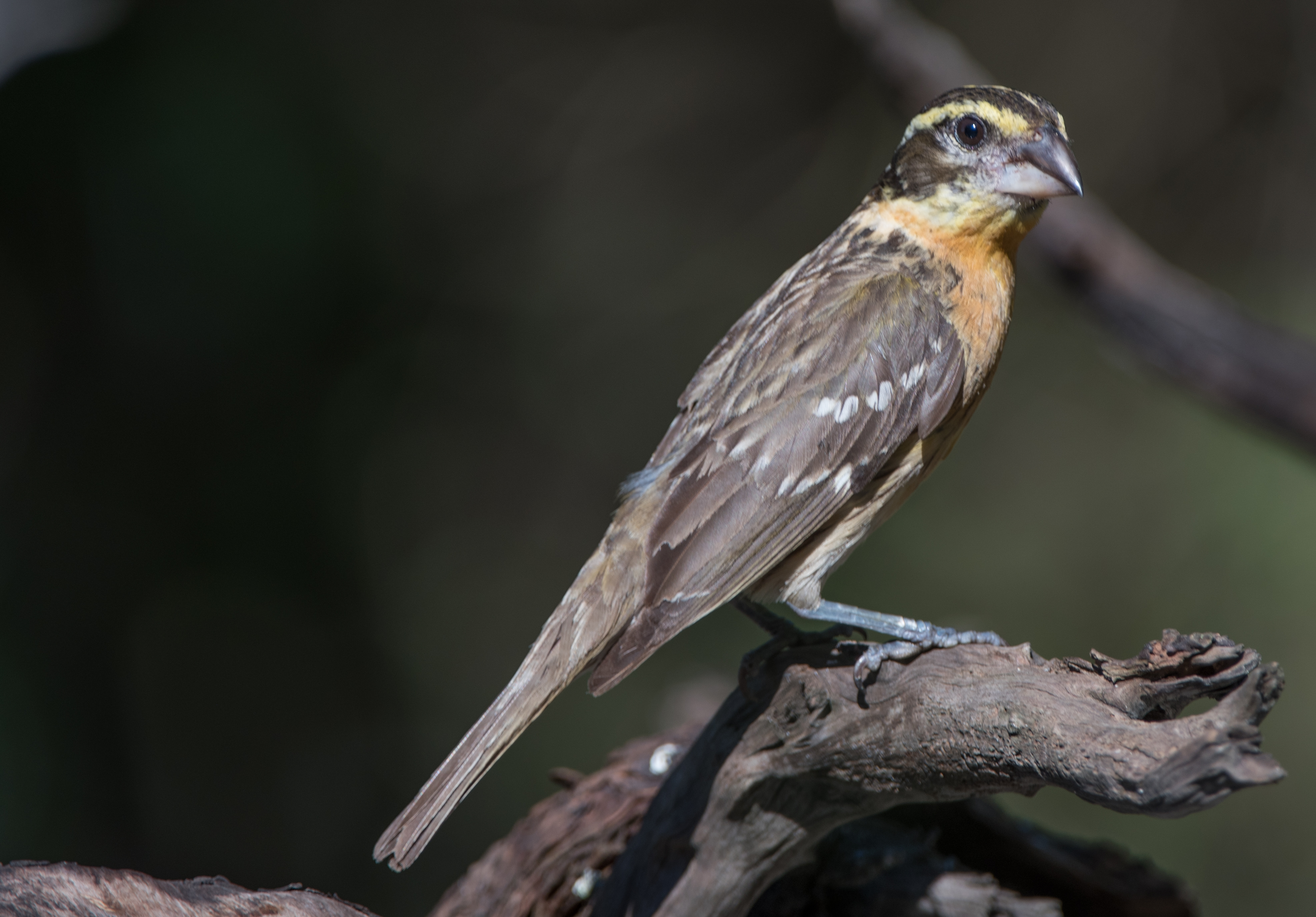
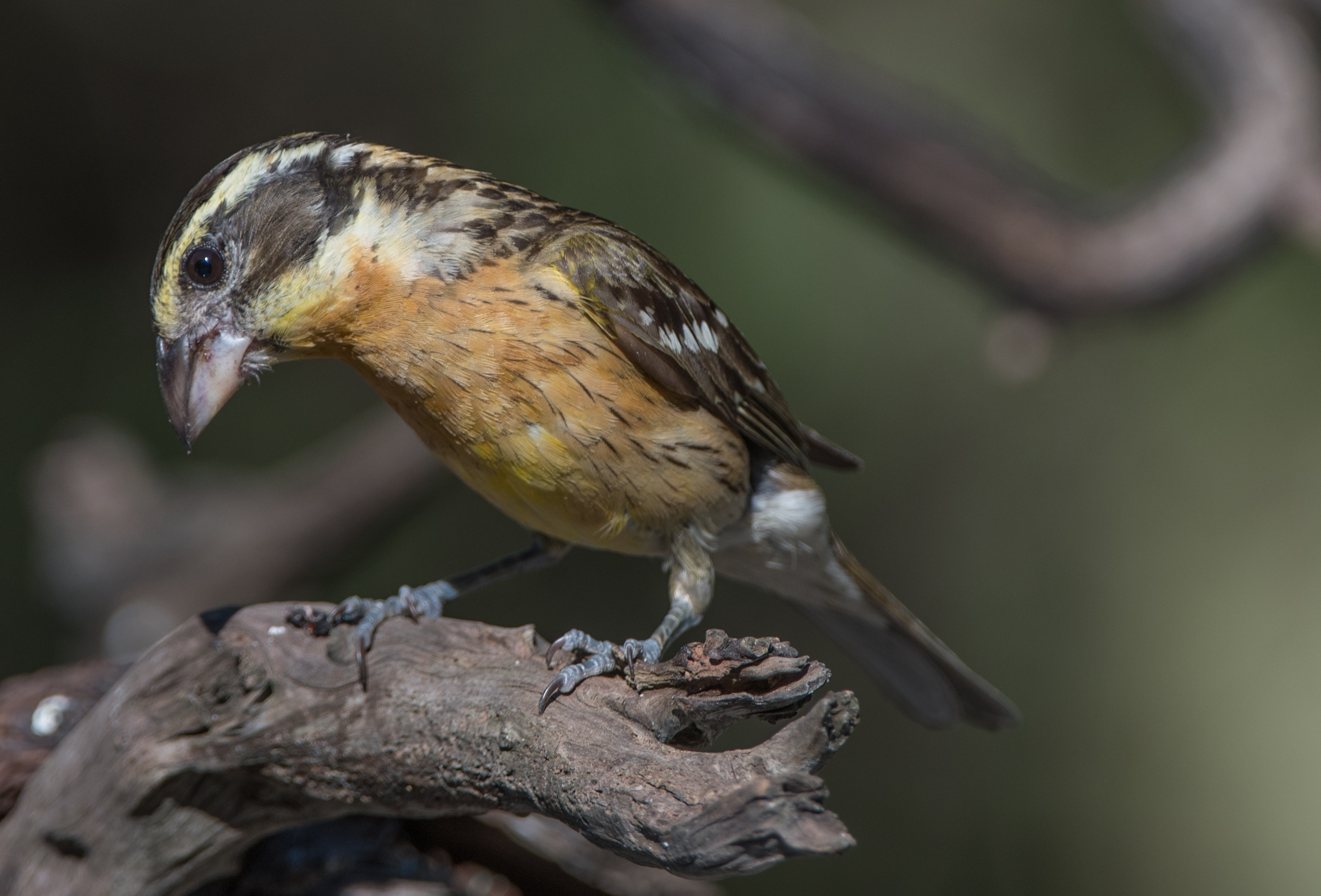
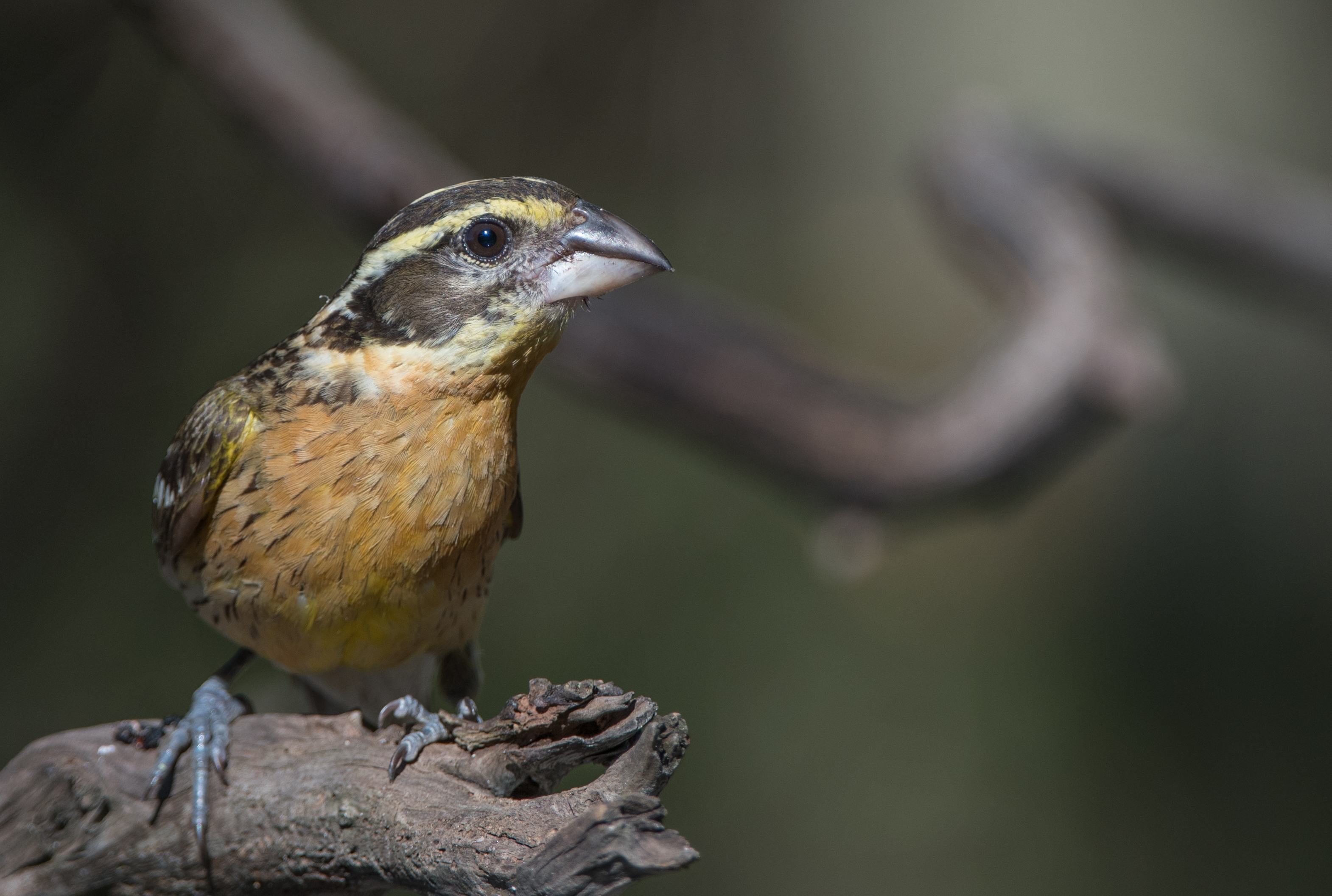
Black-headed grosbeaks are regular visitors to the yard, but I see the male much more than the female.

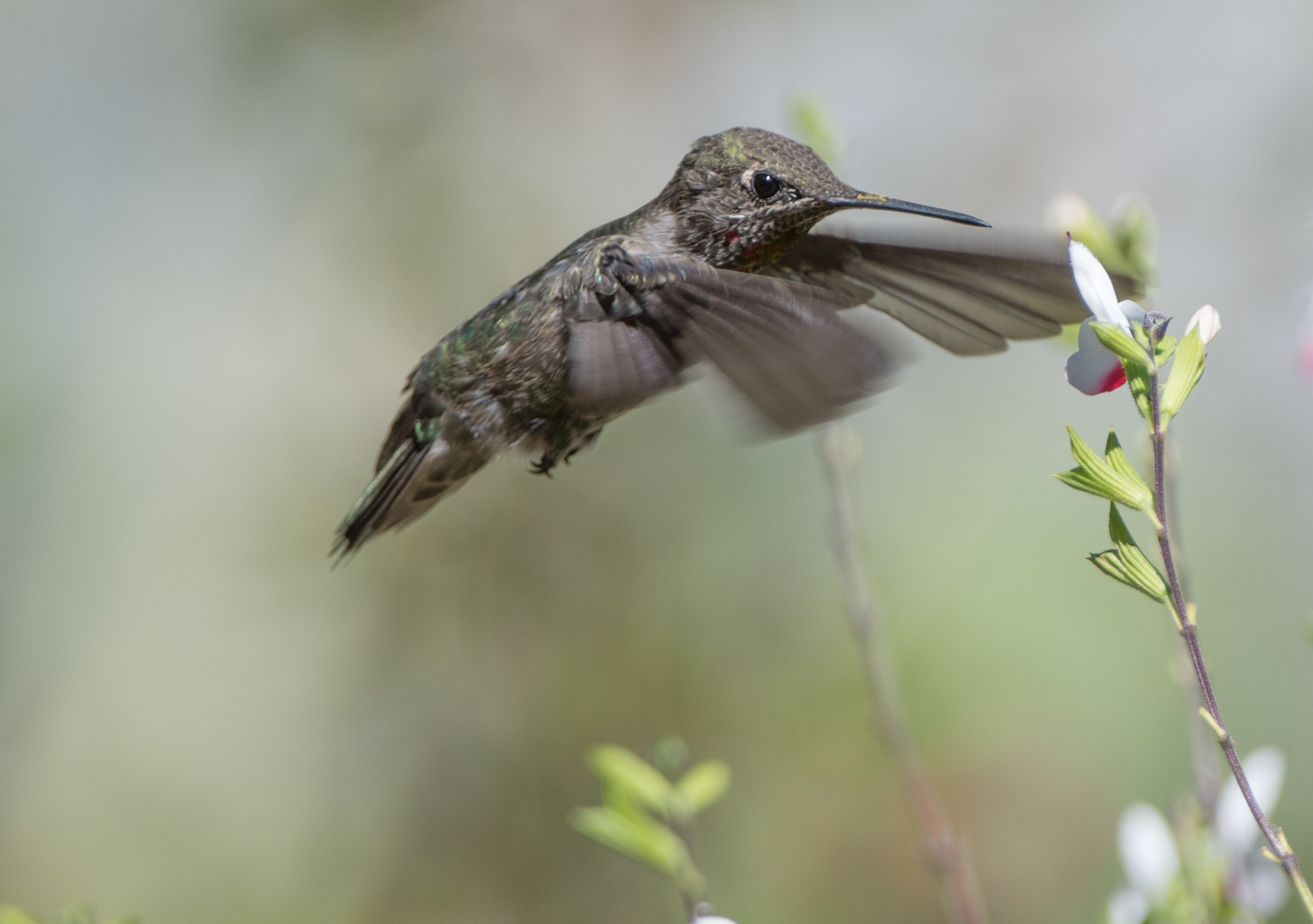
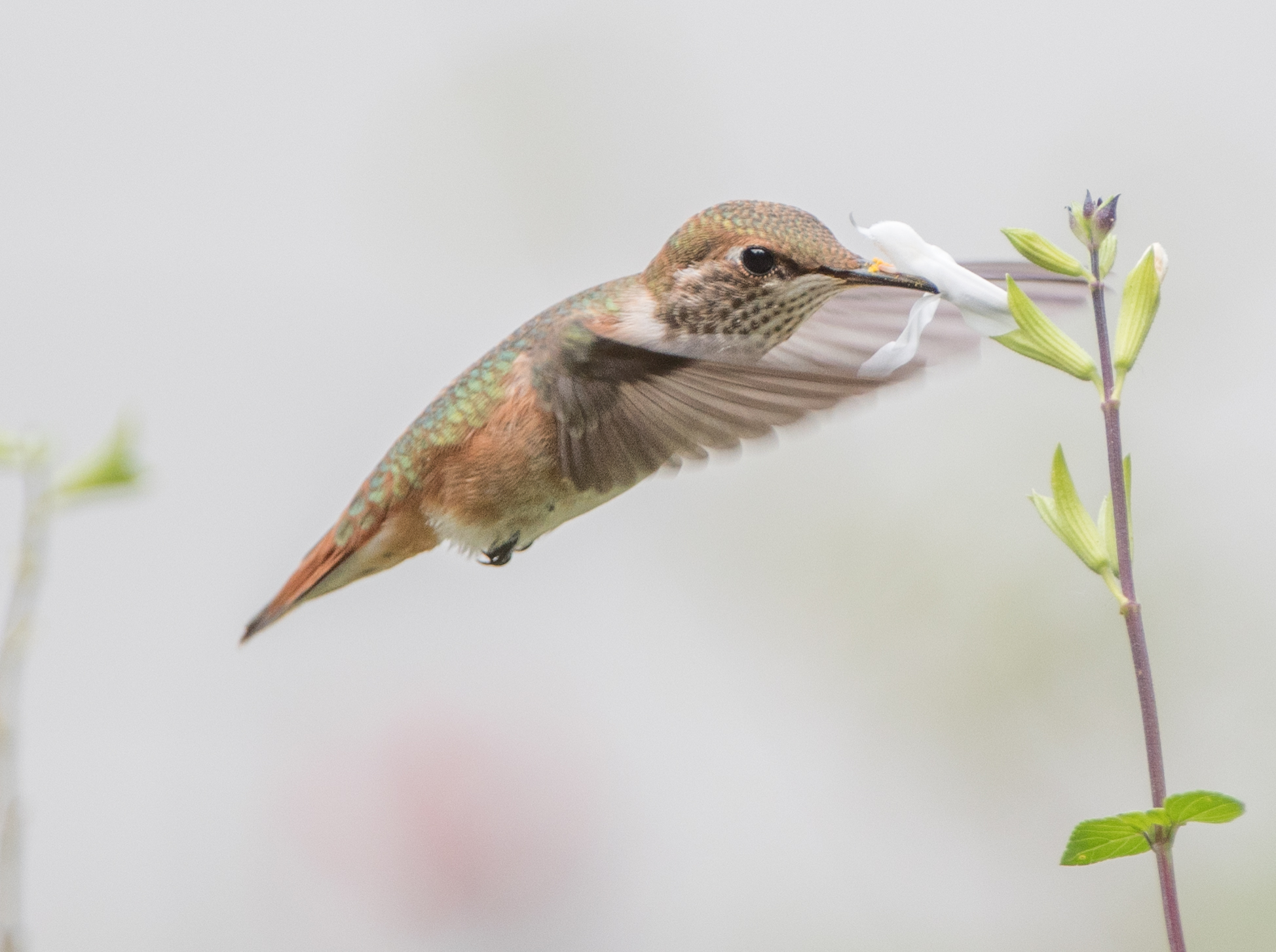
We have both Anna’s and Rufous hummingbirds, male and females, in the yard.  Now that our salvia are blooming they provide the opportunity to photograph the hummingbirds in a more natural setting.  This female Rufous hummingbird is accessing one of the salvias.

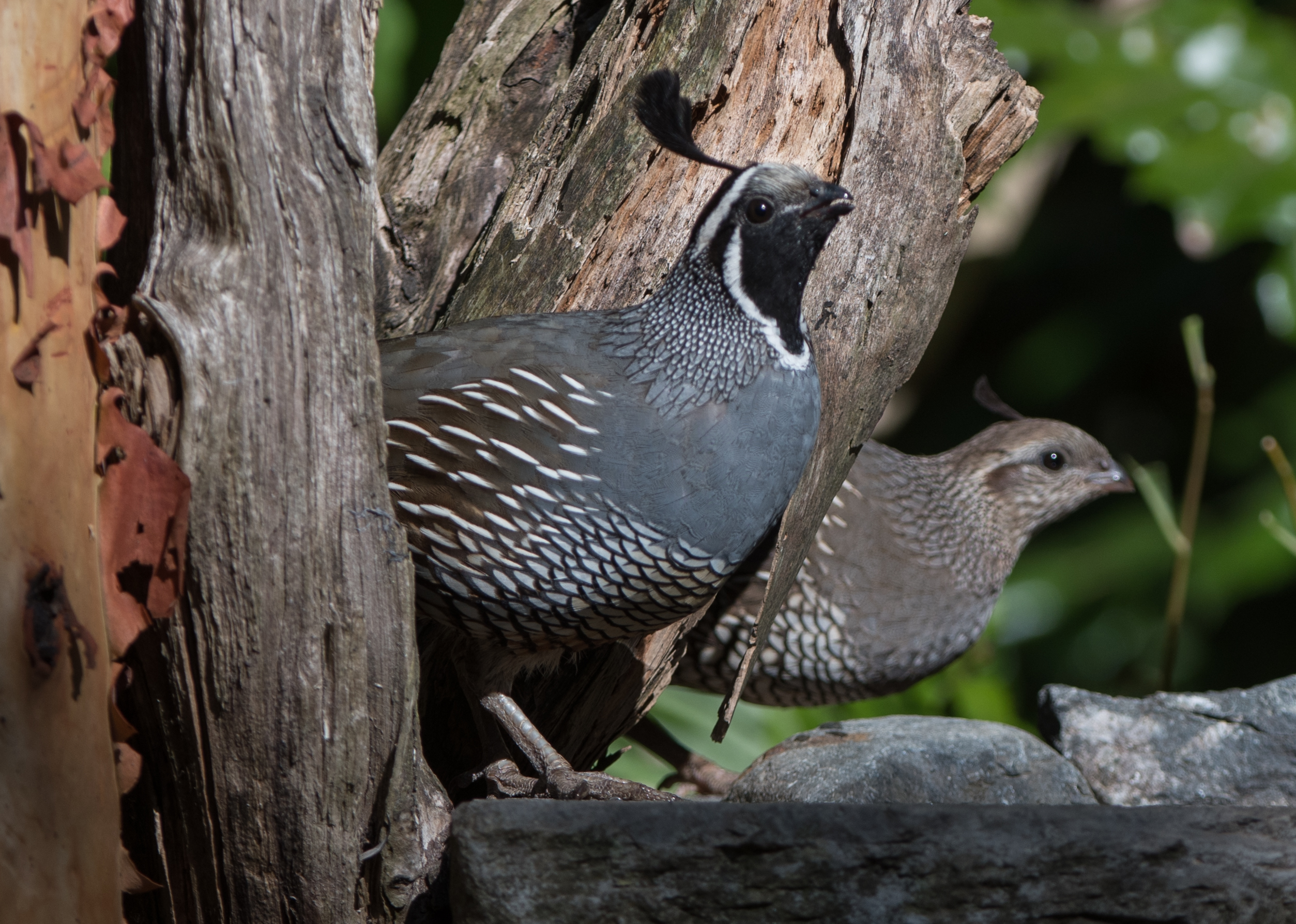
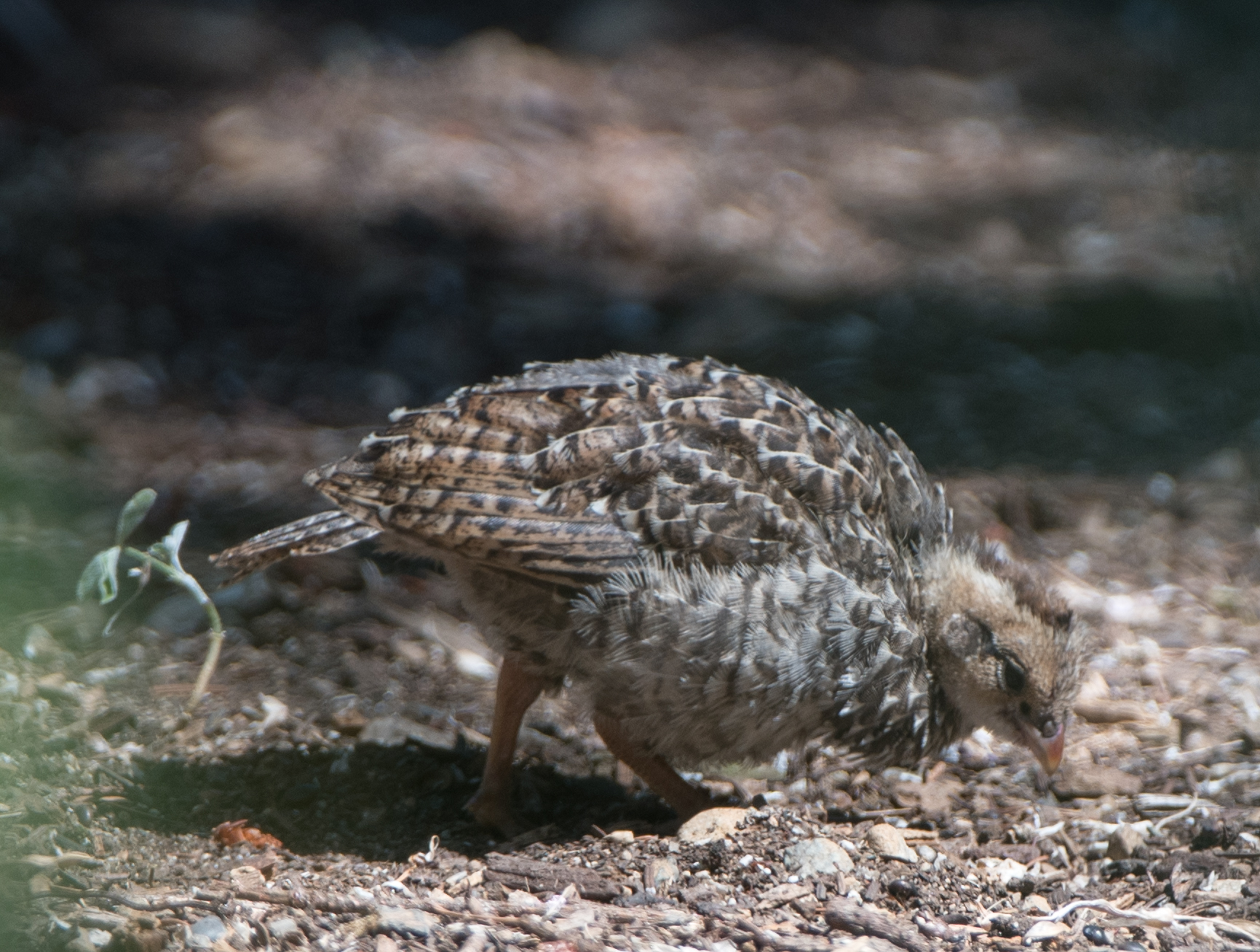
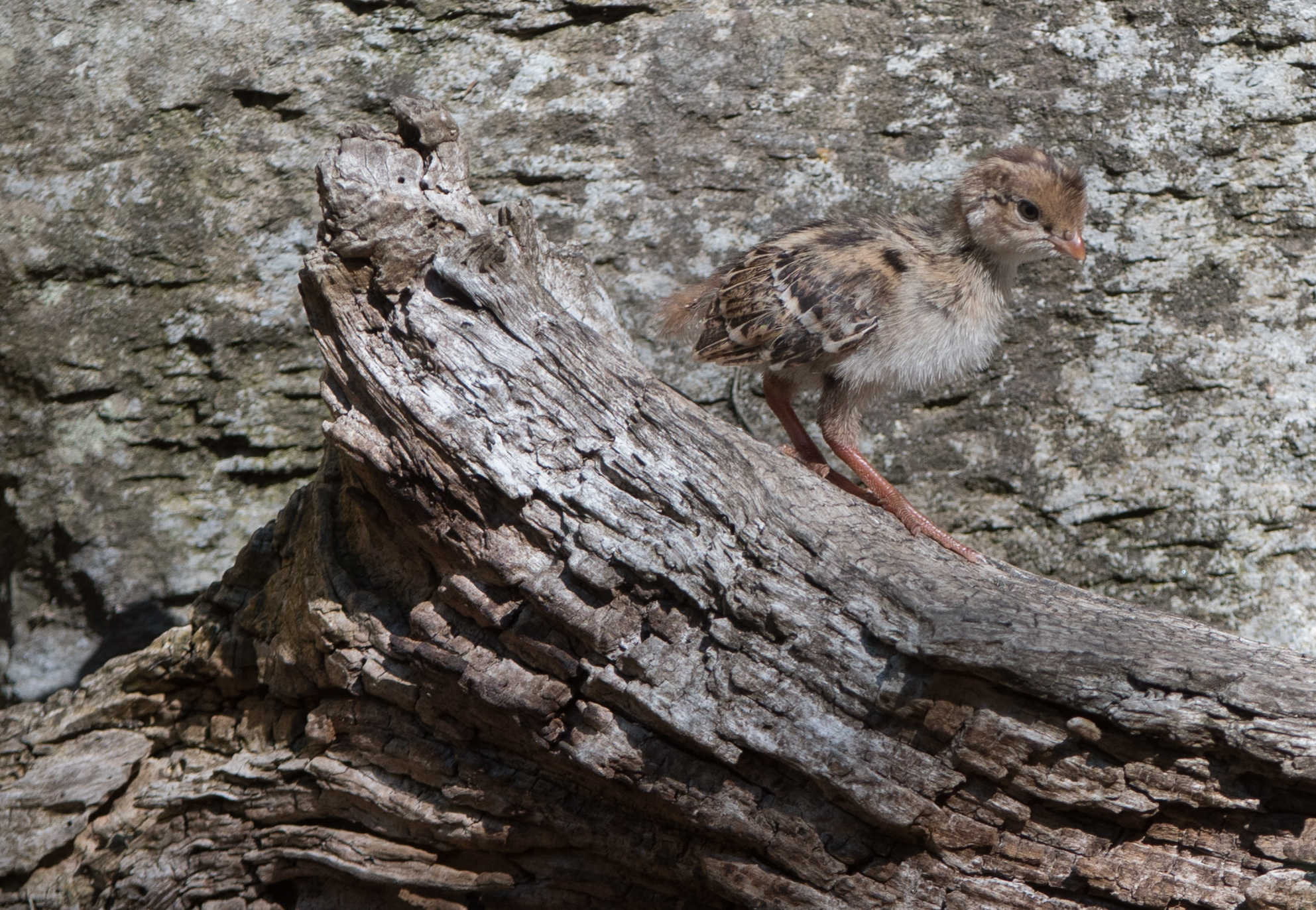
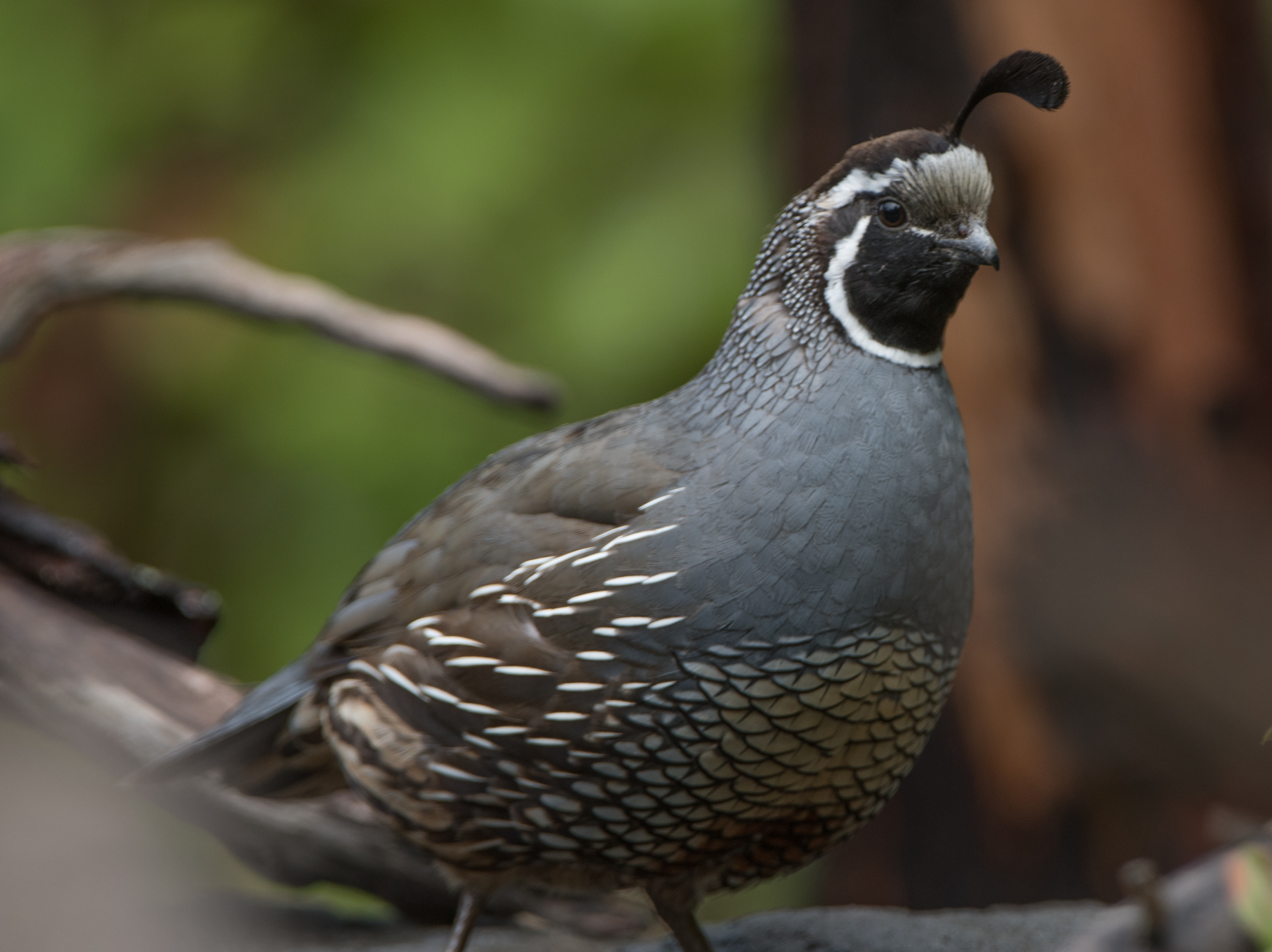
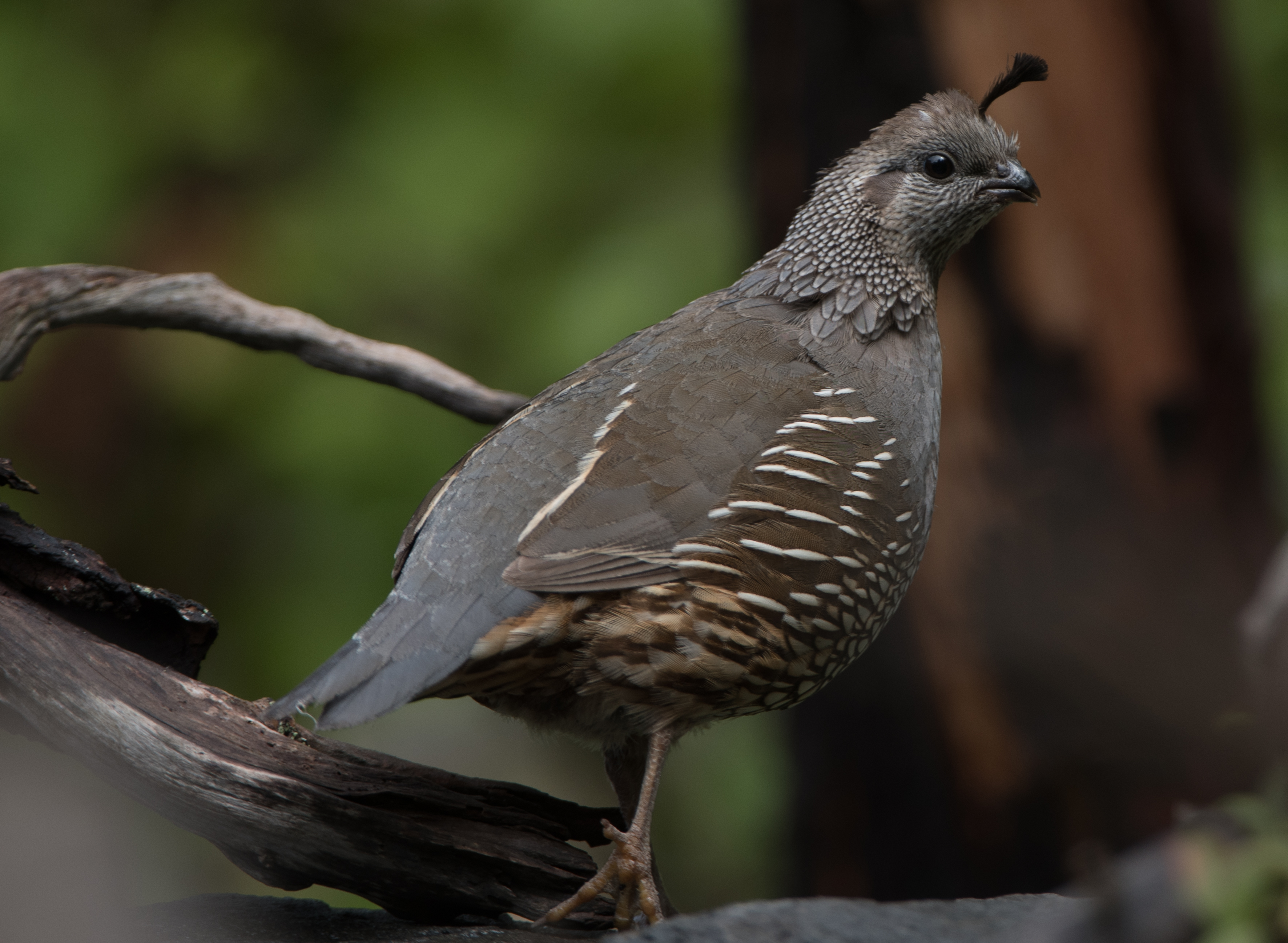
We have at least two mated pair of California quail visiting the yard several times a day but so far we have seen no chicks, which is somewhat worrisome.

At least one pair of Brown-headed cowbirds have been with us for several weeks now.  So far we have not seen any juveniles being raised by other species.  .