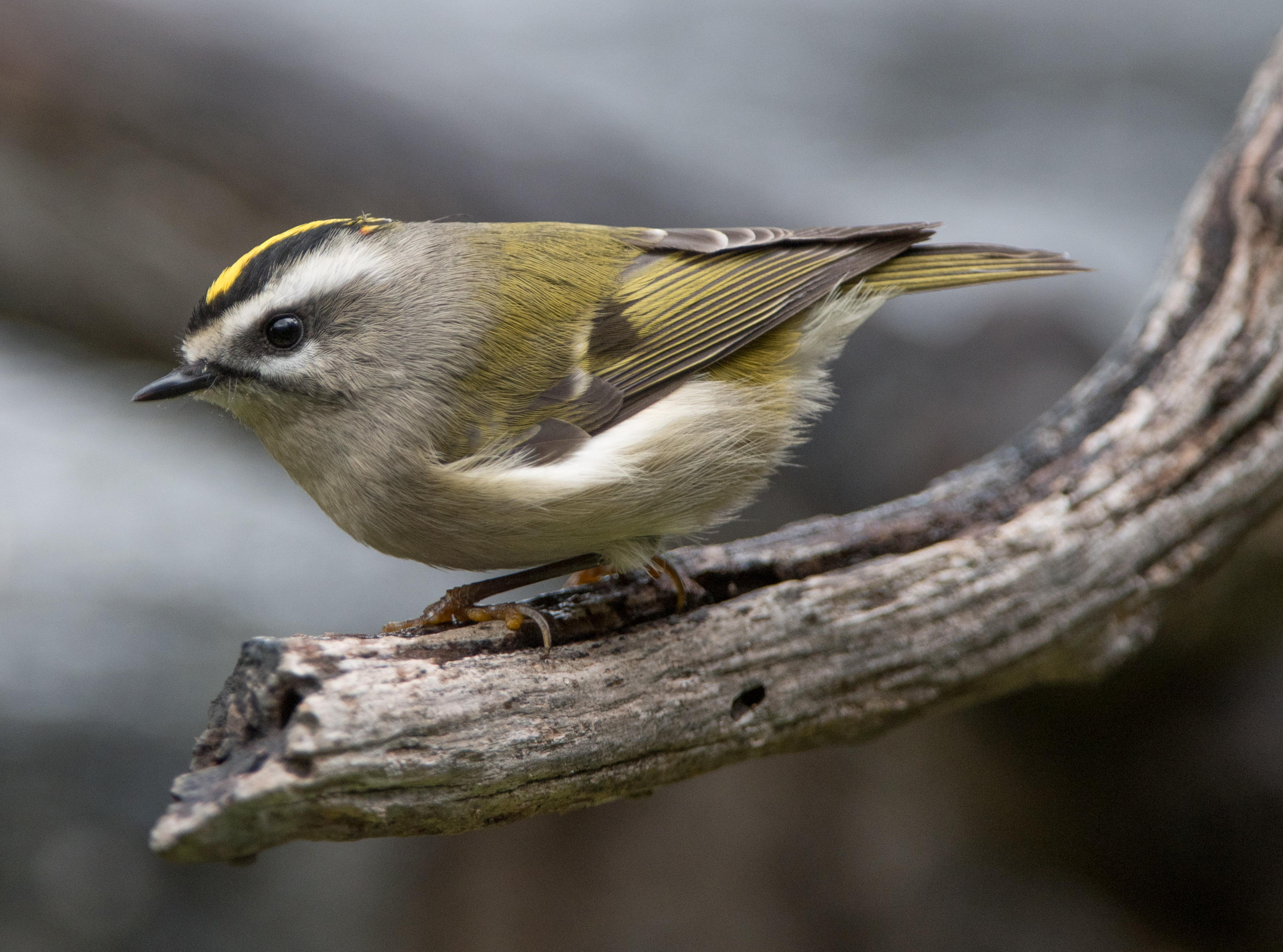
Fall Migrants!

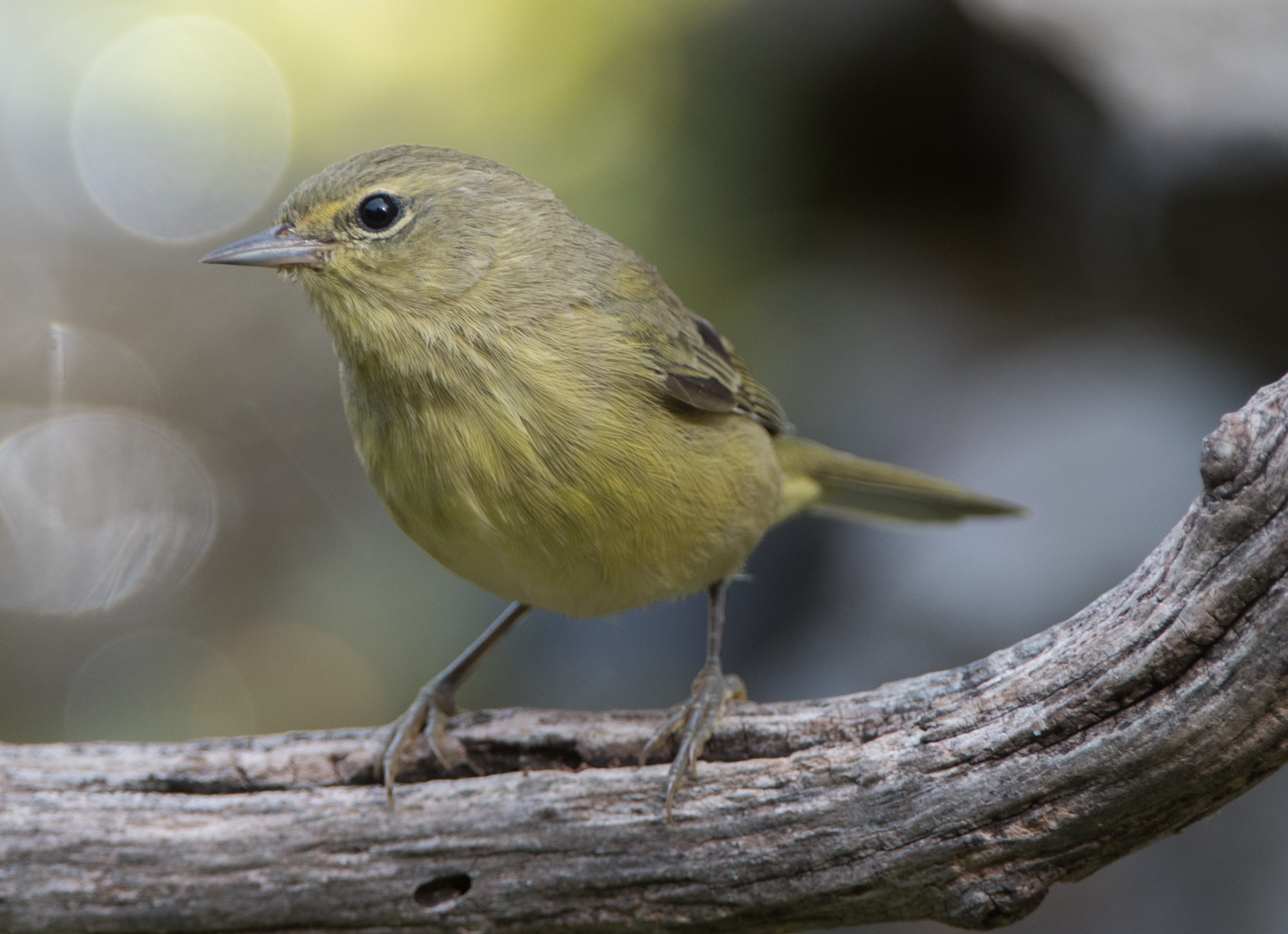
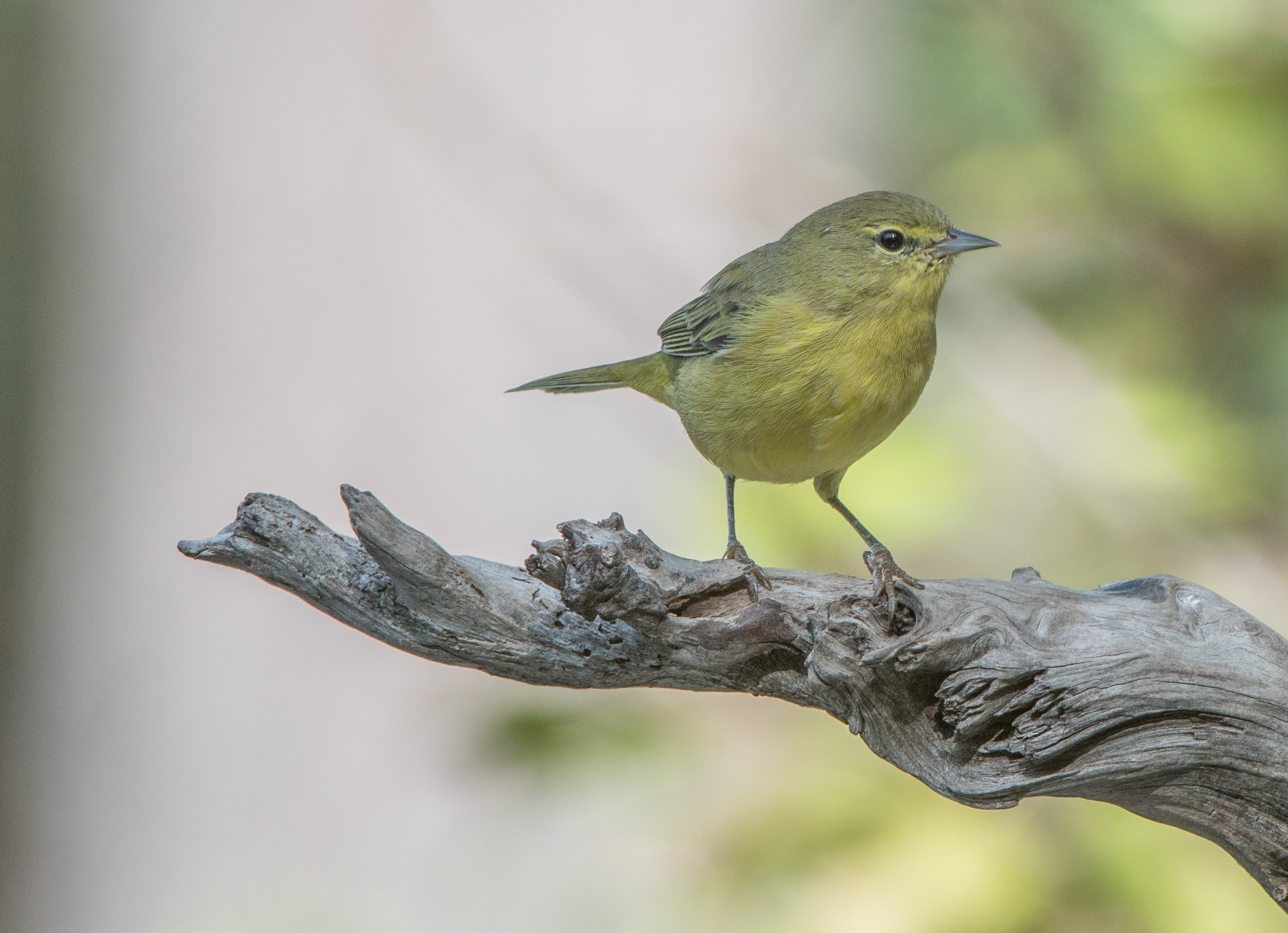
After mentioning the lack of summer warblers in our yard in my post relating to August 12, yesterday I spent a few hours in the yard after having been alerted to the presence of an Orange-crowned warbler.  Due to the lack of warblers this summer, I was very excited to finally be seeing another warbler in the yard, even if it was the more common Orange-crowned.

The Orange-crowned warbler set off a ground-swell of fall visitors which I’ll share with you.  During my time in the yard we had a fly-over from a Turkey vulture, a migrant which was here this summer but will be leaving in the next month or two to migrate south for the winter.

We had multiple visits from both male (top) and either female or juvenile (bottom) Wilson’s warblers, which I consider the most common warbler to visit our yard.

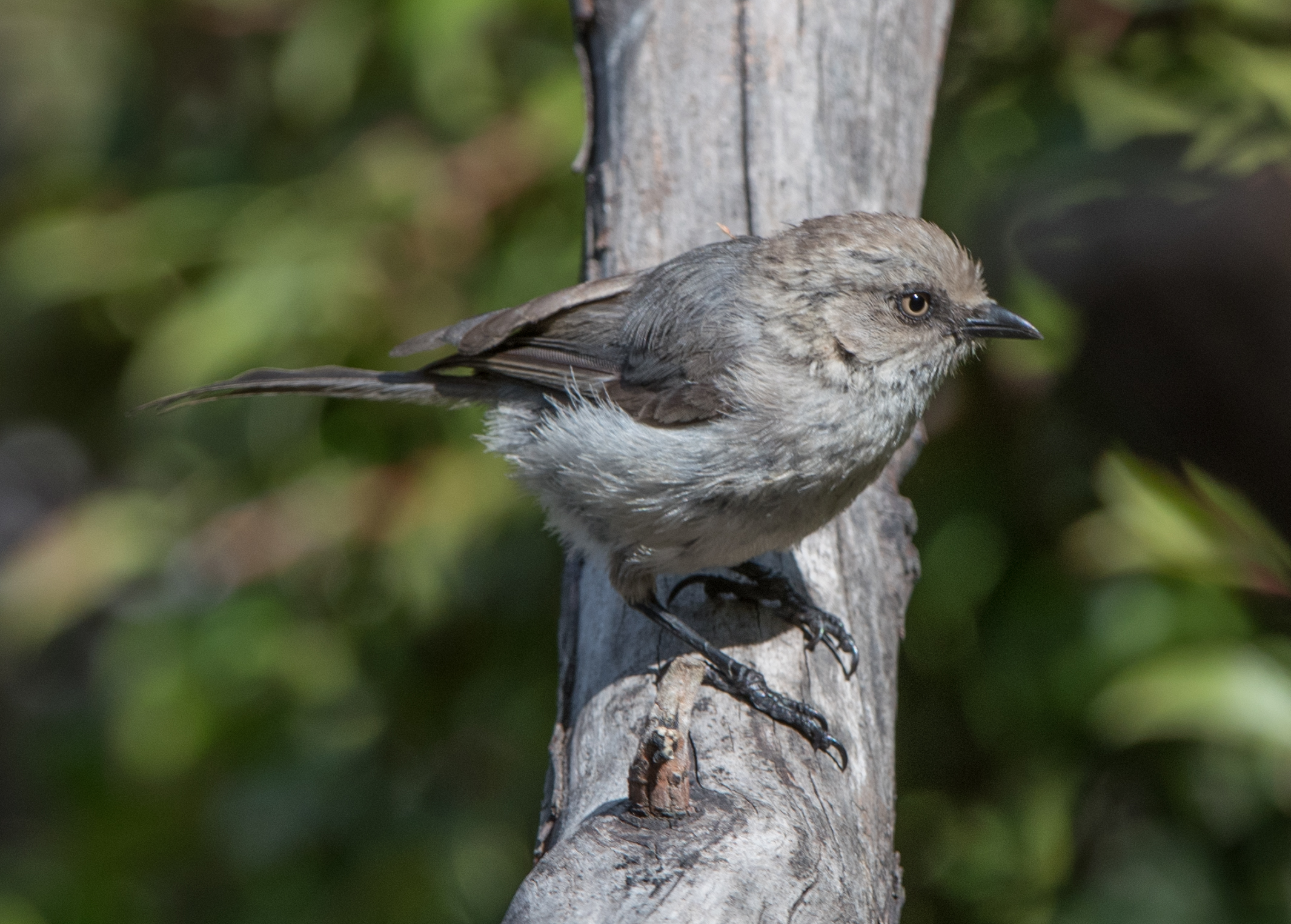
We also hade a Bewick’s wren visit the yard.  We had a breeding pair in the yard for much of the summer but they haven’t been showing themselves for the past several weeks.  This one landed on a perch that made photography difficult, but I managed a couple of photos.

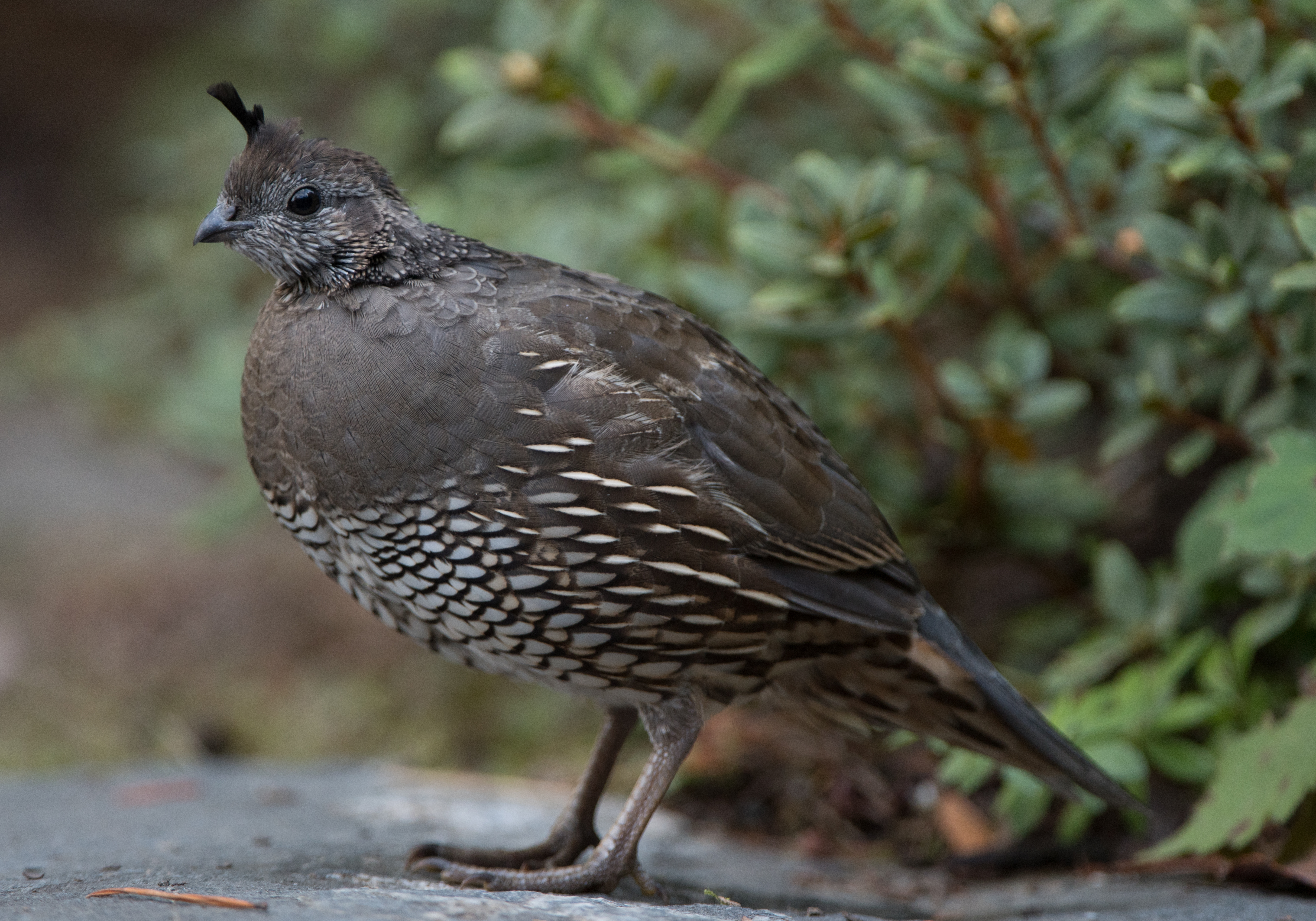
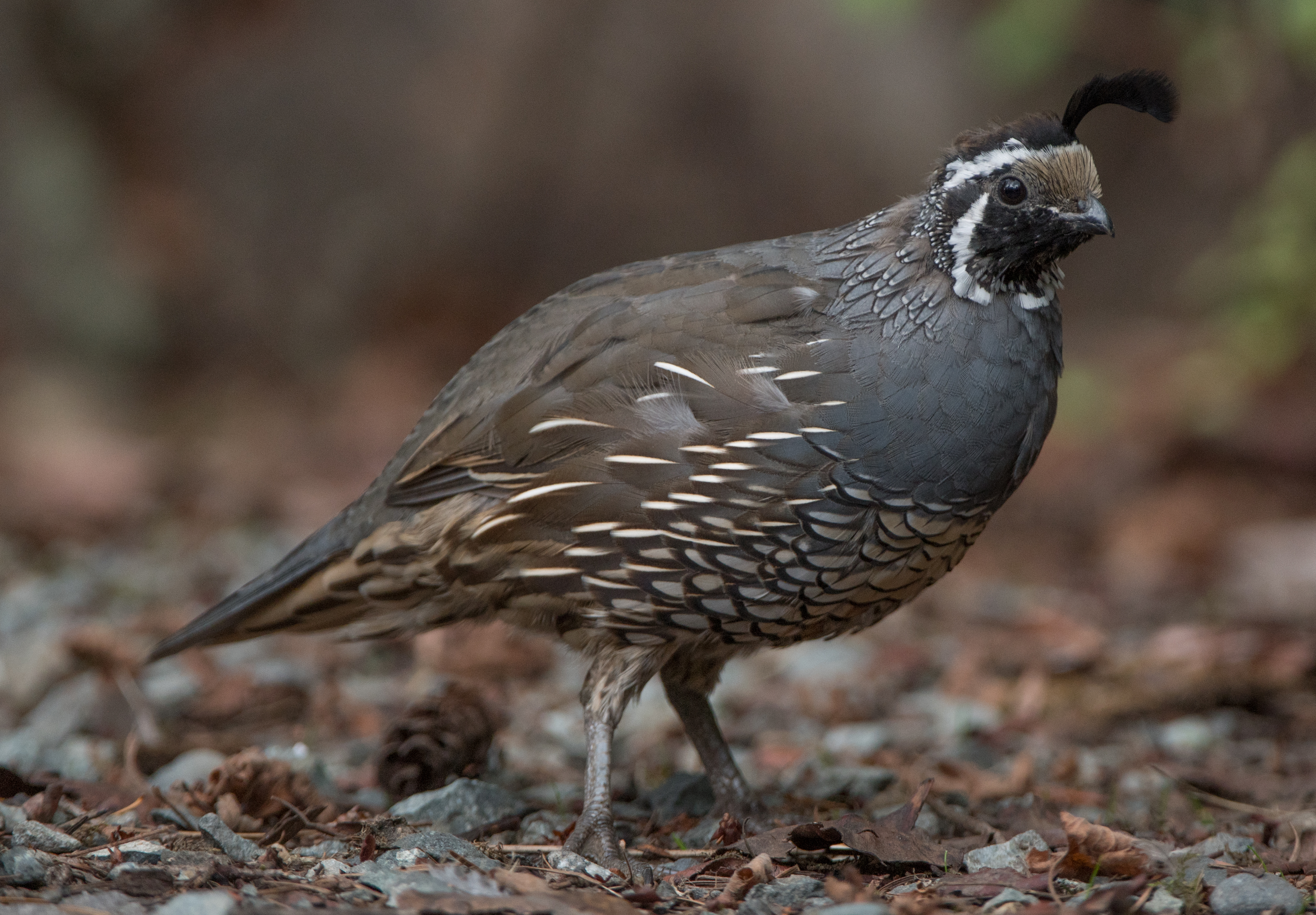
After being worried about the local California quail population for much of the summer, we are now overrun with several coveys of different sizes.  Here’s a photo of one of the adult males followed by a photo of one of the almost-grown juveniles.

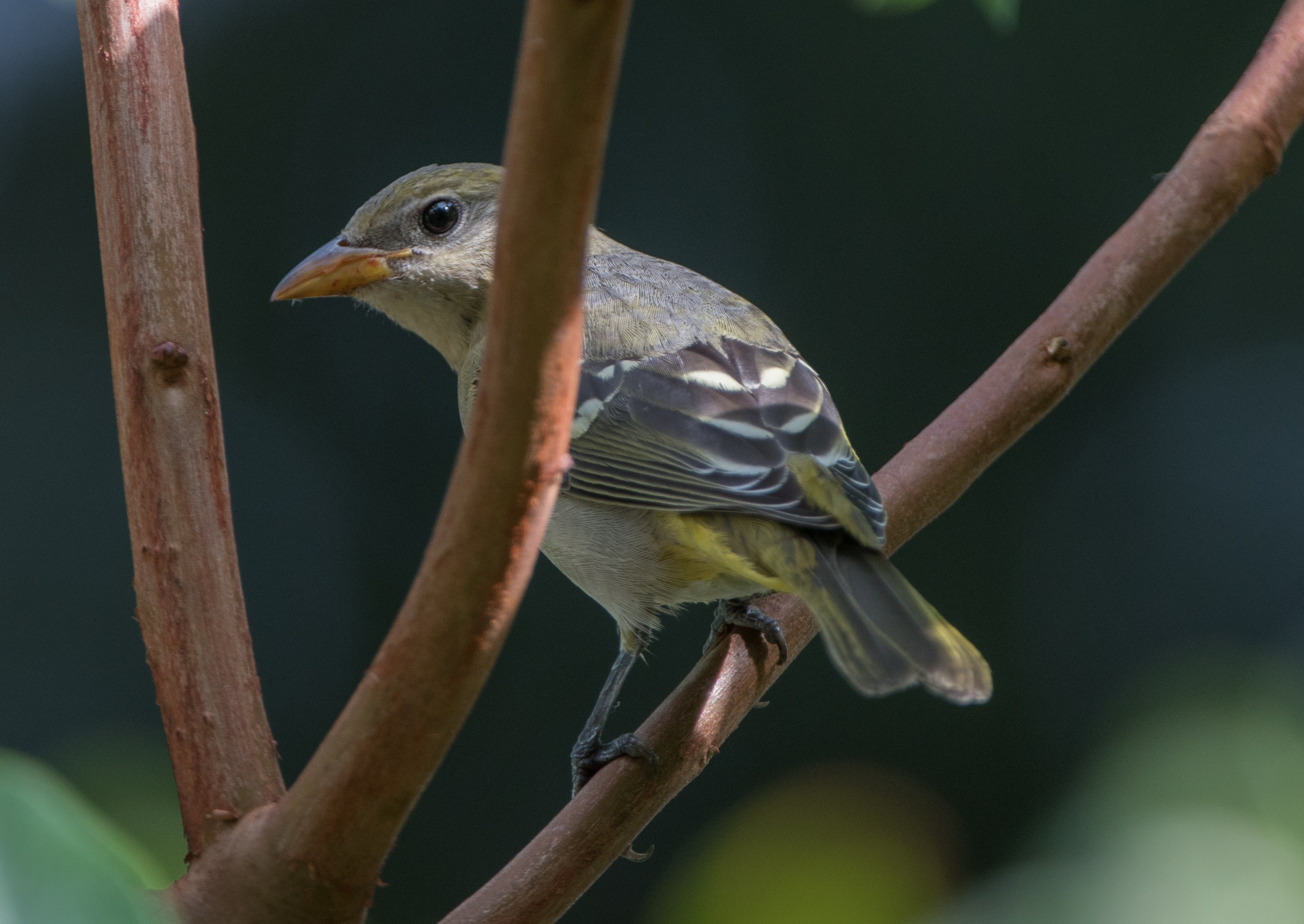
And finally, our star visitor for the day… a Warbling vireo.  If we’re lucky we manage about one of these a year.  Since we saw this one so early in the migration maybe I can hope for another!

Fall Migration!

Just a quick note to let you know that the fall migration is on, at least at our house!  I’ll replace this photoless post with another later in the day (Wednesday), but this is hopefully a helpful notice to be on the lookout for fall migrants here in Skagit County, WA.  I had a banner day in the yard yesterday and have a lot of nice photos to share, so check back later today for an update to this post.

Special Visitor!

I went virtually the entire month of July without seeing but one warbler, and that has continued into mid-August!  UNBELIEVABLE!  There’s been some kind of serious problem with our usual warblers (Wilson’s, Yellow-rumped, Orange-crowned and Yellow) this spring/summer.

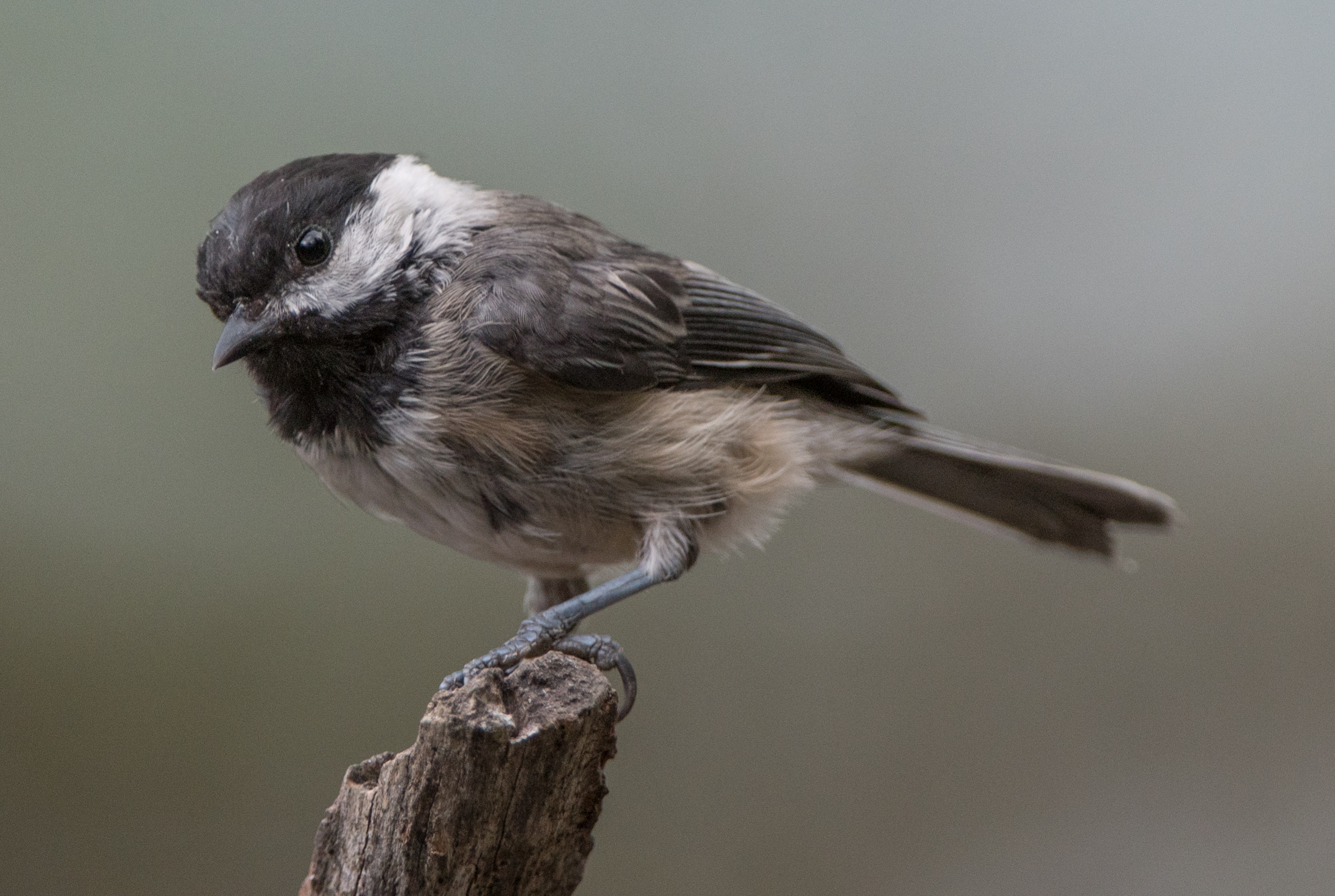
On August 12, 2018, at about 6:20pm, I was sitting very near our watercourse topping it off and watering a few of the plants around the yard.  The spray usually attracts some birds and I noticed an active bird on the edge of the yard that kept disappearing into madrones and bushes.  I couldn’t get a good sustained look at the bird… It resembled a Black-capped chickadee from a distance (without any optical enhancement) but I realized that it probably wasn’t a chickadee.

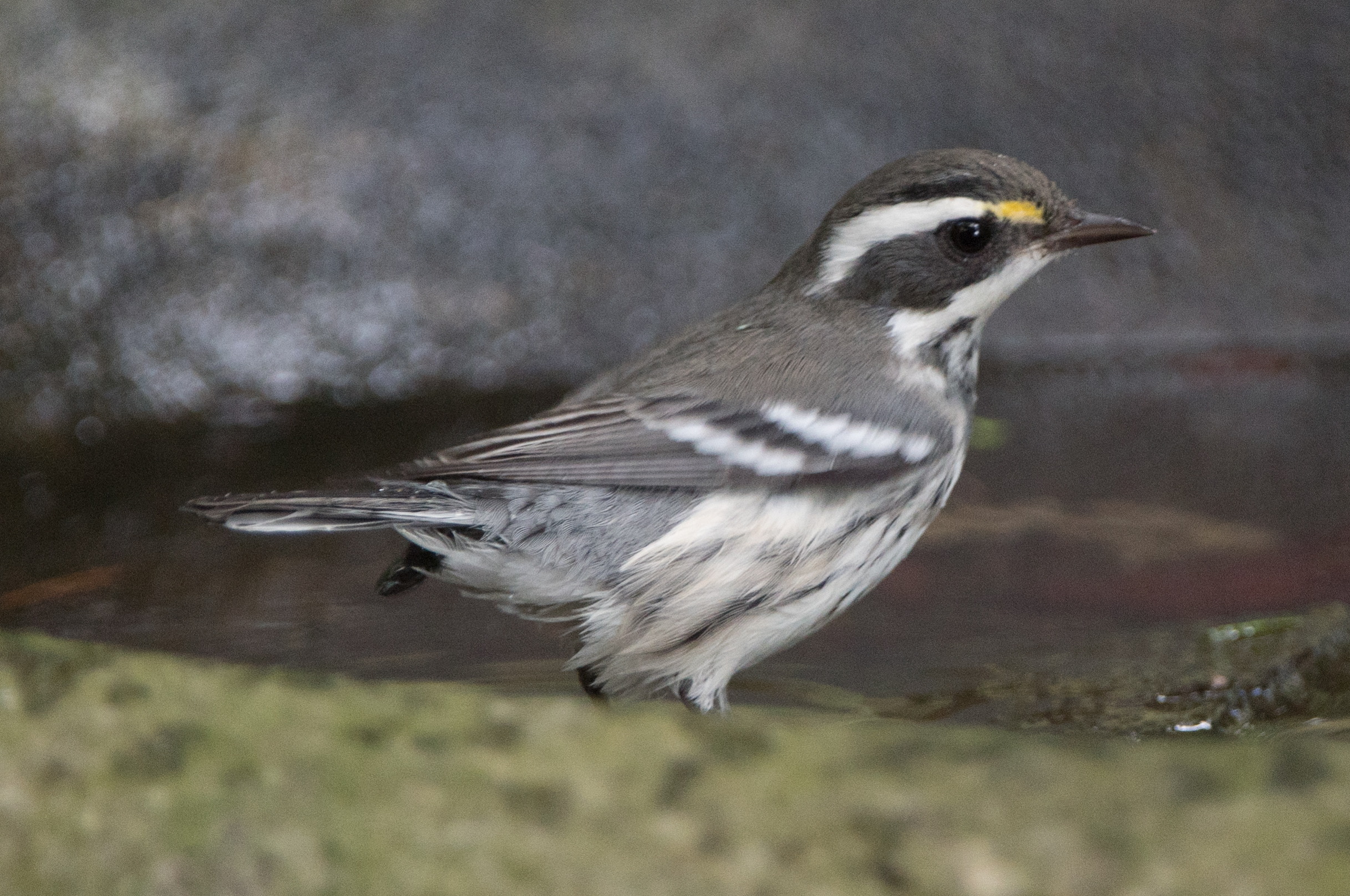
I made a fortuitous decision to run inside and get my camera, and when I returned with my telephoto lens the bird was still in the yard (fate was working with me this day!) and I immediately saw it was a Black-throated Gray warbler, one of the rarest warblers we get here on Cap Sante.

The bird made three separate trips to the watercourse to bathe, making liberal use of all the staging objects I have around the water.  As I started taking photos, from as close to the watercourse as I ever get, I abandoned my usual practice of waiting patiently until the bird strikes a good pose to take a photo.  I just began taking photos whenever the bird was in my viewfinder.  I soon had 95 images, 46 of which I retained!

For comparison, here is a photo of a Black-capped chickadee I took earlier in the afternoon.

And here are a few of the photos I took of the Black-throated Gray warbler, apparently a juvenile female.

Can this be the start of the fall migration?

Cedar Waxwing, Flickers and More!

I spent a rather limited time in the yard on the afternoon of July 31 but had a lot to show for my time.

But before I get into 7/31 photos I want to mention that I saw my first warbler in the yard in a month on 7/29.  Unfortunately I didn’t have my camera and am somewhat uncertain of the species, although I believe it was a Yellow warbler.  It’s almost inconceivable to me that I wouldn’t have had many visits by warblers of many species during the month of July.

We have a yard full of House finches, none more conspicuous than this male.  And sadly, we have a female House finch with the worst case of tumors on her face that I have ever seen.

The premier bird for the day was this (single) Cedar waxwing that twice came to the yard, the second time for a quick bath.

We also had four Northern flickers in the yard at one time, one adult male, at least two juvenile females and another female. One of the juveniles has a stash of ants that live under a rock in the yard, and some of my photos actually record ants in the flicker’s beak!  I think the photos shown here are of females.

This is one of the virtually-grown female California quail in the neighborhood, distinguishable from the adults only by plumage.  After what seemed like a slow start to the breeding season we now seem to have a plentiful population that will carry us through the winter.

We apparenty have two male Downy woodpeckers in the neighborhood.  I determined this by observing that a visitor from the previous day had some sort of problem with its right eye.

And as sort of a bonus I had a visit by a Brown creeper, which I initially misidentified as a Bewick’s wren when I first saw it among some shaded leaves.  And just a reminder… the creeper usually travels UP the tree trunk and the Red-breasted nuthatch DOWN!

Another Interesting Day in the Yard

My documentation actually begins with Wednesday, July 25.  As I mentioned in a prior post regarding that day I saw a pair of White-crowned sparrows gathering food almost the entire day and flying around the corner of the house with it.

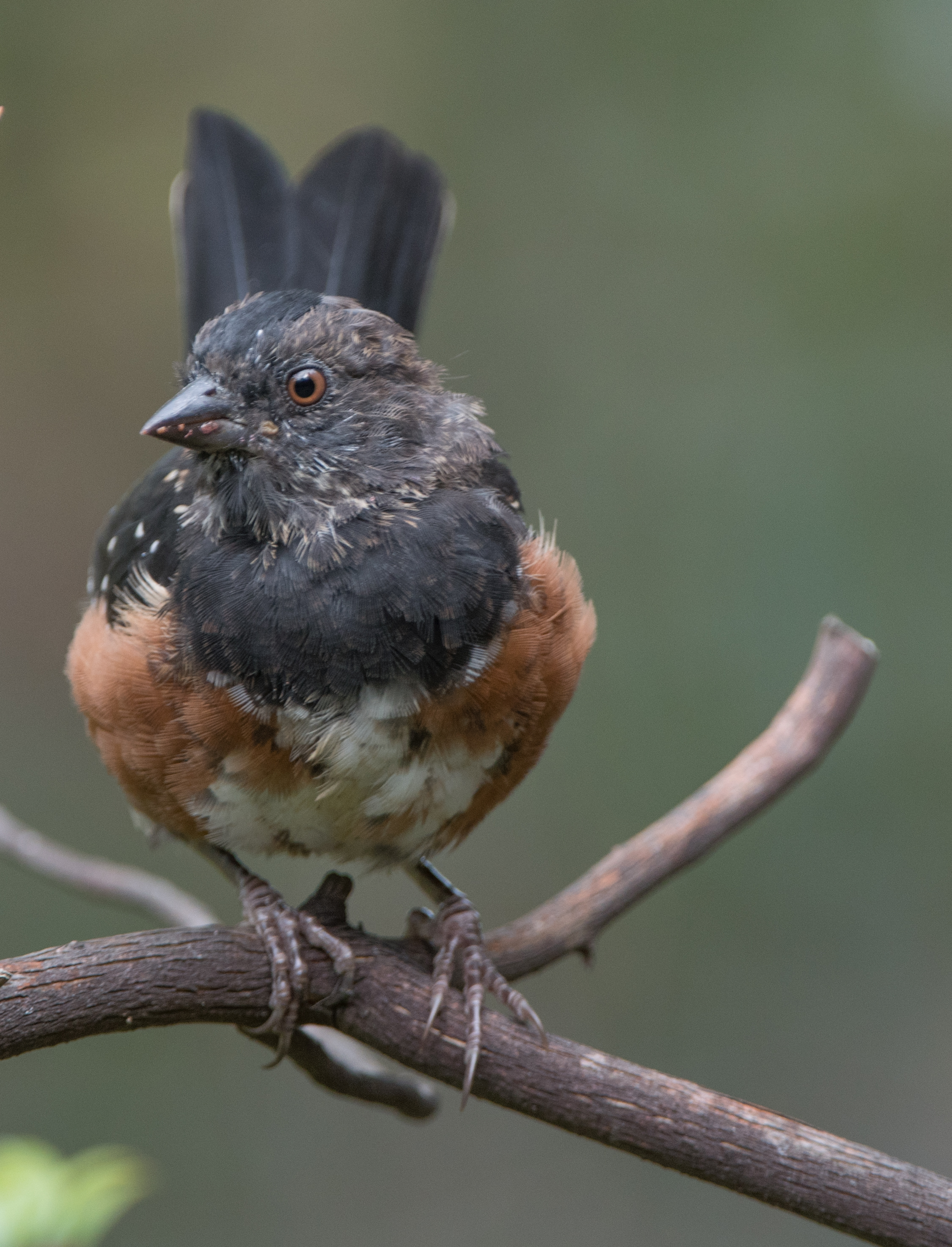
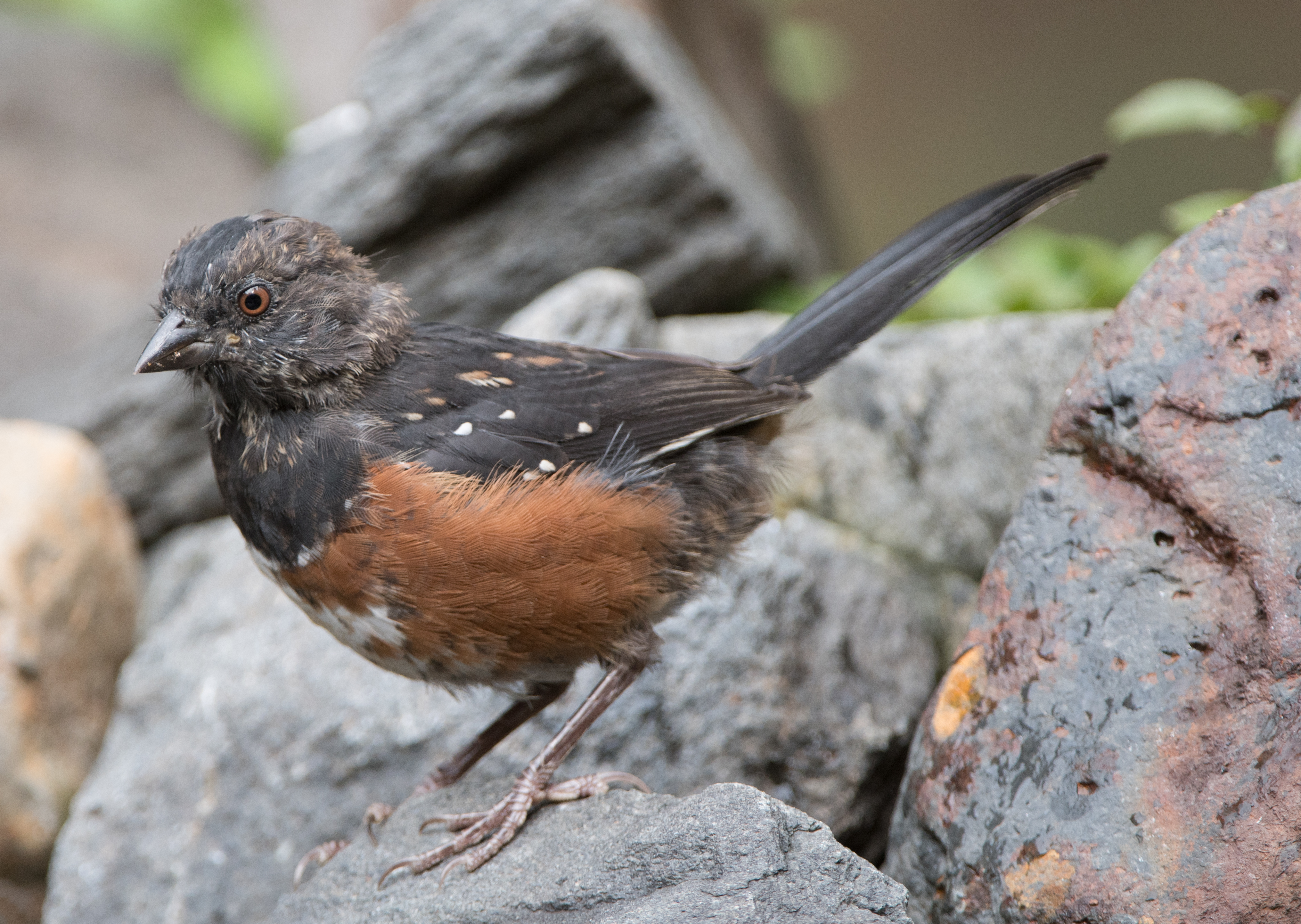
That afternoon, when watering some plants in the northwest part of the ‘yard’, I noticed some movement in an Oregon grape bush nearby.  Further investigation revealed a very young bird hiding in the bush and being fed by the sparrows.  I retrieved my camera and took several photos.  As there was only one chick I became suspicious and sent the photo to a more knowledgable friend for confirmation of my suspicions.  The friend confirmed that this chick, being raised by a pair of White-crowned sparrows, was in fact a Brown-headed cowbird.

It was a cute chick but as I thought about it overnight I reasoned that this chick, as a breeding adult, could wreak destruction on a large number of songbird nests over the next few breeding seasons.  The female can lay over 30 eggs in a season, and the young cowbird will displace the other birds from the nest, potentially wiping out the entire breeding season for each of those 30 breeding pairs.  I made the decision to do away with the chick, but by the next day it had moved and I couldn’t find it.

On a more pleasant note, I had more interesting photographic sessions with the California quail on July 26.  First, one of the coveys of larger quail entered the yard and after wandering around for a frustratingly long period of time, finally found the seed I had spread to coax them into a more favorable photographic location.  I was finally able to obtain some good photos of the larger juvenile quail, which are now approaching the size of the adults.

While photographing the quail my attention was temporarily diverted from the quail by the chance to get some good photos of a juvenile Northern flicker which flew to the watercourse.  There are times, as a wildlife photographer that you have to make difficult choices, and this was one of them.


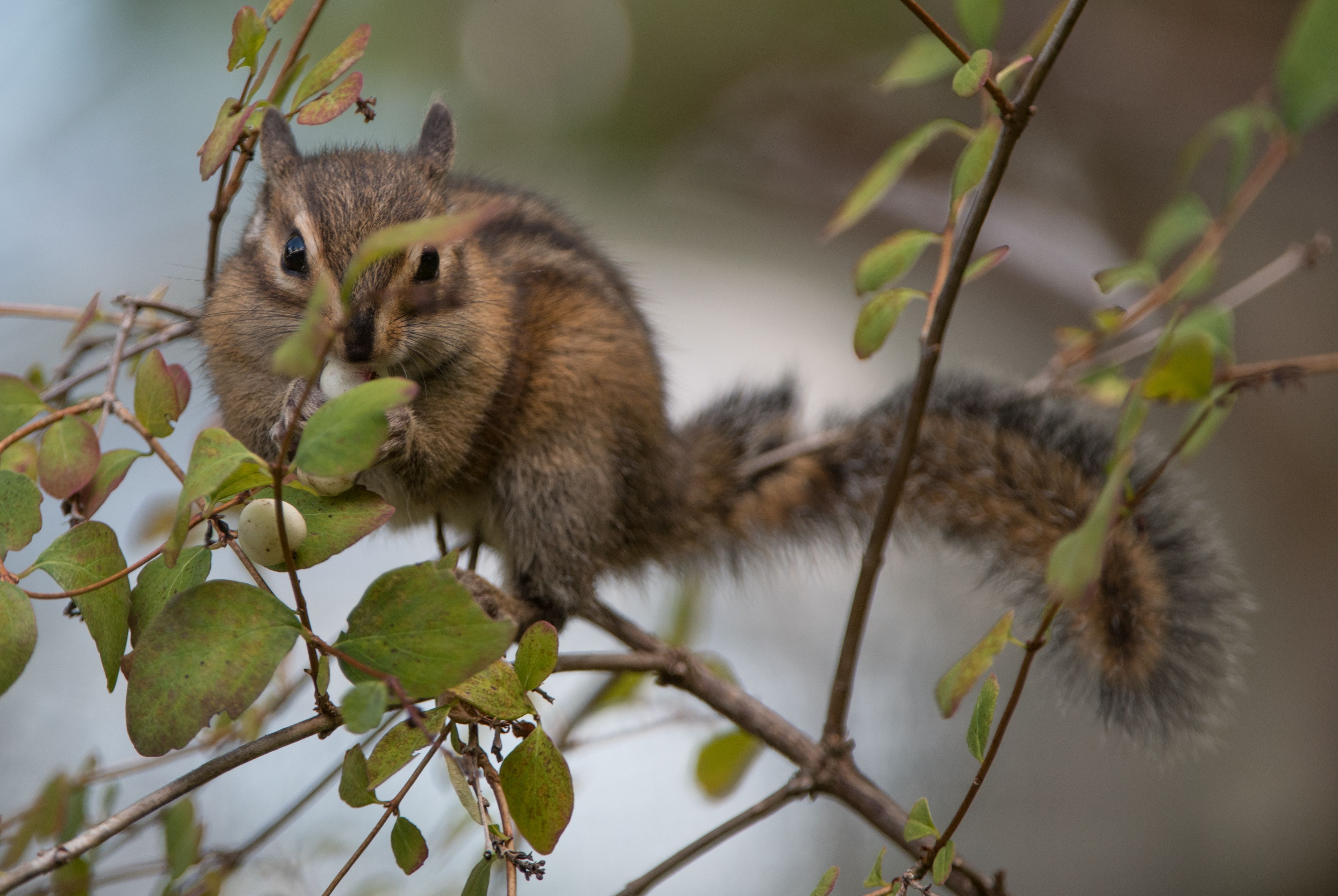
And while all of this was taking place, ‘Stubs’, a new visitor to the yard, made an appearance.  Unless he lost his tail last night, that makes three chipmunks that visit the yard from time to time.  Welcome to the habitat!

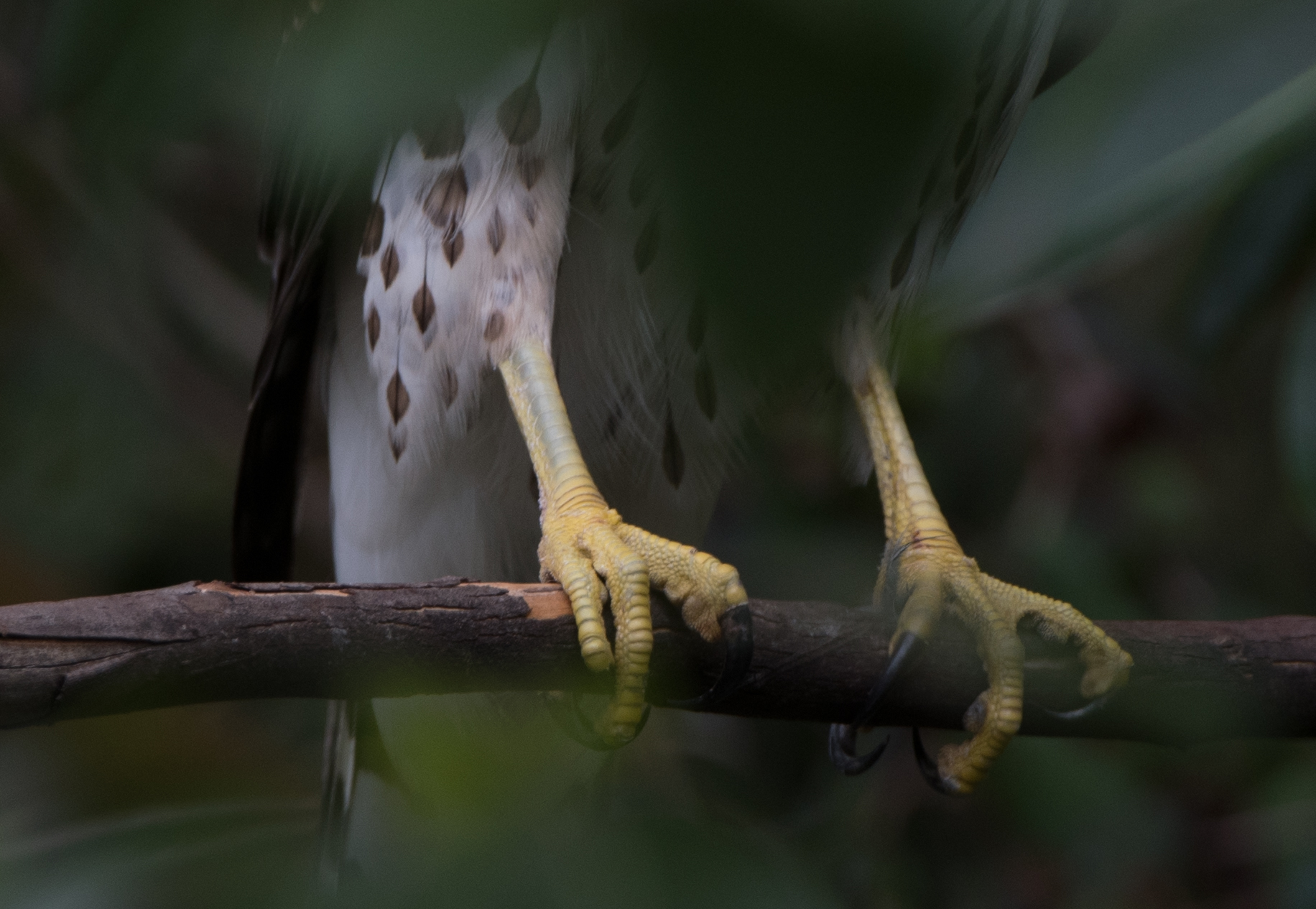
But back to the yard… and the California quail.  Later in the afternoon I was idly gazing over the yard when I noticed some movement in the same place the larger quail had visited.  It was difficult to see because of its size, but there in the leaves in front of me was one of the very small quail… all by itself!  No adults, no siblings!  I watched it for about five minutes before it disappeared from my view.  I’ve been watching quail for many years, and this is the first time I’ve seen any juvenile quail alone.  I hope it survives… a neighbor has warned be that there is an accipiter in the neighborhood.