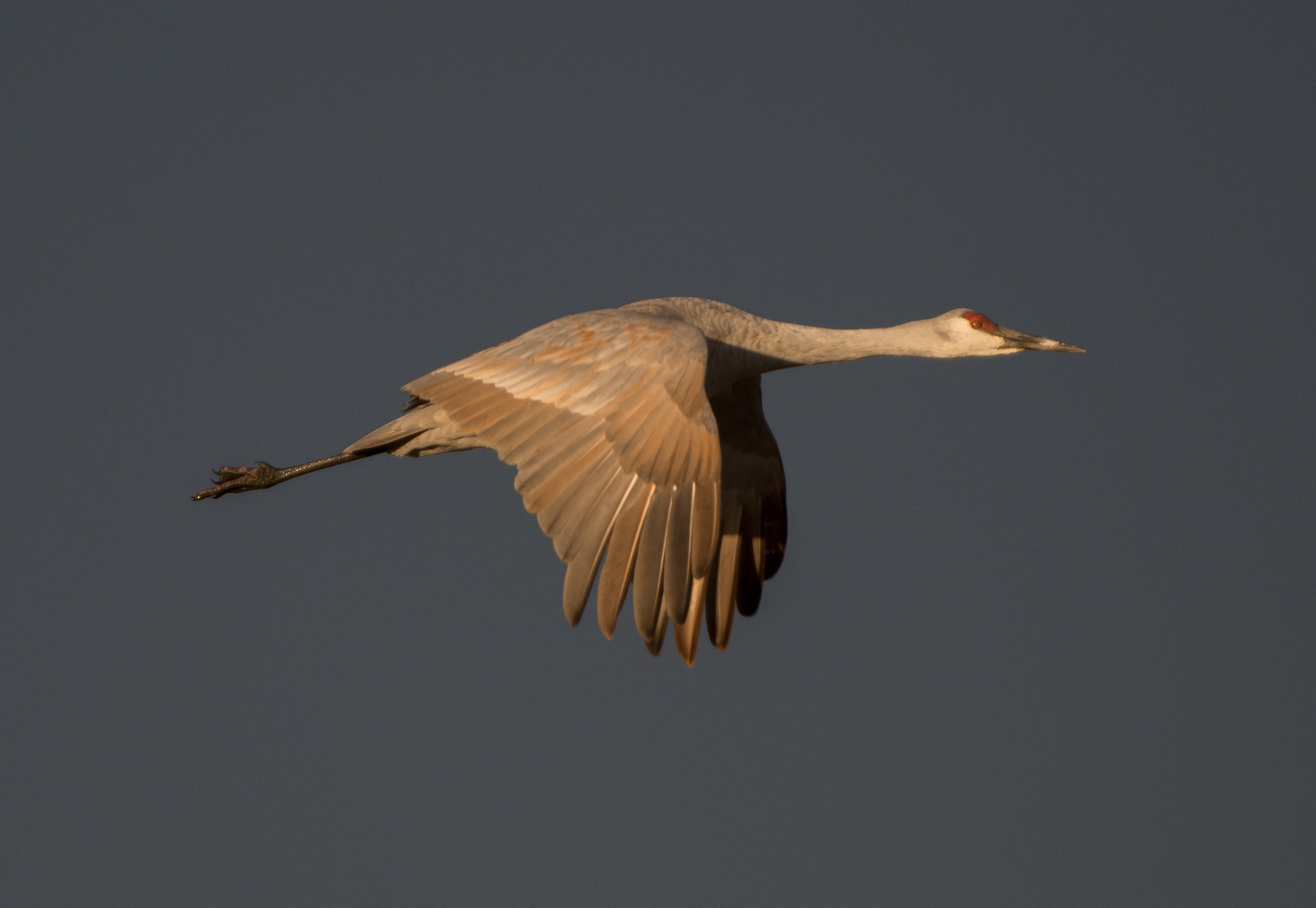
Great Egret

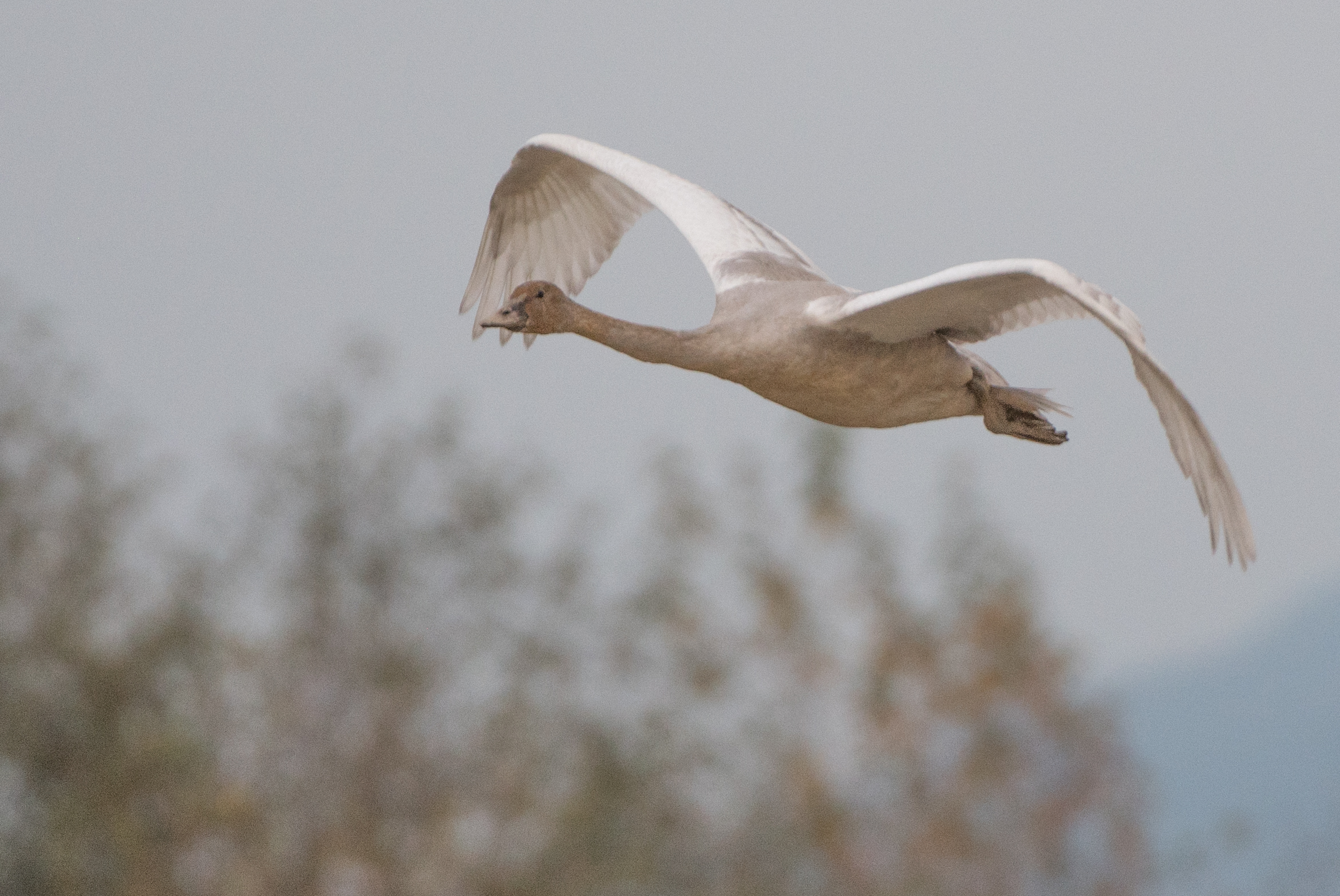
I’ve had some great days of photography, mostly of fall migrants passing through our yard on their way south or fall arrivals which will stay for the winter.  Because I’ve been spending so much time on photography and processing I haven’t kept up with posting photos to my blog.  I have a large backlog of photos to post, and normally I would post them in chronological order.  But I’m going to make an exception and post some photos here that will alert you to an unusual visitor in our area… a Great egret.

I viewed the visitor on two different days… the afternoons of Thursday, September 20 and Monday September 24.  The bird was in the same location both days… along (West) March Point Road just north of South Texas Road, opposite a large retention pond on fenced refinery property.  There’s no place to pull off the road there so you need to either do a drive-by or find a safe place to park.  Traffic at times (especially around 4-6pm) can be frequent and it’s a route used by tanker trucks, so exercise caution in the area.
On September 16, 2018, (Sunday), I decided to give the yard a break and hit the road.  I began with birding March Point, with the primary aim of photographing a few Caspian terns I had seen on a drive-by a couple of days previously.  I encountered these two Great Blue herons at different locations.

At the Headquarters Tract on Fir Island I found a large number of yellowlegs, a mix of Greater and Lesser.  (I’ll let you sort them out!)  I sat and watched them for a considerable length of time, watching them fly back and forth between a pair of logs in the water.  Even the closest log was a little further from my shore location than I would have liked.

I walked around the wetland and returned to my original location, taking more photos.  While I was looking through my camera’s viewfinder something (probably a hawk) flushed the yellowlegs, and in the panic that ensued three of the yellowlegs flew towards me and landed in the water at a much closer distance!  I was suddenly in business!

During the panic and its aftermath I managed to get one of the yellowlegs in flight.

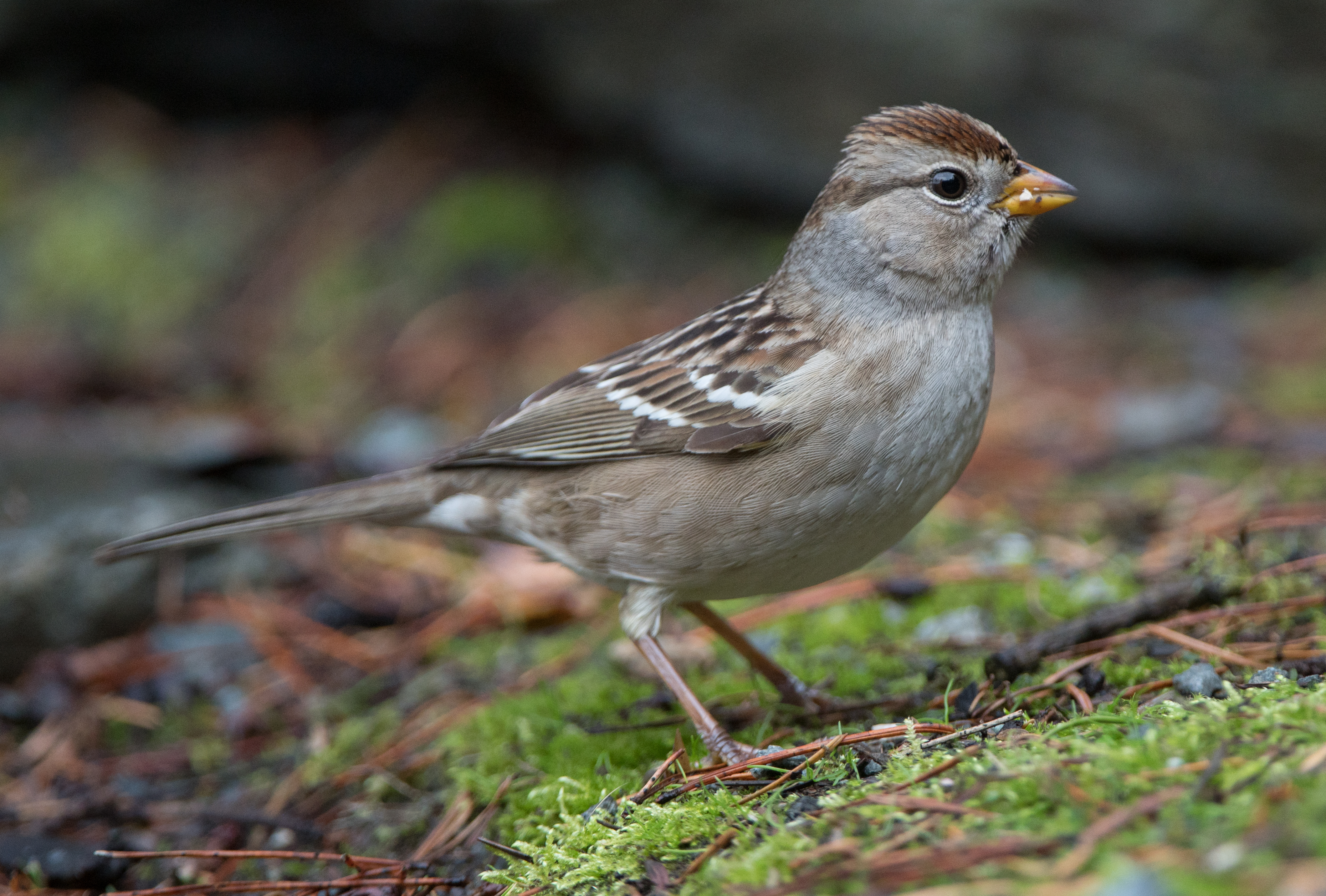
When I returned to my vehicle I found three species of sparrows in the bushes.,, juvenile White-crowned sparrows, Song sparrows and this Lincoln’s sparrow, perhaps the rarest of the three species.

On the way back to March Point I ran across this Red-tailed hawk.  Unfortunately I was zoomed in when the hawk flew so I wasn’t able to capture the entire hawk in the photo, Nevertheless, I like the photo

Meanwhile, once again touring March Point, I found the Caspian terns out feeding and took many photos.

Another New Fall Arrival

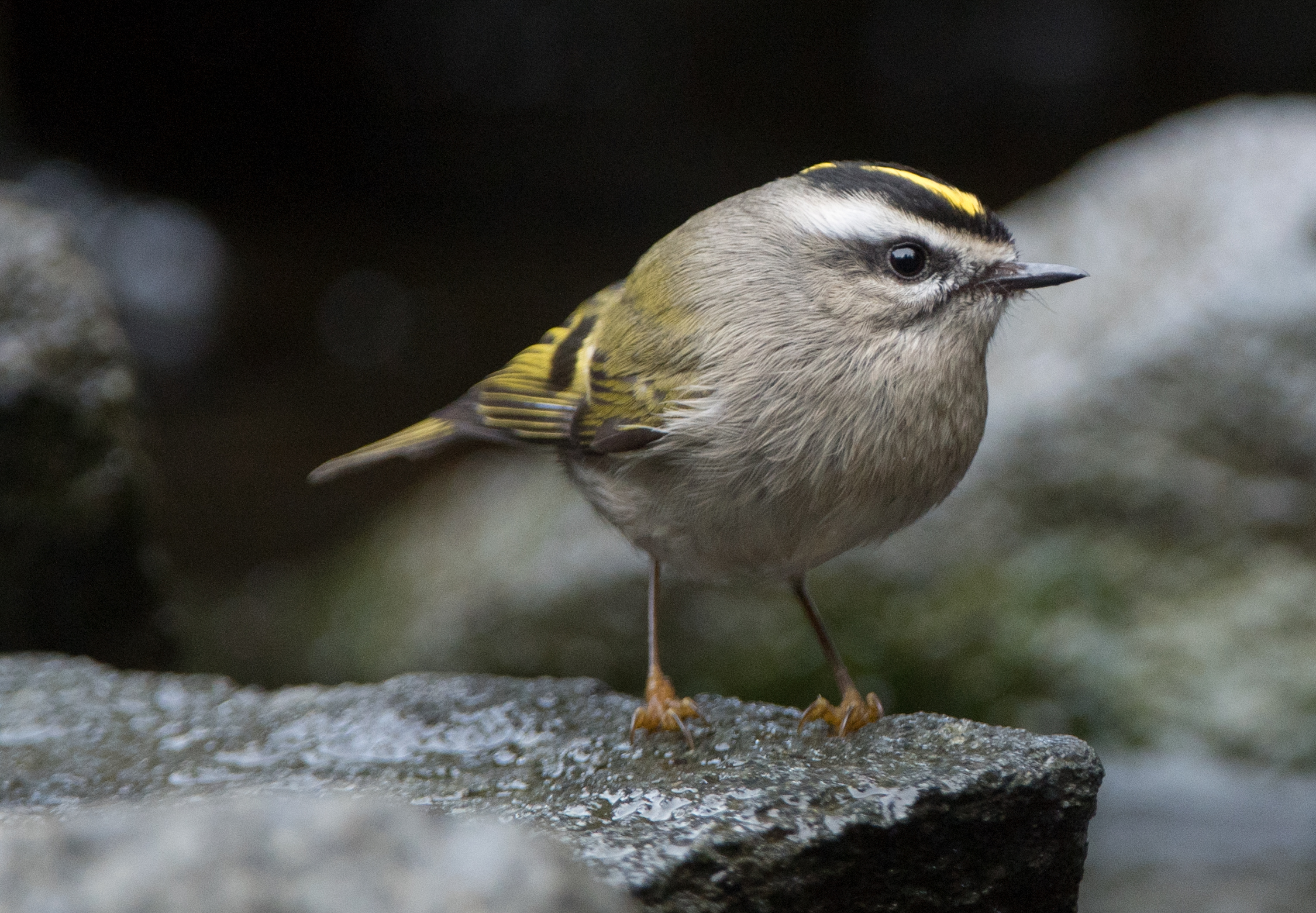
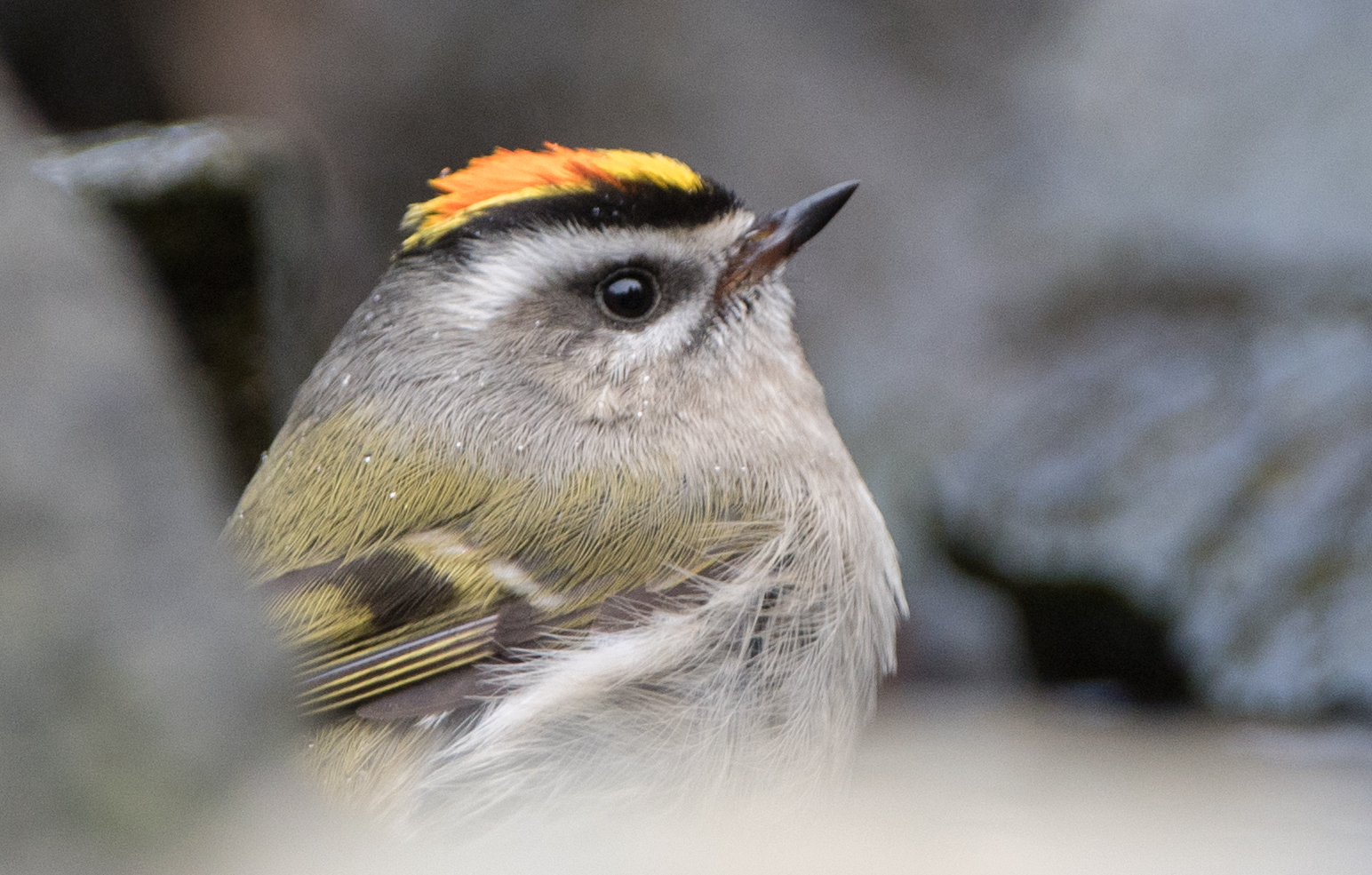
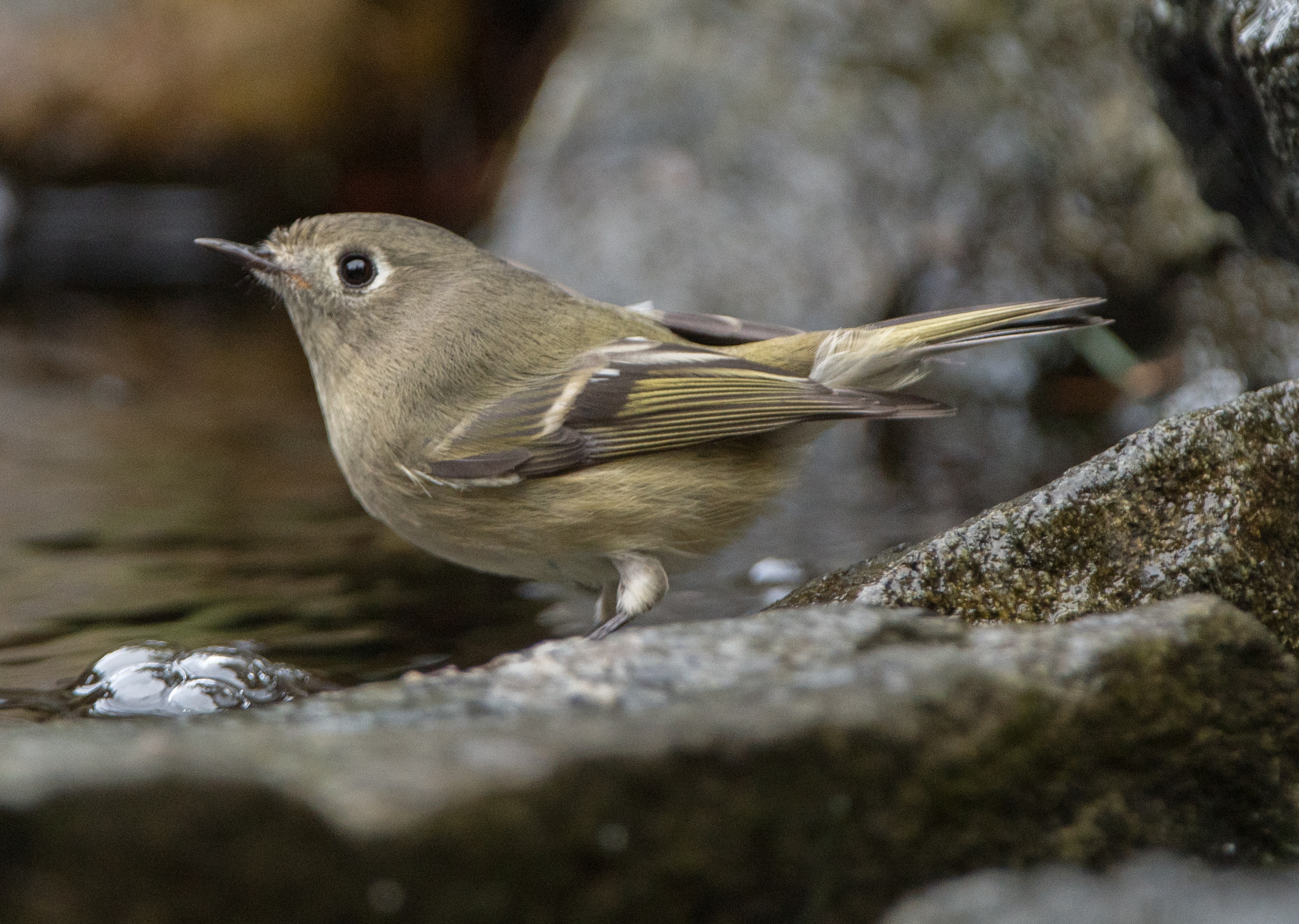
On Saturday, September 15, 2018, I had just waken from a short nap. I had checked the yard for birds and there weren’t any, so I was channel surfing when I heard a soft window strike.  The sound was so soft I assumed that it was just a glancing blow so I wasn’t concerned, but the strike signaled that birds had returned to the yard so I decided to verify the birds’ presence.  I glanced out the window and immediately saw a Golden-crowned kinglet on one of the staging sticks next to the watercourse.  This was our first fall visitor of that species!

I immediately ran for my camera and sneaked to my observation chair in the yard but found it was not only wet but that very light rain was currently falling.  I made the decision to sit under the eave next to the house.  When I looked down to arrange my chair I spied a Golden-crowned kinglet on the paved walkway, evidently the victim of the window strike I had heard.  (This indicated that there had been two of them visiting the yard.)  I picked up the bird and held it in my hand for about 15-minutes to keep it warm.  While I did so a second kinglet visited the watercourse.

I’m always amazed at how small such birds actually are.  I spend considerable time enlarging photos so that birds can be viewed better and it just doesn’t seem possible that these birds are so light, delicate and small.

IMG_5097.jpg

It seemed uninjured so after awhile I placed it on a staging stick adjacent to the watercourse and kept a close eye on it to ensure that it didn’t fly into the water.  It stayed on the stick for about 10-15 minutes (during which time I took advantage of the situation and took some photos).  When a House sparrow flew to the watercourse the kinglet  seemed to show more interest, grew more animated and soon flew into a madrone tree, evidencing normal, active behavior.

I had another visit from a Golden-crowned kinglet before I gave up photography for the day.

Just before retiring I photographed his juvenile Spotted towhee around the watercourse.

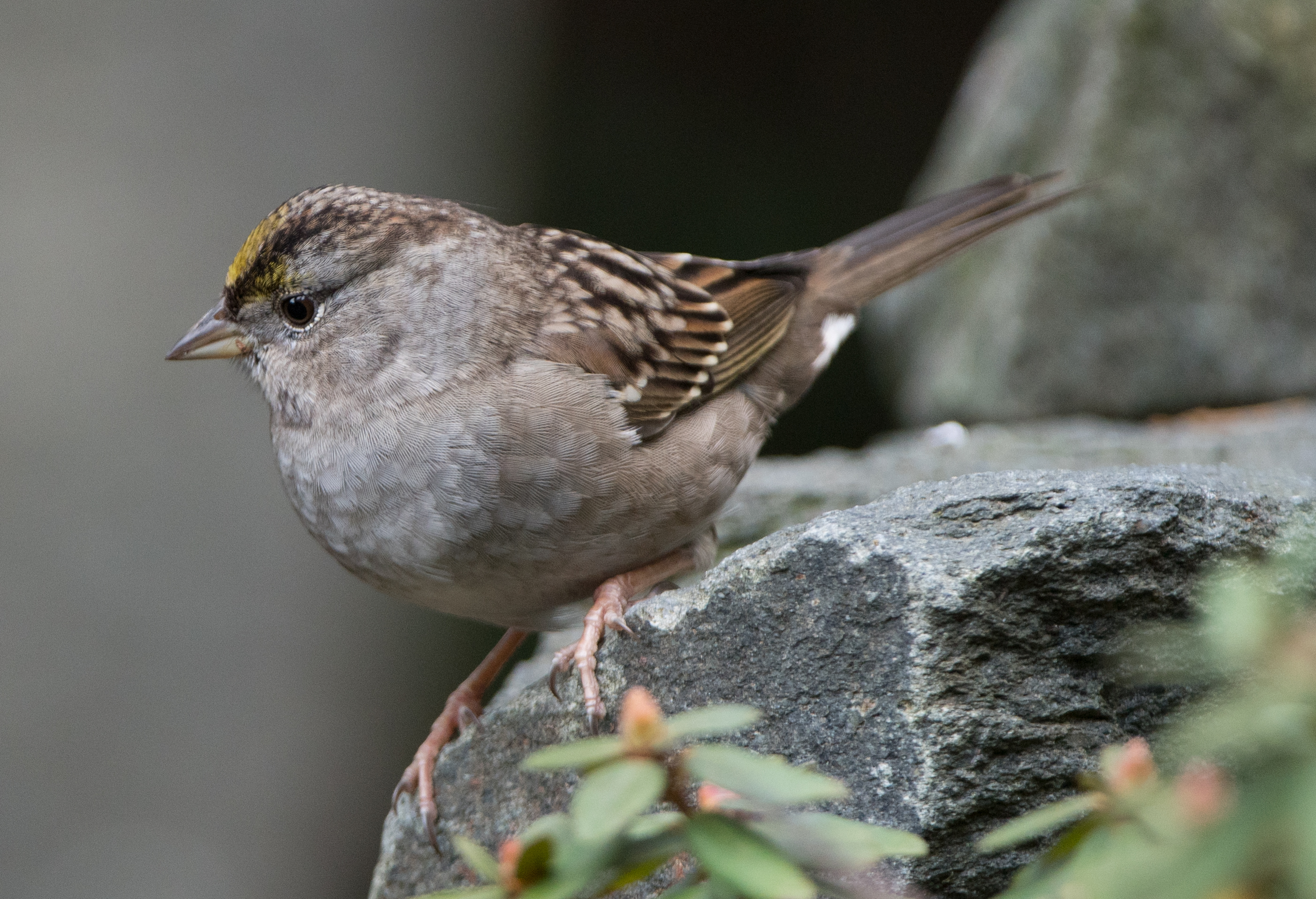
I checked my records for both the Golden-crowned sparrow that first appeared in the yard on September 14 and the Golden-crowned kinglet that visited this day and they were the earliest seasonal visits I had for both birds.

A Day Without Warblers

I spent considerable time in the yard on September 11, 2018, without seeing a single warbler or other migrant passing through.  How boring!  But… not long after I arrived at my yard post I had a visitor who remained in the yard for several minutes.  Here’s a clue…

I obtained only one good photo, and here it is.  I have it on good authority that this is probably a juvenile Cooper’s hawk.  Size is not a good determining factor between the Cooper’s and Sharp-shinned hawks, but this hawk seemed on the large side to me.

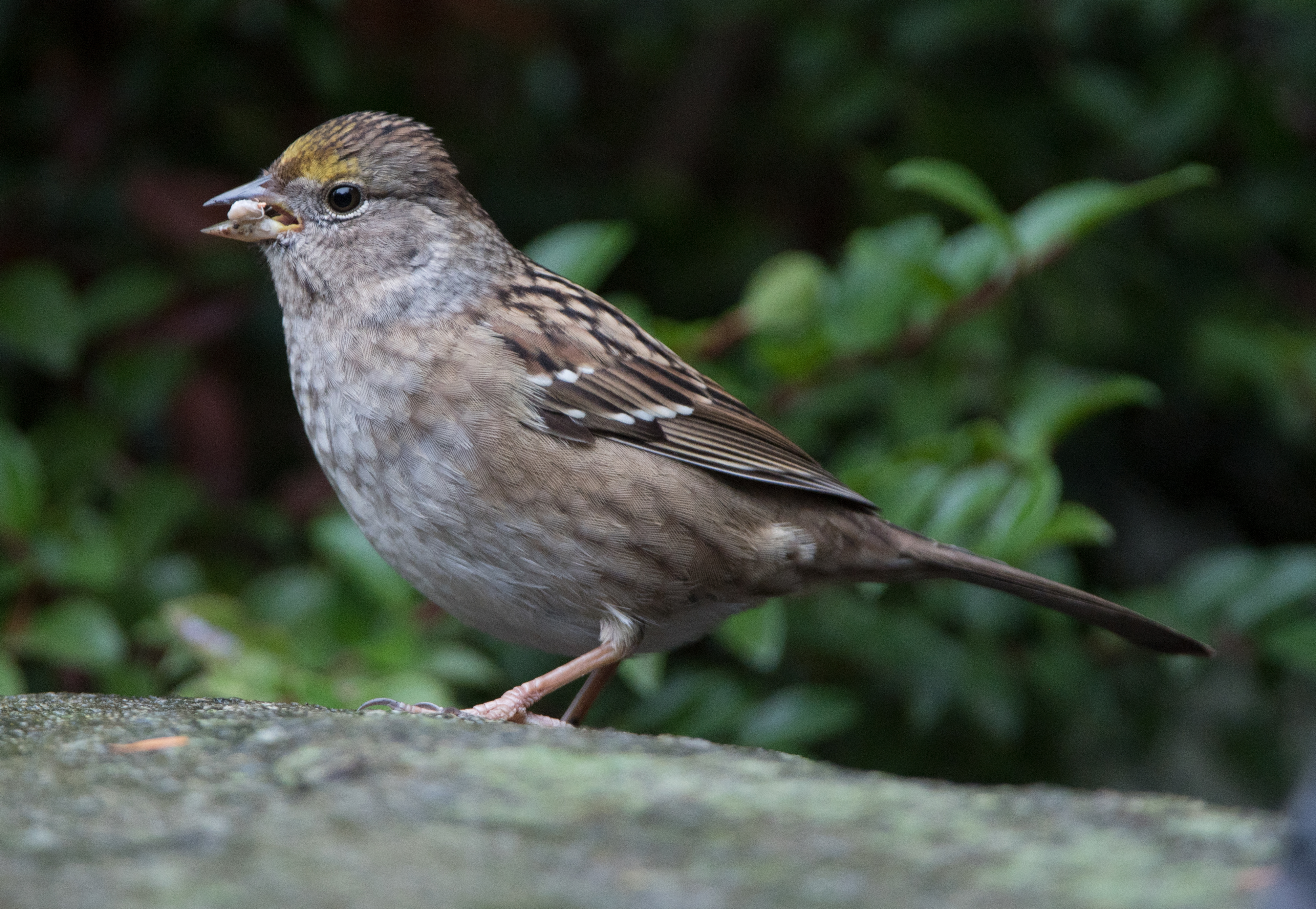
It had been an otherwise boring afternoon when I spied a bird among all the house sparrows exhibiting a little different behavior (a special area of the yard and non-gregarious) and looking closer I identified our first Golden-crowned sparrow of the fall season!

And to round out this post, a few of the more common birds which occupy my time…

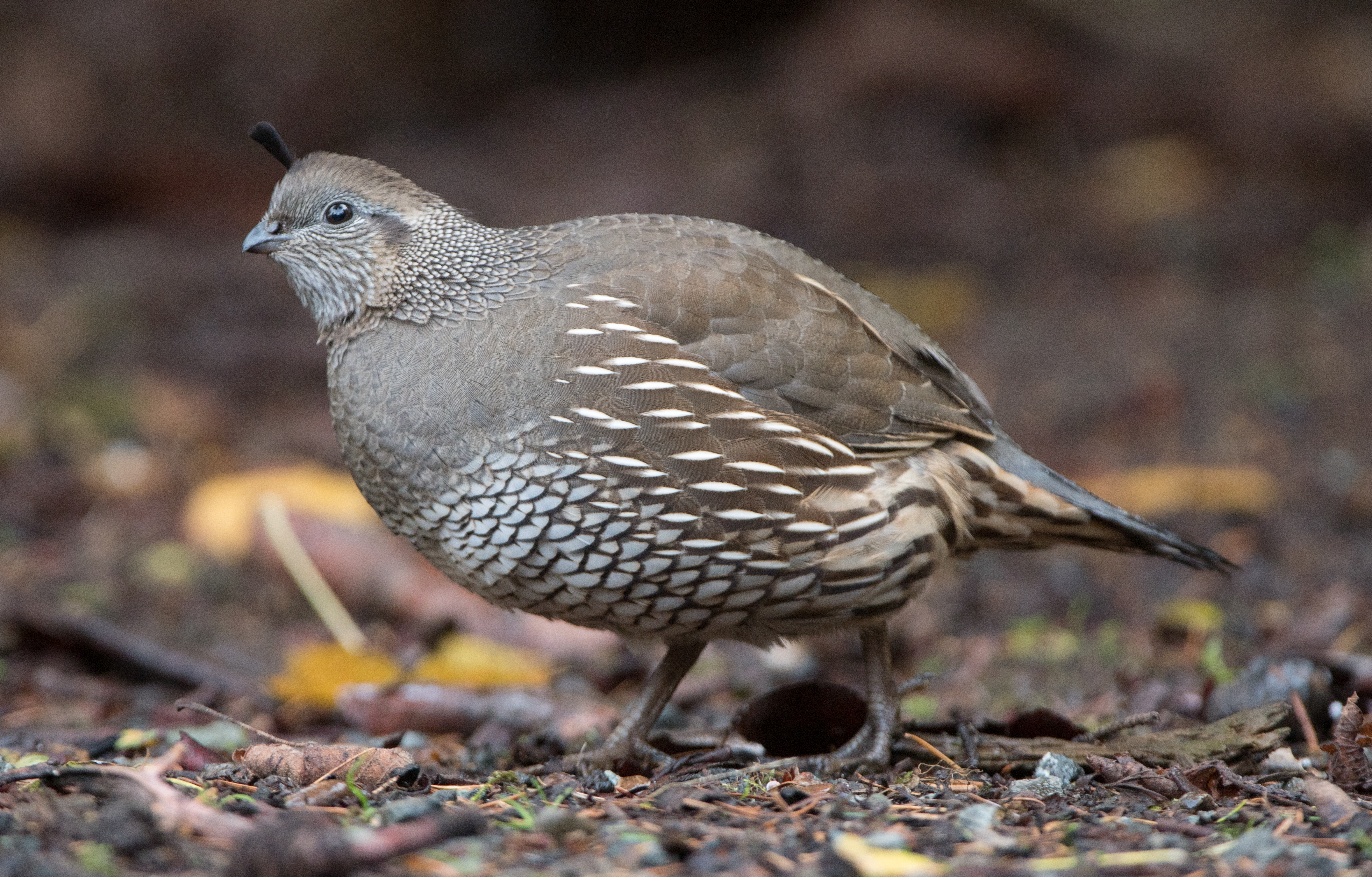
One of the juvenile California quail fledged this season. Of the covey that visits our yard we seem to have two adult males and seven young females.  I’ve quit trying to separate the young from the adults because the young are so large I can’t tell them from the adults.

This is one of the two adult males in the covey.

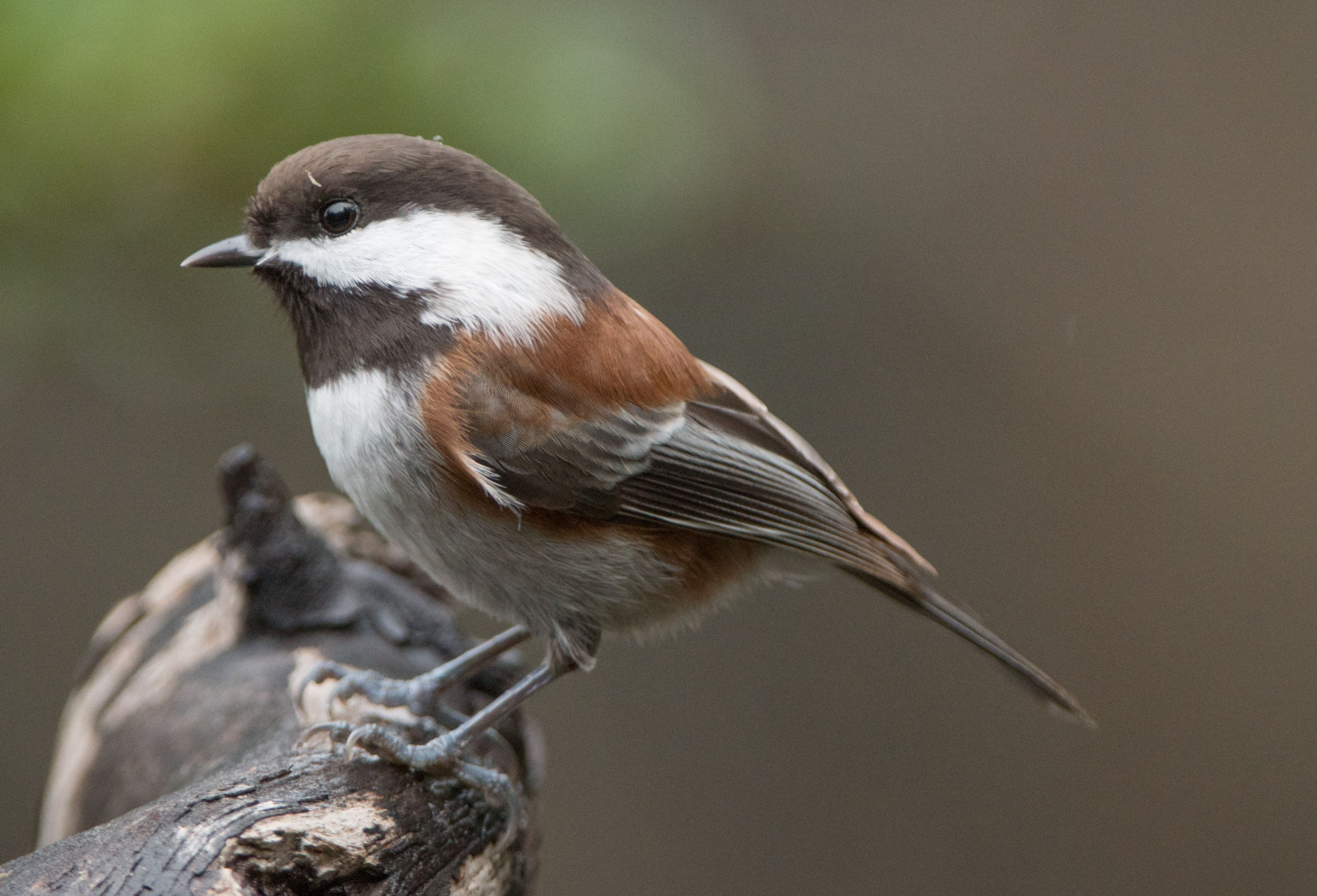
A Black-capped chickadee

And a Cottontail rabbit munching on plants in my bog…

The Migrants Just Keep Coming…

I had an exciting day on September 11, 2018.  I’ll start with the migrants…

An Orange-crowned warbler, some of which actually overwinter in the PacNW.  I had two visits, and one of the visits consisted of two birds which were interacting.  .

This is one of my favorite visitors, rare and always appreciated.  This is a male Black-throated Gray warbler.

Not a great photo, but since this is only the third visit by a female Western tanager this season I’m posting it anyway.  These birds are in the neighborhood but this season they just haven’t frequented the yard.  This bird will soon be on its way south.

This Black-headed grosbeak will also be on the way south soon.  While grosbeaks were fairly frequent visitors earlier in the spring/summer, this is the first one I’ve seen in the yard in over a month and it made what is a rare visit for its species to our watercourse where I was able to take numerous photos.

This is a female Bushtit, as evidenced by the yellow of the bird’s iris.  Bushtits are now combining families into larger groups and will be here year-round.

This is a juvenile Spotted towhee, which wins my award for looking least like the adult it will eventually become.  I noticed that this one is beginning to develop spots on its wing (hence its name) and in processing the photo I noticed that the area under the bird’s wing is developing into the adult’s reddish plumage.  Another indication of a juvenile bird is the yellow area at the corner of the bird’s mouth, common in many species.

Most of our American goldfinches will also be headed south soon, although some do stay the winter.  This is a juvenile male changing to its adult plumage.  The bird’s body plumage is that of a juvenile whereas its upper body is revealing its sex.  (Note the dark patch on the bird’s crown.)

This Townsend’s chipmunk is usually content to scrounge the yard searching for bird seed, but I noticed this one having a supplement… eating Snowberries.