Early Spring Birding

I spent some time in the yard on April 6, 2026, and photographed a bird I suspected might be a male Purple finch.  I wasn’t sure because I’ve never knowingly photographed a male in the yard in my 25+ years living in the Cap Sante neighborhood.  I say knowingly because the male House finch is quite similar and sports a broad range of red, especially during the breeding season.  I sent photos of this bird to three different birders whose skills I respect and they all confirmed it’s a male Purple finch!  (Thank you birding friends!)  

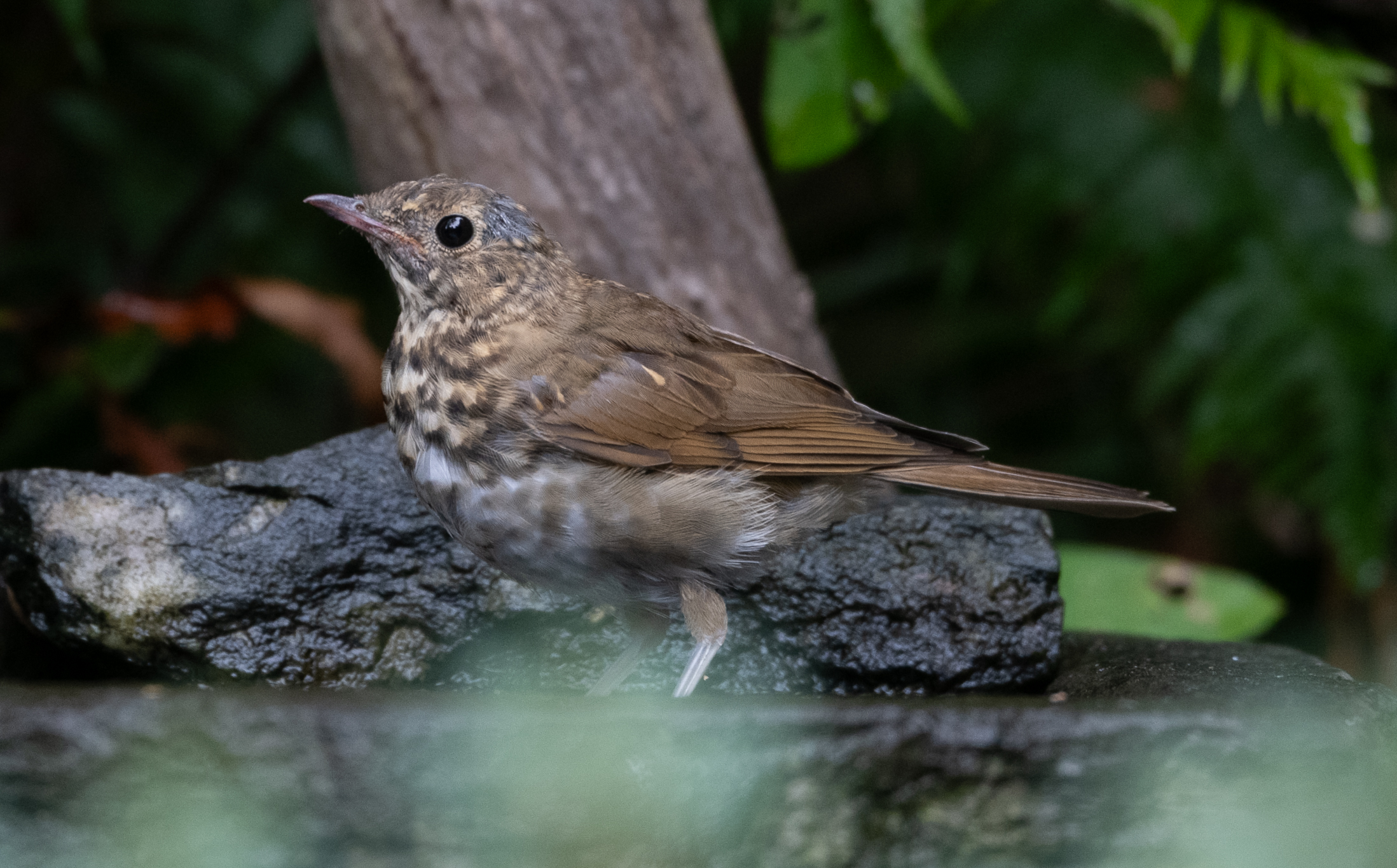
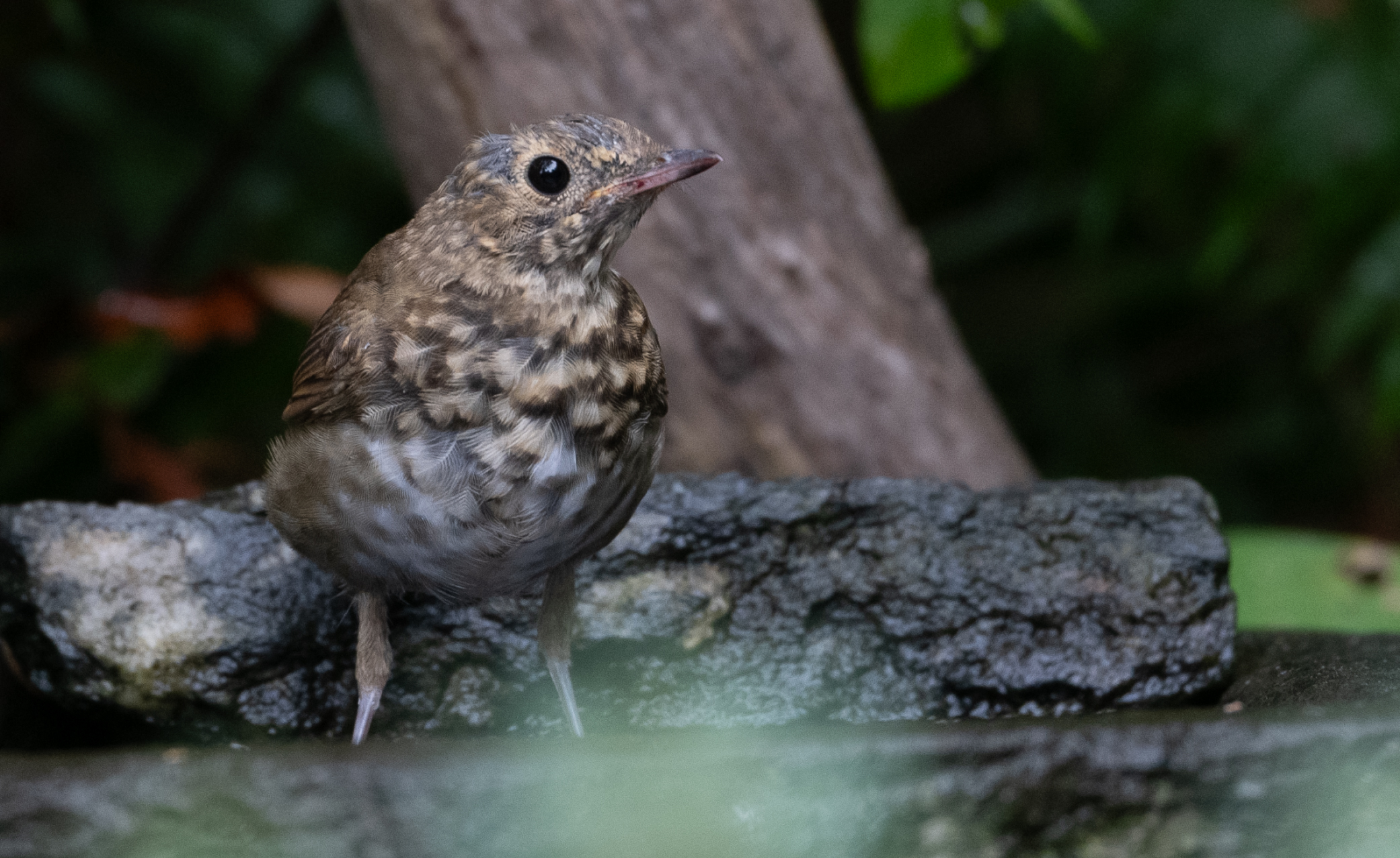
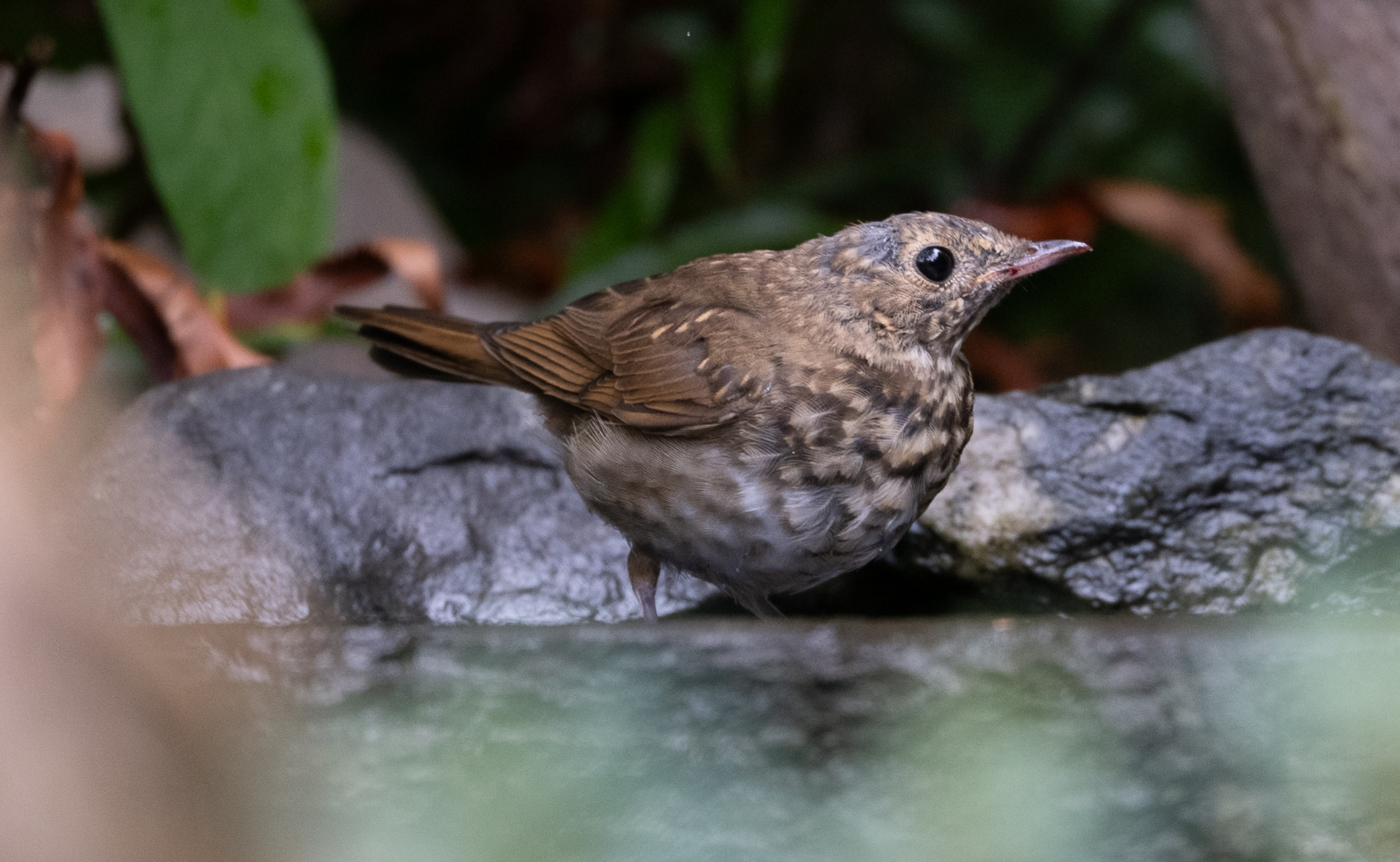
In late morning on April 13, 2026, I got a quick glimpse of a dull brown bird flying into the main (truncated) Madrona tree in my yard. I got a very quick glimpse of its breast before it parked its front half behind the main trunk of the tree, leaving only its rear half viewable. My curiosity piqued, I viewed the bird through my telephoto lens and arrived at an identification with only the back half of it showing. While there’s a possibility that the bird is a Swainson’s thrush, the contrasting reddish-brown tail would indicate it’s a Hermit thrush, probably on its way to other environs for the breeding season!  This is quite a rare bird for the yard and I was glad to see and photograph it for documentation, even though I only got only half the bird!  

The afternoon was cool (51 degrees), overcast and with a light breeze.  I arrived in the yard a little late (about 3pm).  Initially there were very few birds in the yard. I finally counted four Golden-crowned sparrows but they seemed unusually reluctant to approach me. 

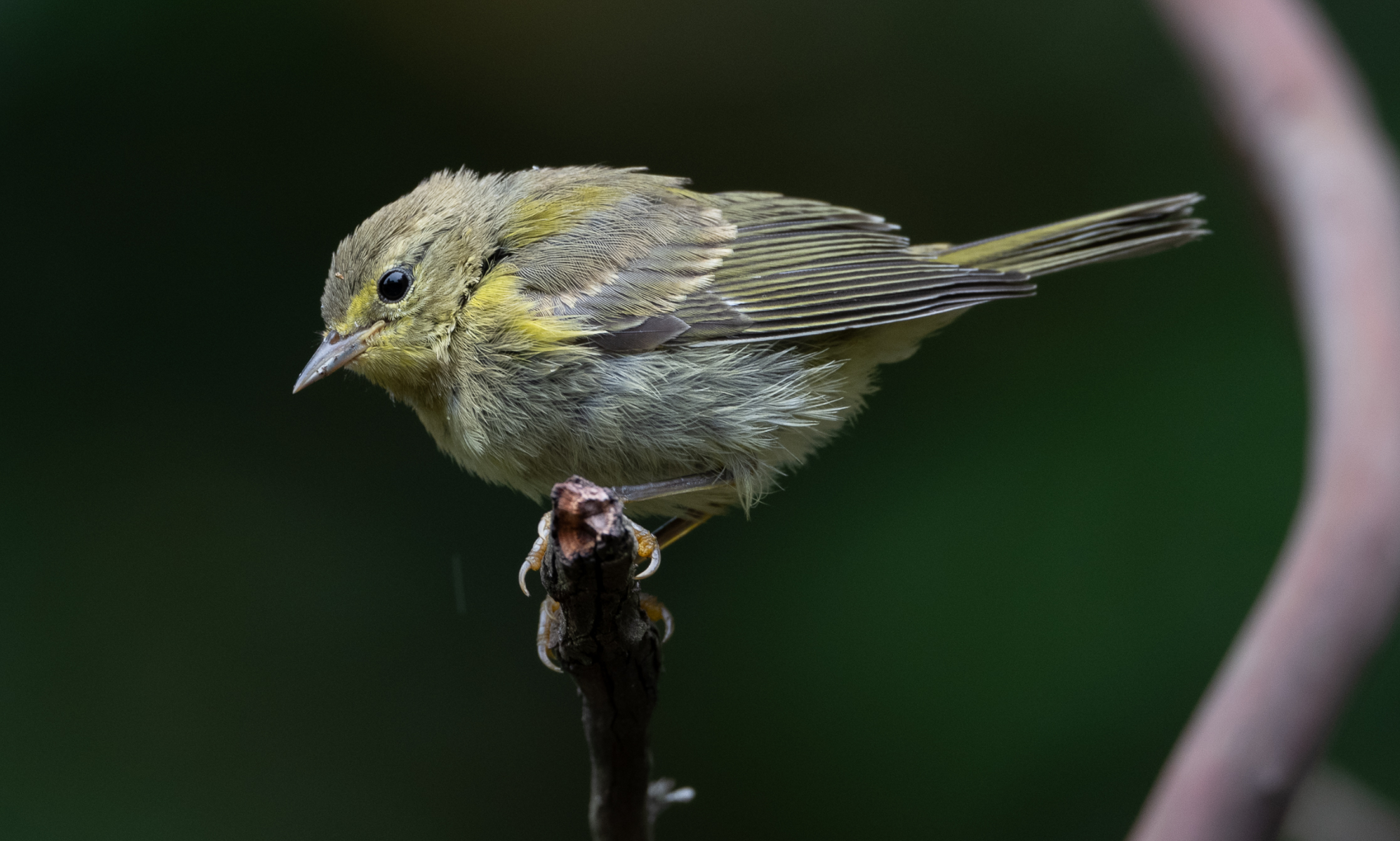
I was excited by seeing what I thought might be two warblers enter the yard but they were on the far side of the yard in bushes and quickly left. A while later I saw our winter resident Orange-crowned warbler on the suet feeder but it didn’t remain in the yard long. 

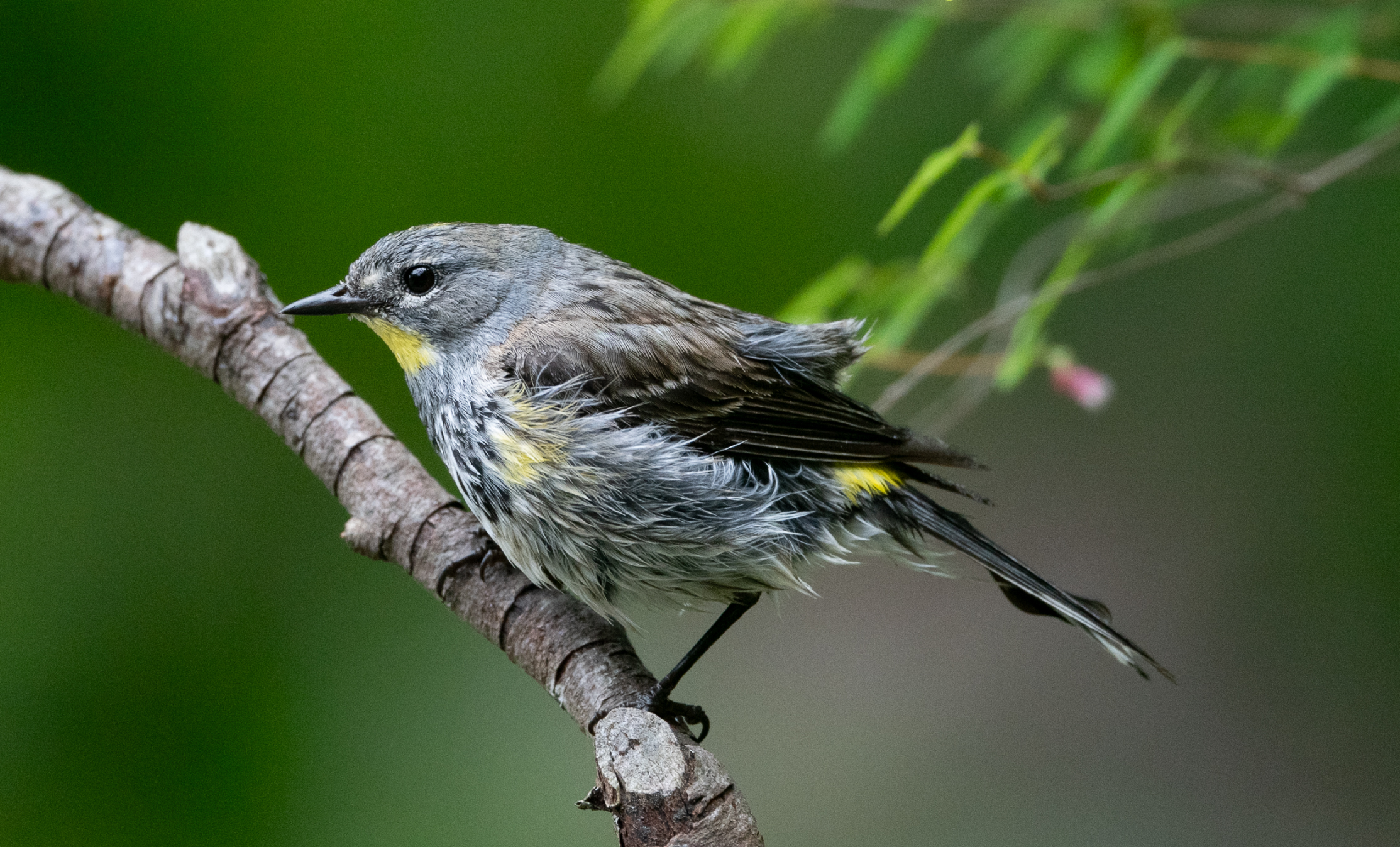
Shortly after 4pm I glanced towards the watercourse as two birds appeared simultaneously. One was an Orange-crowned warbler and the other a male Yellow-rumped (Audubon) warbler!   Both here and in Texas I have observed that different species of warblers often seem to travel in ‘waves’ and arrive together. Adhering to the old adage, “Strike while the iron is hot”, I took over 60 photos of the Yellow-rumped warbler! Ironically, both of these warblers are named for features that can be difficult to discern in the field. 

Both birds were intent on accessing the watercourse… the Orange-crowned warbler was first but stayed only briefly. The Yellow-rumped warbler took a minute or two to reach the watercourses but took its time bathing. It then flew to the Golden Chain tree and preened for a few minutes before returning to the watercourse for a second bath!  

I saw my first Yellow-rumped warbler of the season (also a male) in Washington Park on March 31 and this is the third one (all males, 4/3, 4/10 & 4/13) I’ve seen in the yard this season. As far as my yard is concerned, the male Yellow-rumped warblers are usually the first warblers to arrive each spring. My most numerous warblers are the Wilson’s warblers but they have yet to start arriving. And it’s still early… May is warbler arrival month in my yard. 

Waiting for Warblers

On March 4, 2026, we had a cloudless day with developing light winds. It seemed to me to be a perfect day to see migrating birds. I set up in the yard about 1pm hopeful that I might see a warbler or two.  

The first interesting bird I saw was a male American goldfinch. It wasn’t my first arrival of that species this spring, but it was certainly an early one. I couldn’t manage to get a clear photograph of it, but I did get what I term a ‘record’ shot, a rather poor quality picture but enough for identification purposes. 

The next bird of interest was an Orange-crowned warbler, but the bird’s path through the yard indicated to me that it was the same warbler that became habituated to my bird feeders during the winter. I obtained several low quality photos of the bird and in processing the photos realized the bird had an insect in its beak! It showed interest in the suit feeder, but I hadn’t realized the feeder was empty, and the bird left the yard.

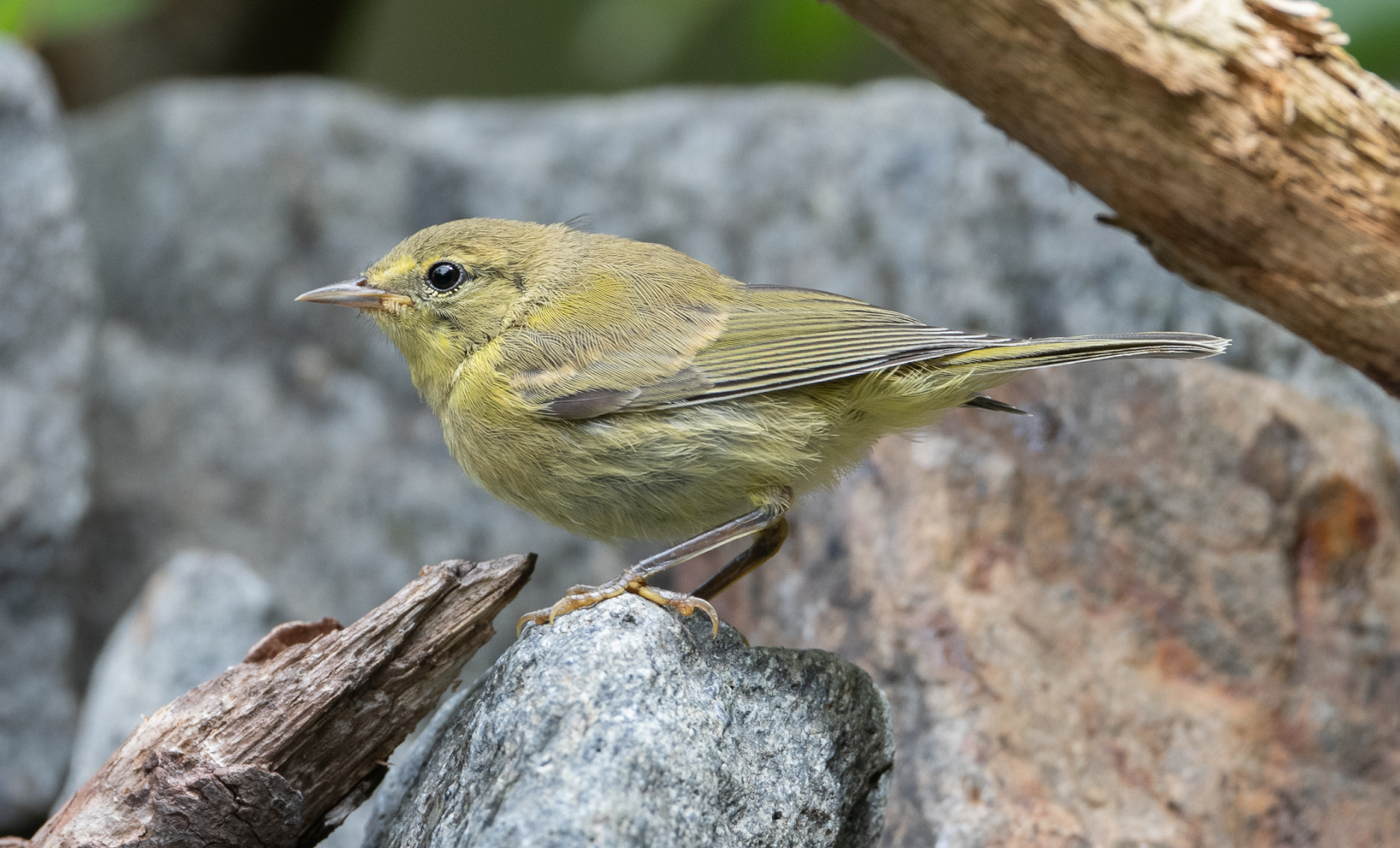
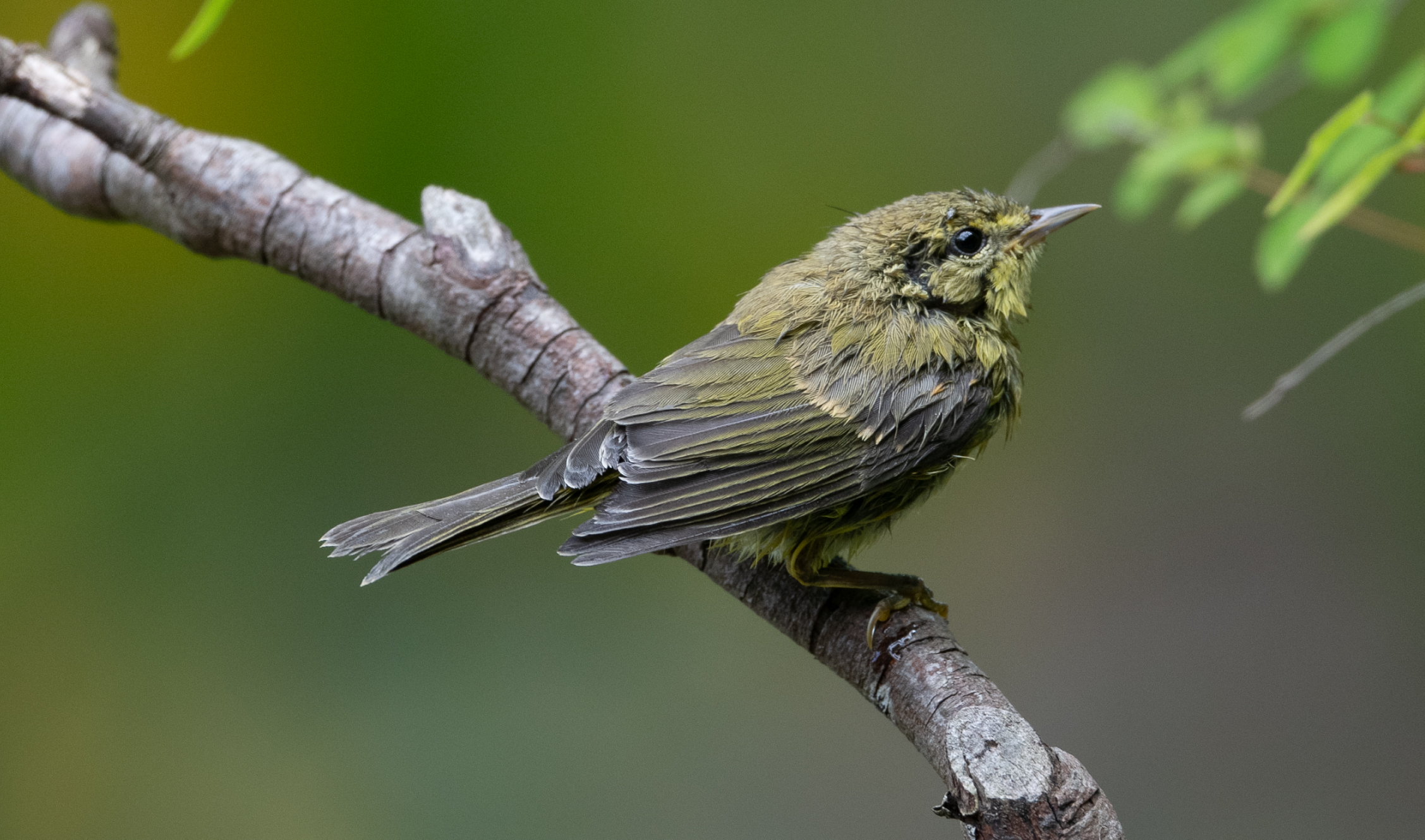
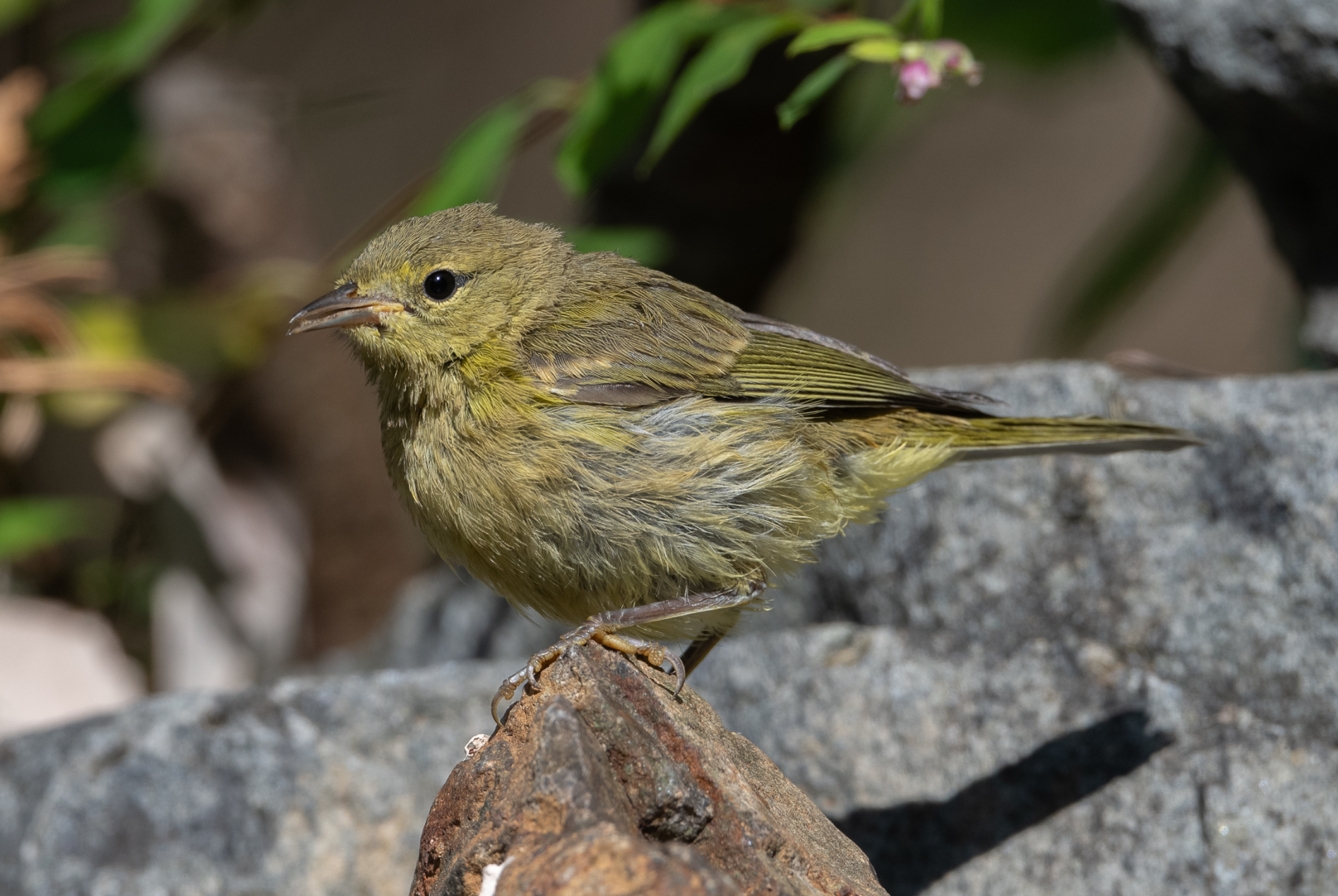
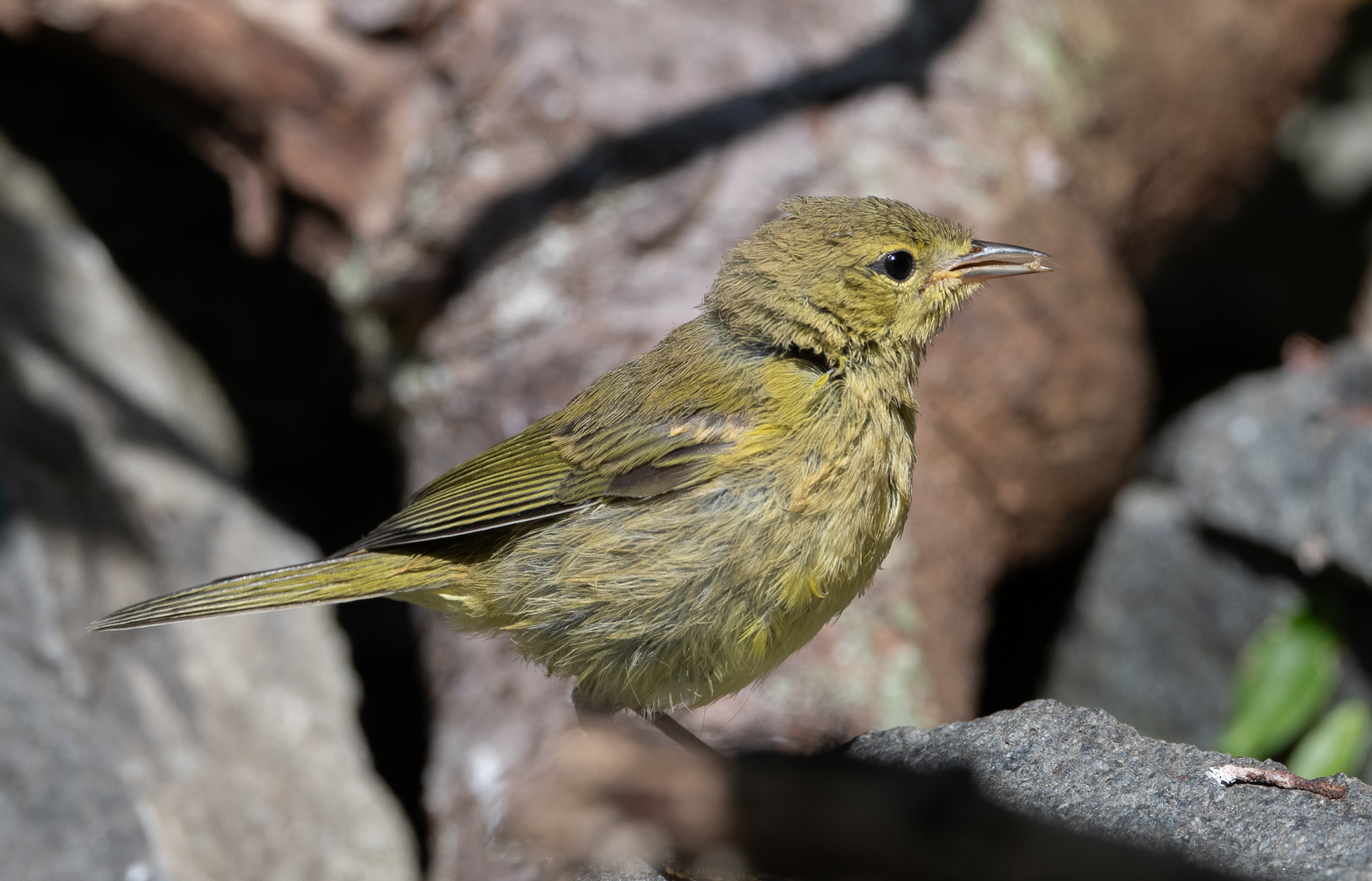
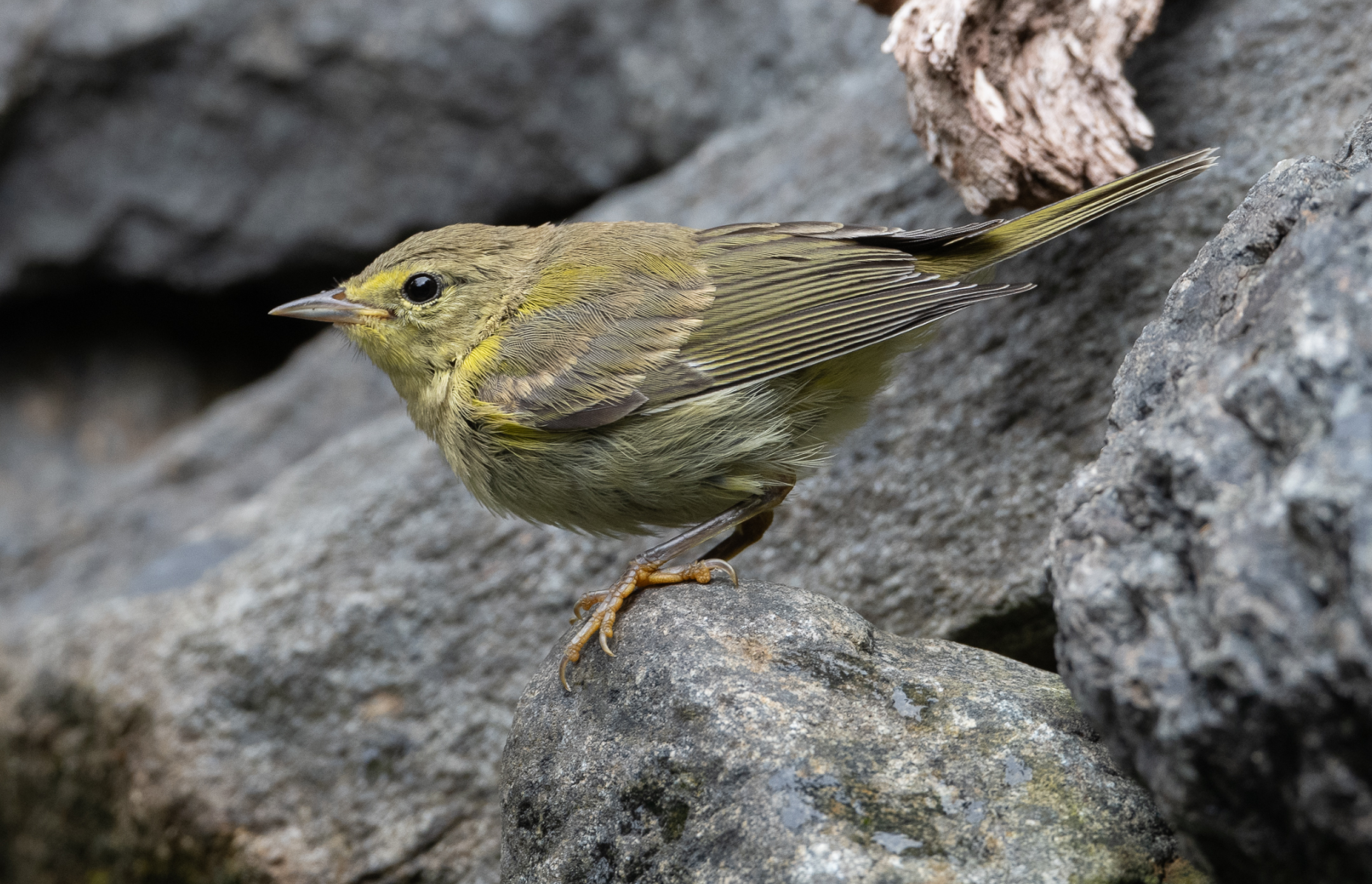
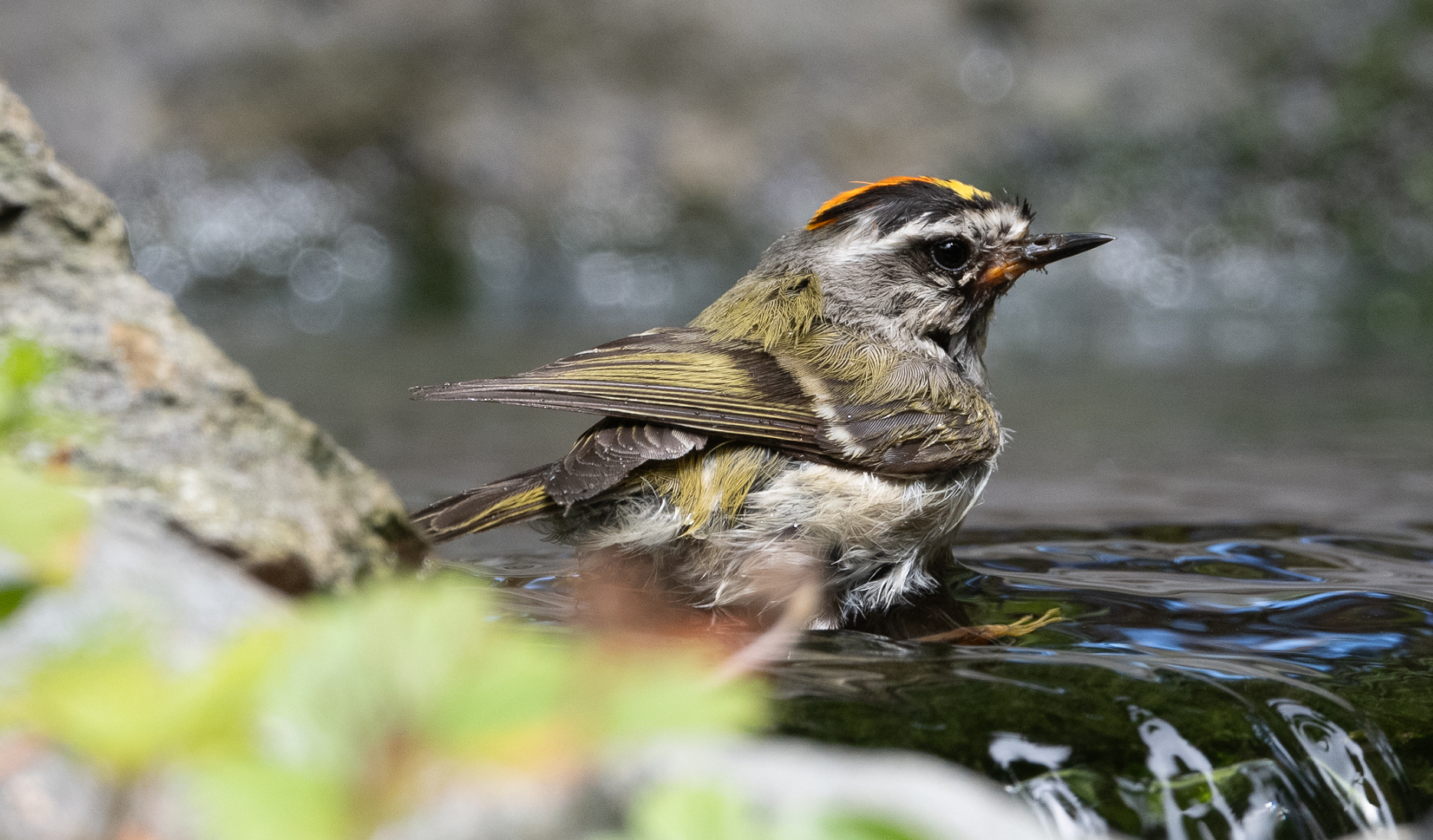
After sitting in the yard for a little over two hours, a little after 3pm I had a second visit from an Orange-crowned warbler. It flew into the yard and almost immediately went for the top of the watercourse. I managed to get quite a few photos of it. 

In this second photograph you can see the warbler’s orange crown for which it was named, a feature difficult to observe unless the bird is bathing.

As I was photographing the warbler I noticed that there was a male Rufous hummingbird taking a bath at the edge of one of the water drops in the watercourse, in the same view in my lens as the warbler! I managed to get several pictures of the hummingbird.

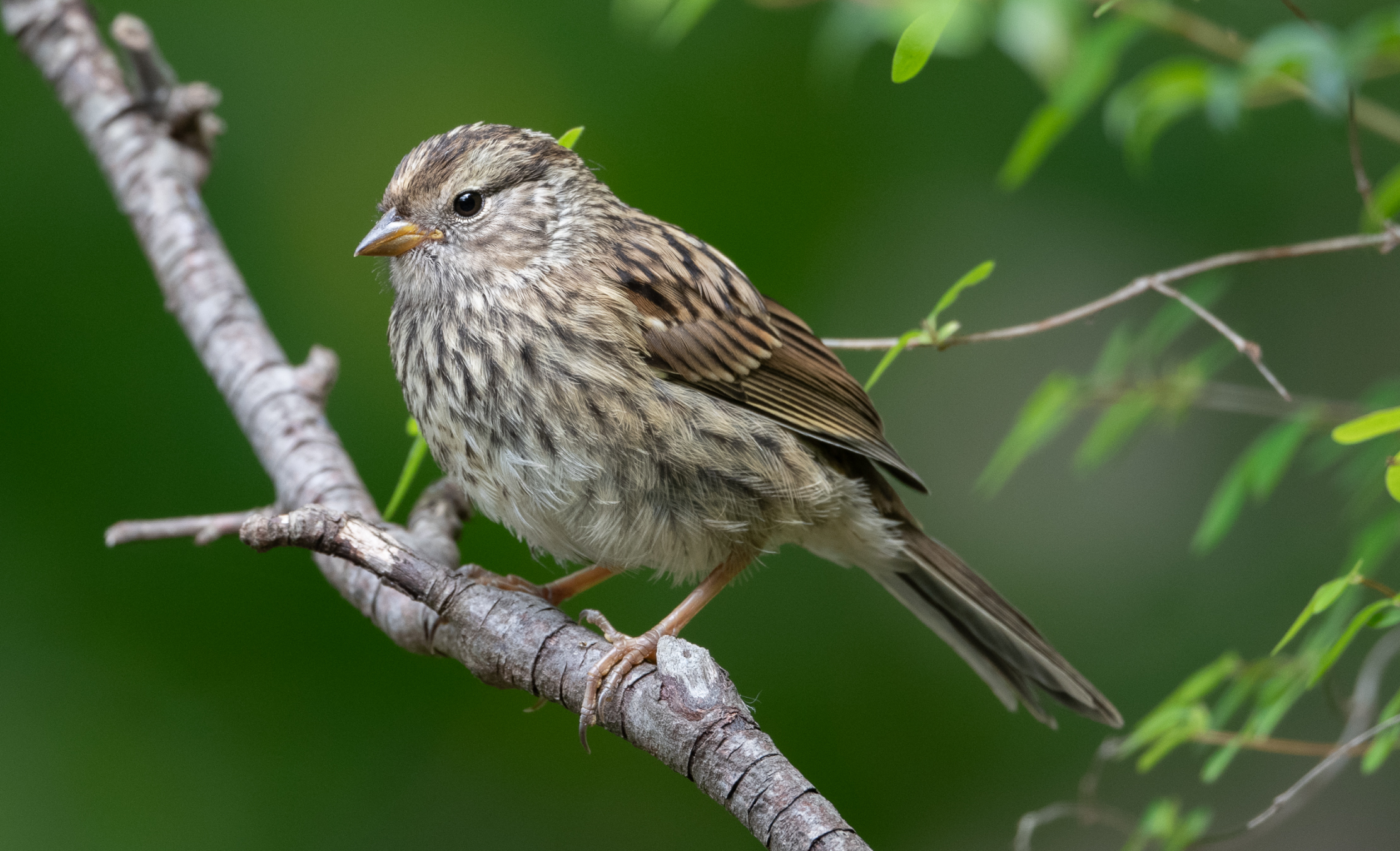
At one point in the afternoon, I counted six Golden-crowned sparrows, which probably came close to constituting the majority that were around the yard at the time.  This image appears to be a male which has developed much of its breeding plumage.

I would guess that this image is of a female. Many of the birds that I assume are females have rather rough patches of feathers around their faces,,, I assume they are molting or getting ready for breeding season.

Other members of the sparrow family in the yard this afternoon were the House sparrow, a Song Sparrow, two Fox sparrows and a single White-crowned sparrow.

A male American goldfinch also visited the yard, probably the same one I had seen earlier in the day.
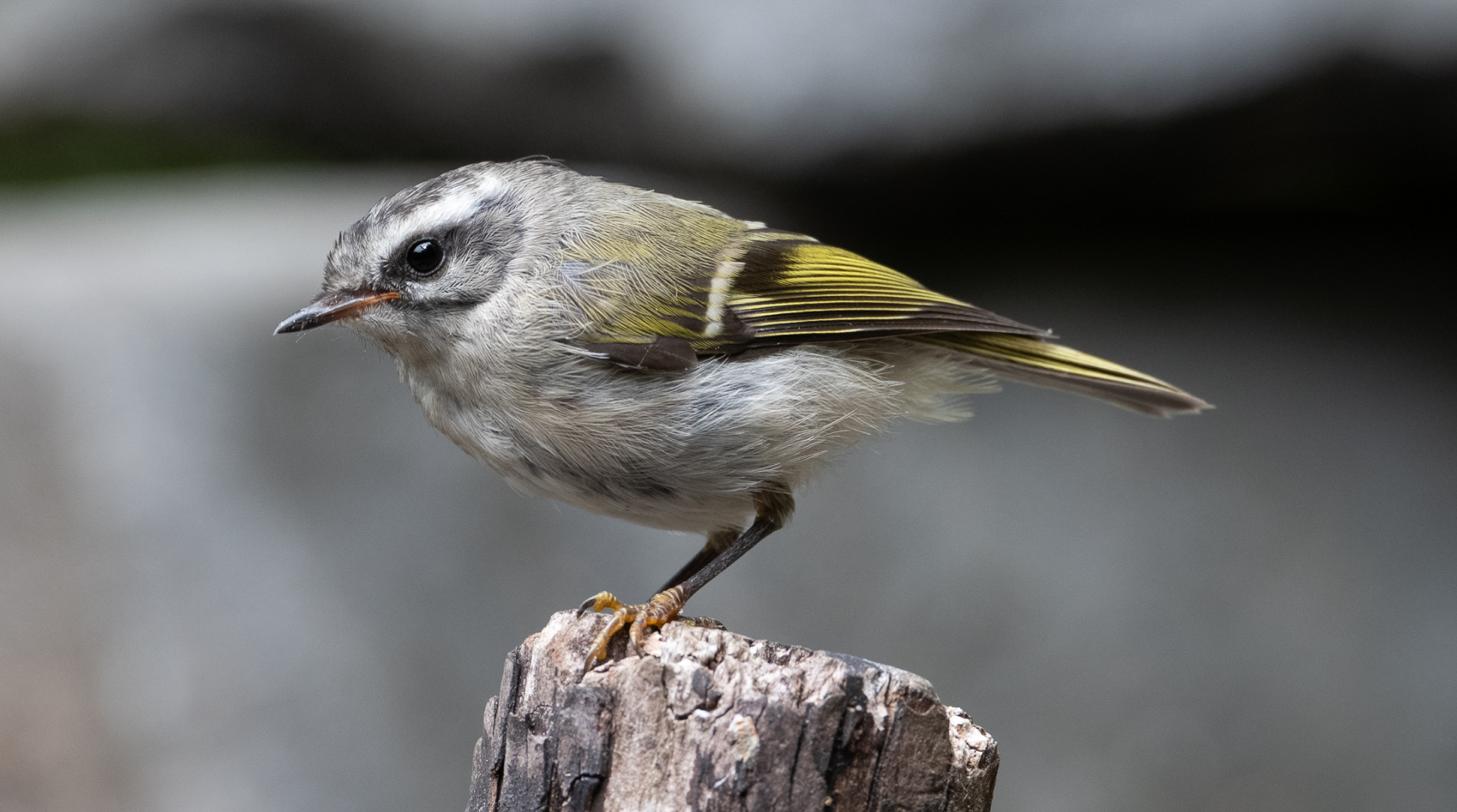
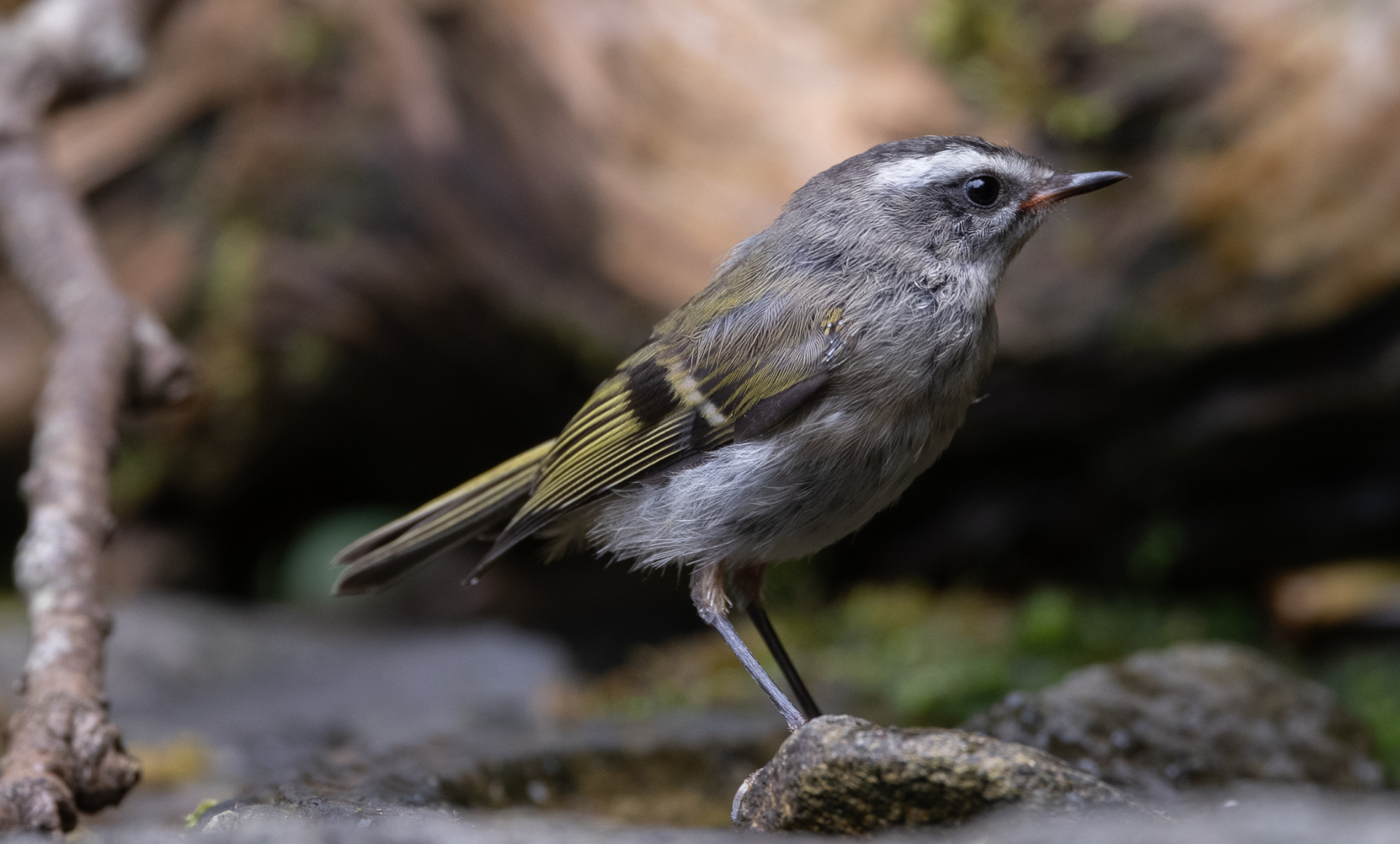
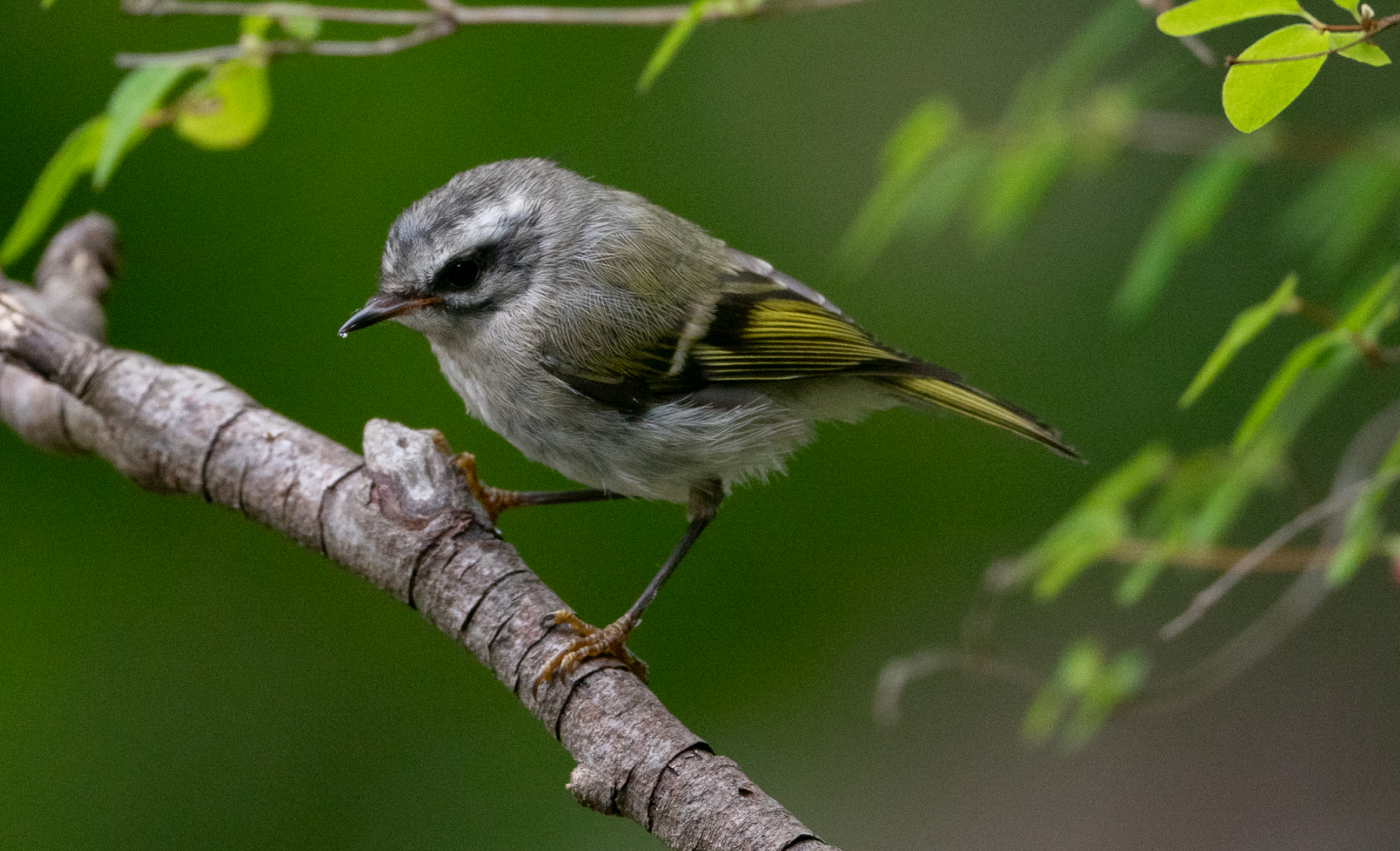
Along the way I got photos of this male Golden-crowned kinglet that stopped by for a bath.

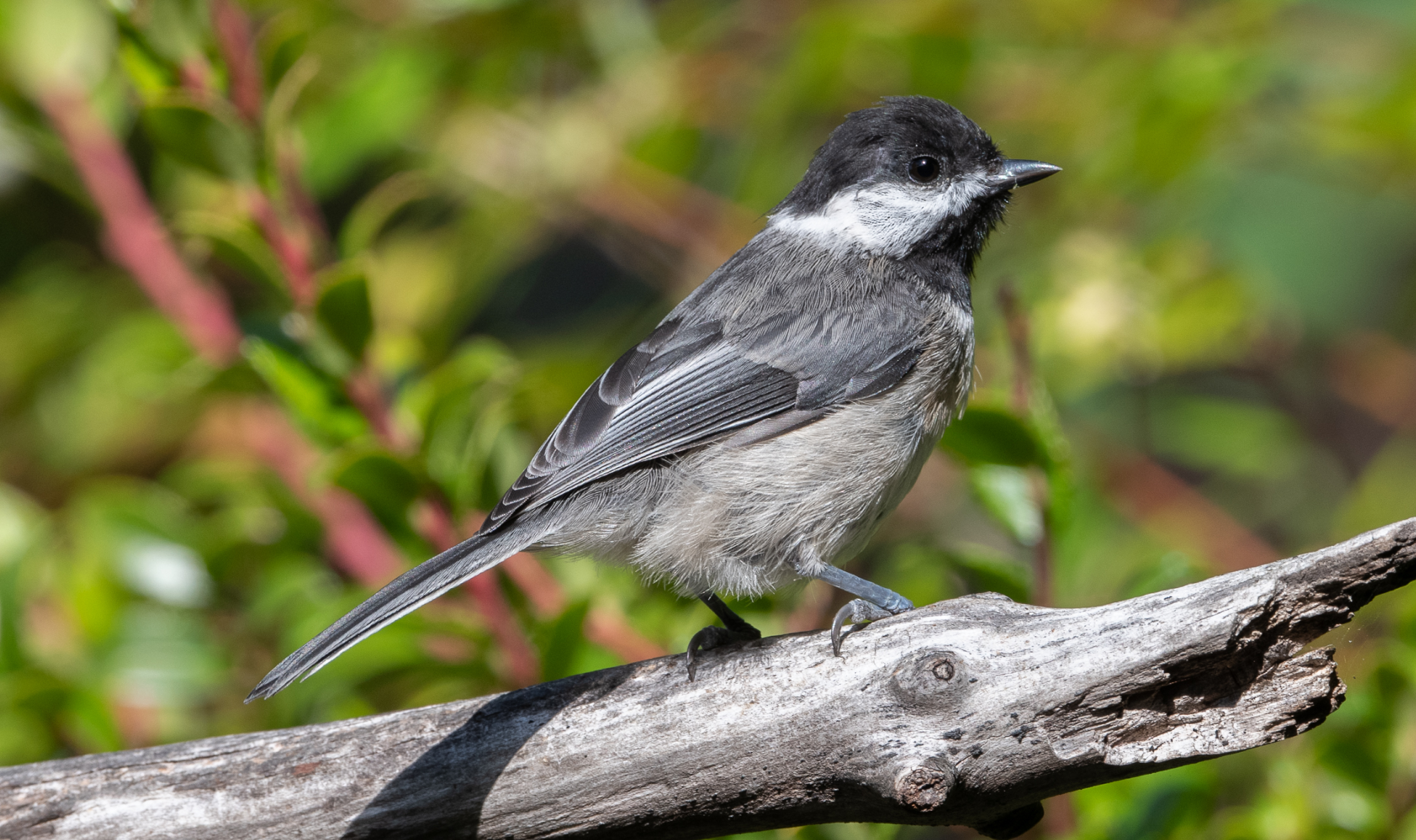
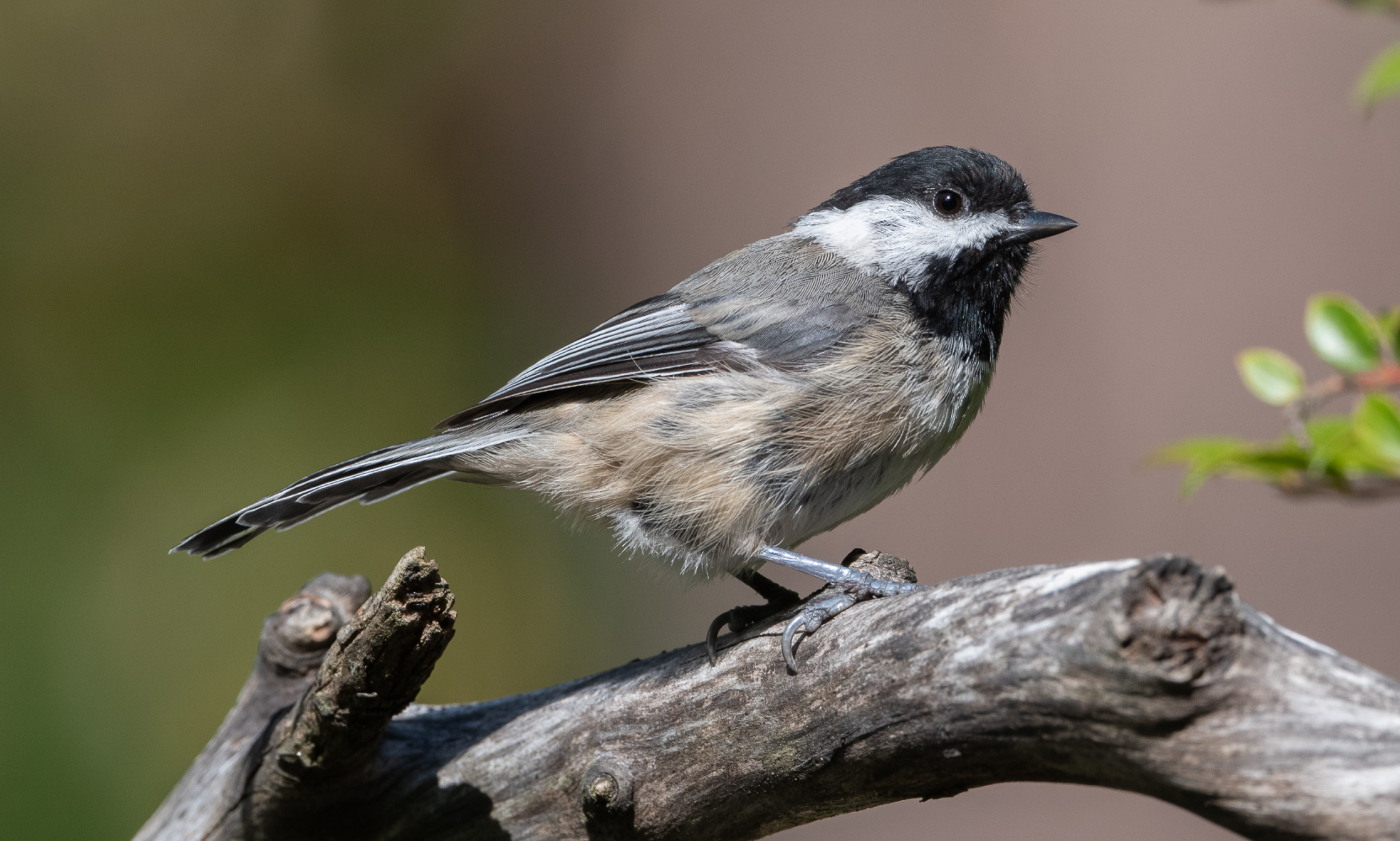
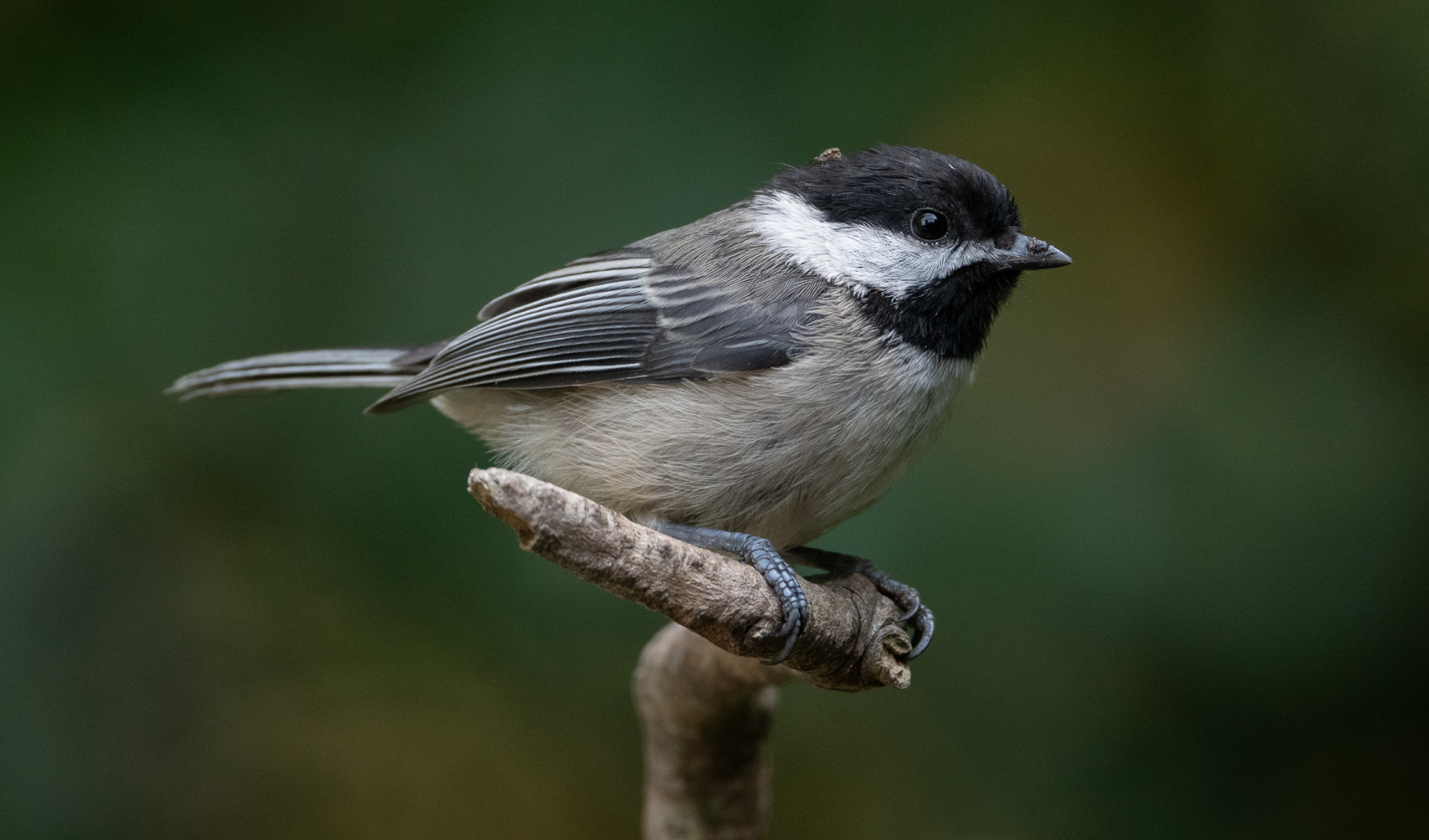
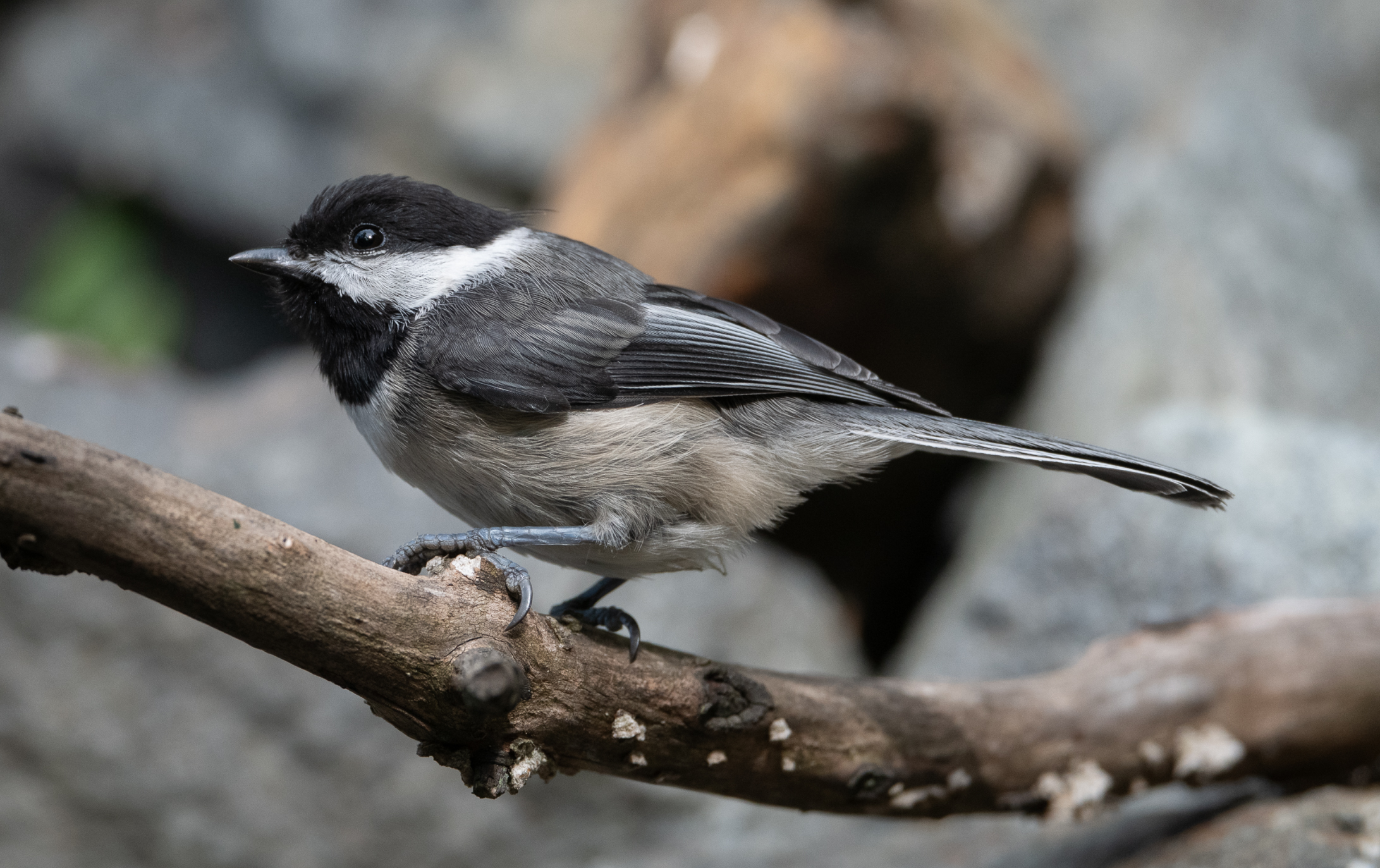
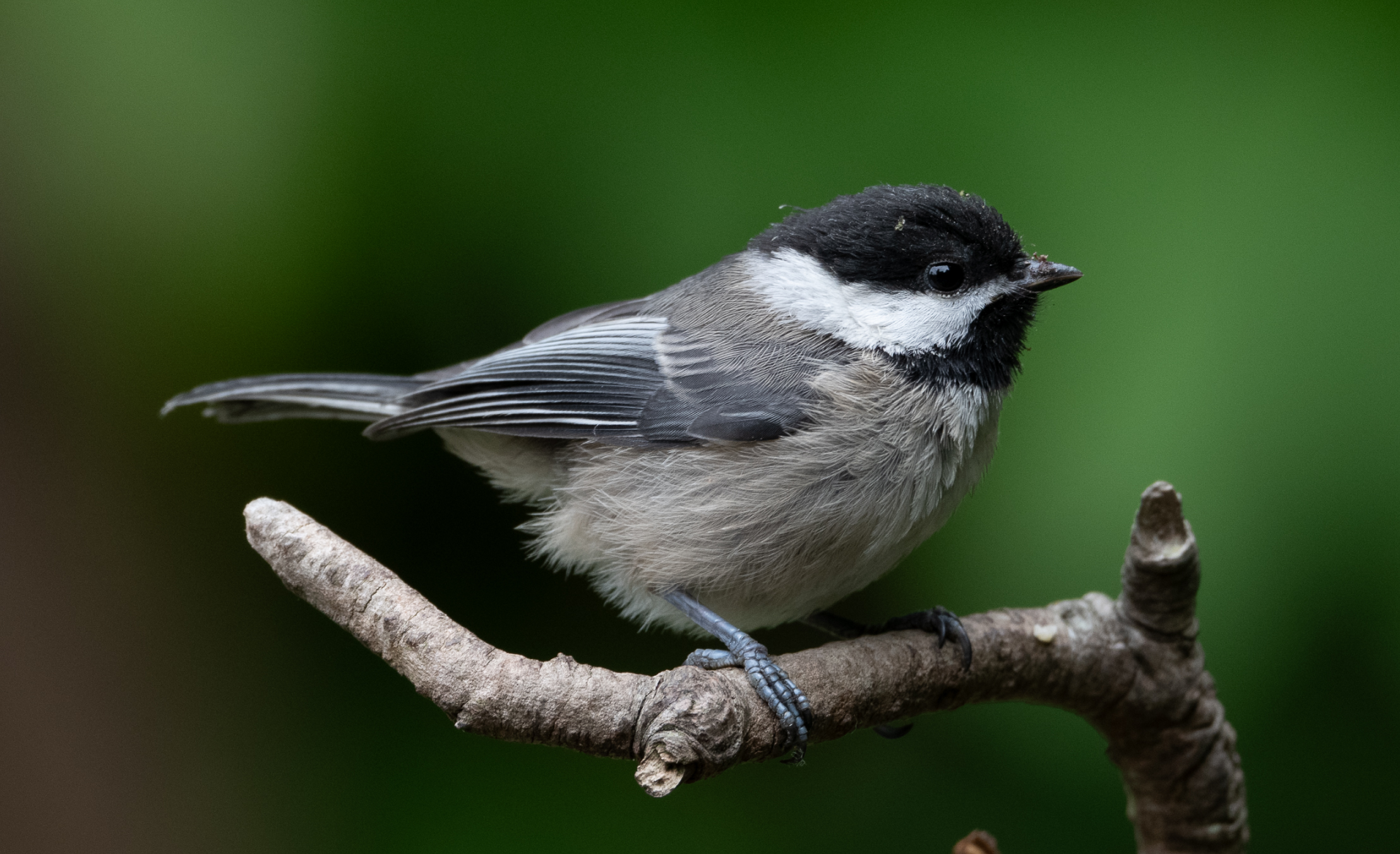
I also extensively photographed a Black-capped chickadee eating emerging foliage from a Snowberry bush.

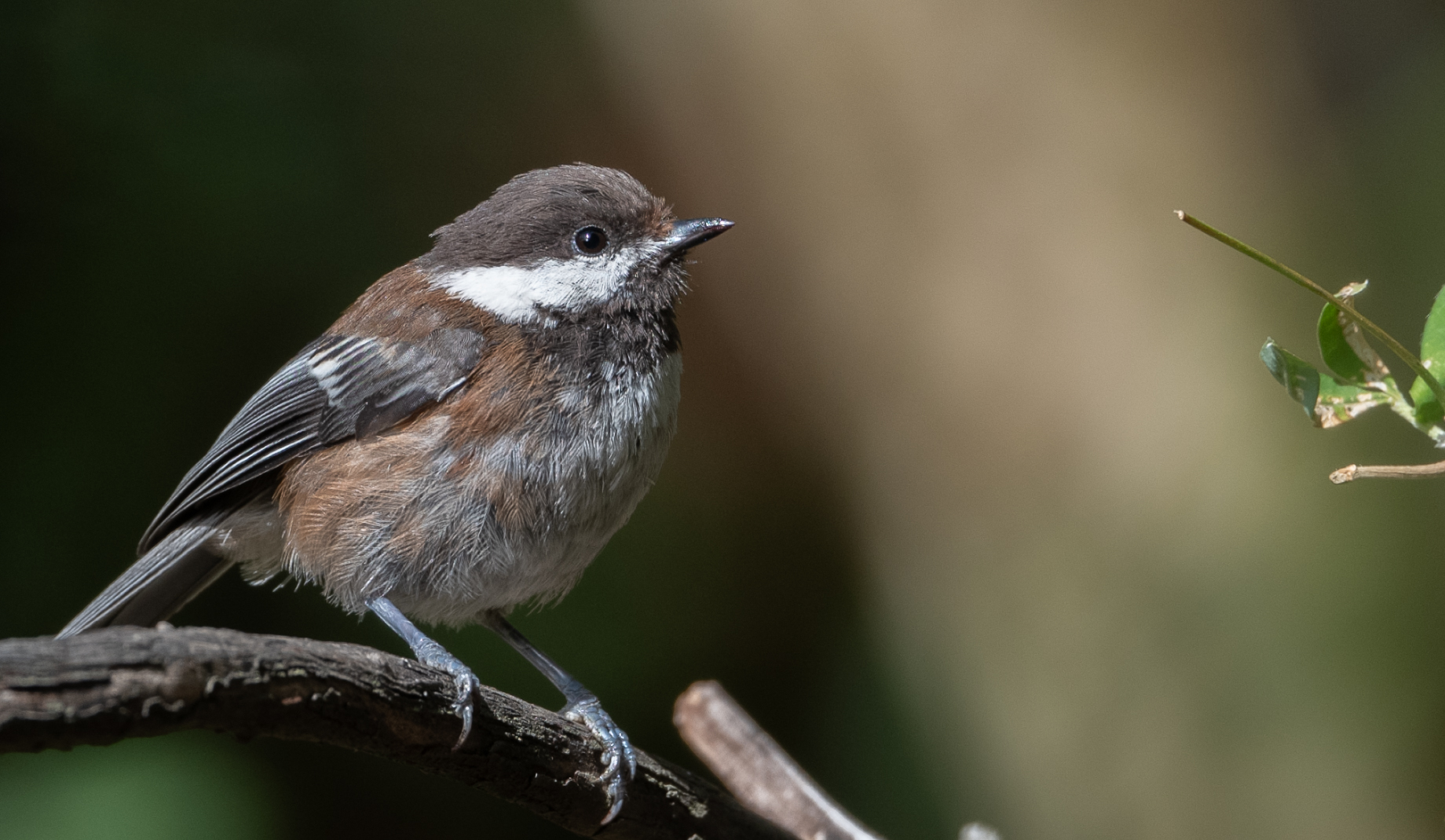
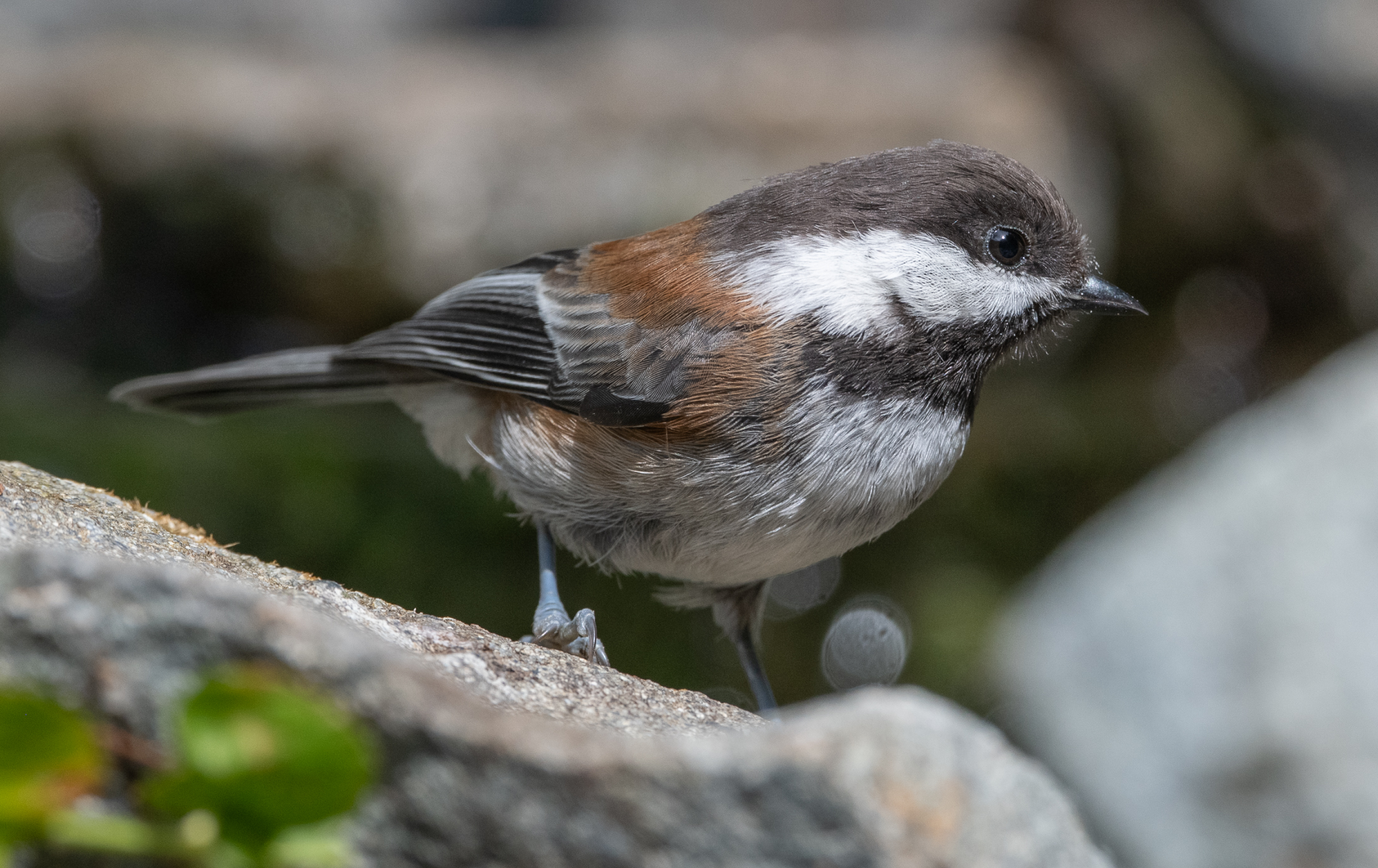
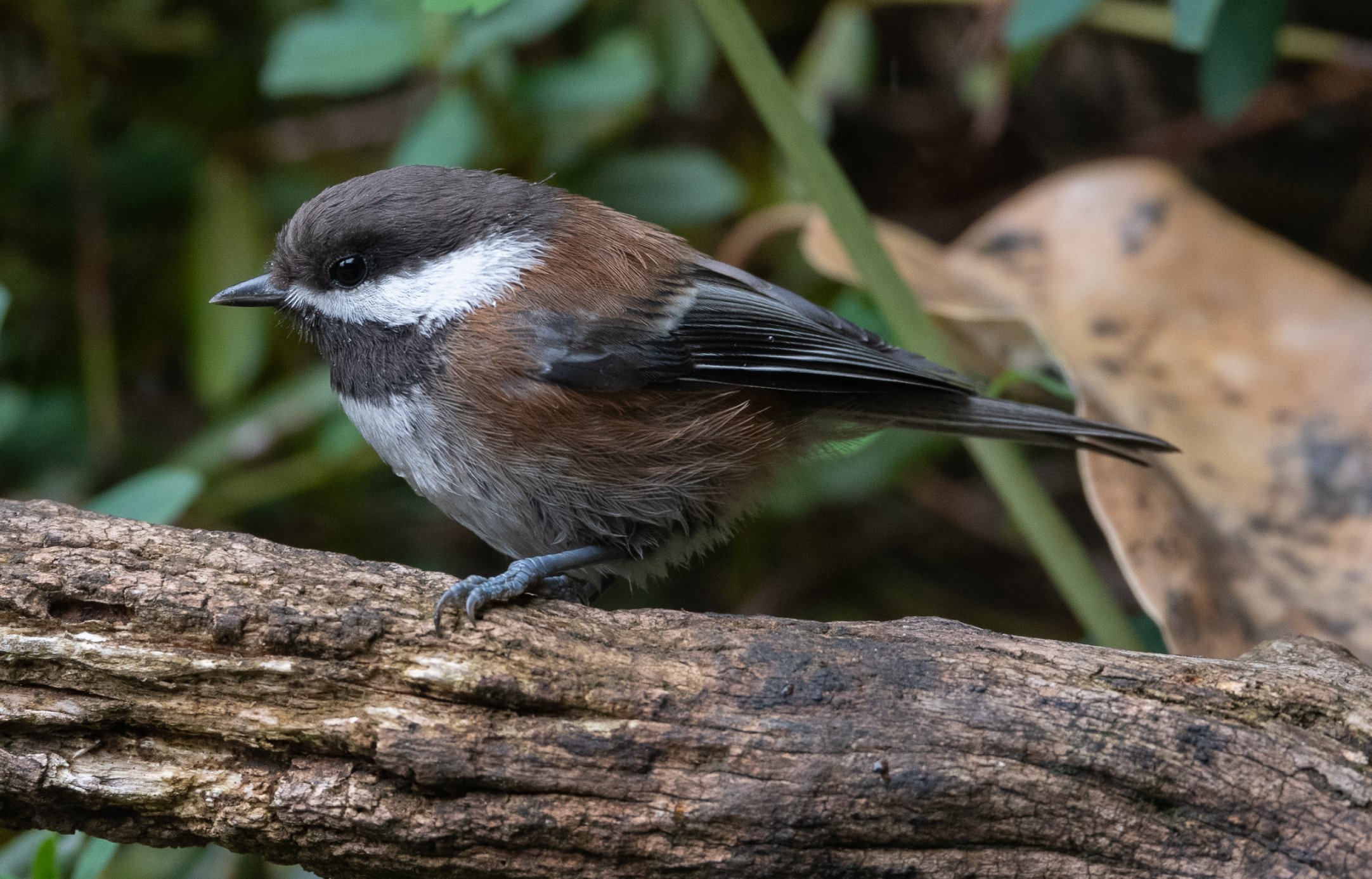
Here is a photo of a Chestnut-backed chickadee for comparison. When viewed from the front the chickadees look remarkably similar.

I wasn’t happy with the breeze that sprung up about the time I started birding. It made the low 50s temperature feel substantially cooler and I wasn’t sure but what it might affect bird migration, although the migration aspects of the wind conditions are pure speculation. This was my second consecutive three-hour afternoon of birding. 

March 22, 2026

March 22, 2026, proved to be another good day for photography with broken clouds and a temperature in the mid-40s. I had a good afternoon of enjoying the birdlife in the yard. No matter how long I’ve been birding ((35+ years) I always seem to learn something new. But for this day I’m just going to display some of the photos I took.

The bird of the day was this Orange-crowned warbler that made a quick trip through the yard, earning it the title of “First Migrating Warbler of the Season”. I actually have no way to identify it as a migrant, but it was quite apparent that it wasn’t the same bird that was frequenting my feeders all winter. It never came anywhere near ground level and I was lucky to get any photo.

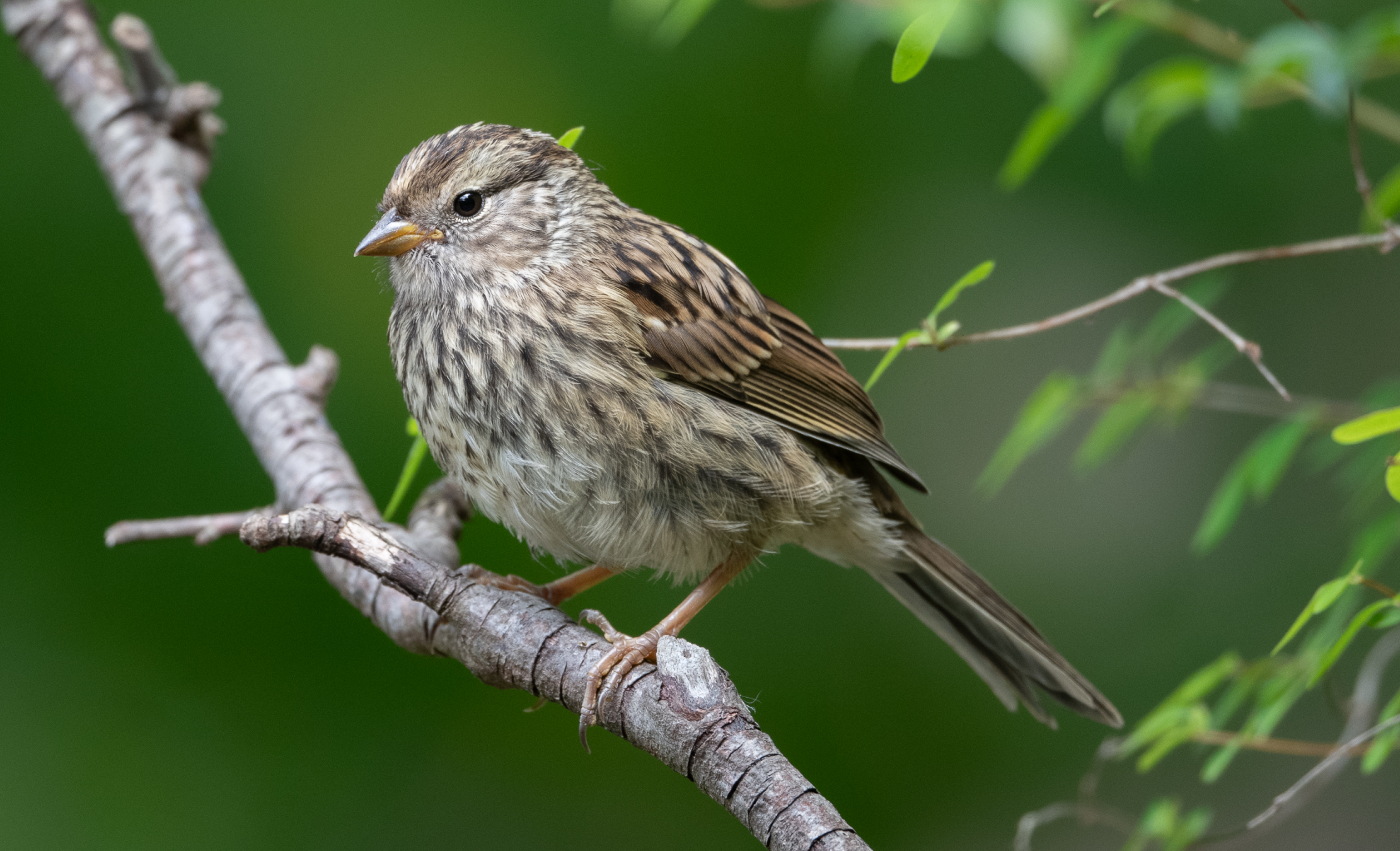
This White-crowned sparrow would seem to be a first year bird morphing into adult plumage.

This Song sparrow wasn’t happy about having to share its perch with a House sparrow just out of the picture.

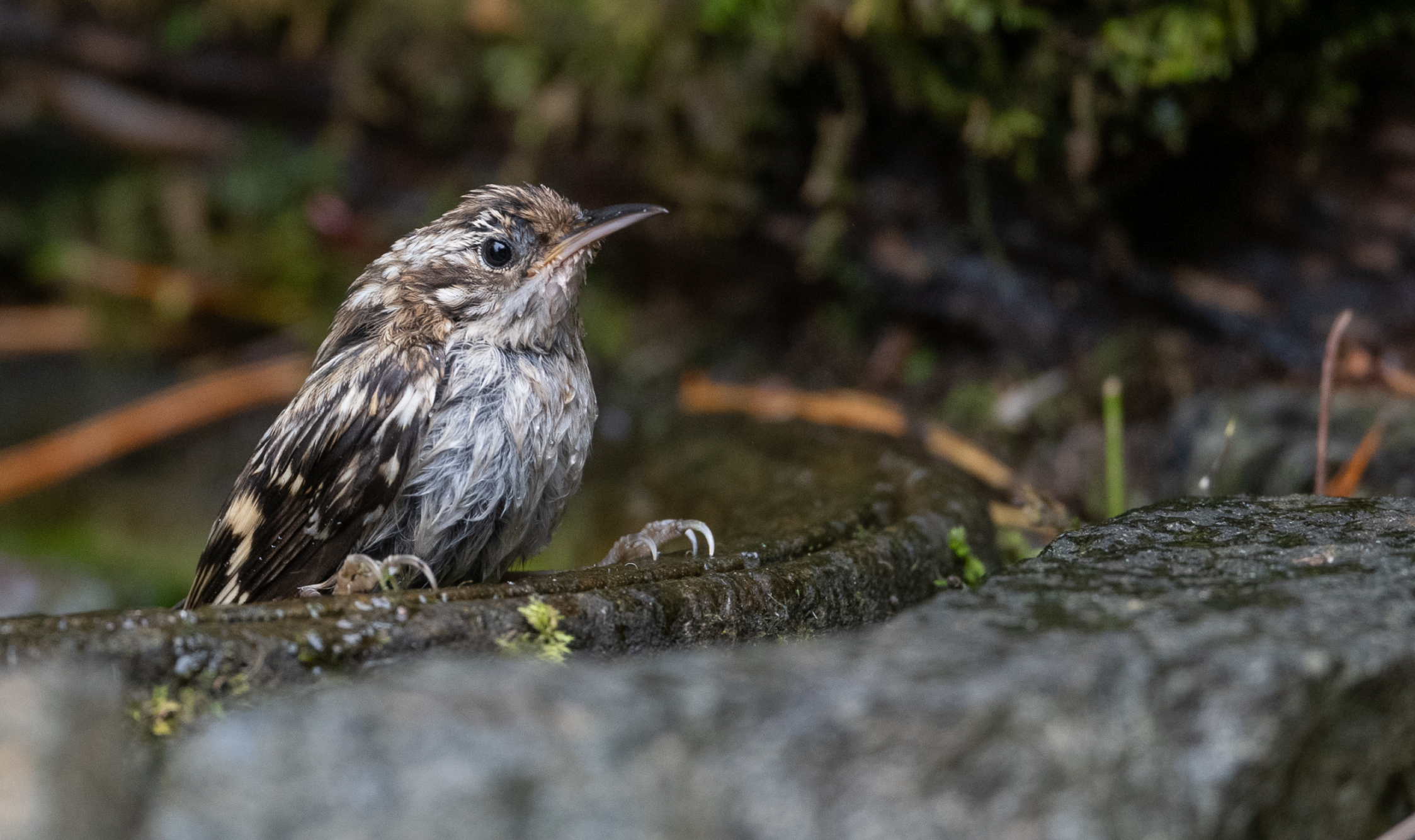
Perhaps the rarest bird for my yard was this Pacific wren, always difficult to photograph because of its rapid movements and penchant for staying in the bushes.

For contrast, this is the Bewick’s wren that has shown an interest in one of my bird houses.

I’m still getting visits from Golden-crowned kinglets although the frequency of their visits have declined.

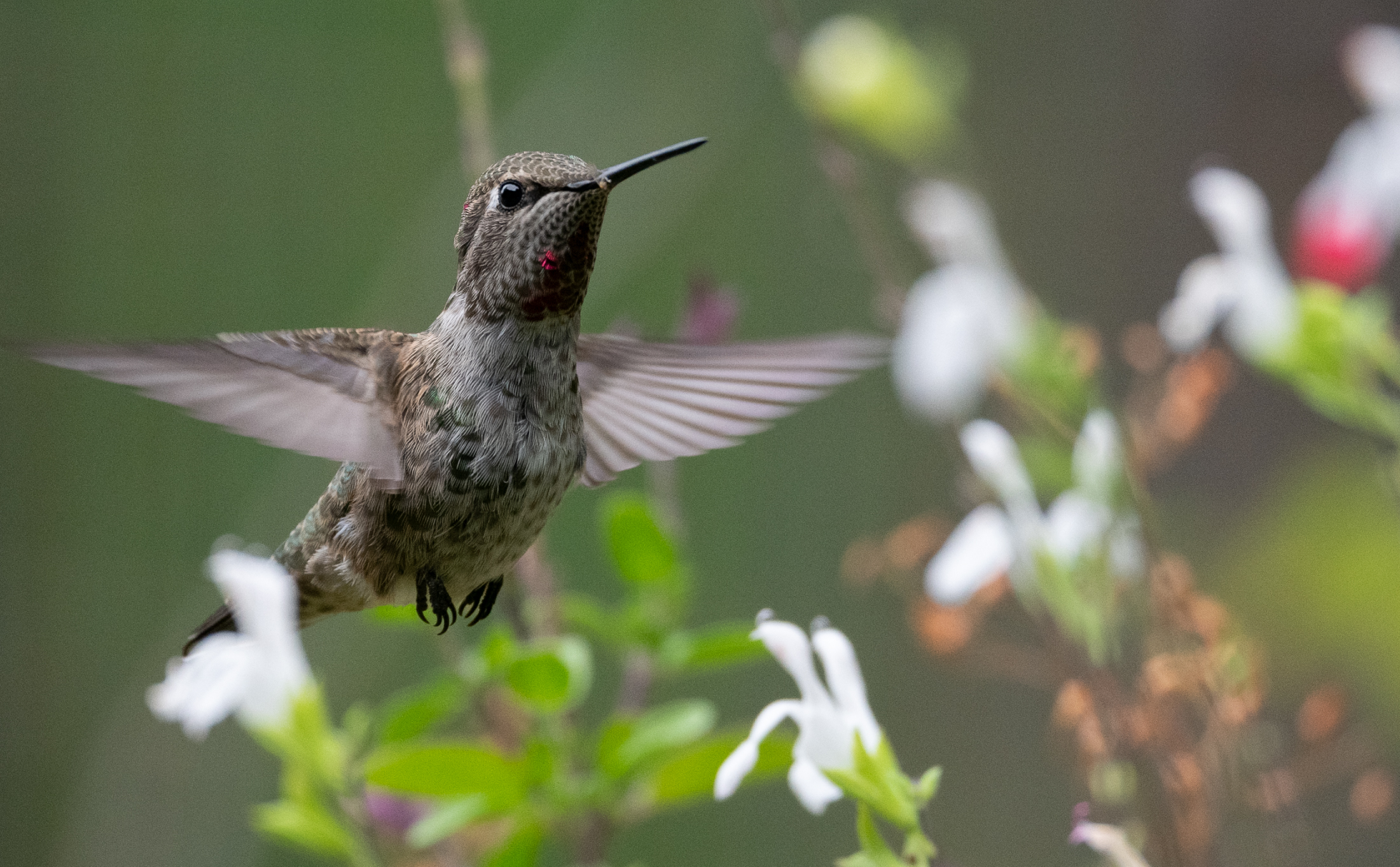
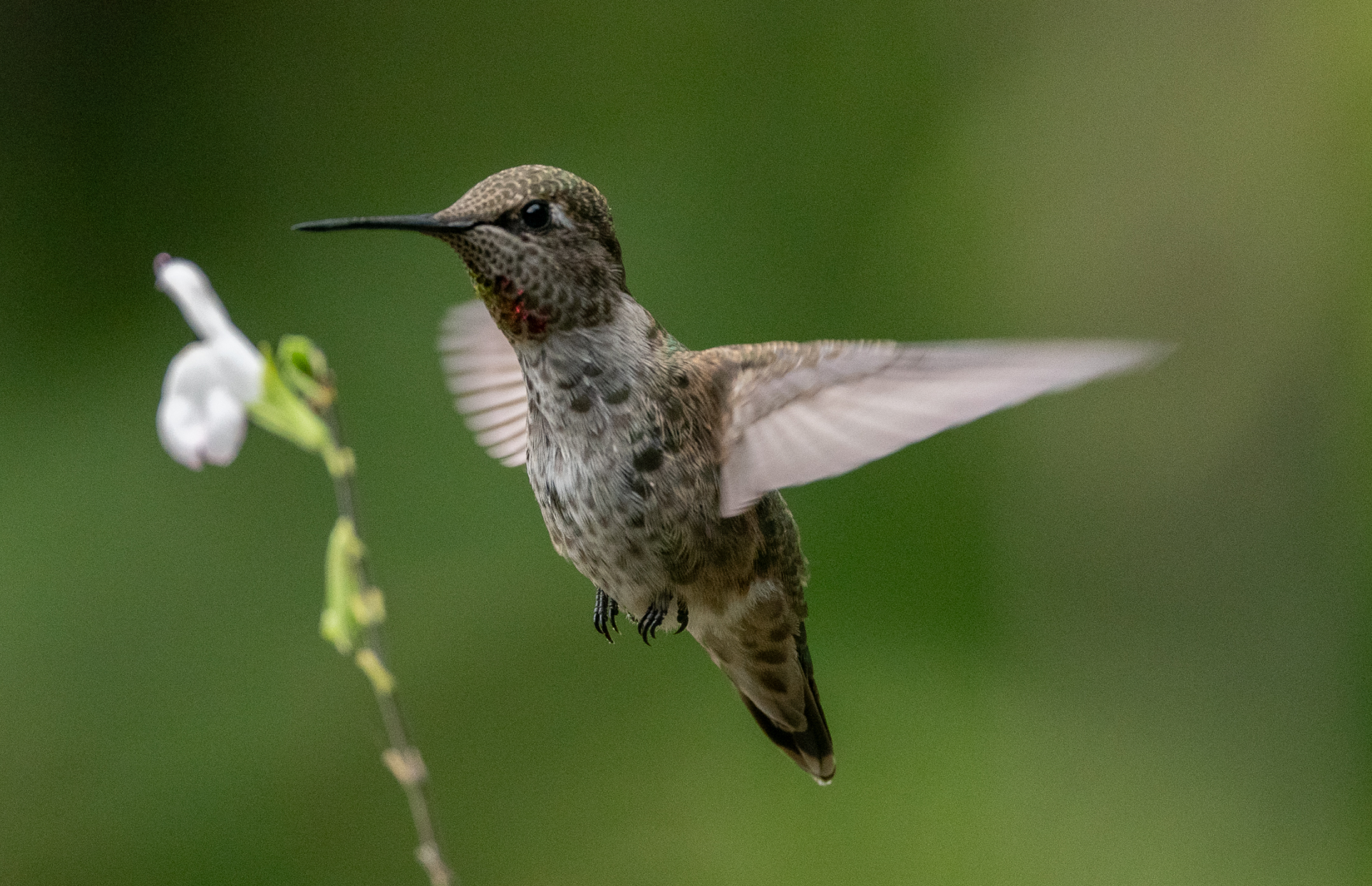
And finally, a visit from a frequent visitor, a female Anna’s hummingbird. Fortunately for me she was intent on bathing but was being harassed by a female Rufous hummingbird, which gave me ample opportunities for photographs.

Seen enough hummingbird photos? I have more!

Spring!

On March 21, 2026, the second official day of spring, we finally got our first break from about a week of rainy weather.  The day dawned bright and sunny and although we had clouds most of the day, we also had a lot of bright sunshine.  I hoped that the change in the weather would bring an early spring migrant, hopefully a warbler.  I set up in the yard shortly after noon and waited.  

One of the first things I noticed was a Bewick’s wren repeatedly entering one of my bird houses.  It seems early for nesting and I couldn’t see whether the bird was transporting nesting materials or food.  The wren seemed to linger in the house longer than I thought it would if building a nest and it seemed to keep canvassing the yard for food rather than nesting materials.  

A female Anna’s hummingbird flew to the watercourse and took a rather leisurely bath.  I was cold sitting in the yard at 45 degrees… it made me feel even colder watching that hummingbird bathe!  

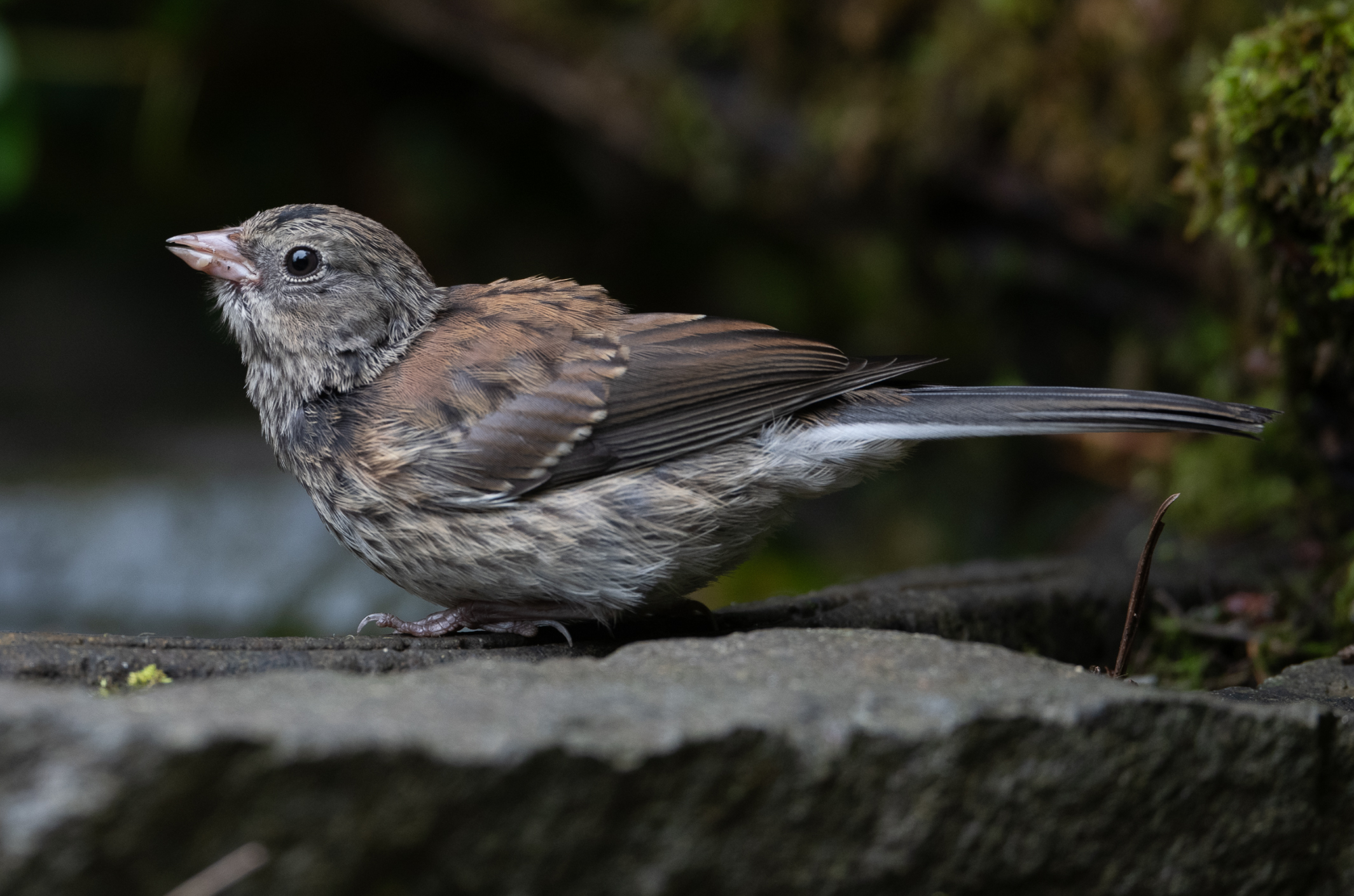
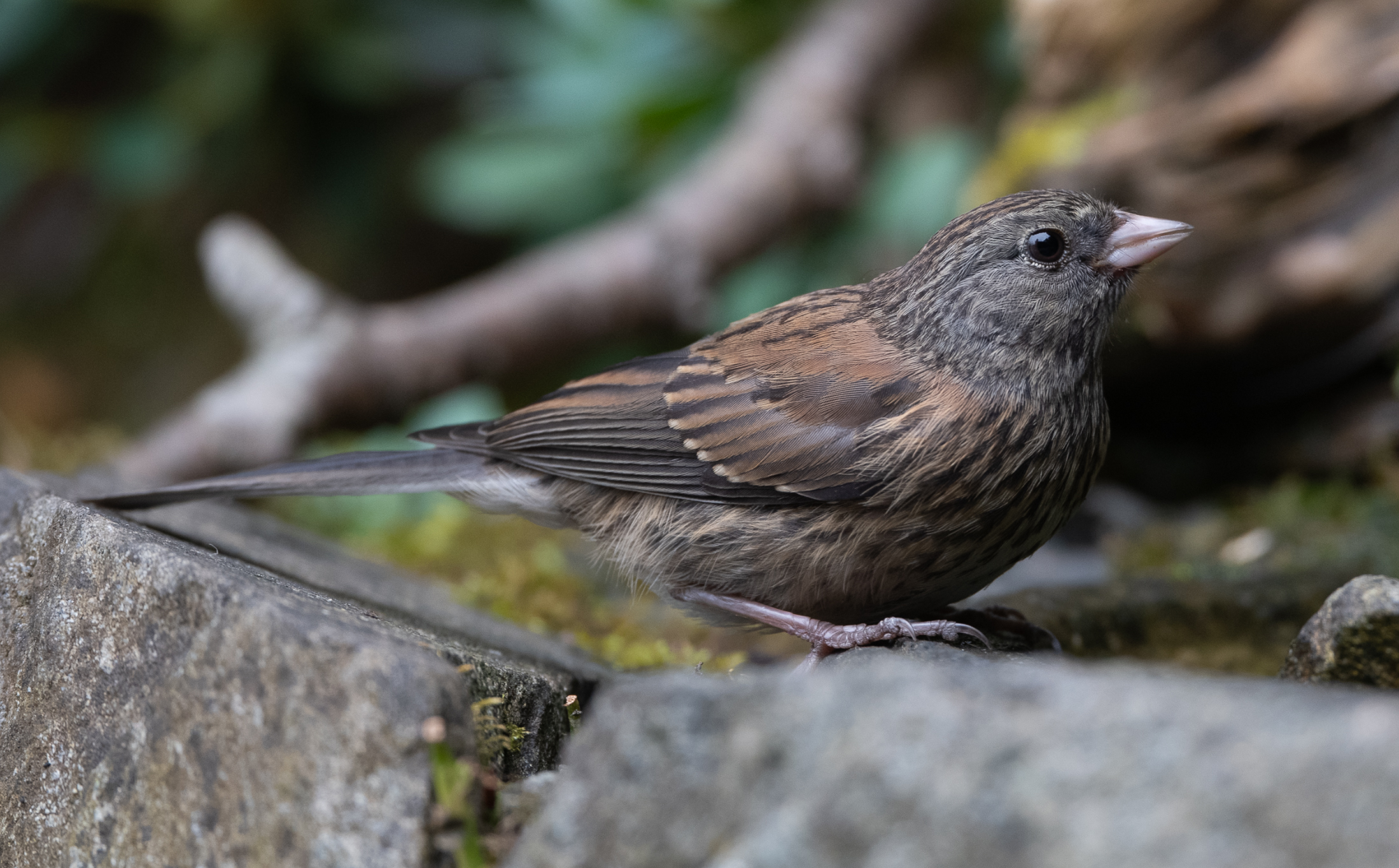
I next noticed what could be a slate-colored Dark-eyed junco in the yard and was able to obtain several photos of the bird.  After a some research I was at the same conclusion… the bird could be a Slate-colored junco.  I labeled my photos as such.  

Offering a break from the eye strain of birding, a Townsend’s chipmunk emerged from the pile of rocks that form the watercourse!  This was my first sighting since about late last summer!  I had two daily visitors last summer but they abruptly disappeared.  Within less than ten minutes the new visitor was sitting beside me storing peanuts in its cheeks, then scurrying off to store its find before returning for more.  

I took a nap midafternoon and when I woke I peered out the kitchen window to see what might be in the yard.  It wasn’t long before I saw a male American goldfinch, the first of the season, in the trees outside.  I again set up in the yard with my camera but as so often happens, the bird had disappeared. Although I waited quite some time it didn’t return.  

(As i’m writing this in my upstairs office I note a bright male Rufous hummingbird on the feeder below me.  This is the first male I’ve seen in several days.)  

I finally had a visit from a warbler… the Orange-crowned warbler that has been frequenting the yard and feeders (!) all winter.  Unfortunately I don’t consider this one an incoming migrant.  

Finally, late in the afternoon I saw at least three Turkey vultures circling overhead, and at least two landed in the drooping top of a neighbor’s fir tree.  In short order they were driven from their potential roost by a pair of crows.   

My thought for the day… When you’re awaiting spring warblers, every bird in the bush looks yellow!  

Bath Time!

On March 20, 2026, I spent time in the yard doing… what else? Photographing birds!

Im constantly amazed that birds want to enter water features and bathe in water that can’t be above 45 degrees! And it often doesn’t involve just standing in the water and getting a drink, it often involves fluffing feathers to the extent that skin is exposed to the water! The bird then resumes activities with wet feathers!

Here are a few of the intrepid bathers in the water features on this day.

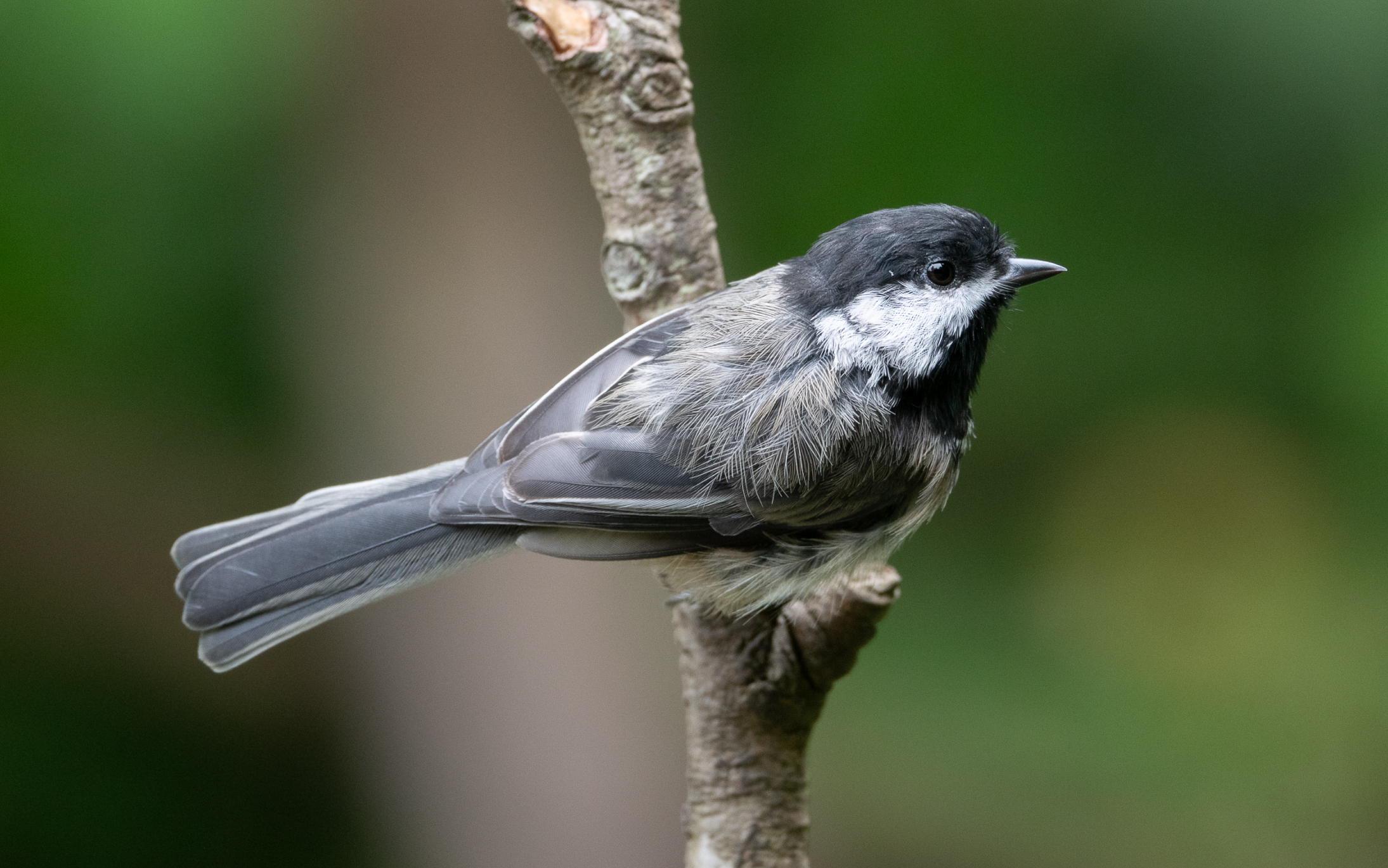
Black-capped chickadee
Golden-crowned sparrow
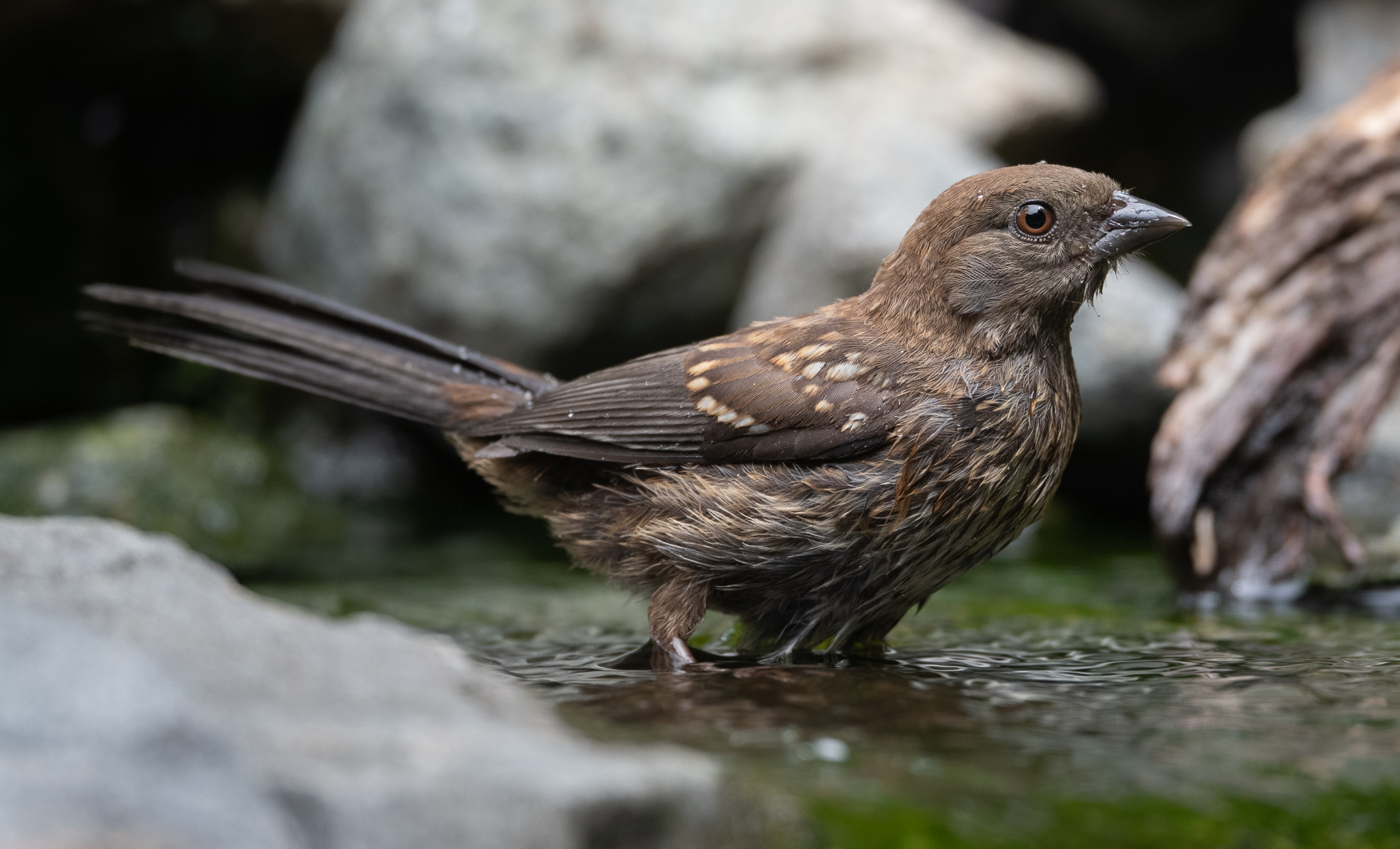
Fox sparrow
Fox sparrow

As long as I’m on the subject of water feature users, I photographed these Pacific Tree frogs in their efforts to increase their population! (I thought being cold-blooded and immersion in cold water was supposed to reduce activity!)