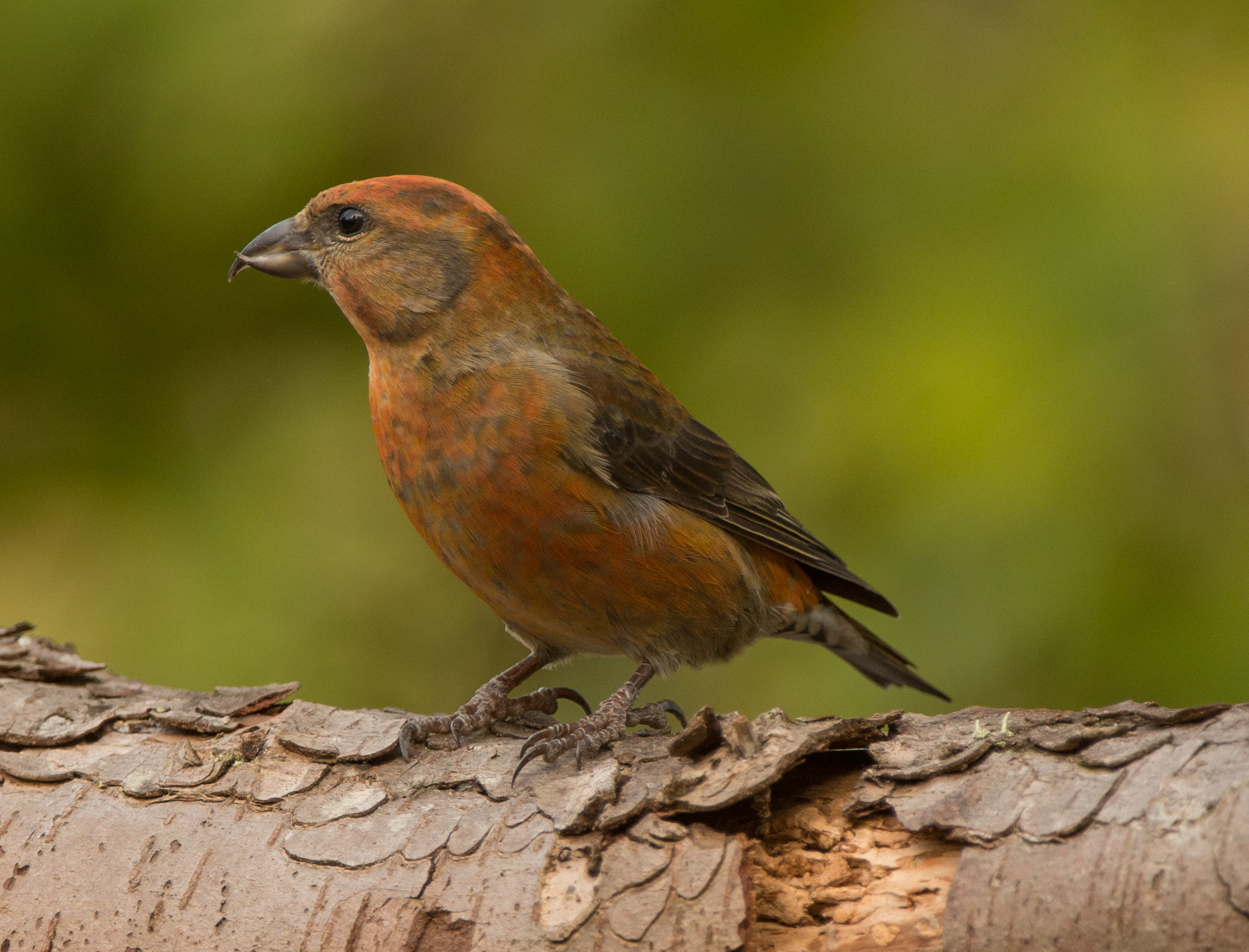
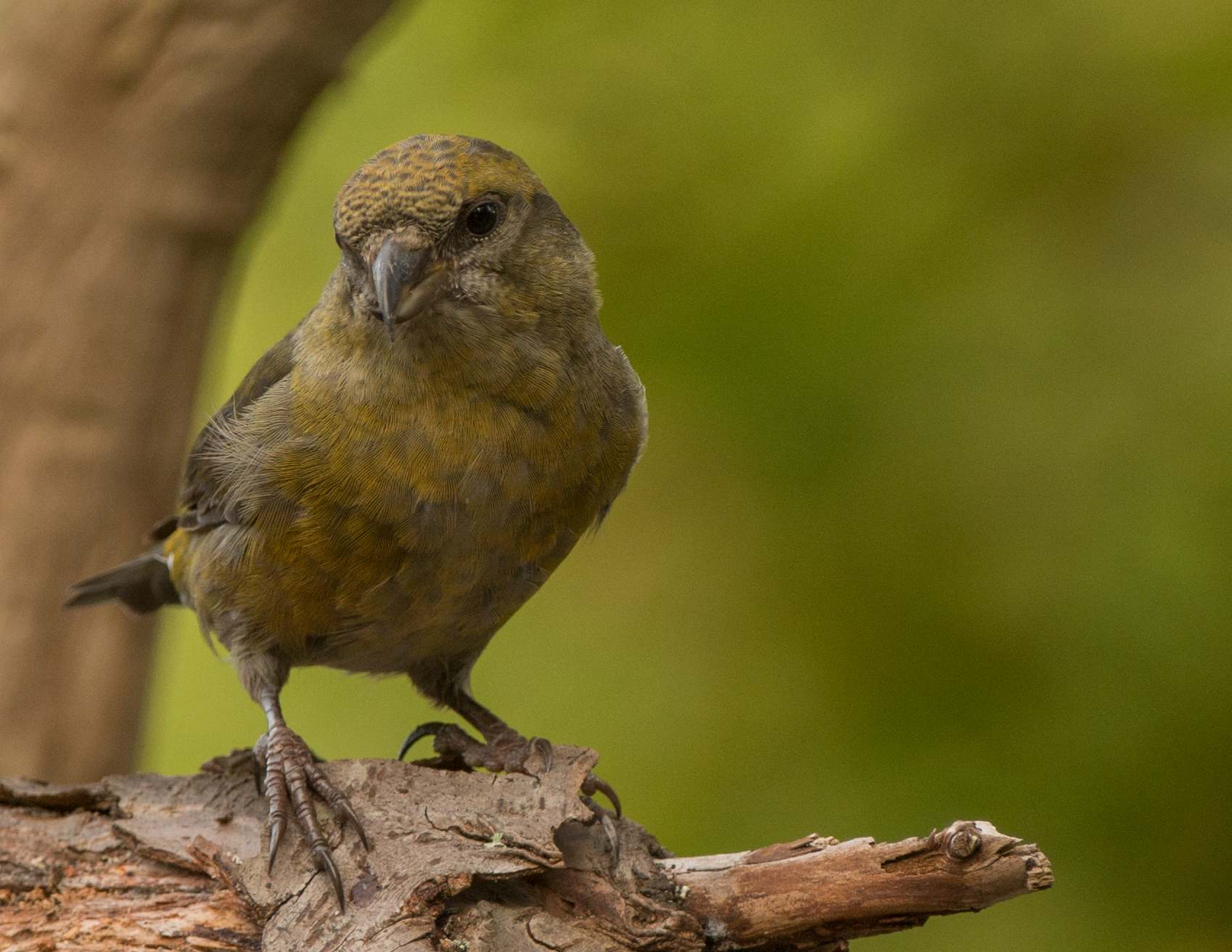
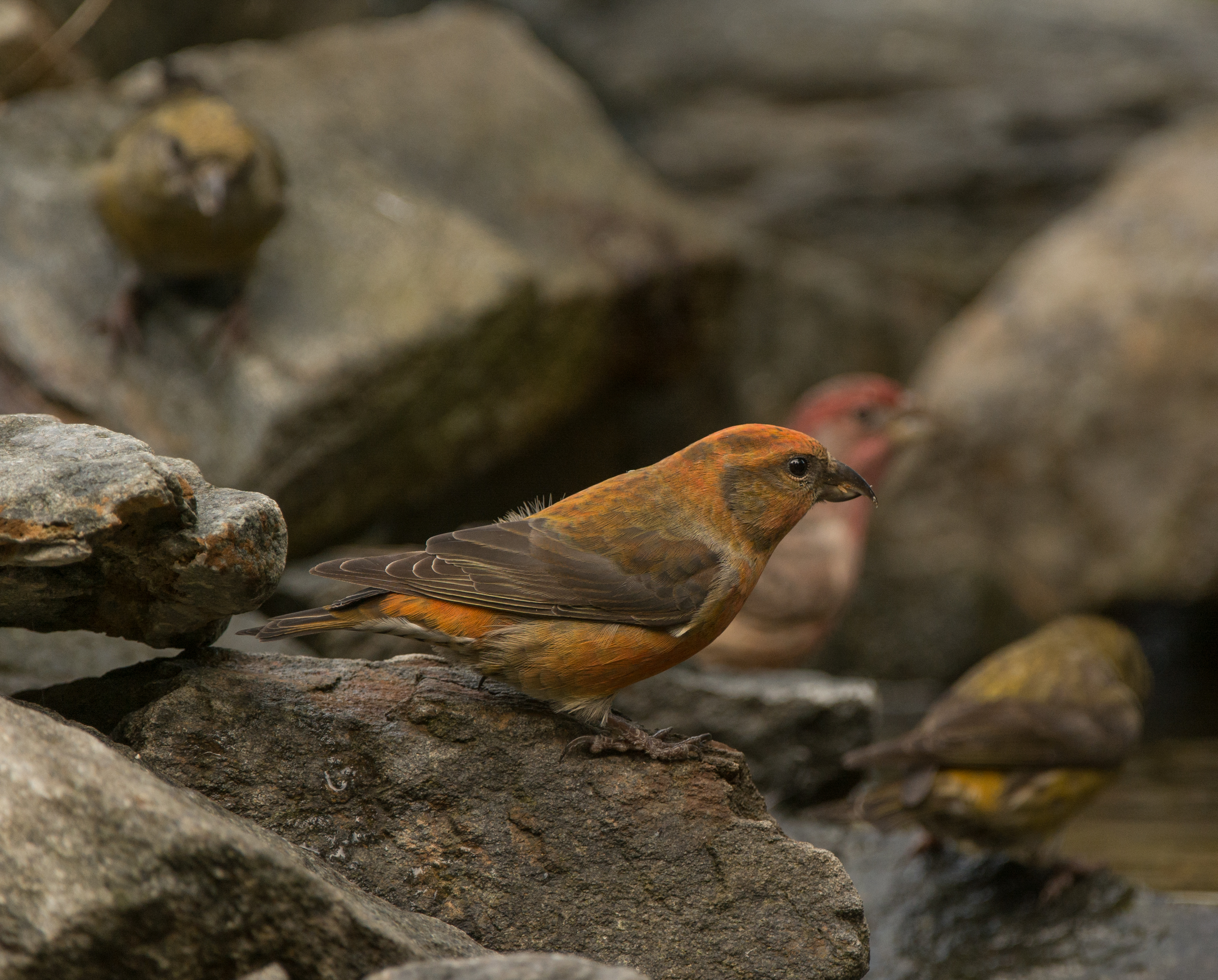
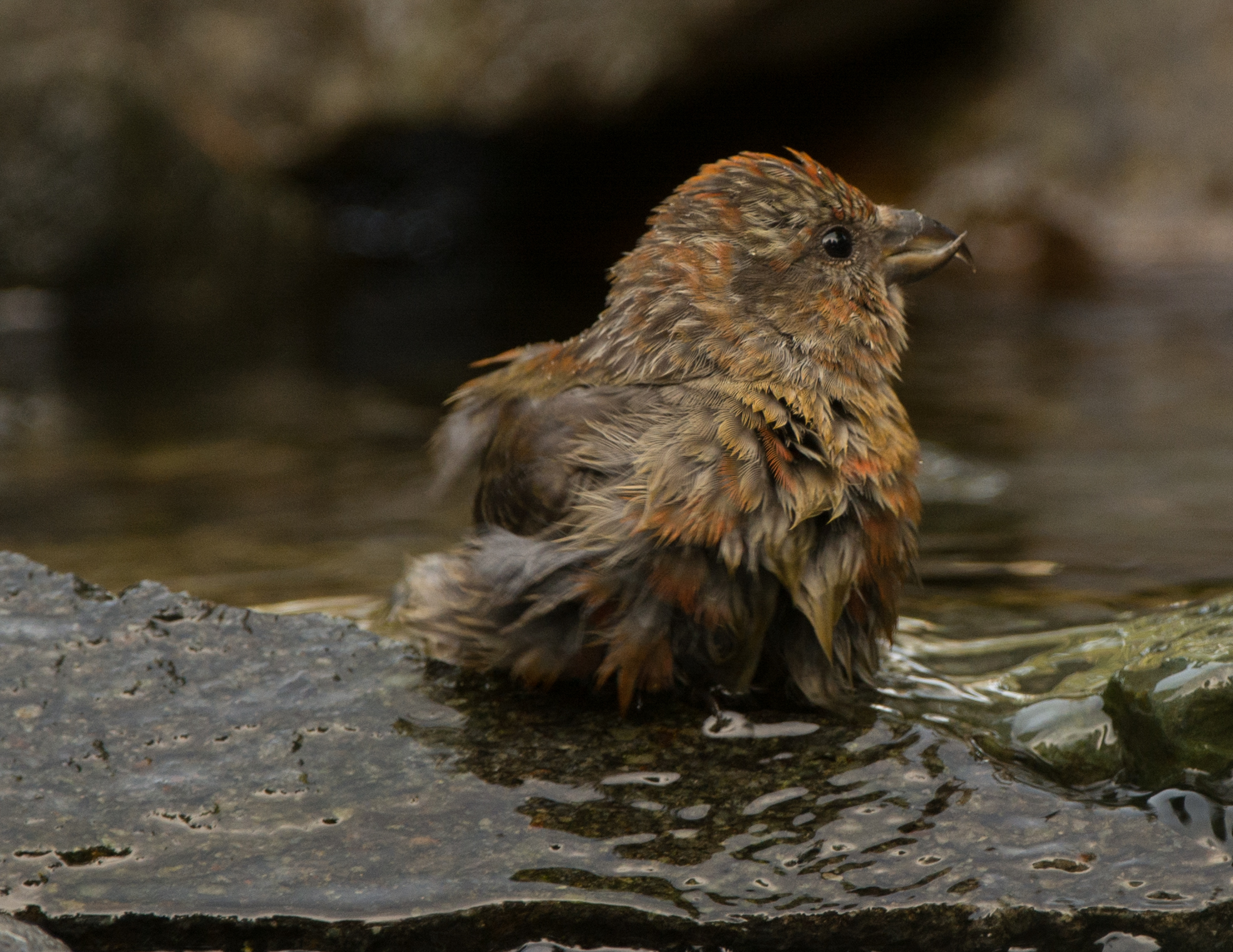
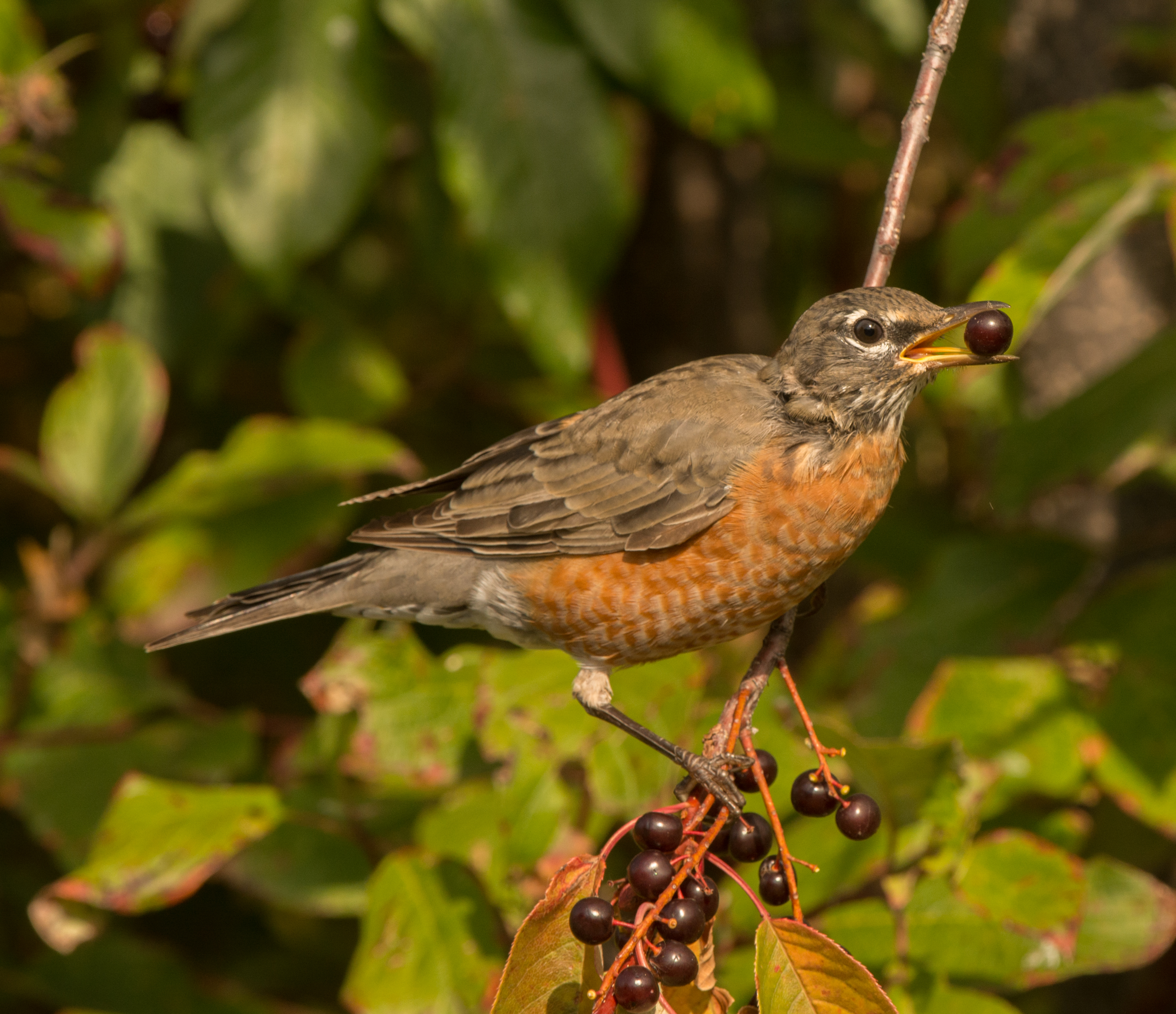
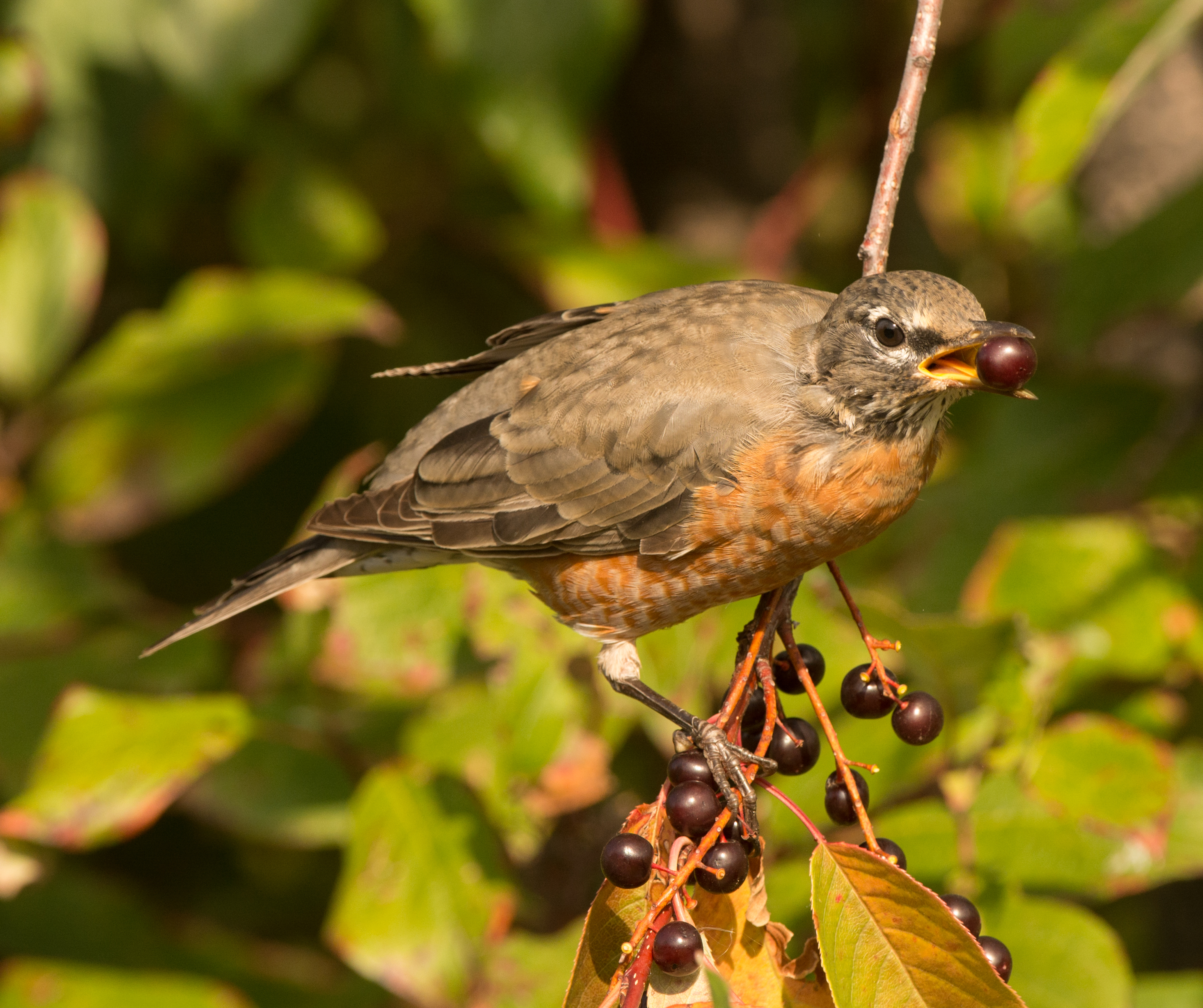
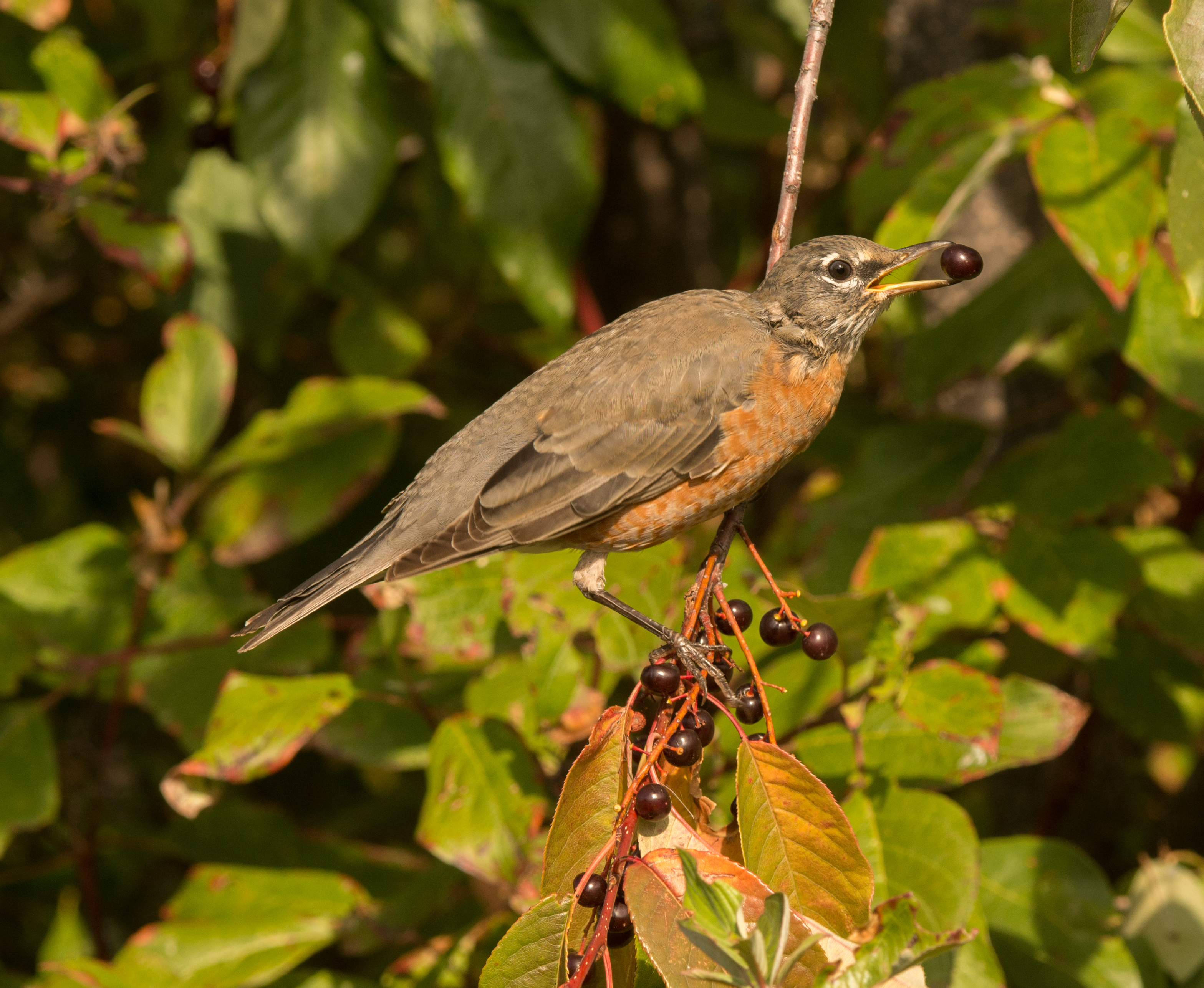
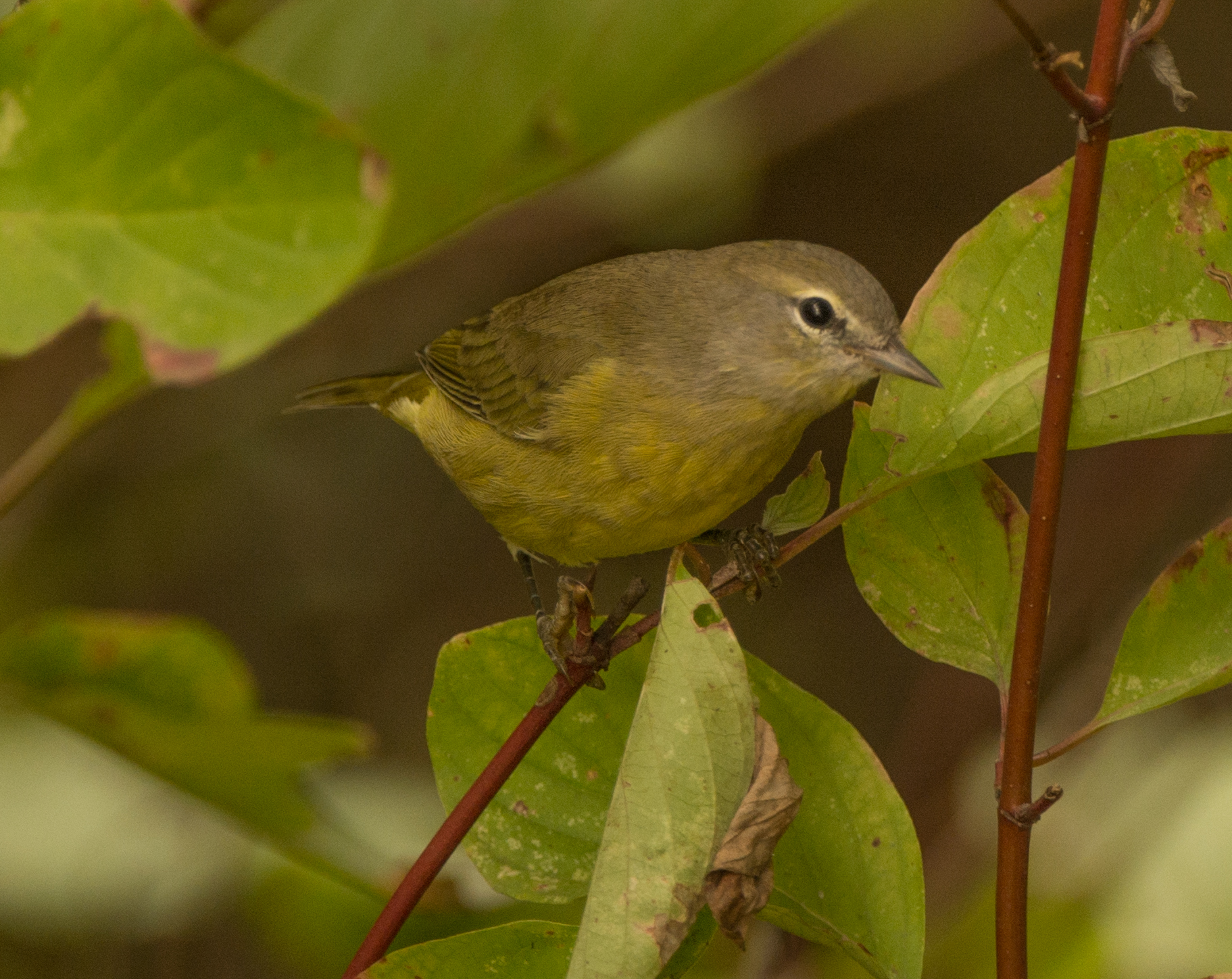
I’m going to open with some photos to get them to the top of the blog, and then position a text commentary at the bottom.
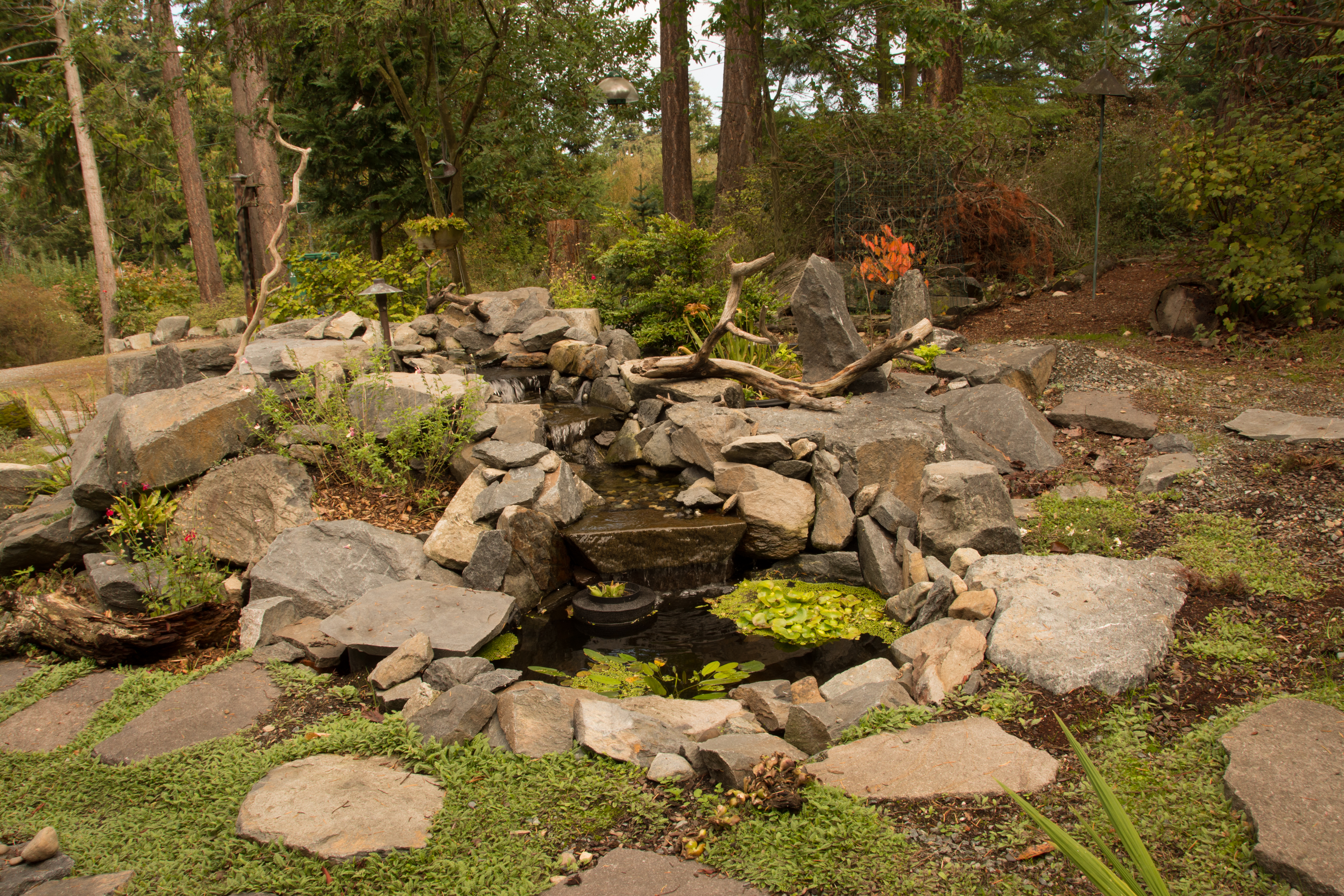
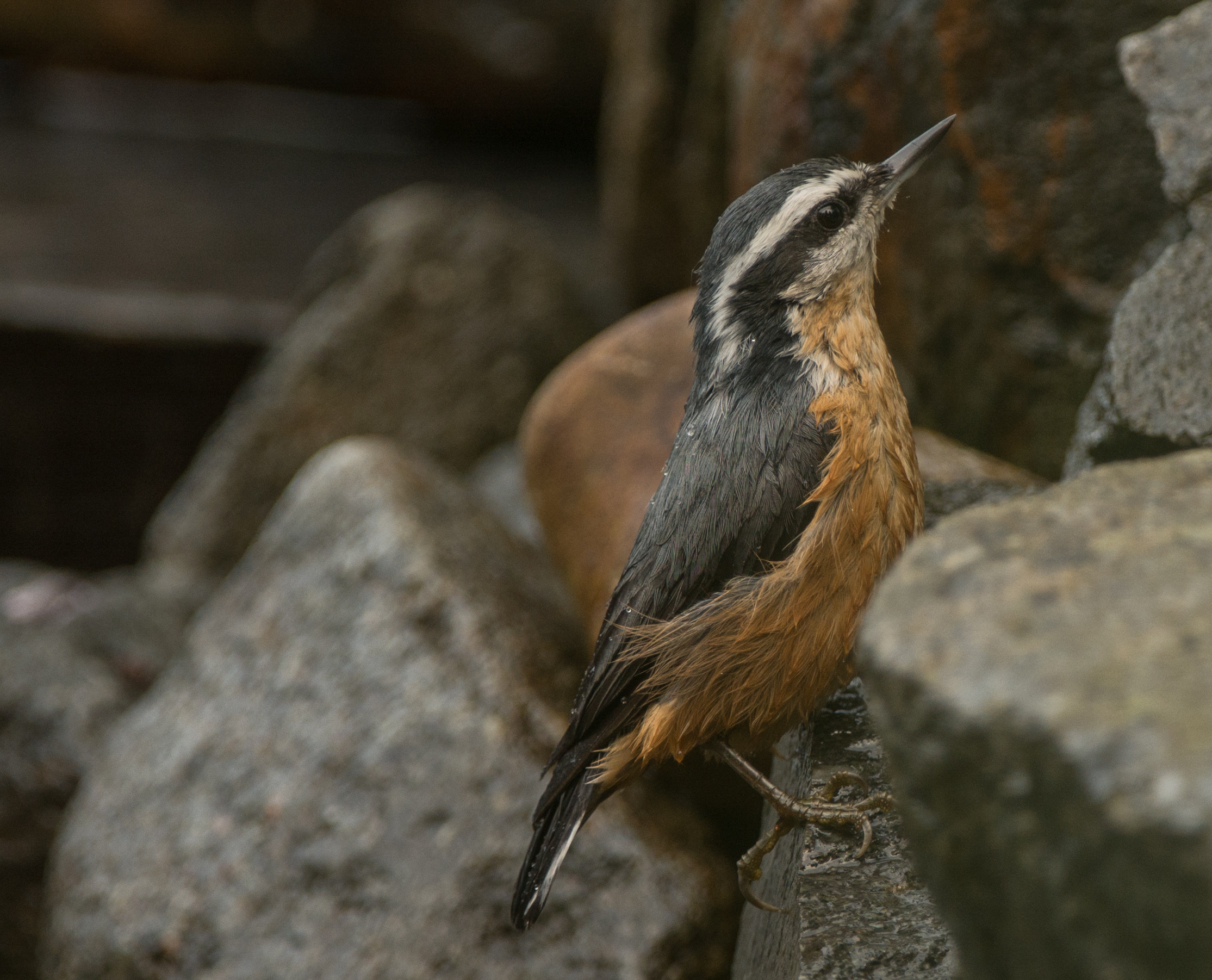
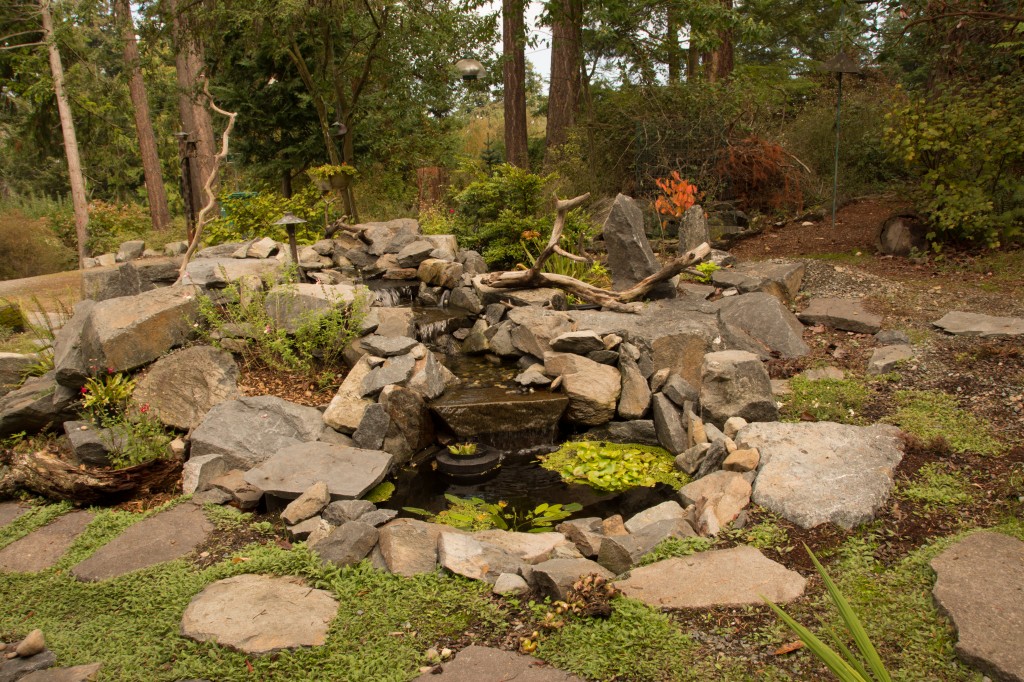
I’ve had several friends ask about my watercourse that was reconfigured with the help of ProScapes in early July. This photo is of the watercourse and most of my yard photos are taken with the birds either in the watercourse or perched on nearby rocks or “staging sticks”. I’m quite happy with this third iteration of the watercourse and am certain that any substantive changes are behind me.
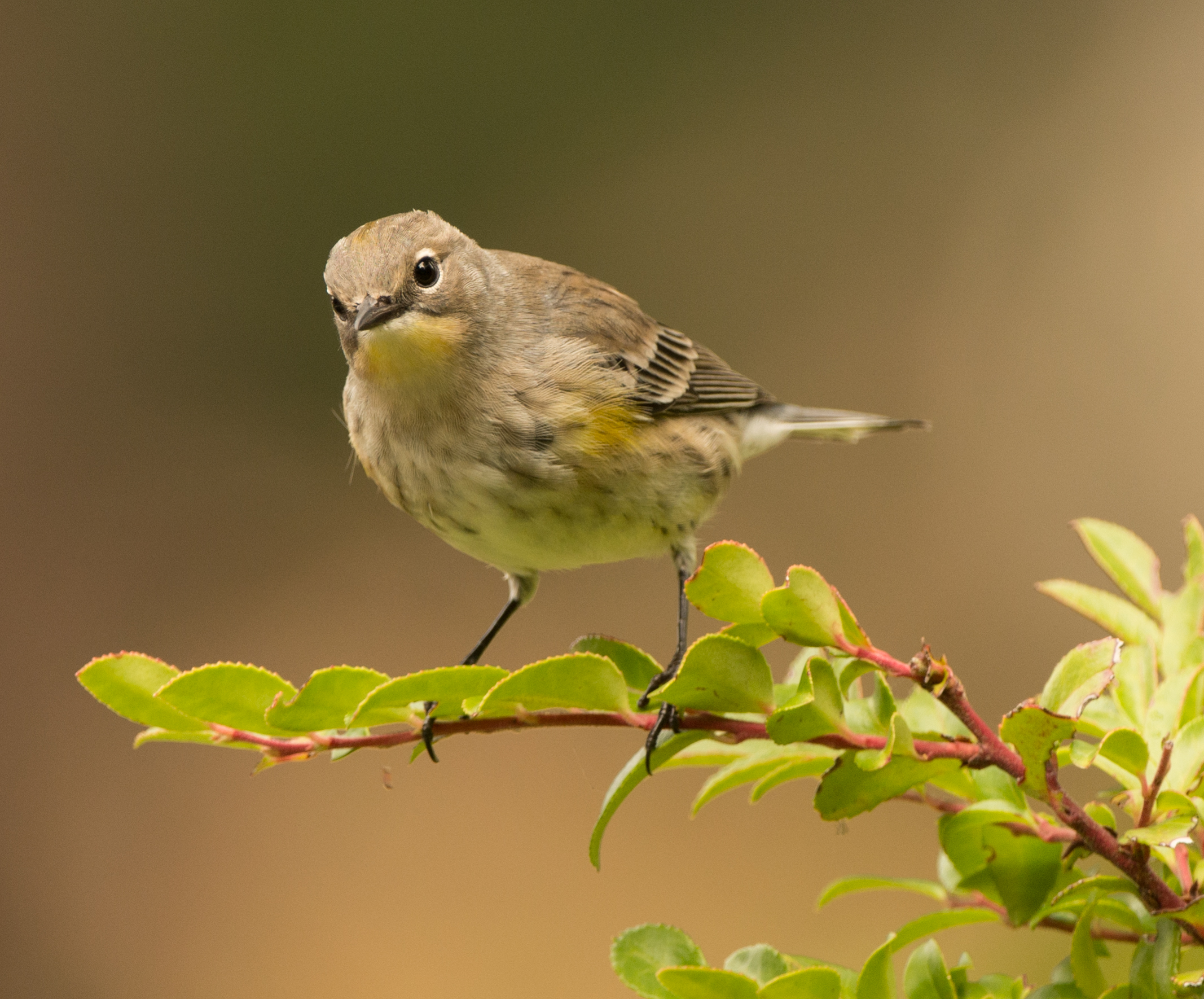
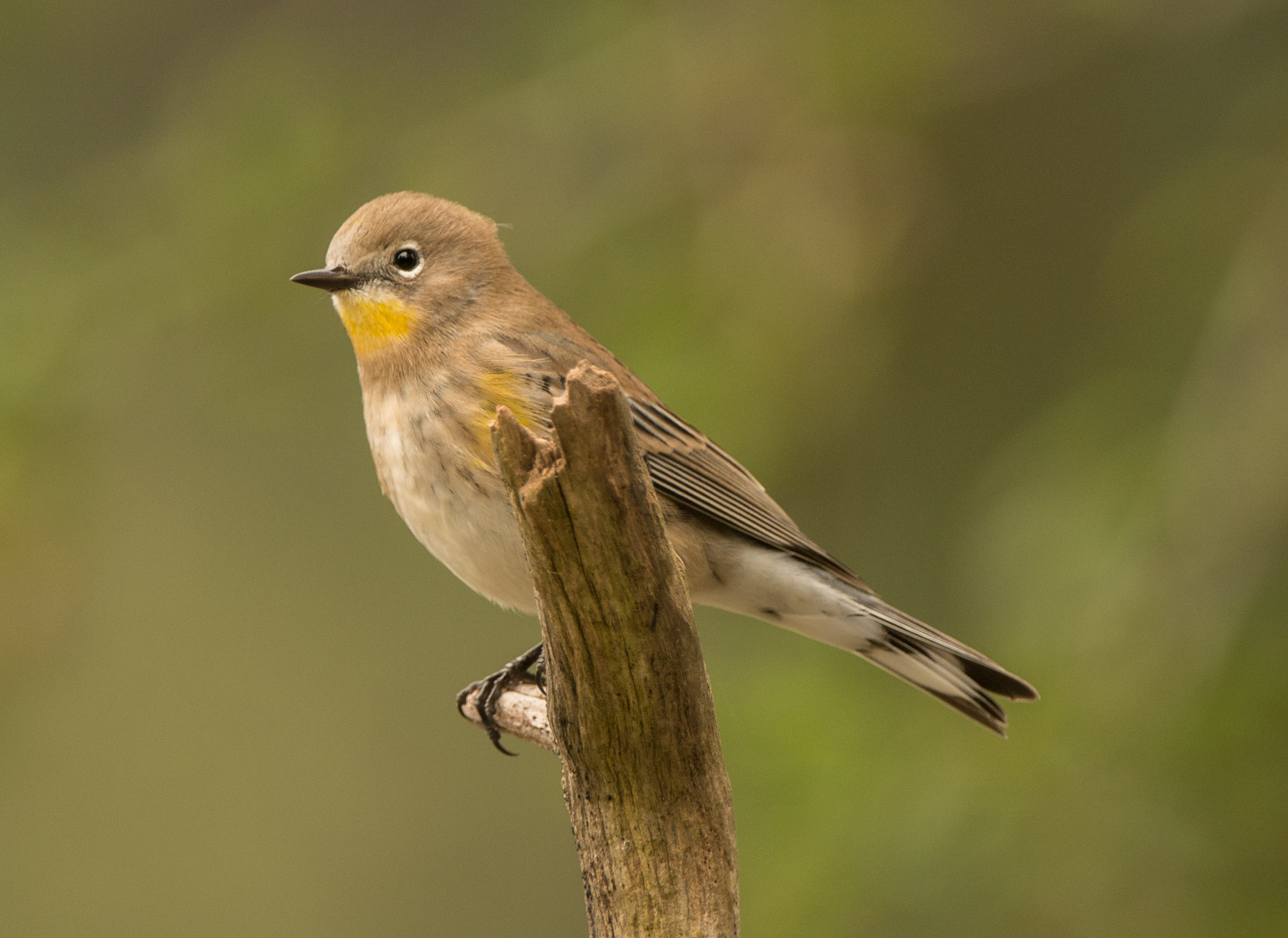
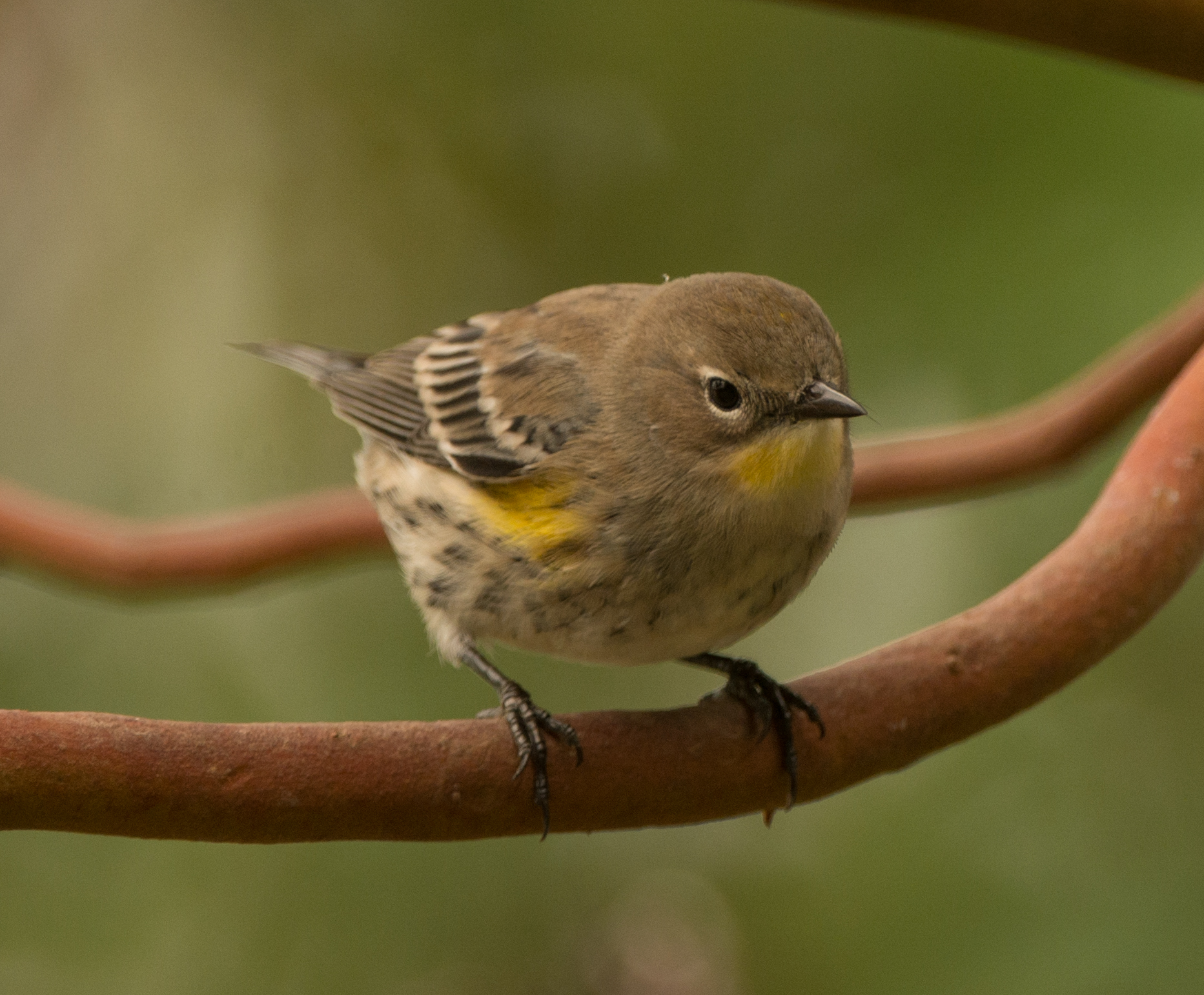
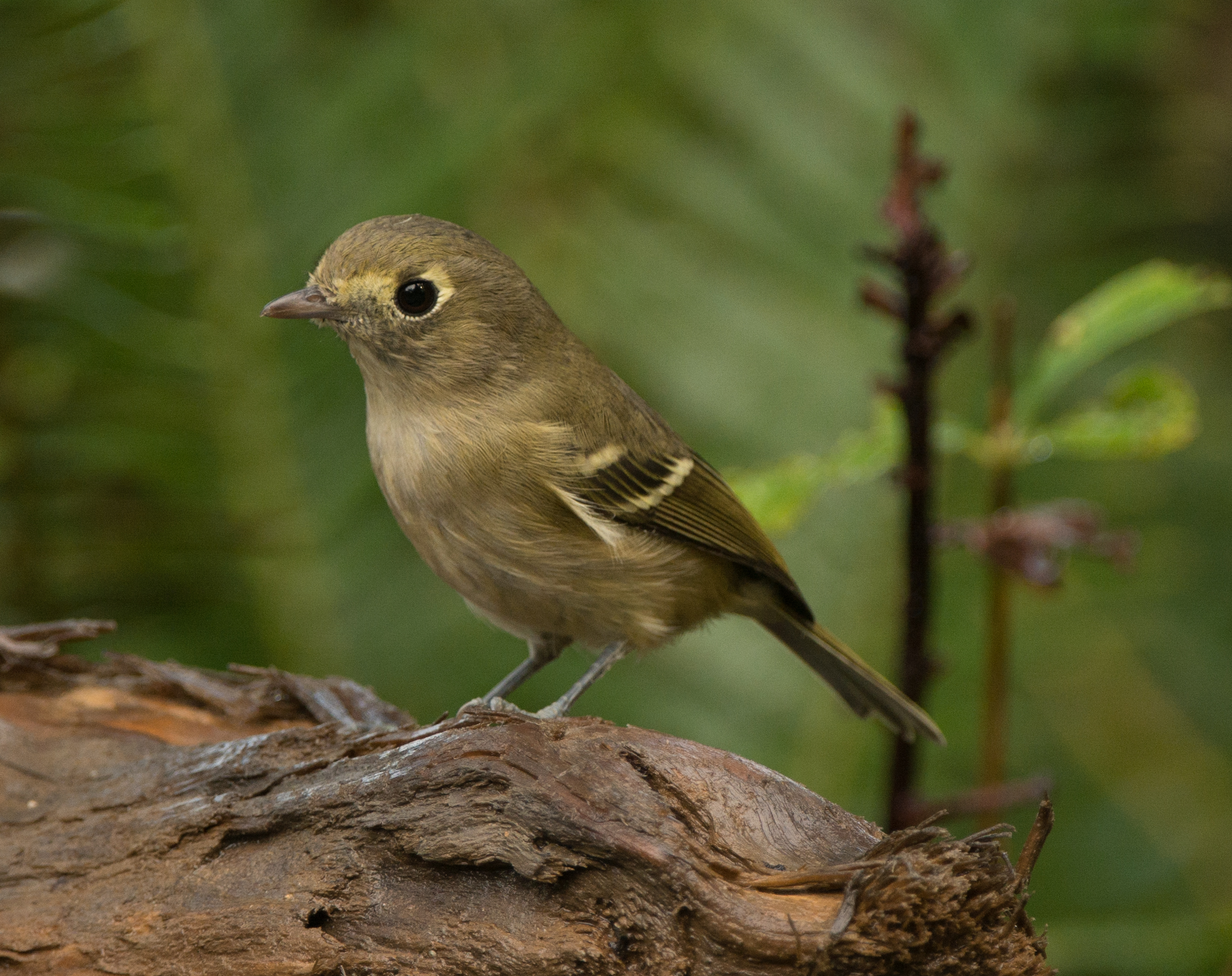
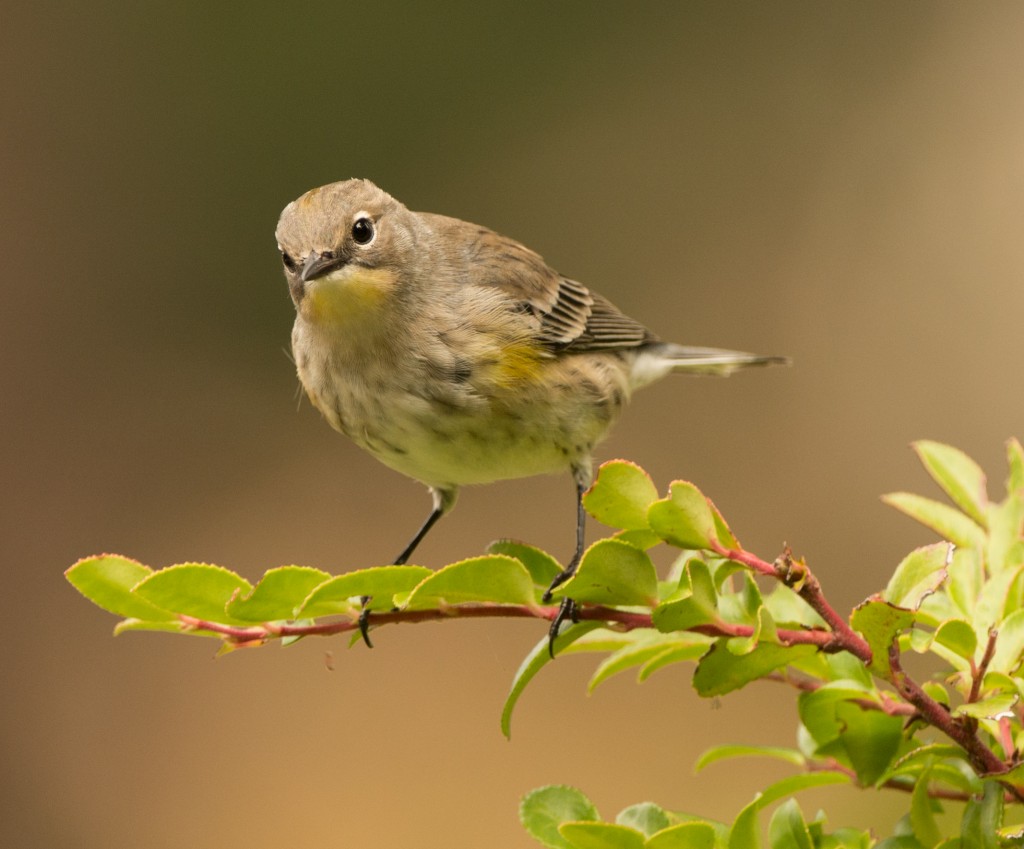
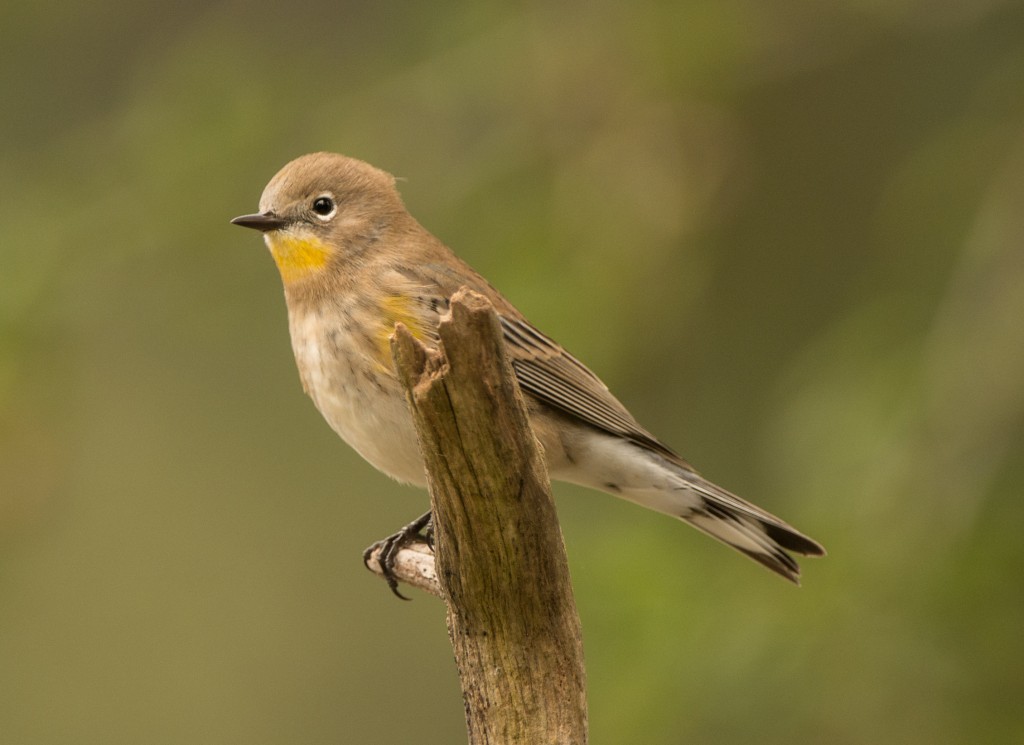
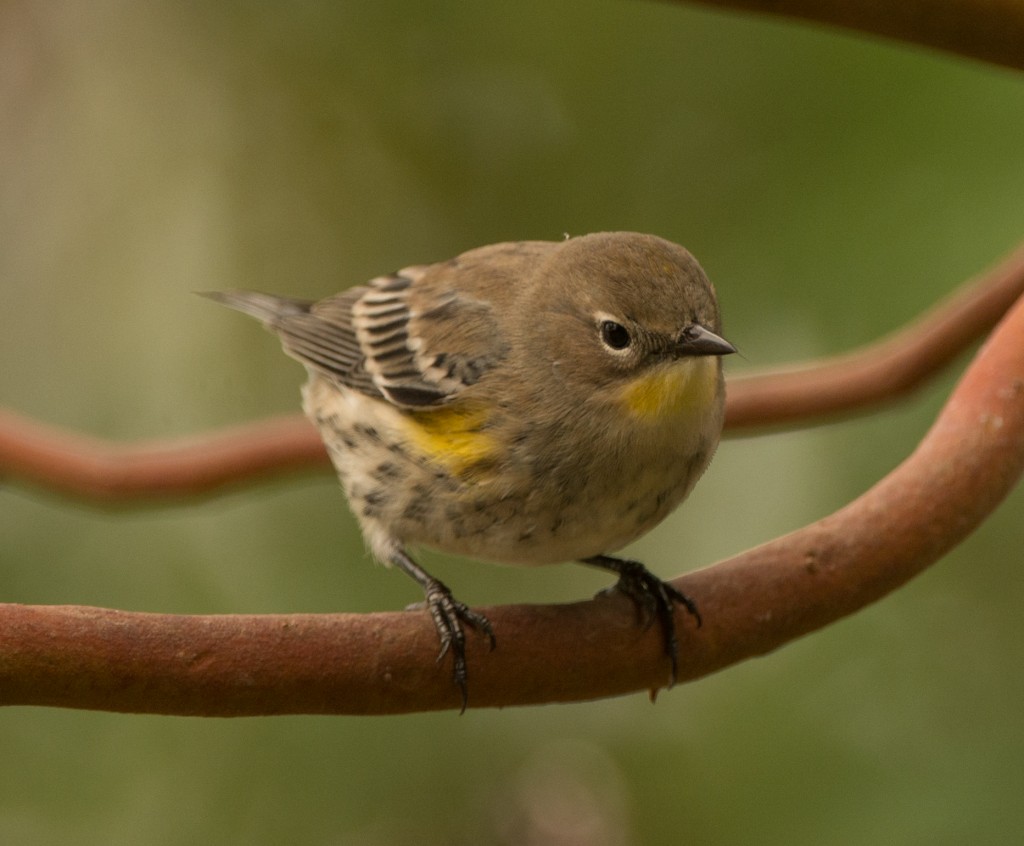
These next three photos are of Yellow-rumped warblers. I believe that all of these photos are of males of the Audubon race, but it’s sometimes difficult to classify the birds at this time of year with their non-breeding plumage and females and juveniles all moving through.
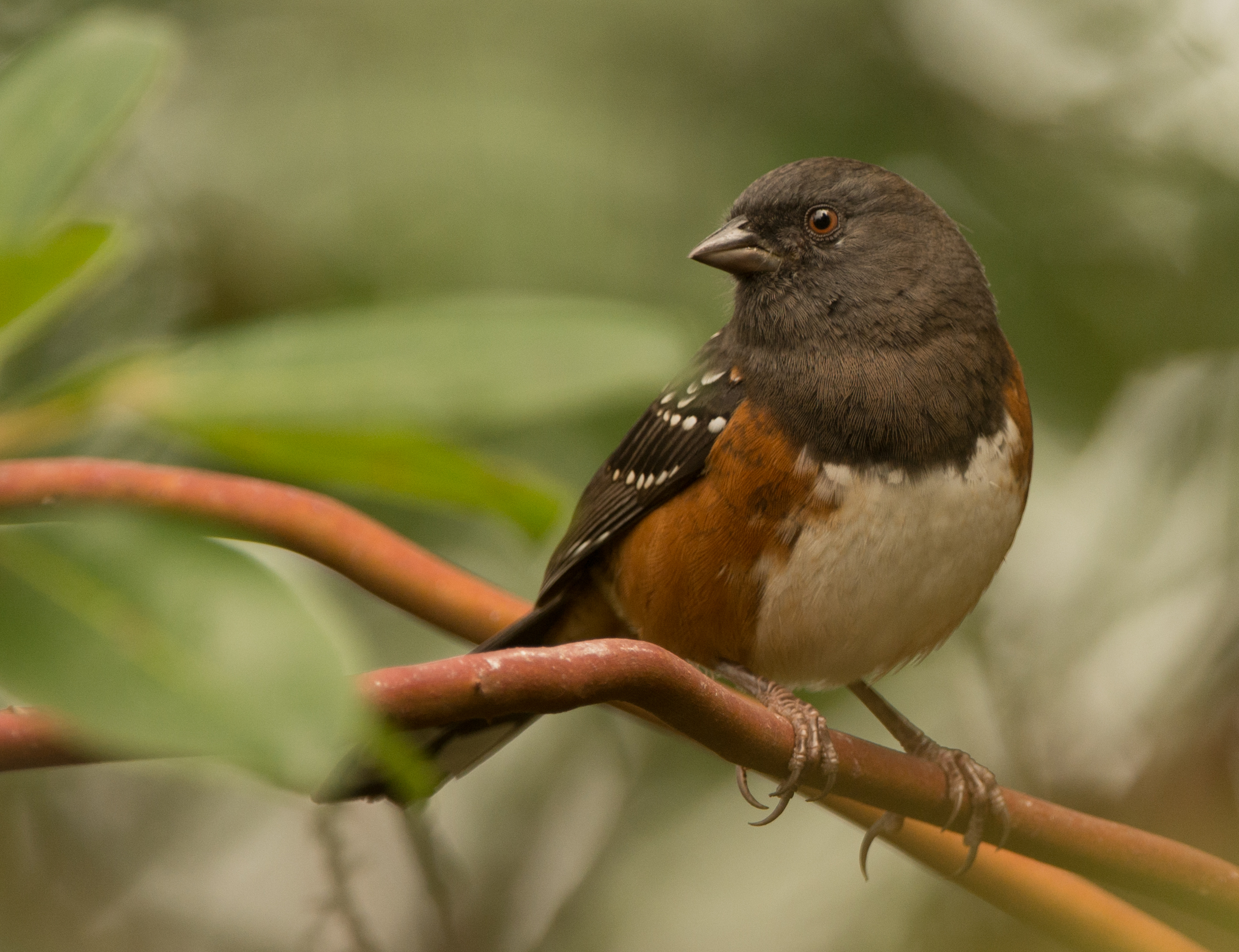
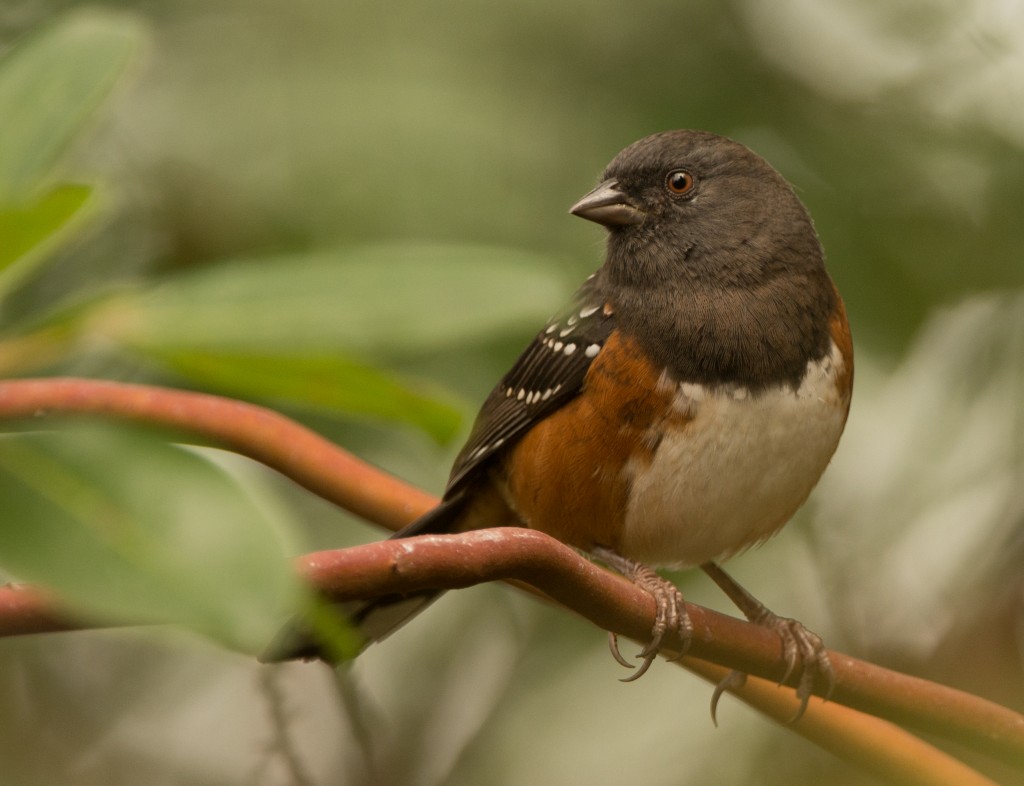
This next bird is a Spotted towhee (probably a male as evidenced by its bolder colors), generally a year-round resident of the yard.
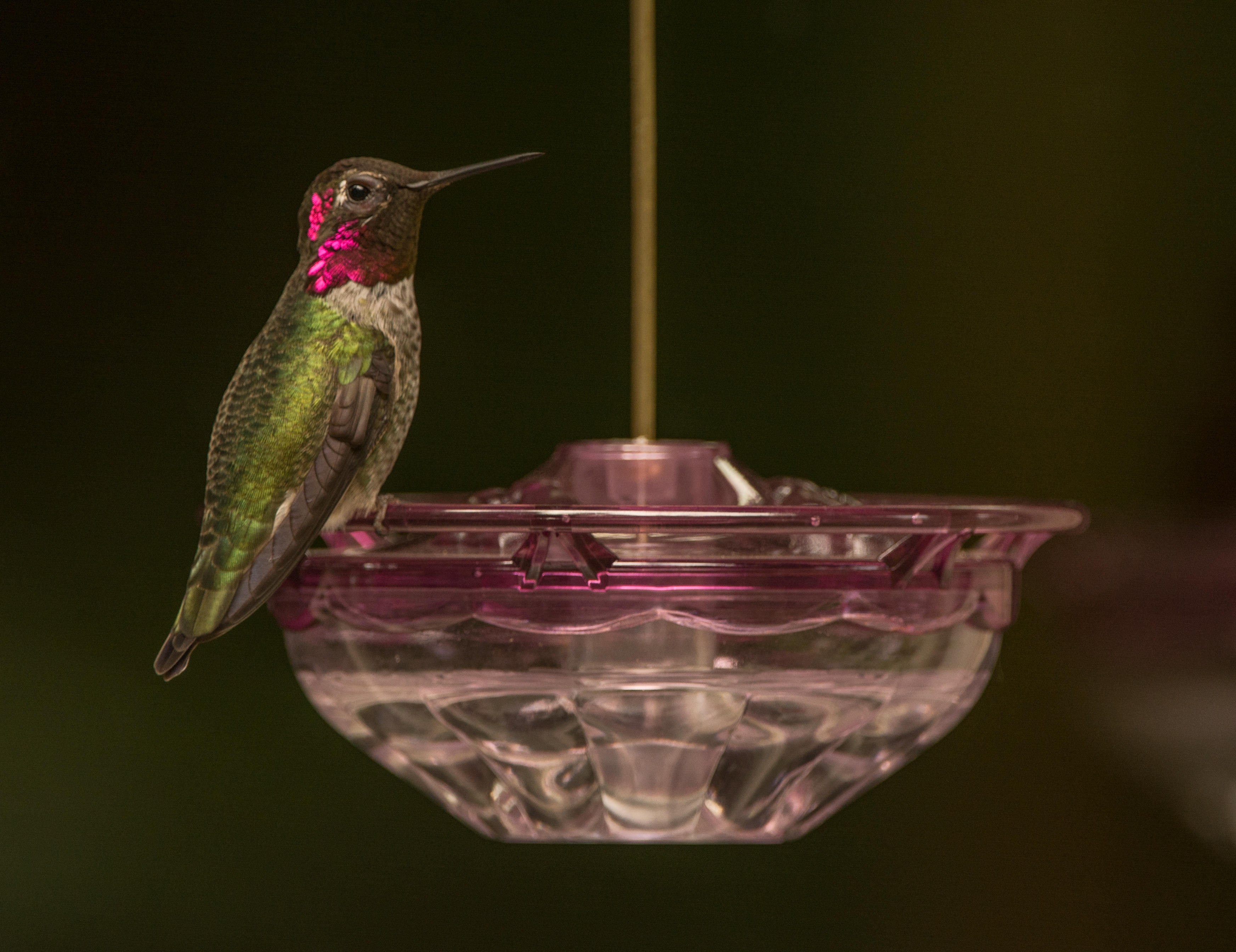
And finally, I don’t generally photograph birds on feeders, but I liked the looks of this male Anna’s hummingbird accessing a feeder that is new for this year. We have Anna’s hummingbirds here year-round whether we put out feeders or not, so I try to help them through the winter with some supplemental food. We are careful to keep a feeder thawed on days with the temperatures below freezing. Several years ago, when we had snow on the ground for about two weeks we had a male Anna’s hummingbird that survived that weather… but I don’t know how.
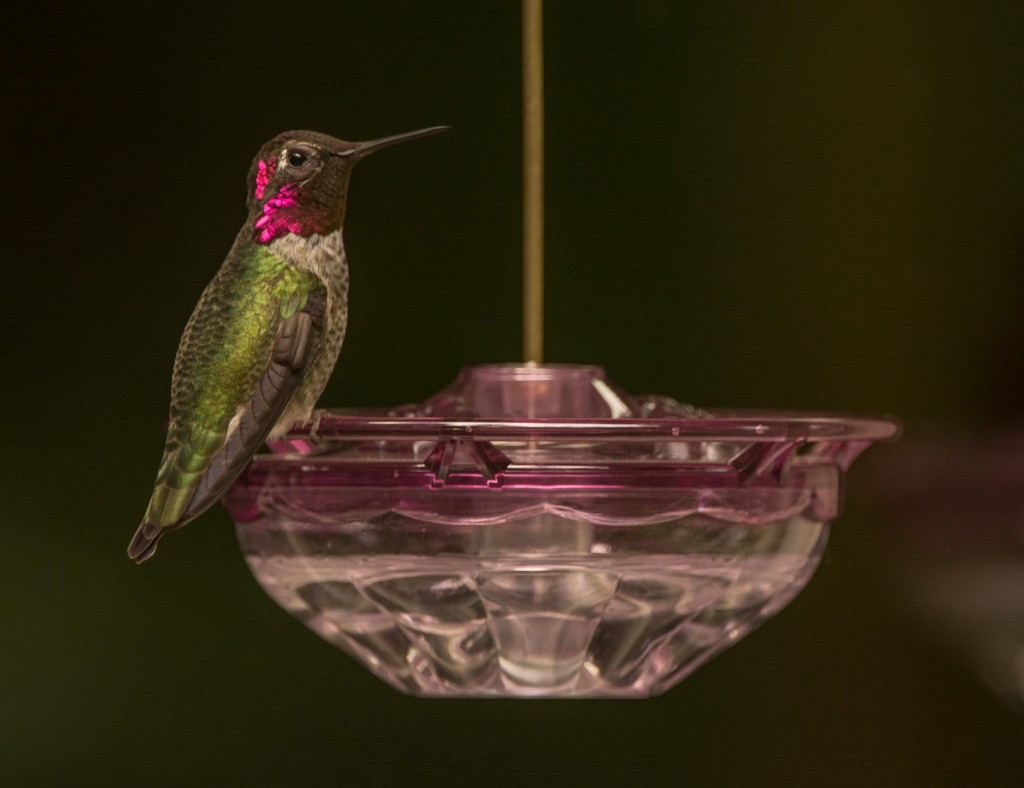
(You might note that while the hummingbird and front part of the perch are in relatively sharp focus, the stem of the feeder is blurred. This feeder is quite small and the distance between the stem and hummingbird is probably less than three inches. I’m probably about 20 feet away with a 400mm lens. And that, my friends, is your photography lesson for ‘depth of field’ for the day!)
Now on to the narrative with the status of my yard birding…
I’ve noticed a lot of seasonal changes here in the yard. They seemed to have begun on about Saturday, October 11, 2014. I can’t attribute any of the changes to the weather although I’m sure that in some respects it has been at least partially responsible.
As those of you know who follow this blog, I had almost continuous birding-related photographic opportunities in the yard for most of the summer. The weather allowed me to spend more time in the yard and to some extent, the more time I spend in the yard the more birds I see and photograph. However the bird sightings have now fallen off, not only in terms of the diversity of species but also, with a few notable exceptions, the numbers of birds. In my mind and as I stated above, the big drop occurred on about October 11. This last week I’ve been able to spend some time in the yard and I’ve spent a lot of time peering out our kitchen window to assess bird activity, but for the most part things have changed… and not for the better.
There have been a good many periods of virtually no bird activity in the yard for an hour or more. I know because I’ve sat in my usual location with sometimes not so much as a single chickadee, nuthatch or even sparrow being evident. This could be partially attributable to a raptor… this past weekend on successive days I saw either an accipiter or a Merlin glide over the tops of the fir trees, meaning the bird had to be at least 150’ off the ground. In my Saturday sighting I saw a crow dive-bombing the top of a tree about two blocks away, and a short time later its activity continued in the top of one of my neighbor’s fir trees. I hadn’t observed the raptor enter the tree and it flew before I could ready my camera. However I haven’t seen a raptor in the yard in at least a couple of months.
We had a notable exception to the number of birds in the yard late in the afternoon on Sunday, October 19, 2014. I spend an hour or so in the yard on two occasions that day with very little to show for it. We had company coming at 4pm so I gave up the birding about 3:45pm. After our company arrived I glanced out the kitchen window and saw a lot of bird activity in the yard. Subsequent observations from the house allowed me to count at least four Yellow-rumped warblers that were in the yard at the same time. In all my observations for this year, I have never seen more than two Yellow-rumped warblers in the yard at one time. There also appeared to be other interesting birds, namely Golden-crowned kinglets. (Earlier in the afternoon I had a Ruby-crowned kinglet perch less than three feet from the end of my lens, but at that distance it was much too close and active for a photograph.)
It’s possible that the activity was related to the weather… we had an unseasonably warm day with temperatures in the mid-to-high 60s. Interestingly enough, I noticed that the high, broken clouds we had were coming from the southwest while many of the wind gusts were coming from the north! And we had been told, quite accurately, to expect wind in the afternoon and rain that evening. The weather forecasters got it right for once!
So, as I think I may have warned in previous blog posts, the times they are a changing. My opportunities for spending extended time in the yard will be gradually reduced as we ease more into fall. Not only will the weather be more inclement, but the number of birds in the yard may make it not worth my while to spend extended time in the yard for photographs. However, when the door is shut on one opportunity the door to another opens. I’ll probably soon be making vehicle expeditions to the western part of Skagit County searching out photographic opportunities among the raptors and shorebirds that will constitute my fare for much of the winter months. And this may mean that I won’t get the opportunity to update my blog as often. In theory the more inclement weather might give me the opportunity to catch up on processing some of the backlog of photos I took this past summer, but that’s always a formidable mountain that doesn’t always get addressed.