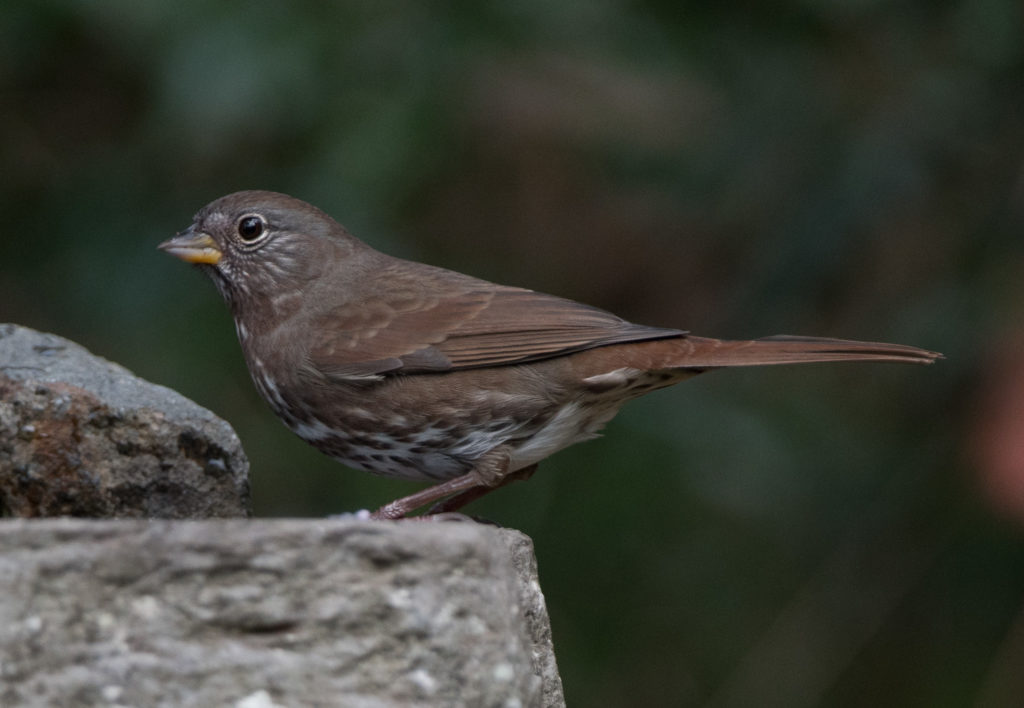
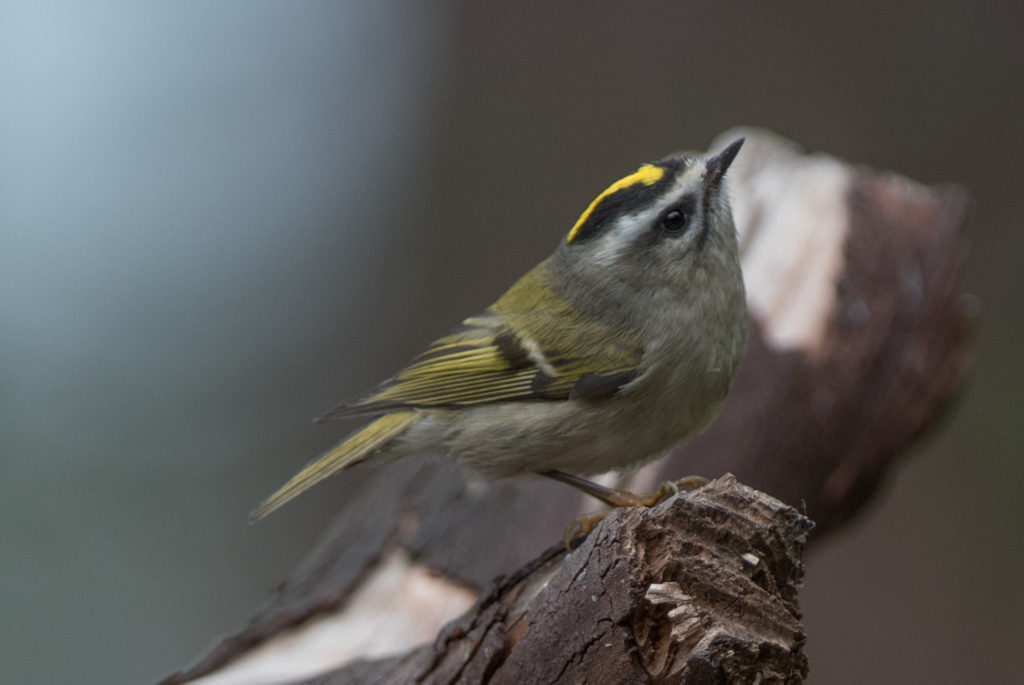
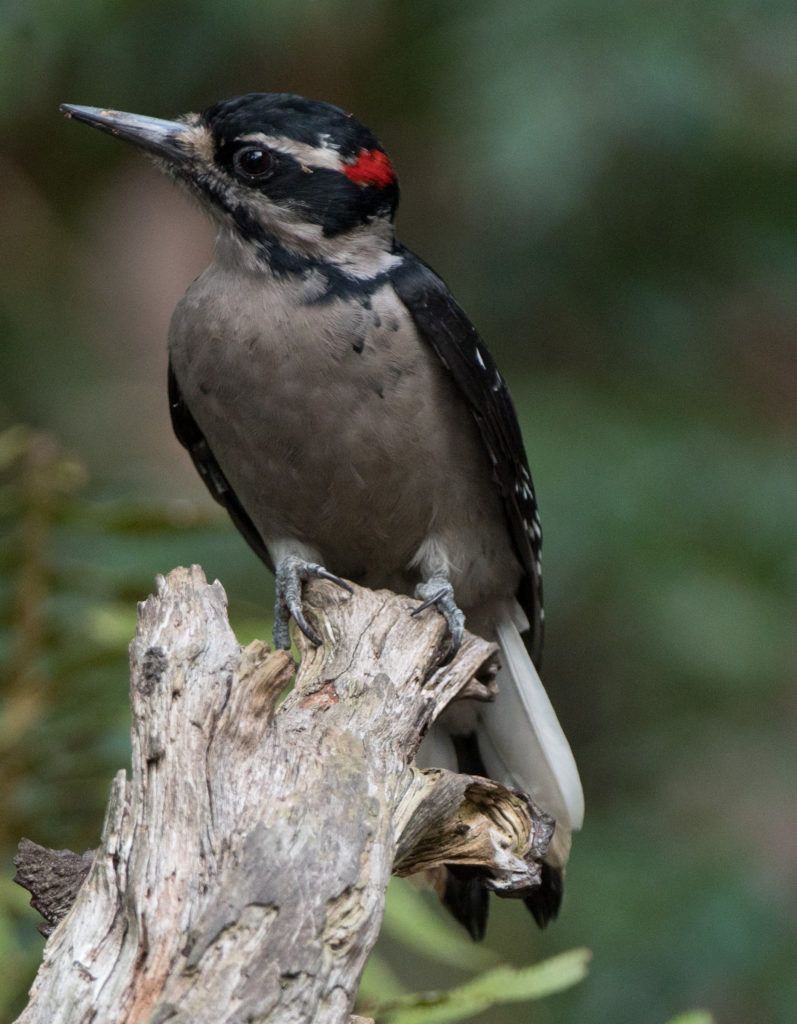
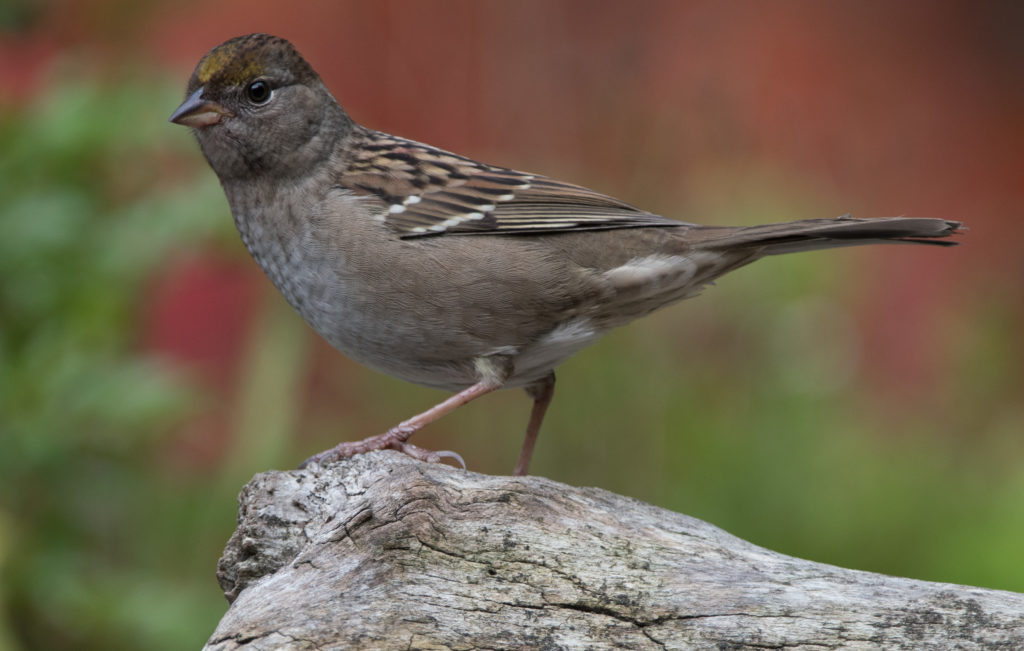
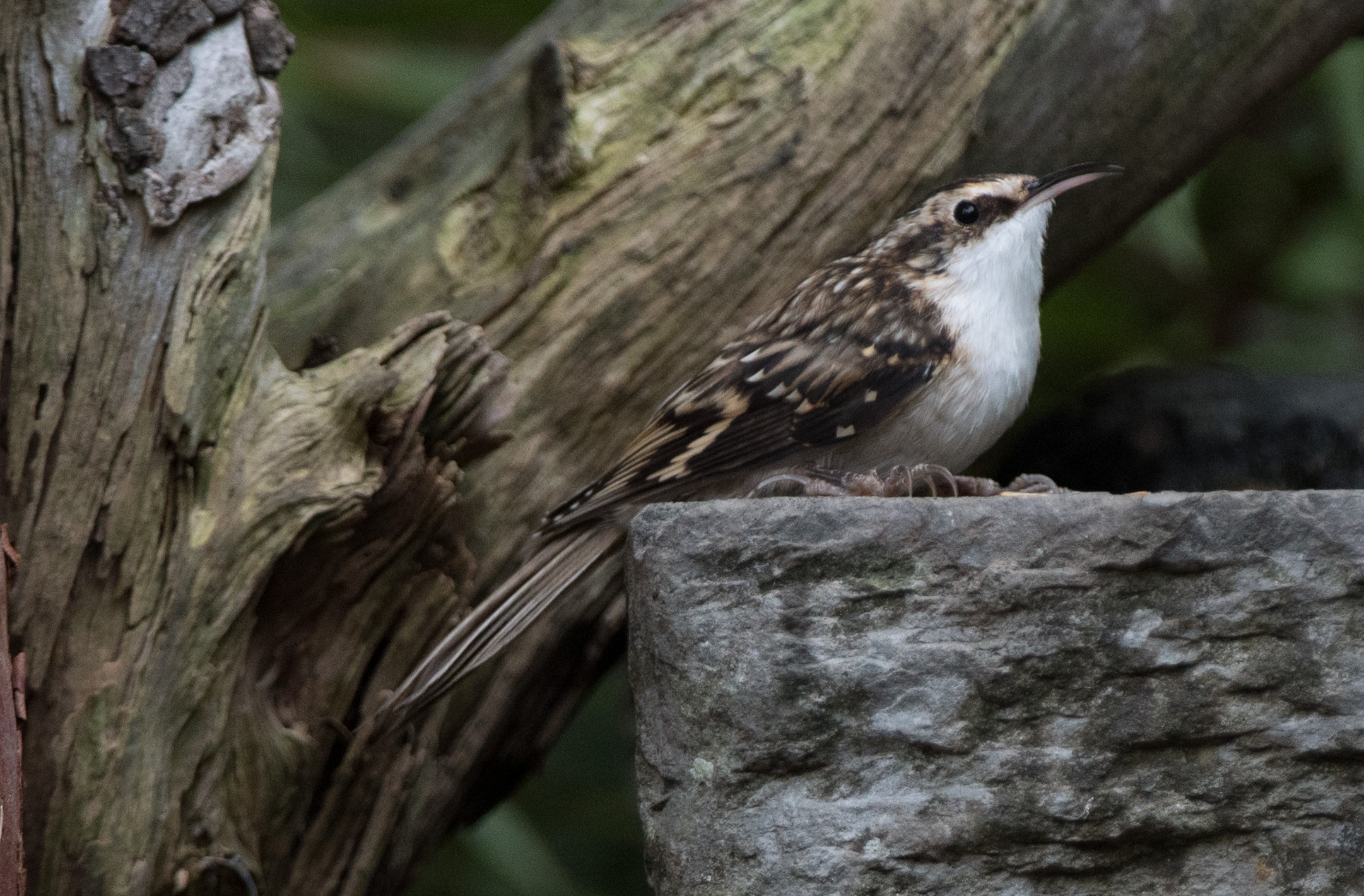
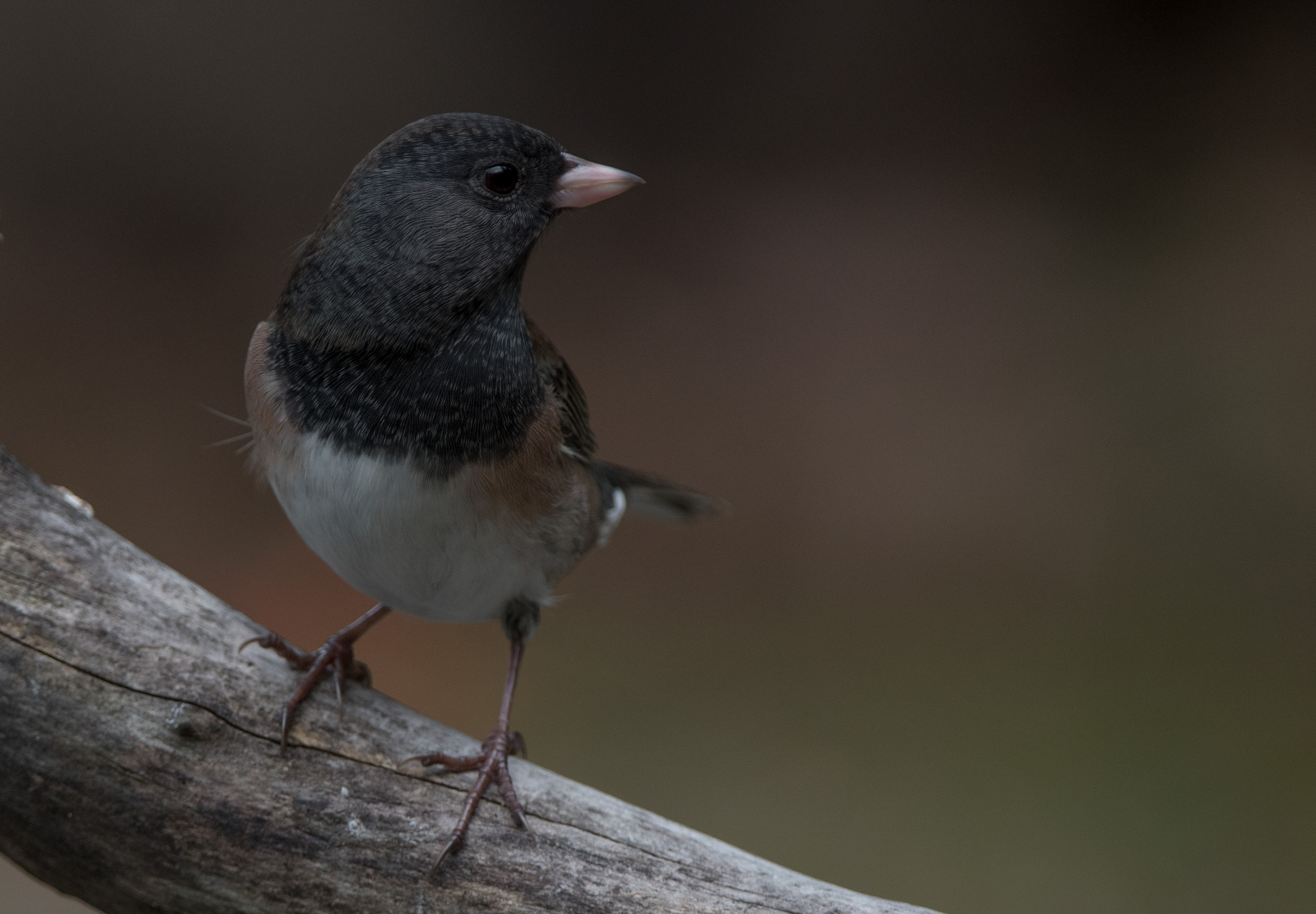
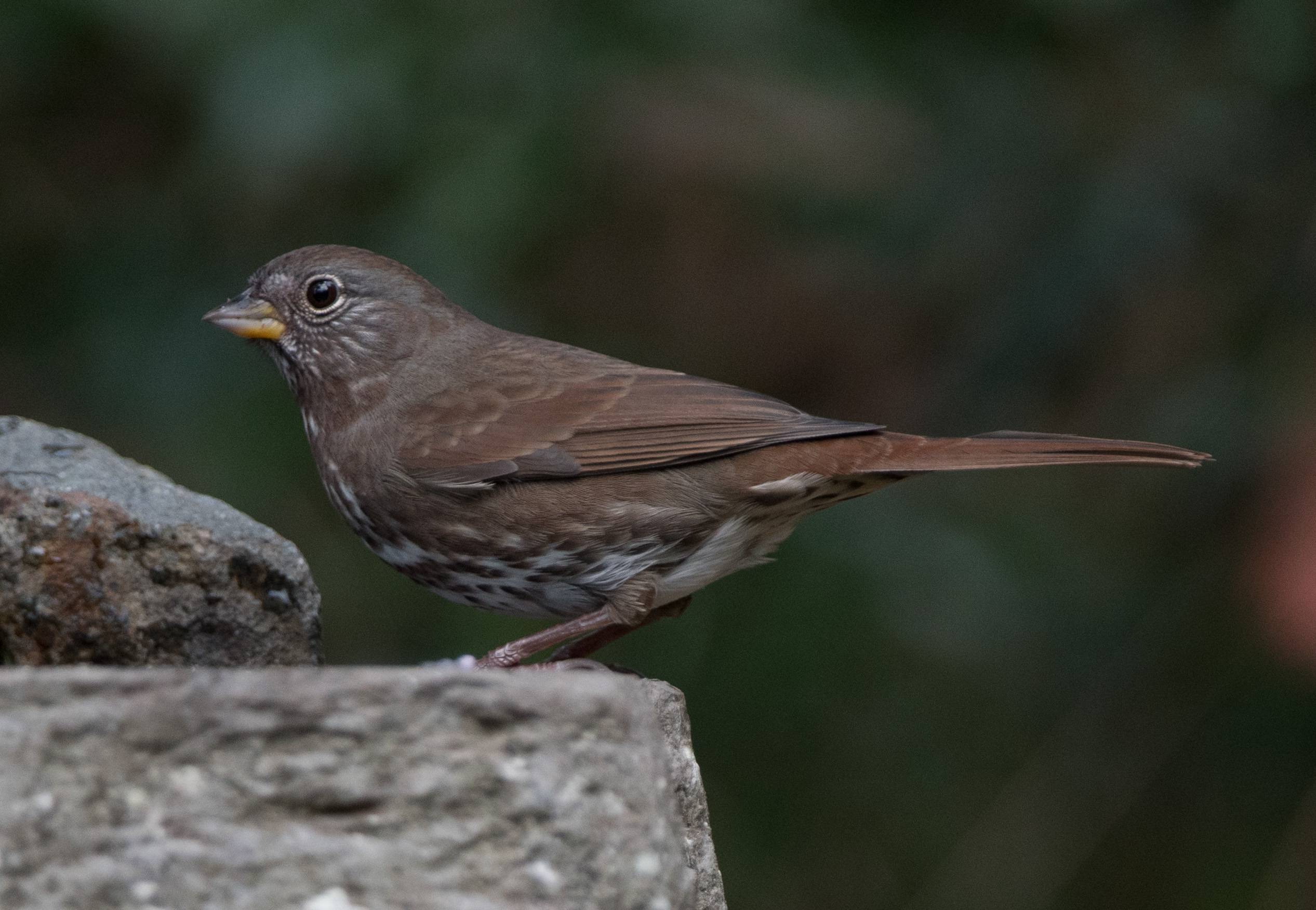
Early July Yard Birds

Just a reminder… all the photos on my blog from this point until further notice were taken with my new Nikon D500 camera.

This spring we had a pair of White-crowned sparrows which late in the season produced four young.  Unfortunately one met its demise against one of our windows.  In most past years we haven’t been able to retain these birds through the breeding season.

Sparrow, White-crowned 20160707-04-2 Sparrow, White-crowned 20160707-09

This year we also had two pairs of Black-headed grosbeaks, at least one pair of which successfully bred some number of young.  While the grosbeaks were frequent visitors they are fairly secretive about entering the yard and we never could get an accurate count of the number of young.  We had an accipiter visit the yard several times since last week (about 8/5) and the grosbeaks have apparently left the area, possibly for the season.

The grosbeaks are the only reason I maintain a small platform feeder during the spring and summer months.  The grosbeak pictured below is one of the breeding males.

Grosbeak, Black-headed 20160707-08

This is either one of the breeding female Black-headed grosbeaks or possibly one of the juveniles.  I have  noted that, at least for me, the young grosbeaks were difficult to diffferentiate from the adult females.

Grosbeak, Black-headed 20160707-02

We had at least one pair of breeding Spotted towhees in the yard this spring and summer.  I’m always interested in the maturation of the young of this species.  They initially look nothing like the adults and even as they mature they look different from each other as they mature.  I think they give beginning birders one of their greatest challenges!  The bird pictured below is apparently a mature male.

Towhee, Spotted 20160707-01


Back in Skagit County with a New Camera

In my last post I mentioned that I had purchased a new camera in mid-June.  The new camera is a Nikon D500 which will replace my Nikon D7100 as my primary birding camera.  I’m still using my ‘old’ Nikkor 200-400mm F4 lens, which I had refurbished by Nikon earlier this year at an exorbitant cost, for all my birding photography.  I’m impressed with the images I’m getting with the new camera but am still trying to understand and master some of the new features.  The improvements to my images are obvious to me but may not be reflected in what makes it to this website.

I may have complained in past blog posts about the lack of special species visiting the yard.  I’m still disappointed, but beginning in mid-July I’ve begun receiving a few rarer visitors, most of which I’ve managed to photograph.  Still, it’s been a very odd spring/summer for yard visitors.  I’ve created a text-only document that chronicles some of the more unusual observations/experiences that have occurred in our yard since mid-July  and if you would like to peruse the document email me and I’ll send you a copy.

First up, a rather pleasant photo of a bee on a bloom in the yard.  I’m amazed that I can get this kind of quality from the 400mm lens.

plant bloom with bee 20160625-02

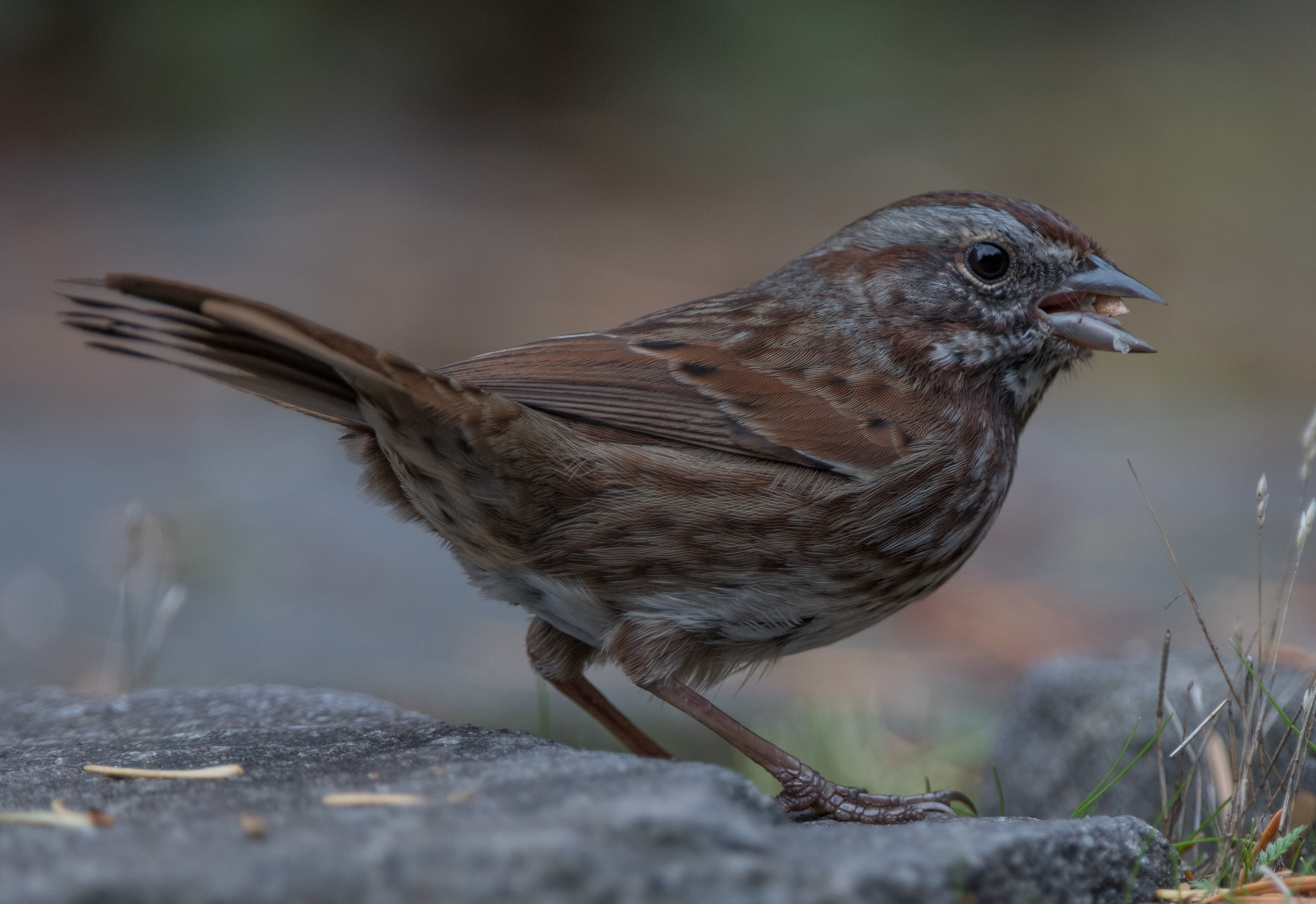
Now to the rogues’ gallery.  We have hosted far too many obnoxious species this summer, but they give me something to do while waiting for more interesting species.  This first photo is of a female Song sparrow feeding a juvenile.

Sparrow, House - feeding juvenile 20160625-01

While the number of Brown-headed cowbirds we’ve had in the yard haven’t been great, we have had at least one juvenile continuously from mid-June through all of July.  Each of these young represent a nesting failure for one of our more desirable species of songbirds.  If you don’t understand how this works do a little research on cowbirds or contact me.

Cowbird, Brown-headed 20160625-03

We have been absolutely overrun with European starlings this year, and the visitation seems to have lasted longer than in past years.  I normally have two suet feeders out but the starlings are capable of emptying both in a day.  A couple of weeks ago I’ve started limiting the suet feeder access to times I’m in the yard so that I can try to keep them off the feeders.  But even when they aren’t accessing the suet feeders they are swamping the watercourse.

Starling, European 20160625-03

The photo below is of a juvenile European starling.  I seldom see any starlings in the yard during the non-breeding months but I’m beginning to get worried that the young this year are beginning to develop bad habits and will be with me year-round!

Starling, European 20160625-01

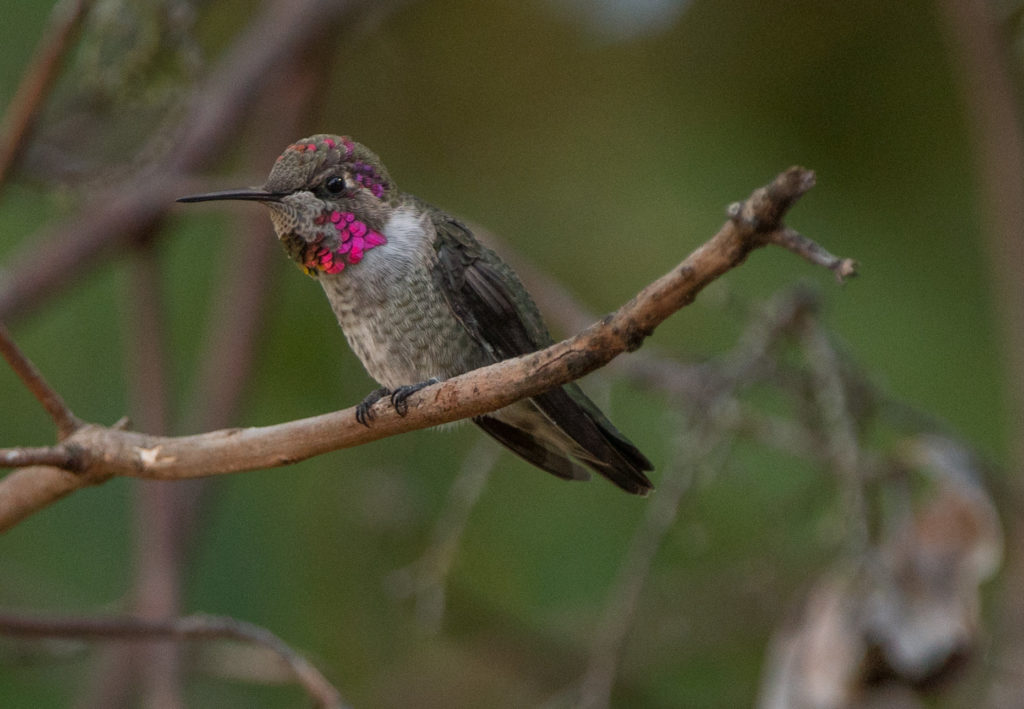
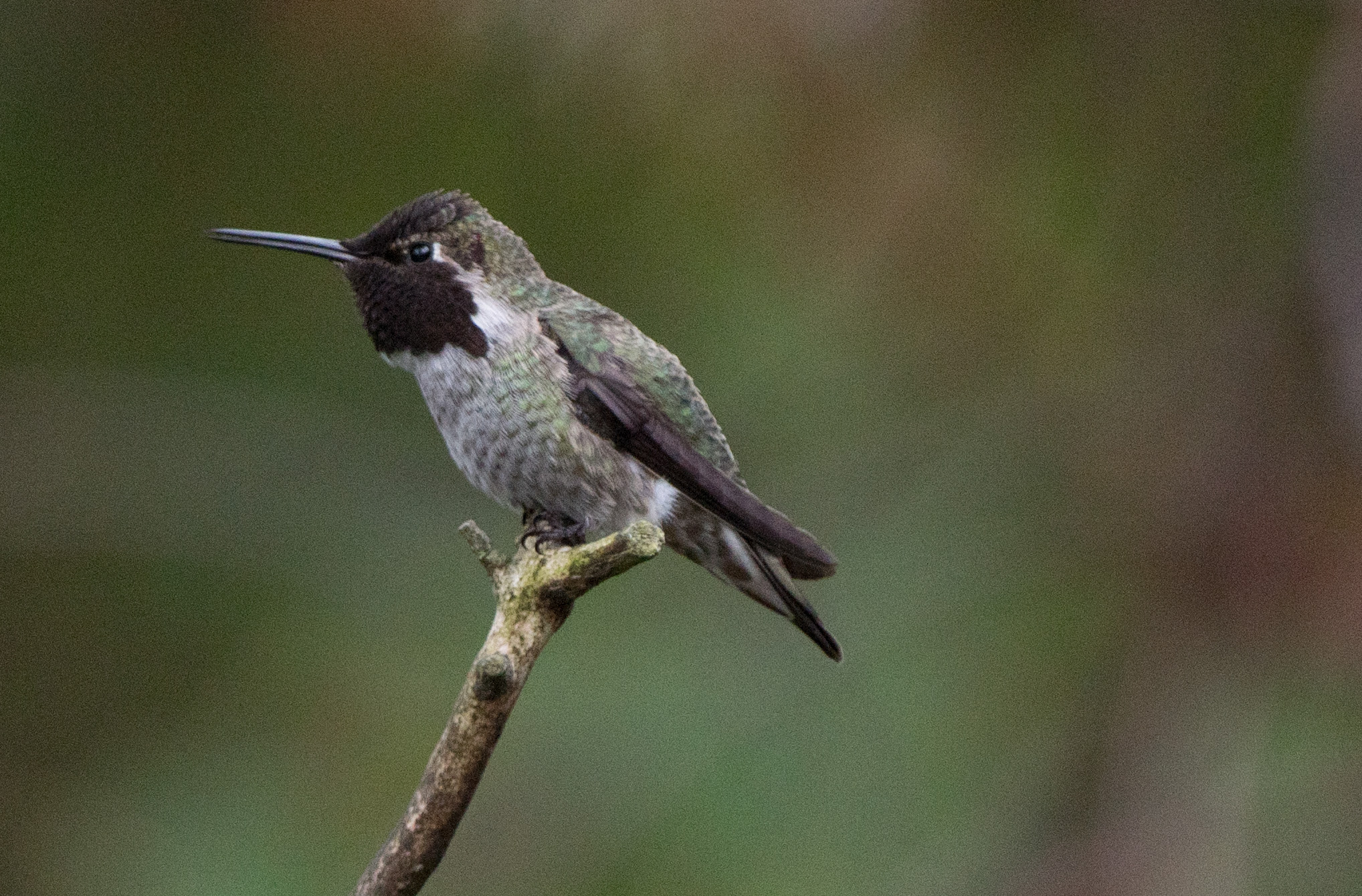
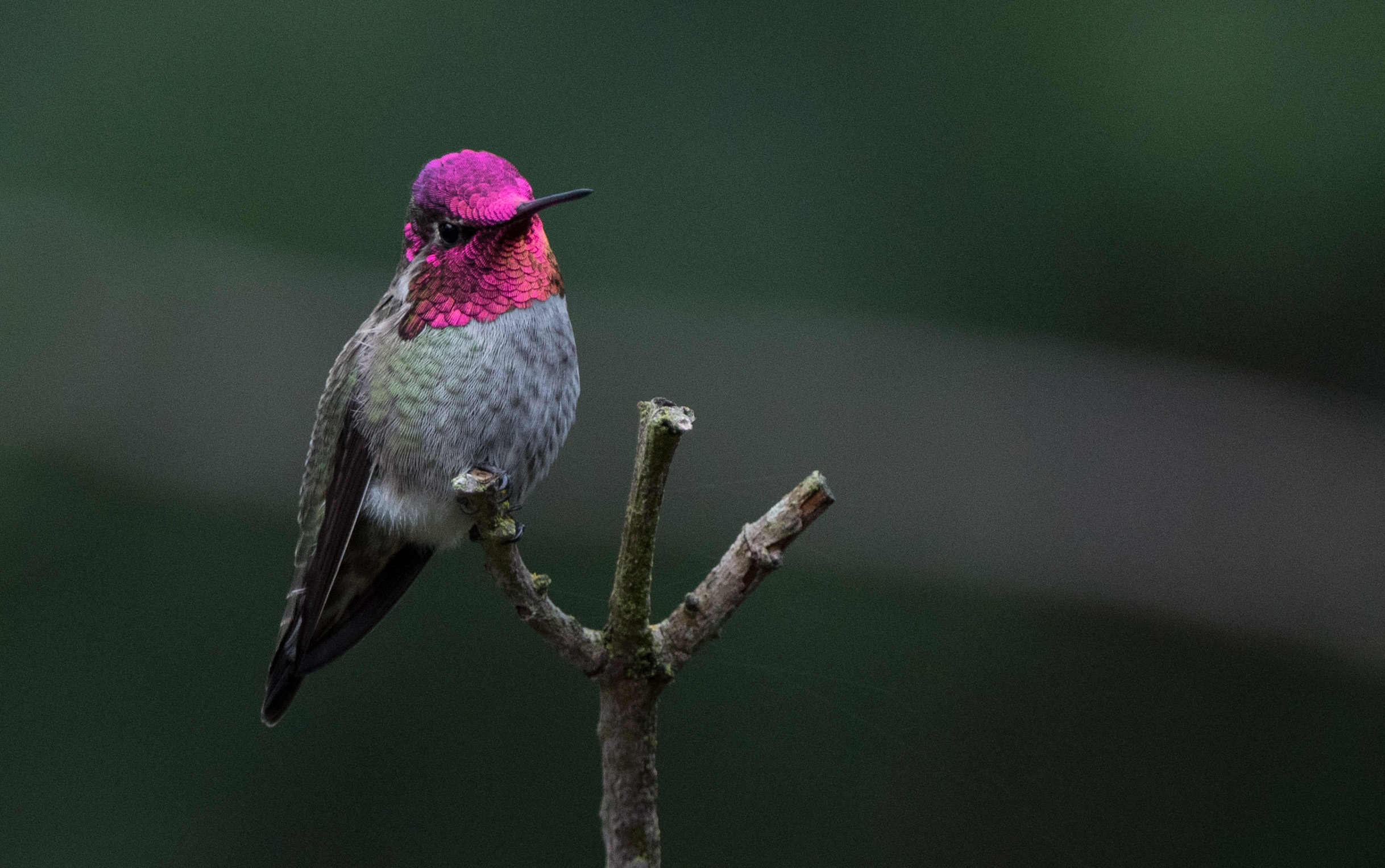
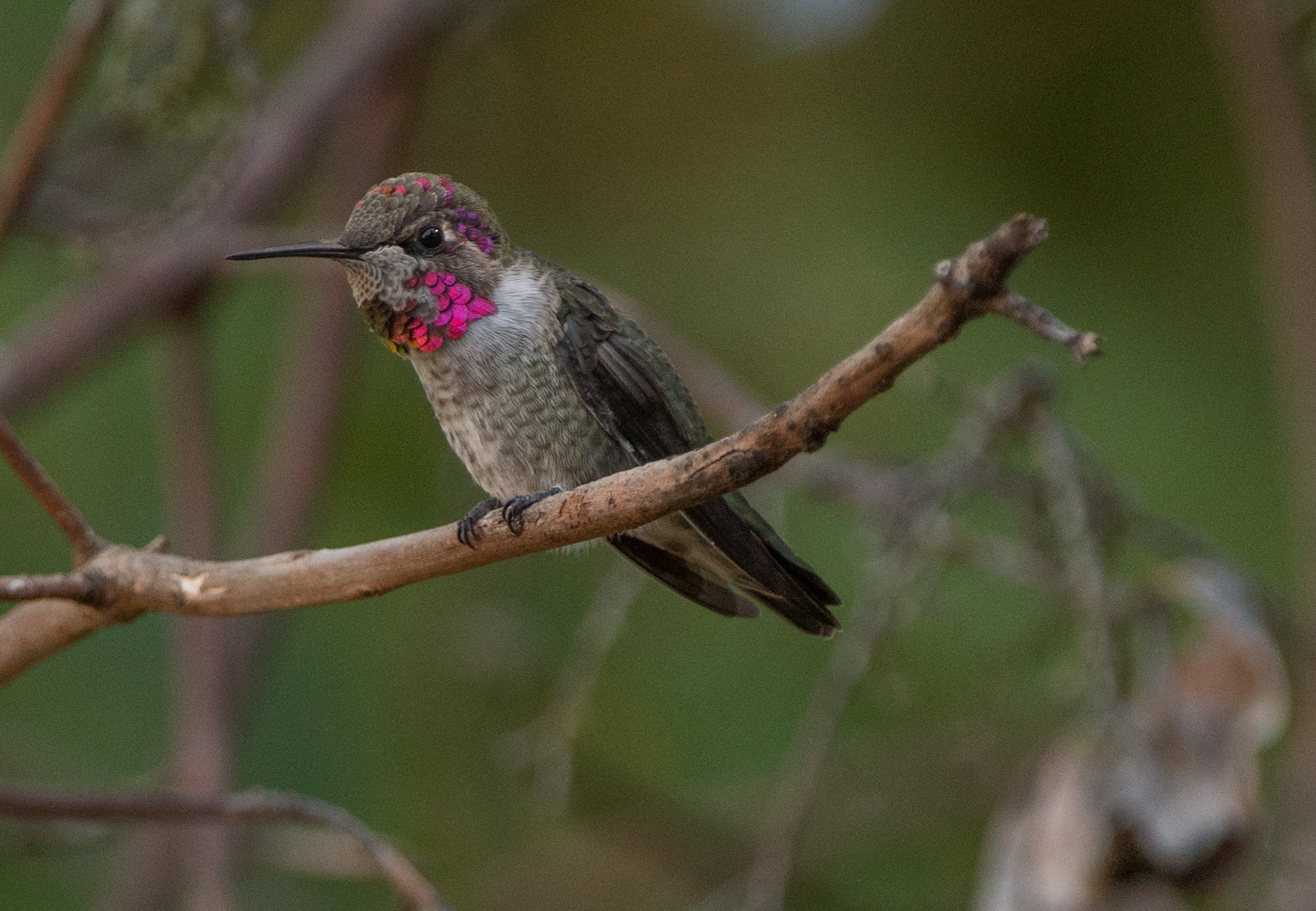
On a more pleasant, and brighter note, we still have both Anna’s (male and female) hummingbirds in the yard and female Rufous hummingbirds, one of which is pictured below.  If you want a recommendation for a hummingbird attractor for photographic purposes, you can’t go wrong with Blue-Black salvia (pictured below).  The plant is perennial and the hummingbirds love the blossoms.  And the foliage is thin enough to not impede most photography.

Hummingbird, Rufous 20160625-09


Point Reyes and Homeward Bound

On our last full day in Point Reyes National Seashore I discovered the following flycatcher foraging in a small clearing beside a trail.  At one point the flycatcher flew to a large bush and collected a very large moth which it then consumed back on its perch.  I’m not sure what species of flycatcher this was, but after a while it was joined by a Pacific Slope flycatcher, the same species we had nesting where we were staying.  The second photo is of the Pacific Slope flycatcher back at our house (for comparison).

Flycatcher, ? 20160613-09 Flycatcher, Pacific Slope 20160613-02

On an excursion to Park headquarters I found a family of at least one  adult and four young Black phoebes (also flycatchers) flying around an open area with a wooded creek on one side.  Black phoebes are often found near water.

Phoebe, Black 20160613-08 Phoebe, Black 20160614-09

Again, near park headquarters, we found a couple of Acorn woodpeckers, the one pictured below being a male.

Woodpecker, Acorn 20160614-05

Moving north to Oregon, the town of Gold Beach has a jetty that juts out into the Pacific Ocean and it makes a perfect observation point for aquatic birds and marine mammals.  While there I observed and photographed a sea lion with a large salmon it had caught.  This first photo is of a Pelagic cormorant (note the prominent white patches on its flanks which makes it easier to identify at this time of year).  Photos of Ospreys, of which there were several, follow.  Cormorant, Pelagic 20160616-04 Osprey 20160616-02 Osprey 20160616-10 Osprey 20160616-11

This singing Song sparrow was photographed at Ona Beach State Park in Oregon.

DSC_2087

Directly across Highway 101 from the state park was North Beaver Creek Road.  Although I have always stopped at the state park on previous trips, I hadn’t realized that there was an intersecting road directly across the highway.  North Beaver Creek Road bisects a rather extensive wetland where I photographed this Cedar waxwing taking a break from eating twinberries beside the road.  Waxwings are probably among our most beautiful birds in North America, and each one looks exactly the same as every other one.

Waxwing, Cerdar 20160617-04

Also along North Beaver Creek Road I found a couple of families of Redwinged blackbirds, and this next photo is of one of the young trying to stay inconspicuous while waiting to be fed by one of the adults.

DSC_2110

This concludes posts from the California trip.  I purchased a new camera (Nikon D500) at the beginning of the trip when passing through Seattle but didn’t use it for any photography on the trip.  I’ll address the new camera in my next post and begin showing photos I’ve taken with it in my yard.


Point Reyes National Seashore – continued

I just experienced a remarkable coincidence.  I ended my last post mentioning the Pacific Slope flycatcher we saw in California and just this week I had one show up in my yard.  I’ll leave the details and photos to a future post, but in the meantime I want to finish addressing CA photos.

I just noticed that in my last post I failed to post any photos of the Pacific Slope flycatcher… and no one mentioned it to me.  It just shows you how many people pay any attention to these posts!  Here are a few of the many photos of the flycatcher I took:

Flyvcatcher, Pacific Slope 20160609-11 Flyvcatcher, Pacific Slope 20160609-17

Photos of Western Scrub jays that we encountered at various locations around the refuge…

Jay, Western Scrub 20160610-19 Jay, Western Scrub 20160610-11

This female California quail had a covey of chicks that she mostly kept out of sight in the scrub…

Quail, California 20160610-03

A White-crowned sparrow singing…

(note:  I originally mistakenly identified this as a Song sparrow.)

Sparrow, White-crowned 20160610-03

A Barn swallow perched on a barbed wire fence beside the road…

Swallow, Barn 20160610-08

And finally, a pair of doves for comparison.  The first is a Mourning dove and the one below it is a Eurasian Collared dove, coming soon to a location near you!  (The Eurasian Collared doves are an introduced species and are rapidly spreading into the Skagit County (and probably other) areas.

Dove, Mourning 20160610-04 Dove, Mourning 20160610-02