Karma!

On April 20-21, 2020, I had some of the most remarkable birding sightings over a 24-hour period I can remember in our 19 years of living in the Cap Sante neighborhood. We’ll call it Karma and I’ll mention why at the end of this post.  

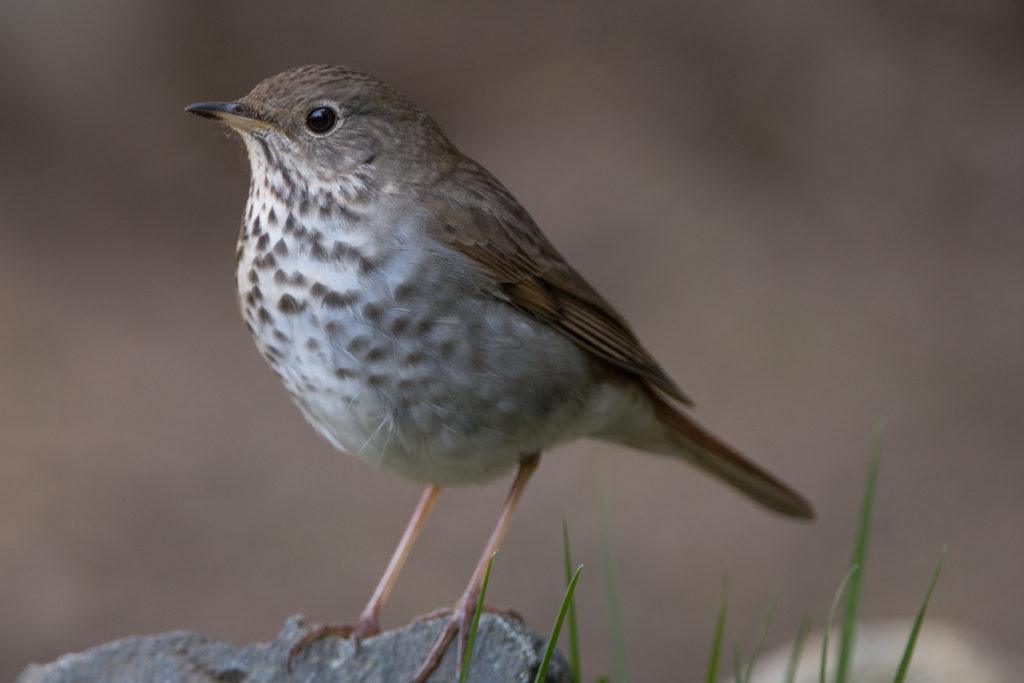
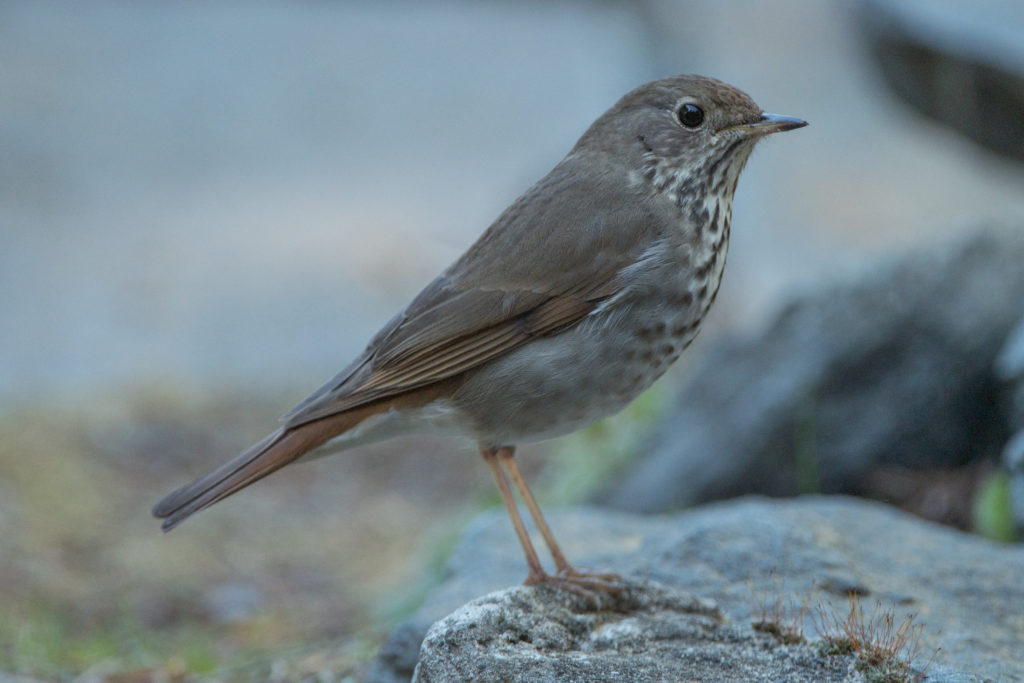
April 20, 2020, was quite an uneventful day until late in the afternoon  I had spent considerable time in the yard with very little to show for it. However, as I sat pondering whether or not to call it quits for the day, I became aware of a nondescript bird hopping beside me only about seven feet away. I immediately recognized it as a thrush, and in appearing in early spring presumed it to be a Swainson’s thrush. (The Hermit thrush, which is a fall/ winter resident, is virtually identical.)  I managed multiple photos (in relatively poor light) as the bird made a 180-degree arc around me. 
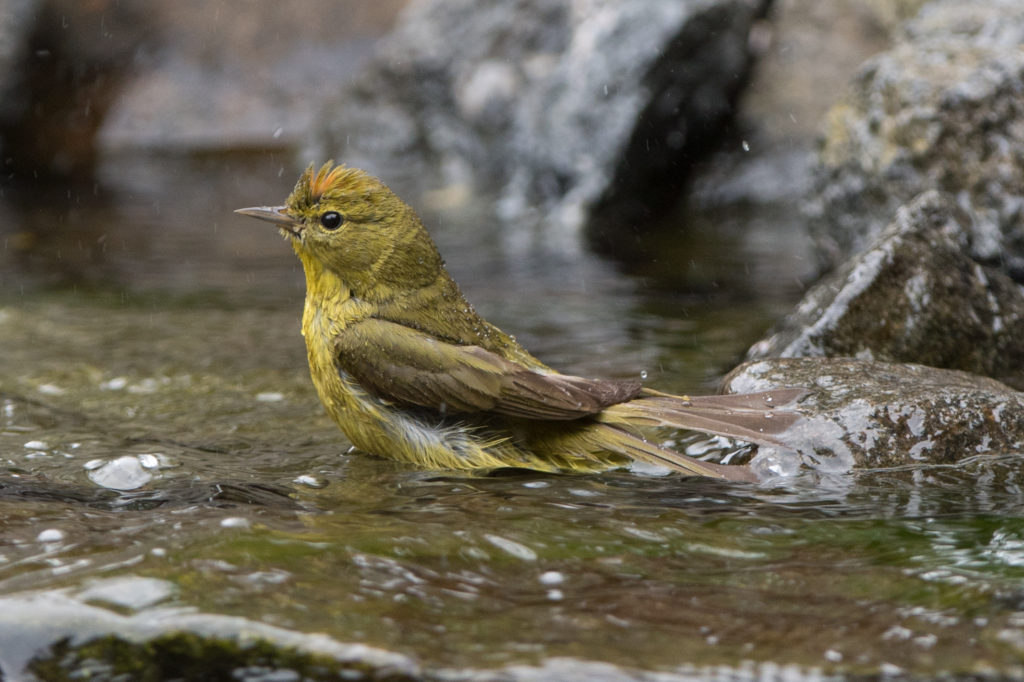
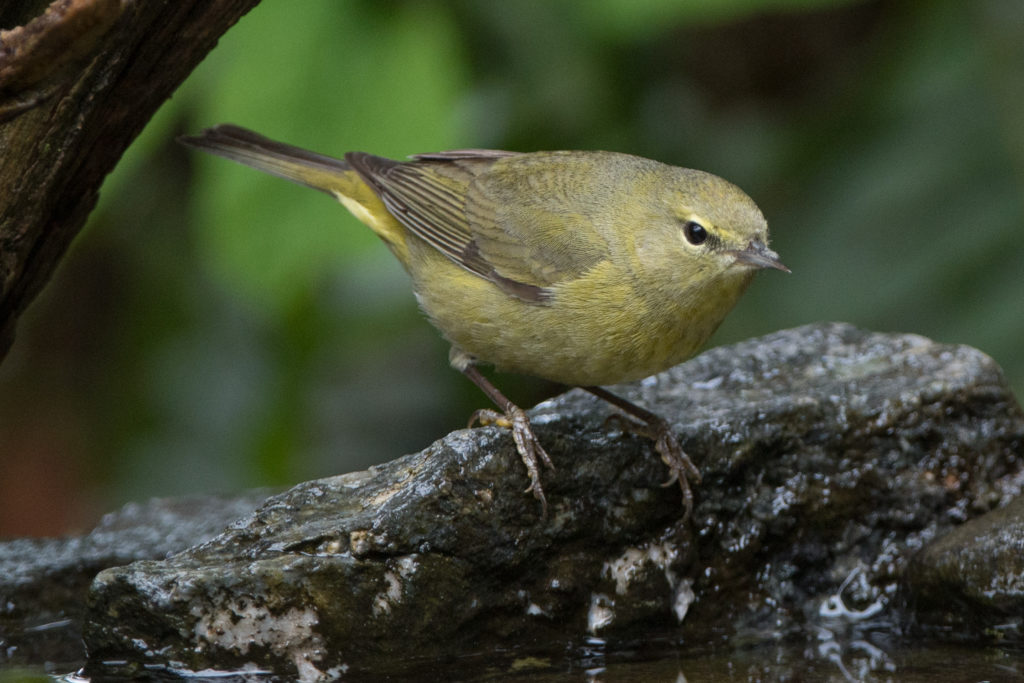
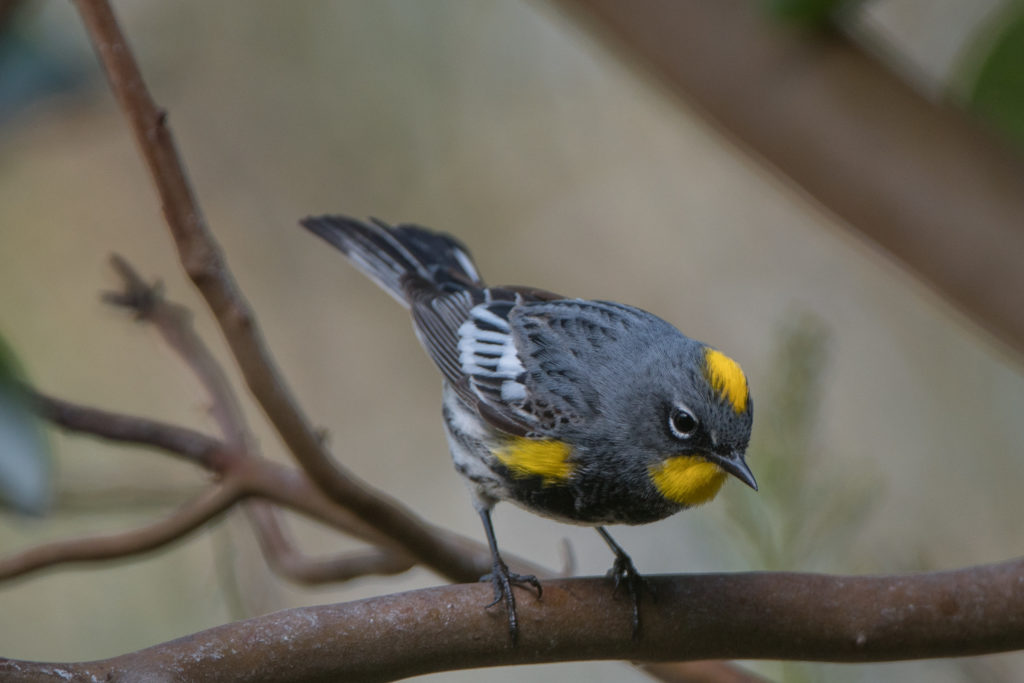
April 21, 2020, began cool and overcast. Upon returning from my morning walk I began preparing breakfast, at the same time reflecting that spring migration was occurring and glancing out the window from time to time.  A male Yellow-rumped (Audubon’s) warbler suddenly appeared at the small saucer of water that the warblers seem to be preferring. This male was not as striking as the previous one(s) visiting the same location.  As I watched it bathe an Orange-crowned warbler entered a small Japanese maple about three feet above.  Two different species of warbler in the yard at the same time… the migration is truly on!  

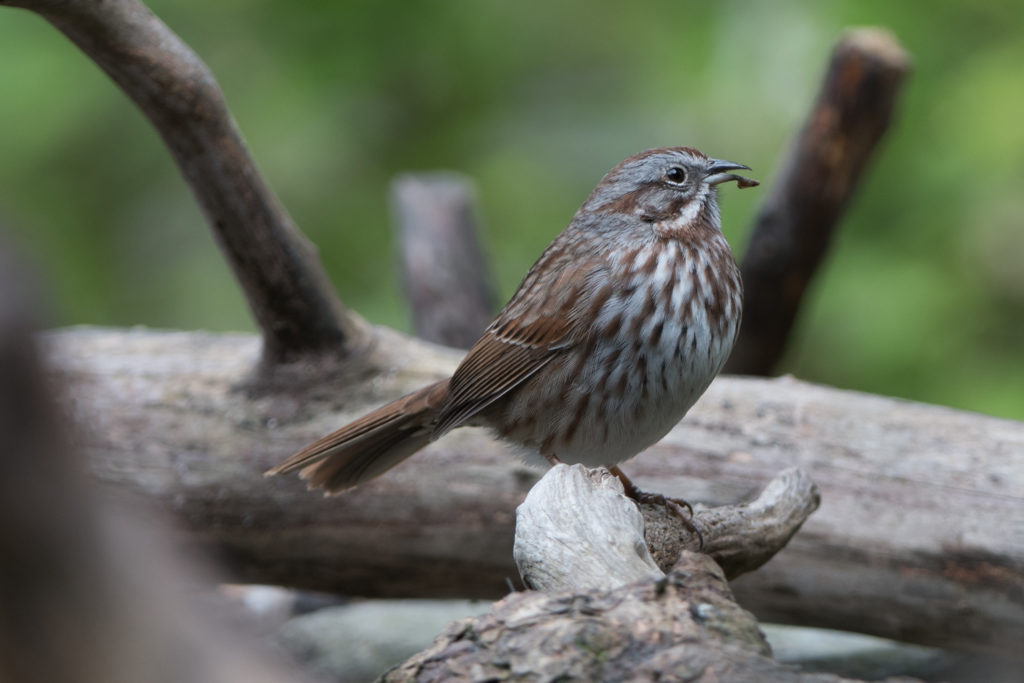
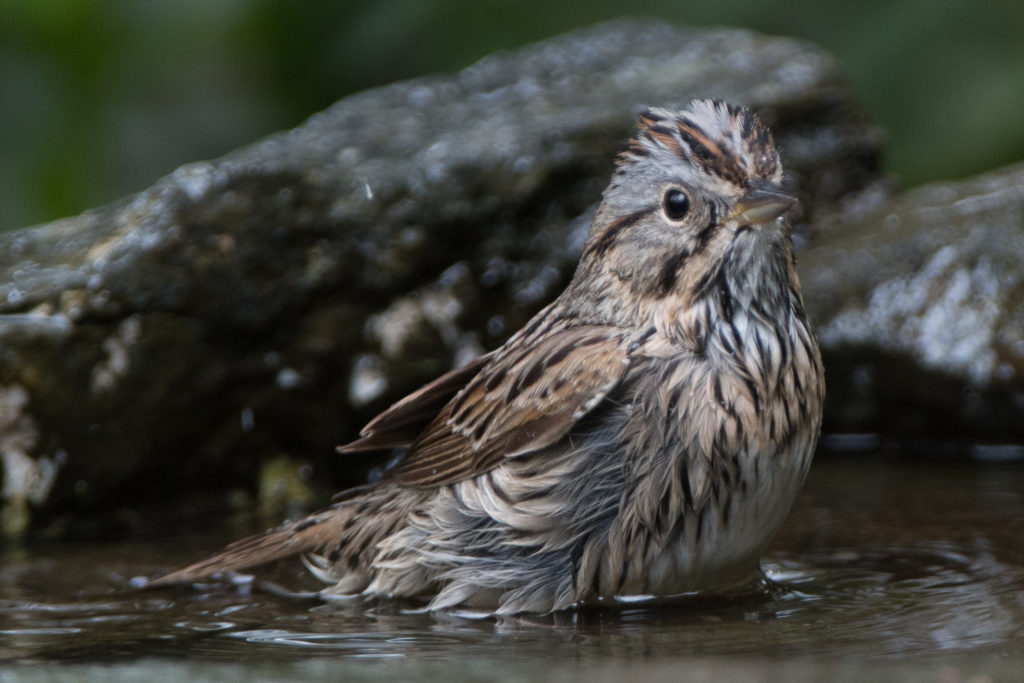
For several days there have been at least three very active Pine siskins in the yard. I saw a bird in our stone bird bath and assumed that it was one of the siskins, but the color didn’t seem right.  I trained my lens on it and immediately identified it as a Lincoln’s sparrow, an extremely rare visitor to the yard. I managed several photos as it bathed. 
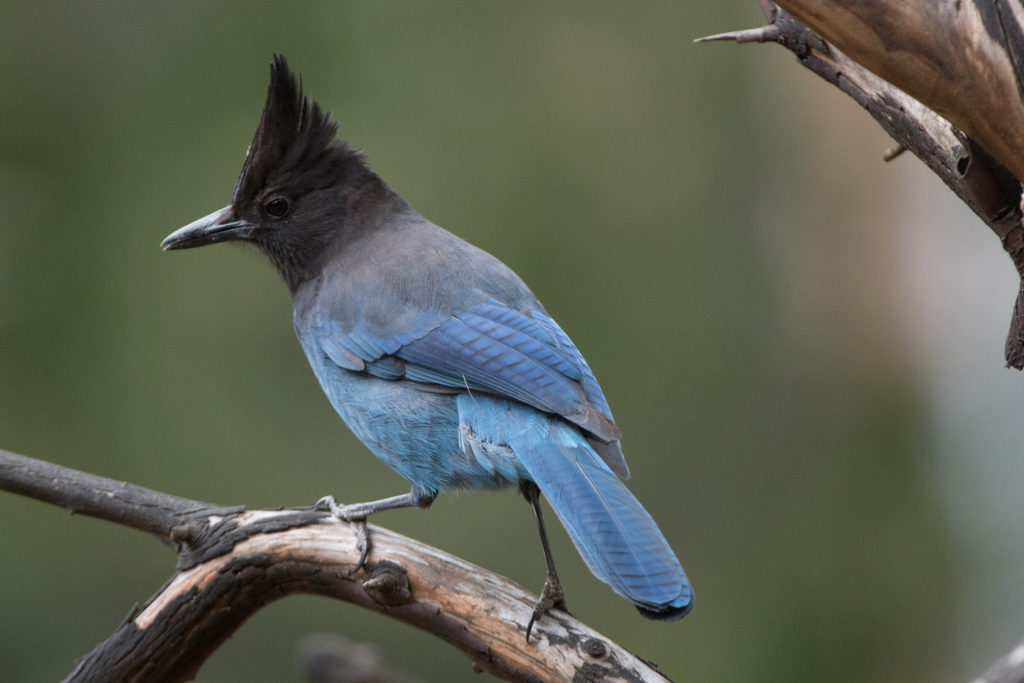
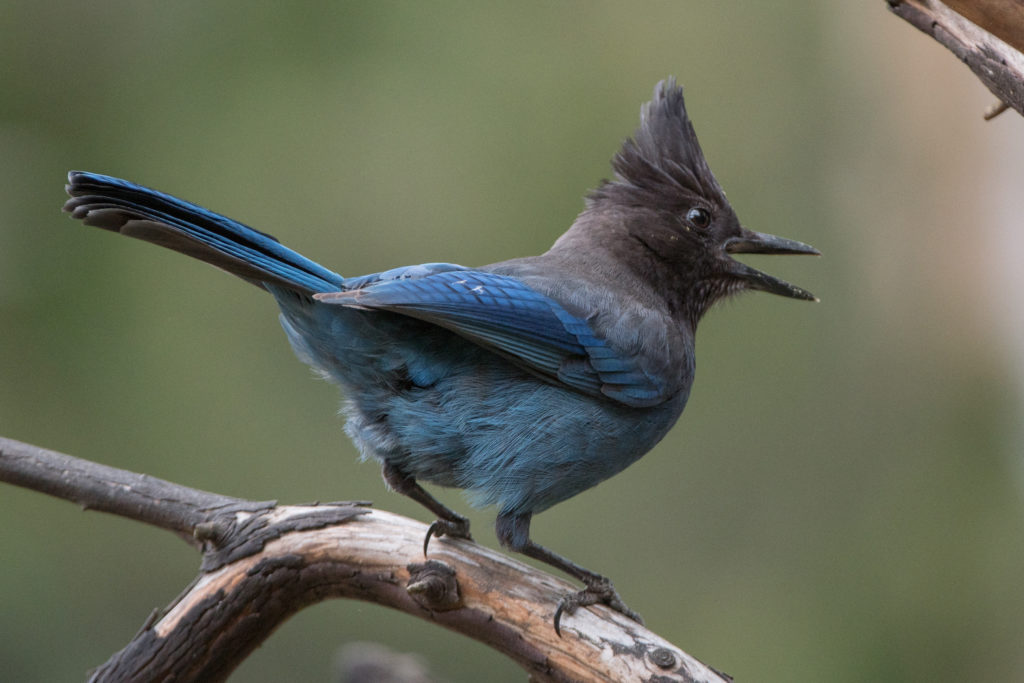
Shortly thereafter I began hearing an unfamiliar, loud persistent call coming from across the street. I guessed it was a Steller’s jay call and confirmed it with my Sibley’s app. The vocalizations continued for at least ten minutes as I continued to scan the yard for any new arrivals. 

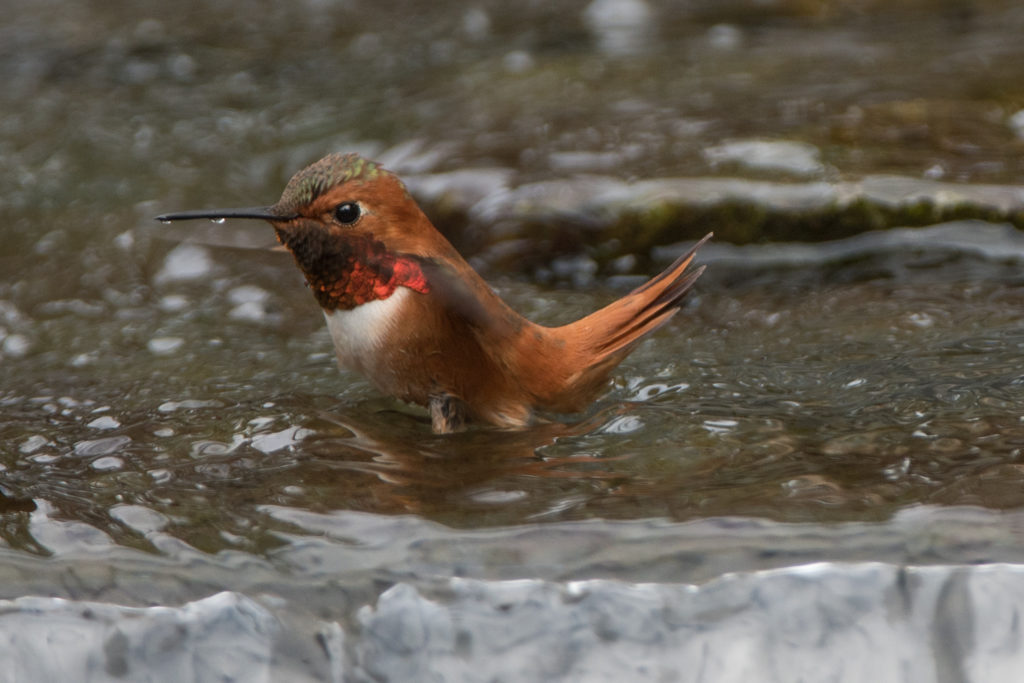
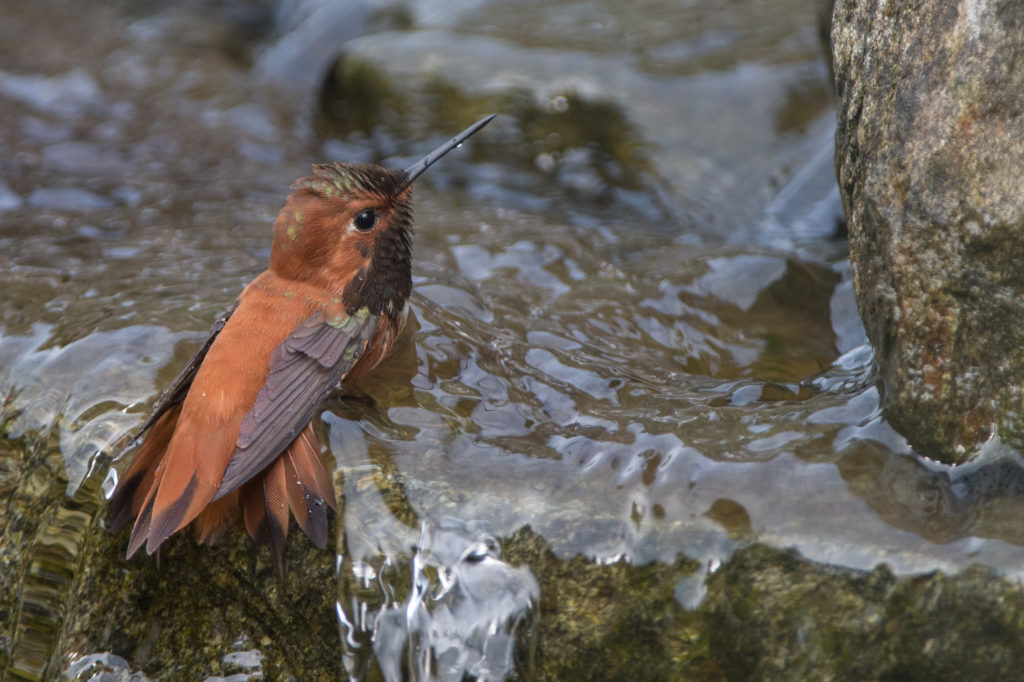
About this point our male Rufous hummingbird entered the yard and I upped my shutter speed to 1/800th of a second in anticipation of taking photos of the hummingbird hovering over the watercourse.  I took a few photos but almost immediately a Steller’s jay entered the yard for a tour. I took a lot of photos, but unfortunately, in my excitement, I neglected to lower my shutter speed. Fortunately my Adobe Lightroom will allow me to correct the error. After the jay exited our yard I saw at least four Steller’s jays moving up a neighbor’s cypress tree across the street. 
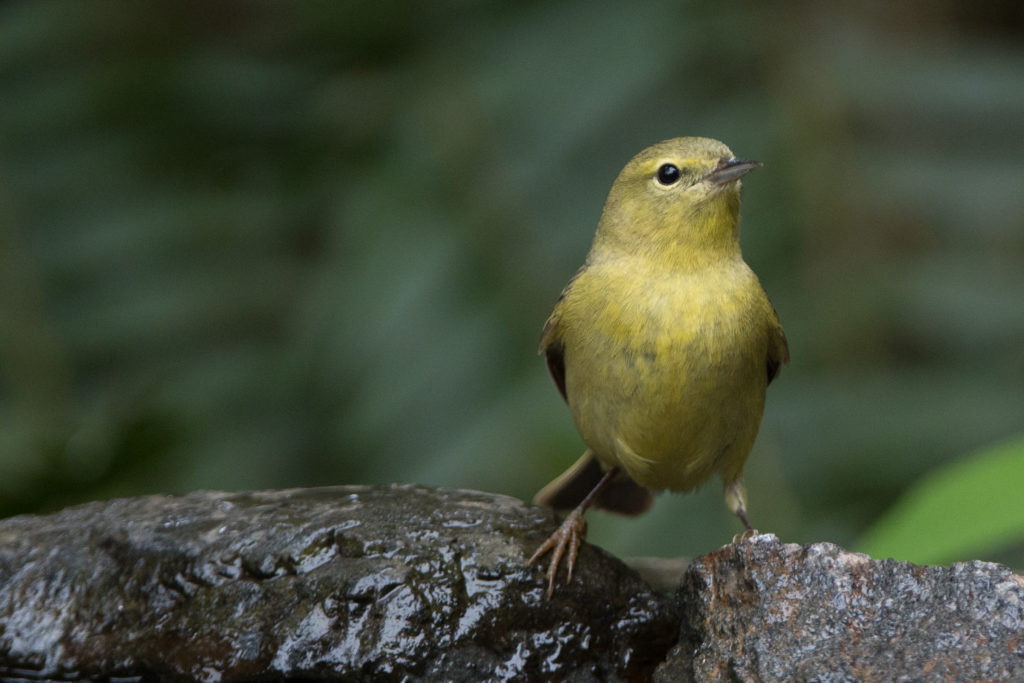
Still later in the afternoon I got a visit from two Orange-crowned warblers and for a minute or so they were bathing side by side in the watercourse!  A while after they left I got a visit from a single Orange-crowned warbler. Its reluctance  to enter the watercourse led me to believe that it wasn’t one of the pair I had seen earlier. 
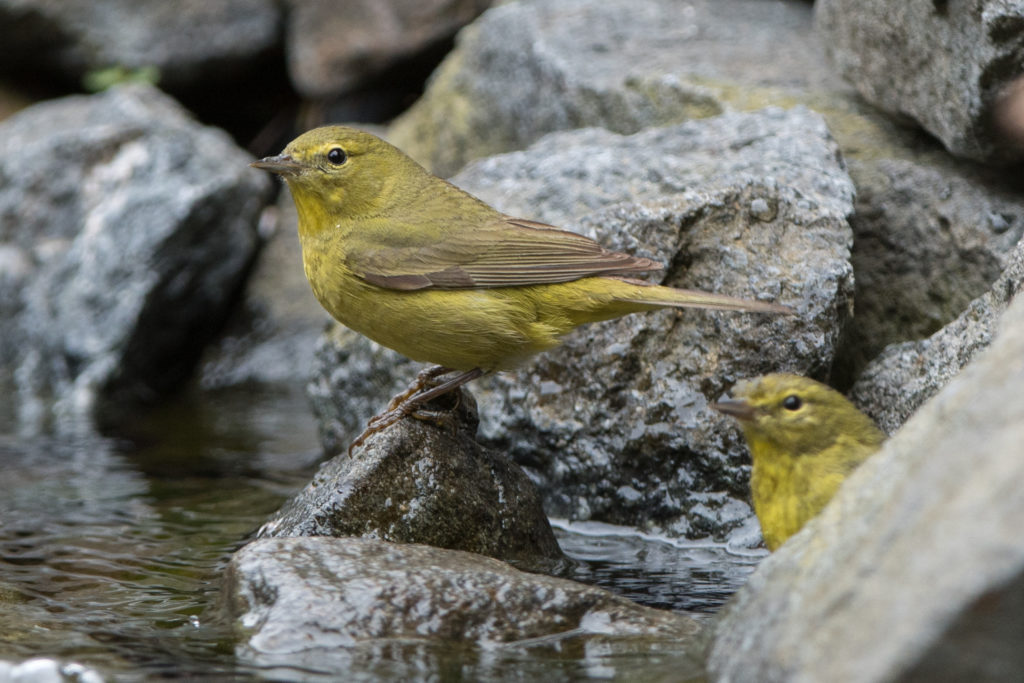
After a rather lengthy period of inactivity in the yard, we had yet another visit from an Orange-crowned warbler.  And almost immediately after it left a single Canada goose flew over!  Then yet another Orange-crowned warbler visit, this one clearly more interested in gleaning insects than in the water features. 

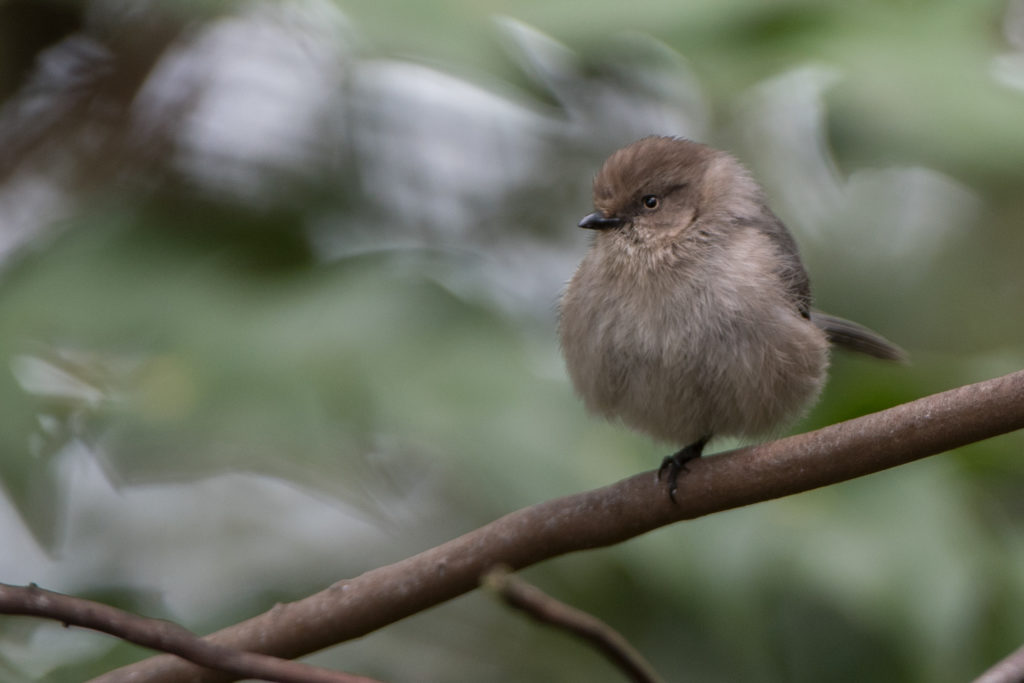
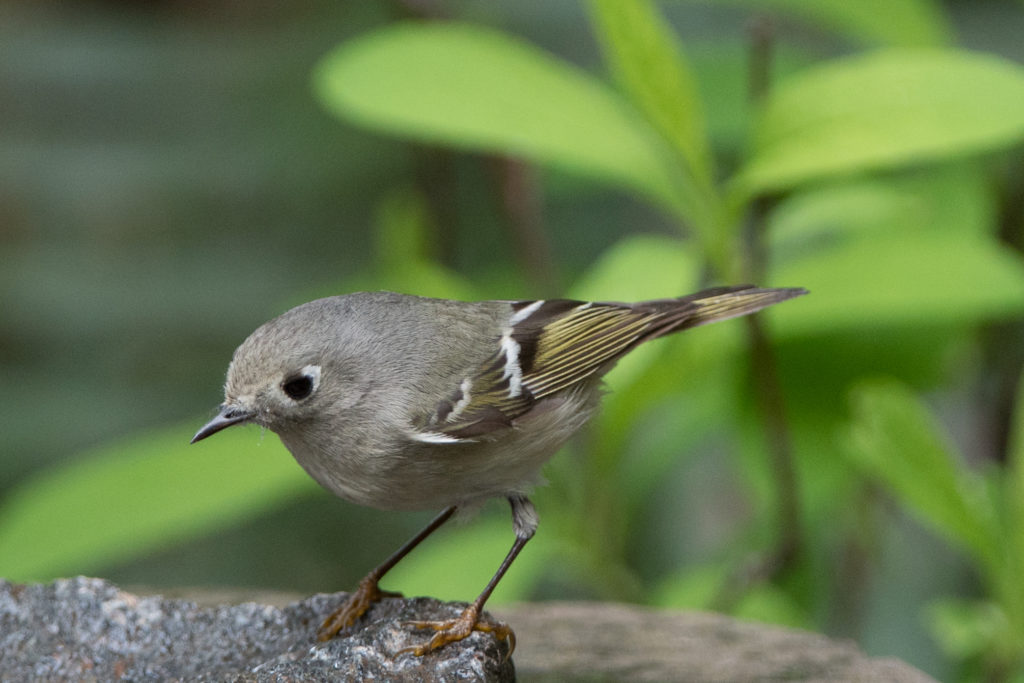
Suddenly there was a very large influx of small birds… at least two more Orange-crowned warblers, a Golden-crowned kinglet, a Ruby-crowned kinglet and Bushtits.  The Bushtits are regular, multi-times per day visitors, but in this case at least one, and possibly two, took bathes… a very unusual occurrence for our Bushtits.    

It was impossible for me to track all of the activity. I was trying to monitor four water features (all in use simultaneously) with all kinds of small birds flying around the yard and take photos at the same time. I wanted to get a photo of the Ruby-crowned kinglet for record purposes since they had been rather conspicuously absent this past winter.  I had a sudden idea… maybe there was a Hutton’s vireo mixed in with this group!  Within about four feet from me was a small Japanese maple and in it were several small birds.  I began to examine them more closely and discovered that one was a Hutton’s vireo!  Then began my effort to photograph the vireo as well as the Ruby-crowned kinglet that I verified was also present. 
I’ll just also mention that for the past two days I’ve heard vocalizations in the forest to the south of us.  I have difficulty telling the difference between American robin vocalizations and Black-headed grosbeak vocalizations, but since the robins seemed to have been paired and territories established, I strongly suspect I’m hearing a grosbeak. 

All in all, I had spent about four hours in the yard on April 21, 2020.  What a day!  So the tally of special birds for the 24-hours is:  

  • Swainson’s thrush (spring migrant, spring & summer resident). 
  • Male Yellow-rumped (Audubon’s) warbler (spring migrant) 
  • Orange-crowned warblers (an estimated 10-12 visits).   
  • Steller’s jays (one in yard, total of at least four in the area) 
  • Lincoln’s sparrow 
  • Canada goose (in flight) 
  • Golden-crowned kinglet 
  • Ruby-crowned kinglet 
  • Hutton’s vireo 

And while I’m at it, I’ll mention a few of our regular residents: 

  • American goldfinches 
  • Chestnut-backed chickadees (a ‘target’ bird for non-PacNW visitors!)
  • Black-capped chickadees 
  • Red-breasted nuthatches 
  • American robins  
  • Northern flickers 
  • Downy woodpeckers 
  • Pine siskins 
  • Bewick’s wren 
  • White-crowned sparrows 
  • Golden-crowned sparrows 
  • Eurasian Collared doves 
  • California quail 
  • Red-winged blackbirds 
  • House finches
  • … and others!  
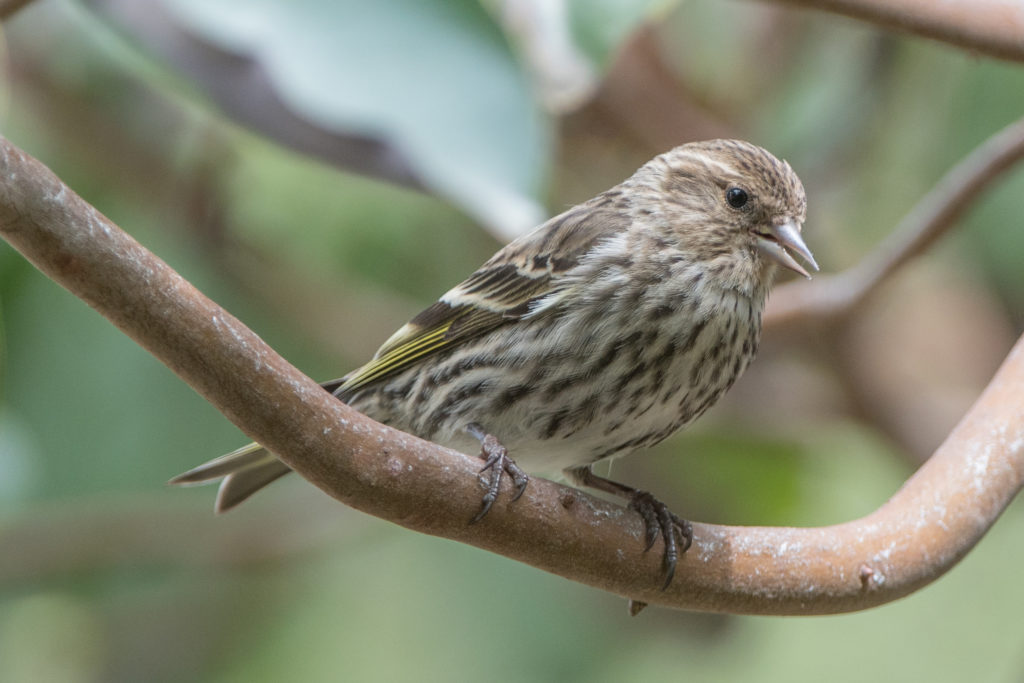
Pine Siskin
Bewick’s wren
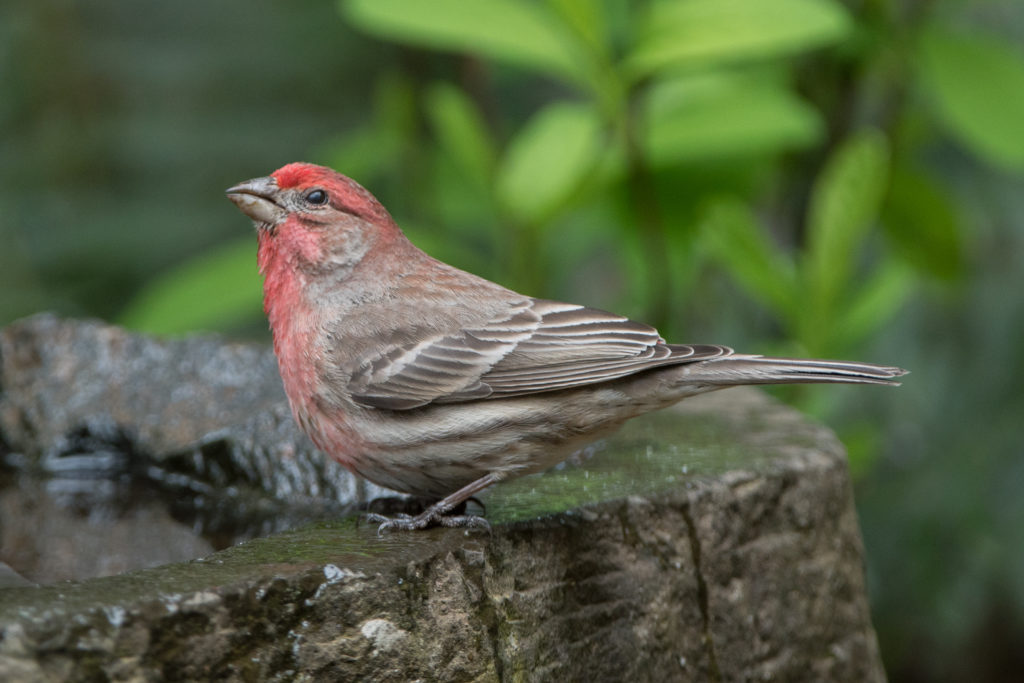
Male House Finch

And the Karma?  But for COVID-19, April 20 was to have been the first day of my annual birding trip to my sister’s and her husband’s house west of Austin, Texas!  
Mid-April

Yet another post composed in the wee hours of the morning.  I don’t dare post this until I have time to review it under less sleep-deprived circumstances!  

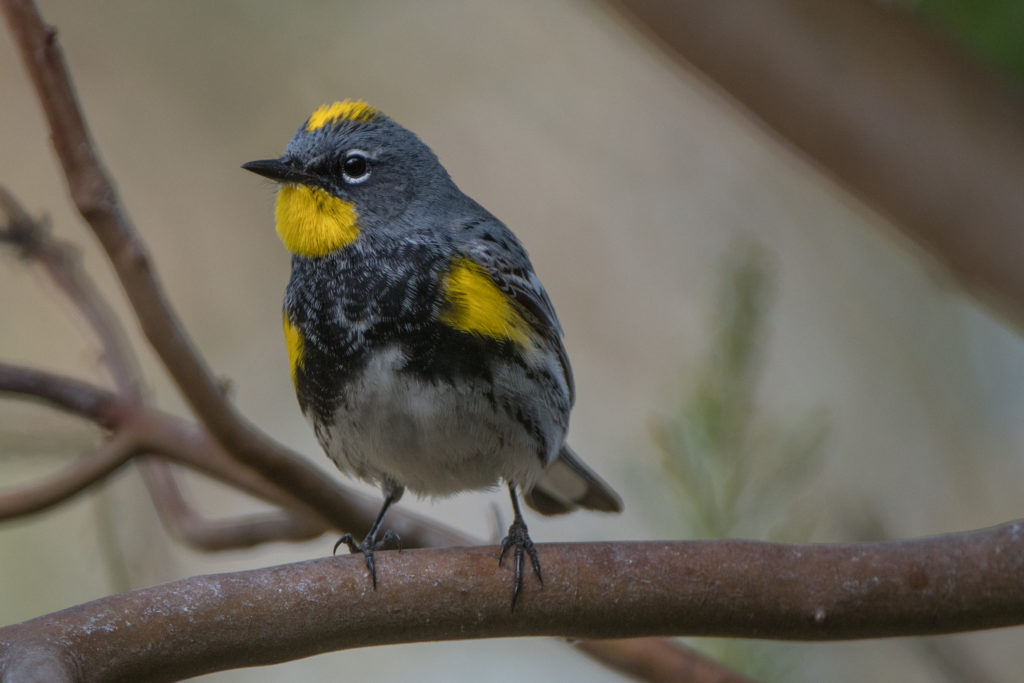
What I first need to do is retract my comment in the previous post about the male Yellow-rumped warbler being a passing visitor.  Since that visit when I first photographed the bird (April 15) the warbler has visited at least twice more, both times in the early evening and coming to the smallest, least likely bird bath in a yard where there are lots of choices.   So based on the times of the visits and the location where it prefers to bathe, I now think its more than a pass-through visitor.  This is an absolutely BEAUTIFUL bird in full breeding plumage!  Unfortunately, its visits usually occur in fading light and when we are otherwise occupied.  I feel fortunate to have obtained photos of this early visitor when I did.  

With the improved weather I’ve spent a lot of time in the yard without a lot to show for it in terms of photography.  But I do have some observations to share with you.  A pair of Black-capped chickadees were intent on moving into one of our bird houses and had spent time building a nest.  A male House sparrow took a sudden interest in the activity and repeatedly flew to the bird house and inserted its head in the door.  I ran off the sparrow several times on the same afternoon but the chickadees were apparently run off by the sparrow’s intrusion and have now abandoned the nest box.  

One afternoon I was sitting in the yard watching the activity and an American robin hopped into view and then began intently viewing the ground with first one eye and then another.  Even though this was a fairly compacted piece of ground the robin leaned down and extracted about a three-inch, chubby earth worm from the ground.  I thought I was going to obtain photos of the bird eating the worm, but the robin continued on its way leaving the worm on top of the ground.   My best explanation… “sport fishing”!  

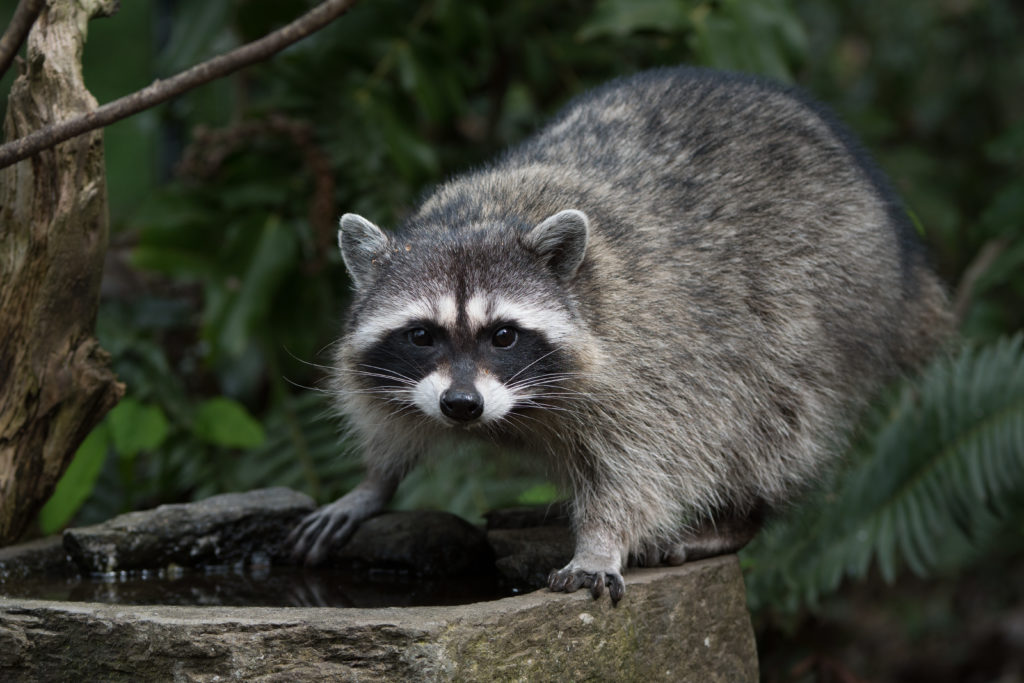
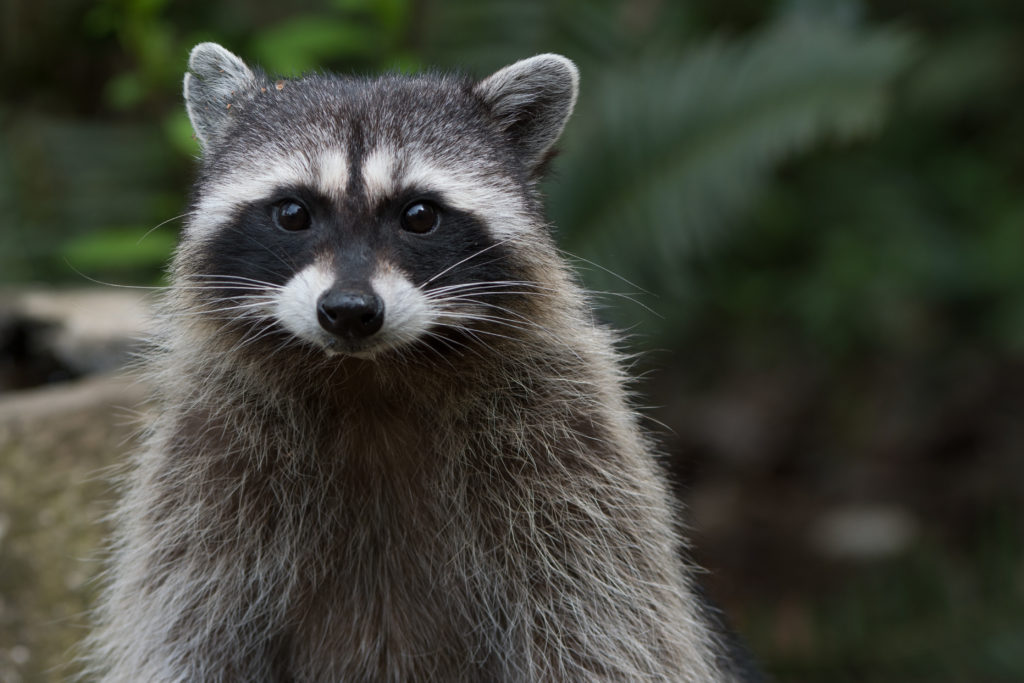
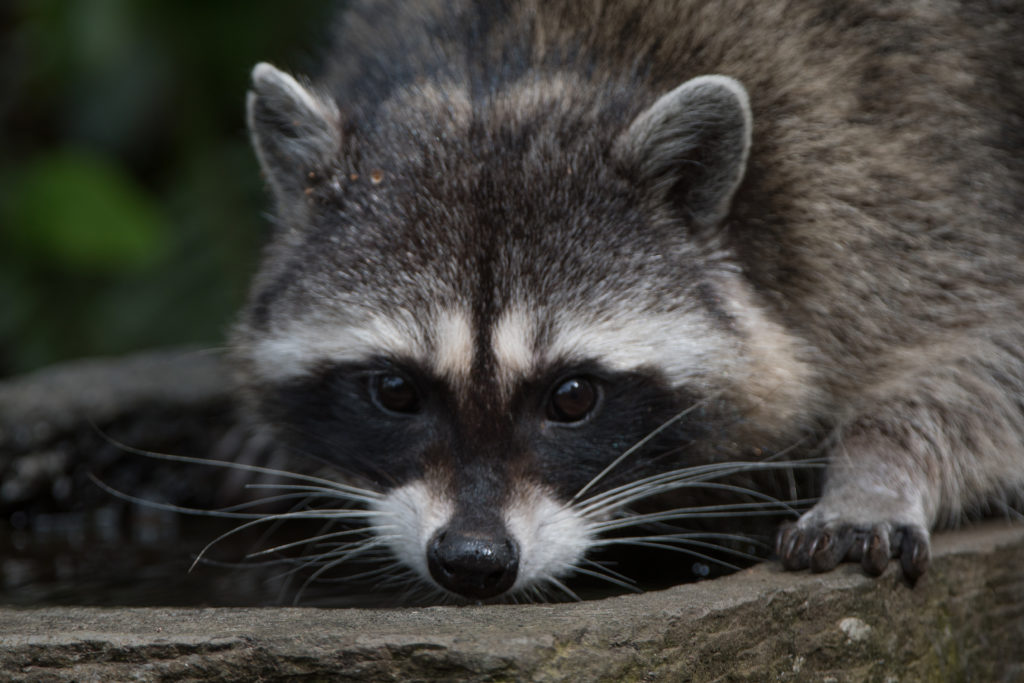
Now to the photos!  On this same day (4/17/2020) I was startled by a raccoon entering the yard and accessing one of the bird baths only about fifteen feet away.  It was certainly aware of me but took its time getting a drink, watching me intently the entire time.  I was able to get about 12-15 photos from point blank range.  

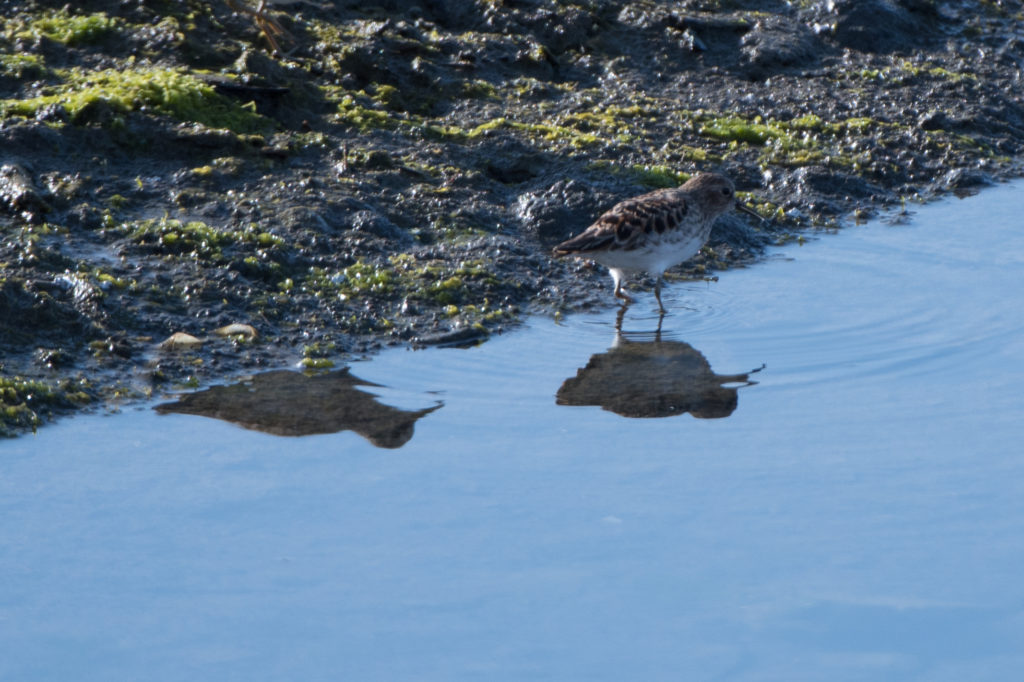
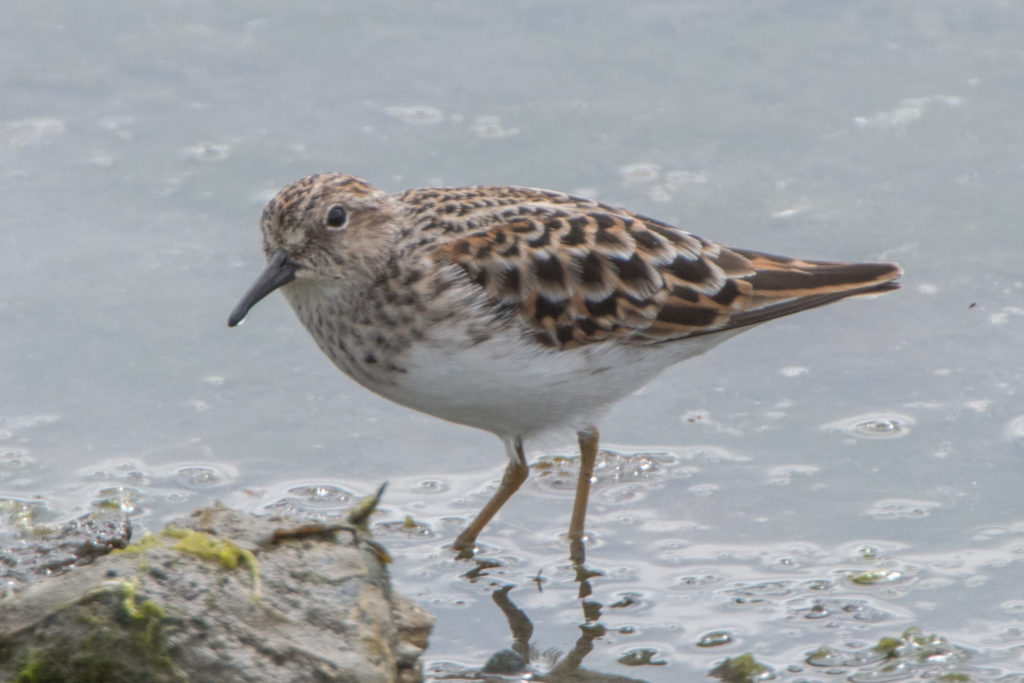
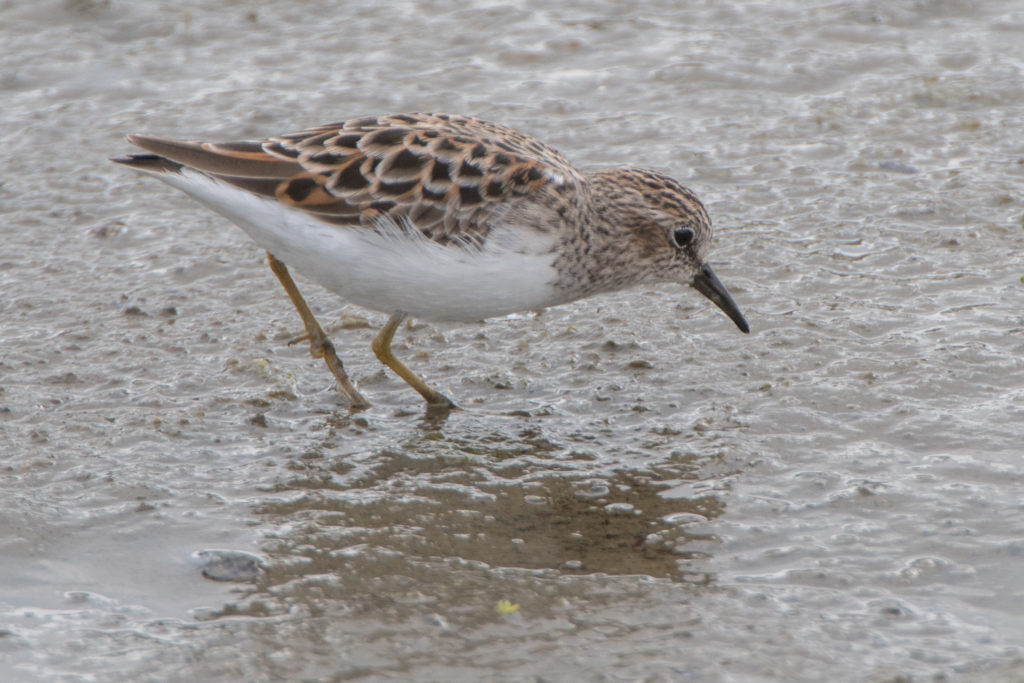
That same day I drove down to the Cap Sante Marina in the morning to investigate a neighbor’s sighting of peeps at the far northwest corner of the marina.  There were about 15-20 Least sandpipers working the mud flats.  I obtained an eerie photo of what appeared to be a single sandpiper but two refections of sandpipers in the water.  It wasn’t until a couple of days later when I reexamined the photo in detail that I realized that the second reflection was from a bird higher on the bank.  The second reflection was made possible only by perfectly calm water.  Here’s the photo I puzzled over… 

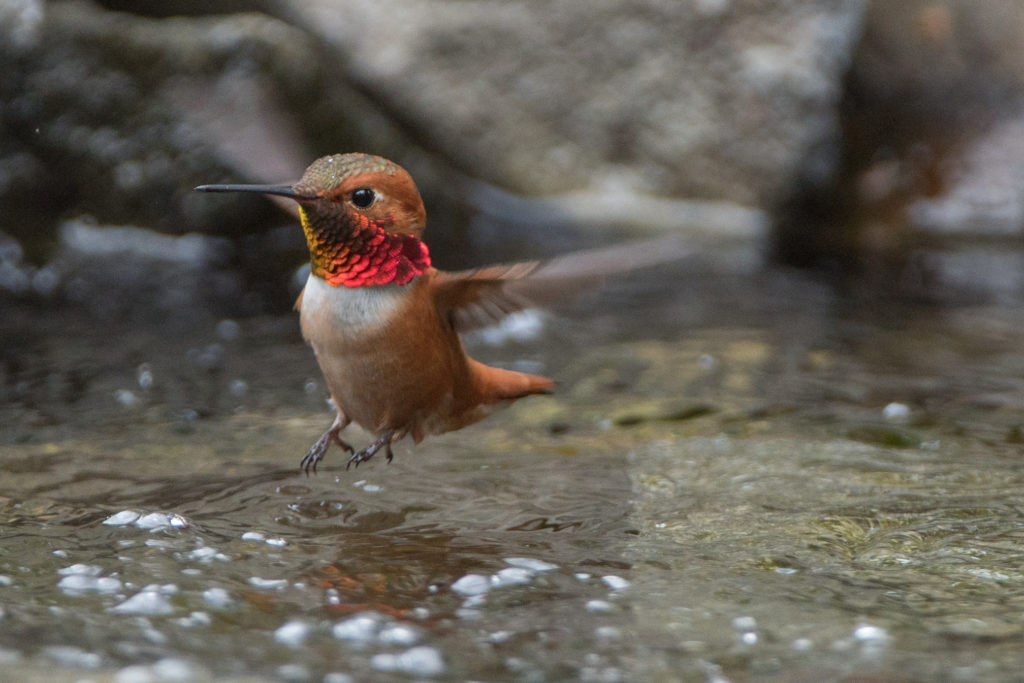
And… that same afternoon I obtained a nice photo of our male Rufous hummingbird hovering over the watercourse.  

April 18, 2020, proved to be an exciting birding day even if the photography was not. Early in the morning my wife and I were surveying the yard when four Golden-crowned kinglets entered the yard and accessed our stone bird bath.  I’m sure this is the largest number I have ever seen in the yard at one time.

Around mid-morning I received a call from a neighbor that there was a Pileated woodpecker, a very infrequent visitor to the neighborhood, in the wetland a few blocks (closer as the proverbial crow flies) from us.  I grabbed my camera and quickly drove to the scene but the woodpecker was at the very top of a dead tree and my only viewpoint was into the sun!  I took a couple of photos for a record but they aren’t “postable”.  I was distracted by the woodpecker but realized that there was another bird climbing from limb to limb in a tree between us… it was a Stellar’s jay, another infrequent visitor to the neighborhood.  

Since I was already out I drove back down to the Cap Sante Marina to check on the Least sandpipers.  They were still there.  On this occasion I had brought along my 1.7x tele-extender, giving my 200-400mm lens (300-600mm equivalency with my less than full-frame sensor on my Nikon D500) just over 1000mm equivalency… if I have an accurate understanding of the matter and have done the math correctly.  As can be expected, that camera/lens configuration suffers some issues with resolution but considering the distance involved and the size of the birds, it’s the best I can do under the circumstances.  

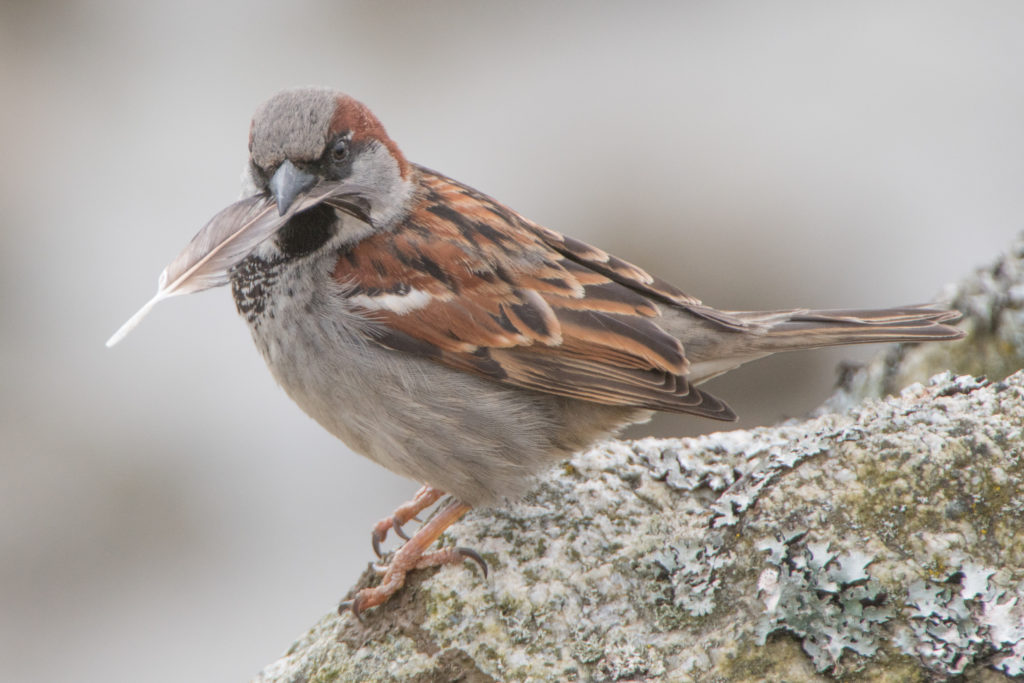
Both times when I visited the marina I photographed male House sparrows gleaning feathers for nesting materials.  

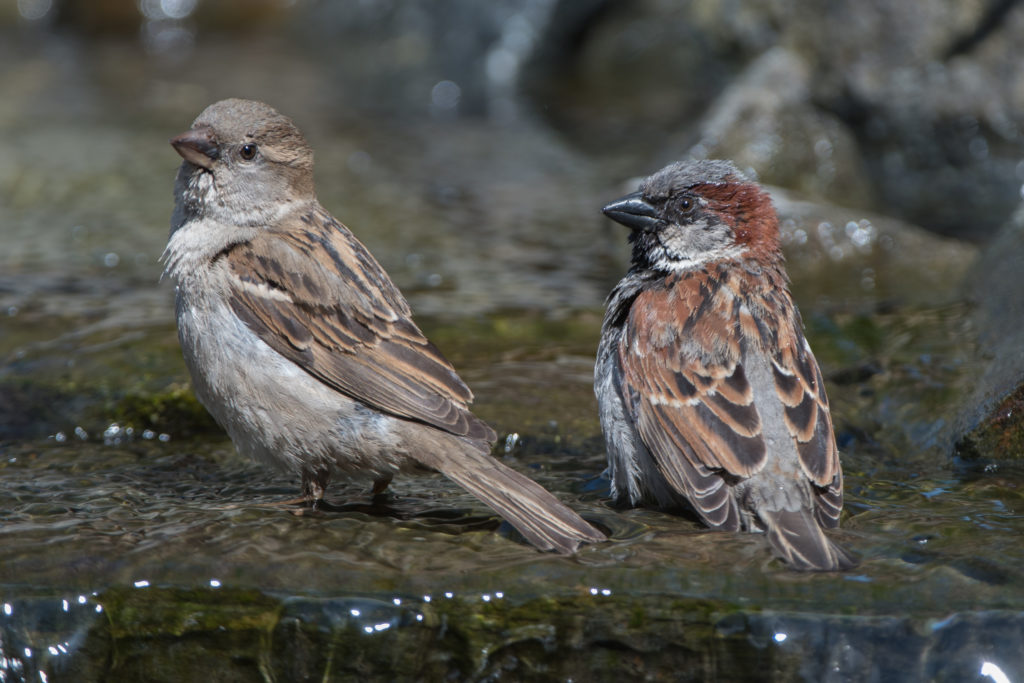
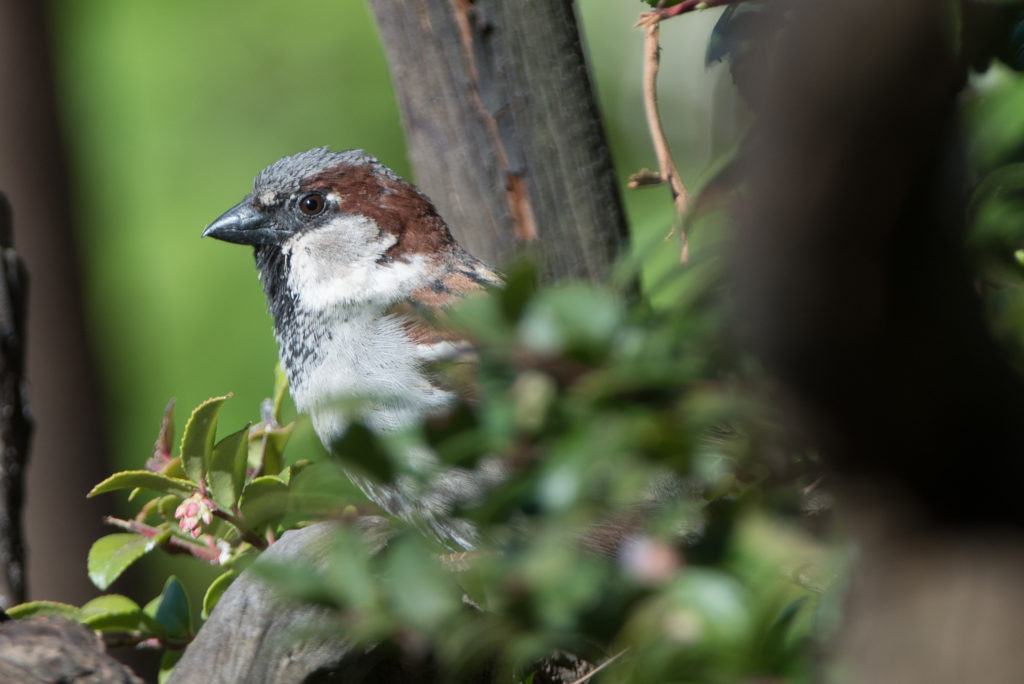
And while on the subject of House sparrows, later that day and back at the house I obtained a few photos of something I had been trying (unsuccessfully) for years to obtain… photos of a male and female House sparrow together and both in relatively good focus.  House sparrows are common birds and are quite gregarious, but for most of the year I’ve found that the sexes generally don’t appear side by side.  In teaching my beginning birding classes in the past I’ve had to rely on separate photos for identification of the sexes.  

And finally, a big THANKS to the neighbors who are part of our informal bird sightings network and notify me when birds of interest appear in the neighborhood!  

A Photographable Warbler!

Over the past week or so we’ve had very brief visits from a couple of Orange-crowned warblers and, on April 13, a male Yellow-rumped (Audubon’s) warbler. Even though I was in the yard with my camera for these visits I was unable to obtain any photos. Today (April 15, 2020), my persistence finally paid off. About 3:40pm I became aware of some motion behind me and partially turned to see a male Yellow-rumped (Audubon’s) warbler behind me. It quickly flew to the area of the watercourse, and although investigating the watercourse thoroughly, it never descended to the water. That didn’t keep me from taking about 50 photos of the bird. When it left the yard it flew high in the air and disappeared over the tops of some very tall fir trees. This leads me to think it wasn’t the same bird as the previous visitor but was instead a different migrant passing through.

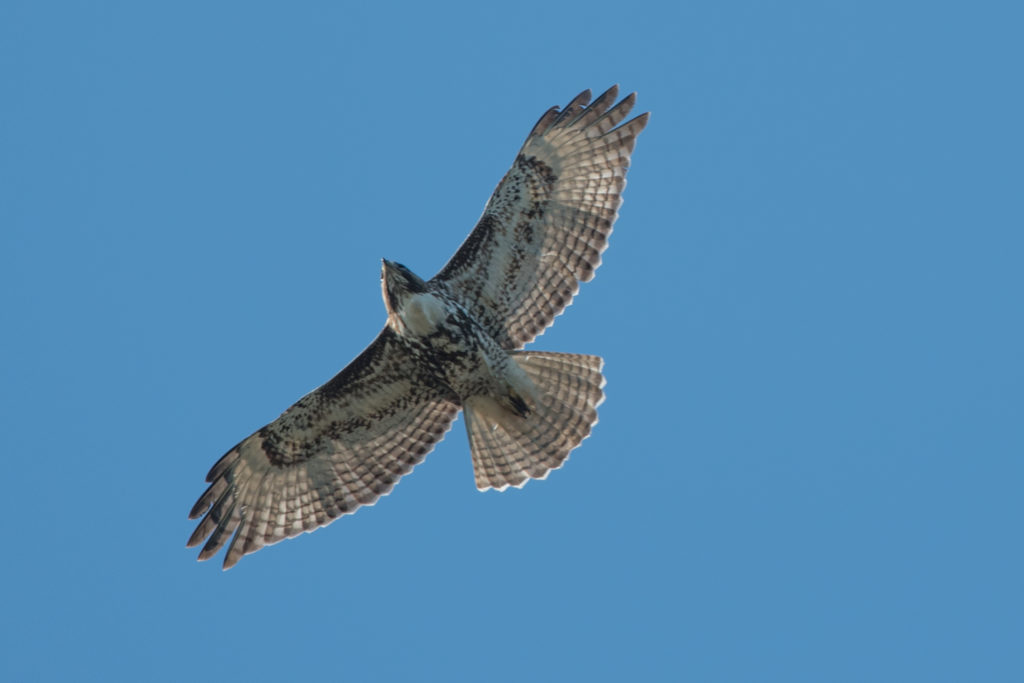
Later in the afternoon an unlikely alliance, crows and Common ravens, chased a Red-tailed hawk through the trees in the yard. It happened too fast for me to react with my camera, but a few minutes later the hawk returned at a higher, and safer from harassment, altitude.

As a special bonus, I’m throwing in this photo of a male House sparrow.

Yard and Beyond

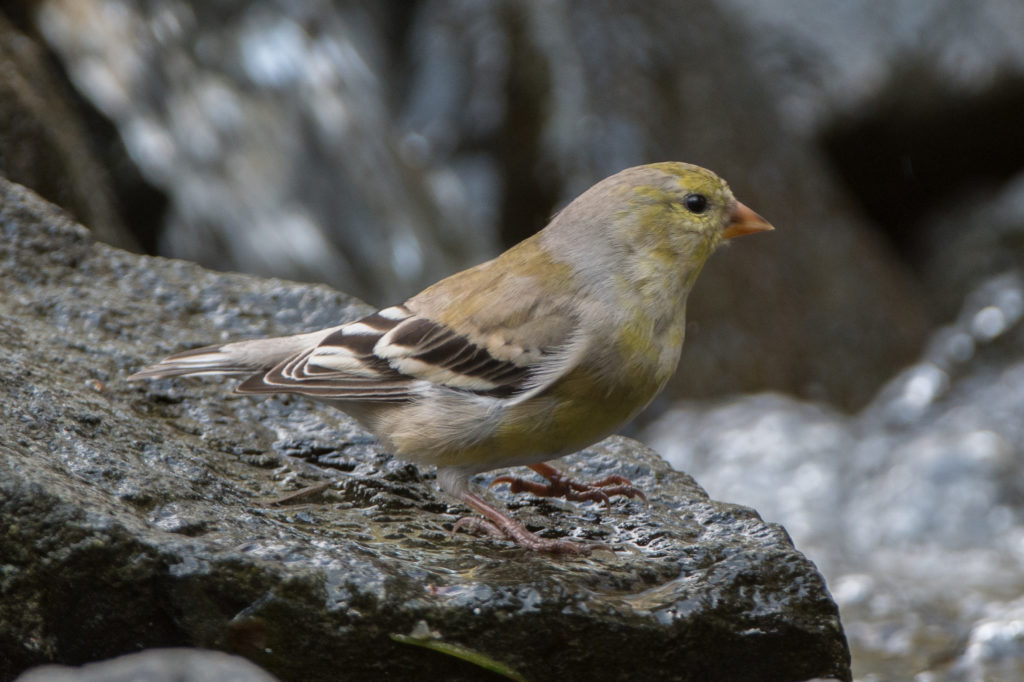
April 7, 2020 was a significant day, both in the yard and away. Our first female American goldfinch appeared, exactly a week after the first male appearance. Here’s a photo of her approaching the watercourse for a drink.

Today, one day later, we have two male and two female American goldfinches! They will continue arriving until they become our most numerous spring/summer species, numbering between ten and fifteen birds. They probably already outnumber our most numerous winter species, the Dark-eyed juncos (Oregon race), which have mostly departed for higher elevations where they will breed. In the past couple of years we have had a pair remain around the yard for the summer, but they have been parasitized by Brown-headed cowbirds.

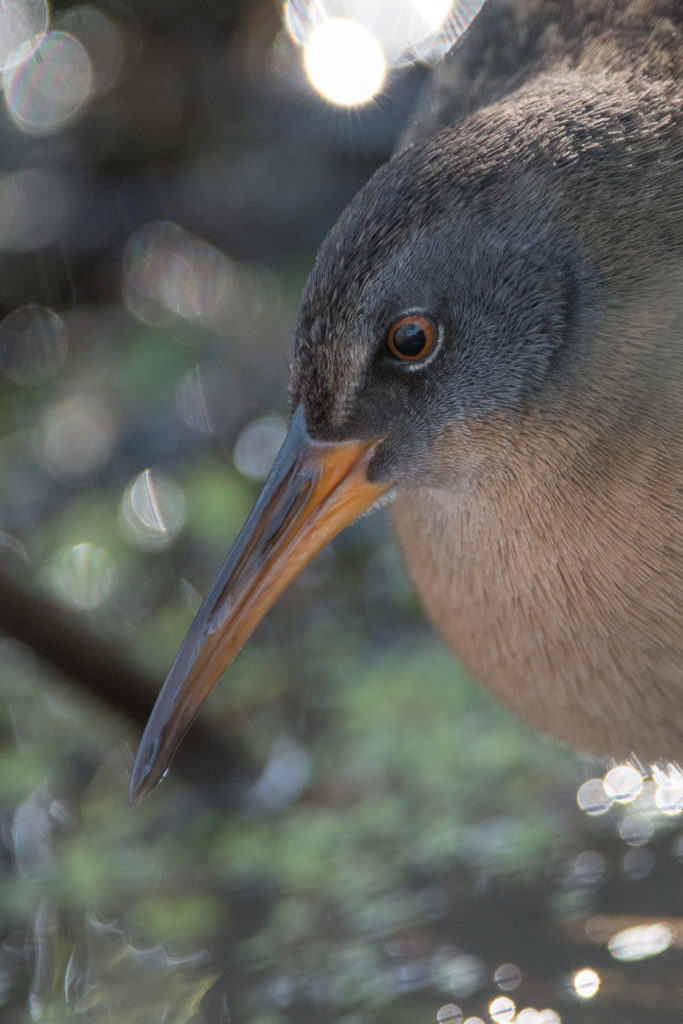
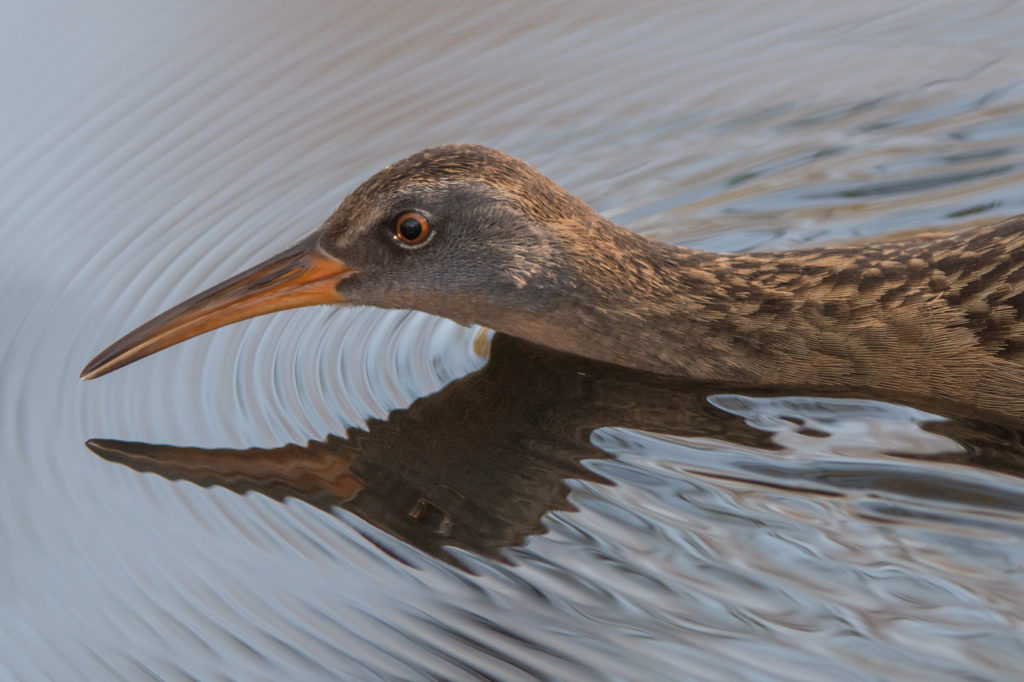
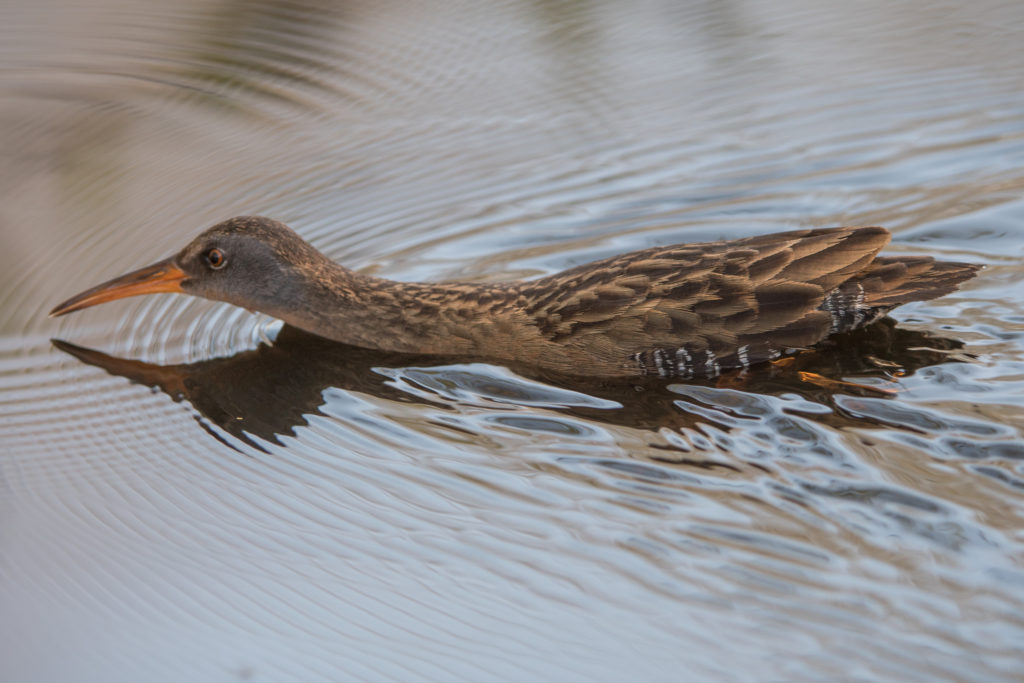
Another significant event occurred when I followed a friend’s tip about the location of Virginia rails. Under adverse conditions (heavy brush, backlighting and the rail’s furtive movements) I was able to observe and photograph a rail. Considering the conditions I was quite happy with the photos.

I have to confess that I never thought about these birds as swimmers… the very few I have observed have always been in shallow water among the shore or reeds. I certainly didn’t think they would drown, considering their habitat next to water, but I never thought about them being the very capable swimmers that this bird demonstrated!

A Few More Birds

I had another day (4/5/2020) in the yard with my time divided between improving my photography habitat and actually doing some birding photography. I repositioned a large staging rock and repositioned several of my staging sticks along the watercourse. If I don’t change the staging objects then after a while all of my photos begin to look like they were taken at the same location, so the key is to keep things moving!

We have a pair of Bushtits that regularly visit the suet feeder. I noticed when processing the photos today that the female appears to have only one leg.

Female Bushtit with one leg

Another unfortunate discovery in processing photos was that one of a pair of Song sparrows in the yard has a broken tip on its lower bill.

One of the differences I find between field observation and photography of birds is that I can observe the birds for a much longer time and in substantially more detail. And sadly, we had many birds with problems in the yard,,, more than I can ever remember. We had birds with only one leg, a bird with a deformed leg and a woodpecker with only one eye. Some of these birds seem to make the most of their disability, able to cling to feeders and access water. I even considered posting a blog with photos of the birds, but after thinking about it for awhile I decided it would be too much of a downer.

On a brighter note, we have a handful of Pine siskins that have recently arrived after a several month absence. I observed one carrying a long twig towards the crown of fir trees, Some time later I saw a siskin carrying a similar twig, but in this case it dropped it as it flew over the yard. I presume that nesting is in progress for the species.

Pine siskin

What made my photography afternoon was a male Rufous hummingbird that twice visited the watercourse. These photos are all from its second visit.