Accipiter!

On August 28, 2021, I had just begun my monitoring of the yard for interesting birds. I was suddenly aware of activity near our weather monitoring station and at the same time there was a mass exodus of birds from the yard. I couldn’t see the weather station very well and had to lean back and forth for a better view. What I saw was an accipiter sitting on top of our anemometer!

The accipiter was probably about 40 feet away and I didn’t have a clear view, so I watched without moving. The accipiter then flew to the brush pile we have in the yard. It could hear birds within the brush pile but there was no way it could get in… the brush pile’s basis is a cage constructed of 4″x4 welded wire and filled with branches… just for the purpose of creating a safe harbor for birds under such circumstances!

The accipiter worked its way across the top of the brush pile peering down where it could hear birds beneath it. As it moved to the north side of the brush pile about 15-20 birds took the opportunity to flee from the south side! I kept hoping for the opportunity for a clear photo while it was on one of my staging sticks, but it never came that close. I probably watched the accipiter for about 20 minutes, much, much longer than they usually spend in one location. I finally saw it fly out of sight but couldn’t be sure that it left the yard so I waited for another 15 minutes or so before giving up.
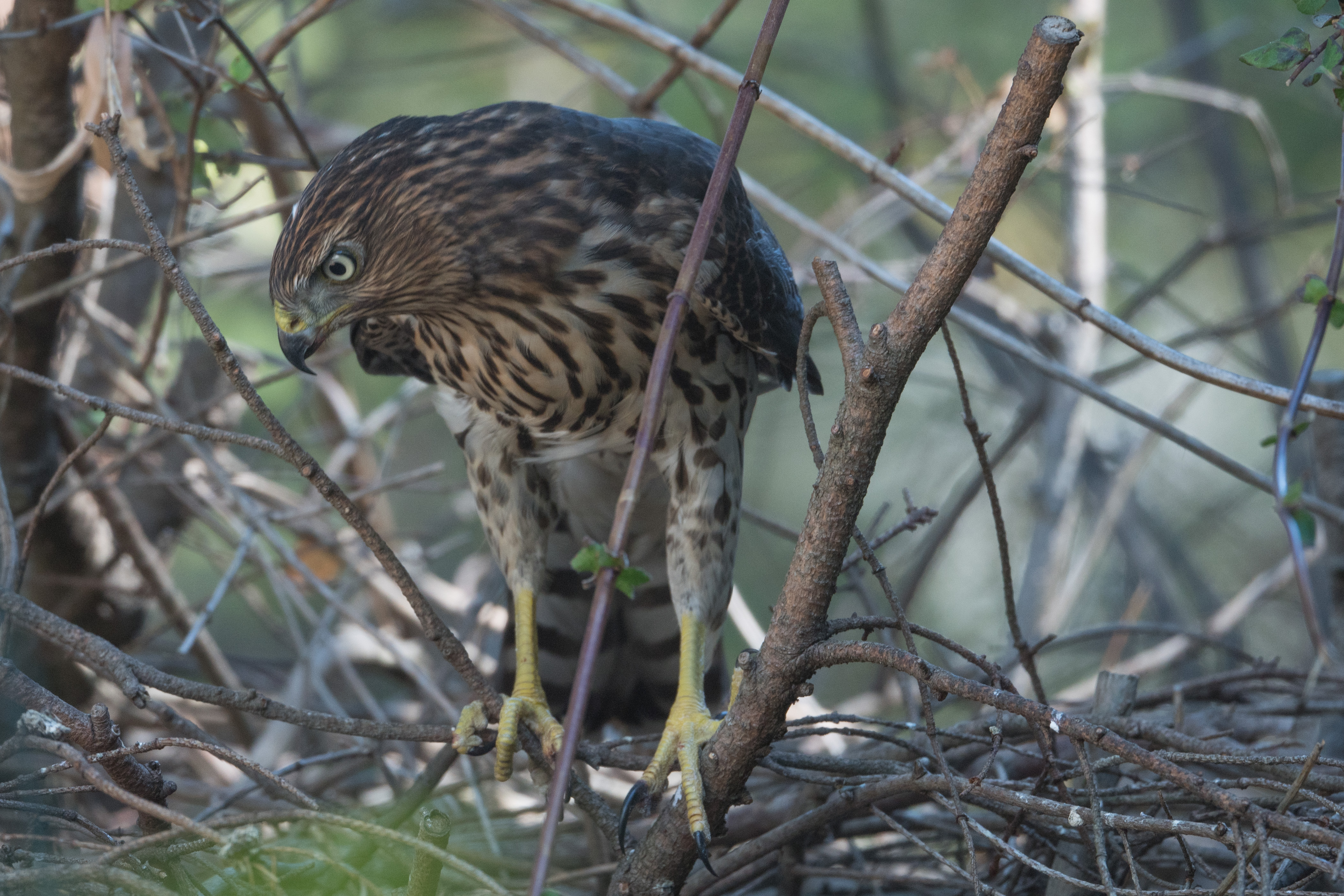
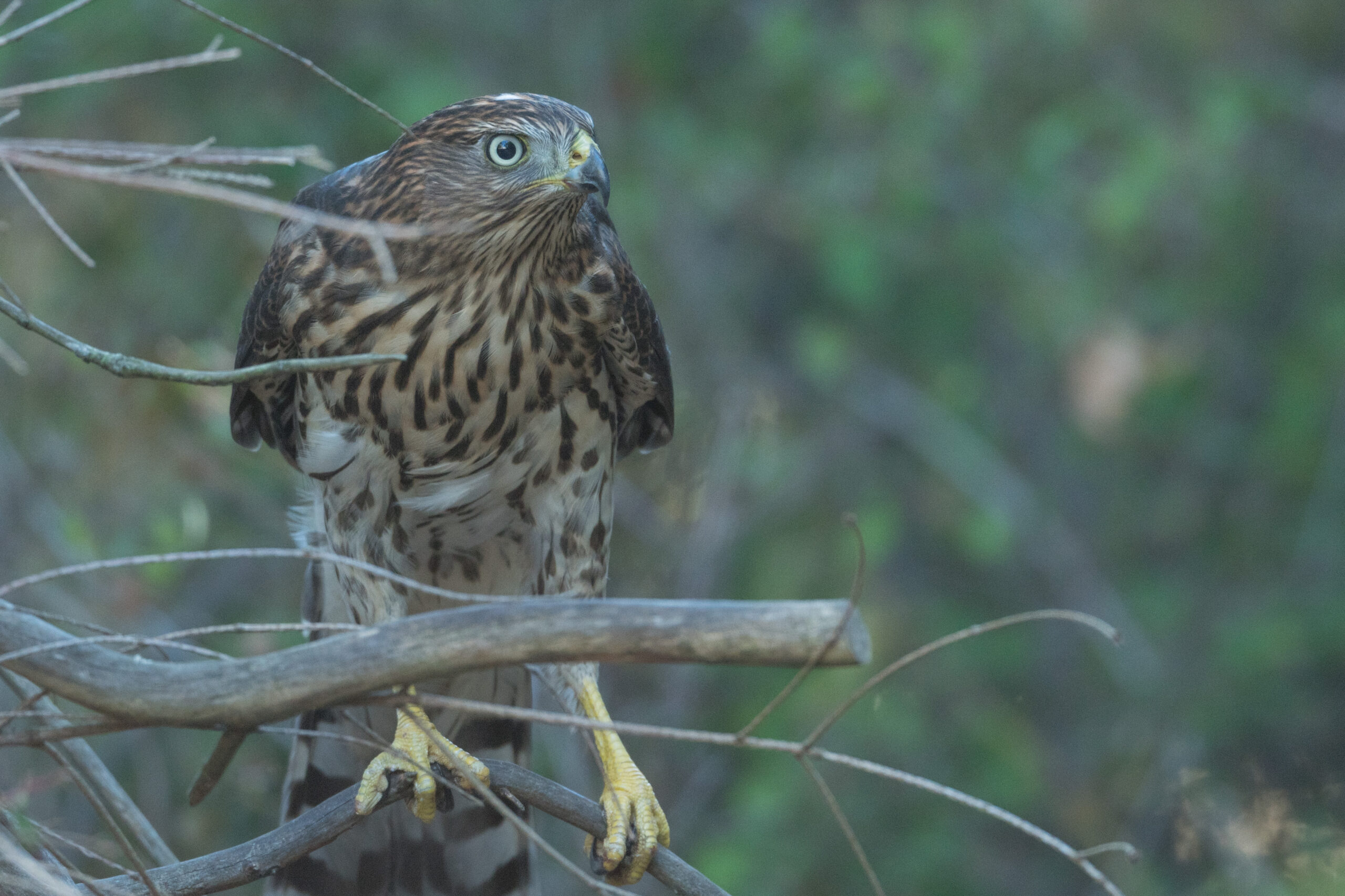
I’m assuming that this accipiter is a Cooper’s hawk but I’m far from an expert in identifying accipiters.
Fall Migration – August 22, 2021

I’m having a great beginning to the fall migration! August 22 was a great day in the yard for both bird watching and photography. I had fall migrants passing through the yard almost all day and on several occasions had more than one species in the yard at a time. The day was made even better by an overcast that provided ideal photo conditions for the entire day.

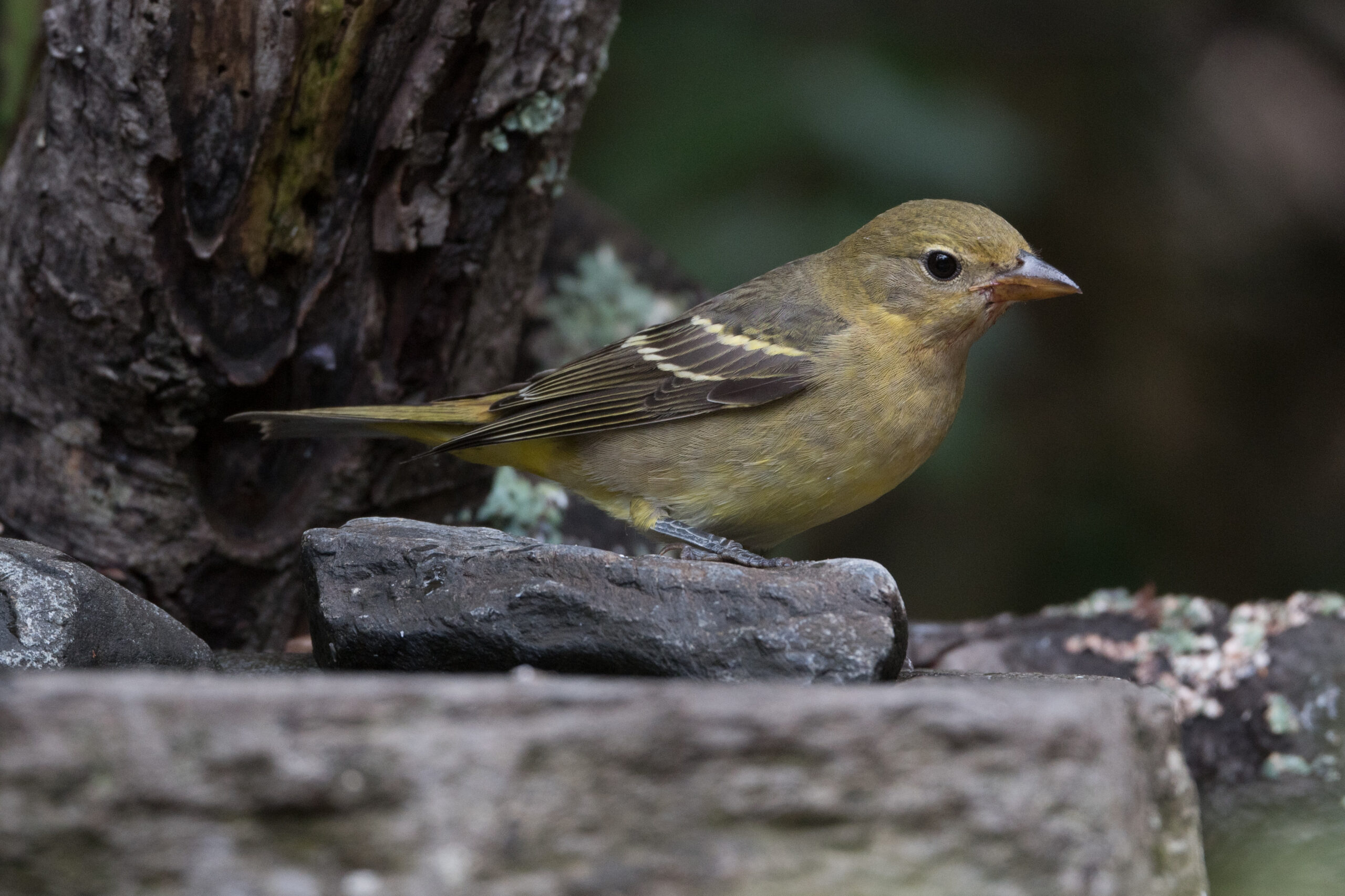
My first visitor was a juvenile Western tanager, the first of several throughout the day.

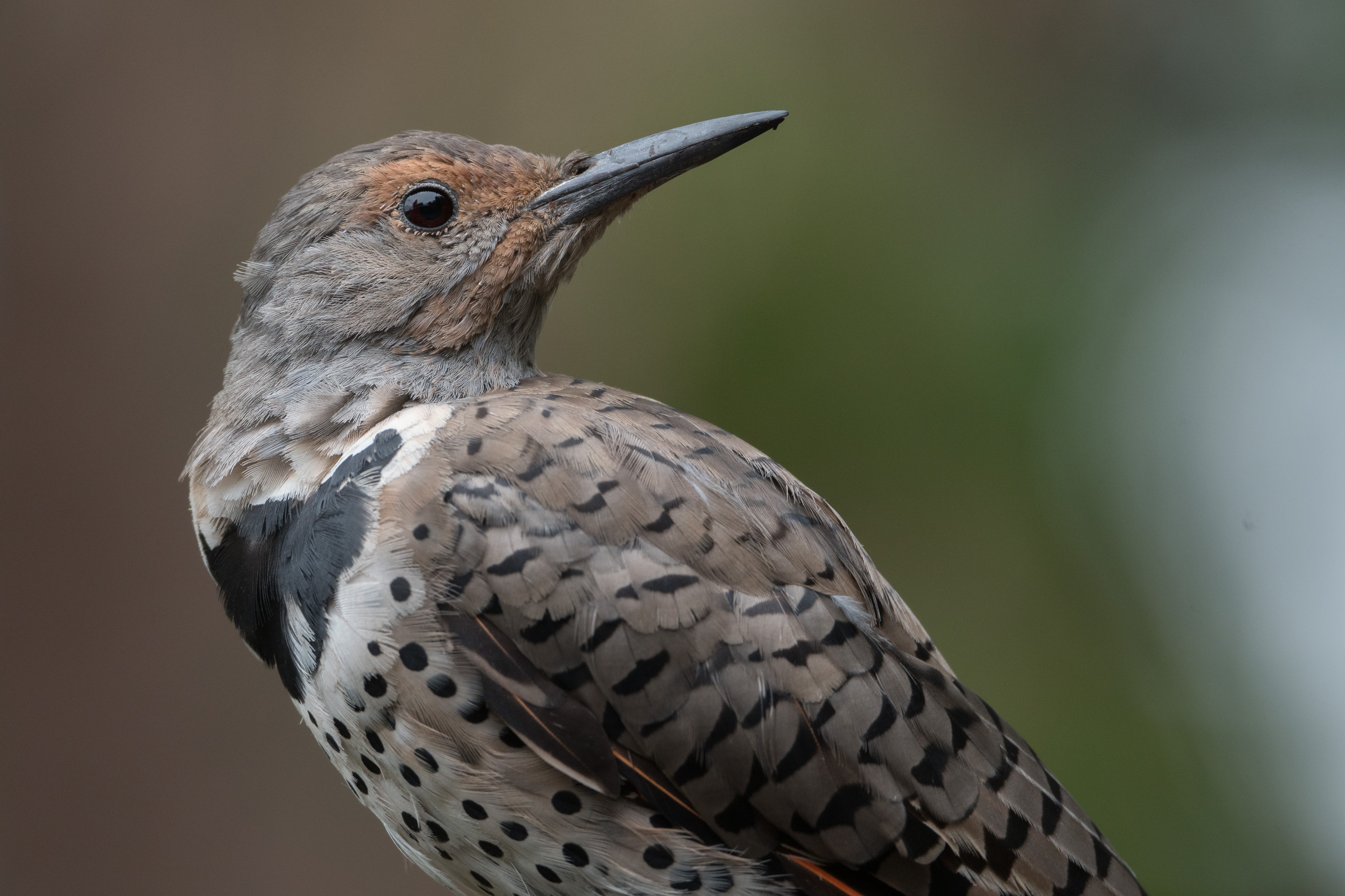
Next up was a juvenile Northern flicker, hardly a migrant. We had a successful breeding season for the species and have had four or more in the yard at one time.

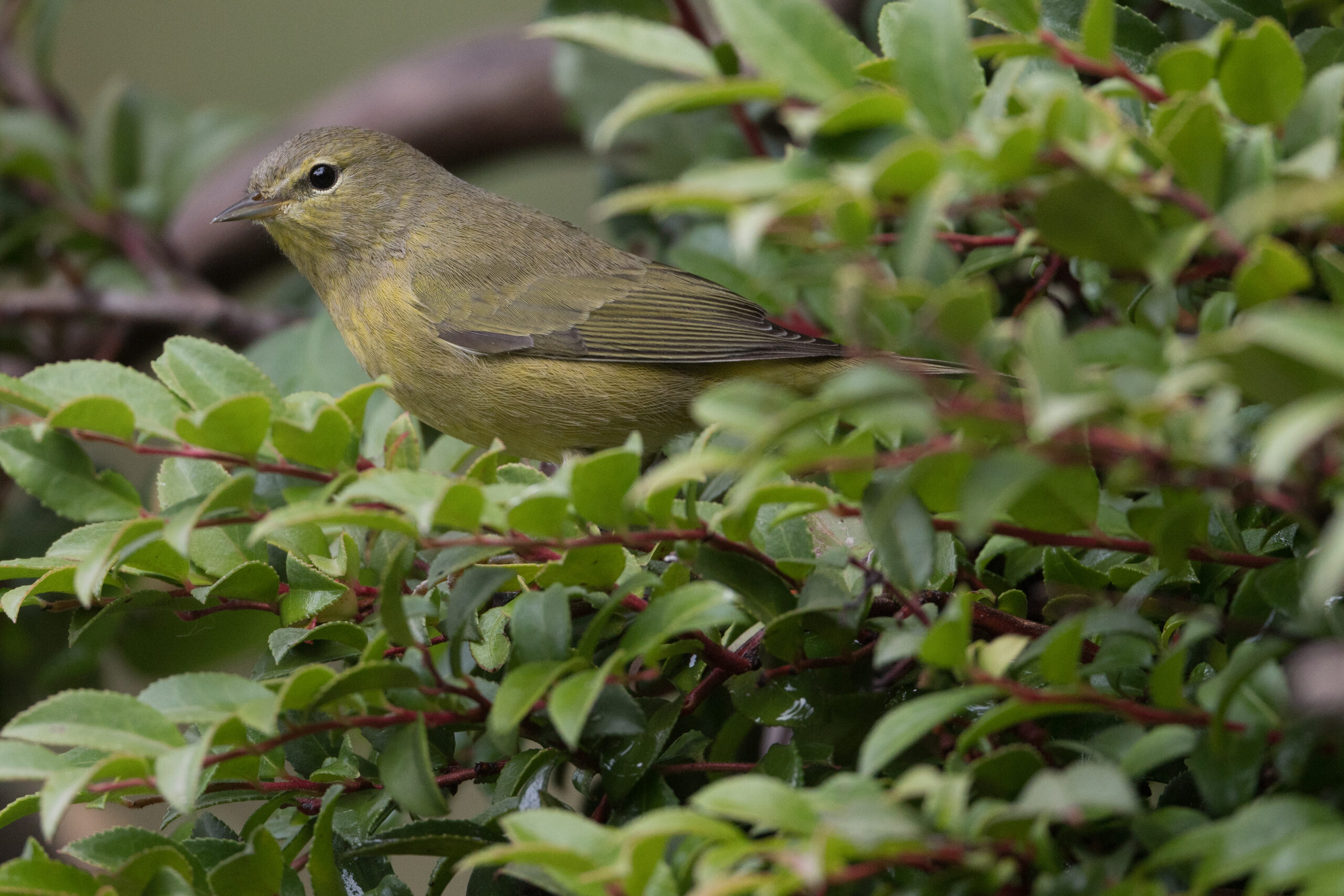
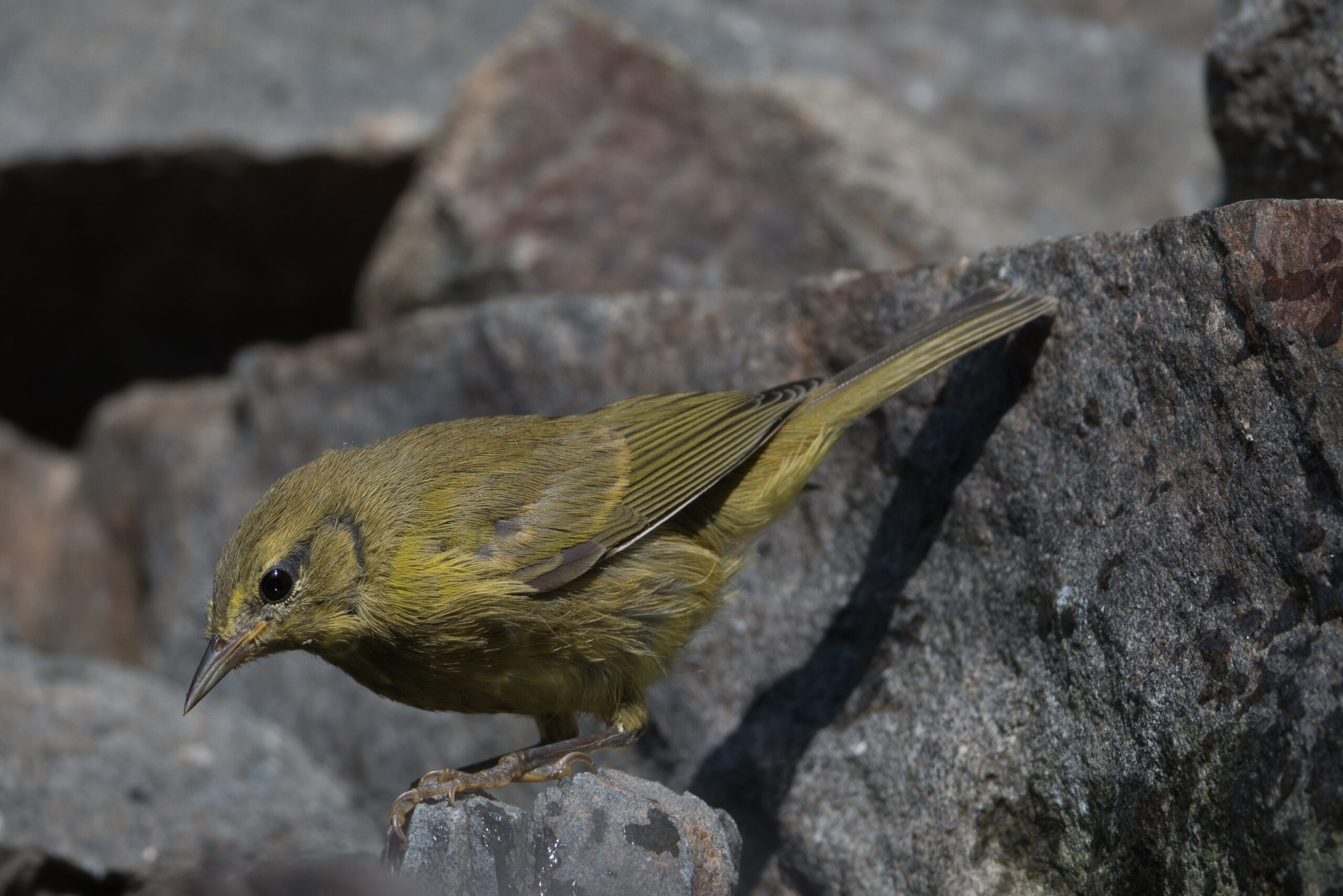
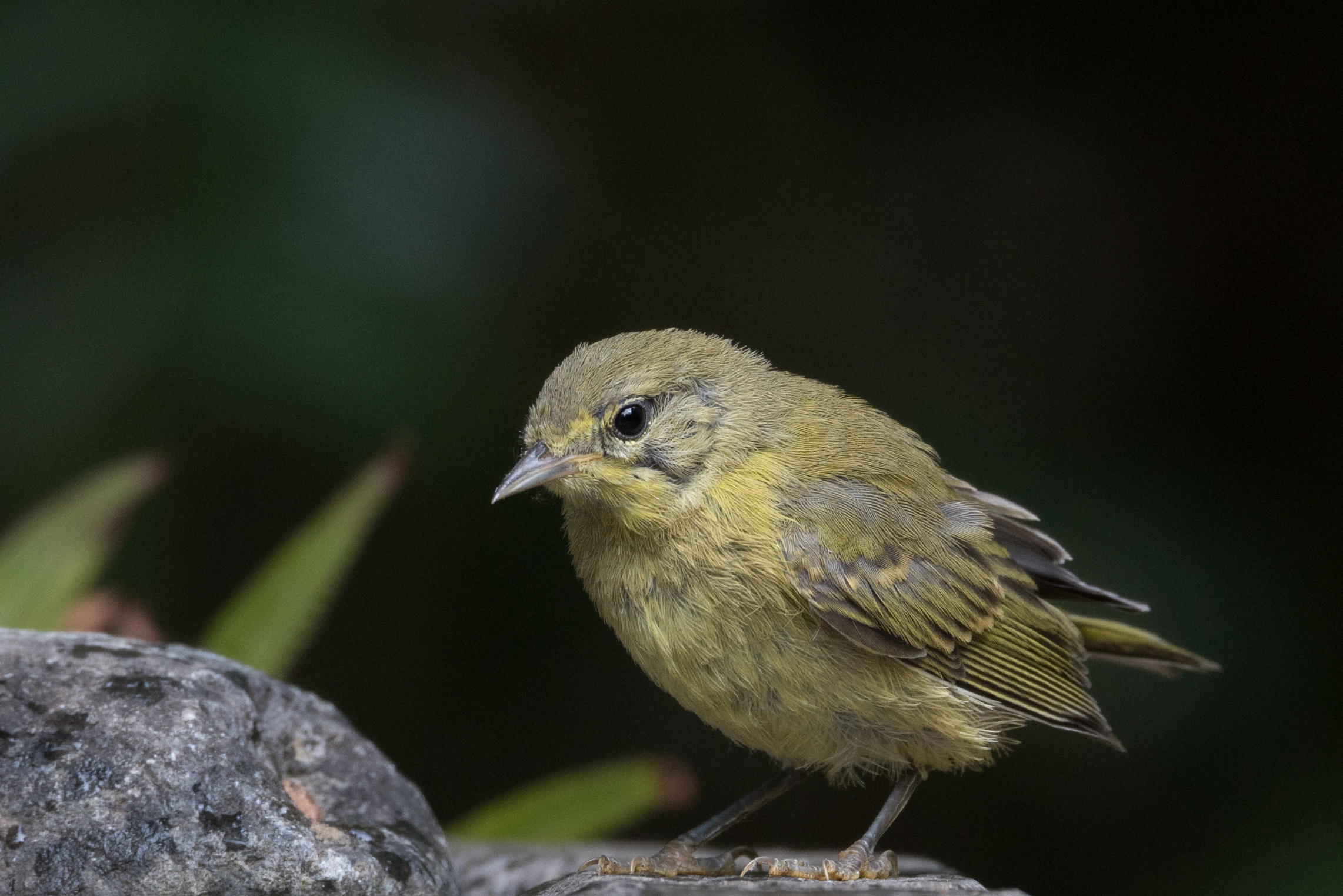
We next had an Orange-crowned warbler visit the yard. This is probably our most common warbler winter visitor, so there is some population that apparently remains in the area for the winter.

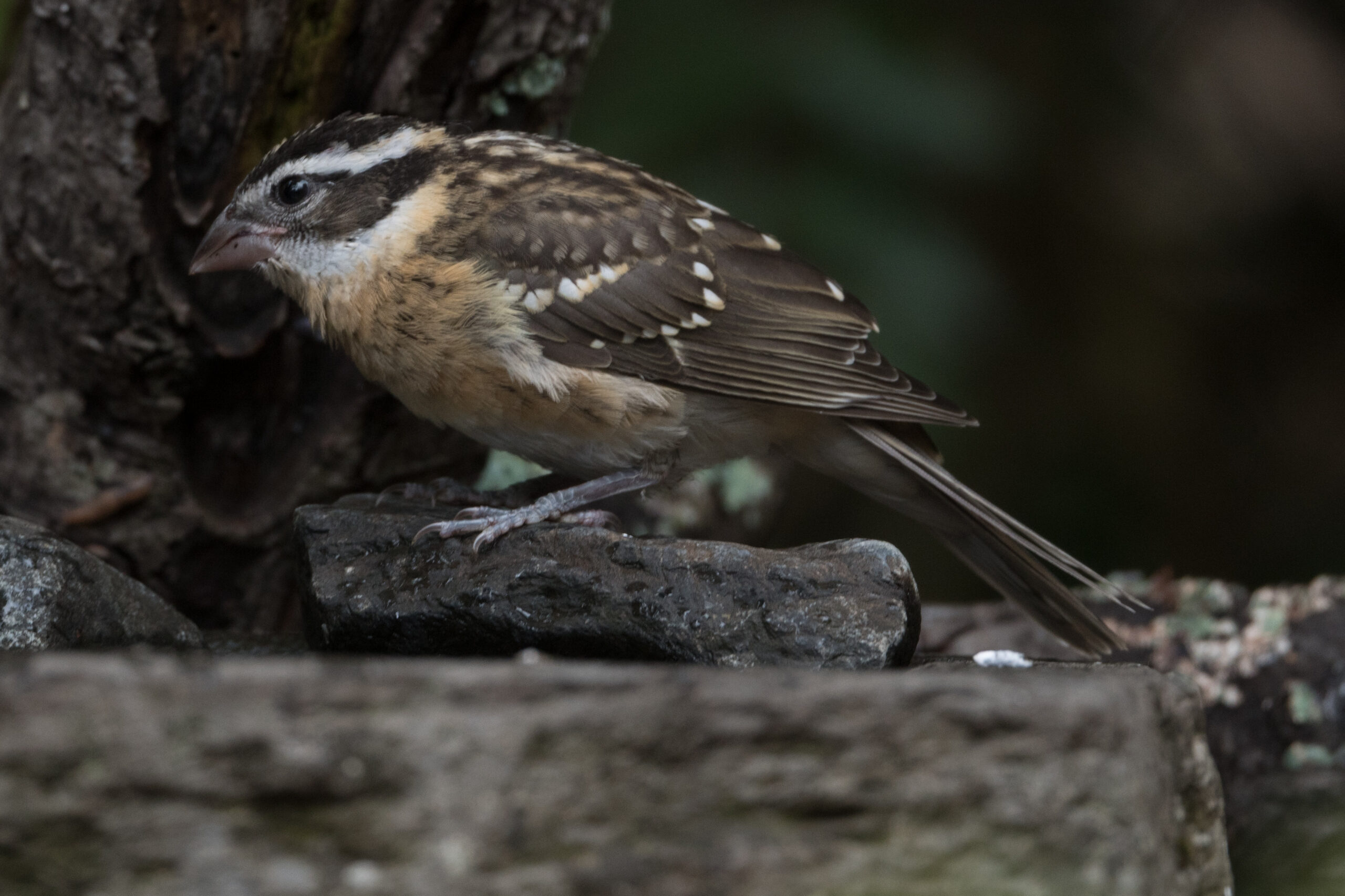
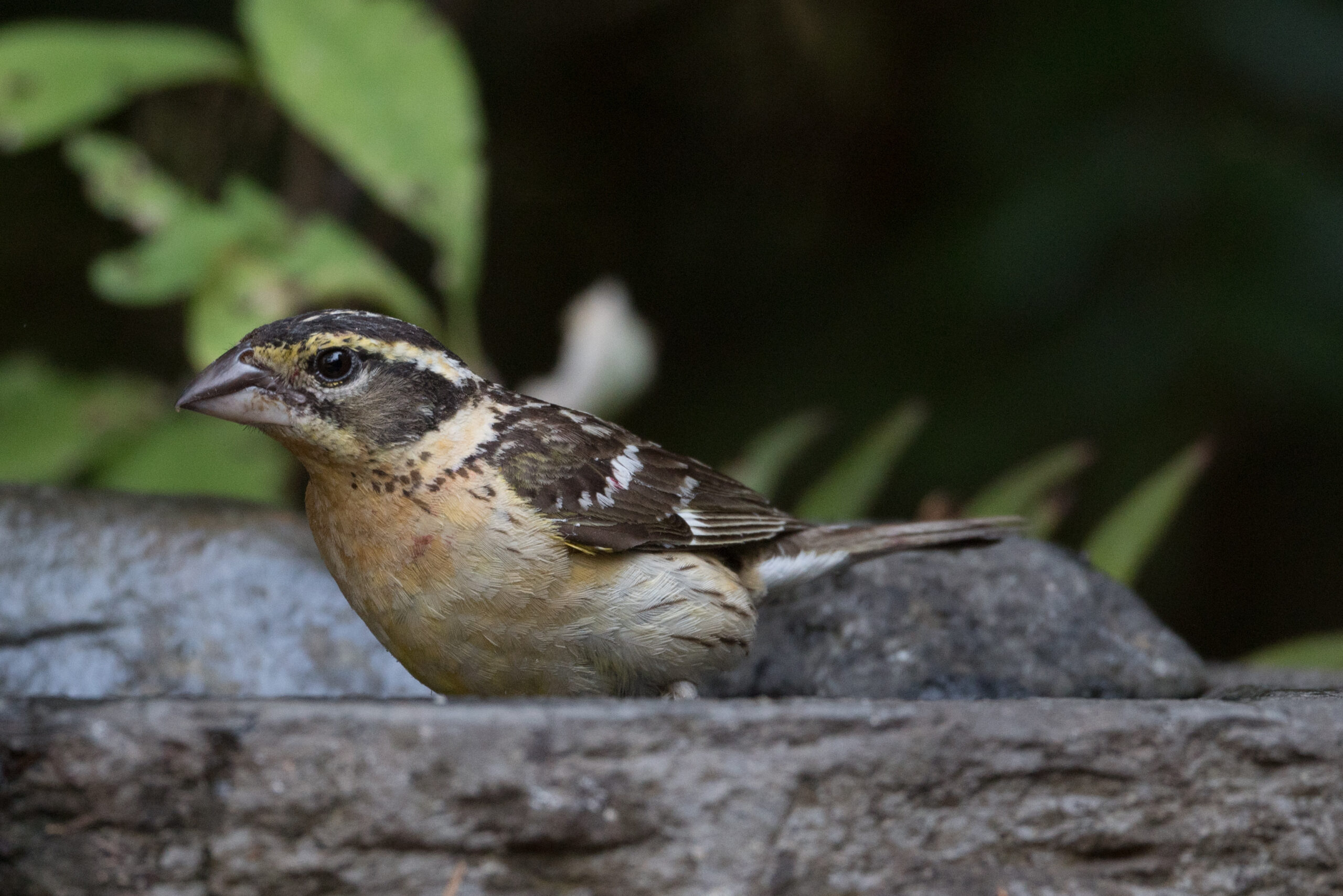
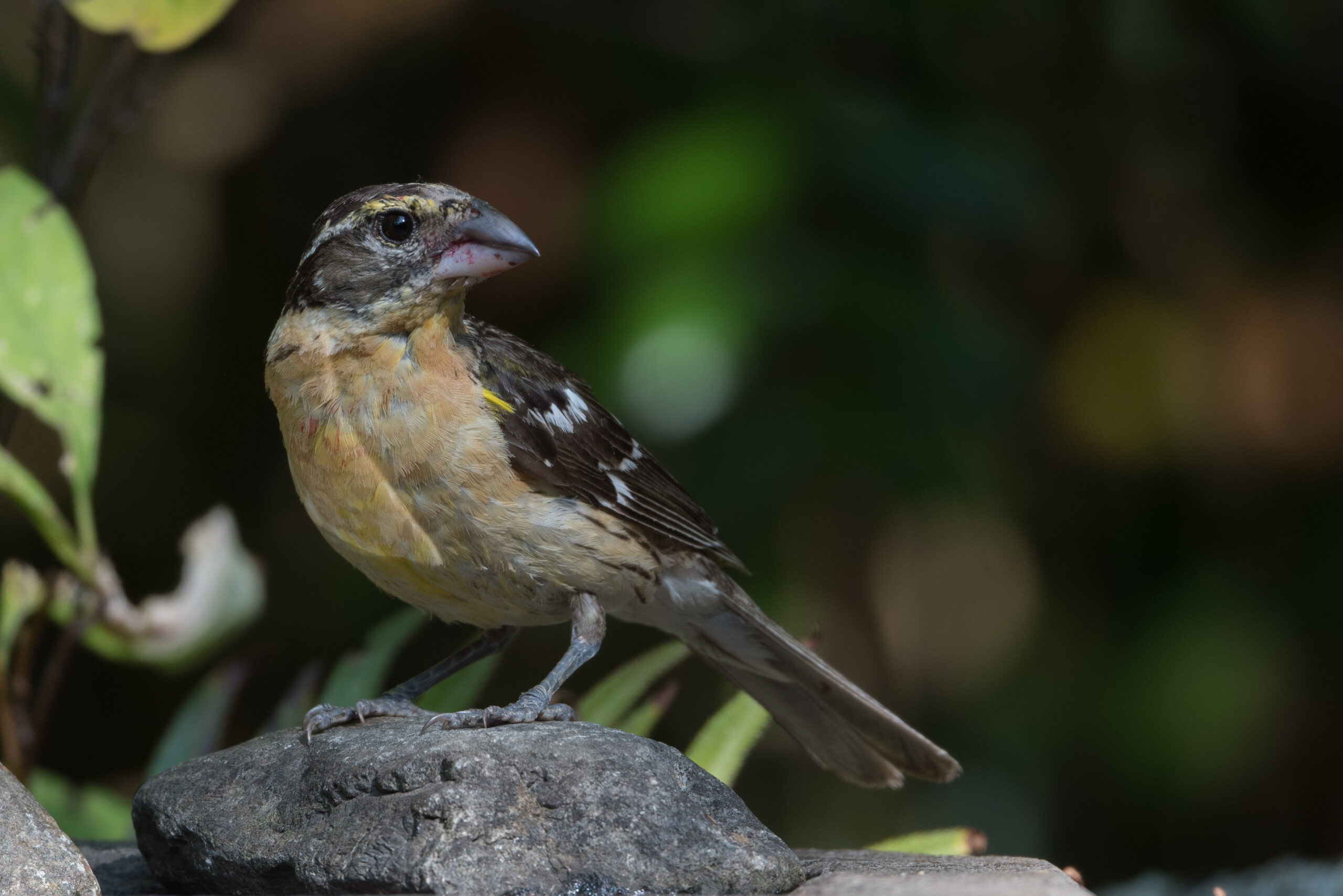
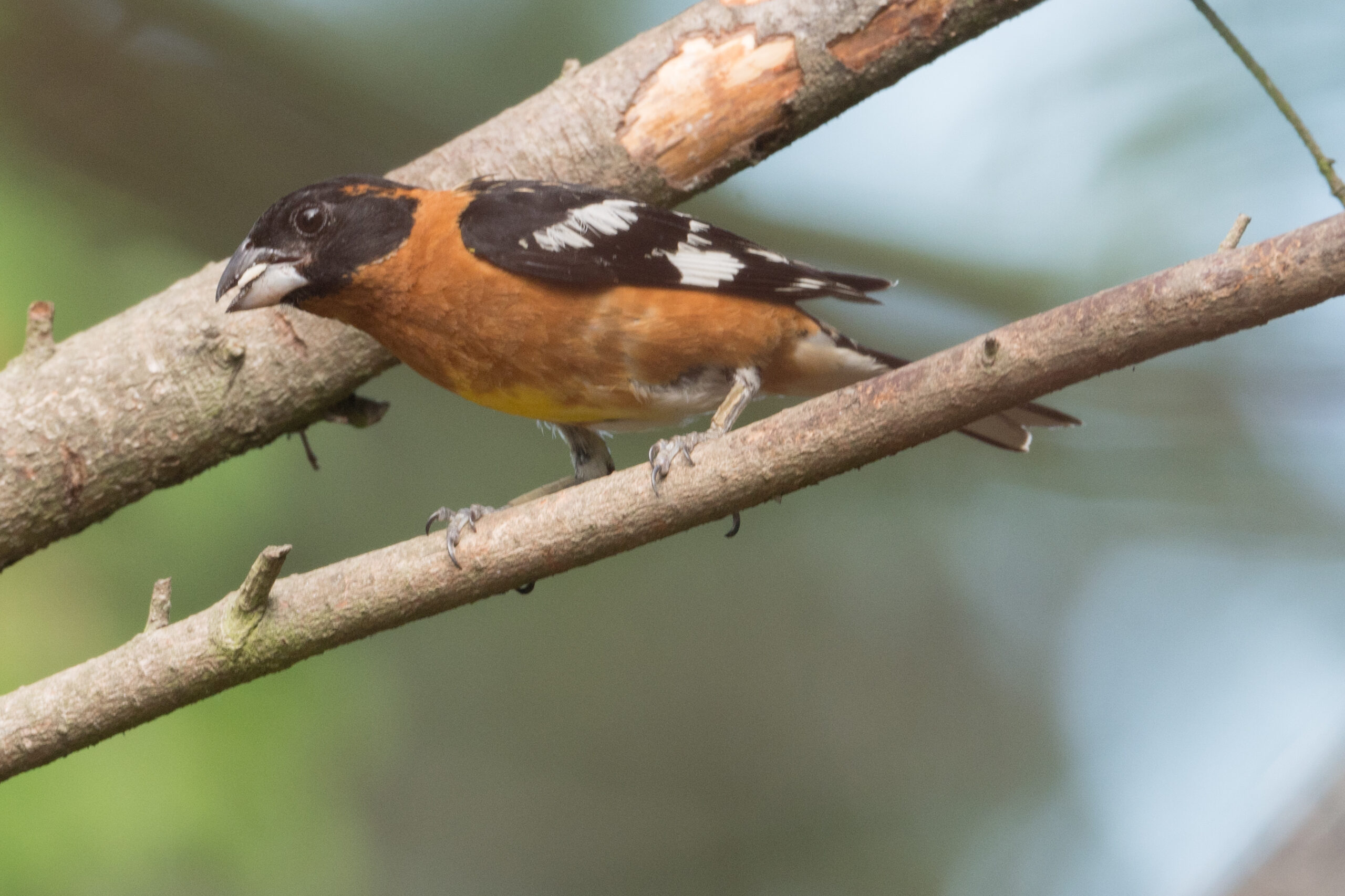
Next was a Black-headed grosbeak. The grosbeaks were rather scarce upon their arrival and during breeding activity but for the past month or so they have been visiting the yard on a daily basis… sometimes two at a time.

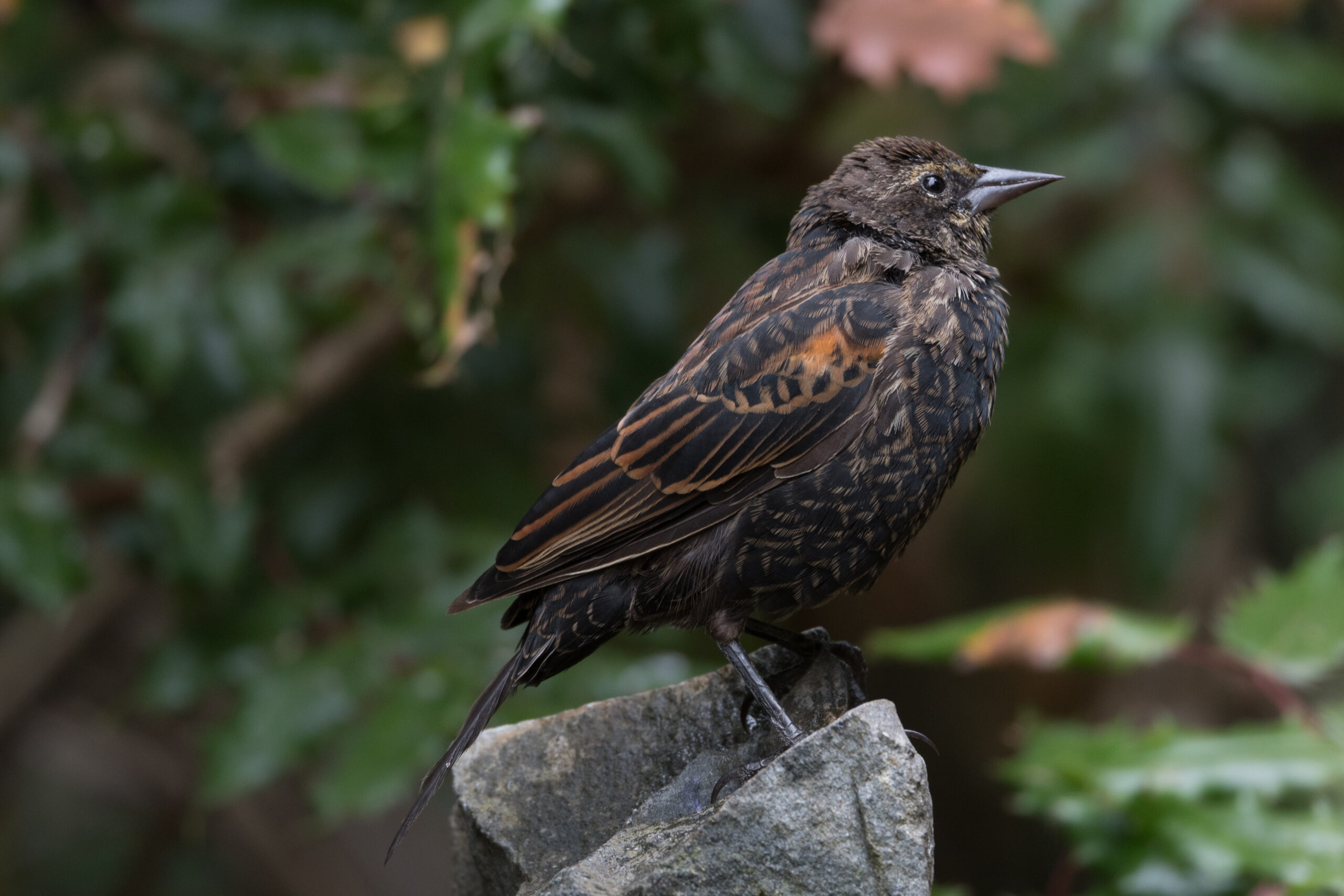
A non-migrant showed up in the yard next… a juvenile Red-winged blackbird. We normally have blackbirds only during the breeding season when the birds are nesting below us in the wastewater treatment pond marsh. They make quick trips up the hill to acquire a quick, dependable supply of food without having to leave their young unattended.

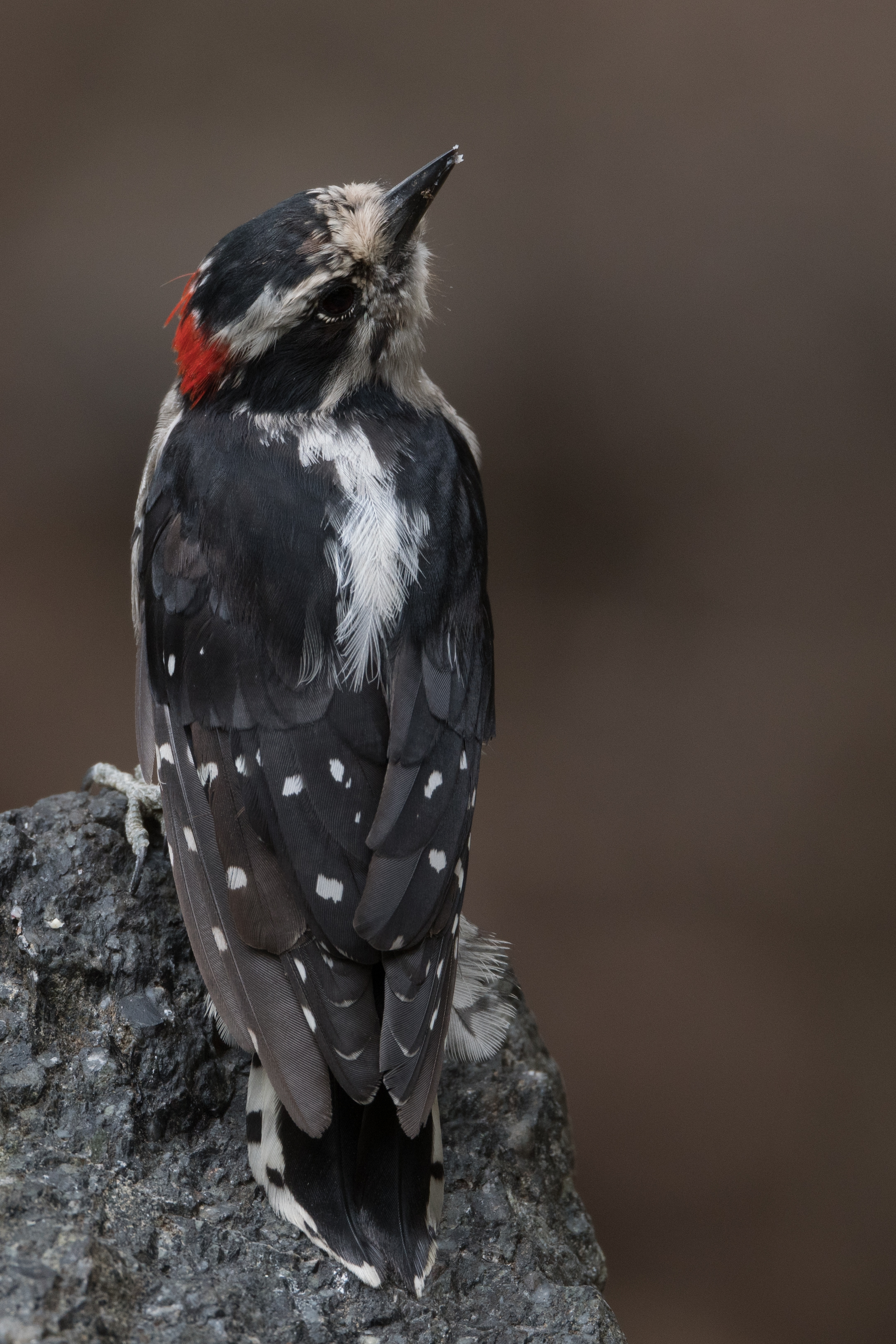
This male Downy woodpecker, also not a migrant, was waiting for an opportunity to access a suet block hanging above.

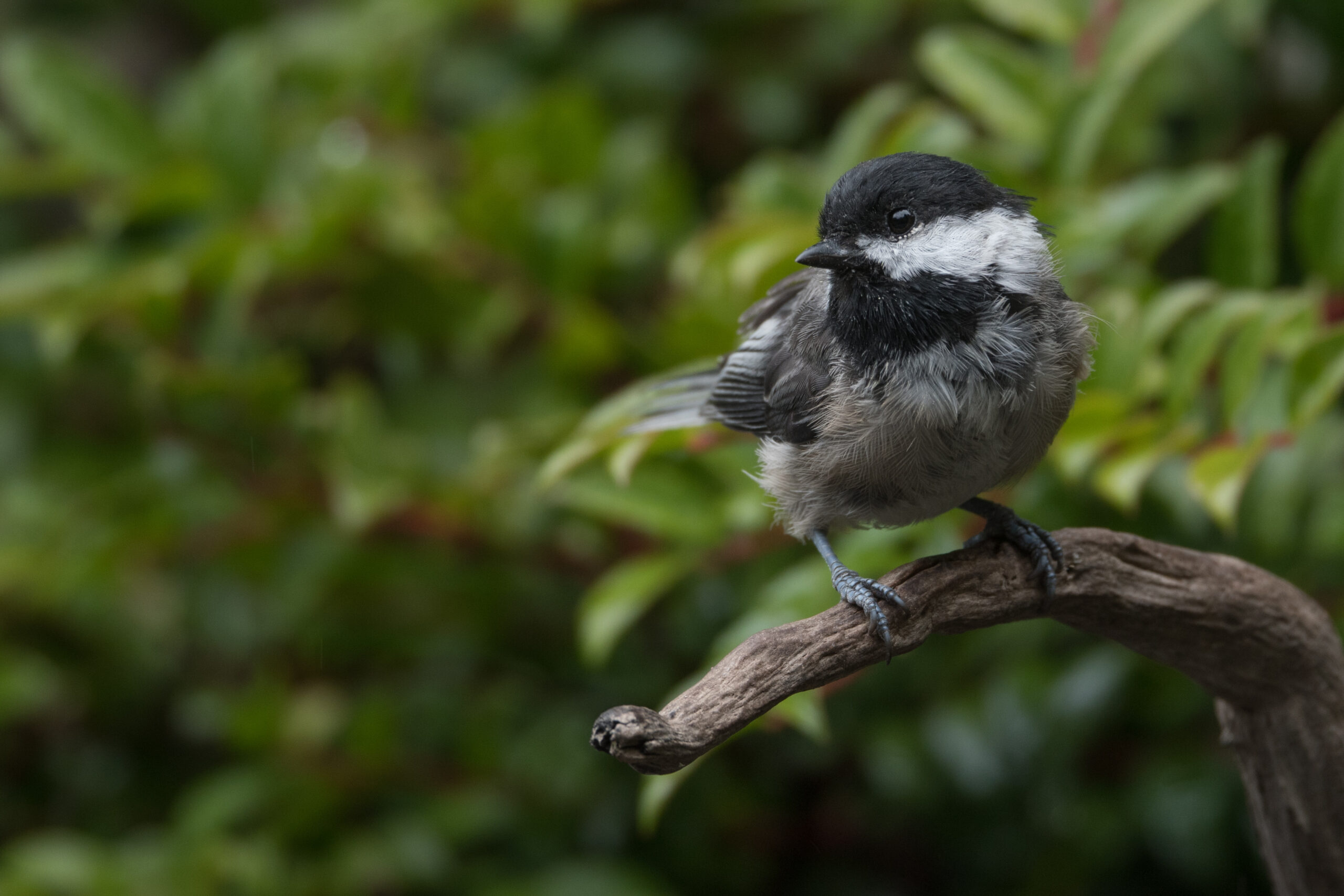
We are overrun with chickadees this summer. They apparently had a very successful breeding season in the area. This photo is of a Black-capped chickadee, but we also have a large number of Chestnut-backed chickadees.

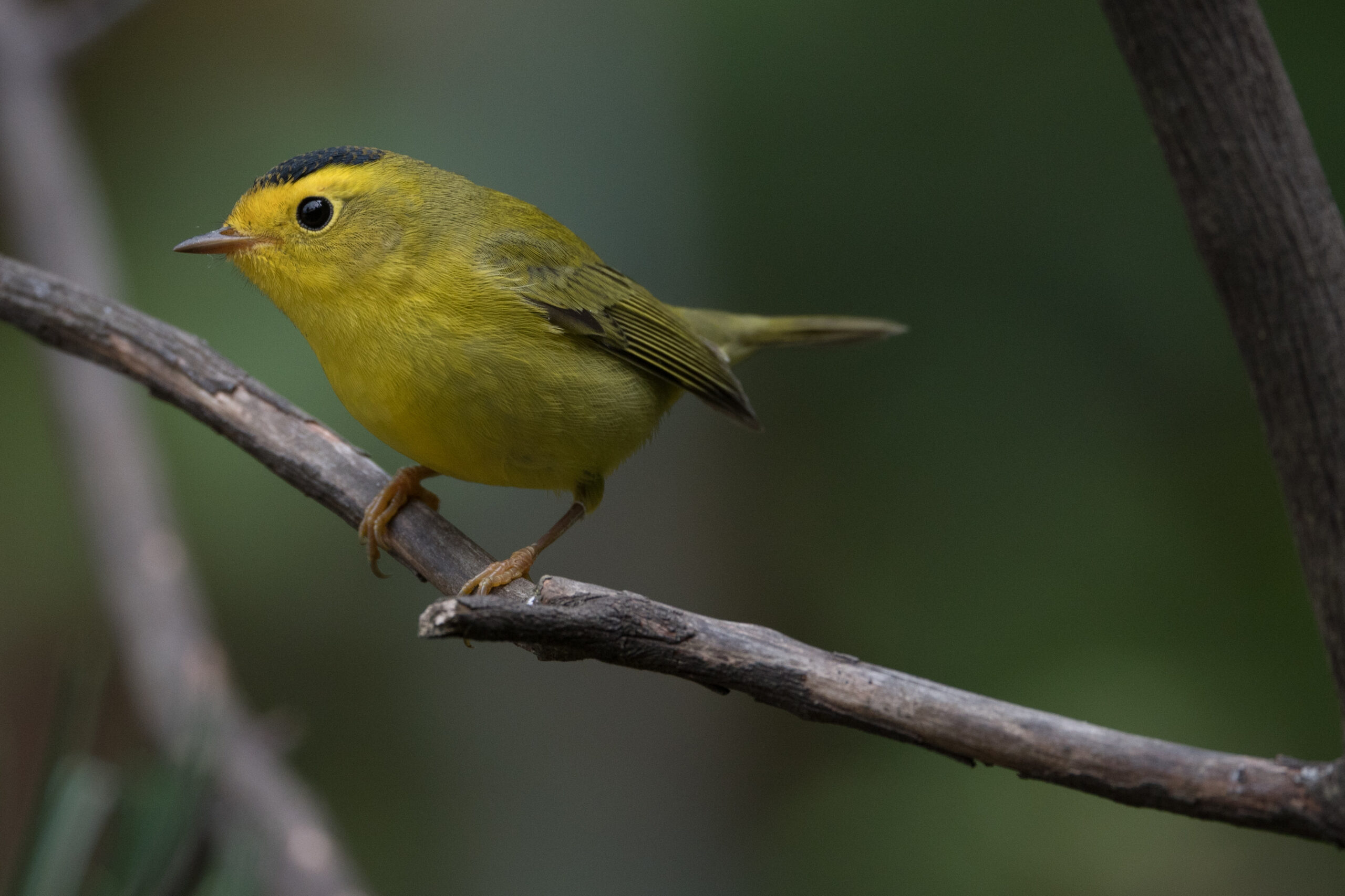
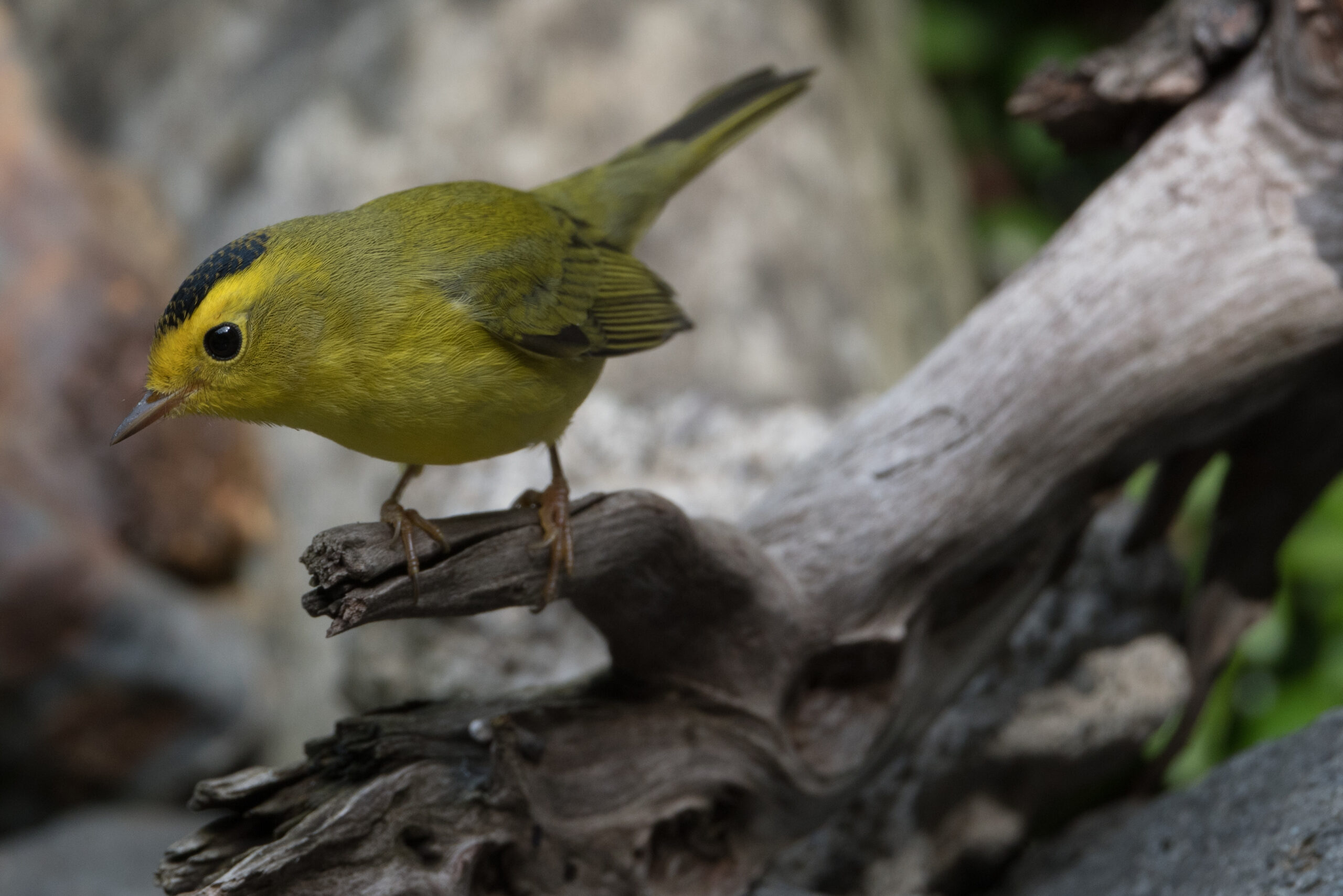
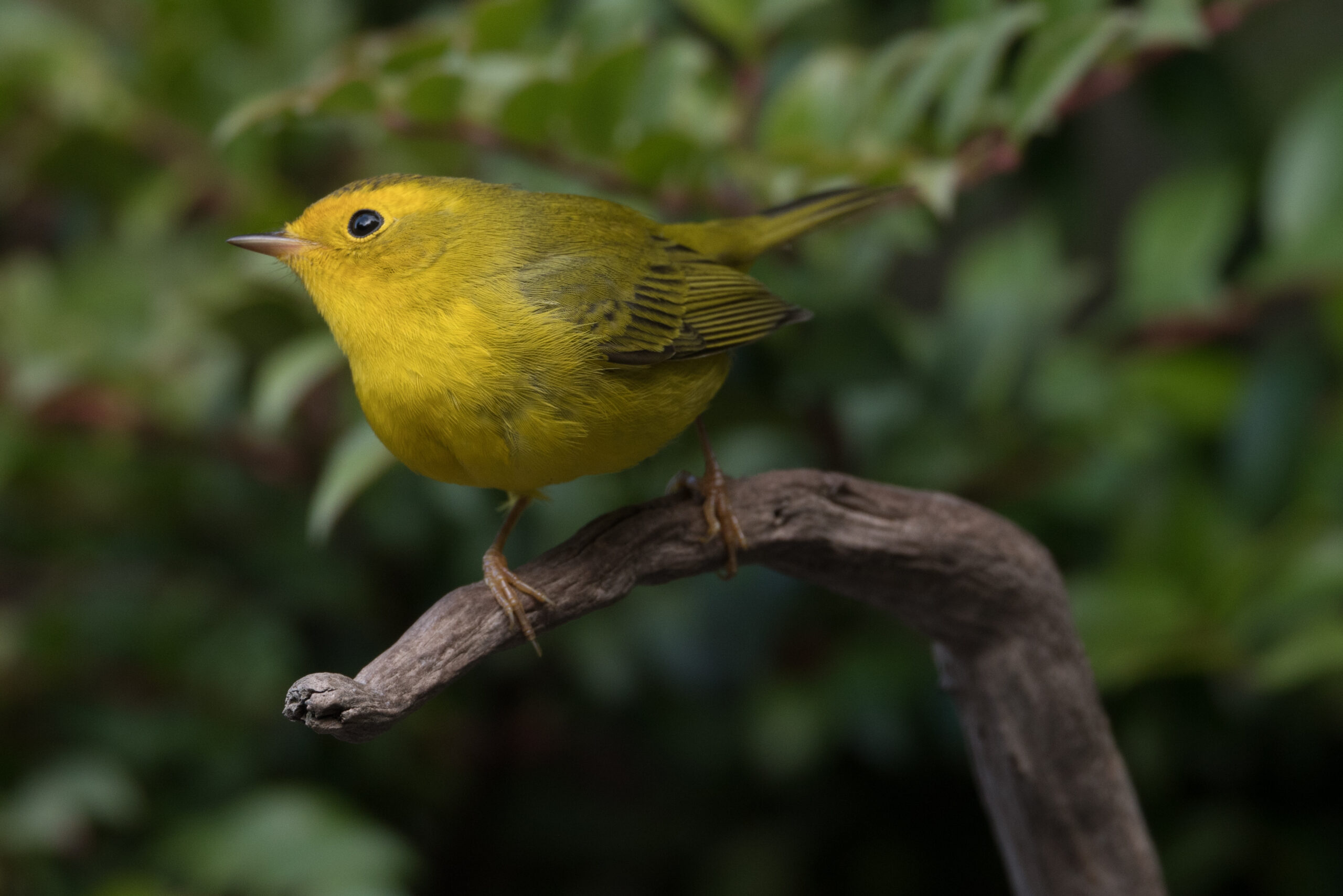
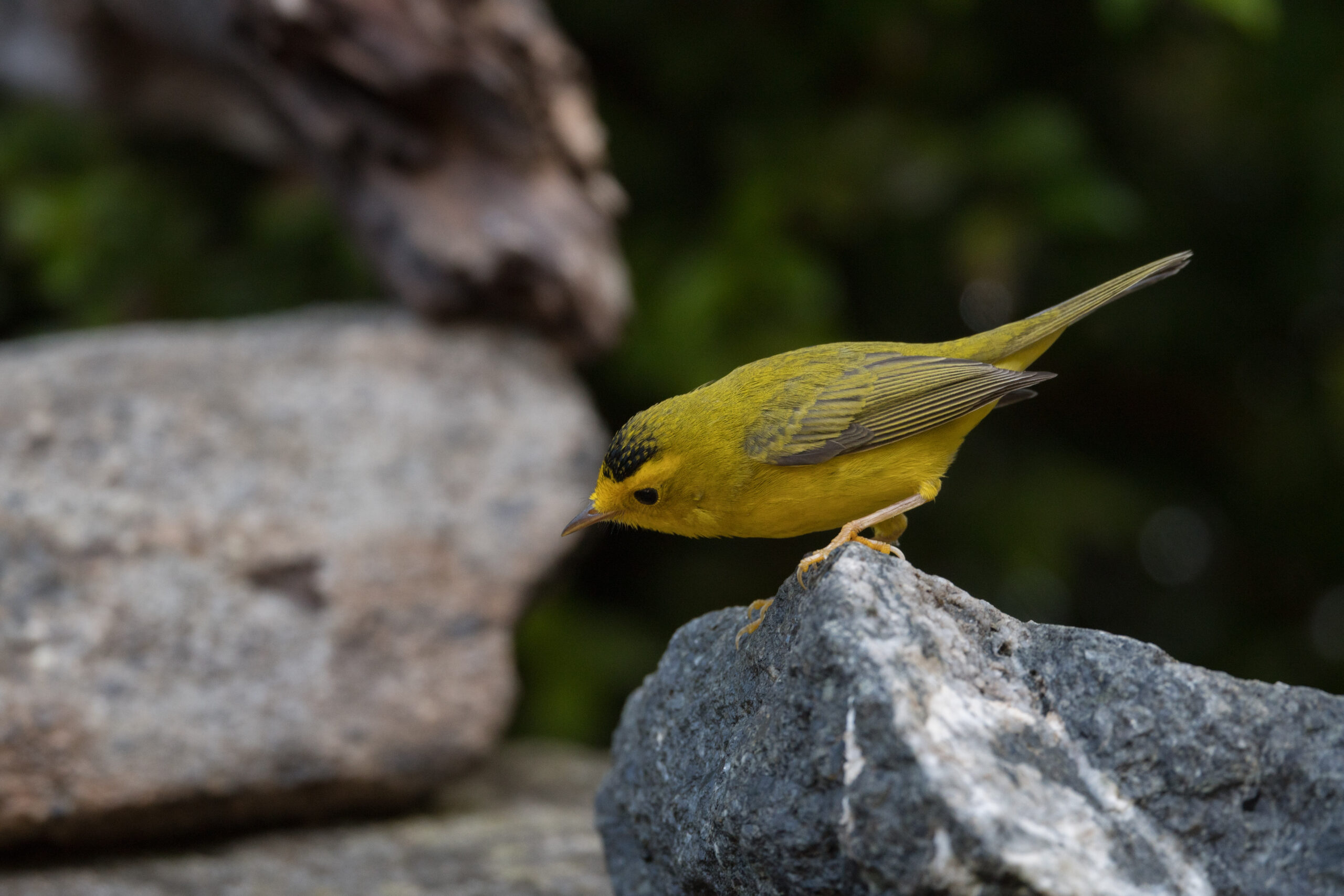
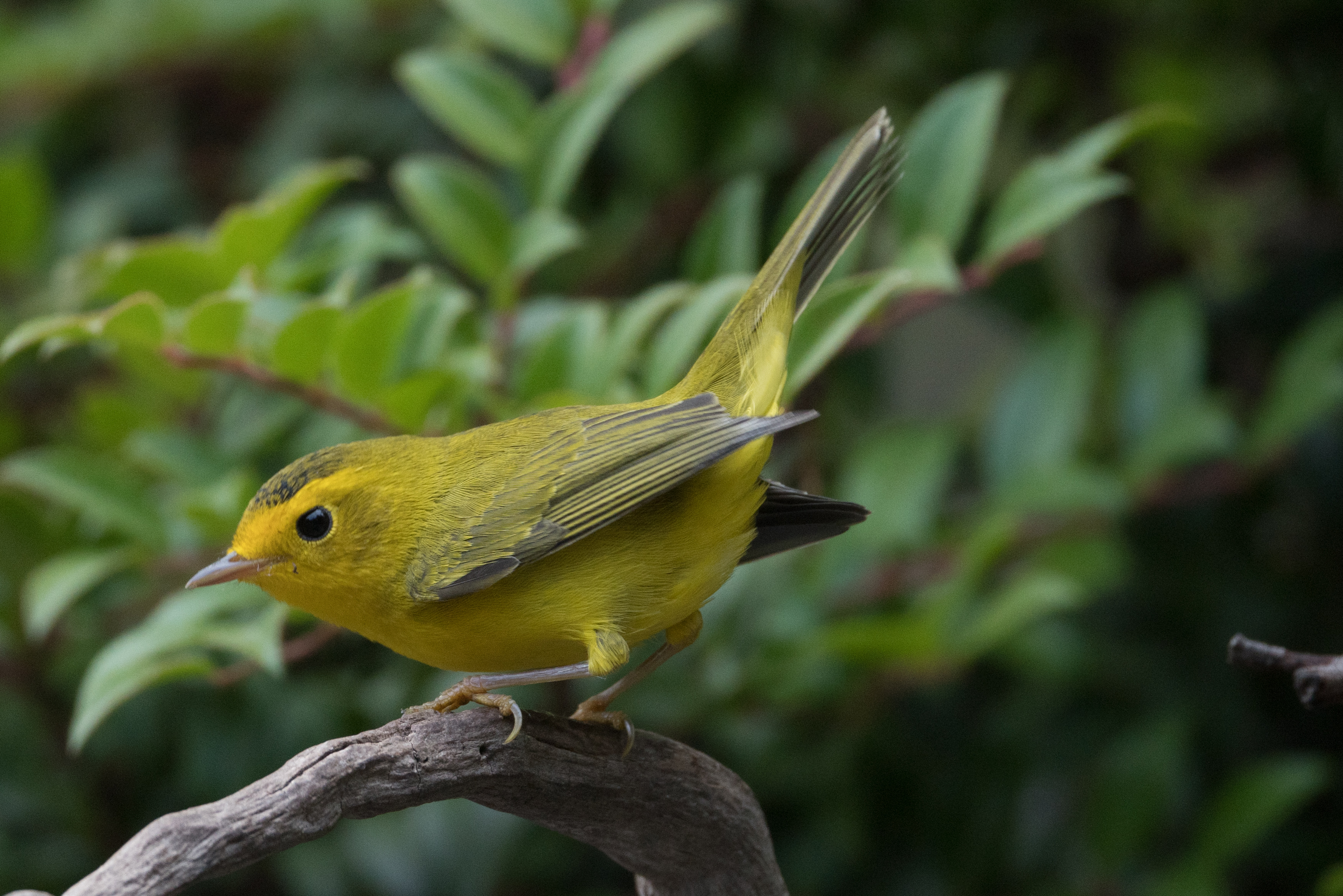
We had both male and female Wilson’s warblers visit the yard. The following two photos are both of a male as told by the black cap on top of its head.

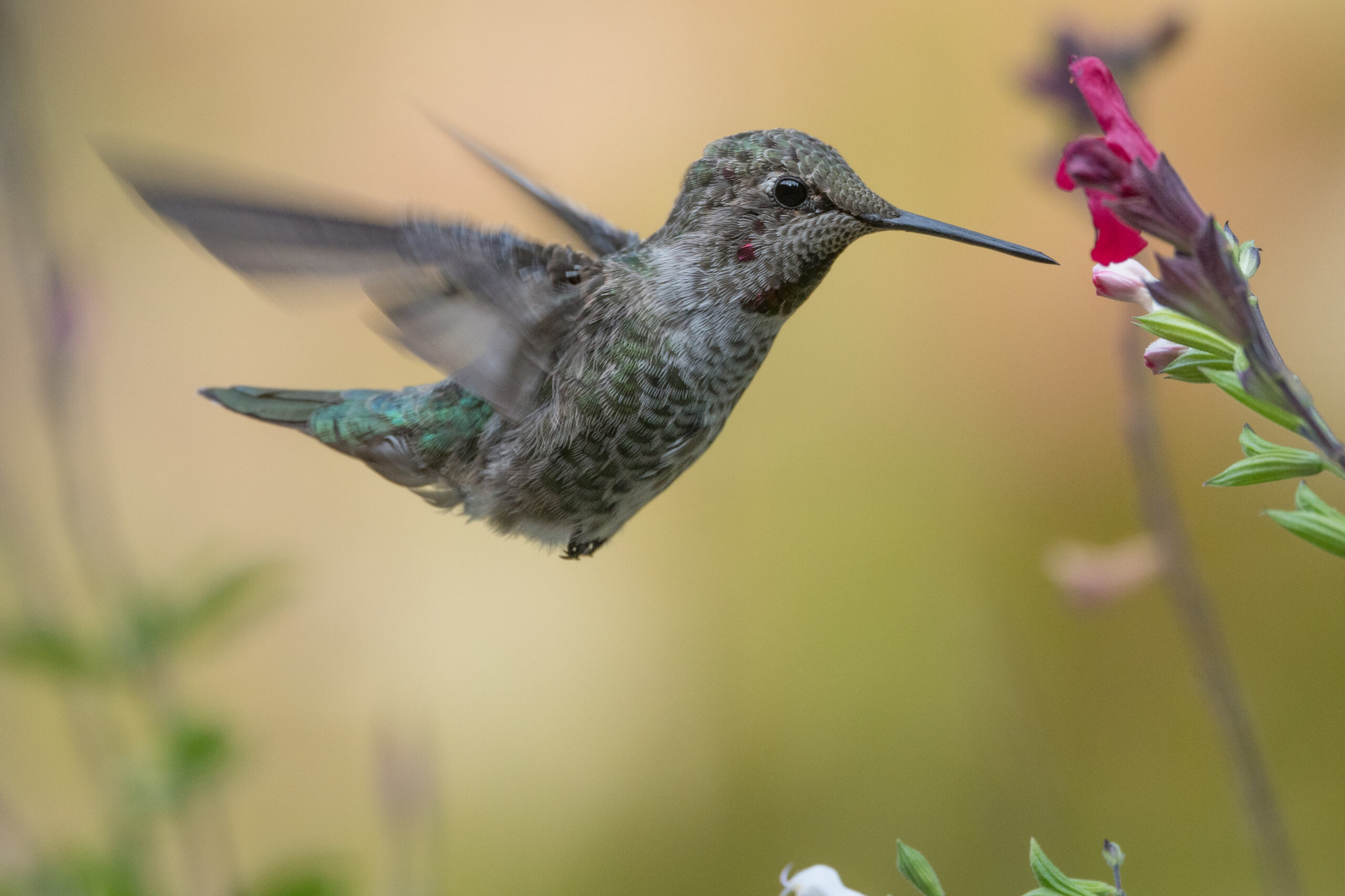
We are seeing fewer Rufous hummingbirds in the yard. The males are long gone and only a few females remain. This is a juvenile male Anna’s hummingbird that may spend the entire winter with us.

Our last migrant for the day was this female and/or juvenile Wilson’s warbler. Contrast it’s cap with the male pictured above.

I regret missing one other bird. In the top of one of our madrone trees was a small, active bird with a prominent white eye stripe. I suspect that it was some kind of vireo but very disappointingly, I was unable to obtain a photograph of it.

Warblers!

Birding in the yard has been an almost all-consuming hobby over the past few weeks, leaving me little time for posting to my blog.  After a rather disappointing late June and July visits to the yard by migrants have finally picked up and I am seeing the first indications of a fall migration.  We’ve logged three new species in the yard this year (Chipping sparrow, Lazuli bunting and a Bob White quail) but I have to day that August 6, 2021, was perhaps my best birding day of the year.  

On this particular day my birding was overlapping with hosting visiting family members and with the Anacortes Arts Festival. We began our day with an early morning walk through Washington Park followed by breakfast at home.  I opted for a nap instead of accompanying the crowd downtown, but since we were having one of our recently rare cloudy days, which offered enhanced birding photography opportunities, I decided to give yard birding a brief try.  It was an auspicious decision!  

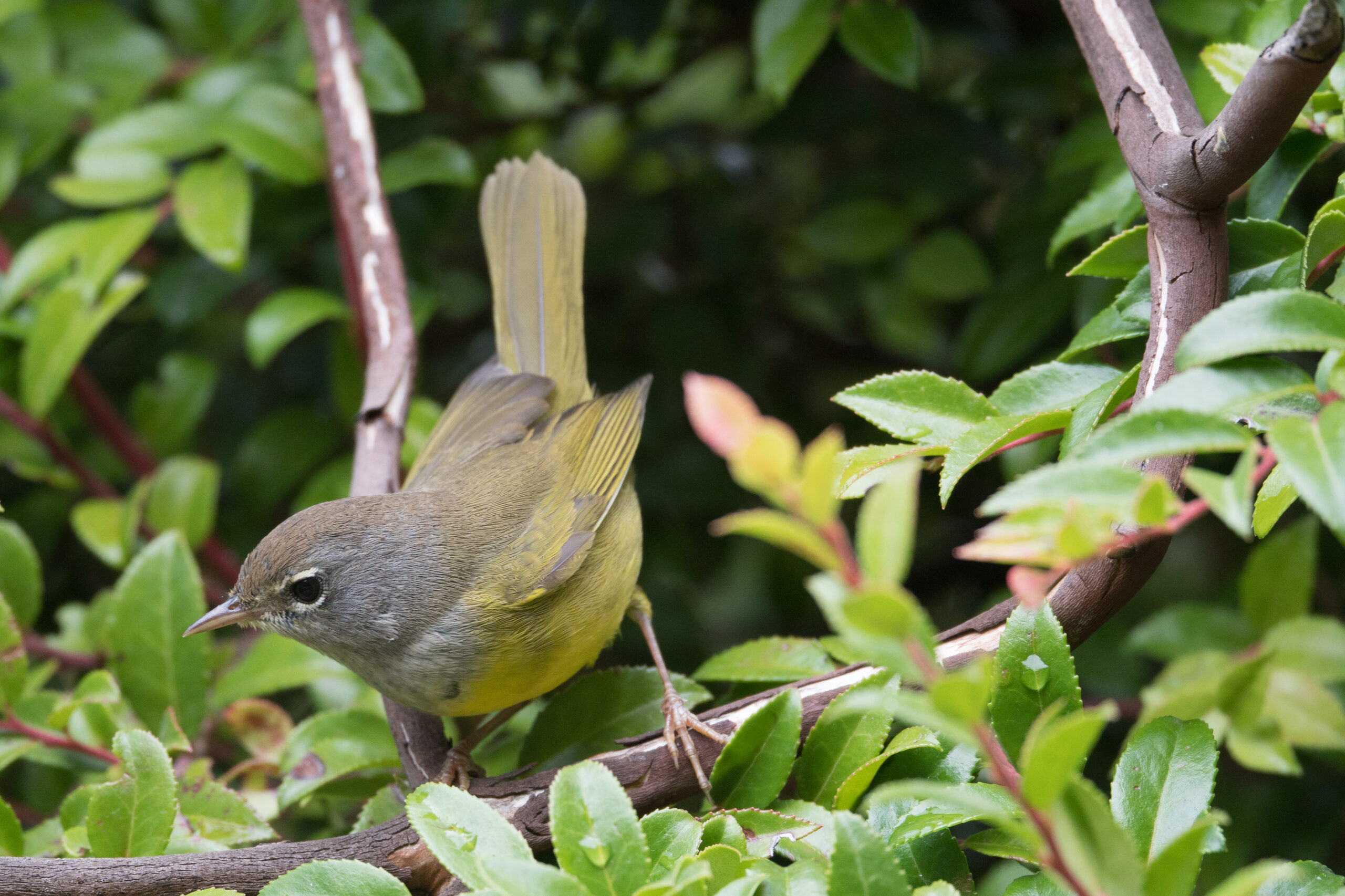
One of our (meaning our yard’s) rarest migrants, a MacGillivray’s warbler, appeared in the yard in midmorning.  It had been years since we had seen one and I had no good photographs of one. This bird visited two of our water features and took a short time exploring the yard. I obtained what I consider some excellent photos. 

I believe this MacGillivray’s to be an adult female, but here I offer a caveat.   You should take ALL of my sex/age identifications as only guesses, especially at this time of the year.  Identifications are now being complicated by several factors:  the breeding plumage of some adults is beginning to fade, first-year juveniles are now being added to the mix and migration is beginning to take place, adding birds we don’t normally see.  All of these factors add confusion to some identifications.  You should view any age/sex identifications I offer with some degree of skepticism. 

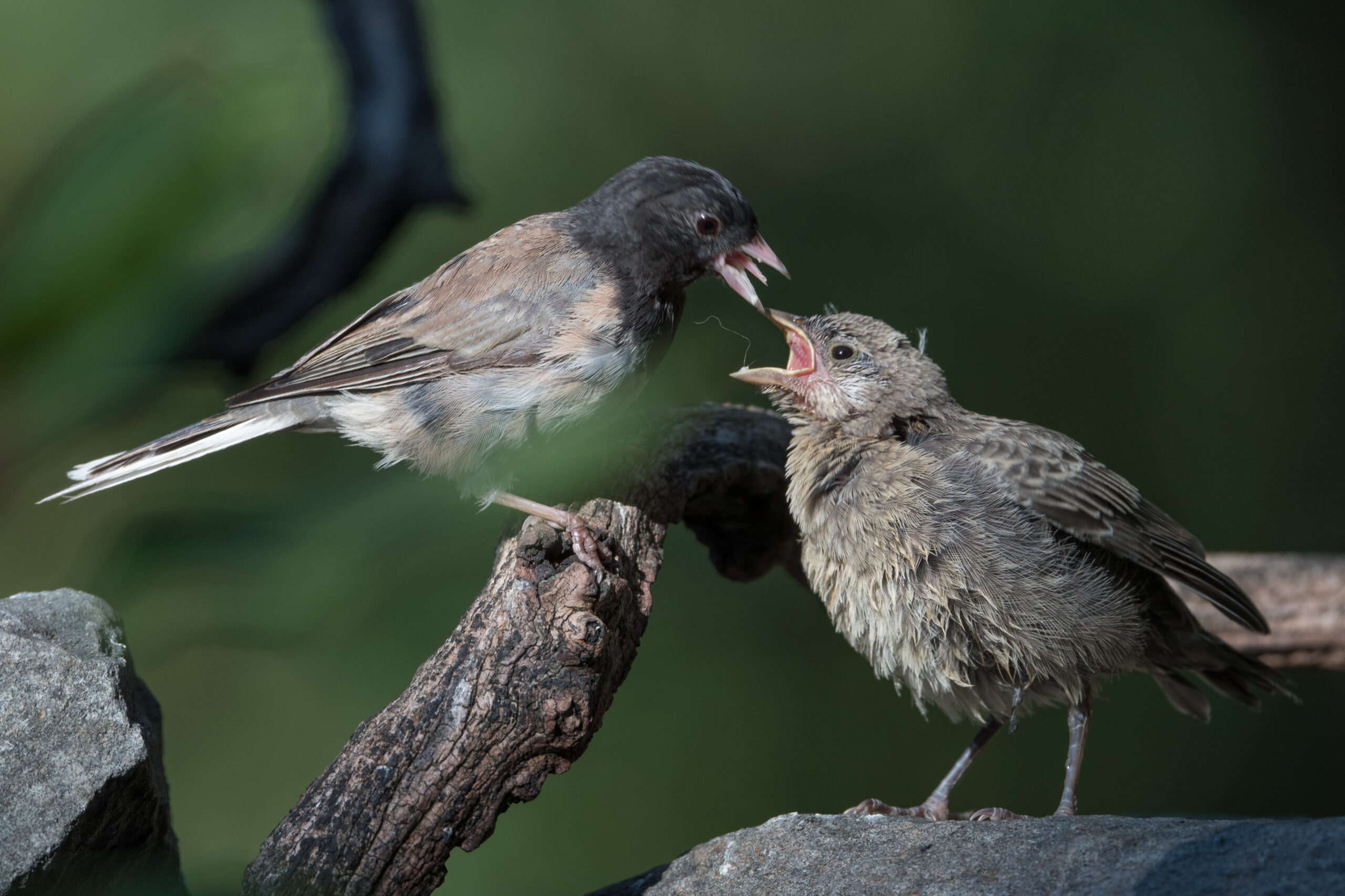
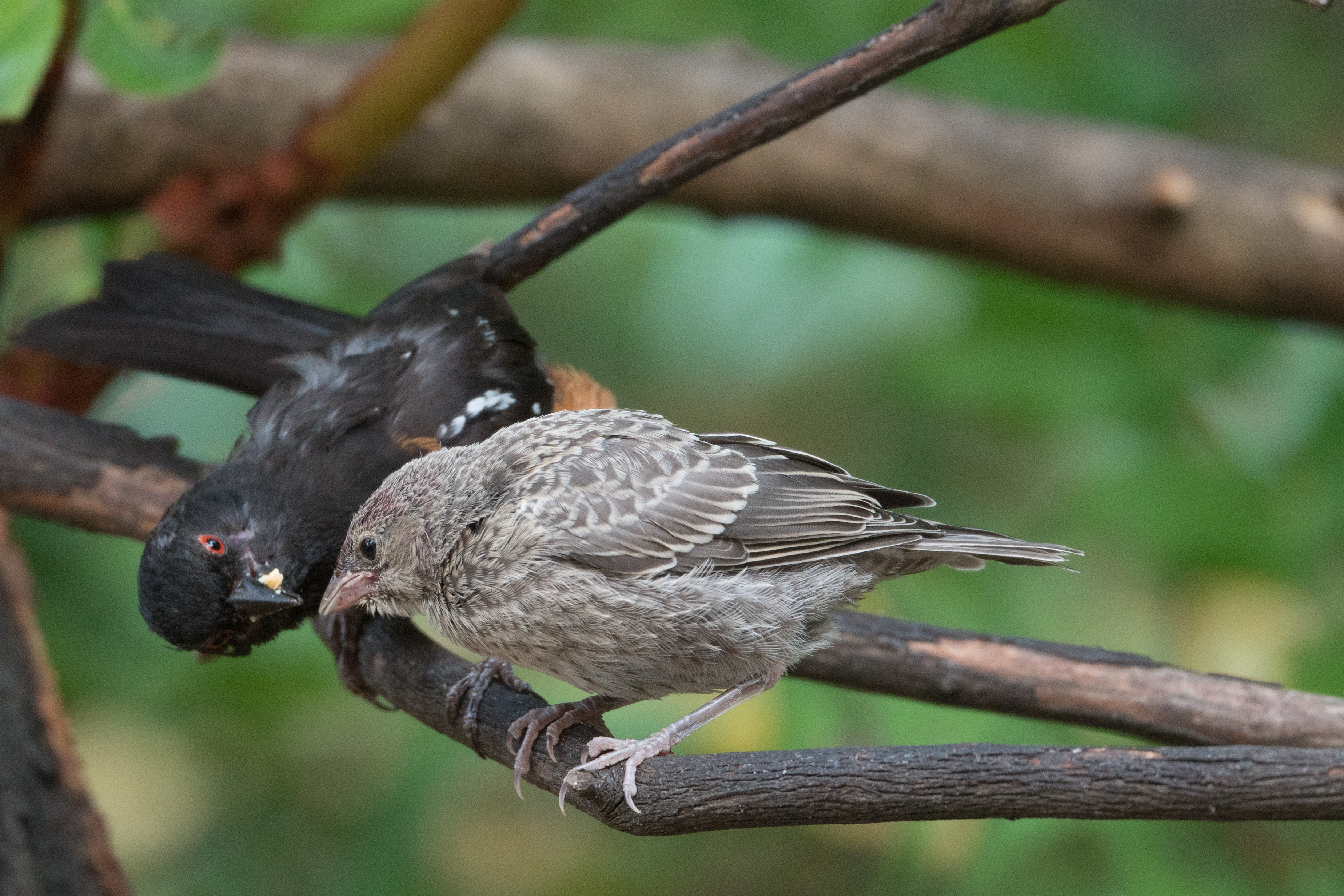
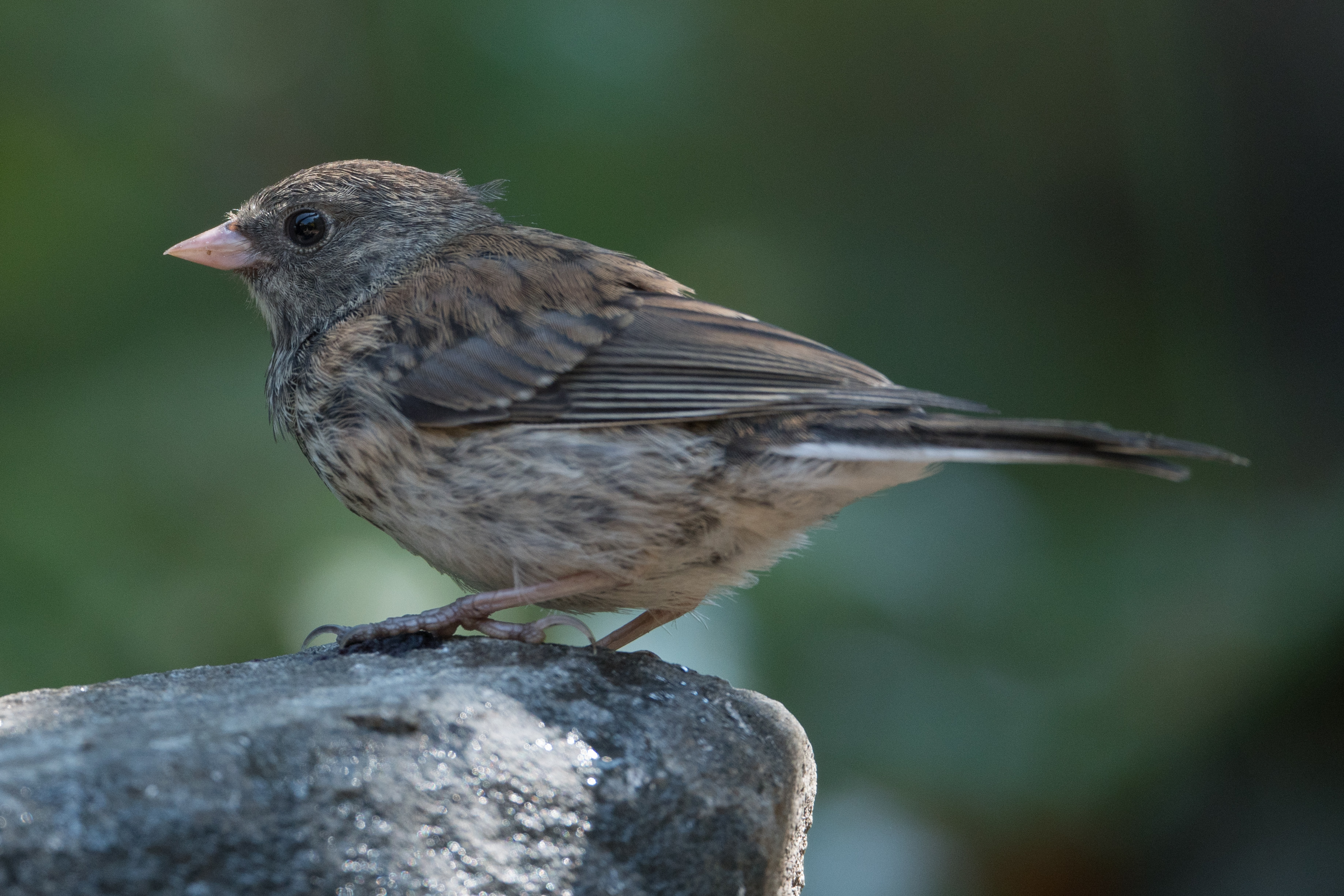
But back to August 6: the usual birds were out and about the yard but we had at least two juvenile Brown-headed cowbirds… one being fed by a Dark-eyed (Oregon) junco and the other by a pair of Spotted towhees, both species that in past years have been consistently parasitized by cowbirds.  Interestingly enough, one of the juvenile cowbirds was being fed by one of the aforementioned species and also a couple of White-crowned sparrows!  (The following day (8/7/2021) we watched one of the cowbirds being fed by both a junco and White-crowned sparrow!  I have no explanation for this and it goes against my understanding of the raising of cowbird chicks.)  

(Photo from 8/4/2021)

A male Wilson’s warbler very briefly entered the yard and I was able to photograph it.

I took a break from birding at midday and resumed my activity later in the afternoon with a photographer/friend. We contented ourselves photographing some of our regular birds, having to sort through a large population of House sparrows who have been born on neighbors’ property but come to our yard for food and water.  It’s discouraging but it’s something we just have to endure.  

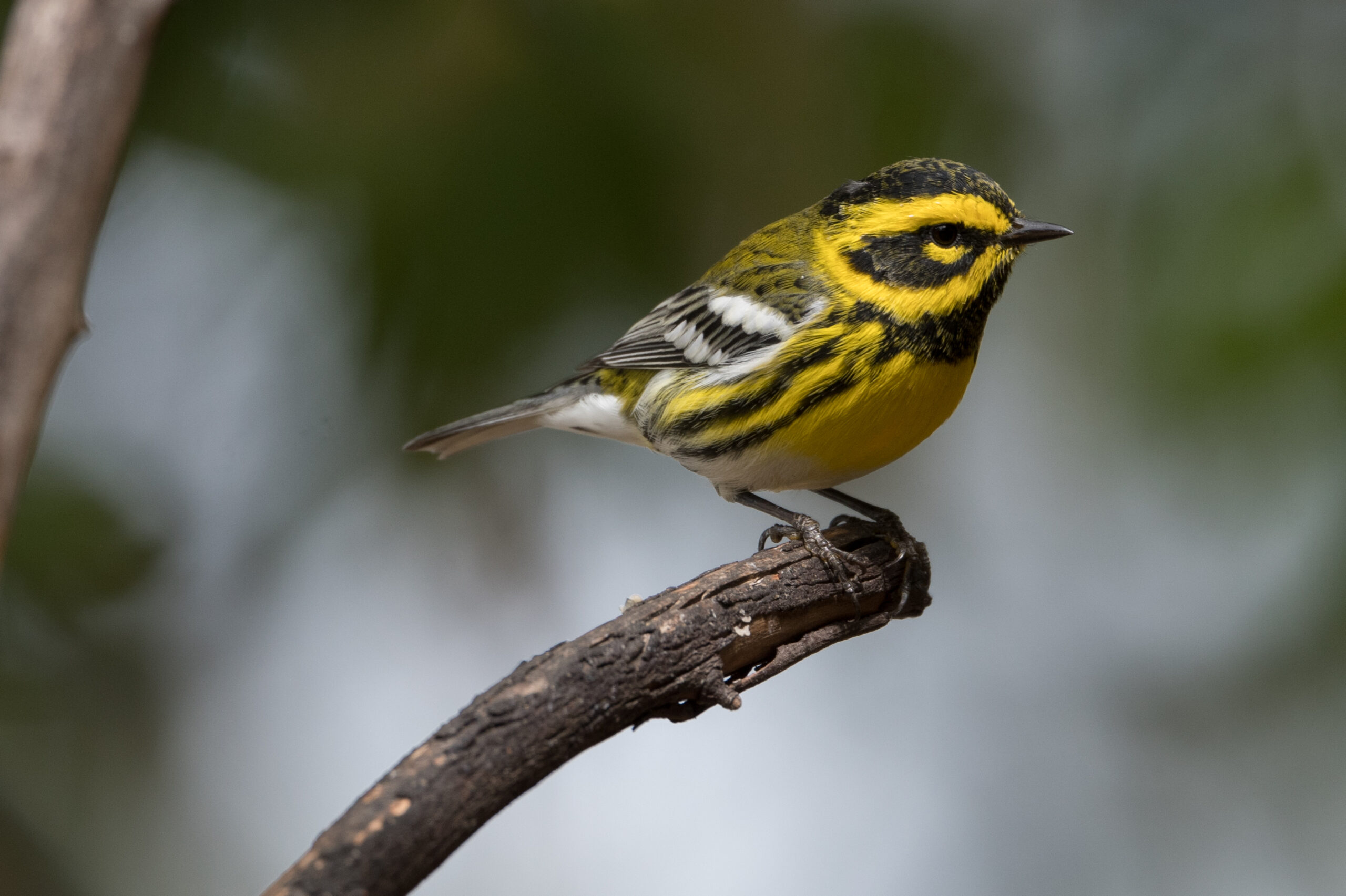
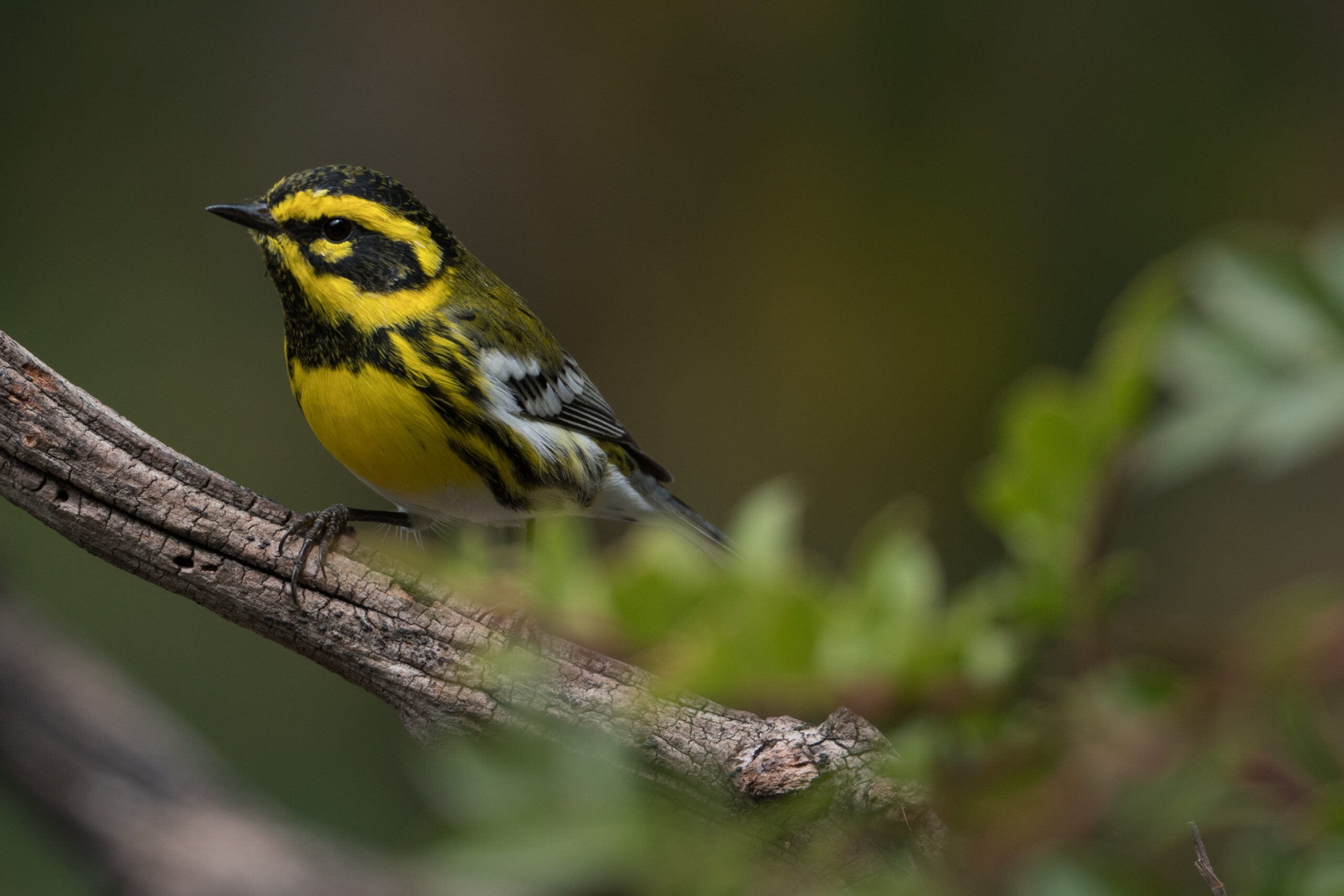
My friend left later that afternoon and within five minutes of his leaving a male Townsend’s warbler visited the yard.  We usually get about one visit a year from this species and it’s almost always in the fall. I was able to obtain some excellent photos of the bird. 

So I had observed and photographed three warbler species in our yard, two of them quite rare.  I think I can declare the fall migration officially ‘on’!  I now have 304 photos to process from this one day’s activities (in addition to a backlog of several weeks)!  

July 26, 2021

After some long hours in the yard in June and July with few relatively rare birds, I had a very nice day on July 26… at a cost of several hours of yard birding I took about 350 bird photos and it has taken me a couple of days to process the photos. I’ll share some of those photos…

I had three different species of warblers enter the yard. The first was a female Wilson’s warbler, normally our most common warbler but in short supply this year.

The next warbler to appear was an Orange-crowned warbler. One actually entered the yard twice but the second time was fairly late in the day and I was unable to get photos of the second visit.

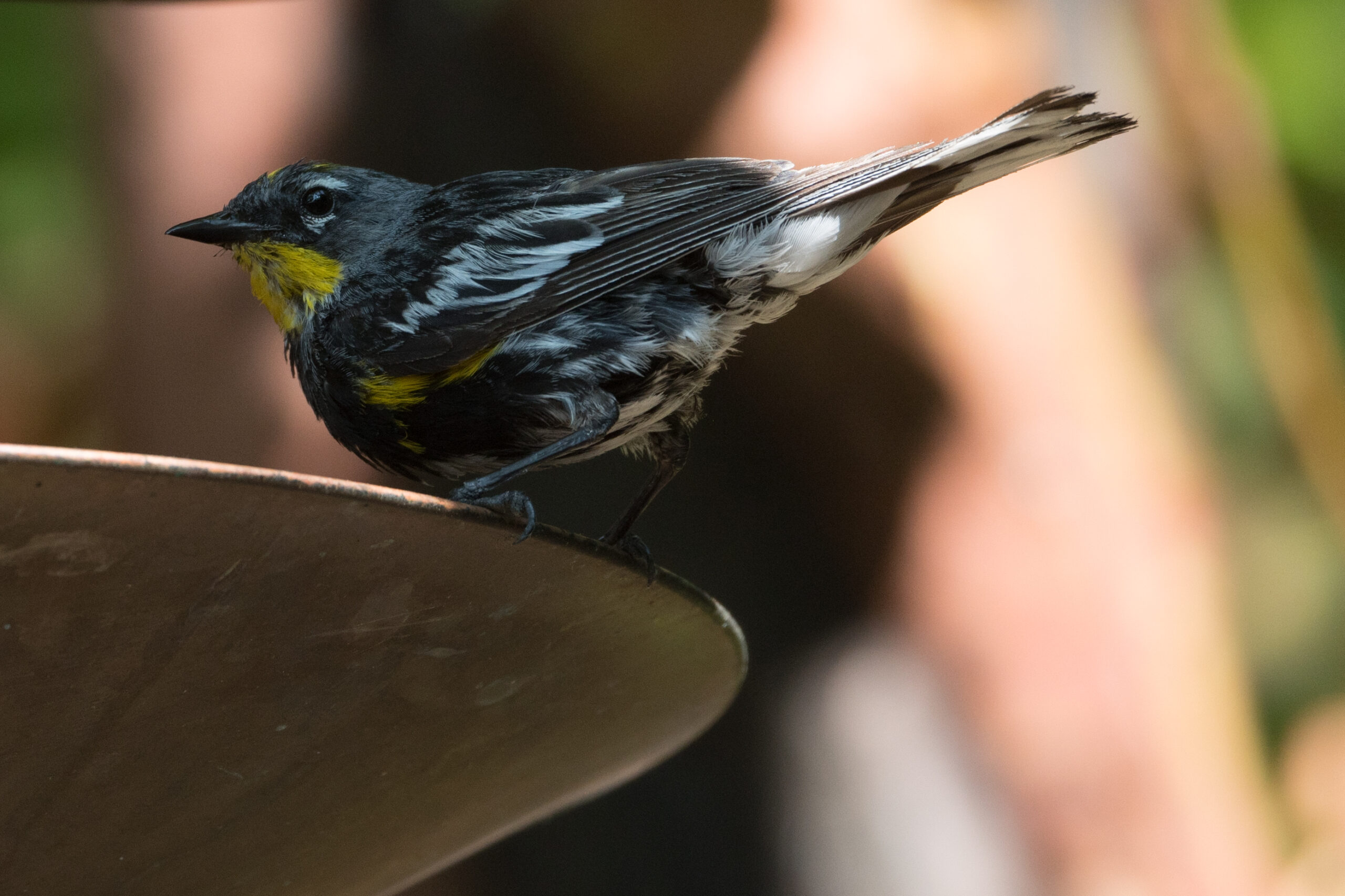
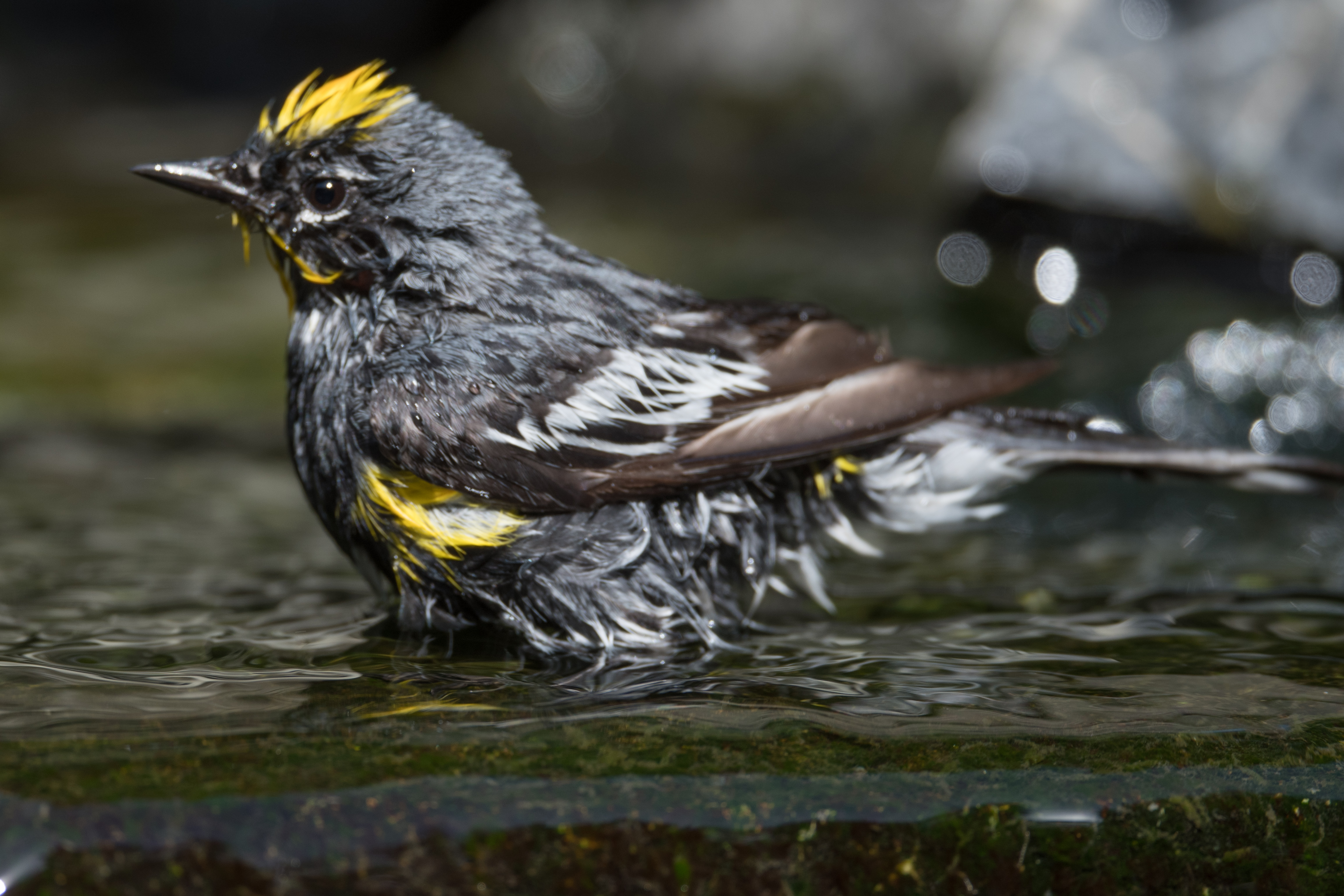
The third warbler visitor was a male Yellow-rumped (Audubon’s) warbler. I normally eschew posting birds at feeders but to document all three species I’m posting one of the only two photos I was able to obtain. This bird came to a hanging bird bath and is probably not the same bird that was an almost daily visitor to our water feature this spring.

We had several visits from either a female or juvenile Black-headed grosbeak. I think at least one visitor was a juvenile due to its apparent unfamiliarity with our bird feeders.
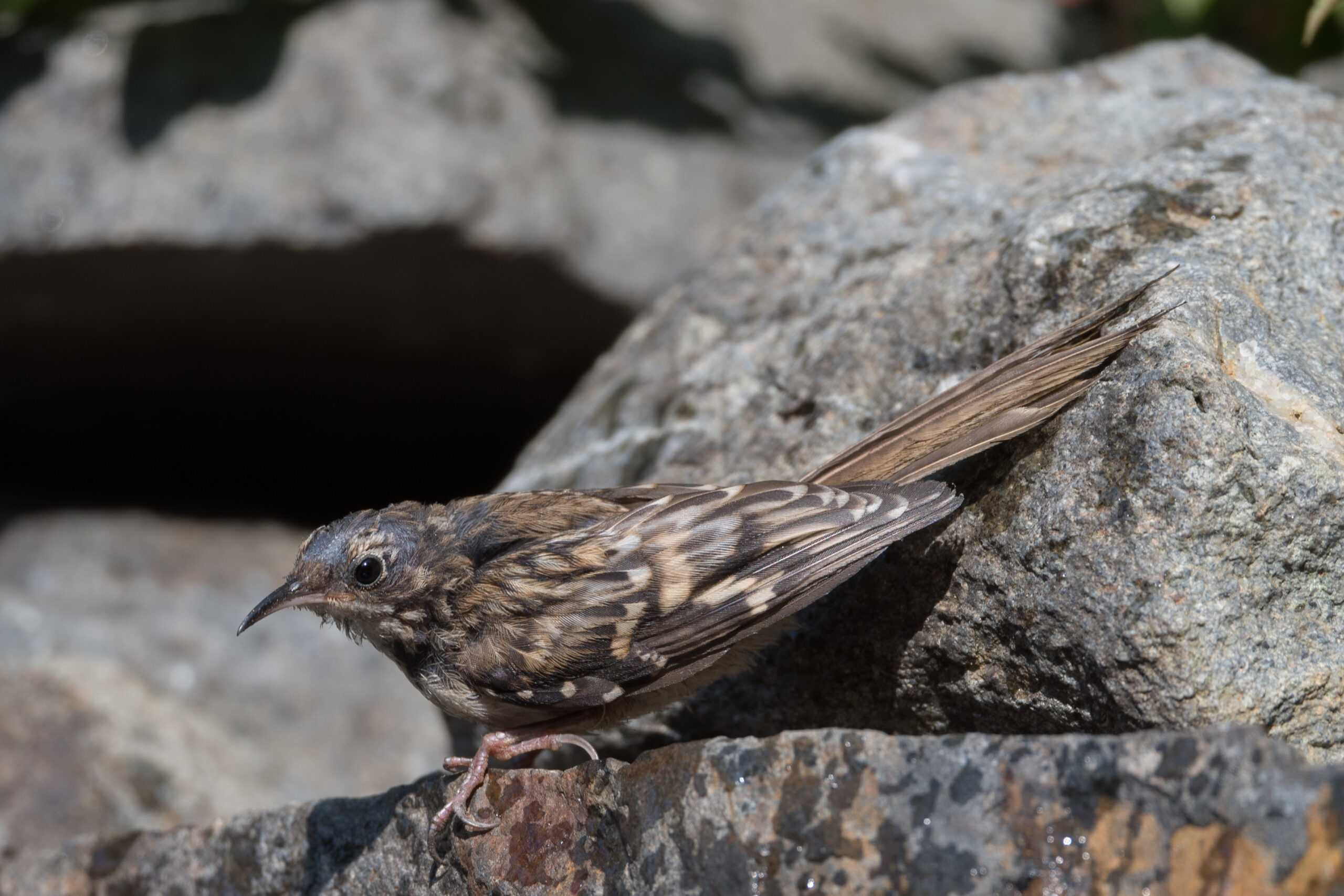
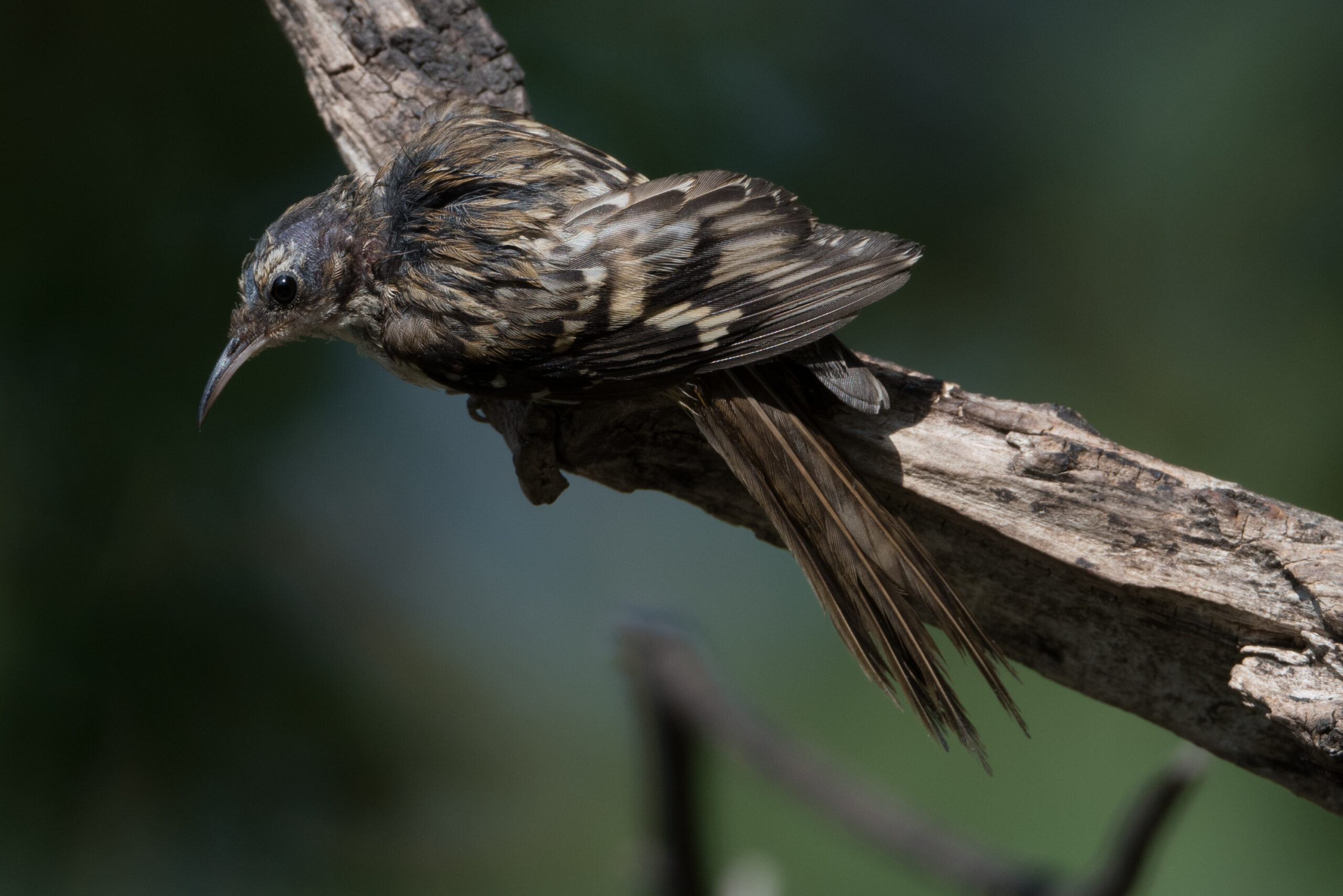
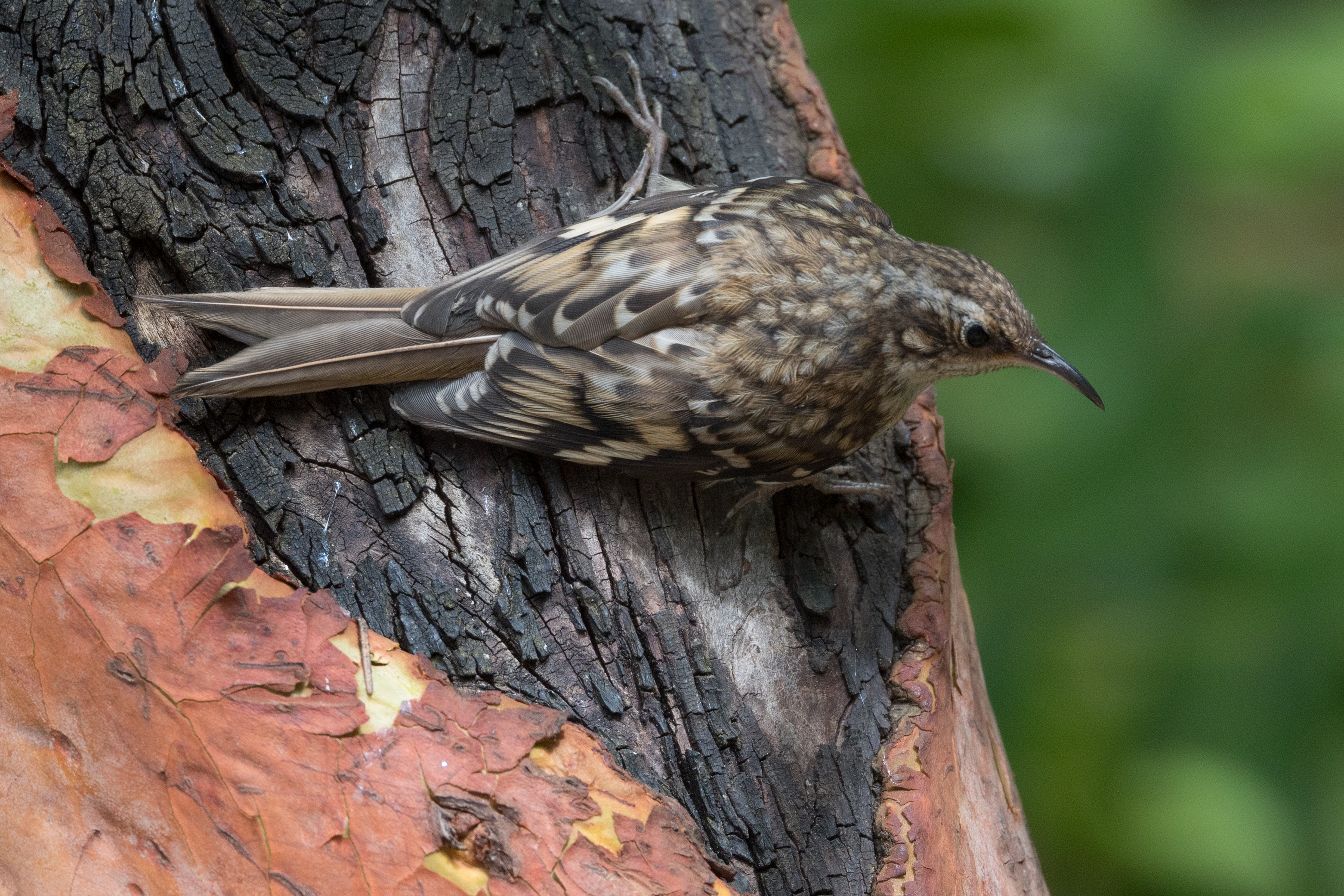
For the first time ever I managed to get two Brown creepers in the same photograph (not shown here). I suspect that one was a juvenile due to its eagerness to explore various areas of the yard.

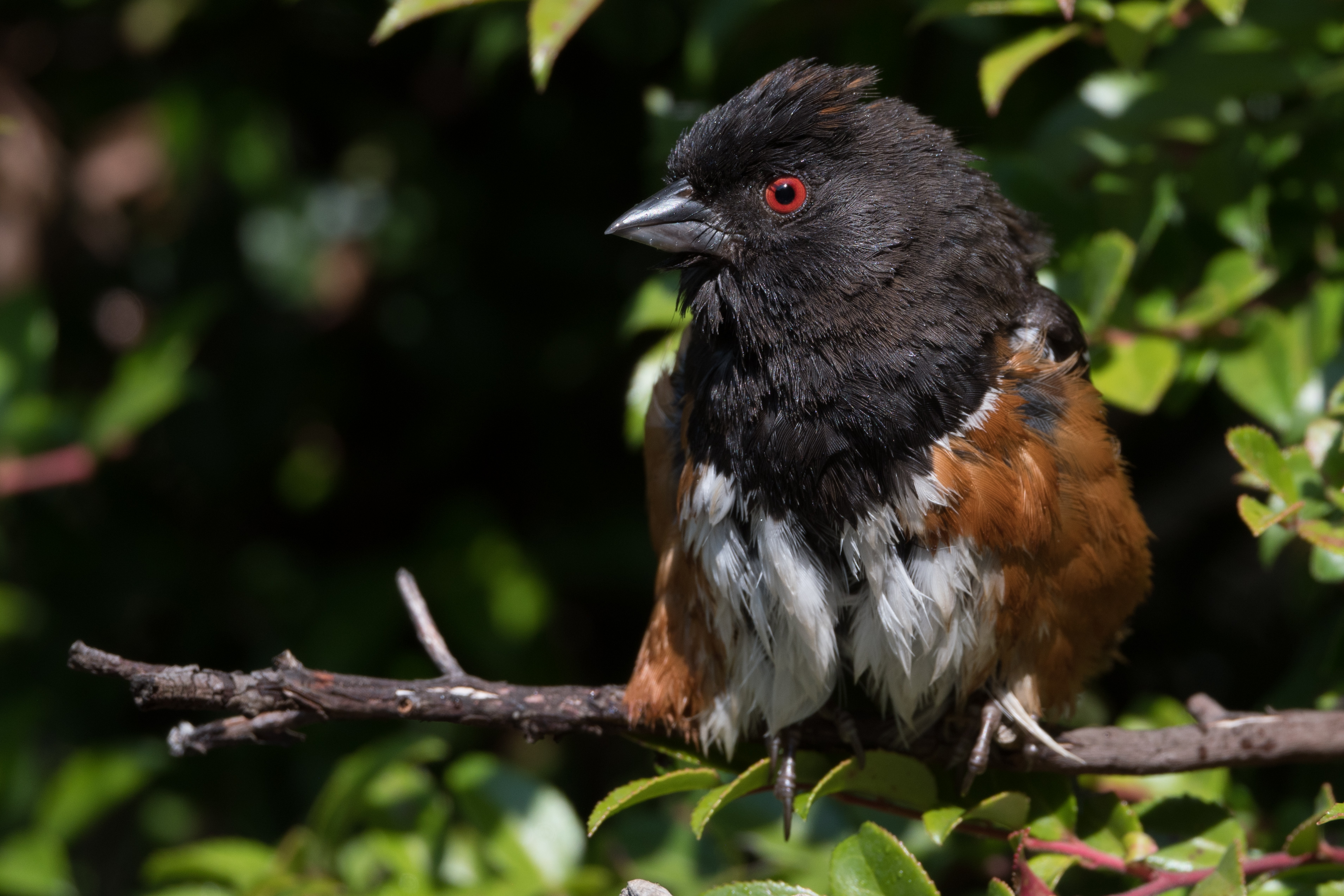
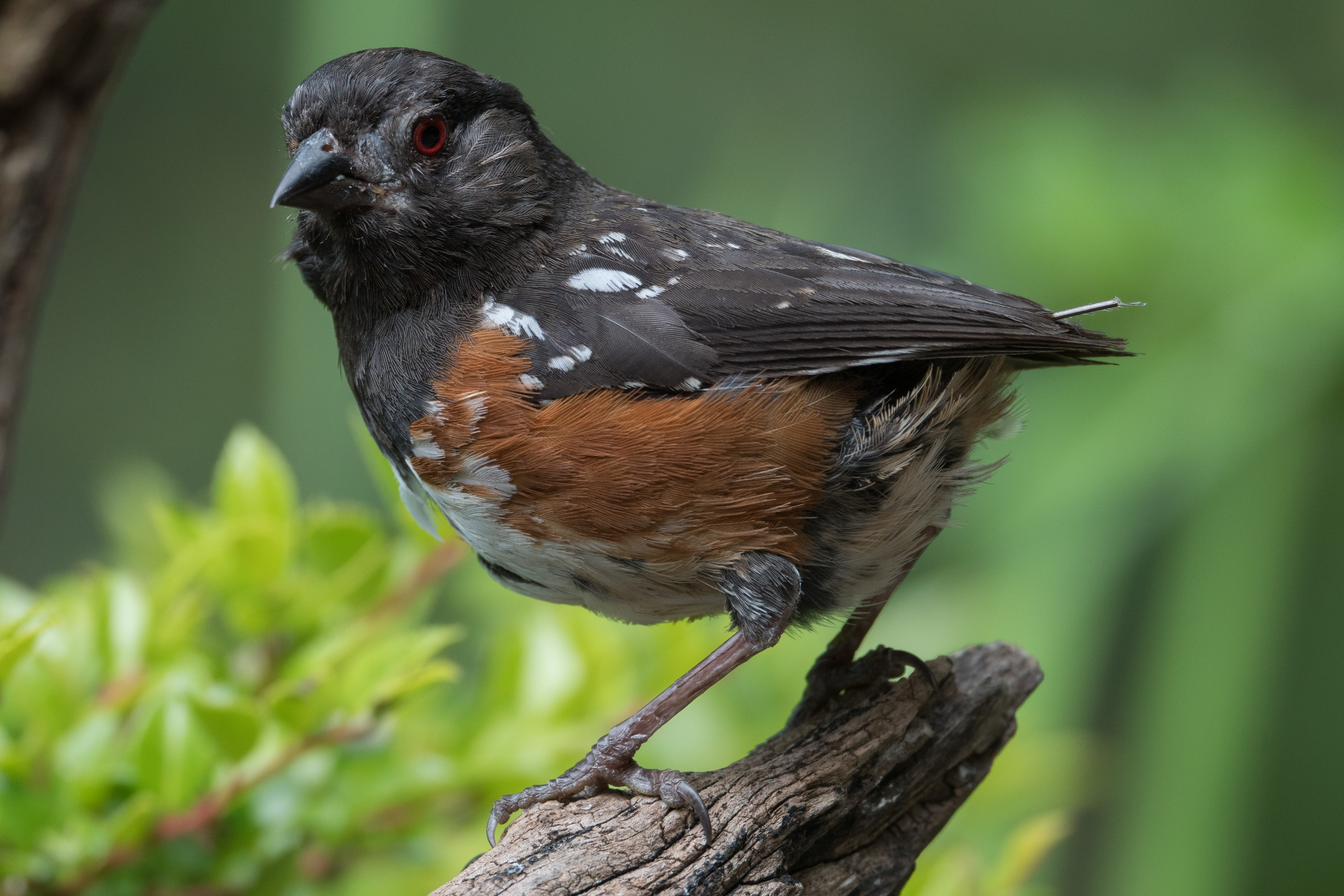
We have at least a couple of juvenile Spotted towhees that visit the yard. I love these juveniles and marvel at how little they resemble their parents at this stage of their development.

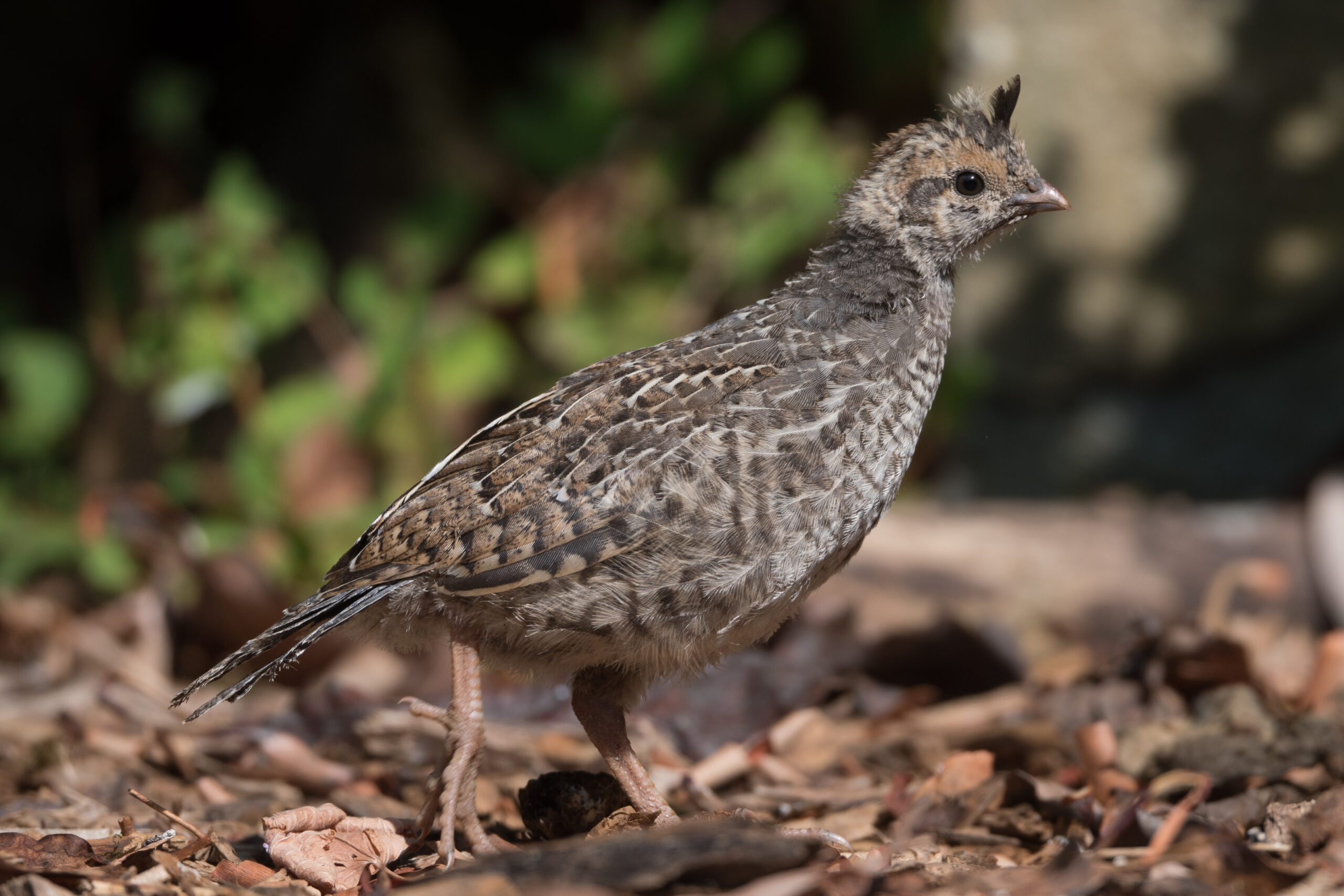
We had at least three coveys of California quail regularly visiting the yard but we may be down to only one covey composed of larger chicks at this point.

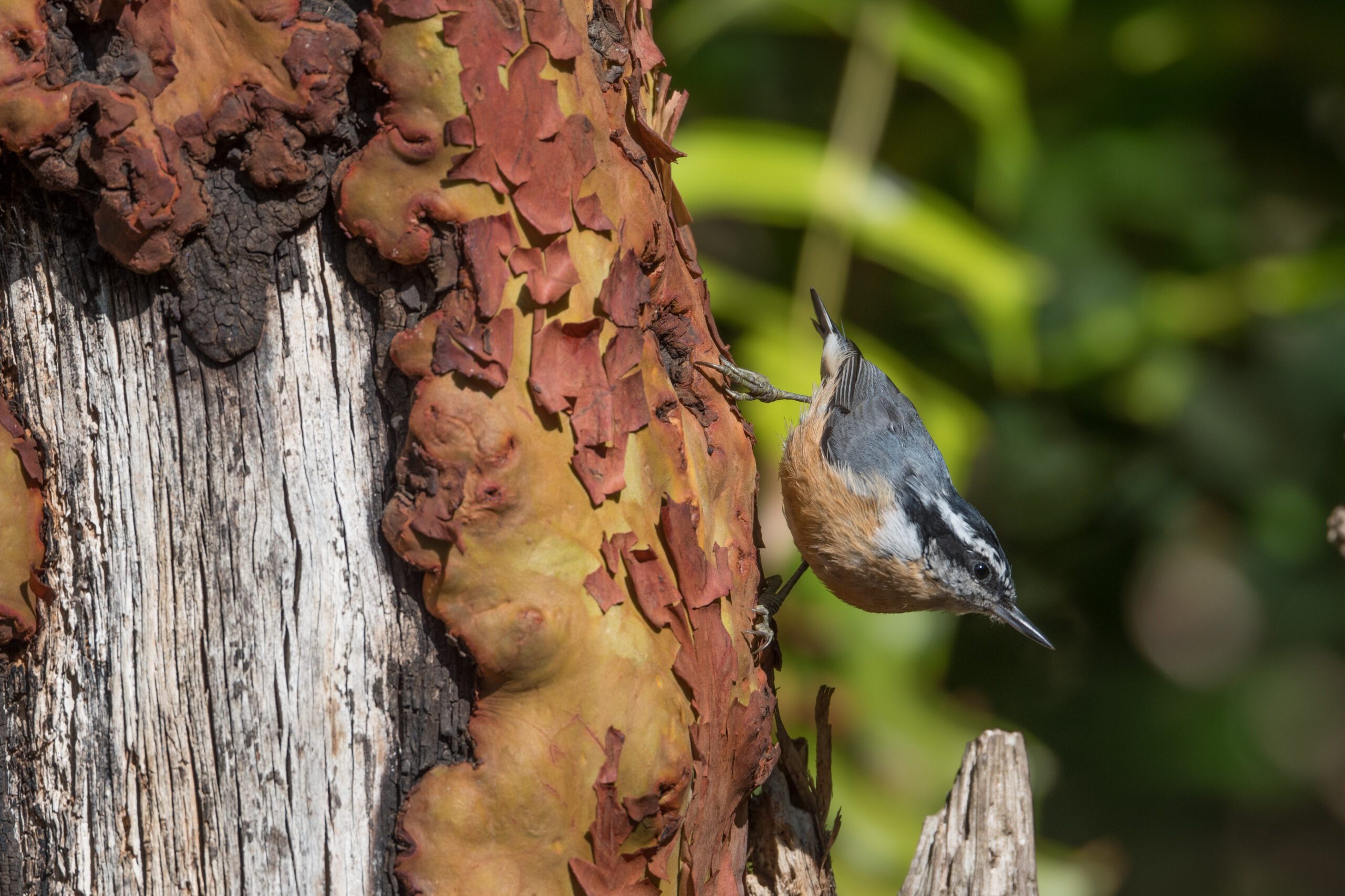
And finally, we had a juvenile (adult pictured here) Red-breasted nuthatch make numerous visits to our watercourse. I don’t think it ever worked up the courage to actually bathe or even drink, but it spent considerable time accessing staging sticks and rocks around the watercourse and trying to avoid other bathers.
Independence Day, 2021

After a June with relatively few interesting visitors, I had a very interesting July 4, 2021, afternoon.    

If my relatively unreliable short-term memory serves me correctly, I remember only about three warbler visits during the month of June.  One of the visits was of a pair of Yellow-rumped warblers that appeared and spent a brief amount of time in the yard before leaving.  But my first interesting bird on Independence Day was a male Yellow-rumped (Audubon’s) warbler that entered the watercourse for a bath.  I wasn’t able to obtain any good photos, but I have many from one that had been an almost daily visitor this past spring.  

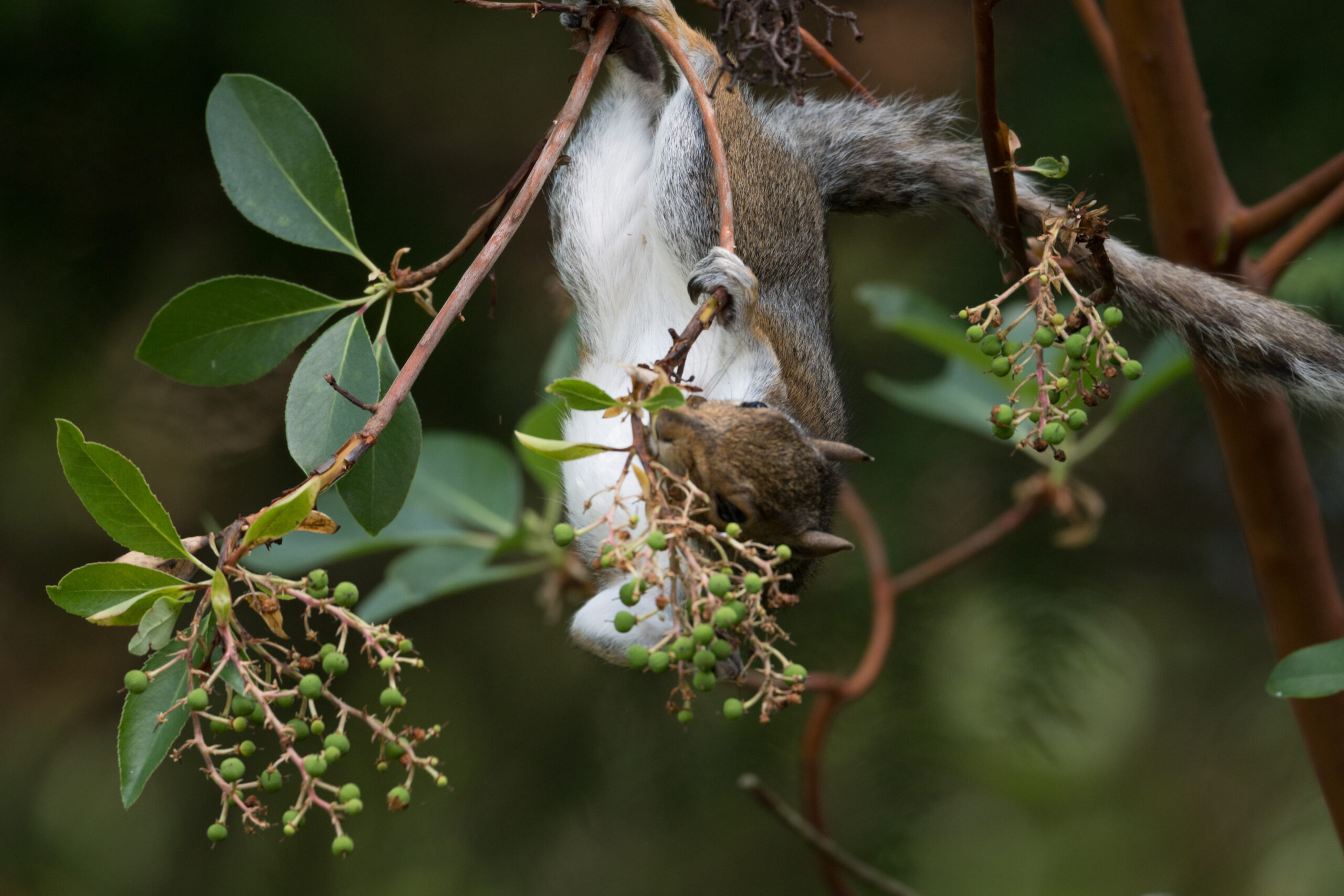
While passing time in the yard I photographed an Eastern Gray squirrel eating green madrone berries while hanging upside down.  I have seen birds eating the berries but this is the first time I’ve seen a squirrel doing it.  

We had a visit from a Brown creeper, a regular visitor during the spring but rarer during the summer.  These birds fascinate me and I always enjoy seeing and photographing them.  

We’ve had visits from Black-headed grosbeaks since late spring.  The visits are always irregular and are usually focused on a small platform feeder or inverted suet feeder.  On this day we had at least two visits from a male.

The next interesting visitor was an Orange-crowned warbler, normally a common visitor to the yard but rather rare during the spring migration this year.     

Our next visitor was a new species, which as the discoverer traditionally gives me naming rights!   I named it the Anacortes Tailless Towhee.  

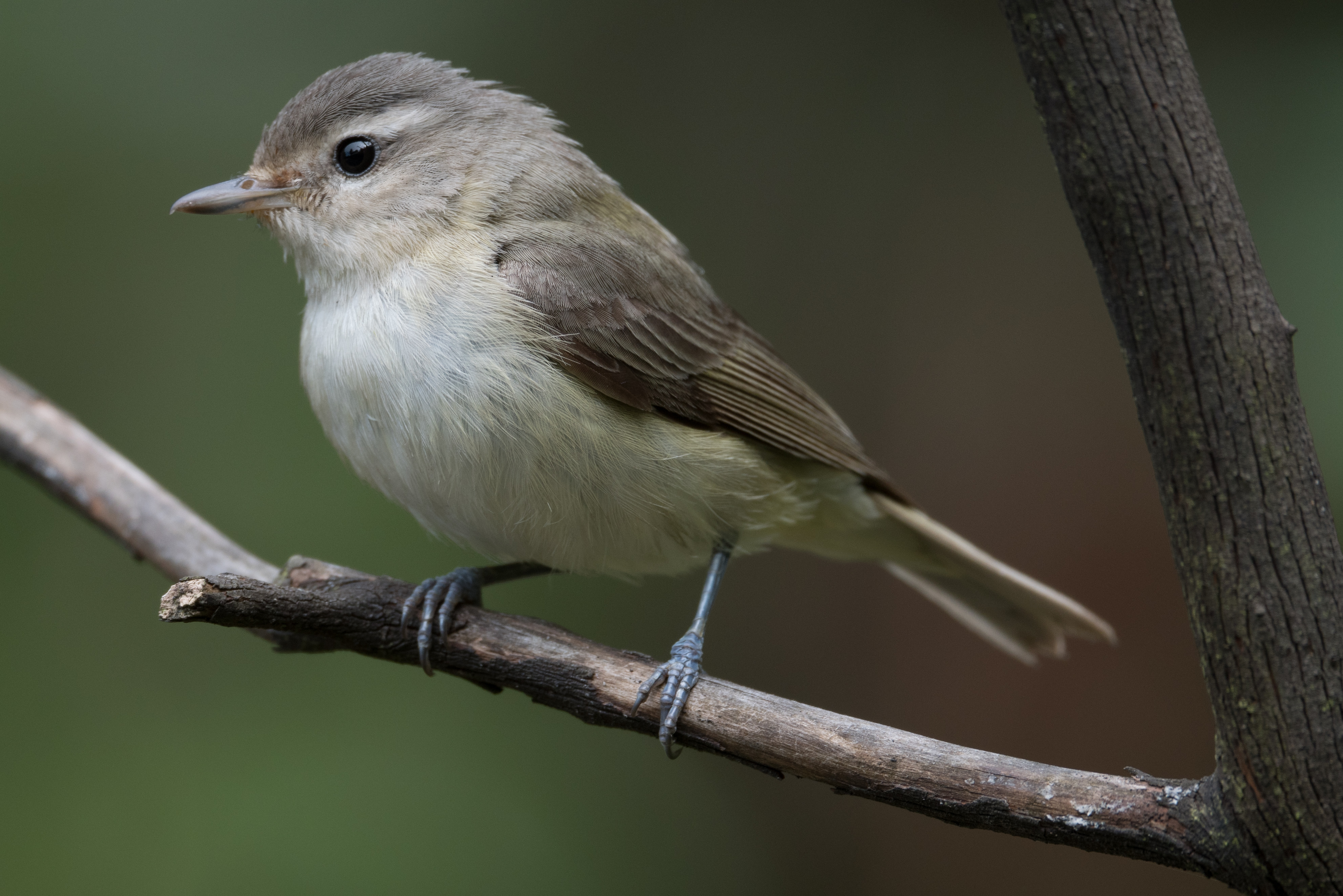
Next up, an adorable Warbling vireo which visited the watercourse but never accessed the water.    

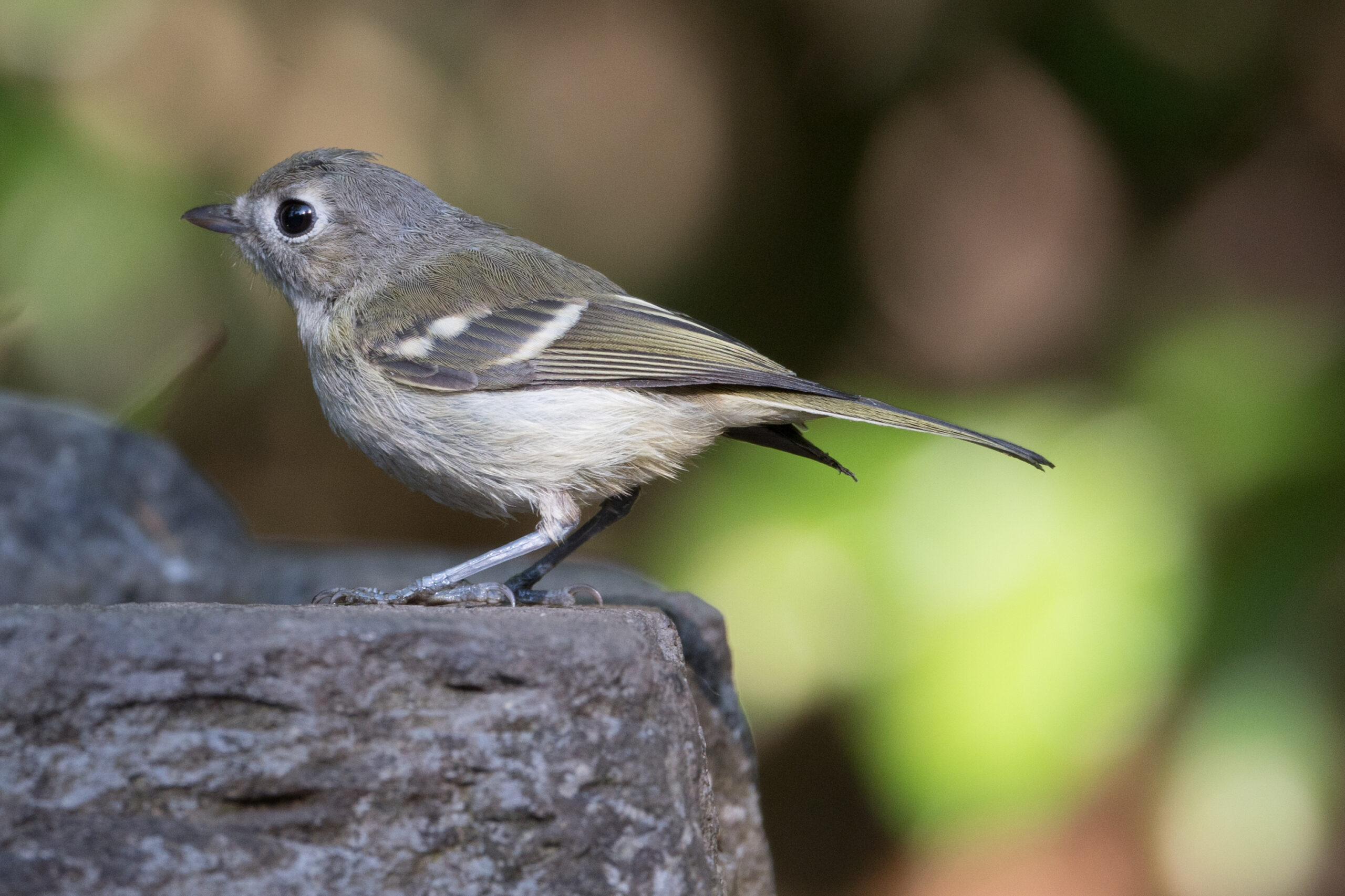
If this wasn’t enough, a Hutton’s vireo, which closely resembles a Ruby-crowned kinglet, paid us a visit.  I initially thought the bird was a kinglet but realized my mistake once I began  processing my photos.  
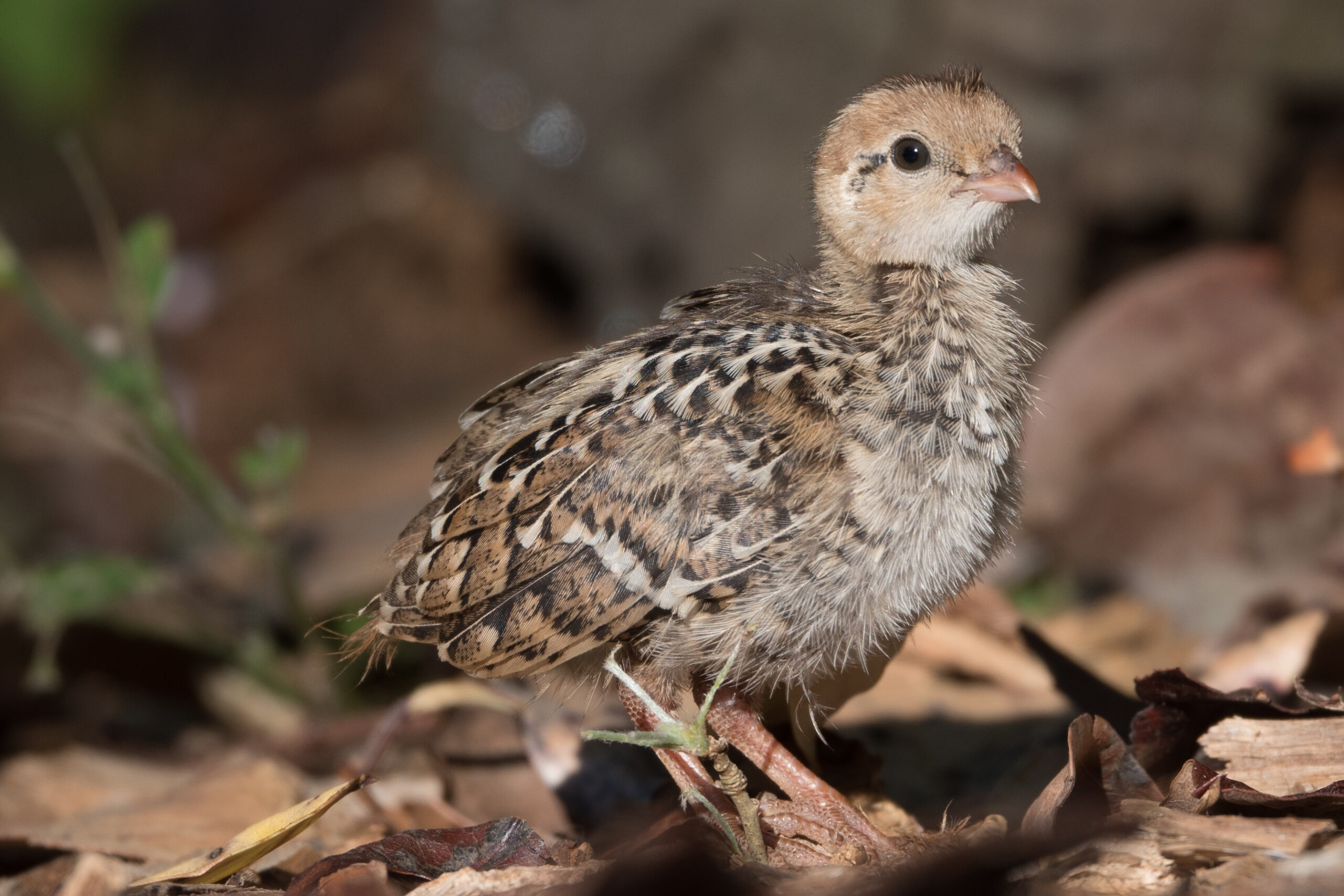
We’ve had at least three and quite possibly more coveys of California quail parade through the yard this summer.  The only way we can tell the difference in coveys is by the size and number of chicks, but trying to count the chicks is an almost impossible task as they dart around into and out of cover.  And the number in the covey tends to decline day after day as chicks are lost to predators.  This year use have as numerous a population as we’ve had in several years.

In early July we had an accipiter make a pass at a covey but all the chicks managed to dart into our brush pile for safety. I expected that once an accipiter had discovered the quail in our yard it would be a regular visitor but I’ve seen it only that once.

By the end of the day (just before 8pm) I had taken 275 photos in approximately four hours of birding in the yard. I had photographed visits from two species of warblers, two species of vireos, Black-headed grosbeak(s), a creeper, House wrens feeding young and one of our coveys of quail… along with a host of other species.