Stellar Day!

Wednesday, Feb 11, 2015 was not an encouraging day for photography.  It was overcast with no indication that things were going to improve that afternoon.  I had some non-photography/blog projects to work on and had looked forward to a little break.  However I made the mistake of driving by the Cap Sante Marina and saw a loon and decided that I would come back and try to photograph it.  When I returned a Great Blue heron flew into a different part of the marina so I stopped to obtain some photos of it.

DSC_9473 DSC_9486

After allowing an unusually extensive time for me to take photographs, it finally flew so I continued to the other part of the marina where I had seen the loon.  With the waterfowl there’s always the decision of which dock to take, as the birds are usually near the middle of the waterways between the docks.  If you aren’t careful you can drive the bird towards another dock which can necessitate a walk of several hundred yards before you even have a CHANCE to get closer!

But while I watched the loon to try to determine it’s direction, I noticed a disturbance in the water immediately adjacent to the fuel dock.  A couple of weeks previously I noticed similar activity and it turned out to be a couple of Hooded mergansers feeding UNDER the dock.  They surprised me when they surfaced and flew before I could photograph them.

On this occasion I resolved to be a little more careful, so I tried to blend into one of the fuel pumps and keep about a 300-degree lookout for something to surface.  With no warning a small waterfowl surfaced within about eight feet of me and I began taking photos.  The bird was absolutely fearless.   I realized that this was an unusual species that I had not previously photographed, but I had no idea what it was.  Over the next 10-15 minutes I took over 100 photos of the bird, some of which I’m sharing with you here.  Once back home and processing the photos I tentatively identified the bird as a Long-tailed duck.  A friend with much more birding experience than me told me that it was probably either a female or a juvenile since the male could be expected to have a long tail.

DSC_9494 DSC_9513 DSC_9537

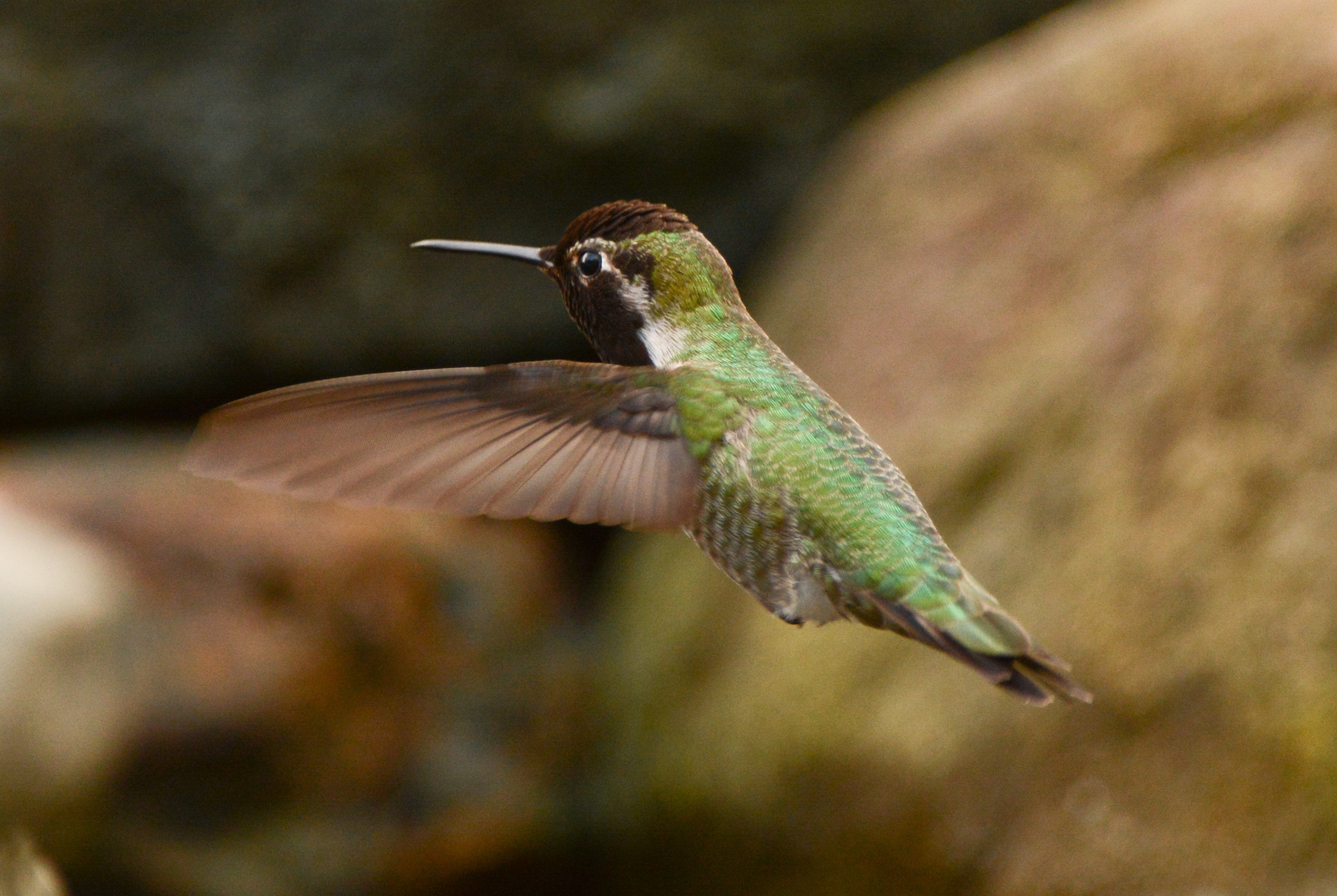
I next drove up to the Cap Sante Overlook to see if the male Anna’s hummingbird was again in the area… I hadn’t seen it for a couple of days.  The hummingbird was back, and at the location where I could photograph it.  I took some photos, but then realized that I might be able to reposition myself so that I wasn’t photographing the bird against a light (colorless) sky.  I repositioned and the bird returned, allowing me another set of photos with a dark background.  I noted that the bird’s gorget still reflected although there was not only no direct sunlight, but at least what could be characterized as medium cloud cover.

DSC_9563 DSC_9571


Male Anna’s Hummingbird

You’ve seen this male Anna’s hummingbird before in my blogs.  I’m quite confident that it’s the same one I photographed last summer sitting on EXACTLY the same blackberry wands!  All the photos you see below are of the same male hummingbird, either defending a territory, trying to attract a mate or both.

I’ve spent untold hours either photographing the hummingbird or waiting for it to return to the area where I can photograph it.  I took 144 photos of the hummingbird today and ended up keeping too many… 109.  If I wanted to spend the time I could go through the photos a second time and try to eliminate near duplicates, but it’s a lot better use of my time to just store the photos.

So without further elaboration, here are some of the photos…

DSC_9353 DSC_9361 DSC_9390 DSC_9411 DSC_9439 DSC_9442 DSC_9448 DSC_9454


Four Sparrows, a Siskin and a Female Anna’s Hummingbird

Here are four sparrows, all of which were photographed on Cap Sante within the last few days.

First, a male House sparrow

Sparrow, House 20150130-02

Next, a Sparrow, Song 20150129-02Song sparrow, a year-round resident…

Next, a Golden-crowned sparrow, a winter resident.  During the breeding season the gold strip on the top of the head will be a very brilliant gold, but in most cases the birds have migrated north before they gain their full breeding plumage.

Sparrow, Golden-crowned 20150129-07


And finally, for the last of our sparrows, a Fox sparrow.  I have these birds in my yard only in the winter.

Sparrow, Fox 20150129-06

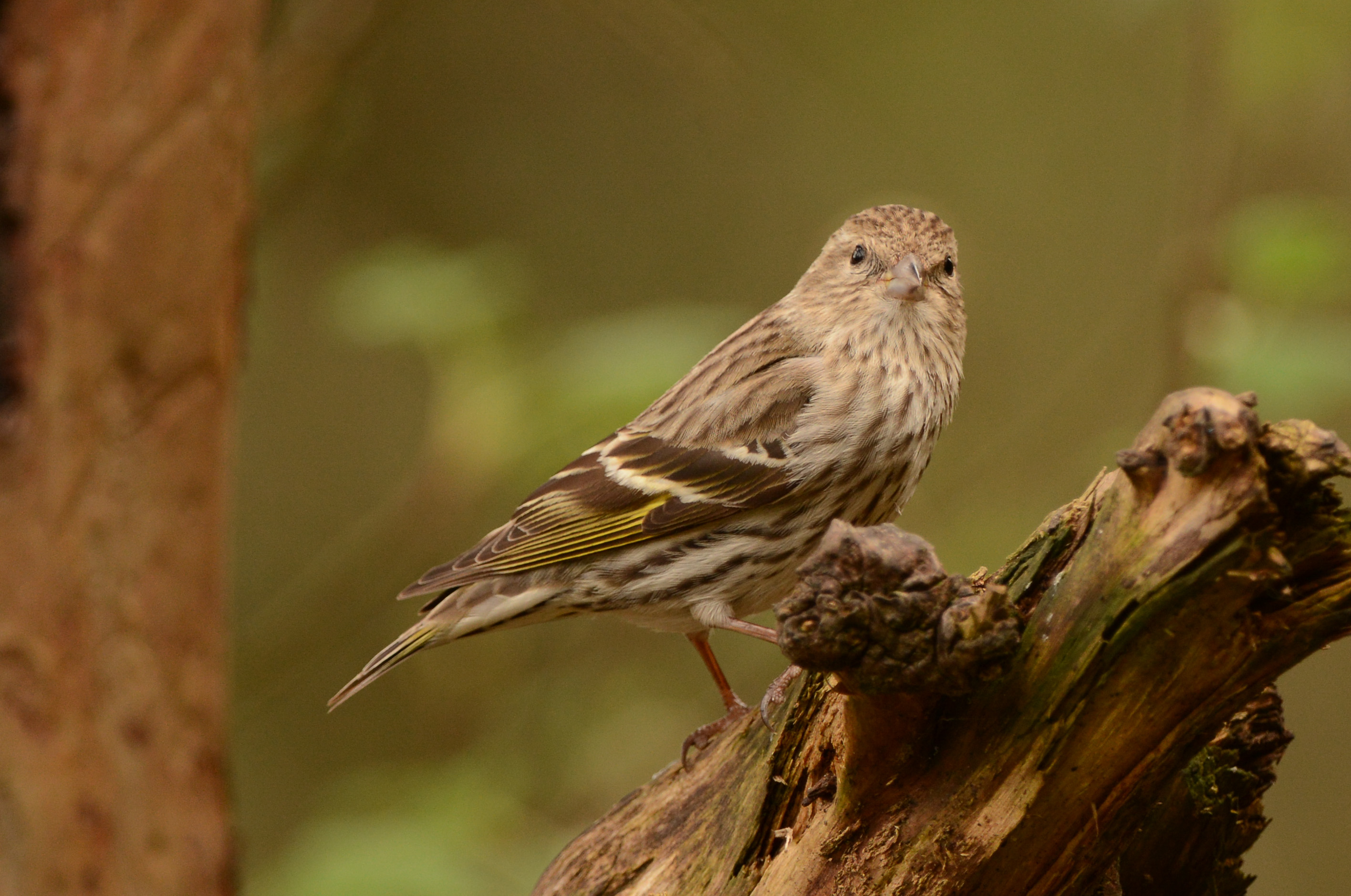
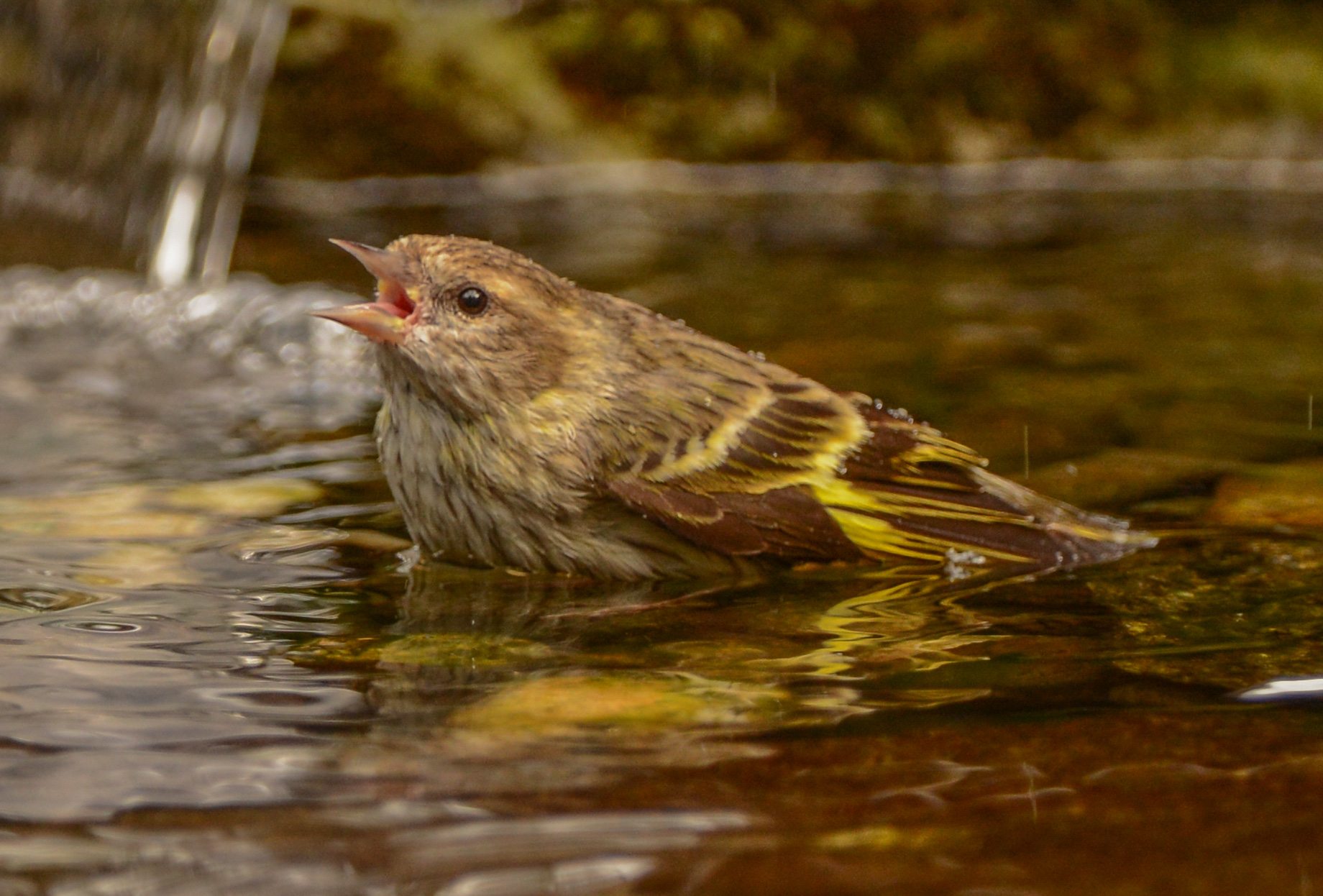
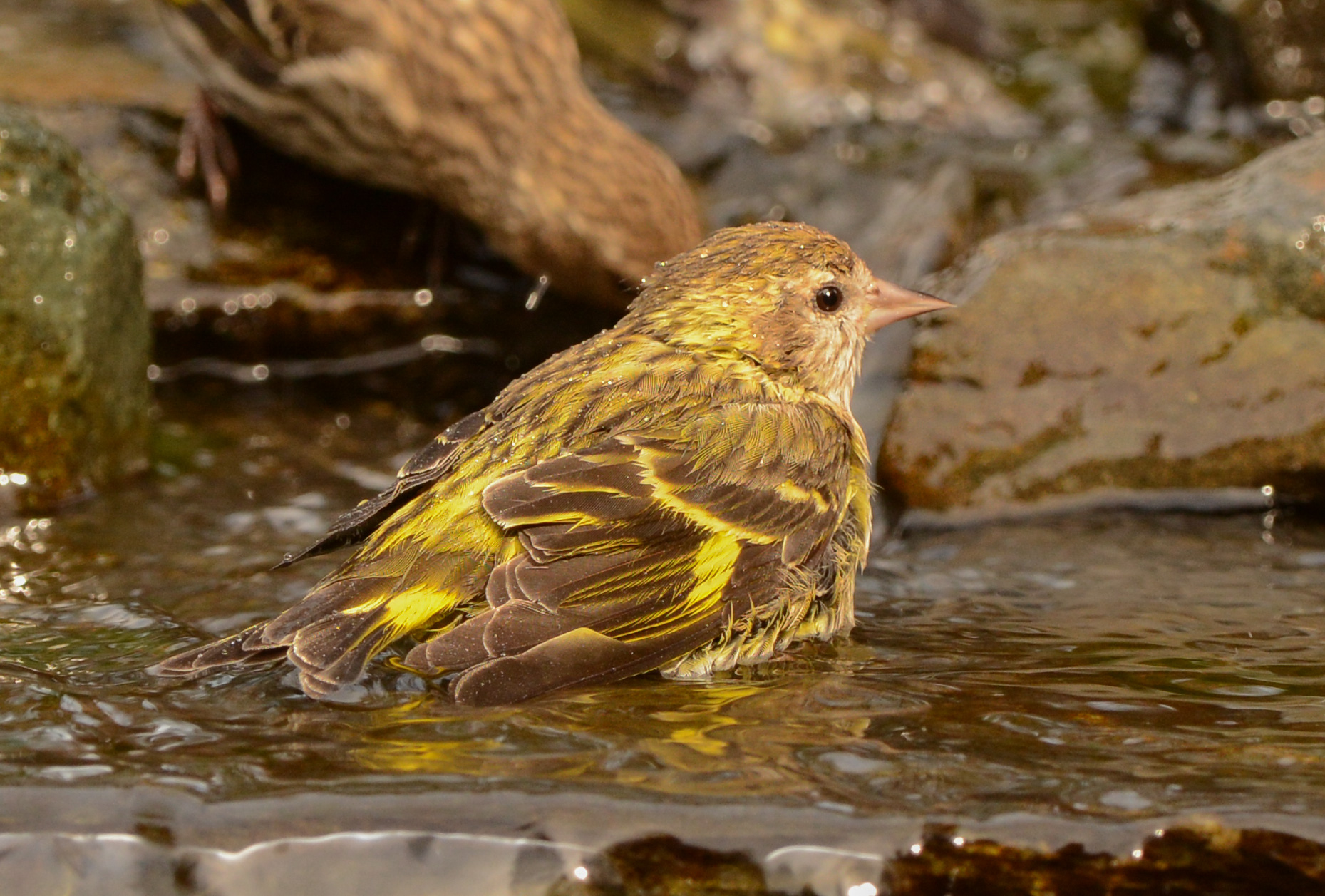
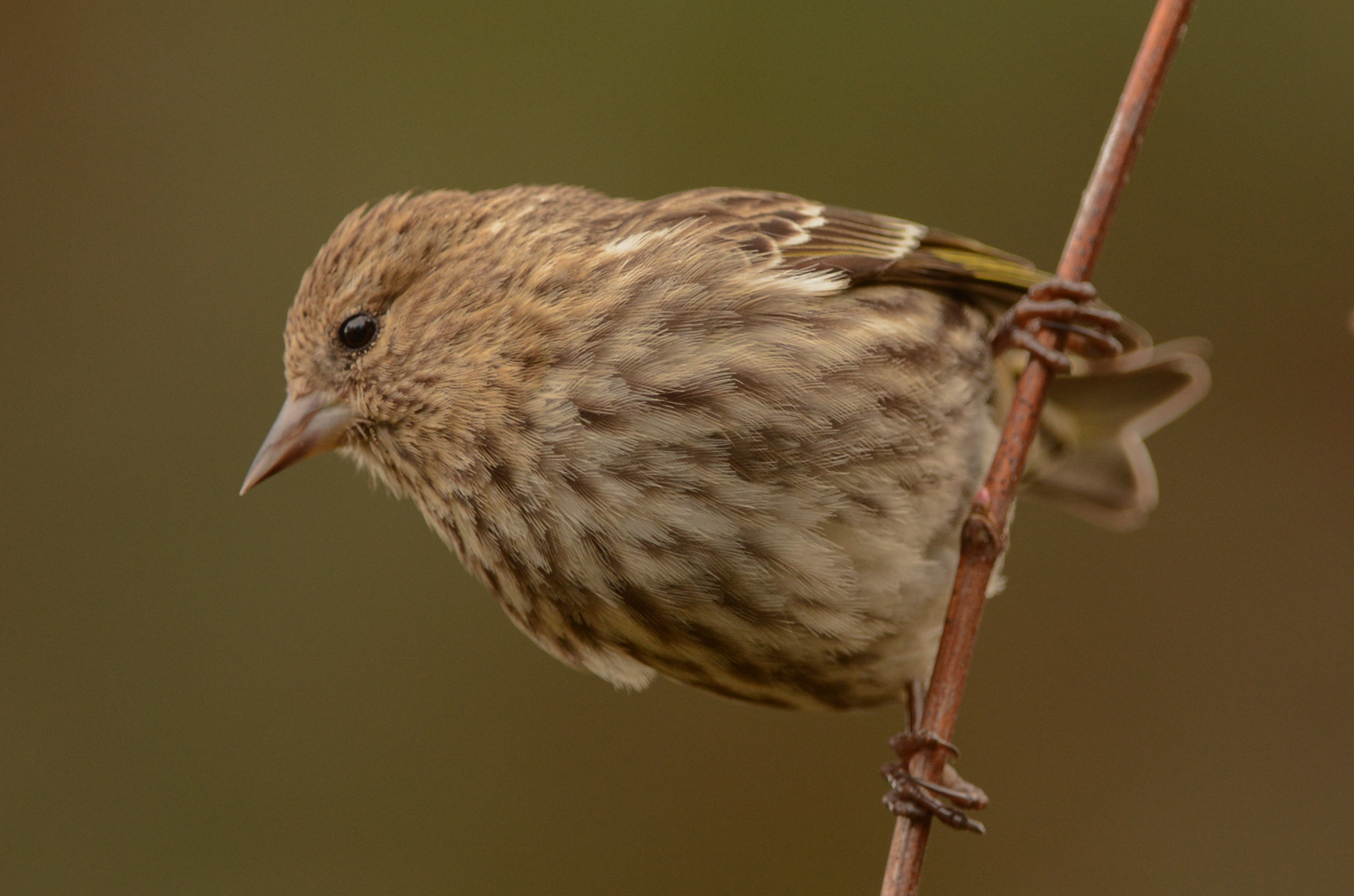
I returned to the Red alder tree growing in the wetland on Saturday and found the Pine siskins back in the tree.  (See prior post.)  I took a good many more photographs, one of which is shown below.

Siskin, Pine 20150131-16

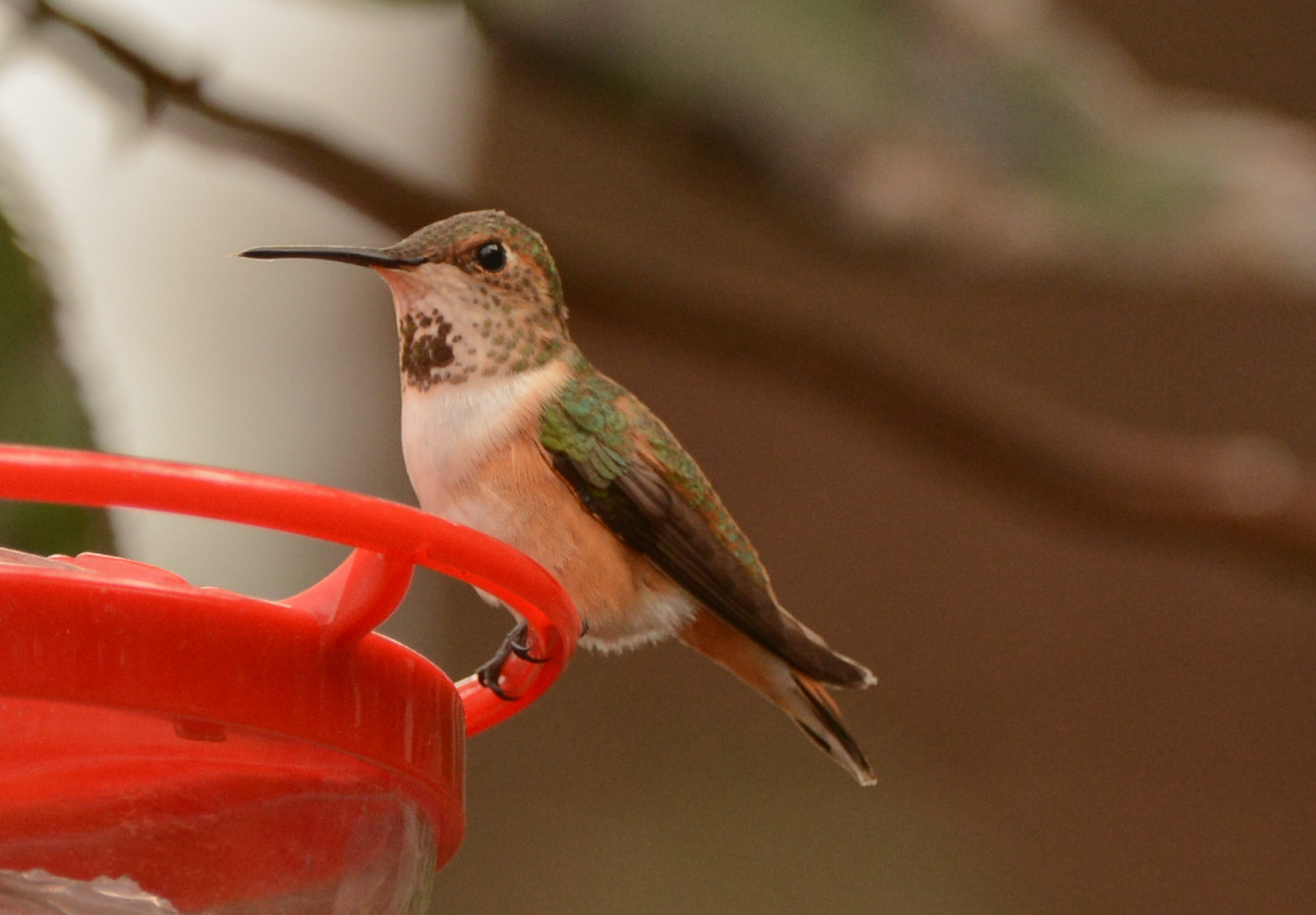
And now for the hummingbird tale, with no accompanying photo.  If you were a female Anna’s hummingbird and you decided to spend the winter here, what is about the best you could do for accommodations?  My wife and I visited Christianson’s Nursery on Superbowl Sunday  : (  and upon entering one of the greenhouses open to the outdoors during the day, experienced a female Anna’s hummingbird zipping through the doorway and landing on one of the plants inside.  We got a good look at it before it zipped to another location in the greenhouse and started feeding on one of the many flowering plants inside!  Nice, safe warm place to spend day (or night) with plenty of food during some of the worst months of the year!

A Beautiful Day!

I’ve been finding it very difficult to get back to my New Mexico photos.  The excuse today was an absolutely gorgeous day with hardly a cloud in the sky.  I got out a little after noon and after striking out in the neighborhood I headed for March Point.  There I found the tide going out and the gulls hard at work making a living off of the mussels on the beach.  I watched them for two different periods of time.  I really enjoy the photography as it’s fun watching the gulls and it’s a little bit like shooting skeet.

(Here’s an unrelated photo jus so I can get a photo up on the top of this post.)  :  )

DSC_8995

But to get on with what I learned today.  I saw several gulls dive into the water and come up with a mussel.  Gulls are naturally buoyant and normally can’t go underwater.  However I noticed several gulls diving from about 5-10′ and disappearing completely into the water, popping up only a couple of seconds later with a mussel in their mouth.  I thought the water was deeper, but judging by the gull’s buoyancy I doubt that the water was more than about 12″ deep.  The interesting part is that they could discern a mussel on the bottom, dive into the water and retrieve it.  I would guess they were successful about 70-80% of the time.  So here are a few of the photos of gulls flying, with all but one having a mussel in its mouth.

gull dropping mussel 20150126-03 gull dropping mussel 20150126-06 gull dropping mussel 20150126-10 gull dropping mussel 20150126-18

If you believe in reincarnation, coming back as a gull would seem to be a pretty good option.  They seem to make a living with relatively little effort, and while maybe not at the top of the list in terms of grace they sure aren’t far from the top!

And the final news.  Despite having photographed this activity (gulls gathering and eating muscles) previously, I had never managed to photograph a gull in the act of dropping a mussel on the rocks below.  It should be an easier photograph because the gulls always stall when they drop the mussel, giving the photographer a brief instant in the action to get a photo.  But for some reason I’ve had a very difficult time getting such a photograph.  My frustration ended today.  Although it’s not the best photograph, it’s good enough to post on the web site.

gull dropping mussel 20150126-09


More Neighborhood Distractions

I had such a successful day last week photographing the male Anna’s hummingbird that I spent portions of following days (several hours all told) attempted to obtain more photographs.  Unfortunately the bird has decided to remain on his high perch and I haven’t once found him back down where those last photographs were taken.  However the activity has kept me in the neighborhood with my camera at the ready,.

On January 21 I happened on a large flock of Pine siskins in a what is apparently a Red alder tree growing in a wetland area.  I was able to park very close to the birds (which were often at my same level) and photograph them at will for 20-30 minutes from a very close distance.  Upon processing the photos at home I found I had taken 135 photographs… necessitating a lot of processing work.  I managed to cull those photographs down to 48 and I should probably take another cut at it.  Here are some of the best…

DSC_8890 DSC_8899 DSC_8902

While I was exploring the neighborhood I drove to Cap Sante Marina to try to get photos of   a pair of Hooded mergansers and Red-breasted mergansers that were touring the marina.  While stalking those birds a Common loon stealthily surfaced very near me so I grabbed a couple of photos of it…

DSC_8939


I’m still trying to get back to some of my New Mexico photos but it just hasn’t happened yet due to these local distractions!