It’s been almost two months since I’ve posted to this web site! May and early June are peak migration months here and I was busy taking, and processing, as many as several hundred photos a day! Other activities such as writing, gardening, hosting one of my sisters and regular household chores occupied additional time. I just didn’t have time for the posting process despite having a very large acquisition of new photos and written documentation for many days. And unfortunately I just don’t have the time to go back and post all of that material. : (
On July 4, 2025, I had a good morning of birding in the yard. By noon I was done with 230+ photos, some of which I consider not only interesting but good. So here are some of my photos for the day:
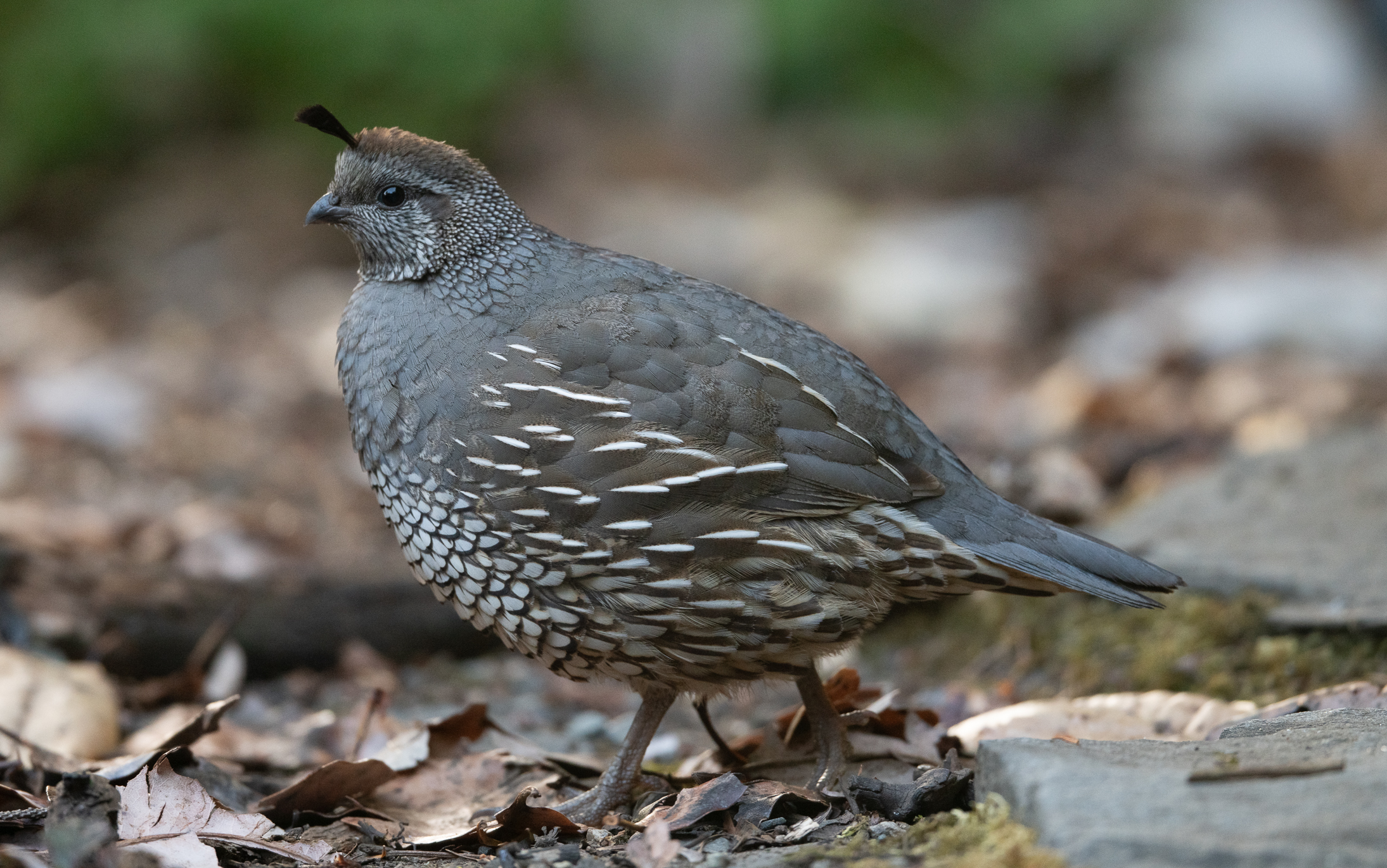
This female California quail was an early visitor (6:45am) and had a mate but no young. Another pair that visit the yard had about a dozen young which are now down to seven. It’ll be a good season if 3-4 survive.
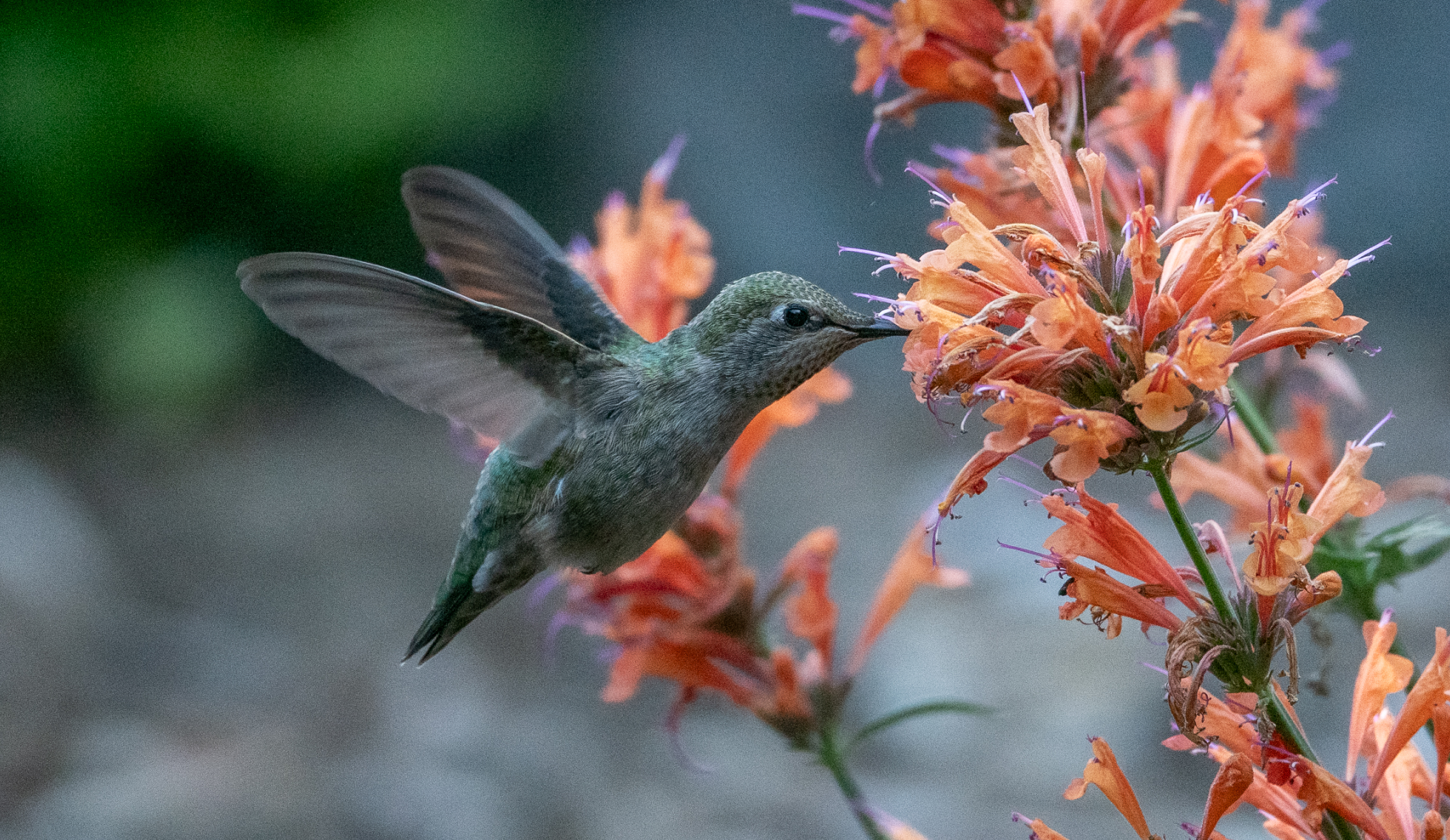
This is a female Anna’s hummingbird feeding on a plant my sister gave me.
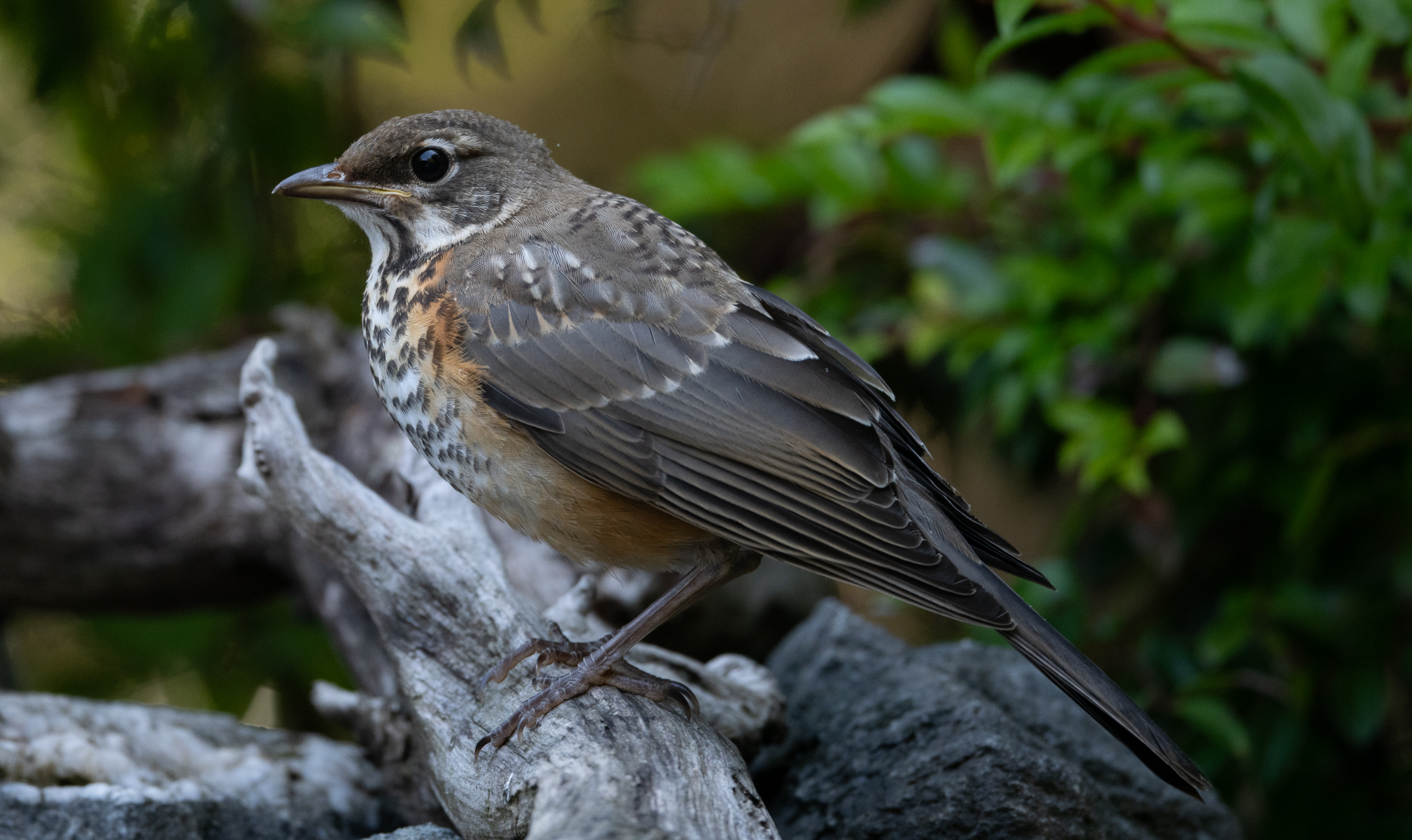
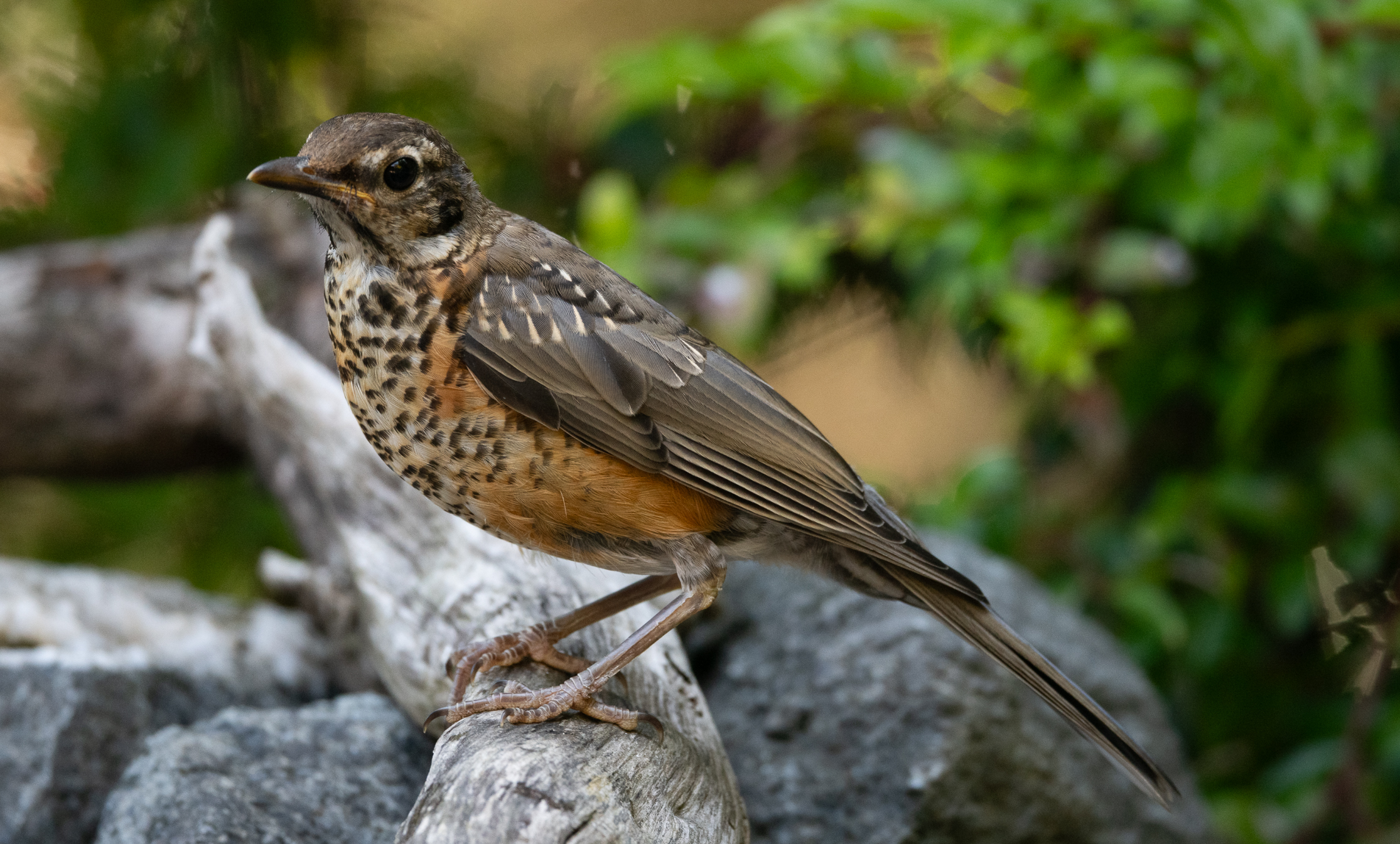
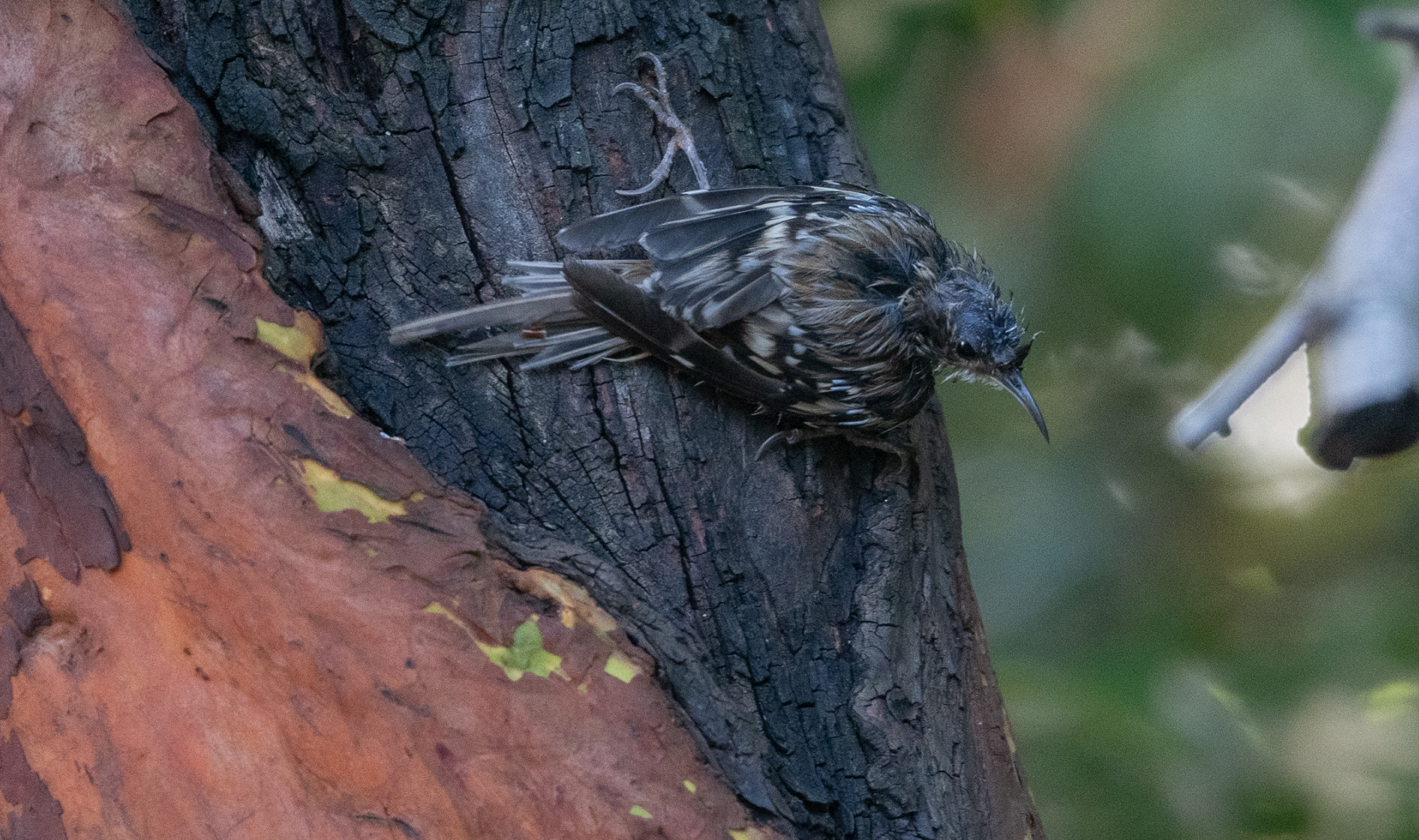
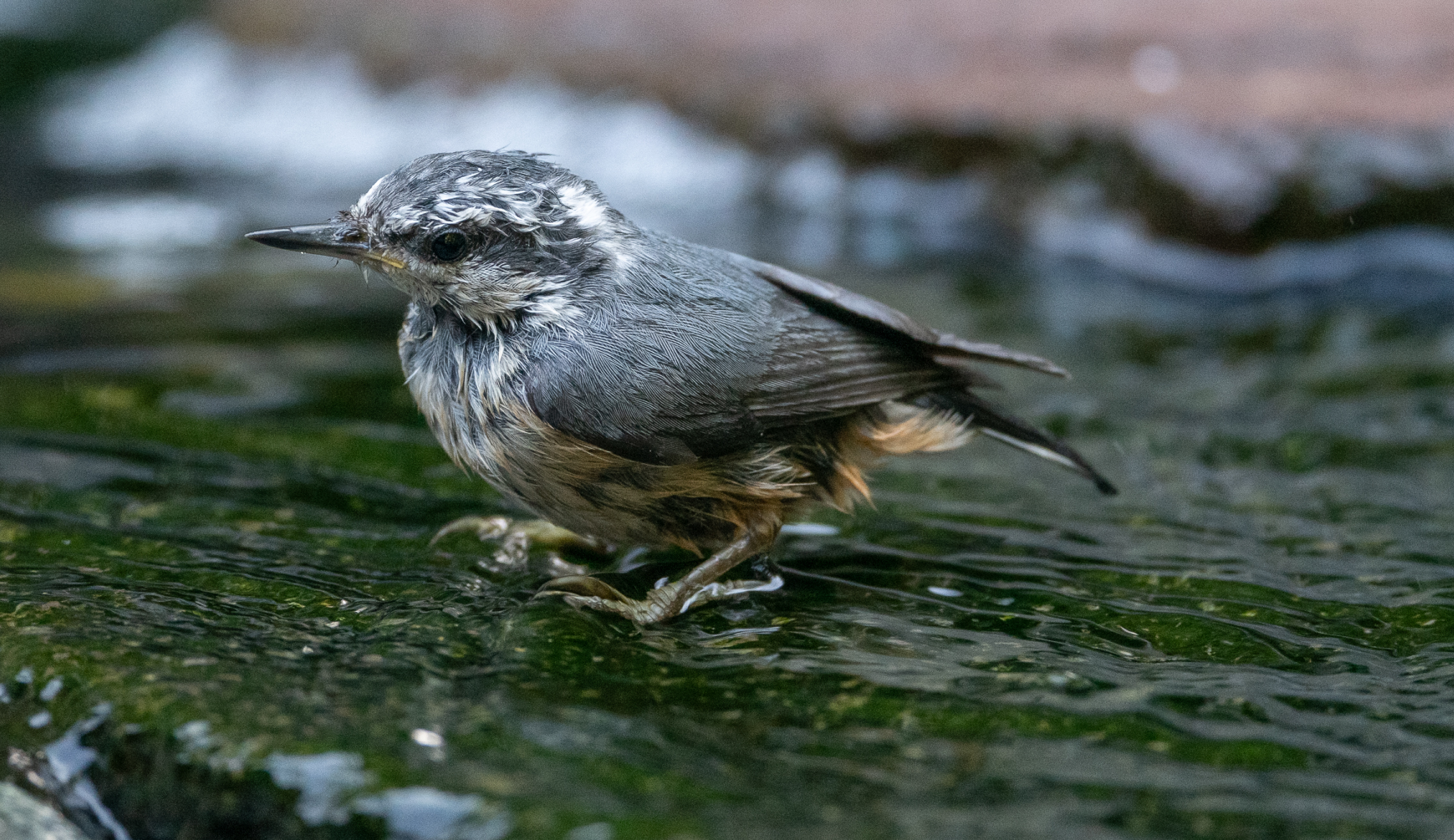
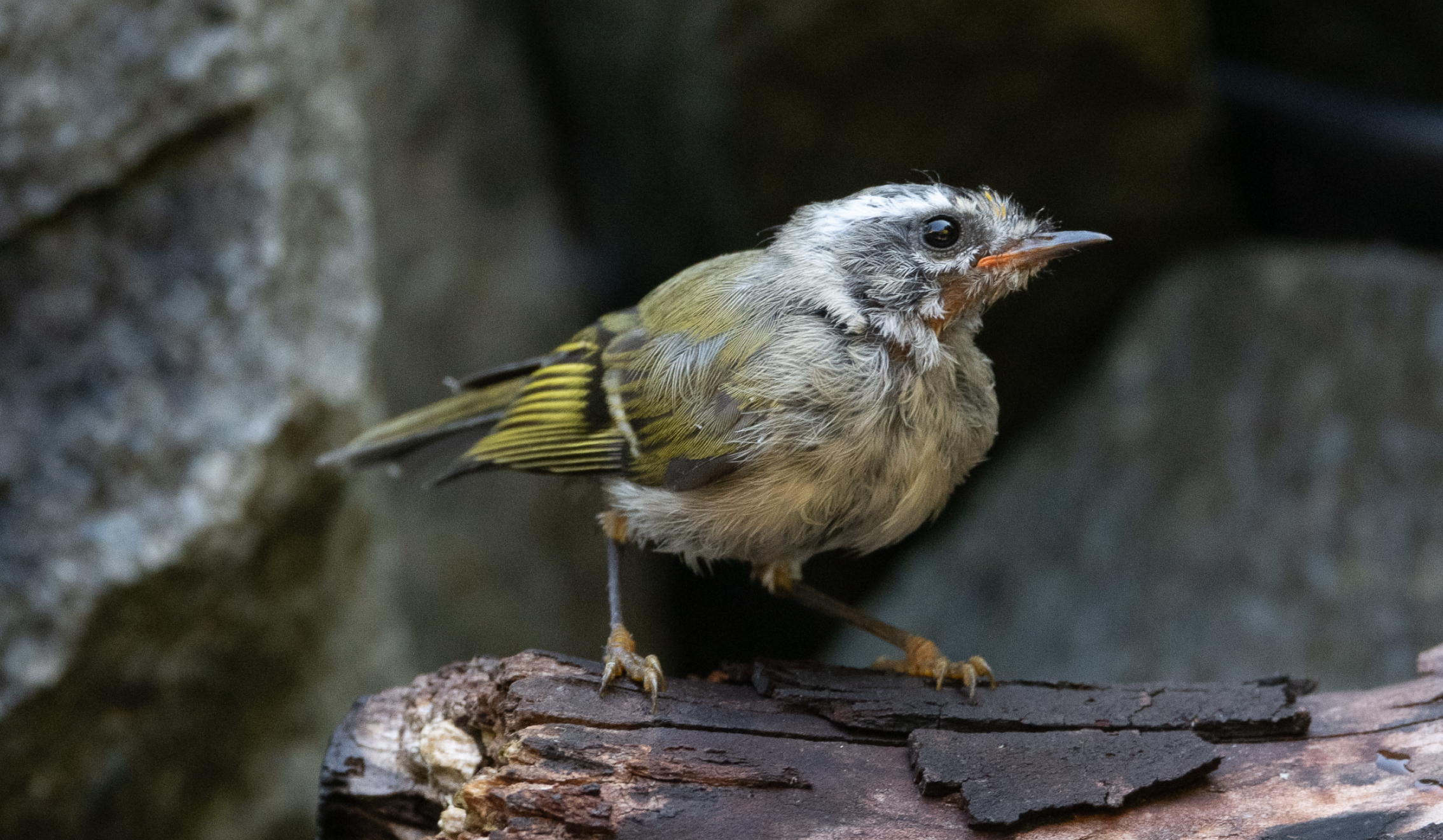
The rest of these photos are of juveniles, part of which make this time of year so interesting!
American robins…
This Brown creeper, what I consider as one of our more interesting birds, can be identified as a juvenile by the lack of feathers on its head.
A Red-breasted nuthatch…
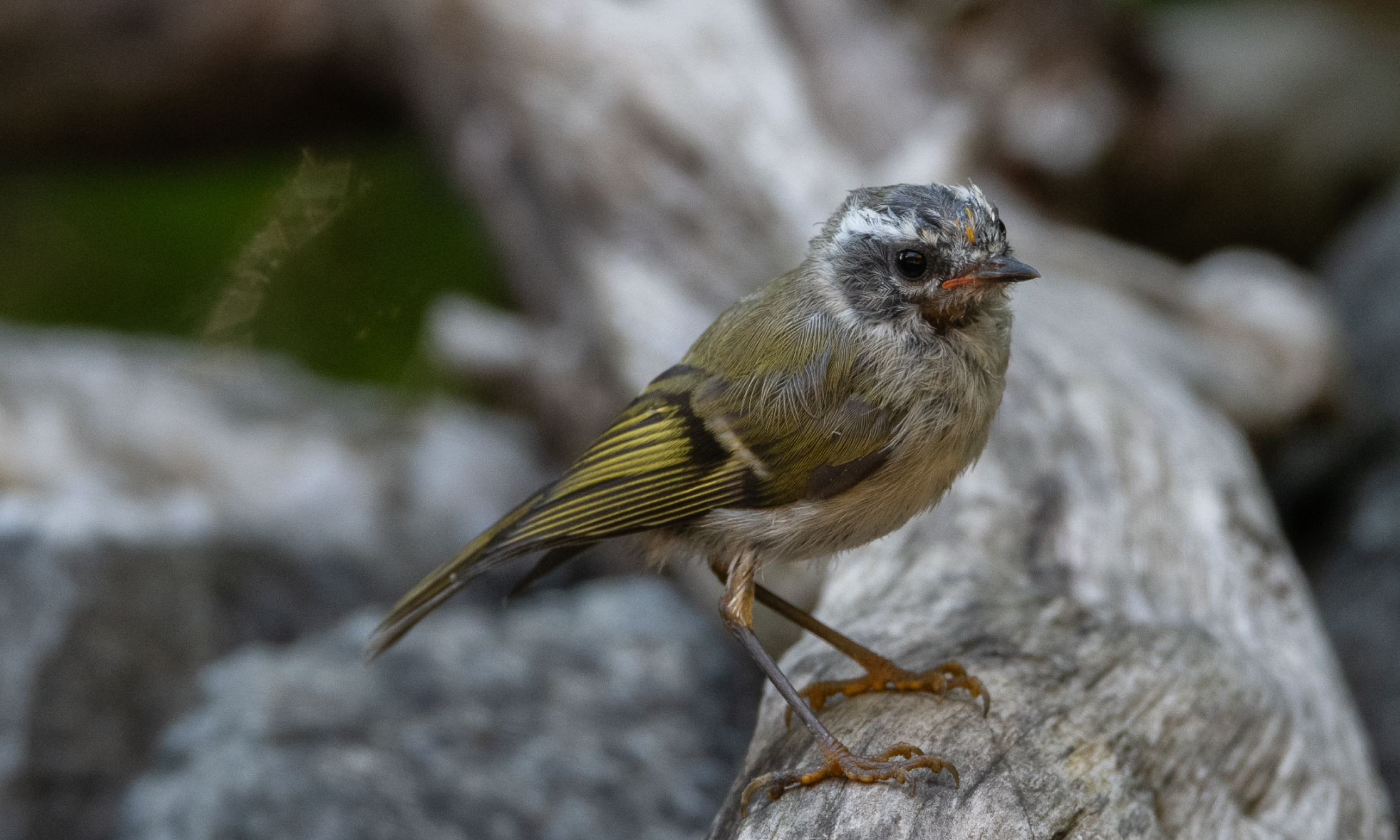
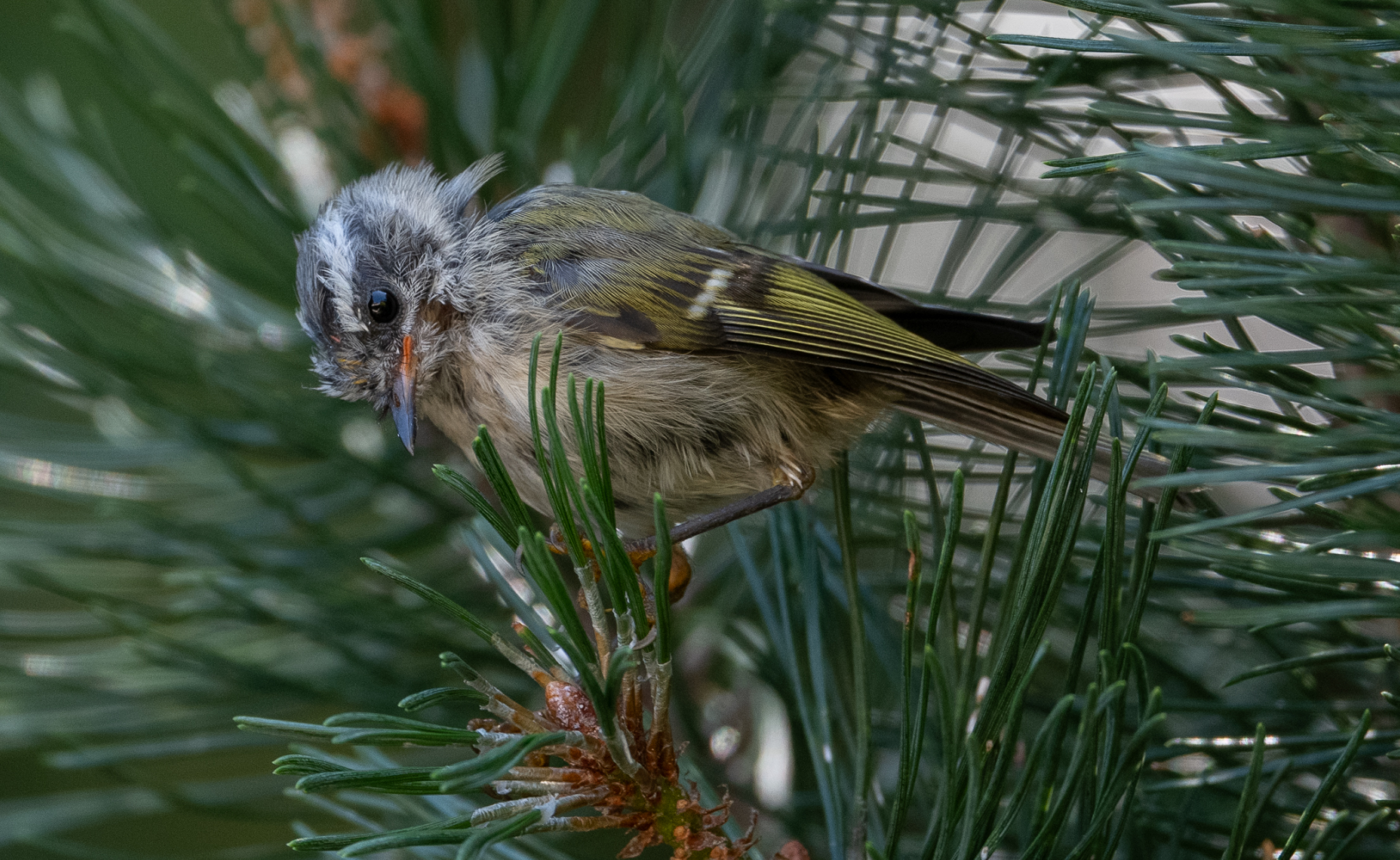
And finally (as it turns out, not quite ‘finally’!), one or more juvenile Golden-crowned kinglets, looking rather disheveled at this stage of their lives.
Oops! Getting old and out of practice! I omitted the most interesting part of this post!
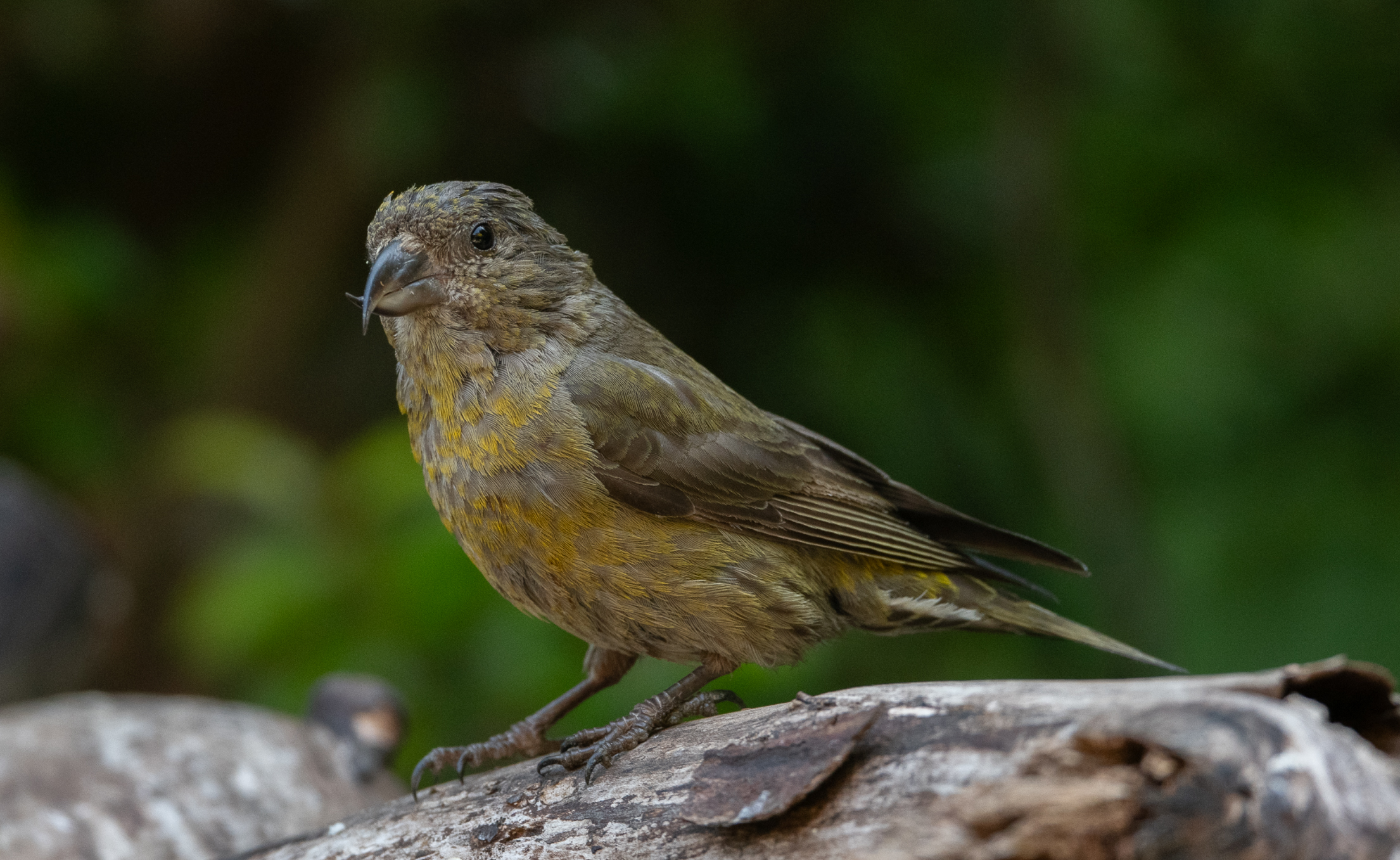
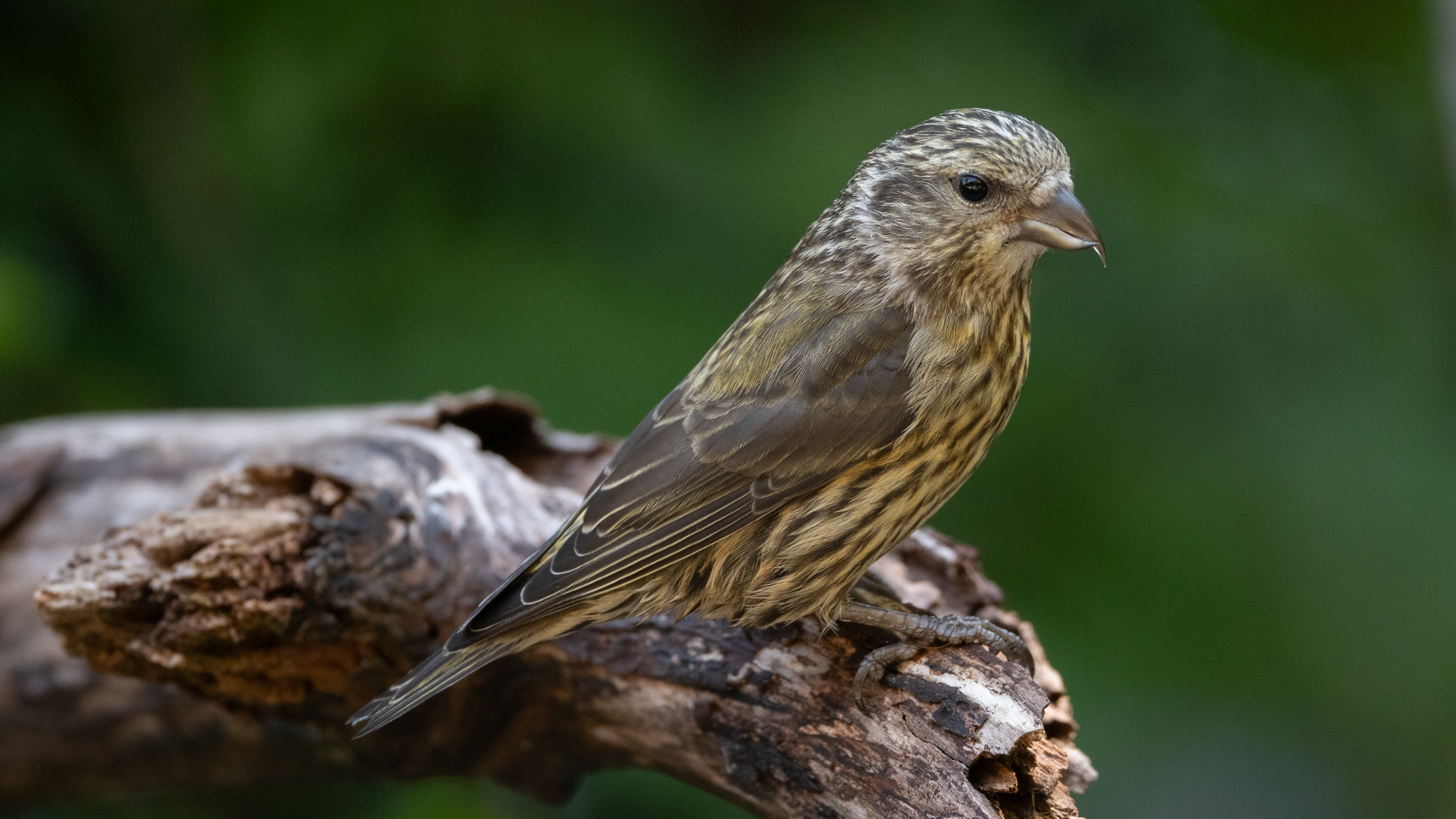
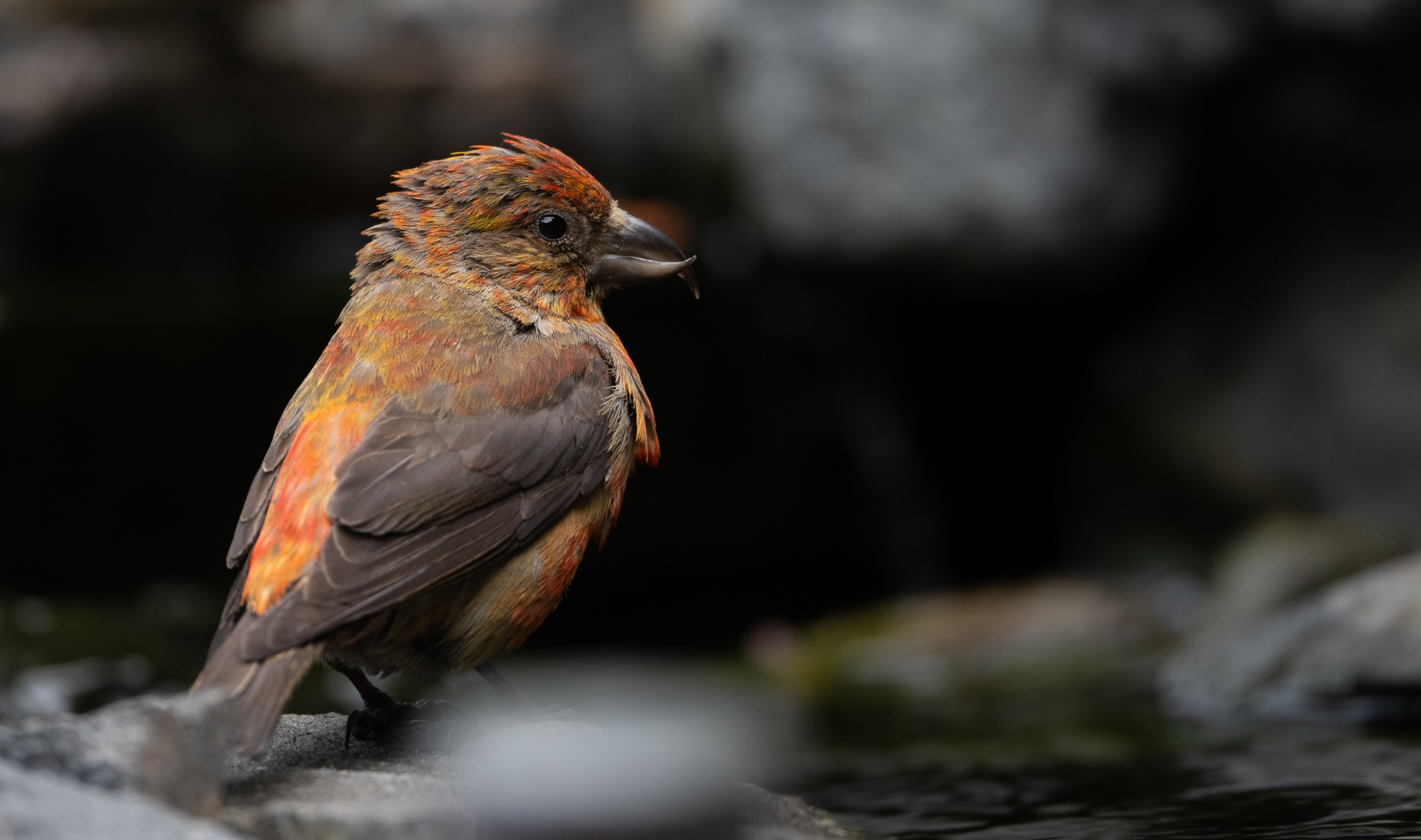
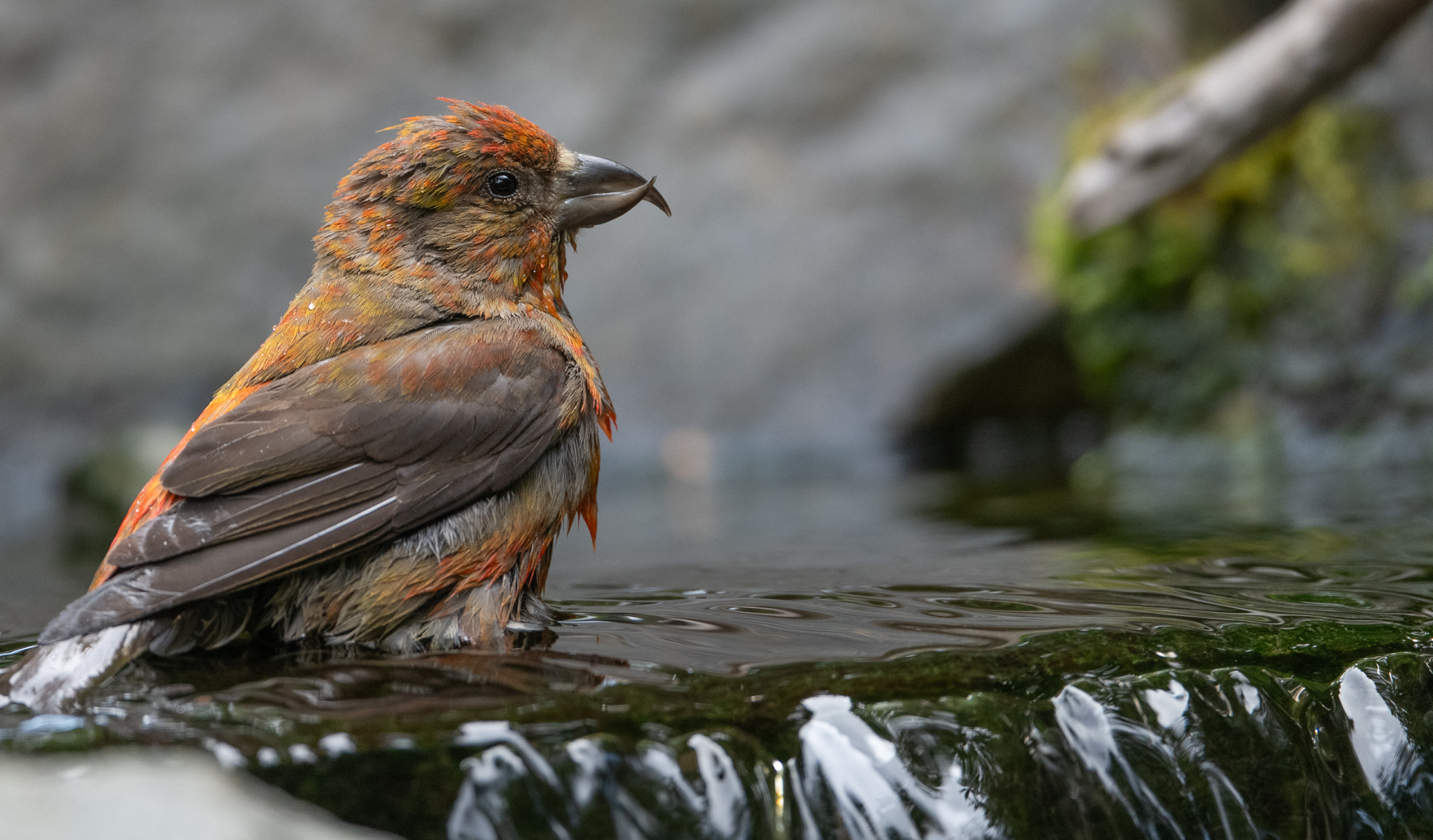
For the past several (6-8) weeks we have had an influx of Red crossbills! These are usually very rare visitors to the yard. In some years I see none! But this year, for some weeks now, I have had numerous daily visits by juvenile crossbills. I have taken many photos. For whatever reason, the adults have either been in short supply or their plumage has not fully developed as far as color is concerned. I might encourage you to access a birding reference guide for a depiction of what the adult male and female of the species should look like.
What follows are July 4 photos of an adult female and a juvenile of indeterminate sex.
Adult males have been especially scarce, with only a handful of sightings and no quality photos… until July 3. On this day I finally had an obvious adult male visit the watercourse for a bath. Fortunately his visit occurred while I was outside with my camera and, as the old saying goes, “I made hay while the sun shined!
And before I go, I had at least two visits from single adult Cedar waxwings on July 1st & 2nd, another rare visiting species.